
India
In response to escalating tensions along the India-Pakistan border, particularly following the tragic Pahalgam terror attack, the Jammu and Kashmir administration has intensified efforts to protect civilians residing in vulnerable border areas. Chief Secretary Atal Dulloo announced that 9,500 bunkers have been constructed along the Indo-Pak border in Jammu and Kashmir, with plans to build more in response to the growing demand from residents exposed to frequent cross-border shelling. These bunkers are designed to provide critical protection for border dwellers, many of whom have suffered injuries, loss of livestock, and significant property damage due to ongoing hostilities. During a visit to the shelling-affected areas in Rajouri and Nowshera sectors, Chief Secretary Dulloo assessed the ground situation firsthand, meeting with affected residents and assuring them of the administration’s unwavering support. He emphasized the government's determination to ensure the safety and welfare of people living in these high-risk zones, promising that there will be no shortfall in the construction of additional bunkers as needed. The chief secretary also visited the Government Medical College in Rajouri to meet with those injured in the recent shelling incidents and commended the district administration for its swift and coordinated response to the crisis. The recent spate of cross-border shelling has resulted in significant civilian casualties and widespread destruction. In the worst-hit districts of Poonch and Rajouri, artillery and mortar fire from across the border have left dozens of homes damaged, forced residents to flee to safer areas, and caused the loss of both lives and livelihoods. Reports indicate that at least 15 civilians have been killed and 43 injured in these attacks, with many more displaced and seeking temporary shelter. The psychological impact has been profound, with families describing harrowing nights spent seeking cover and entire communities relocating from areas within 300 meters of defense installations due to the heightened risk. In response to the humanitarian crisis, the administration has initiated compensation measures for the affected families. The Chief Minister of Jammu and Kashmir, Omar Abdullah, announced an ex-gratia relief of ₹10 lakh for the families of those killed in the shelling, reaffirming the government’s commitment to alleviating the suffering of citizens in the border regions. Relief operations, including the distribution of essential supplies such as food, blankets, and medicines, have also been carried out by the Indian Army and local authorities in the most affected areas, such as Karnah in Kupwara district. The ongoing construction of bunkers, coupled with prompt relief and compensation efforts, underscores the administration’s resolve to protect and support border residents amid persistent security challenges. The government continues to monitor the situation closely, pledging all necessary assistance to those impacted by the violence and reiterating its commitment to the safety and rehabilitation of the affected communities.
Read More → Posted on 2025-05-14 14:44:50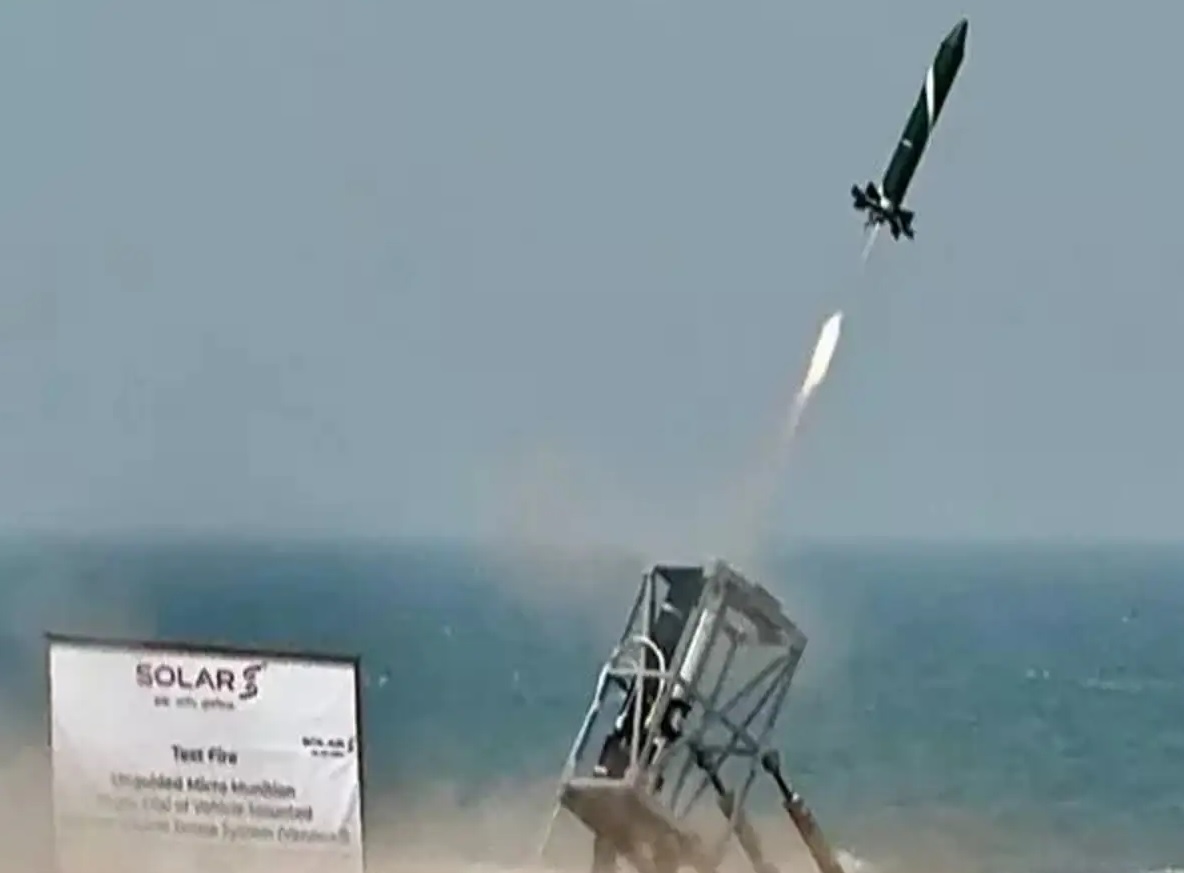
India
India has achieved a significant milestone in defense technology with the successful test-firing of its homegrown counter-drone system, 'Bhargavastra'. Developed by Solar Defence and Aerospace Limited (SDAL), this low-cost, hard-kill system is designed to neutralize the growing threat of drone swarms. Successful Trials in Odisha On May 13, 2025, the Bhargavastra system underwent rigorous testing at the Seaward Firing Range in Gopalpur, Odisha. Three trials were conducted in the presence of senior officials from the Army Air Defence (AAD). Two trials involved firing a single micro-rocket each, while the third trial tested the system's salvo mode by launching two rockets within two seconds. All four rockets met their intended performance parameters, demonstrating the system's effectiveness in neutralizing drone threats. Advanced Features and Capabilities Bhargavastra employs a two-layered defense approach: First Layer: Utilizes unguided micro-rockets with a lethal radius of 20 meters, capable of neutralizing multiple drones simultaneously within a range of up to 2.5 kilometers. Second Layer: Incorporates guided micro-missiles for precise targeting of individual drones, enhancing the system's accuracy and effectiveness. The system's radar can detect medium to large unmanned aerial vehicles (UAVs) up to 10 kilometers away, while its Electro-Optical/Infrared (EO/IR) sensors allow for precise detection of low radar cross-section targets. Bhargavastra is also equipped with a sophisticated Command-and-Control Centre featuring advanced C4I (Command, Control, Communications, Computers, and Intelligence) technology, providing comprehensive situational awareness. Modular and Adaptable Design Designed for deployment across diverse terrains, including high-altitude regions above 5,000 meters, Bhargavastra's modular architecture allows for customization based on mission requirements. The system can integrate additional soft-kill measures such as jamming and spoofing to provide a comprehensive defense against UAV threats. Its sensors and launchers can be configured as per user requirements, enabling layered and tiered air defense coverage. A Step Forward in Indigenous Defense Technology The successful testing of Bhargavastra marks a significant advancement in India's defense capabilities, aligning with the nation's 'Make in India' initiative. By developing an indigenous, cost-effective solution to counter modern aerial threats, India strengthens its position in the global defense landscape and enhances its national security infrastructure. Bhargavastra's development and successful testing underscore India's commitment to self-reliance in defense technology and its ability to innovate in response to emerging threats in modern warfare.
Read More → Posted on 2025-05-14 14:41:35
India
India is poised to make a significant leap in marine exploration with the launch of its first manned deep ocean mission, Samudrayaan, by the end of 2026. Spearheaded by the National Institute of Ocean Technology (NIOT) under the Ministry of Earth Sciences, this ambitious endeavor aims to explore the uncharted depths of the ocean, reaching up to 6,000 meters beneath the surface. The Matsya 6000: A Technological Marvel Central to the Samudrayaan mission is the indigenously developed submersible, Matsya 6000. This advanced, 25-ton, fourth-generation vehicle is designed to carry three scientists into the deep sea. Its robust titanium hull, measuring 2.1 meters in diameter, is engineered to withstand the immense pressures found at such depths, ensuring the safety and comfort of its occupants. The submersible is equipped with a suite of cutting-edge technologies, including: Navigation and Communication Systems: Advanced tools for precise maneuvering and real-time communication with the surface vessel. Environmental Monitoring Sensors: Instruments to study the deep-sea environment, including temperature, pressure, and chemical composition. Safety Mechanisms: Redundant systems to ensure crew safety, including emergency life support capable of sustaining life for up to 96 hours. Mission Objectives and Phases The Samudrayaan mission is structured in phases to ensure safety and mission success: Initial Trials: A critical 500-meter depth trial is scheduled by the end of this year to test the submersible's capabilities. Deep-Sea Exploration: Following successful trials, the mission will proceed to its ultimate goal of reaching 6,000 meters depth, with each descent and ascent estimated to take about four hours. The mission's primary objectives include: Resource Assessment: Collecting samples to evaluate both living (biotic) and non-living (abiotic) resources on the ocean floor. Scientific Research: Studying deep-sea ecosystems to enhance our understanding of marine biodiversity. Economic Development: Exploring the potential for deep-sea tourism and contributing to India's blue economy initiatives. Complementary Innovations: Samudrajivah In tandem with Samudrayaan, NIOT is developing Samudrajivah, an innovative technology aimed at revolutionizing offshore fish farming. This system employs electronically monitored submerged fish cages equipped with sensors to remotely monitor fish biomass, growth, movement, and water quality. Currently in the demonstration phase, Samudrajivah holds promise for enhancing India's food security and promoting sustainable development in the marine fisheries sector. A Step Towards Sustainable Ocean Exploration The integration of Samudrayaan and Samudrajivah represents a significant stride in India's commitment to sustainable ocean exploration and utilization. By harnessing indigenous technology and scientific expertise, these initiatives aim to unlock the vast potential of the deep sea, contributing to economic growth, environmental conservation, and the advancement of marine sciences. As India embarks on this pioneering journey, the Samudrayaan mission stands as a testament to the nation's growing capabilities in deep-sea exploration and its dedication to understanding and preserving the ocean's mysteries.
Read More → Posted on 2025-05-14 14:35:49
India
On May 10, 2025, the Indian Air Force (IAF) executed a precise and strategic airstrike on Pakistan Air Force (PAF) Base Bholari in Sindh province. This operation resulted in the destruction of a crucial SAAB 2000 Erieye Airborne Early Warning and Control (AEW&C) aircraft, significantly impairing Pakistan's aerial surveillance capabilities. Background of the Operation The strike was part of India's broader military response, codenamed 'Operation Sindoor2', initiated after a terrorist attack in Pahalgam on April 22, which claimed 26 civilian lives. The IAF's objective was to neutralize key assets that could aid Pakistan in coordinating further hostile activities. The Erieye AEW&C System The Erieye system, mounted on a SAAB 2000 aircraft, is integral to Pakistan's air defense. It provides extensive radar coverage, enabling real-time tracking of aerial threats and coordination of air operations. The loss of such a system represents a significant setback for the PAF's situational awareness and command capabilities. Execution of the Strike Intelligence reports indicated that the Erieye aircraft, call sign “Overlord 3”, had landed at Bholari after a prolonged mission. Contrary to standard wartime procedures, which advocate for rapid refueling and redeployment, the aircraft was stationed in a hangar for data analysis and preparation for its next sortie. This deviation provided the IAF with a critical opportunity. Utilizing a Sukhoi Su-30 MKI fighter jet, the IAF launched a precision-guided air-launched cruise missile, likely a BrahMos, targeting the hangar housing the Erieye. Satellite imagery corroborated the destruction of the hangar and the aircraft within. Consequences and Strategic Implications The strike resulted in the elimination of one of Pakistan's nine Erieye systems, thereby diminishing its aerial surveillance and battle management capabilities. Additionally, the attack claimed the lives of Squadron Leader Usman Yousaf and at least four other PAF personnel. This operation underscores a significant tactical oversight by the PAF in asset protection during heightened tensions. It also highlights the IAF's focus on degrading Pakistan's command, control, communications, computers, intelligence, surveillance, and reconnaissance (C4ISR) infrastructure, reflecting the evolving dynamics of modern aerial warfare. As the situation continues to develop, the Bholari strike serves as a stark reminder of the critical importance of operational readiness and asset security in contemporary military engagements.
Read More → Posted on 2025-05-14 14:32:56
India
During a recent high-stakes military operation called Operation Sindoor, the Indian Armed Forces demonstrated how space technology has become a crucial part of modern warfare. This operation marked a significant chapter in India’s defense history, showcasing how indigenous space assets and international satellite resources can work together to strengthen national security. How Space Technology Played a Role In this carefully coordinated mission, India’s armed forces relied heavily on both domestic and international satellites for surveillance, intelligence gathering, reconnaissance, communication, and precision targeting. The integration of these technologies allowed commanders to plan and execute the operation with pinpoint accuracy and real-time updates from space. At the heart of this effort was ISRO (Indian Space Research Organisation), which provided valuable satellite data through its network of strategic and commercial space assets. Key Indian Satellites Involved 1️⃣ CARTOSAT Series:These high-resolution earth observation satellites provided detailed images and video feeds. Particularly, CARTOSAT-2C offered imagery with a sharp resolution of 0.65 metres, enabling military planners to identify targets, monitor enemy positions, and study terrain features with great clarity. This series has previously supported major missions, including the 2016 Surgical Strike. 2️⃣ RISAT Series:The Radar Imaging Satellite (RISAT) family proved essential in situations where weather or darkness might hamper visibility. Its radar-based imaging capability allowed continuous monitoring of enemy activities, troop movements, and strategic locations, both day and night, and in all-weather conditions. 3️⃣ GSAT Series:To ensure secure and uninterrupted communication between operational command centers and troops on the ground, the GSAT family of satellites played a vital role. These satellites provided encrypted communication links, enhancing coordination across different units and reducing the risk of data interception. Use of International and Commercial Satellites To increase the frequency and detail of surveillance, India also acquired commercial satellite data from global providers: Maxar Technologies, a US-based satellite imaging company, supplied high-resolution images at a faster rate than India’s own satellites could provide. This enabled near-real-time tracking of high-interest areas. Data from Sentinel satellites operated by Europe and another unnamed US-based commercial source further strengthened India’s multi-layered intelligence network. This approach solved one of the key limitations of domestic satellites — which typically pass over a specific location only once in 14 days — by filling the gaps with commercial satellite images, which can be updated multiple times a day. A Fully Mobilized Space Force According to ISRO officials, all available strategic space assets — estimated at around 9 to 11 dedicated military satellites — were mobilized for Operation Sindoor. ISRO also facilitated access to repeatable commercial data streams, ensuring that the Indian armed forces had a continuous flow of information during critical phases of the operation. What Lies Ahead for India’s Military Space Power India isn’t stopping here. Plans are in place to further strengthen its military space program: The upcoming EOS-09 (RISAT-1B) satellite will be equipped with a powerful C-band Synthetic Aperture Radar, giving India enhanced surveillance capability even in bad weather and darkness. In the next five years, India aims to launch 100-150 satellites, including 52 under the Space-Based Surveillance-3 (SBS-3) program. This expansion will involve increased participation from private space companies, signaling a new era for India’s space defense sector. A New Benchmark in Modern Warfare Operation Sindoor set a new benchmark in how space technology can shape military outcomes. By effectively combining ISRO’s domestic satellites with commercial satellite imagery from international providers, India achieved superior situational awareness, precision strikes, and efficient command and control capabilities. This operation not only highlights India’s growing prowess in space-based military operations but also underlines the importance of space as a critical domain in national defense. With ongoing investments in new satellites and space surveillance programs, India is well on its way to becoming a formidable force in space-supported warfare.
Read More → Posted on 2025-05-13 16:46:52
India
In a significant revelation, Indian Space Research Organisation (ISRO) Chairman V Narayanan announced that ten satellites are operating around the clock to ensure the safety and security of India's citizens. This announcement comes amidst heightened tensions with Pakistan, following recent cross-border incidents. The Role of Satellites in National Security During a convocation ceremony at the Central Agricultural University in Imphal, Narayanan emphasized the critical role of satellite and drone technology in modern defense strategies. He highlighted the necessity of monitoring India's extensive 7,000 km coastline and the northern borders, stating that without such technology, comprehensive surveillance would be unattainable. The satellites in operation include high-resolution imaging satellites like the Cartosat and RISAT series, which provide detailed images for surveillance purposes. Communication satellites such as GSAT-7 and GSAT-7A facilitate secure military communications, while the NavIC system offers precise navigation capabilities essential for defense operations. Operation Sindoor: A Demonstration of Strategic Capability The announcement aligns with India's recent military initiative, Operation Sindoor, launched on May 7, 2025, in response to a terrorist attack in Pahalgam that resulted in the loss of 26 civilian lives. The operation targeted terrorist infrastructure in Pakistan and Pakistan-occupied Kashmir, utilizing advanced weaponry and intelligence gathered through satellite surveillance. India reported the destruction of multiple terrorist camps, dealing a significant blow to groups like Jaish-e-Mohammed and Lashkar-e-Taiba. The precision and effectiveness of the strikes underscored the pivotal role of satellite intelligence in modern warfare. Maintaining Vigilance Amid Ceasefire Following the operation, a ceasefire was brokered on May 10, 2025. However, Indian officials remain cautious, noting that any violations will be met with appropriate responses. The continuous operation of these satellites ensures that India maintains real-time surveillance over sensitive regions, ready to detect and respond to any threats promptly. ISRO's Commitment to National and Global Security Beyond defense, ISRO is also focusing on global challenges. The organization is developing a satellite aimed at assisting G20 countries in monitoring climate change and air pollution, reflecting India's commitment to addressing environmental issues on an international scale. Since launching its first satellite in 1975, ISRO has made significant strides, developing over 130 satellites to date. The agency's plans to establish India's first space station by 2040 further demonstrate its dedication to advancing space technology for both national security and global cooperation. In an era where technology is integral to national defense, ISRO's continuous efforts in satellite development and deployment play a crucial role in safeguarding India's sovereignty and contributing to global security initiatives.
Read More → Posted on 2025-05-13 16:41:38
India
In a notable shift in India’s defence procurement strategy, the Indian Army has advised the Ministry of Defence (MoD) to reconsider plans for acquiring Stryker Armored Personnel Carriers (APCs) from the United States. This recommendation comes in the wake of disappointing performance by the American vehicles during high-altitude trials, where they failed to meet the Army’s stringent operational standards. Initially considered for acquisition through a government-to-government deal with the U.S., the Stryker is an 8×8 wheeled infantry fighting vehicle manufactured by General Dynamics Land Systems. Known for its extensive use by the U.S. military, the Stryker was viewed as a potential solution for India’s mountain warfare requirements. However, during trials conducted in late 2024 in the challenging high-altitude regions of Ladakh, the vehicle’s limitations became evident. Powered by a Caterpillar C7 engine with a power range of 300-360 horsepower, the Stryker struggled with mobility and power in the demanding mountainous terrain. This was a critical issue, as high-altitude operational capability is a non-negotiable requirement for India, which faces ongoing security challenges along its northern borders. Despite suggestions of a potential engine upgrade to 600 horsepower for re-trials, the Army’s evaluation team identified persistent issues affecting the vehicle's performance. These trials highlighted a fundamental design disconnect — the Stryker, built for U.S. expeditionary warfare, lacked the logistical suitability for India’s rugged and diverse operational landscapes. Some defence analysts have since questioned why the MoD initially considered the foreign platform, especially when India possesses capable domestic alternatives. Rather than investing in the foreign-made Stryker, the Army is now advocating for the Advanced Armoured Platform (AAP) Wheeled variant, a new and improved version of the indigenous Wheeled Armoured Platform (WhAP) 8×8. This decision aligns with India’s broader push for self-reliance in defence manufacturing under the "Atmanirbhar Bharat" initiative. The AAP Wheeled is being developed by the Defence Research and Development Organisation (DRDO) in collaboration with leading private sector defence firms, including Tata Advanced Systems and Bharat Forge. The metal-cutting ceremony for the AAP prototypes (both wheeled and tracked versions) took place on April 2, 2025, at Tata’s Pune facility, with a targeted rollout by October 2025. Based on the proven WhAP 8×8, which is already in limited service with the Indian Army and paramilitary forces, the AAP offers significant enhancements. It is designed for superior mobility, modularity, and scalability, making it adaptable for various combat roles. Built with robust steel armour and lightweight composite materials, it is specifically tailored to Indian operational conditions. Additionally, it boasts enhanced mine blast protection and can be equipped with advanced weapon systems, including anti-tank guided missiles (ATGMs). A major advantage of the AAP is its high degree of indigenous content, with over 80% of its components sourced locally. This not only ensures cost efficiency but also reduces India’s dependence on foreign suppliers. The Army is expected to initially procure 198 units of the WhAP under the Buy (Indian-IDDM) category, a move that underscores its commitment to indigenous defence capabilities. Platforms like Tata’s Kestrel, a WhAP derivative, and another wheeled armoured platform from Mahindra are seen as strong contenders for this requirement, further reducing the chances of a Stryker deal. The Army’s decision to back the AAP over the Stryker is a clear message — India’s defence forces are prioritising homegrown solutions that are better suited to the country’s unique operational environment. This strategic move not only strengthens India’s self-reliance in defence production but also ensures that the nation’s armed forces are equipped with combat vehicles optimised for their specific mission profiles.
Read More → Posted on 2025-05-13 16:33:02
India
India has launched an ambitious and accelerated initiative to enhance its satellite-based surveillance capabilities, marking a significant shift in its approach to national security and intelligence gathering. This ₹22,500-crore ($3 billion) project, known as the Space Based Surveillance (SBS-3) program, was green-lit by the Cabinet Committee on Security in October 2024, following heightened tensions with Pakistan and the aftermath of Operation Sindoor. The Space Based Surveillance (SBS-3) program involves the production of 52 spy satellites, with 31 assigned to three private companies and the remaining 21 to be developed by the Indian Space Research Organisation (ISRO). This rapid development initiative reflects a growing sense of urgency among India’s defense and intelligence agencies, who recognized the need for enhanced surveillance capabilities in light of recent cross-border hostilities. Originally planned for completion in four years, the government has now compressed the timeline to just 12-18 months, aiming for operational readiness by the end of 2026 or even earlier. This drastic reduction in development time demonstrates India's determination to bolster its real-time intelligence capabilities, particularly along sensitive border regions with Pakistan and China. Equipped with advanced technologies, including artificial intelligence (AI) and high-resolution radar imaging, these satellites will provide round-the-clock surveillance of India’s borders. They will monitor cross-border movements, detect military installations, and even track mobile assets like warships and missile launchers. The enhanced surveillance capabilities are expected to significantly improve India’s geo-intelligence and strengthen its deterrence against potential threats. Beyond defense, these satellites will also support disaster management, providing critical data during natural calamities such as floods and earthquakes. The SBS-3 constellation will assist relief operations by delivering real-time information to decision-makers, enabling faster and more effective responses. A standout feature of the SBS-3 satellites is their integration of AI, which allows them to communicate and collaborate while in orbit. This enables more effective intelligence gathering, with higher-orbit satellites directing lower-orbit ones to focus on points of interest and transmit crucial data to ground stations. Such a networked approach is expected to provide India with unmatched precision in surveillance and intelligence collection. The SBS-3 project also represents a significant public-private partnership, with 31 of the satellites being developed by three private companies—Anant Technologies, Centum Electronics, and Alpha Design Technologies—all of which have previously contributed to major ISRO missions. This collaboration underscores the Indian government’s strategy of leveraging domestic industry expertise to accelerate technological advancement. To ensure the rapid deployment of these satellites, India has sought support from Elon Musk’s SpaceX, which will provide launch services alongside ISRO’s Satish Dhawan Space Centre. Depending on mission requirements, satellite launches will use both ISRO’s LVM3 heavy rocket and SpaceX’s launch vehicles. Strict deadlines have been set, with each satellite launch requiring approval from the Ministry of Defence, highlighting the project's critical importance to national security. However, the compressed timeline of 12-18 months presents significant challenges. Building and deploying 52 satellites within such a short period is a monumental task, potentially straining resources and raising concerns about quality control. Nevertheless, the Indian government and its private partners are confident in their ability to meet the ambitious deadline. While the program's primary focus is on enhancing surveillance capabilities along India’s borders, it also has broader implications. The SBS-3 system will transform critical infrastructure management in India, providing valuable data for agriculture, forestry, coastal surveillance, and environmental monitoring. Such applications are expected to boost the country’s resilience and support sustainable development. Moreover, the SBS-3 initiative highlights India's emergence as a major player in the global space sector. By relying on a mix of domestic capabilities and international partnerships, India is reducing its dependence on foreign technology while asserting greater autonomy in space operations. The government’s emphasis on local manufacturing and stringent security protocols ensures that the benefits of this program extend beyond defense, fostering innovation, job creation, and technological self-reliance. In essence, India’s accelerated SBS-3 spy satellite program is a transformative move, enhancing national security, bolstering disaster management capabilities, and strengthening the country’s position as a rising power in the space and security domains.
Read More → Posted on 2025-05-13 16:30:39
India
In a significant escalation of aerial warfare in South Asia, the Pakistan Air Force (PAF) confirmed the first-ever combat use of the Chinese PL-15 long-range air-to-air missile against India. This development occurred following India's targeted strikes on nine terror camps within Pakistan and Pakistan-occupied Kashmir (PoK). The confirmation also validated earlier speculations about missile debris found in Punjab's Hoshiarpur and Bathinda districts, marking the PL-15's debut in actual combat. The Incident and Immediate Aftermath On the night following India's airstrikes, Pakistani fighter jets, including J-10 and JF-17 models, along with US-supplied F-16Vs, engaged Indian Air Force (IAF) aircraft near the border. During this engagement, the PAF launched PL-15E missiles—the export variant of China's advanced beyond-visual-range air-to-air missile. Pakistan claimed to have downed several Indian aircraft, including Rafale and Su-30MKI fighters; however, independent verification of these claims proved to be unfounded. Fragments of the PL-15 missile, including a largely intact rear section and guidance components, landed in Indian territory, specifically in Hoshiarpur, Punjab. Indian Air Force teams secured and reportedly neutralized the missile, with photographic and video evidence confirming the recovery of critical components. While the Indian government has not officially acknowledged the recovery, the presence of the missile on Indian soil provides direct evidence of its combat use. PL-15 Missile: Capabilities and Significance The PL-15, also known as "Thunderbolt-15," is a long-range, radar-guided, beyond-visual-range air-to-air missile developed by China's 607 Institute and manufactured by the China Aerospace Science and Industry Corporation (CASIC). Key features include: Range: The domestic Chinese version is believed to have a range of 200–300 km, while the export PL-15E variant supplied to Pakistan has a declared maximum range of 145 km, with operational ranges likely between 100–120 km depending on launch conditions. Speed: Capable of speeds exceeding Mach 5, thanks to its dual-pulse solid-propellant rocket motor. Guidance: Employs an active electronically scanned array (AESA) radar seeker with both active and passive modes, offering strong resistance to electronic countermeasures and the ability to receive mid-course updates via a two-way data link from the launch platform or AWACS support. Warhead: Equipped with a 20–25 kg high-explosive fragmentation warhead designed to destroy maneuvering aerial targets. The PL-15 is considered a technological leap over previous Chinese air-to-air missiles and is seen as a direct competitor to the US AIM-120 AMRAAM and India's Astra BVR missile. How India Jammed the PL-15 Missile Mid-Air India's successful neutralization of the PL-15 missile mid-air is attributed to its advanced electronic warfare (EW) capabilities and integrated air defense systems. The IAF likely employed a combination of ground-based and airborne EW systems to detect, track, and disrupt the missile's guidance systems. The PL-15's guidance relies heavily on its AESA radar seeker and mid-course updates via data links. By jamming these signals, India effectively blinded the missile, causing it to lose track of its target and crash without detonation. The recovery of an intact missile provides India with a rare opportunity to study and understand the missile's technology, potentially leading to the development of more effective countermeasures and indigenous missile systems. Strategic and Technological Implications The recovery of an intact PL-15 missile is a significant intelligence windfall for India. By analyzing its seeker, propulsion, datalink, and electronic counter-countermeasures, Indian scientists can: Develop more advanced indigenous BVR missiles (e.g., Astra MK-2/MK-3). Enhance electronic warfare and countermeasure capabilities to better protect IAF assets. Fine-tune air defense systems like the S-400 to intercept similar threats. Share technical insights with strategic allies (e.g., the US, France, Israel), potentially gaining access to complementary technologies and strengthening partnerships. Understanding the PL-15's operational characteristics will also help Indian pilots adapt tactics for future engagements with adversaries fielding similar technology, including Chinese J-20 or J-16 jets. Conclusion Pakistan's acknowledgment of using the Chinese PL-15 missile against India marks a watershed moment in South Asian air combat and missile technology proliferation. It highlights the rapidly evolving military balance in the region, the risks of escalation, and the critical importance of technological intelligence in modern warfare. For India, the incident offers both a challenge and a rare opportunity to study one of China's most advanced air-to-air weapons firsthand.
Read More → Posted on 2025-05-11 06:42:27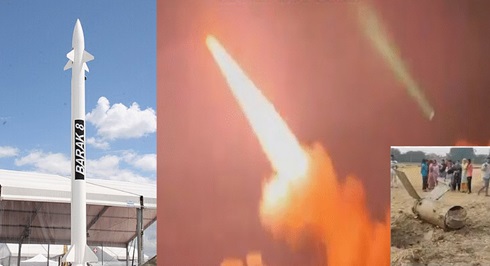
India
In a remarkable display of India's advanced air defence capabilities, multiple Fatah-1 and Fatah-II surface-to-surface missiles launched by Pakistan were successfully intercepted by India's Akash and Barak-8 missile systems. These interceptions occurred over strategic locations, including Haryana's Sirsa, effectively neutralizing threats aimed at critical military and civilian infrastructures. Pakistan's Offensive and India's Robust Defence Pakistan's recent offensive involved the deployment of Fatah-1 and Fatah-II missiles, which possess ranges of approximately 140 km and 400 km, respectively. These missiles are designed for precision strikes and are a significant component of Pakistan's military strategy. In addition to missile attacks, Pakistan launched drones targeting various Indian cities. India's multi-layered air defence network, comprising the indigenous Akash missile system and the Indo-Israeli developed Barak-8 Medium Range Surface-to-Air Missiles (MR-SAM), effectively countered these threats. The Akash system, developed by the Defence Research and Development Organisation (DRDO), is known for its high mobility and rapid deployment capabilities. It can engage multiple targets simultaneously, making it a vital asset in India's air defence strategy. The Barak-8 system, a product of collaboration between DRDO and Israel Aerospace Industries, is designed to intercept aerial threats at ranges up to 100 km. Equipped with advanced radar and command systems, it provides a comprehensive shield against various airborne threats, including missiles and drones. Neutralizing the Threats During the recent attacks, Indian air defence systems demonstrated exceptional efficiency. The Akash system successfully intercepted multiple incoming missiles and drones, while the Barak-8 system neutralized a Fatah-II missile over Sirsa, Haryana. These interceptions prevented potential damage to vital installations and civilian areas. In addition to missile interceptions, India's integrated counter-Unmanned Aerial System (UAS) grid and electronic warfare measures effectively neutralized Pakistani drones, ensuring the safety of Indian airspace. Strategic Implications India's successful defence against these coordinated attacks underscores the effectiveness of its layered air defence strategy. The integration of systems like Akash and Barak-8, along with advanced electronic warfare capabilities, provides a robust shield against a spectrum of aerial threats. Furthermore, India's swift and precise countermeasures, including the deployment of loitering munitions targeting Pakistani air defence infrastructure, demonstrate its readiness and capability to respond to evolving regional threats. The recent events highlight India's commitment to safeguarding its national interests and maintaining regional stability through advanced defence preparedness and strategic resilience.
Read More → Posted on 2025-05-11 06:33:15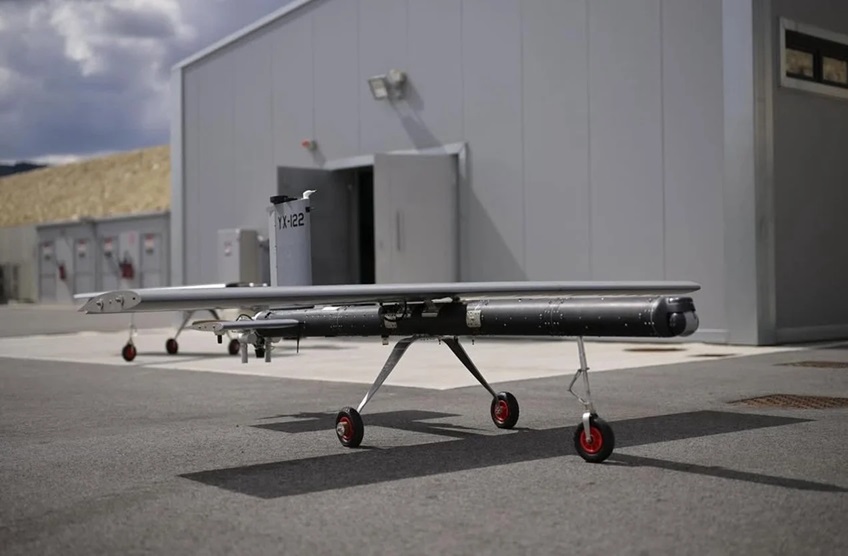
India
Recent reports have revealed a major operational setback for the Pakistan Air Force (PAF), as its drone swarm strategy failed dramatically against India's advanced air defence system. The incident highlights a significant misjudgment by the PAF, leading to considerable losses and a glaring exposure of strategic weaknesses. The PAF's strategy was built around the idea of using a large number of inexpensive drones in a coordinated swarm to overwhelm Indian air defence systems. This tactic aimed to temporarily overload radar and interceptor missile capacities, thereby creating vulnerabilities that PAF fighter jets could exploit. In theory, this approach could compel Indian forces to expend their interceptor missiles and temporarily weaken their air defence capabilities, paving the way for manned aircraft to launch strikes during the confusion. During the operation, PAF fighter jets, likely including JF-17 and upgraded Mirage aircraft, reportedly attempted a classic 'shoot-and-scoot' maneuver. This involved low-altitude approaches followed by rapid ascents to launch weapons and then quick withdrawals to avoid Indian counterattacks. However, this strategy fell apart as India's robust Integrated Air Command and Control System (IACCS) came into play. India's Multi-Layered Defence Responds Decisively India's IACCS is an advanced network that seamlessly integrates radars, sensors, airborne early warning systems, ground-based radar stations, satellites, and weapon systems. It forms a comprehensive air defence shield that proved impervious to PAF's drone swarm tactic. Instead of being overwhelmed, India's air defence operated as designed, effectively managing the combined threats of both drones and fighter jets. The Army Air Defence units efficiently dealt with the drone swarms, employing both kinetic measures (direct missile strikes) and non-kinetic methods (electronic interference). Short Range Air Defence systems (SHORADs) like the Akash and Spyder missile systems, alongside MANPADS (Man-Portable Air Defence Systems), neutralized many drones before they could pose a significant threat. Additionally, electronic warfare measures interfered with the drone controls, rendering many ineffective. The airborne surveillance component, featuring systems like the indigenous Netra and Israeli-made Phalcon, played a crucial role. These airborne early warning aircraft, in conjunction with ground-based radars and satellite data, allowed Indian forces to maintain constant situational awareness, quickly identifying and targeting low-flying threats. The IAF fighter patrols, operating in coordination with the air defence network, intercepted PAF aircraft before they could carry out meaningful strikes. PAF's Tactical Miscalculation One of the most glaring issues with PAF's strategy was the apparent underestimation of India's integrated air defence capabilities. The attempt to use drone swarms as decoys or to saturate Indian defences proved futile. Instead of forcing Indian systems to exhaust their resources, the PAF found itself caught in a well-coordinated defence web that efficiently neutralized both drone and aircraft threats. Indian Air Defence not only managed to detect and intercept the drones but also maintained readiness to counter the subsequent strike attempts by PAF fighter jets. Some Pakistani aircraft reportedly failed to launch their weapons at all, while the few guided munitions that did get fired were intercepted or caused minimal damage due to the pre-emptive relocation of sensitive assets. Strategic Lessons and Future Implications For the PAF, this incident represents more than just a failed mission. The loss of drones and potentially fighter aircraft is a blow to both capability and morale, prompting a likely reassessment of future aerial strategies. The risk-taking approach of combining drone swarms with manned aircraft strikes proved highly impractical against a well-coordinated air defence system like India's. On the Indian side, the success of the IACCS underscores the strategic advantage of integrated, multi-layered air defence. This event serves as a compelling reminder of the need to continue investing in indigenous defence technologies, such as the next-generation Akash-NG missile, and to enhance counter-drone systems. Further, it highlights the importance of maintaining continuous coordination between military and civilian air defence elements under the IACCS framework. The failed PAF operation serves as a cautionary tale on the limits of drone swarm tactics when faced with a highly advanced and integrated air defence network. As India continues to bolster its defence infrastructure, the incident reinforces the importance of adaptability and strategic foresight in modern aerial combat.
Read More → Posted on 2025-05-11 06:23:36
India
In the aftermath of India’s decisive military strike under ‘Operation Sindoor,’ Pakistan has unleashed a full-blown disinformation offensive. Desperate to shift the focus and control the narrative, Islamabad has resorted to a barrage of lies, digital theatrics, and outright fabrications. What began as a focused and effective operation by the Indian Armed Forces has now transformed into an online propaganda war. Pro-Pakistan social media handles, along with influential political figures, are deliberately spreading fake news—crafting stories of imaginary military victories and heroic retaliations that never took place. Pakistan’s state-affiliated accounts have predictably fallen back on their familiar tactics: recycling outdated images, misrepresenting old videos, and manufacturing completely false claims. Their strategy is clear—flood the information space with lies so rapidly and overwhelmingly that it becomes difficult for anyone to distinguish fact from fiction. One of the most glaring examples is a viral image falsely claiming that the Pakistan Army shot down an Indian Rafale jet near Bahawalpur. In reality, the image was from a MiG-21 crash in Moga, Punjab, in 2021—completely unrelated to current events. Even senior officials like Pakistan’s Minister Attaullah Tarar have joined the misinformation campaign. He publicly endorsed a fabricated claim that the Indian Army raised a white flag and surrendered at Chora Post—an incident that never happened. Such false endorsements mislead the Pakistani public and fuel a false narrative. Another baseless story circulated was that Pakistan’s Air Force targeted the Srinagar airbase. This, too, was debunked, as the footage originated from sectarian clashes in Khyber Pakhtunkhwa, Pakistan, in early 2024, having no connection to Kashmir. Perhaps the most absurd claim was the suggestion that Pakistan destroyed an Indian Brigade Headquarters—a complete fabrication. Defence sources swiftly dismissed it as baseless. Pakistan’s Defence Minister Khawaja Asif further fueled the propaganda fire with his false claim that Indian soldiers were captured during the operation. This statement, like many others, was debunked and later retracted, with no evidence supporting it. In essence, Pakistan’s disinformation campaign is a calculated attempt to distort reality, mislead the media, and manipulate public perception. By flooding social media with recycled images, unrelated videos, and invented stories, Islamabad is trying to create an illusion of strength and retaliation. But behind the fog of propaganda lies the truth—India’s Operation Sindoor was a successful and well-executed strike. No amount of digital deceit can alter that reality.
Read More → Posted on 2025-05-08 16:21:46
India
In the tense night hours of May 7-8, 2025, the already fragile peace between India and Pakistan took a dramatic turn. Pakistan, in an unexpected move, launched a series of drone and missile strikes aimed at multiple Indian military installations spread across Northern and Western India. These targets included sensitive locations such as Awantipura, Srinagar, Jammu, Pathankot, Amritsar, Kapurthala, Jalandhar, Ludhiana, Adampur, Bhatinda, Chandigarh, Nal, Phalodi, Uttarlai, and Bhuj. India's response was immediate and decisive. Leveraging its robust Integrated Counter UAS Grid and the formidable S-400 'Sudarshan Chakra' air defence systems, Indian forces successfully intercepted and neutralized the incoming threats. The debris recovered from various locations not only confirmed the attacks but also exposed the extent of Pakistan’s offensive intent. However, the situation escalated further when it was revealed that Indian forces had targeted and neutralized Pakistan’s air defence system in Lahore. This strategic move was not just a defensive measure but a powerful counter-strike designed to cripple Pakistan’s ability to launch further air attacks. The Indian government confirmed that this action was part of a broader set of retaliatory strikes aimed at eliminating terror infrastructure across the border. These developments were the culmination of rising hostilities triggered by a deadly terrorist attack in Pahalgam, Jammu and Kashmir, on April 22, 2025. The attack, which claimed the lives of 26 civilians, including women and children, was attributed to Pakistan-based terror groups. Enraged by the loss of innocent lives and determined to prevent further violence, India launched a series of precision strikes against nine key terror camps in Pakistan and Pakistan-occupied Jammu and Kashmir (PoJK). Among these were camps operated by Jaish-e-Mohammed (JeM), Lashkar-e-Taiba (LeT), and Hizbul Mujahideen. Four of these camps were located deep within Pakistan’s territory in Bahawalpur, Muridke, Sarjal, and Mehmoona Joya, while the other five were strategically placed in PoJK. These included Markaz Ahle Hadith Barnala in Bhimber, Markaz Abbas and Maskar Raheel Shahid in Kotli, Shawai Nallah Camp, and Markaz Syedna Bilal in Muzaffarabad. As India’s counter-offensive unfolded, Pakistan responded with intensified artillery and mortar attacks along the Line of Control (LoC). Districts such as Kupwara, Baramulla, Uri, Poonch, Mendhar, and Rajouri were subjected to heavy shelling. Sixteen more civilians lost their lives, including three women and five children, further aggravating the situation. India, while asserting its commitment to maintaining peace, made it clear that any further provocations would be met with a decisive response. The Indian Armed Forces emphasized their adherence to a policy of non-escalation, provided it was respected by the Pakistani military. The international community has expressed growing concern over the rapid escalation, with global leaders calling for restraint and a return to diplomatic channels. Yet, on the ground, the situation remains tense, with both nations on high alert, and the shadow of conflict looming large.
Read More → Posted on 2025-05-08 16:12:01
India
India’s armed forces recently demonstrated their growing precision strike and surveillance capabilities with the successful execution of Operation Sindoor — a bold and carefully calculated military operation against terrorist camps located across the border. What made this operation particularly notable was the prominent role played by indigenously manufactured SkyStriker drones, which underscored India's rapid progress in developing homegrown defence technologies. Operation Sindoor: A Decisive, Non-Escalatory Strike The operation, described by official sources as a "measured and non-escalatory" response, was carried out jointly by India’s land and air forces. In a swift 25-minute window, precision strikes were launched on nine terrorist camps located in Pakistan’s Punjab province and Pakistan-occupied Jammu and Kashmir (PoJK). This operation marked a significant moment in military history, being the first Indian strike into Pakistan’s Punjab region since the 1971 war. It was reportedly conducted in retaliation for the April 22 terror attack in Pahalgam, Jammu and Kashmir, where 26 innocent civilians, including tourists, lost their lives. India’s Defence Minister Rajnath Singh emphasized that the action was a justified exercise of India's "Right to Respond". SkyStriker: The Stealth Kamikaze Drone Leading the Attack Among the advanced weaponry deployed, the SkyStriker loitering munition drones captured attention. Produced at a modern facility in Bengaluru under a collaboration between Alpha Design Technologies and Israel’s Elbit Systems, the SkyStriker represents a vital achievement in the ‘Make in India’ defence initiative. These loitering munitions, often called "suicide drones", are designed to hover silently over a target area, detect hostile threats, and dive onto the target with pinpoint accuracy, detonating their onboard warhead. Key Specifications of the SkyStriker Drone Type: Loitering Munition / Kamikaze Drone Warhead Capacity: Configurable — 5 kg or 10 kg Operational Range: Up to 100 km Loitering Time: Up to 2 hours with a 5 kg warhead Propulsion: Electric motor (low acoustic signature for stealth) Speed: Maximum attack speed of 185 km/h (approx. 100 knots) Launch Mode: Canister launch, easily deployable from mobile platforms Target Engagement: Autonomous, operator-designated, or pre-programmed targets Guidance: GPS-based navigation with electro-optical and infrared sensors for real-time surveillance and target identification The SkyStriker’s ability to quietly patrol an area, track a target, and strike at the precise moment makes it a highly effective tool in modern asymmetric warfare. Loitering Munitions: Changing the Face of Modern Combat Unlike traditional missiles that follow a direct path to their target, loitering munitions can remain airborne over a designated zone, providing real-time surveillance before delivering their payload. This allows forces to strike high-value targets while minimizing collateral damage. Their increasing presence in modern militaries worldwide signals a shift towards more precise, flexible, and responsive strike capabilities, especially suited for operations against concealed or mobile targets in complex environments. Other Advanced Weapons Deployed Alongside the SkyStriker drones, Operation Sindoor also utilized: SCALP Air-Launched Cruise Missiles: French-made, long-range, deep-strike missiles with pinpoint accuracy. HAMMER (Highly Agile Modular Munition Extended Range): A smart air-to-surface munition capable of engaging fortified and moving targets with exceptional precision. Other Indigenous and Imported Systems: While exact details remain classified, reports confirm the coordinated use of multiple weapon systems, highlighting India’s growing integrated warfare capabilities. A Message of Resolve Operation Sindoor wasn’t merely a tactical victory; it sent a clear message. By integrating homegrown unmanned strike systems like the SkyStriker with sophisticated imported weaponry, India showcased not just its technological self-reliance, but also its ability to deliver decisive, controlled, and proportionate responses to acts of terror. As India continues to modernize its armed forces and invest in indigenous defence solutions, operations like Sindoor underline the country’s enhanced capacity to neutralize threats well beyond its borders, with precision and accountability.
Read More → Posted on 2025-05-08 15:59:48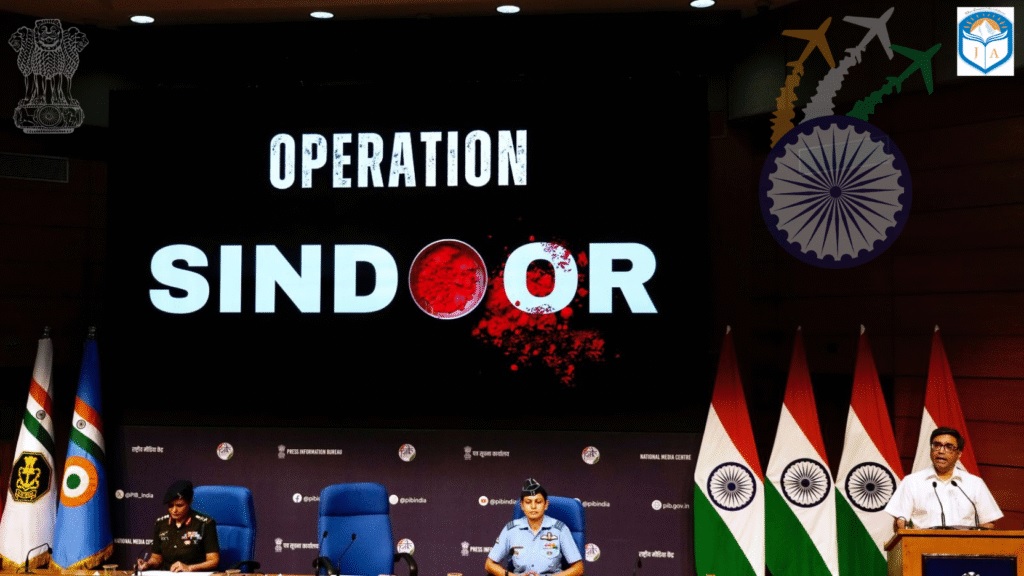
India
In a decisive move against terrorism, the Indian Armed Forces launched Operation Sindoor, targeting nine terrorist infrastructures in Pakistan and Pakistan-Occupied Kashmir (PoK). This operation was a direct response to the tragic Pahalgam terror attack on April 22, 2025, which claimed the lives of 26 civilians, including 25 Indian tourists and one Nepalese national. Background of the Operation The Pahalgam attack was one of the deadliest in recent years, reminiscent of the 2019 Pulwama incident. In retaliation, India executed Operation Sindoor on May 7, 2025, aiming to dismantle terrorist camps responsible for cross-border terrorism. The operation specifically targeted areas known to harbor groups like Jaish-e-Mohammed (JeM) and Lashkar-e-Taiba (LeT). Execution with Precision According to Defence Minister Rajnath Singh, Operation Sindoor was carried out with "unimaginable" precision, resulting in the destruction of nine terrorist camps and the elimination of numerous terrorists. The operation was meticulously planned to ensure minimal collateral damage, showcasing the professionalism and advanced capabilities of the Indian Armed Forces. International Reactions and Escalation Pakistan condemned the strikes, reporting civilian casualties and labeling the action as an act of war. In response, Pakistan launched counter-strikes, further escalating tensions between the two nuclear-armed neighbors. The international community, including the United Nations and major world powers, expressed concern over the rising hostilities and urged both nations to exercise restraint. India's Stance on PoK Defence Minister Rajnath Singh reiterated India's position that Jammu and Kashmir is incomplete without PoK. He emphasized that PoK has been used as a base for terrorist activities against India and called upon Pakistan to dismantle terrorist camps operating in the region. Operation Sindoor underscores India's commitment to safeguarding its citizens and combating terrorism. While the operation achieved its immediate objectives, the situation remains tense, highlighting the need for sustained diplomatic efforts to address the root causes of conflict and ensure long-term peace in the region.
Read More → Posted on 2025-05-08 15:58:13Search
Top Trending in 24 Hours
-
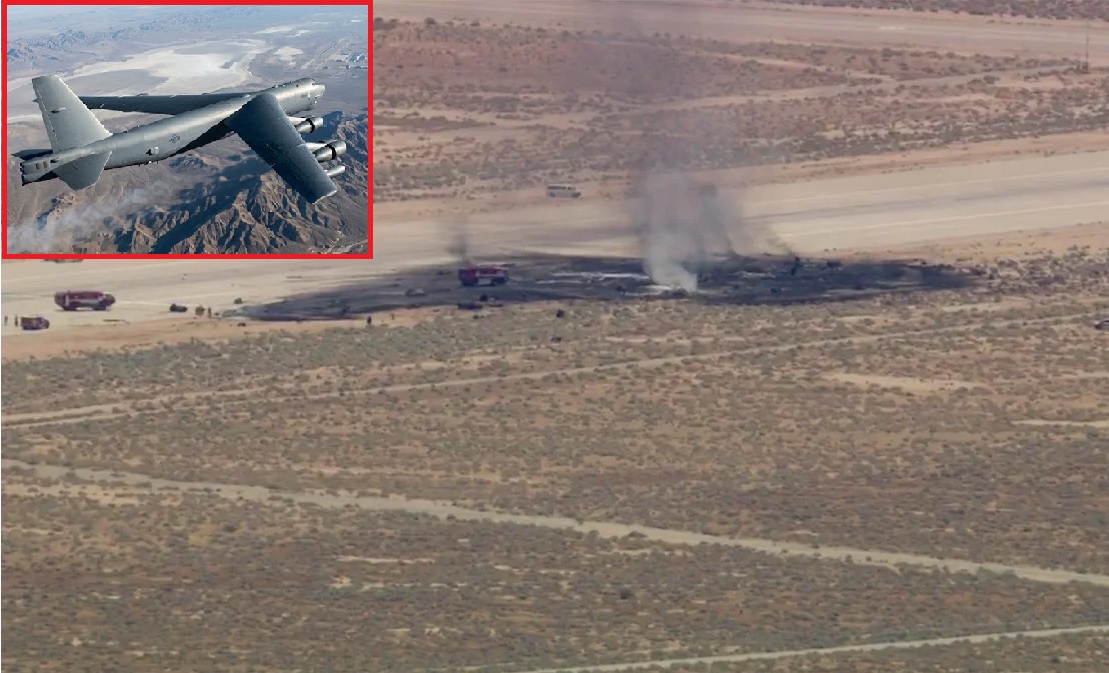 8 U.S. Air Force Crew Members Killed in B-52 Bomber Crash During Test Flight at Edwards Air Force Base
-
 Ukraine Introduces Balloon-Launched DART Missile Designed to Defeat Electronic Warfare
-
 Lockheed Martin Wins $514 Million U.S. Space Force Contract for Two New GPS IIIF Satellites
-
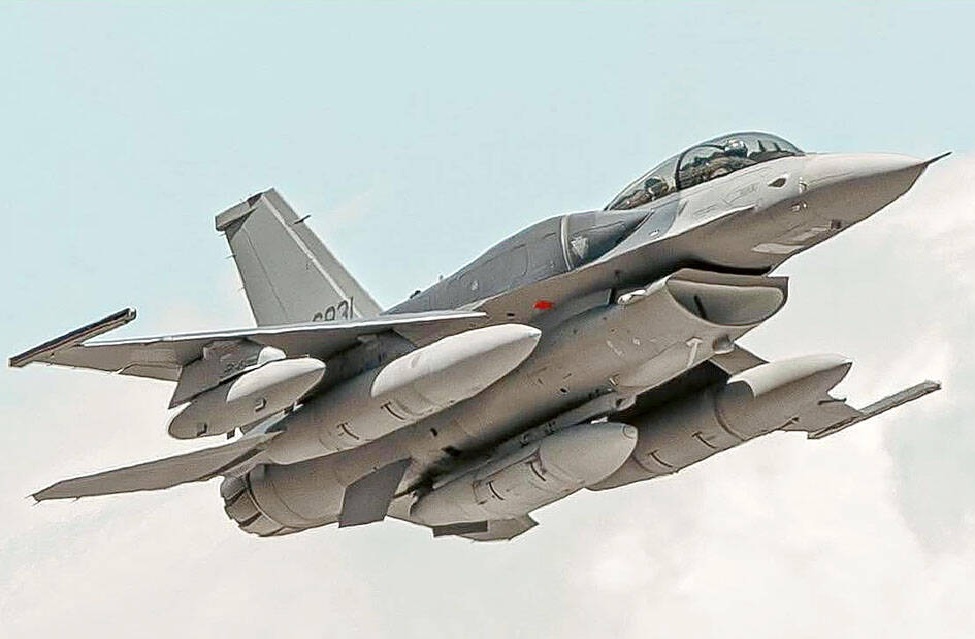 First Taiwanese F-16 Block 70 Flies with Five-Tank Fuel Configuration During Texas Tests
-
 UK Announces £210 Million Deal to Supply Enriched Uranium to Ukraine for Two Years
-
 Russian Frigate Admiral Grigorovich Challenges UK Yacht in English Channel With Warning Shots
-
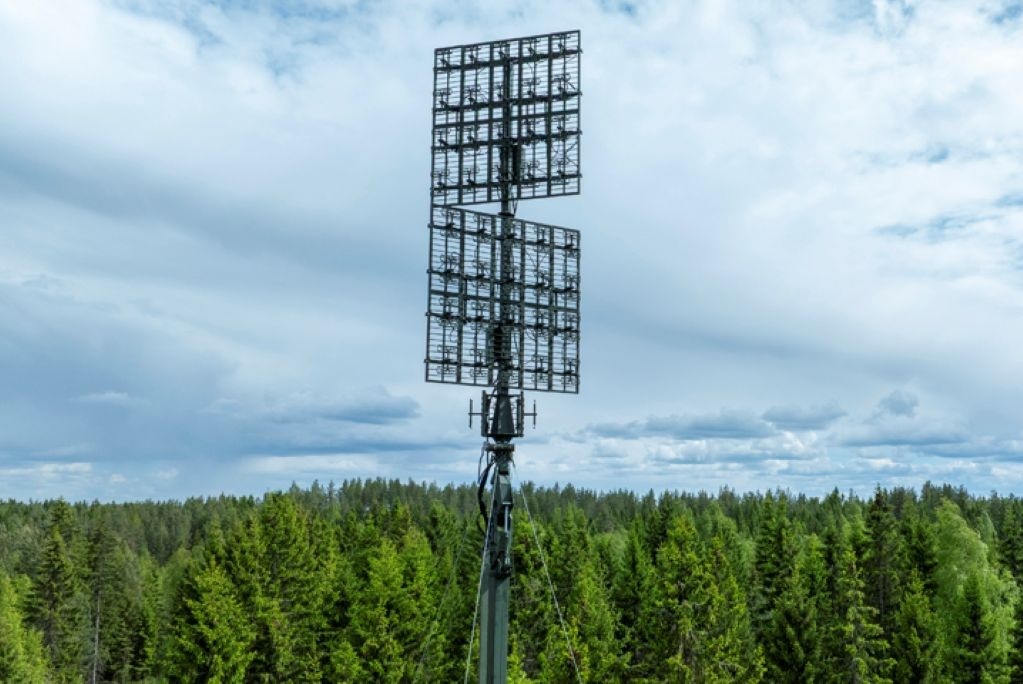 Patria Launches WISPR Passive Counter-Battery Radar with Silent Detection Capability at Eurosatory 2026
-
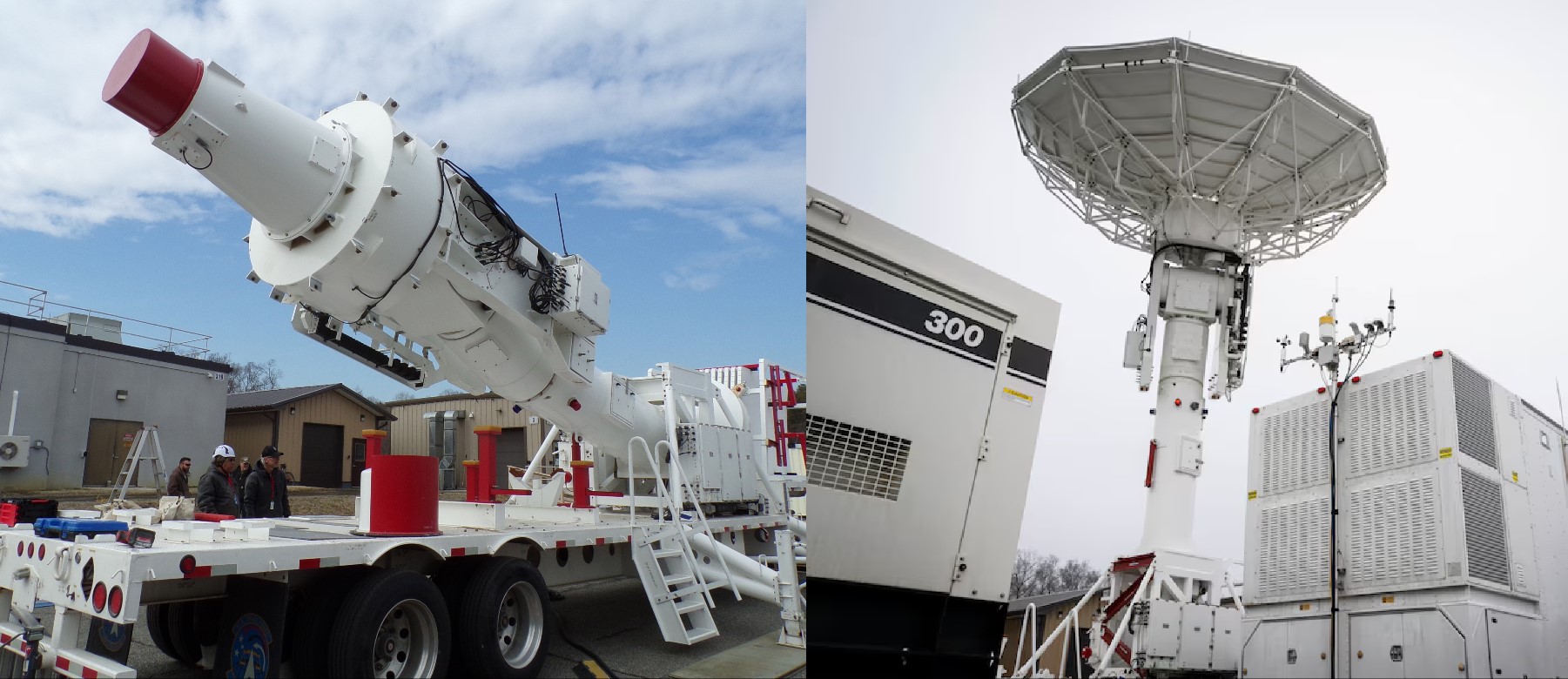 Space Force Transfers Transportable Satellite Tracking Antenna to Naval Research Laboratory
Top Trending in 4 Days
-
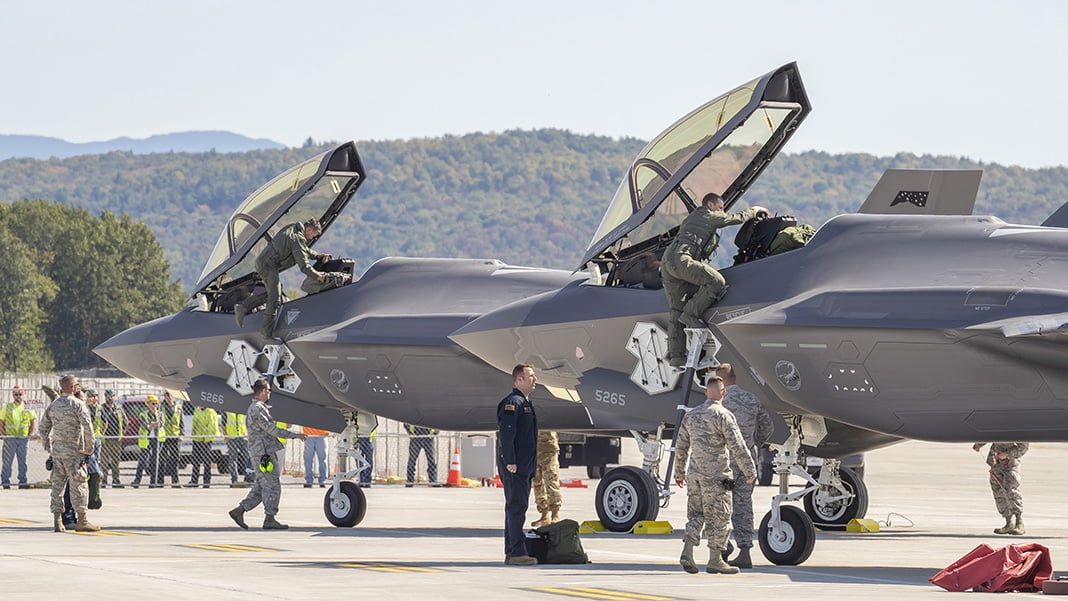 F-35 Fleet Readiness Falls to 25% Amid Parts Shortages and Software Delays: GAO Report
-
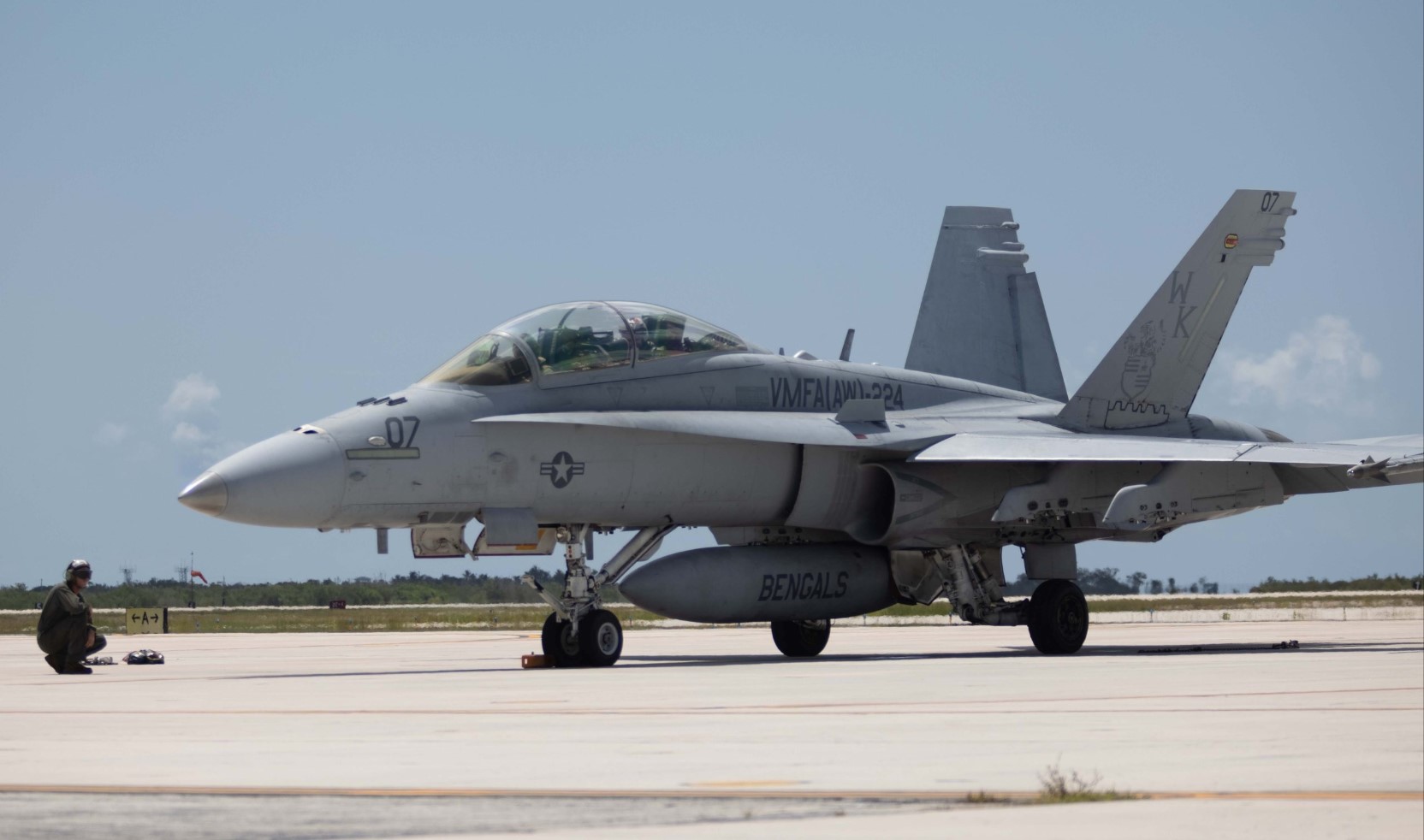 US Marine Corps F/A-18D Hornet Crashes During Training Flight in Washington Mountains; Pilot Ejects Safely
-
 Leonardo Rheinmetall to Unveil Italy’s New IMBT Main Battle Tank at Eurosatory 2026
-
 Tulsi Gabbard Releases Declassified Files Detailing U.S.-Backed Network of 120 Biolaboratories Across 30+ Countries
-
8 U.S. Air Force Crew Members Killed in B-52 Bomber Crash During Test Flight at Edwards Air Force Base
-
 NASA X-59 Achieves Planned Mission Conditions with Mach 1.4 Flight at 55,000 Feet
-
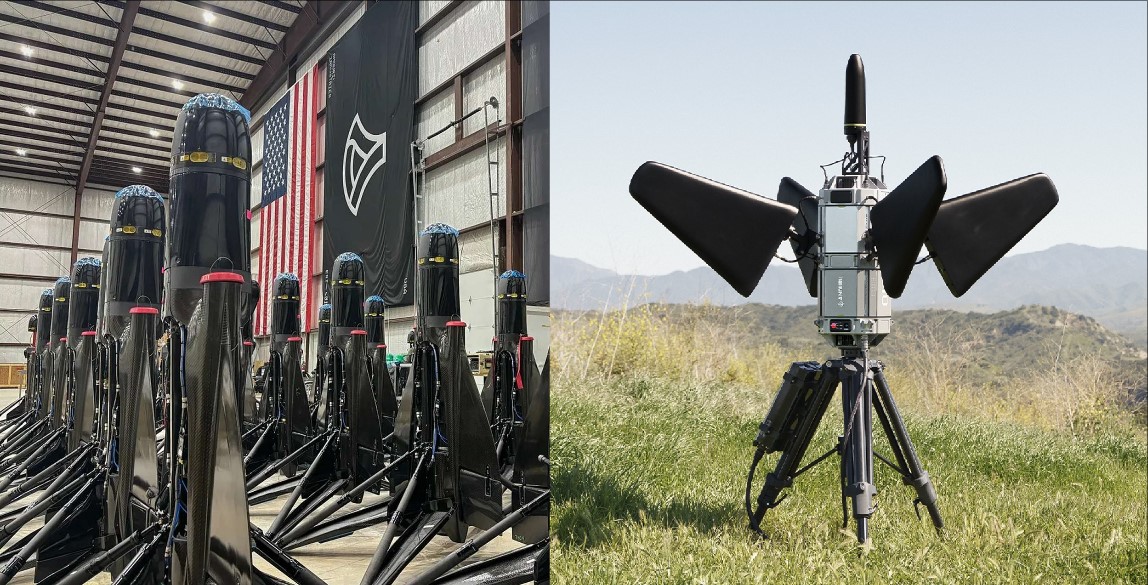 U.S. Approves $1.98 Billion Sale of Anduril AI-Powered Counter-Drone Systems to Kuwait
-
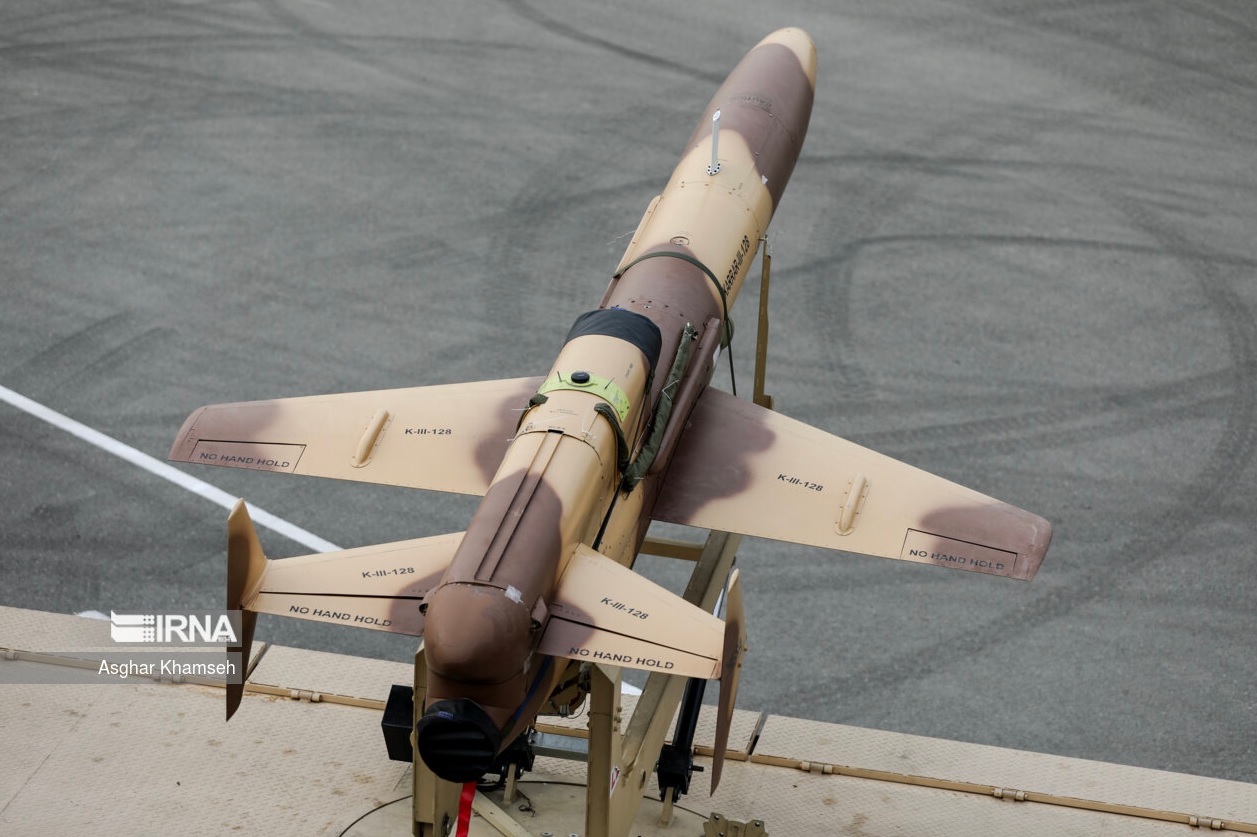 Russia Launches 1,400 Jet-Powered Drones in 2026 as Strike Tactics Evolve to Challenge Ukraine's Air Defenses