India
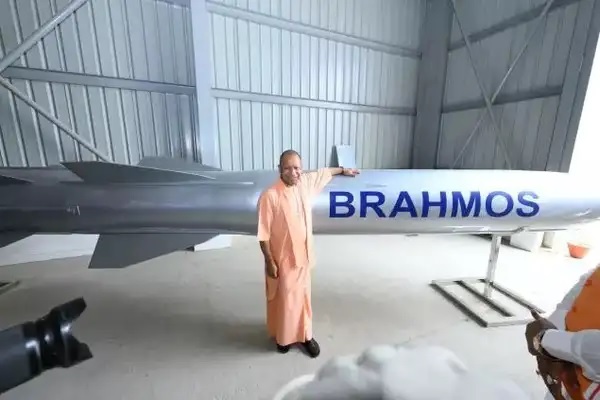
India has inaugurated a state-of-the-art BrahMos NG (Next Generation) supersonic cruise missile manufacturing facility in Lucknow, Uttar Pradesh. This development marks a significant stride in bolstering the nation's defense capabilities and promoting indigenous military production. Facility Overview The newly established BrahMos Aerospace Integration and Testing Facility spans over 200 acres in Lucknow's Sarojininagar area. Constructed at an investment of ₹300 crore, the facility is a pivotal component of the Uttar Pradesh Defence Industrial Corridor, an initiative aimed at enhancing India's self-reliance in defense manufacturing. Production Capacity Initially, the facility is set to produce between 80 to 100 BrahMos missiles annually, with plans to scale up production to 100–150 units per year. This increased output is expected to meet both domestic requirements and potential export demands. BrahMos NG: A Technological Leap The BrahMos NG is a lighter and more compact variant of the original BrahMos missile, weighing approximately 1,290 kg compared to the earlier 2,900 kg. This reduction in weight allows for greater versatility, enabling deployment from a wider range of platforms, including lighter fighter aircraft such as the HAL Tejas and Dassault Rafale. The missile maintains a top speed of Mach 2.8 and a range of up to 400 km, ensuring rapid and precise strike capabilities. Strategic Significance The inauguration of this facility underscores India's commitment to enhancing its defense infrastructure amid regional security challenges. By increasing the production of advanced missiles like the BrahMos NG, India aims to strengthen its deterrence capabilities and reduce dependency on foreign weapon systems. Economic and Employment Impact Beyond its strategic importance, the facility is poised to contribute significantly to the local economy. It is expected to generate direct employment for approximately 500 engineers and technicians, with additional indirect job opportunities arising in ancillary industries. This aligns with the broader objectives of the Uttar Pradesh Defence Industrial Corridor to stimulate economic growth and technological advancement in the region. The establishment of the BrahMos NG manufacturing facility in Lucknow represents a milestone in India's journey toward defense self-reliance. It not only enhances the nation's military capabilities but also fosters economic development and technological innovation, reinforcing India's position as a key player in the global defense landscape.
Read More → Posted on 2025-05-16 15:50:31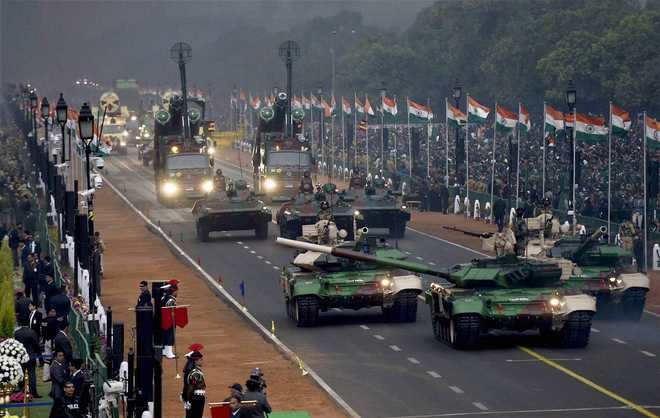
India
In a significant move to bolster national security, the Indian government has proposed an unprecedented ₹50,000 crore increase to its defence budget. This decision comes in the aftermath of Operation Sindoor, a strategic military response to the tragic Pahalgam terror attack on April 22, 2025, which claimed the lives of 26 civilians. With this supplementary allocation, India's total defence budget for the fiscal year 2025–26 is set to surpass ₹7 lakh crore, marking the highest ever for any ministry and constituting approximately 13% of the national budget. The additional funds are earmarked for enhancing research and development, procuring advanced weaponry, replenishing ammunition reserves, and acquiring cutting-edge military platforms. Operation Sindoor showcased India's military prowess and technological advancement. The Indian Air Force executed precision strikes on nine terror camps located in Pakistan and Pakistan-occupied Kashmir, successfully neutralizing threats without crossing international borders. The operation demonstrated India's capability to conduct non-contact warfare, utilizing long-range missiles, smart weapons, unmanned systems, and sophisticated electronic warfare techniques. Indigenous defence systems played a pivotal role in the operation. The Akash missile defence system and the Bhargavastra counter-drone system were instrumental in creating a robust, layered air defence network, comparable to Israel's Iron Dome. These systems effectively neutralized retaliatory drone and missile attacks, underscoring the effectiveness of India's domestically developed technology. The success of Operation Sindoor has reinforced the government's commitment to self-reliance in defence manufacturing. Defence Minister Rajnath Singh emphasized the importance of indigenous production, highlighting that dependence on foreign equipment can compromise national security. This stance is further supported by the record ₹1.27 lakh crore achieved in indigenous defence production in the fiscal year 2023–24 and ambitious targets to boost defence exports to ₹50,000 crore by 2029. The proposed budget increase reflects a strategic pivot towards technological self-reliance and enhanced military readiness. It aims to strengthen India's defence capabilities amid ongoing regional security challenges, ensuring that the nation remains prepared to address any future threats decisively.
Read More → Posted on 2025-05-16 15:44:23
India
In a major revelation, former Pakistani Air Marshal Masood Akhtar has confirmed that a key Airborne Warning and Control System (AWACS) aircraft was destroyed during a series of precision missile strikes carried out by India on May 9-10. The operation, known as Operation Sindoor, was launched by India in response to the deadly April 22 terror attack in Pahalgam and subsequent Pakistani drone strikes targeting Indian civilian areas. AWACS Destroyed at Bholari Airbase Speaking in a video interview, Air Marshal Akhtar detailed how the Indian military launched multiple BrahMos missiles, which ultimately struck the Bholari airbase, located near Islamabad. According to him, four missiles were launched in succession. While Pakistani pilots tried to scramble and secure their aircraft, the relentless missile barrage proved too much. “The fourth one hit the hangar at Bholari airbase, where one of our AWACS was standing. It was damaged,” Akhtar admitted, underlining the severity of the attack. AWACS aircraft are the eyes and ears of any modern air force. Equipped with powerful radar and communication systems, they play a critical role in detecting enemy aircraft, coordinating air missions, and guiding interceptors in real time. The loss of such an asset is a major strategic setback for Pakistan. India’s Coordinated Precision Strikes India’s missile campaign was not limited to one location. According to official statements, Indian forces struck 11 key military installations across Pakistan within a span of just three hours. These included bases at Rafiqui, Chaklala, Rahim Yar Khan, Sukkur, Sialkot, Chunian, Pasrur, Murid, Skardu, Jacobabad, and Bholari. Satellite imagery released afterward confirmed extensive damage to hangars, radar systems, and ammunition storage sites. This marked the first instance of successful strikes on airbases of a nuclear-armed country. Air Marshal AK Bharti of India noted, “We could have targeted more assets, but we chose to send a message—hit hard, but with restraint to avoid full-scale escalation.” One of the more high-profile strikes also destroyed a Lashkar-e-Taiba command center in Muridke—showcasing India’s precision in identifying and eliminating terror infrastructure. Chinese Systems Fail to Protect Pakistan Pakistan’s air defences, largely supplied by China, failed to intercept any of the incoming Indian missiles. Despite possessing HQ-9 air defence systems and advanced Chinese PL-15 missiles, none of these systems were able to prevent the strikes. The J-10C fighter jets, also of Chinese origin, failed to scramble in time or effectively counter the threat. This operational failure has sparked renewed doubts about the effectiveness of Chinese military hardware. It is not the first time such concerns have emerged. In 2022, the Pakistan Navy faced significant issues with its Chinese-made F-22P frigates. The vessels, which were expected to bolster naval capability, suffered from malfunctioning radar systems and underperforming engines. The lack of adequate maintenance support and the recurring nature of faults in Chinese defence systems have created growing anxiety within the Pakistani military establishment. Economic Pressure Driving Pakistan’s Military Choices Pakistan’s increasing dependence on Chinese military hardware is largely driven by its strained economy. With limited access to Western defence markets and a constant need to upgrade ageing systems, Pakistan has turned to China for more affordable options. Chinese defence deals often come with generous loans, flexible payment terms, and political alignment. However, this shift has come at a cost. Multiple reports, including a past study by the RAND Corporation, have pointed out the recurring faults in Chinese arms supplied to nations like Myanmar, Nigeria, and even Venezuela. These countries faced delays, technical failures, and costly overhauls—patterns now seen in Pakistan as well. A Message Delivered with Precision India’s Operation Sindoor was not just a military retaliation—it was a calibrated strategic message. The destruction of the AWACS aircraft and other military installations exposed Pakistan’s vulnerabilities and highlighted India’s precision-strike capability. It also signaled a shift in India’s strategic posture: one of decisiveness, deterrence, and control. As Air Marshal Bharti summed it up, “We could have destroyed more, but we chose restraint. That’s real power.” Meanwhile, the Pakistani Air Force’s failure to protect its critical assets, despite heavy investments in Chinese systems, may trigger a reassessment of its military procurement strategy—and how much it can really rely on its allies in times of crisis.
Read More → Posted on 2025-05-16 15:29:16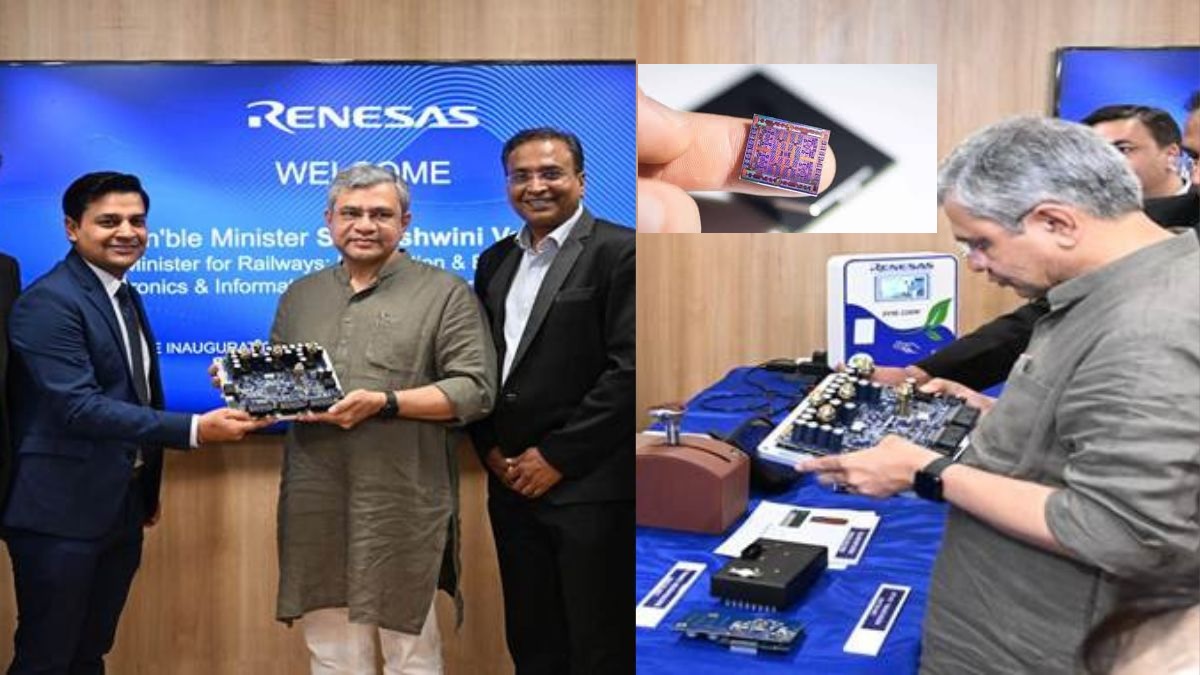
India
India has achieved a significant milestone in the semiconductor industry with the inauguration of its first 3-nanometer (3nm) chip design centres in Noida and Bengaluru. These state-of-the-art facilities, established by Renesas Electronics India Private Limited, were officially opened by Union Minister for Electronics & Information Technology, Railways, and Information & Broadcasting, Shri Ashwini Vaishnaw. This development marks India's entry into the advanced segment of chip design, positioning the country alongside global leaders in semiconductor innovation. Advancing to 3nm Technology The transition to 3nm chip design represents a significant technological advancement. Compared to previous generations like 7nm and 5nm, 3nm chips offer enhanced performance, reduced power consumption, and greater efficiency. These attributes are crucial for a wide range of applications, including smartphones, laptops, servers, medical devices, defense equipment, and automobiles. Minister Vaishnaw emphasized that this move sets a new standard in India's semiconductor capabilities. Strengthening the Semiconductor Ecosystem The Indian government is actively working to develop a comprehensive semiconductor ecosystem. This includes not only chip design but also fabrication, assembly, testing, marking, and packaging (ATMP), as well as the establishment of robust supply chains for equipment, chemicals, and gases. Global confidence in India's semiconductor vision is evident, with significant investments from companies like Applied Materials and Lam Research. Empowering Talent and Innovation To nurture a skilled workforce, the government has introduced a semiconductor learning kit aimed at enhancing practical hardware skills among engineering students. Over 270 academic institutions have already received advanced Electronic Design Automation (EDA) software tools under the India Semiconductor Mission. These institutions will now also receive hands-on hardware kits, integrating software and hardware learning to produce industry-ready engineers. This initiative is part of a broader strategy to invest in long-term talent development. Renesas' Commitment to India Renesas Electronics views India as a strategic cornerstone for its operations. The company is expanding its end-to-end semiconductor capabilities in the country, from architecture to testing. Through government-backed initiatives like the Chips to Startup (C2S) Program and the Design Linked Incentive (DLI) Scheme, Renesas supports over 250 academic institutions and numerous startups. The company's growing presence in India underscores its commitment to fostering innovation and contributing to the global semiconductor lifecycle. A Vision for Self-Reliance Minister Vaishnaw expressed gratitude to Prime Minister Shri Narendra Modi for prioritizing semiconductors as a strategic focus under the Aatmanirbhar Bharat vision. He highlighted that within just three years, India's semiconductor industry has evolved from a nascent stage to an emerging global hub. With the increasing demand for semiconductors across various sectors, this momentum is timely and positions India for sustainable growth in the industry. The inauguration of the 3nm chip design centres in Noida and Bengaluru signifies a pivotal step in India's journey towards technological self-reliance and global competitiveness in the semiconductor sector.
Read More → Posted on 2025-05-16 15:01:12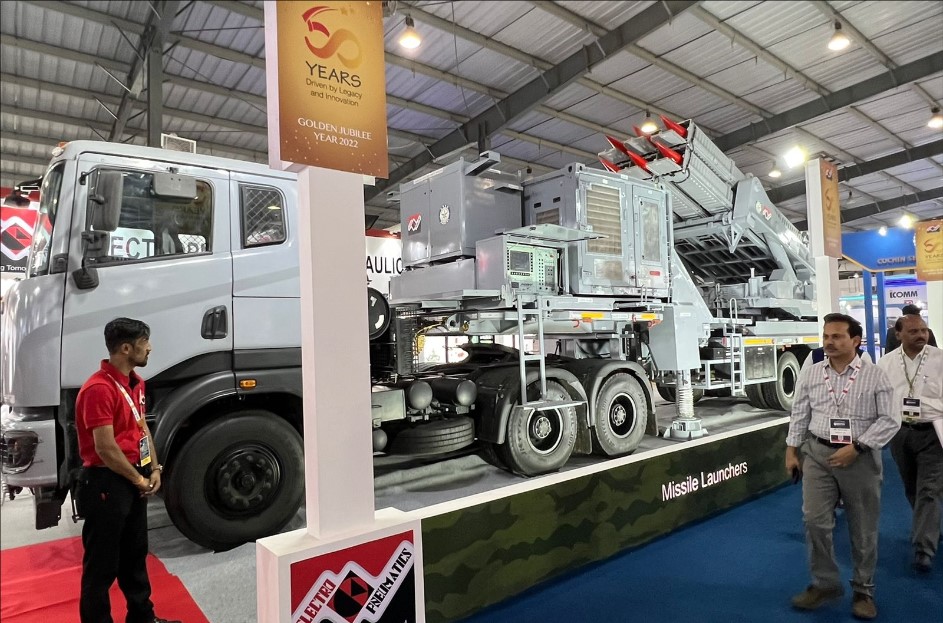
India
Armenia is preparing to take a major step in strengthening its military capabilities by expressing interest in acquiring India’s advanced Akash-NG (Next Generation) surface-to-air missile system. This move would make Armenia the first international customer of the Akash-NG once it enters production, building upon a fast-growing defence partnership between the two countries. Armenia’s Deepening Defence Ties with India In recent years, Armenia has emerged as one of the key buyers of Indian defence products. Back in 2022, the country signed a $720 million agreement for 15 Akash-1S missile systems. The first set of these air defence systems was delivered in November 2024, while the second batch is scheduled for delivery after July 2025. Besides Akash missiles, Armenia has also purchased Pinaka multi-barrel rocket launchers and 155mm artillery guns from India. These deals have not only strengthened Armenia’s military but have also positioned it as one of India’s top three defence export destinations, alongside the United States and France. Following the successful performance of the Akash-1S system, which uses indigenous seeker technology to intercept various aerial threats, Armenia is now eyeing the more powerful and advanced Akash-NG system. What Makes Akash-NG Special? The Akash-NG is a significant upgrade over its predecessors in India’s surface-to-air missile defence line-up. Developed by the Defence Research and Development Organisation (DRDO), this system offers several modern features that make it ideal for countering today’s aerial threats, including fighter jets, drones, cruise missiles, and precision-guided munitions. Key Specifications of Akash-NG: Range: 70-80 kilometres (compared to Akash-1S’s 25-30 km range) Altitude Coverage: From 30 meters to 14 kilometres Propulsion: Dual-pulse solid rocket motor, making it faster and lighter than earlier variants Radar: Active Electronically Scanned Array (AESA) Multi-Function Radar Seeker: Ku-band active radar seeker for accurate terminal guidance Reaction Time: Missile launch within 10 seconds of target detection Salvo Launch Capability: Can fire 3 missiles within 20 seconds Deployment Time: Less than 20 minutes from transport to firing position Multi-Target Engagement: Can simultaneously track and engage several threats High Resistance to Jamming: Designed to operate effectively in dense electronic warfare situations This next-generation system is also fully canisterised, which improves its mobility and operational flexibility in various terrains. Why is Armenia Interested? Armenia’s growing interest in Akash-NG comes in the aftermath of the 2020 Nagorno-Karabakh conflict, where the country faced significant challenges against drones and modern air threats, particularly from Turkish-made Bayraktar TB2 drones used by Azerbaijan. This conflict exposed gaps in Armenia’s air defence network. While the Akash-1S has helped close some of these gaps, its range is limited to 30 kilometres. The Akash-NG, with its nearly three times greater range and advanced targeting systems, would give Armenia a much stronger shield against potential aerial attacks and allow for a layered air defence strategy. Additionally, Armenia is keen to diversify its military suppliers. Historically, over 90% of its weapons came from Russia between 2011 and 2020. By sourcing modern systems from India, Armenia not only strengthens its military but also reduces dependency on any single supplier, especially at a time when regional geopolitics are shifting. When Will Akash-NG Be Ready? The Akash-NG is currently in its final development and testing stages. Production is expected to begin in 2026, although there could be minor delays due to ongoing user trials. The system was successfully tested in 2021 and has since shown promising results. Production will be undertaken by Bharat Dynamics Limited (BDL) and Bharat Electronics Limited (BEL), alongside private sector partners like Electropneumatics and Hydraulics India under India’s Development cum Production Partner initiative. Before being offered for export, the Akash-NG is expected to secure orders from India’s own armed forces, which is a standard practice for India’s indigenous defence systems. Regional and Geopolitical Impact Armenia’s possible acquisition of the Akash-NG would likely reshape military dynamics in the South Caucasus. Though defensive in nature, such systems are vital to protecting critical infrastructure, military bases, and cities from airborne threats. However, neighbouring Azerbaijan and its close ally Turkey may view this move with concern, especially at a time when peace talks remain sensitive following the recent conflict. The deal also signifies India’s growing role as a global defence supplier, willing to export advanced systems to countries dealing with complex security situations. For India, it’s a strategic leap, as defence exports play a growing role in its ambitions to become a self-reliant military power and a significant player in the global arms market. Conclusion Armenia’s expressed interest in becoming the first international customer of India’s Akash-NG air defence system marks an important milestone in the defence relationship between the two countries. It reflects Armenia’s efforts to modernise its military and secure its airspace while also highlighting India’s emergence as a trusted and capable defence exporter. As production of the Akash-NG nears its start, this partnership could set the stage for more such deals in the future — not just with Armenia, but with other nations looking for reliable, modern, and cost-effective air defence solutions.
Read More → Posted on 2025-05-16 14:37:25
India
India’s Defence Minister, Rajnath Singh, recently stirred a global conversation by questioning the security of Pakistan's nuclear weapons. Speaking to troops at the Badami Bagh Cantonment in Jammu and Kashmir, Singh voiced his concerns about Pakistan’s nuclear arsenal, referring to the country as an “irresponsible and rogue nation.” He called for Pakistan’s nuclear weapons to be brought under the supervision of the International Atomic Energy Agency (IAEA), raising speculation about whether India intends to mount a diplomatic effort to challenge Pakistan’s nuclear program. Why the IAEA Cannot Directly Control Pakistan's Nukes Despite the Defence Minister’s statement, the reality is more complex than it appears. The IAEA’s authority is primarily rooted in agreements related to the Nuclear Non-Proliferation Treaty (NPT). Countries that have signed the NPT, such as Iran, are subject to IAEA inspections and controls, especially if they develop nuclear weapons or engage in nuclear activities deemed non-compliant. However, Pakistan is not a signatory to the NPT and has developed its nuclear weapons independently of this treaty framework. As such, Pakistan has not committed to full-scope safeguards that would allow the IAEA to monitor or inspect its military nuclear sites. This effectively limits the IAEA’s role to inspecting only civilian nuclear activities in Pakistan—those that the country voluntarily places under scrutiny. For the IAEA to gain control or even supervisory power over Pakistan's nuclear arsenal, there would have to be either voluntary compliance from Pakistan or a legally binding resolution from the United Nations Security Council (UNSC). The Role of the United Nations and Geopolitical Realities The UNSC can, in theory, impose sanctions or demand international oversight of nuclear programs when it deems them a threat to global peace. However, this process is laden with political hurdles, particularly for a non-NPT state like Pakistan. Unlike Iran, which faced sanctions as an NPT member in violation of its commitments, Pakistan’s nuclear program exists entirely outside the NPT’s jurisdiction. Moreover, imposing sanctions or mandating IAEA supervision would require the support of at least nine of the 15 UNSC members, without a veto from any of the five permanent members—China, Russia, the United States, the United Kingdom, and France. Given Pakistan’s strategic relationship with China, it is highly likely that Beijing would block any resolution that directly challenges Pakistan’s nuclear sovereignty. Diplomatic Implications of Singh’s Remarks While Singh’s comments have sparked international debate, they do not indicate an immediate diplomatic move by India to formally challenge Pakistan's nuclear program at the IAEA or the UNSC. Nonetheless, his remarks reflect India’s long-standing concerns about nuclear security and the risks posed by Pakistan’s arsenal, particularly amid periods of heightened military tension. This latest exchange comes in the wake of a series of recent skirmishes along the Line of Control (LoC), where both nations conducted military strikes and counterstrikes earlier this month. Singh’s address also included a strong message on India’s commitment to defending its sovereignty, following a major anti-terror operation termed “Operation Sindoor.” A Global Question of Nuclear Safety Singh’s statement underscores a recurring question in international security: Should the global community intervene when a nation perceived as unstable or irresponsible possesses nuclear weapons? While the IAEA's current mandate limits its role, Singh’s call for supervision signals India's concerns and hints at potential diplomatic dialogues to address perceived threats posed by Pakistan’s nuclear capabilities. In the absence of a formal international mechanism to address this issue, Singh’s remarks seem more a diplomatic nudge than a concrete proposal. Yet, they reflect India’s strategic posture in a region where nuclear risk remains an ever-present concern.
Read More → Posted on 2025-05-15 17:40:35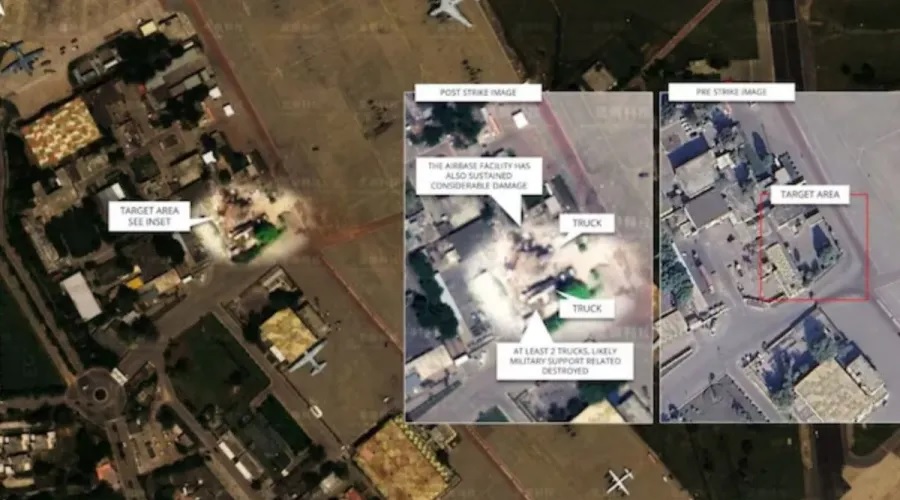
India
In a decisive military response, the Indian Air Force (IAF) launched Operation Sindoor on May 10, 2025, targeting key installations of the Pakistan Air Force (PAF). This operation was a direct retaliation to the terrorist attack in Pahalgam on April 22, which resulted in the loss of 26 Indian civilians. Strategic Execution and Targets Operation Sindoor was meticulously planned to minimize collateral damage while maximizing impact on Pakistan's military capabilities. The IAF employed advanced weaponry, including the BrahMos supersonic cruise missile, HAMMER, and SCALP missiles, to carry out precision strikes. Notably, this marked the first combat use of the BrahMos missile, renowned for its speed and accuracy. The operation targeted over a dozen PAF bases, including: Nur Khan (Chaklala, Rawalpindi): A critical base housing transport aircraft and AWACS systems. Satellite imagery indicated significant damage to runways and infrastructure. Rafiqui (Shorkot, Punjab): Hosting JF-17 and Mirage 5 squadrons, this base's runway sustained heavy damage, affecting rapid deployment capabilities. Murid (Chakwal, Punjab): Known for its drone fleet, including Bayraktar TB2s and Wing Loong IIs, the base's UAV infrastructure was reportedly neutralized. Sukkur (Bholari, Sindh): A newer base operating AWACS, F-16s and JF-17s, with satellite images confirming a direct hit on a quick-reaction alert hangar. Sialkot and Pasrur (Punjab): Forward operating bases near the Line of Control, with radar sites and air defense units destroyed. Chunian (Punjab): An operational base with disrupted radar and communication systems. Sargodha (Mushaf, Punjab): Housing the Central Air Command and nuclear-capable aircraft, the base suffered runway damage and asset losses. Skardu (PoK): A strategic northern base, with damage degrading Pakistan's surveillance and air operational capabilities. Jacobabad (Shahbaz, Sindh): Hosting F-16s and AW139 helicopters, with extensive damage to hangars and support areas. Rahim Yar Khan (Punjab): A forward base with its runway rendered non-operational due to a large crater. Impact on Pakistan's Air Force The strikes resulted in the destruction of approximately 20% of Pakistan's air force infrastructure. This includes damage to runways, hangars, command and control centers, and several fighter aircraft, such as JF-17 Thunders and F-16 Fighting Falcons. The loss of these assets significantly diminishes Pakistan's capacity to conduct offensive air operations. Technological and Strategic Prowess India's use of advanced indigenous weaponry and precision targeting showcased its technological and strategic capabilities. The operation demonstrated India's ability to conduct deep strikes into enemy territory with minimal collateral damage, reinforcing its position in the region. Aftermath and Ceasefire Following the extensive damage inflicted by Operation Sindoor, a ceasefire was declared on May 13, 2025. While both nations claimed victory, the operation underscored India's commitment to defending its sovereignty and responding decisively to acts of terrorism. Operation Sindoor stands as a testament to India's military precision and strategic planning. By targeting critical components of Pakistan's air force infrastructure, India delivered a significant blow to its adversary's offensive capabilities, reinforcing its stance against terrorism and aggression.
Read More → Posted on 2025-05-15 17:25:36
India
In May 2025, a sharp shift in Indian outbound travel patterns emerged as calls to boycott Turkey and Azerbaijan gained momentum. This movement was largely driven by public backlash against the two countries’ perceived support for Pakistan during recent border tensions with India. The slogan "nation first" has resonated widely, translating into concrete travel decisions as Indian tourists cancel or defer trips to these destinations. Surge in Cancellations and Booking Decline Travel platforms have reported a dramatic surge in cancellations and a steep drop in new bookings: Over 2,000 cancellations and rescheduling requests for trips to Istanbul and Baku were recorded within a single week, affecting travel plans over the next three months. Cleartrip reported a 260% increase in cancellations to Turkey and Azerbaijan in just seven days. MakeMyTrip saw bookings to these destinations fall by 60%, with cancellations rising by 250% over the same period. Yatra noted that more than 50% of holiday packages to these countries were cancelled since May 7. EaseMyTrip reported 22% cancellations for Turkey and 30% for Azerbaijan, reflecting a significant dip in travel sentiment. Although the 2,000+ cancellations represent less than 5% of all bookings to the two countries, the rapid escalation signals a broader shift in traveller sentiment, with many Indians opting to delay or redirect their trips in response to the geopolitical climate. Industry and Corporate Response The travel industry has responded robustly to the national mood: Major travel platforms such as MakeMyTrip, Cleartrip, and Yatra have issued advisories discouraging non-essential travel to Turkey and Azerbaijan, discontinued promotions, and suspended new bookings for these destinations. Industry bodies like the Travel Agents Association of India (TAAI) and the Travel Agents Federation of India (TAFI) have formally announced a halt in promoting or selling packages to these countries. Prominent travel entrepreneurs and state associations have echoed the sentiment, emphasizing that national security and dignity take precedence over business interests. Financial Impact The financial repercussions for Turkey and Azerbaijan are significant: In 2024, nearly 3.3 lakh Indians visited Turkey, spending an estimated $350–400 million (₹42.9 billion), while Azerbaijan welcomed 2.4 lakh Indian travellers, with Indian spending around ₹12,600 crores. Indian tourists are known for high-value travel, often spending ₹2.9–3.35 lakh per trip in Turkey and ₹1–1.25 lakh in Azerbaijan, particularly in luxury segments like destination weddings, corporate retreats, and MICE (Meetings, Incentives, Conferences, and Exhibitions). The sudden drop in Indian visitors is expected to hit these lucrative segments hard, with both countries facing the loss of millions in revenue from outbound Indian tourism. Flight Operations and Changing Preferences Despite the cancellations, direct flights between India and Turkey or Azerbaijan remain operational, though demand has plummeted. IndiGo and Turkish Airlines continue to run daily services to Istanbul, and IndiGo maintains the only direct connection to Baku. However, travel agencies report a sharp fall in new enquiries, with many travellers seeking refunds or rescheduling to other destinations. Indian tourists are now favouring alternative destinations, with Southeast Asian countries such as Thailand, Vietnam, Malaysia, Singapore, and Indonesia emerging as top choices due to their affordability and ease of travel. Georgia, Morocco, and Cambodia are also gaining popularity for their safety and accessibility. A Clear Message from Indian Tourists The boycott movement against Turkey and Azerbaijan has triggered a swift and significant downturn in Indian travel to these countries. With over 2,000 cancellations in a matter of days, a steep drop in bookings, and a strong industry-wide response, the financial and reputational impact on the tourism sectors of both nations is substantial. As Indian travellers pivot to alternative destinations, the message is clear: geopolitical considerations are now a decisive factor in shaping travel trends from one of the world’s fastest-growing outbound markets.
Read More → Posted on 2025-05-15 17:05:34
India
In a significant boost to India’s self-reliance in defence technology, the Defence Research and Development Organisation (DRDO) has successfully developed an indigenous seawater desalination technology specially designed for Indian warships. This new innovation promises to enhance the operational efficiency and safety of Indian naval forces patrolling coastal waters and far-off seas. What is Seawater Desalination? Desalination is the process of removing salts and other impurities from seawater to make it fit for drinking and other uses. For warships operating in the open sea for extended durations, the availability of fresh water is always a critical concern. Carrying large quantities of freshwater is not practical due to limited storage space. That’s why onboard desalination plants are essential. A Breakthrough with Indigenous Polymeric Membranes The new desalination technology has been developed by the Defence Materials Stores and Research and Development Establishment (DMSRDE), a DRDO laboratory based in Kanpur. The key feature of this system is a nanoporous multilayered polymeric membrane designed to function effectively under high pressure in seawater desalination systems. One of the biggest challenges in using desalination membranes onboard ships is their stability when exposed to chloride ions present in saline water. Prolonged exposure can weaken membranes and reduce their efficiency. The indigenous membranes developed by DRDO overcome this issue, ensuring both durability and long-term performance. Quick Development and Successful Trials Impressively, this advanced technology was developed in just eight months, addressing the urgent operational needs of the Indian Coast Guard (ICG). Initial technical trials were conducted on an existing desalination plant installed on an Offshore Patrolling Vessel (OPV) of the Coast Guard. The trials tested the safety, performance, and efficiency of the new membranes under real operating conditions at sea. The results were fully satisfactory, meeting all the critical parameters. The final operational clearance will be granted after 500 hours of continuous operational testing on the vessel. Specifications and Key Features Type: Nanoporous multilayered polymeric membrane Use: High-pressure seawater desalination Key Advantage: High resistance to chloride ions in saline water Operational Life: Under testing — designed for long operational hours at sea Development Time: Completed within 8 months Applications: Warships and Coast Guard vessels Potential for coastal community desalination plants after modifications This technology not only strengthens India’s naval capabilities but also holds potential for use in coastal areas where fresh water scarcity is a serious issue. A Step Towards Aatmanirbhar Bharat The successful development of this desalination technology reflects DRDO’s commitment to the vision of Aatmanirbhar Bharat (Self-Reliant India). It reduces dependence on foreign technology and adds to India’s growing list of indigenous defence innovations. Over the years, DRDO has been at the forefront of developing critical systems for the armed forces, including the Agni and Prithvi missile series, Tejas light combat aircraft, Pinaka multi-barrel rocket launcher, Akash air defence system, and various advanced radars, electronic warfare systems, and combat vehicles. With a network of 41 advanced laboratories and 5 Young Scientist Laboratories (DYSLs), DRDO is actively working across various fields such as aeronautics, armaments, engineering, life sciences, and naval systems. The indigenous seawater desalination technology marks another important milestone for India’s defence sector. It ensures uninterrupted fresh water supply for Indian warships, enhances operational sustainability, and strengthens India’s capability to independently develop and deploy critical defence systems tailored to its unique operational needs.
Read More → Posted on 2025-05-15 17:00:48
India
In a significant move reflecting India's growing concerns over national security, the government has revoked the security clearance of Celebi Airport Services India Pvt. Ltd, a Turkish ground handling firm. The decision, taken by the Bureau of Civil Aviation Security (BCAS), is effective immediately and is rooted in heightened security apprehensions stemming from recent geopolitical developments. Diplomatic Tensions and Security Concerns The revocation follows a period of escalating diplomatic friction between India and Turkey. Tensions surged after Turkey openly backed Pakistan in the aftermath of the Pahalgam terror attack and India's subsequent Operation Sindoor. The situation further intensified when intelligence reports confirmed the deployment of Turkish-origin unmanned aerial vehicles (UAVs) by Pakistan during recent border conflicts. Indian authorities emphasized that this decision was driven by "concrete evidence of hostile technologies" being used against India, raising questions about the security of sensitive airport operations. Celebi’s Operations in India Celebi Airport Services, a significant player in India's aviation ground handling sector, managed operations at nine major airports, including Delhi, Mumbai, Bangalore, Hyderabad, Goa, Cochin, and Kannur. The company handled critical functions like passenger services, cargo and postal services, load control, flight operations, and warehouse management. At Mumbai airport alone, Celebi managed approximately 70% of the ground handling activities. Given the strategic nature of these operations, the clearance revocation marks a pivotal shift, especially considering the volume of airport traffic and the sensitivity of operations at these major hubs. The government's decision underscores its commitment to safeguarding national security, particularly amid increasing global security challenges. Strategic Realignment in Foreign Policy The cancellation is not just a security decision but also a reflection of India's evolving foreign policy. In response to Turkey's continued support for Pakistan, especially on issues like Kashmir, India has strategically realigned itself by strengthening ties with Turkey's regional adversaries such as Greece, Armenia, and Cyprus. Additionally, domestic campaigns urging boycotts of Turkish products and services have gained traction. What Lies Ahead? With Celebi's abrupt exit, the operational gap at the affected airports needs to be addressed swiftly. The government is expected to assign the ground handling responsibilities to other companies like AISATS and Bird Group temporarily, while new tenders may be floated to find a permanent replacement. This move is also seen as a way to mitigate any potential disruption in airport services and maintain seamless operations. The cancellation of Celebi's security clearance is a direct consequence of the current geopolitical climate, underscoring India's resolve to protect its strategic interests. As the government moves to reallocate ground handling operations, the decision also highlights a broader recalibration of India's diplomatic stance concerning countries perceived as threats to its national security.
Read More → Posted on 2025-05-15 16:16:21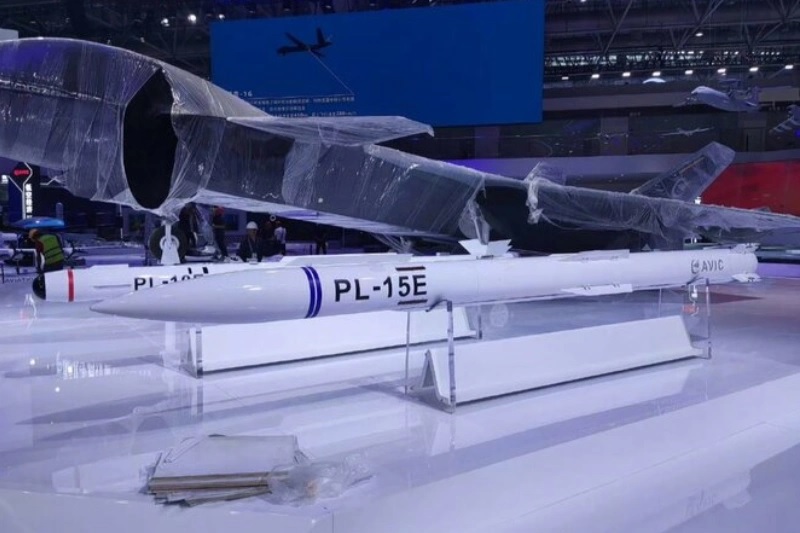
India
India's Defence Research and Development Organisation (DRDO) has recently analyzed a recovered Chinese PL-15E air-to-air missile, an export variant of China's PL-15. Contrary to the missile's touted capabilities, DRDO officials have found it lacking in advanced technology and performance when compared to India's indigenous Astra missile series. DRDO's Assessment of the PL-15E The PL-15E has been promoted as a leading beyond-visual-range air-to-air missile (BVRAAM). However, DRDO's evaluation indicates that its actual capabilities may be exaggerated and could be based on older or less advanced technology. A senior DRDO official remarked that the missile does not represent the significant advancement that China suggests and offers limited technology worth replicating. Astra Mk2: A Superior Alternative India's Astra Mk2 missile showcases significant improvements over its predecessor, the Astra Mk1. With a maximum range of 130–160 km, the Astra Mk2 is equipped with an indigenous dual-pulse rocket motor, a laser proximity fuze, and an AESA radar seeker. These enhancements provide better target tracking and engagement capabilities. The missile is currently undergoing integration with the Indian Air Force's (IAF) fleet, including the Sukhoi Su-30MKI and the Tejas Light Combat Aircraft, with full operational status expected by 2026. Astra Mk3 (Gandiva): Pushing Technological Boundaries The Astra Mk3, officially named Gandiva, represents the next leap in India's air-to-air missile technology. Powered by a Solid Fuel Ducted Ramjet (SFDR) engine, the missile boasts a remarkable range of up to 340 km at high altitudes. This propulsion system allows the missile to sustain supersonic speeds over extended distances, enhancing its effectiveness against various aerial threats. Key features of the Astra Mk3 include: Extended Range: Capable of engaging targets at ranges up to 340 km, surpassing many existing BVRAAMs. High Speed: Achieves speeds up to Mach 4.5, enabling rapid target interception. Advanced Guidance: Utilizes active radar homing with mid-course inertial navigation and a two-way data link for real-time target updates. Versatile Engagement: Features a ±10 km snap-up/snap-down capability, allowing engagement of targets at varying altitudes. Despite its promising features, the Astra Mk3 is still under development. The DRDO has completed ground-based testing of the SFDR propulsion system, but air-to-air flight trials are pending. The missile is expected to enter production within the next 4 to 5 years, following successful completion of all trials. Strategic Implications The advancements in India's Astra missile program underscore the country's commitment to achieving self-reliance in defense technology. By developing sophisticated missile systems like the Astra Mk2 and Mk3, India aims to enhance its air combat capabilities and reduce dependence on foreign suppliers. These indigenous developments not only bolster national security but also position India as a formidable player in modern aerial warfare.
Read More → Posted on 2025-05-15 16:03:20
India
In a future-defining military operation dubbed Operation Sindoor, India showcased the full might of its integrated air defence capabilities. At the heart of this defensive shield stood Akashteer, the Indian Army’s newly operationalized Integrated Air Command and Control System (IACCS) tailored for ground-based air defence. Developed indigenously by Bharat Electronics Limited (BEL), Akashteer forms the digital backbone that enables seamless data sharing, multi-layered coordination, and real-time command execution between various missile systems, radars, and anti-drone assets. This article explores how Akashteer revolutionizes India's ability to defend against hostile drones, missiles, and aircraft, specifically during operations such as Sindoor, which demand fast response and multi-domain synergy against threats from adversaries like Pakistan. What is Akashteer? Akashteer is a network-centric command and control system designed to integrate the Indian Army's air defence architecture into a unified real-time operational environment. This system brings together: Surveillance radars Surface-to-air missile (SAM) systems Anti-drone units Communication networks Command posts and field formations Akashteer enables automated tracking, threat evaluation, and response recommendation using artificial intelligence and advanced data fusion algorithms. It works across platforms and terrain, empowering commanders with 360-degree situational awareness and decision-making. Multi-Layered Air Defence Integration in Operation Sindoor S-400, Akash, and MRSAM Connectivity In Operation Sindoor, the S-400 Triumf, India’s most advanced long-range SAM system with a range exceeding 400 km, formed the first line of strategic defence. However, no air defence network is complete without integration with medium and short-range systems, especially in a fast-paced, high-volume attack scenario. Akashteer provided that missing link. S-400: Akashteer ensures that the S-400 system’s tracking and engagement data is digitally fed into the central command, where decisions on engagement priorities are made based on speed, altitude, and threat level. MRSAM (Medium Range Surface to Air Missile): Co-developed with Israel, the MRSAM offers protection up to 70 km. Akashteer synchronizes its engagement envelope with S-400 and Akash batteries to prevent overlap and ensure coverage gaps are filled. Akash SAMs: Designed for short- to medium-range defence (up to 30 km), Akash systems are fully integrated through Akashteer to act as close-in defensive rings for critical assets like forward airbases and command posts. They serve as a second or third engagement layer once longer-range assets have either failed to intercept or chosen not to engage. The Akashteer system uses radar feed fusion, meaning that inputs from multiple radar types (Rajendra, Swathi, Aslesha, etc.) are combined into a single coherent air picture—eliminating clutter and redundancy. Countering Drones: India’s Anti-UAV Net Pakistan’s increasing use of low-flying, radar-evading drones to smuggle arms or carry out precision strikes has posed a unique challenge. Akashteer integrates: DRDO’s D-4 Anti-Drone Systems Swarm neutralization jammers Electro-optical sensors Directed energy and hard-kill options These systems are fused with real-time data from ground radars and mobile intercept units, enabling operators to track, jam, and eliminate drone threats autonomously or under human oversight. In Operation Sindoor, Akashteer played a pivotal role in preventing multiple Pakistani drone intrusions along sensitive sectors like Punjab and Rajasthan by correlating aerial anomalies with drone signatures and alerting quick reaction teams (QRTs). Real-Time Communication and Distributed Command What makes Akashteer unique is its multi-node communication architecture. Every unit—be it a mobile radar, an Akash fire unit, or a surveillance post—acts as both a receiver and sender of data. This architecture enables: Mission-critical communication between air defence units and ground formations Rapid command relay from Corps HQ to individual missile batteries Interoperability with Indian Air Force’s IACCS and BharatNet where needed It ensures that even in the event of jamming or communication degradation, alternate routes are automatically selected, maintaining a robust and resilient command chain. Enhanced Situational Awareness and Decision Support Akashteer’s core strength lies in its Command and Control Software Suite, which processes incoming radar tracks, identifies friend or foe (IFF), prioritizes targets based on threat matrices, and even suggests optimal engagement plans to human operators. During Operation Sindoor, this allowed Indian commanders to pre-emptively position interceptors and pre-launch countermeasures within seconds of detection—a game-changer against supersonic cruise missiles or fast-moving fighter aircraft. Battlefield-Proven Interoperability Operation Sindoor marked the first large-scale exercise where Akashteer controlled air defence assets across multiple Corps and Strike Commands simultaneously. The system proved capable of: Tracking hundreds of aerial targets simultaneously Coordinating engagements with IAF and Indian Navy units Managing both conventional and asymmetric threats (e.g., drones, decoys, jammers) It has also demonstrated compatibility with future systems like VL-SRSAM, the XRSAM, and potential laser-based interceptors, indicating long-term scalability. Conclusion: A Digitized Dome of Defence India’s airspace, especially in the western theatre, is growing more complex due to emerging threats. With Akashteer, India has moved decisively toward a fully networked, layered, and adaptive air defence ecosystem that doesn’t just react to threats—it anticipates and neutralizes them preemptively. Operation Sindoor was a successful testbed that validated the Indian Army’s ability to operate such a system in real-time combat conditions. As adversaries invest in hypersonic weapons and drone swarms, India’s response lies not just in superior firepower but in smarter coordination, and that’s exactly what Akashteer delivers.
Read More → Posted on 2025-05-14 16:05:10
India
Turkish drones, once celebrated for their effectiveness in the Ukraine-Russia conflict, faced a significant setback during the recent India-Pakistan skirmish known as Operation Sindoor (May 7–10, 2025). Pakistan's deployment of these drones against India failed to yield the desired tactical advantages, highlighting the evolving dynamics of drone warfare and the importance of robust counter-drone systems. The Rise and Limitations of Turkish Drones Turkish unmanned aerial vehicles (UAVs), particularly the Bayraktar TB2, gained international acclaim for their performance in Ukraine, where they effectively targeted Russian military assets. Their affordability and extended operational capabilities made them attractive to various nations, including Pakistan. However, the success of these drones in Ukraine was context-dependent. As Russian forces adapted their air defense strategies, the effectiveness of Turkish drones diminished, shifting their role from direct attacks to reconnaissance and artillery coordination. This shift underscored the vulnerability of drones when faced with advanced and adaptive air defense systems. India's Robust Counter-Drone Strategy India's preparedness and investment in indigenous defense technologies played a pivotal role in neutralizing the drone threat during Operation Sindoor. Key components of India's counter-drone strategy included: Bhargavastra Micro-Missile System: Developed by Economic Explosives Ltd, this system is designed to detect and neutralize drone swarms. It can engage multiple targets simultaneously using guided micro-missiles, offering both "hard-kill" and "soft-kill" options. Vehicle-Mounted Counter-Drone Systems: In collaboration with DRDO, Adani Defence & Aerospace unveiled a mobile platform equipped with high-energy lasers, jammers, and advanced sensors to detect and neutralize drones within a 10 km range. Akash Surface-to-Air Missile System: This indigenous missile system played a crucial role in intercepting and destroying aerial threats, including drones and missiles launched by Pakistan during the conflict. These systems, integrated into a multi-layered defense network, ensured comprehensive coverage and rapid response to aerial threats. Operational Outcomes and Strategic Implications Pakistan's reliance on Turkish drones did not yield the expected tactical advantages. India's advanced air defense systems effectively neutralized these UAVs, preventing any significant damage or disruption. In contrast, India's deployment of Israeli Harop loitering munitions successfully targeted and destroyed several Pakistani air defense installations, showcasing the effectiveness of integrating advanced drone technology with strategic planning. The failure of Turkish drones in this context has broader implications: Reevaluation of Drone Effectiveness: The performance of drones is highly context-dependent. Success in one theater does not guarantee effectiveness in another, especially against adversaries with advanced counter-drone capabilities. Importance of Indigenous Defense Capabilities: India's success underscores the value of investing in domestic defense technologies, ensuring tailored solutions that address specific security challenges. Shift in Regional Power Dynamics: India's demonstrated ability to counter advanced drone threats enhances its position as a dominant military power in the region, prompting neighboring countries to reassess their defense strategies. Operation Sindoor highlighted the limitations of relying solely on imported drone technologies without considering the adversary's defense capabilities. India's proactive investment in indigenous counter-drone systems not only neutralized the immediate threat but also set a precedent for future conflicts. As drone warfare continues to evolve, the emphasis will increasingly shift towards developing comprehensive defense ecosystems that integrate detection, interception, and neutralization capabilities. The lessons from this conflict serve as a reminder that technological superiority in warfare is not just about possessing advanced weapons but also about the ability to adapt, innovate, and integrate systems effectively.
Read More → Posted on 2025-05-14 15:40:50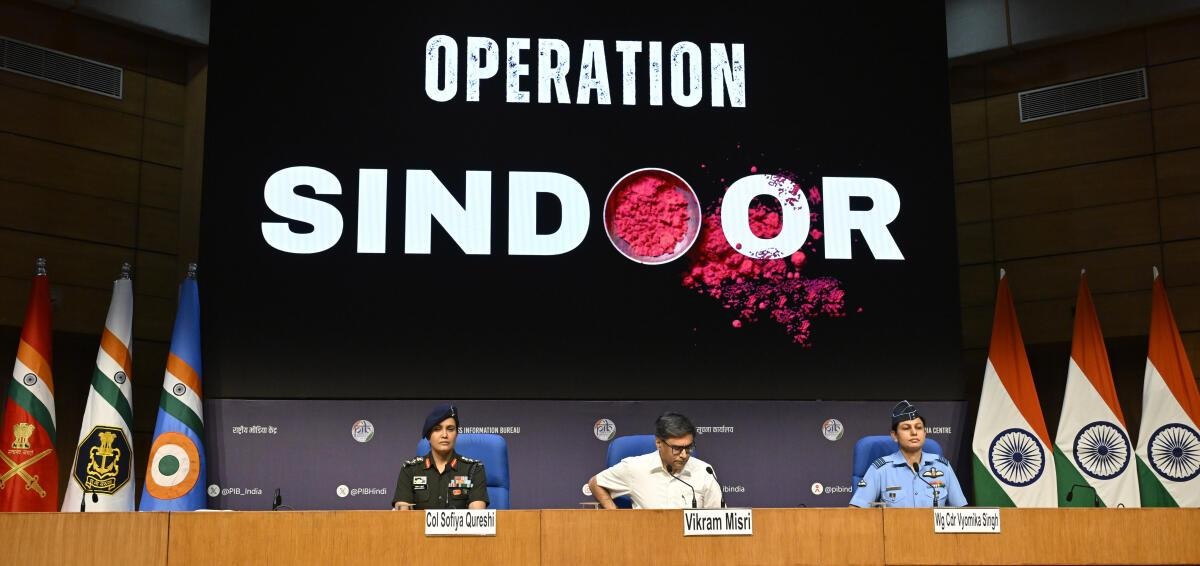
India
In the wake of Operation Sindoor, India's Ministry of External Affairs (MEA) has categorically refuted Pakistan's allegations of a "nuclear leakage" resulting from Indian military strikes. The operation, launched on May 7, 2025, was a coordinated response by India's armed forces to the Pahalgam terror attack, targeting terrorist infrastructure within Pakistan and Pakistan-occupied Kashmir. India's Clarification on Military Targets MEA spokesperson Randhir Jaiswal emphasized that all Indian military actions during Operation Sindoor were strictly within the conventional domain. He stated, "The military action from our side was entirely in the conventional domain. This was also made very clear in the defence briefing yesterday." Jaiswal reiterated that India did not escalate the conflict to the nuclear threshold and did not target any nuclear installations, including the much-discussed Kirana Hills facility. Addressing Speculations on Kirana Hills Social media and speculative reports had suggested that India struck the Kirana Hills, a fortified area near Sargodha Air Base believed to house part of Pakistan's nuclear arsenal. These rumors included claims of nuclear leaks and the arrival of foreign aircraft in Pakistan to contain potential radioactive contamination. However, Air Marshal AK Bharti, Director General of Air Operations, categorically denied these claims. He responded humorously to a question about Kirana Hills, saying, "Thank you for telling us that Kirana Hill houses some nuclear installation. We did not know about it," before clearly stating, "We have not hit Kirana Hills, whatever is there." Pakistan's Official Stance Both Indian and Pakistani officials have denied any damage to nuclear facilities. The Pakistani government, including its Foreign Minister, officially denied the allegations of a nuclear incident or leakage, further debunking the rumours. Operation Sindoor's Objectives and Impact Operation Sindoor focused on degrading Pakistan's terrorist infrastructure and military capabilities. Indian strikes targeted key airbases such as Nur Khan (Rawalpindi), Sargodha (PAF Base Mushaf), Bholari, and Shahbaz (Jacobabad), as confirmed by satellite imagery showing significant damage to these installations. The operation also destroyed terrorism centers in Bahawalpur, Muridke, Muzaffarabad, and other locations, effectively putting several Pakistani airbases out of action and impacting the operational effectiveness of Pakistan's air force. India's Stance on Nuclear Blackmail India reiterated its policy of not succumbing to nuclear blackmail and its commitment to countering cross-border terrorism without invoking or escalating to nuclear threats. Jaiswal asserted, "India has a firm stance that it will not give in to nuclear blackmail or allow cross-border terrorism to be conducted, invoking it in conversations with various countries." India has categorically denied any strike on Pakistan's nuclear facilities, particularly Kirana Hills, during Operation Sindoor. Both Indian and Pakistani officials have dismissed claims of nuclear leakage as unfounded. India's military actions remained within the conventional domain, targeting terrorist infrastructure and military airbases, significantly degrading Pakistan's operational capabilities without crossing the nuclear threshold. While official statements provide clarity, it's prudent to approach such sensitive matters with a discerning perspective, acknowledging the complexities inherent in international relations and defense strategies.
Read More → Posted on 2025-05-14 14:55:59
India
India’s steady rise in the world of advanced defence technology was on full display at the DEFEA 2025 international defence exhibition in Athens, Greece. The spotlight fell on the Defence Research and Development Organisation’s (DRDO) indigenous Long Range Land Attack Cruise Missile (LRLACM), a weapon system that has caught the attention of global military observers and strategic planners alike. This subsonic cruise missile, capable of striking targets up to 1,000 kilometres away, stands as a shining example of India’s growing strength in homegrown missile systems and its unwavering commitment to achieving self-reliance in defence manufacturing. A New Chapter After Nirbhay The LRLACM is widely understood to be an advanced evolution of India’s earlier Nirbhay missile family, which was developed to provide the country with long-range precision strike capability. On November 12, 2024, the LRLACM completed its successful maiden flight test from the Integrated Test Range (ITR) at Chandipur in Odisha — a significant milestone confirming the missile’s operational viability. This ambitious project was spearheaded by DRDO’s Aeronautical Development Establishment (ADE) in Bengaluru, with critical contributions from other DRDO laboratories and Indian defence production firms like Bharat Dynamics Limited (BDL) and Bharat Electronics Limited (BEL). Design and Capabilities The LRLACM is engineered to conduct high-precision attacks on strategic land-based targets deep within enemy territory. Its most notable features include: Stealthy Subsonic Flight: The missile cruises at subsonic speeds while hugging the terrain at low altitudes, significantly reducing its chances of being detected and intercepted by enemy air defences. Terrain-Hugging Navigation: The missile uses waypoint navigation and terrain contour matching (TERCOM) to manoeuvre along complex routes, bypassing radar coverage and air defence systems. Universal Launch Options: Designed with flexibility in mind, the LRLACM can be launched from mobile land-based platforms and frontline naval vessels equipped with universal vertical launch systems, enhancing its operational reach. State-of-the-Art Avionics: Fitted with advanced navigation and control systems, the missile can execute intricate manoeuvres at varying altitudes and speeds, ensuring high accuracy and mission success. Large Conventional Warhead: Capable of carrying a high-explosive warhead suitable for strategic and tactical targets, including enemy infrastructure, command centres, and logistics hubs. Global Defence Community’s Interest At DEFEA 2025, the LRLACM drew considerable interest from defence delegations and observers from Europe, the Middle East, and Southeast Asia. Experts noted the missile’s similarity in role and capability to established systems like the US Tomahawk and Russia’s Kalibr cruise missile, placing India firmly in the league of nations capable of producing long-range, precision strike cruise missiles. Notably, reports have hinted at preliminary discussions between India and Greece, with the latter reportedly impressed by the missile’s range, versatility, and stealth features. Such interest marks a promising development for India’s defence export ambitions. Technical Specifications Type: Long-Range Land Attack Cruise Missile Range: 1,000 km Speed: Subsonic (~0.7 to 0.9 Mach) Warhead: High-explosive (Conventional) Guidance System: Inertial Navigation System (INS), GPS, and TERCOM Flight Profile: Terrain-hugging, low-altitude, waypoint navigation Launch Platforms: Mobile ground-based launchers, naval vertical launch systems Developer: Aeronautical Development Establishment (ADE), DRDO Operational Status: Under development, successful maiden test in November 2024 Conclusion India’s LRLACM represents more than just a new weapon system; it’s a declaration of the country’s advancing indigenous defence technology. Its unveiling at DEFEA 2025 has not only elevated India’s profile in global defence circles but also positioned the nation as a credible developer of advanced cruise missile systems. As international interest grows, the LRLACM could potentially open new avenues for defence partnerships and export opportunities in the near future.
Read More → Posted on 2025-05-14 14:53:05Search
Top Trending in 24 Hours
-
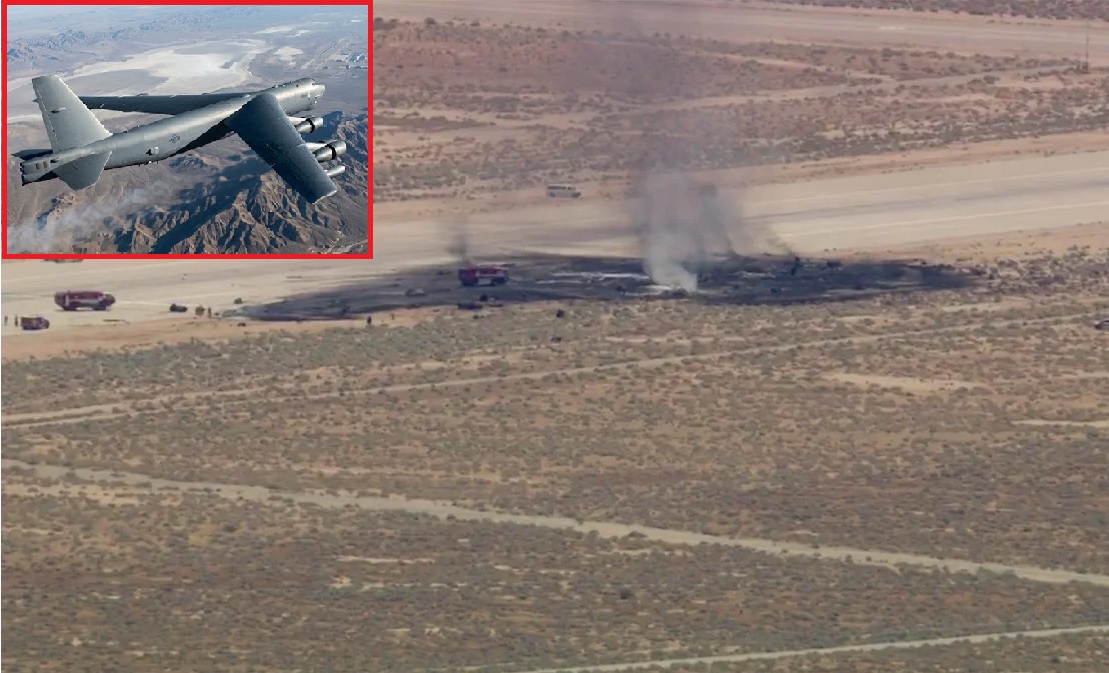 8 U.S. Air Force Crew Members Killed in B-52 Bomber Crash During Test Flight at Edwards Air Force Base
-
 Ukraine Introduces Balloon-Launched DART Missile Designed to Defeat Electronic Warfare
-
 Lockheed Martin Wins $514 Million U.S. Space Force Contract for Two New GPS IIIF Satellites
-
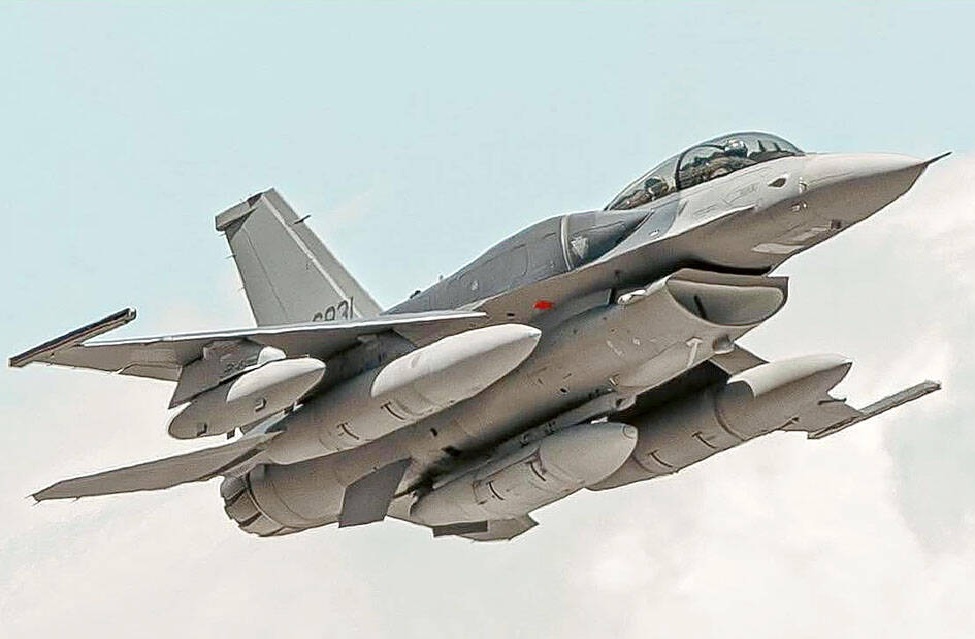 First Taiwanese F-16 Block 70 Flies with Five-Tank Fuel Configuration During Texas Tests
-
 UK Announces £210 Million Deal to Supply Enriched Uranium to Ukraine for Two Years
-
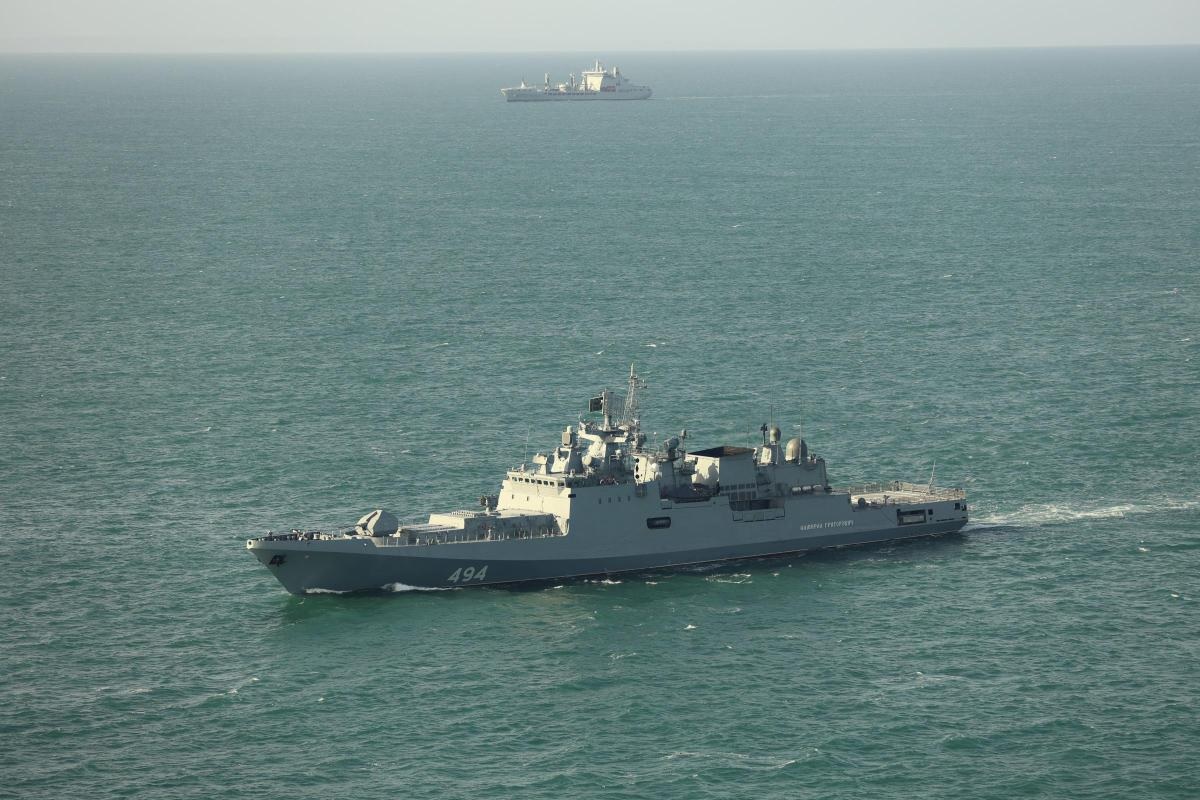 Russian Frigate Admiral Grigorovich Challenges UK Yacht in English Channel With Warning Shots
-
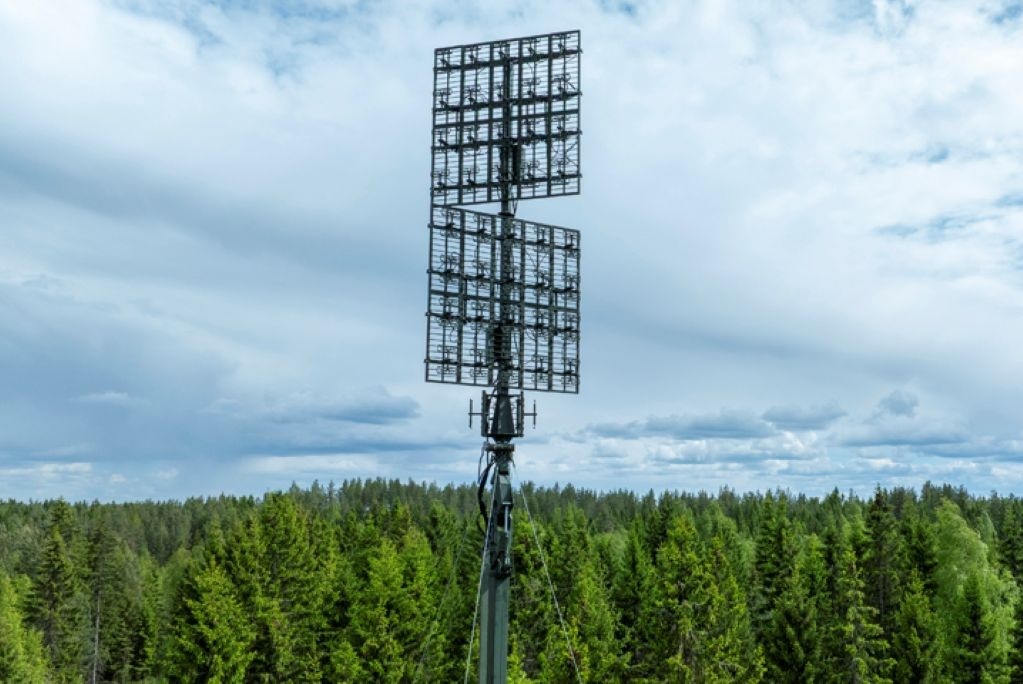 Patria Launches WISPR Passive Counter-Battery Radar with Silent Detection Capability at Eurosatory 2026
-
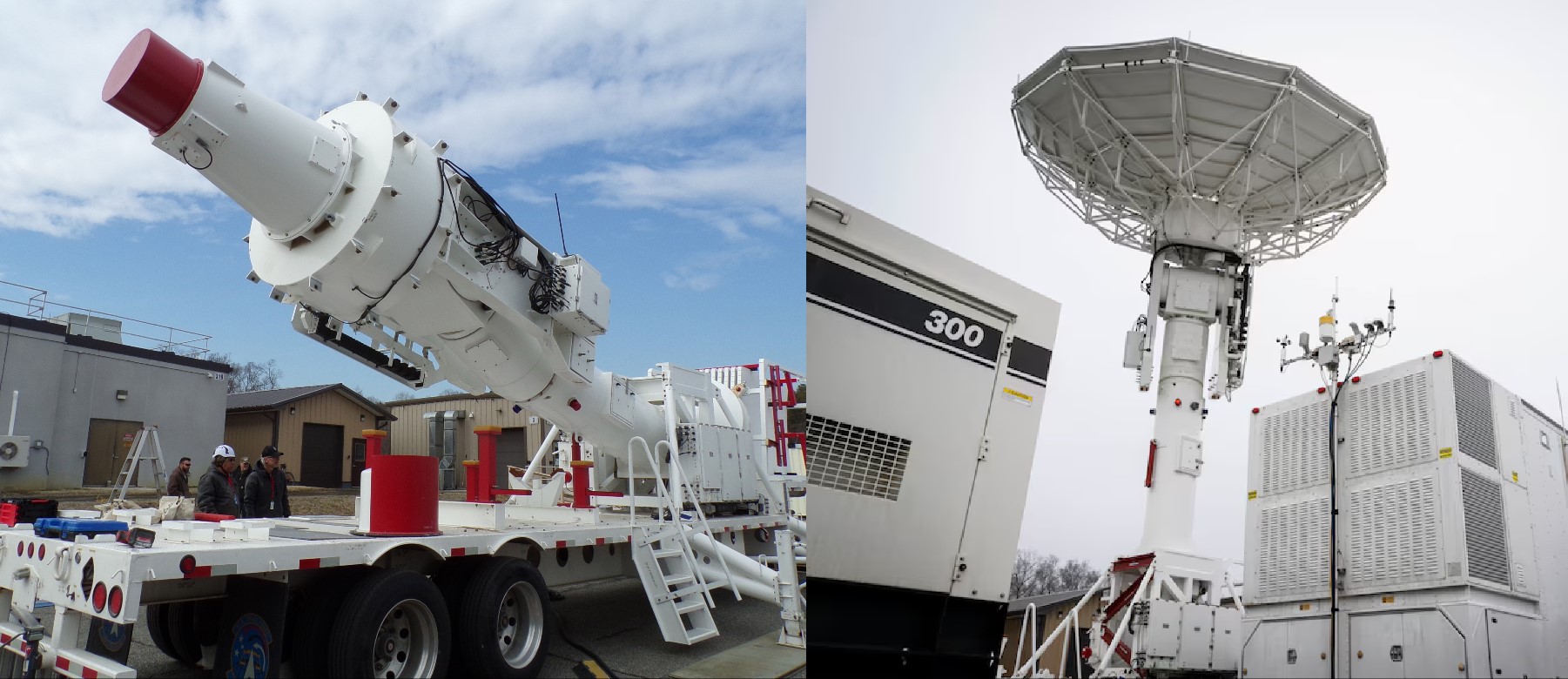 Space Force Transfers Transportable Satellite Tracking Antenna to Naval Research Laboratory
Top Trending in 4 Days
-
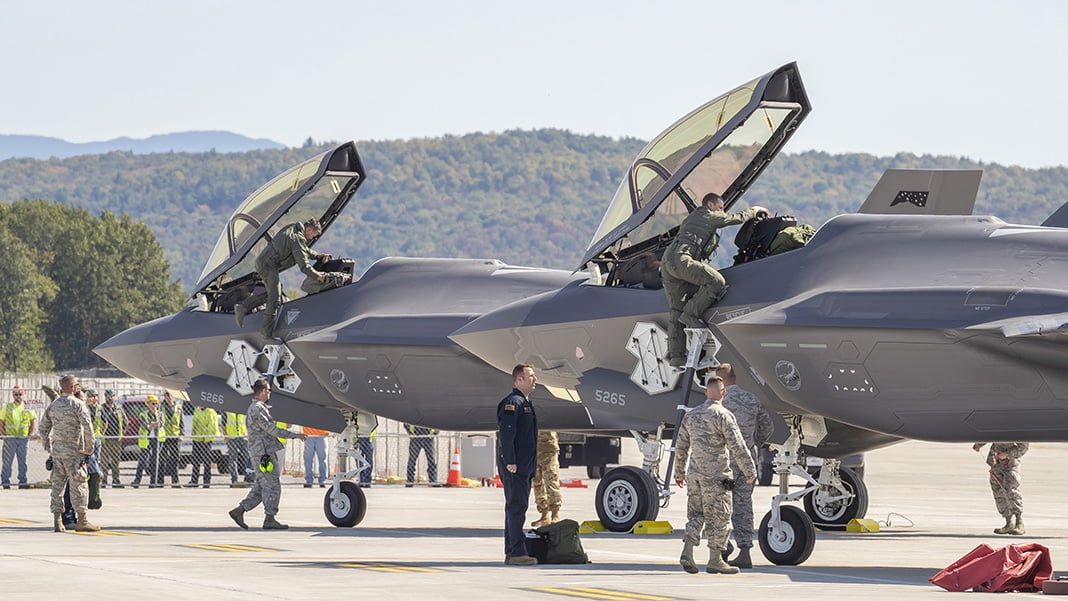 F-35 Fleet Readiness Falls to 25% Amid Parts Shortages and Software Delays: GAO Report
-
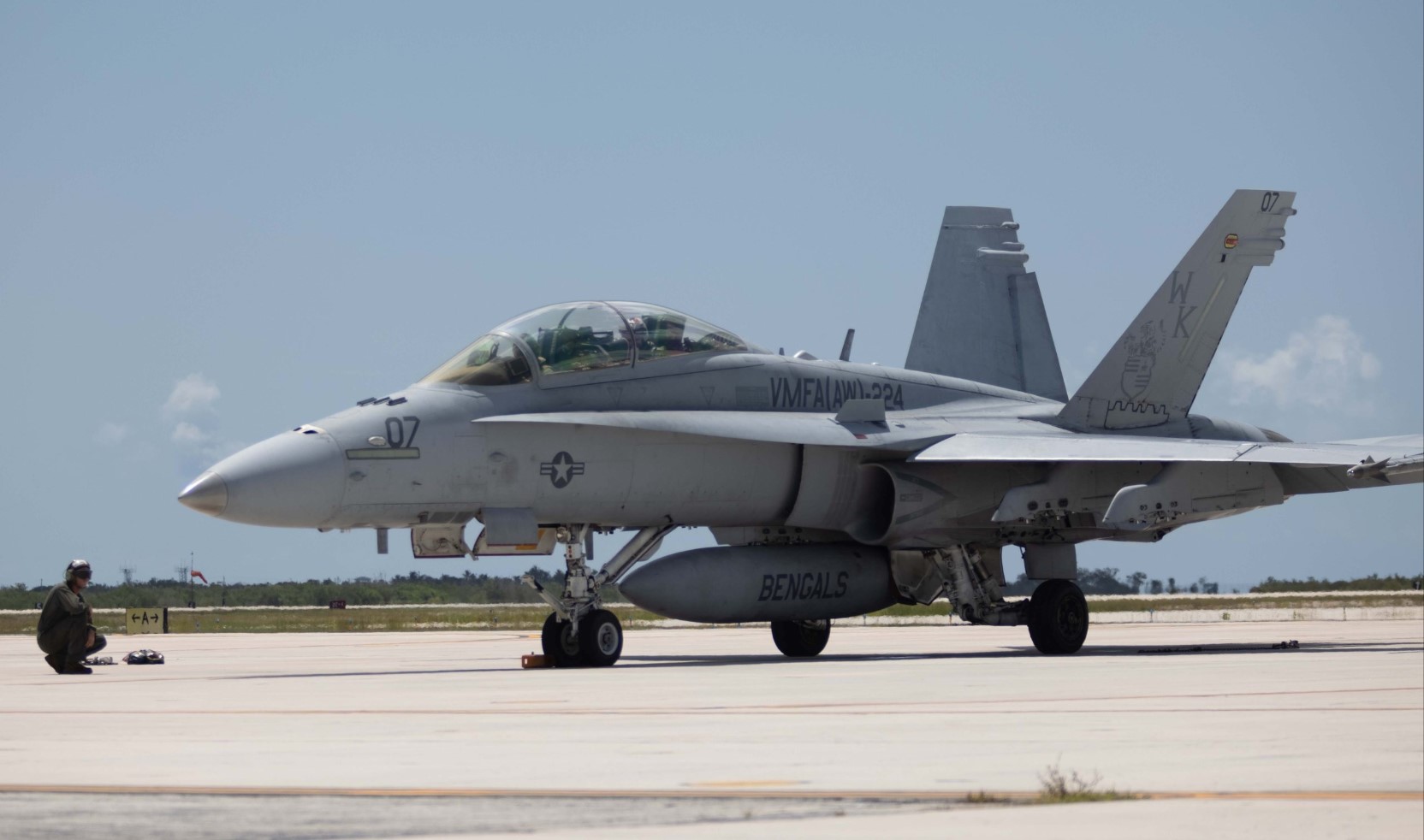 US Marine Corps F/A-18D Hornet Crashes During Training Flight in Washington Mountains; Pilot Ejects Safely
-
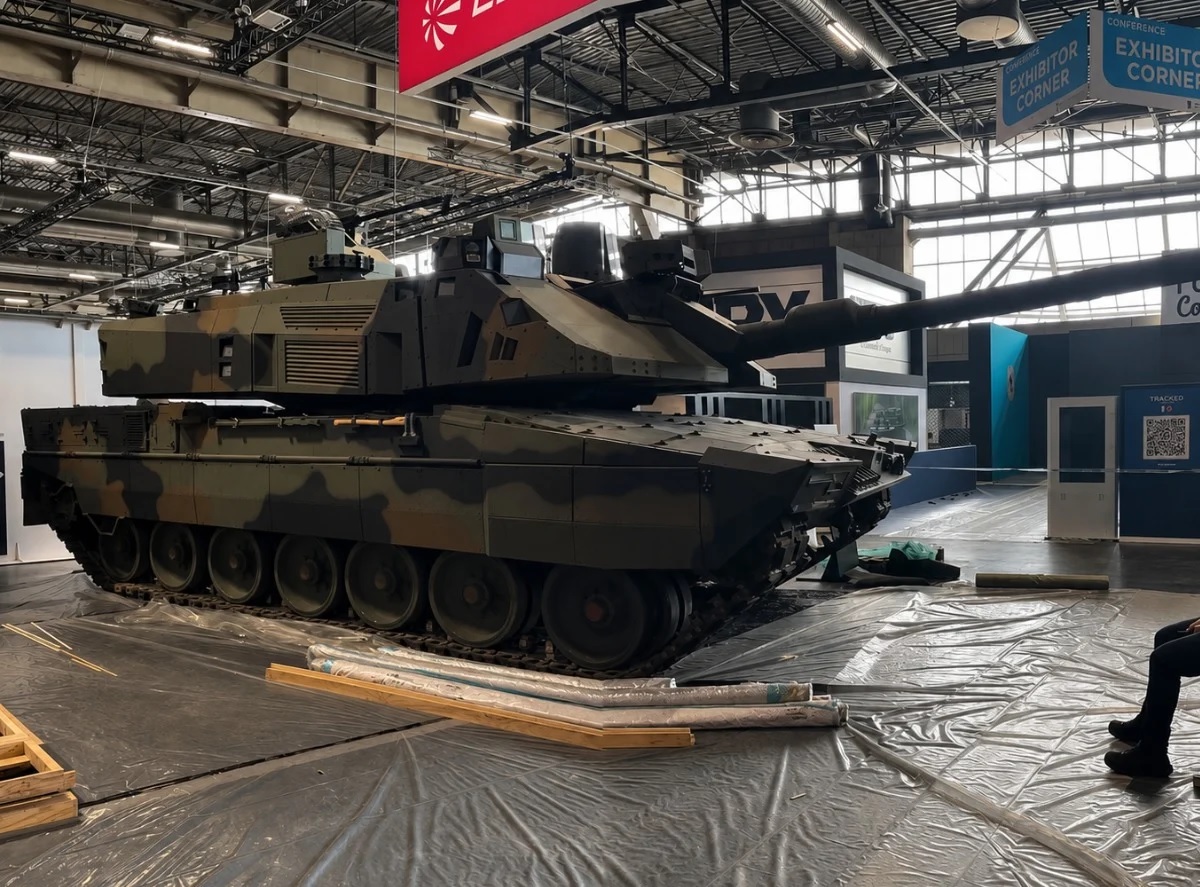 Leonardo Rheinmetall to Unveil Italy’s New IMBT Main Battle Tank at Eurosatory 2026
-
 Tulsi Gabbard Releases Declassified Files Detailing U.S.-Backed Network of 120 Biolaboratories Across 30+ Countries
-
8 U.S. Air Force Crew Members Killed in B-52 Bomber Crash During Test Flight at Edwards Air Force Base
-
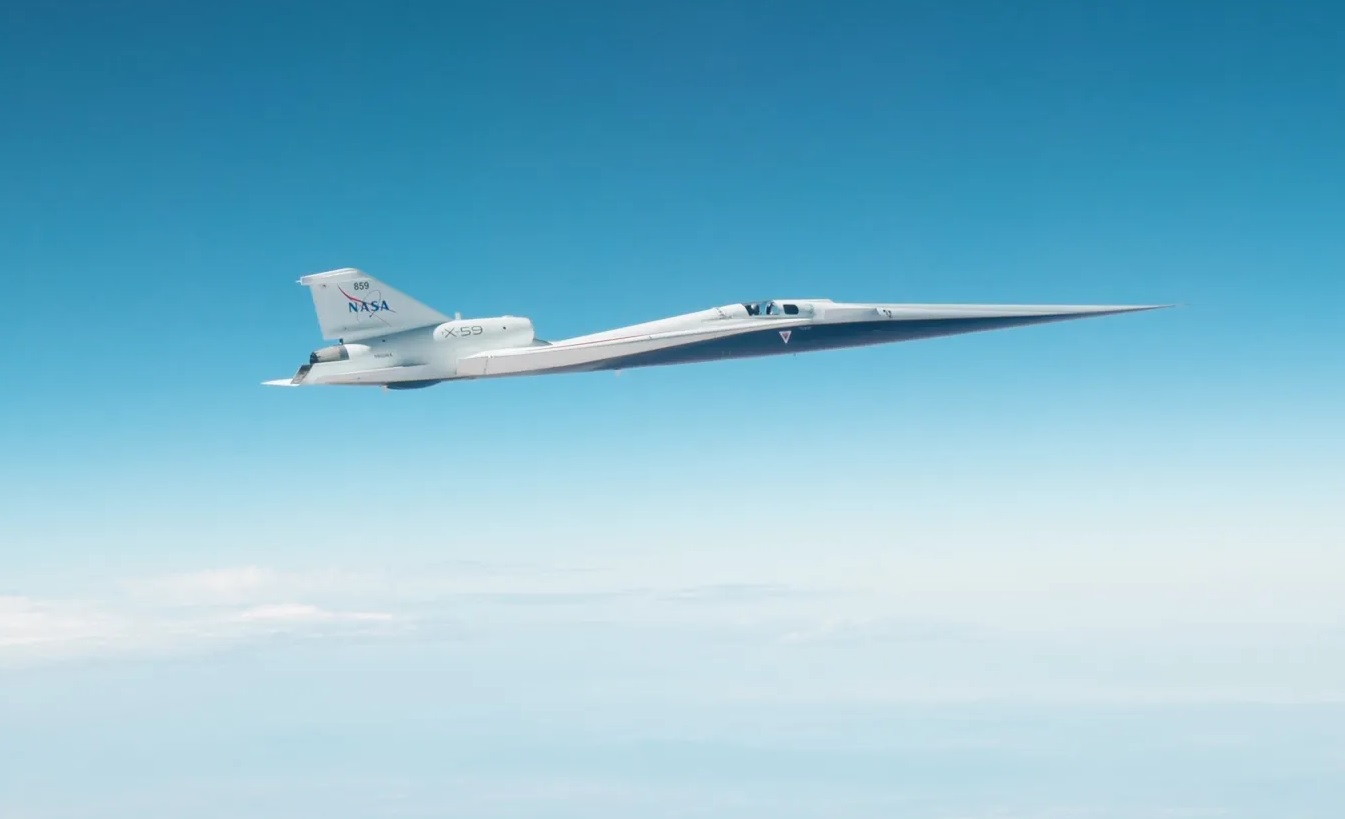 NASA X-59 Achieves Planned Mission Conditions with Mach 1.4 Flight at 55,000 Feet
-
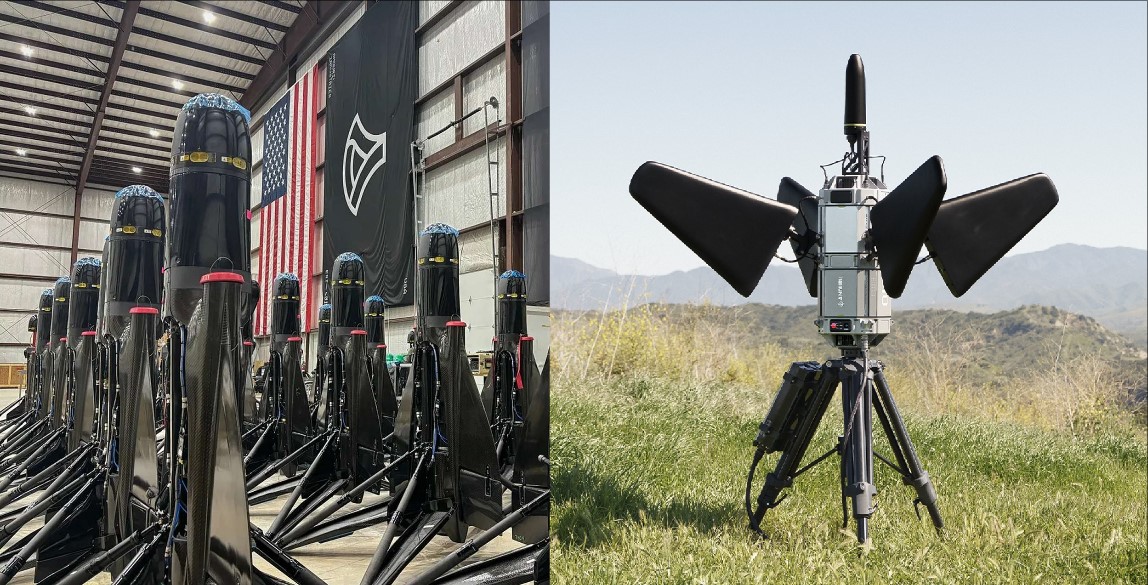 U.S. Approves $1.98 Billion Sale of Anduril AI-Powered Counter-Drone Systems to Kuwait
-
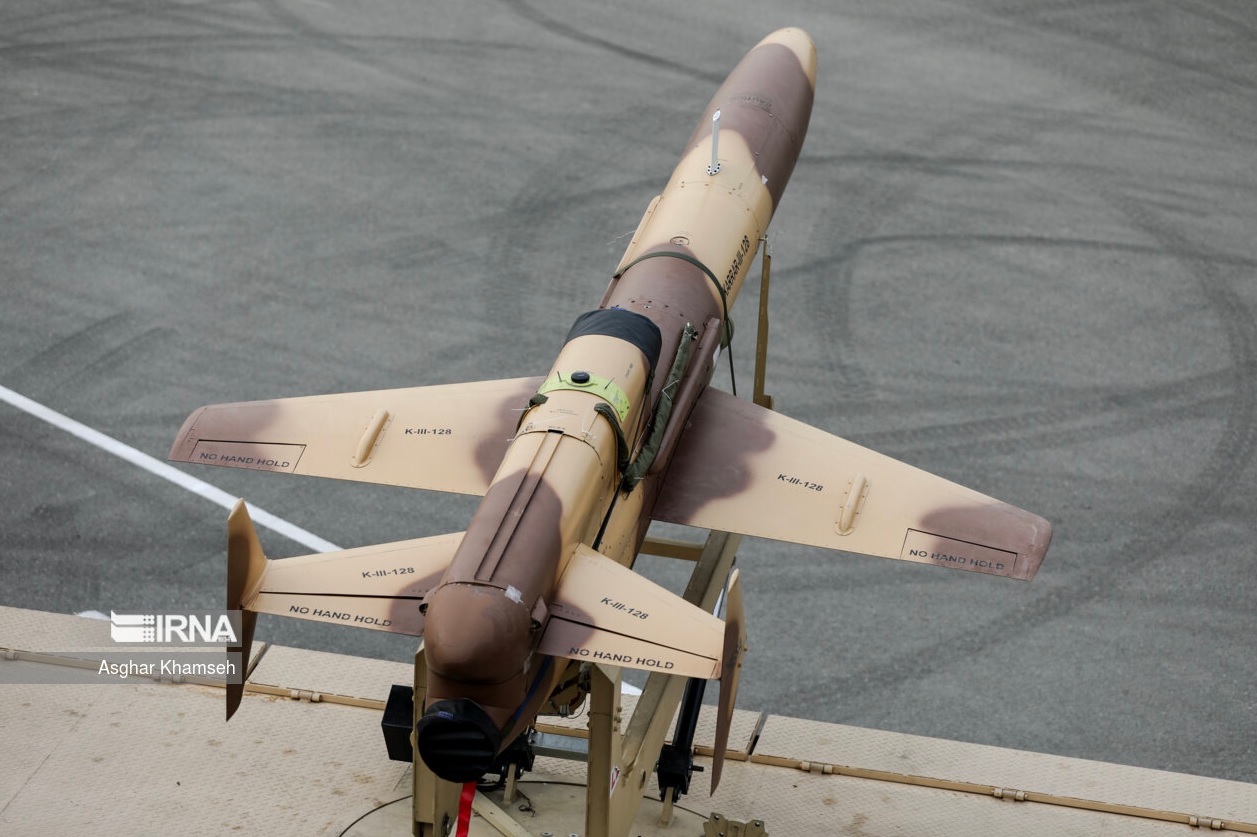 Russia Launches 1,400 Jet-Powered Drones in 2026 as Strike Tactics Evolve to Challenge Ukraine's Air Defenses