India
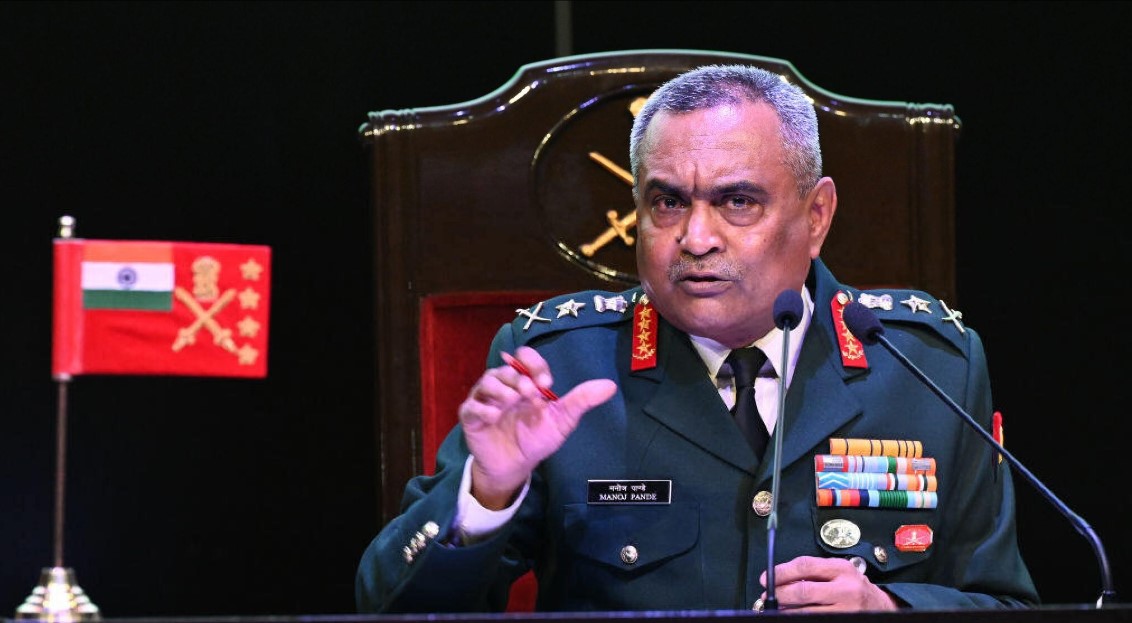
Defense News ,India :- In the backdrop of the nearly four-year border row with China in eastern Ladakh, Army Chief General Manoj Pande on Wednesday said the Indian Army's preparedness levels are of a "very high order" and the force is keeping a "very close watch" on developments across the border. In response to questions asked during a panel discussion at Times Now Summit here, General Pande also said he believed that it was "only through talks" that one can find resolution of the balance issues that are currently at hand.The eastern Ladakh border standoff erupted on May 5, 2020, following a violent clash in the Pangong Lake area.The ties between the two countries nose-dived significantly following the clash in the Galwan Valley in June 2020 that marked the most serious military conflict between the two sides in decades."We are prepared in every manner. Our levels of operational readiness, operational preparedness is of a very high order. In terms of our deployments along the entire length of 3,488 km (LAC) of our borders, I would say is both robust as well as balance. We have also ensured that we have adequate reserves in terms of dealing with contingencies... We have our response mechanism firmly in place," General Pande said.He was asked how well is the Indian Army prepared in the backdrop of the eastern Ladakh border standoff."We have talks at two levels. One is at the military level, at the level of our corps commanders, we have had 21 rounds of talks. At the diplomatic level, where we have the mechanism, WMCC (Working Mechanism for Consultation and Coordination on India-China Border Affairs," he said, adding several rounds of WMCC talks have taken place post the event of mid-2020.The 28th meeting of WMCC was held on November 30, 2023."It is my belief that only through talks you will find resolution of the balance issues that are currently at hand. While these talks are progressing, we are also focusing on capability development along our northern borders, of which technology infusion, modernisation are important," the Army chief said.General Pande said the Army is also focusing on infrastructure development and "I believe, we are moving in the right direction"."Our preparedness levels are of a very high order and we are keeping a very close watch on developments and what is happening across the border," he added.Asked to quantify the threat perception from China, General Pande said from time to time "we keep reviewing threats".So, threat during the winter months may be slightly different from what it may be during the summer months, he added."Just as our western adversary, with respect to our northern adversary, I would only say, our preparedness level is of a very high order," the Army chief asserted.On the situation in Jammu and Kashmir, he underlined the Army formations deployed in the UT, both in hinterland and along the LoC in counter-infiltration grid."There are attempts at infiltration, which are continuing both in the Valley region as to the south of the Pir Panjal region. But we have a very robust and effective counter-infiltration grid which has proven successful," he said.On criticism surrounding the Agnipath scheme, General Pande said it was a "transformational" change or reform that "we undertook in the past so many years".The feedback received from the units is "extremely encouraging, extremely positive", General Pande said, adding cynicism as to what will happen to the Agniveers after four years is "misplaced".On role of the women in the army, he said, "Close to 128 women officers are now donning the rank of a colonel and they are now commanding officers".The general was also asked about the Indian Army's role in controlling the Manipur situation."On the night of May 3-4, I think it was our pro-active deployment, induction of additional forces there that we were able to control the violence levels to a very large extent. Be it the Assam Rifles or the army units deployed there, I would say they have given an excellent account of themselves," General Pande said.In terms of preventing collateral damage to non-military or civilian population, in terms of ensuring their own protection, "I would believe they have done an excellent job", he said.On the challenges there, General Pande said one is the aspect of weapons which are still available at large.There is still fairly a large number of weapons that is still available and that is a "cause of concern", he added.Also, the issue of activities happening across the Indo-Myanmar border and with these kinds of weapons available that remains a challenge, the Army chief said.The situation in Manipur transcends the law and order situation or of land domain, General Pande said."We will have to come up with a very comprehensive and a detailed framework to be able to find an answer to the ongoing issues there. We have a large ex-servicemen community. So, we have asked them to engage with people. Our units are helping internally displaced people in various relief camps," he said.General Pande in his opening remarks said that he saw the Indian Army as "a key contributor and a stakeholder" in the nation's rise."I believe the nation's security and progress are inextricably linked. While the economic progress is the fountainhead of growth, it is the military strength that lends it the capability to be able to address ongoing as well as future security challenges. The army's commitment to India's growth story is absolutely unwavering," he said.
Read More → Posted on 2024-03-27 15:25:02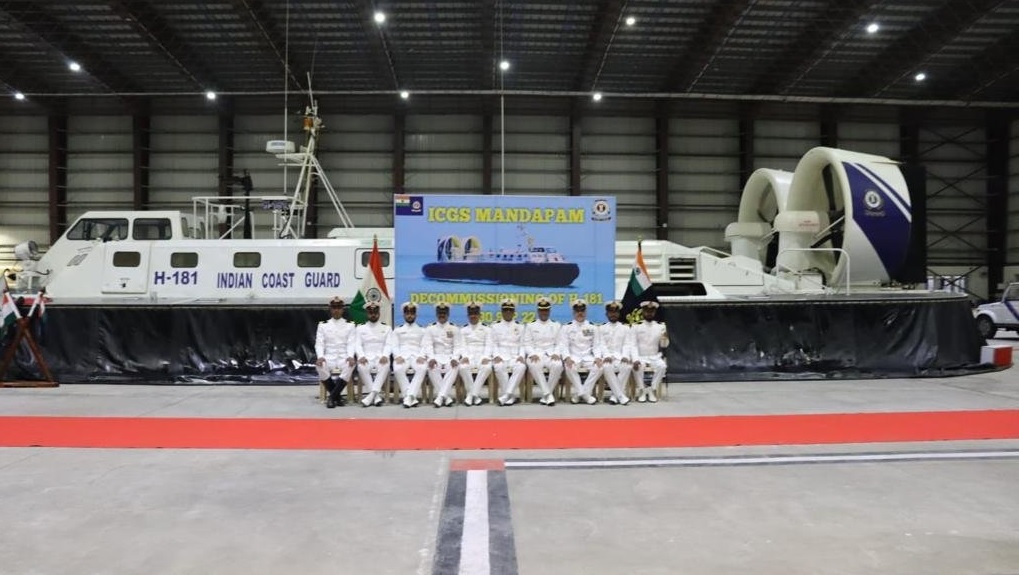
India
Defense News ,India :- The Indian Coast Guard will inaugurate its Hovercraft Maintenance Unit (HMU) and lay the foundation stone for a new jetty at Okha on March 28, followed by the opening of the Operational Team Mess (OTM) and Married Accommodations in Veraval on March 29 in Gujarat.The Defence Secretary will officiate as the Chief Guest at both events, significantly enhancing the Coast Guard's operational infrastructure.The ceremony on March 28 will commence at 11 a.m. at Arambadha, Okha, where the HMU will be officially inaugurated and the Bhoomi Poojan for the jetty will be conducted.These facilities are expected to bolster the Indian Coast Guard's regional operational capabilities.Continuing the infrastructural expansion, on March 29, the Coast Guard Residential Accommodation (CGRA) at Enaz in Veraval will see the inauguration of the OTM and Married Accommodations.'
Read More → Posted on 2024-03-27 15:12:33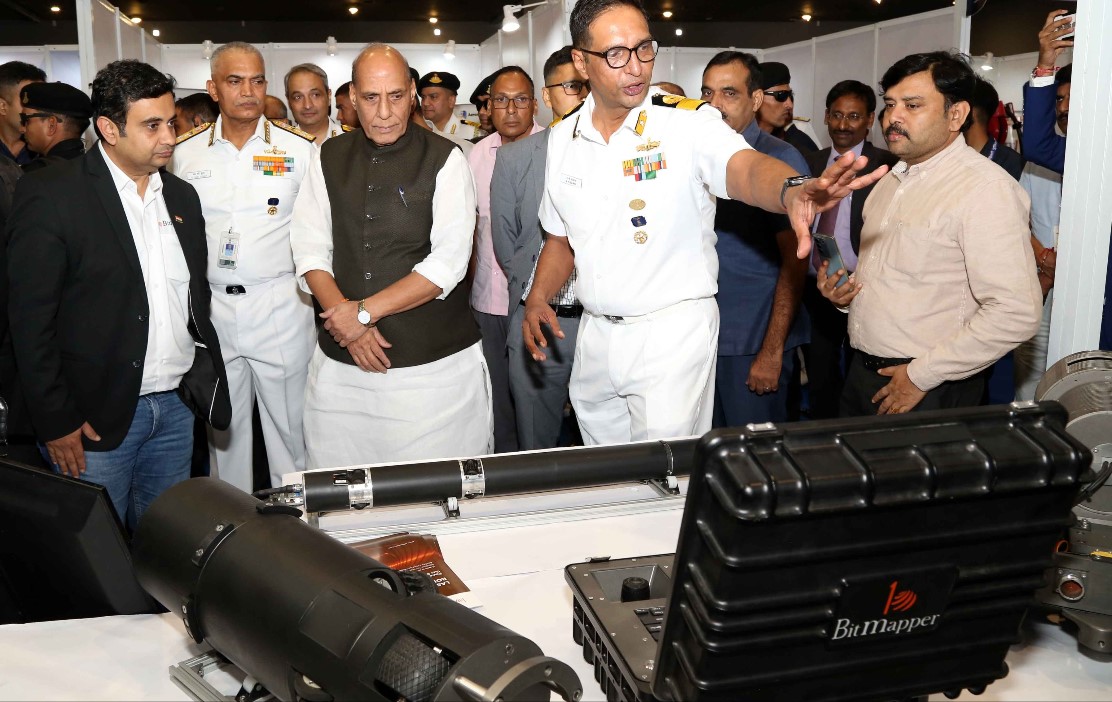
India
Defense News ,India :- The Indian government is making big changes to its Defence Acquisition Procedure (DAP) 2020 to support its "Make in India" and "Aatmanirbharta" (self-reliance) initiatives.What's Changing?The updated DAP aims to boost domestic manufacturing and reduce dependency on foreign imports in the defence sector. Here's what's new:1. More Indian Content: Now, at least 50% of materials, software, and technology used in defence projects must be made in India. This means more support for Indian companies.2. Easier Testing: Indian manufacturers will find it easier to access defence testing facilities. This will speed up the testing process and help products get to market faster.3. No More Re-badged Imports: To stop the practice of selling foreign weapons with minimal Indian involvement, companies must fully understand any imported components they use. They're also encouraged to develop Indian alternatives.4. Priority to Domestic Manufacturing: At least half of the total Indian content must be made in India. There may be exceptions, but only with good reasons.Why It Matters?Experts see these changes as a positive move. They believe it will help India become more self-reliant in defence.What's Next?These changes could have big effects on India's defence industry. By relying more on local production and innovation, India hopes to reduce its need for foreign arms.This shift could boost India's independence and create new economic opportunities in defence.
Read More → Posted on 2024-03-27 15:07:23
India
Defense News ,India :- The United States Commission on International Religious Freedom (USCIRF) is getting heat for its views on India’s Citizenship Amendment Act (CAA). USCIRF is worried about the CAA’s rules and thinks it should help more people from Pakistan, Afghanistan, and Bangladesh who face religious persecution. But some people think this is hypocritical.The big problem USCIRF sees is that the CAA doesn't include Muslims. This law lets persecuted religious groups from nearby countries become Indian citizens, but not Muslims. USCIRF thinks this is unfair discrimination based on religion.Critics say USCIRF is acting strangely. They point out that USCIRF supports the Lautenberg Amendment, which stops US help to countries that don't respect religious freedom, like Iran. But the Lautenberg Amendment helps religious minorities in Iran, even though most Iranians are Muslims.This doesn't make sense to critics. They say USCIRF should treat all countries the same if it really cares about religious freedom. They think USCIRF might have other reasons for its stance, like politics, instead of just wanting to protect religious freedom equally.Some people say USCIRF seems to have different rules for America and India. They believe USCIRF might not be completely fair in its decisions about religious freedom.
Read More → Posted on 2024-03-27 14:30:34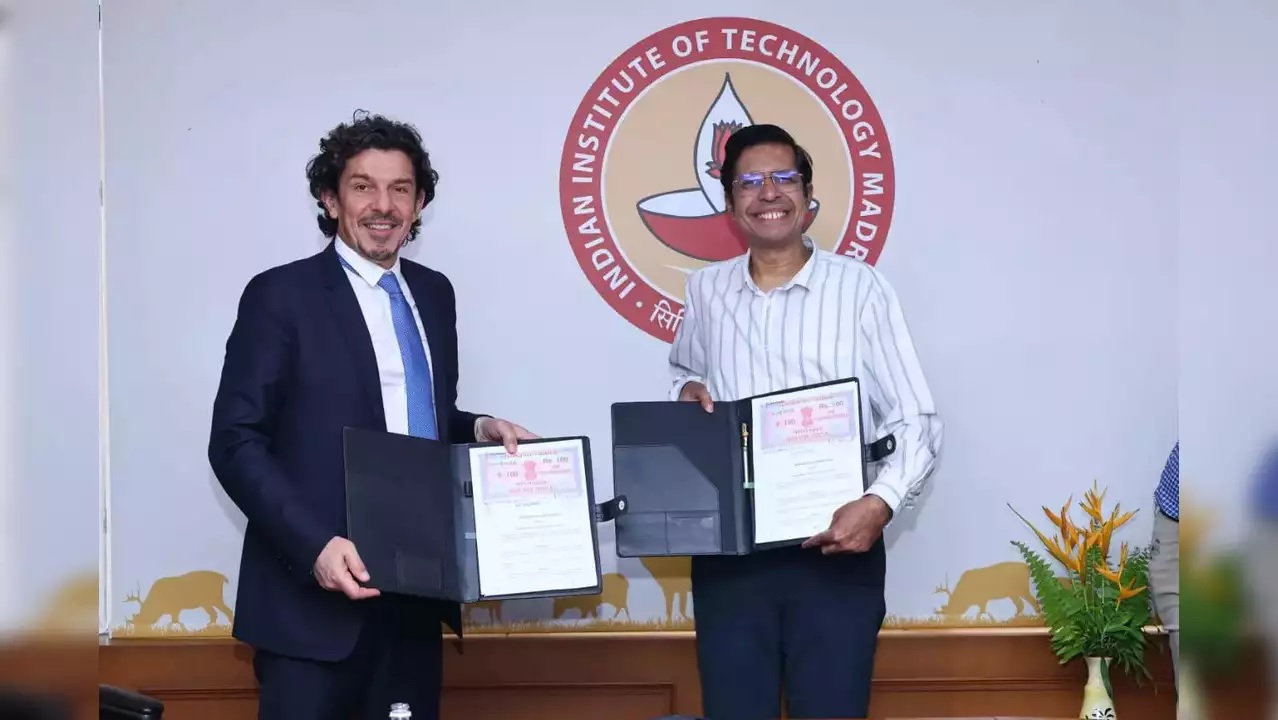
India
Defense News ,India :- In a big boost for India's aviation, space, and defence sectors, French company Starburst Accelerator SARL is teaming up with IIT-Madras to create opportunities for startups. With a whopping funding of €100 million (100 Million Euros), this partnership aims to support new businesses in aerospace and defence, helping them grow and become future suppliers. Let's delve deeper into this exciting collaboration.Starburst Accelerator SARL, along with IIT-Madras, plans to establish a hub specifically designed for startups in these critical industries. The goal is to provide them with the necessary resources and support to thrive in the competitive market. By setting up accelerator programs, the partnership aims to foster innovation within India's aerospace and defence ecosystem.This collaboration is not just about funding; it's about empowering startups to explore international markets and connect with global stakeholders. Through this initiative, Indian startups will have the opportunity to expand their reach and tap into Starburst's extensive network.The memorandum of understanding (MoU) for this collaboration was signed at the IIT-Madras campus. François Chopard, the founder and CEO of Starburst Aerospace, Cedric Vallet, the Innovation and Venture Director at Starburst Aerospace, along with Prof V Kamakoti, Director of IIT-Madras, and Prof Manu Santhanam, Dean (ICSR) at IIT-Madras, were among the signatories.Chopard expressed their collective vision of building a robust aerospace and defence ecosystem in India that fosters innovation and local production. This, he believes, will prepare India to tackle the future challenges in aerospace, new space, and defence.V Kamakoti highlighted the significance of encouraging young entrepreneurs, emphasizing the role of educational institutions in nurturing future employers. He sees collaborations like this as crucial in supporting startups in critical sectors and driving India towards becoming a multi-trillion-dollar economy.Starburst Aerospace, with offices in various global locations, has a vast network of over 17,000 startups. Through this partnership, they aim to focus on supporting entrepreneurs, research parks, investors, government bodies, and corporate firms. The objective is to nurture innovative startups and align them with global aerospace and new space programs.To achieve these goals, Starburst plans to establish a consulting team comprising IIT-Madras alumni, experienced military officers, ASD managers, and senior consultants from Starburst offices. This team will provide startups with the necessary guidance and support to scale up their operations. The program will facilitate access to resources, drive technological advancements, and foster collaboration within the aerospace and defence sector.Structured programs combining academic knowledge with practical startup guidance will be developed, including workshops, seminars, and mentoring sessions. These initiatives aim to equip Indian startups with the tools they need to grow and become key players in the aerospace and defence industries. Additionally, they will help startups attract external investments, mitigate risks, and accelerate their development process.In conclusion, the partnership between IIT-Madras and Starburst Accelerator SARL holds tremendous promise for India's aerospace and defence sectors. By providing startups with the necessary support and resources, this collaboration aims to fuel innovation, drive economic growth, and establish India as a global leader in aerospace and defence technology.
Read More → Posted on 2024-03-27 14:04:04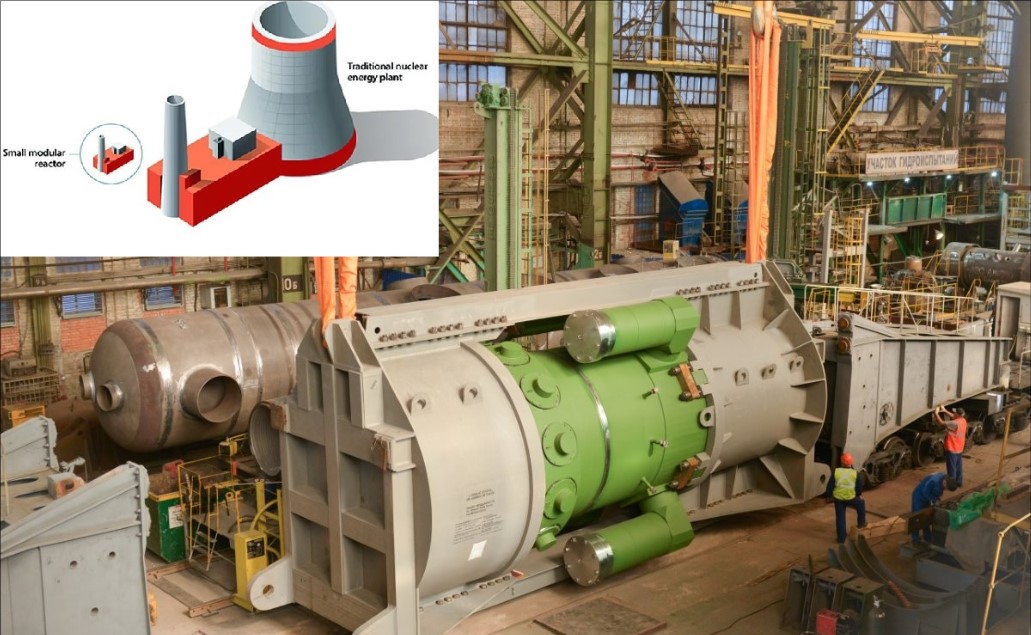
India
Defense News ,India :- ROSATOM, a Russian government-owned company specializing in atomic energy, is talking with India's nuclear industry about potentially providing technology for 'small modular reactors' (SMRs). Evgeny Pakermanov, President of ROSATOM Overseas, confirmed these discussions.SMRs are smaller-scale nuclear reactors, typically ranging from 100 to 200 megawatts (MW) in size. Many countries, including India, are interested in SMRs as a source of clean energy.At Atomexpo 2024, where a session on SMRs was held, there was significant interest, with attendees overflowing the hall. Pakermanov highlighted Russia's expertise in SMRs, emphasizing advantages like quick construction (within 4 years) and lower water usage.ROSATOM is ready to offer customizable SMR solutions to meet specific customer needs, according to its website.Li Feng, Deputy Director of China National Nuclear Power Co.'s Safety Production Committee, mentioned that 18 countries are working on 83 SMRs. The Nuclear Energy Agency projects that by 2050, SMRs could contribute up to 375 gigawatts (GW) of installed capacity worldwide.China, with 55 operational nuclear plants and 36 under construction, is also investing in SMRs. They are constructing a 125 MW SMR in Hainan province for various purposes, including electricity generation and desalination.Experts at the conference emphasized the need for common regulations for SMRs globally. The International Atomic Energy Agency (IAEA) has identified 19 key issues related to SMR deployment, covering safety, radiation protection, and waste management.Mikhail Chudakov, Deputy Director General of IAEA, highlighted the challenge of achieving uniformity among nuclear regulators across different countries regarding SMRs. He mentioned efforts by IAEA to develop standardized documentation, though it's a complex task.Chudakov also noted that floating nuclear power plants are considered the safest option due to the ability to sink the vessel in case of emergencies.
Read More → Posted on 2024-03-27 13:54:39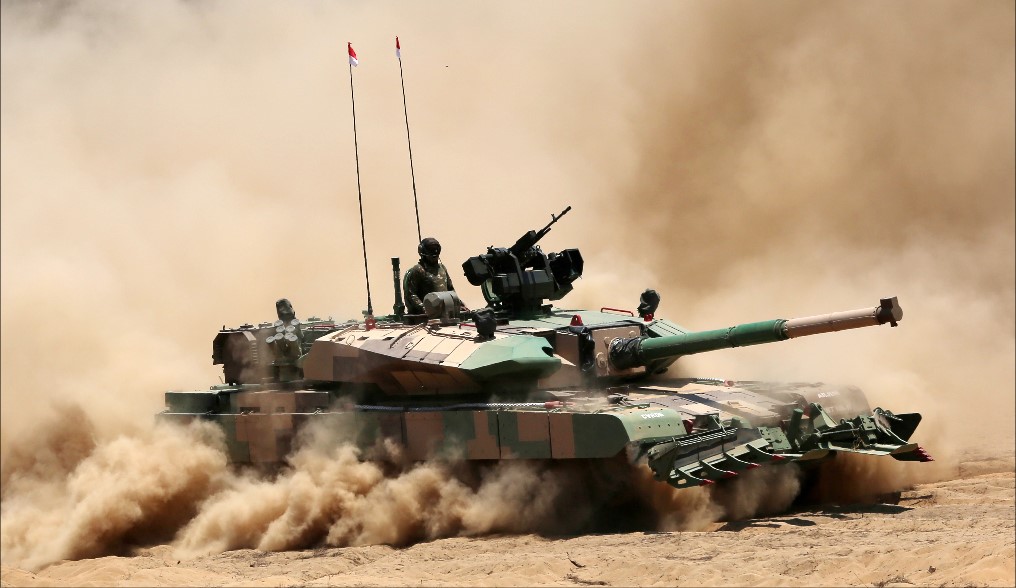
India
Defense News ,India :- India's Defence Research and Development Organisation (DRDO) is taking strides towards self-reliance in producing critical components for armored vehicles.The Combat Vehicles Research & Development Establishment (CVRDE), a prominent DRDO laboratory, has issued a Request for Information (RFI) aiming to develop an indigenous track system for 70-ton class Armoured Fighting Vehicles (AFVs).Importance of Track SystemsThe track system is vital for Main Battle Tanks (MBTs) like the Arjun Mk-IA, as it plays a crucial role in the vehicle's mobility. It operates as a closed loop driven by a sprocket, propelling the tank forward. Various components, including track blocks, rubberized pins, pads, connectors, and clamps, make up the track system.Arjun Mk-IA and Current ChallengesThe current Arjun Mk-IA tank utilizes a steel track design with detachable rubber pads, suitable for its 70-ton weight and offering protection to paved surfaces during urban operations. However, a significant challenge lies in its reliance on imported track systems.Push for Self-RelianceDRDO's initiative aligns with India's 'Make in India' and 'Atmanirbhar Bharat' programs, emphasizing domestic manufacturing and self-sufficiency in defense technologies. The RFI aims to find an Indian manufacturer capable of developing a track system meeting DRDO's stringent specifications.Opportunity for Indian ManufacturersThe RFI outlines technical requirements and project scope, inviting interested companies to submit comprehensive proposals. These proposals should showcase the company's capabilities, technical expertise, and proposed approach to meeting DRDO's requirements for the indigenous track system.DRDO's endeavor to develop an indigenous track system signifies a significant move towards strengthening India's defense manufacturing capabilities. This initiative has the potential to reduce dependence on imports, bolster the domestic defense industry, and enhance India's strategic autonomy.
Read More → Posted on 2024-03-27 06:07:39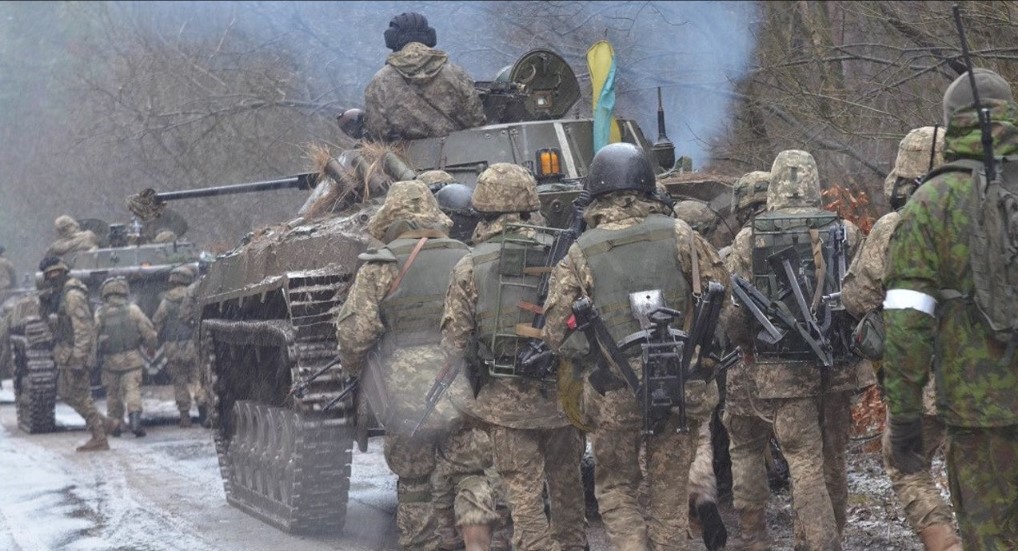
India
Defense News ,India :- Urgen Tamang, a 47-year-old man from Kalimpong, is urgently asking the Indian government for help. He's trapped in the conflict in Ukraine after being deceived by recruiters. Tamang, a former Indian Army soldier who retired in 2018, was working as a security guard in Gujarat. He was promised a job in Moscow but ended up in a Ukrainian army camp.Tamang shared his distress in a video message in Hindi. He explained how he was first housed by a Gorkha/Nepali individual in a hotel before being handed over to Tamil agents. Then, he was taken to an army camp where he received training in handling guns and ammunition, indicating he was being prepared for frontline combat in Ukraine.Tamang's wife, Ambika Tamang, last heard from him on March 22. He mentioned being moved further from the camp by the Russians, but she doesn't know where exactly he is. Tamang is not one to speak much, so he didn't give detailed information.The family is worried about Tamang's safety and has reached out to various authorities for help. The chairman of Kurseong Municipality forwarded their plea to the Ministry of External Affairs and Chief Minister Mamata Banerjee. Darjeeling MP Raju Bista has also stepped in, contacting the Ministry of External Affairs and the Indian Embassy in Russia, hoping to bring Tamang back home safely.This case sheds light on the dangers faced by people tricked into dangerous situations abroad. It underscores the need for stricter measures to safeguard vulnerable workers seeking jobs overseas.
Read More → Posted on 2024-03-27 05:55:22
India
Defense News ,India :- The Advanced Medium Combat Aircraft (AMCA) program by the Aeronautical Development Agency (ADA) is a smart move towards creating a powerful fighter jet.Spiral Upgrades: Keeping Up with the TimesThe AMCA program follows a clever plan called "Block" development. Instead of big changes all at once, it focuses on small, regular updates. This way, the AMCA can stay ahead of the game without needing a complete makeover.Benefits of Spiral UpgradesRegular updates mean the AMCA can keep getting better without huge costs. It's like getting small upgrades on your phone instead of buying a new one every year.This approach helps the AMCA stay strong against new threats and keeps it affordable to use.Modular Design: Adapting EasilyThe AMCA's design is like building with blocks. It's easy to swap parts in and out, making upgrades simple. For example, its engine bay can fit different engines without changing the whole structure.This flexibility is a big plus. When better engines come along, they can be put into the AMCA without much trouble. This makes the AMCA more powerful without needing a major overhaul.The Engine EvolutionIn the beginning, the AMCA will use F414 engines. But later versions, like the AMCA Mk II, will have even stronger engines, aiming for 110kN of power.The Gas Turbine Research Establishment (GTRE) wants help from other countries to make these new engines. But the AMCA's design makes it easy to put in new engines from any maker.This means less time and money spent on development. And it ensures the AMCA can keep up with engine advancements in the future, staying ahead of the pack.Future-Proofed for the Long HaulThe AMCA isn't just designed for today—it's made to last. Its focus on upgrades means it'll stay strong even as technology changes.This smart strategy by India's Aeronautical Development Agency shows they know what it takes to make a fighter jet that'll stand the test of time in modern battles.
Read More → Posted on 2024-03-27 05:42:05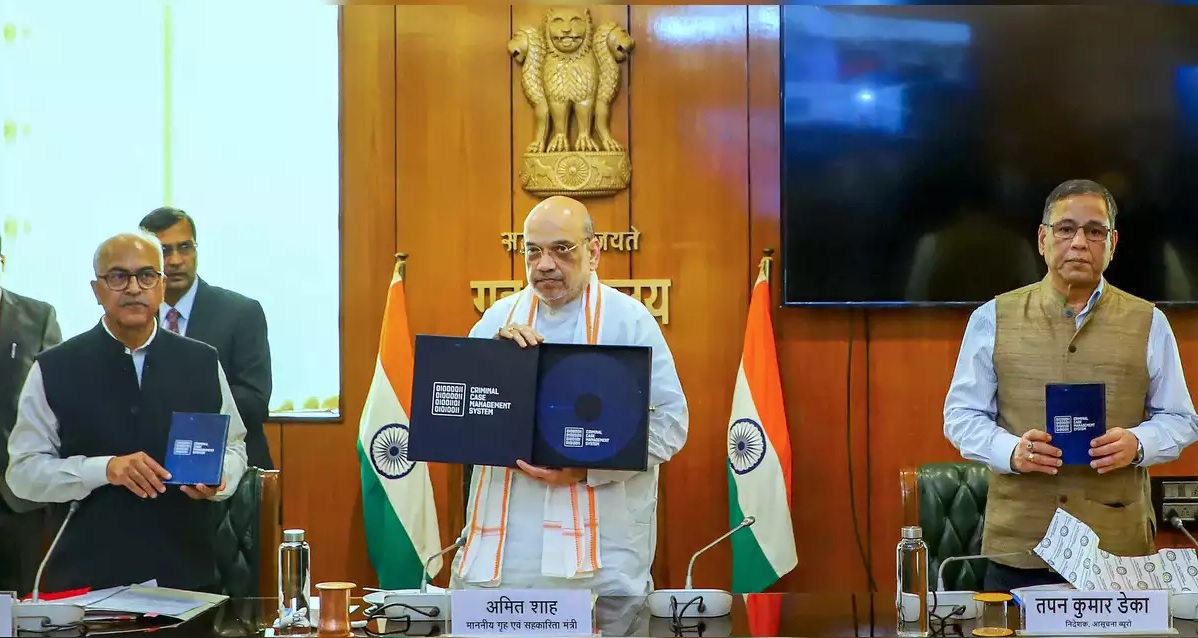
India
Defense News ,India :- Union Home Minister Amit Shah recently announced significant plans for Jammu and Kashmir (J-K), including reconsideration of the Armed Forces (Special Powers) Act (AFSPA), holding assembly elections, and addressing issues of reservation and security in the region. Let's delve into the details of his statements and proposed actions.In an interview with the JK Media Group, Shah indicated that the central government is contemplating the withdrawal of the AFSPA in Jammu and Kashmir. This law grants extensive powers to armed forces operating in designated "disturbed areas" to maintain public order, including the authority to search, arrest, and even open fire if deemed necessary. However, Shah suggested a shift in strategy, aiming to entrust law and order responsibilities solely to the Jammu and Kashmir police, signaling a potential move towards greater civilian control in the region.Shah acknowledged the improved capabilities of the Jammu and Kashmir police, stating that they are now leading operations effectively, contrary to previous perceptions of mistrust. Additionally, he expressed intentions to address the controversial AFSPA, considering its revocation in certain areas, echoing similar measures taken in northeastern states where it has been lifted from 70% of the regions.The prospect of assembly elections in Jammu and Kashmir before September was also highlighted by Shah. Upholding Prime Minister Narendra Modi's commitment to democracy in the region, Shah emphasized the expansion of democratic participation beyond traditional elite families, towards a more inclusive form of governance representing the broader populace.Touching upon issues of reservation, Shah emphasized the Modi government's efforts to ensure equitable representation for marginalized communities in Jammu and Kashmir. Notably, he mentioned the provision of OBC reservations in local governance bodies and the allocation of one-third reservation for women. He also addressed concerns regarding SCs, STs, and other backward classes, highlighting initiatives to safeguard their rights and ensure fair representation.Shah dismissed criticisms from certain political figures regarding reservation policies, particularly targeting National Conference leader Farooq Abdullah and People's Democratic Party chief Mehbooba Mufti. He questioned their credibility on the issue, citing historical lapses in addressing the concerns of marginalized communities and alleged misconduct during their respective tenures.Furthermore, Shah underscored the government's commitment to justice and accountability in the region, contrasting the current administration's record with past instances of abuse and misconduct. He highlighted a significant decrease in incidents of fake encounters and emphasized the government's determination to engage with Kashmiri youth constructively, steering away from extremist influences.Addressing security concerns, Shah outlined the government's robust measures to combat terrorism and maintain peace in the region. He emphasized stringent actions taken against terror financing and the designation of individuals and organizations involved in terror activities. Additionally, he reiterated the government's stance on dialogue, emphasizing the need for engagement within the framework of the Indian Constitution.Shah unequivocally stated that entities like the Hurriyat Conference have no role in the dialogue process, asserting the government's commitment to national sovereignty and territorial integrity. He reiterated the BJP's position on Pakistan-occupied Kashmir (POK), affirming it as an integral part of India and expressing solidarity with Kashmiri communities living under Pakistani occupation.Highlighting the significant reduction in incidents of violence and terrorism in recent years, Shah credited this progress to collaborative efforts between security forces and local communities. He emphasized the shared responsibility of safeguarding peace and reiterated calls for Kashmiri youth to reject external influences and contribute positively to the region's development.Shah's statements and proposed actions reflect a multifaceted approach towards addressing longstanding challenges in Jammu and Kashmir, encompassing issues of governance, security, and inclusivity. As the region navigates through transitions, the government underlines its commitment to democratic principles, peace, and development, aiming to foster a brighter future for all residents of Jammu and Kashmir.
Read More → Posted on 2024-03-27 04:49:51
India
Defense News ,India :- On Tuesday ,China wants India to understand its rights in the South China Sea. China says India should not interfere in its disputes with other countries like the Philippines. The Chinese Foreign Ministry spokesperson, Lin Jian, said this during a press meeting. Lin responded to comments made by India's External Affairs Minister, S Jaishankar. Jaishankar had expressed support for the Philippines in its dispute with China over the South China Sea.Lin Jian said that fights over seas should only involve the countries directly affected. He emphasized that outsiders like India should not get involved."We want everyone to understand the real situation in the South China Sea. They should respect China's rights in that area. Also, they should appreciate the efforts of countries nearby to keep the region peaceful," Lin Jian stated.Jaishankar visited Manila, the capital of the Philippines. He talked with the Philippines Foreign Secretary, Enrique Manalo. Jaishankar assured the Philippines of India's support in protecting its sovereignty. He also talked about strengthening cooperation between India and the Philippines, especially in defense.During a joint conference with Manalo, Jaishankar mentioned the importance of UNCLOS 1982. It's a set of rules governing seas worldwide. Jaishankar stressed that all countries should follow these rules. He reiterated India's support for the Philippines in standing up for its sovereignty.The South China Sea is a region where many countries claim ownership of different parts. China asserts its control over most of it. However, the Philippines, Vietnam, Malaysia, Brunei, and Taiwan also claim parts of this area.Currently, China and the Philippines are arguing over the Second Thomas Shoal in the South China Sea. Both countries believe the shoal belongs to them.China complained that the Philippines sent ships to the area with construction materials. They claim this shows the Philippines' intention to build structures there. The Philippines argues that China prevents them from carrying out their regular activities in the region.The spokesperson for the Philippines Foreign Ministry, Teresita Daza, stated that China's actions violate their rights in the area. She said China's interference is unacceptable and against the law.
Read More → Posted on 2024-03-26 16:42:57
India
Defense News ,India :- India, a big buyer of oil, will get lots of oil from the US soon. The US is sending more than 250,000 barrels of oil every day to India next month. This is the most oil India has received from the US in over a year. This happens as rules on Russian oil get stricter.India needs a lot of oil, and it usually gets it from different countries. But now, new rules are making it hard for Russia to sell oil to India. Russia is one of India's biggest oil suppliers, but because of these rules, India is looking for other places to get its oil from.Some big ships are bringing oil to India. They are carrying around 7.6 million barrels of oil. That's like 256,000 barrels every day. These ships are being tracked by a company called Kpler. They are going mostly to the western coast of India. Companies like Reliance Industries, Vitol, Equinor, and Sinokor have chartered these ships to bring the oil.Last year, India bought the most oil from Russia compared to any other country. But because of the rules, fewer people are buying Russian oil. This started after Western countries put sanctions on Russia for invading Ukraine in 2022.Recently, the US made it even harder for Russia to sell oil. They put sanctions on a Russian company called Sovcomflot and 14 oil tankers that transport Russian oil. Because of this, Reliance, which runs the biggest refining complex in the world, won't buy oil from ships owned by Sovcomflot. This was reported by Reuters.Other Indian oil companies are also planning to stop using Sovcomflot ships. This might mean that India will buy less oil from Russia. And it will also make it harder for Russia to sell its main product, oil.
Read More → Posted on 2024-03-26 16:14:29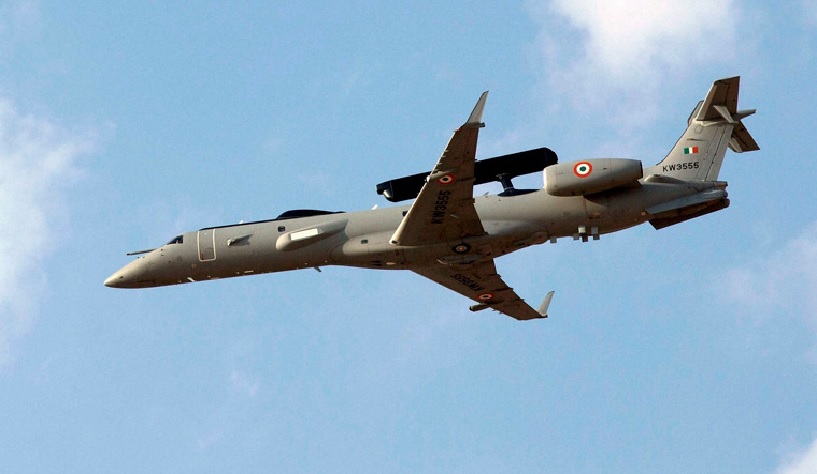
India
Defense News ,India :- India is making big progress in building its own defense equipment. Other countries are starting to show interest in India's Netra Airborne Early Warning and Control System (AEW&Cs). This could be a big deal for India's defense business.What's Special About Netra?India's Defense Research and Development Organisation (DRDO) made the Netra. It's a powerful system for keeping an eye on the sky and controlling air operations.The Indian Air Force (IAF) already uses three Netra AEW&C MkI planes. These planes have radars that cover a wide area, helping India watch its airspace better.Getting StrongerThe IAF likes the Netra so much that it's getting more. They're planning to buy six more advanced Netra AEW&C MkIA planes. These will be even better than the ones they have now.India also wants to get six Netra Mk II AEW&Cs. These will be based on Airbus A320 planes, giving them longer flying time and better awareness of what's happening around them.Why It MattersOther countries want to buy the Netra too. This shows that India is becoming good at making defense technology that others want. Selling the Netra to other countries can help them keep their airspace safe too.It also shows that India is becoming a bigger player in the defense business worldwide. This could lead to more deals with other countries and make India more important in the global defense market.India's Growing Defense IndustryThe interest in the Netra is part of a bigger change in India's defense industry. The government is pushing for more things to be made in India. This helps India rely on itself and sell its own technology to other countries.Platforms like the Netra prove that India's plan is working. This encourages more investment in defense and makes India more important in the world of military technology.India's Netra AEW&Cs are becoming popular both at home and abroad. If India keeps investing in them and sells them to other countries, it could change the game for India's defense industry. This could lead to new partnerships and make India a key player in advanced military tech.
Read More → Posted on 2024-03-26 04:39:29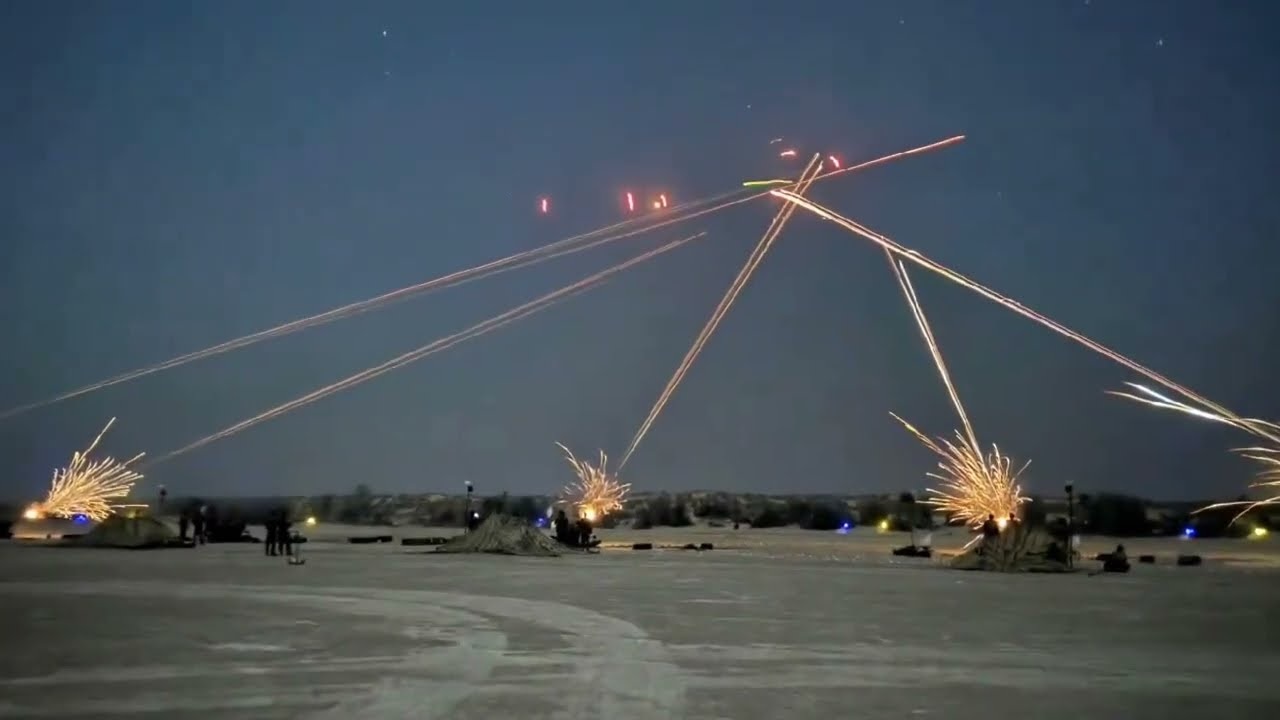
India
Defense News ,India :- In recent military exercises held in India's Combatised Uttar Bharat Area (CUBA), the ZU-23 mm anti-aircraft gun system showcased its impressive ability to take down low-flying threats swiftly and accurately.During these drills, the ZU-23 proved its worth, emphasizing its crucial role in India's evolving air defense strategies.These exercises in CUBA shed light on India's strategic adjustments amidst ongoing border tensions, particularly after the Galwan Valley conflict. As part of this reevaluation, responsibility for safeguarding sensitive borders in Himachal and Uttarakhand against China was shifted from the Northern Command to the Central Command.Led by former Chief of Defence Staff (CDS) General Bipin Rawat and current Chief of Army Staff General Manoj Mukund Naravane, this restructuring aimed to streamline operations and strengthen border defenses.The ZU-23: A Reliable Weapon Standing the Test of TimeDespite being a Soviet-era weapon, the ZU-23 twin-barreled anti-aircraft gun remains a dependable asset in India's air defense arsenal. Its effectiveness against low-flying threats such as aircraft, drones, and helicopters underscores its importance in safeguarding ground forces and critical installations.According to defense analyst Rajeev Sharma, "The ZU-23, though an older system, still packs a punch. Its accuracy and firepower are vital for countering the increasing threat from low-cost unmanned aerial vehicles."Adapting Defense TacticsThe recent CUBA war games and the continued reliance on the ZU-23 reflect India's ongoing efforts to modernize its armed forces amid changing security dynamics.The imminent establishment of Theatre Commands is expected to further enhance operational efficiency by optimizing force integration.
Read More → Posted on 2024-03-26 04:27:56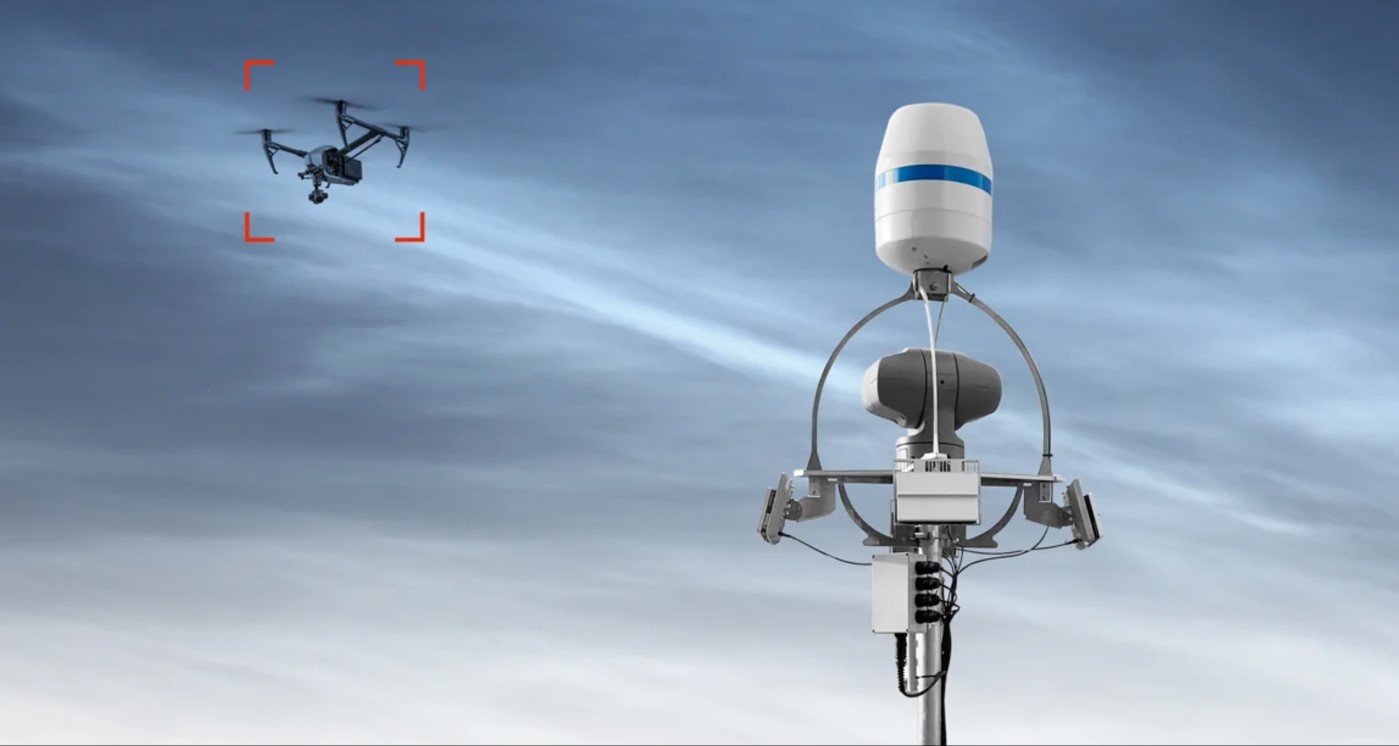
India
Defense News ,India :- The Indian Army recently introduced seven homegrown anti-drone systems along the northern border with China. These systems, called Integrated Drone Detection and Interdiction Systems (IDD&IS), are designed to detect and neutralize drones that pose a threat.These systems come with various capabilities. They can detect drones within a range of 2-5 kilometers and neutralize them from distances of up to 800 meters. Neutralization can be done through soft-kill methods like jamming, spoofing, and disrupting communication, or through hard-kill methods like using lasers and microwaves.Developed by the Defence Research and Development Organisation (DRDO) and Bharat Electronics, these IDD&IS Mark-1 variants have been integrated into the Army Air Defence. They serve as an enhancement to the existing counter-drone systems. Future versions are expected to have even greater interception ranges.These systems offer a comprehensive solution to detect and eliminate drones, including those with low radar visibility. They combine both soft and hard kill options for effective countermeasures.India has been ramping up its efforts in drone technology. Despite starting later than some other countries, it has ordered a laser-based system developed by DRDO worth 40 billion Indian Rupees. This system, with 2-10 kilowatts of laser power, is expected to bolster India's defense capabilities.Furthermore, DRDO is working on a more powerful counter-drone system with 30-40 kilowatts of laser power and a range of 10 kilometers. However, this system is still in the development phase and is expected to take three to five years to complete.
Read More → Posted on 2024-03-26 04:23:25Search
Top Trending in 24 Hours
-
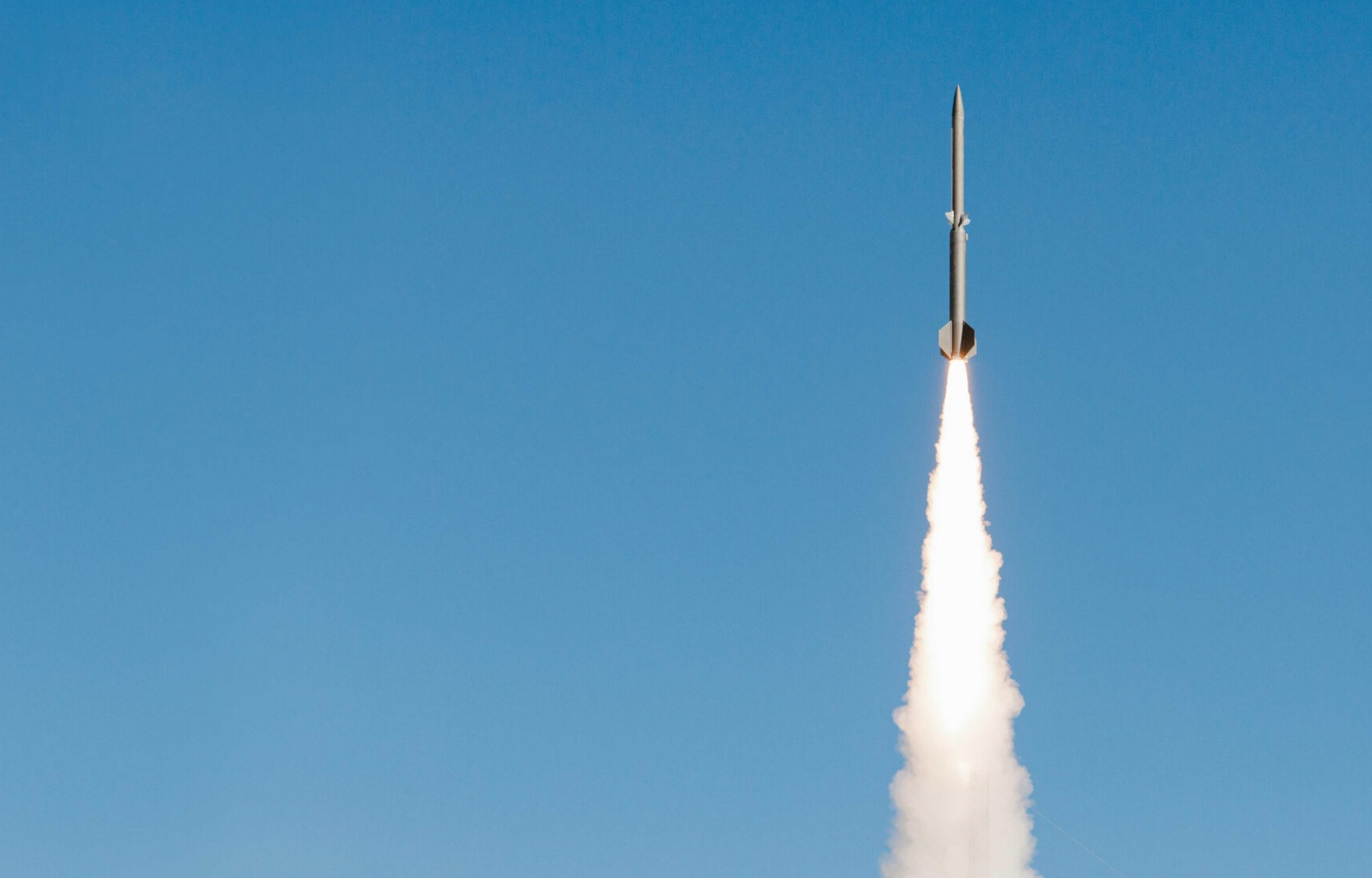 U.S Navy Orders 50 Blackbeard Hypersonic Missiles in New $23.4 Million Contract
-
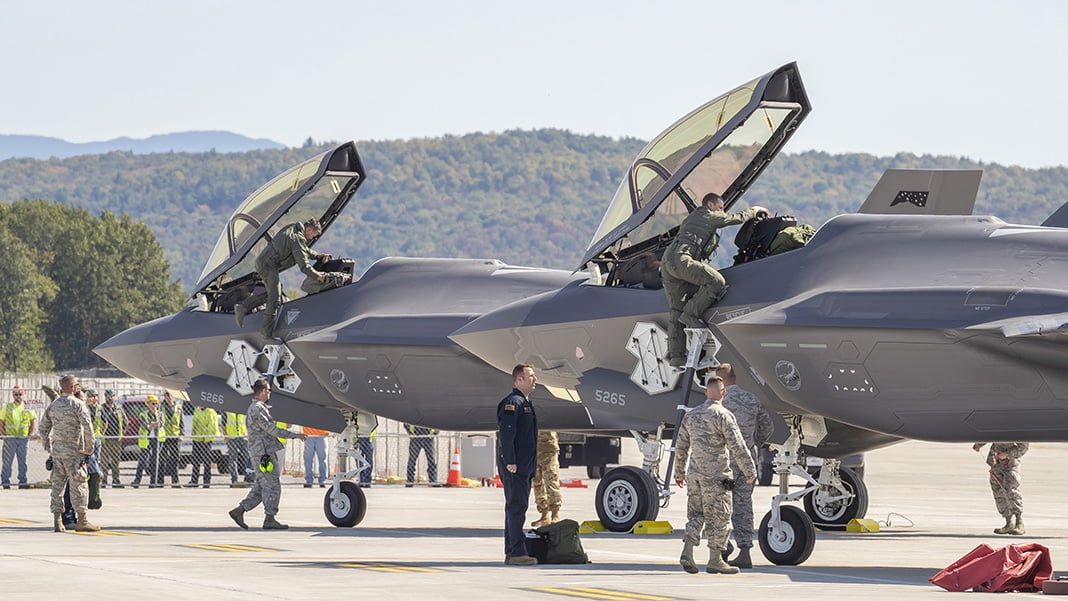 F-35 Fleet Readiness Falls to 25% Amid Parts Shortages and Software Delays: GAO Report
-
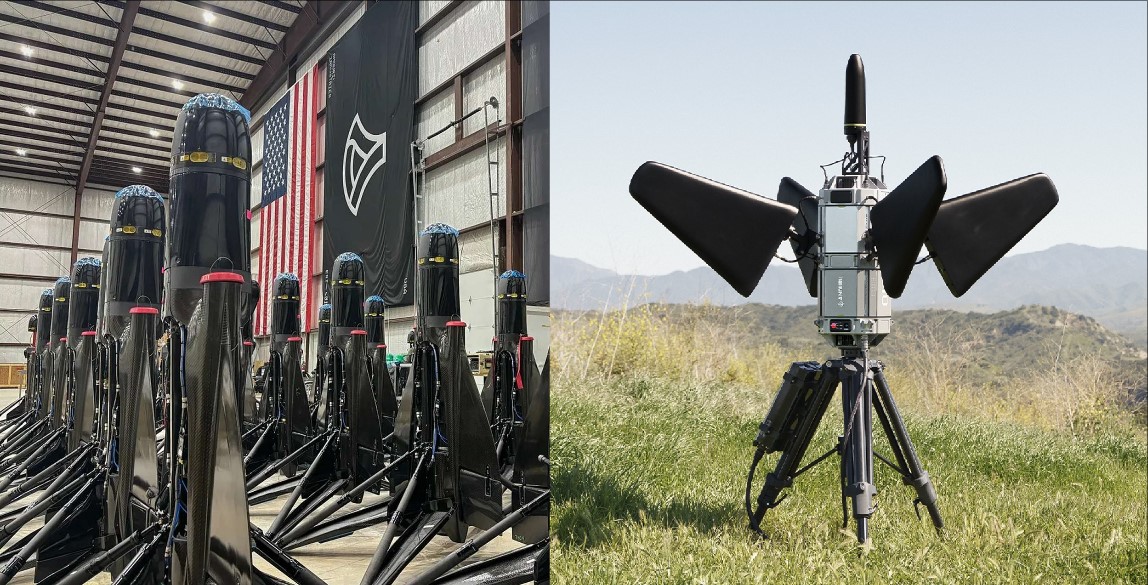 U.S. Approves $1.98 Billion Sale of Anduril AI-Powered Counter-Drone Systems to Kuwait
-
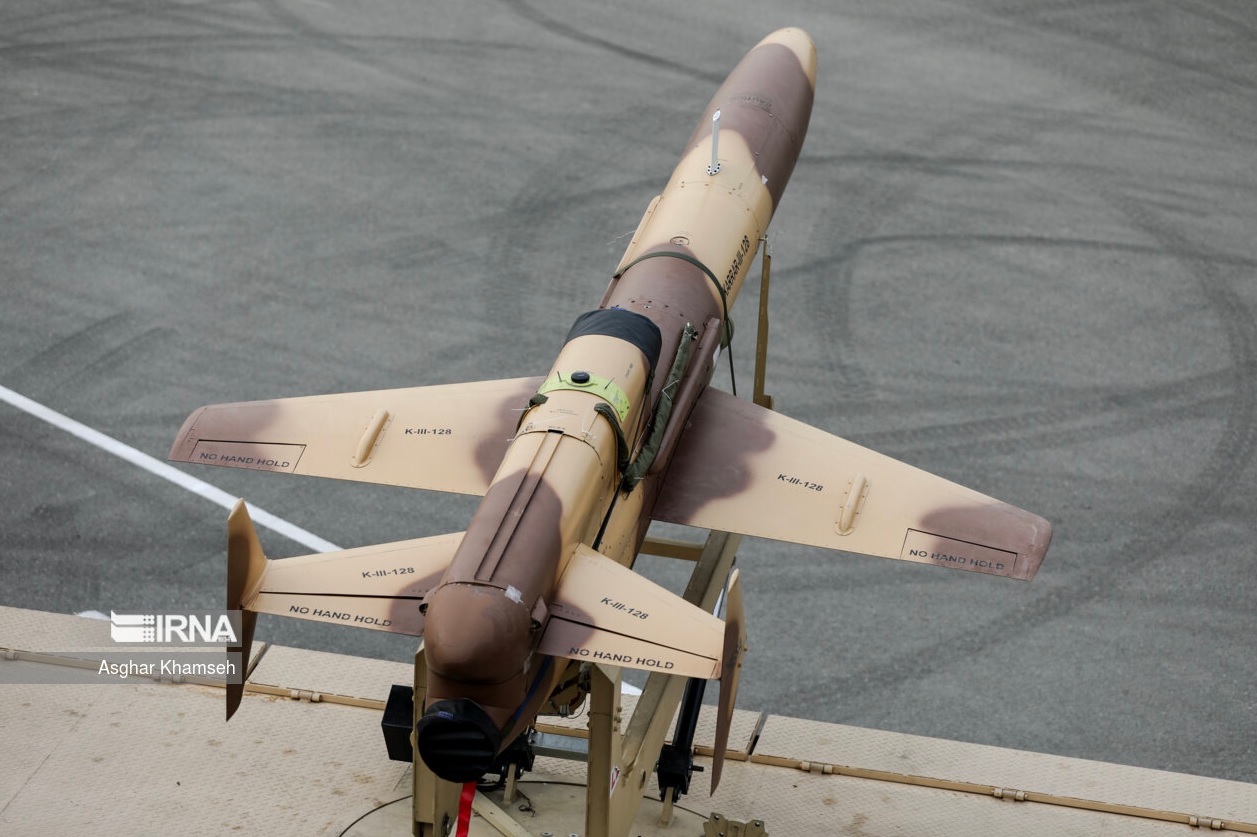 Russia Launches 1,400 Jet-Powered Drones in 2026 as Strike Tactics Evolve to Challenge Ukraine's Air Defenses
-
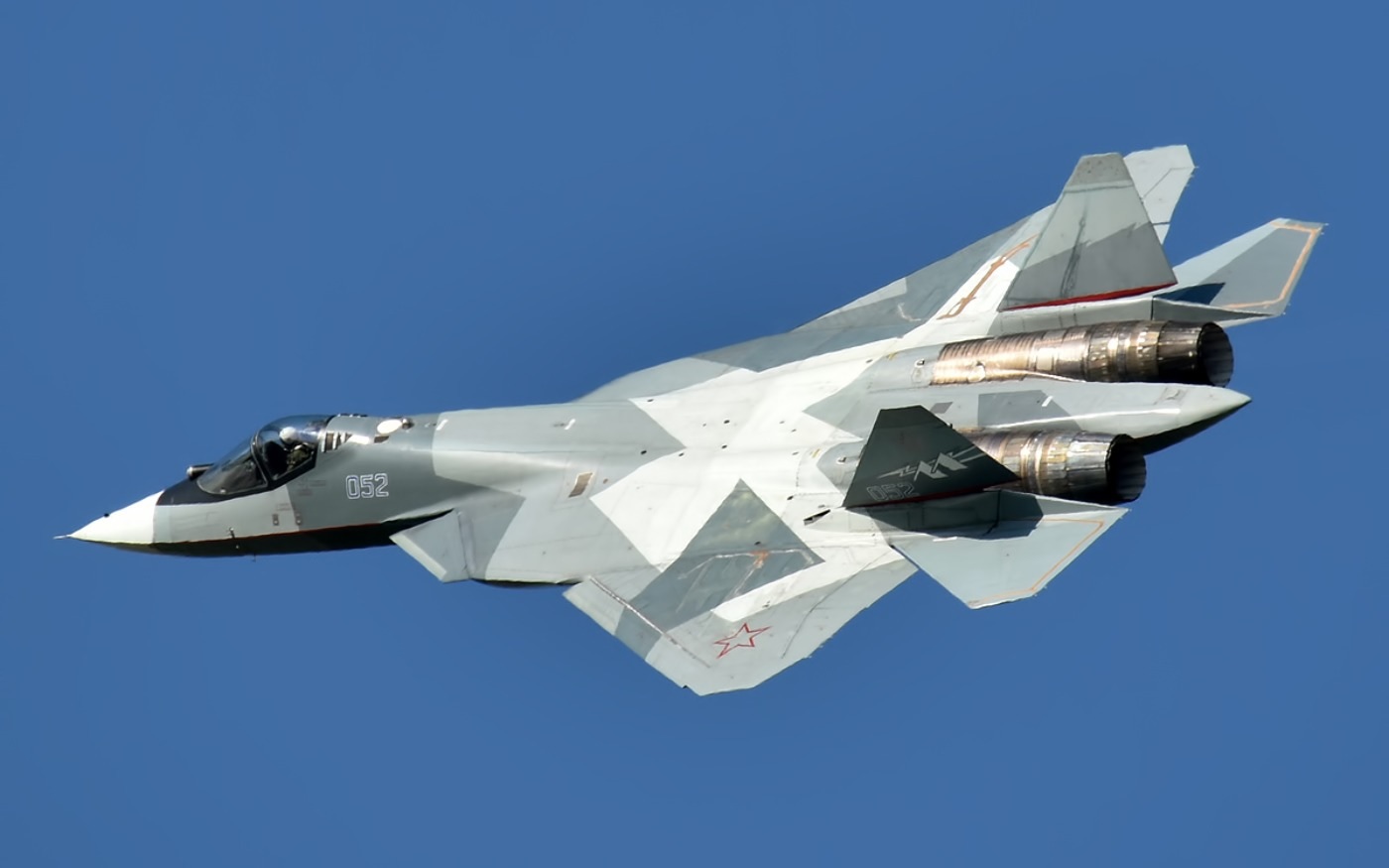 Russian Analysts Debate Su-57 Capabilities After Putin Calls Fighter Superior to F-35
-
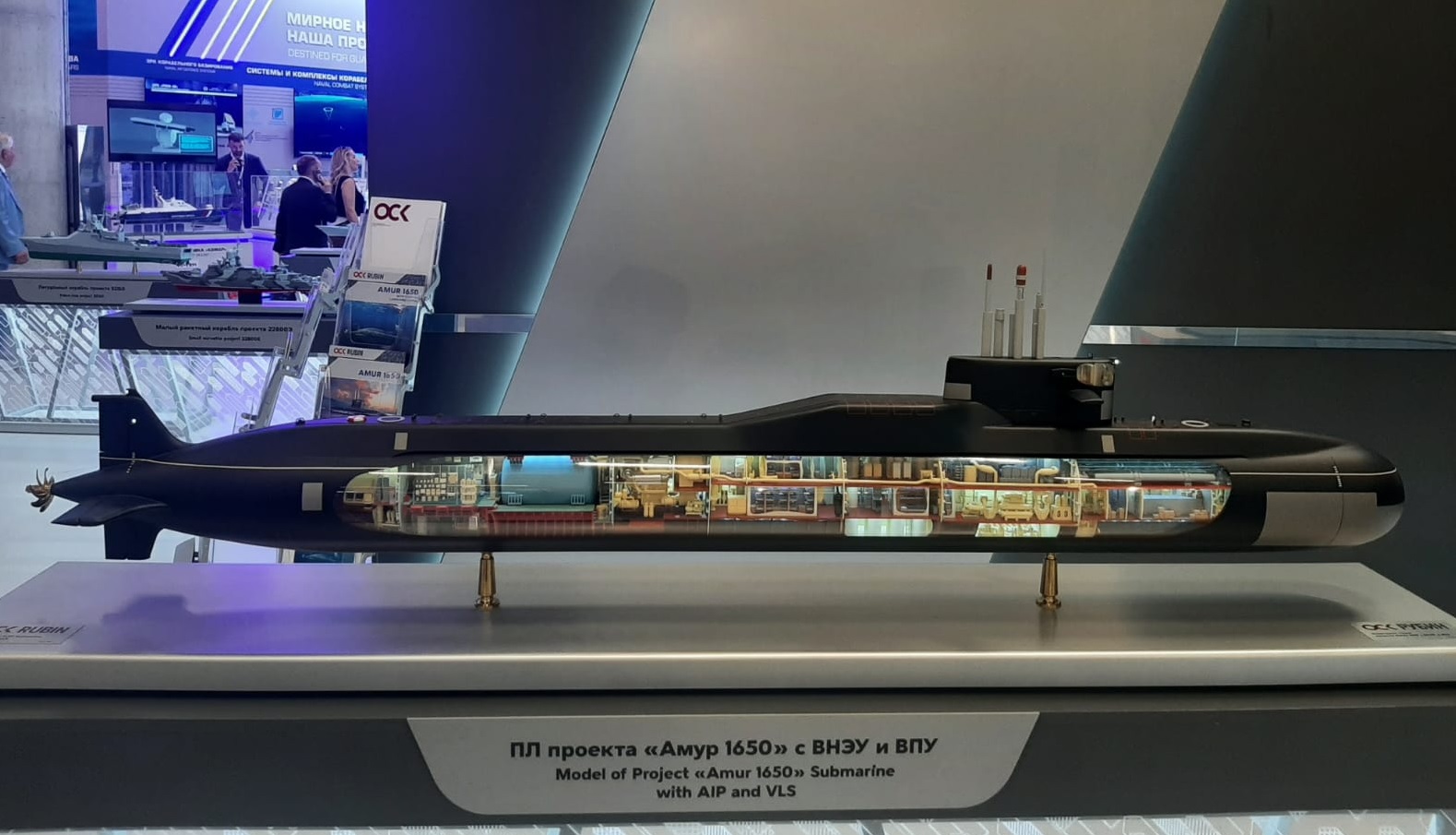 Russia Unveils Amur-1650 AIP Submarine Equipped with BrahMos Vertical Launch System at Fleet-2026
-
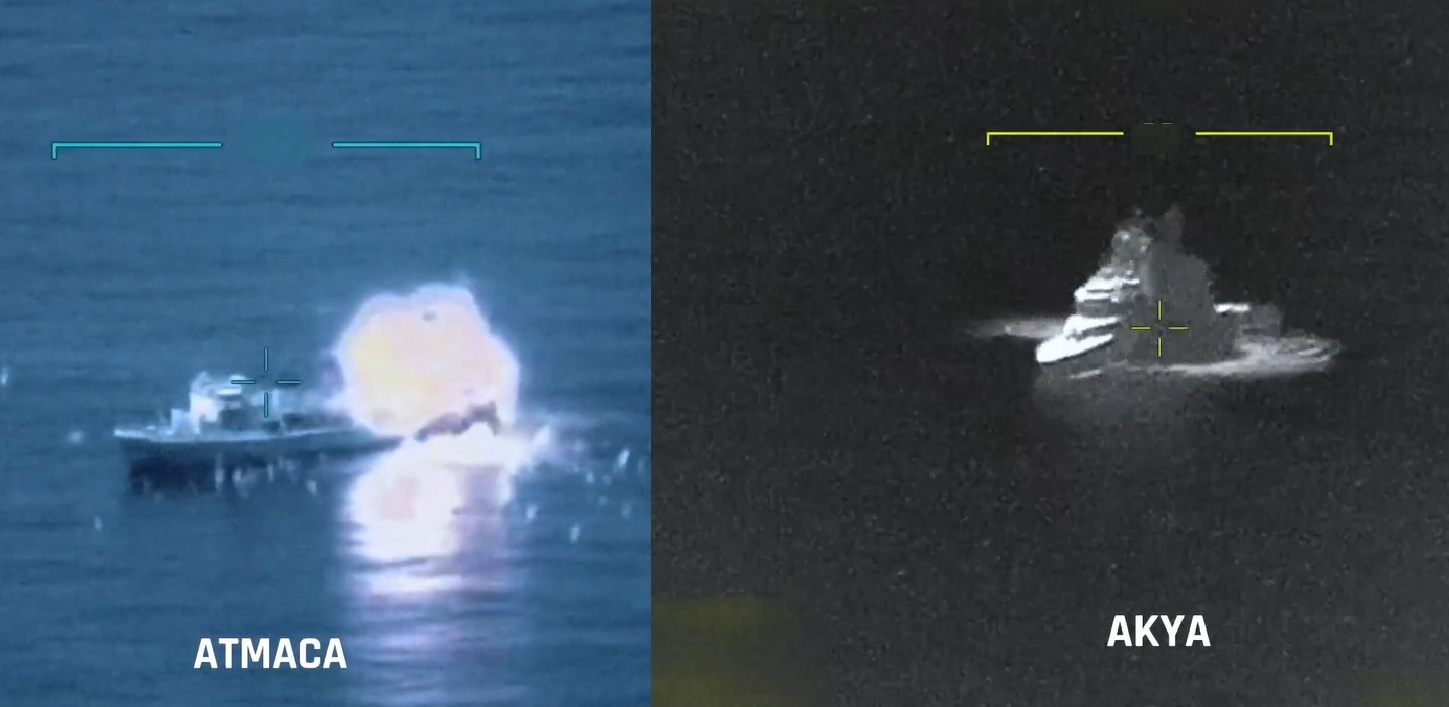 Turkey Navy Successfully Tests AKYA Torpedo and ATMACA Missile During Major Denizkurdu-II Naval Exercise
-
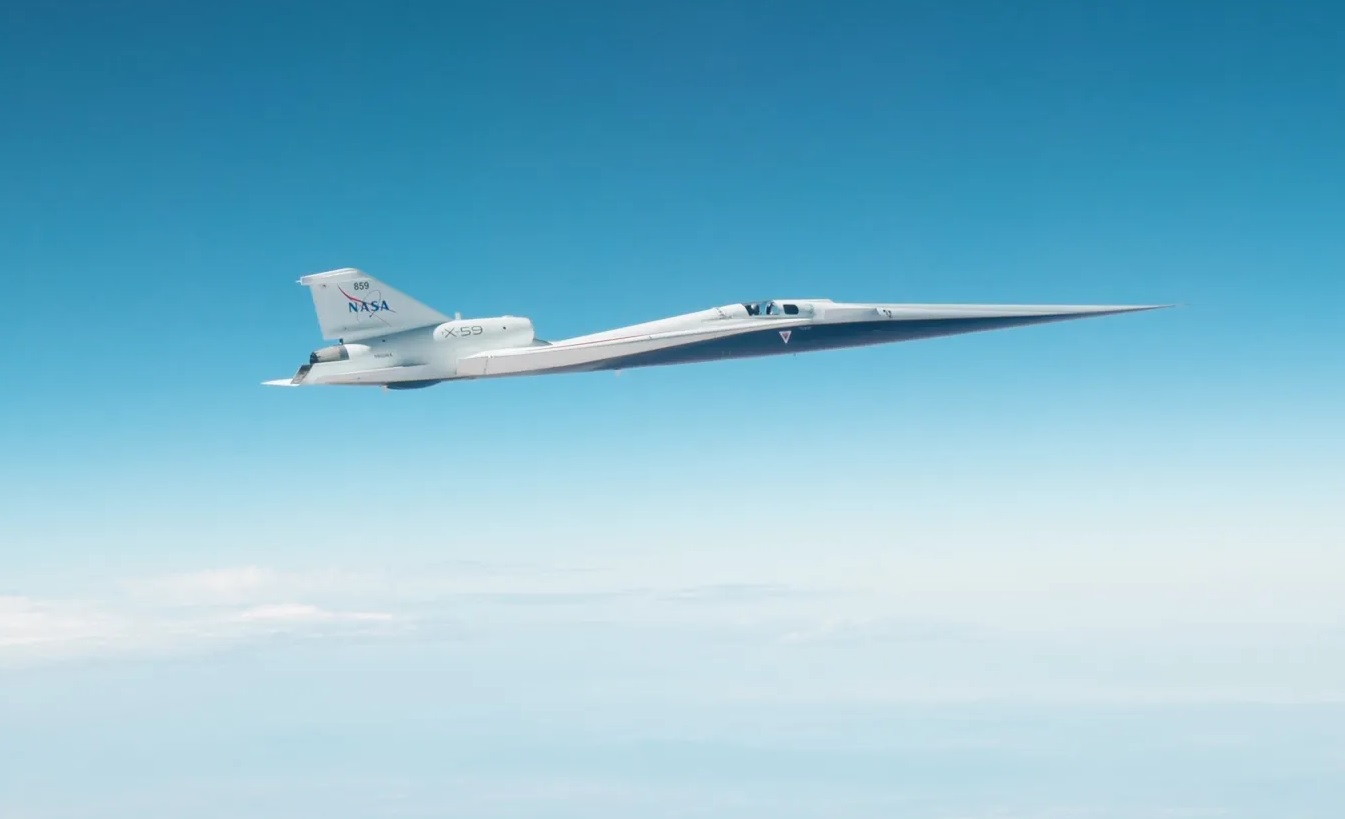 NASA X-59 Achieves Planned Mission Conditions with Mach 1.4 Flight at 55,000 Feet
Top Trending in 4 Days
-
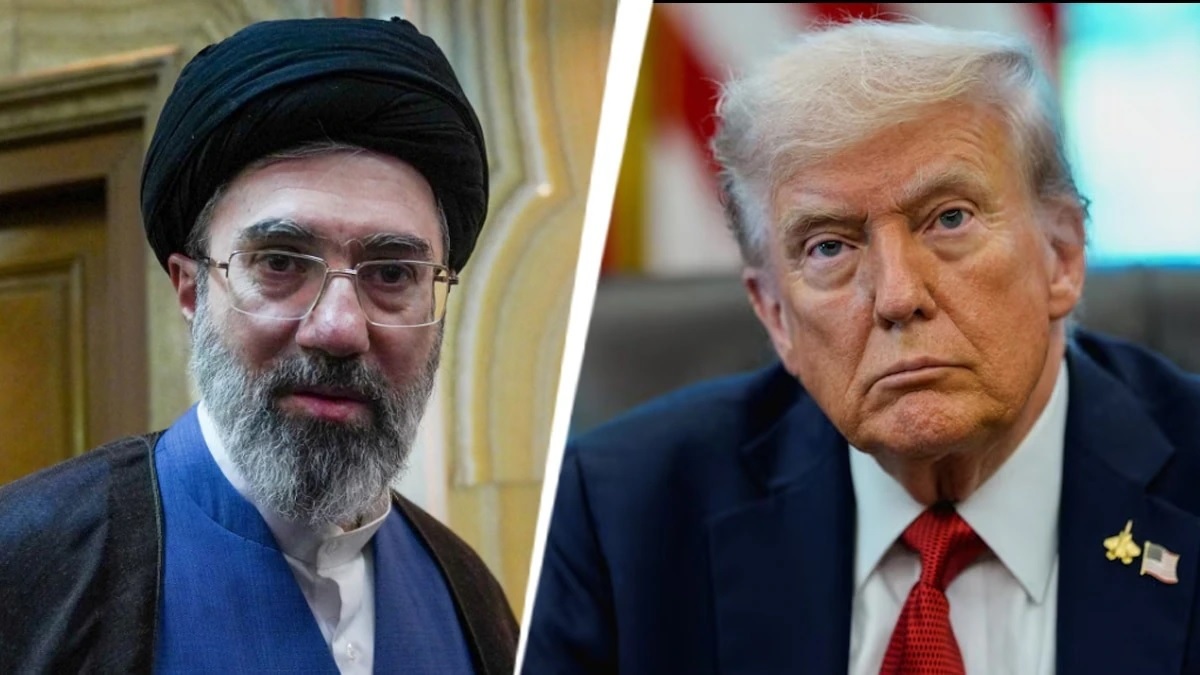 Iranian Media Leaks 14-Point U.S.-Iran Peace Framework Amid Ongoing Negotiations
-
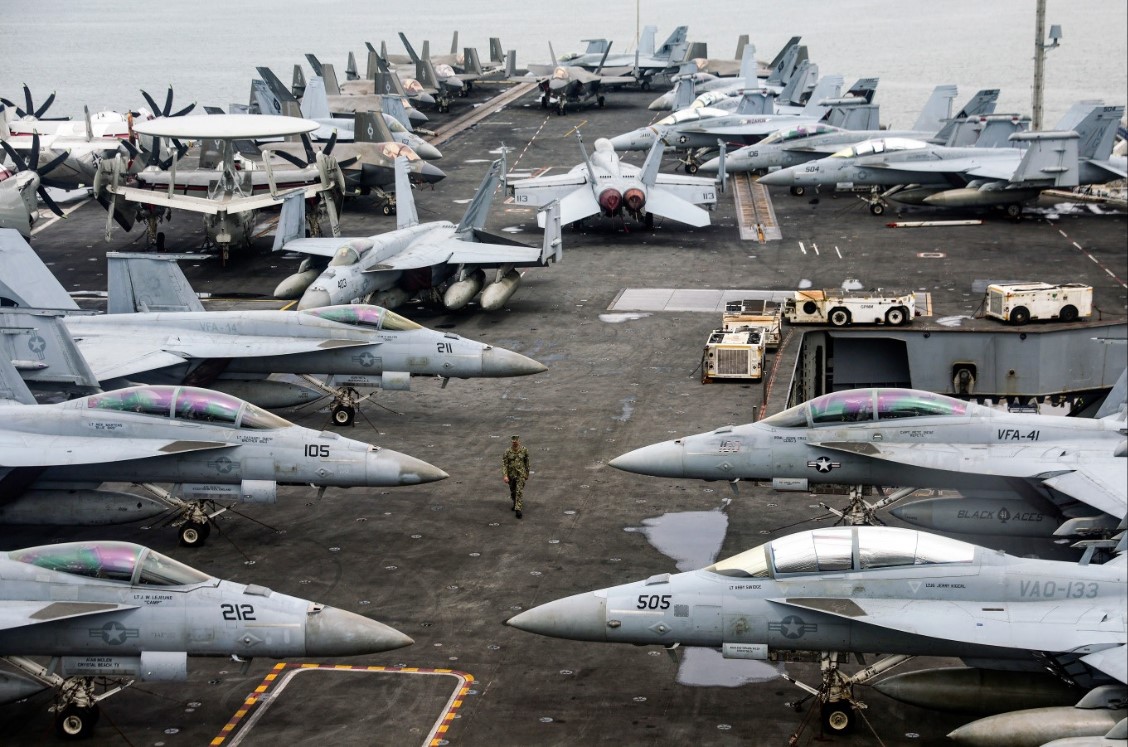 US Plans Significant Reduction of Fighter Jets and Warships for NATO Operations in Europe
-
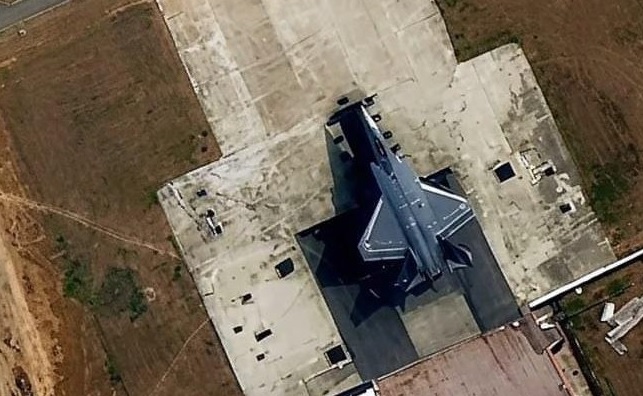 AMCA Airframe Spotted at DRDO’s ORANGE Facility for Radar Cross-Section Testing
-
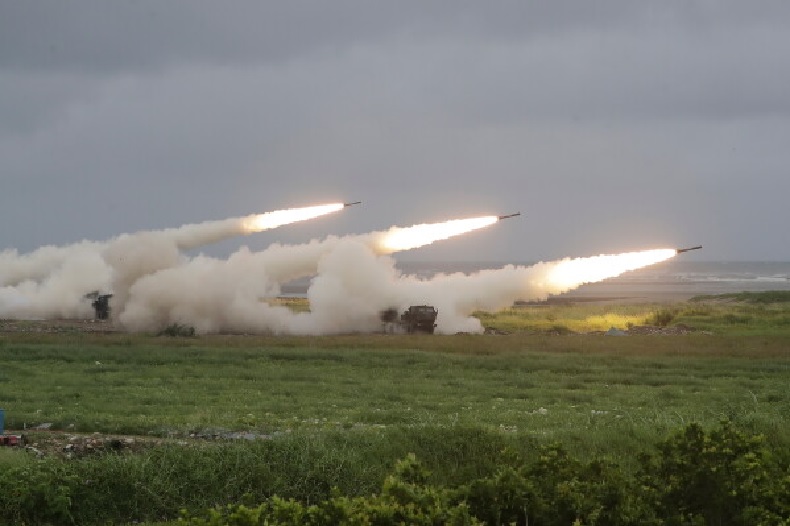 Taiwan Conducts First Live-Fire of HIMARS Rockets From West Coast During Invasion Defense Drill
-
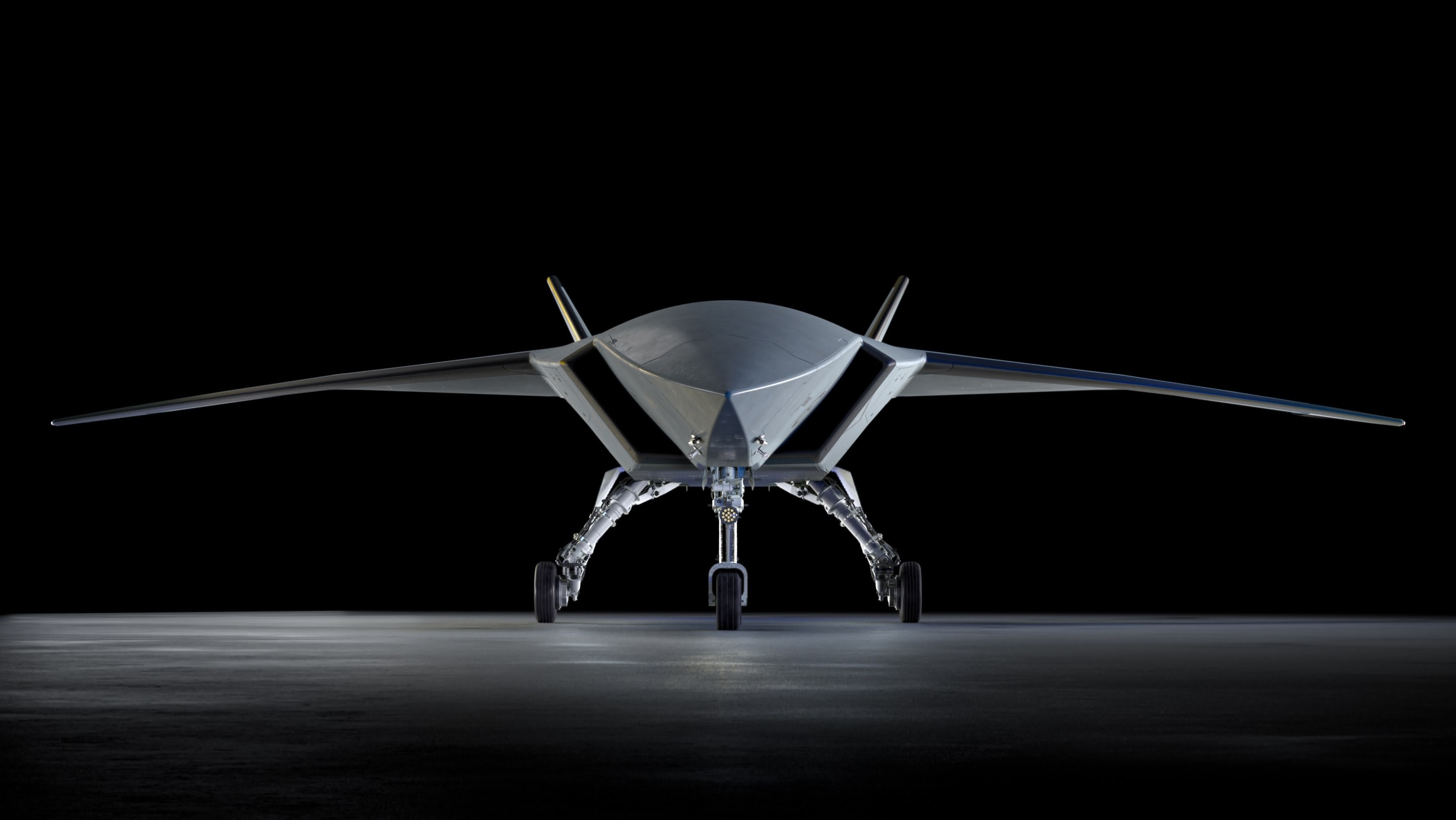 Boeing Introduces New MQ-28 Ghost Bat Upgrades with Increased Range, Payload and Weapons Capacity at ILA Berlin 2026
-
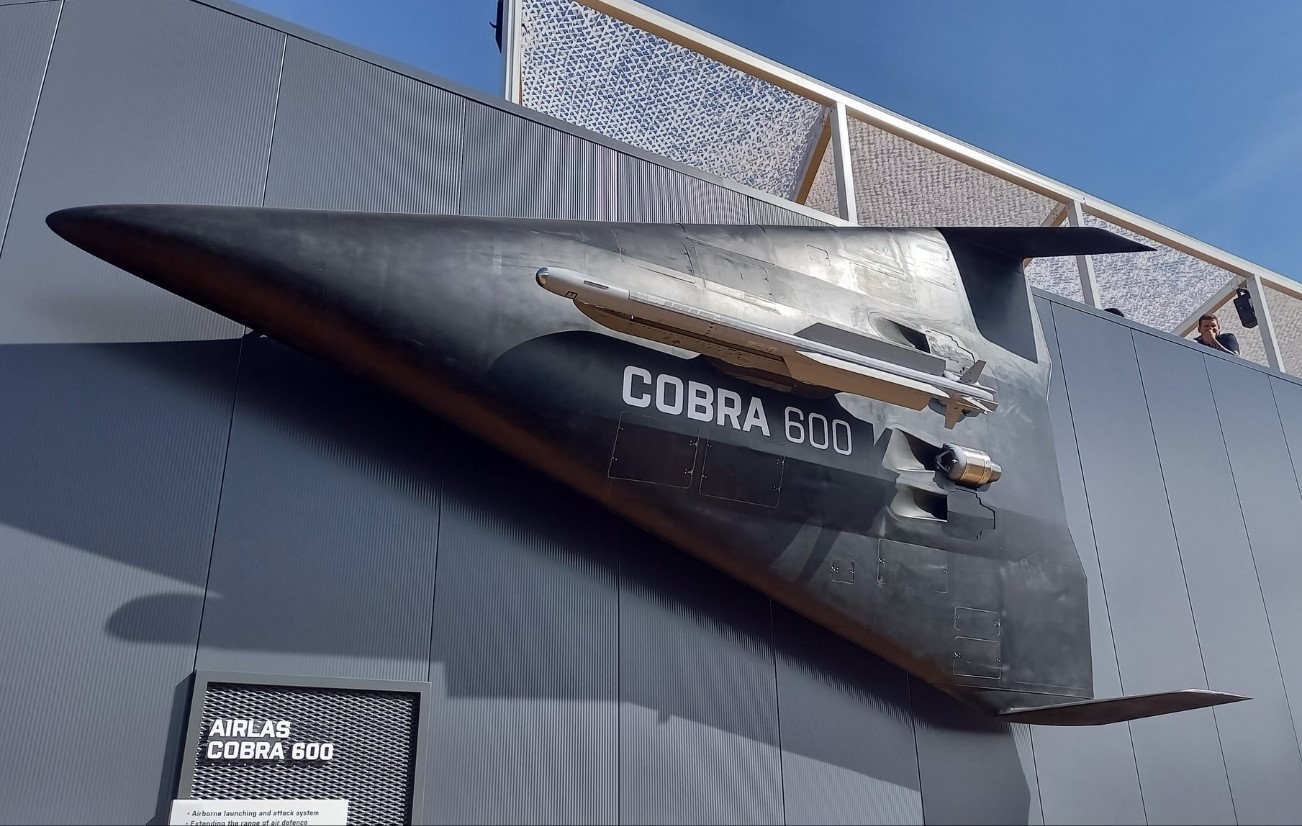 Diehl Defence Unveils IRIS-T Armed Cobra 600 Air Defense Drone at ILA Berlin 2026
-
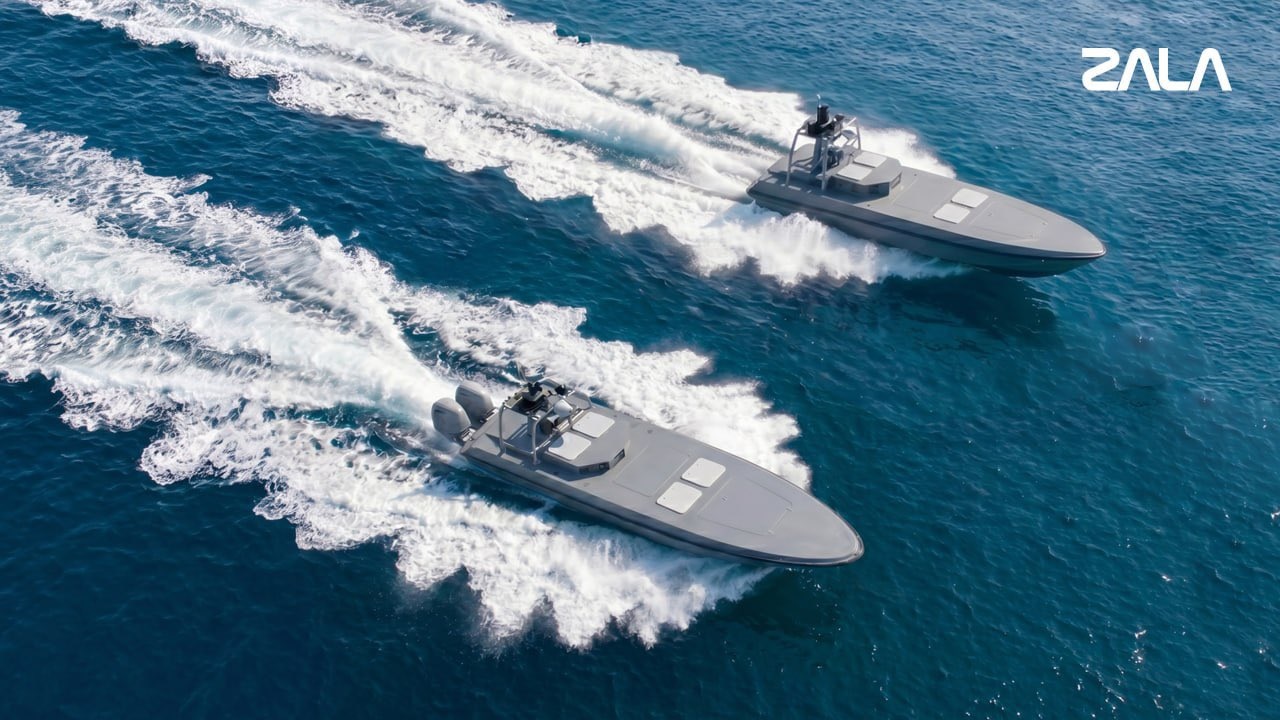 Russian Defense Firm ZALA Unveils KAMA Unmanned Surface Vessel Family at FLOT-2026 Naval Exhibition
-
 U.S Aircraft Carrier USS Theodore Roosevelt Departs San Diego for Major RIMPAC 2026 Naval Exercise