
India
Latest Defence News India In recent discussions surrounding the reform of United Nations institutions, particularly the United Nations Security Council (UNSC), the United States has expressed its backing for such reforms. The US State Department Principal Deputy Spokesperson, Vedant Patel, reiterated this support during a press briefing, acknowledging the necessity for the UN, including the UNSC, to evolve and better represent the contemporary global landscape.Tesla CEO Elon Musk's remarks regarding India's absence from the UNSC's permanent membership garnered attention earlier this year. Musk labeled India's exclusion as 'absurd,' emphasizing the need for revisions within UN bodies. He emphasized that reluctance from nations holding significant power impedes necessary reforms, advocating for India and Africa to secure permanent seats in the UNSC.India, the world's most populous democracy, has long sought permanent membership in the UNSC to amplify representation for the developing world. The nation's pursuit of this goal has garnered increasing momentum, buoyed by support from the international community.Currently, the UNSC comprises 15 member states, including five permanent members with veto power and ten non-permanent members elected for two-year terms. The permanent members—China, the United Kingdom, France, Russia, and the United States—hold considerable influence over global affairs.India's aspiration for a permanent seat in the UNSC is not new and has found resonance within its political landscape. The Bharatiya Janata Party (BJP), in its election manifesto 'Sankalp Patra,' reaffirmed its commitment to securing permanent membership for India in the UNSC. The manifesto underscores India's resolve to elevate its position in global decision-making forums.External Affairs Minister S Jaishankar echoed this sentiment, highlighting the growing global backing for India's permanent membership aspirations. He emphasized the necessity of seizing opportunities in international diplomacy, noting that such privileges are not easily granted but must be actively pursued.As India gears up for the first phase of the Lok Sabha elections, discussions surrounding its role on the global stage have gained prominence. The pursuit of permanent membership in the UNSC reflects India's desire to assert its influence and advocate for the interests of the developing world within the international community.In conclusion, India's quest for permanent membership in the UNSC underscores its commitment to global diplomacy and representation. With growing support from both domestic and international stakeholders, India stands poised to play a more significant role in shaping global discourse and decision-making processes at the United Nations.
Read More → Posted on 2024-04-18 06:10:57
India
Latest Defence News India In a significant move to bolster its underwater defense capabilities, the Indian Navy has recently inaugurated a state-of-the-art testing and evaluation facility in Kerala's Idukki district.Named the Submersible Platform for Acoustic Characterization and Evaluation (SPACE), this facility marks a crucial step forward for the Navy in developing and refining sonar systems for its fleet of ships, submarines, and helicopters.The inauguration ceremony was led by Samir V Kamat, Secretary of the Department of Defence Research and Development (R&D) and Chairman of the Defence Research and Development Organisation (DRDO). The platform itself was developed by the Naval Physical & Oceanographic Laboratory (NPOL) of the DRDO.SPACE comprises two integrated components: a floating platform and a submersible platform capable of operating at depths of up to 100 meters. This design enables rapid deployment of sonar systems and scientific equipment, facilitating the collection of vital data on underwater acoustics.The primary objective of SPACE is to provide a comprehensive testing environment for sonar systems. Additionally, the facility will conduct environmental surveys, collect data, and analyze findings, thereby advancing the Indian Navy's Anti-Submarine Warfare (ASW) research and development endeavors.The inauguration of SPACE signifies a significant milestone in India's ongoing efforts to modernize its naval forces. By offering a cutting-edge platform for sonar research, the facility contributes to national security and strengthens India's position as a regional maritime power.In conclusion, the establishment of the SPACE facility underscores the Indian Navy's commitment to leveraging advanced technology to safeguard its maritime interests effectively. With its enhanced capabilities in underwater defense, the Navy is poised to meet the evolving challenges of modern naval warfare.
Read More → Posted on 2024-04-18 06:02:54
India
Latest Defence News India The Indian Air Force (IAF) is set to receive a significant boost in its capabilities with the planned acquisition of six mid-air refuelers. This move comes after the Ministry of Defence granted renewed approval for the project, aiming to address the IAF's long-standing need for a more robust aerial refueling fleet.Why are Mid-Air Refuelers Important ?Mid-air refueling tankers are vital for extending the range and operational reach of fighter jets and other combat aircraft. By providing fuel top-ups in mid-air, these tankers allow fighter jets to travel longer distances, reach targets deeper within enemy territory, and remain airborne for extended periods during patrols. This capability significantly enhances the IAF's offensive and defensive capabilities.Addressing ShortcomingsThe IAF's current fleet of six Russian-made IL-78MD refuelers has proven to be limited in number and faces serviceability issues. The acquisition of six new tankers will nearly triple the IAF's aerial refueling capacity, bringing it closer to its target of 18 tankers.Acquisition PlansThe Indian government is reportedly considering a proposal worth ₹10,000 crore (approximately $1.2 billion) for the project. There's a possibility that the IAF might opt for pre-owned aircraft, potentially from Airbus or Boeing, which would then be converted into mid-air refuelers. This approach could offer cost benefits and expedite the acquisition process.Looking AheadThe addition of new mid-air refuelers is a critical step for the IAF as it strives to modernize its fleet and become a more potent aerial force. This enhanced capability will play a key role in ensuring India's air security and furthering its strategic interests in the region.
Read More → Posted on 2024-04-18 05:59:39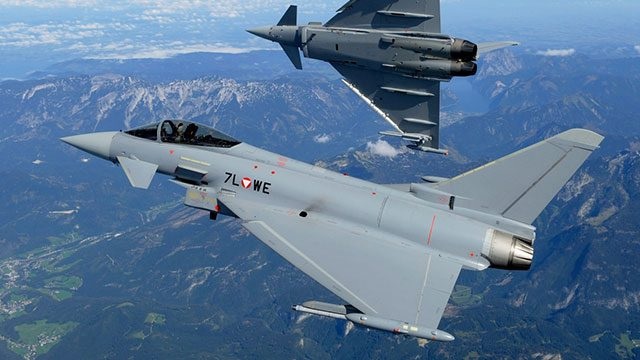
India
Latest Defence News India In the race to secure India’s Medium Multi-Role Fighter Aircraft (MRFA) procurement contract, Airbus is putting forth its latest iteration of the Eurofighter Typhoon, the Tranche-5 variant. Backed by advanced features such as the E-Scan active electronically scanned array (AESA) radar, Airbus aims to position the Eurofighter as a formidable competitor in the bid for 114 fighter jets sought by India.The Block-5 Eurofighter boasts a range of advanced capabilities, including superior situational awareness and target-tracking ability facilitated by its state-of-the-art radar system. In addition to technical advancements, Airbus has focused on enhancing operational efficiency through advanced defensive mechanisms and a redesigned human-machine interface (HMI) tailored to meet the demands of modern air combat scenarios.One notable feature of the Tranche-5 model is its incorporation of elements from the ongoing Long Term Evolution (LTE) package. This initiative focuses on refining mission systems, pilot interfaces, operational flexibility, and engine performance, further enhancing the Eurofighter's capabilities.The avionics of the Eurofighter have undergone a significant overhaul, incorporating cutting-edge hardware and software to maintain its status as a premier combat aircraft. These advancements not only bolster the Eurofighter’s performance but also lay the groundwork for Europe’s Future Combat Air System (FCAS), in which the Eurofighter is expected to play a pivotal role.In terms of armament, the proposed Indian model of the Eurofighter will feature a formidable array of air-to-air missiles, including AMRAAM, ASRAAM, IRIS-T, and AIM-9L, alongside the capability to carry a diverse range of laser-guided bombs for versatile battlefield engagements.The Eurofighter’s capabilities extend to long-range missions, with certified external fuel tanks enabling supersonic flights and the ability to conduct air-to-air refueling with multiple tanker types, ensuring extended operational range.However, despite its technical prowess, the Eurofighter faces stiff competition from the Rafale, primarily due to cost considerations. The collaborative nature of the Eurofighter project, involving multiple countries and production sites, has led to challenges in cost management compared to the more streamlined production strategy of the Rafale.To sustain production and secure future orders, Airbus has released the Eurofighter Economic Impact Assessment report, which highlights the necessity of additional domestic and export contracts. The report underscores the importance of securing contracts like India’s MRFA procurement to ensure the long-term viability of Eurofighter production.In conclusion, Airbus’ Eurofighter Typhoon, with its Tranche-5 variant, presents a compelling option for India’s MRFA procurement contract, offering advanced capabilities and operational flexibility. However, cost considerations and competition from other contenders remain key factors in the final decision-making process.
Read More → Posted on 2024-04-17 15:00:04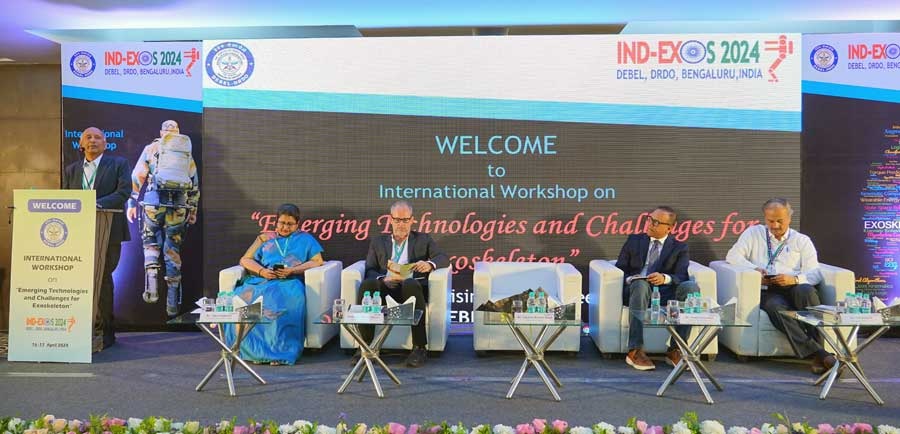
India
Latest Defence News India The Defence Research and Development Organisation (DRDO) recently convened the first international workshop on 'Emerging Technologies and Challenges for Exoskeleton' in Bengaluru. The workshop, inaugurated by the Secretary, Department of Defence R&D and DRDO chairman, aimed to foster collaboration among various stakeholders including the research and development community, armed forces, industry, and academia to address the challenges associated with developing exoskeleton technology.Exoskeleton technology, characterized by wearable structures designed to enhance human body capabilities, holds promise for both military and civilian applications. In his keynote address, the DRDO chairman underscored the transformative potential of exoskeleton technology and emphasized the need for collective efforts to chart a roadmap for its future development.Highlighting the historical evolution of exoskeleton research and the current challenges faced by the R&D community, Lt Gen JP Mathew, Chief of Integrated Defence Staff to the Chairman Chiefs of Staff Committee (CISC), emphasized the significance of exoskeleton technologies in rehabilitation, occupational therapy, and augmentation. He also pointed out the substantial commercial opportunities associated with this technology.The workshop featured informative technical lectures by renowned experts, including Prof Robert Reiner of ETH Zurich and Prof Arun Jayaraman of Northwestern University, Chicago, Illinois. These sessions provided insights into the current state of exoskeleton research and the challenges ahead.Director General (Life Sciences) U K Singh, DRDO, highlighted the imminent challenges and requirements from the armed forces, urging researchers to collectively address these challenges to develop exoskeleton technologies that meet the needs of all stakeholders.With over 300 participants from DRDO, services, industry, academia, and research institutions, the two-day workshop served as a platform for fruitful discussions and exchange of ideas. It emphasized the importance of collaborative efforts in advancing exoskeleton technology to unlock its full potential in both military and civilian domains.In conclusion, the workshop underscored the critical role of collaboration among diverse stakeholders in addressing the challenges and charting a course for the future development of exoskeleton technology. By harnessing collective expertise and resources, the community aims to realize the transformative potential of exoskeletons in enhancing human capabilities and improving quality of life.
Read More → Posted on 2024-04-17 14:56:20
India
Latest Defence News India Uzbekistan In a notable stride towards fortifying bilateral relations, General Manoj Pande, the Chief of the Army Staff, undertook a significant initiative during his visit to Uzbekistan from April 15-18. The inauguration of a state-of-the-art IT Laboratory at the Uzbek Academy of Armed Forces underscores the commitment of both nations to deepen cooperation in defense and technology.This collaborative endeavor stems from a commitment made during the Defence Ministers' meeting in September 2018, where discussions laid the groundwork for enhancing defense cooperation. The request to establish an IT Lab was initiated during this high-level dialogue and subsequently gained traction with official approval in 2019. Funded through the Ministry of External Affairs' initiative, the project received a budget of Rs 8.5 crore, exceeding the initially envisaged Rs 6.5 crore.An Indian firm secured the contract and efficiently executed the project, ensuring the timely completion and operational readiness of the lab. The facility boasts nine rooms, each equipped with specialized technology catering to various aspects of IT education and training. These rooms include lecture halls, a Cybersecurity Lab, Hardware Programming Lab, Object-Oriented Programming Lab, Web Programming Lab, Server Room, Multimedia Room, and Virtual Reality Room.Moreover, the IT Laboratory is furnished with essential amenities such as video conferencing terminals, interactive panels, networking devices, and an array of computing equipment including high-end PCs, workstations, laptops, printers, cameras, scanners, and storage devices.Beyond its technological significance, the establishment of this lab symbolizes a tangible step towards fostering a deeper understanding and cooperation between India and Uzbekistan. It not only enriches the training resources available to the Uzbek armed forces but also serves as a testament to the expanding partnership between the two nations.Moving forward, the collaborative initiative is poised to yield enduring benefits, facilitating skill development, knowledge exchange, and joint endeavors in defense and technology. The inauguration of the IT lab marks a milestone in the journey of India-Uzbekistan relations, promising a future characterized by mutual growth, cooperation, and shared prosperity.
Read More → Posted on 2024-04-17 14:51:34
India
Latest Defence News India Veteran air warrior Squadron Leader (retd) Dalip Singh Majithia, who joined the Indian Air Force during the tumultuous years of World War II and distinguished himself as a "fearless aviator" during his career, has died. He was 103. The centenarian, who had "over 1,100 flying hours to his name", including missions in aircraft such as Hurricanes and Spitfires, passed away at Uttarakhand's Rudrapur in the early hours of Tuesday, IAF sources said.He was affectionately called 'Maji' by his fellow air warriors.Sqn Ldr Majithia's leadership skills were forged and tested in the crucible of war, they said.From patrolling of skies to reconnaissance and bombing missions, he took on each challenge with grit, skill and unparalleled courage.His tenure as the flight commander of the legendary Number 4 Squadron -- 'The Fighting Oorials' -- from 1942 to 1943 at Burma, remains etched in the annals of history, the IAF sources added.Under his guidance, this squadron became synonymous with bravery and camaraderie, and earned accolades and admiration from all quarters, they said.The IAF on Tuesday bade final farewell to its icon as the centenarian air warrior left an impressive legacy behind.He was born in Shimla on July 27, 1920 and his passion for aviation propelled him to join the IAF volunteer reserve in 1940 during the tumultuous years of World War II, the IAF sources said.His exceptional talent earned him the prestigious 'Best Pilot Trophy' during his training at the Initial Training School in Walton in Lahore, they added.
Read More → Posted on 2024-04-17 05:49:42
India
Latest Defence News India ,IsraelIn the wake of escalating tensions following the conflict in the Gaza Strip and Iran-Israel tension, the Israeli Embassy in India has issued a robust response to counter instances of hate speech targeting Indians. Amid a surge in misinformation circulating on social media platforms, the embassy has underscored the importance of fact-checking before succumbing to propaganda.A viral video depicting an Indian YouTuber purportedly being denied entry into an Israeli bar was denounced by the embassy as false and propagandist. Emphasizing the need for accuracy, the embassy clarified that the YouTuber, Shubham Kumar, was actively exploring Israel and engaging in its nightlife. The embassy's statement on social media platform X reiterated that Kumar's video showcased his experiences in Israeli bars, with some venues being full or having reserved spaces, a common occurrence in bustling nightlife scenes.Addressing the manipulated nature of the circulated video, the embassy highlighted the diverse array of patrons depicted, affirming that Israelis, like Indians, come from varied backgrounds. They reaffirmed Israel's fondness for its Indian counterparts, asserting resilience against the dissemination of hate speech.Shubham Kumar, a prominent travel blogger with over two million subscribers on YouTube, corroborated the embassy's stance, stating in his own video that the clubs and bars he visited were densely populated, making it challenging to secure seating. Contrary to the misrepresented narrative, Kumar explicitly stated that he faced no discrimination based on his nationality during his visits.India's diplomatic position on the Israel-Palestine conflict, characterized by a nuanced balance between historical solidarity with Palestine and burgeoning ties with Israel, remains steadfast. Advocating for a two-state solution with Israel and Palestine as peaceful neighbors, India has consistently emphasized diplomatic dialogue as the means to resolve the enduring conflict.Furthermore, India has expressed apprehensions over escalating tensions between Israel and Iran, citing potential ramifications for regional peace and security. The Ministry of External Affairs issued a press release urging immediate de-escalation, restraint, cessation of violence, and a return to diplomatic negotiations to mitigate the risk of further hostilities.The Israeli Embassy's proactive stance against misinformation and hate speech underscores the imperative of vigilance in navigating the digital landscape. As global tensions persist, the call for discernment and fact-based discourse resonates more strongly than ever, safeguarding against the proliferation of divisive narratives and fostering constructive engagement on pressing geopolitical issues.
Read More → Posted on 2024-04-17 05:47:14
India
Latest Defence News India The Indian Air Force (IAF) is on the cusp of a significant milestone with the impending commencement of full-configuration developmental trials for the Astra Mark II air-to-air missile. This next-generation weapon represents a substantial leap forward from its predecessor, the Astra Mark I.One of the standout features of the Astra Mark II is its impressive range capability, estimated at 160 kilometers, a significant improvement over the Mark I's 110 kilometers. This extended range places it in league with renowned international counterparts like the AIM-120D missile, enhancing the IAF's combat capabilities.The developmental progress of the Astra Mark II has shown promise through various successful tests, including captive flight trials, ejections, and unguided launches. The forthcoming phase will concentrate on assessing the missile's Active Electronically Scanned Array (AESA) seeker, a crucial component for effectively targeting enemy aircraft. Subsequent tests will involve pilotless target aircraft to evaluate the Astra Mark II's precision in simulated combat scenarios.In the coming years, comprehensive testing will continue under diverse launch conditions, encompassing both long-distance and close-range engagements. This meticulous approach underscores the commitment to ensuring the Astra Mark II's reliability across a spectrum of combat situations.The successful development and deployment of the Astra Mark II hold the potential to significantly enhance the IAF's air superiority capabilities, thereby bolstering India's national defense posture.As the trials progress, the IAF remains focused on harnessing the full potential of this advanced air-to-air missile, further cementing its position as a formidable force in the region.
Read More → Posted on 2024-04-17 05:39:27
India
Latest Defence News India The General Officer Commanding-in-Chief, Army Training Command (ARTRAC), Lt Gen Manjinder Singh, has said that the war between Russia-Ukraine and Israel-Hamas has been a learning experience for India, as it may face similar warfare practices from terror-hit regions on Pakistan's borders.He said this at the Army Training Command (ARTRAC) investiture ceremony held at the Army Training Command in Shimla on Tuesday.Lt Gen Singh, awarded ARTRAC Unit awards to the Army officials for their noteworthy performance in the year 2022-23.Appreciation was given to seven training establishments of the Indian Army for their outstanding performance; four training institutes, including the Military College of Telecommunication Engineering, were also awarded, and seven awards were given in individual categories."Warfare is a very dynamic and evolving process; what won the last war may not win the next war, so as the nation economically evolves, the threats also evolve. Whatever is happening in the region and around the world, the military commanders have to be aware of it. The last three years of the Russia-Ukrainian war, we have been watching it very closely. How that war is happening, how drones are impacting, and what new technologies are being used and impacting that war. Similarly, the Israel-Hamas practice is a classic case. We may also have similar practices on the borders of Pakistan and neighbouring countries with terrorist attacks. We will have to study those things. We try to apply our war way of training and prepare for such a contingent. The methods of warfare change with the evolving technologies and we also train our soldiers," Lt Gen Manjinder Singh said.He also added that the 'Make in India' war weapons are helping the Indian army in self-reliance."We also focus on training the foreign students who come to India and are also sending our officers and students who go to other countries for training. We also have something called Mobile training teams in foreign-friendly training teams. We have 11 such teams deployed in foreign-friendly countries and send these teams on request of the friendly countries so that the training content can be curated as required. As of today, we are subscribing to 22 foreign courses in eight countries, and we are offering 273 courses to 74 foreign-friendly countries," he said."The process means to learn from each other, learn the best practices and then carry on for the further procedures," Singh said further.The General Officer Commanding-in-Chief, of the Army Training Command emphasised that the Army Training Command has been improving training with evolving technologies."HQ ARTRAC was raised on October 1, 1991, with a mandate to ensure operational preparedness through institutionalised training in the Indian Army. It started with two training establishments, the Infantry School & Army War College, but the magnitude of ARTRAC's footprint has grown overwhelmingly, and today it has 34 training establishments across India. The training canvas of ARTRAC encompasses the conceptualization and implementation of training in eight specialised fields, covering a wide spectrum including agniveer training, officer pre-commission training, combat arms & combat support arms training, technical training, and logistic training," he said."The desired focus is on Indigenous Research and Development in emerging niche technologies, as well to ARTRAC, which permeates into nearly every facet of training and empowerment of officers, JCOs and ORs. After serving the country proudly and with distinction, when our service personnel are ready to hang their uniform, ARTRAC steps in to empower them with the skills needed to chart their course through civil society and contribute gainfully to nation-building as veterans," Lt Gen Manjinder Singh added.Lt. Gen. Col. Commandant AMC Centre and College, Lucknow, Kavita Sahai, the only woman commander in one of the training units, felt privileged to receive the Unit Appreciation Award."I am feeling glad, and it is an honour to get the award. I am the first female army officer commanding the training unit. Our centre was started in 1957, after amalgamation. We are a premier training establishment. We provide both military and technical training to the medical officers of the Indian Army, Indian Navy, and Indian Air Force, as well as to the nursing officers and JCOs. The Centre aims to maintain the highest standard so that we can provide comprehensive support to the army during wartime as well as during peace," she said."We are using technological advancements; we are using artificial intelligence to combat medical support. These kinds of appreciations are important, and for me, being a woman, I would say it is important to encourage women so they can achieve in every field," Sahai added.
Read More → Posted on 2024-04-17 05:31:32
India
Latest Defence News India In a recent address at Madhupur market in Tripura, former Chief Minister and Bharatiya Janata Party (BJP) candidate Biplab Deb voiced sharp criticism against the Communist Party of India (Marxist) (CPI-M) manifesto's pledge for the complete elimination of India's nuclear weapons. Deb, who is also a Rajya Sabha MP and BJP's candidate from West Tripura Parliamentary constituency, characterized the CPI (M) manifesto as an "anti-Indian document" reflecting the desires of neighbouring nations, particularly Pakistan and China, for India to be 'powerless' on the global stage.Deb specifically targeted CPI (M) leaders in Tripura, including former Chief Minister Manik Sarkar and Leader of Opposition Jitendra Choudhary, urging them to apologize to the people of Tripura for endorsing what he termed as "anti-Indian agendas."Drawing upon historical context, Deb recalled India's declaration as a 'Nuclear Power' under the leadership of former Prime Minister Atal Bihari Vajpayee, highlighting the subsequent imposition of sanctions by the United States. Despite facing international pressure, Deb emphasized India's resilience during those challenging times, asserting that such resilience demonstrates the Communist Party's reluctance to see India ascend as a global superpower.Deb's remarks coincide with a recent visit by Home Minister Amit Shah to Tripura, during which Shah expressed a commitment to bolstering the state's development efforts. Deb cited Shah's personal assurances of support, indicating the Home Minister's dedication to elevating Tripura's status as a frontrunner state in terms of development. Furthermore, Deb noted Prime Minister Narendra Modi's condemnation of the INDIA bloc's stance on nuclear disarmament, emphasizing the geopolitical realities surrounding India's security concerns vis-à-vis its nuclear-armed neighbours.Central to the CPI (M) manifesto is a pledge for the "complete elimination of nuclear weapons and other weapons of mass destruction including chemical and biological weapons." This stance has sparked contentious debates, with critics like Deb asserting that such measures would render India vulnerable in a region marked by geopolitical tensions and nuclear proliferation.In the face of ideological divergence, the discourse surrounding Tripura's political landscape intertwines with broader national security concerns and developmental aspirations. Deb's critique of the CPI (M) manifesto underscores the divergent visions for India's future trajectory, with emphasis placed on safeguarding national interests while advancing the socio-economic well-being of the populace.As the electoral landscape unfolds, the clash of ideas and visions between political factions like the BJP and CPI (M) continues to shape the narrative surrounding governance priorities and national security imperatives. In the backdrop of geopolitical uncertainties, the discourse surrounding nuclear disarmament remains a contentious issue, resonating with both domestic and international ramifications.In the pursuit of progress and stability, the electorate in Tripura and beyond grapples with competing narratives, seeking leadership that not only champions developmental agendas but also safeguards national security interests in an increasingly complex global landscape.
Read More → Posted on 2024-04-16 16:00:14
India
Latest Defence News India ,Iran Kerala native Antessa Joseph has been identified as one of the 17 Indian nationals onboard the Israeli-linked cargo vessel, MSC Aries, seized by Iran in the Gulf region. The revelation, made by her family, underscores a distressing oversight in official communications, causing significant anguish and concern.Initially, Ms. Joseph's name was omitted from a letter addressed by Kerala Chief Minister Pinarayi Vijayan to the External Affairs Ministry, exacerbating the family's distress. Officials from the Chief Minister's Office acknowledged the lack of information regarding Ms. Joseph's presence on the ship, prompting immediate escalation to the Central government for action.The Department of Non-Resident Keralites Affairs (NORKA) has been tasked with coordinating necessary steps in response to the situation. However, the family, hailing from Thrissur, remains in limbo, awaiting updates on Ms. Joseph's status from both state and Central authorities.Expressing deep anguish over the omission of his daughter's name, Ms. Joseph's father emphasized the mental and emotional toll it has taken on the family. Initial news reports only mentioned three Malayalees onboard, leaving the family in uncertainty regarding her well-being. The sole source of reassurance has been the confirmation of her safety by the ship's owning company.The last communication with Ms. Joseph occurred on Friday, following which attempts to reach her were unsuccessful. The family was informed of the ship's seizure by the shipping company, adding to their anxiety.Iran has indicated that Indian officials will be granted access to the 17 Indian crew members "soon." Chief Minister Pinarayi Vijayan had earlier appealed to the External Affairs Ministry to secure the safe return of all Indian nationals, including the three from Kerala.The Mediterranean Shipping Company (MSC) is actively collaborating with authorities to ensure the well-being of the crew and secure the release of the vessel. The MSC Aries was seized by Iran's Revolutionary Guards near the Strait of Hormuz on April 13th.The incident underscores the complexities of maritime operations in the Gulf region and highlights the urgent need for diplomatic efforts to ensure the safe return of all crew members, including Ms. Antessa Joseph, to their families.
Read More → Posted on 2024-04-16 15:25:38
India
Latest Defence News IndiaThe Indian Navy has recently unveiled two new corvettes, the INS Kavaratti and INS Kiltan, signaling a substantial enhancement in its anti-submarine warfare capabilities. These vessels mark a significant departure from traditional naval construction, incorporating cutting-edge carbon fiber composite superstructures developed by Sweden's Saab.The adoption of carbon fiber technology represents a pivotal advancement in naval engineering. Unlike conventional metal superstructures, carbon fiber offers unparalleled strength-to-weight ratio, resulting in a considerable reduction in overall vessel weight. This reduction translates into enhanced agility, maneuverability, and fuel efficiency, critical attributes in combat scenarios.Of particular importance is the stealth advantage conferred by carbon fiber. Its low radar reflectivity renders the INS Kavaratti and INS Kiltan less susceptible to detection by enemy surveillance systems. This stealth capability affords the vessels greater operational flexibility, enabling prolonged periods of covert operation.An Indian Navy spokesperson underscored the strategic significance of the carbon fiber superstructures, emphasizing their role in augmenting the fleet's stealth capabilities, agility, and operational versatility. The collaboration with Saab, renowned for its technological prowess, underscores the value of international partnerships in advancing naval innovation.In addition to their performance benefits, carbon fiber boasts inherent resistance to corrosion, mitigating maintenance requirements and extending the operational lifespan of the vessels. This represents a further cost-saving advantage for the Indian Navy over the long term.The INS Kavaratti and INS Kiltan exemplify India's commitment to leveraging cutting-edge technology to bolster its maritime capabilities. With their advanced carbon fiber superstructures, these corvettes stand poised to redefine the standards of naval warfare, enhancing India's maritime security posture in the process.
Read More → Posted on 2024-04-16 06:42:34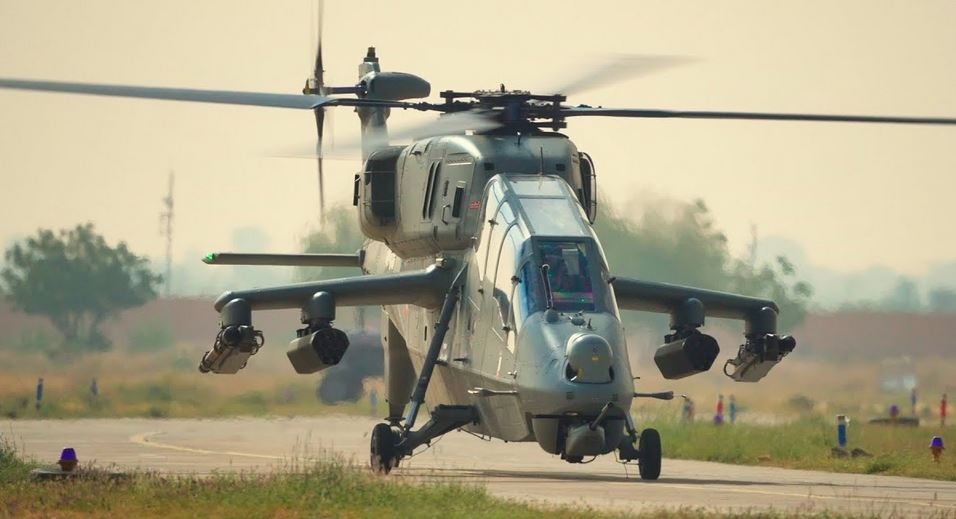
India
Latest Defence News India ,PhilippineHindustan Aeronautics Limited (HAL) is ramping up its production capabilities to meet the burgeoning demands of the Indian armed forces while eyeing lucrative international markets. In a recent interview, CB Ananthakrishnan, HAL's CMD, outlined the company's ambitious plans and ongoing projects.Ananthakrishnan highlighted HAL's robust order book, which is brimming with contracts to be fulfilled over the next three to four years. Notably, HAL is committed to delivering 83 TEJAS MK-1A aircraft, 34 DHRUV advanced helicopters, 70 basic trainer aircraft, 80 RD-33 engines for MIG-29 jets, and 240 AL-31FP turbofan engines for Sukhoi Su-30MKI jets within this timeframe. To meet the increased expectations of timely delivery, HAL has commissioned a third production line in Nashik.Furthermore, HAL is intensifying its efforts to enhance production efficiency. Ananthakrishnan revealed plans to construct new units capable of delivering 16 TEJAS jets annually to the Indian Air Force, up from the current rate of 8 per annum. This expansion is facilitated by strategic partnerships with private industry players for the supply of key components such as fuselage sections and wings.HAL is committed to surpassing contractual obligations and aims to deliver the entire fleet of 83 TEJAS MK-1A aircraft ahead of the scheduled timeline of 2028-29. Once the TEJAS MK-1A project concludes, manufacturing of the TEJAS MK-2 will commence.In addition to catering to domestic requirements, HAL is actively pursuing international markets. Ananthakrishnan disclosed ongoing discussions with the Philippines, Egypt, and Nigeria for the sale of HAL's advanced helicopter platforms. The Philippines has expressed particular interest in the Light Combat Helicopter (LCH) "Prachand," which boasts integrated advanced weapons systems and has garnered acclaim for its performance in challenging environments like the Siachen Glacier.The Philippines Coast Guard's recent collaboration with its Indian counterpart underscores growing bilateral cooperation, with a focus on maritime security. During a visit to India, Filipino officials expressed keen interest in HAL's military hardware, including the DHRUV MK-II and indigenous warships.CG Adm Artemio M Abu, Commandant #Philippine Coast Guard #PCG undertook Customer Demonstration Flight onboard @IndiaCoastGuard ALH MK III at #Goa in coordination with M/s Hindustan Aeronautical Limited.@coastguardph@HALHQBLR pic.twitter.com/n0WCusRJuw— Indian Coast Guard (@IndiaCoastGuard) August 21, 2023 HAL's success with the DHRUV helicopter series has positioned it as a leading supplier of rotary-wing aircraft to the Indian armed forces. The introduction of the armed variant, DHRUV MK-4, further enhances HAL's portfolio of offerings.The LCH "Prachand" stands out as a versatile platform capable of operating at high altitudes with a significant payload of weapons and fuel. Developed in response to the need for a more agile and effective attack helicopter, the Prachand has proven its mettle in demanding environments, filling critical operational gaps.HAL's strategic vision extends beyond manufacturing to encompass full-spectrum technological innovation. The company aims to cultivate intellectual property and collaborate with private sector entities to drive research and development initiatives. Amidst the government's emphasis on self-reliance in defense, HAL is poised to play a pivotal role in advancing India's indigenous defense capabilities.In conclusion, HAL's proactive measures to expand production capacity and explore international markets underscore its commitment to meeting evolving defense requirements. With a strong foundation of successful projects and strategic partnerships, HAL is poised for sustained growth and leadership in the aerospace sector.
Read More → Posted on 2024-04-16 06:08:01
India
Latest Defence News India The Indian Air Force (IAF) is looking to modernize its aging fleet, and the indigenously developed Tejas Mk1A fighter aircraft is a strong contender to replace the Jaguar fleet. Here's a detailed look at how the Tejas Mk1A stacks up against the Jaguar and its potential to fulfill the IAF's requirements:Capabilities of the Tejas Mk1A:Modern Avionics: The Tejas Mk1A boasts a new AESA (Active Electronically Scanned Array) radar, offering superior detection and tracking ranges compared to the Jaguar's mechanically scanned radar. This translates to better situational awareness and the ability to engage targets at longer distances.Improved Weaponry: The Mk1A can be equipped with a wider range of modern air-to-air and air-to-surface weapons, enhancing its offensive and defensive capabilities compared to the Jaguar's limited weapon selection.Enhanced Agility: The Tejas Mk1A is a single-engine aircraft, but it offers good maneuverability due to its delta wing design. While the Jaguar is a twin-engine aircraft, maneuverability is an area where the Tejas might hold its own. Indigenous Content: The Tejas Mk1A boasts a high degree of indigenous content, reducing dependence on foreign suppliers and ensuring greater control over maintenance and upgrades.Addressing the Jaguar's Shortcomings:Ageing Technology: The Jaguar, first introduced in the 1970s, suffers from outdated avionics and weapon systems. The Tejas Mk1A addresses this concern with its modern technologies.Phasing Out of Production: The Jaguar is no longer in production, making spare parts and maintenance a challenge. The Tejas Mk1A, being an actively produced aircraft, overcomes this hurdle.Potential Challenges for Tejas Mk1A:Operational Experience: The Jaguar has a proven track record in combat, while the Tejas Mk1A is a relatively new aircraft. The IAF will need to factor in the importance of operational experience.Payload Capacity: The Jaguar has a higher payload capacity compared to the Tejas Mk1A. This might be a factor for missions requiring a larger weapons load.Overall, the Tejas Mk1A presents a compelling case for replacing the Jaguar fleet. Its modern avionics, improved weaponry, and indigenous content make it a strategically important choice for the IAF. While operational experience and payload capacity remain considerations, the Tejas Mk1A's capabilities position it as a capable successor to the Jaguar.**Additional Points to Consider:The IAF is also looking at procuring more advanced aircraft like the Rafale. The final decision might involve a mix of these platforms to address the IAF's diverse needs.The Tejas Mk2, a more powerful variant with a higher payload capacity, is under development. Its future induction could further strengthen India's air defense capabilities.By carefully evaluating these factors, the IAF can make an informed decision on how best to replace its Jaguar fleet and ensure India's continued airpower.
Read More → Posted on 2024-04-15 16:09:17Search
Top Trending in 24 Hours
-
 NASA Suspends Science Operations on Perseverance Rover and Mars Odyssey After Hardware Failures
-
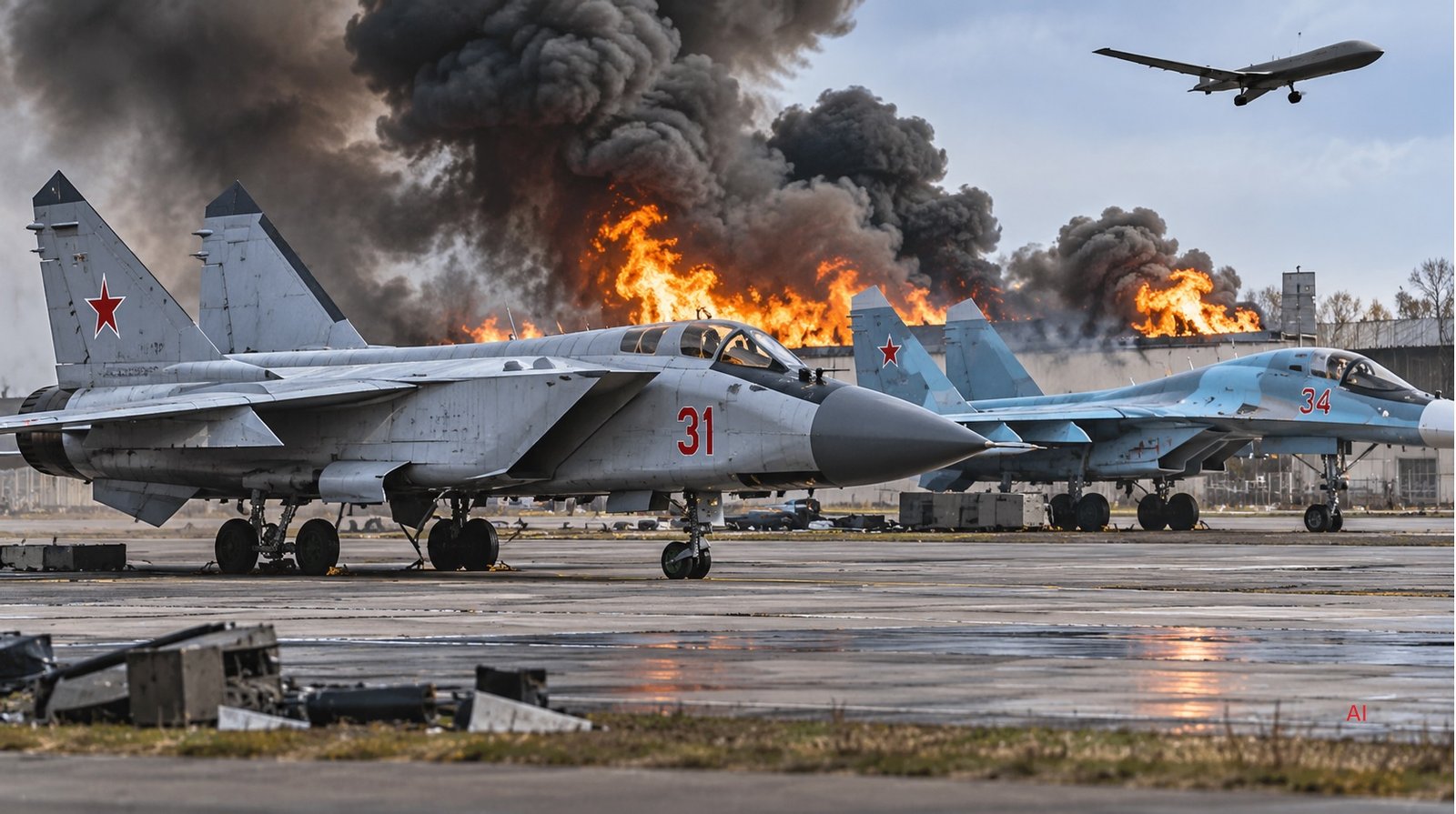 Ukraine Strikes Five Russian Warplanes, Including Three Kinzhal-Capable MiG-31s at Savasleyka Airbase
-
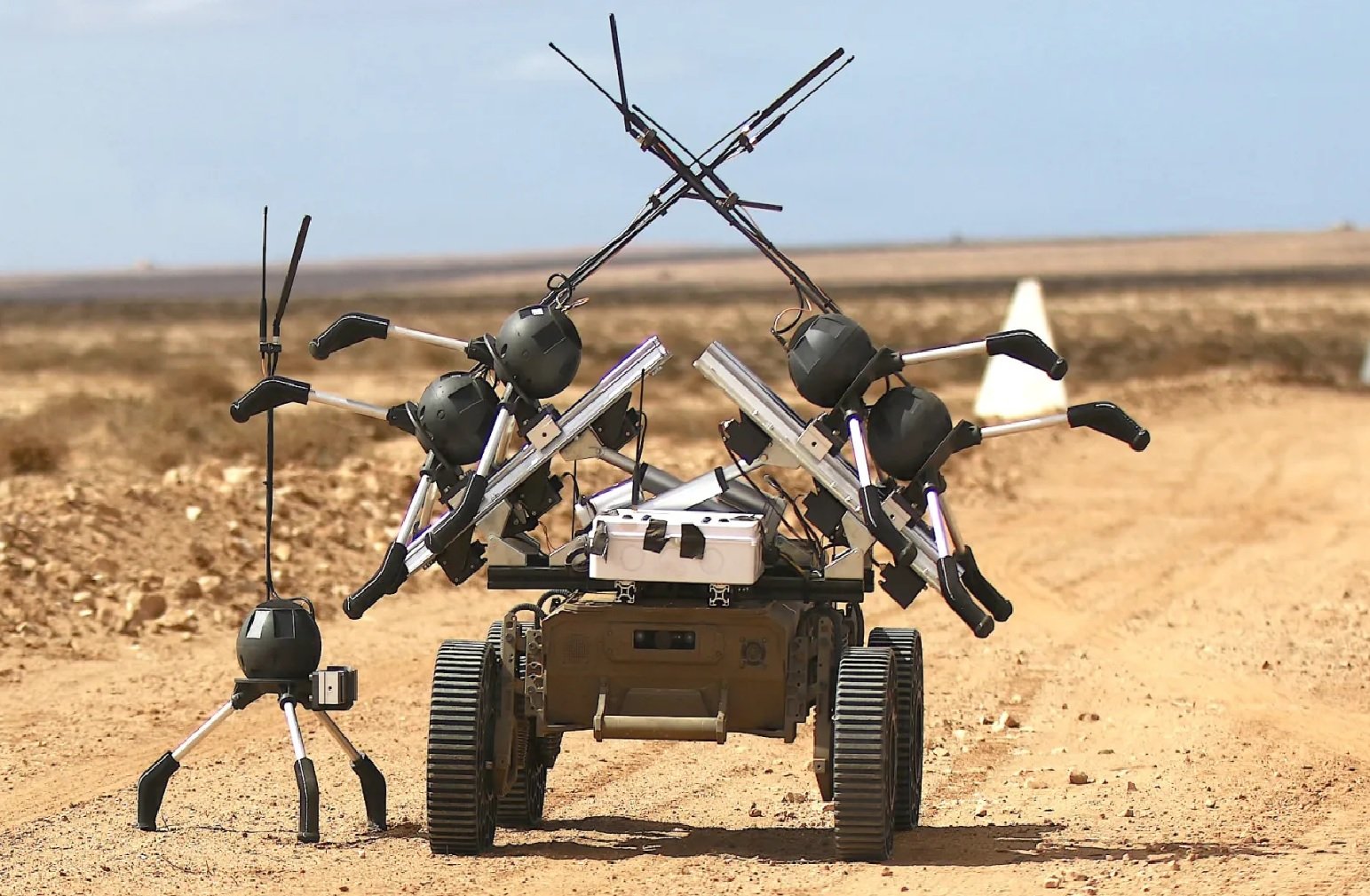 U.S. Army Tests FireAnt Robotic Vehicle to Deploy Drone-Detection Sensors in Morocco
-
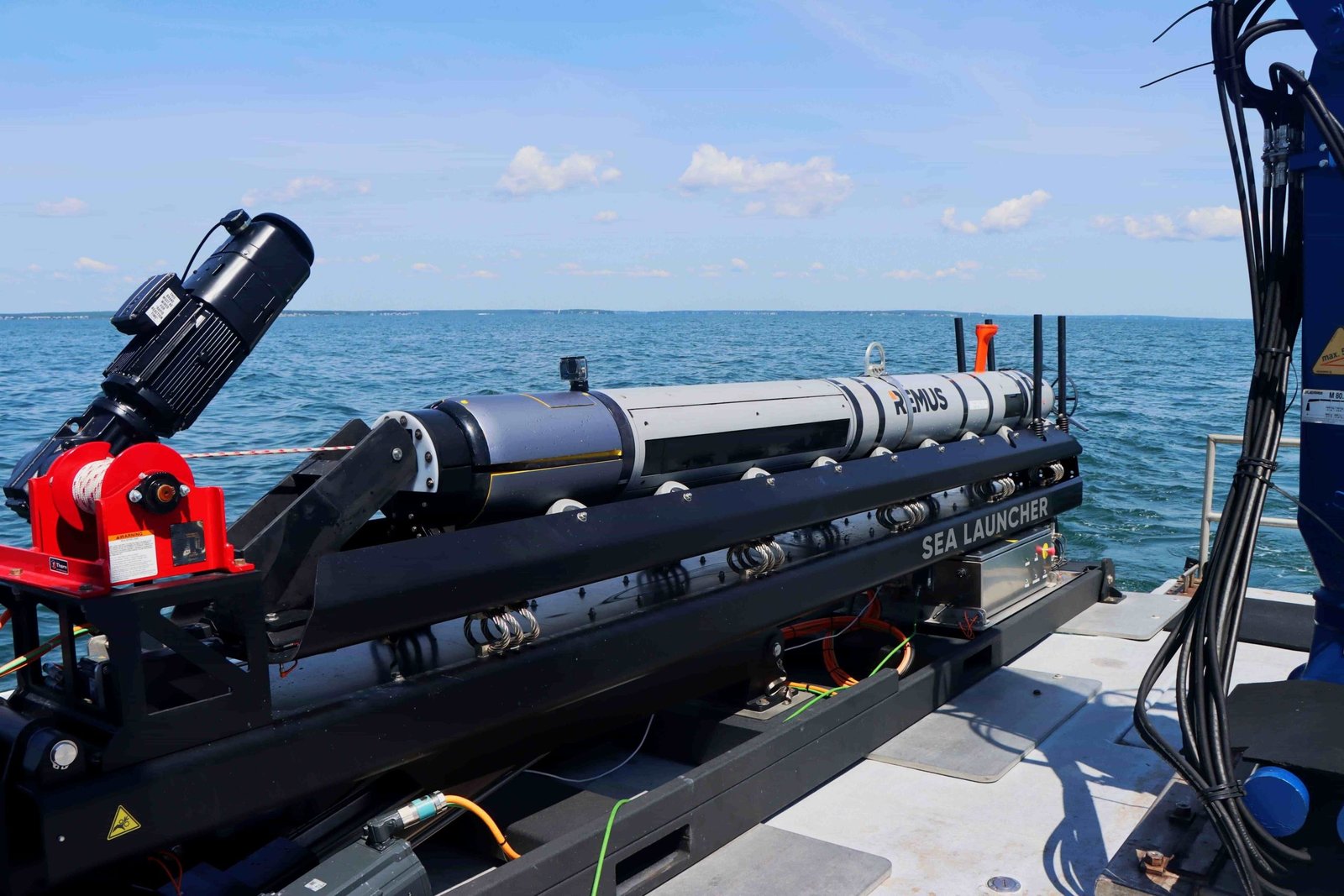 UK Awards HII £142 Million Contract for REMUS 620 Underwater Vehicles for Royal Navy Mine-Hunting Programme
-
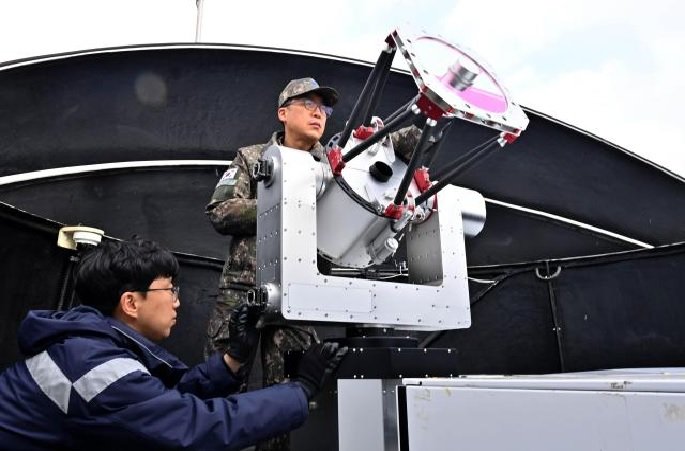 South Korea’s Air Force Deploys New Space Weather Warning System to Monitor Solar Activity and Protect Military Operations
-
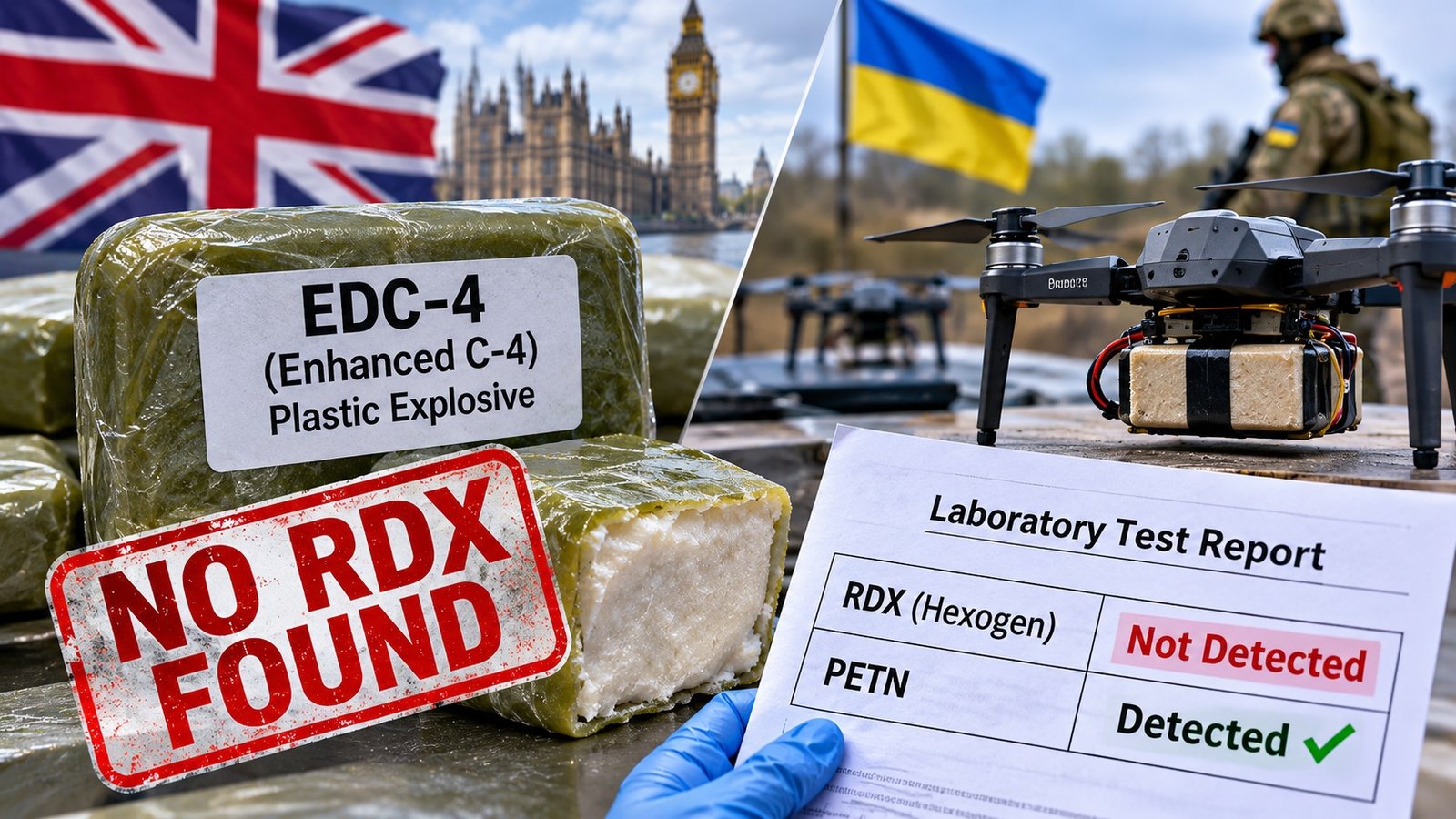 UK Supplied Fake 'Enhanced C-4' Explosives for Ukrainian Drones, Investigation Reveals
-
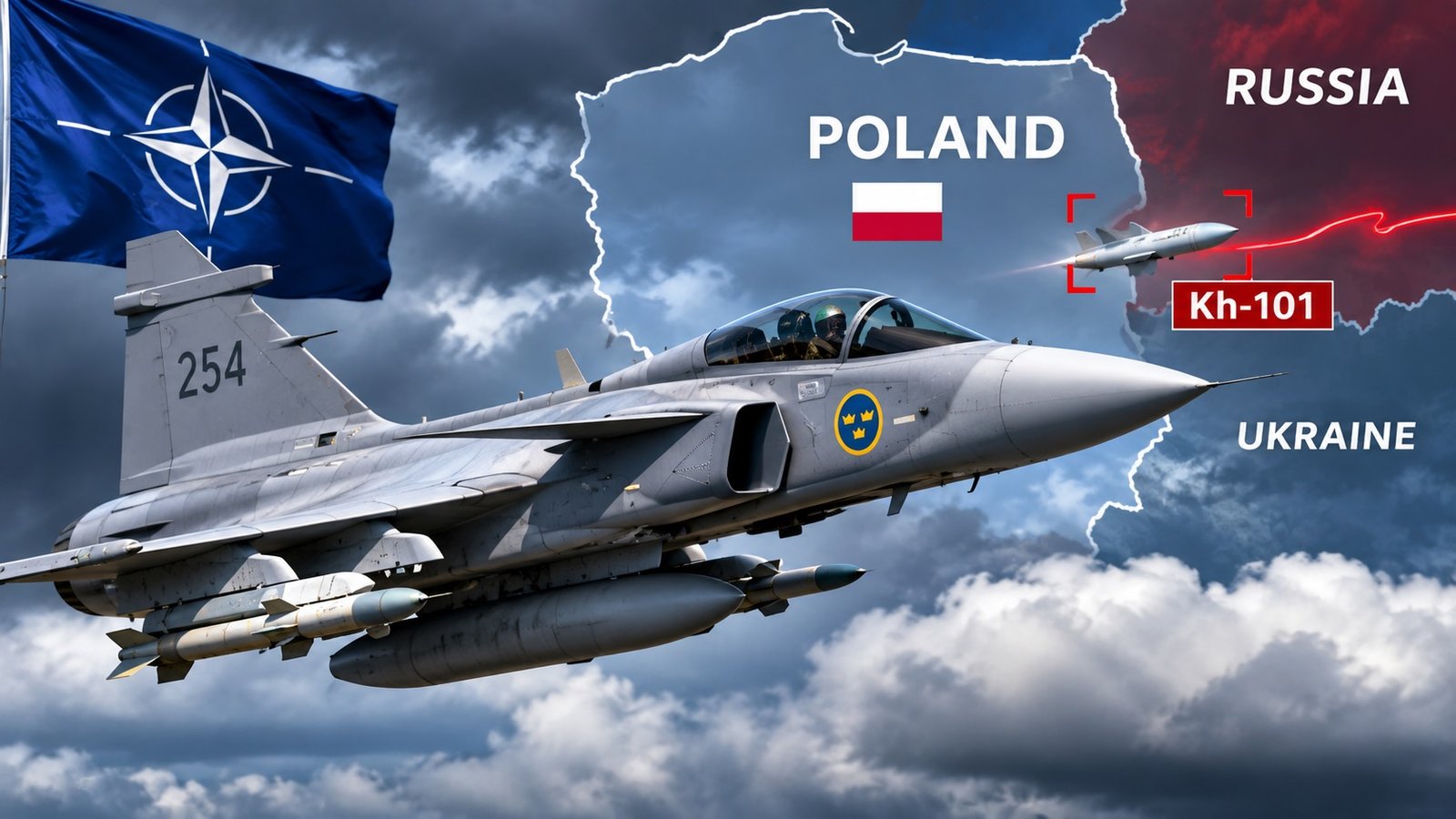 Swedish Gripen Fighter's Capabilities Questioned After Pilot Fails to Engage Suspected Russian Missile Over Poland
-
 Israeli Elbit Systems Wins Five-Year Contract to Equip Four German Navy F128 Frigates With Electronic Warfare Systems
Top Trending in 4 Days
-
 Two Injured in Bahrain After Iranian Attacks; Iran Claims Strike on US Patriot Radars
-
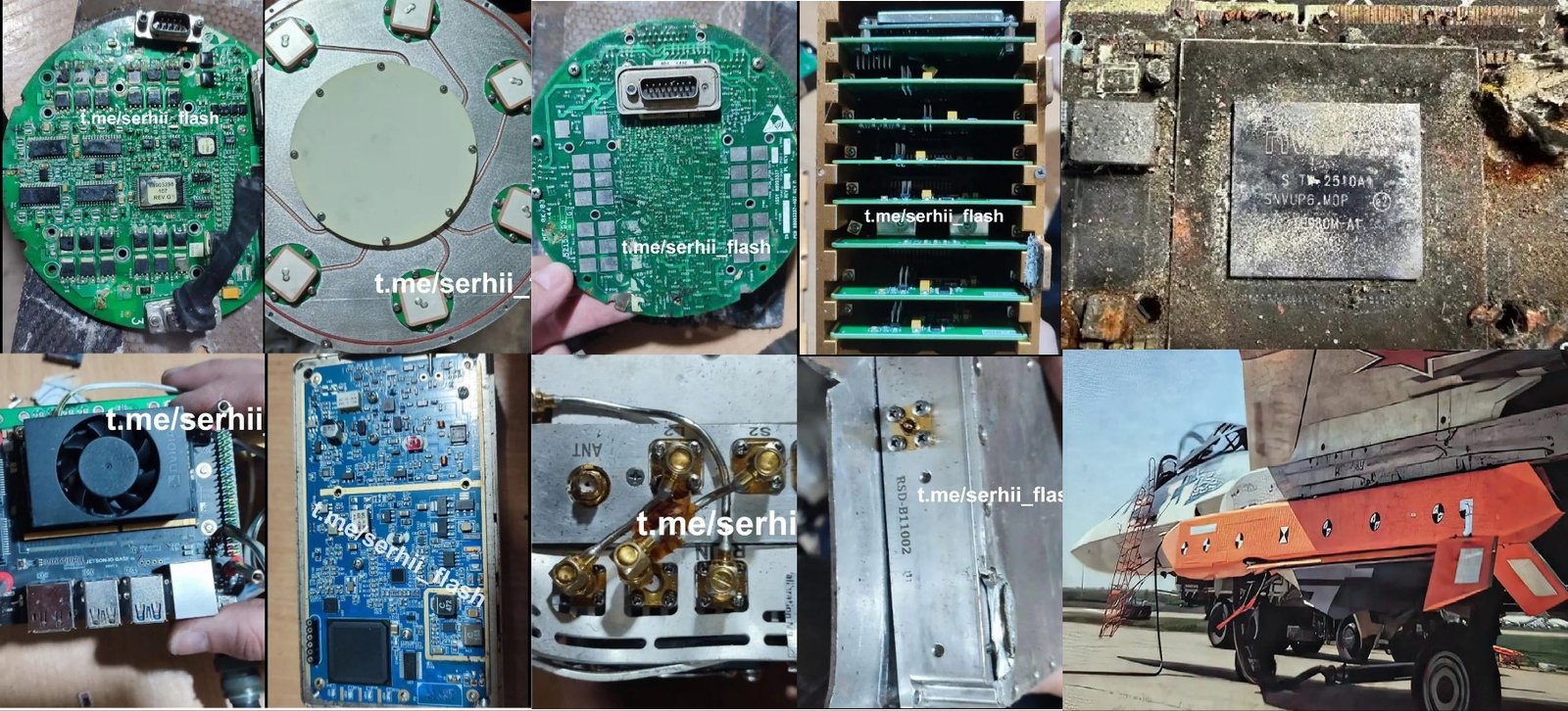 Russian Drones and Cruise Missiles Found Using Civilian NVIDIA AI Chips in Ukraine
-
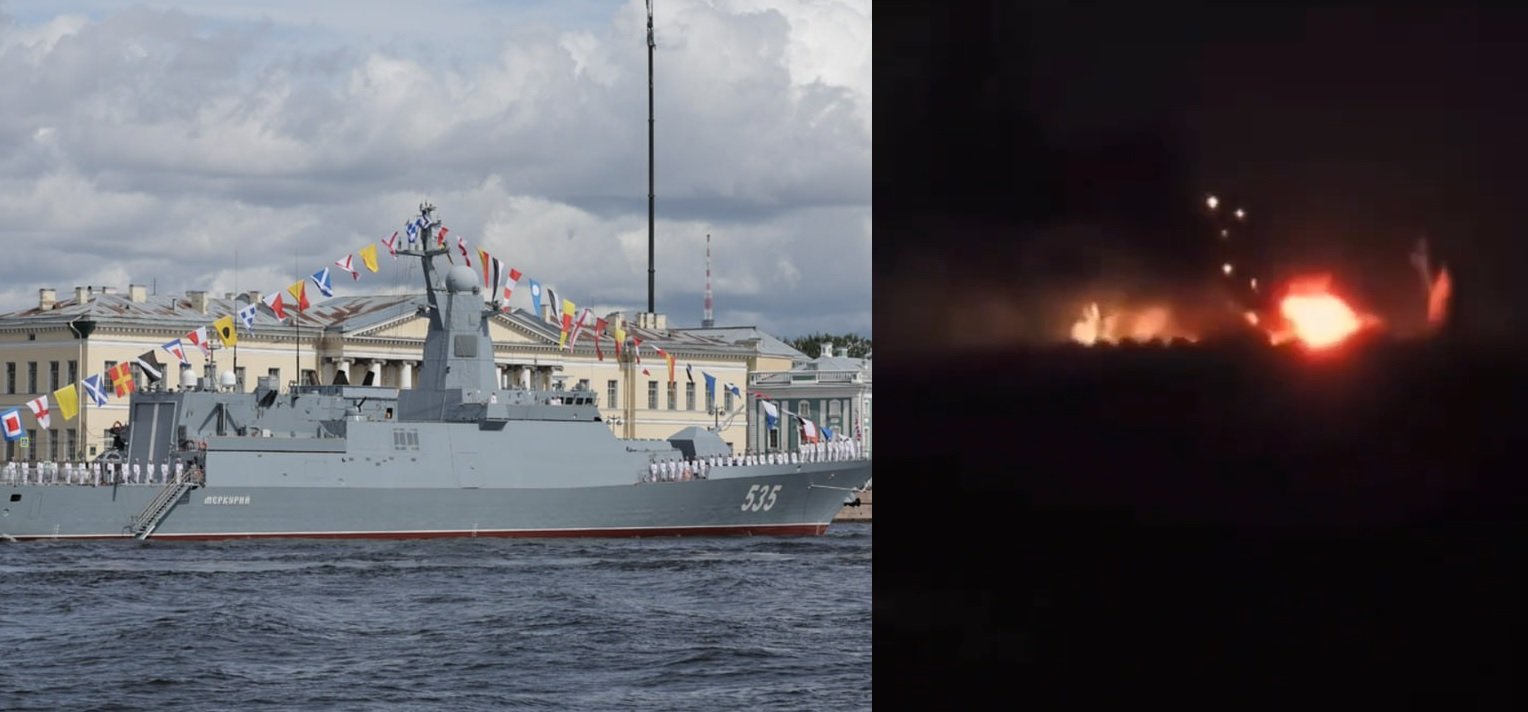 Russian Corvette Merkury Almost Certainly Destroyed in Benghazi Port Explosion
-
 Western Intelligence Warns Russia Could Launch Nuclear-Armed Satellite as Early as December
-
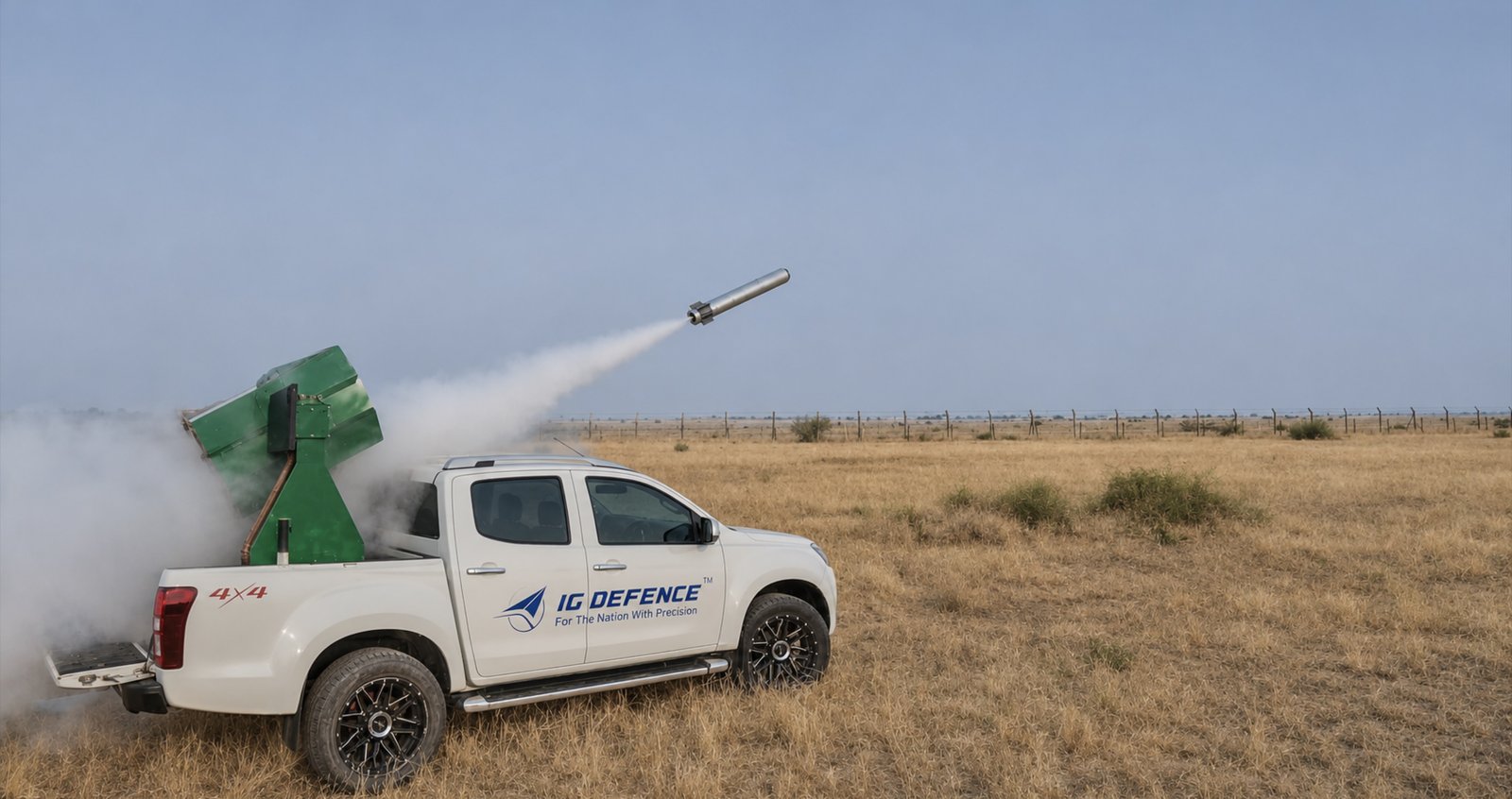 IG Defence Successfully Test-Fires JWALA MK-1 Counter-Drone Missile at Pokhran
-
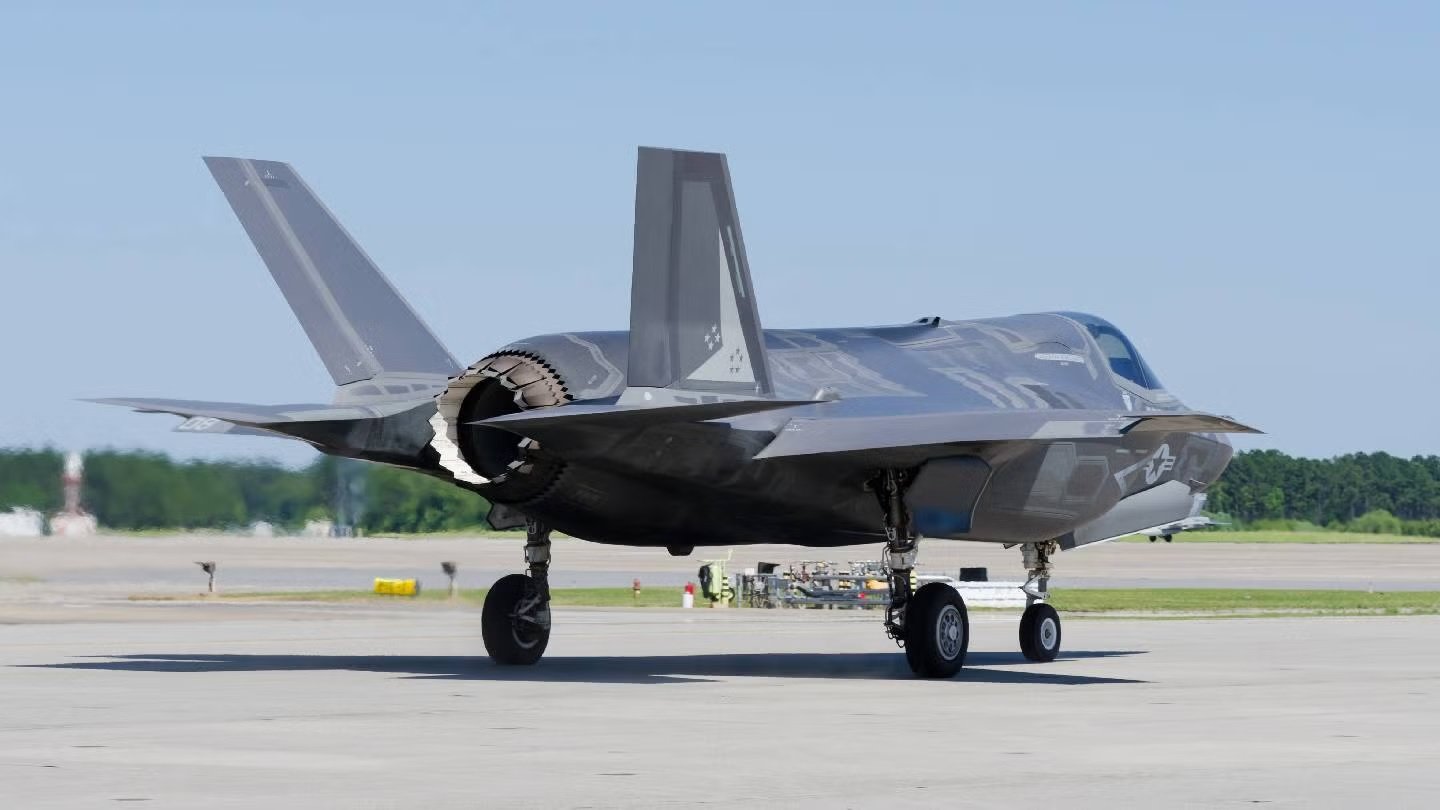 U.S. Awards Lockheed Martin $330.6 Million Contract for Long-Lead Materials Supporting 75 F-35 Lot 22 Aircraft
-
NASA Suspends Science Operations on Perseverance Rover and Mars Odyssey After Hardware Failures
-
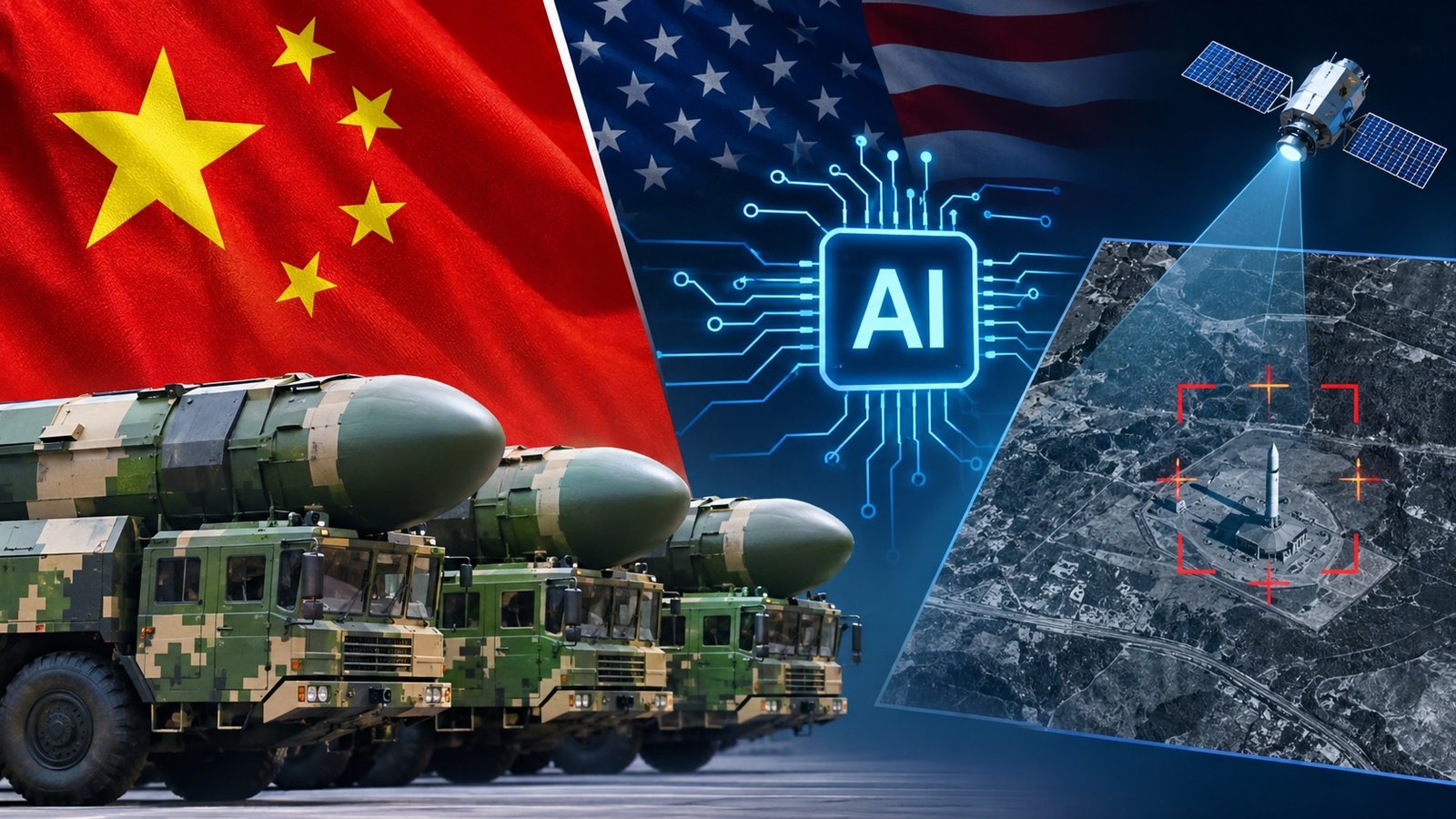 Chinese Military Warns U.S. AI Could Threaten China’s Nuclear Missile Survivability