
India
Defense News ,India :- Title: Prime Minister Modi Accuses DMK of Double Standards in Katchatheevu Island IssuePrime Minister Narendra Modi recently stirred controversy by accusing the Dravida Munnetra Kazhagam (DMK) party of double standards regarding the Katchatheevu island issue. In a series of social media posts, PM Modi referenced a report shedding light on the historical agreement between India and Sri Lanka, signed in 1974 during the tenure of the Indira Gandhi government.The report reveals that despite public opposition from the DMK, then Tamil Nadu Chief Minister M. Karunanidhi purportedly gave his approval to the agreement during a meeting with foreign officials. This revelation has led PM Modi to criticize both the DMK and the Congress, likening them to "family units" prioritizing their own interests over those of the nation.PM Modi's remarks come amid growing scrutiny over the surrender of the Katchatheevu island, which many perceive as a betrayal of national interests. The agreement, signed over five decades ago, continues to evoke outrage among the populace, particularly among Tamil Nadu's fishermen community, whose livelihoods have been impacted.Documents accessed through the Right to Information (RTI) by the Chief of Tamil Nadu BJP, K. Annamalai, provide further insights into the discussions between Karunanidhi and foreign officials, indicating his awareness and acceptance of the agreement's terms. However, the DMK's vocal opposition in parliament suggests a disparity between their public stance and their leader's actions.PM Modi's criticism extends beyond the DMK to the Congress, accusing them of a similar betrayal of national interests. He highlights the Congress' decision to cede the Katchatheevu island to Sri Lanka in 1974, asserting that such actions weaken India's unity and integrity.The controversy surrounding the Katchatheevu island underscores the complexities of India's historical agreements and their implications on national sovereignty. PM Modi's remarks have reignited debates on the accountability of political parties in safeguarding the nation's interests, particularly in sensitive border regions. As the issue continues to unfold, it prompts reflection on the responsibilities of political leaders and the need for transparent decision-making processes that prioritize the welfare of the nation and its citizens above all else.
Read More → Posted on 2024-04-01 06:04:34
India
Defense News ,India ,China :- In a move likely to escalate tensions between China and India, the Chinese Ministry of Civil Affairs has announced the renaming of 30 locations along the disputed border region of Arunachal Pradesh. This action, which follows a similar exercise in December 2021, aims to assert China's claims over the area, known as Zangnan in Chinese.The standardized names, encompassing residential areas, mountains, rivers, and a lake, have been published in Chinese characters, Tibetan script, and Mandarin Romanization. This renaming campaign is perceived by experts as a strategic maneuver by Beijing to legitimize its territorial assertions, despite India's consistent rejection of such claims.Dr. Vikram Ahuja, a geopolitical analyst specializing in Sino-Indian relations, views China's renaming strategy as a symbolic yet significant attempt to pressure India on the border issue. The ongoing dispute over Arunachal Pradesh and the Aksai Chin region underscores the deep-seated disagreements between the two neighboring countries.India, in response, has swiftly denounced China's actions, reaffirming Arunachal Pradesh as an integral part of its sovereign territory. Ministry of External Affairs spokesperson Randhir Jaiswal reiterated India's stance, labeling China's claims as baseless and asserting the immutability of Arunachal Pradesh's status within India.China, however, remains steadfast in its assertions, with officials insisting that Arunachal Pradesh has always been part of its territory. Despite India's dismissal of these claims as ludicrous, China continues to assert its historical and administrative jurisdiction over the region.The latest developments in the border dispute between China and India reflect the ongoing geopolitical competition between the two regional powers. With diplomatic efforts to resolve the territorial standoff further complicated by China's renaming campaign, the prospects for a swift resolution remain uncertain.The deep-rooted disagreements and lack of trust between China and India continue to undermine efforts to foster stable relations between the two Asian giants. As both countries navigate the complexities of their border disputes, the implications of China's latest actions on regional stability remain a matter of concern.China's renaming of locations in Arunachal Pradesh underscores the persisting tensions between China and India, highlighting the challenges in resolving their longstanding border disputes.
Read More → Posted on 2024-04-01 05:56:41
India
Defense News ,Bangladesh :- In a recent development highlighting the tensions surrounding India-Bangladesh relations, Bangladesh Prime Minister Sheikh Hasina criticized the opposition party Bangladesh National Party (BNP) for its 'Boycott India' campaign, specifically targeting the issue of Indian sarees. The remarks came amidst escalating political rhetoric between the ruling Awami League (AL) and the BNP.Prime Minister Hasina's rebuke came during a public speech where she questioned the sincerity of BNP leaders advocating for the boycott of Indian products. Hasina pointedly asked how many Indian sarees the wives of these campaigners possessed, suggesting that if they were truly committed to the boycott, they should burn these sarees as a symbolic gesture of their stance.Furthermore, Hasina addressed the prevalence of Indian spices in Bangladesh, challenging the BNP to clarify whether they could sustain themselves without such products. These remarks underscored the broader context of economic ties between the two nations and the complexities of disentangling them from political disagreements.The 'Boycott India' campaign gained traction on social media platforms earlier in the year, following allegations of Indian interference in Bangladesh's internal affairs. This campaign, initiated by the BNP, sought to protest against perceived Indian influence in Bangladeshi politics.In response to Hasina's remarks, a senior joint general secretary of the BNP defended the party's position, stating that BNP leaders generally did not purchase Indian sarees. He cited a personal anecdote regarding a gift of an Indian saree from his maternal uncle long ago, implying that such instances were rare among party members.The exchange between Hasina and the BNP exemplifies the heightened political tensions in Bangladesh, with Indian involvement serving as a focal point for contention. The use of Indian sarees as a symbol in this discourse highlights the intersection of cultural, economic, and political factors in the India-Bangladesh relationship.As the rhetoric intensifies, it underscores the need for both countries to address underlying grievances through diplomatic channels. The complexities of historical ties, economic dependencies, and regional geopolitics necessitate a nuanced approach to managing bilateral relations.Prime Minister Hasina's criticism of the 'Boycott India' campaign reflects the intricacies of Indo-Bangladesh relations and the challenges of navigating political discourse in a deeply interconnected world. The issue of Indian sarees serves as a poignant symbol of these complexities, prompting broader discussions on identity, sovereignty, and mutual respect between nations.
Read More → Posted on 2024-04-01 04:58:46
India
Defense News ,India :- Amid escalating tensions along the northern borders, particularly with China, the Indian Army is taking decisive steps to fortify its artillery capabilities. A critical aspect of this strategic endeavor is the impending acquisition of towed gun systems, signaling a significant shift towards indigenous defense solutions.The forthcoming Request for Proposal (RFP) marks a significant milestone in India's defense strategy, emphasizing a steadfast commitment to self-reliance and innovation. At the core of this procurement initiative lies the 155mm/52 calibre Advanced Towed Artillery Gun System (ATAGS), a collaborative effort between the Defence Research and Development Organisation (DRDO), Tata Advanced Systems, and Bharat Forge Limited.The ATAGS is poised to become a pivotal asset, designed to excel in the challenging terrain along the Line of Actual Control (LAC). Its sturdy construction and advanced features promise enhanced firepower and precision, crucial for safeguarding India's territorial integrity in demanding conditions.A key highlight of the ATAGS program is its significant indigenous content, reflecting India's strategic emphasis on self-sufficiency in defense manufacturing. With an impressive 80% indigenous content, the ATAGS not only enhances the Indian Army's artillery capabilities but also fosters the growth of a robust domestic defense ecosystem.The planned induction of 114 ATAGS units represents a substantial enhancement of India's defensive posture, strengthening the Army's ability to respond effectively to emerging threats. Deployed along the LAC, these artillery assets will serve as a potent deterrent, ensuring a rapid and decisive response to any aggression.Furthermore, the ATAGS program offers operational versatility, with the capability to engage targets seamlessly, both day and night. This operational flexibility underscores India's commitment to maintaining a proactive stance in modern warfare.As tensions persist along the northern borders, the proactive measures undertaken by the Indian Army demonstrate a resolute commitment to safeguarding national interests. The ATAGS initiative symbolizes India's determination to secure its borders through indigenous innovation and strategic foresight.The impending acquisition of the ATAGS represents a significant stride in India's quest to bolster its defense capabilities. With a focus on indigenous development and advanced technology, India is poised to reinforce its position as a formidable force, ensuring the protection of its territorial integrity and national security.
Read More → Posted on 2024-03-31 16:35:53
India
Defense News ,India :- In a significant stride towards enhancing military capabilities and fostering unity among its armed forces, India is on the brink of establishing its first-ever "tri-service common defence station" in Mumbai, as reported by The Indian Express. This transformative initiative underscores India's commitment to integrated military operations and lays the groundwork for the creation of integrated theater commands, a crucial step in bolstering the nation's defense posture.Significance of Tri-Service Common Defence Stations:The establishment of tri-service common defence stations represents a paradigm shift in India's defense strategy. By consolidating logistical operations, infrastructure, maintenance facilities, and supply chains for the Army, Navy, and Air Force, these stations will facilitate seamless collaboration and joint responses during times of crisis. This holistic approach to military operations is essential for maximizing efficiency and optimizing resources across all branches of the armed forces.Mumbai's Role as a Testbed:Mumbai, with its strategic location and bustling metropolis, has been chosen as the site for India's inaugural tri-service common defence station. The city's tri-service station will serve as a testbed for resolving logistical and operational coordination challenges, paving the way for the nationwide rollout of integrated theater commands. With the Navy taking the lead due to its significant presence in Mumbai, the station will consolidate all Army, Navy, and Air Force facilities into a single defense hub.Integration and Collaboration:The integration of Army, Navy, and Air Force facilities in Mumbai will mark a significant milestone in fostering collaboration among the services. Under the leadership of the Navy, the station will streamline administrative processes, infrastructure management, and logistics operations, enabling a unified approach to defense. This integration will not only enhance operational efficiency but also promote interoperability and synergy among India's armed forces.Optimizing Resources and Preventing Redundancy:One of the primary objectives of establishing tri-service common defence stations is to optimize resources and prevent duplication of effort. By consolidating logistics, services, and infrastructure, the stations will create a single system for the delivery of supplies and maintenance services. This centralized approach will eliminate redundancy, improve resource utilization, and enhance the overall effectiveness of India's defense capabilities.Path to Integrated Theater Commands:The establishment of tri-service common defence stations represents a crucial step towards the implementation of integrated theater commands in India. These commands aim to seamlessly integrate assets from the Army, Navy, and Air Force under a unified leadership structure, enhancing the nation's ability to respond swiftly to evolving security challenges. Mumbai's tri-service station will serve as a blueprint for future commands, providing invaluable insights into operational integration and joint military planning.Future Prospects and Expansion:While Mumbai is set to become India's first tri-service common defence station, plans are underway to establish similar facilities in other strategic locations across the country. Sulur, near Coimbatore, and Guwahati are identified as potential sites for future stations, with the Air Force and Army likely to take the lead, respectively. These stations will further strengthen India's defense capabilities and reinforce its commitment to integrated military operations.India's journey towards integrated military operations takes a significant leap forward with the establishment of tri-service common defence stations. By centralizing logistical operations and fostering collaboration among the Army, Navy, and Air Force, these stations lay the foundation for the creation of integrated theater commands. Mumbai's tri-service station exemplifies India's commitment to modernizing its defense infrastructure and enhancing its ability to safeguard national interests in an ever-evolving security environment. As the nation embarks on this transformative path, the establishment of tri-service common defence stations heralds a new era of synergy and effectiveness in India's defense strategy.
Read More → Posted on 2024-03-31 16:08:02
India
Defense News ,India :- In the ever-evolving landscape of modern warfare, the integration of cutting-edge technology has become paramount for maintaining operational superiority and ensuring national security. In a recent interview with PTI, Lieutenant General Ajai Kumar Singh, the General Officer Commanding-in-Chief of the Southern Command, underscored the significance of technology absorption as a focal point for the Indian Army. With the Southern Command celebrating its 130th Raising Day on April 1, Lt Gen Singh articulated a vision centered around leveraging indigenous innovation, enhancing operational capabilities, and fortifying India's defense manufacturing prowess.Established in 1895, the Southern Command holds the distinction of being the oldest and largest command of the Indian Army, spanning across 11 states and four Union Territories, covering a substantial 41% of India's landmass. This vast expanse provides a fertile ground for testing and validating various weapon platforms, critical defense equipment, and sophisticated ammunition. Lt Gen Singh emphasized the Command's pivotal role as a test bed for trials, highlighting its proximity to industry hubs and extensive network of Field Firing Ranges (FFRs) as catalysts for fostering indigenous defense capabilities.Underpinning the Army's commitment to technological innovation is the declaration of 2024 as the "Year of Technology Absorption." Lt Gen Singh delineated how this thematic emphasis underscores the Army's resolve to harness technology as a catalyst for transformative change. By harnessing in-house expertise and fostering collaboration with the domestic defense industry, the Southern Command aims to spearhead initiatives aimed at bolstering self-sufficiency in defense manufacturing.A cornerstone of this endeavor is the seamless integration of indigenous innovations into the Army's operational framework. Seven innovations originating from the Southern Command have been earmarked for pan-army implementation, with technology transfer to industrial partners facilitating domestic production. These strides signify a paradigm shift towards self-reliance and indigenous excellence, aligning with the overarching vision of an Atmanirbhar Bharat.To facilitate synergies between industry stakeholders and the defense establishment, the Southern Command has been actively engaged in fostering collaboration through state-wise seminars-cum-exhibitions. These events serve as platforms for dialogue, knowledge exchange, and forging strategic partnerships. With participation from over 150 industries, these initiatives underscore the burgeoning momentum towards indigenization and technology absorption.Maharashtra's inaugural Defense Expo for Micro, Small, and Medium Enterprises (MSMEs) exemplifies the collaborative ethos underpinning India's defense ecosystem. By showcasing indigenous equipment and systems such as the T-90 tank, BMP Mk-II amphibious infantry fighting vehicle, and advanced artillery systems, the Southern Command epitomizes the spirit of innovation and self-reliance ingrained within the Indian armed forces.The induction of state-of-the-art Apache AH-64E helicopters heralds a new era in aerial warfare capabilities for the Indian Army. With the first medium lift attack helicopter squadron in the Southern Command region, equipped with these advanced platforms, the Army is poised to enhance its operational reach and aerial strike capabilities in the western sector. These helicopters, renowned for their versatility and adaptability to diverse terrain and weather conditions, epitomize the Army's quest for operational excellence.Military diplomacy, the Southern Command serves as a beacon of collaboration and cooperation with friendly foreign countries. Through bilateral joint exercises, training programs, and engagement initiatives, the Indian Army strengthens its ties with over 100 countries, fostering mutual understanding and enhancing interoperability. Joint exercises with nations such as France, USA, Russia, and Japan underscore India's commitment to regional stability and collective security.The Southern Command's legacy of service extends beyond its borders, encompassing pivotal roles in historical milestones such as the merger of Junagarh and Hyderabad into the Indian Union and the liberation of Goa and Diu. Operations like 'Pawan' in Sri Lanka underscore the Command's commitment to regional stability and humanitarian assistance, exemplifying its role as a responsible global stakeholder.The Southern Command remains steadfast in its commitment to technological innovation, operational excellence, and collaborative engagement. As India's foremost bastion of defense, it stands poised to navigate the complexities of modern warfare, leveraging indigenous ingenuity and strategic partnerships to safeguard the nation's interests. In the pursuit of a secure and self-reliant future, technology absorption emerges as the linchpin of the Army's strategic imperatives, underpinning its journey towards excellence on the battlefield and beyond.
Read More → Posted on 2024-03-31 15:28:24
India
Defense News ,India :- An Army General Court Martial (GCM) has recommended the acquittal of a retired Subedar who was facing trial over allegations of mishandling sensitive information during his tenure as a Junior Commissioned Officer (JCO).The case dates back to the years 2020-21 when the Subedar, serving as the Head Clerk, was accused of failing to safeguard documents containing sensitive information. Allegations were made under the provisions of the Official Secrets Act, asserting that the Subedar had not exercised due diligence in protecting these documents.It was claimed that the leakage of information occurred within an Army formation allegedly due to the negligence of soldiers under the Subedar's supervision. Consequently, he was also charged under Section 63 of the Army Act for purportedly failing to adequately supervise the handling of sensitive information, which led to its unauthorized disclosure.Although the Subedar had retired from the Army in October 2021, disciplinary action against him continued as per the provisions of Section 123 of the Army Act.The GCM convened on January 4, 2024, and after examining eight prosecution witnesses, it was concluded that there was insufficient evidence to substantiate the charges against the Subedar. His legal counsel, Advocate Akshit Anand, emphasized that there was no proof indicating the Subedar's direct involvement or negligence in the matter. Anand highlighted that the court did not find any evidence suggesting that the Subedar had failed to supervise the handling of the documents in question."This case exemplifies a situation where a retired JCO was unjustly charged under the Official Secrets Act and Army Act Section 63 without substantial evidence. The GCM's decision to acquit the Subedar rightly upholds the principles of justice," remarked Advocate Anand.Following this decision, it is anticipated that further trials may be conducted in related matters. However, the recommendation of the GCM, led by a Colonel, is subject to confirmation by higher authorities within the military.The acquittal of the retired Subedar underscores the importance of thorough examination of evidence in legal proceedings, ensuring that justice prevails.
Read More → Posted on 2024-03-31 15:13:09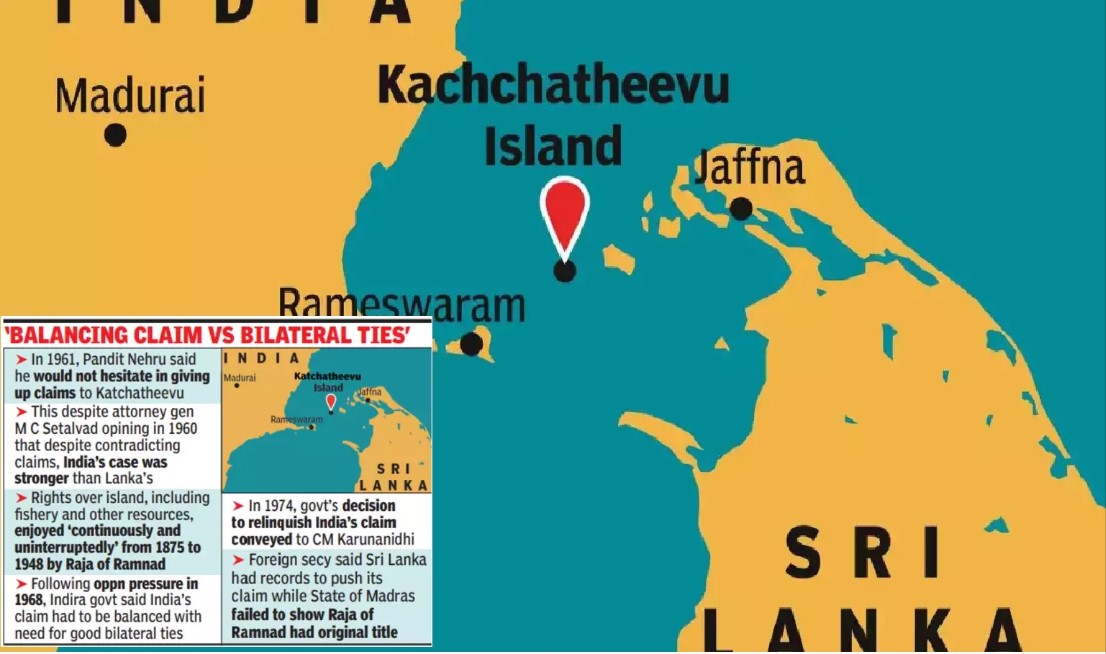
India
Defense News ,India ,Srilanka :- In the azure waters of the Palk Strait lies an islet that, despite its small size, has become a symbol of enduring tensions between two neighboring nations – India and Sri Lanka. Katchatheevu, once considered inconsequential, has now emerged as a focal point of contention, drawing attention to historical decisions with lasting repercussions.A recent revelation stemming from a Right to Information (RTI) application filed by Tamil Nadu BJP chief K. Annamalai has unearthed a trove of documents shedding light on the intricate history and India's shifting stance regarding the sovereignty of Katchatheevu. These documents not only reveal the complex legal and geopolitical landscape surrounding the island but also highlight the plight of Tamil Nadu's fishermen caught in the crossfire of maritime disputes.The Disputed Past:Katchatheevu, spanning a mere 285 acres, holds strategic significance owing to its location amidst rich fishing grounds. Sri Lanka's claim to the island traces back to historical documents and agreements, asserting its association with the erstwhile Jaffna Kingdom. However, India's position has been marked by ambiguity. Initially considered Indian territory, the decision by Prime Minister Indira Gandhi's government to relinquish sovereignty over Katchatheevu in the 1974 Indo-Sri Lankan Maritime Boundary Agreement sparked controversy.The Fallout: Tamil Nadu's Concerns:The ramifications of the 1974 agreement continue to reverberate, particularly within the Indian state of Tamil Nadu, which shares deep cultural ties with Sri Lanka's Tamil population. Tamil Nadu fishermen frequently face harassment and detention by Sri Lankan authorities near the disputed waters surrounding Katchatheevu, exacerbating tensions and highlighting the human cost of geopolitical decisions.The RTI Revelation:Annamalai's RTI application has brought to the fore previously undisclosed documents, challenging the narrative surrounding India's decision to cede sovereignty over Katchatheevu. These documents suggest that the strategic importance of the island may have been downplayed, overlooking the impact on Tamil Nadu's fishing community. The revelation reignites debates on sovereignty, past geopolitical calculations, and the ongoing struggles faced by fishermen.Delving into the Details:The documents obtained through the RTI application provide a comprehensive insight into India's deliberations on Katchatheevu over the years. From Jawaharlal Nehru's dismissal of the island's significance to the nuanced legal arguments presented by experts, the records paint a picture of indecision and missed opportunities.Nehru's stance, captured in a minute dated May 10, 1961, reflects a lack of concern regarding Katchatheevu's importance, echoing sentiments of insignificance. However, behind the scenes, legal experts such as M C Setalvad recognized India's stronger claim to the island, citing historical precedents and rights vested in the State of Madras.The documents reveal a tug-of-war between conflicting opinions within the Ministry of External Affairs, with some acknowledging India's legal standing while others cautioning against the risks of confrontation with Sri Lanka. Despite assertions of sovereignty and legal rights, India's eventual decision to accede to Sri Lanka's claim in 1974 underscored a diplomatic compromise driven by a myriad of internal and external factors.Geopolitical Implications:Beyond the confines of Katchatheevu, the dispute encapsulates broader geopolitical dynamics in the Indian Ocean region. Sri Lanka's growing alignment with China poses a strategic dilemma for India, necessitating a recalibration of its approach towards maritime boundaries and regional alliances. India's response to the Katchatheevu issue may signal a shift towards a more assertive posture in safeguarding its interests in the face of evolving geopolitical realities.The Way Forward:The resurgence of the Katchatheevu issue serves as a poignant reminder of the intricacies inherent in maritime disputes and the enduring impact of historical decisions. As India grapples with the complexities of its maritime boundaries and regional dynamics, it must prioritize the welfare of its fishing communities while safeguarding its strategic interests.The saga of Katchatheevu epitomizes the intersection of history, geopolitics, and human livelihoods. As new revelations come to light, it is imperative for India to reflect on past decisions and chart a course that upholds its sovereignty, protects its citizens, and fosters stable relations with its neighbors. Only through dialogue, diplomacy, and a commitment to justice can the ghosts of Katchatheevu be laid to rest, paving the way for a more peaceful and prosperous future in the Indian Ocean region.
Read More → Posted on 2024-03-31 14:46:52
India
Defense News ,India :- The recent addition of Apache helicopters to the Indian Army's arsenal is poised to significantly enhance its operational capabilities, particularly in the western sector, according to a senior Army official. Lt Gen A K Singh, speaking exclusively to PTI, underscored the pivotal role these helicopters will play in extending the Army's reach and striking power.The establishment of the first medium lift attack helicopter squadron under the Southern Command on March 15 marked a notable milestone. Equipped with top-of-the-line Apache AH-64E helicopters from Boeing, this squadron is set to be a game-changer.With six helicopters slated for delivery in two phases, Lt Gen Singh highlighted their versatility in operating across diverse weather and terrain conditions along India's borders. These helicopters are armed with a range of weaponry, including anti-tank guided missiles, air-to-air missiles, rockets, and gun systems, making them formidable assets in combat situations.Moreover, the Apache helicopters are equipped with advanced electronic warfare systems, enhancing their effectiveness in network-centric warfare scenarios. Their radar systems enable them to detect and engage targets even in challenging environments such as forests and adverse weather conditions.India's acquisition of the Apache helicopters marks a significant milestone, making it the 16th nation to integrate these advanced machines into its military inventory. This development signifies a substantial enhancement in the Indian Army's operational capabilities, further bolstering the nation's defense infrastructure in the western sector.The induction of Apache helicopters represents a strategic investment that will greatly enhance the Indian Army's operational readiness and defensive capabilities, particularly in regions where potential border tensions exist.
Read More → Posted on 2024-03-31 14:30:31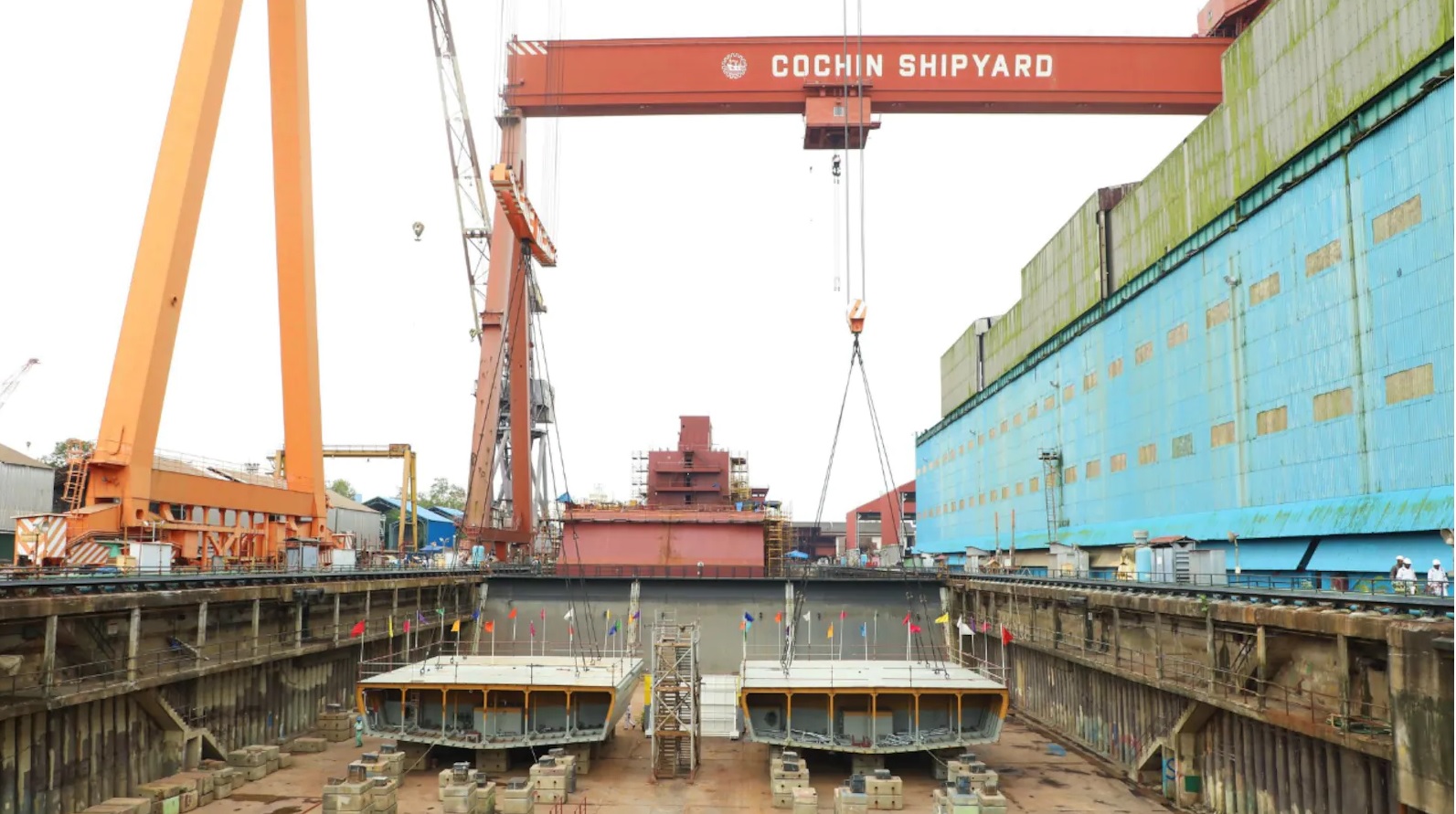
India
Defense News ,India :- Hindustan Shipyard Limited (HSL) has embarked on a substantial infrastructure upgrade initiative, partnering with Larsen & Toubro Geostructure (L&T Geostructure) to bolster its shipbuilding prowess. This move, announced on March 30, 2024, underscores HSL's commitment to advancing India's maritime capabilities.The 20-month project is geared towards revamping HSL's infrastructure to handle larger and more intricate shipbuilding projects, particularly in the realm of warships. A key component of this upgrade is the installation of a cutting-edge 300-ton Goliath crane, set to significantly augment HSL's lifting capacity. This enhancement is crucial for undertaking future endeavors, including the construction of Landing Platform Docks (LPDs) and other advanced warships.By partnering with L&T Geostructure, HSL aims to position itself as a frontrunner in India's maritime industry. The contract not only addresses the immediate needs of ongoing Fleet Support Ship projects but also paves the way for future initiatives.The significance of this infrastructure overhaul cannot be overstated. It not only strengthens HSL's contribution to India's defense needs but also underscores its commitment to domestic shipbuilding. With upgraded facilities and enhanced capabilities, HSL is poised to play a vital role in meeting the evolving requirements of the Indian Navy.The upgrade project encompasses various facets, including the optimization of slipways and the integration of Mechanical, Electrical, and Plumbing (MEP) services to ensure seamless operations. These enhancements are designed to streamline the shipbuilding process and maximize efficiency.HSL's partnership with L&T Geostructure represents a strategic move towards modernization and expansion. By investing in state-of-the-art infrastructure, HSL is reaffirming its position as a key player in India's defense and shipbuilding sectors, ready to tackle the challenges of tomorrow's maritime landscape.
Read More → Posted on 2024-03-31 07:42:01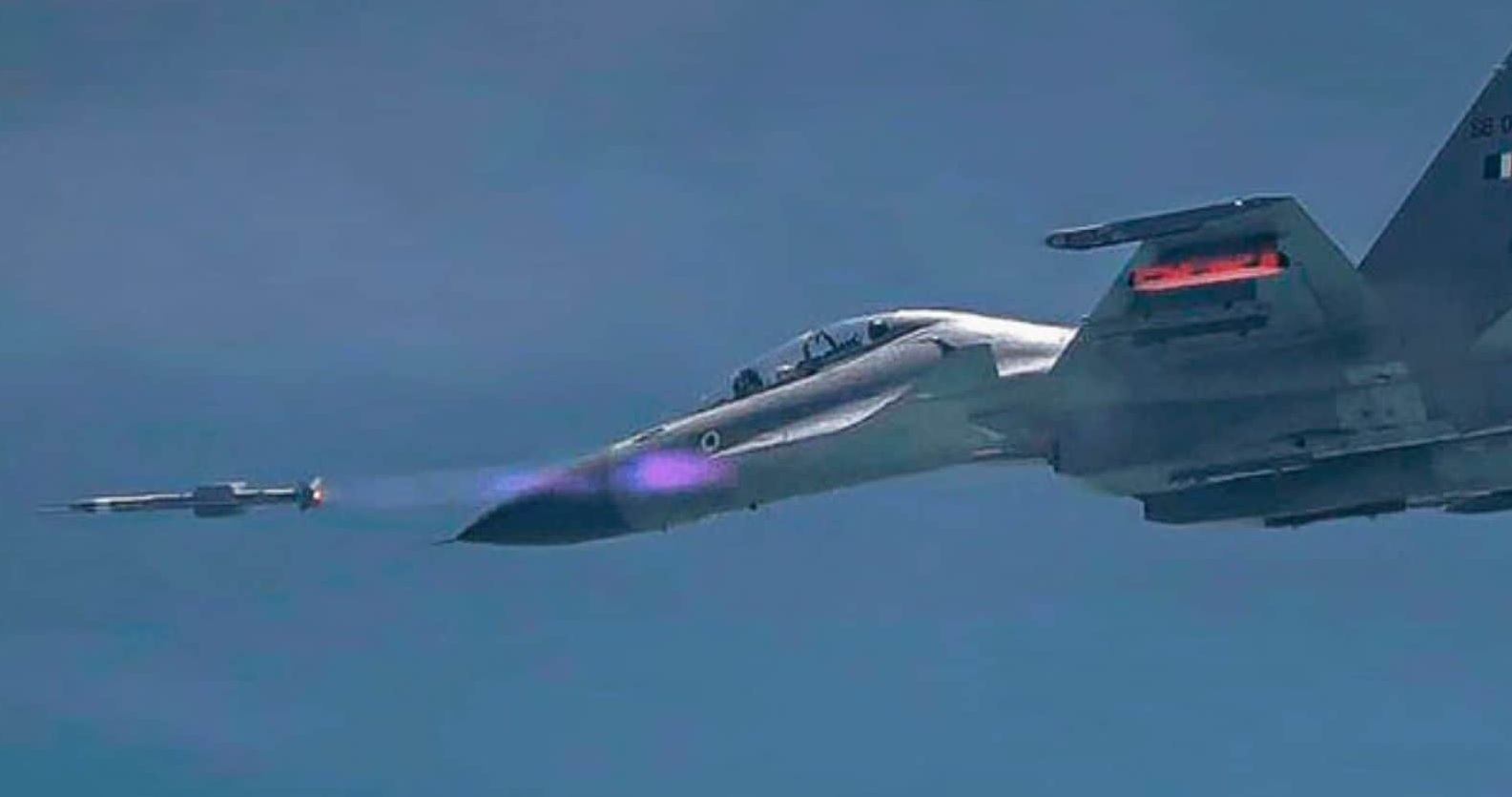
India
Defense News ,India :- The Astra MkII, the next-generation air-to-air missile (BVRAAM), made its public debut at Exercise Bharat Shakti in Pokhran, Rajasthan on March 12, 2024. This unveiling was a pivotal moment, showcasing indigenous missile capabilities and their potential to bolster the Indian Air Force's (IAF) combat prowess..The Astra MkII is an indigenously developed missile that promises to significantly enhance the Indian Air Force's (IAF) combat capabilities. It has a range of over 160 kilometers and is equipped with an advanced active electronically scanned array (AESA) radar seeker. This allows it to detect and track targets with greater precision, even in low-visibility conditions.During the exercise, the missile underwent successful test-firing from a Sukhoi-30MKI fighter jet, showcasing the IAF's adeptness in seamlessly integrating the Astra MkII with its existing fleet of platforms.The unveiling of the Astra MkII is a major milestone in India's defense research and development program. It is a testament to the country's growing capabilities in the field of advanced weapon systems.The Astra MkII is expected to be inducted into the IAF in the near future. It will provide the IAF with a much-needed boost in its air combat capabilities.Key features of the Astra MkII include:Development spearheaded by the Defence Research and Development Organisation (DRDO).Fueled by solid propellant and powered by a ramjet engine.Capable of achieving speeds of up to Mach 4.5.Payload capacity of up to 20 kilograms.Equipped with an inertial navigation system (INS) and a GPS receiver for precision guidance.Features an active radar seeker for terminal guidance.The Astra MkII represents a substantial enhancement to the IAF's arsenal, fortifying its air combat prowess to meet contemporary challenges head-on.
Read More → Posted on 2024-03-31 07:03:11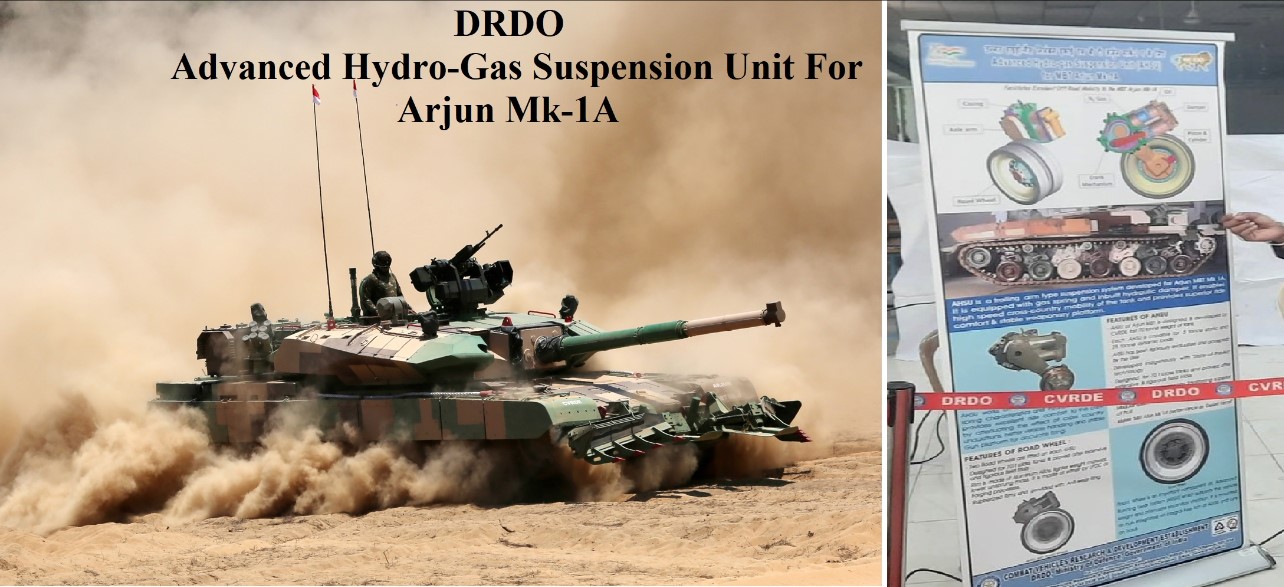
India
Defense News ,India :- India's Defence Research and Development Organisation (DRDO) has taken a notable step forward in the enhancement of its Arjun Mk1A main battle tank (MBT) with the introduction of the Advanced Hydro-Gas Suspension Unit (AHSU).The AHSU, a novel suspension system engineered explicitly for main battle tanks, particularly the Indian Arjun Mk.1A tank, brings forth several compelling advancements aimed at bolstering the tank's overall performance.What is the Advanced Hydro-Gas Suspension Unit (AHSU) ?The Advanced Hydro-Gas Suspension Unit (AHSU) represents a state-of-the-art suspension system tailored specifically for main battle tanks (MBTs), notably the Indian Arjun Mk.1A tank developed by the Defence Research and Development Organisation (DRDO).The AHSU and its Advantages for Tanks:Components and Design:Trailing Arm Design: The AHSU adopts a trailing arm suspension system, a contemporary preference for modern tanks. This design facilitates better control over wheel movement compared to older torsion bar systems.Core Components: The AHSU comprises two primary components:Gas Spring: This element furnishes a constant force to uphold the tank's weight and mitigate shocks.Integrated Hydraulic Damper: Serving to actively regulate suspension movement, thereby augmenting stability and ride quality.Benefits for Tanks:Enhanced Off-Road Mobility: The AHSU empowers the tank to traverse rough terrain at increased speeds and with enhanced comfort. This enhancement amplifies overall tactical flexibility and responsiveness in combat scenarios.Stable Firing Platform: The design of the AHSU substantially diminishes bounce and vibration during movement. This results in a more stable firing platform, leading to heightened accuracy when the tank engages targets while in motion.Trade-offs and Future Considerations:It's essential to recognize that while hydro-pneumatic systems like the AHSU offer heightened performance, they tend to entail greater complexity in construction and maintenance compared to the more conventional torsion bar suspension systems prevalent in other tanks.The development endeavors of DRDO likely revolve around striking a balance between advanced features and the associated cost considerations inherent to these systems.Additionally, given that the Arjun Mk1A already carries a heavier load than the MkI due to its upgraded armor package and other features, the AHSU's capability to support tanks weighing up to 70 tons ensures its adaptability to accommodate potential future upgrades that may further increase weight.The introduction of the AHSU marks a substantial improvement over preceding tank suspension systems. By furnishing the Arjun Mk.1A with heightened mobility and firing stability, the AHSU renders it a more potent asset on the battlefield.
Read More → Posted on 2024-03-31 06:26:03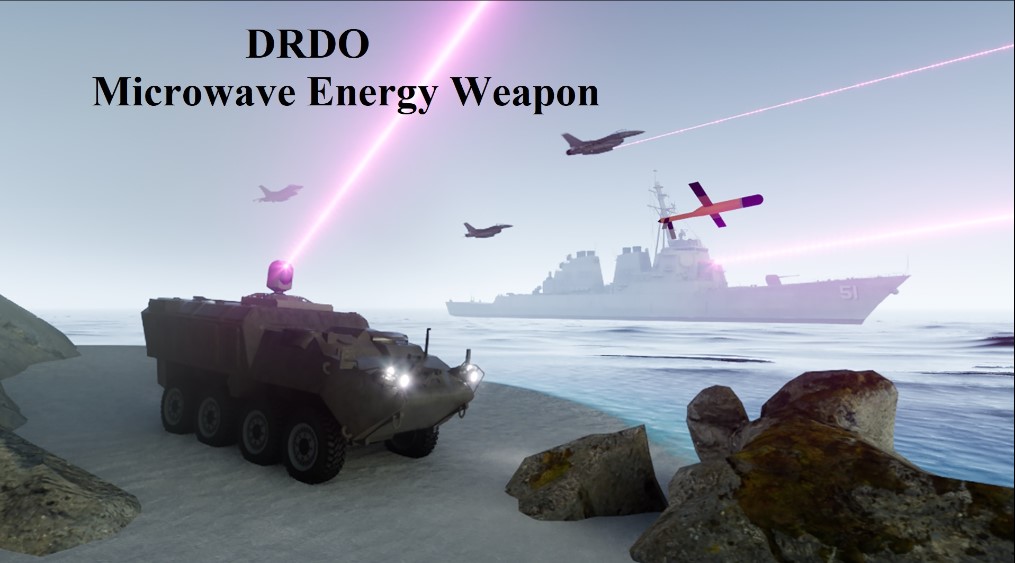
India
Defense News ,India :- India is actively advancing its capabilities in directed-energy weapons (DEWs), employing high-powered microwaves and lasers under the guidance of the Defense Research and Development Organisation (DRDO). This initiative has seen notable strides in recent years.Microwaves, a form of electromagnetic radiation, sit between infrared light and radio waves in wavelength. High-powered microwave DEWs possess the capability to disrupt or damage electronic equipment, as well as to induce thermal effects, potentially leading to explosions or melting of targeted objects.Although India's pursuit of microwave DEWs is still nascent, significant headway has been achieved. Notably, in 2019, DRDO conducted successful tests on a 10-kilowatt laser weapon capable of neutralizing drones within a range of 2.5 kilometers. This milestone underscores India's trajectory toward the development of more potent DEWs in the future.The employment of microwave DEWs offers several potential advantages. Firstly, they boast high precision, enabling targeted strikes on specific objects or individuals. Secondly, their operational costs are relatively low, given their independence from propellant requirements. Thirdly, they facilitate the incapacitation of enemy equipment without inflicting permanent damage.However, challenges accompany the utilization of microwave DEWs. Weather conditions, such as rain or fog, can impede their effectiveness. Additionally, without meticulous handling, these weapons pose risks to friendly forces. Moreover, their efficacy against diverse target types remains uncertain.Other Countries Development of Microwave Energy Weapons:Several countries are alongside India in developing microwave directed-energy weapons (DEWs) according to publicly available information:United States: The US has been working on DEWs for a long time and is considered a leader in the field. Companies like Epirus are making high-powered microwave systems for the US military.China: China is also actively working on microwave DEWs. There have been reports suggesting that China may have deployed these weapons, but it's not confirmed yet.Russia: Russia has shown interest in DEWs, including microwave weapons, for military use.Germany: press releases From German defense company Rheinmetall highlight their advancements in high-power laser weapon systems . They've successfully tested a 50kW laser weapon demonstrator and are collaborating with other companies for further development Other countries: Countries like , France, and the United Kingdom are also believed to be working on DEWs, but the extent of their research and development efforts is not always publicly known.It's important to understand that DEW development is an ongoing process, and a lot of details about these programs are kept secret. We don't know the full capabilities or when these weapons might be fully operational.Microwave Energy Weapon Effects on Drone , Aircrafts :Microwave directed-energy weapons (DEWs) can be highly effective against drones and potentially even aircraft, depending on the power and design of the weapon. Here's how they work:Disruption Through Electromagnetic Interference (EMI): Microwaves can induce high levels of EMI within the target. This disrupts the electronic systems onboard, including: Guidance and navigation systems (GPS, radars)Communication systems (control links)Onboard electronics and sensors Effects on Drones: A strong enough microwave pulse can completely disable a drone by overwhelming its electronics. This can lead to a loss of control, forcing the drone to crash or land.The advantage of microwave weapons against drones is their ability to target multiple drones simultaneously, making them ideal against drone swarms. Effects on Aircraft: While more difficult, microwave DEWs can also disrupt the electronics on manned aircraft. Shielding and redundancy in critical systems on aircraft can offer some protection. However, powerful enough microwave pulses could still cause:Disruption of flight controls and instrumentsCommunication blackoutsDamage to sensitive avionics Here are some additional points to consider: Power Levels Matter: The effectiveness of a microwave DEW depends on its power output. Lower-powered systems might only disrupt some functions, while high-powered ones could cause permanent damage.Range: The range of microwave DEWs is still under development, but they generally function best at shorter distances compared to laser weapons.Weather Effects: Microwaves can be somewhat attenuated by rain, fog, and other weather conditions. Overall, microwave DEWs are a promising technology for countering drone threats and potentially even disrupting some aircraft electronics. Their ability to target multiple drones simultaneously and offer a non-explosive option makes them an attractive option for militaries around the world. Microwave Energy Weapon Effects on Human and Living Organism :Microwave radiation can affect living organisms in two main ways, depending on the power level: Thermal Effects (High Power): Heating: High-powered microwave beams can cause rapid heating of tissues. This can lead to burns, pain, and even death at close range. Organ Damage: Internal organs, especially the eyes, which have high water content, are susceptible to overheating by microwaves. Non-Thermal Effects (Low Power): Disruption of Cellular Processes: Lower-powered microwaves may not cause enough heat to damage tissue directly. However, they can still interact with molecules and potentially disrupt cellular processes. The long-term effects of this low-level exposure are still being studied. Specific Effects on Humans: Skin: Skin irritation, burning sensation, and cataracts (eye damage) are potential effects from high-power exposure.Nervous System: Headaches, dizziness, nausea, and disruption of nerve function are possible with exposure. Overall Health: Long-term exposure to even low levels of microwave radiation is a topic of ongoing research. Some studies suggest potential links to fatigue, headaches, and difficulty concentrating, but more evidence is needed. Effects on Living Organisms: Animals: Similar effects to humans can be expected in animals exposed to high-powered microwaves. Plants: While less studied, plant growth and development may be affected by exposure to microwaves. Important Considerations: The severity of effects depends on factors like power level, duration of exposure, and frequency of the microwaves.Current safety standards from organizations like the ICNIRP recommend safe exposure limits for microwave radiation.Microwave DEWs are designed to be targeted and aim for non-lethal effects in most cases. Microwave radiation can have negative health consequences, particularly at high power levels. However, the specific effects depend on the intensity and duration of exposure. More research is needed on the long-term effects of low-level exposure. Microwave DEWs represent a promising technological frontier with the potential to reshape modern warfare. India's active involvement in their development aligns with similar efforts by other nations. The future deployment and utilization of this technology will undoubtedly shape the trajectory of defense strategies globally.
Read More → Posted on 2024-03-31 06:00:44
India
Defense News ,India :- Vice-President Jagdeep Dhankhar recently emphasized the strength of India's democracy and judiciary, stressing that these fundamental pillars cannot be undermined by any individual or group. Speaking at the inauguration of the renovated premises of the Indian Institute of Public Administration (IIPA), he highlighted India's unique democratic setup and its firm adherence to the rule of law.Dhankhar's comments were particularly poignant in light of recent remarks by the US regarding the arrest of Delhi Chief Minister Arvind Kejriwal in an excise policy case. Asserting that India does not require lessons on the rule of law from external sources, he underscored the significance of equality before the law in today's India. He noted that the law now holds accountable those who consider themselves above its reach.However, Dhankhar also lamented the tendency of certain individuals or groups to resort to street protests and high-decibel debates when the law takes its course. He criticized the manipulation of human rights rhetoric to evade accountability, emphasizing the need for deeper reflection on this issue. He questioned the justification for circumventing legal processes and playing the victim card when faced with allegations of wrongdoing.In addressing corruption, the Vice President emphasized that it no longer offers rewards but instead leads to incarceration. He commended the judiciary for its responsiveness to the needs of the people, highlighting instances where it has convened at unconventional times to deliver justice.Advocating for India's representation on the United Nations Security Council (UNSC), Dhankhar argued that the UN cannot effectively fulfill its mandate without the inclusion of countries like India. He emphasized India's unique position as the world's only nation with a constitutionally structured democracy at all levels of governance.Dhankhar's remarks underscored the resilience of India's democratic institutions and the importance of upholding the rule of law. He called for a collective effort to strengthen these institutions and ensure accountability at all levels of society.
Read More → Posted on 2024-03-30 16:46:24
India
Defense News ,India :- India and Ukraine recently engaged in discussions concerning a 'Peace Formula' aimed at addressing the ongoing conflict between Russia and Ukraine. Dmytro Kuleba, the Foreign Minister of Ukraine, who visited India for a two-day official visit, highlighted the need for new projects to invigorate India-Ukraine relations amidst the backdrop of what he described as a "full-scale war" initiated by Russia.During his visit, Kuleba held extensive discussions with S. Jaishankar, India's External Affairs Minister, covering various aspects of bilateral relations, regional situations, and global security concerns. The focus was particularly on the Peace Formula and strategies for its implementation. Notably, the discussions involved key officials from both sides, including Secretary (West) Pavan Kapoor and J.P. Singh, Joint Secretary of the External Affairs Minister’s Office.In his prior remarks to The Hindu, Kuleba emphasized the importance of India playing a more proactive role in the forthcoming peace process, notably in Switzerland. India's engagement in the crisis has been ongoing, with interactions at different levels maintained with Ukraine, Russia, and other stakeholders. This included recent communications between National Security Adviser Ajit Doval and Andriy Yermak, as well as Prime Minister Narendra Modi's conversations with Presidents Vladimir Putin and Volodymyr Zelenskyy.The mention of the Peace Formula assumes significance amidst the anticipation of a 'Global Peace Summit' scheduled to convene in Switzerland. Kuleba had urged India to participate alongside other major nations. However, prospects for the summit faced skepticism following Russia's reluctance to engage in the proposed talks. Russian Foreign Ministry spokesperson Maria Zakharova dismissed the possibility of Moscow's involvement, criticizing Zelenskyy's proposed formula as impractical.Zelenskyy had previously presented a 10-point peace plan during the G-20 summit in Bali, which was swiftly rejected by Russia. The plan's insistence on the complete withdrawal of Russian forces from the 1991 borders failed to address Russian concerns. The Swiss-backed peace process is seen as a potential avenue for bridging the gap between the two opposing positions, although specific details regarding the timing of the event remain undisclosed. The discussions between India and Ukraine also encompassed broader bilateral cooperation, spanning trade, investment, science and technology, defense, agriculture, health, culture, and education. Both sides expressed a commitment to enhance dialogue and strengthen relations, aiming to restore cooperation to pre-conflict levels and explore new avenues for collaboration.Kuleba's visit, which coincided with engagements at the Ukrainian-Indian intergovernmental commission level, signifies a step towards revitalizing bilateral ties. His call for "freedom and independence" in a video message preceding the visit, invoking Mahatma Gandhi's principles, underscores Ukraine's determination to resist Moscow's aggression.India and Ukraine's discussions on the Peace Formula reflect a concerted effort to address the ongoing conflict through diplomatic means. While challenges persist, both countries are committed to fostering constructive dialogue and deepening their partnership across various sectors, with the ultimate aim of achieving peace and stability in the region.
Read More → Posted on 2024-03-30 16:42:16Search
Top Trending in 24 Hours
-
 F-35 Fleet Readiness Falls to 25% Amid Parts Shortages and Software Delays: GAO Report
-
 U.S. Approves $1.98 Billion Sale of Anduril AI-Powered Counter-Drone Systems to Kuwait
-
 U.S Navy Orders 50 Blackbeard Hypersonic Missiles in New $23.4 Million Contract
-
 Russia Launches 1,400 Jet-Powered Drones in 2026 as Strike Tactics Evolve to Challenge Ukraine's Air Defenses
-
 Russian Analysts Debate Su-57 Capabilities After Putin Calls Fighter Superior to F-35
-
 Russia Unveils Amur-1650 AIP Submarine Equipped with BrahMos Vertical Launch System at Fleet-2026
-
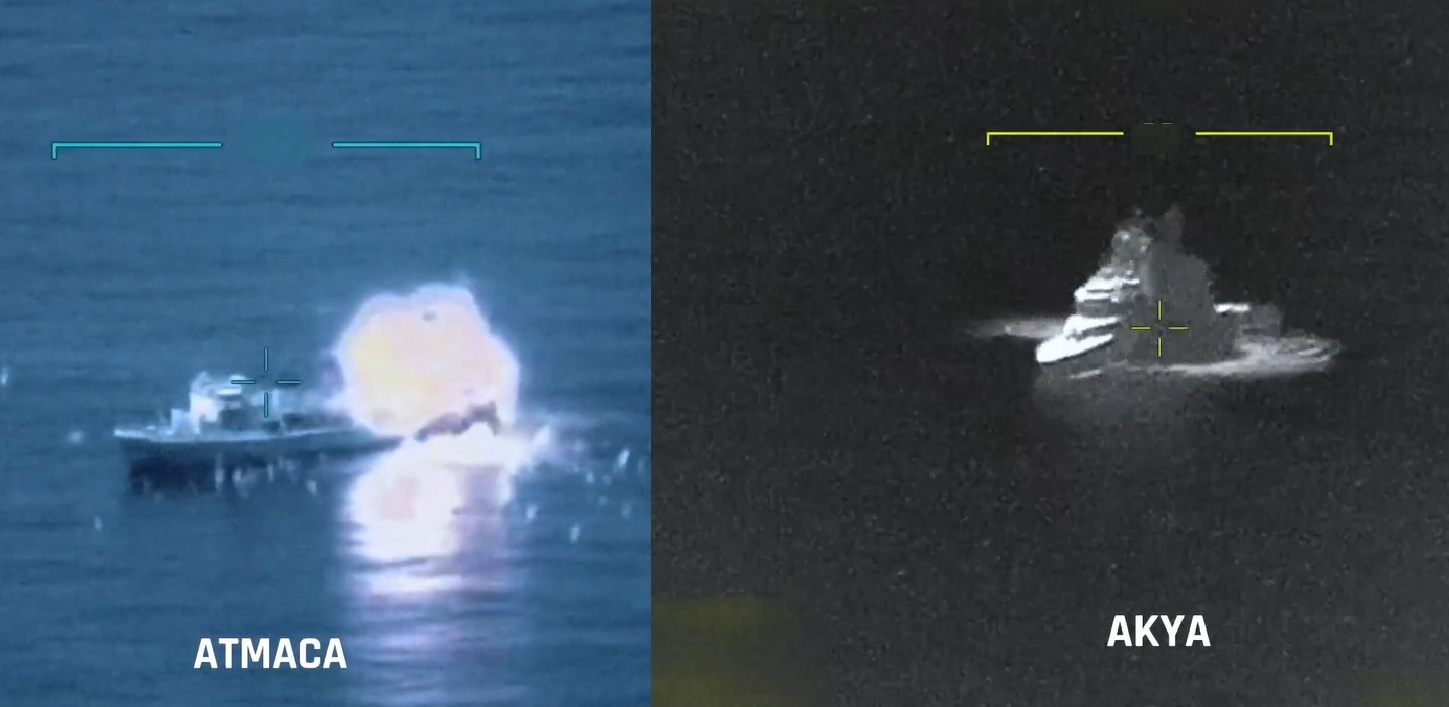 Turkey Navy Successfully Tests AKYA Torpedo and ATMACA Missile During Major Denizkurdu-II Naval Exercise
-
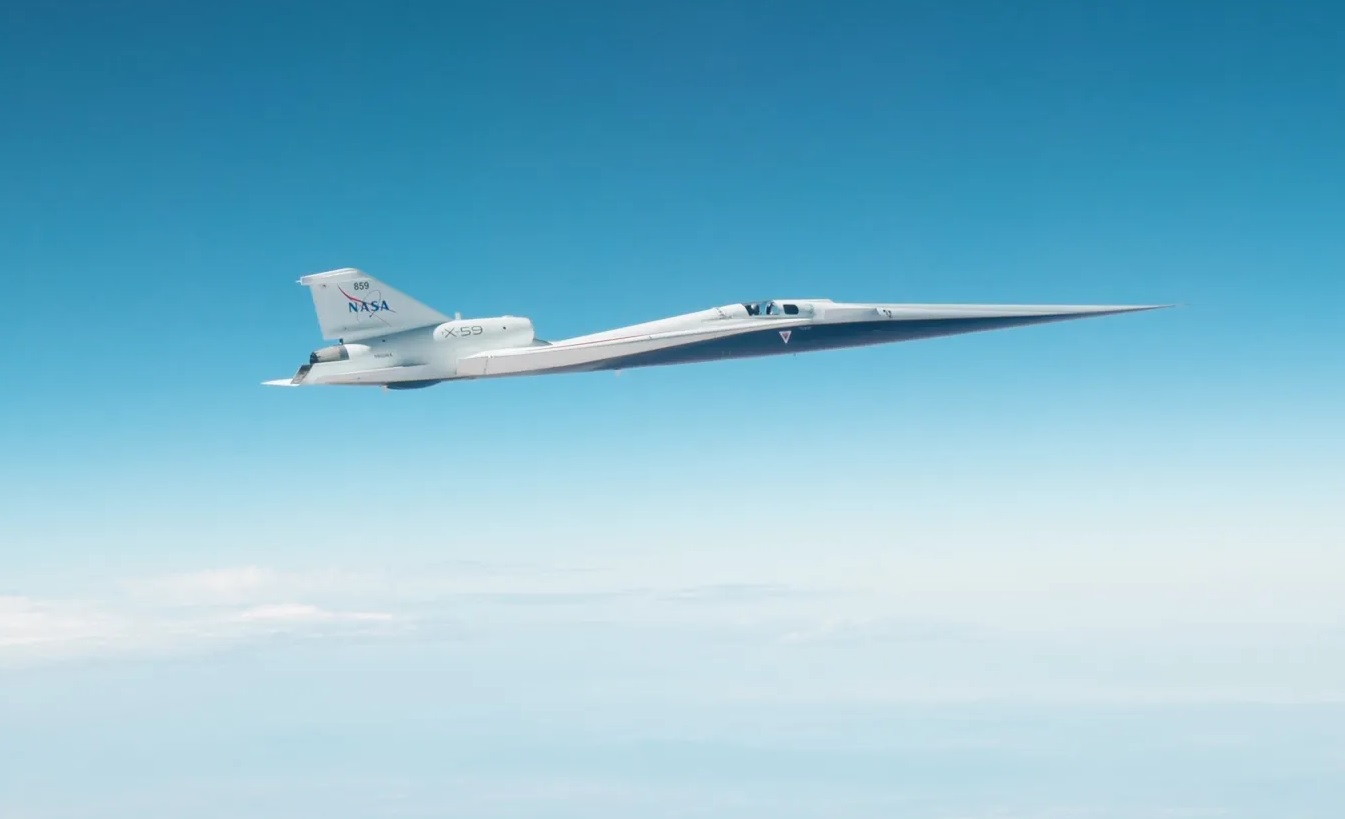 NASA X-59 Achieves Planned Mission Conditions with Mach 1.4 Flight at 55,000 Feet
Top Trending in 4 Days
-
 Iranian Media Leaks 14-Point U.S.-Iran Peace Framework Amid Ongoing Negotiations
-
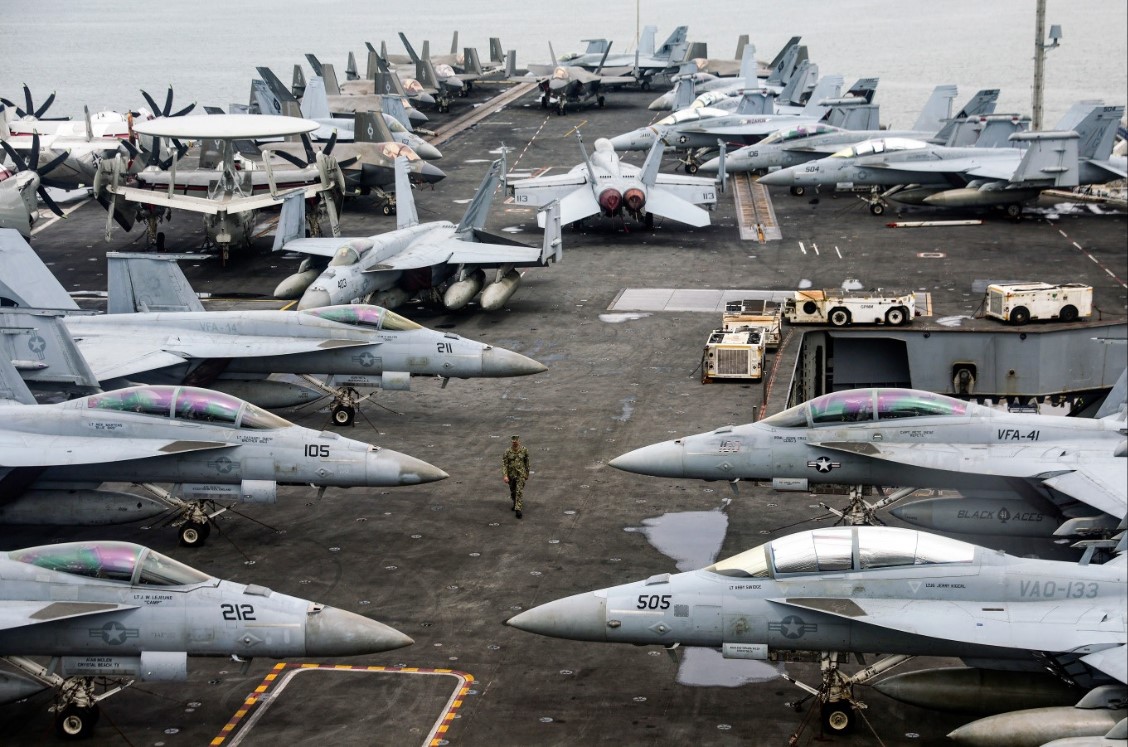 US Plans Significant Reduction of Fighter Jets and Warships for NATO Operations in Europe
-
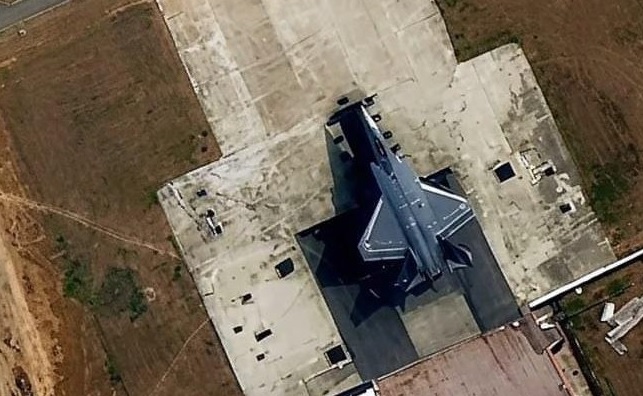 AMCA Airframe Spotted at DRDO’s ORANGE Facility for Radar Cross-Section Testing
-
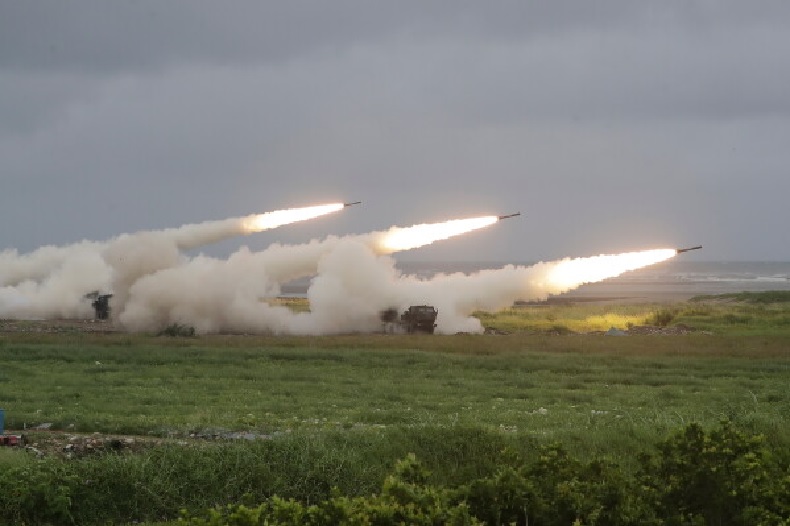 Taiwan Conducts First Live-Fire of HIMARS Rockets From West Coast During Invasion Defense Drill
-
 Boeing Introduces New MQ-28 Ghost Bat Upgrades with Increased Range, Payload and Weapons Capacity at ILA Berlin 2026
-
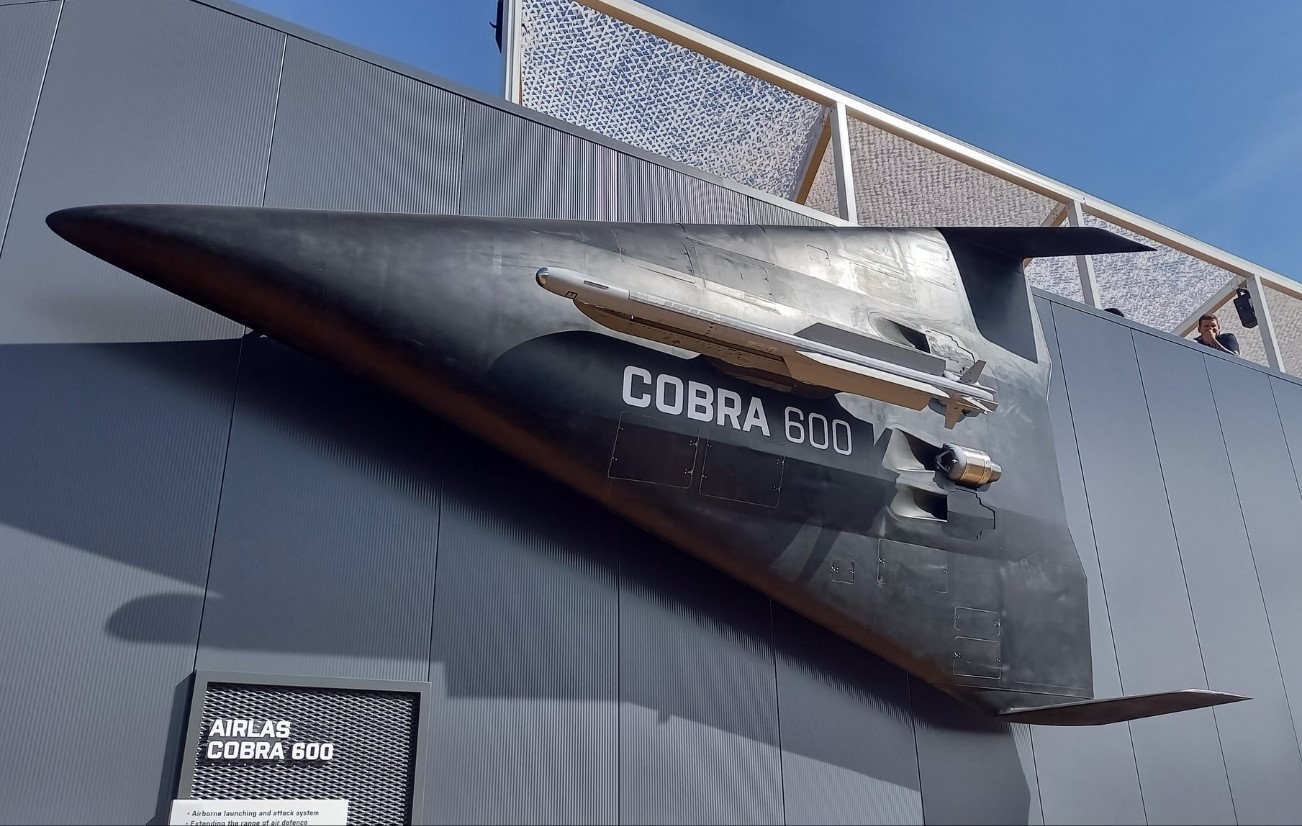 Diehl Defence Unveils IRIS-T Armed Cobra 600 Air Defense Drone at ILA Berlin 2026
-
 Russian Defense Firm ZALA Unveils KAMA Unmanned Surface Vessel Family at FLOT-2026 Naval Exhibition
-
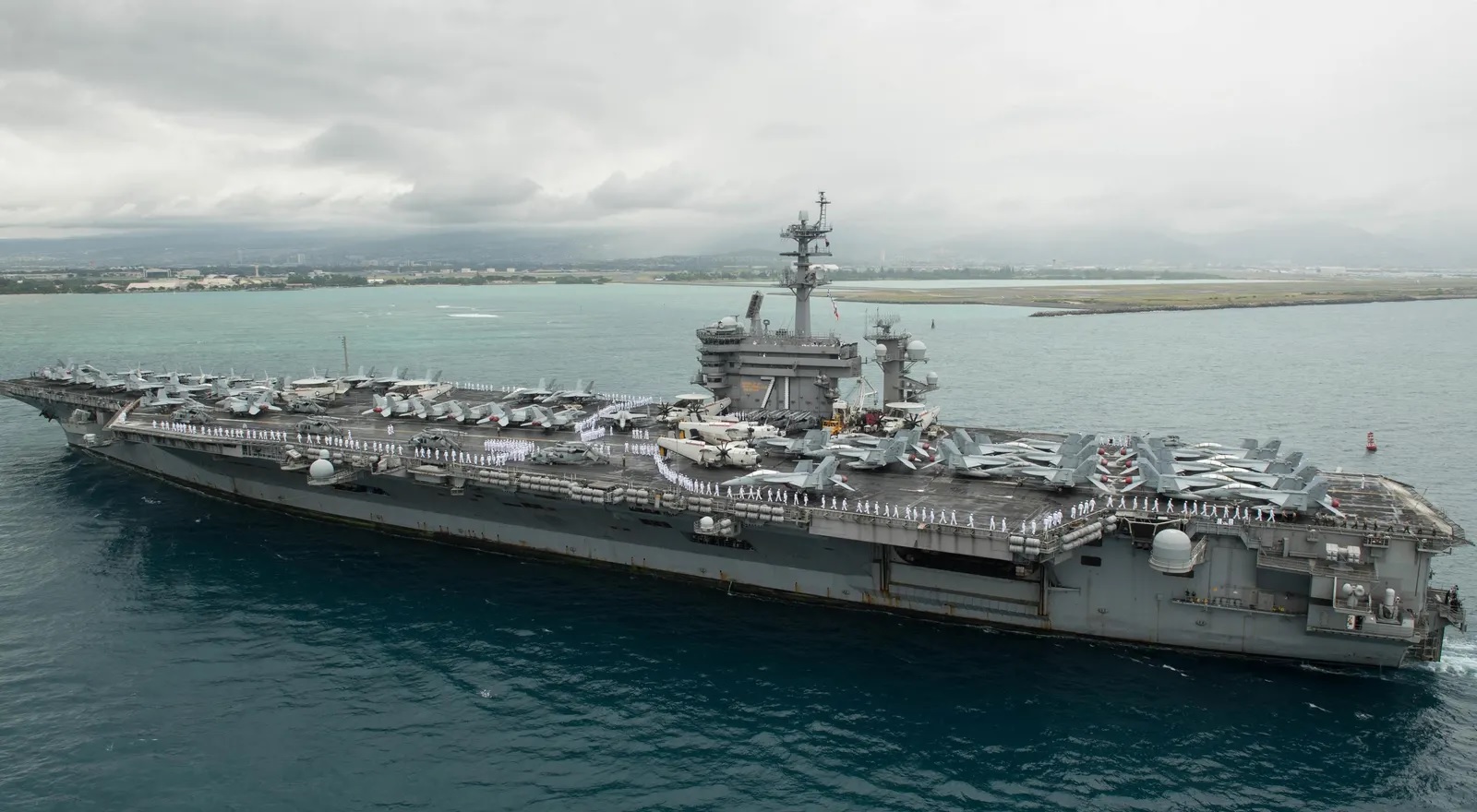 U.S Aircraft Carrier USS Theodore Roosevelt Departs San Diego for Major RIMPAC 2026 Naval Exercise