
India
In a recent development at Paradip Port in Odisha, a Chinese cargo ship has been detained following an "arrest" order issued by the Orissa High Court. This legal action stems from a monetary dispute between the ship's owner and the company responsible for dispatching its cargo of low sulfur marine gasoil.The dispute centers around an unpaid amount of Rs 99.81 lakh. The company that sent the cargo claimed in court that the ship's owner had failed to settle this payment. After carefully reviewing the presented documents and arguments, the court decided to issue the arrest order on Monday, leading to the ship's detention at Paradip Port.Under admiralty law, a ship can be arrested to enforce maritime claims related to its ownership, construction, possession, management, operation, or trading. This legal framework allows authorities to detain a vessel until the dispute is resolved or further orders are issued. In this case, the Paradip Port Trust authorities have acted on the court's directive to hold the ship.This incident highlights the complexities of international maritime trade and the legal mechanisms in place to address disputes. The arrest of the ship at Paradip Port is a significant move, emphasizing the seriousness of the monetary claim and the court's commitment to ensuring compliance with financial obligations.The situation remains fluid, with the ship expected to stay detained at the port until the court issues further instructions. The legal proceedings will likely continue to unfold, determining the next steps in resolving this financial disagreement.Such cases underscore the importance of adhering to contractual agreements in the maritime industry, where the stakes are often high, and the implications of non-compliance can lead to significant operational disruptions. As the court continues to deliberate on the matter, stakeholders in the maritime and legal communities will be closely monitoring the outcome, which could set a precedent for handling similar disputes in the future.
Read More → Posted on 2024-07-31 15:39:32
India
The ambitious BrahMos-2 hypersonic cruise missile project, a joint venture between India and Russia, has hit significant roadblocks, causing concern over its future viability. The project, which aims to develop a missile capable of achieving hypersonic speeds, has encountered issues related to technology transfer and rising costs.The BrahMos-2 missile, inspired by Russia's Zircon cruise missile, was initially expected to reach speeds of Mach 8. However, due to export control restrictions, its speed has been capped at Mach 6. This limitation has already tempered some of the initial enthusiasm surrounding the project.A crucial component of the BrahMos-2 is the scramjet engine technology, which is essential for achieving the desired hypersonic speeds. Russia's hesitance to share the Transfer of Technology (ToT) for this engine has emerged as a significant stumbling block. The scramjet engine, a sophisticated piece of technology, is critical for propelling the missile to its high-speed targets. Without access to this technology, India's ability to develop the BrahMos-2 as envisioned is severely hampered.Adding to the complications is the financial aspect. Russia has demanded a higher price for the scramjet engines due to their advanced nature. This increased cost has doubled the projected expenses for the BrahMos-2 compared to the current BrahMos missile. Such financial strain raises questions about the project's overall feasibility and whether India can justify the investment.The BrahMos-2 was designed to be a highly maneuverable anti-ship hypersonic cruise missile with a range of 500-1000 kilometers. Its development was seen as a major boost to India's maritime defense capabilities. However, the current stalemate between India and Russia puts this enhancement in jeopardy. The technical disagreements and financial hurdles have stalled progress, casting doubt on the project’s timeline and potential success.For the BrahMos-2 program to move forward, both nations must find a way to resolve these issues. If an agreement cannot be reached, India may need to look at alternative hypersonic technologies to meet its defense needs. The situation underscores the complexities and challenges inherent in international defense collaborations, especially those involving cutting-edge technologies.As the talks between India and Russia continue, the defense community watches closely, understanding that the outcome will significantly impact India's strategic capabilities in the region. The BrahMos-2, once seen as a game-changer in hypersonic missile technology, now stands at a critical juncture, awaiting resolution of the impasse.This development highlights the importance of technology transfer agreements and cost management in international defense projects. The BrahMos-2 project, though currently stalled, represents a significant step in advancing India's defense technology, provided these hurdles can be overcome.
Read More → Posted on 2024-07-31 15:36:23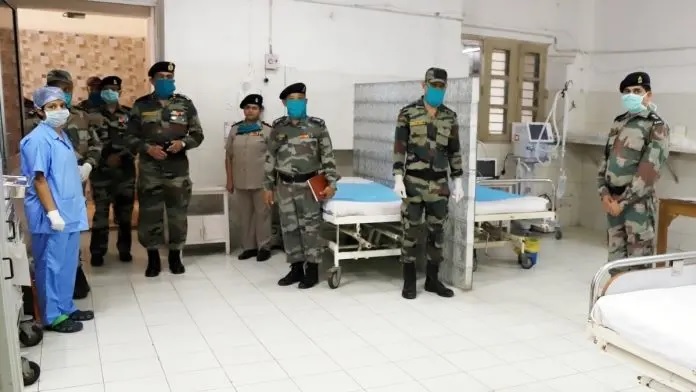
India
In a significant move towards bolstering military medical capabilities, the Innovations for Defence Excellence-Defence Innovation Organisation (iDEX-DIO) has entered into a partnership with the Armed Forces Medical Services (AFMS). The collaboration, formalized through a Memorandum of Understanding (MoU), aims to foster innovation and research in the development of cutting-edge medical technologies tailored for the Armed Forces. This landmark agreement was signed in New Delhi on July 30, 2024, by Shri Anurag Bajpai, Additional Secretary (Defence Production) and CEO of DIO, and Lt Gen Daljit Singh, Director General of Armed Forces Medical Services.The initiative, known as the Medical Innovations and Research Advancement (MIRA), seeks to address critical medical challenges faced by the military. Leveraging the strengths of both organizations, MIRA is set to launch the Defence India Start-up Challenge (DISC) edition, specifically targeting innovative solutions in the medical domain. This partnership underscores the Ministry of Defence's commitment to integrating advanced technologies across all facets of defence, including healthcare.Shri Anurag Bajpai emphasized the Ministry’s dedication to fostering innovation in defence, highlighting the robust healthcare ecosystem envisioned through this collaboration. He stated, "Together, we will work towards creating a robust healthcare ecosystem that not only meets the current needs of the Armed Forces but also anticipates future challenges." This initiative is seen as a crucial step in preparing the military for evolving medical requirements and unforeseen health crises.Lt Gen Daljit Singh echoed these sentiments, marking the partnership as a significant milestone in enhancing medical care for the military. He noted, "By harnessing the innovative capabilities through iDEX, we are poised to make substantial advancements in medical science and technology." The collaboration aims to introduce state-of-the-art medical technologies that will enhance the quality of care and readiness of the Armed Forces.iDEX, established under the Department of Defence Production, has been a transformative force in the defence sector. It has been instrumental in promoting innovation and has been recognized with the Prime Minister’s Award for Excellence in Public Administration in Innovation Category in 2021. With 11 editions of the Defence India Start-up Challenge (DISC) under its belt, iDEX recently introduced the Acing Development of Innovative Technologies with iDEX (ADITI) scheme, further encouraging innovations in critical defence technologies.The impact of iDEX on the defence ecosystem has been profound. Engaging with over 400 start-ups and MSMEs, it has facilitated the procurement of 37 items worth over Rs 2,000 crore. This has not only advanced technological capabilities but also generated numerous job opportunities, contributing to a vibrant defence innovation community.The MIRA initiative, through its targeted approach and strategic partnerships, promises to revolutionize the way medical technologies are developed and implemented within the Armed Forces. By fostering an environment of innovation and collaboration, iDEX and AFMS are set to deliver cutting-edge solutions that will significantly enhance the operational readiness and medical support for military personnel.This collaboration is a testament to the Ministry of Defence's vision of integrating advanced medical technologies into military healthcare, ensuring that the Armed Forces are equipped with the best possible medical support in both current and future scenarios.
Read More → Posted on 2024-07-31 15:31:17
India
Rajasthan's atomic energy landscape has seen a significant development with the restart of Unit 3 at the Rajasthan Atomic Power Station (RAPS-3). This 220 MW nuclear power plant, situated in Rawatbhata, has been reconnected to the grid after an extensive renovation and modernization exercise, extending its operational life by approximately 30 years.RAPS-3, which commenced operations on June 1, 2000, has been a crucial part of India's nuclear energy infrastructure for over two decades. After more than 22 years of continuous commercial operations, the unit was taken offline on October 27, 2022, for a comprehensive renovation and modernization (R&M) program. This intensive work was successfully completed, and the plant was reconnected to the grid on July 24, 2023.The Nuclear Power Corporation of India Limited (NPCIL), the plant operator, detailed the significant upgrades carried out during the R&M phase. These upgrades included the Enmasse Coolant Channel Replacement (EMCCR) and Enmasse Feeder Replacement (EMFR), along with other critical enhancements. These efforts were undertaken using precision technologies developed indigenously, highlighting India's advanced capabilities in nuclear technology.The renovation process, conducted in the core of the Pressurised Heavy Water Reactor (PHWR), was executed remotely using sophisticated tools. The NPCIL emphasized the safety and efficiency of these operations, noting that the entire job was completed without undue exposure to personnel. This underscores NPCIL's maturity in handling in-core jobs using advanced remotely operated tools, ensuring the safety of the workforce and the surrounding environment.One of the notable achievements of this project is the completion time. NPCIL reported that the R&M activities for RAPS-3 were completed in the shortest time frame among similar projects in India. Moreover, the project remained within budget constraints despite an increase in prices for certain key components after the commencement of the renovation.The cost-efficiency of this renovation is another highlight. On a per megawatt basis, the expenditure for R&M of RAPS-3 is significantly lower than that incurred internationally for similar PHWRs. This cost advantage positions India as a potential global leader in providing cost-effective, safe, and precise in-core job services. The success of this project not only reinforces India's capabilities in nuclear power technology but also opens avenues for exporting these services internationally.The restart of RAPS-3 marks a milestone in India's nuclear energy sector, ensuring continued power generation and contributing to the nation's energy security. The extension of the plant's life by three decades will play a crucial role in meeting the growing energy demands of the region while maintaining a focus on safety and efficiency.
Read More → Posted on 2024-07-31 15:21:05
India
In a startling revelation, former Director General of Police (DGP) Dr. SP Vaid has claimed that approximately 600 commandos from Pakistan's elite Special Service Group (SSG) have infiltrated Jammu and Kashmir (J&K), spearheading a series of terror attacks. These covert operations, he asserts, are orchestrated under the command of Adil Rahmani, the General Officer Commanding (GOC) of the SSG.The gravity of this infiltration became evident with the recent involvement of a Border Action Team (BAT) of the Pakistan Army in the Machil sector of Kupwara district on July 27. This incident underscores the direct participation of the Pakistan Army in the ongoing violence in the region. Dr. Vaid has characterized these actions as a "secret war" against India, necessitating a robust and equivalent response.Dr. Vaid detailed that these 600 SSG commandos, under the supervision of Adil Rahmani, have been air-dropped into various locations across J&K. Lt. Col. Shahid Saleem, another high-ranking officer of the SSG, is reportedly leading these infiltrators on the ground. Their mission involves not only executing attacks but also establishing a network of sleeper cells and over ground workers. These networks provide vital local support, including intelligence, food, and logistical aid, which are crucial for the success of their operations.The Pakistan Army's strategy appears meticulously planned, targeting both the Jammu division and the Kashmir Valley. The objective is to create widespread panic and instability in the region. According to Dr. Vaid, these commandos are focusing their efforts on the 16 Corps (White Knight Corps, Jammu) and the 15 Corps (Chinar Corps, Kashmir), aiming to carry out frequent attacks.In addition to the 600 commandos already on the ground, two more battalions of the SSG are reportedly on standby, ready to join the operation. This indicates a significant escalation in Pakistan's covert military activities in the region.The SSG, known for its rigorous training and elite status within the Pakistan Army, plays a pivotal role in unconventional warfare. Their involvement in J&K marks a concerning development in the ongoing conflict between India and Pakistan over the disputed territory. The infiltration of such a substantial number of highly trained commandos poses a serious threat to India's national security.The Indian government and military forces are now faced with the challenge of identifying and neutralizing these infiltrators. The revelation by Dr. Vaid has underscored the urgent need for enhanced vigilance and strategic countermeasures to combat this clandestine threat.As the situation unfolds, it is clear that the stakes are high. The infiltration of SSG commandos into J&K represents a new dimension of the conflict, requiring a nuanced and decisive response from Indian authorities.
Read More → Posted on 2024-07-30 16:27:21
India
India's telecom sector has achieved a significant milestone, with its equipment now reaching over 100 countries and exports soaring to an impressive $18.2 billion last year. This success story underscores the nation's growing prowess in the global telecom market, driven by innovation, quality, and strategic partnerships.The journey of India's telecom industry from a domestic player to a global powerhouse is a testament to the dedication and ingenuity of its homegrown companies. These firms have not only established a foothold in competitive markets like the United States but have also made significant inroads into various other regions, showcasing the strength and reliability of Indian-made telecom equipment.Madhu Arora, Member (Technology) of the Digital Communications Commission at the Department of Telecom, highlighted this remarkable achievement. "Many of our homegrown telecom companies have made their mark in Western nations, including the US, despite fierce global competition," she said. This statement reflects the resilience and competitive spirit of Indian companies in the face of global market challenges.One of the standout achievements in the domestic market has been the Indian Army's integration of its first indigenous chip-based 4G mobile base station. This development, spearheaded by Indian R&D firms, exemplifies the advanced technological capabilities that India possesses. The base station not only strengthens national security but also highlights India's commitment to self-reliance in critical technology sectors.The Defence Sector ICT Conclave in New Delhi served as a platform to showcase India's innovations in information and communications technology (ICT). The event featured 18 companies demonstrating their cutting-edge products. Arora emphasized the vital role of ICT in defence operations, stating, "India’s vibrant ICT sector, marked by innovation and integrity, has established a significant presence over the past decades. The Indian ICT industry is providing solutions to the world, showcasing India’s leadership in this domain."Abhishek Singh, Joint Secretary in the Ministry of External Affairs, spoke about India's efforts to enhance cooperation with Africa in the ICT sector. "By focusing on emerging technologies like AI and blockchain, we aim to address specific challenges faced by African countries," he noted. India's cumulative investments in Africa have reached around $75 billion, making it one of the top five investors in the continent. Several Indian companies are driving digital transformation across Africa, further solidifying India's role as a reliable partner.Sandeep Aggarwal, Immediate Past Chairman of the Telecom Equipment & Services Export Promotion Council (TEPC), underscored the strategic importance of ICT for India's sovereignty and integrity. He remarked, "Our expertise in data analytics and artificial intelligence empowers our defence forces with predictive insights and actionable intelligence, enhancing decision-making and operational effectiveness in the front."India's success in exporting telecom equipment is not just a commercial triumph but also a strategic move that strengthens its global influence. The country's focus on innovation, quality, and strategic partnerships has positioned it as a leader in the ICT sector. As India continues to expand its global footprint, its telecom industry stands as a shining example of what can be achieved through dedication, innovation, and strategic vision.
Read More → Posted on 2024-07-30 16:15:44
India
The conflict in Ukraine, which has claimed the lives of thousands of soldiers, has now taken a tragic toll on another Indian family. Ravi Moun, a 22-year-old Indian national, is the fifth confirmed Indian casualty in the war. His family, devastated by the loss, has made a heartfelt appeal to Prime Minister Narendra Modi to facilitate the repatriation of his body.Ravi's journey to the warfront began in January when he was recruited by a private agent who promised him a job in transportation. He traveled to Russia with the hope of securing stable employment. However, once there, his fate took a drastic turn. According to his brother Ajay, Ravi was given weapons training and coerced into joining the fighting against Ukraine. This shift from a job in transport to becoming a combatant was a cruel twist that ultimately led to his death.Ajay recounted the family's ordeal, explaining how they lost contact with Ravi after he was sent to the frontline in March. Desperate for information, Ajay reached out to the Indian embassy in Moscow, only to receive the devastating news that his brother had died. The embassy requested DNA samples to confirm Ravi's identity, adding another layer of anguish to the family's plight.Ravi's story is not an isolated incident. Hundreds of Indians have been recruited by Moscow to bolster its forces, lured by promises of non-combat roles only to find themselves on the battlefield. The Indian government has been actively working with Russian authorities to repatriate approximately 50 Indian nationals caught in the conflict. Despite these efforts, the process has been slow and fraught with challenges.Prime Minister Modi recently met with Russian President Vladimir Putin in Moscow, where the issue of Indian citizens fighting in Ukraine was discussed. According to India's foreign ministry, Modi was given assurances by Putin regarding the repatriation of these individuals. However, the urgency of the situation is underscored by the increasing number of Indian casualties.The high unemployment rate in India, despite its rapid economic growth, drives many to seek work abroad. This quest for employment often leads to vulnerable individuals being exploited and trafficked into dangerous situations. Several people in India have been arrested for trafficking citizens to fight for the Russian army, promising them safe and non-combatant roles that never materialize.This tragic situation highlights the complex geopolitical and socio-economic factors at play. India, a long-standing ally of Russia, has refrained from condemning the invasion of Ukraine outright. During his meeting with Putin, Modi emphasized the need for peaceful dialogue, stating that "war cannot solve problems." As the Moun family grieves the loss of their son, they join the chorus of voices calling for the safe return of all Indian nationals involved in the conflict. Their appeal to Prime Minister Modi is a poignant reminder of the human cost of war and the urgent need for diplomatic intervention.
Read More → Posted on 2024-07-30 16:09:55
India
In a significant move to bolster India's defense capabilities, the Defence Acquisition Council (DAC) has given the green light to two major procurement projects. Chaired by Defence Minister Rajnath Singh, the council approved the acquisition of an advanced navigation system for the Indian Army's armoured fighting vehicles (AFVs) and 22 state-of-the-art interceptor boats for the Indian Coast Guard.The newly approved Advanced Land Navigation System (ALNS) Mk-II for the Army is set to enhance the operational effectiveness of AFVs. This sophisticated system boasts high levels of encryption, making it resistant to spoofing attempts. It integrates seamlessly with the Indian Regional Navigation Satellite System (IRNSS), also known as NAVIC, in addition to the Global Positioning System (GPS) and the Global Navigation Satellite System (GNSS). This multi-system compatibility ensures precise navigation and positioning, crucial for modern military operations.The ALNS Mk-II, which will be sourced from Bharat Electronics Limited (BEL) in Chennai under the "Buy Indian-Indigenously Designed, Developed, and Manufactured" category, offers exceptional accuracy through its integration with defense series maps. This advancement is expected to significantly improve the situational awareness and maneuverability of the Indian Army’s armored units.In addition to the navigation system, the DAC has approved the procurement of 22 interceptor boats for the Indian Coast Guard. These boats are designed for rapid interception and are equipped with advanced systems for efficient shallow water operations. Their primary roles will include coastal surveillance, patrolling, search and rescue missions, and medical evacuations.While the specific costs of these procurements have not been disclosed, the decisions underscore the government's commitment to enhancing the defense infrastructure and capabilities of both the Indian Army and the Coast Guard. These steps are part of a broader strategy to ensure maritime security and effective land combat operations.The procurement of these technologies reflects India's ongoing efforts to modernize its defense forces with cutting-edge, indigenously developed equipment.
Read More → Posted on 2024-07-29 16:00:41
India
Hindustan Aeronautics Limited (HAL) is poised to make a significant impact on India's aerospace industry with its ambitious proposal to develop an indigenous Medium Transport Aircraft (MTA) for the Indian Air Force (IAF). As the IAF deliberates on the cargo-carrying capacity requirements for the new aircraft, HAL stands ready to initiate feasibility studies through its Kanpur division, marking a pivotal step in the project.The MTA project is a crucial endeavor for HAL, especially in the face of stiff competition from international aerospace giants like Lockheed Martin, Embraer, and Airbus, all of whom have submitted bids for the IAF's medium transport aircraft project. HAL's strategic plan involves potentially licensing existing but discontinued or stalled transport aircraft designs from these major players, aiming to expedite the development process and offer the IAF a viable, domestically produced option in a shorter timeframe.One of HAL's key strengths lies in India's existing aerospace infrastructure, which the company asserts is fully capable of supporting the MTA program. According to HAL, the necessary avionics and engines for the aircraft can be sourced locally, provided the IAF and the Ministry of Defence (MoD) give their approval. This confidence in local capabilities highlights HAL's commitment to advancing India's self-reliance in defense technology.However, the success of HAL's proposal hinges on several critical factors. First and foremost is the IAF's decision regarding the specific cargo-carrying capacity required for the MTA. This information is essential for HAL to tailor its feasibility studies and subsequent development efforts. Additionally, the IAF's willingness to embrace a domestically developed aircraft, as opposed to opting for an international solution, will play a significant role in the project's trajectory.HAL's plan also depends on securing suitable licensing agreements with established aerospace companies. By integrating proven designs with India's manufacturing capabilities, HAL aims to offer the IAF a medium transport aircraft that meets their operational needs while also boosting indigenous defense production.This development is a testament to HAL's determination to be at the forefront of India's aerospace industry. The company has a long history of contributing to the nation's defense capabilities, and the MTA project represents another opportunity for HAL to demonstrate its engineering prowess and strategic vision. The coming months will be crucial as the IAF makes its decision, and HAL's proposal adds an intriguing and compelling dimension to the decision-making process.As India continues to strive for greater self-reliance in defense manufacturing, HAL's indigenous MTA program could become a landmark project, showcasing the country's ability to develop and produce advanced military aircraft domestically. The outcome of this proposal will not only influence the future of the IAF's transport capabilities but also set a precedent for India's aerospace ambitions.
Read More → Posted on 2024-07-29 15:56:27
India
The Indian Navy is on the brink of a significant milestone as it prepares to integrate Made-in-India combat systems into its new Scorpene submarines. This development comes as part of an ongoing initiative to bolster the Navy's capabilities with advanced submarines while enhancing indigenous production.In a collaborative effort with the French Naval Group, Bharat Electronics Limited (BEL) will manufacture the combat management systems for the additional Scorpene submarines. This partnership reflects India's push towards self-reliance in defense technology, aligning with the broader national strategy of "Atmanirbhar Bharat" (Self-Reliant India).Boosting Indigenous ContentThe Indian Navy is negotiating a deal to procure three additional Scorpene-class submarines from Mazagaon Dockyards Limited (MDL), in collaboration with the French Naval Group. The first batch of six submarines is expected to be delivered by the end of this year, and the subsequent three submarines will feature up to 60% indigenous content. This substantial local involvement aims to reduce dependence on foreign suppliers and foster domestic defense manufacturing capabilities.Advanced Combat Systems from BELVincent Martinot-Lagarde, Executive Vice President of the Naval Group, highlighted the significance of the indigenous combat systems. "The heart of the submarine, which is the combat system, will be an indigenous one from Bharat Electronics Limited based on French architecture," he stated. This collaboration underscores the blend of Indian manufacturing prowess with French technological expertise.A Unique Indo-French PartnershipThe project promises to enhance the Indian Navy's operational capabilities with modern, stealthy, and resilient submarines. According to Lagarde, the Naval Group is confident that the 60% indigenous content target is achievable, albeit progressively. The French official emphasized that this project would integrate the latest technologies into the Scorpene design, improving combat capabilities and endurance.Expanding the Industrial EcosystemThe Naval Group and MDL are working together to ensure that many critical systems will be indigenized. Existing partnerships with Indian companies like L&T, Merlin Hawk, and others will be expanded to support this initiative. Additionally, discussions are underway with new potential partners to further broaden the industrial ecosystem.The program will not only strengthen India's defense manufacturing but also create thousands of skilled jobs, contributing to the local economy. The indigenization efforts aim to develop the necessary infrastructure and expertise to support future maintenance and upgrades of these submarines within India.Strategic SignificanceThis initiative is part of India's broader strategy to develop a robust submarine fleet, comprising 21 new conventional submarines and around six nuclear-powered submarines (SSNs). The addition of the Scorpene submarines is crucial for enhancing India's maritime security, particularly against the backdrop of growing Chinese and Pakistani naval activities.The Defence Ministry is expediting the acquisition process, aiming to complete it within the current fiscal year. The high level of indigenous content is also seen as a step towards establishing India as a regional hub for submarine construction and exports.The Indian Navy's integration of indigenous combat systems in collaboration with the French Naval Group marks a significant step towards self-reliance in defense technology. This project not only enhances the Navy's operational capabilities but also strengthens India's defense manufacturing sector, contributing to the broader vision of Atmanirbhar Bharat.This blend of indigenous production with advanced French architecture promises a formidable addition to the Indian Navy's fleet, ensuring enhanced maritime security and operational readiness.
Read More → Posted on 2024-07-29 15:51:30
India
In a strategic move to strengthen its border infrastructure, India has launched the third phase of the India-China Border Roads (ICBR) project. The Border Roads Organisation (BRO), in collaboration with the Central Public Works Department (CPWD) and the National Projects Construction Corporation, is at the forefront of this initiative. This phase focuses on enhancing the road network in eastern Ladakh, an area of significant strategic importance given the recent tensions with China.The ICBR project is not new; it has been a critical component of India's border infrastructure plans for over two decades. The first two phases, initiated in the early 2000s, identified 73 strategic roads crucial for defense and connectivity, with the BRO responsible for 61 of them. These phases have laid the groundwork for faster and more efficient movement of security forces along the Line of Actual Control (LAC).Phase II of the project is nearing completion, and the newly constructed all-weather roads are already proving invaluable. They allow for the swift deployment of troops and equipment, a necessity underscored by the 2020 standoff with Chinese forces at Galwan. The momentum gained from these successes has spurred the government to push ahead with Phase III.One of the most notable developments under the ICBR initiative is the Shinku La tunnel project. Recently inaugurated by Prime Minister Narendra Modi, this 4.1-kilometer tunnel will provide all-weather connectivity between Manali and Leh. This enhancement is expected to significantly improve the logistical capabilities of the Indian armed forces, ensuring that they can operate effectively year-round in this challenging terrain.The geographical span of India's border with China is vast, covering 3,488 kilometers across Ladakh, Arunachal Pradesh, Himachal Pradesh, Uttarakhand, and Sikkim. The roads being constructed under Phase III will be particularly crucial in eastern Ladakh, where five new roads will be added by the BRO and CPWD. These roads will play a pivotal role in securing the region and ensuring rapid mobilization of forces if needed.The Indian government's commitment to border infrastructure is evident from its increased budget allocations. The Union budget for 2024-25 earmarked ₹6,500 crore for the BRO, a substantial 30% increase from the previous year. This funding boost is part of a broader strategy to accelerate road construction and development in border areas.Complementing the ICBR project is the Vibrant Villages Programme, an ambitious initiative aimed at developing border villages along the China border. With a total allocation of ₹4,800 crore for the period 2022-23 to 2025-26, this program has identified 2,967 villages in 19 districts for comprehensive development. The first phase of the program prioritizes 662 villages, including 455 in Arunachal Pradesh and 35 in Ladakh. The Ministry of Home Affairs has also allocated ₹1,050 crore specifically for this program in the current budget.The launch of Phase III of the ICBR project underscores India's resolve to fortify its border infrastructure and enhance its strategic capabilities. As the country continues to develop its road networks and border villages, it is not only improving the lives of those living in these remote areas but also ensuring that its borders are well-protected and its forces are well-prepared.
Read More → Posted on 2024-07-29 15:45:48
India
In a significant development in the defense collaboration between India and the United States, the two nations have agreed on a $3.1 billion deal involving the procurement of 31 MQ-9B Predator drones. As part of this deal, the US has also proposed to provide consultancy services to assist India in developing its own advanced unmanned aerial vehicles (UAVs). This consultancy is expected to expedite India's efforts to enhance its indigenous drone capabilities.The discussions for this drone deal have been ongoing for several years, reflecting the strategic importance both countries place on this collaboration. The agreement outlines that the Indian Navy will receive 15 of the drones, while the Indian Air Force and Army will each get eight. These drones are set to be deployed at key strategic locations, including INS Rajaji near Chennai and Porbandar in Gujarat, as well as Sarsawa and Gorakhpur in Uttar Pradesh. These deployments will bolster India's surveillance and reconnaissance capabilities along its borders and in the Indian Ocean Region.The American consultancy offer, which is a part of the overall deal, aims to significantly reduce the development time for India's indigenous advanced drones. This initiative is expected to be discussed and potentially approved at the upcoming Defence Acquisition Council (DAC) meeting, which will be the first under the Narendra Modi 3.0 administration. The meeting, led by Defence Minister Rajnath Singh, is anticipated to give a substantial push to India's defense indigenization efforts.General Atomics, the American firm behind the MQ-9B drones, has been in discussions with Indian officials over the past few weeks to finalize the details of this consultancy. This collaboration is not just about acquiring drones but also about transferring knowledge and expertise, which will be crucial for India's future UAV projects.The MQ-9B drones, known for their long endurance and high-altitude capabilities, can fly for over 36 hours at altitudes exceeding 40,000 feet. They are equipped to carry Hellfire air-to-ground missiles and smart bombs, making them formidable assets for intelligence, surveillance, and reconnaissance missions. These drones will enhance India's ability to conduct unmanned patrols, particularly in sensitive areas along its borders with China and Pakistan, and in the expansive Indian Ocean.The deployment of these drones will provide a significant boost to India's military surveillance capabilities, especially along the Line of Actual Control (LAC) with China, from Ladakh to Arunachal Pradesh. The long runways required for the MQ-9B's operations are available at Indian Air Force bases, ensuring that the drones can be effectively deployed and maintained.The cost of the deal, initially quoted at around $4 billion, has been negotiated down, with India not opting for the entire package. This cost-effective approach ensures that India gets the necessary capabilities without overspending.In summary, this deal is more than just a purchase; it is a strategic partnership aimed at strengthening India's defense capabilities through advanced technology and collaborative development. The inclusion of consultancy services underscores the commitment of both nations to foster innovation and self-reliance in defense technology. This partnership is set to enhance India's surveillance and reconnaissance operations significantly, ensuring better security and preparedness for any future challenges.
Read More → Posted on 2024-07-29 15:36:17
India
In a significant leap towards enhancing India's defense capabilities and promoting self-reliance, Bharat Electronics Limited (BEL) has successfully upgraded the Indian Air Force's (IAF) aging THD-1955 radar system, now rebranded as THD 2.0. This modernization effort underscores India's commitment to the 'Atmanirbhar Bharat' (Self-Reliant India) initiative, showcasing the nation's growing expertise in cutting-edge defense technology.The upgraded THD 2.0 radar was inaugurated by Air Marshal V Rajashekhar and Mr. Anoop Rai, marking a pivotal moment in India's defense modernization journey. The radar now boasts indigenously developed digitized receiver and transmitter sections, designed and manufactured by BEL. This technological overhaul not only breathes new life into the decades-old radar system but also extends its operational lifespan by an impressive 10 to 15 years, ensuring continued service and reliability for the IAF.The THD 2.0 radar significantly enhances the IAF's surveillance capabilities, offering a more precise and reliable picture of the airspace. This upgrade is critical for maintaining air superiority and situational awareness in the region, especially given the evolving security challenges. The enhanced radar system can detect and track aerial targets more accurately, improving the IAF's ability to respond to potential threats swiftly and effectively.In addition to boosting surveillance capabilities, the modernization of the THD-1955 radar translates to substantial savings in foreign exchange for India. By relying on domestically developed technology and components, BEL's upgrade reduces the need for expensive imports, aligning with the government's broader economic goals. This self-reliance in defense technology not only strengthens national security but also stimulates the local defense industry, creating jobs and fostering innovation.The THD-1955 radar system, originally introduced in the 1970s, had become increasingly outdated, necessitating frequent maintenance and facing limitations in handling modern aerial threats. The THD 2.0 upgrade addresses these issues, incorporating advanced digital technology that enhances its performance and reliability. The indigenously developed components ensure that the radar can operate seamlessly in diverse and challenging environments, from high-altitude terrains to coastal areas, providing comprehensive coverage across India's vast and varied landscape.This modernization effort is part of a broader trend within the Indian defense sector to revitalize and upgrade legacy systems with state-of-the-art technology. It reflects India's strategic shift towards greater self-reliance in defense manufacturing, reducing dependency on foreign suppliers, and increasing the indigenous content in military equipment. This shift is vital for ensuring that India's defense forces are equipped with the latest technology tailored to their specific needs and operational conditions.In conclusion, the successful modernization of the THD-1955 radar system by BEL marks a significant achievement for India's defense sector. The upgraded THD 2.0 radar not only enhances the Indian Air Force's surveillance capabilities but also embodies the spirit of the 'Atmanirbhar Bharat' initiative, showcasing India's growing prowess in defense technology and self-reliance. This achievement is a testament to the collaborative efforts of India's defense establishment and its commitment to securing the nation's future with advanced, homegrown technology.
Read More → Posted on 2024-07-29 15:31:49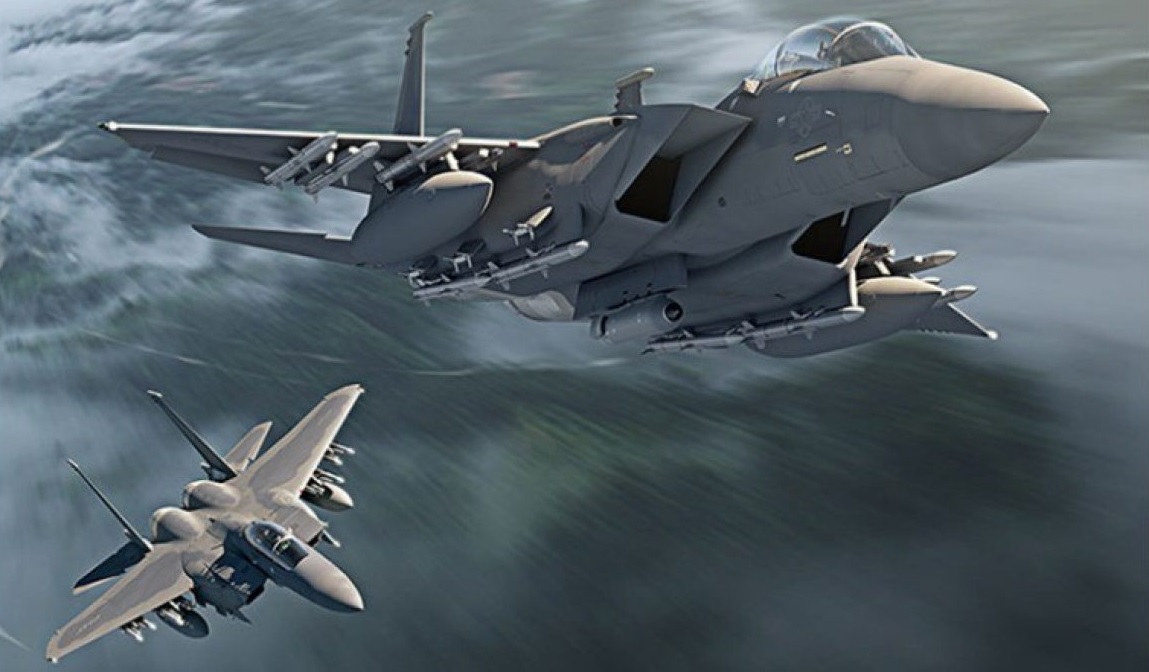
India
After the disappointment of losing out with its F-18 E/F fighter jets, Boeing has bounced back with renewed confidence, pitching the advanced F-15EX Eagle-II for India's Multi-Role Combat Aircraft (MRCA) contract. The Indian Air Force (IAF) is on the lookout for 114 new fighter jets, and Boeing is optimistic that the F-15EX, with its cutting-edge technology and exceptional performance, will emerge as a strong contender.Boeing's rejuvenated approach to the MRCA competition comes on the back of significant enhancements to the F-15EX compared to its predecessor, the F-18 E/F. In 2022, Boeing secured a crucial license from the US government to discuss the potential sale of the F-15EX to India, allowing them to engage in detailed discussions and respond to the IAF's Request for Information (RFI).The F-15EX Eagle-II is not just any fighter jet; it is a marvel of modern aviation. Capable of reaching speeds of up to Mach 2.5, it stands as the fastest fighter jet in the world. Its ability to carry a payload of up to 13.6 tonnes of armaments makes it the most heavily-armed fighter globally. Additionally, its impressive strike range of 1,200 nautical miles ensures that it can hit targets far and wide, providing a significant strategic advantage.The combat record of the F-15 series further bolsters Boeing's confidence. With 104 air-to-air kills and zero losses, the F-15 has a storied history of success in combat scenarios. These features collectively make the F-15EX a formidable option for the IAF's MRCA bid.However, the F-15EX does face challenges in the Indian market. As a heavy-class fighter jet, it falls into the same category as the Sukhoi-Su-30MKI, which is currently a mainstay of the IAF. This overlap could pose a hurdle for the F-15EX's selection. Yet, there have been indications that IAF officials regard the F-15 platform highly, suggesting that Boeing's bid may still hold considerable merit.The inclusion of the F-15EX in the MRCA competition adds a new dimension to an already intense race. With other global aerospace giants vying for the same contract, the IAF's decision-making process will be thorough and meticulous. Whether Boeing's renewed confidence in the F-15EX will translate into a successful bid remains to be seen, but the advanced capabilities of the Eagle-II certainly make it a compelling choice.As the IAF continues its evaluation, Boeing remains hopeful that the F-15EX's superior performance, advanced technology, and proven combat record will win over Indian defense officials and secure the coveted MRCA contract.
Read More → Posted on 2024-07-28 15:55:42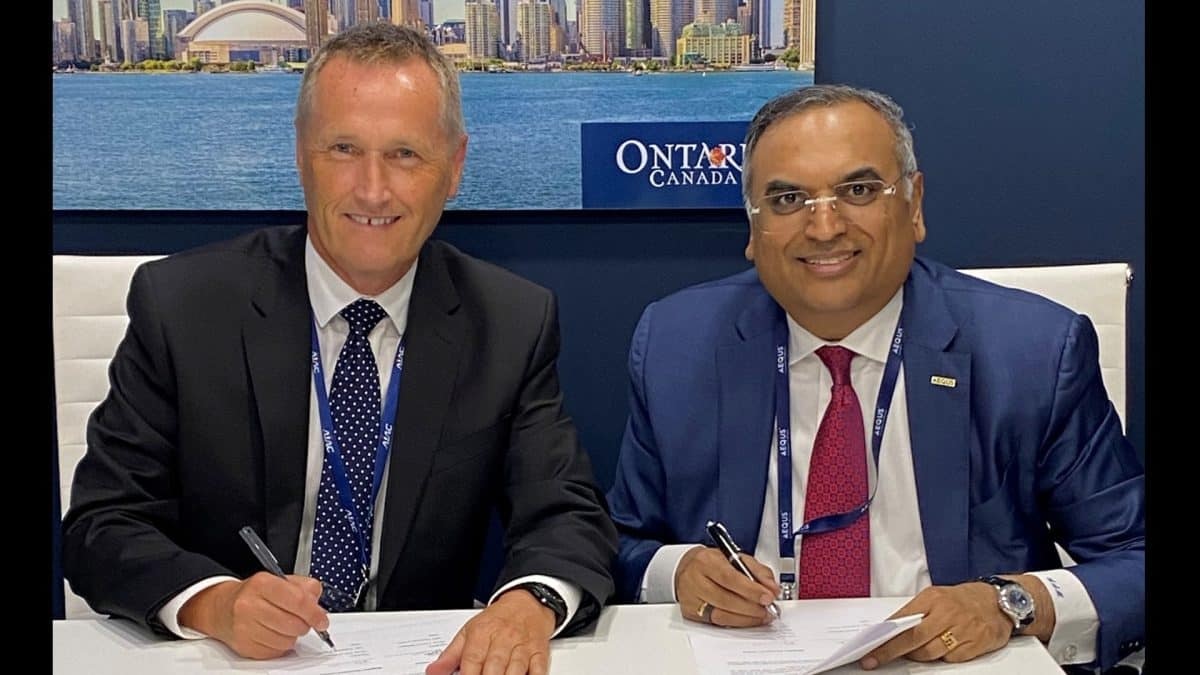
India
In a strategic move set to bolster India's aviation industry, Canadian aerospace major Magellan Aerospace has announced a partnership with Aequs Private Limited to develop an aircraft engine Maintenance, Repair, and Overhaul (MRO) facility. This new venture will be situated within Aequs' Belagavi Special Economic Zone (SEZ) in Karnataka, aiming to cater to both civil and military aircraft engines.The announcement, made during the Farnborough International Airshow in the UK, aligns with the Indian government's recent incentives to enhance MRO activities in the country. This collaboration is expected to leverage the infrastructural strengths and cost advantages of the Belagavi SEZ, a hub known for its robust aerospace manufacturing ecosystem.Magellan Aerospace, a prominent player listed on the Toronto Stock Exchange, specializes in providing complex assemblies and systems solutions to aircraft and engine manufacturers as well as defense and space agencies globally. The company has a longstanding relationship with Aequs, dating back to 2008 when they established the Aerospace Processing India (API) plant, a joint venture approved by both Airbus and Boeing. This plant has since become the largest in India, processing over 1.5 million parts annually.The new MRO facility is anticipated to significantly alleviate the existing capacity constraints in the region. It will offer comprehensive services including engine stripping, rebuilding, and testing. Aravind Melligeri, Chairman and CEO of Aequs, highlighted the success of their ongoing partnership with Magellan and expressed optimism about this new venture. "It is only logical we explore further opportunities to service the fast-growing business, civil and military aviation industry in India," he stated.Phillip Underwood, President and CEO of Magellan Aerospace, emphasized the potential of this venture to meet the growing needs of MRO customers with cost-effective and high-quality solutions. He pointed out that India's aerospace sector has seen substantial growth over the past decade, driven by initiatives like Make-in-India and the UDAN Scheme, along with increasing air traffic. This surge in demand makes India one of the fastest-growing aviation markets globally.The partnership between Magellan and Aequs is poised to tap into this burgeoning market. By focusing on strategic initiatives and infrastructure development, the facility aims to position itself as a key player in the MRO sector, catering to both domestic and international clients. Magellan's global presence and expertise, combined with Aequs' integrated aerospace manufacturing capabilities, are expected to create a formidable synergy in this venture.As India continues to expand its aviation capabilities, the establishment of this MRO facility marks a significant step towards self-reliance in aircraft maintenance and repair. The collaboration between Magellan Aerospace and Aequs not only underscores their commitment to India's aviation growth but also sets the stage for further advancements in the sector.
Read More → Posted on 2024-07-28 15:53:05Search
Top Trending in 24 Hours
-
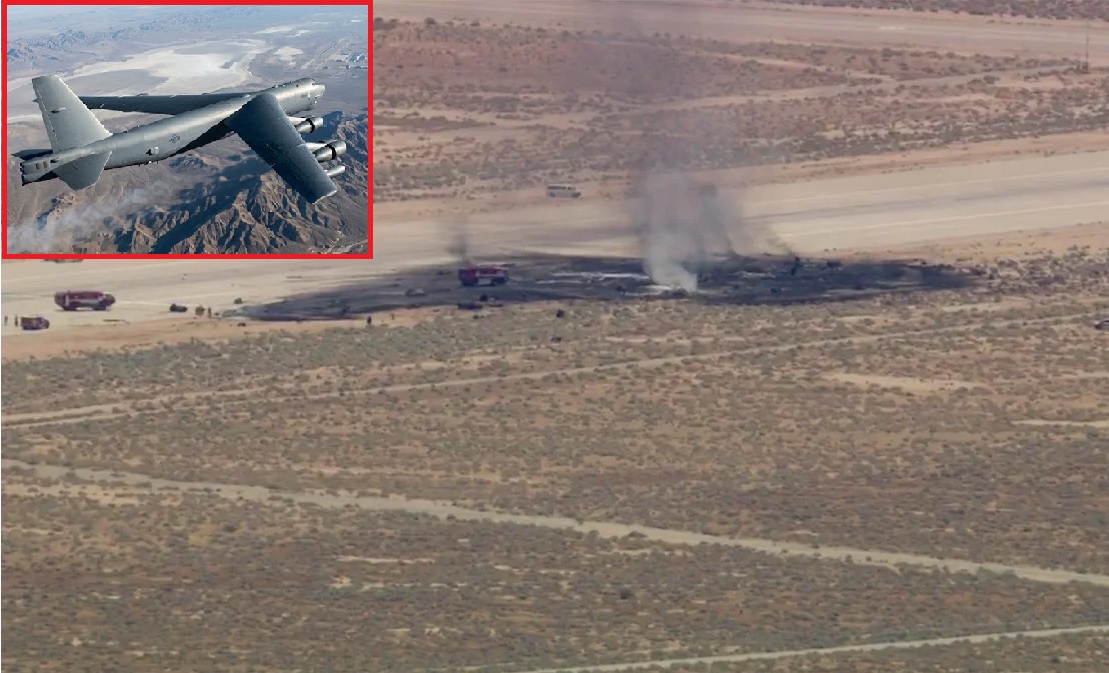 8 U.S. Air Force Crew Members Killed in B-52 Bomber Crash During Test Flight at Edwards Air Force Base
-
 Ukraine Introduces Balloon-Launched DART Missile Designed to Defeat Electronic Warfare
-
 Lockheed Martin Wins $514 Million U.S. Space Force Contract for Two New GPS IIIF Satellites
-
 UK Announces £210 Million Deal to Supply Enriched Uranium to Ukraine for Two Years
-
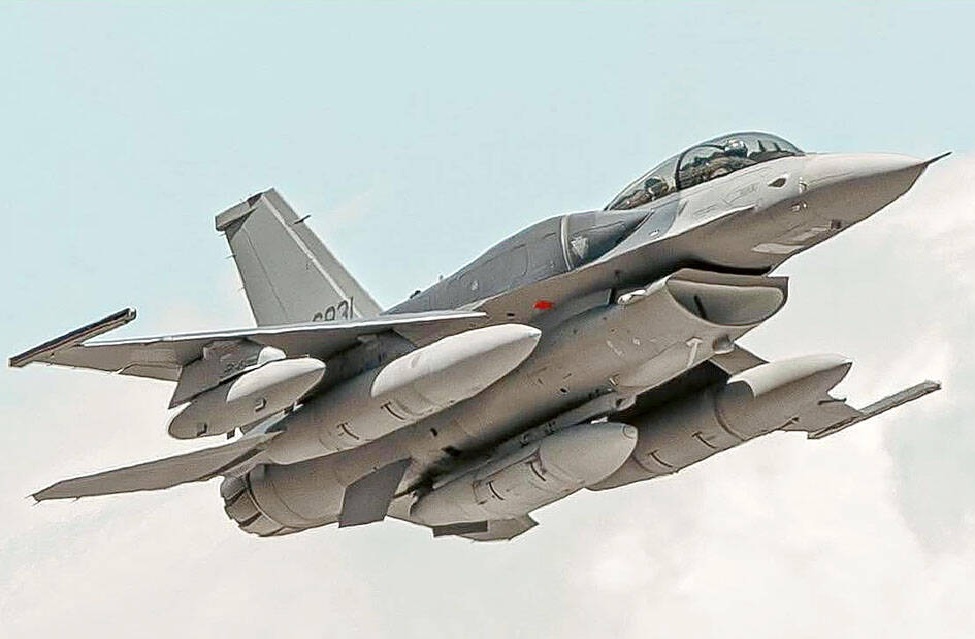 First Taiwanese F-16 Block 70 Flies with Five-Tank Fuel Configuration During Texas Tests
-
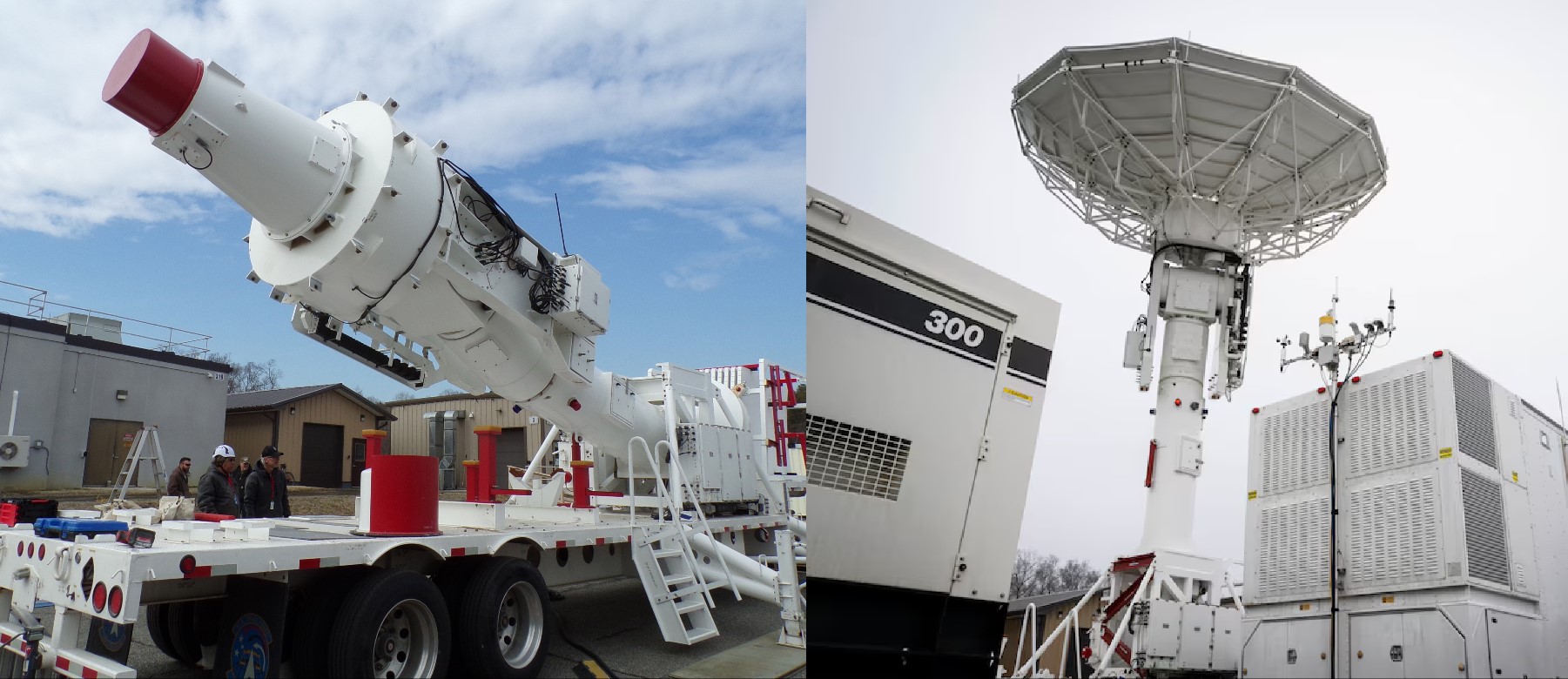 Space Force Transfers Transportable Satellite Tracking Antenna to Naval Research Laboratory
-
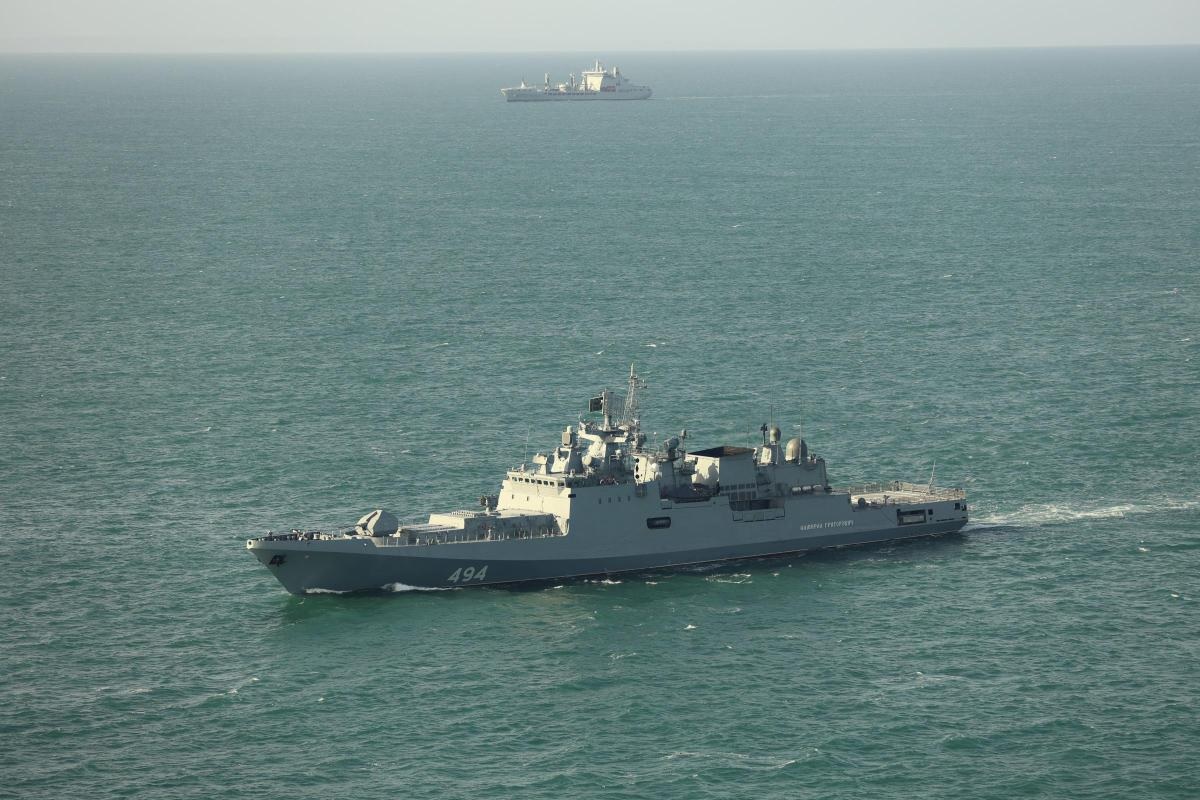 Russian Frigate Admiral Grigorovich Challenges UK Yacht in English Channel With Warning Shots
-
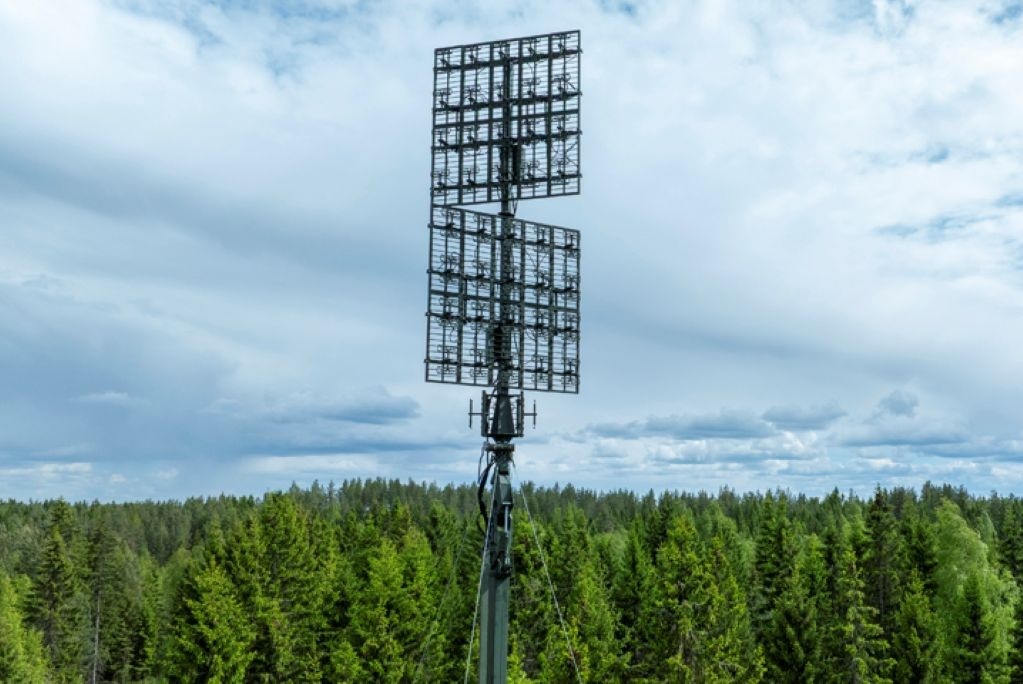 Patria Launches WISPR Passive Counter-Battery Radar with Silent Detection Capability at Eurosatory 2026
Top Trending in 4 Days
-
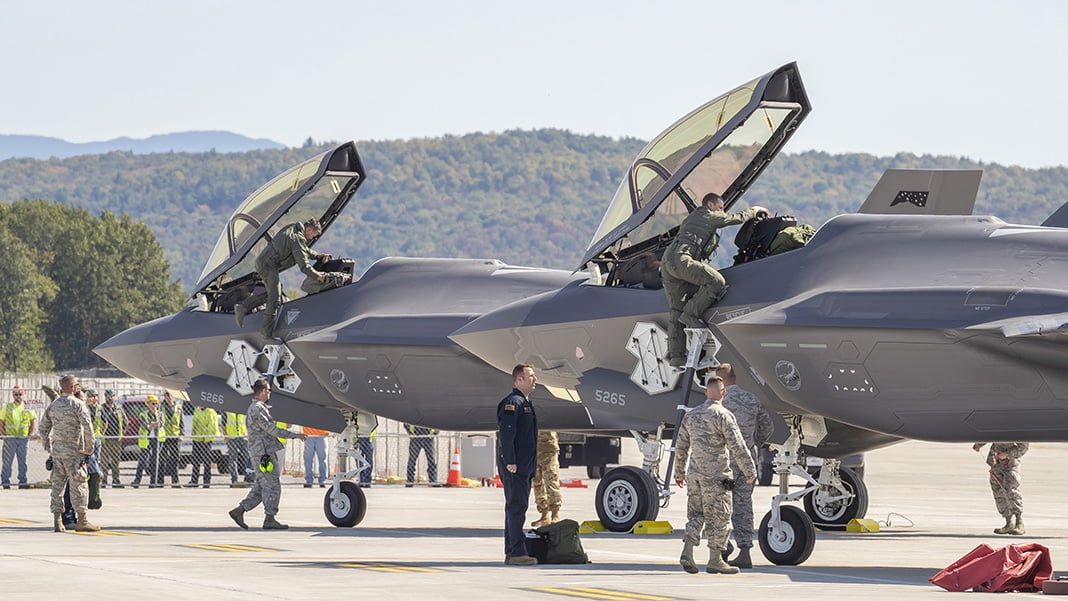 F-35 Fleet Readiness Falls to 25% Amid Parts Shortages and Software Delays: GAO Report
-
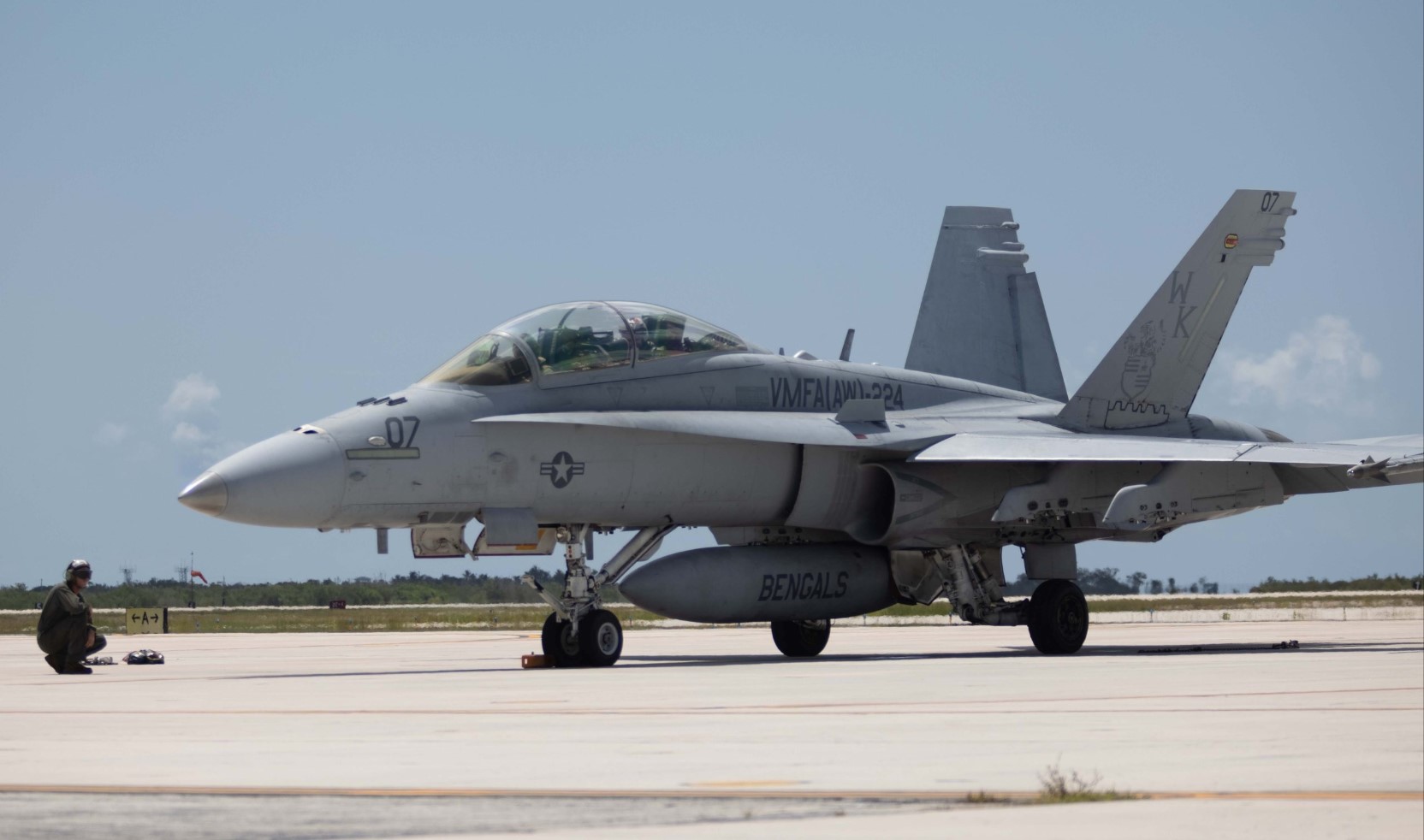 US Marine Corps F/A-18D Hornet Crashes During Training Flight in Washington Mountains; Pilot Ejects Safely
-
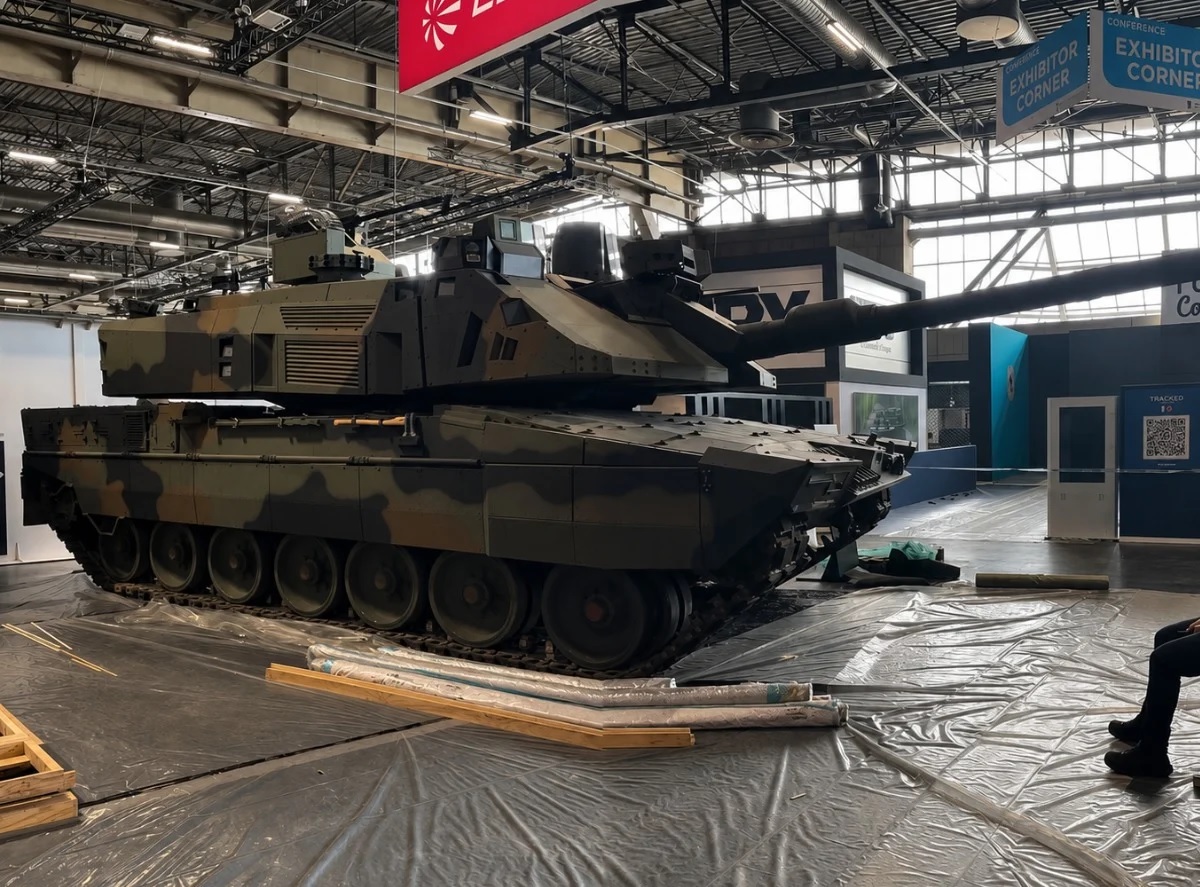 Leonardo Rheinmetall to Unveil Italy’s New IMBT Main Battle Tank at Eurosatory 2026
-
 Tulsi Gabbard Releases Declassified Files Detailing U.S.-Backed Network of 120 Biolaboratories Across 30+ Countries
-
8 U.S. Air Force Crew Members Killed in B-52 Bomber Crash During Test Flight at Edwards Air Force Base
-
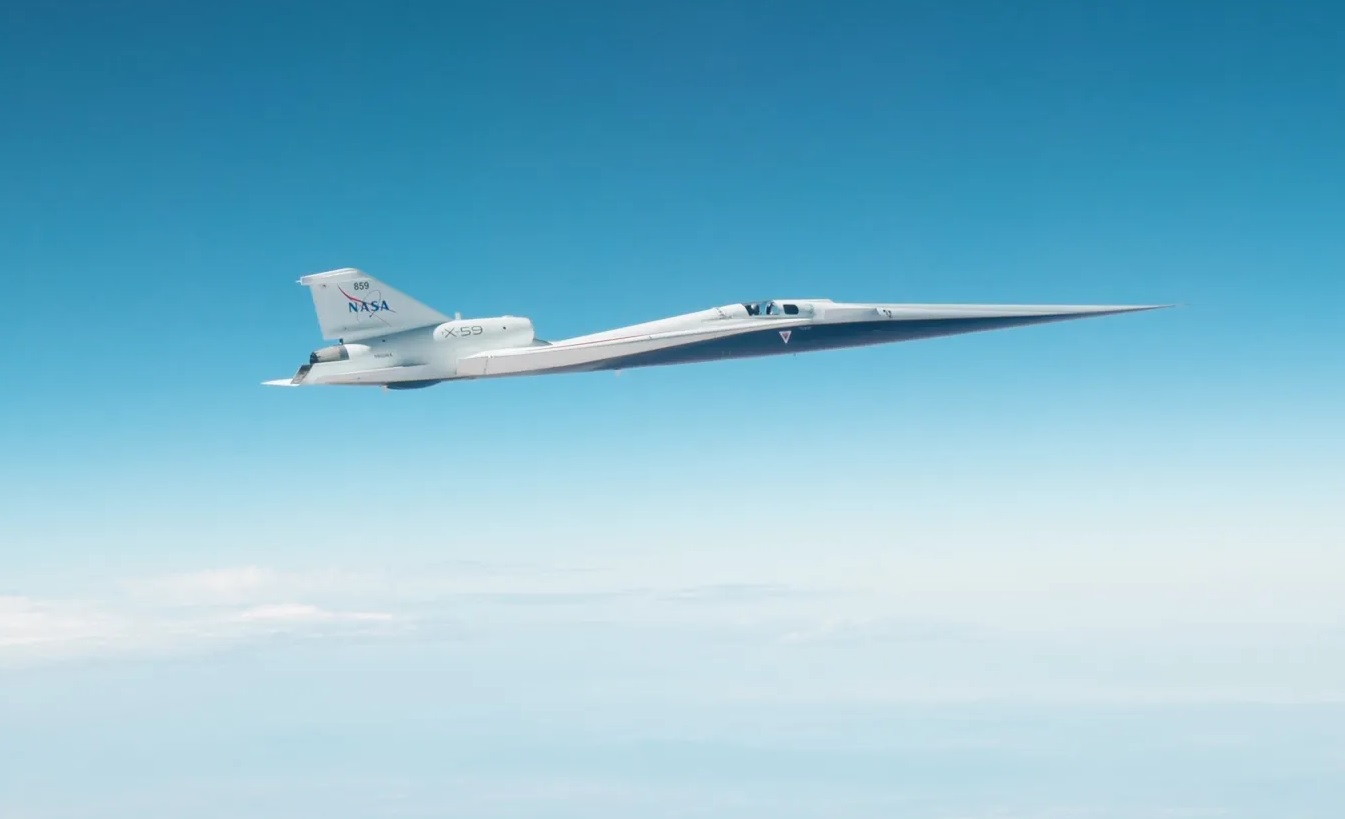 NASA X-59 Achieves Planned Mission Conditions with Mach 1.4 Flight at 55,000 Feet
-
 U.S. Approves $1.98 Billion Sale of Anduril AI-Powered Counter-Drone Systems to Kuwait
-
 Russia Launches 1,400 Jet-Powered Drones in 2026 as Strike Tactics Evolve to Challenge Ukraine's Air Defenses