
India
In a major leap for modern armored warfare, the Indian Army's T-90 Main Battle Tanks (MBTs) have recently been spotted with First-Person View (FPV) drone nests, signaling a new era of battlefield awareness and tactical advantage. This development is part of an ongoing modernization effort to transform the T-90s into versatile platforms capable of engaging in complex, data-driven combat scenarios. By equipping these powerful tanks with FPV drones, the Indian Army aims to provide tank operators with an unparalleled, real-time bird’s-eye view of the battlefield, enhancing both safety and mission success.A Game-Changing IntegrationThe integration of FPV drones directly into the T-90 MBTs exemplifies a forward-thinking approach to armored warfare. While tanks have traditionally relied on ground-level optics and periscopes, the FPV drone expands their field of vision, revealing terrain, obstacles, or enemy positions that would otherwise remain hidden. This enhanced situational awareness provides tank crews with the means to navigate challenging environments and make rapid decisions, crucial in high-stakes scenarios where every second counts.The drones, stored in specialized nesting cases on the T-90, are easy to deploy and protected from environmental hazards. Positioned on the tank's turret or accessible via the main hatch, the nesting case allows for quick and seamless drone launches in both defensive and offensive operations. This integration, streamlined for efficiency, means tank crews can operate independently without relying on external support for reconnaissance, adding agility and responsiveness to their operations.Advanced Specifications and Deployment CapabilitiesThe T-90’s FPV drone unit is lightweight yet rugged, designed to withstand the harsh conditions of combat zones. With the ability to be deployed from either the turret or the tank’s hatch, the FPV drone is launched on demand. Once airborne, it transmits live, high-resolution video directly to the tank's command interface, allowing operators to view the battlefield from an elevated perspective. This data stream provides critical visuals that supplement the T-90's existing sensors and optics, offering invaluable insight into enemy movements, hidden threats, or geographical challenges up ahead.These FPV drones offer a dual-mode operation, allowing for both manual control by tank operators and autonomous mission profiles. In manual mode, tank operators can steer the drone to examine specific areas or objects, while in autonomous mode, it can follow predefined waypoints or patrol zones around the tank. The autonomy feature is particularly advantageous, as it frees up the crew to concentrate on primary combat tasks while the drone independently conducts surveillance.Tactical Advantages in Modern WarfareBy incorporating FPV drones into their T-90 MBTs, the Indian Army gains a significant tactical advantage. The high-resolution drone feed enables tank commanders to identify threats and plan safer routes, particularly in environments with limited visibility or potential ambushes. The drone can also scout for enemy snipers, anti-tank positions, or camouflaged weaponry that could otherwise pose severe risks to the crew. Moreover, these drones serve as a quick response tool for gathering intelligence on demand, which is especially useful in fluid, unpredictable battle scenarios where traditional surveillance may not be available. Equipped with the capability to gather detailed visuals in real-time, the T-90 crew can adapt to shifting battlefield dynamics, making faster and more informed decisions.Future Potential and Strategic ImplicationsThe integration of FPV drones into T-90 MBTs marks a pioneering step in military tactics, underscoring India's commitment to technologically advanced warfare. This setup could also lay the groundwork for further advancements, including deploying larger drones for extended reconnaissance missions or drones with additional capabilities such as thermal imaging or AI-driven target recognition.As the Indian Army continues to refine and expand this capability, the T-90s may serve as a blueprint for other armored units worldwide seeking to enhance their operational effectiveness through drone integration. This innovation aligns with the global trend toward autonomous and semi-autonomous systems in defense, demonstrating how tactical drones can transform battlefield strategies and redefine traditional tank warfare. With FPV drones as an integral component, India’s T-90 MBTs now embody a new model of intelligent warfare, blending armored firepower with advanced situational awareness and tactical flexibility, ensuring that their operators have the upper hand in the challenging and evolving landscapes of modern combat.
Read More → Posted on 2024-11-03 16:22:44
India
India’s Ministry of External Affairs (MEA) recently issued a statement clarifying that the 18 Indian companies sanctioned by the United States on October 30 did not violate any domestic laws. These sanctions were part of a broad U.S. initiative targeting nearly 400 entities and individuals globally, including companies from India, accused of supplying components that could enhance Russia's military capabilities amid the Ukraine conflict. MEA spokesperson Randhir Jaiswal emphasized that the sanctioned Indian companies complied with India's legal framework, underscoring the country’s adherence to stringent trade and non-proliferation regulations.India's Legal Framework and Export ControlsIndia has an established regulatory structure for overseeing strategic trade, ensuring that components with potential military applications are carefully controlled. Jaiswal highlighted India's commitment to global non-proliferation through its involvement in key international export control regimes. While the U.S. alleges that the Indian companies indirectly aided Russia's military development, the MEA’s firm stance reinforces India’s sovereign right to manage its trade within the bounds of its own laws and regulatory standards. The MEA is also actively engaging with U.S. authorities to address concerns, while conducting outreach to inform Indian companies about evolving export control measures.Nature of Sanctioned Companies and Limited Defence ImpactA deeper look into the Indian firms targeted reveals that these companies are mostly engaged in the trade of dual-use technologies, often with limited involvement in India’s defense projects. For instance, Denvas Services, a company with Russian nationals listed as directors, primarily supplies digital kiosks and electronic components. While Denvas Services has been accused of procuring microelectronics potentially usable in Russian conventional weaponry, their activities are fully compliant under Indian law.Among the sanctioned firms, RRG Engineering is the only one with some ties to India’s defense sector. This company has supported the Defence Research and Development Organisation (DRDO) with manpower and limited technical solutions, particularly for data centers and IT networks. RRG Engineering has also supplied nuclear, biological, and chemical (NBC) warfare detection equipment to India’s armed forces. However, this equipment is non-specialized and available from other domestic sources, making any disruptions caused by the sanctions manageable.The MEA's Proactive Approach and Future StepsThe MEA has taken a proactive stance by providing guidelines and educational outreach to Indian companies on updated international export controls. This effort is part of India’s broader objective to ensure compliance with both national and international norms, while also protecting its autonomy in economic affairs. The U.S. sanctions shed light on the challenges of global trade and the complex nature of compliance in a multipolar world. However, with most of the sanctioned firms being commercial traders rather than core defense suppliers, the impact on India’s defense ecosystem is expected to remain limited.India’s response reflects a careful balancing act, maintaining adherence to international non-proliferation norms while upholding its domestic legal autonomy. As these sanctions continue to unfold, the MEA’s engagement with U.S. officials will play a crucial role in mitigating any potential trade disruptions, underscoring India’s commitment to both sovereignty and international cooperation.
Read More → Posted on 2024-11-03 16:17:47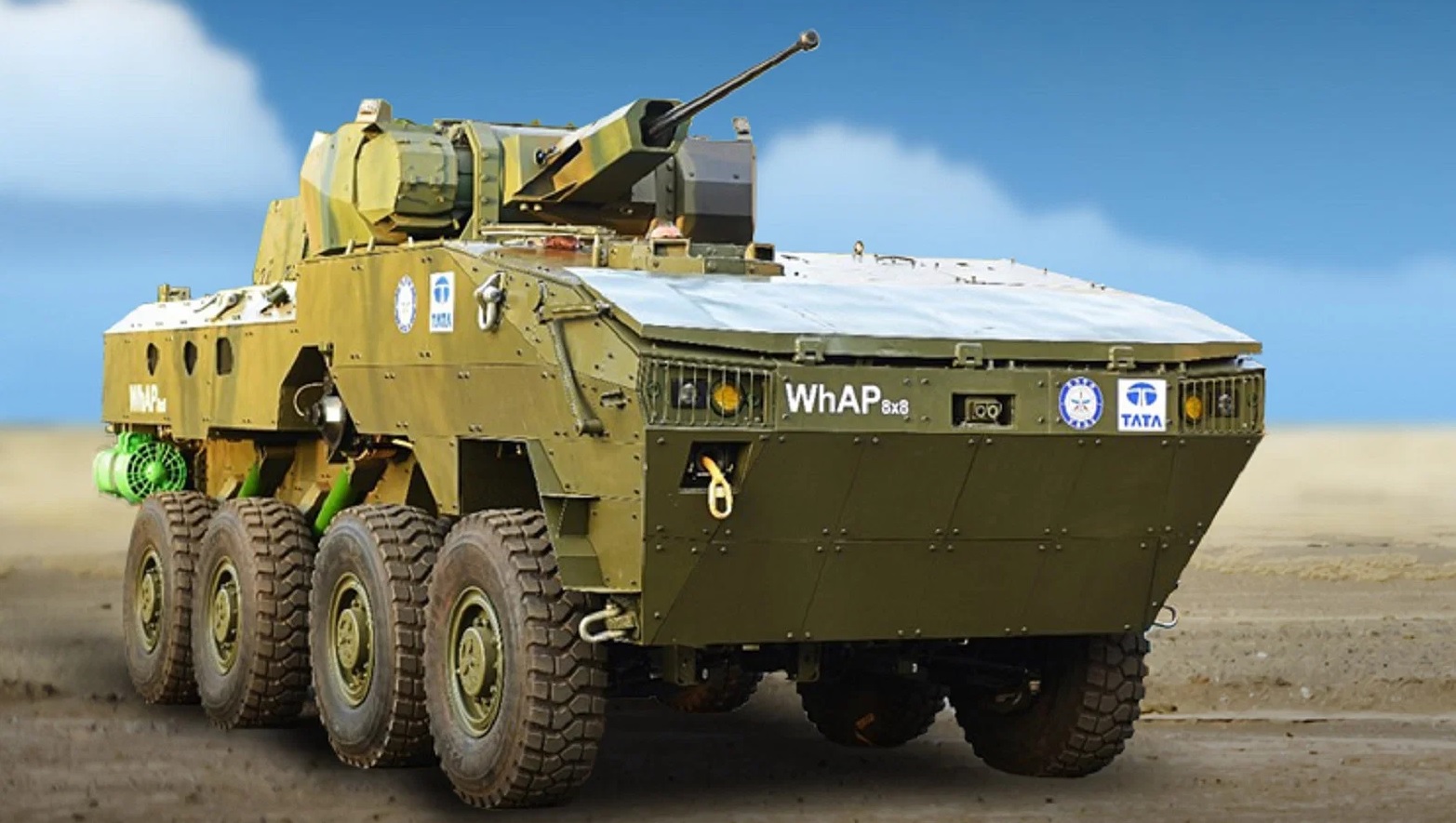
India
In a landmark achievement for India’s defence industry, the Wheeled Armoured Platform (WhAP), designed by Tata Advanced Systems Limited (TASL), has successfully outperformed China’s NORINCO Type-08 armoured vehicle in rigorous trials by the Moroccan Army. This triumph marks a significant stride for India in the highly competitive international arms market, especially in North Africa, a region where China has traditionally been a strong competitor.The trials were part of an intensive evaluation by Morocco's Land Forces, testing each vehicle’s capabilities under harsh, combat-simulated conditions. India's WhAP, developed in partnership with the Defence Research and Development Organisation (DRDO) and TASL, faced off against the Type-08, also known as the ZBL-08 in China or VN-1 in its export model. While the Type-08 was offered to Morocco at a competitive price, the Moroccan military prioritized reliability and quality, leading to a decisive victory for the Indian platform.What Made WhAP Stand Out?The WhAP’s specifications reflect its modern design and technological advantages. It’s powered by an American-made Cummins 600-horsepower engine, paired with an advanced Allison 4500SP automatic transmission, delivering smooth maneuverability and reliable performance under various terrains. Capable of reaching speeds up to 100 km/h and featuring an operational range of around 800 km on a single fueling, the WhAP offers exceptional mobility—a key factor in combat and operational situations.In contrast, China's Type-08 is equipped with a 440-horsepower diesel engine, less powerful than the WhAP’s engine. The WhAP’s superior engine strength not only provides an edge in speed but also in load capacity, allowing it to carry heavier armaments and additional equipment while maintaining mobility. The Type-08's weapon systems, although effective, were seen as lacking versatility when compared to the customizable weapon configurations available with the WhAP, which can be outfitted with a range of weapon systems, from anti-tank missiles to autocannons and remote weapon stations.Quality and After-Sales Support Key to Morocco's DecisionMorocco’s choice went beyond just performance in trials; the country had previous experience with Chinese equipment, encountering issues with after-sales support and maintenance. The Moroccan Army considered these experiences when choosing the WhAP, as reliable long-term support is crucial for operational sustainability. India’s defence ecosystem, known for its responsive service and robust after-sales support, played a pivotal role in securing this deal for the WhAP.Additionally, the WhAP offers a high level of protection for troops, with modular armor that can be upgraded for greater resistance against ballistic threats, IEDs, and landmines. This aspect, combined with its amphibious capabilities, enables the WhAP to navigate both land and water obstacles—a feature particularly advantageous for North African terrain.The Moroccan Contract: A Win for "Atmanirbhar Bharat"Following these trials, Morocco awarded TASL a significant contract to supply up to 150 WhAP vehicles to the Moroccan National Defence Administration. This contract, valued at millions, signifies one of the largest international deals for Indian military vehicles to date. To meet the requirements of this contract, TASL will establish a manufacturing and assembly plant in Casablanca, Morocco, creating over 90 direct jobs and an estimated 250 indirect jobs in the region. This facility aims to include up to 50% local content, a move that aligns with both Morocco's aim for self-sufficiency in military hardware and India’s "Atmanirbhar Bharat" initiative, which promotes self-reliance in defence manufacturing.Shifting Dynamics in African Defence MarketsThis successful deal highlights a potential shift in North Africa’s defence procurement landscape. China has historically been a dominant supplier in the region, yet recent years have seen rising concerns over the quality and after-sales reliability of Chinese equipment. Morocco’s choice reflects a growing trend of African nations seeking dependable alternatives, with India emerging as a preferred supplier due to its commitment to high-quality products and robust service support.This milestone for the WhAP doesn’t only signify a victory for Tata Motors and India’s defence sector. It also represents a growing confidence among international buyers in India’s military technology, enhancing India’s global reputation as a reliable supplier of advanced military hardware. By establishing local production in Morocco, India is positioned not only to meet Morocco’s immediate needs but to expand its defence exports across Africa, signaling an era where Indian defence products are recognized for their quality and reliability on the world stage.This success story of India’s WhAP in the Moroccan trials sends a clear message about the advancing capabilities of India’s defence technology and its growing role in international markets.
Read More → Posted on 2024-11-03 15:54:24
India
As India ramps up its unmanned aerial vehicle (UAV) capabilities to address rising security needs across its borders and the vast Indian Ocean Region (IOR), choosing the right platform becomes critical. Among the options available, Russia’s Kronshtadt Orion and Germany’s Eurodrone UAV represent two technologically advanced platforms, each with its own set of strengths. Russia’s Kronshtadt Orion offers affordability, robustness, and a proven operational history, while Germany’s Eurodrone, though still in development, promises state-of-the-art capabilities designed for NATO interoperability and multi-role adaptability. This article examines these two UAVs and assesses their suitability for India’s strategic landscape.Russia’s Kronshtadt Orion UAV: A Proven and Cost-Effective OptionThe Kronshtadt Orion, also known as “Inokhodets,” was first deployed by the Russian military in 2019 and has since demonstrated its capabilities in multiple operations, including combat missions in Syria. Orion is a medium-altitude, long-endurance (MALE) UAV built for both intelligence, surveillance, and reconnaissance (ISR) and light strike missions. This UAV offers a practical solution for countries seeking to expand their UAV fleets without the high cost associated with Western platforms.Key technical specifications of the Orion include:Endurance: Up to 24 hours.Range: Approximately 250 kilometers from its control base; extendable with satellite communication (SATCOM) integration for beyond-line-of-sight capabilities.Maximum Altitude: 25,000 feet.Payload Capacity: 200 kg, suitable for ISR equipment and guided munitions.The Orion UAV is particularly attractive to India for several reasons:Operational Readiness: With its proven track record in real-world combat and surveillance, Orion is a reliable platform for both ISR and limited strike operations.Ease of Maintenance: Engineered for rugged conditions, Orion is designed to be easily maintained and operated even in harsh environments.Affordability: Russian defense equipment tends to be more budget-friendly, and Orion is no exception, making it a pragmatic choice for expanding India’s UAV fleet.One potential drawback is Orion’s SATCOM limitations, which restrict its range to about 250 kilometers without additional satellite integration. This limitation could impact its effectiveness in the IOR, where extended range is critical for maritime patrols.Germany’s Eurodrone UAV: Cutting-Edge Tech and Interoperability with NATO SystemsThe Eurodrone UAV, spearheaded by Airbus in collaboration with Germany, France, Italy, and Spain, aims to create a robust MALE UAV capable of meeting NATO and European defense requirements. Although still in development and slated for production by 2027, the Eurodrone promises advanced ISR capabilities along with electronic warfare (EW) and multi-role combat functions, which are comparable to the American MQ-9 Reaper.Projected specifications for the Eurodrone include:Endurance: Up to 40 hours, significantly longer than the Orion.Range: Designed to operate across extensive distances with SATCOM capability, making it well-suited for distant theater operations.Maximum Altitude: 45,000 feet.Payload Capacity: Over 500 kg, allowing a variety of payloads including ISR equipment, EW pods, and precision-guided munitions.The Eurodrone stands out with several advanced features:Enhanced Avionics and SATCOM: With real-time data transmission capabilities across distant theaters, Eurodrone can support prolonged ISR missions across India’s borders and the Indian Ocean.Higher Payload Capacity: Its ability to carry a payload exceeding 500 kg enables diverse ISR configurations and strike options, making it a versatile multi-role UAV.NATO Interoperability: Designed according to NATO standards, Eurodrone can integrate seamlessly with Western defense systems, which aligns with India’s growing strategic partnerships with Western countries.While the Eurodrone’s features are promising, its high cost and dependency on European maintenance networks may pose challenges. Additionally, the production timeline means India would need to wait until at least 2027 for deployment, which could delay urgent UAV requirements.Strategic Implications and Suitability for India’s Defense LandscapeLong-Term Strategic Fit: EurodroneFor India’s broader defense vision, Eurodrone’s advanced capabilities and NATO compatibility are significant advantages. As India continues to strengthen its ties with Western defense allies, particularly the US and European partners, the Eurodrone’s interoperability offers future-proofing. Its superior endurance and payload capacity make it especially suited for prolonged ISR and multi-role missions, essential for securing the vast IOR and enabling strategic operations that align with NATO standards.Immediate Operational Needs: OrionIf India requires an immediate UAV solution, the Orion presents a practical choice. Its operational readiness, proven performance, and relatively low cost make it an ideal option for current ISR and limited strike needs, particularly along India’s land borders. Russia’s willingness to provide flexible technology transfer options also makes Orion an appealing choice for indigenous production, allowing India to enhance its domestic UAV capabilities without extensive foreign dependencies.Cost ConsiderationsThe Orion’s lower price point makes it a more budget-conscious solution, especially given India’s recent investments in other high-priority defense projects. While Eurodrone offers advanced capabilities, it comes at a premium, and its European origin may involve higher operational and maintenance expenses. This budget difference could be decisive, particularly if Orion meets India’s essential operational requirements at a fraction of the Eurodrone’s cost.Conclusion: Aligning Choice with India’s Defense StrategyIndia’s decision between Russia’s Kronshtadt Orion and Germany’s Eurodrone UAV programs will likely come down to balancing immediate operational needs with long-term strategic goals. For short-term, cost-effective ISR capabilities, the Orion offers a solid, combat-tested choice. However, if India prioritizes a more advanced, future-proof UAV with the potential for deeper integration into Western defense networks, the Eurodrone may be the better investment.Both platforms have their advantages, but India’s choice will ultimately reflect its broader defense priorities, budgetary constraints, and the level of technological integration it seeks to achieve with its strategic allies.
Read More → Posted on 2024-11-03 15:51:47
India
India’s indigenous Light Combat Aircraft (LCA) Tejas, a core component of the Indian Air Force's (IAF) modernization strategy, is set for a production boost in the coming year. Despite calls for additional private-sector involvement, it’s been deemed economically unfeasible to establish a separate production line for the Tejas outside Hindustan Aeronautics Limited (HAL), the state-owned aerospace and defense company leading the program. Instead, HAL plans to scale up its production to 24 jets annually in 2024, capitalizing on extensive private-sector collaboration in its existing production lines.Challenges and HAL’s Expansion PlansHAL’s decision comes amid significant challenges, especially with delays in engine supply. Currently, HAL is constrained by a limited supply of General Electric F-404 engines, which power the LCA Tejas Mk1A model. Sources report that only two F-404 engines have been delivered, which restricts HAL’s ability to produce more than two Tejas jets in the current fiscal year. However, HAL has ramped up efforts to overcome these limitations by establishing a third production line, enabling it to meet the projected goal of 24 jets per year once engine supplies stabilize.The contract for 83 Tejas Mk1A aircraft, awarded in 2021, mandates that HAL deliver three jets by February 2024, followed by an annual delivery of 16 jets over the next five years. This ₹48,000 crore contract highlights the urgency with which India aims to advance its self-reliant defense program. Beyond the current order, an additional 97 Mk1A jets are under consideration, showing continued confidence in HAL’s capacity to deliver.Private Sector and MSME ContributionsWhile HAL remains the primary manufacturer of the Tejas jets, private-sector involvement has been growing within the existing HAL-led framework. Over 270 Micro, Small, and Medium Enterprises (MSMEs) supply critical components and subsystems, creating a robust domestic supply chain. This extensive network contributes everything from avionics to structural components, embodying the “Make in India” initiative and boosting the indigenous defense manufacturing sector. Yet, establishing a new, standalone private sector line, potentially led by a second major company, has been ruled out due to prohibitive costs.Advances in LCA-Mk1A and LCA-Mk2 VariantsThe LCA Tejas Mk1A variant represents a significant leap from the initial model, incorporating advanced avionics, improved radar, and refined weaponry integration. HAL has already completed the integration of Israeli radar systems in the Mk1A, and work on weapon integration continues, marking a key milestone in preparing the aircraft for full operational capability with the IAF.Following the Mk1A, HAL has plans to produce the LCA Tejas Mk2, a more advanced and larger version of the Tejas platform. Equipped with the more powerful GE F-414 engine, the Mk2 promises superior thrust and extended capabilities. HAL expects the Mk2 to make its maiden flight by October 2025, with development wrapping up by December 2027. After the Mk1A production run, the Mk2 is projected to enter full-scale production in 2032. The IAF has signaled interest in procuring approximately 120 Mk2 jets, highlighting the LCA platform’s long-term significance in the IAF’s fleet modernization plans.Balancing Speed and Self-Reliance in ProductionThe IAF has expressed its support for HAL’s accelerated production approach, favoring a mix of public and private sector involvement rather than a separate production line. This cooperative approach aims to strengthen India's indigenous defense manufacturing capabilities while minimizing delays and optimizing costs. Additionally, a diversified supply base could better position India to fulfill domestic demand and eventually compete in the export market for light combat aircraft.While HAL’s expansion ensures a steady supply of Tejas jets for the IAF, the increased private sector role underlines India’s strategy for a more self-reliant defense industry. The next few years will be critical as HAL and its MSME partners work to deliver the current Mk1A orders, advance the Mk2 variant, and potentially expand production further to meet both domestic and international requirements.
Read More → Posted on 2024-11-03 15:27:21
India
Digital University Kerala (DUK) has taken a transformative step in landmine detection by developing an innovative, AI-driven mine-detection system. This system leverages cutting-edge technologies such as machine learning, deep learning, and robotics to enhance the accuracy, speed, and safety of detecting landmines. As countries worldwide continue demining efforts to ensure civilian safety, this technology offers a significant advancement that could streamline and improve safety in mine-clearing operations.At the heart of DUK's mine-detection system is its reliance on sophisticated algorithms that harness the power of machine learning. The technology includes deep learning models that are trained on large datasets comprising various terrain types and object shapes, enabling the system to distinguish between landmines and harmless objects like rocks, scrap metal, or plant roots. This differentiation is critical in regions with complex landscapes where conventional metal detectors are often challenged by high rates of false positives.The system can be paired with robotic platforms, allowing it to operate in hazardous environments remotely. This capability is particularly beneficial in minefields, where direct human intervention poses extreme risks. Equipped with sensors and a navigational framework, the robotic platform can cover vast areas, detect anomalies below the surface, and identify potential mines without putting human operators at risk. Through remote operation, this integrated robotic system provides a layer of security and operational efficiency that is difficult to achieve with manual mine-clearing techniques.In terms of technological sophistication, the mine-detection system uses data from various sources, including sensor-based and visual data, to refine detection capabilities. The system's deep learning models continuously evolve as they process new field data, thereby improving their accuracy and effectiveness over time. By analyzing environmental factors, such as soil composition and moisture levels, the system adjusts its detection parameters in real-time, which can significantly increase the reliability of mine identification in different climates and terrains.Initial tests of the mine-detection system have demonstrated its potential to meet real-world demands. The system has shown promising results in terms of accuracy and operational efficiency, even under challenging conditions. Ongoing field trials and refinements based on collected data are expected to enhance the system further, making it a reliable tool for demining agencies and humanitarian groups.This development aligns with DUK’s mission to drive technological innovation with societal impact. The university has fostered partnerships with government agencies and private industry to refine this mine-detection system and aims to make it accessible for large-scale deployment. Such collaborations are expected to facilitate the system's use in conflict-affected regions, where landmines remain a pressing threat to civilians and hinder recovery and redevelopment efforts.The potential for DUK's mine-detection system extends beyond military applications. Humanitarian groups, disaster response teams, and even ecological organizations may find this technology useful for safely clearing contaminated areas. By integrating artificial intelligence into these operations, DUK is contributing to a future where technology plays a crucial role in addressing the after-effects of conflict and creating safer environments for affected populations.In summary, Digital University Kerala's mine-detection system embodies the university's dedication to solving real-world problems through technological innovation. By combining AI, robotics, and deep learning, this system marks a significant advancement in demining technology, offering an efficient, accurate, and safe solution for landmine detection. As the system progresses towards wider adoption, it holds promise for a safer, landmine-free world and serves as a testament to the potential of educational institutions in driving meaningful change through research and technology.
Read More → Posted on 2024-11-03 15:15:30
India
India is setting ambitious goals to position itself as a major global defense exporter, with Defence Minister Rajnath Singh recently affirming that the country aims to reach Rs 50,000 crore in defense exports by 2029-30. This bold projection aligns with Prime Minister Narendra Modi’s vision of a “Viksit Bharat” (Developed India) and reflects India’s efforts to establish self-reliance in defense technology, with homegrown innovation and production at its core.The recent celebration of the 65th Foundation Day at the Indian Institute of Technology (IIT) in Kanpur underscored this commitment, where Singh emphasized India’s need to indigenously develop high-tech defense solutions—especially those it currently imports—to compete globally. Highlighting the transformative role of technology in reshaping global security, Singh urged young Indian innovators to advance technologies crucial for modern defense, such as artificial intelligence, drones, precision-guided missiles, and cyber warfare tools.In his address, Singh described nations as falling into one of three technological categories: those that lead in advanced technologies, those that are stagnating, and those on the rise. He placed India in the third category, ready for a technological takeoff. Currently, India is actively moving up in the ranks, with defense exports hitting a record Rs 21,000 crore in the fiscal year 2023-24—up from just Rs 600 crore ten years ago.The journey towards this self-reliance isn’t without its hurdles. Singh acknowledged that while India has made substantial strides in defense production, certain high-end technologies still have to be imported to meet defense needs. This reliance underscores the importance of developing cutting-edge military technology within India itself. To support this, the government has rolled out various initiatives such as the Innovations for Defence Excellence (iDEX), which offers grants of up to Rs 1.5 crore to innovators and startups focusing on defense technology. Additionally, the ADITI (Acing Development of Innovative Technologies with iDEX) scheme provides funding up to Rs 25 crore to develop strategic and critical defense technologies.At the IIT Kanpur event, Singh interacted with founders of several startups and researchers exhibiting their innovations, including AI-driven surveillance systems, autonomous military systems, and next-generation communications tools. A Defense Research, Product, and Incubation Showcase, organized by IIT Kanpur’s Startup Incubation and Innovation Centre (SIIC), featured 23 startup solutions that highlighted India's growing expertise in defense tech. Singh praised these efforts, noting that institutions like IIT Kanpur are academic engines fueling India’s defense sector with a dynamic mix of research, innovation, and practical application.India’s defense ecosystem has also benefited from significant partnerships formalized through memoranda of understanding (MoUs) with public sector undertakings like Bharat Earth Movers Limited (BEML) and Hindustan Aeronautics Limited (HAL). These collaborations are expected to drive advances in military logistics, defense manufacturing, and research. Additionally, a partnership with Kanpur University is set to enhance incubation efforts, encouraging even more defense innovation.In line with these developments, Secretary of Defence Research & Development (DDR&D) and DRDO Chairman, Samir V Kamat, presented sanction letters for six new DRDO projects, reinforcing India's commitment to advancing homegrown technology for the armed forces. The Small Industries Development Bank of India (SIDBI) also pledged additional funding to support iDEX-funded startups, strengthening financial backing for pioneering defense projects.India’s defense sector transformation is not just a matter of economic and technological growth but is also a move towards securing national interests amid a rapidly shifting geopolitical landscape. By fostering domestic expertise in high-tech defense areas and reducing dependency on foreign imports, India aims to position itself among the leading nations in defense innovation and production by 2047. With these milestones, India’s defense exports goal of Rs 50,000 crore by 2030 is more than just an aspiration—it is a cornerstone of a self-reliant and globally influential India.
Read More → Posted on 2024-11-03 15:09:47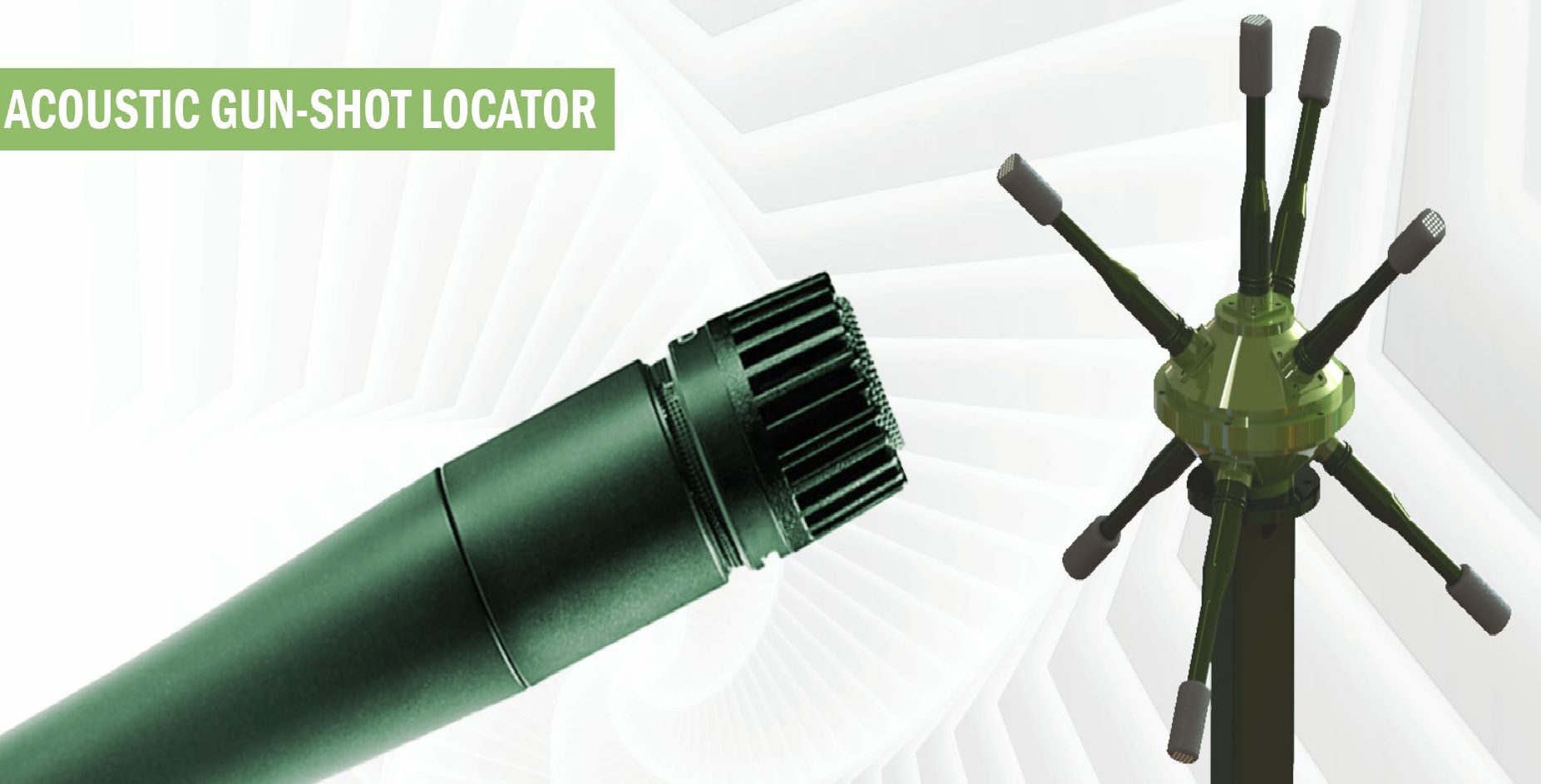
India
Indian robotics and AI company Gridbots has recently unveiled the Gridbots BAT—a state-of-the-art gunshot direction-finding system that is revolutionizing how security forces, military units, and law enforcement agencies respond to gunfire threats. Combining precision, real-time responsiveness, and advanced detection capabilities, the BAT system brings a robust and highly accurate solution to identifying and pinpointing gunshot locations. At the heart of Gridbots BAT is its exceptional detection accuracy. The system provides directional precision with an accuracy of ±5 degrees in both elevation and azimuth, alongside distance accuracy within ±4% FS (Full Scale). This capability allows operators to quickly and accurately determine the origin of gunfire, which can be critical in high-stakes environments such as urban combat zones, crowd control situations, and counter-terror operations.Advanced Differentiation and Real-Time TrackingWhat sets BAT apart is its sophisticated differentiation capability. Unlike basic gunshot detectors, BAT can differentiate between multiple types of gunfire by selectively focusing on specific frequencies. This means the system isn’t easily misled by irrelevant background noises in noisy environments. BAT’s ability to focus on particular sounds makes it ideal for operations in settings with ambient noise—whether in urban environments, open fields, or mountainous terrains.BAT also allows for continuous monitoring and tracking of multiple gunfire sources. It utilizes a tracking mode that provides situational awareness by monitoring gunfire activity across 360 degrees, ensuring comprehensive protection during active engagements. This 360-degree coverage, coupled with a long detection range of up to 1,500 meters, enables wide-area monitoring across large perimeters, making it suitable for remote surveillance, border security, and high-value asset protection.Integrated RTK GPS and Remote-Controlled Weapon Station (RCWS) ConnectionA standout feature of the BAT system is its integration with Real-Time Kinematic (RTK) GPS technology, which provides highly precise geographic positioning for detected gunfire sources. This GPS integration supports precise location mapping of gunfire within moments, allowing operators to quickly visualize the threat location. Moreover, BAT can interface directly with a Remote-Controlled Weapon Station (RCWS). This connection enables immediate response by auto-targeting the source of the gunfire, enabling rapid and accurate threat neutralization without the need for manual intervention.Sophisticated Signal Processing and Power EfficiencyThe BAT system’s gunshot detection and analysis are powered by advanced digital signal processing (DSP) technology. It leverages seven sensor-DSP units that work together to accurately detect gunfire and isolate specific frequencies. This multi-sensor approach is further enhanced by high-selectivity bandpass filtering, which helps reduce false positives by filtering out irrelevant sounds. BAT’s wide frequency response range—from 500 Hz to 20,000 Hz—enables it to capture a variety of gunshot sounds, covering everything from small firearms to larger-caliber weapons.Energy efficiency is another strength of BAT, as it consumes less than 50 watts, making it a practical choice for mobile and remote applications. It can be mounted on various platforms, including unmanned ground vehicles (UGVs), tactical vehicles, and static installations. Once activated, BAT is operational within seconds, requiring less than five minutes for full deployment, which is essential for rapid-response situations.Technical Excellence and Deployment VersatilityDesigned to perform in a range of environmental conditions, BAT operates effectively in both high-temperature and extreme cold settings. This ruggedization makes it adaptable for challenging terrain, including mountainous regions, dense urban settings, or open landscapes where detecting long-range threats is crucial. Additionally, with a refresh rate of 1,000 Hz, the system processes incoming data with near-instantaneous speed, ensuring operators have continuous real-time information for quick decision-making.A New Standard for Gunshot Detection SystemsGridbots BAT represents a leap in gunshot detection technology by delivering a blend of precision, speed, and versatility in one system. As it allows for multi-source tracking and automatic targeting, BAT gives security and defense forces a critical advantage in managing and neutralizing threats. Its ease of deployment and low power requirements mean it can be efficiently used in static and mobile deployments alike. For agencies focused on advancing response times and situational awareness, BAT is a game-changing tool in the world of modern defense.Through innovations like the BAT, Gridbots is pushing forward the capabilities of AI and robotics in defense applications, making gunshot detection more accessible, reliable, and actionable.
Read More → Posted on 2024-11-02 15:27:20
India
In a progressive move toward digital empowerment, the Indian Army has been granted the authority to directly monitor and manage social media content related to its operations, personnel, and activities. In the past, the Army was reliant on the Ministry of Electronics and Information Technology (MeitY) to address issues of misinformation, unlawful content, or harmful narratives. Now, through an amendment in protocol, the Army has the autonomy to swiftly take matters into its own hands, sidestepping the lengthy bureaucratic process of routing issues through multiple departments.The Ministry of Defence has appointed the Additional Director General (ADG) of Strategic Communication as the key figure, or “nodal officer,” responsible for managing this digital presence. This figure will use powers under Section 79(3)(b) of the Information Technology Act to issue takedown requests, ensuring that objectionable or unlawful content is promptly removed from social platforms. Not only does this prevent delays, but it also means that the Army can swiftly counter negative or misleading narratives.This change comes as part of a broader recognition of the influence that social media holds over public perception, particularly in matters related to national security. Social media’s reach can amplify both positive stories of heroism and negative or false reports about the military’s activities. The Army’s move to manage its image proactively shows an acute awareness of the evolving landscape of information warfare, where online narratives can influence everything from public opinion to the morale of the forces.Empowered by this direct authority, the ADG of Strategic Communication can quickly identify and issue directives to social media platforms for the removal of content deemed harmful or defamatory to the Army’s image and operations. This can include false reports on Army movements, defamation of Army personnel, or the misrepresentation of military activities. The direct channel to these platforms is a step toward preserving the Army’s integrity while also protecting the nation’s interests by limiting misinformation and its potential destabilizing effects.The Army’s proactive approach reflects the broader vision of a “Digital India,” where government bodies are increasingly integrating with digital platforms. By fostering a swift response to online threats, this move aligns with the national push for digital sovereignty and cybersecurity.Moreover, the new role given to the ADG underscores a growing understanding within the Army of the significance of information control in modern defense strategy. The rapid response to damaging narratives is critical to maintaining morale, both within the Army ranks and among citizens. This streamlined process allows for a greater focus on accuracy and transparency, ensuring the public remains informed of the Army’s genuine contributions and activities.While the move is largely celebrated as a step toward increased military autonomy in the digital age, it also brings with it a responsibility to balance the line between security and freedom of expression. The Army’s increased capability to monitor and control content must be handled thoughtfully, ensuring that it continues to uphold democratic values while safeguarding national security. This landmark development not only signifies a shift in the Indian Army’s approach to online content management but also serves as an example of how military forces worldwide are adapting to the challenges and opportunities of the digital age. As the digital world continues to intersect with defense, the Indian Army's direct engagement with social media platforms shows a commitment to staying agile, responsive, and resilient in an ever-connected world.
Read More → Posted on 2024-11-02 15:13:51
India
In a major development for India's defense and aerospace industry, the Tata Group is taking steps to locally assemble the Pratt & Whitney Canada PW127G turboprop engines, which power the C-295M transport aircraft. This bold move comes as part of India’s "Make in India" initiative, which encourages domestic manufacturing and technological self-reliance, particularly within the defense sector.The PW127G turboprop engine, known for its reliability and powerful performance, is typically imported. However, with the Indian government’s support, the Tata Group is exploring the possibility of establishing local assembly and partial manufacturing of certain components for the PW127G within India. The shift to domestic production for these engines would not only lessen reliance on foreign imports but also catalyze India’s aerospace capabilities, reduce costs, and foster local employment.The Tata Group’s efforts build on the significant milestone of beginning production of the C-295M transport aircraft at its facility in Vadodara, Gujarat. This transport aircraft is a crucial addition to the Indian Air Force's fleet and will eventually replace the aging Avro-748 aircraft. The PW127G engines, known for providing efficient, consistent power with a maximum output of approximately 2750 shaft horsepower, allow the C-295M to perform effectively in various demanding operational environments, such as short take-off and landing on unprepared airstrips. This makes it a versatile asset for transport, medical evacuation, and troop movements, especially in India’s rugged and remote regions.The C-295M program is a joint collaboration between Airbus Defence and Space and Tata Advanced Systems Limited (TASL). The program’s framework is designed to optimize efficiency and foster local production capabilities. Under this initiative, Airbus will initially deliver 16 aircraft in ready-to-fly condition from Spain, and the remaining 40 will be produced in India at the TASL facility. By committing to domestic assembly of both the aircraft and potentially its engines, Tata is spearheading the growth of India’s aerospace manufacturing sector.Moving to local assembly of the PW127G engines involves creating a supply chain network for critical components and establishing assembly lines within India. In a possible phased approach, Tata aims to start with assembly of the engines using kits imported from Pratt & Whitney, while gradually advancing towards complete indigenous manufacturing of engine parts. This phased process ensures technical knowledge transfer, skill development, and a steady build-up of manufacturing capabilities, all vital to maintaining and servicing the engines domestically.This initiative is set to benefit India’s economy by creating new high-skill jobs, not only directly within the assembly plants but also across the entire supply chain. Establishing these capabilities within India will also help develop an indigenous aerospace ecosystem, potentially allowing Indian companies to produce components or subsystems for other Pratt & Whitney engine models or similar aviation projects. By engaging more Indian companies in defense production, Tata Group is not just achieving milestones in defense but also playing a vital role in realizing India’s broader vision of self-sufficiency in advanced technology.The collaboration between Airbus and TASL is expected to strengthen India’s aerospace infrastructure further by covering every aspect from production to lifecycle management of the aircraft. The establishment of a full-fledged ecosystem around the C-295M program means that India will have the technical, manufacturing, and logistical expertise to maintain the aircraft fleet long-term, reducing the dependency on foreign parts or maintenance services.Tata Group’s initiative to locally assemble the PW127G engines is poised to make India one of the few countries with the capacity to assemble and produce such sophisticated turboprop engines. By reducing the supply chain reliance on external sources, India will better safeguard its defense requirements, even as global geopolitical dynamics continue to shift. This development is more than just a leap forward in India's aerospace capabilities; it’s a strong affirmation of India's intent to be a global defense production hub.
Read More → Posted on 2024-11-02 15:00:24
India
As the Indian Armed Forces weigh the benefits of purchasing Predator drones from the U.S., discussions around indigenous options have gained traction. A promising alternative has emerged through TATA’s acquisition of the intellectual property (IP) rights for the Grob G 180 SPn aircraft. With the IP rights in hand, India has an exciting opportunity to repurpose the Grob G 180 SPn into a highly versatile, unmanned aerial platform that could meet the Indian military's needs at a significantly lower cost and with broader flexibility than the Predator drones.Strategic Autonomy and Customization PotentialOwning the IP rights to the Grob G 180 SPn gives India considerable freedom in design and operational flexibility. This autonomy allows for unrestricted adaptation, enabling the integration of indigenous technologies, such as electronic intelligence (ELINT) and intelligence, surveillance, target acquisition, and reconnaissance (ISTAR) systems. These advancements align well with India's evolving defense priorities, as the aircraft can be customized to suit various mission profiles.In contrast, Predator drones, while highly capable, come with strict export controls and limited adaptability. Any alterations typically require approval from the original equipment manufacturers, which could hinder the responsiveness of these drones in India’s diverse combat environments. With a Grob G 180-based UAV, however, India can control every aspect of the system, making it better suited to regional challenges and specific mission demands.Cost Efficiency and Operational ValueFinancially, the Grob G 180 platform offers a clear advantage. Each Grob G 180 unit is estimated to cost around $8 million, whereas the Predator typically costs closer to $12 million. This price difference allows the Indian Armed Forces to potentially procure a larger fleet, enhancing operational reach across various scenarios. Moreover, the cost-effectiveness is even more noticeable when compared to high-end alternatives like the P-8 Poseidon, priced at approximately $450 million per unit. The Grob G 180 would enable India to field more units, thereby increasing its surveillance and response capabilities without stretching the defense budget.The Grob G 180's high altitude and speed also add to its value. With a service ceiling of 41,000 feet and a cruise speed of 770 km/h—surpassing that of the Predator—this aircraft could effectively perform surveillance over vast ocean expanses and hostile airspaces. These attributes enable it to respond swiftly to threats and evade hostile encounters, giving it a considerable edge in survivability and adaptability.Multi-Role Capabilities and Combat ReadinessOne of the Grob G 180 SPn’s most intriguing prospects is its potential to serve as a missile carrier. With modifications, this platform could be armed with indigenous missiles, such as the BrahMos and Long-Range Anti-Ship Missiles (LRASM), enhancing its capability for defensive and offensive operations alike. Such adaptability could bolster India’s strategic deterrence while expanding the operational applications of its missile systems, making the Grob G 180 a valuable tool in both air and maritime domains.Beyond combat missions, the Grob G 180 can take on various roles, including intelligence gathering, target acquisition, and even search and rescue operations. This flexibility would allow India to leverage the aircraft for a broader set of missions, adjusting to emerging security needs without needing a dedicated fleet for each purpose. In effect, the Grob G 180 could act as a reliable, all-in-one platform that complements India's existing defense infrastructure.Boost to Indigenous Defense IndustrySelecting the Grob G 180 as a homegrown alternative to imported drones could accelerate the growth of India’s aerospace and defense sector. Domestic companies would likely be involved in manufacturing, customizing, and integrating these platforms, fostering the development of local expertise in UAV technology. This initiative would not only generate high-skill jobs but also promote self-reliance and encourage technological innovation within India’s defense industry.Furthermore, outfitting the Grob G 180 with domestically produced avionics, communications, and combat systems could create a fully indigenous product ready for export. This capability positions India to become a UAV technology provider for allied nations, extending its influence in the global defense market.The Grob G 180 SPn offers India a unique opportunity to develop an indigenous, versatile, and cost-effective UAV platform that can rival imported alternatives like the Predator drone. Its flexibility, cost efficiency, and potential for local manufacturing align well with India's strategic objectives, enhancing both national security and industrial independence. Through a robust, adaptable platform like the Grob G 180, India could not only fulfill its defense needs but also emerge as a competitive force in the global UAV market.
Read More → Posted on 2024-11-02 14:58:24
India
India has set its sights on an ambitious plan to enhance its air force capabilities by building nearly 500 advanced fighter jets over the next two decades. This extensive manufacturing program—comprising 288 Tejas fighters, 126 Advanced Medium Combat Aircraft (AMCA), and 100 Twin-Engine Deck-Based Fighters (TEDBF) for the Indian Navy—aims to fill critical gaps in the Indian Air Force (IAF) fleet while establishing India as a strong force in regional air power. However, a significant issue is casting a shadow over this massive undertaking: securing a steady and reliable engine supply.The IAF currently maintains 31 fighter squadrons but falls short of its ideal goal of 42 squadrons to face potential challenges from Pakistan and China. With an aging fleet—including jets like the MiG-21, Jaguar, MiG-29, and Mirage 2000—scheduled for retirement over the next several years, the IAF is racing against time to secure replacements that will ensure India’s defense preparedness and modernization goals.At the forefront of India’s fighter jet initiative is the Tejas series, designed to fulfill both light combat and multi-role capabilities. The project involves 180 units of the Tejas Mark-1A and 108 of the more advanced Tejas Mark-2, set to gradually replace older aircraft like the MiG-21. The Tejas program has gained international attention for its design, but it’s facing serious setbacks related to engine procurement. Hindustan Aeronautics Limited (HAL), the state-owned aerospace and defense company responsible for Tejas production, signed a $716 million contract with US-based General Electric (GE) in 2021 to supply the F414 engines required for the Mark-1A models. Unfortunately, delivery delays have held up production, leaving the IAF waiting for their first Tejas Mark-1A.HAL is also gearing up to produce the AMCA, India's first indigenous fifth-generation stealth fighter. Equipped with advanced stealth and supersonic cruising capabilities, the AMCA is expected to replace India’s MiG-29 and Mirage 2000 fighters, aiming to match the technological edge of similar aircraft operated by other major global air forces. Plans include the production of 126 AMCA units, but these advanced jets demand engines that can support the stealth features, higher thrust, and long-range capabilities required for fifth-generation fighters. In addition to GE, the Indian government is negotiating with Safran, a French aerospace company, for the AMCA’s engine supply, exploring options for a more flexible, multi-supplier approach.The TEDBF project rounds out India’s ambitious plan, with the Indian Navy eyeing 100 of these twin-engine deck-based fighters to provide a modern, indigenous solution for its carrier fleet. Designed to be deployed on aircraft carriers, the TEDBF will need engines that can withstand the demands of maritime operations, which involve unique stress factors such as saltwater exposure, fluctuating temperatures, and rapid takeoff and landing cycles.To reduce dependence on foreign suppliers and overcome delays, India is revisiting its efforts to build domestic engines. One of the most discussed projects is the Kaveri engine, developed by the Gas Turbine Research Establishment (GTRE) under the Defence Research and Development Organisation (DRDO). Initially aimed at powering the Tejas, the Kaveri project was met with technical challenges, and although it hasn’t yet been used in production aircraft, there’s renewed interest in reviving it. A more advanced version, the Kaveri 2.0, is also being explored as a potential engine for the AMCA. Progress in these domestic programs would mark a major milestone for India’s aerospace industry, making it less reliant on foreign engines and helping to avoid future delays.With the Tejas Mark-1A, Tejas Mark-2, AMCA, and TEDBF projects collectively supporting India’s broader defense goals, timely engine deliveries are essential for keeping production schedules on track. In the next two decades, India will face mounting pressure to deliver on its promises to modernize its air force, maintain air superiority, and ensure its strategic defense capability.Whether India can overcome its engine supply challenges will be crucial for the success of this ambitious program. Achieving self-sufficiency in engine production and securing alternative supply options will play a central role in India’s journey toward military modernization and regional security.
Read More → Posted on 2024-11-02 14:50:25
India
The Indian Air Force (IAF) is making a transformative shift in its air defense strategy, moving away from its reliance on Russian S-400 Triumf systems to prioritize the development of its own indigenous air defense project, known as Project Kusha. This ambitious endeavor aims to establish 10 new squadrons of advanced long-range interceptor missiles, showcasing India’s growing commitment to self-reliance in defense.Challenges with the S-400 and Strategic Shift to Project KushaIndia initially ordered five squadrons of the S-400 Triumf system, a highly regarded Russian long-range surface-to-air missile defense platform. The S-400, known for its formidable range of up to 400 kilometers and ability to intercept multiple types of aerial threats, including ballistic missiles, fighter jets, and drones, significantly enhanced India’s defensive capability. However, as of today, India has received only three of the ordered five squadrons, with the remaining two delayed indefinitely due to Russia’s ongoing conflict with Ukraine. This delay has impacted Russia’s entire defense production and supply network, prompting the IAF to reevaluate its dependence on foreign systems.With Russia’s defense supply lines compromised, and the uncertainty surrounding future S-400 deliveries, the IAF has decided against pursuing local manufacturing of the Russian system. Instead, it’s now fully committed to Project Kusha, an in-house effort led by India’s Defence Research and Development Organisation (DRDO) to establish a powerful and self-sufficient air defense network. This shift marks a strategic alignment with India’s Atmanirbhar Bharat (Self-Reliant India) mission, designed to reduce dependence on foreign defense technologies.Project Kusha: The Core of India’s Future Air DefenseProject Kusha promises to revolutionize India’s air defense capabilities by developing three specialized long-range interceptor missile systems, each optimized to neutralize a diverse range of aerial threats. Expected to span multiple variants, these missiles will serve as India’s primary defense against high-altitude and long-range threats, including ballistic missiles, fighter aircraft, and cruise missiles.Though specifics of the missile types under Project Kusha remain confidential, the IAF has hinted that these new interceptors will incorporate state-of-the-art features. These may include:Multi-target Engagement: The ability to lock onto and intercept several incoming threats simultaneously, much like the multi-target capabilities of the S-400.Advanced Radar and Tracking: Sophisticated radar systems are planned, enabling precise, real-time tracking of fast-moving threats, even those employing evasive maneuvers or low radar profiles.Robust Electronic Countermeasures: Equipped with advanced electronic counter-countermeasures (ECCM), these interceptors will resist jamming and other electronic warfare techniques, maintaining accuracy under adverse conditions.Extended Range: While not officially confirmed, speculation suggests that Project Kusha's missiles may have ranges close to or potentially exceeding those of the S-400, allowing comprehensive protection over vast airspaces.These missiles are expected to be versatile enough to integrate seamlessly with India’s existing air defense platforms, such as the Akash Surface-to-Air Missile (SAM) system and the Medium-Range Surface-to-Air Missile (MR-SAM) system. As part of the indigenous network, Project Kusha will complement the capabilities of the already inducted S-400 squadrons, further strengthening India’s layered air defense framework.Geopolitical Factors Influencing India’s Air Defense StrategyApart from technical considerations, Project Kusha also addresses significant geopolitical issues. India’s reliance on Russian defense technology, like the S-400, has placed it at risk of potential sanctions from the United States under the Countering America’s Adversaries Through Sanctions Act (CAATSA). By moving toward a more self-reliant defense strategy, the IAF seeks to reduce such vulnerabilities, enhancing India’s strategic autonomy and its ability to balance complex international relationships.The Road Ahead: Trials and Operational OutlookProject Kusha is well into its developmental phase, with field trials expected to begin in the near future. Given the project’s importance, it’s anticipated that the trials will be rigorous, with each missile system tested for reliability, target accuracy, and resilience against various threats.Once fully operational, Project Kusha’s 10 squadrons are expected to become a formidable part of India’s air defense grid. With these capabilities, India will be better equipped to counter evolving threats, ensuring comprehensive coverage over Indian airspace.India’s Push for Defense Self-RelianceAs global defense dynamics continue to shift, India’s move to focus on indigenous systems is a clear indication of its aspirations for self-sufficiency and resilience. Project Kusha not only strengthens India’s military readiness but also aligns with its broader national goals for technological independence and geopolitical flexibility. In pursuing an advanced, homegrown air defense network, India is paving the way for greater security and stability in a region marked by fast-evolving strategic threats.
Read More → Posted on 2024-11-02 14:39:14
India
India and France are advancing their strategic defense collaboration with plans to co-develop a sophisticated combat jet engine, a critical component for India's upcoming Advanced Medium Combat Aircraft (AMCA), envisioned as a fifth-generation fighter jet. Talks on this ambitious project, focused on both technical and industrial partnership, are expected to take off by the end of this year. The agreement marks an important milestone in the Indo-French defense alliance, positioning India to harness French expertise in aeronautics while significantly bolstering its defense self-reliance under the Atmanirbhar Bharat initiative.The Vision for Indigenous CapabilityThe agreement, centered on full-scale technology transfer, would see French aerospace powerhouse Safran collaborate closely with Indian counterparts, particularly the Gas Turbine Research Establishment (GTRE), in all phases of jet engine development—from design and development to certification and production. The promise of 100% technology transfer goes beyond mere assembly, allowing Indian engineers to gain firsthand expertise in a field that has historically presented numerous challenges for the country, as evidenced by the setbacks in the Kaveri engine project. This comprehensive transfer includes critical Intellectual Property Rights (IPR), giving India the freedom to innovate and modify the technology as needed, an essential element for ongoing development and enhancement of indigenous defense technologies.Strategic Context and International PartnershipsThe jet engine project is part of a broader Indo-French defense partnership that covers a spectrum of other high-value military projects. Among these is the collaboration on heavy-lift helicopters under India’s Multi-Role Helicopter (IMRH) program. This growing alliance underscores India and France's shared commitment to enhancing their defense manufacturing ecosystems, ensuring that both nations remain at the forefront of military innovation.The importance of this collaboration has been underscored in recent high-level discussions between Indian Prime Minister Narendra Modi and French President Emmanuel Macron, showcasing it as a cornerstone of India’s strategic vision in military technology. France's involvement aligns with India’s objectives to reduce its dependence on foreign defense imports and to emerge as a prominent player in global defense exports. The technology transfer from Safran can enable India to establish an aerospace foundation robust enough to eventually support other defense partnerships and export opportunities.Transformational Impact of Safran’s Technology TransferThe potential for local job creation and workforce upskilling is one of the most immediate advantages of this collaboration. Safran’s involvement will establish domestic manufacturing capabilities, engage local firms, and create a skilled workforce capable of meeting the complex demands of aeronautical R&D. It also reinforces India’s ambition to create a world-class aerospace industrial base, encouraging Indian companies to contribute to high-value manufacturing and cutting-edge research and development.The project also supports India's ambition to independently produce advanced military hardware. By empowering Indian companies to take on various roles in the supply chain, it opens doors for them to participate in more high-stakes projects. This collaborative ecosystem of local suppliers, manufacturers, and skilled professionals will, over time, contribute to India's growing stature in the global defense industry.Boosting National Security and Military AutonomyA successful joint development of the AMCA jet engine could dramatically advance India's defense capabilities, allowing it to meet specific operational requirements without relying on external suppliers. Safran's expertise in turbofan engine technology, combined with India’s commitment to innovation, will facilitate the development of an engine that not only meets high performance and durability standards but is also capable of supporting the advanced combat systems required by fifth-generation fighter jets.Moreover, the collaboration reinforces India's focus on national security and defense autonomy by ensuring that future generations of fighter jets, such as the AMCA, are equipped with domestically developed engines tailored to Indian operational needs. This capability would be instrumental in bolstering India’s deterrence power and elevating its defense stature within Asia and globally.Toward a Stronger Defense Manufacturing FutureThis partnership, which bridges French technological expertise and India’s manufacturing potential, promises far-reaching benefits. If successful, it can transform India's aerospace capabilities, elevate its defense manufacturing ecosystem, and help fulfill the vision of Atmanirbhar Bharat. The project’s long-term impact includes creating a model for international defense collaboration that doesn’t just focus on manufacturing but on meaningful knowledge transfer—one that empowers India to take charge of its defense technology needs for years to come.
Read More → Posted on 2024-11-02 14:33:57
India
India’s push for self-reliance in defence capabilities is taking a significant leap as the Combat Vehicles Research and Development Establishment (CVRDE), working with Ashok Leyland, has developed a 600 horsepower (hp) engine slated for testing on the WhAP 8×8 (Wheeled Armoured Platform). This indigenous engine has already cleared extensive lab testing and is now moving to real-world trials aboard the WhAP 8×8, a versatile armoured vehicle developed jointly by the Defence Research and Development Organisation (DRDO) and Tata Motors. The upcoming field tests will be a crucial step, potentially advancing India’s military vehicle programs and reducing reliance on foreign powertrains.The WhAP 8×8 Armoured Platform: Built for India's Diverse TerrainThe WhAP 8×8 is designed as an amphibious, multi-terrain vehicle suited to the needs of the Indian Army. It can navigate varied landscapes, from deserts and mountains to riverine environments, making it ideal for India’s diverse operational conditions. With robust armour and impressive mobility, the WhAP 8×8 is designed to safely transport troops and engage in combat, thanks to advanced onboard weaponry. Currently, the WhAP uses a 600hp Cummins engine, locally manufactured at Cummins’ Pune facility. This powerhouse enables the WhAP to tackle rugged terrain effectively, supporting combat and transport missions alike.Yet, the CVRDE and Ashok Leyland engine, once approved, could present a major upgrade by offering an alternative that’s not only homegrown but also tailored to the specific requirements of the Indian Army. This engine is set to power the WhAP while reducing the dependency on foreign engines, aligning with India’s “Make in India” initiative in the defence sector. This move also aligns with broader military modernization programs such as the Future Infantry Combat Vehicle (FICV), where indigenous powertrain options are crucial for operational flexibility and strategic autonomy.Key Specifications and Design of the New EngineThe new 600hp engine from CVRDE and Ashok Leyland is designed to meet demanding standards, with specifications aimed at maximizing performance under high-stress conditions typical of military operations. Known for its durability and optimized fuel efficiency, the engine is built with advanced cooling and filtration systems that enable it to function in both high-temperature zones and colder climates, which is crucial for an armoured platform that may be deployed anywhere within India’s diverse landscape. This rugged adaptability in harsh conditions and varied altitudes will provide the WhAP 8×8 with a stable, powerful drive regardless of environment.In addition, the engine is built with a focus on reducing overall maintenance requirements and extending operational life—a priority for vehicles deployed in remote areas. The high torque output of the 600hp engine also ensures that the WhAP 8×8 can carry heavy payloads and still maintain the agility needed to maneuver in combat situations.WhAP 8×8 in India’s FICV Program and Future ProspectsThe development of the CVRDE-Ashok Leyland engine is tied closely to India’s Future Infantry Combat Vehicle (FICV) program, an ambitious project to replace the outdated BMP series armoured vehicles currently in service. The FICV is designed to be a state-of-the-art armoured transport capable of engaging in combat while providing enhanced protection and transport for infantry troops. With the new 600hp engine’s power, efficiency, and agility, the FICV platform could become a versatile, next-generation option for the Indian Army’s ground forces.While initially aimed at the WhAP 8×8, the CVRDE-Ashok Leyland engine could serve as a baseline for additional armoured and utility vehicles across the Indian defence forces. Successful testing on the WhAP 8×8 could open doors for this engine to power future platforms, ensuring a standardization of indigenous powertrains in multiple vehicles. This will streamline maintenance, reduce logistical complexities, and, importantly, bring India closer to its goal of becoming self-reliant in defence production.The Road Ahead for Indigenous Defence PowertrainsThe deployment of the CVRDE-Ashok Leyland 600hp engine is more than just an addition to India’s military vehicle arsenal; it’s a statement of the country’s intent to push forward with indigenous technologies. As real-world testing unfolds, the WhAP 8×8’s performance with this new powertrain will offer valuable insights into how well India’s domestic capabilities match up to international standards.
Read More → Posted on 2024-11-01 12:54:18Search
Top Trending in 24 Hours
-
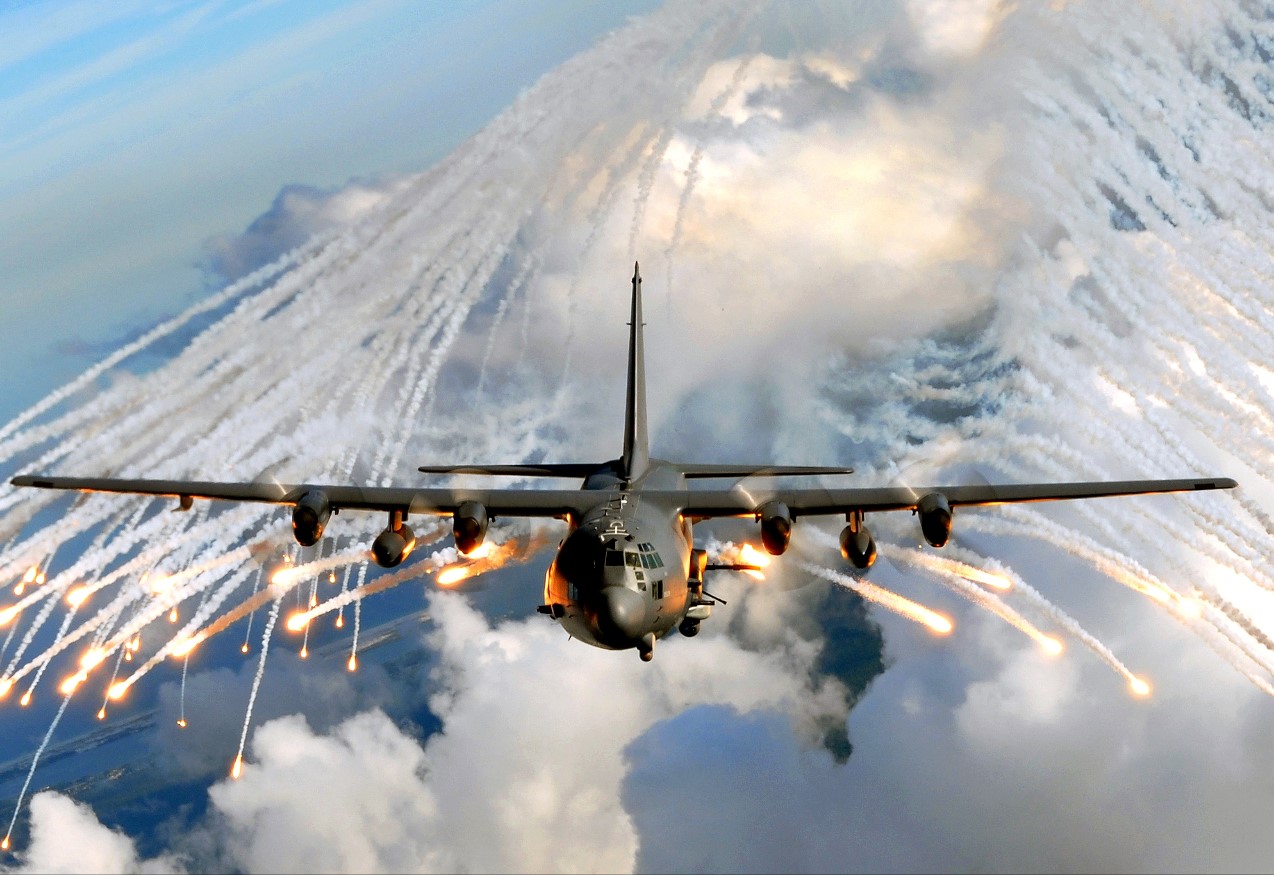 Pentagon Expands Alloy Surfaces Contract to $328.8 Million for Advanced Aircraft Decoy Flares Amid Evolving Drone Threats
-
 Why the U.S. Restored Pacific Command Name, Ending the Indo-Pacific Designation After Eight Years
-
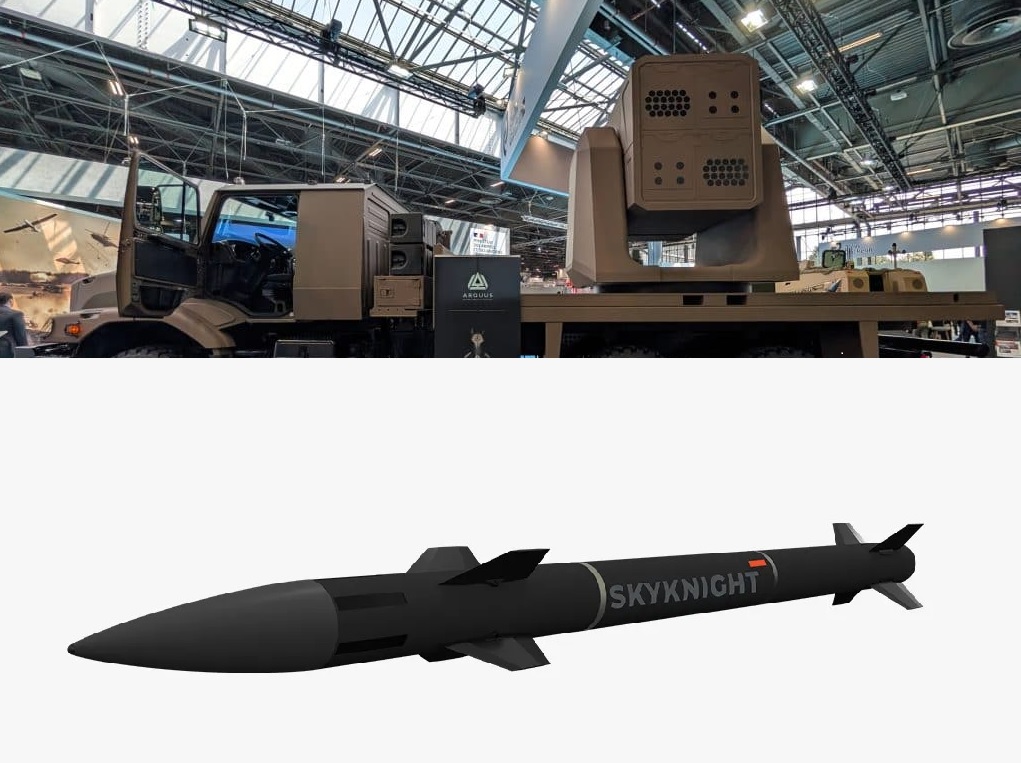 Naval Group Unveils Rampart Modular CIWS Multi-Purpose Weapon System for Naval and Ground Forces at Eurosatory 2026
-
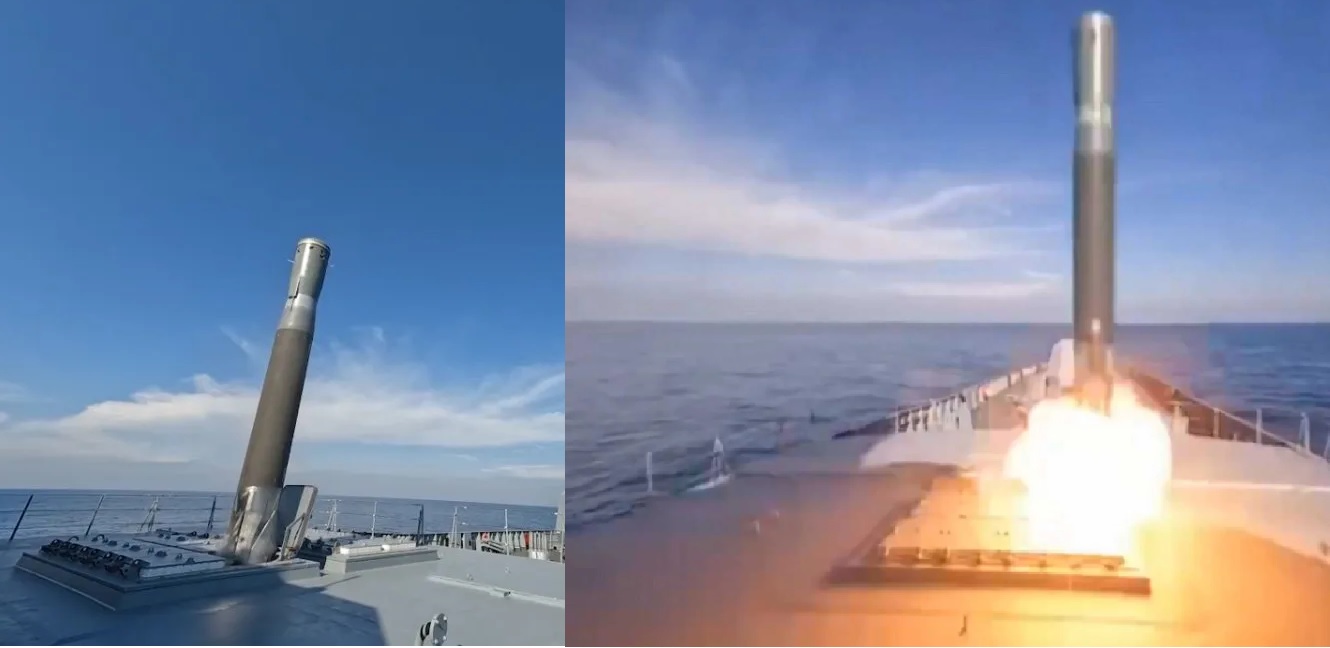 Open-Source Evidence Suggests Russia's Zircon Is a Quasi-Ballistic Missile, Not a True Hypersonic Cruise Weapon
-
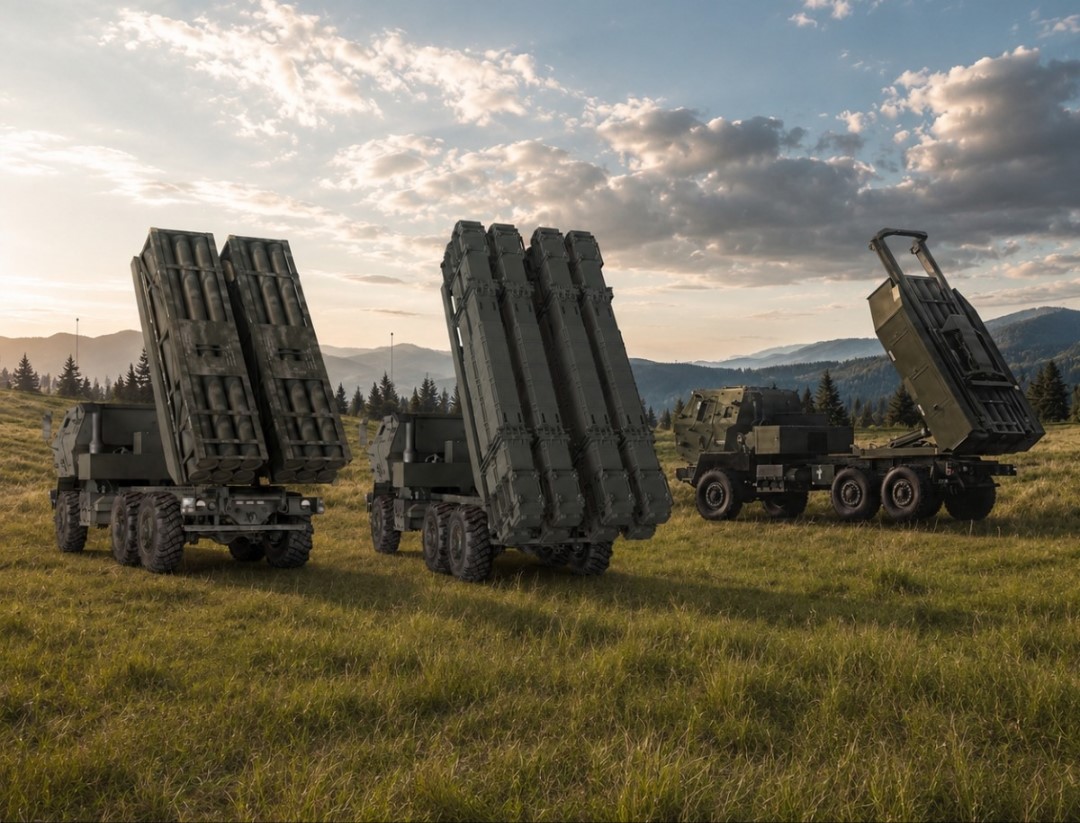 Lockheed Martin Unveils HIMARS FLEX with Dual-Pod Launcher and NATO-Compatible Air Defense Integration
-
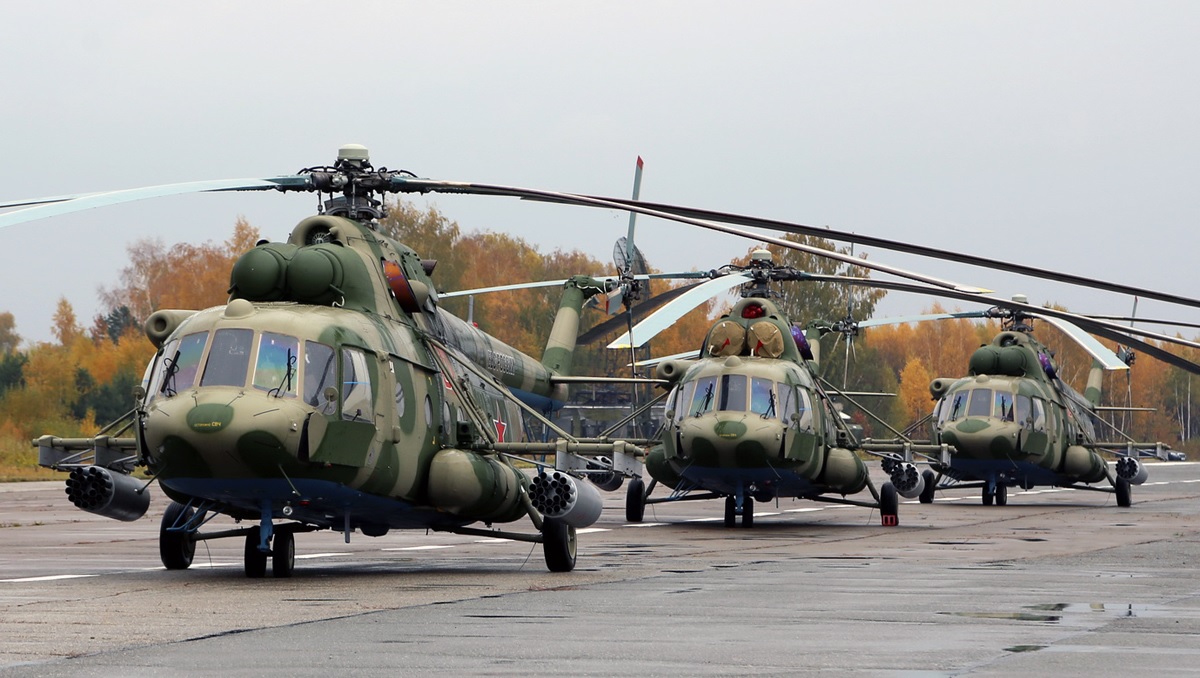 Iran Signs Deal with Russia for 20 Mi-8 and Mi-17 Helicopters to Boost Rescue and Medical Missions
-
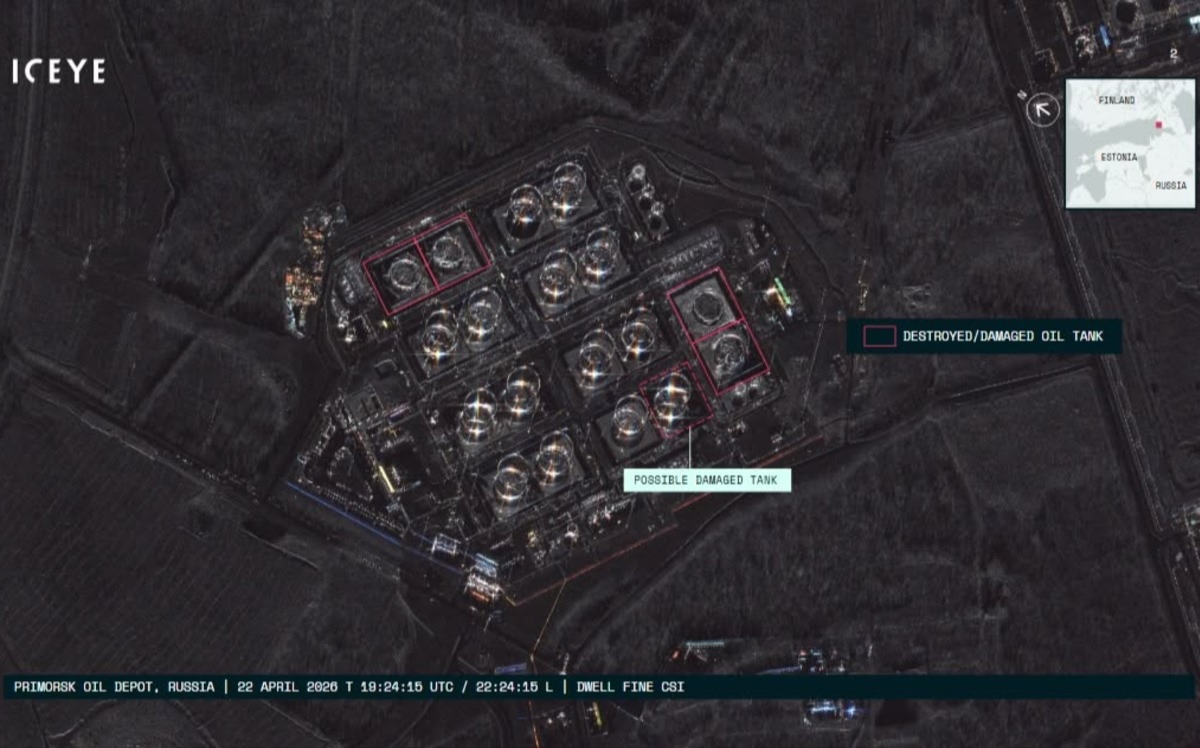 Portugal Doubles Sovereign SAR Satellite Fleet with Order for Two Additional ICEYE Satellites
-
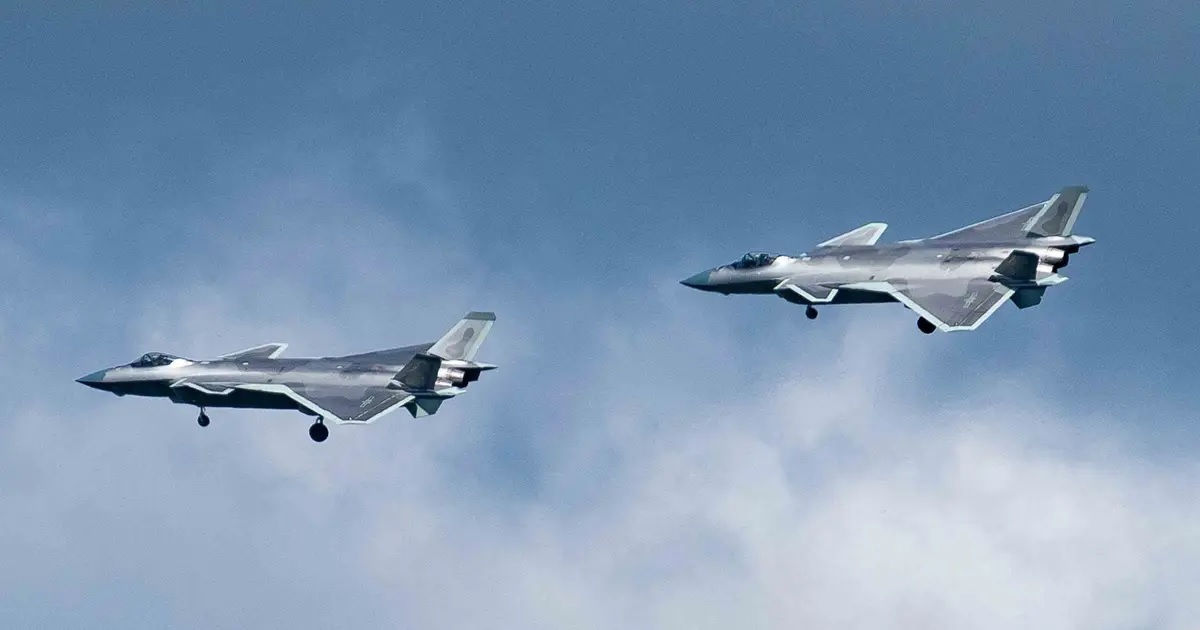 China Surpasses Russia as World’s Second-Most Powerful Air Force Amid Rapid J-20 and J-35 Expansion
Top Trending in 4 Days
-
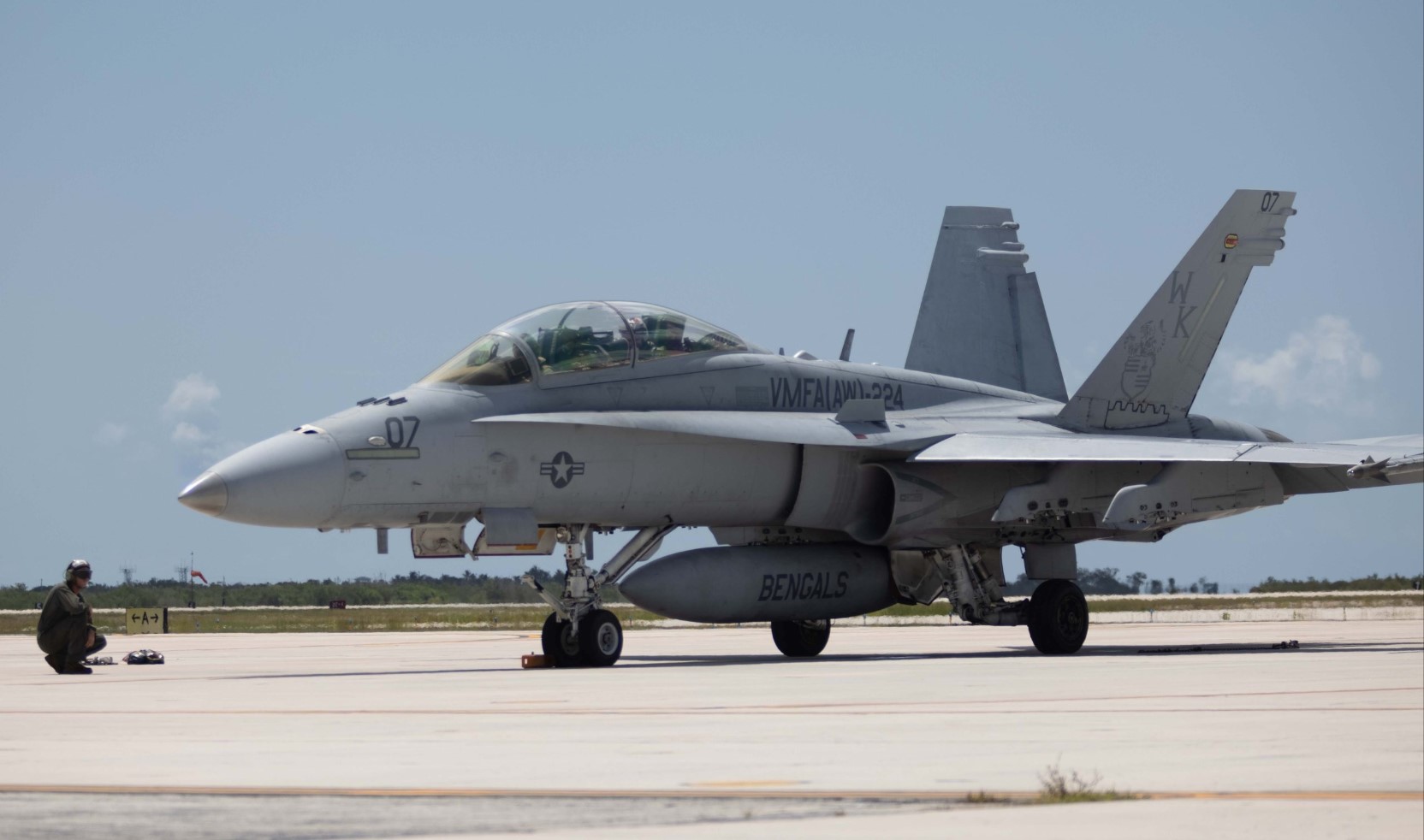 US Marine Corps F/A-18D Hornet Crashes During Training Flight in Washington Mountains; Pilot Ejects Safely
-
 Tulsi Gabbard Releases Declassified Files Detailing U.S.-Backed Network of 120 Biolaboratories Across 30+ Countries
-
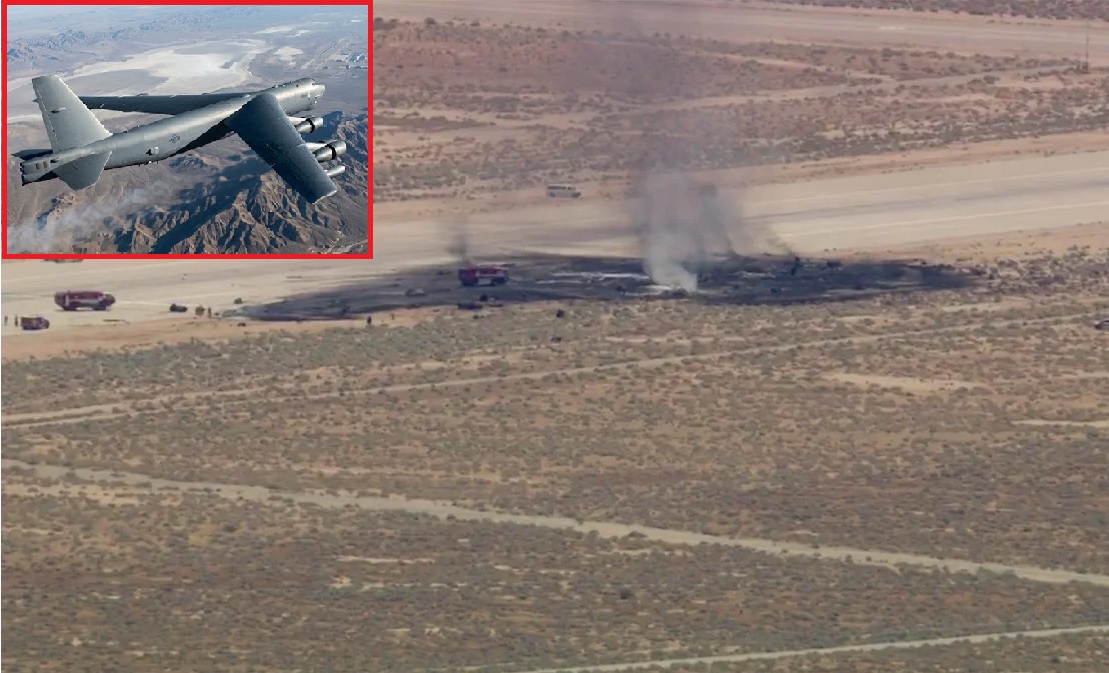 8 U.S. Air Force Crew Members Killed in B-52 Bomber Crash During Test Flight at Edwards Air Force Base
-
 Ukraine Introduces Balloon-Launched DART Missile Designed to Defeat Electronic Warfare
-
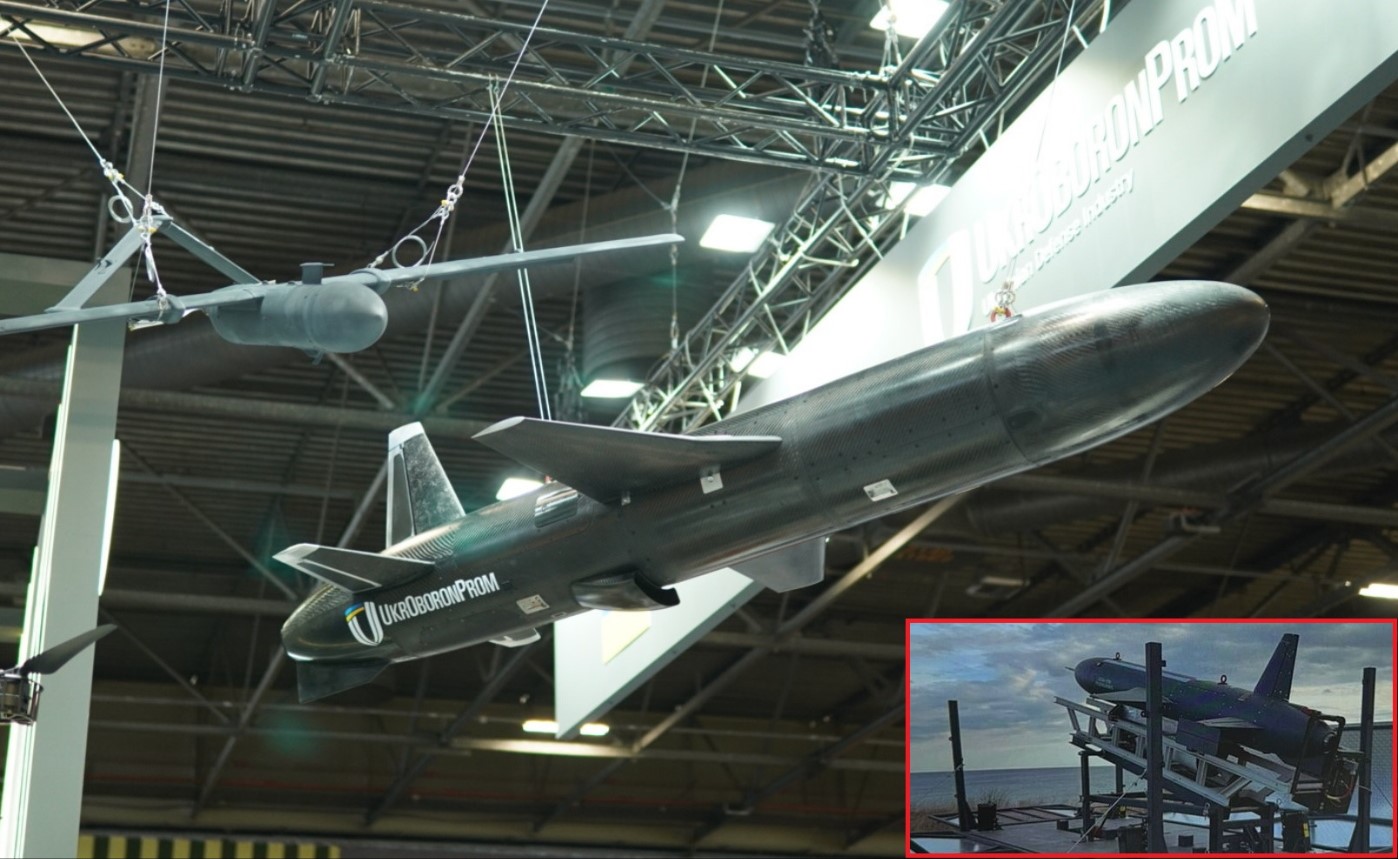 Ukraine Unveils UAV-290 Jet-Powered Strike Drone with 650 km Range at Eurosatory 2026
-
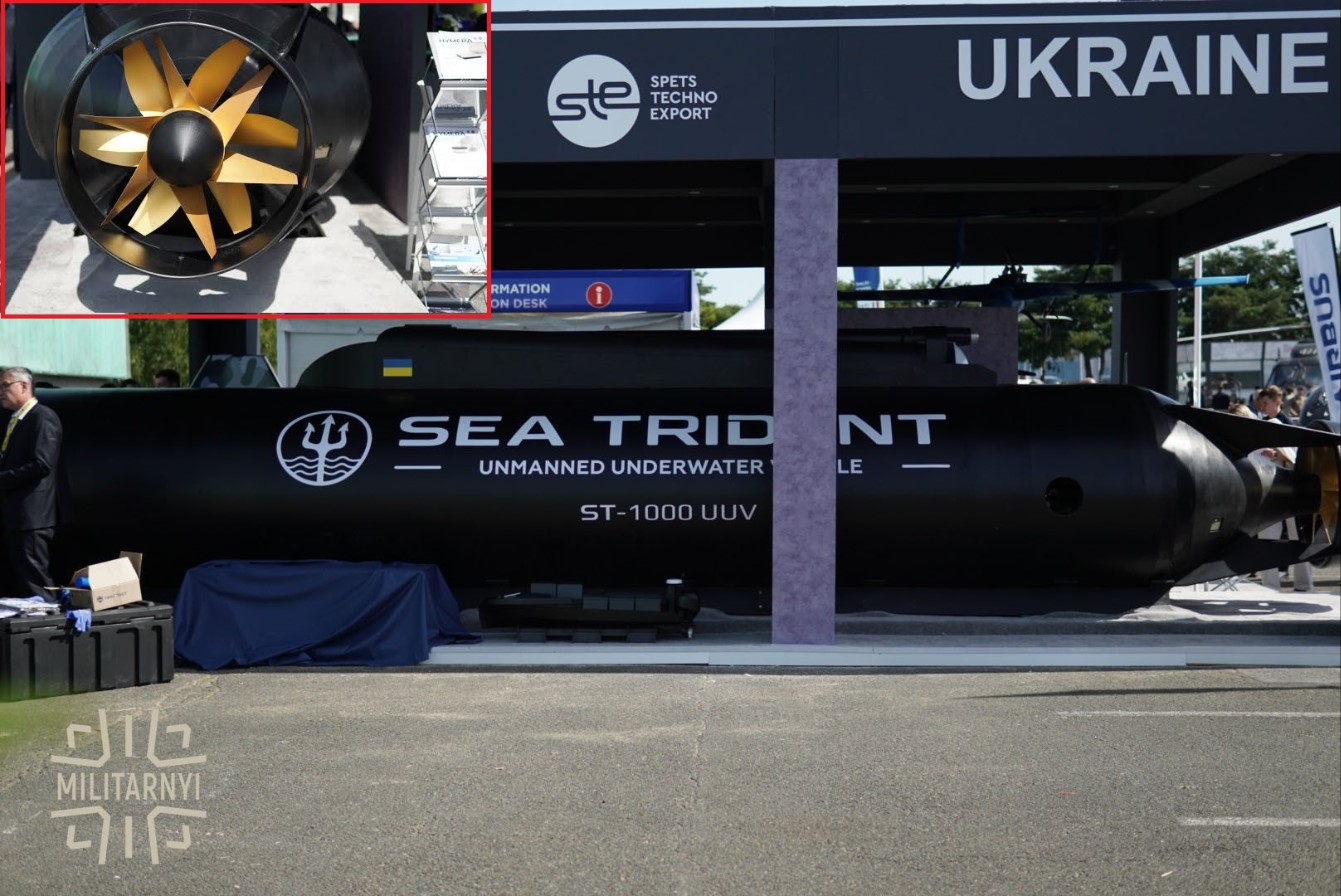 Ukraine Unveils 'Sea Trident' 10-Ton Autonomous Underwater Drone at Eurosatory 2026
-
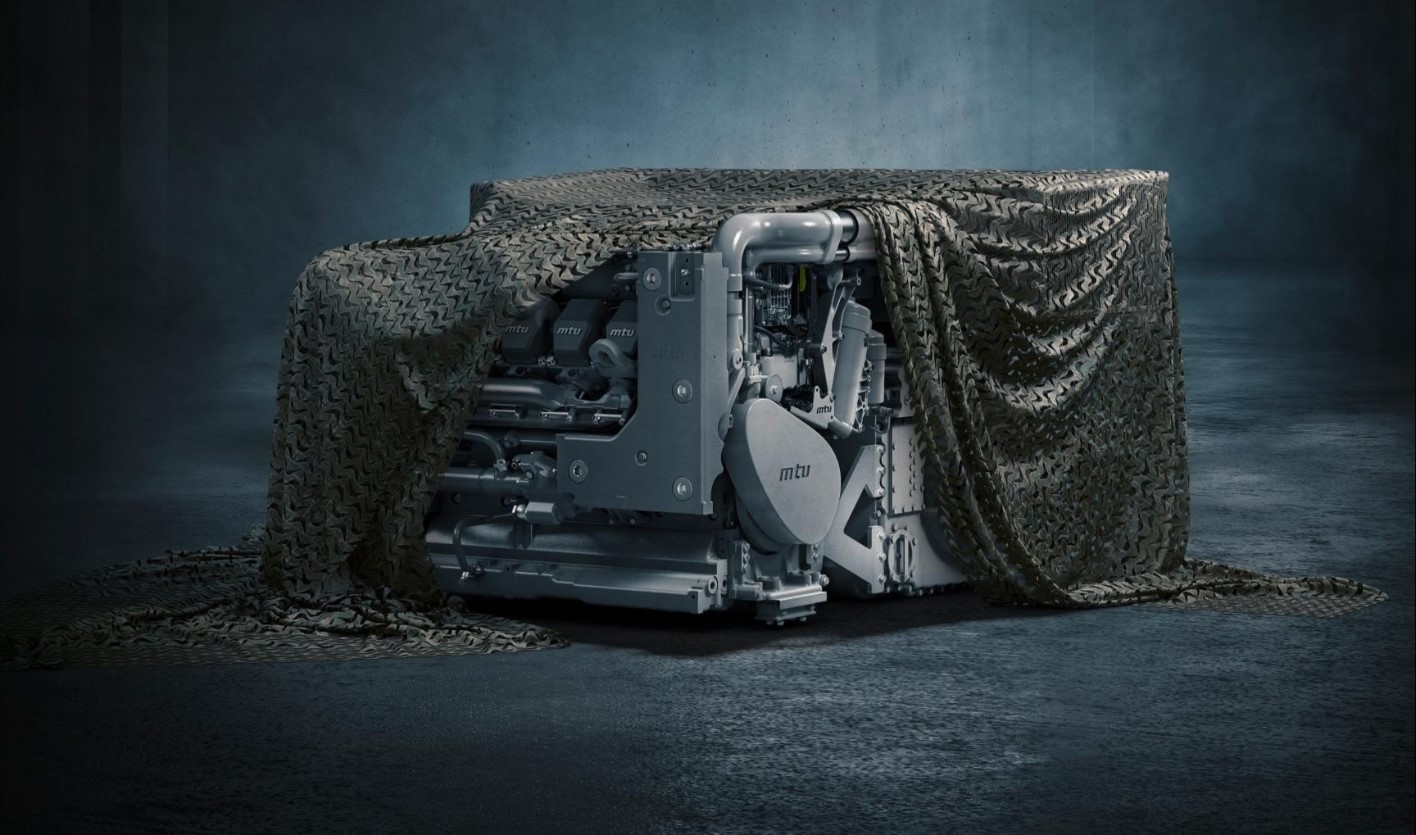 Rolls-Royce Unveils New Hybrid Powertrain for Heavy Military Vehicles at Eurosatory 2026
-
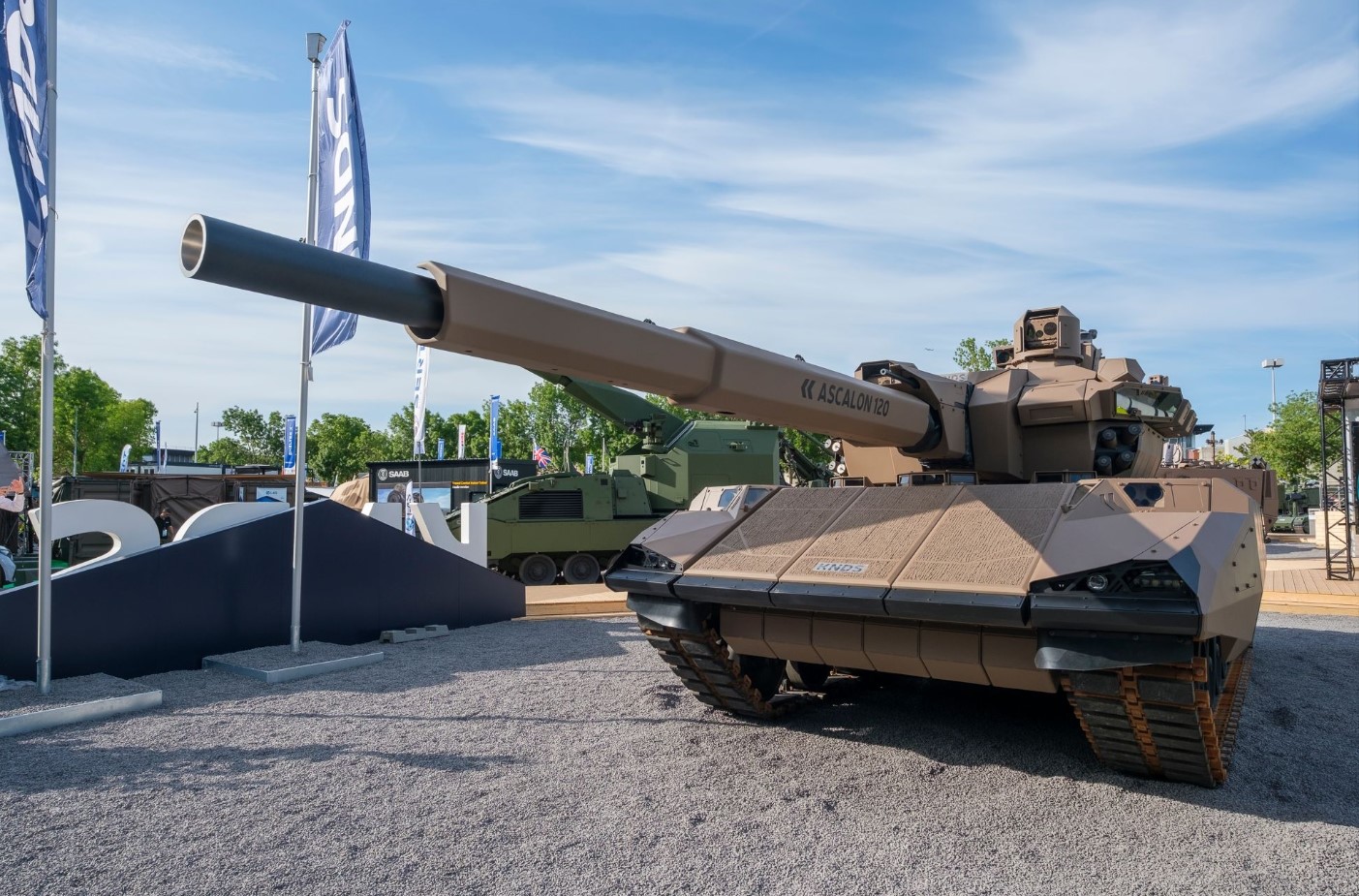 KNDS Unveils CAPINT Main Battle Tank at Eurosatory 2026 as Leclerc Stopgap