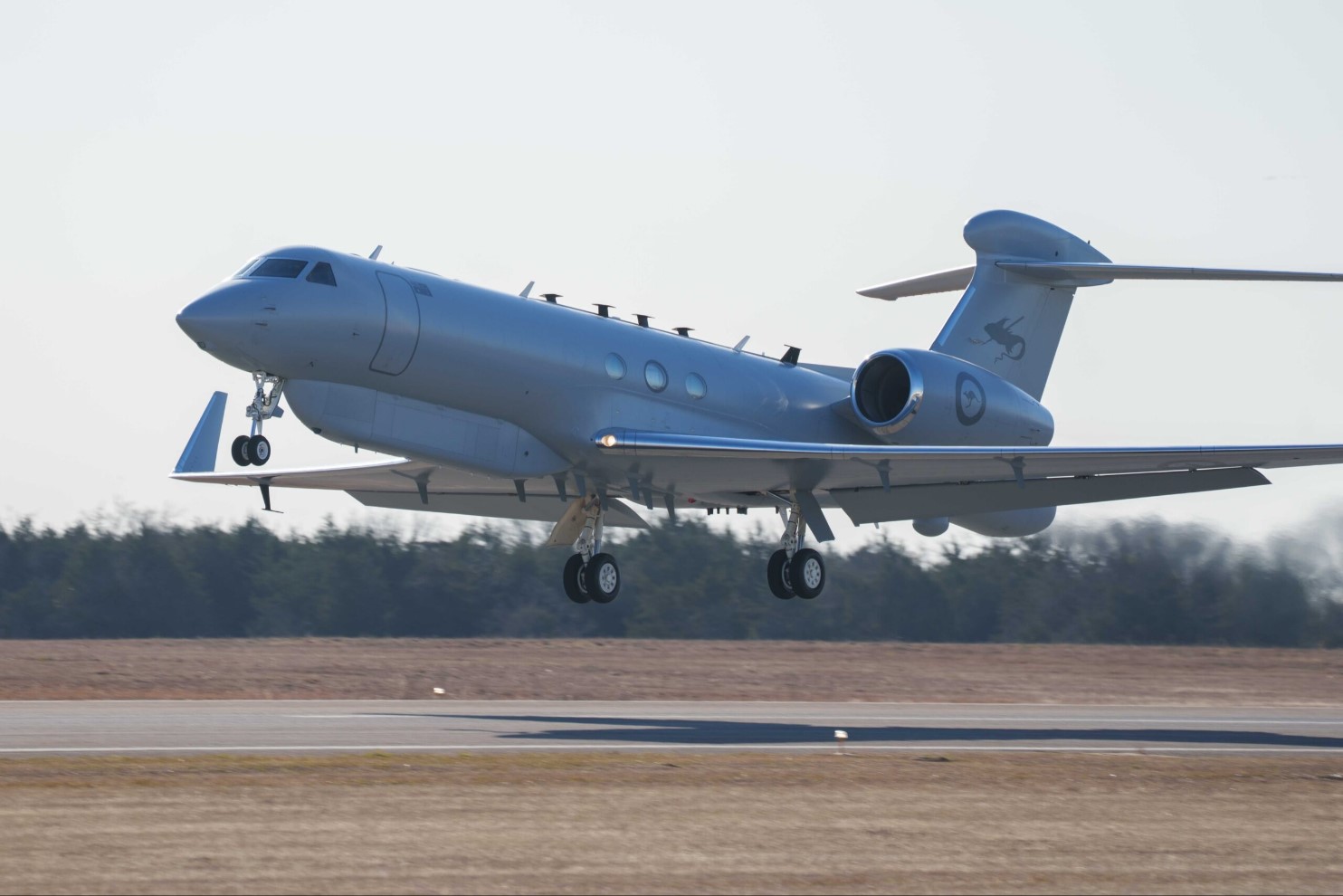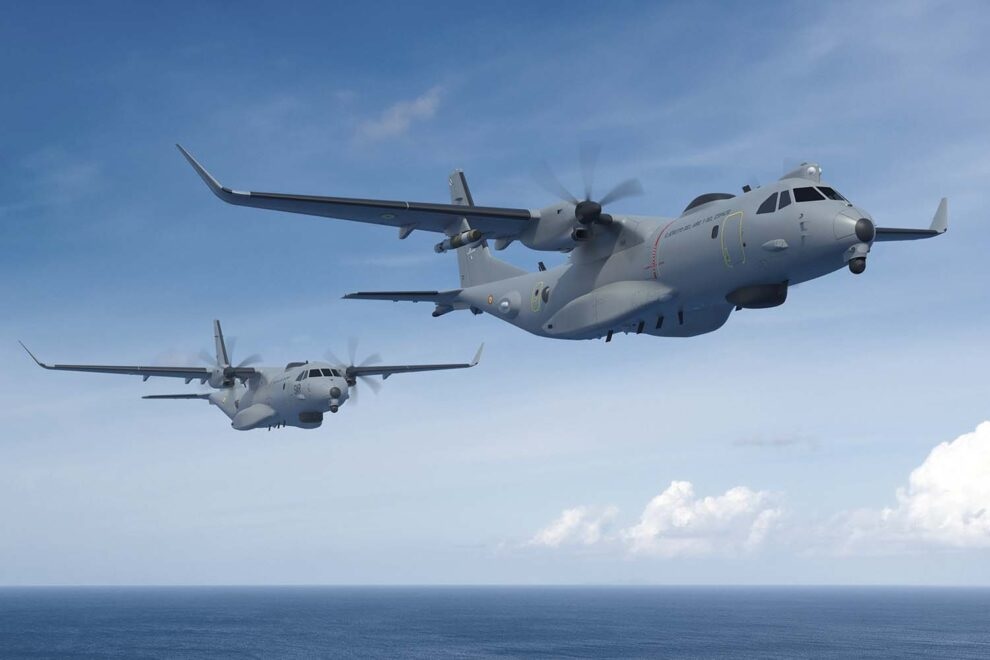
India's plans to transform the Airbus C-295 transport aircraft into a robust maritime patrol and anti-submarine warfare (ASW) platform signal a new era for its naval defense strategy. The recent inauguration of the Tata Aircraft Complex in Vadodara marked a pivotal step in realizing this vision. This manufacturing facility will not only assemble C-295 planes for tactical airlift but also produce a sophisticated weaponized variant tailored for maritime operations.
Advanced Maritime Role
The modified C-295 aircraft, envisioned in two distinct variants—the Multi-Mission Maritime Aircraft (MMMA) for the Indian Coast Guard and the Medium-Range Maritime Reconnaissance (MRMR) for the Indian Navy—will feature a suite of sensors and weapon systems designed for India’s extensive and strategically crucial coastline. While the Coast Guard’s MMMA variant will focus on coastal surveillance, search and rescue, and pollution monitoring, the Navy’s MRMR configuration will emphasize anti-submarine and anti-ship missions.
Cutting-Edge Weaponry and Detection Systems
The MRMR variant will be armed to the teeth with potent capabilities:
- Anti-Ship Missiles (ASMs): The aircraft will be fitted with the DRDO-developed NASM-SR and NASM-MR missiles, enhancing India's ability to strike surface threats at sea. These missiles boast high precision and are optimized for operations in littoral waters.
- Torpedoes: To tackle underwater threats, the C-295 will carry the Torpedo Advanced Light (TAL), an indigenous lightweight weapon designed for destroying enemy submarines. This adds a significant punch to the Navy's existing arsenal.
- Sonobuoy Dispensers: The aircraft will deploy advanced sonobuoys for submarine detection. These sensors enable real-time tracking and monitoring, which is critical for ASW operations. Coupled with a sophisticated mission system, the C-295 will relay data back to naval command centers, facilitating swift decision-making.
State-of-the-Art Electronics and Radars
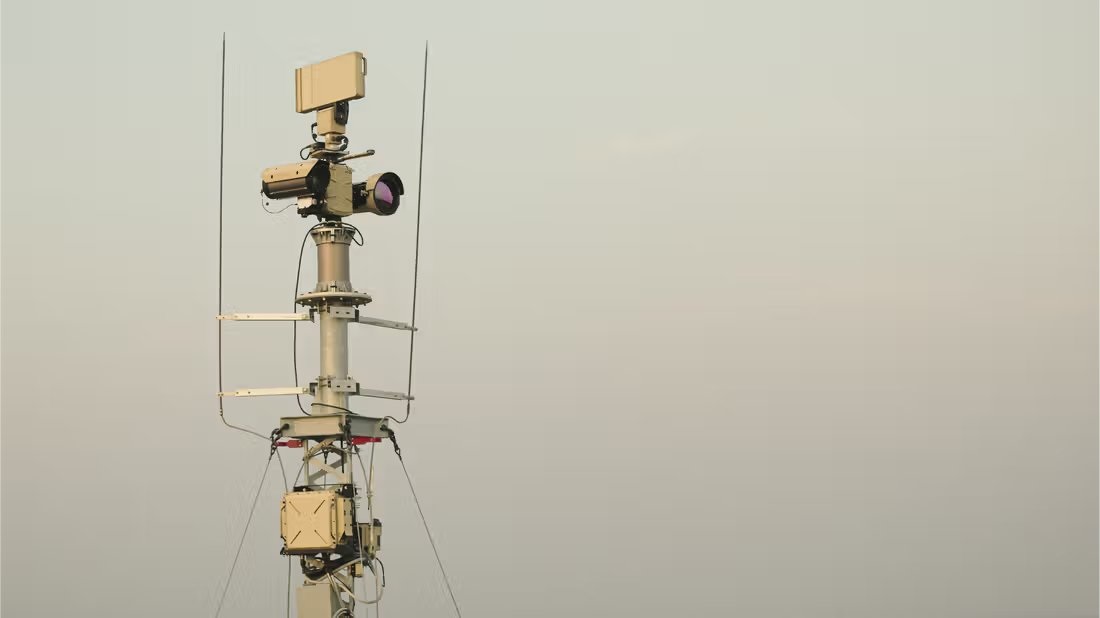
For situational awareness and threat management, the C-295 will be equipped with advanced maritime surveillance radars, electro-optical/infrared (EO/IR) sensors, and electronic warfare (EW) systems. The platform's integration of indigenous technologies, such as high-frequency radar and satellite communication links, emphasizes India's drive for self-reliance in defense.
The radar systems are tailored to detect and classify both surface and underwater targets, while the aircraft's data fusion capabilities enable seamless integration with India's broader defense network. The electronic warfare suite ensures survivability against a range of threats, from enemy radars to guided missiles.
Strategic Importance and Collaboration
This project not only enhances India's maritime security but also fosters crucial technology transfer and local production capabilities. Airbus's collaboration with Tata for manufacturing in India marks a significant step in the “Make in India” initiative, bolstering the domestic defense sector. Beyond the initial order for 56 aircraft—intended to replace the aging Avro fleet—this production line could evolve into a hub for additional variants.
The C-295’s role complements existing platforms, like the Boeing P-8I Poseidon, by filling a medium-range reconnaissance gap. This allows for more comprehensive maritime domain awareness, particularly in critical areas like the Arabian Sea and Bay of Bengal, where strategic threats are ever-present.
India’s coastal and offshore installations, critical trade routes, and exclusive economic zones (EEZ) require persistent monitoring and a rapid response mechanism. The weaponized C-295 promises to meet these demands, providing the Indian Navy and Coast Guard with a versatile, high-endurance platform capable of both surveillance and strike missions.
In essence, the C-295 project represents a strategic leap for India's maritime defense, combining operational flexibility, cutting-edge technology, and indigenous development to safeguard the nation's vast maritime interests.
——— End of Article ———