
India
BrahMos Aerospace, the celebrated joint venture between India and Russia, is embarking on a groundbreaking mission to propel its already advanced missile technology into the hypersonic realm. Renowned for its supersonic cruise missile, the BrahMos, which reaches speeds of Mach 2.8, the company is now enhancing its ramjet engine to achieve hypersonic speeds exceeding Mach 5. This ambitious upgrade promises to redefine the missile's capabilities in terms of speed, precision, and strike power.Hypersonic AspirationsCurrently, the BrahMos missile is a standout in the world of supersonic cruise missiles, leveraging its ramjet engine to reach speeds of up to 3,400 km/h. It is prized for its precision, agility, and the ability to carry both conventional and nuclear warheads. However, the pursuit of hypersonic speeds—defined as Mach 5 and above—demands a new level of innovation. BrahMos Aerospace plans to achieve this within the next four to five years.To enter the hypersonic regime, the missile's ramjet engine will be extensively upgraded. This involves the use of advanced materials capable of withstanding the extreme temperatures and pressures associated with such speeds. Enhanced combustion techniques and more efficient air intake designs will be pivotal to this transformation. Additionally, the missile’s guidance and control systems must be refined to ensure accuracy and stability during high-speed maneuvers.The Ramjet AdvantageThe BrahMos missile’s ramjet engine is already a marvel of engineering. Unlike traditional turbojet engines, which compress air through mechanical means, the ramjet relies on the missile’s forward motion to compress incoming air, making it highly efficient at supersonic speeds. However, the current design reaches its limits at Mach 2.8. The transition to hypersonic speeds requires a redesign to handle significantly higher airflows and thermal loads.The upgraded BrahMos will retain its current airframe, ensuring compatibility with existing launch platforms, but the internal propulsion system will see a complete overhaul. The targeted speed of Mach 5 translates to an astounding 6,174 km/h, bringing the missile into the hypersonic category.Distinction Between BrahMos Upgrades and BrahMos 2KIt’s essential to differentiate between the upcoming hypersonic BrahMos upgrade and the BrahMos 2K, a separate next-generation missile variant. The BrahMos 2K aims to achieve even greater speeds, exceeding Mach 7 (around 8,600 km/h), firmly placing it in the ultra-hypersonic category.While the hypersonic BrahMos upgrade focuses on enhancing the existing ramjet engine, the BrahMos 2K is an entirely new missile under development. It is expected to feature a different airframe and propulsion system, optimized for extreme speed and precision. The BrahMos 2K’s unparalleled velocity will make it nearly impossible for adversaries to intercept, offering a strategic edge in modern warfare.Strategic SignificanceThe pursuit of hypersonic capabilities underscores BrahMos Aerospace’s commitment to staying at the forefront of missile technology. Hypersonic missiles not only travel faster but are also harder to detect and intercept, making them a critical component of next-generation defense systems. For India, achieving hypersonic speeds with the BrahMos represents a significant leap in its military prowess, enhancing its deterrence capabilities and reinforcing its strategic partnerships.As BrahMos Aerospace works towards achieving hypersonic capabilities, the global defense community is watching closely. The integration of advanced propulsion technologies, cutting-edge materials, and enhanced guidance systems will ensure that the BrahMos missile continues to set benchmarks in missile technology. With the BrahMos upgrade targeting Mach 5 and the BrahMos 2K aiming for Mach 7 and beyond, the company is poised to revolutionize modern warfare. The next few years promise to be transformative for the BrahMos family, further solidifying its reputation as one of the most advanced missile systems in the world.
Read More → Posted on 2024-11-30 16:11:20
India
The Indian Navy is poised to bolster its underwater warfare capabilities with the commissioning of INS Vagsheer, the sixth and final submarine in the Kalvari-class fleet, under the ambitious Project 75. Scheduled for December 2024, this milestone highlights India's push towards modernizing its maritime assets amid a strategic focus on securing the Indian Ocean Region (IOR) from evolving geopolitical threats.A Modern Submarine with Advanced CapabilitiesINS Vagsheer, a diesel-electric attack submarine, represents the culmination of years of Indo-French collaboration and indigenous innovation. Built at the Mazagon Dock Shipbuilders Limited (MDL) in Mumbai with technology transferred from France's Naval Group, the vessel embodies cutting-edge design and operational versatility. The Kalvari-class submarines are known for their ability to perform a diverse range of missions, including anti-surface warfare, anti-submarine warfare, long-range precision strikes, special operations, and intelligence gathering.The submarine is powered by a propulsion system featuring an air-independent propulsion (AIP) module, significantly enhancing its underwater endurance. Additionally, advanced stealth technology minimizes its acoustic signature, making detection by adversaries exceedingly difficult. INS Vagsheer is armed with Exocet SM39 anti-ship missiles, heavy torpedoes, and modern sonar systems, providing it with formidable firepower and superior tracking abilities.Launched on April 20, 2022, INS Vagsheer began its sea trials in May 2023. Over the past year, it has undergone rigorous testing to ensure operational readiness, especially for the indigenous systems integrated into its design. These systems symbolize India's growing self-reliance in defence technology, a critical aspect of its strategic objectives.The Role of the Kalvari-Class FleetThe Kalvari-class submarines, derived from the French Scorpène design, are a cornerstone of India’s naval strategy. Their stealth capabilities and offensive strength make them ideal for patrolling the expansive Indian Ocean Region. As India faces increasing competition and assertiveness from the Chinese Navy, these submarines serve as a bulwark, enhancing maritime deterrence and operational reach.The five predecessors of INS Vagsheer—INS Kalvari, Khanderi, Karanj, Vela, and Vagir—have already demonstrated their effectiveness in diverse operational scenarios. The addition of Vagsheer will not only complete the Project 75 series but also pave the way for expanded submarine programs in collaboration with France, as discussions are underway to construct three more Kalvari-class vessels.Expanding Nuclear Deterrence with SSBNsWhile INS Vagsheer signifies advancements in conventional submarine capabilities, the Indian Navy is also enhancing its nuclear deterrence posture. Recently, India inducted INS Arighat, its second Arihant-class nuclear-powered ballistic missile submarine (SSBN). Armed with the K-4 submarine-launched ballistic missile (SLBM), which boasts a range of 3,500 kilometers, INS Arighat solidifies India's second-strike capability.On November 27, 2024, a K-4 missile was successfully test-fired from INS Arighat, marking a pivotal achievement in the country's nuclear triad. With additional SSBNs, including the larger INS Aridaman, set to join the fleet in the coming years, India is fortifying its strategic deterrence and ensuring credible defence against potential adversaries.The Future of Indian Underwater WarfareINS Vagsheer’s commissioning comes at a time when the Indian Navy is striving for a balanced mix of conventional and nuclear-powered submarines. The induction of six Kalvari-class submarines under Project 75 is only the beginning of a long-term vision to build a robust submarine fleet. Future endeavors include Project 75I, aimed at adding six more advanced submarines with AIP technology.The Kalvari-class submarines, with their adaptability and potent weaponry, represent a crucial step in strengthening India's maritime posture. Combined with the Navy's expanding SSBN capabilities, they underscore India's commitment to safeguarding its maritime sovereignty and securing its strategic interests in the Indo-Pacific region. The commissioning of INS Vagsheer in December 2024 is a testament to India's growing naval prowess and technological strides in defense production. This state-of-the-art submarine, with its formidable capabilities, will significantly enhance the Indian Navy's operational readiness. As challenges in the Indian Ocean Region intensify, INS Vagsheer and the Kalvari-class fleet are poised to play a pivotal role in ensuring regional stability and protecting India's maritime interests.
Read More → Posted on 2024-11-30 15:52:57
India
A startling incident has emerged from West Bengal's Darjeeling district, where authorities apprehended a man in possession of highly classified documents belonging to the Defence Research and Development Organisation (DRDO) and radioactive material worth an astronomical sum. The arrest, made in a joint operation by the Indian Army and the West Bengal Police, has raised grave concerns about national security and illegal activities involving hazardous substances.The accused, identified as Francis Ekka, is the husband of Amrita Ekka, a prominent leader of the Trinamool Congress (TMC) affiliated with the Naxalbari Panchayat Samiti. His capture on November 26 in Belgachi village has brought intense scrutiny to his activities and potential connections.The Sensitive SeizuresDuring the raid, authorities uncovered a significant quantity of radioactive Californium alongside several confidential DRDO documents. Californium, a rare and highly valuable radioactive element used in various industrial and scientific applications, is exceptionally dangerous if mishandled. Experts estimate the value of the seized material to be approximately ₹17 crore per gram, highlighting the high stakes involved in this case.The presence of DRDO-related documents adds a new layer of complexity to the investigation. These documents could potentially contain information critical to India’s defense technologies and strategies, making their mishandling or theft a serious security breach.An Unclear MotiveDespite rigorous interrogation, Ekka has reportedly failed to provide any satisfactory explanation for possessing such sensitive items. Authorities are now probing whether he has links to foreign intelligence or smuggling networks. The suspicion of involvement in espionage or illegal trade has led to heightened investigations, with Ekka facing charges related to the smuggling of classified materials and radioactive substances.The FalloutThe house from where the materials were seized has been sealed, and forensic teams are analyzing the radioactive element to trace its origins and intended use. Investigators are also delving into Ekka's financial transactions, communication records, and connections to determine the extent of his activities and potential accomplices.The arrest has sparked widespread concern, not only due to the nature of the materials recovered but also because of Ekka's proximity to political circles through his wife’s TMC affiliation. The incident underscores the pressing need for stringent oversight of sensitive materials and better mechanisms to prevent their misuse.What Is Californium?Californium is a synthetic radioactive element primarily used in neutron activation and nuclear reactors. Its applications include identifying mineral compositions, treating certain cancers, and aiding in oil drilling. However, its extreme radioactivity and limited availability make it a sought-after substance in the black market, often linked to illegal trade.Broader ImplicationsThis incident serves as a grim reminder of vulnerabilities in handling sensitive materials and information. If such substances and documents can make their way into unauthorized hands, the risks extend beyond national security to public safety. The case also raises questions about possible lapses in monitoring the movement of classified materials and radioactive substances. The arrest of Francis Ekka has sparked a high-stakes investigation into a potential network of espionage and smuggling. While authorities piece together the puzzle, the incident highlights the importance of safeguarding sensitive national assets against misuse. As investigations continue, this case could unveil deeper, more concerning revelations about threats to India's security infrastructure.
Read More → Posted on 2024-11-30 15:48:56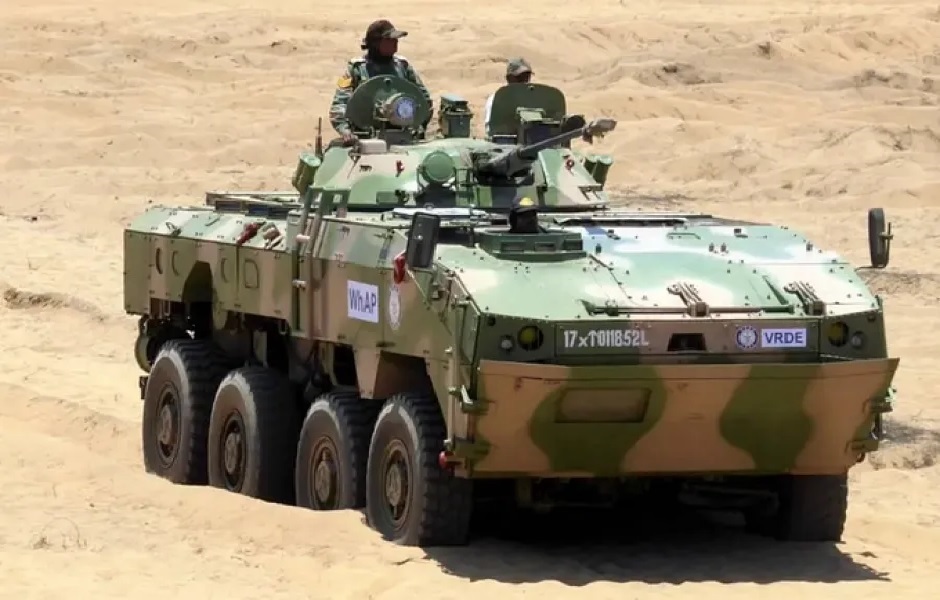
India
In a move that underscores its ambitions in the European defense market, Tata Motors Defence Systems recently pitched its advanced military vehicles to the Hellenic Army General Staff (GES). The presentation, conducted on November 18, 2024, showcased two flagship products—the Wheeled Armored Platform (WhAP) 8×8 and a 4×4 Armored Personnel Carrier (APC) with Mine Protection. This marks a strategic effort by Tata to expand its footprint in NATO-aligned nations and capitalize on growing demand for modular, cost-effective defense solutions.Tata's WhAP 8×8 is a testament to India’s evolving defense manufacturing capabilities. Developed in collaboration with the Defence Research and Development Organisation (DRDO), the vehicle is designed to excel across a variety of missions, from reconnaissance and troop transport to infantry support. The WhAP's amphibious capabilities allow it to traverse rivers and water obstacles with ease, making it particularly suited for Greece's geographically diverse terrain.Equipped with a modular design, the WhAP can integrate an array of weapon systems, including 30mm cannons, anti-tank guided missiles, and remote-controlled weapon stations. Its robust ballistic protection ensures survivability against small arms fire and artillery fragments, while the vehicle’s all-wheel drive and advanced suspension system enable superior off-road performance. With its potential to operate in both urban and rugged environments, the WhAP offers an ideal blend of mobility, firepower, and protection for modern mechanized forces.Complementing the WhAP is Tata's 4×4 Armored Personnel Carrier, specifically engineered with troop survivability in mind. The APC is built to withstand threats such as improvised explosive devices (IEDs) and ambush scenarios, featuring mine-resistant architecture and enhanced armor. Its spacious interior accommodates up to 12 personnel, providing a secure environment for troops during high-risk operations. This vehicle is particularly effective in peacekeeping, urban combat, and counterinsurgency roles, aligning well with the Hellenic Army's modernization goals.The timing of Tata's proposal is strategic, given Greece's ongoing efforts to upgrade its defense capabilities. With a focus on enhancing mobility, survivability, and operational versatility, the Hellenic Army is evaluating platforms that can meet these needs without imposing excessive costs. Tata’s offerings present a compelling case for Greece, combining advanced technology with cost-effectiveness. Additionally, the modular nature of these vehicles ensures adaptability to specific mission requirements, a critical factor for modern armed forces.Tata's foray into the European defense market signals its broader ambitions. By targeting NATO-aligned nations like Greece, the company aims to establish itself as a key player in the global defense sector. Its proven track record in engineering, combined with competitive pricing, positions Tata as a strong contender for contracts aimed at modernizing ground forces. The success of this proposal could pave the way for further collaborations, including potential joint ventures and technology transfers. As the Hellenic Army weighs its options, Tata’s WhAP 8×8 and 4×4 APC represent versatile solutions tailored to the demands of a rapidly evolving battlefield. With this presentation, Tata has not only showcased its technological prowess but also reinforced its commitment to meeting the diverse needs of international defense clients.
Read More → Posted on 2024-11-30 15:39:10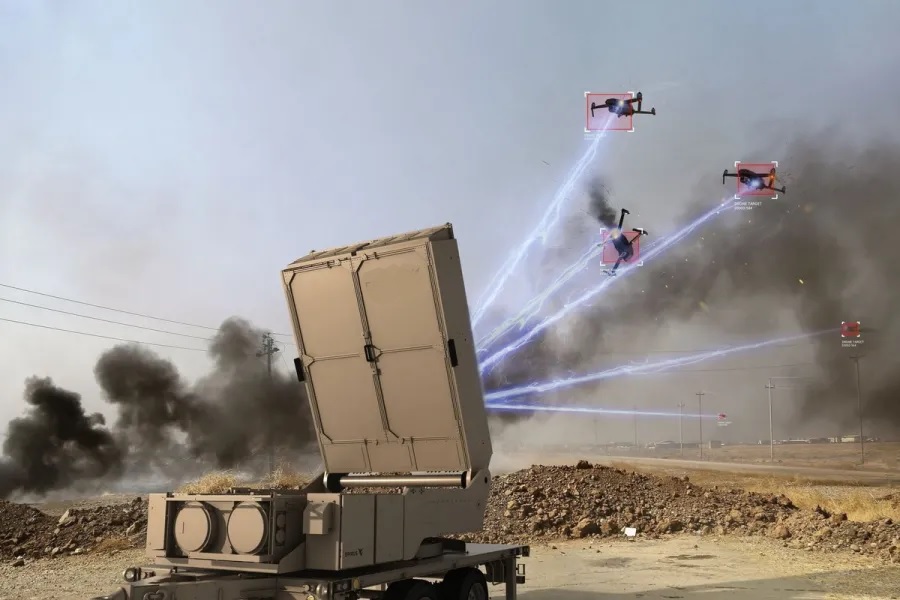
India
As maritime security challenges grow increasingly complex, the Indian Navy is turning to cutting-edge technology to stay ahead of the curve. High-Power Microwave (HPM) weapon systems are emerging as a game-changing solution in the fight against drones, missiles, and other evolving threats. By leveraging concentrated microwave energy to neutralize electronic systems, HPM weapons promise to revolutionize naval defense strategies.The Role of HPM Weapons in Modern Naval WarfareUnlike traditional kinetic weapons that rely on physical impact or explosive destruction, HPM systems use directed electromagnetic pulses to disrupt the electronics of targets. This capability makes them particularly effective against threats like swarms of drones or autonomous combat aerial and surface vehicles, which are increasingly used in hostile operations.HPM weapons offer several advantages over conventional systems. Their rapid engagement speed, precision targeting, and virtually limitless ammunition capacity make them ideal for handling fast-moving or multiple threats. Furthermore, their non-kinetic nature minimizes the risk of collateral damage, an essential factor in operations conducted in congested maritime areas or near critical infrastructure.Current Developments and Limitations India’s Defence Research and Development Organisation (DRDO) has already developed a prototype HPM system with a limited range of 1 kilometer, specifically designed for counter-drone operations. While this is a significant step forward, extending the range to at least 5 kilometers is vital for the Indian Navy to fully utilize these systems in open waters, where targets are often dispersed over larger distances. A greater range would also enable more precise targeting and enhance the protection of naval assets.The Need for Advanced FeaturesTo meet the Indian Navy’s operational requirements, next-generation HPM systems should incorporate the following enhancements: Extended Range and Power Scalability: The ability to neutralize targets across a broader range, with scalable power outputs tailored to specific engagement scenarios, is critical. For instance, energy levels must adapt seamlessly to deal with swarms or individual targets without requiring significant system overhauls. Compact and Efficient Pulse Power Sources: Reducing the physical footprint of the system while maximizing power transmission efficiency will be key to integrating HPM weapons onto naval vessels without disrupting their operational dynamics. Integrated Control Systems for Precision: Advanced targeting algorithms and real-time adjustments will ensure that these systems can engage fast-moving threats with pinpoint accuracy, even in adverse weather or high-seas conditions. Robust Counter-Swarm Capabilities: The system must handle complex scenarios involving multiple drones or autonomous vehicles, effectively disabling entire swarms before they can breach defensive perimeters. Strategic Implications for the Indian NavyThe successful integration of HPM systems into the Indian Navy’s arsenal would mark a significant leap forward in its defense capabilities. These weapons would provide a reliable and cost-effective countermeasure against a wide spectrum of threats, particularly in regions where drone and missile technologies are proliferating. Moreover, their non-lethal approach aligns with the Navy’s need to safeguard maritime assets without risking unintended harm to civilian vessels or infrastructure.As adversaries develop increasingly sophisticated unmanned systems and missile technologies, the Indian Navy’s investment in HPM weapons reflects a proactive approach to maintaining maritime dominance. By partnering with research institutions and leveraging the expertise of DRDO, India is poised to become a leader in deploying directed-energy weapons in naval operations. With advancements in range, power efficiency, and precision, HPM systems are set to redefine the Navy’s approach to maritime security, ensuring that it remains prepared to tackle both current and emerging threats.
Read More → Posted on 2024-11-29 15:12:35
India
India and the United Kingdom have forged a groundbreaking partnership to co-develop electric propulsion systems, marking a significant step toward advancing naval technologies for the Indian Navy’s future fleet. The collaboration, formalized through a Statement of Intent (SoI), underlines the shared commitment of both nations to deepen strategic defense ties and foster indigenous technological innovation.The agreement was signed in Portsmouth, UK, during the third meeting of the Joint Working Group on Electric Propulsion Capability Partnership. Rajeev Prakash, Joint Secretary (Naval Systems) from India's Ministry of Defence, and Rear Admiral Steve McCarthy, Director of Ships Operations and Capability Integration from the UK's Ministry of Defence, represented their respective nations in the signing ceremony. This move aligns with the broader vision of enhancing cooperation in high-tech defense domains.Revolutionizing Naval Propulsion with Electric SystemsAt the heart of this partnership is the plan to co-design, co-create, and co-produce full electric propulsion (FEP) systems tailored for Indian Navy warships. These systems represent the cutting-edge of naval engineering, offering superior energy efficiency, reduced acoustic signatures, and enhanced maneuverability compared to traditional propulsion systems.Electric propulsion technology is particularly vital for modern naval operations, as it supports a range of advanced capabilities such as integration with high-energy weapons, quieter underwater navigation, and lower maintenance requirements. The proposed propulsion systems will likely feature technologies such as: Permanent Magnet Motors (PMMs): Offering high torque and energy efficiency with minimal noise levels. Integrated Full Electric Propulsion (IFEP): Combining power for propulsion and ship systems into a single energy source for optimal operational flexibility. Energy Storage and Distribution Systems: Leveraging advanced batteries and power management solutions for enhanced performance. Future Applications in Indian Naval FleetThe immediate focus of the collaboration is on Landing Platform Docks (LPDs), large amphibious ships that play a critical role in expeditionary operations. The Indian Navy’s planned LPDs, to be constructed at an Indian shipyard, will incorporate these electric propulsion systems. By adopting this technology, the Navy aims to modernize its fleet and enhance its operational readiness in diverse maritime environments.This development aligns with India's "Make in India" initiative, emphasizing local manufacturing and technological self-reliance. The UK, a pioneer in electric propulsion with its Type 45 destroyers and Queen Elizabeth-class aircraft carriers, brings decades of expertise to the table, ensuring a robust transfer of knowledge and technology.Strengthening Strategic TiesThe signing of the SoI follows closely on the heels of British Minister for Indo-Pacific Catherine West's visit to India, reflecting the growing strategic alignment between the two nations. The agreement not only advances their defense partnership but also underscores a shared vision of maintaining a free, open, and secure Indo-Pacific region.As global maritime dynamics evolve, such collaborations signify the increasing importance of cutting-edge naval technologies in maintaining strategic superiority. For India, this partnership represents a critical milestone in developing next-generation warships equipped to handle the challenges of modern naval warfare. By embracing advanced electric propulsion systems, the Indian Navy is setting a course for technological innovation and operational excellence, with the UK as a trusted partner in this transformative journey.
Read More → Posted on 2024-11-29 15:08:17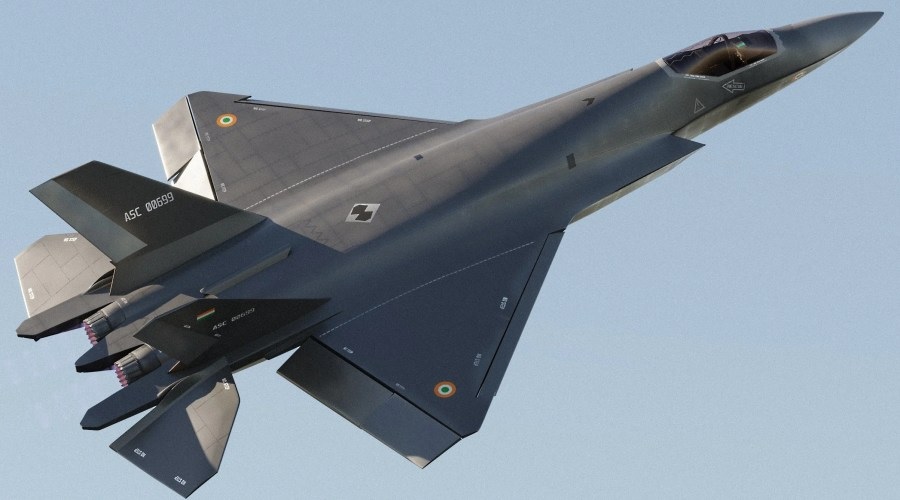
India
India has achieved a significant milestone in defense innovation with the introduction of the Anālakṣhya Metamaterial Surface Cloaking System (MSCS). This advanced stealth technology, developed by researchers at IIT-Kanpur, is set to redefine radar evasion capabilities, offering a substantial strategic advantage to India's military forces.The Core of Anālakṣhya MSCS: Unveiling Radar InvisibilityAt the heart of the Anālakṣhya MSCS lies the use of cutting-edge wave absorption metamaterials. These materials are designed to absorb a broad spectrum of radar waves, including those emitted by high-resolution Synthetic Aperture Radar (SAR) systems. Such radars, commonly deployed for surveillance and targeting, are a significant threat to modern military assets. By rendering objects nearly invisible to radar detection, the MSCS marks a groundbreaking step in stealth technology.Over 90% of the materials used in Anālakṣhya MSCS are sourced domestically, underscoring India's commitment to Atmanirbhar Bharat (self-reliant India). The rigorous testing process, spanning five years (2019–2024), has validated its performance under varied operational conditions, ensuring its reliability in real-world military scenarios.Stealth Enhancement for AMCA: India's Fifth-Generation Fighter JetThe Advanced Medium Combat Aircraft (AMCA), India's ambitious fifth-generation stealth fighter program, will significantly benefit from Anālakṣhya MSCS. Designed for both the Indian Air Force and Navy, the AMCA features a low radar cross-section, internal weapons bays, and advanced electronic warfare systems. The integration of the Anālakṣhya MSCS is expected to enhance the aircraft’s stealth profile, making it one of the most formidable combat aircraft globally.The AMCA is poised to replace legacy aircraft such as the Sukhoi Su-30MKI, undertaking missions ranging from air superiority to electronic warfare. The addition of the MSCS ensures that it can evade even the most sophisticated radar systems, providing India with a critical edge in contested airspaces.Strategic Implications and ApplicationsThe deployment of Anālakṣhya MSCS is not limited to fighter jets. The technology can be adapted for various platforms, including: Unmanned Aerial Vehicles (UAVs): Enhancing reconnaissance capabilities without detection. Warships: Reducing vulnerability to radar-guided missiles. Tanks and Ground Vehicles: Offering protection against modern radar-guided munitions. This versatility underlines its transformative potential across all branches of the armed forces, bolstering national security in complex geopolitical scenarios.Bridging Academia and IndustryIn a significant move to accelerate commercialization, the technology has been transferred to Meta Tattva Systems, a private start-up. This collaboration reflects India's growing emphasis on partnerships between academia, industry, and defense establishments. Such initiatives are vital for scaling up production and fostering innovation in the defense sector.Comparing Global Stealth TechnologiesThe Anālakṣhya MSCS positions India among an elite group of nations with advanced stealth capabilities. While traditional stealth technologies rely on radar-absorbent materials or specific geometric shaping, Anālakṣhya’s metamaterial-based approach provides superior radar wave absorption across a wider spectrum.In comparison: Global Technologies: Primarily use imported materials and focus on reducing radar cross-section through shaping and coatings. Anālakṣhya MSCS: Features domestically sourced materials with a focus on countering advanced systems like SAR, making it uniquely suited for the modern battlefield. Vision for the FutureAir Marshal Ashutosh Dixit hailed Anālakṣhya MSCS as a revolutionary achievement in counter-surveillance, while Lt General Cherish Mathson emphasized its alignment with India's self-reliance goals. This innovation not only strengthens India’s operational capabilities but also paves the way for global partnerships and export potential. By enhancing stealth capabilities across platforms, India has taken a giant leap in securing its defense architecture. The Anālakṣhya MSCS stands as a beacon of indigenous innovation, ensuring that India’s military remains at the forefront of technological advancement in an increasingly contested world.
Read More → Posted on 2024-11-29 15:01:19
India
The European consortium behind the Meteor missile, celebrated as one of the most advanced long-range air-to-air weapons globally, is creating roadblocks for the Indian Air Force (IAF). Despite India’s push to integrate this cutting-edge missile with its frontline fighters, such as the Su-30MKI, Tejas Mk1A, and the upcoming Tejas MkII, the consortium appears hesitant. This reluctance seems to be tied to commercial strategies aimed at favoring European fighter jets in India’s forthcoming Multi-Role Fighter Aircraft (MRFA) competition for 114 new jets.Currently, the Meteor missile is exclusive to the Rafale jets, of which the IAF operates 36 units. The missile, equipped with a ramjet propulsion system and active radar homing, offers unmatched beyond-visual-range (BVR) capabilities, making it a prized asset in modern aerial combat. It boasts an operational range exceeding 150 kilometers and the ability to sustain high speeds throughout its flight, providing a decisive edge in engagements.The Indian Air Force, keen on equipping its indigenous and Russian-origin fleets with the Meteor, faces resistance from the consortium. Industry experts suggest this strategy is designed to position the Gripen-E and Eurofighter Typhoon—both featuring Meteor compatibility—as frontrunners in India’s MRFA tender. By limiting the missile’s availability to European platforms, the consortium creates a significant leverage point, especially in a competitive bidding environment.The Impact on India's Defence Modernization PlansThis commercial-driven restriction comes at a time when the IAF is looking to modernize its fleet with state-of-the-art weaponry. Integrating the Meteor into the Su-30MKI and Tejas platforms would significantly enhance their combat potential, allowing India to dominate aerial engagements. However, the consortium’s stance forces India to rethink its approach, potentially delaying efforts to achieve interoperability across its fighter fleet.Recognizing this challenge, India is channeling resources into developing indigenous alternatives. The Defence Research and Development Organisation (DRDO) is spearheading the development of the Astra missile series. The Astra MkII, with a range of approximately 160 kilometers, is already in advanced stages, while the Astra MkIII, featuring ramjet propulsion technology Superior than Meteor, is under development. Once operational, these missiles are expected to provide a robust and self-reliant solution to India’s air-to-air combat needs.The Astra program represents a critical step toward reducing dependency on foreign suppliers. While the MkII is nearing operational readiness, the MkIII’s advanced features will beat Meteor’s performance, including extended range, high speed, and superior engagement capabilities. These efforts align with India’s broader push for Atmanirbhar Bharat (self-reliant India) in defence production.Strategic Implications for the MRFA TenderThe Meteor issue also has broader implications for the MRFA competition. By keeping the missile exclusive to European platforms, the consortium effectively strengthens the Gripen-E and Eurofighter Typhoon’s bid. This tactic pressures India to consider these jets if it prioritizes access to the Meteor, potentially complicating decisions about selecting a multi-role fighter.India's determination to overcome such limitations is evident in its growing focus on indigenous solutions and diversified partnerships. The IAF’s reliance on domestic missile systems like the Astra could diminish the bargaining power of foreign suppliers in the future. Moreover, these developments may accelerate India's defence modernization agenda, pushing it closer to technological self-sufficiency. While the European consortium's reluctance to integrate the Meteor missile onto Indian platforms highlights the complex interplay of commercial interests and strategic partnerships, it also underscores the importance of indigenous innovation. As India advances its Astra missile program, the dependency on foreign technology will likely diminish, fostering greater autonomy in defence capabilities. In the meantime, this issue serves as a reminder of the strategic calculations behind defence acquisitions and their broader implications for national security.
Read More → Posted on 2024-11-28 15:45:22
India
In a decisive step toward enhancing battlefield capabilities, the Indian Army has greenlit the procurement of 200 upgraded Konkurs-M wire-guided anti-tank guided missile (ATGM) systems. These advanced missile systems will be integrated into the BMP-2 Infantry Fighting Vehicles (IFVs), a vital component of India’s mechanized infantry. This acquisition aligns with the military’s push to modernize its arsenal and maintain a strategic edge in armored warfare.The Need for Advanced Anti-Tank SystemsModern combat scenarios demand weapons that can neutralize evolving threats, including heavily armored vehicles with cutting-edge defenses. The Konkurs-M, a second-generation, semi-automatic, wire-guided missile, is designed to meet these challenges head-on. It boasts the capability to defeat a wide range of armored targets, including those equipped with explosive reactive armor (ERA). This feature is crucial for engaging adversaries that deploy heavily fortified main battle tanks and other armored vehicles.The Versatile BMP-2 PlatformThe BMP-2 IFV serves as a workhorse for the Indian Army's mechanized units. With its dual role of transporting infantry and providing direct fire support, it is a versatile asset. However, its efficacy in modern combat relies heavily on the quality of its weapon systems. The integration of the Konkurs-M will significantly amplify its ability to engage and destroy high-value armored targets at extended ranges, ensuring better survivability for troops in high-stakes engagements.Enhanced Features of the Konkurs-MThe upgraded Konkurs-M system introduces several advancements that make it a formidable addition to the army's arsenal: Improved Armor Penetration: The missile is engineered to pierce through advanced armor types, including ERA, making it capable of defeating contemporary and future armored threats.Extended Range: With a maximum range of over 4 kilometers, the system provides a critical standoff advantage, allowing operators to engage targets from safer distances.Advanced Guidance System: The semi-automatic command-to-line-of-sight (SACLOS) guidance system ensures precision and reduces operational risk.Operational Flexibility: The Konkurs-M is designed for both vehicle-mounted and dismounted operations, making it adaptable to a range of combat scenarios. Strategic ImplicationsThe Konkurs-M system’s enhanced capabilities underscore the Indian Army's commitment to maintaining combat readiness against both conventional and unconventional threats. Its precision, reliability, and ability to overcome advanced defensive technologies will prove vital in scenarios ranging from defensive operations to offensive maneuvers in hostile terrain. The acquisition of 200 Konkurs-M systems is more than a technological upgrade; it is a statement of intent. By equipping its BMP-2 fleet with cutting-edge anti-tank weaponry, the Indian Army is preparing for future conflicts where armored engagements will likely play a pivotal role. This modernization effort ensures that India’s mechanized forces remain capable, adaptable, and ready to face the challenges of modern warfare.
Read More → Posted on 2024-11-28 14:25:38
India
India has marked a significant advancement in its nuclear deterrence capability with the successful test of the K-4 Submarine-Launched Ballistic Missile (SLBM) from the indigenously built nuclear-powered submarine, INS Arighaat. The launch, conducted on November 27 off the coast of Visakhapatnam, underscores India’s progress in submarine-based nuclear strike technology, a vital component of its strategic arsenal.The K-4 missile, boasting a range of approximately 3,500 kilometers, is a critical asset for India’s second-strike capability. Second-strike capability is essential for credible deterrence, allowing a nation to retaliate in the event of a nuclear attack. The K-4 enhances India's ability to project this power from beneath the ocean's surface, making it far more difficult for adversaries to target.K-4: Specifications and Strategic ImportanceThe K-4 SLBM stands out due to its extended range and advanced technology compared to its predecessor, the K-15 (750 km range). Designed by the Defence Research and Development Organisation (DRDO), the K-4 is a three-stage solid-fueled missile with sophisticated inertial navigation systems to ensure high accuracy. It is capable of carrying a nuclear warhead weighing up to one ton and employs decoys to evade enemy missile defenses.This missile is particularly crucial for the survivability of India’s nuclear deterrent. Deployed on submarines such as INS Arighaat and INS Arihant, the K-4 enables India to maintain a covert and mobile launch platform. Unlike land-based missiles, which can be more easily targeted, submarine-launched weapons offer a virtually undetectable mode of deployment, significantly complicating the strategic calculations of potential adversaries.INS Arighaat: A Stealthy Guardian of India's SeasThe test launch from INS Arighaat further highlights the operational maturity of India's SSBN (nuclear-powered ballistic missile submarine) program. Commissioned in 2022, INS Arighaat is the second submarine of the Arihant class and is equipped to carry both K-15 and K-4 missiles. It features advanced sonar systems, enhanced stealth technology, and upgraded reactor capabilities, making it a formidable addition to India's strategic fleet.While reports in 2022 suggested that INS Arighaat had already undergone trials for K-15 and K-4 missiles, this latest test signifies a move toward achieving the full operational deployment of the K-4. Experts believe this could involve validating the missile's entire range and performance under simulated combat conditions.Future Developments: K-5 and BeyondIndia’s progress does not stop with the K-4. The DRDO is actively developing the K-5 missile, which is expected to have a range exceeding 5,000 kilometers. The K-5 will be capable of carrying multiple independently targetable reentry vehicles (MIRVs), a feature that enhances its ability to strike multiple targets with precision. This next-generation missile is anticipated to be deployed on future Arihant-class submarines and the larger, more advanced S-5 class currently under development.Adhering to a Responsible Nuclear DoctrineIndia’s strides in SLBM technology are aligned with its no-first-use nuclear policy and commitment to a credible minimum deterrent. By focusing on second-strike capabilities, India aims to maintain strategic stability in the region while deterring potential aggression. The successful K-4 test from INS Arighaat is not just a technological milestone but also a powerful statement of India’s defense preparedness and strategic intent. It reflects the nation’s resolve to ensure the survivability and effectiveness of its nuclear deterrent in an evolving geopolitical landscape. As India continues to refine and expand its underwater strike capabilities, it reinforces its position as a responsible nuclear power committed to peace and stability in the region.
Read More → Posted on 2024-11-28 14:13:50
India
The Indian Army has received the Sabal 20 Logistics Drone, an electric unmanned helicopter developed by Noida-based EndureAir Systems. Designed to address the challenges of delivering supplies in rugged and high-altitude terrains, the drone exemplifies India’s growing focus on indigenous defense technology.FeaturesThe Sabal 20 utilizes variable pitch technology, enabling precise control and efficient operations under varying environmental conditions. With a payload capacity of 20 kg—nearly 50% of its 40 kg weight Up to 10 Km range with 40 Min endurance—the drone can autonomously transport supplies like rations, ammunition, and medical kits. Its tandem-rotor configuration enhances stability, while an innovative boom rail system allows for secure cargo attachment and automated delivery with top speed 50 Km/h.Powered by an electric lithium battery, the drone is both sustainable and operationally effective, particularly for high-altitude regions. It also includes an advanced electro-optic/infrared sensor turret, which facilitates real-time intelligence gathering and reconnaissance missions, further expanding its utility for the armed forces.Tested in Extreme ConditionsThe Sabal 20 has been rigorously tested in high-altitude locations such as Chang La (5,360 meters above sea level), enduring harsh weather, low air pressure, and temperature fluctuations. These trials validated its reliability and provided insights for refining its capabilities to ensure optimal performance in demanding scenarios.Strategic SignificanceBy incorporating 65% domestically sourced components, the Sabal 20 aligns with India’s Make in India initiative, reducing dependency on foreign suppliers. Its ability to replace traditional means of logistics—like animal transport in mountainous areas—marks a transformative step in modernizing the Indian Army's supply chain. The use of drones for logistics not only reduces human risk but also increases efficiency in inaccessible areas.The Sabal 20 represents a significant leap in India's defense capabilities, blending innovation with practicality to meet the operational demands of 21st-century warfare.
Read More → Posted on 2024-11-27 15:43:21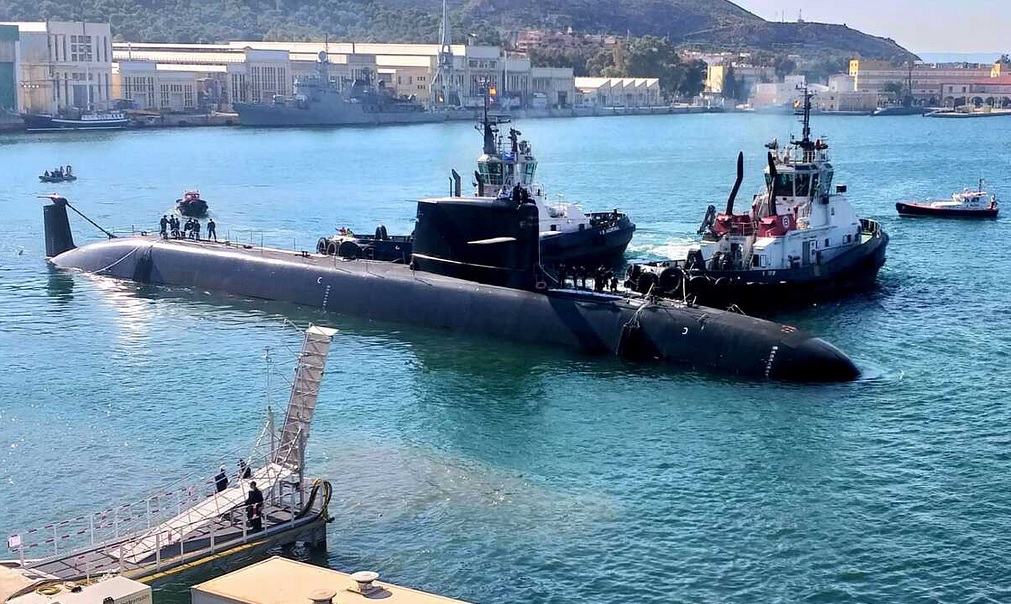
India
Larsen & Toubro (L&T), a key player in India's defence manufacturing landscape, has joined forces with Spanish shipbuilder Navantia to deliver advanced Air-Independent Propulsion (AIP) submarines under the prestigious Project 75(I) program. This ambitious initiative, valued at approximately ₹40,000 crore (around $5.8 billion), underscores India's commitment to bolstering its naval capabilities while advancing its indigenous defence manufacturing ecosystem.Revolutionizing Submarine Operations with AIP TechnologyAt the heart of the L&T-Navantia collaboration is the integration of a state-of-the-art AIP system designed to significantly extend a submarine's underwater endurance. By enabling submarines to remain submerged for up to 21 days, the AIP technology minimizes the need for surfacing, a critical factor for stealth and operational efficiency. Navantia demonstrated this cutting-edge system on the S-83 submarine, currently under construction for the Spanish Navy.The AIP system leverages bioethanol as a hydrogen source, offering a host of advantages: Sustainability and Safety: The use of bioethanol, a renewable and widely available fuel, eliminates risks associated with hydrogen storage while ensuring eco-friendly operations. The carbon emissions are offset by the absorption during the feedstock growth cycle, making it a greener alternative to traditional fuels.Enhanced Operational Range: The efficient hydrogen generation system enhances stealth and operational range, allowing the submarine to carry out prolonged missions without surfacing for refuelling.Simplified Maintenance: The modular and compact design of the AIP system ensures ease of maintenance and repair, boosting reliability during long missions. Project 75(I): A Strategic Leap for India's DefenceProject 75(I) is a flagship initiative under India’s “Make in India” campaign, aiming to construct six advanced conventional submarines domestically. It represents the first major procurement under the Strategic Partnership (SP) model, which emphasizes collaboration between Indian private firms and foreign Original Equipment Manufacturers (OEMs) for co-development and technology transfer.This program is a cornerstone in India’s defence strategy, aimed at enhancing local capabilities in submarine design and construction. It also fosters the development of a robust industrial ecosystem that includes small and medium enterprises (SMEs), driving technological innovation and job creation.The Broader Impact of L&T-Navantia CollaborationL&T’s extensive experience in submarine construction, including its work on India’s Arihant-class nuclear-powered ballistic missile submarines, positions it as a formidable partner in this venture. Navantia’s expertise in submarine technology further enhances the collaboration's potential to deliver next-generation submarines tailored to the Indian Navy's requirements.Beyond Project 75(I), L&T and Navantia are exploring opportunities in other defence and green energy sectors. Their partnership reflects a strategic alignment that could open avenues for collaboration in diverse areas, from renewable energy initiatives to advanced military platforms.Strengthening Naval Power in the Indo-PacificWith regional security concerns on the rise, the integration of AIP submarines into India’s naval fleet marks a significant leap forward in ensuring maritime dominance. These advanced submarines will provide the Indian Navy with enhanced stealth, endurance, and operational flexibility, crucial for securing the Indo-Pacific against emerging threats. Project 75(I) is more than a defence acquisition; it is a testament to India’s growing self-reliance and global partnerships. By blending cutting-edge technology with indigenous manufacturing, the program sets a benchmark for future defence initiatives while fortifying India’s position as a maritime power.
Read More → Posted on 2024-11-27 15:38:12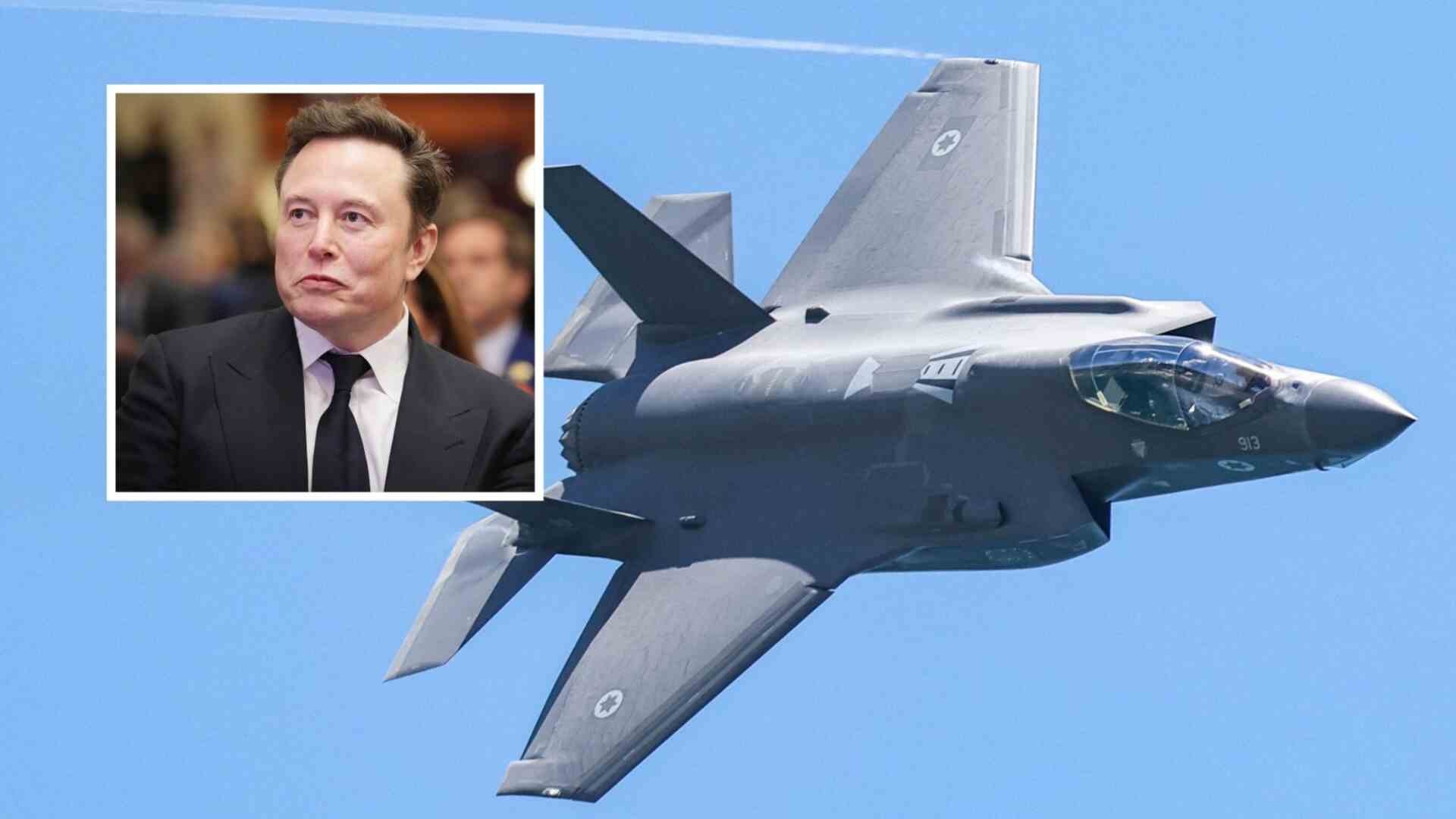
Elon Musk’s Critique of F-35 Jets Sparks Debate: Implications for U.S. and Indian Defense Strategies
India
Elon Musk, never one to shy away from controversy, has once again stirred the waters of defense innovation. In a pointed critique, Musk dismissed the Pentagon’s ambitious $1.7 trillion F-35 Lightning II fighter jet program as a “sh*t design.” This critique, delivered through social media, has rekindled questions about the program's efficiency and relevance in an era where unmanned aerial systems (UAS) are reshaping the landscape of military strategy.The F-35: A Costly Yet Essential AssetThe F-35, developed as a versatile stealth fighter, was designed to fulfill multi-role operations for the U.S. military and its allies. Despite its cutting-edge technology, including stealth capabilities, advanced sensors, and interoperability with allied forces, the program has been plagued by budget overruns, delays, and technical glitches. Each F-35 unit costs between $80 million to $110 million, depending on the variant, making it one of the most expensive defense platforms in history.Despite the criticisms, the F-35 remains a pivotal asset, with over 950 units delivered globally and a growing list of international customers. Countries like the U.K., Israel, Japan, and South Korea rely on it to maintain air superiority and strategic deterrence. However, Musk’s concerns point to a broader challenge: whether the F-35’s manned design is future-proof in a world where drones and autonomous systems dominate combat scenarios.Musk’s Vision: Drones Over Manned FightersMusk’s advocacy for drones as the future of warfare is not new. He argues that the rapid advancement of unmanned systems, powered by artificial intelligence (AI) and advanced networking, makes traditional manned fighter jets increasingly obsolete. Drones offer unparalleled flexibility, cost-efficiency, and lower risk to human life.Recent conflicts have underscored the effectiveness of drones, from Turkish Bayraktar TB2 drones disrupting armored columns to U.S. MQ-9 Reapers excelling in reconnaissance and precision strikes. Musk’s belief is that investing in autonomous drone swarms and AI-driven combat systems will not only save costs but also outpace potential adversaries in innovation.Implications for the Indian Air ForceFor India, which has been bolstering its defense capabilities, Musk’s comments resonate with a growing shift towards unmanned technologies. The Indian Air Force (IAF) has been working to modernize its fleet with a mix of manned and unmanned platforms. On the manned side, acquisitions like the Rafale jets and the planned Advanced Medium Combat Aircraft (AMCA) are critical for ensuring air dominance.However, India is also focusing on expanding its drone capabilities. The MQ-9B SeaGuardian drones, procured from the U.S., provide India with enhanced surveillance and strike capabilities. Domestically, the Defense Research and Development Organisation (DRDO) is developing platforms like the Archer-Ng and Tapas drones, aiming to establish indigenous expertise in unmanned systems.A Balanced Approach: Lessons from Musk’s CritiqueMusk’s sharp critique serves as a reminder for India to tread carefully when allocating resources to its defense programs. While manned aircraft will remain essential for air superiority and deep-strike roles, the future of warfare will likely lean heavily on unmanned systems, electronic warfare, and AI-driven platforms. For the IAF, this means:Accelerating UAS Development: India must fast-track its indigenous drone programs and ensure they are equipped with cutting-edge technologies like AI, swarming capabilities, and electronic countermeasures.Balancing Capabilities: A hybrid strategy integrating both manned and unmanned systems will allow the IAF to adapt to diverse mission requirements while staying cost-effective.Investing in AI and Networking: Future battles will be won by those who can process data and deploy assets quickly. Developing robust AI algorithms and secure communication networks is crucial.Cost-Effective Innovation: Musk’s criticism of the F-35’s ballooning costs is a cautionary tale. By focusing on indigenization and leveraging public-private partnerships, India can reduce reliance on expensive imports. The Bigger PictureElon Musk’s remarks highlight the tension between legacy defense systems and emerging technologies. While the F-35 represents a significant leap in traditional air combat capabilities, it may not align with the rapidly changing dynamics of 21st-century warfare. For both the U.S. and India, the challenge lies in finding the right balance—leveraging the strengths of manned platforms while embracing the potential of drones and autonomous systems. As defense budgets face increasing scrutiny and technology continues to evolve, the race to define the future of warfare is far from over. Musk’s vision, whether polarizing or prophetic, is a call for all nations to rethink their strategies for the battles yet to come.
Read More → Posted on 2024-11-27 08:43:31
India
India has strongly voiced its concern over the arrest of Hindu leader Chinmoy Krishna Das Brahmachari, head of Pundarik Dham in Chittagong and a spokesperson for the Bangladesh Sanatan Jagaran Mancha. The incident has triggered a wave of disquiet in India, highlighting longstanding fears about the treatment of minorities in Bangladesh. Das was detained by the Detective Branch (DB) of Dhaka Metropolitan Police at the Hazrat Shahjalal International Airport on Monday and was denied bail during a court hearing on Tuesday.The Indian Ministry of External Affairs (MEA), in a sharply worded statement, condemned the arrest, calling it deeply troubling. "This incident follows multiple attacks on Hindus and other minorities by extremist elements in Bangladesh," the MEA stated, adding that such actions threaten to erode the fabric of peaceful coexistence.A Troubling Arrest Amid Ongoing Minority PersecutionDas’s arrest comes amidst rising concerns about the safety and rights of Hindus and other minorities in Bangladesh. The leader is a prominent figure in the International Society for Krishna Consciousness (ISKCON), an organization known globally for its message of peace and devotion. The Bangladeshi authorities accused him of undisclosed charges, sparking outrage across Hindu communities within and beyond Bangladesh.The MEA highlighted a troubling pattern of violence against minorities in Bangladesh, including documented incidents of arson, looting, vandalism, and desecration of temples. While perpetrators of such violence often evade justice, Das’s peaceful advocacy for minority rights has landed him behind bars.“It is deeply unfortunate that a spiritual leader representing legitimate concerns through peaceful gatherings faces prosecution, while violent offenders remain free,” the MEA noted, urging Bangladesh to ensure justice, safety, and the right to peaceful assembly for all minorities.Widespread Protests and Global OutrageThe arrest has spurred protests across Bangladesh, particularly in Chittagong, where hundreds of Hindus gathered to demand Das’s release. Viral videos show police using force to disperse demonstrators, leaving many injured. These developments have drawn the attention of international organizations, including ISKCON, which issued a fervent appeal for Das’s immediate release.“We are appalled by the baseless allegations against a peace-loving spiritual leader,” ISKCON said in a statement. “This is not just an attack on one individual but a direct affront to the Hindu community in Bangladesh. We urge both the Government of Bangladesh and the Government of India to take necessary steps to restore justice and peace.”India’s Diplomatic PressureIndia’s government has called on Bangladesh to prioritize the safety of its minority communities, emphasizing the importance of respecting their rights to freedom of expression and assembly. The MEA’s statement underscores the broader implications of such incidents on bilateral relations, particularly in the context of shared cultural and historical ties.A Persistent StruggleWhile India’s call for action has brought global attention to the issue, the situation underscores the persistent challenges faced by minorities in Bangladesh. The Hindu community, though a significant part of the country’s heritage, continues to grapple with systemic marginalization and periodic violence.By advocating for justice and accountability, India aims not only to support a spiritual leader but also to uphold the principles of secularism and tolerance in the region. However, achieving these goals requires concerted efforts from both governments to foster a climate of mutual respect and safety for all citizens. This incident has reignited discussions about the importance of protecting minority rights and ensuring that acts of violence or discrimination are met with swift justice rather than impunity. The road to harmony, though challenging, is essential for sustaining the pluralistic ethos that both nations aspire to uphold.
Read More → Posted on 2024-11-26 16:58:07
India
In a groundbreaking achievement, the Indian Army has successfully established optical fiber connectivity at Siachen Glacier and Daulat Beg Oldi (DBO), two of the most remote and inhospitable locations on Earth. These sites, nestled at altitudes exceeding 18,000 feet in Ladakh's Karakoram range, are known for their strategic significance and the extreme challenges faced by personnel stationed there.The Siachen Glacier, often called the “Roof of the World,” serves as the highest militarized zone globally. Temperatures frequently plunge below -50°C, and the terrain is marked by icy peaks, crevasses, and treacherous winds. Soldiers stationed here endure severe risks, including frostbite and altitude sickness, making reliable communication a logistical triumph.Daulat Beg Oldi, a critical military base near the Line of Actual Control, has now joined Siachen in benefiting from this advanced communication infrastructure. This connectivity allows seamless data transfer, enhancing operational efficiency and ensuring faster decision-making in the strategically vital region.The Army's Fire and Fury Corps orchestrated this feat against all odds. Laying optical fiber cables across such unforgiving terrain required navigating icy crevasses, bone-chilling winds, and unpredictable weather. Their efforts were hailed as an example of engineering prowess and unwavering determination. The optical fiber setup promises high-speed communication, enabling real-time updates and better integration with national defense systems. These advancements also pave the way for improved logistical support, healthcare access, and connectivity for personnel operating in these remote outposts .
Read More → Posted on 2024-11-26 16:43:18Search
Top Trending in 24 Hours
-
 Pentagon Expands Alloy Surfaces Contract to $328.8 Million for Advanced Aircraft Decoy Flares Amid Evolving Drone Threats
-
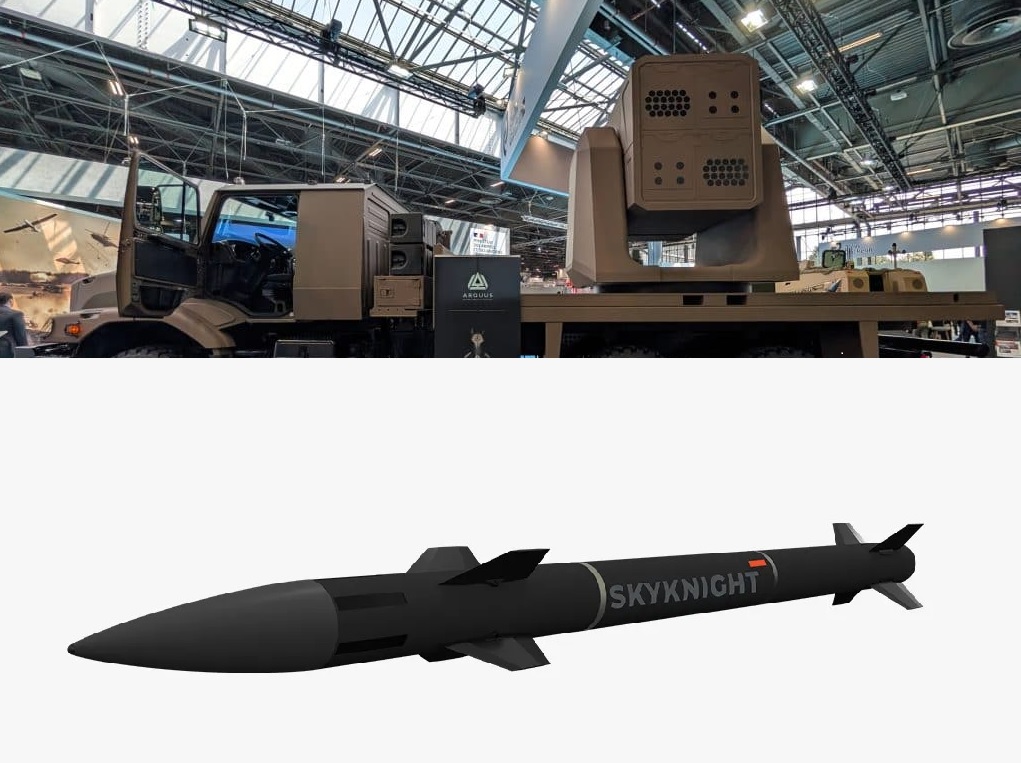 Naval Group Unveils Rampart Modular CIWS Multi-Purpose Weapon System for Naval and Ground Forces at Eurosatory 2026
-
 Why the U.S. Restored Pacific Command Name, Ending the Indo-Pacific Designation After Eight Years
-
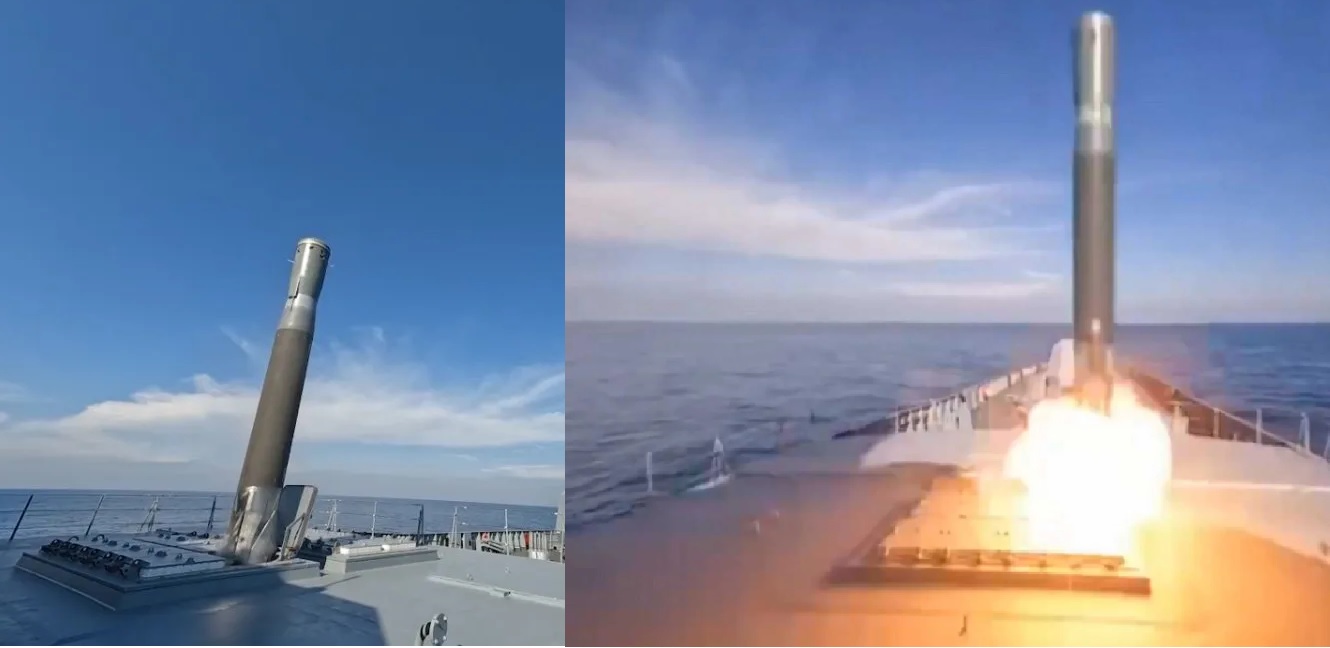 Open-Source Evidence Suggests Russia's Zircon Is a Quasi-Ballistic Missile, Not a True Hypersonic Cruise Weapon
-
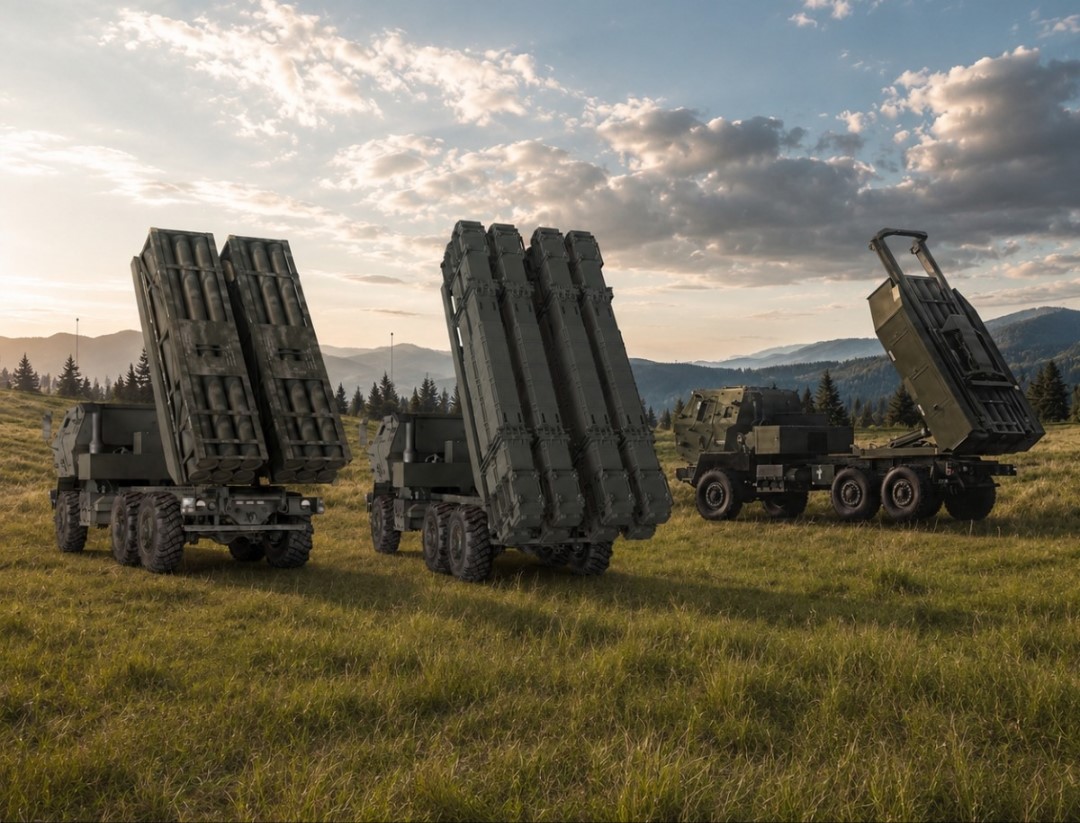 Lockheed Martin Unveils HIMARS FLEX with Dual-Pod Launcher and NATO-Compatible Air Defense Integration
-
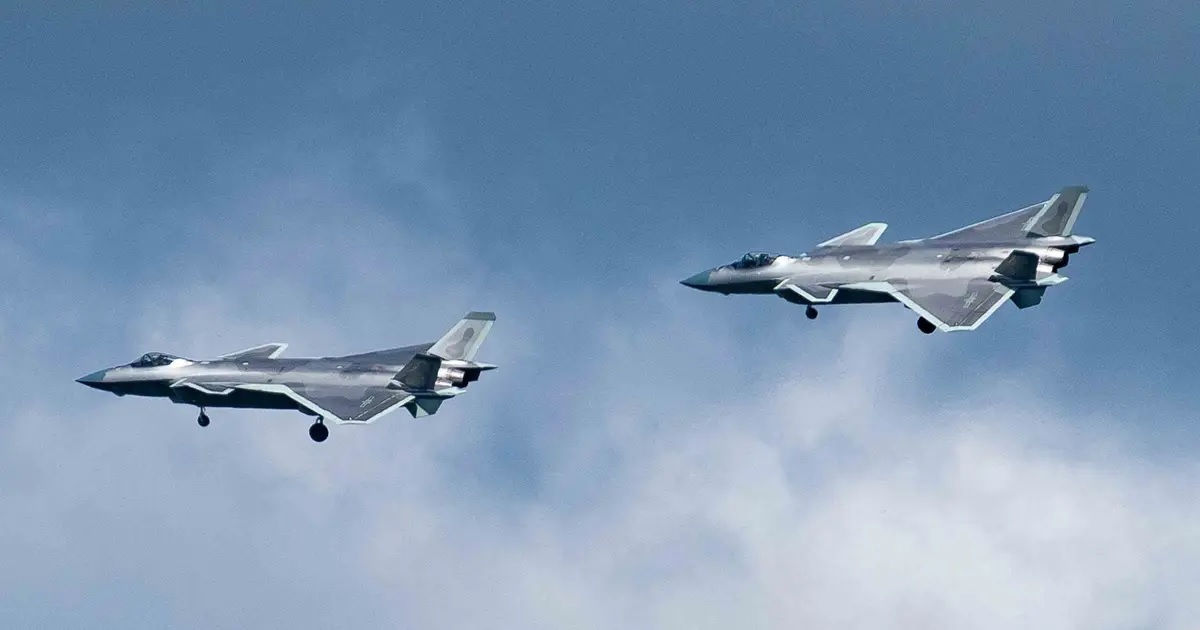 China Surpasses Russia as World’s Second-Most Powerful Air Force Amid Rapid J-20 and J-35 Expansion
-
 Iran Signs Deal with Russia for 20 Mi-8 and Mi-17 Helicopters to Boost Rescue and Medical Missions
-
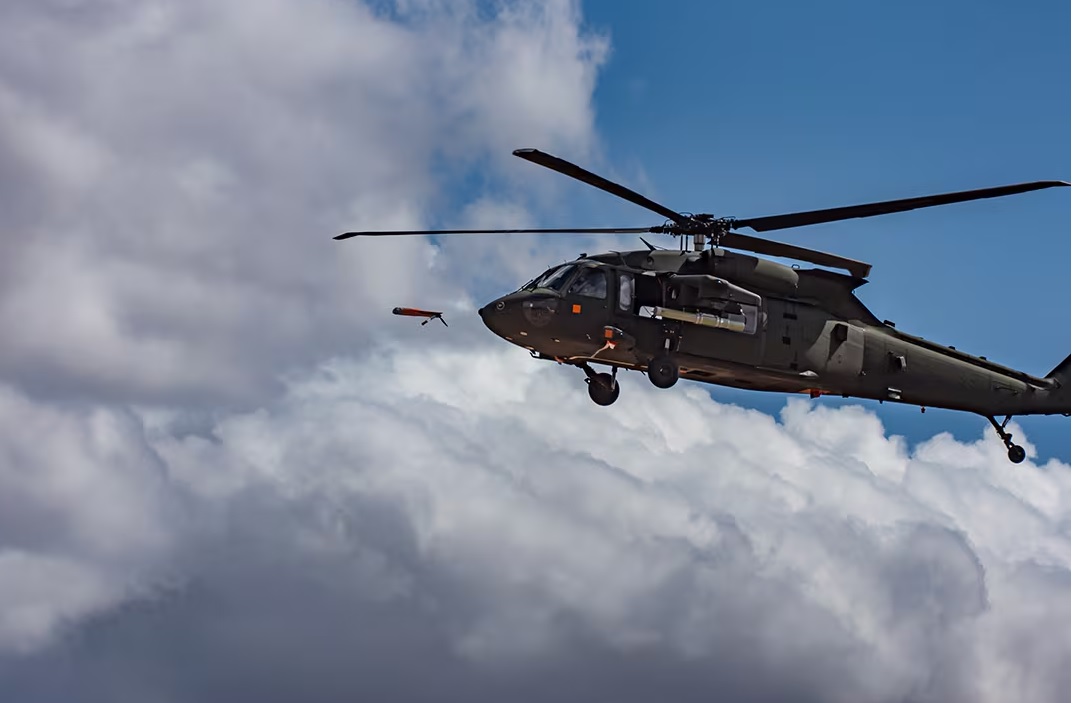 U.S. Army Completes First Flight Test of Medium-Range Air-Launched Effects from Black Hawk Helicopter
Top Trending in 4 Days
-
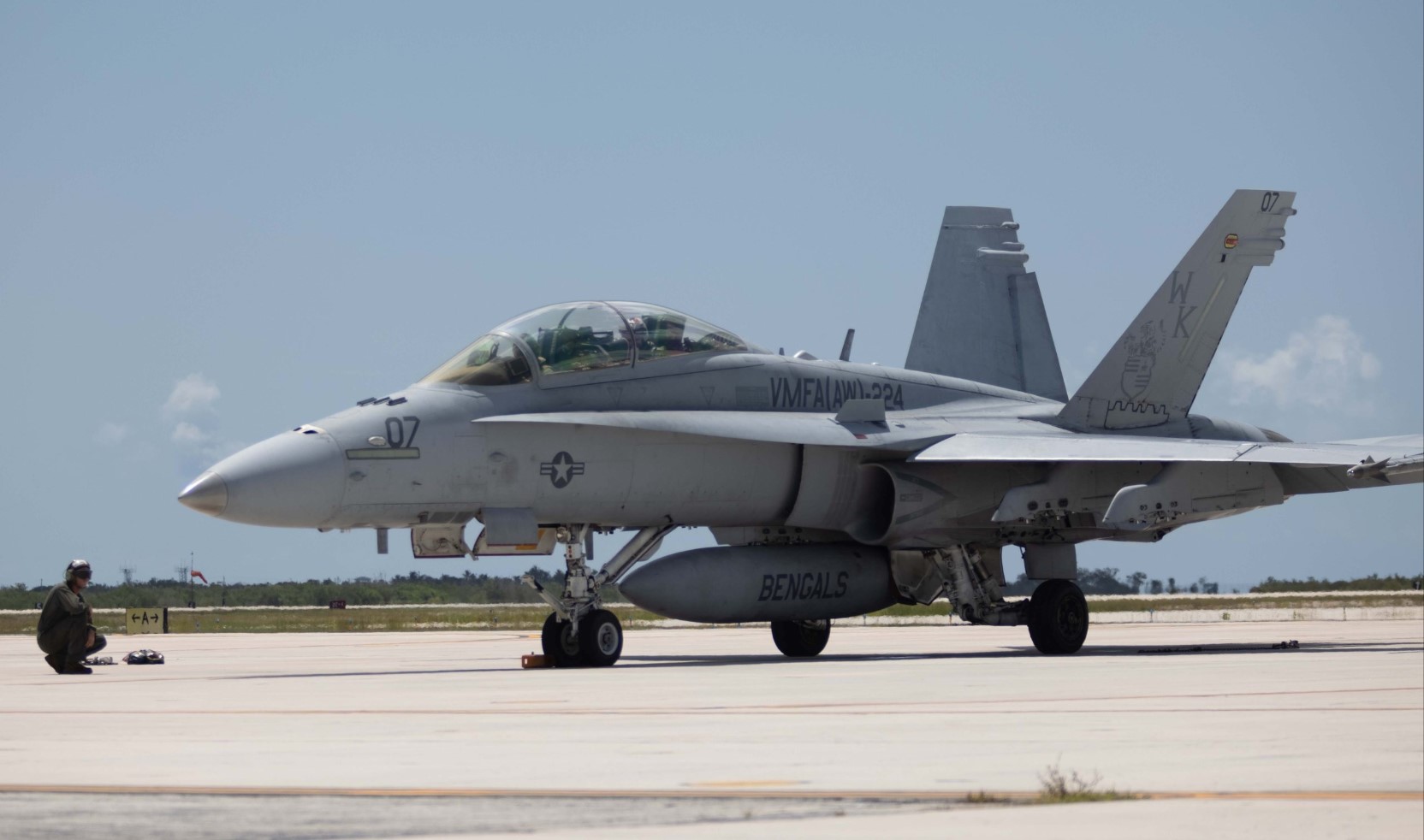 US Marine Corps F/A-18D Hornet Crashes During Training Flight in Washington Mountains; Pilot Ejects Safely
-
 Tulsi Gabbard Releases Declassified Files Detailing U.S.-Backed Network of 120 Biolaboratories Across 30+ Countries
-
 8 U.S. Air Force Crew Members Killed in B-52 Bomber Crash During Test Flight at Edwards Air Force Base
-
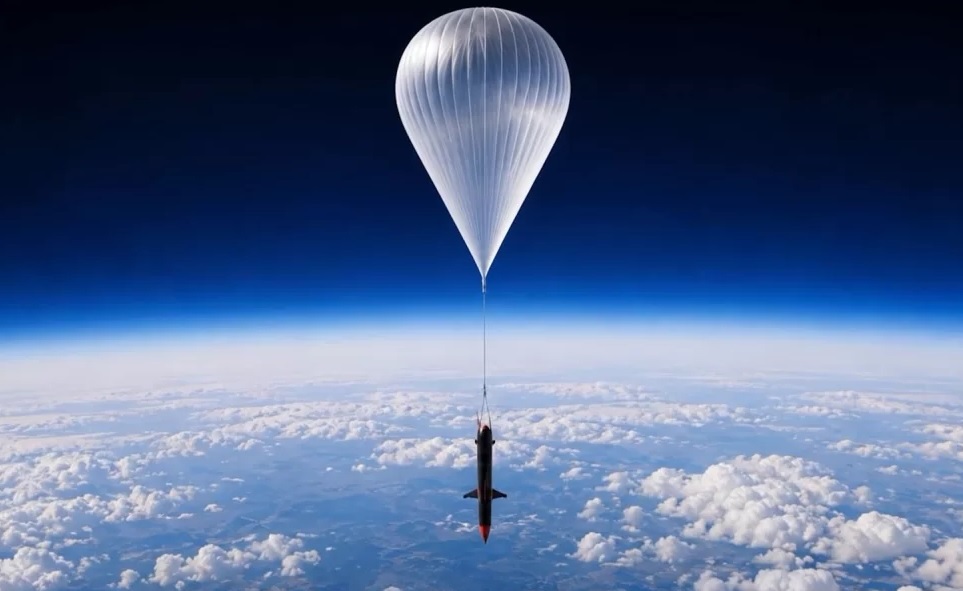 Ukraine Introduces Balloon-Launched DART Missile Designed to Defeat Electronic Warfare
-
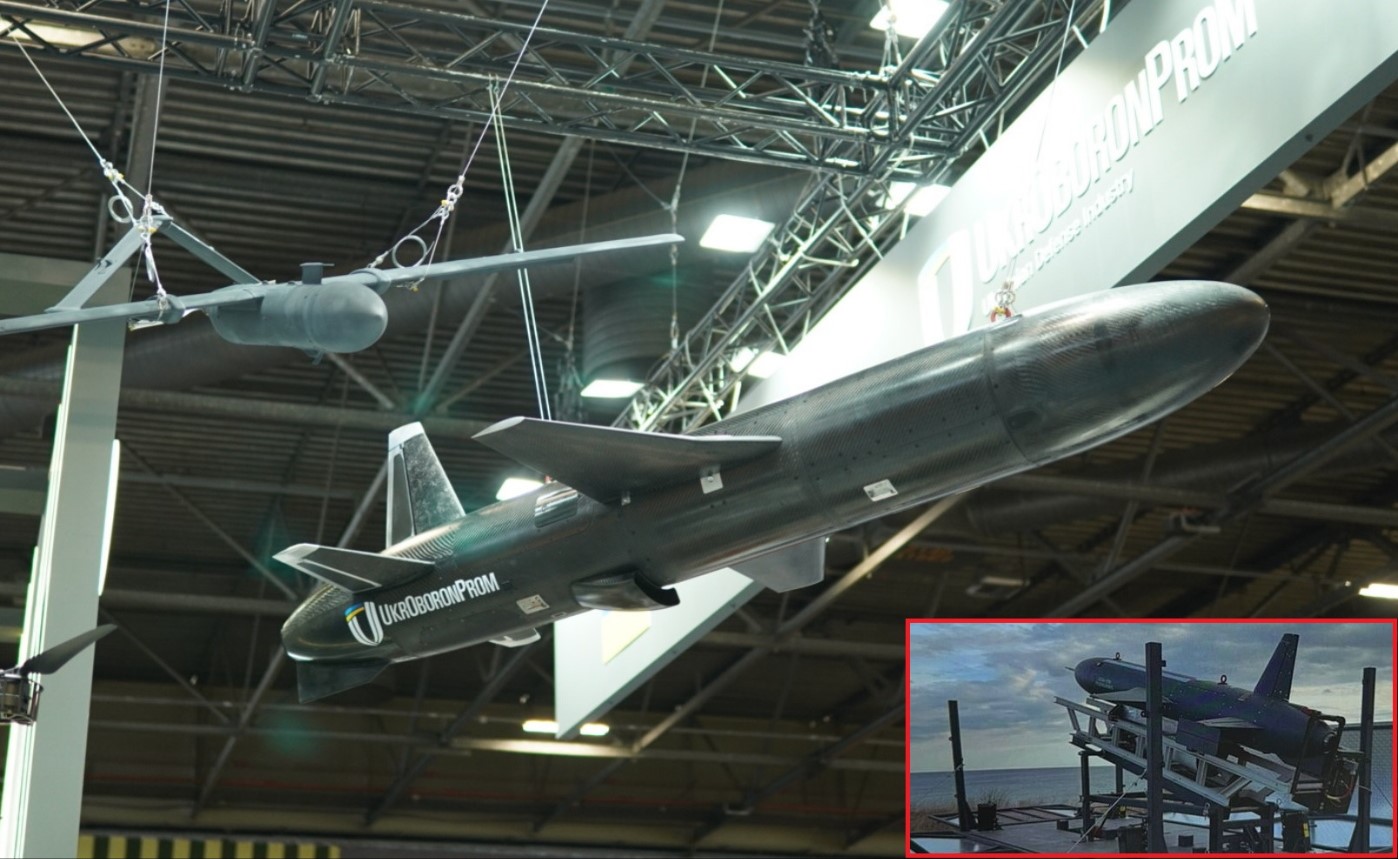 Ukraine Unveils UAV-290 Jet-Powered Strike Drone with 650 km Range at Eurosatory 2026
-
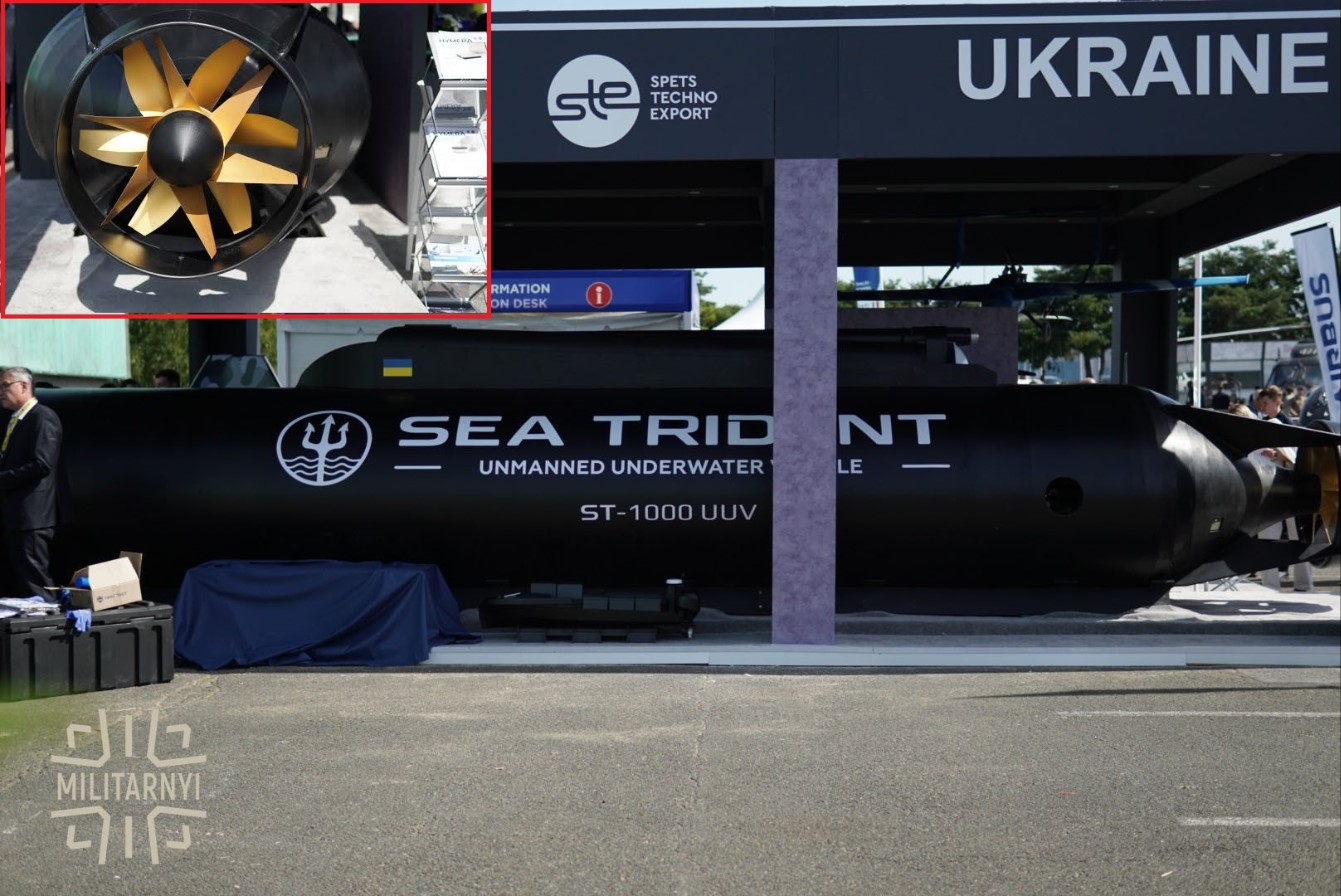 Ukraine Unveils 'Sea Trident' 10-Ton Autonomous Underwater Drone at Eurosatory 2026
-
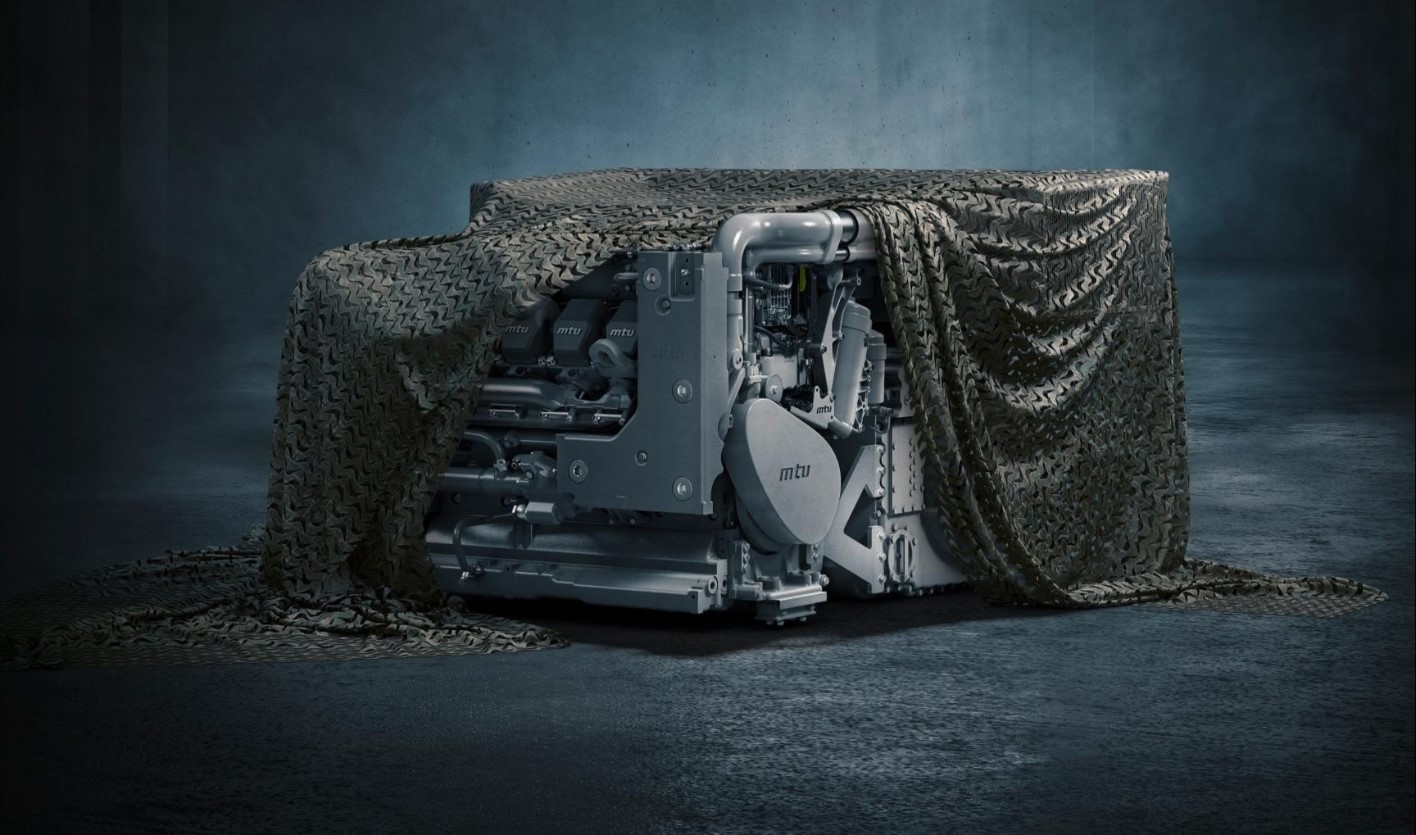 Rolls-Royce Unveils New Hybrid Powertrain for Heavy Military Vehicles at Eurosatory 2026
-
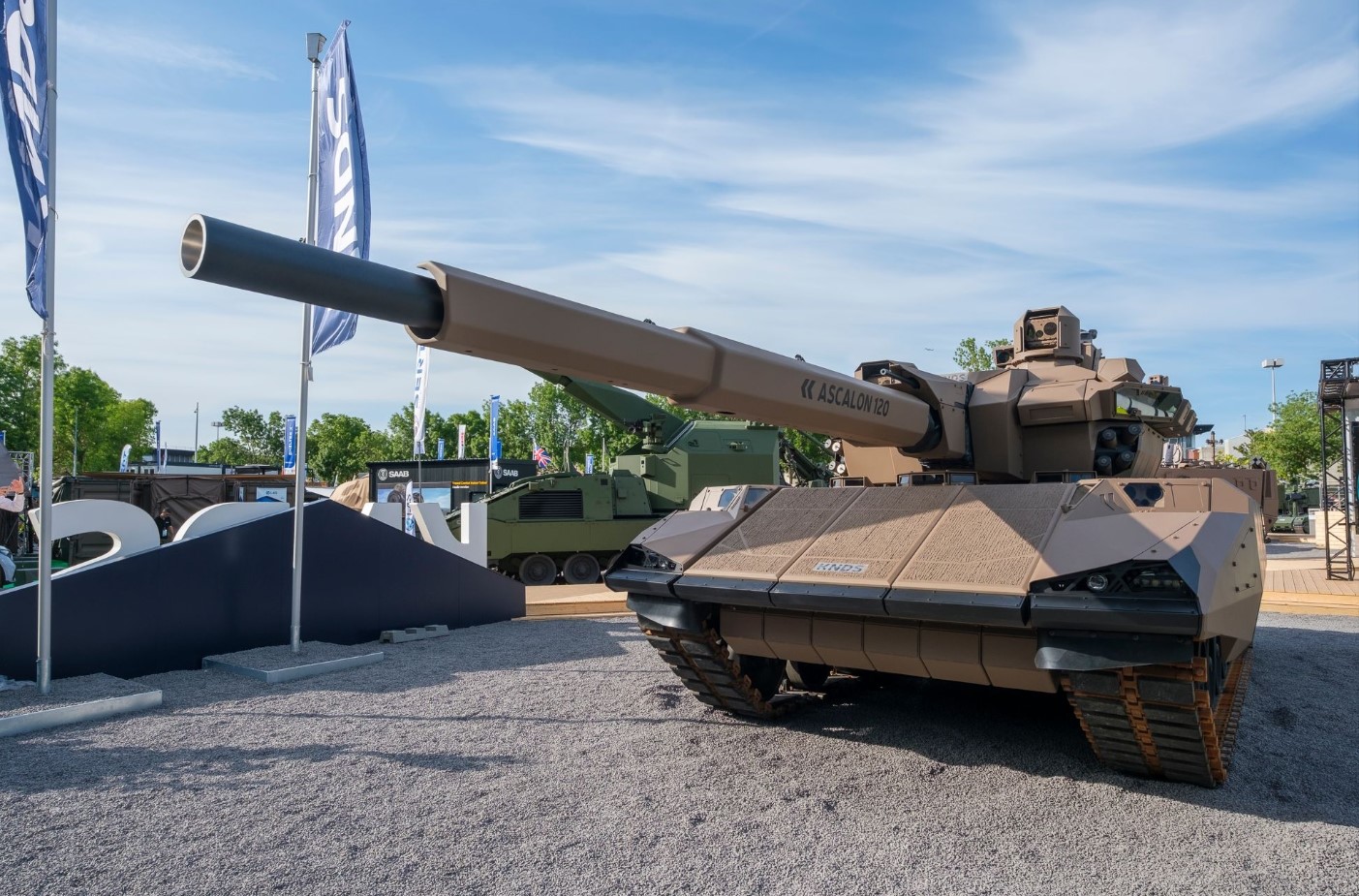 KNDS Unveils CAPINT Main Battle Tank at Eurosatory 2026 as Leclerc Stopgap