India
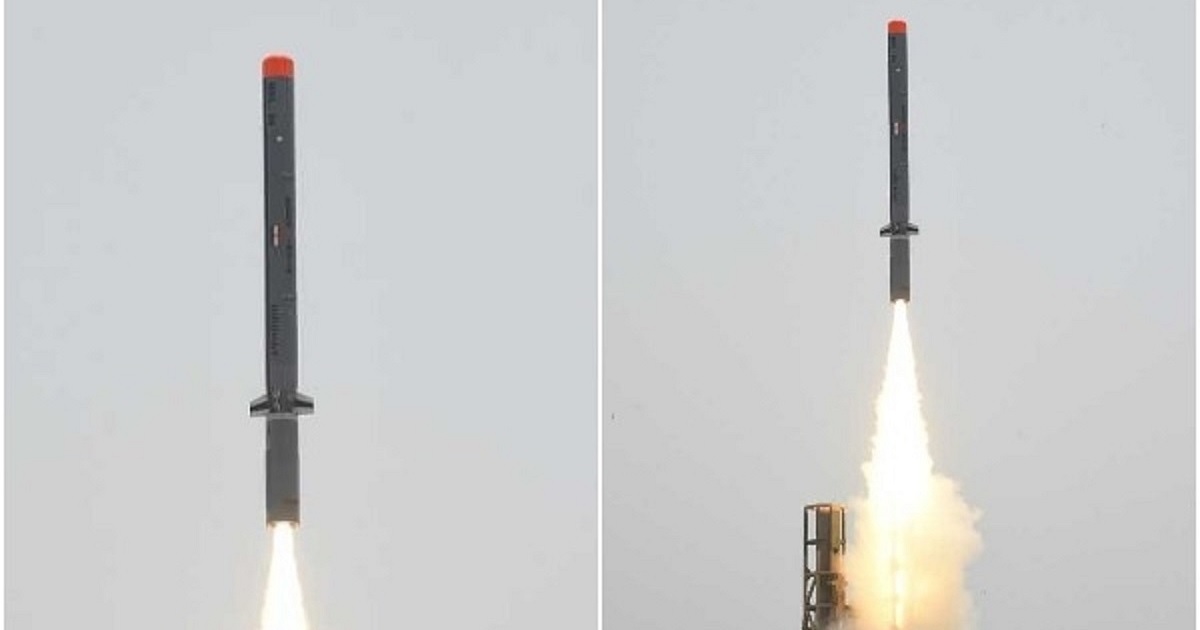
In a groundbreaking development for missile technology, India’s Defence Research and Development Laboratory (DRDL) has introduced a cutting-edge material called Low-Density Ablative Material (LDAM). Designed to enhance the thermal protection and overall efficiency of missile systems, LDAM promises to be a game-changer in the realm of advanced defense systems. A Leap Beyond Traditional Insulation Conventional insulation systems like PC-10, TPP/TPI, EPDM, and ROCASIN have long served missile technology, but LDAM represents a substantial leap forward. Offering both internal and external thermal protection, LDAM is tailored to meet the rigorous demands of modern missile systems. It is particularly suitable for metallic and composite sections, ensuring its versatility across a wide range of configurations. One of LDAM’s most notable attributes is its remarkably low density. This makes it ideal for weight-sensitive applications, where minimizing mass is critical to maximizing performance and payload capacity. Additionally, its ease of application and repairability provides a distinct advantage, allowing for swift deployment and maintenance in operational scenarios. Exceptional Thermal and Structural Capabilities LDAM’s thermal stability is nothing short of impressive, with the ability to withstand extreme temperatures of up to 1200°C. This makes it an indispensable choice for missile sections subjected to intense heat during high-speed flight or re-entry phases. Its robust structural integrity further enhances its reliability, ensuring that it remains durable during handling, transportation, and long-term storage. The material also exhibits a high degree of adaptability, capable of being applied to surfaces with complex geometries. Whether used as a spray-on application for precise thickness requirements or as a putty for sealing joints, LDAM offers unmatched versatility. Its room-temperature curing process eliminates the need for specialized high-temperature curing systems, streamlining production and maintenance processes. A Green Step Forward In addition to its technical prowess, LDAM aligns with DRDL’s commitment to sustainability. Its manufacturing process is environmentally friendly, generating no harmful by-products. This green innovation positions LDAM as not only a technological marvel but also a reflection of India’s dedication to eco-conscious defense solutions. Transforming Missile Technology LDAM is set to revolutionize the design and functionality of India’s missile systems. By combining superior thermal protection, reduced weight, and simplified maintenance, this advanced material enhances the overall effectiveness and longevity of missile systems. Its unique properties make it an essential addition to the expanding arsenal of India’s defense capabilities. With DRDL’s consistent efforts in advancing military technology, LDAM stands as a testament to the organization’s expertise and innovation. This new development underscores India’s growing prowess in defense manufacturing, paving the way for more efficient, sustainable, and cutting-edge solutions in the years to come.
Read More → Posted on 2024-12-03 15:43:54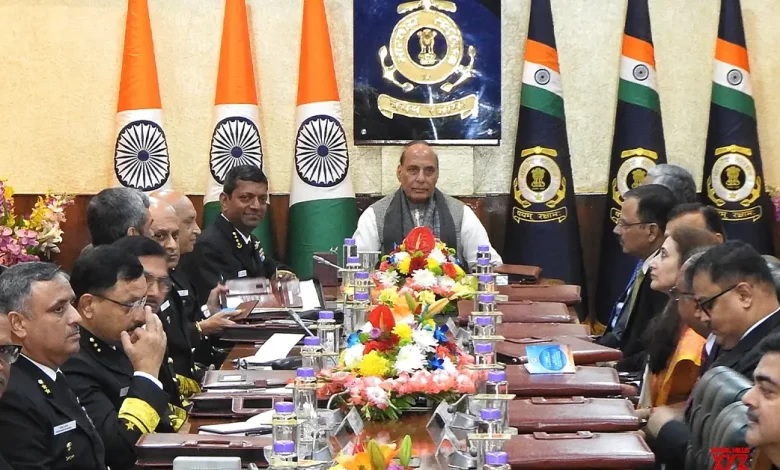
India
In a significant move to bolster India's defence capabilities, the Defence Acquisition Council (DAC), chaired by Defence Minister Rajnath Singh, has approved five major capital acquisition proposals worth over ₹21,772 crore. The nod, granted under the Acceptance of Necessity (AoN) framework, aims to enhance the operational readiness of the armed forces across maritime, aerial, and ground domains. Maritime Security Reinforced with Fast Attack and Interceptor Crafts The Indian Navy will soon induct 31 New Water Jet Fast Attack Crafts (NWJFACs). These advanced vessels are tailored for low-intensity maritime operations, coastal surveillance, and search-and-rescue missions. Their versatility also extends to anti-piracy roles, particularly in protecting India’s vast island territories. With high-speed water jet propulsion, these crafts promise better maneuverability and endurance in coastal waters. Further strengthening coastal security, the DAC has approved the procurement of 120 Fast Interceptor Crafts (FIC-1). These agile vessels are specifically designed to safeguard high-value naval assets, such as aircraft carriers and submarines. They are equipped to perform escort duties and ensure robust coastal defense. Enhancing Airborne Capabilities with Advanced Electronic Warfare The council also sanctioned the acquisition of cutting-edge Electronic Warfare Suites (EWS) for the Indian Air Force’s frontline Su-30 MKI fighter jets. These suites feature external airborne self-protection jammer pods and next-generation radar warning receivers. The enhanced system will shield the aircraft from enemy radar systems and air-defense threats during offensive missions, significantly improving survivability and combat efficiency. Coast Guard to Strengthen Surveillance with Advanced Light Helicopters To address growing concerns over coastal security, six Advanced Light Helicopters (ALH) M (MR) are set to join the Indian Coast Guard’s fleet. These multipurpose helicopters will enhance surveillance, reconnaissance, and rescue operations along India’s extensive coastline. Built indigenously by Hindustan Aeronautics Limited (HAL), the ALH platforms reflect India's push toward self-reliance in defense manufacturing. Life Extension for Ground and Aerial Assets In a separate decision, the DAC approved the overhaul of key defense assets, including T-72 and T-90 battle tanks, BMP infantry fighting vehicles, and the engines of Su-30 MKI aircraft. These upgrades aim to extend the operational lifespan of these systems, ensuring they remain mission-ready for years to come. Strategic Implications This wave of approvals underscores India's commitment to enhancing indigenous defense production while addressing critical operational gaps. The focus on locally manufactured equipment, such as the ALH and electronic systems, aligns with the government’s "Make in India" initiative. Furthermore, these acquisitions signal a proactive approach to countering maritime and aerial threats, protecting vital assets, and maintaining regional stability. As the projects move forward, India’s defense forces are poised to gain significant tactical and operational advantages, reinforcing their preparedness for modern-day security challenges.
Read More → Posted on 2024-12-03 15:40:28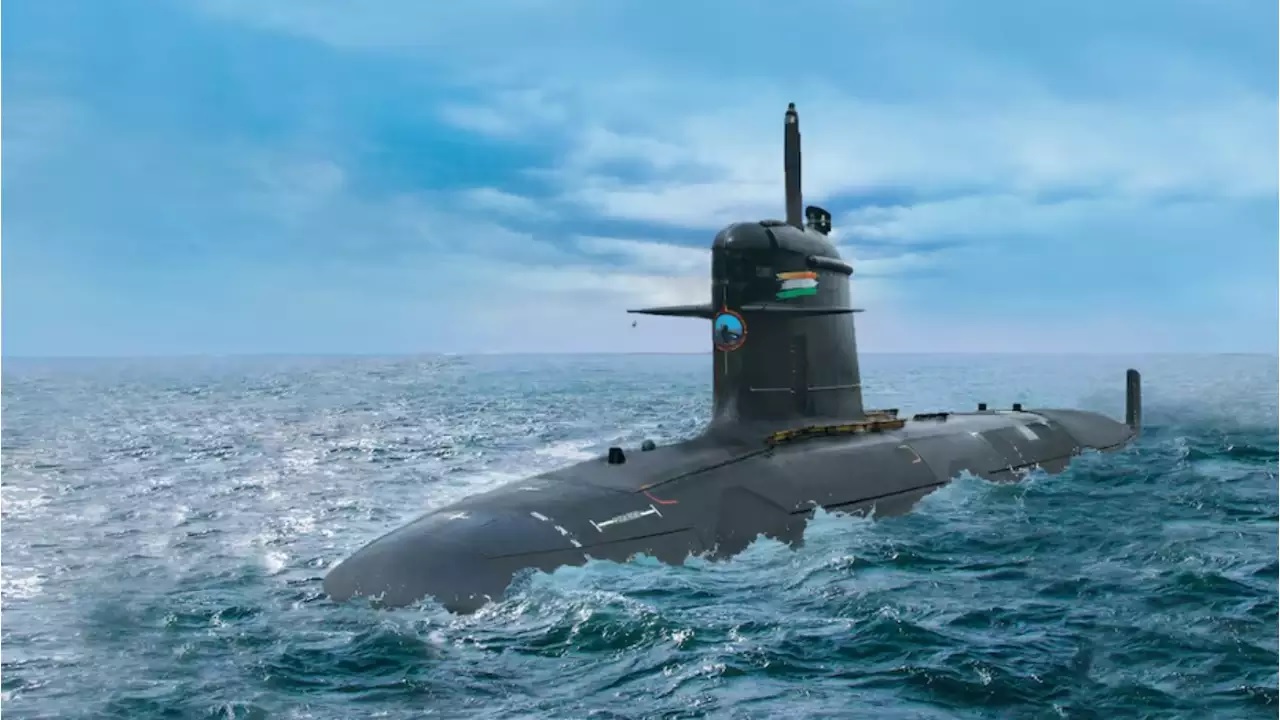
India
In a significant stride toward enhancing India’s maritime defense capabilities, the government has approved the construction of two indigenously designed nuclear-powered attack submarines (SSNs). Navy Chief Admiral Dinesh Tripathi revealed the development ahead of Navy Day, emphasizing the strategic importance of these submarines in securing the nation's maritime interests. The nuclear attack submarines, set to be commissioned between 2036 and 2039, are part of India's long-term vision to strengthen its naval prowess and counter evolving threats in the Indian Ocean region. Designed for stealth, speed, and endurance, SSNs will provide India with a formidable capability to operate far beyond its territorial waters, ensuring a credible deterrence against adversaries. Specifications of the SSNs Although precise technical details remain classified, these submarines are expected to be equipped with advanced nuclear reactors, enabling them to remain submerged for extended periods without surfacing. This feature ensures operational secrecy and the ability to conduct prolonged missions in hostile waters. The submarines will likely be armed with state-of-the-art torpedoes and long-range cruise missiles, enhancing their offensive and defensive capabilities. Rafale-M and Scorpene Submarine Deals Admiral Tripathi also highlighted two impending procurement deals expected to be finalized within the next month. These include 26 Rafale-Marine fighter jets from France, tailored for operations aboard India's aircraft carriers, and three additional Scorpene-class submarines to augment the existing fleet. The Rafale-M jets, which were approved by the Defence Ministry in July last year, are slated for deployment on the indigenously built INS Vikrant, bolstering India’s aerial combat and strike capabilities at sea. The Scorpene submarines, on the other hand, are part of a continuing collaboration with France, designed to operate with enhanced stealth and advanced weapon systems. Strengthening Maritime Vigilance The Navy Chief underscored the importance of the Indian Navy's preparedness in light of increasing Chinese naval activities in the Indian Ocean and the unexpected expansion of Pakistan’s naval fleet, including the induction of eight new submarines. Admiral Tripathi affirmed that the Indian Navy is recalibrating its strategies to counter any potential threats effectively. He added that by 2047, the Navy aims to induct 95 new ships, reflecting India’s commitment to becoming a future-ready maritime power. This vision aligns with the country’s broader goal of establishing itself as a significant global maritime force while ensuring the safety and sovereignty of its waters. Building a Maritime Powerhouse India's decision to construct indigenously designed nuclear attack submarines and its focus on acquiring advanced naval assets such as the Rafale-M and Scorpene submarines signify a bold leap toward achieving self-reliance in defense. These efforts, coupled with a vigilant stance on regional security challenges, underline the Navy’s mission to maintain dominance in the Indian Ocean and beyond. As these projects unfold, they not only mark a technological milestone but also reflect India's commitment to safeguarding its maritime interests amid a rapidly changing geopolitical landscape.
Read More → Posted on 2024-12-03 15:30:44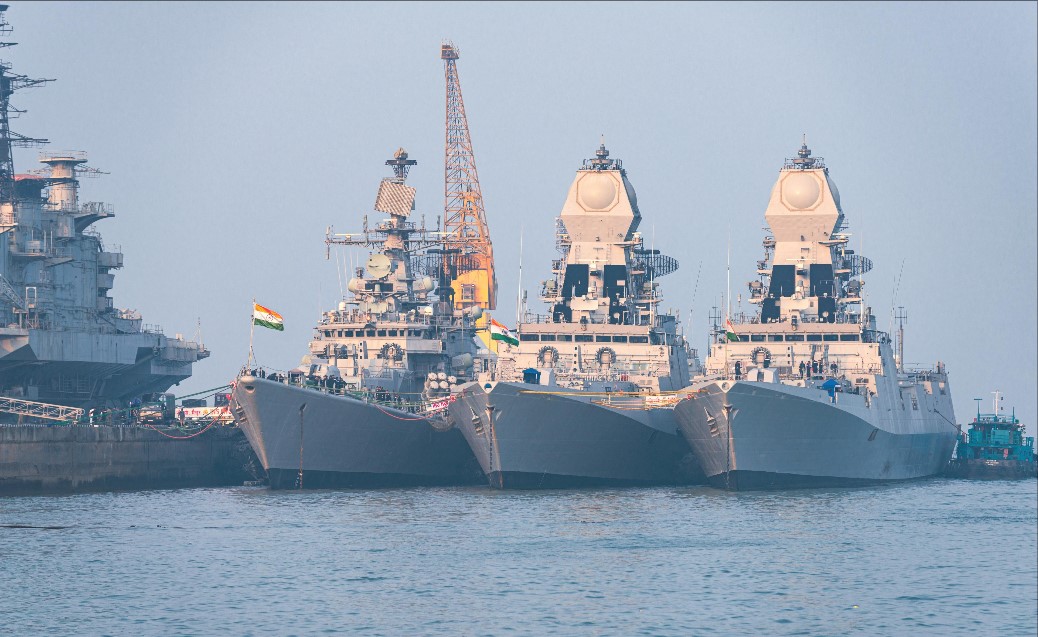
India
In a significant boost to its maritime capabilities, the Indian Navy is preparing to induct three advanced warships and one submarine within the next month. Vice Admiral Sanjay J. Singh, the Flag Officer Commanding-in-Chief of the Western Naval Command, announced the upcoming additions during a recent press conference. This development underscores India’s ongoing efforts to modernize its naval forces and strengthen its maritime security framework. The New Entrants: A Closer Look The vessels set for commissioning include INS Nilgiri, INS Surat, INS Tushil, and INS Vagsheer, each with distinct roles and advanced features tailored to meet the Navy's evolving requirements. These additions symbolize the Navy's focus on both indigenous manufacturing and strategic international partnerships. INS Nilgiri: The Lead Frigate of Project 17A INS Nilgiri, the first ship of the Project 17A stealth frigate program, is designed to deliver superior combat capabilities with stealth features, advanced weaponry, and enhanced survivability. Launched in September 2019, the vessel integrates state-of-the-art radar systems, sonar technology, and surface-to-air missiles. Built at Mazagon Dock Shipbuilders Limited (MDL), this frigate represents a critical step in India’s push towards self-reliance in defense production. INS Surat: A Next-Generation Destroyer INS Surat is the fourth and final ship of the Project 15B Vishakhapatnam-class destroyers, which are an advanced iteration of the Kolkata-class destroyers (Project 15A). Named after Gujarat's commercial capital, Surat, this warship is equipped with cutting-edge missile systems, modernized sensors, and a robust propulsion system. The destroyer boasts advanced stealth capabilities and is designed for versatile operations, including anti-aircraft, anti-surface, and anti-submarine warfare. INS Vagsheer: Sixth Submarine of Project-75 As part of the Project-75 Scorpene-class submarine program, INS Vagsheer is the sixth submarine constructed in collaboration with France’s Naval Group. Launched in April 2022, this diesel-electric submarine is tailored for stealth operations and armed with advanced torpedoes and Exocet SM39 anti-ship missiles. Its sophisticated sonar systems and low acoustic signature make it a formidable asset for covert missions and strategic deterrence. INS Tushil: Russia-Built Guided Missile Frigate INS Tushil, the second and final frigate under construction in Russia for the Indian Navy, will also join the fleet. This ship integrates advanced weapon systems, radar, and electronic warfare capabilities, ensuring multi-dimensional combat efficiency. Its induction marks the conclusion of this specific international procurement program, reflecting the Navy's balanced approach to domestic and foreign collaborations. Strengthening Indigenous Shipbuilding Vice Admiral Singh emphasized the Navy's commitment to fostering indigenous capabilities, with 65 vessels currently under construction, of which 63 are being built in Indian shipyards. Projects like the Project 17A frigates and the Project 15B destroyers highlight India's increasing proficiency in designing and building complex warships domestically. The commissioning process of these vessels involves meticulous preparations after delivery. Singh noted that it takes approximately two weeks to ready a ship for the official ceremony, ensuring every aspect of the vessel is fully operational. Strategic Implications The induction of these four vessels will significantly bolster India's maritime defense posture. With enhanced capabilities to safeguard critical sea lanes and address evolving security challenges, the Indian Navy is poised to play a more assertive role in the Indian Ocean Region (IOR). The diverse mix of frigates, destroyers, and submarines reflects the Navy’s emphasis on operational versatility and multi-domain combat readiness. This rapid expansion is a testament to India’s commitment to securing its maritime interests and maintaining a strategic edge in regional waters. The induction of INS Nilgiri, INS Surat, INS Tushil, and INS Vagsheer will undoubtedly mark a milestone in the nation’s naval modernization journey.
Read More → Posted on 2024-12-03 15:22:08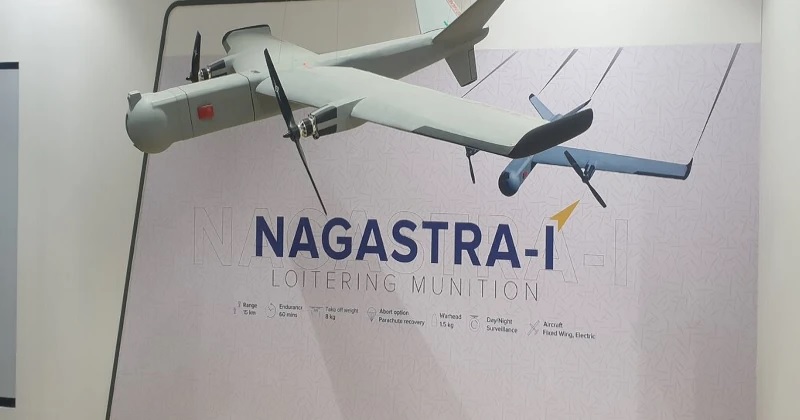
India
The Indian Army has taken a significant leap forward in its precision strike capabilities by inducting 480 Nagastra-1 loitering munitions. Developed by Economic Explosives Ltd (EEL), a subsidiary of Solar Industries, these cutting-edge munitions represent a new chapter in India’s commitment to indigenous defense technology under the Atmanirbhar Bharat initiative. A Game-Changing Addition to Modern Warfare The Nagastra-1 is a versatile loitering munition designed to operate as a highly effective precision strike system. Often referred to as a "kamikaze drone," this lightweight and portable munition can hover over a target area, allowing operators to identify and neutralize high-value targets with unmatched accuracy. With a payload capacity of 1 kg and weighing just 9 kg, the Nagastra-1 is tailored for tactical operations. Its operational range spans 15 kilometers under manual control and extends to 30 kilometers in autonomous mode. The system's endurance of up to 60 minutes ensures ample time for reconnaissance and precision engagement. A standout feature is its GPS-guided strike capability, achieving an accuracy of within a 2-meter radius. The Nagastra-1 also includes a parachute recovery mechanism, enabling safe retrieval if a mission is aborted or a target is not identified. Designed for Dual Missions Equipped with advanced day-and-night cameras, the Nagastra-1 is capable of dual functionality: reconnaissance and offensive operations. This capability underscores its importance in modern combat scenarios where intelligence gathering is as critical as neutralizing threats. The system's kamikaze mode has been a game-changer, particularly in recent global conflicts. The ability to self-destruct upon target impact has proven highly effective against enemy personnel, vehicles, and other assets, further highlighting the importance of loitering munitions in asymmetric warfare. Indigenous Edge With approximately 75% indigenous content, the Nagastra-1 is a proud milestone for India’s defense manufacturing sector. The system was ordered under the emergency procurement powers of the Indian Army, ensuring its rapid delivery after stringent pre-delivery inspections. Solar Industries and EEL are not stopping here. Work is already underway on advanced iterations—Nagastra-2 and Nagastra-3—which promise extended range and enhanced payload capacities. These upgrades aim to make India a global leader in loitering munitions technology. Keeping Pace with Global Trends Loitering munitions have emerged as a pivotal tool in modern warfare, blending the capabilities of UAVs with precision strike systems. The Nagastra-1’s induction places India on par with nations like the United States and Israel, who have extensively utilized such systems in combat scenarios. The Indian Army’s adoption of the Nagastra-1 aligns with evolving battlefield requirements, particularly against non-linear threats. It also sends a strong signal of India’s growing self-reliance in defense manufacturing, reducing dependency on foreign imports while bolstering its armed forces with state-of-the-art technology. As India invests in advanced loitering munitions and indigenous drone systems under the Indigenously Designed, Developed, and Manufactured (IDDM) initiative, the future of its defense capabilities looks promising. The Nagastra-1 is more than just a weapon; it is a testament to the potential of Indian ingenuity in redefining warfare.
Read More → Posted on 2024-12-03 15:13:35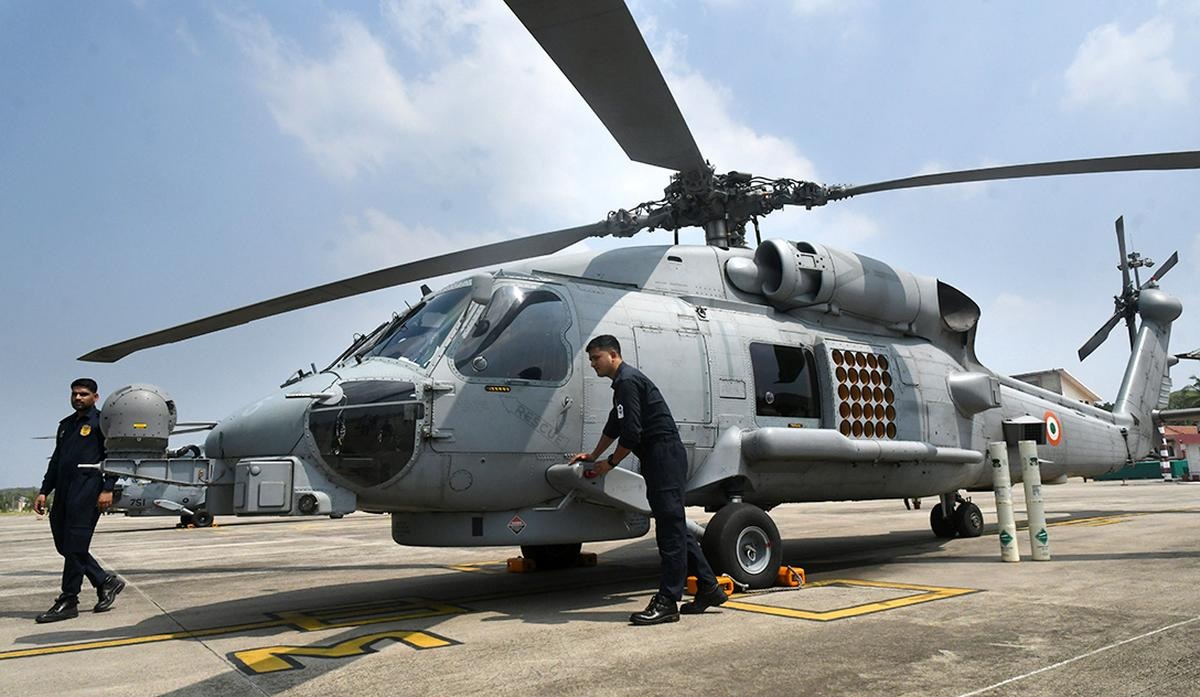
India
In a significant boost to India's defense capabilities, the Biden administration has approved the sale of MH-60R Multi-Mission Helicopter equipment and associated systems worth $1.17 billion. The U.S. Defense Security Cooperation Agency (DSCA) formally notified Congress of the decision, highlighting the strategic importance of the sale in enhancing India’s anti-submarine warfare capabilities and overall military deterrence. This deal marks another milestone in the growing U.S.-India defense relationship, which has seen a consistent deepening of ties in recent years. The timing of the announcement, just weeks before the Biden administration concludes its four-year term, underscores the enduring bipartisan support for fostering strong defense cooperation with India. The incoming administration, under President-elect Donald Trump, is expected to continue this trajectory of strengthening ties. Enhancing Anti-Submarine Warfare The MH-60R Seahawk, often referred to as the "Romeo," is a state-of-the-art naval helicopter capable of performing a variety of missions, including anti-submarine warfare (ASW), anti-surface warfare (ASuW), and search-and-rescue operations. The proposed sale includes a comprehensive package of advanced systems designed to augment India's operational efficiency. Key elements of the deal include: 30 Multifunctional Information Distribution System-Joint Tactical Radio Systems (MIDS-JTRS): These cutting-edge communication systems enable secure, high-speed data exchange across platforms, crucial for coordinated naval operations. AN/AAS 44C(V) Forward Looking Infrared (FLIR) Systems: These systems enhance the helicopter's ability to detect and track targets in low-visibility conditions, providing a significant edge in maritime surveillance. Advanced Data Transfer Systems and Operator Machine Interface Assistants: These technologies facilitate seamless information relay and user-friendly control interfaces, ensuring smoother mission execution. External Fuel Tanks and Spare Containers: These additions extend the helicopter's operational range and support logistics. Additionally, the package includes facilities studies, design, construction support, test equipment, munitions, and extensive integration and testing support. The deal is designed to ensure not just the provision of equipment but also robust implementation and operational readiness. Strategic and Operational Impact The MH-60R helicopters are critical to India’s ongoing efforts to modernize its naval fleet. With growing regional security challenges in the Indo-Pacific, particularly concerning anti-submarine warfare capabilities, these systems will significantly enhance India's ability to monitor and deter underwater threats. The DSCA emphasized that the proposed sale would bolster India's ability to meet current and future challenges, contributing to regional stability and enhancing interoperability with the U.S. and allied forces. Role of Lockheed Martin Lockheed Martin Rotary and Mission Systems will serve as the principal contractor for the deal, reflecting the strong industrial partnership between U.S. defense firms and India. The implementation will involve temporary deployments of up to 20 U.S. government officials and 25 contractor representatives to India for technical and program management support. Broader Implications This approval aligns with the broader U.S.-India strategic framework, which views India as a pivotal defense partner in maintaining a free, open, and rules-based Indo-Pacific. As India works to expand its indigenous defense production capabilities, such deals also open avenues for technology transfer and collaborative development. For India, the acquisition underscores its commitment to modernizing its armed forces and ensuring maritime security in increasingly contested waters. For the U.S., it is another step in cementing a defense partnership that serves mutual interests and regional stability. This sale represents a convergence of shared strategic priorities and further solidifies India’s status as a key U.S. defense partner.
Read More → Posted on 2024-12-03 15:11:03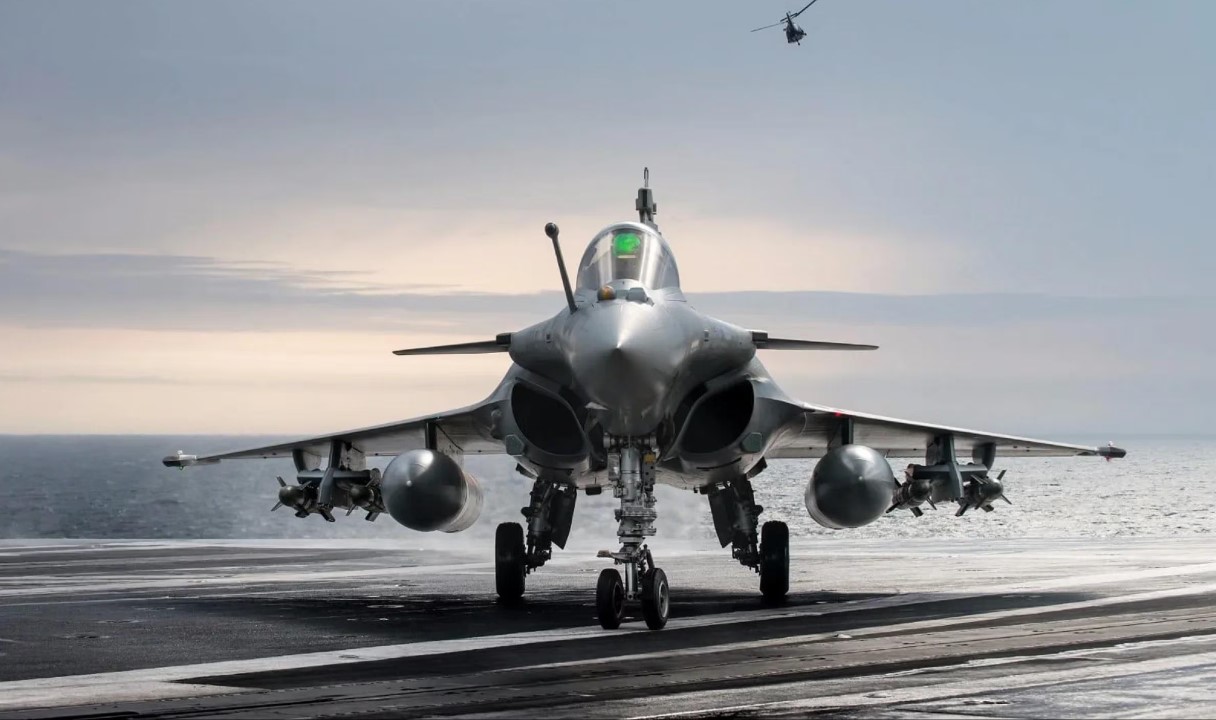
India
The Indian Navy is on the verge of finalizing a landmark deal for 26 Rafale-Marine (Rafale-M) fighter jets, with the agreement expected to be signed within the next month. This strategic acquisition, estimated to cost over ₹50,000 crore, is poised to enhance India’s maritime defense capabilities significantly, particularly in the face of China’s expanding naval power and increasingly sophisticated carrier-based fighter technology. Rafale-M: A Technological Leap for Indian Carriers The Rafale-M, a naval variant of the highly successful Rafale fighter designed by Dassault Aviation, is equipped to operate seamlessly from aircraft carriers. Tailored for the Indian Navy’s needs, it features advanced avionics, active electronically scanned array (AESA) radar, and powerful sensors. It is capable of handling diverse missions such as air dominance, deep strikes, reconnaissance, and electronic warfare. Originally designed for CATOBAR (catapult-assisted takeoff but arrested recovery) operations, the Rafale-M was rigorously tested for compatibility with the ski-jump configuration of India’s carriers, INS Vikrant and INS Vikramaditya. Its successful performance in trials makes it a suitable choice for India's carrier operations. One of the deal's highlights is the logistical and operational synergy it offers. The Rafale-M shares about 80% of its components with the Indian Air Force's Rafale fleet, streamlining maintenance, training, and supply chains. This commonality is expected to reduce operational costs and enhance fleet readiness. A Timely Boost Amidst Regional Challenges This acquisition could not come at a more critical juncture. The People’s Liberation Army Navy (PLAN) of China has showcased its growing maritime strength through dual-carrier operations involving its aircraft carriers, Liaoning and Shandong. The operational deployment of advanced carrier-based fighters like the J-15B and J-15D signals a significant leap in China's ability to project power in the region. The J-15B comes equipped with cutting-edge AESA radar and modernized cockpit systems, while the J-15D serves as a dedicated electronic warfare (EW) platform comparable to the US Navy’s EA-18G Growler. Together, these enhancements boost China’s carrier air wing capabilities, presenting a formidable challenge in the contested waters of the Indian Ocean and beyond. Strategic Implications for India By acquiring Rafale-M jets, India is fortifying its maritime defenses to counterbalance China's assertiveness. These aircraft will primarily operate from the INS Vikrant, India’s first indigenously built aircraft carrier, which was commissioned in 2022. This pairing is expected to bolster India’s power projection across the Indian Ocean Region (IOR), a strategically vital area where China's naval presence has been steadily growing. The Rafale-M deal aligns with India’s broader strategy of modernizing its armed forces to meet emerging challenges. For the Navy, this acquisition is not just a boost in firepower but a critical enabler of long-term operational flexibility. A Move to Secure Maritime Interests India’s decision to invest in the Rafale-M underscores its commitment to maintaining a balance of power in the Indo-Pacific. With the Rafale-M in its arsenal, the Indian Navy will possess a versatile and reliable fighter capable of defending against emerging threats and securing maritime interests. This move is expected to play a vital role in deterring potential adversaries while reinforcing India's standing as a key maritime power.
Read More → Posted on 2024-12-02 15:05:41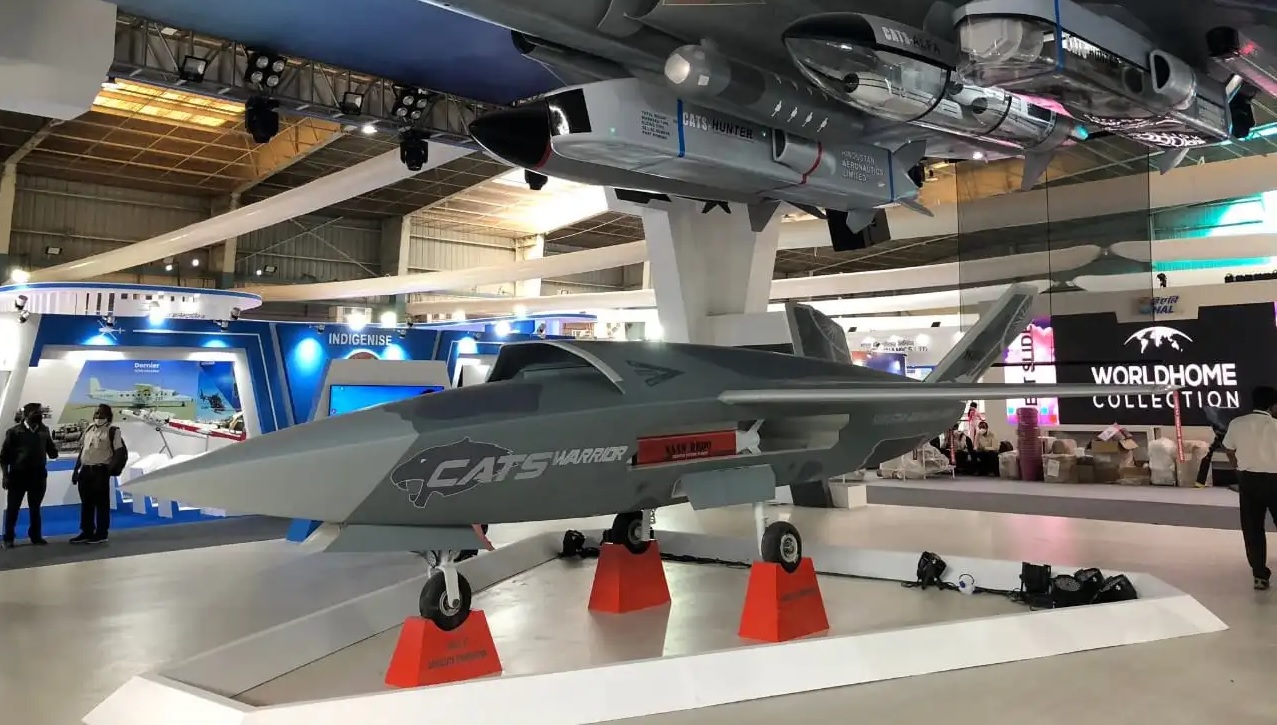
India
Hindustan Aeronautics Limited (HAL) has officially set the record straight about the progress of its ambitious CATS Warrior Unmanned Combat Aerial Vehicle (UCAV). Contrary to recent rumors circulating on social media, the cutting-edge 1.1-ton Loyal Wingman is still under construction, with its maiden flight now scheduled for late 2025. This UCAV is a cornerstone of HAL’s Combat Air Teaming System (CATS), aimed at redefining aerial combat by integrating unmanned and manned aircraft. Designed to operate alongside India’s advanced fighter jets like the Tejas and the upcoming Advanced Medium Combat Aircraft (AMCA), the CATS Warrior represents a significant leap in India’s indigenous defense capabilities. The Road to Development The concept of the CATS Warrior emerged from HAL's vision of creating a "loyal wingman" that can complement manned aircraft during high-stakes missions. The project has already achieved a key milestone: the successful testing of a scaled-down 300-kilogram model. This achievement paved the way for approval to fabricate a full-scale prototype, which is currently under construction. HAL is meticulously assembling the prototype, ensuring every component meets stringent operational and safety benchmarks. If everything stays on schedule, the prototype will be unveiled by mid-2025, with flight trials to follow shortly thereafter. What Makes the CATS Warrior Unique? The CATS Warrior is poised to bring transformative capabilities to the Indian Air Force (IAF). This UCAV's advanced features promise to redefine aerial combat and reconnaissance missions: Loyal Wingman Concept: The Warrior operates as an autonomous or semi-autonomous companion to manned fighter jets, capable of executing coordinated maneuvers under direct pilot command or pre-programmed algorithms. Stealth and Endurance: Its low-observable design allows it to penetrate heavily contested airspaces while remaining undetected. The UCAV also boasts extended endurance, enabling prolonged operations. Versatile Payload: Designed to carry a range of sensors, mission-specific equipment, and weapons, the Warrior is adaptable to diverse roles, including surveillance, reconnaissance, and combat. High Survivability: Engineered for high-risk missions, the Warrior reduces the need to deploy manned aircraft in dangerous scenarios, thereby enhancing pilot safety. Modular Architecture: The design is flexible enough to be customized for specific mission requirements, making it a versatile asset in modern warfare. Strategic Implications for India The CATS Warrior project underscores HAL’s commitment to advancing India’s indigenous defense technologies. Once operational, this UCAV will act as a force multiplier for the IAF, significantly boosting its operational efficiency in multi-domain combat scenarios. By taking on high-risk roles, the Warrior will free up manned fighter jets for other critical operations, effectively reshaping the dynamics of air warfare for India. In addition to its tactical advantages, the CATS Warrior highlights India's strides toward self-reliance in defense manufacturing. With a focus on homegrown innovation, the project aligns with the government’s "Make in India" initiative and positions the nation as a key player in advanced aerospace technologies. The Road Ahead While the CATS Warrior remains a work in progress, the anticipation surrounding its development is palpable. The maiden flight in late 2025 will be a critical milestone, marking the transition of this revolutionary concept from blueprint to battlefield. For now, HAL continues to focus on precision fabrication and rigorous testing, ensuring the CATS Warrior emerges as a game-changer for India's aerial combat capabilities. By blending cutting-edge technology with indigenous expertise, the CATS Warrior represents not just a leap forward for the Indian Air Force but a giant stride toward securing India’s place among global defense innovators.
Read More → Posted on 2024-12-02 15:03:58
India
In a significant boost to India's maritime security, Goa Shipyard Limited (GSL) has launched two indigenous Fast Patrol Vessels (FPVs), Adamya and Akshar, for the Indian Coast Guard (ICG). The ceremonial launch, held on October 28, 2024, underscores India's commitment to self-reliance in defence manufacturing under the 'Atmanirbhar Bharat' initiative. Priya Paramesh, wife of ICG Director General Paramesh Sivamani, graced the event as the chief guest, marking a momentous occasion for the shipyard and the nation. Cutting-Edge Features and Indigenous Design The Adamya and Akshar are meticulously designed to bolster the ICG's operational efficiency. Each vessel spans 52 meters in length and 8 meters in breadth, with a displacement of 320 tons. They can achieve a top speed of 27 knots, making them highly agile and responsive to maritime threats. One of the standout features of these FPVs is their indigenization level. Over 60% of the components are sourced from Indian manufacturers, showcasing GSL's dedication to fostering local industry and advancing indigenous technology. This effort aligns seamlessly with the government's vision of reducing dependency on foreign imports in the defence sector. Multifaceted Roles and Strategic Importance The vessels are specifically built to address a variety of challenges along India's vast coastline and in its Exclusive Economic Zone (EEZ). Their roles include: Protecting offshore installations and island territories. Conducting regular surveillance and reconnaissance to detect and deter potential threats. Enhancing maritime security to counter smuggling, illegal fishing, and other unlawful activities. These FPVs are part of a larger contract for eight such vessels, valued at ₹473 crore. The launch of Adamya and Akshar represents a major step forward in this project, which is vital for strengthening India's coastal defence infrastructure. Advanced Infrastructure and Simultaneous Launch What makes this launch unique is GSL's use of its state-of-the-art ship-lift system, enabling the simultaneous launch of two vessels for the first time. This innovative approach underscores GSL's modernization efforts and positions it as a leader in advanced shipbuilding techniques in India. GSL Chairman Brajesh Kumar Upadhyay highlighted the shipyard's robust growth trajectory, with gross revenue surpassing ₹2,000 crore—a 100% increase. He attributed this success to the shipyard's focus on innovation and its ability to deliver cutting-edge platforms for India's maritime defence. Strengthening India’s Maritime Frontiers The launch of Adamya and Akshar not only adds to the operational prowess of the Indian Coast Guard but also signifies the growing capabilities of India's defence shipbuilding industry. As these vessels join the ICG fleet, they will play a pivotal role in safeguarding India’s maritime interests and ensuring the security of its coastline. This event stands as a testament to India’s progress in achieving self-reliance in defence manufacturing while simultaneously enhancing its maritime security framework.
Read More → Posted on 2024-12-02 13:51:35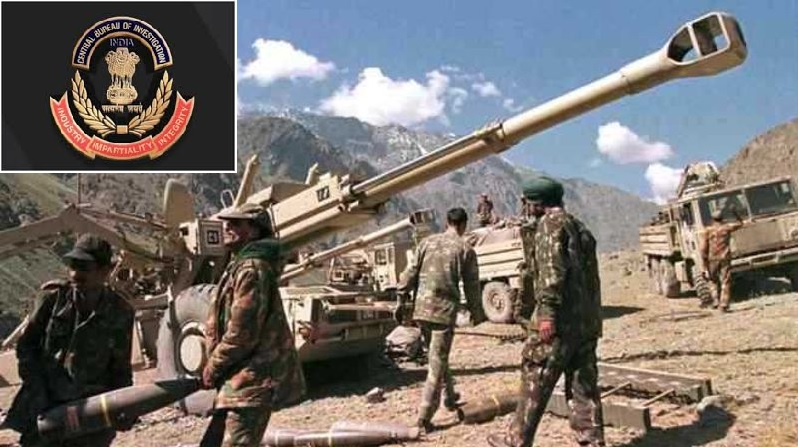
India
The Central Bureau of Investigation (CBI) is reviving interest in the decades-old Bofors bribery scandal, one of India’s most politically sensitive cases. The agency plans to send a judicial request, known as a Letter Rogatory (LR), to the United States, seeking information from Michael Hershman, a private investigator and head of the Fairfax Group. Hershman, who has expressed willingness to assist Indian authorities, claims to have crucial details regarding the alleged Rs 64-crore bribery scandal that surfaced in the 1980s. Background of the Bofors Scandal The Bofors case revolves around allegations of kickbacks in a Rs 1,437-crore defense deal during the 1980s Congress government. The deal involved the purchase of 400 155mm field howitzers from Swedish arms manufacturer Bofors AB. The allegations of a Rs 64-crore bribe led to widespread controversy, significantly impacting the political landscape at the time. The field howitzers, despite the scandal, played a critical role in India's defense capabilities, including their successful deployment during the Kargil war. However, the case has been marred by accusations of political interference and an alleged lack of thorough investigation. Legal Proceedings and Attempts to Reopen the Case The Bofors case saw numerous twists in the legal arena. In 2004, the Delhi High Court exonerated former Prime Minister Rajiv Gandhi, and a year later, it quashed charges against other key accused, including the Hinduja brothers. Italian businessman Ottavio Quattrocchi, who was alleged to be the middleman, was discharged in 2011 after the CBI withdrew prosecution against him. Despite these developments, the case never fully faded from public memory. Hershman reignited interest in 2017, alleging in interviews and public appearances that the investigation was deliberately derailed by the Congress government. The CBI noted his claims and initiated discussions to reopen the case. The Role of Michael Hershman Hershman’s involvement dates back to his tenure at Fairfax Group, a private investigation firm that worked on uncovering financial irregularities. During a visit to India in 2017, he openly expressed his readiness to assist Indian authorities, claiming to possess vital evidence that could shed new light on the case. His assertions prompted the CBI to take formal steps to engage with him. However, initial attempts through letters and reminders sent to US authorities between 2023 and 2024 yielded no actionable response. The agency now hopes that the LR, a formal judicial request, will expedite cooperation. Judicial Request and Next Steps The CBI has informed a special court in India of its intent to send the LR to the US. The process was initiated in October 2024 and is expected to take around 90 days to finalize. The LR mechanism allows courts in one country to request assistance from judicial authorities in another for investigation or prosecution in criminal matters. This move reflects a renewed commitment by the CBI to pursue the case, despite its closure in 2011. The agency believes that Hershman’s insights could provide fresh leads to investigate allegations of corruption in the defense deal. Implications of the Revived Investigation The revival of the Bofors case is not just a legal maneuver but also carries significant political ramifications. The scandal had long been a point of contention between political parties, and any new revelations could stir fresh debates. With Hershman’s cooperation, the CBI may unearth information that could fill gaps in the earlier investigations. However, the outcome largely depends on the US authorities' response and the material Hershman can provide. As the agency pursues this transnational legal route, the Bofors case once again becomes a focal point in India’s legal and political discourse, underlining the complexities of tackling corruption in high-stakes defense deals.
Read More → Posted on 2024-12-02 13:46:44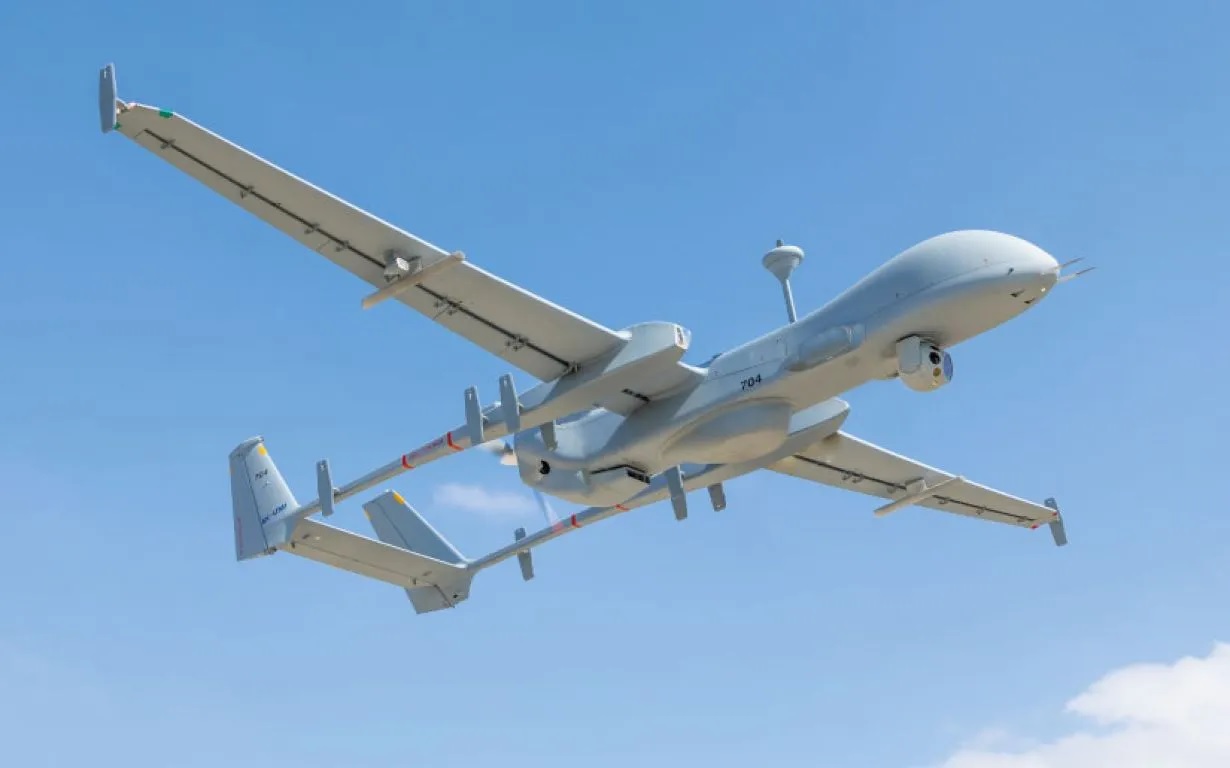
India
India’s march toward self-reliance in defense technology has taken another bold step with the Indian Armed Forces now focusing on acquiring hundreds of indigenously developed Medium Altitude Long Endurance (MALE) drones. Following the successful induction of domestically produced loitering munitions, this ambitious initiative underscores the nation's commitment to reducing its dependence on foreign suppliers. A Strategic Need for MALE Drones MALE drones are critical to modern warfare, serving in roles such as intelligence gathering, surveillance, reconnaissance, and even offensive operations. For years, India has relied heavily on imports, particularly from Israel, to fulfill this need. However, as the country’s strategic demands increase, the armed forces are now seeking domestic solutions to enhance operational readiness and align with the “Atmanirbhar Bharat” vision of self-reliance. Under the Indigenously Designed, Developed, and Manufactured (IDDM) route, the government has mandated that these drones be fully designed and built within India. This policy not only ensures local expertise and job creation but also safeguards the nation's operational independence from potential geopolitical disruptions. The Scope of Procurement The armed forces’ requirement for MALE drones is estimated to be in the hundreds. The acquisition process is expected to be a unified tri-services effort, with drones tailored to the specific operational needs of the Indian Army, Navy, and Air Force. Initial orders may include a smaller batch, serving as a testbed for performance evaluation and fine-tuning. Private Sector’s Role in Defence Innovation Economic Explosives Limited (EEL), a Nagpur-based defense manufacturer, has emerged as a frontrunner in the MALE drone initiative. EEL has proposed an indigenous design under the IDDM category and is leveraging its extensive resources, including a dedicated 1.4-kilometer drone testing runway—the largest private facility of its kind in India. The company has already commenced research and development for long-range drones capable of operating at altitudes of up to 30,000 feet with endurance exceeding 24 hours. These drones are expected to be equipped with advanced sensors, cameras, and communication systems to handle both reconnaissance and combat roles effectively. Building on Success This push for indigenous MALE drones builds on the recent success of India's domestically produced loitering munitions. Developed and delivered under the Emergency Procurement (EP) category, these munitions were fast-tracked to strengthen India's defenses along its tense border with China. The timely delivery and performance of these systems have bolstered confidence in the Indian defense industry’s ability to meet critical requirements. A Game-Changer for India’s Defense Landscape The transition to indigenous MALE drones could be a turning point in India’s defense procurement landscape. By reducing reliance on imports, the country not only secures its defense supply chain but also positions itself as a potential exporter of cutting-edge drone technology. As India continues to invest in indigenous defense capabilities, this initiative promises to enhance the operational capabilities of the armed forces while fostering a robust domestic defense ecosystem. With the private sector taking on a more prominent role, the vision of self-reliance in defense is steadily becoming a reality.
Read More → Posted on 2024-12-02 13:20:45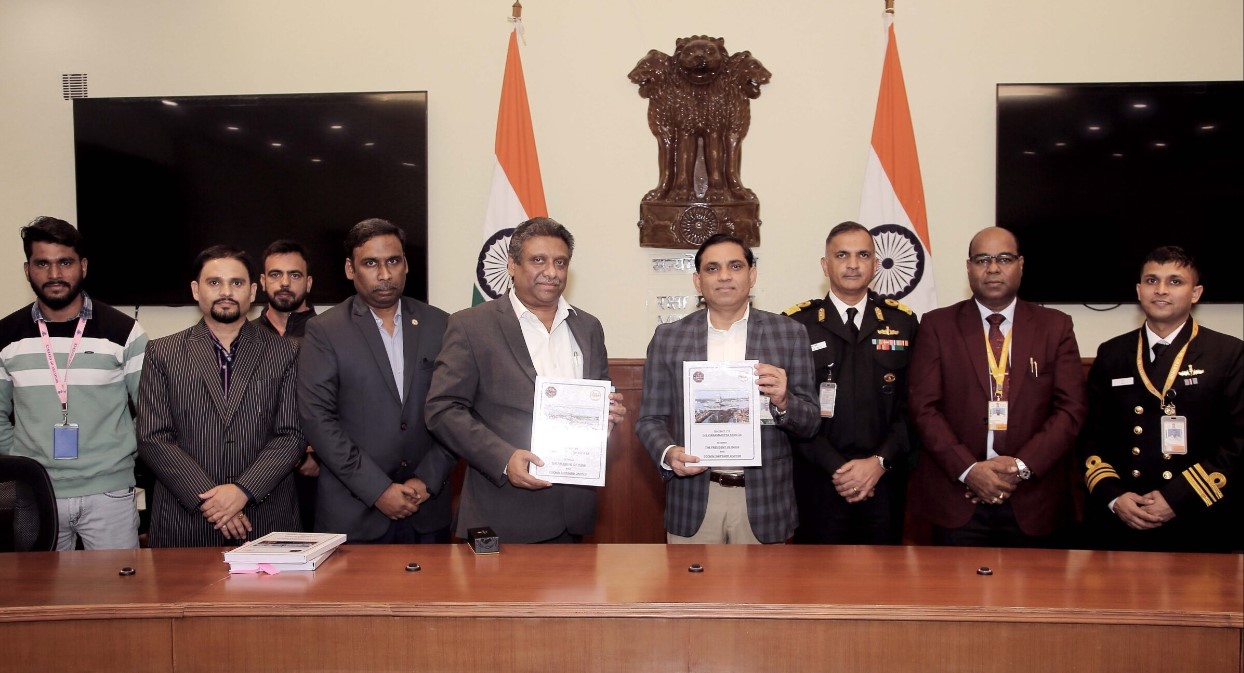
India
The Ministry of Defence (MoD) has signed a significant contract with Cochin Shipyard Limited (CSL), valued at ₹1207.5 crore, for the Short Refit and Dry Docking (SRDD) of INS Vikramaditya. This project not only underscores the strategic importance of maintaining India’s naval strength but also highlights the nation's push toward self-reliance in defense manufacturing under the Atmanirbhar Bharat initiative. What is Short Refit and Dry Docking? Short Refit and Dry Docking is a critical maintenance process aimed at ensuring the operational readiness of naval vessels. The term "short refit" involves scheduled maintenance, upgrades, and repairs to critical systems like propulsion, weapons, and electronic systems. The goal is to restore the ship’s full combat capability and extend its operational life. Dry docking is another integral part of this process, wherein the vessel is brought into a specialized dock that is drained of water, exposing the hull. This allows for thorough inspection and repair of underwater sections, including cleaning and repainting to prevent corrosion, repairing structural damage, and servicing propellers and rudders. For a ship like INS Vikramaditya, which weighs over 44,000 tons, this is a complex and essential procedure to maintain its seaworthiness and performance. INS Vikramaditya: The Backbone of Indian Naval Air Power Commissioned in November 2013, INS Vikramaditya serves as a floating airbase for the Indian Navy, capable of deploying MiG-29K fighter jets and multiple helicopters. The carrier, originally a Soviet-era vessel, underwent an extensive transformation in Russia before being inducted into the Indian Navy. With a length of 284 meters and a crew capacity of over 1,600 personnel, the ship is a linchpin in India’s maritime strategy. The SRDD will equip the carrier with upgraded systems, enhancing its combat capabilities and ensuring its readiness for future missions. This is particularly important given the dynamic nature of maritime security challenges in the Indian Ocean region. Cochin Shipyard’s Role and the Broader Impact The project marks a milestone for Cochin Shipyard Limited, solidifying its position as a Maintenance, Repair, and Overhaul (MRO) hub for the Indian Navy. The involvement of over 50 Micro, Small, and Medium Enterprises (MSMEs) in the project aligns with the government’s vision of fostering an industrial ecosystem and reducing dependence on foreign expertise. The refit will generate employment for more than 3,500 personnel, providing a significant economic boost. It also demonstrates CSL’s growing capability to handle complex naval projects, enhancing India’s strategic autonomy in defense. Strategic Implications Beyond maintenance, this initiative reinforces India's commitment to modernizing its naval forces amid evolving geopolitical challenges. INS Vikramaditya's role in force projection, power balancing, and ensuring free navigation in the Indian Ocean is critical. Its refit ensures that the vessel remains a formidable asset, complementing India’s indigenous carrier, INS Vikrant. By investing in domestic shipyards and leveraging the expertise of Indian companies, the government is steering the defense sector toward self-reliance while ensuring operational readiness of key assets. This is a step forward in achieving long-term strategic goals. Conclusion The ₹1207.5 crore contract between the Ministry of Defence and Cochin Shipyard Limited for the Short Refit and Dry Docking of INS Vikramaditya signifies a strong commitment to maintaining the Indian Navy's operational excellence. As the ship prepares to rejoin the fleet with enhanced capabilities, this project highlights the synergy between defense preparedness, economic growth, and the vision of a self-reliant India.
Read More → Posted on 2024-12-01 15:26:15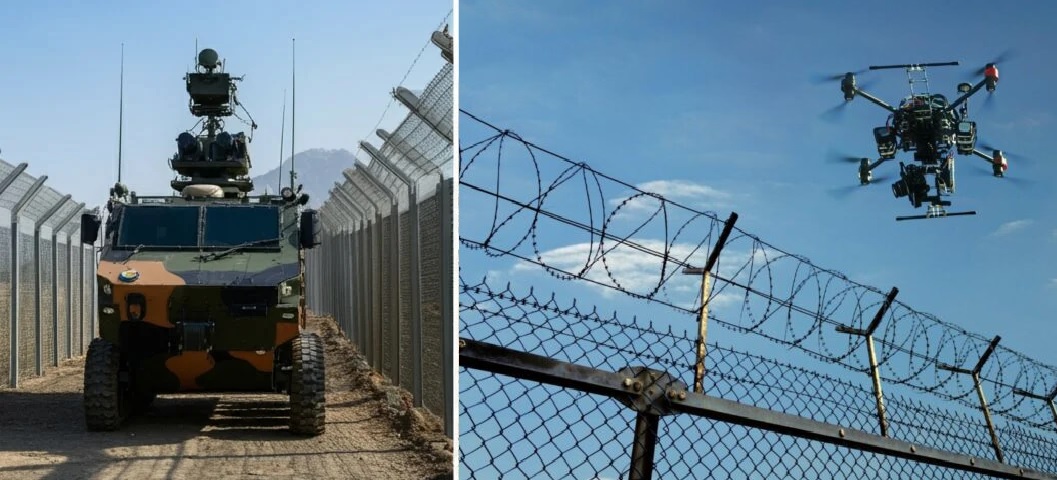
India
India’s Line of Control (LoC) with Pakistan, often regarded as one of the most volatile and heavily fortified borders in the world, is undergoing a technological transformation. The Indian Army has embraced cutting-edge innovations to strengthen border security, deter infiltration attempts, and ensure the safety of its personnel. By integrating advanced technologies such as artificial intelligence (AI), drones, robotics, and smart fencing, the Army is reinforcing its defensive capabilities while reducing human risk. Revolutionizing Border Surveillance The backbone of the Army's enhanced security measures is a sophisticated surveillance network. High-tech thermal imagers, infrared cameras, and night-vision devices now dominate the LoC landscape, providing unparalleled visibility in challenging conditions. Integrated with smart sensors, these tools form a vigilant, automated watch system capable of detecting minute movements across the border. At the heart of this operation is artificial intelligence. AI-powered systems analyze vast streams of data from these devices in real time, filtering out false positives and highlighting genuine threats. For instance, AI algorithms can differentiate between the movements of wildlife and suspicious human activity, significantly reducing unnecessary alerts. Moreover, these systems utilize historical infiltration data to predict possible intrusion patterns, enabling proactive troop deployment. Drone Technology: The Eye in the Sky Unmanned Aerial Vehicles (UAVs) and swarm drones have become indispensable in monitoring the rugged and often inaccessible terrain of the LoC. Equipped with high-definition cameras and thermal imaging capabilities, these drones provide real-time situational awareness, enabling rapid responses to emerging threats. Counter-drone technologies are also in place to neutralize unauthorized aerial threats. The Indian Army’s anti-drone systems use advanced radar and jamming techniques to detect and disable enemy UAVs, safeguarding sensitive installations and personnel. Smart Fencing: A Technological Wall The introduction of smart fencing under the Comprehensive Integrated Border Management System (CIBMS) is a game-changer. This fencing is equipped with motion sensors, laser barriers, and vibration detectors, all integrated into a centralized control system. Any breach in the fencing triggers immediate alerts, allowing security forces to respond swiftly. CIBMS also integrates data from various surveillance devices, enabling real-time monitoring and predictive analysis. This multi-layered security grid minimizes blind spots and ensures a high degree of situational awareness. Robotics and Autonomous Systems In areas with extreme climatic and geographic challenges, the Army is deploying robots and autonomous ground vehicles for patrolling and reconnaissance. These robots, equipped with cameras, sensors, and AI-powered navigation, can identify potential breaches and transmit live feeds to command centers, reducing the need for human patrols in dangerous zones. Communication and Intelligence Integration Seamless communication is vital for managing operations across such a vast and volatile border. High-speed encrypted networks, supported by satellite communications, ensure uninterrupted data flow between field units and command centers. Furthermore, the Army collaborates with national intelligence agencies, using shared data to enhance situational awareness. Biometric surveillance systems, including AI-driven facial recognition, add another layer of security by identifying individuals attempting unauthorized crossings. Cyber Intelligence and Counter-Infiltration Recognizing the growing importance of cyber warfare, the Army has fortified its cyber surveillance capabilities. These measures monitor online activity for potential threats and secure defense networks against cyberattacks. This holistic approach combines traditional surveillance with cutting-edge cyber intelligence to address both physical and digital infiltration. A Robust and Adaptive Strategy The integration of advanced technologies along the LoC exemplifies India’s forward-thinking defense strategy. By leveraging AI, robotics, drones, and secure communication networks, the Indian Army is creating a fortified, adaptive border defense system. This multi-faceted approach not only deters infiltration but also underscores India’s commitment to protecting its sovereignty and citizens. As threats continue to evolve, the Indian Army’s use of innovation and technology ensures that it remains a step ahead, setting a benchmark for modern border security.
Read More → Posted on 2024-12-01 15:04:48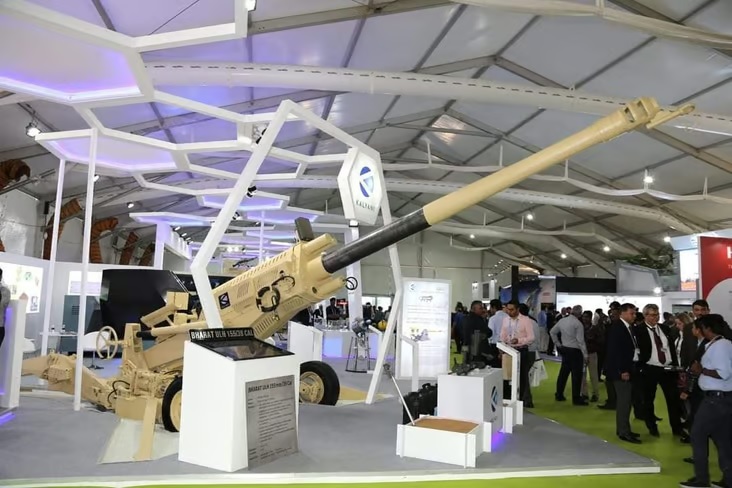
Kalyani Strategic Systems to Build Defence Mega-Plant in Andhra Pradesh with ₹2,400 Crore Investment
India
Kalyani Strategic Systems Limited (KSSL), a key player in India's burgeoning defence sector and a subsidiary of Bharat Forge Ltd, is making waves with its ambitious plans to set up a state-of-the-art defence manufacturing facility in Andhra Pradesh. This transformative project, valued at ₹2,400 crore, marks a significant stride in India’s journey toward self-reliance in defence production under the "Atmanirbhar Bharat" initiative. A Strategic Location for Defence Innovation The proposed facility will span 1,000 acres in Murranahalli, Madakasira, a location chosen for its strategic proximity to Bengaluru, a prominent technology hub. This choice isn't merely geographical; it’s about creating a defence manufacturing ecosystem that leverages the region’s industrial and technological resources. The plant will focus initially on producing advanced gun propellants and establishing a sophisticated ammunition filling complex. These are critical components in modern warfare, underscoring the project's role in bolstering India's defence capabilities. Phase-Wise Development with Expansive Goals The plant’s development will roll out in two carefully planned phases. The first phase will prioritize foundational infrastructure, propellant production, and ammunition filling. In subsequent phases, KSSL has expressed interest in expanding its capabilities to include missile systems, warheads, and other defence energetics. These additions would position the facility as one of the most comprehensive private-sector defence manufacturing hubs in India. The Andhra Pradesh government has played a pivotal role in facilitating this development. Incentives such as subsidized power, assured water supply, and essential infrastructure support have been promised, along with attractive tax benefits. These measures not only reduce operational costs but also signal the state’s commitment to becoming a national leader in defence manufacturing. A Boost to the Local and National Economy The establishment of this facility is expected to create a ripple effect on the local economy. Direct employment opportunities will arise, along with numerous indirect jobs through allied services and supply chains. Additionally, the plant will cater to both domestic and international markets, enhancing India's reputation as a defence exporter. Private Players in the Spotlight KSSL’s bold move reflects the increasing confidence of private entities in India’s defence sector. Historically dominated by public-sector enterprises, the defence industry has seen a paradigm shift with private companies like KSSL stepping in with large-scale investments and cutting-edge technologies. This evolution not only accelerates India’s self-reliance goals but also boosts innovation and efficiency across the sector. Andhra Pradesh’s Role as a Defence Hub The proactive stance of the Andhra Pradesh government in facilitating this investment underscores its vision to attract and retain high-value industries. The state is actively positioning itself as a preferred destination for defence and aerospace companies, leveraging its investor-friendly policies and strategic advantages. The collaboration between KSSL and the state government is likely to serve as a template for future public-private partnerships in India. Looking Ahead As the facility takes shape, it signals a broader transformation in India’s defence manufacturing landscape. Projects like this are crucial for reducing dependency on imports and building a robust domestic production base. They also pave the way for India to emerge as a global hub for defence equipment, capable of meeting the needs of allied nations while ensuring its own strategic autonomy. Kalyani Strategic Systems' investment is not just a business decision; it is a testament to India’s rising prominence in the global defence ecosystem. With its focus on cutting-edge production, export potential, and regional economic impact, this mega-plant is poised to be a game-changer for both Andhra Pradesh and the nation.
Read More → Posted on 2024-12-01 14:56:22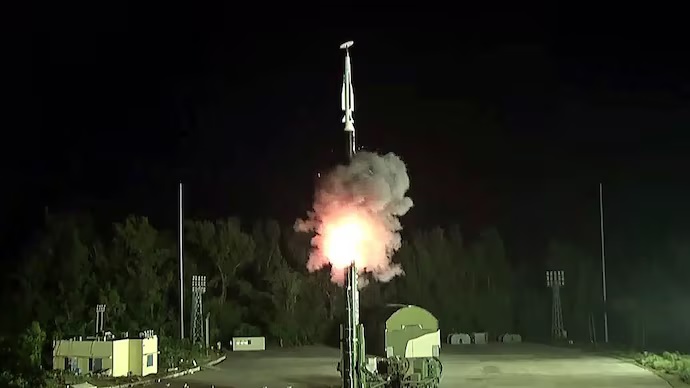
India
India has etched its name in the annals of military innovation with a groundbreaking achievement: the successful testing of its first long-range hybrid hypersonic missile. Conducted by the Defence Research and Development Organisation (DRDO) on November 16, 2024, from Dr. APJ Abdul Kalam Island off Odisha's coast, this test signifies a monumental leap in India's defense capabilities. The missile combines extraordinary speed, range, and stealth, redefining the limits of military technology and positioning India as a pioneer in this field. A Technological Marvel: India's Hybrid Hypersonic Missile Hypersonic missiles, traveling at speeds exceeding Mach 5, represent the cutting edge of missile technology. While nations like the United States, Russia, and China have pursued hypersonic systems, India's innovation lies in developing a hybrid system that integrates the features of both hypersonic glide vehicles and cruise missiles. This unique design leverages a rocket booster for initial propulsion before switching to a scramjet engine, allowing sustained hypersonic speeds and unprecedented in-flight maneuverability. This missile reaches speeds over Mach 8—eight times the speed of sound—and boasts a range exceeding 1,500 kilometers. Such capabilities outpace even Russia's top hypersonic systems, making India's missile the first of its kind to achieve this range and velocity. The missile's ability to evade radar detection and interception adds a strategic edge, rendering it nearly impervious to current missile defense technologies. Strategic Significance and Potential Applications Former DRDO chairman G. Satheesh Reddy aptly described the missile as a "game-changer" for India's defense. It bridges gaps in India's strategic arsenal, offering a versatile weapon capable of precision strikes on high-value targets while remaining virtually undetectable. Its advanced maneuverability enables it to navigate complex flight paths, evading enemy radar and anti-missile systems with ease. The missile's design also aligns with India's "Make in India" vision, as it was developed indigenously with inputs from multiple DRDO laboratories and private sector partners. This underscores India's growing self-reliance in defense technology, reducing dependency on foreign suppliers and advancing its defense export potential. Plans are underway to adapt this technology for naval applications, potentially targeting warships and enhancing maritime security. Such advancements could significantly bolster India's naval deterrence, particularly in the Indo-Pacific region, where maritime dominance is increasingly critical. Paving the Way for Next-Generation Missiles India's foray into hypersonic technology is not limited to this hybrid missile. The DRDO is also developing the BrahMos-II, a hypersonic cruise missile with a range exceeding 1,500 kilometers. This missile, a collaboration with Russia, promises unmatched speed and precision, complementing India's burgeoning hypersonic arsenal. Another revolutionary technology in the pipeline is the solid fuel ducted ramjet (SFDR). Designed for long-range air-to-air missiles, SFDR technology will allow India to develop missiles capable of intercepting fast-moving aerial threats. Once fully realized, this innovation could position India as a global leader in advanced missile systems. Implications for Regional and Global Security The successful test of this hypersonic missile has far-reaching implications. It solidifies India's position as a regional powerhouse, capable of countering threats from adversaries like China, which has aggressively pursued similar technologies. Hypersonic weapons provide a robust deterrence, ensuring adversaries think twice before escalating conflicts. On the global stage, India's hypersonic breakthrough marks a shift in the balance of power. By achieving such a feat ahead of many established defense giants, India sends a clear message about its technological prowess and its intent to play a significant role in shaping the future of global defense dynamics. India's development of a long-range hybrid hypersonic missile is more than a technological achievement—it is a strategic milestone that redefines its defense capabilities and global standing. As India continues to innovate, this missile is just the beginning of a new era in Indian defense. It exemplifies a nation rising to meet the challenges of a volatile world with resilience, ingenuity, and an unyielding commitment to securing its future.
Read More → Posted on 2024-12-01 14:44:18Search
Top Trending in 24 Hours
-
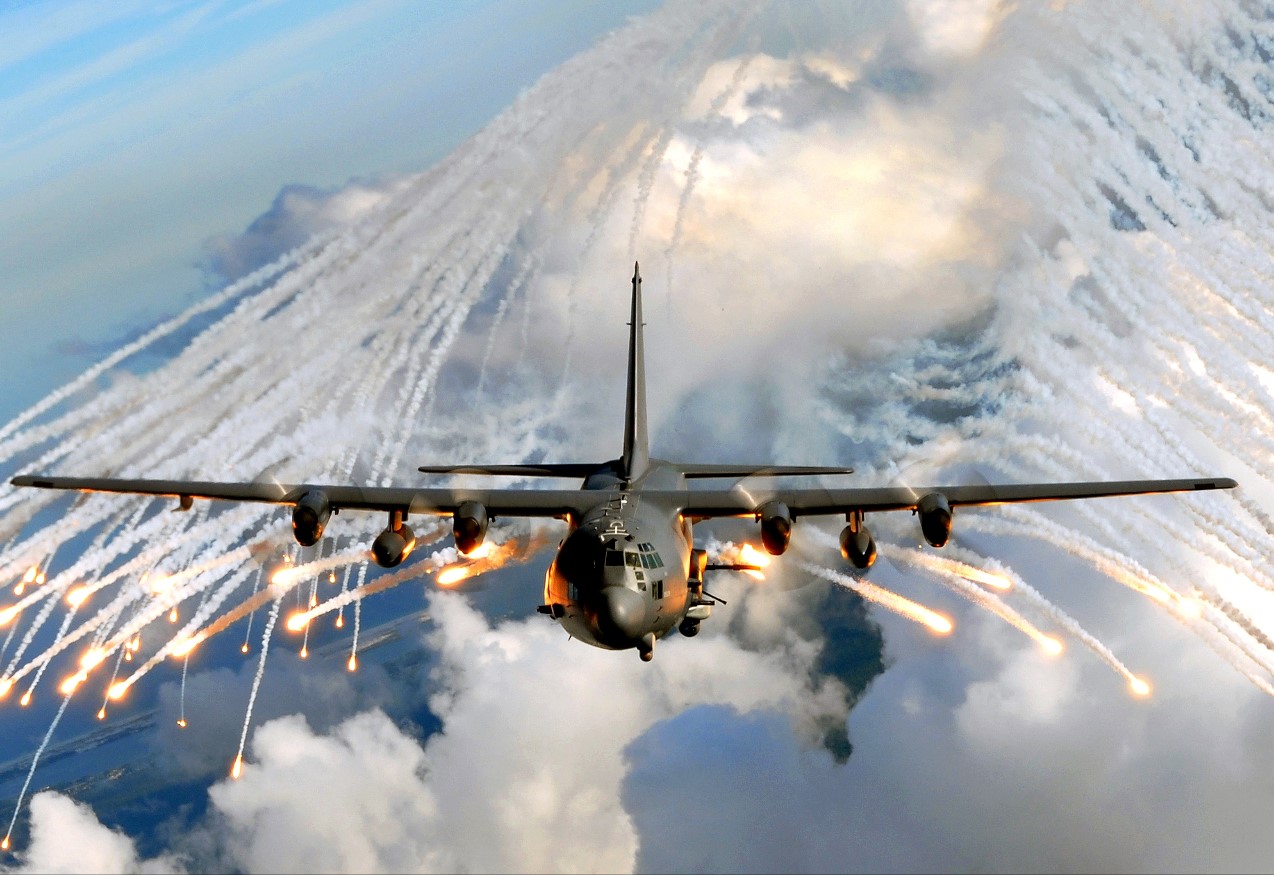 Pentagon Expands Alloy Surfaces Contract to $328.8 Million for Advanced Aircraft Decoy Flares Amid Evolving Drone Threats
-
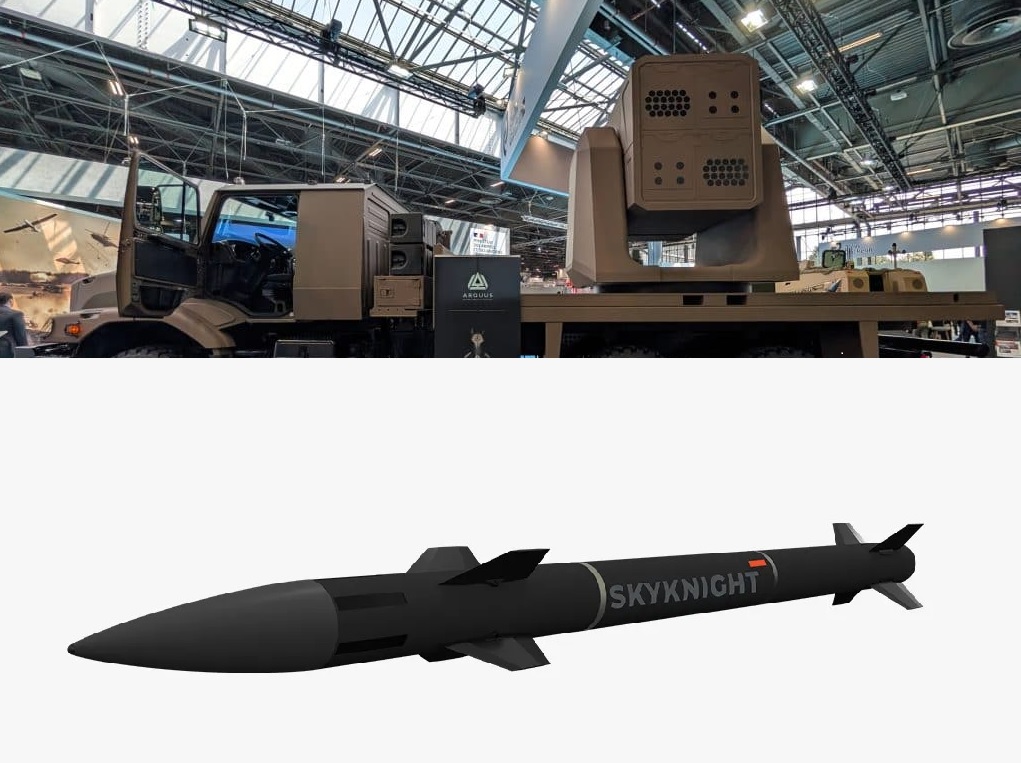 Naval Group Unveils Rampart Modular CIWS Multi-Purpose Weapon System for Naval and Ground Forces at Eurosatory 2026
-
 Why the U.S. Restored Pacific Command Name, Ending the Indo-Pacific Designation After Eight Years
-
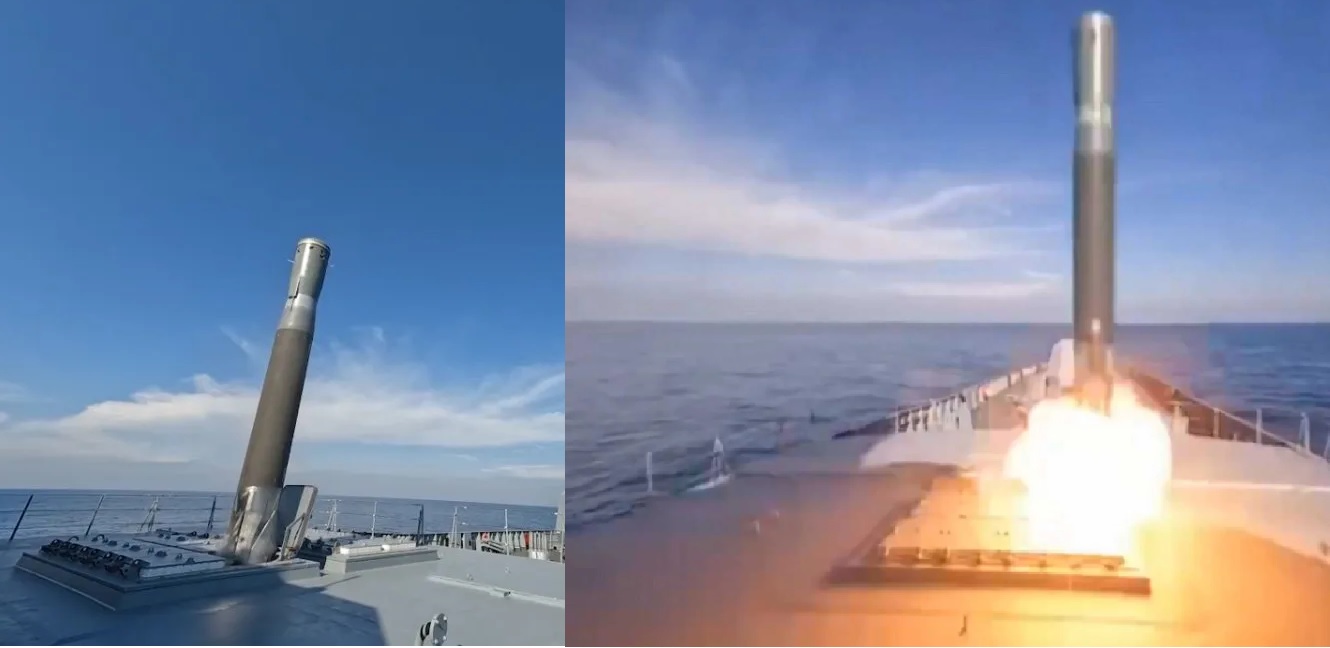 Open-Source Evidence Suggests Russia's Zircon Is a Quasi-Ballistic Missile, Not a True Hypersonic Cruise Weapon
-
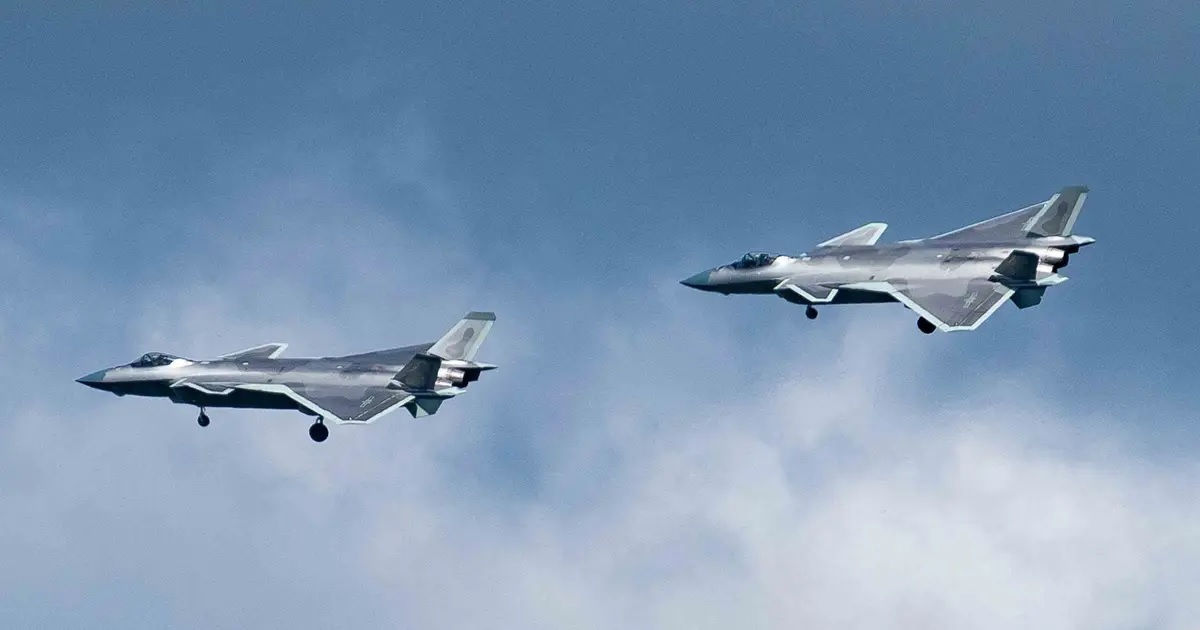 China Surpasses Russia as World’s Second-Most Powerful Air Force Amid Rapid J-20 and J-35 Expansion
-
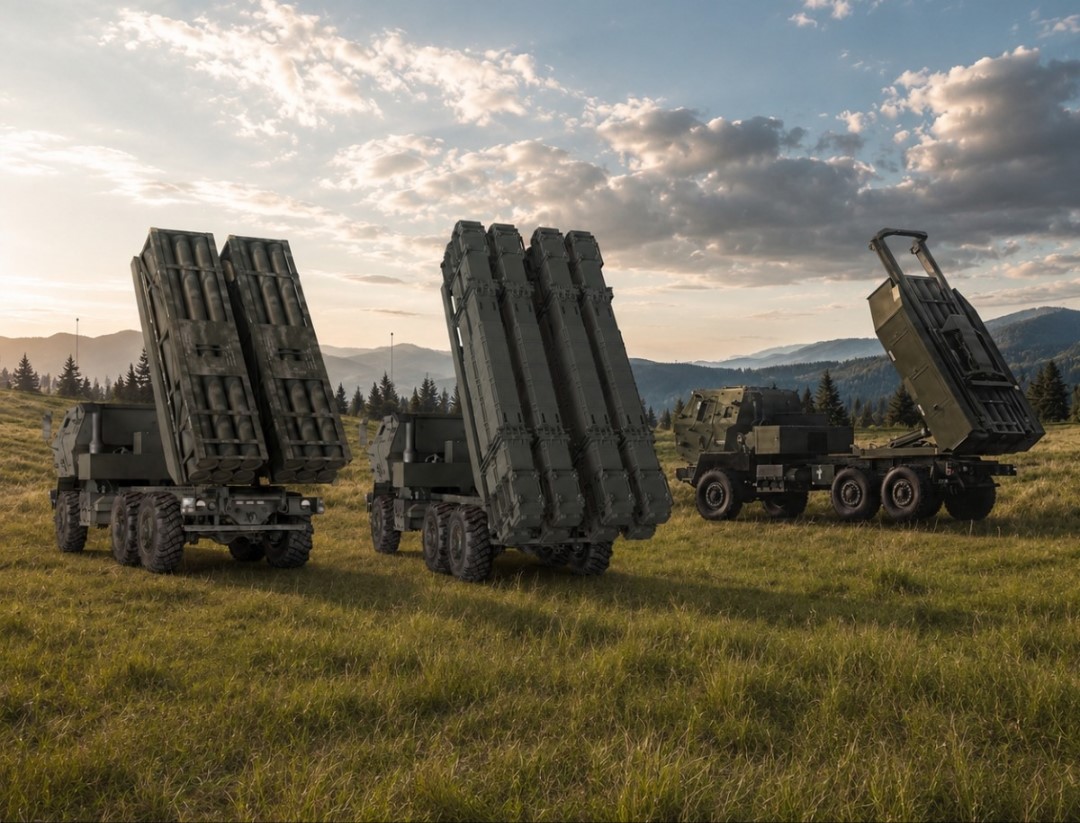 Lockheed Martin Unveils HIMARS FLEX with Dual-Pod Launcher and NATO-Compatible Air Defense Integration
-
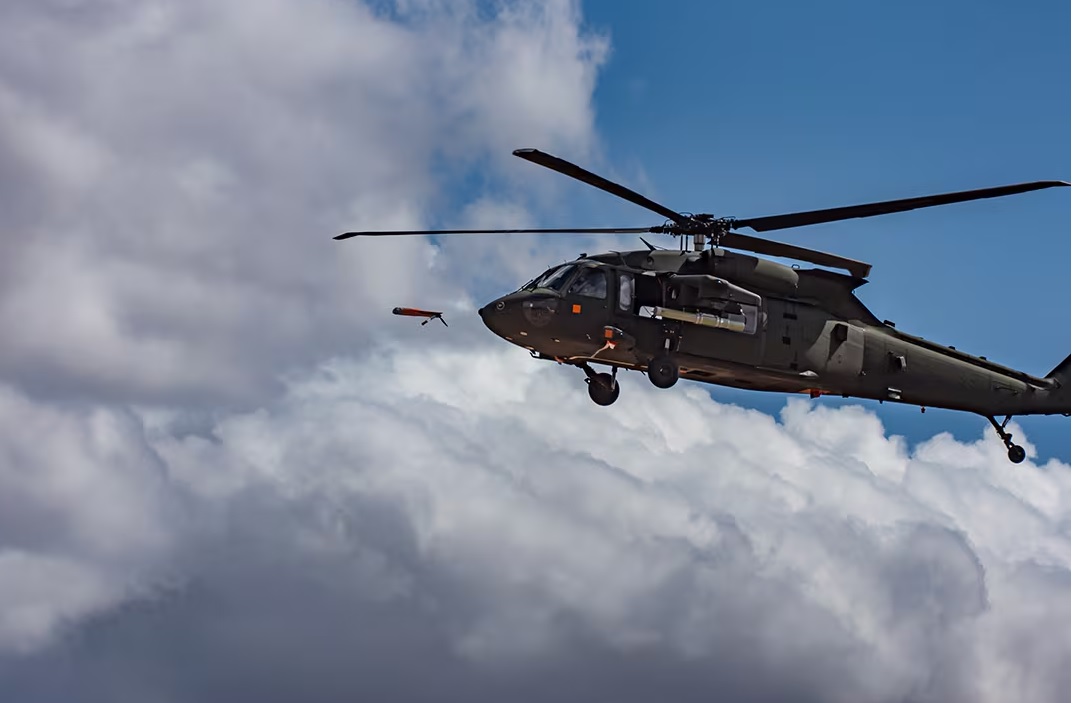 U.S. Army Completes First Flight Test of Medium-Range Air-Launched Effects from Black Hawk Helicopter
-
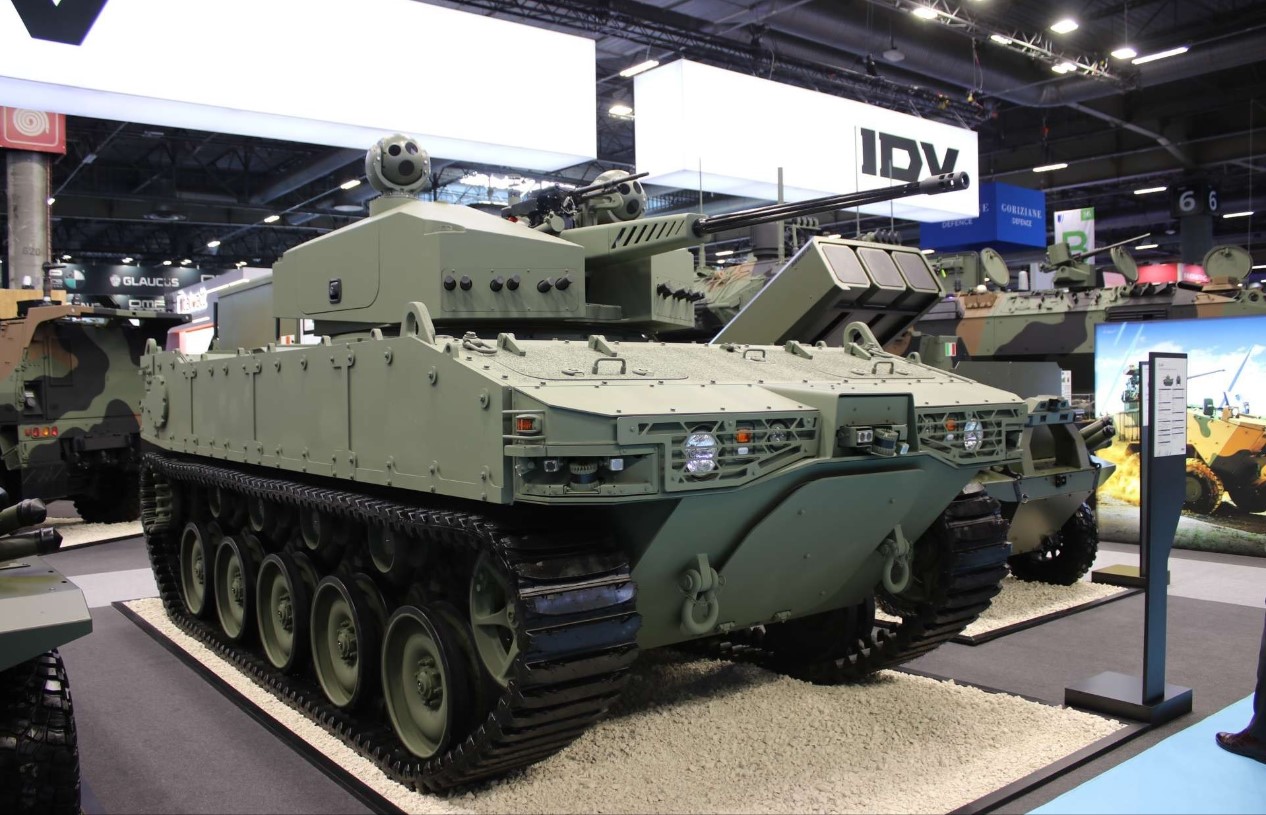 IDV Unveils CL2X Hybrid Uncrewed Light Tank at Eurosatory 2026
Top Trending in 4 Days
-
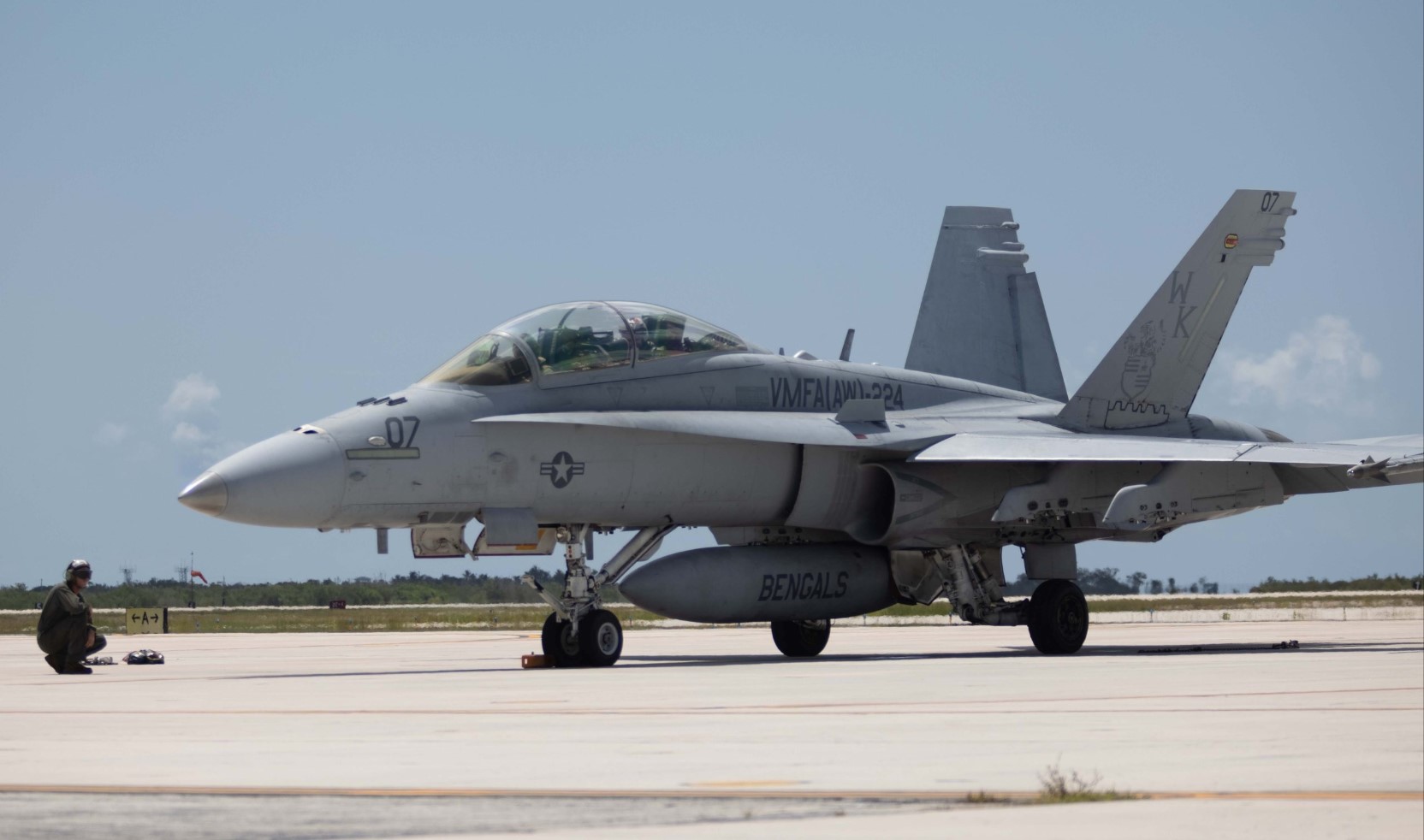 US Marine Corps F/A-18D Hornet Crashes During Training Flight in Washington Mountains; Pilot Ejects Safely
-
 Tulsi Gabbard Releases Declassified Files Detailing U.S.-Backed Network of 120 Biolaboratories Across 30+ Countries
-
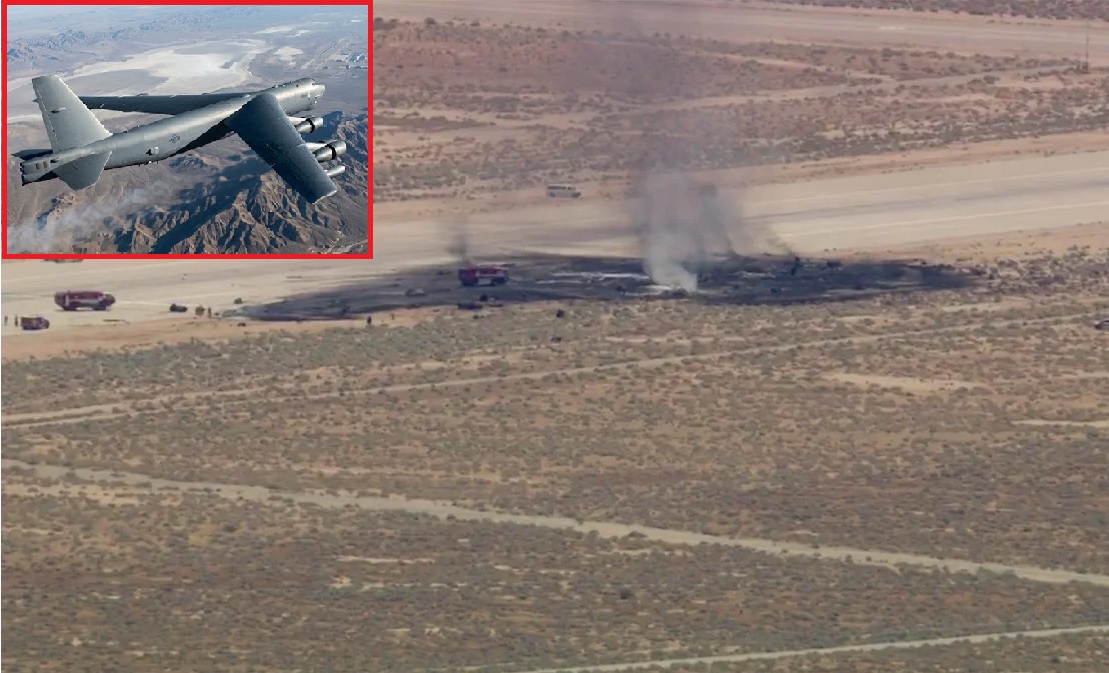 8 U.S. Air Force Crew Members Killed in B-52 Bomber Crash During Test Flight at Edwards Air Force Base
-
 Ukraine Introduces Balloon-Launched DART Missile Designed to Defeat Electronic Warfare
-
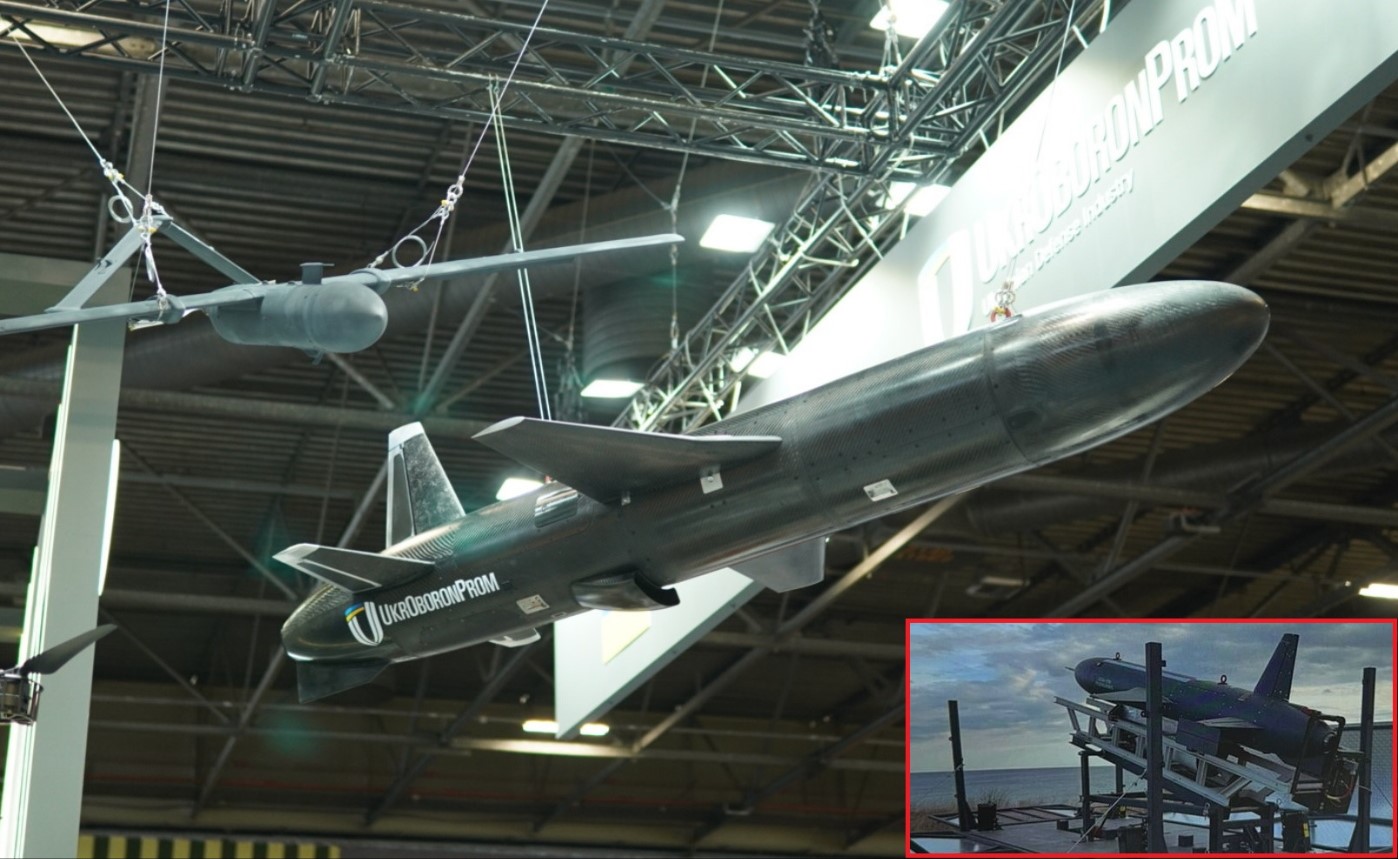 Ukraine Unveils UAV-290 Jet-Powered Strike Drone with 650 km Range at Eurosatory 2026
-
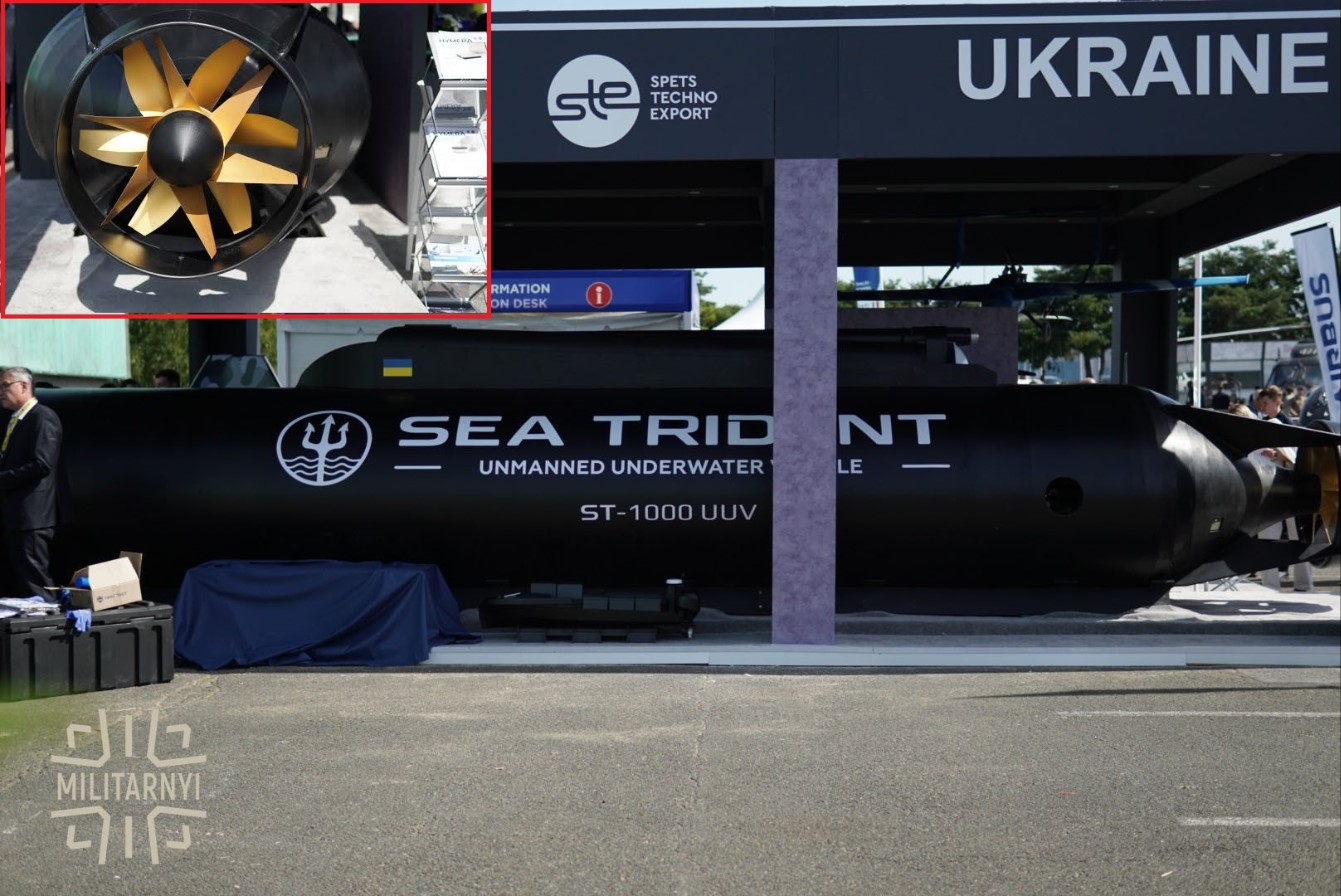 Ukraine Unveils 'Sea Trident' 10-Ton Autonomous Underwater Drone at Eurosatory 2026
-
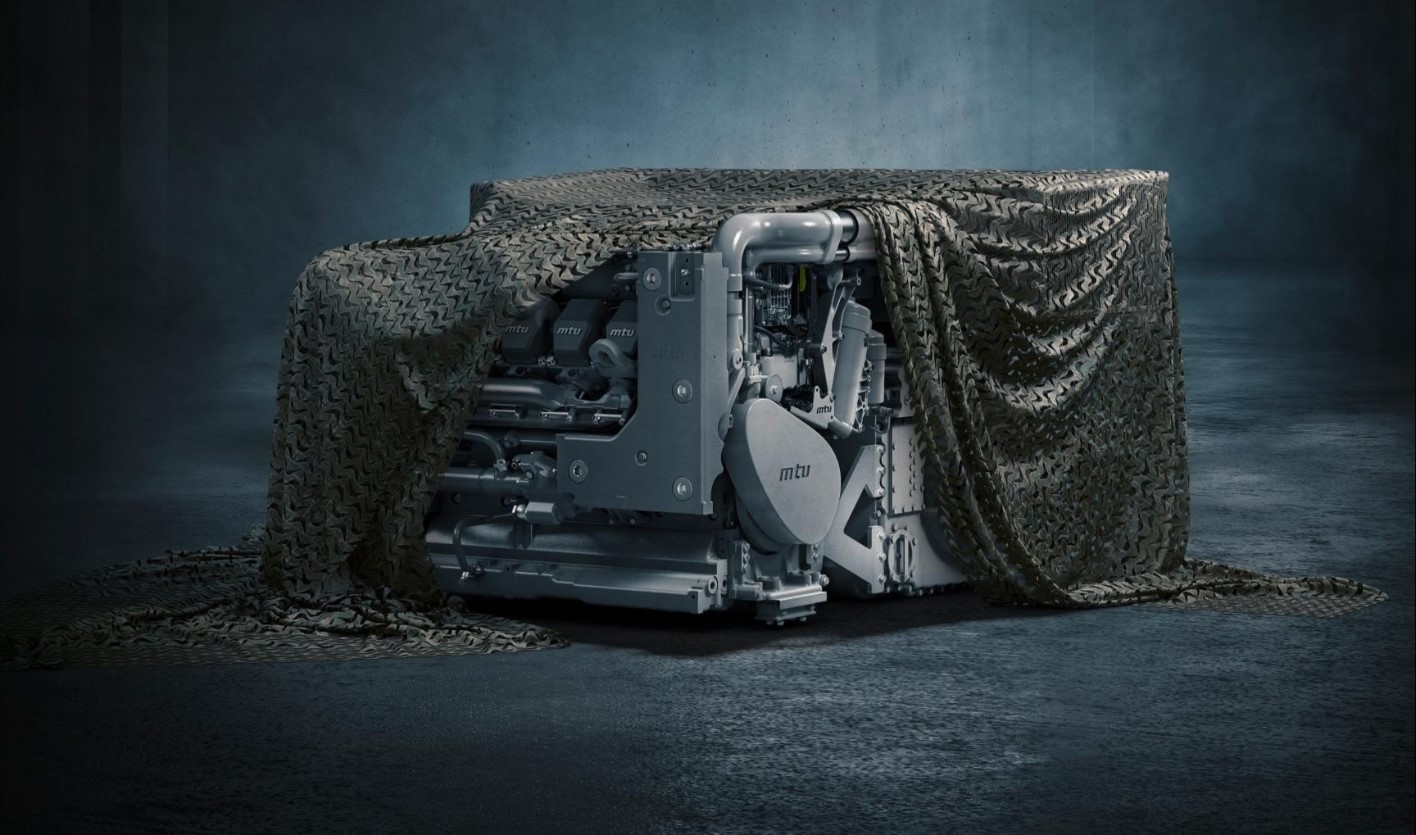 Rolls-Royce Unveils New Hybrid Powertrain for Heavy Military Vehicles at Eurosatory 2026
-
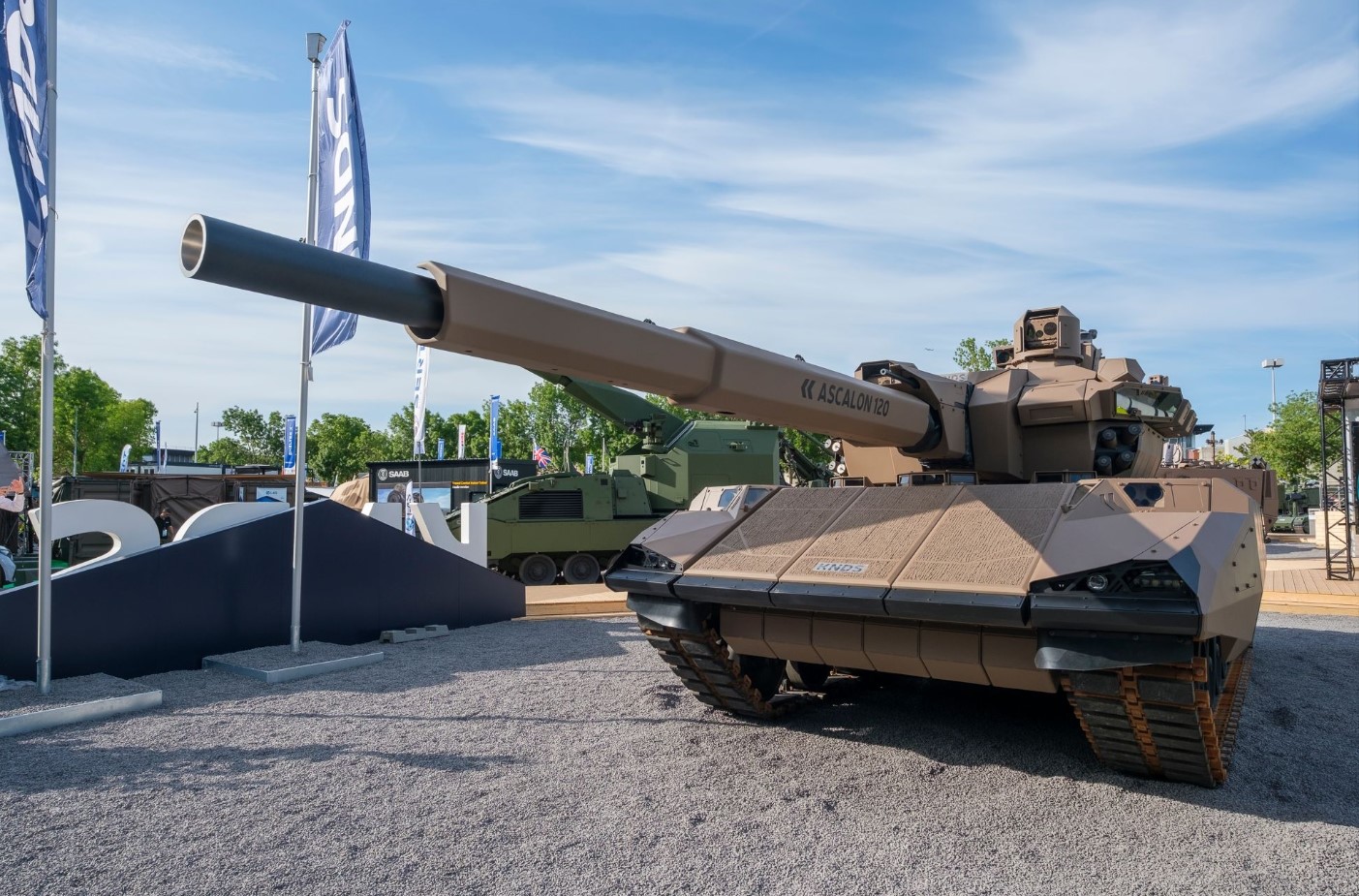 KNDS Unveils CAPINT Main Battle Tank at Eurosatory 2026 as Leclerc Stopgap