World
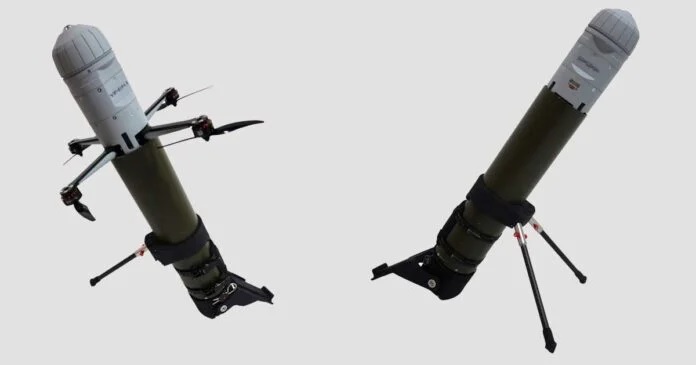
Israel's defense innovation continues to push boundaries with SpearUAV’s latest unveiling of the Viper I, an advanced drone interceptor designed specifically to counter the rising threat of top-attack munitions and strike drones. This new loitering munition is part of SpearUAV’s Viper family and is engineered to offer critical protection to ground forces, armored vehicles, and strategic installations from various aerial threats.At the core of the Viper I’s design is its versatility. Built with a modular approach, the Viper I can be equipped with third-party sensors and warheads, ensuring that it adapts to specific operational needs. Whether it's a precision strike or the neutralization of loitering munitions, this adaptability gives military forces the upper hand in detecting, verifying, and destroying potential threats before they cause harm.Advanced AI and High-Speed Target TrackingWhat sets the Viper I apart from traditional interceptors is its advanced artificial intelligence (AI) capability. The integrated AI allows the Viper I to autonomously track and follow moving targets at high speeds. This feature is crucial in modern battlefields, where drone swarms or high-speed munitions can appear with little warning. The AI doesn’t just enhance tracking but also optimizes decision-making in real-time, giving military operators more effective control over defensive actions.Viper I’s Multi Canister LauncherThe Viper I is launched from SpearUAV’s Multi Canister Launcher, a robust system designed for flexibility in deployment. This launcher system enables rapid firing of the Viper I from various platforms—whether they’re mounted on tactical vehicles, fixed installations, or even operated by dismounted infantry. The launcher’s modularity allows it to be customized to different configurations, ranging from a single canister to multiple units, providing operators with a scalable solution depending on the mission at hand.One of the standout features of the launcher is its ability to deploy munitions even from moving platforms. This feature is vital for fast-moving convoys or mobile infantry units that cannot afford to stop during engagements. Despite the flexibility, the system maintains a small footprint, addressing common concerns regarding size, weight, and power requirements in mobile military operations.Integration with Modern Battlefield SystemsAnother critical aspect of the Viper I’s design is its seamless integration with C4I (Command, Control, Communications, Computers, and Intelligence) battle management systems. This integration gives operators a comprehensive view of the battlefield, aiding in reconnaissance, target acquisition, and surveillance. The Viper I is not just a reactive system but also contributes to proactive defense strategies by enhancing situational awareness and improving decision-making in real-time combat environments.SpearUAV's Vision and CommitmentYiftach Kleinman, SpearUAV’s Executive Vice President of Commercial, emphasized the company’s commitment to utilizing cutting-edge Israeli technology to enhance the capabilities and survivability of warfighters. He stated, "VIPER I exemplifies our commitment to delivering effective encapsulated solutions that meet the evolving challenges faced by maneuvering forces." This statement aligns with the company's broader vision of providing military forces with the tools they need to meet the increasingly sophisticated threats in today’s combat scenarios.ConclusionSpearUAV’s Viper I represents a new era in drone interceptors, blending modular design with AI-driven technology. Its ability to neutralize a wide array of aerial threats, coupled with the rapid deployment capabilities of the Multi Canister Launcher, makes it a highly versatile and effective defense tool for modern military forces. Whether protecting high-value installations or enhancing the survivability of mobile units, the Viper I is set to play a pivotal role in future conflict zones.
Read More → Posted on 2024-10-22 16:09:36
World
Lockheed Martin is ramping up the production of two of its most advanced long-range missile systems—the AGM-158B Joint Air-to-Surface Standoff Missile (JASSM) and the AGM-158C Long Range Anti-Ship Missile (LRASM). In a contract awarded on October 14, 2024, the defense giant announced plans to increase the production capacity of these crucial missile systems. The contract falls under the U.S. Department of Defense’s Large Lot Procurement pilot program, which aims to bolster the nation's defense posture and that of its allies by ensuring a steady and enhanced supply of critical munitions.Lockheed Martin’s collaboration with the U.S. government on these missiles spans over two decades, delivering high-precision, long-range cruise missiles that have become essential in modern warfare. Dave Berganini, Vice President of Hypersonic and Strike Systems at Lockheed Martin Missiles and Fire Control, emphasized the importance of the contract, stating that it will enable the company to accelerate the delivery of these cutting-edge security solutions at the scale required to counter and, if necessary, defend against adversarial threats.The JASSM and LRASM are key components of the U.S. military's arsenal, offering both air-to-surface and anti-ship capabilities. The JASSM, with its advanced stealth features, is designed for precision strikes on high-value, well-defended targets. It has an operational range of over 370 kilometers (about 230 miles), making it a versatile option for the U.S. Air Force, which can deploy it from various aircraft platforms, including the B-1B Lancer, F-16, F-15E, and the F-35 fighter jets.On the other hand, the LRASM, which is tailored specifically for maritime combat, provides an effective deterrent against enemy naval forces. Developed in response to the increasing threat posed by hostile ships and anti-access/area-denial strategies, LRASM has a range exceeding 560 kilometers (350 miles), allowing the U.S. Navy and Air Force to strike ships from beyond their defensive range. Its autonomous targeting system and survivability features make it a formidable asset in modern naval warfare.The increased production of these missiles is essential to meet growing global security demands. The world has seen a steady increase in tensions, particularly in regions such as the Indo-Pacific, where U.S. allies are seeking advanced defense solutions to counter potential threats. By ramping up production, Lockheed Martin aims to provide the U.S. and its allies with an enhanced capacity to respond quickly and effectively in any conflict scenario.Lockheed Martin has already been preparing for this production surge. In 2022, the company expanded its manufacturing capabilities by adding a 225,000-square-foot intelligent factory to its existing production facilities. This new plant is equipped with advanced technology, including a fully robotic paint line and highly automated processes that ensure efficiency and precision. The facility also features factory model forecasting, allowing for more agile adjustments to meet fluctuating demands. This investment is critical in enabling the faster delivery of the JASSM and LRASM missiles.Both missile systems play a pivotal role in deterring adversaries through their lethal capabilities and long-range precision. The JASSM, particularly in its extended-range (JASSM-ER) variant, can reach over 925 kilometers (575 miles), providing the U.S. Air Force with a stand-off weapon that can neutralize high-value targets without exposing pilots to enemy air defenses. Similarly, the LRASM's stealthy design and sophisticated onboard sensors allow it to operate in highly contested environments, making it ideal for countering heavily defended maritime targets.The ongoing expansion in production is not just about meeting current demands; it is a forward-looking measure aimed at strengthening the defense industrial base. Lockheed Martin’s partnership with the U.S. government ensures that production lines can be rapidly scaled, providing the flexibility needed to respond to any future conflicts or crises.In summary, the ramp-up in JASSM and LRASM production marks a significant step in reinforcing the United States’ military capabilities. As global tensions rise, Lockheed Martin’s investment in advanced manufacturing processes and its commitment to delivering critical munitions ensures that the U.S. and its allies are well-equipped to deter and, if necessary, defend against any emerging threats. This move highlights the ongoing importance of multi-year procurement programs that provide stability and resilience to the defense industry, ensuring that America remains prepared for the challenges ahead.
Read More → Posted on 2024-10-22 16:06:47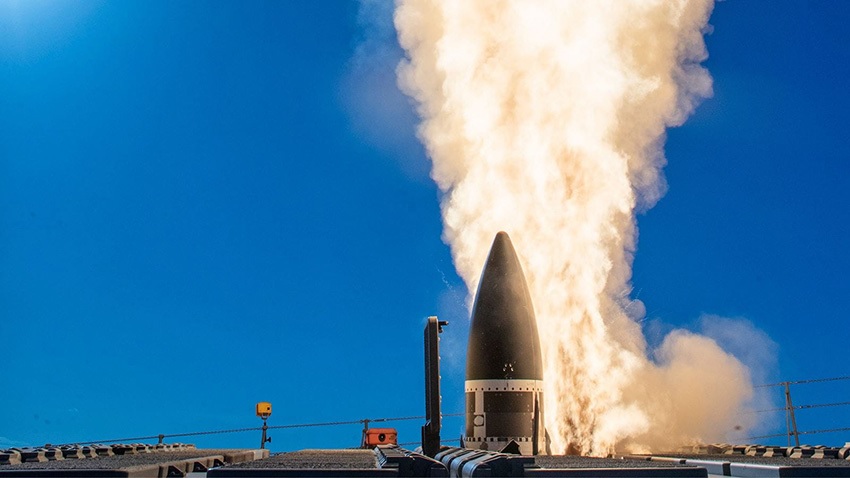
World
Raytheon, a leading subsidiary of RTX, has marked a significant achievement by transitioning to full-rate production for its Standard Missile-3 (SM-3) Block IIA interceptors. This production milestone comes at a critical time, as global demand for advanced missile defense systems continues to rise, particularly from the United States and allied nations like Japan. The SM-3 Block IIA has now reached a level of design maturity that confirms its performance and reliability, with no further concerns regarding design or manufacturing risks.This step into full-rate production follows a substantial $1.9 billion contract awarded in July 2024 by the U.S. Missile Defense Agency (MDA). The contract covers the procurement of additional SM-3 Block IIA interceptors, with orders intended for both the U.S. and Japan's Ministry of Defense. The shift to full-rate manufacturing is not just a technical milestone but also a sign of confidence in the missile’s operational effectiveness, reinforcing its position as a key component of missile defense systems for years to come.The SM-3 Block IIA is the result of a collaborative effort between the U.S. Missile Defense Agency, Japan's Ministry of Defense, and their industrial partners. This missile represents a technological leap in missile defense, featuring larger rocket motors and an upgraded kinetic warhead. These improvements give the SM-3 Block IIA the ability to intercept and neutralize ballistic missile threats with greater speed and over a larger geographical area than previous iterations of the SM-3 family.Designed to defend against short- to intermediate-range ballistic missiles, the SM-3 Block IIA enhances protection not only for the United States but also for its allies, particularly Japan. Its advanced capabilities make it an indispensable asset in the layered missile defense strategy, providing a critical shield against evolving global threats. Barbara Borgonovi, president of Naval Power at Raytheon, highlighted the importance of this milestone, stating that it reflects the continuing partnership with Japan and the overall maturation of missile defense technologies.What sets the SM-3 Block IIA apart is its adaptability and the scale of its development. It is the first missile defense program of its kind to reach full-rate production status, underlining the maturity of its design. The larger rocket motors allow for faster responses to missile threats, while the enhanced kinetic warhead ensures more precise destruction of ballistic targets. These advancements are pivotal as nations seek to bolster their defense capabilities against increasingly sophisticated missile threats.Raytheon’s production facilities in Tucson, Arizona, and Huntsville, Alabama, will be the hubs for manufacturing these cutting-edge interceptors. The company expects to continue production through February 2031, underscoring the long-term commitment to building and deploying these defense systems.The SM-3 Block IIA program also symbolizes a new era of cooperation between the United States and Japan. By sharing technology, expertise, and production responsibilities, the two nations have developed a missile defense system that is not only capable of defending their own territories but also contributes to the security of allied nations worldwide. This partnership has been instrumental in bringing the SM-3 Block IIA to full operational status, making it a cornerstone of modern missile defense.As the global landscape of missile threats continues to evolve, the SM-3 Block IIA stands as a powerful testament to international cooperation in defense technology. Its transition to full-rate production ensures that it will remain a crucial part of missile defense strategies for decades to come, offering an expanded range of protection and increased efficiency in neutralizing threats. With the full backing of the U.S. and Japanese defense agencies, the SM-3 Block IIA is poised to be a game-changer in global security.
Read More → Posted on 2024-10-22 16:03:46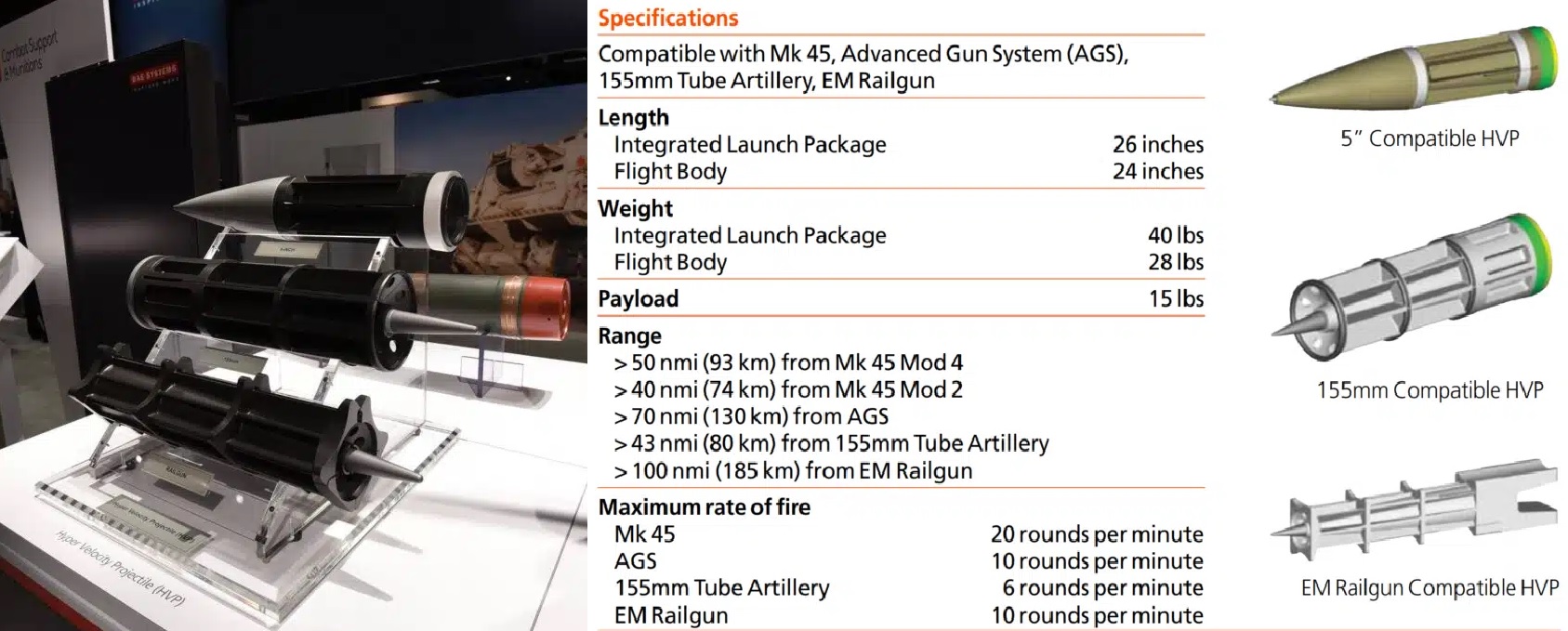
World
The U.S. Navy has revived its testing of BAE Systems’ Hypervelocity Projectile (HVP), a cutting-edge round that could revolutionize naval air defense. Originally developed as part of the now-canceled electromagnetic railgun program, the HVP has found new life aboard existing naval destroyers, with promising results that could enhance both air and missile defense capabilities for the U.S. military.At the 2024 Association of the U.S. Army (AUSA) Conference, BAE Systems revealed key developments in artillery and cannon ammunition, particularly surrounding the HVP. Despite the cancellation of the U.S. Navy’s railgun project in 2022 due to budget cuts, the HVP continues to evolve. BAE’s HVP project, initially designed for the railgun, has adapted to conventional naval guns, such as the Navy’s 5-inch Mark 45 cannons, as well as Army and Marine Corps 155mm howitzers. The projectile is part of a broader shift towards long-range cannon rounds with enhanced accuracy and speed.One of the standout features of the HVP is its velocity. Designed to travel at extreme speeds, the round has demonstrated the ability to intercept airborne targets such as cruise missiles and drones. It was first tested aboard the USS Dewey in 2018 during the RIMPAC exercise, where it successfully engaged cruise missiles. Though the program faced setbacks and a brief cancellation, recent reports indicate that the U.S. Navy has resumed testing at sea, marking a significant step toward integrating this technology into the fleet.According to Jim Miller, Vice President of Business Development at BAE Systems Combat Mission Systems, the Navy is conducting ongoing tests that involve deploying HVPs on destroyers. This testing aims to enhance the air defense systems of these warships, particularly against massed missile and drone attacks. The HVP’s ability to provide high-speed intercepts can supplement traditional missile defense systems, offering a cost-effective way to deal with lower-tier threats like unmanned aerial systems (UAS) and cruise missiles.The HVP's compact design allows destroyers to significantly increase their magazine depth. Typically, an Arleigh Burke-class destroyer carries around 600 rounds for its Mark 45 gun. The introduction of HVP rounds enables the firing of an additional 16-20 projectiles per minute, making it a powerful deterrent against overwhelming air and missile attacks. This capability not only enhances a ship’s defensive posture but also reduces the dependency on more expensive missile systems, such as the Navy’s RIM-174 or the Army’s PAC-3 interceptors, which are better suited for higher-priority threats.BAE Systems has also indicated that the HVP is equipped with a seeker, enabling it to track and hit moving targets. The current seeker allows the projectile to engage airborne threats, but future upgrades aim to enhance its ability to track and destroy moving targets at sea and on land. These modifications are expected to play a crucial role in the U.S. Navy's ongoing efforts to build a more versatile and cost-effective air defense system.The Navy’s Fiscal Year 2024 budget outlines a continued commitment to developing and testing the HVP, particularly focusing on the Precision Fire Control (PFC) architecture. The PFC effort is aimed at creating a guidance system that will allow ships to launch multiple interceptors, both missile-based and projectile-based, in a coordinated defense against cruise missiles and drones. This layered defense would greatly enhance the Navy's capability to deal with swarming UAS and other airborne threats, deepening magazine capacity without adding significant cost.The HVP's ability to be used across different branches of the U.S. military, including the Navy, Army, and Air Force, highlights its versatility. For instance, Army howitzers have successfully fired HVP rounds in recent tests, demonstrating the projectile’s adaptability to a range of platforms. The continued development of this system indicates that the military sees a future where hypervelocity projectiles play a central role in multi-layered defense strategies.As the Navy continues to refine its testing and deployment of the HVP, it’s clear that this projectile could significantly impact future naval warfare. With the ability to intercept missiles and drones more efficiently and at a lower cost than traditional missile systems, the HVP represents a leap forward in naval defense technology. This revival of the project may well ensure that future destroyers and other warships are better equipped to handle the increasingly complex threats posed by modern warfare.BAE Systems’ vision for the HVP extends beyond just the Navy. The projectiles have the potential to revolutionize base defense by providing a powerful, cost-effective means to intercept incoming aerial threats. Whether on land or at sea, the hypervelocity projectile stands poised to become a key element of U.S. military defense systems for years to come.As the testing progresses, the Navy’s push to integrate HVP into its destroyers signals a future where high-speed, precise cannon rounds complement traditional missile defense systems, providing a faster and more flexible response to threats. The return of at-sea testing marks a pivotal moment in the development of the HVP, as the U.S. Navy looks to finalize its integration by the mid-2020s.
Read More → Posted on 2024-10-22 15:52:34
India
India has taken another significant step in strengthening its nuclear deterrence by quietly launching its fourth nuclear-powered ballistic missile submarine (SSBN), codenamed S4, at the Ship Building Centre in Visakhapatnam. This move comes at a time when geopolitical tensions are rising in the Indo-Pacific region, and India finds itself embroiled in a diplomatic spat with Canada. The launch of the S4 adds another crucial layer to India’s nuclear triad, enhancing its sea-based deterrence capabilities.The launch, which took place on October 16, 2024, marks a pivotal moment for India's defense strategy. The submarine is part of a larger effort by the Indian Navy to modernize its underwater fleet and ensure a credible second-strike capability in the event of a nuclear confrontation. This fourth submarine joins its predecessors—INS Arihant, INS Arighat, and the soon-to-be-commissioned INS Aridhaman—in patrolling the Indian Ocean, acting as a vital deterrent against potential adversaries like China and Pakistan.A Quiet, But Powerful LaunchIndia’s nuclear submarine program has always been shrouded in secrecy, and the S4 launch was no exception. Despite the fanfare surrounding India’s defense advancements, this launch was deliberately low-key, possibly due to the ongoing diplomatic row with Canada. However, the significance of this event is not lost on strategic analysts, especially given the escalating competition in the Indo-Pacific.The newly launched S4 is an advanced version of the Arihant class, boasting nearly 75% indigenous content. This makes it a testament to India’s growing defense manufacturing capabilities, aligning with the government’s "Make in India" initiative. The submarine is equipped with the formidable K-4 ballistic missiles, which have a range of 3,500 kilometers. These missiles, launched vertically from the submarine, enable India to strike deep into enemy territory while remaining undetected in the ocean depths.In contrast, the earlier INS Arihant was armed with shorter-range K-15 missiles, which could only reach up to 750 kilometers. The evolution in missile capability, coupled with the submarine’s unlimited endurance, means that the S4 can stay submerged for extended periods, limited only by crew fatigue, food supplies, and maintenance requirements. This positions the S4 as a potent force capable of delivering a nuclear strike from virtually anywhere in the Indian Ocean.India’s Growing SSBN FleetThe S4 is part of a broader plan to expand India’s nuclear submarine fleet. While it is the last of its class, India’s SSBN program is far from complete. The government has already set its sights on building the next generation of nuclear submarines, which will have double the displacement of the Arihant class (6,000 tons) and will carry more advanced ballistic missiles with ranges exceeding 5,000 kilometers.This focus on sea-based nuclear deterrence is a response to the increasing vulnerability of surface vessels like aircraft carriers to long-range Chinese missiles, such as the Dong Feng-21 and Dong Feng-26. These missiles are designed to target large naval assets, making it crucial for India to prioritize submarines, which are far more difficult to detect and destroy.The Narendra Modi government’s emphasis on submarines over aircraft carriers reflects a strategic shift in India’s naval doctrine. As China expands its naval presence in the Indian Ocean—reportedly with 10-11 PLA warships patrolling the region monthly—India’s nuclear submarines are expected to play a key role in maintaining a strategic balance.Broader Defense UpgradesIn addition to the nuclear submarines, India is also bolstering its conventional submarine fleet. The diesel-powered Kalvari-class submarines, which are quieter and more cost-effective for certain operations, are being upgraded as well. The sixth and final submarine of this class, INS Vagsheer, is set to be commissioned by December 2024. Furthermore, the government has given the green light for the construction of three more advanced diesel attack submarines in collaboration with the French Naval Group at Mazagon Dockyards.The Cabinet Committee on Security recently cleared plans for the construction of two additional nuclear-powered attack submarines, signaling the government’s commitment to ensuring India’s dominance in the Indian Ocean Region (IOR). These submarines will serve as a crucial deterrent against adversaries in the Indo-Pacific, where China’s naval ambitions continue to grow.The Path AheadWith its SSBN fleet growing and a stronger focus on nuclear-powered attack submarines, India is positioning itself as a major maritime power in the region. The launch of the S4 is just the latest step in a long-term strategy to counterbalance China’s growing influence in the Indian Ocean. As the global focus increasingly shifts towards the Indo-Pacific, strategic submarines will play a crucial role in safeguarding India’s national security and ensuring stability in the region.In the years to come, India’s nuclear deterrence capabilities, bolstered by its SSBN fleet, will continue to evolve, further cementing the country’s position as a dominant force in the Indian Ocean and a key player in global geopolitics.
Read More → Posted on 2024-10-22 15:46:07
India
Hyderabad-based Raghu Vamsi Machine Tools Pvt Ltd is taking a significant leap forward in the world of aerospace with its latest project, the development of the Indra RV40 micro turbojet engine. Building on the success of its predecessor, the Indra RV25, the new engine brings enhanced power and efficiency, setting the stage for a new era in unmanned aerial vehicle (UAV) technology.The Indra RV40 is a compact yet powerful engine, weighing just 4.2 kilograms and capable of generating 400 Newtons (N) of thrust. This is a substantial upgrade from the RV25, which produced 240N of thrust, and demonstrates Raghu Vamsi's commitment to innovation and excellence in aerospace engineering. The increase in thrust, nearly doubling the power of its predecessor, positions the RV40 as an ideal solution for a range of UAV applications, from commercial drones to defense systems.At the heart of the RV40's development is the close collaboration between Raghu Vamsi and the Indian Institute of Technology (IIT) Hyderabad. The partnership between the company and the academic institution has brought together industry experience and cutting-edge research, creating an engine that blends practical aerospace expertise with theoretical knowledge. IIT Hyderabad’s involvement has been crucial in refining the design and performance of the engine, ensuring it meets the rigorous demands of modern UAV technology.The Indra RV40's power-to-weight ratio is particularly noteworthy. Weighing only 4.2 kilograms while generating 400N of thrust, it offers a remarkable balance between size and power, making it one of the most efficient engines in its class. This ratio is critical in the UAV industry, where weight restrictions are always a factor, and every gram saved can translate into longer flight times, increased payload capacity, and improved maneuverability. One of the key specifications of the Indra RV40 is its adaptability to various UAV designs. Its compact size and high thrust output make it versatile enough to power larger drones capable of performing more complex tasks. UAVs equipped with this engine could carry heavier payloads, including advanced sensors or communication equipment, making them suitable for military surveillance, search and rescue missions, and even commercial delivery services. The RV40’s capability to maintain high performance in challenging environments, such as high altitudes or extreme temperatures, is another testament to its advanced engineering.With UAV technology advancing rapidly, engines like the Indra RV40 are critical in pushing the boundaries of what these systems can achieve. Whether it's extending flight endurance, improving payload capacities, or enhancing operational efficiency, the RV40 is positioned to play a pivotal role in the next generation of drone technology. Furthermore, its fully indigenous development is a major win for India’s aerospace sector, highlighting the growing capabilities of domestic manufacturers in high-tech industries.Raghu Vamsi Machine Tools Pvt Ltd has once again proven itself as a key player in India's aerospace landscape. The development of the Indra RV40 is more than just an engineering feat; it’s a demonstration of how collaboration between industry and academia can lead to groundbreaking advancements. With the RV40, Raghu Vamsi is poised to make a lasting impact on the UAV industry, both in India and internationally. As UAVs become increasingly integral to both defense and civilian operations, the RV40's efficiency, power, and versatility will ensure it remains at the forefront of innovation in the field.
Read More → Posted on 2024-10-22 14:49:14
World
Iran’s diplomatic efforts have paid off with a series of assurances from its neighboring countries that they will not permit their land or airspace to be used for any attacks against the Islamic Republic. Iranian Foreign Minister Abbas Araghchi made this statement while on a regional tour aimed at bolstering alliances amid growing concerns over a potential Israeli retaliation following Iran's recent missile strike on Israel.Speaking at a press conference in Kuwait, Araghchi confidently relayed that, "All our neighbors have assured us that they won’t allow their soil or airspace to be used against the Islamic Republic of Iran." This declaration followed weeks of heightened tensions after Iran’s missile strike on October 1, which targeted Israeli positions in response to various provocations.Diplomatic Outreach Across the Gulf and Middle EastAraghchi’s diplomatic tour has taken him to key countries in the region, including Bahrain, Saudi Arabia, Qatar, Oman, Iraq, Egypt, and Turkey. His goal has been to strengthen regional ties and ensure that Iran’s neighbors remain neutral in any potential conflict with Israel. Iran is deeply aware of the military presence that the United States, a close ally of Israel, maintains in these countries, with bases and resources spread across the Gulf, including in Bahrain, Kuwait, Qatar, and the UAE. By securing these assurances, Iran hopes to mitigate the threat posed by the proximity of these American bases. Araghchi made it clear that Iran is closely monitoring American military movements, saying, "We are monitoring closely the movements of American bases in the region and are aware of all their movements and flights." He warned that if Israel were to attack, Iran would respond in kind.Israel and Iran: Nuclear Tensions EscalateOne of the major points of contention between Israel and Iran has long been Iran's nuclear program. Israel has consistently expressed concerns about the possibility of Iran developing nuclear weapons and has hinted at potential military strikes to prevent this. However, Araghchi reiterated Iran’s stance that any attack on its nuclear facilities would be met with severe consequences.He emphasized that, "Attacking nuclear sites is a big international crime; even threatening to attack nuclear sites is a crime and against international rights." Iran sees its nuclear program as a sovereign issue and has repeatedly warned that it will defend its facilities at all costs. Araghchi reinforced Iran’s commitment to its defense, stating, "To defend ourselves and our nuclear sites, we have our own tools and methods, and we count on them."Broader Implications for the RegionThe assurances from Iran’s neighbors signal a significant step in Tehran’s efforts to stabilize its position amidst growing threats from Israel. The fact that these nations are unwilling to allow their territories to be used in any offensive against Iran adds a layer of security for Tehran. However, it also complicates the dynamics of U.S. and Israeli military strategies in the region.For Israel, this could mean a more complex scenario should it decide to take military action against Iran’s nuclear facilities or retaliate for the missile strikes. With limited access to airspace and regional cooperation, the logistics of an Israeli strike become more challenging. Meanwhile, for the United States, whose bases in the region serve strategic purposes, these assurances from Iran’s neighbors may place constraints on future military planning.As tensions between Israel and Iran continue to escalate, the diplomatic moves made by Tehran in recent weeks are proving crucial. Iran’s success in securing pledges from its neighbors not to allow their territory to be used for attacks represents a significant step in its efforts to deter foreign intervention. However, the situation remains highly volatile, with the potential for further escalation if Israel decides to act. For now, Iran is banking on its regional diplomacy and its strong rhetoric to keep the threat at bay.
Read More → Posted on 2024-10-22 14:44:50
India
India’s Future Ready Combat Vehicle (FRCV) has captured the attention of military experts worldwide, especially in Serbia, for its innovative design and cutting-edge technologies. As India seeks to replace its aging fleet of T-72 main battle tanks, the FRCV promises to revolutionize the Indian Army’s armored capabilities, blending advanced features that address the challenges of modern warfare.Serbian military analysts from RedEffect, a prominent YouTube channel focused on military technology, have praised the FRCV for its unique design, highlighting its dual turret configurations and sophisticated protective systems. Drawing comparisons to Russia’s T-14 Armata tank, the FRCV distinguishes itself by adapting to India’s specific operational needs, including the challenges posed by high-altitude combat along the India-China border.One of the key innovations that impressed Serbian experts is the FRCV’s dual autoloader system. The unmanned turret variant features a combination of a carousel autoloader in the hull and a bustle autoloader in the turret. This rare design allows the tank to carry more ammunition and deploy longer Armor-Piercing Fin-Stabilized Discarding Sabot (APFSDS) rounds, which are more effective against modern armor. This hybrid autoloader system is not commonly seen in tanks, marking a significant advancement in tank firepower management.The FRCV’s manned turret variant, while more traditional in its operation, also presents advantages. The turret is designed to be low-profile, improving the protection of the crew by keeping them lower in the hull, reducing their exposure to enemy fire. Unlike the unmanned variant, the manned turret uses manual loading, with ammunition stored near the driver for ease of access during combat.One standout feature of the FRCV is its gun elevation capability. This allows the tank to engage targets effectively in mountainous regions, a critical advantage for India’s border operations with China. The gun itself is a 120mm smoothbore, which represents a shift from the rifled guns of India’s existing Arjun tanks. While it’s still unclear whether this gun will be sourced domestically or from foreign partners, its adaptability in various terrains makes it ideal for the diverse combat scenarios India faces.In terms of protection, the FRCV boasts composite armor and advanced Explosive Reactive Armor (ERA) capable of withstanding both kinetic energy penetrators and high-explosive anti-tank rounds. This combination enhances the tank’s survivability against modern threats, from rocket-propelled grenades to anti-tank guided missiles. Some reports also suggest that the tank may feature active protection systems (APS) that use sensors and projectiles to intercept incoming threats, further enhancing its defensive capabilities.The FRCV’s high-tech advancements don’t stop there. The tank is expected to come equipped with AI-powered systems, including automatic target tracking and a battle management system. These AI-driven features allow for faster and more precise engagement of enemy targets, improving reaction times in battle. The remote weapon station integrated with the FRCV also provides added firepower and flexibility for engaging infantry and lightly armored vehicles.Weighing between 45 and 55 tons, the FRCV will be powered by a domestically developed 1,500-horsepower engine, ensuring it has the mobility to navigate rough terrains and rapidly respond to threats on the battlefield. This engine, combined with its advanced suspension system, will make the FRCV a nimble yet heavily armored vehicle.As India’s Defence Acquisition Council has given the green light to the FRCV project, the development process is moving ahead. The Indian Army faces the decision of whether to first adopt the manned turret variant before eventually transitioning to the more advanced unmanned version. Regardless of the choice, both variants represent a significant leap forward in India’s armored warfare capabilities.Serbian military experts conclude that the FRCV, with its combination of advanced firepower, AI integration, and robust protection, is a strong contender to meet India’s future combat needs. The tank has the potential to play a critical role in securing India’s borders and asserting its armored strength in the region.As the development progresses, the FRCV could become a benchmark in tank design, combining traditional heavy armor with the agility and intelligence required for modern warfare.
Read More → Posted on 2024-10-22 14:40:14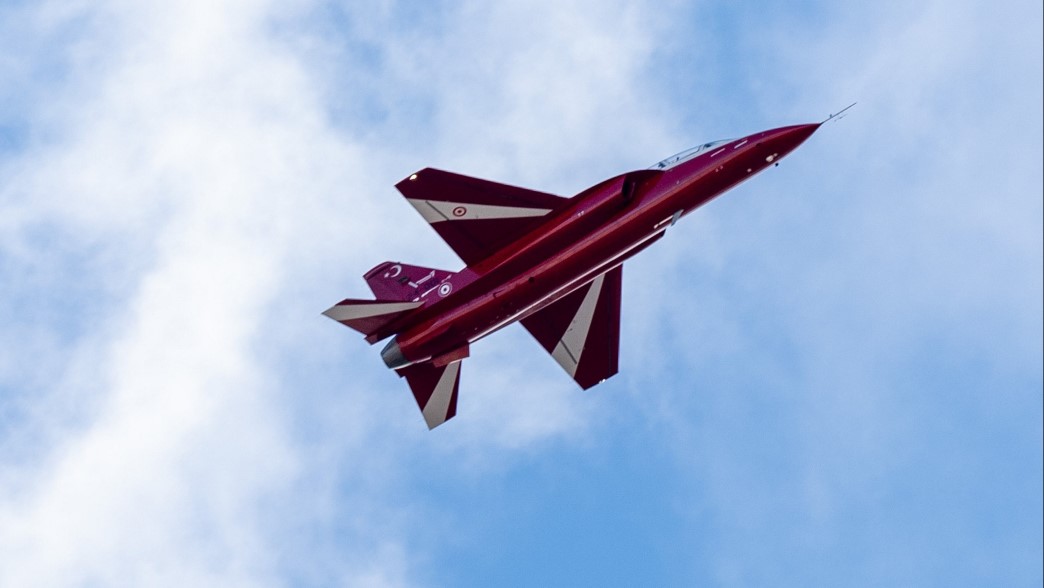
World
Turkey has achieved a major milestone in its aerospace journey as the Hürjet, a cutting-edge advanced trainer and light combat aircraft, successfully completed its first supersonic flight test. This remarkable event not only marks a new chapter in Turkey's defense industry but also demonstrates the growing capabilities of Turkish Aerospace Industries (TAI), the company behind the Hürjet's design and development.The test flight took place at Mürted Air Base on a bright morning, with the Hürjet taking off at precisely 9:45 a.m. local time. Accompanied by an F-16 fighter jet to ensure a secure and controlled environment, the aircraft climbed into the skies and pushed past the speed of sound. During the 38-minute test flight, the Hürjet successfully reached supersonic speeds before safely landing at 10:23 a.m., marking a crucial achievement in the ongoing development of this versatile aircraft.The Hürjet is an impressive feat of engineering, developed to replace older trainer aircraft in the Turkish Air Force, such as the T-38 Talon and the F-5. Measuring 13.4 meters (43 feet) in length with a wingspan of 9.5 meters, the Hürjet is designed to train future pilots for high-performance aircraft, while also being capable of light combat missions. Its performance specs are noteworthy: the aircraft can fly at speeds up to Mach 1.4, soar to altitudes of 45,000 feet (13.7 kilometers), and operate in a variety of roles, making it a highly adaptable asset for the Turkish military.TAI began the Hürjet project in August 2017, setting out to create a modern trainer and combat aircraft that could meet both domestic and international needs. The Hürjet took its first flight on March 18, 2023, and since then, it has undergone a rigorous series of tests, including formation flights with aerobatic teams and transonic flight trials. The aircraft is currently undergoing further testing to ensure that it meets all required standards before being introduced into full operational use.What makes this latest supersonic flight particularly important is its implications for the future of Turkish aerospace. The successful test demonstrates that Turkey is capable of producing high-performance military aircraft that can compete on the global stage. The Hürjet is expected to attract interest from other countries looking to modernize their air forces, potentially positioning Turkey as a significant player in the international defense market.The Hürjet's role, however, is not just limited to training pilots. The aircraft is designed with light combat capabilities, allowing it to carry out tactical air support missions, border patrol, and even limited air-to-ground strikes. This multi-role flexibility enhances its appeal, particularly for countries seeking an affordable yet capable aircraft for both training and combat operations.The future of the Hürjet looks promising, with continued testing and development ensuring that the aircraft will be fine-tuned for maximum performance. The recent supersonic flight is a key milestone, and as the project progresses, TAI is likely to introduce even more advanced capabilities, further solidifying the Hürjet as a symbol of Turkey’s growing aerospace expertise.As Turkey continues to invest in its defense industry, the Hürjet stands out as a testament to the nation's ambitions to not only become self-reliant in military production but also to export high-tech aerospace solutions to the global market.
Read More → Posted on 2024-10-22 14:32:02
India
In a significant diplomatic development just ahead of Prime Minister Narendra Modi’s departure for the BRICS summit in Russia, India and China have reached a critical agreement on patrolling the Line of Actual Control (LAC) in the Himalayas. This breakthrough could mark a turning point in the ongoing tensions between the two nations, which have simmered since the deadly clashes in May 2020. Foreign Secretary Vikram Misri announced on Monday that these discussions have set the stage for "disengagement" along disputed border areas, potentially easing one of the most strained military standoffs in recent memory.The agreement, which is focused on patrolling in two particularly sensitive zones—Depsang and Demchok—is seen as a step toward restoring stability in the region. These areas have been at the heart of the conflict, with troops from both sides facing off for months in precarious conditions. Misri highlighted the significance of these discussions, noting that the ongoing diplomatic and military talks were essential to reaching this stage of disengagement.The Importance of Timing: Modi's BRICS DiplomacyThe timing of the agreement is notable, coming just before Modi's scheduled trip to Russia to participate in the BRICS summit. This year's summit holds extra importance, as new members—Iran, Egypt, Ethiopia, and the UAE—are joining the bloc. With Chinese President Xi Jinping also attending, speculation is growing over the possibility of a bilateral meeting between Modi and Xi on the sidelines. While there is no official confirmation of such a meeting, the agreement on LAC patrols may set a positive tone for any potential dialogue between the two leaders.It’s worth remembering that tensions between India and China skyrocketed after the 2020 Galwan Valley incident, which resulted in the deaths of 20 Indian soldiers and an undisclosed number of Chinese casualties. This violent clash, the worst in decades, soured relations and led to a series of diplomatic and military talks aimed at de-escalation. However, until now, a long-term solution had remained elusive.Behind China’s Sudden Agreement: Strategic MotivationsChina’s agreement to the patrolling arrangement comes as a surprise to many, especially given its previously rigid stance on border issues. But there are hints that Beijing’s motivations might extend beyond just securing peace at the border. The broader geopolitical landscape provides some clues.China has been grappling with increasing economic and diplomatic pressures in recent years, particularly from the West. The United States’ growing military alliances in the Indo-Pacific, coupled with the ongoing trade and tech wars, have put Beijing on the defensive. Additionally, China's slowing economy and its need to manage multiple border tensions—such as those with Taiwan and the South China Sea—could be driving its willingness to reduce friction with India, at least temporarily.There’s also the looming BRICS summit itself. As one of the founding members of BRICS, China has a vested interest in ensuring that the summit runs smoothly, particularly given the expansion of the bloc. Any lingering tensions with India would undoubtedly overshadow the proceedings, something Beijing is likely eager to avoid. By agreeing to disengagement along the LAC, China may be hoping to demonstrate its commitment to multilateralism and regional stability, projecting itself as a responsible global player.The Road Ahead: Can the LAC Disengagement Hold?Despite this agreement, questions remain about how sustainable the disengagement will be. The LAC has been a flashpoint for decades, and mutual distrust between Indian and Chinese forces still lingers. While both sides have reaffirmed the importance of respecting the LAC and maintaining peace, the long history of conflict in the region suggests that real peace will require sustained effort and goodwill from both sides.Furthermore, the situation along the LAC is not the only issue in India-China relations. Trade imbalances, competition in regional influence, and China’s ties with Pakistan continue to add layers of complexity to the bilateral relationship. The agreement may represent a temporary reprieve, but the underlying geopolitical tensions are far from resolved.As Modi prepares to meet world leaders at the BRICS summit, the LAC agreement offers a glimmer of hope for improved India-China relations. But the question remains: Is this a genuine breakthrough or merely a short-term tactical move by China to focus on bigger geopolitical challenges elsewhere? Only time will tell if this disengagement will lead to lasting peace or if it’s just another chapter in the long, complicated history of India-China relations.This agreement is certainly a step in the right direction, but the true test will be in its implementation and whether both nations can continue to move toward a permanent resolution of their border issues. For now, all eyes will be on Prime Minister Modi’s interactions with President Xi during the BRICS summit and how the two leaders navigate this delicate moment in their countries’ history.
Read More → Posted on 2024-10-22 14:20:34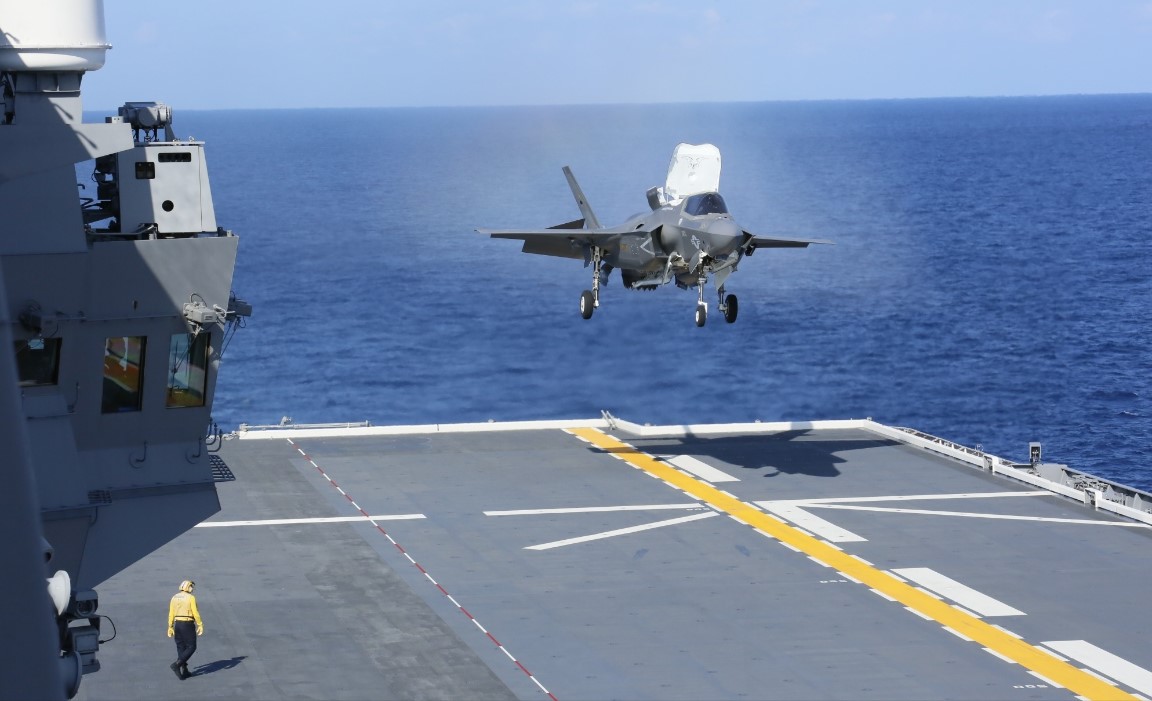
World
In a historic milestone for Japan's maritime defense, a U.S. F-35B Lightning II fighter jet landed on the JS Kaga, an Izumo-class helicopter destroyer, on October 20. This event marked the first time a fixed-wing aircraft had landed on Japan's largest warship, highlighting a new chapter in Japan's naval capabilities and underscoring the strengthening of its alliance with the United States. The landing took place off the southern coast of California, as part of comprehensive sea trials aimed at assessing the ship's readiness to support advanced fixed-wing aircraft operations.Setting the Stage for the LandingThe significance of the F-35B’s arrival on the JS Kaga goes beyond a mere technical achievement; it is a bold step towards evolving Japan’s self-defense strategy. The ship, which was initially designed to operate helicopters, underwent extensive modifications to accommodate the state-of-the-art stealth fighter. These upgrades included reinforcing the flight deck with a heat-resistant coating to endure the extreme temperatures generated by the F-35B's powerful vectored-thrust engines. The bow was reshaped to optimize the flow of air across the flight deck, and specialized lighting was added to facilitate nighttime operations.The JS Kaga's transformation represents a strategic pivot for the Japan Maritime Self-Defense Force (JMSDF), allowing the ship to serve as a de facto aircraft carrier. Although Japan’s constitution restricts the use of offensive military capabilities, the deployment of F-35Bs aboard the Kaga could potentially enhance the country’s ability to project air power and respond to regional threats.The F-35B: A Technological MarvelThe F-35B Lightning II is not just any fighter jet—it is a fifth-generation aircraft renowned for its stealth capabilities, advanced sensors, and versatility. This short takeoff and vertical landing (STOVL) variant of the F-35 is particularly suited for operations aboard the Kaga because it does not require a catapult to launch or an arrestor wire to land. Its ability to take off from shorter runways and land vertically makes it ideal for naval operations on vessels that lack the expansive flight decks of traditional aircraft carriers.The F-35B's propulsion system, which incorporates a unique swiveling rear exhaust nozzle and a lift fan near the cockpit, enables it to hover like a helicopter and land in confined spaces. This technology allows the aircraft to deliver cutting-edge combat capabilities even from ships that are not conventionally equipped for fixed-wing aviation. With a top speed of around 1,200 mph (Mach 1.6) and a combat radius of approximately 450 nautical miles, the F-35B brings a potent combination of speed, agility, and firepower to Japan's maritime defense.Strategic Implications of the Sea TrialsThe recent landing was conducted by a test pilot from Air Test and Evaluation Squadron Two Three (VX-23), based at Naval Air Station Patuxent River in Maryland. The pilot touched down at approximately 3:15 p.m., showcasing the Kaga’s readiness to operate one of the world's most advanced fighter jets. The trials, expected to span three weeks, involve a joint team of experts from the F-35 Pax River Integrated Test Force (Pax ITF) and the JMSDF. This test phase will assess the operational compatibility of the F-35B with the Kaga's newly modified deck and systems.Commanding Officer Capt. Shusaku Takeuchi emphasized the trials' importance, noting that the integration of the F-35B into the JMSDF represents a leap forward in Japan’s defense capabilities. "This test is essential for strengthening Japan’s defense capabilities and is of utmost importance. It not only enhances the capabilities of the Maritime Self-Defense Force but also improves interoperability between Japan and the U.S., strengthening deterrence and response capabilities in the Japan-U.S. alliance,” he said.The trials are more than just a technical assessment; they are a diplomatic statement. Japan’s commitment to enhancing its naval aviation capabilities in collaboration with the U.S. sends a message of unity and deterrence to potential adversaries in the region. The ability to operate F-35Bs from the Kaga will provide Japan with a forward-deployed air power asset that can respond swiftly to emerging threats in the Indo-Pacific.A New Era for Japanese Naval AviationJapan's maritime strategy has long been defensive, with an emphasis on anti-submarine warfare and territorial defense. However, the ability to deploy F-35Bs changes the strategic calculus. The JS Kaga, alongside its sister ship, the JS Izumo, has been transformed from a helicopter destroyer into a vessel capable of launching cutting-edge fighter jets. This shift aligns Japan more closely with the practices of traditional aircraft carrier operations, despite the country's official stance on military restraint.The modifications to the Kaga are not only technical but also symbolic of Japan's evolving approach to national defense. The JS Kaga is named after a famous aircraft carrier that played a role during World War II, and its transformation echoes a return to Japan’s carrier-operating heritage, albeit under a modern, defensive doctrine. With the F-35B integration, Japan can project air power over greater distances, enhancing regional stability through deterrence and contributing to allied operations.The Kaga’s new capabilities also underscore the growing interoperability between the JMSDF and the U.S. Navy. By sharing platforms, tactics, and technologies, the two nations can more effectively coordinate in joint missions, humanitarian assistance, disaster relief operations, and other military engagements.Looking ForwardThe success of these initial trials will pave the way for broader operational deployment of the F-35B in the coming years. Once fully operational, the Kaga will be able to embark a contingent of F-35Bs, enabling Japan to maintain a flexible and responsive maritime posture in the Pacific. Given the increasing military activities in the region, including China's growing naval presence, Japan’s ability to project air power from its warships will be a significant asset in maintaining regional security.The recent landing of the U.S. F-35B on the JS Kaga marks not just a technical achievement but a strategic one, signaling Japan's commitment to modernizing its Self-Defense Forces and reinforcing its alliance with the United States. This event is the beginning of a transformative period for Japanese naval aviation, as the nation steps up to new defense challenges in a rapidly changing geopolitical landscape.
Read More → Posted on 2024-10-21 16:02:58
World
In a rapidly escalating situation, South Korea has demanded the immediate withdrawal of North Korean troops allegedly stationed in Russia, marking a significant shift in the dynamics of the Korean Peninsula. This development comes amidst rising concerns over deepening military cooperation between North Korea and Russia, which could pose grave threats to South Korea's national security and regional stability.On Monday, South Korean Vice Foreign Minister Kim Hong Kyun summoned the Russian Ambassador to Seoul, Georgy Zinoviev, to express strong disapproval over the alleged deployment of 1,500 North Korean special operations forces to Russia to support its war efforts in Ukraine. The South Korean government, which had received intelligence from its spy agency confirming the North's military presence, labeled this action as an immediate and serious security risk.According to South Korea’s National Intelligence Service (NIS), this dispatch of North Korean forces to Russia is not an isolated event. The intelligence suggests that North Korea is preparing up to 10,000 soldiers to join Russian forces in their ongoing war against Ukraine. Ukrainian President Volodymyr Zelenskyy had already mentioned similar findings, highlighting the possible scale of North Korean involvement in the conflict.South Korea's response has been unequivocal. Kim Hong Kyun condemned North Korea’s participation, calling it a "grave security threat" to both South Korea and the international community. He emphasized that South Korea, in concert with global partners, would deploy all available diplomatic and strategic tools to counter this threat. The Russian Embassy, however, maintained that the cooperation between Moscow and Pyongyang was not intended to compromise South Korean security.In the midst of these alarming revelations, South Korean President Yoon Suk Yeol engaged in a phone conversation with NATO Secretary-General Mark Rutte to discuss the implications of this military collaboration. President Yoon made it clear that South Korea would not stand idly by while North Korea strengthens its ties with Russia, potentially gaining advanced military technologies in return. Rutte, in a statement on X (formerly Twitter), warned that North Korean involvement in the Ukraine war would signal a "significant escalation" in the conflict.Although the U.S. and NATO have not officially confirmed the presence of North Korean troops in Russia, the mere reports of such an alliance have heightened concerns in South Korea. The possibility that Russia might transfer cutting-edge military technology to North Korea in exchange for manpower could dramatically advance Pyongyang’s nuclear and missile capabilities—an existential threat to South Korea.North Korea's burgeoning nuclear arsenal has been a longstanding source of concern for Seoul. Pyongyang’s recent hostile rhetoric, including threats of preemptive nuclear strikes, has left South Korea and its allies in a heightened state of alert. If Russia is indeed providing North Korea with advanced missile and nuclear technologies, it could alter the balance of power on the Korean Peninsula.Meanwhile, South Korea has participated in U.S.-led sanctions against Russia over its invasion of Ukraine but has stopped short of directly supplying arms to Kyiv, citing its policy of not sending weapons to nations actively engaged in conflicts. However, there are growing speculations that South Korea may reconsider its stance if credible evidence of Russian technology transfers to North Korea surfaces. Such a development could see South Korea increase its support for Ukraine in more tangible ways.The Kremlin, for its part, has remained vague on the matter. When questioned, Russian government spokesman Dmitry Peskov pointed to the mixed reports surrounding the issue, suggesting that no definitive conclusions should be drawn just yet. Similarly, North Korea has been silent, with no official statements regarding the troop deployment from its state-controlled media.Video footage recently released by Ukrainian officials purports to show North Korean soldiers receiving Russian military uniforms and supplies, though this footage has not been independently verified. The deployment, if confirmed, would mark the first time North Korean forces have participated in a major conflict since the Korean War in the 1950s.The growing military alliance between Pyongyang and Moscow has been in the works for some time. Over the past two years, the two nations have strengthened their cooperation, with North Korea reportedly supplying conventional arms to Russia in return for much-needed economic and military aid. Earlier this year, North Korean leader Kim Jong Un and Russian President Vladimir Putin signed an agreement pledging mutual military assistance in the event of external aggression against either nation.As the international community watches these developments closely, the potential implications for global security, especially in East Asia, remain profound. For South Korea, the immediate concern is whether this new alliance between Russia and North Korea could tip the delicate balance of power in the region, possibly leading to further instability or even conflict on the Korean Peninsula.South Korea’s insistence on the immediate withdrawal of North Korean troops from Russia underscores the gravity of the situation, as the specter of increased military collaboration between the two adversaries looms large over the region. In this evolving geopolitical chess game, the stakes are higher than ever.
Read More → Posted on 2024-10-21 15:53:52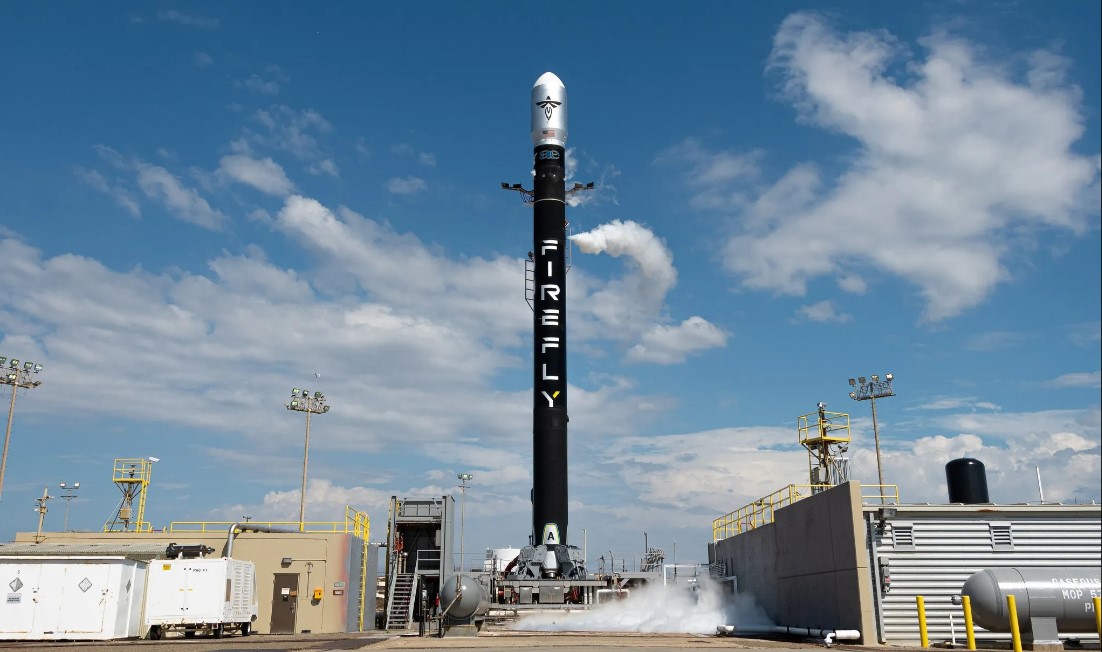
World
True Anomaly, a rapidly emerging player in space technology, has joined forces with Firefly Aerospace to execute a series of critical orbital vehicle launch trials for the US Space Force under the Victus Haze program. The partnership underscores a pivotal leap in military space operations, designed to strengthen the United States' defensive posture in space by enhancing its capability to quickly launch spacecraft capable of deterring potential threats.Victus Haze is a specialized initiative by the US Space Force aimed at developing a tactical spacecraft capable of responding to threats in space with rapid countermeasures. The core of the program focuses on creating a spacecraft that can be launched with minimal notice, allowing for quick responses to various orbital scenarios, whether defensive or offensive. This mission holds significant strategic value, as the increasing militarization of space has become a critical aspect of global defense strategies.In this ambitious project, True Anomaly's proprietary orbital vehicle, called Jackal, will be launched aboard Firefly Aerospace’s Alpha rocket. The Jackal vehicle, designed for rendezvous and proximity operations, is an advanced spacecraft capable of maneuvering close to other objects in space, potentially enabling it to observe, inspect, or even disrupt adversarial satellites. This technology has drawn significant attention as it promises a tactical advantage in space-based conflict scenarios. The Jackal and Firefly Alpha team-up aims to prove the vehicle’s proficiency in carrying out such operations. The launch trials are scheduled to occur between 2025 and 2027.The Challenge of Speed and PrecisionOne of the most impressive aspects of this collaboration is the requirement for the launch to be executed within 24 hours of receiving the US Space Force’s green light. Once the signal is given, Firefly and True Anomaly must move rapidly: they will transport the Jackal vehicle to the launch pad, integrate it with the Alpha rocket, complete all necessary pre-launch processes, and launch the vehicle into space—all within a day.The demanding timeline for the Victus Haze mission underscores the increasing importance of rapid response capabilities in space defense. The ability to launch spacecraft at such short notice allows the US to react to emerging threats in space—whether from anti-satellite weaponry or other hostile actions—more effectively. Once in orbit, the Jackal will perform complex operations, maneuvering near another spacecraft launched by Rocket Lab as part of the same program. These rendezvous and proximity operations are crucial for evaluating Jackal’s capability to perform in real-world tactical scenarios.The launch is expected to take place from either Vandenberg Space Force Base in California or Cape Canaveral Space Force Station in Florida, two major hubs for US space operations.Partnership Backed by ExpertiseTrue Anomaly secured the primary Victus Haze mission contract in April 2024, marking a significant milestone for the company. The $30 million contract includes spacecraft development, launch preparation, and in-orbit operations. True Anomaly is already hard at work constructing the Jackal at its Denver manufacturing center. The company’s innovative approach has allowed it to stand out in the highly competitive space industry, with its technology promising to give the US Space Force a much-needed edge.Firefly Aerospace, on the other hand, brings extensive experience in responsive space launch logistics. The company previously completed a similar test mission under the US Space Force’s “Victus Nox” program from September 2023 to February 2024. That trial provided vital insights for the upcoming Victus Haze launches, fine-tuning the processes required for rapid spacecraft deployment.The Alpha rocket, which will be used for the Victus Haze mission, is Firefly’s medium-lift rocket designed for responsive space missions. Capable of launching payloads up to 1,000 kg to Low Earth Orbit (LEO), the Alpha rocket has proven to be a versatile and reliable option for both commercial and military missions. It combines a solid track record with the agility necessary for fast-response missions, making it a fitting choice for the Victus Haze program.Building 'Asymmetric Capabilities'As True Anomaly CEO Even Rogers emphasized, Victus Haze exemplifies how public-private partnerships can create groundbreaking capabilities. By leveraging True Anomaly’s cutting-edge manufacturing and Firefly’s rapid-launch technology, the US is positioning itself to maintain a decisive edge in space. These “asymmetric capabilities,” as Rogers called them, are designed to provide the US with a strategic advantage, allowing it to respond to threats faster and with more precision than ever before.Firefly’s role in expanding the US National Security Space enterprise is not limited to the Victus Haze mission. The company is poised to provide additional launch capacity, ensuring that the US is ready to deploy spacecraft quickly, both in Low Earth Orbit (LEO) and Medium Earth Orbit (MEO). This enhanced capability supports broader national security efforts and highlights the increasing importance of responsive space launch services.Looking ForwardThe partnership between True Anomaly and Firefly Aerospace marks a critical step in the evolution of space defense. With the US Space Force's focus on rapid and reliable spacecraft deployment, these trials are more than just test launches—they are shaping the future of how military operations will be conducted in space. The success of Victus Haze could set the stage for even more advanced capabilities, solidifying space as a critical domain in modern defense strategies.As the timeline for the Victus Haze trials approaches, both True Anomaly and Firefly are gearing up to demonstrate their ability to meet the US Space Force’s high-stakes demands. If successful, this collaboration could redefine the boundaries of what’s possible in space defense, providing the US with the tools it needs to maintain superiority in an increasingly contested domain.
Read More → Posted on 2024-10-21 15:49:30
India
French aerospace giant Safran is positioning itself as a key player in India's ambitious defense projects, offering its 110kN engine as a potential power source for both the Advanced Medium Combat Aircraft (AMCA) and the Tejas Mk2. The announcement from Safran opens up new possibilities for India’s fighter jet landscape, particularly as the Indian Air Force (IAF) is actively considering the best engine options for its future fleet.Safran’s offer comes at a critical moment. India has been working towards localizing the production of the General Electric F-414 engine, which is currently planned to power the Tejas Mk2. However, the French manufacturer has proposed its own 110kN engine, which boasts greater power and flexibility. While the F-414 is already on the table, the potential integration of Safran's engine offers India a unique opportunity to rethink its approach, particularly for the Tejas Mk2.The Tejas Mk2, an upgraded version of the light combat aircraft (LCA) Tejas Mk1, is expected to enter production by 2029-30. This timeline coincides with the projected availability of Safran’s 110kN engine, which is expected to be production-ready by 2033-34. With the IAF planning to induct around 120 Tejas Mk2 jets by the late 2030s, Safran’s more powerful engine could provide a much-needed boost in performance for these aircraft.One of the key advantages of Safran’s 110kN engine is its increased thrust, which is crucial for air superiority in modern combat scenarios. The IAF’s operational requirements are evolving, and future conflicts are likely to demand greater speed, maneuverability, and endurance from its aircraft. Safran’s engine could offer all of this and more, giving the Tejas Mk2 an edge over its current configuration with the F-414.Another factor in favor of Safran’s offer is India’s long-term focus on indigenization. While there are already discussions about producing the F-414 engine locally, Safran’s proposal suggests that it could also be produced within India, aligning with the government’s “Make in India” defense initiative. This would not only reduce India’s dependency on foreign suppliers but could also bolster the country's aerospace manufacturing capabilities.Technically, the Safran engine would require thorough integration testing to ensure compatibility with the Tejas Mk2 platform. While both engines fall within the 100+ kN thrust class, Safran's engine offers a slight performance advantage, which could translate into better agility, higher payload capacity, and improved combat endurance. The French aerospace company has a longstanding relationship with India, including its involvement in providing engines for the Rafale jets that the IAF operates, which adds further credibility to their bid.Of course, the decision to shift from GE's F-414 to Safran's 110kN engine would not be without its challenges. A change of this magnitude would require re-evaluating the technical architecture of the Tejas Mk2, which could lead to adjustments in the aircraft’s development schedule. Additionally, geopolitical considerations and India’s strategic partnerships with both the U.S. and France will also come into play as decision-makers weigh the pros and cons of each option.Safran’s involvement in the AMCA program is seen as a positive development for India’s indigenous fighter jet capabilities. The AMCA is intended to be a fifth-generation stealth aircraft, and having a powerful, homegrown engine like Safran’s 110kN model could help India achieve true self-reliance in advanced fighter technologies. But beyond the AMCA, Safran's offer for the Tejas Mk2 demonstrates its adaptability and willingness to support India's defense ambitions on multiple fronts.As India continues to refine its plans for the Tejas Mk2 and the AMCA, Safran’s 110kN engine is emerging as a strong contender. With higher thrust levels, the possibility of local production, and a track record of working with India’s defense sector, Safran has presented an enticing alternative to the established F-414 engine. The next few years will be pivotal as India evaluates its options, but one thing is clear—Safran's engine could be a game-changer for both the AMCA and Tejas Mk2 programs, providing the IAF with superior aerial capabilities in the decades to come.
Read More → Posted on 2024-10-21 15:41:51
World
Northrop Grumman has officially unveiled its new cutting-edge precision strike missile, dubbed the Jackal, marking a significant leap forward in multi-purpose munition technology. Designed in collaboration with Aerovironment, a defense firm known for the highly effective Switchblade loitering munitions, the Jackal brings together a unique combination of speed, endurance, precision, and versatility. This next-generation missile is not just another weapon but a powerful tool capable of a wide range of combat functions.What sets the Jackal apart is its flexibility in mission roles. Capable of carrying both lethal and nonlethal payloads, it is built to perform tasks such as electronic warfare and intelligence, surveillance, and reconnaissance (ISR) operations. This adaptability makes it an ideal weapon for modern combat scenarios where multiple threats require varied responses. Speed, Precision, and EnduranceThe Jackal boasts an impressive speed of 600 kilometers per hour (373 miles per hour), ensuring quick response times in high-pressure environments. However, it's not just about speed—endurance is also key. With a loitering time of 15 minutes, the Jackal can hover over a target area, conducting ISR missions to gather crucial information before launching a strike. This allows commanders to make informed decisions, reducing the chances of collateral damage.What makes this missile even more advanced is its autonomous capabilities. The Jackal can navigate via pre-set waypoints, detect and recognize targets automatically, and even operate in GPS-denied environments. These features are critical in modern warfare, where GPS jamming and sophisticated enemy countermeasures are common.Jackal’s Evolution From the Switchblade SeriesThe Jackal draws inspiration from Aerovironment’s successful Switchblade series, which is known for its loitering munitions like the Switchblade 300 and Switchblade 600. While the Switchblade 300 is designed for short-range strikes and the Switchblade 600 is specialized for anti-armor missions, the Jackal fills the gap between these systems. It features a much larger payload capacity of 10 pounds (4.5 kilograms), significantly surpassing its predecessors. With a range of 100 kilometers (62 miles), it can engage targets well beyond the 10-kilometer range of the Switchblade 300 and the 40-kilometer range of the Switchblade 600.This extended range and payload capacity make the Jackal more versatile in addressing evolving battlefield threats, especially those that the earlier Switchblade models might struggle to handle. The Jackal was first introduced as a concept at the Special Operations Forces Industry Conference (SOFIC) in Tampa, Florida, back in May 2022, where it was shown as a one-way strike drone that could be deployed from both land and air platforms.Pushing the Boundaries of ISR and Lethal StrikesIn modern warfare, the ability to seamlessly transition between ISR missions and launching lethal strikes can be the difference between success and failure. The Jackal, with its ability to loiter and gather data before striking, embodies this approach. Its turbojet-powered propulsion system ensures it can stay airborne long enough to serve as both an intelligence asset and a strike weapon.The missile's capability to operate in contested environments, especially where GPS signals are jammed, gives it a tactical edge. This feature alone makes it a valuable tool for special forces and conventional military units operating in areas where electronic warfare is in play. The Jackal’s automated target detection and recognition systems add another layer of precision, allowing it to identify and engage targets without direct human intervention, thus reducing the burden on operators and enabling faster reaction times.A Glimpse Into the Future of Precision MunitionsWith the unveiling of the Jackal, Northrop Grumman and Aerovironment are pushing the boundaries of what a precision strike weapon can accomplish. The missile represents the next step in the evolution of loitering munitions, designed to meet the needs of modern combat operations that demand flexibility, accuracy, and endurance.As threats evolve, so too must the tools we use to counter them. The Jackal’s multi-role capability—whether performing ISR missions, disrupting enemy communications through electronic warfare, or engaging in direct strikes—makes it a powerful addition to any military's arsenal.This missile is not just a new addition to the precision strike market; it’s a signal of where the future of warfare is headed, where machines are as capable of gathering intelligence as they are at delivering lethal payloads.In an age of ever-changing combat requirements, the Jackal’s combination of speed, precision, and versatility is likely to set the standard for the next generation of strike weapons.
Read More → Posted on 2024-10-21 15:33:03
World
Turkey has taken a significant step in bolstering its defense relations with Albania by announcing a donation of a "significant number" of kamikaze drones. This decision, revealed by Albanian Prime Minister Edi Rama after a meeting with Turkish President Recep Tayyip Erdoğan, marks a notable advancement in the defense and humanitarian collaboration between the two nations. The move is not only symbolic of their growing partnership but also reinforces Albania’s military capabilities in a rapidly shifting geopolitical landscape.Prime Minister Rama was quick to emphasize that this donation is purely defensive, stating that it sends a strong message that "Albania is unhittable." However, he clarified that Albania has no intention to use these drones for offensive purposes. This assertion highlights that while the donation is a strategic upgrade for Albania, it is not meant as a provocation or threat to any neighboring countries.Although specific details about the type or number of drones remain under wraps, there is speculation regarding the inclusion of Turkey's renowned unmanned aerial systems (UAS). Among the leading contenders is the Bayraktar TB2, a combat drone that has gained international attention for its performance in various conflicts. The Bayraktar TB2, produced by Turkish defense company Baykar, boasts impressive specifications, including a flight endurance of 27 hours and the capability to carry out precision strikes alongside surveillance missions. Given Albania’s previous procurement of three Bayraktar TB2 drones, the possibility of more of these UAS being part of the donation is likely.Albania’s earlier acquisition of Bayraktar TB2s made it the second NATO member, after Poland, to add these Turkish drones to its arsenal. This not only strengthens Albania's defense posture but also deepens its defense ties with Turkey, a key NATO ally. The drones are expected to play a crucial role in enhancing Albania’s military readiness, particularly in light of the increasing tensions within the Balkan region. These drones, often referred to as "loitering munitions," can hover over an area before identifying and striking a target, making them effective in both reconnaissance and offensive roles.Turkey’s decision to donate these drones underscores the strategic importance it places on its relationship with Albania. As both countries work closely to address common security challenges, this military assistance signals Turkey’s commitment to supporting Albania’s defense modernization. This gesture also reflects Turkey’s broader ambitions to establish itself as a dominant player in the defense industry, with its drones now being utilized across multiple NATO members.The exact timeline for the delivery of these drones remains undisclosed, but their eventual integration into Albania’s defense system will likely enhance the operational effectiveness of the Albanian Armed Forces. As regional dynamics continue to evolve, Albania’s upgraded military capabilities, thanks to Turkish technology, could serve as a deterrent to potential threats while reaffirming its role as a key player in Balkan security.This move not only strengthens Albania’s defense but also symbolizes the deepening ties between the two nations, showcasing how defense cooperation can serve as a tool for regional stability. As Turkey continues to expand its influence through defense exports, its relationship with Albania is set to play an increasingly important role in shaping the security dynamics of the Balkans.
Read More → Posted on 2024-10-21 15:29:02
India
India's push towards self-reliance in defense technology is set to take a significant leap with the development of a new Naval Utility Helicopter (NUH). This indigenous project, aimed at meeting the Indian Navy's operational needs, is well underway, with the first prototype currently in the construction phase. The helicopter’s maiden flight is anticipated by May 2025, marking an important milestone in India's journey toward modernizing its naval fleet.The NUH project, which operates under the umbrella of the Utility Helicopter Marine Program, is designed to address the Indian Navy's requirement for 111 multi-mission helicopters. These helicopters will be versatile enough to operate from the decks of warships and in challenging maritime environments. Their primary roles will include transporting personnel, delivering cargo, and conducting emergency evacuations, making them a vital asset for naval operations. The helicopter’s design will allow for deployment in adverse weather conditions, ensuring year-round functionality.At the heart of the project is Hindustan Aeronautics Ltd (HAL), India’s premier aerospace and defense company. HAL has been tasked with not only designing but also constructing and testing the prototype. Sources close to the project have confirmed that HAL is undertaking rigorous testing to ensure the systems are fully integrated and certified before the helicopter takes flight. This testing phase includes the use of a separate test helicopter to ensure all onboard systems, such as avionics, communication systems, and radar, function seamlessly.The new naval helicopter is based on HAL's successful Advanced Light Helicopter (ALH) design, but it comes with numerous modifications tailored to the needs of naval operations. The structural changes are so extensive that some officials have compared the project to the development of an entirely new helicopter. Enhancements include upgrades in structural integrity, improved corrosion resistance for operations in salty sea air, and the incorporation of foldable rotor blades to optimize storage aboard ships. Additionally, the helicopter will be equipped with modern anti-submarine warfare (ASW) capabilities, making it suitable for both search-and-rescue missions and combat roles.Originally, the Indian Navy had considered a partnership with an international helicopter manufacturer to bring the project to life, but the decision to entrust HAL with the task underscores India's growing confidence in its indigenous defense industry. By keeping the entire production process within the country, India ensures the helicopter meets its precise operational requirements while boosting domestic manufacturing capabilities.In terms of performance, the upcoming NUH is expected to have a maximum range of around 500 kilometers and a top speed of approximately 250 kilometers per hour. The helicopter will be equipped with advanced sensors and weapons systems, including torpedoes and depth charges, making it a formidable asset in anti-submarine operations. Its capability to land on small warships or frigates and operate efficiently in both shallow and deep waters sets it apart as a crucial component of India’s maritime defense strategy.The ambitious timeline set for the first flight by May 2025 reflects the program's momentum and the importance placed on enhancing naval capabilities. Once fully operational, the fleet of 111 helicopters will bolster the Navy’s ability to conduct a wide range of missions, from logistics support to maritime security and disaster relief operations.This helicopter program also symbolizes India’s ongoing commitment to reducing its dependency on foreign defense imports. By nurturing projects like the Naval Utility Helicopter, India is steadily building a more self-sufficient defense industry, showcasing not only technological prowess but also strategic foresight in securing its defense needs for the future.With the NUH project on track, India is not only meeting the current demands of its naval forces but also laying the groundwork for future advancements in defense aviation. The success of this program will not only serve the needs of the Indian Navy but also position India as a competitive player in the global helicopter market.
Read More → Posted on 2024-10-21 15:20:32
World
Teledyne FLIR Defense, a division of Teledyne Technologies, has once again pushed the boundaries of military and civilian security with the introduction of its Cerberus XL C-UAS (Counter-Unmanned Aircraft System). Showcased at the prestigious Association of the U.S. Army (AUSA) exhibition in Washington, D.C., the Cerberus XL system is designed to revolutionize the way air domain monitoring and counter-drone operations are conducted.The rise of drone technology has introduced both opportunities and threats, especially in conflict zones, airports, and critical infrastructure areas. With drones becoming more sophisticated and accessible, the need for robust countermeasures is more critical than ever. Cerberus XL emerges as a front-runner in addressing these challenges with its state-of-the-art capabilities.Advanced Detection and TrackingThe Cerberus XL system is equipped with long-range thermal and visual imaging technologies, making it a formidable tool for tracking even the most elusive drone threats. These sensors, coupled with 3D radar and radio frequency (RF) detection systems, enable operators to detect, track, and identify drones with incredible precision. The system’s ability to pinpoint drone locations across a range of up to three kilometers ensures that it can handle aerial threats before they become an imminent danger.What makes the Cerberus XL particularly impressive is its AI-driven sensor technology. This artificial intelligence-enhanced system not only detects drones but also improves the accuracy of identifying them as hostile or benign. This feature is critical in distinguishing between potential threats and friendly aircraft, ensuring more effective, targeted responses.Full Kill Chain CapabilitiesOne of the standout features of the Cerberus XL is its ability to handle the entire counter-drone “kill chain.” This means that the system is not limited to merely identifying and tracking drones—it can also neutralize them. By integrating with third-party non-kinetic effectors, such as electronic jamming tools, Cerberus XL can disable drones before they pose a threat, without necessarily having to destroy them. This flexibility is crucial in environments where minimizing collateral damage is a priority.For scenarios that require a more forceful response, the system is also designed to integrate with kinetic solutions. These can range from directed energy weapons to traditional firearms, providing a broad spectrum of options for neutralizing drones based on the threat level.Multi-Domain FlexibilityAnother significant advantage of Cerberus XL is its modularity and ability to adapt to various environments. Whether deployed in air, ground, or maritime settings, the system is engineered for rapid deployment and operational efficiency, even in harsh conditions. This makes it suitable for a wide array of uses, from military operations to securing airports, borders, and seaports. The trailer-based, mobile platform ensures that Cerberus XL can be relocated quickly, offering unparalleled situational awareness across different domains.Global Impact and Battlefield SuccessThe Cerberus XL C-UAS has already demonstrated its capabilities on the battlefield. Last year, FLIR Defense partnered with Kongsberg Defence & Aerospace to deliver the system to Ukrainian forces, securing a $31 million contract. The system has since proven its effectiveness in active military engagements, showcasing its ability to operate reliably in high-pressure environments.In addition to its success in Ukraine, Cerberus XL is now available for global shipping. Teledyne FLIR Defense is marketing this platform alongside its ground surveillance variant, allowing for even greater flexibility in addressing security needs.The Future of Counter-Drone TechnologyDr. JihFen Lei, President of Teledyne FLIR Defense, emphasized the importance of the Cerberus XL platform in today’s security landscape. "Cerberus XL C-UAS is one of the most sophisticated counter-drone systems, offering a comprehensive solution that integrates with existing defense infrastructure," he said.With its battlefield-tested performance, multi-domain adaptability, and full kill-chain capabilities, the Cerberus XL C-UAS system represents the future of drone defense. As drones continue to evolve, systems like the Cerberus XL will be crucial in ensuring the safety of military personnel, civilian infrastructure, and global security at large.Teledyne FLIR Defense’s Cerberus XL C-UAS system stands out as a highly advanced and flexible solution for countering the growing threat posed by unmanned aerial systems. From its AI-driven sensors to its modular deployment options, the Cerberus XL offers comprehensive protection across a wide range of environments. As the demand for counter-drone technology grows, this platform is poised to become a key asset for both military and civilian users worldwide.
Read More → Posted on 2024-10-21 15:16:03
India
GE Aerospace is set to embark on a significant milestone in India's defense sector by manufacturing its F414 jet engines locally, a move that signals a major leap toward India's goal of self-reliance in defense production. Vikram Rai, the Chief Executive of GE Aerospace South Asia, announced this development during his address at the NDTV World Summit, revealing that the production will commence at a Hindustan Aeronautics Limited (HAL) facility in Bangalore.This collaboration between GE Aerospace and HAL aims to produce engines for India’s advanced fighter jets, specifically the Tejas MkII. As part of this effort, HAL will oversee the assembly of 99 F414 engines, with the deal expected to be finalized by the end of 2024. The engines are critical to India’s defense plans, powering the next generation of Tejas jets, a crucial component of India's indigenous combat aircraft program.India has been on a determined path to reduce its reliance on foreign defense imports, and this partnership represents a significant stride in that direction. The collaboration with GE Aerospace will bring advanced engine technology directly into Indian manufacturing, creating a ripple effect across the country’s aerospace ecosystem. HAL and GE’s agreement marks a deeper integration of cutting-edge technology into the country’s industrial base, aligning with India’s "Make in India" initiative for defense production.The F414 Engine and Its SpecificationsThe F414 engine is a powerful piece of engineering, renowned for its high thrust and exceptional reliability. Developed by GE, it is part of a family of afterburning turbofan engines. The F414 produces a maximum thrust of approximately 22,000 pounds and is designed to power supersonic aircraft, making it an ideal choice for India’s Tejas MkII jets. These engines offer improved fuel efficiency, higher power-to-weight ratios, and advanced cooling technologies, allowing for superior performance during extended combat operations.The F414's durability and advanced safety systems also make it a key asset for military applications. The engine’s twin-spool, axial flow design ensures minimal maintenance requirements while offering enhanced thrust-to-weight performance, especially critical for the Tejas MkII’s air superiority role. This advanced jet engine is not only capable of boosting the Tejas MkII’s combat capabilities but is also expected to be a cornerstone in India's quest for creating a robust defense production base.A Timely Push for the Tejas MkIIIndia has long sought to develop its indigenous fighter jets under the Light Combat Aircraft (LCA) program, and the Tejas MkII is poised to be a game-changer in that endeavor. HAL has already received 12 F414 engines for the pre-production prototypes of the Tejas MkII, which will undergo extensive testing to validate the performance and integration of the F414 engine with the aircraft. These tests will ensure that the engine performs under the rigorous conditions required by modern fighter jets before it is fully adopted for large-scale production.The Tejas MkII, powered by the F414 engines, is expected to have enhanced capabilities over its predecessor, including greater range, payload capacity, and advanced avionics. With production slated to begin in 2028-29, the MkII version will mark a significant upgrade for the Indian Air Force's fleet.A Vision for Defense ManufacturingGE Aerospace’s decision to manufacture the F414 engines in India reflects the growing confidence of global defense firms in the country’s manufacturing capabilities. The timeline for the project is ambitious, with engine production expected to start within the next three years, and the first deliveries projected by late 2027 or early 2028. This endeavor is also expected to provide a significant boost to India's defense exports, aligning with the government's long-term vision of making India a global defense manufacturing hub.As India strengthens its defense posture, the local production of advanced jet engines like the F414 will not only reduce its dependency on foreign suppliers but also elevate its status in the global defense industry. By bringing this high-tech manufacturing capability to Indian soil, the country is reinforcing its position as a key player in modern defense technologies.In sum, GE Aerospace’s collaboration with HAL to produce F414 jet engines represents more than just a manufacturing agreement—it is a vital step toward building India’s aerospace and defense industries and a major advancement for the Tejas fighter program.
Read More → Posted on 2024-10-21 15:05:24
World
The US Army's watercraft fleet, once a critical element in military operations and logistics, has reached a new low in terms of readiness. A report from the Government Accountability Office (GAO) revealed that fewer than 40% of the Army’s vessels are capable of performing missions in 2024. This is a significant shortfall compared to the Army's target of maintaining a 90% mission-capable fleet. The GAO's findings paint a concerning picture of the Army's ability to respond quickly and effectively to global military needs, especially in regions like the Indo-Pacific, where tensions continue to escalate.The US Army operates a fleet of 70 watercraft designed for transporting personnel, vehicles, and equipment in open water and coastal regions. These vessels are vital for military operations in remote areas where traditional road and port infrastructure may not be available. The fleet includes various types of ships such as landing craft, logistical support vessels, and other transport ships capable of maneuvering in complex and austere environments.### A Declining FleetThe steady decline in fleet readiness is alarming. In 2021, about 70% of the fleet was mission-capable, a number that dropped to just over 60% in 2022. By 2023, that figure plunged to under 50%, and now, in 2024, fewer than 40% of the vessels are deemed ready for active duty. One vessel has been out of service for more than five years, underscoring the depth of the problem.Maintenance issues have been a longstanding challenge. The GAO report highlighted that many of these vessels require extensive repairs, and delays in maintenance work have contributed significantly to the deteriorating readiness. Parts shortages, aging equipment, and the complexity of maintaining such a specialized fleet have compounded the issue, leaving the Army struggling to get these vital ships back into service.The GAO also stressed the operational importance of these vessels. The Army’s watercraft provide critical logistical support in regions with limited access to traditional infrastructure, making them essential for rapid deployment and sustained military operations. As readiness continues to fall, the Army's ability to carry out its missions in these areas is severely compromised.A Ripple Effect on Training and OperationsThe decline in watercraft readiness isn't just a matter of fleet size or technical capability. It also affects the training of Army personnel assigned to these vessels. Low mission-capable rates mean that fewer vessels are available for training exercises, which are essential for ensuring that crews are prepared for real-world missions. The inability to conduct sufficient training further weakens the Army's operational capabilities.This situation could have broader implications, especially as the US military looks to increase its presence and preparedness in strategic areas like the Indo-Pacific. The GAO report warns that without a significant improvement in fleet readiness, the Army may not be able to meet both its immediate and long-term mission requirements.Solutions and RecommendationsTo address these concerns, the GAO made several recommendations to the Army. One of the primary suggestions is the development of a mitigation plan to fill the gaps in the fleet’s capability and capacity. This plan would involve a more strategic approach to maintenance scheduling, prioritizing resources, and considering alternative options to support military operations in key regions.The GAO also advised the Army to evaluate the full costs and benefits of different strategies to enhance fleet readiness. This includes weighing whether it might be more effective to replace aging vessels, invest in new technologies, or outsource some of the logistical support operations to third parties.Perhaps the most critical recommendation is the creation of an integrated strategy to tackle the ongoing maintenance problems. Such a strategy would help the Army better identify, analyze, and resolve the issues that have plagued the fleet for years. By improving coordination between different departments, ensuring proper oversight, and streamlining repair processes, the Army could potentially reverse the trend and get its watercraft fleet back to a more acceptable readiness level.The Road AheadAs the US Army faces increasingly complex global threats, the readiness of its watercraft fleet is more important than ever. While the GAO report has shed light on the severity of the problem, the path to improvement will require a concerted effort from Army leadership and Congress. The stakes are high, particularly in regions like the Indo-Pacific, where access to remote areas and the ability to project military power over water are critical for maintaining US interests.In the coming years, the Army will need to find solutions to restore its fleet to a level of readiness that allows it to meet global challenges. Whether through new investments, better maintenance practices, or a complete overhaul of the fleet, the time to act is now.
Read More → Posted on 2024-10-21 15:01:11Search
Top Trending in 24 Hours
-
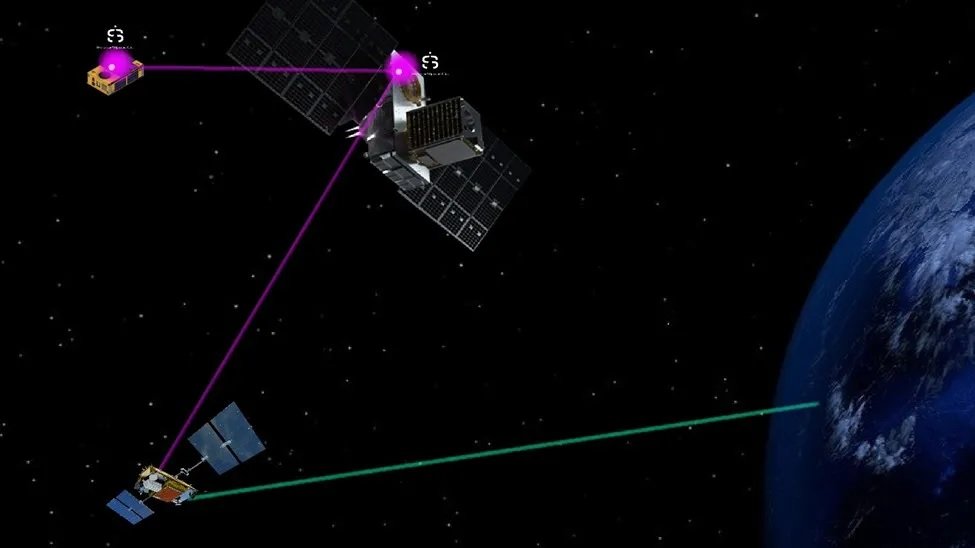 NASA Demonstrates Space-to-Space Wi-Fi Between Two Orbiting Spacecraft
-
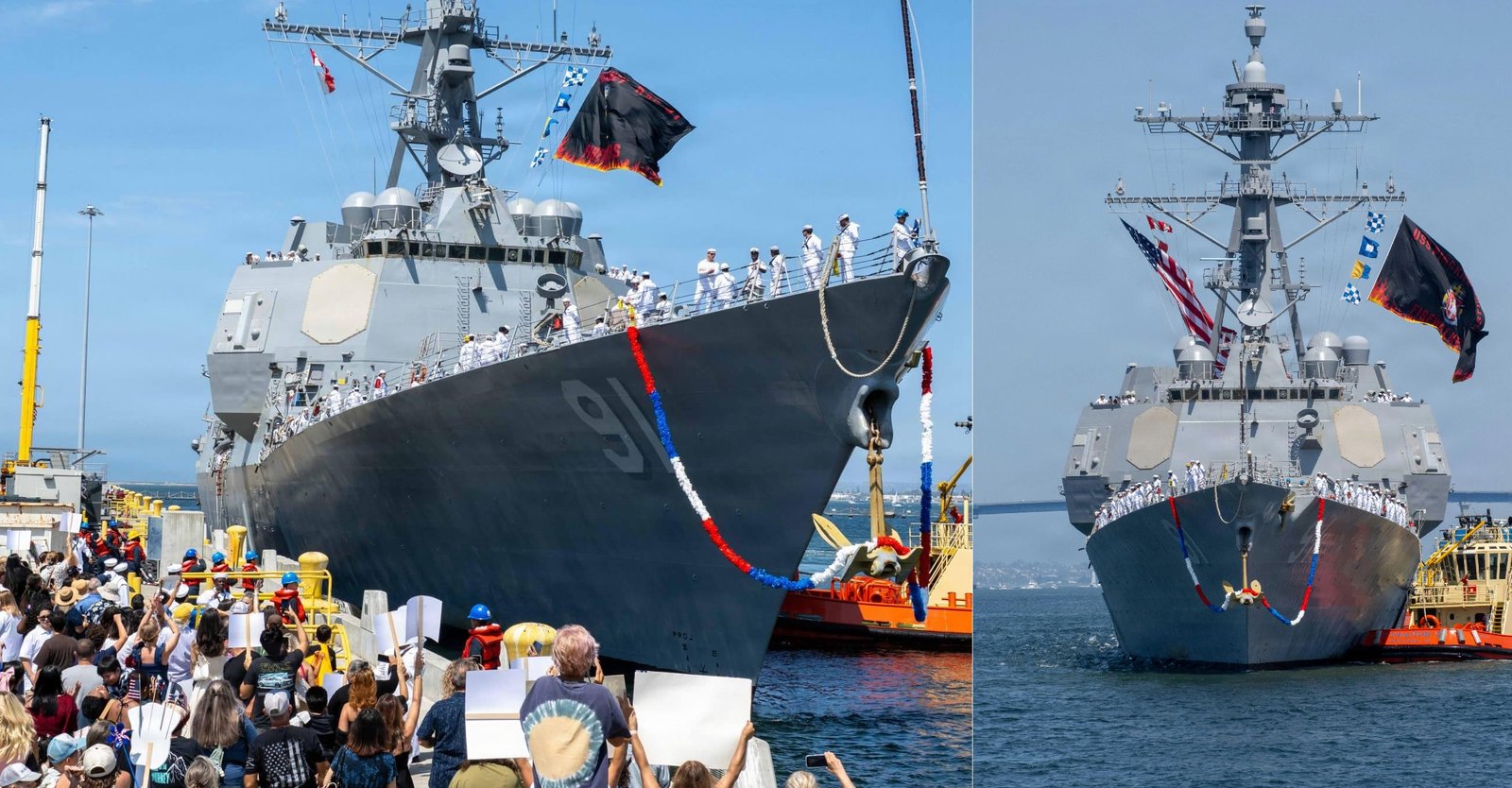 USS Pinckney Becomes First U.S. Navy Destroyer to Begin Phase Two Modernization with Advanced SPY-6 Radar
-
 U.S. Military to Ban Chinese Automaker BYD Vehicles from Kadena Air Base in Japan Over Security Concerns
-
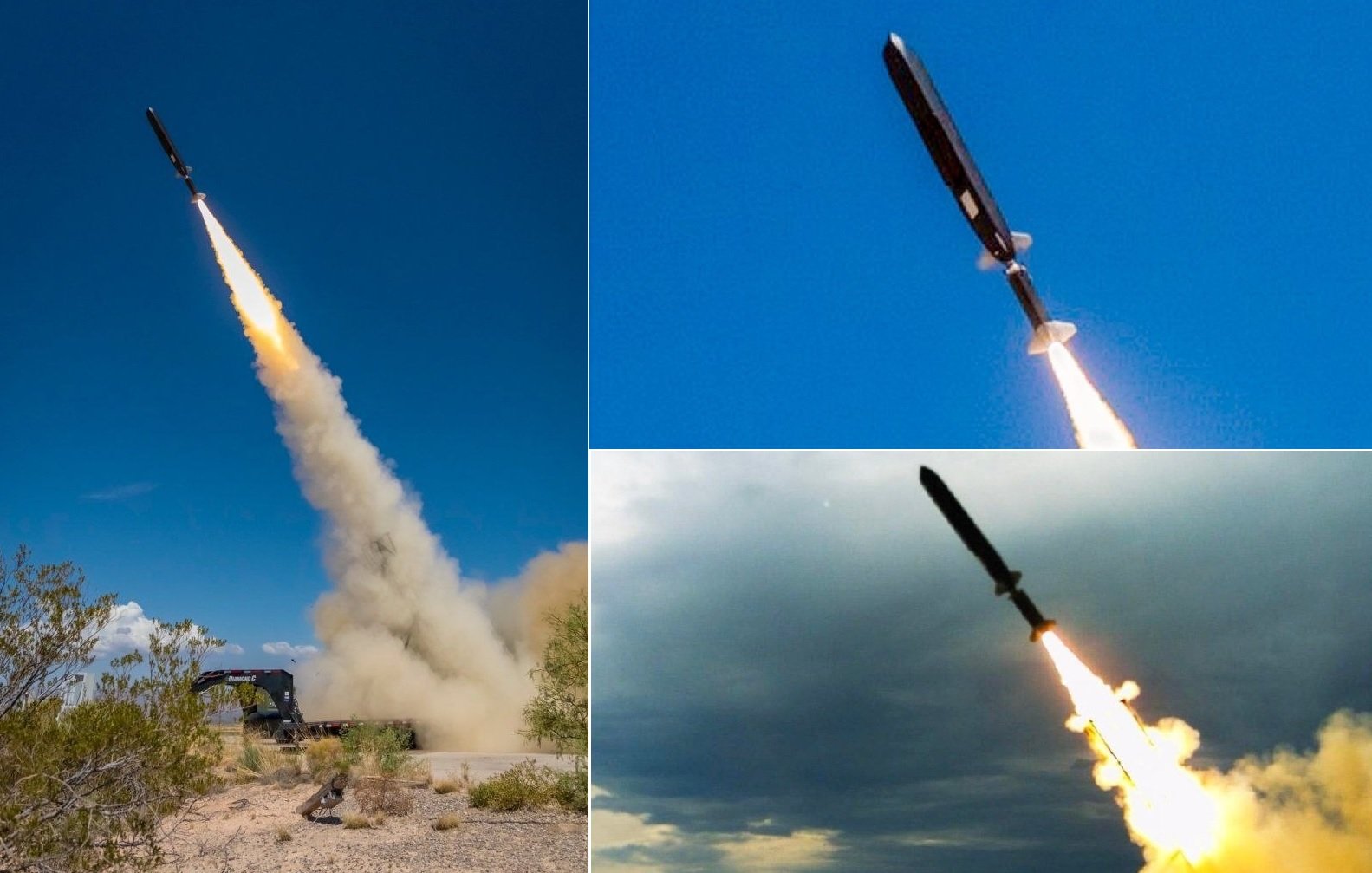 Zone 5 Technologies Demonstrates Ground Launch of Upgraded AGM-188A Rusty Dagger Missile
-
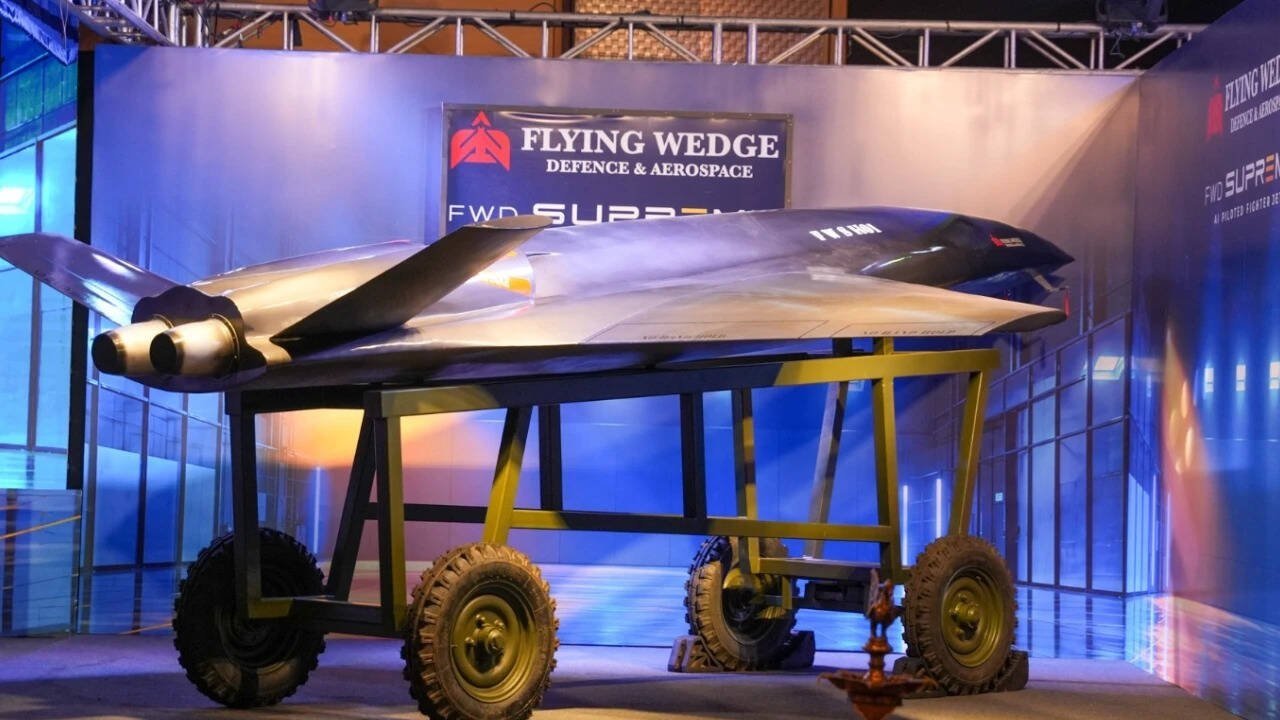 Bengaluru Startup FWDA Unveils FWD Supreme AI-Piloted Loyal Wingman Prototype
-
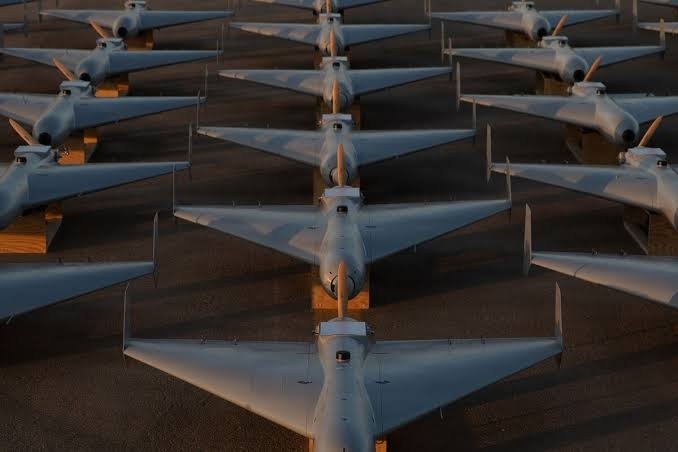 Pentagon Orders 60,000 Kamikaze Drones Under Second Phase of Drone Dominance Program
-
 Russia Launches Project 20380 Corvette Grozny for Pacific Fleet at Amur Shipyard
-
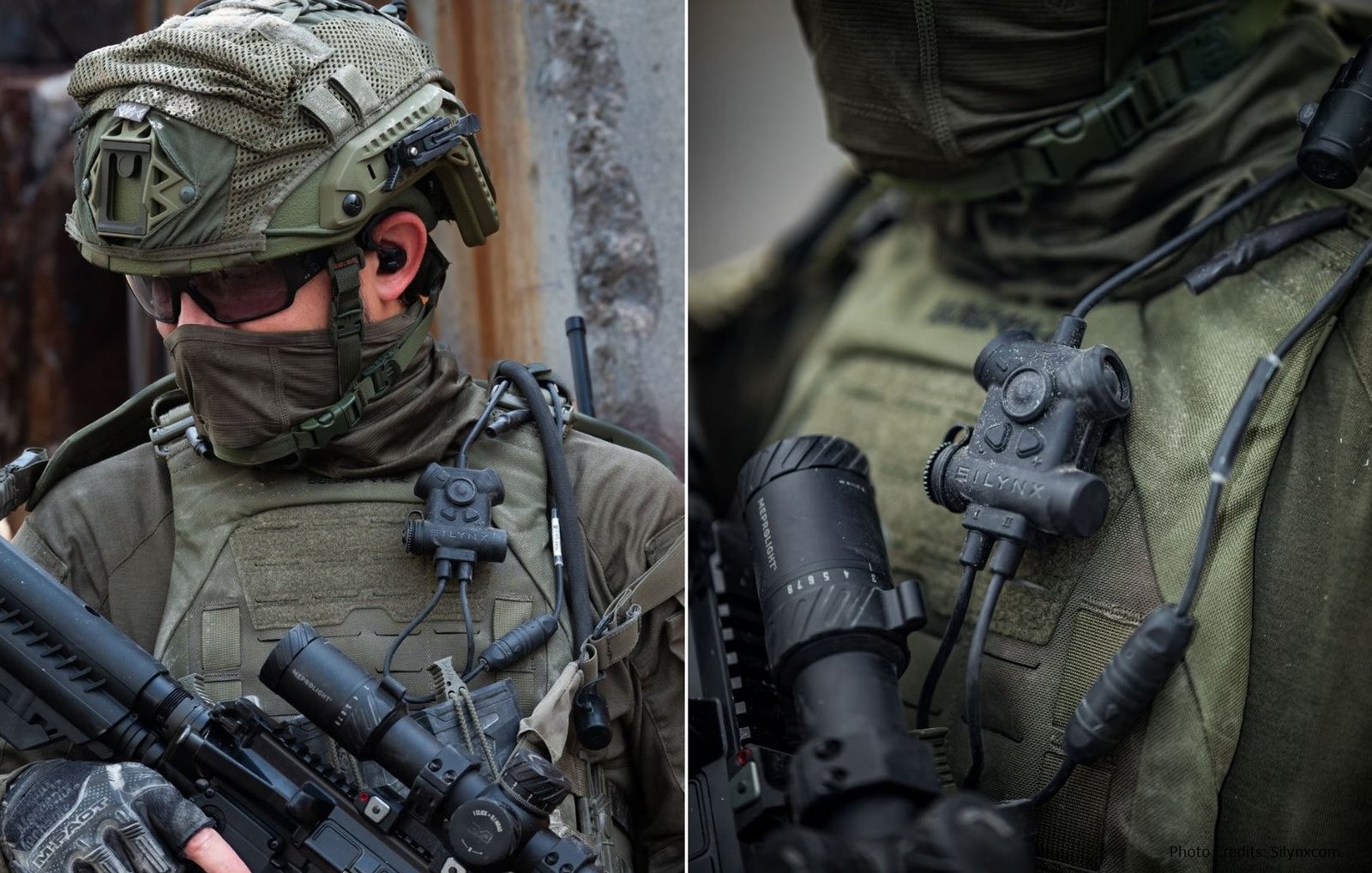 Israeli Firm Silynxcom Develops AI-Powered Wearable Drone Detection System for Soldiers
Top Trending in 4 Days
-
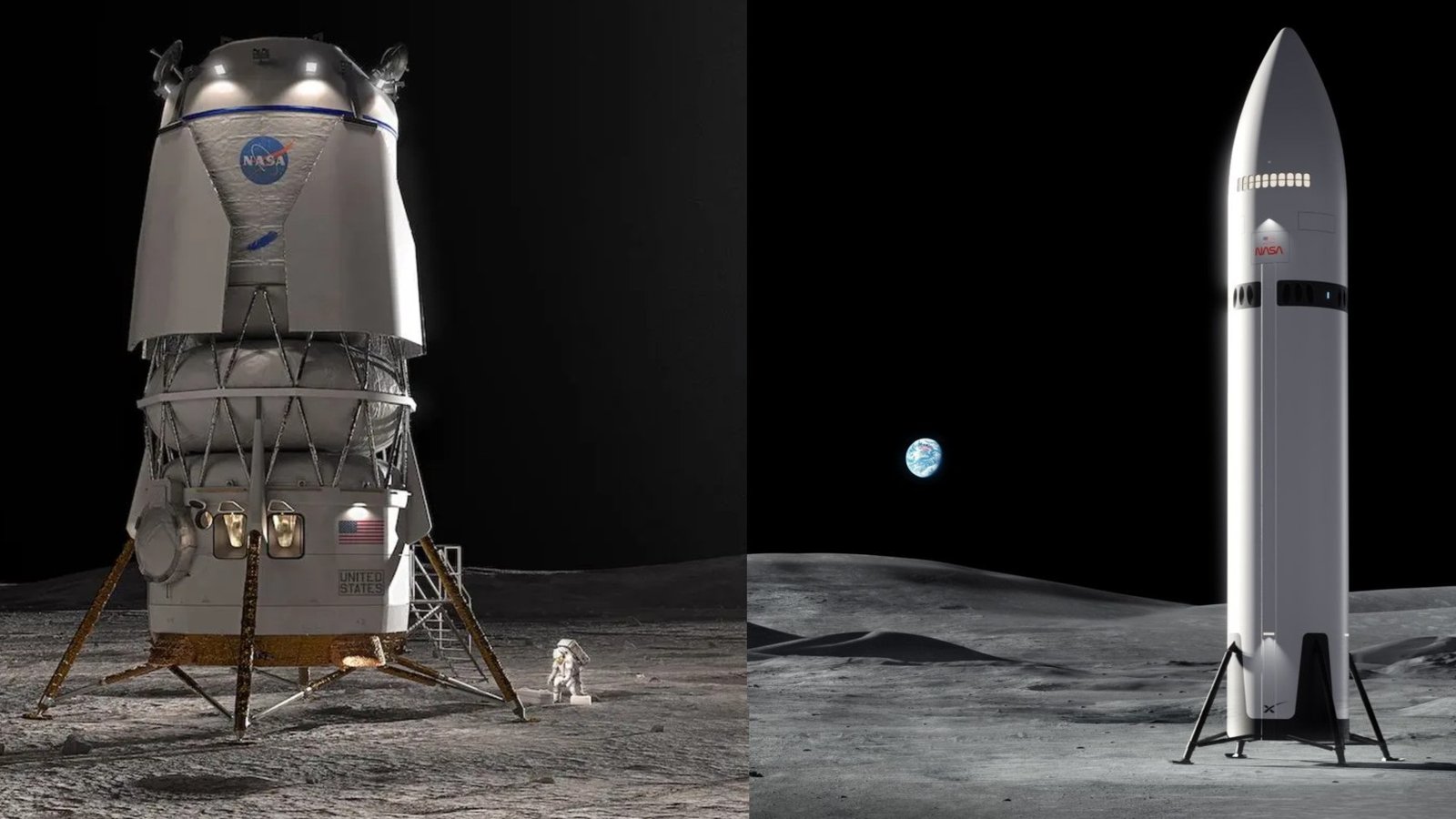 NASA Sets New Artemis Milestones as SpaceX and Blue Origin Target Moon Landings in 2027–2028
-
NASA Demonstrates Space-to-Space Wi-Fi Between Two Orbiting Spacecraft
-
USS Pinckney Becomes First U.S. Navy Destroyer to Begin Phase Two Modernization with Advanced SPY-6 Radar
-
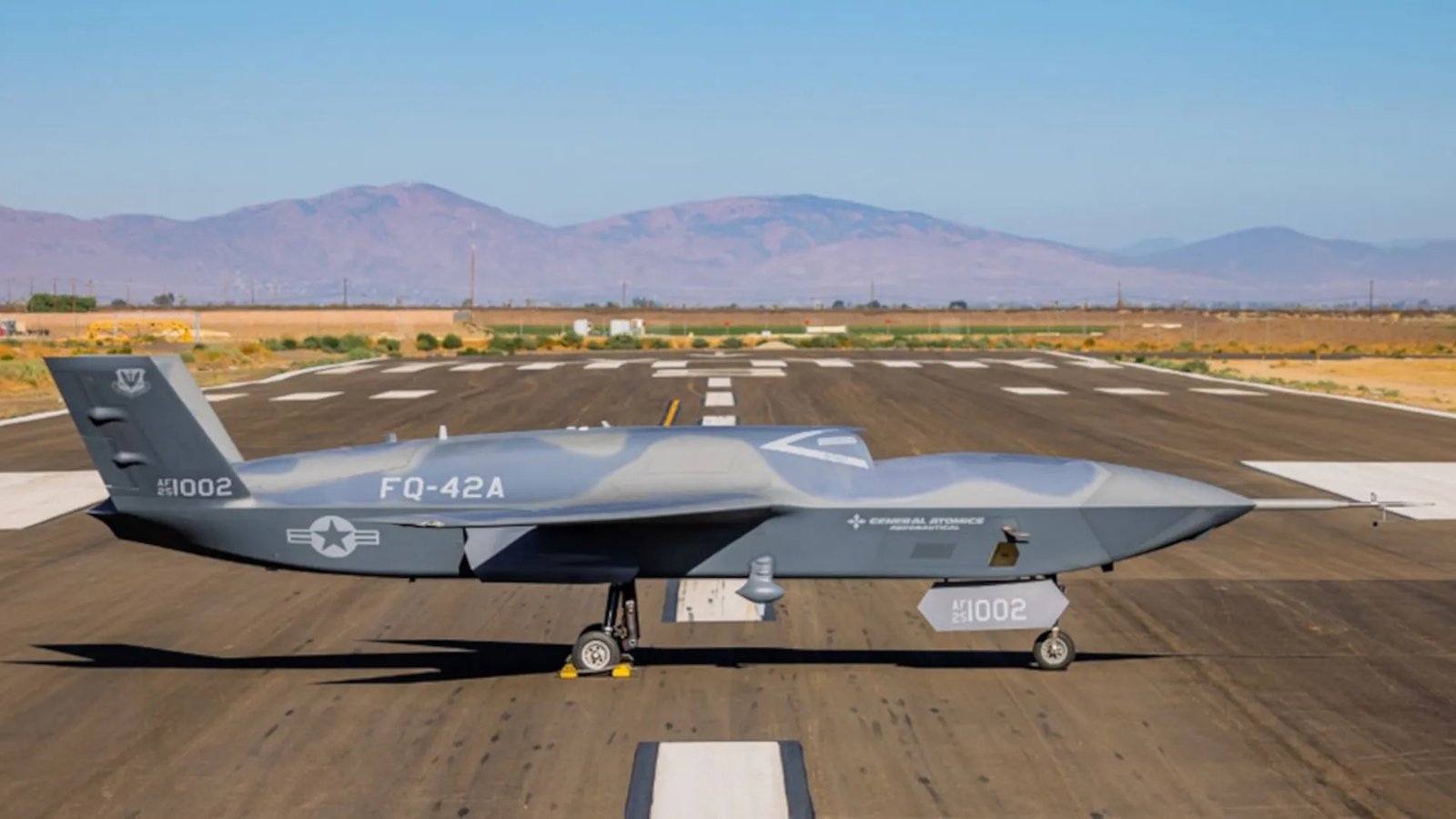 General Atomics Partners With Spirit Defense to Expand FQ-42 Vengeance Production
-
U.S. Military to Ban Chinese Automaker BYD Vehicles from Kadena Air Base in Japan Over Security Concerns
-
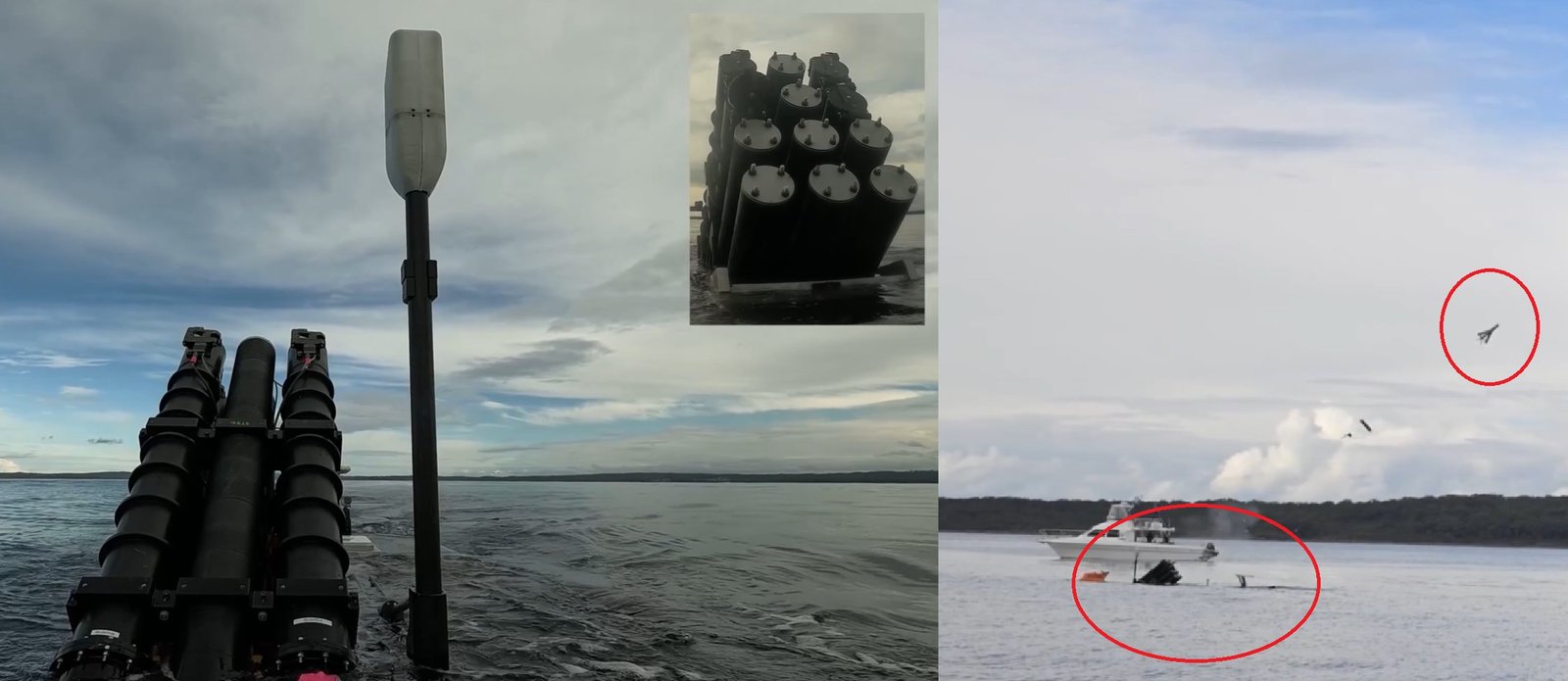 Australia Unveils Ghost Shark Autonomous Submarine’s Mine, Drone and Logistics Capabilities
-
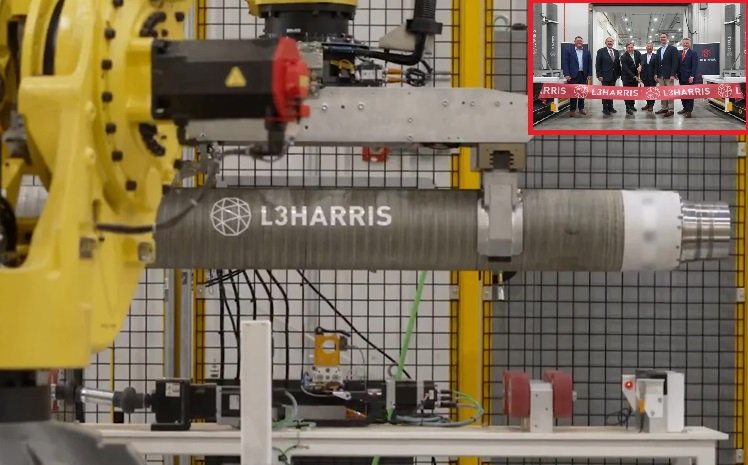 L3Harris Opens ‘Arsenal of Freedom’ Rocket Motor Plant in Arkansas to Double Production Capacity
-
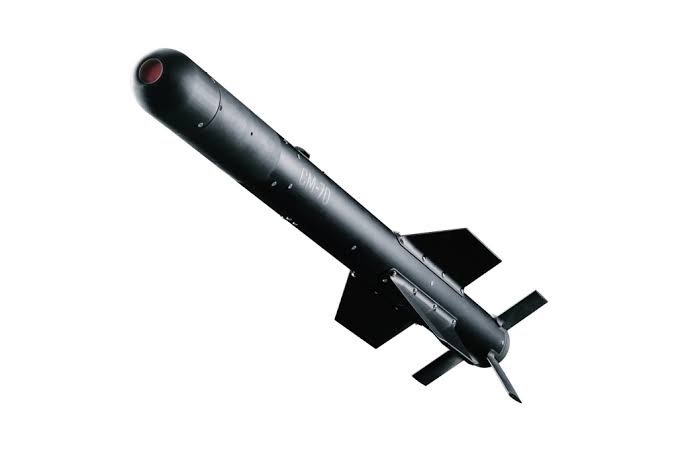 CSG and North Vector Dynamics Sign MoU to Explore European Production of CM-70 Counter-Drone Interceptor
