
World
A drone was launched toward the residence of Israeli Prime Minister Benjamin Netanyahu on Saturday, further escalating the tense conflict gripping Israel and its neighbors. The Israeli government confirmed that the drone targeted Netanyahu's home in the coastal town of Caesarea, triggering alarms throughout the region. Fortunately, neither the prime minister nor his wife were present at the time, and no casualties were reported, according to an official spokesperson.This latest drone strike adds to the already heightened state of alert in Israel, where tensions have been running high due to escalating hostilities with Hezbollah, the Iranian-backed militant group in Lebanon. On Saturday morning, sirens blared in northern Israel, warning of incoming fire, as several projectiles were launched from Lebanon alongside the drone attack. The Israeli military reported intercepting many of these projectiles, and while no immediate casualties were announced, the sense of danger remains palpable.The attempted drone strike on Netanyahu’s residence comes at a time when Iran’s influence in the region is in sharp focus. Iran’s Supreme Leader, Ayatollah Ali Khamenei, declared that Hamas would continue its fight against Israel despite the loss of Yahya Sinwar, the mastermind behind the deadly Hamas raid on Israel in 2023. Khamenei's words echoed loudly across the region, signaling that the conflict may only intensify in the coming weeks.Hezbollah, a long-time ally of Hamas, has also stepped up its operations. After Israel's recent killing of Hezbollah's deputy commander in southern Lebanon, Hezbollah vowed to launch a new phase of attacks involving guided missiles and explosive drones. Israeli airstrikes have ramped up in response, targeting Hezbollah positions in Lebanon and resulting in further casualties, including a Saturday airstrike that killed two people north of Beirut.Meanwhile, the Israeli offensive in Gaza continues to devastate the densely populated enclave. Over 50 Palestinians were killed within a 24-hour period, including several children, as Israeli strikes targeted various areas in Gaza. Hospitals, already stretched beyond capacity, have reported direct hits to their buildings, injuring staff and causing widespread panic. In the town of Zawayda, a strike killed ten people, including two children, adding to the mounting death toll that has surpassed 42,000 Palestinians since the conflict erupted.The killing of Yahya Sinwar has further complicated any potential negotiations for peace. Sinwar, considered the chief architect of the October 7, 2023 attack that left over 1,200 Israelis dead and hundreds taken hostage, was a high-priority target for Israel. His death has galvanized both Hamas and its allies, who have vowed to continue their resistance. Hamas has made it clear that the hostages it still holds in Gaza will not be released unless a ceasefire is agreed upon and Israeli troops withdraw. This hardline stance directly contradicts Netanyahu’s assertion that military operations will persist until all hostages are freed.The violence shows no sign of abating. As Israel presses its offensive against both Hamas in Gaza and Hezbollah in Lebanon, the conflict threatens to engulf the entire region. While Israel has achieved tactical victories, such as the elimination of Sinwar and Hezbollah’s deputy commander, the cost has been immense for both sides. Gaza lies in ruins, with its infrastructure destroyed and its people displaced. Lebanon, too, is feeling the strain as Israeli airstrikes and ground incursions increase.The international community, including Israel’s closest allies, has expressed concern about the ongoing violence, with hopes that Sinwar’s death could open a door for potential peace talks. However, with both sides entrenched in their positions, peace remains elusive. For now, Israel’s war against Hamas and Hezbollah rages on, with no clear end in sight. As hostilities continue, one thing remains clear: the region is on the brink of further conflict, with each new strike, drone, and missile launch deepening the divide between Israel and its adversaries.
Read More → Posted on 2024-10-19 15:32:00
India
In a clear alignment with Indian Prime Minister Narendra Modi's perspective, Russian President Vladimir Putin has emphasized that BRICS, the economic grouping comprising Brazil, Russia, India, China, and South Africa, is not an anti-Western bloc but a non-Western one. This clarification came ahead of the BRICS Summit scheduled for October 22-24, which will be hosted by Putin in Kazan, Russia.During a recent interaction with senior journalists from BRICS nations, Putin echoed Modi's words, saying, “BRICS is not an anti-Western group; it’s just a non-Western group.” He went on to elaborate that BRICS does not seek to position itself against any other bloc or nation but rather represents a collective of countries that share values of cooperation, mutual respect, and a desire for development. The emphasis, Putin noted, is on respecting each other’s interests while working towards common goals.This statement aligns with a broader message that both Russia and India have been communicating in global forums—that BRICS is not intended to challenge the West directly but to offer an alternative platform for dialogue and cooperation among emerging economies. By positioning BRICS as "non-Western," both Putin and Modi are highlighting the group's focus on balancing global influence without seeking to undermine or oppose Western powers.Putin also used the occasion to express his gratitude to PM Modi for consistently raising concerns about the Ukraine conflict during their conversations. "Every time we speak, PM Modi brings up the Ukraine situation and shares his thoughts on finding a peaceful resolution. We appreciate his concerns," Putin remarked. He reiterated that Russia is open to resolving the conflict through negotiations but claimed that it was the Ukrainian side that withdrew from talks, not Russia.This acknowledgment comes shortly after PM Modi’s visit to Kyiv, where he met with Ukrainian President Volodymyr Zelenskyy and reaffirmed India's commitment to supporting a peaceful end to the conflict. Modi's diplomatic approach to the war has been marked by a careful balance, engaging with both Ukraine and Russia while urging dialogue and de-escalation.The upcoming BRICS Summit in Kazan is significant not just because Russia holds the presidency of BRICS this year, but also due to the growing influence of the group. Since its formation in 2006, when leaders from Russia, India, and China first met on the sidelines of the G8 Outreach Summit, BRICS has evolved into a major economic coalition. South Africa joined in 2010, and in 2024, the group expanded further to include Egypt, Ethiopia, Iran, and the United Arab Emirates.The 16th BRICS Summit is expected to focus on several critical global issues, including the geopolitical shifts following the Ukraine conflict, economic cooperation, and strengthening the BRICS bank to reduce dependency on Western financial systems. Putin’s comments, reiterating that BRICS is "non-Western," serve as a reminder of the group’s aim to carve out a more significant space for emerging nations in global governance.PM Modi is set to attend the summit, accepting Putin’s invitation to visit Russia from October 22-23. The interaction between these two leaders highlights the growing significance of India-Russia relations within the BRICS framework. The partnership between the two nations, both of which share a long history of cooperation, has seen renewed focus as global tensions continue to rise, especially after the Ukraine conflict.As BRICS continues to expand, the group's role in shaping the future of global governance cannot be understated. With its unique approach to development, cooperation, and diplomacy, BRICS is increasingly becoming a platform for countries that seek an alternative to traditional Western-dominated institutions without actively opposing them. Putin’s alignment with Modi’s stance only reinforces this perspective, signaling that BRICS is here to offer a non-Western path forward for many emerging nations.BRICS has, over the years, hosted 15 summits, the first of which was held in Yekaterinburg, Russia, in 2009. The group’s Chairship rotates annually, and India notably held the position in 2021, coinciding with the 15th anniversary of BRICS.As the world looks forward to the upcoming BRICS Summit, the message from both Modi and Putin is clear—BRICS is about building bridges, not walls. It's a grouping focused on cooperation and development, offering a "non-Western" alternative that respects the diversity and interests of its member states.
Read More → Posted on 2024-10-19 15:26:51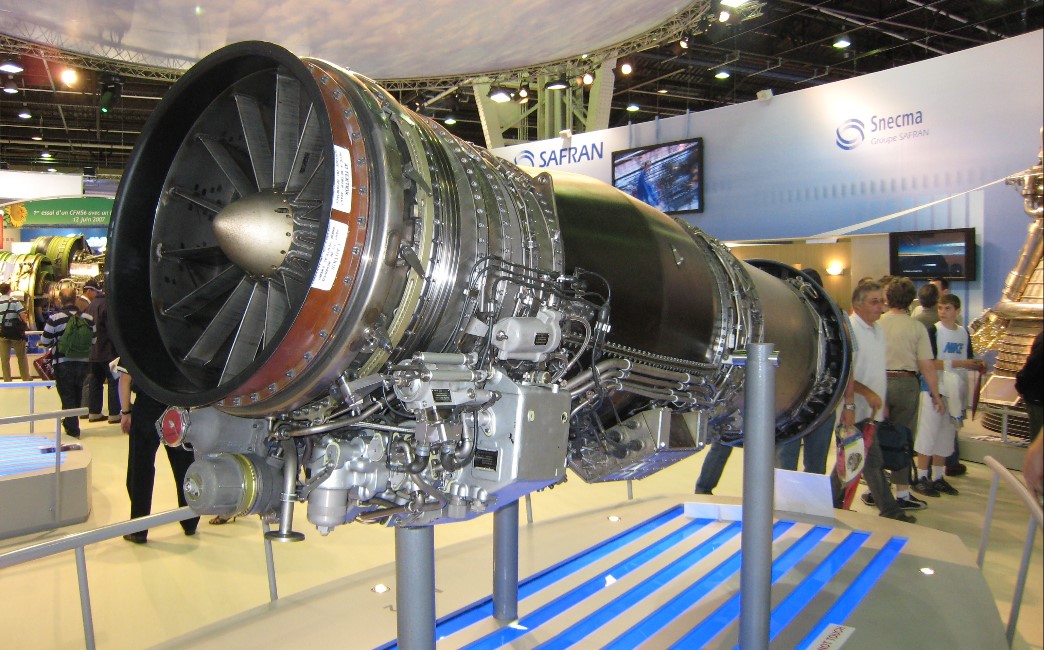
India
In a strategic move to bolster Dassault Aviation's chances in India's Medium Range Fighter Aircraft (MRFA) tender, Safran, a global leader in aerospace and defense, has committed to producing M-88 engines entirely in India. This decision is a significant step in supporting India's "Make in India" initiative, aimed at boosting domestic manufacturing capabilities, especially in the defense sector.The M-88 engine powers the Rafale fighter jet, a key contender for the Indian Air Force's (IAF) ambitious MRFA tender, which calls for the procurement of 114 new fighter jets. The engine, known for its robust performance and reliability, is a crucial component in the Rafale’s competitiveness. With Safran's commitment, India is poised to benefit from local production of this advanced engine, increasing self-reliance while securing a technological edge in defense manufacturing.Safran’s existing Maintenance, Repair, and Overhaul (MRO) facility in Hyderabad is already equipped to handle M-88 engine production. The company plans to scale up its operations to meet the IAF’s future requirements. The MRFA project alone could necessitate the production of at least 240 M-88 engines, alongside 186 engines for India’s current fleet of 62 Rafale jets. This brings the total engine requirement to 350 units over the next four decades, should Dassault’s Rafale be selected for the MRFA tender.A significant part of Safran’s strategy is the transfer of technology to its Indian subsidiary. This move will enable local production and assembly of the M-88 engines, involving Indian private sector companies in the supply chain. By increasing the indigenous content of the engines to at least 60%, Safran is aiming to boost the maintainability of the Rafale fleet. With a target maintainability rate of 75%, the IAF's Rafales will be better positioned for operational readiness, ensuring sustained performance in critical missions.This local manufacturing initiative not only strengthens Dassault's MRFA bid but also aligns with India's broader vision of self-reliance in defense. As India seeks to modernize its air force, the localized production of M-88 engines will reduce the country's dependence on foreign suppliers and foster technological innovation within its borders.The MRFA tender has attracted fierce competition from global defense giants, including Boeing’s F/A-18 Super Hornet, Lockheed Martin’s F-21 (an enhanced variant of the F-16), Saab’s Gripen, the Eurofighter Typhoon, and Russia’s MiG-35. Dassault’s Rafale, already proven in the IAF’s service, is looking to secure a significant edge with Safran’s local production of M-88 engines.Safran’s commitment to "Make in India" goes beyond just meeting the immediate needs of the MRFA project. It is about establishing a long-term partnership with India that benefits both nations. By investing in local manufacturing and technology transfer, Safran is promoting technological growth and economic development in India while ensuring that Dassault’s Rafale remains a competitive and sustainable option for the IAF.As the tender progresses, Safran’s pledge to produce M-88 engines in India could become a game-changer. It not only adds significant value to Dassault’s bid but also strengthens India’s position as a key player in the global defense manufacturing landscape. With the ability to locally produce, maintain, and sustain such critical components, India is moving closer to its goal of defense self-reliance, further solidifying the Rafale’s potential as the IAF's preferred choice for the MRFA tender.
Read More → Posted on 2024-10-19 15:23:45
World
MBDA, Europe's leader in missile technology, has made a significant leap in air defence capabilities with the successful test firing of its groundbreaking Aster B1NT (New Technology) interceptor. This pivotal test, conducted on October 8, 2024, at the Biscarrosse DGA missile testing facility in France, represents a major advancement in European defence systems. The event was overseen by the French General Directorate of Armaments (DGA) and attended by high-ranking officials, including French Minister of Armed Forces and Veteran Affairs Sébastien Lecornu. Representatives from Italy and the UK, both key partners in the Principal Anti-Air Missile Systems (PAAMS) cooperation, were also present, underscoring the multinational collaboration driving the Aster programme.A Complex Test in a Realistic ScenarioThe Aster B1NT test was not just a routine missile firing; it simulated a highly complex air defence scenario. In this test, the missile had to differentiate between friendly and enemy aircraft, a critical ability in real-world defence operations. It successfully identified and neutralised the enemy target, demonstrating its agility, precision, and advanced technological edge. What sets the Aster B1NT apart from other air defence missiles is its remarkable manoeuvrability, thanks to its aerodynamic design and thrust vector control. This allows the missile to make rapid directional changes mid-flight, making it especially useful in high-stress, fast-evolving combat situations where split-second decisions can determine success or failure.Aster B1NT: The Evolution of a Proven Missile FamilyThe Aster B1NT is the latest innovation in the Aster missile family, a missile system with a proven track record of success. With over 2,000 missiles delivered and more than 250 successful test firings, the Aster family has played a critical role in European defence for years. It has been used in various scenarios, including countering UAVs and ballistic missiles, and was recently employed in the Red Sea to defeat asymmetric threats, marking the first time the Aster system was used in such a context. This new iteration, the Aster B1NT, is the product of French-Italian cooperation and is set to be a cornerstone of European defence well into the 2060s. One of its most significant upgrades is its state-of-the-art Ka-band radar seeker, which enhances its ability to track and engage high-speed and manoeuvrable targets, including hypersonic missiles. The missile also features upgraded electronics and advanced pyrotechnic systems that increase its effectiveness against emerging high-end threats.Integration into Cutting-Edge Defence SystemsThe Aster B1NT will be integrated into the SAMP/T NG (New Generation) ground-based air defence system, a flagship project for European military forces. Both the Italian and French armed forces are set to deploy this system, which offers a multi-layered defence approach. SAMP/T NG can handle a wide range of threats, from drones and aircraft to ballistic and cruise missiles. It is also designed with an open architecture, allowing it to seamlessly integrate with NATO’s air and missile defence systems, ensuring that it remains a key element of Europe’s defence strategy in the years to come.In addition to its ground-based applications, the Aster B1NT will be used by the naval forces of France, Italy, and the UK under the PAAMS program. In the UK, it is known as Sea Viper and is already a critical component of the Royal Navy’s air defence system. This versatility makes the Aster B1NT not just a missile, but a linchpin in a broader, multi-domain European defence framework.A Future-Proof Defence SolutionWith its cutting-edge features, the Aster B1NT is designed to meet the challenges of modern warfare, including the growing threat of hypersonic weapons, which are capable of travelling at speeds exceeding Mach 5. As such, it represents not just an evolution of the Aster missile family, but a significant leap forward in air and missile defence technology. The system's ability to scale and adapt to new threats ensures that Europe remains well-defended against a wide range of adversaries, whether they are state actors or more unconventional forces.The success of the Aster B1NT test underscores MBDA's commitment to pushing the boundaries of missile technology and enhancing Europe's defence posture. With continued development and integration into advanced systems like the SAMP/T NG, the Aster B1NT will serve as a vital part of Europe’s defence infrastructure for decades to come. As threats evolve, so too will the Aster missile family, ensuring that Europe remains at the forefront of global air defence innovation.A Stronger Europe through InnovationMBDA’s advancements with the Aster B1NT highlight the importance of collaboration in European defence, bringing together the expertise and resources of multiple nations. This multinational approach ensures that Europe can field cutting-edge technologies capable of meeting future challenges head-on. The successful Aster B1NT test is not just a milestone for MBDA, but a testament to the power of European cooperation in maintaining security and peace across the continent.The Aster B1NT and systems like SAMP/T NG represent the future of integrated, multi-layered air defence, providing Europe with the tools it needs to counter the increasingly sophisticated and unpredictable threats of modern warfare.
Read More → Posted on 2024-10-18 16:31:48
World
In the ongoing conflict near Chasiv Yar, Ukraine, a remarkable incident took place when a Ukrainian Special Armored Vehicle (SBA), the “Novator-2,” endured a direct hit from a first-person view (FPV) drone. Despite sustaining damage, this resilient vehicle proved its worth by continuing to function and safeguarding the soldiers inside.The attack unfolded during a combat mission, where the Novator-2 was hit by a drone targeting its front right wheel. Even with the significant damage, the vehicle kept moving for about 4 to 5 kilometers, a testament to its robust engineering. It wasn't until the crew noticed smoke emerging from the engine compartment that they decided to evacuate. Thankfully, all soldiers inside the vehicle survived the ordeal, though they suffered concussions and are currently receiving medical care in the hospital.What followed was a relentless assault by enemy forces. After the first strike, two more FPV drones were launched, and artillery strikes targeted the Novator-2. However, the vehicle remained intact despite the multiple attacks, and it has since been evacuated from the battlefield. The Ukrainian Armor, the manufacturer of the Novator-2, has expressed confidence that the vehicle will be repaired and restored.The Novator-2: A Battle-Tested MachineThe Novator-2, based on the Ford F-550 chassis, is an upgrade from its predecessor, designed with insights gained from combat experience. One of its most notable improvements is its size—the vehicle has been extended by 10 centimeters, allowing for a larger armored section that can now accommodate ten passengers instead of the previous five. In addition to the increased capacity, the Novator-2 boasts reinforced suspension systems in both the front and rear, which have been vital in enabling it to handle the added weight and challenging terrains of combat zones. The overall weight of the vehicle has increased to 9,660 kg, adding 2 tons to its previous mass. Despite this added weight, it retains a remarkable payload capacity of 3,340 kg, ensuring it remains highly functional for military operations.The vehicle’s ability to withstand multiple drone attacks and still provide enough protection for the soldiers inside highlights the value of continuous innovation in armored vehicle design, especially under the harsh realities of modern warfare.Moving Forward with Ukrainian ArmorUkrainian Armor, the company behind the Novator-2, has become a symbol of the country's defense resilience. By continuously improving its designs based on real-time combat feedback, Ukrainian Armor has been able to create vehicles that meet the needs of frontline units in Ukraine’s ongoing conflict with Russia. The Novator-2’s ability to endure severe damage from FPV drone attacks while keeping its crew safe is just one example of the advanced engineering going into these military assets.The company has reassured that the damaged Novator-2 will be restored, a reflection of both the commitment to Ukraine’s defense capabilities and the quality of its military production. The successful evacuation of the vehicle and the survival of the soldiers highlight the importance of these armored vehicles in ensuring the safety of Ukraine's forces.The Growing Threat of FPV DronesAs seen in this incident, FPV drones have become an increasingly prominent threat on the modern battlefield. These drones are often used for precision attacks, targeting vulnerable parts of military vehicles. The fact that the Novator-2 withstood multiple strikes demonstrates the importance of continued innovation in armor technology to combat these evolving threats.In the face of persistent enemy efforts, Ukraine’s ability to adapt its equipment and protect its soldiers is crucial. As drone warfare becomes more common, vehicles like the Novator-2 will continue to play a vital role in defending against such attacks and ensuring the survivability of military personnel.In summary, the Novator-2’s endurance in the face of a FPV drone attack is not just a testament to the vehicle’s design but also a symbol of Ukraine's resilience and commitment to modernizing its defense capabilities.
Read More → Posted on 2024-10-18 16:28:47
World
In a significant escalation of its involvement in global conflicts, North Korea is reportedly sending 12,000 soldiers, including elite special forces, to assist Russia in its ongoing invasion of Ukraine. This move has raised alarms in South Korea and around the world, further deepening the complexities of the war and sparking fears of heightened global tensions.South Korea’s National Intelligence Service (NIS) has revealed these startling developments, noting that the troop deployment to Russia marks a concerning shift in North Korea’s international posture. Yonhap News Agency, one of South Korea’s prominent news sources, reported the NIS findings, which suggest that the deployment is a response to Russia’s need for additional manpower as its military faces growing pressure from Ukraine's counteroffensives. According to South Korean officials, the arrival of North Korean troops in Russia is not only an unprecedented gesture of solidarity between Moscow and Pyongyang but also poses a significant threat to global security. South Korea's government has strongly condemned this move, warning that such military cooperation could destabilize the already volatile regional dynamics in East Asia and lead to further isolation of North Korea on the international stage.In Ukraine, President Volodymyr Zelensky addressed the matter during a video speech earlier this week. Zelensky pointed out that North Korea is becoming a direct participant in Russia’s invasion of his country. He explained that Russia's decision to involve North Korean forces demonstrates how deeply entangled the two nations have become in this conflict. “Russia is effectively planning to include North Korea in the full-scale war against Ukraine,” Zelensky declared, highlighting the broader geopolitical consequences of this alliance. His remarks came as Ukraine marked the 964th day since Russia's invasion began.The addition of North Korean troops to the battlefield could be a pivotal moment in the ongoing war, especially as both sides prepare for a grueling winter campaign. Ukrainian intelligence agencies, including the Foreign Intelligence Service and the Main Directorate of Intelligence (GUR), have reported that North Korean forces may be used to bolster Russian defenses during the colder months when fighting conditions are harsh and morale often weakens. Russia’s reliance on North Korean soldiers could extend its capacity to fight, even as its economy and domestic industries suffer under the weight of international sanctions. However, the presence of North Korean troops might also be seen as a sign of desperation, as Russia turns to unlikely allies to maintain its foothold in the conflict.South Korea is not alone in its concerns. The international community has already condemned North Korea’s involvement, with many fearing that this could lead to a dangerous shift in alliances. North Korea’s longstanding isolationism has typically prevented such overt military actions outside of its borders, making this an exceptional development. Analysts suggest that Pyongyang's decision to send troops could be motivated by its desire to deepen ties with Moscow in exchange for economic or military benefits, such as advanced weapons technology or energy resources.In addition to the security implications for Ukraine, South Korea fears that North Korea’s involvement in Russia’s war could embolden Pyongyang’s own military ambitions in the region. Seoul has warned that this alliance could further escalate tensions on the Korean Peninsula, where North Korea has already increased its missile tests and aggressive rhetoric toward South Korea and its allies.As the conflict in Ukraine drags on, the growing involvement of external actors like North Korea raises the specter of an even more prolonged and devastating war. This development underscores the global reach of the Ukraine conflict, as nations far from the battlefield are drawn into the fray, either through direct military assistance or broader strategic alignments. For now, the world watches anxiously as North Korea’s soldiers make their way to Russia, wondering how this new dynamic will shape the future of the war and the delicate balance of global power.
Read More → Posted on 2024-10-18 16:25:32
World
General Atomics, known for its advanced unmanned aerial vehicles like the MQ-9 Reaper and MQ-1C Grey Eagle, is now turning its expertise to a new arena: precision artillery. The company has spent the last three years developing the Long-Range Maneuvering Projectile (LRMP), a highly sophisticated artillery round capable of reaching distances over 120 kilometers. What sets this projectile apart is its unique ability to strike moving targets in GPS-denied environments, making it a game-changer in modern warfare.The LRMP project is entirely self-funded by General Atomics, a decision driven by the urgent need for enhanced battlefield capabilities. Scott Forney, President of General Atomics Electromagnetic Systems, emphasized that the company is pushing to bring this technology to warfighters as quickly as possible, citing lessons learned from the Russia-Ukraine conflict, where the demand for longer-range precision weaponry has become critical.Key Features of the LRMPUnlike traditional artillery rounds, the LRMP is designed with wings that deploy mid-flight, allowing it to glide and maneuver toward its target. The wings, which are encased in a sabot that discards upon firing, are essential for extending the projectile's range. The LRMP reaches an apogee of 40,000 to 45,000 feet before deploying its wings, after which it can perform complex maneuvers, including "endgame" maneuvers during the final approach to its target. This gives it a significant edge in hitting moving or evasive targets.What’s particularly innovative is the projectile's shape. The LRMP is not a traditional round shape; instead, it resembles a "rouleaux triangle." This aerodynamic form provides greater lift and control, which is key to achieving the impressive 120-kilometer range.A Self-Funded Race Against TimeGeneral Atomics’ decision to self-fund the LRMP is unusual but highlights their commitment to speeding up development. Forney explained that they are using profits to push the project forward, with the goal of having it ready for use as quickly as possible. “We’re limited by humans, nothing else right now,” he said, pointing to the company’s drive to produce an artillery round that can meet the demands of future conflicts.The LRMP leverages General Atomics' work in other cutting-edge fields, such as hypersonics, railgun technology, and unmanned systems. The company applied lessons from its work on drones to ensure the LRMP is lightweight and maneuverable without making the system overly complex. The sensors and electronics inside the projectile are designed to endure the extreme forces experienced during hypersonic and railgun launches.Guidance and Payload InnovationOne of the standout features of the LRMP is its advanced guidance system, which doesn’t rely on traditional GPS. In a battlefield where GPS can be jammed or denied, General Atomics is developing an alternative guidance system using machine learning and onboard cameras. The LRMP is equipped with multiple camera systems—one forward-facing and one downward-facing—allowing it to visually track its target. These innovations are drawn from the company's work on the "Vintage Racer" program, which also utilized a loitering system capable of surveillance and target tracking.Though the LRMP is compact, its kinetic impact is expected to be equivalent to that of a 120mm shell, a substantial payload for its size. In addition to the kinetic payload, the modular design of the LRMP allows for the inclusion of Intelligence, Surveillance, and Reconnaissance (ISR) systems. This capability is being adapted from General Atomics’ work on space tracking systems, further enhancing the versatility of the round.Production and Future ProspectsGeneral Atomics is already preparing for the next phase of testing, producing dozens of LRMP rounds for evaluation. The company hopes to enter low-rate initial production by the end of 2025, a target they are determined to meet despite the complexities of scaling production. General Atomics is currently expanding its production capabilities, with plans to increase output to meet both U.S. military and international demand. Forney mentioned that the company is eyeing a production goal of up to 100,000 rounds per month, a testament to the potential scale of this system.The LRMP is currently being developed for the U.S. Army and Marine Corps, with plans to adapt it for the Navy’s 127mm guns as well. While the naval version is expected to have a slightly shorter range of around 75 kilometers, the company remains focused on delivering the land-based variant first, which promises to provide unparalleled standoff capability to ground forces.General Atomics’ Long-Range Maneuvering Projectile is shaping up to be a revolutionary piece of artillery technology. With its ability to hit moving targets at long distances in GPS-denied environments, it promises to provide a significant tactical advantage in modern warfare. The combination of advanced guidance systems, modular payload options, and extraordinary range makes LRMP a key player in future conflicts. As General Atomics continues to refine this groundbreaking system, the world watches with anticipation for its eventual deployment on the battlefield.
Read More → Posted on 2024-10-18 16:22:25
India
In a significant move, the Union government has decided to overhaul the VIP security apparatus by removing the National Security Guard (NSG) commandos from protecting high-risk individuals and handing over their security to the Central Reserve Police Force (CRPF). The transition, which is expected to be completed within a month, involves nine prominent ‘Z plus’ category VIPs who will now be guarded by CRPF personnel.This decision marks a major shift in how India manages the security of its top leaders. The Ministry of Home Affairs (MHA) has approved the creation of a new battalion within the CRPF, comprising personnel who were previously assigned to Parliament security duties. This battalion will now be deployed to provide protection to the nine high-profile individuals previously under the watch of the elite NSG, often known as ‘black cat’ commandos.The VIPs affected by this transition include Uttar Pradesh Chief Minister Yogi Adityanath, Union Defence Minister Rajnath Singh, veteran BJP leader L.K. Advani, Andhra Pradesh Chief Minister N. Chandrababu Naidu, and several other influential political figures such as Mayawati, Farooq Abdullah, Ghulam Nabi Azad, Sarbananda Sonowal, and Raman Singh. These individuals are considered to be under high-risk threat levels, which is why they were initially assigned to the NSG.Shift in StrategyThe NSG, originally established in 1984 to handle counter-terrorism and counter-hijack operations, had been progressively assigned the additional responsibility of securing VIPs. However, this was not part of its original mandate, and the burden of providing VIP security began to limit the NSG’s core functions. Over the years, there has been growing concern that this allocation of NSG commandos for VIP security is detracting from their primary role of rapid counter-terrorism response.This restructuring aims to allow the NSG to refocus on its original charter. Sources have indicated that over 450 NSG commandos will be relieved from VIP security duties, freeing them up for specialized operations. The government plans to deploy NSG strike teams in high-risk areas, such as near the Ram Temple in Ayodhya and critical assets in the southern parts of the country, where their counter-terrorism expertise will be put to better use.The MHA has also sanctioned the deployment of a seventh VIP security battalion under the CRPF, which will absorb the tasks currently handled by the NSG. This battalion comprises personnel who were reassigned after the CRPF was replaced by the Central Industrial Security Force (CISF) for guarding the Parliament following a security breach last year.Advanced Security ProtocolsTwo of the VIPs in this list, Defence Minister Rajnath Singh and Uttar Pradesh Chief Minister Yogi Adityanath, will continue to receive advanced security protocols, including the Advanced Security Liaison (ASL). The ASL involves a pre-emptive reconnaissance of locations that the VIP will visit, ensuring any threats are neutralized before they arrive. The CRPF already employs this protocol for other high-profile figures like Home Minister Amit Shah, former Prime Minister Manmohan Singh, and the Gandhis—Sonia Gandhi, Rahul Gandhi, and Priyanka Gandhi Vadra.The transfer of VIP security responsibilities from the NSG to the CRPF is part of a long-standing plan that dates back to 2012, when security experts began to question the use of NSG commandos for such duties. The concern was that should multiple terror attacks happen simultaneously, the NSG’s deployment for VIP protection could compromise its ability to respond effectively. In fact, in 2020, after the removal of the Special Protection Group (SPG) from guarding the Gandhi family, discussions about reducing the NSG’s role in VIP security gained momentum.A New Era for NSGWith this latest move, the NSG will now have a more streamlined focus on counter-terror operations and reducing the burden of protecting high-risk individuals. This decision comes just as the NSG celebrates its 40th anniversary of its formation. For more than two decades, the NSG commandos have played a critical role in guarding some of India’s most prominent figures, but the Union government believes it is time to reassign this responsibility to forces like the CRPF, which are better equipped to handle long-term VIP security duties.The NSG’s involvement in VIP security duties was originally meant to be temporary. The government’s decision to phase them out aligns with its broader aim of ensuring the elite force can focus exclusively on its core task of counter-terrorism and emergency response. The complete transfer of responsibilities between the NSG and the CRPF is expected to be concluded by November. As the NSG steps away from this role, the CRPF will now be tasked with guarding India’s top leaders, ensuring their safety through a blend of experience, newly allocated resources, and highly trained personnel.This strategic reshuffling of security roles underscores the government’s long-term vision to bolster the country’s counter-terrorism capabilities while maintaining the safety of its political and public figures.
Read More → Posted on 2024-10-18 16:17:59
World
On October 17, 2024, Switzerland officially signed a declaration of accession to the European Sky Shield Initiative (ESSI), marking its entry as the 15th member of this growing European defense coalition. This step comes after several months of discussions, deliberations, and approvals within the Swiss government and its key political committees. The ESSI, a collaboration aimed at strengthening ground-based air defense (GBAD) systems across Europe, now includes Switzerland as a significant player in its mission to bolster collective defense against aerial threats.Switzerland's Path to Joining ESSISwitzerland's journey toward becoming part of the ESSI began earlier in 2024. On April 10, the Swiss Federal Council gave its formal approval for the country’s accession to the initiative, authorizing the Federal Department of Defence, Civil Protection, and Sport (DDPS) to sign both the ESSI Cooperative Procurement Framework Memorandum of Understanding (MoU) and a separate unilateral declaration. These agreements are crucial for outlining how Switzerland will engage with the initiative while maintaining its traditional stance of neutrality.In July 2024, the Swiss Chief of Armament, Urs Loher, signed the application for membership on behalf of Switzerland, marking the first formal step in the accession process. After a consultation with ESSI member states, the application was accepted without any conditions. This cleared the way for Switzerland's full accession, which was finalized on October 17, when Loher signed the MoU and the accompanying unilateral declaration.What the ESSI Means for SwitzerlandBy joining the European Sky Shield Initiative, Switzerland gains significant opportunities for international cooperation in air defense, particularly in the realm of ground-based systems. The ESSI provides a platform for better coordination among its member states in areas such as procurement, training, and logistics related to air defense systems. This collaboration opens doors for Switzerland to share and exchange expertise, especially in medium-range ground-based air defense projects—an area of immediate focus.One of the most appealing aspects of ESSI membership is the flexibility it offers. Switzerland, like all other member states, retains full autonomy over its level of participation in various ESSI programs and projects. This means that even after signing the MoU, Switzerland can decide to what extent it wants to engage with the initiative and which defense systems it will procure.Moreover, the initiative does not impose binding commitments on its members. Switzerland's participation in specific projects will be determined on a case-by-case basis, allowing the country to maintain its legal and political stance of neutrality. In fact, when Switzerland signed the MoU, it included a clause that allows it to suspend its cooperation in case one of the ESSI member states becomes involved in an international armed conflict—an essential safeguard given Switzerland's long-standing policy of neutrality.Neutrality Safeguards and Future CooperationSwitzerland’s accession to the ESSI comes with carefully considered neutrality reservations, ensuring that the country’s commitment to staying neutral in global conflicts remains intact. These reservations were emphasized in Switzerland's unilateral declaration of accession and reaffirmed during the signing of the MoU. The agreement includes a suspension clause, which gives Switzerland the option to withdraw from cooperative defense efforts if another ESSI member becomes embroiled in an international military conflict.Looking ahead, Switzerland’s involvement in the ESSI will initially concentrate on medium-range air defense systems, but the potential for broader cooperation in both shorter-range and longer-range air defense is significant. This multi-tiered approach could allow Switzerland to enhance its defensive capabilities while contributing to the overall security architecture of Europe. Over time, these collaborations could lead to more advanced systems being developed and shared among ESSI members, strengthening Europe's collective air defense against evolving threats.Strategic Importance of ESSI MembershipThe European Sky Shield Initiative was established to address growing concerns about air threats in an increasingly unpredictable security landscape. By working together, member countries aim to create a more integrated and effective network of air defense systems. Switzerland's decision to join reflects its recognition of the importance of being part of a broader defensive framework in Europe, even as it maintains its neutral stance.For Switzerland, the ESSI provides a valuable opportunity to modernize its air defense capabilities while benefiting from shared technological advancements and joint procurement projects. At the same time, Switzerland’s membership strengthens the ESSI, bringing in a nation with strong defense industry expertise and a commitment to peace.In conclusion, Switzerland's signing of the ESSI accession declaration marks a new chapter in its defense policy, one that balances the need for stronger international cooperation with the country's traditional neutrality. By joining the European Sky Shield Initiative, Switzerland is taking a calculated step toward enhancing its national security while contributing to the collective defense of Europe.
Read More → Posted on 2024-10-18 16:08:08
India
The Indian Air Force (IAF) has made a major advancement in its combat capabilities by equipping its Light Combat Aircraft (LCA) Tejas with Joint Direct Attack Munition (JDAM) kits. This strategic upgrade transforms the Tejas from a jet deploying unguided bombs to one capable of launching precision-guided munitions, significantly enhancing both its accuracy and strike range.This acquisition, part of a 2022 deal under India's delegated financial powers, comes at a time when the IAF is focused on modernizing its fleet to ensure readiness in modern warfare. The integration of JDAM kits enables the Tejas to convert existing dumb bombs into smart munitions, increasing the aircraft’s capability to hit enemy targets like bunkers, infrastructure, and runways with pinpoint accuracy.Enhanced Strike Range and PrecisionWith the JDAM system installed, the Tejas fighter jets can now engage targets at ranges exceeding 80 kilometers. This extended range, combined with the system’s accuracy, boosts the tactical advantages of the Tejas during combat missions. The JDAM system uses a hybrid of GPS and Inertial Navigation System (INS) to guide bombs with incredible precision. The result is a highly reliable strike system that minimizes collateral damage, crucial in both offensive and defensive operations.Government sources have pointed out that with JDAM technology, the IAF will have greater precision than what was witnessed during the 2019 Balakot airstrikes. These strikes, which were conducted using the Mirage 2000, successfully demonstrated India's ability to carry out deep-penetration attacks. The addition of JDAM-equipped Tejas adds a new dimension to the IAF’s capability to hit enemy installations and strategic locations with enhanced accuracy, which is vital in scenarios where minimizing civilian casualties is paramount.JDAM: A Trusted Precision SolutionThe JDAM technology itself is a tried and tested innovation, jointly developed by the United States Air Force and Navy. Instead of being a standalone weapon, JDAM is essentially a guidance kit that attaches to a variety of unguided bombs, effectively transforming them into precision-guided weapons. The kit has been widely used in multiple theaters of war, from Afghanistan to Iraq, proving its efficacy and reliability in various operational conditions.One of JDAM’s greatest strengths is its adaptability. It can be fitted to a wide range of bomb types, from 500-pound to 2,000-pound munitions, making it a versatile tool for air forces around the world. For India, this means that its Tejas jets, which already boast an array of indigenous weapons and advanced avionics, can now be paired with precision-guided munitions to further enhance its firepower.Tejas' Growing Role in India's Defense StrategyThe integration of JDAM kits underscores India’s commitment to developing a modern, well-rounded air force capable of addressing emerging threats. As India seeks to secure its borders and assert regional air superiority, the ability to carry out long-range precision strikes is becoming increasingly critical. With the JDAM, the Tejas moves a step closer to being a top-tier fighter jet, not just in India but in the broader South Asian region.The Tejas, which already boasts advanced radar, modern avionics, and multi-role capabilities, will now be able to operate more effectively in precision strike missions. This upgrade is expected to boost the Tejas’ role in future conflicts, allowing it to conduct surgical strikes with minimal risk to civilian populations.The delivery of JDAM kits to the IAF is a significant milestone for India’s defense modernization efforts. By equipping its Tejas fleet with this advanced technology, India is demonstrating its commitment to not only enhancing the combat readiness of its air force but also ensuring that its military is equipped with the tools needed to meet modern challenges. With the JDAM-equipped Tejas in its arsenal, the IAF is poised to play an even more strategic role in securing India's skies and safeguarding its interests on the battlefield.This move also signals India's growing defense collaboration with global powers like the U.S., aligning with its broader goal of self-reliance in military technologies while leveraging foreign expertise for cutting-edge innovations. As the Tejas continues to evolve, its integration with precision-guided munitions like JDAM reflects India's clear vision for a modern, capable, and formidable air force.
Read More → Posted on 2024-10-18 16:04:10
World
Yahya Sinwar, a name that dominated headlines due to his central role in Hamas and the violence between Gaza and Israel, lived a life defined by paradoxes. The man who became the mastermind behind Hamas' deadliest attack on Israel, and was eventually killed by Israeli forces, was once saved by the very nation he fought against.The Rise of Yahya SinwarBorn in 1962 in a refugee camp in Khan Younis, Gaza, Sinwar's early life was shaped by the Israeli-Palestinian conflict. He became one of the founding members of Hamas, the militant group formed in 1987, and quickly rose through the ranks. Sinwar earned a reputation for ruthlessness during the early days of the organization, leading Hamas' security wing, which was tasked with eliminating Palestinians suspected of collaborating with Israel. His brutal methods earned him the nickname “The Butcher of Khan Younis.” His actions eventually led to his arrest by Israeli authorities in the late 1980s, and he was sentenced to four life terms for the murder of Israeli soldiers and suspected Palestinian informants.While behind bars, Sinwar never abandoned his ideology. He became a central figure in Hamas even while incarcerated, finding ways to smuggle messages and maintain communication with the group’s leadership. He was part of the 2011 prisoner exchange that saw the release of hundreds of Palestinians in return for one Israeli soldier, Gilad Shalit. Despite concerns from Israeli intelligence about his potential danger, Sinwar was set free—and returned immediately to his militant activities.Sinwar’s Role in Gaza and HamasAfter his release, Sinwar wasted no time in reclaiming his influence in Hamas. By 2017, he became the group’s political leader in Gaza, taking over after Ismail Haniyeh's relocation to Qatar. Known for his uncompromising hardline stance, Sinwar was a driving force in shaping Hamas' military strategy. His leadership period was marked by increasing clashes with Israel, and the conflict reached its peak with the events of October 7, 2023.Sinwar was the architect of the devastating surprise attack on Israel that triggered the latest chapter in the Israel-Hamas war. The coordinated assault, which left 1,200 Israelis dead and led to the capture of 250 hostages, marked one of the bloodiest days in Israel’s history. It was the culmination of years of planning and strategy, exploiting perceived weaknesses in Israel’s defenses. This attack made him public enemy number one in Israel. Prime Minister Benjamin Netanyahu declared Sinwar a “dead man walking,” setting the stage for an intense manhunt to locate and eliminate him.How Israel Once Saved His LifeIn a dark irony, Israel had once saved Yahya Sinwar’s life. In the early 2000s, while still imprisoned, Sinwar began experiencing severe headaches and other symptoms. It was discovered that he had a brain tumor, and Israeli doctors at Soroka Medical Center in Beersheba performed life-saving surgery to remove it. The former head of Israeli prison intelligence, Betty Lahat, even attempted to use this moment to recruit Sinwar as an informant, reminding him that Israel had given him a second chance. However, Sinwar remained unmoved, insisting that his fate lay with Hamas.This episode is a striking example of the complex web of human interactions within the Israeli-Palestinian conflict. A man whose life was spared by Israeli doctors would later plan one of the most deadly attacks on their nation. Sinwar’s story highlights the convoluted reality of war, where enemies sometimes find themselves connected in unexpected ways.The Death of SinwarAfter the October 7 attack, Sinwar went underground, evading Israeli intelligence with extreme caution. He stopped using cell phones and relied on handwritten messages and couriers to communicate with his fighters. Living in hiding, his influence remained strong, directing the activities of Hamas from the shadows. Israeli forces, however, were relentless in their pursuit.It was in early 2024, near Rafah, during a routine patrol by the Israel Defense Forces (IDF) that Sinwar's luck ran out. The patrol, backed by tanks, engaged in a firefight with Sinwar and two of his men. They were killed, and Sinwar’s body was later identified by an Israeli drone scanning the area where the skirmish occurred. His death marked a significant blow to Hamas, which had already lost many key leaders in the ongoing conflict. Muhammad Deif, the group’s military commander, and Marwan Issa, Sinwar’s deputy, had also been killed in previous Israeli strikes. With their top leadership dismantled, Hamas found itself in a precarious position.The Legacy of Yahya SinwarSinwar’s death left Hamas leaderless at a critical moment in its history. His passing will likely be remembered as the end of an era for Hamas, as his leadership shaped both the military and political direction of the group over the last decade. Sinwar’s meticulous planning of the October 7 attack, combined with his refusal to compromise with Israel, defined his legacy as a committed hardliner who pushed the limits of the Israeli-Palestinian conflict.Despite his militant stance, Sinwar also embodied the deep personal contradictions that arise in the context of protracted conflict. His life, saved by Israeli hands, would later be ended by them. Sinwar, who lived through multiple attempts on his life, believed that God alone knew the date of his death—a belief he voiced as far back as his time in prison.Today, as both sides continue to grapple with the consequences of the October 7 attack, the story of Yahya Sinwar serves as a reminder of the deeply human dimensions of this ongoing conflict—where the lines between enemy and savior blur in ways that make peace seem even more elusive.The saga of Yahya Sinwar’s life is marked by extraordinary contradictions. A man whose life was saved by Israel only to become its most wanted adversary. His death not only symbolizes a key moment in the Hamas-Israel conflict but also leaves a lasting impact on the fractured leadership of Hamas. For Israel, his elimination marks a victory, but it also deepens the tragedy of a region trapped in cycles of violence, with leaders like Sinwar at its center.
Read More → Posted on 2024-10-18 16:01:09
World
In a significant breakthrough in Israel's ongoing military campaign, Prime Minister Benjamin Netanyahu confirmed on Thursday the death of Hamas chief Yahya Sinwar, one of the primary architects behind the devastating October 7 attacks last year. These attacks, which targeted Israeli civilians and security forces, left a deep scar on the nation's collective memory. Netanyahu’s announcement of Sinwar's death marks a critical moment in Israel's efforts to dismantle Hamas' leadership.Sinwar’s elimination came during a recent Israel Defence Forces (IDF) operation in Gaza. The IDF has been intensifying its strikes against Hamas leaders, following weeks of retaliatory airstrikes and ground operations aimed at crippling the militant group's infrastructure. Yahya Sinwar, long regarded as the face of Hamas’ military strategy, was involved in orchestrating numerous attacks over the years, solidifying his position as a priority target for Israel.The IDF confirmed earlier in the day that three key terrorists were killed in their latest offensive in Gaza, and after additional checks, Sinwar's death was verified. The Israeli military has been methodically working to eliminate high-ranking Hamas officials, and Sinwar’s death is one of the most high-profile kills in this ongoing campaign.Hamas, the Palestinian militant organization that governs Gaza, has been a focal point of Israeli counterterrorism efforts for decades. However, the brutal October 7 attacks marked a particularly bloody chapter. These strikes included a wide-scale infiltration into Israeli territory and resulted in the deaths of numerous civilians and military personnel. Sinwar was believed to have been one of the main planners behind these attacks, making his death not just a tactical victory, but also an emotional one for the people of Israel.Escalating Military CampaignNetanyahu's office quickly informed the families of the Israeli hostages held by Hamas about Sinwar’s death, a move that underscores the gravity of this military achievement. The confirmation follows weeks of targeted strikes by the IDF on Hamas leadership in Gaza, as well as attacks on Hezbollah figures in Lebanon, most notably the assassination of Hassan Nasrallah, Hezbollah’s chief, through a targeted airstrike.The IDF’s recent operations have also resulted in the deaths of other senior Hamas figures, including Rawhi Mushtaha, who held a prominent role in the Hamas government in Gaza, and Sameh al-Siraj, a significant figure in Hamas' political bureau. These killings are part of Israel's broader strategy to destabilize Hamas’ leadership structure and weaken its operational capabilities.The death of Sinwar is particularly symbolic. As one of Hamas' founding members, Sinwar spent years in Israeli prisons before being released in a prisoner swap in 2011. Upon his release, he rose to become one of the most influential leaders within the group, and his involvement in orchestrating attacks against Israel made him a top target for Israeli intelligence.Future of Israel's Military OperationsEven as the IDF continues its offensive, with ground troops engaged in fierce combat in Gaza’s densely populated regions, the military has reiterated its goal of dismantling the terror infrastructure that supports Hamas’ activities. Troops have discovered weapons depots and other military assets belonging to Hamas in key areas, ensuring that this campaign extends beyond eliminating individual leaders to fully crippling the group’s ability to strike back.Despite Sinwar’s death, the conflict in Gaza remains far from over. Netanyahu and the IDF leadership have stated that the military operations will continue for as long as necessary, targeting any remaining Hamas leaders and operatives. On Monday, the IDF called for the evacuation of civilians in northern Gaza, as Israeli forces concentrated their offensive in key urban centers like Jabaliya.Broader ImplicationsThe elimination of Yahya Sinwar, along with the recent killing of senior Hamas leader Ismail Haniyeh in Iran, points to a larger trend of Israeli forces successfully targeting Hamas leadership beyond Gaza’s borders. Though Tehran and Hamas accused Israel of orchestrating Haniyeh’s death, Israel has remained silent, neither confirming nor denying responsibility.The ongoing campaign has sent a clear message to Hamas and its allies, including Hezbollah: Israel will pursue its enemies across borders and will not hesitate to strike leadership figures responsible for terrorism against its citizens.As Israel’s military campaign enters a new phase, the death of Sinwar represents a substantial victory for the Netanyahu government. Yet, it also raises questions about the future stability of Gaza and the broader implications for the region. With major Hamas leaders now gone, the organization may struggle to regroup, but the violence is likely to persist, at least in the short term, as the IDF continues to dismantle its infrastructure.Israel’s offensive will likely remain a point of international scrutiny, with humanitarian concerns about Gaza's civilian population becoming more pronounced. Still, for many Israelis, the death of Yahya Sinwar marks a pivotal moment in their fight against terrorism, bringing a sense of justice for the October 7 attacks and beyond.As the military operations continue, Israel’s focus remains clear: systematically dismantling Hamas’ power, targeting its leadership, and neutralizing its ability to pose a threat to Israeli security.
Read More → Posted on 2024-10-18 15:57:49
World
In a move aimed at bolstering NATO’s eastern defenses, the United Kingdom has committed to deploying advanced military assets, including its highly anticipated Challenger 3 tanks, to Estonia. This deployment forms part of a broader strategic plan to enhance NATO's deterrence capabilities along its Eastern Flank, an area that has become increasingly important due to rising tensions with Russia. The announcement was made on October 17 during the NATO Defence Ministers' meeting in Brussels, where Estonia’s Defence Minister, Hanno Pevkur, and the UK’s Defence Secretary, John Healey, signed a new bilateral Defence Roadmap.The Defence Roadmap and Its ImplicationsThe roadmap underscores the deepening defense relationship between Estonia and the United Kingdom. It builds on NATO's regional plans, specifically focusing on strengthening the forward defense of Estonia. As part of the agreement, the UK has pledged to assign its 4th Brigade as a reinforcement force for Estonia. This brigade will be kept at high readiness in the UK, prepared to rapidly deploy to Estonia in times of crisis or conflict. In addition to troop commitments, both nations will collaborate on pre-positioning equipment and supplies in Estonia to ensure swift mobilization when necessary.Estonia’s Defence Minister Hanno Pevkur emphasized that this cooperation is essential for ensuring that both Estonia and NATO are fully prepared to respond to any potential threat from Russia. The UK’s decision to enhance its military presence in the region is part of a larger NATO effort to deter aggression and maintain stability on its Eastern Flank.Advanced Military Assets Headed to EstoniaAmong the key assets to be deployed are the Challenger 3 tanks, a significant upgrade over the Challenger 2 models currently in service. The Challenger 3 is designed to provide superior firepower and protection on the modern battlefield. Equipped with a new 120mm smoothbore gun, advanced targeting systems, and enhanced armor, the tank is built to engage both armored and unarmored targets effectively. The vehicle’s protection is bolstered by state-of-the-art modular armor, including explosive reactive armor that offers superior defense against both kinetic and shaped charge threats.Additionally, the Challenger 3 comes with an upgraded power pack, improving mobility and allowing it to operate effectively in various terrains, including the harsh winters of Northern Europe. The tank’s battlefield management system integrates seamlessly with NATO’s command and control networks, ensuring real-time situational awareness and coordination with allied forces.In addition to the Challenger 3, the UK will also deploy other advanced military assets such as the Archer self-propelled howitzers, which provide rapid and precise long-range artillery support, and the Boxer and Ajax armored personnel carriers, which offer both high mobility and strong protection for troops on the move.Reinforcement Exercises and Long-term CommitmentThe UK’s military presence in Estonia is not new. Since 2017, the UK has maintained a permanently stationed armored battle group in the country, integrated into the 1st Infantry Brigade of the Estonian Defence Forces. This permanent presence will be bolstered by the regular deployment of the 4th Brigade, which will participate in reinforcement exercises, including the large-scale exercise Hedgehog in 2025. These exercises are crucial for ensuring that UK forces can integrate effectively with Estonian troops and respond quickly to any threats.The commitment goes beyond just equipment and personnel. The UK will provide officers to serve in key leadership roles within the Estonian division's headquarters, including a Deputy Commander position. The UK is also offering expertise in deep fire capabilities, helping Estonia to develop its long-range artillery and missile systems. In return, Estonia will continue to provide host nation support, ensuring that UK troops have the infrastructure and logistical assistance they need during their deployments.Strategic Importance of Estonia in NATO’s DefenseEstonia’s geographical location makes it a vital part of NATO’s defense strategy. Sharing a border with Russia, Estonia is on the front lines of NATO’s Eastern Flank. By deploying advanced military assets and maintaining a high-readiness force in the UK, NATO and the UK are sending a clear message of deterrence to any potential adversary. The presence of Challenger 3 tanks, along with other modern equipment, greatly enhances Estonia’s defensive capabilities, ensuring that it can respond effectively to any aggression.The cooperation between the UK and Estonia serves as a model for how NATO allies can work together to strengthen the alliance’s collective defense. As tensions with Russia continue, such partnerships will play a critical role in maintaining peace and stability in the region.In conclusion, the deployment of the Challenger 3 tanks to Estonia marks a significant step in NATO’s efforts to reinforce its eastern defenses. With both countries committed to long-term collaboration, Estonia will be better prepared to face any future threats, while the UK solidifies its role as a key player in the defense of NATO’s Eastern Flank.
Read More → Posted on 2024-10-18 15:52:14
India
In a remarkable demonstration of skill and precision, the Indian Army Corps of Engineers has successfully recovered an Advanced Light Helicopter (ALH) Dhruv that was forced to make an emergency water landing in the flood-ravaged Lakhandei River, located in Bihar’s Muzaffarpur district. The incident, which occurred during flood relief operations, highlighted both the challenges faced by the forces in responding to natural disasters and the resilience of their equipment.Earlier this month, the ALH Dhruv, operated by the Indian Air Force (IAF), encountered difficulties while conducting relief efforts in the flood-swollen region. The helicopter, reportedly performing critical disaster relief and rescue missions in the area, sustained damage mid-operation, resulting in an emergency landing. Images from the scene showed the helicopter partially submerged in the river, with significant damage to its left side. Despite this, the tail section and other major components of the helicopter appeared intact, fueling optimism for its eventual restoration.The rescue and recovery of the Dhruv was no small feat. The Indian Army Corps of Engineers mobilized a dedicated task force to undertake this highly complex mission. Battling adverse weather conditions, strong river currents, and the delicate state of the helicopter, the task force worked swiftly and efficiently to ensure the safe retrieval of the aircraft. Their expertise in both logistics and engineering played a pivotal role in preventing further damage, safeguarding a valuable asset of the Indian Air Force.The Advanced Light Helicopter (ALH) Dhruv, designed and manufactured by Hindustan Aeronautics Limited (HAL), is known for its versatility and robustness. Capable of performing a wide range of missions—from military transport and reconnaissance to disaster relief—the Dhruv is a backbone of the Indian armed forces’ helicopter fleet. With a maximum take-off weight of 5.5 tons, it can carry up to 14 passengers in addition to its crew. Its twin-engine design provides a strong power-to-weight ratio, and the helicopter is equipped with cutting-edge avionics and navigation systems, allowing it to operate in a variety of challenging environments.One of the most notable features of the Dhruv is its ability to perform at high altitudes and in extreme conditions, making it ideal for missions in the Himalayas and other difficult terrains. The helicopter has a range of approximately 640 kilometers and can reach speeds of up to 295 km/h. In addition, the Dhruv has proven itself to be a critical asset in disaster relief operations, thanks to its adaptability and reliability in delivering supplies and evacuating civilians from affected areas.Following the recovery of the aircraft, the Indian Air Force, in coordination with HAL, is expected to conduct a detailed assessment of the damage. This will determine whether the helicopter can be restored to operational status. Given the relatively undamaged tail section and other critical parts, there is hope that the Dhruv may be repairable and eventually returned to service.This incident once again underscores the crucial role helicopters like the ALH Dhruv play in emergency response operations across India. Whether conducting rescue operations in flooded regions or supplying troops in remote locations, the Dhruv continues to be a key element of India's military and humanitarian efforts. The successful recovery of the helicopter by the Army Corps of Engineers not only showcases their technical prowess but also reinforces the commitment of India’s armed forces to safeguarding their assets and ensuring the continuity of critical operations even in the most adverse conditions.As India continues to face increasingly erratic and severe weather events, helicopters like the Dhruv will remain central to disaster management strategies. The capability to deploy quickly and access otherwise unreachable areas makes these machines indispensable during floods, landslides, and other natural calamities. The recovery of the Dhruv from the Bihar floodwaters is a testament to both the resilience of the aircraft and the skill of the engineers who ensured its safe retrieval.
Read More → Posted on 2024-10-18 15:46:50
World
China’s growing advancements in drone technology took a significant leap forward this week with the unveiling of the Lanying R6000, a tiltrotor drone boasting vertical takeoff and landing (VTOL) capabilities similar to the American V-22 Osprey. Manufactured by the United Aircraft Corporation, this cutting-edge UAV can carry up to 2 tons (4,400 pounds) of payload while cruising at an impressive maximum speed of 340 miles per hour (547 kilometers per hour).A New Era of Chinese UAV CapabilityThe Lanying R6000 is being hailed as a potential game-changer in China’s UAV fleet. Weighing around 6 tons, this drone can operate both manned and unmanned, with a passenger capacity of up to 10 people. Its operational range stands at a staggering 4,000 kilometers (2,500 miles), making it suitable for long-distance missions. Additionally, it can soar at an altitude of 25,000 feet (approximately 4.73 miles), giving it a level of flexibility and endurance not seen in many conventional UAVs.The tiltrotor drone’s design allows it to take off and land vertically, like a helicopter, while also being able to fly at higher speeds, a hallmark of its tiltrotor architecture. This dual capability has drawn direct comparisons to the U.S. military’s V-22 Osprey, which also combines vertical lift with the high-speed performance of fixed-wing aircraft. However, the Lanying R6000, while impressive, has a much smaller cargo capacity than the Osprey. The American model can transport up to 10,000 pounds (4,535 kilograms) of cargo or 24 passengers, whereas the Lanying is limited to 2 tons of payload.Technical Achievements and ChallengesThe Lanying R6000 was first introduced in concept at the Singapore Airshow earlier this year, but the real excitement is now building as it approaches its formal debut at the 2024 Zhuhai Air Show next month. The drone’s recent rollout at a facility in southeastern China marked a significant milestone in its development.The technical prowess required to develop such a sophisticated tiltrotor drone is no small feat. Local reports have emphasized the complexity involved in assembling the Lanying R6000, citing its low error tolerance during production. The precision required in building a tiltrotor aircraft capable of both VTOL and high-speed flight introduces significant challenges, especially in maintaining its stability and performance under varying conditions.Versatility Across MissionsWhat makes the Lanying R6000 particularly intriguing is its potential application in various fields. Its ability to carry heavy payloads across long distances with vertical takeoff and landing opens the door to numerous military and civilian uses. Analysts predict the drone could be instrumental in logistics, delivering essential supplies to remote areas or battlefields. Its high altitude and speed also make it a prime candidate for intelligence, surveillance, and reconnaissance (ISR) missions. The Lanying R6000 is also well-suited for search and rescue operations. The platform’s combination of speed, altitude, and payload capacity could enable it to reach disaster-stricken areas quickly and deliver necessary supplies or even rescue personnel in emergency situations.What Lies AheadWith its official prototype debut just around the corner at the Zhuhai Air Show, the Lanying R6000 is poised to attract significant attention both within China and from the global aerospace community. It represents not just a technological achievement but also a strategic step for China as it expands its drone capabilities. The ability to build a tiltrotor UAV with these capabilities is a testament to China’s growing ambitions in the unmanned aerial space.While it still lacks the full capacity of its American counterpart, the Bell Boeing V-22 Osprey, the Lanying R6000 showcases China’s intent to innovate and compete on the global stage. As it transitions from concept to fully operational, this drone could redefine the role of UAVs in both military and civilian applications, particularly in regions where challenging terrain or limited infrastructure makes conventional aircraft less effective.As we wait for its debut, one thing is certain: the Lanying R6000 is a bold step forward in China’s drone development efforts and could play a critical role in future operations.
Read More → Posted on 2024-10-18 15:43:49
India
India’s diplomatic tensions with Canada have escalated to new heights as New Delhi publicly criticized Ottawa for its failure to act on multiple extradition requests. The Ministry of External Affairs (MEA) expressed its deep frustration over what it sees as Canada's harboring of criminals and anti-India elements, a situation that has been festering for over a decade. This ongoing strain adds to the already fragile relationship between the two nations, especially after Canadian Prime Minister Justin Trudeau’s controversial allegations linking India to the assassination of a designated terrorist on Canadian soil.During a recent press conference, MEA spokesperson Randhir Jaiswal revealed that 26 extradition requests remain pending with Canada, some of which date back over a decade. These requests involve individuals wanted for serious crimes, including terrorism. Among those whose extradition India seeks are well-known names such as Gurjeet Singh, Gurjinder Singh, Gurpreet Singh, Lakbir Singh Landa, and Arshdeep Singh Gill—all alleged to be involved in terror-related activities. Despite India’s repeated appeals for cooperation, Canadian authorities have failed to act on both extradition and provisional arrest requests, leaving New Delhi increasingly frustrated. Jaiswal highlighted that in addition to formal extradition requests, India had shared intelligence with Canadian officials regarding the operations of gangs like the Lawrence Bishnoi group. He noted, “We have provided detailed intelligence and security-related information about these criminals to the Canadian side, requesting action under their laws. Unfortunately, no steps have been taken, which is a serious concern for us.”This mounting tension also points to what Indian officials describe as a contradiction in Canada's approach. Jaiswal pointed out that some of the individuals India has sought to extradite are now being blamed by Canadian law enforcement for criminal activities within Canada, yet the Indian government is being held accountable. “It’s perplexing that the Royal Canadian Mounted Police (RCMP) has named individuals like those in the Lawrence Bishnoi gang for crimes in Canada, while India is still being accused of involvement. This inconsistency is difficult to ignore,” Jaiswal said.One of the most volatile episodes in the recent diplomatic row was the accusation made by Canadian Prime Minister Justin Trudeau, who claimed that Indian diplomats were collecting intelligence on Canadian citizens. These allegations, coupled with Trudeau's earlier claim that India was behind the murder of Hardeep Singh Nijjar, have significantly worsened the already strained relations. Nijjar, a Canadian citizen, was shot dead outside a Sikh temple in Surrey in June 2023. India had designated him a terrorist for his involvement in pro-Khalistani activities, making him a contentious figure in the diplomatic dispute.Trudeau has maintained that his government attempted to engage India diplomatically over the Nijjar killing before going public with the allegations. However, during an inquiry, he admitted that while Canada had shared intelligence with India, it did not possess hard evidence to back its claims. This admission has raised further questions about the basis of Canada’s accusations, which India has consistently denied, describing them as "absurd and motivated."As the diplomatic spat intensifies, both countries have taken significant steps. Canada’s government labeled India’s High Commissioner and other diplomats as “persons of interest” in connection with the Nijjar case. In response, India recalled its High Commissioner and five diplomats from Canada, citing concerns for their safety. Jaiswal explained that India had acted preemptively to withdraw its personnel before Canada officially requested their departure, stating, “We summoned Canada’s acting High Commissioner to inform them that we do not have confidence in their ability to ensure the safety of our diplomats.”This ongoing diplomatic standoff has wider implications for India-Canada relations, which have been strained for some time. New Delhi has consistently voiced concerns over Canada’s perceived leniency towards extremists and anti-India elements, particularly those advocating for Khalistan, a separate Sikh state. The issue of extradition, particularly regarding individuals involved in terrorism and organized crime, is just one of many points of contention between the two governments.India’s frustration is evident, as the country demands concrete action from Canada on the 26 pending extradition requests. Whether this diplomatic row will lead to any significant policy shifts or deeper cooperation remains uncertain, but for now, the gulf between the two nations continues to widen.
Read More → Posted on 2024-10-18 15:39:56
Space & Technology
A fascinating new study hints at the possibility that Mars, the Red Planet long thought to be dry and inhospitable, might harbor conditions suitable for life beneath its icy surface. According to the research, photosynthesis—an essential process for life on Earth—could theoretically occur in specific areas of Mars, deep below layers of dusty ice in the planet's mid-latitudes. This revelation opens up new possibilities for future Mars missions and where scientists should focus their search for life.Photosynthesis, the process that allows plants, algae, and some bacteria to produce energy by converting sunlight, requires two crucial ingredients: water and light. Earth’s plants use this process to create oxygen and sustain life. While Mars lacks many of the conditions found on Earth, the study proposes that the planet's icy regions might provide a shield from the harsh solar radiation that bombards its surface, while still allowing enough sunlight to penetrate for photosynthesis to happen beneath the ice. These potential "radiative habitable zones" could offer an environment where life, as we know it, might survive.It's important to note that this study does not claim life exists on Mars today or ever did, but it does give scientists valuable clues about where to direct their search. “We are not stating we have found life on Mars,” said Aditya Khuller, the lead researcher from NASA's Jet Propulsion Laboratory, “but instead we believe that dusty Martian ice exposures in the mid-latitudes represent the most easily accessible places to search for Martian life today.”Earth vs. Mars: A Tale of Two PlanetsBoth Earth and Mars sit within the so-called "habitable zone" of the solar system—the region around a star where temperatures are just right for liquid water to exist. However, while Earth is abundant with oceans, Mars appears dry and barren. Despite this, missions like NASA’s Curiosity and Perseverance rovers have found evidence that water once flowed on the Martian surface billions of years ago, as evidenced by the planet's ancient riverbeds and lake basins.Mars lost its liquid water long ago, likely due to the collapse of its magnetic field, which left its atmosphere exposed to the sun's powerful solar winds. Without a thick atmosphere, Mars couldn’t hold onto its water, and most of it evaporated into space. The remaining water is mostly trapped in ice, especially at the poles. Additionally, the lack of an ozone layer on Mars means its surface is constantly bombarded by deadly ultraviolet radiation, which complicates the potential for life.However, the new study suggests that beneath the surface of Mars' ice, liquid water could potentially form. The ice, particularly if it contains small amounts of dust, could melt from within, creating an environment where both water and sunlight coexist. In this scenario, sunlight penetrates the ice but is filtered enough to block harmful UV radiation, creating a potentially habitable environment.The Potential for Life Beneath the IceKhuller's team used computer simulations to investigate how dusty ice on Mars behaves. The results showed that thin layers of dust within Martian ice can trap heat, causing the ice to melt just below the surface. This melting could create shallow liquid water reservoirs, protected from evaporation by the overlying ice. For photosynthesis to happen, both water and sunlight need to reach these depths. According to the simulations, in regions where the ice contains 0.01% to 0.1% dust, sunlight could penetrate between 5 to 38 centimeters, creating these "radiative habitable zones."Interestingly, Earth provides some evidence to support this theory. On Earth, there are formations called "cryoconite holes" on glaciers where dust melts into the ice, allowing water to pool around it. Microorganisms have been found living in these environments, surviving by going dormant in the winter and reviving in the summer when sunlight creates liquid water beneath the surface. The Martian dusty ice layers could potentially offer a similar refuge for life, even if it’s in the form of microbial organisms.What’s Next in the Search for Martian Life?The study doesn’t confirm life on Mars, but it does offer a roadmap for future exploration. These radiative habitable zones may be the most promising places to search for signs of life on Mars. The next steps for the research team include refining their simulations and conducting laboratory experiments to recreate these dusty ice conditions.Mars remains an enigmatic planet, but studies like this bring us closer to understanding whether life could have once existed—or may still exist—on this nearby world. With future missions planned to explore the Martian subsurface, the possibility of finding life beneath its icy crust becomes increasingly compelling.The team's findings were published in the journal Nature Communications Earth & Environment on October 17, offering new hope in the continuing quest to answer one of humanity's biggest questions: Are we alone in the universe?
Read More → Posted on 2024-10-17 15:13:31
Space & Technology
China's manufacturing sector is facing a critical labor shortage, but a new wave of automation may offer a solution. A Chinese robot maker, UBTech, has received over 500 orders for its humanoid robot, the Walker S1, from car manufacturers. This breakthrough development signals a shift toward automation in an industry where finding skilled labor is increasingly difficult.The Walker S1, unveiled by UBTech earlier this week, is already making strides in several factories, including those of BYD, the world’s largest electric vehicle producer. These robots are designed to work seamlessly alongside unmanned logistic vehicles and intelligent manufacturing systems, creating an unprecedented level of automation in large-scale operations. In fact, UBTech claims that it is the first in the world to introduce humanoid robots working in tandem with such systems. The challenge of meeting China's manufacturing demands is becoming more urgent. In 2017, the Ministry of Human Resources and Social Security predicted that major industries, including automotive manufacturing, would face a shortage of 30 million workers by 2025. Compounding the issue, recruitment demand in the new energy vehicle sector has surged by 32% year-on-year in 2023, according to a report from the China Centre for Information Industry Development. Despite this growing demand, China’s vocational education system has struggled to produce enough skilled workers to fill the gap. Meanwhile, university graduates typically steer clear of blue-collar roles, leaving many manufacturing positions unfilled.UBTech's Walker S1 presents a potential game-changer in this context. This humanoid robot stands at 172 cm (about 5.6 feet) and weighs 76 kg (167 pounds), making it comparable in size to a human. The robot can perform a wide range of tasks typically assigned to human workers in manufacturing settings. From visual quality inspections to carrying parcels, using electric screwdrivers, and assembling components, the Walker S1 is versatile and highly adaptable. It is designed to reduce reliance on human labor by taking over tedious, repetitive, and potentially hazardous tasks in the factory.According to UBTech’s chief brand officer, Tan Min, robotic arms currently handle around 70% of the workload in automated factories, while the remaining 30% is left to humans. UBTech's vision is to reduce that human labor share to just 10%, allowing workers to focus on more specialized tasks like tool management and collaboration with machines. In the near future, humanoid robots like the Walker S1 could replace up to 20% of the workload in automated factories.One of the key benefits of humanoid robots in manufacturing is their ability to alleviate physical strain on human workers. Long-term exposure to heavy lifting, repetitive motions, and toxic substances poses significant risks to workers’ health. By taking over these demanding tasks, robots like the Walker S1 can help protect workers from injury and burnout.UBTech’s ambitious plans have caught the attention of several leading companies. Beyond its work with BYD, the Walker S1 is also being integrated into the operations of major automobile manufacturers such as state-owned Dongfeng Motor, FAW-Volkswagen, and Geely. Additionally, UBTech has partnered with electronics giant Foxconn and logistics company SF Express, further expanding the robot's reach into large-scale industrial operations.UBTech, which is backed by Chinese tech conglomerate Tencent, made its debut on the Hong Kong stock exchange in December. As the company continues to innovate, its Walker S1 robot could become a cornerstone of China’s strategy to tackle labor shortages and improve efficiency in its manufacturing sector. The ongoing development of humanoid robots is not just about easing the burden on the workforce—it’s about transforming the future of manufacturing by blending human ingenuity with cutting-edge technology.With China facing a looming labor crisis and automation becoming more essential than ever, the rise of humanoid robots like UBTech’s Walker S1 could mark the beginning of a new era for the nation’s manufacturing industry. These robots offer a tangible solution to the labor shortage, while also paving the way for a more automated and efficient industrial landscape.
Read More → Posted on 2024-10-17 15:06:04
World
Greece is on the brink of a significant naval transformation with the upcoming addition of its first FDI (Frégates de Défense et d'Intervention) frigate, Kimon (F601). As Greece's first modern surface combatant in nearly three decades, this state-of-the-art vessel is set to redefine the country’s naval capabilities. This addition comes after the aging Hydra-class frigates (MEKO 200HN) have served Greece since the early 1990s. The Kimon, under construction at Naval Group’s shipyard in Lorient, France, is nearing completion, with the first sea trials scheduled just days before its French counterpart, the Amiral Ronarc'h.The Hellenic Navy, alongside the Greek government, sees this acquisition as a monumental step forward in naval modernization. Greek Defense Minister Nikos Dendias recently announced the country’s intention to purchase a fourth FDI frigate, showing confidence in the capabilities of the program. The FDI frigates, including the Kimon, are set to be among the most sophisticated and powerful surface combatants globally. These vessels blend the best of modern naval technologies on a compact, stealthy platform, capable of addressing a wide range of maritime threats.One of the most notable features of the Kimon is its sleek, modern design, which emphasizes stealth capabilities. Its inverted bow, integrated Panoramic Sensors and Intelligence Module (PSIM), and a distinctive shield behind the funnel—added to protect the SATCOM antenna and prevent interference from the exhaust—set it apart visually. This ship is designed with a focus on reducing its radar and infrared signature, crucial for stealth operations in modern naval warfare.The Kimon frigate boasts impressive firepower and cutting-edge technology. It will be equipped with multiple missile systems, including eight anti-ship missiles, the ASTER 30 Block 1 surface-to-air missiles, and provisions for the future integration of the Missile de Croisière Naval (MdCN), also known as SCALP NAVAL cruise missiles. These cruise missiles, which have a range of over 1,000 kilometers, can deliver strategic strikes, giving Greece the capability to project power far beyond its immediate region. However, the integration of MdCN requires modifications to the SYLVER A70 Vertical Launch System (VLS), which may incur additional costs and changes to the existing armament configuration.The frigate also incorporates advanced electronic warfare systems, such as the SAAB NLWS (L-ESM) system and the ALTESSE-H C-ESM & COMINT suite, which enhance its ability to detect, intercept, and counter electronic threats. Its SEAFIRE multi-function radar from Thales, with AESA (Active Electronically Scanned Array) technology, provides comprehensive coverage of air and surface threats, making it one of the most advanced radars of its kind. In addition, the PASEO XLR optronic systems from Safran offer long-range surveillance and targeting capabilities, allowing the ship to engage enemy vessels with precision.A key component of the Kimon's versatility is its aviation capabilities. The frigate has a dedicated helicopter hangar and helipad designed to accommodate both manned helicopters like the MH-60R and unmanned aerial systems (UAS). The inclusion of Schiebel CAMCOPTER S-100 UAVs means that the ship can conduct surveillance, reconnaissance, and even light attack missions without having to deploy its helicopter. The hangar is designed with two separate doors, allowing for independent operations of both the helicopter and UAVs, which increases operational flexibility.Inside the frigate, the Command Information Center (CIC) is designed to handle modern asymmetric warfare, featuring surveillance systems that include infrared and TV sensors. Operators can use these systems to control weapon stations like the LIONFISH 20 from Leonardo, providing inner-layer defense. The extensive automation and high degree of digitalization throughout the ship make the FDI HN frigate an incredibly efficient platform, capable of handling complex missions with a smaller crew.While the Kimon is expected to enter service by 2025, Greece has ambitious plans for its entire FDI fleet. The second and third frigates, Nearchos and Formion, will follow, with the latter expected to enter service in its full "Standard 2" configuration by 2026. This configuration includes additional systems like the 21-tube RAM CIWS for missile defense, and enhancements to the helicopter hangar roof to support heavier American systems. The future of the Greek fleet is not just about maintaining its regional superiority; it’s about becoming a versatile, modern naval force capable of projecting power on a global scale.With the acquisition of the FDI frigates, Greece is poised to enter a new era of naval capability, strengthening its position in the Mediterranean and beyond. The Kimon is not just a frigate; it's a symbol of Greece's determination to modernize its naval forces and secure its maritime interests in a rapidly changing geopolitical landscape.
Read More → Posted on 2024-10-17 15:02:54
World
In a significant milestone for both Thales and the German Armed Forces (Bundeswehr), the final Ground Alerter 10 (GA10) system has been delivered during a ceremony in Koblenz. This marked the completion of a contract signed in February 2021 to supply 17 state-of-the-art radar systems designed to protect military camps and convoys from indirect fire threats such as rockets, artillery, and mortars. The successful delivery of the final unit signals the culmination of a critical project between Thales and the Bundeswehr.The GA10 radar system is engineered for mobility and versatility, making it a crucial asset in both stationary and mobile military operations. Specifically designed to detect incoming fire and provide early warning alerts, the GA10 can be quickly deployed in battlefield environments to safeguard military personnel. With its compact design, the system can be set up by a two-person team and operated by just one individual, ensuring that even small units can benefit from its protection in high-risk zones.Thales developed the GA10 system as part of its broader range of radar solutions, and it has already proven its effectiveness in real-world combat scenarios. Deployed in missions from UN camps in Mali to French out-of-area operations, the GA10 has saved countless lives by providing instant alerts about incoming fire. The system warns troops through both acoustic and visual signals, allowing them to take cover or respond with countermeasures. It also provides precise data on the origin of enemy fire, enabling rapid counter-strikes or evasive actions.The GA10 system, though lightweight and portable, is packed with advanced capabilities. It uses a UHF radar mounted on a telescopic mast, which significantly boosts its detection range. Integrated with a sophisticated alarm network, it sends warnings through a variety of wired and wireless devices, offering comprehensive coverage for military personnel in the protected zone. The system’s ruggedized laptop serves as the command center, allowing operators to monitor and control the system efficiently. What sets the GA10 apart is its low power consumption and ability to run on battery power. Using only 350 watts, it can be powered by lightweight Li-Ion batteries, which can be easily swapped out to ensure continuous operation. This feature makes the GA10 especially suitable for dynamic and fast-moving military missions, where maintaining a steady power supply can be challenging. Its compact size also means it can be transported by both vehicle and helicopter, enhancing its deployment flexibility in changing battle conditions.Thales' Vice President of Surface Radars, Eric Huber, emphasized the system’s importance, stating: "We are very pleased with the on-time and on-budget delivery of the Ground Alerter 10 systems. This system contributes significantly to the protection of German soldiers during critical missions at home and abroad. The GA10, developed and manufactured in Ditzingen, Germany, builds on Thales’ extensive experience in radar technology and operational combat environments, having already saved many lives."The delivery of the final GA10 unit completes a contract that initially called for five systems, with the option to acquire more. The Bundeswehr's decision to expand its acquisition to 17 systems underscores the GA10’s critical role in enhancing military defense capabilities. In addition to the radar systems, Thales provided comprehensive training, technical documentation, and an initial supply of spare parts to ensure that the German military can fully integrate the GA10 into its operations.Overall, the Ground Alerter 10 system is a combat-proven solution that offers cutting-edge protection against indirect fire threats. With its ease of use, mobility, and advanced alert capabilities, it provides German forces with a powerful tool to safeguard personnel and respond quickly to threats. As Thales continues to develop and innovate in the field of military radar technology, the GA10 remains a shining example of how modern technology can enhance military readiness and save lives in the most challenging conditions.
Read More → Posted on 2024-10-17 14:55:44Search
Top Trending in 24 Hours
-
 NASA Demonstrates Space-to-Space Wi-Fi Between Two Orbiting Spacecraft
-
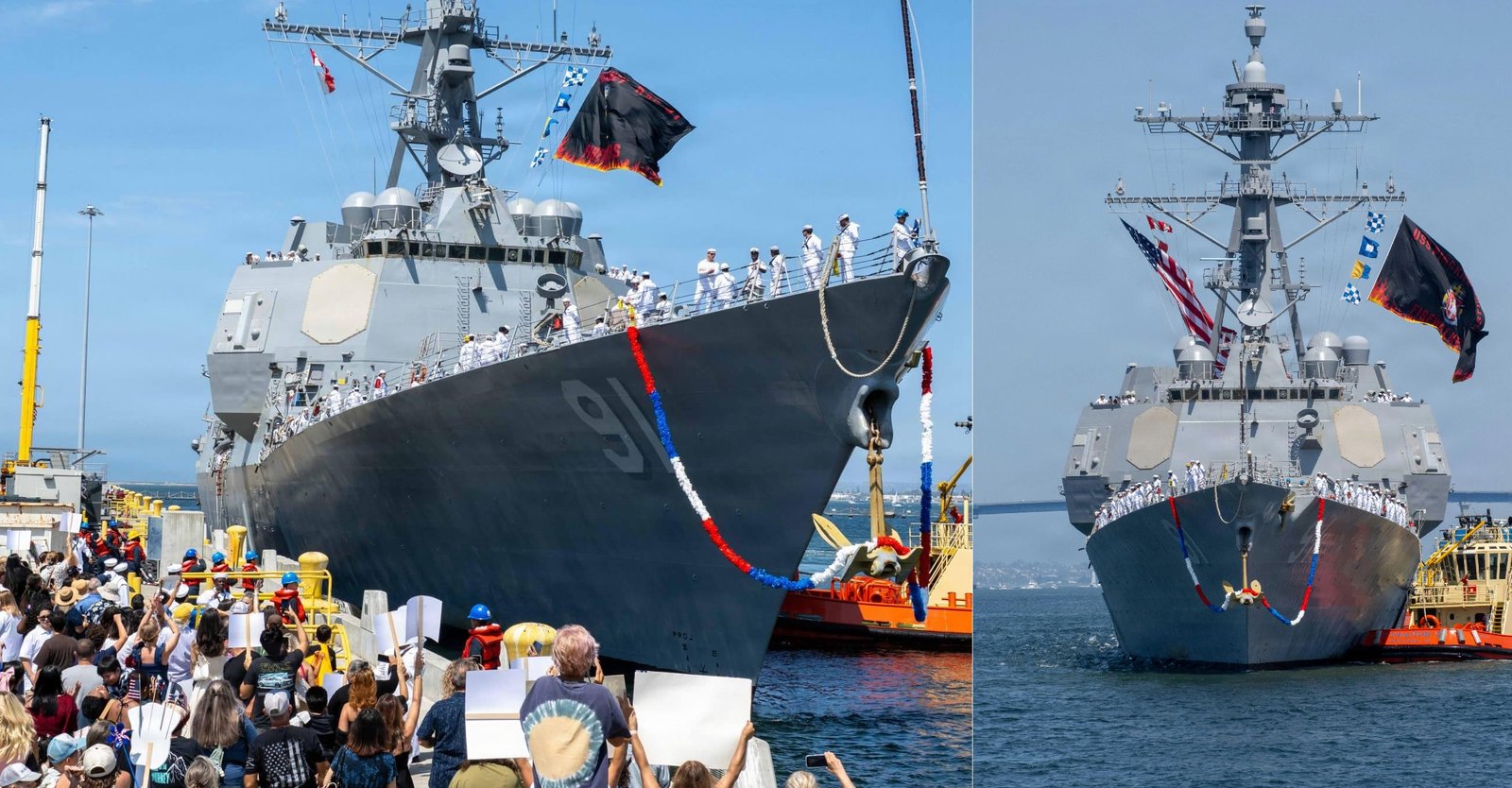 USS Pinckney Becomes First U.S. Navy Destroyer to Begin Phase Two Modernization with Advanced SPY-6 Radar
-
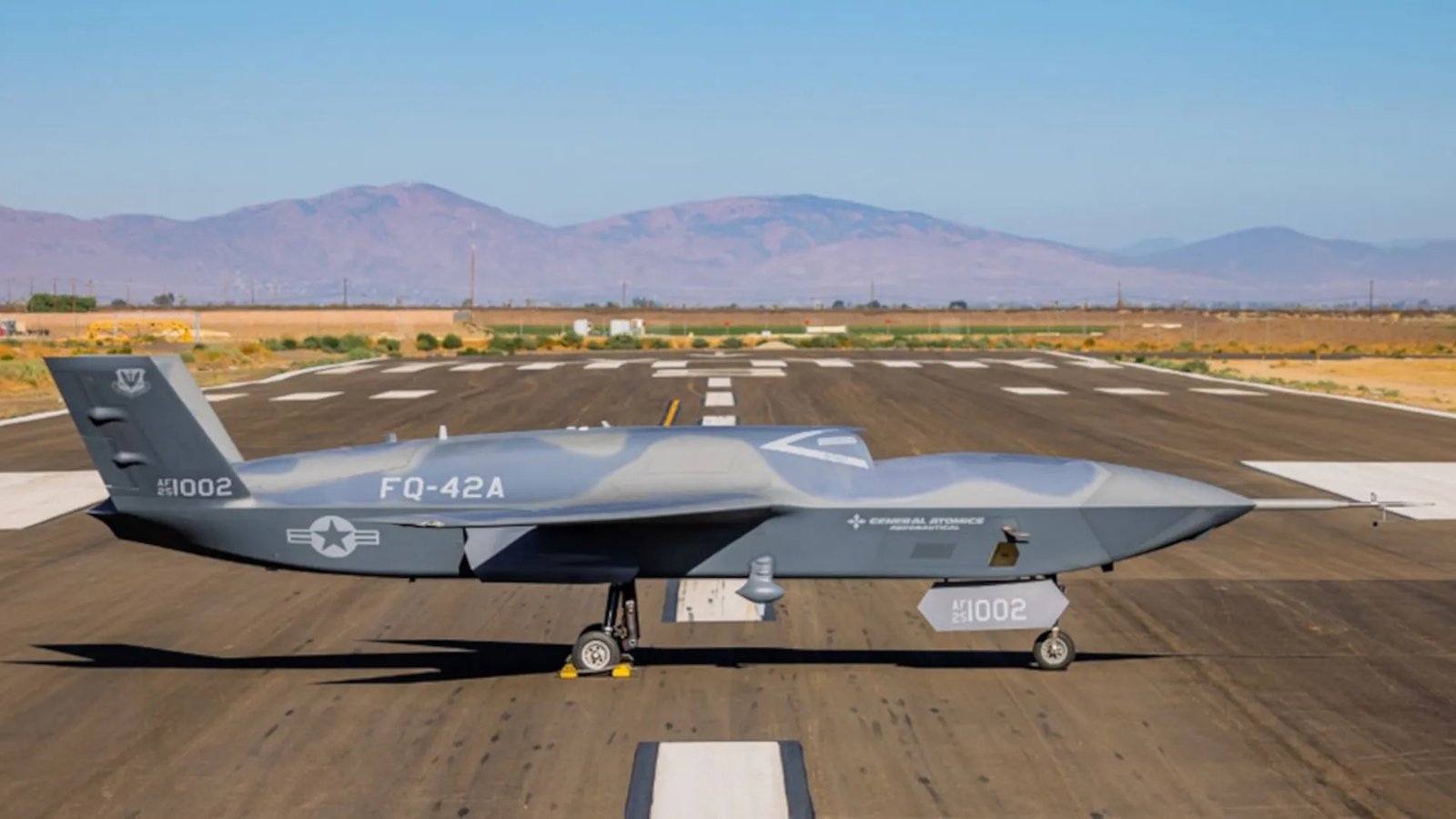 General Atomics Partners With Spirit Defense to Expand FQ-42 Vengeance Production
-
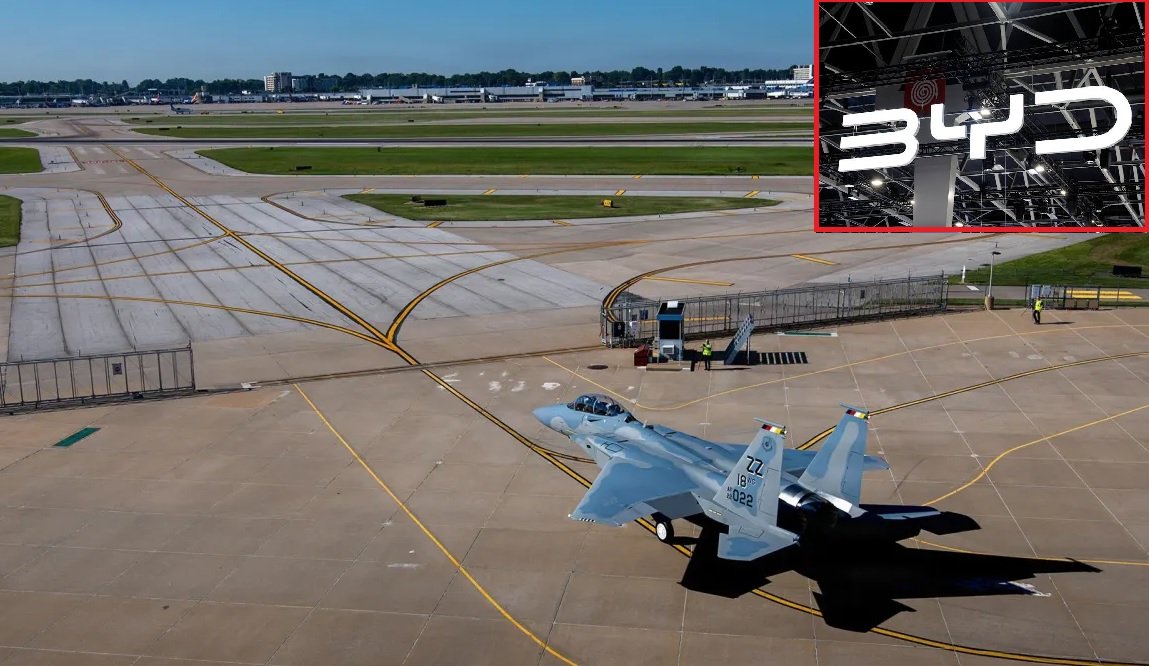 U.S. Military to Ban Chinese Automaker BYD Vehicles from Kadena Air Base in Japan Over Security Concerns
-
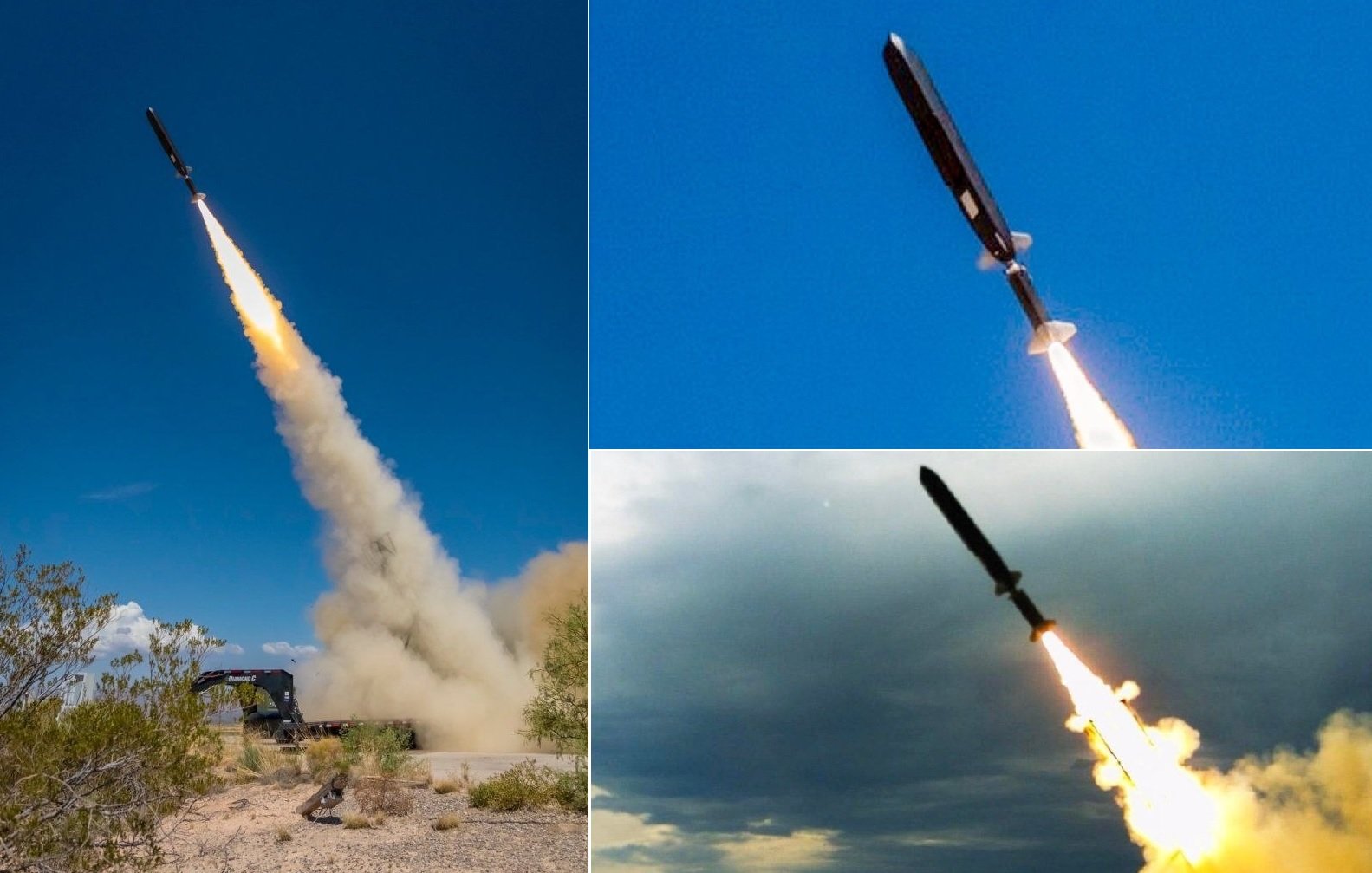 Zone 5 Technologies Demonstrates Ground Launch of Upgraded AGM-188A Rusty Dagger Missile
-
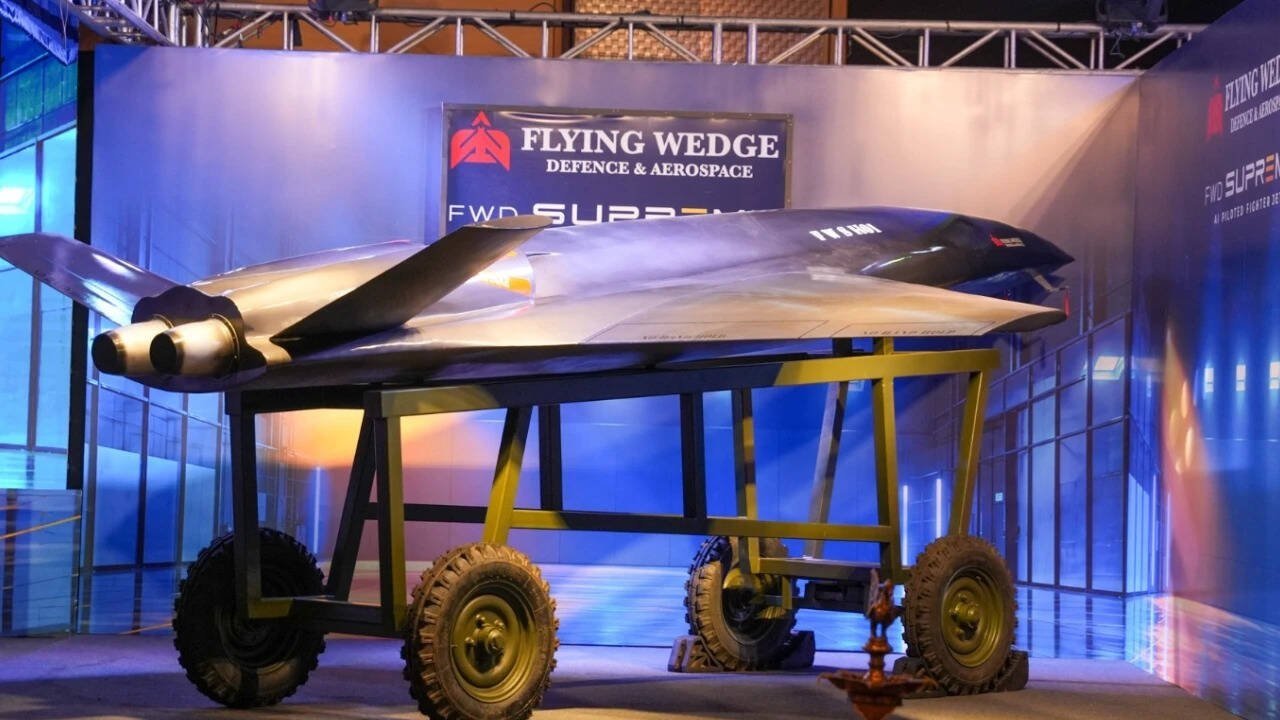 Bengaluru Startup FWDA Unveils FWD Supreme AI-Piloted Loyal Wingman Prototype
-
 Russia Launches Project 20380 Corvette Grozny for Pacific Fleet at Amur Shipyard
-
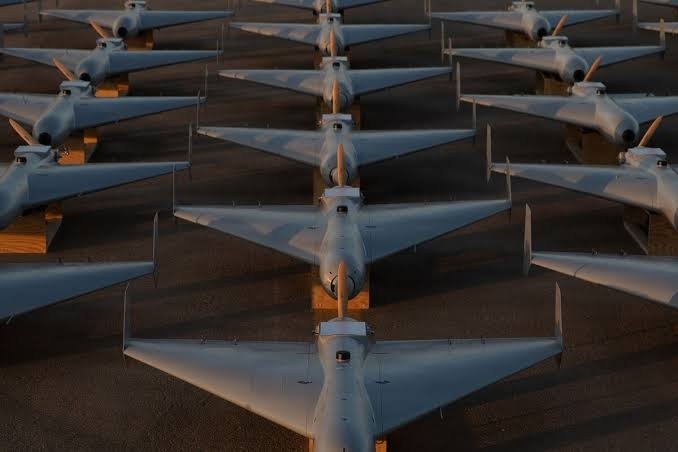 Pentagon Orders 60,000 Kamikaze Drones Under Second Phase of Drone Dominance Program
Top Trending in 4 Days
-
 NASA Sets New Artemis Milestones as SpaceX and Blue Origin Target Moon Landings in 2027–2028
-
NASA Demonstrates Space-to-Space Wi-Fi Between Two Orbiting Spacecraft
-
USS Pinckney Becomes First U.S. Navy Destroyer to Begin Phase Two Modernization with Advanced SPY-6 Radar
-
General Atomics Partners With Spirit Defense to Expand FQ-42 Vengeance Production
-
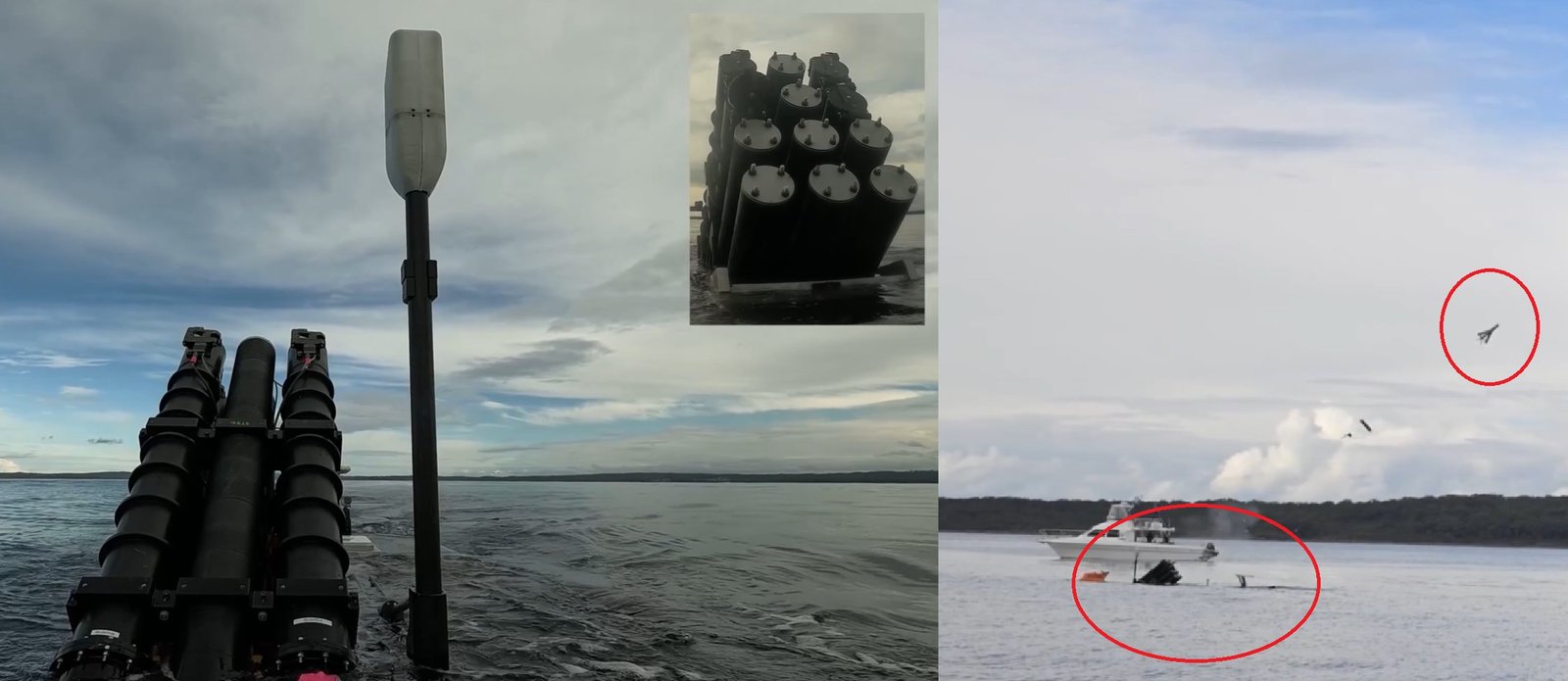 Australia Unveils Ghost Shark Autonomous Submarine’s Mine, Drone and Logistics Capabilities
-
U.S. Military to Ban Chinese Automaker BYD Vehicles from Kadena Air Base in Japan Over Security Concerns
-
 L3Harris Opens ‘Arsenal of Freedom’ Rocket Motor Plant in Arkansas to Double Production Capacity
-
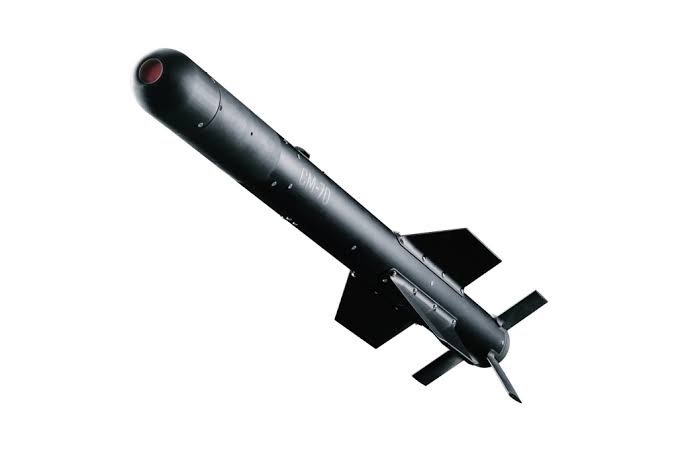 CSG and North Vector Dynamics Sign MoU to Explore European Production of CM-70 Counter-Drone Interceptor
