India
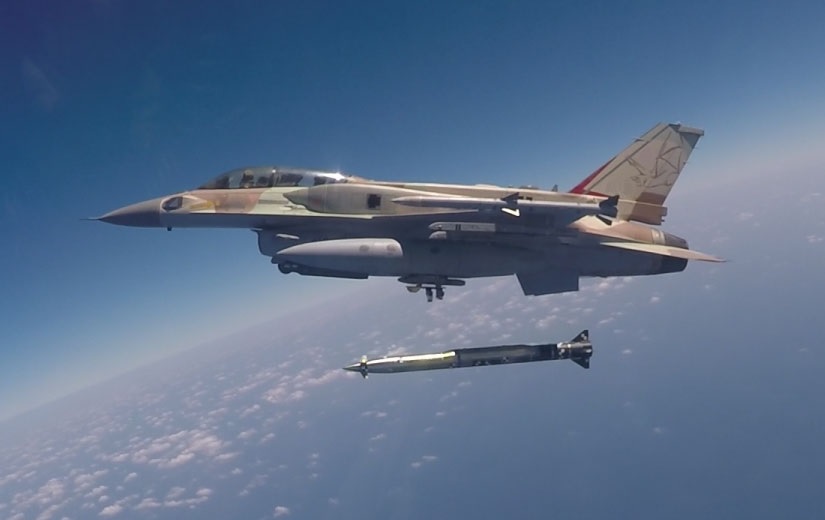
The Indian Navy has taken a major leap in strengthening its maritime strike capabilities by integrating the Israeli-made Rampage missile into its MiG-29K fighter jets. This development allows the Navy to strike targets up to 250 kilometers away with pinpoint accuracy, providing a strategic advantage in modern combat scenarios. The Rampage Missile: A Game-Changing Weapon The Rampage missile is a long-range, supersonic air-to-ground weapon designed for precision strikes. With an operational range exceeding 250 kilometers, it can hit critical enemy infrastructure such as command centers, communication hubs, radar systems, and air defense units. The missile's navigation system combines GPS and inertial navigation (INS) with robust anti-jamming technology, ensuring reliable performance even in environments where electronic warfare measures are deployed. Additionally, the Rampage is engineered to deliver minimal collateral damage, making it effective for operations in densely populated or urban areas. Its supersonic speed enables rapid target engagement, giving adversaries little time to respond. Upgrading the MiG-29K Fleet The MiG-29K, the Indian Navy's primary carrier-based fighter jet, has been undergoing significant upgrades to accommodate the Rampage missile. This integration involves modifying the aircraft's software, upgrading bomb racks, and installing new wiring to support the missile's advanced systems. These enhancements transform the MiG-29K into a formidable strike platform capable of launching attacks from well beyond the reach of enemy air defenses. This not only protects the pilots and aircraft but also increases the Navy's operational flexibility during offensive and deterrence missions. Strategic Benefits for the Navy By equipping the MiG-29K fleet with Rampage missiles, the Indian Navy gains several tactical advantages: Extended Range: The ability to engage targets from 250 kilometers away enhances the Navy's reach and operational depth. Pilot Safety: Long-range capability ensures that fighter jets can operate safely outside the range of hostile anti-aircraft systems. Versatile Targeting: The Rampage missile's precision and versatility allow for effective strikes on high-value targets, whether they are in open terrain or urban settings. Rapid Response: Supersonic speed ensures quick engagement, reducing the enemy's reaction time. Cross-Service Synergy The Indian Air Force (IAF) has also adopted the Rampage missile for its Su-30MKI and Jaguar aircraft, enabling cohesive operations across different branches of the armed forces. This cross-service integration boosts the overall combat effectiveness of the Indian military, allowing for coordinated strikes in joint operations. A Step Towards Modernization The integration of the Rampage missile is part of India's broader efforts to modernize its military and address evolving regional threats. As tensions persist in the Indo-Pacific region, enhancing maritime strike capabilities becomes critical for safeguarding national interests and maintaining strategic deterrence. By equipping its MiG-29K fleet with such advanced weaponry, the Indian Navy underscores its commitment to staying ahead in the rapidly evolving landscape of modern warfare. This move not only strengthens the Navy’s operational readiness but also serves as a strong message of deterrence to adversaries in the region.
Read More → Posted on 2025-01-26 13:49:18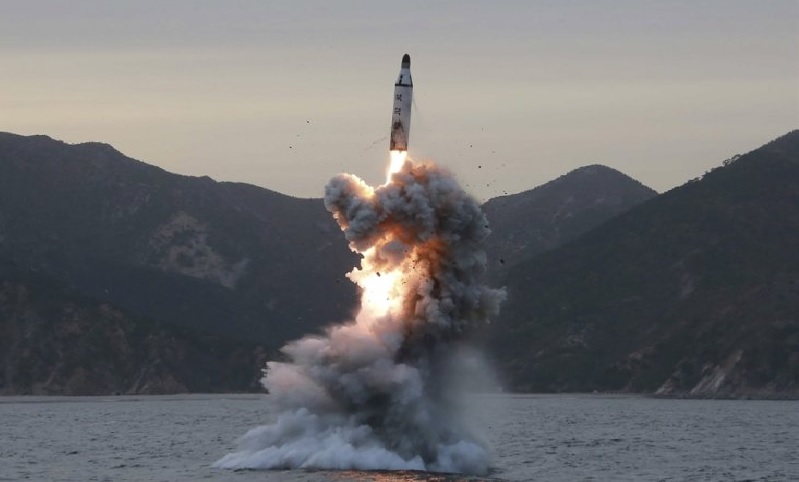
World
North Korea has once again drawn global attention by successfully test-firing sea-to-surface strategic guided cruise missiles, according to its state-run news agency, KCNA. The test, overseen by North Korean leader Kim Jong Un, reportedly demonstrated the country’s growing military capabilities and precision strike potential. The missiles traveled approximately 1,500 kilometers (930 miles) along elliptical and figure-eight orbits before hitting their targets accurately. KCNA emphasized that the test caused “no negative impact on the security of neighboring countries.” A Show of Strength Kim Jong Un hailed the test as a significant step in perfecting North Korea's "war deterrence means." This launch is the first major weapons test conducted by Pyongyang since U.S. President Donald Trump resumed his role in the White House earlier in the week. It comes amidst heightened tensions on the Korean Peninsula, where relations between North and South Korea have deteriorated to one of their lowest points in decades. In recent years, North Korea has significantly ramped up its weapons testing program, defying international sanctions. The latest launch follows a series of ballistic missile tests carried out last year, which were condemned by the United Nations and several nations as violations of international law. A Complicated Diplomatic Landscape The timing of the test aligns with renewed military drills between the United States and South Korea, which Pyongyang frequently denounces as preparations for invasion. On Sunday, North Korea’s foreign ministry issued a sharp rebuke of the joint exercises, labeling them a direct threat to its sovereignty and security. The statement underlined North Korea’s resolve to counter U.S. actions with "the toughest counteraction from A to Z," signaling a continuation of its hardline stance. Efforts to revive diplomacy with North Korea have seen little progress. Despite his earlier meetings with Kim Jong Un, President Trump’s influence on easing tensions appears to have waned. In a recent interview, Trump described Kim as a "smart guy" and suggested he would reach out to the North Korean leader again, but such overtures are unlikely to be well-received amidst ongoing military provocations and deteriorating trust. Rising Regional and Global Concerns North Korea’s latest missile test is part of a broader trend of military modernization. In late October, Pyongyang test-fired what it claimed was its most advanced solid-fuel intercontinental ballistic missile (ICBM), followed by multiple short-range ballistic missile launches. Such tests highlight the growing sophistication of North Korea's arsenal, which poses an increasing threat to regional and global stability. In a more contentious development, reports from U.S. and South Korean intelligence suggest that North Korea has been dispatching troops to assist Russia in its conflict with Ukraine. Though neither Pyongyang nor Moscow has confirmed these claims, the allegations point to a deepening alignment between North Korea and Russia, raising further alarm among Western nations. The Path Ahead The Korean Peninsula remains a focal point of geopolitical tension, with the two Koreas technically still at war since their 1950–1953 conflict ended in an armistice rather than a peace treaty. As North Korea continues to refine its weapons capabilities and maintain its defiant posture against the United States and its allies, the prospects for de-escalation appear increasingly remote. With ongoing missile tests, inflammatory rhetoric, and strained diplomatic ties, the region seems set for an extended period of uncertainty. The latest test serves as a stark reminder of the persistent challenges posed by North Korea's nuclear ambitions and its impact on global security dynamics.
Read More → Posted on 2025-01-26 13:42:51
Space & Technology
The James Webb Space Telescope (JWST), launched on December 25, 2021, has reshaped our understanding of the cosmos. While its primary mission was to study the earliest galaxies and the edge of the observable universe, JWST has made equally groundbreaking contributions to the field of exoplanet research. From unraveling the secrets of alien atmospheres to charting weather patterns on distant worlds, its influence is extraordinary. Now, three years of data on these alien worlds are accessible to the public and scientists alike through a specialized exoplanet dashboard. Created by Joshua Lothringer, an assistant astronomer at the Space Telescope Science Institute (STScI), this tool provides an interactive way to explore the telescope's observations, offering insights into the types of planets studied, their characteristics, and the broader implications for planetary science. Key Highlights of JWST’s Exoplanet Research A Hub for Exoplanet Data The exoplanet dashboard serves as a comprehensive hub, integrating data from NASA’s Exoplanet Archive and TrExoLiSTS (a catalog of JWST observations). The dashboard features dynamic visualizations, such as animations showing exoplanets sorted by mass and orbital period. As of January 2025, JWST has observed 111 exoplanets, with plans to study 17 more. Exoplanet Observations by Type Of the 113 transiting exoplanets studied: 64 are gas giants similar to Jupiter. 30 resemble Uranus and Neptune in size and mass. 19 are rocky planets akin to Earth, Venus, and Mars. 15 are directly imaged gas giants, observed far from their host stars. These findings highlight JWST’s versatility, as it not only detects but also characterizes these worlds in unprecedented detail. Atmospheric Breakthroughs The JWST excels in studying the atmospheres of transiting planets. By analyzing starlight filtered through a planet’s atmosphere during transit, scientists can determine its chemical composition. Gases like water vapor, carbon dioxide, and even photochemically produced compounds like sulfur dioxide have been detected. A standout discovery was WASP-39b, a Saturn-sized exoplanet located 750 light-years away. Observed with all of JWST’s instruments, this planet revealed a complex atmosphere containing unexpected compounds, offering a glimpse into the dynamic chemistry of alien worlds. What Makes JWST a Game-Changer? Large Mirror for PrecisionThe telescope’s 6.4-meter (21-foot) mirror collects vast amounts of light, enabling it to detect faint and distant planets. Its resolving power allows it to distinguish objects even in crowded star systems. Infrared SensitivityUnlike ground-based telescopes or even Hubble, JWST specializes in infrared light. This capability is critical for detecting molecules like methane and carbon dioxide, which are key indicators of planetary conditions. Versatility Beyond ExpectationsThough designed primarily for galaxy science, JWST’s engineers equipped it with observing modes ideal for studying exoplanets. This flexibility has revolutionized planetary science, offering insights into the behavior of gas giants, sub-Neptunes, and terrestrial planets. Future of Exoplanet Research with JWST JWST’s impact on exoplanet science is only beginning. Researchers are shifting from individual case studies to broader analyses, identifying trends across the growing library of observations. This approach could reveal fundamental principles about planetary formation, atmospheric dynamics, and even the potential for habitability. As Lothringer notes, "We’re just starting to generalize findings across a diverse range of planets, providing a deeper understanding of how these worlds behave as a whole." For those eager to follow this journey, the exoplanet dashboard will continue to update as new observations are planned and conducted. A Legacy in the Making The James Webb Space Telescope has exceeded expectations, transforming our view of the universe and its myriad worlds. Its ability to peer into the atmospheres of distant planets is not just a technological triumph but also a testament to humanity’s curiosity and ingenuity. With each discovery, JWST brings us closer to answering one of the most profound questions: Are we alone in the universe?
Read More → Posted on 2025-01-25 14:22:00
World
The U.S. Supreme Court has delivered a significant ruling in the case of Tahawwur Rana, a Canadian national of Pakistani origin accused of aiding the 2008 Mumbai terror attacks that claimed 166 lives. On January 21, the apex court rejected Rana’s final legal challenge, bringing an end to his prolonged efforts to avoid extradition to India. This decision marks a major development in the pursuit of justice for one of the most devastating terrorist attacks in modern history. A Final Legal Stand Rejected Rana had filed a “petition for a writ of certiorari” before the U.S. Supreme Court, seeking a review of the lower court’s ruling that cleared the path for his extradition. However, the Supreme Court unequivocally denied his appeal with a simple yet definitive statement: “Petition DENIED.” This decision came after Rana exhausted all previous legal avenues, including appeals in several federal courts such as the U.S. Court of Appeals for the Ninth Circuit in San Francisco. Connections to David Coleman Headley Tahawwur Rana, currently detained at the Metropolitan Detention Center in Los Angeles, has long been linked to David Coleman Headley, a Pakistani-American terrorist and one of the key conspirators of the Mumbai attacks. Headley used Rana’s immigration business, First World Immigration Services, as a cover to conduct reconnaissance in India for the attacks. Rana’s involvement in these activities has placed him at the center of India’s efforts to hold those responsible for the Mumbai carnage accountable. U.S. Government’s Position The U.S. government, represented by Solicitor General Elizabeth B. Prelogar, strongly opposed Rana’s petition, arguing that he was not entitled to relief from extradition. The Solicitor General highlighted discrepancies in Rana’s claims, noting that some of India’s charges, including forgery, were not covered by the U.S. prosecution in his earlier trial in Chicago. This distinction weakened Rana’s argument that his extradition would violate the principle of double jeopardy, which protects individuals from being tried twice for the same offense. The Road Ahead Rana’s extradition to India now appears imminent. Indian authorities plan to try him on charges related to his role in facilitating the 2008 Mumbai attacks, which involved a 60-hour siege at key locations across the city, including the Taj Mahal Palace Hotel, Chhatrapati Shivaji Maharaj Terminus, and the Oberoi Trident Hotel. Among the 166 victims of the attacks were six Americans, underscoring the international impact of the tragedy. Justice for the Victims The Supreme Court’s decision is a significant step toward justice for the victims of the 26/11 Mumbai attacks. For years, Rana’s extradition has been a point of contention, with Indian authorities seeking his custody to ensure accountability. With the U.S. Supreme Court’s ruling, India is now closer to holding another key figure accountable for one of the darkest chapters in its history. This ruling also sends a strong message about international cooperation in combating terrorism. As Rana’s extradition proceedings move forward, the victims and their families may finally see a sense of closure in the pursuit of justice for the atrocities committed in Mumbai.
Read More → Posted on 2025-01-25 14:14:24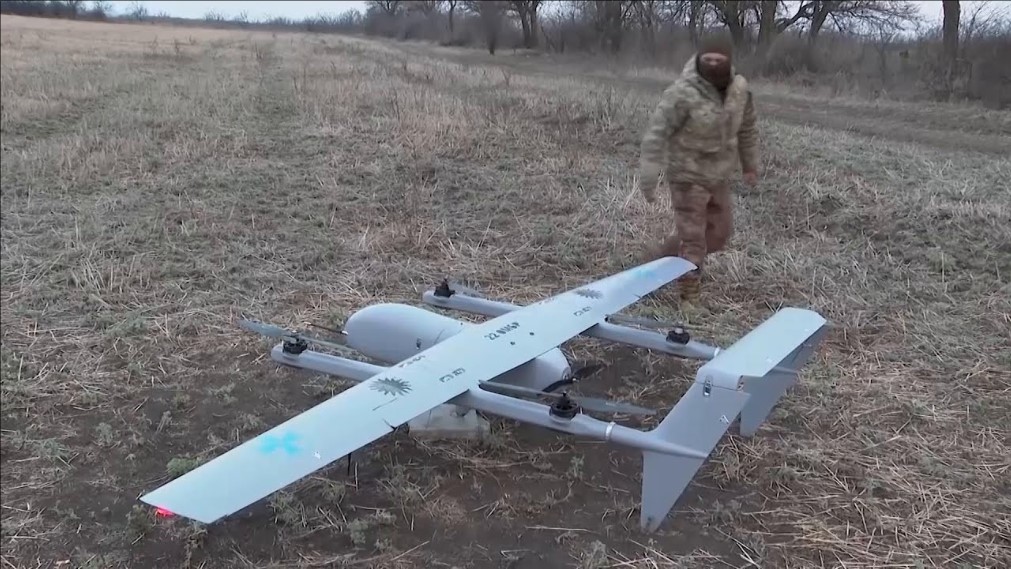
World
Ukraine has taken a significant step forward in military technology with the unveiling of its Poseidon H10 MkIII unmanned aerial system (UAS). Designed to meet the increasing demands of modern warfare, this cutting-edge drone aims to revolutionize battlefield reconnaissance while withstanding the challenges posed by adversaries. A Drone Built for Modern Combat Initially contracted for testing in 2022, the Poseidon H10 MkIII has now received official approval from Ukraine’s Ministry of Defense for deployment. This advanced UAS boasts a high-resolution camera and thermal imager, providing unparalleled imaging capabilities across a range of environments. Its sophisticated electronic warfare resistance ensures reliability, even in conflict zones where Russian jamming is a constant threat. One of its standout features is its ability to autonomously navigate and avoid threats, a capability crucial in contested airspace. In addition, the drone can safely return to base in adverse weather conditions, underscoring its reliability for frontline operations. Key Specifications The Poseidon H10 MkIII is powered by a high-performance electric motor that enables it to achieve remarkable feats: Operational Altitude: Capable of reaching up to 5,000 meters (16,404 feet), the drone operates beyond the range of many enemy air defense systems. Speed: It can fly at speeds of up to 150 kilometers (93 miles) per hour. Range: The UAS has an operational range of 150 kilometers, making it ideal for extended missions deep into contested areas. Durability: It operates efficiently in extreme temperatures, from −20°C to +45°C, and withstands strong winds, ensuring versatility across diverse terrains. Battery Life: The drone’s battery provides several hours of continuous operation, making it a dependable tool for prolonged missions. According to Deputy Defense Minister Dmytro Klimenkov, "The aircraft is equipped with electric engines and a modern navigation system. Its operational altitude makes it untouchable for most enemy air defense systems, adding a critical layer of protection to our forces." Enhancing Counteroffensive Operations The Poseidon H10 MkIII plays a pivotal role in Ukraine’s counteroffensive strategies. Its ability to conduct precise reconnaissance aids ground forces in identifying enemy positions, monitoring movements, and neutralizing threats with pinpoint accuracy. This capability not only enhances mission success rates but also minimizes risks for troops on the ground. A Strategic Asset for Ukraine As Ukraine continues to bolster its defense capabilities, the Poseidon H10 MkIII symbolizes the nation's commitment to leveraging advanced technology in its fight for sovereignty. By combining resilience, adaptability, and state-of-the-art features, this drone provides Ukrainian forces with a decisive edge on the battlefield. The Poseidon H10 MkIII is not just a tool for reconnaissance—it’s a testament to Ukraine’s determination to innovate under pressure and maintain a strategic upper hand in an ever-evolving conflict landscape.
Read More → Posted on 2025-01-25 14:11:11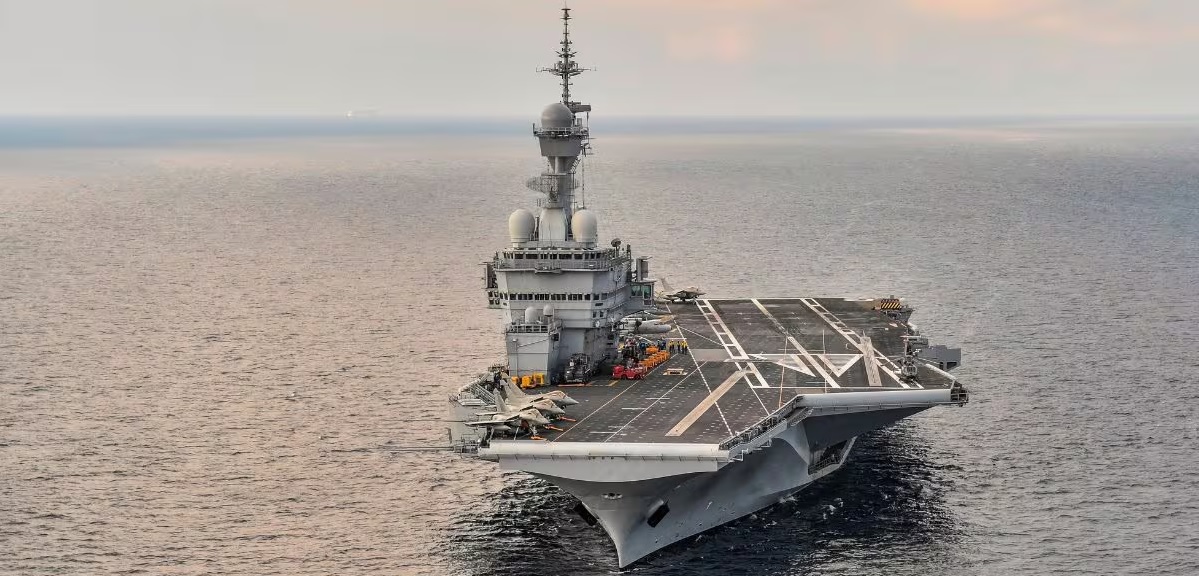
World
In a unique exercise aimed at bolstering operational resilience, the French Carrier Strike Group, led by the Charles de Gaulle aircraft carrier, undertook a challenging "Back to the 80s" simulation. For three days, sailors operated without modern communication tools such as satellite networks, emails, and secure messaging systems, instead relying on high-frequency (HF) and ultra-high-frequency (UHF) radios. This exercise reflected the naval doctrine of the 1980s while preparing crews for modern high-intensity conflicts where satellites may become unreliable or unavailable. Relearning Old Skills in a Digital Era Modern naval operations are heavily reliant on satellite communications for coordination and data sharing. However, this exercise sought to simulate degraded operational environments, such as those involving cyber threats, electromagnetic warfare, or satellite disruptions. The key takeaway was to ensure that sailors maintain proficiency in traditional methods of communication, enabling them to continue functioning seamlessly in such scenarios. The ability to revert to HF and UHF radios enhances operational readiness for naval forces that might encounter space warfare scenarios or electromagnetic jamming in future conflicts. Rear Admiral Jacques Mallard emphasized the importance of these drills, stating that "operating in a degraded environment is critical for high-intensity combat readiness." Operational Highlights from the Exercise Despite the limitations imposed by the exercise, the Carrier Strike Group demonstrated its full operational capabilities during the three-day drill. Key activities included: Maritime Intelligence Surveillance and Reconnaissance (MISR):Helicopters conducted reconnaissance missions, collecting valuable intelligence. Despite the absence of satellite communications, teams on board analyzed and utilized this data effectively. Replenishment at Sea:The Jacques Chevallier replenishment tanker successfully refueled the Charles de Gaulle mid-mission. This delicate operation required impeccable coordination, executed solely through HF and UHF radios, underscoring the team's adaptability and professionalism. Anti-Aircraft Drills:The multi-mission frigate performed anti-aircraft training exercises, sharpening its defensive capabilities against potential airborne threats. Each maneuver highlighted the versatility and resilience of the Carrier Strike Group, even under the constraints of limited communication infrastructure. Charles de Gaulle: At the Center of High-Intensity Operations The Charles de Gaulle, France’s only nuclear-powered aircraft carrier, played a pivotal role in the exercise. Known for its advanced capabilities, the carrier boasts: Displacement: 42,000 tons Top Speed: 27 knots Aircraft Capacity: Up to 40, including Rafale M fighter jets, E-2C Hawkeye airborne early warning aircraft, and NH90 helicopters. The integration of Dassault Rafale M fighter jets was particularly noteworthy. These fourth-generation fighters demonstrated their ability to operate in a communication-degraded environment, further enhancing the Strike Group's adaptability. The Strategic Significance This exercise aligns with France's broader naval strategy, which emphasizes adaptability in an era of emerging threats, including cyberattacks and space-based disruptions. As conflict zones increasingly extend beyond traditional battlefields, the ability to operate in "denied environments" is crucial for modern naval forces. France’s focus on degraded operations reflects broader NATO priorities, ensuring interoperability among allied navies during high-intensity conflicts. By practicing these scenarios, the French Navy underscores its commitment to maintaining dominance in contested maritime zones. In conclusion, the "Back to the 80s" exercise showcased not only the enduring relevance of traditional naval skills but also the advanced operational capabilities of the French Carrier Strike Group. As the maritime domain grows more contested, such exercises will play a vital role in ensuring that navies remain prepared for all eventualities, from cyber disruptions to satellite denials.
Read More → Posted on 2025-01-25 14:06:42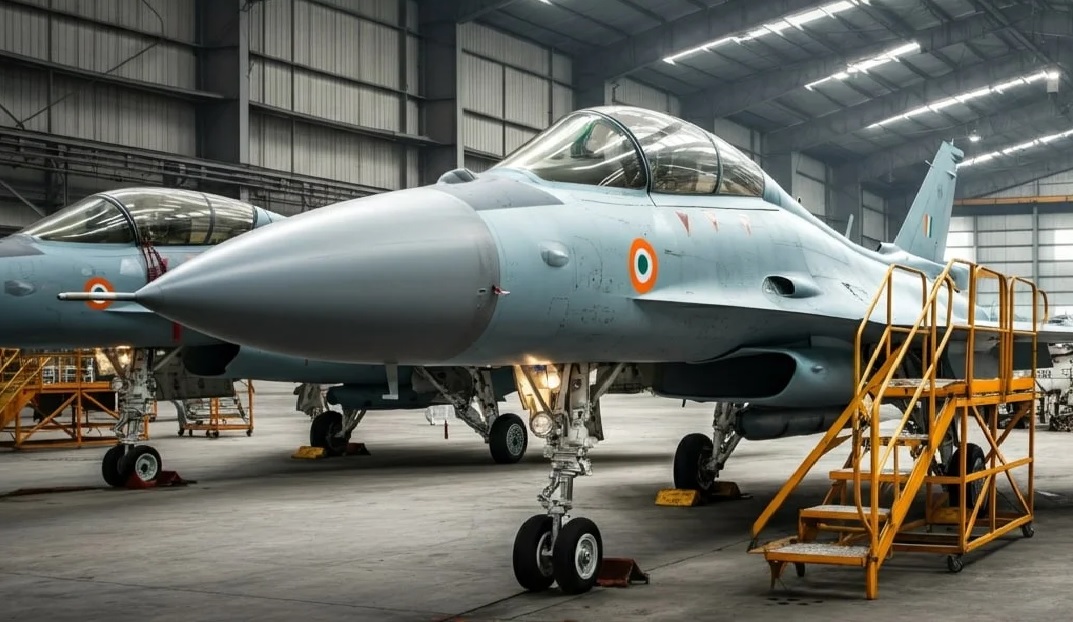
India
The Indian Air Force (IAF) is reportedly considering a pivotal recommendation to the Ministry of Defence (MoD) to streamline the much-anticipated Multi-Role Fighter Aircraft (MRFA) tender. This proposed shift would involve restricting the Request for Proposal (RFP) process to Original Equipment Manufacturers (OEMs) that already meet the IAF's rigorous operational and technical benchmarks. This approach aims to accelerate the procurement of 110 advanced fighter jets—an essential step in addressing the critical shortfall in the IAF’s combat strength. The MRFA Tender: A Strategic Imperative The MRFA program, envisioned under the "Buy Global – Make in India" initiative, is a successor to the earlier Medium Multi-Role Combat Aircraft (MMRCA) program. The MMRCA initially sought 126 fighter jets but was curtailed to the acquisition of 36 Dassault Rafale jets due to various logistical and financial constraints. The MRFA tender seeks to procure a versatile fleet of fighters capable of handling a wide range of missions, from air superiority and ground strikes to reconnaissance and maritime operations. This tender's scope also includes the mandate for significant technology transfer and local production partnerships, fostering indigenous defense manufacturing under India’s Atmanirbhar Bharat (self-reliant India) initiative. Pre-Qualification: Ensuring Efficiency The IAF’s proposal to limit participation to pre-qualified OEMs reflects an urgency to avoid lengthy evaluation processes for platforms that may not meet stringent requirements. This pre-qualification mechanism would allow the IAF to focus solely on proven fighters, reducing delays in finalizing contracts. Among the contenders likely to meet these standards are globally renowned platforms, including: Dassault Rafale: France's twin-engine, canard delta-wing fighter optimized for a wide range of combat scenarios. Lockheed Martin F-21: An upgraded version of the F-16 tailored specifically for India. Boeing F-15EX and F/A-18 Super Hornet: American multi-role fighters offering advanced avionics and weapons systems. Eurofighter Typhoon: A European design renowned for its agility and precision targeting. Saab Gripen E: A Swedish lightweight fighter with cutting-edge electronic warfare systems. Sukhoi Su-35 and MiG-35: Advanced Russian platforms with robust airframe designs and high weapon payload capacities. The Need for Fleet Modernization The IAF’s sanctioned strength of 42 combat squadrons is currently down to approximately 31 squadrons, well below the minimum requirement to counter potential adversaries along the northern and western borders. The decommissioning of aging aircraft, particularly the MiG-21, exacerbates this shortfall. While indigenous solutions like the Tejas Mk1A and the upcoming Advanced Medium Combat Aircraft (AMCA) are promising, they face production timelines that cannot meet the IAF’s immediate operational needs. Consequently, the MRFA program is critical to bridging this gap and ensuring a credible deterrent capability. Technical and Operational Expectations The selected MRFA jets are expected to meet several key performance and operational benchmarks, including: Advanced Radar Systems: AESA (Active Electronically Scanned Array) radars for superior situational awareness. Stealth and Survivability: Low radar cross-section, infrared suppression, and electronic warfare capabilities. Multi-Role Capability: Flexibility to perform air-to-air, air-to-ground, and maritime strike missions. Long-Range Strike Ability: Compatibility with standoff weaponry like precision-guided munitions and cruise missiles. Interoperability: Seamless integration with existing and future IAF assets and network-centric operations. Challenges and Strategic Importance While the pre-qualification strategy may expedite the procurement process, challenges remain. Cost negotiations, industrial offsets, and ensuring substantial technology transfer will require meticulous planning and execution. Moreover, the geopolitical environment necessitates rapid action to maintain air superiority in a region characterized by escalating tensions. The MRFA program underscores the IAF’s commitment to addressing both immediate and long-term operational challenges. By streamlining the tender process and focusing on proven platforms, the IAF is taking decisive steps to modernize its fleet and secure India's skies amidst evolving global and regional dynamics.
Read More → Posted on 2025-01-25 14:02:12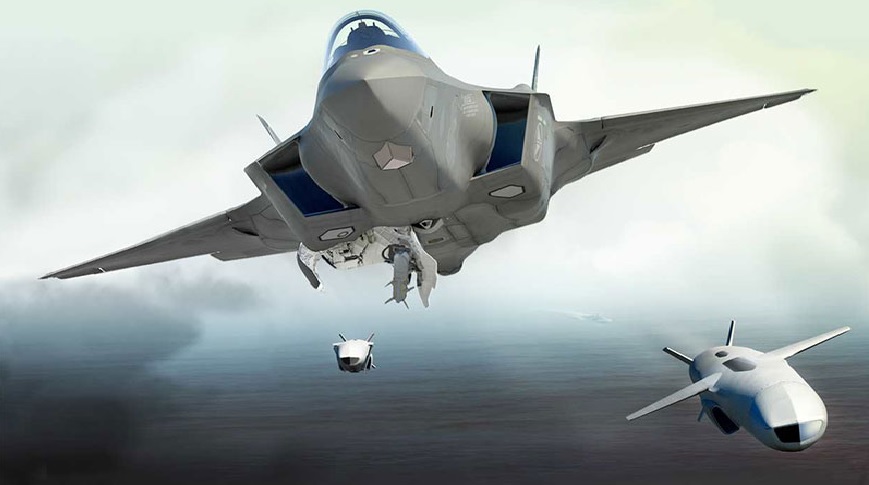
World
The United States Department of Defense (DoD) has significantly boosted its investment in Kongsberg's Joint Strike Missile (JSM), opting to expand its initial order by activating a USD 69.5 million contract option. This move elevates the total value of the contract to USD 208 million, underscoring the missile's strategic importance for the U.S. Air Force. The expansion comes as part of a larger push to enhance the operational flexibility and lethality of its F-35 fleet, with deliveries set to run through September 2027. Key Details and Funding In addition to the contract option, the DoD has allocated USD 105 million in funding, integrating the production option with the second tranche of the missile procurement budget. This builds on the USD 69 million allocated under the initial agreement signed in May 2024. The majority of the production work will take place at Kongsberg Defence & Aerospace's headquarters in Norway, showcasing the strong industrial collaboration between Norway and the United States. JSM: A Game-Changing Missile for the F-35 The Joint Strike Missile stands out as the only anti-ship missile designed specifically to fit within the internal weapons bays of the F-35A and F-35C Lightning II, ensuring the aircraft retains its stealth profile. With a range exceeding 300 nautical miles (approximately 555 kilometers), the JSM offers long-range precision strike capabilities against both sea-based and land-based targets. One of the missile's key advantages lies in its adaptability and cutting-edge technology. It is equipped with an advanced passive infrared seeker for target detection and tracking, coupled with a GPS-aided inertial navigation system to ensure accuracy in contested environments. Additionally, its low-observable design minimizes radar detection, making it an ideal weapon for modern high-threat scenarios. Future operational upgrades to the F-35, including the implementation of the Block 4 software standard, are expected to enhance the missile's integration further, solidifying its role in next-generation warfare. Global Interest in the Joint Strike Missile The JSM is gaining traction among F-35 operators worldwide, with Norway, Japan, and Finland already incorporating it into their arsenals. Japan received its first batch in mid-2021, while Poland has expressed keen interest in acquiring the system. Norway's role as a Tier III partner in the F-35 program has been instrumental in Kongsberg's ability to develop and market the JSM on a global scale. This missile's land-attack capabilities further distinguish it from its predecessor, the Naval Strike Missile (NSM), making it a versatile option for addressing a broad range of military threats. Strategic Implications The expanded order underscores the U.S. Air Force's focus on strengthening its precision-strike capabilities, particularly in regions like the Indo-Pacific, where anti-access/area-denial (A2/AD) strategies pose significant challenges. By integrating the JSM with its F-35 fleet, the U.S. enhances its ability to counter both maritime and land-based threats, ensuring operational superiority in contested environments. As global demand for the JSM continues to rise, Kongsberg's success not only highlights Norway's advanced defense technology capabilities but also reflects the growing importance of international partnerships in addressing evolving security challenges. The U.S. investment in this cutting-edge weapon system marks a significant step in modernizing its arsenal while paving the way for further collaborations with allied nations.
Read More → Posted on 2025-01-25 13:57:59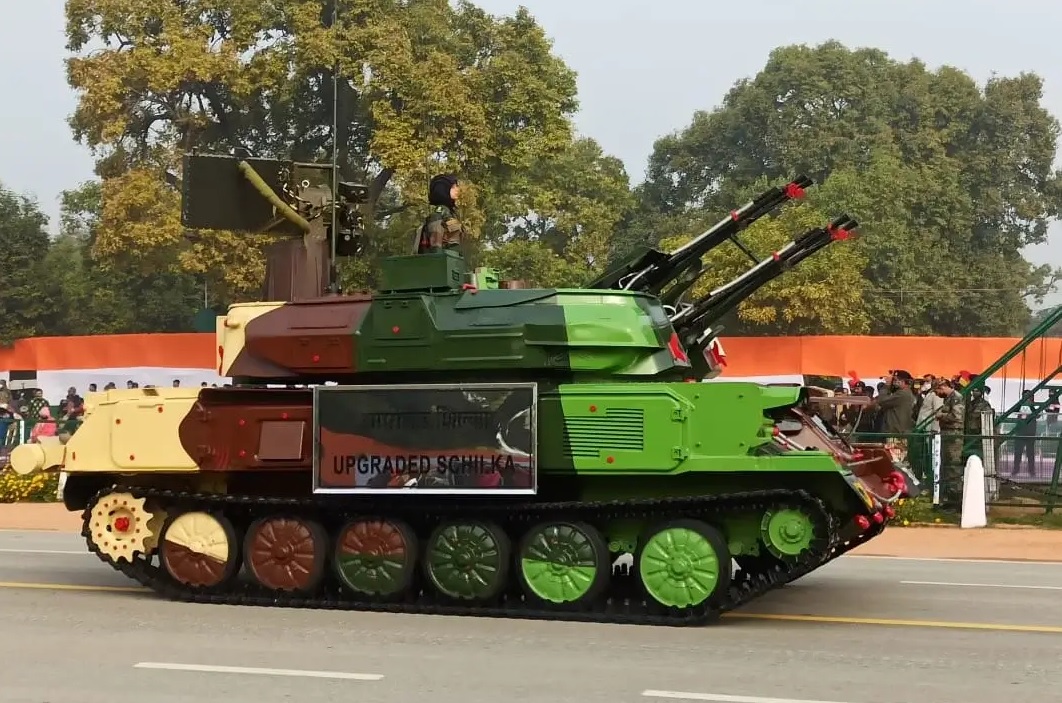
India
In a bold move towards bolstering its defence capabilities and promoting self-reliance under the "Make in India" initiative, the Indian Ministry of Defence (MoD) has issued a Request for Information (RFI) for the indigenous development of 23mm Anti-Drone Ammunition. This ammunition, specifically designed to enhance the effectiveness of the Indian Army's existing weapon platforms, aims to counter the rising threat of unmanned aerial vehicles (UAVs). Addressing the Evolving Drone Threat With UAVs increasingly being deployed for surveillance, reconnaissance, and even offensive operations, counter-drone systems have become indispensable for modern militaries. For India, which faces complex security challenges on its borders, the ability to neutralize hostile drones is a strategic necessity. These threats, ranging from low-cost quadcopters to sophisticated armed drones, have highlighted vulnerabilities that require immediate and robust solutions. Specifications and Compatibility The 23mm Anti-Drone Ammunition is intended for use with the ZU-23mm twin-barrelled autocannons and the Schilka self-propelled anti-aircraft weapon systems, both integral to the Indian Army's air defence units. These platforms are renowned for their rapid-fire capabilities and mobility, making them ideal for countering fast-moving aerial threats like drones. The ammunition is expected to have: High Precision: To target small, fast-moving drones with minimal collateral damage. Explosive Payload: Capable of detonating on impact or near-miss to neutralize UAVs effectively. Enhanced Range: Designed to intercept drones at medium altitudes, ensuring comprehensive coverage. Electronic Counter-Capabilities: Integrating advanced fuse technology to adapt to varying drone sizes and speeds. These specifications underscore the emphasis on creating a versatile and reliable counter-drone solution tailored to the Indian Army's operational requirements. Indigenous Manufacturing Push The RFI aligns with India's broader goal of reducing dependency on foreign imports and nurturing its domestic defence industry. By involving local manufacturers and fostering partnerships between private and public entities, the MoD aims to leverage indigenous technological expertise. This approach not only strengthens national security but also stimulates economic growth and employment opportunities within the defence sector. Strategic Implications The integration of 23mm Anti-Drone Ammunition into existing platforms is a game-changer for India's defence strategy. It enhances the operational readiness of frontline units and provides a cost-effective solution to counter an increasingly diverse array of drone threats. The ability to produce such ammunition domestically also positions India as a potential exporter of advanced defence technologies, reinforcing its role as a global defence player. As the RFI progresses towards implementation, it reflects India’s determination to address modern security challenges with homegrown solutions. This development signifies a pivotal step in fortifying the nation’s defence while aligning with the vision of a self-reliant India.
Read More → Posted on 2025-01-25 13:55:11
India
In a significant step towards easing tensions in the Gaza Strip, Israel has released 200 Palestinian prisoners as part of a ceasefire deal brokered after Hamas freed four young female Israeli soldiers. The exchange has become a focal point of hope and uncertainty as both sides navigate the fragile truce amidst one of the deadliest conflicts in the region’s history. The Exchange and Its Symbolism Hamas handed over the four soldiers—Karina Ariev, Daniella Gilboa, Naama Levy, and Liri Albag, all in their early twenties—to the Red Cross in Gaza City. The soldiers were paraded briefly in Palestine Square before being escorted to Red Cross vehicles, a display that has drawn sharp criticism from Israeli officials. Rear Adm. Daniel Hagari, the Israeli army spokesperson, denounced the public display as a "cynical" act by Hamas, though he reaffirmed the military’s commitment to bringing all hostages home. In response, Israel initiated the release of 200 Palestinian prisoners. Among them, 70 individuals, many of whom were serving life sentences for deadly attacks, were transported to Egypt’s Rafah border crossing and are expected to be relocated to countries like Algeria, Tunisia, or Turkiye. The remaining detainees were taken from Ofer prison in the occupied West Bank to Jerusalem and Ramallah, where their arrival was met with jubilant crowds of family members and supporters. The emotional resonance of the exchange was palpable on both sides. In Tel Aviv’s Hostages Square, hundreds gathered to celebrate the release of the Israeli soldiers, while in Gaza City, thousands cheered the return of their compatriots. The scenes underscored the human dimension of a conflict that has exacted a devastating toll on lives and communities. Behind the Negotiations The agreement follows more than a year of intense mediation by Egypt, which played a pivotal role in brokering the deal. This marks the second prisoner exchange since the ceasefire began, with earlier negotiations resulting in the release of three Israeli hostages in exchange for 90 Palestinian prisoners. However, the deal remains fraught with complications. Prime Minister Benjamin Netanyahu’s office confirmed that Arbel Yehoud, a civilian hostage, was initially expected to be released but remains in captivity. Hamas has assured mediators that Yehoud will be freed in the coming days, though this delay has temporarily stalled Israel’s plans to ease restrictions on displaced Palestinians returning to northern Gaza. The Broader Context of the Conflict The October 7, 2023, cross-border attack by Hamas ignited this latest conflict, with militants killing approximately 1,200 people and taking 250 hostages. Israel’s military response, including intense air and ground campaigns, has resulted in over 47,000 Palestinian casualties, according to local health officials, who report that women and children account for more than half the fatalities. The ceasefire, though fragile, has brought a temporary halt to hostilities and allowed humanitarian aid to flow into Gaza. Yet the long-term prospects for peace remain uncertain. The six-week truce is aimed at addressing immediate humanitarian needs and reducing hostilities, but both sides face immense challenges in rebuilding trust and negotiating a lasting resolution. Looking Ahead The release of hostages and prisoners has injected a rare moment of relief into a conflict defined by immense suffering. However, the fate of dozens of Israeli hostages still held in Gaza, including the youngest captives Kfir and Ariel Bibas, weighs heavily on the minds of many. In the streets of Gaza and Tel Aviv, celebrations were tempered by the lingering uncertainty over what comes next. The ceasefire agreement, while providing a glimmer of hope, underscores the deep divisions and complexities that continue to shape the Israeli-Palestinian conflict. As the truce unfolds, the world watches closely, hopeful that these tentative steps might lead to a broader pathway for peace amidst decades of strife.
Read More → Posted on 2025-01-25 13:48:33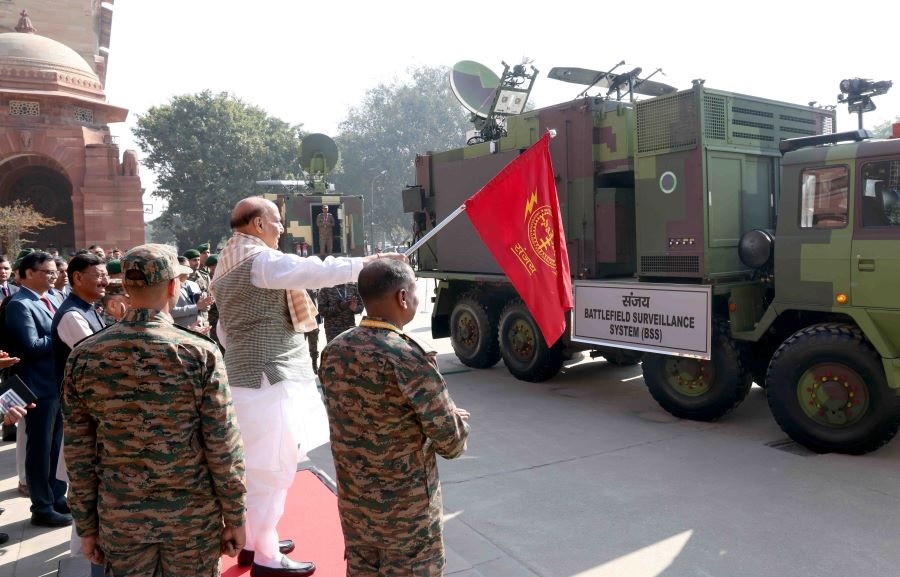
India
In a groundbreaking move toward enhancing its operational capabilities, the Indian Army has announced the deployment of the indigenously developed Battlefield Surveillance System (BSS), codenamed "SANJAY," across its brigades, divisions, and corps. This advanced system, set to roll out in three phases by October 2025, is designed to revolutionize the Army's surveillance, reconnaissance, and situational awareness capabilities. What is SANJAY? "SANJAY" is a state-of-the-art automated battlefield surveillance system that integrates real-time data from multiple ground and aerial sensors. Its primary function is to provide a unified and accurate picture of the battlefield to commanders at all levels. This comprehensive data is transmitted via secure channels such as the Army Data Network and the Satellite Communication Network (SATCOM) to ensure seamless coordination across operational units. Key features of SANJAY include: Real-Time Situational Awareness: The system offers instant updates on enemy movements, terrain details, and potential threats. Sensor Integration: It aggregates data from a wide array of sensors, including radar, electro-optical devices, thermal imagers, and Unmanned Aerial Vehicles (UAVs). Data Processing: Redundant or inaccurate information is filtered out, ensuring commanders receive only actionable intelligence. Border Monitoring: It is optimized to monitor India's extensive and varied land borders, detecting intrusions and enabling rapid response. Enhanced Decision-Making: With detailed battlefield transparency, commanders can make informed strategic and tactical decisions, improving operational outcomes. Strategic Importance The development of SANJAY is part of India’s broader focus on achieving network-centric warfare capabilities. It serves as a crucial force multiplier, enabling better coordination, faster decision-making, and enhanced effectiveness in both conventional and sub-conventional warfare scenarios. SANJAY is expected to play a pivotal role in countering evolving threats along India's borders with adversaries, particularly in high-tension zones such as Jammu & Kashmir and the Northeastern states. The system will also bolster the Army's ability to conduct intelligence, surveillance, and reconnaissance (ISR) operations during joint or standalone missions. Indigenous Development Under ‘Aatmanirbhar Bharat’ The SANJAY system has been developed indigenously by the Indian Army in collaboration with Bharat Electronics Limited (BEL), a leading state-owned defense electronics company. The project aligns with the ‘Aatmanirbhar Bharat’ initiative, which emphasizes self-reliance in defense manufacturing. With an investment of Rs 2,402 crore, SANJAY was procured under the Buy (Indian) category of defense acquisitions, reinforcing the government's commitment to promoting domestic defense capabilities. This milestone also highlights India’s growing expertise in designing and implementing cutting-edge military technologies. Deployment Timeline The rollout of SANJAY will take place in three phases: Phase 1: Initiating from March 2025, the system will be deployed in selected brigades and divisions for testing and integration. Phase 2: Expansion of deployment across additional operational units by July 2025. Phase 3: Completion of nationwide deployment across all brigades, divisions, and corps by October 2025. The timing aligns with the Ministry of Defence’s designation of 2025 as the 'Year of Reforms,' symbolizing India’s ambition to modernize its armed forces and incorporate advanced technology into defense operations. High-Profile Inauguration The SANJAY system was officially inaugurated in New Delhi by Defence Minister Rajnath Singh, in the presence of other key dignitaries, including: Raksha Rajya Mantri Sanjay Seth Chief of Defence Staff General Anil Chauhan Chief of the Army Staff General Upendra Dwivedi Defence Secretary Rajesh Kumar Singh BEL Chairman and Managing Director Manoj Jain The event emphasized the government’s focus on transitioning to a modern and technologically equipped military. A Game-Changer for the Indian Army The introduction of SANJAY marks a significant leap toward network-centric warfare and will provide the Indian Army with a decisive operational edge. Its advanced surveillance capabilities will ensure that troops remain informed and prepared in real time, significantly boosting combat readiness and effectiveness. With its deployment, India joins the ranks of nations that possess cutting-edge battlefield surveillance technology, ensuring the Army is equipped to face emerging challenges in modern warfare. By October 2025, SANJAY will not only redefine the Army's surveillance capabilities but also solidify India's position as a leader in indigenous defense innovation.
Read More → Posted on 2025-01-25 13:43:57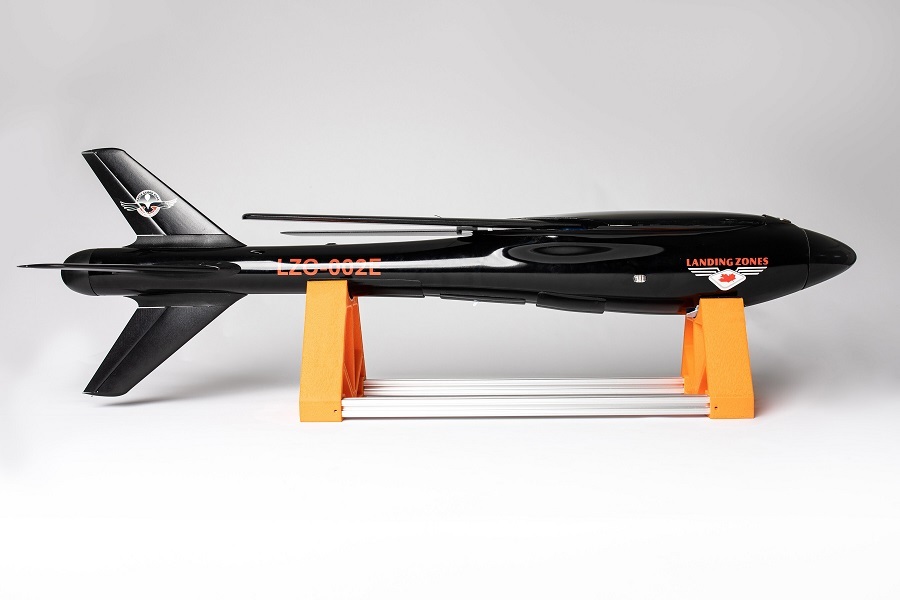
World
Landing Zones Canada Inc. has announced the successful development and flight testing of the Eagle Advanced Payload Delivery System (APDS), a cutting-edge military glider that marks a significant milestone in aerospace innovation. The Eagle APDS is the world’s first high-altitude, balloon-launched military glider, designed to deliver precision payloads over long distances with unmatched stealth, adaptability, and performance. A Technological Leap in Military Aerospace The Eagle APDS boasts a revolutionary design that combines advanced aerodynamics with cutting-edge avionics. At its core is the variable wing profile, which allows the glider to seamlessly transition between supersonic speeds and low loitering speeds. This unique feature ensures that the system can adapt to a wide array of mission requirements, from rapid deployment to sustained reconnaissance. Performance and Capabilities The Eagle APDS is engineered for stratospheric altitudes, where it can operate in harsh conditions while maintaining precision and reliability. Its recent successful testing demonstrated the following key specifications and capabilities: Payload Delivery: The glider can deliver payloads weighing up to several hundred kilograms across distances exceeding 500 miles. Stealth Design: Its minimal radar signature and advanced materials ensure survivability in contested airspace. Navigation Resilience: The system is built to operate effectively in GNSS-contested environments, offering robust navigation through alternative systems. Autonomous and Manual Control: Operators can switch between autonomous missions or human-controlled operation, depending on the complexity of the mission. Strategic Utility The Eagle APDS offers versatility for a range of military applications, including: Tactical Operations: Delivering supplies, equipment, or munitions to remote or hostile regions. Reconnaissance Missions: Operating at low loitering speeds for extended surveillance over target areas. Electronic Warfare: Supporting missions that require high-altitude deployment of specialized electronic payloads. Its ability to deploy from high-altitude balloons adds a new dimension to its operational reach, eliminating the need for traditional aircraft-based launch systems. This makes the Eagle APDS particularly valuable for covert operations in contested or denied-access regions. Built for Modern Security Challenges The design of the Eagle APDS emphasizes survivability in modern threat environments. Its stealth capabilities are complemented by advanced materials that reduce detectability across a range of wavelengths, including radar and infrared. This ensures the system remains a viable asset even in airspaces dominated by advanced air defense systems. Spence Fraser, CEO of Landing Zones Canada Inc., highlighted the system’s transformative potential:“With Eagle, we are setting a new benchmark for military drone technology. Its ability to operate across a spectrum of speeds and carry diverse payloads ensures it meets the demands of today’s complex security environment.” Broader Implications The Eagle APDS is more than just a technological innovation—it represents a strategic leap in how modern militaries can project power and maintain tactical superiority. By combining high-altitude capability, precision payload delivery, and stealth, Landing Zones Canada has created a platform that aligns perfectly with the demands of asymmetric warfare and global security challenges. As global defense systems evolve, the Eagle APDS is poised to become an essential tool for military forces worldwide, offering unparalleled adaptability and performance in an increasingly complex battlefield environment.
Read More → Posted on 2025-01-25 13:40:12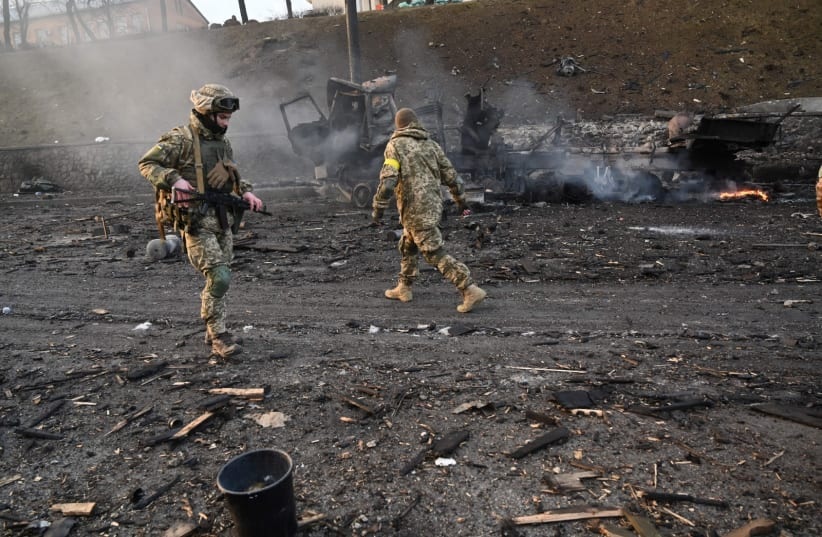
World
Ukraine announced on Friday that it had received the bodies of 757 troops killed in action, marking one of the most significant repatriations since Russia's invasion began in February 2022. The return of these fallen defenders highlights the grim reality of the ongoing war, with both nations enduring staggering losses as the conflict approaches its three-year milestone. Largest Repatriation in Months The Coordination Headquarters for the Treatment of Prisoners of War, a Ukrainian state agency, described the event as the largest repatriation in months. The statement specified that 451 bodies were recovered from the "Donetsk direction," likely referring to the fierce fighting around Pokrovsk. This mining and transport hub has been a focal point of the Russian offensive, with the city experiencing relentless bombardment. Pokrovsk, once home to approximately 60,000 people, now lies in ruins due to intense and prolonged clashes. Additionally, 34 bodies were returned from morgues within Russia. This includes casualties from the Kursk region, where Ukrainian forces had launched a surprise offensive in August. These repatriations, while somber, serve as a reminder of the enduring human toll on both sides of the conflict. A Rare Area of Cooperation Despite the hostilities, prisoner exchanges and the return of remains remain rare areas of cooperation between Kyiv and Moscow. This latest transfer marks at least the fifth repatriation involving 500 or more Ukrainian bodies since October 2023. Such operations underscore the sheer scale of losses and the heavy price paid by both sides in a war that has shown no signs of abating. Ongoing Casualties and Secrecy Both Ukraine and Russia keep their military death tolls shrouded in secrecy. Ukrainian President Volodymyr Zelensky revealed in December 2023 that 43,000 Ukrainian troops had been killed, with an additional 370,000 wounded since the war's onset. However, analysts believe the actual figures are likely much higher, given the intensity and duration of the conflict. In contrast, Russia has refrained from providing updated casualty figures or publicizing the repatriation of its fallen troops, maintaining a deliberate silence about the human cost of its campaign in Ukraine. The Human Cost of War The scale of Friday’s repatriation serves as a sobering reminder of the relentless battles raging across Ukraine. As the war continues to stretch into its third year, the cost in human lives remains immeasurable. Families on both sides endure the agony of loss, while the larger geopolitical conflict shows little sign of resolution. This latest repatriation further underlines the devastating consequences of war and the need for diplomatic efforts to end the suffering. For now, however, the grim process of returning fallen soldiers continues, one of the few fragile threads of cooperation between two nations locked in bitter conflict.
Read More → Posted on 2025-01-24 16:41:54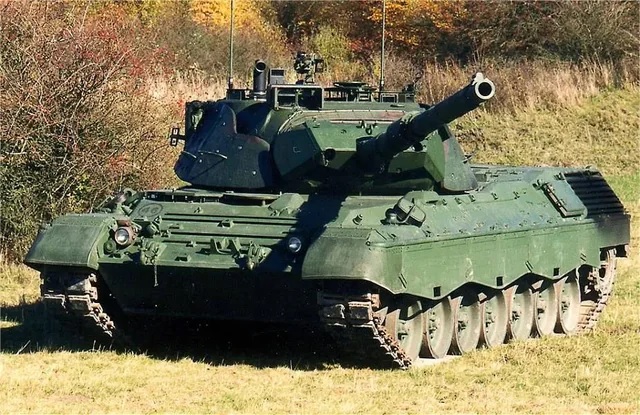
World
A Ukrainian Leopard 1A5 tank, a design rooted in the 1960s and recently outfitted with modern protective upgrades, has demonstrated remarkable durability on the battlefield. The tank withstood multiple attacks from Russian FPV (First Person View) drones, highlighting the effectiveness of its enhancements and the ingenuity of Ukrainian engineers in adapting older platforms to contemporary combat challenges. The Incident: A Test of Resilience The Leopard 1A5 was reportedly engaged in combat in a wooded area along the front lines when it came under attack. Russian drones launched a series of targeted strikes, with the tank enduring three direct hits to its frontal armor and two to its left side and rear. Despite the relentless assault, the tank managed to relocate to a safer position. After reaching a road, the tank temporarily halted, possibly due to technical or navigational reasons, leaving it exposed to further attacks. Three additional drone strikes landed on the roof of its engine compartment. Surprisingly, the damage was not enough to incapacitate the engine, allowing the tank to continue its movement. It took two final strikes in the same area to disable the vehicle, reportedly causing a fire in the process. The determination and skill of the Ukrainian crew in maneuvering the tank under such conditions have drawn widespread praise. Analysts believe the time intervals between the strikes likely allowed the crew to evacuate safely, given the attacks were concentrated on areas away from the crew compartment. Key Specifications and Upgrades of the Leopard 1A5 Originally developed in the 1960s by West Germany, the Leopard 1 was designed with a focus on mobility and firepower, rather than heavy armor protection. The Leopard 1A5 is an upgraded version, incorporating advanced optics, fire control systems, and compatibility with modern ammunition. However, what makes this tank particularly noteworthy in this instance are the enhancements added by Ukrainian engineers to counter the modern threats posed by drone warfare. These modifications included: Dynamic Reactive Armor: Installed on key areas, this armor neutralizes the explosive power of cumulative munitions, significantly reducing penetration effects. Protective Mesh and Grilles: Vulnerable sections, such as the rear engine compartment and roof, were equipped with mesh and grille shields to absorb or deflect drone impacts. Additional Structural Reinforcements: The tank’s overall durability was improved with add-ons to its chassis and exterior armor to withstand kinetic energy strikes. These upgrades proved instrumental in ensuring the tank's survival against an otherwise overwhelming attack. Without them, experts agree that the Leopard 1A5, in its base configuration, would have likely been destroyed during the initial strikes. Implications for Modern Tank Warfare The Leopard 1A5's performance underscores the growing relevance of retrofitted legacy platforms in modern conflicts. While the tank was originally designed for conventional warfare, the integration of reactive armor and drone countermeasures has enabled it to perform effectively in asymmetric warfare scenarios. This incident also highlights the escalating role of drones on the battlefield. FPV drones, equipped with high-speed maneuverability and explosive payloads, have become a critical threat to armored vehicles. The Leopard 1A5's ability to withstand these attacks illustrates the importance of adapting older military hardware to meet evolving threats. A Testament to Ingenuity and Resilience The Ukrainian Leopard 1A5’s survival against a series of drone strikes serves as a testament to the innovative engineering efforts to repurpose legacy equipment for modern warfare. This resilience not only showcases the value of such upgrades but also demonstrates the adaptability of Ukraine’s armed forces in leveraging existing assets to counter advanced threats on the battlefield. While the tank was eventually disabled, its prolonged survivability and the likely safe evacuation of its crew speak volumes about the effectiveness of the enhancements. As drones continue to redefine modern combat, the lessons from this incident will likely influence the future of armored vehicle design and battlefield strategies.
Read More → Posted on 2025-01-24 16:37:42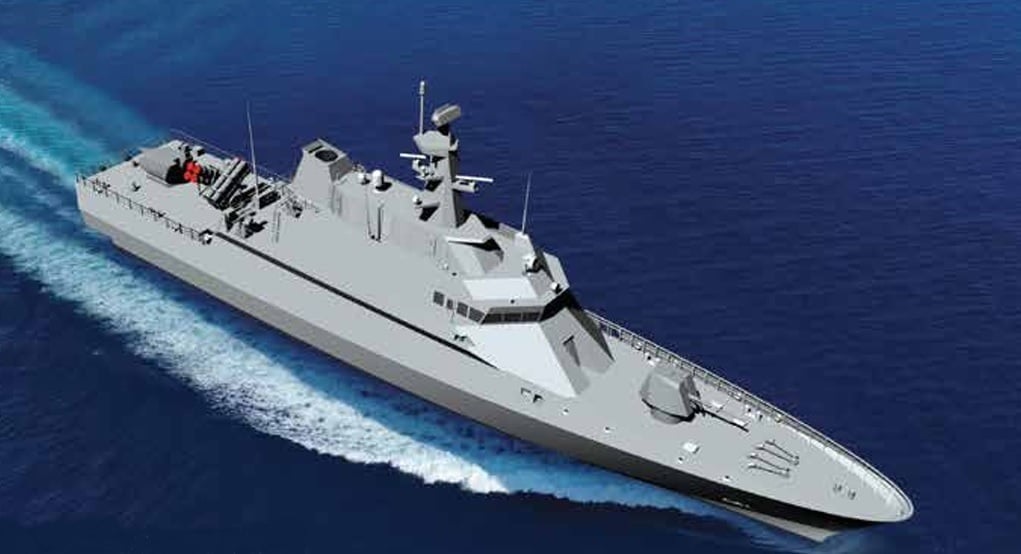
World
Indonesia’s ambitious naval modernization program has received a significant boost with Kongsberg Maritime’s innovative propulsion systems designed for the KCR-70M program. This collaboration with Turkey's Sefine Shipyard, the developer of the FACM-70 design, aims to deliver cutting-edge fast attack crafts (FAC) tailored for a wide range of missions, including intelligence, surveillance, reconnaissance (ISR), anti-surface warfare, and anti-air warfare. Revolutionary Propulsion System for Enhanced Performance Kongsberg Maritime is equipping the KCR-70M vessels with an advanced propulsion system that integrates twin controllable pitch propeller (CPP) Promas systems and a central Kamewa waterjet. This hybrid setup ensures unparalleled efficiency and performance by providing high fuel economy at patrol speeds while enabling rapid acceleration during high-speed operations. The propulsion system operates on a Combined Diesel and Gas Turbine (CODAG) configuration, featuring: Twin Diesel Engines: For efficient propulsion during standard operations. 23-Megawatt Gas Turbine: Centrally positioned to directly drive the waterjet, capable of discharging over 30 cubic meters of water per second, providing exceptional thrust. Twin Promas CPP Systems: Designed for optimal maneuverability, efficiency, and sustained speeds exceeding 40 knots when the waterjet boosts power. Kongsberg Maritime’s hydrodynamic analysis ensures seamless integration of the hull design with the propulsion system, maximizing speed, stability, and fuel efficiency under diverse conditions. Technical Specifications of the KCR-70M The KCR-70M, based on the FACM-70 design, is a formidable 70-meter fast attack craft optimized for modern naval warfare and multi-role missions. The vessel boasts a sleek hull capable of operating in challenging environments, including night operations, asymmetric threats, and low-visibility scenarios. Key Specifications: Length: 70 meters Beam: 11.8 meters Draught: 2.85 meters Displacement: 850 tonnes Top Speed: Over 40 knots Range: 1,600 nautical miles Endurance: 7 days Propulsion System: 2 x Marine Diesel Engines 1 x 23-Megawatt Gas Turbine 3 x Water Jets (including one Kamewa waterjet for high-speed operations) Advanced Weaponry: Main Gun: 76mm Surface-to-Surface Missiles (SSM): 2 x Quad Launchers Close-In Weapon System (CIWS): For point-defense. Small Arms: 2 x 12.7mm machine guns. Decoy Launching System: To counter missile threats. Sophisticated Sensors and Systems: Air and surface surveillance 3D radar. Identification Friend or Foe (IFF) system. Electro-optical reconnaissance and surveillance system. Fire control radar and meteorological sensors for precision targeting. Communication and Navigation: Integrated communication systems with HF, V/UHF, SATCOM, and tactical data links. Advanced nautical equipment, including navigation radars, DGPS, and electronic chart displays. Mission Versatility and Operational Edge The KCR-70M is engineered for diverse operational scenarios. It is capable of executing ISR operations with advanced sensors and radar coverage, providing critical intelligence during naval missions. Equipped with cutting-edge weapons and communication systems, the vessel ensures combat readiness against surface and air threats. Additionally, the KCR-70M supports search and rescue (SAR) operations in conflict zones, offering vital assistance during emergencies. Its extended range and endurance allow it to conduct prolonged patrols, safeguarding Indonesia’s extensive maritime boundaries. Strategic Importance Indonesia’s adoption of these highly versatile and modern fast attack crafts underscores its commitment to enhancing naval capabilities in the Indo-Pacific region. The KCR-70M program aligns with the country’s strategic objectives to counter maritime threats, enforce territorial integrity, and ensure freedom of navigation across critical sea lanes. With Kongsberg Maritime’s innovative propulsion solutions, the KCR-70M fleet represents a significant leap in performance, efficiency, and mission adaptability, reinforcing the Indonesian Navy's role as a key maritime force.
Read More → Posted on 2025-01-24 16:34:07
World
The U.S. Senate has officially confirmed John Ratcliffe as the Director of the Central Intelligence Agency (CIA) with a decisive vote of 74 to 25. This confirmation signifies a pivotal moment in U.S. intelligence leadership, as Ratcliffe takes on the critical role of steering the agency amid an increasingly complex global security landscape. Ratcliffe’s Historic Role in Intelligence Leadership John Ratcliffe, who previously served as the Director of National Intelligence (DNI) from 2020 to 2021, makes history as the first individual to hold both top intelligence positions. His extensive experience in intelligence oversight and national security matters has earned him recognition, though not without controversy. Ratcliffe's prior tenure as DNI saw him championing advancements in data-driven intelligence, as well as emphasizing the growing need for cybersecurity and counterintelligence measures. His confirmation follows closely on the heels of Marco Rubio’s approval as Secretary of State, reflecting a broader effort by the Trump administration to consolidate its leadership team in key security and diplomatic roles. Technological Advancements at the Forefront In his confirmation hearing, Ratcliffe highlighted the urgent need to modernize the CIA’s operational and technological capabilities. He underscored the importance of artificial intelligence (AI) and quantum computing in countering sophisticated cyber threats from adversaries like China, Russia, and Iran. According to Ratcliffe, leveraging these technologies will enhance intelligence collection, analysis, and operational readiness, ensuring the U.S. maintains a strategic edge in an increasingly digital battleground. Ratcliffe also advocated for stronger alliances with private technology firms to accelerate innovation within the intelligence community. He expressed a commitment to addressing the emerging challenges posed by advancements in surveillance technologies and cyber warfare tools used by hostile nations. Political Debate and Confirmation Challenges The road to Ratcliffe’s confirmation was not without obstacles. Some Senate Democrats raised concerns over his perceived political alignment with former President Donald Trump, especially given his vocal defense of Trump during impeachment proceedings. These lawmakers questioned whether Ratcliffe could ensure the CIA would deliver impartial and apolitical intelligence. Republican senators, however, rallied in support of Ratcliffe, citing his qualifications and previous performance as DNI. Senator Mitch McConnell praised Ratcliffe as "a dedicated public servant with a deep understanding of the threats our nation faces." Ultimately, the bipartisan vote reflected confidence in Ratcliffe’s ability to navigate the complexities of the role while prioritizing national security. Expectations for Ratcliffe’s Tenure As the new CIA Director, Ratcliffe inherits a range of challenges, including countering the growing influence of China and Russia, addressing global terrorism, and safeguarding U.S. elections from foreign interference. His leadership will also be closely watched for efforts to improve interagency collaboration and adapt the CIA’s operations to evolving threats in the 21st century. Furthermore, Ratcliffe emphasized during his hearing that his primary goal would be to ensure the agency remains nonpartisan and focused solely on producing unbiased intelligence for policymakers. "The CIA must always serve the interests of the American people, not political agendas," he said, seeking to reassure lawmakers and the public of his commitment to neutrality. Looking Ahead John Ratcliffe’s confirmation marks a significant chapter for the CIA as it confronts both traditional and emerging security challenges. With his focus on modernization and maintaining an impartial stance, Ratcliffe’s tenure is poised to shape the future trajectory of the United States' premier intelligence agency. His leadership will play a critical role in safeguarding the nation’s interests in an era of rapid technological and geopolitical change.
Read More → Posted on 2025-01-24 15:55:47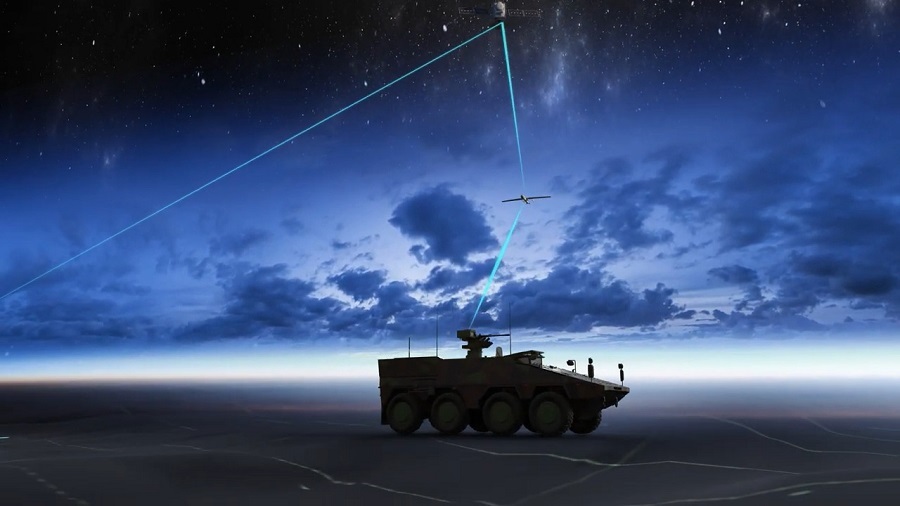
World
In a bold move to redefine battlefield operations, German defense technology firms Quantum Systems and Blackned have joined forces to enhance the digitalization and secure networking of unmanned systems. This strategic partnership combines Quantum Systems' cutting-edge unmanned aerial systems (UAS) with Blackned’s advanced Tactical Core Information and Communication Middleware, promising to transform military connectivity and operational efficiency. A Synergy of Technology Quantum Systems, known for its state-of-the-art multi-sensor drones, specializes in delivering unmanned aerial platforms tailored for defense applications. These systems provide exceptional capabilities in surveillance, reconnaissance, and data acquisition. Paired with Blackned's Tactical Core middleware, the collaboration creates a robust ecosystem designed to improve data transfer across multi-domain operations. The Tactical Core middleware supports diverse transmission systems and ensures seamless integration with third-party applications through open interfaces and software development kits (SDKs). This architecture is intentionally designed to remain application-independent, allowing military forces to adapt the technology to their unique requirements. The partnership aims to bridge the gap between manned and unmanned platforms, ensuring compatibility with existing systems while addressing a wide range of mission demands. This adaptability is critical for military forces like the German Armed Forces, enabling them to stay ahead in rapidly evolving operational scenarios. Key Features and Specifications The collaboration focuses on creating a battlefield ecosystem with the following features: Multi-Domain Data Transfer: Ensures secure and efficient sharing of critical information across land, air, and sea domains. Platform Agnosticism: Both systems are designed to integrate seamlessly into existing manned and unmanned platforms, reducing the need for additional infrastructure investments. Open Interfaces: SDKs and open APIs enable the integration of third-party tools, enhancing the operational flexibility of the combined system. Scalable Middleware: Blackned’s Tactical Core can support various communication systems, ensuring uninterrupted connectivity even in contested or degraded environments. Enhanced Security: The integration provides robust encryption and cybersecurity measures to safeguard mission-critical data from potential threats. Benefits for Modern Battlefields The collaboration is expected to set new benchmarks in military operations by ensuring efficient data flow and mission-specific customizations. The adaptability of the system allows military forces to tailor it for diverse scenarios, such as counter-terrorism, border surveillance, and battlefield reconnaissance. Sven Kruck, Co-CEO of Quantum Systems, highlighted the importance of the partnership: “This is a significant step toward securing multi-domain data transfer, adding an additional layer of flexibility for military operations. Our collaboration will enable forces to react faster and with greater precision.” Dr. Joel Langenberg, CEO of Blackned GmbH, echoed this sentiment, stating: “Our technology provides a platform that is not only flexible but also resilient, ensuring operational effectiveness in even the most challenging environments.” A Strategic Leap Forward As modern battlefields become increasingly reliant on advanced technology, the partnership between Quantum Systems and Blackned reflects a shift toward more integrated and versatile solutions. By combining aerial capabilities with a secure communication backbone, the collaboration aims to empower military forces with unprecedented connectivity and operational agility. This initiative not only strengthens Germany’s defense ecosystem but also sets a precedent for the future of unmanned systems in global military operations. With secure, flexible, and scalable solutions, Quantum Systems and Blackned are poised to revolutionize how military forces approach connectivity in high-stakes environments.
Read More → Posted on 2025-01-24 15:53:24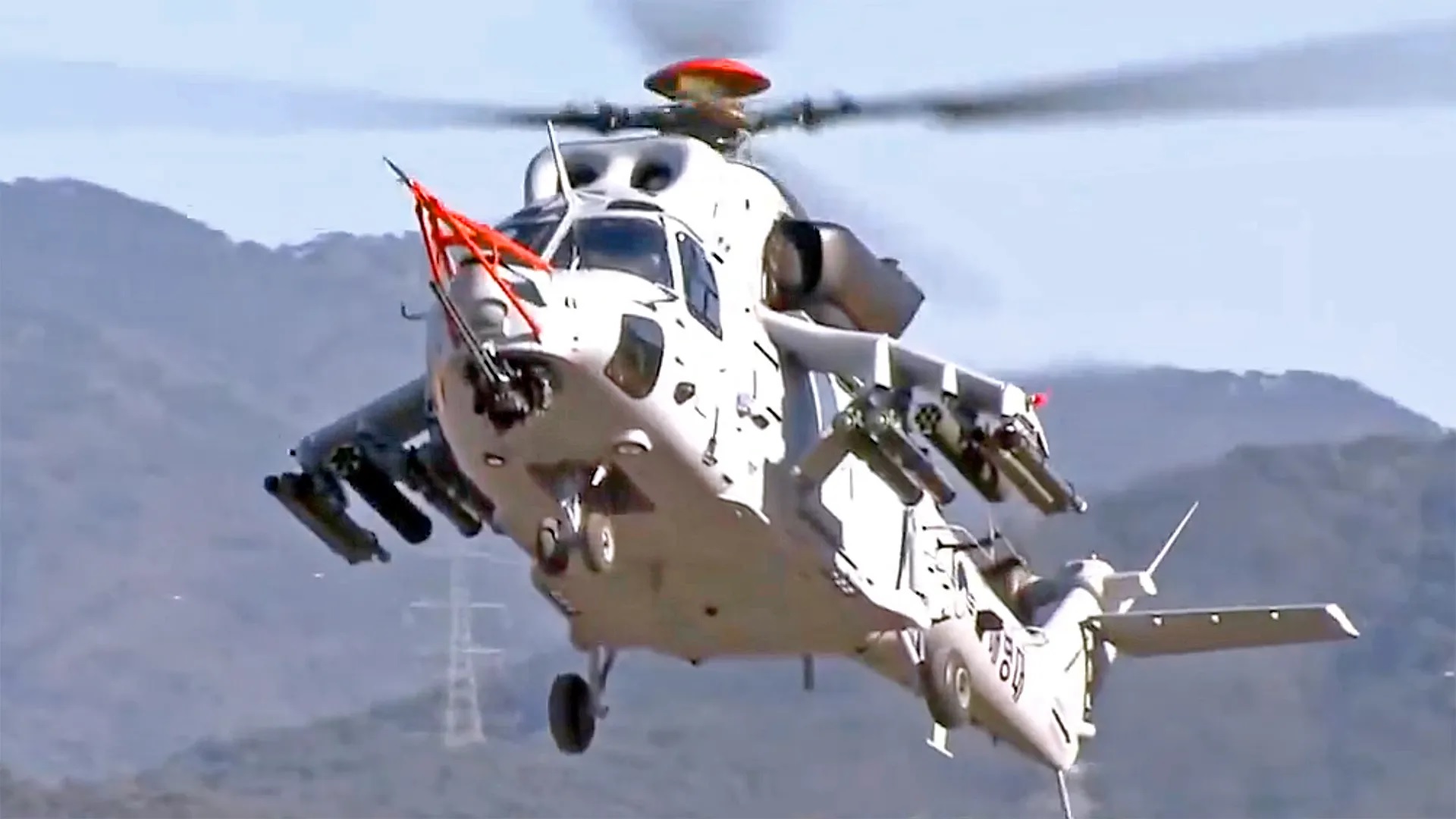
World
South Korea recently marked a significant milestone in its defense modernization efforts with the successful maiden flight of the Marineon Amphibious Assault Helicopter (MAH) prototype. The event, held in Sacheon, Gyeongnam, signals the beginning of an advanced development phase for this versatile aircraft, designed to bolster the Republic of Korea Marine Corps’ operational capabilities. This project, spearheaded by Korea Aerospace Industries (KAI), stems from a 438-billion won ($306.6 million) contract awarded in 2022 by the Defense Acquisition Program Administration (DAPA). The MAH Marineon is a derivative of the MUH-1 Marineon amphibious utility helicopter and the KUH-1 Surion transport helicopter, both of which have already proven their value in the Republic of Korea's defense operations. Advanced Features of the MAH Marineon The MAH Marineon is engineered as a robust, multipurpose platform for amphibious assault missions, ground support, and defense. Its specifications highlight its modern design and functionality: Dimensions and Capacity Length: 20 meters (66 feet). Crew Capacity: Two pilots and up to 15 troops. Cargo and Troop Transport: Equipped to handle diverse mission payloads. Power and Performance Engines: Two General Electric/Hanwha Aerospace turboshaft engines, each producing 1,855 horsepower. Top Speed: 142 knots (263 kilometers/163 miles per hour). Range: Over 800 kilometers (497 miles), making it suitable for extended missions. Operational Altitude: Up to 4,500 meters (14,764 feet), allowing for performance in varied terrains and challenging environments. Weapons Systems Primary Armament: 7.52-millimeter machine guns for close-range firepower. Mistral air-to-air missile system, enhancing aerial combat capabilities. The helicopter is designed to deliver effective fire support during ground operations and protect marine forces during amphibious assaults. Future Development and Integration Following the prototype’s successful maiden flight, the MAH Marineon will undergo comprehensive flight tests to evaluate its functions, performance, and safety standards. This phase is expected to conclude by the second half of 2026, after which the aircraft will enter full-scale production. The platform is intended to operate alongside the MUH-1 Marineon, offering critical air support during amphibious raids and emergency scenarios. The combined fleet will significantly enhance the Marine Corps’ ability to conduct swift and decisive operations, particularly in the volatile northwestern regions near disputed maritime boundaries. In addition to its attack variant, a specialized version of the MUH-1 Marineon is under development for the Republic of Korea Navy. This variant will play a key role in mine countermeasure operations, reflecting the flexibility and adaptability of the Marineon helicopter family. Strategic Implications The MAH Marineon project is a crucial step in South Korea’s efforts to enhance its indigenous defense capabilities. Brig. Gen. Koh Hyung-seok, the head of DAPA’s Helicopter Business Division, emphasized the importance of the project, stating, “Through the amphibious attack helicopter project, we expect to strengthen the Marine Corps’ air fire support capabilities as well as its ability to prepare for enemy surprise attacks.” The helicopter’s advanced design, combined with its amphibious capabilities, is expected to provide a strategic edge in countering potential threats in the region, particularly from adversaries operating near the disputed islands in the Yellow Sea. A Bright Future for Indigenous Aviation South Korea’s defense modernization program continues to showcase the country’s technological prowess and commitment to self-reliance in military equipment. The MAH Marineon, with its advanced capabilities and strategic value, is poised to become a cornerstone of the Republic of Korea Marine Corps, ensuring enhanced operational readiness and national security. As the project progresses, the world will be watching how this state-of-the-art helicopter contributes to regional stability and defense innovation.
Read More → Posted on 2025-01-24 15:48:13
World
As India unveils its Union Budget 2025, the focus on modernizing the country’s defence capabilities has never been more urgent. With a geopolitical landscape marked by increasing instability and rapid advancements in military technologies, the demands on India’s armed forces continue to grow. The budget allocation of ₹6.22 lakh crore for the financial year 2024-25—4.79% higher than the previous year—reflects an incremental step towards addressing these challenges. However, experts argue that more needs to be done to prepare the country for the modern warfare of tomorrow. Progress in Defence Modernization India’s strides toward self-reliance in defence are evident, especially in indigenous production and capital expenditure. The Defence Acquisition Procedure (DAP) 2020 has played a key role in prioritizing domestic manufacturing. In FY 2023-24, defence production surged to ₹1.27 lakh crore, a 16.7% increase from the previous year. Notably, 75% of the ₹1.4 lakh crore capital procurement budget for FY 2024-25 is allocated to indigenous products, signaling the government’s commitment to reducing reliance on imports. Defence exports have also grown exponentially, reaching ₹21,083 crore in FY 2023-24—a remarkable 31-fold increase in the last decade. High-profile products like the BrahMos missile and Pinaka rocket system have gained international recognition. The government has set an ambitious target of achieving ₹35,000 crore in defence exports by 2025, underscoring its vision for India as a global defence manufacturing hub. Schemes like Innovations for Defence Excellence (iDEX) and the Production Linked Incentive (PLI) program have further boosted innovation and manufacturing in critical defence technologies. These initiatives have encouraged startups and MSMEs to contribute to the sector, paving the way for greater domestic capability in areas like drones, loitering munitions, and next-generation weapon systems. Challenges in Modernization Despite these achievements, India faces persistent challenges in modernizing its armed forces. One of the most pressing concerns is the continued reliance on imports for advanced weapon systems, machinery, and critical components. While initiatives like “Make in India” aim to address this dependency, supply chain disruptions—such as delays in the delivery of the S-400 missile systems due to the Russia-Ukraine conflict—highlight the risks of over-reliance on foreign suppliers. India’s ageing defence inventory further exacerbates the problem. Legacy platforms like T-72 tanks and Bofors howitzers, while reliable in the past, are ill-equipped to handle modern threats. Additionally, delays in procuring and deploying newer systems like the Tejas Light Combat Aircraft and Project 75(I) submarines undermine operational readiness, leaving the armed forces vulnerable, particularly in light of China’s expanding military capabilities. Bureaucratic inefficiencies also contribute to delays in procurement and planning. Experts, including Amit Cowshish, former Financial Advisor (Acquisition) at the Ministry of Defence, have highlighted the lack of comprehensive defence planning as a critical issue. Fragmented responsibilities across departments often lead to underutilization of allocated funds, further slowing modernization efforts. The Budget Conundrum At 1.91% of GDP, India’s defence budget remains insufficient compared to global benchmarks. Experts suggest that India should aim for at least 2.5% of GDP in the next five years to meet its defence modernization goals. A significant portion of the current budget is allocated to personnel costs, leaving limited room for capital expenditure and technological advancements. TV Chowdary, Managing Director of Premier Explosives Ltd, emphasizes the need for a more balanced approach. “The announcement of 2025 as ‘The Year of Reforms’ is promising, but it must be backed by increased budget allocations for modernization and R&D. Emerging technologies like AI, robotics, and advanced electronics must take center stage to prepare India for future conflicts,” he said. Recommendations for Strengthening Defence Modernization Streamlining Procurement ProcessesReducing bureaucratic delays through AI-driven systems and more efficient procedures is crucial. A faster procurement cycle will enable timely deployment of critical technologies and systems. Increasing Capital ExpenditureA double-digit increase in the defence budget over the next decade is essential. Experts advocate for a revenue-to-capital ratio of 60:40 to ensure a balanced allocation that prioritizes modernization. Promoting Indigenous ManufacturingPrograms like “Make in India” and PLI should continue to foster domestic manufacturing of critical defence technologies. Strengthening public-private partnerships, particularly in areas like avionics and missile systems, will be key to achieving self-reliance. Boosting Defence R&DAt least 10% of the defence budget should be earmarked for R&D to accelerate innovation in emerging technologies. Academic institutions and private corporations should collaborate more actively to drive advancements in critical areas like jet engines, unmanned systems, and cyber warfare capabilities. Enhancing Global PartnershipsCollaborating with countries like the United States, France, and Israel for technology transfer and co-development of cutting-edge systems will strengthen India’s technological base. Relaxing the current defence procurement policy to allow phased technology transfers over 10 years could also encourage greater foreign investment. The Road Ahead The Union Budget 2025 offers a mixed bag for India’s defence sector. While the increased allocation reflects the government’s intent to modernize, significant gaps remain in addressing the country’s long-term security needs. Experts agree that a comprehensive strategy, combining increased funding with systemic reforms, is the only way forward. As global security challenges evolve, India must prioritize the modernization of its armed forces to remain a credible power in the international arena. The road ahead is fraught with challenges, but with sustained focus and commitment, India can achieve its vision of becoming a self-reliant defence powerhouse, ready for the modern warfare of tomorrow.
Read More → Posted on 2025-01-24 15:44:35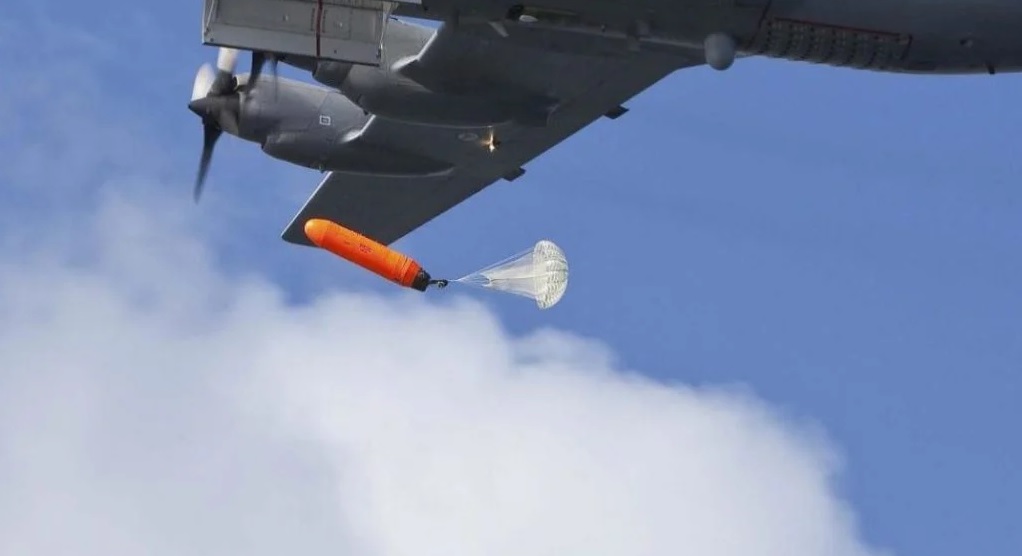
India
In a significant milestone for India’s defense and maritime logistics capabilities, the Defence Research and Development Organisation (DRDO) and the Indian Navy have successfully flight-tested an indigenously developed "Air Droppable Container". The trial was conducted using the P-8I long-range maritime reconnaissance aircraft, showcasing the system’s potential to revolutionize the delivery of critical supplies at sea. A Leap Forward in Maritime Logistics The Air Droppable Container is designed to address the critical need for rapid delivery of essential supplies, such as food, medical equipment, and mission-critical spares, to naval units and other assets in maritime zones. This capability is crucial both in peacetime operations, such as humanitarian assistance and disaster relief (HADR) missions, and during combat scenarios, where quick resupply can make a decisive difference. Key Features and Capabilities The indigenously developed container boasts several advanced features: High Payload Capacity: The container can carry significant loads of emergency supplies, ensuring efficient logistics support for extended naval operations. Precision Deployment: Equipped with advanced aerodynamics and stabilization mechanisms, the container ensures safe and accurate delivery even in challenging sea conditions. Versatile Utility: It can accommodate a wide range of payloads, including ammunition, medical kits, and engineering spares, providing unparalleled flexibility. Interoperability: Designed to be compatible with various aircraft types, the container extends its utility across multiple platforms in the Indian Armed Forces. Successful Testing from P-8I Aircraft The P-8I aircraft, known for its advanced surveillance and reconnaissance capabilities, served as the test platform for the Air Droppable Container. The trial demonstrated seamless integration and precise deployment of the container, affirming the system’s readiness for operational use. The P-8I’s long endurance and multi-role capabilities make it an ideal platform for such logistics missions. Strategic Implications The successful development and testing of the Air Droppable Container underscore India’s growing self-reliance in defense technologies. This innovation enhances the Navy’s ability to sustain operations in remote maritime zones, reducing dependence on traditional supply chains and ensuring operational readiness in critical situations. Future Prospects The system is expected to undergo further refinements based on operational feedback, with potential integration into the logistics frameworks of other services. Additionally, its modular design could pave the way for export opportunities, strengthening India’s position as a defense technology exporter. Conclusion The indigenously developed Air Droppable Container marks a significant achievement in India’s quest for self-reliance in defense and maritime logistics. Its successful flight testing from the P-8I aircraft by DRDO and the Indian Navy is a testament to the country’s technological prowess and commitment to enhancing operational capabilities. This system promises to be a game-changer in ensuring rapid and reliable supply delivery during both peacetime and combat operations, bolstering India’s maritime strength and strategic reach.
Read More → Posted on 2025-01-24 15:34:44Search
Top Trending in 24 Hours
-
 U.S. Secures Permanent Military Rights in Greenland in Historic Security Pact with Denmark
-
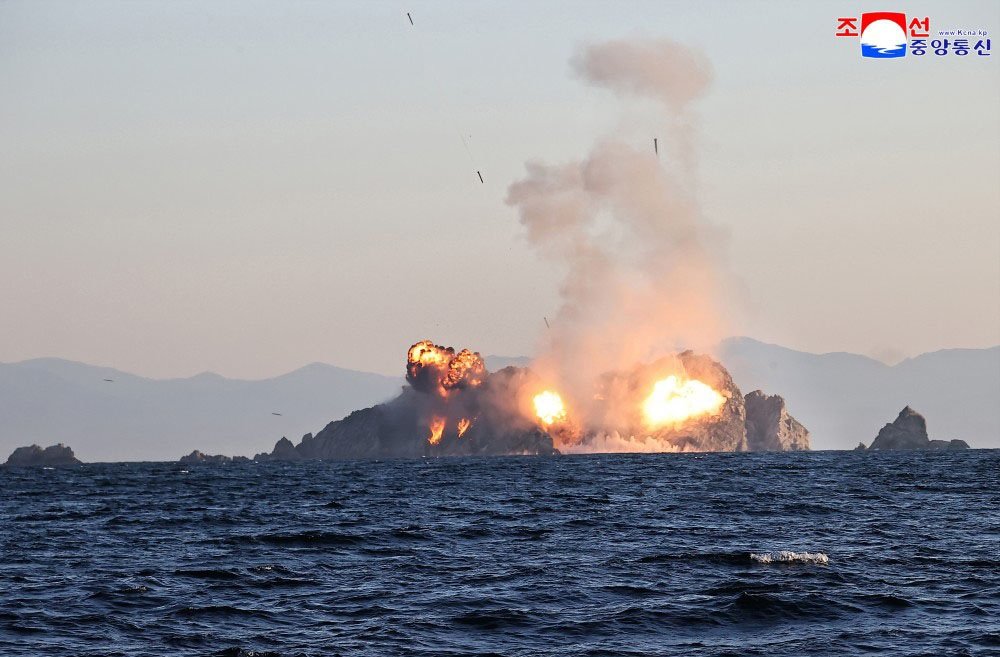 North Korea Fires Short-Range Ballistic Missile Toward Sea of Japan After Freedom Edge 26
-
 U.S. Government Seizes Almasirah.net, Houthi-Linked News Website
-
 India’s xTerra Robotics Launches Indigenous DHAV-Hy Wheeled-Legged Quadruped for Industrial Inspection
Top Trending in 4 Days
-
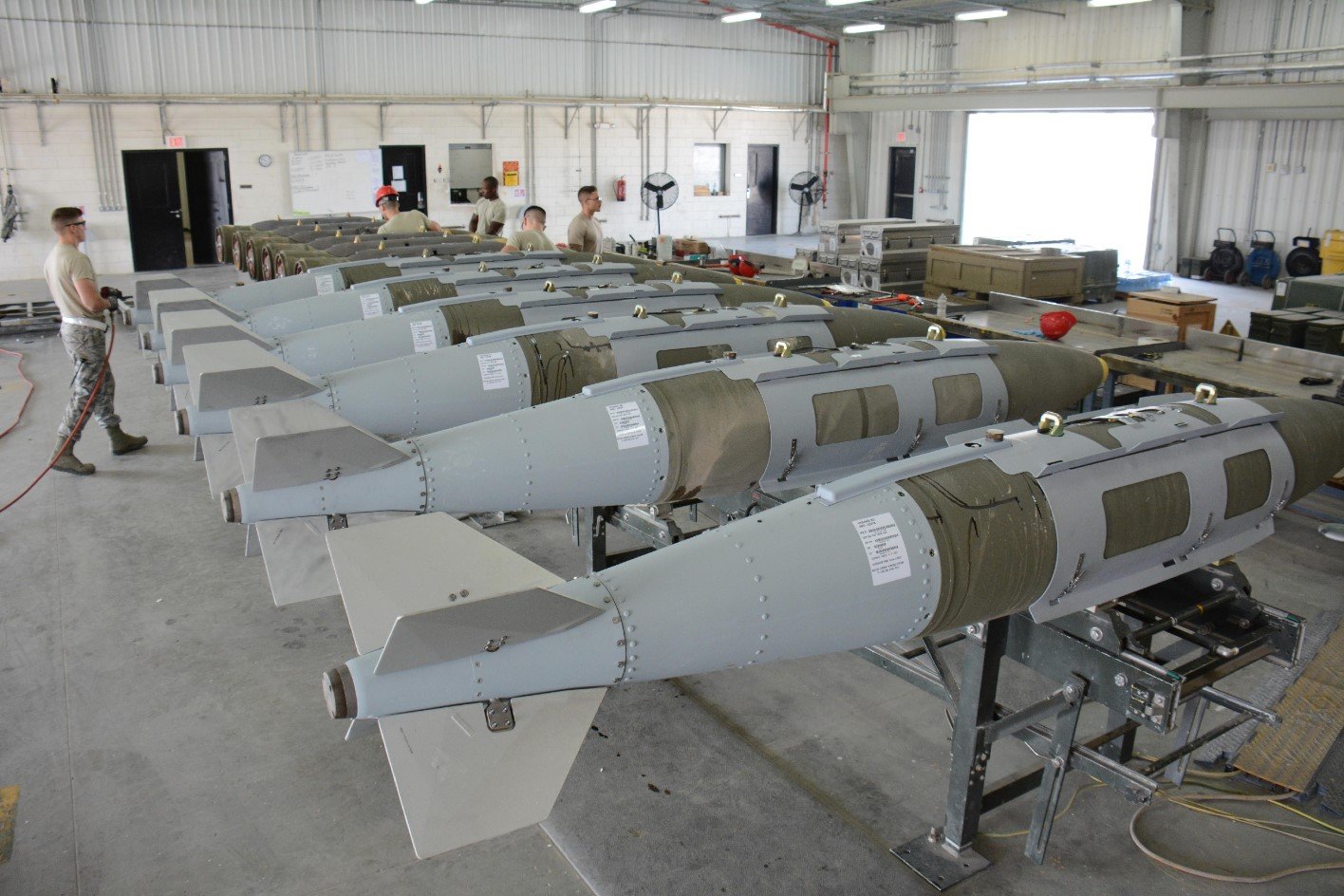 U.S. Plans $2.8 Billion Sale of 40,000 Heavy Bombs and 20,000 I-2000 Penetrator Warheads to Israel
-
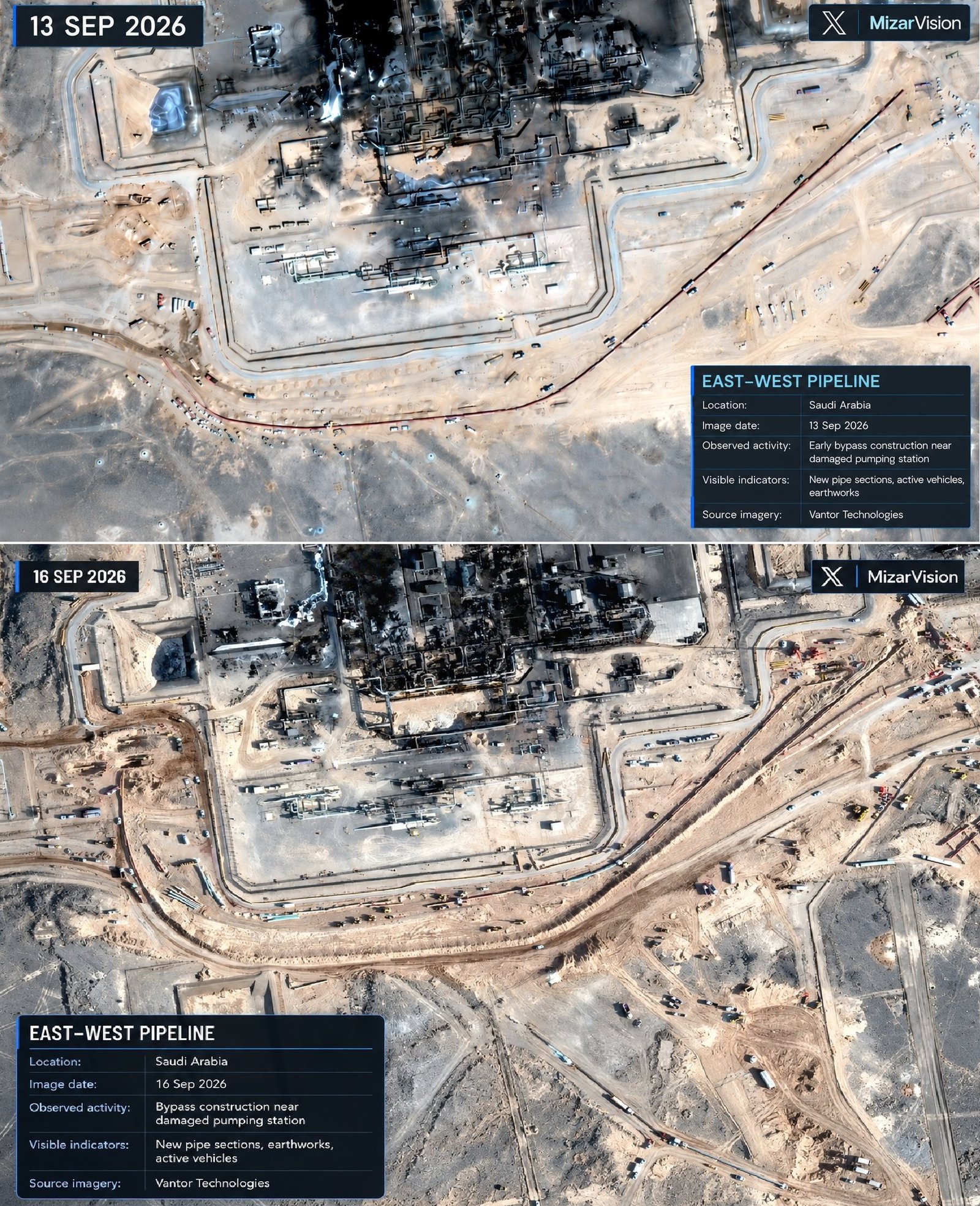 Satellite Images Show Saudi Arabia Building Emergency Bypass Around Damaged East-West Oil Pipeline Station
-
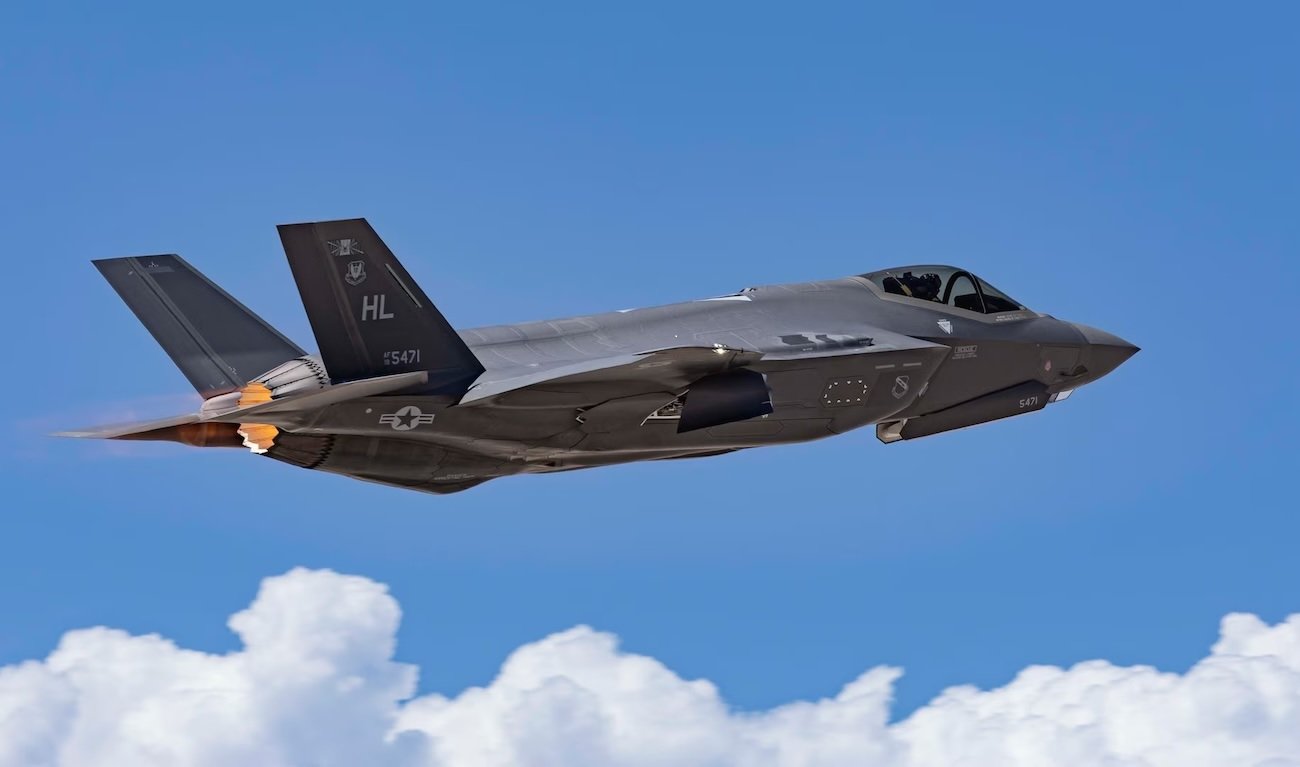 Sensitive F-35 Components Diverted to Hong Kong, Some Parts Missing
-
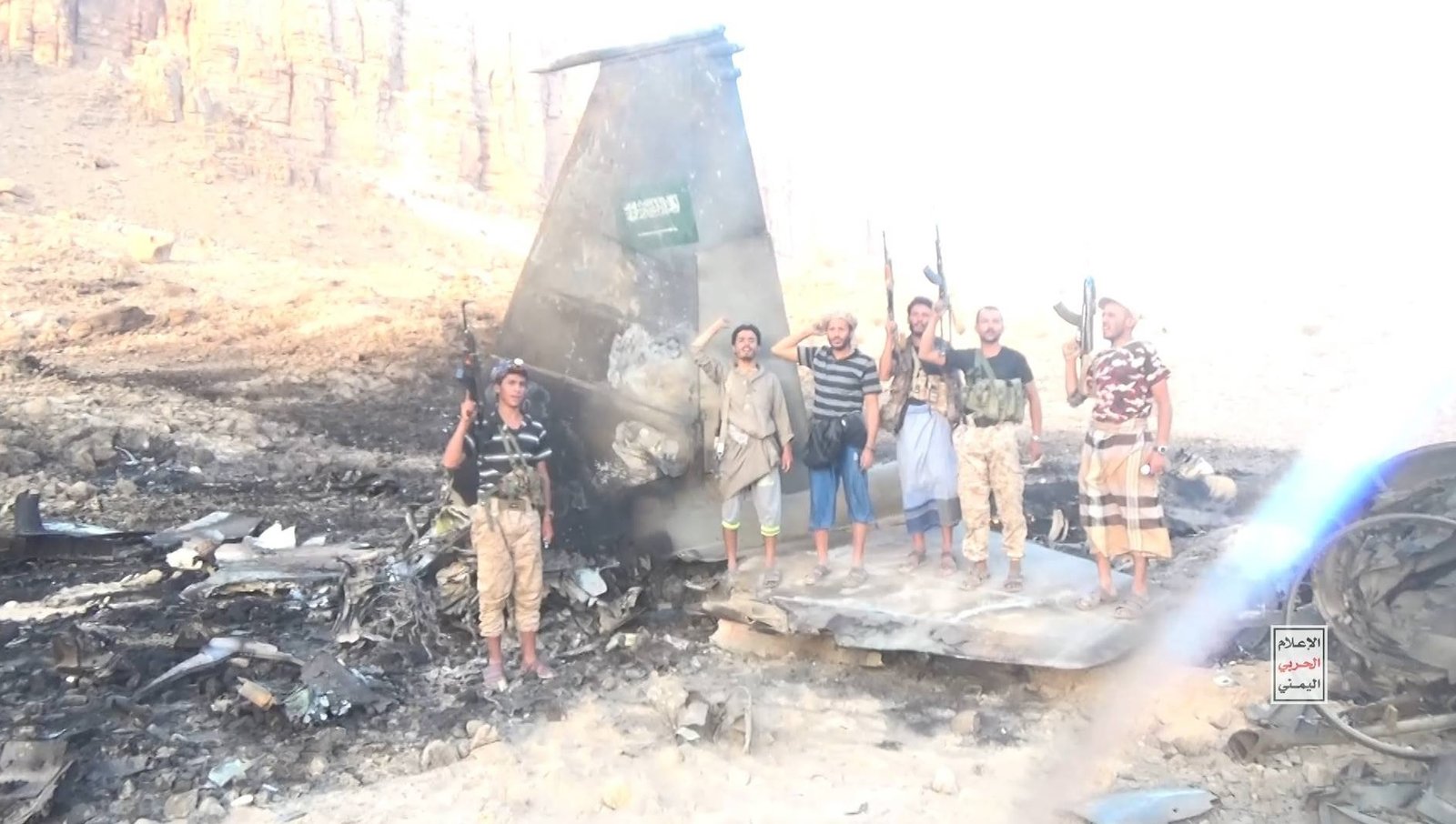 Houthis Claim Downing of Saudi F-15 and Wing Loong II Drone Over Marib
-
 Photos Reveal Damaged E-3 Sentry, Buildings and Vehicles at U.S. Bases in Saudi Arabia and Kuwait After Iranian Strikes
-
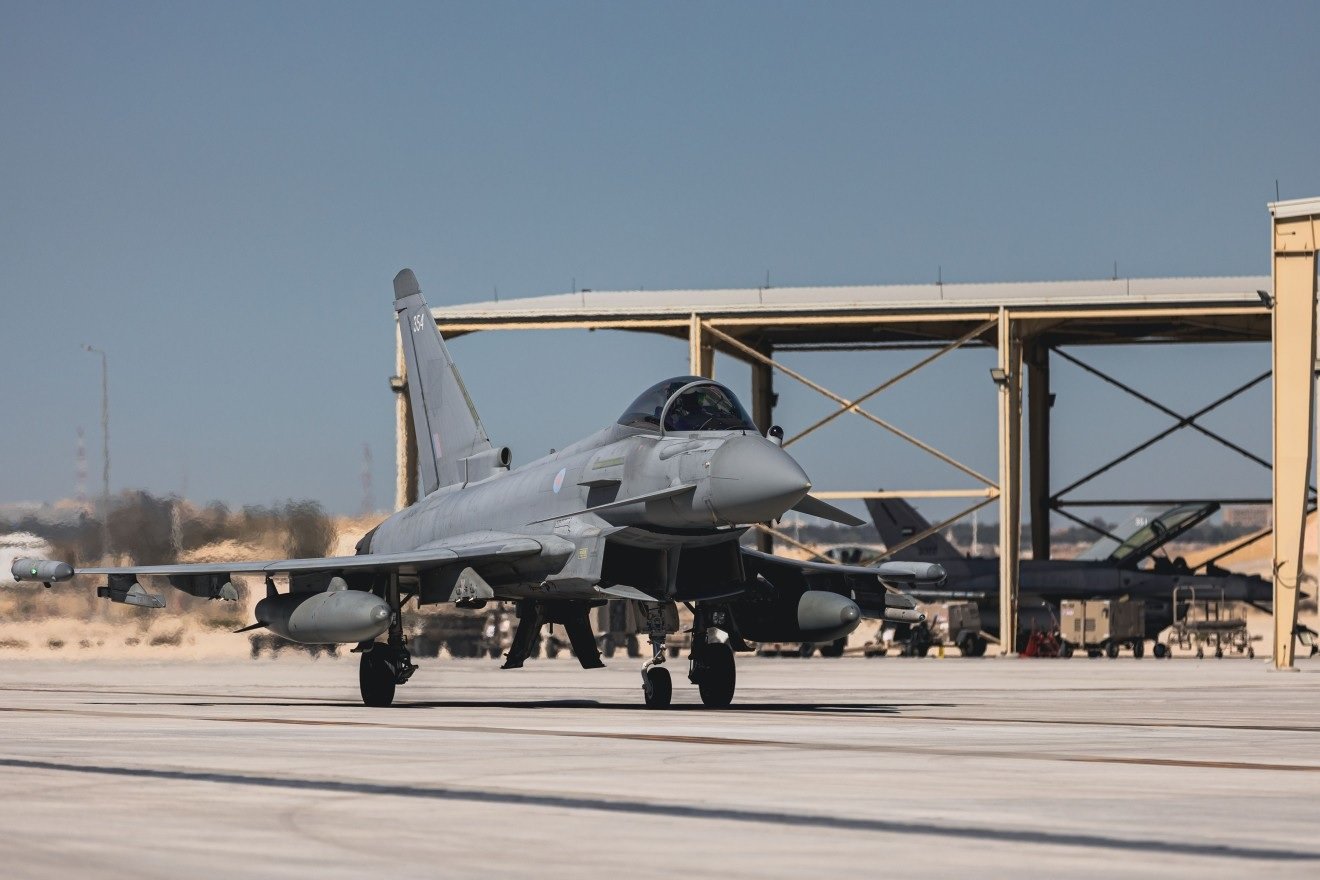 Italian Eurofighter Damaged in Houthi Attack on Saudi Arabia’s King Fahd Air Base
-
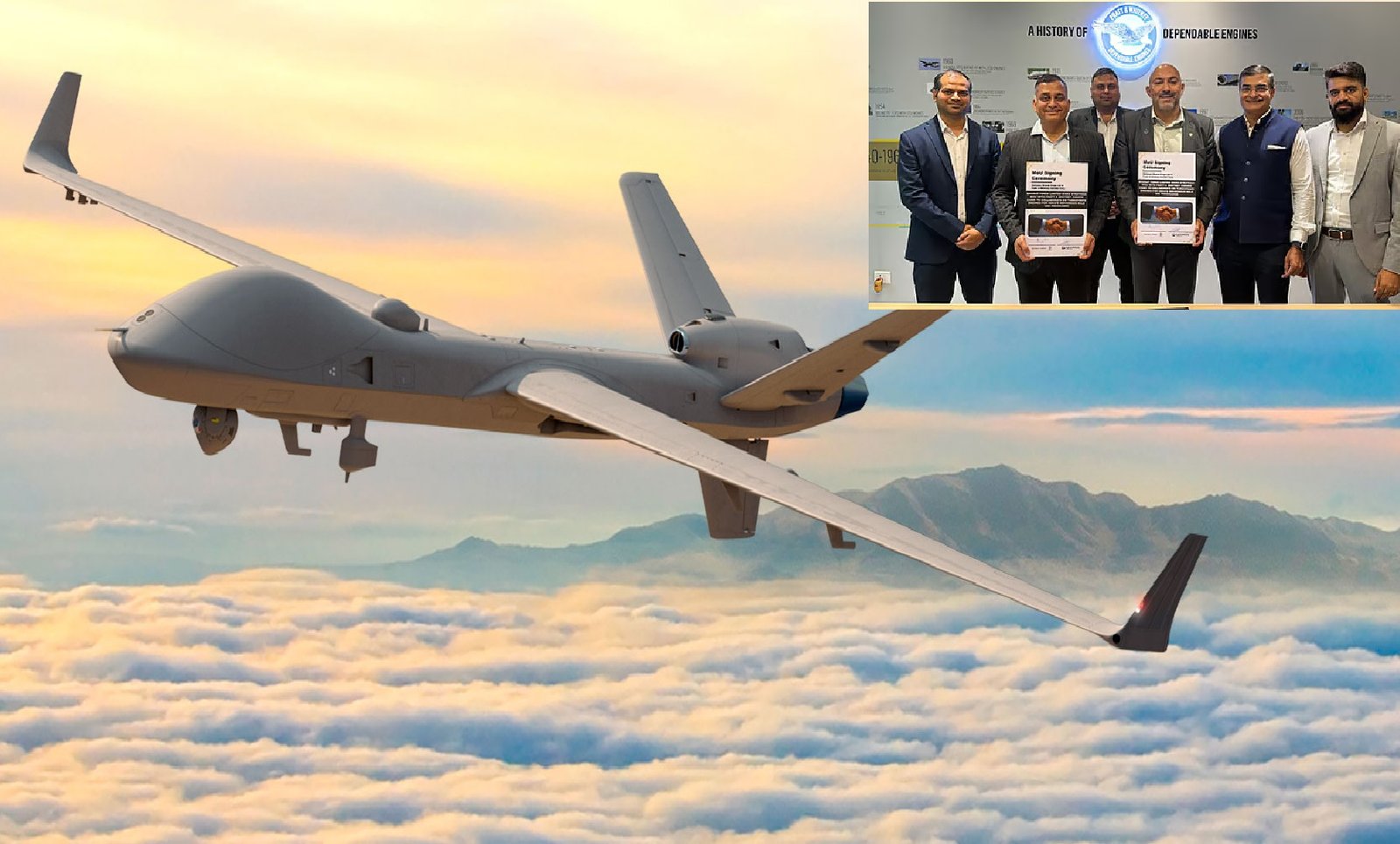 Bharat Forge, Pratt & Whitney Canada to Evaluate Turboprop Engines for DRDO’s Indigenous HALE UAV
-
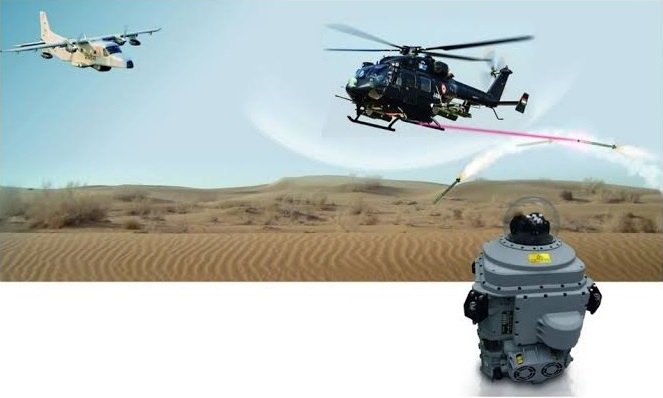 BEL Signs Export Deal with Elbit Systems for Directed Infrared Countermeasure Sub-Assemblies, Secures ₹648 Crore in Additional Orders
