World
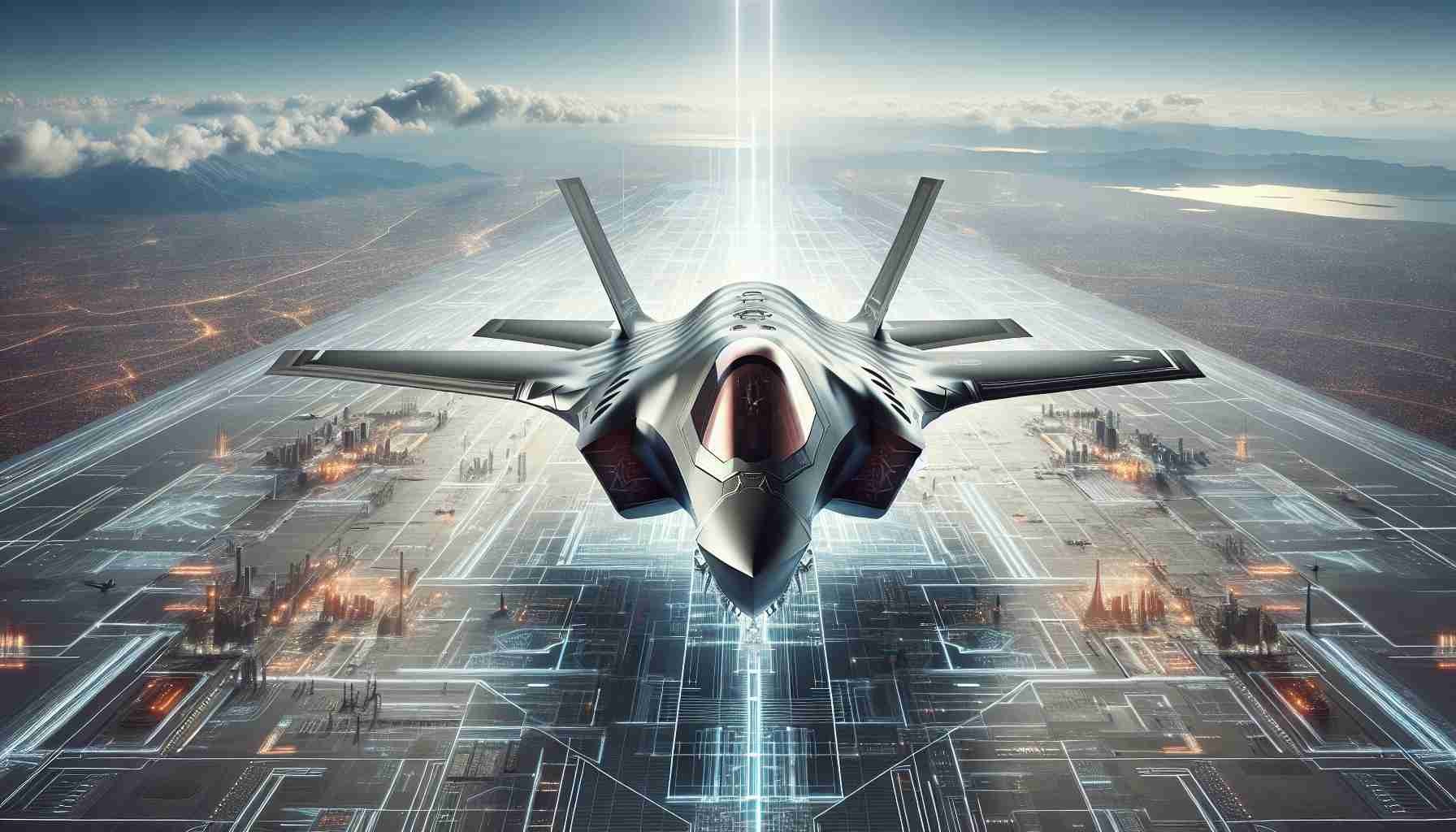
The Lockheed Martin F-35 Lightning II is not just a fighter jet; it is a revolution in military aviation, seamlessly blending advanced technology, stealth, and adaptability to redefine combat power. As a critical component of modern air dominance, the F-35 serves as a force multiplier, enabling unparalleled performance across air, land, and sea operations. Cutting-Edge Stealth and Survivability The F-35 incorporates state-of-the-art stealth technology, making it virtually invisible to enemy radar. This capability allows it to penetrate heavily defended airspaces undetected, providing a decisive edge in high-threat environments. The aircraft is built with radar-absorbing materials and a sleek, angular design that minimizes its radar cross-section, ensuring survivability in hostile territory. Additionally, its radar-jamming and electronic warfare capabilities further enhance its ability to neutralize enemy defenses, ensuring mission success even in contested environments. Advanced Sensor Fusion and Real-Time Data Sharing One of the F-35’s standout features is its ability to act as a central node in a networked battlespace. Equipped with advanced sensors like the Distributed Aperture System (DAS) and the Active Electronically Scanned Array (AESA) radar, the aircraft gathers, processes, and shares real-time data with other assets, including ground forces, naval ships, and unmanned systems. This sensor fusion capability allows pilots to gain a comprehensive understanding of the battlefield, improving decision-making and coordination. For example, the F-35 can identify and track targets, then share targeting data with Sniper Advanced Targeting Pods or other military platforms, ensuring precision and efficiency in joint operations. Variants Tailored for Mission Flexibility The F-35 comes in three distinct variants, each designed to meet specific operational needs: F-35A: The conventional takeoff and landing (CTOL) variant, primarily used by air forces. It can carry up to 5,700 pounds of internal weapons and an additional 18,000 pounds externally. F-35B: The short takeoff and vertical landing (STOVL) variant, optimized for operations from smaller airstrips and amphibious assault ships. F-35C: The carrier-based variant, built with larger wings and reinforced landing gear for catapult launches and arrested landings on aircraft carriers. Unmatched Weaponry and Combat Power The F-35’s versatility extends to its extensive weapon-carrying capacity. Internally, it can house a range of precision-guided munitions, such as the Joint Direct Attack Munition (JDAM) and AIM-120 AMRAAM missiles, ensuring stealth while delivering lethal strikes. Externally, it can carry larger payloads like the Long-Range Anti-Ship Missile (LRASM) and Joint Air-to-Surface Standoff Missile (JASSM), giving it flexibility for diverse mission profiles. The aircraft’s combat power is further amplified by its capability to integrate with unmanned aerial systems (UAS), serving as a mission “quarterback.” This coordination enables enhanced situational awareness and efficient execution of complex missions. Performance Specifications Top Speed: Mach 1.6 (approximately 1,200 mph) Combat Radius: Over 600 nautical miles (1,111 km) Service Ceiling: 50,000 feet Engine: Pratt & Whitney F135, delivering 43,000 pounds of thrust Weapons Capacity: Up to 23,700 pounds (combined internal and external load) Future-Proof Design The F-35 is engineered to adapt to evolving threats. Its modular architecture allows for software upgrades and integration of next-generation weaponry, ensuring relevance in future combat scenarios. The aircraft’s advanced computing power supports artificial intelligence applications, enhancing autonomy and decision-making in rapidly changing operational environments. A Global Force Multiplier With over 900 F-35s delivered to operators worldwide, the aircraft has become a cornerstone of allied air forces. Nations like the United States, the United Kingdom, and Japan have integrated the F-35 into their defense strategies, benefiting from its interoperability and cutting-edge technology. Conclusion The Lockheed Martin F-35 Lightning II is more than just a fifth-generation fighter; it is a symbol of the future of air combat. Its unmatched stealth, advanced sensor suite, and versatility make it a game-changer on the battlefield. Whether engaging in air-to-air combat, precision strikes, or electronic warfare, the F-35 ensures dominance across all domains, redefining what it means to achieve air superiority in the 21st century.
Read More → Posted on 2025-01-24 15:23:38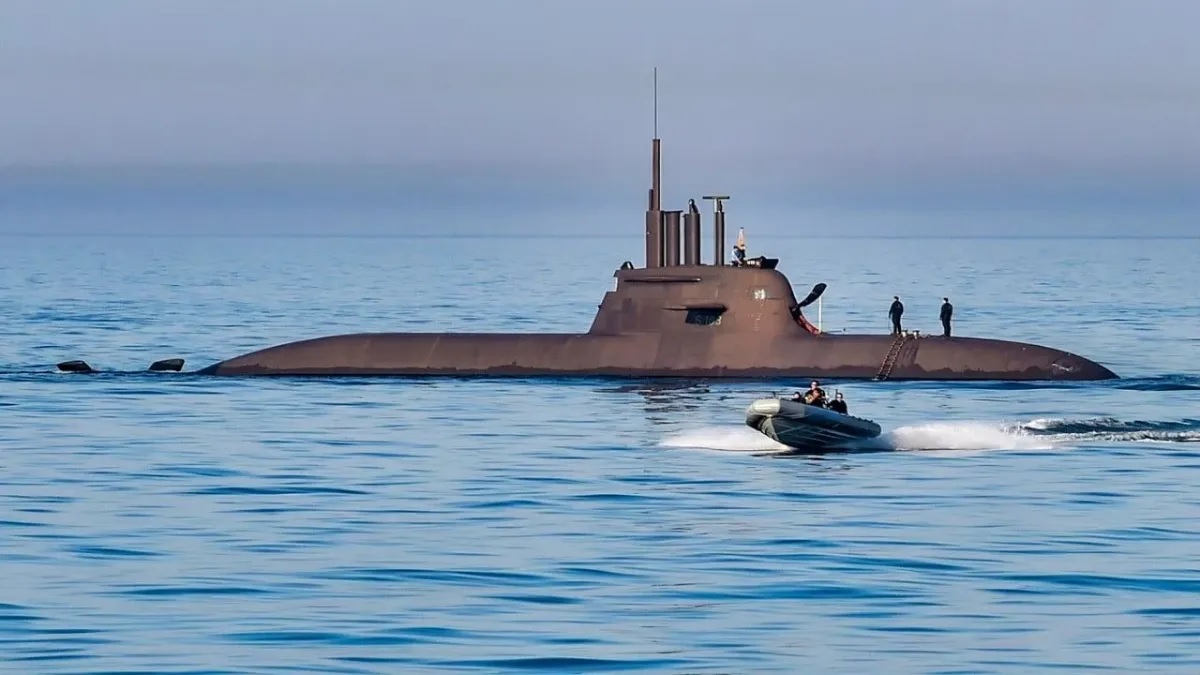
India
The Indian Ministry of Defence (MoD) has taken a significant step in advancing the ₹70,000 crore Project-75 India (P-75I) submarine program, inviting Mazagon Dock Shipbuilders Limited (MDL) for commercial negotiations starting January 27, 2025. This ambitious project, aimed at bolstering the Indian Navy's underwater capabilities, is the largest defense deal ever pursued by India in terms of value. The move comes after the bid by Larsen & Toubro (L&T) was deemed non-compliant, leaving MDL as the sole contender in collaboration with its German partner, ThyssenKrupp Marine Systems (TKMS). A Milestone in Indian Defense The P-75I program involves the construction of six advanced diesel-electric submarines equipped with Air Independent Propulsion (AIP) technology. These submarines will have the capability to stay submerged for up to three weeks, significantly enhancing the operational range and stealth capabilities of the Indian Navy. The project is critical to countering threats in the Indian Ocean Region, where China's growing naval presence and Pakistan's submarine acquisitions have heightened security concerns. MDL, a public sector shipyard, has a proven track record of delivering sophisticated submarines. It recently handed over the final Scorpene-class submarine, INS Vagsheer, to the Indian Navy under the original P-75 program. With expertise gained from this collaboration with France's Naval Group, MDL is well-positioned to execute the P-75I project. Notably, three additional Scorpene submarines are also being negotiated under Project-75 (Additional Submarine), further cementing MDL's role as a key player in India's submarine manufacturing ecosystem. Why L&T’s Bid Was Rejected L&T, a prominent Indian private sector firm with substantial experience in strategic submarine projects, partnered with Spain's Navantia to bid for the P-75I project. However, its proposal was rejected for failing to meet the Indian Navy's stringent requirements. The primary issue revolved around the AIP system showcased by L&T and Navantia, which had only been demonstrated onshore. The Indian Navy's tender specifications mandated a sea-proven AIP system, making L&T's bid non-compliant. Despite its advanced facilities and contributions to India’s nuclear submarine program, L&T was unable to move forward in this competition. Strategic Implications and Modernization The P-75I submarines are expected to significantly boost India's naval strength. Each submarine will be equipped with advanced stealth technology, state-of-the-art sonar systems, and long-range torpedoes and missiles. The AIP system will enable extended underwater endurance, a critical advantage in modern naval warfare. India’s focus on submarine acquisition comes against the backdrop of the Chinese Navy's rapid modernization and expansion. China's fleet includes nuclear-powered submarines and advanced conventional submarines capable of long-range patrols. Additionally, Pakistan's recent acquisition of Chinese-designed submarines has further escalated the need for India to strengthen its underwater capabilities. While India has initiated multiple submarine projects, including nuclear-powered ballistic missile submarines (SSBNs) and attack submarines (SSNs), its fleet remains smaller than that of its regional adversaries. The P-75I program is thus a pivotal step toward bridging this gap. MDL and ThyssenKrupp Marine Systems: A Formidable Partnership MDL’s partnership with Germany's ThyssenKrupp Marine Systems brings world-class expertise to the P-75I project. TKMS is renowned for its Type 214 submarines, which feature advanced AIP technology and cutting-edge designs. This collaboration is expected to ensure the successful delivery of technologically superior submarines, enhancing the Indian Navy’s combat readiness. Challenges Ahead Despite this progress, the P-75I program faces several challenges, including the complexity of incorporating new technologies and adhering to tight timelines. The project also underscores the broader need for self-reliance in defense manufacturing, a key goal under the "Make in India" initiative. MDL’s proven capabilities, however, provide a strong foundation for overcoming these challenges. The Road Ahead With commercial negotiations now underway, the ₹70,000 crore P-75I project is poised to redefine India’s submarine capabilities. As MDL takes center stage in this landmark deal, the Indian Navy moves closer to acquiring a fleet of submarines capable of safeguarding national security in an increasingly contested maritime environment.
Read More → Posted on 2025-01-24 15:19:52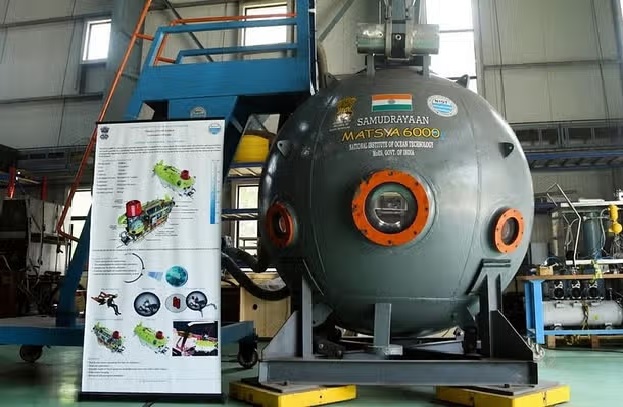
India
India is poised to achieve a major milestone in marine exploration with the launch of its first human-operated underwater submersible this year under the ambitious Deep Ocean Mission. This cutting-edge project signifies India’s strides in advancing indigenous technology while delving into the largely unexplored depths of the ocean. A Game-Changer in Ocean Exploration Union Minister of State for Science and Technology, Dr. Jitendra Singh, recently shared key updates on this groundbreaking initiative. The initial phase will deploy a submersible capable of operating at depths of up to 500 meters, with plans to upgrade its capacity to reach an astonishing 6,000 meters by next year. This would place India among an elite group of nations, including the United States, China, Japan, and Russia, which have the capability to conduct deep-sea exploration at such depths. Dubbed MATSYA 6000, the submersible is being developed by India’s National Institute of Ocean Technology (NIOT) in Chennai. It is a titanium-alloy sphere capable of housing three human occupants, providing them with life-support systems for up to 12 hours underwater. In case of emergencies, the system can extend support for an additional 96 hours. The submersible will be equipped with advanced imaging and data-collection systems, robotic arms for sample collection, and high-powered lights for navigating through the pitch-black depths of the ocean. Its robust design enables it to withstand the intense pressure found at extreme depths. Objectives and Significance The Deep Ocean Mission aims to unlock the ocean’s secrets by exploring uncharted depths for critical minerals, rare earth metals, and unique marine biodiversity. These discoveries are expected to bolster India's blue economy, which promotes sustainable use of ocean resources for economic growth, environmental health, and improved livelihoods. One of the primary goals is to locate deposits of polymetallic nodules—rock-like mineral structures rich in manganese, nickel, cobalt, and copper. These nodules are vital for manufacturing batteries, electronics, and renewable energy technologies. Another key focus is studying deep-sea ecosystems to better understand their role in climate regulation, sustainable fisheries, and biodiversity conservation. The project is aligned with India's environmental goals and its international commitments to ocean preservation. Indigenous Innovation at Its Core The submersible’s development underscores India’s self-reliance in cutting-edge technology. With a budget of approximately ₹4,077 crore over five years, the Deep Ocean Mission is one of the most ambitious scientific ventures in the country’s history. It involves collaboration between several organizations, including ISRO, DRDO, and premier academic institutions. The technology used in MATSYA 6000 incorporates pressure-resistant materials, precise navigation systems, and AI-based monitoring tools. The mission is supported by a specially designed Mother Ship, which will facilitate the deployment and recovery of the submersible, ensuring the safety of its crew during operations. A Vision for the Future Beyond technological achievements, the mission represents India’s broader scientific aspirations, complementing other high-profile initiatives like the Gaganyaan space mission and the Chandrayaan lunar explorations. It showcases India’s determination to extend its frontier of knowledge from space to the deep seas. Dr. Singh highlighted the long-term economic and environmental benefits of the mission. He emphasized that breakthroughs in ocean exploration will not only enhance India’s resource security but also contribute to global efforts in achieving sustainable development goals. With the imminent launch of the human-operated submersible, India is taking a definitive step toward becoming a leader in ocean exploration. This pioneering effort will pave the way for future scientific advancements while unlocking the vast potential of the oceans for the benefit of humanity.
Read More → Posted on 2025-01-24 15:15:38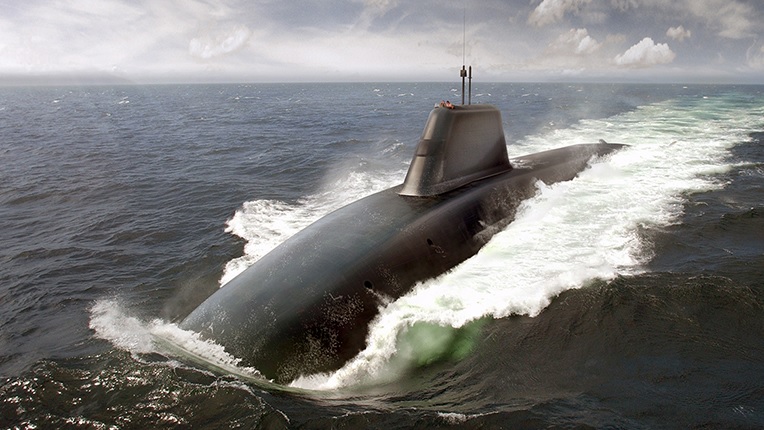
World
The UK government has unveiled a landmark £9 billion ($11 billion) deal with Rolls-Royce to support the Royal Navy's nuclear submarine fleet, in what is being touted as a crucial step for enhancing national security and economic growth. The multi-year agreement, which spans eight years, is set to secure more than 5,000 jobs across the country—1,000 new roles and the safeguarding of 4,000 existing ones. Strategic Importance of the Deal This contract focuses on the maintenance and advancement of the UK’s fleet of nuclear submarines, which forms the backbone of the nation’s nuclear deterrence strategy. Rolls-Royce will continue producing nuclear reactors for the Royal Navy’s Vanguard-class and Astute-class submarines, as well as contributing to the development of the new Dreadnought-class submarines. These state-of-the-art vessels are equipped to carry Trident nuclear missiles, ensuring the UK's strategic nuclear deterrence remains robust in a volatile global environment. Defence Secretary John Healey emphasized the broader implications of this deal, stating, "National security is a foundation of our government’s plan for change. This investment will not only strengthen our nuclear deterrence but also stimulate the UK’s economy, proving that defence can be a driver for growth." Cutting-Edge Technology in Submarines The Royal Navy's nuclear submarine fleet incorporates some of the most advanced engineering and technology in the world: Vanguard-Class Submarines: These four vessels, including HMS Vengeance, are equipped with Trident II D5 missiles and are powered by Rolls-Royce PWR2 nuclear reactors. They serve as the cornerstone of the UK’s Continuous At-Sea Deterrent (CASD). Astute-Class Submarines: Known for their stealth and endurance, these hunter-killer submarines utilize advanced sonar systems and are capable of remaining submerged for extended periods. They are powered by the highly efficient Rolls-Royce PWR2 reactors. Dreadnought-Class Submarines: The new class, currently under construction, will replace the aging Vanguard-class submarines. These vessels will feature Rolls-Royce's PWR3 reactors, which promise improved efficiency, safety, and lifespan. The Dreadnought-class is designed to operate into the 2060s, ensuring the UK’s deterrence capabilities remain cutting-edge. Economic and Industrial Impact The deal represents a significant boost to the UK economy, particularly in regions like Derby, where Rolls-Royce's nuclear reactor production facility is located. Steve Carlier, president of Rolls-Royce Submarines, noted, "This contract enables us to invest in the right skills, equipment, and facilities to play our part in protecting UK interests at home and overseas." The Labour government, led by Prime Minister Keir Starmer, has prioritized economic growth as a core objective since taking office. This contract aligns with that vision, promising long-term industrial benefits and technological advancements. Moreover, the government estimates savings of £400 million for taxpayers over the contract's duration, highlighting its cost-effectiveness. Broader Defence Collaboration This agreement comes in the wake of strengthened defence ties between the UK and its European allies. In October, Britain and Germany announced a joint initiative where German submarine-hunting aircraft would operate from UK bases. Such collaborations underscore Europe’s increasing focus on collective defence capabilities amidst rising geopolitical tensions. Reinforcing the UK’s Position As global threats continue to evolve, investments in advanced defence technologies like nuclear submarines are essential for safeguarding national interests. Rolls-Royce, a longstanding partner of the Royal Navy, plays a pivotal role in ensuring the UK remains at the forefront of submarine innovation. This $11 billion deal is more than a defence contract; it’s a statement of intent. It demonstrates Britain’s commitment to maintaining its nuclear deterrence, bolstering its defence industrial base, and driving economic growth. With cutting-edge technology and thousands of jobs secured, this partnership between the UK government and Rolls-Royce marks a significant milestone for the nation’s future.
Read More → Posted on 2025-01-24 15:10:41
World
Indonesia’s defense capabilities received a major boost with the unveiling of the P2 Tiger 4×4 Armored Personnel Carrier (APC), developed by PT Sentra Surya Ekajaya (PT SSE). The event, held at PT SSE’s headquarters in Tangerang, Jakarta, highlighted Indonesia’s strides in defense innovation and marked a collaborative achievement with French defense partner Texelis. A Modern Marvel of Defense Engineering The P2 Tiger is PT SSE’s most advanced armored vehicle, showcasing a modular design and NATO-standard STANAG 4569 ballistic and mine protection. Its protective features cater to multiple levels of combat environments, ranging from Level 2 to Level 4, offering flexibility for various mission profiles. The vehicle accommodates up to eight passengers and two crew members, with a robust gross weight of 18 tons. Advanced Mobility System with French Expertise The collaboration with Texelis is central to the P2 Tiger’s performance. The vehicle incorporates Texelis’ Celeris mobility platform, a cutting-edge system derived from the French Army’s Serval APC experience. Key specifications include: Engine: Cummins 375hp Transmission: Allison automatic Suspension: Independent, for superior off-road maneuverability This French-Indonesian partnership ensured that the vehicle is optimized for operational scenarios, offering agility and strength in rugged terrains. Tailored for Diverse Missions The P2 Tiger is designed to meet Indonesia’s diverse defense needs, including: Troop transport Command and control operations Reconnaissance missions Logistical support The vehicle’s adaptability also extends to compatibility with the A400M transport aircraft, allowing rapid deployment across regions, a critical feature for an archipelagic nation like Indonesia. Innovation and Local Manufacturing Excellence PT SSE spearheaded the vehicle’s production, from the armored hull’s design to assembling and integrating tactical and combat systems. This achievement reflects Indonesia’s maturing defense manufacturing sector and its ability to produce sophisticated military hardware domestically. Eka Suryajaya, CEO of PT SSE, emphasized the significance of this milestone, stating, “This project represents our fastest and most complex development, enabled by exceptional support from Texelis.” Strategic Partnership Between Indonesia and France The P2 Tiger project is a symbol of growing diplomatic and industrial ties between Indonesia and France. The collaboration underscores 75 years of bilateral relations, with the French Defense Mission and Indonesia’s Ministry of Defense actively fostering this partnership. The partnership also prioritized knowledge and technology transfer, paving the way for future advancements in Indonesia’s defense industry. Yusuf, PT SSE’s Technology Director, highlighted the mutual benefits, adding, “The P2 Tiger is a testament to our capability to integrate international expertise with local innovation.” Future Prospects and Export Potential The P2 Tiger’s development positions Indonesia as a competitive player in the global defense market. Its robust features, combined with scalability for various mission types, make it an attractive option for export. The vehicle is set to bolster Indonesia’s domestic defense capabilities while also appealing to international buyers seeking reliable and versatile APCs. Jean Vandel, CEO of Texelis, aptly summarized the project’s success: “The P2 Tiger embodies the strength of international collaboration. It is an Indonesian vehicle powered by French expertise, proving the potential of strategic partnerships.” With the P2 Tiger, Indonesia not only strengthens its military readiness but also asserts its position as a regional defense innovator poised for global impact.
Read More → Posted on 2025-01-23 16:15:20
World
In a move that underscores Japan's commitment to enhancing its defense capabilities, Shield AI’s V-BAT unmanned aircraft system (UAS) has been selected as the Japan Maritime Self-Defense Force’s (JMSDF) first maritime-based intelligence, surveillance, and reconnaissance (ISR) platform. This groundbreaking decision represents a significant leap in Japan’s operational readiness within the strategically vital Indo-Pacific region. A Strategic Partnership for Modern Defense The agreement between Shield AI and JMSDF will see multiple V-BAT systems deployed on Japanese surface vessels. This partnership aims to fortify Japan's maritime surveillance and reconnaissance capabilities, addressing both current and future defense challenges. Brandon Tseng, Shield AI’s President and Co-founder, hailed the collaboration, emphasizing that Japan’s selection of the V-BAT underscores its forward-thinking approach to modern warfare. “Japan is a vital ally in the Indo-Pacific and critical to regional deterrence efforts,” Tseng noted. “The JMSDF’s selection of V-BAT reflects their understanding of the future of warfare, where success relies on integrating intelligent, affordable unmanned systems like V-BAT.” What Sets the V-BAT Apart? The V-BAT’s innovative design and advanced technology make it a standout choice for maritime ISR missions: VTOL Capability: The V-BAT is the world’s only single-engine ducted-fan vertical takeoff and landing UAS. This enables it to operate from confined spaces, such as ship decks, without the need for a runway. Compact and Agile: Its compact design and ability to hover give it an edge in shipborne operations, search-and-rescue missions, and even urban surveillance scenarios. Proven Resilience: The V-BAT has demonstrated its effectiveness in contested environments like Ukraine, the Black Sea, and the Indo-Pacific. It can function reliably in GPS- and communication-denied conditions, overcoming advanced electronic warfare threats. Multi-Mission Versatility: The platform supports a variety of mission profiles, including ISR, maritime interdiction, target acquisition, and strategic surveillance. Specifications of the V-BAT Weight: Approximately 88 pounds (40 kilograms). Payload: Modular payload capacity of up to 25 pounds (11 kilograms). Endurance: Over 8 hours of flight time. Range: Operational range exceeding 350 kilometers. Speed: Capable of reaching speeds up to 90 knots (167 km/h). Sensor Suite: Equipped with high-resolution electro-optical/infrared cameras, radar systems, and advanced communication relays for real-time data transmission. The Bigger Picture: Enhancing JMSDF’s Capabilities The JMSDF’s adoption of the V-BAT is part of a broader initiative to modernize its fleet and improve its readiness for emerging threats. The system's ability to operate autonomously in harsh conditions, coupled with its affordability compared to traditional aircraft, ensures that Japan stays at the forefront of maritime defense innovation. The Indo-Pacific region is witnessing increased geopolitical tensions, making advanced ISR platforms like the V-BAT indispensable. By integrating this cutting-edge technology, Japan is not only enhancing its national defense but also contributing to regional stability. A Future-Ready Platform The V-BAT’s versatility, cost-effectiveness, and reliability make it a vital asset for modern militaries worldwide. For the JMSDF, this marks a new chapter in maritime ISR capabilities, paving the way for more robust and effective operations. As the demand for intelligent unmanned systems grows, the V-BAT is set to play a pivotal role in shaping the future of defense strategies.
Read More → Posted on 2025-01-23 16:12:35
World
Thyssenkrupp Marine Systems (TKMS) and Diehl Defence are nearing the completion of the development of the Interactive Defence and Attack System for Submarines (IDAS), a cutting-edge submarine-launched missile system designed to provide an unprecedented level of protection for submarines and their crews. The IDAS project, a collaborative effort under the IDAS Consortium, introduces a breakthrough in submarine self-defense technology, specifically enabling submarines to counter air threats even while submerged. The Vision Behind IDAS The IDAS system is the world’s first submarine-launched guided missile tailored to engage aerial threats, such as helicopters and maritime patrol aircraft, that pose a significant risk of detection and attack to submarines. By combining TKMS’s expertise in submarine systems and Diehl Defence’s prowess in missile technology, the project aims to deliver a game-changing capability to naval forces worldwide. Oliver Burkhard, CEO of Thyssenkrupp Marine Systems, highlighted the significance of the project:“We are delighted that this innovation project can now also be launched. At thyssenkrupp Marine Systems, we are contributing to a completely new capability in the field of submarine self-defence, while at the same time strengthening the safety of people and materials in challenging future deployment scenarios.” How IDAS Works The IDAS system integrates a guided missile and a specialized ejection unit that can be launched from a submarine’s standard torpedo tube. The ejection unit, designed to fit the dimensions of a heavyweight torpedo, ensures seamless compatibility with most existing submarine platforms without requiring extensive modifications. Once launched, the missile ascends to target incoming aerial threats using advanced guidance and tracking systems. Key features of the IDAS missile include: Imaging Infrared (IR) Seeker: Borrowing proven technology from the IRIS-T medium-range missile, the imaging IR seeker enables the IDAS to identify and engage airborne threats with high precision. Fiber-Optic Data Link: This link provides real-time communication between the missile and the submarine, allowing operators to monitor and adjust targeting mid-flight, significantly enhancing the system’s effectiveness. Multi-Role Capability: Although designed primarily for air defense, IDAS is capable of engaging surface targets, such as small boats, adding versatility to its operational utility. Unmatched Versatility and Global Appeal The compact and modular design of IDAS offers global appeal, as it can be retrofitted to virtually any submarine equipped with standard torpedo tubes. This capability makes the system a cost-effective and scalable solution for navies seeking to bolster their submarine fleet's defensive measures. With the growing reliance on submarines for surveillance and strategic deterrence, IDAS represents a timely innovation to counter increasingly sophisticated air and surface threats. Strategic Implications of IDAS Naval forces face ever-evolving challenges, particularly from advanced maritime patrol aircraft equipped with cutting-edge sensors and weapons. The ability to counter these threats from beneath the waves significantly enhances the survivability of submarines during missions. Additionally, the IDAS system strengthens deterrence by providing a credible defensive measure, discouraging adversaries from attempting air-based detection or attacks. By arming submarines with active defensive capabilities, IDAS reduces reliance on evasive maneuvers or stealth alone, ensuring that submarine crews remain protected in increasingly hostile maritime environments. Conclusion The development of the IDAS missile system marks a milestone in submarine defense technology. As TKMS and Diehl Defence prepare to bring this innovation to market, the system promises to redefine how submarines operate in contested waters. With its advanced guidance systems, compatibility with existing platforms, and multi-role capabilities, IDAS is set to become a cornerstone of modern submarine warfare. This revolutionary technology not only enhances the safety of submarines and their crews but also underscores the importance of innovation in maintaining strategic superiority in naval operations.
Read More → Posted on 2025-01-23 16:08:45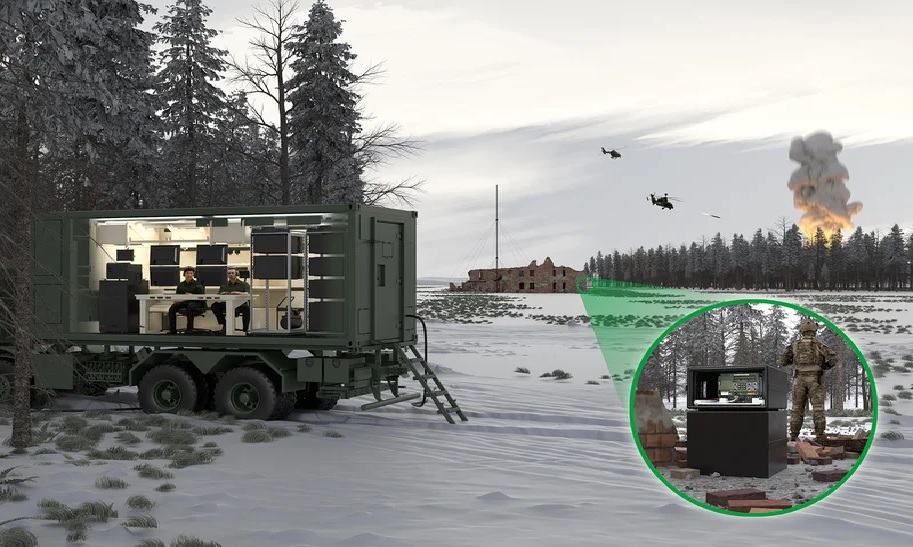
World
German defence technology company HENSOLDT has announced a significant milestone with the successful testing of its modernised Einsatzunterstützungsanlage Neue Technologien (EUA NT) system. Conducted at four Bundeswehr helicopter bases, this marks the culmination of a project commissioned by the Federal Office of Bundeswehr Equipment, Information Technology, and In-Service Support (BAAINBw) in May 2022. The advanced EUA NT system is set to play a pivotal role in supporting the operational readiness of the Bundeswehr’s rotorcraft fleet for the next 15 years. Next-Generation Support for Bundeswehr Helicopters The EUA NT system has been specifically designed to enhance mission support for key Bundeswehr helicopter models, such as the NH90 and Tiger. By incorporating cutting-edge technology, the system ensures a high level of operational efficiency and readiness, even under challenging conditions. Key upgrades include modernised software, advanced communication tools, and secure IT solutions compliant with stringent classified security levels (VS-GEHEIM). This upgrade reflects a forward-looking approach, as the system is not only tailored to current needs but also adaptable for future technological advancements and potential new weapon systems. Modular Container Design for Operational Flexibility At the heart of the EUA NT system is its modular container-based structure. It consists of two types of containers: System Container: Functions as a mobile IT base with fail-safe network technology. Includes two workstations to serve as a relocatable command cell. Personnel Container: Designed for ergonomic operation, accommodating up to six operators. Supports seamless coordination and decision-making during missions. These containers are scalable and can be interconnected to form a robust and adaptable data network, enabling quick deployment and comprehensive operational control. Enhanced Operational Resilience The EUA NT system also incorporates state-of-the-art features to ensure operational reliability in diverse environments: Radiation-Shielded Units: Provides robust protection against electromagnetic interference. Automated Power Generators and Uninterruptible Power Supplies (UPS): Ensures continuous operation, even during power disruptions. These capabilities reflect operational lessons learned from previous Bundeswehr deployments in Afghanistan and Mali, addressing both current and future mission requirements. Ready for Production and Implementation Following the successful testing phase, HENSOLDT will now begin series production of the EUA NT system, retrofitting existing units while replicating the advanced design. The system's modular and open architecture ensures its longevity, allowing it to support evolving operational needs over the coming years. Future-Proofing Bundeswehr Capabilities Programme Manager Alex Irmscher emphasised the collaborative effort and innovation driving the project: “With the New Technologies Mission Support System, we are creating a future-proof solution that will sustainably strengthen the operational capability of the Bundeswehr. The system’s modularity and flexibility are key to meeting the challenges of the coming years.” HENSOLDT’s EUA NT system represents a significant leap forward in supporting Germany’s defence infrastructure. With its advanced design and future-ready capabilities, the Bundeswehr’s rotorcraft fleet is well-positioned to meet operational demands for the next decade and beyond.
Read More → Posted on 2025-01-23 15:54:17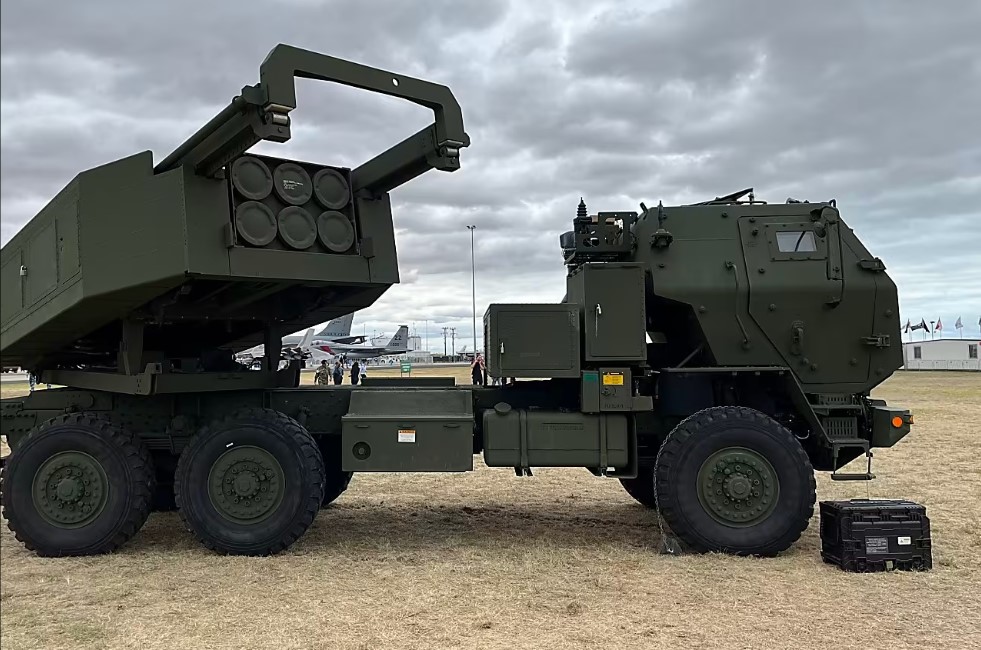
World
Estonia has officially taken delivery of six cutting-edge High Mobility Artillery Rocket Systems (HIMARS) from US defense giant Lockheed Martin. The handover ceremony was held at Lockheed Martin’s Arkansas headquarters and marks a pivotal enhancement to Estonia’s military capabilities. The acquisition stems from a $200-million deal inked in December 2022 between the US Defense Security Cooperation Agency and the Estonian Defence Investment Center (RKIK). This deal represents one of Estonia's largest defense procurements and includes not just the HIMARS launchers but also an extensive support package. The package covers ammunition, communication solutions, training programs, logistics, lifecycle maintenance, and a variety of missiles with differing operational ranges. Ready for Deployment This Summer The HIMARS systems are expected to be operational within the Estonian Defense Forces by summer. Chief of Staff of the Artillery Battalion, Major Tanel Tatsi, confirmed that Estonian troops have already undergone comprehensive pre-delivery training. This training was conducted in collaboration with the American HIMARS target unit “Võit,” based in Estonia. As a result, the newly acquired systems will be combat-ready almost immediately. “Developing such a strategic capability in cooperation with our largest ally, the United States, and achieving delivery in just two years is a vivid example of mutual trust and excellent cooperation,” remarked RKIK Director General Magnus-Valdemar Saar during the ceremony. Regional Defense Significance The HIMARS acquisition comes amid heightened security concerns in Eastern Europe due to the ongoing Russia-Ukraine conflict. Estonia joins other regional allies like Latvia, Lithuania, Poland, and Croatia, which have also procured HIMARS to strengthen their defensive postures against potential threats. The move underscores Estonia’s commitment to NATO's collective defense strategies and its role as a key player in ensuring the security of the Baltic region. By integrating HIMARS into its arsenal, Estonia enhances its ability to deter aggression while improving interoperability with US and NATO forces. HIMARS: Combat-Proven Firepower The High Mobility Artillery Rocket System is renowned for its precision, versatility, and mobility. It is mounted on a five-ton truck, enabling rapid deployment and retreat, which makes it particularly effective in high-threat environments. HIMARS can be loaded with a range of munitions, including: GMLRS (Guided Multiple Launch Rocket System) rockets: Effective at distances up to 70 kilometers (43 miles). Precision Strike Missiles (PrSM): Can target enemies up to 499 kilometers (310 miles) away. ATACMS (Army Tactical Missile System) missiles: Capable of reaching targets at ranges of 300 kilometers (186 miles). The system’s rapid-fire capability and precision targeting make it a formidable weapon in modern warfare. HIMARS played a critical role in Ukraine, where it was used to destroy over 50 Russian ammunition depots in 2022. Despite its success, reports in May 2023 suggested that Russian electronic warfare efforts have posed challenges to its effectiveness in certain operations. Strategic Implications for Estonia The delivery of HIMARS significantly boosts Estonia’s long-range strike capabilities, allowing it to engage targets well beyond its borders if necessary. This enhancement is particularly important for a small nation like Estonia, which must rely on advanced technology to offset its geographical vulnerabilities. Moreover, the integration of HIMARS into the Estonian Defense Forces serves as a strong deterrent to potential aggressors and solidifies Estonia’s role in the regional security architecture. By acquiring this state-of-the-art system, Estonia signals its readiness to defend its sovereignty and its commitment to NATO’s collective security framework. A Broader Trend in the Baltics The Baltic region has become a focal point for NATO’s defensive buildup, with neighboring countries also investing heavily in advanced military hardware. Latvia and Lithuania have announced similar procurements, while Poland has been a major buyer of HIMARS, expanding its artillery capabilities to counter potential threats from Russia. With these deliveries, Estonia becomes part of a growing network of allied nations armed with HIMARS, enhancing collective security and ensuring greater coordination during joint operations. The system’s versatility and proven combat effectiveness make it an essential component of modern military strategy in Europe. Conclusion The arrival of HIMARS represents a major leap forward for Estonia’s defense strategy, providing both a technological edge and a powerful symbol of US-Estonia cooperation. As tensions remain high in Eastern Europe, such investments underline the importance of readiness and resilience in safeguarding national and regional security.
Read More → Posted on 2025-01-23 15:46:06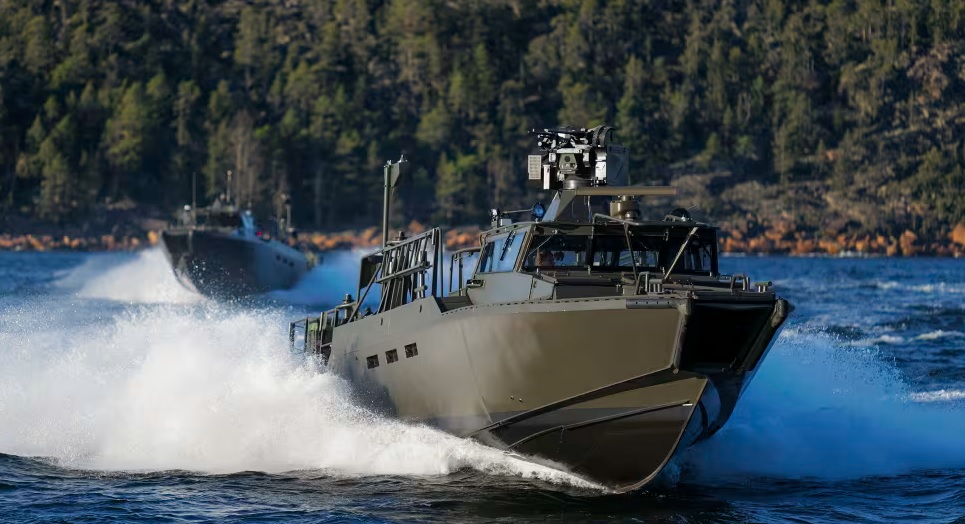
World
Saab, a global leader in defense and security, is set to demonstrate its cutting-edge naval autonomous systems at the WEST 2025 conference in San Diego. The highlight of the showcase will be the company's innovative Autonomous Ocean Core, a versatile control system designed to enable safe and reliable operations for uncrewed and autonomous systems, both on the water's surface and below. This demonstration, conducted in collaboration with technology partners Aalyria, ANELLO, Hidden Level, Microsoft, Mythos AI, and Second Front, marks a significant step in the evolution of naval warfare technology. A Closer Look at Saab’s Autonomous Ocean Core The Autonomous Ocean Core is a highly adaptable control system capable of supporting a range of missions. Designed to ensure safe and predictable operations, the system can seamlessly integrate with naval platforms, including Unmanned Surface Vessels (USVs), Autonomous Underwater Vehicles (AUVs), and Unmanned Underwater Vehicles (UUVs). Its versatility allows it to be deployed for various mission profiles, such as: Intelligence, Surveillance, Target Acquisition, and Reconnaissance (ISTAR) Electronic warfare operations Assault and logistics support Mine countermeasures Search and rescue missions The system is built with flexibility in mind, allowing operators to select specific maneuvering modes tailored to mission requirements. Whether it's conducting precise navigation or integrating seamlessly with existing platforms, the Autonomous Ocean Core provides plug-and-play readiness right out of the box. Partner Collaboration and Interoperability The WEST 2025 demonstration will emphasize the interoperability of the Autonomous Ocean Core with partner technologies. Each partner contributes unique capabilities to Saab's system: Aalyria: Advanced connectivity solutions for secure communication. ANELLO: Cutting-edge inertial navigation systems for enhanced positional accuracy. Hidden Level: Airspace monitoring to ensure situational awareness. Microsoft: Cloud computing and AI technologies for data processing and analytics. Mythos AI: Autonomous vehicle perception and navigation. Second Front: Software development and integration for defense platforms. Erik Smith, President and CEO of Saab U.S., highlighted the importance of collaboration, stating, “Saab’s Autonomous Ocean Core provides a solid foundation for expanding autonomous operations through continuous development and integration of third-party capabilities. We are excited to add the enhanced capabilities from our partners and provide customers with an increased tactical edge while becoming less dependent on active manpower. Safe and reliable autonomous operations are the future of naval warfare.” Technical Capabilities and Future Potential Saab’s leadership in autonomous naval systems is evident in its extensive portfolio, including: Unmanned Surface Vessels (USVs): Designed for surface-level missions like reconnaissance and mine countermeasures. Autonomous Underwater Vehicles (AUVs): Optimized for sub-surface operations such as anti-submarine warfare training and seabed inspections. Unmanned Underwater Vehicles (UUVs): Specialized for deep-sea missions, including mine hunting and surveying. The Autonomous Ocean Core integrates seamlessly with these platforms, leveraging precise control systems and advanced AI to execute complex tasks with minimal human intervention. Why Autonomous Naval Systems Matter As naval forces worldwide look to enhance operational efficiency and reduce manpower dependency, autonomous systems like Saab’s Autonomous Ocean Core are becoming indispensable. They offer a robust solution for conducting critical missions in high-risk environments without endangering personnel. Additionally, their ability to integrate with existing fleets ensures cost-effective upgrades, enabling nations to modernize their capabilities without overhauling their entire naval infrastructure. What to Expect at WEST 2025 At WEST 2025, attendees can witness a live demonstration of the Autonomous Ocean Core in action, showcasing its ability to execute diverse mission sets in collaboration with partner technologies. This event will not only highlight Saab's technological prowess but also underscore the growing role of interoperability in modern naval warfare. Saab’s commitment to innovation continues to redefine the future of autonomous naval operations, making the Autonomous Ocean Core a game-changer in the defense industry.
Read More → Posted on 2025-01-23 15:42:05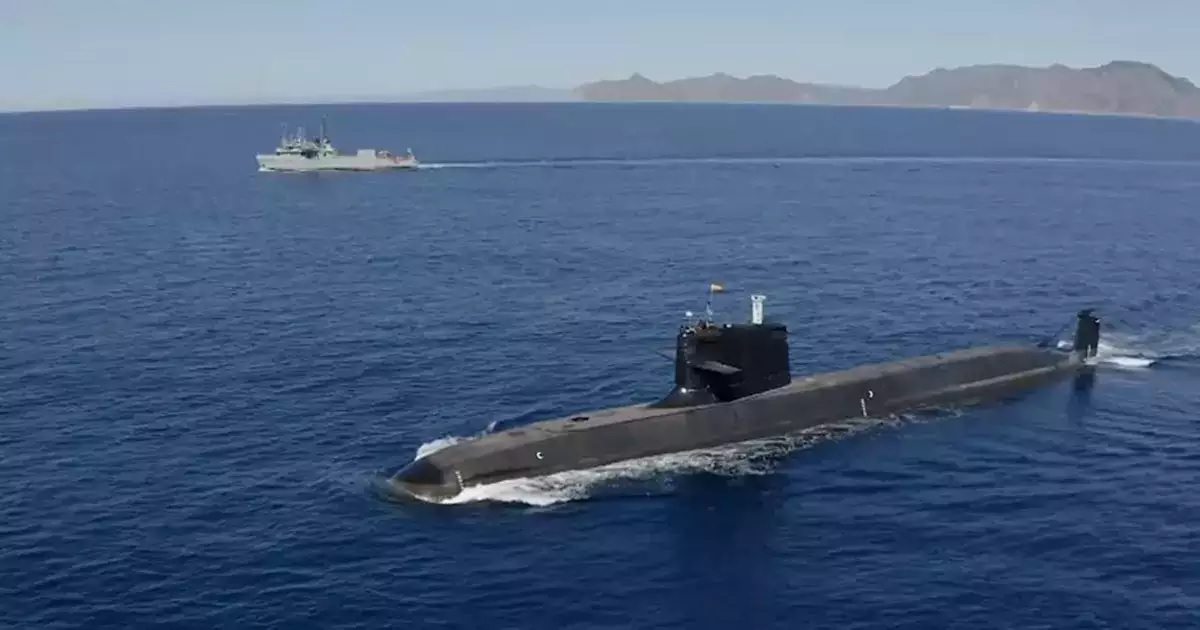
India
The Defence Ministry of India has rejected Larsen & Toubro's (L&T) proposal in the highly anticipated ₹70,000 crore submarine deal under Project 75 India. This ambitious project, aimed at bolstering the Indian Navy's underwater warfare capabilities, involves the construction of six advanced conventional submarines equipped with cutting-edge Air Independent Propulsion (AIP) technology. The decision, announced on January 23, 2025, highlights the government’s adherence to stringent technical requirements in its bid evaluation process. L&T, which partnered with Spanish shipbuilder Navantia, has now been disqualified due to non-compliance with critical tender conditions, narrowing the field to just one competitor. The Issue of Non-Compliance The primary reason for the rejection of L&T's proposal was its AIP system, which, while operationally demonstrated onshore in Spain, had not been proven in actual sea conditions. The tender specifically required a sea-proven AIP system to ensure reliability in real-world scenarios. This shortfall directly violated one of the Indian Navy's most critical technical prerequisites. The AIP system is a vital component for modern submarines, allowing them to stay submerged for extended periods without surfacing, thereby improving their stealth and combat effectiveness. Without a proven system, operational risks become significant, and the Indian Navy has opted to prioritize tested technologies for this strategic procurement. MDL: The Sole Contender With L&T's exit, Mazagon Dock Shipbuilders Limited (MDL), in collaboration with ThyssenKrupp Marine Systems (TKMS) of Germany, now remains the only bidder. MDL, already a key player in India's submarine-building domain, has extensive experience through its successful delivery of six Scorpene-class submarines under the original Project 75. The final vessel in that series, INS Vaghsheer, was handed over to the Navy earlier this month after undergoing rigorous testing and proving combat readiness. MDL’s proven track record in managing large-scale naval projects and ThyssenKrupp's advanced AIP technology make their proposal a strong candidate to meet the Navy's high expectations. Strategic Implications and Market Reactions The disqualification of L&T has reshaped the dynamics of the submarine deal. While it raises questions about vendor diversity, it also reinforces the importance of meeting precise technical standards in defence procurements. The government has been advised by some industry experts to consider more equitable workload distribution across multiple Indian shipyards to avoid overburdening a single entity and to promote competition within the domestic defence sector. The announcement had immediate financial repercussions. L&T shares dropped by approximately 1%, reflecting investor concerns about the company's lost opportunity. Meanwhile, MDL shares surged by over 5%, as the market responded positively to its strengthened position as the sole contender for this high-stakes contract. Broader Context: Modernizing India's Navy This development comes against the backdrop of India's efforts to counterbalance China's growing naval presence in the Indian Ocean Region (IOR). The ₹70,000 crore submarine project is a critical component of India’s broader initiative to modernize its maritime forces and ensure the security of its waters. In addition to upgrading naval capabilities, the government is committed to promoting indigenous defence manufacturing under the "Aatmanirbhar Bharat" (Self-Reliant India) initiative. Projects like Project 75 India aim to enhance domestic shipbuilding expertise and reduce reliance on foreign imports for critical defence equipment. Looking Ahead With MDL moving forward as the sole bidder, the spotlight now shifts to the final stages of the procurement process. The Defence Ministry will conduct detailed evaluations to ensure compliance with financial and technical benchmarks. If MDL and ThyssenKrupp meet the Navy’s stringent requirements, the contract is likely to be finalized later this year, paving the way for the construction of submarines that will play a vital role in safeguarding India's maritime interests. While L&T’s disqualification may have disappointed advocates of broader industry participation, it underscores the Defence Ministry’s commitment to quality and operational readiness in its pursuit of strategic assets. As India navigates complex regional dynamics, the modernization of its navy will remain a cornerstone of its defence policy.
Read More → Posted on 2025-01-23 15:20:43
World
Babcock has secured a €795-million ($827.9-million) contract to provide 22 Pilatus PC-7 MKX training aircraft to the French Air and Space Force and the French Navy. This significant agreement not only underscores the company's growing reputation as a global leader in defense training solutions but also marks a substantial step forward in modernizing France's military pilot training programs. Comprehensive Training Package The contract goes beyond just aircraft delivery. It includes a holistic package of through-life support, pilot equipment, and infrastructure enhancements to ensure a robust and efficient training ecosystem. Babcock will also provide 12 state-of-the-art training simulators designed to complement the PC-7 MKX aircraft. These simulators will help trainee pilots master a wide range of operational scenarios, further enhancing their readiness for real-world missions. Training Hub at Salon-de-Provence The new PC-7 MKX fleet will be based at Salon-de-Provence Air Base in southern France, serving as a central hub for training aspiring military pilots. Students will undergo foundational flight training here before progressing to advanced roles such as fighter or transport pilots. The program is expected to generate around 11,000 flight hours and 6,500 training hours annually, accommodating approximately 120 students each year. The initiative will also create over 100 jobs, spanning engineering, technical, administrative, and project management roles, distributed across Salon-de-Provence and Le Cannet-des-Maures. Specifications of the PC-7 MKX The Pilatus PC-7 MKX is an upgraded, high-performance version of the renowned PC-7 series, designed to meet the rigorous demands of military pilot training. Below are some of its key specifications: Dimensions: 34 feet (10 meters) in length Engine: Pratt & Whitney Canada PT6A-25C turboprop engine with 700 horsepower Maximum Speed: 300 knots (556 km/h or 345 mph) Range: 1,800 nautical miles (3,334 km or 2,071 miles) Service Ceiling: 25,000 feet (7,260 meters) The aircraft features modern avionics, including multiple flight displays, an autopilot system, a cockpit camera, a traffic advisory system, and a debriefing system for post-mission reviews. These features make the PC-7 MKX an ideal choice for comprehensive pilot training, covering both basic and advanced flight operations. Strengthening Military Aviation Readiness Pierre Basquin, CEO of Babcock France, emphasized the importance of this partnership in enhancing national and international security. "We are delighted to support our customers with their air-based training requirements, further enabling them to focus on delivering critical military aviation needs," he stated. This deal cements Babcock's role as a key partner in France's fighter pilot training programs. Babcock's Expanding Presence in France Babcock has been actively involved in French military training programs. At the Cognac-Châteaubernard Air Base, the company currently supports pilot training using a fleet of 26 Pilatus PC-21 aircraft. Additionally, in December 2023, Babcock acquired 11 L-39 Albatros aircraft to bolster its in-house training capabilities in France. A Future-Ready Training Solution The introduction of the PC-7 MKX training fleet marks a significant leap forward in France's ability to train next-generation military pilots. With its advanced features and comprehensive support infrastructure, the program ensures that the French Air and Space Force and Navy remain at the forefront of global military aviation standards. This contract not only strengthens Babcock's position in the defense sector but also reinforces its commitment to empowering military forces with cutting-edge training solutions.
Read More → Posted on 2025-01-23 15:15:08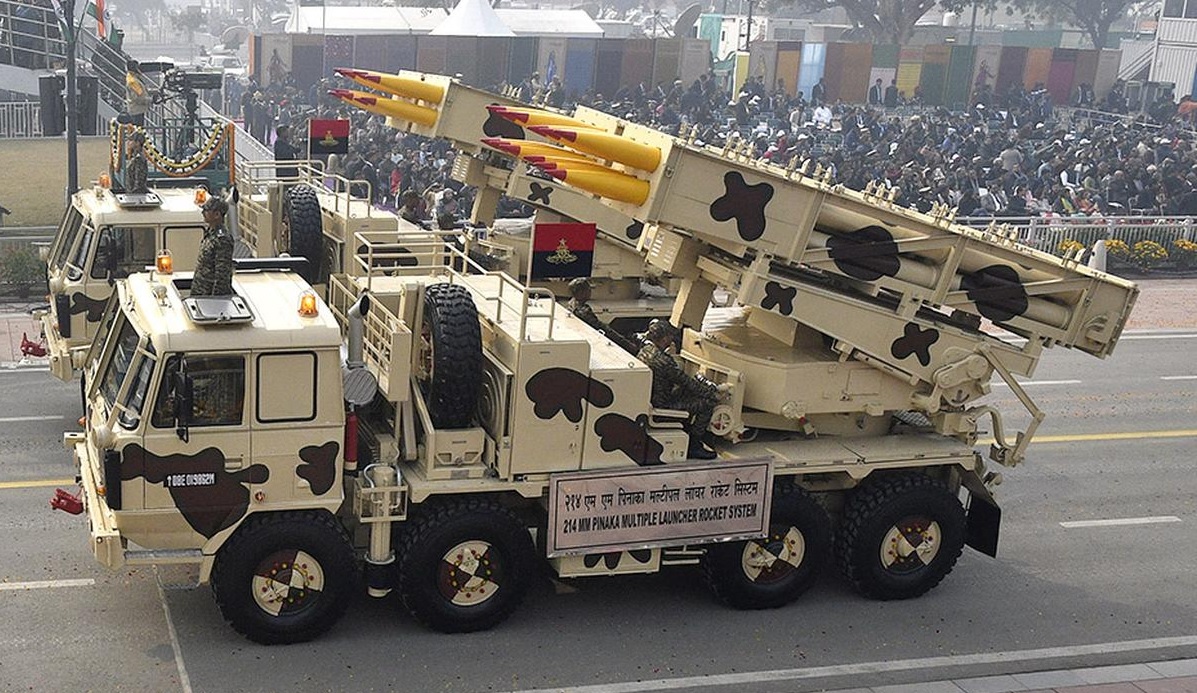
India
The Indian Army is set to take a significant leap in enhancing its artillery capabilities by finalizing two major contracts for advanced munitions tailored for the Pinaka Multi-Barrel Rocket Launcher (MBRL) system. These contracts, worth a combined ₹10,200 crore, are anticipated to be signed before March 31, 2025, according to Army Chief General Upendra Dwivedi. High-Explosive Pre-Fragmented Shells: Extended Lethality One of the contracts, valued at ₹5,700 crore, focuses on the procurement of high-explosive pre-fragmented (HEPF) shells with an impressive range of 45 kilometers. These shells are engineered to deliver devastating damage by dispersing pre-fragmented projectiles upon detonation. This design is particularly effective against enemy personnel, fortifications, and light-armored vehicles, making it a highly versatile battlefield asset. The extended range and precision of these shells provide the Pinaka system with enhanced strike capabilities, allowing it to engage targets located deep within enemy lines. The use of advanced guidance systems further ensures accuracy and efficiency, minimizing collateral damage. Area Denial Munitions: Creating Lethal Barriers The second contract, estimated at ₹4,500 crore, pertains to the acquisition of area denial munitions (ADM) with a range of 37 kilometers. ADMs are a critical component of modern warfare, designed to saturate a specific target zone with multiple bomblets, including anti-tank and anti-personnel mines. These munitions are invaluable for disrupting enemy movement and denying access to strategically important locations. By deploying a dense network of explosives over an area, ADMs create a lethal barrier that can halt advancing forces and protect key defensive positions. Pinaka MBRL System: A Beacon of Indigenous Excellence The Pinaka MBRL system, developed indigenously by the Defence Research and Development Organisation (DRDO), stands as a testament to India's growing self-reliance in defense technology. Produced in collaboration with Bharat Earth Movers Limited (BEML) and Tata Power SED, the Pinaka system has already proven its mettle in various operational scenarios. Capable of launching a salvo of 12 rockets in less than 45 seconds, the Pinaka system is known for its rapid-fire capability and precision targeting. It offers a maximum range of up to 75 kilometers, depending on the type of munition used, and is equipped with advanced navigation and fire control systems. These features make it an indispensable tool for providing heavy fire support to ground troops during combat operations. Strategic Implications The addition of HEPF shells and ADMs to the Pinaka system's arsenal will significantly enhance the Indian Army's operational flexibility. These munitions will not only strengthen India's deterrence capabilities but also provide a tactical edge in high-stakes scenarios. The focus on indigenous production underscores the government's commitment to the "Make in India" initiative, reducing dependency on foreign suppliers and fostering the domestic defense manufacturing ecosystem. Specifications of the New Munitions High-Explosive Pre-Fragmented Shells: Range: 45 kilometers Purpose: Anti-personnel and light-armored vehicle attacks Key Feature: Pre-fragmented projectiles for maximum lethality Area Denial Munitions: Range: 37 kilometers Purpose: Anti-tank and anti-personnel area saturation Key Feature: Bomblets for creating extensive lethal barriers Future Prospects With these acquisitions, the Indian Army is not only modernizing its artillery but also aligning its capabilities with global standards. The Pinaka MBRL system, equipped with these advanced munitions, will serve as a critical force multiplier, enhancing India's preparedness for a wide range of combat scenarios. This development marks another milestone in India's journey toward becoming a defense powerhouse, with an emphasis on indigenous innovation and self-sufficiency.
Read More → Posted on 2025-01-23 15:01:45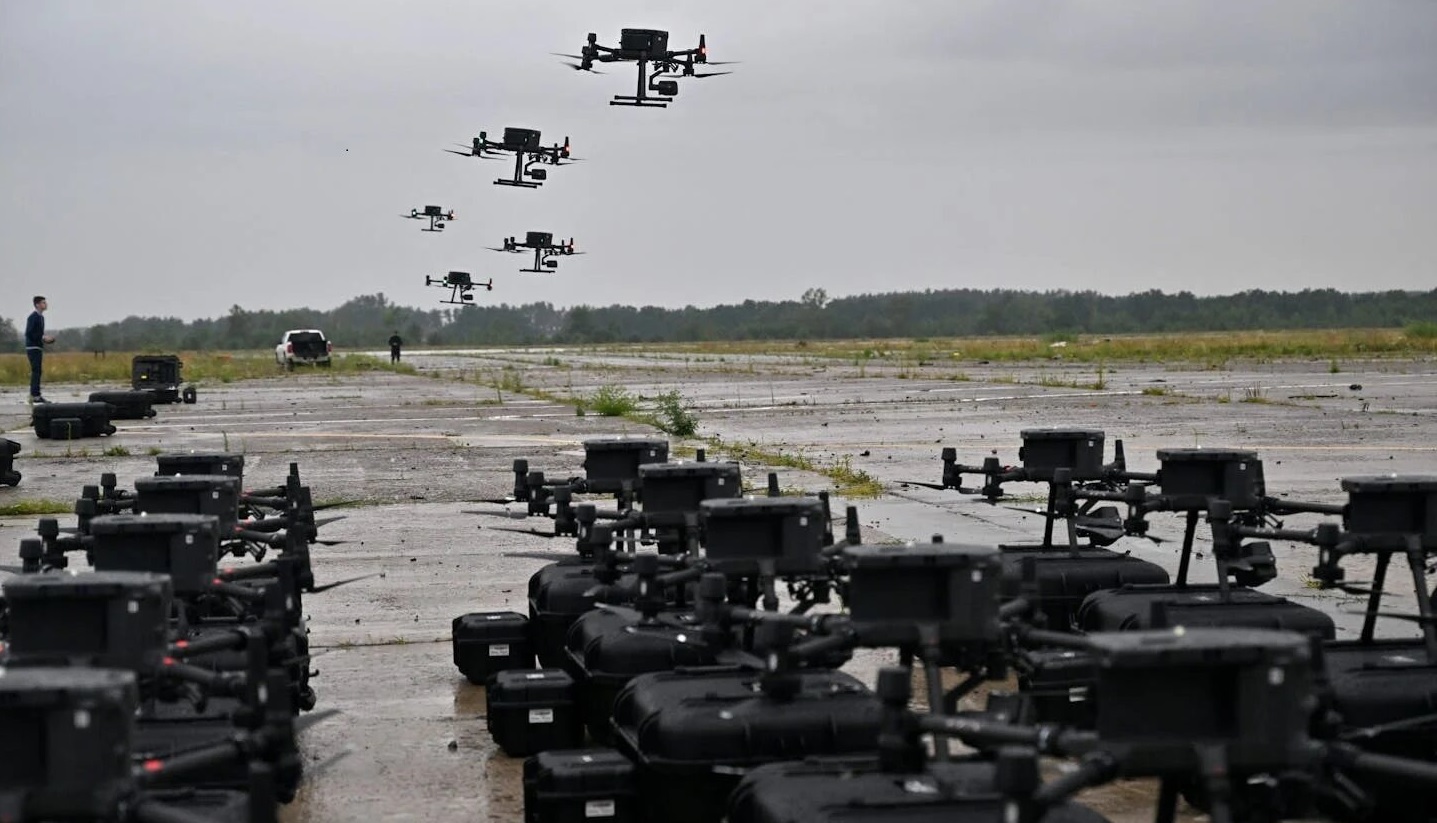
World
In a bold move to enhance its combat readiness, the Ministry of Defence of Ukraine has announced a substantial monthly budget of UAH 2.5 billion (approximately EUR 57 million) for the procurement of unmanned aerial vehicles (UAVs). This funding will be directed to combat brigades within the Armed Forces of Ukraine, marking a significant step toward modernizing its battlefield operations. The initiative empowers combat unit commanders with direct control over drone purchases, allowing them to select UAVs best suited to their specific operational needs. This decentralised approach to procurement ensures rapid adaptability to changing conditions on the battlefield and enhances the effectiveness of Ukraine's defence forces. Building on Previous Success This decision builds on a successful pilot phase implemented in December 2024, during which the Ministry allocated UAH 2.1 billion (EUR 48 million) for drone procurement by combat units. The trial demonstrated the benefits of decentralised procurement, as commanders were able to respond quickly to immediate needs without the delays associated with centralised decision-making. Rustem Umerov, Ukraine's Minister of Defence, expressed confidence in the expanded program, emphasising its role in strengthening the country’s defence capabilities. "This initiative gives commanders the flexibility to acquire drones most suited for front-line operations. It’s a dynamic system tailored to meet our military's evolving needs," Umerov stated. Specifications and Strategic Goals The funding will primarily target the procurement of reconnaissance drones, kamikaze drones, and logistical UAVs, each of which plays a critical role in modern warfare. Reconnaissance drones, equipped with high-definition cameras and advanced sensors, will provide real-time intelligence, enabling commanders to make informed decisions. Kamikaze drones, on the other hand, are designed for precision strikes against high-value enemy targets, while logistical UAVs can transport supplies to hard-to-reach front-line units. The move also aligns with Ukraine's broader strategy to leverage advanced technologies in its ongoing conflict. Drones have become an indispensable tool for gathering intelligence, conducting surveillance, and carrying out targeted strikes. By allocating resources directly to combat brigades, the Ministry aims to accelerate the deployment of these assets, thereby giving Ukrainian forces a tactical edge. Implications for Ukraine’s Defence The increased funding underscores Ukraine's commitment to modernising its military capabilities amid its ongoing conflict with Russia. The decision to decentralise UAV procurement reflects a shift toward more agile and responsive military planning, allowing brigades to quickly adapt to the realities of modern warfare. Moreover, this initiative highlights Ukraine's focus on integrating domestic UAV manufacturers into its supply chain. By fostering local production capabilities, the country aims to reduce reliance on foreign imports and bolster its defence industry. Ukrainian firms, such as UkrSpecSystems and AeroDrone, are expected to play a significant role in fulfilling the growing demand for advanced UAVs. Looking Ahead The expanded UAV procurement program is a crucial part of Ukraine's strategy to strengthen its military and protect its sovereignty. By empowering commanders with the resources to address their immediate needs, the Ministry of Defence is ensuring that its combat brigades remain well-equipped and operationally flexible. As modern warfare continues to evolve, Ukraine’s emphasis on drones and other advanced technologies demonstrates its commitment to staying ahead of adversaries. The EUR 60 million monthly allocation represents not just an investment in hardware but a strategic move to enhance the country’s defence capabilities in an increasingly unpredictable conflict landscape.
Read More → Posted on 2025-01-23 14:57:31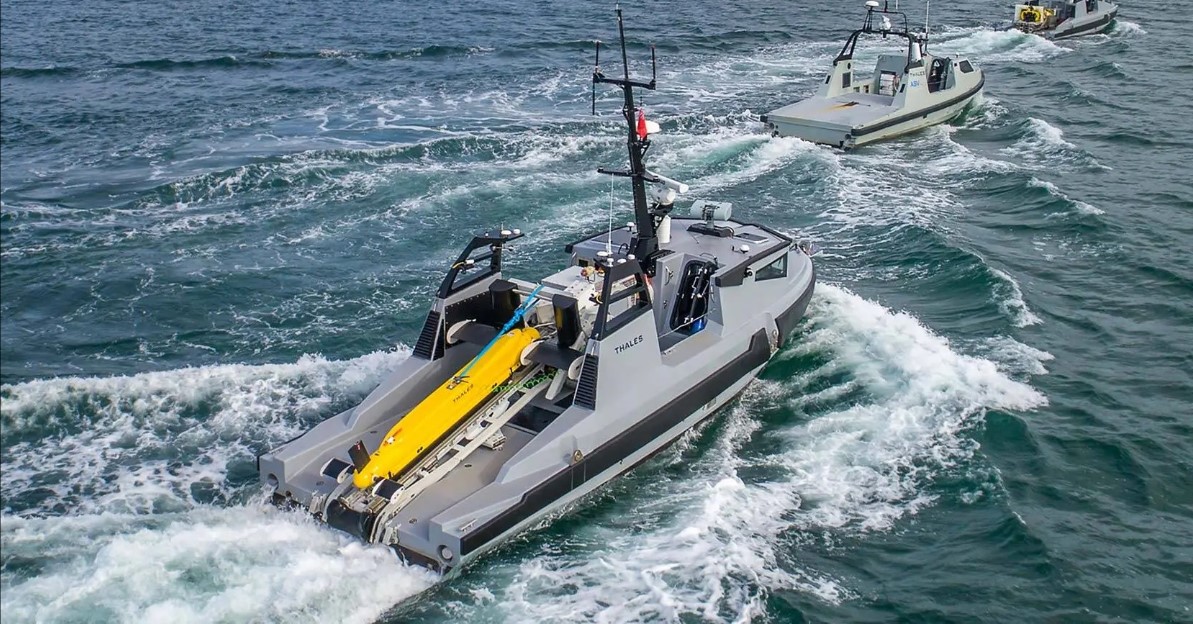
World
The French Navy has taken delivery of its first state-of-the-art marine mine-hunting drone as part of the SLAMF (Future Mine Countermeasures System) program. This development marks a significant leap in mine warfare technology and aligns with France’s ongoing efforts to modernize its naval capabilities. The drone, which includes a towed sonar system linked to a portable operations center in Brest, promises to enhance the navy’s operational flexibility and safety in mine-infested waters. Advanced Specifications and Capabilities The mine-hunting drone features a Thales-developed towed sonar system with multi-aspect synthetic aperture technology, designed to drastically reduce false positives during mine detection. This system ensures precise sea floor mapping and can operate in challenging environments, including sea states up to level 4. Additionally, the drone integrates the M-Cube mission management system, which orchestrates surface and underwater unmanned vehicles for seamless operations. The French Navy will utilize this advanced system for uncrewed sonar survey missions, allowing precise navigation and mine identification in complex maritime environments. Underwater Drone Integration The SLAMF program incorporates cutting-edge underwater technology, such as the A18-M Autonomous Underwater Vehicles (AUVs) developed by Exail. These drones are equipped with Thales SAMDIS 600 sonar, optimized for detecting a wide range of naval mine threats at various depths. The SAMDIS sonar boasts multi-view imaging capabilities, capturing multiple perspectives of potential threats in a single pass. The sonar data analysis is further enhanced by artificial intelligence algorithms and the Mi-MAP data analysis software, providing high probabilities of detection and classification. This not only improves operational efficiency but also ensures faster decision-making in critical scenarios. Strategic Importance for the French Navy The SLAMF system is poised to revolutionize mine countermeasure operations for the French Navy. By replacing older mine hunters, sonar towing vessels, and mine clearance diver base ships, the program will significantly boost naval readiness. The primary objectives include: Safeguarding Strategic Naval Units: The system will help secure the operations of France’s nuclear deterrent force, including aircraft carriers and ballistic missile submarines. Protecting Ports and Naval Deployments: It will play a critical role in ensuring safe access to French ports and protecting naval force deployments in contested waters. Crisis Management: The system will enable the navy to respond effectively to crises and intervene in high-risk environments. Franco-British Collaboration The SLAMF program operates under the framework of the Franco-British Maritime Mine Counter Measures (MMCM) initiative, the world’s first fully integrated drone-based mine countermeasures system. As part of the €430-million ($450 million) program, a total of eight systems will be delivered—four each to the French and British navies. The British version of the system, also developed by Thales, is undergoing extensive trials. Following upgrades and retrofitting, the first unit is expected to be handed over to the Royal Navy within the next 12 months. Future Roadmap The French Navy plans to achieve initial operational capability by the end of 2025. Five additional platforms will be procured, bolstering France’s capacity to operate in contested maritime zones and maintain freedom of maneuver. The SLAMF program exemplifies the French Navy’s commitment to leveraging cutting-edge technology for enhanced maritime security. With integrated systems like the SAMDIS sonar and autonomous underwater drones, the program promises to redefine the future of mine countermeasure operations. This innovative initiative will ensure that France remains at the forefront of naval warfare technology, ready to address emerging threats in an ever-evolving global maritime landscape.
Read More → Posted on 2025-01-23 14:40:31
World
The North Atlantic Treaty Organization (NATO) has been the cornerstone of transatlantic security since its establishment in 1949. The United States, as its most significant member, provides substantial financial, military, and strategic support. But what if the USA were to leave NATO? Such a scenario would trigger a seismic shift in global security dynamics, with profound implications for NATO's firepower, budget, and effectiveness, particularly against adversaries like Russia and other rising powers. The Role of the USA in NATO The United States is the backbone of NATO’s capabilities. As of 2024: Budget Contribution: The U.S. accounted for approximately 70% of NATO’s total defense spending, dwarfing contributions from other members. Military Assets: The U.S. contributes a significant portion of NATO’s strategic assets, including: Over 800 overseas military bases, many located in Europe. Advanced weapons systems, such as F-35 stealth fighters, B-2 Spirit bombers, and Aegis missile defense systems. Cybersecurity infrastructure and satellite networks. Nuclear Deterrence: As one of NATO’s three nuclear powers (alongside the UK and France), the U.S. plays a critical role in the alliance’s nuclear sharing program, hosting and maintaining tactical nuclear weapons in Europe. Firepower and Strategic Capabilities Post-USA Exit If the U.S. were to leave NATO, the alliance’s firepower would be significantly reduced: Air Superiority: NATO relies heavily on the U.S. Air Force for advanced combat aircraft, airborne early warning systems (e.g., AWACS), and aerial refueling capabilities. Without these, NATO's ability to achieve air dominance would be severely hampered. Maritime Power: The U.S. Navy provides unparalleled blue-water capabilities, including aircraft carrier strike groups, nuclear-powered submarines, and advanced destroyers like the Arleigh Burke-class. Europe’s naval forces, while competent, lack the scale and global reach of U.S. maritime power. Logistical Support: The U.S. is the logistical linchpin of NATO, offering critical enablers such as heavy airlift (e.g., C-17 Globemaster III), strategic sealift, and prepositioned equipment in Europe. Nuclear Umbrella: The absence of U.S. nuclear deterrence would place immense pressure on the UK and France to expand their nuclear arsenals, potentially destabilizing the global strategic balance. Budgetary Impacts on NATO NATO’s annual budget is modest compared to its members' national defense budgets. However, without U.S. funding: Total Defense Spending: NATO’s overall budget would shrink by approximately 70%, forcing European nations to drastically increase their defense spending to maintain current capabilities. Procurement Challenges: European nations would need to acquire advanced systems, such as fifth-generation aircraft, precision-guided munitions, and missile defense systems, to replace U.S. contributions. Operational Readiness: Training exercises, intelligence sharing, and joint operations would face severe funding shortfalls, reducing NATO’s operational effectiveness. Effectiveness Against Russia Russia remains NATO’s primary adversary, and the U.S. departure would embolden Moscow. Key consequences include: Eastern Flank Vulnerability: Eastern European states like Poland and the Baltic nations rely heavily on U.S. forces for deterrence. The withdrawal of these forces would create security gaps along NATO’s eastern flank. Cybersecurity: The U.S. leads NATO’s cybersecurity initiatives. Without its expertise and resources, NATO’s ability to counter Russian cyberattacks and hybrid warfare would diminish. Power Projection: Without U.S. expeditionary forces, NATO’s ability to project power into contested regions such as the Black Sea and the Arctic would be significantly curtailed. Implications for Global Security European Defense Autonomy: The U.S. exit could accelerate European efforts to establish independent defense structures, such as the European Union’s Common Security and Defense Policy (CSDP). However, such initiatives would take years to achieve NATO-level capabilities. China and Other Powers: A weaker NATO would benefit China, which could exploit reduced Western cohesion to expand its influence in Europe and beyond. Proliferation Risks: The absence of the U.S. nuclear umbrella might prompt non-nuclear NATO members to pursue their own nuclear weapons programs, increasing proliferation risks. Conclusion The United States leaving NATO would fundamentally alter the alliance’s structure, capabilities, and strategic relevance. While Europe could strive for greater self-reliance, the loss of U.S. military power, financial support, and strategic leadership would leave NATO significantly weakened against adversaries like Russia. Moreover, global security would face new uncertainties, with increased risks of regional conflicts and great-power rivalries. This hypothetical scenario underscores the indispensability of U.S. involvement in maintaining the stability of the transatlantic alliance.
Read More → Posted on 2025-01-22 15:31:17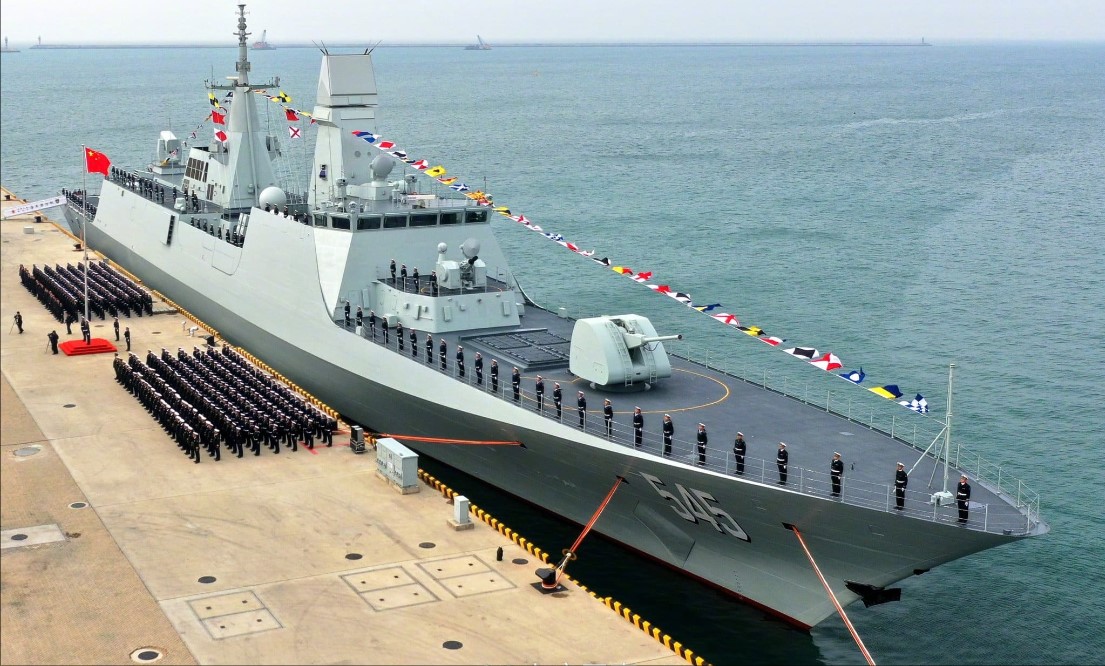
World
The People’s Liberation Army Navy (PLAN) has officially commissioned its first next-generation Type 054B frigate, marking a pivotal advancement in China’s naval capabilities. The commissioning ceremony for the frigate, named “Luohe” (hull number 545), took place in Qingdao, Shandong province. This significant development comes a little over two years after the modular construction of the ship began at Hudong Shipyard in Shanghai in December 2022. The Type 054B frigate is the successor to the widely-used Type 054A frigate, which has been the backbone of PLAN's surface fleet. The Type 054B introduces numerous evolutionary upgrades, focusing on enhanced combat capabilities, survivability, and multirole functionality. Key Specifications and Features The Type 054B frigate is a major upgrade over its predecessor, the Type 054A. While retaining some key design elements, it incorporates state-of-the-art technologies and design improvements. Larger Dimensions:The new frigate measures 150 meters in length, about 15 meters longer than the Type 054A. It also has a wider beam of 17 meters compared to its predecessor’s 16 meters. These changes increase the ship's displacement, estimated to be between 5,500 and 6,000 tons, depending on its load, compared to the 4,500 tons of the Type 054A. Advanced Radar Systems:The Type 054B is equipped with a dual-face rotating Active Electronically Scanned Array (AESA) radar on the main mast. It also has an additional AESA radar in X-band, mounted on a secondary mast that integrates various sensors and communication equipment. Enhanced Weaponry:The ship features a new 100 mm main gun, along with 32 vertical launch cells (VLS) capable of deploying the HQ-16 medium-range surface-to-air missiles (SAMs). Eight YJ-83 anti-ship missiles (AShMs) in slanted deck launchers amidships provide formidable offensive capabilities. Improved Helicopter Operations:Unlike the Type 054A, which could accommodate the smaller Z-9 helicopter, the Type 054B has been designed to host the larger Z-20 helicopter, increasing its versatility for anti-submarine and reconnaissance missions. Propulsion System:The frigate retains the CODAD (Combined Diesel and Diesel) propulsion system, with updated engines to support its increased size and displacement. Strategic Deployment The Type 054B frigate “Luohe” will serve with PLAN’s Northern Theater Navy (North Sea Fleet), responsible for safeguarding Chinese interests in the northern maritime territories. A second frigate of the same class, hull number 555, is expected to join the Southern Theater Navy (South Sea Fleet) soon. State media have emphasized the enhanced multirole capabilities of the Type 054B, particularly its potential to operate in blue-water environments, conduct air-defense operations, and support anti-submarine warfare. Comparison with the Type 054A The transition from Type 054A to Type 054B represents an evolutionary leap rather than a complete departure. The Type 054B shares some similarities with its predecessor, such as the 32-cell VLS system and YJ-83 AShMs. However, significant advancements in radar systems, weaponry, and helicopter capabilities make the Type 054B a much more formidable platform. Interestingly, the PLAN continues to produce an improved variant of the Type 054A, unofficially referred to as Type 054AG. This variant incorporates features seen on the Type 054B, such as the new main gun and an extended flight deck to host the Z-20 helicopter. The parallel production of the Type 054AG suggests that the PLAN is pursuing a phased approach to fleet modernization, ensuring the gradual replacement of older vessels while testing the capabilities of the new Type 054B. The Path Ahead The commissioning of the Type 054B signals China’s intent to bolster its naval presence amid rising maritime tensions in the Indo-Pacific. The frigate’s advanced capabilities align with PLAN’s broader strategy to establish a technologically superior fleet capable of operating far from Chinese shores. As more hulls are constructed, the Type 054B is expected to play a pivotal role in extending PLAN’s reach and influence, particularly in contested waters. With its blend of cutting-edge technology and robust firepower, the Type 054B positions China to effectively compete with other global naval powers in the decades to come.
Read More → Posted on 2025-01-22 15:24:46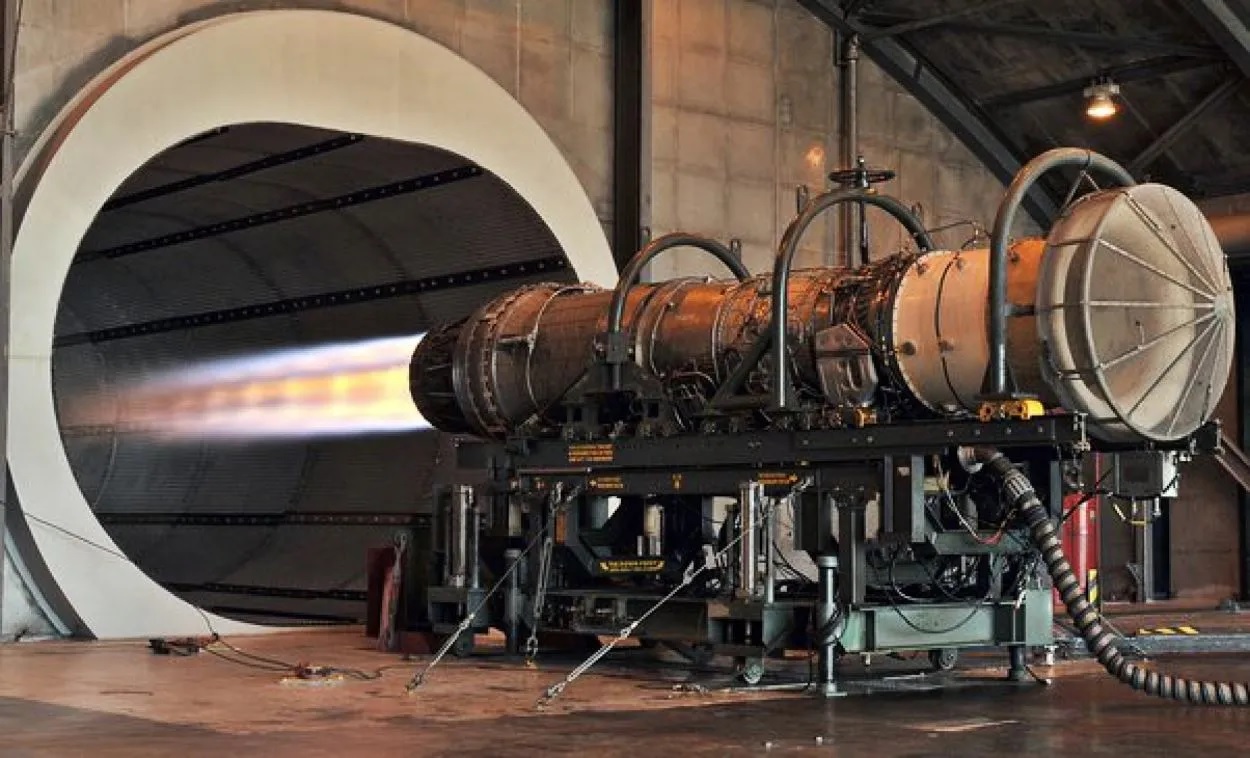
India
India and the United States are racing against time to finalize the much-anticipated GE-414 fighter jet engine deal, with an ambitious target to conclude the agreement by March. A team from Hindustan Aeronautics Limited (HAL) is set to visit the United States in the coming weeks to engage in detailed discussions with General Electric (GE) on the procurement of 99 GE-414 engines. This agreement holds strategic significance as India aims to boost its indigenous defence manufacturing capabilities while meeting the demands of its advanced fighter jet programs. A Critical Milestone in Defence Cooperation The GE-414 engine deal is a cornerstone of the growing defence partnership between India and the United States. Defence officials have emphasized that the level of Transfer of Technology (ToT) promised by GE Aerospace is unprecedented. The proposed ToT will significantly enhance India's ability to manufacture high-performance jet engines domestically, reducing dependency on foreign suppliers. The deal, valued at approximately $1 billion (as per 2023 estimates), includes provisions for advanced ToT, expanding its scope by 22% compared to a similar agreement in 2012. GE has reportedly sought an additional $50 million to accommodate this expanded scope. HAL's Contract Negotiation Committee (CNC) has been tasked with overseeing the negotiations, and specific technical documents have been requested to evaluate the ToT package thoroughly. Importance of GE-414 Engines for India's Fighter Jets The GE-414 engines are pivotal for India's Light Combat Aircraft (LCA) Tejas Mark 2 program, a 4.5-generation fighter jet designed to replace ageing Mirage-2000, Jaguar, and MiG-29 aircraft in the Indian Air Force (IAF). Delays in finalizing the agreement could impact the timely induction of the LCA Mark 2, which plays a crucial role in India's defence modernization strategy. The GE-414 engines deliver a maximum thrust of 98 kN, making them suitable for advanced combat aircraft. They are also being considered for India's ambitious fifth-generation fighter aircraft (AMCA) program, which will require cutting-edge propulsion systems. If the GE-414 engines are selected for the AMCA, the procurement numbers could increase significantly. Addressing Jet Engine Supply Challenges India has faced recurring challenges with jet engine supply, particularly for its LCA Mark 1A fleet powered by GE-404 engines. Global supply chain disruptions have delayed engine deliveries, highlighting the need for robust domestic manufacturing capabilities. The timely conclusion of the GE-414 deal is essential to avoid similar setbacks and ensure smooth production timelines for the LCA Mark 2 and other upcoming platforms. A Step Toward Indigenous Jet Engine Manufacturing India's pursuit of self-reliance in jet engine technology has gained momentum in recent years. While the country has made significant strides in developing fighter aircraft, the lack of an indigenous jet engine has remained a critical gap. By securing advanced ToT from GE, India aims to strengthen its domestic manufacturing ecosystem, paving the way for future developments in jet engine technology. Additionally, India is exploring partnerships with global manufacturers to co-develop an indigenous engine. This dual approach—leveraging foreign technology while building local capabilities—aligns with the government's "Make in India" initiative and its vision for a self-reliant defence sector. Global Jet Engine Market and Strategic Implications The global jet engine market is dominated by a few key players from the United States, France, the UK, and Russia. Most fighter aircraft rely on engines from these manufacturers, underscoring the strategic importance of indigenous capabilities. By acquiring advanced technology through the GE-414 deal, India seeks to position itself as a competitive player in the global aerospace market. The successful execution of this agreement will also enhance India's bargaining power in future defence collaborations and contribute to its long-term goal of becoming a net exporter of defence equipment. Financial and Market Impact On the financial front, the deal's progress is being closely monitored by market analysts. HAL shares traded 0.85% lower at ₹4,151.80 earlier this week, reflecting investor caution amid ongoing negotiations. However, the successful finalization of the deal could bolster HAL's financial performance and solidify its reputation as a key player in India's defence manufacturing landscape. Conclusion The GE-414 engine deal is more than just a procurement agreement; it is a strategic enabler for India's defence modernization and self-reliance goals. Finalizing the deal by March is critical to ensuring the timely production of advanced fighter jets and addressing long-standing challenges in jet engine supply. As India and the US work to strengthen their defence partnership, the successful closure of this agreement will mark a significant milestone in their shared vision for a secure and technologically advanced future.
Read More → Posted on 2025-01-22 14:53:36
World
The Torpedo Launcher System (TLS) by Systems Engineering & Assessment Ltd. (SEA) has been selected for integration into a Latin American navy's new frigate programme, marking another significant milestone for this versatile naval defence solution. Having served with the UK Royal Navy for over three decades, the TLS has proven itself as a reliable and adaptable system, earning global recognition for its weapon-agnostic design and cutting-edge technology. A Weapon-Agnostic Naval Solution One of the standout features of SEA’s Torpedo Launcher System is its ability to support a variety of NATO-compatible lightweight torpedoes, including the US-made Mk44, Mk46, and Mk54 torpedoes, the UK’s Sting Ray, Italy’s A244S, France’s MU90, and South Korea’s Blue Shark. This capability ensures that the system remains versatile across various operational requirements and ammunition preferences. By accommodating multiple torpedo types, the TLS offers operational flexibility, allowing navies to tailor their arsenals to meet diverse mission profiles. Modular Design for Long-Term Value The TLS features a modular design that has been a key factor in its global appeal. This design enables the system to be easily configured to fit different platforms, including containerized mission modules. The modularity not only simplifies integration onto different vessels but also minimizes risks associated with capability obsolescence. The system’s adaptability extends to future-proofing, as it can be configured to use newer weapons as they are developed, ensuring navies retain operational edge over time. This reduces lifecycle costs and provides long-term value to users, making it a strategic investment for modern naval fleets. A Strategic Win in Latin America The Latin American navy’s decision to adopt SEA’s TLS underscores its growing reputation as a robust and reliable solution. Neil Herbert, Vice President of Strategic Accounts for Latin America at SEA, emphasized the importance of this contract in strengthening ties with international partners. He stated, “This contract award represents a major step in our ambition to share the best of the industry’s technology with navies across the globe. It also proves the pedigree of our Torpedo Launcher System and the value of weapon-agnostic defence capabilities to international navies.” Herbert further highlighted that the system would empower the customer to maintain control over its ammunition supply chain while future-proofing the frigates for upcoming weapon developments. This is particularly important as naval defence systems must adapt to rapidly evolving technologies and geopolitical challenges. Key Specifications of the Torpedo Launcher System Compatibility: Supports a wide range of NATO-standard lightweight torpedoes, including the Mk44, Mk46, Mk54, Sting Ray, A244S, MU90, and Blue Shark. Design: Modular and adaptable, enabling integration into a variety of platforms, including containerized mission modules. Rapid Reaction: Capable of close-range rapid-reaction firing for maximum operational readiness. Future-Proofing: Configurable to accommodate emerging weapons, ensuring longevity and relevance in dynamic combat environments. Global Service: Proven track record with the UK Royal Navy and various international navies for over 30 years. Strengthening Global Defence Partnerships This contract serves as a testament to SEA’s commitment to providing cutting-edge naval technology to international partners. The selection of the TLS for a new Latin American frigate programme highlights its growing popularity among global navies seeking adaptable, reliable, and cost-effective solutions for modern defence challenges. With its modularity, weapon-agnostic design, and proven operational record, SEA’s Torpedo Launcher System continues to solidify its position as a preferred choice for naval fleets worldwide.
Read More → Posted on 2025-01-22 14:49:40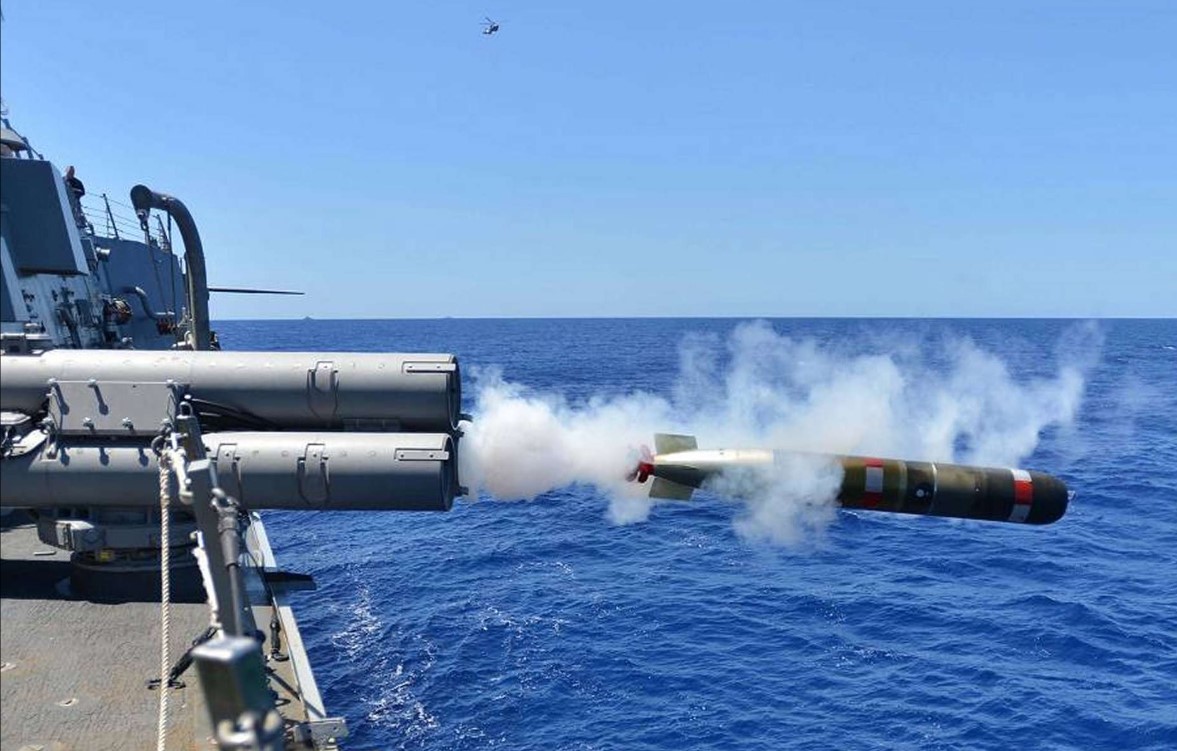
World
The U.S. Navy has taken a significant step toward strengthening its underwater warfare capabilities by awarding General Dynamics Mission Systems (GDMS) a massive contract worth $808.6 million. This agreement, extending through December 2032, aims to supply advanced MK 54 MOD 1 Lightweight Torpedo Kits, along with a comprehensive package of test equipment, spares, and engineering support to bolster the Navy's operational readiness. Contract Details and Execution The contract incorporates multiple pricing models, including fixed-price-incentive, firm-fixed-price, and cost-plus-fixed-fee mechanisms, ensuring flexibility in execution. Production and related work will primarily occur at GDMS's facilities in Canonsburg, Pennsylvania, reinforcing the company’s role as a critical supplier to the U.S. Navy and its allies. The project’s timeline reflects its long-term importance, with completion scheduled for December 2032. This extended duration underscores the strategic nature of the MK 54 torpedo program in sustaining maritime defense readiness over the coming decade. Cutting-Edge MK 54 MOD 1 Lightweight Torpedoes The MK 54 MOD 1 torpedo is a state-of-the-art, lightweight anti-submarine weapon designed to operate in a variety of challenging environments. It combines advanced sonar systems and sophisticated software to detect, track, and neutralize modern submarine threats. Its modular design allows for easy upgrades, ensuring continued relevance as technology evolves. Key specifications of the MK 54 MOD 1 torpedo include: Weight: Approximately 608 pounds (275 kg). Length: 9.2 feet (2.8 meters). Diameter: 12.75 inches (324 mm). Range: Classified but optimized for close-range engagements. Speed: Capable of achieving high speeds with advanced propulsion technology. Guidance System: Acoustic homing with advanced signal processing. Targeting: Effective against submarines operating in shallow coastal waters and deep ocean environments. The MK 54 torpedo is compatible with a wide range of platforms, including surface ships, helicopters, and fixed-wing aircraft. This versatility makes it a cornerstone of naval anti-submarine warfare. Strategic Collaboration and Technological Edge A key element of this project is the involvement of Progeny Systems, a company acquired by GDMS in 2022. Headquartered in Manassas, Virginia, Progeny Systems specializes in advanced electronics and lifecycle support for naval platforms, including submarines and surface ships. The expertise brought by Progeny Systems will enhance the production and integration of the MK 54 torpedo systems, ensuring their operational effectiveness. Laura Hooks, Vice President and General Manager of Maritime and Strategic Systems at GDMS, emphasized the contract's importance. “This agreement ensures U.S. and allied naval forces will continue to benefit from advanced torpedo technology, enhancing their ability to maintain dominance in underwater warfare,” she said. Broader Implications The contract with GDMS reflects the U.S. Navy’s commitment to maintaining a technological edge in undersea warfare. By equipping its fleet with modern, adaptable torpedoes like the MK 54 MOD 1, the Navy ensures its preparedness to counter evolving threats from adversarial submarines, which are becoming increasingly sophisticated. Moreover, the deal extends benefits to allied nations, as the MK 54 torpedoes are often exported through Foreign Military Sales (FMS) programs. This collaboration strengthens ties with allied navies and reinforces collective maritime security in key regions, including the Indo-Pacific and the Atlantic. Conclusion The $808.6 million contract awarded to General Dynamics Mission Systems not only highlights the importance of the MK 54 MOD 1 Lightweight Torpedo but also demonstrates the U.S. Navy’s strategic focus on modernizing its underwater warfare capabilities. With cutting-edge technology, collaborative expertise, and a long-term vision, this initiative ensures that U.S. and allied naval forces remain equipped to counter undersea threats well into the future.
Read More → Posted on 2025-01-22 14:45:24Search
Top Trending in 24 Hours
-
 U.S. Secures Permanent Military Rights in Greenland in Historic Security Pact with Denmark
-
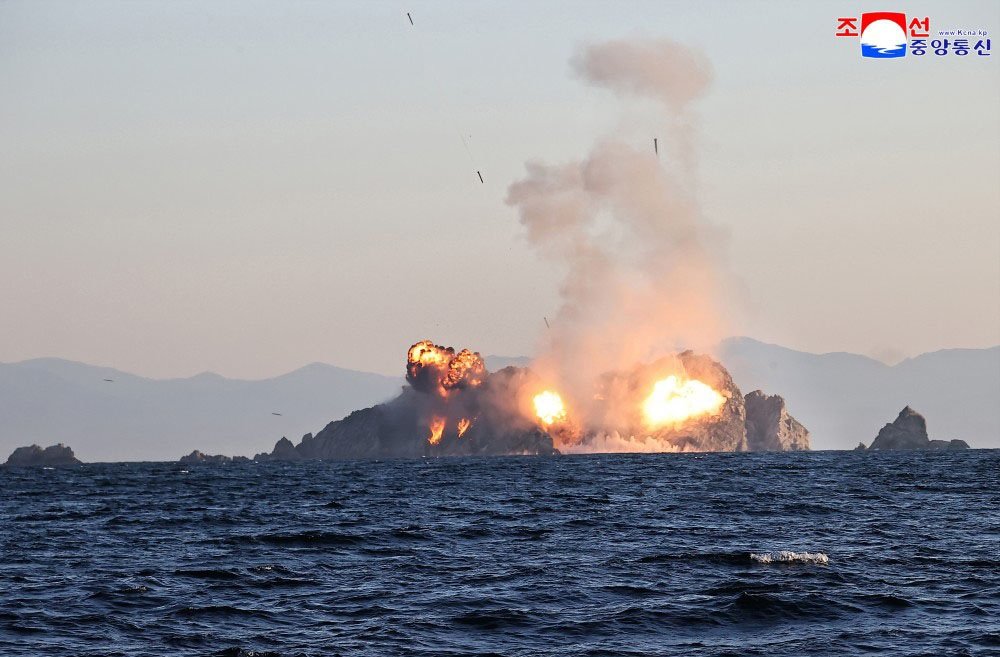 North Korea Fires Short-Range Ballistic Missile Toward Sea of Japan After Freedom Edge 26
-
 India’s xTerra Robotics Launches Indigenous DHAV-Hy Wheeled-Legged Quadruped for Industrial Inspection
-
 U.S. Government Seizes Almasirah.net, Houthi-Linked News Website
Top Trending in 4 Days
-
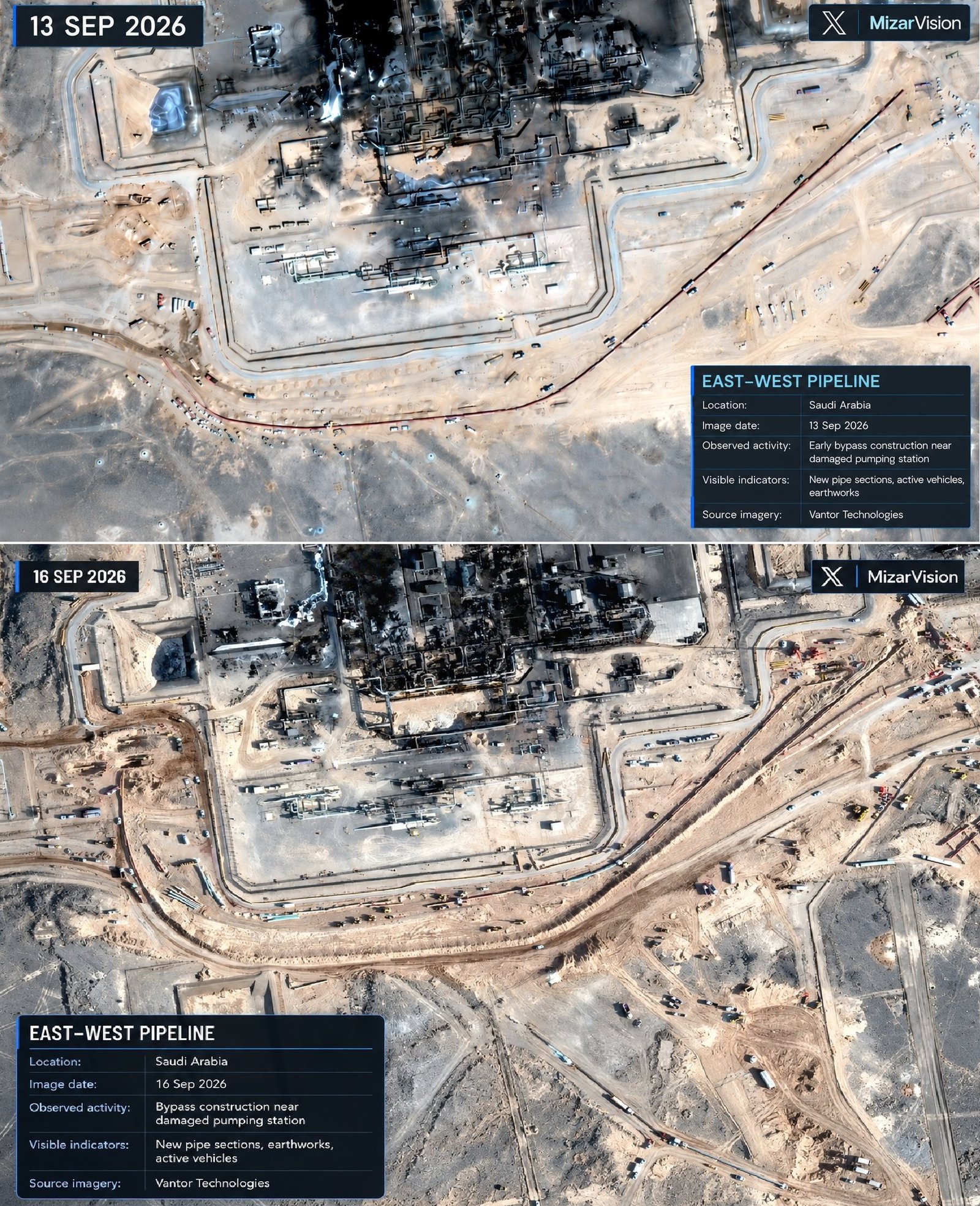 Satellite Images Show Saudi Arabia Building Emergency Bypass Around Damaged East-West Oil Pipeline Station
-
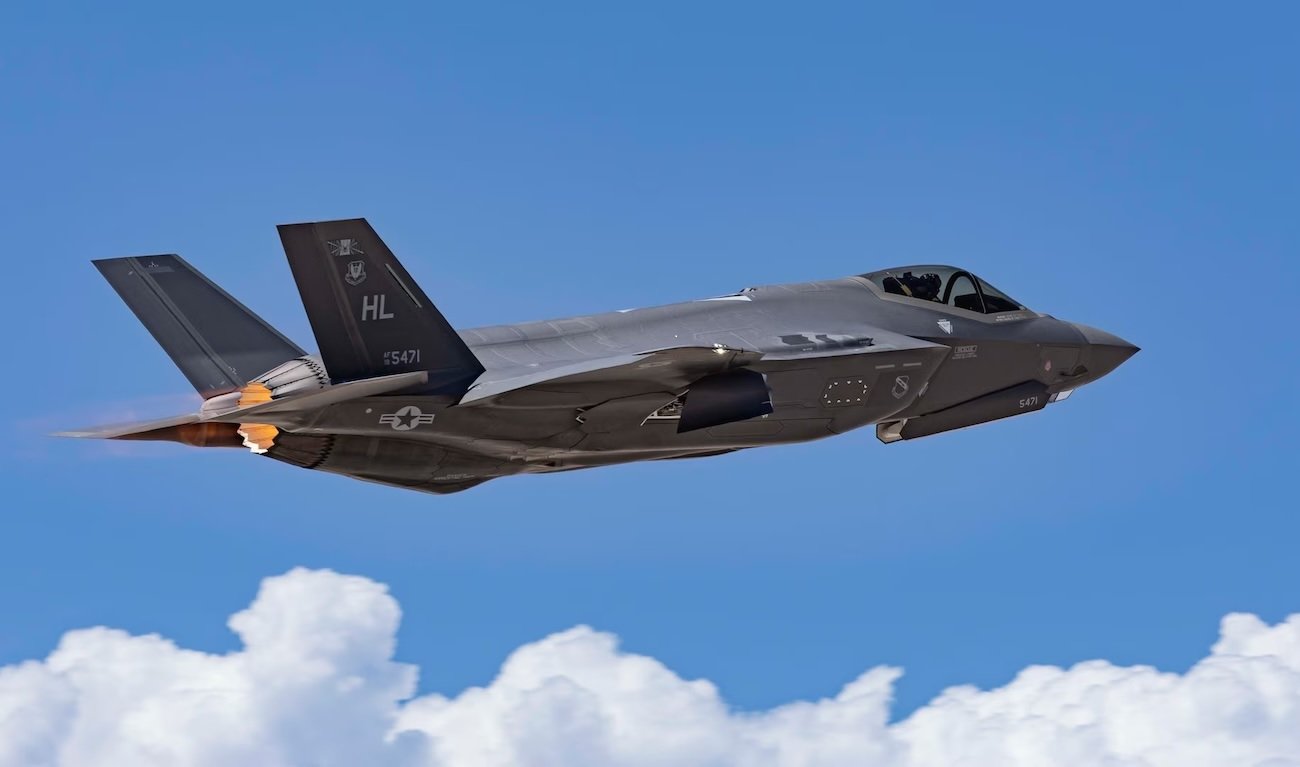 Sensitive F-35 Components Diverted to Hong Kong, Some Parts Missing
-
 Photos Reveal Damaged E-3 Sentry, Buildings and Vehicles at U.S. Bases in Saudi Arabia and Kuwait After Iranian Strikes
-
 Houthis Claim Downing of Saudi F-15 and Wing Loong II Drone Over Marib
-
 Italian Eurofighter Damaged in Houthi Attack on Saudi Arabia’s King Fahd Air Base
-
 Bharat Forge, Pratt & Whitney Canada to Evaluate Turboprop Engines for DRDO’s Indigenous HALE UAV
-
 BEL Signs Export Deal with Elbit Systems for Directed Infrared Countermeasure Sub-Assemblies, Secures ₹648 Crore in Additional Orders
-
 China Privately Urges Iran to Restrain Houthis After Saudi Appeal
