
India
In a significant development for US-India relations, President Donald Trump announced that Indian Prime Minister Narendra Modi is likely to visit the White House in February 2025. This announcement followed a "productive" phone call between the two leaders on January 28, 2025, where they discussed a range of critical issues, including boosting bilateral trade and addressing regional security concerns. Speaking to reporters aboard Air Force One, Trump shared, "I had a long talk with him this morning... He is going to be coming to the White House, probably in February." The President highlighted the strong and growing partnership between the two nations, noting that their conversation covered a wide array of topics, reflecting the depth of their engagement. This visit holds particular importance as it would be one of the first meetings Trump hosts with a foreign leader after his recent re-election. The two leaders have shared a warm relationship over the years, marked by high-profile joint appearances, such as the "Howdy, Modi" event in Houston in 2019 and the "Namaste Trump" rally in Ahmedabad in 2020. Modi was also among the first global leaders to congratulate Trump on his electoral victory in November 2024. According to a White House statement, the leaders reaffirmed their commitment to deepening cooperation on multiple fronts, including security in the Indo-Pacific and Middle East regions. They also discussed India's plans to procure advanced security equipment from the US, a move aimed at fostering a balanced and mutually beneficial trade relationship. The upcoming visit is expected to further solidify the strategic partnership between the two democracies, with discussions likely to focus on trade, defense, and shared global challenges. As both nations navigate a rapidly changing geopolitical landscape, this meeting could pave the way for stronger collaboration in the years to come.
Read More → Posted on 2025-01-29 04:23:35
Space & Technology
In a landmark achievement, the Indian Space Research Organisation (ISRO) successfully launched its Geosynchronous Satellite Launch Vehicle (GSLV) F-15 rocket on January 29, 2025, at 06:23 hrs from the Satish Dhawan Space Centre in Sriharikota. This mission marked ISRO's 100th launch, a significant milestone in India's space exploration journey. The GSLV F-15 carried the NVS-02 navigation satellite, part of India's Navigation with Indian Constellation (NavIC) system, into a precise Geosynchronous Transfer Orbit (GTO). A Historic Milestone for ISRO The GSLV F-15 mission was the 17th flight of India's GSLV and the 11th using the indigenous Cryogenic Upper Stage (CUS). This launch also marked the 8th operational flight of the GSLV equipped with the indigenous Cryogenic engine. The payload fairing of the GSLV F-15, with a diameter of 3.4 meters, was a metallic version, showcasing ISRO's continued innovation in rocket design. NavIC: India's Own Navigation System The NVS-02 satellite is a crucial component of India's NavIC system, which aims to provide accurate Position, Velocity, and Timing (PVT) services to users across India and the surrounding region, extending up to 1,500 km beyond the Indian landmass. NavIC offers two types of services: the Standard Positioning Service (SPS) and the Restricted Service (RS). The SPS provides a position accuracy of better than 20 meters and a timing accuracy of better than 40 nanoseconds over the primary service area. Second-Generation NavIC Satellites The NVS-02 is the second satellite in the second-generation NavIC series, following the successful launch of NVS-01 on May 29, 2023. The NVS series is designed to enhance the NavIC constellation with advanced features, ensuring the continuity and reliability of navigation services. One of the key advancements in the NVS series is the inclusion of L1 band signals, which will expand the range of services provided by NavIC. Advanced Features of NVS-02 The NVS-02 satellite is configured with navigation payloads in the L1, L5, and S bands, along with a ranging payload in the C-band. It is built on the standard I-2K bus platform, with a lift-off mass of 2,250 kg and a power handling capability of approximately 3 kW. The satellite will be positioned at 111.75ºE, replacing the IRNSS-1E satellite. Notably, NVS-02 utilizes a combination of indigenous and procured atomic clocks to ensure precise time estimation, a critical factor for accurate navigation. Indigenous Technology at the Forefront The successful launch of NVS-02 underscores ISRO's commitment to developing and deploying indigenous technology. The use of an indigenous Cryogenic stage in the GSLV F-15 rocket and the incorporation of indigenous atomic clocks in the NVS series satellites highlight India's growing self-reliance in space technology. ISRO's 100th launch is a testament to the organization's relentless pursuit of excellence in space exploration and technology. The successful deployment of the NVS-02 satellite not only strengthens India's NavIC system but also reinforces the country's position as a global leader in space technology. As ISRO continues to push the boundaries of innovation, the future of India's space program looks brighter than ever. **Google Index Suitable Title:** "ISRO's 100th Launch: GSLV F-15 Successfully Deploys NVS-02 NavIC Satellite into Precise Orbit"
Read More → Posted on 2025-01-29 04:21:26
World
During Mountain Training Exercise 1-25 (MTX 1-25) at the Marine Corps Mountain Warfare Training Center (MCMWTC) in Bridgeport, California, Marine Corps personnel showcased their capability to adapt to harsh environments with the help of Tucker-Terra Model 1600 Sno-Cats. These uniquely designed all-terrain vehicles have become a crucial element in the Marine Corps’ operations, particularly in snow-covered, high-altitude regions. MTX 1-25 is a rigorous exercise aimed at preparing Marine Corps units for the challenges of cold-weather and mountainous operations. The training emphasizes survival skills, expeditionary warfare tactics, and the confidence to navigate unforgiving terrain. The Tucker Sno-Cats are central to these efforts, ensuring reliable mobility in areas where traditional vehicles would struggle. The Tucker Sno-Cat: A Legacy of Durability Manufactured in Medford, Oregon, the Tucker Sno-Cat line has a storied history dating back to the mid-20th century. These vehicles gained global recognition for their durability and effectiveness in extreme conditions, including their use in Arctic and Antarctic expeditions. What distinguishes the Tucker Sno-Cat from other snow vehicles is its innovative design: it employs four independently mounted tracks. This configuration offers unparalleled stability and maneuverability on snow, ice, and rugged mountainous terrain. The Tucker-Terra Model 1600, specifically used by the Marine Corps, has been modified to meet the demands of military mountain operations. Its robust design allows for the safe transport of personnel, equipment, and supplies across difficult landscapes, making it indispensable in both training and real-world missions. Supporting Training and Emergency Operations Beyond its role in training exercises like MTX 1-25, the Tucker Sno-Cat is a vital asset during emergency operations. The Marine Corps deploys these vehicles for logistical support in disaster situations such as wildfires, avalanches, and other natural calamities. Their ability to traverse deep snow and steep inclines ensures that critical aid reaches areas that would otherwise be inaccessible. Versatility in Extreme Environments The Tucker Sno-Cat’s combination of durability, stability, and adaptability makes it a perfect fit for the Marine Corps’ diverse operational needs. These vehicles exemplify the ingenuity required to operate in extreme conditions, ensuring that Marine Corps units remain agile and effective, whether in training or on missions. As the Marine Corps continues to prepare for operations in increasingly challenging environments, the Tucker Sno-Cat remains a trusted partner, reinforcing its legacy as a unique and indispensable all-terrain vehicle.
Read More → Posted on 2025-01-28 14:42:46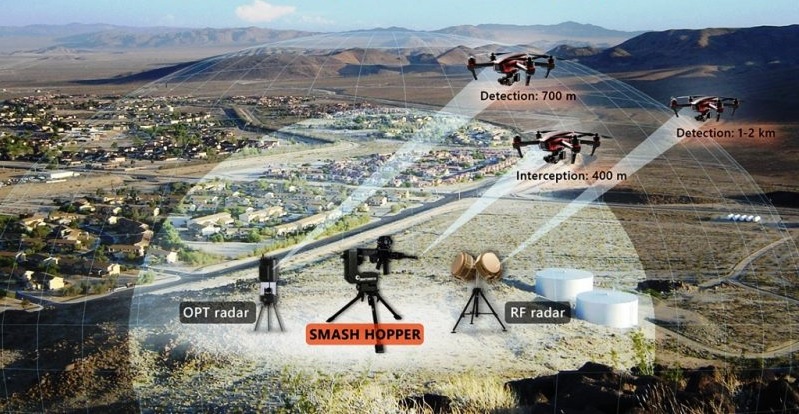
World
The rapid rise of unmanned aerial systems (UAS) in civilian and military spaces has turned drones into potent threats to critical infrastructure and public safety. Recognizing this growing challenge, SMARTSHOOTER, a global leader in advanced fire control systems, has introduced its groundbreaking counter-UAS (C-UAS) solution: SMASH DOME. This innovative, multi-layered defense system is designed to protect sensitive areas and forces from the growing menace of rogue drones. The Growing Drone Threat Drones have revolutionized surveillance, logistics, and warfare, but their accessibility and cost-effectiveness have also made them a tool for malicious purposes. From surveillance and smuggling to kinetic attacks, drones are increasingly used by adversaries in unconventional warfare. While traditional countermeasures like jamming and GNSS disruption were effective in the past, modern drones now come equipped with advanced anti-jamming capabilities, making older solutions insufficient. SMARTSHOOTER’s SMASH DOME addresses these challenges head-on by combining advanced detection, classification, tracking, and kinetic interception into a single, versatile system. A Comprehensive C-UAS Defense System SMASH DOME is designed to offer tactical area defense through a combination of cutting-edge technologies: Detection and TrackingThe system incorporates both active RF radar and passive optical detection to identify and classify drone targets. With detection ranges of up to 1-2 kilometers, SMASH DOME continuously monitors the airspace to ensure early warning and tracking. Its sensors feed target data into a proprietary tracking system, enabling precise real-time interception. Kinetic Interception with SMASH HopperThe heart of SMASH DOME’s kinetic response lies in the SMASH Hopper, a lightweight, remote-controlled weapon station equipped with an advanced Fire Control System (FCS). Armed with an assault rifle, SMASH Hopper ensures accurate, reliable hits on drones regardless of their communication systems or design. The FCS calculates ballistic solutions and allows automatic target tracking, ensuring the most efficient use of ammunition. It can integrate with a variety of weapon systems and platforms, making it adaptable for different operational requirements. Seamless Integration with Command-and-Control SystemsThe SMASH Hopper can be integrated with widely used Command-and-Control (C2) systems, such as ATAK (Android Tactical Assault Kit). This integration enhances situational awareness, providing operators with real-time data for informed decision-making. By enabling person-in-the-loop precision, SMASH DOME minimizes risks of collateral damage in complex environments. Flexible Deployment OptionsSMASH DOME is highly portable and versatile, making it suitable for both static and dynamic operations. It can be deployed on manned and unmanned vehicles, as well as ground platforms. It is particularly effective for border security, protecting critical infrastructure, and safeguarding high-risk urban areas. A Leap in Drone Defense Technology The SMASH DOME system stands out for its ability to combine advanced detection with precise kinetic interception in a cost-effective and portable solution. Traditional C-UAS systems often rely on either jamming or high-cost kinetic solutions. In contrast, SMASH DOME integrates both active and passive detection with an efficient, ballistically optimized interception mechanism, ensuring superior performance against a wide range of drones. Michal Mor, CEO of SMARTSHOOTER, highlighted the system's strategic importance: “SMASH DOME provides a cost-effective and precise solution to evolving drone threats. Its ability to seamlessly integrate with existing systems and its person-in-the-loop design ensure both operational control and precision, safeguarding sensitive areas and critical assets with minimal collateral damage.” Practical Implications for Defense Forces The modular and scalable design of SMASH DOME makes it a valuable tool for military and security forces worldwide. It offers an effective solution for countering drones in densely populated urban environments, along borders, or at critical facilities. With the ability to handle both small commercial drones and larger, military-grade UASs, it ensures comprehensive aerial defense in a wide variety of scenarios. By minimizing ammunition use and reducing operational risks, SMASH DOME delivers a pragmatic yet advanced approach to drone defense. Its introduction marks a significant leap forward in counter-drone technology, addressing the limitations of traditional systems while offering a practical and versatile tool for modern defense needs. A Future-Ready Solution As drones continue to evolve, so too must the methods for countering them. SMASH DOME represents a forward-looking solution that balances cost, precision, and adaptability. Whether deployed for covert missions or overt protection, its layered defense system is poised to play a critical role in securing the airspace against the next generation of drone threats.
Read More → Posted on 2025-01-28 14:40:19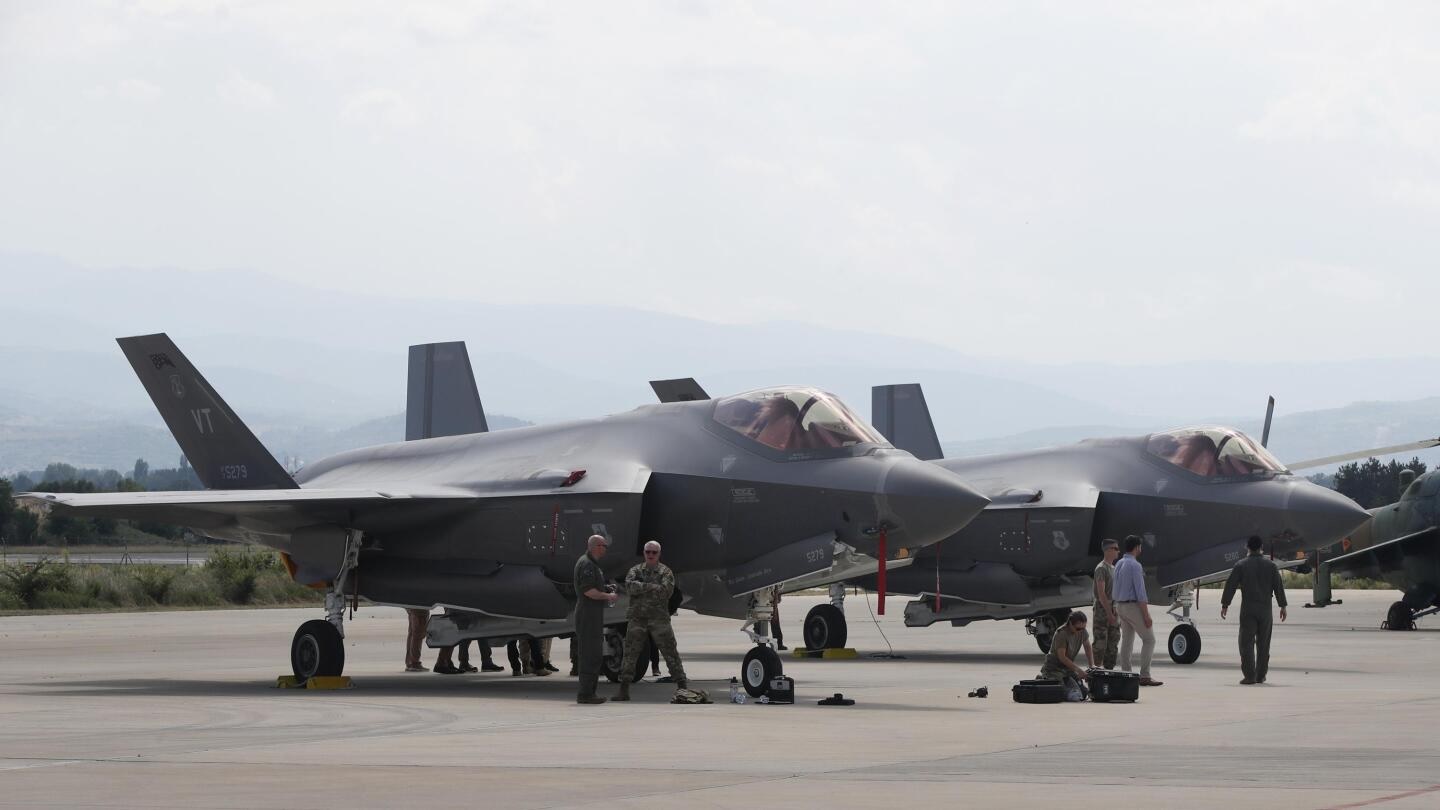
World
U.S. President Donald Trump’s controversial comments about acquiring Greenland have sparked a diplomatic rift with Denmark, a vital NATO ally, and cast uncertainty over the future of the F-35 Joint Strike Fighter program, one of the United States’ largest and most complex defense initiatives. The tensions reached a boiling point after Trump’s reportedly heated 45-minute phone call with Danish Prime Minister Mette Frederiksen, where he dismissed Denmark’s control over the Arctic island as inadequate. Trump went so far as to mock Denmark’s recent efforts to bolster its Arctic presence, ridiculing their deployment of “two dog sled teams” as insufficient to protect Greenland’s strategic value. He claimed that only the United States could secure the island and ensure global freedom, adding, “They [Denmark] can’t. They thought two dog sleds were protection.” Denmark’s Role in the F-35 Program Denmark has been a committed partner in the F-35 Joint Strike Fighter program since 2002. The country has placed orders for 27 F-35 jets to replace its aging F-16 fleet and has actively contributed to the production, development, and sustainment of the program. Its involvement has been seen as a testament to Denmark’s alignment with NATO’s strategic goals and its long-standing defense partnership with the U.S. However, the escalating feud over Greenland has placed this partnership at risk. Trump’s threats of military action to claim the Arctic island and the possibility of imposing tariffs on Denmark have sent shockwaves through Copenhagen’s defense and diplomatic circles. Danish officials are now grappling with the potential fallout, including the possibility that the U.S. might freeze or cancel Denmark’s F-35 orders—a scenario reminiscent of Turkey’s removal from the program after it acquired Russian S-400 missile systems. The Global Impact of Denmark’s Potential Exclusion Should Denmark’s participation in the F-35 program be jeopardized, the effects could ripple across the global supply chain. The program’s sustainability relies heavily on contributions from international partners, and any disruption could lead to cost increases, delays, and reduced trust among existing and prospective buyers. Denmark’s exclusion would also signal instability in the program, further complicating efforts to maintain a unified front among NATO allies. Other nations involved in the F-35 program, such as Italy, Japan, South Korea, and the Netherlands, are reportedly monitoring the situation closely. Meanwhile, potential buyers like Saudi Arabia and Turkey are reconsidering their options and exploring alternative next-generation fighter jets to avoid entanglement in politically sensitive defense programs. Internal Criticism of the F-35 Program Adding to the uncertainty is criticism of the F-35 from within the U.S. administration and influential figures like Elon Musk, who recently described the aircraft as a flawed design. Musk argued that the F-35’s attempt to serve too many roles has made it overly complex and costly, labeling it a “jack of all trades, master of none.” He also pointed out the growing irrelevance of manned fighter jets in the age of advanced drones, further casting doubt on the program’s long-term viability. The Broader Implications for NATO The diplomatic fallout over Greenland comes at a time when NATO is striving to maintain cohesion amidst rising global threats. For Denmark, losing access to the F-35 would not only derail its defense modernization plans but also hinder its ability to fulfill NATO commitments. For the U.S., such actions would raise questions about its reliability as a defense partner and could erode trust within the alliance. This incident underscores the delicate balance between defense programs and international relations. The F-35 program, already under scrutiny for its high costs and complexity, now finds itself at the center of geopolitical tensions that threaten to undermine its stability and global support. As NATO grapples with these challenges, the Greenland controversy highlights the need for diplomacy and cooperation in addressing Arctic geopolitics without compromising alliance unity. Whether Trump’s remarks will lead to long-term repercussions for the F-35 program or remain a momentary strain in U.S.-Denmark relations remains to be seen. However, the stakes for both countries—and NATO as a whole—are undeniably high.
Read More → Posted on 2025-01-28 14:37:02
World
In a significant move to address the Indian Air Force's (IAF) fighter jet shortfall, the first squadron of the indigenous Light Combat Aircraft (LCA) Tejas Mk1, known as the "Flying Daggers," has been relocated from Sulur Air Base in Tamil Nadu to a strategically crucial western airbase. This redeployment strengthens India's interceptor and air defense capabilities in the face of regional challenges and underscores the growing reliance on the homegrown Tejas platform. The Tejas Mk1 squadron's relocation comes as the IAF faces reduced squadron strength following the phased retirement of aging fleets like the MiG-21, MiG-23, and MiG-27. With only 31 operational fighter squadrons against a sanctioned strength of 42, the shortfall has intensified the need for versatile and combat-ready aircraft to fill the gap. The Tejas Mk1, with its advanced systems and recent upgrades, is stepping in to address these pressing demands. One of the pivotal enhancements to the Tejas Mk1 is the integration of Beyond Visual Range (BVR) missile capabilities. Initially absent in its earlier configuration, this upgrade enables the aircraft to engage targets at extended ranges, significantly boosting its operational effectiveness. The deployment to the western sector, which includes areas near India's sensitive borders, is timely, as it ensures a robust air defense presence in a region often subject to heightened tensions. The shift to a forward airbase also serves as a critical test of the Tejas Mk1's adaptability in diverse and demanding operational environments. The western region presents unique challenges, including fluctuating weather conditions and a mix of desert and mountainous terrains. This deployment validates the aircraft's readiness for real-world combat scenarios and highlights its role in supporting India's strategic goals. The Tejas program, which is a cornerstone of India’s push for self-reliance in defense manufacturing, has come a long way since its inception. The relocation of the Flying Daggers squadron is seen as a vote of confidence in the aircraft's performance and reliability. It also aligns with the government's broader initiatives to reduce dependency on foreign defense imports and foster indigenous capabilities. While the exact location of the forward airbase remains undisclosed for security reasons, experts believe this move could also serve as a precursor to positioning other advanced Tejas variants, such as the Mk1A and the upcoming Mk2, in key regions. The Mk1A variant, featuring enhanced avionics, better electronic warfare systems, and an Active Electronically Scanned Array (AESA) radar, is expected to enter service soon, further augmenting the IAF’s combat potential. As India continues to modernize its air force, the deployment of the Tejas Mk1 squadron is not just a strategic response to immediate needs but also a testament to the nation's commitment to developing and utilizing indigenous technology. This move marks a new chapter for the IAF, reflecting both the growing maturity of the Tejas program and its increasing relevance in safeguarding India's skies.
Read More → Posted on 2025-01-28 14:32:13
World
A recent report by Human Rights Watch (HRW) has cast a spotlight on the escalating violence and systematic human rights abuses in Bangladesh following the ouster of former Prime Minister Sheikh Hasina in August 2024. Titled "After the Monsoon Revolution: A Roadmap to Lasting Security Sector Reform in Bangladesh," the report sheds light on the alarming targeting of religious minorities, particularly Hindus and Ahmadiyya Muslims, by extremist groups, as well as the growing crackdown on dissent under the interim government led by Muhammad Yunus. Rising Attacks on Religious Minorities The HRW report details an unsettling increase in violence against Hindus, a community often viewed as a key support base for the Awami League. Following Hasina’s removal from office, extremist groups have intensified their attacks on Hindu businesses, homes, and temples. These acts of violence have created widespread fear within the community, forcing many Hindus to leave their villages or flee the country altogether. One particularly chilling example is the arrest of Hindu priest Chinmoy Krishna Das, a respected figure and former official of the International Society for Krishna Consciousness (ISKCON). Das has been charged with allegedly inciting religious disharmony, accusations that many view as politically motivated. Legal experts have raised concerns about his ability to receive a fair trial, as many lawyers are unwilling to represent him out of fear of retaliation. Ahmadiyya Muslims, another vulnerable minority group, have also faced heightened persecution. Extremist factions have carried out coordinated attacks on Ahmadiyya mosques and homes, with little to no intervention by local authorities. HRW’s findings indicate a broader pattern of inaction by law enforcement, exacerbating the community's vulnerability. Suppression of Dissent and Media Crackdown In addition to the violence against minorities, the interim government has launched a severe crackdown on political dissent and freedom of expression. The report reveals that hundreds of former government officials, Awami League members, and journalists have been arrested on vague or politically motivated charges. Many of these individuals have been accused of orchestrating or supporting the student protests that ultimately led to Hasina's ouster. HRW criticizes the use of mass arrest warrants and sweeping charges, labeling them as tools of repression aimed at silencing critics of the interim government. Journalists, in particular, have borne the brunt of this crackdown, with several prominent reporters facing harassment, threats, or imprisonment for their coverage of political unrest. Urgent Recommendations Human Rights Watch has called on the Bangladeshi government to take immediate action to address the deteriorating human rights situation. The report emphasizes the need for: Independent oversight: Opening detention centers to independent inspections to prevent torture and abuse. Legal reforms: Revising laws that suppress freedom of speech and are used to detain political opponents. International assistance: Seeking technical support from the United Nations and other global organizations to improve governance and ensure the safety of minorities. Broader Implications The report’s findings underscore the fragility of Bangladesh’s political and social fabric in the aftermath of Sheikh Hasina's tenure. The rise in violence against Hindus and Ahmadiyya Muslims reflects a broader pattern of intolerance and political instability. Observers have noted that the interim government’s failure to rein in extremist groups risks further eroding public confidence and damaging Bangladesh’s international standing. HRW’s research, based on interviews with human rights activists, government officials, and members of the security sector, provides a comprehensive and grim assessment of the current state of affairs. The organization has urged global stakeholders to pay closer attention to the situation in Bangladesh and apply diplomatic pressure to safeguard the rights of its most vulnerable communities. As Bangladesh grapples with this crisis, the international community will be closely watching how the interim government responds to these urgent calls for reform and accountability.
Read More → Posted on 2025-01-28 14:29:33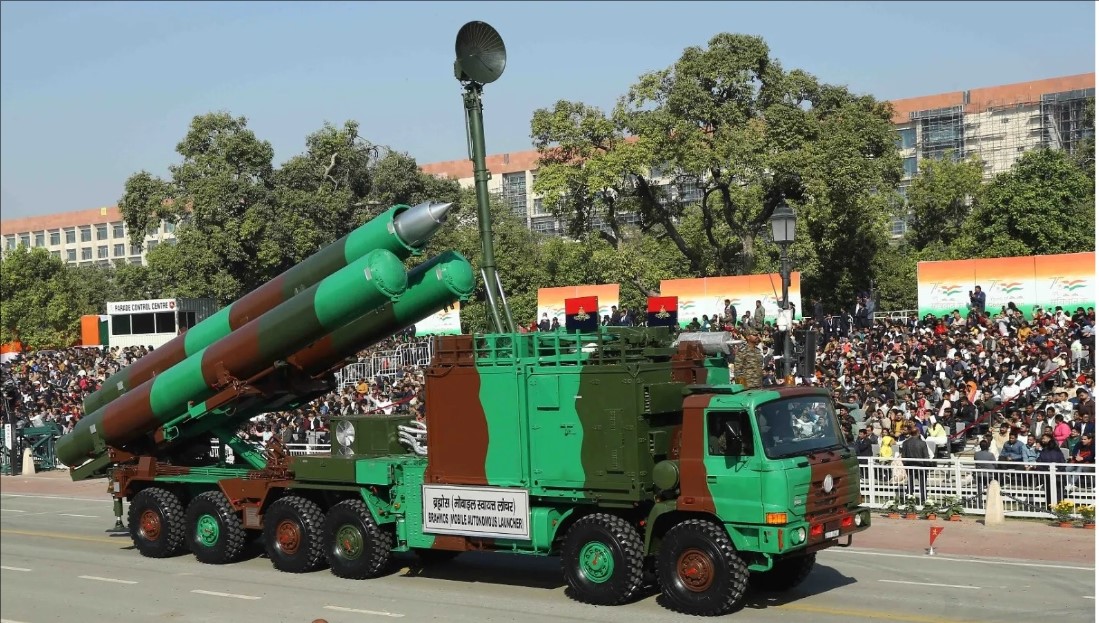
India
India and Indonesia are on the brink of finalizing a landmark defence agreement involving the export of BrahMos supersonic cruise missiles, valued at ₹3,800 crore (approximately $450 million). The deal, which underscores India's growing stature as a global defence exporter, is seen as a critical step toward strengthening defence ties between the two nations amid rising geopolitical tensions in the Indo-Pacific region. The BrahMos missile, a product of a joint venture between India and Russia, is renowned for its speed, precision, and versatility. Capable of traveling at speeds of Mach 2.8 and striking targets up to 290 km away, it can be deployed from land, air, and sea platforms. These advanced capabilities have made the missile an attractive option for nations seeking to bolster their defence systems. Progress in Negotiations While the deal is in its advanced stages, key aspects are still under negotiation, including technology transfer arrangements. This is a crucial component of the agreement, as it aligns with Indonesia’s focus on modernizing its military through the acquisition of cutting-edge technologies. To accelerate progress, a high-level Indonesian defence delegation is expected to visit India shortly for further discussions. This follows an earlier visit by Indonesia's Navy Chief Admiral Muhammad Ali, who led a team to the BrahMos Aerospace headquarters. During this visit, the delegation was given a comprehensive briefing on the missile's specifications and capabilities. Strategic Importance The potential deal with Indonesia marks another milestone in India’s efforts to boost defence exports. It follows a similar agreement with the Philippines, which also acquired the BrahMos system to enhance its coastal defence capabilities. For Indonesia, the acquisition of BrahMos missiles is part of a broader strategy to strengthen its military readiness. President Joko Widodo’s administration has prioritized defence modernization to address security concerns in the Indo-Pacific, particularly in safeguarding the country’s sprawling archipelagic waters. Indonesia’s interest in the BrahMos system is also tied to its existing military inventory, which includes Russian-made fighter jets, submarines, and other assets. The addition of BrahMos would significantly enhance Indonesia’s defence posture, particularly its maritime security capabilities, at a time when territorial disputes and naval challenges in the region are escalating. Broader Defence Cooperation The BrahMos deal is part of a larger vision to deepen India-Indonesia defence cooperation. Beyond missile sales, discussions are also focusing on potential collaborations in shipbuilding, aircraft carrier development, and joint military training programs. Indian Prime Minister Narendra Modi has consistently highlighted Indonesia’s strategic importance as a partner in maintaining regional security and fostering economic ties. For India, this deal represents more than just an economic or strategic transaction. It signals the country's emergence as a credible global supplier of advanced military technology, aligning with its ambition to achieve $5 billion in annual defence exports by 2025. Additionally, by strengthening ties with Indonesia, India is also reinforcing its influence in the Indo-Pacific, a region increasingly marked by power rivalries. Final Stages While significant progress has been made, the deal has not yet been formally signed. The upcoming diplomatic and defence engagements between the two countries will be pivotal in ironing out the remaining details and reaching final agreements. Once completed, the deal will not only boost India’s defence manufacturing industry but also solidify its role as a key security partner for nations in the Indo-Pacific. This high-stakes deal symbolizes the convergence of mutual strategic interests, with India leveraging its expertise in defence manufacturing and Indonesia seeking to modernize its military to address evolving security challenges.
Read More → Posted on 2025-01-28 14:28:38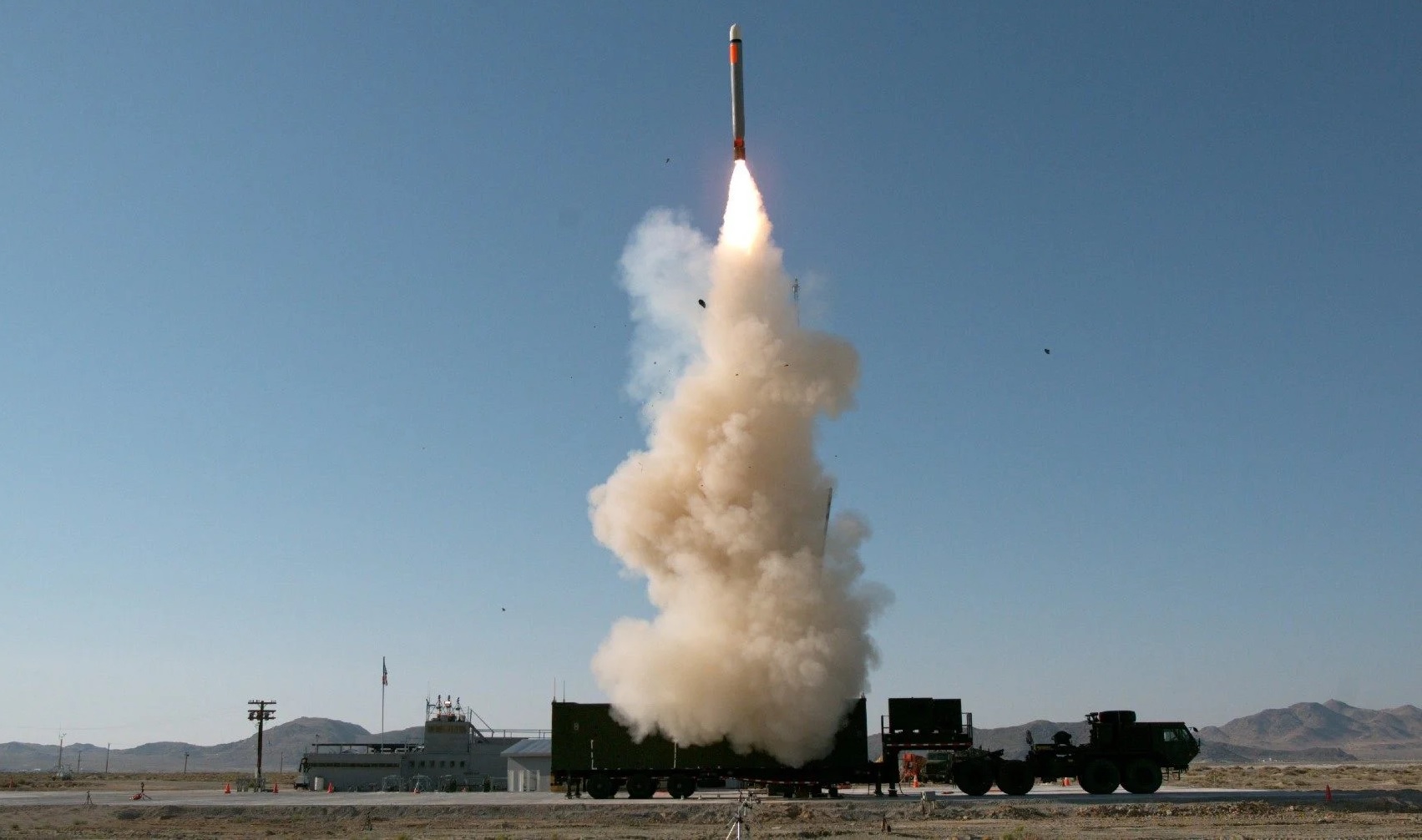
World
In a significant step toward bolstering its defense capabilities, the Philippines will begin training with the US mid-range Typhon missile system next month. This move, announced by the Philippine Army on Tuesday, comes amidst escalating maritime tensions in the South China Sea and is likely to provoke further reactions from Beijing. A platoon from the Army Artillery Regiment will undergo a week-long orientation and familiarization program starting in mid-February. Conducted in collaboration with the US Army Pacific's 1st Multi-Domain Task Force, this training forms part of preparations for the annual Salaknib joint military exercise between the two nations. Philippine Army spokesman Colonel Louie Dema-ala emphasized that the training would involve new units while continuing lessons from last year's iteration. Typhon Missile System: A Game-Changer in Defense The Typhon missile system, first deployed to the northern Philippines during joint drills in 2023, was not removed after the exercises concluded, raising eyebrows in the region. Designed to engage targets up to 370 kilometers (200 nautical miles) offshore, the system is considered a strategic asset for protecting the Philippines’ maritime domain under the United Nations Convention on the Law of the Sea (UNCLOS). The Philippine Army has expressed interest in acquiring the Typhon system as part of its modernization efforts. This decision is closely tied to securing its waters amid increasing confrontations with China over disputed territories in the South China Sea. Strategic Importance and Logistics This year's training program also includes testing the system's mobility. According to military spokeswoman Colonel Francel Padilla, the focus will be on assessing how logistical support can transport the missile launcher to critical locations across the country. This logistical flexibility is vital for a system designed to provide quick, adaptable defense coverage. However, it is important to note that no live firing of the Typhon missiles will occur during the training. Instead, the emphasis remains on maximizing personnel familiarity with the technology. China’s Concerns and Regional Implications China has consistently expressed opposition to the deployment of US missile systems in the Philippines, accusing Manila of exacerbating regional tensions. Last week, Chinese foreign ministry spokeswoman Mao Ning reiterated Beijing's concerns, warning of an "arms race" in Southeast Asia. She argued that the introduction of "strategic offensive weapons" into the region incites geopolitical confrontation and disrupts stability. This development adds another layer to the already complex dynamics in the South China Sea, where Chinese and Philippine vessels have engaged in several confrontations over disputed reefs and waters. China's warnings have done little to deter the Philippines from strengthening its defense partnerships with the US, a key ally in the region. Strengthening Defense Ties with the US The Philippines’ increased collaboration with the US military reflects a broader strategy to counterbalance China’s growing influence. The Salaknib exercises, where the Typhon system will feature prominently, underscore the commitment of both nations to enhance joint operational capabilities. As Manila continues to modernize its military and assert its territorial rights, the Typhon missile system represents a critical step in improving its defensive posture. While tensions with China are likely to remain high, the Philippines is making it clear that it intends to prioritize its national security and maritime sovereignty. This renewed military cooperation with the US sends a strong signal that the Philippines is prepared to adapt to emerging security challenges in the Indo-Pacific region.
Read More → Posted on 2025-01-28 14:24:35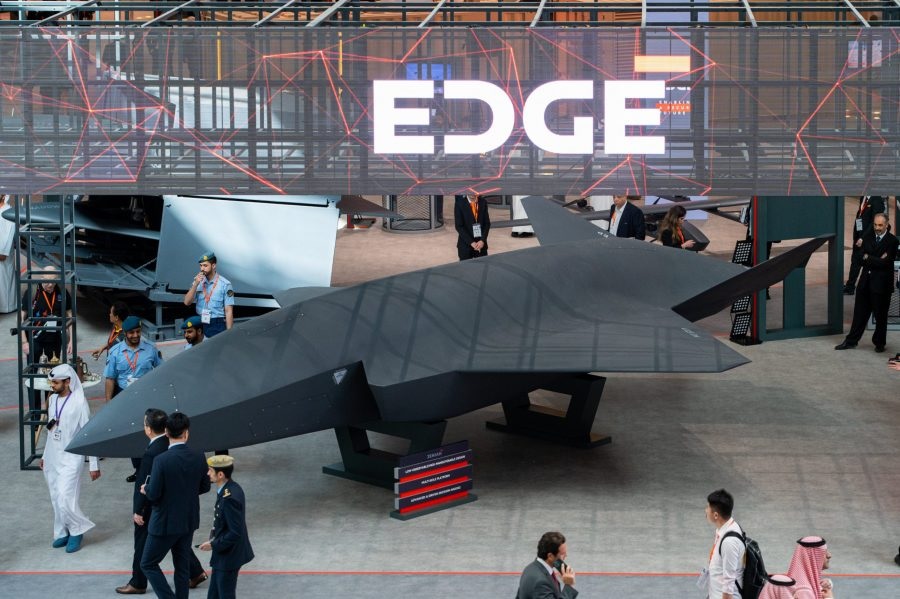
World
EDGE Group, the UAE’s leading defence and technology conglomerate, is preparing for its largest and most ambitious showcase yet at the International Defence Exhibition & Conference (IDEX) and the Naval Defence & Maritime Security Exhibition (NAVDEX) in 2025. As the official Strategic Partner for the event, EDGE is set to display over 200 advanced defence and security solutions, a remarkable doubling of its portfolio since its appearance at IDEX 2023. This expanded presence reflects EDGE’s rapid rise as a global defence powerhouse, highlighting its innovation across multiple domains, including air, land, sea, cyber, and space. Over the years, EDGE has forged critical partnerships, established joint ventures with global industry leaders, and made strategic investments to solidify its standing as a leader in integrated defence solutions. These efforts align with the UAE’s vision of developing sovereign industrial capabilities that contribute to its national security and technological independence. Transformative Growth in a Short Span Hamad Al Marar, Managing Director and CEO of EDGE, described the company’s achievements as transformative, citing its exponential growth since its inception five years ago. According to Al Marar, EDGE has expanded from 20 entities to over 35 by 2025, while doubling its product range compared to its 2023 offerings. This growth has been driven by a clear strategy of leveraging partnerships, investing in cutting-edge technologies, and fostering a robust defence ecosystem within the UAE. Highlights of EDGE’s Showcase At IDEX 2025, EDGE’s display will feature an impressive range of technologies and products that underscore its innovative capabilities. Among the key highlights are: Autonomous Systems: EDGE will present the HT-100 unmanned helicopter and GARMOOSHA, the UAE’s first domestically produced unmanned aerial system, demonstrating its leadership in autonomous technology. Advanced Munitions: Cutting-edge weapon systems like the AL TARIQ precision-guided munitions series and the SKYKNIGHT air defence missile system will be showcased. Land Systems: Mission-proven solutions such as the THeMIS unmanned ground vehicle and the AJBAN MK II multi-role light patrol vehicle will represent EDGE’s advancements in land defence. Naval Innovations: The naval segment will see the debut of the FALAJ 3 patrol vessel and the RABDAN offshore patrol vessel, both designed and built in the UAE, underscoring EDGE’s focus on maritime security. Technology & Innovation Cluster: A new division dedicated to radar systems, electro-optics, and artificial intelligence will be unveiled, highlighting EDGE’s ambition to lead in cutting-edge technological solutions. Strategic Vision for the Future EDGE’s participation at IDEX 2025 isn’t just about showcasing advanced technologies; it’s a statement of its long-term vision to position the UAE as a global hub for defence innovation. The company aims to solidify its reputation as a leader in advanced systems while reinforcing the UAE’s strategic autonomy in critical defence sectors. As the global defence landscape evolves, EDGE is also set to announce new collaborations and partnerships during the event, further enhancing its role as a preferred partner for international defence companies. These alliances are expected to bolster EDGE’s capabilities in delivering integrated, next-generation defence solutions. IDEX 2025: A Landmark Event Visitors to IDEX 2025, scheduled from 17 to 21 February in Abu Dhabi, will have the opportunity to experience EDGE’s cutting-edge offerings at various locations. The indoor stand will be located at 05-C20 in Hall 5, with additional displays at the outdoor stand CP-270. Additionally, EDGE subsidiary ADSB will have a prominent presence at NAVDEX 2025, stand B-022. This year’s IDEX is shaping up to be a milestone event not only for EDGE but also for the UAE, showcasing the nation’s emergence as a global leader in advanced defence technologies and innovation. Through its ambitious display, EDGE is poised to reinforce its commitment to excellence, innovation, and technological sovereignty.
Read More → Posted on 2025-01-28 14:21:48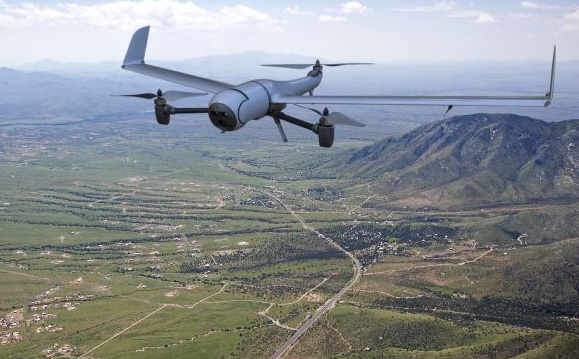
World
Red Cat Holdings, a leader in advanced unmanned aerial systems, has secured a contract to supply 12 more Edge 130 Blue vertical takeoff and landing (VTOL) drones to the Army National Guard and an undisclosed US government agency. The combined deal is valued at $518,000, marking yet another milestone for the Puerto Rico-based company as it continues to support military and governmental operations with cutting-edge drone technology. Expanding Manufacturing to Meet Demand In response to growing demand, Red Cat is ramping up its production capacity for the Edge 130 Blue. CEO Jeff Thompson emphasized the company’s commitment to equipping US government agencies with superior technology designed to enhance operational efficiency and mission success. “We are expanding our manufacturing capacity for the Edge 130 to accelerate this momentum,” Thompson stated, underscoring the strategic importance of the drone in military and surveillance applications. The Advanced Capabilities of the Edge 130 Blue The Edge 130 Blue stands out as a military-grade tricopter tailored for a wide range of operations, including mapping, reconnaissance, inspection, and surveillance. This advanced drone combines lightweight portability, cutting-edge technology, and robust functionality: Lightweight Design: Weighing just 1.2 kilograms (2.65 pounds), the Edge 130 is compact yet powerful, enabling rapid deployment and assembly by a single operator in under a minute. Extended Flight Performance: It boasts a flight time of up to one hour in forward mode, reaching altitudes of 3,650 meters (12,000 feet) and achieving cruise speeds of 65 mph (100 km/h). AI-Powered Surveillance: Equipped with AI-driven sensors, the drone delivers high-precision aerial imagery and real-time reconnaissance data, making it invaluable for military and government missions. Hybrid Flight Modes: The system features seamless transition between multi-rotor and fixed-wing flight modes, utilizing exclusive thrust-vector control without requiring manual input. Mission-Centric Features: With pre-programmed mapping and mission options, operators can customize flight plans, share live video feeds, and efficiently execute complex operations. Growing Adoption of the Edge 130 Blue The latest contracts reflect Red Cat’s ongoing success in delivering reliable drone technology for high-stakes operations. The Edge 130 Blue is part of the company's newly launched family of drones designed to meet the evolving needs of military forces and government agencies. Previously, Red Cat secured notable contracts for the Edge 130 Blue, including a $1-million deal in October 2023 to supply the US Army with these drones. The same month, the company also provided 12 units to the Royal Australian Navy, further establishing the platform’s appeal in international markets. A Look Ahead The Edge 130 Blue’s lightweight design, ease of deployment, and AI-driven features make it a critical tool for missions requiring precision, efficiency, and real-time decision-making. Red Cat's continued investment in manufacturing and development ensures that its drones remain at the forefront of the industry, enabling government and military operators to tackle increasingly complex challenges. With its latest contract, Red Cat solidifies its position as a trusted supplier of high-performance unmanned aerial systems for the US government, while laying the groundwork for future innovations in drone technology.
Read More → Posted on 2025-01-28 14:19:22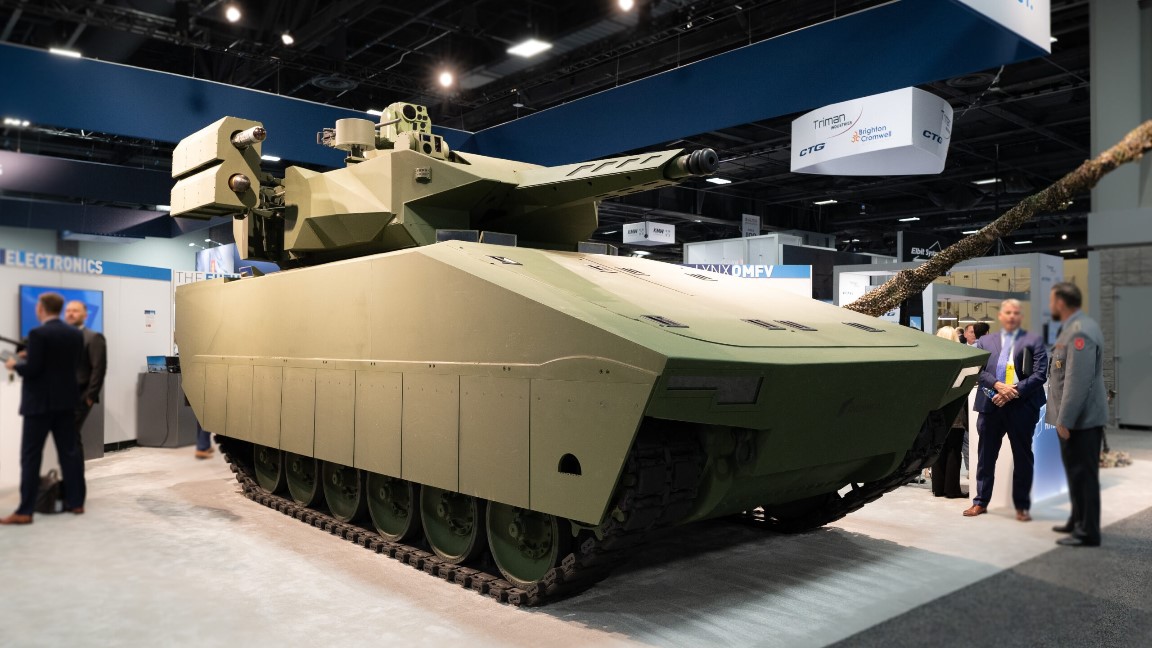
World
The U.S. Army is making notable progress in developing its next-generation Mechanized Infantry Combat Vehicle (MICV), known as the XM-30. This cutting-edge vehicle is set to replace the long-serving M-2 Bradley Infantry Fighting Vehicle, which has been a core component of the Army’s fleet since 1981. The XM-30 marks a pivotal step in the Army’s modernization strategy, designed to address the evolving demands of modern warfare and enhance the operational capabilities of Armored Brigade Combat Teams (ABCTs). A Vehicle Built for the Future The XM-30, previously referred to as the Optionally Manned Fighting Vehicle (OMFV), represents a significant leap forward in combat vehicle design. One of its standout features is its ability to operate both with a crew and autonomously, providing commanders with unprecedented tactical flexibility. Whether in crewed missions or as an unmanned system, the XM-30 is expected to deliver superior performance in diverse operational environments. Beyond its role in transporting infantry, the XM-30 is equipped to deliver direct fire support and counter enemy armored vehicles. The vehicle’s multi-mission capability ensures it is well-suited to address the diverse challenges of contemporary and future battlefields. It is being engineered to incorporate advanced technologies, making it adaptable to emerging threats over its lifespan. A Methodical Development Process The XM-30 program follows a five-phase acquisition strategy to ensure a thorough and efficient development process. These phases include: Market research Concept design Detailed design Prototype build and testing Production and fielding Currently in the detailed design phase, the program has awarded contracts to two defense industry leaders: General Dynamics Land Systems Inc. and American Rheinmetall Vehicles LLC. These contractors are refining their designs as they prepare for the critical prototyping and testing phase. The Army has outlined an ambitious timeline for the XM-30’s development. By the second quarter of Fiscal Year (FY) 2025, the program is set to transition into the Major Capability Acquisition pathway. Low-Rate Initial Production is expected to begin in FY 2028, with Full-Rate Production anticipated by FY 2030. Modular Design for Future Adaptability One of the XM-30’s defining features is its Modular Open Systems Architecture (MOSA), a design framework that facilitates the integration of new technologies and capabilities throughout the vehicle’s lifecycle. This approach not only enhances the vehicle’s adaptability to emerging threats but also lowers long-term costs and encourages innovation within the defense industry. The XM-30 is poised to incorporate state-of-the-art systems, including active protection technologies to counter anti-tank guided missiles and unmanned aerial systems. These features are informed by lessons learned from recent global conflicts, where traditional armored vehicles have faced significant challenges against such advanced threats. Strategic Considerations and Challenges The introduction of the XM-30 raises several critical questions about its deployment within the Army. For instance, will the XM-30 replace the M-2 Bradley on a one-for-one basis, or will additional vehicles be needed to support Army Prepositioned Stocks and other operational requirements? Additionally, the program must carefully balance performance improvements with cost considerations. The Army is acutely aware of the logistical challenges and lifecycle costs associated with transitioning to a new vehicle platform. Ensuring affordability and maintainability will be crucial for the XM-30’s long-term success. A Cornerstone of Modernization The XM-30 program embodies the Army’s commitment to addressing the rapidly changing landscape of modern warfare. By leveraging advanced technologies and incorporating lessons from recent conflicts, the Army aims to develop a vehicle that meets the demands of the 21st-century battlefield. As the program progresses, the Army will continue to evaluate and refine its approach to ensure the XM-30 delivers on its promises. The collaboration between military stakeholders, defense contractors, and policymakers will be pivotal in achieving a seamless transition to this next-generation combat vehicle. By the time the XM-30 enters full-scale production, it is expected to set a new standard for mechanized infantry vehicles, redefining how the U.S. Army engages in ground combat operations worldwide.
Read More → Posted on 2025-01-28 08:03:12
World
Denmark has announced an ambitious $2 billion (14.6 billion kroner) plan to enhance security and defense in the Arctic, a region gaining increasing geopolitical importance as climate change opens up new opportunities and challenges. The plan highlights Denmark’s strategic commitment to securing its interests in an area that borders the United States, Russia, and the increasingly vital Greenland. The announcement comes at a time when Arctic security has become a key global focus, fueled by competition for resources, strategic positioning, and newly accessible shipping routes created by melting ice. The Arctic’s vast reserves of oil, gas, and minerals have attracted the attention of global powers, and Denmark, with its sovereignty over Greenland, is playing a pivotal role in this evolving dynamic. Bolstering Security in the Arctic and North Atlantic Danish Defense Minister Troels Lund Poulsen emphasized the growing importance of Arctic defense, stating, “We must face the fact that there are serious challenges regarding security and defense in the Arctic and North Atlantic.” This acknowledgment reflects Denmark’s effort to strengthen its position in the face of rising tensions and potential rivalries in the region. The security plan will likely include investments in military infrastructure, surveillance capabilities, and naval operations to ensure effective monitoring and control over the strategic waters and airspace surrounding Greenland. This step is seen as vital for maintaining stability and safeguarding Danish and allied interests in the region. Greenland's Strategic Significance Greenland, an autonomous Danish territory, has become a focal point in Arctic geopolitics due to its location and natural resources. Former U.S. President Donald Trump’s controversial 2019 statement about wanting to “buy Greenland” underscored the island’s strategic value for international security. With Arctic ice melting at an unprecedented rate, new shipping lanes and access to untapped resources have made Greenland a critical player in global politics. Denmark’s plan also underscores its responsibility to protect Greenland and its population from external threats while addressing the island’s growing significance in international affairs. Denmark’s Role in European and NATO Unity Danish Prime Minister Mette Frederiksen, ahead of her diplomatic visits to Berlin, Paris, and Brussels, highlighted the importance of European unity in the face of current geopolitical challenges. “Europe is facing a serious situation, with war on the continent and shifts in the geopolitical reality. In moments like this, unity is crucial,” Frederiksen said. Frederiksen’s meetings with leaders such as French President Emmanuel Macron, German Chancellor Olaf Scholz, and NATO Secretary General Jens Stoltenberg are expected to focus on fostering cooperation and reinforcing transatlantic security commitments. Denmark’s Arctic security initiative is seen as aligning closely with NATO’s broader strategic goals in the region, especially given increased Russian activity and military presence in the Arctic. A Timely Response to Global Challenges Denmark’s Arctic security plan comes amid growing concerns about the militarization of the Arctic by Russia and increased interest from China, which has declared itself a “near-Arctic state.” These developments have pushed Arctic nations, including Denmark, to reassess their defense strategies to ensure regional stability. In addition to military upgrades, Denmark is also expected to focus on sustainability and collaboration with Greenland’s local government to address the economic and environmental challenges posed by climate change in the Arctic. This move by Denmark underscores the growing realization that the Arctic, once considered a remote and frozen frontier, is rapidly becoming a key arena for global power struggles, environmental challenges, and economic opportunities. With its $2 billion commitment, Denmark is positioning itself as a proactive and responsible stakeholder in this critical region.
Read More → Posted on 2025-01-28 07:59:59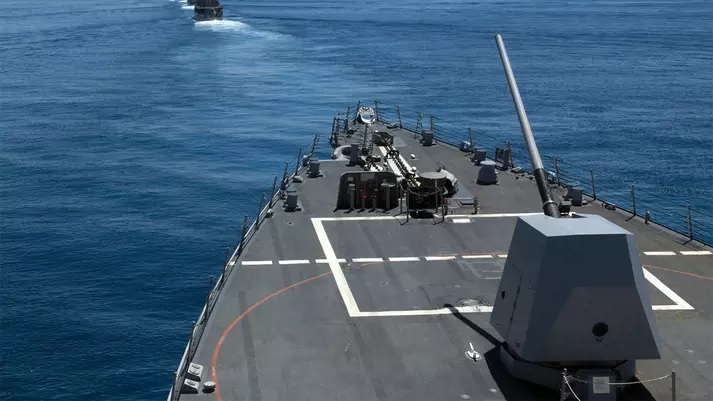
World
BAE Systems has secured a contract worth over $70 million with the U.S. Navy to upgrade its Mk 45 naval gun systems, a critical component of the Navy's firepower arsenal. This includes a recent $23.5 million modification to the initial $47 million agreement signed in July, further solidifying BAE Systems’ role in enhancing the Navy's combat capabilities. The contract focuses on upgrading the Mk 45 systems to the advanced Mk 45 Mod 4 configuration. This involves the installation of a 62-caliber barrel, a reinforced gun mount, and a state-of-the-art digital control system. These modifications are designed to improve system performance, allowing seamless integration with advanced targeting and fire control systems. One of the standout features of the upgrade is its ability to accommodate modernized munitions with 50% greater firing energy, providing the Navy with enhanced long-range precision and striking power. Additionally, the Mk 45 Mod 4 upgrade lays the foundation for future precision-guided munitions. These advancements will allow the U.S. Navy to extend its operational reach significantly, particularly in contested environments. The enhanced system is expected to bolster both offensive strike and defensive capabilities, ensuring that sailors remain equipped to face emerging threats in modern naval warfare. Commenting on the program, Brent Butcher, Vice President of Weapon Systems at BAE Systems, underscored the importance of the upgrade. “Recent events in the Red Sea highlight the critical need for advanced naval firepower. With the Mk 45 Mod 4, sailors gain enhanced protection and cutting-edge capabilities,” Butcher said. The statement reflects the growing importance of precision and adaptability in the Navy's weapon systems, especially in volatile regions. The decision to modernize the existing Mk 45 naval guns rather than develop entirely new platforms is a cost-effective and efficient approach. By upgrading the systems, the Navy ensures that its fleet remains ready for future challenges without the significant expense and time associated with developing new weapon systems from scratch. These enhancements will enable the Navy to respond to diverse threats, including long-range air defense and surface strikes, with increased effectiveness. The work on these upgrades will take place at BAE Systems’ manufacturing facility in Louisville, Kentucky, with project completion targeted for the end of 2028. The contract is part of the Navy's broader initiative to modernize its fleet and maintain a technological edge in an era of rapid advancements in military technology. As global naval competition intensifies, particularly in areas like the Indo-Pacific and the Middle East, the Mk 45 Mod 4 upgrade ensures that the U.S. Navy remains at the forefront of maritime defense. The combination of increased firing energy, compatibility with precision munitions, and advanced digital systems positions the Navy to meet both current and future operational requirements effectively. This modernization program not only underscores the importance of maintaining cutting-edge naval firepower but also highlights the growing reliance on industry partnerships to deliver cost-effective and timely solutions for national defense. BAE Systems’ ongoing collaboration with the U.S. Navy exemplifies how innovation and strategic investment are shaping the future of naval warfare.
Read More → Posted on 2025-01-28 07:55:41
World
Former President Donald Trump has issued a directive to begin planning for a U.S.-based missile defense system modeled on Israel's highly effective "Iron Dome." In an executive order signed on Monday, Trump tasked the Secretary of Defense with presenting a comprehensive implementation plan within 60 days. The system, envisioned as a "next-generation missile defense shield," aims to counter threats from ballistic missiles, hypersonic weapons, and advanced cruise missiles. The plan also hints at incorporating space-based interceptors, a cutting-edge component that would broaden the U.S.'s missile defense capabilities. The Iron Dome has earned global recognition for its ability to intercept short-range rockets and artillery shells, primarily defending Israel from attacks by Hamas and Hezbollah. However, adapting such a system for the United States presents unique challenges. The U.S. faces threats primarily from long-range intercontinental ballistic missiles (ICBMs) rather than the short-range missiles the Iron Dome was designed to counter. Critics have pointed out that scaling up the Iron Dome for broader, long-range missile threats would require a significant redesign and integration with existing U.S. defense systems, such as the Ground-based Midcourse Defense (GMD) program. A Campaign Promise in Action During his 2024 election campaign, Trump repeatedly emphasized the need for a U.S.-specific version of the Iron Dome, citing growing threats from advanced missile technologies developed by adversaries like Russia, China, and North Korea. While the specifics of the proposed system remain unclear, the executive order highlights an increasing focus on next-generation strategic weapons, which Trump described as becoming "more intense and complex" over the past four decades. Speaking at a Republican congressional retreat in Miami, Trump justified the move by pointing to the Iron Dome's success. “Israel’s Iron Dome knocks down just about every one of the rockets fired at them. The U.S. deserves the same kind of protection,” he told attendees. The U.S. currently relies on an array of missile defense systems, including the Terminal High Altitude Area Defense (THAAD), Patriot missile systems, and space-based sensors. However, none of these systems fully replicate the Iron Dome's precision in neutralizing close-range, fast-moving threats. Integrating such a capability with U.S. defenses would likely involve collaboration between the Pentagon and private defense contractors, possibly drawing from Israel’s Iron Dome technology developed by Rafael Advanced Defense Systems and Raytheon. Strategic and Political Implications The proposal comes amid escalating global tensions and rapid advancements in missile technology by other nations. Hypersonic missiles, which can travel at speeds exceeding Mach 5, and maneuverable cruise missiles pose significant challenges to existing defense systems. Trump’s executive order underscores the need to stay ahead of such developments, potentially by leveraging new technologies, including space-based interception systems. However, the feasibility of creating a U.S.-specific Iron Dome remains uncertain. Experts argue that while the Iron Dome is highly effective for Israel’s small geographical area, scaling it to cover the entire U.S. or even high-priority regions would require a massive investment and extensive technical innovation. Questions about cost, technological challenges, and the timeline for implementation are likely to dominate discussions in the coming months. Broader Military Policies On the same day as the Iron Dome announcement, Trump signed several other military-related executive orders, including a controversial measure aimed at reinstating the ban on transgender individuals serving in the armed forces. These moves signal a broader push to reshape U.S. defense and military policies, with Trump focusing on initiatives that resonate with his voter base. The directive for a domestic missile shield reflects both a strategic pivot and a fulfillment of campaign promises. Whether the U.S. can adapt the Iron Dome concept to its specific defense needs remains to be seen, but the executive order is likely to reignite debates over the future of national missile defense and its role in safeguarding American cities and infrastructure.
Read More → Posted on 2025-01-28 07:54:14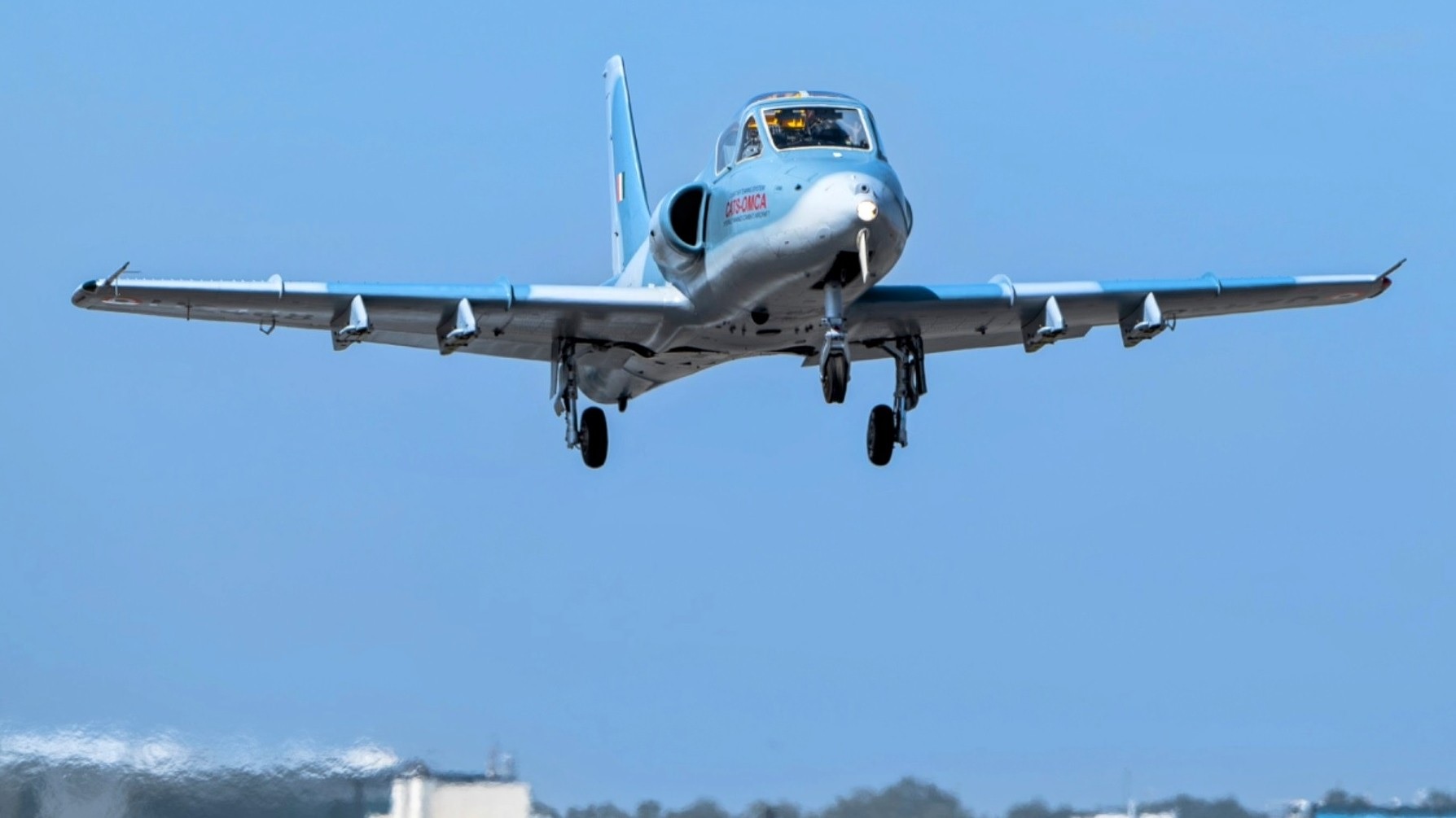
India
The first glimpse of the repurposed Kiran UAV under the Combat Air Teaming System (CATS) Optionally Manned Combat Aircraft (OMCA) program has created a buzz in the defense community. The image, which recently went viral on X (formerly Twitter), reveals the aircraft in a striking two-tone blue livery, symbolizing its transition from a trusted training platform to an advanced unmanned aerial vehicle (UAV). Originally built by Hindustan Aeronautics Limited (HAL) in 1985, the HAL HJT-16 Kiran Mk.2 served as a jet trainer for nearly four decades. Now, this aging platform is being reimagined as a modern combat asset, demonstrating how legacy aircraft can find new life in contemporary warfare. HAL is set to showcase this innovation as a static display model at Aero India 2025, offering a glimpse into the future of aviation technology and its cost-effective transformation. From Trainer to Tactical Asset Under the CATS OMCA program, the Kiran UAV has been modified to operate both autonomously and under ground control. This dual capability provides unmatched versatility, enabling the aircraft to serve in roles ranging from reconnaissance to combat missions. The UAV's ability to act as a decoy, drawing enemy defenses and exposing vulnerabilities, is a game-changer in air combat strategy. Furthermore, the Kiran UAV is designed for secondary strike capabilities, making it a formidable asset in contested airspace. HAL's decision to convert the Kiran into a UAV aligns with the global shift towards optionally manned systems. These platforms offer the flexibility of human-piloted missions while being capable of fully autonomous operations when required, reducing risk to human life and enhancing combat effectiveness. Strategic Benefits and Global Potential Reusing platforms like the Kiran, which are nearing the end of their operational lifespan, offers several strategic benefits. It reduces the financial burden of acquiring entirely new UAVs while leveraging the robust engineering of older aircraft. Such cost-effective innovations make these platforms highly appealing for countries looking to bolster their air capabilities without significant expenditure. Aero India 2025 will provide HAL an opportunity to showcase this advancement to the global aerospace community. International interest in such conversion projects could open doors for collaborations, technology-sharing agreements, and even export opportunities. HAL's efforts also underscore India's growing focus on indigenous defense technologies and innovative solutions. The Future of Optionally Manned Systems The Kiran UAV is a step toward a broader trend in aviation, where optionally manned systems are expected to dominate future air combat. These aircraft, capable of adapting between manned and unmanned operations, are predicted to be at the forefront of military technology. By investing in and showcasing this concept, HAL is signaling its readiness to play a significant role in the evolving landscape of aerial warfare. As Aero India 2025 approaches, the spotlight will undoubtedly shine on the Kiran UAV and its role under the CATS OMCA initiative. This transformation exemplifies how old designs can be reengineered for modern combat, ensuring that no resource is wasted while opening up new frontiers in defense innovation.
Read More → Posted on 2025-01-27 15:05:36
World
Rafael Advanced Defense Systems has successfully demonstrated the compatibility of its advanced electronic warfare (EW) decoy rockets with widely deployed 130mm decoy-launching systems used by naval forces worldwide. This achievement highlights the flexibility and adaptability of Rafael's decoy munitions, initially designed for proprietary fixed launchers and Elbit Systems' trainable Deseaver launchers, to integrate seamlessly with standard 130mm systems used globally. The test confirms that these cutting-edge decoys can be deployed from a variety of platforms without significant modifications, thereby broadening their operational utility for navies. According to a Rafael spokesperson, the successful test was conducted using a simple mechanical adapter to fit the 115mm decoy to a 130mm diameter launcher, eliminating the need for complex repackaging or redesign. Advanced Decoy Technology for Evolving Naval Threats Rafael’s EW decoy portfolio includes the sophisticated C-GEM™ and WIZARD™ systems, both of which provide a robust defense against increasingly advanced anti-ship missile threats. C-GEM™ is an active RF decoy equipped with a state-of-the-art Active Electronically Scanned Array (AESA) transmitter that offers 360° azimuth coverage. Using Digital Radio Frequency Memory (DRFM) technology, it generates realistic and coherent signals designed to deceive and divert radar-guided missile seekers effectively. WIZARD™, on the other hand, is a rapid-response, free-flight rocket decoy. It employs an encapsulated inflatable frame that forms corner reflectors upon deployment, creating realistic target signatures to counter chaff discrimination by modern missile systems. Both decoys are part of Rafael’s Integrated Decoy System (IDS), which offers a comprehensive and scalable solution for naval defense. IDS integrates seamlessly with other Rafael systems like the C-Dome, the naval adaptation of the Iron Dome air defense system, and Digital Shark, a Naval Electronic Countermeasure (ECM) system designed to counter complex radar threats autonomously. Operational Success and Future Deployment Rafael's EW decoys are already operational on the Israeli Navy’s Saar 6 corvettes, playing a crucial role in bolstering Israel’s maritime defense capabilities. This operational success further validates the versatility and reliability of the systems in active naval service. The broader implications of this development are significant. By ensuring compatibility with standard 130mm decoy-launching systems, Rafael has made its decoys more accessible to navies worldwide, especially those looking to upgrade their existing EW capabilities without overhauling their launcher systems. This cost-effective integration ensures that global naval forces can enhance their defenses against evolving missile and radar threats without compromising operational efficiency. Rafael’s Vision for the Future As maritime security threats continue to evolve, Rafael remains committed to innovation and adaptability in the defense domain. The company plans to showcase its EW decoy systems alongside other cutting-edge naval defense solutions, such as the C-Dome and Digital Shark, at prominent international defense exhibitions, including Aero India 2025 and NAVDEX 2025. Ran Tavor, VP and Head of Rafael’s Naval Systems Division, emphasized the importance of adaptability in modern naval defense: “In an era where maritime security threats are evolving rapidly, agility and adaptability are critical. At Rafael, we are committed to developing cutting-edge systems that respond dynamically to the challenges posed by advanced radar and missile technologies. This successful test not only underscores our excellence in creating innovative EW solutions but also demonstrates our ability to integrate seamlessly with existing platforms, ensuring navies remain operationally superior in the face of evolving threats.” Strengthening Global Naval Defense With its focus on delivering advanced, interoperable defense solutions, Rafael continues to enhance the operational capabilities and survivability of naval forces worldwide. This successful demonstration of compatibility with global 130mm decoy-launching systems reaffirms Rafael’s leadership in the EW and naval defense domains, ensuring that navies are equipped to face modern threats with confidence. By achieving seamless integration with existing platforms and expanding the utility of its proven technologies, Rafael has set a new benchmark for naval electronic warfare solutions.
Read More → Posted on 2025-01-27 14:39:21
World
In a significant tactical success, Ukrainian defense forces have destroyed a Russian 96L6E radar system, a vital component of the S-400 (SA-21 Growler) and S-300 (SA-20 Gargoyle) air defense systems. The precision strike was documented in a video released by Ukraine's Ground Forces, showcasing the radar engulfed in flames following a direct hit. The 96L6E radar is an advanced high-altitude, medium-range detection platform essential for identifying and tracking airborne threats, including aircraft and missiles. It provides crucial target data for the S-400 and S-300 systems, acting as their "eyes" in the field. Its capabilities include precise measurement of target azimuth, elevation, and distance, and it can operate independently or as part of an integrated air defense system. Why the 96L6E Radar Is a Strategic Asset The 96L6E radar serves as a linchpin in Russia’s layered air defense network. It seamlessly integrates with automated control systems such as the Baikal-1E, Senezh-M1E, and Osnova-1E, enabling coordination with other radars and command centers. The radar system’s destruction not only impacts immediate operational capabilities but also disrupts the broader effectiveness of Russia's sophisticated air defense framework. Reports indicate that the radar crew was inside the vehicle at the time of the strike, leading to injuries among personnel. This development underscores the precision and intelligence-driven nature of Ukraine’s counteroffensive operations, targeting high-value assets to weaken Russian military capabilities systematically. The Impact on Russian Air Defenses The destruction of the 96L6E radar is a severe blow to Russia’s air defense network. Both the S-400 and S-300 missile systems are heavily reliant on such radars for early warning, target detection, and tracking. Without these critical radars, the effectiveness of these systems is significantly reduced, leaving gaps in air defense coverage and increasing vulnerability to aerial threats. This strike adds to a series of Ukrainian operations aimed at eroding Russia’s strategic assets, showcasing Ukraine’s growing capabilities in precision warfare. By targeting high-value components like the 96L6E radar, Ukraine continues to tilt the balance in its favor, making it increasingly challenging for Russian forces to maintain robust defensive operations. The elimination of such key systems reflects Ukraine’s broader strategy to dismantle critical infrastructure supporting Russian military operations. With each targeted strike, the effectiveness of Russia's air defense capabilities faces further degradation, reshaping the dynamics of the conflict.
Read More → Posted on 2025-01-27 14:23:31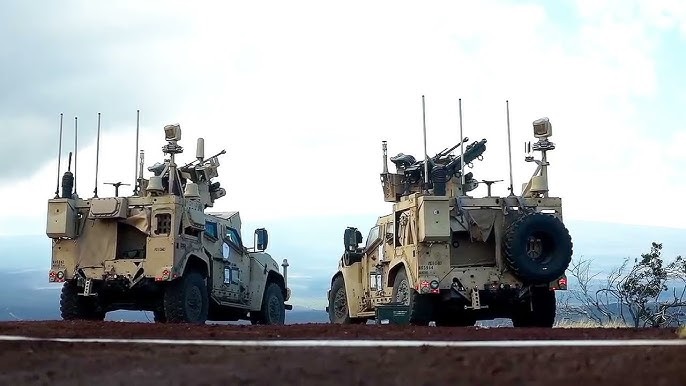
World
On January 25, the U.S. Marine Corps conducted a pivotal live-fire training exercise in Hawaii, showcasing the advanced capabilities of the Marine Air Defense Integrated System (MADIS). Organized by the 3d Marine Littoral Regiment (3d MLR), the event marked a critical milestone in integrating MADIS into the Marine Corps' operational toolkit, following rigorous testing and evaluation phases. The MADIS Advantage: A Next-Generation Air Defense System MADIS is a cutting-edge, mobile, short-range air defense system engineered to detect, track, and neutralize unmanned aerial systems (UAS) and other low-altitude threats. The system, operated by the 3d Littoral Anti-Air Battalion’s Ground-Based Air Defense Battery, combines a suite of advanced weaponry, including: Missiles designed for precise targeting, Air-to-air launchers, High-powered machine guns and chain guns. These features equip MADIS to deliver robust, multi-layered protection for forces operating in contested environments, such as the Indo-Pacific littorals. Its mobility and versatility make it particularly well-suited for responding to evolving aerial threats in these regions. Live-Fire Exercise: A Tactical Showcase The live-fire exercise marked the first time MADIS was deployed in Hawaii since its formal introduction in December 2024. Conducted under realistic battlefield conditions, the drill allowed Marines to demonstrate MADIS's operational effectiveness. The system successfully identified and engaged aerial targets, providing a vital test of its capabilities and boosting the Marines’ readiness to address modern threats. The exercise also served as a platform to validate MADIS’s deployment in dynamic environments, further underscoring its importance to the Marine Corps’ modernization goals. Strategic Significance and Leadership Perspectives Lieutenant Colonel Matthew E. Sladek, Commanding Officer of the 3d Littoral Anti-Air Battalion, praised the years of collaboration between government and industry partners that led to MADIS's successful deployment. He remarked, “The Marine Air Defense Integrated System significantly enhances our survivability and lethality in contested operations. It represents a leap forward in our ability to defend against evolving threats.” Colonel John G. Lehane, Commanding Officer of the 3d Marine Littoral Regiment, highlighted the strategic value of MADIS, noting its ability to enhance tactical flexibility and ensure the safety of Marine Corps formations. He stated, “MADIS adds a crucial layer of air and missile defense, extending our reach and ensuring we can counter adversary threats effectively.” A Step Forward in Force Modernization MADIS plays a central role in the Marine Corps' Force Design 2030 initiative, aimed at modernizing forces to meet the challenges of contemporary and future conflicts. By extending the airspace that the 3d MLR can sense and defend without external support, MADIS empowers the unit to operate more independently across the Indo-Pacific theater, a region critical to U.S. strategic interests. As the Marine Corps continues its transformation to address modern warfare’s complexities, MADIS stands out as a cornerstone of its defense strategy. The successful live-fire drill in Hawaii not only validated the system’s operational readiness but also reinforced its significance in ensuring the Marines remain a formidable force in contested environments.
Read More → Posted on 2025-01-27 14:18:59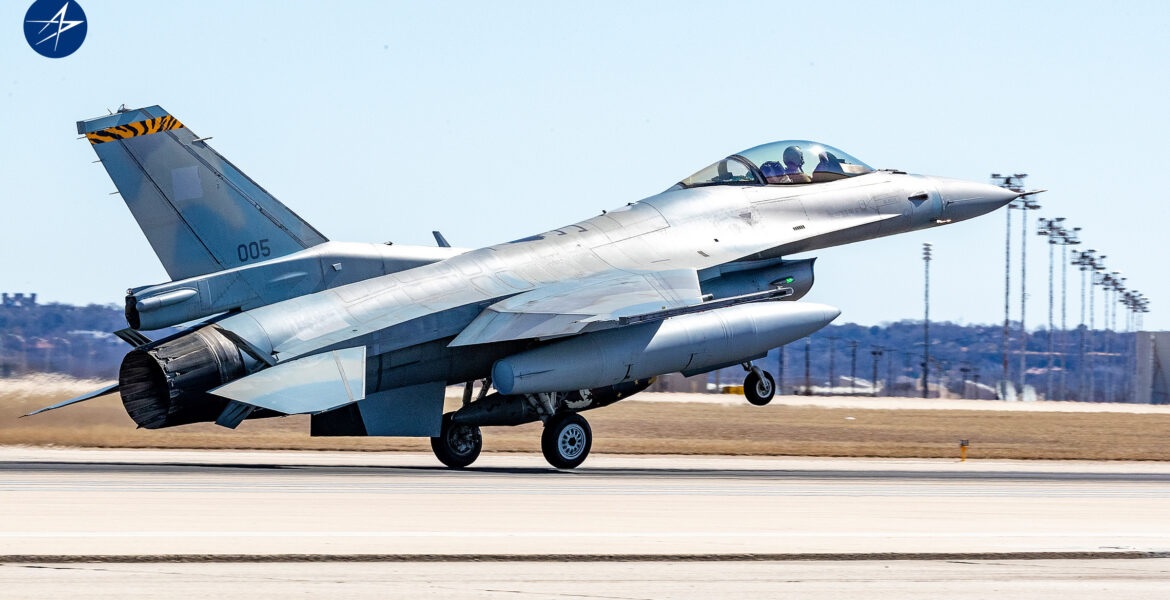
World
In a significant stride toward modernizing its air force, Greece has taken delivery of its 30th upgraded F-16 Viper from the American aerospace giant, Lockheed Martin. The upgrade is part of a $1.5 billion modernization program launched in 2018, aimed at enhancing the combat capabilities of the Hellenic Air Force. Greece plans to upgrade a total of 85 F-16 fighter jets to the Viper configuration by 2027, marking a major leap in its defense capabilities and interoperability with NATO allies. Transforming the F-16 into a Cutting-Edge Combat Aircraft The F-16 Viper is not just an incremental upgrade but a transformation of the existing F-16 Fighting Falcon into a state-of-the-art multi-role fighter jet. Central to the modernization is the integration of advanced avionics, electronics, and safety systems. Key enhancements include: Upgraded Mission Computer and Electronic Warfare Suite: The Viper's advanced computing power enables faster data processing and better threat identification. Its electronic warfare system provides enhanced protection against modern threats. Improved Pilot Safety with Ground Collision Avoidance: An automated system prevents accidents by detecting potential ground collisions and redirecting the aircraft in critical moments. High-Resolution Central Display: The new 6x8-inch screen in the cockpit offers high-definition digital imagery from onboard sensors, allowing pilots to make precise decisions during missions. Helmet-Mounted Cueing Systems: Advanced helmets provide pilots with real-time data, improving situational awareness in both day and night conditions. The system's multi-cue functionality simplifies the engagement of targets. 3D Audio Technology: Pilots can now pinpoint threats based on directional sound, adding an auditory layer to situational awareness. Sniper Advanced Targeting Pod: This sophisticated pod offers high-resolution video, a laser rangefinder, and a two-way data link for precise targeting and seamless coordination with ground forces. Strengthening Greece’s Defense Greece’s decision to upgrade its fleet to the Viper configuration demonstrates its commitment to staying ahead in a challenging regional security environment. The enhancements provide the Hellenic Air Force with superior offensive and defensive capabilities, ensuring it can respond to evolving threats and operate in complex, multi-domain environments. The modernized F-16 Vipers not only improve Greece’s defense capabilities but also enhance its operational compatibility with NATO allies. As Greece plays a critical role in the eastern Mediterranean, this upgrade underscores its importance as a strategic partner in the region. A Broader Regional Context The acquisition of the F-16 Vipers comes at a time when Greece faces ongoing security challenges, including maritime disputes and tensions in the eastern Mediterranean. The upgraded fleet will significantly boost the nation’s ability to patrol airspace, deter threats, and maintain stability in the region. As Lockheed Martin continues its collaboration with the Hellenic Air Force, the delivery of the remaining 55 upgraded jets by 2027 is set to further solidify Greece’s position as a regional defense leader.
Read More → Posted on 2025-01-27 14:15:53Search
Top Trending in 24 Hours
-
 U.S. Secures Permanent Military Rights in Greenland in Historic Security Pact with Denmark
-
 North Korea Fires Short-Range Ballistic Missile Toward Sea of Japan After Freedom Edge 26
-
 U.S. Government Seizes Almasirah.net, Houthi-Linked News Website
-
 India’s xTerra Robotics Launches Indigenous DHAV-Hy Wheeled-Legged Quadruped for Industrial Inspection
Top Trending in 4 Days
-
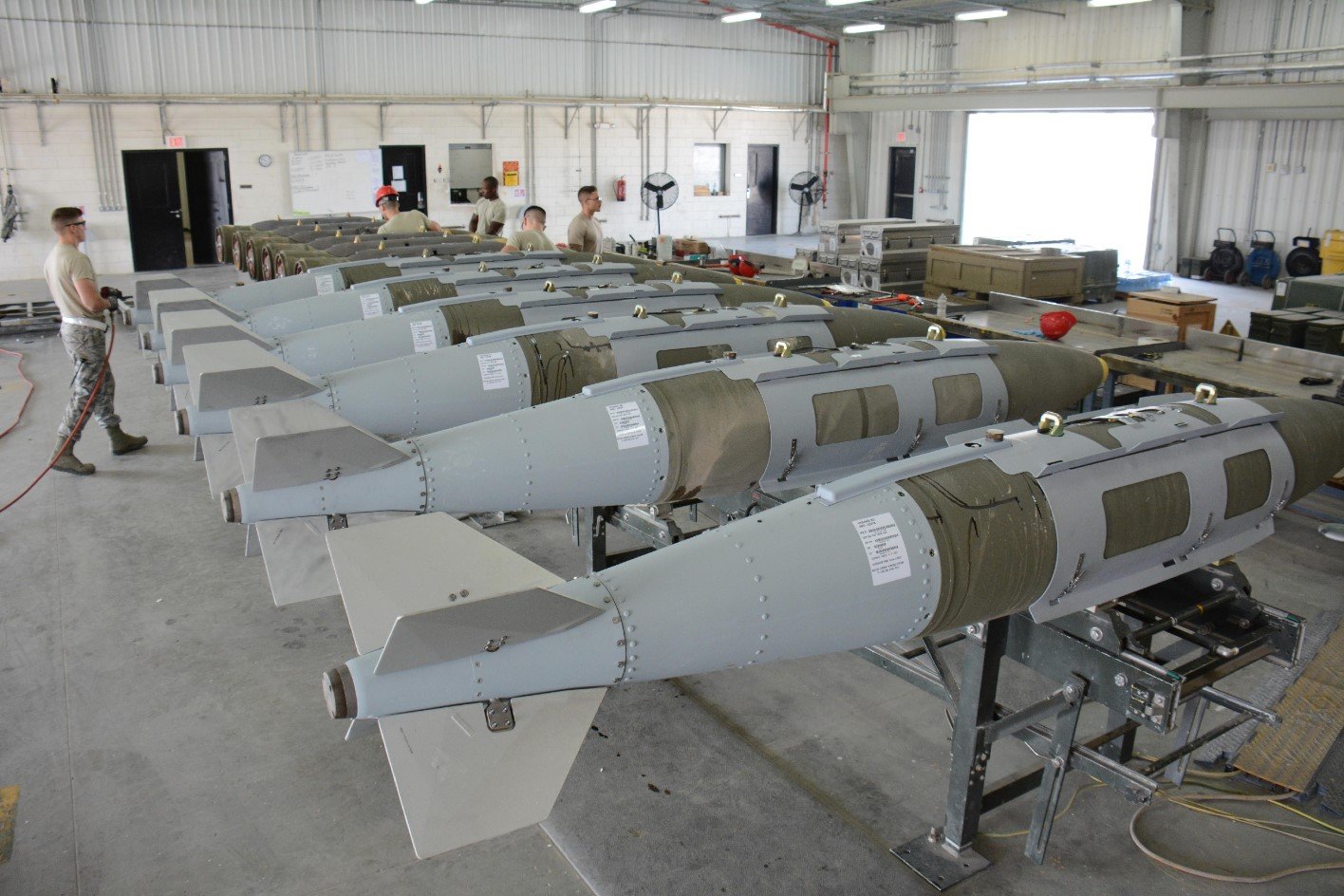 U.S. Plans $2.8 Billion Sale of 40,000 Heavy Bombs and 20,000 I-2000 Penetrator Warheads to Israel
-
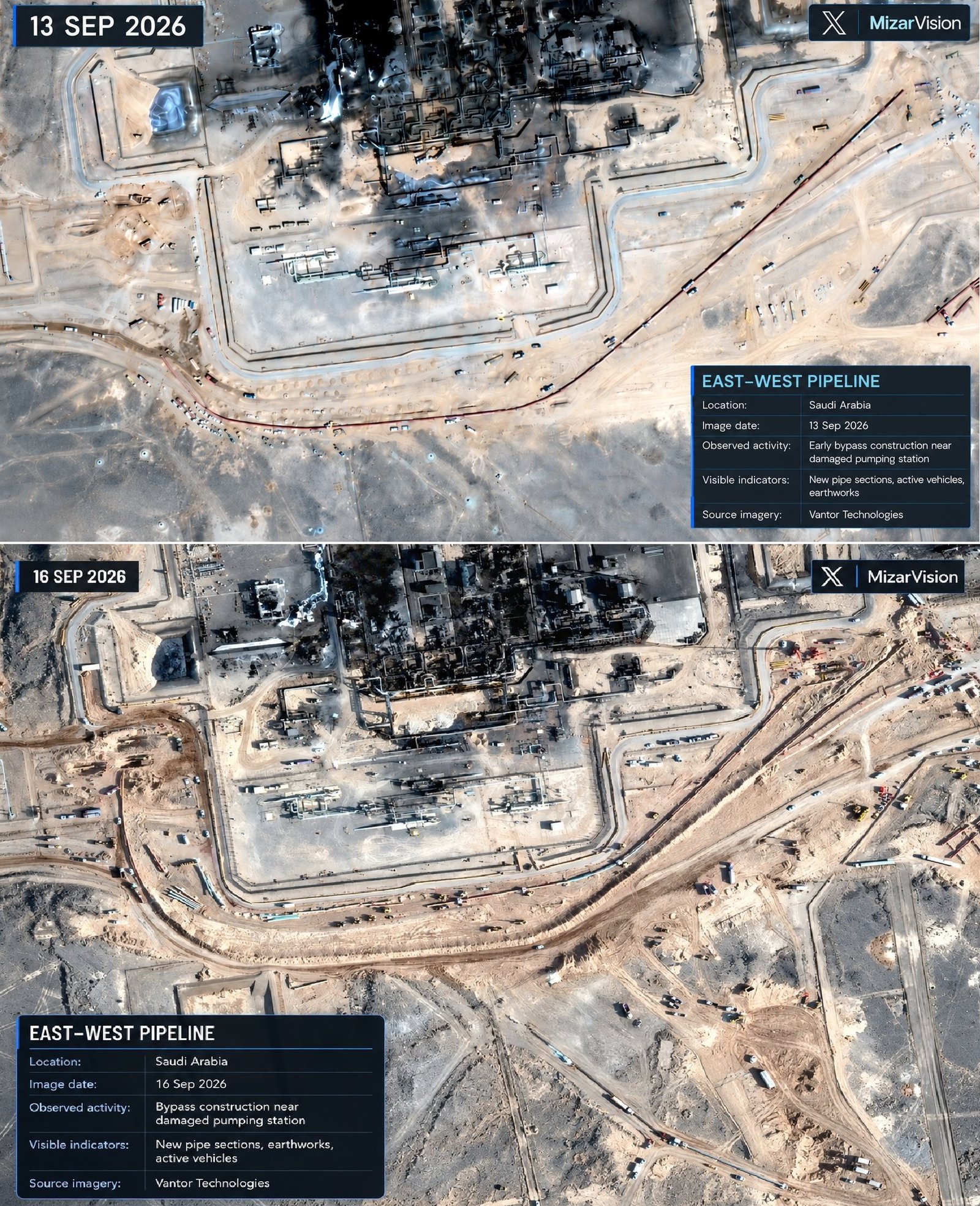 Satellite Images Show Saudi Arabia Building Emergency Bypass Around Damaged East-West Oil Pipeline Station
-
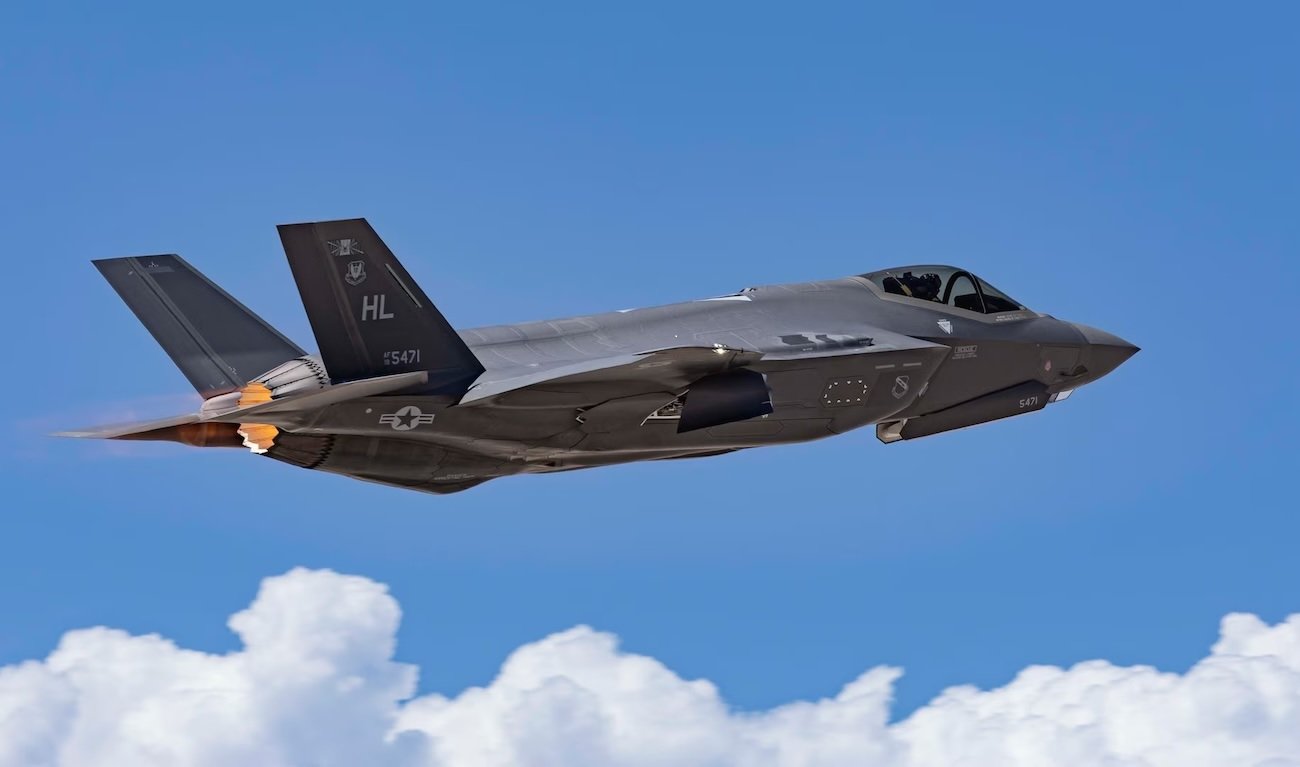 Sensitive F-35 Components Diverted to Hong Kong, Some Parts Missing
-
 Houthis Claim Downing of Saudi F-15 and Wing Loong II Drone Over Marib
-
 Photos Reveal Damaged E-3 Sentry, Buildings and Vehicles at U.S. Bases in Saudi Arabia and Kuwait After Iranian Strikes
-
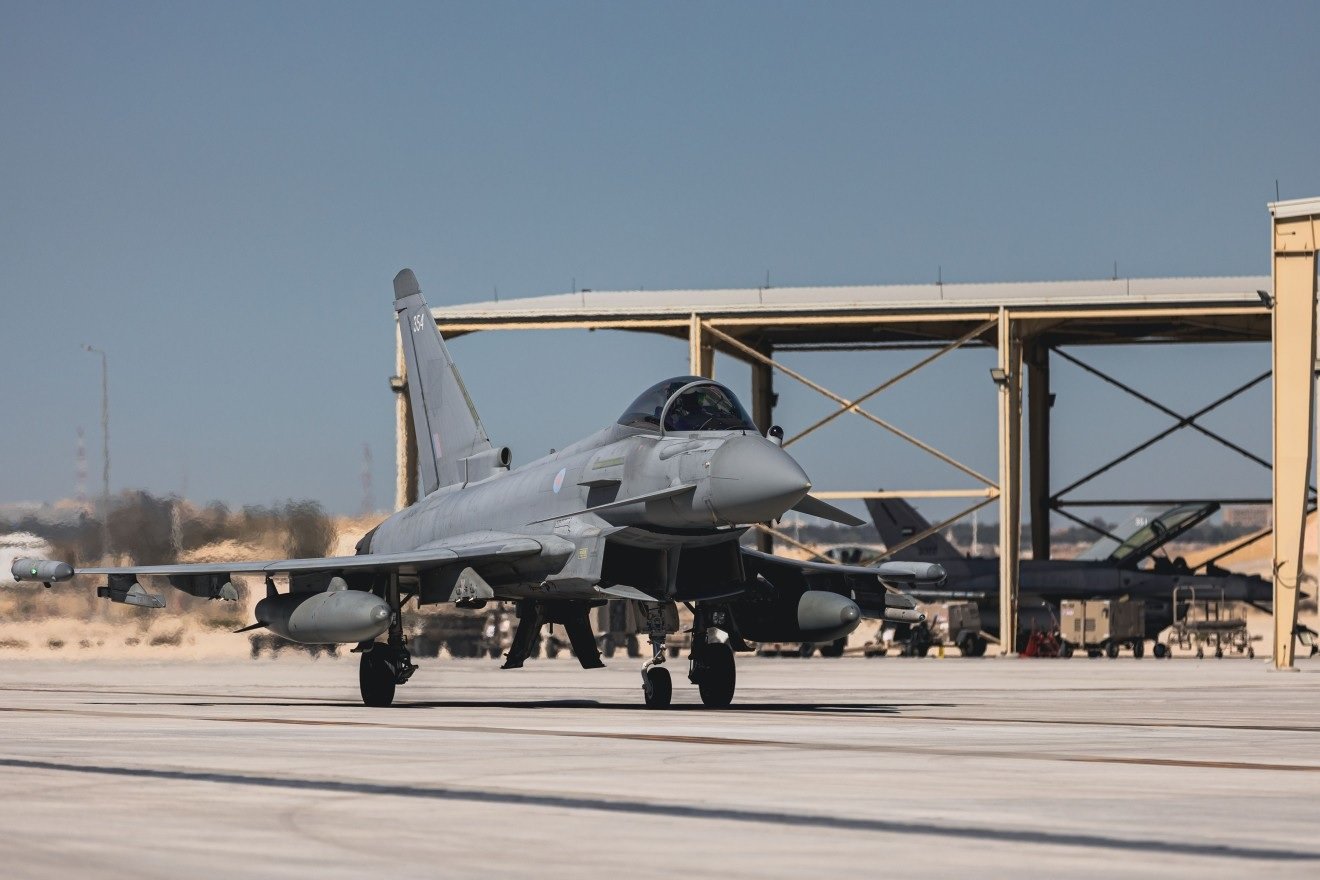 Italian Eurofighter Damaged in Houthi Attack on Saudi Arabia’s King Fahd Air Base
-
 Bharat Forge, Pratt & Whitney Canada to Evaluate Turboprop Engines for DRDO’s Indigenous HALE UAV
-
 BEL Signs Export Deal with Elbit Systems for Directed Infrared Countermeasure Sub-Assemblies, Secures ₹648 Crore in Additional Orders
