
India
In a landmark achievement for India’s space journey, Group Captain Subhanshu Shukla and three international astronauts have safely returned to Earth after completing an 18-day mission aboard the International Space Station (ISS). Their SpaceX Crew Dragon capsule “Grace” made a smooth splashdown in the Pacific Ocean off the coast of Southern California at 3:01 PM IST on July 15, 2025, marking the successful end of the Axiom-4 mission. A Triumphant Return to Earth Moments after the splashdown, rescue teams reached the capsule by sea and air. Subhanshu Shukla, emerging from the spacecraft at approximately 3:35 PM IST, smiled and waved at the cameras, visibly healthy and proud. Medical teams conducted routine checks to ensure the wellbeing of all four astronauts, who were then ferried to the recovery vessel. India’s Defence Minister Rajnath Singh congratulated the IAF officer, stating: “A proud moment for India… He lifted the nation’s aspirations to new heights.” Mission Timeline: From Launch to Splashdown June 25, 2025: The Dragon spacecraft launched from Kennedy Space Center in Florida with four astronauts on board. June 26: Docked with the ISS, beginning an 18-day stay focused on scientific experiments and international collaboration. July 14, 4:45 PM IST: The spacecraft undocked from the ISS, initiating its return to Earth. July 15, 2:07 PM IST: Performed a de-orbit burn to begin controlled re-entry. July 15, 3:01 PM IST: Safely splashed down in the Pacific Ocean, near San Diego. The International Crew of Axiom-4 Peggy Whitson (USA) – Mission Commander, a record-setting NASA astronaut. Subhanshu Shukla (India) – Indian Air Force test pilot, second Indian ever in space. Slawosz Uznanski-Wiśniewski (Poland) – Mission Specialist. Tibor Kapu (Hungary) – Mission Specialist. All astronauts were part of the privately organized Axiom-4 mission, which carried out more than 60 scientific experiments aboard the ISS. These included studies on human physiology in microgravity, materials science, and biological systems, in addition to educational outreach activities. A New Chapter in India’s Space Journey Subhanshu Shukla’s journey marks a pivotal milestone, as he became the first Indian astronaut to visit the ISS and the second Indian in space, after Rakesh Sharma’s mission in 1984. His participation comes ahead of India’s upcoming Gaganyaan crewed spaceflight mission, for which he is widely expected to be a leading candidate. Prime Minister Narendra Modi, in a congratulatory message, said: “Subhanshu has inspired a billion dreams. This mission strengthens India’s commitment to human spaceflight and international collaboration.” Post-Mission Plans and Recovery Following the successful splashdown, the crew was flown to Houston, Texas, for medical monitoring and rehabilitation. Shukla will remain under observation for about a week before returning to India around August 17, where a formal debrief with ISRO and IAF officials is expected. In Houston, Shukla will also hand over over 580 pounds of experiment samples and data, collected during the mission, for further analysis and global scientific research. Subhanshu Shukla’s return from space marks more than just the end of a mission—it is the beginning of India’s deeper role in global human spaceflight. From the pride on his face during splashdown to the outpouring of national admiration, this moment symbolizes India’s rising stature in space exploration. With Gaganyaan on the horizon and Shukla as a national symbol of aspiration, India is no longer just watching from Earth—it’s now a part of the stars.
Read More → Posted on 2025-07-15 16:05:18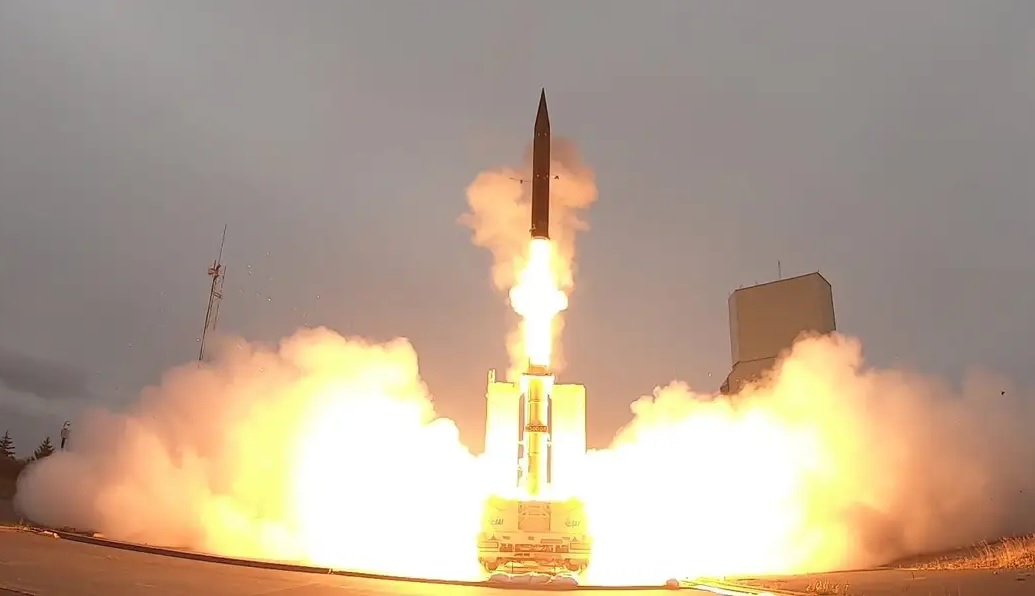
World
Israel is on the brink of deploying its next-generation Arrow 4 missile defence system, a powerful advancement in its multi-layered air defense shield. Boaz Levy, CEO of Israel Aerospace Industries (IAI), confirmed the system's imminent operational deployment, stating that development is progressing swiftly and a new level of interception capability is being introduced to counter emerging threats. The Arrow 4 has been developed jointly by IAI and the U.S. Missile Defense Agency, with the program officially launched in February 2021. It is designed as a direct successor to Arrow 3, and will complement Israel's existing Arrow 2 and Arrow 3 systems, both of which have been vital components in Israel’s anti-ballistic missile defence architecture for over two decades. Unlike its predecessors, Arrow 4 is optimized to counter shorter- to medium-range ballistic threats, including newer, faster, and more maneuverable missiles such as hypersonic glide vehicles (HGVs) and high-precision tactical projectiles. It incorporates advanced manoeuvrability, a next-gen seeker, and a new precision-optimized warhead. These features are engineered to intercept threats in the lower exo-atmosphere, where traditional long-range interceptors like Arrow 3 may not be as effective. One of the key operational innovations of Arrow 4 is its "shoot-look-shoot" doctrine—a tactical approach allowing the system to perform mid-course corrections and launch additional interceptors if the first attempt misses. This increases kill probability and provides greater flexibility in real-time combat situations. The system integrates seamlessly into the broader Arrow Weapon System (AWS), which also includes the ELM-2080 "Green Pine" Radar, capable of detecting and tracking ballistic missiles at speeds exceeding 3 km/s. This radar feeds data to the Battle Management Center, which assesses threats and initiates interception sequences using Arrow 2, Arrow 3, or now Arrow 4, depending on the trajectory and type of incoming missile. The Arrow 4’s deployment comes amid growing regional threats, especially from adversaries developing more sophisticated ballistic arsenals. Levy emphasized that “a new line of missile defense is essential for the protection of Israeli citizens,” adding that the next phase, Arrow 5, is already in the works to eventually replace Arrow 3 and extend interception capabilities even further. Beyond domestic defense, global interest in the Arrow 4 is rising. Germany, which recently acquired Arrow 3 under NATO’s European Sky Shield Initiative, is reportedly considering Arrow 4 as part of its future missile defense strategy. The system’s modularity, international compatibility, and interoperability with allied frameworks make it a strong candidate for multinational deployments. The Arrow 4 is expected to enter operational trials within the next two years, but IAI officials suggest deployment could be expedited if strategic threats intensify. Once fielded, it will mark a significant leap in missile interception capability, reinforcing Israel's position as a global leader in multi-layered missile defense technologies. With Arrow 4 nearing deployment, Israel not only enhances its national security but also sets the stage for expanded international cooperation in advanced missile defence.
Read More → Posted on 2025-07-15 15:54:27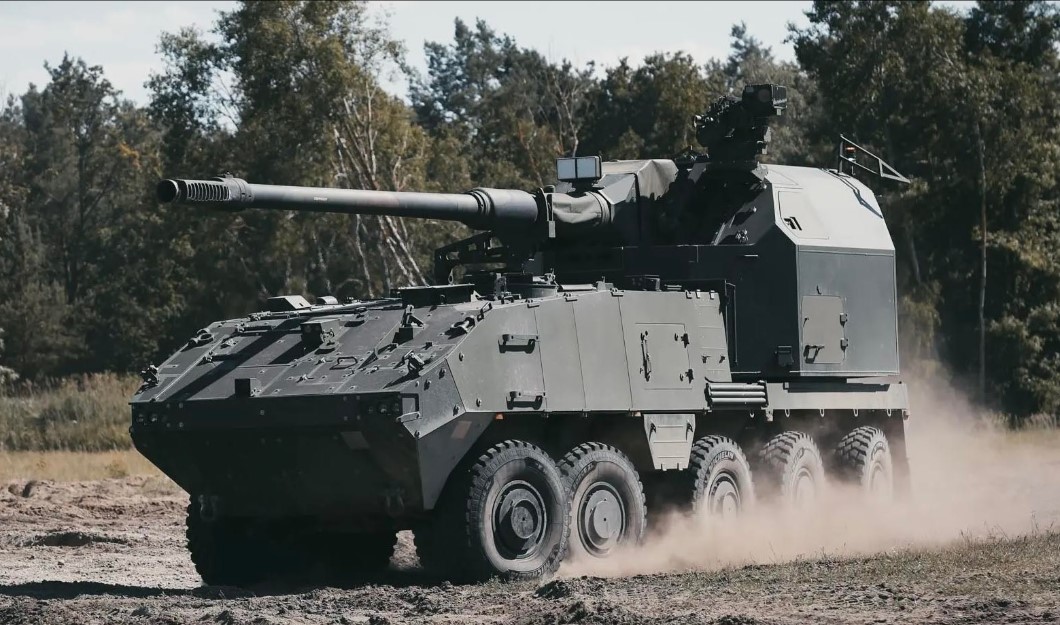
World
In a major move to upgrade its artillery capabilities, Spain has announced plans to procure more than 200 self-propelled howitzers to replace its aging fleet of M109 systems. The acquisition, spread across two major subprograms, is expected to cost over €3 billion ($3.51 billion) and will dramatically boost the Spanish Army and Marine Infantry’s firepower and mobility. Two-Pronged Procurement Strategy Spain’s modernization plan includes both tracked and wheeled self-propelled howitzers, along with an extensive support vehicle network. The purchase is split into two subprograms: Subprogram 1: Procurement of 128 tracked howitzers at a cost of €1.82 billion ($2.12 billion). These will be distributed between the Spanish Army and the Spanish Marine Infantry. The package also includes: 128 tracked ammunition vehicles 21 recovery vehicles 48 command vehicles for the Army 11 command vehicles for the Marine Infantry 7 optional maintenance vehicles Subprogram 2: Acquisition of 86 wheeled self-propelled howitzers for the Army at an estimated €1.18 billion ($1.38 billion). This subprogram also comprises: 86 wheeled ammunition vehicles 14 recovery vehicles 7 optional maintenance vehicles The wheeled howitzers are expected to be configured in 8×8 or 10×10 platforms, which will enhance their mobility in different terrains. Advanced Technical Specifications According to Spain's Ministry of Industry and Tourism, the new systems must feature: High mobility and the ability to deploy rapidly Automated operations with minimal crew requirements A gun barrel between 47 and 52 calibers A firing range of over 40 kilometers (25 miles) using base-bleed ammunition Advanced fire control systems and digital communication capabilities These improvements are designed to offer the Spanish military faster response times, greater precision, and better survivability in modern combat scenarios. Current Fleet and Need for Replacement The current Spanish artillery fleet is based on legacy platforms: Spanish Army: 96 M-109A5E self-propelled howitzers 158 M-548 tracked ammunition vehicles 18 wheeled M-548s Spanish Marine Infantry: 6 M-109A5E howitzers 6 M-992 FAASV ammunition vehicles The M-109A5E, a variant of the American M109 Paladin series, was inducted into Spanish service in the late 1990s and early 2000s. While it has served reliably, its age and limitations in automation and range have made it increasingly obsolete against modern threats. Strategic Impact This large-scale procurement not only revitalizes Spain’s artillery capabilities but also aligns with NATO standards and strengthens the country's role in multinational defense operations. With the inclusion of both tracked and wheeled platforms, Spain ensures its forces are equipped to respond effectively in a wide range of scenarios— from conventional warfare to rapid deployments in diverse terrains. This move marks one of the most comprehensive artillery modernization efforts in Spain’s recent defense history and underlines its commitment to bolstering national and regional security.
Read More → Posted on 2025-07-15 15:49:52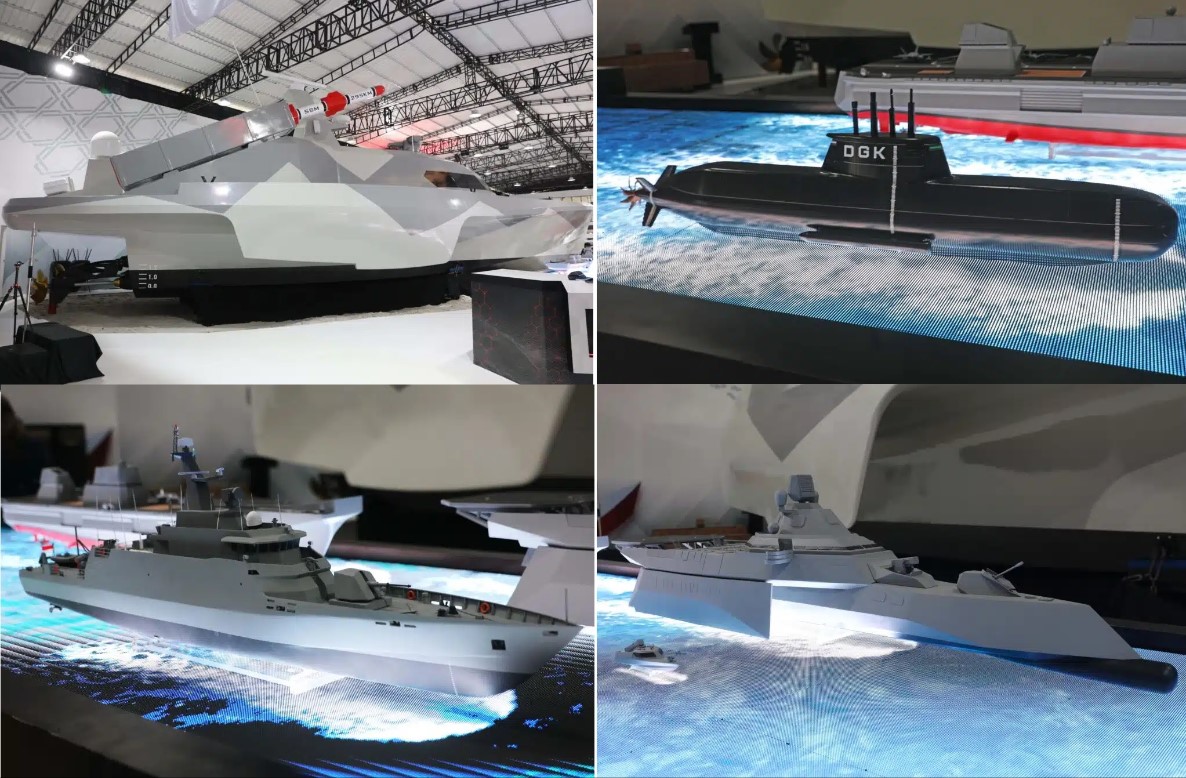
World
Indonesia’s defense industry is making waves with a bold push into high-tech naval warfare, as Republikorp, the defense holding company behind Republik Palindo, unveiled a full-scale mock-up of its new Stealth Missile Boat at the Indo Defence 2025 exhibition in Jakarta. This marks a major milestone for the Southeast Asian nation’s ambition to locally develop advanced maritime combat platforms for littoral defense. The 20-meter-long vessel, designed and built entirely by Republik Palindo, is aimed at countering threats in coastal waters, especially around Indonesia’s strategic straits and chokepoints. While the initial concept was based on earlier studies, actual design work only began in early 2025, showcasing the company’s rapid prototyping and design capabilities. According to Enrico Aryyaguna, Director of Engineering and Planning at Republikorp, the project reflects Indonesia’s vision to “increase the sovereignty of defence technology in Indonesian hands.” He added that the stealth missile boat is tailored to the Navy’s operational needs—particularly its focus on interdiction missions and anti-ship missile strikes. Key Features of the Stealth Missile Boat Low Radar Signature Trimaran Hull: Made from carbon fibre composites, the vessel’s trimaran design not only reduces radar cross-section but also improves stability and speed. High Speed: Powered by two diesel engines (1,618 kW each), plus auxiliary units and surface drives, the craft can reach a top speed of 53 knots, cruising comfortably at 45 knots. Shallow Water Operations: With a draught of just 1.2 meters, the boat can navigate tight coastal areas, ideal for Indonesia’s archipelagic geography. Armament Options: One remote weapon station—possibly the Aselsan STAMP-2L with a 12.7mm machine gun. Two Roketsan Atmaca anti-ship missiles or four Çakir cruise missiles with a 100 km range. Manned and Unmanned Versions: A five-crew manned version and an autonomous variant being co-developed with Milanion (UAE) are in the pipeline. Network-Centric Capability: The vessel is designed to operate in coordinated swarms, connected to other naval sensors and systems for precision targeting in real-time. Aryyaguna confirmed that series production will begin once a contract is secured from the Indonesian Ministry of Defence, with testing and evaluation expected to follow quickly. Expanded Naval Ambitions: Fast Missile Boats, Corvettes, Submarines, and More Alongside the stealth boat, Republik Palindo also presented scale models of an upgraded KCR-60M Fast Missile Boat, the conceptual Future Corvette, and a compact coastal submarine, highlighting Indonesia’s commitment to modernizing its naval forces. Improved KCR-60M Fast Missile Boat Larger hull (67.8m) and better performance. Armed with a 76mm naval gun, dual-canister anti-ship missiles, and 20mm cannons. Equipped with S-band and X-band radars. 35kt top speed, 2,400 nautical mile range. Future Corvette Concept A 6,000-tonne trimaran with stealth features. Features include: 64 VLS cells (8x8 layout). 32 anti-ship missiles in 8 quadruple launchers. Anti-submarine sonar, air defense systems, and a flight deck for helicopters or drones (no hangar). Intended for multi-role missions including air defense, surface warfare, and escort roles. DGK Coastal Submarine Developed in partnership with Italian firm Drass, this 219-tonne mini-sub is designed for special operations and coastal defense: 34m length, 200m dive depth, crew of 9. Two torpedo tubes with optional external mounts. Range: 2,000nm surfaced, 100+nm submerged. Can deploy swimmer delivery vehicles like the DS8 and special forces through a lock-in/lock-out trunk. A framework agreement was signed in February 2025, with a main contract expected mid-2025. Strategic Implications Republikorp’s surge in naval development reflects a strong shift toward indigenous defense production, reducing dependency on foreign suppliers while enhancing the country’s maritime deterrence in an increasingly contested Indo-Pacific region. The stealth missile craft, combined with fast attack boats, multi-role corvettes, and compact submarines, positions Indonesia to secure its vast maritime borders more effectively than ever before. With international collaboration, especially in unmanned systems and submarine technology, and a robust local shipbuilding base, Indonesia is clearly charting a course toward naval self-reliance—a vision that’s no longer just conceptual but visibly taking shape.
Read More → Posted on 2025-07-15 15:39:58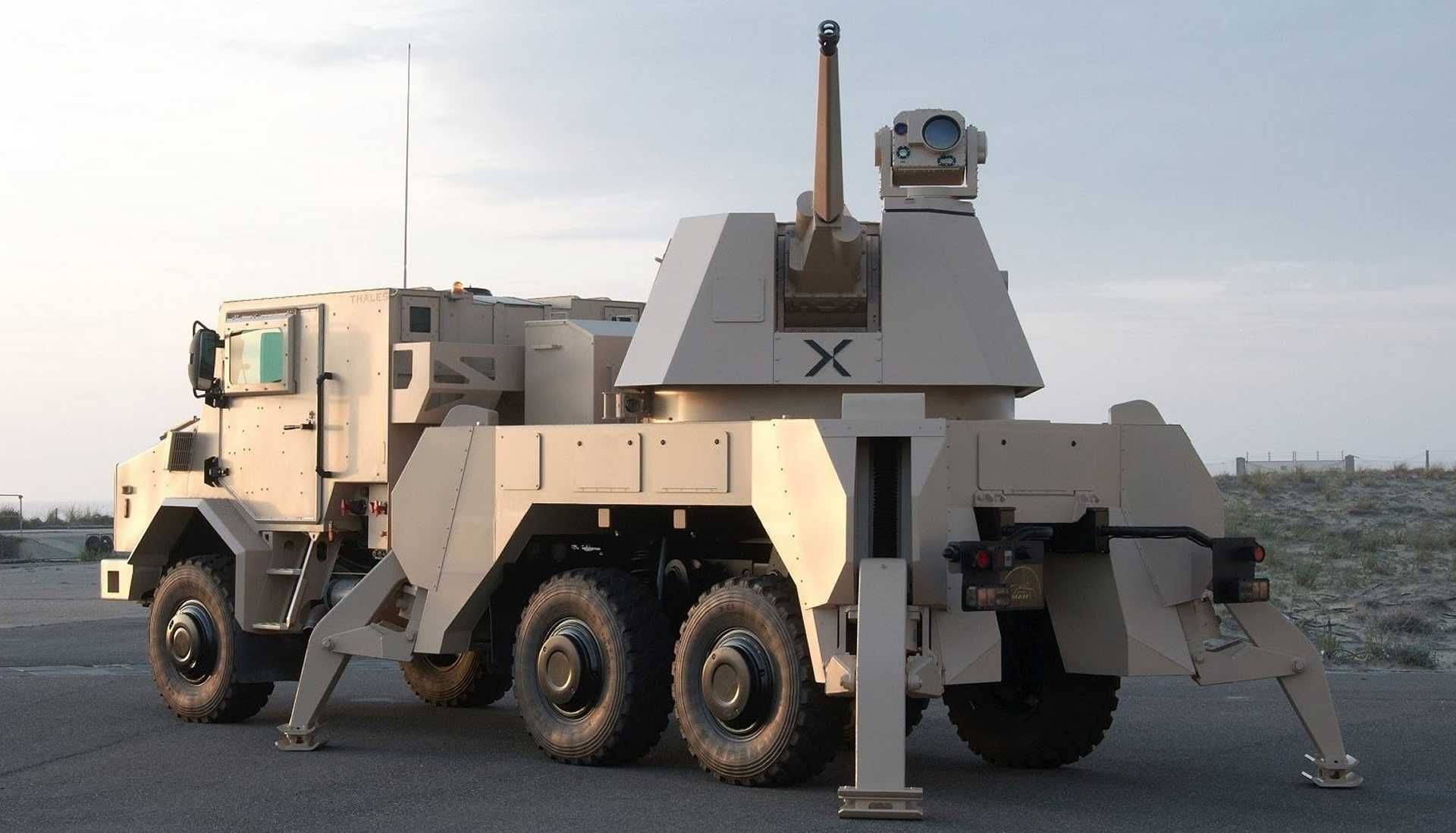
World
The French Armed Forces are stepping up efforts to protect military bases and critical infrastructure by expanding the use of 30mm and 40mm kinetic air defense systems, especially to counter the growing threat from drones. This shift represents a major doctrinal change that focuses on cost-effective, mobile, and layered air defense, moving beyond traditional missile-based systems. The announcement was reaffirmed during a parliamentary hearing on July 9, 2025, where General Jérôme Bellanger, Chief of Staff of the Air and Space Force, emphasized the need for low-cost artillery solutions for base protection. He pointed out that kinetic weapons using 30mm or 40mm calibers offer a more affordable alternative to missile systems like Mistral. General Thierry Burkhard, Chief of the Defence Staff, echoed these views, calling for urgent upgrades in ground-based air defense, particularly against unmanned aerial systems (UAS). 30mm Systems: Mobile Shield Against Drone Swarms The French Army is integrating 30mm cannons into the new Serval C-UAV variant—an agile light armored vehicle built specifically for counter-drone operations. The vehicle mounts the ARX 30 turret, which is armed with the 30M781 cannon, derived from the GIAT 30 on the Tigre attack helicopter. It features programmable airburst munitions, designed to detonate mid-air and create a fragmentation cloud capable of neutralizing micro and mini drones within a 2 km effective range. The Serval C-UAV is equipped with 3D radar and RF detectors for autonomous drone detection and targeting, making it highly responsive for convoy protection and forward deployments. France has initially ordered 24 vehicles, with the option to increase to 48 under the Military Programming Law, and deployment is scheduled for 2028. 40mm Systems: Powerful Layered Defense with RapidFire On a parallel track, France is fielding the 40mm RapidFire system, jointly developed by KNDS France and Thales. It is based on the CT40 cannon, which uses cased telescoped (CT) ammunition, offering greater firepower, compact design, and ammunition efficiency. The naval version of RapidFire has been operational since 2023, mounted on ships like the BRF Jacques Chevallier, while the land-based version—introduced in 2025—is intended to guard air bases, command posts, and logistical hubs. Land variants are available in 6×6, 8×8 mobile, and semi-fixed container formats, and the French Armed Forces have ordered at least 14 units, with a possible expansion to 48 systems by 2027. The system is capable of firing up to 200 rounds per minute, and uses A3B programmable airburst rounds to destroy drones at ranges up to 4 kilometers. The common cannon architecture across both land and naval systems ensures logistical simplicity and training efficiency. Ammunition Supply Secured and Scaled All 40mm CT ammunition is produced by CTA International, a KNDS France–BAE Systems joint venture, with production spread across Haute-Savoie, Cher, and Manche. To ensure independence and supply chain resilience, the French Ministry of Armed Forces has secured a contract for 25,000 rounds, worth €150 million, with annual production set to scale to 30,000 rounds from 2027. The family of 40mm CT ammunition includes general-purpose (GPR), armor-piercing (APFSDS), and A3B airburst types, supporting diverse tactical needs. A Complementary Defense Layer to Missile Systems Both 30mm and 40mm systems serve distinct but complementary roles. The 30mm Serval C-UAV is highly mobile and optimized for close-range swarm threats, while the 40mm RapidFire provides extended range, broader lethality, and programmable targeting for fixed-site defense. Together, they offer a cost-effective kinetic layer beneath missile-based systems like Mistral and VL MICA, enhancing the French SHORAD (Short Range Air Defense) architecture. Adapting to a Global Drone Threat The shift toward kinetic defenses comes amid a global rise in drone incursions over military bases. In 2024, over 350 unauthorized drone flights were reported over 100+ US military sites, including air bases and naval facilities. Europe, too, has witnessed similar events, from RAF Lakenheath to Ramstein Air Base, underscoring the need for dedicated anti-drone defenses. In warzones like Ukraine and Syria, drones have evolved into tools for reconnaissance, loitering attacks, and psychological warfare, sometimes dropping munitions or acting as decoys to trigger air defense responses. These trends have exposed weaknesses in traditional defenses, leading to a global push for dedicated counter-UAS capabilities. Future-Proofing French Air Defense France’s renewed focus on affordable, layered air defense aligns with the 2024–2030 Military Programming Law, which allocated €500 million for air defense in 2025 alone. This includes investments in directed energy weapons, munitions, and joint-force integration. Large-scale exercises like Orion 2026 will validate these capabilities, testing sensor-to-shooter coordination and multi-domain interoperability across services. The path forward is clear: in an era of rapidly advancing drone warfare, France is laying the foundation for a resilient, scalable, and cost-effective air defense ecosystem—rooted in 30mm and 40mm kinetic systems that promise to shield both mobile forces and strategic bases in a changing threat landscape.
Read More → Posted on 2025-07-15 15:26:34
India
In a bold move to elevate India’s maritime manufacturing capabilities, Mazagon Dock Shipbuilders Limited (MDL) has launched a multi-phase expansion plan to increase its shipbuilding capacity from the current 40,000 Deadweight Tons (DWT) to 200,000 DWT in the coming years. This strategic leap, backed by substantial infrastructure investment and land acquisition, aims to place MDL among Asia’s top shipyards. Massive Land Acquisition and Reclamation Efforts As part of the first phase, MDL has leased 15 acres of land from the Mumbai Port Authority for ₹354 crore. This will decongest current operations and allow for new facilities to be built within the main yard. In addition, 10 more acres are being reclaimed adjacent to the shipyard, which will increase the capacity to 80,000 DWT at the Mumbai location. In a parallel development, MDL has acquired 37 acres at Nhava Sheva Port, with an estimated investment of around ₹3,000 crore. This site will serve as a satellite facility and host India’s largest floating dry dock. Investment in State-of-the-Art Infrastructure The total investment for the expansion is expected to range between ₹4,000–5,000 crore, and includes new dry docks, wet basins, and outfitting areas. At its Mumbai location, two new basins are planned, complementing the existing Kanhoji Angre wet basin, which already supports two frigates and two submarines simultaneously. At Nhava, MDL will build India’s largest floating dry dock, measuring 180 meters long, 44 meters wide, and 19.5 meters high. Once complete, it will be capable of docking eight vessels simultaneously, each weighing up to 12,800 tons. This dry dock is expected to be operational by late 2025. Phased Expansion to 200,000 DWT Phase 1 (Mumbai Expansion): Boosts MDL’s capacity from 40,000 DWT to 80,000 DWT through land lease, reclamation, and new basins. Phase 2 (Nhava Sheva Facility): Scales up to the final 200,000 DWT target by leveraging new land, floating dry dock, and larger construction infrastructure. This phased growth model ensures that MDL can maintain ongoing naval production while scaling up operations steadily and sustainably. Boosting Strategic and Commercial Shipbuilding MDL’s expanded infrastructure will support the simultaneous construction of 11 submarines and 10 warships, significantly enhancing India’s defence production capabilities. Beyond military projects, the new capacity will enable MDL to take on larger commercial ships and ship-repair contracts, making it a more versatile and globally competitive player. The Nhava facility, with its high-throughput capacity, is expected to reduce bottlenecks and attract international commercial orders—an area where Indian yards have lagged behind regional competitors like China and South Korea. International Ambitions: Colombo Dockyard Stake In addition to domestic expansion, MDL is set to acquire a 51% stake in Sri Lanka’s Colombo Dockyard PLC, enabling it to handle vessels up to 125,000 DWT and expand its footprint in South Asia. This move marks MDL’s entry into the international shipbuilding arena, supporting India’s broader maritime and strategic interests in the Indian Ocean Region. Phase Location Land Area Target Capacity Key Features Phase 1 Mumbai 15 acres leased + 10 acres reclaimed 80,000 DWT 2 new basins, expanded outfitting Phase 2 Nhava Sheva Port 37 acres acquired 200,000 DWT Floating dry dock (180x44x19.5m), graving dock Overseas Expansion Colombo (Sri Lanka) Strategic 51% stake 125,000 DWT International ship repair & construction capacity Mazagon Dock’s ambitious expansion from 40,000 to 200,000 DWT is more than just an infrastructure upgrade—it represents a significant stride in India’s journey toward self-reliance in naval construction and global competitiveness in commercial shipbuilding. With strategic land acquisitions, modern shipyard technologies, and an eye on international collaboration, MDL is positioning itself as a true maritime powerhouse in the Indo-Pacific.
Read More → Posted on 2025-07-15 15:19:09
World
In a sharp turn of strategy, former President Donald Trump has agreed to supply advanced U.S. weapons to Ukraine, but with a major twist — NATO allies will foot the bill. Speaking from the Oval Office alongside NATO Secretary General Mark Rutte, Trump also issued a 50-day ultimatum to Russia: reach a ceasefire or face serious economic consequences, including new U.S. sanctions. This shift comes after repeated failed efforts to persuade Russian President Vladimir Putin to halt the war in Ukraine. Trump, visibly frustrated, described Putin as someone who “talks nice during the day and bombs at night,” hinting that previous presidents, like himself, had hoped for better outcomes from diplomatic engagement with the Kremlin. Under this new plan, U.S. weapons will be sent to NATO, which will then transfer them to Ukraine. But importantly, NATO member countries — not the U.S. — will be the ones paying for the shipments. “We’re not paying anything for it. But we will send it, and it’ll be good news for us,” Trump emphasized, adding that Ukraine “desperately needs” Patriot missiles and other air defense systems. The initial shipments will include Patriot missile systems, long-range air defense technology that Ukraine has been requesting to counter Russian airstrikes. Trump assured that some of these will arrive within a matter of days, as certain countries plan to swap their own Patriot systems and replace them later. NATO Secretary General Rutte confirmed that this would just be the beginning, with more aid to follow. “This is only the first wave,” he said, naming countries like Germany, Sweden, Denmark, Finland, Norway, the Netherlands, and Canada as part of the coalition backing the supply effort. This announcement comes shortly after the Pentagon had paused some arms deliveries to Ukraine due to concerns over America's own munitions stockpiles — including Patriot interceptors and artillery rounds. That decision has since been reversed, allowing for renewed support under this NATO-led framework. Meanwhile, Trump issued a strong warning to Moscow: if a ceasefire isn’t achieved within 50 days, the U.S. will respond with “100% tariffs on Russia” and secondary sanctions targeting countries that continue buying Russian oil. “If I were Putin today… I would reconsider whether I should not take negotiations more seriously,” said Rutte, backing Trump’s stern message. This decision represents a clear shift in Trump’s foreign policy tone. While he previously sought to broker peace directly with Putin, he’s now leaning on military aid and economic pressure to push Moscow toward the negotiation table. “Putin had really surprised a lot of people,” Trump said. “He talks nice, and then he bombs everybody in the evening. It’s a little bit of a problem there — I don’t like it.” In essence, the U.S. will provide the firepower, NATO will handle the costs, and Russia now faces a deadline. The coming weeks will reveal whether this pressure leads to talks — or to an even sharper escalation in the ongoing war.
Read More → Posted on 2025-07-15 15:09:35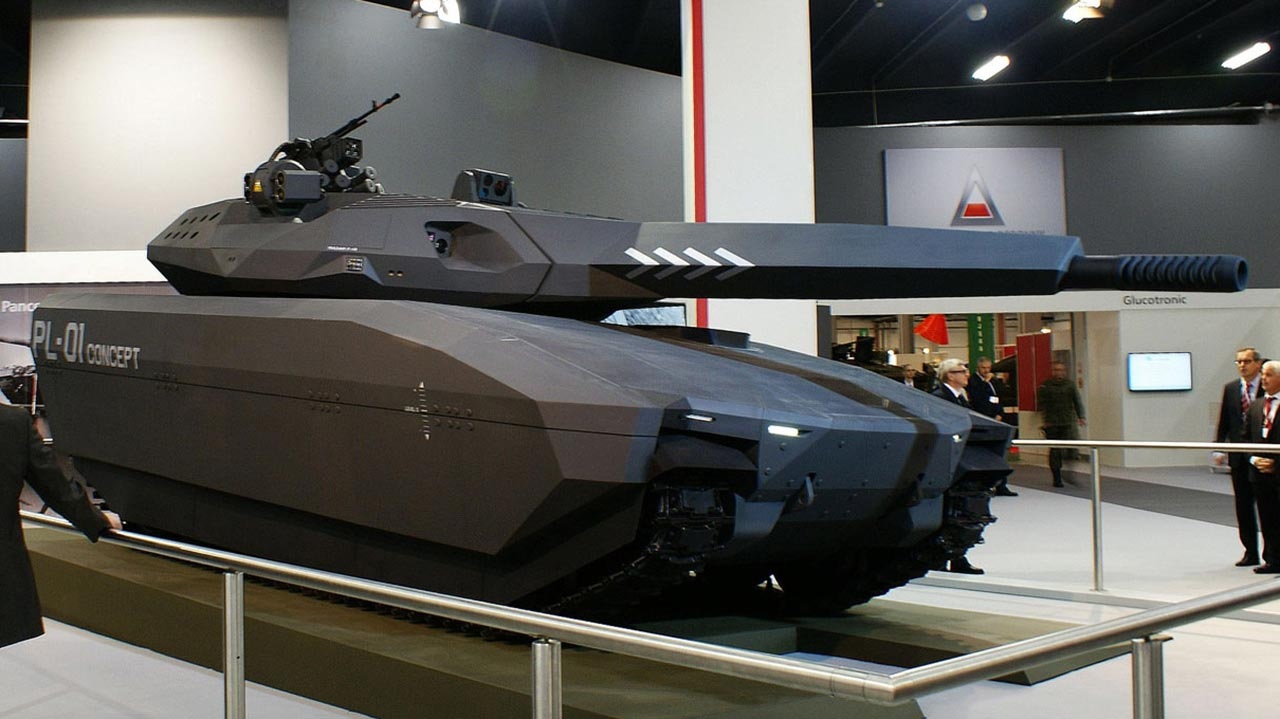
World
In a bold leap toward futuristic armored warfare, South Korea has begun development of the hydrogen-powered K3 main battle tank, a next-generation platform set to eventually replace the highly regarded K2 Black Panther. Spearheaded by Hyundai Rotem, the K3 will be one of the first main battle tanks in the world to integrate hydrogen fuel cell technology, offering a quieter, more efficient, and stealthier alternative to traditional diesel engines. A Tank That Breathes Hydrogen At the heart of the K3 is a hybrid hydrogen-diesel propulsion system, a transitional setup with the long-term goal of achieving a fully hydrogen-powered tank. The hydrogen fuel cells are expected to significantly reduce the tank’s heat and acoustic signatures, which would make it harder for enemies to detect. It also promises greater fuel efficiency and reduced maintenance costs, making it ideal for long, sustained operations in diverse terrain. This shift from conventional combustion to hydrogen is no small feat. Fuel cell tanks demand entirely new architecture, including advanced cooling systems, robust storage for compressed hydrogen, and infrastructure for refueling in field conditions—an ongoing challenge for militaries worldwide. However, South Korea’s investment in the hydrogen economy, both civilian and military, provides a supportive ecosystem for this bold innovation. Armed with Intelligence and Firepower The K3 will be armed with a 130mm smoothbore gun mounted on an unmanned turret, giving it significantly more firepower than the current K2's 120mm gun. The main gun will be complemented by AI-powered fire control systems, allowing it to identify and hit targets up to 5 kilometers (3.1 miles) away with precision. To tackle both near and distant threats, the K3 will also deploy anti-tank guided missiles with ranges of up to 8 kilometers (5 miles), and a remote weapon station capable of mounting weapons ranging from 12.7mm to 30mm. Crew Protection Redefined Hyundai Rotem is prioritizing crew survivability by seating the three-person crew (driver, commander, and gunner) inside an armored capsule at the front of the hull, separated from the turret and ammunition storage. This design approach is not just safer—it also reflects a growing trend toward human-machine teaming in armored platforms. The K3’s active defense suite includes: Hard-kill active protection systems for intercepting incoming rounds Directional infrared countermeasures to deflect heat-seeking missiles Drone-jamming systems to neutralize small aerial threats For enhanced visibility and decision-making, the tank will feature a 360-degree virtual reality system, large digital displays, autonomous driving capability, and even a drone-launch system mounted on the turret for reconnaissance and overwatch. Challenges While the vision for the K3 is ambitious, there are real technical and logistical hurdles. Hydrogen storage and distribution remain major concerns. Storing compressed hydrogen safely on a battlefield, protecting it from enemy fire, and establishing mobile or secure refueling infrastructure in combat zones are critical technical barriers that must be overcome. Furthermore, integrating high-energy systems, like advanced sensors and AI algorithms, into a compact, survivable tank platform demands both power and cooling efficiency—an area where Hyundai Rotem will need to innovate aggressively. Powered by Experience Hyundai Rotem isn't new to cutting-edge tank manufacturing. Its K2 Black Panther is already in service in South Korea and is now being exported to Poland. In fact, Hyundai signed a $6.5 billion contract with Poland for local production of the K2, including technology transfer and infrastructure development. As of mid-2025, 133 out of 180 K2s from the initial Polish contract have already been delivered. This operational success provides Hyundai with both the financial and technical momentum to take on the more complex K3 project. A Vision for Future Warfare Hyundai Rotem has positioned the K3 as a symbol of future warfare—a platform that not only fights smarter and cleaner but also ensures the safety of those operating it. As battlefield conditions evolve rapidly with drones, sensors, and AI shaping the frontlines, the K3 is a bold answer to the question: What should tomorrow's tank look like? By merging AI, clean energy, and advanced firepower, South Korea's K3 project could redefine armored combat—not just for Korea, but for the world.
Read More → Posted on 2025-07-15 15:03:58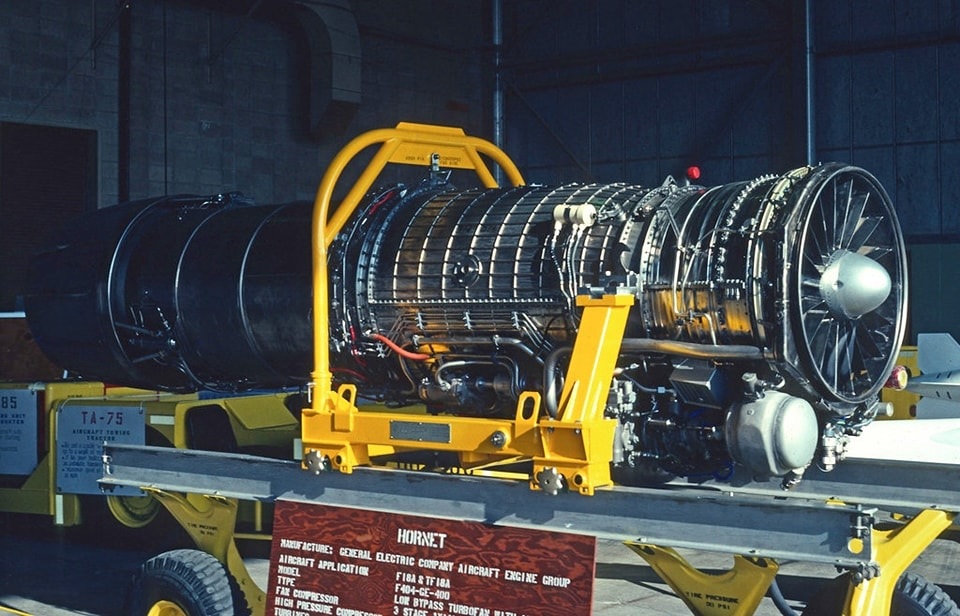
India
India’s ambitious fighter jet programme marked a key milestone this week with Hindustan Aeronautics Limited (HAL) receiving the second GE-404 engine from the United States for its Tejas Mk1A production line. The third engine is expected to be delivered by the end of July, indicating a steady ramp-up in deliveries that are essential to meet the Indian Air Force's growing needs. These GE-404 engines, manufactured by GE Aerospace, are critical components of the Tejas Mk1A, India’s indigenous Light Combat Aircraft (LCA). A total of 12 engines are scheduled to be delivered by March 2026, enabling HAL to maintain its production targets. The engine is known globally for its high thrust-to-weight ratio, proven reliability, and performance in combat aircraft. The Indian Air Force has already placed a firm order for 83 Tejas Mk1A jets, a contract worth nearly ₹48,000 crore signed in 2021. This version of the Tejas marks a significant upgrade over the initial variants, positioning it as a frontline fighter in India's air defense network. The Ministry of Defence has also cleared a proposal for 97 additional Mk1A units, which is currently in the final stages of approval. If cleared, this would take the total Mk1A fleet strength to 180 aircraft, making it the largest indigenous fighter fleet in the country’s history. The Tejas Mk1A brings with it several technological enhancements, including an AESA radar for superior target acquisition, an advanced electronic warfare suite, improved maintenance and logistics systems, and the ability to deploy a wider variety of air-to-air and air-to-ground weapons. All of these improvements aim to make the Mk1A not just a replacement for older platforms like the MiG-21, but a credible multirole combat aircraft. The consistent delivery of engines by GE Aerospace is pivotal for HAL to meet its production timelines, with the first batch of Mk1A jets expected to roll out for squadron service in 2024–25. HAL has already completed ground integration trials and initial flight testing, and with engines arriving on schedule, assembly can now move ahead at full speed. This progress also reflects India’s growing emphasis on self-reliant defence manufacturing, supported by foreign technology partnerships and robust domestic production. The Tejas Mk1A, being a symbol of that vision, is set to be the backbone of the IAF’s combat fleet for decades to come.
Read More → Posted on 2025-07-15 14:59:25
World
France has officially unveiled its first-ever Arctic Defense Strategy, marking a decisive shift in its national security posture as the once-remote Arctic transforms into a global hotspot of geopolitical competition and economic opportunity. The strategy, released last week by the French Ministry of the Armed Forces, reflects growing concerns over resource competition, climate change, and the increasing militarization of the High North. For decades, the Arctic was largely defined by cooperation and multilateral governance, but that era is fading fast. The invasion of Ukraine by Russia in 2022 shattered the illusion of Arctic exceptionalism—an unwritten understanding that regional tensions would remain minimal. In response to this new reality, France has chosen to formalize its presence and role in the Arctic through a robust defense strategy aimed at securing vital national and European interests. The Arctic’s strategic significance has exploded in recent years. Once a harsh, frozen wilderness, it is now at the center of global attention due to vast untapped natural resources like oil, gas, and rare earth elements. At the same time, climate change is melting polar ice at unprecedented rates, opening up new commercial shipping lanes like the Northeast Passage, which could drastically reduce maritime travel times between Europe and Asia. This dual dynamic—resource wealth and accessibility—has intensified interest from global powers and transformed the Arctic into a contested space. The geopolitical shift has been further sharpened by Finland’s entry into NATO in 2023 and Sweden’s in 2024, meaning seven of the eight Arctic nations are now part of the alliance. This reshapes Euro-Atlantic defense and places new strategic pressure on France to protect its interests. In response, France's Arctic strategy focuses on three main pillars: 1. Positioning and Presence France plans to strengthen its legitimacy and visibility in the Arctic by actively participating in regional forums and increasing its military footprint through exercises and surveillance operations. This includes intelligence gathering, environmental monitoring, and continued deployment of forces to build operational readiness in the unique Arctic environment. France’s nuclear deterrence posture also benefits from improved understanding of the region’s environmental patterns. 2. Deepening Cooperation France will enhance bilateral and multilateral partnerships, especially with NATO allies and EU Arctic actors, to build interoperability and shared capabilities. This includes joint military exercises, logistical cooperation, and expanded information-sharing networks. The strategy emphasizes that collaboration with regional stakeholders is key to ensuring peace and sustainable development in the Arctic. 3. Tailored Capabilities Recognizing the Arctic’s harsh environment, France will develop and deploy specialized equipment and technologies suited for extreme cold, remote operations, and satellite-based Arctic surveillance. The defense ministry is focusing on upgrading existing systems and investing in space-based infrastructure—including satellites for high latitudes and relay stations—to enhance communications and domain awareness in the region. With this strategy, France intends not only to preserve its freedom of action in the Arctic but also to assert itself as a responsible stakeholder committed to security, stability, and environmental stewardship. As one of the few non-Arctic nations with a historical and ongoing presence in the region, France sees itself as a bridge between Europe and the Arctic, ensuring that the race for resources and influence does not come at the cost of global peace and cooperation. In the fast-evolving landscape of the Arctic, France’s defense strategy sends a clear signal: it is ready to protect its interests, support its allies, and ensure that the Arctic remains a secure and stable part of the world order.
Read More → Posted on 2025-07-15 14:54:00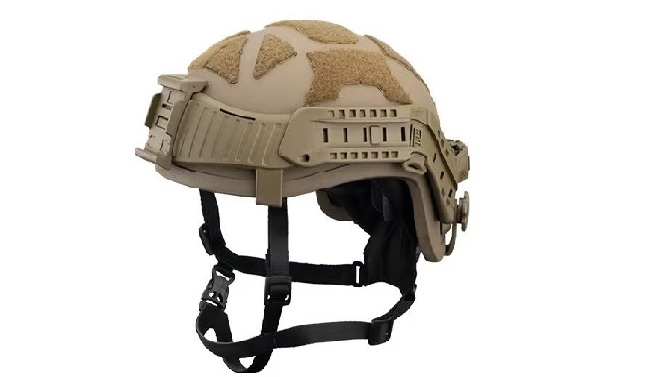
India
In a significant stride for India's defense manufacturing sector, MKU Limited, a leading defense technology company based in Kanpur, has been awarded a multi-year framework contract to supply more than 200,000 Kavro ballistic helmets to one of Asia’s most elite and operationally demanding armed forces. The announcement marks one of the largest ballistic headgear contracts of its kind in the region, signaling the growing global trust in Indian-made protective solutions. The selection of MKU was the result of a rigorous and competitive evaluation process, involving some of the world’s most well-established defense manufacturers from Europe, Southeast Asia, and India. The bidding process reportedly involved exhaustive trials and technical assessments, where parameters like ballistic performance, ergonomics, weight, compatibility with modern soldier systems, and adaptability to specialized roles were evaluated in detail. While the identity of the receiving armed force remains undisclosed for strategic reasons, defense analysts suggest that the customer is known for its demanding operational standards, especially in environments like high-altitude warfare, counterinsurgency, and airborne operations — conditions that require extremely reliable and lightweight protective gear. The Kavro helmet family, developed by MKU, is renowned for integrating state-of-the-art protection technology with enhanced wearer comfort. The helmets offer a bolt-free shell design, which avoids structural weak points and provides better ballistic resistance. Furthermore, the helmets are compatible with night vision goggles, tactical communications gear, and other modular battlefield accessories, making them suitable for the modern digital soldier. A special portion of the contract also includes helmet configurations tailored for paratrooper and airborne applications, which demand ultra-lightweight construction and exceptional shock absorption capabilities during jumps and impact landings. MKU’s proprietary technologies such as GEN-6 ballistic composite systems and Reduced Helmet Trauma (RHT) technology play a key role in minimizing the blunt force trauma that can occur even when a helmet successfully stops a projectile. These helmets are also designed with a modular suspension system to improve fit and long-duration wear comfort. Neeraj Gupta, Chairman and Managing Director of MKU, said in a statement, "This contract is more than a commercial win — it is a recognition of MKU’s technological capabilities and our commitment to protecting those who serve on the frontlines. The sheer scale of this order demonstrates the global confidence in our ability to deliver cutting-edge protection equipment that meets the highest operational requirements.” With this deal, MKU further cements its reputation as a global supplier of personal protection and optronic systems, having already delivered equipment to over 230 forces in more than 100 countries, including NATO members and United Nations peacekeeping forces. The contract also aligns with India's vision of becoming a leading defense exporter under its ‘Make in India’ and ‘Atmanirbhar Bharat’ initiatives. As geopolitical uncertainties grow and demand for battlefield survivability increases, India’s defense manufacturers are finding more opportunities to showcase their capabilities on the global stage. For MKU, this contract is not just a delivery challenge — it’s a moment of validation, signaling that Indian innovation can match and, in some cases, surpass long-established global players in protective technology.
Read More → Posted on 2025-07-14 16:34:02
World
In a chilling alert to the world community, Rabinder Ghosh, a prominent human rights activist and founder of the Bangladesh Hindu Buddhist Christian Unity Council (BHBCUC), has accused China and Pakistan of being directly involved in orchestrating widespread atrocities against Hindus in Bangladesh. Ghosh, whose organisation documents religious persecution in the region, revealed that his team has uncovered credible evidence of foreign support to groups carrying out targeted violence, forced conversions, sexual assault, and systematic displacement of Hindus. In an interview, Ghosh stated that his organisation has received reports of Pakistani operatives and intelligence agents aiding local radical groups in Bangladesh. Additionally, Chinese support, both political and technological, has allegedly played a role in strengthening anti-minority elements. This foreign backing, he claimed, is enabling a slow, deliberate erasure of the Hindu community, which has already seen its numbers dwindle due to repeated waves of violence and intimidation. According to Ghosh, over 2,300 attacks on Hindus have been recorded since August 2024, when a student-led uprising toppled Sheikh Hasina’s government, bringing Nobel Laureate Muhammad Yunus to power. Since then, the interim government has done little to prevent what Ghosh calls a “reign of terror” against minorities. Victims have described incidents of gang rapes, temple desecrations, house burnings, and public humiliation, while hundreds of families have been forced to flee ancestral lands overnight. “The Hindu population is shrinking every day — not due to migration, but because of fear, rape, torture, and conversion,” Ghosh warned. “It’s not just random violence, it’s a pattern — and the international community has chosen to stay silent.” One of the most heartbreaking elements of this crisis, Ghosh emphasized, is the global inaction, particularly from nations that claim to stand for human rights and religious freedom. Despite repeated appeals, neither the United Nations nor major powers like the United States have stepped up with meaningful support or condemnation. In this context, Ghosh sharply criticized former U.S. President Donald Trump, who had publicly promised during his 2020 election campaign to take strong action to protect Hindus and other persecuted minorities in South Asia. However, that promise, Ghosh pointed out, was never fulfilled. Despite warnings and detailed reports from human rights organisations, Trump failed to initiate any intervention or policy to stop the slow genocide of Bangladeshi Hindus before the end of his term. Now, as the 2024 U.S. presidential elections approach, the failure of Trump’s earlier commitment has become a sore point for many in the South Asian diaspora. There is growing disillusionment among Hindu voters who feel their pain was used for political gain but ignored when it truly mattered. Ghosh concluded his remarks with a dire warning: “The core values of Bangladesh’s independence — democracy, secularism, and equality — are being destroyed. And with China and Pakistan influencing events behind the scenes, we are witnessing not just a national crisis, but a regional catastrophe in the making.” The allegations by Ghosh shed light on a deeply unsettling situation, one that demands urgent global attention. If the international community continues to look away, the existence of Hindus in Bangladesh may soon become a matter of history, rather than one of justice.
Read More → Posted on 2025-07-14 16:17:03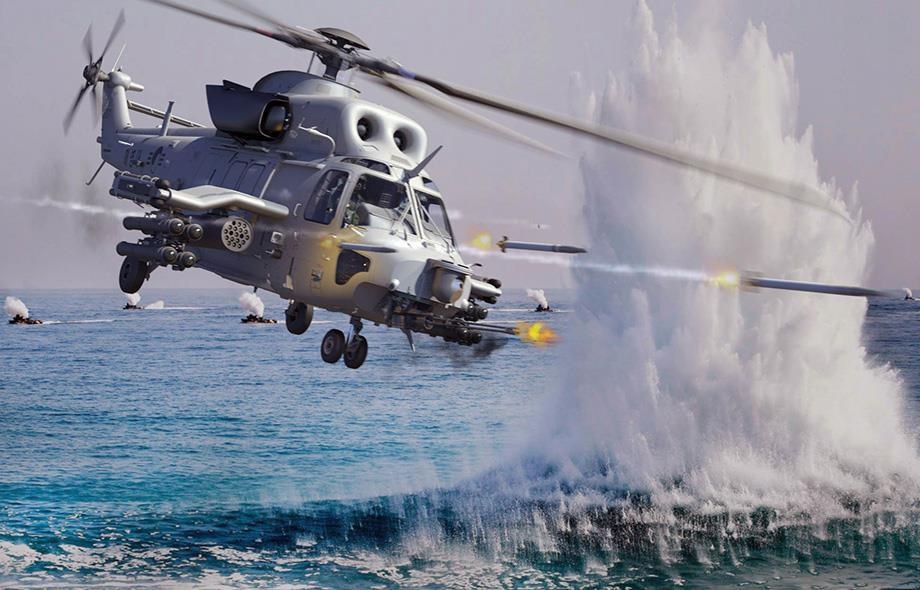
World
On July 14, 2025, South Korea successfully conducted live-fire tests of its newly developed Marine Attack Helicopter (MAH), marking a major milestone in its efforts to establish an independent aerial strike capability for the Republic of Korea Marine Corps. This powerful new rotorcraft, developed by Korea Aerospace Industries (KAI) under the oversight of the Defense Acquisition Program Administration (DAPA), is now positioned as a game-changer for South Korea’s amphibious and expeditionary warfare strategies. The recent tests—conducted in both daylight and nighttime conditions—validated the helicopter’s precision strike capabilities and operational readiness in real combat scenarios. This achievement is not only a technical success, but also a strategic signal to regional powers amid heightened tensions on the Korean Peninsula and in Northeast Asia's disputed maritime regions. A Battle-Ready Evolution of the Surion Platform The MAH is derived from the MUH-1 Marineon, a naval utility variant of the Surion helicopter, and has been customized into a heavily armed assault platform. Key weapons onboard include: A nose-mounted 20mm three-barrel cannon, Hanwha Techwin Cheon-geom anti-tank missiles, MBDA Mistral air-to-air missiles, and 2.75-inch unguided rockets. These are paired with advanced Target Acquisition and Designation Sights (TADS), enabling the MAH to deliver close air support (CAS), cover amphibious landings, and defend transport helicopters in contested zones. Strengthening Amphibious and Autonomous Capabilities What makes the MAH especially significant is its role in giving the Republic of Korea Marine Corps (ROKMC) an independent aviation arm, reducing their historical reliance on Army or Navy helicopter support. This mirrors the U.S. Marine Corps’ evolution of self-sustaining air-ground task forces, designed for rapid deployment and assault in littoral environments. Compared to older attack helicopters, the MAH delivers better modularity, situational awareness, and localized integration tailored for Korea’s specific terrain and operational doctrines. It is expected to coordinate closely with Marineon transport helicopters during high-risk operations such as island landings or swift incursions along hostile coastlines. A Strategic Step Toward Indigenous Defense The development of the MAH is not just about enhancing combat power—it’s about building strategic autonomy. By deploying a domestically developed, mission-specific attack platform, South Korea is moving away from dependency on foreign defense suppliers, while also laying the groundwork for future defense exports. The MAH project is part of a broader modernization initiative funded through DAPA, with full operational capability expected by 2026. While no official budget details have been disclosed, the helicopter is set to become a cornerstone asset in the Marine Corps’ growing aviation wing. Experts suggest that, if successfully fielded, the MAH could also attract export interest from countries seeking cost-effective, versatile attack helicopters for amphibious operations. More Tests, More Capability Following the success of these recent trials, South Korea plans additional tests focused on air-to-ground and air-to-air missile integration, further strengthening the MAH’s multi-role combat versatility. These future trials will confirm its ability to operate independently and as part of joint task forces across diverse operational theaters. In a region where maritime disputes and flashpoints are increasingly unpredictable, South Korea’s MAH program reflects strategic foresight. It’s not just about adding firepower—it’s about enhancing national deterrence, operational flexibility, and defense industry self-reliance. With this powerful new addition to its arsenal, South Korea is taking flight as a regional innovator in rotorcraft warfare, preparing its Marine Corps to operate with greater autonomy and resilience in today’s rapidly evolving security landscape.
Read More → Posted on 2025-07-14 16:01:56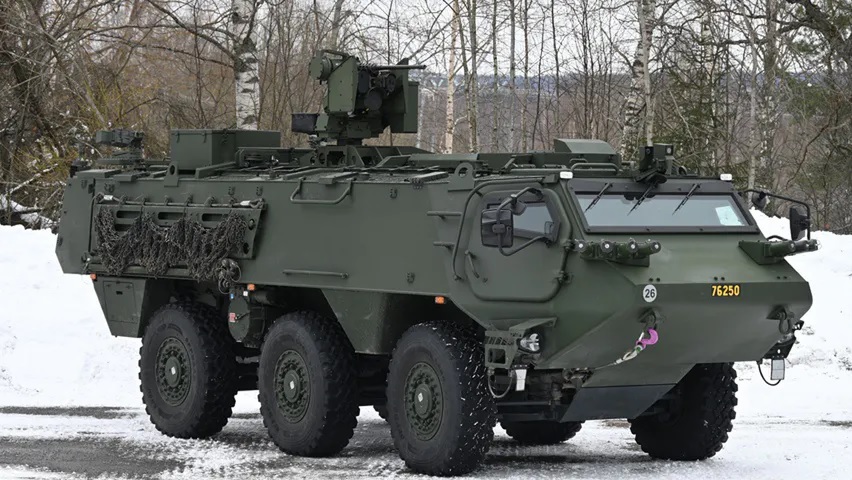
World
In a decisive move to modernize its ground forces and bolster joint operations with European allies, Denmark has placed an order for 129 Patria 6x6 armoured vehicles from Finland’s defense company Patria. This procurement marks Denmark’s full integration into the Common Armoured Vehicle System (CAVS) programme, a collaborative defense initiative involving several European countries. The deal, valued at 1.9 billion Danish kroner (approximately €247 million), was officially sealed on July 14, 2025, with Denmark signing the programme’s final three agreements: the Research and Development (R&D) Agreement, Framework Agreement, and Life Cycle Management (LCM) Agreement. Funded through Denmark’s Accelerationsfonden, the contract aligns with the country’s broader defense investment plan, which allocates €6.5 billion between 2025 and 2026 for capability upgrades. The Patria 6x6: A Highly Adaptable Combat Platform Designated as XA-300 in Denmark, the Patria 6x6 is a modular, wheeled armored vehicle developed to meet the operational needs of modern European armed forces. It is designed to perform a wide variety of military roles including: Troop transport Command and control operations Medical evacuation Communications and electronic warfare The vehicle features a crew capacity of 2–3, along with room for up to 10 fully equipped troops. Powered by a Scania DC09 in-line five-cylinder diesel engine, it delivers 294 kW of power and 1,870 Nm of torque. Key performance specifications include: Payload capacity: 8.5 tonnes Top road speed: Over 100 km/h Amphibious speed: 8 km/h Operational range: 700 km Protection level: STANAG 4569 Level K2/M2a/b (upgradeable to Level K4/M4a/b) Its vehicle layout places the driver and commander up front, the engine behind them, and a spacious troop compartment at the rear. Internally, the right-side passage offers ease of movement inside the vehicle. Suspension options include independent coil spring or hydropneumatic systems, while the vehicle’s robust chassis borrows heavily from the proven Patria AMVXP platform. Strategic Impact and Industrial Integration Deliveries to Denmark will begin in late 2025 with initial units used for training and familiarization. Full-scale deployment is scheduled from 2026 onward, with the vehicles expected to serve in both light infantry battalions and the heavy brigade of the Danish Armed Forces. The CAVS programme, initiated in 2019 by Finland and Latvia, has grown to include Sweden, Germany, and now Denmark. More than 850 Patria 6x6 vehicles have been ordered across Europe, including 250+ by Latvia, 161 by Finland, 341 by Sweden, and 42 by Ukraine, with Germany planning up to 1,000 units. Local production is central to the programme. Denmark is expected to replicate models seen in Latvia and Germany, where Patria collaborates with domestic firms to assemble vehicles, ensuring industrial participation, supply chain security, and cost savings. A Platform with Long-Term European Defense Value The Patria 6x6 has proven its adaptability across different terrains and missions. It supports a variety of armament options, including: 7.62 mm or 12.7 mm machine guns 25 mm or 30 mm automatic cannons Patria NEMO 120 mm turreted mortar system With a service life exceeding 30 years, the Patria 6x6 is not only a reliable choice but also a future-ready platform, ready to integrate with digital command systems such as Germany’s ADLER fire control network. Denmark's participation also benefits from European Commission support, which provided €60 million through EDIRPA (European Defence Industry Reinforcement Instrument through Joint Procurement) to fund CAVS development and lifecycle costs. Denmark’s Defense Commitment The acquisition reflects Denmark’s commitment to deepening European defense integration and enhancing the interoperability of its armed forces. Scheduled to be showcased at DALO Industry Days 2025 in Ballerup, the Patria 6x6 represents not just a military upgrade, but a symbol of shared European security and technological advancement. Through this strategic investment, Denmark positions itself at the forefront of collaborative defense modernization, while supporting national industry and contributing to a unified, resilient Europe.
Read More → Posted on 2025-07-14 15:54:39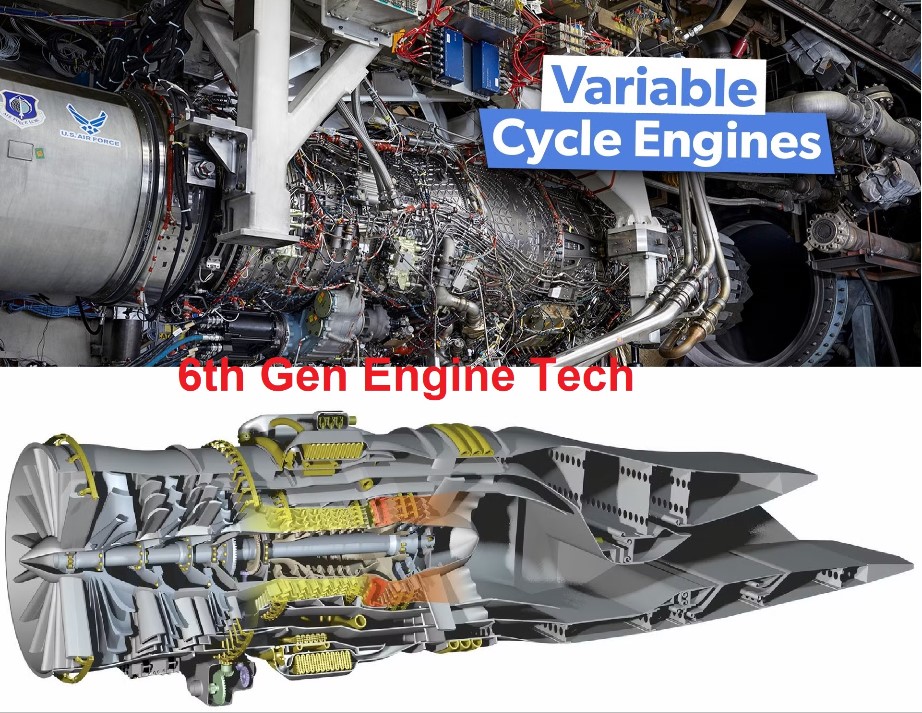
World
As the race for sixth-generation fighter jets intensifies globally, many nations and defense enthusiasts confidently claim that a cutting-edge variable or adaptive cycle engine can be developed within a decade. This timeline, while aspirational, dangerously underestimates the technological, financial, and infrastructural demands required to build the most complex propulsion systems ever envisioned. Let’s bring this optimism back to earth with a sobering look at real-world timelines and challenges. What is an Adaptive/Variable Cycle Engine? A variable or adaptive cycle engine is a transformative leap beyond traditional turbofan engines. While a typical turbofan has a fixed bypass ratio — essentially a trade-off between fuel efficiency (high-bypass) and speed (low-bypass) — adaptive engines can morph in-flight to offer the best of both worlds. They dynamically adjust airflow paths to provide: Fuel efficiency during cruise High thrust during combat Enhanced thermal management for powering advanced avionics and directed energy weapons In simple terms, this is like having a jet engine that behaves like a Prius on patrol and a Ferrari in dogfights — and switches seamlessly between both. 📘 For a deeper dive into how 6th-gen engines differ from 5th-gen propulsion systems, check out our article: 5th Gen vs 6th Gen Jet Engine Technology: What’s the Difference? The U.S. Journey: Nearly Two Decades in the Making No country exemplifies the difficulty of this task better than the United States, the undisputed leader in aero-engine technology. 2007: The Adaptive Versatile Engine Technology (ADVENT) program begins under the U.S. Air Force and DARPA to explore concepts of adaptive cycle engines. 2012: Transition to the Adaptive Engine Technology Demonstrator (AETD) program, where practical demonstrators like GE’s XA100 and Pratt & Whitney’s XA101 start taking form. 2016: AETD evolves into the Adaptive Engine Transition Program (AETP) — focusing on preparing engines for real-world application in aircraft like the F-35 and Next Generation Air Dominance (NGAD) platforms. 2023: Critical Design Review (CDR) of the next-gen XA102 engine completed — a refined version expected for sixth-gen fighters. Flight testing still awaits. Let that timeline sink in: from concept to potential flight in nearly 20 years, despite immense U.S. industrial capacity, technological expertise, and funding. Global Landscape: Who’s Trying What? Other countries have expressed interest in adaptive or variable cycle engine technologies, but their programs are at various nascent or exploratory stages — none near the maturity of the U.S. United Kingdom (Team Tempest) Engine Lead: Rolls-Royce Timeline: Rolls-Royce has announced research on advanced propulsion systems with variable cycle features for the Tempest 6th-gen fighter, aiming for deployment by 2035. Progress: Heavy investment in thermodynamic management and composite materials, but no flight-ready adaptive engine has been demonstrated yet. France-Germany-Spain (FCAS / SCAF) Engine Lead: Safran (France) with MTU Aero Engines (Germany) Timeline: 6th-gen fighter expected by 2040, but engine technology is still early in the conceptual stage. Progress: Discussions include variable cycle capability, but without a prototype or demonstrator, timelines remain optimistic at best. Japan (F-X / GCAP with UK & Italy) Engine Lead: IHI Corporation Timeline: Working with Rolls-Royce on engine demonstrators; initial ground testing expected by mid-2020s, in-air testing by 2030s. Progress: Promising collaboration, but still dependent on imported technical expertise. India (AMCA Program) Engine Lead: Proposed joint development with Safran, GE, or Rolls-Royce Timeline: Claims to field a sixth-gen engine (for AMCA Mk2 or beyond) by early 2030s Reality: No dedicated infrastructure yet, and no foundational adaptive engine research. Without even a fifth-gen engine developed domestically, a sixth-gen variable cycle engine within 10 years or 15 Years would require a technological miracle. Who Has Actually Built One? Only General Electric (GE) and Pratt & Whitney (P&W), both U.S.-based, have developed working adaptive cycle engines — XA100 and XA101, respectively — with demonstrators already undergoing testing. Even with the experience of F119 (used in the F-22) and F135 (used in the F-35), creating these adaptive engines took over 15 years of effort, with thousands of hours in development and testing. Why the 10-Year Plan Is Fantasy for Most Lack of Test Infrastructure: Countries like India, even France and Germany, do not yet possess dedicated adaptive engine test beds. Material Science Limitations: Adaptive engines need materials that survive unprecedented thermal loads — often relying on single-crystal turbine blades and CMCs (ceramic matrix composites), technologies only a few countries have mastered. Software and Control Systems: Managing variable airflow paths in real-time demands bleeding-edge AI and FADEC (Full Authority Digital Engine Control) software. Again, limited to a handful of nations. Funding and Political Stability: Most nations lack the uninterrupted funding streams like the U.S. DoD or DARPA, where multi-billion dollar engine programs can be sustained for decades. Ambition Must Be Tempered by Realism Developing a 6th-gen adaptive cycle engine from scratch in 10 years is not impossible — but for any country other than the U.S., it is highly improbable. History tells us that even with unlimited resources, world-class talent, and pre-existing knowledge, the U.S. needed nearly two decades to field this technology. Expecting nations with limited engine design experience to achieve the same feat in half that time is more wishful thinking than strategic planning. As the defense world eyes 2035 as the magic year for sixth-generation fighters, the engines that will power them remain the most critical bottleneck — and the true benchmark of technological leadership.
Read More → Posted on 2025-07-14 15:30:00
World
When we talk about modern fighter aircraft, the conversation often revolves around stealth, speed, and sensors. But what powers these cutting-edge machines is just as important — their engines. As the world prepares for 6th-generation fighter jets, the engines that will power them are undergoing a major transformation, setting them apart from the 5th-generation engines used in today’s most advanced aircraft like the F-22 Raptor and F-35 Lightning II. In this article, let’s explore the differences between 5th-generation and 6th-generation jet engine technologies and how future engines will change the way air combat is fought. What is 5th-Generation Jet Engine Technology? 5th-generation engines, such as the Pratt & Whitney F119 (used in the F-22) and F135 (used in the F-35), represent the latest operational combat engine technologies today. Key Features: Thrust Vectoring Nozzles: These engines can direct the exhaust flow to enhance maneuverability, allowing aircraft to perform sharp turns and unique aerial moves. High Thrust-to-Weight Ratio: Ensures rapid acceleration, fast climb rates, and the ability to carry heavy weapon loads. Stealth-Compatible Design: Specially shaped exhaust nozzles and coatings help reduce radar and infrared signatures. Supercruise Capability: Aircraft like the F-22 can fly at supersonic speeds (Mach 1.7+) without using afterburners, saving fuel and reducing heat signatures. Integrated Engine Health Monitoring: Sensors monitor engine performance in real-time, improving safety and maintenance planning. These engines are optimized mainly for manned fighter aircraft, focusing on stealth, speed, and agility in contested airspaces. How 6th-Generation Jet Engine Technology is Different With 6th-generation fighters like the US Air Force’s Next-Generation Air Dominance (NGAD), UK’s Tempest, and Europe’s FCAS/SCAF projects under development, engine technology is evolving far beyond current standards. What makes them different?They’re not just propulsion systems anymore — they’re multi-purpose, adaptive energy platforms designed for both manned and unmanned combat systems. Key Advancements Over 5th-Gen Engines: Adaptive Cycle Engines (ACE) / Variable Cycle Engines (VCE) Future engines like General Electric’s XA100 can switch between: High-thrust mode for combat and supercruise High-efficiency mode for fuel-saving long-range patrols Cooling mode for managing heat from lasers and energy weapons This flexibility wasn’t possible in 5th-gen engines. Thermal Management for Directed Energy Weapons 6th-gen aircraft are expected to carry high-energy laser weapons and advanced electronic warfare systems, which produce extreme heat. New engines will feature advanced thermal management systems to handle this heat, something beyond the capacity of current engines. Massive Onboard Power Generation Next-gen engines will generate huge amounts of electricity to power sensors, lasers, AI systems, and even loyal wingmen drones flying alongside the main fighter. AI-Driven Engine Management Future engines will use AI systems to monitor and optimize performance in real-time — adjusting thrust, managing heat, and even predicting component failures mid-flight. Enhanced Infrared Signature Suppression While 5th-gen engines already reduce infrared emissions, 6th-gen engines will push this further, using new nozzle designs and exhaust mixing techniques to stay hidden from Infrared Search and Track (IRST) systems. Manned & Unmanned Combat Optimization These engines will seamlessly power both traditional manned fighters and unmanned combat drones (UCAVs) — enabling mixed-force operations where fighters and loyal wingmen work together. Use of Advanced Materials 6th-gen engines will rely heavily on advanced ceramics, composites, and meta-materials. These can withstand higher temperatures, reduce weight, and extend engine lifespan. Comparison: Feature 5th-Gen Engines 6th-Gen Engines Thrust Vectoring Yes Yes (more advanced) Supercruise Yes Yes (with better fuel efficiency) Adaptive Cycle/Variable Bypass No Yes (multi-mode performance) Directed Energy Weapon Support No Yes AI-Driven Engine Management Limited Fully Integrated Advanced Thermal Management Conventional High-Capacity (for lasers, drones, EW) Multi-Mission Flexibility Primarily manned fighters Manned + UCAV-ready Use of Advanced Materials High Very High (ceramics, meta-materials) While 5th-generation engines are marvels of engineering, designed for stealth, speed, and maneuverability, 6th-generation engines are being designed to be much more — adaptive, intelligent, powerful, and versatile. These future engines will turn fighter aircraft into flying power stations, capable of supporting directed-energy weapons, AI combat systems, and unmanned teaming operations. It’s not just about flying faster or higher — it’s about being smarter, more flexible, and more lethal in the battlespace of the future. As these technologies move from prototype to reality, they promise to redefine air combat as we know it.
Read More → Posted on 2025-07-14 15:14:33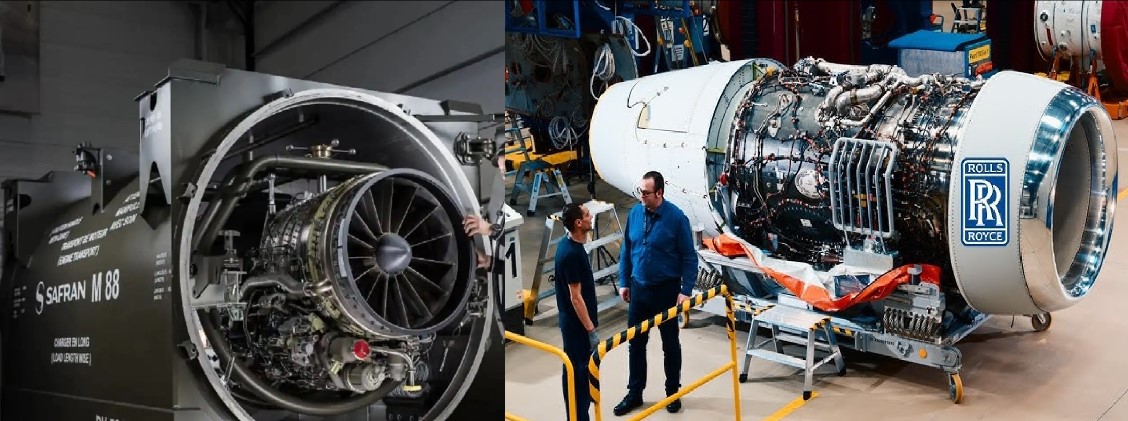
India
India’s ambitious Advanced Medium Combat Aircraft (AMCA) project has reached a defining moment as it prepares to select a foreign partner for co-developing the engine that will power its fifth-generation stealth fighter. The two contenders—Rolls-Royce of the UK and Safran of France—have both submitted competing proposals, but the stark contrast between the two offers is shaping an increasingly one-sided debate. At the heart of the Indian requirement is a 110–130 kilonewton (kN) class jet engine for the AMCA Mk2 variant. The decision will not only impact the AMCA program but also India's long-term vision under Aatmanirbhar Bharat—to become a global defence technology and manufacturing hub. Safran's M88-Based Proposal: Proven but Aged Safran, the French aerospace company that supplies the M88 engine for the Rafale fighter, has proposed an enhanced version of this fourth-generation engine to meet AMCA's thrust requirements. This derivative approach suggests incremental development based on a legacy platform, backed by experience and proven service in the Indian Air Force (IAF). While this proposal may offer faster timelines and leverage offsets from India’s previous Rafale deal, it presents critical limitations: The M88 architecture, originally designed for a lighter airframe, might struggle to meet fifth-generation benchmarks like supercruise and low infrared signature. Past cooperation between Safran and India on the Kaveri engine revival faltered due to disagreements over Intellectual Property Rights (IPR) and core technology transfer, sowing doubt about long-term independence. Despite a recent willingness to match Rolls-Royce’s promise of full IPR, analysts remain cautious about relying on French proprietary technologies. Rolls-Royce’s 6th-Gen Clean-Sheet Approach: A Leap into the Future Rolls-Royce’s counteroffer represents a radical departure from legacy thinking. Rather than upgrading an older engine, the British firm has proposed co-developing a brand-new engine built from the ground up using sixth-generation design principles. Key features of the Rolls-Royce proposal include: A Variable Cycle Engine (VCE)—a transformative technology that allows the engine to switch between high-speed and fuel-efficient modes by altering the bypass ratio mid-flight. This improves combat performance, range, and fuel efficiency. A modular core design, capable of being scaled up into a range of engines delivering between 140 to 280 kN of thrust—suitable for heavy fighters, transport aircraft, and even civil aviation platforms. A firm commitment to 100% Transfer of Technology (ToT) and full IPR ownership, ensuring that India gains complete strategic autonomy over the engine's lifecycle, upgrades, and exports. The creation of a domestic engine ecosystem, reducing long-term costs through economies of scale and opening opportunities for use across multiple platforms. This proposal aligns directly with India’s goal of building a future-ready aerospace ecosystem, enabling it not only to meet current needs but also to future-proof its defence aviation sector for decades. Strategic and Technological Implications While both proposals come with political and industrial considerations, the Rolls-Royce offer appears to provide superior long-term benefits: It encourages homegrown innovation through real technology absorption rather than mere assembly. It offers a chance to leapfrog into sixth-generation engine technologies, putting India in a rare league of nations with such advanced propulsion capability. It reduces the risk of foreign dependency and recurring negotiations over access, upgrades, and spares. For the Gas Turbine Research Establishment (GTRE) under DRDO, which is managing this partnership decision, the stakes are exceptionally high. The failure of the Kaveri engine program, largely due to technological bottlenecks and lack of foreign cooperation, has made Indian policymakers particularly sensitive to IPR ownership and self-reliance. What Lies Ahead India is expected to announce its decision by the end of the year. The final choice will determine not just the future of the AMCA but also India’s standing as a global player in aerospace technology. Choosing Rolls-Royce’s clean-sheet, sixth-generation engine proposal offers a path toward true strategic independence, wider technological applicability, and export potential across both military and civilian aviation. In contrast, opting for Safran’s M88-based engine might seem familiar, but it risks locking India into an outdated architecture with limited growth headroom. For a nation aiming to design, develop, and power next-generation fighters and beyond, the smart bet is clearly on a future-focused engine—and that’s exactly what Rolls-Royce is putting on the table.
Read More → Posted on 2025-07-14 15:01:59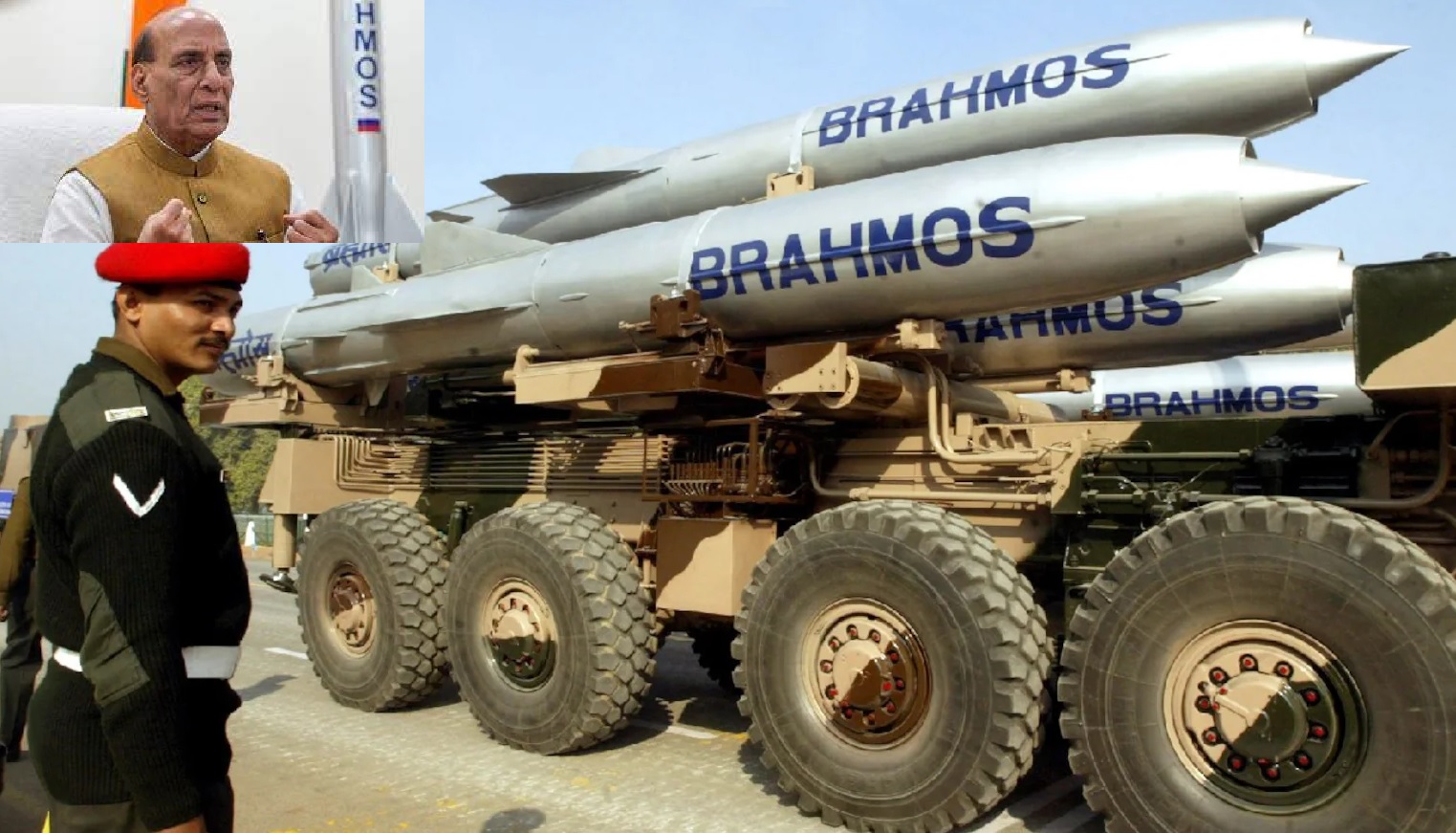
India
In a strong endorsement of India's growing defence capabilities, Defence Minister Rajnath Singh revealed that more than a dozen countries have expressed interest in the BrahMos missile system following its outstanding performance in Operation Sindoor. He made this announcement while addressing a gathering at an event in Lucknow, where he also unveiled a statue of former Uttar Pradesh Chief Minister Chandra Bhanu Gupta and released a commemorative postage stamp in his honour. Speaking at the National PG College, Singh said, "The BrahMos missile has done a miraculous job in Operation Sindoor. After this operation, around 14 to 15 countries have officially shown interest in acquiring this world-class missile system from India." He added that BrahMos missiles will now be exported directly from Lucknow, where a new airspace integration and testing facility has been inaugurated. This facility is expected to not only strengthen India’s self-reliance in the defence sector under the ‘Atmanirbhar Bharat’ initiative but also generate new employment opportunities and attract further industrial investment in Uttar Pradesh. The BrahMos is one of the fastest and most accurate supersonic cruise missiles in the world, jointly developed by India’s DRDO and Russia’s NPOM. It is known for its pinpoint precision, high speed (Mach 2.8 to 3), and versatile launch platforms—land, sea, air, and submarine. Its proven combat capabilities and reliability have made it a key asset in India's strategic arsenal and a sought-after product in the global defence market. Operation Sindoor, though not officially detailed by the government, is widely understood to have involved a precision strike where the BrahMos was reportedly used with significant success, enhancing the missile’s global reputation. Highlighting the broader vision for Uttar Pradesh, Singh noted, "The state is witnessing historical transformations. With major developments like expressways, airports, metro networks, and medical colleges, the face of infrastructure is changing rapidly." He credited the state’s improving law and order and business-friendly environment for the rising interest from industries, including those in defence manufacturing. As the Lok Sabha MP from Lucknow, Singh used the platform to remember the legacy of Chandra Bhanu Gupta. "Gupta ji's life is a lesson in responsibility, public service, and leadership. He reminds us that politics should be about people, not personal enmity," Singh remarked. The growing interest in the BrahMos missile—especially after its successful deployment—signals a new phase in India’s defence exports, potentially opening doors to significant strategic partnerships and further establishing the country as a reliable defence supplier on the global stage.
Read More → Posted on 2025-07-14 14:53:49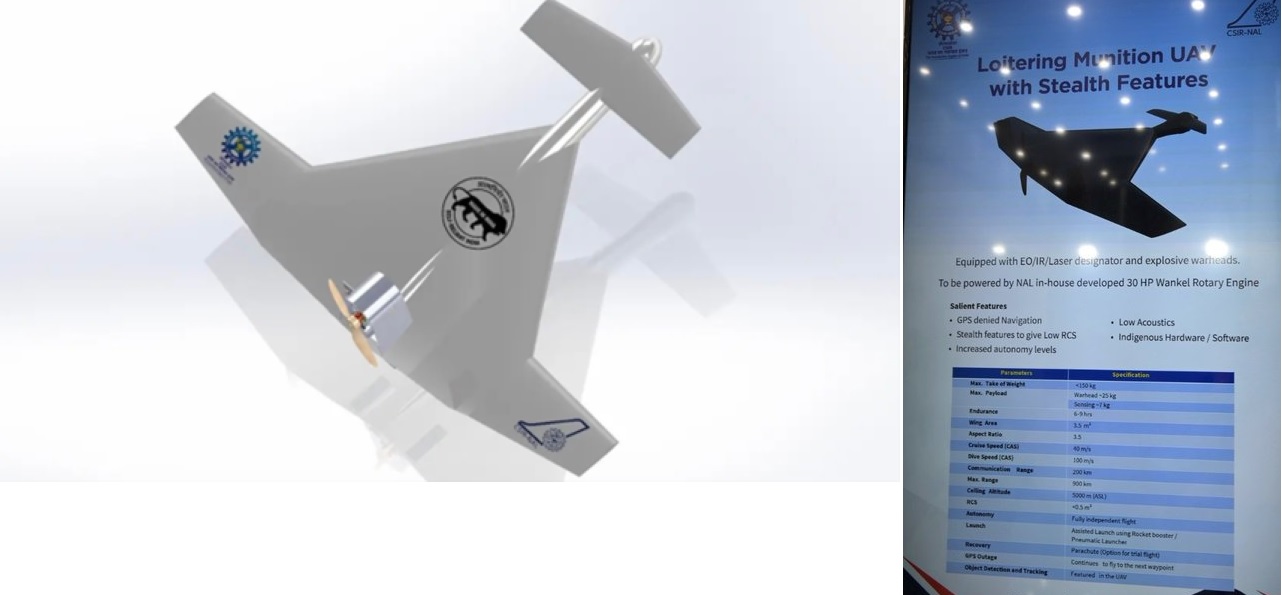
India
In a significant advancement for India’s indigenous unmanned weapons program, SolarDefense & Aerospace Ltd. (SDAL), in collaboration with Economic Explosives Ltd., Nagpur, has been ranked first and shortlisted by CSIR-National Aerospace Laboratories (CSIR-NAL) to develop and manufacture a next-generation 150 kg-class stealth loitering munition. This program is a key part of India’s drive to develop a long-range, precision-guided, stealth unmanned aerial weapon system under full domestic control. The selection, announced via an official CSIR-NAL office memorandum dated 27th June 2025, places SDAL ahead of other leading contenders, including Bharat Dynamics Ltd., Raphe mPhibr, Bharat Electronics Ltd., and NewSpace Research & Technologies. SDAL scored 80.30 points in the Combined Technical Cum Commercial Based System (CTCCBS), securing the opportunity to enter into formal joint collaboration with CSIR-NAL. A Stealthy Lethal Loiterer: The Proposed System As per official technical presentations and documentation reviewed, the proposed LM-UAV (Loitering Munition UAV) is set to redefine India’s air-launched precision strike capabilities. Below are its key performance features: Technical Highlights: Total Weight (AUW): ~150 kg Wingspan: 3.5–4.0 meters Cruise Speed: 143 km/h Dive Speed: 360 km/h Endurance: 6–9 hours Range: Up to 900 km Cruise Drag: 16 kg (estimated) Maximum Altitude: 5 km Payload and Sensors: Warhead Payload: ~15 kg high-explosive Sensing Payload: 10–15 kg, including EO/IR (electro-optical/infrared), laser designator Navigation: GPS-denied capable Launch Method: Assisted (possibly pneumatic or catapult) Propulsion: The LM-UAV will be powered by NAL’s indigenous 30 HP Wankel engine, a compact rotary engine design optimized for low-noise and fuel-efficient flight—an essential component for a stealth platform. Designed for Stealth and Deep Precision Stealth is a core design priority for this UAV. The proposed airframe adopts a low radar cross-section (RCS) profile using modern stealth shaping and materials. It is specifically engineered to survive in heavily contested airspace and can loiter over the battlefield for hours, scanning and engaging high-value or time-sensitive targets with precision. This system aims to bridge the gap between tactical drones and heavier cruise missiles, providing India's armed forces with an affordable, long-range, air-launched loitering munition that can be deployed from manned or unmanned platforms. Operational Flexibility and Strategic Role With a range of 900 km and up to 9 hours of flight time, the LM-UAV can support a variety of missions, including: SEAD (Suppression of Enemy Air Defenses) Deep strike operations in contested zones Maritime surveillance and anti-ship strikes Border area precision attacks on mobile launchers or radar assets Its assisted launch system also opens the door for ship-based or ground mobile launcher deployment, greatly increasing operational flexibility. A Competitive Selection Process According to CSIR-NAL’s evaluation (Memo No. PBMD/LM-UAV/RFP/2025-26), SDAL emerged as the top scorer among five commercial bidders. The full list and scores are as follows: Rank Firm CTCCBS Score 1 SolarDefense & Aerospace Ltd. (Nagpur) 80.30 2 Bharat Dynamics Ltd. (Hyderabad) 78.62 3 Raphe mPhibr Pvt. Ltd. (Noida) 76.78 4 Bharat Electronics Ltd. (Bangalore) 73.43 5 New Space Research & Technologies (Bangalore) 66.85 Some major players, including Adani Defence Systems, Tata Advanced Systems, and Triveni Engineering, qualified technically but failed to submit a commercial bid. As per CSIR-NAL’s protocol, if SDAL fails to enter a collaboration agreement within the stipulated timeframe, the opportunity will be offered to the next highest-ranked bidder. The Road Ahead With SDAL now poised to lead this critical R&D and production program, prototype development is expected to begin in the coming months, followed by rigorous static and flight trials. If successful, this loitering munition will significantly bolster India’s offensive capabilities in both conventional and hybrid warfare environments. The system not only underscores India’s growing aerospace self-reliance but also places Indian industry among a select few globally—alongside Israel, China, Turkey, and the United States—capable of producing long-endurance, stealth loitering munitions. India’s decision to move ahead with a stealth-capable, indigenous loitering munition platform reflects a maturing defence ecosystem. With SolarDefense at the helm, the country is set to enter a new era of autonomous, precise, and survivable strike capabilities from the skies.
Read More → Posted on 2025-07-13 17:25:43
India
In a high-impact cross-border move, the Indian Army is reported to have conducted surgical drone strikes on militant camps belonging to ULFA-I (United Liberation Front of Asom - Independent) and NSCN-K (National Socialist Council of Nagaland - Khaplang) inside Myanmar territory. The operation, which took place in the early hours of Sunday, marks one of the largest and most technologically advanced actions taken by Indian forces against Northeast insurgent groups in recent years. The Operation: Precision and Coordination According to intelligence and security sources, over 100 unmanned aerial vehicles (UAVs) were deployed in the operation that targeted multiple camps across the Naga Self-Administered Zone, near the India-Myanmar border. The airstrikes reportedly took place between 2 AM and 4 AM, with drone swarms conducting coordinated assaults on pre-identified insurgent hideouts. Though the Indian Defence Ministry has not officially confirmed the strikes, multiple sources have corroborated that the operation was executed in close coordination with the Myanmar military, ensuring the success of the mission while respecting international boundaries. Targets and Damage: Heavy Blow to ULFA-I As per reports, key camps of ULFA-I, including the Eastern Command Headquarters (ECHQ) at Hoyat Basti and the 779 Camp at Waktham Basti, were completely neutralized. Two additional camps, possibly used for training and logistics, were also hit. ULFA-I, in a rare public statement, confirmed that the strikes occurred and admitted to the deaths of three senior leaders and injuries to 19 others. Among those reportedly killed was Nayan Medhi, alias Nayan Asom, a top commander and military trainer for ULFA-I. The outfit claimed that he died during his funeral, when the site was hit by another precision missile strike that also killed Brigadier Ganesh Asom and Colonel Pradip Asom. The group also alleged that the attacks continued even after the initial strikes, stating that “airstrikes are still ongoing”, and vowed retaliation. Drones Used: Advanced and Foreign-Origin ULFA-I claimed that the UAVs used in the strikes were of Israeli and French origin, hinting at advanced military technology being used by Indian forces. While details remain unverified, India is known to operate Heron drones from Israel and has acquired loitering munitions and surveillance drones from various foreign and domestic sources. The deployment of such a large fleet of drones indicates an evolution in India’s counter-insurgency tactics—from ground assaults to remote-controlled precision warfare. The use of drones also allows forces to minimize risk to personnel while carrying out deep strikes in difficult terrain. Understanding ULFA-I and NSCN-K ULFA-I is a banned separatist group based in Assam that seeks the creation of a sovereign Assam, independent of India. The group operates primarily under the leadership of Paresh Baruah, who remains at large. Over the years, ULFA-I has established strategic alliances with other Northeast insurgent groups like the People's Liberation Army (PLA) and Revolutionary People's Front (RPF). NSCN-K, on the other hand, is a Naga insurgent group that has long demanded sovereignty for Nagaland and adjacent areas. The Khaplang faction has been involved in anti-India activities and has used Myanmar's remote regions as safe havens for years. Both groups have been known to use the porous India-Myanmar border to maintain camps, recruit cadres, and launch attacks on Indian security forces. Strategic Significance This drone operation is significant for multiple reasons: First known use of large-scale drone strikes by India in cross-border insurgent operations. First major Indian strike inside Myanmar against Northeast militants since the 2015 cross-border raids. It sends a clear message of zero tolerance towards insurgent groups operating from foreign soil. It showcases India’s growing reliance on indigenous and high-tech military solutions, including surveillance, targeting, and autonomous systems. The last such major counter-insurgency operation in the region was back in 2003, when the Royal Bhutan Army, in collaboration with Indian forces, dismantled insurgent camps in southern Bhutan. While official silence from the Indian side continues, the statements from ULFA-I confirm that the group has suffered a significant setback, both strategically and symbolically. The loss of senior leadership and key infrastructure could limit the group’s operational capacity in the near future. As the Indian Army continues to evolve its tactics with the help of cutting-edge technology, such operations may become more common, especially against groups using foreign soil as cover. This strike underscores a clear shift in India’s security doctrine—from passive containment to proactive elimination, especially when national security and territorial integrity are at stake.
Read More → Posted on 2025-07-13 17:11:04Search
Top Trending in 24 Hours
-
 President Trump Pauses Plans to Expand U.S. Strikes on Iran Amid Concerns Over Air Defense Missile Stocks
-
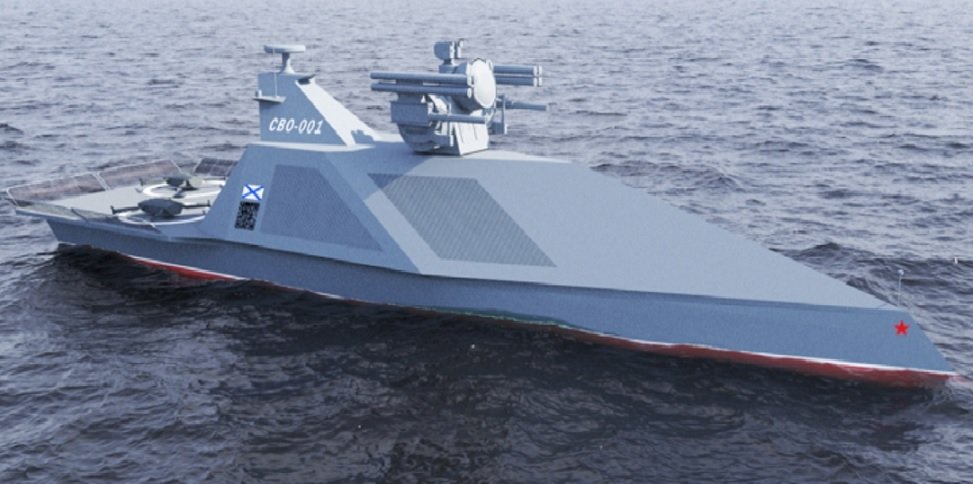 Russia Builds 500-Ton Unmanned Warship For Anti-Submarine Warfare, Plans New 9,500-Ton Warship, Navy Chief Says
-
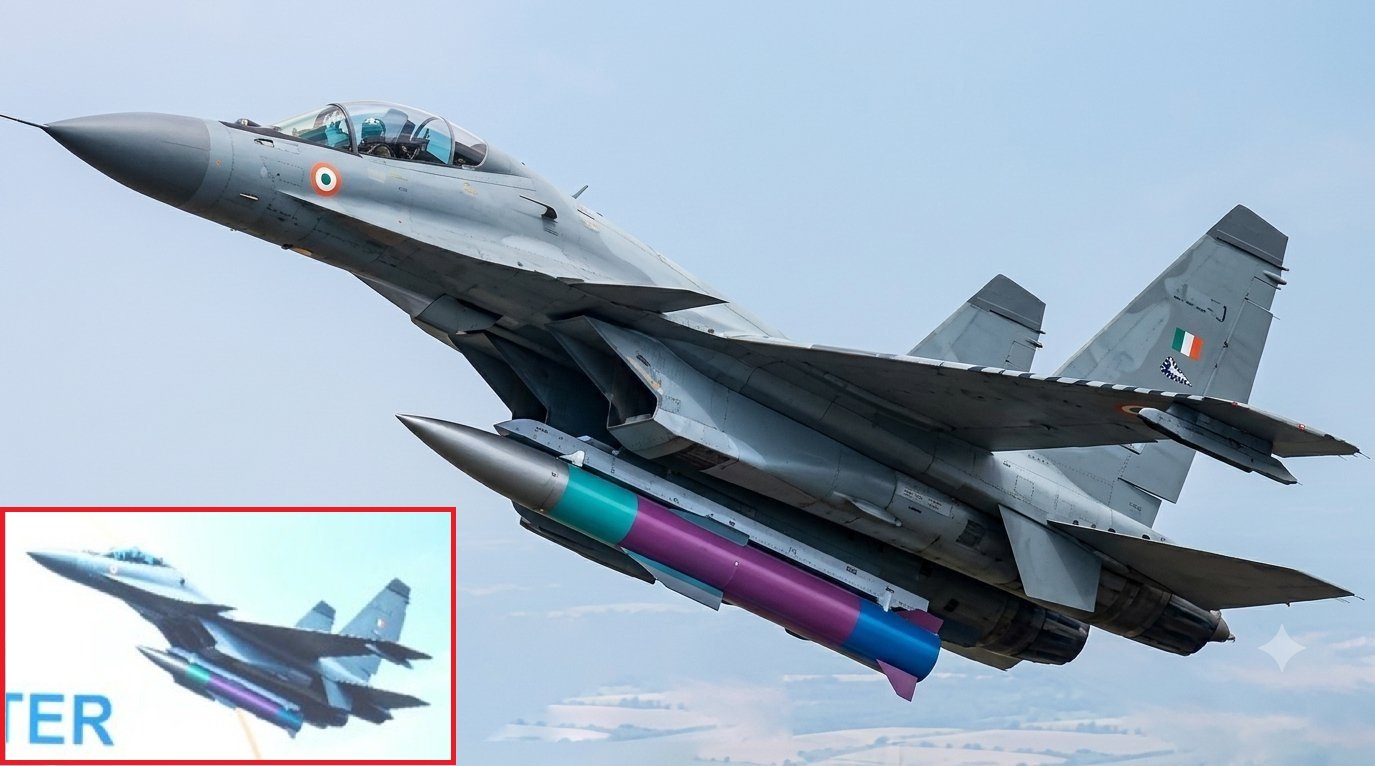 DRDO Developing Long-Range Air-Launched Ballistic Missile for Su-30MKI, Rudram-4 Seen as Likely Candidate
-
 Russia Unveils Experimental Plot-40 Floating Defense Platform to Counter Drone and USV Threats
-
 Unreleased Footage Reveals Why Lindsey Graham Dropped Plan to Push Trump on Hezbollah Strikes
-
 U.S. Military Selectively Intercepts Iranian Missiles to Preserve Shrinking Air Defense Stocks : Report
-
 ACUA Ocean, Teledyne FLIR Demonstrate Autonomous Drone Launch and Recovery From Uncrewed Vessel for UK Royal Navy
-
 Allison Transmission to Supply Automatic Transmissions for Nearly 3,000 German EAGLE V Armored Vehicles Ordered by Germany
Top Trending in 4 Days
-
 U.S. Navy Awards Northrop Grumman $1.2 Billion Deal for Three New E-2D Advanced Hawkeyes
-
 U.S. Airstrikes Target IRGC Missile Base Near Taft as Overnight Strikes Hit Central Iran
-
 Kuwait and Bahrain Reportedly Launch First Joint Direct Airstrikes on Iran Since War Began : Report
-
 DRDO Successfully Conducts Maiden Flight Test of 150-km-Range Kusha M1 Air Defence Missile
-
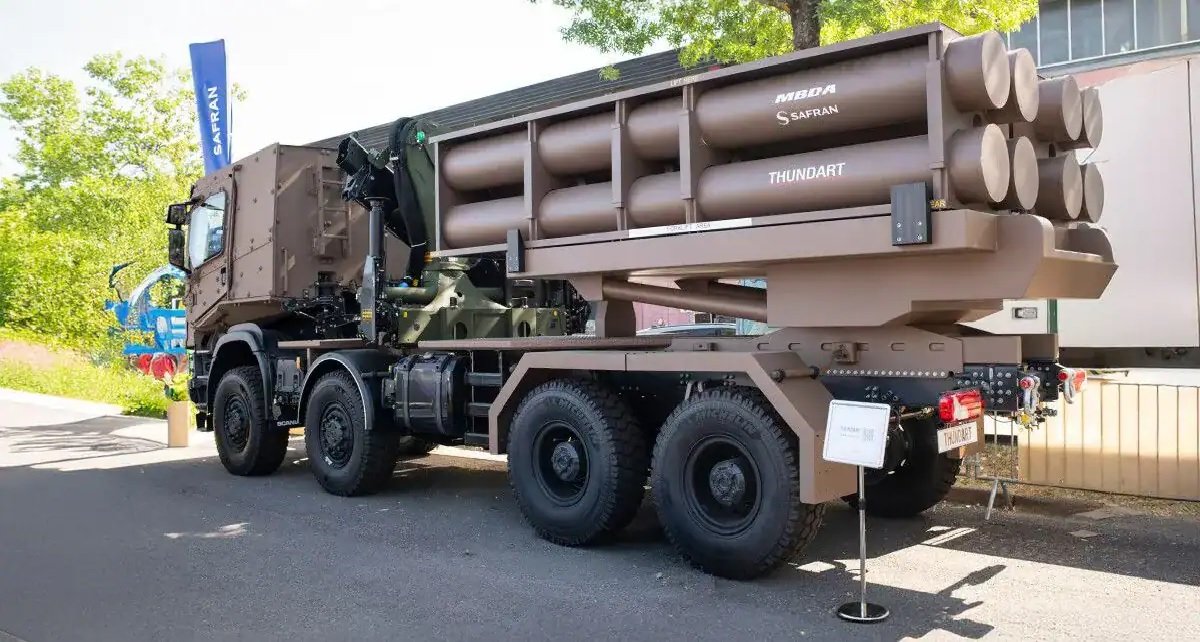 France's THUNDART Long-Range Rocket System May Undergo Prototype Combat Testing in Ukraine
-
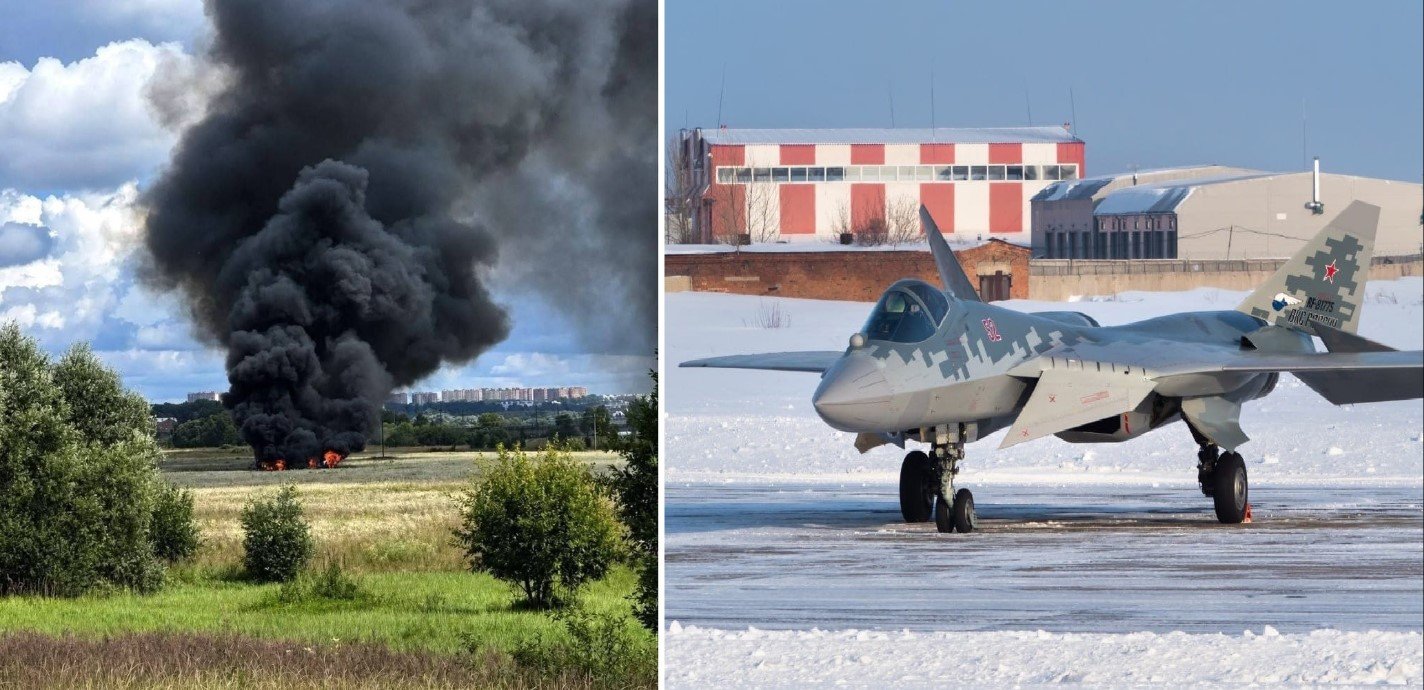 Russian Su-57 Stealth Fighter Crashes During Training Flight Near Moscow, Pilot Ejects Safely
-
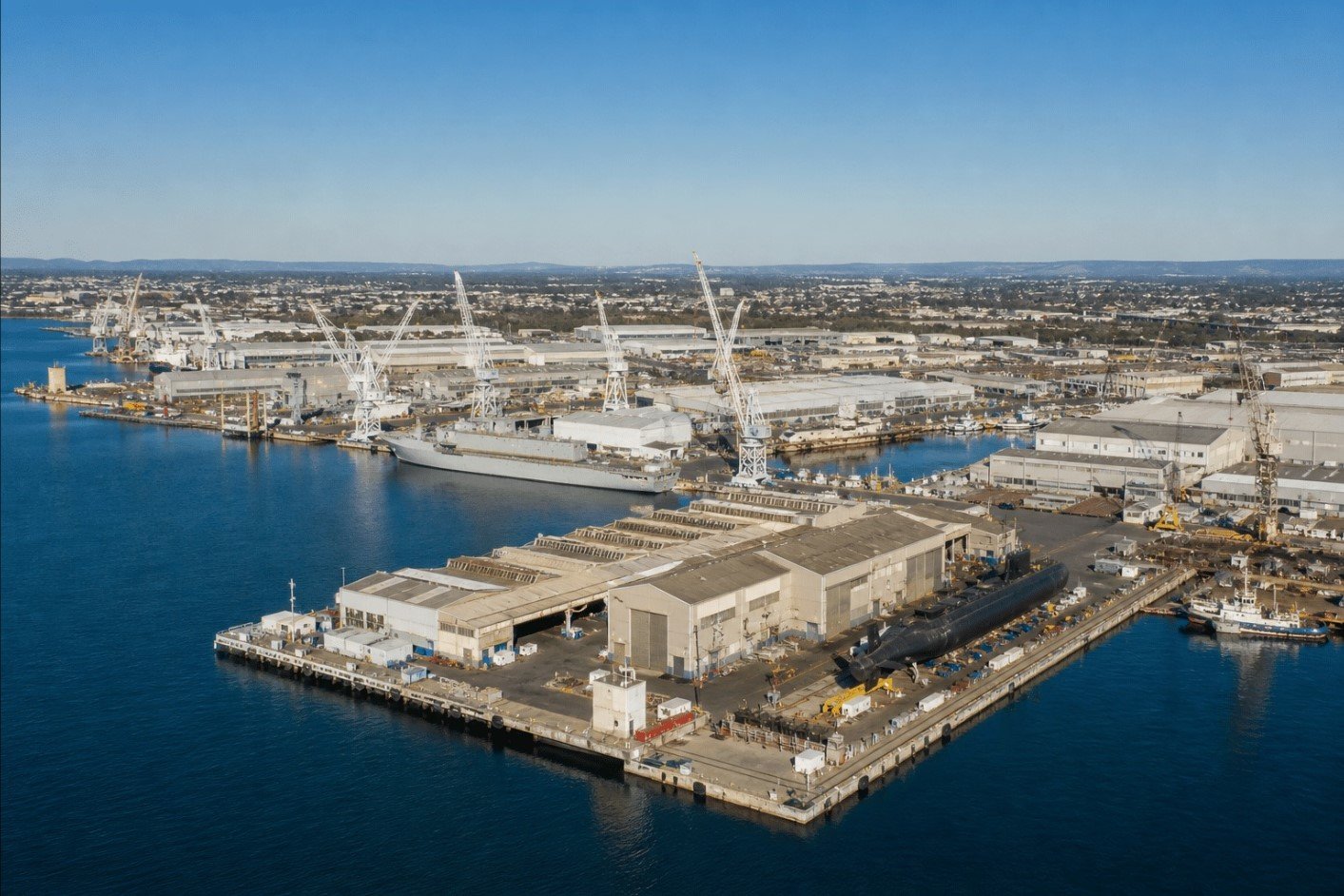 Australia Commits Additional AUD 4.6 Billion to Expand Osborne Shipyard for AUKUS Submarines
-
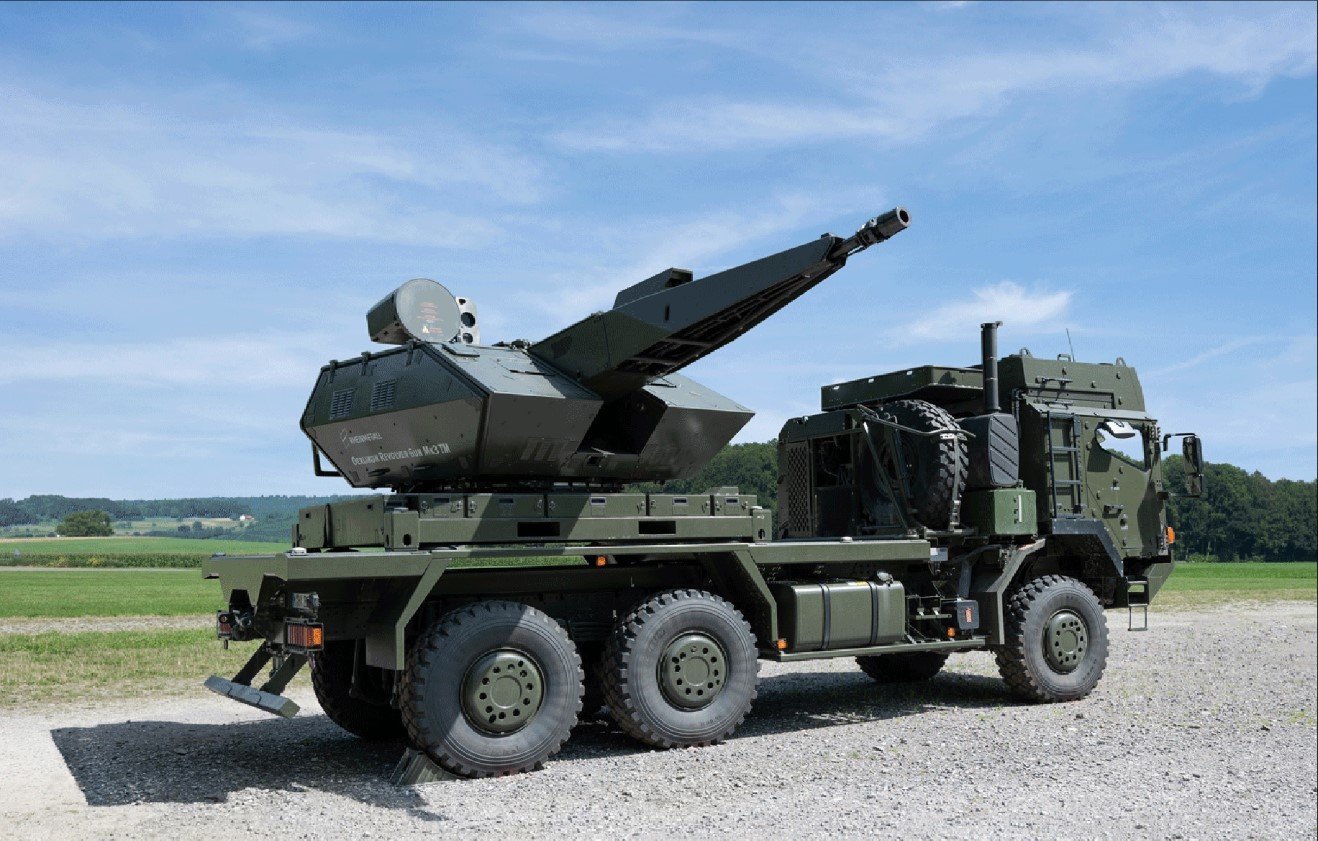 China Imposes Dual-Use Export Ban on 14 European Entities After EU's Russia Sanctions
