
India
In a major step toward deepening defence cooperation and boosting indigenous production, India and Russia have entered into advanced discussions to locally manufacture ramjet engines for the BrahMos missile system. The move is seen as a significant milestone in India's quest for defence self-reliance and could substantially reduce the cost of the world’s fastest supersonic cruise missile. According to reliable defence sources and reports from The Economic Times and Sputnik India, the talks are aimed at setting up local production lines for the ramjet propulsion systems used in both the standard BrahMos and the upcoming BrahMos-NG variants. The discussions come in the wake of India’s successful operational use of BrahMos missiles and increased export interest from Southeast Asian and Latin American countries. Ramjet Production Likely at Lucknow Facility The proposed engine manufacturing is likely to take place at the BrahMos Aerospace facility in Lucknow, which was inaugurated in March 2024 under the Uttar Pradesh Defence Industrial Corridor initiative. The ₹300 crore plant is already capable of producing 80 to 100 BrahMos missiles annually and is expected to play a central role in the production of advanced variants. Russian officials are reportedly willing to provide complete technical support to localize production. This includes the transfer of know-how and test-bed integration of engine prototypes using Indian components. Strategic and Economic Benefits At present, the ramjet engine—previously imported entirely from Russia—constitutes a major share of the BrahMos missile’s cost, estimated at around ₹34 crore per unit. Indigenous production is expected to slash the overall missile cost and make it more viable for large-scale induction and exports. A senior DRDO official, speaking on condition of anonymity, confirmed that India is also developing its own Liquid-Fuel Ramjet (LFRJ) engines for future versions of BrahMos, as part of a broader effort to minimize import dependence. “With more than 75% of the BrahMos now indigenized, the engine is the last big piece of the puzzle. Manufacturing ramjet engines locally will not only reduce cost but will also provide strategic control,” the official said. BrahMos-NG and Future Roadmap India and Russia are also expected to co-develop and produce the next-generation BrahMos-NG, a smaller and lighter version of the missile designed for fighter aircraft, submarines, and lighter land platforms. The BrahMos-NG is likely to benefit from the same localized engine manufacturing setup once the initial production stabilizes. BrahMos Aerospace has already started early integration and testing efforts for NG variants. The Indian Air Force has shown interest in equipping Su-30MKIs and future AMCA jets with the BrahMos-NG, while the Indian Navy is exploring its deployment on frontline warships. Export Boost India's ambition to become a major global arms exporter is also expected to get a boost. With the Philippines already signed on as the first international customer for the BrahMos, and negotiations ongoing with Vietnam and Latin American nations, a cheaper, fully Made-in-India BrahMos could open new markets. “Reduced dependency on Russian imports, combined with a competitive price, will make the BrahMos far more attractive on the global stage,” said Lt Gen (Retd) D. S. Hooda, a strategic analyst. The ongoing talks between India and Russia to locally manufacture ramjet engines represent a landmark development for India's missile program and the ‘Atmanirbhar Bharat’ initiative. If finalized, the agreement would enhance India's strategic autonomy, reduce costs, and boost exports, while also cementing Indo-Russian defence ties for the foreseeable future.
Read More → Posted on 2025-08-03 15:40:01
World
In a major step forward for modern military communications, Northrop Grumman has successfully tested its NG InSight system, showcasing advanced, multi-domain resilient communications that could shape the future of joint-force operations. The live demonstration flight took place on April 30, 2025, at Baltimore/Washington International Airport (BWI), marking a significant milestone in proving the system's readiness and performance. During the test, Technology Readiness Level 6 (TRL 6) components were installed aboard a CRJ-700 aircraft. These included a mix of open system processors, advanced antennas, Government Reference Architecture (GRA)-compliant directional line-of-sight (DLOS) communications, and mission-aware content routing. All these elements formed a working configuration of what Northrop calls the NG InSight ecosystem—designed to serve as a robust communications hub across land, air, sea, and space domains. One of the key highlights of the test was the simultaneous demonstration of DLOS and beyond-line-of-sight (BLOS) communications, a critical capability that significantly reduces the risk of enemy interception or jamming. These communications enabled secure, low-latency data sharing across extended ranges, essential for real-time collaboration between different platforms in complex, contested environments. According to Jenna Paukstis, Vice President and General Manager of Northrop Grumman’s Networked Information Solutions Division, “NG InSight is essential for establishing robust, high-performance data sharing in environments where traditional methods may be too vulnerable or limited in range.” She added that the technology helps "counter enemy threats and improve survivability" by maintaining uninterrupted and protected communications under challenging conditions. The NG InSight system is not just a single product but a scalable family of interoperable solutions aimed at delivering next-generation secure connectivity. It supports both joint and coalition operations, integrating assets across air, land, maritime, and space domains. This seamless connectivity is critical for enabling modern military forces to work together effectively across multiple theaters of operation. Beyond basic communications, NG InSight offers powerful features such as signals intelligence (SIGINT), non-kinetic effects (NKE), multi-level security, and cross-domain information sharing. These capabilities ensure that warfighters have access to actionable, real-time intelligence, even in heavily contested or electronically denied zones. As threats grow more complex and the need for joint force integration becomes urgent, Northrop Grumman’s NG InSight could become a foundational technology for enabling secure, resilient, and flexible communications across domains—a vital requirement for future defense strategies.
Read More → Posted on 2025-08-03 15:33:24
World
In a significant development in India-Russia defence ties, Russia has offered a customised, localised version of its cutting-edge T-14 Armata main battle tank (MBT) to the Indian Army, aimed at joint development under India’s Next Generation Main Battle Tank (NGMBT) program. The offer, reportedly made by Russian defence giant Uralvagonzavod, signals a strategic attempt to deepen military-industrial cooperation between the two nations. The T-14 Armata is considered one of the most advanced tanks in the world. It features a revolutionary unmanned turret, an armoured crew capsule, and a fully digitalised control system. Equipped with a 125mm smooth-bore cannon, capable of firing both shells and laser-guided missiles, it also comes with a 7.62mm remote-controlled machine gun, modular armour, and an advanced active protection system (APS) that can intercept incoming anti-tank missiles. The tank is also equipped to handle NBC threats and has an automatic fire suppression system, making it highly survivable on modern battlefields. India's interest in the T-14 is rooted in the urgent need to replace its ageing fleet of T-72s and future-proof its tank forces, including upgrades beyond the T-90 Bhishma, which is already being produced domestically with over 83% indigenisation, including its locally built engine. This latest Russian proposal aligns with India’s “Make in India” defence policy and specifically fits into the “Make-I” category of the NGMBT program, which supports government-funded prototype development with up to 70% funding. Sources suggest that India could co-develop the tank with the Combat Vehicles Research and Development Establishment (CVRDE) and eventually manufacture it with Indian components and technologies. A critical part of the localisation plan reportedly involves replacing Russia’s troubled 12N360 diesel engine with India’s own DATRAN-1500HP engine, offering a more reliable powerpack suited to India’s harsh and varied environments—from icy Himalayan terrain to scorching desert zones. However, the T-14 Armata itself is not without problems. As of early 2024, only about 20 units had been produced in Russia, due to persistent technical and reliability issues, particularly with the engine and powerpack. Russian officials have acknowledged that the T-14 is not yet ready for large-scale deployment, citing these unresolved mechanical challenges. India’s involvement may offer not only a new market for the T-14 but also much-needed technical support to overcome these hurdles. Despite these limitations, the tank remains attractive for India’s future combat requirements. It is designed to operate in extreme climates, including temperatures as low as -50°F, aligning with Indian border conditions. Its modular design also allows for further customisation, making it a strong candidate for India’s future-ready armoured strategy. If the proposal goes forward, the T-14-based NGMBT could form the backbone of India's future tank regiments, offering enhanced mobility, survivability, and firepower across the nation’s varied terrains—especially on the northern and western fronts, where threats are evolving. Ultimately, this offer from Russia represents more than just a weapons deal—it’s a strategic opportunity for India to leap forward in tank warfare technology while strengthening its own defence manufacturing ecosystem. For Russia, it’s a chance to revive and scale up a struggling platform by tapping into India’s growing defence industrial base.
Read More → Posted on 2025-08-03 14:50:39
World
Hamas has strongly rejected claims that it is ready to give up its weapons as part of a ceasefire deal with Israel. The Palestinian group called the remarks made by U.S. envoy Steve Witkoff false and misleading, stressing that the right to armed resistance remains a “national and legal” necessity while Israeli occupation continues. The controversy began after Haaretz published details of a private meeting between Witkoff and families of Israeli hostages held in Gaza. According to a recording cited by the Israeli outlet, Witkoff allegedly said that Hamas was "prepared to be demilitarised." However, Hamas issued a sharp rebuttal, stating clearly that it had made no such promise. In its official statement, Hamas said:“The resistance and its weapons are a national and legal right as long as the [Israeli] occupation persists. This right cannot be relinquished until our full national rights are restored, foremost among them the establishment of a fully sovereign, independent Palestinian state with Jerusalem as its capital.” The comments come amid a tense backdrop of global diplomacy and increasing scrutiny of humanitarian conditions in Gaza. Witkoff, a close ally of former U.S. President Donald Trump and now serving as his special Middle East envoy, had just visited an aid site in Gaza run by the controversial Global Humanitarian Foundation (GHF)—an organisation jointly supported by the U.S. and Israel. Hamas described Witkoff’s visit as a "staged show", accusing him of trying to mask the real humanitarian crisis in the enclave. The group cited a United Nations report that says over 1,300 Palestinians have been killed since May while attempting to access food at GHF-run aid distribution centres. Despite global criticism, the Trump-aligned administration has continued to support GHF, pledging $30 million in U.S. aid to the group just last month. The disarmament claim and Hamas’ response come at a time when pressure is mounting internationally for a political resolution to the Gaza war. During a recent United Nations conference in New York, 17 countries, along with the European Union and the Arab League, signed a joint declaration calling for a two-state solution. The document included a demand for Hamas to end its control of Gaza and transfer authority to the Palestinian Authority, with support from the international community. Significantly, the United Kingdom also hinted it may formally recognise a Palestinian state by September—unless Israel agrees to a ceasefire. UK Foreign Secretary David Lammy echoed Prime Minister Keir Starmer’s position, stating that recognition would come under clear conditions tied to peace efforts. As the war drags on and diplomatic efforts intensify, Hamas' rejection of disarmament underlines the deep divisions and mistrust that remain obstacles to peace. The conflicting narratives from Hamas and the U.S. envoy only add to the complexity of negotiations, even as the humanitarian crisis in Gaza worsens daily.
Read More → Posted on 2025-08-03 14:47:03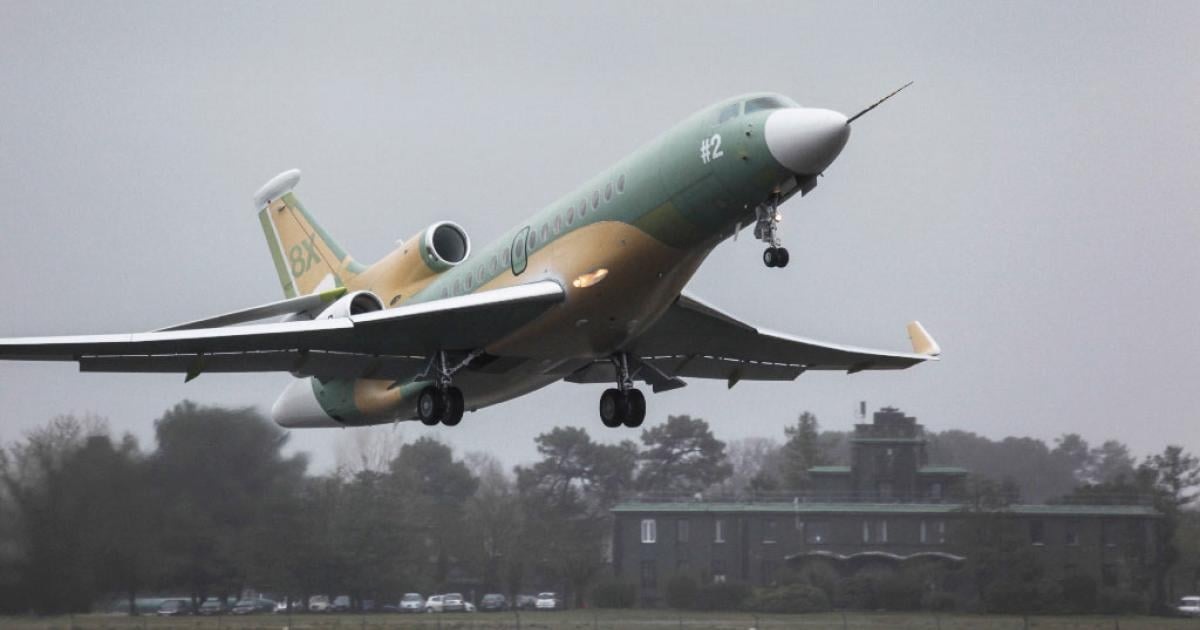
World
In a major step towards modernising its intelligence capabilities, France’s defence procurement agency (DGA) has successfully completed the first flight of the Archange new-generation intelligence aircraft, developed in partnership with Dassault Aviation and Thales. This flight marks a milestone in France’s effort to boost its strategic surveillance and electromagnetic intelligence capabilities. The aircraft, based on the Dassault Falcon 8X business jet, is being converted into an advanced intelligence-gathering platform under the Archange programme. These modified jets will serve the French Air and Space Force, enabling it to detect and analyse communication signals and radar emissions from a wide operational area. According to the DGA, three Archange aircraft are planned to be delivered between now and 2030, aligning with France’s current Military Planning Law (Loi de programmation militaire 2024–2030). These jets are expected to significantly upgrade France’s ability to collect, process, and interpret critical strategic information, both in peacetime and during conflict. At the heart of the transformation is a state-of-the-art mission system developed by Thales DMS and Thales SIX, which brings together high-performance sensors and sophisticated electronic warfare technologies. This system enables the aircraft to simultaneously detect both radar and communication signals, offering a much more comprehensive view of the electromagnetic environment compared to existing platforms. Dassault Aviation is overseeing the structural and systems modifications needed to tailor the Falcon 8X to the French military’s intelligence mission requirements. The aircraft’s long range, high altitude capability, and reliability make it ideal for such a demanding role. In addition to the aircraft themselves, the Archange programme includes a complete training and support infrastructure. This will include dedicated ground facilities and long-term maintenance services, ensuring the operational availability and readiness of the new fleet. The DGA praised the collaborative effort, stating: “This first flight is the result of several years of collaboration between leading industrial partners and the DGA. It demonstrates a collective commitment to strengthening France’s defence capabilities, its decision-making sovereignty, and the operational superiority of its armed forces.” With the Archange programme moving ahead, France is reinforcing its strategic intelligence edge in an increasingly complex global security environment. The new aircraft will not only enhance its ability to monitor threats and support military operations, but also serve as a key asset in preserving national and allied security interests.
Read More → Posted on 2025-08-03 14:41:31
India
In a major boost to India’s defence self-reliance efforts, Bengaluru-based SSS Defence has become the first Indian company to successfully supply indigenous suppressors for the Sako TRG-42 sniper rifles to the Indian Army. This marks a significant shift from the military’s earlier reliance on imported suppressors for precision sniper operations. The Sako TRG-42, originally manufactured by Finnish company SAKO, is a highly accurate bolt-action sniper rifle, typically chambered in .338 Lapua Magnum. It is designed for long-range precision shooting, capable of engaging targets up to 1,500 meters. Suppressors for such rifles play a critical tactical role—reducing noise and muzzle flash, allowing snipers to remain undetected during missions. Until now, Indian forces depended heavily on foreign-made suppressors, but the arrival of SSS Defence's indigenously developed solution is a game-changer. These suppressors have been specifically tailored to meet Indian operational environments, particularly along sensitive regions like the Line of Control (LoC). SSS Defence, which transitioned from the automotive sector, has rapidly emerged as a strong player in India’s private defence industry. The company now designs and manufactures small arms, optics, ammunition, and accessories as part of a complete combat system. Its manufacturing facility in Jigani, near Bangalore, spans 80,000 square feet, and supports both domestic needs and exports. In addition to the suppressors, the company has also developed two sniper rifles: The Viper (7.62x51mm) The Saber (.338 Lapua Magnum) These rifles are designed with Indian special forces and frontline units in mind. Notably, the Saber has gained international attention, with 10–11 countries reportedly showing interest in purchasing it, according to recent defence sector sources. This successful delivery of suppressors to the Indian Army also reflects the objectives of India’s ‘Make in India’ initiative, aimed at fostering defence manufacturing independence and reducing reliance on imports. It also improves logistics by enabling quicker supply chains, easier maintenance, and customization for Indian terrain and combat needs. SSS Defence has already won several defence contracts, including a $50 million ammunition supply deal and export orders for sniper rifles. The company is also involved in upgrading legacy systems, such as modernising AK-47 rifles used by Indian troops. The inclusion of indigenous suppressors for the elite Sako TRG-42 rifles is a landmark achievement. It not only strengthens the Indian Army’s operational edge but also places SSS Defence among the few private Indian defence companies capable of delivering high-end, mission-critical components for modern warfare. This development is expected to pave the way for further exports and collaborations, bolstering India’s status as an emerging global hub for advanced defence technologies.
Read More → Posted on 2025-08-03 14:33:43
World
In a significant military milestone, the United States Army has deployed its Long-Range Hypersonic Weapon (LRHW) system to Australia’s Northern Territory, marking the first time the advanced missile system has been sent outside the continental U.S. This high-profile deployment took place during Exercise Talisman Sabre 2025, the largest bilateral training operation between the U.S. and Australia. The 3rd Multi-Domain Task Force (3MDTF) was responsible for this deployment, showcasing the unit’s capability to rapidly position and operate the LRHW system in a forward and potentially contested environment. This move is seen as a demonstration of both military readiness and strategic intent by the U.S. Indo-Pacific Command. According to Admiral Samuel J. Paparo, Commander of U.S. Indo-Pacific Command, “The deployment of the LRHW system to Australia marks a significant achievement... It validates the Army’s ability to deploy, position, and exercise command and control (C2) of the system in a forward environment.” The LRHW system is capable of precision deep strikes at hypersonic speeds, meaning it can hit targets thousands of kilometers away in a matter of minutes. This makes it a key component in the U.S. military’s future arsenal, especially in the Indo-Pacific, where fast response to threats is crucial. Colonel Wade Germann, Commander of the 3MDTF, emphasized that the deployment highlights U.S. commitment to regional partners. “This is a major milestone for the Army... It demonstrates our ability to rapidly deploy and operate advanced capabilities in support of our allies and partners,” he said. The Talisman Sabre exercise, held every two years, is designed to improve joint operations between the U.S. and Australian militaries, with broader objectives of strengthening ties and enhancing regional deterrence. This year’s event includes over 30,000 personnel and participation from allied nations such as Japan, the United Kingdom, and South Korea. Military analysts note that hypersonic weapons, which travel at speeds greater than Mach 5, are nearly impossible to intercept using current missile defense systems. By demonstrating the ability to operate the LRHW in the Indo-Pacific, the U.S. sends a clear signal about its readiness to defend allied territory and deter adversaries. The deployment also underlines the U.S.-Australia strategic partnership, as both countries deepen their cooperation in emerging defense technologies and integrated deterrence strategies. It’s a key step in adapting to new-era threats in the Indo-Pacific, particularly in light of rising tensions and expanding military capabilities of regional powers. In short, this historic forward deployment of the LRHW system not only marks a technical and operational achievement for the U.S. Army but also sends a strong geopolitical message: the U.S. is fully committed to ensuring peace, stability, and defense cooperation across the Indo-Pacific.
Read More → Posted on 2025-08-03 14:26:57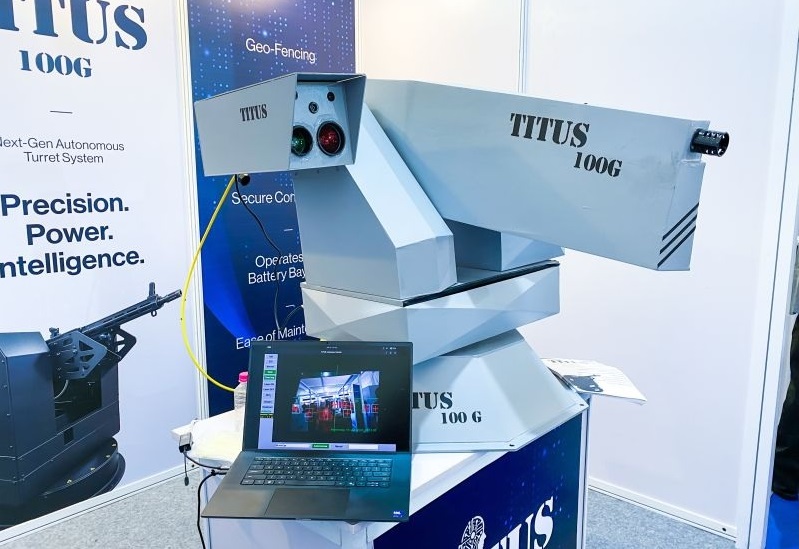
India
Jindal Defence has unveiled the TITUS 100G, an advanced AI-driven hard-kill protection system designed to intercept and neutralize threats with 7.62 mm and 12.7 mm caliber rounds. Unlike traditional active protection systems aimed at stopping anti-tank missiles or RPGs, TITUS 100G is specifically optimized to protect vehicles, forward operating bases, and static installations from high-speed small- and medium-calibre projectiles — such as heavy machine gun fire and armor-piercing bullets. AI-Enabled Turret with Autonomous Response The TITUS 100G integrates a rotating turret system equipped with advanced sensors and artificial intelligence to autonomously detect, track, classify, and engage threats in real time. This allows the system to respond within milliseconds — a critical advantage in close-quarter engagements where hostile fire can overwhelm traditional armor. Key capabilities include: Calibre Neutralization: 7.62 mm and 12.7 mm rounds Operational Modes: Fully autonomous with manual override Target Identification: AI-based classification and friend/foe discrimination Safety Features: Geo-fencing to ensure firing within designated zones Platform Flexibility: Adaptable to armored vehicles, perimeter defense, and fixed installations Focus on Small-Calibre Protection Unlike global active protection systems such as Israel’s Trophy or Russia’s Afghanit — which counter anti-tank threats — TITUS 100G addresses a different battlefield requirement: shielding troops and light armored platforms from sustained small arms fire. This capability is particularly relevant for convoy security, base defense, and urban combat, where heavy machine guns and sniper fire remain persistent threats. Strategic Significance The system aligns with India’s Aatmanirbhar Bharat (self-reliant India) initiative, showcasing the growing role of private companies in indigenous defense innovation. TITUS 100G also introduces autonomous, AI-led protection to India’s defense ecosystem — a first for domestic systems targeting this threat class. Defence analysts note that this represents a new layer of battlefield survivability, bridging the gap between passive armor and heavy active protection systems. By focusing on cost-effective, modular protection against prevalent threats, TITUS 100G fills a critical niche for both military and paramilitary applications. Field Trials and Future Prospects TITUS 100G is currently undergoing field evaluation trials with Indian paramilitary units, with potential interest from armored vehicle programs and international buyers seeking perimeter defense solutions. Its modular design allows integration into light armored vehicles, unmanned ground platforms, and fixed installations protecting critical infrastructure. If adopted widely, TITUS 100G could become a cornerstone of India’s next-generation turret protection systems, offering rapid, intelligent countermeasures against the small-caliber threats dominating modern low-intensity conflicts.
Read More → Posted on 2025-08-02 16:37:21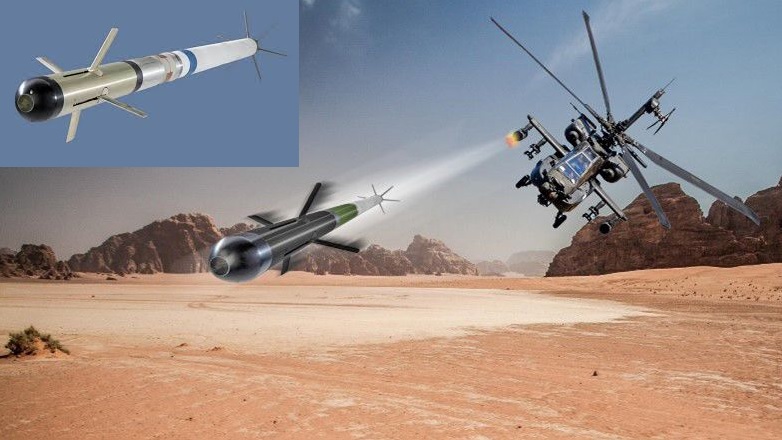
India
In a major breakthrough for India’s defence manufacturing sector, Pune-based NIBE Limited has secured a contract worth ₹6.12 crore from Israeli defence giant Elbit Systems Land Ltd. The order involves the supply of precision-engineered components for the GATR 70mm Guided Advanced Tactical Rocket, a highly accurate air-to-surface munition with a range of up to 10 kilometers. This marks the first international defence export contract for NIBE, a company that has recently expanded its footprint in aerospace and defence manufacturing. The deal is part of a broader strategic engagement between NIBE and Elbit, following their recent agreement to collaborate on advanced rocket launcher systems. What the Deal Includes The current order focuses on the production of parts critical to the operation of the GATR 70mm Guided Rocket, known for its versatility and high precision. NIBE will manufacture and supply these components from its facilities in India, with deliveries scheduled to be completed by September 2026. The ₹6.12 crore contract signals growing global confidence in Indian manufacturing capabilities, especially in the high-precision, high-tech segments of the defence supply chain. It also strengthens India’s position as a trusted partner in international defence projects. Specifications of GATR 70mm Guided Rocket The GATR (Guided Advanced Tactical Rocket) is a semi-active laser-guided 70mm rocket system designed to provide precision strike capability at lower costs compared to larger missile systems. It can be launched from a variety of platforms including rotary-wing aircraft and land-based launchers. Key specifications include: Caliber: 70mm Range: Up to 10 km Guidance: Semi-active laser homing Warhead: M282 high-penetration warhead, effective against light armor and fortified targets Launcher Compatibility: Compatible with standard 70mm rocket launchers and rotary aircraft pylons Fuze Options: Programmable for impact or delayed detonation Strategic Importance This deal reinforces India’s growing role in global defence supply chains, especially under the umbrella of the “Make in India” and “Atmanirbhar Bharat” initiatives. It also positions NIBE as a serious player in the international precision weapon components market. The partnership with Elbit Systems opens doors for future collaboration not just on rocket components but potentially on complete launcher systems and integrated platforms. NIBE is already working on projects such as the SURYA Universal Rocket Launcher, also in association with Elbit, which could see further expansion in the coming years. NIBE Limited’s ₹6.12 crore contract for GATR 70mm guided rocket parts is more than just a business deal—it’s a milestone in India’s rise as a reliable defence production hub. With deliveries extending into 2026 and the possibility of future orders, this marks a strategic win for India’s defence ecosystem and a strong step forward in Indo-Israeli defence cooperation.
Read More → Posted on 2025-08-02 16:34:12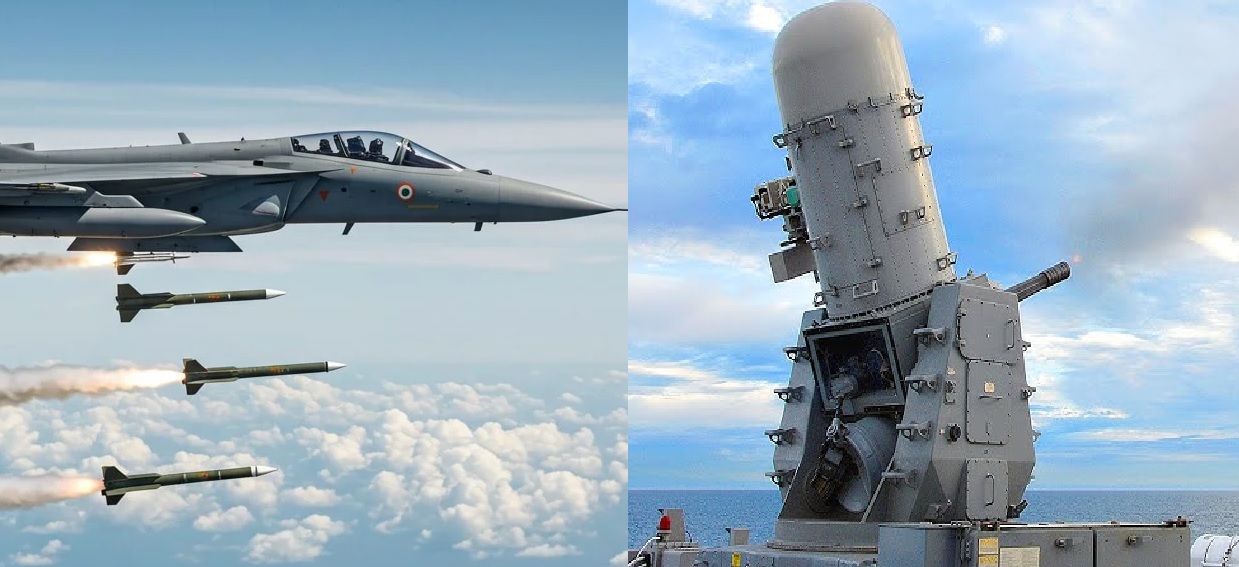
India
In a major push toward indigenous defense technology, the Armament Research and Development Establishment (ARDE), a key laboratory under the Defence Research and Development Organisation (DRDO), is advancing the development of two crucial systems: a multi-barrel Gatling gun for Close-In Weapon System (CIWS) roles and a new air-launched medium-calibre weapon, which is likely an aerial version of the Pinaka rocket system. These developments aim to reduce India's dependence on foreign imports and enhance both naval and aerial strike capabilities through modular, cost-effective, and high-impact indigenous solutions. ARDE’s Rotary Gatling Gun for CIWS ARDE’s upcoming Gatling gun is designed as an Indian alternative to legacy systems like the Russian AK-630, widely used in naval CIWS roles. The system is under development with the following features: Multi-barrel rotary design offering a high rate of fire of approximately 4,200 rounds per minute. Electric drive and actuation system, designed for rapid traverse and accurate response to high-speed aerial threats. Digital fire control and embedded software integrated with radar and electro-optical/infrared (EO/IR) targeting for automated threat acquisition and engagement. Stealth-compatible mount with a 360-degree rotating slip-ring mechanism and thermal/acoustic signature management. Capable of firing medium-calibre ammunition, potentially with programmable or proximity fuzes for anti-air and anti-drone effectiveness. The system is intended for deployment on naval vessels, coastal defense stations, and potentially land-based air defense roles, capable of neutralizing low-flying aircraft, cruise missiles, and drones at close range. Air-Launched Pinaka Variant in Development Alongside the Gatling CIWS, ARDE is also working on an air-launched version of the Pinaka multi-barrel rocket system. This project aims to create a medium-calibre precision-strike weapon for the Indian Air Force (IAF), capable of being carried by fighter aircraft such as the Su-30MKI, Mirage-2000, Rafale, and Tejas. Key specifications and concepts include: Based on the existing Pinaka Mk-II/Mk-III rockets, with integration of GPS/INS guidance systems and potential trajectory correction kits. Estimated range of 60 to 75 kilometers for the air-launched variant, depending on altitude and release speed. Designed as a cost-effective standoff weapon, ideal for neutralizing enemy infrastructure, air defenses, and high-value battlefield targets. Offers quick reaction capability, faster deployment, and higher saturation than traditional bombs or missiles in tactical scenarios. Reports indicate that the Indian Navy is also collaborating on a naval version of the same rocket system, with flight testing expected to begin in 2025. The air-launched version is likely to proceed in parallel. Strategic Implications The development of these two systems represents a shift in India’s defense focus toward next-generation indigenous armaments with enhanced automation, precision, and modularity. The indigenous CIWS solution would significantly reduce reliance on Russian or Western point-defense systems and improve naval self-defense in close combat scenarios. On the other hand, the air-launched Pinaka variant fills a critical gap in medium-range standoff weapons for the IAF. Unlike larger ballistic missiles, this rocket-based system allows for rapid saturation strikes against hardened or mobile targets without exposing aircraft to high-risk airspace. Together, these innovations demonstrate DRDO's growing capabilities in developing advanced, integrated armament systems for modern warfare, aligned with India’s broader Atmanirbhar Bharat (self-reliant India) initiative. As prototypes are refined and tested, both systems could see operational deployment within the next few years, significantly boosting India’s multi-domain strike and defense capabilities.
Read More → Posted on 2025-08-02 16:25:45
India
In a major step towards bolstering its counter-drone warfare capabilities, the Indian Army has successfully integrated its upgraded Bofors L-70 air defence guns with the indigenously developed DIWAR all-band drone jammer, manufactured by Bengaluru-based AvGarde Systems. The move marks a crucial milestone in the modernization of India’s low-altitude air defence systems, especially against the growing threat of unmanned aerial vehicles (UAVs) and drone swarms. A Powerful Synergy: Hard-Kill Meets Soft-Kill The modernised 40 mm L-70 guns, which have served the Indian Army since the 1960s, have undergone a series of upgrades to make them suitable for modern combat. These include new electric drives for faster response, digital fire control systems, and electro-optical tracking for all-weather, day-and-night operations. The addition of a drone jammer elevates the system from being a purely kinetic asset to a layered, hybrid defence platform. The DIWAR jammer complements the L-70 gun by providing electronic disruption capabilities. It can jam signals across multiple frequency bands commonly used by commercial and military drones, including 433 MHz, 900 MHz, 2.4 GHz, and 5.8 GHz, along with navigation systems like GPS, GLONASS, Galileo, and BeiDou. This gives it the ability to interrupt drone communications, disable GPS-based navigation, or even spoof signals to misguide intruding UAVs. Specifications L-70 Upgraded Gun System: Calibre: 40 mm Rate of Fire: 240–330 rounds per minute Effective Range: Up to 4 km Features: Digital fire control, EO/IR sights, automated target tracking DIWAR All-Band Drone Jammer: Frequency Bands Covered: 433 MHz, 900 MHz, 2.4 GHz, 5.8 GHz, GNSS bands Jamming Range: 1–2 km (environment dependent) Capabilities: GPS spoofing, frequency hopping disruption, AI-based drone classification Mounting: Ground-based or vehicle-integrated Power: Low-power, ruggedized for battlefield use Operational Impact This integration allows the Indian Army to deploy a two-layer defence system: the drone jammer to disable or mislead hostile drones (soft kill), and the L-70 gun to destroy drones that breach the jamming layer (hard kill). This is particularly crucial along sensitive borders and in conflict zones where drones are increasingly used for surveillance, logistics, and even attacks. The system has reportedly performed well during recent field trials and limited deployments, showcasing its ability to counter both individual drones and swarms, including those using frequency-hopping or autonomous navigation techniques. Strategic Significance The Indian Army’s focus on combining time-tested artillery systems with cutting-edge indigenous electronic warfare tools is part of a broader strategy to counter asymmetric threats. With increased drone activity along the western border and rising incidents of UAV intrusions, this integrated solution provides a fast-deployable and cost-effective response. It also reflects India’s push towards self-reliance in defence technology, leveraging private sector innovation to deliver operationally relevant solutions for modern battlefield challenges. By integrating the upgraded L-70 air defence guns with the DIWAR all-band drone jammer, the Indian Army has created a smart, layered counter-UAS solution capable of both neutralizing and destroying enemy drones. This hybrid approach offers greater flexibility, efficiency, and survivability against the evolving threat of drone warfare—demonstrating a successful fusion of legacy systems with next-generation technology.
Read More → Posted on 2025-08-02 16:04:41
World
In a major move to modernize its digital warfare capabilities, the U.S. Army has awarded a $10 billion contract to software company Palantir Technologies. This long-term deal is focused on integrating artificial intelligence (AI), enhancing data fusion, and strengthening digital systems used in military operations. The contract was officially issued on July 31 by the Army Contracting Command at Rock Island Arsenal, Illinois, under solicitation number W519TC-25-D-0039. This enterprise agreement will run through July 31, 2035, and consolidates a number of existing contracts where Palantir is already serving as a prime or subcontractor. Now, all those services will operate under a unified structure, streamlining efforts to develop and deploy AI-enabled tools across U.S. Army programs. Palantir, headquartered in Palo Alto, California, is known for building powerful software platforms that combine both classified and unclassified data to support missions ranging from battlefield planning to counterterrorism operations. The company has built a strong presence within the U.S. defense and intelligence ecosystem, serving agencies such as the CIA, NSA, FBI, DHS, U.S. Air Force, Marine Corps, and even the U.S. Military Academy at West Point. As part of this new deal, Palantir will coordinate with multiple defense partners to deliver AI-driven solutions for mission planning, intelligence analysis, logistics, and tactical battlefield support. The systems developed will be used to boost targeting accuracy, speed up decision-making, and enhance the survivability of troops in combat. Palantir’s platforms are already being tested in high-stakes environments. In Ukraine, the country's military is using Palantir's tools to optimize artillery strikes by processing live sensor data and geospatial information in real time. Ukrainian forces have credited the software with helping to shorten targeting cycles and improve the coordination of fire missions. Beyond combat use, Ukraine’s Office of the Prosecutor General is employing Palantir’s tools to collect digital evidence of Russian war crimes, including photo and metadata analysis to document violations of international law. This latest Army contract signals a deeper commitment to embedding advanced technologies like AI into the daily workings of military operations. It reflects the growing importance of data and decision-support systems in future conflicts—where the ability to process, interpret, and act on information quickly can determine success or failure on the battlefield. The funding and specific work locations for this contract will be determined by individual task orders over the contract’s 10-year lifespan.
Read More → Posted on 2025-08-02 15:52:12
World
In a major boost to its battlefield capabilities, Ukraine has delivered more than one million FPV (first-person view) drones to its frontline troops in the first half of 2025. This large-scale effort, coordinated by the Defence Procurement Agency (DPA), is part of a broader plan to supply over two million such drones by the end of the year. According to Ukrainian Defence Minister Denys Shmyhal, the goal is clear: get the right drones into the hands of soldiers who need them most. “Our priority is to develop the most effective mechanisms for providing soldiers on the front lines with the necessary drones,” he said. “We are working to increase the pace of supply so that each unit receives exactly what it needs to perform its combat tasks.” The drones, commonly used for reconnaissance and explosive strikes, have become a defining element of modern warfare in Ukraine’s ongoing defence against Russian forces. The delivery of such a massive number in just six months shows how Ukraine is rapidly scaling its domestic drone production and procurement processes. Arsen Zhumadilov, Director of the Defence Procurement Agency, stressed that the million-drone milestone is just the beginning. “We are focusing on even larger volumes. We have launched additional tools for the mass supply of UAVs,” he said. To make procurement faster and more flexible, Ukraine has adopted new approaches. One of these is contracting based on tactical and technical specifications (TTS), which allows a wider range of drone manufacturers to participate by meeting performance standards rather than selling only pre-named products. This strategy helps expand the supplier base and encourages competition through the Prozorro public procurement system. Ukraine is also piloting the DOT-Chain Defence IT platform, a kind of digital marketplace where military units can select the drones that best fit their operational needs. So far, 12 combat brigades are actively placing targeted drone orders through the platform, giving commanders more say in the gear their troops receive. Zhumadilov added that framework agreements through Prozorro and DOT-Chain have become essential to ensure high-quality drones are delivered efficiently and transparently using state budget funds. While this surge in FPV drone delivery is a technical achievement, it also signals Ukraine's increasing focus on technological innovation and decentralized logistics in warfare. The country is clearly investing in tools and platforms that can sustain and evolve its military response over the long term. With over a million drones already deployed in just six months and more on the way, Ukraine is not just keeping pace with modern warfare—it is actively shaping it.
Read More → Posted on 2025-08-02 15:10:11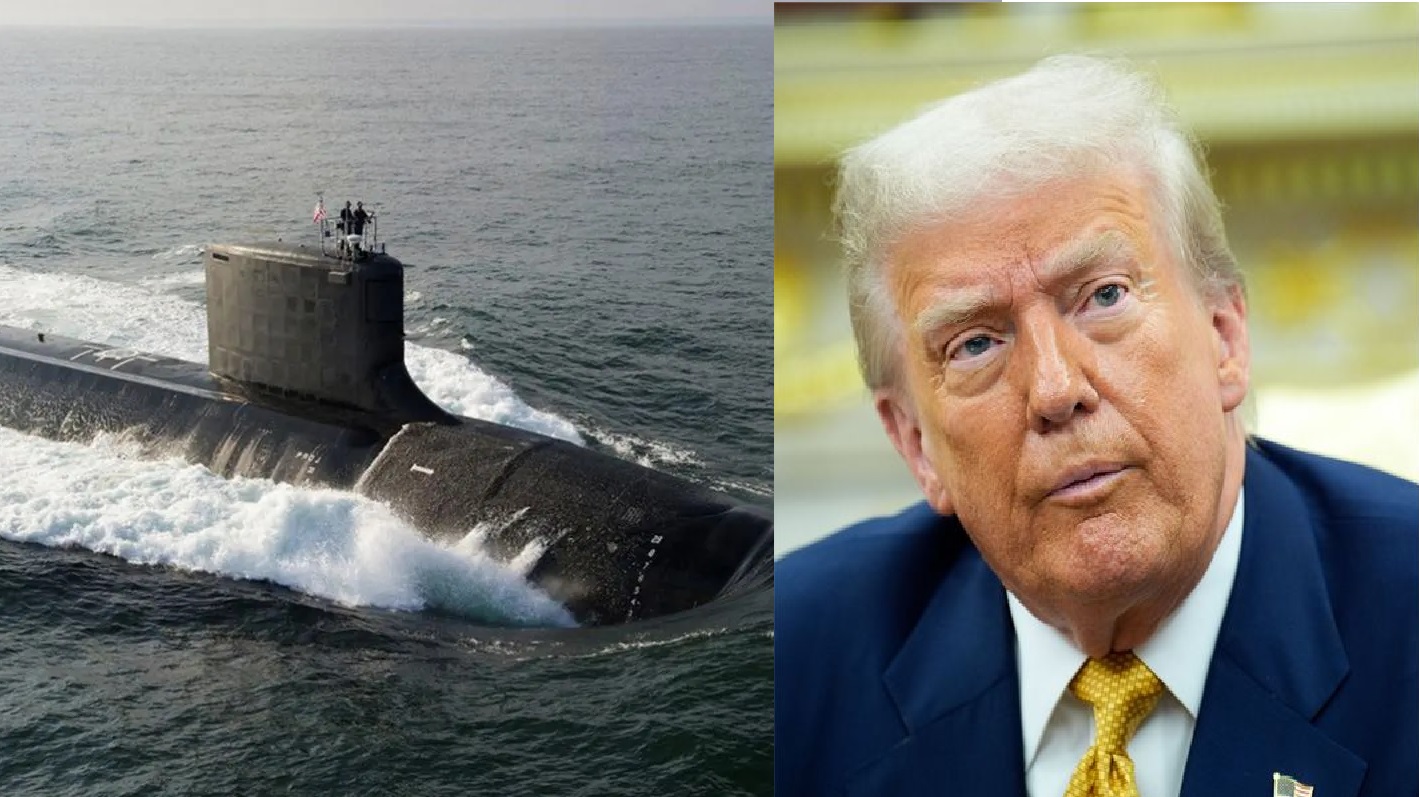
World
In a surprising announcement on Truth Social, former U.S. President Donald Trump revealed that he has ordered two U.S. nuclear submarines to be deployed to what he described as "appropriate regions." The move appears to be a direct response to recent threatening remarks by Russia's former president Dmitry Medvedev, though Trump did not provide specific details about the submarines or their destinations. Trump explained the decision as a precautionary step, saying it was made “just in case these foolish and inflammatory statements are more than just that.” While it’s unclear which class of submarines have been deployed, the U.S. Navy operates three types of nuclear-powered subs, with only one type — the Ohio-class ballistic missile submarines (SSBNs) — carrying nuclear weapons. The Ohio-class “boomers” are at the heart of America’s nuclear deterrent. Each of these 14 submarines is armed with up to 20 Trident ballistic missiles, capable of delivering nuclear warheads to targets over 4,600 miles away. These submarines are designed for stealth and long-term deployments, often remaining submerged for months. They measure about 170 meters in length, weigh nearly 19,000 tons submerged, and carry a crew of around 159 sailors. In addition to the SSBNs, the U.S. Navy has four other Ohio-class submarines that were converted into guided-missile submarines (SSGNs). These carry up to 154 Tomahawk cruise missiles, which are conventionally armed and have a range of 1,000 miles. SSGNs are also capable of deploying special operations forces, using modified missile tubes as lockout chambers. The Navy also operates dozens of fast-attack submarines, including the Virginia, Los Angeles, and Seawolf classes. While these do not carry nuclear missiles, they are equipped with Tomahawk missiles and are used to track enemy submarines, conduct intelligence missions, and strike land targets. The Pentagon has not officially confirmed Trump’s claim or the identities of the submarines, as submarine deployments are typically highly classified for strategic and security reasons. However, U.S. officials in the past have occasionally disclosed submarine activity as a show of force or deterrence in sensitive regions. This development comes at a time of growing geopolitical tension, particularly in light of ongoing U.S.-Russia friction over Ukraine and global nuclear posturing. While Trump is no longer in office, his comments and claims still attract global attention, especially when they involve military action or national security. Whether the Biden administration will confirm or respond to Trump’s statement remains unclear.
Read More → Posted on 2025-08-02 15:07:41
World
A senior Russian lawmaker has downplayed Donald Trump’s claims about deploying American submarines in response to provocative Russian rhetoric, saying that Russia already has enough nuclear submarines in global waters to handle any such threat. Viktor Vodolatsky, a member of Russia’s lower house of Parliament (Duma), said the situation does not require any special reaction from Moscow. He emphasized that the number of Russian nuclear submarines currently deployed in the world’s oceans exceeds that of the United States, and that any US submarines moved under Trump’s orders are already being tracked. “The subs that President Trump ordered to be redirected have long been under our control,” Vodolatsky told Russian state news agency TASS, adding: “Let the two US subs sail. They have been in the crosshairs for a long time now.” The former US President had earlier taken to his social media platform Truth Social on Friday, claiming he had ordered US submarines into position due to “extremely provocative statements” made by Dmitry Medvedev, Russia’s former president and current deputy chairman of the Russian Security Council. Trump did not elaborate further. Vodolatsky also said that instead of threats, a fundamental agreement is needed between the US and Russia to calm global tensions and avoid further speculation about the beginning of World War III. While the remarks generated media attention, Russian foreign policy expert Fyodor Lukyanov, editor-in-chief of Russia in Global Affairs, advised not to take Trump’s words too seriously. Speaking to RBC TV, a Russian news channel, Lukyanov remarked: “Trump reacts emotionally and spontaneously. I think the US Navy likely read his statement with great surprise. So far, this is just rhetoric.” Still, Trump’s comments had a financial ripple effect. Following the post, the Moscow Exchange index dropped by nearly 0.99%, falling by 2,709.26 points by 8:01 pm local time on Friday, reflecting investor concern over rising tensions. On a related note, Russian Foreign Minister Sergey Lavrov, responding to a question about recent comments by US Secretary of State Marco Rubio during a Fox News interview, said Russia fully agrees with Washington on one key issue: a direct military conflict must be avoided. “We share the US administration’s stance that a direct military confrontation must not happen,” Lavrov said, adding that such understanding has come through constructive dialogue between Moscow and Washington, despite ongoing tensions over Ukraine. Lavrov’s remarks come amid growing unease in Europe, where several NATO members continue to push for Ukraine’s fast-track NATO integration, something Russia strongly opposes. In summary, while Trump’s statement has stirred political chatter and market reactions, the Russian response remains confident and dismissive, portraying American actions as both monitored and manageable.
Read More → Posted on 2025-08-02 15:03:46
World
In a significant move likely to raise tensions with NATO, Russia has announced plans to deploy its new Oreshnik hypersonic missile system in Belarus by the end of 2025. The announcement came directly from President Vladimir Putin, who confirmed that the missile system has already entered military service and that deployment sites in Belarus have been selected. Speaking alongside Belarusian President Alexander Lukashenko during a visit to Valaam Island, Putin said that preparations for deployment are underway and expected to be completed by year’s end. This marks a major step in Moscow’s strategy to strengthen its military posture near the borders of NATO countries. The Oreshnik missile, named after the Russian word for “hazelnut tree,” reportedly made its combat debut in November 2024, when Russia struck a missile production facility in Dnipro, Ukraine. Military officials in Moscow claim the missile is capable of carrying both conventional and nuclear warheads, and reaching speeds of up to Mach 10—a velocity that makes it extremely difficult for Western air defense systems to intercept. Putin emphasized its capability, saying “multiple warheads plunge to a target at Mach 10 and are immune to being intercepted.” He added that a coordinated strike using several Oreshnik missiles, even with conventional warheads, would have devastation similar to that of a nuclear attack. The missile’s hypersonic speed and maneuverability make it one of the most advanced systems in Russia’s arsenal, representing a growing threat to countries supporting Ukraine with long-range weapons. In a stark warning, Putin hinted at using the Oreshnik in counterstrikes beyond Ukraine’s borders if NATO-supplied weapons are used to hit Russian territory. “If Kyiv uses NATO missiles to strike us, we could respond using systems like Oreshnik—even outside Ukraine,” he said. The decision to place the Oreshnik in Belarus—a country that borders Ukraine and several NATO members—adds a new layer to the region’s already high military tension. Since Russia’s invasion of Ukraine in 2022, Belarus has allowed increased Russian military presence, including the deployment of Russian tactical nuclear weapons. In 2023, Belarus and Russia signed a security pact that effectively brought Belarus under Russia’s nuclear umbrella. President Lukashenko, who has ruled Belarus for over 30 years, claimed in late 2024 that his country already hosts “several dozen” Russian nuclear weapons. The planned deployment of Oreshnik hypersonic missiles further solidifies Belarus’s role as a forward operating base for Russia, giving Moscow faster access to launch advanced weapon systems near NATO’s eastern flank. As the war in Ukraine grinds on and tensions between Russia and the West remain high, the arrival of Oreshnik missiles in Belarus could further escalate the arms race in Eastern Europe—and raise fresh concerns across Western capitals.
Read More → Posted on 2025-08-02 14:36:24
World
In a major step to enhance its space-tracking capabilities, the U.S. Space Force has officially activated a significant upgrade to the Ground-Based Optical Sensor System (GBOSS) at White Sands Missile Range in New Mexico. This upgraded system will now play a stronger role in helping the U.S. military monitor and track objects in deep space, improving overall space domain awareness. Developed in collaboration between Space Operations Command (SpOC) and Space Systems Command (SSC), the upgrade marks a key modernization milestone. GBOSS is part of the broader Ground-based Electro-Optical Deep Space Surveillance (GEODSS) network, which supports the Space Surveillance Network (SSN)—the system the U.S. relies on to monitor thousands of satellites and objects orbiting above Earth. The recent upgrade at White Sands is already fully operational, while another similar upgrade at the Maui site in Hawaii is in its final testing stages and will also become part of the GBOSS program once approved. According to Colonel Barry Croker, Commander of SpOC Mission Delta 2 – Space Domain Awareness, this advancement offers “a leap forward in capability for the joint warfighter.” The updated system not only improves the accuracy and speed of detecting objects in orbit but also increases how often space is scanned (known as revisit rates) and how many objects can be monitored at once. GBOSS was originally built in the 1980s, and this modernization was long overdue. The new version is far more sensitive, faster, and cost-efficient, with improved ability to work with commercial space data providers. This means better coordination across military and civilian space tracking efforts—something that's becoming increasingly important as both satellite traffic and threats in orbit continue to grow. Shannon Pallone, SSC Program Executive Officer for Battle Management, Command, Control, Communication, and Space Intelligence, praised the teams behind the upgrade, saying they “demonstrated a strong technical understanding of requirements, skillful program management, and seamless execution.” The U.S. Space Force says systems like GBOSS are crucial for tracking satellites and other space objects located more than 10,000 kilometers above Earth. With this upgrade, the military is better equipped to detect potential threats, avoid collisions, and maintain secure operations in orbit—key goals as space becomes a more contested domain. Upgrades like this show how the U.S. is preparing to stay ahead in the increasingly crowded and competitive space environment, focusing not just on launching new assets but also on modernizing its ground-based infrastructure.
Read More → Posted on 2025-08-02 14:30:31
India
The Indian Air Force (IAF) has received the 16th and final C-295 transport aircraft built by Airbus Defence and Space in Seville, Spain, marking the completion of the first leg of a major aircraft procurement deal. This final delivery wraps up the direct handover of aircraft from Spain as part of the ₹21,935-crore contract signed in September 2021 for 56 C-295s. Under this landmark agreement, the first 16 aircraft were to be manufactured and delivered by Airbus from Spain, while the remaining 40 will now be assembled in India by Tata Advanced Systems Limited (TASL) at a dedicated Final Assembly Line (FAL) set up in Vadodara, Gujarat. This marks a major shift in India’s defence manufacturing approach and is being seen as a significant step under the ‘Make in India’ and ‘Aatmanirbhar Bharat’ initiatives. The C-295s are set to replace the ageing Avro-748 fleet, which has served the IAF for over 60 years. These new aircraft are more versatile and better suited for modern military operations. Known for their ability to take off and land on short, unprepared airstrips, they can be used for troop and cargo transport, special missions, and disaster relief operations. With the deliveries from Spain complete, attention now shifts to Tata’s assembly plant in Gujarat, which is expected to deliver its first Indian-made C-295 by September 2026. This facility is not just assembling the aircraft—it will also handle integration of critical systems, testing, and quality checks. What makes this project stand out is the level of indigenisation it aims to achieve. Major components like the fuselage, wings, and empennage (tail section) will be manufactured in India, helping build a solid domestic aerospace supply chain. So far, over 125 Indian MSMEs have been involved in supplying parts and components, and Indian engineers are being trained to take over complex production tasks over time. The Tata-Airbus partnership is not just about fulfilling India’s defence needs. The long-term goal is to make India a global hub for C-295 production and maintenance, with plans to export the aircraft in the future. Airbus has indicated that the project includes technology transfer, supplier development, and building a skilled workforce that could support India's growing defence and aerospace sectors. In all, this development not only strengthens the IAF's airlift capabilities but also represents a crucial step in establishing India as a defence manufacturing powerhouse.
Read More → Posted on 2025-08-02 14:24:49
India
In a staggering one-day rout, the U.S. stock market lost over $1 trillion in market capitalization on August 1, 2025, driven by a confluence of economic and geopolitical shocks that rattled investor confidence across the board. Markets reacted sharply after the White House announced a sweeping new tariff regime, including 25% duties on imports from India, raising fears of retaliatory trade actions and rising input costs for U.S. businesses. Simultaneously, Amazon’s second-quarter earnings underwhelmed Wall Street, with cloud growth and profit margins falling short of expectations. Adding to the panic, the July U.S. jobs report showed alarmingly low employment growth and steep downward revisions for previous months. Market Breakdown The S&P 500 plunged 1.6%, The Nasdaq Composite dropped 2.2%, and The Dow Jones Industrial Average slid 1.2%, losing nearly 770 points by the closing bell. The sharp sell-off erased over $1.05 trillion in U.S. market value, marking one of the worst single-day losses since 2022. What Triggered the Crash? New U.S. Tariffs on India and Other NationsOn Thursday morning, the U.S. Trade Representative’s office confirmed the imposition of 25% tariffs on a wide range of Indian exports, including electronics, pharmaceuticals, and automotive components. The move, which also affected Canada and Mexico with tariffs as high as 35% in some sectors, immediately sparked concerns over global supply chains and trade retaliation. Amazon Earnings DisappointAmazon, one of the market’s tech bellwethers, reported weaker-than-expected growth in its AWS cloud division, sending its stock down more than 8%. The tech giant’s underperformance weighed heavily on the Nasdaq and triggered a sell-off in other major tech names like Apple, Nvidia, and Meta. Weak Jobs Report and Economic RevisionsThe U.S. economy added only 73,000 jobs in July, sharply missing the forecast of over 200,000. Moreover, May and June’s job creation numbers were revised downward by a combined 258,000 jobs, intensifying concerns that the labor market is slowing rapidly. Expert Reactions “Markets were priced for perfection. Instead, they got a trifecta of negative surprises,” said Brian Jacobsen, Chief Economist at Annex Wealth Management. “The combination of geopolitical risk, slowing consumer activity, and now labor market softness has investors fleeing to safety.” Kevin Gordon, Senior Investment Strategist at Charles Schwab, added, “The downward revisions in employment numbers were particularly shocking. It suggests the economy may be approaching stall speed far faster than previously expected.” Federal Reserve Watch With the dismal job numbers and market volatility, Wall Street analysts now see an 85% probability that the Federal Reserve will cut interest rates at its September meeting. Treasury yields also fell sharply, reflecting investor demand for safe-haven assets. The August 1st collapse serves as a stark reminder of the fragility of global markets in the face of geopolitical uncertainty, weak economic indicators, and big tech disappointments. While a short-term recovery remains possible if the Fed steps in with easing measures, the deeper concern lies in whether these signs point to a prolonged economic slowdown. As of August 2, 2025, global markets remain on edge as analysts watch closely for India’s potential response to the tariffs and any additional measures from the U.S. Federal Reserve.
Read More → Posted on 2025-08-02 14:20:55
India
In a move that has rattled foreign policy experts and strategic analysts alike, former U.S. President Donald Trump has once again injected personal business interests into America’s foreign affairs—this time potentially endangering the fragile but crucial U.S.-India strategic partnership. His recent overtures toward Pakistan, notably his public offer to mediate on Kashmir following a terror attack in India’s Pahalgam region, have raised questions not just about diplomacy, but about conflicts of interest involving his family’s lucrative crypto deal with Islamabad. At the heart of this growing controversy is a shadowy crypto partnership between Pakistan’s government and World Liberty Financial (WLF)—a blockchain firm majority-owned by Trump’s sons Eric Trump, Donald Trump Jr., and Jared Kushner through DT Marks DEFI LLC. This alliance, inked in April 2025, has cast a long shadow over Trump's geopolitical motives and may have long-lasting consequences for the United States if not checked. When Business Interests Trump National Interests The deal between WLF and the Pakistan Crypto Council (PCC) is not some small blockchain experiment. It's a strategic tech and monetary alliance involving Pakistan’s military, political leadership, and global crypto infrastructure, with over $1.6 billion in potential value. It includes: Development of a Pakistani stablecoin (USD1) for digital trade Tokenization of assets (real estate, minerals) A massive commitment of 2,000 MW of power to crypto mining Possible secret resource exchange deals Donald Trump Jr. and Eric Trump are the beneficiaries of more than 75% of WLF’s revenue, making the family directly financially dependent on the success of the Pakistan deal. Just days after this agreement was signed—with Pakistani Army Chief Asim Munir personally present—Trump publicly offered to mediate in Kashmir, reversing his previous pro-India stance. This occurred shortly after a terrorist attack in Pahalgam, where Indian civilians were killed, prompting India's military response—Operation Sindoor—across the Line of Control. The timing is not coincidental. The Trump family’s business stood to gain global legitimacy if Pakistan appeared peaceful, economically reforming, and strategically supported by U.S. narratives. Hence, Trump’s "neutrality" was not a geopolitical calculation—but a corporate marketing move. Strategic & Ethical Implications The timing of the deal—days before diplomatic escalation following the Pahalgam terror attack and India’s military operation Operation Sindoor—raised eyebrows when President Trump publicly offered to mediate between India and Pakistan, undercutting questions about motives and optics . U.S. lawmakers, led by Senator Richard Blumenthal, have initiated a Senate investigation into possible conflicts of interest, coordination with diplomatic missions, and undocumented communications between WLF and Pakistani leaders. Since May 6, the Senate Permanent Subcommittee on Investigations has requested WLF communications, which the firm has not fully complied with Wall Street Who Are the Key Players? Name Role / Connection WLF Ownership ~60 % held by Trump family through DT Marks DEFI LLC; owns ~75 % of revenue rights Zachary Witkoff Co‑founder and delegation head; son of longtime Trump ally Steve Witkoff, now U.S. special envoy for crypto affairs Binance Founder “CZ” Changpeng Zhao was appointed strategic advisor to the PCC before the WLF deal; WLF’s USD1 stablecoin is linked to Binance’s blockchain Gentry Beach Jr. Friend of Donald Trump Jr.; led investor delegations to Pakistan, Bangladesh, Turkey for rare-earth and crypto sector investments, sometimes overlapping with WLF outreach Why This Hurts U.S. Interests India is not just another country—it is: America’s largest defense buyer among democracies A $3.7 trillion economy poised to become the world’s third-largest by 2027 A counterbalance to China in the Indo-Pacific A critical partner in semiconductors, clean energy, AI, and space tech Alienating India for short-term crypto deals in Pakistan risks: Jeopardizing QUAD cooperation (U.S., India, Japan, Australia) Weakening U.S. foothold in the Indian Ocean Region, where China is expanding rapidly Losing massive U.S. investments in India’s defense, aviation, tech, and infrastructure sectors India’s Response: BRICS and the Dollar Dilemma India has already been working with BRICS nations to create a common currency for global trade as an alternative to the U.S. dollar. If ties with the U.S. sour, India could accelerate dedollarization, particularly in energy imports and arms deals with Russia and UAE, using currencies like the rupee, yuan, or BRICS token. If India supports dedollarization: The dollar’s global reserve status could be undermined, especially in the Global South U.S. inflation could spike, and the Federal Reserve’s monetary tools could weaken U.S. sanctions would lose their power, diminishing American geopolitical leverage India holds $619 billion in foreign reserves and has successfully used rupee-based trade with Russia and the UAE, setting the stage for a wider shift away from the dollar. The Bigger Picture: A Personal Mistake with Global Impact Donald Trump’s track record of blending business with politics is well-known. From Mar-a-Lago hosting foreign dignitaries to his dealings with Saudi royals during arms talks, Trump’s diplomacy often benefited Trump Inc. Now, his sons’ crypto ambitions in Pakistan have sparked: A U.S. Senate investigation into foreign influence and lobbying violations Backlash from Indian diplomats who see U.S. neutrality as a betrayal Anger within the U.S. strategic community, which sees this as undermining decades of effort in building India as a regional ally Trump may believe that crypto mining and tokenization in Pakistan represent future wealth. But alienating India, a democratic nuclear power and economic giant, could prove far more costly. Donald Trump’s Pakistan pivot is not about peace or strategy—it’s about protecting a family business interest that conflicts with America’s global interests. By taking a stance that favors a known state-sponsor of terrorism over a vital democratic partner like India, Trump risks sabotaging not only bilateral ties but also America’s influence in the 21st-century world order. If India turns toward BRICS-led financial structures, and further reduces dollar dependence, it could ignite a cascading shift in global economics, threatening the very foundation of American economic hegemony. Trump’s short-term gain may turn out to be a long-term strategic disaster—for the U.S., its allies, and the global balance of power.
Read More → Posted on 2025-08-01 17:05:14Search
Top Trending in 24 Hours
-
 President Trump Pauses Plans to Expand U.S. Strikes on Iran Amid Concerns Over Air Defense Missile Stocks
-
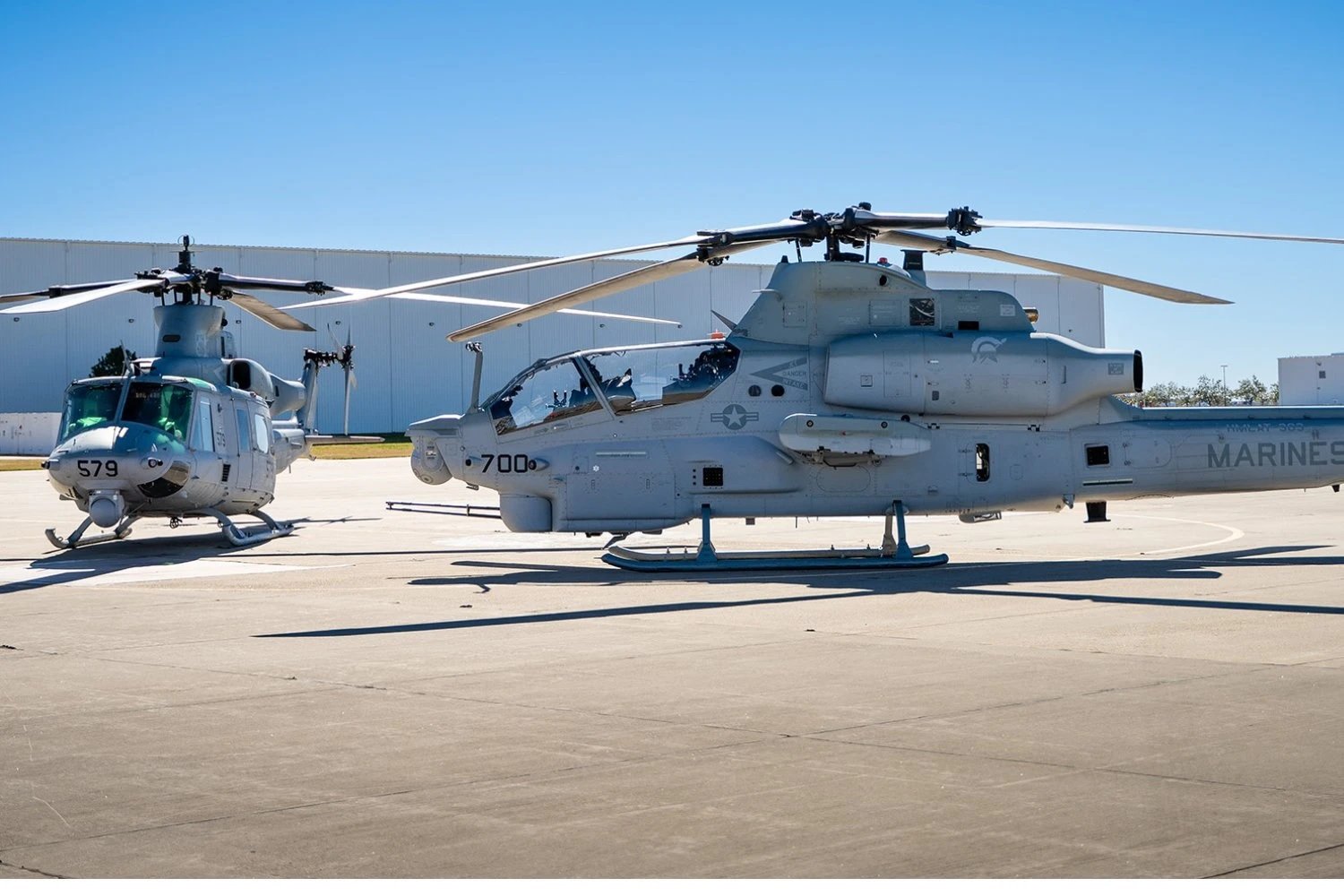 U.S. Awards Bell Textron $33.64 Million Contract for Next Phase of Marine Corps AH-1Z and UH-1Y Helicopter Upgrades
-
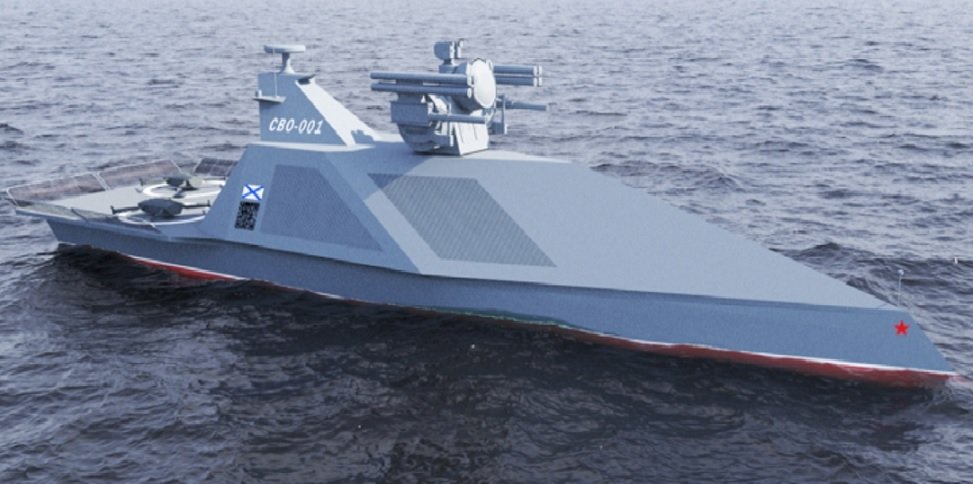 Russia Builds 500-Ton Unmanned Warship For Anti-Submarine Warfare, Plans New 9,500-Ton Warship, Navy Chief Says
-
 Unreleased Footage Reveals Why Lindsey Graham Dropped Plan to Push Trump on Hezbollah Strikes
-
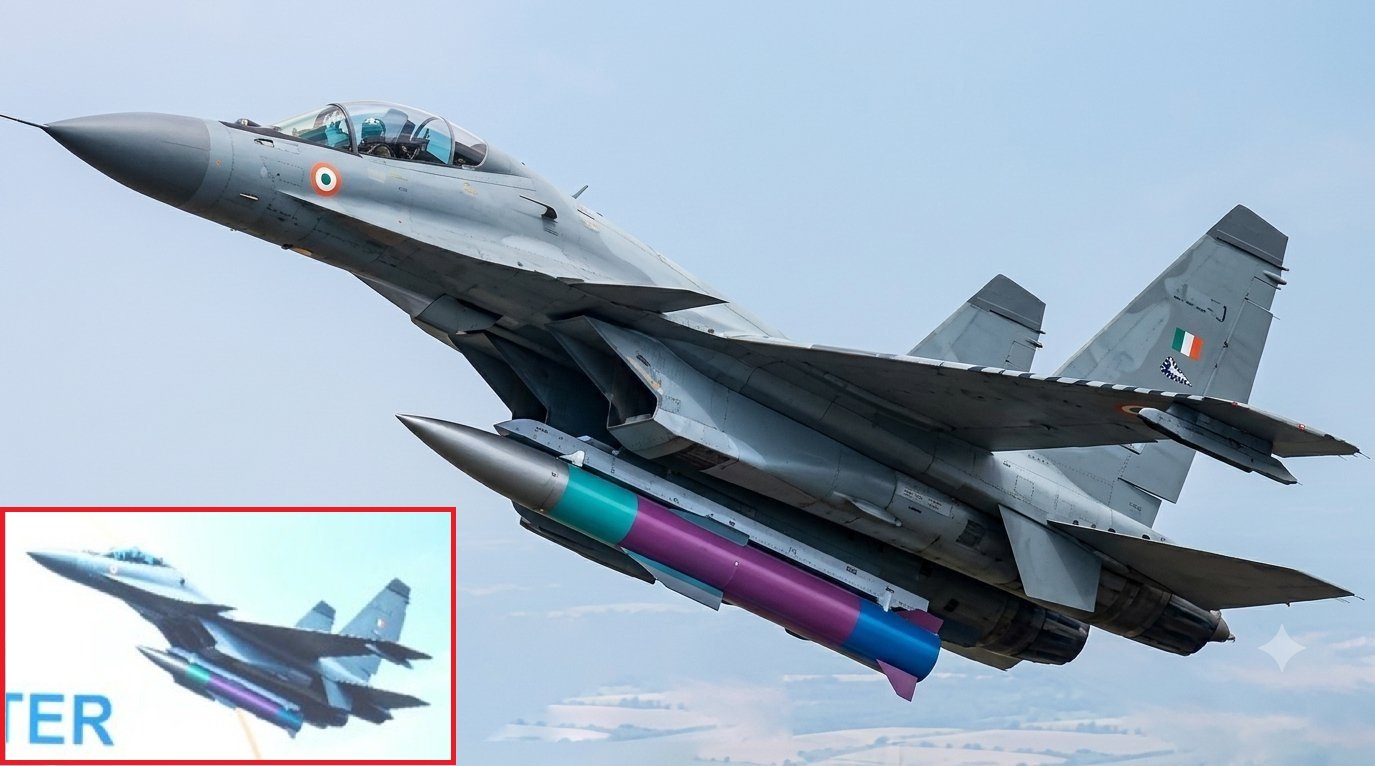 DRDO Developing Long-Range Air-Launched Ballistic Missile for Su-30MKI, Rudram-4 Seen as Likely Candidate
-
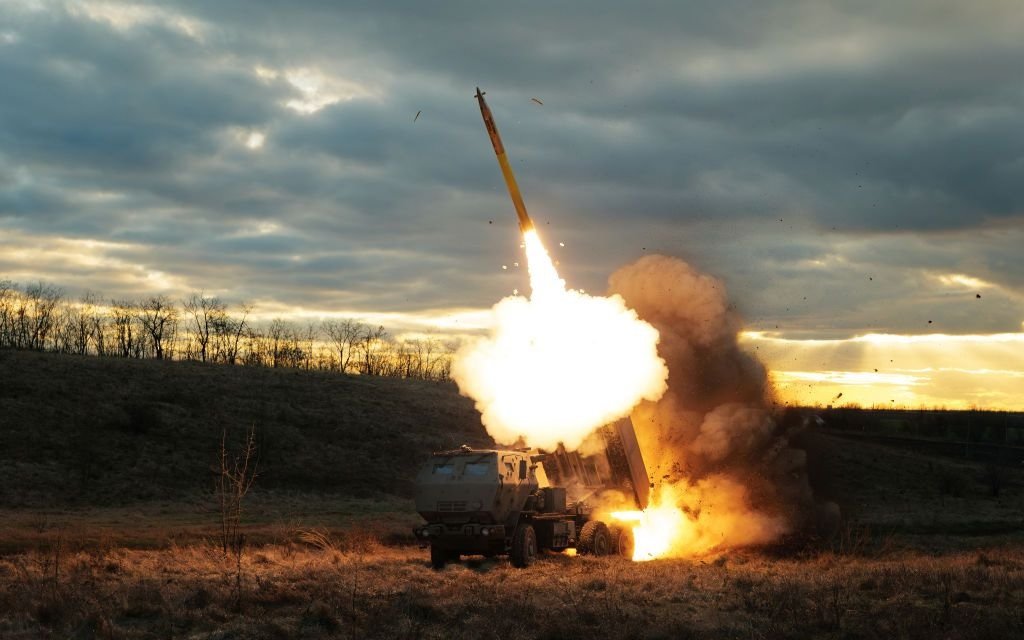 U.S. Military Selectively Intercepts Iranian Missiles to Preserve Shrinking Air Defense Stocks : Report
-
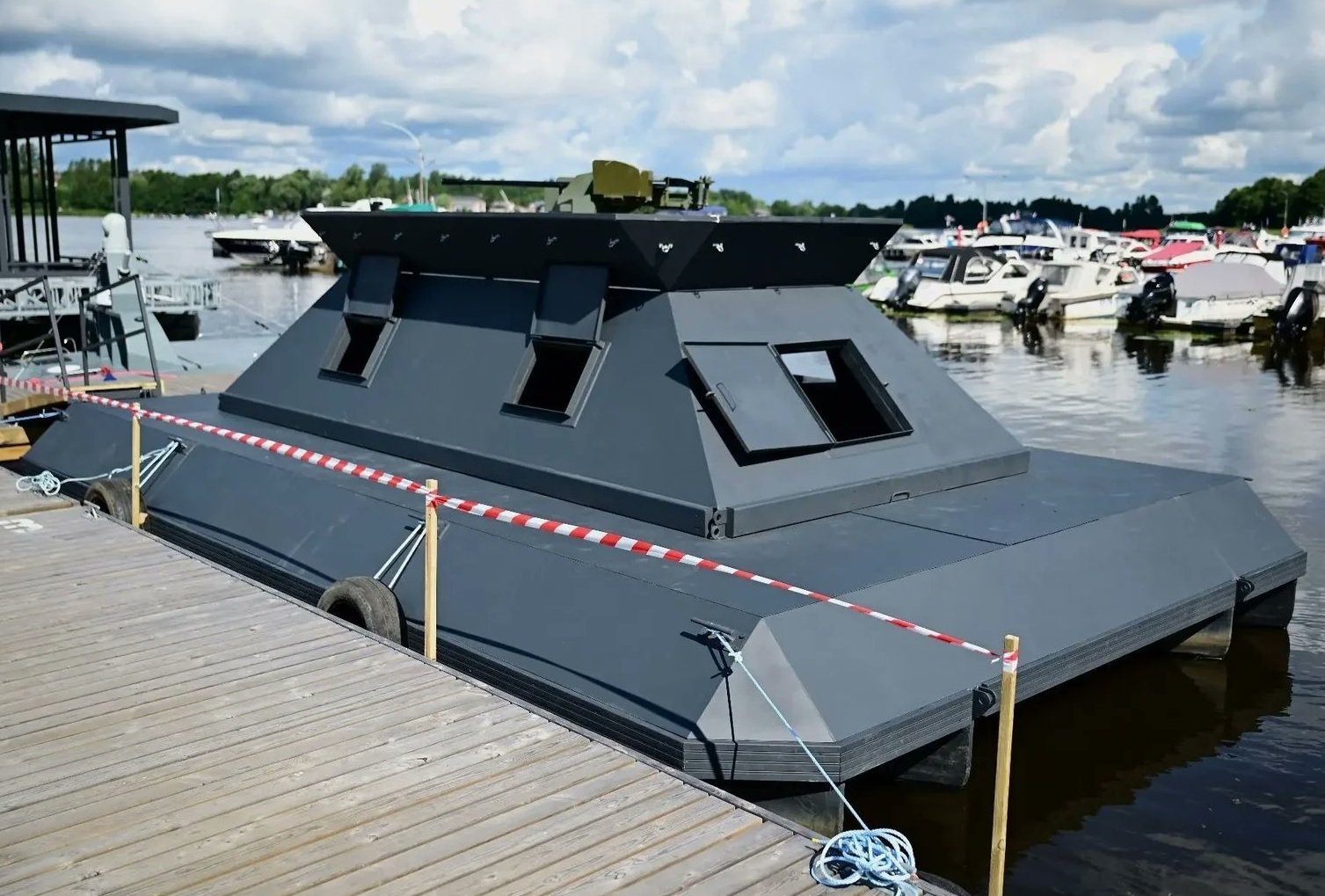 Russia Unveils Experimental Plot-40 Floating Defense Platform to Counter Drone and USV Threats
-
 Taiwan Commissions First Batch 2 Tuo Chiang-Class Corvette with New Leonardo Radar
Top Trending in 4 Days
-
 U.S. Navy Awards Northrop Grumman $1.2 Billion Deal for Three New E-2D Advanced Hawkeyes
-
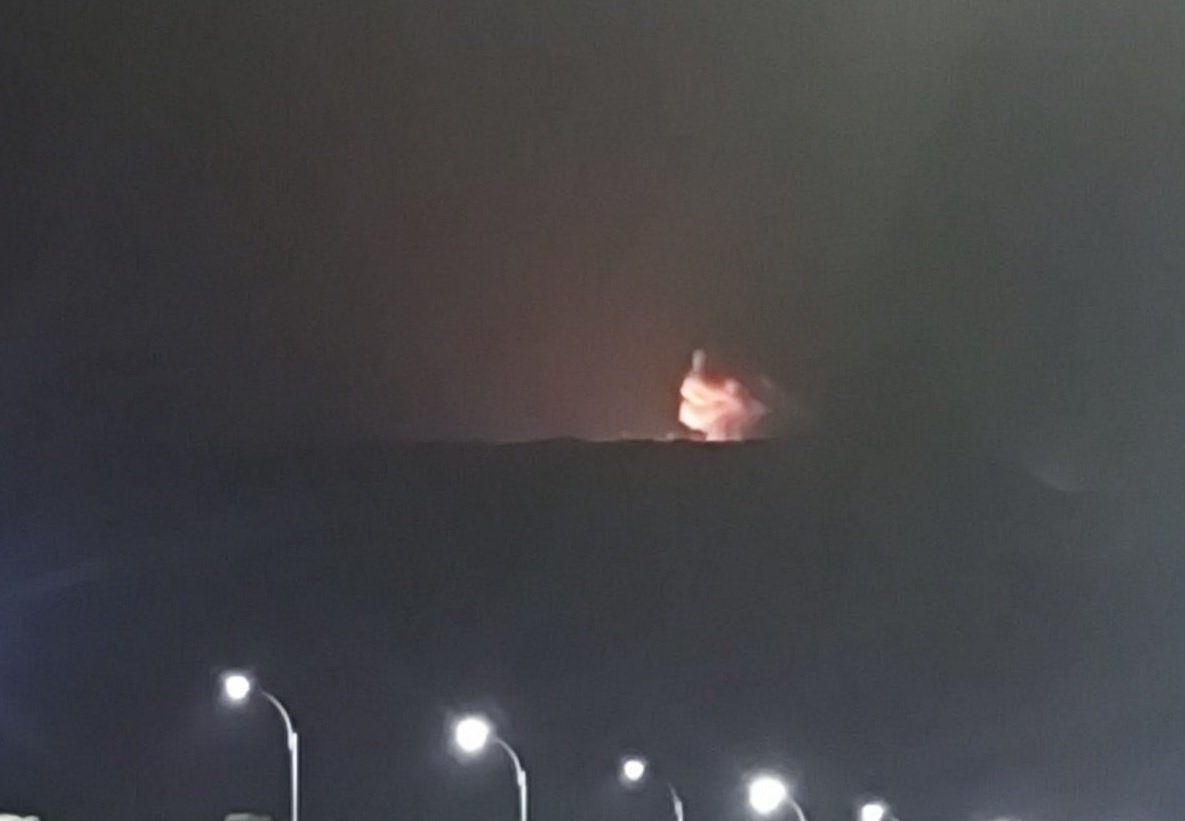 U.S. Airstrikes Target IRGC Missile Base Near Taft as Overnight Strikes Hit Central Iran
-
 Kuwait and Bahrain Reportedly Launch First Joint Direct Airstrikes on Iran Since War Began : Report
-
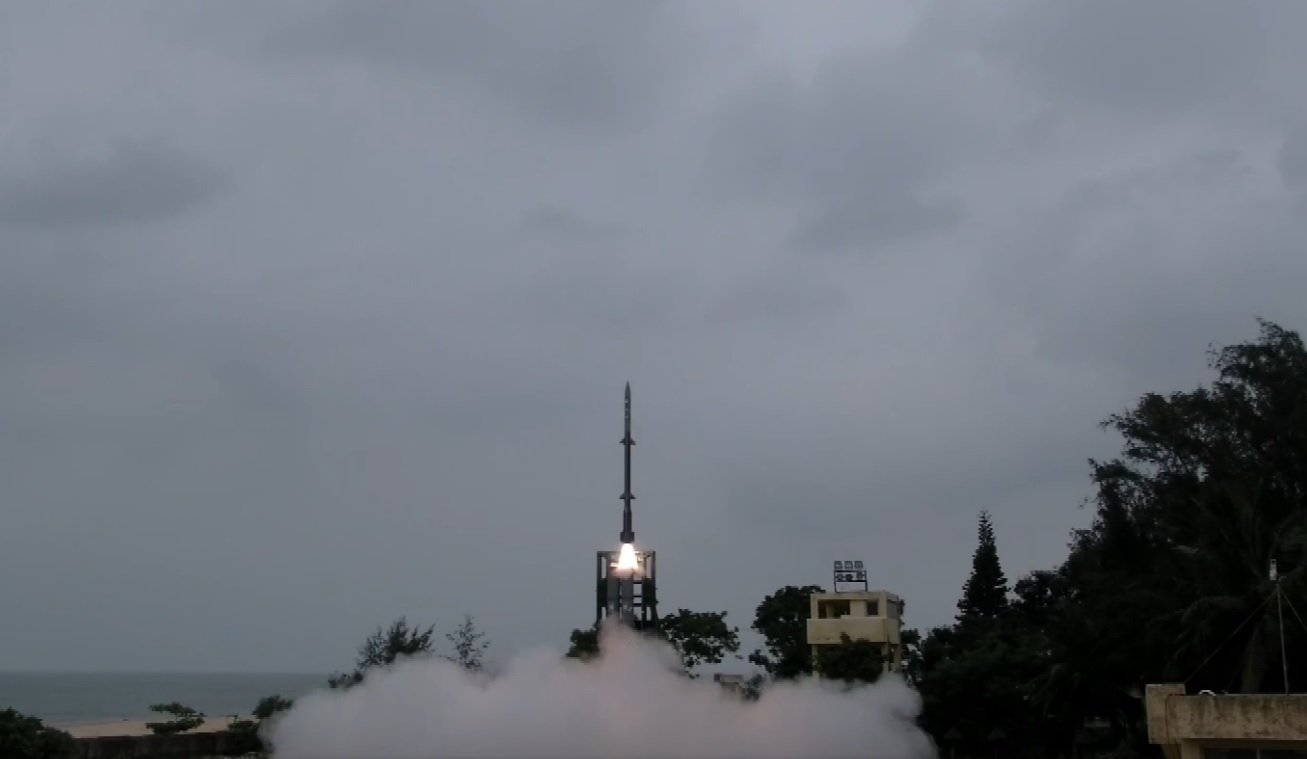 DRDO Successfully Conducts Maiden Flight Test of 150-km-Range Kusha M1 Air Defence Missile
-
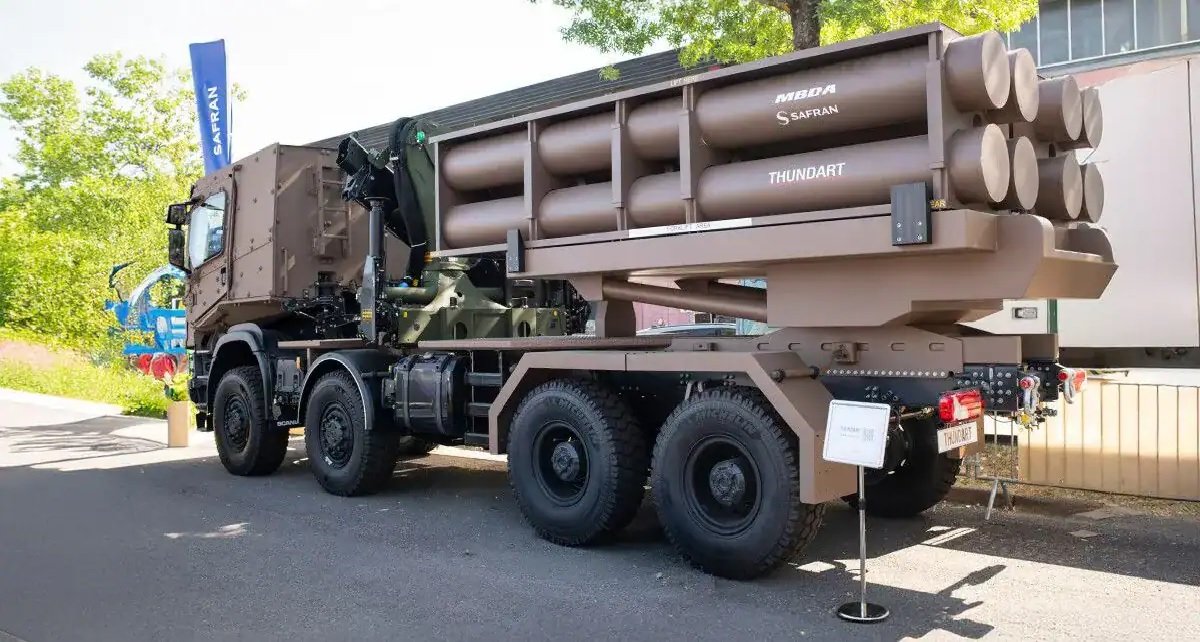 France's THUNDART Long-Range Rocket System May Undergo Prototype Combat Testing in Ukraine
-
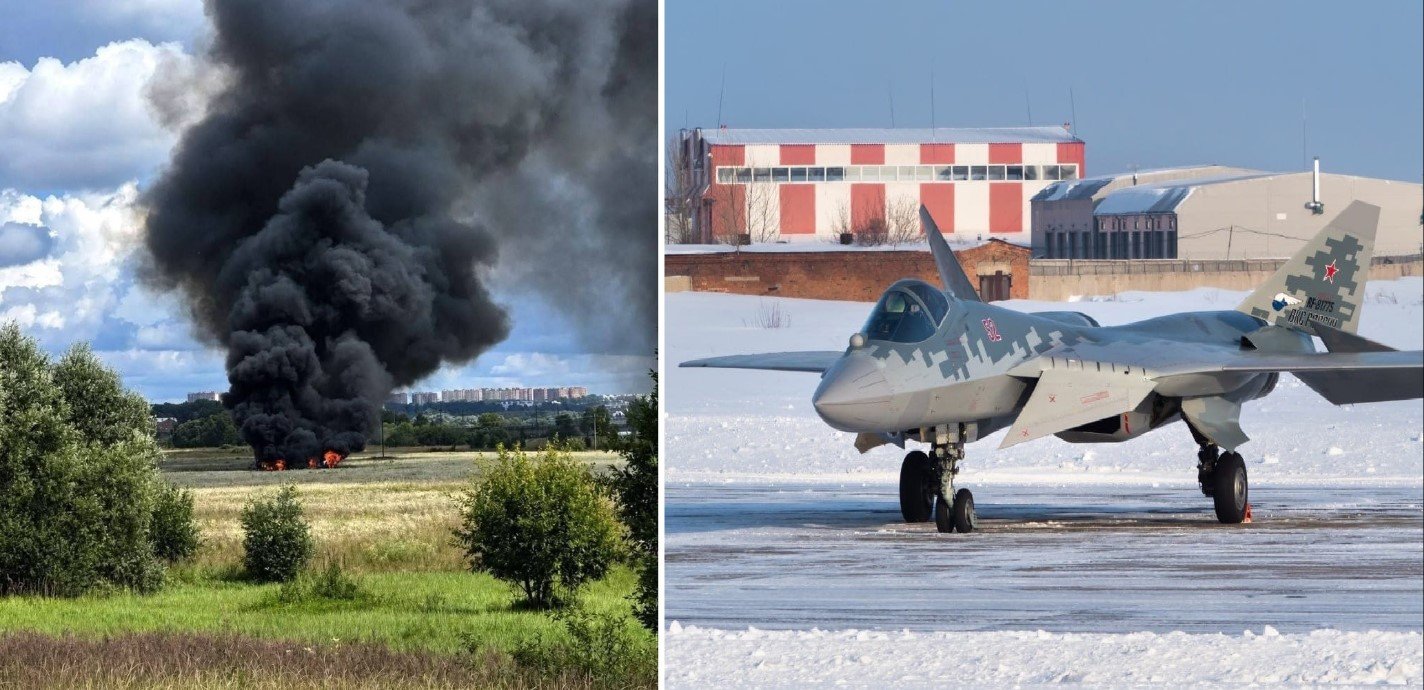 Russian Su-57 Stealth Fighter Crashes During Training Flight Near Moscow, Pilot Ejects Safely
-
 Australia Commits Additional AUD 4.6 Billion to Expand Osborne Shipyard for AUKUS Submarines
-
 Destinus Unveils Vorexon Interceptor Concept to Defend Critical Sites from Artillery Threats
