
India
In a sharp escalation of trade tensions between the United States and India, former U.S. President Donald Trump on August 6, 2025, signed an executive order imposing an additional 25% tariff on Indian imports, taking the total tariff burden to a staggering 50%. This move, Trump said, was a punitive response to India's continued purchase of Russian oil, despite Western sanctions against Moscow over the Ukraine war. Trump has openly accused India of “profiting from war” by purchasing deeply discounted Russian crude, and in some cases, allegedly reselling it at a premium to other nations. He lashed out in recent interviews, saying India is “not a good trading partner”, and dismissed recent Indian gestures to reduce import tariffs on select U.S. goods as “not good enough.” With this order, the United States has doubled tariffs on a wide range of Indian exports. Products likely to be hit hard include pharmaceuticals, garments, gems and jewelry, and petrochemicals. According to trade estimates, around $64 billion worth of Indian exports to the U.S. could now face higher costs, potentially threatening India’s global price competitiveness in several key sectors. India’s Response:The Indian government strongly objected, calling the move “unjustified and unreasonable.” Officials pointed out that both the U.S. and the European Union still maintain various forms of trade with Russia, even as they pressure others to reduce ties. Indian ministries defended their energy policy, arguing that buying Russian oil has helped stabilise global markets, especially when Western nations had earlier encouraged such purchases post the Ukraine conflict. India insists that its actions are based on economic need and strategic autonomy, and has made it clear that it will not be coerced into altering its foreign policy to suit other powers’ interests. What the New Tariffs Mean:The increased tariffs could have a moderate but notable impact on India’s economy. Experts suggest that while exports to the U.S. account for just around 2% of India’s GDP, there could be growth losses of up to 40 basis points, according to analysis referenced by the Reserve Bank of India. In the U.S., the new tariffs could lead to higher input costs for American businesses that depend on affordable Indian goods, and potentially raise consumer prices. Sectors such as retail, healthcare, and oil refining might see pressure on margins if the price hikes persist. Escalation Risks and Global Fallout:Trump hinted that this could just be the beginning, saying tariffs could go “very substantially higher” in the coming days. There are growing concerns that this may turn into a broader trade conflict, not just with India but with other countries buying Russian oil — including China. Diplomatic experts warn that the decision could lead to a prolonged standoff, pushing India to deepen alternative trade partnerships and rely more heavily on BRICS and non-Western alliances. As it stands, India-U.S. relations have taken a serious hit, and the road ahead for trade talks appears rough. With Trump’s return to high-profile policymaking, the global trade landscape may be in for renewed turbulence, especially for countries navigating multi-aligned strategies in a divided world.
Read More → Posted on 2025-08-06 15:40:55
World
Lockheed Martin has announced a major milestone in U.S. space defense efforts, confirming that its first Next-Generation Overhead Persistent Infrared (Next-Gen OPIR) GEO satellite has successfully passed environmental testing. This important step means the satellite is now on track for delivery to the U.S. Space Force, bringing the U.S. closer to deploying next-level missile warning capabilities. The satellite went through thermal vacuum (TVAC) and acoustic testing at Lockheed Martin’s facility in Sunnyvale, California. These tests were designed to simulate the extreme conditions of space—like intense heat, cold, and vibrations during launch. Passing these trials proves the satellite is ready to endure the harsh environment it will face once in orbit. Now that testing is complete, the satellite has entered its final integration phase, where it will be connected and tested with ground-based systems. This phase ensures smooth communication and operation once the satellite is launched into geosynchronous orbit, about 22,000 miles above Earth. So, what makes this satellite different? The Next-Gen OPIR GEO satellite is built on Lockheed Martin’s upgraded LM 2100™ combat bus, a more advanced, resilient platform. It is designed to replace the current Space Based Infrared System (SBIRS), offering several key improvements: Advanced sensors that can detect faster-burning and dimmer missile launches, including hypersonic threats. Stronger protection against space-based attacks, known as counter-space threats. Ability to provide continuous, global surveillance for detecting missile activity at mid-latitudes. This upgrade is critical for maintaining a layered missile defense system, giving the U.S. military earlier and more accurate warnings of potential attacks. Lockheed Martin’s previous SBIRS satellites have already proven their worth. For example, they played a key role in alerting U.S. forces during the 2020 missile attack on Al-Asad Airbase in Iraq, and helped track missile launches targeting Israel in 2024. The new satellite will operate alongside the remaining SBIRS fleet and future Next-Gen OPIR Polar satellites, forming a resilient and coordinated missile warning network. Together, they will strengthen the United States’ ability to track and respond to missile threats anywhere in the world. “America’s best defense is always going to start with having the earliest possible warning of threats – and that warning comes from what we see in space,” said Jeff Schrader, vice president for Strategy and Business Development at Lockheed Martin. The first Next-Gen OPIR GEO satellite is expected to be ready for launch soon, marking a new chapter in space-based defense technology.
Read More → Posted on 2025-08-06 15:35:34
India
In a revelation that underscores the global tensions during India’s Operation Sindoor, a recent Wall Street Journal (WSJ) report has claimed that former U.S. President Donald Trump feared a possible nuclear confrontation between India and Pakistan when India fired BrahMos cruise missiles at Pakistani military targets in early May. According to the report, as India launched multiple BrahMos missiles on May 7 in retaliation for the deadly Pahalgam terror attack, U.S. intelligence officials became increasingly anxious. They reportedly believed there was a risk that one of the missiles could be armed with a nuclear warhead if the crisis escalated further. This triggered emergency discussions at the White House, where Trump urged key officials like then-National Security Adviser Robert Vance and Secretary of State Marco Rubio to immediately reach out to their Indian and Pakistani counterparts to prevent the situation from spiraling out of control. The report added that Pakistan’s potential nuclear retaliation was also a major source of concern for Washington, not just India’s actions. While the U.S. intelligence community evaluated the possibility of the BrahMos being modified for nuclear delivery, India strongly denied these assumptions. India Reaffirms BrahMos is a Conventional Weapon Officials from the Indian Embassy in Washington reiterated that India adheres strictly to its "No First Use" nuclear policy and emphasized that the BrahMos is not a nuclear-capable missile. They pointed out that the BrahMos is not under the control of India’s Strategic Forces Command (SFC) — the body that manages the country’s nuclear weapons — but is instead operated by the Army, Navy, and Air Force for conventional tactical missions. The BrahMos carries a conventional warhead weighing 200 to 300 kg, designed to strike high-value enemy targets like radars, bunkers, airbases, and runways. It is not meant for nuclear use, Indian officials clarified, countering fears raised in the WSJ article. Operation Sindoor and Use of BrahMos During Operation Sindoor, India reportedly launched air-launched and ground-launched BrahMos missiles at terror launch pads in Pakistan-occupied Kashmir (PoK) and at military infrastructure deep inside Pakistan. These strikes were part of India's response to the Pahalgam attack, targeting key assets including runways, hangars, and underground bunkers. The operation, which showcased the BrahMos’ precision and destructive capability, significantly influenced India’s decision to ramp up its missile procurement plans. The BrahMos Missile: Speed, Accuracy, and Impact The BrahMos, a product of joint development between India’s DRDO and Russia’s NPO Mashinostroyeniya, is the world’s only supersonic cruise missile in active service. Flying at speeds up to Mach 2.8, it has a two-stage propulsion system — a solid-fuel booster followed by a liquid-fuelled ramjet engine. Its "fire-and-forget" design, low radar profile, and ability to fly as low as 10 meters during the terminal phase make it extremely difficult to intercept. Named after the Brahmaputra and Moskva rivers, the missile has been operational since the early 2000s and is deployed across all three branches of the Indian military. Indigenous Push and BrahMos-II Following its success, India has increased its focus on domestic production of the BrahMos missile, aligning with its ‘Atmanirbhar Bharat’ (self-reliant India) vision. Prime Minister Narendra Modi hailed its performance during Operation Sindoor as a testament to India’s indigenous defence capability, including its air defence systems, drones, and missile platforms. India is also developing the next-generation BrahMos-II, a hypersonic missile expected to reach speeds of Mach 9, powered by scramjet technology. Inspired by Russia’s Zircon missile, BrahMos-II aims to offer even greater range and velocity. However, the programme has been delayed due to past restrictions under the Missile Technology Control Regime (MTCR) and ongoing engineering challenges. India’s Clear Stand Amid Global Scrutiny Despite the U.S. concern during Operation Sindoor, India has maintained a firm stance: its actions were within the bounds of conventional warfare, proportionate, and in self-defence. The BrahMos, though powerful, remains non-nuclear and highly precise, and its usage was a deliberate signal of India’s ability to act decisively without escalating to nuclear warfare. A senior Indian defence official recently stated that no external pressure will affect India’s defence posture, especially as the country continues to make sovereign decisions regarding defence procurements and partnerships, including those involving Russia. The WSJ’s revelations highlight the high-stakes global diplomacy and nuclear caution that accompanied India's bold use of conventional firepower during Operation Sindoor. While the U.S. intelligence community feared the worst, India’s calibrated and disciplined use of BrahMos missiles offered a different narrative: one of control, confidence, and capability — not nuclear brinkmanship. For India, the distinction between conventional strike and nuclear restraint remains central to its defence doctrine. And even as the U.S. watches closely, India shows no sign of altering its strategic path.
Read More → Posted on 2025-08-06 15:29:50
World
In a major shift in its military modernization strategy, Spain has officially ruled out purchasing the American-made F‑35 fighter jet, opting instead to support European-built aircraft platforms—namely the Eurofighter Typhoon and the next-generation Future Combat Air System (FCAS). This strategic decision was confirmed by the Spanish Defence Ministry, as reported by El País on August 6, and comes amid a growing push within Europe for defence autonomy and deeper industrial cooperation. With this move, Spain is aligning more closely with joint European defence projects, distancing itself from reliance on U.S. defense suppliers like Lockheed Martin, the manufacturer of the F-35. €6.25 Billion Plan Reworked After Boost in Defence Spending Initially, Spain had allocated €6.25 billion in its 2023 defence budget to modernize its air force. However, that plan was revised following a significant €10.5 billion increase in overall defence spending this year. This financial boost has allowed Spain to reconsider its options, leading to the exclusion of the F-35 and doubling down on European collaborations. Prime Minister Pedro Sánchez reaffirmed Spain’s commitment to NATO’s target of spending 2% of GDP on defence, but rejected calls to increase that number to 5%, a stance that reflects the country’s cautious yet steady approach to military investment. Why Spain Is Turning Away from the F-35 While the F‑35 is widely regarded as the most advanced stealth multirole fighter in the world, Spain’s decision wasn’t based solely on performance. It is primarily a political and industrial move, aimed at supporting European aerospace firms and strengthening continental defence independence. Spain had been seen as a potential buyer of the F-35A for its air force and the F-35B for its Navy to replace Harriers on the Juan Carlos I aircraft carrier. But that is now off the table. Instead, the Eurofighter Typhoon, developed jointly by Airbus, BAE Systems, and Leonardo, remains a top contender to replace Spain’s ageing fleet of EF-18 Hornets and Harriers. The Eurofighter already serves in Spain’s military, making further integration smoother and logistically more efficient. FCAS: The Future of European Air Dominance? Spain is also doubling down on its participation in the Future Combat Air System (FCAS), an ambitious European sixth-generation fighter jet program involving France (Dassault Aviation), Germany (Airbus), and Spain (Indra Sistemas). The FCAS aims to replace current fourth- and fifth-generation fighters by the 2040s and includes a mix of manned aircraft, drones, and AI-enabled systems. However, FCAS has recently faced delays and internal disagreements, particularly from Dassault Aviation, which has publicly expressed concern over sluggish decision-making among partners. Despite this, Spain continues to see FCAS as a strategic investment in long-term air superiority and European industrial capability. What’s Next for Spain? Spain’s decision to move forward with Eurofighter upgrades and continue investing in FCAS signals a long-term commitment to European defence sovereignty. It also places Spain firmly in the camp of countries like Germany, France, and Italy, which are seeking to build next-gen military capabilities independent of U.S. platforms. While Lockheed Martin’s F‑35 remains in high demand globally—with recent sales to countries like Switzerland, Finland, and the Czech Republic—Spain is taking a different path, one that emphasizes industrial participation, strategic autonomy, and alignment with its European allies. As the European defence landscape evolves, Spain's rejection of the F-35 marks a pivotal moment—not just in procurement choices, but in the broader push for a united European defence identity.
Read More → Posted on 2025-08-06 14:55:51
World
In a major leap for its defense capabilities, Taiwan has officially received its first batch of U.S.-made Altius-600M loitering munitions, also known as kamikaze drones, capable of striking targets up to 400 kilometers away. The delivery, confirmed on August 4, 2025, marks a new phase in Taiwan’s push to build a highly mobile, tech-driven deterrent against threats, especially in light of increasing tensions with China. The Altius-600M, developed by Anduril Industries, is an upgraded combat-ready version of the original Altius-600 UAV, featuring an advanced one-way attack capability. Each drone carries a 3 kg warhead and can be launched from aircraft, helicopters, ground vehicles, and naval platforms, making it extremely flexible across different combat environments. Unlike traditional drones, the 600M is not meant to return — it’s designed to loiter near a target and strike when a threat is identified. What’s particularly noteworthy is the drone’s autonomy and swarm capabilities. Powered by Anduril’s Lattice AI control system, a single operator can manage multiple drones at once. They can work together, where one identifies a threat and others strike — or loiter until they detect enemy radar or visual targets. These drones have a flight endurance of up to 4 hours and can be integrated into Common Launch Tubes, making deployment rapid and easy across Taiwan’s defense systems. Taiwan’s Defense Minister Chiu Kuo-cheng met with Anduril founder Palmer Luckey in Taipei on August 5, just a day after the drones arrived. The meeting was attended by top military leaders, who hailed the project’s swift execution — the deal started only in 2024 and was delivered within a year. Minister Chiu called it a sign of Taiwan’s commitment to rapid military modernization, especially with a focus on asymmetric warfare — using smarter, cheaper systems to counter bigger adversaries. Altius-600M is just one part of Taiwan’s growing unmanned arsenal. Alongside it, Taiwan has also received 685 Switchblade 300 drones under a $360 million U.S. arms deal. Combined, these drones help Taiwan create what U.S. Indo-Pacific Command strategists have called a "drone-based denial layer" — a dense network of small, disposable attack drones meant to disrupt or delay any enemy amphibious or aerial invasion across the Taiwan Strait. In addition to imports, Taiwan is also ramping up domestic drone production. The Chien Hsiang anti-radiation loitering munition, with a range of 1,000 km, is already in serial production and aimed at destroying enemy radar systems. Taiwan also developed FPV (First-Person View) kamikaze drones like the Overkill, in collaboration with Thunder Tiger and using Auterion's strike AI. However, local production is lagging — only 8,000 to 10,000 drones were produced in the past year, far short of Taiwan’s ambitious 180,000-per-year target by 2028. In July 2025, Taiwan’s Defense Armaments Bureau issued a $1.4 billion tender for nearly 49,000 new drones, showing its seriousness about scaling fast. These include VTOL drones, fixed-wing systems, and single-use strike UAVs. But the domestic industry faces critical challenges — high costs, reliance on foreign chips, lack of export orders, and absence from the U.S. DoD’s approved Blue List — all of which could slow Taiwan's path to drone self-reliance. Still, with the Altius-600M now operational, Taiwan has taken a significant step toward distributed, high-precision, and survivable strike capability, one that allows it to hit threats far from its shores without putting pilots in danger. The kamikaze drone’s long range, autonomy, and precision make it a key tool in Taiwan’s evolving strategy to maintain deterrence in one of the world’s most dangerous flashpoints.
Read More → Posted on 2025-08-06 14:47:54
World
In a major move to expand its presence in the defence technology sector, THEON International Plc has announced the acquisition of 100% of Kappa Optronics GmbH, a highly specialized German company known for its advanced aviation and land optronics solutions. The deal, valued at €75 million, marks THEON’s fourth defence industry investment in Germany and strengthens its position in the fast-growing electro-optics domain. Founded in 1978 and based in Göttingen, Germany, Kappa Optronics has carved out a solid reputation in defence mobility and autonomous platforms, with a particular focus on research and development. The company operates with a highly skilled team of around 200 employees across Germany, the U.S., and Spain. Kappa is expected to exceed €37 million in revenue and generate €8 million in EBITDA for the fiscal year 2025, according to projections. Its advanced infrastructure and minimal capital needs make it an ideal fit for THEON’s growth strategy, especially as the acquisition will be funded by a combination of debt and IPO proceeds. Importantly, Kappa’s existing management team will remain in place, motivated by a performance-based incentive plan aimed at driving further expansion. The deal still awaits regulatory approval but has already been backed by key financial and legal advisors, including PwC and Bird & Bird. This acquisition is expected to significantly boost THEON’s top-line growth while preserving strong profit margins. THEON has indicated that its FY 2026 financial guidance, due in October, will include contributions from this acquisition along with the impact of current tender bids. In a statement, Christian Hadjiminas, THEON’s Founder and CEO, said, “We are delighted to welcome Kappa Optronics to the THEON Group. This deal strengthens our German footprint, opens new doors in Spain, broadens our electro-optics product range, and most importantly, brings a powerful R&D engine into our ecosystem.” He also emphasized the strategic benefits of the acquisition: “KAPPA brings not only cutting-edge technology but also a culture of innovation that aligns with our vision. We expect meaningful product synergies, accelerated co-development, and cross-group knowledge sharing.” Sebastian Vreemann, CEO of Kappa, echoed this optimism, calling the acquisition an “exciting new chapter” for the company. “This partnership strengthens our growth trajectory, deepens our access to defence and aerospace markets, and supercharges our R&D collaboration with THEON,” he said. With this acquisition, THEON not only adds valuable technology and talent to its portfolio but also reinforces its ambition to become a global leader in electro-optics and defence innovation, while keeping a strong focus on sustainable and scalable growth.
Read More → Posted on 2025-08-06 14:42:24
World
Kongsberg Defence and Aerospace has officially secured a $118 million contract to supply remote weapon turrets for the U.S. Marine Corps’ Amphibious Combat Vehicle 30 (ACV-30) fleet. This move is part of a broader U.S. military effort to modernize its amphibious forces with more lethal and survivable platforms. Under the deal, Kongsberg will deliver 101 Protector RT20 (Remote Turret 20) systems, finalizing an earlier agreement for full-rate production. These advanced turrets are specifically designed to integrate with the ACV-30, which itself is an upgraded variant meant to replace older systems dating back to the 1970s. Beyond the turret systems, the contract also includes testing equipment, spare parts, support, and fielding services. If all options are exercised, the total value of the contract could reach $271.5 million. Work will be carried out both in Johnstown, Pennsylvania and Norway, with project completion expected by September 2027. Throughout the process, Kongsberg will coordinate with the U.S. Marine Corps Systems Command in Virginia. The ACV-30 variant of the Marine Corps’ amphibious vehicle lineup entered full-rate production in April 2025 and is equipped to carry a 30mm medium-caliber cannon. Other variants in the ACV family include command, recovery, and personnel carriers—all forming part of a modern amphibious force meant to phase out legacy systems. What Makes the RT20 Turret Special? The Protector RT20 is not just another remote weapon station—it's a cutting-edge, medium-caliber turret that brings multiple battlefield advantages. It features: A 30mm automatic cannon with linkless ammunition feed Programmable airburst munitions for higher lethality A coaxial 7.62mm machine gun Optional anti-tank guided missiles and auxiliary weapons Under-armor reload capability to keep crews safe Hunter-killer targeting and target sharing features Active protection systems for defense against incoming threats Engagement range of up to 3,000 meters (9,843 feet) These systems can be operated by one or two crew members and are designed to maintain precision firepower while keeping troops protected inside the vehicle. According to Eirik Lie, President of Kongsberg Defence and Aerospace, the contract not only enhances the U.S. Marine Corps’ capabilities but also underscores the company’s growing presence in both American and international defense markets. “The ACV-30 offers superior performance compared to existing systems, and we see strong market potential for our medium-caliber turrets,” he said. This partnership marks another significant step in strengthening U.S.–Norway defense cooperation while pushing forward the U.S. military’s shift toward automated, high-performance, and survivable combat systems for the battlefield of the future.
Read More → Posted on 2025-08-06 14:33:32
World
As geopolitical tensions surrounding the Russia–Ukraine war enter their third year, a striking double standard has emerged in global trade dynamics. While the United States and European Union publicly urge nations like India to halt or reduce purchases of Russian crude oil, they themselves continue trading in key Russian commodities vital to their own economies. This contradiction has ignited criticism, especially from countries in the Global South, who accuse the West of monopolizing clean trade lanes for essential imports while applying diplomatic pressure on others under the guise of ethical sanctions. The West Still Trades with Russia—Quietly Despite aggressive sanctions and price caps on Russian oil and gas, U.S. and EU trade data show a continued flow of essential goods from Russia into Western economies. US–Russia Trade 2022U.S. goods and services trade with Russia totaled roughly USD 20.2 billion, comprising USD 1.7 billion in exports (mostly industrial equipment, medical supplies, intellectual property, financial services) and USD 14.4 billion in imports, dominated by energy products including refined petroleum and enriched uranium, resulting in a trade deficit of USD 12.8 billion. 2023Trade continued its decline amid expanding sanctions; imports fell sharply and exports to Russia dropped further, though specific totals are lower than prior years . 2024U.S. imports from Russia totaled approximately USD 3.0 billion, down 34.2% year-on-year, with exports at USD 526 million. Imports included enriched uranium (~USD 600 million), palladium (~USD 502 million), chemicals, and niche goods such as vacuum tubes. U.S. exports were mainly medical and technology goods. The trade deficit narrowed to about USD 2.5 billion . 2025 (Jan–May)U.S. imports from Russia stood at USD 2.1 billion, with enriched uranium and palladium as key commodities. Exports totaled only USD 232 million . EU–Russia Trade 2021Russia was among the EU’s top trading partners. About 36% of EU imports, and nearly 38% of EU exports, involved Russia. Fossil fuels (oil and gas) were predominant. 2022Following Russia’s invasion of Ukraine, the EU significantly scaled back trade through sanctions. Plans launched to phase out Russian fossil fuels by 2027 . 2024Two-way trade dropped sharply: total trade reached €67.5 billion, down from €257.5 billion in 2021. Imports from Russia: €35.9 billion (mainly mineral fuels €22.3B, then chemicals and steel). EU Exports to Russia: €31.5 billion (led by chemicals €13.7B, food/raw materials, machinery & equipment). Imports fell 78%, exports down 65%. The trade surplus narrowed to €4.5 billion 2025 outlookWhile EU continues importing certain Russian LNG at record levels (17.8 Mt in 2024), further phase-out of coal and oil is targeted by 2027. Critics argue energy imports undermine sanctions India Turns to Russia Amidst Global Realignment India’s decision to buy discounted Russian crude was driven not by politics, but economics. By 2024, Russia became India’s #1 crude supplier, replacing Iraq and Saudi Arabia. India imported over 1.6 million barrels per day (bpd) of Russian oil by mid-2025. Savings from discounted Russian oil are estimated to be over $3.6 billion annually. Facing U.S. sanctions on Iran and Venezuela, and as Saudi crude is diverted to Europe, India had little choice. Banned Sources, But Only for Others? ❌ Iran and Venezuela Both countries have some of the largest oil reserves in the world. The U.S. enforces secondary sanctions preventing nations like India from buying their crude. Yet, European companies have quietly lobbied for exceptions for humanitarian or fertilizer-related imports from Iran. ❌ Russia The G7 oil price cap of $60/bbl was introduced to choke Russia’s revenues. But while the West wants India to comply, it makes exceptions for gas, metals, and nuclear fuel imports into its own economies. India’s Stand: “Our People First” India has repeatedly defended its energy trade with Russia: 🗣️ “We are buying oil to keep inflation in check, not to support any war,” External Affairs Minister S. Jaishankar said earlier this year. India’s position rests on three pillars: Legal Trade: Russian oil isn’t under U.N. sanctions. Energy Security: Over 85% of India’s oil is imported. Economic Rationality: Russian Urals crude is $10–25 cheaper than Brent. The Numbers Tell the Story Country/Region 2023–2024 Trade with Russia Key Imports Sanctions Applied European Union €43+ billion annually LNG, metals, fertilizers Partial (selective) United States $14–18 billion estimated Uranium, metals Oil banned, others not India $36+ billion (mostly oil) Crude oil, fertilizers Under Western pressure Sanctions or Strategy? While the U.S. and EU present sanctions on Russia as moral imperatives, their ongoing trade in strategic resources suggests a different picture—one of economic self-interest wrapped in diplomacy. India, on the other hand, faces rising global energy prices, inflation pressures, and limited options due to Western-imposed restrictions on alternative suppliers like Iran and Venezuela. Analysts argue that unless the West halts its own Russian trade, pressuring countries like India is neither fair nor sustainable. The current model, they say, reinforces a Western monopoly over moral trade while sidelining developing nations’ economic needs. “It’s not sanctions—it’s selective ethics,” concludes Dr. Nitin Rajan, an energy policy expert.
Read More → Posted on 2025-08-05 16:56:22
India
In a major push towards enhancing India's defence preparedness and self-reliance, the Defence Acquisition Council (DAC), chaired by Defence Minister Rajnath Singh, on Monday approved capital acquisition proposals worth approximately ₹67,000 crore. These proposals span across all three armed services—Army, Navy, and Air Force—as well as tri-service and strategic maintenance programs. The proposals were approved under various categories with a strong emphasis on indigenous design, development and manufacturing, in line with the government’s Aatmanirbhar Bharat initiative. The Ministry of Defence (MoD) confirmed that a significant portion of the contracts will go to Indian industries. Indian Army: Enhanced Night-Fighting Capabilities The DAC cleared the Acceptance of Necessity (AoN) for the procurement of Thermal Imager-based Driver Night Sights for BMP infantry combat vehicles. These advanced sights will significantly improve night-time driving and mobility, enhancing tactical manoeuvrability and battlefield visibility in low-light environments. Indian Navy: Maritime Surveillance and ASW Strengthening The Indian Navy received approvals for multiple key systems, including: Compact Autonomous Surface Craft (CASC) for anti-submarine warfare (ASW) missions. These unmanned platforms are designed to detect, classify, and neutralise underwater threats, boosting maritime situational awareness. Procurement of BrahMos Fire Control Systems and Launchers, reinforcing the Navy’s sea-based precision strike capability. Upgradation of the BARAK-1 Point Defence Missile System, enhancing the Navy’s close-in air defence mechanism against aerial threats. Indian Air Force: Mountain Surveillance and Air Defence Upgrades For the Indian Air Force, the DAC approved: Procurement of Mountain Radars, which will significantly improve border surveillance and tracking capabilities, especially in high-altitude terrain. Upgradation of the SAKSHAM/SPYDER Air Defence Systems, with enhanced integration into the Integrated Air Command and Control System (IACCS). This integration will allow real-time coordination across air defence networks and radar systems. Tri-Services: Boost to Drone Warfare One of the most significant approvals was granted for Medium Altitude Long Endurance (MALE) Remotely Piloted Aircraft (RPA) for tri-services. These drones, capable of long-range and all-weather operation, will strengthen India’s 24x7 intelligence, surveillance, reconnaissance (ISR) and precision strike capabilities. The RPAs will be equipped with multi-payload options, enhancing their adaptability for missions across theatres. Maintenance & Operational Readiness Support In addition to acquisitions, the DAC approved proposals related to the sustenance and long-term maintenance of existing high-value platforms: Sustenance support for the C-17 Globemaster III and C-130J Super Hercules transport aircraft, critical to India’s heavy-lift and logistics operations. Annual Maintenance Contract (AMC) for the S-400 Triumf Long Range Surface-to-Air Missile (LR-SAM) System, ensuring its operational readiness and system integrity. Indigenisation & Strategic Impact According to the Ministry of Defence, a substantial portion of the ₹67,000 crore worth of proposals will be sourced from Indian vendors, with many items to be procured under the Buy (Indian-IDDM) and Buy (Indian) categories. This reflects a continued effort to boost indigenous industry, reduce dependency on imports, and foster technological innovation within the country. In recent months, the DAC has approved a series of high-value acquisitions, reinforcing India’s goal of self-reliant and modernised armed forces. This latest set of clearances is expected to be a key enabler of India’s military readiness in the face of evolving security challenges along its borders and in the maritime domain.
Read More → Posted on 2025-08-05 16:10:01
India
In a significant milestone for India's indigenous defense capabilities, Bengaluru-based Prime Toolings has unveiled the country’s first Rotating Detonation Engine (RDE), marking a new chapter in propulsion technology for next-generation missile and rocket systems. The 1–2 kilonewton-class RDE is the first of its kind developed in India and is specifically aimed at powering missiles with operational ranges between 300 to 500 kilometers. According to company officials, the engine could eventually be integrated into advanced missile systems that demand compact design, enhanced fuel efficiency, and high thrust-to-weight ratios. Unlike traditional rocket engines that rely on subsonic combustion, the RDE operates on a continuous detonation cycle. This results in a more efficient pressure gain mechanism, offering up to 25% improvement in fuel efficiency and thrust performance. The engine uses an annular combustion chamber where detonation waves continuously rotate, enabling more energy to be extracted from the same amount of fuel. “This is a breakthrough in propulsion technology and a proud moment for Indian industry,” said a Prime Toolings spokesperson. “With no moving parts, lower complexity, and compact architecture, RDEs are ideal for high-speed, short-range missiles. We’re confident this technology will support India’s growing need for rapid and agile weapons platforms.” The development aligns with India’s Atmanirbhar Bharat initiative, which encourages domestic defense production and reduces reliance on foreign suppliers. While RDE technology is still in its early stages globally—with agencies like NASA, JAXA, and DARPA leading experimental efforts—Prime Toolings’ achievement places India among the few nations actively prototyping this next-gen propulsion system. The company has also leveraged advanced manufacturing techniques, including additive manufacturing (3D printing), to create critical engine components and ensure thermal resilience under extreme detonation conditions. Initial tests have reportedly confirmed stable operation, and further performance validation is expected at high-altitude and ground test ranges in the coming months. Globally, Rotating Detonation Engines are being explored for applications ranging from tactical missile systems to hypersonic vehicles and even future space propulsion. Prime Toolings' system, though currently in the 1–2 kN thrust class, could evolve into larger configurations suitable for heavier platforms or satellite launch systems in the future. Defense experts say the technology is still maturing, and challenges remain in maintaining stable combustion, reducing thermal wear, and integrating the engine into existing missile architectures. However, the unveiling of this RDE prototype signals strong potential for indigenous innovation in India’s strategic defense sector. As India continues to modernize its missile arsenal, indigenous propulsion technologies like the RDE could play a pivotal role in shaping future combat capabilities, both tactically and strategically.
Read More → Posted on 2025-08-05 16:04:07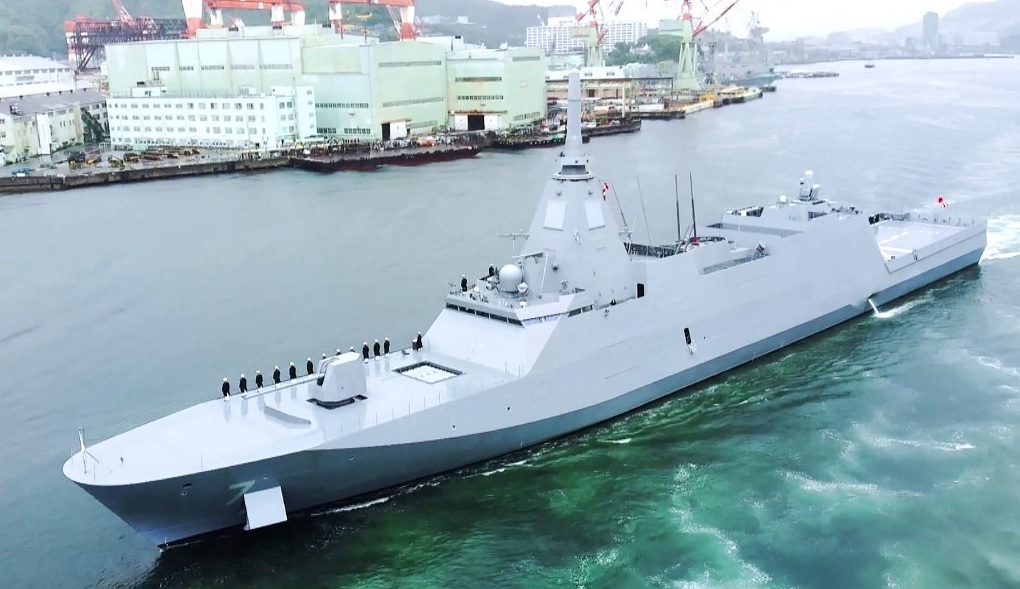
World
In a historic move to boost its naval power, Australia has signed a $6 billion deal with Japan to buy 11 next-generation Mogami-class frigates, marking Japan’s largest-ever defense export since World War II. The decision, announced by Defence Minister Richard Marles, signals a major step in deepening the defense ties between the two Indo-Pacific allies. The new Mogami-class warships, built by Mitsubishi Heavy Industries, are designed with stealth features and advanced long-range firepower. They will replace Australia’s ageing Anzac-class vessels, with the first ship expected to be operational by 2030. The frigates are armed with 32 vertical launch cells capable of firing long-range missiles like Tomahawk cruise missiles, making them far more lethal and modern than their predecessors. Minister Marles described the frigates as “the best capability for Australia,” noting their next-generation features and strategic alignment with national security needs. Germany’s ThyssenKrupp Marine Systems was a contender, but Japan ultimately secured the deal due to its technological edge and close strategic cooperation with Australia. The warship acquisition is part of Australia’s broader defense restructure, which aims to expand the navy’s major surface fleet from 11 to 26 warships over the next decade. Australia is responding to increasing tensions in the Indo-Pacific, particularly with China’s rising influence and assertiveness in regional waters. Three of the warships will be constructed in Japan, while the rest will be built at shipyards in Western Australia, giving a boost to local defense manufacturing. According to Pat Conroy, Australia's Defence Industry Minister, the deal not only strengthens Australia's maritime capabilities but also supports industrial growth at home. Japan’s Yoshimasa Hayashi, the Chief Cabinet Secretary, called the deal “proof of trust in our nation’s high-level technology”, and a major step in deepening military interoperability with Australia. The partnership also reflects a larger regional alignment—both nations are members of the Quad, along with the United States and India, seeking to balance China’s strategic reach. Experts say the contract is a "massive boost" for Japan’s defense industry, which has only recently begun opening up under relaxed arms export rules. The last major export was a surveillance radar system to the Philippines after Japan changed its policy in 2014. Australia’s defense ambitions go far beyond frigates. Under the AUKUS security pact with the US and UK, Australia will acquire at least three nuclear-powered Virginia-class submarines, potentially spending up to $235 billion over 30 years. This long-term defense investment comes with political scrutiny, as critics raise concerns over cost overruns and shifting policy directions. Despite the challenges, Australia plans to increase defense spending to 2.4% of its GDP, surpassing NATO's 2% benchmark. This shift reflects the government’s growing focus on building a modern, capable, and combat-ready navy—one that can operate effectively in a rapidly evolving regional security environment. With this landmark deal, Australia and Japan have not only strengthened military cooperation but also sent a strong signal to the broader Indo-Pacific region: the era of passive defense postures is ending, and strategic deterrence is now at the forefront.
Read More → Posted on 2025-08-05 15:50:00
World
In a major boost to its national defense, Israel has successfully tested an upgraded version of its David’s Sling air and missile defense system, aiming to better prepare for modern and more complex aerial threats. The announcement was made by the Israeli Ministry of Defense on August 4, confirming the completion of a series of advanced live-fire tests during the ongoing Swords of Iron war. The tests were conducted under a planned developmental program by the Israeli Missile Defense Organization (IMDO), which operates under MAFAT (Directorate of Defense Research and Development). The campaign was carried out in close partnership with the U.S. Missile Defense Agency (MDA) and Rafael Advanced Defense Systems, the prime contractor behind David’s Sling. Raytheon Missile Systems serves as a key American subcontractor, while ELTA Systems Ltd. (a subsidiary of Israel Aerospace Industries) developed the system’s radar, and Elbit Systems built the Battle Management Center. According to the Ministry, the new upgrades were tested against a variety of simulated threats, including cruise missiles, drones (UAVs), and long-range rockets. These are the kinds of advanced weapons that Israel increasingly faces from regional adversaries. The results showed that David’s Sling can now respond more effectively across different combat situations, significantly improving its performance and adaptability. While the exact upgrades were not publicly detailed, officials confirmed they were based on feedback from recent combat operations. The Stunner interceptor missile, which is a key part of David’s Sling, uses a hit-to-kill mechanism—meaning it destroys incoming threats using kinetic force without any explosive warhead. This design allows for precise targeting and minimal collateral damage, even in dense urban environments. The recent enhancements are not just theoretical. The Ministry noted that David’s Sling successfully intercepted multiple real threats during both Operation Rising Lion and the current Swords of Iron war. These intercepts were credited with saving lives and preventing serious infrastructure damage, underlining the system’s proven battlefield value. David’s Sling has been in service with the Israeli Defense Forces (IDF) since 2017, forming a crucial part of Israel’s multi-layered missile defense shield. This defense architecture also includes the Iron Dome for short-range projectiles, the Arrow system for long-range ballistic missiles, and the future Iron Beam, a laser-based defense currently under development. One of the most important aspects of the David’s Sling program is its constant evolution based on real-world combat experience. The Ministry emphasized that the latest tests reflect an “operational learning process,” showing how Israel is rapidly adapting its systems in real time during wartime conditions. In a joint statement, the Israeli and U.S. defense bodies hailed the test campaign as a “significant breakthrough” and highlighted how international cooperation continues to play a central role in Israel’s defense innovation. As missile threats in the Middle East grow more accurate, faster, and harder to detect, Israel’s upgraded David’s Sling is being prepared to meet the challenge head-on—offering a critical layer of protection in a volatile and constantly shifting security environment.
Read More → Posted on 2025-08-05 15:26:53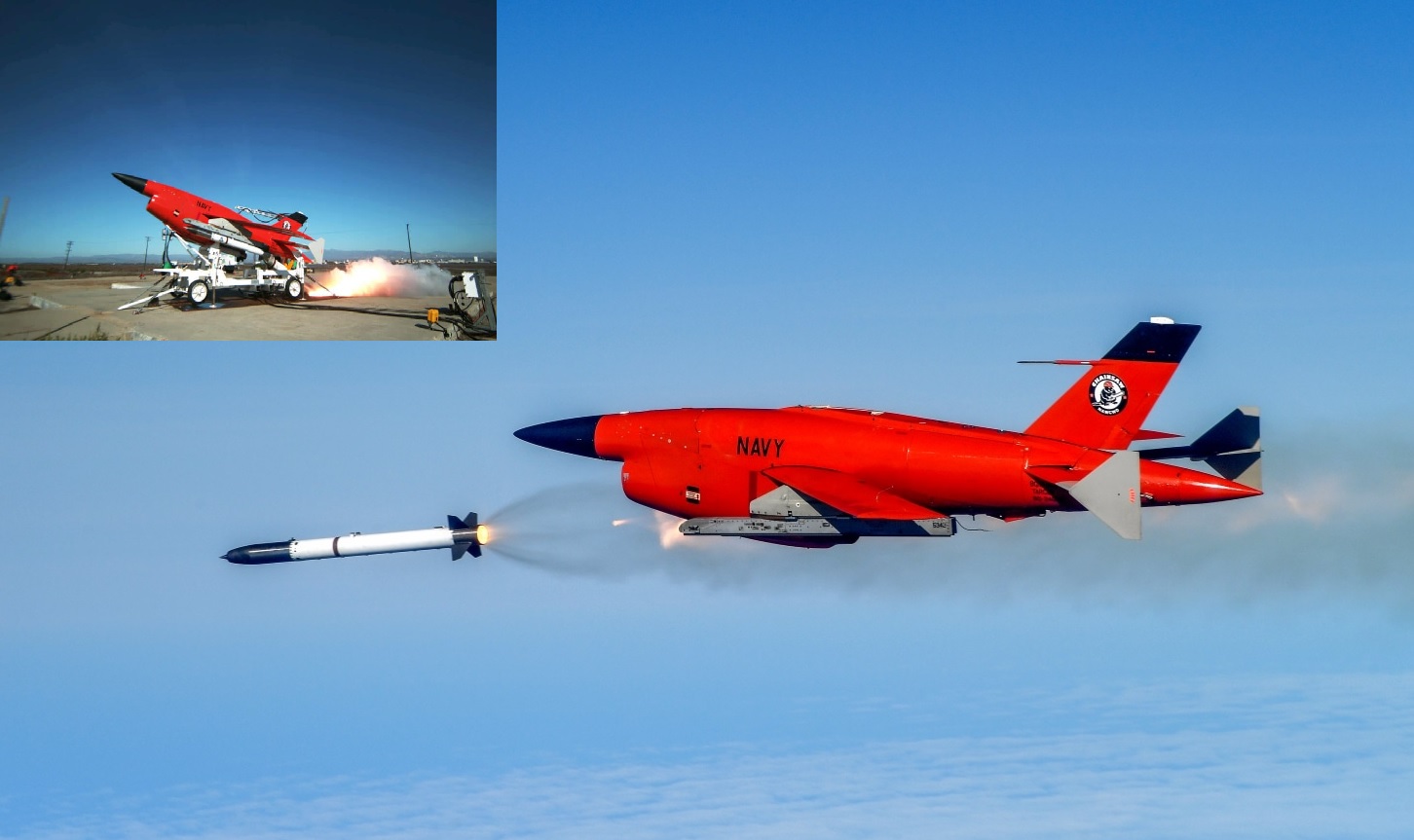
World
In a major step towards developing next-generation high-speed missiles, the U.S. Navy has successfully completed a solid fuel ramjet test using a BQM-34 Firebee drone, according to newly released documents and official statements. The test was conducted by the Naval Air Warfare Center Weapons Division (NAWCWD) as part of its ongoing research under the Capacity High Altitude Naval Strike Weapon (CHAINSW) program. This program, detailed in the FY2026 U.S. Navy budget, focuses on turning earlier solid fuel ramjet (SFRJ) technologies into operationally relevant propulsion systems that could eventually power future air-launched weapons. While still in the research and development stage, this effort could feed into a range of future missile programs—both existing and in planning. The highlight of this effort came earlier this year when NAWCWD engineers developed and flight-tested a ramjet-powered demonstrator called the Solid Fuel Integral Rocket Ramjet (SFIRR). Impressively, the entire system was built and tested within just 12 months, marking a significant achievement for a field that usually requires years of development. The first flight test, which took place at Point Mugu, California, was the first air launch of a solid fuel ramjet from an unmanned platform in 70 years. Though the initial test faced some in-flight hardware failures, the second test was successful, achieving both primary and secondary test objectives. Navy officials said a second failure could have delayed the program by up to a year, underscoring how critical the test was. While the Navy has not shared further details on the exact missile systems that could benefit from this development, experts believe the CHAINSW ramjet work could support future systems like: HALO (Hypersonic Air-Launched Offensive) missile, which was initially part of the OASuW Increment 2 (Offensive Anti-Surface Warfare) program before its cancellation, and ACME (Advanced Capacity Maritime Effector), a future naval capability weapon that aims to be mass-producible and optimized for internal carriage on F-35C stealth fighters. The Office of Naval Research has already indicated interest in using new propulsion technologies for time-sensitive strike missions, and ACME’s goals include entering engineering and manufacturing development by FY2030 with early operational capability by FY2031. Adding a human touch to the achievement, Todd Douglas, a test conductor with NAWCWD’s Threat Target Systems Department, received the Dr. Twain C. Lockhart Memorial Award. The award honors significant contributions to target system development, with Douglas being recognized for his role in using the BQM-34 drone to carry out the groundbreaking ramjet launch. Although more specific details remain classified or unavailable, the success of the CHAINSW program and its recent ramjet tests signal the Navy’s push towards faster, longer-range weapons that can match or outpace emerging threats—especially in contested maritime zones. As the Navy continues to evolve its high-speed strike capabilities, this effort marks a quiet but significant turning point in the future of missile propulsion technology.
Read More → Posted on 2025-08-05 15:23:06
World
In a rare and bold move, China’s state media on August 1, 2025, released official footage of a Type 094 nuclear-powered ballistic missile submarine (SSBN) embarking on what appears to be a strategic patrol, marking the first public acknowledgment of such an operation. The video, showing the submarine preparing to leave an undisclosed naval base, included a chilling declaration from a crew member stating they would “launch nuclear missiles without hesitation” if ordered. The submarine featured is the Jin-class Type 094, a key asset in China’s sea-based nuclear deterrent. It is armed with JL-2 submarine-launched ballistic missiles (SLBMs), capable of carrying either a 1-megaton nuclear warhead or multiple independently targetable reentry vehicles (MIRVs). The JL-2 has a range of 7,200 to 8,000 kilometers, giving it the reach to strike targets well beyond Asia—including parts of the continental United States—from the waters of the South China Sea or Western Pacific. The patrol is widely believed to have launched from Longpo Naval Base, located on Hainan Island, which is a heavily fortified site known to house China’s nuclear submarine fleet. Though Chinese authorities did not reveal the submarine's hull number or its mission specifics, analysts suggest the announcement was intentionally timed as a message to the U.S. and regional rivals amid heightened tensions in the Indo-Pacific. According to the U.S. Department of Defense, the Type 094 represents China’s first credible sea-based nuclear deterrent. Its development has helped China move closer to a triad-based nuclear posture, where nuclear weapons can be launched from land, air, and sea. Though still less advanced in stealth and acoustics compared to American and Russian SSBNs, the Type 094 is undergoing upgrades to carry the more capable JL-3 missile, with intercontinental range possibly exceeding 10,000 kilometers. The submarine itself is a second-generation SSBN with a submerged displacement of 11,000–12,000 tons, about 135 meters in length, and powered by a pressurized-water nuclear reactor. It can reach speeds of 20–24 knots underwater and dive to depths of over 300 meters, allowing it to remain hidden for long-duration patrols. Besides its missile armament, the submarine is fitted with six torpedo tubes, capable of launching heavyweight torpedoes and naval mines. However, defense experts note that despite improvements, the Type 094 remains noisier and more detectable than its counterparts—like the U.S. Ohio-class or Russia’s Borei-class submarines—limiting its survivability in heavily contested waters. China's submarine modernization doesn’t stop here. The country is developing the next-generation Type 096 SSBN, expected to become operational by the end of the decade, which will reportedly be quieter and more survivable. Alongside this, work is ongoing on the Type 095 nuclear attack submarine and improvements to conventional platforms like the Type 041. Compared globally, China still lags behind established nuclear submarine powers. The U.S. operates 14 Ohio-class SSBNs, globally recognized for their stealth and extended patrol capabilities. Russia, too, maintains a credible sea deterrent with its Borei-class fleet, while France and the UK each operate fewer SSBNs but maintain robust second-strike capabilities. The public release of China’s SSBN patrol aligns with growing friction in the region—particularly over Taiwan, increased U.S. military ties with allies like Japan, the Philippines, and Australia, and the AUKUS security pact. China’s decision to publicly showcase its nuclear deterrent is widely viewed as a strategic signaling move—meant to deter adversaries and reinforce its resolve to defend what it considers its core interests. This shift—from traditional opacity to public military messaging—shows China’s growing confidence in its nuclear deterrent and its willingness to use it as a tool of strategic influence. As regional tensions grow, the presence and visibility of the Type 094 could reshape naval dynamics and elevate nuclear risk calculations across the Indo-Pacific.
Read More → Posted on 2025-08-05 15:19:30
World
Lockheed Martin has launched a new Command and Control (C2) prototyping hub in Suffolk, Virginia, designed to strengthen the United States' efforts under the “Golden Dome for America”—a national-level project aimed at building a layered air and missile defense system to protect the U.S. homeland. The new facility, named “The Lighthouse”, is part of Lockheed Martin’s Center for Innovation. It is set up to accelerate the development and integration of battle-tested C2 systems, which are crucial in connecting sensors, shooters, and platforms across all military domains—from the seabed to space. At its core, this initiative focuses on real-time situational awareness and coordinated response to threats by merging data from multiple sources. These C2 systems play a vital role in detecting threats, coordinating defense systems like interceptors, and ensuring cyber-resilient communications across the network. “This rapid C2 prototyping effort is one among many within Lockheed Martin demonstrating how we can support the US Government as a Golden Dome for America mission partner,” said Daniel Nimblett, Vice President of Layered Homeland Defense at Lockheed Martin. Prototyping work is already in motion at The Lighthouse, where Lockheed Martin is testing how well its technologies hold up against both existing and emerging threats. This includes advancements in threat evaluation, AI/ML integration, mission planning, battle management, and secure data sharing across air, land, sea, and space. Calling the initiative a “challenge unlike anything attempted at this scale or on this timeline,” Thad Beckert, Golden Dome C2 Director at Lockheed Martin, emphasized the need to move fast. He described The Lighthouse as a unique space where technologies that weren’t originally built to work together can now be tested and adapted to function as a cohesive unit. The Lighthouse also supports multi-level classified experimentation and is fully equipped for modelling, simulation, wargaming, tabletop exercises, and Live, Virtual, and Constructive (LVC) testing. It already serves as a collaborative hub for government, academia, and industry to shape next-generation defense tools. Looking ahead, Lockheed Martin plans to bring in technologies from multiple defense companies to build an integrated C2 solution. “No one company is going to bring all of the solutions,” Beckert said, highlighting the importance of cross-industry collaboration. “We are committed to helping the government build a unified, layered homeland defense that protects our nation now and into the future.” The Golden Dome for America program, spearheaded by the U.S. government, is designed to deliver a comprehensive, integrated air and missile defense (IAMD) architecture. It aims to be operational ahead of 2028, and Lockheed Martin’s new hub marks a significant step in meeting that ambitious timeline. With growing threats from hypersonic missiles, drones, and cyber attacks, this initiative is seen as a strategic priority for national defense. Lockheed Martin’s Lighthouse, by fusing existing technologies with experimental innovation, is expected to play a key role in shaping the future of homeland protection.
Read More → Posted on 2025-08-05 15:16:48
India
In a carefully timed move, the Indian Army on Tuesday brought attention to a long-forgotten chapter in U.S.-Pakistan relations by posting an old newspaper clipping from 1971, highlighting how the United States had supplied over $2 billion worth of military equipment to Pakistan between 1954 and 1971. The post, shared by the Army’s Eastern Command under its archival series “This Day That Year,” served as a subtle reminder of America’s historic tilt toward Pakistan — just as Washington reopens energy cooperation talks with Islamabad. According to the 1971 news excerpt, the U.S. had equipped Pakistan with fighter jets, missiles, submarines, tanks, and artillery — much of it at concessional or “throw-away prices.” The information was originally disclosed in Parliament by then Defence Production Minister V. C. Shukla, who expressed concern over continued arms support to Pakistan despite its brutal crackdown in East Pakistan (now Bangladesh). The timing of the post is significant. It came just hours after reports emerged of U.S. officials showing renewed interest in developing Pakistan’s oil sector, a move widely seen as a new phase in U.S.-Pakistan economic engagement. This also follows a recent visit by Pakistan Army Chief General Asim Munir to the United States, suggesting warming ties between the two nations. Interestingly, this rekindled cooperation comes even as former U.S. President Donald Trump criticizes India’s oil trade with Russia, adding another layer of geopolitical irony. Many analysts believe the Indian Army’s post was not just a historical throwback, but a pointed message—highlighting that U.S. support for Pakistan has long existed despite serious human rights concerns and regional instability. The 1971 article also captured a warning from then Pakistan President Yahya Khan, who threatened war if any aggression was carried out in East Pakistan. Just months later, in December 1971, war did break out between India and Pakistan, resulting in the creation of Bangladesh. The archival post is being seen by observers as a quiet but firm diplomatic signal. While New Delhi has refrained from making any official statements on the latest U.S.-Pakistan oil overtures, the Indian Army’s reminder of past American favoritism has stirred fresh discussions in strategic circles. As India walks a fine line balancing its oil imports from Russia and its complex relations with Washington, the resurfaced memory of past military alignments serves as a reminder of how history still shapes the present.
Read More → Posted on 2025-08-05 15:14:06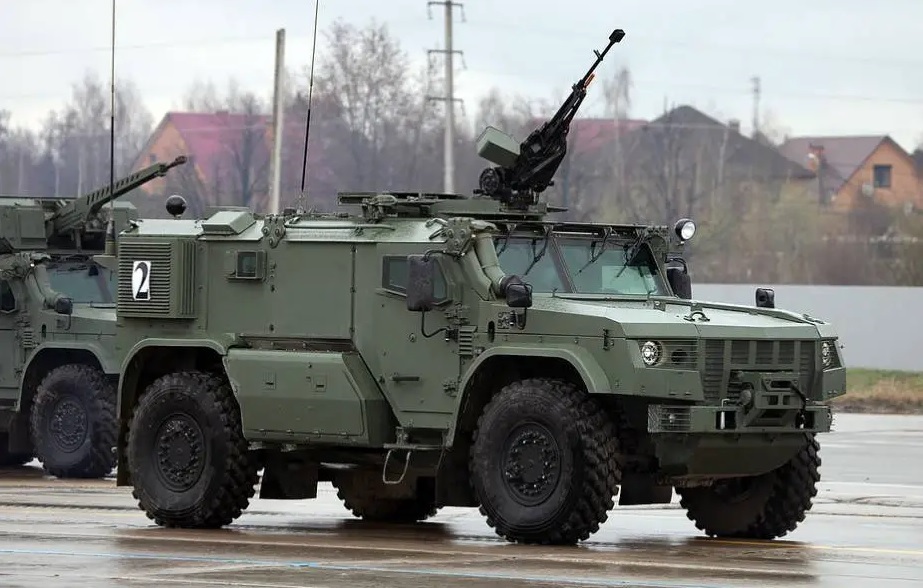
World
In a significant move to strengthen its short-range air defense capabilities, Russia has officially started serial production of the Typhoon-PVO—a modern, mobile air defense vehicle designed to counter threats from drones, cruise missiles, and low-flying aircraft. This announcement came on July 15, 2025, from Fanil Ziyatdinov, head of the Izhevsk Electromechanical Plant "Kupol", under the Almaz-Antey Air and Space Defense Concern, following successful state qualification trials. The Typhoon-PVO is a new generation MANPADS (man-portable air defense system) carrier, optimized for mobility, survivability, and responsiveness on the modern battlefield. Unlike older systems mounted on standard trucks or infantry vehicles, the Typhoon-PVO is purpose-built and based on the rugged KamAZ-4386 4x4 chassis from the Typhoon-VDV family, known for its armored protection and mobility. At its core, the Typhoon-PVO carries nine shoulder-fired missiles, including the Igla, Igla-S, and the newer Verba systems. These allow it to effectively engage small aerial targets such as helicopters, cruise missiles, and UAVs. In particular, the Verba (9M336) missile system has become a standout feature, thanks to its three-spectral seeker (ultraviolet, shortwave IR, and medium-wave IR), providing superior lock-on capabilities against low-signature aerial threats. The Verba is also compatible with the Barnaul-T command system, enabling friend-or-foe identification and external targeting data integration. The vehicle comes with a five-member crew: commander, driver, machine gunner, and two MANPADS operators. Inside, it has space for: 9 missiles 3 radar interrogator sets 9 power units Ammunition for the 12.7 mm Kord heavy machine gun The 12.7 mm Kord machine gun, mounted on a rotating turret, can engage aerial targets even while the vehicle is moving at speeds of up to 20 km/h. Two roof hatches allow operators to fire without exiting the vehicle—an important feature for combat safety. Armor protection meets STANAG 4569 Level 4, defending against 14.5 mm armor-piercing rounds and 8 kg mine blasts (Level 3b). The vehicle is equipped with: 360-degree camera coverage Overpressure-sealed NBC protection FVU-100 filtration system Emergency roof evacuation hatches Performance-wise, it’s powered by a KamAZ-650 diesel engine (350 hp), achieving speeds up to 100 km/h and a range of over 1,200 km. The independent hydropneumatic suspension helps it cross 1.75-meter water obstacles and ascend 30-degree slopes. It measures about 6.9 meters long, 2.5 meters wide, and 2.7 meters high, with a combat weight around 14 tons. While the Typhoon-VDV chassis was originally designed for airborne forces and airdropping, the Typhoon-PVO sacrifices air-drop capability in favor of stronger protection and air defense specialization. A cheaper spring-suspension version is also being offered for non-airborne units like Russia’s Interior Ministry. The system is fully integrated into Russia’s layered air defense network, and can operate alongside systems like Tor-M2. It can receive and act on external radar data, offering protection not only on the frontlines but also for critical infrastructure like oil refineries, railways, and bridges. It has also been seen in Victory Day parades since 2021, marking its official adoption. Field tests include a notable demonstration at the 2019 Clear Sky competition in China, where it completed a 9.5 km obstacle course with 12 obstacles in under 44 minutes. Its performance during the Army-2020 event at Ashuluk range also met expectations. Beyond domestic use, there is growing interest from foreign militaries, especially in Africa, where older Soviet systems are becoming obsolete. The low-cost, modular design, effective counter-UAV capabilities, and networked architecture make Typhoon-PVO attractive for asymmetric and urban warfare. Almaz-Antey officials have confirmed discussions with countries in Africa, the CIS, and Asia-Pacific regions. Russian defense experts, including Major General Vladimir Popov, describe the vehicle as filling the gap between basic MANPADS teams and more expensive systems like Pantsir-S1, offering flexible and affordable protection in dispersed battle zones. With drone warfare rapidly evolving, the Typhoon-PVO enters service at a critical time—aimed squarely at ensuring Russia’s frontline forces and key assets remain shielded from the growing threat of low-flying and low-cost aerial attacks.
Read More → Posted on 2025-08-05 15:09:16
World
In a major step forward for directed energy weapons, Electro Optic Systems (EOS) has landed a €71.4 million (around A$125 million) deal to supply a 100-kilowatt laser-based drone defence system to a European NATO member state. This marks a world-first export of a laser weapon in the 100kW class, a powerful indication of where modern battlefield technology is heading. The contract includes not just the delivery of the high-energy laser weapon itself, but also spare parts, training, and technical documentation. Shipments will take place between 2025 and 2028, and the system will be produced at EOS’s advanced manufacturing facility in Singapore. This isn’t just a typical arms sale. It reflects the rising demand for cost-effective, scalable solutions to one of the most pressing threats in today’s warfare: drone swarm attacks. Unmanned aerial vehicles, often cheap and used in large numbers, are becoming increasingly dangerous. In response, EOS has spent the last three years testing and refining its new laser system to provide a reliable, clean, and kinetic-free method of defence. The 100kW laser system is designed to detect, track, and disable drones with pinpoint accuracy. It integrates a suite of advanced technologies, including: High-powered directed energy beam Radar systems for target detection Advanced algorithms for threat analysis Beam locking and tracking systems for precision engagement These capabilities allow the laser to neutralize aerial threats silently and without collateral damage, making it ideal for use in urban or sensitive environments where explosive countermeasures are not suitable. Unlike traditional missile or gun-based air defence, laser weapons offer a near-instant response time and very low cost per shot, allowing sustained operations against large numbers of small drones without logistical strain. EOS’s new system builds on its previous work in kinetic counter-drone technologies, but the shift to directed energy represents a major leap in capability. The company credited the contract win to “extensive marketing, live demonstrations, and close collaboration with customers” throughout the development and testing phase. This breakthrough deal not only boosts Australia-based EOS's standing in the global defence market, but also signals growing international confidence in high-energy laser weapons as part of next-generation layered air defence systems. It also adds to the ongoing trend among NATO countries of rapidly enhancing counter-UAV capabilities in response to lessons learned from recent conflicts, including in Ukraine and the Middle East, where drones have transformed the battlefield. The announcement was formally released to the Australian Securities Exchange (ASX) by EOS’s Board of Directors.
Read More → Posted on 2025-08-05 15:05:56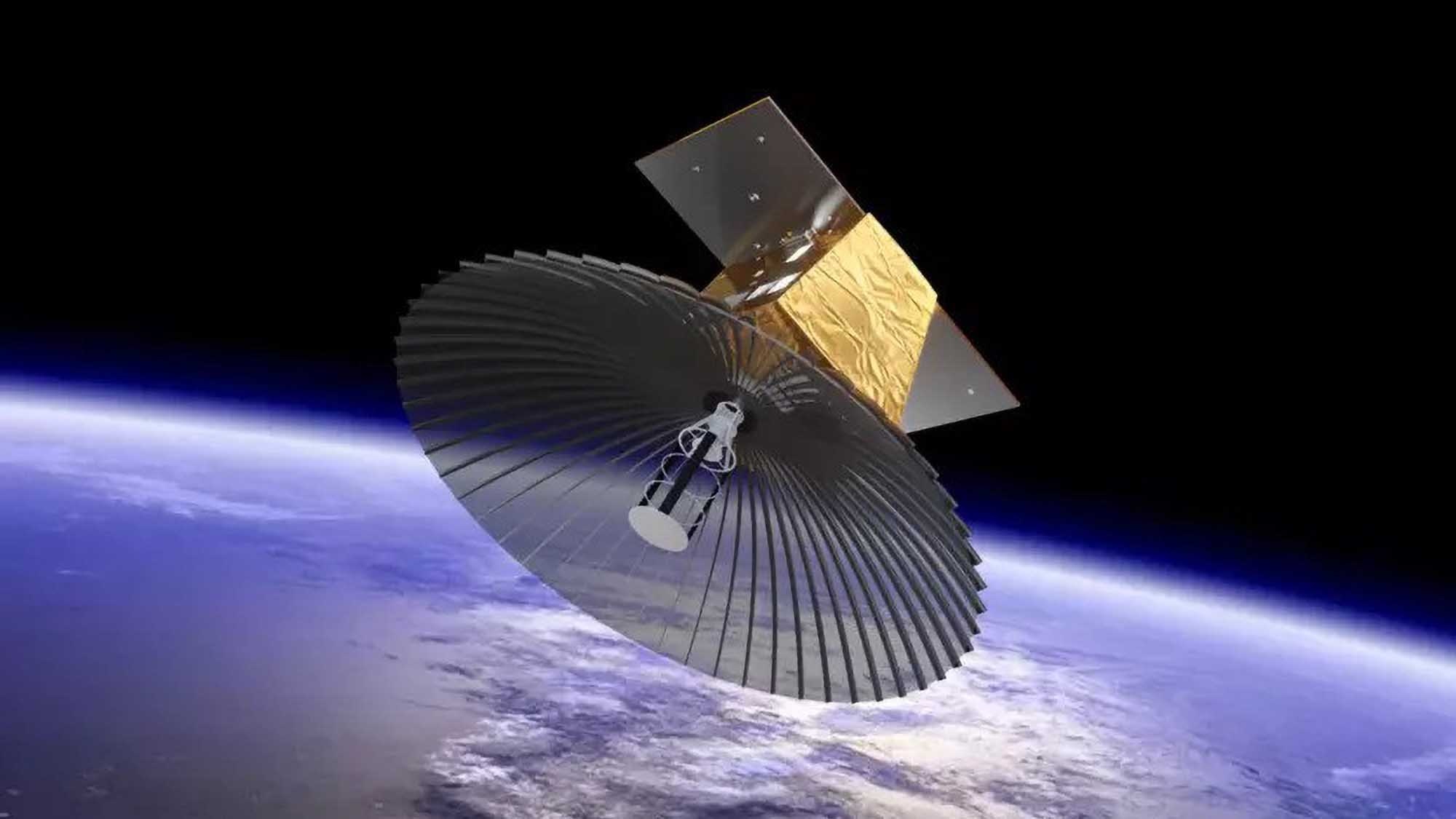
World
In a bold step toward defense self-reliance, Greece is developing its first domestically-built military satellite, signaling a new era in its national security strategy. The project is spearheaded by the Hellenic Defense Innovation Center (ELKAK), a state-owned organization focused on modernizing Greece’s defense capabilities through indigenous innovation. This new satellite will serve intelligence, surveillance, and reconnaissance (ISR) roles and is required to use Synthetic Aperture Radar (SAR) technology — a powerful imaging system capable of capturing high-resolution images regardless of weather or lighting conditions. Unlike traditional optical imaging, SAR uses radar signals to generate images, making it particularly valuable for round-the-clock military observation, even through clouds or darkness. The Greek government has allocated €25 million (approximately $28.8 million) to design, develop, and produce the satellite entirely within the country. The goal is to secure full sovereignty over vital space-based defense assets while also giving a boost to the local defense and tech industry. “Space is now recognized as the fifth operational domain — alongside land, sea, air, and cyberspace,” said ELKAK CEO Pantelis Tzortzakis, underlining the strategic importance of this venture. Alongside the ISR satellite, ELKAK has also launched separate initiatives to explore two other critical defense technologies: counter-unmanned aerial systems (C-UAS) and electronic warfare (EW) platforms. Counter-Drone Technology Greece’s planned counter-drone system aims to detect, track, and neutralize both individual drones and drone swarms. The requirement outlines a modular architecture, combining kinetic measures (like anti-drone guns or interceptors) and non-kinetic tools (such as jamming or microwave systems). The platform must also be compatible with multiple military systems, allowing smooth integration with existing defense infrastructure. This move comes as drone threats continue to escalate globally, particularly in conflict zones where small UAVs are frequently used for surveillance and attack missions. Advanced Electronic Warfare System The electronic warfare platform Greece is seeking would perform electronic surveillance, and should be capable of detecting, tracking, and jamming enemy radar and communication systems. Importantly, the system must be AI-driven, allowing it to autonomously adapt to new or evolving threats. ELKAK specified that the system must also be modular and suitable for both fixed and mobile deployment, fully compatible with Greece’s C4I (Command, Control, Communications, Computers, and Intelligence) infrastructure. These high-tech projects are part of a broader defense modernization plan unveiled by Athens in April 2025, aimed at enhancing the operational readiness and technological edge of its armed forces amid rising regional tensions. By pursuing space capabilities and next-gen warfare technologies like AI-driven EW and counter-drone systems, Greece is clearly positioning itself to become more self-reliant, resilient, and digitally agile in the face of emerging threats.
Read More → Posted on 2025-08-05 14:56:55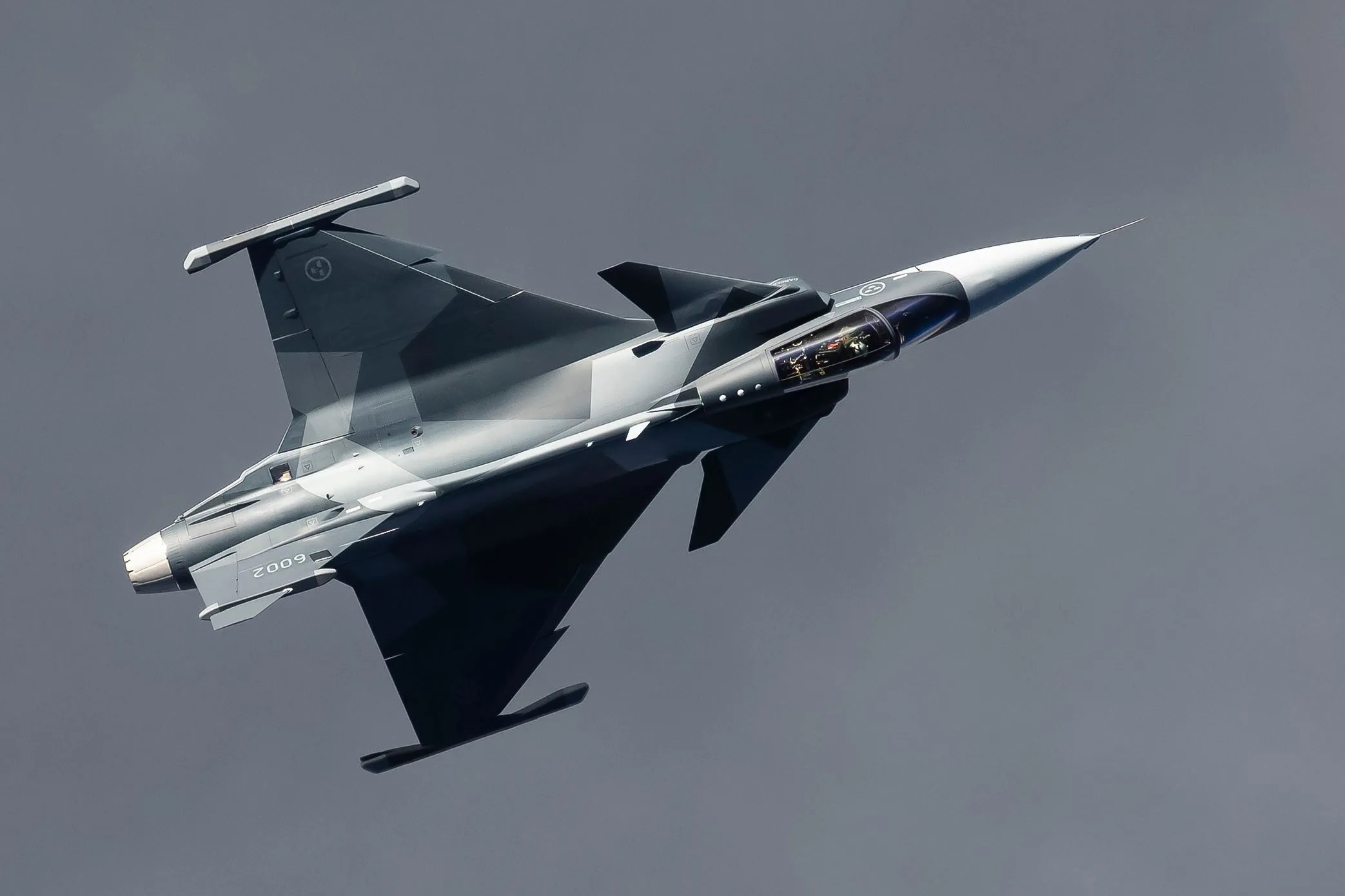
World
In a significant move to boost its air combat strength, Thailand has approved a $600 million deal to purchase four new Saab JAS 39 Gripen fighter jets from Sweden, according to an announcement by the Royal Thai Air Force (RTAF) on Tuesday. The decision comes just a week after a tense ceasefire was reached with Cambodia following deadly border clashes that left more than 40 people dead—the most violent encounter between the two countries in decades. The newly approved jets are part of Thailand’s long-term effort to modernize its air force and replace aging U.S.-made F-16 aircraft that have been in service since the 1980s. A special procurement committee had been reviewing options since August last year and eventually chose the Swedish-built Gripen over updated variants of the F-16. The decision followed a 10-month evaluation process focused on cost-efficiency, operational capability, and long-term maintenance advantages. Thailand already operates a fleet of 11 JAS 39 Gripens, acquired in the late 2000s, and this new order will further strengthen that capability. According to the air force, the acquisition was aimed at ensuring national security and protecting Thai sovereignty, especially in light of rising regional tensions and evolving threats. The JAS 39 Gripen is a lightweight, multirole fighter jet developed by Saab, Sweden’s top aerospace company. Known for its agility, advanced radar systems, and cost-effectiveness, the Gripen is used by several countries including Sweden, Hungary, the Czech Republic, Brazil, and South Africa. Experts say Gripen's high maneuverability and short takeoff capability make it suitable for rapid-response missions, particularly in Southeast Asia's unpredictable terrain and political climate. Its open-architecture system also allows easier upgrades over time, helping nations avoid expensive overhauls or complete replacements. Why Not F-16? Although the F-16 remains a globally dominant fighter with decades of proven performance, Thailand’s decision was reportedly influenced by the lower operating cost and ease of integration offered by the Gripen. U.S. export controls and geopolitical concerns may have also played a role. Defense Spending and Strategic Context Thailand's total defense budget stands at around 200 billion baht ($6 billion), which includes funding for the army, navy, and air force. The air force’s share is now being increasingly directed toward high-tech modernization, including surveillance drones and multirole fighters like the Gripen. During the recent border conflict with Cambodia, Thailand deployed F-16s for precision strikes, but concerns about the aging fleet’s sustainability have driven urgency in upgrading the air wing. The Royal Thai Air Force is expected to receive the new Gripens within the next few years, and additional orders may follow depending on regional developments and budget availability. This latest approval underscores Thailand’s growing focus on self-reliant, versatile air power in a region where geopolitical friction is intensifying. With the addition of these advanced Swedish jets, Thailand is aiming to keep its skies secure and its deterrence credible.
Read More → Posted on 2025-08-05 14:52:32Search
Top Trending in 24 Hours
-
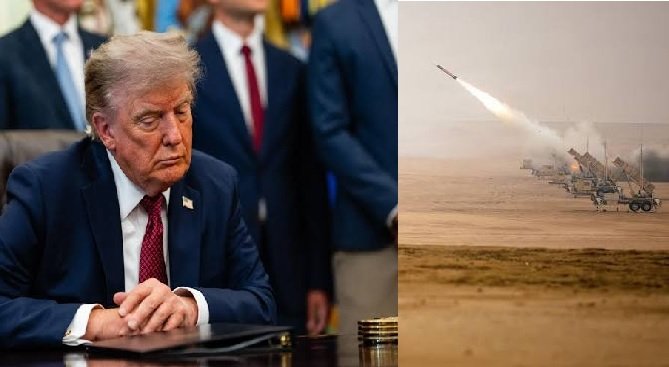 President Trump Pauses Plans to Expand U.S. Strikes on Iran Amid Concerns Over Air Defense Missile Stocks
-
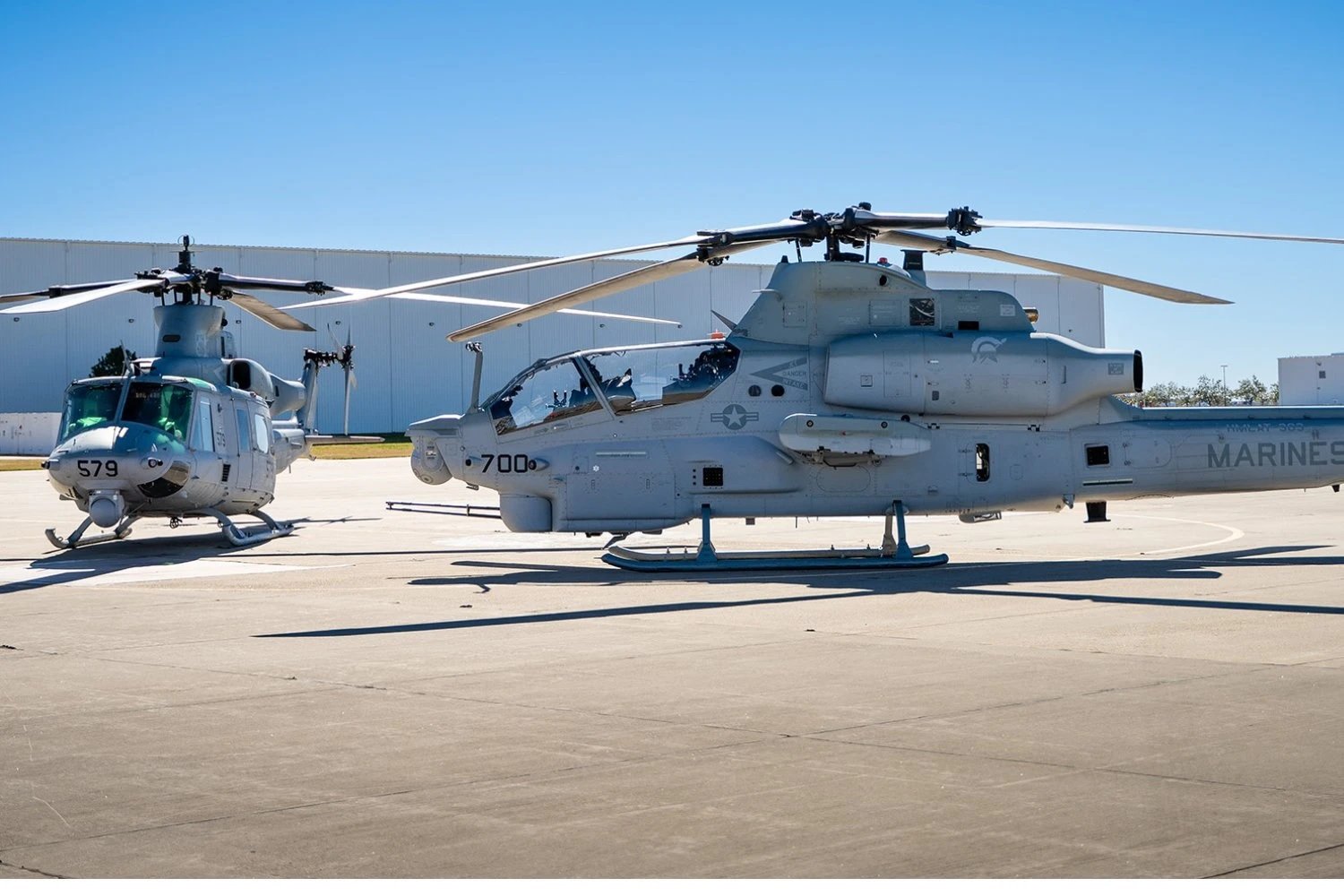 U.S. Awards Bell Textron $33.64 Million Contract for Next Phase of Marine Corps AH-1Z and UH-1Y Helicopter Upgrades
-
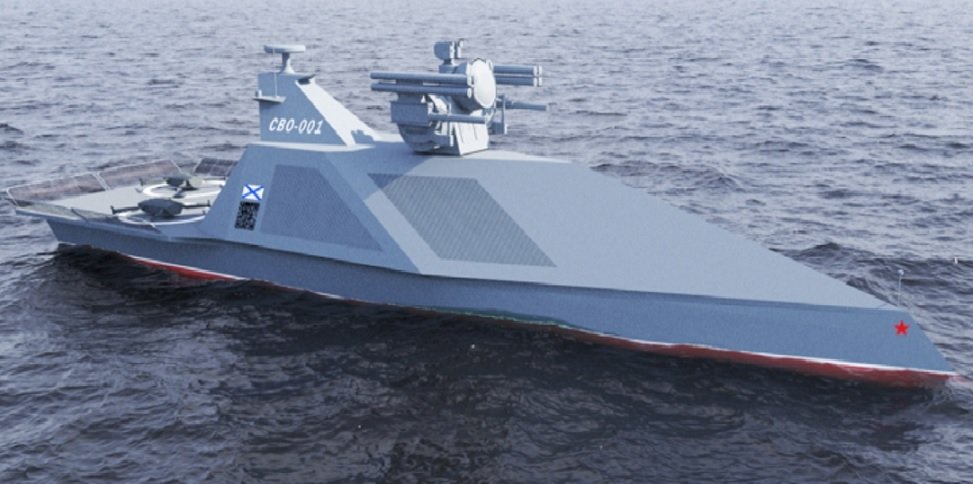 Russia Builds 500-Ton Unmanned Warship For Anti-Submarine Warfare, Plans New 9,500-Ton Warship, Navy Chief Says
-
 Unreleased Footage Reveals Why Lindsey Graham Dropped Plan to Push Trump on Hezbollah Strikes
-
 DRDO Developing Long-Range Air-Launched Ballistic Missile for Su-30MKI, Rudram-4 Seen as Likely Candidate
-
 U.S. Military Selectively Intercepts Iranian Missiles to Preserve Shrinking Air Defense Stocks : Report
-
 Russia Unveils Experimental Plot-40 Floating Defense Platform to Counter Drone and USV Threats
-
 Taiwan Commissions First Batch 2 Tuo Chiang-Class Corvette with New Leonardo Radar
Top Trending in 4 Days
-
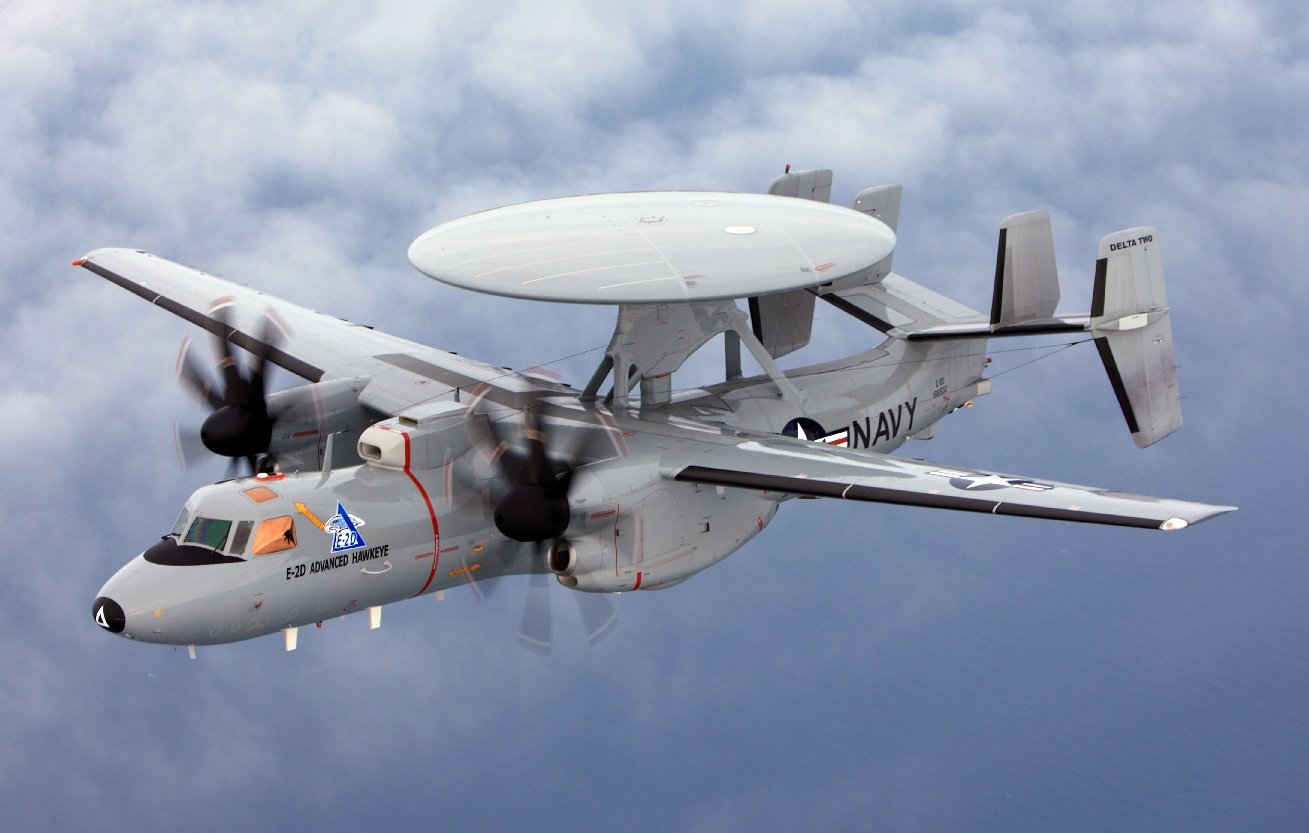 U.S. Navy Awards Northrop Grumman $1.2 Billion Deal for Three New E-2D Advanced Hawkeyes
-
 U.S. Airstrikes Target IRGC Missile Base Near Taft as Overnight Strikes Hit Central Iran
-
 Kuwait and Bahrain Reportedly Launch First Joint Direct Airstrikes on Iran Since War Began : Report
-
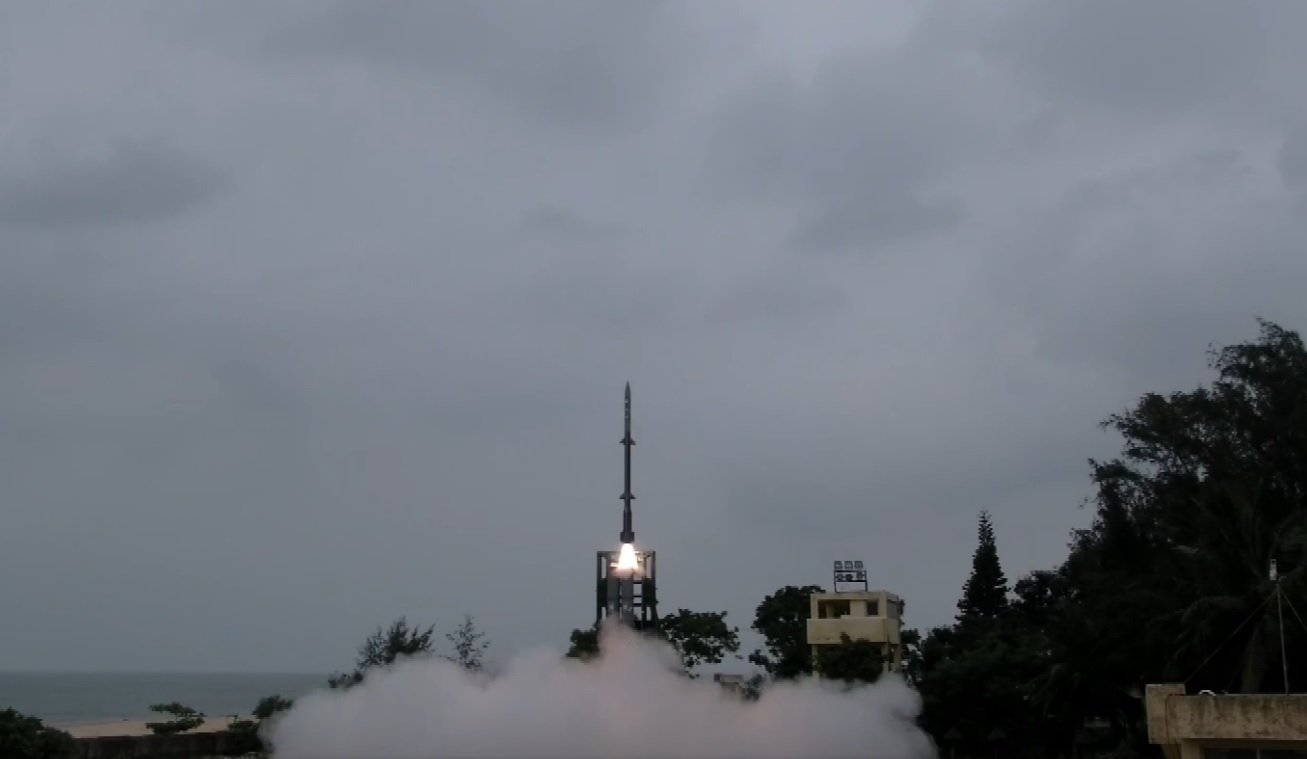 DRDO Successfully Conducts Maiden Flight Test of 150-km-Range Kusha M1 Air Defence Missile
-
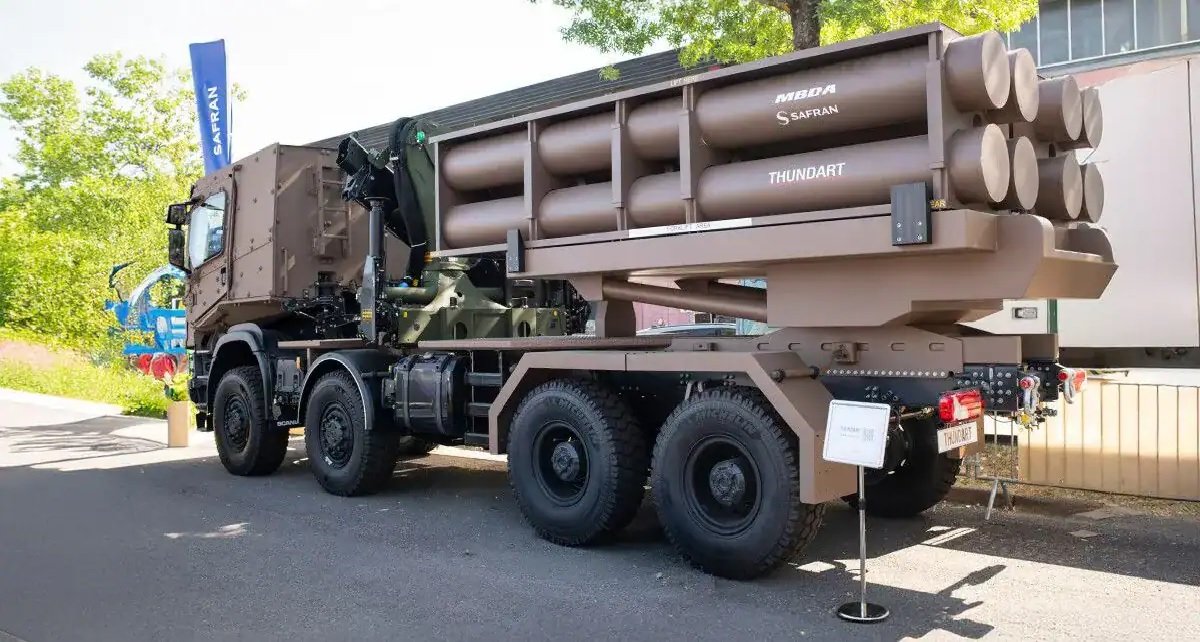 France's THUNDART Long-Range Rocket System May Undergo Prototype Combat Testing in Ukraine
-
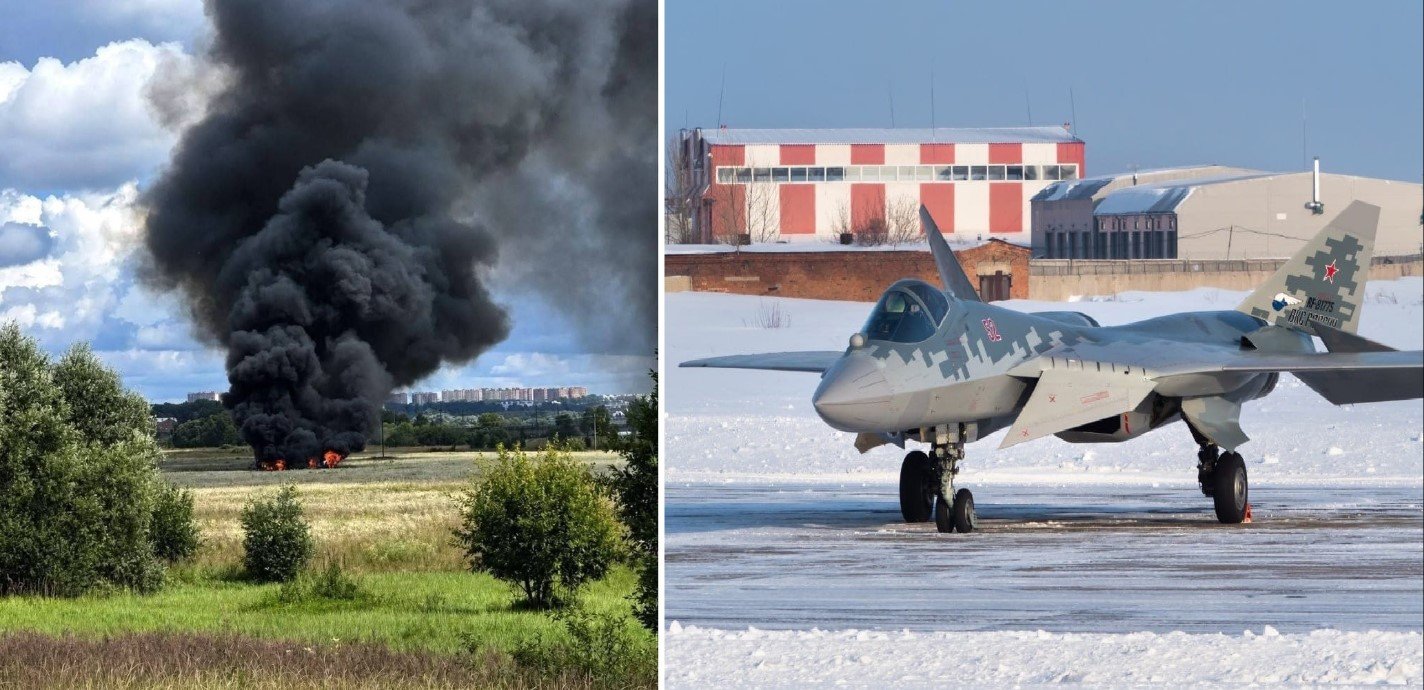 Russian Su-57 Stealth Fighter Crashes During Training Flight Near Moscow, Pilot Ejects Safely
-
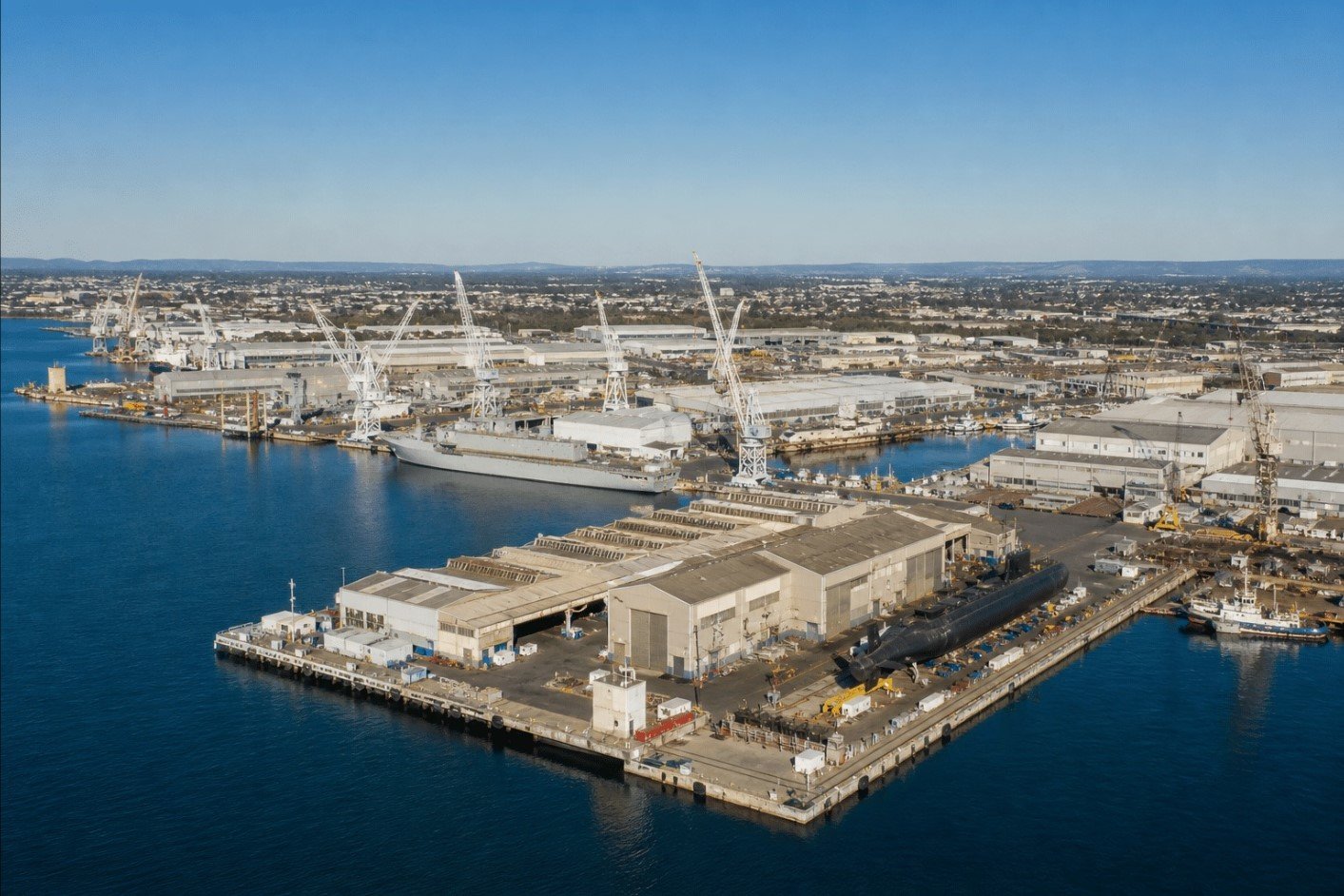 Australia Commits Additional AUD 4.6 Billion to Expand Osborne Shipyard for AUKUS Submarines
-
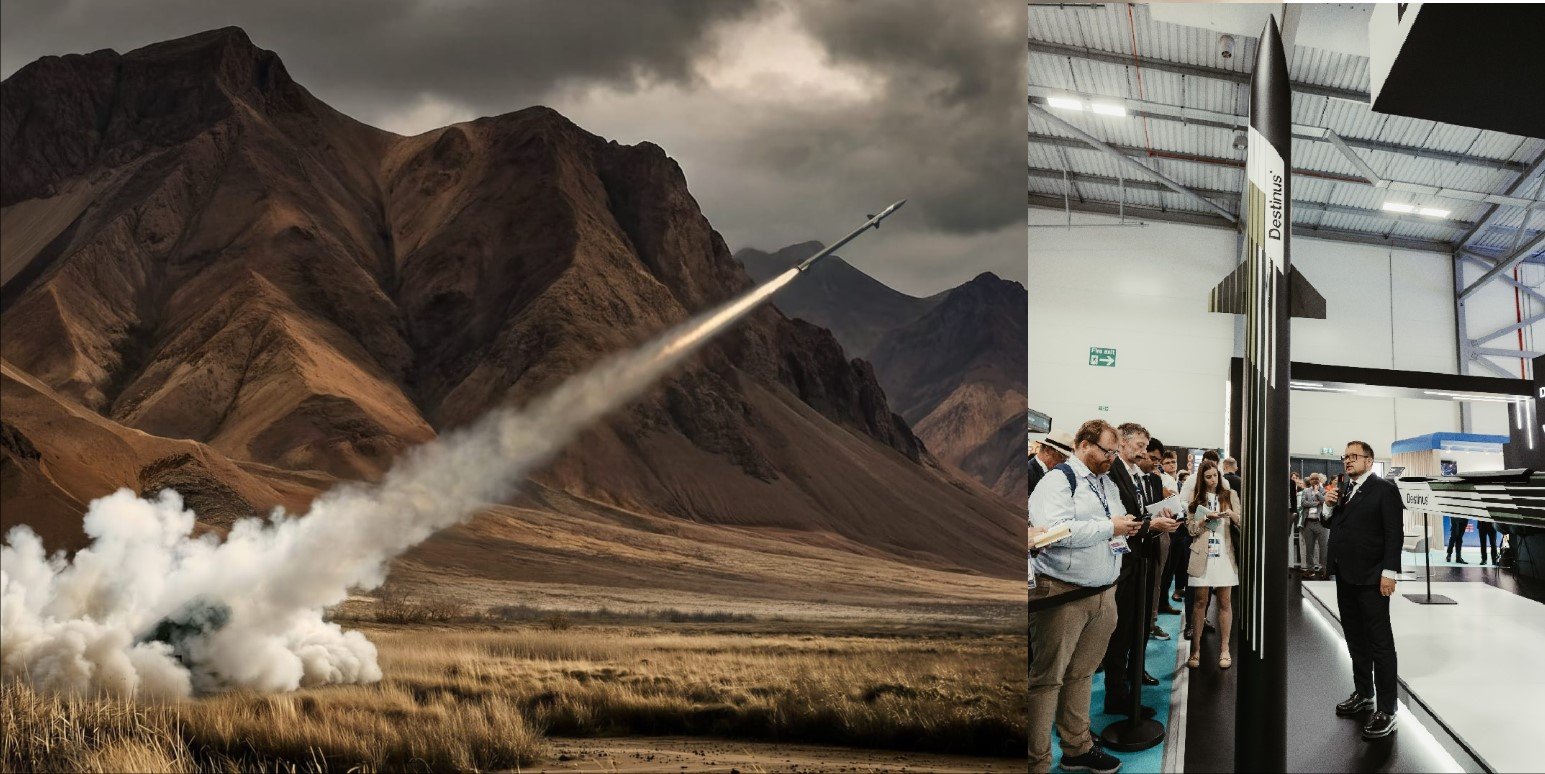 Destinus Unveils Vorexon Interceptor Concept to Defend Critical Sites from Artillery Threats
