
India
In a significant step toward indigenization of defense production, the Indian Army has inked a ₹17 crore contract with Hyderabad-based Lokesh Machines Ltd for the procurement of 7.62mm medium machine gun (MMG) modular kits. What makes this move especially notable is that the firm is currently under U.S. sanctions for alleged links with the Russian defense industry. The agreement aims to upgrade the Army’s existing inventory of 7.62mm MMGs, making them more modular and adaptable for operational requirements. This procurement is in line with India's Make in India and Atmanirbhar Bharat (self-reliant India) initiatives, which emphasize strengthening indigenous defense capabilities. Despite facing U.S. trade restrictions under the CAATSA (Countering America's Adversaries Through Sanctions Act) list, Lokesh Machines has continued to gain support from Indian defense forces. The company, previously known for its contributions to precision engineering and defense hardware, was also the manufacturer of components for the ASMI submachine gun, India’s first indigenously designed 9mm SMG developed by the Indian Army's Army Design Bureau and DRDO. The deal underscores the Indian Army's strategic intent to prioritize domestic manufacturing partners, even in the face of international scrutiny. It also highlights a growing confidence in Indian private-sector defense firms to deliver critical components for military modernization. This order for MMG modular kits will not only help enhance the lethality, flexibility, and maintainability of existing machine guns but also reduce dependency on imports, which have traditionally been a source of delays and rising costs. The move comes at a time when India is trying to balance strategic partnerships with both the United States and Russia while expanding its own defense manufacturing ecosystem. The Army’s decision to support Lokesh Machines sends a strong message about its commitment to fostering self-reliance, regardless of external pressure. With this deal, Lokesh Machines is poised to play a larger role in India’s evolving defense industrial base, despite geopolitical headwinds.
Read More → Posted on 2025-08-07 16:13:31
World
In a major step forward for India’s private space sector, Hyderabad-based startup Dhruva Space has announced its first full-scale commercial satellite mission, called LEAP-1, scheduled for launch in the third quarter of 2025. This mission will not only mark the operational debut of Dhruva's indigenously developed P-30 satellite platform, but it will also carry two advanced payloads from Australian companies, highlighting growing international trust in Indian space technology. The LEAP-1 satellite will be launched aboard a SpaceX Falcon 9 rocket, taking Dhruva Space’s technology into the global commercial spotlight. Unlike earlier missions which focused on in-orbit demonstrations, LEAP-1 represents a shift to actual service delivery, showing that Dhruva Space is ready to offer end-to-end solutions to international clients. Two Australian Payloads, One Indian Platform The satellite will host payloads from Akula Tech and Esper Satellites, two Australian space-tech companies: Akula Tech's Nexus-01 is an AI-powered data processing module. It’s designed to analyze data directly in orbit, using machine learning for applications like real-time fire detection, spectral analysis, and even defense-related monitoring. This onboard retraining capability helps avoid delays in data transmission and allows the satellite to adapt its operations mid-mission. Esper Satellites’ OTR-2 payload is a high-resolution hyperspectral imager, designed to collect rich spectral data from Earth. Its uses include agriculture analysis, mineral exploration, climate monitoring, and disaster assessment. Data from OTR-2 will be available through Esper’s EarthTones API, enabling clients to access processed Earth observation data in real-time. What’s Special About the P-30 Platform? Dhruva’s P-30 satellite bus, which forms the base of LEAP-1, was successfully space-qualified during ISRO’s PSLV-C58/POEM-3 mission in January 2024. That test proved its reliability in orbit, making it ready for commercial use. Some key features of the P-30 satellite include: Designed for 10–30 kg class nano-satellites. Suitable for Low Earth Orbit (LEO) missions. Supports multiple payloads on a single platform. Equipped with electric propulsion, deployable and body-mounted solar panels, and 3-axis attitude control. Mission life of up to five years, with modular design allowing rapid payload integration. This flexibility makes it attractive for clients in commercial, scientific, and defence sectors. The Bigger Picture: LEAP Program and Tech Backbone LEAP-1 is part of Dhruva’s broader LEAP program (Launching Expeditions for Aspiring Payloads)—a hosted payload initiative that provides easier access to space for emerging tech firms. Backing this is Dhruva’s Ground Station-as-a-Service (GSaaS) and their Integrated Space Operations and Command Suite (ISOCS). Together, these allow clients to control payloads, manage satellites, and access data in real time, without needing their own infrastructure. This streamlines space missions for private players, especially startups and research institutions. India-Australia-US Collaboration in Orbit The LEAP-1 mission showcases a growing Indo-Australian space partnership, with indirect support from U.S. collaborators. As more countries look for cost-effective and reliable space services, India's private space industry is becoming a key player in the global supply chain. With LEAP-1, Dhruva Space is not just launching a satellite—it’s launching a signal that India is ready to lead in commercial space services, using home-grown innovation to meet global needs. This mission sets the stage for many more international collaborations and next-generation satellite deployments in the years ahead.
Read More → Posted on 2025-08-07 15:43:22
India
In a major step toward strengthening its defence partnership with India, Rolls-Royce has announced it is exploring the setup of a Maintenance, Repair and Overhaul (MRO) facility in India for the AE2100 engine, which powers aircraft operated by the Indian Air Force (IAF). This move comes in alignment with the India-UK Comprehensive Economic and Trade Agreement (CETA) and the broader UK-India Vision 2035. The AE2100D3 engine, specifically, is used to power the C-130J Super Hercules transport aircraft, a critical part of India’s military airlift capability. The proposed MRO facility would enable faster turnaround times, reduce dependency on overseas repairs, and boost operational readiness of the IAF’s fleet. Speaking about the company’s plans, Abhishek Singh, Senior Vice President - Defence (India and South-East Asia) at Rolls-Royce, said, “We are exploring potential opportunities to set up an MRO for the AE2100 engine operated by the Indian Air Force, and to further scale the partnership for assembly and testing for the Multi-Role Transport Aircraft (MTA) programme.” He added that India is not just seen as a customer but as a strategic partner in areas of co-development, innovation, and capability-building. Rolls-Royce also aims to bring more global technical expertise to India, create local talent pipelines, and expand its supplier ecosystem. The announcement comes as part of a broader push by the British engine maker to deepen its aerospace and defence footprint in India. Rolls-Royce has already declared its intent to double sourcing from India over the next five years, especially in complex aero engine components, in support of India’s ambitions to become a key player in global supply chains. Currently, Rolls-Royce has multiple industrial partnerships in India, including joint ventures with Hindustan Aeronautics Limited (HAL) and Force Motors, as well as collaborations with Tata, Godrej & Boyce, and Bharat Forge. These partnerships are expected to play a crucial role in the company’s growing ambitions. With the India-UK CETA acting as a catalyst for deeper cooperation, Rolls-Royce envisions the next phase of collaboration under the Defence Industrial Roadmap—a plan aimed at increasing localisation, boosting manufacturing capacity, and creating new defence capabilities in India. This potential MRO facility for the AE2100 engine could be a significant step toward self-reliance in defence maintenance infrastructure, supporting India's Atmanirbhar Bharat (self-reliant India) initiative while offering strategic and logistical advantages to both nations.
Read More → Posted on 2025-08-07 15:38:53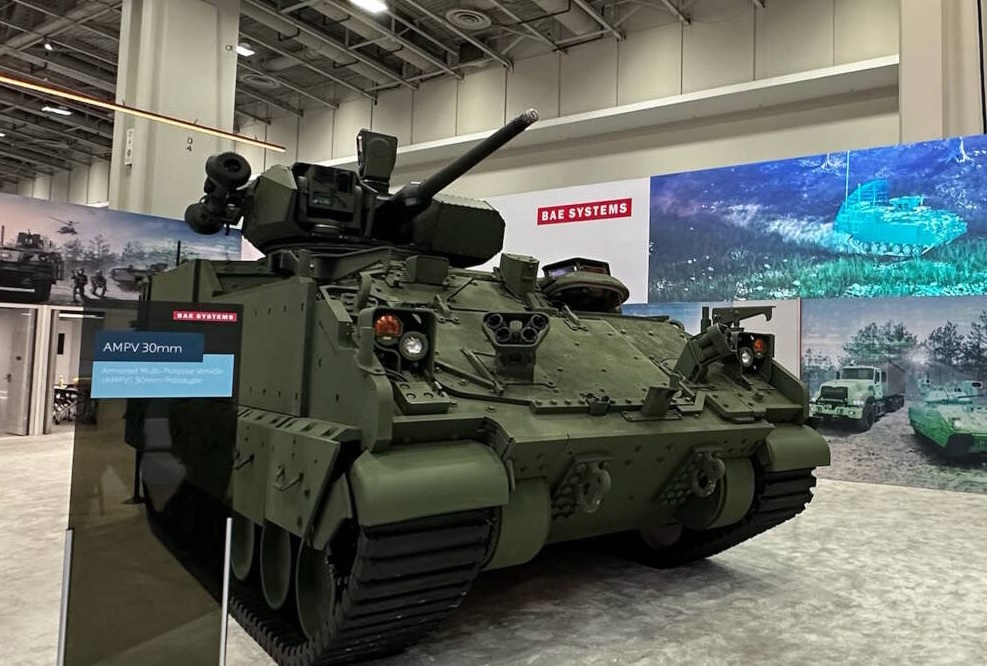
World
In a major push to modernize U.S. Army ground combat capabilities, BAE Systems has announced a rapid upgrade program for its Armored Multi-Purpose Vehicle (AMPV), introducing new capability kits and forming strategic partnerships to fast-track innovation. The goal is to ensure the AMPV evolves into a highly adaptable and mission-ready platform, prepared for future battlefield challenges. At the heart of this initiative is the AMPV’s modular chassis design, which allows different mission systems and advanced technologies to be integrated quickly without having to redesign the entire vehicle. This makes the AMPV an ideal candidate for rapid prototyping and field deployment of new systems. According to Bill Sheehy, Ground Maneuver product line director at BAE Systems, “The AMPV is a proving ground for the future of tracked ground combat.” One of the key upgrades planned is the integration of advanced effectors — specialized systems that enable the vehicle to detect and neutralize drones, conduct autonomous ground operations, and operate unmanned turret systems. These features are designed to enhance battlefield survivability and give U.S. forces a critical edge against increasingly tech-savvy adversaries. Sheehy highlighted the reliability of the current AMPV platform, noting that the vehicle’s hull is among the most durable in the Army’s inventory. “It’s coming off a hot production line,” he said, underscoring that the base vehicle is already being delivered to the Army and ready for further enhancements. In recent years, BAE Systems has already demonstrated successful integration of new capabilities on the AMPV, including turreted prototypes like the 30mm unmanned weapon system and Modular Turreted Mortar. These efforts use a Modular Open Systems Architecture (MOSA) — a flexible design strategy that allows various components from different manufacturers to be plugged into the vehicle, making it easier to upgrade or replace systems in the future. Importantly, BAE Systems is not doing this alone. The company is partnering with other defense technology firms to accelerate development and reduce the time it takes to deliver enhanced vehicles to soldiers. Though specific partner names have not been released yet, the company has promised to reveal them later this summer. “This might not be a traditional approach to innovating for warfighters,” Sheehy admitted, “but the AMPV isn’t your average combat vehicle either.” With the U.S. Army placing increased emphasis on speed, survivability, and versatility in future operations, these upgrades to the AMPV could play a crucial role in shaping the next generation of ground combat systems.
Read More → Posted on 2025-08-07 15:31:05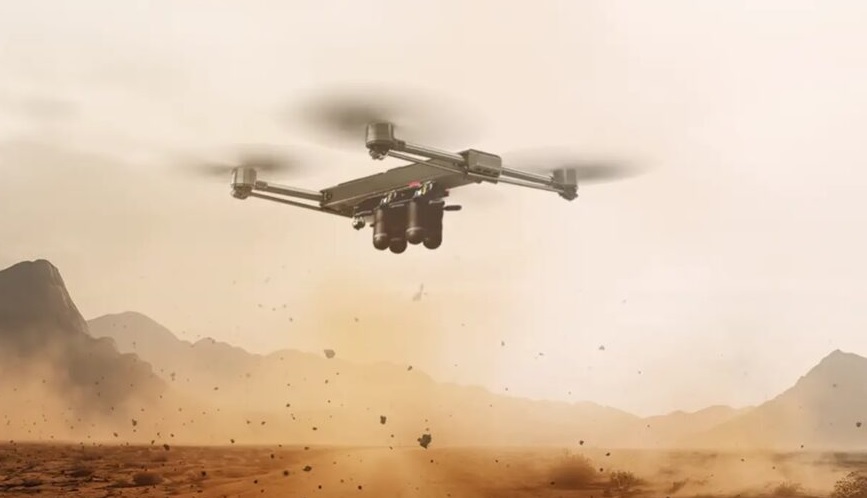
World
In a major leap for tactical drone warfare, U.S.-based Draganfly Inc. has unveiled a new modular precision strike drone system equipped with the combat-proven Mjolnir Modular Munition, marking a significant shift in how small drones may be used on future battlefields. The announcement came after a successful demonstration held on August 5, 2025, at the Pentagon, under the U.S. Department of Defense’s Low-Cost Uncrewed Combat Attack Systems (LUCAS) initiative. The system demonstrated combines Draganfly’s Group I UAV—a lightweight, portable drone—with the Mjolnir Modular Munition System from MMS Products Inc. Together, they form a highly flexible and scalable precision-strike platform designed for modern and emerging conflict zones. What stood out during the demo was the drone’s ability to autonomously locate and engage targets using a multi-drop payload launcher, enabling the deployment of different munitions based on mission needs. These ranged from anti-personnel to anti-vehicle and armor-piercing configurations, showing how one small drone can handle a variety of battlefield roles. The Mjolnir munition, weighing between 2.3 to 2.5 kg, is fully modular. It comes with a swappable warhead system, internal guidance stabilizer, and a programmable electronic fuze. Current variants include: High-fragmentation warheads for anti-personnel missions Explosively Formed Penetrators (EFPs) to destroy light vehicles and field bunkers Shaped charges that can penetrate light to medium armored targets These munitions can detonate on impact or with a time delay, giving added flexibility during urban or underground operations. The drone’s launcher holds up to four munitions, which can be released either one at a time or all together—perfect for dynamic, fast-moving situations. What makes this drone system truly innovative is that it brings precision strike capability to a drone category that was earlier used mainly for Intelligence, Surveillance, and Reconnaissance (ISR). Its low cost, small size, and stealthy signature mean it can perform hunter-killer missions, disrupt enemy logistics, or support special forces in hostile environments—all without risking human lives. The Pentagon’s LUCAS program aims to build attritable, low-cost combat drones that can be easily deployed, replaced, or adapted. In that context, Draganfly’s system is a major step forward. Its plug-and-play nature means that different types of munitions can be quickly fitted for different missions—without the need for long planning or heavy logistics. Draganfly CEO Cameron Chell called the demo a "major validation" of the company's work in tactical drone development, emphasizing that this technology was built to boost operational effectiveness, lower costs, and increase soldier survivability—especially when facing modern threats from both peer and near-peer adversaries. In a world where future wars are expected to rely heavily on networked, autonomous systems, this kind of drone tech offers the military the ability to strike quickly, quietly, and precisely. It also signals a broader shift in U.S. defense thinking—moving away from expensive, complex platforms toward simple, flexible systems that can saturate and overwhelm enemy forces in a coordinated strike. As armed forces around the world look to upgrade their battlefield tools, Draganfly’s precision strike drone with Mjolnir munitions could become a key player in the next generation of smart, scalable, and survivable drone warfare.
Read More → Posted on 2025-08-07 15:27:57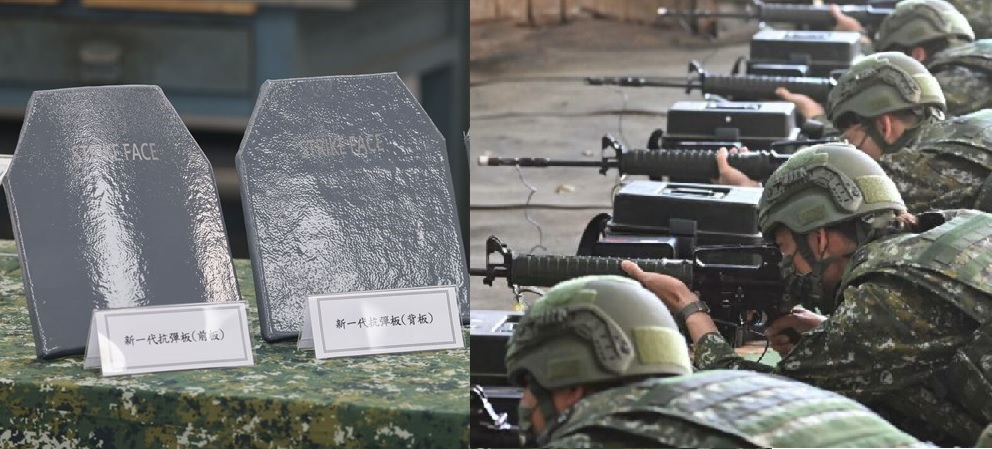
World
In a major step to improve its military's battlefield protection, Taiwan has announced plans to acquire 48,000 boron carbide ceramic armor plates for its soldiers. These high-strength bullet-resistant plates are aimed at significantly increasing the survivability of frontline troops against armor-piercing rounds and shrapnel. According to a report by the Taipei Times, the production of these plates will take place between 2028 and 2029, with the Taiwanese government setting aside around 840 million New Taiwan dollars (approximately $28.2 million) for the project. An initial small batch of 30 plates has already been purchased for testing, costing about 1.3 million New Taiwan dollars (roughly $46,900). While the exact details about the new armor—such as weight, protection level, and intended units—have not been made public, the plates are expected to offer National Institute of Justice (NIJ) Level IV protection. This means they can withstand hits from 7.62mm armor-piercing bullets, offering stronger defense than Level III armor, which Taiwan’s armed forces currently use. The core material, boron carbide, is one of the hardest synthetic substances in the world, only surpassed by materials like diamond and cubic boron nitride. Its lightweight and ultra-tough properties make it an ideal choice for modern body armor, balancing protection with soldier mobility. In a parallel armor upgrade effort, Taiwan’s Ministry of National Defense is also overseeing the mass production of three-layer protective plates combining ceramic and polyethylene fiber. These were part of a NT$1.6 billion ($53.7 million) contract signed in February 2025 to produce 160,000 plates. These plates are modeled after the US military’s Enhanced Small Arms Protective Insert (ESAPI) and are designed to stop 5.8mm steel-core rounds used by the People’s Liberation Army of China, in addition to standard 7.62mm rounds. Under this deal, 60,000 of these enhanced plates are expected to be delivered by the end of 2025, significantly improving troop protection across various units. Together, these two major armor plate programs mark Taiwan’s ongoing efforts to modernize its military equipment amid rising tensions in the region. The combination of Level IV boron carbide plates and triple-layer composite armor reflects a clear shift towards upgraded personal protection for soldiers facing increasingly advanced threats on the battlefield.
Read More → Posted on 2025-08-07 15:23:47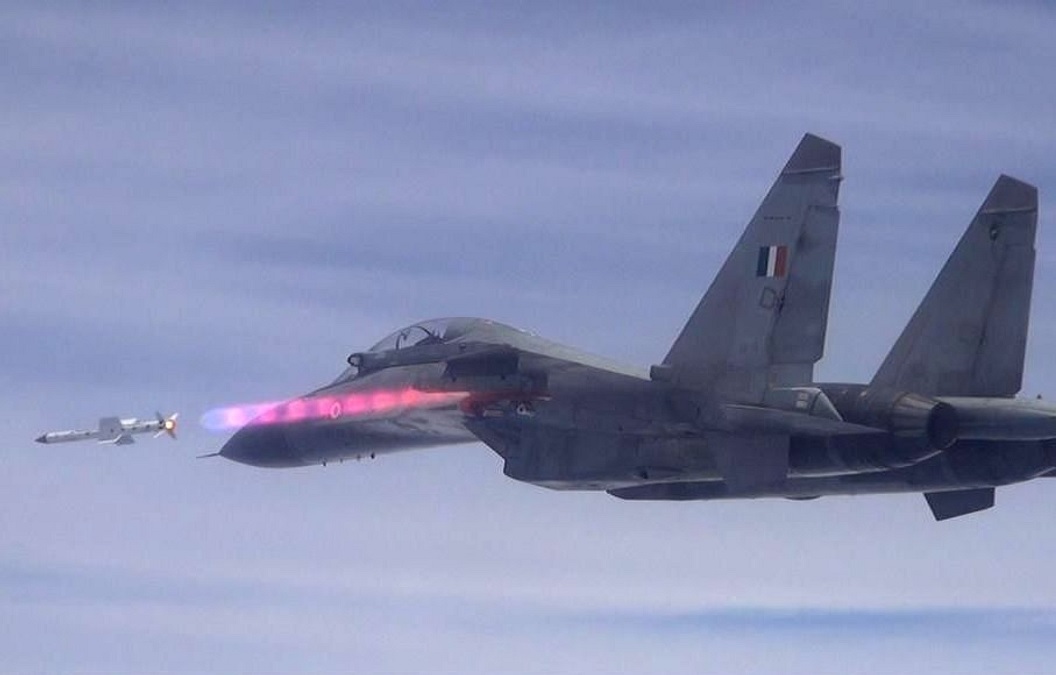
India
India is about to take a major step forward in its air combat capabilities as the Astra MK-2, an advanced Beyond Visual Range Air-to-Air Missile (BVRAAM), is now ready to enter user trials with the Indian Air Force’s (IAF) Su-30MKI fighter jet. This comes after a series of successful developmental tests and represents a big leap in India’s efforts toward defence self-reliance. The Astra MK-2, developed by the Defence Research and Development Organisation (DRDO), is a much-improved version of the Astra MK-1, offering a significantly longer strike range of 140 to 160 kilometres. In comparison, the MK-1 had a range of up to 110 km. With this extended reach, the Astra MK-2 now stands in the same league as top global air-to-air missiles like the American AIM-120D AMRAAM and the Chinese PL-15. What makes the Astra MK-2 stand out is its dual-pulse solid rocket motor, a critical upgrade that improves its energy management and manoeuvrability, especially in the final phase of an engagement. This helps expand its "no-escape zone", making it harder for enemy aircraft to evade the missile once locked. Another major highlight is the missile’s indigenously developed AESA (Active Electronically Scanned Array) seeker, which provides precise targeting even in electronic warfare environments. This feature is especially important when facing modern enemy aircraft like the JF-17 Block-III or the Chinese J-10C, both of which are equipped with advanced jamming and countermeasure systems. The Astra MK-2 has already undergone extensive captive and flight trials on the Su-30MKI. These earlier tests have confirmed that the missile performs well in flight, tracks targets accurately, and integrates effectively with the aircraft's advanced avionics and radar systems. Now, in its final phase of testing, the missile will go through user trials, which involve real-world combat evaluations with frontline IAF pilots. These trials will ensure the missile can hit high-speed, manoeuvring targets under different weather and combat conditions. The focus will also be on refining the integration between the missile and the Su-30MKI’s fire-control systems, ensuring flawless operation in live missions. As of mid-2025, the Astra MK-2 has already entered limited series production, with the Ministry of Defence planning dual production lines to meet expected demand. Once user trials are complete—likely by 2026—the missile is expected to be inducted into service by 2027. The missile is also being prepared for integration with other platforms such as the TEJAS MK-1A, Rafale, and MiG-29K. The program is part of a larger national effort to reduce dependence on foreign missile systems. Over 50 Indian companies, including key players like HAL and BDL, are involved in manufacturing critical components, indicating strong public-private collaboration in defence manufacturing. With its extended range, high agility, cutting-edge seeker, and integration with frontline jets, the Astra MK-2 is set to become a key asset in the Indian Air Force’s arsenal, helping India maintain air superiority in contested airspaces and counter modern aerial threats more effectively than ever before.
Read More → Posted on 2025-08-07 15:18:52
World
In a major step toward advancing cybersecurity, the U.S. Defense Advanced Research Projects Agency (DARPA) has selected RTX’s BBN Technologies to play a central role in its latest program aimed at improving how cyber threats are identified and tackled. The initiative, called INGOTS (Intelligent Generation of Tools for Security), is designed to create better and faster ways to detect software vulnerabilities and develop effective defenses. As part of this program, BBN Technologies will develop an advanced platform named STALAGMITE. This is not just another software tool—it’s a large-scale, hybrid test environment that will combine both virtual and physical systems to simulate real-world Android software vulnerabilities. This setup will allow researchers to run automated, repeatable experiments to test how hacking attempts unfold and how different security measures perform against them. The key innovation here is scale and speed. Traditional cyber defense testing relies heavily on manual work, which is often slow, expensive, and hard to replicate. STALAGMITE aims to change that by offering a more automated and scalable alternative. With it, cybersecurity researchers can quickly generate data on how exploits happen and refine countermeasures much more efficiently. This effort is part of a broader U.S. strategy to improve national cyber defense capabilities. The Cybersecurity and Infrastructure Security Agency (CISA) has already identified more than 1,300 actively exploited vulnerabilities, stressing the urgency for better threat detection tools. DARPA’s INGOTS program focuses on automating the entire process of modeling and analyzing exploit chains—sequences of vulnerabilities that cyber attackers often use together to breach systems. Over a period of 36 months, INGOTS will roll out in three phases, delivering both cutting-edge research and practical cybersecurity tools. The outcomes are expected to benefit a wide range of networks, from personal devices to government systems and even military infrastructure. By developing STALAGMITE, RTX’s BBN Technologies is now at the forefront of this effort—building a future where detecting and stopping cyber threats becomes faster, more accurate, and far more scalable than ever before.
Read More → Posted on 2025-08-07 15:15:58
World
Iran may have taken a dramatic step forward in missile technology with reports suggesting it has developed, or is preparing to test, its first intercontinental ballistic missile (ICBM) — the Khorramshahr-5. According to a July 27, 2025 report from Mehr News, this new missile reportedly has a range of up to 12,000 kilometers, making it capable of reaching the continental United States from Iranian soil — a leap far beyond Iran’s long-held self-imposed limit of 2,000 kilometers. If confirmed, Khorramshahr-5 would represent a turning point in Iran’s strategic missile capabilities, placing it among a small group of nations that can strike across continents. The missile is said to reach speeds of Mach 16 (about 20,000 km/h) and carry a warhead weighing around 2 tons — matching or even exceeding the payloads of some U.S. “bunker buster” bombs like the GBU-57 Massive Ordnance Penetrator. What’s especially alarming to Western analysts is that no official test of the Khorramshahr-5 has yet been acknowledged by either Iran’s Ministry of Defense or the Islamic Revolutionary Guard Corps (IRGC), raising speculation that the program is being developed in secret — possibly to delay foreign intervention or diplomatic backlash. What Makes the Khorramshahr-5 Different? The Khorramshahr-5 is reportedly built on the legacy of the North Korean BM-25 Musudan, itself derived from the Soviet-era R-27 submarine-launched missile. But the jump in performance from the Khorramshahr-4, tested in 2023 with a 2,000 km range, to the Khorramshahr-5's claimed 12,000 km, suggests either an entirely new missile platform or a radical upgrade in propulsion, structure, and guidance. This missile is believed to use liquid fuel propulsion and is approximately 12 meters long, weighing about 14 to 15 tons at launch. It may incorporate technologies from Iran’s space programs — such as the Soroush-1 and Soroush-2 — which have been designed for heavy payloads and multi-stage launch. Additionally, Iran’s recent progress with solid-fuel technologies, like the Salman motor with thrust vector control, points toward growing multi-stage and modular capabilities — critical for developing ICBMs that are harder to detect and faster to deploy. ICBM Characteristics and Strategic Implications By definition, an ICBM is a missile with a minimum range of 5,500 kilometers, capable of delivering warheads across continents. These missiles usually have multiple stages, travel through space, and re-enter Earth’s atmosphere at hypersonic speeds, making them extremely difficult to intercept. The Khorramshahr-5’s reported Mach 16 speed aligns with terminal-phase speeds of existing ICBMs. Combined with a 2-ton warhead, this capability would allow Iran to threaten targets far beyond the Middle East, including Europe and North America. Iranian officials have previously stated that the Fattah hypersonic missile series reached speeds of Mach 15, and that a 2-ton hypersonic warhead has been tested. However, these announcements stopped short of connecting that warhead to the Khorramshahr-5. Why Now? A Strategic Shift in Iranian Policy Iran has long claimed its missile development is defensive and intentionally capped its range to avoid alarming European nations. But recent military actions — including Israeli airstrikes on Iranian territory and U.S. operations targeting Iranian nuclear facilities — appear to have shifted Tehran’s calculus. Statements from the IRGC and top Iranian military officials now hint at abandoning the 2,000-km limit. Iranian media and leadership increasingly justify extended-range missile development as a deterrent against perceived external aggression, particularly from the U.S. and Israel. Furthermore, Iran has deepened military cooperation with Russia and China, reportedly conducting joint missile tests with Russian S-400 systems and exploring the purchase of Chinese J-10C fighter jets. These partnerships may also contribute to advancing Iran’s long-range missile technologies. Uncertainty and Global Reactions Despite the striking specifications reported for the Khorramshahr-5, no international intelligence agency has confirmed its operational status. Israeli Prime Minister Benjamin Netanyahu, during his July 2025 visit to Washington, reportedly urged the U.S. to push for tighter missile restrictions on Iran — even proposing a maximum 480-kilometer range cap in any future nuclear negotiations. Iranian state media, meanwhile, continues to present the Khorramshahr-5 as part of a balanced military doctrine — not for aggression, but to ensure retaliatory capability and deterrence. Officials remain tight-lipped about whether the missile has been tested or deployed, which analysts say may be a deliberate strategy to preserve ambiguity, delay sanctions, and complicate foreign surveillance. Is This Really an ICBM? While all signs suggest that Iran may be developing its first true ICBM, the lack of test confirmation, technical transparency, or satellite-detected launches leaves room for uncertainty. Some experts caution that the Khorramshahr-5’s capabilities remain theoretical, pending verified flight tests and actual deployment. However, even the possibility that Iran has crossed the threshold into ICBM development is a major strategic development. It challenges current arms control frameworks, raises regional tensions, and forces a recalibration of U.S. and allied security postures in the Middle East and beyond. Until more is known, the Khorramshahr-5 remains shrouded in secrecy, but the implications of its potential are already echoing through global defense and intelligence circles.
Read More → Posted on 2025-08-07 15:12:46
World
In a quiet but strategic intelligence breakthrough, Japan has been granted rare access to the unexplode China's PL-15 air-to-air missile, recovered by Indian forces during recent aerial clashes with Pakistan. This unexplode missile , believed to be fire from missiles fired by Pakistan’s J-10C or JF-17 Block III jets, was recovered in northern India, including Hoshiarpur in Punjab, after intense cross-border air activity. What makes this event extraordinary is that the PL-15 is China’s most advanced beyond-visual-range (BVR) missile, and its technology has so far remained one of Beijing’s most closely guarded secrets. Now, Japanese electronic warfare (EW) and radar specialists are being allowed by India to examine the missile remains—opening up a rare window into Chinese missile capability, particularly the AESA radar seeker, seeker algorithm, and encrypted datalink systems. What Makes the PL-15 Special? The PL-15, developed by China’s Airborne Missile Academy, is a long-range BVR air-to-air missile believed to have a range exceeding 200+ km. It is equipped with an Active Electronically Scanned Array (AESA) radar seeker, making it extremely hard to deceive with flares, chaff, or electronic countermeasures. The seeker algorithm—essentially the missile’s targeting brain—allows it to track and home in on targets even in electronic warfare-heavy environments. The missile also features a military-grade encrypted datalink, allowing mid-course corrections from platforms like J-20, J-10C, and KJ-500 AWACS. This datalink is hardened with spread spectrum communication, frequency hopping, and ECCM (Electronic Counter-Countermeasure) technologies, making it resilient to jamming or spoofing but jammed by Indian Jets . Why Japan Is Interested Japan’s defense establishment is increasingly worried about China’s growing airpower, especially near Japanese and Taiwanese airspace, where PL-15-equipped J-10C and stealth J-20 fighters are routinely deployed. For Tokyo, analyzing this missile is not just about technology—it’s about preparing for future aerial conflicts. Reports say that Japanese experts are examining the seeker logic, encryption mechanisms, and ECCM subsystems. Such data could help Japan enhance radar survivability, develop better countermeasures, and possibly influence the design of its sixth-generation F-X fighter. Strategic Implications Across the Indo-Pacific India’s decision to share PL-15 debris intelligence with Japan—and potentially other allies like France, the U.S., and Taiwan—highlights the growing multilateral security cooperation in the Indo-Pacific to counter China’s military rise. Western intelligence agencies like the CIA, NSA, and Five Eyes alliance are also believed to be interested in forensic analysis of the debris. Their focus reportedly includes waveform behavior, datalink security, ECCM logic, and propulsion technologies. There is also growing curiosity around whether China still depends on Russian components, such as radar processors or INS systems, in its missile design—something that could expose weak points or offer clues about Beijing’s defense self-sufficiency. Lessons for Taiwan, NATO, and Indo-Pacific Allies Taiwan, which frequently faces PLAAF incursions, has already requested access to the missile remains. For them, it’s about building tactics and missile defense systems capable of countering the PL-15 threat. Meanwhile, NATO countries and Indo-Pacific allies—such as Australia, South Korea, and the Philippines—could benefit from the insights to upgrade fighter jets like the F-35, Rafale, and Eurofighter Typhoon. Raytheon, Lockheed Martin, and MBDA may also use the findings to develop new interceptors and EW suites specifically tailored to neutralize threats like the PL-15. Pakistan's Use of PL-15E and India's Forensic Opportunity The PL-15E, an export version of the missile, is currently fielded by Pakistan, the only confirmed foreign operator. During recent skirmishes, Pakistan reportedly used the PL-15E, claiming shootdowns of Rafale, Su-30MKI, MiG-29, and Mirage 2000 fighters—though All claims remain unverified. Still, India’s recovery of multiple missile fragments, now under forensic examination, gives it and its allies a powerful opportunity to study China’s offensive airpower in detail. Notably, several PL-15 missiles were recovered unexploded, which have been neutralized mid-flight by the electronic warfare systems of Indian Air Force (IAF) jets. While not officially confirmed, this possibility highlights India’s growing electronic warfare prowess and offers an unprecedented chance to study the missile’s components largely intact. The findings could redefine future missile defense doctrines and reshape the region’s aerial warfare landscape.
Read More → Posted on 2025-08-07 09:59:50
India
In a surprising and controversial report, Reuters has claimed that during a recent India–Pakistan aerial confrontation—allegedly named Operation Sindoor—a Chinese-made PL-15E missile launched from a Pakistani J-10CE fighter jet shot down an Indian Rafale aircraft at a range of over 200 kilometers. This narrative has set off a firestorm, not just for its military implications, but for the lack of evidence, dubious technical claims, and the questionable motivations behind such reports. While the article paints a dramatic picture of a 110-aircraft night battle on 6–7 May, supposedly involving advanced platforms like Saab Erieye, Su-30MKIs, and Rafales, the biggest red flag lies in its unverified and highly exaggerated claim: that the PL-15 missile—a system known to have an operational engagement range of approximately 150 km in export variant (PL-15E)—managed to strike a Rafale at 200 km or more. The Range Fallacy: Basic Physics or Fantasy? Military experts and open-source defense analysts have been quick to challenge this report on several fronts: PL-15E Range Cap: The export variant of the PL-15, officially acknowledged even by Chinese arms marketing material, is capped at 150 km. Claims of a 200+ km kill violate both international arms control regimes and the physics of high-speed aerial engagements, especially against highly maneuverable, stealth-optimized jets like the Rafale. No Proof from Pakistan: The Pakistani military has not released a single radar track, gun camera footage, or wreckage evidence to support this “kill.” By contrast, India, during Operation Sindoor, provided concrete evidence of its precision strikes—including images of unexploded PL-15 missile remnants, satellite-confirmed destruction at targeted sites inside Pakistan, and credible intelligence showing that multiple Pakistani airbases were shut down for days following the attack. Despite this, global media agencies chose to ignore these verifiable facts while amplifying unsubstantiated claims from Pakistan. Past Behavior Matters: Pakistan’s information warfare playbook has long relied on making lofty, unverified claims after conflict events—ranging from inflating damage assessments to denying obvious losses. Yet, many international outlets continue to amplify their claims without scrutiny, revealing a clear editorial bias or, worse, complicity in narrative shaping. Reuters and the Selective Narrative Problem It is concerning that a reputed news agency like Reuters would run a report citing unnamed “defense officials” while failing to verify critical facts, such as: The actual range of the PL-15E missile. The lack of third-party or sensor data corroborating any Rafale kill. The absence of official confirmation from either Pakistan or India on the Rafale loss. More alarmingly, while the article suggests “growing export interest” in Chinese missiles based on this engagement, it appears more like defense marketing disguised as journalism, serving the interests of Chinese arms manufacturers rather than readers seeking truth. Why does Reuters fail to highlight India’s successful use of BrahMos strikes, or the fact that no Indian manned aircraft losses occurred after the first night, thanks to revised tactics and air defense? Why ignore that India's Rafales operate with Meteor missiles, which themselves outclass the PL-15E in both no-escape zone and range performance? The Real Agenda: Undermining India’s Deterrence This isn’t just about one missile or one jet. It's about perception warfare—a battle to shape narratives that favor adversaries like China and Pakistan while casting doubts on India’s military capabilities. Despite India offering comprehensive situational reports, including sensor feeds, EW logs, and damage assessments, global agencies often choose to overlook these, while giving air-time to Pakistan’s unverified, unattributed, and unverifiable claims. India has a modern air force, equipped with systems like the S-400, Netra AEW&C, Rafales with Spectra EW suites, and upgraded Su-30MKIs with Astra Mk1/2 missiles—none of which are easy prey in a real-world battlefield, let alone against systems that are unproven under live combat conditions. The Bigger Question: Who Benefits? With rising geopolitical tensions and growing defense exports from China, such stories create artificial hype around Chinese weapons—at a time when Beijing is desperately trying to penetrate global arms markets. By repeating claims like the “longest air-to-air missile kill in history” without demanding a shred of evidence, media houses become unwitting—or willing—participants in psychological warfare. The burden of proof lies with the claimant. Until Pakistan provides verifiable proof of any such Rafale shootdown—including radar logs, wreckage imagery, or pilot status reports—such stories remain in the realm of speculative fiction, not defense journalism. India must continue to call out this selective reporting, and readers must demand better: real analysis, real evidence, and not propaganda masquerading as news. When defense narratives are manipulated, it’s not just national pride at stake—it’s truth itself.
Read More → Posted on 2025-08-06 16:46:49
World
Northrop Grumman has successfully conducted the second full-scale static test of an advanced solid rocket motor, showcasing major leaps in rocket propulsion technology that could one day power systems like the U.S. military’s proposed “Golden Dome” missile defense initiative. The test is part of the company’s Solid Motor Annual Rocket Technology Demonstrator (SMART Demo) — a privately funded program that aims to speed up innovation in rocket motor design and production. What’s significant about this test is not just the motor itself, but how it was made. Northrop Grumman developed the entire system in less than a year, integrating a wide range of advanced technologies aimed at cutting both costs and manufacturing time. These include: Additive manufacturing (3D printing) of tooling and nozzle parts, which speeds up early production steps Use of new robotic production techniques that improve efficiency A more cost-effective solid propellant, newly developed for better performance Incorporation of alternative suppliers and materials to avoid long delays from supply chain issues According to Jim Kalberer, Vice President of Propulsion Systems at Northrop Grumman, the latest SMART Demo motor shows that these innovations are already paying off. “We’ve successfully demonstrated industry-informed innovations that can accelerate production, strengthen supply chains and reduce solid rocket motor costs,” he said. The broader goal of the SMART Demo program is to bring modern manufacturing into the traditionally rigid defense sector. This includes introducing new materials, expanding the supplier base, and encouraging adoption of these technologies in existing rocket programs. Northrop Grumman says it will continue running SMART Demo every year to stay ahead in solid rocket motor innovation. What makes this test especially noteworthy is its potential connection to the Golden Dome project, a U.S. missile defense concept designed to provide an additional layer of protection against airborne threats, including hypersonic and ballistic missiles. The company says the technologies demonstrated here could support large-scale production needed for such advanced defense systems. With around 100,000 employees and over 30 million square feet of manufacturing space, Northrop Grumman has the scale to translate these research projects into real-world systems. Its growing investment in infrastructure, R&D, workforce, and resilient supply chains positions it as a central player in future U.S. defense programs. In summary, this latest rocket motor test isn’t just a technical success — it signals a new era of faster, cheaper, and more flexible rocket production, with direct implications for America’s next-generation missile defense.
Read More → Posted on 2025-08-06 16:34:46
India
In a significant boost to India’s homeland security infrastructure and industrial manufacturing capabilities, Swan Defence and Heavy Industries Limited (SDHI), a Navi Mumbai-based engineering firm, has signed a strategic agreement with US-based Varex Imaging Corporation to manufacture advanced cargo and vehicle inspection systems in India. The agreement will see SDHI locally manufacture high-energy linear accelerator (LINAC) based imaging systems at its state-of-the-art shipbuilding and heavy engineering facility in Pipavav, Gujarat—marking a major step in India’s push for self-reliance in critical security technologies. A Homeland Security Milestone The high-energy imaging systems—commonly used at ports, airports, and border crossings—enable non-intrusive inspection of vehicles and containers for explosives, contraband, and illicit goods. These scanners will be built under the Make in India initiative, combining Varex’s world-class technology with SDHI’s heavy fabrication and systems integration capabilities. “This partnership aligns with our vision to support India’s strategic needs in border security and customs infrastructure through indigenous manufacturing,” said a senior SDHI official. “By bringing Varex’s technology to India, we are not only strengthening national security but also creating export opportunities.” How the System Works At the core of these inspection systems is Varex’s linear accelerator (LINAC) technology, which generates high-energy X-rays capable of penetrating dense materials—far more powerful than conventional X-ray systems. Here’s how it functions: A LINAC emits a controlled beam of X-rays through a vehicle or cargo container. Digital detectors, including flat panel arrays and photon-counting sensors, capture the image data in real-time. Advanced software processes the scanned data, flagging potential threats such as hidden explosives, narcotics, or unauthorized goods. This non-intrusive inspection process increases efficiency at border checkpoints while ensuring high levels of security. These systems are particularly useful in high-volume environments like seaports, where opening each cargo container is time-consuming and impractical. Built in Gujarat for India and the World The systems will be manufactured at SDHI’s expansive facility in Pipavav, home to India’s largest dry dock (662 m x 65 m) and a fabrication capacity of 144,000 tonnes per annum. This facility, originally built for shipbuilding and naval work, is now being diversified into advanced homeland security manufacturing. According to SDHI, the partnership with Varex will not only cater to Indian agencies like the Customs Department, Border Security Force (BSF), and Central Industrial Security Force (CISF), but also open export avenues to Southeast Asia, the Middle East, and Africa. Global Context and Market Trends Varex Imaging, headquartered in Salt Lake City, Utah, is a global leader in X-ray imaging technology. In 2025 alone, it secured over $55 million in orders for high-energy cargo inspection systems, including recent contracts worth $17 million and $25 million from international customers. With rising global concerns around smuggling, terrorism, and illegal arms trafficking, the demand for non-intrusive scanning systems is at an all-time high. Analysts expect the partnership to capitalize on this demand while helping India reduce its dependency on foreign imports for sensitive inspection equipment. Strengthening National Security This collaboration is expected to significantly bolster India’s port and border security framework, especially at high-risk entry points such as: Land border crossings with Pakistan, Bangladesh, and Nepal. Major seaports like Mumbai, Kandla, and Vizag. Inland container depots (ICDs) and logistics parks. Officials familiar with the project indicate that the first batch of Indian-made scanners could be deployed by mid-2026, with future plans for joint R&D and component localization of key parts such as detectors and X-ray tubes. The SDHI–Varex partnership is more than a manufacturing agreement—it represents a broader strategic alignment between Indian industrial capability and U.S. technology leadership. With a focus on Make in India, national security, and global competitiveness, this collaboration has the potential to transform how India scans, secures, and supervises its critical trade and transit infrastructure. As nations worldwide tighten security at ports and borders, India is stepping up—with cutting-edge tech, made at home.
Read More → Posted on 2025-08-06 16:29:34
India
In a move to enhance its air defence against modern aerial threats, the Indian Army has issued a Request for Information (RFI) for the procurement of an Air Defence Fire Control Radar - Drone Detector (ADFCR-DD). This upgraded radar system is being developed to address the rising threat of unmanned aerial vehicles (UAVs), along with conventional threats like fighter jets and attack helicopters. The newly proposed ADFCR-DD is designed as a highly mobile and fully integrated air defence radar system, mounted on a single high-mobility vehicle, capable of being rapidly deployed in any terrain, including plains, deserts, coastal regions, and high-altitude zones up to 4,500 meters. Its purpose is to provide short-range and very short-range point defence, operating day and night, in all weather conditions. At the heart of the system are several key subsystems: An X-Band Active Array Antenna-based 3D Search Radar for broad airspace surveillance A Ka-Band Tracking Radar to follow targets with precision Electro-Optical (EO) Sensors for passive 2D tracking A Laser Range Finder (LRF) for independent target range estimation A Gun Control Unit to manage and guide firing operations Power management systems for autonomous operation What makes this radar particularly effective is its ability to simultaneously track and engage up to 16 aerial targets, including drones, and assign fire missions to at least two L-70 anti-aircraft guns at once. The system also supports networked data transmission, allowing real-time sharing of targeting information with other air defence platforms, significantly improving response time and coordination. The ADFCR-DD is expected to have a minimum tracking range of 12 kilometres, and is built to resist electronic warfare (EW) attacks, including enemy jamming. Its capability to detect and respond to electronic countermeasures (ECM) makes it a valuable asset in today’s contested electromagnetic environments. In terms of policy, this procurement falls under the “Buy (Indian – IDDM)” category, which mandates that at least 70% of the content must be indigenous. This aligns with the government’s Atmanirbhar Bharat (Self-Reliant India) initiative and is aimed at promoting local defence manufacturing. The Indian Army's move comes after a noticeable increase in drone threats along the border, especially during recent security operations such as Operation Sindoor, where over 600 Pakistani drones were reportedly intercepted or neutralised. The ADFCR-DD is seen as a strategic response to such incursions, ensuring India's defensive lines remain robust and technologically superior. Moreover, DRDO is simultaneously working on advanced variants of ADFCR, integrating Directed Energy Weapons (DEWs) and laser-based anti-drone systems. These future systems are intended to form part of a layered air defence network, pushing India’s capabilities even further against emerging threats. By acquiring a modern, lightweight, multi-functional radar system with high indigenous content, the Indian Army is not just addressing today’s threats but preparing for tomorrow’s challenges as well. The ADFCR-DD will serve as a key enabler of India’s evolving air defence doctrine, especially in the era of drone warfare.
Read More → Posted on 2025-08-06 16:24:28
India
In a deepening of defence-industrial collaboration, India and Russia have signed a landmark agreement to jointly establish an advanced wind tunnel facility in India and to produce small aircraft piston engines domestically. The move marks a significant step in bolstering India’s aviation manufacturing capabilities under its Make in India campaign and longstanding strategic cooperation with Russia. Key Elements of the Agreement Modern Wind Tunnel Facility: The agreement includes the design, technology transfer, and setup of a modern aerodynamic wind tunnel in India. The facility will be capable of supporting high-precision aerodynamic testing for aircraft design and engine performance validation, serving both military and civil aviation projects. Small Aircraft Piston Engine Production: Russia will transfer engine designs and provide technical assistance for manufacturing light piston aircraft engines within India. These engines are intended for use in flight training aircraft, ultralight planes, and other general aviation applications. This collaboration builds on a legacy of joint projects between the two nations, such as the licensed production of AL-31FP turbofan engines for the Su-30MKI and the BrahMos missile program. Aircraft Using Piston Engines in India Several piston-engine-powered aircraft are actively operated in India by flight schools, civilian operators, and government institutions. These include: NAL Hansa-NG – A two-seat trainer aircraft developed indigenously, powered by a Rotax 912iSc engine. Widely used in training academies and aerospace research. Bharat Swati – Developed for India’s flying clubs, it runs on a Lycoming O-235 piston engine. It has served as a primary trainer in the past. Raj Hamsa X-Air Hanuman – A popular ultralight aircraft used for recreation and training. It can be fitted with Rotax 582 or 912 engines or the Jabiru 2200. Cessna 172 & Piper Cherokee Series – Operated extensively by flight schools across India, using piston engines such as the Lycoming O-320 or O-360. P&M QuikR Microlight & Zenith CH Series – Popular among sport aviation enthusiasts in India, using Rotax series piston engines. These aircraft currently depend heavily on imported engines, spare parts, and maintenance kits—making domestic engine production a cost-effective and strategic alternative. Strategic Significance Aviation Self-Reliance: Local production of piston engines can reduce India’s dependence on Western suppliers, streamline logistics, and cut costs for flight schools and civilian operators. R&D and Innovation Boost: The wind tunnel will support advanced aerodynamic research for unmanned systems, small aircraft, and experimental platforms—many of which were previously tested abroad. Industrial Ecosystem Development: Engine component manufacturing, testing, and certification can foster new MSMEs, enhance job creation, and improve India's global competitiveness in aviation technology. Support for Pilot Training: India trains thousands of commercial and military pilots every year. Domestic engine production and testing infrastructure will improve aircraft availability and operational readiness for training institutions. The India–Russia agreement to establish a modern wind tunnel and initiate domestic piston engine production represents a strategic step toward a self-reliant and technologically capable Indian aviation sector. Beyond enhancing pilot training infrastructure and small aircraft development, the collaboration sets the stage for deeper civil-military aerospace integration and industrial growth. As India expands its aviation footprint, these foundational capabilities will play a key role in achieving its long-term ambitions.
Read More → Posted on 2025-08-06 16:21:15
World
In a sharp rebuke to former U.S. President Donald Trump, Brazilian President Luiz Inácio Lula da Silva has publicly ruled out direct negotiations with Washington over the newly imposed tariffs on Brazilian goods, instead pledging to open dialogue with key BRICS leaders including China’s Xi Jinping, India’s Narendra Modi, and Russia’s Vladimir Putin. Lula’s response came after Trump introduced sweeping 50% tariffs on several Brazilian exports, triggering a diplomatic rift between the two nations. The move, widely seen as politically motivated, has been criticized by Brazilian officials as a “retaliatory attack” on Brazil’s independent judiciary and sovereign legal process against former President Jair Bolsonaro, a close Trump ally. “I’m not going to call Trump,” Lula said at a press conference in Brasília. “He doesn’t want to talk. I will call Xi Jinping, I will call Narendra Modi, and I will speak to my BRICS partners. That’s where global cooperation must happen.” The Brazilian president further said he had no interest in bilateral discussions with someone who imposes economic punishment “without warning and without reason.” Trade Relations at Risk The tariffs announced by Trump last week affect a range of Brazilian exports, including agricultural products such as coffee, beef, and orange juice, as well as industrial goods like steel and auto components. Though nearly 700 product categories were exempted, the announcement sent shockwaves through Brazil’s export sector. According to data from Brazil’s Ministry of Economy, only about 12% of the country’s exports are U.S.-bound, compared to nearly 28% that go to China. Lula’s decision to pivot towards Asian and BRICS partners highlights a broader realignment in Brazil’s foreign policy amid growing frustrations with Washington. Rebuffing Trump’s Gesture Trump, speaking at a recent campaign rally, had said Lula “can call me anytime,” implying the door was open for negotiation. Lula swiftly rejected that notion. “Trump imposed sanctions. He didn’t call. He didn’t meet us halfway. That’s not diplomacy,” Lula said. “We will not let our dignity be trampled. Brazil’s institutions are not up for negotiation.” While Lula confirmed he would extend an invitation to Trump to attend the COP30 climate summit hosted by Brazil in November, he emphasized that such an appearance would not be about trade talks, but rather about the U.S. position on global climate commitments. Turning to BRICS Brazil’s outreach to Xi Jinping and Narendra Modi signals a renewed effort to strengthen BRICS economic cooperation. Officials in Brasília indicated that Lula aims to hold a virtual summit with BRICS heads of state in the coming weeks to discuss trade realignment, global governance reforms, and collective responses to Western protectionism. India and China, both heavily invested in the BRICS framework, are likely to support Brazil’s calls for greater South-South economic solidarity. Lula also hinted at possible WTO action to challenge the legality of Trump’s tariffs. Russia’s Vladimir Putin is also expected to be consulted, though his travel restrictions limit face-to-face meetings. Lula has previously stated that Brazil respects all BRICS partners and will continue pursuing cooperation “without ideological bias.” Domestic Reaction and Broader Impact In Brazil, Lula’s stance has drawn praise across the political spectrum, with even some conservative lawmakers backing the call for a multilateral response. Trade unions and agricultural cooperatives also voiced support, saying the U.S. measures were unjust and Brazil must seek new markets. Economists suggest the direct impact of the tariffs will be limited due to Brazil’s diversified trade portfolio. However, they warn of increased geopolitical tension and potential ripple effects in Latin America, where U.S. influence is already declining. Final Word Lula’s decision not to engage with Trump marks a clear break from traditional U.S.-Brazil diplomatic channels and underscores a broader global shift. As major powers like Brazil increasingly look East and to the Global South, Washington may find its unilateral approach to trade diplomacy facing growing resistance. “The world is changing,” Lula said. “And Brazil is ready to lead—not by following orders, but by building fair and equal partnerships.”
Read More → Posted on 2025-08-06 16:14:41
India
In a dramatic turn of events, former U.S. President Donald Trump has imposed an additional 25% tariff on Indian imports—raising the total to 50%—in response to India’s ongoing importation of discounted Russian oil. Concurrently, India has halted new U.S. arms procurements, including a $3.6 billion deal for six Boeing P‑8I maritime patrol aircraft, signaling a decisive shift in bilateral dynamics. Trump’s Trade Escalation On July 30–31, 2025, Trump announced a 25% reciprocal tariff on Indian goods, citing both stalled trade talks and India’s energy and defense ties with Russia. On August 6, 2025, he followed through with an additional 25% tariff tied specifically to India’s Russian oil purchases—effectively testing India with a 50% levy. The tariffs take effect August 27, with a 21-day negotiation window inserted. Top officials warned India might face even 100% tariffs if it continued buying Russian oil. China, despite its higher volume of purchases, was not similarly penalized in this round. India’s foreign ministry condemned the move, calling it “unfair, unjustified and unreasonable” and vowed to defend its economic sovereignty. The tariffs threaten up to $64 billion in Indian exports, especially from sectors like pharmaceuticals, textiles, jewelry, gems, and petrochemicals. Economists estimate this could shave off up to ~2% of India’s GDP, though the RBI maintains a 6.5% growth forecast for the fiscal year. Strategic Freeze on U.S. Defense Deals India has paused approval of all major U.S. defense contracts, including the prospective order of six additional P‑8I Poseidon aircraft. That deal—valued at approximately $3.6 billion—was already under review due to rising costs and now faces strategic re-evaluation. This move indicates a broader cooling in military procurement from the U.S.—at least until tensions diminish or a new framework is negotiated. P‑8I Legacy Deal India originally ordered eight P‑8Is in 2009 for $2.1 billion, followed by four more in 2010/2016. Variants include India-specific sensors like the APS‑143 OceanEye radar and magnetic anomaly detector, plus Harpoon and Mark 54 torpedo armaments. A 2021 Letter of Request for six more aircraft came amid increased maintenance costs tied to supply shocks in 2025. F‑35 Rebuffed In 2025, Trump personally floated the idea of permitting India to acquire F‑35 stealth fighters—a watershed moment in defense diplomacy. However, Indian officials declined the offer, preferring technology-sharing agreements and indigenous manufacturing over full platform buys. New Delhi emphasized its “Make in India” defense posture and insistence on clear offsets. Other U.S.–India Defense Ties Despite diplomatic turbulence, previous cooperation remains substantial: Notifications since 2021 include high-value U.S. systems: MQ‑9B Sky Guardian drones, MH‑60R Seahawk helicopters, AH‑64E Apache, CH‑47F Chinook, C‑130J, and C‑17 Globemaster III transports, as well as torpedoes, sonobuoys, missiles, and training packages. These acquisitions underscore that India hasn't abandoned U.S. defense collaboration—but further expansions are on ice, at least temporarily. Geopolitical Tug-of-War Trump’s manufacturing of a bilateral showdown—coupled with closer ties to Pakistan and promises of an oil and trade deal there—marks a sharp recalibration of U.S. strategy in South Asia. India, in response, is doubling down on energy security and strategic autonomy, even at the cost of short-term trade friction. Trade talks have collapsed amid miscommunications and mutual miscalculations. India believed it was offering significant concessions; the U.S. wanted headline-grabbing leverage, and ultimately found those inadequate. What followed was that 25% tariff, now augmented to 50%, and a new strain in defense cooperation. Why This Matters India is signaling a new posture: one less deferential to U.S. pressure, more rooted in national economic and strategic interests. The Punjab‑Modi‑Trump camaraderie of 2023 has been replaced by suspicion, assertion of sovereignty, and a pivot toward diversifying energy and defense ties. As the U.S. tightens screws, India is doubling down on Russia connections, while pursuing its own Make in India narrative—insisting that future deals prioritize joint design, industrial participation, and minimal imports. India has made its message clear: it’s not the old India—deferential to U.S. timelines or transactional optics. It is the new India, willing to balance global forex inflows, energy needs, and defense capabilities against geopolitical coercion.
Read More → Posted on 2025-08-06 16:04:35
World
The United States has approved a $104 million support package to help Ukraine maintain and operate its M777 howitzers, a key artillery system in the country’s fight against Russia. This new deal does not include additional weapons, but focuses entirely on keeping existing M777s combat-ready through repairs, spare parts, technical support, and training. This Foreign Military Sale (FMS) was recently cleared by the U.S. Department of State and formally notified to Congress by the Defense Security Cooperation Agency (DSCA). The U.S. emphasized that this decision supports its long-term commitment to Ukraine without altering the overall military balance in the region. According to the official statement, Ukraine requested services and equipment for the long-term sustainment of the M777 howitzers already in its arsenal. The support package includes: Maintenance equipment and spare parts Repair and overhaul services Technical assistance and training for Ukrainian crews Publications and logistics support Integration of these services into Ukraine's defense infrastructure This deal does not involve any Major Defense Equipment (MDE) and no new howitzers will be delivered. Instead, it is focused on sustaining and optimizing the artillery systems already in use, many of which have been under heavy strain since the war began in 2022. The M777 howitzer is a 155mm lightweight towed artillery piece known for its precision and mobility. It can fire standard shells as well as GPS-guided munitions like the M982 Excalibur, making it highly effective against Russian targets. The M777 can be rapidly deployed by air and provides long-range fire support, a vital capability in Ukraine’s ongoing counter-offensives and defense operations. Since the start of Russia’s full-scale invasion, the U.S. has delivered nearly 200 M777 howitzers to Ukraine, with additional units coming from Canada and Australia. These howitzers have become a backbone of Ukraine’s artillery forces, but due to their high usage in combat, many units now require ongoing maintenance and repair. The U.S. believes this support package will improve Ukraine’s ability to maintain and operate the M777s locally, reducing dependence on foreign repair services. Importantly, no U.S. personnel will be sent to Ukraine under this deal, and it will not impact the readiness of U.S. forces. BAE Systems, headquartered in the UK’s Barrow-in-Furness, has been named the lead contractor for this effort. As of now, there are no offset agreements (arrangements for Ukraine to provide something in return), though future negotiations may address that. In short, this $104 million deal marks a critical step in ensuring Ukraine’s artillery strength remains intact, not by adding new weapons, but by keeping the existing ones in top shape. With Russia’s war dragging on, sustaining battlefield equipment like the M777 will remain essential for Ukraine’s defense and regional stability.
Read More → Posted on 2025-08-06 15:54:44
World
In a major boost to European maritime defence, Germany’s EUROATLAS and defence giant Rheinmetall have announced a new strategic partnership to integrate the GREYSHARK™ autonomous underwater vehicle (AUV) into Rheinmetall’s Battlesuite™, a digital backbone system for managing advanced multi-domain coastal operations. This move is set to transform how Europe secures its coastal and undersea environments, especially in the face of growing maritime threats. The announcement signals a significant shift in how autonomous technologies will be applied to coastal defence, merging underwater domain awareness with artificial intelligence (AI)-powered command and control systems. What Is GREYSHARK™ and Why It Matters The GREYSHARK™ AUV is an advanced autonomous underwater vehicle developed by EUROATLAS and powered by a modular AI software stack, co-developed with EvoLogics. What makes GREYSHARK™ stand out is its ability to operate long-range and high-endurance missions, which are critical for roles like monitoring undersea cables, detecting underwater threats, and conducting environmental surveillance. The AUV is equipped with a sophisticated sensor suite of 17 integrated sensors, continuously collecting mission-critical data. This enables GREYSHARK™ to carry out real-time mapping, anomaly detection, and intelligent decision-making underwater—tasks that were previously slow or manpower-intensive. Its endurance, sensor fusion, and rapid deployment capabilities make it a valuable asset not just for the military, but also for civilian infrastructure protection. Rheinmetall Battlesuite™: The Digital Backbone Rheinmetall’s Battlesuite™ is an AI-enabled, modular digital platform designed to integrate and manage multi-domain defence operations across land, sea, air, and cyber. By embedding GREYSHARK™ into this system, Rheinmetall is building a truly interconnected coastal defence infrastructure—capable of coordinating sensors, platforms, and response systems in real-time. GREYSHARK™ will now become a core enabler in this digital architecture, improving underwater situational awareness and interoperability with broader defence networks. Its inclusion supports Rheinmetall’s mission to deliver flexible, scalable and sovereign European defence solutions. Key Areas of Collaboration Under this partnership, Rheinmetall and EUROATLAS will jointly: Integrate GREYSHARK™ AUVs into Rheinmetall’s global coastal protection architecture, including sensor networks, C2 (command and control) systems, and support platforms. Co-develop mission-specific variants of GREYSHARK™ to suit diverse operational needs, with a focus on customization and future upgrades. Support sovereign European supply chains, ensuring secure manufacturing, deployment, and recovery of AUVs across NATO-aligned coastlines. The integration is expected to play a vital role in reinforcing coastal defence capabilities of NATO member states and partner nations, while maintaining digital sovereignty and avoiding over-dependence on any single technology provider. Upgrades and Innovation Roadmap Beyond integration, the two companies are setting up a joint innovation roadmap focused on: Autonomy and AI in undersea operations Sensor fusion for real-time underwater intelligence Long-endurance operational capabilities Seamless interoperability with future unmanned systems These upgrades aim to make GREYSHARK™ not just a tool for current missions, but a platform for future underwater warfare, surveillance, and infrastructure security. What the Leaders Said Eugen Ciemnyjewski, CEO of EUROATLAS, emphasized the importance of this step: “As a force multiplier for maritime operations, GREYSHARK™ combines autonomy, interoperability, and rapid deployment. With scalable manufacturing, we’re ready to meet growing strategic demand across NATO.” A spokesperson for Rheinmetall added: “GREYSHARK™ is a disruptive system in our Battlesuite™ ecosystem. We're proud to support its evolution for multi-domain operations in a changing threat environment.” The Bigger Picture This partnership isn’t just about integrating an underwater robot—it reflects a strategic commitment to European defence autonomy. As maritime borders become more contested and critical infrastructure increasingly vulnerable, technologies like GREYSHARK™ will be key to deterring hybrid threats and securing undersea assets. By embedding GREYSHARK™ into Rheinmetall’s digital coastal ecosystem, Europe is taking a big leap toward next-gen coastal security, sovereign manufacturing, and resilient defence partnerships. GREYSHARK™ Specifications (at a glance): 17 integrated sensors for underwater data collection Long-endurance mission capability AI-driven navigation and decision-making Modular AI software stack (developed with EvoLogics) Designed for coastal defence, undersea cable monitoring, and multi-domain integration Rapid deployment and recovery ready Built to support custom variants for specific mission needs With GREYSHARK™ now becoming part of the European defence toolkit, coastal security is entering a new era—one where autonomous systems, AI, and human-machine teaming are at the forefront of securing the waters.
Read More → Posted on 2025-08-06 15:52:19
World
In a major boost to South Korea’s defense technology, Hanwha Systems has officially started mass production of its homegrown AESA radar for the KF-21 Boramae fighter jet. This marks a significant step in the country’s effort to build a fully indigenous 4.5-generation combat aircraft with advanced radar and sensor systems. The announcement came on August 5, during a formal rollout ceremony held at Hanwha Systems’ Yongin R&D Center, with key officials from the Defense Acquisition Program Administration (DAPA), Republic of Korea Air Force, and Agency for Defense Development (ADD) in attendance. Over 50 defense representatives were present, underscoring the importance of the event for South Korea’s military aviation program. What’s New About This Radar? The radar in question is an Active Electronically Scanned Array (AESA) radar—regarded globally as the cutting-edge standard for modern fighter jets. AESA radars differ from older mechanically scanned systems in several key ways. Rather than physically moving the antenna to steer its beam, AESA uses thousands of small transmit/receive modules to electronically direct radar beams. This allows faster detection, simultaneous tracking of multiple targets, and greater resistance to jamming. Hanwha’s radar system contains around 1,000 T/R modules, and testing is carried out at a newly built Near-Field Chamber in Yongin, completed in late 2024. This high-tech facility allows simultaneous testing of up to four radar systems, enabling more efficient development and quality control. Key Technical Specifications (As Available): Radar Type: AESA (Active Electronically Scanned Array) Module Count: Approx. 1,000 T/R modules per radar Coverage: Multi-domain (air, land, sea) Functionality: Simultaneous multi-target tracking, air-to-air and air-to-ground modes Survivability: Enhanced resistance to jamming and detection Production Timeline and Integration Under the agreement signed earlier this year, Hanwha will deliver 40 AESA radar units between 2025 and 2028. These units will be integrated into the KF-21, which is expected to serve as South Korea’s next-generation backbone fighter aircraft alongside the U.S.-made F-35. This is the culmination of a radar development effort that began in 2016, with the first prototype showcased in 2020—a rapid turnaround for such a sophisticated piece of defense electronics. Export Potential Already Underway Beyond its role in the KF-21 program, Hanwha Systems is already expanding into global markets. In May 2024, the company signed its first export deal for AESA radar antennas with Leonardo, an Italian defense giant. The contract supports radar systems for light attack aircraft, signaling South Korea’s entry into the international radar market. “Hanwha Systems is the one and only company in Korea to successfully develop, mass-produce, and export AESA radar systems,” said Hyuk Park, Head of the company’s Defense Electronics Division. He added that Hanwha is developing scalable radar solutions for a variety of platforms, from light fighters to unmanned aerial vehicles (UAVs). A Milestone for South Korea’s Defense Autonomy The successful production of this AESA radar represents more than just a technological achievement—it reinforces South Korea’s growing independence in high-end defense manufacturing. As geopolitical tensions rise in the region, having a domestically produced radar system adds strategic value and reduces reliance on foreign suppliers. With the KF-21 program progressing and now equipped with locally-made advanced radars, South Korea is steadily positioning itself as a serious player in the global aerospace and defense market.
Read More → Posted on 2025-08-06 15:44:00Search
Top Trending in 24 Hours
-
 President Trump Pauses Plans to Expand U.S. Strikes on Iran Amid Concerns Over Air Defense Missile Stocks
-
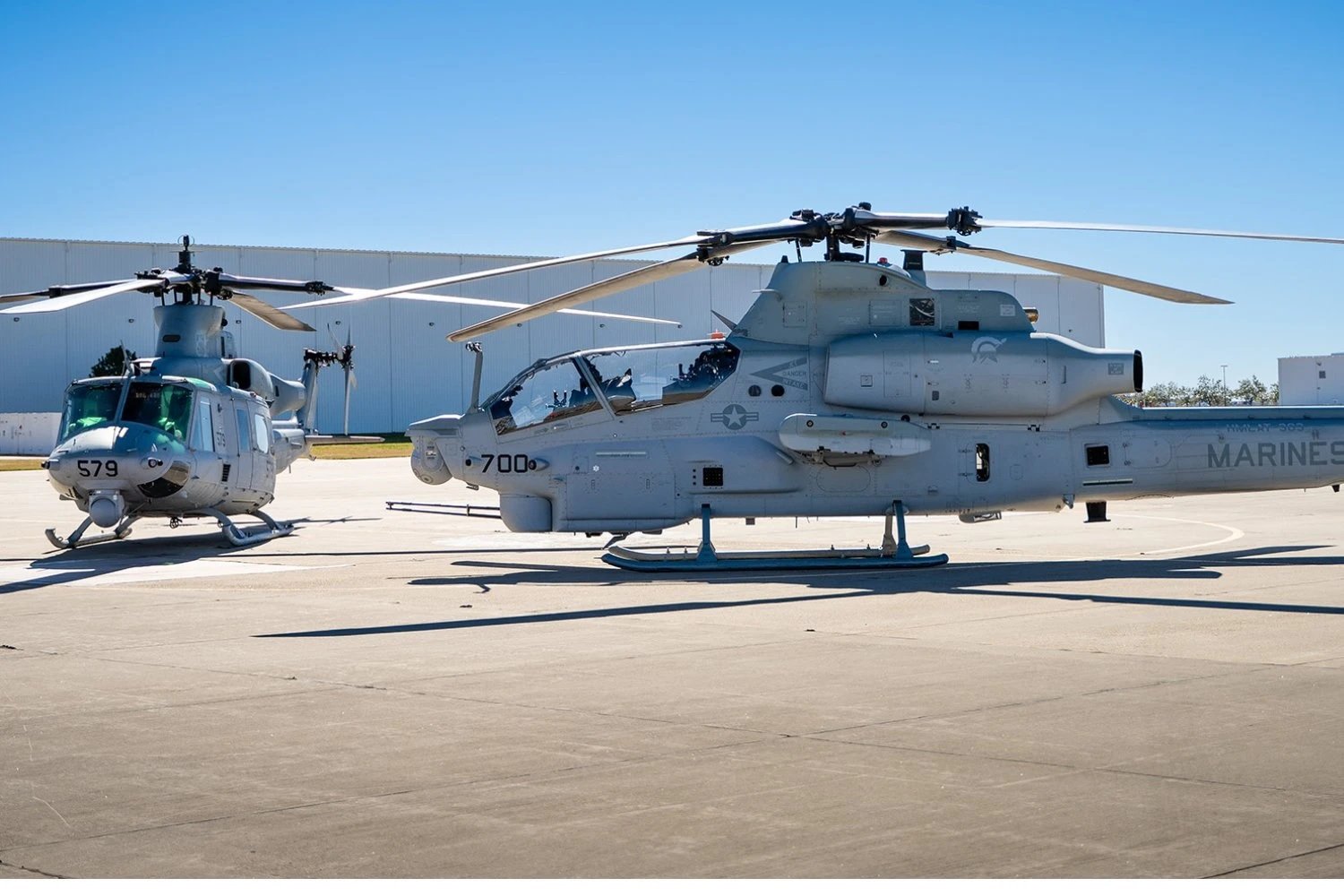 U.S. Awards Bell Textron $33.64 Million Contract for Next Phase of Marine Corps AH-1Z and UH-1Y Helicopter Upgrades
-
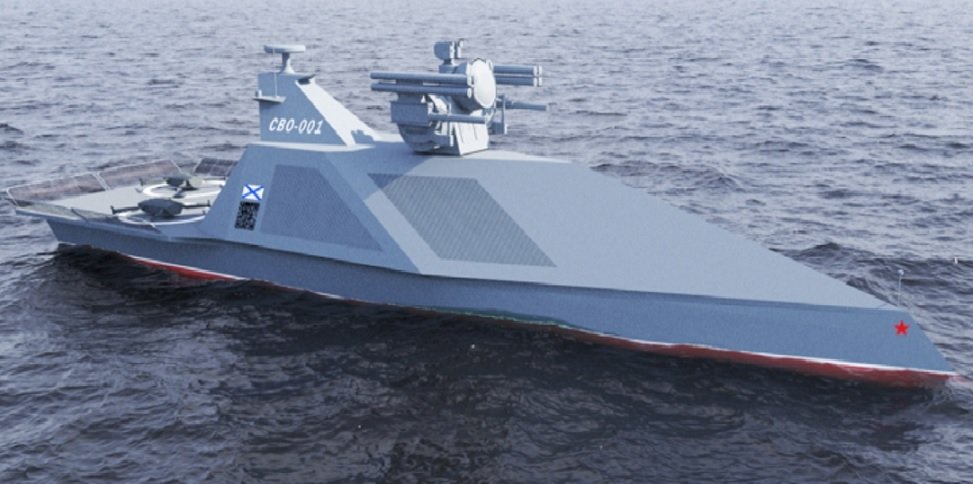 Russia Builds 500-Ton Unmanned Warship For Anti-Submarine Warfare, Plans New 9,500-Ton Warship, Navy Chief Says
-
 Unreleased Footage Reveals Why Lindsey Graham Dropped Plan to Push Trump on Hezbollah Strikes
-
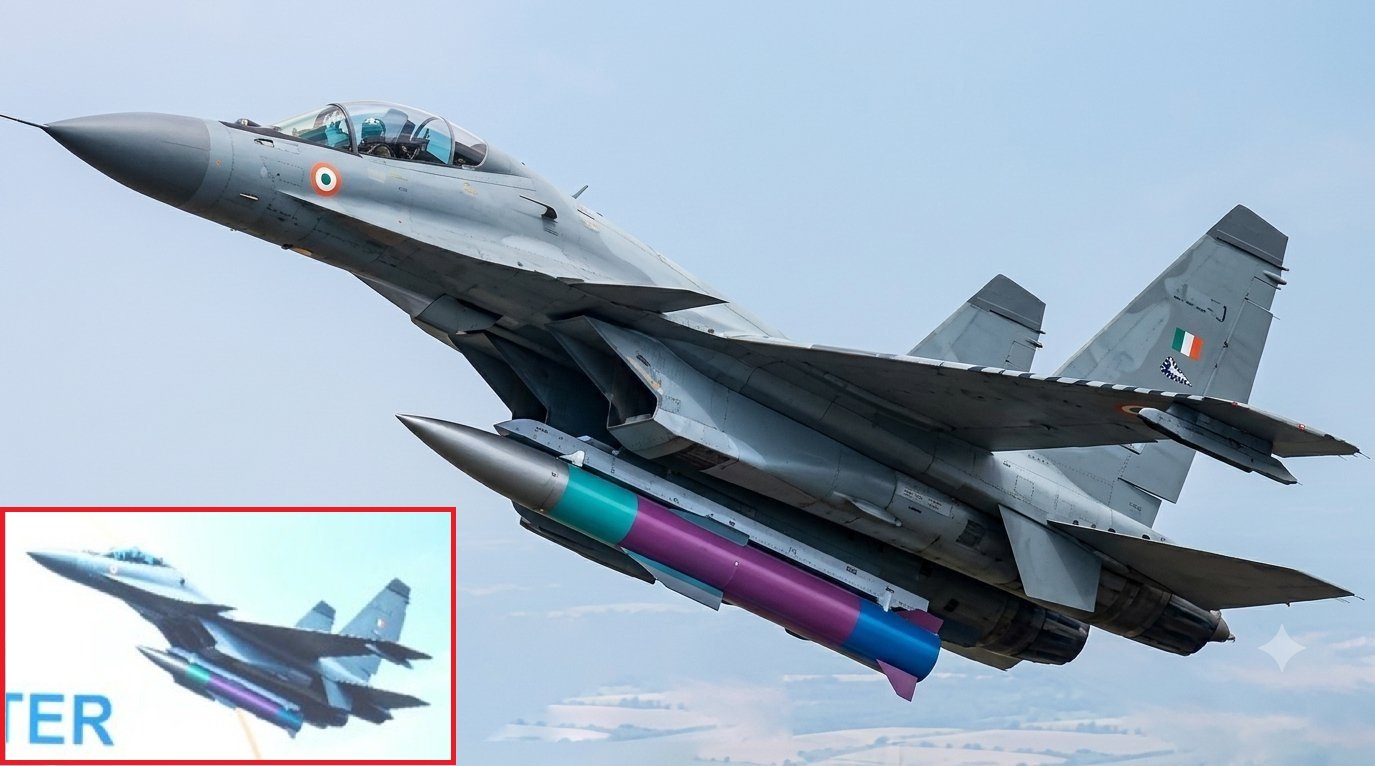 DRDO Developing Long-Range Air-Launched Ballistic Missile for Su-30MKI, Rudram-4 Seen as Likely Candidate
-
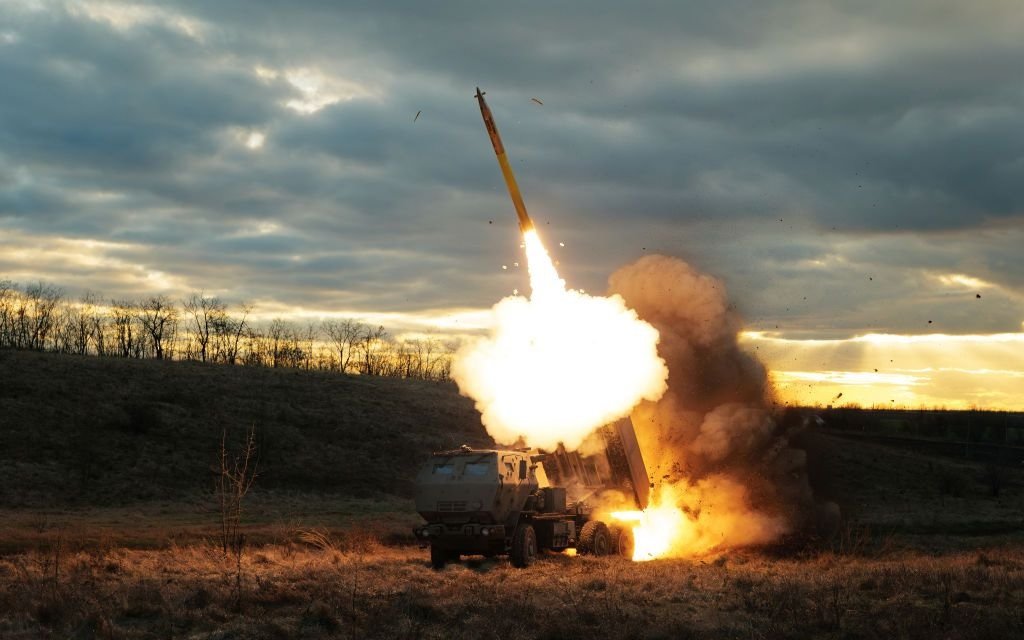 U.S. Military Selectively Intercepts Iranian Missiles to Preserve Shrinking Air Defense Stocks : Report
-
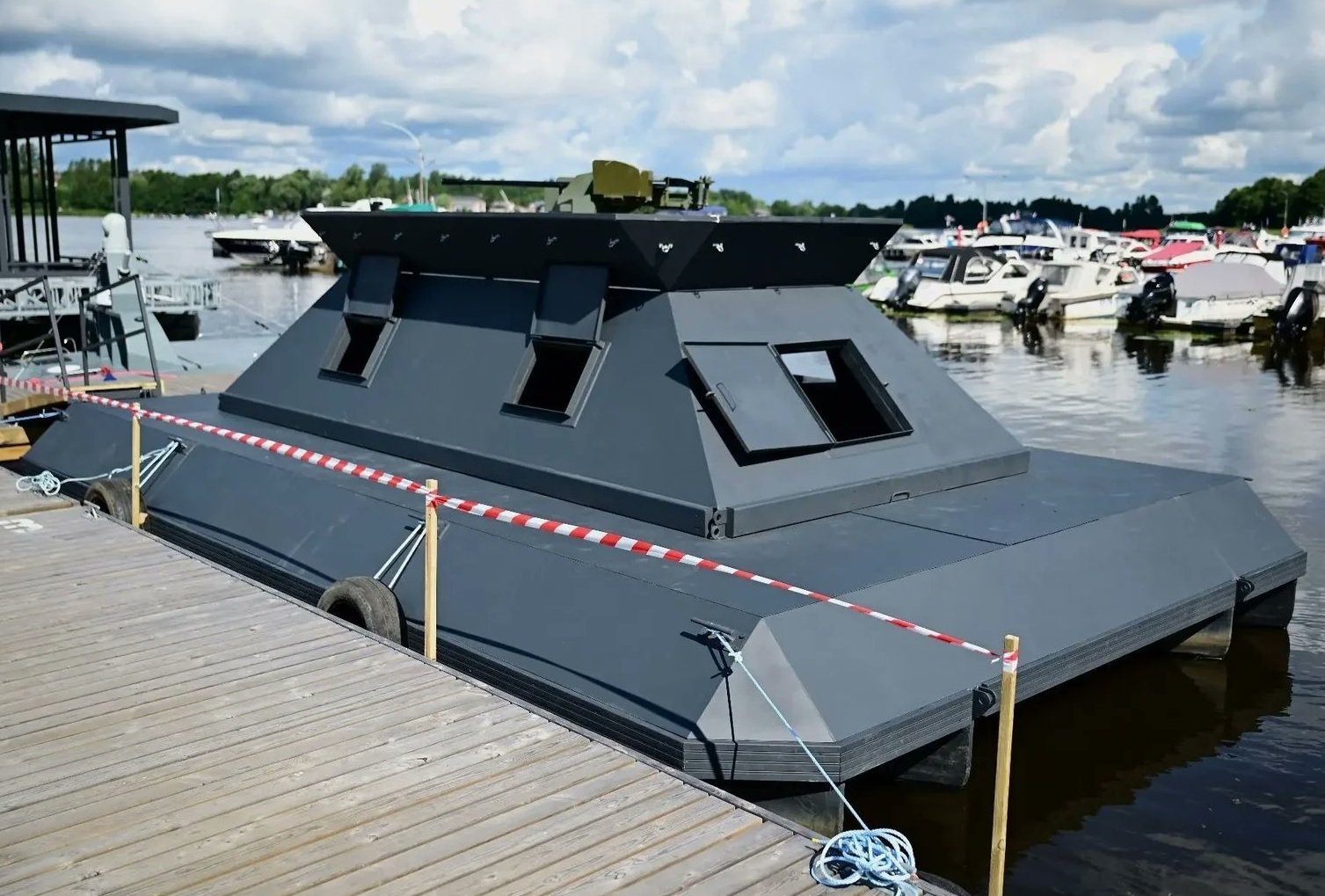 Russia Unveils Experimental Plot-40 Floating Defense Platform to Counter Drone and USV Threats
-
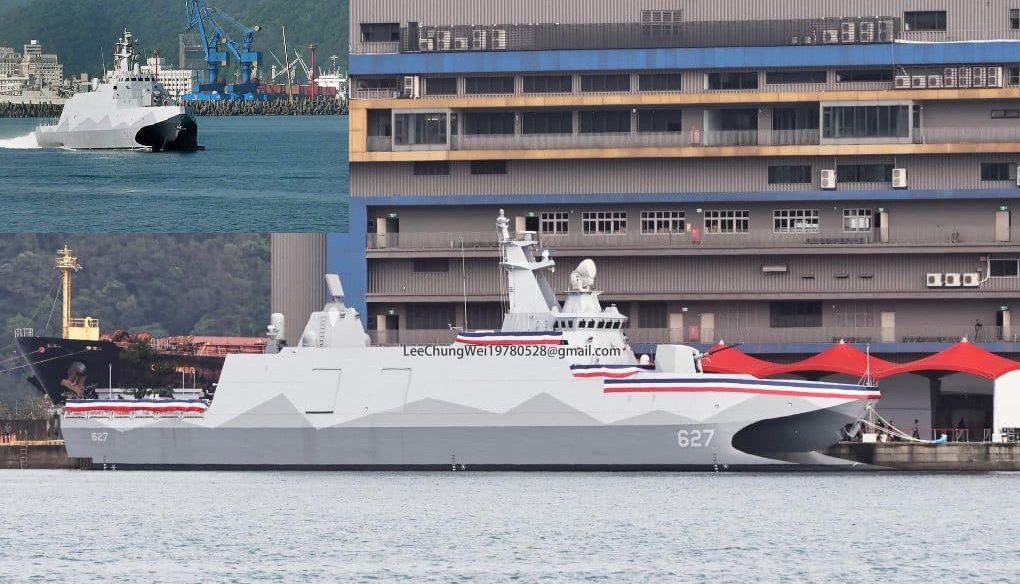 Taiwan Commissions First Batch 2 Tuo Chiang-Class Corvette with New Leonardo Radar
Top Trending in 4 Days
-
 U.S. Navy Awards Northrop Grumman $1.2 Billion Deal for Three New E-2D Advanced Hawkeyes
-
 U.S. Airstrikes Target IRGC Missile Base Near Taft as Overnight Strikes Hit Central Iran
-
 Kuwait and Bahrain Reportedly Launch First Joint Direct Airstrikes on Iran Since War Began : Report
-
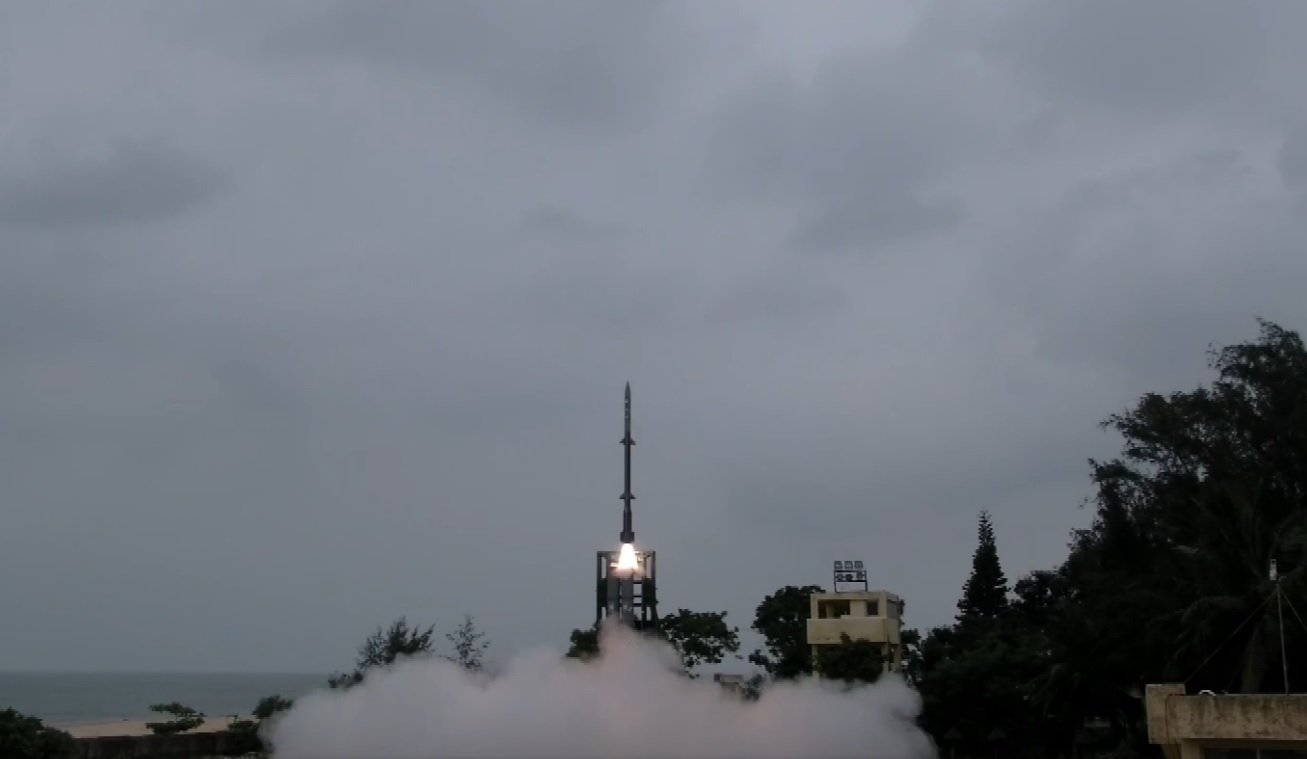 DRDO Successfully Conducts Maiden Flight Test of 150-km-Range Kusha M1 Air Defence Missile
-
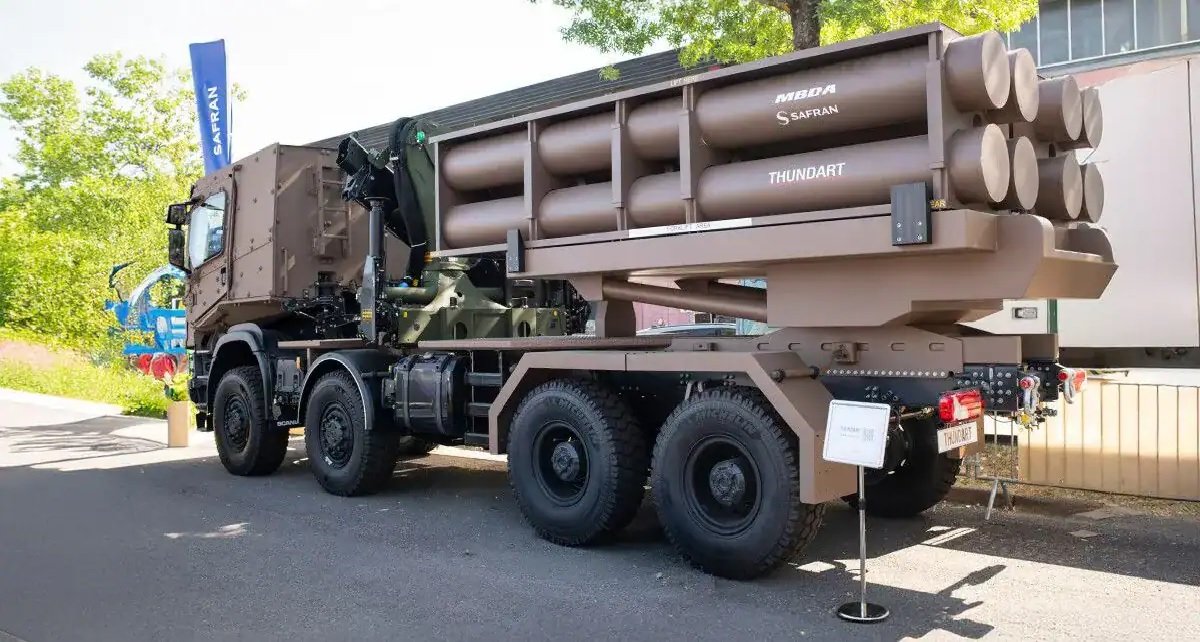 France's THUNDART Long-Range Rocket System May Undergo Prototype Combat Testing in Ukraine
-
 Russian Su-57 Stealth Fighter Crashes During Training Flight Near Moscow, Pilot Ejects Safely
-
 Australia Commits Additional AUD 4.6 Billion to Expand Osborne Shipyard for AUKUS Submarines
-
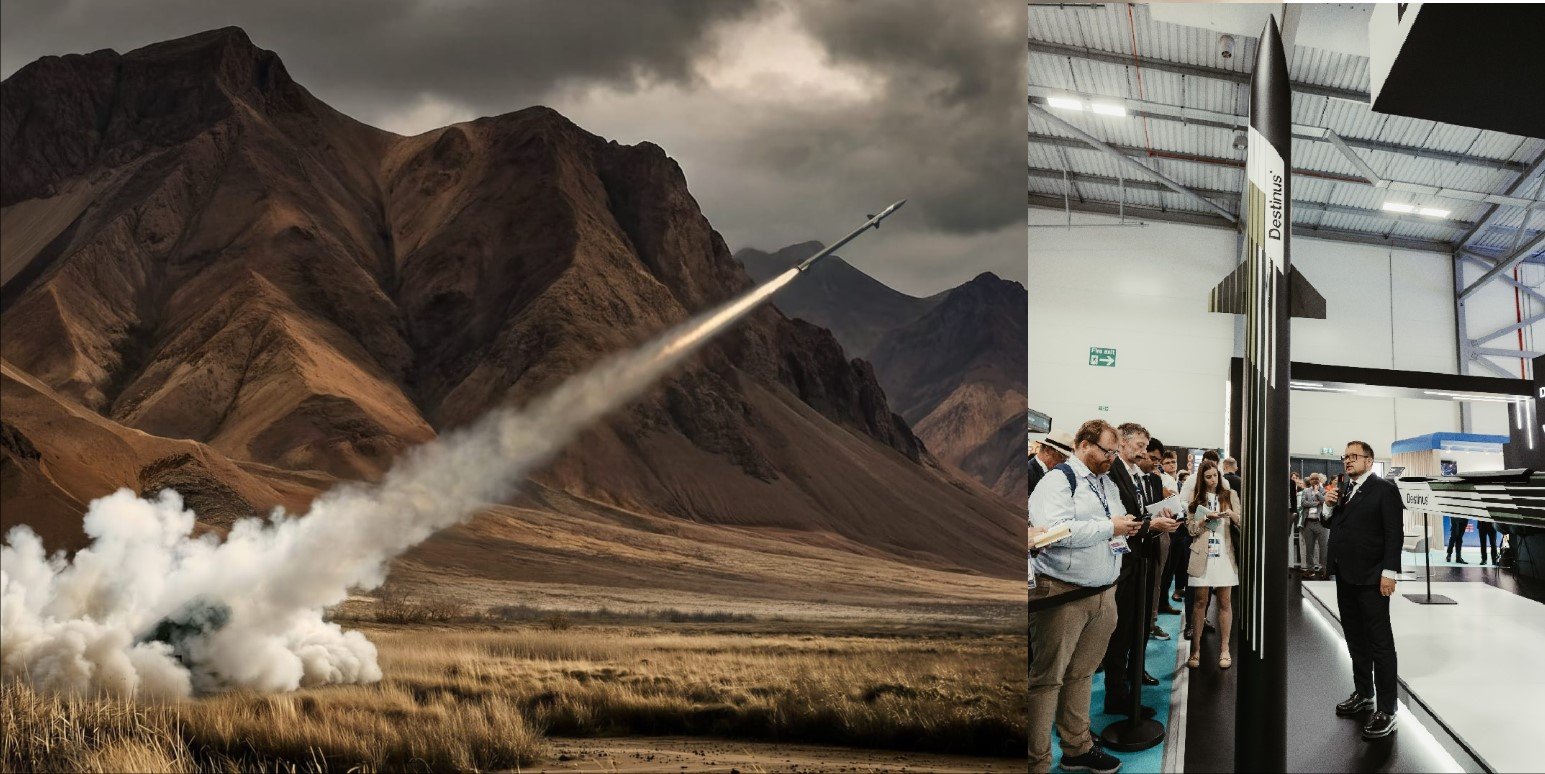 Destinus Unveils Vorexon Interceptor Concept to Defend Critical Sites from Artillery Threats
