
World
A U.S. Navy F‑35C Lightning II stealth fighter jet crashed on Wednesday evening, around 6:30 p.m., just north of Naval Air Station Lemoore in central California. The aircraft, assigned to the Strike Fighter Squadron VFA‑125 “Rough Raiders”, went down during a routine training mission . The pilot ejected safely and was quickly located in a nearby field; he was transported to a local hospital for evaluation and is expected to recover (. No other personnel were injured during the crash, and base officials confirmed no additional staff were affected . Local emergency responders—including deputies, CAL Fire, EMS and the California Highway Patrol—swiftly reached the site, where the wreckage had ignited a fire in a cotton field, eventually contained by around 8:30 p.m. Bulldozers were used to clear access paths for fire crews to reach and extinguish the blaze . Video footage from local affiliates shows thick black smoke and flames billowing from the crash site, underscoring the severity of the incident . The F-35C Lightning II is the carrier-based variant of the F-35 family and features advanced stealth, sensors, and avionics. It is cornerstoned for the U.S. Navy’s future strike capabilities . The jet belonged to VFA‑125 “Rough Raiders”, a Fleet Replacement Squadron under the Navy's Joint Strike Fighter Wing at NAS Lemoore, tasked with training crew before deployment into frontline carrier-based squadrons . This marks one of several high-profile mishaps involving F-35 variants this year: in January 2025, an F-35A crashed during a training mission in Alaska, with the pilot ejecting safely in that incident as well . The crash adds to mounting scrutiny over the aircraft's reliability and readiness: a January 2025 Pentagon report found that the F‑35 fleet still falls short of key performance benchmarks related to operational availability, reliability, and maintainability . Investigations into the cause are currently underway, led by Navy safety officials with support from defense contractor Lockheed Martin, the manufacturer of the F‑35 . Meanwhile, defense analysts and partner nations are closely watching these developments. Complaints have surfaced from other global operators, including the UK and Australia, raising questions about whether the F‑35 program’s complexity and cost justify its expanding deployment . Why It Matters The incident raises serious concerns about the readiness and reliability of America’s most advanced stealth fighter. Each F-35 costs over $100 million, making such crashes not just dangerous but also financially significant. Frequent mishaps risk undermining confidence among international partners invested in F‑35 squadrons. Data from recent accident histories suggests maintenance challenges, system glitches, and complex avionics remain ongoing hurdles Fortunately, this crash ended without loss of life, and the pilot’s survival speaks to both emergency planning and ejection system reliability. But as investigations continue, the events compound concerns over whether the F‑35 is living up to its promise—or instead burdening the U.S. military with increasing complexity, cost, and risk.
Read More → Posted on 2025-07-31 15:12:03
World
The US Army is testing a new autonomous robot vehicle called ULTRA (Uncrewed Long-range Transport Autonomy), designed to carry out resupply missions without needing a driver, remote control, or even GPS. ULTRA is being developed by a tech company called Overland AI. What makes it special is its ability to move through rough and unpredictable terrain completely on its own—even in areas where GPS is jammed, communication lines are weak, or visibility is poor. At the heart of this robot is Overland AI’s OverDrive software, which is paired with military-grade hardware. It uses a high-tech mix of stereo cameras, thermal imagers, lidar sensors, and GPS-denied navigation systems. These sensors help ULTRA “see” its environment, detect obstacles, and recalculate its path in real-time, no matter the conditions. The vehicle can carry a modular payload of up to 1,000 pounds (about 454 kg). Depending on the mission, it can deliver supplies, deploy sensors, evacuate wounded troops, or even transport explosives. With the choice between all-electric and hybrid drive systems, ULTRA offers flexibility and can operate for over eight hours depending on the terrain and cargo weight. For added safety and coordination in the field, ULTRA is built with cybersecurity features, tactical mesh networking, and secure processors, allowing it to connect smoothly with military command systems. Recently, ULTRA was tested by soldiers from the 1st Squadron, 91st Cavalry Regiment during Exercise Agile Spirit 25 in Krtsanisi, Georgia. The trials were held in the rugged, forested Vaziani Training Area, where ULTRA carried out multiple autonomous resupply tasks—including cargo delivery, off-road driving, and joining convoys—without using GPS. During the test, troops observed how ULTRA navigated muddy roads, avoided obstacles, and adjusted its path without any help. Soldiers said the robot could significantly reduce exposure to threats such as ambushes or roadside bombs, making it a safer option for future logistics missions. Encouraged by the results, the US Army plans to conduct more trials in late 2025 and early 2026, pushing ULTRA closer to becoming a regular part of battlefield support in GPS-denied environments.
Read More → Posted on 2025-07-31 14:56:53
India
Former President Donald Trump’s aggressive return to protectionist trade policy — now referred to as Tariff War 2.0 — is producing consequences that mirror and even deepen the economic disruptions of his first term. Far from shielding American workers and industry, the renewed wave of tariffs, including a 25% tariff on Indian imports effective August 1, 2025, is triggering price shocks, supply chain distortions, and retaliatory trade barriers — all of which are harming American consumers, farmers, manufacturers, and small businesses. Trump’s 2025 Tariff Wave: Who’s on the List? In the first half of 2025, Trump’s administration revived many of the previous tariff structures and added new targets. The following table summarizes the tariffs imposed in 2025, with estimates valid as of July 31: Country/Region Tariff Rate (2025) Targeted Sectors China 25–50% Electronics, machinery, solar panels, EVs India 25% (from Aug 1) Pharmaceuticals, textiles, automotive parts European Union 15–30% Steel, luxury goods, wine, automotive Mexico 10–20% Auto parts, agricultural products Canada 10% Aluminum, timber, dairy Vietnam 15% Apparel, consumer electronics South Korea 10% Semiconductor components, display panels Japan 20% Autos, consumer electronics The 2025 tariffs are significantly more aggressive in scope compared to those in 2018–2020, now even targeting pharmaceuticals and digital goods. Historical Echo: The 2018–2020 Tariff Wars To understand the implications of Trump’s 2025 tariff war, it is critical to revisit the 2018 U.S.–China trade conflict: In 2018, Trump imposed 25% tariffs on $250 billion worth of Chinese goods. China retaliated with tariffs on $110 billion in U.S. exports, targeting soybeans, automobiles, and aircraft. The American Farm Bureau estimated that U.S. farmers lost $11 billion in 2019 alone, prompting a multi-billion-dollar federal bailout. The price of washing machines rose by 12% after tariffs were levied in early 2018 — a stark example of how costs were passed on to American consumers. Analysis by Moody’s Analytics concluded that the trade war cost the U.S. economy around 300,000 jobs by late 2019. A Tariff Is a Tax — And Americans Are Paying Despite political rhetoric branding tariffs as penalties on foreign nations, economists overwhelmingly agree that tariffs function as indirect taxes on domestic consumers and businesses. When Trump imposes a 25% tariff on Indian pharmaceuticals or Chinese electronics, importers pay that surcharge and pass it down the chain — eventually landing in the final retail price paid by American families. Recent data from the U.S. Bureau of Labor Statistics (BLS) shows: Drug prices are expected to surge by 15–20% due to the India-specific tariffs. Smartphones, laptops, and TVs have already seen 8–10% price hikes due to tariffs on Chinese and Korean components. Car repairs and auto part replacements have gone up by 12%, with domestic garages importing a significant portion of parts from India, Mexico, and Japan. Reverse Effect 1: Inflationary Pressure Returns The Federal Reserve had been gradually cooling inflation after the COVID-era price surge. However, Trump’s 2025 tariffs have reversed that trend: U.S. inflation rose from 2.3% to 3.5% within five months of the tariff rollout (Feb–July 2025). Fed Chair Jerome Powell, in a recent statement, said, “Trade restrictions are creating fresh inflationary pressure at a time when our economy needs price stability to sustain growth.” This directly undermines the purchasing power of everyday Americans, especially working-class families who spend a larger share of income on necessities now affected by tariffs — from food and medicine to clothing and electronics. Reverse Effect 2: Small Businesses Under Siege While Trump’s administration claims the tariffs support "Made in America," the reality is that most small and medium businesses rely on foreign parts or finished goods. These firms lack the scale or capital to absorb or adapt to tariff shocks. Take for example: Auto workshops in Texas and Ohio, which rely on Indian and Chinese auto parts, are now operating at 15–20% lower margins due to costlier imports. Electronics retailers in California are reporting reduced sales volume as consumers delay or cancel purchases due to rising prices. Online sellers who used to import finished apparel from Vietnam or India are either hiking prices or shutting down due to uncompetitive pricing. Unlike large multinationals that can move supply chains or absorb cost increases, U.S. small businesses are hit directly and immediately, risking closures, layoffs, and even bankruptcies. Here's the revised version of your Reverse Effect 3 section with accurate language reflecting that India has not yet retaliated, but is expected to do so, and preserving the original flow: Reverse Effect 3: Retaliation Hurts American Exports Tariffs do not happen in isolation. Following Trump’s August 1 announcement of a 25% tariff on Indian goods, India is expected to respond with its own 25% counter-tariffs, in line with past trade retaliation behavior. Likely targets for Indian retaliation include: American almonds, apples, and pistachios (impacting growers in California and Washington). Harley-Davidson motorcycles, which have long faced market access issues in India. U.S.-made medical devices, such as diagnostic tools and surgical implants — a sensitive sector already under bilateral regulatory friction. This anticipated retaliation follows a familiar pattern from the 2018–2020 trade war, when: China targeted U.S. soybeans, beef, and natural gas; The EU imposed counter-tariffs on motorcycles, bourbon, and jeans. The result back then: U.S. exporters lost global market share to competitors from Brazil, Australia, and the EU — and many never recovered, even after the tariffs were lifted. In 2025, California almond farmers are already warning that if India imposes tariffs again, it could slash exports by up to 40%, leading to millions in lost revenue and job losses in one of the state's most valuable agricultural sectors. Reverse Effect 4: Manufacturing Isn’t Coming Back — At Least Not Yet One of Trump’s central arguments for tariffs is to "bring back American manufacturing." But a decade of automation and globalized production networks means that tariffs are unlikely to restore jobs in steel, electronics, or textiles. In fact, new data from the National Association of Manufacturers (NAM) shows: Only 4% of U.S. manufacturers expanded domestic production in response to tariffs. 58% reported reduced global competitiveness, due to higher input costs. Many are outsourcing more to avoid countries targeted by Trump’s tariffs, rather than producing locally. Even companies that tried to reshore, like some solar panel firms or EV component manufacturers, are facing higher labor costs, regulatory hurdles, and delays in factory setup, leading to higher consumer prices without significant job growth. Reverse Effect 5: Geopolitical Isolation Trump’s tariff-centric foreign policy is damaging U.S. credibility with key strategic partners. Allies like India, South Korea, Japan, and even the EU are now diversifying their supply chains away from the U.S., preferring trade agreements with more stable partners such as the European Union, China, and ASEAN nations. The Quad partnership (U.S.-India-Japan-Australia), meant to counter China’s economic influence, is now strained due to these tariff measures. India’s External Affairs Ministry described the new U.S. tariff as “unilateral, harmful to trust, and a threat to global supply chain integrity.” A Political Gamble with Economic Risks The 2025 tariff war, though politically popular among certain segments of the American electorate, is shaping up to be economically regressive. It is: Raising the cost of living Harming small businesses Triggering foreign retaliation Weakening key geopolitical alliances Most crucially, it is failing to achieve its core objective: rebuilding American industry in a globally interdependent economy. As history shows — and 2025 reaffirms — trade wars may start with the illusion of strength, but they often end with the reality of economic self-harm.
Read More → Posted on 2025-07-31 14:46:03
World
Pakistan has reportedly begun receiving Z-10ME attack helicopters from China, marking a significant step in Islamabad’s efforts to modernize its aging tactical helicopter fleet. While no official announcements have been made by either government, verified images and videos have surfaced online showing the Chinese-built helicopters painted with Pakistan Army insignia, confirming the delivery. The new helicopters are expected to replace the decades-old American-made AH-1F Cobras, which have been in service with Pakistan since the 1980s. In an earlier attempt to modernize the fleet, Pakistan secured a deal with the United States in 2015 to acquire AH-1Z Viper helicopters. However, rising diplomatic tensions between Islamabad and Washington caused the deal to stall, creating an opportunity for China to step in with its own offer. That’s when China's Z-10ME, the export version of its homegrown Z-10 attack helicopter, became a viable alternative for Pakistan. Although rumors and reports about the procurement had been circulating for years, the recent visual evidence suggests that the deal has finally moved past the trial and production phase into active delivery. The Z-10ME, developed by China’s Changhe Aircraft Industries Corporation, is a medium-weight attack helicopter designed for anti-tank missions and limited air-to-air combat. The aircraft is powered by two WZ-9C turboshaft engines, each delivering around 1,600 horsepower. It has a length of 14 meters, a rotor diameter of 13 meters, and can fly at speeds of up to 160 knots (296 km/h). The helicopter is capable of operating at altitudes as high as 6,400 meters (20,997 feet) and offers a range of 430 nautical miles (796 km). It is armed with a revolving cannon, guided and unguided rockets, multi-role missiles, and even loitering munitions, making it a versatile weapon in both offensive and defensive operations. Currently, the People’s Liberation Army (PLA) operates around 200 Z-10 helicopters, highlighting China’s confidence in the system. The export of this system to Pakistan also represents growing defense ties between Beijing and Islamabad, especially at a time when Western military cooperation with Pakistan appears to be cooling. While the full number of units Pakistan is acquiring remains undisclosed, the induction of the Z-10ME could significantly enhance its battlefield capabilities, especially in mountainous and rugged terrains, where rotary-wing assets are crucial for tactical advantage.
Read More → Posted on 2025-07-31 14:35:43
India
United States has imposed sanctions on six Indian companies for allegedly violating its sanctions on Iranian oil and petrochemical trade. The decision, announced by the U.S. Department of State on July 30, 2025, is part of a broader international effort targeting 20 entities across several countries. The sanctioned Indian firms include Alchemical Solutions Private Limited, Global Industrial Chemicals Limited, Jupiter Dye Chem Private Limited, Ramniklal S Gosalia and Company, Persistent Petrochem Private Limited, and Kanchan Polymers. All six are accused of engaging in significant commercial transactions involving Iranian petroleum products, which are restricted under U.S. sanctions policy aimed at curbing Iran’s revenue streams. According to official U.S. data: Alchemical Solutions allegedly imported over $84 million worth of Iranian petrochemicals between January and December 2024. Global Industrial Chemicals is said to have purchased Iranian methanol and other products worth $51 million from July 2024 to January 2025. Jupiter Dye Chem reportedly imported toluene and other materials valued at $49 million. Ramniklal S Gosalia and Company allegedly acquired $22 million in petrochemicals, including methanol and toluene. Persistent Petrochem is accused of importing $14 million worth of methanol in just three months. Kanchan Polymers reportedly purchased around $1.3 million worth of Iranian polyethylene. As a result of the sanctions, all U.S.-linked assets of these companies will be frozen, and American businesses or individuals are barred from any dealings with them. Additionally, these restrictions extend to any subsidiaries or affiliates owned 50% or more by the sanctioned companies. The sanctions also cover vessels and intermediaries used in facilitating these trades. This move is part of the U.S.'s "maximum pressure" campaign to isolate Iran economically and disrupt funding to what it calls “destabilizing activities” in the Middle East, including support for terrorist organizations. The U.S. government believes Iran channels oil revenues to finance such operations, and has simultaneously taken action against entities in China, Turkey, the UAE, and Indonesia. While India historically imported oil from Iran, those imports have drastically reduced since 2019, following an earlier wave of U.S. sanctions. This latest development complicates the diplomatic relationship between Washington and New Delhi, especially as both nations navigate complex trade, defense, and strategic ties. The sanctioned Indian companies have the option to appeal to the U.S. Treasury’s Office of Foreign Assets Control (OFAC) to be removed from the Specially Designated Nationals (SDN) list. U.S. officials emphasize that the sanctions are not intended as punishment but as a means to change behavior and deter future violations. This latest enforcement action underscores the difficult position for Indian businesses caught between international energy needs and U.S. sanctions laws, and reflects Washington’s determination to clamp down on any global trade that helps Iran bypass its economic restrictions.
Read More → Posted on 2025-07-31 14:16:10
India
India’s aerospace ambitions have taken a major leap forward with Hindustan Aeronautics Limited (HAL) announcing successful progress in the development of the Hindustan Turboshaft Engine (HTSE-1200). Two prototype versions of the engine—Jet Mode and Power Mode—have been built and are currently undergoing extensive testing as part of the country’s push for self-reliance in helicopter engine technology. The HTSE-1200 is being developed to power 3 to 6.5-ton class helicopters, such as the Light Utility Helicopter (LUH), Light Combat Helicopter (LCH), and the upcoming Indian Multi-Role Helicopter (IMRH). Designed for operations up to 7,000 meters altitude, the engine is intended to eventually replace imported powerplants like the Safran Ardiden 1H1 "Shakti". Prototype Testing Underway According to HAL, the Jet Mode prototype has successfully completed a number of key component evaluations. Several critical parts—including the radial straightener, diffuser, and rear bearing support—have been 3D-printed using advanced additive manufacturing technologies and tested under operational conditions. This marks a significant milestone in the use of indigenous materials and manufacturing processes for aerospace-grade engine components. The Power Mode prototype, designed to simulate full engine operation including power transmission to the helicopter, has already achieved 600 kW of output power, a significant step toward its final goal of 1200 kW. Further trials are underway to validate its endurance, safety, and performance under varying loads and temperatures. Engine Specifications The HTSE-1200 has been designed with cutting-edge technologies and features to meet modern helicopter requirements: Mass flow rate: 4.25 kg/s Pressure ratio: 11.2 Turbine entry temperature: 1493 K Shaft power output: 1200 kW Specific fuel consumption (SFC): 0.293 kg/kW-hr Max altitude: 7000 meters Operating altitude: up to 6100 meters Dimension (LxWxH): 1300 x 550 x 700 mm Shaft rotation speed: 6000 RPM Ambient temperature range: -50°C to +55°C Critical Technologies and Indigenous Capabilities The HTSE-1200 program has led to the development of several high-tech components within India: Gearbox casings developed by HAL’s Foundry & Forge Division High-pressure ratio compressor designed indigenously Effusion-cooled combustor and single crystal turbine blades EB-PVD thermal barrier coatings provided by ARCI, Hyderabad Full Authority Digital Engine Control (FADEC) system Laser shock peening for structural component durability These components ensure that the engine not only meets international performance benchmarks but also adheres to stringent safety and reliability standards. Strategic Significance The successful development of the HTSE-1200 is expected to have a transformational impact on India's helicopter programs, drastically reducing dependency on foreign manufacturers. Once fully certified, the engine will be integrated into a range of platforms serving both military and civil roles. It also opens the door for potential exports, bolstering India's standing as a reliable global defense supplier. In addition, the engine’s modular design and adaptability will allow it to be configured for different helicopter classes, offering greater flexibility across mission profiles including transport, reconnaissance, utility, and combat. With both prototypes now operational, HAL is focusing on completing full-power endurance testing and integration trials with actual helicopter platforms. Certification processes will follow, paving the way for production and deployment. As India steadily marches toward technological self-sufficiency in aerospace propulsion, the HTSE-1200 project stands as a shining example of innovation, engineering excellence, and national ambition.
Read More → Posted on 2025-07-30 16:27:29
Space & Technology
In a decisive move toward energy security and industrial decarbonization, India is developing three indigenous Small Modular Reactor (SMR) designs that promise to revolutionize the country’s nuclear power landscape. The initiative is a key component of India’s clean energy transition strategy and is aimed at supporting energy-intensive industries, remote regions, and green hydrogen production. The reactors are being developed by the Department of Atomic Energy (DAE) in collaboration with the Nuclear Power Corporation of India Limited (NPCIL). They are designed to offer modular construction, enhanced safety, and flexible deployment, with all three having received in-principle approvals for construction. Bharat SMR-200: Powering Industry and Repurposing Coal Sites Leading the effort is the Bharat Small Modular Reactor (BSMR-200), a 200 megawatt (MW) reactor based on India’s proven Pressurized Heavy Water Reactor (PHWR) technology. Unlike traditional PHWRs, the BSMR-200 is a compact version that will run on slightly enriched uranium fuel, enhancing fuel efficiency and reactor performance. The first BSMR-200 unit is expected to be installed at a DAE site, with future deployments planned at industrial sites or decommissioned thermal power plants. Its primary applications include captive power supply to energy-intensive sectors like steel, aluminum, and cement, and electricity generation in remote regions. Equipped with passive safety systems and engineered containment mechanisms, the reactor is designed to maintain stability even during extreme conditions. The estimated cost for the lead unit is around ₹5,750 crore (USD 665 million), with a construction timeline of 60 to 72 months post-approval. 55 MW SMR: Reaching Remote Corners India is also developing a 55 MW SMR variant, derived from the BSMR-200 design. This smaller unit is tailored for deployment in remote or isolated regions that lack access to a reliable power grid. The first two reactors in this category are also planned for DAE sites, with commissioning targeted around 2033. The design retains the safety and efficiency principles of the larger BSMR while being optimized for smaller-scale, decentralized energy solutions. 5 MWth HTGR: Fueling the Hydrogen Economy Complementing India’s SMR portfolio is a 5 MWth High-Temperature Gas-Cooled Reactor (HTGR), designed specifically for hydrogen production. This reactor will supply the high temperatures required for thermochemical hydrogen production cycles, including the Copper-Chloride (Cu-Cl) and Iodine-Sulphur (I-S) methods—both developed by the Bhabha Atomic Research Centre (BARC). The HTGR is a strategic asset in India’s pursuit of a green hydrogen economy. The hydrogen produced will serve sectors like transportation, refining, and fertiliser manufacturing, enabling significant reductions in carbon emissions. Notably, the technology for the HTGR and the associated hydrogen production processes is largely indigenous, with Indian industry already capable of manufacturing most components under DAE guidance. SMRs vs. Traditional Reactors: What Sets Them Apart? Unlike large conventional nuclear reactors, India’s SMRs are compact, modular, and factory-fabricated, allowing for easier transportation, faster assembly, and lower upfront investment. Their passive safety features significantly reduce the risk of accidents, making them ideal for deployment in populated or remote areas. Moreover, their flexibility in application—from providing industrial power and supporting remote villages to producing clean hydrogen—positions SMRs as the future of low-carbon energy infrastructure. Another major advantage lies in their ability to repurpose brownfield sites, especially retiring coal-fired power plants, thus ensuring a just energy transition and minimal land-use disruption. Aligning with India’s Clean Energy Goals These SMR projects are part of India’s broader ambition to triple its nuclear power capacity from the current 8,880 MW to over 22,480 MW in the coming years. The use of modular reactors is expected to play a crucial role in meeting the country’s net-zero targets, reducing dependency on imported fossil fuels, and supporting round-the-clock clean energy supply. By harnessing homegrown technology and manufacturing, India’s SMR development not only enhances energy self-reliance but also strengthens its position in the global nuclear landscape. With the first demonstration units expected to be operational within the next six years, India is positioning itself as a leader in indigenous SMR development. The strategy blends technological innovation, industrial utility, and climate-conscious design, marking a significant leap forward in sustainable nuclear energy. As global interest in SMRs continues to grow, India’s approach—focusing on scalable, safe, and multipurpose reactors—could well serve as a model for other developing nations pursuing clean energy pathways.
Read More → Posted on 2025-07-30 16:22:51
India
In a major boost to India's air-launched strike capabilities, the Defence Research and Development Organisation (DRDO) has successfully conducted release trials of the indigenously developed RudraM-III air-to-surface missile from a modified Su-30 MKI fighter jet. The trial marks a key milestone in the development of one of India’s most advanced air-launched weapons aimed at Suppression of Enemy Air Defences (SEAD) and deep-strike missions. The release trial, reported by Alpha Defense and confirmed by multiple defence sources, involved two RudraM-III missiles being mounted and released from the Su-30 MKI in flight. The test validated the missile’s integration with the platform and assessed structural dynamics, carriage compatibility, and safe separation under operational flight conditions. A Hypersonic Strike Asset The RudraM-III is the most powerful in the RudraM series of air-launched missiles developed by DRDO. Unlike its predecessors — RudraM-I and RudraM-II — the RudraM-III boasts hypersonic speeds (Mach 5+), a strike range of up to 600 km, and is designed for deep penetration against high-value strategic enemy targets including radar stations, air defense networks, bunkers, and airfields. The missile is equipped with: A dual-pulsed solid rocket motor for extended propulsion, A 200 kg warhead capable of penetration and blast effects, An advanced guidance system combining Inertial Navigation System (INS) and GPS for mid-course correction, And a passive homing head or optional Imaging Infrared (IIR) seeker for terminal precision. Its aerodynamic design includes 16 fins (8 mid-body and 8 at the tail), enabling control and stability even at hypersonic speeds and high altitudes. Modified Su-30 MKI as Launch Platform The test aircraft, a Su-30 MKI with tail number SB-214, was specially modified for the RudraM-III integration trials. Structural reinforcements, software upgrades, and interface systems were incorporated to mount and deploy the missile from underwing pylons (weapon stations 5 and 6). The interface meets MIL-STD-1553B standards for seamless communication between the missile and the aircraft's mission computer. The successful carriage and release pave the way for further developmental trials, including guided live-fire testing, before the missile is cleared for operational service. Strategic Edge for Indian Air Force With its extended range and hypersonic strike capability, RudraM-III is expected to become a game-changer for the Indian Air Force (IAF), particularly for Suppression and Destruction of Enemy Air Defences (SEAD/DEAD) missions. The stand-off missile will allow IAF jets to strike enemy radars and installations from safe distances, neutralizing threats without entering contested airspace. A heavy strike configuration of the Su-30 MKI, carrying up to four RudraM-III missiles, is also under evaluation, significantly increasing the offensive punch of India's frontline fighter fleet. Following the successful release trials, DRDO will move to the next phase of testing, which includes full-range live firing and performance validation. Once inducted, the RudraM-III will be a key element in India’s air dominance strategy and a major addition to its indigenous missile arsenal. The development and testing are being spearheaded by DRDO’s Research Centre Imarat (RCI), Hyderabad, in coordination with the IAF and Hindustan Aeronautics Limited (HAL) for platform integration. With the RudraM-III entering its final testing stages, India is poised to enhance its precision strike capabilities, asserting its commitment to self-reliance in advanced defence technologies under the Atmanirbhar Bharat mission.
Read More → Posted on 2025-07-30 16:15:08
World
In a major move to strengthen its defense capabilities, Taiwan has announced plans to purchase over 100,000 military drones, making it the country's largest-ever drone procurement initiative. The effort includes a new order for more than 50,000 unmanned aerial systems (UAS), which will be added to an earlier confirmed purchase of 48,750 drones by the Ministry of National Defense. Together, these acquisitions are expected to fully engage Taiwan's domestic drone production capacity for at least the next five years. This announcement was made during an industry briefing on July 29, organized by the Executive Yuan’s Aerospace Program Office and the Armaments Bureau. Officials highlighted that the increased demand is part of a broader strategy to enhance national resilience and expand Taiwan’s distributed drone fleet, especially for protecting critical infrastructure and supporting homeland defense. The new batch of 50,000 drones will serve both civilian and military roles, such as monitoring energy and transportation facilities, and expanding the multi-layered unmanned defense systems across the island. Earlier this year, the Ministry of National Defense confirmed its plan to acquire drones across five key categories, including micro surveillance drones, attack drones, and medium-range reconnaissance platforms. The total military budget alone is expected to exceed NT$50 billion. Local manufacturers are already stepping up. Drone maker Thunder Tiger Technologies announced its intent to compete for all five categories of defense drones, as well as the new 50,000-unit order under the Executive Yuan’s plan. Another major player, Century Minsheng, is also scaling up production, with ambitions to enter global defense markets, including Europe and the U.S. The drone briefing, held at the 202nd Plant in Nangang, drew over 400 participants, including drone makers, electronics firms, material suppliers, and communications companies. Due to high interest, each company was limited to two representatives. Officials clarified that the procurement process will follow a “multi-award” model, allowing contracts to be shared among several vendors. This will not only speed up production and delivery, but also help reduce risks tied to supply chain disruption. While many drone specs remain classified, insiders suggest the new fleet will include autonomous flight systems, secure communications, and swarming capabilities—all adapted for Taiwan’s mountainous terrain and urban environments. Analysts view this massive procurement effort as a turning point for Taiwan’s defense industry, positioning it as a key player in the global drone market amid rising geopolitical tensions and a worldwide push for defense modernization.
Read More → Posted on 2025-07-30 16:04:40
India
AXISCADES Technologies Limited (AXISCADES), a leading chip-to-product company in Defence, Electronics, Semiconductor, and Artificial Intelligence (ESAI) applications, has secured defence orders valued at approximately ₹600 crore. These strategic wins span across airborne, naval, and radar-based platforms, further solidifying the company’s role in advancing India’s mission-critical defence modernization initiatives. Awarded by top Indian defence research and production entities, including DRDO and Defence Public Sector Undertakings (DPSUs), these contracts highlight AXISCADES’s growing capability in delivering high-performance, indigenous technologies. Major Program Highlights: VIRUPAKSHA (AESA) Radar – Su-30 MKI UpgradeAXISCADES will develop and supply key radar components, including the Exciter Unit, Receiver Unit, and Antenna Beam Control Motherboard. These systems will replace existing Russian radars, enhancing the Su-30’s combat and surveillance effectiveness. S-Band TR Modules for Surveillance RadarsThe company will supply cutting-edge Transmit-Receive modules to improve detection, signal integrity, and tracking performance in long-range radar systems. LRBMR – KUSHA: Long-Range Battle Management RadarContribution includes indigenous Digital Beam Forming (DBF) units for an S-band radar system capable of detecting targets over 500 km away, enabling advanced battlefield monitoring and response. Electric Heavy Weight Torpedo (EHWT)Delivery of the Homing Receiver unit, which forms the core of next-generation submarine-launched anti-submarine warfare (ASW) systems. Submarine Sonar Systems (Production Orders)Production-scale delivery of sonar sub-systems, underlining AXISCADES’s expanding footprint in undersea warfare technology. These programmes will be executed over a 3–5 year period, encompassing development, prototyping, and serial production. The ₹600 crore order book is expected to deliver stable and recurring revenue while reinforcing AXISCADES's strategic position in India’s self-reliant defence ecosystem. “Our participation in these cutting-edge programmes underlines our technological strengths in radar, sonar, and signal processing,” said C. Manikandan, Chief Technology Officer at AXISCADES. “We are proud to be a trusted partner in shaping the future of India's defence capabilities.” AXISCADES continues to align its innovation-driven efforts with India’s Atmanirbhar Bharat vision, playing a key role in strengthening indigenous defence manufacturing.
Read More → Posted on 2025-07-30 15:57:42
World
The U.S. Air Force, working with Northrop Grumman, has successfully completed a full-scale qualification test of the stage-two solid rocket motor for the LGM-35A Sentinel intercontinental ballistic missile (ICBM). The test was carried out on July 20 by the 717th Test Squadron at the Arnold Engineering Development Complex in Tennessee. It marks a critical step in the U.S. military’s efforts to modernize its land-based nuclear missile force. To simulate high-altitude launch conditions, the test was conducted inside a vacuum chamber. This allowed engineers to gather detailed information on how the motor performs — including thrust output, burn rate, and how well it can be steered using its thrust vector control system. This second-stage motor is one of three booster stages that power the Sentinel missile. The recent test is part of a broader campaign to verify how well the missile components align with digital models created through a model-based engineering approach. These models are designed to reduce the need for physical prototypes and speed up development. Brigadier General William S. Rogers, the Air Force’s program executive officer for ICBMs, said the test shows steady progress: “We’re not just testing hardware — we’re proving that our models are accurate, our development timeline is achievable, and the system will be ready to deliver when called upon.” The data collected will help engineers fine-tune the design of the second-stage motor and minimize technical risks before entering mass production. It also plays a key role in verifying the accuracy of digital simulations used throughout the missile’s development. This successful test comes after a stage-one motor test in March at Northrop Grumman’s facility in Promontory, Utah, which also met expectations and matched performance predictions based on simulations. The Sentinel program represents a major overhaul of the U.S. nuclear arsenal. It is replacing the aging Minuteman III missiles that have been in service for decades. Northrop Grumman is the lead contractor on the project, and the Air Force has emphasized the use of digital engineering tools to make development faster, more efficient, and more cost-effective. More stage-two tests are scheduled later this year to evaluate how the motor performs in different environmental conditions, further ensuring that the Sentinel system will be ready to operate under real-world launch scenarios. General Rogers added, “This isn’t just about one motor test. It’s about building confidence — in our engineering; in our program schedule; and, most importantly, in our ability to deter aggression and defend the nation.” The Sentinel missile is expected to become the cornerstone of America’s land-based nuclear deterrent well into the 21st century.
Read More → Posted on 2025-07-30 15:29:12
World
QinetiQ US has won a $26 million subcontract from General Dynamics Electric Boat to provide advanced electrical and electromechanical systems for two of the US Navy’s most important submarine programs—the Virginia-class and Columbia-class nuclear-powered submarines. The work, which will be carried out at QinetiQ’s US-based facilities, involves building, testing, and delivering key mission systems that are essential for the submarines' performance and reliability. These systems are expected to enhance the Navy’s undersea warfare capabilities and contribute to maintaining technological superiority beneath the ocean surface. “This award highlights Electric Boat’s confidence in QinetiQ’s engineering and manufacturing strength,” said Tom Vecchiolla, President and CEO of QinetiQ US. “Our systems are designed to support mission-critical operations and reinforce the Navy’s undersea dominance.” The Virginia-class submarines, which are already in service, are fast attack nuclear submarines replacing the older Los Angeles-class boats. They are built for multi-mission roles like hunting enemy submarines, gathering intelligence, and supporting special operations. Each Virginia-class submarine is armed with Tomahawk cruise missiles and Mk 48 Advanced Capability torpedoes, and can reach speeds over 25 knots (46 km/h or 28 mph). So far, more than 20 Virginia-class vessels have been commissioned into the fleet. In a related move earlier this month, General Dynamics Electric Boat secured a $1.85 billion contract to begin early construction and procure components for future Virginia-class submarines—highlighting the scale and importance of this program. Meanwhile, the Columbia-class submarines are being developed to replace the aging Ohio-class boats that currently carry the US Navy’s sea-based nuclear deterrent. These next-generation ballistic missile submarines are designed for stealth, endurance, and strategic firepower. Each vessel will be 560 feet (171 meters) long, 43 feet (13 meters) wide, and capable of traveling over 20 knots (37 km/h or 23 mph). Powered by an electric-drive propulsion system, the Columbia-class submarines will be equipped with Trident II D5 (LE) ballistic missiles, 16 missile launch tubes, and MK48 torpedoes. They are still under construction, with deliveries expected to begin later this decade. QinetiQ’s role in these programs reinforces its position as a key defense supplier in the submarine industrial base, contributing to both tactical missions and strategic deterrence for the United States Navy.
Read More → Posted on 2025-07-30 15:26:12
India
In a major milestone for global space collaboration, the joint ISRO-NASA satellite ‘NISAR’ was successfully launched into orbit on July 30, 2025, at 5:40 PM IST. The historic launch took place from the Satish Dhawan Space Centre (SDSC) in Sriharikota, with India’s GSLV-F16 rocket carrying the advanced satellite into space. The NISAR satellite—short for NASA-ISRO Synthetic Aperture Radar—is the first Earth observation mission of its kind, blending the strengths of both Indian and American space technologies. It combines India’s S-band radar with NASA’s L-band radar, allowing it to deliver high-resolution, all-weather, day-and-night images of the Earth’s surface. Weighing 2,393 kg, NISAR was placed in a Sun-Synchronous Polar Orbit, a special kind of orbit ideal for Earth monitoring. This is the first time a GSLV rocket has successfully placed a satellite into this precise type of orbit, marking a key technical achievement for ISRO. What makes NISAR special is its dual-band Synthetic Aperture Radar, using an innovative SweepSAR technology. This enables the satellite to capture detailed images across a wide area, helping it scan the entire globe every 12 days. It will regularly monitor land deformation, ice sheet movement, forests, coastal zones, and even ecosystem changes. With this capability, NISAR will support critical global efforts in climate change research, natural disaster response, and infrastructure tracking. Whether it's tracking the slow creep of tectonic plates, observing deforestation, or assessing flood damage, the satellite’s data will be crucial for scientists, governments, and planners worldwide. The satellite now enters a 90-day post-launch commissioning phase, during which its systems will be tested and calibrated. Once operational, NISAR will have a planned mission life of five years. Beyond its technical and scientific importance, the NISAR launch is a symbol of growing Indo-US space cooperation. It represents a successful partnership between two of the world’s leading space agencies, and sets the stage for more ambitious joint missions in the future.
Read More → Posted on 2025-07-30 15:20:51
World
In a major move to ramp up military preparedness, 18 European Union countries have applied for loans worth at least €127 billion ($147 billion) under a new defense funding initiative launched by the European Commission. The scheme, called SAFE (Strategic Technologies for Europe Platform), is aimed at helping EU nations rearm and modernize their defense forces in response to growing threats, particularly from Russia. The SAFE plan, introduced in May 2025, offers cheaper EU-backed loans to member states, with a total potential value of €150 billion ($171 billion). These loans are designed to boost defense purchases across Europe while reinforcing the EU’s own defense manufacturing capabilities. According to EU Defense Commissioner Andrius Kubilius, the high demand shows strong European unity and ambition in strengthening collective security. Countries like France, Italy, Spain, and Poland are among the leading applicants for the funds, and more applications are expected before the deadline at the end of November. This push comes as NATO allies, especially those in Europe, are under increasing pressure to meet higher defense spending targets. At the NATO summit held in The Hague in June, members committed to spending 3.5% of GDP on military budgets and another 1.5% on broader security measures by 2035. This represents a significant jump in defense outlays compared to previous years. While the SAFE scheme aims to boost EU-made weapon systems, analysts note that countries like the United States could still benefit indirectly. Many EU nations continue to place orders for American weapons systems, such as F-35 fighter jets, Patriot missile systems, and HIMARS launchers, due to their proven capabilities and interoperability with NATO forces. This trend suggests that despite the EU’s push for internal defense manufacturing, U.S. defense companies are likely to see increased demand as European militaries accelerate procurement. However, the SAFE program does include strict conditions to ensure a large portion of funds go toward weapons produced within the EU, supporting local defense firms and reducing long-term dependency on non-European suppliers. The European Commission has also loosened budget rules to allow more flexibility in defense-related spending, signaling a broader policy shift toward military readiness and strategic autonomy. In short, the EU’s $147 billion loan push marks a turning point in how Europe is preparing for a more volatile security environment — one where the U.S. remains a key defense supplier, but where Europe is also working hard to stand on its own feet militarily.
Read More → Posted on 2025-07-30 15:16:27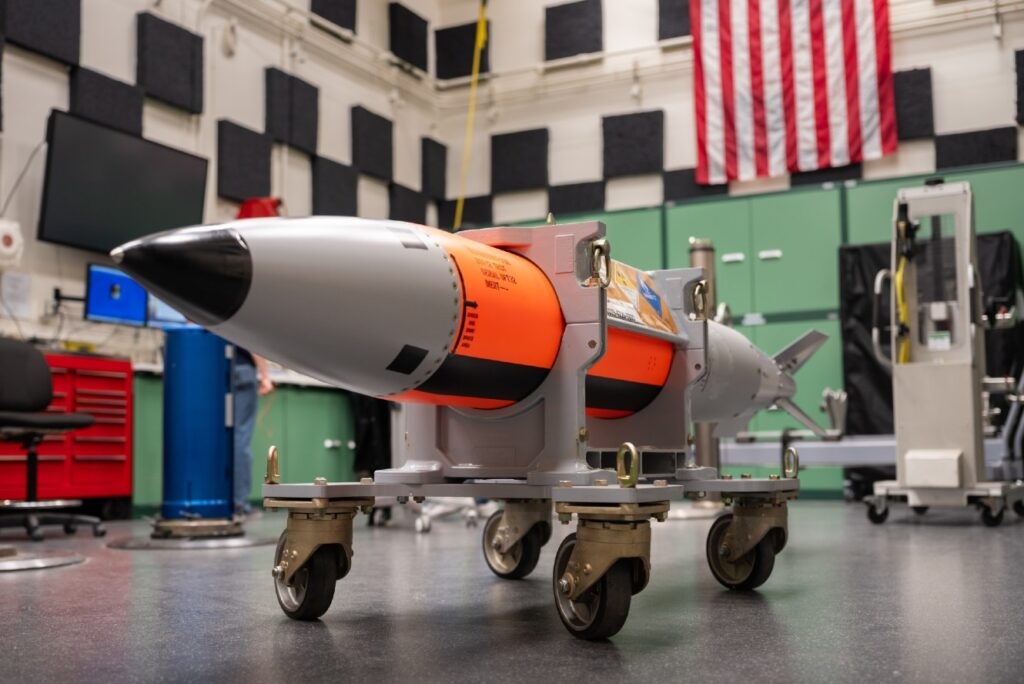
World
The United States Air Force has reportedly delivered B61-12 nuclear gravity bombs to RAF Lakenheath in the United Kingdom, marking the first such deployment since their removal in 2008. The development, if confirmed, would signal a notable shift in NATO’s nuclear posture amid rising tensions with Russia. The delivery was tracked by defense watchers after a US Air Force C-17 Globemaster III, operated by the 62nd Airlift Wing, flew from Kirtland Air Force Base in New Mexico — the headquarters of the Air Force Nuclear Weapons Center — to the UK airbase. RAF Lakenheath, located in Suffolk, hosted US nuclear weapons during the Cold War and has been undergoing major infrastructure upgrades since January 2024 to support “high-value assets”. Although there is no official confirmation from either the US or UK governments, multiple sources suggest that the B61-12 bombs were offloaded at Lakenheath and the aircraft returned to routine operations in the US afterward. “It looks like it went to England, dropped off those weapons, and then it went back to regular operations,” said William Alberque, former director of NATO’s nuclear non-proliferation center. This move comes as part of a broader pattern. According to Hans Kristensen, Director of the Nuclear Information Project at the Federation of American Scientists, similar deployments of B61-12 bombs to other European bases have taken place quietly since January 2025. Kristensen suggests that this could represent a shift in NATO strategy, indicating that the alliance may be responding more assertively to Russia’s nuclear rhetoric and actions. If these reports are accurate, it would be the first time the US has increased its tactical nuclear weapons presence in Europe since the end of the Cold War. The move also coincides with recent UK defense announcements, including the procurement of 12 additional F-35A fighter jets, which are capable of carrying B61-12 bombs. These aircraft are operated by the 493rd and 495th Fighter Squadrons at RAF Lakenheath, both of which are nuclear-certified units. The UK Ministry of Defence declined to comment, sticking to the usual policy of neither confirming nor denying the presence of nuclear weapons. However, the Campaign for Nuclear Disarmament has raised concerns. Its Chair, Tom Unterrainer, called on Prime Minister Keir Starmer to explain the UK’s role in what he described as “a dangerous escalation.” The B61-12, part of a nuclear family that has served for over five decades, recently completed a $9 billion life extension program. The new version includes advanced guidance systems and can deliver variable explosive yields, ranging from 0.3 kilotons to 50 kilotons — potentially three times more powerful than the bomb dropped on Hiroshima. In today’s context of rising global nuclear tensions, especially involving Russia and NATO, the reported deployment of these weapons adds a strategic layer to Western deterrence in Europe. Whether or not the move becomes public policy, it signals that the US and its allies may be preparing for a more nuclear-sensitive security environment.
Read More → Posted on 2025-07-30 15:07:46
World
At the IDEF 2025 defense exhibition in Istanbul, Turkish Aerospace Industries (TAI) officially unveiled its newest innovation — the Şimşek-K High-Speed Target Drone System. This marks an important advancement in Türkiye’s defense training capabilities, focusing on simulating fast and complex aerial threats to prepare armed forces for modern combat scenarios. The Şimşek-K drone is designed specifically for military training and air defense exercises, acting as a high-speed, realistic target for fighter jets, missile systems, and naval defenses. With the world witnessing more advanced threats, especially from missiles and UAVs, drones like Şimşek-K help countries train against those challenges in a safer and cost-effective way. The drone is 2.4 meters long with a 1.5-meter wingspan, and it weighs 83 kilograms at takeoff. Despite its compact size, it carries a payload of up to 18 kilograms, including radar cross-section enhancers, infrared signature boosters, and cameras for improved mission simulation. Powered by 35 liters of fuel, it can fly at speeds up to Mach 0.63, reach altitudes of 25,000 feet, and stay airborne for more than 45 minutes. Its datalink range is 150 kilometers, and the total operational range extends beyond 500 kilometers. One of Şimşek-K’s key features is its fully autonomous and encrypted flight system, which allows for mid-flight mission updates, emergency procedures, and automated landing. It can be launched from the ground, sea vessels, or even airborne platforms, using rocket-assisted takeoff, and it returns via a parachute recovery system, making it reusable and cost-efficient. This new drone builds on over a decade of development in TAI’s target drone program. The original Şimşek was first tested in 2012, followed by upgrades like the Super Şimşek. In 2020, the Şimşek was successfully launched from an Anka combat drone, proving its adaptability. The Şimşek-K now represents the most advanced version, reflecting lessons learned from earlier versions and operational feedback. Compared to older systems and foreign drones, Şimşek-K brings a blend of speed, modularity, and security in a compact form. While many similar drones offer basic functions, Şimşek-K includes real-time encrypted telemetry, reprogrammable missions, and multi-threat simulation capabilities. These features make it a valuable asset for NATO allies and countries looking for cost-effective, indigenous defense solutions. Beyond technology, Şimşek-K symbolizes Türkiye’s growing independence in defense manufacturing and its ambition to become a global supplier of advanced training systems. By offering realistic, reusable, and autonomous drones, Türkiye is reducing its reliance on Western imports and expanding its defense partnerships — especially in regions like the Middle East, Central Asia, and Africa. In short, Şimşek-K is not just a drone — it’s a strategic tool that enhances training while strengthening Türkiye’s defense industry. With global threats becoming more unpredictable and fast-moving, systems like Şimşek-K will play a crucial role in helping armed forces prepare for the future of warfare.
Read More → Posted on 2025-07-30 15:02:53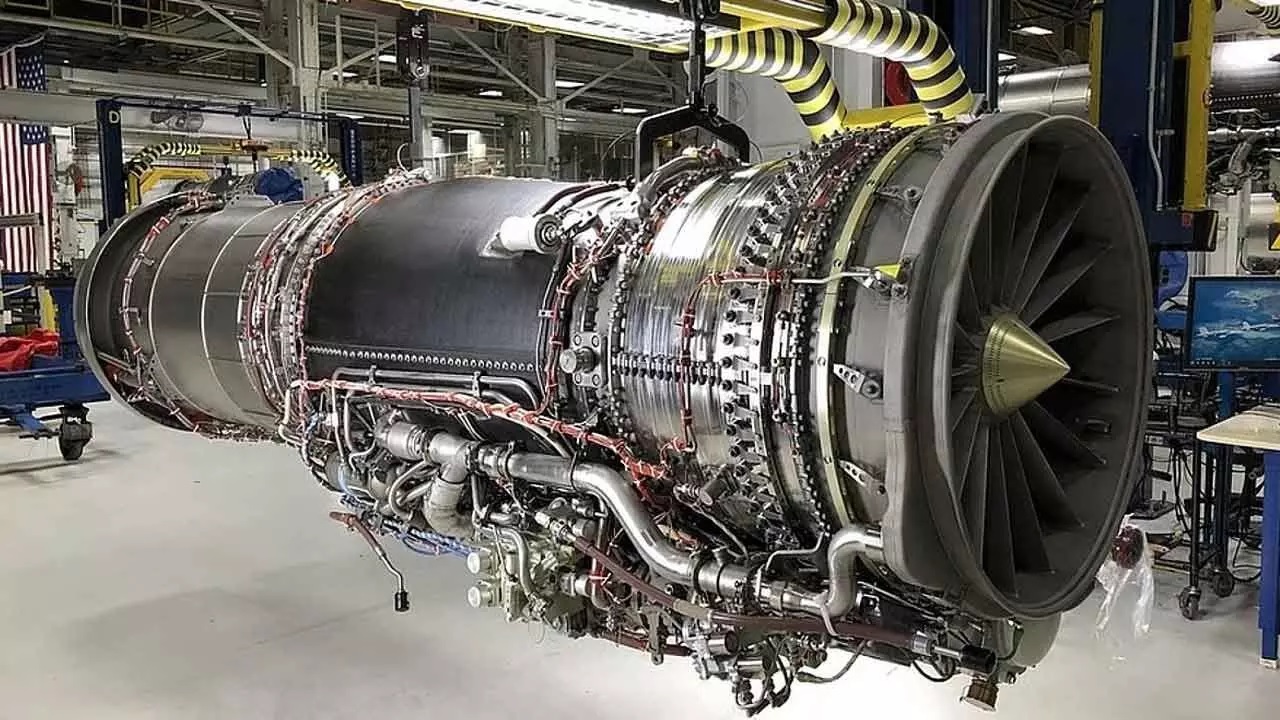
India
In a major boost to India’s defence manufacturing ambitions, Hindustan Aeronautics Limited (HAL) has officially signed a Manufacturing License Agreement (MLA) with GE Aerospace for the local production of F414-INS6 turbofan engines. These powerful engines will power the upcoming TEJAS MK-2 fighter jets, marking a significant leap in India's efforts toward defence indigenisation. This agreement comes after an earlier Memorandum of Understanding (MoU) signed in June 2023, and paves the way for one of the most advanced transfer of technology (ToT) arrangements India has secured in the aerospace sector. The deal includes up to 80% technology transfer, covering some of the most critical engine technologies, such as special thermal coatings, single-crystal turbine blades, and laser drilling techniques. The F414-INS6 is a modern afterburning turbofan engine, capable of delivering 98 kilonewtons of thrust with a thrust-to-weight ratio of 9:1. It also features advanced systems like Full Authority Digital Engine Control (FADEC) and safety mechanisms designed specifically for single-engine aircraft, making it ideal for the TEJAS MK-2, which is envisioned as a medium-weight, multirole combat aircraft. This engine has already proven its worth globally, with more than 10 million flight hours in platforms like the F/A-18E/F Super Hornet and JAS 39 Gripen. The ‘INS6’ variant, developed specifically for India, includes customized features to meet the Indian Air Force’s requirements. The contract negotiations have been rigorous, involving detailed pricing talks, technical evaluations, and scrutiny of the technology transfer scope. While the agreement’s estimated value is around $1 billion (as of 2023 levels), commercial negotiations are still ongoing, and the final deal is expected to be signed by March 2026. Key formalities, including the DSP-83 certification—a U.S. government requirement for defense exports—were completed in September 2024, opening the door for actual production to begin. A new dedicated manufacturing facility near Bangalore is being planned. Production is expected to start within two years, with the first engine deliveries likely to begin in the third year post-signing. Initially, HAL will produce 99 engines for the TEJAS MK-2, but the number could rise depending on future needs, including for the Advanced Medium Combat Aircraft (AMCA) program. This partnership is not just about manufacturing—it’s about building long-term technological capabilities in India. The GE-HAL collaboration is expected to have a lasting impact on the country's aerospace ecosystem, helping reduce dependence on imports and boosting self-reliance in critical defence technologies. In the bigger picture, this deal represents a strategic milestone for India’s ambition to become a global defence manufacturing hub, and a stepping stone toward eventually developing a fully indigenous engine in the future.
Read More → Posted on 2025-07-30 14:55:16
India
In a landmark achievement for India’s private defence industry, Adani Defence & Aerospace (often referred to as Adani Defence) has become the first private Indian company to successfully clear the Ministry of Defence’s desert trials for 155 mm artillery ammunition . This milestone underscores the growing role of indigenous private players in meeting both domestic and global defence needs. Desert Trials Milestone The clearance of the desert trials marks formal acceptance that Adani’s 155 mm shells can reliably operate under extreme heat, dust, and terrain conditions typical of desert environments— a critical validation for deployment across India’s western borders and export markets . Production Infrastructure & Capacity Adani’s ammunition manufacturing is centered at its Kanpur-based facility, located within the Uttar Pradesh Defence Corridor. This expansive complex, established in early 2024, spans 500 acres and is designed to deliver on India’s ammunition shortfalls and export ambitions . Small‑calibre ammunition: Currently capable of producing 150 million rounds per year (e.g. 5.56 × 45 mm, 7.62 × 51 mm, 9 × 19 mm), with plans to double output to 300 million annually by end‑2025 . 155 mm artillery shells: Production has commenced with an initial annual capacity of about 150,000 rounds. Notably, 33% of this capacity is reserved for potential Indian armed forces orders, while export bookings have already been secured for the next five years. Export Orders & Strategic Significance Amid global ammunition shortages—fueled by conflicts such as in Ukraine—Adani Defence has already secured multi‑year export orders for both small arms and artillery munitions. Strong demand from international buyers has put India’s private defence output firmly on the export map . At the same time, Adani maintains a strategic commitment to India’s defence readiness by reserving a third of shell capacity for domestic requirements. Broader Context: India’s Artillery Modernisation The desert trials clearance comes alongside the Indian Army’s accelerated shift towards 155 mm/52‑calibre artillery under its Field Artillery Rationalisation Plan. The Army plans to acquire over 1,200 towed gun systems, and trials for guns and their ammunition are expected throughout 2025 . With Adani now clearing desert qualification, it joins a select group of suppliers—including DRDO-backed ATAGS, Bharat Forge, L&T, and Adani itself—for ammunition production aligned with Make‑in‑India objectives. With desert trials clearance in hand, Adani Defence is poised to move toward operational deliveries for both domestic forces and export clients. Scaling up capacity further, especially for artillery shells, will likely support larger defence procurement deals in forthcoming years. As India expands its private defence manufacturing base, this breakthrough may encourage other private enterprises to follow suit—propelling the country toward greater self‑reliance in munitions.
Read More → Posted on 2025-07-29 16:31:50
India
In a strategic push to enhance command-and-control capabilities in high-altitude and forward deployment areas, the Ministry of Defence (MoD) has released a Request for Information (RFI) for the procurement of 39 Carrier Command Post Tracked (CCPT) vehicles. These specialised platforms are intended to serve as mobile command hubs for artillery units deployed along the challenging terrains of the Line of Actual Control (LAC). Designed with survivability, mobility, and advanced operational efficiency in mind, the new CCPT vehicles will serve a critical role in modernising India’s battlefield communication and command systems in extreme environments. Key Features of the CCPT Vehicles Each of the proposed tracked vehicles will come with: Remote-Controlled Weapon Station: A machine gun integrated for self-defence, operated remotely to safeguard personnel. Ballistic Protection: Capable of withstanding small arms fire and fragmentation from 155 mm artillery shells, ensuring crew safety during forward operations. NBC Protection: Full capability to function in Nuclear, Biological, and Chemical (NBC) contaminated environments, providing operational continuity under unconventional threats. Ergonomic Command Space: Designed to house eight crew members, each with an individual workstation, supporting round-the-clock command and control operations. Adapted for Challenging Terrain The tracked chassis ensures enhanced mobility in mountainous, snow-covered, and rugged terrains — specifically those along the LAC where conventional wheeled vehicles are often ineffective. With modifications expected to include a longer hull and additional road wheels, the vehicle is tailored for better load distribution and traction on rough ground. The configuration allows artillery units to remain fully operational and coordinated in high-altitude areas, bridging communication gaps and improving response times during military engagements or standoffs. Command and Control Enhancement The Carrier Command Post Tracked vehicle will serve as a mobile node in the Army’s battlefield management network. It is expected to be integrated with Artillery Combat Command and Control Systems (ACCCS), allowing seamless coordination of towed and self-propelled artillery systems. Its primary role will be to enable real-time decision-making, situational awareness, and streamlined targeting support, especially in sectors where permanent infrastructure is limited or vulnerable. Indigenous Focus and Future Timeline The MoD is seeking participation from Indian vendors and manufacturers in alignment with the ‘Make in India’ initiative. Indian industry players are expected to play a significant role in the design, development, and production of these platforms, ensuring technology infusion and reduced dependency on imports. Following the RFI phase, the MoD will evaluate responses and move towards issuing a formal Request for Proposal (RFP). This will be followed by prototype trials and field evaluations before final production contracts are awarded. Induction is likely to begin within the next two to three years. Strategic Significance The procurement of these tracked command post vehicles signals a shift toward agile, tech-enabled warfare, particularly in sensitive border zones. With ongoing focus on strengthening infrastructure and readiness along the northern frontiers, these mobile command centres are expected to enhance both resilience and responsiveness of Indian forces. The move is also part of a broader effort to revamp artillery command elements and battlefield digitisation, ensuring India’s preparedness for multi-domain operations in modern combat scenarios.
Read More → Posted on 2025-07-29 16:23:37
India
In a forceful speech in Parliament during a special discussion on Operation Sindoor, External Affairs Minister Dr. S. Jaishankar launched a scathing attack on Pakistan’s economic credibility, firmly rejected U.S. President Donald Trump’s claims of mediating a ceasefire between India and Pakistan, and highlighted the Congress-era move to name China a “strategic partner.” “Pakistan a Serial Borrower” Jaishankar described Pakistan as a “serial borrower from the IMF,” pointing out that Islamabad has turned to the International Monetary Fund 16 or 17 times over the last few decades. He cited the most recent $7 billion bailout approved in 2024 and referenced earlier IMF support packages in 2008 and 2013. The Minister said this borrowing pattern reflects the lack of financial discipline in Pakistan’s governance, compounded by its continued association with terrorism and religious fanaticism. He emphasized that India’s diplomacy at the United Nations exposed Pakistan’s dual failures — economic instability and state-backed terrorism — a narrative that received widespread international backing. Operation Sindoor: India’s Calibrated Response Speaking on Operation Sindoor, Jaishankar detailed how the Indian government launched precise strikes on May 7, targeting nine terror infrastructure sites in Pakistan and Pakistan-occupied Kashmir. These actions followed the Pahalgam terror attack on April 22, which claimed 26 lives. Jaishankar stressed that the operation was “focused, measured, and non-escalatory,” executed with restraint but firm intent. He added that India's decision to halt the operation on May 10 came only after Pakistan formally requested a ceasefire through a DGMO (Director General of Military Operations)-level military communication — not under any international pressure. According to the Minister, 27 countries were directly briefed by him during the diplomatic effort, while 20 more were contacted at the Prime Ministerial level, and over 35 letters were dispatched seeking international support. Out of 190 member nations at the UN, only three opposed the Indian military action, indicating strong global alignment with New Delhi's stance. Trump's Mediation and Trade Link Claim Dismissed Addressing the controversy surrounding Donald Trump’s repeated assertions that he helped broker peace between India and Pakistan in exchange for trade agreements, Jaishankar categorically denied any such interaction. He stated unequivocally that no phone calls took place between Prime Minister Modi and President Trump between April 22 and June 17. “There was no mediation, no negotiation, and certainly no linkage with trade,” Jaishankar told the Lok Sabha, calling the former U.S. president’s claims misleading. Defence Minister Rajnath Singh also weighed in, stating that India’s decision to end the operation came after its objectives were met — not due to outside influence. He added that such insinuations disrespected the capability and autonomy of India’s armed forces. On China: UPA’s Strategic Partnership Legacy Turning to India-China relations, Jaishankar reminded the House that it was under the Congress-led UPA government in 2005 that China was designated as India’s “strategic partner.” At that time, the phrase “Chindia” was coined to reflect growing optimism about bilateral ties. However, Jaishankar argued that the current geopolitical reality is different and more challenging. Clarifying his recent visit to China, the External Affairs Minister said, “I did not go to China for the Olympics. I did not go to strike secret deals. I went to make our position clear on de-escalation, trade restrictions, and terrorism.” He contrasted this principled approach with previous governments that, according to him, hesitated to confront China even during episodes like the Beijing Olympics, when China was issuing stapled visas to Indian citizens from Jammu & Kashmir and Arunachal Pradesh. Opposition Under Fire The debate saw heated exchanges between Treasury and Opposition benches. Home Minister Amit Shah took aim at the Congress party, accusing it of trusting foreign narratives over statements from the Indian government. “Why do they believe others over our own External Affairs Minister?” Shah questioned during the session. Jaishankar further recalled that during the Doklam crisis, some leaders from the opposition reportedly sought briefings from the Chinese ambassador rather than from Indian officials, implying misplaced loyalties. Jaishankar’s statements reflected a broader effort by the government to assert India's sovereign decision-making in foreign affairs, reject outside interference, and draw sharp contrasts with past diplomatic postures. In doing so, he not only defended India’s handling of Operation Sindoor but also sent strong messages to both Pakistan and China, while forcefully debunking Trump’s claim of brokering peace. The Minister's address marked one of the most comprehensive foreign policy briefings in Parliament in recent years, combining historical clarity with present-day assertiveness.
Read More → Posted on 2025-07-29 16:19:39Search
Top Trending in 24 Hours
-
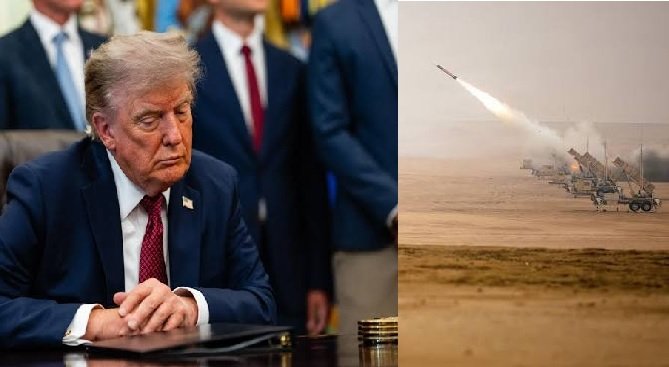 President Trump Pauses Plans to Expand U.S. Strikes on Iran Amid Concerns Over Air Defense Missile Stocks
-
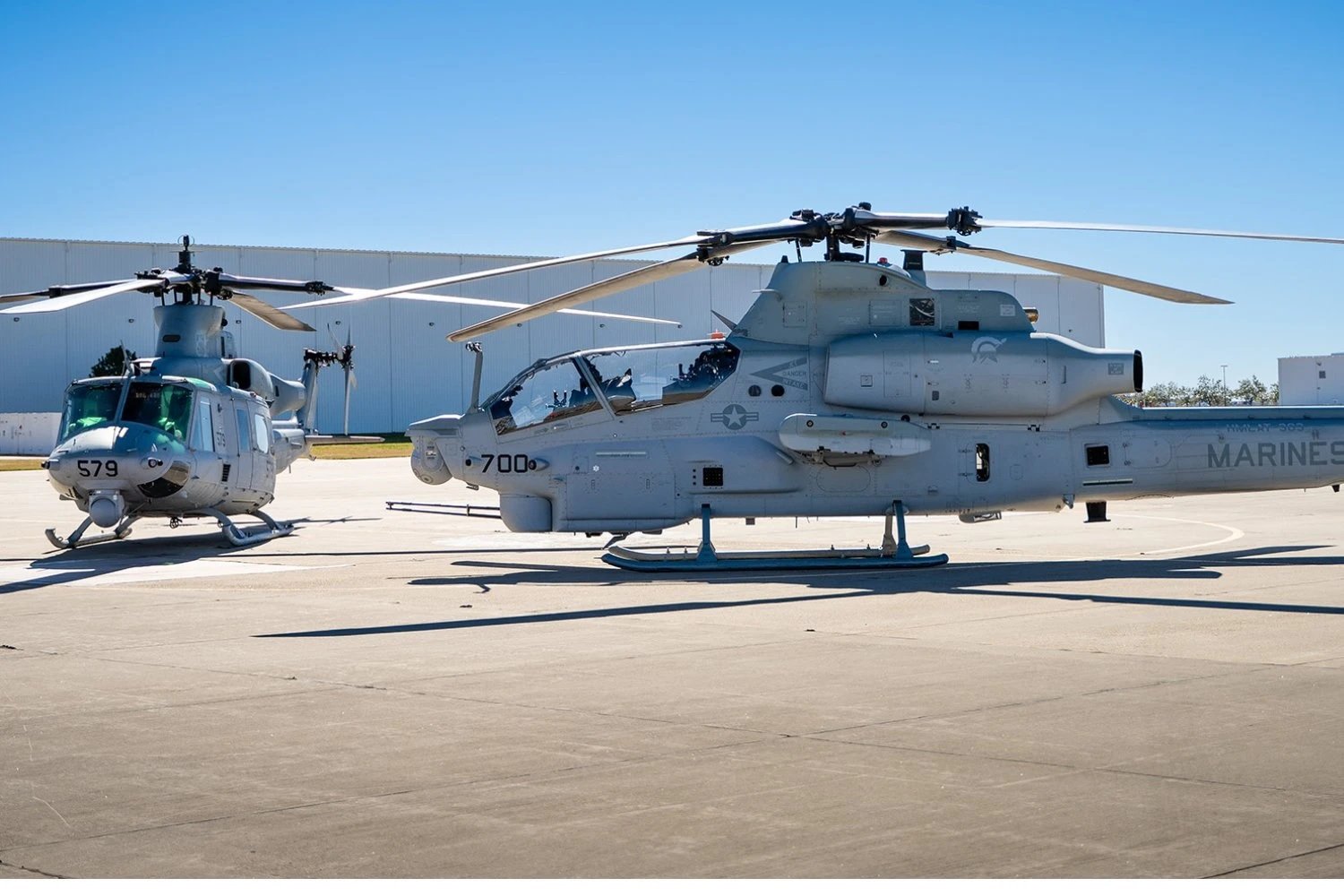 U.S. Awards Bell Textron $33.64 Million Contract for Next Phase of Marine Corps AH-1Z and UH-1Y Helicopter Upgrades
-
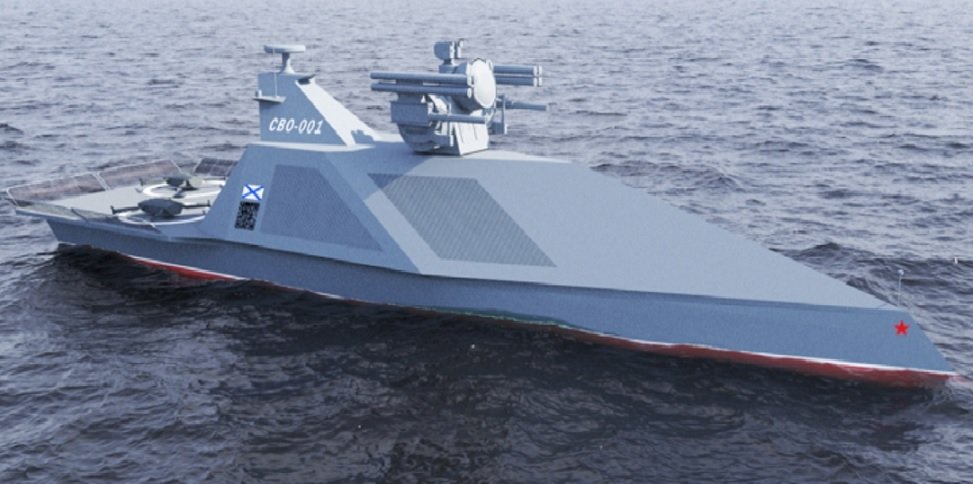 Russia Builds 500-Ton Unmanned Warship For Anti-Submarine Warfare, Plans New 9,500-Ton Warship, Navy Chief Says
-
 Unreleased Footage Reveals Why Lindsey Graham Dropped Plan to Push Trump on Hezbollah Strikes
-
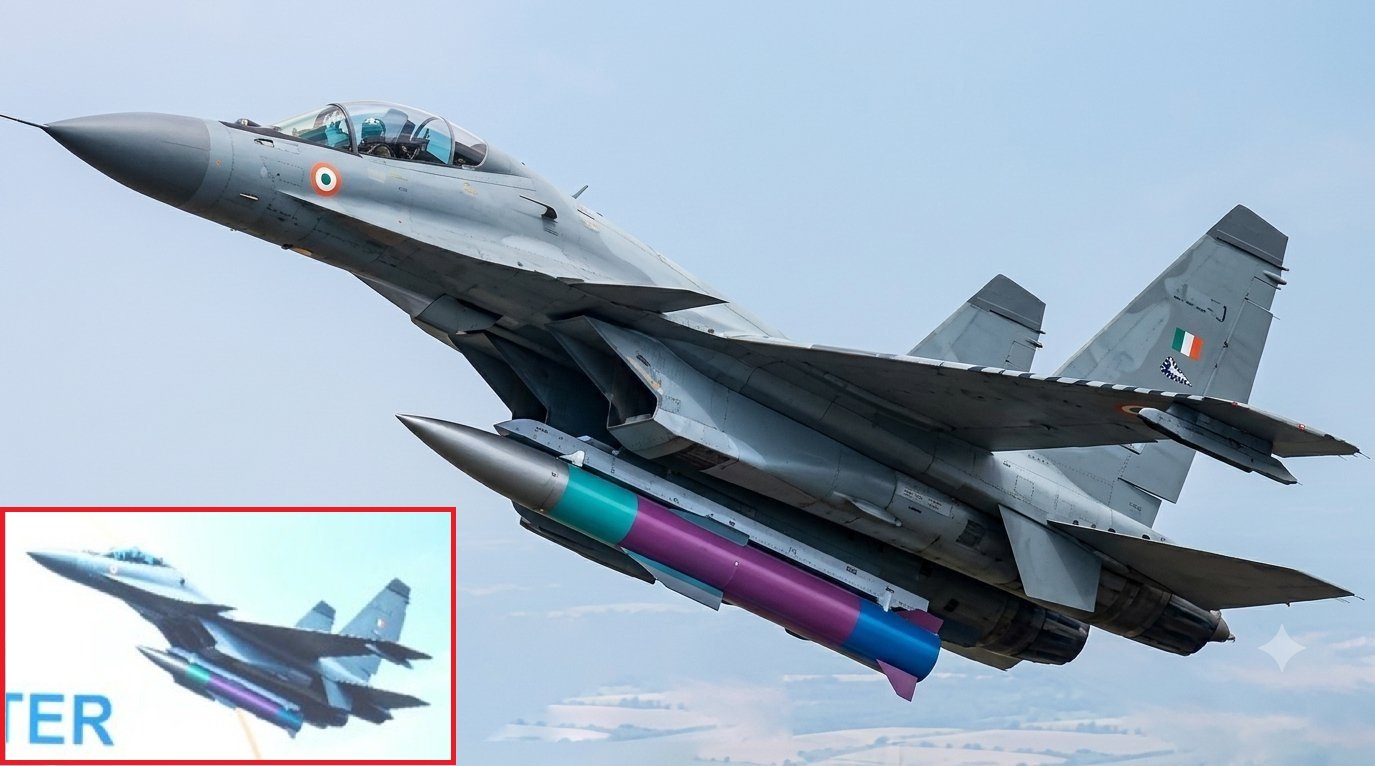 DRDO Developing Long-Range Air-Launched Ballistic Missile for Su-30MKI, Rudram-4 Seen as Likely Candidate
-
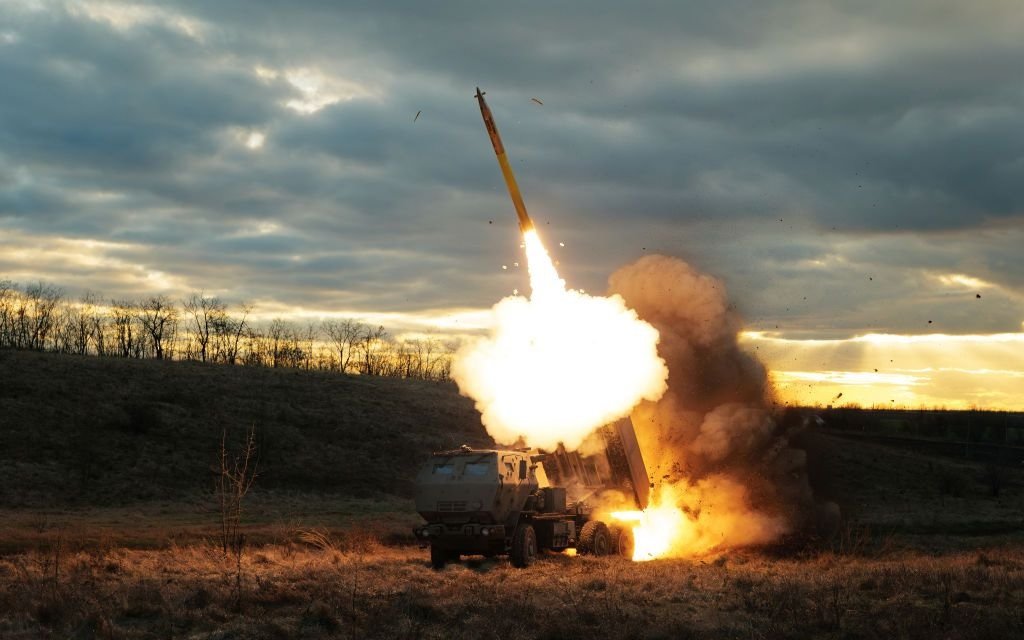 U.S. Military Selectively Intercepts Iranian Missiles to Preserve Shrinking Air Defense Stocks : Report
-
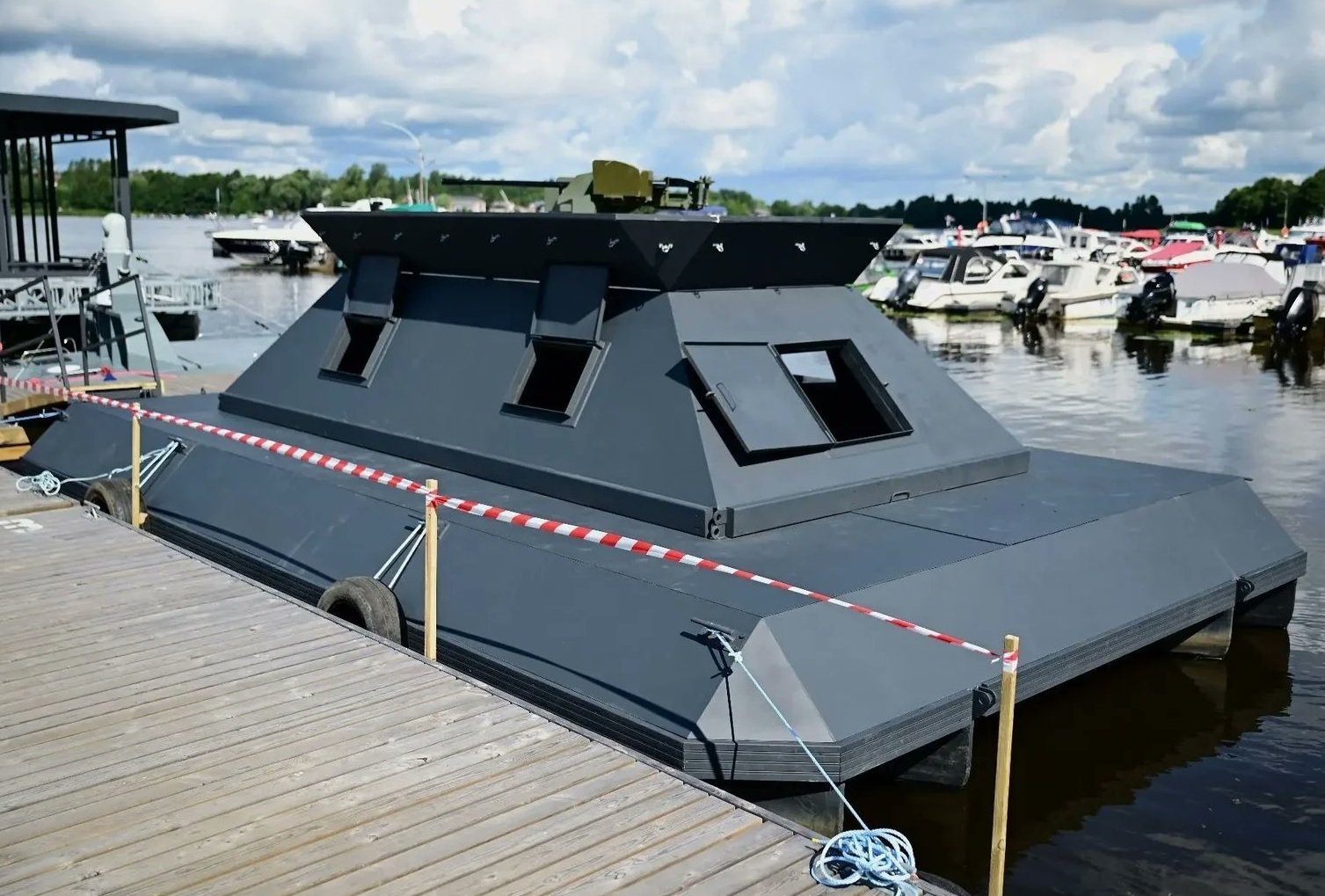 Russia Unveils Experimental Plot-40 Floating Defense Platform to Counter Drone and USV Threats
-
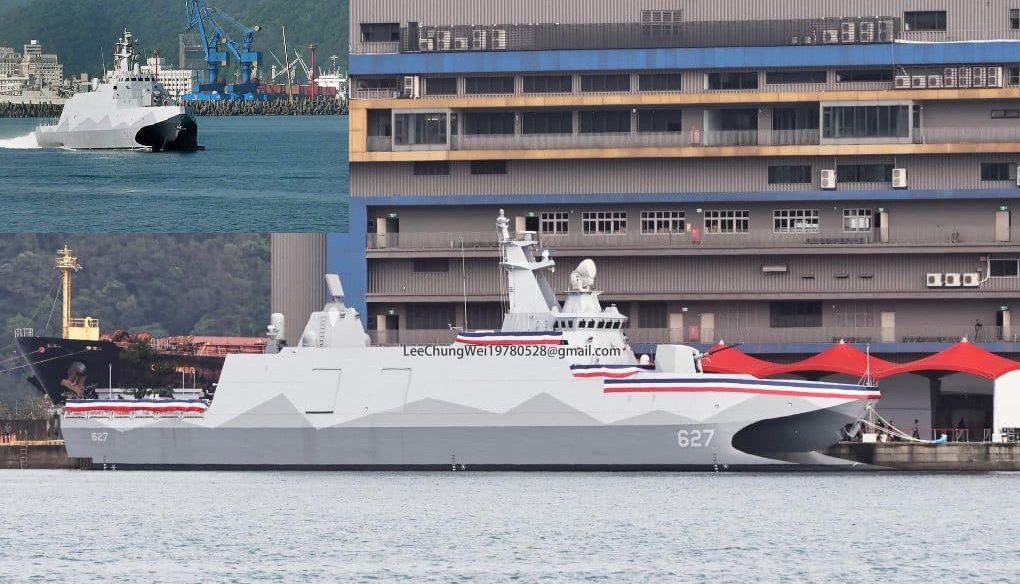 Taiwan Commissions First Batch 2 Tuo Chiang-Class Corvette with New Leonardo Radar
Top Trending in 4 Days
-
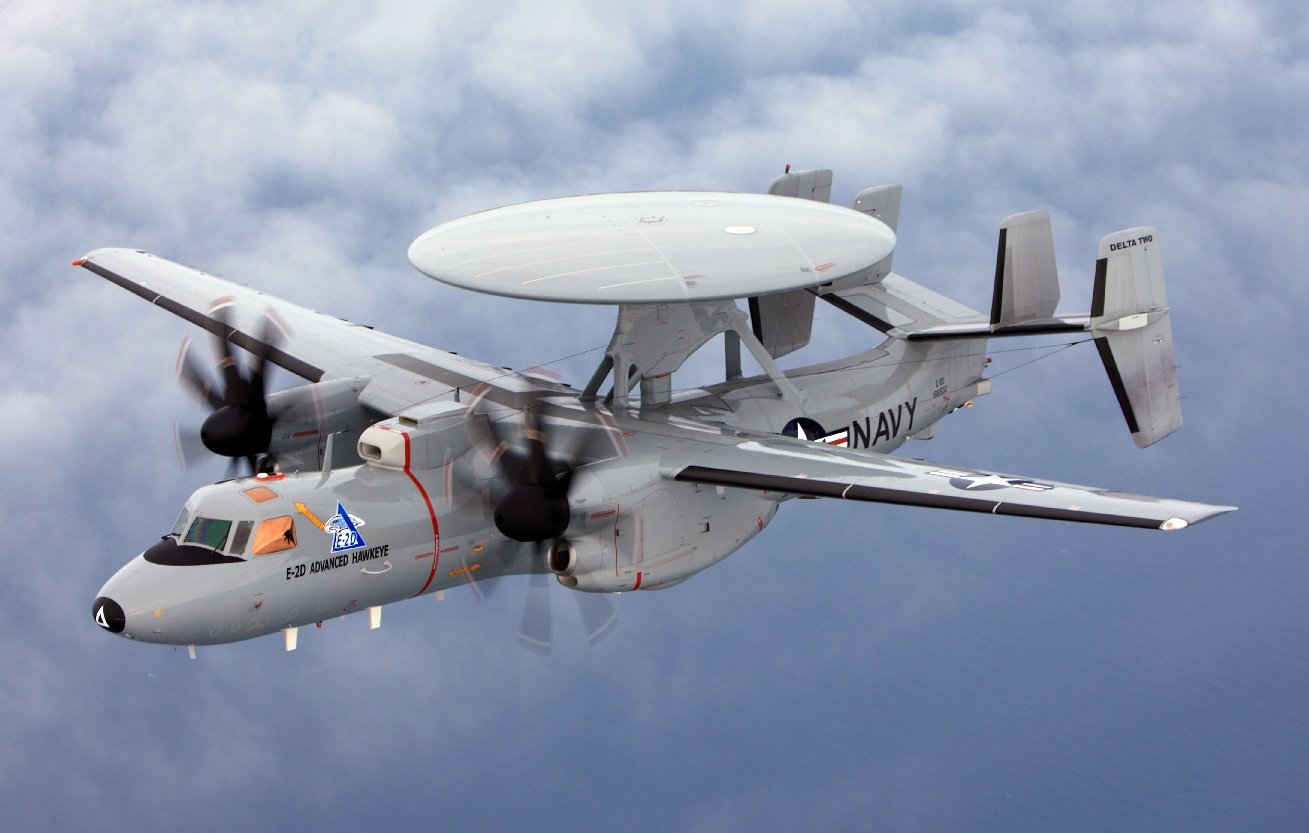 U.S. Navy Awards Northrop Grumman $1.2 Billion Deal for Three New E-2D Advanced Hawkeyes
-
 U.S. Airstrikes Target IRGC Missile Base Near Taft as Overnight Strikes Hit Central Iran
-
 Kuwait and Bahrain Reportedly Launch First Joint Direct Airstrikes on Iran Since War Began : Report
-
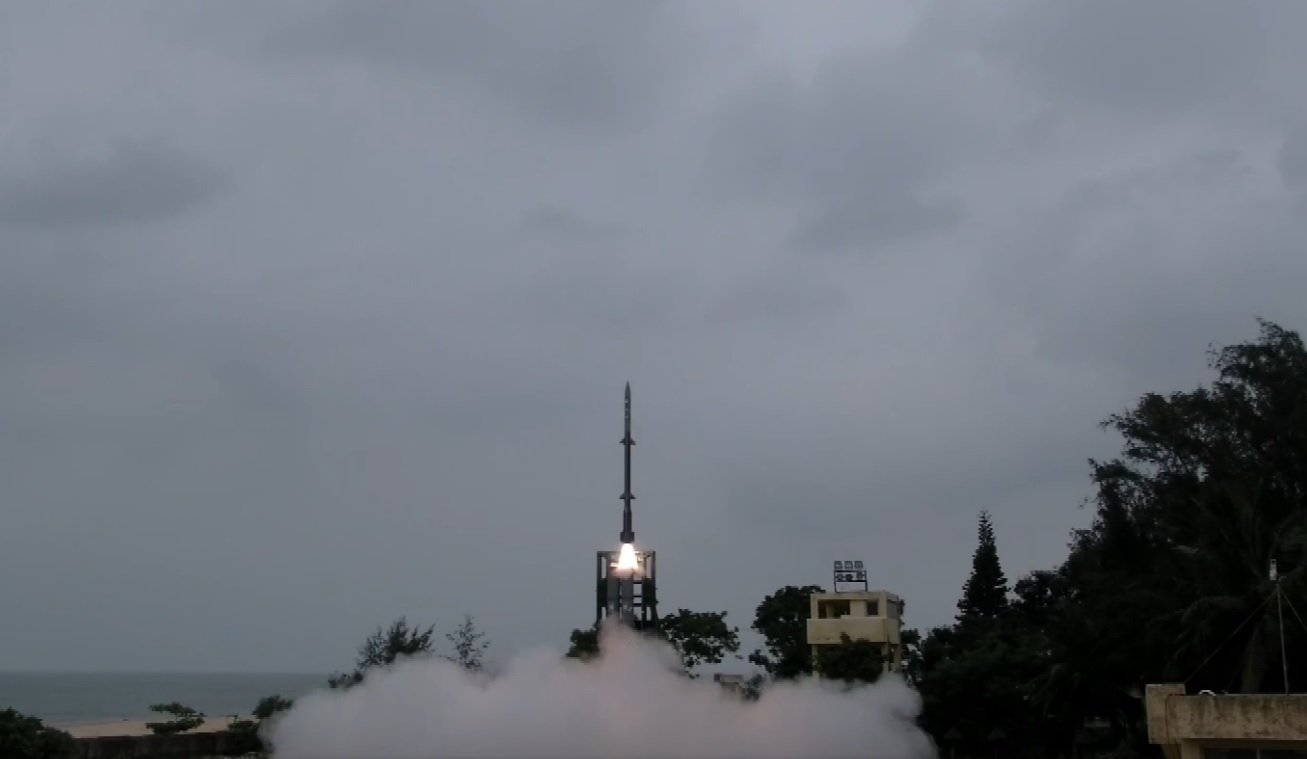 DRDO Successfully Conducts Maiden Flight Test of 150-km-Range Kusha M1 Air Defence Missile
-
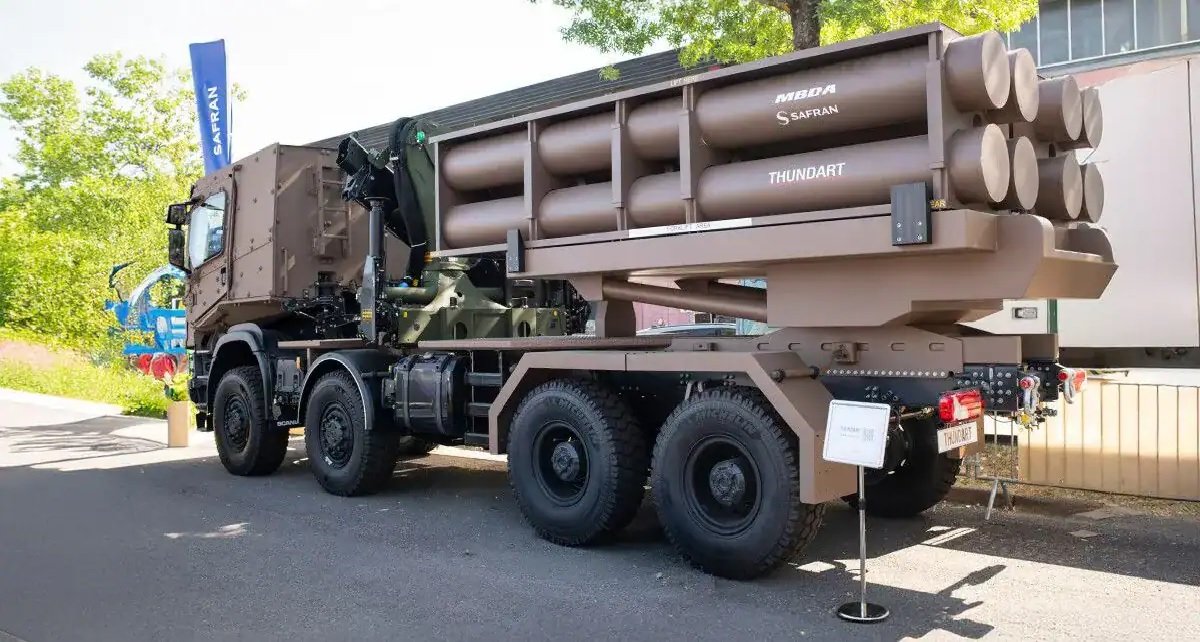 France's THUNDART Long-Range Rocket System May Undergo Prototype Combat Testing in Ukraine
-
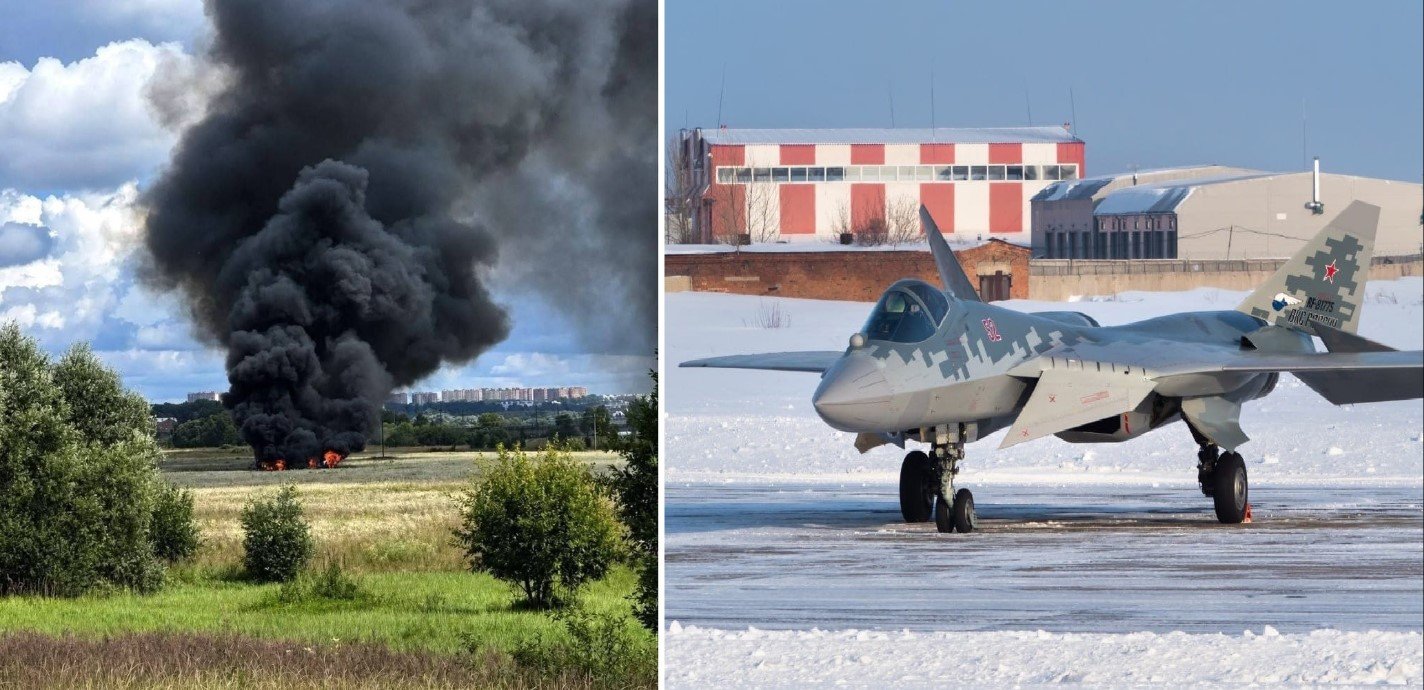 Russian Su-57 Stealth Fighter Crashes During Training Flight Near Moscow, Pilot Ejects Safely
-
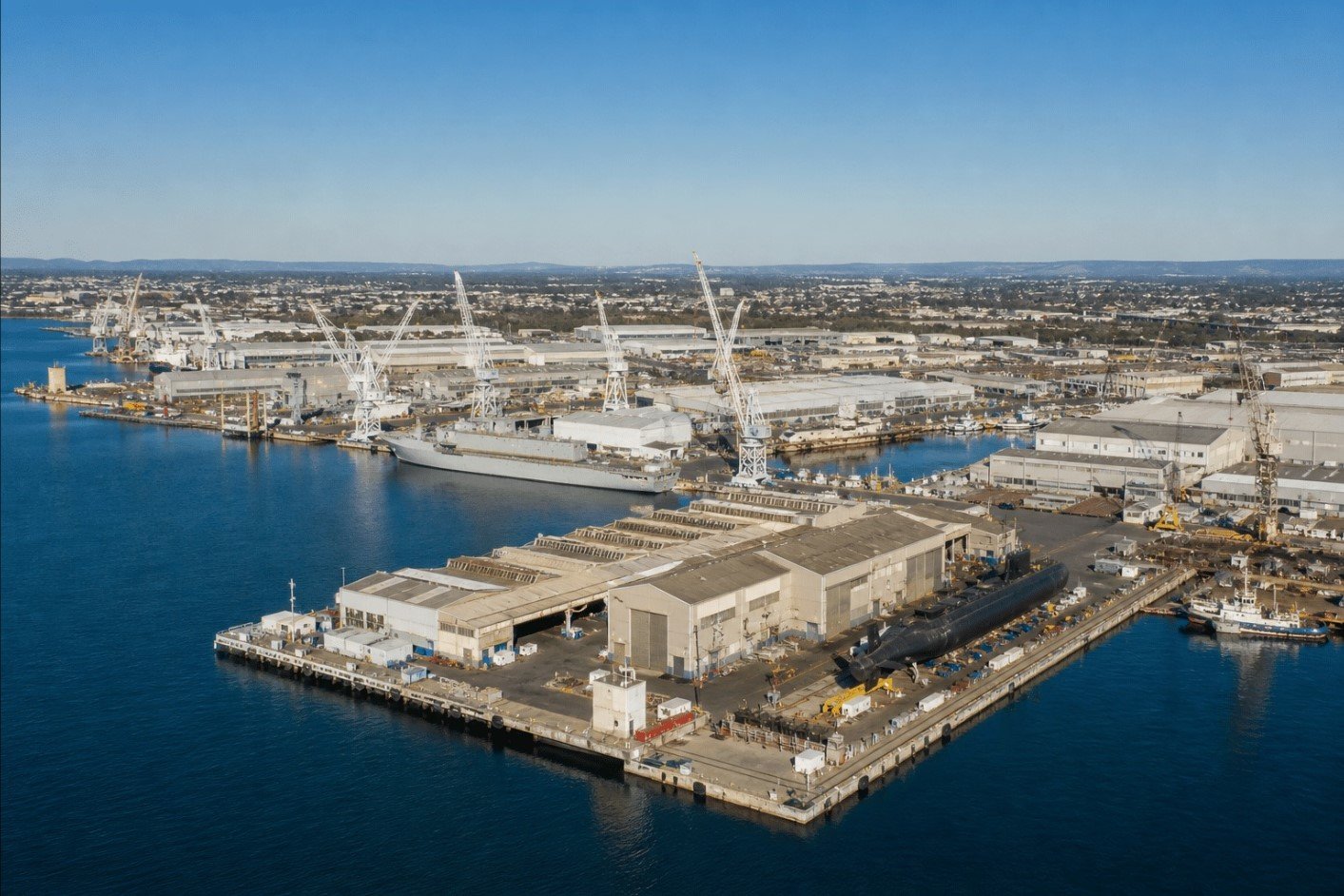 Australia Commits Additional AUD 4.6 Billion to Expand Osborne Shipyard for AUKUS Submarines
-
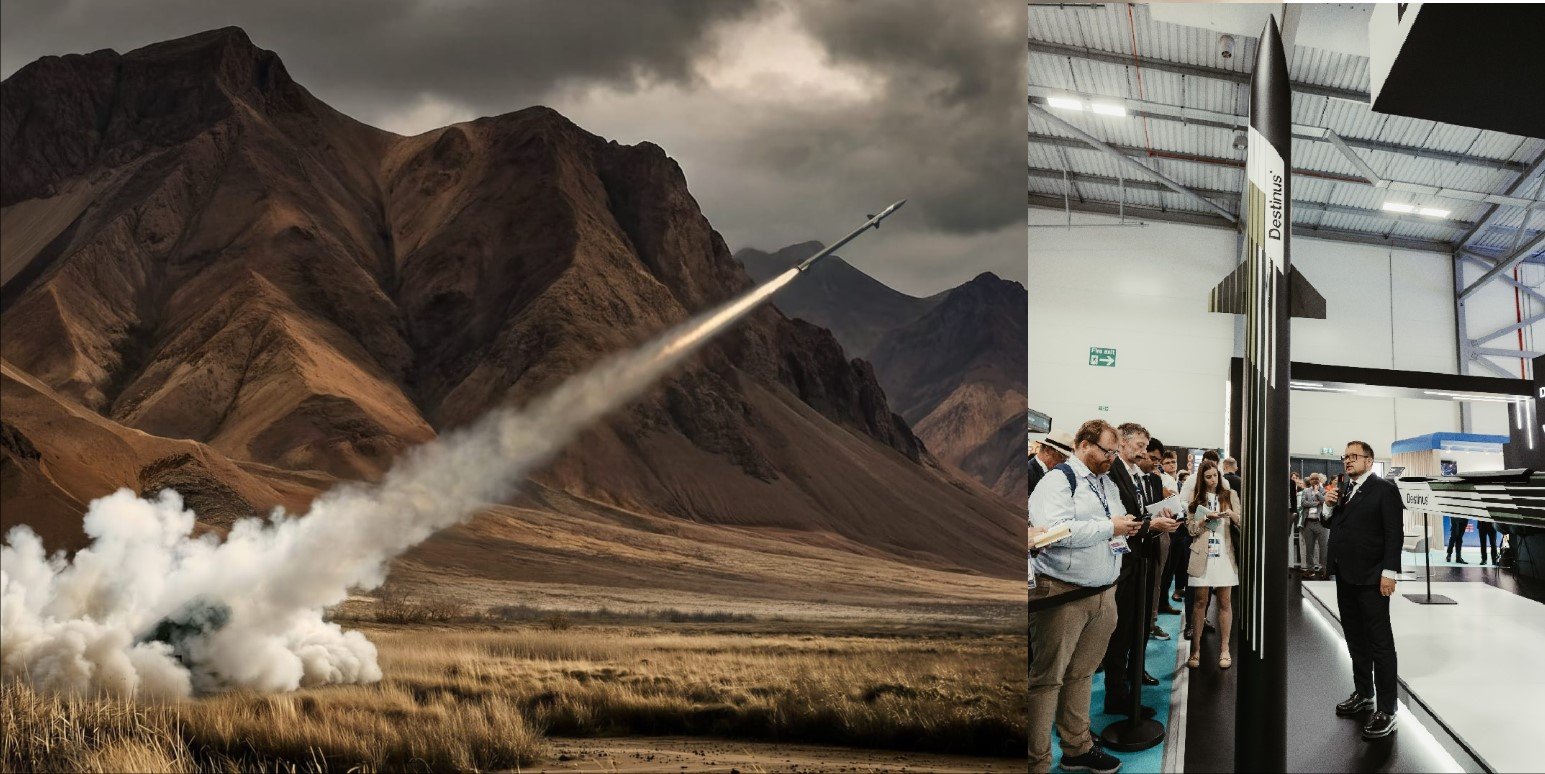 Destinus Unveils Vorexon Interceptor Concept to Defend Critical Sites from Artillery Threats
