
World
In a major breakthrough, Armenia and Azerbaijan have agreed to end decades of conflict, signing a peace deal at the White House on August 8, 2025, with U.S. President Donald Trump at the forefront of the negotiations. The agreement, celebrated as a "historic signature" by Azerbaijani President Ilham Aliyev, aims to halt all fighting, restore commerce, travel, and diplomatic relations, and ensure respect for each other's sovereignty and territorial integrity, according to Trump. The deal, signed by Aliyev and Armenian Prime Minister Nikol Pashinyan, comes after years of tension over the Nagorno-Karabakh region, a disputed territory that sparked two wars between the nations. Azerbaijan regained control of Karabakh in a swift 2023 offensive, leading to the displacement of over 100,000 ethnic Armenians. The agreement includes a key transit corridor through Armenia, connecting Azerbaijan to its Nakhchivan exclave, a long-standing demand of Baku. Dubbed the "Trump Route for International Peace and Prosperity", the corridor will be developed with U.S. involvement, a move that has drawn mixed reactions. Iran, despite past concerns about the corridor isolating it from the Caucasus, welcomed the deal on August 9, 2025, but cautioned against foreign intervention near its borders. Turkey, a staunch ally of Azerbaijan, praised the progress toward lasting peace, while UK Foreign Secretary David Lammy and European Union leaders hailed the agreement as a step toward stability in the region. However, the agreement’s details and enforceability remain unclear, and Azerbaijan’s demand for Armenia to amend its constitution to drop claims on Karabakh has stirred debate, with a planned referendum in Armenia set for 2027. A White House official, speaking anonymously, emphasized the deal’s benefits for Armenia, describing the U.S. as an “enormous strategic commercial partner.” The official also framed the agreement as a setback for China, Russia, and Iran. While the signing marks a hopeful moment, the road to lasting peace in the South Caucasus remains complex, with the region watching closely to see if this deal can truly end decades of strife.
Read More → Posted on 2025-08-09 15:43:43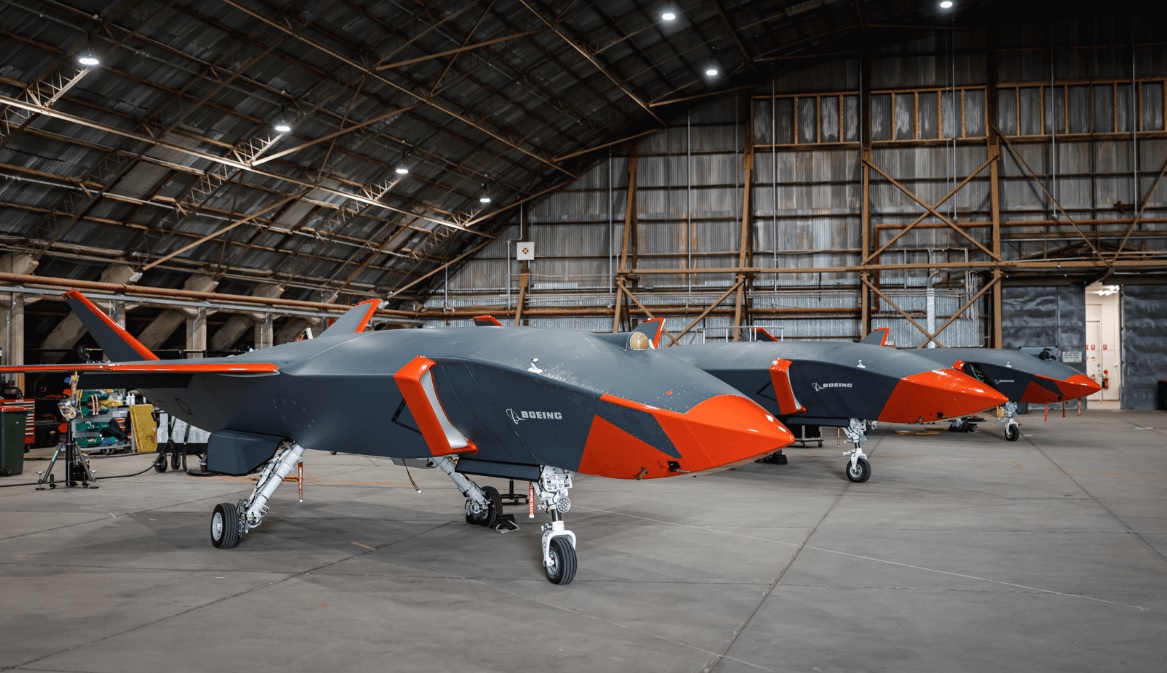
World
Rheinmetall’s CEO, Armin Papperger, revealed during the company’s Q2 earnings call on 7 August that the German defence group is actively pursuing strategic conversations with Boeing and Lockheed Martin. With Boeing, Rheinmetall is discussing collaboration around the MQ-28 Ghost Bat uncrewed combat aircraft project being developed in Australia. Meanwhile, dialogues with Lockheed Martin may involve a classified programme linked to the F-35 fighter jet. Papperger emphasized Germany could need approximately 400 cooperative combat aircraft (CCAs)—a potential “huge business”—though he admitted it’s still uncertain which partner might ultimately be selected. Rheinmetall is also expanding beyond traditional armoured vehicles by forging ties in advanced technologies. A deal with Finland’s ICEYE has been announced: they plan to build low-Earth-orbit synthetic-aperture radar satellites in Germany, significantly boosting Rheinmetall’s digital intelligence offerings . Simultaneously, missile production talks with Lockheed Martin are “running in the right direction.” Papperger hopes for initial success later this year as Rheinmetall scales up rocket motor and missile production in northern Germany, possibly including production of the MGM-140 Army Tactical Missile System (ATACMS) . In parallel, Rheinmetall's agreement with Anduril continues to deliver. The two are jointly developing the Fury aircraft for the U.S. Air Force and working on the Barracuda precision munitions line—designed to offer cost-effective strike options. Papperger clarified that the Lockheed Martin partnership focuses on higher-technology weapons, while the Anduril collaboration targets more affordable munitions. A common thread across these alliances is Rheinmetall’s strategy of forming joint ventures where it holds a majority stake—a key element in bringing cutting-edge technologies to Germany. These developments occur within a broader context of growing transatlantic defence alignment—especially as US giants ramp up missile and air defence production to address shortages and speed delivery to allies .
Read More → Posted on 2025-08-09 15:34:42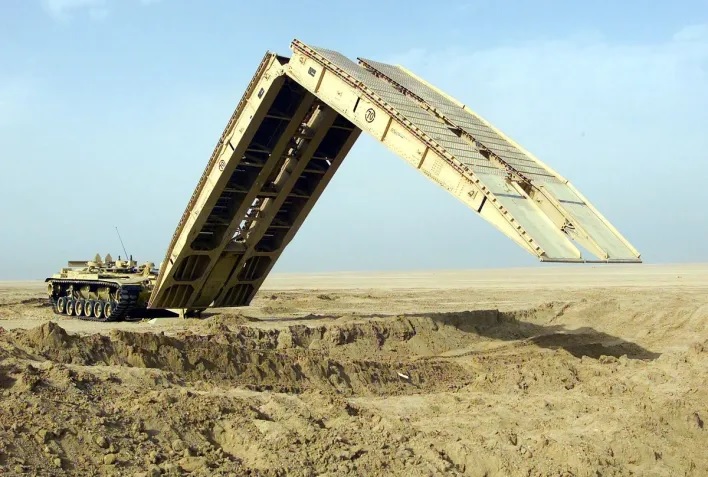
India
The Indian Army has issued a Request for Information (RFI) to acquire upgraded PMS (Ponton Modular System) Assault Bridges, marking another step in its effort to strengthen battlefield mobility and engineering capabilities. These PMS Assault Bridges play a vital role in helping mechanised and infantry units quickly cross obstacles such as rivers, canals, and ditches, ensuring rapid troop and vehicle movement during both offensive and defensive operations. The upgraded systems are expected to bring several key improvements, including longer span length, faster deployment, enhanced mechanical launching and retrieval systems, greater ruggedness, and better mobility to match the pace of modern mechanised forces. These upgrades aim to ensure seamless movement even in challenging and diverse terrain conditions. In recent years, the Indian Army inducted mechanically-launched 46-metre modular assault bridges developed by DRDO and produced by Larsen & Toubro. Mounted on 8×8 and 10×10 heavy-mobility vehicles, these bridges replaced older manually-launched Medium Girder Bridges, greatly improving deployment speed and operational efficiency. The new RFI indicates plans to build on this proven design, but with further technological enhancements to support fast-paced, high-mobility operations. The initiative also aligns with India’s goals of defence modernisation, self-reliance, and indigenisation, ensuring that future bridging systems are not only more advanced but also domestically developed and produced. In simple terms, after introducing the 46-metre modular bridges, the Army now wants an even better version—faster, tougher, and more adaptable—to meet the demands of modern warfare.
Read More → Posted on 2025-08-09 15:20:18
India
India’s Defence Research and Development Organisation (DRDO) scientists have employed an advanced ramp-cavity combustor in the Hypersonic Technology Demonstrator Vehicle (HSTDV), marking a significant leap in indigenous hypersonic propulsion engineering. This design is tailored for extreme flight conditions — specifically Mach 6.5 at an altitude of 32.5 km — where stable combustion is notoriously difficult to achieve. The ramp-cavity combustor integrates 14 ramps to compress and shape the incoming high-speed airflow before it enters the combustion chamber. Following this, 120 miniature fuel injectors, each only 0.4 mm in diameter, introduce fuel into the stream at an entry Mach number of 2.0 and a pressure of 0.5 bar. The cavity structure itself acts as a flameholder, ensuring ignition stability within the fraction of a millisecond available for combustion at hypersonic speeds. This configuration allows for superior fuel-air mixing, resulting in more efficient combustion and improved performance while also managing the extreme thermal loads inside the engine. By stabilising the flame and optimising burn efficiency, the ramp-cavity design maximises thrust while reducing the amount of fuel needed for sustained hypersonic flight. Why Hypersonic Combustion Is So Hard When you’re flying at Mach 6.5 (over 2 km/second), the air entering the engine is so fast that it barely spends a millisecond in the combustion chamber before leaving. In that fraction of a second, three things must happen: The air must slow down and compress enough to allow fuel mixing. Fuel must be injected, vaporised, and mixed with the air. Ignition must occur and remain stable despite the intense turbulence and shockwaves. If the flame blows out (like a candle in a storm), the engine shuts down instantly. This is why most hypersonic scramjet programs fail — they can’t keep the flame lit. The technology is adaptable beyond the HSTDV, with potential applications in hypersonic cruise missiles, space launch systems, and reusable spaceplanes. It positions India at the forefront of global scramjet engineering, demonstrating the capability to master one of the most complex aspects of high-speed aerodynamics and propulsion
Read More → Posted on 2025-08-08 17:27:14
India
In a boost to India’s growing defence manufacturing sector, Pune-based NIBE Limited has secured a significant export order from Israel’s Elbit Systems for the manufacturing and supply of a ship-mounted Universal Rocket Launching System. The advanced launcher, designed for precision maritime strike roles, will be manufactured entirely in India, reinforcing the government’s Make in India and defence export push. Company officials said the system will provide naval platforms with long-range, rapid-response strike capabilities, capable of engaging both land and maritime targets with high accuracy. The launcher features a modular design, enabling it to fire multiple types of rockets, and is engineered for ease of operation, low maintenance, and high reliability in combat conditions. This adaptability makes it a force multiplier for ships tasked with littoral and blue-water operations. The latest order builds on NIBE’s earlier success in securing contracts for land-based versions of the Universal Rocket Launcher, which have ranges of up to 300 km. In those deals, valued at around ₹150 crore, the company’s share price surged, reflecting strong investor confidence in its expanding global footprint. Defence analysts see the contract as further evidence of the deepening strategic cooperation between India and Israel, particularly in high-tech weapon systems. For India, it marks another step towards self-reliance in advanced defence manufacturing and expanding its role as a reliable supplier to global militaries. With manufacturing facilities in Pune and Bengaluru, NIBE is emerging as a key player in both land and naval artillery systems. The ship-mounted launcher deal is expected to open the door to more export opportunities in the rapidly growing naval weapons market. This achievement underscores how Indian companies are steadily moving up the value chain in defence production—delivering complex, combat-ready systems to some of the world’s most advanced militaries.
Read More → Posted on 2025-08-08 16:54:13
India
The Philippines is moving to strengthen its coastal defence forces with a planned purchase of an additional 6–9 BRAHMOS coastal missile batteries from India, a move that would give Manila one of the most formidable shore-based anti-ship arsenals in Southeast Asia. This expansion is directly influenced by the combat-proven performance of the BRAHMOS in India’s recent Operation Sindoor — a high-profile demonstration of the missile’s capability against sophisticated air-defence systems. From the first deal to a major expansion In January 2022, the Philippines signed its first BRAHMOS contract with India for three coastal batteries valued at approximately PHP 18.9 billion. These systems, delivered from April 2024, are already in service with the Philippine Marines, tasked with protecting the nation’s vast maritime approaches and denying enemy surface forces access to strategic waterways. The proposed follow-on order for 6–9 more batteries would more than triple the Philippines’ BRAHMOS capacity, giving it the ability to saturate enemy naval forces across multiple choke points. This reflects Manila’s growing trust in the missile and in its Indian suppliers. Operation Sindoor: A live demonstration of BRAHMOS power The catalyst for this accelerated interest is Operation Sindoor, in which India conducted precision strikes that successfully neutralized key Pakistani military sites. According to Indian military briefings, BRAHMOS missiles were used with pinpoint accuracy, penetrating Pakistani airspace and destroying targets despite the presence of Chinese-supplied HQ-9B long-range surface-to-air missile systems. India backed its claims with satellite imagery, debris analysis, and radar track data, all of which were made available for independent examination. The evidence clearly showed destroyed targets, unexploded missile fragments, and even temporary closures of multiple Pakistani air bases following the strikes — a strong indicator of the mission’s success and the shock impact on Pakistan’s military readiness. By contrast, Pakistan provided no credible evidence to counter India’s claims, nor did it release radar logs or satellite images to prove its version of events. International observers noted that this silence undermined Pakistan’s counter-narrative and strengthened India’s position. Why BRAHMOS matters for the Philippines The BRAHMOS missile is widely regarded as one of the fastest and most lethal supersonic cruise missiles in service today. Its Mach 2.8 speed, sea-skimming flight profile, and high terminal manoeuvrability make interception extremely difficult, even for modern air-defence systems. Operation Sindoor reinforced this reality — BRAHMOS struck its targets cleanly in an environment defended by a modern Chinese-made missile shield. For the Philippines, facing increasing maritime challenges in the West Philippine Sea, this combination of speed, accuracy, and proven penetration capability offers a decisive deterrent. Shore-based BRAHMOS batteries could engage hostile surface combatants long before they threaten Philippine territorial waters, forcing adversaries to operate at far greater distances. Strategic implications If Manila proceeds with this expanded order, it will send a clear signal to the region — the Philippines is not only modernising but also choosing combat-proven systems with verified battlefield performance. For India, it would mark a major export success, consolidating its status as a reliable defence partner and further showcasing the BRAHMOS as a missile capable of defeating some of the world’s most advanced air-defence networks. Operation Sindoor has done more than achieve its immediate military objectives — it has proven, in real-world combat, the unmatched effectiveness of the BRAHMOS missile. India’s willingness to share transparent, verifiable evidence of its success, contrasted with Pakistan’s inability to produce any counter-proof, has only strengthened the missile’s reputation. For the Philippines, investing further in BRAHMOS is not just a purchase — it’s a strategic choice to align with a partner whose technology has already demonstrated its worth under fire.
Read More → Posted on 2025-08-08 16:40:39
World
In a major move to modernize its fleet, the Royal Canadian Navy (RCN) is set to introduce new Uncrewed Aircraft Systems (UAS) for its Halifax-class frigates, marking a significant leap in Canada's naval surveillance and reconnaissance capabilities. The Government of Canada has awarded two contracts to MDA Space, a leading Canadian aerospace company, to deliver and support these systems. The first contract, worth around $39 million, covers the initial purchase of two state-of-the-art UAS. A second in-service support contract, valued at $27 million, will ensure the long-term maintenance and operation of the drones over a five-year period, with potential extensions up to 20 years. This initiative falls under the Intelligence, Surveillance, Target Acquisition and Reconnaissance Uncrewed Aircraft Systems (ISTAR-UAS) project—the first time the Royal Canadian Navy will operate and support a Class-2 UAS. The technology is being developed to work seamlessly with the Halifax-class frigates, even while a maritime helicopter is already on board. According to defence officials, these new UAS will be shipborne vertical take-off and landing (VTOL) Remotely Piloted Aircraft Systems (RPAS). That means they’ll be able to launch and recover from ships in day or night conditions, even in rough weather—a vital feature for global naval operations. Each drone will be fitted with a sophisticated sensor suite, including: Electro-Optical/Infrared (EO/IR) cameras Maritime radar Automatic Identification System (AIS) for ship tracking An IFF (Identification Friend or Foe) transponder They are designed to operate at least 50 nautical miles from the ship, offering a long surveillance range to spot threats early and respond faster. With initial operational capability planned by 2028 and full capability by 2032, these drones will dramatically improve Canada’s ability to conduct maritime surveillance, threat detection, and intelligence gathering—both in domestic waters and on international missions. Officials say the impact of these contracts goes beyond just defence. The deal is expected to contribute around $18 million per year to Canada’s GDP and support 145 jobs annually over two decades. This aligns with Canada's strategy to strengthen its domestic defence and aerospace sectors while meeting evolving global security challenges. Vice-Admiral Angus Topshee, Commander of the RCN, highlighted that these advanced systems will boost operational readiness and reinforce innovation, giving the Navy more tools to secure Canada’s maritime interests. Meanwhile, senior government leaders emphasized the importance of equipping sailors with modern capabilities while ensuring economic benefits for Canadians. Though the exact drone model selected remains undisclosed for now, experts believe the system will represent a major technological upgrade, bringing the RCN in line with other modern navies that rely on drone-based intelligence and reconnaissance. This investment signals a clear message: as global threats evolve, Canada is investing in smarter, more flexible maritime defence tools—preparing its Navy for the demands of modern warfare, and securing its place in the future of naval operations.
Read More → Posted on 2025-08-08 16:21:02
World
A Ukrainian tech startup, Fulltime Robotics, has introduced a new lightweight laser system designed to neutralize small drones, especially the fast and cheap FPV drones used frequently by Russian forces on the battlefield. Called SlimBeam, the system was revealed during the IRON DEMO 2025 event, where it drew attention for being compact yet powerful. Weighing less than 50 kilograms, the SlimBeam laser stands out as one of the lightest anti-drone directed-energy systems in its class. According to the company, it packs a 1.5 kW laser, capable of destroying aerial targets up to one kilometer away. It also has a secondary mode to temporarily blind drone sensors and surveillance optics at distances up to two kilometers. The SlimBeam is designed to be flexible for frontline use. It can be mounted on fixed defensive structures or installed on unmanned ground vehicles (UGVs), making it suitable for both perimeter defense and mobile operations. Currently, the system is manually controlled, and the developers are working to improve automated tracking of moving drones. “We need to hold the beam on a drone for 5 to 15 seconds to destroy it,” said Ihor, a developer from Fulltime Robotics, in an interview. However, tracking fast-moving targets accurately for that duration remains a technical challenge. At this stage, most testing has been limited to stationary drone targets. An automated targeting module is under development and expected to significantly improve the laser's efficiency. But even now, the SlimBeam has shown promise in disabling smaller FPV and surveillance drones commonly used by enemy forces. Larger drones, like the Iranian-made Shahed loitering munitions, require more energy—about 10 to 12 seconds of continuous beam contact—to be affected. One of the most ambitious upgrades Fulltime Robotics is working on is a portable rifle-style laser system. This would give infantry a handheld anti-drone solution, especially useful against low-flying drones that often appear suddenly during frontline engagements. Such a system could significantly improve the defense capabilities of small units and reduce the threat from sudden drone strikes. Interestingly, the SlimBeam isn’t limited to military use. At the demo event, engineers also showcased civilian applications, such as clearing small obstructions from power lines, buildings, and trees using the laser’s precision energy beam. These demonstrations hinted at the laser’s dual-use potential—both in war zones and in everyday infrastructure maintenance. While still in development, SlimBeam shows how Ukrainian startups are pushing the edge of technology under wartime pressure. If successful, it could be a game-changer for frontline defense, especially in environments where drones are playing an increasingly dominant role in reconnaissance and attack missions.
Read More → Posted on 2025-08-08 16:16:08
Space & Technology
At the Istanbul Expo Center during IDEF 2025, Roketsan unveiled the Şimşek-2, a new-generation space launch vehicle designed to deploy payloads up to 1,500 kg into sun-synchronous orbit above 700 km altitude . With an overall length of 39.2 m, the rocket features a 3.3 m diameter first stage, while the second stage and fairing have 3.0 m diameter . Propulsion is split: the two primary stages run on RP-1/LOX, while the kick stage uses hypergolic liquid propellants . Roketsan plans its first launch in 2027 . Roketsan’s Journey into Space and Sounding Rockets Founded in 1988, Roketsan initially focused on missile and rocket systems, becoming a prominent exporter in various guided and unguided munitions . In 2015, it established the Satellite Launch, Space Systems and Advanced Technologies Research Center, later renamed the Roketsan Research Center, dedicated to space-related technologies . Under the MSLS Development Project, Roketsan launched a series of four sounding rockets by October 2020, including the SR-0.1 prototype, which reached approximately 136 km altitude and successfully deployed a scientific payload capsule—marking Turkey’s first independent rocket launch for scientific purposes . Flight tests continued into 2018 with a noted 100% success rate, demonstrating Roketsan’s stage separation and controlled flight capabilities . Satellites Deployed by Turkey (via Foreign Launchers) While Roketsan hasn't yet launched orbital rockets, Turkey has placed several satellites into orbit using foreign launch vehicles. Recent deployments (not via Roketsan) include: Türksat-5A, launched January 8, 2021, by SpaceX’s Falcon 9 to geostationary orbit . The Türksat-6A (first fully domestically produced communications satellite) launched July 8, 2024, also aboard a Falcon 9 . Multiple Plan-S IoT Connecta small satellites, along with university payloads (e.g., ITU SSDTL, PAUSAT-1), were deployed via Falcon 9 rideshare missions in August 2024 and January 2025 . Turkey’s Launch Experience from Ground Launch Type Number of Launches Success Rate Notes Sounding rockets (sub-orbital) ≥4 (MSLS/SR-0.1 series) 100% reported in 2018 tests Achieved 136 km altitude and capsule deployment Orbital launches (Roketsan-made) 0 N/A Şimşek-2 not yet flown Satellites launched (Turkey via foreign rockets) Several (Türksat-5A, 6A, Plan-S, etc.) All successful to date Via SpaceX/others The Big Question: Can It Succeed at the First Attempt? This is where Şimşek-2 faces its greatest challenge. Moving from a few successful sounding rocket flights to a full-scale orbital vehicle is a leap few nations have managed without multiple failed attempts. Orbital launch requires not just powerful propulsion, but also flawless stage separation, precise guidance, re-startable upper stages, and reliable fairing deployment. Countries with long space pedigrees — the US, Russia, China, India and Japan even newer entrants like South Korea — needed years of testing and multiple tries before achieving consistent success. Roketsan’s advantage lies in missile propulsion expertise and a clean test slate, but the lack of actual orbital launch history means the 2027 flight will be a high-risk, high-reward gamble. If Şimşek-2 works flawlessly on its first try, it will place Turkey in an elite group of nations to achieve orbit with a domestically developed launcher on their maiden attempt — a feat as rare as it is prestigious. But history suggests the odds are steep. Why It Matters A successful Şimşek-2 launch would give Turkey independent access to space, freeing it from reliance on foreign providers and opening the door to a domestic satellite launch market. Failure, on the other hand, could mean years of delays, redesigns, and budget strain — something that has happened to many new space programs worldwide. The world will be watching in 2027, because for Roketsan, this is not just another test flight — it’s a leap of faith from a few sounding rockets to the front row of the global space race.
Read More → Posted on 2025-08-08 16:06:53
India Issue RFI For 200 New Reconnaissance Choppers to Replace Ageing Chetak and Cheetah Helicopters
India
The Union Ministry of Defence has issued a Request for Information (RFI) for the procurement of 200 light helicopters designed specifically for reconnaissance and surveillance missions. The helicopters—120 for the Indian Army and 80 for the Indian Air Force—are intended to replace the ageing Chetak and Cheetah helicopters, which have been in service since the 1960s. The move comes amid growing concerns over the reliability and serviceability of these decades-old platforms. Many of the Cheetahs and Chetaks are between 30 and 50 years old, with the Army currently operating around 190 units, and about 25 of them always under maintenance at Hindustan Aeronautics Limited (HAL). This results in a 37% shortage in operational capability, significantly hampering real-time surveillance, troop support, and medical evacuation missions—especially in high-altitude regions like Siachen. The new RFI outlines the requirement for multi-role light helicopters that can perform operations both day and night, and support reconnaissance, surveillance, special troop transport, search and rescue, casualty evacuation, and even civil assistance. The Indian Army and IAF are looking for helicopters that capable of handling India's diverse and challenging terrains, especially near the borders with China and Pakistan. A vendor interaction session is scheduled for August 22, 2025, and the final date for submission of responses is October 18, 2025. The RFI aims to identify qualified domestic and international suppliers, potentially encouraging joint ventures between Indian defence firms and global OEMs (Original Equipment Manufacturers). This aligns with the Atmanirbhar Bharat mission, which promotes indigenous defence manufacturing. In addition to this RFI, the Ministry of Defence has approved the purchase of 156 Light Combat Helicopters (LCH) from HAL in a deal valued at over ₹45,000 crore. These attack helicopters will work in tandem with the upcoming surveillance fleet to secure high-threat zones along India's borders. Meanwhile, HAL’s Light Utility Helicopter (LUH)—which has already completed initial flight tests—is expected to play a key role in the broader replacement plan. However, delays in certification and production scaling mean that full induction of LUH could still take several years. With HAL's current production capacity limited to about 30 LUHs per year, replacing the entire Cheetah-Chetak fleet could take over a decade. Given the urgent operational needs, especially in forward areas, the Defence Ministry is also exploring leasing options as an interim solution. The Indian Air Force, too, is advancing on multiple fronts with indigenous upgrades to fighters, transport aircraft, UAVs, and helicopters, reinforcing a long-term self-reliance strategy. This fresh RFI not only signifies India’s shift towards advanced and self-sustained defence capabilities, but also reflects the country’s strategic intent to reduce dependence on ageing imports and build a resilient aerospace ecosystem at home. Once inducted, the 200 new reconnaissance and surveillance helicopters are expected to enhance operational readiness and sharpen India’s surveillance edge in critical zones across the subcontinent.
Read More → Posted on 2025-08-08 15:30:03
World
South Korea has officially unveiled a new version of its long-range air defense system, L-SAM, which now includes a powerful air-to-air missile (AAM) variant. This upgraded capability is designed not only to intercept high-altitude ballistic missiles but also to target enemy aircraft and cruise missiles at lower altitudes, offering a more comprehensive shield against aerial threats. The development was made public on August 7, 2025, by South Korean defense analyst Mason via the social platform X (formerly Twitter). The newly revealed missile variant is part of a broader effort by Seoul to gradually replace U.S.-made systems, including Patriot PAC-2 GEM-T and SM-2 series missiles, with more advanced, locally produced alternatives. What’s New and Why It Matters While the original L-SAM-I system was primarily designed for anti-ballistic missile (ABM) operations in the upper atmosphere, the new AAM variant expands its utility by engaging threats at medium and low altitudes. This includes fast jets, drones, and cruise missiles, areas where older U.S. systems rely on semi-active guidance and require constant radar illumination. The new L-SAM AAM instead uses active radar homing, allowing fire-and-forget capability, reducing reaction time and boosting launcher survivability. The AAM missile is part of a multi-missile architecture designed by LIG Nex1, enabling the L-SAM system to carry both AAM and ABM missiles in the same launcher. Hanwha Aerospace is producing the ABM missile, and Hanwha Systems is building the massive active electronically scanned array (AESA) radar, which can detect threats up to 600 km away. Technical Edge Over U.S. Systems The L-SAM interceptor is believed to have a range exceeding 150 km and speeds between Mach 4 and Mach 5. Its advanced guidance system combines inertial navigation, datalink updates, and terminal radar homing, making it highly accurate—even against maneuverable or stealth targets. Its vertical launch system allows it to engage threats from any direction without having to rotate the launcher. Compared to legacy systems like the PAC-2 GEM-T, which uses older radar and engagement technology, the L-SAM offers modern, faster, and more versatile performance. The U.S. Navy’s SM-2 missile, while reliable, is limited to ship-based operations. The L-SAM, on the other hand, is being developed in land-based and future naval variants, and offers a more modular and cost-effective solution thanks to domestic production. Strategic Flexibility and Global Aspirations The dual-capability of the L-SAM launcher enables defense planners to mix and match interceptor types based on the threat—whether from ballistic missiles, cruise missiles, or swarm drones. It complements shorter-range systems like KM-SAM (Cheongung II) and point-defense assets like the Korean C-Dome to form a layered defense architecture. This makes the system useful not only for homeland defense, but also for forward-deployed operations to protect key sites like airbases and command centers. The AESA radar’s ability to track multiple targets also helps in dealing with stealth aircraft or hypersonic threats. South Korea has already started mass production of the L-SAM and is now working on a naval version. Talks are underway to export the system to the Middle East, and interest has been shown by countries like Poland, Australia, the Philippines, and some Northern European nations. Why Now? This announcement comes at a time of growing regional tension. North Korea continues to test increasingly advanced ballistic missiles, while China’s assertive actions in the Yellow and East China Seas have raised alarm in Seoul. The need for a strong, independent defense system has never been more urgent. By developing and showcasing its own advanced systems like the L-SAM AAM, South Korea is signaling a major shift—moving away from reliance on American hardware and toward greater strategic autonomy. This also positions Seoul as a rising global player in the air defense market, challenging traditional suppliers like the U.S. and Europe. A more powerful version, L-SAM-II, is already in development, and as South Korea continues to invest in indigenous capabilities, the L-SAM system is poised to become the backbone of its national air defense. It also strengthens South Korea’s position as a defense exporter, aligning security policy with industrial growth and diplomacy.
Read More → Posted on 2025-08-08 15:26:50
India
The Indian Defence Ministry has firmly rejected recent media reports suggesting that India has paused talks with the United States on purchasing new weapons systems and aircraft. Calling the claims “false and fabricated,” officials clarified on Thursday that all ongoing procurement processes are moving forward as per established norms and procedures. The response came after a report by Reuters, which quoted unnamed Indian officials, claimed that New Delhi had put a hold on planned arms deals with Washington. According to Reuters, this was seen as a sign of diplomatic strain, allegedly stemming from tariffs imposed on Indian exports during former U.S. President Donald Trump's administration. The report suggested that the situation had dragged ties between the two nations to a low point. However, Indian defence authorities have strongly denied any such disruption, saying there has been no freeze on talks or procurement plans with the U.S. In fact, India continues to engage with the U.S. on several high-level military platforms, including drones, fighter jets, and surveillance systems. These platforms are not only combat-proven but also tested in real-world battlefield environments, offering India a technological edge. While there have been occasional strains in the relationship—such as disagreements over claims made by Trump regarding India-Pakistan ceasefire mediation—officials say the strategic defence cooperation remains robust. This includes intelligence sharing, joint military exercises, and technology collaboration under agreements like COMCASA, LEMOA, and BECA. India has steadily been diversifying its defence imports, moving away from a traditional dependency on Russian arms. According to the Stockholm International Peace Research Institute (SIPRI), India is now importing more from countries like France, Israel, and the United States. This shift has been partly due to Russia's limited export capacity amid its ongoing war in Ukraine. Meanwhile, Russia continues to pitch high-end systems like the S-500 air defence platform to India, but officials have stated there’s no immediate need for such purchases. New Delhi remains focused on modernising its armed forces with a mix of indigenous development and strategic imports, particularly from partners that align with its long-term interests in the Indo-Pacific. Despite the media noise, the broader picture shows that U.S.-India defence cooperation is continuing without disruption. Defence officials have reiterated that no decisions have been taken to pause or cancel arms deals with the United States, and discussions on new platforms and upgrades are very much alive. This clarification comes at a time when both countries are deepening collaboration in response to shared security concerns, especially involving China in the Indo-Pacific region. The Ministry’s strong denial aims to reassure stakeholders that India’s defence diplomacy remains on track and guided by its own strategic calculus—not by media speculation or short-term political noise.
Read More → Posted on 2025-08-08 15:10:47
World
In a clear response to lessons learned on the battlefield, Ukrainian forces have upgraded their U.S.-donated M1A1 SA Abrams tanks after critical weaknesses in the tank’s protection were exposed during real combat. Photos shared in early August 2025 show these tanks now sporting explosive reactive armor (ERA) and improvised anti-drone cages, part of a growing trend in Ukraine to adapt Western equipment to new-generation threats. The M1A1 SA Abrams, a Cold War-era design donated by the United States in late 2023, was originally meant to bolster Ukraine's armored strength. The U.S. delivered 31 of these tanks, which were expected to give Ukraine an edge in traditional tank battles. But Ukrainian troops soon discovered a key issue: the tanks, while reliable in conventional operations, were vulnerable to modern threats like FPV kamikaze drones, loitering munitions, and top-attack anti-tank missiles. One of the biggest problems is that the export-standard M1A1 SA lacks critical survivability features found in newer models. These tanks do not include active protection systems (APS), depleted uranium armor, or any integrated anti-drone defenses. Their turret roofs, engine decks, and side skirts are particularly exposed, making them easy targets for top-down attacks—a tactic widely used by Russian and proxy drone units. In response, Ukrainian engineers and tank crews have made significant battlefield modifications. The most visible of these is the addition of Kontakt-1 explosive reactive armor blocks. Originally developed by the Soviet Union, Kontakt-1 ERA consists of metal tiles filled with explosives that detonate on impact, disrupting the shaped-charge jets of incoming anti-tank rounds before they can penetrate the tank's main armor. While it’s an older generation of ERA, and not ideal against tandem warheads or advanced kinetic energy rounds, it still offers a vital boost to survivability. These ERA modules have been added to the tank’s front, turret sides, and even the turret roof, areas previously left unprotected. Additionally, metal cage armor has been welded over the top of the turret and the rear engine deck. This is a field adaptation designed to interfere with drone attacks, especially from the growing number of FPV drones that now stalk vehicles from above. Although these additions increase the weight of the tank and may create logistical headaches, they significantly improve protection against modern asymmetric threats that have become common in Ukraine’s warzones. This effort to "war-proof" the Abrams sends a strong message to NATO and the U.S. defense community. The Abrams—long considered one of the best main battle tanks in the world—is being challenged by cheap, airborne weapons that can strike from unexpected angles. The Ukrainian experience shows that legacy tanks need to be upgraded for modern combat, where drones and loitering munitions are as deadly as anti-tank missiles. The U.S. M1A1 SA, though formidable in past wars, is now facing a new kind of battlefield—one where adaptation and rapid innovation are as important as armor thickness. Ukraine’s field upgrades demonstrate that even battle-tested tanks must evolve to stay survivable in the drone era. These battlefield lessons will likely influence future designs and upgrades, not just in Ukraine, but across NATO and U.S. military planning as well. As Ukraine continues to transform these tanks for survival, the war is redefining what "tank protection" really means in modern warfare.
Read More → Posted on 2025-08-08 15:05:28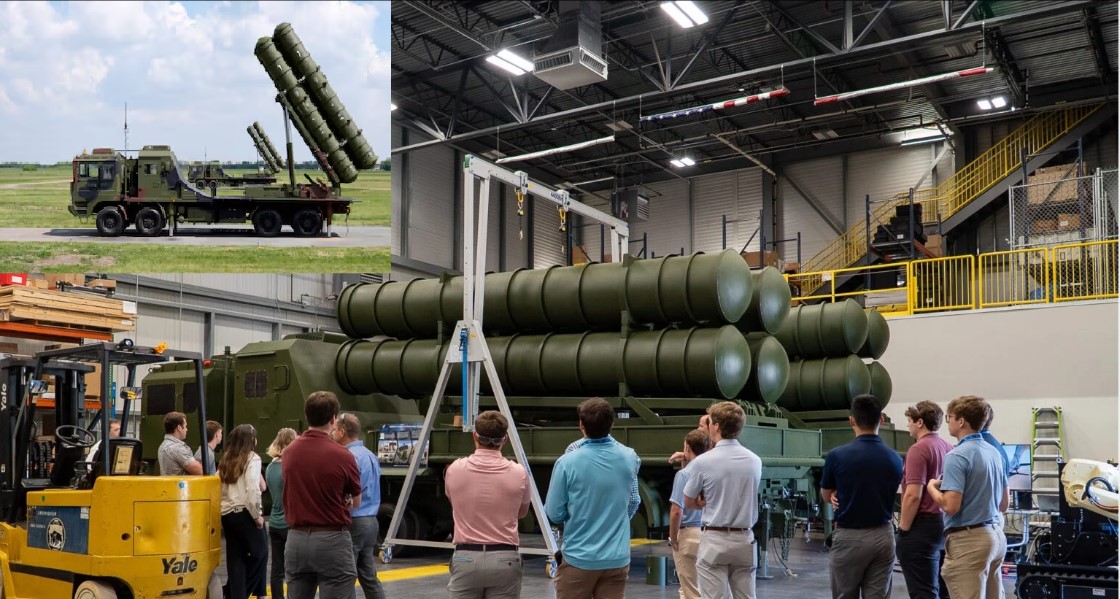
World
In a strategic move to enhance the realism of its military training, a U.S. defense contractor has developed a high-fidelity replica of China’s HQ-22 surface-to-air missile (SAM) system. The project is being led by Torch Technologies at its Integration and Prototyping Center (TIPC), located in Huntsville, Alabama. This non-operational but highly detailed replica is part of a broader Pentagon initiative to prepare U.S. and allied forces for potential high-threat scenarios, especially those involving advanced air defense systems used by near-peer adversaries like China. According to Torch Technologies, the goal is to replicate not just the physical appearance of the HQ-22 but also the radar signature, thermal profile, and battlefield behavior of the original system. These decoys help simulate the layered radar tracking and missile engagement zones that the actual HQ-22 is known for. The HQ-22, also known as FK-3 for export, is a Chinese long-range SAM system designed to counter fixed-wing aircraft, helicopters, drones, and ballistic missiles. It is often compared to systems like the Russian S-300 and American Patriot due to its extended engagement range and multi-target tracking capability. The HQ-22 uses a combination of semi-active radar and radio-command guidance, making it a significant threat in contested airspace. Torch’s replica will play a vital role in U.S. Air Force training, allowing pilots and mission planners to practice identifying, tracking, and defeating these types of defenses in a safe but realistic environment. These surrogates are especially important for electronic warfare training, where understanding how foreign radar systems operate is key to mission success. This isn’t the first Chinese system being copied for training purposes. In July, the U.S. Air Force also unveiled a replica of the Chinese HQ-16 system during the AirVenture show in Oshkosh, Wisconsin. Like the HQ-22 mock-up, it is part of a growing library of surrogate foreign weapons platforms. What sets the HQ-22 decoy apart is its upgraded design accuracy. The fabrication process ensures the model matches the real HQ-22 in size, shape, and signature, even though it doesn’t function as a weapon. The decoy can also simulate realistic radar emissions, allowing aircrews to practice detection and engagement protocols as they would in a real combat zone. These kinds of high-fidelity threat systems are usually placed on dedicated test and training ranges and integrated into large-scale exercises, including joint drills with NATO and allied forces. They’re essential tools in preparing for Suppression or Destruction of Enemy Air Defenses (SEAD/DEAD) missions, where accurate identification and targeting of air defense systems is critical. With the HQ-22 now joining the HQ-16 in production, the U.S. military is building a robust and diverse portfolio of simulated adversary equipment. This development reflects a broader trend in U.S. defense strategy: training not just harder, but smarter, with a clear focus on preparing for future conflicts in highly contested environments.
Read More → Posted on 2025-08-08 14:57:30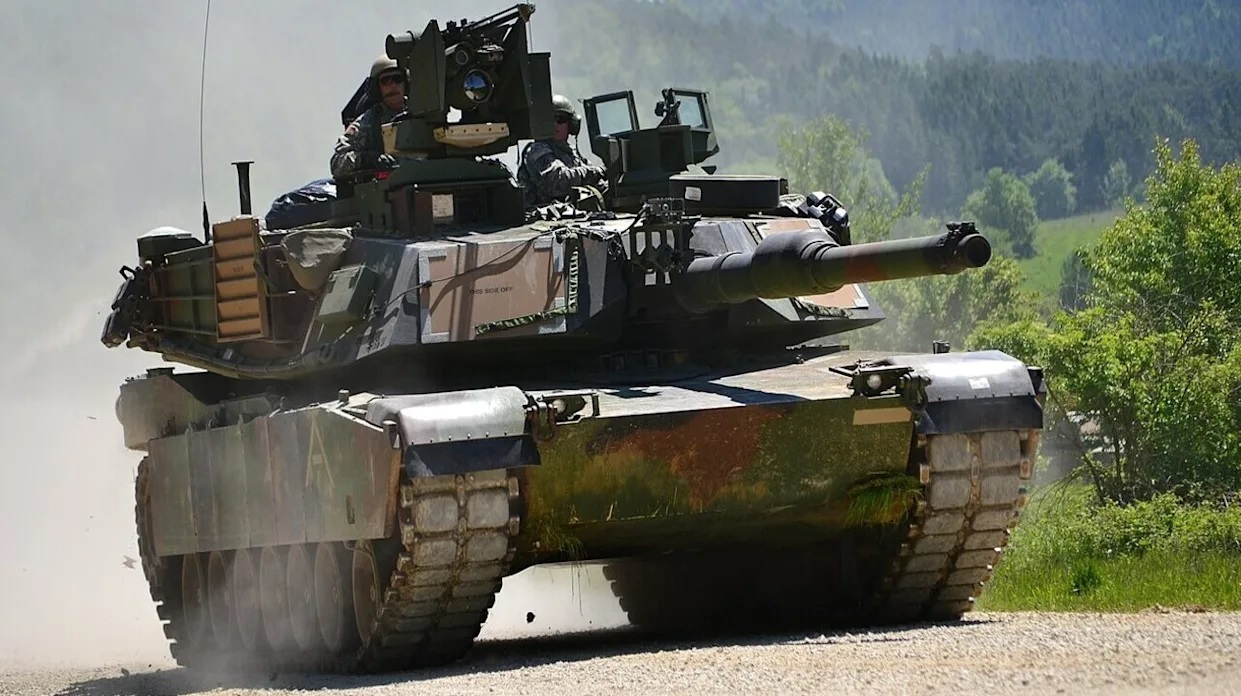
World
In a serious breach of military trust, an active-duty U.S. Army soldier, Taylor Adam Lee, 22, from El Paso, Texas, has been arrested and charged with attempted espionage after allegedly trying to pass classified information about the M1A2 Abrams main battle tank to Russia. The arrest followed a joint investigation by the FBI and U.S. Army Counterintelligence Command. Lee, who held Top Secret / Sensitive Compartmented Information (TS/SCI) clearance, allegedly contacted someone he believed to be a Russian intelligence officer between May and July 2025, expressing his willingness to help the Russian Federation. According to investigators, he shared sensitive technical data online, and even met the individual in person, delivering an SD card containing detailed military information. The data reportedly included Controlled Unclassified Information (CUI), covering vulnerabilities, operations, and technical details of U.S. armored vehicles, particularly the M1A2 Abrams, America’s most advanced and widely deployed tank. Lee was quoted saying, “the USA is not happy with me for trying to expose their weaknesses,” and offered to “volunteer to assist the Russian Federation.” One of the most shocking claims in the case is that Lee attempted to obtain a specific piece of hardware from the Abrams tank and delivered it to a storage unit, later messaging, “Mission accomplished.” What Makes the M1A2 Abrams So Critical? The M1A2 Abrams is a highly upgraded variant of the original Abrams tank, equipped with advanced armor, electronic warfare capabilities, and fire control systems. Recent updates include improved target tracking, crew survivability systems, digital command networks, and new sensor suites. Some versions also feature Active Protection Systems (APS) designed to intercept incoming threats like anti-tank missiles. Disclosing technical information about this system can seriously impact U.S. battlefield dominance. Authorities React Swiftly Roman Rozhavsky, FBI Assistant Director for Counterintelligence, stated that Lee “attempted to provide classified military information on U.S. tank vulnerabilities to a person he believed to be a Russian intelligence officer, in exchange for Russian citizenship.” Assistant Attorney General John A. Eisenberg confirmed that the charges involve national defense information, emphasizing that "serious transgressions will be met with serious consequences." U.S. Attorney Justin R. Simmons added that “national security remains a top priority,” especially when such threats come from within. Brig. Gen. Sean F. Stinchon, who leads Army Counterintelligence Command, stressed the importance of internal vigilance, urging soldiers to report any suspicious activity. He said, “Soldiers who violate their oath and become insider threats will absolutely be caught and brought to justice.” Legal Proceedings Underway The case is being prosecuted by attorneys from the Department of Justice’s National Security Division and the U.S. Attorney’s Office in the Western District of Texas. The FBI’s Washington and El Paso field offices, along with Army Counterintelligence, continue to lead the investigation. This incident is one of the most alarming examples in recent years of an insider threat targeting advanced U.S. military technology. If convicted, Taylor Lee could face life imprisonment under charges related to espionage and unauthorized export of defense information. The case is a stark reminder of the vulnerabilities even within the ranks of those sworn to defend the nation—and the lengths to which U.S. agencies will go to stop them.
Read More → Posted on 2025-08-08 14:52:36
India
Armenia is actively exploring the purchase of 8 to 12 Su-30MKI fighter jets from India, signaling a strategic shift in its defense planning. Negotiations are reportedly underway with Hindustan Aeronautics Limited (HAL), India’s principal military aircraft manufacturer . This move comes as Armenia seeks to modernize its air force in the face of growing regional threats. With Azerbaijan’s recent acquisition of 40 advanced JF-17 Block III jets—equipped with modern avionics and long-range PL-15 missiles—Armenia is looking to India’s Su-30MKI as a credible counterbalance . These Indian-made jets bring powerful capabilities—like long-range strike, advanced avionics, and the ability to carry indigenous weapons such as the Astra air-to-air missile and the BrahMos cruise missile. They're viewed as a cost-effective alternative to Western fighters like the French Rafale . Additionally, Armenia is also looking to upgrade its existing fleet of four Russian-made Su-30SM fighters with India's newer "Super Sukhoi" systems, potentially adding features like AESA radar, enhanced electronic warfare suites, and integration of Indian munitions . This interest in Indian combat aviation further strengthens India-Armenia defense ties, following recent arms purchases by Armenia—such as the Akash-1S air defense system and Pinaka rocket systems—which already make it one of India's largest defense buyers in the region. If finalized, the deal could mark a strategic milestone—granting Armenia advanced airpower while bolstering India’s role as an emerging arms exporter in the South Caucasus.
Read More → Posted on 2025-08-08 04:54:50
India
India is close to completing the Kandla–Gorakhpur LPG Pipeline, a 2,805 km-long project that will be the world’s longest liquefied petroleum gas pipeline. Stretching across Gujarat, Madhya Pradesh, and Uttar Pradesh, the pipeline is expected to be fully operational by mid-2025, with major construction work now in its final stages. Mega Energy Corridor The project is being developed by IHB Limited, a joint venture of Indian Oil, BPCL, and HPCL. It will transport LPG from coastal terminals and refineries in Kandla, Dahej, Pipavav, Koyali, and Bina to 22 bottling plants across three states. Once operational, the pipeline will have the capacity to carry 8.3 million tonnes of LPG every year, meeting about a quarter of India’s total LPG demand. Lower Costs, Safer Transport The ₹9,000–10,000 crore investment will significantly cut transport costs by reducing dependence on LPG tanker trucks. It will also improve safety by reducing the risk of road accidents linked to hazardous cargo movement. Timeline and Rollout Construction began in 2019, and the first phase is expected to start operations in March 2025, with full commissioning planned for June 2025. Boost for Clean Energy Goals Officials say the pipeline will strengthen LPG supply to millions of households, especially under schemes like Ujjwala Yojana, while reducing carbon emissions linked to road transport. Once completed, the Kandla–Gorakhpur pipeline will stand as a major milestone in India’s push for secure, efficient, and cleaner energy delivery across the country.
Read More → Posted on 2025-08-08 04:43:33
World
Switzerland is now seriously thinking about cancelling its massive $9.1 billion deal to buy 36 American-made F-35 fighter jets. This major rethink comes after former US President Donald Trump announced a sharp 39% tariff on certain European goods, including Swiss products. The new tariffs have caused concern in many European countries, especially Switzerland, which sees this move as unfair and harmful to trade relations. The deal for the F-35 jets was signed in 2022 after Switzerland selected the American aircraft over French Rafale, German Eurofighter, and others. The choice sparked political debate at the time, as many Swiss citizens and lawmakers questioned whether the expensive jets were needed for a country that has not been at war in over 200 years. Now, with the new US tariffs hitting Swiss exports, pressure is growing within Switzerland to respond strongly. Some lawmakers have openly said that if the US treats Switzerland unfairly in trade, then Switzerland should reconsider buying US military equipment. Cancelling the F-35 order is being seen as one of the possible countermeasures. The Swiss government has said it is currently reviewing the situation and will take decisions that best serve the country’s interests. There is no final decision yet, but if Switzerland walks away from the F-35 deal, it would send a strong message to Washington and may even lead to wider tensions between the US and Europe over trade and defence. The F-35 jets were expected to be delivered to Switzerland between 2027 and 2030. If the deal is cancelled, Switzerland may go back to looking at European fighter jets like the Rafale or Eurofighter, which had been in the running earlier. This situation highlights how political and trade decisions can directly impact defence deals and long-term international partnerships.
Read More → Posted on 2025-08-07 16:38:35
Space & Technology
In a groundbreaking achievement for India’s private space sector, Chennai-based Agnikul Cosmos has successfully developed the world’s largest single-piece 3D-printed rocket engine, known as Agnilet. The milestone marks a significant advancement in rocket propulsion technology and reaffirms India’s growing presence in the global space industry. Agnilet is fabricated entirely from a single piece of metal using advanced 3D printing techniques with no assembled parts. This not only simplifies the engine’s construction but also dramatically reduces the chances of leaks or mechanical failures. The engine is made from Inconel, a high-performance nickel-chromium-based superalloy capable of withstanding extreme pressure and temperature conditions typical of rocket launches. The innovation reflects Agnikul’s vision of affordable and on-demand access to space, especially for small satellite missions. The Agnilet engine is designed for Agnibaan, Agnikul’s customizable small satellite launch vehicle (SSLV), which is capable of lifting payloads up to 100 kg into low Earth orbit (LEO). The vehicle is modular and mobile, designed to launch from India’s first private launchpad, also established by Agnikul at the Satish Dhawan Space Centre (SDSC), Sriharikota. What sets this achievement apart on the global stage is the scale and complexity of the single-piece engine. While several aerospace companies have adopted 3D printing for parts of engines, creating an entire engine — including combustion chamber, injectors, and cooling channels — as a single unit is rare and difficult due to the precision and material strength required. Agnikul Cosmos has already conducted multiple hot-fire tests of the Agnilet engine, with successful results. These tests validate both the performance and durability of the engine under real-world conditions. This development is also symbolic of India’s thriving private aerospace sector, following the Indian government's move to open the space sector to private players under IN-SPACe. Agnikul, incubated at IIT Madras, has received strong backing from both public and private entities and continues to pioneer innovations in space launch technologies. As the space race becomes increasingly competitive, Agnikul Cosmos’s 3D-printed Agnilet engine stands out as a technological marvel, offering a blend of efficiency, reliability, and cost-effectiveness — crucial factors in the new era of space exploration and commercialization.
Read More → Posted on 2025-08-07 16:31:21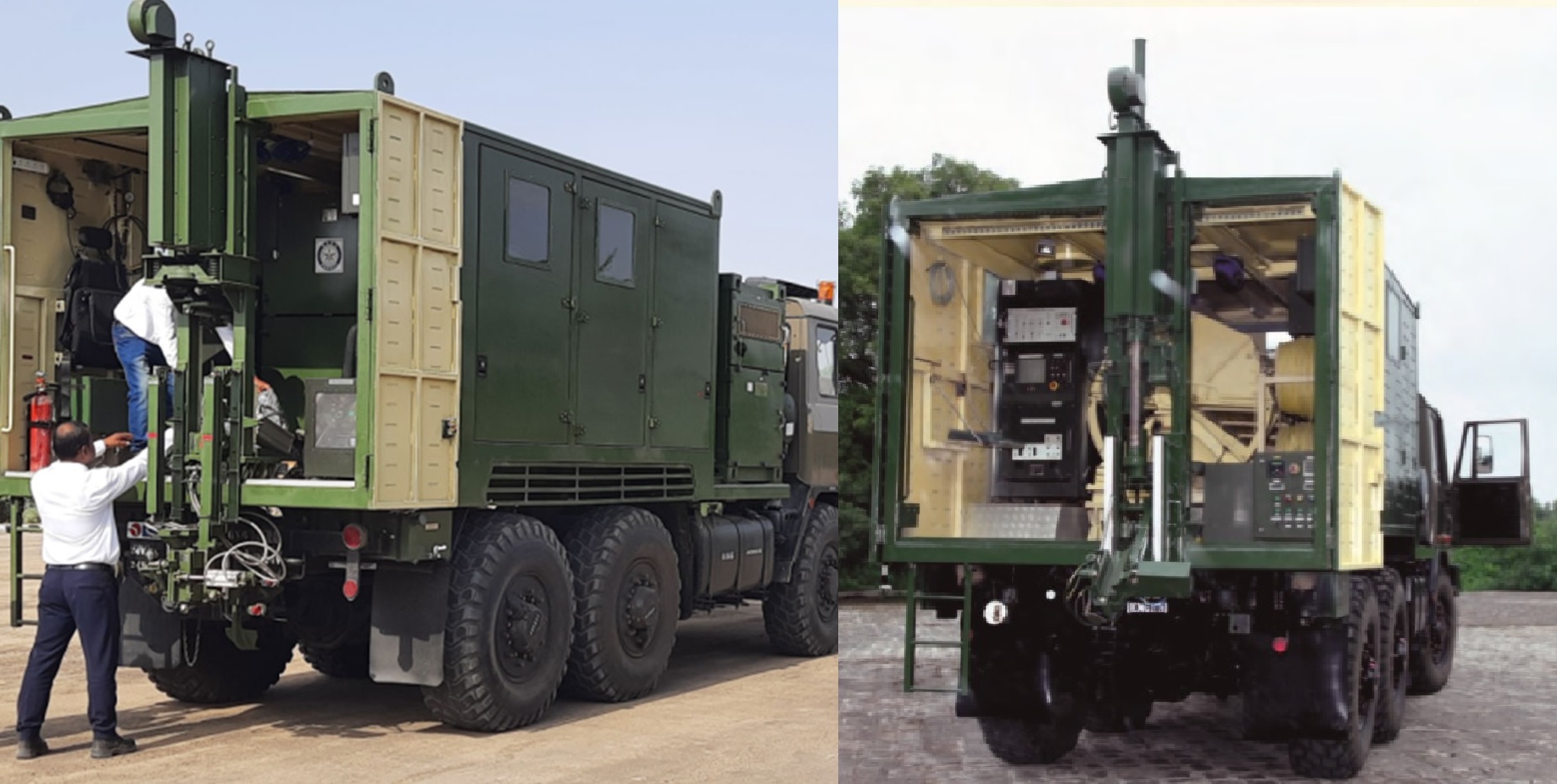
India
In a significant boost to combat engineering capabilities, the Indian Army has inducted the indigenous Mechanical Minefield Marking Equipment Mark–II (MMME Mk-II) developed and manufactured by Bharat Earth Movers Limited (BEML). This induction marks a major step towards enhancing operational efficiency, safety, and self-reliance in minefield management. The MMME Mk-II is designed to rapidly and accurately mark minefields to prevent accidental entries by friendly forces and ensure safer operational planning during combat. Built on the robust BEML TATRA 6x6 platform, the system is capable of operating in diverse terrains and challenging conditions faced by Indian troops. Key Features of MMME Mk-II: High Mobility: Mounted on a 6x6 TATRA vehicle chassis for cross-country operability. Efficient Marking: Equipped with an automatic post-driving mechanism to insert marking poles at regular intervals while moving. Dual Operation Mode: Can be operated both manually and automatically, ensuring flexibility in different field scenarios. Night Operations: Integrated with illumination features to support night-time minefield marking. Storage Capacity: Can carry a large number of marking poles, streamlining logistics during operations. Operational Significance: The MMME Mk-II plays a critical role in combat zone preparation, especially during tactical mine-laying operations. It drastically reduces the time and manpower required to mark minefields and eliminates the high-risk factor associated with manual marking. The equipment was designed by the R&D wing of BEML in collaboration with the Indian Army's Corps of Engineers, with rigorous trials conducted across varying field conditions before its final induction. This move aligns with the Indian Army’s commitment to Atmanirbhar Bharat (Self-Reliant India) in defense manufacturing and modernizing its engineering corps with indigenous solutions. The induction of MMME Mk-II will significantly enhance the operational readiness and safety protocols of the Indian Army during conflict situations and in active deployment zones. The Indian Army has consistently pushed for domestically developed systems to reduce dependency on foreign imports and promote the indigenous defense ecosystem. With the successful induction of MMME Mk-II, BEML has once again proven its capability in delivering world-class military equipment tailored to the Army's specific operational needs.
Read More → Posted on 2025-08-07 16:20:49Search
Top Trending in 24 Hours
-
 President Trump Pauses Plans to Expand U.S. Strikes on Iran Amid Concerns Over Air Defense Missile Stocks
-
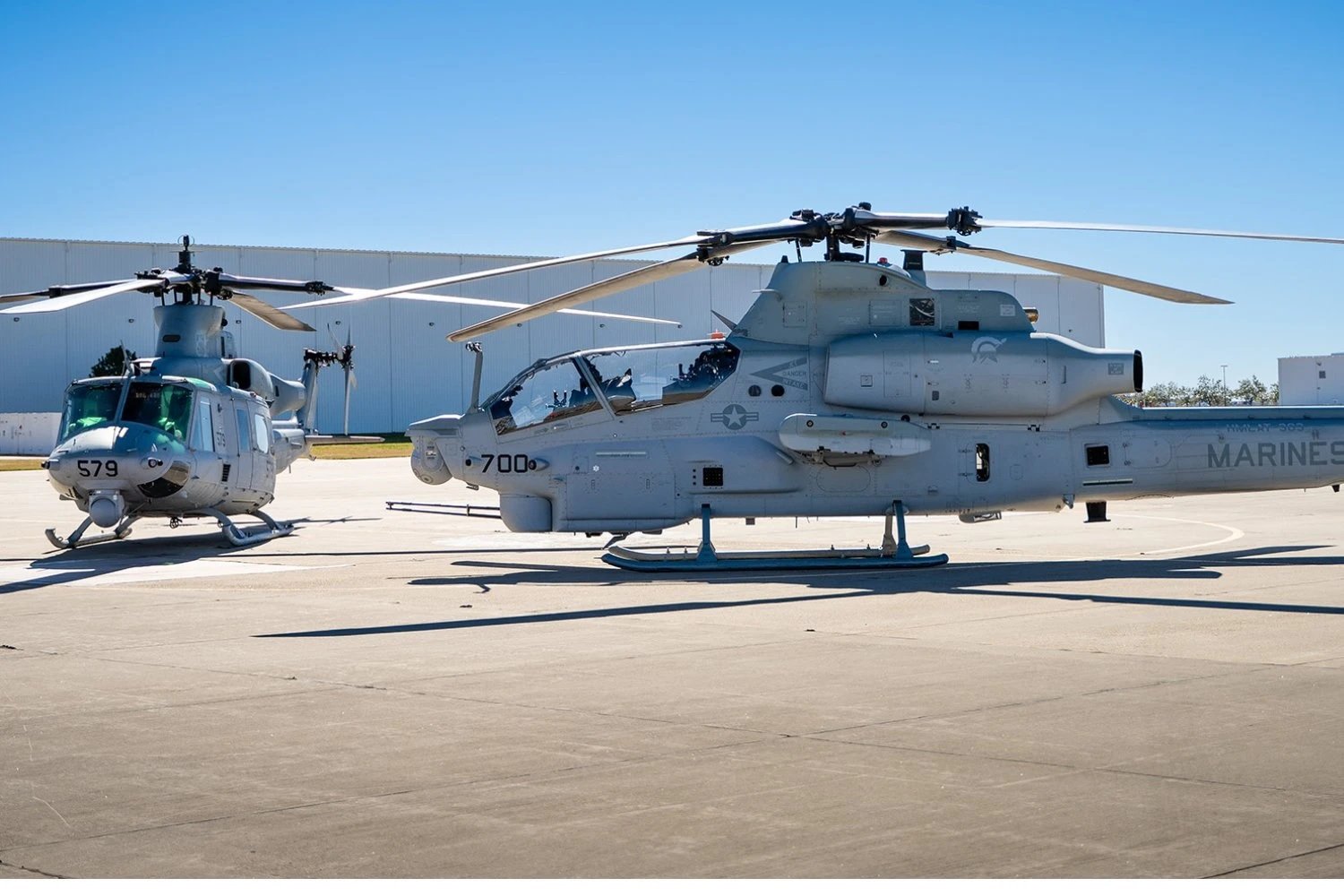 U.S. Awards Bell Textron $33.64 Million Contract for Next Phase of Marine Corps AH-1Z and UH-1Y Helicopter Upgrades
-
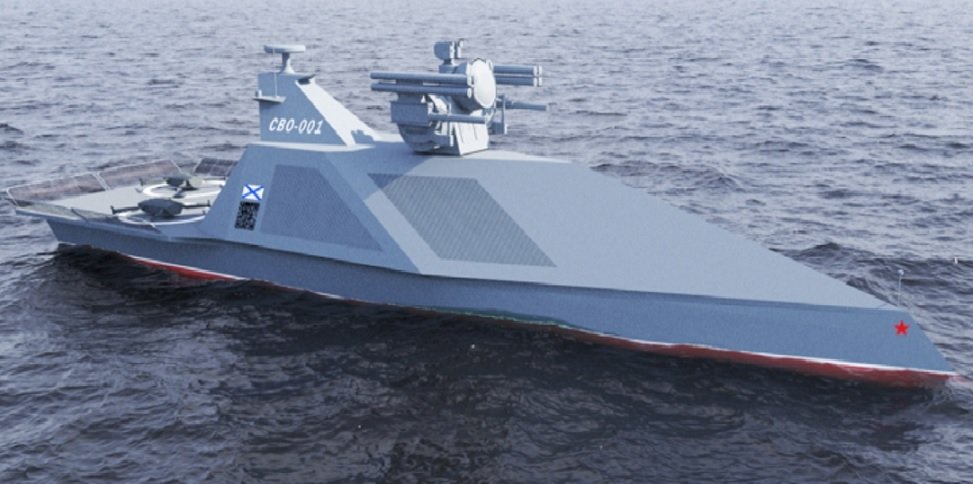 Russia Builds 500-Ton Unmanned Warship For Anti-Submarine Warfare, Plans New 9,500-Ton Warship, Navy Chief Says
-
 Unreleased Footage Reveals Why Lindsey Graham Dropped Plan to Push Trump on Hezbollah Strikes
-
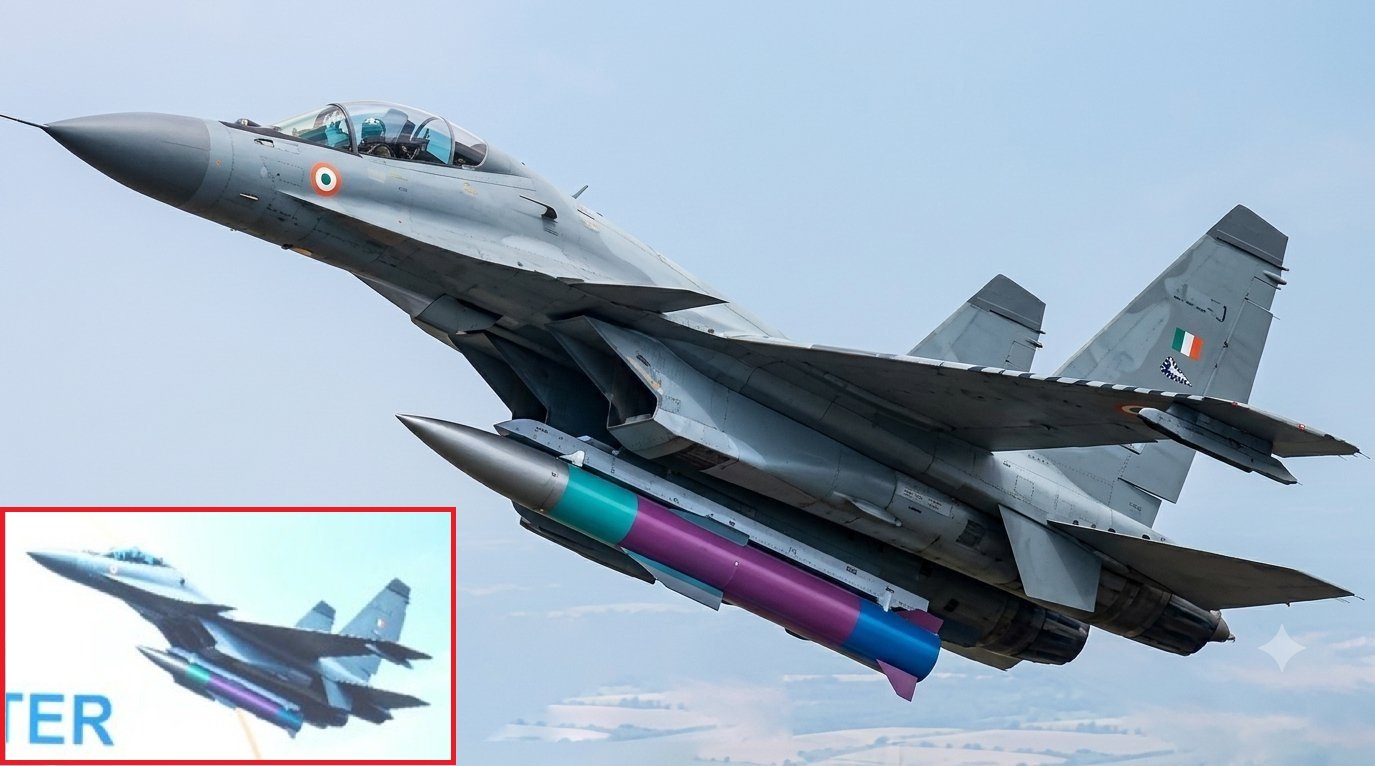 DRDO Developing Long-Range Air-Launched Ballistic Missile for Su-30MKI, Rudram-4 Seen as Likely Candidate
-
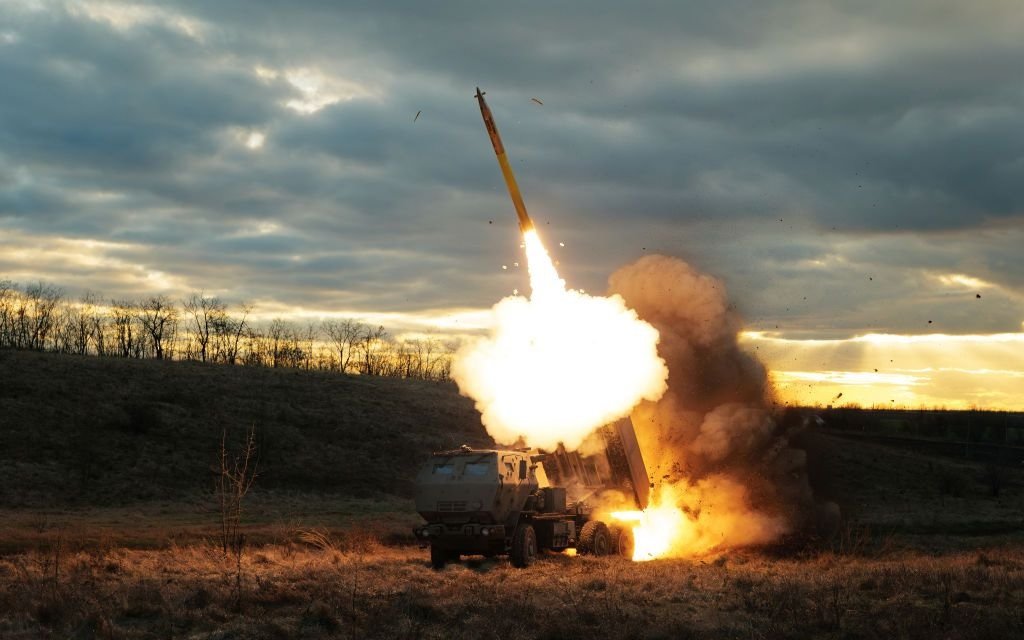 U.S. Military Selectively Intercepts Iranian Missiles to Preserve Shrinking Air Defense Stocks : Report
-
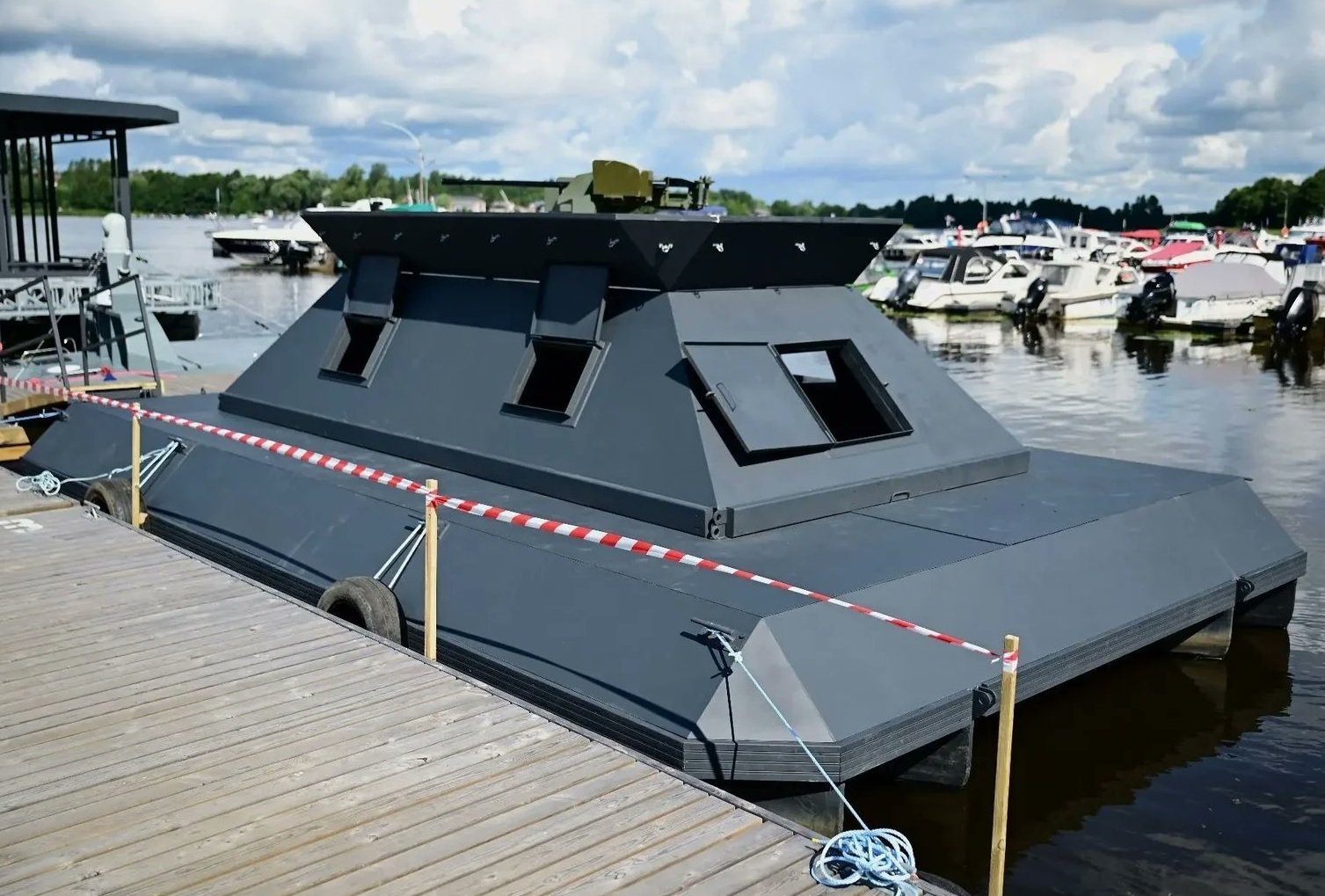 Russia Unveils Experimental Plot-40 Floating Defense Platform to Counter Drone and USV Threats
-
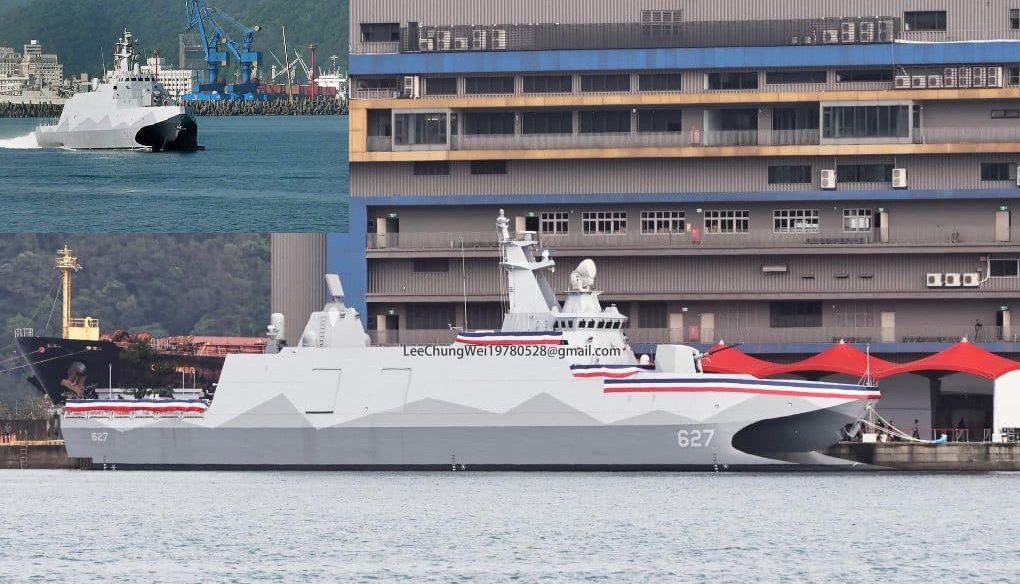 Taiwan Commissions First Batch 2 Tuo Chiang-Class Corvette with New Leonardo Radar
Top Trending in 4 Days
-
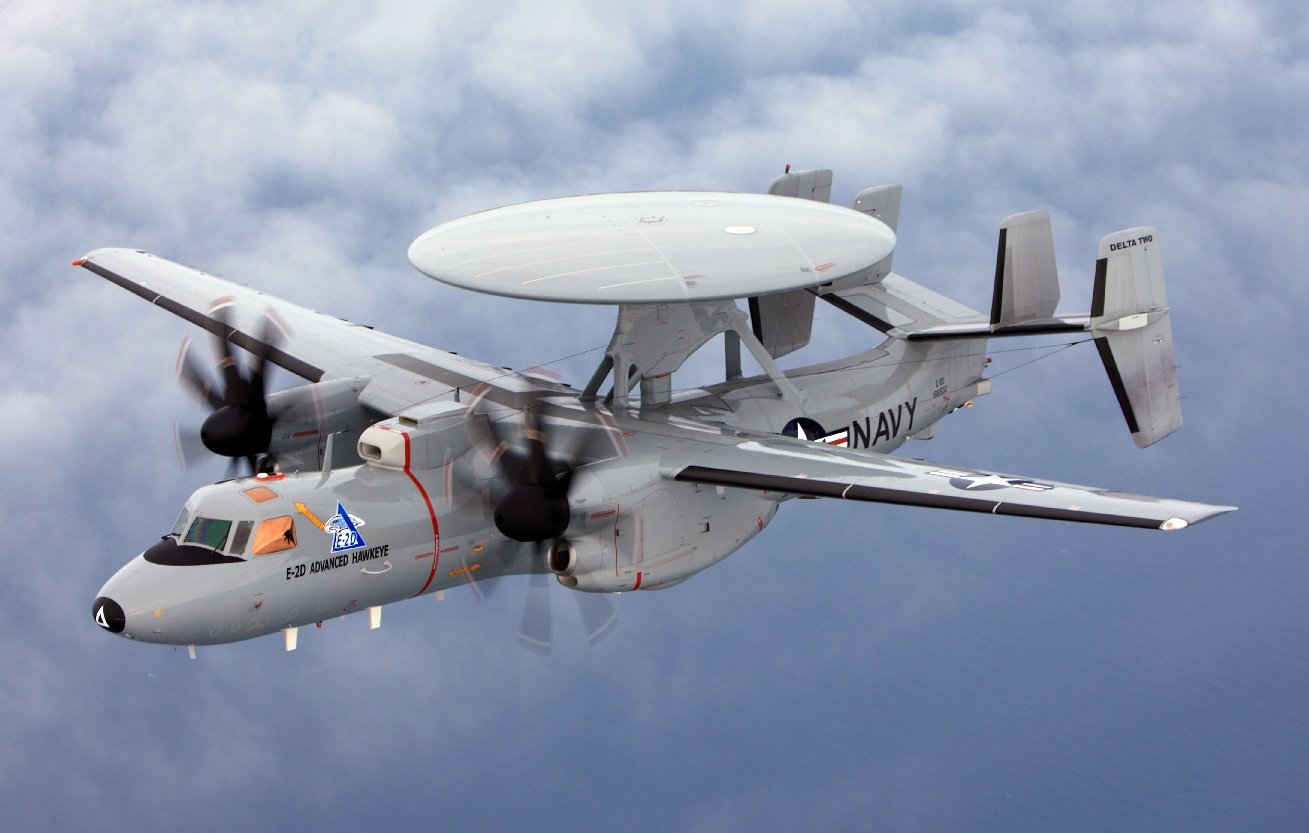 U.S. Navy Awards Northrop Grumman $1.2 Billion Deal for Three New E-2D Advanced Hawkeyes
-
 U.S. Airstrikes Target IRGC Missile Base Near Taft as Overnight Strikes Hit Central Iran
-
 Kuwait and Bahrain Reportedly Launch First Joint Direct Airstrikes on Iran Since War Began : Report
-
 DRDO Successfully Conducts Maiden Flight Test of 150-km-Range Kusha M1 Air Defence Missile
-
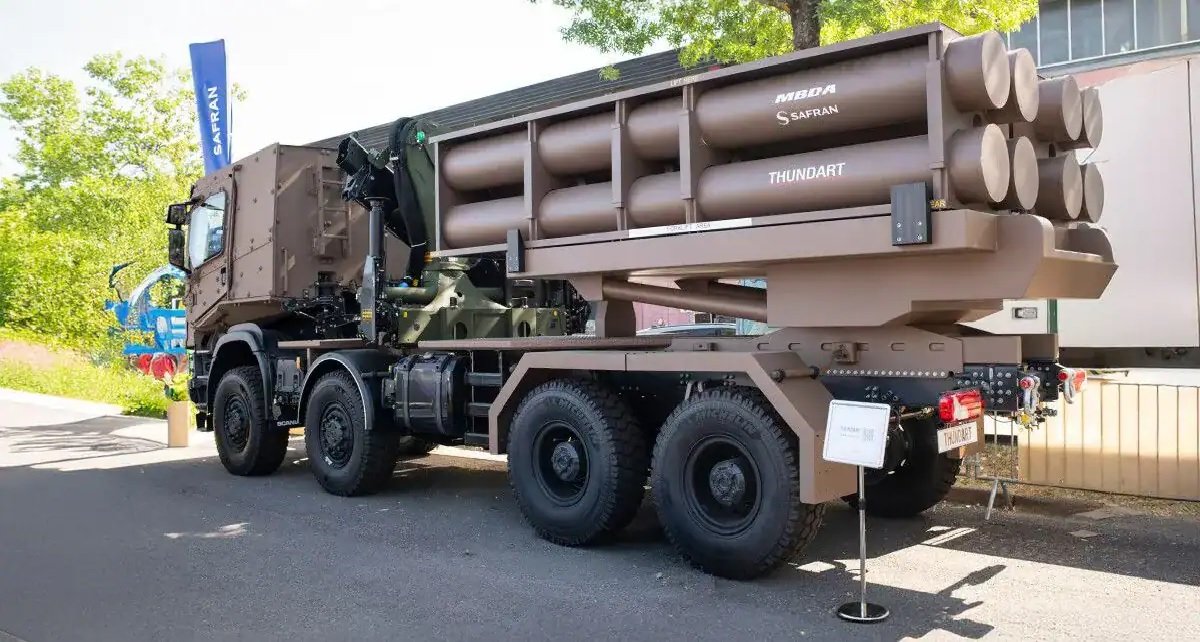 France's THUNDART Long-Range Rocket System May Undergo Prototype Combat Testing in Ukraine
-
 Russian Su-57 Stealth Fighter Crashes During Training Flight Near Moscow, Pilot Ejects Safely
-
 Australia Commits Additional AUD 4.6 Billion to Expand Osborne Shipyard for AUKUS Submarines
-
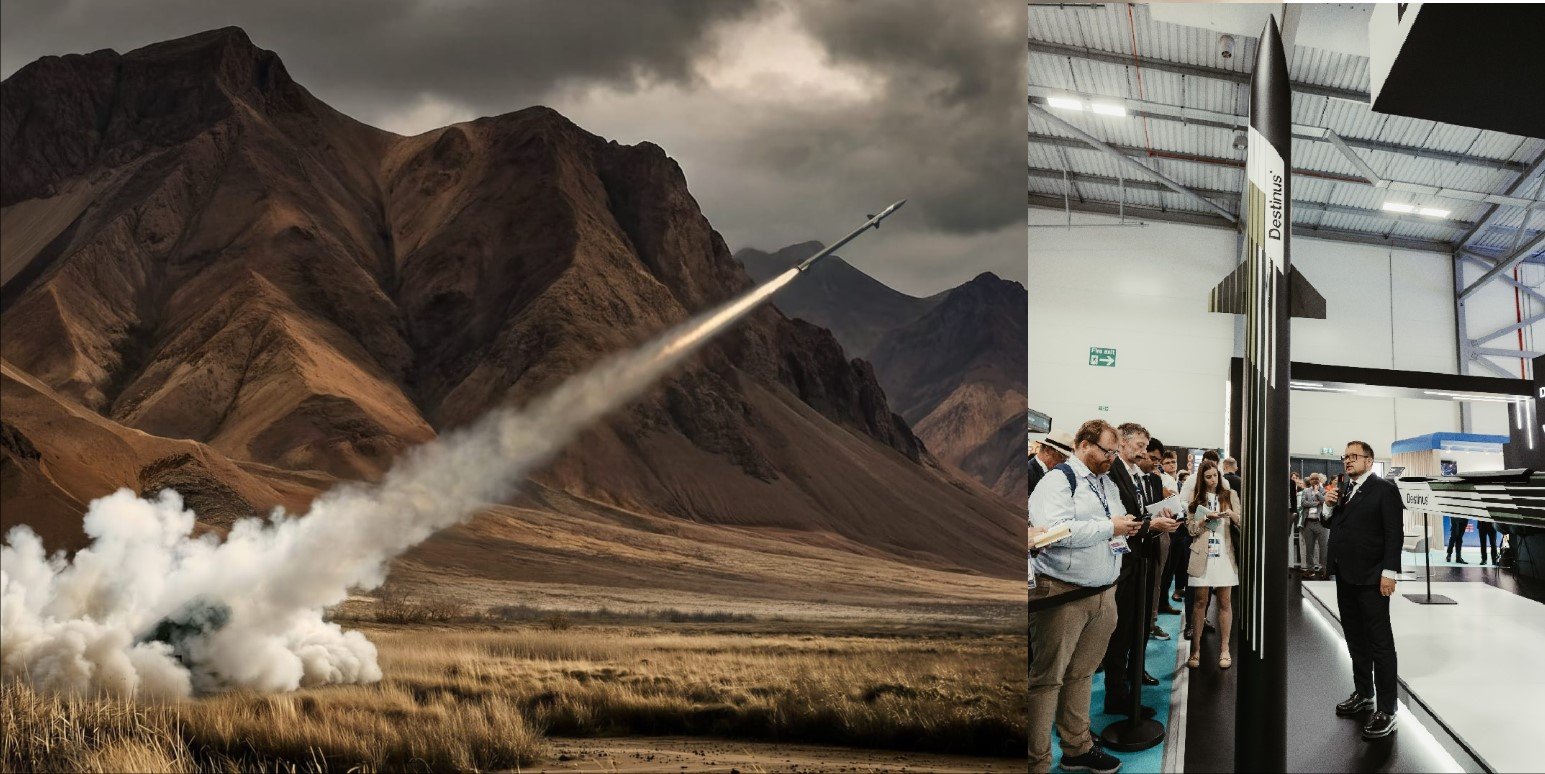 Destinus Unveils Vorexon Interceptor Concept to Defend Critical Sites from Artillery Threats
