World
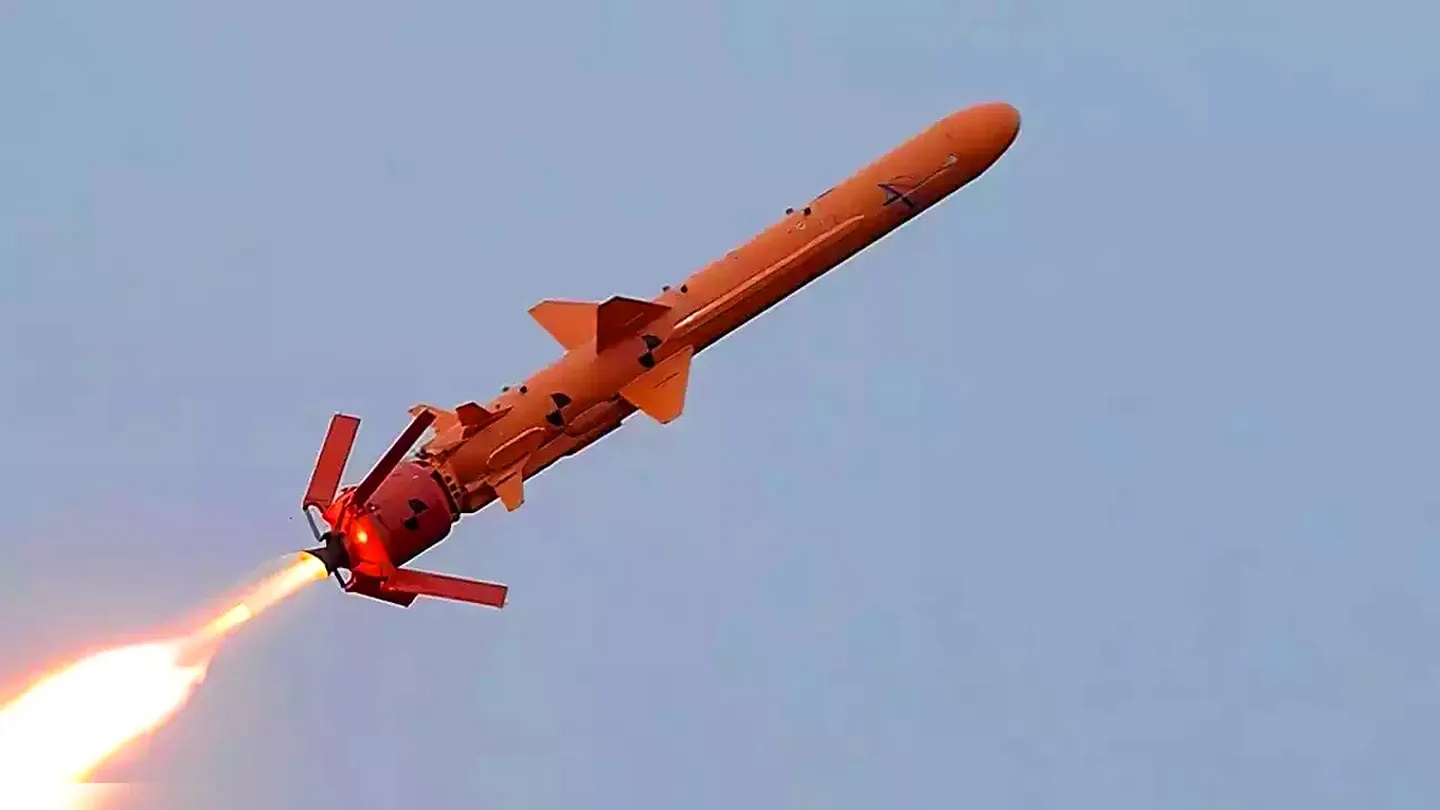
Kyiv, August 2025 – Ukraine has officially showcased a new long-range version of its domestically developed Neptune cruise missile, widely referred to as the “Long Neptune.” According to defence sources, the missile boasts a range of around 1,000 kilometres, significantly extending the reach of Ukraine’s strike capabilities. The new missile was publicly revealed during a defence exhibition in Kyiv and has reportedly already been employed in combat operations since March 2025, underscoring Ukraine’s rapid advancement in indigenous missile technology despite ongoing conflict. From Anti-Ship Weapon to Long-Range Strike Missile The original R-360 Neptune, derived from the Soviet-era Kh-35 design, was developed by Ukraine as an anti-ship cruise missile. It gained international attention in April 2022 when a Neptune strike led to the sinking of the Russian Black Sea Fleet’s flagship cruiser, Moskva. The new “Long Neptune” diverges from this naval strike role, being optimised for long-range land-attack missions. Analysts believe this evolution was necessary to provide Ukraine with a homegrown alternative to imported Western long-range missiles, such as the Storm Shadow and SCALP-EG. Design Enhancements and Technical Features Visual comparisons between the new missile and the earlier R-360 reveal several structural changes: Length: Over 6 metres without its booster, roughly 1.5 metres longer than the R-360. Fuselage Diameter: Expanded to 50 cm, compared to the original 38 cm. Tail Section: Remains similar, housing the missile’s turbojet engine. Wings and Tail Surfaces: Enlarged to handle heavier launch weight and improved stability. The enlarged fuselage likely allows for greater fuel capacity, which accounts for the missile’s extended 1,000 km operational range. The warhead’s exact specifications remain classified, though the earlier R-360 carried a 150-kg high-explosive warhead. Operational Role and Strategic Significance The “Long Neptune” is designed to strike high-value land targets deep inside enemy territory, including military infrastructure, logistics hubs, airbases, and command centres. With a 1,000 km range, the missile can reach targets far beyond the frontlines, potentially including sites deep within Russian territory. Its introduction offers Ukraine: Strategic independence, reducing reliance on limited stocks of Western-supplied long-range missiles. Deterrence capabilities, forcing Russia to defend critical assets previously considered beyond Ukraine’s strike range. Operational flexibility, with options for both anti-ship and long-range land-attack missions depending on configuration. Combat Use Already Confirmed Ukrainian defence officials have hinted that the “Long Neptune” has been in active use since March 2025. Russian officials have also accused Ukraine of employing Neptune missiles in strikes against military facilities across occupied Crimea and even in Belgorod and Bryansk regions inside Russia. If confirmed, this would mean the missile is not merely experimental but already a battle-tested system integrated into Ukraine’s arsenal. Broader Context: Ukraine’s Expanding Missile Program The unveiling of the Long Neptune comes amid Ukraine’s push to strengthen its domestic missile industry. With Western supplies often delayed or politically constrained, Kyiv has invested heavily in homegrown capabilities such as: Hrim-2 (Grom-2) ballistic missile project, aimed at ranges up to 500 km. Vil’kha-M guided rocket systems, extending artillery strike capabilities. Adaptations of Soviet-era platforms to modern standards. Together, these programs demonstrate Ukraine’s determination to maintain long-range strike capacity even under wartime conditions. The debut of the 1,000 km-range “Long Neptune” marks a decisive shift in Ukraine’s missile development trajectory. From the weapon that sank the Moskva to a long-range land-strike platform, Neptune has evolved into a family of systems capable of reshaping the battlefield. As extensive trials continue and combat usage expands, the Long Neptune stands as a powerful symbol of Ukraine’s resilience and innovation—showing that even under constant attack, the country is able to push forward advanced weapons that can alter the strategic balance.
Read More → Posted on 2025-08-25 15:04:22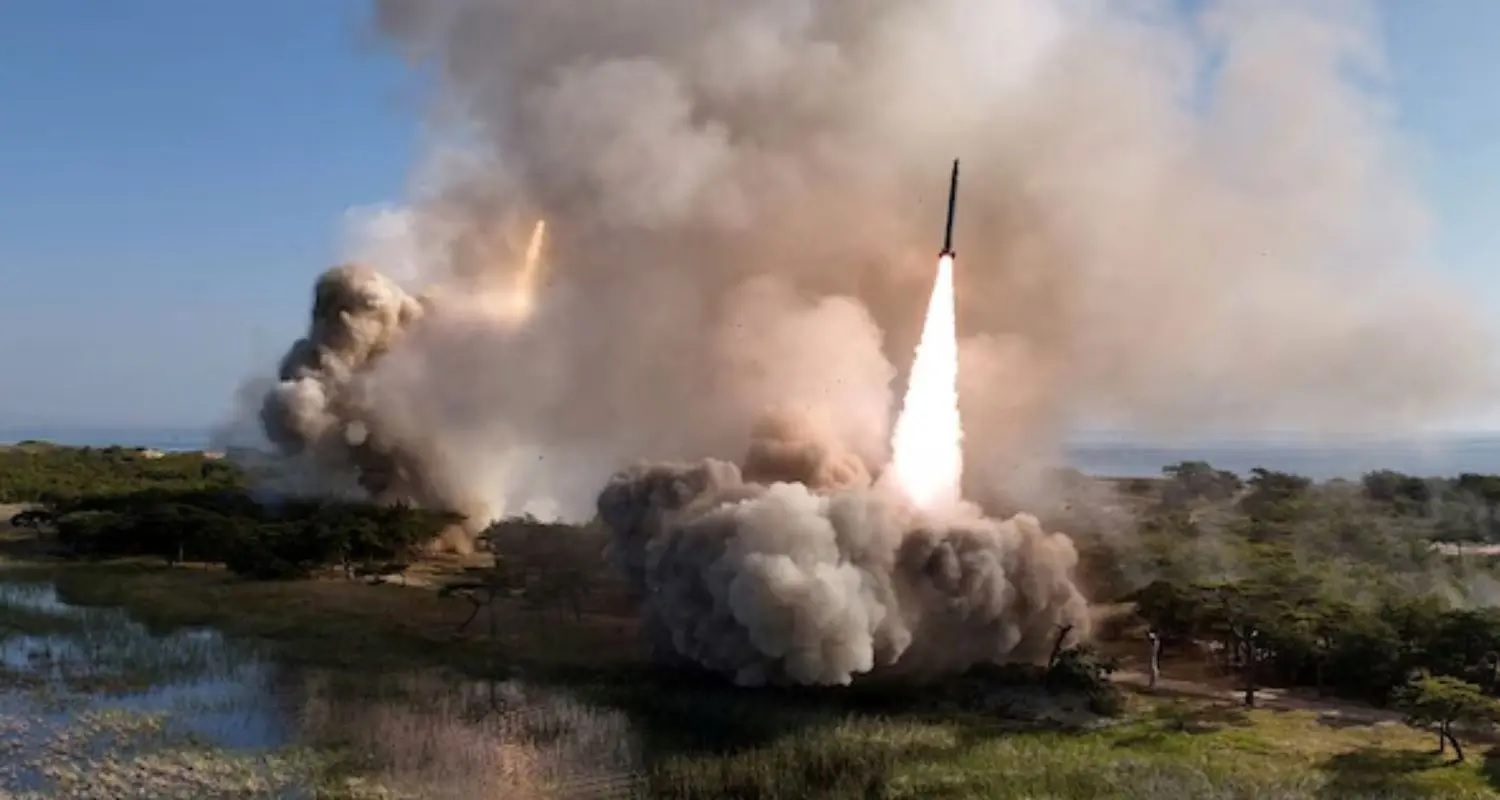
World
Pyongyang, August 2025 – North Korean leader Kim Jong Un has personally supervised the test-firing of two new air defense missile systems, state media reported Sunday. The tests come just days after a heated border incident between North and South Korea, underscoring the growing military tensions on the Korean Peninsula. According to the Korean Central News Agency (KCNA), the launches took place on Saturday and involved two “improved” missile weapon systems with what it described as “unique and special technology.” The report claimed the systems demonstrated “superior combat capability” and were well-suited to destroying a range of aerial targets. Photographs released by state media showed missiles streaking skyward and what appeared to be intercept tests against simulated incoming projectiles. Kim Jong Un was seen receiving a detailed briefing, with military aides presenting data as he observed the trials. Focus on Drone and Cruise Missile Threats While KCNA offered no technical specifications, South Korean defense experts noted that the timing and description suggest Pyongyang is accelerating development of short- to medium-range air defense systems aimed at countering drones and low-flying cruise missiles. Analysts point out that North Korea has been studying battlefield experiences from Russia’s war in Ukraine. The widespread use of UAVs (unmanned aerial vehicles) and low-cost drones has exposed vulnerabilities in traditional air defense systems. By improving its own missile interceptors, Pyongyang is believed to be adapting its doctrine to future conflicts. Hong Min, senior analyst at the Korea Institute for National Unification, said, “The North is bolstering air defense missiles against low-altitude flying drones and cruise missiles. This reflects Pyongyang’s recognition of lessons learned from modern warfare, especially in Ukraine.” Border Clash Raises Friction The missile tests followed a fresh confrontation on the Demilitarized Zone (DMZ), one of the most heavily militarized borders in the world. Earlier this week, around 30 North Korean soldiers briefly crossed the military demarcation line, prompting the South Korean military to fire warning shots. Although the North Korean troops retreated quickly, Pyongyang condemned the response as a “deliberate provocation.” Army Lieutenant General Ko Jong Chol warned that such incidents could push the situation into an “uncontrollable phase” given the heavy military presence on both sides of the border. The United Nations Command confirmed the incursion, while Seoul said it is closely monitoring unusual troop movements near the border. Strategic Messaging Ahead of Party Meeting State media also reported that Kim Jong Un has directed the defense science sector to complete an “important task” before an upcoming ruling party meeting. While details remain undisclosed, observers believe this could refer to further missile trials or the rollout of new weapons systems. The North has a history of showcasing military achievements ahead of key political events, often as a signal of strength both domestically and internationally. Pyongyang and Moscow Ties The test also comes amid deepening North Korea–Russia military cooperation. According to South Korean and Western intelligence, Pyongyang has sent over 10,000 soldiers to support Russian operations, mainly in the Kursk region, along with artillery shells and rocket systems. Reports suggest around 600 North Korean soldiers have been killed and several thousand wounded in the fighting. This battlefield exposure may be accelerating North Korea’s push for more advanced air defense systems, which could serve both domestic defense and future arms exports to allies like Russia. South Korea’s Balancing Act South Korea’s new president Lee Jae Myung has pledged to seek warmer relations with Pyongyang and build “military trust”. However, North Korea has dismissed these overtures, saying it has “no interest” in improving ties under current conditions. The missile launches, coupled with escalating tensions along the border, suggest that inter-Korean dialogue remains unlikely in the near future. The test-firing of two new air defense missile systems under Kim Jong Un’s supervision highlights North Korea’s determination to modernize its military and adapt to modern warfare trends. With tensions simmering at the DMZ and growing military cooperation between Pyongyang and Moscow, the Korean Peninsula faces renewed uncertainty. The development underscores North Korea’s dual strategy: strengthening homeland defense against emerging aerial threats while signaling defiance to both Seoul and Washington.
Read More → Posted on 2025-08-24 16:20:58
World
Gyumri, Armenia, August 2025 – Around 100 protesters gathered outside Russia’s 102nd Military Base in the Armenian city of Gyumri on Saturday, demanding the withdrawal of Russian troops and calling for an end to Moscow’s military presence in the country. Armenia, a landlocked Caucasus nation, has traditionally relied on Russia as a security guarantor against neighboring Azerbaijan. However, relations between the two allies have sharply deteriorated since Azerbaijan’s 2023 offensive in Nagorno-Karabakh, when Moscow refrained from intervening to defend Armenia. Protesters Call Russia a “Threat, Not Protection” Demonstrators held placards reading “Armenia without Russian boots” and “End the Russian occupation.” “We demand the withdrawal of the Russian base from the territory of Armenia. The presence of this base does not ensure security, but creates an internal threat,” said protest organizer Arman Babajanyan. Another protester, 74-year-old Anahit Tadevosyan, accused Russia of betrayal: “They have betrayed us, they must leave. The Russians are destroying Ukraine, and they destroyed our trust too.” Counter-Protest in Support of Russia The demonstration was met with a smaller counter-rally of pro-Russian Armenians who argued the Gyumri base remains essential for Armenia’s defense. “The Gyumri base ensures the independence and security of Armenia,” said Manuk Sukiasyan of the Mother Armenia movement. A heavy police presence prevented clashes between the rival groups. The Russian 102nd Base in Context The Russian 102nd Military Base, established in 1995, houses around 3,000 troops and advanced military equipment. It is one of Moscow’s most important outposts in the South Caucasus, strategically located near Armenia’s borders with Turkey and Iran. Last year, Moscow agreed to withdraw some troops and border guards but maintained forces at Armenia’s western and southern frontiers. Despite being allies under the Collective Security Treaty Organisation (CSTO), Yerevan announced it had de facto suspended participation, citing Moscow’s failure to honor defense obligations during the 2023 Nagorno-Karabakh crisis. Geopolitical Tensions The protests highlight growing disillusionment in Armenia toward Russia, once seen as its main protector. Instead, Yerevan has been seeking closer ties with the European Union and the United States, while also deepening security dialogue with France, which recently delivered defensive equipment to Armenia. Further straining ties, Armenia ratified the Rome Statute of the International Criminal Court (ICC) in 2023, obligating it to arrest Russian President Vladimir Putin if he visits the country, due to an outstanding ICC warrant for alleged war crimes in Ukraine. What Lies Ahead Armenia faces a difficult balancing act: while many citizens call for a reduced Russian presence, Moscow’s military base remains a central feature of the region’s security architecture. With Azerbaijan strengthening ties with Turkey and Armenia looking westward, the future of Russian troops in Gyumri could become a defining issue in Armenia’s evolving foreign policy. For now, the protests underscore a profound shift—Russia is no longer viewed by many Armenians as the ultimate guarantor of their security, but increasingly as an unreliable partner whose presence may hinder Armenia’s sovereignty.
Read More → Posted on 2025-08-24 16:18:01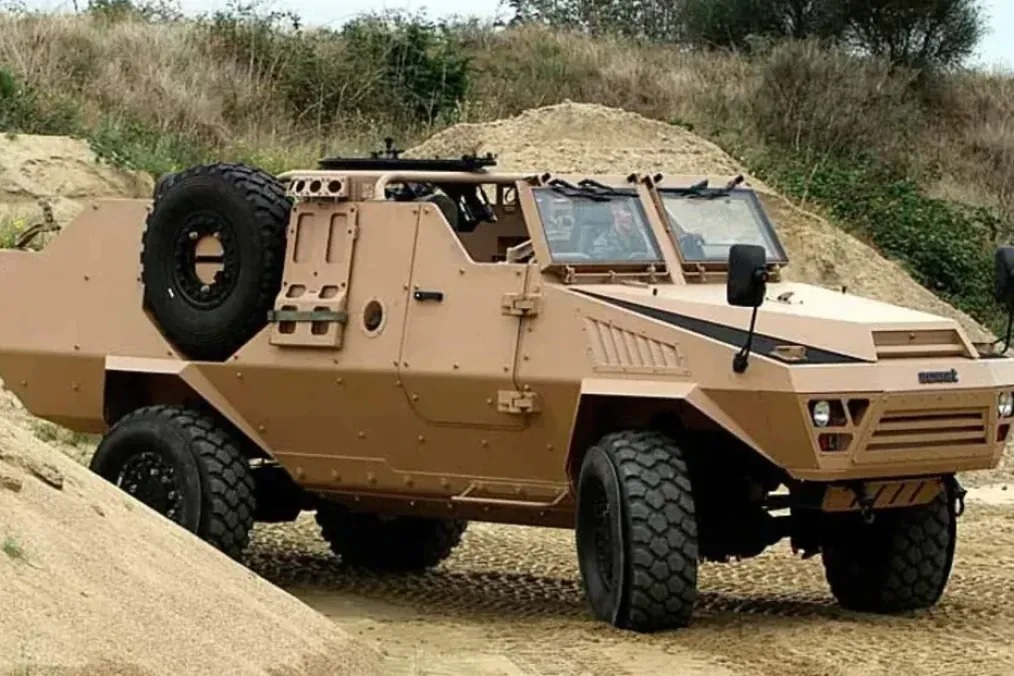
World
Paris/Kyiv, 2024 – France has reinforced its military support to Ukraine by completing the delivery of 61 Bastion 4×4 armored vehicles, a major step in strengthening Kyiv’s defense capabilities amid ongoing conflict. The contract was signed by Arquus, France’s leading land defense manufacturer, under cooperation agreements between Paris and Kyiv. Details of the Delivery The shipment was carried out in phases. The first batch of 11 vehicles was dispatched for immediate troop transport roles, while the remaining 50 units were delivered in subsequent shipments. This fleet of armored personnel carriers will significantly improve Ukraine’s capacity for troop mobility, patrol operations, and logistical support. The Bastion APC is a battle-tested platform designed to perform in high-intensity and peacekeeping operations alike. With seating for a crew of two and up to eight soldiers, the Bastion provides protection against small arms fire, artillery fragments, and improvised explosive devices (IEDs). Technical Features of the Bastion Weight: ~12 tons, built on the VLRA 4×4 chassis. Gross Vehicle Weight (GVW): 12.5 tons. Capacity: 2 crew + 8 troops. Mobility: Tactical off-road performance suitable for rough terrains. Air-transportable: Can be deployed via C-130 Hercules aircraft. Protection: Meets STANAG 4596 ballistic protection standards, ensuring safety against light arms and mine blasts. Ease of Maintenance: Designed for fast repair and support in field conditions. The vehicle is widely used for patrols, peacekeeping missions, convoy escort, and troop transport in difficult environments. The Bastion is also operated by several African nations and peacekeeping forces, highlighting its proven reliability. Wider European Defense Role of Arquus Alongside the Bastion, Arquus has also received contracts to deliver 76 CAESAR Mk1 artillery system carriers, which will be used by multiple European nations, including Ukraine. The CAESAR 155mm artillery system has been one of the most effective Western-supplied weapons in Ukraine, combining mobility, precision, and long-range strike capability. In July 2024, Arquus became part of the Belgian defense group John Cockerill Defense, with both France and Belgium each taking a 10% ownership stake. This strategic partnership allows the two companies to combine sales networks, share production capabilities, and merge product lines, resulting in a stronger European defense ecosystem. France’s Expanding Support for Ukraine France has steadily increased its military aid to Ukraine since 2022, providing armored vehicles, air defense systems, artillery, and training support. President Emmanuel Macron has emphasized France’s commitment to supporting Kyiv for “as long as necessary” against Russian aggression. The delivery of Bastion vehicles highlights Paris’s strategy of combining direct military support with industrial cooperation, strengthening both Ukraine’s defense and Europe’s defense industry. Strategic Outlook The consolidation of Arquus armored vehicles with Cockerill turrets and weapon systems creates a versatile lineup of light armored vehicles and firepower solutions. These are being targeted not only for France and Belgium but also for allied and partner nations, with Ukraine as one of the primary beneficiaries in the near term. By aligning industrial cooperation with defense aid, France and Belgium are shaping a stronger European defense supply chain, while Ukraine gains vital battlefield tools to withstand ongoing challenges. The completion of the 61 Bastion armored vehicle delivery marks an important milestone in France-Ukraine defense cooperation. Together with future deliveries of CAESAR artillery systems, this step strengthens Ukraine’s resilience and reflects Europe’s broader efforts to build a unified defense response. The Bastion’s combination of protection, mobility, and battlefield flexibility ensures it will play a critical role in enhancing Ukraine’s frontline operations, while Arquus’s integration with John Cockerill Defense underscores the growing European commitment to collective security.
Read More → Posted on 2025-08-24 16:10:22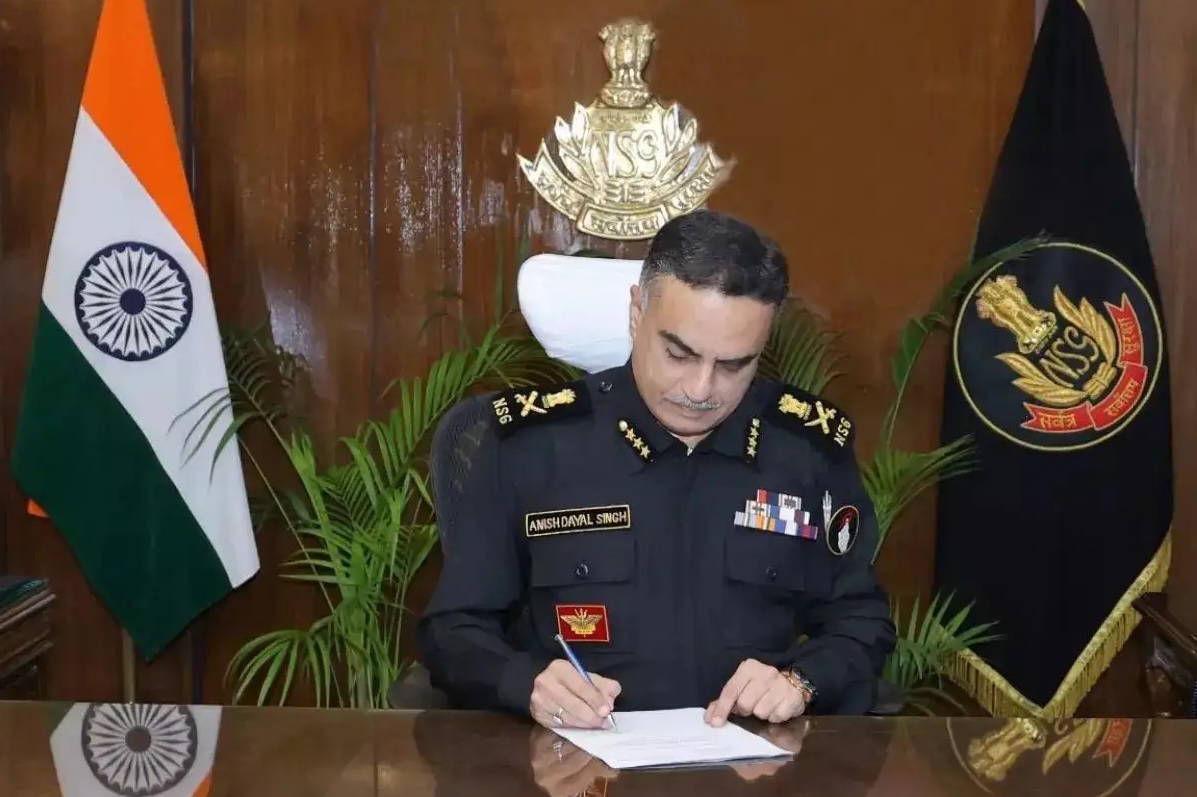
India
New Delhi, August 2025 – The Government of India has appointed Anish Dayal Singh, former Director General of the Central Reserve Police Force (CRPF), as the country’s new Deputy National Security Adviser (Deputy NSA). Singh, a 1988-batch IPS officer of the Manipur cadre, will now serve in the National Security Council Secretariat (NSCS) and report directly to National Security Adviser Ajit Doval. Strengthening India’s National Security Team Singh’s appointment comes as part of a wider strengthening of India’s top security establishment. Alongside him, the NSCS is currently helmed by a strong bench of senior officers, including: Ajit Doval, National Security Adviser. Rajinder Khanna, former RAW chief, serving as Additional NSA. T.V. Ravichandran and Pawan Kapoor, both Deputy NSAs handling key strategic domains. With Singh’s entry, the NSCS brings in an officer with deep operational experience in internal security, counter-insurgency, and paramilitary operations. Role as Deputy NSA As Deputy NSA, Singh will focus on internal security matters, including: Counter-insurgency operations in Jammu and Kashmir. Combating Left-Wing Extremism across central and eastern India. Managing security in India’s Northeast region, which continues to face challenges from cross-border insurgent groups. This role will see Singh applying his decades of field experience to national-level policy and strategy formulation. Legacy as CRPF Chief During his one-year tenure as Director General of the CRPF (January to December 2024), Singh implemented several historic reforms and operational measures: Established more than three dozen forward operating bases in Maoist-affected states, extending the CRPF’s reach deep into extremist strongholds. Raised four new battalions in Left-Wing Extremism zones. Oversaw the realignment of 130 battalions — the first comprehensive restructuring in eight years. Introduced “Samvaad” (dialogue) sessions to directly engage with company commanders and incorporate ground-level feedback into operational planning. Directed the CRPF’s massive security deployments for the 2024 Lok Sabha elections and the historic first Assembly elections in Jammu and Kashmir after the region’s reorganisation. Policy Initiatives and Personnel Welfare Singh is credited with initiating important reforms for the welfare of Central Armed Police Forces (CAPF) personnel: Advocated for and secured approval of the policy granting honorary ranks to retiring personnel, a long-standing demand finally cleared by the Union government. Pushed through a promotion reform plan to tackle stagnation, addressing cases where constables had waited nearly two decades for their first promotion. These measures earned Singh respect across the ranks for addressing long-standing grievances of CAPF soldiers. Decorations and Recognitions Over his distinguished career spanning more than three decades, Singh has been awarded several honors, including: Police Special Duty Medal (twice, including 1997). Indian Police Medal for Meritorious Service (two terms, including 2004). President’s Police Medal for Distinguished Service (2012). His service reflects both operational effectiveness and a deep focus on personnel welfare. Strategic Implications Singh’s elevation to the Deputy NSA role strengthens India’s internal security leadership at a time when the nation is grappling with challenges such as: Cross-border infiltration in Jammu and Kashmir. The evolving threat of Left-Wing Extremism, though significantly reduced in recent years. Emerging hybrid warfare tactics, including cyber threats and drone-based surveillance from hostile actors. His appointment also highlights the government’s approach of bringing senior police and paramilitary leaders into strategic policymaking positions, ensuring that operational realities inform national security strategies. With his proven track record as a reformer and field strategist, Anish Dayal Singh is expected to play a crucial role in shaping India’s internal security architecture under NSA Ajit Doval. His blend of operational expertise, structural reforms, and personnel-focused leadership makes him a valuable addition to the National Security Council Secretariat, as India continues to navigate complex security challenges in the coming decade.
Read More → Posted on 2025-08-24 16:01:24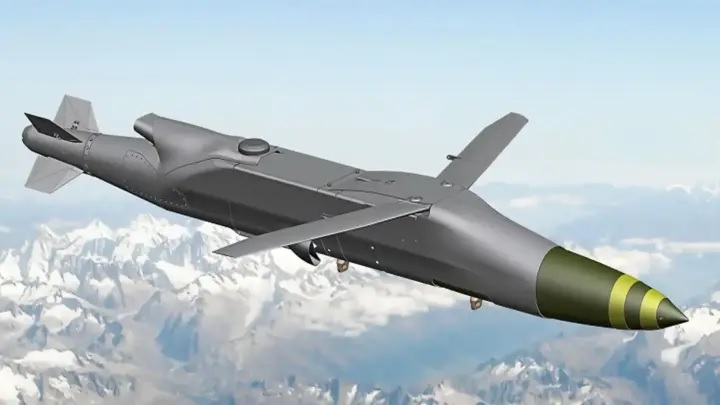
World
Washington, August 2025 – The administration of U.S. President Donald Trump has approved the sale of 3,350 Extended Range Attack Munition (ERAM) air-launched missiles to Ukraine in what is being described as one of the largest single transfers of advanced munitions to Kyiv since the beginning of Russia’s full-scale invasion. According to reports, the arms deal, valued at $850 million, will be largely financed by European allies. Delivery of the weapons is expected within the next six weeks. The package includes additional equipment alongside the ERAM missiles, although specifics have not yet been disclosed. Delayed Transfer After High-Level Talks The transfer had been under consideration for months but was delayed until after President Trump held discussions with Russian President Vladimir Putin and Ukrainian President Volodymyr Zelenskyy earlier this month. While Washington has not publicly confirmed the delivery, multiple officials have indicated that final clearance rests with the Pentagon, which must authorize the operational use of the missiles. Capabilities of ERAM The Extended Range Attack Munition (ERAM) is a long-range, air-launched cruise missile designed to serve as a standoff strike weapon. Key features include: Range: 240 to 450 kilometers, depending on variant. Launch Platforms: Compatible with modern Western fighter jets, including F-16s, which Ukraine is set to receive. Targets: Capable of striking both land and naval targets with precision. Modular Design: Can be adapted for different warheads and mission profiles. This capability will provide Ukraine with an unprecedented ability to strike deep behind Russian lines, potentially targeting command posts, ammunition depots, air bases, and naval assets in the Black Sea. Shift in U.S. Policy on Long-Range Weapons For much of the war, the Pentagon had resisted providing Ukraine with long-range strike weapons, fearing escalation if Ukrainian forces used them to hit targets inside Russian territory. Instead, U.S. military aid had emphasized shorter-range systems such as HIMARS rockets, air-defense interceptors, and artillery shells. The decision to transfer ERAM missiles signals a major policy shift, aligning U.S. aid with European nations that have increasingly pressed Washington to give Ukraine the means to hold Russian assets at risk far beyond the front lines. European Funding and Strategic Implications European partners, particularly the United Kingdom, Germany, and France, are reported to be covering most of the financial cost of the package. Officials argue that the move is essential to counter Russia’s continued missile and drone strikes on Ukrainian cities and infrastructure. Military analysts suggest that the integration of ERAM with Ukraine’s incoming F-16 fleet could become a turning point in the war, extending Kyiv’s strike reach and forcing Russia to disperse or relocate critical assets. However, the Pentagon’s restrictions on use will be key—early indications suggest Washington may prohibit Ukraine from launching the missiles into undisputed Russian territory, while allowing strikes in occupied Ukrainian regions, including Crimea. Strategic Outlook The introduction of ERAMs into Ukraine’s arsenal could dramatically alter the balance of airpower and deterrence in the region. For Russia, the deployment represents a new threat to bases, supply hubs, and naval units previously believed to be beyond Ukraine’s reach. At the same time, the sale underlines the Trump administration’s balancing act—seeking to support Ukraine’s defense while keeping open channels of dialogue with Moscow. The coming weeks, as deliveries begin and operational restrictions are clarified, will reveal just how transformative this transfer may be for the battlefield dynamics in Eastern Europe.
Read More → Posted on 2025-08-24 15:57:01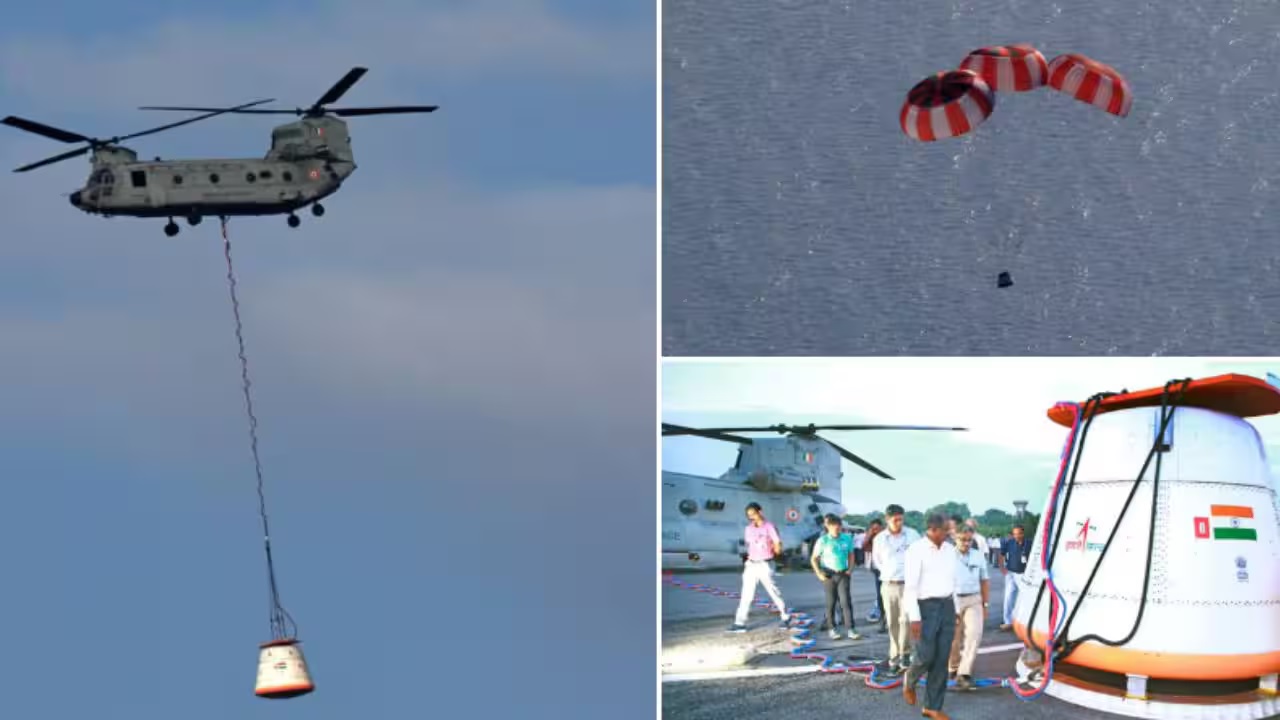
Space & Technology
Sriharikota, August 24, 2025 – The Indian Space Research Organisation (ISRO) has successfully completed the first Integrated Air Drop Test (IADT-01) for its ambitious Gaganyaan human spaceflight mission, marking a major milestone in India’s journey toward crewed space exploration. The test, conducted in close coordination with the Indian Air Force, Defence Research and Development Organisation (DRDO), Indian Navy, and Indian Coast Guard, demonstrated the end-to-end functioning of the parachute-based deceleration system that will ensure the safe return of astronauts from space. ISRO confirmed the achievement through its official communication, describing the test as a critical precursor to validating crew module safety and recovery operations. A Multi-Agency Effort The trial underscored the synergy between multiple Indian agencies, as the test required precise execution involving aircraft deployment, parachute deployment sequences, tracking, and recovery. Naval and Coast Guard assets were deployed to simulate recovery operations, reflecting the operational model for the actual human spaceflight mission. Progress on the Gaganyaan Mission The Gaganyaan program—India’s first attempt at sending humans into space—has seen consistent progress over the past year. Human Rated Launch Vehicle (HLVM3): India’s trusted LVM3 heavy-lift rocket has been modified with additional crew safety features and successfully completed development and ground testing. Orbital Module Development: Both the Crew Module and Service Module have had their propulsion systems validated. The crew module, designed to safely carry astronauts, has already passed structural and environmental tests. Crew Escape System (CES): Five different types of motors for the escape system have been developed and tested. This mechanism will rapidly pull astronauts to safety in the event of a launch emergency. Infrastructure: India has established the Gaganyaan Control Centre, Orbital Module Preparation Facility, astronaut training facilities, and launch pad modifications at Sriharikota. Earlier, ISRO successfully carried out the TV-D1 flight test, which validated the performance of the CES during an actual launch scenario. Preparations are ongoing for the TV-D2 test flight along with additional parachute validation tests under the IADT series. Operational Preparedness To ensure mission safety and reliability, ISRO has: Finalized the Crew Recovery Operations Plan, in coordination with the Navy and Coast Guard. Set up the Indian Data Relay Satellite System (IDRSS) to provide continuous communication with the crew in orbit. Integrated terrestrial tracking and feeder stations to guarantee real-time monitoring during all mission phases. Upcoming Test Flights The first uncrewed Gaganyaan mission (G1) is progressing steadily. The C32-G stage, HS200 boosters, and CES motors have already been realized, and structural checks of both the crew and service modules have been completed. The uncrewed flight will serve as a dress rehearsal for subsequent crewed missions. Vision Beyond Gaganyaan India’s human spaceflight roadmap extends well beyond Gaganyaan: Bharatiya Antariksh Station (BAS): India’s first modular space station, targeted for completion by 2035 with five modules. The first module has already received government approval. Human Lunar Mission by 2040: India aims to send astronauts to the Moon, with preliminary mission designs, launch strategies, and astronaut training protocols under development. These plans reflect India’s long-term ambition of becoming a leading spacefaring nation, not only achieving independent human spaceflight but also enabling extended human presence in low Earth orbit and beyond. National Significance The IADT-01 success represents more than just a technical milestone. It symbolizes India’s growing confidence and capability in executing complex, high-stakes missions that involve multiple agencies and cutting-edge engineering. Once realized, Gaganyaan will place India among the elite group of nations—including the United States, Russia, and China—that have independently developed the capability to launch humans into space. Union Minister of State for Science and Technology Dr. Jitendra Singh emphasized that Gaganyaan will serve as a catalyst for innovation across defense, manufacturing, and advanced research, boosting national pride while strengthening India’s position in the global space community. With the successful Integrated Air Drop Test, ISRO has taken a decisive step closer to sending Indian astronauts into space. The test validates a crucial safety system and showcases the country’s ability to integrate the efforts of its space agency, armed forces, and industry partners for a common national goal. The road ahead will see more uncrewed trials, human-rating of systems, and final mission rehearsals, leading up to the first Indian crewed spaceflight. Together with its planned space station and lunar mission roadmap, India is steadily moving toward becoming a pioneer in human space exploration, aligned with its vision of a Viksit Bharat by 2047.
Read More → Posted on 2025-08-24 15:37:18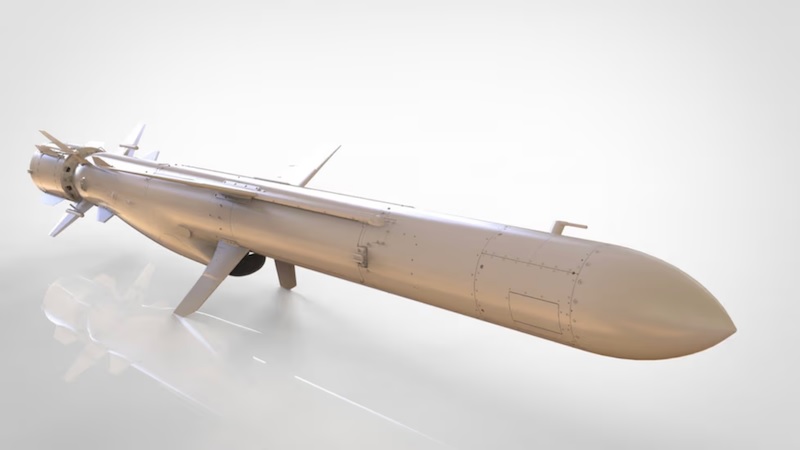
World
Helsinki, August 2025 – The Finnish Navy has officially introduced the Gabriel Mk 5 anti-ship missile system into operational service, marking a major leap in Finland’s maritime strike capability. In Finnish use, the system is designated as the Surface-to-Surface Missile System 2020 (SSM 2020). The milestone follows a series of extensive summer exercises, during which naval crews tested and integrated the weapon into combat operations. With trials successfully completed, the missile is now fully operational and deployed across multiple platforms. Replacing Legacy Missiles The SSM 2020 replaces the MTO 85M (M85) missile system, which has served the Finnish Navy since the late 1980s and is nearing the end of its lifecycle. Unlike its predecessor, the new system provides Finland with long-range strike options and the flexibility to engage not just enemy warships, but also land-based targets with precision. Rear Admiral Tuomas Tiilikainen, Commander of the Finnish Navy, called the system one of the service’s main weapon systems, alongside naval mines. He emphasized that the missile’s range and sophistication allow Finland to carry out national defense missions independently or as part of allied operations under NATO. Advanced Features The Gabriel Mk 5, developed by Israel Aerospace Industries (IAI), is the latest generation in the Gabriel missile family and is also in service with the Israeli Navy. Sometimes referred to as the Advanced Surface Attack Missile (ASAM), it combines advanced electronics with high survivability in contested environments. Key capabilities include: Range of over 200 km, providing wide-area coverage in the Baltic Sea. GPS and inertial navigation, combined with an advanced active radar seeker for terminal homing. Low radar cross-section design, improving survivability against modern air defenses. Ability to strike both moving naval vessels and fixed land targets with high accuracy. These features give the Finnish Navy a critical edge in the high-threat maritime environment of Northern Europe, where advanced electronic warfare and area denial systems are increasingly common. Platforms and Deployment The SSM 2020 will be installed on: Hamina-class fast attack craft (modernized under the Squadron 2000 program). The future Pohjanmaa-class multi-role corvettes, currently under construction and due to enter service between 2026–2029. Mobile coastal defense batteries, giving Finland the ability to launch missiles from land-based platforms for area denial missions. This multi-platform integration ensures that Finland’s maritime strike capability cannot be neutralized by disabling a single class of vessel, providing both flexibility and survivability. Strategic Impact By fielding the SSM 2020, Finland significantly strengthens its deterrence posture in the Baltic Sea, a region marked by heavy military activity and strategic competition. With the country’s formal entry into NATO, the missile system also enhances the alliance’s collective ability to control critical sea lanes and respond to regional threats. Rear Admiral Tiilikainen noted, “By installing this system on several different platforms, we will achieve combat resistance and wide-area striking power against land and sea targets in the challenging circumstances of the modern battlefield and that of the future.” Background of Acquisition Finland selected the Gabriel Mk 5 in 2018 after a competitive evaluation of various Western missile systems, including the U.S. Harpoon and the Norwegian NSM. The decision was based on the missile’s high resilience to electronic countermeasures, adaptability to Finnish geography, and proven track record. Deliveries began in 2022, with integration and training continuing until this summer’s final operational exercises. The induction of the SSM 2020 Gabriel Mk 5 marks a new era for the Finnish Navy. With long-range precision strike capability against ships and land targets, Finland now fields one of the most advanced anti-ship missile systems in Europe. Its integration across naval and land platforms ensures both survivability and deterrence, strengthening national defense and contributing to NATO’s collective maritime power.
Read More → Posted on 2025-08-24 15:29:32
World
Washington, D.C., August 2025 – The Pentagon has dismissed three senior military officials, including Lt. Gen. Jeffrey Kruse, head of the Defense Intelligence Agency (DIA), in a move that has fueled debate over political interference in the U.S. military. The removals come just weeks after the DIA released an assessment that contradicted the Trump administration’s claims about the impact of U.S. airstrikes on Iran’s nuclear facilities. The decision, announced Friday, also included the removal of Vice Adm. Nancy Lacore, chief of the Navy Reserve, and Rear Adm. Jamie Sands, commander of Naval Special Warfare Command. The Pentagon has not offered detailed reasons for their dismissals, stating only that they were based on a “loss of confidence.” Leadership Shake-up in DIA Lt. Gen. Kruse had led the DIA since mid-2023 and was widely respected within the intelligence community for his analytical rigor. His deputy, Christine Bordine, will serve as acting director until a permanent replacement is nominated and confirmed by the Senate. Kruse’s removal is particularly notable because it follows a DIA preliminary report on the June U.S. strikes against Iran. The report concluded that while the strikes damaged key facilities, they only delayed Iran’s nuclear programme by several months—contradicting former President Donald Trump’s public claim that the strikes had “obliterated” Tehran’s nuclear ambitions. Part of a Broader Pattern Kruse is the second senior military intelligence official to be removed in recent months under Trump’s second administration. Earlier this year, Gen. Timothy D. Haugh, head of the National Security Agency (NSA), was dismissed after coming under fire from influential political commentators. Observers note that both cases reflect a growing push within the administration to replace senior defense leaders who were appointed during the Biden era. Political and Strategic Reactions The series of dismissals has sparked concern in Congress. Senator Mark Warner, the top Democrat on the Senate Intelligence Committee, criticized the move, saying:“The firing of yet another senior national security official underscores the Trump administration's dangerous habit of treating intelligence as a loyalty test rather than a safeguard for our country.” Warner directly tied Kruse’s ouster to the DIA’s Iran assessment, warning that sidelining independent analysis in favor of political narratives weakens U.S. national security. Other lawmakers, including some Republicans, have privately expressed unease that military professionals are being removed based on perceived political alignment rather than performance. Iran Strike Fallout The June airstrikes targeted three suspected Iranian nuclear facilities. While the Trump administration hailed the operation as a major strategic success, intelligence assessments suggested otherwise. The DIA’s report found that Iran’s programme was temporarily hindered but not destroyed, and that Tehran retained the capacity to rebuild critical infrastructure within months. The contrast between the intelligence findings and the White House narrative has become a flashpoint, with critics arguing that Kruse’s removal was politically motivated. Impact on the Military The dismissal of Vice Adm. Lacore and Rear Adm. Sands further highlights the scope of the reshuffle. Both officers had been seen as key figures in naval readiness—Lacore overseeing reserve forces, and Sands leading the elite SEAL community. Their sudden removal leaves leadership gaps at a critical moment, as the Navy navigates increased operational demands in the Indo-Pacific. What Comes Next The Pentagon has not named permanent successors for the dismissed officials. Until replacements are confirmed, acting leaders will hold command, leaving uncertainty at the top of multiple military branches. Analysts warn that such abrupt leadership changes could undermine continuity in U.S. defense planning and erode confidence among allies. Critics say the moves risk politicizing military and intelligence institutions that traditionally pride themselves on nonpartisan professionalism. The ouster of Lt. Gen. Kruse and other senior officials underscores the tension between intelligence assessments and political narratives in Washington. While the administration maintains that the changes reflect a loss of confidence, critics argue they reflect a broader purge of Biden-era appointees and a willingness to sideline unwelcome analysis. As the Pentagon braces for further scrutiny, questions remain over whether U.S. defense agencies will be able to provide independent, fact-based intelligence at a time of heightened global threats.
Read More → Posted on 2025-08-24 15:24:16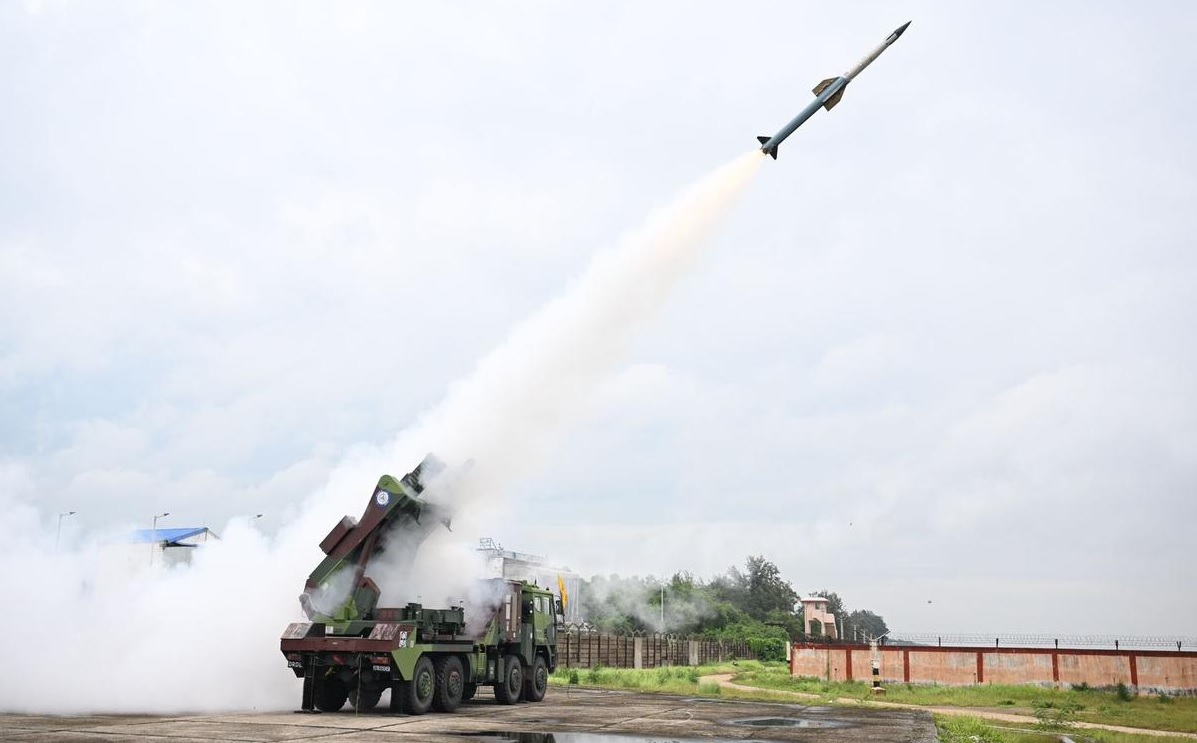
India
Odisha, August 23, 2025 – In a landmark achievement for India’s defence research and indigenous capability development, the Defence Research and Development Organisation (DRDO) successfully carried out the maiden flight test of the Integrated Air Defence Weapon System (IADWS) at 12:30 pm off the coast of Odisha. The test validated India’s most advanced multi-layered air defence architecture, designed to protect critical infrastructure and military formations from a wide spectrum of aerial threats. India’s First Multi-Layered Defence Network The IADWS is India’s first fully indigenous integrated air defence system, combining Quick Reaction Surface-to-Air Missiles (QRSAMs), the Advanced Very Short Range Air Defence System (VSHORADS), and a Directed Energy Weapon (DEW) into a unified shield. Together, these systems form a multi-tiered architecture with overlapping layers of protection, eliminating gaps that single-layered defences often suffer from. QRSAM: Provides medium-range defence, intercepting hostile aircraft, drones, or cruise missiles at 30–35 km range and altitudes up to 15 km. It is road-mobile, offering both flexibility and speed, ideal for protecting forward bases and mobile formations. VSHORADS: Covers the low-altitude domain, targeting helicopters, UAVs, and low-flying aircraft within 6–7 km. This ensures effective point defence where longer-range systems may be less effective. Directed Energy Weapon (DEW): Perhaps the most revolutionary component, the high-power laser system offers speed-of-light engagement, near-unlimited firing cycles, and cost-efficient neutralisation of aerial threats. This non-kinetic option is particularly effective against drone swarms and saturation attacks, where conventional missiles may prove too expensive or limited. Successful Test and Operational Significance During the maiden trial, DRDO validated: Target acquisition and tracking radars. Command and control networks. Coordination between multiple layers of the defensive shield. Engagement protocols for simultaneous threats. The demonstration confirmed that the IADWS can neutralise multiple categories of threats in real time under a unified command structure. Defence Minister Rajnath Singh congratulated the DRDO team, stating that the system showcases the maturity of India’s indigenous defence R&D ecosystem. He emphasised that the capability would provide critical area defence for vital installations and enhance India’s self-reliance in advanced defence technologies under the Atmanirbhar Bharat initiative. Strategic Context The successful IADWS test comes just three days after the Agni-5 Intermediate-Range Ballistic Missile test on August 20, 2025, underscoring India’s dual-track strategy of strengthening both offensive and defensive capabilities. Together, these achievements mark a comprehensive approach to deterrence: Offensive Strike Power through long-range ballistic missiles. Defensive Superiority through multi-layered air defence systems. This integrated deterrence posture significantly boosts India’s ability to counter threats from drones, stealth aircraft, cruise missiles, and even emerging hypersonic weapons. Closing the Gap with Global Powers Globally, layered air defence systems are dominated by solutions like the U.S. Patriot and THAAD, Russia’s S-400, and Israel’s Iron Dome and Barak systems. With the IADWS, India now joins the league of nations capable of fielding homegrown multi-tiered air defence networks. Importantly, by developing these technologies indigenously, India reduces dependence on imports while creating opportunities for future exports under the “Make in India – Make for the World” vision. The inclusion of directed-energy weapons marks a future-oriented step, resonating with next-generation warfare concepts where laser-based defences could transform both the economics and dynamics of aerial combat. With the maiden test successfully demonstrating proof of concept, the IADWS will now undergo extensive field trials across varied terrains and operational scenarios. These will include live intercepts of fast-moving aircraft, cruise missile surrogates, drone swarms, and coordinated electronic warfare environments. Once fully operational, the IADWS will be deployed to safeguard strategic assets, including nuclear installations, command hubs, air bases, and vital industrial zones. The successful maiden test of the Integrated Air Defence Weapon System (IADWS) marks a technological breakthrough and a major step toward fortifying India’s skies against 21st-century aerial threats. By combining QRSAM, VSHORADS, and laser-directed energy weapons into a seamlessly integrated defence shield, DRDO has laid the foundation for a future-ready, indigenously built national air defence network. This achievement not only boosts India’s strategic deterrence but also signals the country’s emergence as a global leader in advanced defence technologies.
Read More → Posted on 2025-08-24 15:18:16
Space & Technology
New Delhi, August 2025 – The Indian Space Research Organisation (ISRO) has announced a bold roadmap for the coming decades, cementing India’s place among the world’s leading spacefaring nations. At the National Space Day celebrations, ISRO Chairman V. Narayanan revealed upcoming landmark missions including Chandrayaan-4, a dedicated Venus mission, the Bharatiya Antariksh Station (BAS), and a historic human landing on the Moon by 2040. Chandrayaan-4: India’s First Lunar Sample Return ISRO’s Chandrayaan-4 is set to be launched around 2027 and will mark a new chapter in lunar exploration. Unlike earlier Chandrayaan missions, Chandrayaan-4 will not only land on the Moon but also collect samples and return them to Earth. The mission will involve multiple modules, precision landing, lunar orbit docking, safe ascent from the Moon, and re-entry of samples into Earth’s atmosphere. This will make India only the fourth country in the world to attempt a lunar sample return, demonstrating complex space capabilities such as in-space docking and interplanetary material transfer. Mission Venus: Expanding Planetary Science Alongside the lunar program, ISRO has also announced plans for its first-ever Venus Orbiter Mission. The probe will study Venus’s thick atmosphere, surface geology, and climatic conditions, giving Indian scientists new insights into the planet often called Earth’s “twin.” This mission highlights India’s ambition to move beyond the Earth-Moon system and deepen its role in interplanetary research. Bharatiya Antariksh Station by 2035 India will soon join the select group of nations with their own space stations. ISRO confirmed that the Bharatiya Antariksh Station (BAS) will be built in phases. The first module is expected to launch by 2028, with the entire station fully operational by 2035. BAS will serve as India’s permanent laboratory in space, supporting long-duration crewed missions, microgravity experiments, and serving as a staging hub for future deep-space exploration. Human Moon Landing by 2040 The most ambitious part of ISRO’s roadmap is the plan to land Indian astronauts on the Moon by 2040 and bring them safely back to Earth. This mission will rely on the experience gained from the Gaganyaan human spaceflight program, advanced heavy-lift launch vehicles, and docking technologies. If successful, India will join the ranks of the United States, the former Soviet Union, and China in conducting human lunar missions. The Next Generation of Indian Space Exploration To power these missions, ISRO is also developing a Next-Generation Launcher (NGL) capable of carrying heavier payloads into space. The government has assured full support, seeing India’s space program as vital not only for scientific progress but also for strategic leadership in the new space age. Why It Matters Chandrayaan-4 will bring back lunar samples for the first time in India’s history, advancing planetary science. The Venus mission will expand India’s interplanetary exploration and scientific research. The Bharatiya Antariksh Station will establish India’s permanent presence in low-Earth orbit. A human Moon landing by 2040 would be a historic leap, placing India among the top global space powers. With this visionary roadmap, ISRO has signaled that India’s space journey is not just about exploration—it’s about leadership, innovation, and shaping the future of humanity beyond Earth.
Read More → Posted on 2025-08-23 17:05:20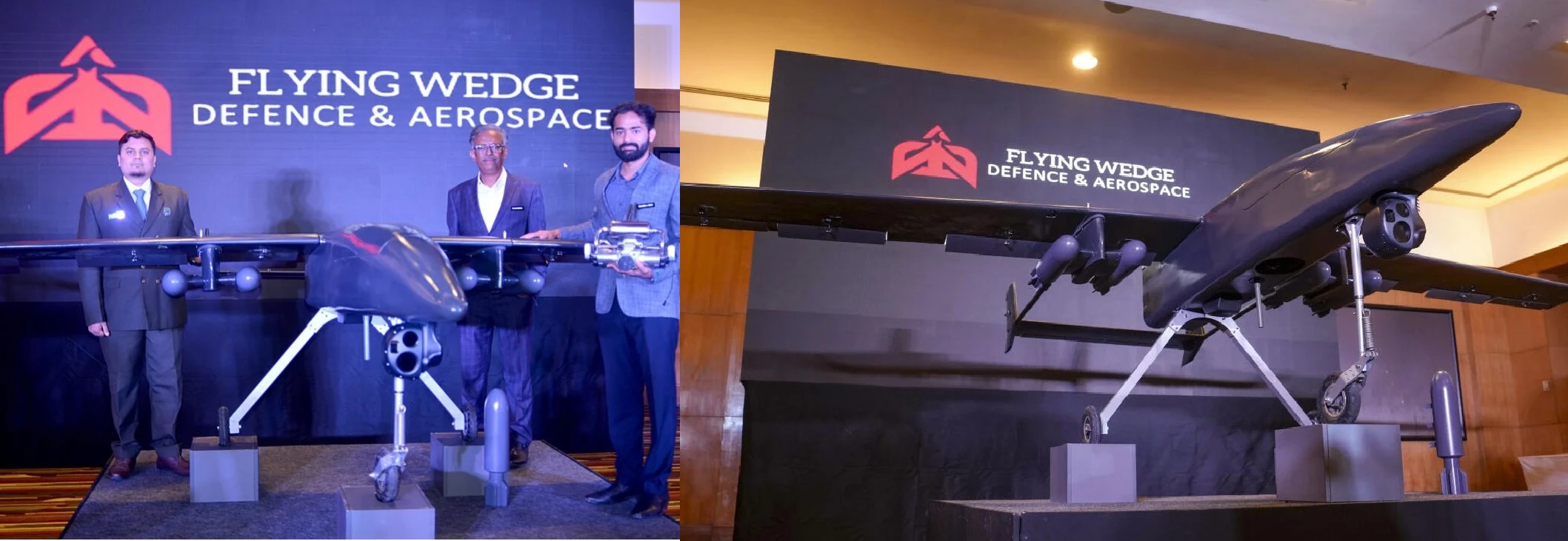
India
New Delhi, August 2025 – India has unveiled its first fully indigenous combat drone, named ‘Kaala Bhairav’, marking a milestone in the country’s push for defense self-reliance under the Atmanirbhar Bharat initiative. The advanced unmanned system has already attracted international attention, securing a $30 million export contract with a South Asian nation. Developed by Flying Wedge Defence & Aerospace, a Bengaluru-based private firm, the Kaala Bhairav represents a significant leap in India’s unmanned aerial capabilities. Unlike earlier drone projects dominated by government research agencies, this platform is entirely industry-driven, highlighting the growing role of startups in India’s defense ecosystem. High-Endurance, Long-Range Power The Kaala Bhairav has been designed to perform a wide variety of roles, from surveillance and reconnaissance to precision strike missions. According to the developers, the drone can: Stay airborne for up to 30 hours. Cover distances of 3,000 km with the support of satellite communication (SATCOM). Operate at altitudes of nearly 20,000 feet. Carry multiple payloads, including sensors and precision-guided weapons. Crucially, the platform features AI-enabled autonomy, allowing it to adapt to battlefield situations, make flight adjustments, and even conduct swarm strikes in coordination with other drones. Strategic Importance Officials and defense analysts point out that Kaala Bhairav offers performance comparable to advanced imported systems such as the U.S.-made MQ-9 Predator and China’s Wing Loong II, but at only a fraction of the cost. This makes it particularly valuable not only for India’s armed forces but also for potential foreign buyers. Equipped with indigenous hardware and software, the drone eliminates concerns about hidden vulnerabilities such as remote deactivation or “kill switches,” which are often associated with foreign-origin platforms. Boost to Defense Exports India’s defense export sector has been steadily growing, and the $30 million export order for Kaala Bhairav is seen as a major breakthrough. Experts believe it could open the door for further deals with countries in Asia, Africa, and Latin America that are looking for affordable, high-performance drones. A New Era for Indian UAVs While DRDO has developed UAVs such as Rustom and Tapas, they have faced delays and limited operational success. In contrast, Kaala Bhairav is being hailed as a combat-ready platform, developed at a faster pace and with direct market appeal. “Kaala Bhairav shows that Indian private industry can not only innovate but also deliver world-class defense products with strong export potential,” a senior defense analyst noted. With its combination of long endurance, advanced AI, and swarm warfare capability, the Kaala Bhairav sets a new benchmark for India’s defense innovation. The export success further signals India’s emergence as a credible global player in unmanned combat aerial systems, strengthening both its strategic autonomy and international defense partnerships.
Read More → Posted on 2025-08-23 17:00:04
India
Islamabad, August 2025 – In a clear rebuttal to former U.S. President Donald Trump’s past claims and opposition propaganda, Pakistan’s Deputy Prime Minister and Foreign Minister, Ishaq Dar, has categorically stated that Islamabad never requested any third-party intervention to arrange talks with India. Pakistan’s Firm Position Dar clarified that Pakistan has not approached Washington or any other country to mediate dialogue. He said while some international players had shown willingness to facilitate talks, these proposals came from them, not from Pakistan. He reiterated that Pakistan is ready for engagement, but only on a comprehensive agenda that covers all disputes, especially Jammu and Kashmir. A Blow to Trump and Congress Narratives This statement comes as a direct slap to Trump’s earlier assertions during his presidency, when he repeatedly claimed that both India and Pakistan had asked him to mediate. New Delhi firmly denied it at the time, and now Islamabad’s latest clarification once again undercuts that narrative. Pakistan’s position also counters Congress party propaganda in India, which had echoed Trump’s claims for political point-scoring. Dar’s remarks reinforce that Islamabad is not seeking external involvement in bilateral matters. India and Pakistan: Stalemate Continues India maintains that any talks must be restricted to terrorism and Pakistan-Occupied Kashmir (PoK). Pakistan, on the other hand, insists that dialogue cannot move forward without addressing Kashmir, water-sharing disputes, trade, and other bilateral issues under a broader composite framework. Ceasefire Still Holding Dar recalled that the ceasefire agreement along the Line of Control (LoC), reaffirmed in May, continues to hold. He noted that it was India that turned to Washington to help stabilize the ceasefire, while Pakistan’s position remained unchanged: Islamabad never desired war but will defend itself if provoked. Bilateralism Reasserted By rejecting the idea of mediation, Pakistan has effectively reinforced the long-standing principle of the Simla Agreement (1972), which states that all disputes must be resolved bilaterally. While Islamabad remains open to talks, the deep mistrust between the two countries keeps the process at a stalemate. Dar’s categorical denial delivers another diplomatic slap to Trump’s past claims of mediation and exposes the weakness of propaganda narratives that suggested otherwise. With both India and Pakistan standing firm on opposing preconditions, the chances of meaningful dialogue remain slim—leaving the ceasefire as the only fragile bridge preventing escalation.
Read More → Posted on 2025-08-23 16:53:52
World
New Delhi, August 2025 – After being on hold for over six months, the Government of India has given the green signal to the Defence Ministry and Mazagon Dock Shipbuilders Limited (MDL) to begin formal negotiations for the long-awaited Project 75 India (P-75I) submarine deal. The landmark project will see the construction of six advanced conventional submarines in India with the support of German shipbuilder ThyssenKrupp Marine Systems (TKMS). India’s Largest Conventional Submarine Project Valued at an estimated ₹45,000 crore, Project 75(I) is set to be the largest-ever conventional submarine acquisition in India’s history. The deal was initially cleared in January 2025, with MDL selected as the Indian shipyard partner and TKMS chosen as the foreign technology collaborator. The submarines will feature the German-designed Air Independent Propulsion (AIP) system, which enables them to remain submerged for nearly three weeks without surfacing. This provides a massive operational advantage in stealth, endurance, and survivability against modern anti-submarine warfare tactics. Negotiations to Begin This Month Defence officials confirmed that the Centre’s clearance came after a high-level strategic meeting involving senior defence, naval, and national security leaders. Negotiations between MDL, the Defence Ministry, and TKMS are expected to begin by the end of this month, with officials hopeful of finalising the contract within the next six months. Once signed, this project will not only strengthen India’s submarine fleet but also help build indigenous design and manufacturing capability in undersea warfare platforms. Urgency in Fleet Renewal The Indian Navy currently operates 16 conventional submarines, many of which are ageing. Nearly 10 submarines are set to be retired within the next decade, creating an urgent need for replacements. With Chinese naval expansion and Pakistan’s pursuit of advanced submarines, the Indian Navy considers P-75I a top priority to maintain undersea deterrence in the Indian Ocean Region. The Navy’s requirement is for a minimum of 24 conventional submarines, as outlined in its 30-year Submarine Building Plan. However, the program has faced repeated delays, making the timely execution of P-75I critical. Boost to Atmanirbhar Bharat While Germany will provide critical AIP technology and design expertise, the submarines will be built in India at MDL, ensuring major participation of the domestic industry. The project is expected to involve hundreds of Indian suppliers, generating significant employment and advancing the government’s Atmanirbhar Bharat (self-reliant India) initiative. Parallel Nuclear Submarine Program In addition to P-75I, India is also investing in its nuclear submarine program. Work is underway on at least two nuclear-powered attack submarines (SSNs), with private sector giant Larsen & Toubro playing a major role alongside the Navy’s Submarine Design Bureau and the Ship Building Centre in Visakhapatnam. Nuclear-powered boats will complement the conventional fleet by offering unlimited endurance and greater strike capability. Strategic Context China’s rapid naval modernisation—particularly the expansion of its submarine arm—has raised serious concerns in New Delhi. With over 60 submarines in the PLA Navy, including advanced nuclear attack and ballistic missile submarines, China poses a growing challenge in the Indo-Pacific. Meanwhile, Pakistan is on track to receive eight Yuan-class AIP submarines from China by the end of this decade. Against this backdrop, Project 75(I) and the parallel SSN program are critical to ensuring that India retains credible undersea dominance. The Road Ahead If negotiations proceed as planned, the first of the six new submarines could join the Indian Navy by the early 2030s. By then, India is expected to have a balanced undersea fleet composed of: Nuclear ballistic missile submarines (SSBNs) for strategic deterrence, Nuclear attack submarines (SSNs) for sea control and escort roles, and Conventional AIP-powered submarines for coastal defense and sea denial missions. The clearance for negotiations on Project 75(I) is a crucial turning point for India’s submarine program. By combining German technology with Indian shipbuilding, the project will not only modernise the Navy’s fleet but also elevate India into the league of nations with advanced indigenous submarine-building capabilities. With ageing platforms set to retire and regional threats intensifying, the timely execution of this mega-deal will be essential to safeguard India’s maritime interests in the Indo-Pacific.
Read More → Posted on 2025-08-23 16:40:30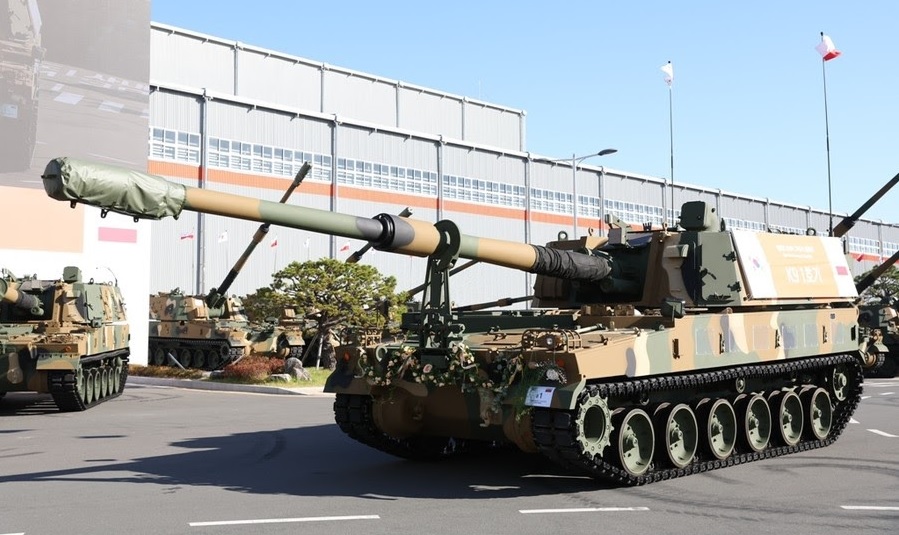
World
Seoul/Hanoi, August 2025 – In a landmark defense agreement, Vietnam has signed its first-ever arms import deal with South Korea, purchasing 20 K9 Thunder self-propelled howitzers from Hanwha Aerospace under a government-to-government contract valued at $250 million. The contract, South Korea’s first arms export to Vietnam, follows earlier transfers of decommissioned patrol ships and signals a deepening defense partnership between the two nations. Deliveries are expected to be completed by late 2025, with the Korea Trade-Investment Promotion Agency overseeing the process. A Strategic Shift for Vietnam The deal was finalized shortly after Vietnamese President To Lam’s state visit to Seoul, where the two sides pledged to strengthen cooperation in defense, security, and trade. Vietnam becomes the 11th country to operate the K9 howitzer, joining established users such as India, Poland, Australia, Finland, Turkey, Egypt, Norway, Estonia, Romania, and South Korea itself. The procurement also highlights a gradual shift in Vietnam’s defense sourcing. Between 2000 and 2023, nearly 80% of Vietnam’s military equipment came from Russia, according to international defense data. By diversifying its suppliers, Hanoi is signaling an intent to reduce dependence on Moscow amid concerns about supply chains and geopolitical pressures. K9 Thunder: A Proven System The 155mm tracked K9 Thunder is widely regarded as one of the world’s most successful self-propelled howitzers. Since entering service in the late 1990s, it has become the global market leader in its class, with more than 1,800 units exported or ordered worldwide. Key performance highlights include: Range & Firepower: Capable of firing standard high-explosive rounds up to 40 km and precision-guided projectiles to nearly 50 km. Mobility: Maximum speed of 67 km/h with an operational range of 360 km, enabling rapid repositioning in dynamic battlefield environments. Fire Rate: Can deliver a burst of three rounds in 15 seconds or sustain fire at 2–3 rounds per minute over extended periods. Cost Efficiency: At around $12 million per unit, it offers a competitive balance of performance and affordability. The K9 is also designed for modular upgrades, with variants such as the K10 ammunition resupply vehicle and the K9A1 modernized version, offering digital fire-control systems and enhanced survivability. Strategic and Geopolitical Context Defense experts see the deal as both a commercial success for Hanwha Aerospace and a diplomatic milestone for South Korea. By exporting to Vietnam—a country with traditionally strong defense ties to Russia—Seoul has expanded its defense export footprint into Southeast Asia’s fast-growing market. Ban Kil-joo, director at the Institute of Foreign Affairs and National Security in Seoul, noted, “Exports of weapon systems are usually made to allies or strategic partners, as they create opportunities for high-level military cooperation. Vietnam is a unique case, but systems like the K9, which do not demand extensive interoperability, make such deals possible.” Vietnam’s Growing Artillery Power For Vietnam, the K9 enhances its artillery firepower at a time of increasing security challenges in the South China Sea. The system’s high mobility and precision make it suitable for rapid coastal defense, counter-battery operations, and deterrence missions. Analysts believe Hanoi may expand its K9 fleet in the coming years, following the initial batch of 20 units. The $250 million K9 deal between Vietnam and South Korea is more than just a defense export—it marks the beginning of a new chapter in bilateral ties. With this agreement, Vietnam becomes part of the growing global community of K9 operators, while South Korea cements its position as a leading arms exporter in Asia. By 2025, when deliveries are complete, the K9 Thunder will stand as a symbol of both Vietnam’s military modernization and Seoul’s rising influence in the global defense market.
Read More → Posted on 2025-08-23 16:31:07
World
Berlin, August 2025 – Germany’s Ministry of Defence has unveiled an ambitious long-term roadmap for the modernisation of the Bundeswehr, pledging over €350 billion in investments by 2041. The plan, described as the most comprehensive rearmament since the Cold War, seeks to establish Germany as the holder of Europe’s strongest conventional military. Massive Budget Expansion For 2025, Berlin will spend €8.2 billion on new weapons procurement. According to the draft 2026 budget, that figure will jump to €22.3 billion, underscoring the acceleration of the modernisation drive. The peak of investment is scheduled for 2029 and 2030, when annual equipment spending will surpass €52 billion, marking the height of the Bundeswehr’s transformation into a modern, fully equipped force. Priority Areas of Investment The long-term plan divides spending into key capability areas: Ammunition: €70.3 billion allocated, reflecting lessons from the Ukraine war about stockpile shortages. Combat Vehicles: €52.5 billion, with a strong emphasis on heavy armour and mobile firepower. Aircraft and Missile Ammunition: €34.2 billion for fighter jets, drones, and air defence. Naval Vessels and Equipment: €36.6 billion, aimed at modernising the German Navy’s surface and undersea fleet. Major Procurement Programs Key acquisitions under the plan include: 20 Eurofighter Typhoon multirole aircraft, enhancing Germany’s air combat and NATO interoperability. Up to 5,000 Boxer wheeled armoured personnel carriers in multiple variants, including the advanced Skyranger air defence system version. Replacement of older Fuchs APCs with 3,500 new-generation vehicles. Procurement of several hundred upgraded Leopard 2 main battle tanks, ensuring continued dominance in Europe’s armoured warfare. Expansion of the Navy with additional frigates, submarines, and support vessels to secure Germany’s role in NATO’s northern and Baltic Sea defence. Strategic Goals The German government has stressed that this program is designed to: Strengthen NATO’s European pillar by ensuring Germany can take a lead role in deterrence. Guarantee rapid deployment capabilities, especially on NATO’s eastern flank. Increase industrial output in the defence sector, ensuring long-term self-sufficiency in ammunition and weapons systems. Defence Minister Boris Pistorius has repeatedly argued that the Bundeswehr must be made “war-ready” in response to a deteriorating security environment marked by Russia’s ongoing war in Ukraine and growing global instability. Germany’s Defence Reset The €350 billion plan is a continuation of Germany’s “Zeitenwende” (turning point) strategy, first announced in 2022 after Russia’s invasion of Ukraine. At that time, Chancellor Olaf Scholz established a €100 billion special fund to begin urgent upgrades. The new roadmap extends that vision into a multi-decade transformation, ensuring steady investment until 2041. Industrial and Allied Impact German defence firms such as Rheinmetall, Krauss-Maffei Wegmann, and Hensoldt are expected to be major beneficiaries, producing tanks, vehicles, and advanced sensors. At the same time, international cooperation will remain vital, with joint European programs like the Future Combat Air System (FCAS) and the Main Ground Combat System (MGCS) set to complement national projects. With over €350 billion earmarked, Germany is committing to building the largest and most capable conventional armed forces in Europe. The plan signals a decisive shift in German defence policy—from decades of restraint to a posture of leadership and preparedness within NATO. By 2041, if fully realised, the Bundeswehr will be transformed into a modern, heavily equipped force with unmatched firepower, mobility, and resilience on the continent.
Read More → Posted on 2025-08-23 16:25:31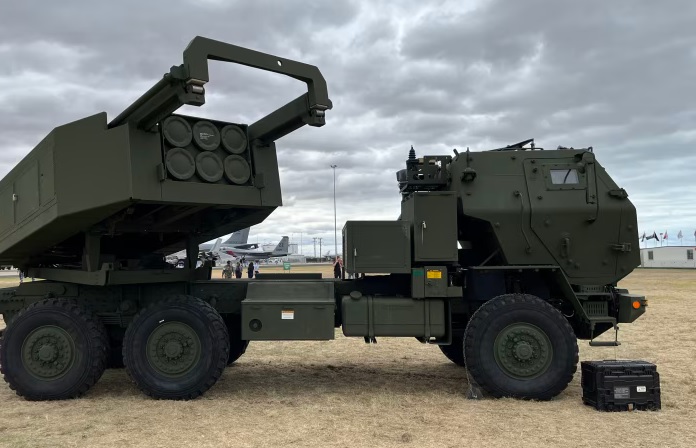
World
Beijing, August 2025 – A Chinese defense company has begun producing mobile replicas of the U.S.-manufactured HIMARS rocket artillery system, offering the mockups for training purposes and limited export. Videos circulating on Chinese social media show moving versions of the system that strongly resemble the American launchers, sparking debate about their intended role and timing. Purpose of the Replicas According to the company, the replicas are currently being built in small batches but can be produced in larger numbers if demand rises. The firm has stated it is ready to provide customized versions tailored for training, including variations designed to simulate battlefield conditions. These replicas, while non-functional, are reportedly used to: Train Chinese military crews in recognizing and targeting HIMARS-like platforms. Provide realistic decoy targets for air and drone training missions. Potentially offer low-cost exports to friendly nations for military exercises. Global Practice of Weapon Mockups China is not alone in producing high-fidelity replicas of adversary weapon systems. The United States military also routinely builds realistic mockups of foreign platforms, including Russian S-300/S-400 air defense systems and Chinese J-20 stealth fighters, for training purposes. Such replicas often replicate not only the external appearance but also the electromagnetic signatures of the weapons, allowing U.S. forces to practice detection, targeting, and suppression in realistic scenarios. Military experts suggest that these HIMARS replicas could be used in a similar way by the People’s Liberation Army (PLA), both for training pilots and drone operators and for testing the ability of Chinese systems to engage or jam U.S.-supplied rocket artillery. Coinciding With Taiwan’s HIMARS Deployment The timing of the Chinese replica program is particularly notable as Taiwan recently activated its first HIMARS-equipped unit. Taipei received 11 out of 29 HIMARS launchers from the United States last year, and the first unit was formally tested in May. Each launcher can fire guided rockets or precision strike missiles with ranges up to 300 kilometers, allowing Taiwan to target key sites across the Taiwan Strait, including military bases in China’s coastal Fujian province. This new capability is considered a major boost to Taiwan’s precision strike and deterrence strategy, especially amid increasing Chinese military pressure. The island has also expanded its arsenal of Harpoon coastal defense missiles, Stinger MANPADS, and indigenous long-range strike systems to counter a potential invasion. Rising Tensions Across the Strait Over the past five years, the People’s Liberation Army (PLA) has intensified its operations around Taiwan, conducting large-scale exercises, amphibious landing drills, and near-daily naval and air patrols. These activities are widely seen as rehearsals for potential future conflict scenarios. Taiwan’s acquisition of HIMARS adds a powerful long-range precision fire option, capable of striking military infrastructure, airfields, and staging areas on the mainland. Analysts note that this development has likely increased China’s interest in creating HIMARS replicas to study the system’s characteristics and prepare countermeasures. Strategic Implications While the Chinese replicas are not combat-capable, their production highlights: China’s awareness of the HIMARS threat in the Taiwan theater. The growing importance of mockup weapons in modern military training and deception operations. The symbolic role of HIMARS as both a deterrent for Taiwan and a target of Chinese counter-strategy. By producing mobile copies, China may also be able to deploy decoys on the battlefield, complicating enemy reconnaissance and missile targeting during a conflict. The production of HIMARS replicas by a Chinese company comes at a sensitive moment, as Taiwan integrates U.S.-supplied rocket artillery into its defense posture. While not operational weapons, these mockups add a new layer to the military competition across the Taiwan Strait. With HIMARS now serving as a frontline symbol of U.S.-Taiwan cooperation and China showcasing its ability to replicate and counter the system, the long-range rocket launcher has become yet another focal point in the widening standoff in East Asia.
Read More → Posted on 2025-08-23 16:16:50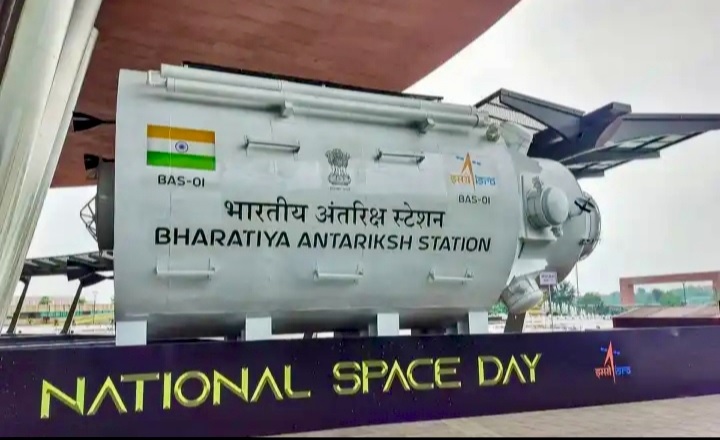
India
New Delhi, August 2025 – The Indian Space Research Organisation (ISRO) has taken a historic step in its human spaceflight journey by unveiling a full-scale model of the Bharatiya Antariksh Station (BAS) during the National Space Day celebrations at Bharat Mandapam, New Delhi. The model, standing 3.8 meters wide and 8 meters long, showcases India’s vision for its first indigenous space station, designed to establish a permanent Indian presence in low Earth orbit (LEO). This landmark unveiling signals India’s entry into the exclusive league of nations capable of operating their own orbital laboratories. Currently, only the International Space Station (ISS) and China’s Tiangong station serve as functioning human habitats in orbit. India’s Orbital Ambition: Roadmap to 2035 According to ISRO’s roadmap, the Bharatiya Antariksh Station will be built in phases, beginning with the launch of the first module, BAS-01, in 2028 using the LVM3 heavy-lift rocket. The 10-tonne module will orbit at 450 km altitude, operating initially in an unmanned mode. Over the next decade, ISRO plans to progressively expand BAS into a five-module orbital complex by 2035, enabling long-duration human missions, cutting-edge scientific research, and even commercial space tourism. Timeline of BAS milestones: 2025–2026: Finalisation of design, ground testing of life support and docking systems. 2027: Validation missions, including orbital demonstration of docking, refuelling, and hatch automation. 2028: Launch of BAS-01, equipped with Environmental Control and Life Support System (ECLSS), docking ports, and microgravity research labs. 2029–2030: Addition of a second module for scientific research; short-duration crewed missions begin. 2031–2032: Third module launched, enabling stays up to 3 months; EVA (spacewalk) capabilities and space tourism initiated. 2033–2034: Fourth module added with expanded labs and living quarters; regular crew rotations and international partnerships. 2035: Fifth and final module completes the station, creating a fully operational orbital habitat with sustained human presence. Key Features of BAS The Bharatiya Antariksh Station will include: Environmental Control and Life Support System (ECLSS) developed indigenously to sustain astronauts. Bharat Docking System and Berthing Mechanism to enable modular expansion and visiting spacecraft. Automated hatch systems for crew and cargo safety. Microgravity laboratories for research in medicine, material science, and life sciences. Advanced shielding against radiation, thermal fluctuations, and orbital debris. Spacesuit and airlock systems for extravehicular activities (EVA). Propellant refuelling and consumable replenishment systems to extend operational life. Scientific and Commercial Potential The BAS is expected to serve as a hub for cutting-edge research, including: Life sciences and medicine – studying human health in space to prepare for lunar and Mars missions. Material sciences – developing alloys, composites, and drugs only possible in microgravity. Earth observation and remote sensing – enhancing climate monitoring and disaster management. Technology demonstrations – from robotic operations to in-orbit refuelling. ISRO also envisions BAS as a future hub for space tourism, opening India’s participation in the fast-growing commercial space economy. Building on Gaganyaan The unveiling comes as ISRO prepares for its first human spaceflight mission, Gaganyaan, expected in the coming years. Technologies being developed for Gaganyaan – such as crew modules, life support, docking systems, and astronaut training – will serve as stepping stones for the successful realisation of BAS. The ISRO Human Space Flight Centre (HSFC) in Bengaluru is leading the program, supported by national laboratories, academia, and private industry partners. Global Collaboration and Inspiration The BAS project is expected to foster international collaborations, similar to how the ISS has brought together multiple space agencies. ISRO has signalled openness to foreign participation in research, technology exchange, and astronaut missions aboard the station. The unveiling of the model also serves as an inspiration to India’s youth. ISRO officials emphasized that BAS represents not just a technological leap, but also a vision to make India a global leader in sustainable space exploration. By revealing the full-scale model of the Bharatiya Antariksh Station, ISRO has showcased a bold roadmap that will transform India from a pioneering spacefaring nation into one of the world’s leaders in long-term human space presence. With the first module targeted for launch in 2028, the BAS is set to redefine India’s role in space – moving from Earth orbit to the stepping stones of lunar and Martian exploration.
Read More → Posted on 2025-08-23 16:13:27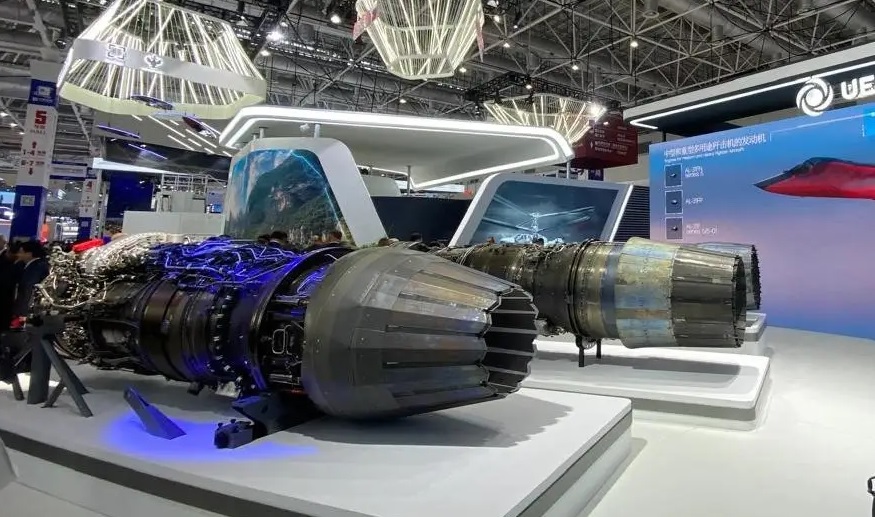
India
Bengaluru, February 2025 – In a major proposal with far-reaching implications for India’s air combat capabilities, Russia has offered to equip the Indian Air Force’s Su-30MKI fighters with the advanced AL-41 engines, the same powerplants that power Russia’s fifth-generation Su-57 stealth fighter. The offer, confirmed at Aero India 2025, forms a central part of the IAF’s ambitious “Super Sukhoi” modernisation programme. From AL-31 to AL-41: A Leap in Capability The Su-30MKI’s current AL-31FP engines, built under license by Hindustan Aeronautics Limited (HAL), deliver a thrust rating of about 123 kN with afterburner. While reliable, the engine represents technology from the 1980s–1990s era. In contrast, the AL-41F1S engine (also known as izdeliye 117S) offers a 14–16% increase in thrust at around 142 kN, along with significant improvements in fuel efficiency and service life. Key enhancements include: Thrust-to-weight ratio boost, allowing better climb rates and payload capacity. Full Authority Digital Engine Control (FADEC) for optimized performance, reduced pilot workload, and improved maintainability. Increased service life from 2,000 hours (AL-31) to up to 4,000 hours (AL-41). Improved supercruise capability (sustained supersonic flight without afterburner). Greater compatibility with advanced thrust-vectoring nozzles for agility in dogfights. These upgrades would effectively bring the Su-30MKI’s performance closer to that of a 4.5+ generation aircraft, narrowing the gap with newer platforms like the Rafale and Su-57. India’s Super Sukhoi Modernisation Plan The Defence Acquisition Council (DAC) had already approved in November 2023 the ₹66,829 crore (US$7.9 billion) modernisation of 84 Su-30MKI jets. The comprehensive upgrade involves: Integration of the indigenous Uttam AESA radar. New electronic warfare suites and advanced avionics. Compatibility with indigenous weapons like the Astra Mk-1/2 beyond-visual-range missiles and Rudram anti-radiation missiles. Cockpit upgrades with wide-area displays and digital flight management systems. The proposed AL-41 engine upgrade fits neatly into this roadmap, giving the aircraft a new lease of life and greatly expanding its strike radius and survivability. HAL Nashik at the Core The proposal also includes licensed production of the AL-41 engines at HAL’s Nashik facility, which already manufactures the AL-31FP engines. With two decades of expertise in assembling Su-30MKI aircraft and their engines, Nashik has the infrastructure and skilled workforce to absorb the new technology. This transition would not only ensure technology transfer but also align with India’s “Make in India” and Atmanirbhar Bharat goals, strengthening indigenous manufacturing. Operational and Strategic Impact For the IAF, which operates around 260 Su-30MKIs, the upgrade would: Sharpen air dominance by matching next-generation threats in the region. Enhance long-range strike potential with heavier weapons loadouts. Improve survivability through higher agility and jamming resistance. Extend fleet life, keeping the Su-30MKI relevant for the next two decades. Officials note that the AL-41’s design compatibility with the Su-30MKI airframe means the integration process would be less disruptive, avoiding major structural redesign and reducing costs and timelines. Challenges and Considerations While attractive, the proposal is not without hurdles: Cost and timeline evaluations are ongoing, with India seeking maximum local manufacturing. Geopolitical factors, including the risk of U.S. CAATSA sanctions, are under review. Domestic options, such as upgraded AL-31FP variants with higher indigenous content and future Indian engine programs, are being studied as cost-effective alternatives. Russian Assurance At Aero India, Vadim Badekha, head of Russia’s United Aircraft Corporation, reaffirmed the offer: “We are offering the new AL-41 engine as part of the Sukhoi-30 upgrade to India. This engine will significantly enhance speed, endurance, and overall combat effectiveness.” The Russian proposal to equip India’s Su-30MKI fleet with the AL-41 engine represents a transformative opportunity in the Super Sukhoi modernisation programme. If accepted, it would not only extend the frontline relevance of the Su-30MKI but also elevate it to a class of aircraft capable of competing with newer generation fighters. For India, the decision balances the promise of cutting-edge Russian technology with the imperatives of indigenous self-reliance, cost, and geopolitical strategy. Whichever path is chosen, the Su-30MKI is set to remain the backbone of the Indian Air Force for decades to come.
Read More → Posted on 2025-08-23 16:07:32
World
A short video clip posted this week by the French Air & Space Force has ignited a fresh round of arguments over fourth- vs fifth-generation air combat. The footage—shot during Exercise Atlantic Trident 25 in Finland—appears to show a Dassault Rafale achieving a visual-range sensor “lock” on a U.S. Air Force F-35A during a mock dogfight, prompting headlines that the French jet “scored a kill.” What the video proves—and what it doesn’t—is key. The clip shows a Rafale pilot slewing sensors onto an F-35 in a close-in engagement and calling a simulated shot. That indicates a momentary positional advantage in a training merge, but it is not an official scoreboard for the exercise, and the U.S. or NATO have not published any adjudicated “win/loss” tallies. Atlantic Trident’s aim is interoperability, not competition. The Exercise and Who Took Part Finland hosted Atlantic Trident from June 16–27, 2025, the first time the long-running, high-end air combat drill moved to a Nordic base set. Participants included USAF F-35A and F-15E, French Rafale (with A330 MRTT and E-3F support), RAF Typhoon, and Finnish F/A-18. Public releases from NATO and USAF emphasized 4th/5th-gen integration, agile combat employment, and combined tactics—not dueling for headlines. Why a Rafale “Lock” Is Plausible in a Merge At visual range, pilot skill, energy management, and sensor cueing can temporarily trump stealth. Rafale’s high off-boresight cueing, advanced electronic warfare suite, and helmet/sensor integration can set up valid simulated shots if rules of engagement (ROE) allow it. Conversely, the F-35’s decisive edge is typically before the merge—beyond-visual-range (BVR) detection, fusion, and shots that exercises don’t always script the same way every sortie. Even Army Recognition’s write-up stressing the Rafale’s moment notes that modern air combat is usually decided BVR. Treat the Clip as a Vignette, Not the Whole Story Open-source outlets amplified the video, some framing it as a “kill.” That language over-reads a single vignette from a multi-sortie event with varied scenarios, ROE, and training objectives. Neither NATO nor the USAF claims any official dogfight results; their wrap-ups are about readiness and interoperability gains. Bigger Picture Optics vs outcomes: Such clips are great for morale and marketing but don’t overturn the fundamental roles of each jet: F-35 as a stealthy sensor-shooter and quarterback; Rafale as a highly capable 4.5-gen multirole fighter with formidable WVR chops. (This exercise history dates back to earlier U.S.–France–U.K. iterations, where the theme has consistently been integration.) Nordic setting matters: Hosting in Finland showcased NATO’s northern posture and ACE (Agile Combat Employment) concepts in austere, dispersed operations—arguably the real “win” for the alliance. Yes, a Rafale pilot appears to have achieved a simulated lock on a USAF F-35A during a dogfight at Atlantic Trident 25—a real, impressive moment caught on camera. But official exercise communiqués don’t crown winners, and one merge doesn’t rewrite the BVR-first reality of modern air warfare. The enduring takeaway from Finland is allied interoperability and readiness, not a definitive verdict on which jet “wins.”
Read More → Posted on 2025-08-22 15:54:21Search
Top Trending in 24 Hours
-
 President Trump Pauses Plans to Expand U.S. Strikes on Iran Amid Concerns Over Air Defense Missile Stocks
-
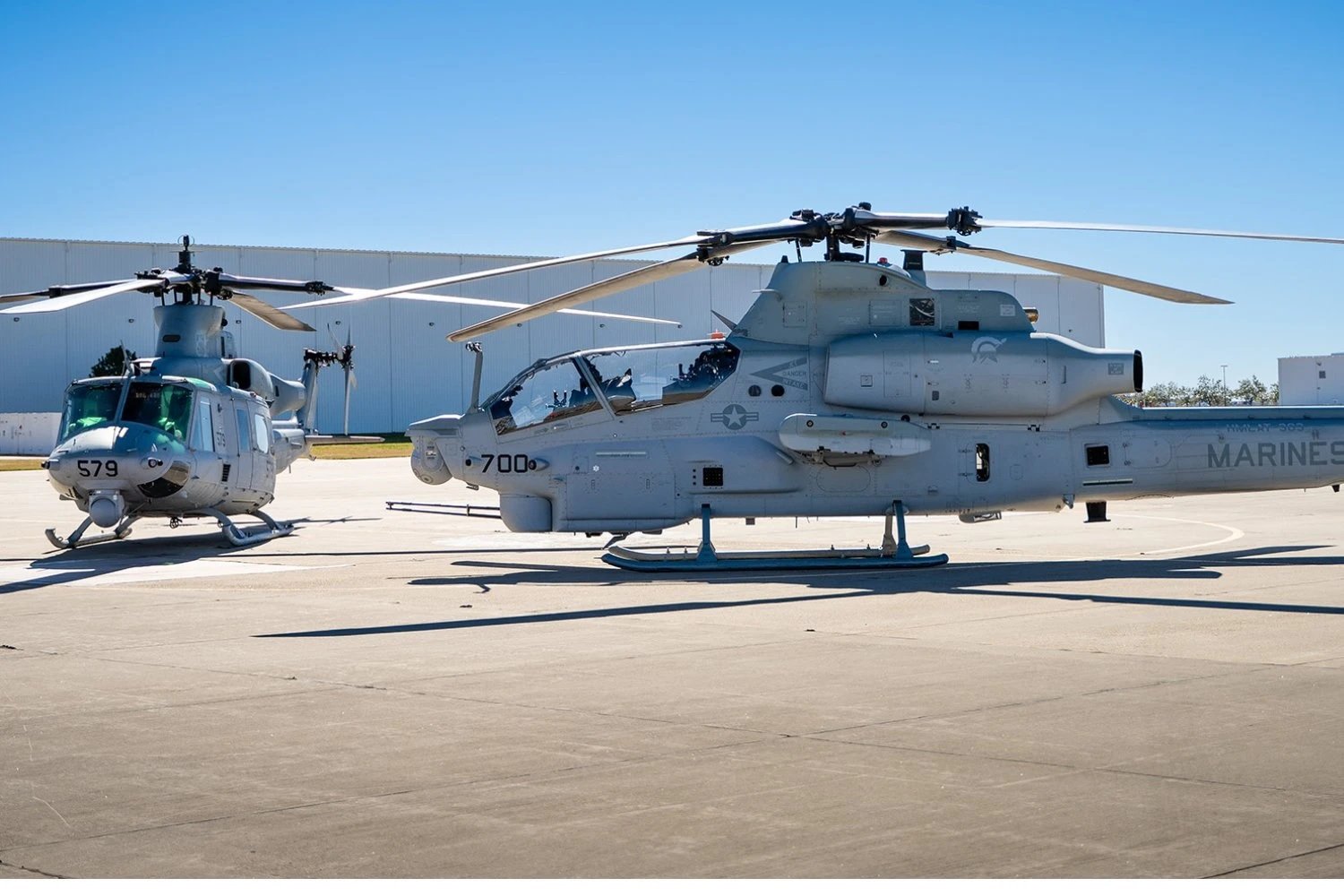 U.S. Awards Bell Textron $33.64 Million Contract for Next Phase of Marine Corps AH-1Z and UH-1Y Helicopter Upgrades
-
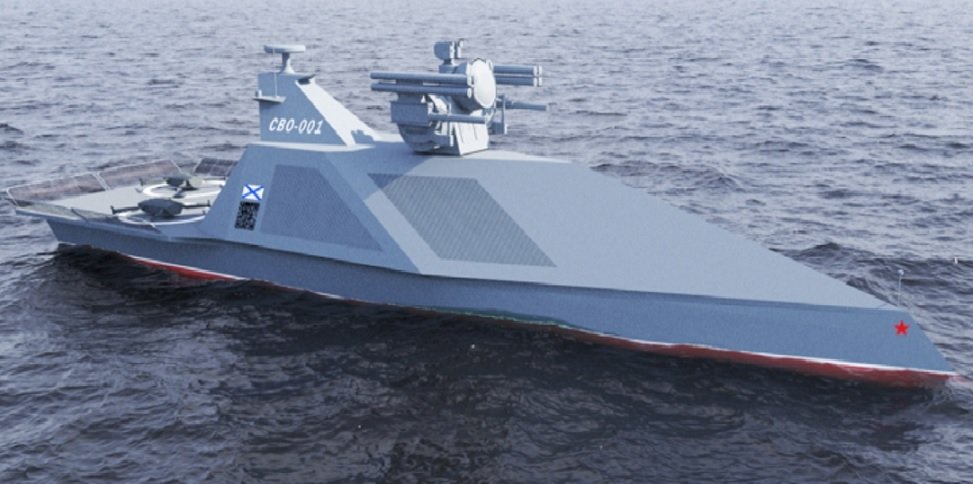 Russia Builds 500-Ton Unmanned Warship For Anti-Submarine Warfare, Plans New 9,500-Ton Warship, Navy Chief Says
-
 Unreleased Footage Reveals Why Lindsey Graham Dropped Plan to Push Trump on Hezbollah Strikes
-
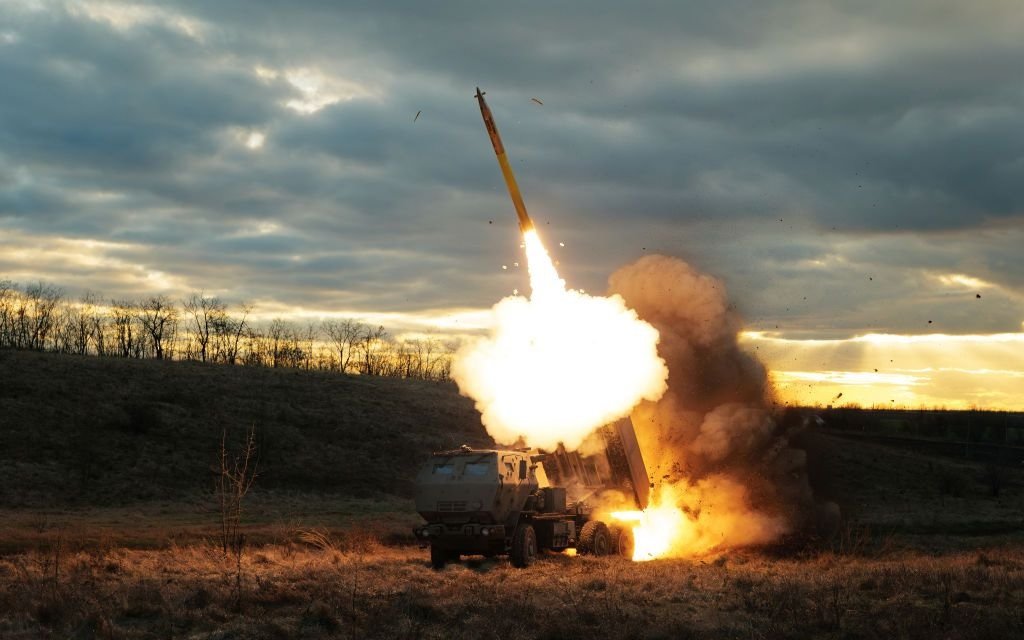 U.S. Military Selectively Intercepts Iranian Missiles to Preserve Shrinking Air Defense Stocks : Report
-
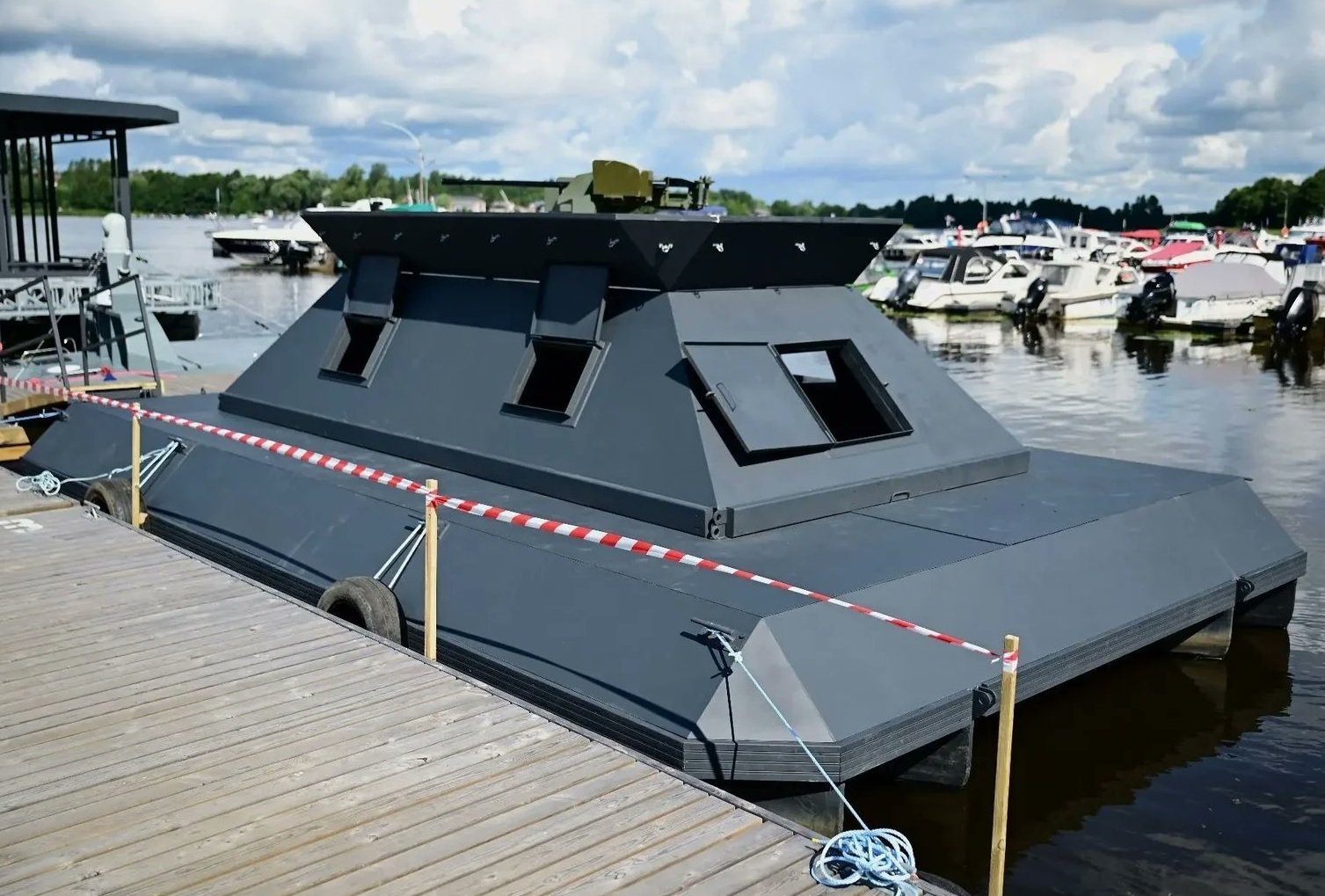 Russia Unveils Experimental Plot-40 Floating Defense Platform to Counter Drone and USV Threats
-
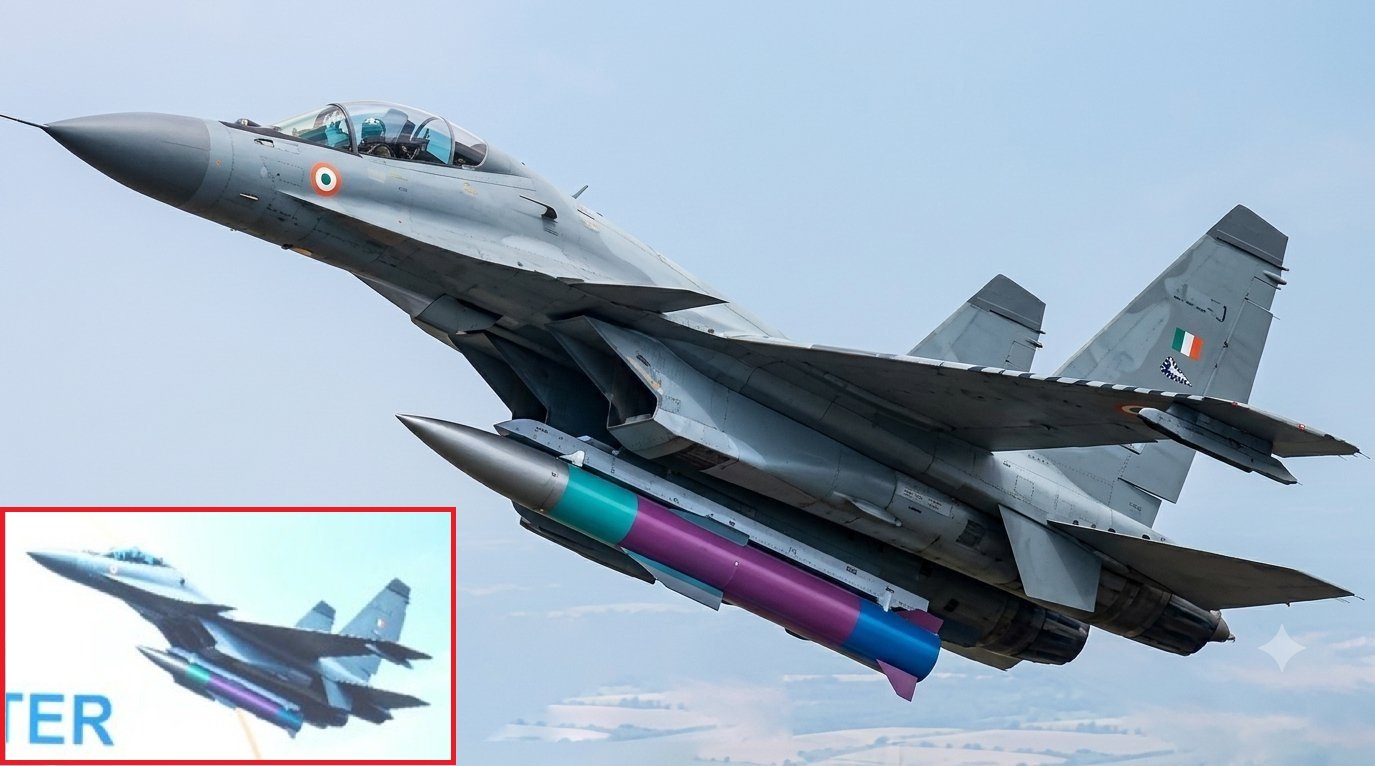 DRDO Developing Long-Range Air-Launched Ballistic Missile for Su-30MKI, Rudram-4 Seen as Likely Candidate
-
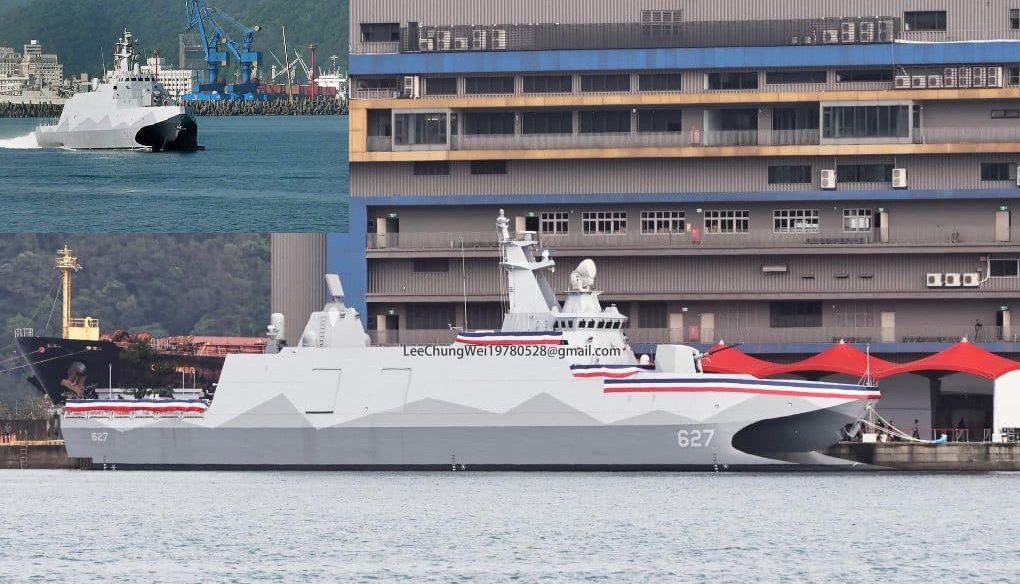 Taiwan Commissions First Batch 2 Tuo Chiang-Class Corvette with New Leonardo Radar
Top Trending in 4 Days
-
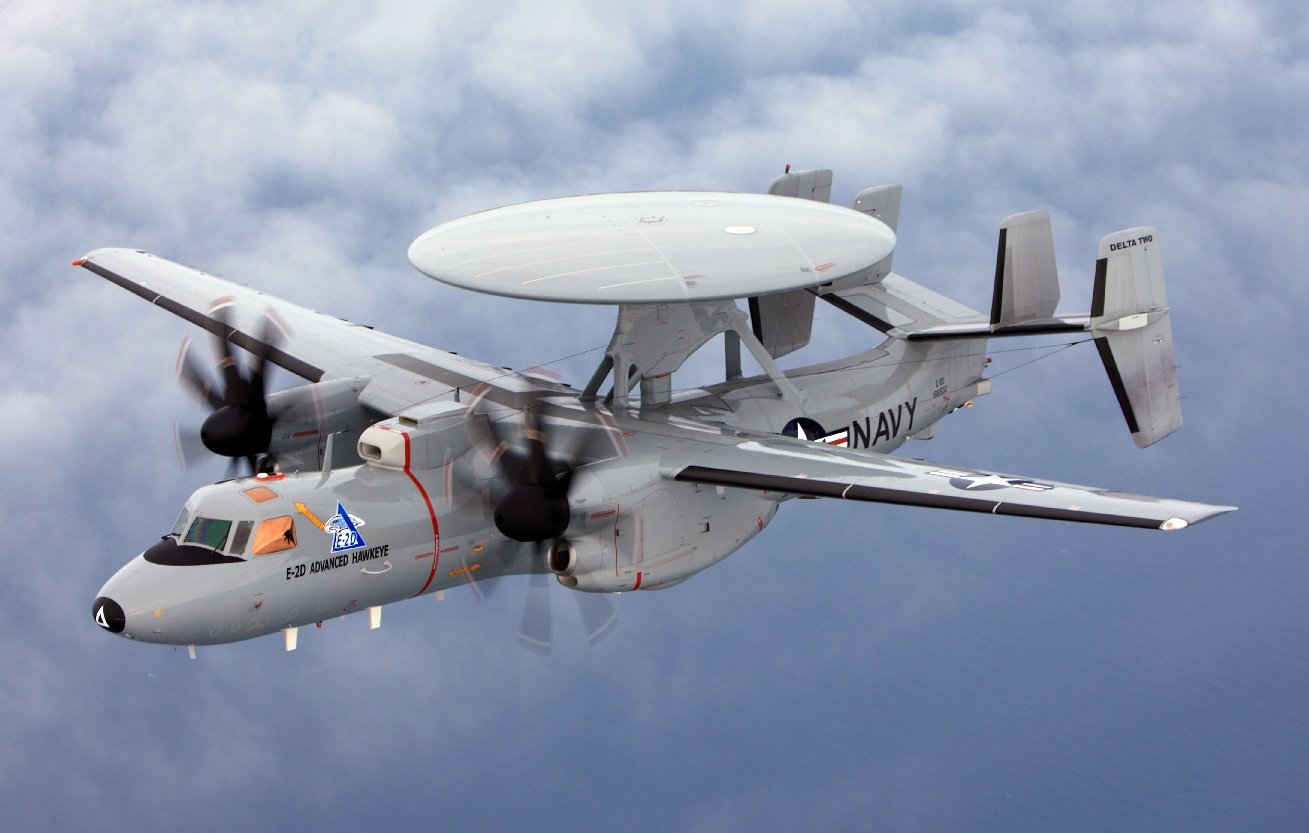 U.S. Navy Awards Northrop Grumman $1.2 Billion Deal for Three New E-2D Advanced Hawkeyes
-
 U.S. Airstrikes Target IRGC Missile Base Near Taft as Overnight Strikes Hit Central Iran
-
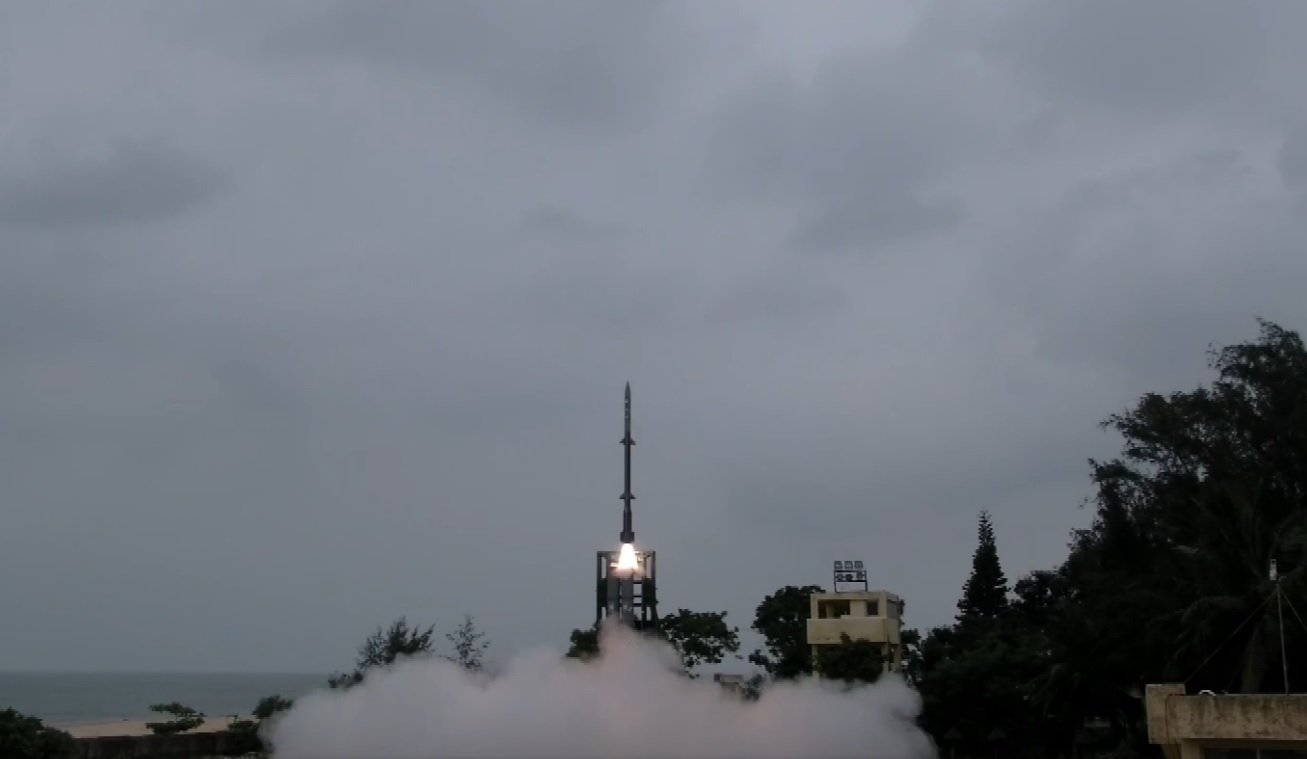 DRDO Successfully Conducts Maiden Flight Test of 150-km-Range Kusha M1 Air Defence Missile
-
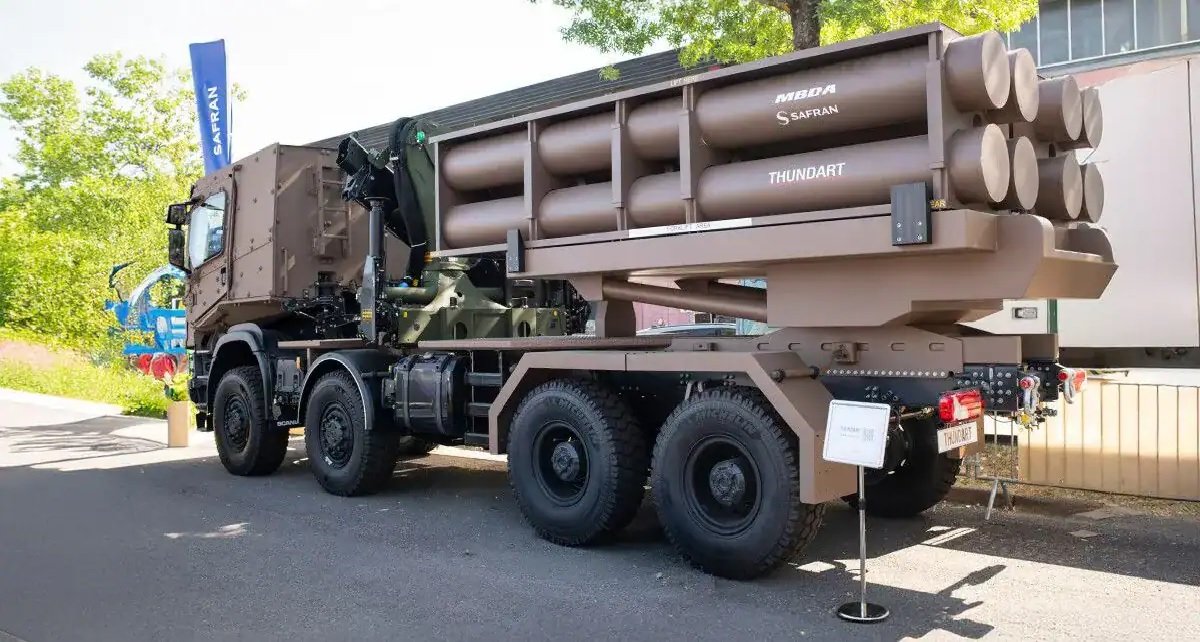 France's THUNDART Long-Range Rocket System May Undergo Prototype Combat Testing in Ukraine
-
 Kuwait and Bahrain Reportedly Launch First Joint Direct Airstrikes on Iran Since War Began : Report
-
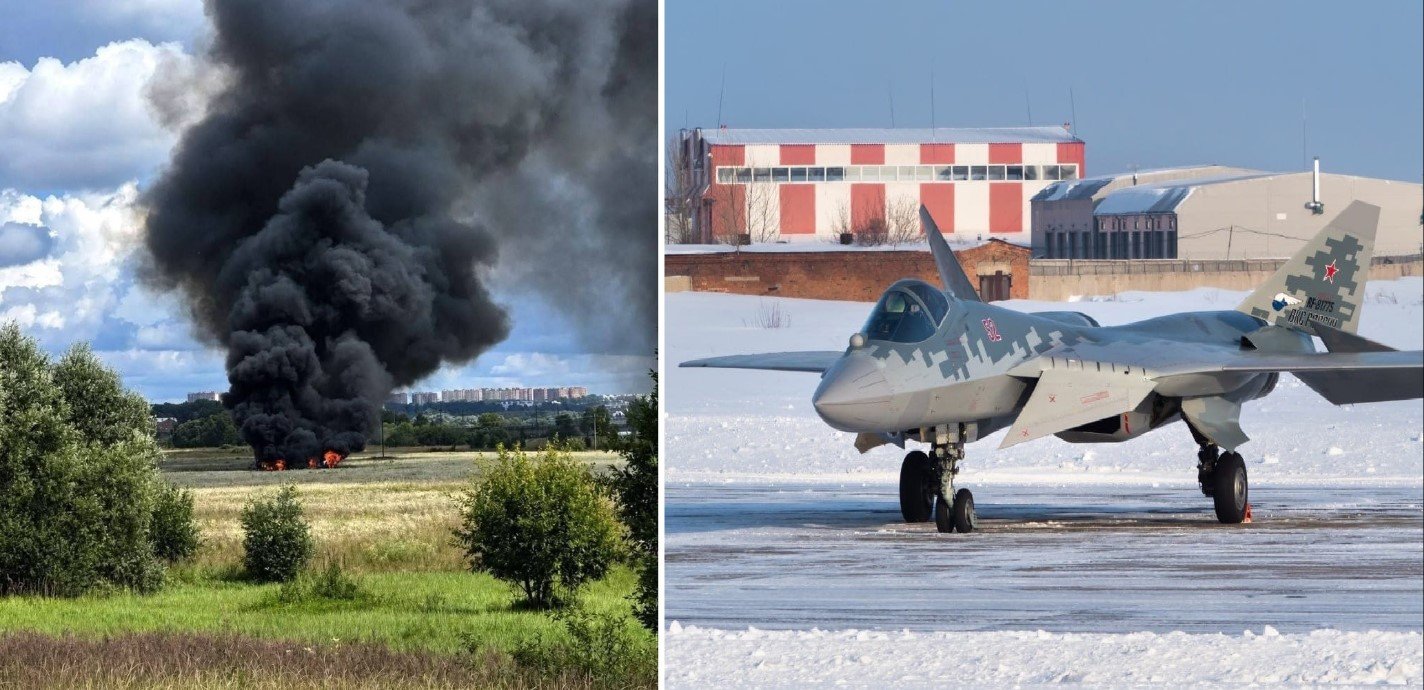 Russian Su-57 Stealth Fighter Crashes During Training Flight Near Moscow, Pilot Ejects Safely
-
 Australia Commits Additional AUD 4.6 Billion to Expand Osborne Shipyard for AUKUS Submarines
-
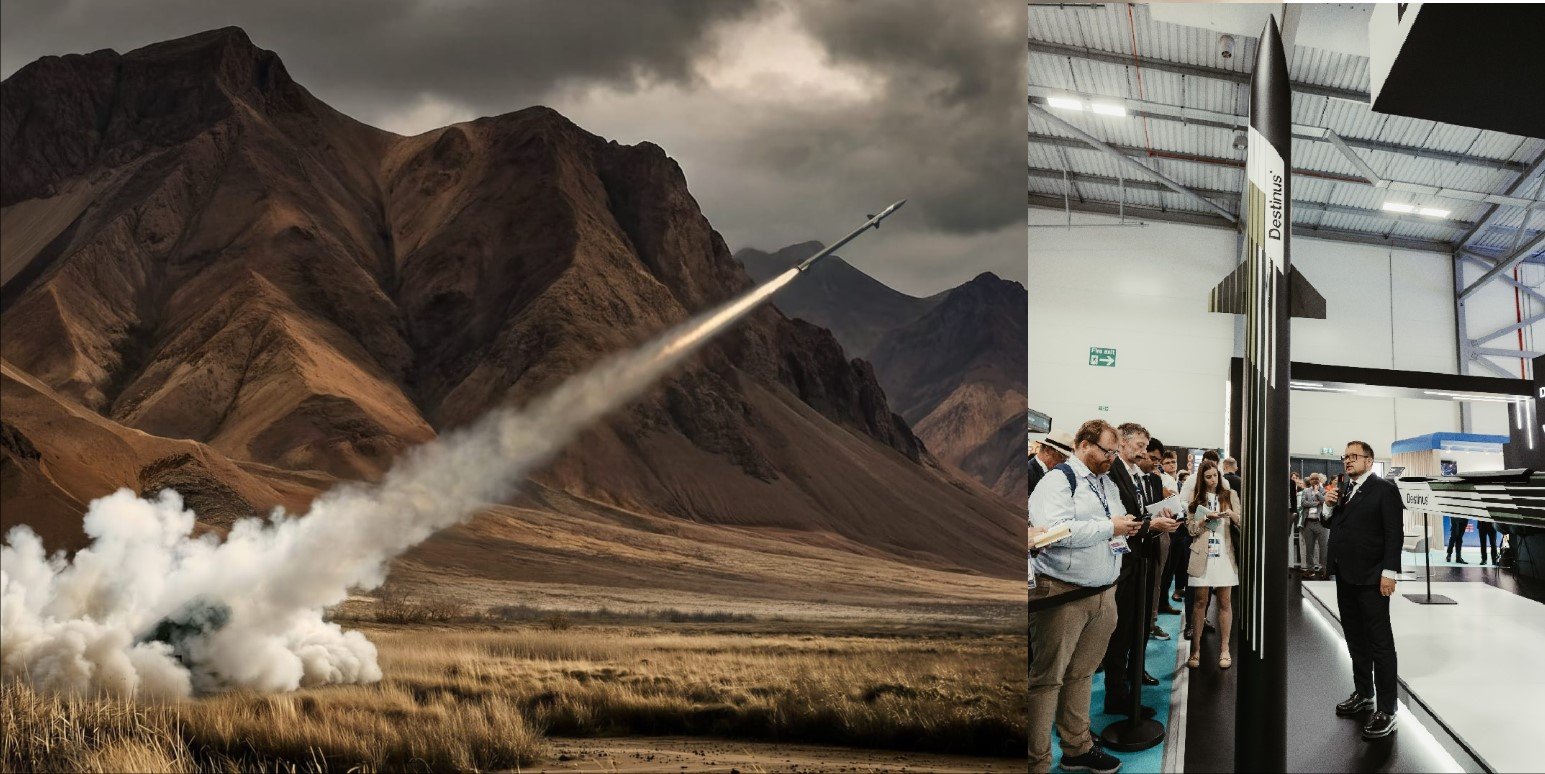 Destinus Unveils Vorexon Interceptor Concept to Defend Critical Sites from Artillery Threats
