World
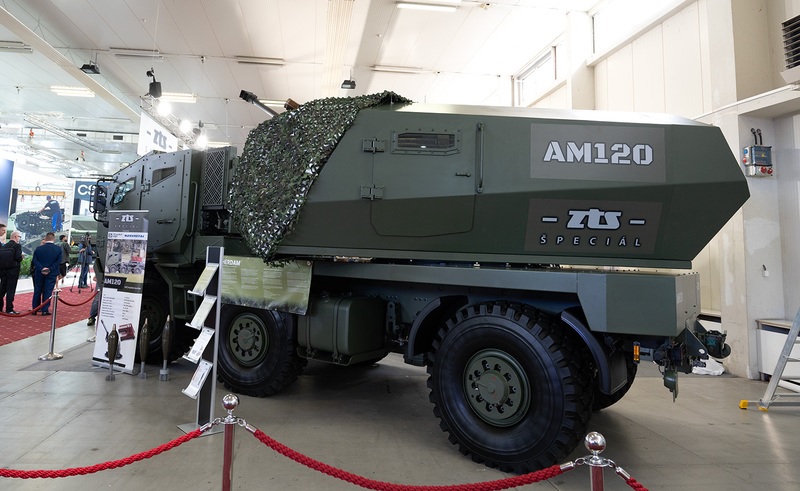
Baku is reportedly moving beyond simple arms purchases to deepen its defense cooperation with Slovakia, with interest in acquiring the Slovak-made AM-120 120 mm automated mortar system and the 155 mm EVA self-propelled howitzer, according to policy analyst Fuad Shahbazov. In 2024, Azerbaijan and Slovakia agreed to establish joint manufacturing facilities, signalling that shared production—and not just procurement—may form part of their evolving defense relationship. Advanced Firepower Under Consideration AM-120 Mortar The AM-120, developed by Slovak company ZTS-Špecial, is a truck-mounted automatic mortar system integrated on a Tatra 815-7 6×6 chassis. It incorporates the Lansys fire control system, designed for high accuracy even under battlefield stress. Key features include: Rate of fire: around 18–20 rounds per minute. Range: from approximately 500 meters up to 8.6 kilometers, depending on ammunition. Operation: the weapon can be fired remotely from within the vehicle’s cabin by a crew of 2–4, or manually from the turret if needed. Turret movement: 360-degree rotation for quick re-targeting. Carrying up to 60 mortar rounds, the system is built for “shoot-and-scoot” tactics, allowing rapid firing and quick redeployment to avoid counter-battery fire. EVA / EVA M2 Self-Propelled Howitzer The EVA is a 155 mm, 52-caliber self-propelled gun-howitzer mounted on a wheeled Tatra chassis. A modernized version, known as EVA M2, has been tested in live-fire and mobility trials. Highlights of the system: Range: up to 41 kilometers with standard extended-range ammunition, and over 50 kilometers with advanced rounds. Firing rate: up to 5 rounds per minute in automatic mode. Ammunition load: 20 projectiles in its automatic magazine, with additional rounds carried in the vehicle. Mobility: designed for rapid deployment, with elevation angles from −3.5° to +75° and wide traverse capability. Together, the AM-120 mortar and EVA howitzer offer a combination of short- to long-range indirect firepower, giving Azerbaijani forces more flexible strike options. Strategic Implications Shahbazov emphasized that the Azerbaijan-Slovakia deal is not only about acquisition but also about joint manufacturing and technology transfer. Establishing shared facilities could enable Baku to strengthen its domestic defense industry, reduce reliance on foreign suppliers, and ensure steady access to modern artillery systems. This fits into Azerbaijan’s broader strategy of diversifying its military suppliers by sourcing equipment from both NATO and post-Soviet industries. By combining mobility, precision, and range, these systems would significantly expand the country’s long-range strike capability, particularly against fortified positions. Outlook While no official contracts have been publicly announced, the interest reflects a growing trend of Azerbaijani investments in localized production. If finalized, the cooperation with Slovakia could mark a major step in Baku’s push to modernize its artillery forces and embed more advanced capabilities into its domestic defense sector.
Read More → Posted on 2025-09-12 15:42:48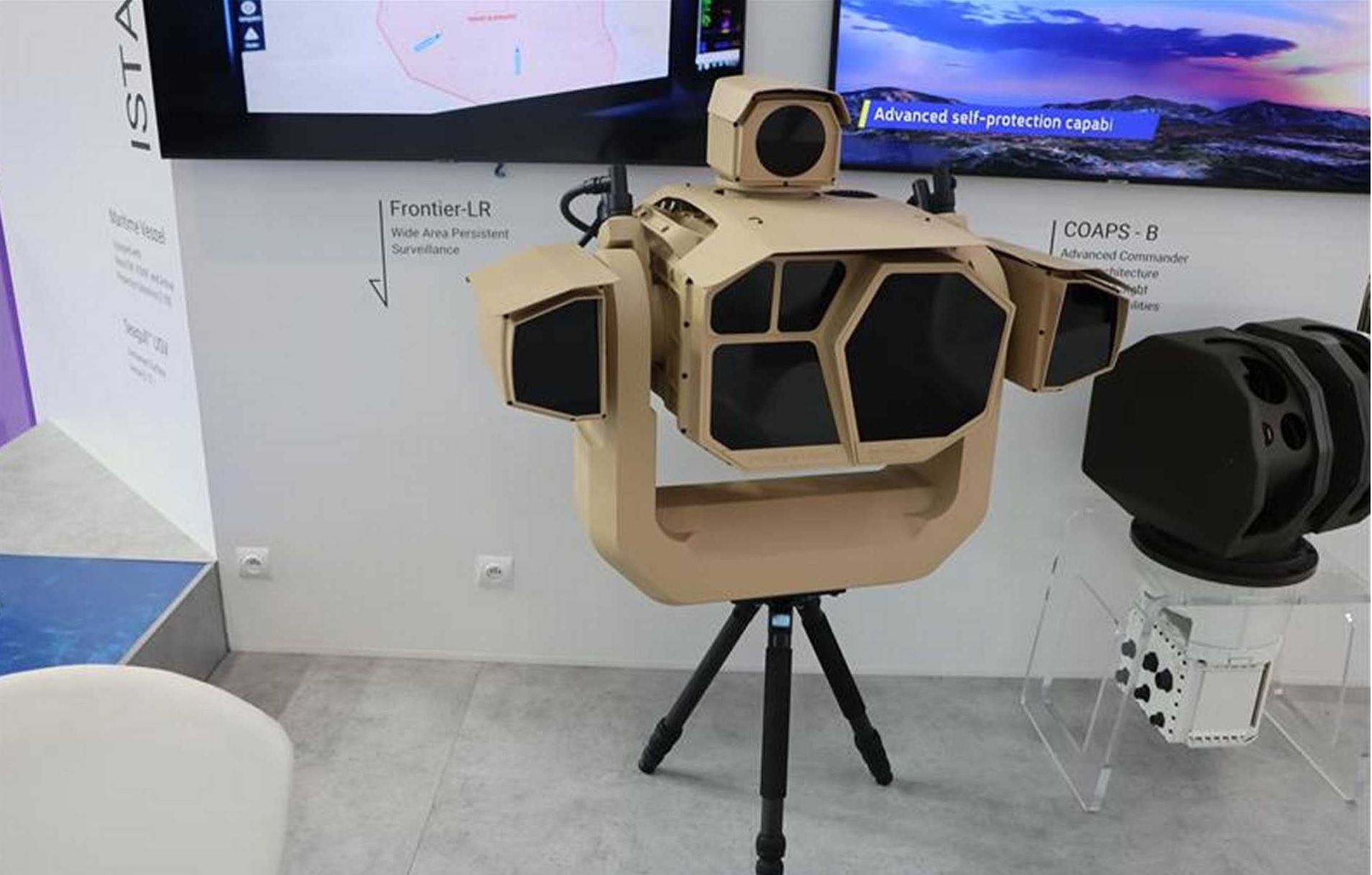
World
London, United Kingdom : At the DSEI 2025 defence exhibition, Elbit Systems introduced Frontier, a wide-area persistent surveillance system built to transform how borders are monitored and defended. The system is designed to detect, classify, and assess land, air, and maritime threats in real time, leveraging advanced artificial intelligence (AI) to reduce false alarms, cut operational costs, and relieve pressure on human operators. Key Features of Frontier Autonomous, real-time threat detectionFrontier employs edge-deployed AI to process data continuously, enabling detection, classification, and risk assessment of potential threats without requiring heavy human intervention. Adaptive learning and anomaly detectionThe system learns local operational patterns and environmental baselines, allowing it to swiftly flag unusual events or behaviours amidst regular activity. This adaptive learning enhances detection efficiency and reduces false positives. Sensor-agnostic modular designBuilt with an open architecture, Frontier can integrate multiple types of sensors—optical, infrared, radar, and more—while connecting seamlessly with existing Command, Control, Communications, Computers, Intelligence, and Interoperability (C4I) systems. Crucially, its neural-network components do not require retraining when new sensor types are added. Operational memory and contextual awarenessBy processing raw data into usable metadata and maintaining a “sectorial operational memory,” Frontier develops a continuously evolving understanding of its surveillance area. This improves accuracy, reduces false alarm rates, and raises detection probabilities. Decision support and prioritizationThe system prioritizes potential threats and provides operators with actionable insights, ensuring that attention and resources are focused where they matter most. Strategic Implications Frontier directly addresses the growing challenge of managing massive data streams from diverse surveillance sources without overwhelming intelligence teams. Traditional systems often struggle with high false alarm rates and slow responses. Frontier’s AI-driven automation aims to close these gaps, providing faster and more accurate assessments while allowing operators to oversee larger areas with fewer resources. By reducing manpower requirements and streamlining decision-making, the system promises to cut costs and improve mission success rates. For countries grappling with border security challenges—ranging from drone incursions and smuggling to illegal crossings and hybrid warfare Frontier offers a more proactive, adaptable defence solution. Context & Broader Trends The unveiling of Frontier reflects a wider industry trend toward autonomous and AI-enabled defence technologies. As borders become more complex to secure, militaries and security agencies are increasingly investing in systems that combine sensor fusion, edge computing, and adaptive learning. Frontier exemplifies this shift, transforming surveillance from reactive monitoring to proactive, intelligent threat management.
Read More → Posted on 2025-09-12 15:38:23
World
Sydney / London / Washington, D.C : At the DSEI defence expo, Australia’s Electro Optic Systems (EOS) revealed plans for a high-power laser designed to burn through disabled satellites in orbit to accelerate their reentry and reduce space debris. CEO Andreas Schwer confirmed the technology has already been validated in orbit with trials proving precise power focus. A first public demonstration is expected within the next 18 months. EOS already has one undisclosed customer and is seeking interest from NATO members and allies. The company is examining both fixed and mobile versions. By either burning through a satellite’s structure or using “photonic drag” to slow it, the system could deorbit a disabled spacecraft within about a month. Other Nations Developing Similar Systems ChinaChina has invested heavily in ground-based and airborne laser facilities aimed at dazzling, blinding, or potentially burning satellite sensors. The Bohu facility in Xinjiang is a core part of its program. U.S. assessments suggest that current Chinese lasers capable of degrading sensors may evolve into destructive power systems during the mid-to-late 2020s. RussiaRussia continues developing directed-energy systems such as the “Sokol-Eshelon” airborne laser, based on the Beriev A-60 aircraft, designed to target satellite optics. Alongside electronic warfare systems and proximity-capable satellites, Moscow is suspected of advancing new destructive ASAT weapons. Intelligence reports indicate these could be nearing operational readiness in the coming years. United StatesThe U.S. maintains active research into space-based and ground-based directed-energy weapons through DARPA and other agencies. Focused largely on defensive and countermeasure roles, American high-power laser systems are still in advanced R&D phases. Analysts project demonstrator systems with potential destructive capability could appear by the late 2020s. Other StatesIndia, France, Japan, Israel, South Korea, Iran, North Korea, and the United Kingdom are all pursuing various counter-space technologies. The U.K.’s “DragonFire” laser is being developed primarily for naval use but could lay the groundwork for future satellite-targeting applications, with an expected entry into service around 2027. France and Japan focus more on non-destructive satellite defense and space situational awareness but are expanding research into high-energy systems. Strategic Implications Directed-energy systems offer an alternative to destructive kinetic ASAT weapons, potentially reducing debris but raising major legal and strategic questions. The Outer Space Treaty bans weapons of mass destruction in orbit, yet leaves ambiguity around lasers and other directed-energy tools. With several major powers pushing toward operational capability within this decade, competition in the counter-space domain is intensifying rapidly. If EOS succeeds with its demonstration in the next 18 months, Australia could become the first nation to publicly field a system designed to burn through satellites for controlled deorbiting. This development adds momentum to a global race where China, Russia, the U.S., and others are already advancing their own laser-based anti-satellite programs.
Read More → Posted on 2025-09-12 14:39:43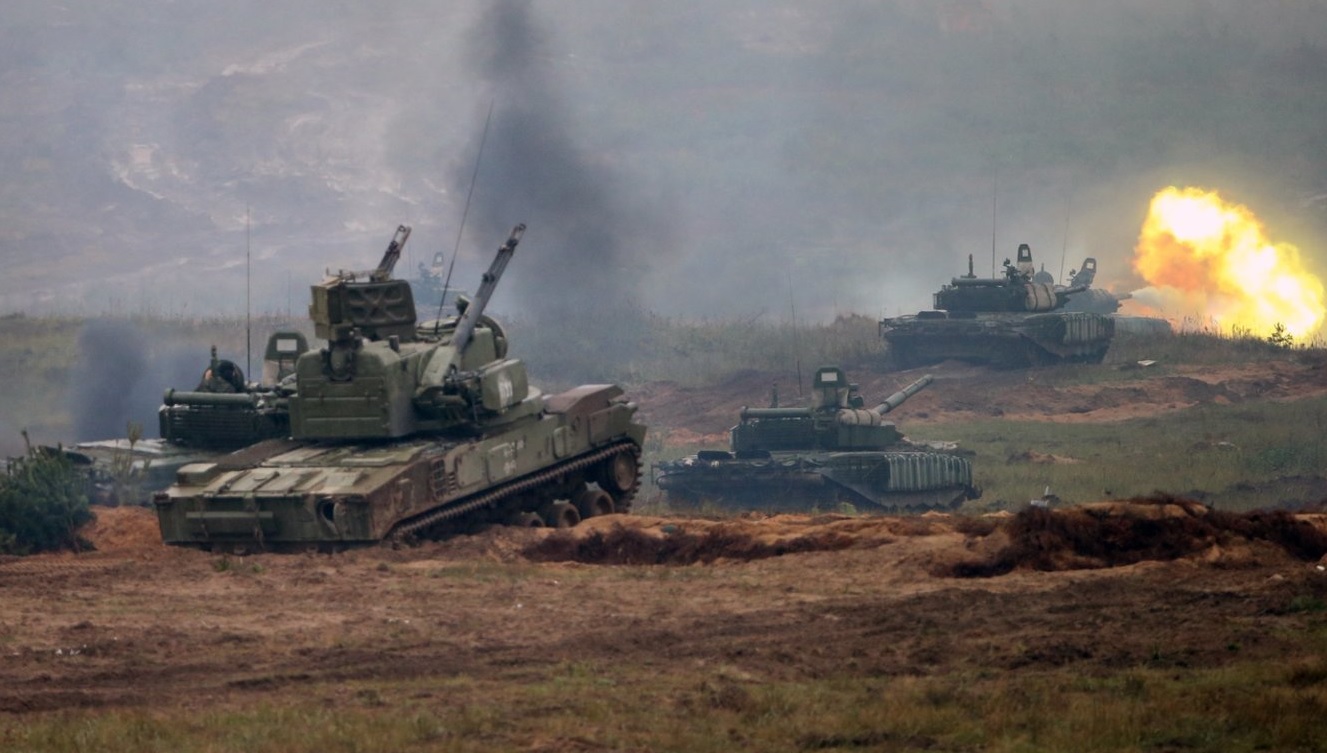
World
Poland has sharply escalated defensive measures amid mounting tensions that followed reported drone incursions from Russia and the launch of large-scale military exercises by Russia and Belarus near NATO’s eastern borders. The Zapad-2025 war games, combined with repeated airspace violations, have deepened fears of instability in Eastern Europe. What’s Happening Zapad-2025 Exercises BeginOn September 12, Russia and Belarus launched joint military drills officially called “Zapad-2025.” The maneuvers are taking place in both countries, including at training grounds in Belarus close to the Polish border. The stated goals are simulating attack repulsion and restoring territorial integrity for the Union State of Russia and Belarus. Drone Incursions over PolandDays before the drills, Poland reported that 19 Russian drones entered its airspace, some crossing from Belarus. Polish and NATO forces shot down several of them. Warsaw insists the incursions were deliberate and not accidental navigation errors. Border Closures & Airspace RestrictionsIn response, Poland closed its remaining border crossings with Belarus as of midnight before the start of Zapad-2025, including rail routes. The government has said the closure will remain until threats to national security subside. Warsaw has also banned drone flights and restricted small aviation along its eastern borders until December, limiting night flights and flights above 3 km altitude for non-commercial aircraft. Military Mobilization & NATO Allies’ SupportThousands of Polish troops have been deployed eastward, with forces placed on heightened alert. NATO allies have stepped in: Germany has reinforced air policing missions over Poland, while France announced the deployment of three Rafale fighter jets to strengthen Poland’s air defense. Other allies, including the UK, have expressed readiness to expand military support. Reactions & Stakes Polish LeadershipPrime Minister Donald Tusk has described the situation as “critical,” warning that Poland is closer to open conflict than at any point since World War II. Interior Minister Marcin Kierwinski stressed that Russia’s actions amount to ongoing aggression, citing both the exercises and the drone incursions. Russia & Belarus’ PositionMoscow and Minsk insist the Zapad-2025 drills are defensive in nature and were planned long before the drone incidents. Russian officials deny that drones were targeting Poland, claiming they were aimed at sites inside Ukraine. Belarusian President Alexander Lukashenko dismissed Western concerns as “utter nonsense,” saying the exercises had even been moved away from NATO borders to ease tensions. International ResponseNATO has begun consultations under Article 4, triggered when a member feels its security is threatened. The European Union has condemned the drone violations. France and Germany have gone beyond statements, providing concrete support, while the United Nations Security Council is preparing to debate the incursions at Poland’s request. Why Observers Are Alarmed Analysts warn that the location of the Zapad-2025 drills raises concerns about a potential simulation of an attack on the Suwałki Gap, a narrow corridor linking Poland and Lithuania, often regarded as NATO’s most vulnerable point. The drone incursions highlight another emerging threat: unmanned aerial systems crossing sovereign borders undetected or too late to intercept. Polish officials have long criticized the slow modernization of its counter-drone infrastructure, a weakness now being tested in real time. The risk of escalation is significant. Any miscalculation — such as a drone strike on Polish territory or a misinterpreted maneuver during the drills — could draw NATO into a direct confrontation with Russia. Poland’s leaders have made clear that they see this as more than a regional flare-up in Ukraine. For Warsaw, the Zapad-2025 drills and drone incursions represent a direct threat to its sovereignty and NATO’s eastern flank. How the next few days unfold will determine whether the crisis cools through diplomacy or accelerates toward confrontation.
Read More → Posted on 2025-09-12 14:30:09
World
At the Navantia shipyard in Ferrol (A Coruña), Spain celebrated a historic milestone with the launch of the F111 “Bonifaz” frigate, the first unit of the F-110 class. The ceremony was attended by Prime Minister Pedro Sánchez and Her Majesty Queen Sofía, who christened the vessel by breaking a bottle against its hull before it slid into the water. Over 5,000 people, including Navantia employees, their families, and partner company staff, gathered to witness the launch. The event featured the Spanish national anthem performed by the Northern Tercio Music Unit. The frigate, blessed by Navy Chaplain Vicente Hernández Chumillas, touched the water one month ahead of schedule with more than 70% of its construction already completed. A Key Program for the Spanish Navy Approved in 2019, the F-110 program calls for the construction of five next-generation frigates, which will enter service over the next decade. The F111 will be delivered in 2028, with subsequent units scheduled annually until 2032. Displacement: about 6,100 tons Dimensions: 145 meters long, 18 meters wide Speed: over 25 knots (≈46 km/h) Crew: around 150 personnel, with facilities for helicopters and unmanned vehicles The F-110 class will feature anti-air, anti-surface, and anti-submarine capabilities, while also supporting NATO joint operations and international maritime security missions. Cutting-Edge Technology The new frigates incorporate some of the most advanced naval technologies developed in Spain: SCOMBA, the new-generation combat system integrating sensors, weapons, and command. Digital Twin, a real-time virtual replica of the ship that enhances operational efficiency and predictive maintenance. Integrated Services System, co-developed with Galician universities, designed to reduce internal cabling and improve reliability. Integrated mast, combining radars and antennas to optimize electromagnetic use and lower radar signature. Hybrid propulsion, offering quieter operation, reduced consumption, and a smaller acoustic footprint. Industrial and Strategic Impact The F-110 program will generate around 9,000 jobs and involve more than 500 companies across Spain, reinforcing the country’s naval industry and revitalizing Galicia’s economy. Admiral Antonio Piñeiro, Chief of Staff of the Spanish Navy, emphasized that the F111 “is not just a new vessel but a demonstration of Spain’s technological sovereignty and strategic vision.” Navantia Chairman Ricardo Domínguez highlighted the project as “a symbol of Spanish innovation,” following the global success of the earlier F100 class. The launch of the F111 “Bonifaz” marks the beginning of a new era for the Spanish Navy, combining military strength with industrial and technological progress.
Read More → Posted on 2025-09-12 14:23:44
World
At DSEI 2025 in London, Avon Protection introduced its latest eye-protection innovation: the MITR-PG1 powered goggle, shown for the first time in public. Displayed alongside Team Wendy’s well-known RIFLETECH ballistic helmet, the move underscores Avon’s strategy of offering modular, interoperable protective equipment for military, law enforcement, and first-response users. MITR-PG1: A New Step in Eye Protection The MITR-PG1 belongs to Avon Protection’s MITR (Modular Integrated Tactical Respirator) system. It is designed to fill a gap between half-masks and full-face respirators, offering eye protection in low- to medium-threat environments without the bulk of full-face systems. Key features include: Protection against riot control agents such as CS, CN, OC, PAVA, and battlefield dust. A powered air purge system that creates slight positive pressure inside the goggles, preventing fogging even in extreme conditions. Lightweight design, around 400 g with battery, and operational endurance of over eight hours. Compatibility with the MITR-M1 half mask, standard combat helmets, and night-vision devices. MITR-GF filter protection against irritant agents and particulate threats, with mechanical resistance for operational durability. Certified to ANSI Z87+ and ISO 16321-1 standards, and built to operate in temperatures from –10 °C to +50 °C. The MITR-PG1 is intended for tasks ranging from riot control and counter-narcotics to counterterrorism, breaching, and special forces missions, giving forces an option where agility and clear vision are critical. RIFLETECH Ballistic Helmet: Proven and Reliable Alongside the MITR-PG1, Avon Protection showcased the RIFLETECH helmet from its subsidiary Team Wendy. Already established as a reference in advanced headgear, the helmet highlights Avon’s integrated protection approach. Notable characteristics: Constructed from ultra-high molecular weight polyethylene (UHMWPE) using Seamless Shell Technology, eliminating weak points from bolt holes. Ballistic performance certified to NIJ RF1 and NIJ Level III, able to withstand threats including 7.62×39 MSC, 7.62×51 NATO M80 Ball, 5.56 mm M193 BT, and 9 mm FMJ. Fragment protection with V₅₀ performance above 4,430 ft/s. Internal Air Fit system with ventilation channels and adjustable pads, designed to reduce head injury risk and improve long-term wear comfort. Integrated night vision shroud and accessory rails without compromising the shell’s integrity. Integrated Protection Strategy By presenting both products together, Avon Protection highlighted its strategy to deliver complementary, modular, and interoperable protective solutions. The MITR-PG1 brings new capabilities in vision and respiratory protection, while the RIFLETECH helmet continues to set the standard in ballistic head protection. This system-based approach ensures that protective components work seamlessly together, eliminating weak points between gear and meeting the operational needs of armed forces, internal security, and first responders.
Read More → Posted on 2025-09-12 14:12:44
India
In a significant move to bolster India's unmanned aerial vehicle (UAV) capabilities, Bharat Forge Limited has signed a Memorandum of Understanding (MoU) with UK-based Windracers Limited. The agreement, formalized at the DSEI UK 2025 defense exhibition in London, focuses on the deployment, localization, and application of Windracers' ULTRA UAV across India. This collaboration aims to enhance logistics and operational efficiency in both defense and civil sectors. Specifications of the Windracers ULTRA UAV The Windracers ULTRA UAV is a robust, self-flying cargo aircraft designed for heavy-lift operations. It features a 10-meter wingspan and is powered by two 50 hp Hirth F23 engines, doubling the power output of its predecessor. The UAV has a maximum take-off weight of 510 kg and can carry a useful payload of up to 150 kg over distances of up to 1,000 km. Its design includes a twin-boom configuration with a high T-tail, allowing easy access to its 700-liter cargo compartment. The aircraft operates autonomously using Windracers' Masterless avionics system, which ensures automated takeoff and landing capabilities. The system’s dual or triple redundancy design ensures safe operation even in the event of hardware or software failures. Strategic Implications for India This partnership aligns with the UK-India Free Trade Agreement (FTA) and supports the goals of the India-UK Vision 2035.Amit Kalyani, Joint Managing Director of Bharat Forge, emphasized that the Windracers ULTRA UAV enhances India's indigenous UAV capabilities and provides robust solutions for high-stakes logistics across some of the world's most challenging geographies. The MoU, initially set for a two-year term, allows both companies to advance localization efforts, conduct joint trials, and establish a definitive deployment agreement in India.The collaboration is expected to address emerging requirements across the Indian military and civil sectors, including Carrier On Board Delivery (COD) operations for the Indian Navy, critical logistics for the Indian Army and Air Force, and other key roles in varied operational environments. Simon Muderack, CEO of Windracers, noted that collaborating with Bharat Forge represents a major step in expanding the dual-use operation of the Windracers ULTRA. The partnership leverages years of research, development, testing, and operation to deliver strategic benefits and operational autonomy for India's defense and civil stakeholders. The collaboration between Bharat Forge and Windracers marks a significant advancement in India's UAV capabilities, promising enhanced logistics and operational efficiency across various sectors.
Read More → Posted on 2025-09-11 17:17:26
India
On September 12, 2025, the Indian Navy officially commissioned INS Aravali at its new base in Gurugram. The ceremony was presided over by Admiral Dinesh K. Tripathi, Chief of the Naval Staff, marking a significant milestone in the enhancement of India's maritime security infrastructure. INS Aravali, named after the resilient Aravali mountain range, is strategically positioned to support various information and communication centres integral to the Navy's command, control, and Maritime Domain Awareness (MDA) framework. These centres play a pivotal role in safeguarding India's extensive maritime interests by providing real-time surveillance and intelligence across the nation's vast coastline. The base's crest features central mountain imagery symbolizing the unwavering strength of the Aravali Range, complemented by a rising sun representing eternal vigilance, resilience, and the dawn of advanced technological capabilities in communications and MDA. This emblem reflects the base's steadfast commitment to defending India's maritime borders through continuous innovation and collaboration. Guided by the motto 'सामुद्रिकसुरक्षायाः सहयोगं' or 'Maritime Security through Collaboration,' INS Aravali embodies a cooperative ethos, working seamlessly with naval units, MDA centres, and allied stakeholders to strengthen India's maritime security. The establishment of this base underscores the Navy's dedication to enhancing its operational readiness and strategic capabilities in an increasingly complex maritime environment. The commissioning of INS Aravali represents a significant step forward in the Indian Navy's ongoing efforts to modernize its infrastructure and enhance its maritime domain awareness capabilities. As the Navy continues to adapt to evolving security challenges, INS Aravali will serve as a cornerstone in its mission to ensure the safety and security of India's maritime interests.
Read More → Posted on 2025-09-11 17:13:47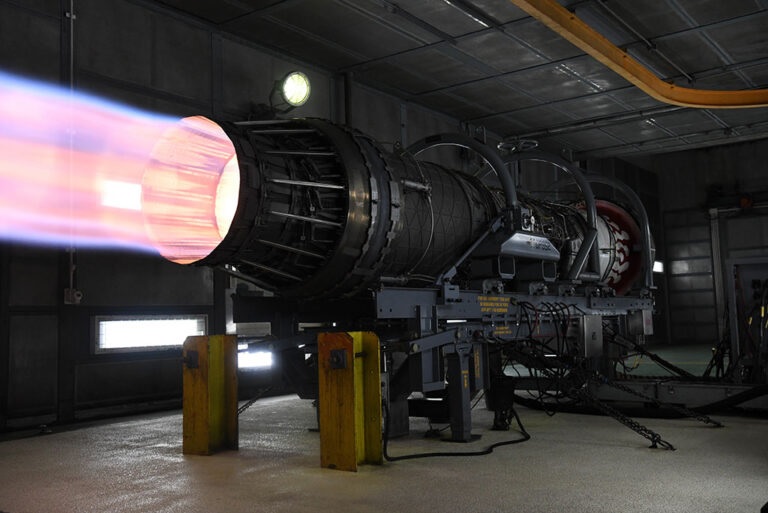
India
Bengaluru, September 11, 2025 – In a significant stride towards self-reliance in defense technology, India has embarked on a landmark collaboration with French aerospace giant Safran to co-develop a 120-kilonewton (kN) thrust fighter jet engine. This initiative, led by the Defence Research and Development Organisation (DRDO) through its Gas Turbine Research Establishment (GTRE), marks a pivotal move in India's quest to enhance its indigenous defense capabilities. The ambitious project envisions the development of nine engine prototypes over a 12-year period, with the first flight test scheduled for 2028. The initial engines will deliver 120 kN of thrust, with plans to scale up to 140 kN by the end of the development cycle. This progression aims to meet the evolving requirements of India's Advanced Medium Combat Aircraft (AMCA) program, a fifth-generation stealth fighter currently under development. A key feature of this collaboration is the full technology transfer from Safran to DRDO, encompassing advanced technologies such as single-crystal blade technology. These blades, constructed from superalloys, offer superior efficiency, longevity, and resilience under high heat and stress conditions. While DRDO has developed this technology, adapting it for high-powered jet engines presents a unique challenge. Safran’s commitment to transferring 100% of its technology to DRDO underscores the depth of this strategic partnership. The project, estimated at approximately ₹61,000 crore (about $7 billion), is poised to significantly bolster India's defense manufacturing sector. It aligns with the government's 'Make in India' initiative, aiming to reduce dependence on foreign defense imports and promote domestic innovation. The collaboration also strengthens the strategic ties between India and France, reflecting a shared commitment to advancing aerospace technology. The Safran-GTRE partnership is expected to produce the first batch of engines by 2036, with full-scale production commencing thereafter. This timeline is synchronized with the AMCA's development phases, ensuring that the aircraft is equipped with state-of-the-art propulsion systems upon induction. The successful realization of this project will not only enhance the capabilities of the Indian Air Force but also position India as a formidable player in the global aerospace arena. As the project progresses, it is anticipated that the collaboration will lead to the establishment of advanced manufacturing facilities and research centers in India, further contributing to the nation’s technological prowess and economic growth. The Safran-DRDO partnership stands as a testament to India’s growing self-reliance in defense technology and its determination to achieve excellence in aerospace innovation.
Read More → Posted on 2025-09-11 17:10:25
India
In a significant diplomatic development, the European Union has firmly declined U.S. President Donald Trump's request to impose 100% tariffs on goods from India and China.The proposal was part of a broader strategy to pressure Russian President Vladimir Putin by targeting nations that continue to purchase Russian oil. Despite the U.S. administration's push, EU officials have expressed strong reservations about implementing such sweeping tariffs.They argue that tariffs differ from sanctions and require extensive legal investigations to justify.This process could delay the imposition of any measures and complicate the EU's legal standing.Furthermore, the EU is cautious about disrupting sensitive trade relations, particularly with India, as ongoing negotiations for a Free Trade Agreement (FTA) are underway.The EU prefers targeted sanctions on specific entities involved in aiding Russia's military operations, rather than broad tariffs that could have far-reaching economic consequences. The EU's decision underscores its commitment to a more measured and legally sound approach to international trade and sanctions.While aligning with the U.S. on many fronts, the EU maintains its autonomy in crafting policies that align with its legal frameworks and economic interests.This divergence highlights the complexities of international diplomacy and the balancing act nations face when aligning foreign policy objectives with domestic legal and economic considerations. As the situation develops, it remains to be seen how the U.S. will respond to the EU's stance and whether alternative strategies will be pursued to address the ongoing conflict in Ukraine and its global economic implications.
Read More → Posted on 2025-09-11 16:47:26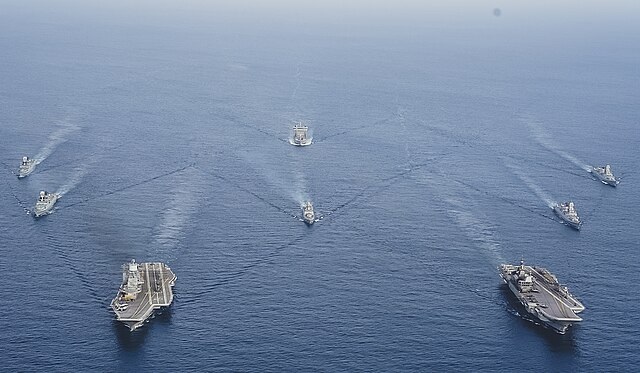
India
In a bold stride towards maritime dominance, the Indian Navy has unveiled an ambitious plan to expand its fleet to over 200 warships and submarines by 2035, up from the current 140. This strategic move aims to bolster India's maritime security and assert its presence in the Indo-Pacific region, countering the growing naval influence of China and Pakistan. Strategic Expansion and Indigenous Development The Indian Navy's expansion plan is anchored in indigenous development, with 55 warships currently under construction across six domestic shipyards. The Defence Ministry has approved the procurement of 74 additional warships, signaling a significant boost to India's shipbuilding capabilities. This initiative aligns with the government's vision of achieving self-reliance in defense manufacturing, reducing dependency on foreign imports. The fleet modernization encompasses the induction of advanced vessels, including nuclear-powered aircraft carriers and destroyers equipped with BrahMos supersonic cruise missiles. By 2030, the Navy plans to have 13 destroyers and 20 frigates, each armed with over 300 BrahMos missiles, enhancing its strike capabilities and deterrence posture. Technological Advancements and Future Readiness The Navy's roadmap also emphasizes technological advancements, with plans to develop nuclear-powered surface warships, hypersonic missiles, and laser-based weapons. These cutting-edge technologies aim to enhance the Navy's operational efficiency and response capabilities in a rapidly evolving maritime security environment. Chief of Naval Staff Admiral Dinesh K Tripathi highlighted the importance of integrating disruptive technologies, including space, cyber, and artificial intelligence, to create a future-ready Navy. The Navy's focus on technological integration reflects its commitment to maintaining a strategic edge over regional adversaries. Global Naval Power Rankings When assessed by combat capability—particularly the number of aircraft carriers, nuclear-powered submarines, destroyers, frigates, corvettes, and trained personnel—the Indian Navy stands among the world's top four naval forces. As of 2025, India operates two aircraft carriers, one nuclear-powered submarine, 11 destroyers, 13 frigates, and 22 corvettes, supported by a professional force of nearly 70,000 naval personnel. This robust combination of high-value combat assets places India ahead of several regional powers and only slightly behind the United States, China, and Russia in terms of blue-water operational reach. With the planned expansion to three aircraft carriers, four nuclear submarines, 13 destroyers, 20 frigates, and more than 30 corvettes by 2035—alongside enhanced personnel training and infrastructure—India is projected to solidify its position as the third or fourth most powerful navy globally. This growth will not only increase India’s deterrence capability but also strengthen its ability to secure vital sea lanes and respond to evolving security threats across the Indo-Pacific region. India's ambitious naval expansion plan reflects its commitment to safeguarding maritime interests and asserting its presence in the Indo-Pacific region. Through indigenous development, technological advancements, and strategic planning, the Indian Navy is poised to become a formidable force in global maritime security.
Read More → Posted on 2025-09-11 16:16:05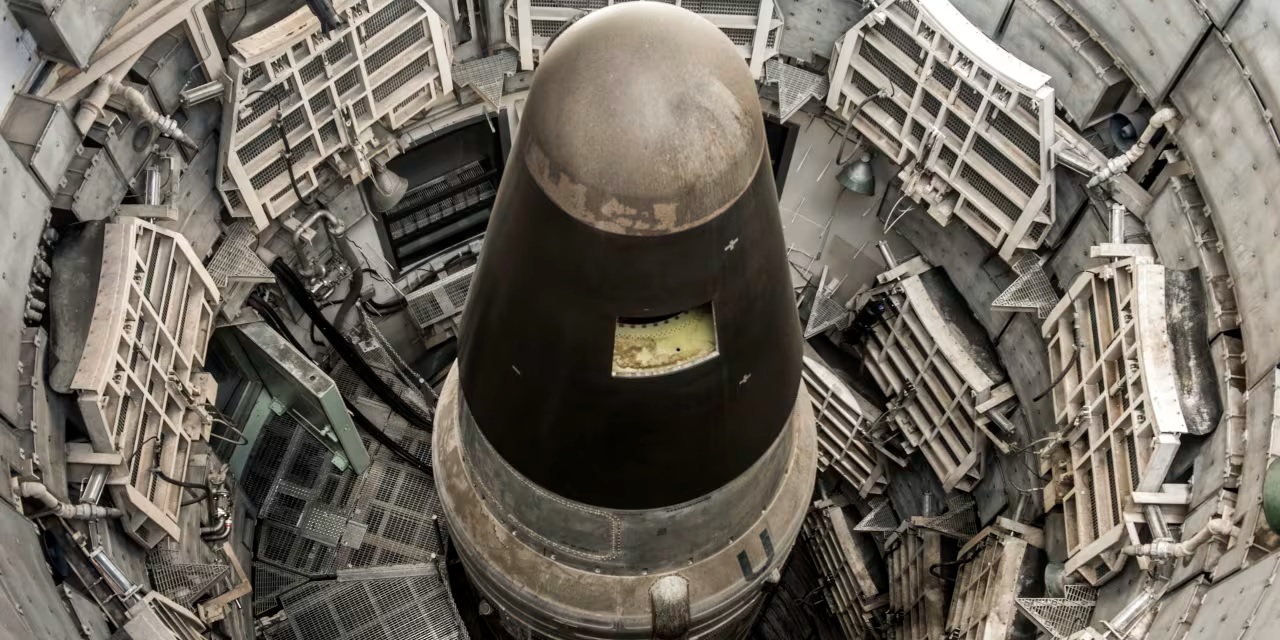
World
Brazil’s nuclear weapons debate has resurfaced after Minister of Mines and Energy Alexandre Silveira suggested that Brazil might need to develop nuclear weapons to secure its national defense. Speaking at an event in Rio de Janeiro, where new directors for the National Nuclear Safety Agency (ANSN) and the National Petroleum, Gas and Biofuels Agency (ANP) were appointed, Silveira warned that changing global threats might force Brazil to reassess its nuclear policy. Constitutional and International Constraints Silveira acknowledged that Brazil’s 1988 Constitution and its commitments under the Nuclear Non-Proliferation Treaty (NPT) currently restrict nuclear activity to peaceful uses, such as energy generation and nuclear medicine. However, he argued that geopolitical shifts could necessitate a strategic review in the long term. Any move toward nuclear deterrence would require legislative changes and thorough debate in Congress. Strategic Resources Position Brazil as a Potential Nuclear Power Brazil’s enormous uranium reserves, significant freshwater resources—accounting for 11% of the world’s supply—and vast mineral wealth give the country the ability to pursue advanced nuclear technology independently. These assets, while currently used for civilian purposes, are key components of a possible defense strategy, should international developments and domestic priorities align. A 2020 Proposal Rekindles the Discussion Silveira’s remarks echo the 2020 legislative proposal that called for Brazil to build an atomic bomb as a deterrent against foreign threats. Proposed by Vito Angelo Duarte Pascaretta and backed by more than 21,000 signatures, the initiative stalled in the Senate, yet ongoing global instability has reignited calls among some lawmakers to revisit the question of nuclear deterrence. Historical Context: The Parallel Nuclear Program Brazil’s nuclear history complicates the current debate. In the 1970s, the country secretly pursued a military nuclear program known as the “Parallel Nuclear Program”, aimed at full control over uranium enrichment outside civilian oversight. The program ended in 1990 following parliamentary inquiries. Brazil’s obligations under the NPT and the Treaty of Tlatelolco, which establishes Latin America and the Caribbean as a nuclear-weapon-free zone, make any shift toward nuclear armament legally and diplomatically challenging. Brazil’s Technical Capability for Nuclear Weapons Despite these limitations, Brazil’s nuclear capability is considerable and often underestimated. The country is home to one of the largest uranium reserves in the world, located primarily in the Ceará, Bahia, and Goiás regions, which could support both civilian and military nuclear applications if regulatory and political barriers were removed. Brazil’s state-run company, Indústrias Nucleares do Brasil (INB), already manages uranium mining, conversion, and enrichment at facilities such as Resende, which is capable of producing enriched uranium suitable for both energy and potential defense applications. Brazil also possesses advanced nuclear fuel cycle technologies, including fuel fabrication, radioisotope production, and research reactors, supported by institutions like the National Nuclear Energy Commission (CNEN). The country’s Angra Nuclear Power Plant, though focused on energy production, demonstrates Brazil’s ability to manage complex reactor systems safely and reliably. Moreover, Brazil’s ongoing nuclear submarine program, spearheaded by the Brazilian Navy, aims to build a nuclear-powered submarine that would require mastery over pressurized water reactor (PWR) technology. The design and operation of such reactors demand expertise in nuclear propulsion, shielding, and thermal management, all of which could be adapted for defense-related nuclear applications if the political will existed. Brazil’s cadre of trained nuclear engineers, physicists, and technicians, cultivated through research institutions like the Federal University of Rio de Janeiro (UFRJ) and COPPE, provides further capacity to expand its nuclear arsenal if necessary. The country’s experience in handling nuclear materials, combined with robust infrastructure and access to global nuclear markets, gives it the technical foundation needed to transition into a nuclear weapons state, albeit at significant legal and diplomatic cost. Global Tensions and Rising Nuclear Concerns Heightened global tensions provide the backdrop for Brazil’s reconsideration of nuclear policy. Russia’s invasion of Ukraine, alongside nuclear developments by North Korea and Iran, has led many nations to reevaluate their defense strategies. Recent statements by former U.S. President Donald Trump and discussions among NATO allies on nuclear self-reliance underscore the increasing uncertainty in global security and the potential need for independent defense capabilities. Government Reaffirms Civilian Nuclear Focus In response to Silveira’s comments, the Ministry of Mines and Energy clarified that Brazil’s nuclear activities will remain centered on civilian purposes. Nonetheless, experts warn that the debate around nuclear deterrence may gain momentum, with some interpreting Silveira’s remarks as strategic signaling, while others view them as laying the groundwork for future policy shifts. The Crossroads Ahead: Sovereignty vs. Commitments As Congress debates the issue, Brazil faces a critical choice between honoring its non-proliferation commitments and adapting to emerging security threats. With its uranium reserves, nuclear expertise, and infrastructure, Brazil is one of the few countries capable of developing nuclear weapons if political and diplomatic circumstances permit. The coming years will test how Brazil balances sovereignty, defense priorities, and international obligations in an increasingly unpredictable world.
Read More → Posted on 2025-09-11 16:06:25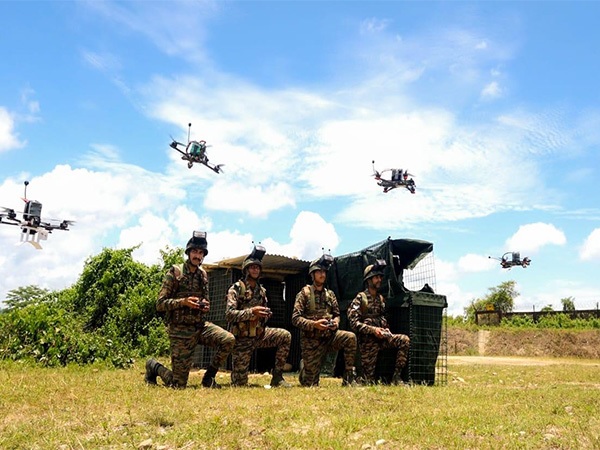
India
The Indian Army successfully conducted Exercise Siyom Prahar from September 8 to 10, 2025, in Arunachal Pradesh, marking a significant leap in the use of drone technology for modern tactical operations. The exercise was carried out under realistic battlefield conditions, focusing on validating the operational employment of unmanned aerial vehicles (UAVs) to enhance combat readiness. The scope of the exercise included continuous surveillance, battlefield reconnaissance, target acquisition, and precision strikes, demonstrating the transformative role of drones in providing real-time intelligence and rapid, accurate engagement capabilities. Various tactical drones and larger operational UAVs were deployed, highlighting their utility across both frontline and support roles. A central aim of Exercise Siyom Prahar was the development and validation of new Tactics, Techniques, and Procedures (TTPs) suitable for future battlefields. These innovations included integrating drone data with conventional artillery and infantry operations, streamlining joint targeting processes, and improving decision-making speed in dynamic combat scenarios. The exercise also emphasized interoperability between traditional combat units and emerging technological assets, ensuring seamless coordination on the battlefield. Military experts noted that exercises like Siyom Prahar are crucial for preparing the Army for high-intensity conflict environments, particularly in border areas requiring rapid intelligence and responsive strike capabilities. The Army also tested drone-assisted logistics and casualty evacuation simulations, showcasing the growing versatility of UAVs beyond purely combat roles. Through this exercise, the Indian Army reaffirmed its commitment to remaining at the forefront of military innovation. By combining cutting-edge technologies like UAVs with traditional warfighting skills, the Army continues to strengthen its operational effectiveness, adaptability, and readiness for evolving security challenges. The outcomes of Siyom Prahar provide valuable lessons for future operational integration, force multiplication, and the development of next-generation combat doctrines, ensuring that India’s armed forces remain future-ready and combat-capable.
Read More → Posted on 2025-09-11 15:52:38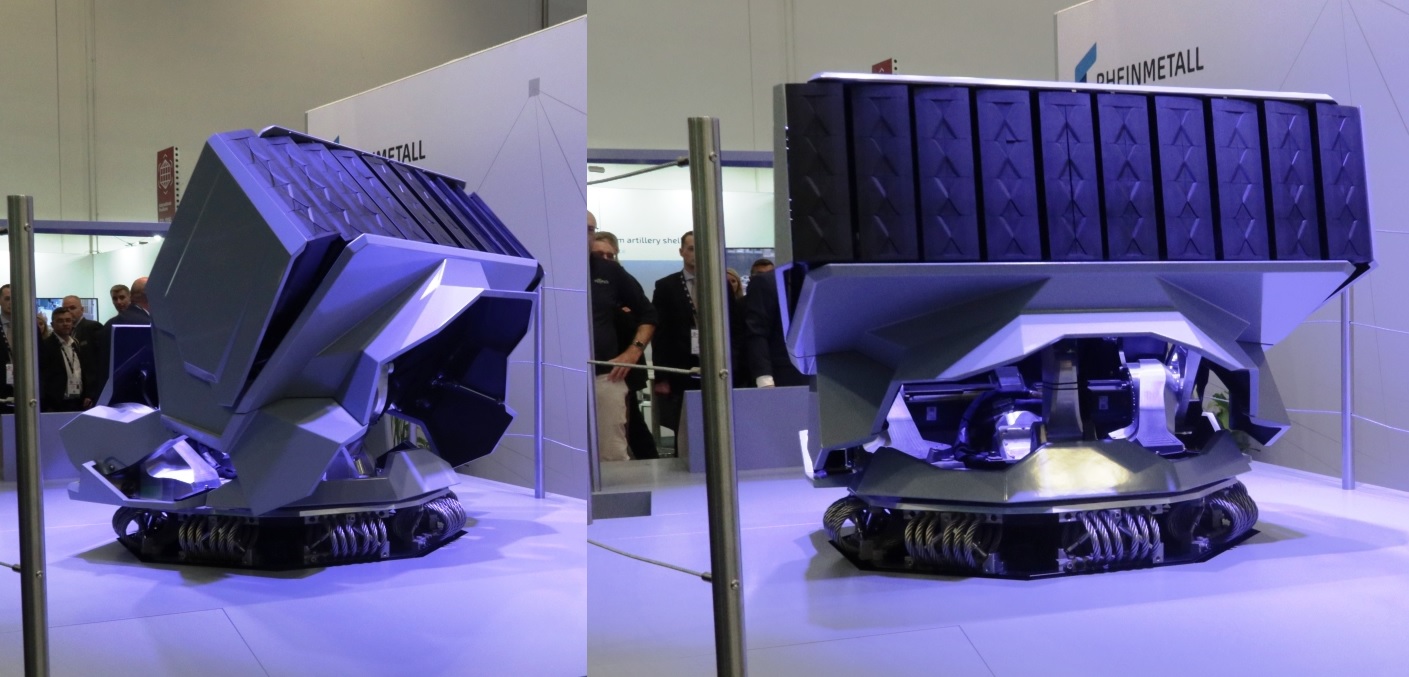
World
At the Defence and Security Equipment International (DSEI) 2025 exhibition in London, Rheinmetall introduced the next-generation Multi Ammunition Softkill System (MASS nova), a state-of-the-art naval protection solution designed to counter increasingly sophisticated anti-ship missiles. Building upon the legacy of the original MASS, which has been in service for over 25 years and deployed on more than 50 ship classes worldwide, the MASS nova incorporates advanced technologies to address emerging threats. Enhanced Launcher Capabilities The MASS nova features a newly developed launcher with several key improvements: Increased Payload Capacity: The launcher now accommodates 40 decoys, up from the previous 32, thanks to the addition of two extra magazines. Extended Ammunition Length: The new design supports decoys that are 80 mm longer, enhancing the effective mass and overall performance of each countermeasure. Variable Fan Angle: The launcher offers a fan angle exceeding 90°, allowing for variable dispersion patterns to optimize performance against imaging infrared (IIR) and laser-guided missiles. 360° Azimuth and 90° Elevation Coverage: The fully trainable launcher ensures comprehensive coverage, providing full screening of the vessel. These enhancements result in a 50% increase in payload capacity while maintaining a lighter launcher design, thereby improving both effectiveness and efficiency. Introduction of 3DDS Decoy Drones A significant advancement in the MASS nova system is the incorporation of the 3D Decoy Swarm (3DDS) drones. Before launch, these drones have a tubular shape, but upon deployment, they transform into quadcopters with four arms and two-blade rotors. Operating as a coordinated swarm, the 3DDS drones mimic the ship's radar and infrared signatures, creating a realistic three-dimensional decoy that can deceive even advanced anti-ship missiles equipped with artificial intelligence algorithms. The drones are programmed to fly in formations that simulate the ship's superstructure, attracting incoming missiles away from the actual target. With an endurance of one to two minutes, the 3DDS drones provide sufficient time to divert threats. The number of drones deployed varies based on the ship's size, with three to four drones for smaller vessels and eight to ten for larger combatants. Integration and Future Developments The MASS nova system is designed for easy integration into existing naval platforms, whether as a standalone system or as part of the ship's command and control infrastructure. Rheinmetall plans to conduct first firing trials in November 2025, with the goal of completing qualification by 2027 and making the system available for deployment by 2028. In addition to the 3DDS drones, Rheinmetall is developing new infrared payloads, including soot, glass beads, and brass dust, as well as a new generation of longer MASS rounds. The company is also exploring the integration of active radiation capabilities into the decoys to attract anti-radar missiles. With the MASS nova, Rheinmetall aims to set a new standard in naval self-protection, providing advanced and adaptable solutions to safeguard vessels against the evolving landscape of maritime threats.
Read More → Posted on 2025-09-11 15:19:24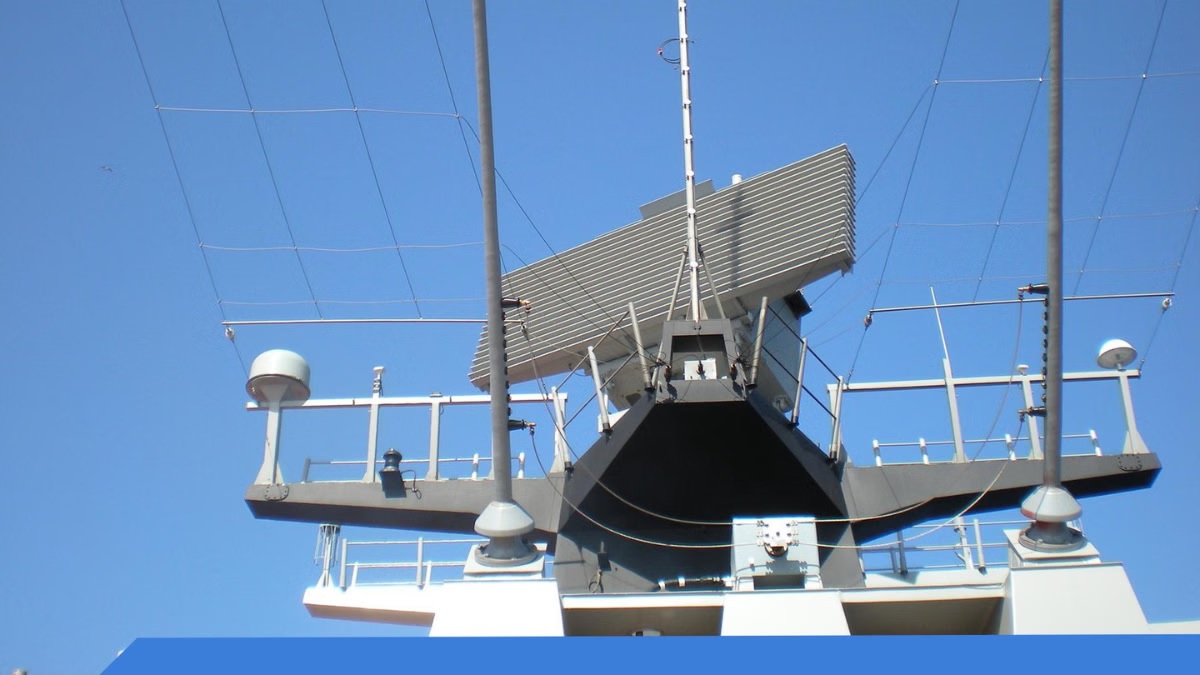
India
Bengaluru / New Delhi, 11 September 2025 : In a major breakthrough for India’s defence industry, Tata Advanced Systems Ltd (TASL), in partnership with Spanish defence firm Indra, has successfully manufactured, delivered, and commissioned the Lanza-N 3D Air Surveillance Radar (3D-ASR) on an Indian Navy warship. This marks the first time such a system has been built and integrated in India, placing TASL at the forefront of advanced naval radar manufacturing. What Makes the Lanza-N Radar Special Three-Dimensional Long-Range Coverage: The radar provides detection and tracking in range, azimuth, and elevation, enabling early warning against aircraft, drones, missiles, and naval vessels. L-Band Operation with Pencil-Beam Scanning: Designed for high accuracy, the radar uses advanced beam-forming techniques and monopulse tracking for precise target location. Robust Against Electronic Warfare: Equipped with strong counter-jamming and clutter suppression features, it maintains performance in contested environments. High Range Capability: The radar has an instrumented detection range of up to 254 nautical miles, providing extended situational awareness. Integrated IFF/SSR: Includes secondary surveillance radar functions with multiple identification modes, allowing clear friend-or-foe classification. Rugged Naval Adaptation: Engineered for tropical maritime conditions, it withstands high temperatures, humidity, vibration, and salt exposure. Scalable & Modular Design: Suitable for frigates, destroyers, and aircraft carriers, the radar can be configured for different naval platforms. Production and Localisation Under a 2020 contract, 23 radars are to be supplied: three fully built in Spain, and 20 more assembled and integrated in India. To support this, TASL has established a dedicated radar assembly, integration, and testing facility in Karnataka. The facility will not only accelerate deliveries but also enable long-term servicing and upgrades. This makes it the first time the Lanza-N system is operational outside Spain, underscoring India’s growing role in advanced defence manufacturing. Strategic Significance Boost to Atmanirbhar Bharat: By indigenously assembling and integrating next-generation surveillance radars, India moves closer to self-reliance in high-end defence systems. Stronger Maritime Shield: Once deployed across multiple classes of warships, the radar will enhance India’s air and surface surveillance envelope in the Indian Ocean Region. Technology Transfer Advantage: Local assembly and testing ensure India gains technical know-how, creating a skilled workforce and reducing reliance on foreign suppliers. Operational Readiness: Local support ensures faster maintenance, lower lifecycle costs, and greater availability of naval assets. Expert Views Sukaran Singh, CEO & MD of TASL, called the achievement a “major leap in India’s ability to produce advanced radars indigenously,” highlighting the role of local supply chains and technical collaboration. Ana Buendia, Head of Indra’s Naval Business Unit, noted that the project is not limited to radar deliveries. “It has also enabled us to build a radar factory in Bengaluru with TASL, ensuring closer service support for the Indian Navy.” The successful commissioning of the Lanza-N on an Indian Navy vessel is a powerful signal of India’s determination to build, integrate, and sustain next-generation defence systems at home. With the rest of the radar deliveries scheduled in phases, the Navy is set to gain a decisive surveillance edge in protecting India’s maritime interests.
Read More → Posted on 2025-09-11 15:11:29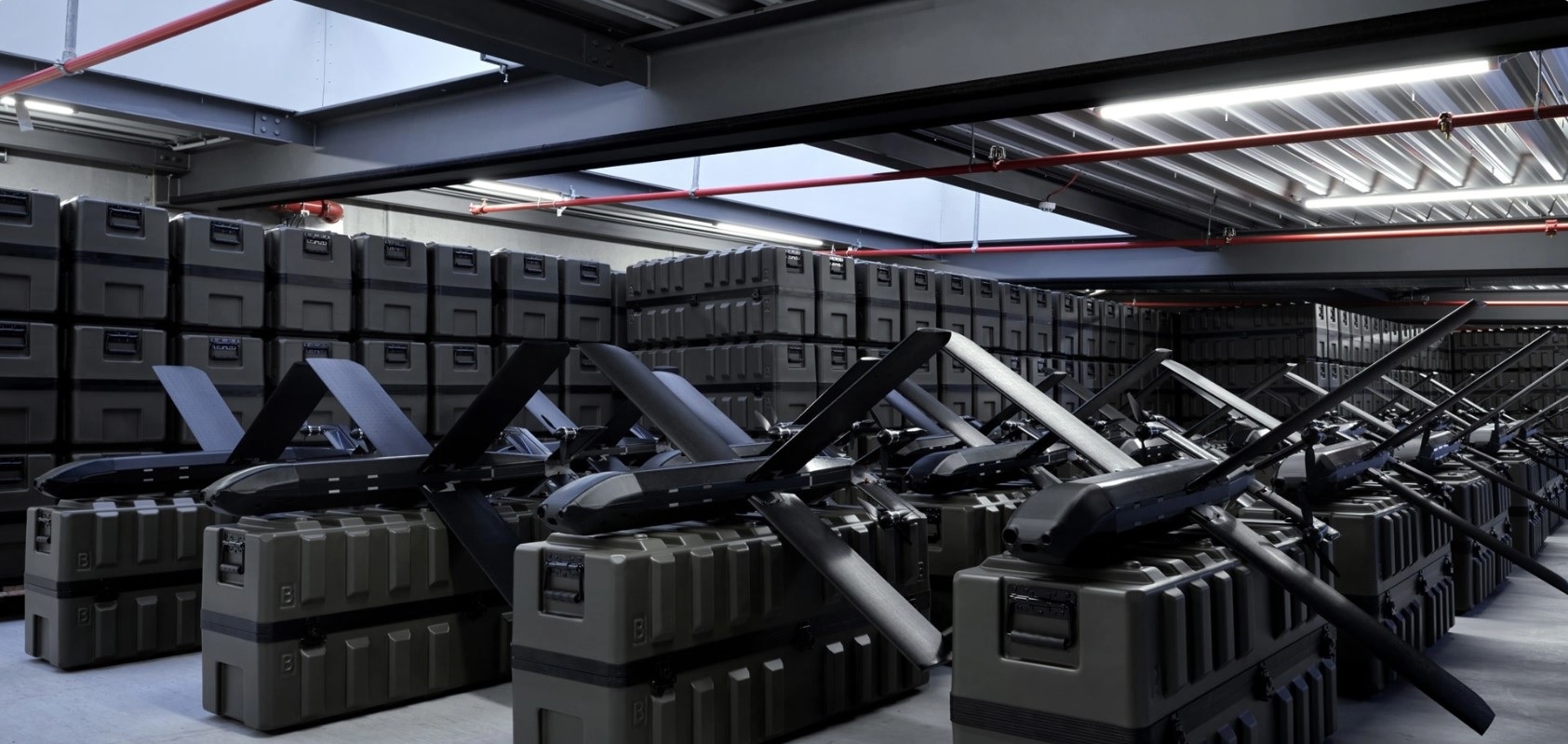
Helsing and Systematic Forge Partnership to Deliver Sovereign European AI-Powered Swarm Capabilities
World
London, 10 September 2025 – At the DSEI defence exhibition, European defence technology companies Helsing and Systematic announced a landmark partnership to equip Europe with AI-powered swarm capabilities, fully integrated with existing C2 and C4ISR systems. Partnership Details Helsing contributes its AI defence platform Altra and the HX-2 strike drone, already operational in Ukraine. Systematic provides its proven SitaWare C4ISR suite, used by more than 50 nations worldwide. Together, the companies aim to enable armed forces to make faster decisions, coordinate precision mass strikes, and deploy autonomous sensors and effectors in swarm operations. The collaboration allows operators to handle critical tasks such as target list generation, strike asset tasking, and airspace deconfliction at unprecedented speed. Speed and Operational Efficiency According to the companies, the integrated system can make mission execution up to ten times faster compared to traditional setups, where a single operator controls and reviews one drone at a time. The joint system supports the complete F3EAD process – Find, Fix, Finish, Exploit, Analyse, and Disseminate – combining ISR missions with strike capabilities for end-to-end operational effectiveness. Lessons from Ukraine Key functions of the new platform were developed in close cooperation with Ukrainian operators. Features such as rapid mission uploads, control, target designation, and automated battle damage assessment reflect direct battlefield experience. These lessons ensure the system is optimized for modern, high-intensity conflicts. Interoperability and Scalability The solution is built on an open architecture, ensuring full interoperability with existing command-and-control frameworks. It supports multi-user views, permissions, and cross-platform coordination, making it scalable for larger formations and multinational operations. Strategic Importance for Europe Sovereignty: The partnership strengthens Europe’s defence technological independence, reducing reliance on non-European suppliers. Technological Edge: AI enables real-time, on-the-edge data processing, minimizing decision-making delays and accelerating strike coordination. Expanded Capabilities: By combining ISR drones with the HX-2 strike platform, European forces gain a versatile toolkit for reconnaissance, targeting, and precision engagement. Challenges Ahead Regulation and Responsibility: The deployment of autonomous swarms raises ongoing questions around accountability and proportionality in warfare. Cybersecurity: AI-powered drones must be protected against electronic warfare and hacking attempts. Training and Logistics: Effective use requires comprehensive training, robust logistics support, and continuous system development. This partnership marks a significant step in building a sovereign European digital defence base. By merging Helsing’s AI-enabled reconnaissance and strike capabilities with Systematic’s battle-proven C4ISR suite, European forces will be better equipped to operate faster, smarter, and more connected on the battlefields of the future.
Read More → Posted on 2025-09-11 14:43:26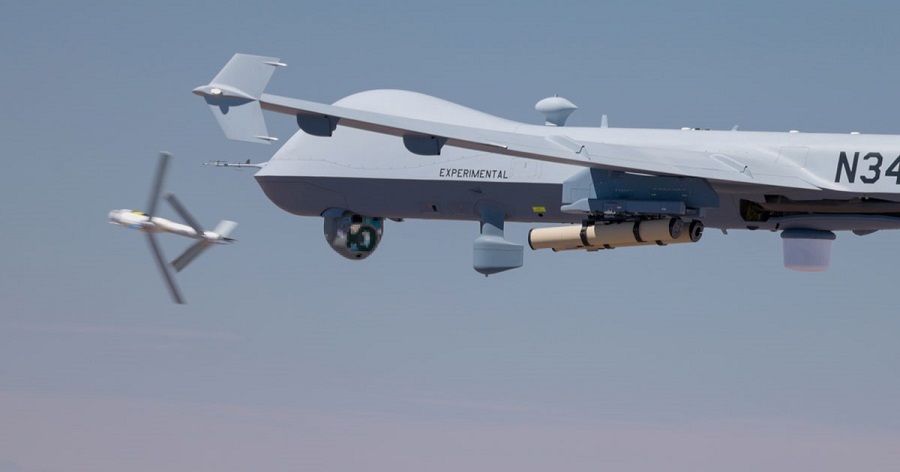
World
General Atomics Aeronautical Systems, Inc. (GA-ASI) and AeroVironment have achieved a world-first by launching a Switchblade 600 loitering munition from a Block 5 MQ-9A unmanned aircraft system (UAS). The flight demonstration, conducted between 22 and 24 July at the U.S. Army’s Yuma Proving Grounds, validated both the physical launch and the operational hand-off of the weapon to a forward operator. During the test, two Switchblade 600s were released — one with an inert warhead and the other with a live high-explosive payload. Following launch, control of the loitering munition was transferred from the MQ-9A’s ground control station to a user closer to the battlespace. This ensured beyond-line-of-sight flexibility and real-time responsiveness. GA-ASI President David R. Alexander highlighted the importance of the trial:“By using the MQ-9A to carry the Switchblade, the MQ-9A can stand off farther from enemy weapons systems while increasing the range and reach of the SB600. This provides greater access and more options in contested airspace.” A Unique Capability — No Peer in Its Class The MQ-9A is currently the only long-endurance armed drone in operational service to have successfully demonstrated the air launch of a heavy loitering munition like the Switchblade 600. While several nations are developing drone-launched loitering effects, no other platform in the same category — large, medium-altitude, long-endurance (MALE) unmanned aircraft — has yet proven this integration. Turkish Bayraktar TB2 / Akinci: Widely exported and combat-proven, these drones are equipped to fire guided bombs and air-to-ground missiles. However, they have not yet demonstrated the capability to deploy or hand off larger loitering munitions from the air. Chinese Wing Loong II and CH-5: These MALE drones are armed with precision-guided bombs and missiles. While China has smaller tube-launched loitering munitions, integration of heavy air-launched loitering weapons onto their large drones has not been validated in public trials. Israeli Heron TP and Hermes 900: Israel has been a pioneer in loitering munition technology, but operational demonstrations of air-launch from these large drones remain undisclosed. Their loitering systems like Harop are launched from ground or truck-based platforms, not air-deployed from UAVs. This leaves the MQ-9A as the first and only drone in its class to publicly prove such a capability. Why This Matters Extended Strike Reach – Pairing the MQ-9A’s endurance with Switchblade 600’s loitering ability creates a deep-strike option without bringing the drone itself into high-threat zones. Survivability in Contested Airspace – The mothership-and-effect concept allows the MQ-9A to remain outside hostile air defense range while still delivering lethal effects. Operational Flexibility – Control hand-off ensures that operators closest to the battlefield can guide the munition with precision. Doctrinal Shift – This demonstration signals the evolution of large UAS from reconnaissance and strike platforms into launch hubs for a variety of loitering munitions and expendable airborne effects. The July test has set a new benchmark: the MQ-9A is not only a combat-proven armed drone, but also the first unmanned mothership for heavy loitering munitions. For now, no other comparable MALE drone has matched this milestone — placing GA-ASI and AeroVironment at the forefront of integrating loitering weapons into aerial platforms.
Read More → Posted on 2025-09-11 14:37:11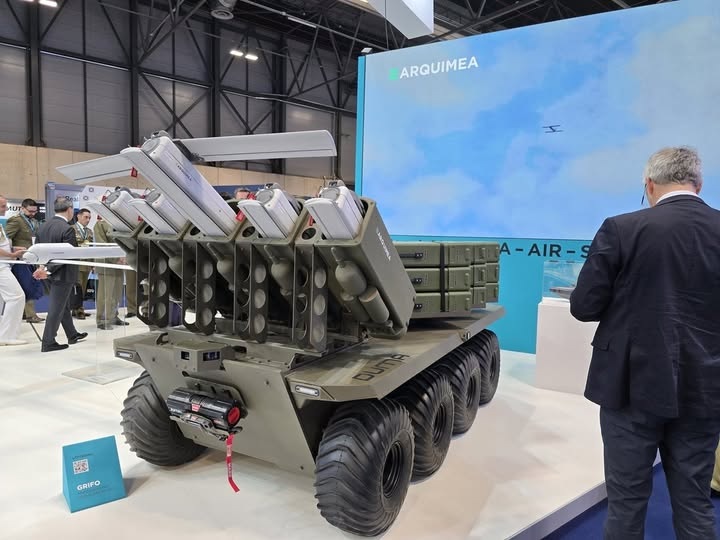
Spain’s ARQUIMEA Unveils GRIFO: A Modular Multi-Launcher System for Loitering Munitions at DSEI 2025
World
At DSEI 2025 in London, the Spanish defence company ARQUIMEA unveiled GRIFO, a new modular multi-launcher system designed to deploy its Q-SLAM-40 loitering munitions from unmanned ground platforms. The system was showcased on the DUMA Spectre 8×8 UGV, integrating five launch tubes and offering a powerful combination of mobility, autonomy, and precision strike capability. This development reflects the growing European focus on unmanned systems and loitering munitions, aligning with NATO’s push for precision, survivability, and adaptability in contested environments. Key Features of GRIFO & Q-SLAM-40 Launcher setup: GRIFO carries five Q-SLAM-40 launch tubes on the Spectre 8×8 UGV. The vehicle can store up to 18 munitions in reserve, allowing sustained operations. Modularity: The launcher can be integrated not only on the Spectre but also on other manned or unmanned vehicles, making it adaptable for different missions. Operational flexibility: GRIFO is designed for GPS-denied zones and contested electromagnetic environments. It enables rapid deployment, with setup times under five minutes, and can collaborate with electronic warfare or counter-drone assets. Technical Characteristics of Q-SLAM-40 Portability: The full system weighs about 28 kg and is designed to be operated by a two-person team. One soldier typically carries the launcher and control unit, while the other carries the munitions. Range & endurance: The munition can operate within 10–15 km and has a flight endurance of 12–15 minutes, depending on terrain and conditions. Speed & altitude: It cruises at 72–90 km/h, with attack dives reaching up to 126 km/h, and can operate at altitudes up to 2,000 meters. Warhead & sensors: Equipped with a 40 mm warhead, available in high explosive or anti-armor variants, the Q-SLAM-40 is effective against light armored vehicles, bunkers, and moving targets. It carries a high-definition electro-optical camera, with optional infrared sensors, and maintains a two-way encrypted datalink for real-time control. Operators retain full man-in-the-loop authority to confirm, redirect, or abort missions before impact. Operational Impact High volume of fire: With multiple launch tubes and reserve munitions, GRIFO allows armies to conduct sequential or simultaneous strikes without immediate resupply. Reduced risk: Mounted on unmanned ground vehicles, the system minimizes soldier exposure to hostile fire. Adaptation to modern warfare: Its resilience against electronic warfare and rapid deployment capabilities directly reflect lessons learned from recent conflicts, such as Ukraine, where drones and loitering munitions dominate land operations. Complementary ARQUIMEA Systems SkyBlock: A man-portable anti-drone jammer designed to disable hostile UAVs by disrupting communications, providing a layered defense in drone-saturated battlefields. NH90 Helicopter Integration: ARQUIMEA has partnered with Airbus to integrate the Q-SLAM-40 onto the NH90 helicopter, expanding its use to aerial platforms for combined reconnaissance, strike, and counter-drone missions with potential swarm capabilities. Strategic Significance The unveiling of GRIFO highlights ARQUIMEA’s ambition to become a key player in Europe’s unmanned warfare sector. Unlike single-tube systems, GRIFO’s multi-launch capacity boosts persistence on the battlefield, giving commanders options to overwhelm adversaries through successive or coordinated precision strikes. From a strategic lens, this system embodies the priorities of modern armed forces: flexibility, survivability, and precision. By uniting a modular launch platform, intelligent loitering munitions, and counter-drone integration, GRIFO demonstrates how the future of land combat will increasingly rely on autonomous platforms delivering scalable lethality with reduced operational risk.
Read More → Posted on 2025-09-11 14:10:18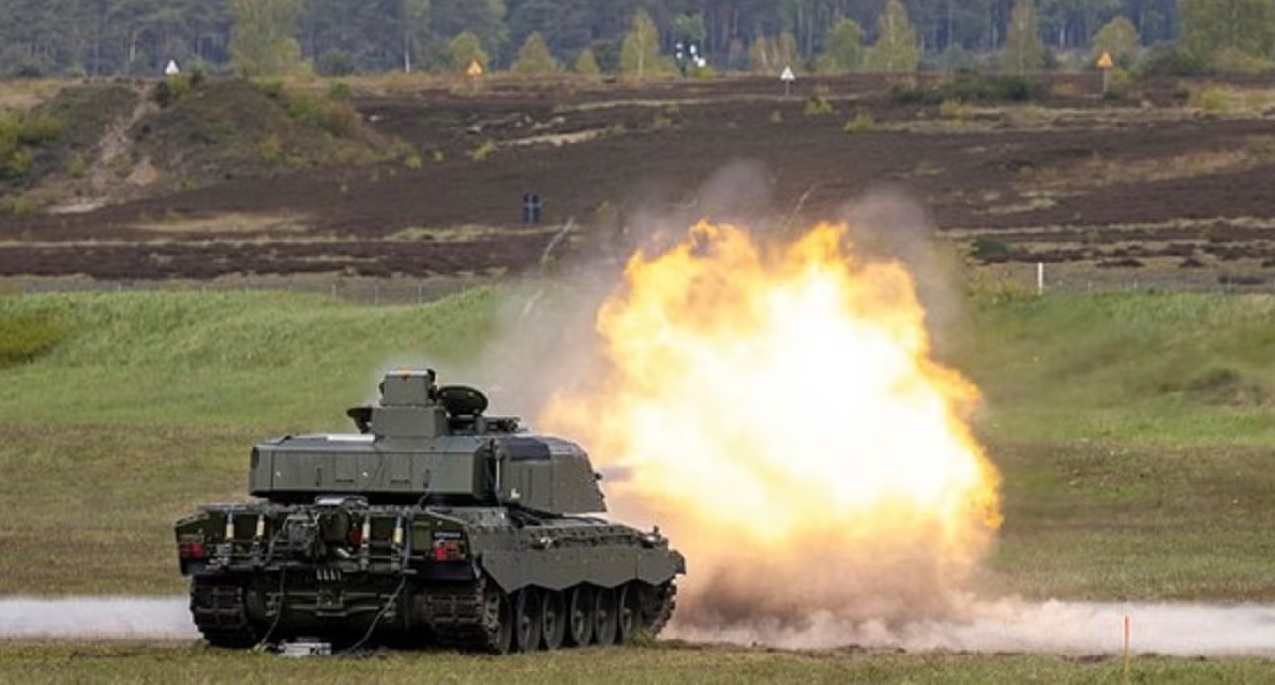
World
The UK’s Challenger 3 main battle tank has successfully completed extensive mobility trials, pushing a pre-production vehicle over 789 kilometres (489 miles) across a mix of road and rough terrain. These tests, carried out with QinetiQ at several UK sites, examined platform noise and vibration, crew interface, and the effects of vibration on onboard ammunition. The results will refine the design, reduce risks, and ensure the vehicle meets strict operational standards. Future trials will involve live firing with crews on board, assessing safety and validating the new weapon systems under combat-like conditions. These evaluations will directly support the final production review that sets the standard for the Challenger 3 fleet. Under an £800 million contract signed in 2021, the British Army will field 148 Challenger 3 tanks by the end of 2030. Production is led by Rheinmetall BAE Systems Land (RBSL) and supported by a European supply chain, with major contributions from small and medium-sized UK firms in the West Midlands, Glasgow, Newcastle upon Tyne, and the Isle of Wight. Around £40 million has been invested in RBSL’s state-of-the-art Turret Test Rig facility in Telford, where pre-production vehicles are being manufactured. What’s New in Challenger 3 Compared with Challenger 2 The Challenger 3 introduces a host of critical upgrades over the long-serving Challenger 2, enhancing firepower, protection, mobility, and digital integration: Main Gun & Ammunition: Challenger 2 used a 120mm rifled gun, limiting ammunition compatibility. Challenger 3 introduces a 120mm smoothbore L55A1 gun, fully NATO-standard, capable of firing modern programmable and high-energy rounds. Turret & Armor: Challenger 2 had an older turret with limited upgrade options. Challenger 3 features an all-new turret with modular armor, providing stronger protection against modern threats and easier future upgrades. Survivability Enhancements: Challenger 2 relied mainly on heavy armor. Challenger 3 adds laser warning systems and Active Protection System (APS) compatibility, ensuring higher crew survivability in contested environments. Sensors & Targeting: Challenger 2 carried a single thermal imager and older fire control tech. Challenger 3 gains a new digital sight suite with long-range thermal cameras, automatic target tracking, and enhanced driver vision, boosting accuracy and situational awareness. Mobility & Power: Challenger 2’s older Perkins engine and suspension limited agility. Challenger 3 brings upgraded engine systems, advanced cooling, and third-generation hydrogas suspension, improving speed, cross-country mobility, and firing stability on the move. Digital Architecture: Challenger 2 was largely analogue in its systems. Challenger 3 is built around a modern digital backbone, enabling faster communication, data-sharing with allied forces, and easier integration of future upgrades. With these advancements, Challenger 3 is set to become one of Europe’s most capable main battle tanks, combining greater firepower, smarter technology, and stronger protection. The successful mobility trials mark a decisive step toward ensuring the British Army has a modern, future-ready armored force for the next decades.
Read More → Posted on 2025-09-11 13:59:26
World
San Mateo, CA — At DSEI 2025, Skydio unveiled its latest autonomous drone platform, the Dock for X10, marking a transformative leap in large-scale drone deployment for both civilian and defense applications. Building on a decade of innovation in autonomy, Skydio’s new system resolves the long-standing limitation of “one operator, one drone” by enabling a single operator to manage multiple drones simultaneously across dispersed locations. The Dock for X10 The Dock is a rugged, automated “drone-in-a-box” solution engineered to deliver 24/7 rapid response, recurring inspections, and persistent monitoring. When paired with the Skydio X10 and X10D drones, the system allows fleets to be pre-positioned and activated instantly in emergencies, infrastructure inspections, or perimeter defense, without requiring on-site human presence. The enclosure is designed for real-world field conditions. It functions in temperatures from −20°C to 50°C, tolerates moderate winds during takeoff and landing, and has been tested to endure extreme storms with wind speeds over 160 km/h when idle. Climate control within the dock protects the drone and onboard electronics, while a precision landing system ensures accurate recovery and recharging after each flight. Drone Capabilities The X10D drone integrated with the dock carries advanced Skydio Autonomy software, powered by an NVIDIA Jetson Orin processor and a 360° obstacle avoidance system. With an IP55 ingress protection rating, the drone is resistant to dust and moisture, and its NightSense technology allows safe zero-light navigation. Flight Time: Up to 40 minutes (35 minutes in hover) Launch Readiness: Within 20 seconds Range: 12 km in rural settings, 1–2 km in dense urban areas, virtually unlimited with 5G or satellite connectivity Networking: Supports Wi-Fi6, 5G offload, external radios, and Starlink backhaul Storage & Processing: Onboard data handling for mission replay, synchronization, and cloud transfer Software & Operations The Dock integrates tightly with Remote Ops, allowing operators to launch flights and monitor missions via any web browser. Automated mission planning supports scheduled data collection, while fleet dashboards track health, maintenance, and compliance. For public safety, the dedicated DFR Command suite enables true “Drone as First Responder” operations, providing live video feeds and real-time decision support to emergency teams. The system’s BVLOS readiness is enhanced with onboard weather sensors, ADS-B receivers, and radar inputs, ensuring situational awareness and safer integration into regulated airspace. Civilian & Defense Applications Public Safety: Police and fire services can instantly deploy drones from strategic points across cities to assess emergencies, monitor traffic incidents, or provide aerial overwatch during disasters. Critical Infrastructure: Utilities can automate inspections of power lines, substations, and oil and gas facilities. Construction firms gain persistent aerial monitoring of sites without needing pilots on-site. Defense & Security: Military and border agencies can use the docked drones for autonomous perimeter patrols, intelligence gathering, and base security, reducing manpower needs while expanding coverage. Commercial & Event Security: Stadiums, large venues, and airports can leverage autonomous fleets for crowd safety, surveillance, and logistics support. The Bigger Picture By merging autonomy, ruggedized infrastructure, and flexible connectivity, the Dock for X10 redefines drone scalability. It positions drones not merely as tools for ad-hoc missions but as permanent, integrated assets in emergency response, industrial inspection, and defense. With its ability to operate around the clock, adapt to harsh climates, and launch within seconds, Skydio’s Dock for X10 is set to accelerate the shift from piloted drones to fully autonomous aerial fleets, reshaping both civilian and military operations worldwide.
Read More → Posted on 2025-09-11 13:26:17Search
Top Trending in 24 Hours
-
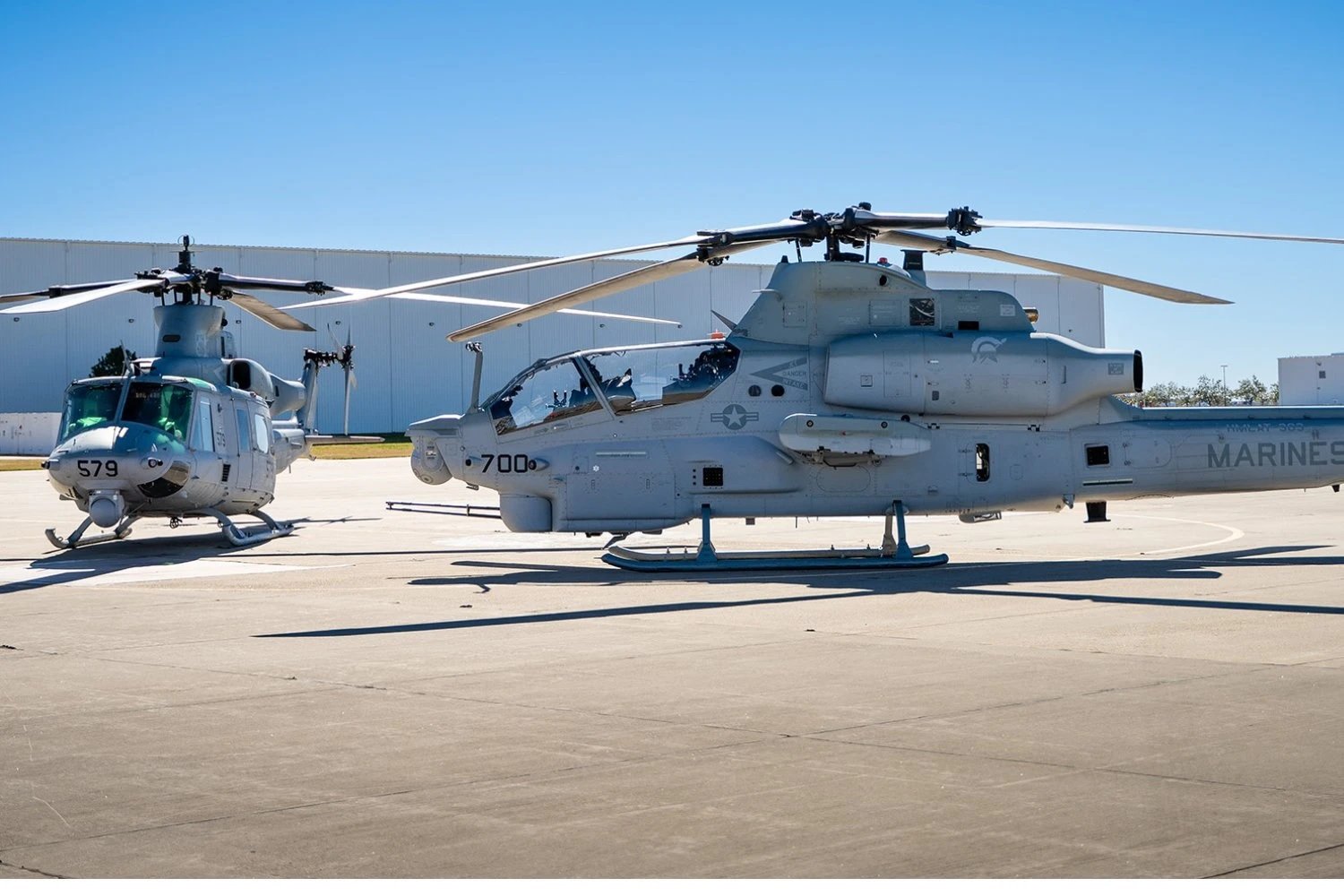 U.S. Awards Bell Textron $33.64 Million Contract for Next Phase of Marine Corps AH-1Z and UH-1Y Helicopter Upgrades
-
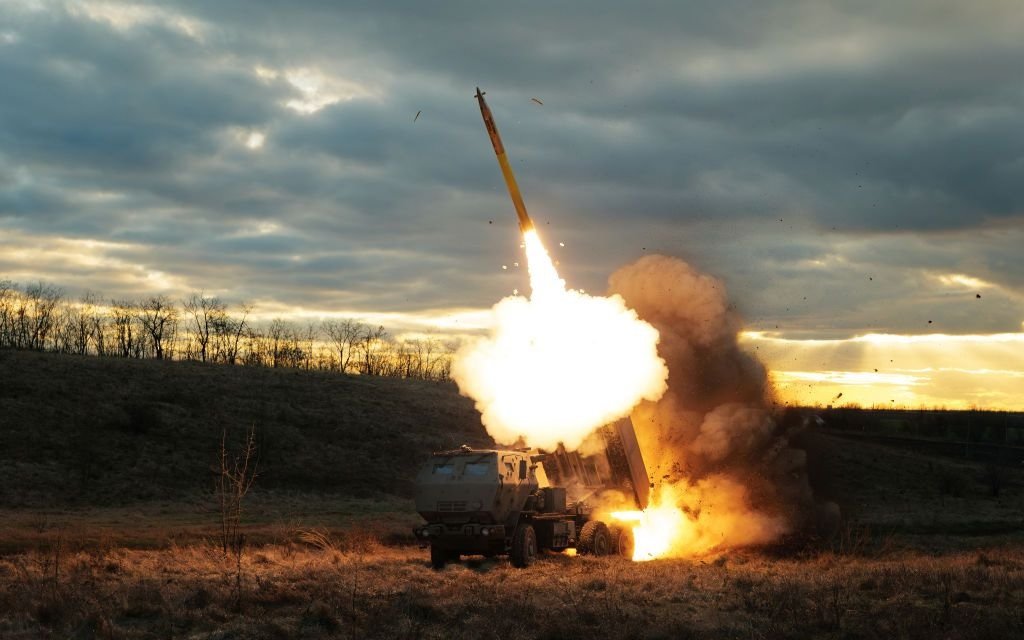 U.S. Military Selectively Intercepts Iranian Missiles to Preserve Shrinking Air Defense Stocks : Report
-
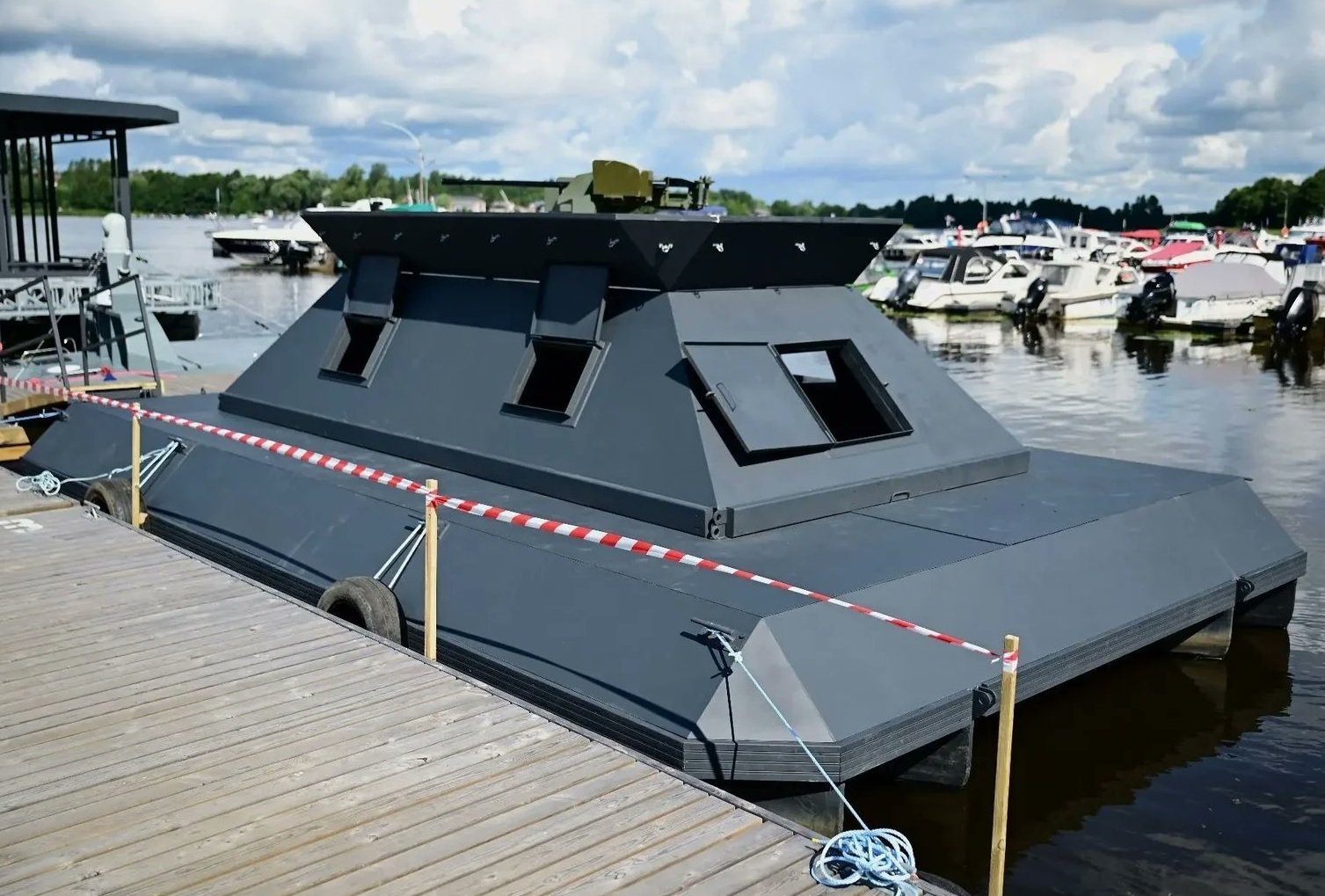 Russia Unveils Experimental Plot-40 Floating Defense Platform to Counter Drone and USV Threats
-
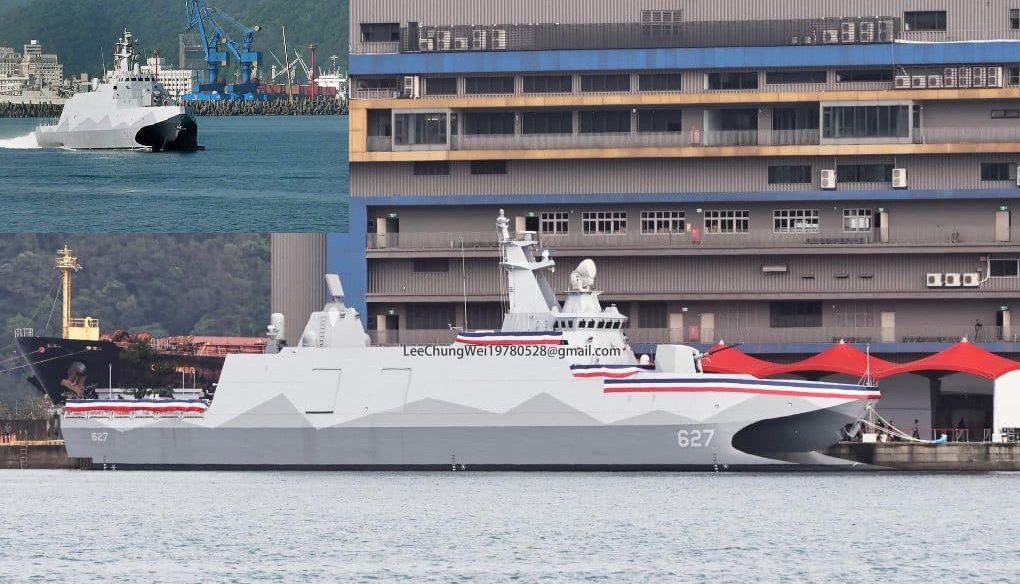 Taiwan Commissions First Batch 2 Tuo Chiang-Class Corvette with New Leonardo Radar
-
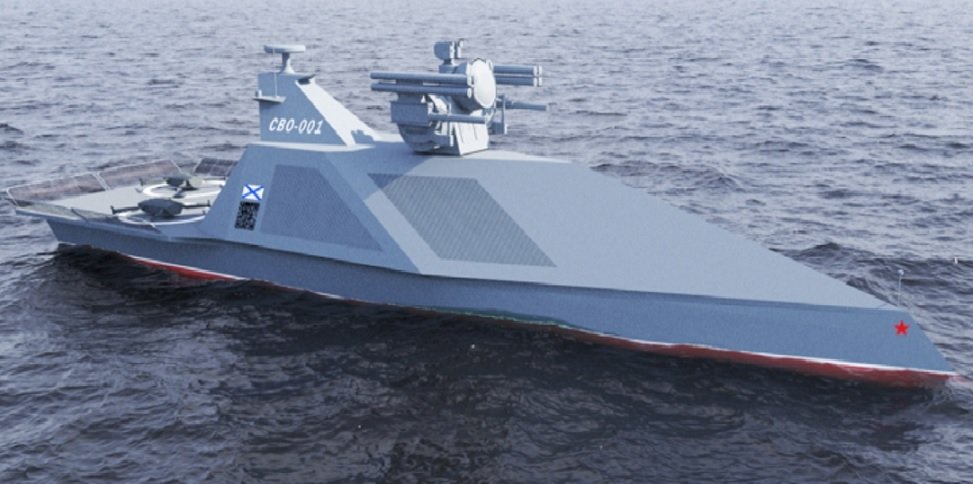 Russia Builds 500-Ton Unmanned Warship For Anti-Submarine Warfare, Plans New 9,500-Ton Warship, Navy Chief Says
-
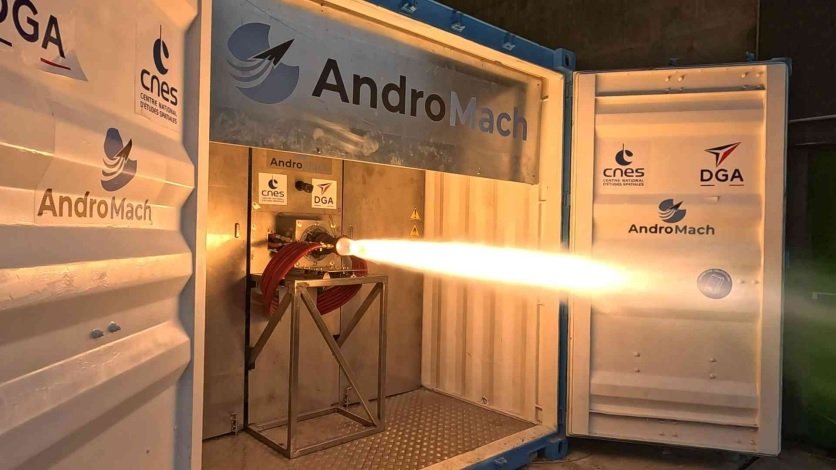 French Startup AndroMach Successfully Tests Reusable Rocket Engine 21 Times for Hypersonic Drone
-
 President Trump Pauses Plans to Expand U.S. Strikes on Iran Amid Concerns Over Air Defense Missile Stocks
-
 Unreleased Footage Reveals Why Lindsey Graham Dropped Plan to Push Trump on Hezbollah Strikes
Top Trending in 4 Days
-
 U.S. Navy Awards Northrop Grumman $1.2 Billion Deal for Three New E-2D Advanced Hawkeyes
-
 U.S. Airstrikes Target IRGC Missile Base Near Taft as Overnight Strikes Hit Central Iran
-
 DRDO Successfully Conducts Maiden Flight Test of 150-km-Range Kusha M1 Air Defence Missile
-
 France's THUNDART Long-Range Rocket System May Undergo Prototype Combat Testing in Ukraine
-
 Russian Su-57 Stealth Fighter Crashes During Training Flight Near Moscow, Pilot Ejects Safely
-
 Kuwait and Bahrain Reportedly Launch First Joint Direct Airstrikes on Iran Since War Began : Report
-
 Destinus Unveils Vorexon Interceptor Concept to Defend Critical Sites from Artillery Threats
-
 Australia Commits Additional AUD 4.6 Billion to Expand Osborne Shipyard for AUKUS Submarines
