
India
In a major step towards strengthening India’s naval self-reliance, Russia has formally offered its advanced M-90FR marine gas turbine engine to the Indian Navy, along with a full transfer of technology (ToT) for local manufacturing. The proposal comes at a critical time as India looks for a long-term solution to the propulsion challenges created by the Russia–Ukraine conflict. Reliance on Ukraine and Emerging Challenges For decades, India’s Talwar-class frigates and Delhi-class destroyers have been powered by Ukrainian engines supplied by Zorya-Mashproekt. But since the escalation of the Russia–Ukraine war in 2022, the supply of engines and spare parts has been disrupted, delaying projects and complicating maintenance. The problem was evident in the commissioning of INS Tushil, where India had to source Ukrainian engines independently and send them to Russia for installation. With two more Talwar-class frigates under construction at Goa Shipyard Limited, India urgently needs a dependable and future-ready propulsion system. Russia’s M-90FR: A Proven Solution The M-90FR, developed by Russia’s United Engine Corporation (UEC-Saturn), is a modern marine power plant already in service with Russia’s Admiral Gorshkov-class (Project 22350) frigates. It delivers 27,500 shaft horsepower and achieves 36% thermal efficiency, compared to the 32% of Ukrainian engines. This means better fuel efficiency, greater operational range, and lower running costs. Full Technology Transfer: A Game Changer Unlike a simple supply deal, Russia’s offer includes a comprehensive technology transfer, allowing India to manufacture the M-90FR engines domestically. This aligns perfectly with the government’s “Make in India” and “Atmanirbhar Bharat” (Self-Reliant India) programs. Local manufacturing would: Reduce long-term costs and dependence on imports Ensure a steady supply of engines and spares Build a skilled industrial ecosystem for marine propulsion Enable future upgrades and mid-life refits of existing ships Public sector enterprises such as Hindustan Aeronautics Limited (HAL), which already produces Russian-origin aircraft engines under license, could play a key role in setting up the production line. Strategic Implications for the Navy Operational Continuity: A seamless replacement for Ukraine-supplied turbines on Russian-origin ships. Fleet Expansion Support: Critical for India’s plan to grow to 175 warships by 2035. Industrial Growth: Boost to domestic defense manufacturing and MRO (maintenance, repair, overhaul) capacity. Strategic Autonomy: Insulation from geopolitical supply shocks. India’s Diversification Efforts India has already diversified by integrating GE LM2500 engines from the United States into its Shivalik-class and Nilgiri-class frigates. However, the M-90FR remains the most compatible option for India’s large fleet of Russian-origin warships, making it vital for continuity and standardization. If finalized, the M-90FR deal would not only secure propulsion for new ships under construction but also ensure that existing vessels receive reliable upgrades throughout their service life. More importantly, it would mark a historic shift from dependence on external suppliers to true indigenous capability in naval propulsion. India now faces a strategic opportunity: to turn a supply crisis into a long-term advantage, using Russian technology to fuel self-reliance and maritime dominance in the Indian Ocean Region.
Read More → Posted on 2025-09-07 13:36:36
World
Caracas : A video posted on social media on September 6 reportedly shows Iranian-made Peykaap III fast attack craft operating in Venezuelan waters. Though the footage has not yet been independently verified, its circulation has drawn intense attention from defense analysts, as it could signal a significant change in naval dynamics in the southern Caribbean. Background on the Peykaap III The Peykaap III, also known as the Zolfaghar class, is a small but highly lethal fast attack boat originally designed by Iran’s Islamic Revolutionary Guard Corps Navy. Roughly 17 meters long and capable of speeds exceeding 50 knots, the vessel was created for high-speed swarm tactics in confined coastal waters. It can be armed with heavy machine guns and anti-ship missiles such as the CM-90 or Nasr-1, with effective ranges reaching up to 90 kilometers. This configuration allows the boat to conduct hit-and-run attacks against larger naval vessels, offshore infrastructure, and maritime patrol assets, making it a disproportionately dangerous threat relative to its size. Venezuela’s Naval Evolution If the video is accurate, this would confirm that Venezuela has shifted from a doctrine of static coastal defense toward a more agile and offensive maritime posture. For several years, Caracas and Tehran have deepened military cooperation despite international sanctions. Reports suggest that the delivery of these vessels may have taken place covertly during the summer of 2025 under growing bilateral defense agreements. This development reflects a broader Venezuelan strategy to deny access to foreign forces by leveraging fast, low-cost, and difficult-to-counter systems rather than relying on conventional naval power. Implications for U.S. and Regional Security For the U.S. Southern Command (SOUTHCOM), which conducts routine counter-narcotics missions and freedom-of-navigation patrols near Venezuelan waters, the appearance of these boats presents a new operational challenge. The Peykaap III’s ability to operate in swarms, conceal itself along coastal geography, and launch sudden missile strikes creates a scenario in which U.S. and allied vessels such as Arleigh Burke-class destroyers or littoral combat ships could be forced into defensive positions. Boarding teams, helicopters, and small patrol boats are especially vulnerable to coordinated ambushes launched from hidden positions near the shoreline. In a crisis, such vessels could be used to harass or encircle U.S. warships, disrupt operations, and heighten the risk of miscalculation during close encounters. This dynamic complicates freedom-of-navigation efforts and threatens the security of regional sea lanes vital to both commerce and defense. Regional Ramifications The introduction of Iranian-origin fast attack craft into Venezuela’s arsenal also has implications for neighboring countries such as Guyana, which has limited naval capacity. The ability of Venezuela to project maritime disruption into contested waters could destabilize strategic sea lanes and challenge weaker navies in the region. Assessment and Outlook While the authenticity of the September 6 video remains unconfirmed, the episode underscores the role of open-source intelligence (OSINT) in providing early indicators of military capability transfers. Analysts are closely monitoring for satellite imagery, ship-tracking data, or official acknowledgments that could confirm the vessels’ operational status. If proven accurate, the deployment of Peykaap III boats would mark a turning point in Venezuelan naval strategy and highlight the growing impact of Iranian military technology in Latin America. For the United States and its allies, it represents a fresh challenge in maintaining operational security and freedom of navigation in the southern Caribbean.
Read More → Posted on 2025-09-07 13:30:46
World
The Royal Australian Navy (RAN) has awarded Saab Australia a new contract for an additional AUV62-AT autonomous anti-submarine warfare (ASW) training target, strengthening its ability to conduct advanced submarine-hunting exercises. The AUV62-AT simulates submarines, torpedoes, or other underwater vehicles, enabling crews to train in realistic combat conditions without the need to deploy costly live submarines. This state-of-the-art system allows for ship-based or shore-based launch and recovery and comes with advanced communications and mission evaluation software, ensuring tailored training programs from basic to advanced levels. Specifications of the Saab AUV62-AT Diameter: 533 mm (21 inches) Weight: ~800 kg Operating Depth: Up to 300 metres Speed: Submerged: 3–12 knots Surface: 0–3 knots Endurance: Over 3 hours at 10 knots Over 9 hours at 6 knots Over 18 hours at 3 knots Acoustic & Signal Capabilities Active Mode: Programmable echo repeater with wide frequency coverage Passive Mode: Generates realistic submarine noise, tonals, and pre-recorded acoustic signatures Frequency Range: 25 Hz – 100 kHz Output Level: 175 dB (relative 1 μPa @ 1m) Target Strength: Adjustable from –20 dB to +20 dB Modular & Flexible Design Can be launched from ships, submarines, or shore facilities Features extendable tail to alter acoustic profile Equipped with multiple transducers (low, mid, high frequency) Hydrophones for accurate sonar echo reception Onboard mast for communications and data link Navigation & Autonomy Navigation Suite: Inertial Measurement Unit (IMU), Doppler Velocity Log (DVL), and depth sensors Communications: Acoustic link, Wi-Fi, SATCOM, and VHF Power: Dual battery system with backup emergency supply Autonomy: Fully autonomous or remotely controlled; capable of evading active sonar during exercises Operational Value for the RAN According to Saab Australia, the AUV62-AT delivers 90–95% of the realism of a live submarine. It provides longer, more intensive training sessions, and includes integrated post-mission evaluation tools for debriefs. This latest contract builds upon a previous deal where Saab delivered an AUV62-AT to the RAN in 2020, complete with five years of support. The new acquisition underscores Australia’s commitment to strengthening its ASW capabilities as part of its broader naval modernization program.
Read More → Posted on 2025-09-07 13:26:01
World
Cloncurry, Queensland : Australia’s locally developed RAZER Low-Cost Precision Guided Munition (LCPGM) has successfully scored direct strikes on multiple targets during flight trials, marking a major milestone in its development and confirming its operational effectiveness. The tests also officially granted flight certification to the system, just three years after its debut at the Avalon Airshow in 2023. A New Era in Precision Firepower Led by Program Manager – Future Weapons, Leon MacLaren, the recent trials demonstrated that RAZER can extend the range and accuracy of standard munitions such as a 155mm artillery shell, mortars, or 5-inch naval rounds by converting them into guided glide weapons. The system uses a wing kit, body assembly, tail control unit, and GPS/INS flight guidance system, combined with a newly introduced mission planning tool. This allows operators to prepare RAZER for launch in just 20 minutes—simply by loading the payload, inputting target coordinates, and releasing it from an aircraft. Performance and Payload Flexibility Two air-launched variants were tested in Queensland, both achieving direct hits. RAZER has been proven to handle payloads between 7 kg and 43 kg, giving it wide mission flexibility. “RAZER has shown it can accept payloads from mortars, 155mm shells, or even a customer-specific warhead and fuze,” MacLaren explained. “The system is accurate, fast to deploy, and offers great flexibility for defence forces.” Sovereign Capability for Australia The program is part of Australia’s broader effort to grow a sovereign supply chain for guided weapons under the Commonwealth’s Guided Weapons and Explosive Ordnance (GWEO) initiative. By producing the munition domestically, BAE Systems ensures that Australia can maintain supply independence while reducing costs. “The goal from the beginning was to make RAZER cost-effective, flexible, and scalable,” MacLaren said. “We’ve proven it can hit targets with great accuracy, and now it can be produced faster, cheaper, and more reliably.” Global Interest and Future Growth International defence customers have already expressed strong interest in RAZER, particularly because it fills a capability gap between expensive long-range missiles and unguided bombs. Looking ahead, BAE Systems is considering several enhancements: Seeker technology to hit moving targets Rocket-assisted launch for ground-based firing with extended range Electronic warfare payloads to disrupt enemy systems This potential for growth makes RAZER one of the most versatile and affordable precision-guided munitions currently under development. At a Glance: RAZER Debut: Avalon Airshow, 2023 Certification: Achieved after August 2025 trials in Queensland Payload capacity: 7–43 kg Platforms: UAVs, helicopters, light aircraft (with land-launch under study) Deployment time: Launch-ready in ~20 minutes Future options: Moving-target seeker, rocket assist, EW payloads Strategic value: Strengthens Australia’s sovereign guided-weapons production With its successful Queensland trials, RAZER has proven it is not just a concept but a capable, battle-ready precision strike option. It is now positioned to play a critical role in both Australia’s defence strategy and the global precision-guided weapons market.
Read More → Posted on 2025-09-07 13:19:05
India
Hindustan Aeronautics Limited (HAL) will send a delegation to the United States later this month for the fifth round of negotiations with General Electric (GE) on the joint production of the GE F414-INS6 engines in India. The engines are earmarked for the indigenous TEJAS Mk-2 fighter and the first prototypes of the Advanced Medium Combat Aircraft (AMCA), making the deal one of the most critical milestones in India’s defence aviation roadmap. Defence Ties Resilient Amid Trade Frictions The upcoming talks come at a time when trade and tariff disputes persist between New Delhi and Washington. Yet, both nations continue to show a strong commitment to deepening defence cooperation. The presence of senior GE officials and representatives from the U.S. State Department in the negotiations underlines the strategic and political weight of this engine deal. Agreement Highlights Technology Transfer: The deal is expected to provide up to 80 percent technology transfer, primarily in manufacturing and assembly processes. This includes advanced know-how such as single-crystal turbine blades, special high-temperature coatings, digital engine control systems, and precision laser-drilling. Manufacturing License: HAL has already signed a manufacturing license agreement with GE, paving the way for a large-scale production facility in India, likely near Bengaluru. Scale of the Deal: Valued at close to $1 billion, the program is one of the largest engine collaborations India has signed, with scope for expansion if timelines are met. Role in Tejas Mk-2 The TEJAS Mk-2 is a 4.5-generation single-engine multi-role fighter that will replace ageing aircraft such as the Mirage-2000, MiG-29, and Jaguar in the Indian Air Force. Compared with the Mk-1 and Mk-1A, it offers: Longer fuselage with greater internal fuel capacity Close-coupled canards for higher manoeuvrability Higher payload capacity and extended combat range Powered by the 98 kN F414-INS6 engine, offering superior thrust over the F404 engines used in the Mk-1A Production of the Mk-2 is slated to begin with limited series production by 2026, the first flight in 2027, and operational induction by 2031 after a three-year testing and certification phase. Strategic Link to AMCA The AMCA project, India’s first stealth-capable fifth-generation fighter program, is closely tied to this propulsion deal. Early AMCA prototypes and production variants will be powered by the F414-INS6. Over time, however, India plans to shift to a co-developed 120 kN-class engine with France’s Safran, which will power later AMCA blocks. This dual-track engine strategy ensures India meets immediate combat needs while building long-term indigenous design capabilities. Broader Impact Propulsion Sovereignty – While the F414 deal does not cover core design, mastering 80% of engine manufacturing technologies will significantly reduce India’s dependence on foreign suppliers. Industrial Growth – Setting up the engine line in India will boost HAL’s ecosystem and involve private players in precision component manufacturing. Defence Diplomacy – It highlights New Delhi’s ability to leverage its strategic partnerships, even in the face of economic frictions. Next Step: Design Leadership – Collaboration with Safran positions India for future indigenous engine design and autonomy, a domain long considered the “holy grail” of aerospace technology. If concluded smoothly, the HAL-GE F414-INS6 partnership will deliver engines at scale for the TEJAS Mk-2 and AMCA, directly addressing the IAF’s fighter shortfall. More importantly, it will serve as a bridge from licensed manufacturing to joint design and indigenous development, marking a decisive leap in India’s pursuit of aerospace self-reliance.
Read More → Posted on 2025-09-07 13:14:26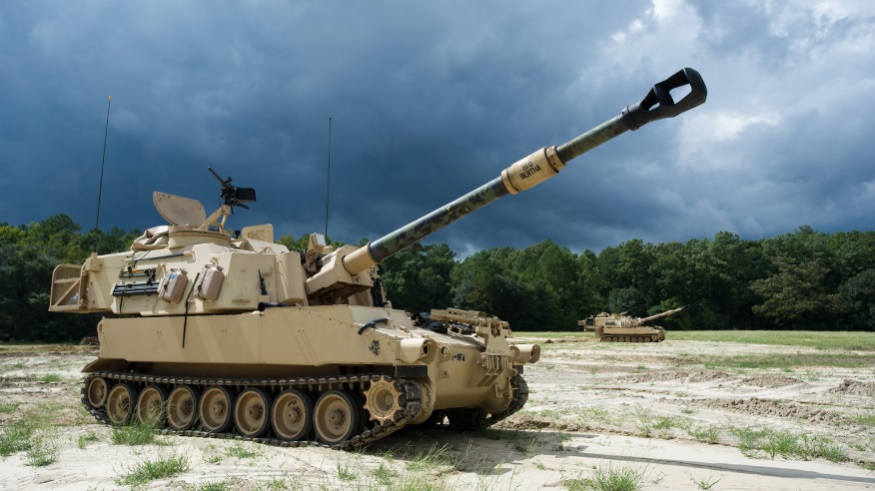
India
In a significant development for India's defense sector, Bharat Forge, a leading private sector defense company and flagship of the Kalyani Group, has entered into a landmark agreement with the UAE's state-owned EDGE Group. Signed on September 1, 2025, the contract is valued at over ₹50 crores for the supply of 155x52mm barrels for the M109 self-propelled howitzer. The M109 is a 155mm self-propelled tracked howitzer, a versatile artillery platform widely used by armed forces globally. The United Arab Emirates acquired 87 M109A3 howitzers from the Netherlands in 1995, which have since been upgraded and deployed in operations, including the Saudi-led intervention in Yemen. The barrels, a critical component of the howitzer, require precision engineering to ensure optimal performance and longevity. Bharat Forge’s contract to supply these barrels highlights its advanced manufacturing capabilities and positions it as a trusted partner for the UAE Ministry of Defence. This agreement marks the first collaboration of its kind between an Indian company and a UAE firm, underscoring India’s growing prominence in the global defense market. The initial order involves a test batch of barrels, with the potential for the total order to scale up to ₹500 crores, depending on the success of the test phase and future requirements. Given the global demand for M109 barrels, which could number in the thousands, this agreement represents a significant opportunity for Bharat Forge to expand its footprint in the international defense market. The partnership with Bharat Forge reflects confidence in India’s indigenous defense manufacturing capabilities and aligns with the Indian government’s “Aatmanirbhar Bharat” initiative, which emphasizes the development and export of domestically produced defense platforms. This deal also strengthens the growing defense ties between India and the UAE. In recent years, the two nations have deepened their strategic partnership through joint exercises, high-level exchanges, and collaborations in defense production. Notably, in June 2024, EDGE Group signed a strategic partnership with India’s Adani Group to manufacture missiles, weapons, and unmanned systems, further cementing bilateral defense cooperation. Bharat Forge's success in securing this contract not only enhances its global standing but also contributes to India's broader defense export strategy, particularly in the Middle East, where demand for advanced artillery systems is on the rise.
Read More → Posted on 2025-09-06 16:45:56
India
Kota-based Raik Deftech has successfully developed the initial prototype of its 'Hanumanta Exo', a custom exosuit designed to enhance soldier strength, stamina, and endurance. The exosuit aims to reduce fatigue and physical strain during heavy load carrying and prolonged operations, improving operational efficiency in diverse missions. Aligned with the Indian Army's vision for future warfare, the 'Hanumanta Exo' supports enhanced mobility, endurance, and load-bearing capacity, making soldiers more effective in combat and challenging environments. Raik Deftech develops cutting-edge technology in the fields of Robotics, Exoskeleton Suits (Passive and Active), Smart Materials, Electronics & Communication, Bullet-Resistant Vests, Riot-Suits, Anti-Stab Vests, Self-Recovering Composite Ceramic-Armour, Freebody Passive and Active Exo-Suits, Multirole Utility Belts, and other futuristic, affordable, and highly effective defense equipment designed to perform in various constraint-based conditions. The company plans further testing and collaboration with defense agencies to refine the exosuit, marking a significant step in India's journey toward indigenous defense technology.
Read More → Posted on 2025-09-06 16:42:06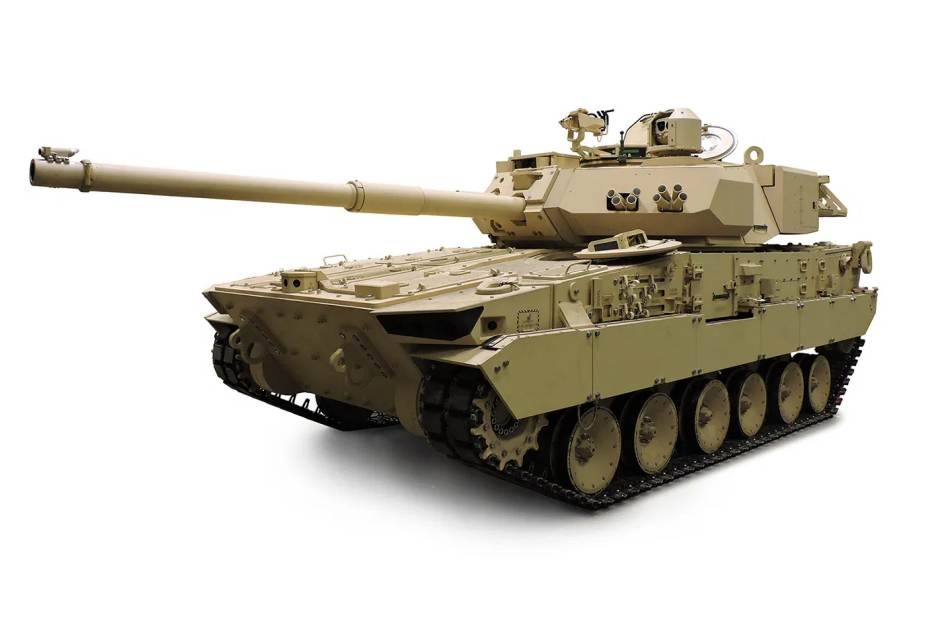
India
Pune-based Bharat Forge, led by Baba Kalyani, is advancing India’s defense capabilities with the development of a state-of-the-art indigenous light tank. This project is aimed at enhancing the Indian Army’s mobility and firepower, particularly in challenging terrains such as mountains and areas with limited infrastructure. Design and Specifications The new light tank is designed to weigh under 25 tonnes, making it air-transportable and suitable for rapid deployment. It is equipped with a 105mm cannon, offering significant firepower while maintaining agility and speed. The prototype is expected to undergo trials later this year to test its performance under diverse operational scenarios. Technological Innovations The tank features advanced technologies including a glass cockpit, automated ammunition handling, and India’s first indigenous turret system. These innovations aim to enhance crew efficiency, reduce operational complexity, and strengthen the overall battlefield capability of the tank. Strategic Implications This development positions Bharat Forge as a key contender in the Indian Army’s light tank program, alongside other projects like L&T’s Zorawar tank. The Indian Army plans to acquire over 350 light tanks, part of which will be sourced through competitive procurement processes. Future Prospects Beyond light tanks, Bharat Forge is also focusing on the development of Future Infantry Combat Vehicles (FICVs) in both tracked and wheeled versions. The unveiling of the first prototype is expected by the end of this year, further underscoring the company’s commitment to self-reliant defense manufacturing. Through this initiative, Bharat Forge is contributing significantly to the modernization of the Indian Army while strengthening India’s position as a defense manufacturing hub.
Read More → Posted on 2025-09-06 16:34:12
World
Rolls-Royce, the UK-based aerospace and defence technology leader, is set to significantly enhance its operations in Tamil Nadu. The company plans to establish a state-of-the-art Maintenance, Repair, and Overhaul (MRO) facility, a dedicated Research and Development (R&D) and training centre, and substantially expand its joint venture with Hindustan Aeronautics Limited (HAL), International Aerospace Manufacturing Pvt. Ltd. (IAMPL), located in Hosur. This strategic move aligns with the Tamil Nadu government's vision to bolster the state's position as a key player in India's Defence Industrial Corridor. The expansion is expected to create numerous employment opportunities and further integrate Tamil Nadu into the global aerospace supply chain. The announcement was made during the second phase of Chief Minister M.K. Stalin's "TN Rising" European tour, which focused on attracting investments across various sectors, including aerospace, maritime, renewable energy, textiles, and design. The tour has already yielded several Memoranda of Understanding (MoUs), underscoring the state's commitment to fostering industrial growth and technological advancement. Rolls-Royce's collaboration with HAL through IAMPL has been instrumental in manufacturing high-precision components for both civil and military aero-engines. The expansion of this partnership is poised to enhance India's capabilities in advanced aerospace manufacturing, contributing to the nation's self-reliance in defence technology. With these developments, Tamil Nadu is set to become a significant hub for aerospace innovation and manufacturing, attracting global attention and investment in the sector.
Read More → Posted on 2025-09-06 16:27:52
India
In a significant stride towards modernizing its artillery capabilities, the Indian Army is set to procure approximately 3,000 automated Vehicle-Mounted Infantry Mortar Systems (VMIMS). This acquisition aims to bolster rapid-response firepower and enhance operational agility across diverse terrains. The VMIMS, developed by Mahindra Defence Systems Limited (MDSL), integrates the Alakran-L automated mortar system with a 4×4 Armoured Light Specialist Vehicle (ALSV). This combination allows for swift deployment and repositioning, crucial for effective counter-battery operations and minimizing exposure to enemy fire. Key features of the VMIMS include: 81 mm Mortar System: Capable of delivering precise fire support with a range of up to 7.2 km. High Mobility: The 4×4 ALSV ensures rapid movement across various terrains, enhancing operational flexibility. Automated Firing Mechanism: Reduces crew requirements and increases firing rate, contributing to quicker response times. The Indian Army's decision to deploy these systems, particularly along sensitive borders such as the Line of Actual Control (LAC) in Sikkim, underscores the strategic importance of enhancing artillery capabilities in border areas. The VMIMS's ability to provide immediate and potent fire support is expected to significantly improve the Army's operational readiness. This move aligns with the Indian Army's broader modernization efforts, including the Field Artillery Rationalization Plan (FARP), which seeks to induct approximately 3,000 modern artillery systems by 2030. The integration of VMIMS into this plan reflects a commitment to indigenization and technological advancement in defense capabilities. The procurement of these automated mortar systems marks a pivotal development in the Indian Army's artillery modernization, aiming to enhance rapid-response firepower and maintain strategic superiority in critical regions.
Read More → Posted on 2025-09-06 16:23:16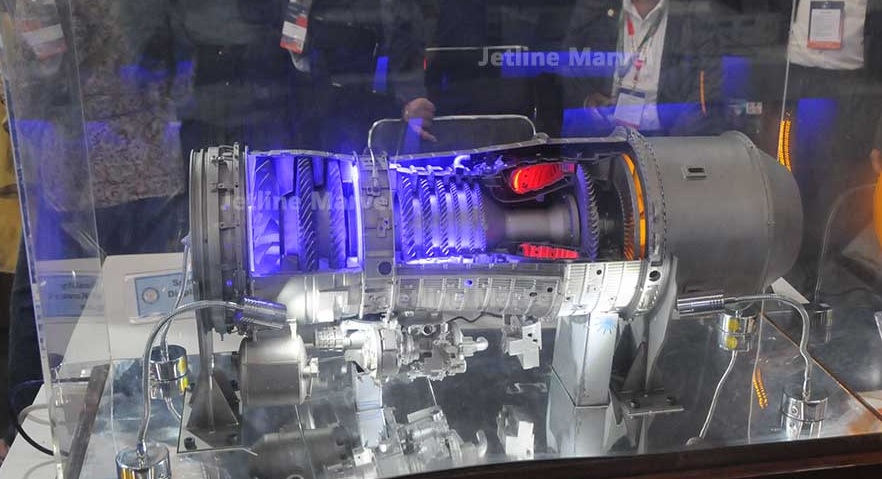
India
Bengaluru – In a major development for India’s defense technology, the Gas Turbine Research Establishment (GTRE) under DRDO has increased the bypass ratio of the Kaveri engine to 0.20. This improvement is aimed at enhancing the engine’s performance and efficiency for manned combat aircraft. The Kaveri engine is a low bypass, twin-spool afterburning turbo fan engine that has been designed with a focus on combat requirements. The increased bypass ratio means that 20% of the incoming air bypasses the core combustion chamber, improving fuel efficiency, cooling, and thrust modulation during flight. The engine is equipped with a full authority digital electronic controller (FADEC), enabling pilots to optimize performance under demanding combat scenarios. Other key features include a three-stage low-pressure compressor, a six-stage high-pressure compressor, an annular direct-flow combustion chamber, and cooled turbines. According to technical specifications, the Kaveri engine offers: Air mass flow: 78 kg/s Max thrust (dry): 49 kN Max thrust (reheat): 71 kN Overall pressure ratio: 20.5 Specific fuel consumption (dry): 0.824 kg/kgf-hr The development is seen as a significant step toward improving fuel efficiency, thermal management, and stealth capabilities for India’s next-generation fighter aircraft. The higher bypass airflow helps in reducing noise and managing heat, while the advanced controls enable better thrust adjustments. The Kaveri engine, which has been under development for several years, is expected to play a critical role in enhancing India’s self-reliance in aerospace propulsion systems. Officials at GTRE believe that the upgraded design will meet the demanding requirements of high-speed combat operations while reducing operational costs. This achievement marks another milestone in India’s pursuit of indigenous defense technologies and strengthens its position in advanced aerospace engineering. Further trials and integration are expected in the coming months as the engine moves closer to deployment in fighter platforms.
Read More → Posted on 2025-09-06 16:18:47
India
The Indian Army has launched a comprehensive inspection of its Dhruv Advanced Light Helicopter (ALH) fleet following a critical tail drive shaft (TDS) failure during a mid-flight operation on September 4, 2025. The incident involved helicopter IA-1134, which suffered a TDS malfunction, raising serious flight safety concerns. In response, the Directorate General of Electronics & Mechanical Engineers (Aviation) has mandated a one-time, fleet-wide inspection across all ALH units operated by the Army, Air Force, and Navy. The inspections will focus on TDS bearings, elastomeric bushes, tail boom cracks, and bracket fasteners (rivets), using magnified visual checks and thorough scrutiny to ensure aircraft airworthiness. This development comes just months after the ALH fleet was recertified in May 2025, following extensive safety checks prompted by a tragic January 2025 crash in Porbandar linked to a swashplate fracture. While the Army and Air Force ALHs resumed operations, the Navy and Coast Guard helicopters remain grounded, awaiting resolution of maritime-specific defects. The Indian Navy and Coast Guard have been conducting extensive maritime trials to address recurring issues and ensure their helicopters are fully operational for naval missions. Meanwhile, the Army has requested Hindustan Aeronautics Limited (HAL) to expedite the root cause analysis of the IA-1134 failure. The fleet-wide inspection underscores the Indian Armed Forces’ commitment to highest safety standards and operational readiness, highlighting the importance of the Dhruv ALH fleet in a range of operational missions.
Read More → Posted on 2025-09-06 16:09:25
World
In a major step toward more resilient satellite navigation, QinetiQ and Xona Space Systems have completed the first UK tests of Xona’s Pulsar satellite navigation system. The trials demonstrated how Low Earth Orbit (LEO) satellites can strengthen GPS and other GNSS services, boosting resistance to jamming, spoofing, and signal outages in congested or contested environments. The tests were carried out using QinetiQ’s Q40 Global Navigation Satellite System (GNSS) receiver, which is capable of tracking multiple constellations and frequencies. During the demonstration, the receiver successfully acquired and processed signals from Pulsar-0, Xona’s first production-class satellite. By combining these LEO signals with traditional GNSS, the system showed far greater robustness in low-signal conditions. This trial forms part of the GRAPE project (GNSS Receiver with Advanced Pulsar Enhancement), a joint effort between QinetiQ and Xona under the European Space Agency’s Navigation Innovation and Support Program (NAVISP), with additional support from the UK Space Agency. GRAPE aims to fuse new LEO-based signals with established GNSS to improve navigation across defence, infrastructure, and autonomous systems. Chris Walker, Managing Director of QinetiQ’s Mission Systems Division, highlighted the importance of the achievement:“For the first time, we have demonstrated how signals from new LEO satellites can be used alongside existing GNSS to give users stronger, more resilient timing and position information. This is a huge step in protecting our defence, critical infrastructure, and future autonomous systems against interference.” Giorgio Taylor, Director of Business Development for Xona in the UK and Europe, added:“Our Pulsar constellation is designed to deliver resilience and accuracy at a time when GNSS alone is no longer enough. The successful demonstration of QinetiQ’s Q40 receiver with our in-orbit signals proves this technology is ready to make a difference across defence and commercial autonomy.” Broader Context Pulsar-0, launched in June 2025, is the first production-class satellite in Xona’s planned constellation. Operating in Low Earth Orbit (~1,080 km), it delivers navigation signals up to 100 times stronger than GPS and includes advanced authentication features to counter spoofing and jamming. The system is designed for centimeter-level accuracy, with signal formats compatible with existing receivers, allowing adoption through software upgrades rather than expensive new hardware. Xona has also secured $92 million in funding and a US Space Force STRATFI award, confirming strong global interest in deploying a secure, next-generation positioning, navigation, and timing (PNT) layer. Recent commercial partnerships with precision timing firms Hoptroff, Fibrolan, and Timebeat will bring Pulsar services to finance, telecoms, and infrastructure sectors by 2026. To ensure sustainability, future Pulsar satellites will include docking plates for in-orbit servicing and debris management, through a partnership with UK-based Astroscale. Why This Matters The UK demonstration marks a turning point for global navigation resilience. Traditional GNSS signals—while vital—are vulnerable to interference, especially in urban areas or hostile environments. By adding LEO satellites like Pulsar to the mix, users gain faster, stronger, and more secure signals, ensuring reliable navigation and timing for: Defence operations in GPS-denied environments Autonomous vehicles requiring uninterrupted precision Critical infrastructure such as power grids and telecoms Urban navigation where tall buildings often block signals The successful UK trials of the Pulsar system show that LEO-based navigation is no longer experimental but ready for real-world use. With Xona’s constellation on the way and strong collaboration from QinetiQ, ESA, and the UK Space Agency, the future of resilient, secure, and high-precision satellite navigation is taking shape.
Read More → Posted on 2025-09-06 15:58:17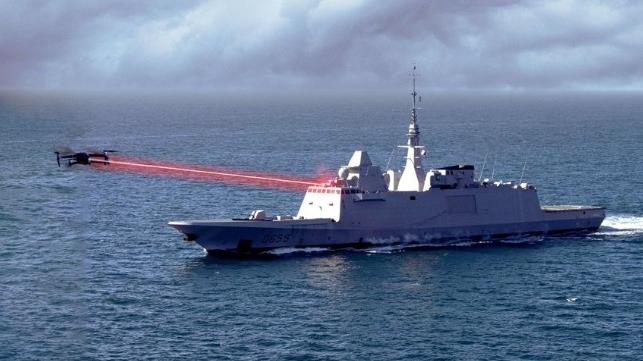
World
The French Defence Procurement Agency (DGA) has placed an order on 22 August 2025 with a consortium composed of MBDA, Safran Electronics & Defence, Thales and CILAS for the development of a new laser weapon demonstrator named SYDERAL (Système Laser de Défense de Nouvelle Génération). This initiative is part of France’s 2024-2030 Military Planning Law, aiming to strengthen short-range air defense and counter-drone warfare. Next-Generation Defence Technology The SYDERAL demonstrator will test the effectiveness of high-power laser weapons in neutralizing tactical drones, rockets, mortar shells, and remotely operated munitions. The program is expected to pave the way for operational deployment by 2030. Unlike traditional systems, SYDERAL will use a scalable and modular architecture, compact in size relative to its power, and designed for day and night operations. Cutting-Edge French Expertise The consortium brings together leading expertise in advanced defense technologies: Laser beam combining to achieve very high power. High-precision automatic video tracking to follow fast-moving aerial targets. Adaptive optics to compensate for atmospheric disturbances. This combination should give SYDERAL greater efficiency and precision compared to many systems currently under development worldwide. Building on Earlier Investments In 2024, the DGA had already awarded an initial €10 million contract to Lumibird and CILAS to develop new laser sources. These technologies now serve as the foundation for SYDERAL, allowing multiple beams to be combined into a powerful, coherent weapon system. Strategic Impact and Global Context SYDERAL is not France’s first step into directed-energy weapons. The HELMA-P system, a 2 kW laser developed by CILAS, was successfully tested between 2020 and 2021, including during the Paris 2024 Olympic Games and at sea aboard the French Navy frigate Forbin. SYDERAL will take this progress to the next level by targeting tougher threats, including missiles. Globally, France now joins the United States and Israel, who are already advancing high-power laser defenses like the Iron Beam system. Such weapons are seen as crucial for economical, fast, and precise neutralization of aerial threats, compared to traditional missiles that are far more costly and complex to deploy. Challenges Ahead To achieve full operational capability, French engineers will need to solve key challenges: Maintaining beam coherence while combining multiple lasers. Handling heat dissipation in a compact design. Ensuring accuracy and reliability against fast and unpredictable drones. Guaranteeing performance in difficult weather and combat environments. Towards 2030 – A New Era of Defence By 2030, France aims to field a sovereign, high-power directed-energy weapon capable of protecting critical assets on land and sea. Beyond drones, SYDERAL could eventually counter more complex aerial threats, opening the door to a future where light itself becomes a weapon.
Read More → Posted on 2025-09-06 15:46:44
World
CINCINNATI : In a major move to fast-track hybrid-electric propulsion for Advanced Air Mobility (AAM), GE Aerospace and BETA Technologies have announced a strategic partnership accompanied by a $300 million equity investment. Pending regulatory approval, the collaboration will unite GE Aerospace’s proven turbine expertise—drawing on its CT7 and T700 engine lines—with BETA’s advanced permanent-magnet electric generators to co-develop a hybrid-electric turbogenerator designed to power next-generation long-range VTOL aircraft and other AAM platforms. Under the agreement, GE Aerospace gains the right to appoint a director to BETA’s board, reinforcing its commitment to the venture. Why It Matters This hybrid solution is engineered to significantly outperform traditional electric AAM aircraft in range, payload, and speed. By combining turbine-generated electricity with electric propulsion, it addresses the “energy density barrier” of battery-only designs, making it a more viable near-term option—particularly for defense and logistics applications where versatility is critical. Strategic Alignment and Broader Context Market Vision: The Advanced Air Mobility sector is expected to expand rapidly, with analysts projecting a multibillion-dollar valuation within the next decade. Hybrid systems are seen as a crucial stepping stone until battery technology matures further. Prior Engineering Advances: In 2016, GE Aerospace conducted ground tests of an electric motor-driven propeller. In 2022, it achieved the world’s first megawatt-class hybrid-electric propulsion test at simulated high-altitude conditions (45,000 ft). GE has also been involved in multiple demonstration programs, including NASA’s Electrified Powertrain Flight Demonstration and DARPA’s HSVTOL initiative. BETA’s Track Record: Founded in 2017 in Vermont, BETA has developed the ALIA A250 (eVTOL) and CX300 (eCTOL) aircraft. The CX300 recently achieved FAA certification, and BETA has already conducted extensive demonstration flights across the United States and Europe. Its growing charging infrastructure also supports all-electric and hybrid platforms, signaling a broader ecosystem approach. Key Quotes Larry Culp, Chairman and CEO of GE Aerospace:“Partnering with BETA will expand and accelerate hybrid electric technology development, meeting our customers' needs for differentiated capabilities that provide more range, payload, and optimized engine and aircraft performance.” Kyle Clark, Founder and CEO of BETA Technologies:“This partnership brings together two teams deeply committed to aerospace engineering excellence. We believe the industry is on the brink of a step change, and we’re humbled by GE Aerospace’s confidence in our team and technology.” What to Watch Next Regulatory Approval – The deal awaits formal clearance before funds are deployed. Flight Testing – Integration of the hybrid turbogenerator into BETA’s aircraft platforms is expected in the coming years. Civil and Defense Applications – The technology could serve urban logistics as well as contested battlefield environments, offering mobility and resilience. Industry Momentum – GE Aerospace continues to increase R&D investments, signaling strong confidence in hybrid-electric aviation as a pillar of future growth. Through this alliance, GE Aerospace and BETA Technologies are positioning themselves at the forefront of hybrid-electric aviation, aiming to deliver aircraft that combine performance, safety, and sustainability while reshaping both civil and defense aviation sectors.
Read More → Posted on 2025-09-06 15:38:07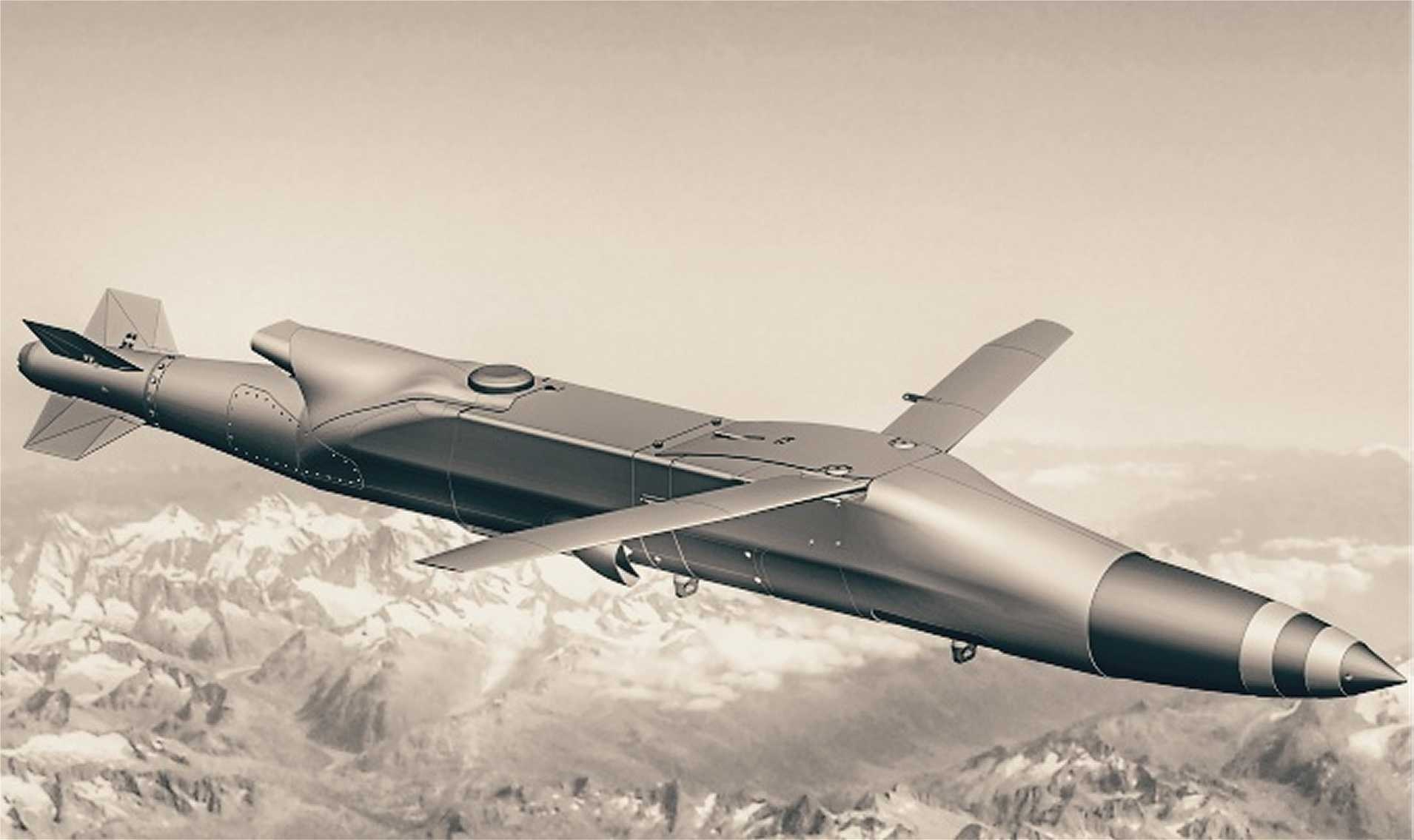
World
The United States is set to deliver a new generation of low-cost, long-range, air-launched cruise missiles to Ukraine this October, marking one of the fastest weapons development programs in modern history. Known as the Extended-Range Attack Munition (ERAM), the missile has gone from initial concept to operational delivery in just 14 months. A Radical Shift in Weapons Development The ERAM was born out of the U.S. Air Force’s Weapons Capacity Task Force, an organization created to accelerate innovation. Backed by a $225 million budget, the Task Force partnered with two nontraditional defense firms, CoAspire and Zone 5 Technologies, which rapidly developed prototypes. Test flights were carried out on a U.S. Douglas A-4 and a Ukrainian MiG-series fighter only months after contracts were awarded. This speed is unprecedented. Traditional cruise missile programs, such as the JASSM, typically take years or even a decade to field. In contrast, the first batch of ERAMs will arrive in Ukraine in October 2025, with a larger delivery of 840 units planned for late 2026. U.S. Approval and European Backing In late August, the U.S. government approved the possible sale of up to 3,550 ERAM missiles to Ukraine, valued at more than $800 million. The package includes GPS-based navigation systems, logistics, and training support. While Ukraine is authorized to receive thousands, the initial shipment will be limited to 10 missiles, allowing Ukrainian forces to begin operational integration on both F-16 and MiG-29 aircraft. Notably, the program has strong European support. Countries such as Denmark, Norway, and the Netherlands are contributing funding through coordinated defense assistance frameworks, highlighting the growing transatlantic collaboration in arming Kyiv. What Makes ERAM Special? Fast & Affordable: Developed in record time with cost-saving digital engineering and modular design. Flexible Deployment: Compatible with standard bomb racks, able to mount under aircraft wings or inside weapon bays. Advanced Navigation: Uses GPS and inertial navigation that can function even in jammed or degraded electronic warfare environments. Mass Production Potential: Designed for scalability, with the U.S. considering thousands of additional units for its own stockpile. Strategic Impact for Ukraine For Kyiv, the arrival of ERAM adds a new long-range strike option, allowing Ukrainian forces to target critical Russian infrastructure and command hubs from safer distances. Although the Pentagon requires Ukrainian coordination before using long-range U.S. systems inside Russia, the missile still significantly expands Ukraine’s battlefield choices. A Blueprint for Future U.S. Weapons The ERAM program is being closely studied in Washington as a model for future weapons procurement. By tapping into nontraditional suppliers and cutting development timelines, the Pentagon hopes to break away from the slow, costly methods of the past. Beyond ERAM, the Weapons Capacity Task Force is pursuing related projects, including palletized munitions, low-cost air-to-air missiles, and a classified program called Sunrise. Prototyping for hypersonic and subsonic systems is expected to begin in 2026, showing that the ERAM may be just the first of many rapid-fire innovations.
Read More → Posted on 2025-09-06 15:33:26
World
Arlington, VA : The U.S. Army has received its first two mobile Laser Weapon Systems (LWS) from AeroVironment, marking a major leap in the use of directed-energy weapons for frontline defense. Delivered under the Multi-Purpose High Energy Laser (AMP-HEL) program, these cutting-edge systems will be fielded by the Army’s Rapid Capabilities and Critical Technologies Office (RCCTO). Powerful Counter-Drone Technology At the core of the new systems is AeroVironment’s 20kW-class LOCUST laser, mounted on the General Motors Defense Infantry Squad Vehicle (ISV). This combination creates a lightweight, maneuverable, and highly mobile defense platform designed to protect ground forces against Class I and Class II drones with speed and precision. The LOCUST laser delivers a cost-effective, silent, and invisible beam capable of destroying aerial threats at the squad level. Unlike traditional missile interceptors, the system offers an unlimited magazine capacity — firing as long as power is available — drastically reducing logistics and operational costs. Testing and Training The laser prototypes were manufactured at AeroVironment’s directed-energy facility in Albuquerque, New Mexico, before undergoing extensive government acceptance testing at Yuma Proving Ground, Arizona. Evaluations focused on lethality, power management, safety, and vehicle mobility. Following successful trials, the systems were transferred to Fort Sill, Oklahoma, where Army troops began hands-on training with the equipment. Soldiers are now learning how to integrate the directed-energy weapon into live operations, with feedback set to guide future improvements. Mobility with the Infantry Squad Vehicle The ISV, built on the Chevrolet Colorado ZR2 chassis, can transport a nine-soldier squad with full gear. Its lightweight design allows internal transport inside CH-47 Chinooks and sling-load capability under UH-60 Black Hawks, giving commanders flexible deployment options. With advanced off-road mobility, the ISV provides frontline infantry with an organic, mobile counter-drone shield without depending on fixed defenses. Next Steps: JLTV Variant In October 2025, AeroVironment will deliver two additional AMP-HEL systems, this time integrated onto the Joint Light Tactical Vehicle (JLTV) platform. These upgraded systems will feature onboard radar and command-and-control suites, enabling semi-autonomous engagement and greater battlefield awareness. Strategic Importance The advantages of the AMP-HEL system are wide-ranging: Unlimited magazine powered by onboard energy. Low cost per shot compared to missiles. Stealth engagement with no visible or audible signature. Reduced collateral damage, making it ideal for urban combat. By mounting the system on light vehicles like the ISV and JLTV, the Army is embedding directed-energy protection directly into infantry units, ensuring agility and survivability against swarming drone threats. Army’s Vision for Future Warfare Army leaders have emphasized that directed energy is no longer experimental — it is becoming combat-ready technology. Drone threats are evolving with increased autonomy, swarming tactics, and advanced payloads, and lasers like LOCUST provide scalable, precise, and sustainable defenses. Mary Clum, AeroVironment’s Senior Vice President for Space & Directed Energy, hailed the delivery as “a major step forward in the Army’s pursuit of fieldable directed-energy capabilities.” John Garrity, Vice President of Directed Energy Systems, added, “The time is now. LOCUST meets the Army’s need for mobile, effective, and scalable air defense.” A New Chapter in Battlefield Defense The delivery of the first AMP-HEL prototypes marks the transition of directed-energy weapons from the laboratory to the battlefield. With ISV-mounted lasers already in Army hands, and JLTV-based systems arriving soon, the U.S. Army is moving decisively toward a future where high-energy lasers are a standard tool for countering aerial threats.
Read More → Posted on 2025-09-06 15:27:27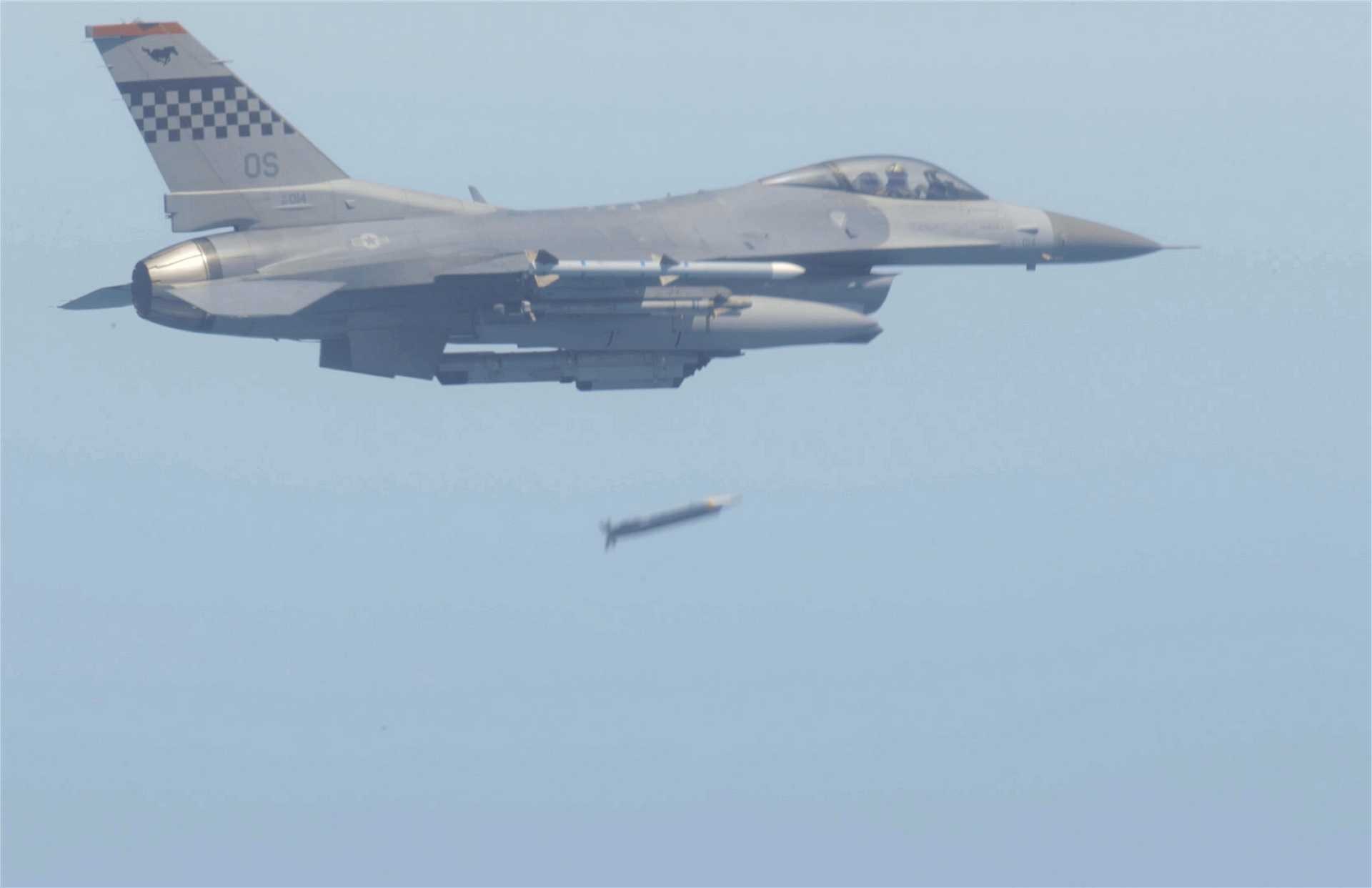
World
Poland has signed a government-to-government Letter of Offer and Acceptance (LOA) with the United States for the procurement of Boeing’s precision-guided GBU-39/B Small Diameter Bombs (SDB). The contract, valued at around USD 120 million net, sets delivery to begin in 2028, according to Poland’s Armament Agency. Although the exact number of bombs covered in the agreement has not been revealed, they are intended to equip Poland’s multirole F-35A fighters as well as modernised F-16V aircraft, strengthening the nation’s strike capabilities. Background: Earlier U.S. Approval for Larger Package In May 2025, the U.S. Department of State had approved a potential sale to Poland of: 1,400 GBU-39/B bombs, 4 inert GBU-39/T-1 training bombs, and mass-dimensional mock-ups, along with spare parts, containers, logistics support, technical data, software, training, and related services. That broader package was valued at up to USD 180 million. The finalized USD 120 million contract signed now appears to represent a negotiated portion of that larger deal, possibly covering an initial tranche or priority deliveries. The GBU-39/B Advantage The GBU-39/B SDB provides several advantages over traditional air-to-ground munitions: Compact size: Weighing just 250 pounds, the bomb allows aircraft to carry more weapons per sortie. Using the BRU-61/A rack, up to four bombs can be mounted on a single hardpoint. Reduced collateral damage: Its smaller warhead is designed to minimize unintended destruction near target zones. Precision strike capability: Guided by GPS/INS, it can hit stationary targets at ranges of around 100 km from the release point. Operational flexibility: Compatible with both the F-35 and upgraded F-16V, it significantly increases the combat efficiency of Poland’s air fleet. Boeing is currently producing the 20th series of the GBU-39/B, with manufacturing options available until 2035, ensuring long-term availability and integration with allied forces. Strategic Significance This acquisition represents another major step in Poland’s defense modernization program, aimed at strengthening deterrence and interoperability within NATO. The deployment of these advanced glide bombs will give Poland greater precision strike capability, allowing its air force to conduct operations with higher efficiency and lower risk of collateral damage. By combining the stealth and sensor advantages of the F-35A with the precision of the GBU-39/B, Poland positions itself to play a stronger role in NATO’s collective defense posture in Central and Eastern Europe.
Read More → Posted on 2025-09-06 15:22:36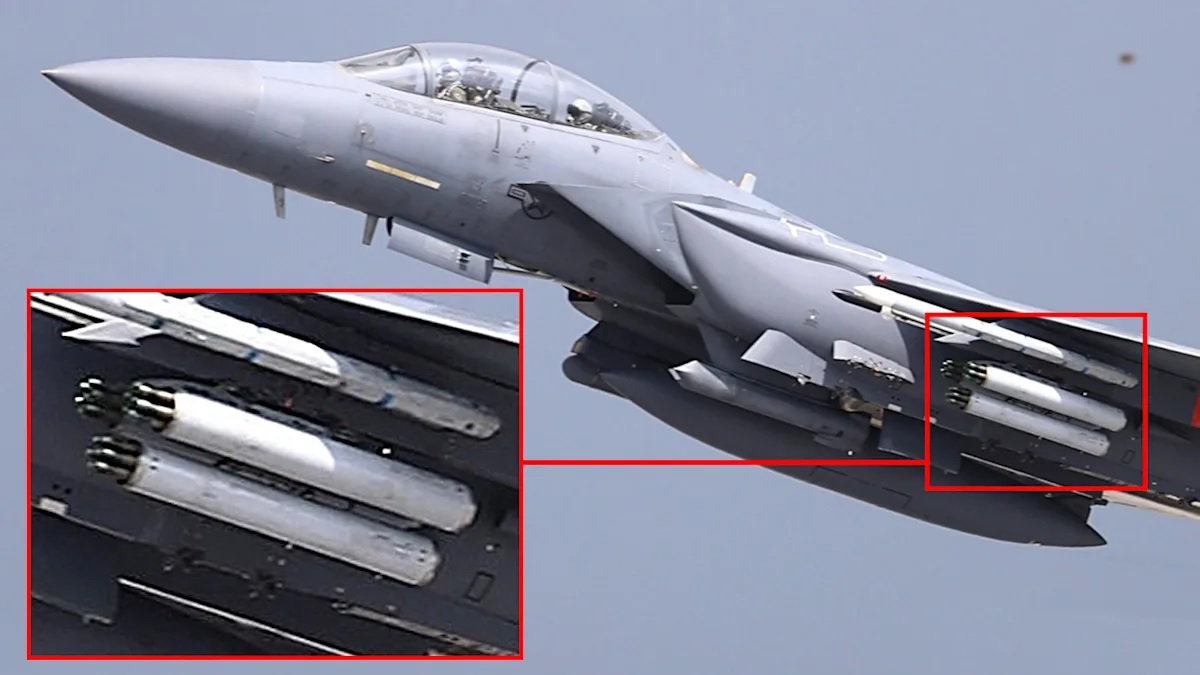
World
EGLIN AFB, FLORIDA : The U.S. Air Force has given its F-15E Strike Eagle a powerful new edge by integrating the AGR-20F Advanced Precision Kill Weapon System II (APKWS II), a laser-guided rocket designed to counter drones and small, fast-moving threats. What makes this achievement remarkable is the speed: the process went from ground testing to combat deployment in just nine days, redefining what rapid fielding means for modern tactical airpower. From Test Bench to Battlefield in Record Time The integration effort, led by the 96th Test Wing and the 53rd Wing at Eglin Air Force Base, was driven by urgent operational needs. Rather than developing new systems, engineers repurposed legacy TER-9A ejector racks and LAU-131 rocket launchers from storage, adapting them for the F-15E. These 1970s-era systems were modernized with a new digital interface that allows the rockets to communicate with the Strike Eagle’s avionics and targeting pod. This quick-thinking solution avoided years of delay and enabled live-fire testing almost immediately. Within a week of those tests, operational squadrons were already flying with the AGR-20F in combat zones. Precision Firepower at Low Cost The AGR-20F is a precision-guided conversion of the classic 70mm Hydra rocket. Each rocket weighs around 30 pounds and offers a 5–7 km standoff range, filling a critical gap between unguided rockets and costly munitions like the GBU-39 Small Diameter Bomb or AGM-65 Maverick. For the F-15E, the advantage is scale: the Strike Eagle can carry up to 42 AGR-20F rockets in addition to its standard air-to-air missiles. This creates a “weapons truck” profile, allowing a single aircraft to neutralize swarms of drones, light vehicles, or fast-attack boats at a fraction of the cost of larger precision weapons. Proven Across Land and Sea Testing covered both land-based targets and maritime scenarios. The rockets performed with precision against moving and static ground targets, simulating drones and light armor. Overwater tests showed the AGR-20F’s ability to hit small boats and fast surface craft, expanding the F-15E’s effectiveness in littoral and coastal strike missions. The system integrates seamlessly with the jet’s targeting pod, enabling pilots to guide the rockets with pinpoint laser designation. This provides real-time accuracy with minimal collateral risk, even in cluttered or contested airspace. Strategic Significance The rapid fielding of the AGR-20F reflects a broader U.S. Air Force strategy: embracing affordable precision munitions to counter the growing threat of low-cost drones and unconventional systems. In recent conflicts, F-15Es faced situations where stocks of expensive air-to-air missiles were strained, highlighting the need for a scalable, economical solution. The AGR-20F answers that call, giving Strike Eagle units the ability to engage asymmetric threats while preserving larger precision weapons for high-value targets. This ensures both cost efficiency and operational flexibility. Extending the F-15E’s Relevance Originally designed for deep strike and interdiction missions, the F-15E now gains a versatile role in counter-drone and asymmetric warfare. By combining old hardware, new digital interfaces, and modern guided rockets, the Air Force has shown how adaptability can breathe new life into legacy platforms. With AGR-20F rockets already deployed in active theaters, the Strike Eagle has once again proven its value as one of the most flexible and combat-ready aircraft in the U.S. inventory.
Read More → Posted on 2025-09-06 14:50:00
World
Oulu, Finland — Nokia has officially inaugurated its groundbreaking research and manufacturing campus in Oulu, dubbed the "Home of Radio", designed to anchor Europe’s leadership in next-generation, AI-powered wireless networks. Spanning 55,000 square metres, the campus brings together research, testing, and smart manufacturing under one roof—an integration vital for the end-to-end development of 5G and future 6G technologies. A Convergence of Innovation and Talent Around 3,000 experts from more than 40 nationalities will work on system-on-chip design, radio hardware and software, patents, and standardisation. The wider Oulu ecosystem includes OuluZone, a 350 km² field test area for large-scale network trials, as well as close collaboration with the University of Oulu, VTT Technical Research Centre, start-ups, and NATO’s DIANA test centre. The campus will also drive new product introductions for Nokia’s 5G radio and baseband platforms, including advanced Massive MIMO technologies. Strategic Vision: Secure, Sovereign, AI-Ready Infrastructure At the opening ceremony, President of Finland Alexander Stubb underlined the importance of the project: “This investment is great news and a statement that it pays off to invest in Finland. When you’re working on 5G or 6G, you’re creating the neural network of whatever we do in artificial intelligence, robotization or the Internet of Things.” Nokia’s President and CEO Justin Hotard added: “Our teams in Oulu are shaping the future of 5G and 6G, developing our most advanced radio networks. Oulu embodies our culture of innovation, and this campus will be essential to advancing the connectivity that powers the AI supercycle.” Sustainability at Scale The facility is also a model of green innovation: Powered entirely by renewable energy. Houses one of the world’s largest CO₂-based district heating and cooling plants, with surplus energy used to heat about 20,000 homes in Oulu. Achieves 100% waste utilization and 99% CO₂ emission reduction compared to earlier operations. Anchoring Europe’s Tech Ecosystem Oulu has long been a hub for mobile innovation, with Nokia’s teams contributing to six generations of mobile technology. The city offers a strong talent pool of 25,000 students and more than 1,000 ICT companies, making it one of Europe’s most dynamic tech ecosystems. Oulu will also hold the title of European Capital of Culture 2026, strengthening its profile as both a cultural and technological powerhouse. The campus is initially focused on 5G research—covering standardisation, chipset design, patents, and hardware/software development—while laying the foundation for the AI-native 6G era. With this launch, Nokia makes a clear statement: the future of secure, sustainable, and AI-driven networks will be designed, tested, and built in Europe.
Read More → Posted on 2025-09-06 14:45:39Search
Top Trending in 24 Hours
-
 President Trump Pauses Plans to Expand U.S. Strikes on Iran Amid Concerns Over Air Defense Missile Stocks
-
 U.S. Awards Bell Textron $33.64 Million Contract for Next Phase of Marine Corps AH-1Z and UH-1Y Helicopter Upgrades
-
 Unreleased Footage Reveals Why Lindsey Graham Dropped Plan to Push Trump on Hezbollah Strikes
-
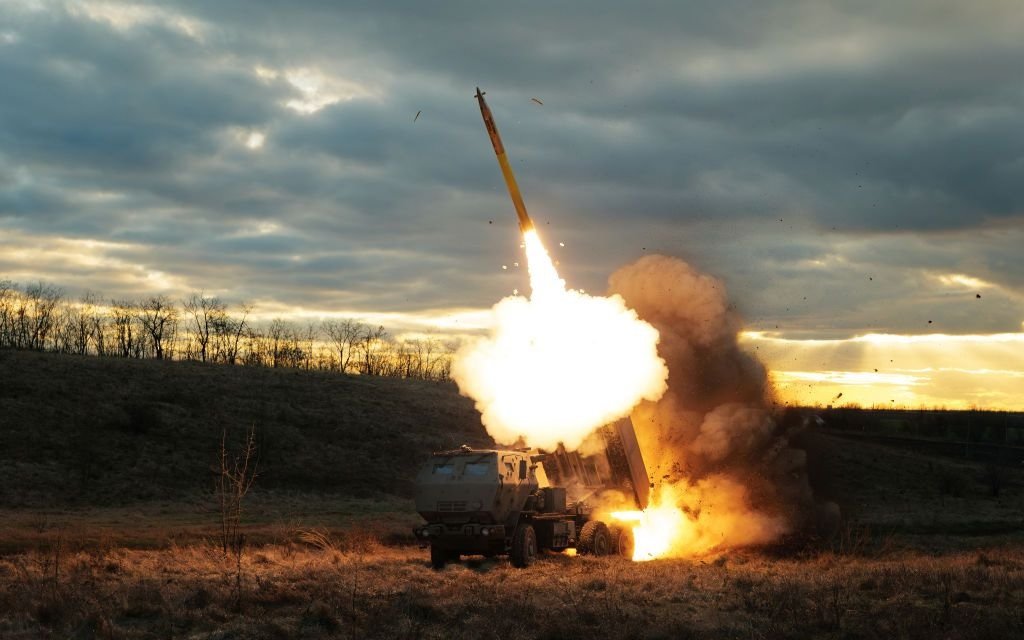 U.S. Military Selectively Intercepts Iranian Missiles to Preserve Shrinking Air Defense Stocks : Report
-
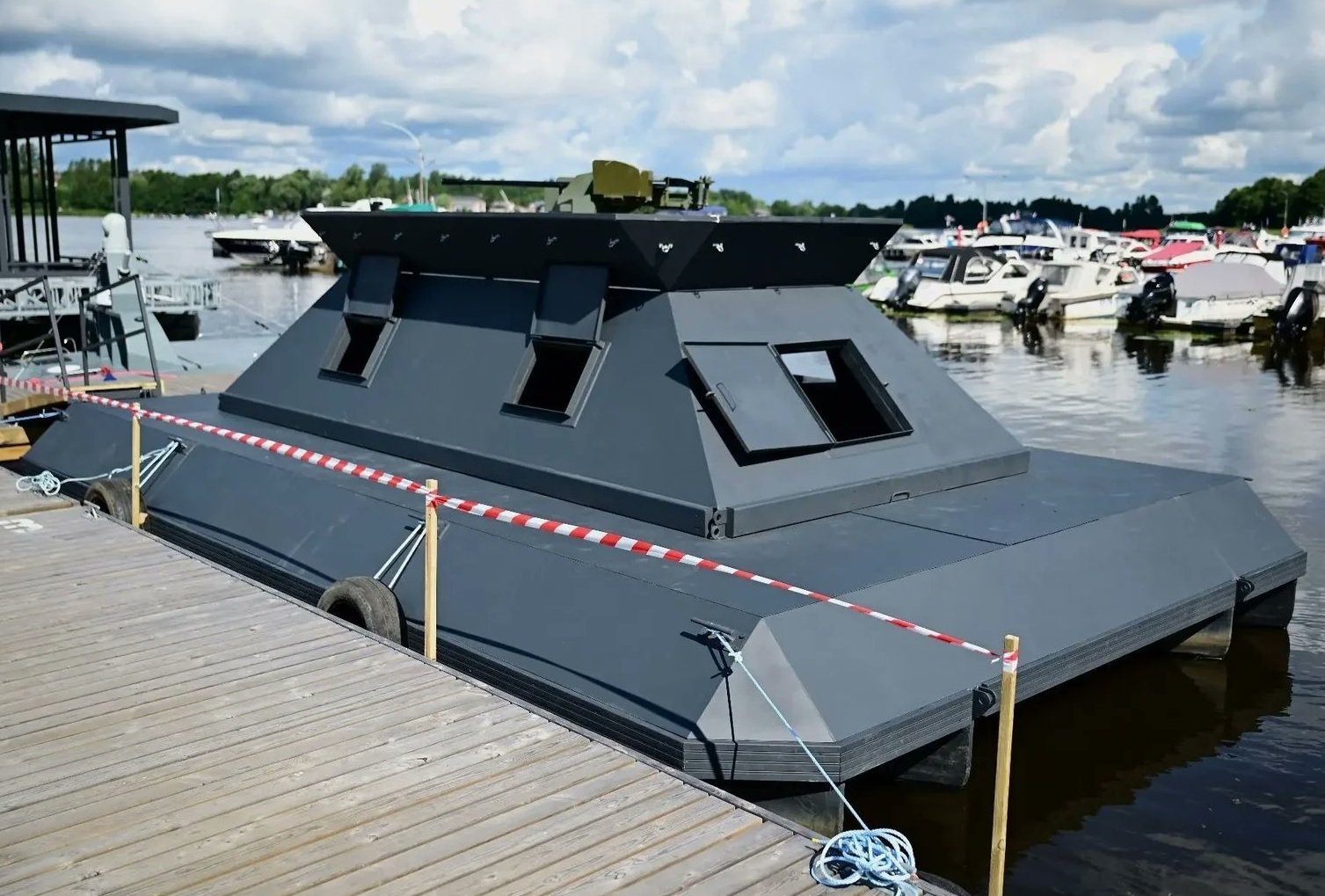 Russia Unveils Experimental Plot-40 Floating Defense Platform to Counter Drone and USV Threats
-
 Russia Builds 500-Ton Unmanned Warship For Anti-Submarine Warfare, Plans New 9,500-Ton Warship, Navy Chief Says
-
 Taiwan Commissions First Batch 2 Tuo Chiang-Class Corvette with New Leonardo Radar
-
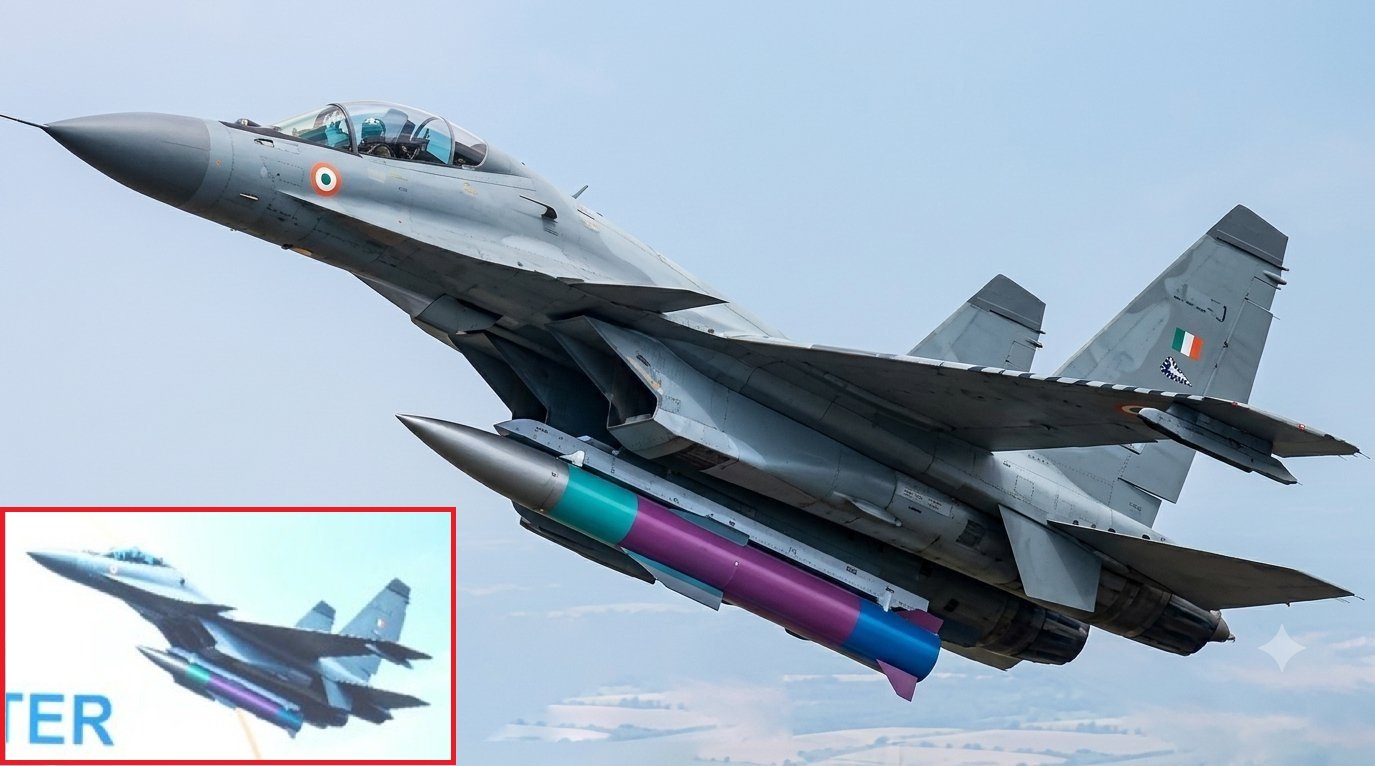 DRDO Developing Long-Range Air-Launched Ballistic Missile for Su-30MKI, Rudram-4 Seen as Likely Candidate
Top Trending in 4 Days
-
 U.S. Navy Awards Northrop Grumman $1.2 Billion Deal for Three New E-2D Advanced Hawkeyes
-
 U.S. Airstrikes Target IRGC Missile Base Near Taft as Overnight Strikes Hit Central Iran
-
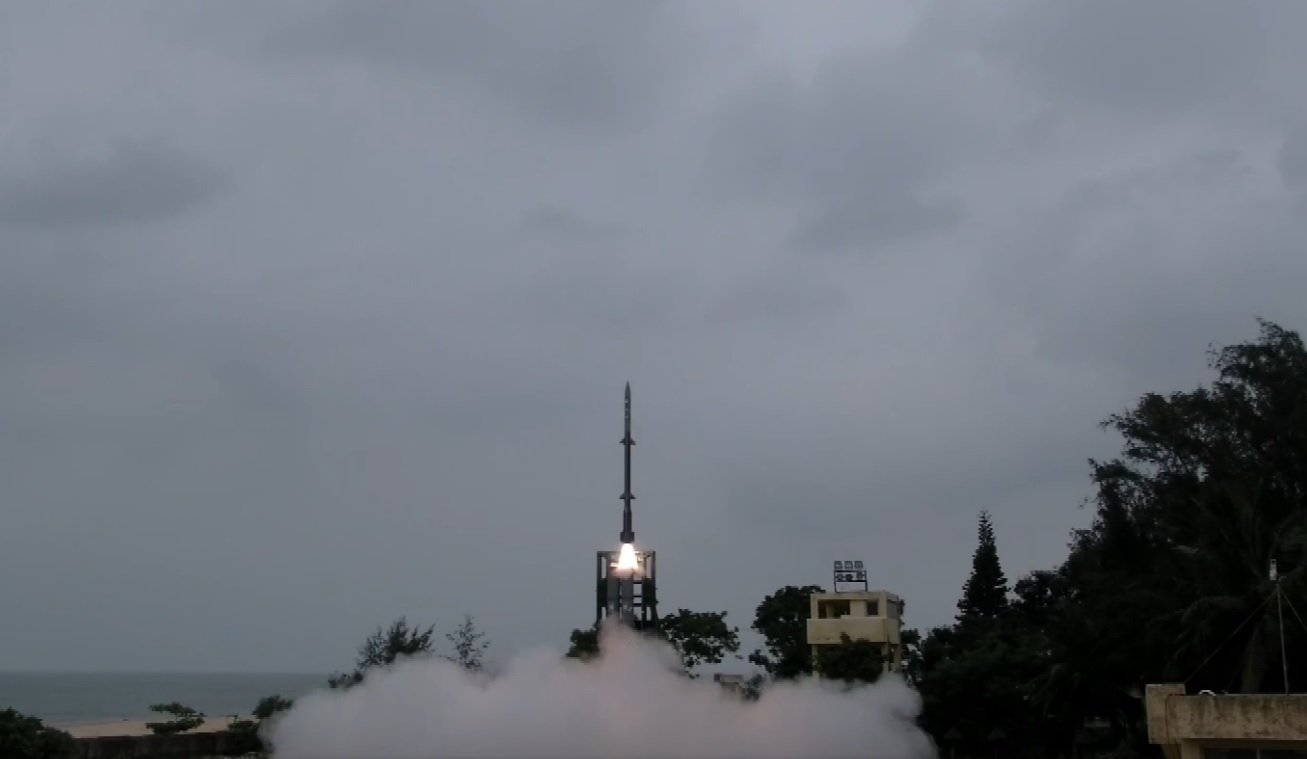 DRDO Successfully Conducts Maiden Flight Test of 150-km-Range Kusha M1 Air Defence Missile
-
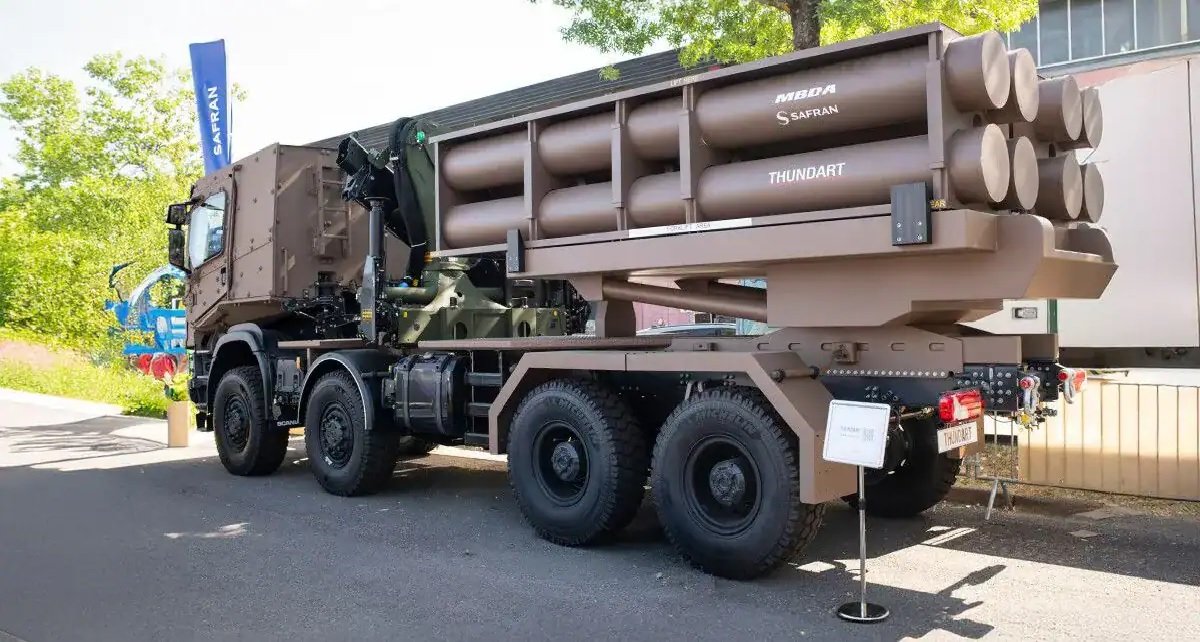 France's THUNDART Long-Range Rocket System May Undergo Prototype Combat Testing in Ukraine
-
 Kuwait and Bahrain Reportedly Launch First Joint Direct Airstrikes on Iran Since War Began : Report
-
 Russian Su-57 Stealth Fighter Crashes During Training Flight Near Moscow, Pilot Ejects Safely
-
 Australia Commits Additional AUD 4.6 Billion to Expand Osborne Shipyard for AUKUS Submarines
-
 Destinus Unveils Vorexon Interceptor Concept to Defend Critical Sites from Artillery Threats
