
World
Overnight, Ukraine launched one of its largest drone attacks since the start of the war, targeting Russia with at least 361 drones, four guided aerial bombs, and a U.S.-made HIMARS missile, according to Russian defense officials. Among the key targets was the Kirishi oil refinery in the Leningrad region, one of Russia’s most important energy facilities. What Happened The Kirishi refinery, operated by Surgutneftegaz, processes about 17.7 million tons of crude oil annually (around 355,000 barrels per day), making up more than 6% of Russia’s refining capacity. Regional governor Alexander Drozdenko said that three drones were shot down near the facility. Falling debris caused a fire, which was quickly extinguished. No injuries were reported. Ukraine’s drone command confirmed responsibility, claiming a “successful strike” and reporting visible explosions and fires. The exact scale of damage to the refinery remains unclear. Strategic Significance This attack is part of a wider Ukrainian campaign against Russia’s energy infrastructure, including oil refineries, fuel depots, and pipelines. By targeting energy facilities, Ukraine aims to undermine Russia’s war economy and disrupt fuel supplies to its military. The strike comes as several Russian regions already face fuel shortages, and further disruption at Kirishi could worsen the situation domestically. Russia, meanwhile, announced that it had successfully tested a Zircon hypersonic missile in the Barents Sea and carried out joint military exercises with Belarus, signaling that it intends to show military strength even as its infrastructure comes under increasing pressure. Global Context The attack comes at a time when international pressure on Russia’s energy sector is intensifying. The United States has urged NATO allies to tighten sanctions, while the European Union has reaffirmed its plan to phase out Russian oil and gas imports by 2028. Energy exports remain a vital revenue stream for Moscow, making strikes on facilities like Kirishi especially damaging in both economic and psychological terms. Outlook While Russia insists its air defenses destroyed the vast majority of incoming drones, the repeated targeting of strategic oil facilities shows Ukraine’s intent to stretch Russian resources and erode its energy-based war financing. Analysts warn that such attacks could escalate further, with Russia potentially responding by intensifying missile strikes against Ukrainian infrastructure.
Read More → Posted on 2025-09-14 14:25:31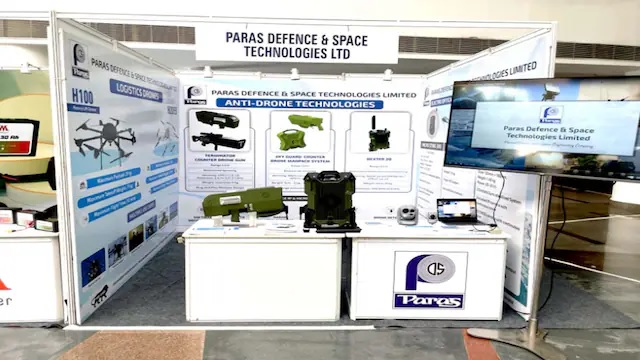
India
Mumbai, September 2025: Paras Defence & Space Technologies Ltd. has secured an order worth ₹26.6 crore from the Opto Electronics Factory (OLF), a unit of India Optel Limited, for the supply of Electronic Control Systems to be integrated into Thermal Imaging Fire Control Systems (TIFCS) for battle tanks. The scope of the contract includes the supply of Control Panels for Ballistic Computers, Ballistic Computers, and Gun Positioning Systems, all of which are critical subsystems in ensuring accurate targeting and stabilisation functions of main battle tanks. The execution period for the order is scheduled between December 2025 and September 2026. With this incremental contract, Paras Defence’s total order book for Electronic Control Systems under the TIFCS program has risen to about ₹141.6 crore, strengthening its long-term presence in the land systems segment. Boost to Indian Army’s Modernisation TIFCS technology significantly improves the combat effectiveness of tanks by enabling crews to detect, track, and engage targets under night, fog, and smoke conditions. The electronic systems supplied by Paras Defence will ensure that ballistic calculations, gun positioning, and weapon stabilisation function seamlessly, thereby enhancing the all-weather fighting capability of the Indian Army’s armoured fleet. The integration of advanced fire-control electronics is part of ongoing modernisation programs for the T-72, T-90, and future main battle tank platforms. By upgrading legacy tanks with thermal imaging and ballistic computing, the Army ensures operational parity with adversaries fielding night-capable armour. Strategic Importance While the financial value of ₹26.6 crore is relatively modest, the contract carries significant strategic importance. It highlights Paras Defence’s growing role in indigenous defence electronics, aligned with the government’s Atmanirbhar Bharat drive to reduce dependency on foreign OEMs for specialised subsystems. India Optel Ltd., a defence public sector undertaking, specialises in optronics and fire-control systems for armoured vehicles. Through partnerships with private firms like Paras Defence, it is strengthening the domestic ecosystem for tank modernisation projects. Market and Industry Impact The order also adds credibility to Paras Defence’s order book, which has been expanding across space optics, drones, simulators, and electro-optics. This diversification improves revenue visibility and bolsters investor confidence in the company’s long-term growth. With a growing order pipeline of high-technology contracts, Paras Defence is positioned to play a larger role in India’s defence production landscape, while also opening up potential export opportunities in the electro-optic and fire-control systems domain.
Read More → Posted on 2025-09-14 14:15:02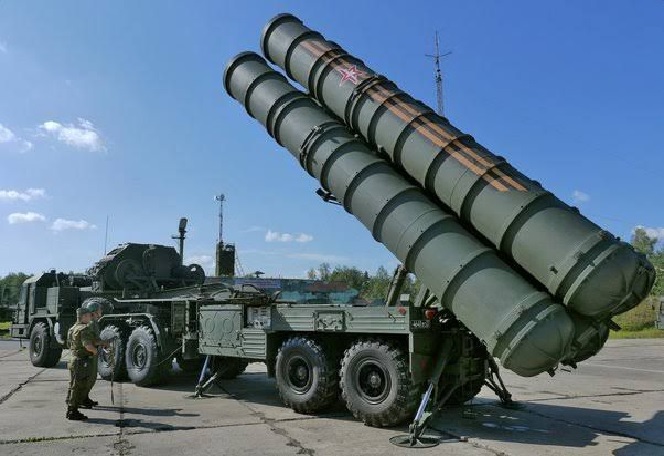
India
New Delhi : The Indian Air Force (IAF) has moved to procure 400 inflatable decoys that replicate the visual, radar and thermal signatures of frontline fighter aircraft and advanced air-defence systems, including S-400 Triumf batteries. The purchase — part of an effort to expand India’s camouflage, concealment and deception (CCD) capabilities — will allow the IAF to rapidly create convincing false targets across dispersal fields and airbases, complicating an adversary’s reconnaissance and targeting cycle. Made from specialised materials and designed for quick deployment, these decoys are intended to simulate the radar cross-section (RCS) and infrared (IR) heat signatures of real platforms. Once inflated and combined with emitters and heat sources, the dummies can fool satellites, drones and manned reconnaissance aircraft into reporting a larger and more widely dispersed set of high-value targets than actually exists. The IAF plans models that visually and electronically mimic Su-30MKI, Rafale and Tejas fighters as well as complex air-defence layouts. Why the IAF is buying decoys — tactical and strategic benefits Diluting enemy firepower. By increasing the number of apparent targets, decoys force an adversary to spread missiles and strike aircraft across many false positions, increasing the chance that real assets survive initial strikes. This can blunt the effectiveness of precision-guided munitions and make an opponent expend scarce high-value ordnance. Buying time and conserving stockpiles. Successful deception compels extra reconnaissance passes, re-tasking of aircraft and additional missile launches — all of which slow an enemy campaign and reduce their available munitions for later strikes. In a prolonged conflict this attrition of enemy ordinance can have strategic consequences. Enhancing survivability and dispersal doctrine. Coupled with hardened shelters, dispersal airstrips and electronic-warfare measures, realistic decoys are a force multiplier: they preserve sortie generation capability by protecting runways, aircraft on ground and command nodes from being promptly eliminated. Psychological and operational deterrence. Inflating the perceived density and survivability of Indian airpower complicates an adversary’s campaign planning and may raise the threshold for initiating strikes, thus contributing to deterrence by increasing uncertainty and expected costs for the attacker. How the decoys work in practice Modern decoys are not mere inflatable mannequins. To be convincing they combine visual shapes, metallised surfaces to affect radar returns, engineered internal structures to approximate RCS characteristics, and artificial heating elements or flares to create IR signatures. When paired with small radio-frequency emitters that mimic radar or communication signatures, the ensemble presents a multi-sensor “target” that can survive cursory checks by overhead ISR (intelligence, surveillance and reconnaissance) assets. Their lightweight construction also allows rapid emplacement and removal in varied climates and terrains. Lessons from recent conflicts Military analysts point to widespread use of decoys in recent conflicts — most notably Ukraine — where inflatable and mock-up systems (from howitzers to HIMARS and S-300 replicas) have successfully drawn strikes away from real systems and forced adversaries to waste expensive munitions. That practical experience has fed a global re-evaluation of CCD techniques and spurred demand for commercially produced decoys that can be integrated into layered defensive postures. Operational limits and countermeasures Decoys are not a cure-all. Advanced sensors and multi-spectral analysis (combining radar, electro-optical, IR and signal-intelligence cues) can eventually detect fakery if the decoys are poorly managed or left in place too long. This is why modern doctrine treats them as part of an integrated deception package — rotated frequently, combined with emissions control, electronic jamming, and physical dispersal — rather than a standalone solution. Strategic context For the IAF, procurement of hundreds of decoys reflects a deliberate shift to make survivability, deception and cost-imposition central to national air-defence planning. By compelling an adversary to assume a larger target set, India increases the logistical and operational burden on potential attackers. In crisis or wartime, that burden may translate to fewer successful strikes, diminished enemy ordinance, and crucial additional time for India to mount counter-operations.
Read More → Posted on 2025-09-14 14:04:38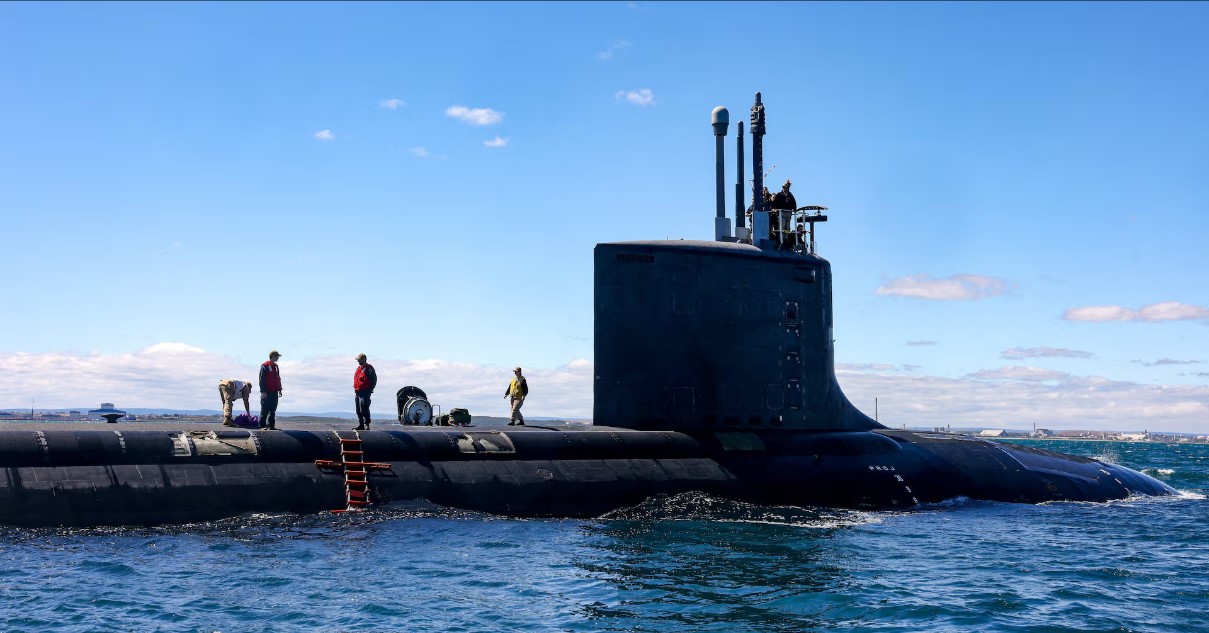
World
Australia has pledged an initial A$12 billion toward transforming the Henderson Defence Precinct in Western Australia into a world-class shipyard and maintenance facility to support its future fleet of nuclear-powered submarines under the AUKUS partnership, Defence Minister Richard Marles announced. The funding is part of a broader plan expected to cost around A$25 billion over the next decade. What the Investment Covers Construction of secure dry docks capable of servicing and maintaining nuclear-powered submarines. Facilities for building landing craft for the Army and general-purpose frigates for the Royal Australian Navy. Support infrastructure for sustaining Australia’s surface fleet in addition to the submarine force, including depot-level overhaul and contingency docking. Early works including planning, design, and enabling construction. The precinct upgrade is expected to underpin an estimated 10,000 direct jobs over the next two decades in Western Australia. Timeline & Related Defence Commitments Australia is set to acquire at least three Virginia-class nuclear-powered submarines from the United States in the early 2030s, with options for more. The country will eventually co-develop and build its own SSN-AUKUS class submarines, with domestic construction planned for the early to mid-2040s. Australia recently selected the Japanese Mogami-class frigate design for its future general-purpose frigates. The first three will be built overseas, while the rest are to be produced in Henderson once the precinct is fully operational. Another major project is the “Ghost Shark” underwater drone fleet, long-range unmanned vehicles for surveillance and strike roles, expected to begin entering service in early 2026. Strategic Implications This investment underscores Australia’s shift to significantly bolster its naval and undersea capabilities in light of growing regional strategic competition, particularly in the Indo-Pacific. The Henderson Precinct is intended to be central to maintaining continuous naval shipbuilding and sustainment under AUKUS, effectively bridging capability gaps until Australia’s domestically built SSN-AUKUS submarines are ready. The plan also involves rotational presence of United States and United Kingdom submarines at HMAS Stirling, further integrating Australia into AUKUS operations and strengthening trilateral defence cooperation. Challenges & Considerations The complexity of transforming Henderson into a facility that meets nuclear-submarine maintenance and operational standards, including nuclear safety and security protocols. Tight timelines to ensure infrastructure is ready before the arrival of Virginia-class submarines in the early 2030s. Concerns over whether the United States can deliver submarines on schedule, given its own production capacity pressures. Australia’s A$12 billion Henderson investment marks a landmark step toward building a stronger, more self-reliant naval force and reinforcing its place within the AUKUS security framework.
Read More → Posted on 2025-09-14 13:52:20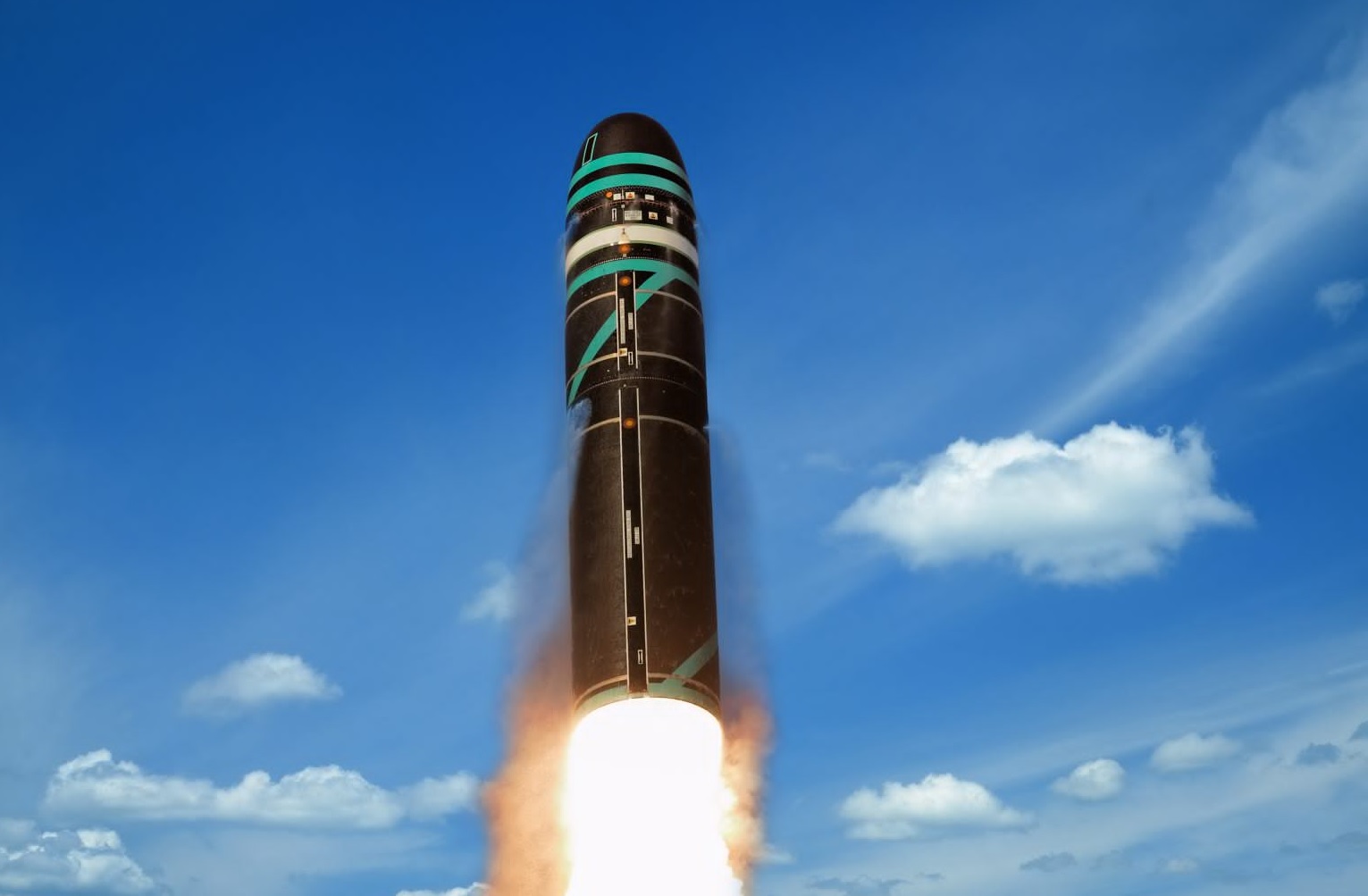
World
On August 28, 2025, the French Defence Procurement and Technology Agency (DGA) awarded ArianeGroup a contract to design and produce the fourth iteration of the M51 submarine-launched ballistic missile (SLBM), designated M51.4. This development underscores France's commitment to enhancing its nuclear deterrence capabilities in response to evolving global threats. The M51.4 is set to replace the M51.3, which is currently entering service. ArianeGroup, as the industrial prime contractor for France’s Strategic Oceanic Force (FOST), will oversee the missile's design, production, and lifecycle management, including maintenance and decommissioning. The M51.4's enhanced range, precision, and penetration capabilities aim to reinforce the credibility of France’s oceanic nuclear deterrent. The M51 missile family, developed by ArianeGroup, is a cornerstone of France’s nuclear deterrence strategy. The M51.4 will be deployed aboard the future-generation SNLE 3G submarines, which are set to replace the current Triomphant-class nuclear-powered submarines. These submarines are integral to France's strategic deterrence posture, ensuring the nation's ability to respond to nuclear threats with credibility and effectiveness. In a statement, Vincent Pery, Director of Defence Programs at ArianeGroup, expressed gratitude to the DGA for its continued trust in the company's expertise. He emphasized that the M51.4 program will drive innovation and transformation, incorporating advanced technologies and methods to meet ambitious technical and economic objectives. The M51.4's development aligns with France's broader defense strategy, which includes significant investments in modernizing its nuclear deterrent forces. These efforts are part of the Military Programming Law, ensuring the maintenance and enhancement of France's autonomous and sovereign deterrent capabilities to address growing global security challenges. With the M51.4, France aims to maintain a robust and credible nuclear deterrent, adapting to the changing security landscape and reaffirming its commitment to national and global stability.
Read More → Posted on 2025-09-13 16:23:34
World
Washington, D.C September 2025 : In a significant advancement for U.S. space capabilities, the U.S. Space Force has awarded a contract of up to $60 million to Seattle-based aerospace startup Gravitics. This partnership aims to develop an innovative "Orbital Aircraft Carrier," a space-based platform designed to revolutionize satellite deployment and bolster national security in the increasingly contested domain of space. What Is the Orbital Aircraft Carrier? The Orbital Aircraft Carrier is conceptualized as a modular, unpressurized space station capable of housing multiple maneuverable satellites. This platform will serve as a pre-positioned launch pad in orbit, allowing for the rapid deployment of satellites without the need for traditional ground-based rocket launches. By eliminating the constraints of terrestrial launch schedules and infrastructure, the Orbital Carrier offers unprecedented flexibility and speed for in-space operations, significantly enhancing the nation's space defense posture. According to Gravitics CEO Colin Doughan, "The Orbital Carrier is a game-changer, acting as a pre-positioned launch pad in space. It bypasses traditional launch constraints, enabling space vehicle operators to rapidly select a deployment orbit on-demand." Strategic Implications This initiative is part of a broader U.S. strategy to maintain space superiority amid growing global competition. By establishing a pre-positioned platform in orbit, the U.S. aims to bolster its operational capabilities and readiness in addressing both immediate and long-term security challenges. The Orbital Carrier's ability to deploy satellites on-demand enhances the nation's agility in responding to threats and ensures a resilient space infrastructure. Technical Specifications and Development Timeline The Orbital Carrier is designed to accommodate multiple satellites, providing an unpressurized environment that protects sensitive electronics from the harsh conditions of space. This protective feature not only safeguards military assets but also grants the U.S. a tactical advantage by masking satellite positions from adversaries, thereby enhancing its space security posture. Gravitics plans to demonstrate the Orbital Carrier's capabilities as early as 2026, with the initial mission focusing on validating the platform's ability to operate in space and deploy assets on orbit. The demonstration will serve as a critical step toward full operational deployment. Public-Private Collaboration This project underscores the importance of public-private partnerships in advancing space technology. Collaborations with innovative startups like Gravitics enable the rapid integration of cutting-edge technologies into national defense strategies, fostering the growth of the U.S. space sector and maintaining a competitive edge in space operations. Global Perspective The development of the Orbital Aircraft Carrier has significant implications for international space dynamics. As nations enhance their space capabilities, the U.S. aims to lead in space innovation, ensuring that advancements in space exploration contribute to shared peace and progress for all of humanity. The collaboration between the U.S. Space Force and Gravitics to develop the Orbital Aircraft Carrier marks a pivotal moment in the evolution of space operations. By enabling rapid, on-demand satellite deployment from orbit, this initiative enhances the U.S.'s strategic capabilities and sets the stage for future advancements in space technology. As the project progresses, it will undoubtedly influence the trajectory of global space exploration and security.
Read More → Posted on 2025-09-13 16:12:37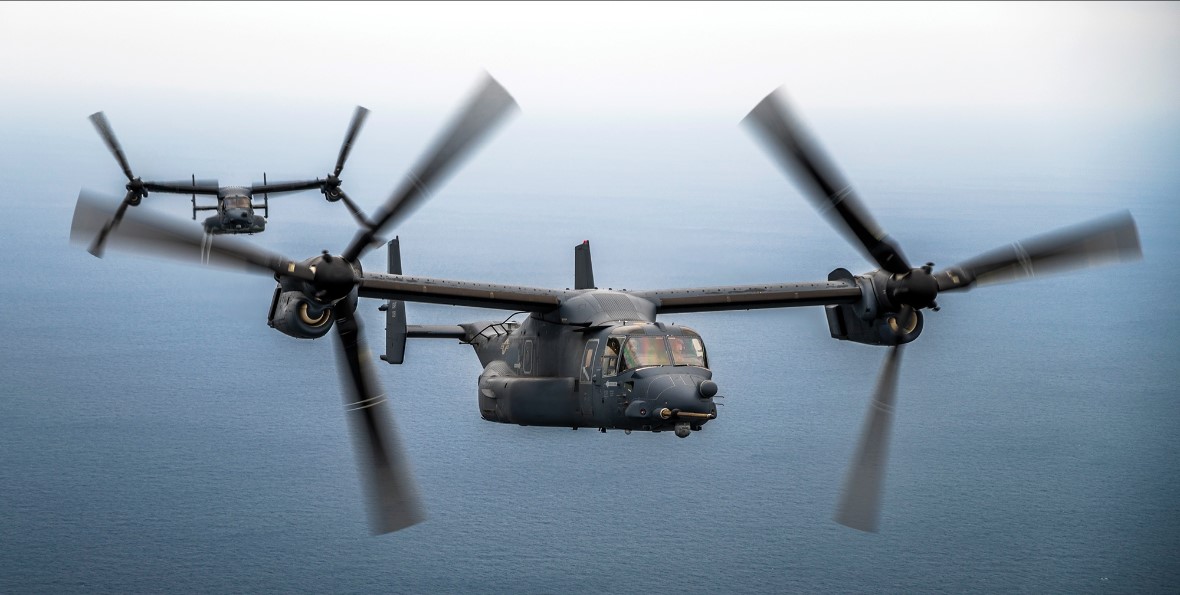
World
The U.S. Air Force has updated its strategy for the future of Davis-Monthan Air Force Base in Arizona, transforming the 492nd Special Operations Wing into a new Power Projection Wing. The move comes as the base prepares to retire its long-serving A-10 aircraft and take on a more diverse special operations mission. Updated Force Structure Originally, the Air Force had planned to move multiple MC-130J Commando II squadrons and special tactics units to Davis-Monthan. After further review, however, those units will remain at their current locations. Instead, the new wing will feature: Two OA-1K Armed Overwatch squadrons, both relocating from Hurlburt Field in Florida. A CV-22 Osprey squadron and its maintenance unit, transferring from Cannon Air Force Base in New Mexico. A new Theater Air Operations Squadron, created to enhance mission planning and support tailored to specific regions. A new Intelligence Squadron under Air Combat Command, which will activate at Davis-Monthan. These changes emphasize strike, mobility, intelligence, surveillance, reconnaissance, and air-ground coordination — the full mission set of Air Force Special Operations Command. Why the Changes? Air Force leaders determined that keeping the MC-130J fleet distributed across existing locations would ensure greater operational effectiveness. In addition, relocating special tactics units was ruled out due to the high cost of building specialized facilities at Davis-Monthan, compared to the infrastructure already available elsewhere. Timeline and Next Steps The headquarters of the 492nd Special Operations Wing and three associated squadrons have already been cleared to begin moving to Davis-Monthan. The relocation of the second OA-1K squadron and the CV-22 squadron still requires environmental impact reviews, though much of the groundwork for those studies has already been completed. Officials expect the new wing to reach full operational capability by Fiscal Year 2028. A-10 Retirement and Base Transition Davis-Monthan is in the midst of bidding farewell to its iconic A-10 “Warthog” fleet. The first aircraft began departing for retirement in 2024, and the phased withdrawal is expected to continue into 2026. The Air Force has justified the retirement by pointing to the A-10’s limited survivability in modern high-threat environments, particularly in potential conflicts against near-peer adversaries such as China. The shift to special operations represents not only a modernization effort but also a new chapter in the identity of Davis-Monthan, positioning the base as a hub for flexible, global special operations capabilities. Local and Strategic Impact Community leaders in Arizona have expressed both optimism and concern about the transition. While the move secures Davis-Monthan’s future with a new mission, questions remain about aircraft noise, environmental impact, and infrastructure requirements for incoming units like the CV-22. For the Air Force, however, the decision reflects a balance between expanding special operations capabilities, controlling costs, and ensuring readiness for future contested environments. By 2028, Davis-Monthan will no longer be defined by its A-10 heritage but by its role in projecting specialized airpower across the globe.
Read More → Posted on 2025-09-13 15:41:21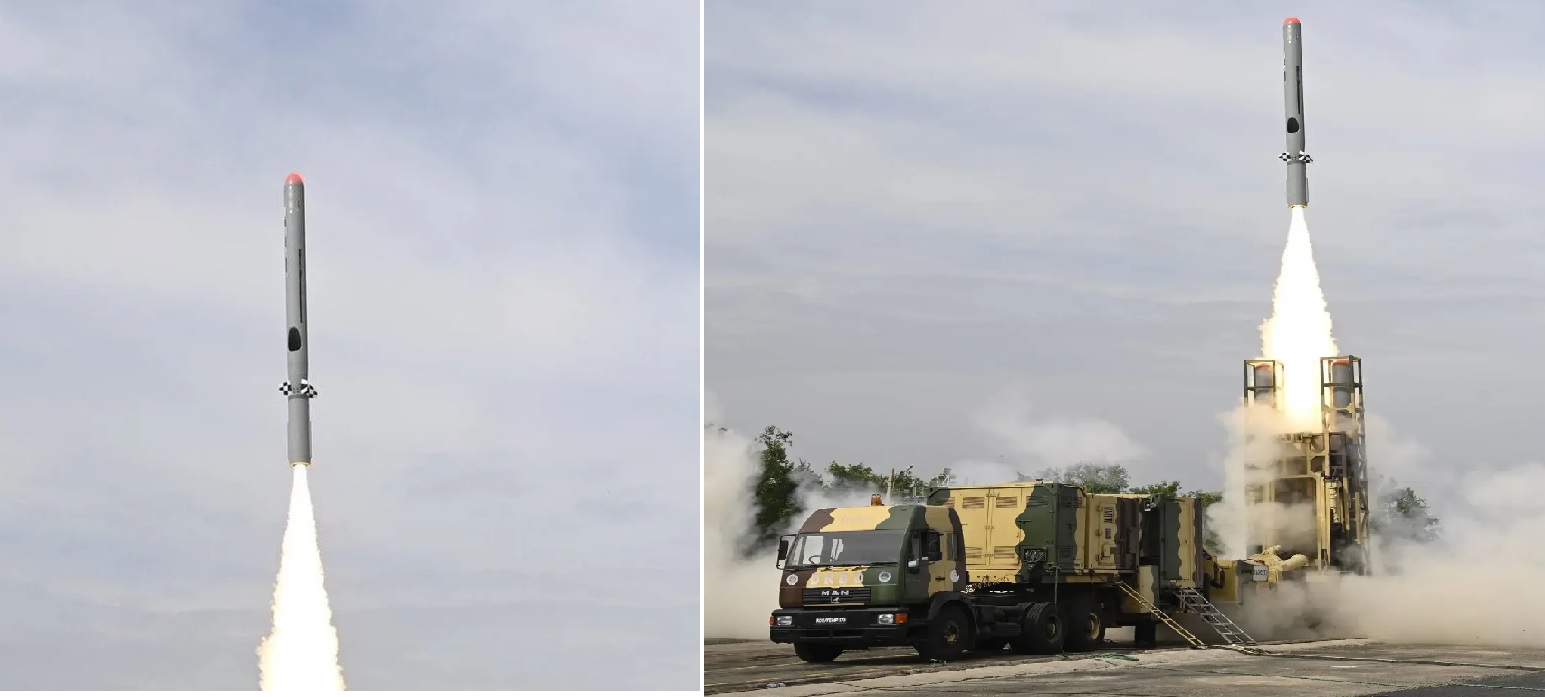
India
New Delhi : India’s long-range strike capability is set for a major boost, with the Defence Research and Development Organisation (DRDO) working to extend the range of its new Long Range Land Attack Cruise Missile (LR-LACM) from 1,000 km to 2,000 km. The missile, developed by DRDO’s Aeronautical Development Establishment (ADE), completed its first flight test on November 12, 2024. Launched from a mobile truck-based launcher at Chandipur, Odisha, it demonstrated accuracy and operational flexibility. Officials said the upgrade will be carried out in phases. The first step will extend the missile’s range to 1,500 km, before reaching the final goal of 2,000 km. The LR-LACM is a subsonic cruise missile designed to fly at low altitudes, evading enemy radar before striking targets with precision. It is powered by the indigenous “Manik” Small Turbo Fan Engine (STFE) and guided by an advanced Active Electronically Scanned Array (AESA) seeker, making it resistant to electronic jamming. The system is intended as a successor to the Nirbhay missile project, incorporating lessons from earlier trials to ensure greater reliability. It can be deployed from land-based mobile launchers as well as naval platforms, enhancing flexibility across services. Defence analysts say that once operational, the 2,000 km variant will allow India to hit high-value targets deep inside enemy territory, strengthening both conventional strike options and strategic deterrence. The project, with its emphasis on indigenous design and technology, is also a major step towards the government’s “Aatmanirbhar Bharat” initiative in defence.
Read More → Posted on 2025-09-13 15:35:08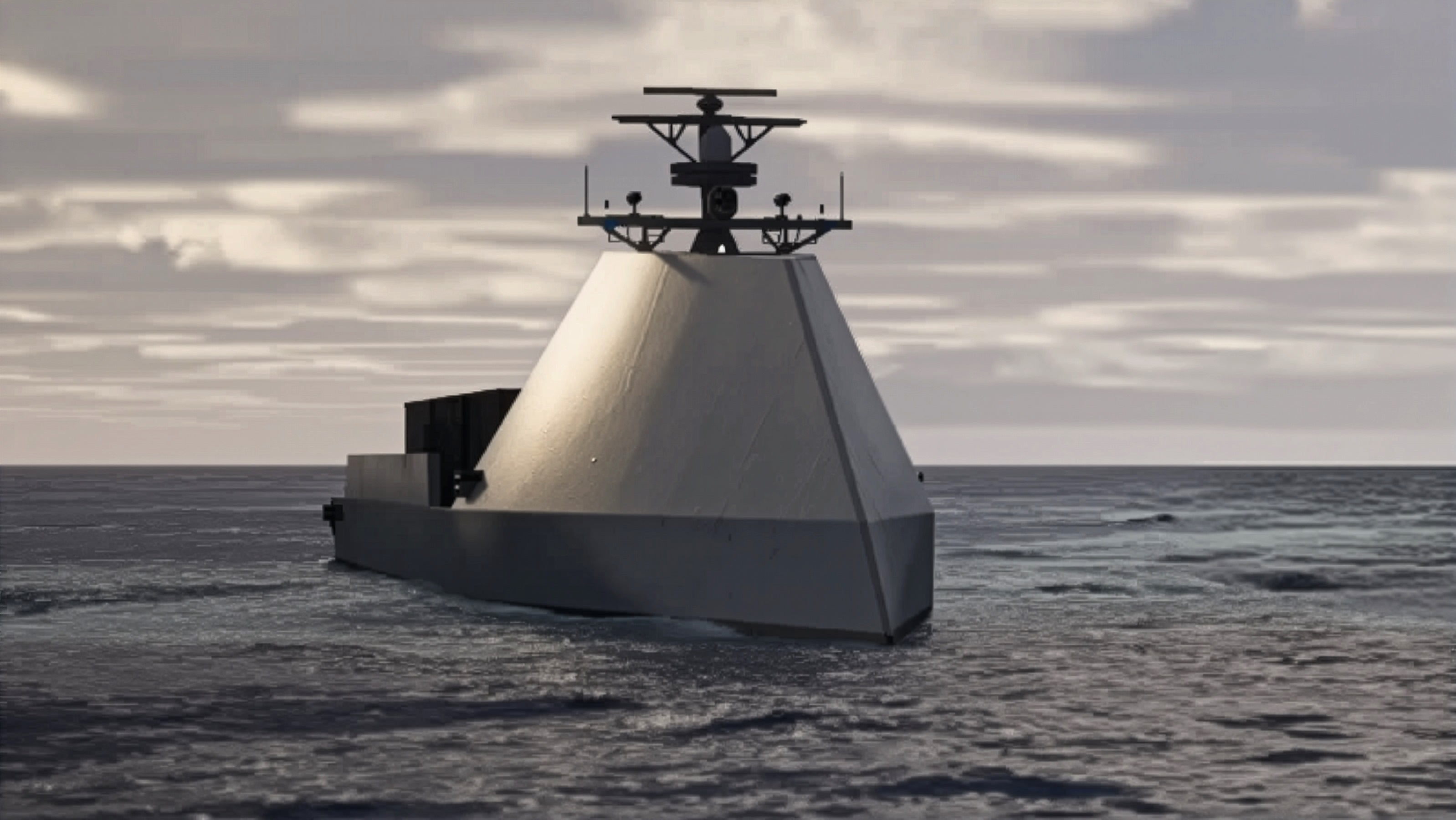
World
Huntington Ingalls Industries (HII) has unveiled ROMULUS, a modular, AI-enabled family of unmanned surface vessels (USVs) powered by its Odyssey Autonomous Control System (ACS). The flagship, ROMULUS 190, is already under construction, marking a major step in advancing unmanned naval warfare capabilities for the U.S. Navy, Marine Corps, joint forces, and allied partners. Key Features of ROMULUS 190 A 190-foot hull built to commercial standards, enabling rapid and repeatable production. Designed to reach speeds of more than 25 knots. Endurance of 2,500 nautical miles, even while carrying four standard intermodal containers. Developed in partnership with Breaux Brothers, Beier Integrated Systems, and Incat Crowther. Advanced Autonomy and Modular Design ROMULUS is powered by the Odyssey ACS, which has already recorded over 6,000 operational hours across more than 35 different unmanned platforms. Built with an open architecture, Odyssey allows rapid integration of third-party payloads, sensors, and software. The program also incorporates technologies from Shield AI, Applied Intuition, and C3 AI to enhance autonomy, object classification, and lifecycle management. Mission Roles and Multi-Domain Operations ROMULUS has a reconfigurable design, making it suitable for multiple mission sets, including: Intelligence, surveillance, and reconnaissance (ISR) Strike operations Counter-unmanned systems Launch and recovery of unmanned aerial and undersea vehicles Paired with HII’s REMUS unmanned undersea vehicles (UUVs), ROMULUS is expected to strengthen undersea sensing capabilities, improve anti-submarine warfare (ASW) performance, and support mine countermeasure operations. Production Timeline and Strategic Context The first ROMULUS 190 is expected to be completed within 12 months. Once the production line is established, HII aims to build up to six vessels at a time, with annual deliveries of four to five ships. The program arrives as the U.S. Navy evaluates new medium-sized unmanned surface vessel concepts, such as the Modular Attack Surface Craft (MASC). ROMULUS’ containerized payload capability, commercial-standard hull, and scalability align with many of the Navy’s future operational needs. Implications With ROMULUS, HII is advancing a vision of naval operations that emphasizes speed, autonomy, and scalability. The platform is designed to operate in tandem with unmanned aerial and undersea systems, offering a layered and flexible maritime defense network. Defense experts note that the system could significantly reduce risks to manned platforms, enhance distributed operations, and provide cost-effective options for sustained oceanic missions. However, factors such as cost, logistics, and cybersecurity resilience will remain critical as ROMULUS transitions from concept to fleet service.
Read More → Posted on 2025-09-13 15:29:57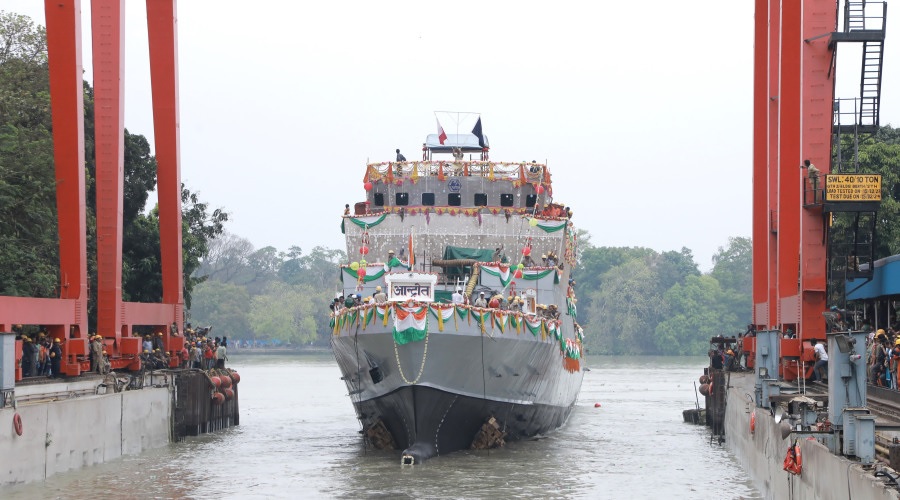
India
Kolkata / New Delhi, September 2025 Defence PSU Garden Reach Shipbuilders & Engineers (GRSE) has handed over to the Indian Navy the second vessel in its series of Anti-Submarine Warfare Shallow Water Craft (ASW-SWC), named Androth. It is the second of eight being built by GRSE under India’s drive for greater indigenisation in naval capabilities. The first of the series, INS Arnala, was delivered in May and commissioned in June. Below are the vessel’s special capabilities, role in anti-submarine warfare, and what makes the ASW-SWC class significant for India’s maritime security. What Androth / ASW-SWC Class Can Do Feature Details Size, Propulsion & Stealth Approximately 77 metres in length, with a shallow draught (≈ 2.7 metres), allowing operations close to shore and in littoral / shallow water zones. Powered by marine diesel engines driving water-jets, enabling high manoeuvrability, reduced underwater noise, better agility, and sprint capability. Stealth features include low radar cross-section, low infrared (IR) signature, and low acoustic signature. Sensors & Sonar Suite Hull-mounted sonar (Abhay system) for both passive and active submarine detection. Towed Low Frequency Variable Depth Sonar (LFVDS), which can dip deeper or adjust depth to counter environmental effects. Underwater acoustic communication systems. Combat management system integrating sensors, weapons control, electronic warfare (EW) and data links. Electronic warfare systems, navigation radar, optronics. Armament Lightweight torpedoes launched from twin triple 324 mm torpedo tubes. RBU-6000 anti-submarine rocket launcher for short-range engagements. Anti-submarine warfare rockets; anti-torpedo decoy launchers. A 30 mm Naval Surface Gun (NSG) at the bow — indigenously built by GRSE — plus 12.7 mm stabilized remote-controlled gun stations for close-in defence. Mine rails for laying anti-submarine / defensive mines. Role & Operations Designed primarily for anti-submarine warfare in shallow water / littoral / coastal zones, including suppression and neutralisation of enemy submarines, midget submarines, and possibly unmanned underwater vehicles (UUVs). Also capable of subsurface surveillance, search-and-attack missions, coordinated operations with maritime patrol aircraft. Secondary roles include mine-laying, low-intensity maritime operations, search & rescue, and general coastal security. What Makes This Special in Anti-Submarine Warfare Shallow-Water Expertise: Submarines, especially smaller conventional or midget types, often exploit shallow waters to evade detection. ASW-SWCs like Androth are specially tailored for such environments. Indigenous Content & Self-Reliance: Over 80% indigenous content in design, sensors, armaments, and manufacturing. The 30 mm NSG gun on Androth is indigenously produced. Stealth & Low Signatures: Designed with reduced acoustic, IR, and radar signatures, plus water-jet propulsion for quieter operations. Speed, Manoeuvrability & Draught: Shallow draught and water-jet propulsion allow rapid response and entry into areas inaccessible to larger warships. Comprehensive Sensor-to-Weapon Integration: Integration of sonar, torpedoes, rockets, decoys, and mines via a combat management system ensures quick detection-to-attack capability. Modern Replacement: The class replaces the ageing Abhay-class corvettes, bringing advanced technologies to face modern submarine threats. Strategic Significance Part of a 16-ship programme (8 by GRSE, 8 by Cochin Shipyard), these vessels will boost India’s coastal surveillance and defence. Critical for protecting ports, offshore installations, and island territories against underwater threats. Enhances maritime domain awareness in the Indian Ocean Region, countering rising submarine activity. Strengthens India’s defence industrial base through higher indigenous content and advanced shipbuilding expertise. In the Case of Androth Androth, named after the Androth Island in the Lakshadweep archipelago, mirrors the capabilities of Arnala but holds added importance: It is the second ship delivered in GRSE’s share of the project. It is also the second warship of its class fitted with the indigenous 30 mm Naval Surface Gun. With Androth joining, the Navy advances its plan of inducting the entire ASW-SWC fleet, strengthening shallow water anti-submarine warfare capabilities. The delivery of INS Androth marks another milestone in India’s naval modernization. With indigenous design, modern ASW sensors, stealth, and agility, the ASW-SWC class is set to transform shallow water anti-submarine operations. As more ships are inducted, India’s coastal defences will be significantly more resilient against underwater threats.
Read More → Posted on 2025-09-13 15:20:58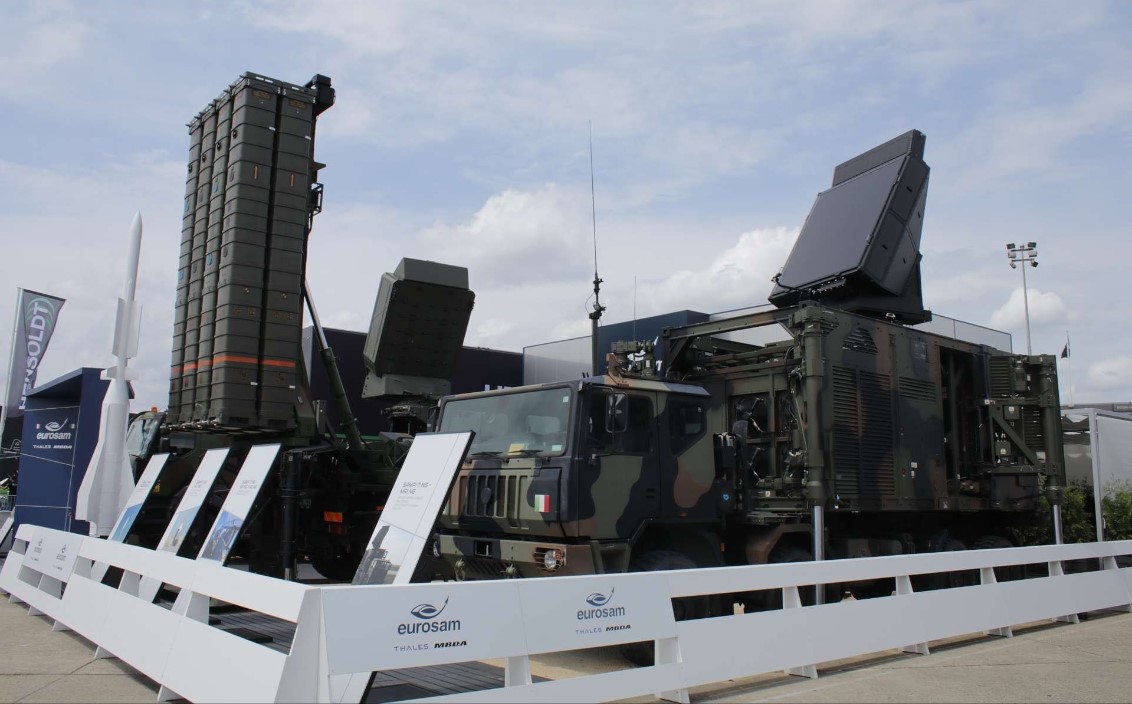
World
Copenhagen, September 13, 2025 — Denmark has announced a historic decision to invest around 58 billion kroner (approximately 9.1 billion USD) in new ground-based air and missile defense systems, aimed at strengthening the country’s protection against aerial threats. The move represents the largest single defense procurement in Danish history. Key Elements of the Investment Denmark will acquire eight full-scale air defense systems, each consisting of multiple fire units. For long-range defense, Denmark has chosen the Franco-Italian SAMP/T NG system, developed by Eurosam (a joint venture between MBDA and Thales). For medium-range defense, the country is considering three European options: Norway’s NASAMS, Germany’s IRIS-T, and France’s VL MICA. A mix of these could be selected to provide layered coverage. The first system is expected to become operational as early as 2025, with the rest to be phased in over the coming years. Background and Rationale The decision is a direct response to the security challenges highlighted by Russia’s war in Ukraine. Experience from Ukraine has shown that modern, layered air defense systems are vital for protecting civilians, infrastructure, and military assets from missile and drone strikes. Defense Minister Troels Lund Poulsen emphasized that ground-based air defense is now “an absolute top priority” in the future development of Denmark’s armed forces. Why European Systems? While the U.S. Patriot system was considered, Denmark opted for European solutions mainly due to faster delivery timelines and lower procurement risks. Danish officials made clear that the decision was not a rejection of U.S. technology, but rather a pragmatic choice to address immediate defense needs. The move also supports Europe’s broader ambition to strengthen its defense industry and reduce reliance on non-European suppliers. Strategic Implications This investment marks a major leap in Denmark’s defense capabilities, aligning the country more closely with NATO’s collective defense strategy. Approval by the Danish Parliament (Folketinget) will be required, but strong political backing is expected. Denmark will become one of the first Northern European nations to deploy a fully integrated, multi-layered air defense shield, enhancing both national and regional security. With this record-breaking purchase, Denmark signals its determination to adapt to Europe’s new security reality, ensuring that both its citizens and armed forces are shielded from the evolving threats of modern warfare.
Read More → Posted on 2025-09-13 14:01:55
India
Russia is reportedly preparing to invite India to join its ambitious Il-100 “Slon” super-heavy transport aircraft programme. Designed as a modern successor to the Il-76 and An-124, the Il-100 could offer India a crucial solution as the Indian Air Force (IAF) grapples with the declining reliability of its four-decade-old Il-76 “Gajraj” fleet. IAF’s Growing Strategic Airlift Challenge The Il-76 has been the backbone of the IAF’s heavy-lift capability since the mid-1980s, but its serviceability rates have often dropped below 40 percent against the required 70 percent benchmark. Spare parts shortages, aging engines, and sanctions-related delays have worsened the fleet’s condition, leaving several aircraft grounded at any given time. Meanwhile, India’s 11 C-17 Globemaster III aircraft have performed with near-perfect reliability, but Boeing’s production line for the C-17 closed in 2015, making additional acquisitions almost impossible. That leaves India searching for a long-term replacement for its 17 remaining Il-76s. Il-100 “Slon”: Russia’s Modern Successor The Il-100 Slon is being developed by the Ilyushin Design Bureau as a new-generation strategic airlifter. With a projected payload of up to 100 tonnes, it would nearly double the capacity of the Il-76 and exceed that of the C-17. Key features under design include: Payload: 90–100 tonnes (vs. 45–50 tonnes for Il-76). Range: More than 5,000 km unrefueled. Runway performance: Expected capability from shorter, semi-prepared strips, enabling operations in high-altitude Himalayan regions. Cargo flexibility: Able to carry main battle tanks, oversized equipment, troops, or humanitarian aid supplies. The design blends characteristics of the C-17 (high-wing layout, rear loading ramp) with elements of the massive An-124 Ruslan. Powered by the Advanced PD-35 Engine At the heart of the Il-100 will be four PD-35 turbofan engines, being developed by Russia’s United Engine Corporation. Each is designed to deliver around 35 tonnes of thrust, making it one of the most powerful engines of its class. The PD-35 uses technologies such as composite fan blades, 3D-printed components, and advanced cooling materials. While serial production is now expected around 2030, ground tests of its core modules have already been completed. The new engines promise higher fuel efficiency, longer range, and stronger payload capacity compared to earlier Russian designs. India’s Strategic Dilemma If New Delhi accepts Russia’s offer, it would gain access to a platform that not only replaces the Il-76 but also enhances airlift capability beyond the current C-17 fleet. Advantages for India: Opportunity to co-develop and influence design. Potential for technology transfer and industrial participation. A solution to sustain strategic airlift capacity into the 2030s and beyond. Challenges ahead: Long development timelines, with real induction unlikely before the next decade. Dependence on a single foreign supplier during an era of sanctions and supply-chain disruption. Financial costs of co-development and sustaining old fleets until the Il-100 becomes operational. For India, the decision will hinge on whether to embrace a long-term partnership that carries inherent risks but promises unmatched heavy-lift capacity. With few alternatives available globally—given the closure of the C-17 line and no other new heavy airlifters under active production—the Il-100 “Slon” could represent a rare and significant opportunity. If Russia formally extends the invitation, New Delhi will need to weigh the urgency of replacing the Il-76 fleet against the uncertainties of joining a programme that may take years to mature.
Read More → Posted on 2025-09-13 13:52:23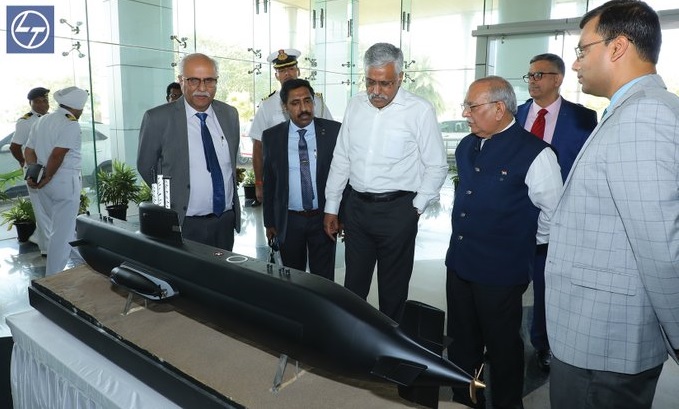
India
In a significant stride towards enhancing India's naval capabilities, Larsen & Toubro (L&T) is progressing with the development of the P-76 conventional submarine. This project, based on an extended design of the SOV500 class, is slated for design completion by 2026–27. The first submarine is anticipated to be delivered within a decade following the order. Indigenous Development and Strategic Importance The P-76 submarine is a part of India's broader initiative to bolster its indigenous defense manufacturing under the 'Atmanirbhar Bharat' (Self-Reliant India) campaign. L&T, in collaboration with the Warship Design Bureau, is spearheading the design phase, with the finalization expected by 2026–27. The submarine will feature advanced technologies, including Air Independent Propulsion (AIP) systems, enhancing its stealth and endurance capabilities. The strategic importance of the P-76 project is underscored by the Indian Navy's objective to modernize its fleet amidst increasing maritime challenges. The successful induction of the P-76 submarines is expected to significantly augment India's underwater warfare capabilities and contribute to regional security stability. Project Timeline and Future Outlook Following the design finalization in 2026–27, the construction of the first submarine is projected to commence shortly thereafter. The delivery of the first vessel is anticipated within 10 years from the order, aligning with the Indian Navy's long-term strategic plans. This timeline reflects the commitment to indigenization and the development of advanced defense technologies within the country. The P-76 project is poised to play a pivotal role in India's defense landscape, marking a significant milestone in the nation's journey towards self-reliance in defense manufacturing. With the collaborative efforts of L&T and the Warship Design Bureau, the P-76 submarines are set to enhance the Indian Navy's operational capabilities and contribute to the nation's defense preparedness.
Read More → Posted on 2025-09-12 17:07:39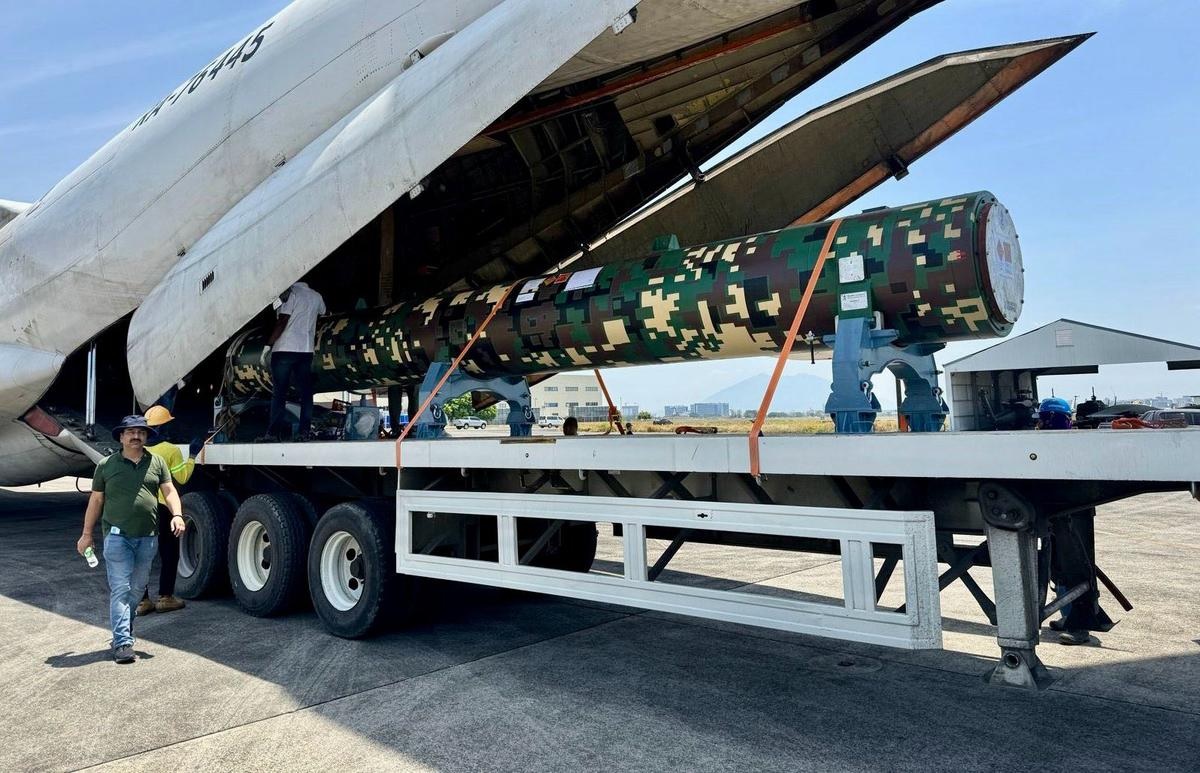
India
Arrah, Bihar, India — September 12, 2025 : India is set to deliver the third and final batch of BrahMos supersonic cruise missiles to the Philippines, completing a significant $375 million defense agreement signed in 2022. This delivery marks the culmination of a strategic partnership aimed at bolstering the Philippines' coastal defense capabilities amid rising maritime tensions in the Indo-Pacific region. The BrahMos missile system, developed by the Indian-Russian joint venture BrahMos Aerospace, is renowned for its speed and precision. With a range of 290 kilometers and a speed of Mach 2.8, it is capable of targeting both maritime and land-based threats. The Philippine Marine Corps has been integrating these systems into its Coastal Defense Regiment, enhancing its ability to safeguard the nation's exclusive economic zones, including contested areas like the Spratly Islands and Scarborough Shoal. The first batch of BrahMos missiles was delivered in April 2024, followed by the second batch in April 2025. According to BrahMos Aerospace CEO and Managing Director Jaiteerth Joshi, the final batch is prepared for timely delivery, reaffirming India's commitment to fulfilling its defense export obligations. This export solidifies India's position as a reliable defense partner in the Indo-Pacific region. The BrahMos missile acquisition is part of the Philippines' broader military modernization efforts under its Horizon 2 and Horizon 3 programs. These initiatives aim to enhance the country's defense infrastructure and capabilities, particularly in response to China's assertive actions in the South China Sea. The delivery of the BrahMos system underscores India's "Act East" policy, reflecting its growing defense cooperation with Southeast Asian nations. In addition to the BrahMos deal, India and the Philippines have elevated their bilateral relations to a strategic partnership, focusing on defense and trade. This development was highlighted during the visit of Philippine President Ferdinand R. Marcos Jr. to New Delhi in August 2025, emphasizing the strengthening of defense ties between the two nations. As the Philippines receives the final batch of BrahMos missiles, the move is expected to serve as a deterrent against potential maritime threats, contributing to the collective security of the Indo-Pacific region. The successful implementation of this defense agreement not only enhances the Philippines' defense posture but also exemplifies India's growing role as a key defense exporter in the global arena.
Read More → Posted on 2025-09-12 17:01:13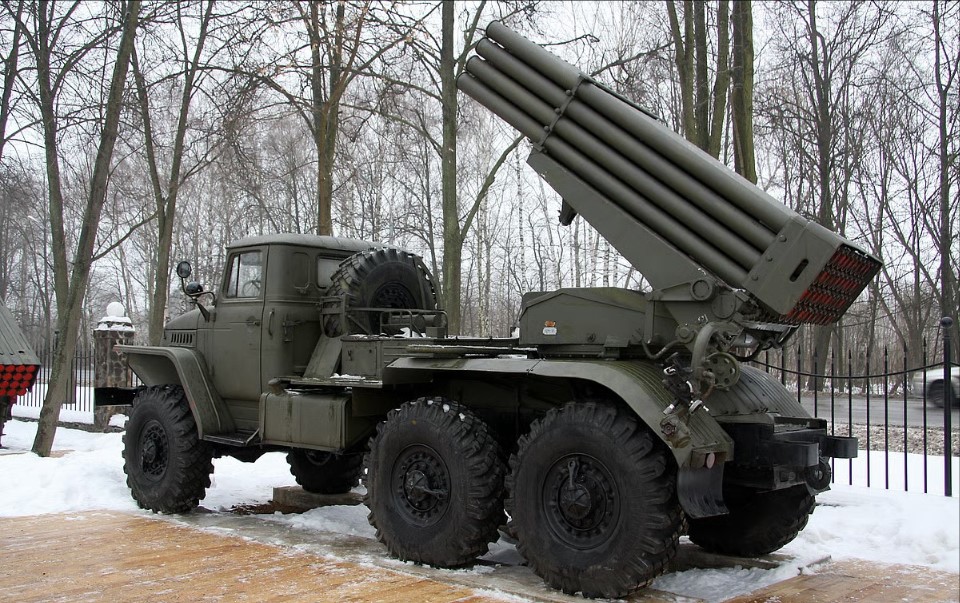
India
Hyderabad-based Apollo Micro Systems Ltd (AMS) has signed a Memorandum of Understanding (MoU) with US-based Dynamic Engineering and Design Inc. (DEDI) to co-develop and produce rocket motors for the BM-21 Grad ER and non-ER rocket systems. The agreement was formalized at the Defence and Security Equipment International (DSEI) exhibition in London on September 10, 2025. Apollo Strategic Technologies Pvt Ltd (ASTPL), a subsidiary of Apollo Defence Industries Pvt Ltd (ADIPL) and a step-down subsidiary of AMS, will collaborate with DEDI on technology transfer and co-development of rocket motors. This partnership aims to enhance India’s self-reliance in defence manufacturing under the government’s ‘Make in India’ initiative. The BM-21 Grad rockets are widely used in multi-barrel rocket launchers (MBRLs) for rapid-fire capabilities. The rocket motor is a critical component, comprising the propellant, casing, nozzle, and ignition system, which determines the range, stability, thrust, and accuracy of artillery rockets. Apollo Micro Systems has already developed a 122mm rocket warhead in-house and plans to begin trials shortly, with full-scale production targeted by mid-2026. The collaboration will enable the integration of these indigenous warheads with domestically produced rocket motors, marking a significant milestone in India’s private defence manufacturing sector. This strategic collaboration not only boosts India’s defence manufacturing capacity but also strengthens its position as a reliable supplier in the global defence value chain. The MoU reflects a significant step toward indigenising propulsion technologies for multi-barrel rocket systems and advancing self-reliance in critical defence systems. Shares of Apollo Micro Systems Ltd have rallied in recent trading sessions, reflecting investor confidence in the company’s strategic initiatives and growth prospects in the defence sector.
Read More → Posted on 2025-09-12 16:56:29
World
Beijing, September 12, 2025 : China has unveiled a state-of-the-art missile production facility that operates entirely under artificial intelligence (AI) control, capable of manufacturing more than 100 missiles daily. This advanced facility marks a significant leap in China's military manufacturing capabilities, emphasizing the nation's commitment to integrating AI into its defense sector. The facility's operations are fully automated, with AI systems overseeing the entire production process. Human intervention is limited to periodic inspections, ensuring quality control without direct involvement in the manufacturing stages. This approach not only enhances efficiency but also reduces human error, allowing for a rapid and scalable missile production capacity. A notable example of this AI-driven manufacturing is the PL-15E air-to-air missile. Developed by China's aerospace giant AVIC, the PL-15E is produced on a 24-hour unmanned assembly line. Once materials are prepared and software configurations are set, the production process runs autonomously, highlighting the facility's advanced capabilities. This missile has been reported to outperform Western equivalents in both range and terminal engagement performance, with a maximum reach of 145 km. The PL-15E's advanced features make it a significant asset in China's missile arsenal. The integration of AI into missile production is part of China's broader strategy to modernize its military infrastructure. The People's Liberation Army (PLA) has been showcasing its growing technological prowess, with recent demonstrations of AI-powered military systems. These advancements underscore China's commitment to enhancing its defense capabilities through innovation and technological integration. This development positions China as a formidable force in the global defense sector, with the potential to influence international security dynamics. The AI-controlled missile production line not only signifies a technological milestone but also reflects China's strategic focus on strengthening its military readiness and deterrence capabilities. As the global community observes China's advancements in military technology, the implications for international relations and security remain a topic of significant interest and analysis.
Read More → Posted on 2025-09-12 16:50:15
India
In a significant diplomatic development, Mauritius has requested the Indian government to provide a vessel for a symbolic flag-raising ceremony on the Chagos Islands, following the United Kingdom’s agreement to transfer sovereignty of the archipelago back to Mauritius. The UK had initially offered a ship for this purpose, but Mauritian Prime Minister Navinchandra Ramgoolam emphasized that an Indian vessel would be more meaningful for the occasion. He stated, “We wanted a ship. The British offered us one, but we indicated that we preferred an Indian ship because, symbolically, it would make more sense.” The Chagos Islands, including Diego Garcia, have been a point of contention between Mauritius and the UK for decades. In May 2025, the UK agreed to transfer sovereignty of the islands to Mauritius, while retaining control over the Diego Garcia military base under a 99-year lease. This agreement has been hailed as a step towards decolonization and recognition of Mauritius' territorial claims. The request for an Indian vessel underscores the growing strategic partnership between India and Mauritius. India has been actively involved in supporting Mauritius' development and security initiatives, including a $680 million economic assistance package announced during Prime Minister Ramgoolam's visit to India. This package aims to bolster infrastructure, healthcare, and maritime security, with a particular focus on the Chagos Marine Protected Area. The Indian government's support for Mauritius' sovereignty over the Chagos Islands aligns with its broader regional strategy to counterbalance China’s growing influence in the Indian Ocean. By assisting Mauritius in this symbolic gesture, India not only strengthens bilateral ties but also asserts its role as a key player in regional security and maritime affairs. As preparations for the flag-raising ceremony continue, the involvement of an Indian vessel would mark a historic moment in the Chagos Islands' transition and further solidify the strategic partnership between India and Mauritius.
Read More → Posted on 2025-09-12 16:43:30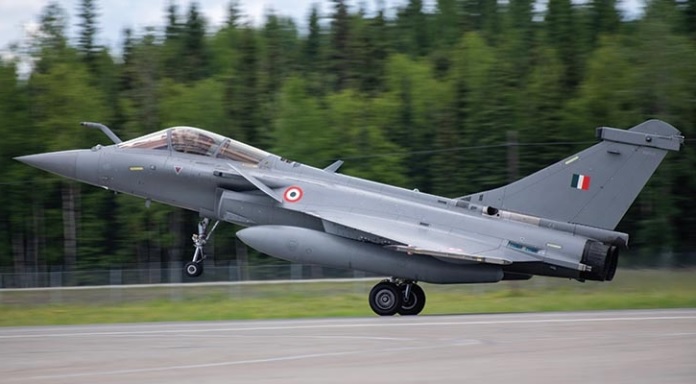
India
The Indian Ministry of Defence has commenced deliberations on a significant proposal from the Indian Air Force (IAF) to procure 114 'Made in India' Rafale fighter jets. This initiative aims to bolster India's air combat capabilities and promote indigenous defense manufacturing. The proposal, valued at over ₹2 lakh crore, outlines plans for the construction of these advanced aircraft within India, in collaboration with French aerospace manufacturer Dassault Aviation. Notably, the project is expected to incorporate more than 60% indigenous content, aligning with India's 'Make in India' initiative. Once approved, this acquisition would significantly enhance the IAF's fleet, increasing the number of Rafale aircraft to 176. Currently, the IAF has inducted 36 Rafale jets, and the Indian Navy has placed orders for 26 naval variants, with deliveries scheduled for completion by 2030. The proposed deal would thus represent a substantial expansion of India's Rafale fleet. The proposal is currently under review by various departments within the Ministry of Defence, including the Defence Finance division. Following internal discussions, the proposal is expected to be presented to the Defence Procurement Board (DPB) and, subsequently, the Defence Acquisition Council (DAC) for final approval. This move comes in the wake of the Rafale's commendable performance during Operation Sindoor, where it effectively neutralized threats from advanced Chinese PL-15 air-to-air missiles using its Spectra electronic warfare system. The new batch of 'Made in India' Rafales is anticipated to feature enhanced capabilities, including longer-range air-to-ground missiles, surpassing the existing Scalp missiles. In addition to the aircraft acquisition, the French side plans to establish a Maintenance, Repair, and Overhaul (MRO) facility for the Rafale's M-88 engines in Hyderabad. This facility is expected to support both Indian and global markets, further strengthening the domestic defense infrastructure. The proposed deal underscores India's commitment to enhancing its defense capabilities through indigenous production and international collaboration. If finalized, it would mark a significant milestone in India's defense procurement history. As the proposal progresses through the necessary approval channels, it is poised to play a pivotal role in shaping the future of India's air defense strategy.
Read More → Posted on 2025-09-12 16:32:06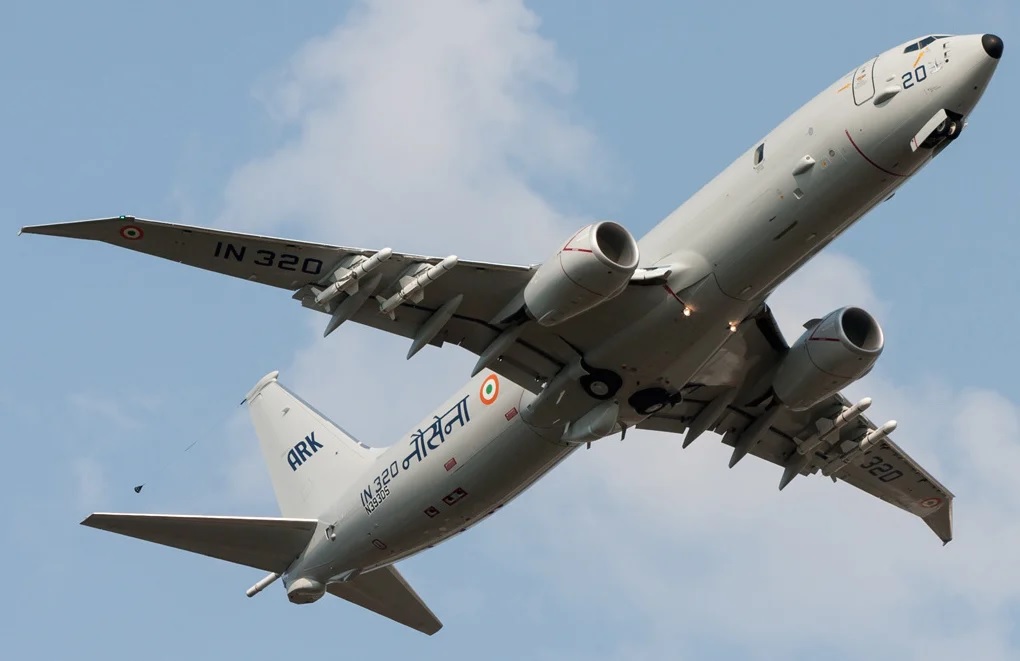
India
New Delhi, 12 September 2025 : A high-level delegation from the United States, including senior officials from the Department of Defense and executives of Boeing, is scheduled to visit India from September 16 to 19 to negotiate the sale of six additional P-8I maritime patrol aircraft. The deal, estimated at $4 billion, is aimed at strengthening India’s maritime surveillance capabilities and deepening defense cooperation between the two nations. The P-8I, a variant of Boeing’s P-8 Poseidon, has become the backbone of the Indian Navy’s long-range maritime reconnaissance and anti-submarine operations. The Navy already operates 12 P-8Is from its bases in Arakkonam and Goa, where the aircraft have proven vital in monitoring strategic waters, tracking submarines, and gathering intelligence. The proposed acquisition would expand this fleet and enhance India’s operational readiness in the Indian Ocean. Rising Costs and Delays The deal has been under discussion since 2019 but faced repeated delays over pricing and terms. Initially valued at $2.4 billion, the cost rose to nearly $4 billion due to revised specifications, inflation, supply chain disruptions, and the inclusion of expanded support packages and training. The imposition of higher U.S. tariffs on Indian goods earlier this year further complicated negotiations, leading New Delhi to reassess its financial commitments. Strategic Significance The urgency of the procurement has grown amid an increasingly contested security environment in the Indian Ocean. China has stepped up submarine patrols in the region, while Pakistan is inducting new Hangor-class submarines armed with Babur-3 cruise missiles. These developments have heightened India’s concerns over undersea threats. Defense analysts say the P-8I’s long-range sensors, sonobuoys, and integrated mission systems will be crucial in countering these challenges. Strengthening Defense Ties Beyond immediate defense needs, the acquisition is expected to bolster U.S.-India strategic relations. The deal is likely to include training programs, long-term maintenance support, and potential avenues for future technology cooperation. Officials say expanding the fleet will also improve coordination with allied navies, enhance maritime domain awareness, and reinforce deterrence in the wider Indo-Pacific. Key Focus of Talks During the upcoming visit, discussions will cover contract pricing, delivery timelines, and operational integration. Long-term support arrangements, training packages, and possibilities for local collaboration are also expected to be on the agenda. Observers believe the outcome of these talks could serve as a bellwether for U.S.-India defense relations, reflecting both nations’ commitment to maintaining regional stability and securing strategic interests in the Indian Ocean.
Read More → Posted on 2025-09-12 16:20:56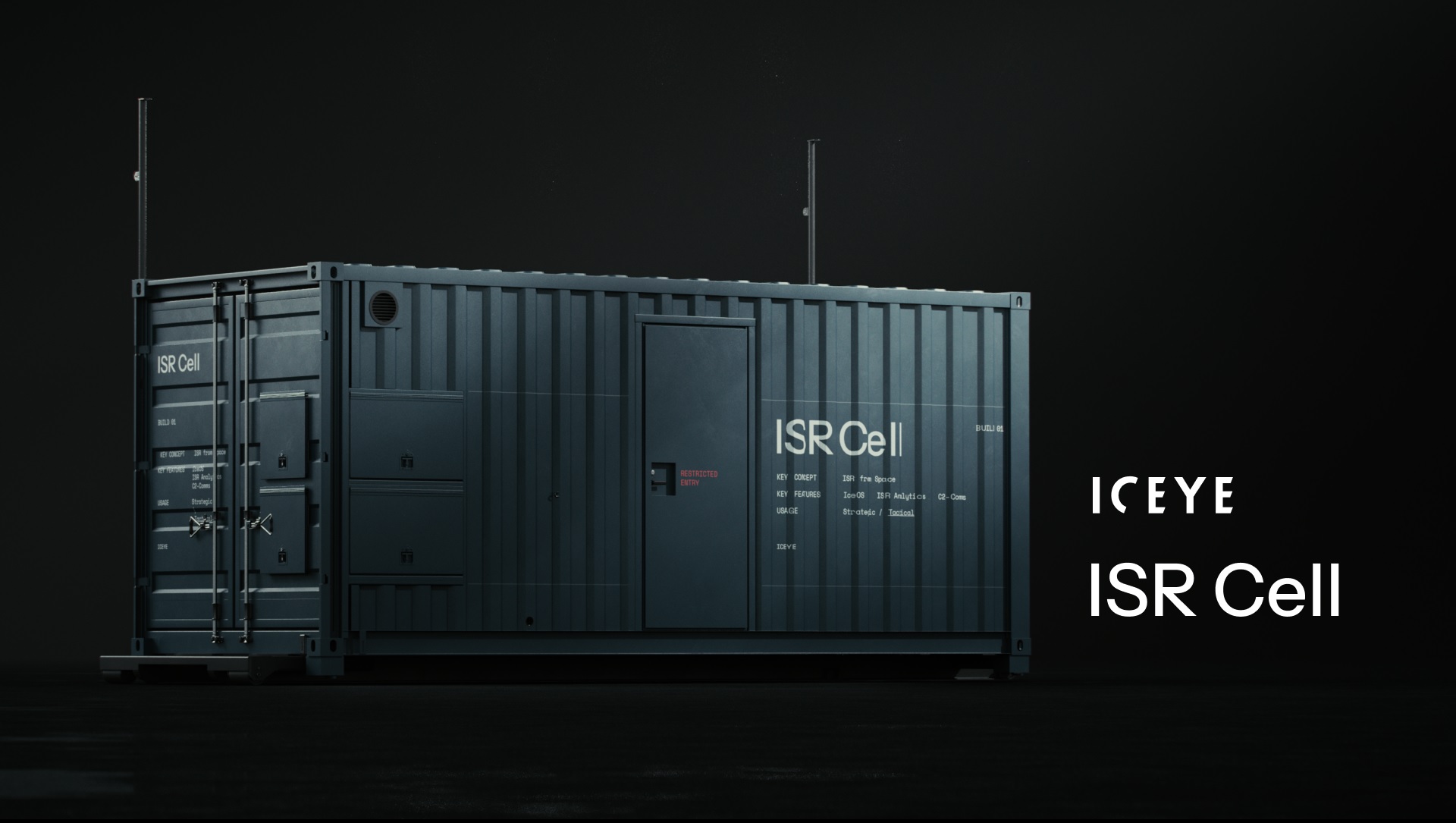
World
ICEYE has unveiled its latest innovation — the ISR Cell — a containerised, end-to-end system designed to deliver space-based tactical intelligence to defence forces in near-real-time. The launch of ISR Cell marks a shift in how intelligence, surveillance and reconnaissance (ISR) data is delivered and used, with first deliveries slated for early 2026. What is the ISR Cell The ISR Cell is a mobile, plug-and-play unit that integrates directly with any ICEYE mission, whether sovereign or operated by ICEYE. It enables local tasking of satellites, downlink of data, AI-assisted analysis, and secure dissemination of intelligence — all from a tactical location rather than centralised command centres. The design is containerised, meaning it can be deployed rapidly into high-risk zones or serve as a resilient backup to fixed ground systems. In military exercises, it has already proven its capability to compress ISR loops from hours to minutes, enabling commanders at the front lines to act faster. How It Builds on ICEYE’s Existing Capabilities ISR Cell is being introduced in tandem with ICEYE’s Generation 4 (Gen4) SAR satellites. These new satellites deliver enhanced imaging quality with double antenna size, more power, and significantly wider swath imaging up to 400 km. They can capture around 500 images per day, with high-resolution performance under all weather and lighting conditions. By combining ISR Cell with Gen4 satellites, ICEYE offers a full pipeline: local control, rapid imaging, and immediate analysis at the tactical edge. Strategic Partnerships & Applications ICEYE has secured contracts with several European defence forces: Polish Armed Forces are acquiring three SAR satellites plus mobile ISR infrastructure under the “MikroSAR” programme, valued around €200 million. Portuguese Air Force has purchased one SAR satellite and associated ground segment, strengthening its Atlantic Constellation project. Royal Netherlands Air Force will receive multiple SAR satellites, ground and mobile segments, and an AI-driven imagery intelligence hub. Finnish Defence Forces are expanding their use of ICEYE’s SAR capabilities. ICEYE has also agreed to supply SAR data to NATO Allied Command Operations, providing shared situational awareness across the alliance. Why This Matters: Impacts & Implications Faster Decision Cycles: ISR Cell compresses the full chain of tasking, data downlink, analysis, and distribution from hours to minutes. Resilience & Redundancy: Deployable and mobile, ISR Cell reduces reliance on fixed sites that are vulnerable to disruption or attack. Sovereignty & Control: Nations gain secure, sovereign control over their own tasking and data without depending on outside providers. Scalability: With Gen4 satellites and ISR Cell, allied forces can scale coverage across continents and rapidly adapt to crises. Additional Developments at ICEYE ICEYE is also expanding its industrial base. A new research and manufacturing facility has been opened in Spain to accelerate SAR and multi-sensor technology development. In Germany, ICEYE and Rheinmetall are forming a joint venture to co-produce satellites, with production expected to start in 2026. ICEYE’s ISR Cell, backed by Gen4 satellites and European partnerships, represents a leap forward in tactical space intelligence. It transforms strategic-grade intelligence into a tool that can be deployed at the edge of operations, giving commanders critical insight within minutes instead of hours or days.
Read More → Posted on 2025-09-12 15:51:45Search
Top Trending in 24 Hours
-
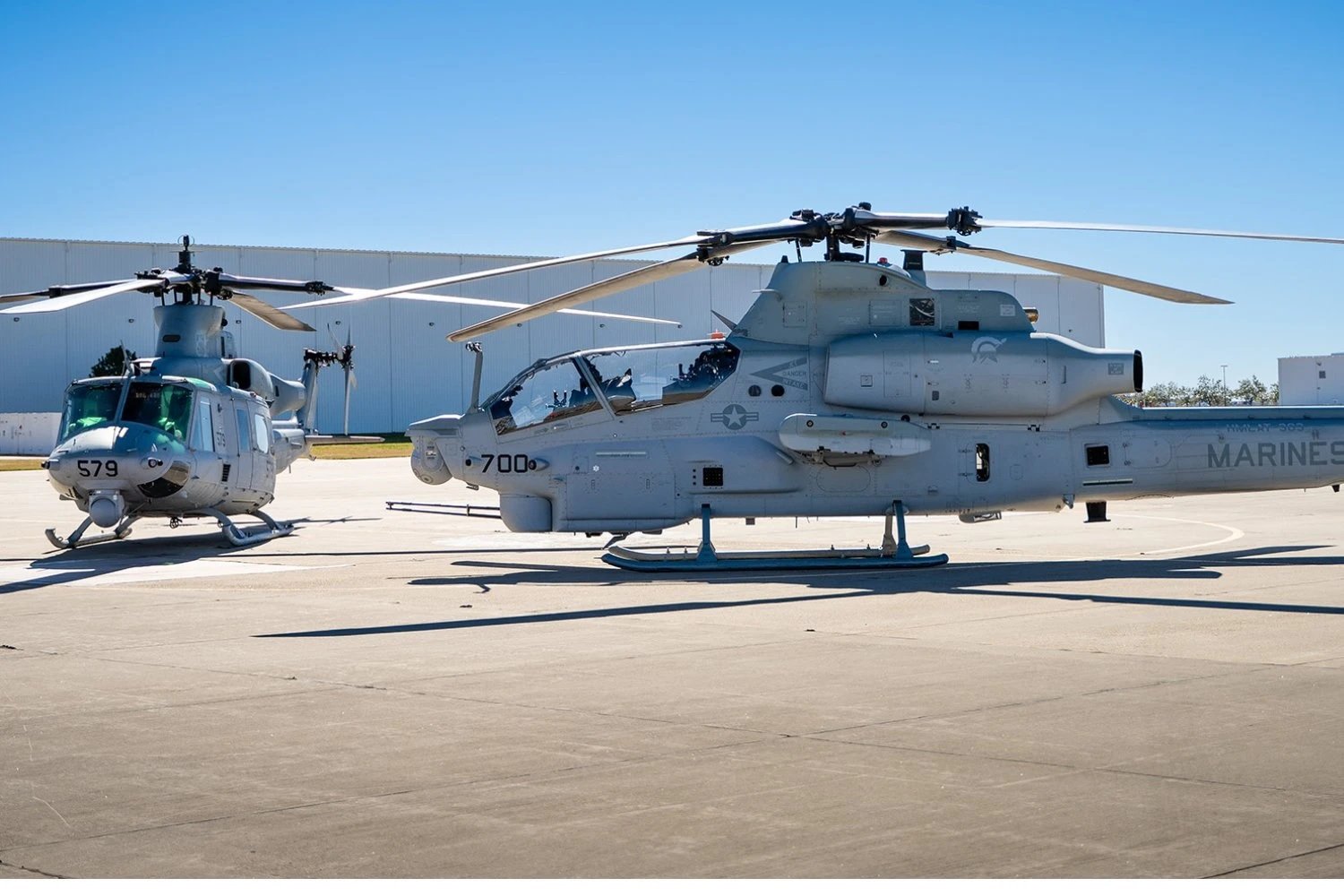 U.S. Awards Bell Textron $33.64 Million Contract for Next Phase of Marine Corps AH-1Z and UH-1Y Helicopter Upgrades
-
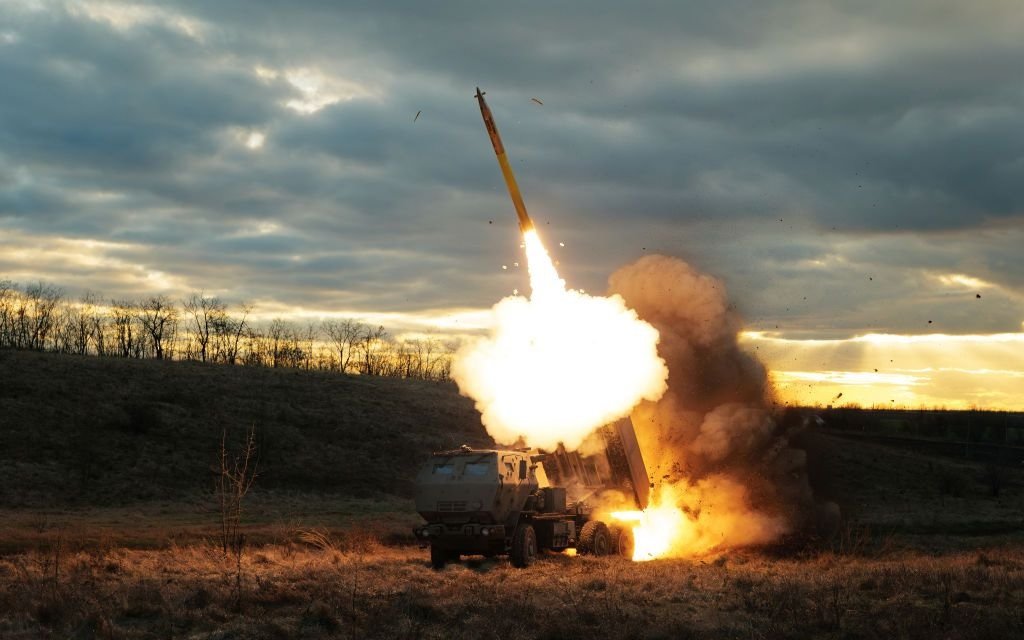 U.S. Military Selectively Intercepts Iranian Missiles to Preserve Shrinking Air Defense Stocks : Report
-
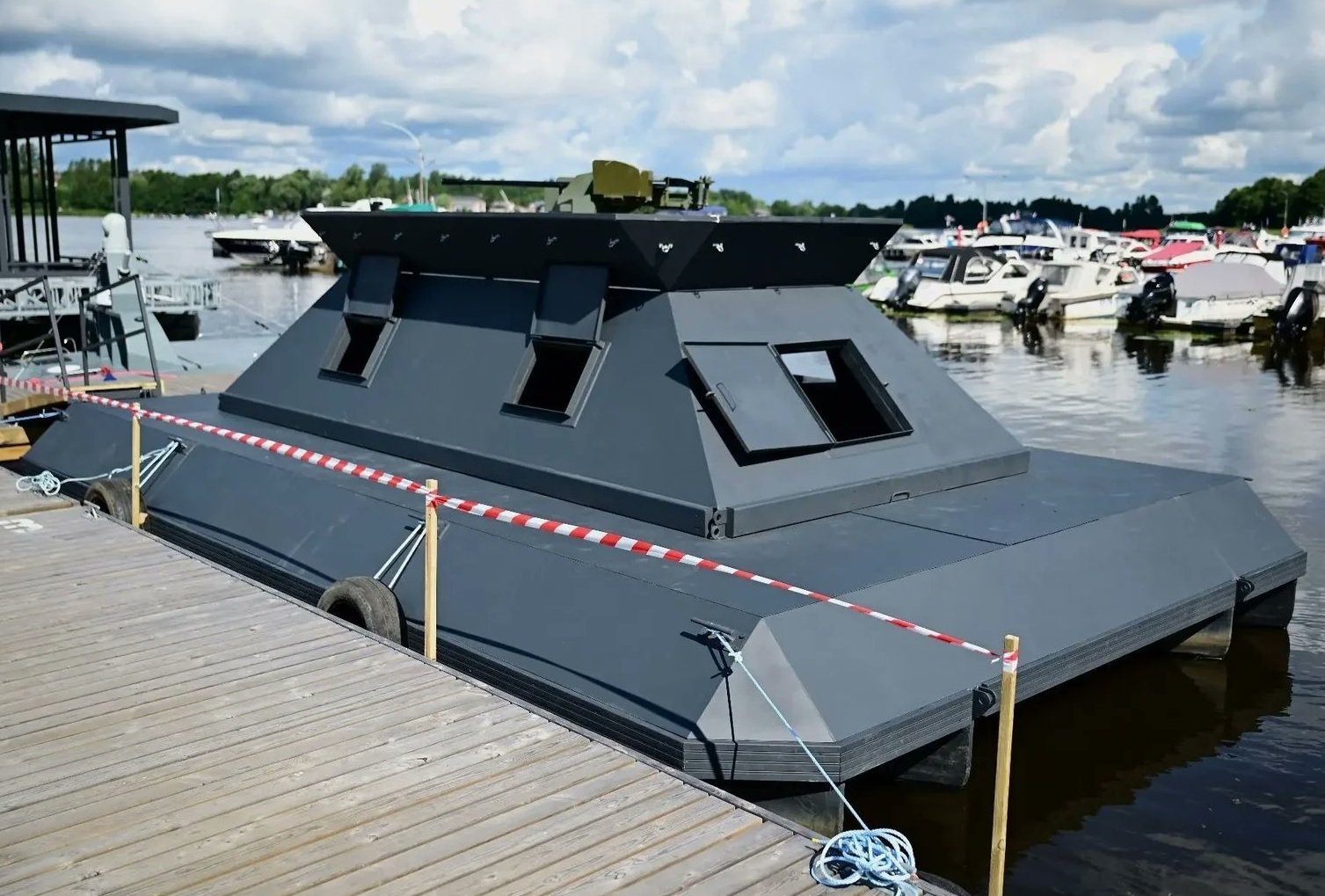 Russia Unveils Experimental Plot-40 Floating Defense Platform to Counter Drone and USV Threats
-
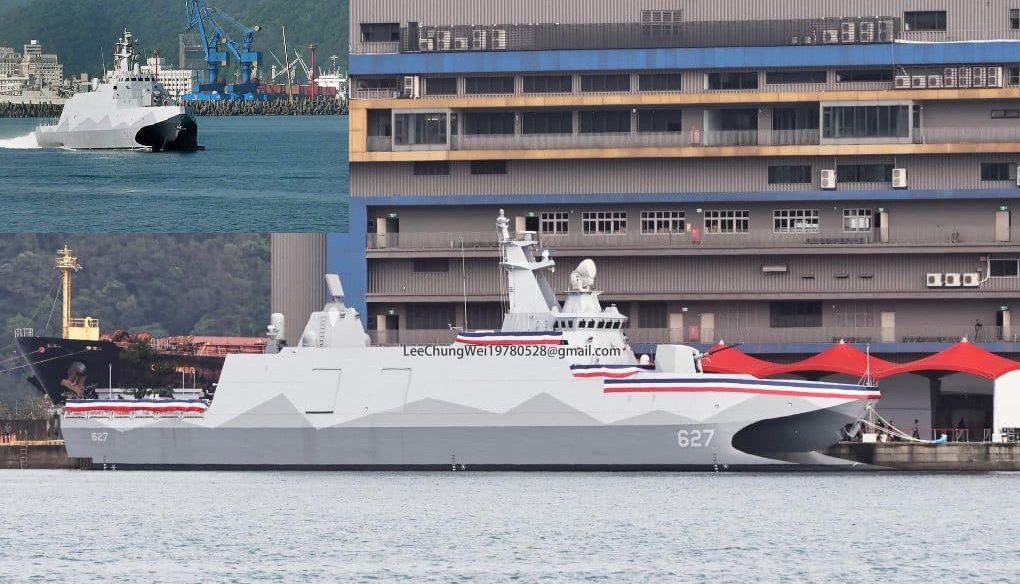 Taiwan Commissions First Batch 2 Tuo Chiang-Class Corvette with New Leonardo Radar
-
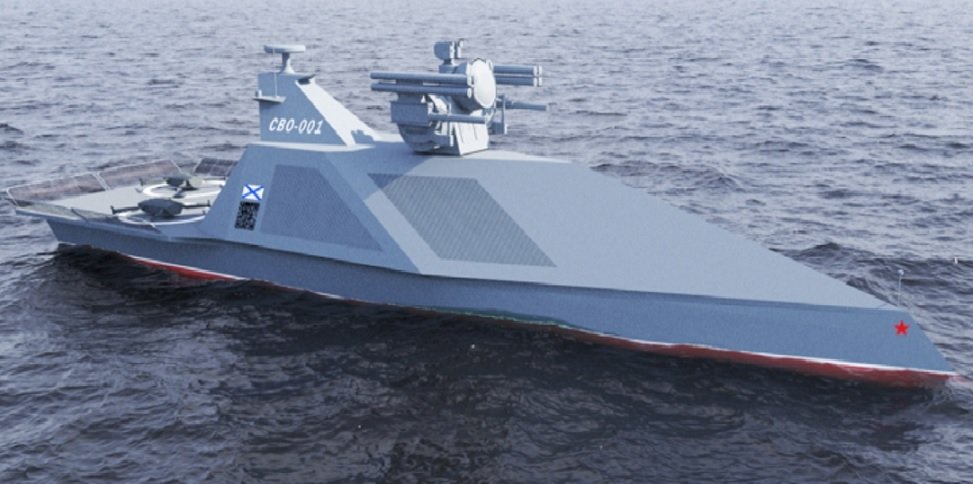 Russia Builds 500-Ton Unmanned Warship For Anti-Submarine Warfare, Plans New 9,500-Ton Warship, Navy Chief Says
-
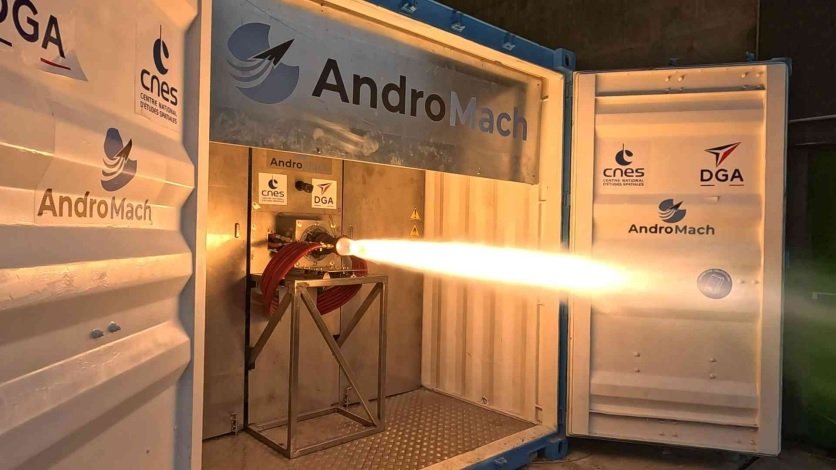 French Startup AndroMach Successfully Tests Reusable Rocket Engine 21 Times for Hypersonic Drone
-
 President Trump Pauses Plans to Expand U.S. Strikes on Iran Amid Concerns Over Air Defense Missile Stocks
-
 Unreleased Footage Reveals Why Lindsey Graham Dropped Plan to Push Trump on Hezbollah Strikes
Top Trending in 4 Days
-
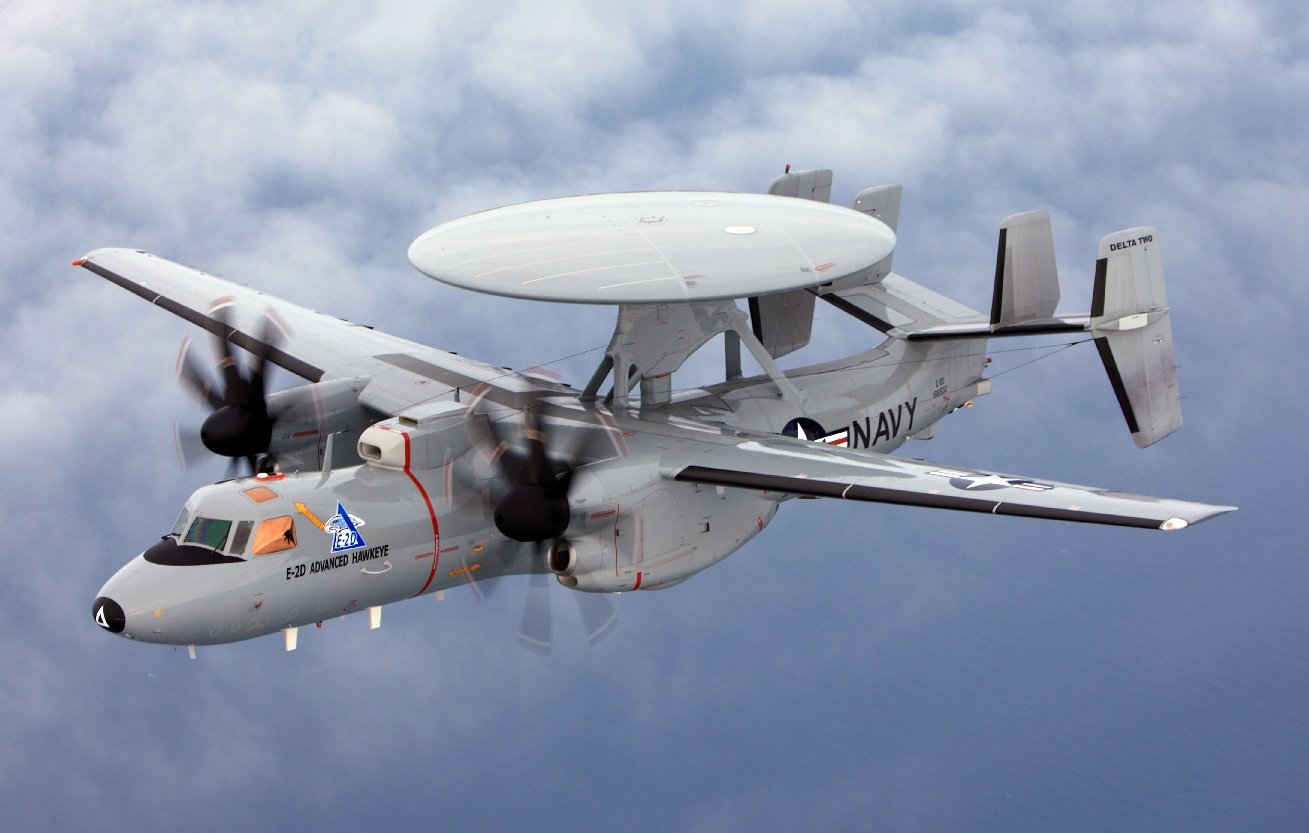 U.S. Navy Awards Northrop Grumman $1.2 Billion Deal for Three New E-2D Advanced Hawkeyes
-
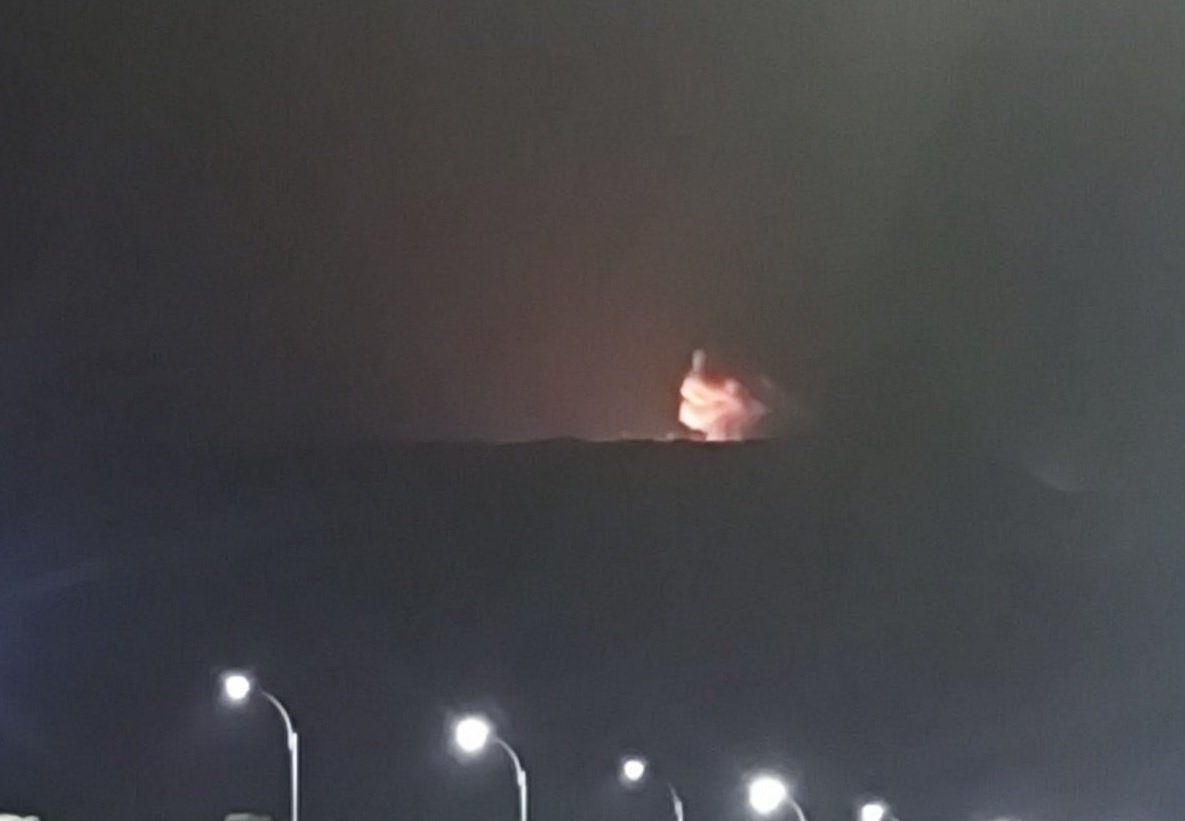 U.S. Airstrikes Target IRGC Missile Base Near Taft as Overnight Strikes Hit Central Iran
-
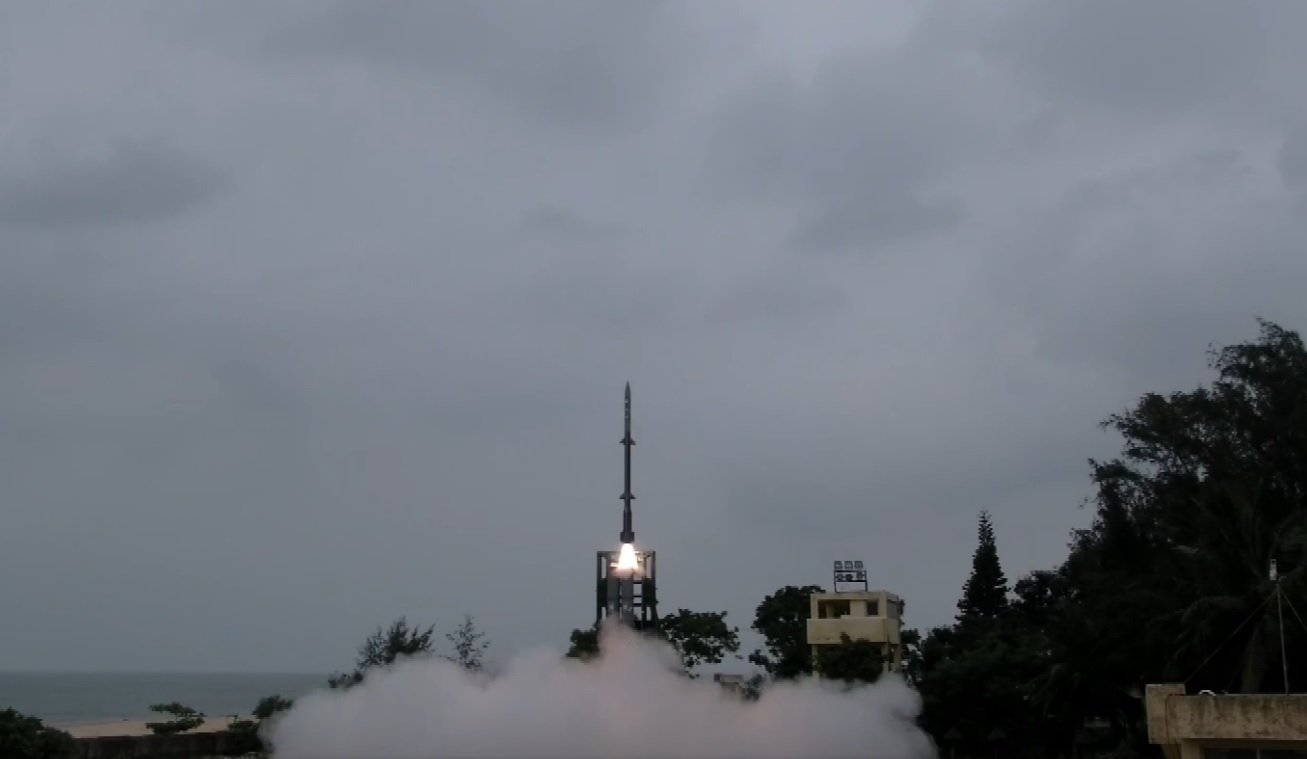 DRDO Successfully Conducts Maiden Flight Test of 150-km-Range Kusha M1 Air Defence Missile
-
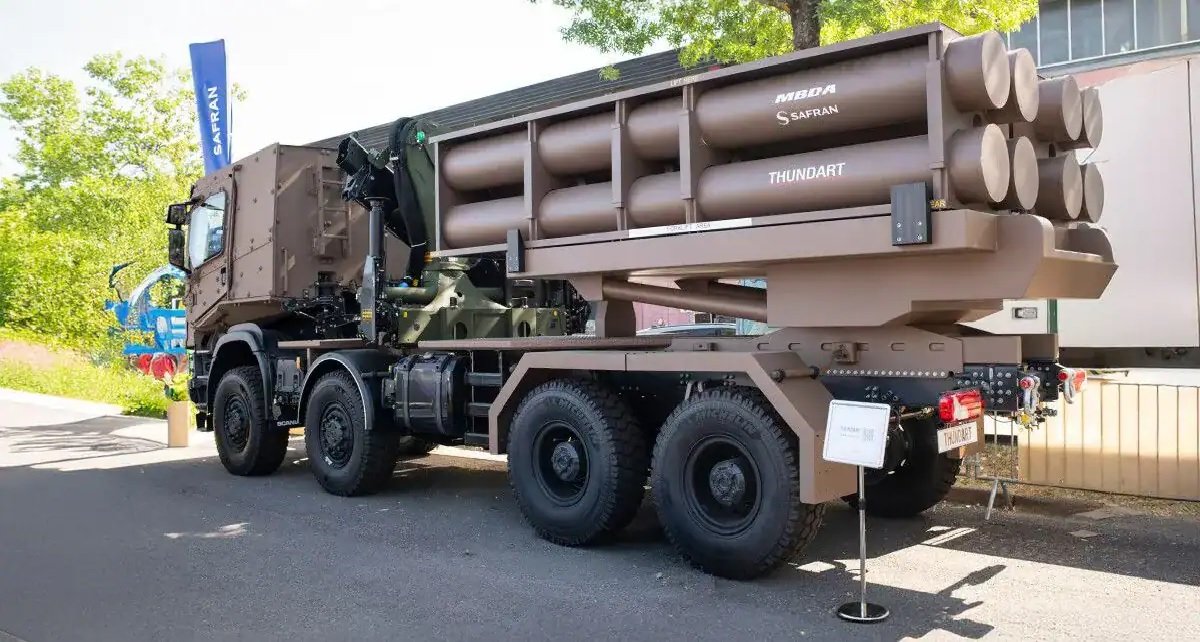 France's THUNDART Long-Range Rocket System May Undergo Prototype Combat Testing in Ukraine
-
 Russian Su-57 Stealth Fighter Crashes During Training Flight Near Moscow, Pilot Ejects Safely
-
 Kuwait and Bahrain Reportedly Launch First Joint Direct Airstrikes on Iran Since War Began : Report
-
 Destinus Unveils Vorexon Interceptor Concept to Defend Critical Sites from Artillery Threats
-
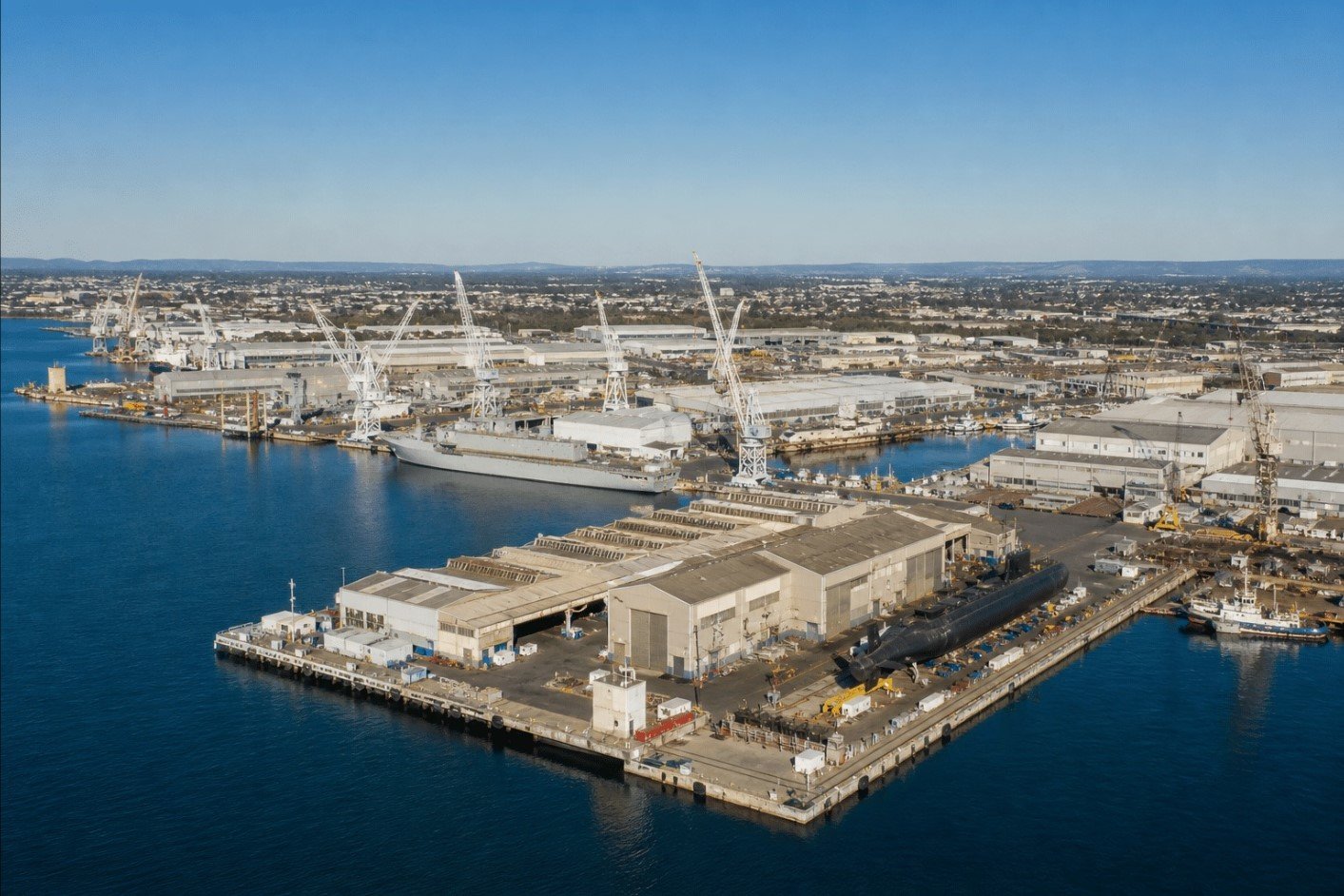 Australia Commits Additional AUD 4.6 Billion to Expand Osborne Shipyard for AUKUS Submarines
