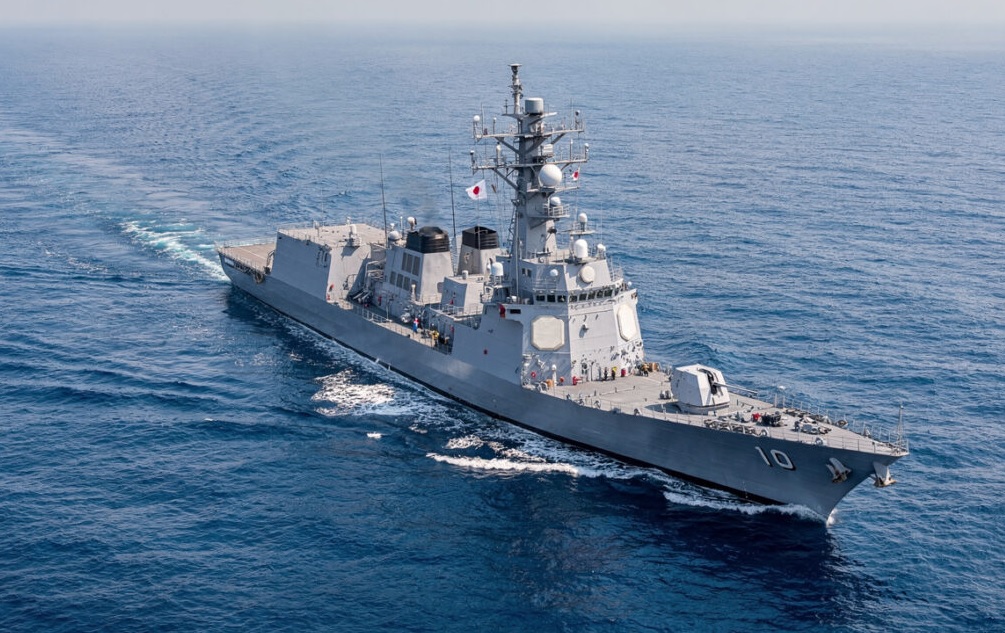
TOKYO, — June 06, 2026 Japan and Indonesia have agreed to begin working-level discussions on the potential transfer of retired or soon-to-be-retired Japan Maritime Self-Defense Force (JMSDF) Asagiri-class destroyers to the Indonesian Navy, marking a significant step in defense cooperation between the two countries.
The agreement was reached during a meeting in Tokyo on June 5 between Japanese Defense Minister Shinjiro Koizumi and Indonesian Defense Minister Sjafrie Sjamsoeddin. During the talks, Indonesia expressed its intention to advance defense equipment and technology cooperation with Japan, including the possible acquisition of Asagiri-class destroyers.
Both sides agreed to use a working-level framework established in May to discuss details related to training, maintenance, logistics support, and operational integration.
Part of Japan’s Expanded Defense Export Policy
The discussions come after Japan revised its defense export regulations, allowing the transfer of a wider range of military equipment, including naval vessels, to partner countries under specific security agreements.
Following the meeting, Koizumi said the discussions would further strengthen defense ties between Japan and Indonesia. He also noted that Japan is expanding naval cooperation with regional partners through platforms such as the Mogami-class frigate for Australia, the Abukuma-class destroyer escort for the Philippines, and the Asagiri-class destroyer for Indonesia.
Why Indonesia Is Interested in the Asagiri-Class
As the world's largest archipelagic nation, Indonesia requires naval vessels capable of operating across vast maritime areas stretching from the Malacca Strait to the Natuna Islands.
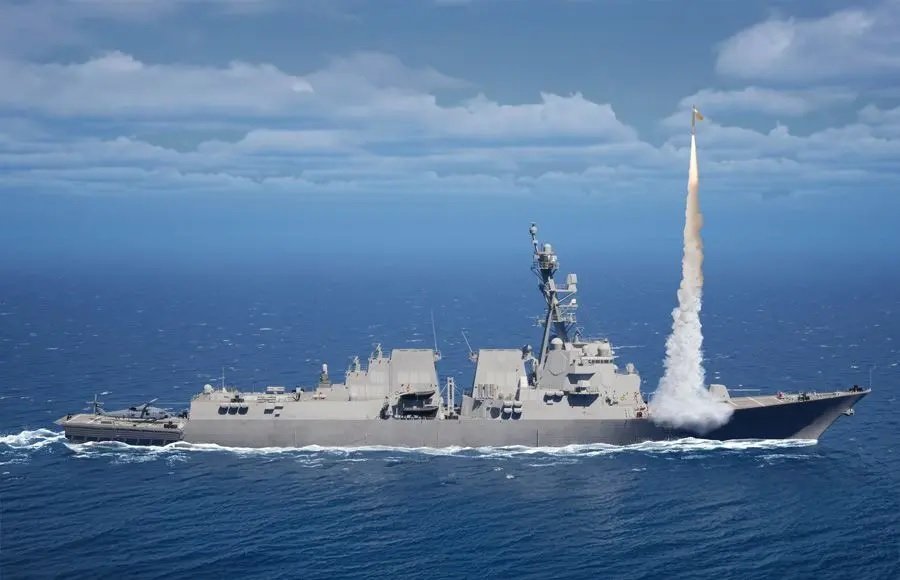
The Asagiri-class destroyer, which entered service in 1988, displaces approximately 3,500 tons and was designed for anti-submarine warfare, fleet escort missions, and extended maritime operations. The vessels are equipped with Harpoon anti-ship missiles, ASROC anti-submarine launchers, Sea Sparrow surface-to-air missiles, Phalanx CIWS, lightweight torpedoes, and facilities for operating an SH-60J helicopter.
Japan has already begun retiring ships of the class as newer Mogami-class frigates enter service.
Comparison With the Philippines’ Abukuma-Class Proposal
The discussions with Indonesia follow separate talks between Japan and the Philippines regarding the potential transfer of Abukuma-class destroyer escorts.
While both ship classes carry anti-ship and anti-submarine weapons, the Abukuma-class is a smaller 2,000-ton vessel designed primarily for coastal patrol and escort duties. It lacks a dedicated surface-to-air missile system and helicopter facilities, making it more economical to operate.
The larger Asagiri-class offers greater endurance, stronger air-defense capability, and helicopter operations, making it better suited for Indonesia’s wider maritime requirements.
Strengthening Maritime Cooperation
Japanese officials have emphasized that any future transfer would include not only the vessels themselves but also long-term support in areas such as crew training, maintenance, logistics, and sustainment.
The proposed transfer reflects growing Japan-Indonesia defense cooperation and Japan’s broader effort to strengthen maritime security partnerships across the Indo-Pacific.
Although no final agreement has been reached, the start of formal working-level talks indicates that both governments are seriously exploring the possibility of transferring Asagiri-class destroyers to Indonesia in the coming years.
——— End of Article ———