
World
In a significant boost to Israel’s precision strike capabilities, the U.S. State Department has approved a $510 million Foreign Military Sale (FMS) to supply thousands of Joint Direct Attack Munition (JDAM) kits to the Israeli Air Force (IAF). The deal includes guidance systems for both heavy bunker-busting bombs and general-purpose munitions, enabling Tel Aviv to replenish and enhance its smart bomb stockpile as tensions escalate across the region. According to the official notification issued by the Defense Security Cooperation Agency (DSCA), the approved package includes: 3,845 KMU-558B/B JDAM kits for use with the BLU-109 2,000 lb penetration bomb, commonly referred to as a “bunker buster”. 3,280 KMU-572F/B JDAM kits for the MK 82 500 lb general-purpose bomb. A range of supporting equipment, technical assistance, engineering services, and logistical support. While the total estimated cost of the package stands at $510 million, the final amount will depend on actual quantities purchased, budget constraints, and the final contractual agreement. The prime contractor for the deal will be Boeing, though some components may also be transferred from existing U.S. military stockpiles to expedite delivery. What Are JDAMs and Why Are They Important? The Joint Direct Attack Munition (JDAM) is a GPS-aided inertial guidance kit that turns standard “dumb” bombs into precision-guided munitions. With a Circular Error Probable (CEP) of just 5–10 meters, these smart bombs can strike fixed targets in all weather conditions, day or night. The JDAM kit attaches to the tail of an unguided bomb and includes control fins and an inertial guidance system that communicates with satellite navigation. The BLU-109 bomb is a hardened, steel-encased penetration bomb capable of punching through reinforced bunkers and underground facilities before detonating. When paired with the KMU-558 JDAM kit, it becomes one of the most accurate and deadly tools in Israel’s arsenal against fortified targets, command bunkers, and subterranean weapons storage sites. The MK 82 bomb, though much lighter at 500 lbs, is ideal for use in urban or high-density environments where minimizing collateral damage is critical. JDAM kits tailored for the MK 82 enable Israel to engage targets with surgical accuracy, limiting civilian casualties—a growing international concern in ongoing operations. Strategic Timing and Implications The timing of this sale is telling. Israel has been engaged in a series of high-intensity air operations in recent months, particularly over Gaza, Syria, and even suspected covert missions deeper into Iran. In many of these operations, Israel has relied heavily on its inventory of precision munitions—some of which are believed to be nearing depletion due to sustained usage. By replenishing these stocks, the U.S. not only reaffirms its long-standing commitment to Israeli security but also strengthens Israel’s ability to conduct strategic precision strikes without needing to rely on less discriminate firepower. This approval also follows recent moves by the U.S. Congress to streamline arms support to Israel under emergency provisions, especially in light of mounting regional tensions involving Hezbollah, Iran-backed militias, and direct threats from Tehran. Balancing Regional Power The DSCA has emphasized that the proposed sale will not alter the basic military balance in the region, a standard clause in U.S. arms export policy. However, with precision-guided weaponry becoming the decisive factor in modern warfare, thousands of JDAM kits could tip tactical dynamics—especially in scenarios involving multiple fronts or preemptive deep-strike missions. Meanwhile, Israeli defense officials have lauded the move as “critical to operational readiness and deterrence”, citing the growing need for precision tools in light of evolving asymmetric threats and underground infrastructure used by adversaries. With Boeing set to lead the manufacturing and the U.S. drawing partially from its own inventories to meet Israel’s immediate needs, the JDAM deal underscores the deepening U.S.-Israel defense partnership amid a volatile Middle Eastern landscape. While critics may raise concerns over the human cost of precision airstrikes, the capability to strike with accuracy rather than volume is central to how modern militaries claim to conduct ethical warfare. For Israel, this arms package provides not just replenishment, but a reaffirmation of strategic latitude—delivered with GPS-guided precision.
Read More → Posted on 2025-07-01 14:30:43
World
Romania is set to significantly upgrade its national air defence capabilities with a major procurement from Israel’s Rafael Advanced Defense Systems. The Romanian Ministry of National Defence has officially selected Rafael to supply a new air defence system in a deal estimated at €1.9 billion. Though the agreement is pending formal signing, the selection confirms Rafael's win in one of Europe’s most closely watched defence contracts. This deal will become Israel’s second-largest defence export ever, following the $3.5 billion sale of the Arrow 3 missile defence system to Germany in 2023. It will also exceed the $1.6 billion agreement signed with India in 2017 for the Barak 8 system. The chosen system is widely believed to be Rafael’s Spyder (Surface-to-air PYthon and DERby) air defence solution. What is the Spyder System? Spyder is a quick-reaction, short and very short-range air defence system designed to protect against a wide array of airborne threats. This includes fighter aircraft, helicopters, unmanned aerial vehicles (UAVs), and precision-guided munitions. It operates using Rafael’s Python-5 and Derby missiles—both known for their high accuracy, agility, and versatility. These interceptors can be launched in both lock-on-before-launch and lock-on-after-launch modes, allowing flexible and effective engagements in diverse battlefield scenarios. All-in-ONE Configuration: A Game Changer A standout feature of Spyder is its All-in-ONE configuration, where the radar, electro-optical sensors, command-and-control unit, and missile launchers are all mounted on a single vehicle. This unique integration enables fast deployment, easy mobility, and reduced personnel requirements. It is especially well-suited for protecting moving columns, mobile bases, or critical infrastructure in remote areas. The system’s mobility and modular nature were demonstrated during a live-fire test in Israel in January 2024. In a challenging environment simulating real-world combat conditions, the Spyder successfully intercepted a UAV with a direct hit—showcasing its advanced tracking and interception capability. Completing Romania's Air Defence Shield Romania has been working on a comprehensive multi-layered air defence strategy since parliamentary approval in 2020. The plan includes shoulder-launched missiles, long-range defence systems like the Patriot, and now, with Spyder, a reliable short-range shield. The new system fills a crucial gap in Romania’s integrated air defence architecture, offering rapid reaction against low-flying and fast-moving aerial threats. European Cooperation and Local Industry Involvement The Romanian government is planning to fund the deal with support from the European Union, including programs like the Ammunition Production Support Act (ASAP) and the European Defence Industry Reinforcement through Common Procurement Act (EDIRPA). These instruments require that part of the system's production and support be conducted in Europe, with a focus on Romania-based companies. This ensures not only defence capability enhancement but also local industrial participation and job creation. Rafael already has experience in European partnerships. Its Eurospike joint venture—co-owned with German companies Diehl and Rheinmetall—produces the Spike anti-tank missile family in Europe. Similar collaboration frameworks are expected to be used in Romania. Beating the Competition Rafael’s offer outpaced competing bids from major European defence firms, including MBDA’s Mistral 3 system and Germany’s Diehl Defence with the IRIS-T SLS system. The South Korean company LIG Nex1 was disqualified earlier in the process due to technical documentation shortcomings. With this selection, Romania is not only enhancing its defence capability but also reinforcing its ties with Israel, while integrating seamlessly into the broader NATO and EU security framework. The Spyder system will provide a fast, flexible, and combat-proven solution to defend Romania’s skies in an increasingly uncertain global environment.
Read More → Posted on 2025-07-01 14:04:02
After Russian Su-35s Fail to Arrive, Iran Bets on 40 China’s J-10C to Revive Its Crumbling Air Power
World
In a dramatic shift of defense posture, Iran is on the verge of finalizing a deal with China to acquire over 40 Chengdu J-10C “Vigorous Dragon” fighter jets, as the much-anticipated Russian Su-35 deliveries remain largely undelivered and diplomatically frozen. This emerging deal marks a significant milestone in Iran’s long-standing effort to modernize its aged and sanction-stricken air force, which has proven increasingly vulnerable—especially after recent precision strikes by Israel and the United States. From Moscow to Beijing: A Pivot in Alliances Iran’s move comes after the collapse of the 2023 Su-35 agreement with Russia, which promised to deliver advanced fighters but resulted in only a fraction being transferred—if at all. The reasons for the stall range from Russia’s own fleet demands during its prolonged military campaign in Ukraine to mounting Western pressure discouraging arms transfers to Iran. For Tehran, the Russian option has become unreliable. Enter China. Discussions between Tehran and Beijing over the J-10C date back to 2015, but they were initially hindered by U.S.-led sanctions, currency constraints, and diplomatic hesitations. Now, however, with China reportedly more open to barter-based agreements and motivated to deepen its defense ties in the Middle East, the previously shelved plan appears to be fast-tracked. Reports suggest that Iran is pushing for deliveries to begin as early as 2026. Why the J-10C? The Chengdu J-10C is a 4.5-generation multirole fighter that comes equipped with an AESA radar, high-agility canard-delta design, and compatibility with advanced Chinese weaponry, including the PL-10 short-range and PL-15 long-range air-to-air missiles. With a combat radius of over 1,000 km and modern sensor fusion, it promises to replace Iran’s aging MiG-29s, F-4 Phantoms, and F-14 Tomcats, which have seen decades of attrition and minimal upgrades. But while the J-10C may provide a major step up from Iran’s current capabilities, serious questions remain about its effectiveness in contested airspace—especially after its underwhelming performance during Operation Sindoor, a major joint Indo-Israeli military exercise earlier this year. Doubts After the Sindoor Debacle During Operation Sindoor, where Pakistan Air Force J-10Cs were pitted against Indian Rafale F3Rs, the Chinese jet's reputation suffered significantly. Reports from Indian Air Force sources claim that multiple PL-15 missiles failed to detonate or were jammed mid-air, highlighting potential weaknesses in Chinese avionics, electronic warfare resistance, and missile reliability. This has cast serious doubts on whether the J-10C would be effective against Israel’s F-35I Adirs or American stealth and electronic warfare platforms, both of which operate at a much higher technological threshold. Iran’s prospective adversaries not only field fifth-generation fighters but also possess dense electronic warfare, airborne early warning systems, and stand-off strike capabilities. Against such forces, the J-10C, while formidable in its class, may still find itself outmatched. Strategic Implications Beyond the hardware, this deal carries wider geopolitical reverberations. A successful delivery of 40+ J-10Cs would mark the largest known China-Iran arms transaction since the 1990s, pushing the two countries into a more overt military alliance. It also signals a growing Chinese footprint in the Middle East, not just economically via the Belt and Road Initiative, but now militarily. Moreover, Iran’s air force modernization—albeit modest in comparison to Gulf Arab and Israeli forces—could alter local airpower balance calculations, especially in conflicts over Iraq, Syria, and the Strait of Hormuz. Iran might gain improved interception capability, precision strike reach, and air patrol capacity, which have been sorely lacking in recent years. The Iranian Air Force’s plunge into Chinese arms waters is a bold—but uncertain—step. If the J-10C purchase goes through, it will undoubtedly provide a significant leap in capability for Tehran’s outdated air fleet. However, whether these fighters can survive the real test of modern high-tech warfare—especially against Israel and the United States—remains highly debatable. For Iran, this deal is less about gaining superiority and more about plugging a glaring air defense hole left open by failed Russian promises. But in choosing the Vigorous Dragon, Tehran may find itself wielding a sword with a questionable edge.
Read More → Posted on 2025-07-01 14:00:24
World
The French Navy is set to enhance its maritime surveillance and intelligence-gathering capabilities with the addition of cutting-edge VSR700 helicopter drones, following a major agreement signed on June 17, 2025. The deal marks a new chapter in France’s naval modernization drive and drone warfare capabilities. French Armed Forces Minister Sébastien Lecornu signed a framework agreement with Airbus Helicopters and Naval Group at the Paris Air Show, paving the way for the acquisition and integration of the Système de Drone Aérien pour la Marine (SDAM)—a naval drone system featuring the VSR700 uncrewed aerial system (UAS)—into French Navy frigates. The VSR700, developed by Airbus Helicopters, is a medium-sized rotary-wing drone designed specifically for naval operations. The drone is based on the civil Cabri G2 platform and modified for military use. It can operate autonomously from warships, handling take-offs and landings even in harsh sea conditions and complex electromagnetic environments. Key Technical Features of the VSR700: Endurance: Over 8 hours of continuous flight time Sensors: Equipped with radar, electro-optical/infrared (EO/IR) camera systems, and an Automatic Identification System (AIS) receiver for tracking vessels Payload Capacity: Capable of carrying multiple mission payloads Mission Types: Primarily designed for Intelligence, Surveillance, and Reconnaissance (ISR) tasks, but future versions may include armed variants Autonomous Operation: Fully automated take-off and landing from moving ships Integration System: Operated using Naval Group’s Steeris® Mission System, a sea-proven solution developed over 15 years for seamless combat system integration onboard ships The first batch of six SDAM systems is expected to be ordered later this year, with deliveries of production models planned for 2027. Shipboard integration is scheduled to begin in 2028, targeting France’s main frontline frigates such as the FDI (Frégate de Défense et d'Intervention) and FREMM (Frégate Européenne Multi-Mission) classes. This new capability is expected to greatly enhance the French Navy’s ability to conduct maritime patrols, long-range reconnaissance, and surface target tracking—all without putting human pilots at risk. The VSR700 fills a vital gap in medium-altitude surveillance from the sea, offering extended range and flexibility without the cost and complexity of manned helicopter operations. The framework agreement is also structured to welcome participation from international partner countries. Through government-to-government channels, allies will be able to adopt a configuration similar to the French Navy’s, promoting interoperability and expanding the reach of this advanced naval drone ecosystem. Officials from Airbus and Naval Group emphasized that the VSR700 program represents more than just a military acquisition—it is also a strategic move to build a sovereign, homegrown UAS ecosystem in France, supporting national industry and fostering long-term technological innovation. With the VSR700, France is joining a growing list of nations integrating advanced UAVs into their surface fleets, highlighting the rising importance of autonomous systems in naval warfare. The move is set to give the French Navy a stronger edge in maritime situational awareness, especially in contested waters.
Read More → Posted on 2025-07-01 13:28:20
World
Germany has unveiled a major modernization move for its military by approving the integration of Boxer armored fighting vehicles equipped with 30mm Remote Control Turrets (RCT30) into its newly formed "Medium Forces." These forces are designed to strike a balance between the high mobility of light infantry and the heavy firepower of armored units, aiming to deliver flexible and fast-moving combat capability both at home and within NATO operations. The German government has allocated €3.9 billion (around $4.5 billion) for this procurement effort, with €1.1 billion designated for the first stage. Though the exact number of Boxers to be acquired under this package has not been officially disclosed, reports suggest the order could involve up to 148 vehicles. The Boxer RCT30 variant isn’t entirely new. It was first introduced by German defense firms Rheinmetall and KNDS Deutschland back in 2016. Now, it is finally set to take a frontline role, specifically tailored to the needs of the Medium Forces — a new formation structured to operate with speed, firepower, and flexibility. These forces are modeled after the fast-strike tactics of historical "Blitzkrieg" warfare, focused on rapid, coordinated attacks. Technical Breakdown: The Boxer RCT30 The Boxer RCT30 is an 8x8 wheeled armored vehicle stretching approximately 8 meters long, capable of transporting up to 10 fully equipped troops. What sets it apart is its advanced remote-controlled Lance 2.0 turret, which houses the Rheinmetall MK30-2/ABM (Air Burst Munition) automatic cannon. This 30mm cannon can fire up to 200 rounds per minute and has a maximum effective range of around 3,000 meters (nearly 10,000 feet). The turret is also compatible with programmable munitions and includes optional features like a coaxial 7.62mm machine gun and anti-drone defenses — making it highly versatile on the modern battlefield. Powering the Boxer RCT30 is an MTU 8V199 TE21 diesel engine, capable of producing 816 horsepower. This allows the vehicle to reach speeds over 100 kilometers per hour (about 62 miles per hour) and gives it an impressive operational range of 1,000 kilometers (621 miles), ideal for extended missions across diverse terrain. Complementing Existing Armored Assets Germany’s procurement of the Boxer RCT30 will enhance its existing fleet of Boxers configured as Heavy Weapon Carrier Infantry vehicles. These earlier variants were modeled on Australia’s Combat Reconnaissance Vehicle (CRV) and have been tested in harsh conditions, with features like combat surveillance systems and improved weapon controls developed with direct input from soldiers. The RCT30-armed Boxers will complement Germany’s other advanced infantry vehicles, such as the Puma IFV, CV90, and Lynx, providing continuity in firepower and operational philosophy across different combat platforms. Strategic Purpose of Medium Forces The Medium Forces are not just about hardware — they represent a shift in Germany’s military doctrine. This new unit is intended to be NATO-ready and agile enough to respond rapidly to threats, particularly in Eastern Europe, where the alliance’s Very High Readiness Joint Task Force (VJTF) might be deployed. By filling the gap between heavy armor and light infantry, Germany’s Medium Forces — armed with the technologically advanced Boxer RCT30 — will be prepared to act swiftly and with decisive force, a capability highly valued in modern conflict scenarios. This investment not only boosts Germany’s national defense but also strengthens its role as a key military player in NATO’s collective security structure.
Read More → Posted on 2025-06-30 15:03:49
World
In a major push to enhance long-range aerial combat capabilities, the U.S. Air Force and U.S. Navy are moving forward with plans to equip their frontline fighter jets with the next-generation AIM-260 air-to-air missile. This cutting-edge missile system, officially called the AIM-260A Joint Advanced Tactical Missile (JATM), is being developed by Lockheed Martin and is intended to eventually replace or complement the widely used AIM-120 AMRAAM. According to the proposed 2026 U.S. defense budget, the Air Force has requested over $368 million and the Navy approximately $302 million for the purchase of AIM-260 missiles. In addition, both services are jointly investing another $687 million to continue the missile's development, production ramp-up, and integration across their air combat platforms. The AIM-260 program is a response to growing global threats and the need to outmatch increasingly capable adversary systems, especially those fielded by near-peer competitors like China and Russia. One of the primary goals is to provide U.S. pilots with a superior long-range engagement option that can outperform enemy weapons like China’s PL-15 missile. While exact technical specifications remain classified, available information indicates that the AIM-260 will be a high-speed, long-range missile capable of flying at speeds up to Mach 5. It will be equipped with an active radar homing seeker, giving it advanced target tracking and engagement capabilities. The missile will also feature a bidirectional data link, allowing it to receive mid-flight updates from the launch aircraft or other platforms, improving accuracy in dynamic combat scenarios. An inertial navigation system (INS) is expected to guide the missile during the early phase of flight, before switching to radar homing in the terminal phase. These features will make the AIM-260 highly capable in beyond-visual-range (BVR) engagements, where quick reaction time, extended reach, and precision are critical. Though the exact range is classified, experts suggest it will far exceed that of the AIM-120D-3—the most advanced version of the current AMRAAM missile—allowing U.S. jets to strike from greater distances with improved survivability. The missile is being designed to operate from a variety of platforms, including carrier-based aircraft like the F/A-18 Super Hornet and land-based fighters such as the F-22 Raptor and F-35 Lightning II. Its physical dimensions are being kept similar to the AIM-120 to allow seamless integration with internal weapons bays and existing launch systems. The AIM-260 is seen as a critical tool for the U.S. military to maintain its air dominance in a rapidly evolving threat environment. With its advanced technology and extended reach, the missile will give U.S. pilots a decisive edge in future air battles—well before the enemy gets close enough to strike back. Deployment of the AIM-260 is expected to begin before the end of the decade.
Read More → Posted on 2025-06-30 15:01:36
World
China is rapidly stepping up its game in carrier-based electronic warfare, and the clearest sign yet is the new J-15DT fighter jet. This advanced aircraft—an electronic warfare version of the Shenyang J-15—is being positioned as China's answer to the U.S. Navy’s EA-18G Growler. Its likely public debut during the upcoming 80th Victory Day Parade suggests the jet has passed critical development milestones and is ready to join the future air wing of China’s most advanced aircraft carrier, the Fujian (Type 003). The J-15DT is a twin-seat, catapult-capable variant of the J-15, structurally upgraded from earlier two-seat versions like the J-15S and J-15D. It’s specifically designed for carrier operations using electromagnetic catapults (EMALS)—a major change from China’s earlier ski-jump-launched jets. The “DT” in its name stands for "弹射" (tan she), meaning “catapult launch,” and it has already participated in launch operations from the Fujian’s EMALS deck, making it China’s first electronic warfare aircraft suited for the CATOBAR (Catapult Assisted Take-Off But Arrested Recovery) system. Key Technical Features: Design Differences: Visually, the J-15DT can be distinguished by its light gray tail fin tips and a slanted radome, unlike the ski-jump J-15DH’s darker gray features. It also lacks a cannon and infrared search-and-track (IRST) sensor, emphasizing its non-combat, support-focused role. Structural Enhancements: It features an added launch bar on the nose gear, a reworked undercarriage, and an enlarged spine to accommodate electronic systems. These updates allow it to safely withstand the high-force launches from EMALS-equipped carriers. Electronic Warfare Loadout: The aircraft is expected to carry external jamming pods on redesigned straight wingtips, conformal antennas for signal intelligence gathering, and domestic AESA radar systems. The rear cockpit is assigned to an electronic warfare officer who manages jamming, sensor coordination, and data transmission. No Kinetic Weapons: The J-15DT isn’t designed for dogfights or bombing runs. Its primary role is to jam enemy radar, support anti-radiation strikes, and provide critical electromagnetic support to stealth fighters and surface ships. Engines: It likely uses WS-10C or WS-10H turbofan engines, which offer better reliability and thrust under the demanding conditions of carrier launches compared to earlier Russian-made engines. Weapon Compatibility: While not equipped for direct strikes, it is expected to support missions involving weapons like the YJ-91 anti-radiation missile, similar to the role of the EA-18G Growler in the U.S. Navy. Strategic Role and Future Integration The J-15DT is part of a new-generation carrier air wing planned for the Fujian aircraft carrier. This air wing is projected to include: 24 J-35 stealth fighters 12 J-15T multirole strike fighters 4 KJ-600 airborne early warning aircraft 4 J-15DT electronic warfare aircraft This combination reflects a strategic shift toward multi-domain naval operations, with electronic warfare and data sharing becoming as important as firepower. The J-15DT will support long-range strike missions, protect stealth jets, and suppress enemy air defenses—all while staying safely out of direct combat zones. Evidence from sea trials confirms that aircraft number 1523—a J-15DT prototype—has completed successful deck launches from the Fujian’s electromagnetic catapult, signaling its readiness for active deployment. Long-Term Significance The J-15DT represents a vital evolution in China’s naval air power. It builds on the legacy of the original J-15 (derived from Ukraine’s Su-33 prototype) and transitions China's electronic warfare efforts from ski-jump carriers to fully modern CATOBAR platforms. While the J-15D provided earlier EW capability, it lacked the compatibility with new carriers like the Fujian and future platforms, such as the rumored nuclear-powered Type 004. Until China fields a stealth-based EW aircraft, the J-15DT is expected to remain its frontline electronic warfare platform aboard carriers for the next 20 to 30 years. Its appearance in the Victory Day Parade is more than just symbolic—it confirms the aircraft’s entry into pre-operational service and reflects China's determination to match or rival U.S. naval aviation capabilities in electronic warfare. In the evolving landscape of naval power, where information dominance and non-kinetic warfare are increasingly critical, the J-15DT gives the People’s Liberation Army Navy a powerful new tool to project influence and counter high-tech threats at sea.
Read More → Posted on 2025-06-30 14:39:27
World
The U.S. Army is gearing up to add a powerful new weapon to its battlefield arsenal—the Blackbeard GL (Ground Launch) hypersonic missile, a system designed to dramatically enhance the capabilities of the widely used HIMARS rocket launchers. Slated for initial fielding in 2028, Blackbeard GL has now entered the Engineering and Manufacturing Development (EMD) phase with a $25 million funding allocation under Project HX3 in the Army’s 2026 budget. A Game-Changer for Mid-Range Hypersonic Strikes Unlike long-range hypersonic systems such as the Dark Eagle (LRHW), which reaches strategic ranges over 2,700 km, Blackbeard GL is a tactical system optimized for mid-range operations. It is designed to deliver around 80% of the capability of the future PrSM Increment 4 (Precision Strike Missile) but at a significantly lower cost, making it more deployable and responsive for battlefield commanders. Blackbeard GL can engage time-sensitive, mobile, or hardened targets, even in degraded environments, thanks to its seeker-based terminal guidance. This allows the missile to autonomously track and hit moving or concealed threats with high precision—something few hypersonic systems have achieved at this cost and scale. Built for HIMARS and Beyond The missile will be integrated into modified Multiple Launch Rocket System Family of Munitions (MFOM) pods, ensuring full compatibility with HIMARS and M270 tracked launchers. This backward compatibility makes Blackbeard GL a plug-and-play option without needing new infrastructure—ideal for quick deployment. Additionally, Blackbeard GL is earmarked as a primary munition for the future Common Autonomous Multi-Domain Launcher (CAML)—a robotic launcher being developed in medium and heavy variants. These will feature autonomous resupply and waypoint navigation, supporting a range of advanced munitions like PrSM, PAC-3, Tomahawk, and now Blackbeard GL. Flight Tests and Development Roadmap Development will include a fixed-fin proof-of-concept flight test of an adapted air-launched version in early 2026, followed by the creation of a dedicated ground launcher pod and a live-fire demonstration in 2027. These steps pave the way for fielding to operational units by 2028, providing a hypersonic solution faster than the more complex and expensive PrSM Increment 4. Technical Highlights of Blackbeard GL Range & Speed: Less than strategic hypersonic weapons like LRHW, but enough for mid-range, high-priority tactical targets. Guidance System: Terminal seeker enables dynamic targeting even under jamming or concealment. Launch Compatibility: Packaged in MFOM pods, usable with HIMARS, M270, and future CAML systems. Design Focus: Survivability, affordability, rapid deployment, and use in distributed warfare environments. The Team Behind It: Castelion Corporation Blackbeard GL is being developed by Castelion Corporation, a young defense tech firm founded in 2022. With over $100 million in private venture capital and $22 million in U.S. government contracts, Castelion is pursuing a fast-turnaround, vertically integrated approach to hypersonic weapon development. With a compact team of 80–100 employees, the company focuses on speed, innovation, and scalability—key attributes that helped it win the Army’s confidence. Oversight is provided by the Army’s Rapid Capabilities and Critical Technologies Office (RCCTO), which signed an Acquisition Decision Memorandum in May 2025, clearing the way for accelerated development. Complement, Not Replacement The Army is clear that Blackbeard GL is not meant to replace its longer-range hypersonic systems like LRHW. Instead, it fills a critical capability gap between short-range munitions and strategic assets. Its affordability and compatibility with existing platforms make it suitable for frequent, distributed deployment, in contrast to the logistically intensive LRHW. As the U.S. Army works toward a layered hypersonic strike capability, Blackbeard GL will play a key tactical role, offering speed, precision, and flexibility—right from the trusted HIMARS launcher. By 2028, the HIMARS platform—already known for its battlefield agility—could become even more lethal, equipped with hypersonic missiles that hit fast, hit hard, and change the tempo of future combat.
Read More → Posted on 2025-06-30 14:22:03
World
South Korea has taken another major step toward developing its next-generation air combat capabilities by awarding Hanwha Aerospace a ₩623.2 billion (approximately $460.7 million) contract to produce 80 jet engines for the country’s indigenous KF-21 Boramae fighter aircraft. The contract covers not only the engines but also logistical support, sustainment partnerships, and on-site technical assistance. Under this deal, Hanwha Aerospace will manufacture General Electric F414 engines under license at its facility in Changwon. These powerful engines will be delivered to South Korea's Defence Acquisition Program Administration (DAPA) by December 2028. This latest order brings the total engine investment for the KF-21 project to over ₩1.18 trillion ($872.7 million), enough to power more than 60 aircraft. The KF-21 Boramae (meaning "Hawk" in Korean) is South Korea’s ambitious 4.5-generation fighter jet program, which aims to replace aging F-4 Phantom II and F-5 Freedom Fighter/Tiger II aircraft in the Republic of Korea Air Force. First introduced publicly in 2015, the project is led by Korea Aerospace Industries (KAI) with support from the government. The goal is to build up to 120 fighter jets by the early 2030s. The first batch of roughly 20 aircraft is expected to be delivered between 2026 and 2027, with production already underway from 2024. The new fighters will not only enhance the air force's combat capabilities but also reduce South Korea's dependence on foreign military platforms. Technically, the KF-21 is a sleek, modern aircraft measuring 17 meters (57 feet) in length with an 11-meter (36 feet) wingspan. It has an empty weight of 11,800 kilograms and can carry a payload of up to 7,700 kilograms. Its fuel capacity is 6,000 kilograms, giving it a combat range of approximately 1,500 nautical miles (2,778 kilometers). Powered by two F414 engines, the jet produces a combined thrust of about 110,000 horsepower. This allows the KF-21 to fly at speeds up to Mach 1.8, which is around 2,223 kilometers per hour (1,381 miles per hour), and reach an operational altitude of 16,700 meters (approximately 55,000 feet). The aircraft is designed to be versatile, capable of carrying a wide range of weapons including precision-guided bombs, air-to-air and air-to-ground missiles, and a rotary autocannon. It is also built with future upgrades in mind, potentially allowing for stealthier variants and advanced electronics in later versions. Hanwha Aerospace, which plays a key role in South Korea’s defense manufacturing ecosystem, emphasized its commitment to delivering high-quality propulsion systems on time. The company also hinted at further innovation, saying it would continue contributing to next-generation engine development for the country's growing aerospace ambitions. This contract marks a critical milestone in South Korea’s efforts to become more self-reliant in defense manufacturing, while also emerging as a serious player in the global combat aviation industry.
Read More → Posted on 2025-06-30 14:12:23
World
China has unveiled what appears to be a new type of advanced graphite bomb — a non-lethal but highly disruptive weapon designed to knock out power stations and plunge large areas into darkness without causing physical destruction. On Thursday, China’s state broadcaster CCTV released an animated video showcasing the weapon’s capabilities. In the video, the weapon is launched from a land-based platform, carrying 90 small, cylinder-shaped submunitions. These canisters are designed to bounce upon hitting the ground and then burst mid-air, releasing a cloud of fine, chemically treated carbon filaments. These carbon filaments, or graphite fibers, are specifically engineered to conduct electricity. When dispersed over high-voltage substations and power grids, they cause short circuits by bridging electrical connections, leading to power outages and damage to electrical infrastructure. According to the broadcaster, the weapon can disrupt power over an area of at least 10,000 square meters (about 2.5 acres). While no official name or operational status for this weapon has been revealed, it was described as a “mysterious domestically made missile” developed under the supervision of the China Aerospace Science and Technology Corporation (CASC) — a major contractor affiliated with China’s Ministry of National Defence. Technical Details (From Reliable Open Sources): Warhead Weight: 490 kg (1,080 lbs) Range: 290 km (180 miles) Submunitions: 90 canisters carrying graphite filaments Effect Radius: 10,000 sq. meters per deployment These characteristics closely resemble known graphite bombs previously used by other militaries. Notably, the US deployed BLU-114/B graphite warheads during the Gulf War and Kosovo conflict to devastating effect, temporarily crippling enemy power grids without causing civilian casualties. In Iraq, Tomahawk cruise missiles equipped with graphite bombs disabled 85% of the national grid, while in Kosovo, American F-117 stealth fighters used similar weapons to knock out 70% of Serbia’s electricity infrastructure, forcing the country into ceasefire talks. A New Strategy for Modern Warfare Military experts suggest that China’s new graphite bomb reflects a broader shift in modern warfare strategy — targeting command, control, communication, computers, intelligence, surveillance, and reconnaissance (C4ISR) systems rather than focusing solely on traditional troop engagements. Chen Chundi, a military analyst and editor at Modern Ships magazine, described graphite bombs in a 2017 commentary as “game-changing” unconventional weapons. He argued that paralyzing an opponent’s operational systems could be more effective than direct attacks, and that such weapons would likely be integrated into Chinese cruise missiles in future conflicts. Chen also noted that these bombs could use wind-corrected munitions dispensers (WCMD) for improved accuracy, potentially guided by China’s BeiDou satellite navigation system. A Message for Taiwan? Though the broadcaster did not specify targets, online speculation quickly pointed to potential uses against Taiwan’s power infrastructure in the event of a conflict. Disabling electrical grids would disrupt command systems, communications, and defensive coordination without causing large-scale civilian casualties — a tactic favored in strategic warfare. While much about China’s new graphite bomb remains classified — including its exact name and operational status — the weapon’s reveal signals a growing interest in non-lethal, infrastructure-disabling munitions. It also highlights China’s focus on asymmetric warfare tools designed to neutralize enemy systems indirectly. As conflicts increasingly shift toward cyberattacks, electronic warfare, and precision infrastructure strikes, graphite bombs like this could play a pivotal role in future military engagements, both in the Taiwan Strait and beyond.
Read More → Posted on 2025-06-29 16:52:49
World
In a historic move that marks a new era in military technology, the U.S. Army has conducted its first operational test of laser weapons in a live-fire setting. On June 27, 2025, at Fort Sill, Oklahoma, soldiers from the 4th Battalion, 60th Air Defense Artillery Regiment successfully tested the Directed Energy Maneuver Short-Range Air Defense (DE M-SHORAD) system—an advanced laser-based air defense platform mounted on the Stryker A1 8x8 armored vehicle. This live-fire exercise is the most advanced demonstration yet of directed energy (DE) systems being used in realistic battlefield scenarios. Soldiers used the 50-kilowatt class high-energy laser to engage and neutralize a swarm of Group 1–3 unmanned aerial systems (UAS)—small to medium-sized drones that pose a growing threat on modern battlefields. What is DE M-SHORAD? Known as the "Guardian," the DE M-SHORAD system is part of the Army’s broader Multi-Mission High Energy Laser (MMHEL) program. It brings together a suite of cutting-edge technologies: A 50 kW high-energy laser developed by Raytheon Technologies Ku720 radar for detection and tracking Electro-optical/infrared (EO/IR) systems for targeting Advanced power management and thermal cooling systems provided by Kord Technologies The system is mounted on the Stryker A1, a vehicle known for its Double-V Hull (DVH) design, which provides enhanced protection from mines and IEDs. Its Caterpillar C9 engine (450 horsepower) powers both mobility and the demanding energy requirements of the laser system. Energy is stored in Li-NCA (lithium nickel cobalt aluminum oxide) batteries, which are recharged by onboard diesel generators—enabling sustained laser operations on the move. A Layered, Scalable Defense The Fort Sill exercise highlighted how laser systems can work alongside traditional kinetic air defense units, such as those using missiles and guns. This layered approach provides redundancy and greater flexibility in engaging diverse aerial threats, including: Drones (UAS) Rotary and fixed-wing aircraft Rockets, artillery shells, and mortars (C-RAM threats) Unlike traditional systems, laser weapons offer almost unlimited ammunition, with each shot costing only the electricity required to fire it. This makes them especially effective against drone swarms, which can overwhelm conventional defenses. Real Troops, Real Tactics Importantly, the demonstration wasn’t just about technology—it was about integrating this new capability into real-world military operations. Soldiers practiced making rapid engagement decisions, managing multiple threats at once, and using a mix of laser and kinetic responses based on evolving battlefield conditions. These tests are feeding directly into the Army’s FY26 Enduring High Energy Laser (E-HEL) program, which aims to make directed energy a formal, long-term component of Army doctrine. Why This Matters Directed energy systems like DE M-SHORAD represent a transformational shift in how the military approaches air defense. As drone warfare becomes increasingly common and adversaries rely on low-cost, high-volume aerial attacks, laser systems offer: Speed-of-light response Pinpoint accuracy Minimal collateral damage Reduced logistics and maintenance By adopting laser technology now, the U.S. Army is positioning itself ahead of the curve, building a force that can adapt quickly to changing threats and defend key assets without relying solely on missile stockpiles. The successful use of the DE M-SHORAD system marks a critical turning point: laser weapons are no longer experimental—they are operational. The live-fire at Fort Sill proved that directed energy can and will play a front-line role in future combat. As these systems mature, the U.S. Army will be better prepared to face a drone-saturated battlefield with precision, resilience, and reduced cost. In short, the battlefield of tomorrow is arriving fast—and it’s armed with lasers.
Read More → Posted on 2025-06-29 16:48:10
World
The U.S. Navy is walking a financial tightrope as it stakes the future of its premier surface-to-air missile—the SM-6—on the passage of a politically sensitive reconciliation bill. If Congress fails to approve the measure, production of this critical interceptor could grind to a halt, potentially jeopardizing U.S. naval capabilities and disrupting military partnerships with key Indo-Pacific allies. In its Fiscal Year 2026 budget, the Navy plans to procure a record 139 Standard Missile-6 (SM-6) interceptors, designed and built by Raytheon at its Tucson, Arizona facility. However, this ambitious acquisition depends on the approval of a one-time reconciliation package spearheaded by Republican lawmakers. Of the 139 missiles, only 10 are funded directly under the Navy’s base budget. The remaining 129 are tied to the supplemental funding that the reconciliation bill is meant to provide. If the bill fails, the consequences are dire. The Navy would breach its contract with Raytheon and be forced to pay a Request for Equitable Adjustment (REA), leading to a complete halt in SM-6 production for all of FY2026. The shutdown wouldn’t just be temporary—it would initiate an expensive and time-consuming restart process. This includes requalifying manufacturing processes, performing First Article Inspections (FAIs), and re-certifying the entire production line. These delays would significantly raise the cost of each missile. The Navy estimates that the unit cost would jump from approximately $5.3 million in FY2026 to over $6 million per All Up Round (AUR) in FY2027—a rise of $856,000 per missile. The financial ripple effects would impact not only the U.S. military but also its partners in the Indo-Pacific region, including South Korea, Japan, and Australia, all of whom rely on timely deliveries of SM-6 missiles for their naval defense strategies. The SM-6 missile—officially the Standard Missile-6—is one of the most advanced multi-mission interceptors in the U.S. arsenal. It provides extended-range engagement capabilities against enemy aircraft, cruise missiles, ballistic missiles in their terminal phase, and even surface targets. Featuring active radar homing and networking capabilities, the SM-6 can be launched from the Navy’s Aegis-equipped destroyers and cruisers, forming a key part of layered defense architecture. A major strength of the SM-6 is its adaptability. With the Block IA variant currently in production, the missile is set to offer improved maneuverability and software-driven enhancements, making it suitable for future threats. It also provides the backbone for hypersonic missile defense development efforts, making a production break even more concerning from a strategic perspective. This year marks the first time reconciliation funding has been used to back such a large procurement, further complicating the budgeting process. U.S. defense officials at a recent Pentagon briefing acknowledged that the decision has introduced significant uncertainty into program planning. The Department of Defense has identified over $30 billion in “inefficiencies” and redirected those funds—along with savings from the cancellation of outdated contracts—into higher-priority programs, including the SM-6. Secretary of Defense Pete Hegseth has pushed for what the Pentagon calls “lethality-focused budgeting,” reallocating funds to programs that directly enhance combat readiness. Still, officials have yet to offer clear contingency plans if the reconciliation bill is voted down—raising alarm among defense contractors and allied militaries that count on stable U.S. procurement pipelines. In short, the fate of the SM-6 missile program now hangs in the balance. Without swift Congressional approval, a break in production could set back not only U.S. naval readiness but also ripple across allied forces that share America’s security goals in increasingly contested regions.
Read More → Posted on 2025-06-29 16:44:53
World
The Barak MX air defence system has proven its capabilities in real-world combat after successfully intercepting multiple aerial threats aimed at Israel. On the night of June 16, the Israeli Navy used the system for the first time in actual operations, shooting down eight unmanned aerial vehicles (UAVs) launched from Iran. These UAVs were neutralized by missile ships equipped with the ‘Barak Magen’ variant of the Barak MX, installed aboard the advanced INS Sa’ar 6-class corvettes. This combat deployment marked a critical moment for Israel’s defense forces, showcasing the Barak MX as a frontline shield against modern airborne threats. Since the beginning of these operations, the Israeli Navy has intercepted approximately 25 UAVs, highlighting the growing role of naval air defense in protecting civilians and strategic assets from evolving threats. The Barak MX system, developed by Israel Aerospace Industries (IAI), is a fully integrated, modular, and network-centric air defense solution. What makes it stand out is its ability to neutralize a wide spectrum of threats—from drones and cruise missiles to manned aircraft and even sea-skimming or shore-launched projectiles. It has a flexible architecture, combining sensors, battle management systems, and a family of interceptors to offer layered protection. Technically, the system includes four main interceptor variants: Barak SR (Short Range) – up to 15 km Barak MR (Medium Range) – up to 35 km Barak LR (Long Range) – up to 70 km Barak ER (Extended Range) – up to 150 km Each interceptor shares common components, making logistics and deployment easier across multiple platforms. These interceptors are launched vertically and use active radar seekers, giving them all-weather capability and precision targeting. Unlike many systems that adapt air-to-air missiles for surface-to-air roles, the Barak MX’s interceptors are purpose-built for ground- and sea-based air defense. This gives them better maneuverability, optimized range, and more reliability under battlefield conditions. In combat, the Barak MX relies on a high-performance radar system, an advanced command and control (C2) center, and smart vertical launch units. These systems coordinate seamlessly with other branches of the military, such as the Israeli Air Force, making the Barak MX a true force multiplier. Interestingly, the Barak MX is not exclusive to Israel. India is one of its key operators, having deployed it in both naval and land-based roles. The Indian Navy uses a variant of the system onboard frontline warships, while land-based versions have been integrated into India's air defense strategy to guard sensitive locations. The system was jointly developed under close collaboration between IAI and India's Defence Research and Development Organisation (DRDO), reflecting India’s commitment to strengthening indigenous capability while leveraging top-tier foreign technology. The successful use of the Barak MX in combat reinforces the value of layered, modular air defense systems in modern warfare. As aerial threats become more diverse and frequent, systems like the Barak MX stand as critical tools in safeguarding civilian populations, vital infrastructure, and national sovereignty.
Read More → Posted on 2025-06-29 14:49:16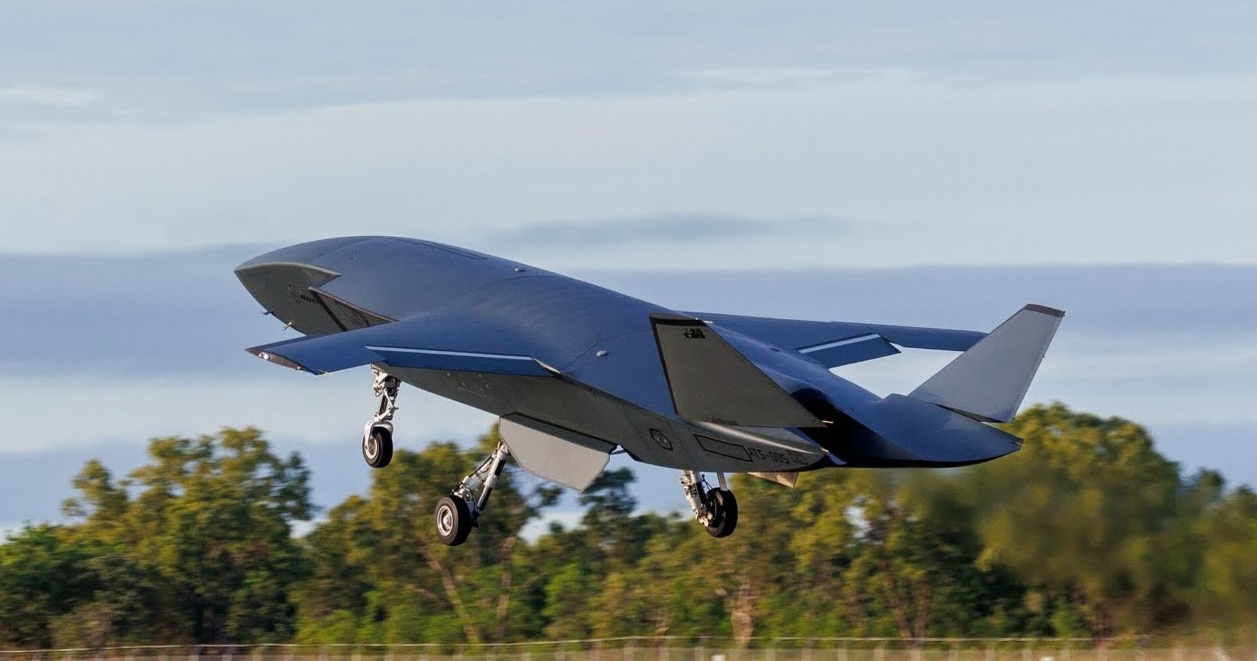
World
Australia has taken a major leap forward in autonomous air combat technology with the successful completion of Exercise Carlsbad, a key field trial of its MQ-28A Ghost Bat unmanned combat aircraft. The exercise, conducted in April 2025 at RAAF Base Tindal in the Northern Territory, marked the first time the aircraft was tested outside the controlled environment of the Woomera Range Complex—proving its readiness for real-world missions and ability to operate alongside manned fighter jets. Developed by Boeing Defence Australia in close partnership with the Royal Australian Air Force (RAAF), the Ghost Bat is part of the Collaborative Combat Aircraft (CCA) program. It’s designed to function not just as a drone, but as a combat teammate—working alongside advanced aircraft like the F-35A Lightning II, F/A-18F Super Hornet, and E-7A Wedgetail, offering support in surveillance, strike, and electronic warfare missions. What Happened at Exercise Carlsbad? The Ghost Bat was flown in aboard a C-17A Globemaster III directly from the Australian International Air Show. Within just seven days, it completed its first test flight, demonstrating how quickly the system can be deployed and activated. The exercise focused on testing the aircraft’s airframe, mission payloads, and onboard autonomy software in an unfamiliar, operationally realistic setting. The outcome was a resounding success. The Ghost Bat proved its deployability, interoperability, and adaptability, validating not just the aircraft itself but also the support logistics and ground control systems needed for rapid deployment. Inside the MQ-28A Ghost Bat The Ghost Bat is Australia’s first indigenously developed combat aircraft in more than 50 years and symbolizes the country's growing capability in aerospace innovation. Here's a closer look at what makes it unique: Length: ~11.7 meters Wingspan: ~7.3 meters Range: Over 3,700 km Propulsion: Single jet engine Design: Stealth-optimized, modular airframe Payload: Internal bay for sensors, jammers, or weapons Mission Types: ISR, electronic warfare, strike support, and more Speed & Agility: Optimized for high-threat contested airspace What sets the Ghost Bat apart is its AI-powered mission autonomy engine, allowing it to make real-time decisions, analyze threats, and execute missions independently or in coordination with human pilots. It features a modular design, enabling rapid changes to its payloads based on specific operational needs, whether for reconnaissance or offensive tasks. Unlike traditional drones that require direct control, the MQ-28A is built to operate autonomously or in tandem with manned aircraft—a concept known as manned-unmanned teaming (MUM-T). This allows it to scout ahead, distract or absorb enemy fire, and engage targets without putting pilots at risk. It effectively extends the reach, survivability, and lethality of the RAAF’s manned assets. The Ghost Bat uses secure digital links to communicate with manned jets and other systems, supporting joint mission execution. It also integrates digital twin technology, allowing engineers to simulate missions, test software updates, and refine performance using virtual models. Strategic Significance For the RAAF, the Ghost Bat offers more than just a new aircraft—it represents a transformation in air power doctrine. It enables a more distributed and resilient force posture, increases operational flexibility, and aligns with strategic goals of deeper interoperability with allied forces, particularly the United States. The project started in 2019 and achieved its first flight by February 2021, thanks to rapid prototyping and digital engineering. Since then, it has gone through continuous upgrades and tests, positioning it among the world’s most advanced unmanned combat systems. With the success of Exercise Carlsbad, the MQ-28A has proven it’s not just a concept—it’s operationally viable and ready to play a vital role in defending Australia’s skies. As testing continues through 2025, the Ghost Bat is likely to become a key component in the future of autonomous air warfare, paving the way for similar systems across allied air forces.
Read More → Posted on 2025-06-28 15:57:07
World
In one of the deadliest attacks on Pakistani security forces this year, a suicide car bomb ripped through a military convoy in the Khaddi area of North Waziristan, Khyber Pakhtunkhwa, killing at least 14 soldiers and injuring more than two dozen others, including civilians. The attack took place on Saturday when a vehicle laden with explosives rammed directly into a Mine-Resistant Ambush Protected (MRAP) vehicle belonging to the Pakistan Army’s bomb disposal unit. The scale and precision of the attack suggest a high degree of planning and coordination. Initial reports from local authorities and military sources describe a massive blast, which not only destroyed the targeted MRAP but also damaged nearby vehicles in the convoy. Among the injured were civilians, including children, who were in the vicinity when the explosion occurred. Responsibility for the bombing was quickly claimed by the Hafiz Gul Bahadur (HGB) group, a faction linked to the Afghan Taliban. This group has long operated along the porous and volatile Afghanistan–Pakistan border and has been involved in several high-profile attacks in the tribal belt in recent years. The suicide bombing follows a recent increase in cross-border militant activity, raising new questions about Pakistan’s internal security and its efforts to deal with insurgent sanctuaries across the border. The Pakistani military has not officially released the names of the deceased, but security operations in the region have been intensified. Checkpoints across North Waziristan have been sealed off, and a joint search operation involving intelligence personnel and quick reaction forces is underway to trace any surviving elements of the group behind the attack. Eyewitnesses described the horrifying aftermath of the explosion. "It was like the ground shook," said a local resident from Khaddi. "We saw smoke, fire, and soldiers trying to pull out the wounded." This isn’t the first time Pakistani forces have been targeted in this volatile region. Despite repeated military operations, including the well-known Zarb-e-Azb and Radd-ul-Fasaad, militant groups such as the HGB and Tehrik-i-Taliban Pakistan (TTP) continue to pose a significant threat. These factions frequently take shelter in Afghanistan’s eastern provinces, exploiting the lack of border control and governance in those areas. The Pakistani government has issued a strong condemnation of the attack, calling it a “cowardly act of terrorism.” However, the increasing frequency of such incidents has led to criticism from opposition parties and analysts alike. They point to gaps in intelligence, policy failures in counterinsurgency, and a lack of coordination with Kabul as underlying causes of the persistent threat. Meanwhile, the incident has also triggered concerns about regional stability. With Pakistan’s economy under severe pressure, dwindling foreign reserves, and ongoing negotiations with the IMF and World Bank, critics argue that continued military spending and internal conflict are unsustainable. They also highlight the cost to civilian life and regional development, as local populations in Waziristan and adjoining areas remain caught in the crossfire. As rescue and recovery efforts continue, and as the wounded are airlifted to military hospitals in Bannu and Rawalpindi, a grim silence hangs over Khaddi — a stark reminder of the toll insurgency continues to exact on Pakistan’s soldiers and civilians alike. With the HGB’s claim of responsibility, the attack has again underscored how deeply entangled Pakistan remains in the legacy of its militant past — and how fragile the peace along its western border truly is.
Read More → Posted on 2025-06-28 14:34:57Search
Top Trending in 24 Hours
-
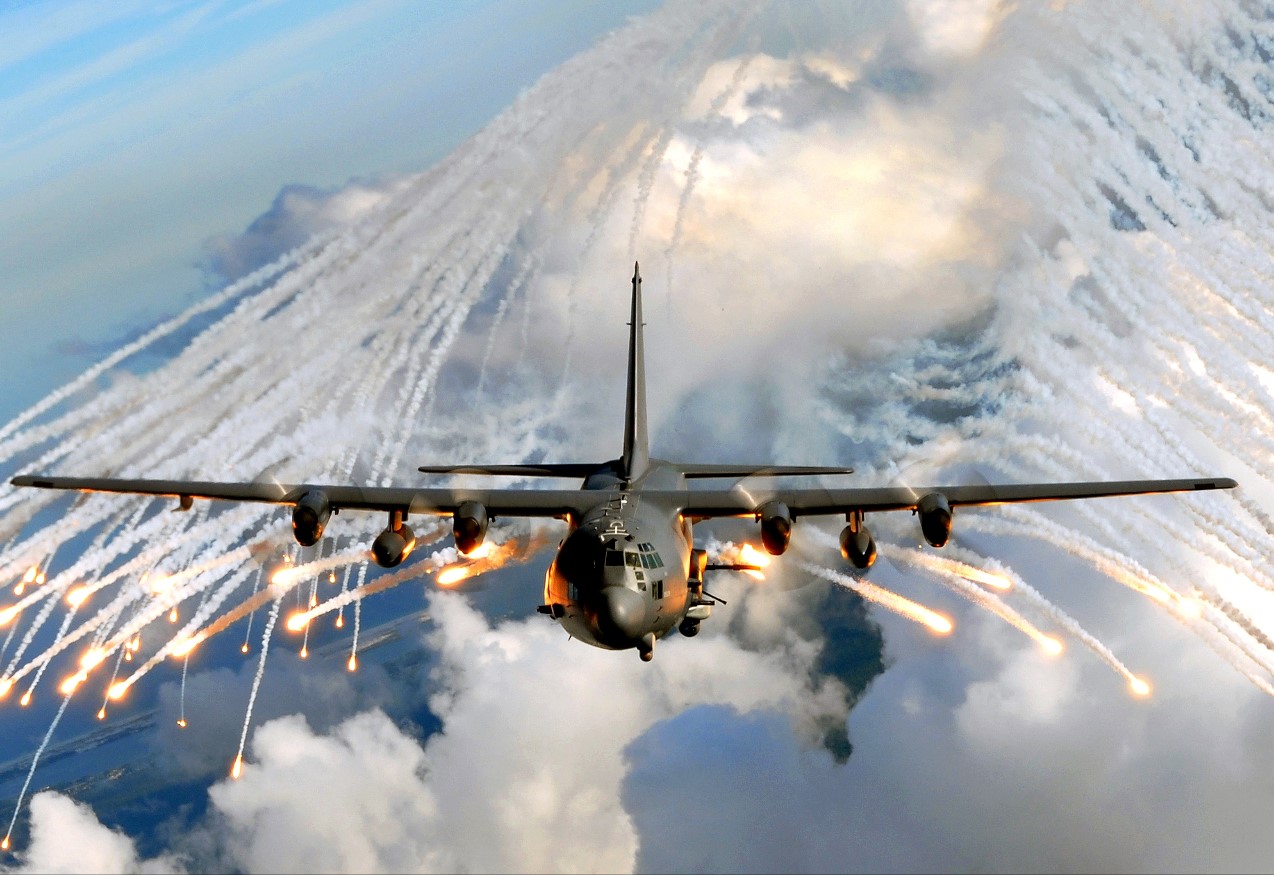 Pentagon Expands Alloy Surfaces Contract to $328.8 Million for Advanced Aircraft Decoy Flares Amid Evolving Drone Threats
-
 Why the U.S. Restored Pacific Command Name, Ending the Indo-Pacific Designation After Eight Years
-
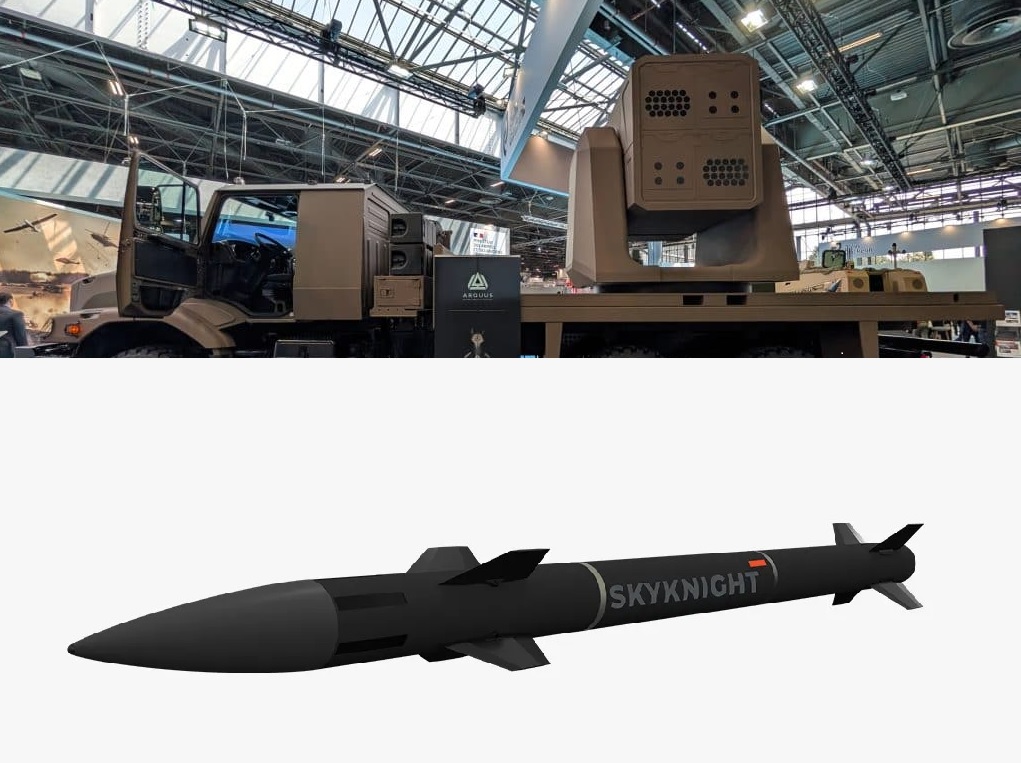 Naval Group Unveils Rampart Modular CIWS Multi-Purpose Weapon System for Naval and Ground Forces at Eurosatory 2026
-
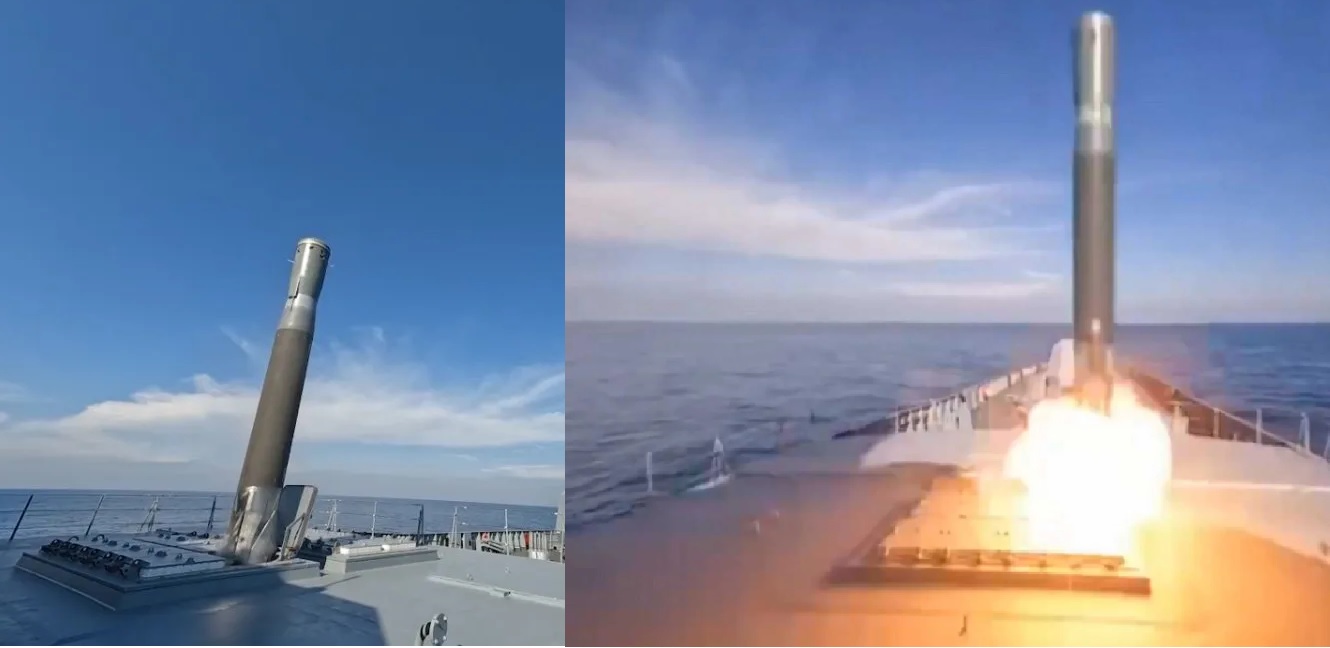 Open-Source Evidence Suggests Russia's Zircon Is a Quasi-Ballistic Missile, Not a True Hypersonic Cruise Weapon
-
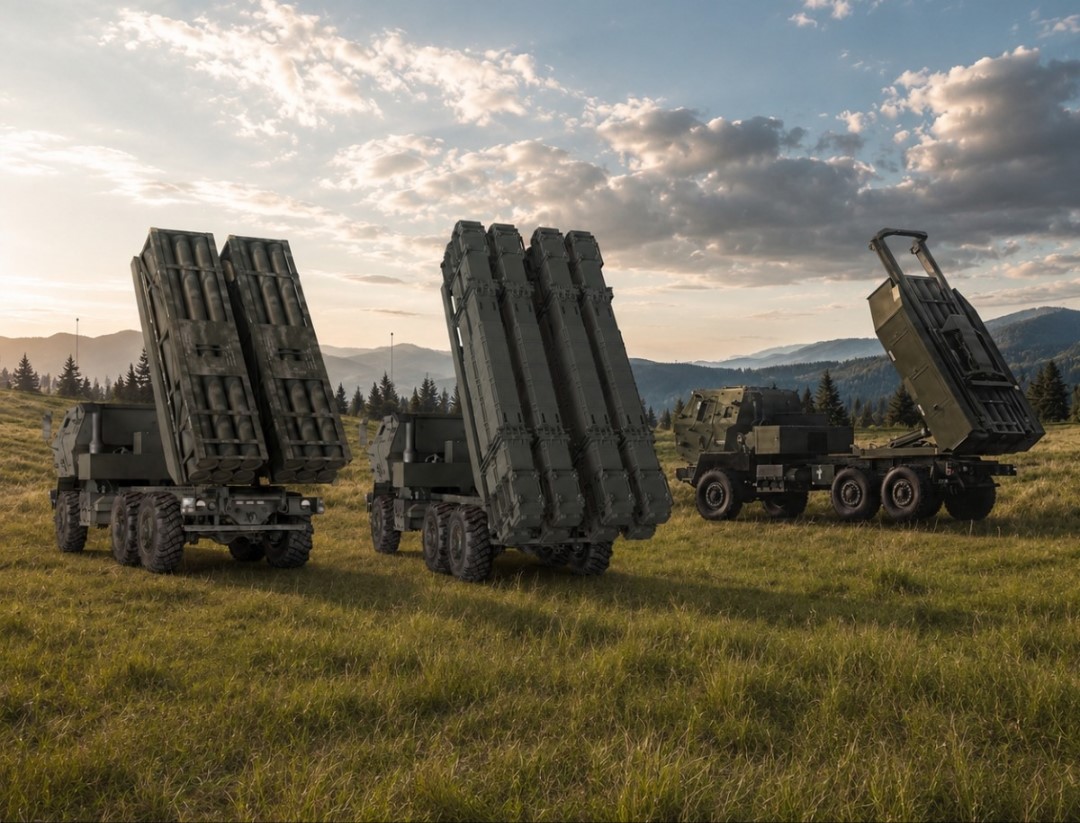 Lockheed Martin Unveils HIMARS FLEX with Dual-Pod Launcher and NATO-Compatible Air Defense Integration
-
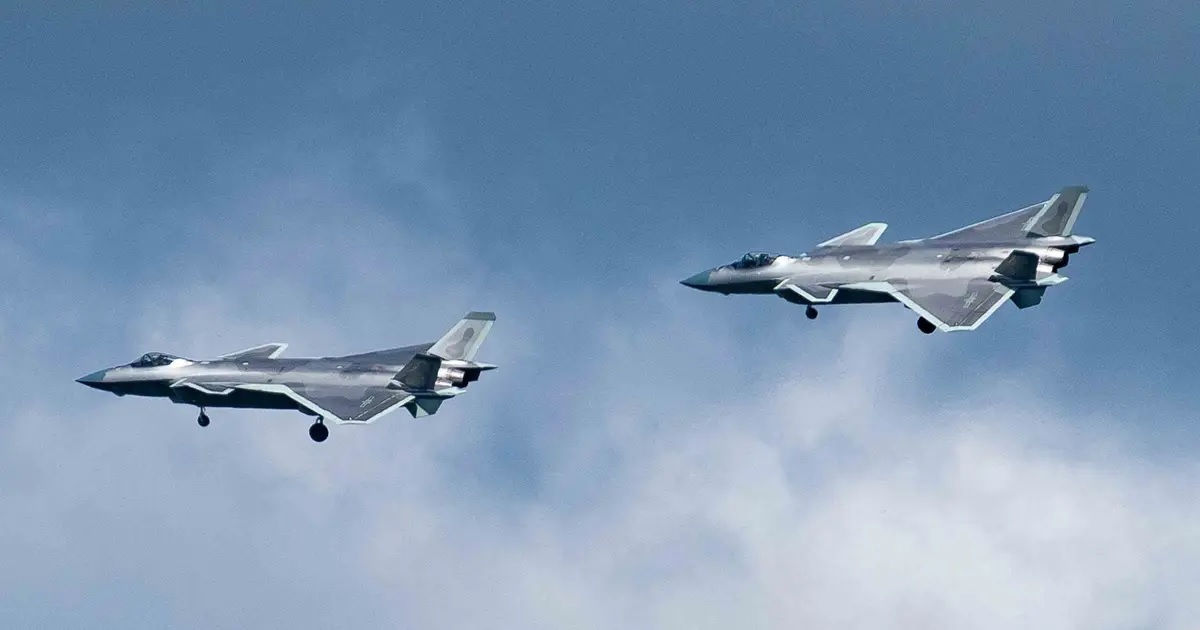 China Surpasses Russia as World’s Second-Most Powerful Air Force Amid Rapid J-20 and J-35 Expansion
-
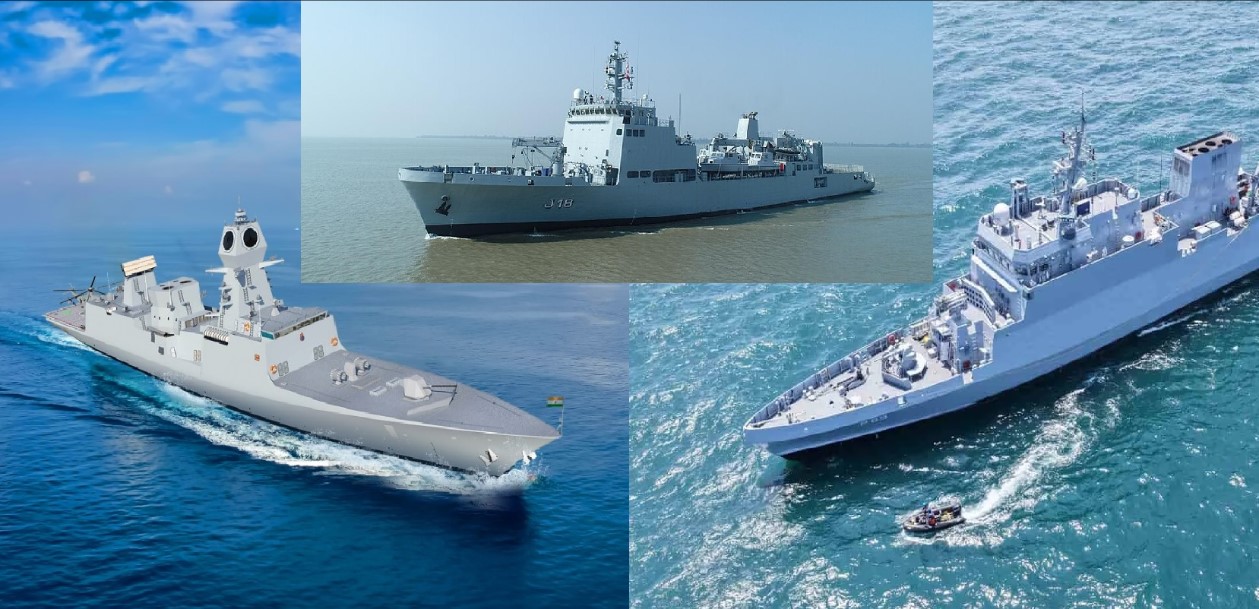 Indian Navy to Commission Stealth Frigate, ASW Craft and Survey Vessel in Rare Triple Induction at Kolkata
-
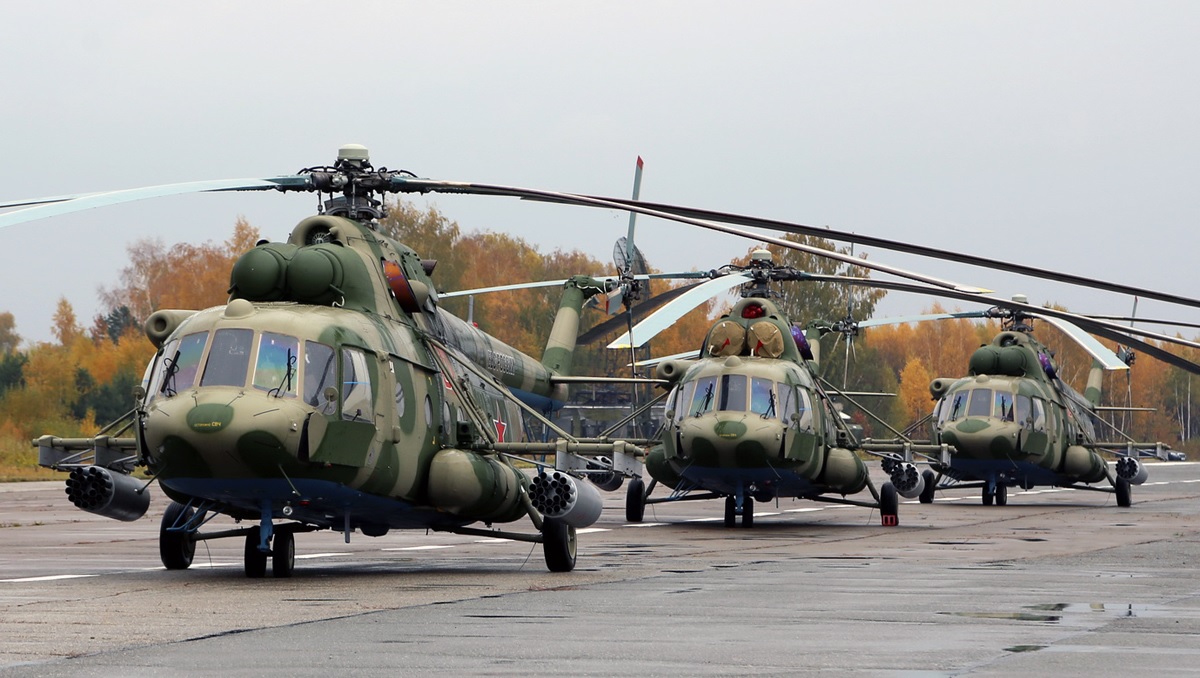 Iran Signs Deal with Russia for 20 Mi-8 and Mi-17 Helicopters to Boost Rescue and Medical Missions
Top Trending in 4 Days
-
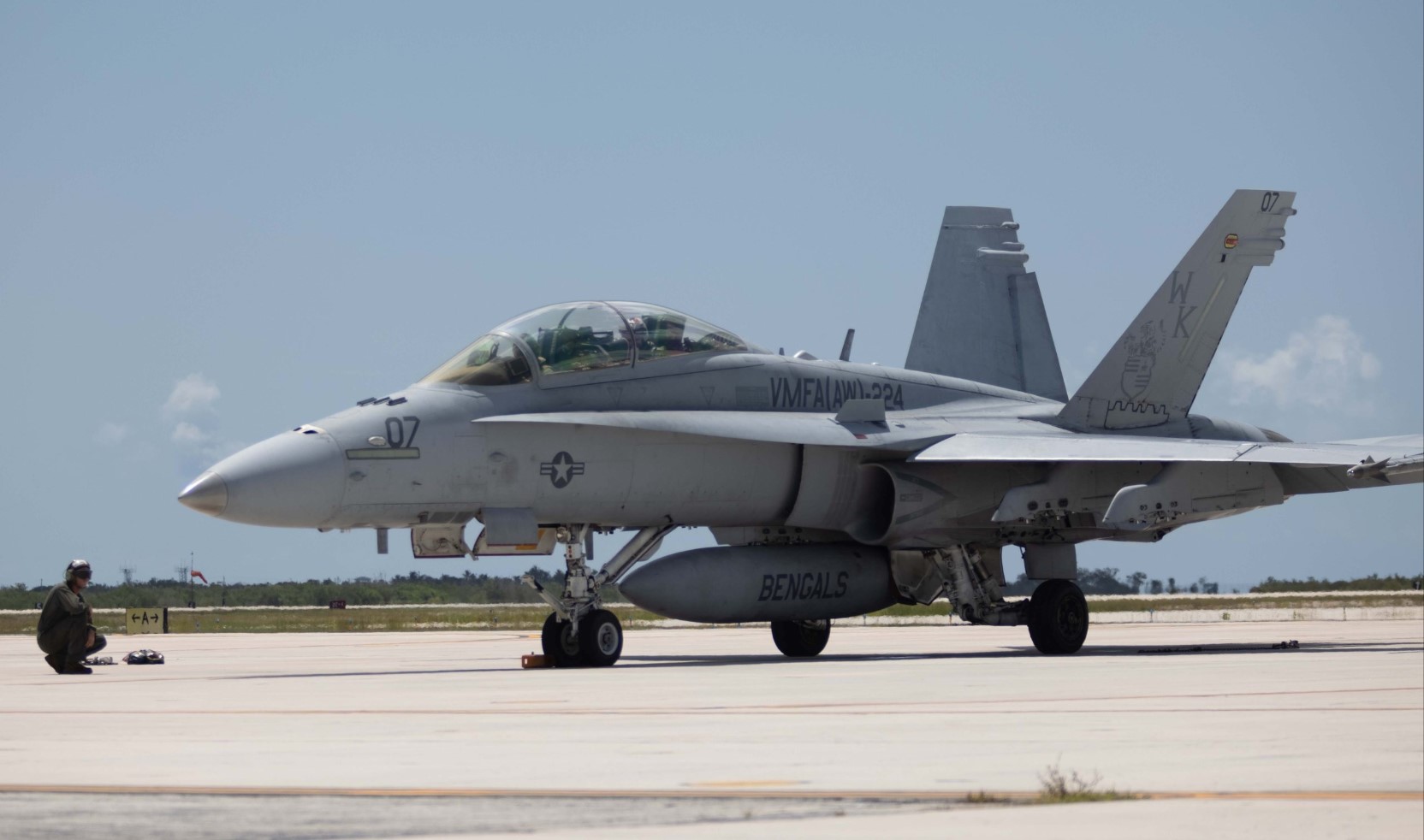 US Marine Corps F/A-18D Hornet Crashes During Training Flight in Washington Mountains; Pilot Ejects Safely
-
 Tulsi Gabbard Releases Declassified Files Detailing U.S.-Backed Network of 120 Biolaboratories Across 30+ Countries
-
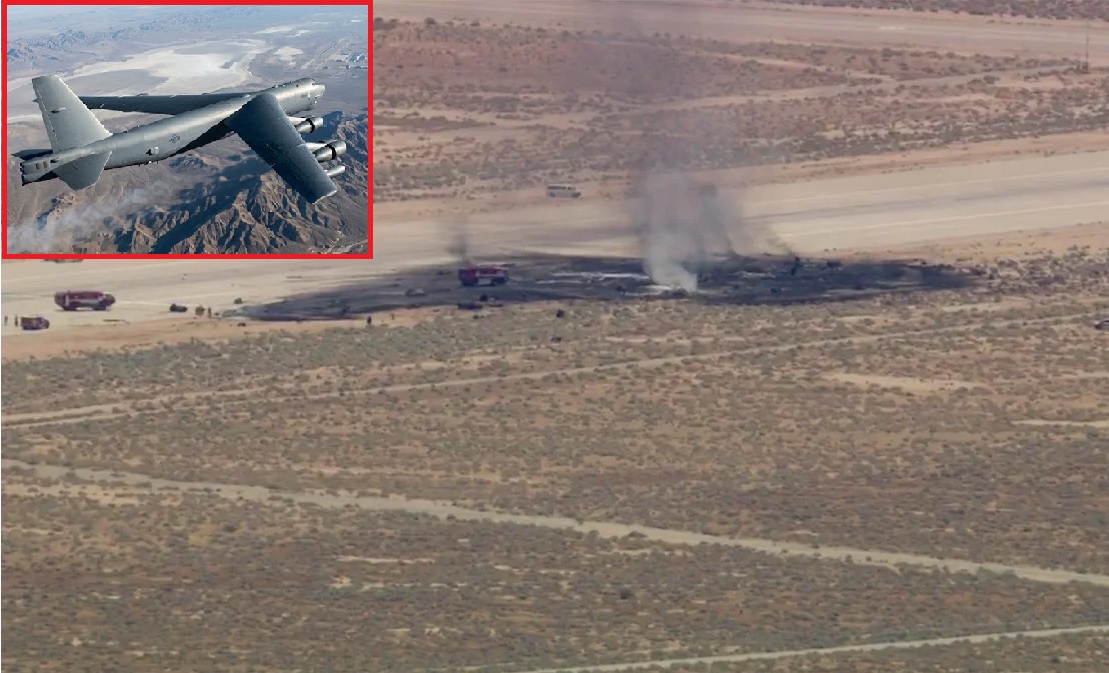 8 U.S. Air Force Crew Members Killed in B-52 Bomber Crash During Test Flight at Edwards Air Force Base
-
 Ukraine Introduces Balloon-Launched DART Missile Designed to Defeat Electronic Warfare
-
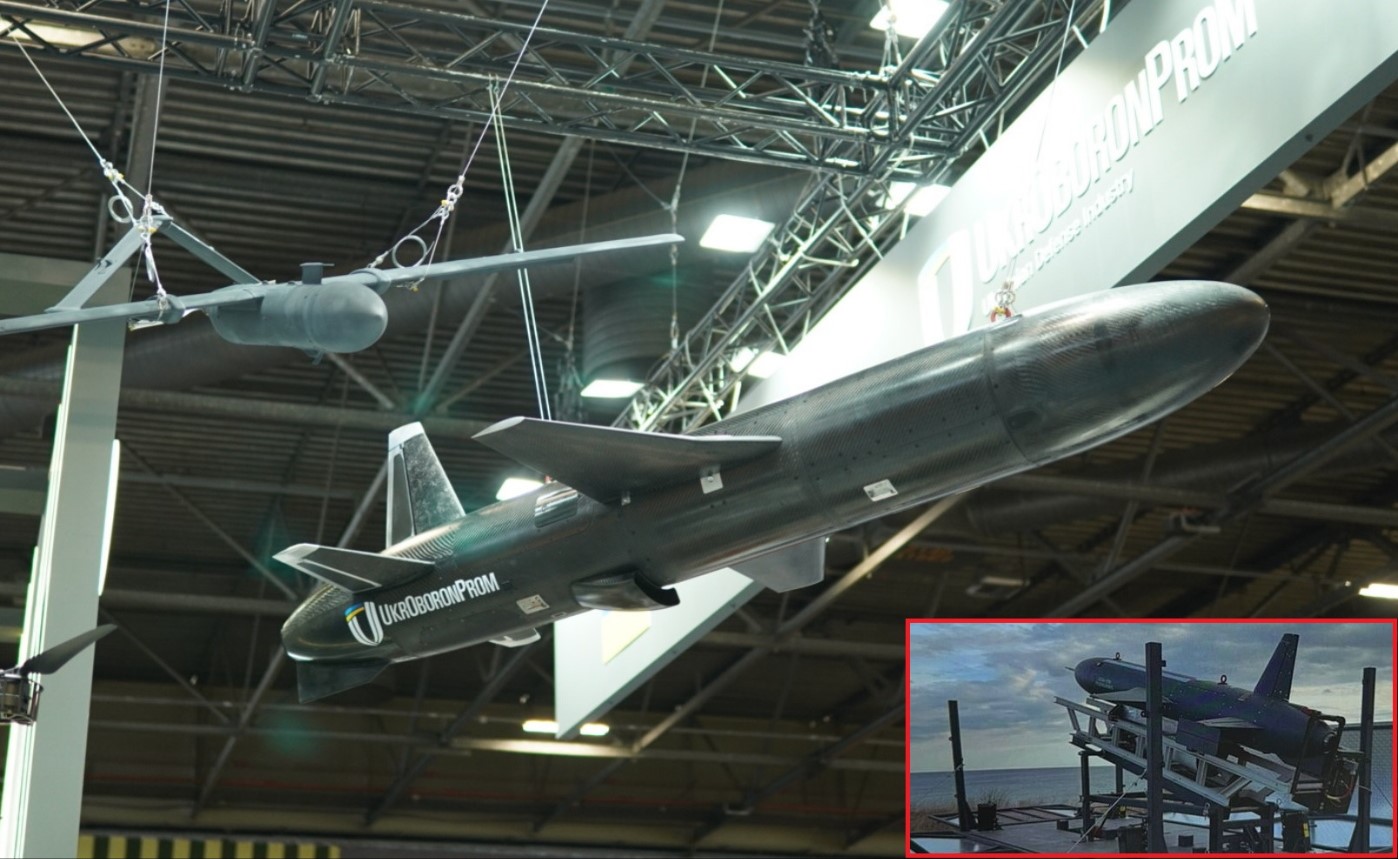 Ukraine Unveils UAV-290 Jet-Powered Strike Drone with 650 km Range at Eurosatory 2026
-
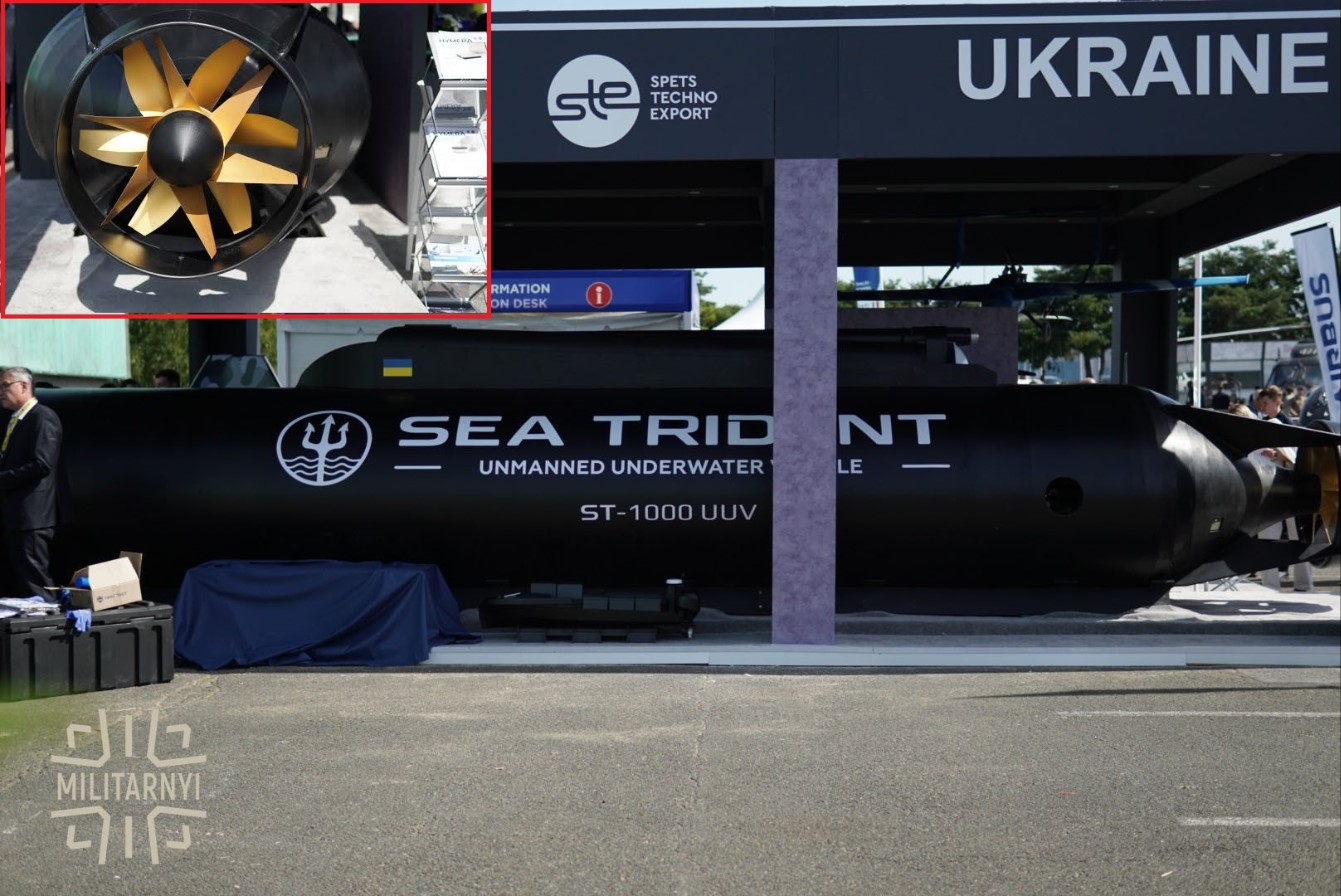 Ukraine Unveils 'Sea Trident' 10-Ton Autonomous Underwater Drone at Eurosatory 2026
-
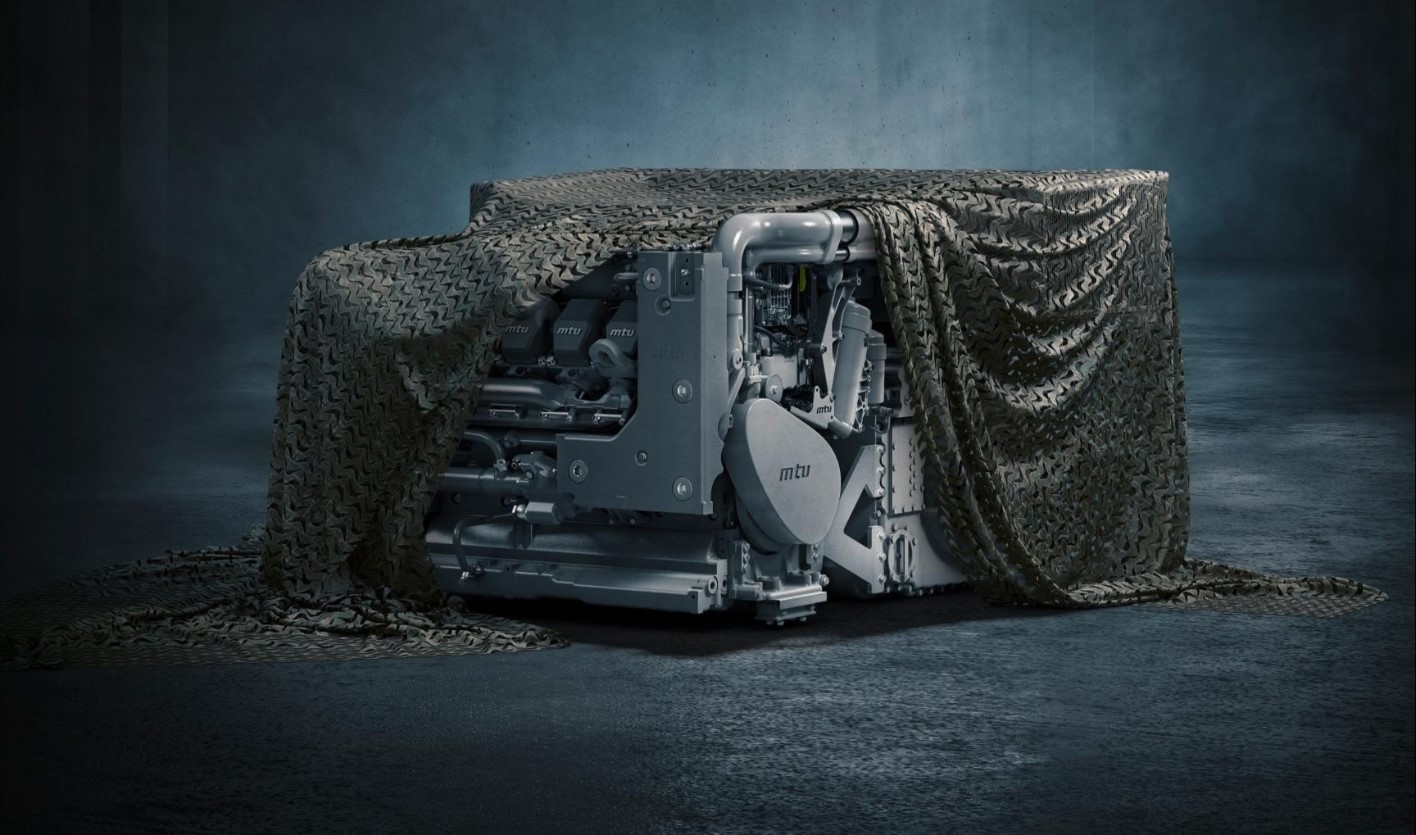 Rolls-Royce Unveils New Hybrid Powertrain for Heavy Military Vehicles at Eurosatory 2026
-
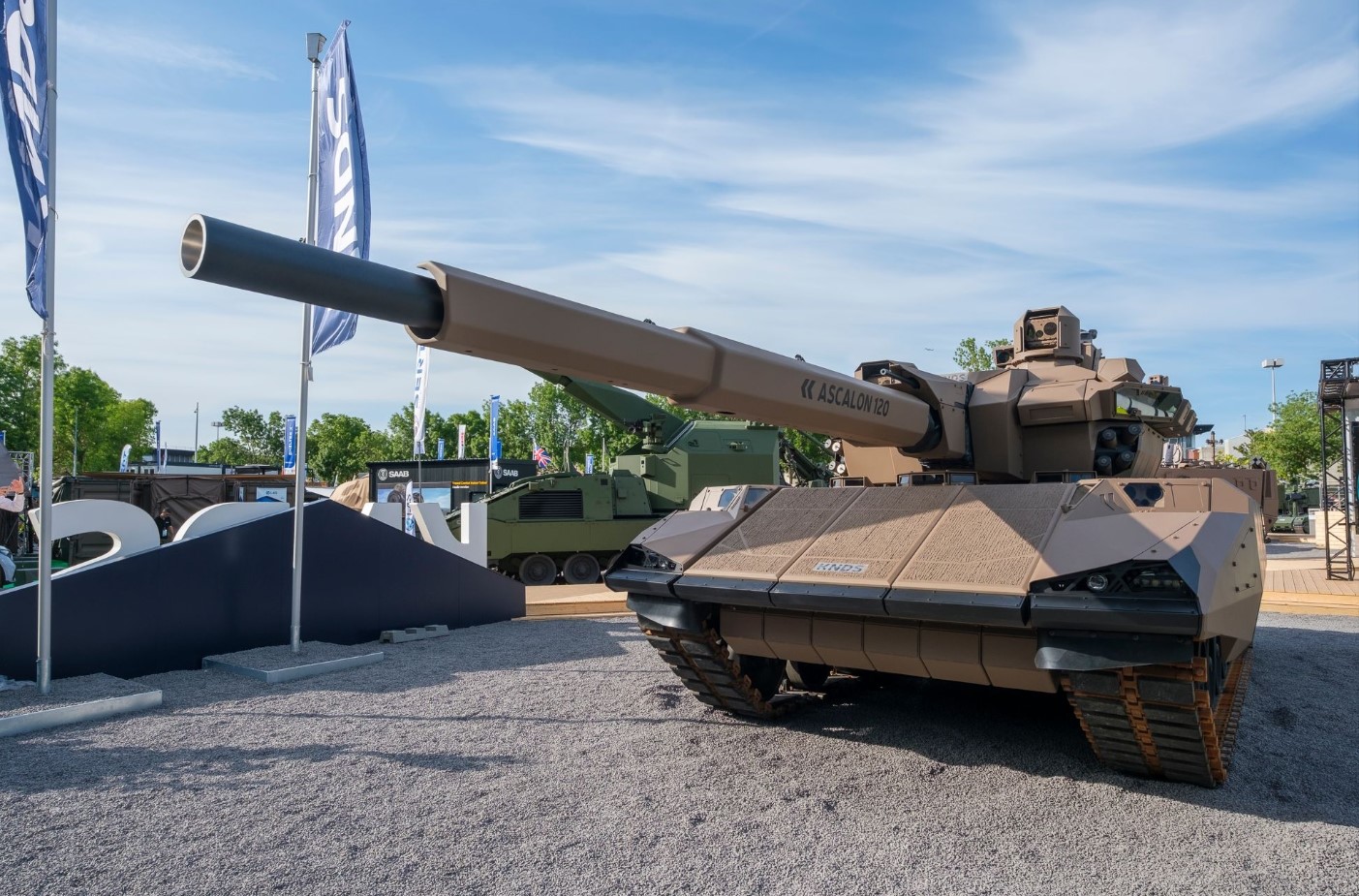 KNDS Unveils CAPINT Main Battle Tank at Eurosatory 2026 as Leclerc Stopgap