
World
In a notable development for Ukraine’s armored forces, the first Australian-supplied M1A1 Abrams tanks have been spotted in Poland, marking the initial phase of a large-scale military transfer. These U.S.-built tanks, now repainted in Australian camouflage, are part of Australia’s October 2024 pledge to donate 49 Abrams main battle tanks to support Ukraine's fight against Russia. The delivery is a part of a broader A$245 million (roughly USD 163 million) military aid package that aims to bolster Ukraine’s armored warfare capabilities at a time when the country is heavily reliant on Western support to counter Russian aggression. These M1A1 Abrams tanks come from Australia’s own inventory of decommissioned armored vehicles. They are being replaced domestically by newer-generation M1A2 SEPv3 variants, which offer advanced armor, upgraded electronics, and improved battlefield connectivity. The M1A1s being sent to Ukraine, while older, remain highly capable when maintained and deployed effectively. Each M1A1 Abrams weighs approximately 62 tons and is powered by a 1,500 horsepower Honeywell AGT1500 gas turbine engine, capable of propelling the tank to speeds of around 67 km/h (42 mph) on roads. Armed with a 120mm M256 smoothbore gun, the tank also features a .50 caliber machine gun and two 7.62mm machine guns for close defense. It boasts advanced fire control systems, thermal imaging, and composite armor for high survivability on the battlefield. Though these aren’t the latest variants, they still represent a formidable force when integrated into Ukraine’s existing military structure. The Abrams' proven performance in conflicts from Iraq to Kosovo gives Ukrainian forces a trusted platform to strengthen their armored brigades. Delivery of the tanks had been delayed, reportedly due to the U.S. Foreign Military Sales (FMS) process. As the original manufacturer of the Abrams, the United States requires approval for any third-party transfer of the system, even between allies. This procedural step is now complete, allowing the tanks to move forward to Ukraine via Poland. Australia’s commitment of Abrams tanks is not only a demonstration of its support for Ukraine but also a signal of growing global coordination to aid Kyiv with heavy weaponry. As these tanks make their way toward Ukrainian hands, they are expected to enhance both offensive and defensive capabilities, particularly in contested regions where armored strength is crucial. With Ukraine steadily integrating NATO-standard systems and platforms, the arrival of the Abrams tanks marks another step in the country’s transition to a modern, Western-style fighting force—better prepared to withstand and repel ongoing Russian military pressure.
Read More → Posted on 2025-06-28 14:28:01
World
In a striking example of battlefield innovation, Ukraine has begun fielding upgraded Leopard 1A5DK tanks that are now equipped with modern armor enhancements to survive the evolving threats of today’s war, especially from drones and anti-tank guided missiles (ATGMs). These tanks, originally donated by Denmark, Germany, and the Netherlands, have been retrofitted by Ukrainian engineers to dramatically improve their survivability on the frontlines. The Leopard 1A5DK, a Cold War-era tank, was never designed for the type of precision warfare seen in Ukraine today. Armed with a 105mm L7A3 rifled gun, laser rangefinder, and thermal imaging, it excels in mobility and targeting, but its steel armor, just 70mm thick at its strongest, falls short against modern weapons like tandem-charge RPGs, FPV drones, and loitering munitions. That vulnerability has pushed Ukraine to give these aging tanks a new lease on life. To protect crews and extend the tanks' utility in combat, Ukrainian specialists have added Kontakt-1 and Nizh explosive reactive armor (ERA)—a unique blend of Soviet-era and Ukrainian-made technology. The Kontakt-1 ERA, widely used in older Soviet platforms, detonates on impact to deflect or neutralize shaped-charge warheads. While it's dated, it’s still effective against many conventional anti-tank threats. Ukrainian forces have placed these ERA blocks on critical areas, especially the turret front and roof, where top-attack weapons often strike. Complementing this, the Nizh ERA, a Ukrainian development, brings advanced multi-layer protection. Designed to resist tandem warheads, it also ensures limited damage to neighboring ERA blocks during a hit. These modules have been mounted on the lower and upper front hull, side skirts, and other vulnerable parts of the tank, giving it better chances of surviving repeated hits. As drones play an increasingly dangerous role in the conflict—especially FPV (First Person View) drones that drop explosives with high accuracy—Ukrainian engineers have added mesh and grille screens over key parts like the engine deck and turret roof. These passive defenses help to detonate or deflect incoming drone munitions before they pierce the tank's body, potentially saving lives and equipment. Despite their age, Leopard 1A5DK tanks offer a strong platform for rapid movement. Their 830 hp MTU MB 838 engine pushes them up to 65 km/h, with a range of 600 km, making them well-suited for fast-moving, hit-and-run engagements and quick redeployments. With these new protection upgrades, they’re now far more viable for modern mechanized warfare, especially in the dynamic and drone-heavy battlefields of Ukraine. This upgrade marks more than a technical adjustment—it reflects a shift in doctrine. Rather than retire legacy tanks, Ukraine is showing how smart retrofitting and local innovation can adapt older Western platforms to meet today’s asymmetric threats. It's a lesson in resilience and ingenuity: pairing the firepower and mobility of Cold War hardware with modern survivability to keep pace with the demands of modern war. By upgrading the Leopard 1A5DK, the 142nd Separate Mechanized Brigade is setting a powerful example of how legacy systems can be transformed into effective battlefield assets. It's not just about keeping tanks alive—it’s about keeping pace with a war that’s being rewritten by drones, precision weapons, and rapid adaptation.
Read More → Posted on 2025-06-28 14:16:50
World
In a landmark achievement for its domestic defense industry, Ukraine has successfully tested a new glide module designed to convert Soviet-era FAB-500 bombs into precision-guided munitions, giving the country a much-needed standoff strike capability amid ongoing conflict with Russia. Developed by Kyiv-based firm KB Medoid, the new system is expected to significantly enhance Ukraine’s ability to hit strategic targets from safer distances. On June 25, 2025, the Ukrainian Ministry of Defense unveiled the results of the first successful tests of the new FAB-500 glide module. The innovation retrofits the standard 500 kg high-explosive bomb—originally intended for unguided drops—with foldable wings and a dual-mode navigation system. Once released from aircraft like the Su-24M, the modified bomb can glide up to 60 kilometers toward its target. A version with an 80 km range is currently under development. Technically, the glide module incorporates inertial navigation systems (INS) along with satellite guidance, allowing the bomb to autonomously steer itself mid-flight toward a pre-programmed target. This leap in precision dramatically reduces the need for pilots to approach heavily defended enemy airspace, improving aircraft survivability against Russian air defense systems like the S-300 and S-400. In the future, Ukraine plans to integrate anti-jamming systems, developed with French assistance, to improve reliability in contested electronic warfare environments. The concept is not entirely new. Russia has been using similar kits known as UMPK (Universal Gliding and Correction Modules) to great effect since 2023, giving them an edge in precision strikes. But Ukraine’s new module marks its first homegrown answer to this threat. Engineers reportedly studied debris from downed Russian glide bombs and used battlefield experience to reverse-engineer a similar capability suited for Ukrainian resources and aircraft. Compared to its Russian and Western counterparts, Ukraine’s system is more cost-effective and simpler to produce, thanks to the large stockpiles of FAB-500 bombs left from the Soviet era and the use of existing aircraft platforms. Although it does not match the precision or resistance to jamming of American JDAM-ERs or French AASM kits, it offers a critical balance between capability, availability, and affordability under wartime conditions. The strategic importance of this system cannot be overstated. Ukraine can now target enemy command centers, fuel depots, supply convoys, and troop concentrations without risking the lives of its pilots or relying solely on NATO-supplied guided weapons. In a broader sense, the development marks a step toward military self-reliance and greater operational autonomy in the face of Russian aggression. If Ukraine manages to scale production and deploy these glide kits across its remaining combat aircraft, it could help level the playing field in an asymmetric conflict. KB Medoid's work represents a powerful example of innovation under pressure, where necessity has driven rapid advancements in converting old equipment into modern military tools. By breathing new life into outdated bombs, Ukraine has not just added a new weapon to its arsenal—it has made a bold statement about resilience, ingenuity, and the will to fight smarter with what it has.
Read More → Posted on 2025-06-27 16:15:33
World
Japan has taken a significant step forward in modern naval warfare by successfully testing an unmanned surface vessel (USV) for live mine disposal operations for the first time. This breakthrough was announced on June 17 by Admiral Hiroshi Saito, Chief of Staff of the Maritime Staff Office, during a press conference. The operation represents a major milestone for the Japan Maritime Self-Defense Force (JMSDF), showcasing the growing importance of unmanned systems in ensuring maritime safety and operational flexibility. The historic test took place off the coast of Iwo Jima, where the JMSDF conducted live mine-clearing operations using a fully unmanned platform. The exercise, which spanned June 15 and 16, involved a specially designed mine disposal USV along with a self-propelled mine disposal charge known as an EMD (Expendable Mine Disposal). Both systems were remotely operated from aboard the JS Mogami, one of Japan’s newest Mogami-class multi-mission destroyers. During the operation, the unmanned surface vessel was launched from the mothership and guided towards a designated target area where a live naval mine had been identified. Once on location, the USV deployed the EMD charge, which was navigated to the mine and detonated under remote control, neutralizing the threat from a safe distance. What made this exercise particularly notable was that it was carried out in realistic sea conditions, with environmental factors like currents, waves, and underwater obstacles posing real-world challenges to the operation. Admiral Saito described the test as a validation of the effectiveness of unmanned surface vessels in mine countermeasure operations. “This is the first time the Maritime Self-Defense Force has conducted live mine disposal using a fully unmanned surface platform. It has enhanced our mine-clearing capability,” he told reporters. He also emphasized that the operation marks the beginning of a new era in mine warfare for Japan, with plans to further refine and expand these capabilities through additional tests and training exercises. The USV used in the operation was developed by JMU Defense Systems, a division of Japan Marine United Corporation, which specializes in advanced naval defense technologies. This particular unmanned platform is part of a broader suite of modern mine countermeasure systems being integrated into the Mogami-class ships, which are designed to support a range of maritime security missions, from anti-submarine warfare to humanitarian assistance and disaster relief. Beyond the technical achievement, this successful trial reflects a strategic shift within Japan’s naval doctrine. As tensions in regional waters continue to rise, particularly in areas like the East China Sea and around disputed islands, maintaining safe and open sea lanes is a national priority. The ability to detect and neutralize naval mines remotely enhances the JMSDF’s operational safety, reduces risks to personnel, and allows for quicker, more flexible responses to potential threats. Admiral Saito noted that the JMSDF will continue with a series of exercises and system validations aimed at fully integrating unmanned mine countermeasure systems into routine operations. The vision is to make these advanced technologies a permanent and reliable feature of Japan’s maritime defense, ensuring safer seas and modernizing the fleet’s operational capabilities in line with contemporary naval warfare trends.
Read More → Posted on 2025-06-27 14:45:41
World
In an increasingly viral interview circulating on Pakistani news channels and social media, Pakistan’s Defence Minister Khawaja Asif firmly denied recent rumors suggesting that the Pakistan Air Force (PAF) is set to receive J-35A stealth fighter jets from China by 2026. When asked directly about the alleged acquisition, Asif replied, “I think it's only in the media, you know… It's good for Chinese defense sales.” His offhand remark has triggered a wave of debate across strategic circles, especially in light of Pakistan’s dire economic circumstances and the long-standing question of who truly drives major defence procurements in the country: the civilian government or the military establishment. The Rumor Mill Around J-35A Acquisition Speculation regarding Pakistan’s interest in the Chinese Shenyang J-35A — a twin-engine, carrier-capable stealth fighter — has circulated since early 2023. The aircraft is considered the Chinese counterpart to the American F-35, equipped with low observability, high agility, and advanced sensor fusion, potentially giving any air force a significant technological edge. However, there has been no official confirmation from Pakistan or China, and Khawaja Asif’s dismissal of the deal lends weight to the belief that the narrative was partly media hype and partly Chinese arms marketing. The True Cost of Twin-Engine Fighters While the J-35A’s stealth and combat capabilities are undeniably advanced, they come with immense operational and financial costs — ones that the PAF may not be able to sustain. Flying Cost: Twin-engine jets such as the J-35A consume up to 2–2.5 times more fuel per hour than single-engine fighters like the JF-17. This translates to $20,000–$40,000 per flight hour, depending on mission load, maintenance cycles, and spares. Maintenance: Stealth aircraft require special maintenance protocols including RAM (Radar Absorbent Material) surface care, which significantly increases cost and complexity. Logistics & Infrastructure: Pakistan lacks the advanced MRO (Maintenance, Repair and Overhaul) infrastructure necessary to maintain stealth aircraft, which would either require heavy investment or dependence on China — further compounding long-term costs. These are not one-time costs; they form a continuous financial burden. Even at discounted Chinese export rates, the acquisition cost of each J-35A is estimated at $70–85 million, with lifecycle costs running into billions. Who Really Decides in Pakistan: Army vs Civilian Government Khawaja Asif’s denial, while definitive, must be viewed through the prism of Pakistan’s unique civil-military dynamic. In the Islamic Republic, the military—especially the Army—holds overriding influence on defence acquisitions, often bypassing the defence ministry or even elected representatives. Over the decades, Pakistan’s military has made key arms deals independently, including past purchases of F-16s, JF-17s, and Chinese missiles. If the Pakistan Army’s high command deems the J-35A essential for maintaining parity with India’s future stealth capabilities (e.g., AMCA or Rafale), they may move forward regardless of economic logic or civilian objection. There is growing speculation that any such acquisition would likely be funded through foreign loans, including those from Chinese banks or diverted international aid packages—ironically, funds often intended for development or humanitarian relief. Economic Collapse vs Military Ambition The very idea of acquiring such expensive stealth jets stands in stark contrast to Pakistan’s current economic turmoil: Foreign Exchange Reserves: Hovering around $8–9 billion, barely enough for two months of imports. IMF Bailouts: Pakistan remains heavily reliant on the International Monetary Fund (IMF) for basic economic stability. GDP Growth: The economy is projected to grow at less than 2% in 2025, with persistent inflation and food insecurity. Essential Shortages: From water scarcity to electricity outages and lack of public health infrastructure, the average Pakistani faces daily hardships. Critics argue that diverting billions towards stealth jets, no matter how strategically appealing, is deeply irresponsible in a country where bread and water are becoming harder to afford. Prestige Projects or People’s Priorities? Khawaja Asif’s blunt response may have been an attempt to inject realism into a conversation dominated by defense fanfare and media speculation, but it also highlights the larger issue — a widening disconnect between Pakistan’s strategic ambitions and its ground reality. Until the country stabilizes its economy, reforms its decision-making structure, and prioritizes its citizens' welfare, even discussing fifth-generation stealth fighter acquisitions seems out of touch at best and dangerous at worst. As the world watches the interview make waves across South Asian media, it becomes clear that Pakistan’s real battle may not be in the skies, but in its own corridors of power and economic survival.
Read More → Posted on 2025-06-27 13:59:34
World
The Royal Danish Navy is set to enhance the firepower and accuracy of its warships with the addition of 57 state-of-the-art VIDAR laser rangefinders, supplied by Sweden-based Lumibird Photonics. These high-performance systems will be delivered during 2025 and 2026 and integrated into Saab’s CEROS fire control systems, which are already deployed aboard Denmark’s advanced frigate fleet. This contract marks a key collaboration between Lumibird and Saab, a major Swedish defense contractor. By equipping Danish frigates with VIDAR laser rangefinders, the deal aims to boost the Navy’s ability to detect, track, and engage fast-moving threats such as drones, small boats, and missiles — especially in cluttered maritime environments where precision is critical. At the heart of the system is the VIDAR laser rangefinder, a compact and rugged device designed for use on land, in the air, and at sea. It uses diode-pumped erbium-glass laser technology, offering a combination of compactness, high performance, and eye safety. Built with no moving parts, no fans, and no cooling fluid, VIDAR is engineered for reliability and reduced maintenance in harsh naval conditions. Technically, the VIDAR system delivers: Maximum configurable range: Up to 32 kilometers (around 20 miles) Range accuracy: Less than 4 meters (13 feet) Resolution: 1 meter (3.3 feet) Pulse repetition rate: Up to 12.5 Hertz Dimensions: 318 x 145 x 141 mm (12.5 x 5.7 x 5.6 inches) Weight: Under 5.6 kg (12.3 pounds) Laser class: Eye-safe Class 1M Its small size and rugged design make VIDAR suitable for both operational missions and peacetime training scenarios. When paired with Saab’s CEROS fire control systems, it enables real-time, high-frequency distance measurements that are crucial for modern naval warfare. Commenting on the development, Marc LE Flohic, CEO of Lumibird Group, said the partnership with Saab reaffirms the technical excellence and maturity of VIDAR. Carina Harnesk, CEO of Lumibird Photonics Sweden, also noted that the company anticipates growing interest in the system from other NATO and allied navies. As the geopolitical importance of the Baltic Sea region continues to rise, Denmark’s move to equip its naval fleet with cutting-edge targeting technology reflects a clear intent to stay ahead in maritime defense capabilities. The integration of VIDAR laser rangefinders ensures that Danish warships are better prepared to face emerging threats with speed, accuracy, and confidence.
Read More → Posted on 2025-06-27 12:37:27
World
The development of modern combat aircraft relies heavily on cutting-edge radar systems, and the Eurofighter Typhoon is no exception. In a major milestone for European defence aviation, HENSOLDT and Indra — two of Europe’s leading defence technology companies — have successfully finalised the production of the first ECRS Mk1 radars equipped with upgraded hardware subsystems. These improvements mark a significant step forward for the radar capabilities of German and Spanish Eurofighter fleets. What is the ECRS Mk1? The ECRS Mk1 (European Common Radar System) is the latest generation radar being developed for Eurofighter aircraft. It uses Active Electronically Scanned Array (AESA) technology, which allows the radar beam to be steered electronically rather than mechanically. This gives the aircraft quicker scanning speeds, better tracking of multiple targets, and improved resistance to jamming. What’s New in the Upgraded Mk1? In April 2024, military customers from Germany and Spain approved upgrades to the ECRS Mk1 as part of the Mk1 Step 1 configuration. The main enhancements include: A new high-performance Processor An upgraded Antenna Power Supply & Control (APSC) unit These hardware upgrades have been integrated with modern, refactored software to fully utilise the advanced AESA multi-channel technology. The improvements result in better radar performance across various missions: Air-to-air engagements High-resolution air-to-ground strikes Passive and active electronic warfare Why Is This Important? According to Dr. William Gautier, Technical Director for Eurofighter Radar at HENSOLDT, the new hardware enables: Ultra-fast mode switching Real-time mission flexibility Preparation for AI-supported and autonomous operations in future combat scenarios This flexibility means that Eurofighter pilots can rapidly adapt their radar to different threats or mission requirements without returning to base for system changes. Additionally, the upgraded processor architecture provides extra capability for future software improvements and sensor fusion technologies, where data from various sensors onboard is combined for a more accurate and complete picture of the battlespace. Current Status and What’s Next The first radar units with these enhancements have completed production in just 13 months and are now undergoing qualification and flight testing onboard Germany’s ATRA Flying Testbed aircraft. Once this assessment phase is complete, series production is scheduled to begin in summer 2025. The ECRS Mk1 Step 1 radar will initially focus on strengthening air-to-air combat capabilities for the German and Spanish air forces. However, it is designed for long-term versatility. Future software upgrades will unlock multi-role functionality, such as air-to-ground attack modes and advanced electronic warfare tools. This will enable the system to operate in task-based modes, reducing pilot workload while improving operational performance. Technical Highlights: Radar Type: Multi-channel AESA radar Key Upgrades: High-performance processor and enhanced APSC unit Mission Capabilities: Air-to-air, high-resolution air-to-ground, passive & active electronic warfare Future-Ready: AI-supported operation, sensor fusion, autonomous task-based functions Testing: Ongoing on Germany’s ATRA Flying Testbed Production Start: Summer 2025 for Mk1 Step 1 The successful finalisation of the first ECRS Mk1 radar with upgraded hardware is a major step forward for the Eurofighter programme. It not only boosts the aircraft’s current combat abilities but also lays a strong foundation for future developments in electronic warfare and AI-assisted operations. With full integration planned for new Quadriga Eurofighters in Germany, this advanced radar promises to enhance European air defence capabilities for decades to come.
Read More → Posted on 2025-06-27 12:24:30
World
As part of its newly unveiled “Kurs Marine” strategic direction, the German Navy is preparing to strengthen its “Maritime Strike” capabilities — the ability to carry out covert land attacks from naval platforms. One of the clearest signals of this ambition is the potential arming of Germany’s advanced Type 212CD submarines with long-range guided missiles, something the service has lacked until now. A recent report by Waldemar Geiger for Hartpunkt reveals that while the Kurs Marine strategy emphasizes the importance of rapidly expanding strike options for all suitable naval units — particularly submarines — it leaves open which weapon systems would be selected. Why Sub-Launched Missiles Matter for Germany Today, Germany’s submarines, unlike some American or Russian counterparts, lack vertical launch systems (VLS). That means any missile capability must be compatible with the boats’ 533mm torpedo tubes — a technical challenge since many modern cruise missiles are designed for VLS. Historically, one option might have been the Torpedo Tube Launched (TTL) Tomahawk Block IV/V from the United States. However, production of the TTL variant was halted, and a Dutch Ministry of Defense document recently confirmed that no partner nations, including the US and UK, plan to revive it — primarily due to high costs and lack of international demand. French options like the MdCN (Missile de Croisière Naval) or SM.40 Exocet are technically compatible, but unlikely politically and commercially. As Geiger notes, arming Germany’s domestically-built ThyssenKrupp Marine Systems (TKMS) submarines with French missiles could impact the global competitiveness of French submarines. Enter the Joint Strike Missile – Submarine Launched (JSM-SL) The most promising solution emerging for Germany — and other European navies — is the Joint Strike Missile – Submarine Launched (JSM-SL), a new variant of Norway’s successful JSM. 📌 What is the JSM? The JSM is an advanced, stealthy, air-launched, precision-guided missile produced by Kongsberg Defence & Aerospace. It’s derived from the proven Naval Strike Missile (NSM) — an anti-ship missile already in service with several NATO countries. Weight: 400 kg Range: Over 350 km (air-launched); some sources estimate up to 560 km depending on launch profile and flight altitude Warhead: High-explosive blast-fragmentation Guidance: GPS/INS, Imaging Infrared (IIR) seeker, and passive sensors Stealth features: Low radar cross-section composite airframe, passive target acquisition, terrain-following capability Mission profiles: Land-attack and anti-ship Designed to defeat advanced integrated air defenses, the missile’s passive sensors and low observable design make it difficult to detect and intercept. A Submarine-Launched Variant in the Works In June 2025, the Dutch Ministry of Defense confirmed that the future Orka-class submarines would be armed with the JSM-SL, developed through a multinational European collaboration led by Spain. The program has reportedly attracted interest from Germany as well. According to official Dutch defense documents: The JSM-SL will be compatible with 533mm torpedo tubes. It will retain the stealthy, precision land-attack and anti-ship capabilities of the air-launched variant. An initial 18-month development phase is underway, with production readiness and procurement to follow. Project management will be overseen by either OCCAR (Organisation Conjointe de Coopération en matière d'Armement) or NSPA (NATO Support and Procurement Agency). A notable factor in favor of the JSM-SL is that Germany’s military is already procuring: The Naval Strike Missile (NSM) for its future frigates. The Joint Strike Missile (JSM) for its F-35 fighter aircraft. This logistical and operational synergy makes integrating a submarine-launched version both cost-effective and strategically coherent. Technical Advantages for Germany’s Type 212CD Submarines The upcoming Type 212CD submarines, jointly developed by Germany and Norway, will feature: Air-Independent Propulsion (AIP) using hydrogen fuel cells for ultra-quiet underwater endurance. Stealth-optimized hull design A combat system capable of handling complex multi-target scenarios. Pairing these advanced submarines with the JSM-SL would: Greatly enhance Germany’s covert land-attack and maritime strike capabilities. Provide a credible deterrent and operational flexibility, allowing strikes against high-value targets deep inland or at sea, while remaining undetected. Germany’s pivot toward arming its submarines with cruise missiles marks a significant evolution in its maritime doctrine. Given the impracticality of TTL Tomahawks and political reluctance toward French systems, the Joint Strike Missile – Submarine Launched stands out as a highly capable, future-ready, and politically viable solution. Its compatibility with existing NATO missile families, stealth features, and land-attack versatility align perfectly with Germany’s “Kurs Marine” priorities, offering a practical path to modernizing the German Navy’s offensive capabilities beneath the waves.
Read More → Posted on 2025-06-26 16:18:24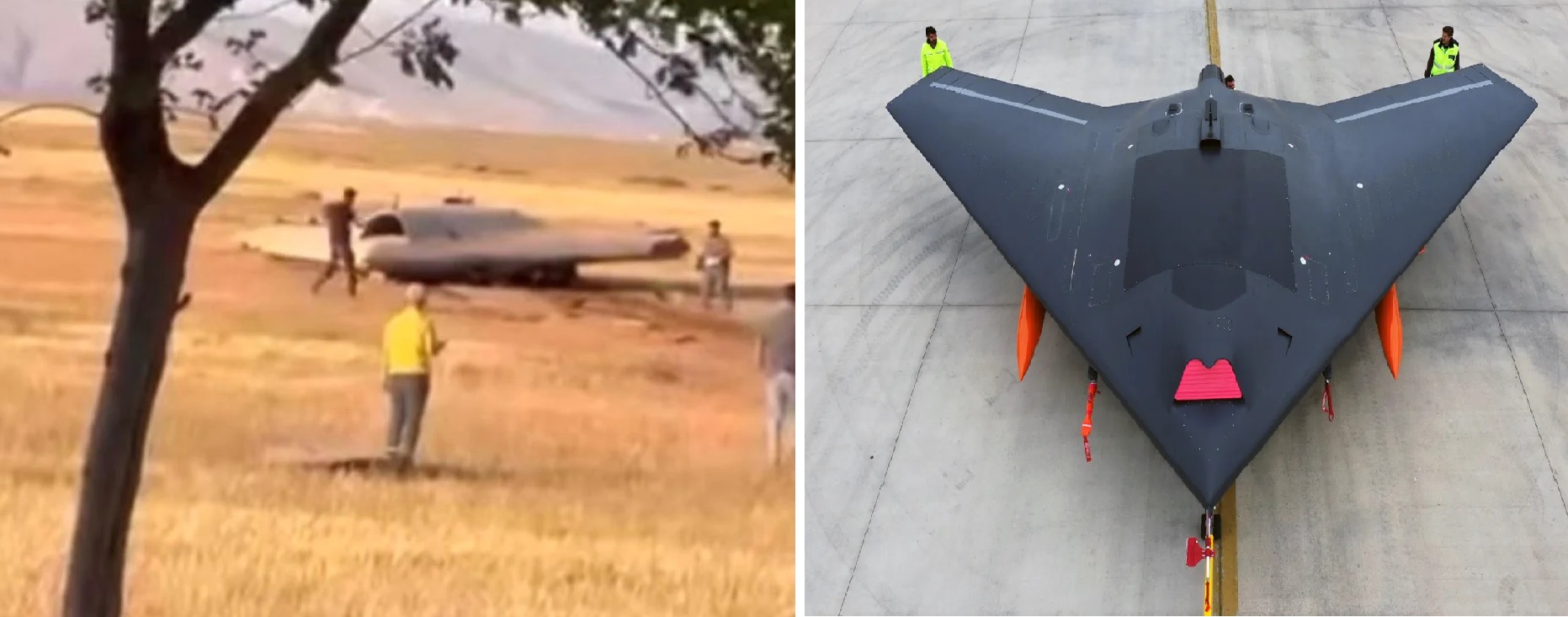
World
In a highly publicized test flight gone awry, Turkey’s most advanced stealth unmanned aerial vehicle (UAV), the Anka-3, suffered what officials are calling an “emergency landing” during a routine sortie over Konya province. Despite the official wording, analysts and defense observers suggest the terminology used by Turkish Aerospace Industries (TAI) may be understating what was, in reality, a structural failure leading to a crash. Images surfacing online after the incident show the Anka-3’s sleek flying-wing body significantly damaged, with the aircraft's delta wings completely separated from the fuselage. Though the central blended-body airframe appeared largely intact, the damage indicates a critical malfunction during the flight test phase. The aircraft was one of the prototypes of a program still under active development and refinement. The Flight and the Fallout TAI issued a cautious statement shortly after the mishap: “During the test flight conducted in Konya, the Anka-3 UAV approached the ground with controlled flight.” The statement notably avoided terms like “crash” or “failure,” instead highlighting the controlled aspect of the descent. However, video and photographic evidence paints a more severe picture, leading many to believe the event marked a structural collapse or system failure mid-flight. This latest development has reignited debate about Turkey’s defense testing philosophy. Unlike countries such as the United States, France, or Israel—where defense platforms undergo prolonged and rigorous pre-induction trials—Turkey has followed a unique path. Its defense industry often inducts platforms into service relatively quickly and addresses emerging issues gradually through software updates, component upgrades, or system patches post-induction. Understanding the Anka-3: A Leap in Turkish Drone Ambition Despite the setback, the Anka-3 remains a landmark in Turkey’s drone development timeline. Developed by Turkish Aerospace Industries, the Anka-3 represents Turkey’s first foray into stealthy, jet-powered unmanned combat aerial vehicles (UCAVs) using a flying wing configuration. This design is similar in concept to the U.S. B-2 Spirit bomber and Northrop Grumman’s X-47B drone, optimized for low radar cross-section (RCS) and increased survivability in contested airspace. Key Technical Features (based on open-source and verified defense analysis): Design: Stealth flying-wing configuration with blended body fuselage for reduced RCS. Length: Approximately 12.5 meters Wingspan: Estimated around 7 meters Engine: Powered by a jet engine, possibly a variant of Ukraine’s Ivchenko-Progress AI-25TLT or similar indigenized solution. Top Speed: Expected to be near 0.7 Mach (~850 km/h) Service Ceiling: Estimated around 40,000 feet Payload Capacity: Around 1,200 kg, allowing for a variety of munitions, sensors, and electronic warfare modules Roles: Electronic warfare Deep strike Suppression of enemy air defenses (SEAD) Intelligence, Surveillance, and Reconnaissance (ISR) Notably, the Anka-3 lacks vertical stabilizers or tail fins, making it radar-evading and aerodynamically suited for stealth missions. Its jet engine enables higher speed and greater survivability compared to Turkey’s propeller-driven UAVs like Anka-S or Bayraktar TB2. A Strategic Calculus: Risk-Taking Over Rigidity Turkey’s approach to defense development reflects its geopolitical realities. Unlike Western nations preparing for potential high-end warfare against peer adversaries with advanced technologies, Turkey’s current regional threats—such as insurgents or technologically inferior adversaries—do not demand perfection before deployment. This pragmatic approach enables rapid fielding, battlefield adaptation, and iterative improvements over time. Yet, incidents like the Anka-3 crash reveal the risks of limited pre-deployment stress testing. When stealth drones are destined to operate in contested electronic warfare environments or serve as part of network-centric operations, reliability becomes paramount. Global Reactions and Context Reactions on Turkish and international defense forums have been divided. Critics cite the event as proof that Turkey may be rushing technological deployments for prestige or political mileage. Supporters, however, defend the setback as a routine part of aviation development, echoing the long list of accidents that plagued other cutting-edge programs—ranging from the F-22 and F-35 to even civilian stealth-inspired aircraft prototypes. One widely circulated post read: “Even if Anka-3 crashed, so what? Every top-tier airframe today has crashed at least once during development. This is how aerospace technology evolves.” And it’s a fair point. Lockheed Martin’s F-35 program alone has had over a dozen significant incidents across its development lifecycle, yet remains the backbone of several NATO air forces. What’s Next for the Anka-3? Despite the crash, TAI is expected to continue the program with accelerated safety evaluations and possible structural reinforcements. Multiple prototypes are already in different stages of assembly and test, and data from this crash will likely influence design refinements. Analysts also anticipate further partnerships with foreign engine or radar manufacturers to enhance performance and integration. Turkey’s defense industry has proven adaptable and resilient—lessons learned from the Anka-3 incident are likely to reinforce, not derail, its ambitions. Bolder, But Riskier Future The Anka-3 episode reflects the high-stakes environment of modern drone warfare development. As Turkey seeks to match capabilities of more established military-industrial powers, its strategy of rapid innovation with operational feedback will continue to draw both admiration and criticism. Nevertheless, the Anka-3, despite the crash, remains symbolic of a country pushing the envelope in autonomous stealth combat aviation—pioneering its own path, mistakes and all.
Read More → Posted on 2025-06-26 15:11:29
World
At the NATO Summit held on June 25, 2025, in Washington, D.C., alliance members agreed to a historic shift in their collective defence posture—raising the long-standing defence spending benchmark from 2% of national GDP to an ambitious 5% by 2035. The move, unprecedented in NATO’s 75-year history, comes amid intensifying geopolitical threats and under heavy pressure from U.S. President Donald Trump, who returned to office in 2025 with a renewed focus on strengthening NATO’s military muscle. This significant leap in defence investment is not just a numerical increase—it reflects a broader recalibration of NATO’s purpose in the face of Russia’s continued aggression in Ukraine, rising tensions with China, hybrid warfare, and cyber threats across Europe. The Breakdown of the 5% Target The new benchmark is split into two major categories: 3.5% of GDP will be allocated for core defence spending, including military personnel, weapons procurement, modernization of equipment, training, and operational readiness. 1.5% of GDP will be directed towards allied security-related investments, such as cyber defence, intelligence capabilities, critical infrastructure resilience (e.g., energy grids and communication networks), and logistical infrastructure vital for rapid military deployments across Europe. This dual-focus spending plan marks the first time NATO has differentiated between hard military capabilities and broader national security resilience within its official budget targets. Trump’s Push and the American Leverage President Donald Trump, long a critic of NATO’s financial burden-sharing, made increasing European defence contributions a central pillar of his second-term foreign policy. At the summit, Trump reportedly issued stern warnings to allies—particularly Germany, France, and other Western European powers—that the U.S. would reconsider its security guarantees under Article 5 unless member states committed to higher defence budgets. According to officials present at the summit, Trump emphasized the growing gap between U.S. defence contributions (historically above 3.5% of GDP) and those of most European allies, many of whom have struggled to meet even the existing 2% threshold. A joint declaration released after the summit read:"We reaffirm our unwavering commitment to collective defence and recognize that modern threats demand modern investments. We commit to reaching the new NATO defence investment target of 5% of GDP by 2035." Implications for NATO’s Core Objectives NATO’s primary objective remains collective defence under Article 5 of its founding treaty. However, the new spending target reflects a recognition that the nature of warfare has fundamentally changed. NATO is increasingly preparing for: Conventional military threats, particularly in Eastern Europe where Russia remains a direct and persistent challenge. Cyber and hybrid warfare, including state-sponsored disinformation, attacks on civilian infrastructure, and election interference. Strategic competition with China, which has gained traction as an emerging priority for NATO's global posture. The increased financial commitment is intended to close the readiness gap, replenish depleted arsenals following aid to Ukraine, and reinforce Europe’s eastern flank with more permanent deployments, forward logistics bases, and air and missile defence systems. Challenges While the 5% goal sends a strong message of resolve, its implementation will face hurdles: Economic strain: European economies—especially smaller or struggling ones—may find it difficult to ramp up defence spending without domestic backlash. Balancing social spending and defence will be politically sensitive. Public opinion: In several NATO countries, defence spending has traditionally taken a backseat to welfare and healthcare. Convincing voters to prioritize defence in peacetime will be a challenge. Defence industry capacity: Scaling up to absorb such massive investments will require significant expansion in defence manufacturing, supply chains, and skilled labour across NATO nations. Despite these obstacles, analysts say the new target is likely to act as a long-term stimulus for Europe’s defence industry and will deepen U.S.-Europe defence industrial cooperation. NATO officials noted that clearer annual benchmarks and transparency will be established to monitor compliance—a lesson learned from years of lagging progress under the previous 2% goal. A New Era for NATO The 2025 NATO Summit may be remembered as the beginning of a bold new era. With the alliance’s defence posture now formally tied to a far more substantial financial commitment, NATO aims to present a more united, capable, and forward-looking military front. As threats multiply and great-power rivalry returns to the forefront of global politics, NATO’s bet is clear: deterrence requires not just words, but real, sustained investment.
Read More → Posted on 2025-06-26 14:38:19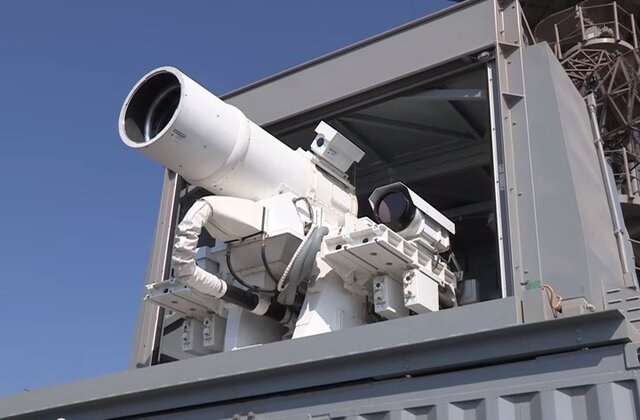
World
The US Navy has begun developing one of the most powerful laser weapons ever designed for a warship. Known as SONGBOW, this cutting-edge system is being built to neutralize high-speed aerial threats such as drone swarms, cruise missiles, and even hypersonic glide vehicles — all at the speed of light. Backed by a $29.9 million contract from the Office of Naval Research, the SONGBOW project is being led by Coherent Aerospace & Defense, a company specializing in advanced laser technologies. The initial development phase will last 20 months, but with options to continue the program through 2027, the Navy clearly sees long-term value in this high-energy solution. At the heart of SONGBOW is a powerful 400-kilowatt laser, a massive upgrade compared to the Navy’s current HELIOS laser system, which operates at around 60 kilowatts. To reach this unprecedented level of power, SONGBOW uses an innovative approach: it combines multiple 50-kilowatt pulsed fiber laser modules into a single, coherent beam. This modular configuration not only boosts total power output but also maintains precision and beam quality during prolonged use. One of the key advantages of laser weapons like SONGBOW is their instantaneous response time. Unlike missiles or bullets, which take seconds or minutes to reach their targets, lasers travel at the speed of light, drastically cutting down reaction time in combat. This is especially critical when facing modern threats such as hypersonic weapons, which move too fast for traditional systems to intercept easily. The laser is guided by an advanced beam control system that ensures accurate targeting even at long distances or during fast-moving engagements. While its primary mission is direct energy defense—disabling or destroying incoming threats—it could also serve secondary roles like remote sensing and battlefield illumination. Though designed primarily for naval deployment, SONGBOW is being developed with land-based applications in mind. This aligns with the Pentagon’s broader effort to make directed-energy weapons a standard part of multi-domain defense—on land, sea, and possibly air platforms in the future. Importantly, SONGBOW is not meant to replace existing systems but to complement them. It’s expected to work in coordination with conventional interceptors like the Aegis Combat System and SM-6 missiles, forming a layered defense network capable of handling everything from low-flying drones to ultra-fast hypersonic gliders. If successful, SONGBOW could mark a turning point in naval warfare, giving US warships the ability to defend themselves with an essentially unlimited magazine, using only power from the ship’s electrical systems—no ammunition, no reloads, just pure directed energy.
Read More → Posted on 2025-06-26 14:14:30
World
In a significant move to bolster its missile defense capabilities, South Korea has awarded a 3.4-billion-won (approximately $24 million) contract to domestic defense firm LIG Nex1 to develop a cutting-edge counter-ballistic missile simulation system. The project, overseen by the Defense Acquisition Program Administration (DAPA), is expected to be completed by 2028. A Critical Tool for Modern Missile Defense The new simulation system is designed to mirror the complex and evolving ballistic missile threats posed by regional adversaries, particularly North Korea. It will provide South Korea's armed forces with a realistic, integrated training environment where personnel can rehearse detection, interception, and response procedures against simulated missile attacks. According to DAPA, the model will simulate the entire engagement process — from early detection of missile launch signs to interception operations, strike decisions, and post-strike damage assessments. This will be achieved using advanced computer-based modeling and simulation (M&S) technologies within a sophisticated virtual battlefield environment. How the System Will Work: Technical Details The simulation model will employ several key technical components: Early Detection Simulation: Simulates the operation of ground-based and airborne surveillance assets (like South Korea’s Green Pine radar systems and early warning satellites) to detect and track ballistic missile launches in real-time. Threat Analysis and Tracking Algorithms: Incorporates real-time computational models to track multiple incoming targets, predict trajectories, and assess threat levels based on simulated missile speed, altitude, and flight path. Interception Decision Simulation: Mimics command-and-control decision-making processes for intercepting incoming missiles using air defense systems such as PAC-3 MSE (Patriot Missiles), KM-SAM (Cheongung-II), and L-SAM (Long-range Surface-to-Air Missile) batteries. Kill Chain and Counterstrike Training: Integrates elements of South Korea’s Kill Chain preemptive strike system and Korea Massive Punishment and Retaliation (KMPR) plan, allowing forces to practice immediate retaliatory measures using strike aircraft, cruise missiles, and other counterforce capabilities. Damage Assessment Module: Uses computer-generated battlefield damage models to visualize and analyze the impact of both successful interceptions and potential missile strikes. By integrating these capabilities, the simulation system aims to prepare South Korea’s military for a wide range of missile attack scenarios, from isolated single-missile launches to coordinated, multi-vector ballistic barrages. Part of Korea’s Three-Axis Strategy The new simulation model is a critical asset supporting South Korea’s Three-Axis Defense Strategy, which was specifically designed to counter the nuclear and missile threat from North Korea. This strategy includes: Kill Chain: A preemptive strike capability to neutralize imminent missile threats. Korea Air and Missile Defense (KAMD): A layered missile defense system to intercept incoming missiles. Korea Massive Punishment and Retaliation (KMPR): A plan for large-scale retaliatory strikes against key North Korean targets in the event of a nuclear or missile attack. According to Jeong Jae-jun, Director of DAPA’s Advanced Technology Business Division, “Once this system development project is completed, a practical and integrated training environment based on advanced simulation technology will be created.” He added that DAPA would continue to work closely with domestic firms like LIG Nex1 to ensure that the project progresses smoothly and meets its strategic objectives. Enhancing Domestic Defense Industry Capabilities Beyond its operational military benefits, the simulation system is also expected to strengthen the technological base of South Korea’s domestic defense sector. By developing indigenous modeling and simulation software for complex missile defense operations, firms like LIG Nex1 can improve their competitiveness in both local and international defense markets. As ballistic missile threats in Northeast Asia grow more sophisticated, South Korea’s decision to invest in advanced simulation-based training tools represents a forward-thinking approach to national defense. The partnership with LIG Nex1 promises to deliver a crucial capability that not only prepares the South Korean military for future conflicts but also nurtures the country’s defense technology ecosystem.
Read More → Posted on 2025-06-26 12:22:35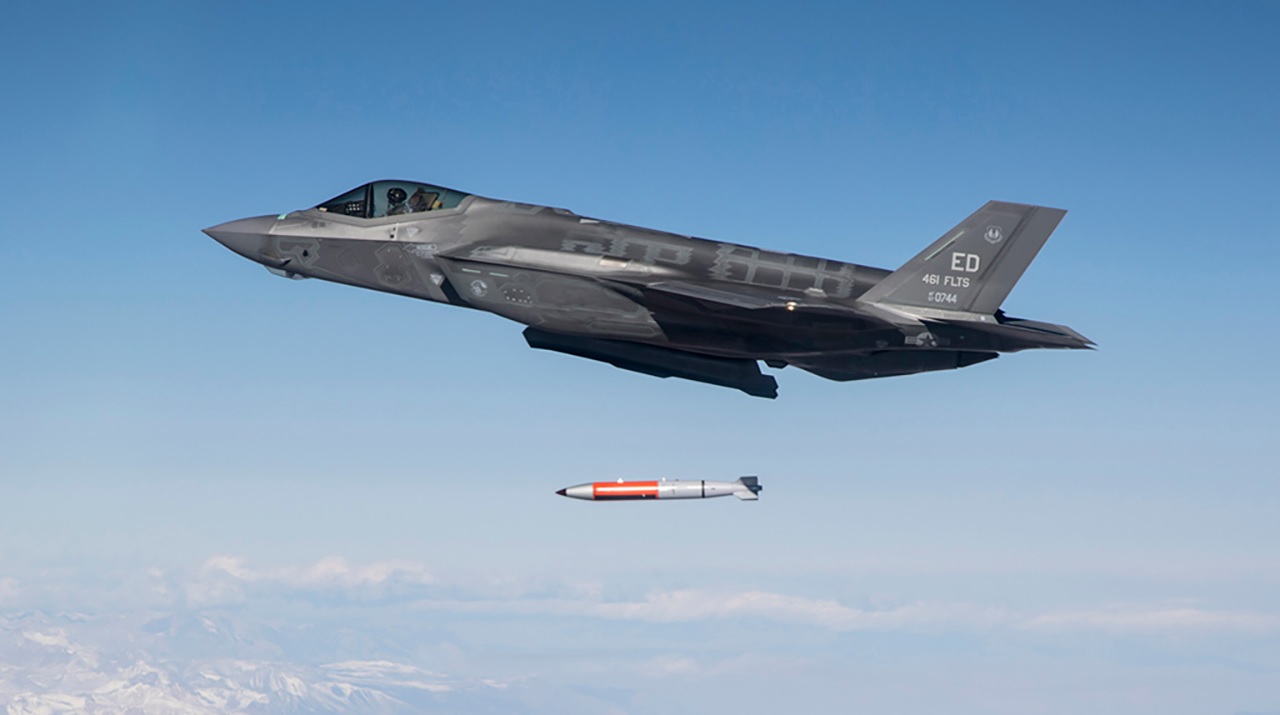
World
In a landmark move reshaping Britain’s nuclear strategy, the United Kingdom has confirmed it will purchase 12 U.S.-made F-35A stealth fighter jets capable of carrying nuclear weapons. The decision marks the country's return to an air-delivered nuclear strike role for the first time since the Cold War and signals a deepened commitment to NATO’s collective deterrence. Prime Minister Keir Starmer is expected to formally announce the procurement during the NATO summit, describing the move as a pillar of his government’s broader “Plan for Change” focused on strengthening national security in an increasingly unstable world. “In an era of radical uncertainty, we can no longer take peace for granted,” he stated. “That’s why my government is investing in our national security.” These advanced aircraft will be stationed at RAF Marham in Norfolk and form part of a broader long-term goal to procure up to 138 F-35s for the Royal Air Force. The current order focuses specifically on the F-35A variant, a conventional takeoff and landing version which is both compatible with NATO’s Dual Capable Aircraft (DCA) mission and up to 25% less expensive than the vertical takeoff F-35B variant already in service with the UK. The addition of F-35As to the RAF fleet directly integrates the UK into NATO’s nuclear mission. These aircraft are designed to carry both conventional and nuclear payloads, allowing the UK to deliver tactical nuclear weapons under NATO command if required. This complements the UK’s sea-based nuclear deterrent, creating a two-pronged strategic defense posture. Beyond military capability, the purchase will also boost Britain’s economy. The F-35 programme already supports more than 20,000 jobs in the UK, with over 100 UK-based companies—including BAE Systems, Rolls-Royce, MBDA, and Leonardo UK—contributing to the jet’s global production. This contract is expected to further stimulate the domestic defense industry, highlighting how defense spending can also fuel economic growth. NATO Secretary General Mark Rutte welcomed the UK's decision, calling it a “robust British contribution” to the alliance. “The UK has declared its nuclear deterrent to NATO for many decades, and I strongly welcome that it will now also play a direct role in NATO’s nuclear air mission,” he said. Defence Secretary John Healey echoed this view, linking the purchase to evolving global threats. “We face new nuclear risks as adversaries increase and modernize their arsenals,” he warned. “This commitment strengthens NATO, reinforces the UK’s leadership within it, and supports thousands of jobs at home.” The purchase of F-35A fighters fits into a broader modernization of the UK’s strategic forces. It comes alongside ongoing efforts such as the construction of four Dreadnought-class nuclear submarines in Barrow-in-Furness and the continued funding of the UK’s sovereign nuclear warhead programme. The government recently allocated £15 billion to this effort, underlining its long-term investment in credible deterrence. At the same time, the UK reaffirmed its adherence to the Nuclear Non-Proliferation Treaty (NPT) and the global goal of disarmament. Officials stressed that while deterrence remains essential in today’s security environment, the country remains committed to eventual global nuclear reductions. With this latest step, the UK has made it clear that it will not only continue to support NATO’s strategic stability goals but will now play a frontline role in executing them—both in the air and at sea.
Read More → Posted on 2025-06-25 11:45:32
World
In a significant milestone for American missile defense, the US Missile Defense Agency (MDA) has successfully carried out the first live flight test of its Long Range Discrimination Radar (LRDR) system. The test, known as Flight Test Other-26a (FTX-26a), took place at Clear Space Force Station in Alaska, roughly two years later than originally planned. What Happened in the Test? During the trial, a live intercontinental ballistic missile (ICBM) representative target was launched, flying over 2,000 kilometers (about 1,243 miles) off the southern coast of Alaska. The LRDR, working in coordination with the Upgraded Early Warning Radar, detected, tracked, and monitored the missile's flight. Both radars transmitted real-time tracking data to the Ground-Based Midcourse Defense system and the Command and Control Battle Management and Communications (C2BMC) system for a simulated interception scenario. This simulated how the system would respond in an actual missile attack, coordinating defenses to engage the threat. According to the MDA, initial results confirmed that the test achieved its primary goals. It validated critical radar functions and marked a key step toward the radar’s full operational integration into the US missile defense network. Why This Test Matters Lieutenant General Heath Collins, Director of the MDA, highlighted the importance of this test, calling it a crucial moment in the development and deployment of the LRDR system. The radar plays a vital role in strengthening the country’s ability to detect and precisely track potential long-range missile threats, particularly from nations like North Korea. But the LRDR isn’t just for missile defense — it also supports space domain awareness. This means it can help track satellites, space debris, and other objects orbiting the Earth, enhancing the United States Space Force’s ability to monitor and manage space activity. What Is the Long Range Discrimination Radar (LRDR)? The LRDR is an advanced, active electronically scanned array (AESA) radar developed by Lockheed Martin. The system was contracted in 2015 to improve the US’s capability to detect and discriminate between actual missile warheads and decoys or non-lethal objects in space. Operating in the S-band frequency, the LRDR uses gallium nitride (GaN) technology, making it highly efficient and capable of continuous operation, even during routine maintenance. This ensures that US missile defenses remain vigilant at all times. The radar provides persistent surveillance, high-precision tracking, and the ability to distinguish between real and false threats — a critical capability when dealing with advanced ballistic missiles that may deploy multiple decoys. Program Delays and Progress Originally, the LRDR was scheduled to achieve initial operational capability by 2021 and full operational readiness by 2023. However, the program faced several delays, notably due to the COVID-19 pandemic in 2020 and a canceled flight test in August 2023 because of an anomaly with the missile target. Despite these setbacks, the recent successful flight test marks a major recovery for the program and strengthens the US’s layered missile defense system designed to protect the homeland against long-range missile attacks. With this test completed, the LRDR will now undergo a formal operational assessment before being fully integrated into the US missile defense architecture. Once operational, it will provide US Northern Command (USNORTHCOM) and the US Space Force with enhanced capabilities to track and defend against both missile threats and objects in space. In a world of growing missile capabilities and space-based competition, systems like the LRDR will be vital in maintaining US defense readiness and deterrence for years to come.
Read More → Posted on 2025-06-25 11:42:47
World
In a landmark foreign military sales agreement valued at $1 billion, Qatar is set to receive advanced counter-unmanned aircraft systems (C-UAS) technology from U.S.-based SRC, Inc., marking a significant step in international defense cooperation. This deal, facilitated by the U.S. government, represents the first international sale of the U.S. Army’s sophisticated Fixed Site–Low, Slow, Small Unmanned Aircraft System Integrated Defeat System, widely known as LIDS. SRC, a not-for-profit defense research and development organization, will deliver this high-end counter-drone solution, which is engineered to detect, track, identify, and neutralize small and slow-flying unmanned aerial vehicles (UAVs). As modern battlefields increasingly face the threat of small drones—often difficult to detect with traditional air defense systems—LIDS offers a vital shield against these emerging dangers. The technology package going to Qatar includes powerful radar sensors, electro-optical systems, radio frequency detectors, and electronic warfare tools. These components work together to create a layered defense system, capable of protecting military bases, strategic infrastructure, and other critical fixed sites. What sets LIDS apart is its system-of-systems architecture, which allows seamless integration of various sensors and effectors depending on mission requirements. This modular design ensures that the system remains adaptable as drone threats evolve, offering Qatar a future-ready solution that can be upgraded with newer technologies over time. SRC President and CEO Kevin Hair highlighted the significance of the export, saying, “We’re proud that our proven systems will be deployed internationally to secure critical airspace, defend warfighters, and protect high-value infrastructure.” He also emphasized the need for advanced sensing and electronic warfare capabilities in today’s fast-changing threat environment. Designed to minimize collateral damage, the LIDS system offers precision engagement against hostile drones while ensuring safety for friendly troops and nearby structures. It’s especially suited for fixed-site protection, such as air bases or energy installations, where uninterrupted operations are essential. This deal also reflects a growing global consensus about the urgency to defend against the rise of drone warfare. With drones being used for reconnaissance, strikes, and even kamikaze-style attacks, countries are rapidly investing in systems that can neutralize these low-cost but high-impact threats. By supplying LIDS to Qatar, SRC not only deepens U.S. military-industrial ties with the Gulf state but also opens the door to broader international adoption of U.S. C-UAS technologies. As nations worldwide reassess their airspace security in light of recent conflicts and drone proliferation, this deal positions SRC as a global leader in unmanned threat mitigation. With deliveries set to begin under U.S. oversight, the agreement marks a strategic win for all involved—enhancing Qatar’s airspace defense while promoting American defense innovation on a global stage.
Read More → Posted on 2025-06-25 11:37:04Search
Top Trending in 24 Hours
-
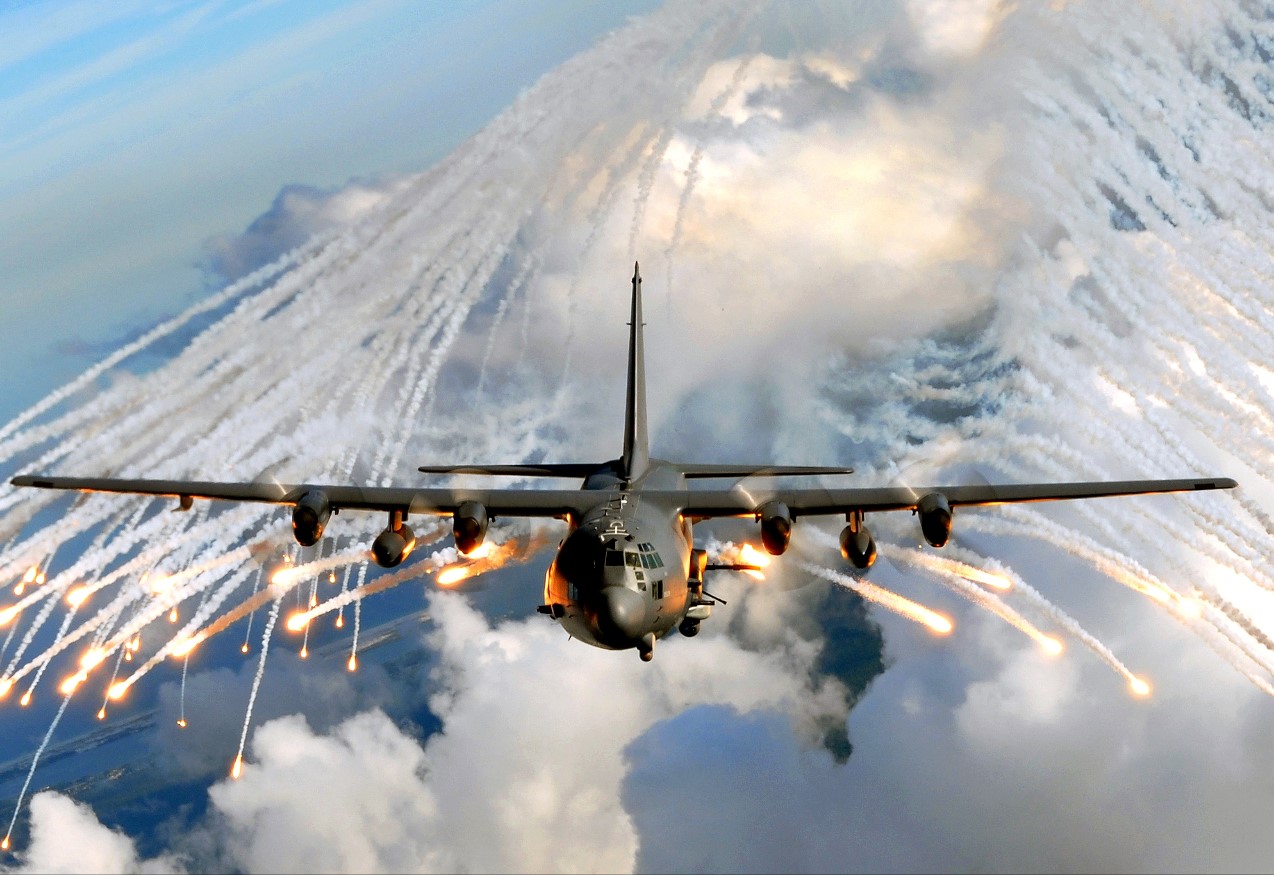 Pentagon Expands Alloy Surfaces Contract to $328.8 Million for Advanced Aircraft Decoy Flares Amid Evolving Drone Threats
-
 Why the U.S. Restored Pacific Command Name, Ending the Indo-Pacific Designation After Eight Years
-
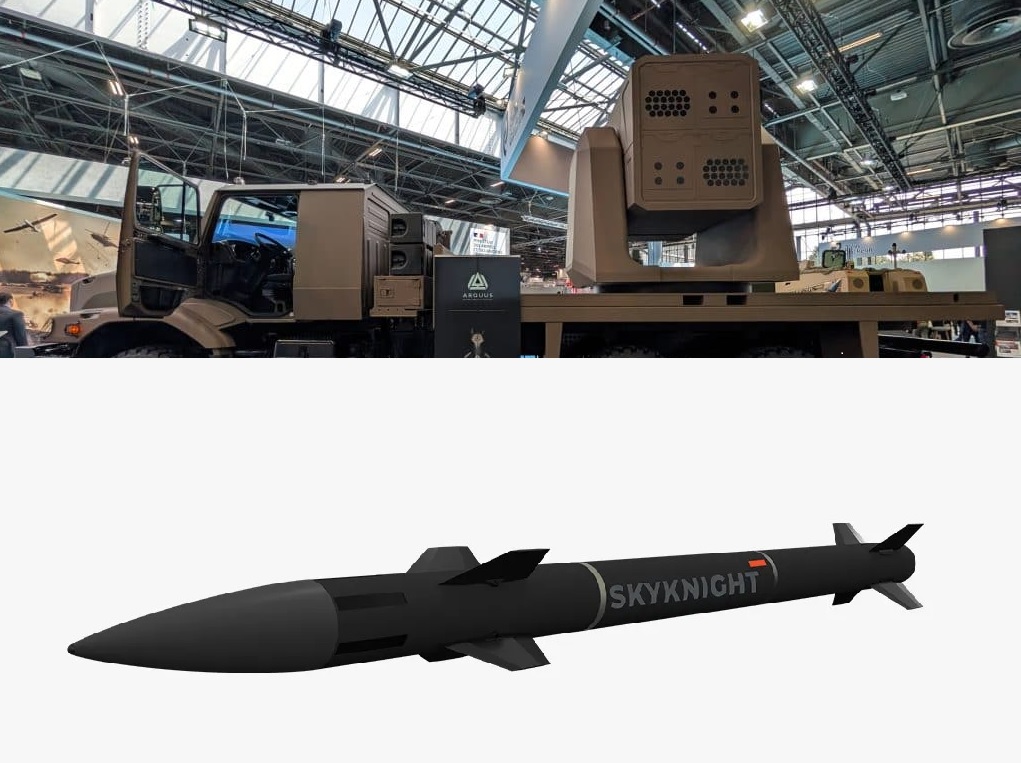 Naval Group Unveils Rampart Modular CIWS Multi-Purpose Weapon System for Naval and Ground Forces at Eurosatory 2026
-
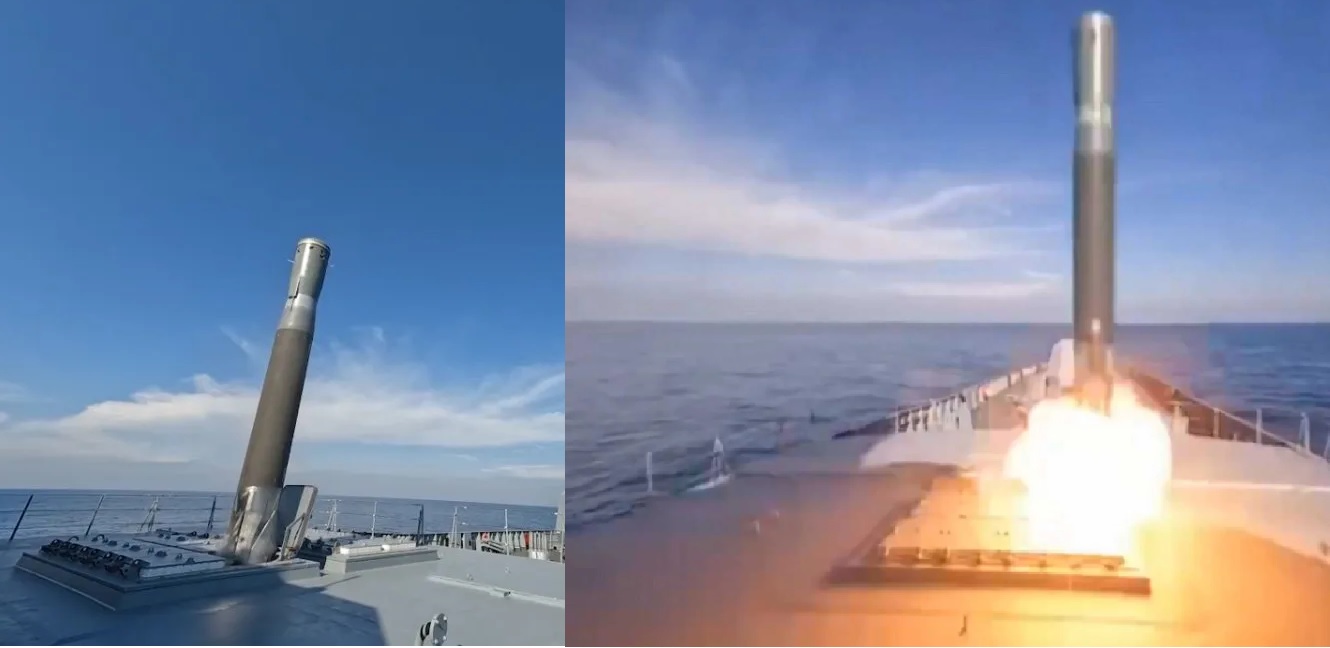 Open-Source Evidence Suggests Russia's Zircon Is a Quasi-Ballistic Missile, Not a True Hypersonic Cruise Weapon
-
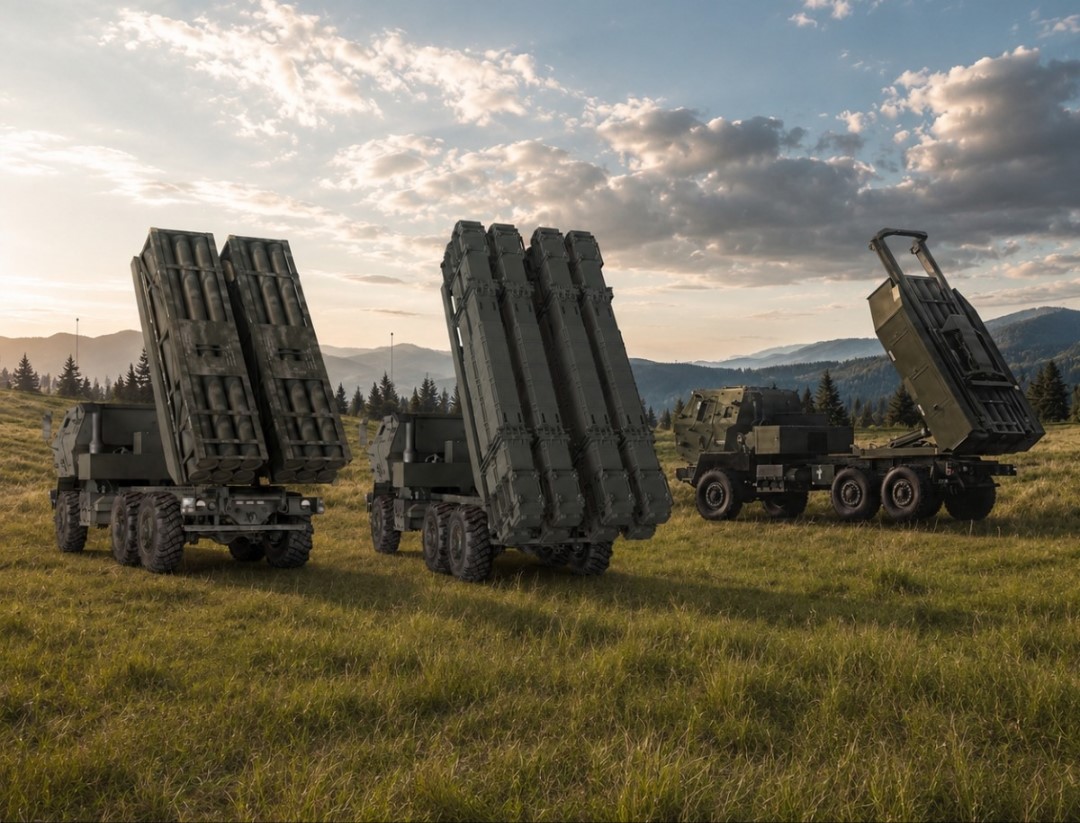 Lockheed Martin Unveils HIMARS FLEX with Dual-Pod Launcher and NATO-Compatible Air Defense Integration
-
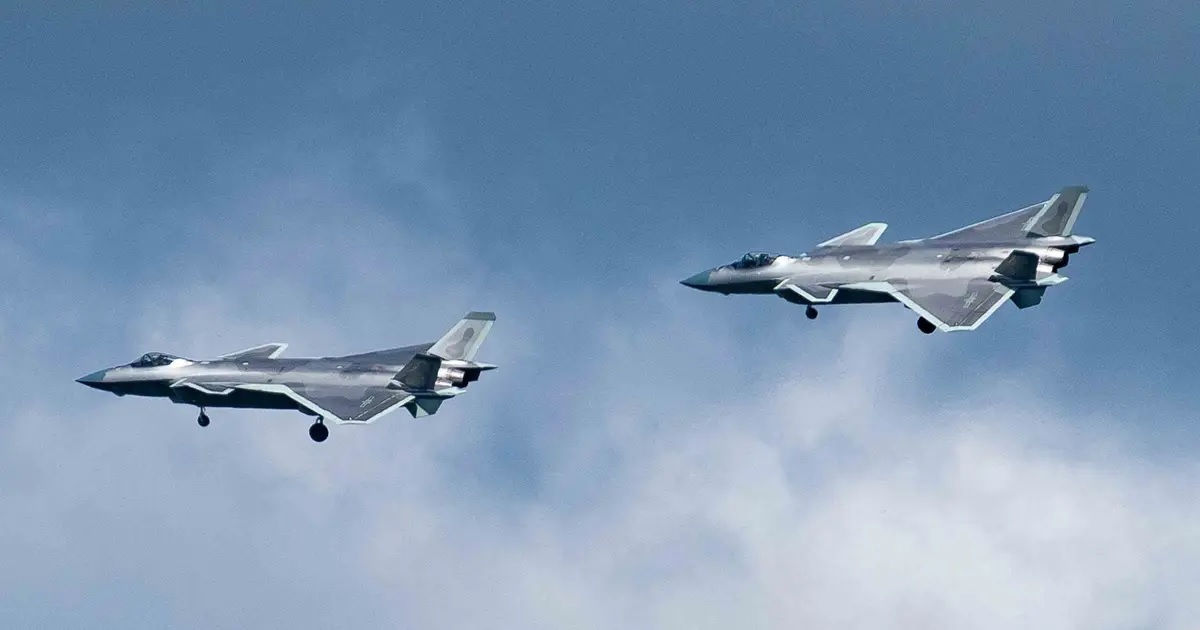 China Surpasses Russia as World’s Second-Most Powerful Air Force Amid Rapid J-20 and J-35 Expansion
-
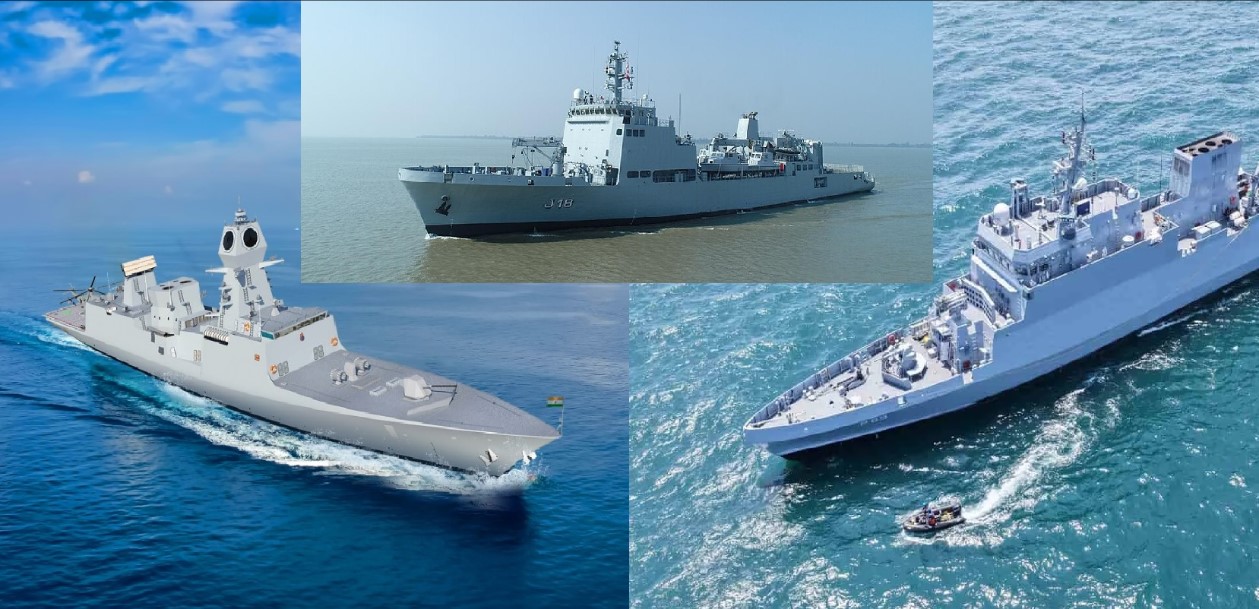 Indian Navy to Commission Stealth Frigate, ASW Craft and Survey Vessel in Rare Triple Induction at Kolkata
-
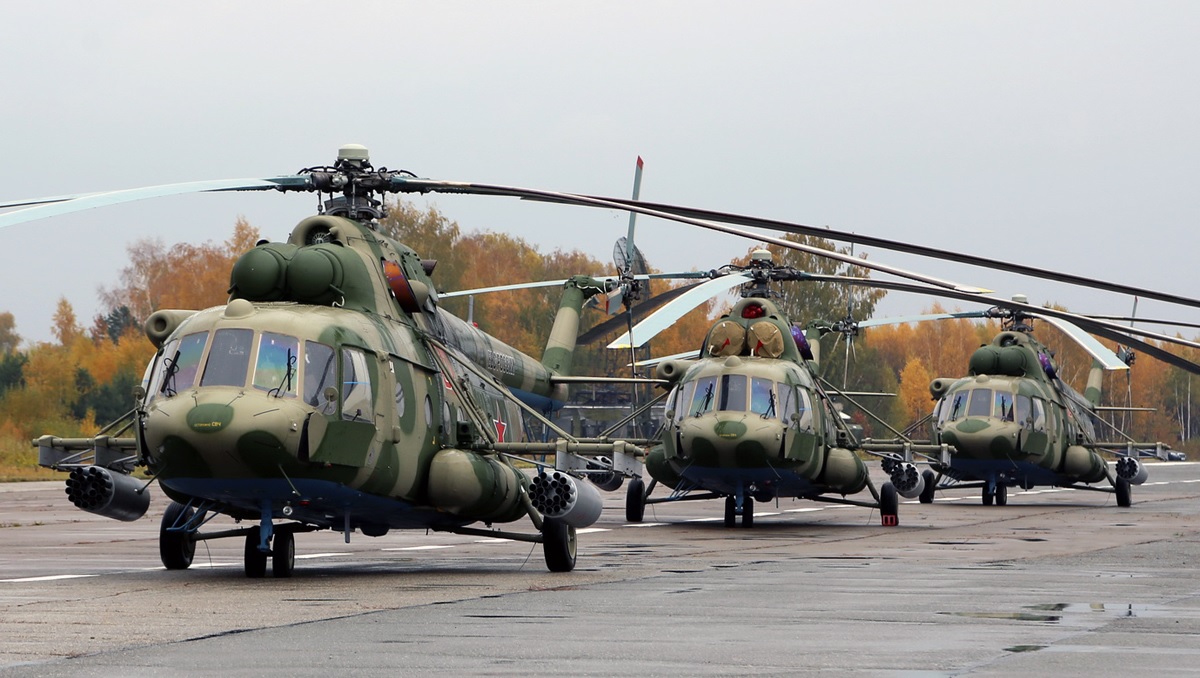 Iran Signs Deal with Russia for 20 Mi-8 and Mi-17 Helicopters to Boost Rescue and Medical Missions
Top Trending in 4 Days
-
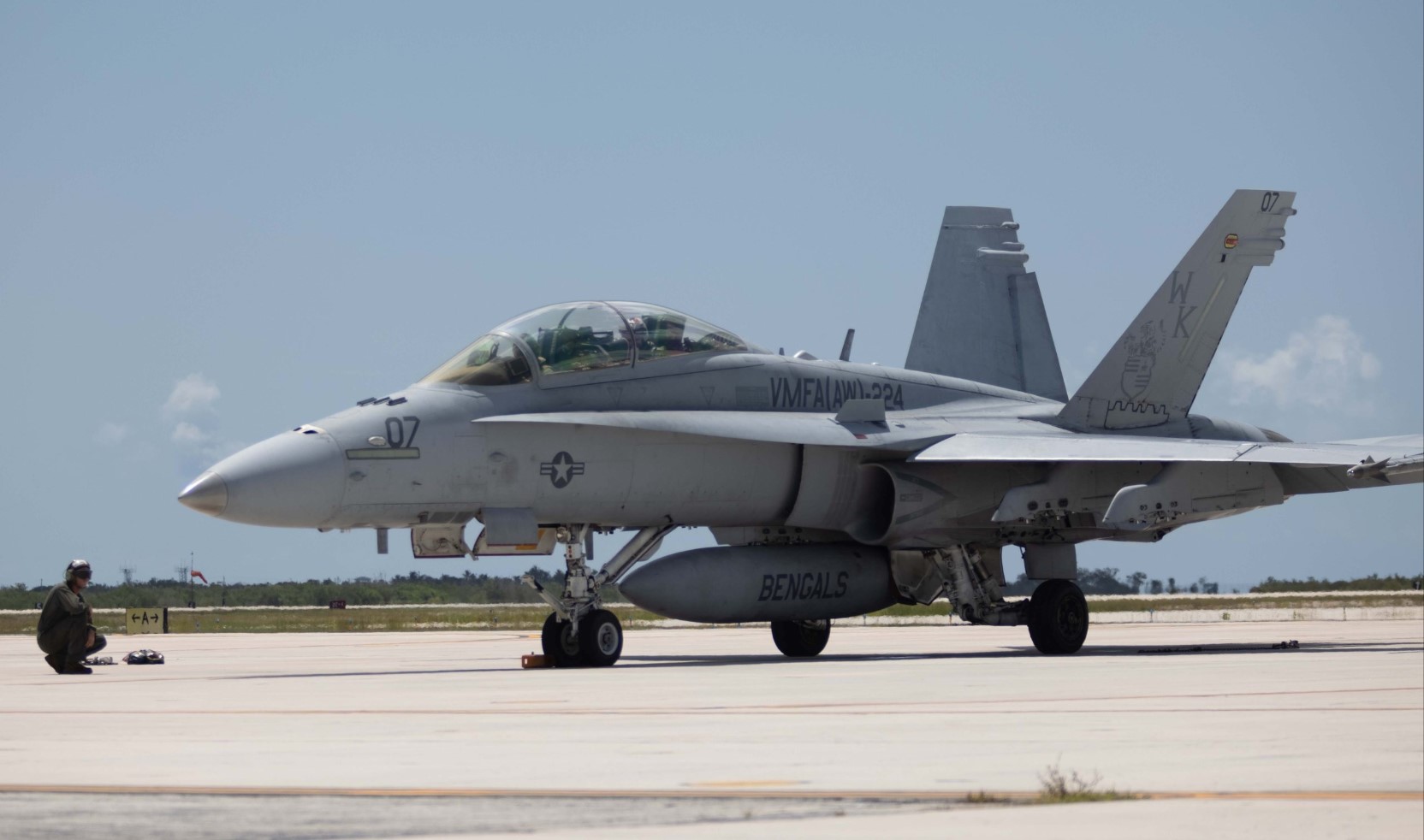 US Marine Corps F/A-18D Hornet Crashes During Training Flight in Washington Mountains; Pilot Ejects Safely
-
 Tulsi Gabbard Releases Declassified Files Detailing U.S.-Backed Network of 120 Biolaboratories Across 30+ Countries
-
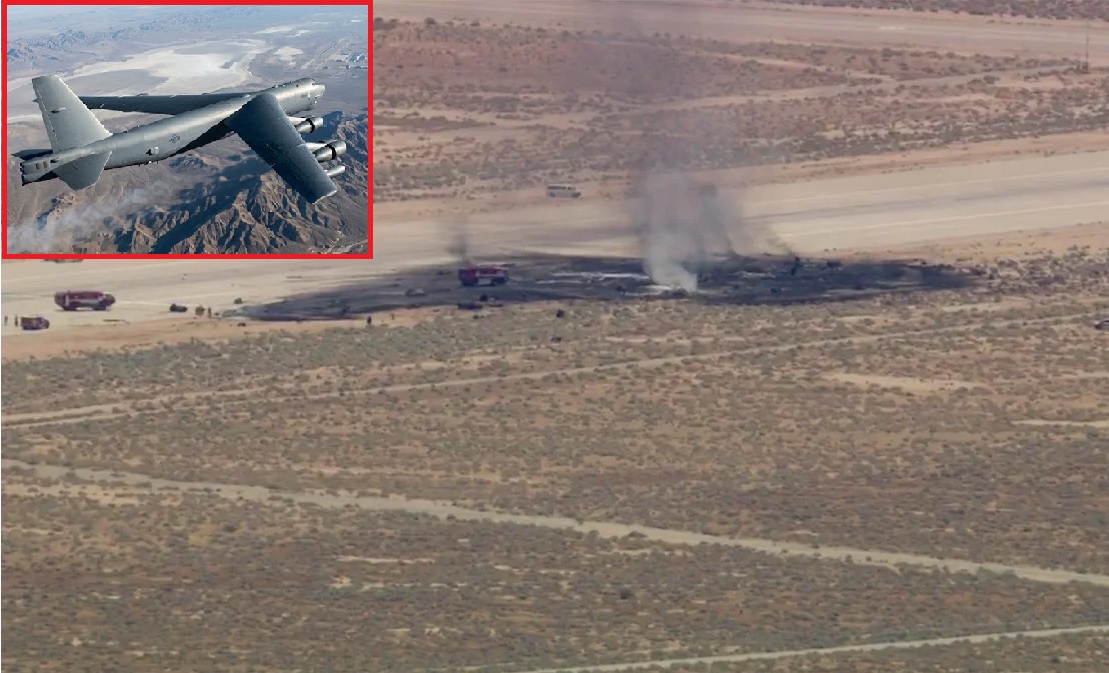 8 U.S. Air Force Crew Members Killed in B-52 Bomber Crash During Test Flight at Edwards Air Force Base
-
 Ukraine Introduces Balloon-Launched DART Missile Designed to Defeat Electronic Warfare
-
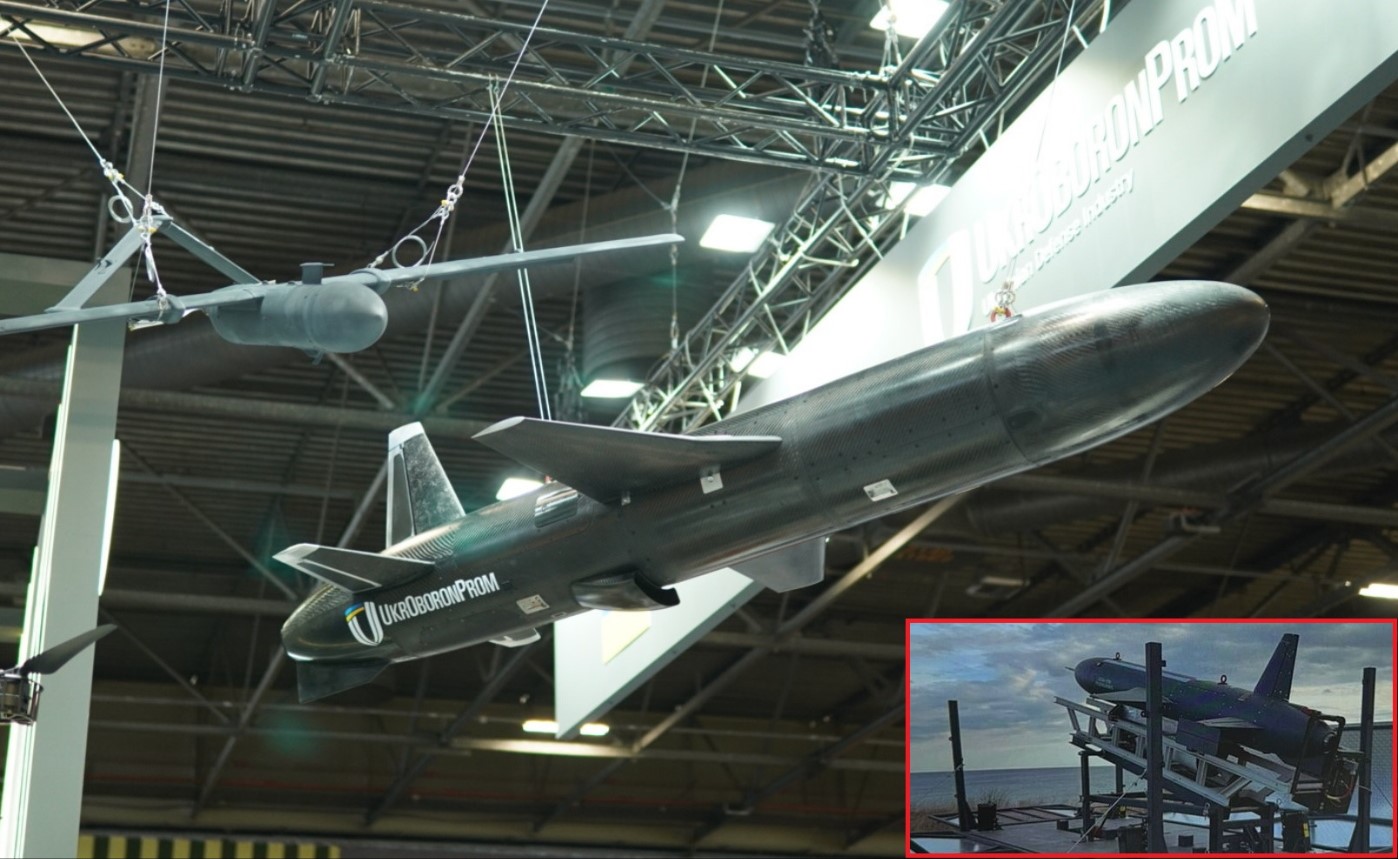 Ukraine Unveils UAV-290 Jet-Powered Strike Drone with 650 km Range at Eurosatory 2026
-
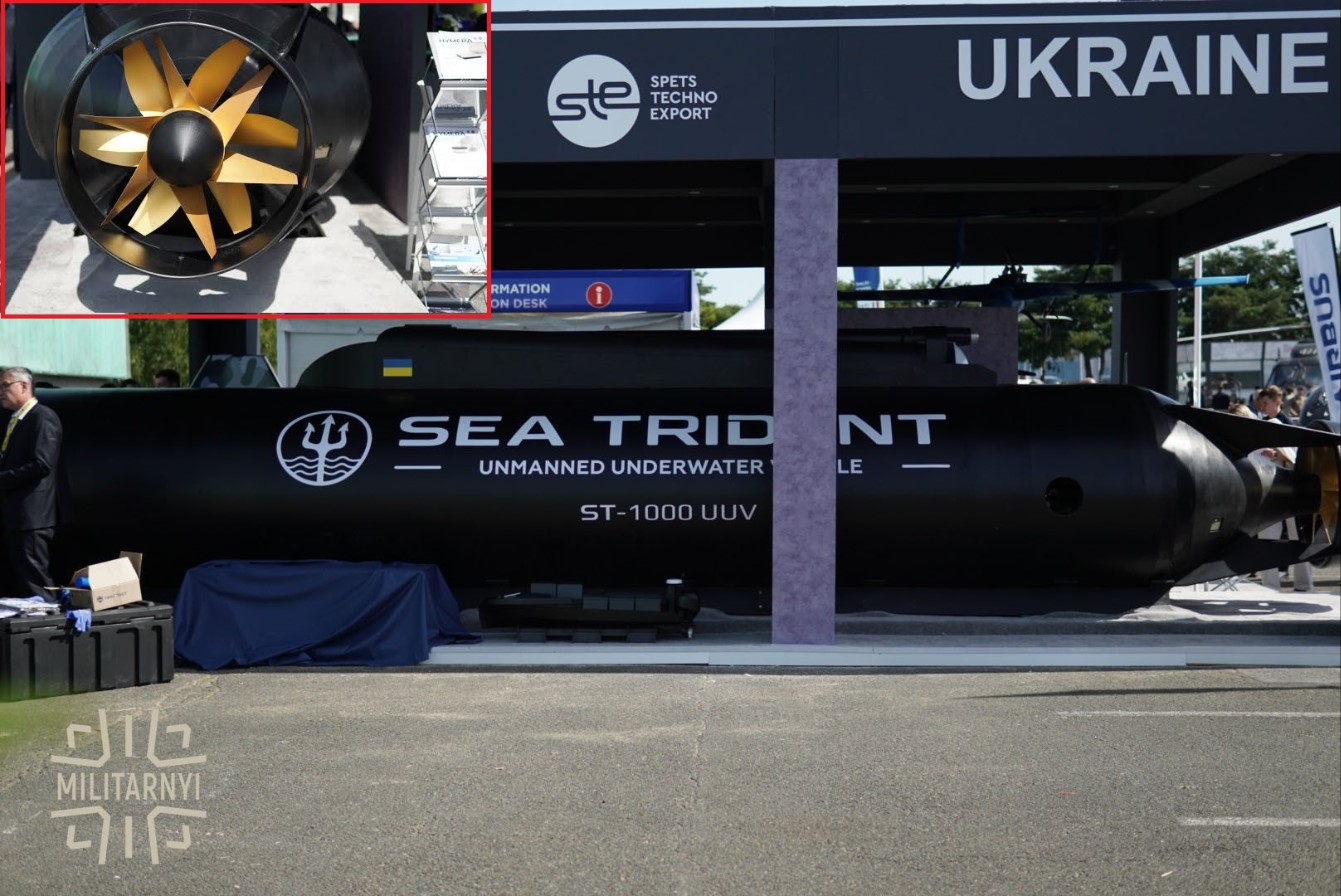 Ukraine Unveils 'Sea Trident' 10-Ton Autonomous Underwater Drone at Eurosatory 2026
-
 Rolls-Royce Unveils New Hybrid Powertrain for Heavy Military Vehicles at Eurosatory 2026
-
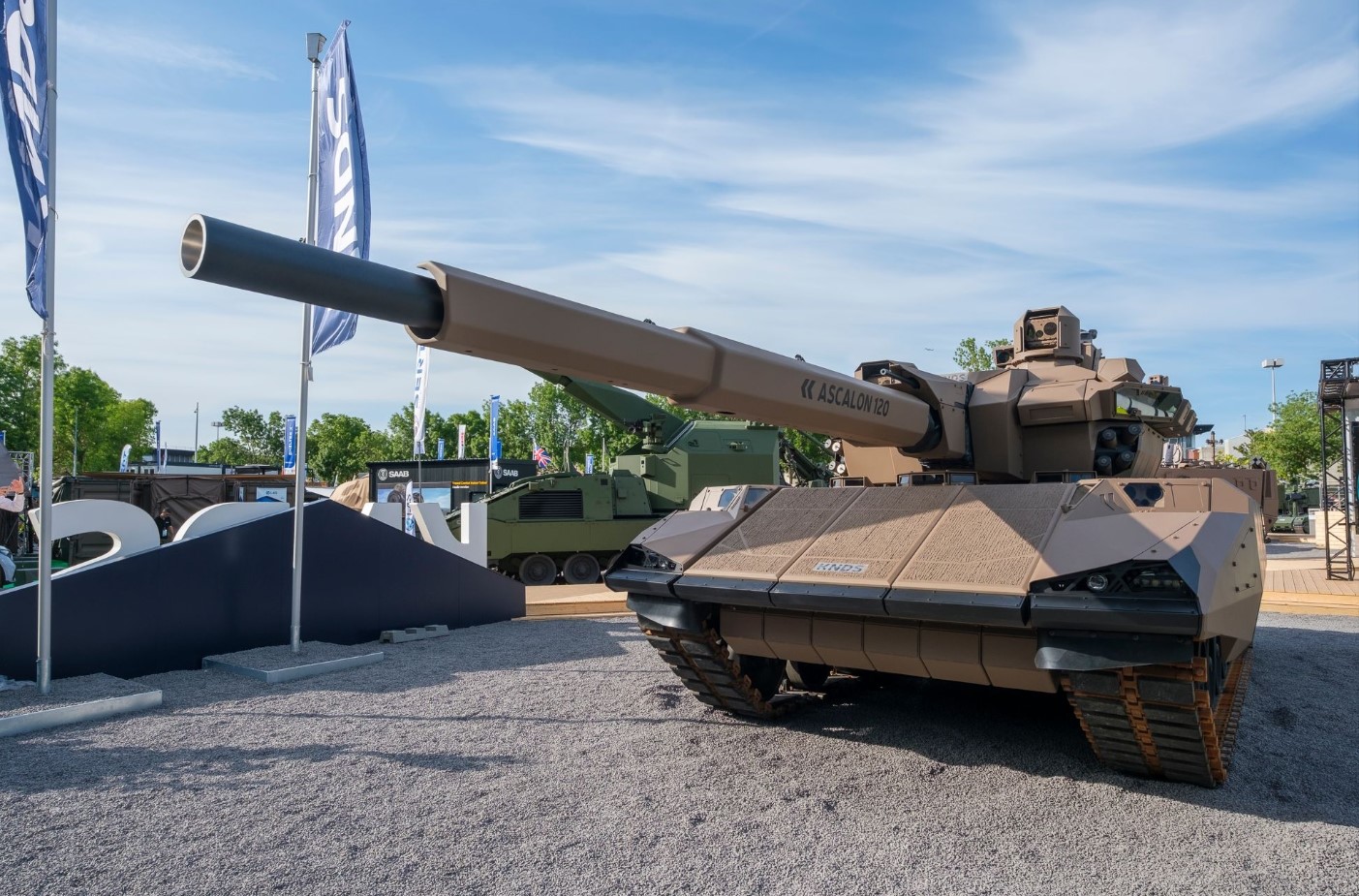 KNDS Unveils CAPINT Main Battle Tank at Eurosatory 2026 as Leclerc Stopgap