
World
On May 27, 2025, what seemed like a simple gesture of diplomatic goodwill may have carried deadly intent. According to an MI6 intelligence leak, Pakistan's Chief of Army Staff, General Asim Munir, allegedly gifted a high-end wristwatch—suspected of concealing an electronic interceptor beacon—to Iran’s top military commander, Major General Mohammad Bagheri, during a private meeting in Rawalpindi. Within 72 hours of this closed-door encounter, Israeli intelligence agency Mossad reportedly used precise geolocation data to eliminate Bagheri in a targeted strike near the Iranian border with Syria—a region long known to be a corridor of Iranian IRGC-Quds Force operations. The unprecedented accuracy of the strike raised red flags in Tehran, prompting a quiet but urgent internal probe into the possibility of electronic compromise. Now, with fingers pointing to an unlikely collaborator—Pakistan—the Islamic Republic finds itself questioning the loyalty of a nation it once considered a strategic Islamic ally. Behind the Scenes: Mossad, MI6, and a Watch The British MI6 report, circulated discreetly among Five Eyes partners and later leaked to select Middle Eastern outlets, paints a damning picture. Sources allege that the wristwatch was embedded with a miniature beacon—likely activated after contact—that relayed General Bagheri’s movements in real time. Experts suggest such devices, small enough to be inserted into the casing of a luxury timepiece, can transmit encrypted signals across vast distances using satellite relays or local cellular networks. Mossad, known for leveraging human intelligence and advanced signal interception technologies, has reportedly been hunting senior IRGC figures involved in arms transfers to Hezbollah and Syria. Bagheri, who oversaw Iran’s foreign military operations, was high on that list. The strike’s timing—days after the supposed gift exchange—raises troubling questions: Did Pakistan knowingly facilitate this operation? Or was it merely a pawn in a much larger intelligence game directed by the West? Strategic Games or Subtle Betrayals? Publicly, Pakistan and Iran have maintained a carefully managed narrative of Islamic brotherhood, joint border security, and economic partnership, especially under the China-Iran-Pakistan corridor discussions. But under the surface, tensions have simmered for years. Iran has accused Pakistan of harboring anti-Shia and separatist elements, especially Baloch insurgents operating across the shared border. Meanwhile, Islamabad views Iran’s deepening military ties with India and Afghanistan with suspicion. Some intelligence analysts suggest Pakistan may be hedging its bets in a volatile region. By subtly aligning with Western intelligence agencies—or even indirectly with Israel—Pakistan could be attempting to clean up its image post-Afghanistan and strengthen its case for more aid and defense support from the U.S. and Gulf monarchies. Others argue this is part of a broader, long-term realignment in West Asia. With Saudi-Israeli normalization talks back on the table and the Abraham Accords still shaping regional diplomacy, Pakistan may see advantage in quietly cultivating backchannels to Tel Aviv—using shared anti-Iran sentiment as a bridge. Iran’s Calculated Silence Interestingly, Iran has not officially accused Pakistan of betrayal, nor has it released any details about the Bagheri assassination. Tehran’s silence may indicate internal uncertainty—or fear of exposing just how deeply its upper echelons may have been penetrated. Leaks from within the Iranian IRGC suggest a complete communications blackout was ordered following the strike, with emergency vetting of all foreign-supplied devices, including diplomatic gifts. Iranian social media, however, has exploded with anger. Hashtags like #TraitorInUmmah and #PakSellout trended on Persian-language Twitter (X), with users questioning whether Pakistan has turned from a brotherly ally into an agent of espionage. Implications for the Ummah Narrative This incident could mark a turning point in how Islamic states perceive each other behind the veil of unity. While organizations like the OIC continue to promote solidarity, the ground reality suggests a world where interests often outweigh ideology. As one Gulf-based analyst told Al-Quds Al-Arabi, “The Ummah is a myth in the age of strategic autonomy. Iran trusted Pakistan; it may have been outmaneuvered not by Zionists, but by its so-called Muslim brethren.” Whether Pakistan played a deliberate role in aiding Mossad, or was an unwitting middleman manipulated by foreign intelligence, the consequences are profound. The Tehran-Islamabad axis, already fragile, is now burdened by a deep layer of mistrust. In an era of shifting alliances and covert wars, the watch on Bagheri’s wrist may become a symbol—not just of betrayal—but of a new Middle East where friendships are conditional, and loyalty is transactional. If this intelligence report holds true, Pakistan stands at the crossroads of an emerging geopolitical realignment—where it must choose between old loyalties and new opportunities. But Tehran will not forget. And in the chessboard of West Asia, every move now will be watched.
Read More → Posted on 2025-06-21 15:27:33
World
In a sharp warning to Washington, Russia has cautioned the United States against any military intervention in the escalating conflict between Iran and Israel, labeling such a move as dangerously unpredictable. The warning comes amid speculation that the U.S. might join Israel in military strikes against Iran following recent hostilities between the two Middle Eastern nations. Tensions soared after Israel carried out a major airstrike on Iranian targets last week, prompting Iran to respond with a barrage of missiles and drones. The situation has alarmed global powers, including Russia and China, who are now calling for immediate de-escalation and a return to diplomacy. Russian foreign ministry spokeswoman Maria Zakharova made Moscow’s stance clear, warning that any U.S. military involvement would be a grave mistake with unforeseeable consequences. "We would like to particularly warn Washington against military intervention in the situation," she said during a press briefing. Former U.S. President Donald Trump, widely expected to be a key player in the upcoming elections, had stated that he was considering joining Israel’s military efforts against Iran. “I may do it, I may not do it,” Trump said, while also dismissing Russian President Vladimir Putin’s offer to mediate the crisis. “Let’s mediate Russia first,” Trump quipped, referring to the ongoing war in Ukraine. Despite being a strategic partner of Iran and having signed a cooperation agreement earlier this year, Russia has not provided any military assistance to Tehran in this conflict. President Putin has clarified that Iran has not requested military aid, and that their agreement does not mandate such a response. "Our Iranian friends have not asked us about this," he said during a press conference, adding that their recent pact was not a defense treaty. Putin has positioned himself as a potential mediator, having held phone conversations with both Israeli Prime Minister Benjamin Netanyahu and Iranian President Masoud Pezeshkian. Russia, he said, is willing to facilitate peace talks if both parties are interested. His spokesman added that Moscow would be ready to send humanitarian aid to Iran if requested. Adding to Russia’s diplomatic push, Putin recently spoke with Chinese President Xi Jinping. Both leaders strongly condemned Israel’s recent military actions and jointly called for an immediate ceasefire. Xi emphasized that armed conflict is not the solution and stressed the importance of avoiding further escalation or regional spillover. China has echoed Russia’s offer for mediation, expressing hope that a political solution can be reached. Putin’s aide, Yuri Ushakov, said both Moscow and Beijing believe that peace can only be achieved through diplomatic efforts, not military force. However, Western leaders remain skeptical of Putin’s intentions. Trump, along with French President Emmanuel Macron and others, has rejected Russia’s attempts to play peacemaker, citing Moscow’s own ongoing war in Ukraine as a reason to question its credibility. Still, Russia’s firm stance and involvement in Middle East diplomacy highlight its attempt to maintain influence in a region where it has long balanced relationships with multiple players — including Israel, Iran, and Syria. But with the fall of its Syrian ally Bashar al-Assad and the growing instability in the region, Moscow now finds itself walking a diplomatic tightrope, trying to project itself as a stabilizing force while safeguarding its own interests. As the Iran-Israel conflict continues to evolve, the global community watches closely — with hopes of de-escalation, and growing fears of a wider war if international powers become directly involved.
Read More → Posted on 2025-06-21 15:18:00
World
Indonesia is steadily moving towards a significant milestone in its naval modernization plans by showing active interest in acquiring an aircraft carrier — specifically, the Giuseppe Garibaldi, a former Italian Navy flagship. This potential procurement was highlighted at the IndoDefence 2025 exhibition held in Jakarta from 11–14 June 2025, where Indonesian defense firm REPUBLIKORP, in collaboration with PT Palindo Marine, unveiled a conceptual model of a future naval fleet. The display featured various vessels including a stealth corvette, submarine, fast attack craft, unmanned surface vehicle (USV), and notably, an aircraft carrier model labeled “Giuseppe Garibaldi.” Carrier Model Suggests New Direction Interestingly, the model bore little resemblance to Italy’s actual Giuseppe Garibaldi light aircraft carrier, suggesting it was more of a conceptual design symbolizing Indonesia’s aspirations for a modern carrier fleet, rather than a direct replica. A display panel described the Garibaldi’s roles as a mobile command center capable of air defense, anti-submarine operations, escort missions, and humanitarian aid, underlining its versatility. General characteristics from the panel included: Displacement: 10,100 tons (standard), 13,850 tons (full load) Length: 180.2 meters (591 ft) Beam: 33.4 meters (109 ft) Draught: 5.7 meters (19 ft) These figures suggest a compact light carrier, optimized for regional operations and well-suited to Indonesia’s vast maritime environment. Talks with Fincantieri Confirmed In an interview with Naval News, Mauro Mansini, Director of Sales Naval Business Unit at Italian shipbuilder Fincantieri, confirmed that discussions between the Indonesian and Italian governments are underway. No formal decision has been made yet, but the possibility of transferring the Giuseppe Garibaldi remains on the table. Mansini emphasized the ship’s 15–20 years of remaining service life and its suitability for helicopters, drones, fixed-wing aircraft, and amphibious operations. He also highlighted its history of humanitarian missions, including deployments after the 2010 Haiti earthquake. If an agreement proceeds, the carrier would undergo a refit tailored to TNI AL (Tentara Nasional Indonesia Angkatan Laut) operational needs. Indonesia Eyes TB3 UCAVs for Carrier Operations A notable feature of the exhibition was the presence of Baykar Technologies’ Bayraktar TB3 unmanned combat aerial vehicles (UCAVs) at the REPUBLIKORP booth, displayed aboard the carrier model. The TB3, currently being trialed on Turkey’s TCG Anadolu, is capable of short take-offs from aircraft carriers and amphibious ships. Baykar representatives confirmed that Indonesia has shown serious interest, and a preliminary agreement has been signed for the purchase of 60 TB3 drones. The final deal is reportedly in advanced discussions. For the first time, Baykar officials also revealed that the TB3 exists in two variants: A shipborne model designed for carrier operations A land-based variant with higher maximum take-off weight, larger fuel capacity, and longer endurance This dual-configuration capability could significantly boost Indonesia’s ability to project air power both at sea and from shore bases. What This Means for Indonesia If the Giuseppe Garibaldi deal is finalized, Indonesia would join a small group of Asian nations with an aircraft carrier, strengthening its presence in regional waters amid growing maritime challenges. Coupled with an operational fleet of carrier-capable drones, the move would represent a significant leap in Indonesia’s maritime defense and disaster relief capabilities. For now, official negotiations continue, but the display at IndoDefence 2025 signals Indonesia’s clear intent to develop a modern, flexible, and unmanned-capable naval force.
Read More → Posted on 2025-06-21 15:11:50
World
In a remarkable leap for miniature robotics, a military robotics laboratory in China has successfully developed a mosquito-sized drone designed for covert operations. The breakthrough comes from the National University of Defence Technology (NUDT), located in Hunan province, and was recently showcased on CCTV 7, China’s military television channel. During the broadcast, NUDT researchers displayed a range of advanced robotics projects — from humanoid robots to micro-sized drones almost invisible to the naked eye. One of the most attention-grabbing inventions was a tiny, mosquito-like drone capable of gathering information discreetly in sensitive military situations. A New Tool for Stealth Reconnaissance Liang Hexiang, a student at NUDT, presented the microdrone during the telecast. Holding the tiny device delicately between his fingers, he described it as “especially suited to information reconnaissance and special missions on the battlefield.” The drone, resembling an insect, features two delicate, leaf-shaped wings on each side and three thin, hair-like legs attached to a slender, stick-shaped body. Such micro-sized drones pose unique engineering challenges, as critical components like sensors, control circuits, and power sources must all be miniaturized without compromising performance. Achieving this requires the integration of various advanced technologies, including micro-device engineering, bionics, and materials science. Part of a Global Microdrone Race China’s move mirrors a growing global interest in micro-sized unmanned aerial vehicles (UAVs). One of the best-known examples is the Black Hornet — a palm-sized, helicopter-shaped drone developed in Norway and now widely used by military forces around the world. Its latest version, the Black Hornet 4, recently earned the prestigious US Department of Defence Blue UAS Refresh award for improved battery life, durability, and operational range. Similarly, in the United States, Harvard University’s Wyss Institute has made headlines with its RoboBee project — a microdrone capable of swimming underwater, flying, and even perching on surfaces using static electricity. Although the US Air Force confirmed work on its own microdrones back in 2021, there’s been little public information since about their progress. Beyond the Battlefield While military applications remain a prime focus, micro-robotics technology holds promise far beyond combat. In the medical world, researchers are exploring micro and nanorobotics for tasks such as targeted drug delivery, minimally invasive surgeries, and high-precision diagnostic procedures. These tiny machines could one day navigate the human body, treating diseases from within. The unveiling of China’s mosquito-sized drone highlights the rapid pace of advancement in military robotics and micro-robotics globally. As nations continue to develop stealthier, smarter, and more capable unmanned systems, such technology is set to reshape the future of both warfare and peaceful applications. Whether on the battlefield, in hospitals, or in environmental monitoring, micro-robots like these are a glimpse into a highly advanced — and potentially discreet — future.
Read More → Posted on 2025-06-21 11:42:53
World
In a development that could significantly destabilize the already volatile Middle East-South Asia corridor, Pakistan has reportedly leased two of its military bases in Balochistan to the United States, with possible operational access extended to Israeli forces, for launching potential military strikes against Iran, according to regional intelligence sources. The bases—believed to be near Panjgur and Washuk, close to the Iran-Afghanistan border—are strategically located just kilometers from Iran’s southeastern Sistan-Baluchistan province, a region known for its restive dynamics and past insurgencies. Their proximity would allow for rapid deployment of air and drone assets against Iranian military and nuclear sites in the event of an escalation. Strategic Implications If confirmed, this marks a seismic geopolitical shift in Pakistan’s foreign policy calculus. Historically, Pakistan has tried to balance relations between Saudi Arabia, the US, and Iran, but this move could effectively place it at the center of a future US-Israel military campaign against Tehran. Military analysts suggest the location of these bases is not coincidental. “These aren’t just symbolic outposts. They are perfectly positioned for tactical strikes into Iran’s eastern flank, bypassing heavily defended western zones,” said a senior regional analyst.US and Israeli drones or strike aircraft could potentially use these forward bases to carry out surprise, low-altitude attacks deep into Iranian territory, avoiding detection from Iran’s robust western air defense systems. Iranian Response & Regional Fallout Iran has previously warned of “full-spectrum retaliation” if any neighboring country hosts foreign forces involved in aggression against it. Tehran maintains that any launch of attacks from Pakistani soil would be viewed as “an act of war” by Pakistan itself, not just the US or Israel. Iran's Islamic Revolutionary Guard Corps (IRGC) has already been reinforcing its eastern border and is likely to elevate threat levels in Sistan-Baluchistan, possibly responding with asymmetric warfare or proxy strikes. The situation could also spark a second front in the ongoing Middle East crisis, stretching Iran’s resources and forcing it to confront a regional coalition that includes not just Israel and the US, but potentially Gulf allies operating from Pakistani or Omani territory. Domestic Blowback for Pakistan Within Pakistan, the decision—if officially confirmed—could cause severe domestic political and security repercussions. Balochistan has been a hotspot for separatist insurgency and anti-state sentiment, and locals are unlikely to welcome a foreign military presence targeting a neighboring country with deep sectarian and cultural ties. Further, Pakistan’s fragile internal politics, its economic crisis, and rising public sympathy for Palestine and Iran could lead to mass protests and internal unrest if the population perceives the military as “selling sovereignty” to Western powers. International Reactions & Next Steps As of now, official confirmation from Islamabad or Washington remains absent, but satellite imagery and restricted NOTAM (Notice to Airmen) zones around the two Balochistan airfields have intensified speculation. Iran is reportedly monitoring military flights and drone activity originating from the region. Should a conflict break out, Pakistan risks becoming a battleground—not just a staging ground—for future retaliation, with massive economic and geopolitical consequences. By leasing strategic bases to foreign powers with clear intent to strike Iran, Pakistan may be walking into a geopolitical minefield. What might be a short-term strategic or financial gain could escalate into long-term instability, both across its borders and within its own fractured domestic landscape. As tensions simmer across the region, the world watches to see whether this decision lights the fuse of a new regional war.
Read More → Posted on 2025-06-21 11:25:30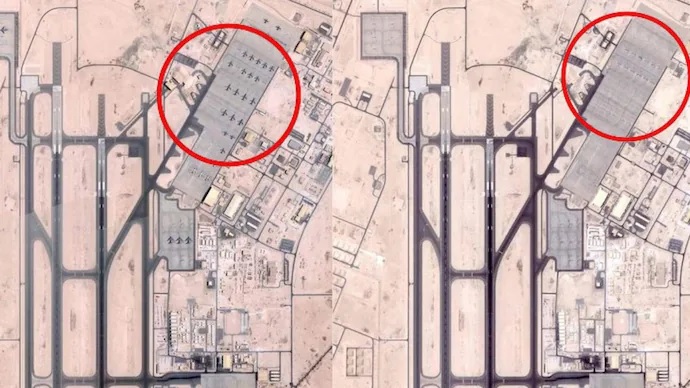
World
Dozens of U.S. military aircraft have mysteriously disappeared from the tarmac of Al Udeid Air Base in Qatar, according to new satellite images, raising questions about a potential repositioning of American military assets in response to rising tensions with Iran. The development comes at a time when Washington is weighing possible military involvement alongside Israel, which has recently escalated its conflict with Tehran. Satellite photos from June 5 showed nearly 40 military aircraft, including Hercules C-130 transport planes and reconnaissance aircraft, clearly visible at Al Udeid, one of the most strategic American air bases in the Middle East. However, by June 19, updated imagery revealed that only three aircraft remained visible on the same tarmac, suggesting a significant relocation or repositioning of assets. This sudden absence of aircraft is widely believed to be a precautionary move to protect high-value assets from possible Iranian missile or drone strikes. With U.S. President Donald Trump expected to decide in the coming days whether to formally support Israeli operations against Iran, American military facilities in the region are on heightened alert. The U.S. Embassy in Qatar has already restricted access to Al Udeid, citing “an abundance of caution” and warning personnel to remain vigilant in light of ongoing regional hostilities. Though no official details have been given about the exact movements of aircraft, defense experts say the relocation is likely part of a broader effort to reduce the vulnerability of U.S. forces stationed close to Iran. Mark Schwartz, a retired U.S. Army lieutenant general and Middle East defense analyst, emphasized the base’s exposure. He pointed out that even shrapnel from a nearby missile strike could damage parked aircraft, making them unusable. According to him, minimizing the presence of assets in open areas is a critical step in safeguarding American operational capability. While it remains unclear whether the aircraft were moved into hangars at Al Udeid or relocated to other bases across the region, the pattern aligns with a larger mobilization of U.S. military forces. In recent days, an additional U.S. aircraft carrier has been deployed to the Middle East, and a surge in aerial activity has been observed. Open-source flight data indicates that at least 27 U.S. military refueling aircraft — including KC-46A Pegasus and KC-135 Stratotanker planes — flew from the United States to Europe between June 15 and 18. Of those, 25 remained in Europe as of mid-week, suggesting preparations for a wider operational scope. While the Pentagon has not disclosed the exact movements or strategy behind these actions, a defense official reiterated the military’s commitment to operational security and mission readiness. The reduction of visible aircraft at Al Udeid, combined with growing military movements across the region, signals that the U.S. is preparing for various contingencies. Whether this results in direct military involvement in the Iran-Israel conflict remains to be seen, but the shift suggests Washington is taking no chances when it comes to protecting its assets and personnel.
Read More → Posted on 2025-06-20 16:29:10
World
Thales, one of Europe’s leading defence and technology companies, has announced a major step into the long-range loitering munition market through a new partnership with Boreal, a French drone specialist under the MISTRAL Group. The two companies have signed a cooperation agreement to jointly develop a cutting-edge loitering munition system that aims to enhance France’s defence capabilities with a sovereign, high-performance solution. The project, called MTO-LP1, will mark France’s entry into the fast-growing category of long-range, precision-guided loitering munitions — often described as "kamikaze drones". These systems are designed to loiter in the air over a target area for an extended time before striking a designated target with precision. About MTO-LP1: A Next-Gen Strike System The MTO-LP1 will be built on existing, proven platform and payload technologies, ensuring reliability and ease of integration with current military systems. Designed to meet operational needs of both French Armed Forces and NATO allies, the munition will have an operational range of several hundred kilometres. Key features of the MTO-LP1 include: Rapid deployment capability: The system can be set up and launched by just two operators within 30 minutes. Mass-launch option: Up to 10 loitering munitions can be launched simultaneously for coordinated missions. Flexible payload design: The munition can carry different types of warheads or surveillance equipment, depending on mission requirements, making it highly adaptable and reducing logistical demands. Safe and portable: The design prioritises ease of transport, storage, and operational safety for forces in the field. Production Timeline and Future Upgrades Initial flight trials for the MTO-LP1 are scheduled for summer 2025, with serial production expected to begin in 2026 at a pace of 1,000 warheads per year. By 2027, the system is planned to receive upgrades, including advanced protection against countermeasures, new mission profiles, and a wider selection of warhead types for diverse strike missions. Strengthening France’s Defence Industry This partnership represents more than just a product development effort — it’s a strategic move to strengthen France’s position in advanced defence technology and reduce reliance on foreign suppliers in critical areas. The collaboration also paves the way for Boreal to scale up its industrial capabilities, with prospects for future projects, particularly in Belgium through MISTRAL Group’s European network. Eric Normant, Vice President of Vehicles and Tactical Systems at Thales, expressed enthusiasm for the joint venture, highlighting Boreal’s reputation for reliable, long-endurance UAV platforms. He noted, “By combining the agility of Boreal with Thales’ industrial strength, we’re creating a high-performance, operationally ready solution tailored for modern battlefield demands.” About Boreal Boreal SAS is known for its rugged, long-endurance UAV systems, widely used in surveillance, reconnaissance, and military support roles. As part of the MISTRAL Group, it benefits from close ties to other defence technology specialists, including M3 Systems France and Belgium, known for their expertise in positioning and navigation solutions for demanding operational environments. In Summary:The Thales-Boreal partnership is a significant step for France’s defence sector, offering a sovereign, scalable, and modern loitering munition capability from 2026. With its flexibility, ease of use, and long operational range, the MTO-LP1 is poised to become a valuable asset for both French and NATO forces in future conflicts.
Read More → Posted on 2025-06-20 15:19:02
China Turns Sci-Fi Into Reality with Successfully Test Artillery-Launched Drones After 12-Year Quest
World
After more than a decade of skepticism and technical hurdles, Chinese engineers have finally turned an ambitious military concept into reality — successfully developing and testing drones that can be fired from artillery guns. This futuristic technology, once thought impossible, involves launching compact drones packed inside 155mm artillery shells. These drones are designed to survive the crushing force of an artillery blast, which is equivalent to over 3,000 times their own weight — or, as experts describe it, like having 35 adult African elephants press down on a single person. The breakthrough was achieved through a collaboration between the Shaanxi Applied Physics and Chemistry Research Institute, the Chinese air force, and major defence contractor Norinco. The key to this success lies in a specially designed pyrotechnic ejection mechanism that allows the drone to separate from its shell mid-air without using any electronic controls. A Simple, Smart Solution Instead of relying on delicate electronics, which would likely be destroyed under such extreme forces, the engineers designed a chain of carefully timed small explosions. This sequence safely ejects the drone from its shell, protects it from aerodynamic forces during separation, and prepares it for immediate operation once airborne. The heart of the system is a hardened stainless steel frame capable of withstanding stresses of up to 1,100 megapascals. Inside, specially formulated explosives, including lead azide and boron-based charges, survive the intense forces. The engineers added clever features like a maze-like channel system that safely directs explosive pressure and prevents debris from clogging critical pathways. This entire ejection sequence unfolds in eight rapid stages — starting from fuse ignition to bulkhead thrust, capsule ejection, delayed igniters, and protective panel release — all without a single electronic component. Overcoming a Decade of Doubt The idea of artillery-launched drones was first proposed by Chinese military scientists in 2013, under a concept called Tianyan or "Sky Eye." Despite early interest, the program faced heavy skepticism, especially regarding whether sensitive drone components could survive the brutal launch forces. Even as recently as last year, Chinese military experts doubted its feasibility, citing the difficulty of protecting electronics against ultra-high G-forces. But undeterred, the team pressed on, supported by consistent government and military funding. By moving away from electronics and opting for a purely mechanical and pyrotechnic system, the team finally achieved reliable results. In five successful ground tests and five live-fire artillery launches at a western test range, the drones survived and deployed flawlessly, enduring forces of over 3,500 times gravity. Why It Matters These artillery-launched drones can travel distances of over 10 kilometers in just seconds and loiter in the air for surveillance, target tracking, or even attack missions. Their method of deployment gives them an edge — firing from cannons allows rapid, long-range insertion without needing runways, drone launchers, or large aircraft. Such drones also promise lower operational costs and increased versatility on the battlefield, capable of being launched in harsh environments ranging from freezing -50°C to sweltering 80°C. The Chinese research team believes this invention could play a vital role in future military operations, offering new ways to deploy reconnaissance or attack drones deep behind enemy lines, or into areas where traditional launch methods are impossible. As one of the senior engineers, Huang Yunluan, wrote:"These drones will undoubtedly hold a pivotal position in future military development." With this success, China positions itself at the forefront of turning once science-fiction-style battlefield concepts into working military technologies.
Read More → Posted on 2025-06-20 15:12:35
World
In a significant escalation of hostilities in the Middle East, Israel's Home Front Command confirmed that a rocket which struck Tel Aviv early this morning carried cluster munitions, marking the first known use of such weapons against an Israeli city in this ongoing conflict. According to Israeli military officials, the rocket exploded at an altitude of approximately 7 kilometers, dispersing 20 bomblets over an area spanning roughly 8 kilometers. The bomblets scattered across several districts of the Tel Aviv metropolitan region, causing damage to infrastructure and lightly injuring a number of civilians. Emergency services responded swiftly, cordoning off affected zones and warning residents to avoid handling any unexploded submunitions. Implications: Iran’s Role Suspected While no official claim of responsibility has been made, Israeli defense sources and international intelligence assessments strongly indicate that the rocket originated from Iranian-backed forces, possibly launched either directly from Iran or via proxy groups in Lebanon, Syria, or even Iraq. The use of such a sophisticated weapon — capable of delivering multiple explosive submunitions at high altitude — suggests a new phase of Iran’s missile warfare strategy against Israel. The Israeli Air Force has reportedly been placed on high alert, and retaliatory measures are under active consideration by the Israeli Security Cabinet. "This was not a conventional missile. The use of cluster warheads is a game-changer. It demonstrates intent to cause wide-area civilian harm," a senior IDF official told local media. What Are Cluster Munitions? Cluster munitions are weapons designed to release smaller explosive submunitions (commonly called bomblets) over a wide area. Rather than a single impact point like a traditional warhead, cluster bombs maximize area damage by dispersing dozens, sometimes hundreds, of these bomblets, many of which can remain unexploded and pose a threat for days, months, or even years. This makes them particularly controversial and dangerous in urban environments, where civilians are often caught in the blast radius, and unexploded submunitions pose a long-term risk. Violation of International Norms The use of cluster munitions has been condemned globally due to their indiscriminate nature. The Convention on Cluster Munitions (CCM), adopted in 2008 and entered into force in 2010, prohibits all use, production, transfer, and stockpiling of these weapons. It also obliges states to clear contaminated areas and assist victims. To date, 123 countries are signatories to the convention, including many NATO members and U.S. allies. However, Iran, Israel, the United States, Russia, and China are not parties to the treaty, meaning they are not legally bound by its terms. Nevertheless, their use is still widely condemned under customary international humanitarian law, which prohibits indiscriminate attacks on civilian populations. "This incident should serve as a wake-up call," said Mary Wareham of Human Rights Watch. "Using cluster munitions in civilian areas should be off-limits for any nation or group, regardless of their treaty obligations." Rising Tensions: A Regional Flashpoint This comes amid weeks of rising tensions across the region. Iranian and Israeli forces have already exchanged limited cross-border fire and cyberattacks. But the use of cluster munitions marks an unprecedented escalation, crossing a psychological and tactical red line. Israeli officials are reportedly considering bringing the case to the United Nations Security Council, even though such actions are likely to be vetoed by Russia or China. Meanwhile, European nations and the United States are expected to issue strong condemnations and possibly push for new sanctions if Iran’s direct involvement is confirmed. The confirmed use of cluster munitions over Tel Aviv has added a dangerous new dimension to the Iran-Israel conflict. Beyond the immediate physical damage and humanitarian concern, it sets a worrying precedent — that weapons designed to cause widespread and indiscriminate harm are now being used in densely populated cities. With both regional and global implications, the world is watching closely as the stakes continue to rise in the Middle East.
Read More → Posted on 2025-06-20 11:42:20
World
Germany has officially launched the development of a cutting-edge airborne defence system that will combine drones with advanced air-to-air missiles. This new system, known as the Airborne Launching and Attack System (AirLAS), is being developed through a partnership between Diehl Defence and the German aerospace start-up POLARIS Raumflugzeuge. The agreement for this ambitious project was formally signed at the Paris Air Show 2025 by the CEOs of both companies, Helmut Rauch of Diehl Defence and Dr. Alexander Kopp of POLARIS. At the heart of the AirLAS project is the plan to integrate Diehl Defence’s IRIS-T air-to-air guided missiles onto POLARIS’ unmanned aerial carrier systems. This combination will create a powerful, flexible, and cost-effective defence system capable of operating in various environments and mission scenarios. The IRIS-T is a highly advanced, combat-proven missile widely used by several air forces around the world. Known for its accuracy, agility, and effectiveness in close combat, the IRIS-T will give these unmanned drones serious offensive and defensive capabilities in the air. The new AirLAS system aims to deliver several key benefits: Extended operational range compared to traditional air defence systems Affordability and cost-efficiency thanks to reusable drone platforms Quick deployment in various operational environments Flexibility to support multi-domain missions, including air, land, and maritime operations One of the major highlights of this project is its potential for future integration with Germany’s and Europe’s Future Combat Air System (FCAS) — a next-generation air combat initiative — and possibly with future long-range hypersonic weapon systems. Initial flight tests of the combined drone-and-missile system are expected to take place later this year, marking an important step towards a new era of unmanned air combat and air defence. Both companies believe that AirLAS will offer armed forces a highly adaptable and scalable solution to meet the evolving demands of modern warfare, particularly in the area of ground-based air defence and airborne interception missions. In simple terms, this new project is about combining a reliable missile with a smart, unmanned drone to create a powerful new weapon that can protect airspace, respond quickly to threats, and be used in many types of military missions in the future.
Read More → Posted on 2025-06-20 11:36:08
World
The Royal Netherlands Air Force is set to expand the versatility of its C-390 Millennium fleet by turning it into a flying hospital, thanks to a new agreement with Brazilian aerospace company Embraer. The deal introduces an advanced aeromedical evacuation system that will allow the aircraft to transport critically ill or injured patients with full life-support capabilities, even during flight. The agreement was formalized by Vice Admiral Jan Willem Hartman, Dutch Commander of the Materiel and IT Command, and Embraer CEO Bosco da Costa Junior. While the financial terms and detailed quantities were not publicly disclosed, the contract includes one firm order and seven additional purchase orders. This major enhancement marks a turning point in the C-390’s mission profile, adding critical humanitarian and emergency response roles to its military transport capabilities. At the heart of this upgrade is a modular roll-on/roll-off medical unit. It is designed like a self-contained intensive care unit (ICU) that can be quickly loaded into the aircraft like standard cargo. Once inside, it transforms the aircraft into a fully functional airborne medical facility. It includes not only full life support systems and advanced monitoring equipment but also features an isolation area to safely handle patients with infectious diseases—ensuring protection for medical staff and crew. This configuration is particularly vital for situations requiring rapid response to natural disasters, battlefield evacuations, or pandemic-related medical crises. The modularity also allows the Royal Netherlands Air Force to quickly switch the C-390 between its standard cargo role and medical missions without permanently altering the aircraft. Vice Admiral Hartman expressed that the new system significantly enhances the operational scope of the C-390 Millennium fleet. “It transforms the aircraft into a modular airborne medical facility capable of delivering life-saving care both in the air and on the ground,” he said. Embraer’s CEO Bosco da Costa echoed this sentiment, stating that the system represents a leap forward in both innovation and operational readiness for aeromedical missions. The C-390 Millennium, already known for its robust performance as a multi-mission transport aircraft, can carry up to 26 metric tons of cargo and fly at speeds reaching 470 knots (about 870 kilometers or 540 miles per hour). Its rugged design allows it to operate from both paved and unpaved runways, making it well-suited for remote or underdeveloped regions where medical infrastructure might be limited. Beyond the Netherlands, interest in the C-390 is growing. Lithuania recently selected the aircraft as its future military transport platform, and Portugal has announced plans to acquire a sixth KC-390—a tanker variant of the aircraft. These developments reflect the growing reputation of the C-390 as a reliable, multi-purpose aircraft capable of adapting to a wide range of military and humanitarian roles. By introducing this flying hospital capability, the Netherlands is not only enhancing its national defense infrastructure but also boosting its ability to respond to global crises and emergencies with agility and compassion.
Read More → Posted on 2025-06-20 11:21:04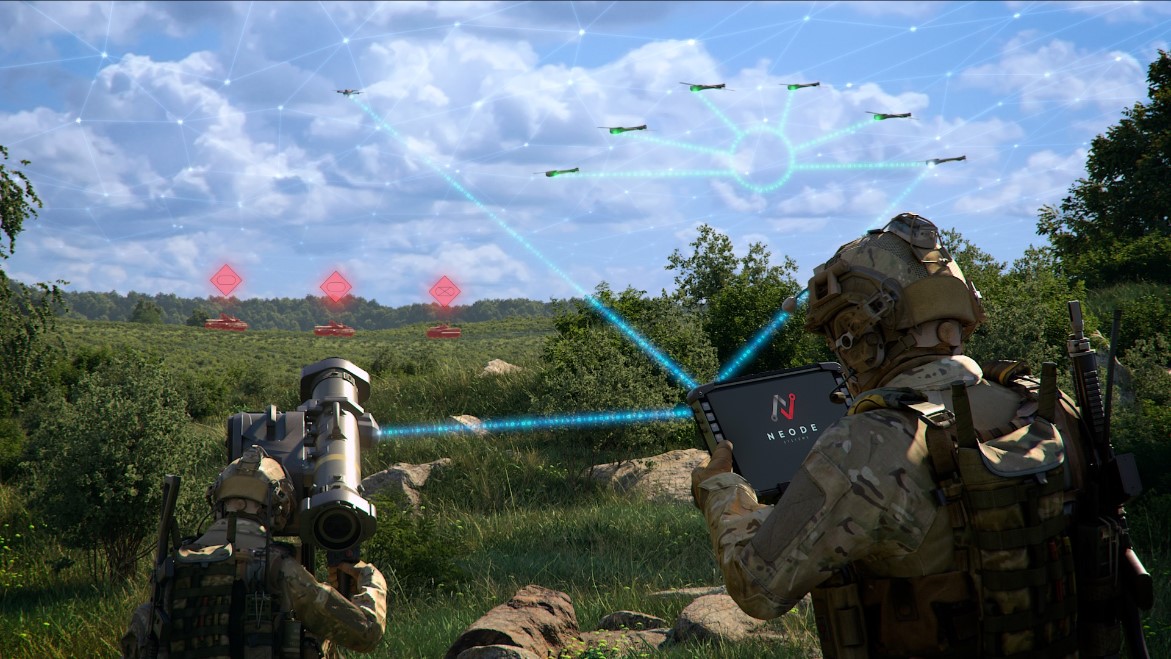
World
NEODE Systems, a cutting-edge startup created by European defense giant MBDA, has secured its very first contract from the French Army just 18 months after its launch. The contract, awarded by France’s military procurement agency DGA (Direction Générale de l’Armement), marks a major step forward in integrating artificial intelligence into modern battlefield systems. The focus of this new project is to enhance the beyond-line-of-sight (BLOS) capabilities of the Akeron MP missile system. At the heart of the program is MBDA’s AI-based decision-support tool called Ground Warden, which is designed to give soldiers real-time support and improve how they respond to evolving combat situations. The plan includes a live demonstration with missile firings by the end of 2025, aiming to validate the system's performance before it is cleared for official use. The Akeron MP, already a sophisticated multi-purpose guided missile, will be further enhanced with AI to improve its targeting accuracy, situational awareness, and overall decision-making speed. These upgrades are intended to help land forces respond faster and more effectively to modern threats, especially in complex and unpredictable combat environments. NEODE Systems was founded in January 2024 as MBDA’s innovation arm, focused on fast-paced digital development and AI integration. Unlike traditional defense programs that often involve long timelines, NEODE is taking a much more agile approach—developing technologies in short cycles and involving end-users at every step of the process. This strategy not only shortens delivery timelines but ensures the final product is closely aligned with battlefield needs. MBDA CEO Eric Béranger praised the rapid progress of NEODE Systems, saying the company is a clear example of MBDA’s innovation and ability to adapt quickly to new technologies. He expressed strong confidence in NEODE’s mission to deliver next-generation solutions for both France and international defense partners. Laurent Duport, the CEO of NEODE Systems, highlighted the significance of the deal, calling it proof that NEODE’s agile development model is both effective and essential. He noted that the use of disruptive technologies like AI gives armed forces an edge in today’s fast-evolving conflict scenarios. Beyond this contract, NEODE’s broader business model includes licensing its software solutions to defense forces, making it easier and faster to upgrade existing weapons systems already in use. This kind of plug-and-play software integration could dramatically improve how quickly militaries can adapt their arsenals to meet new threats. MBDA, the parent company of NEODE Systems, is a European defense powerhouse jointly owned by Airbus, BAE Systems, and Leonardo. The group has a strong presence across land, sea, and air domains and continues to play a central role in advancing Europe’s defense capabilities. With this first contract, NEODE Systems has positioned itself as a rising force in the defense tech landscape, offering not only cutting-edge solutions but also the speed and flexibility that today’s battlefield demands.
Read More → Posted on 2025-06-19 15:57:14
World
As the situation between Israel and Iran grows dangerously tense, the United States has taken a major step in military readiness by deploying its famous Boeing E-4B ‘Doomsday Plane’. This rare and highly secure aircraft, built to serve as a flying command centre during nuclear conflicts or national emergencies, was spotted flying from Bossier City, Louisiana to Joint Base Andrews near Washington, DC on Tuesday night. What is the ‘Doomsday Plane’? Officially known as the E-4B Nightwatch, this aircraft is one of the most advanced airborne command posts in the world. It’s designed to keep the President of the United States, the Secretary of Defense, and senior military commanders safe and operational during catastrophic events — even a nuclear war. The E-4B is built to resist nuclear blasts, electromagnetic pulses (EMPs), and sophisticated cyberattacks. It essentially functions as a mobile Pentagon, with state-of-the-art communication systems that allow leaders to manage the military and respond to threats even if ground facilities are compromised. E-4B Specifications: Aircraft Type: Modified Boeing 747-200 Nickname: Nightwatch Personnel Capacity: Up to 112 people Range: Over 7,000 miles (11,265 km) without refuelling Endurance: Can stay airborne for nearly a week with mid-air refuelling Special Features: Hardened against EMP attacks Advanced satellite communications Can direct nuclear forces, air strikes, and respond to global threats The plane took off at 5:56 pm ET, flew along the US East Coast, loitered near the Virginia–North Carolina border, and landed at 10:01 pm. What raised eyebrows was the use of a rare and symbolic callsign — “ORDER01” — instead of its usual identifiers, signalling a potential heightened state of alert. Why Was It Deployed Now? The flight happened at a time when tensions between Israel and Iran have sharply escalated. Just days earlier: Iran launched multiple missile attacks on Israeli cities, including a deadly strike on Soroka Medical Centre in Beersheba, injuring at least 40 people. Other Iranian missiles hit residential areas near Tel Aviv. In response, Israeli Defence Minister Israel Katz declared Iran’s Supreme Leader must be held accountable, hinting at further retaliation. Adding to the unease, former US President Donald Trump suggested US support for Israeli strikes on Iran’s nuclear sites. Iran has warned that any foreign involvement would trigger severe retaliation. Although US officials haven’t confirmed if the E-4B’s deployment is directly linked to these events, the timing strongly hints at increased American military readiness in response to the conflict. Do Other Countries Have Similar Aircraft? Very few nations operate aircraft with capabilities comparable to the US E-4B Nightwatch. Russia has its Ilyushin Il-80 (nicknamed ‘Maxdome’), which serves a similar airborne command and control role for the Kremlin in the event of a nuclear war. China reportedly operates several airborne command posts, but none as publicly known or advanced as the E-4B. No other country currently fields a platform as extensively equipped and globally deployable as the US Doomsday Plane. Why It Matters The movement of the E-4B signals that the United States is preparing for worst-case scenarios, ensuring its leaders can continue to command the military even if ground-based command structures are attacked or disabled. In a volatile situation like the Israel-Iran conflict, where missile exchanges and threats of nuclear escalation are on the table, the E-4B’s presence underlines how serious the US considers the threat of regional — and potentially global — conflict. Even without official statements, the sudden flight of this rarely seen aircraft speaks volumes about the current global tension and the importance of always being prepared for the unexpected.
Read More → Posted on 2025-06-19 15:54:56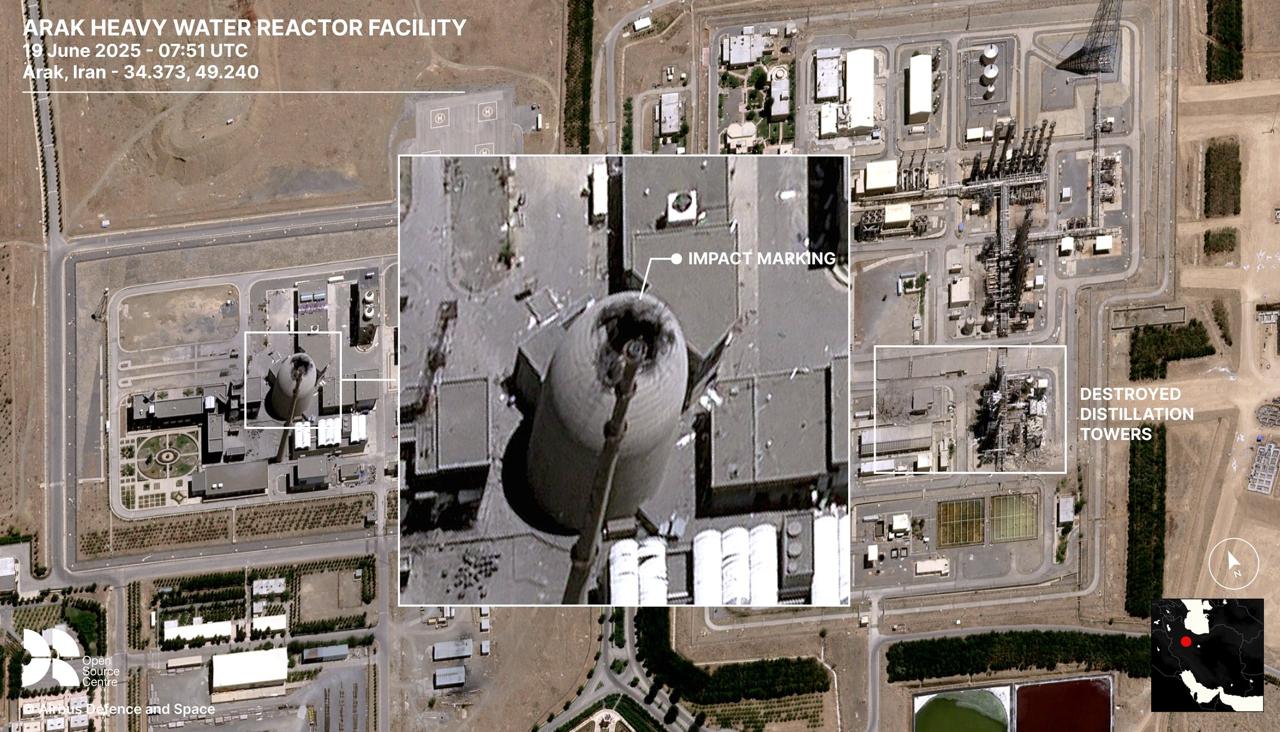
World
In a major escalation in the shadow conflict between Israel and Iran, the Israeli military has confirmed that it carried out overnight airstrikes targeting key nuclear-related sites inside Iran, including what it described as an "inactive nuclear reactor" in Arak. The strikes are said to have also included another hit on the Natanz nuclear facility—an area that has already seen repeated Israeli sabotage attempts in the past. Iran's Arak heavy water reactor in Arak, 155 miles southwest of Tehran, capital of Iran. According to a statement from the Israeli military, the operation involved around 40 fighter jets and drones, targeting multiple locations across Iran. The most significant strike was reportedly on the Arak heavy-water reactor, where Israeli forces hit the core seal structure—an essential component used in the process of plutonium production. This part of the reactor is considered vital for any future efforts to revive the facility for weapons-grade material development. The Israeli army said the goal of this operation was to make the reactor permanently unusable for any future nuclear weapons-related activity. Although the Arak reactor has been inactive for several years, Israel believes it still poses a strategic risk if restored. The facility was initially developed in the early 2000s and designed to produce plutonium under the guise of medical research. Under the 2015 Iran nuclear deal—also known as the Joint Comprehensive Plan of Action (JCPOA)—work on the site was halted and partially dismantled. However, following the collapse of the agreement after the U.S. withdrawal in 2018, Iran resumed parts of its nuclear program. Adding to the operation’s scope, Israel also targeted a nuclear weapons development facility in Natanz—one of Iran's most fortified and sensitive nuclear sites. Israeli Prime Minister Benjamin Netanyahu claimed earlier that Israeli forces had successfully destroyed the main uranium enrichment infrastructure at Natanz. The International Atomic Energy Agency (IAEA) has since confirmed that the site suffered direct hits, including damage to underground sections of the facility. Iran, for its part, maintains that its nuclear program is strictly for peaceful purposes and denies pursuing nuclear weapons. The Arak reactor, according to Tehran, was intended for the production of medical isotopes and heavy water for civilian research. Iran had previously informed the IAEA that it aimed to fully commission the reactor by 2026. The strikes are the latest in a series of covert and overt actions taken by Israel to delay or destroy Iran’s nuclear capabilities. With the Arak reactor already offline and under IAEA monitoring, the Israeli attack marks a shift from covert sabotage to open military confrontation—a move that could further inflame already heightened tensions in the region. These developments come at a time when diplomacy between Iran and the West remains stalled, and military posturing has become more frequent. The Israeli attack sends a strong message, not only to Iran but also to the broader international community, that it is prepared to use force to prevent what it sees as an existential threat from a nuclear-armed Iran.
Read More → Posted on 2025-06-19 14:50:56
World
Mahindra Aerostructures Pvt. Ltd. (MASPL) has secured a major milestone in its aerospace journey by signing a multi-year contract worth $300 million with Aernnova Aerospace SAU, a global leader in aerostructures. This new agreement significantly deepens the collaboration between the two companies, which began back in 2013, and marks a major step forward in India's role in global aerospace manufacturing. Under the contract, MASPL will manufacture metal sub-assemblies and components for a wide range of aircraft, including several models from Airbus and Embraer. Notably, this includes parts for Embraer’s C390 Millennium, a military transport aircraft. These components will be delivered to Aernnova’s various production facilities across Spain, the United Kingdom, Portugal, and Brazil, making it a truly global supply effort. This deal reflects a shared commitment to production efficiency, digital innovation, and sustainability in aerospace manufacturing. Both companies aim to leverage each other’s strengths: Aernnova brings deep experience and global reach, while Mahindra contributes high-end technical capabilities, advanced digital practices, and a strong, growing aerospace infrastructure in India. Ricardo Chocarro, CEO of Aernnova, emphasized the strategic importance of the deal, noting that Mahindra’s expertise and technology will support production ramp-ups across Aernnova’s programs. He expressed confidence in Mahindra's ability to execute the various work packages with excellence, backed by Aernnova’s technical support. From Mahindra’s side, the sentiment is equally enthusiastic. Dr. Anish Shah, Group CEO & MD of the Mahindra Group, highlighted that the partnership is part of Mahindra’s broader strategy to scale up its aerospace operations and invest in future growth. Arvind Mehra, CEO of MASPL, called it a defining moment in their long-standing relationship with Aernnova, especially after their acquisition of Hamble Aerostructures in the UK—a former MASPL customer. Importantly, the contract also unlocks several “Make in India” opportunities, as Mahindra plans to increase investment in local capability and capacity. With a strong emphasis on sustainability, digitization, and operational excellence, the deal is expected to enhance Mahindra’s visibility and credibility as a Tier-1 aerospace supplier on the global stage. Mahindra Aerostructures operates out of a large facility near Bangalore and holds prestigious industry certifications such as AS9100D and multiple NADCAP approvals. It supplies components to several major aircraft manufacturers and continues to build its reputation for quality and innovation. Meanwhile, Aernnova remains a powerhouse in the aerospace sector. Headquartered in Spain, the company is a global supplier of aerostructures like wings, fuselages, doors, and stabilizers. It operates engineering and manufacturing sites across six countries and maintains a strong focus on sustainable growth and technological advancement. This new chapter between Mahindra Aerostructures and Aernnova underscores how global aerospace supply chains are evolving. By combining Indian manufacturing excellence with European aerospace expertise, the partnership is set to make a lasting impact in the industry.
Read More → Posted on 2025-06-19 14:31:30Search
Top Trending in 24 Hours
-
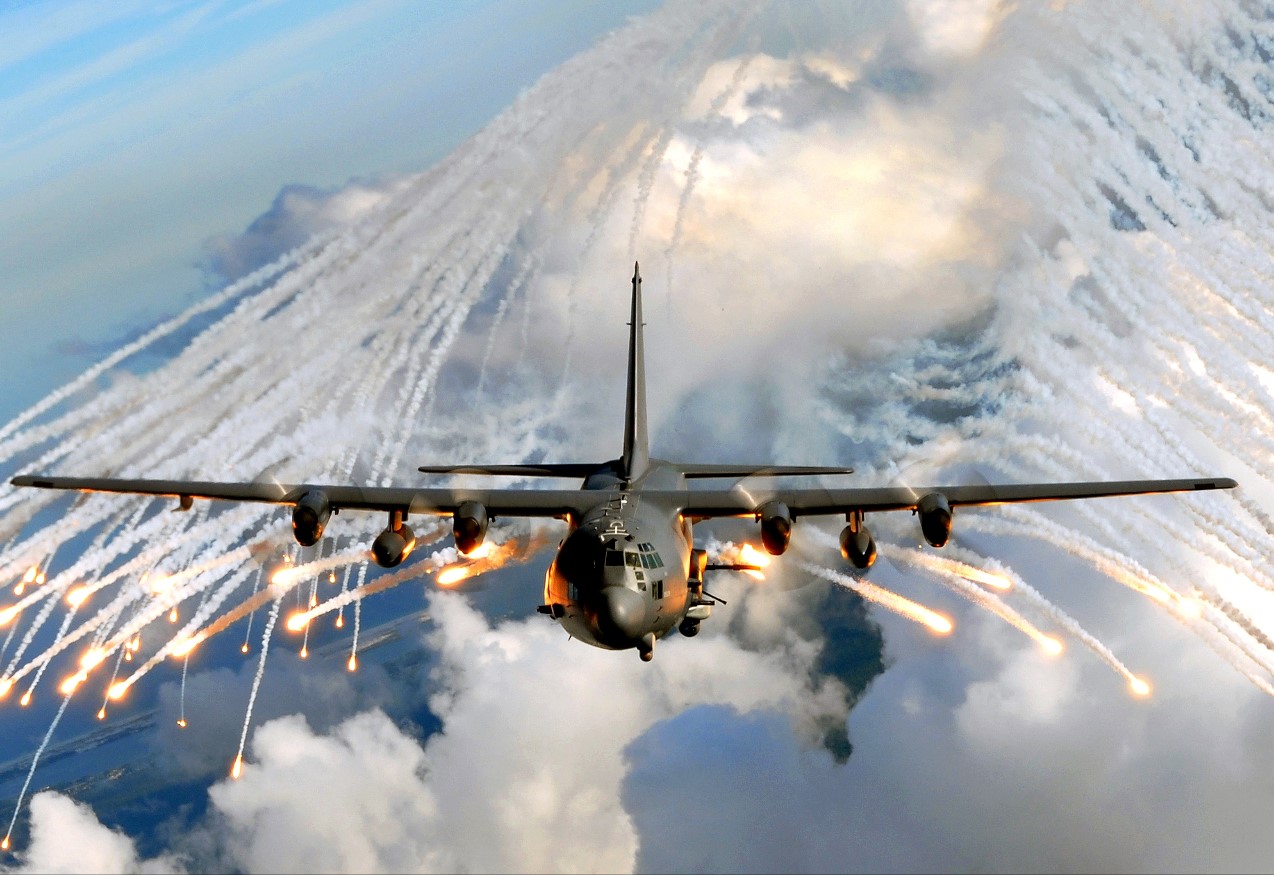 Pentagon Expands Alloy Surfaces Contract to $328.8 Million for Advanced Aircraft Decoy Flares Amid Evolving Drone Threats
-
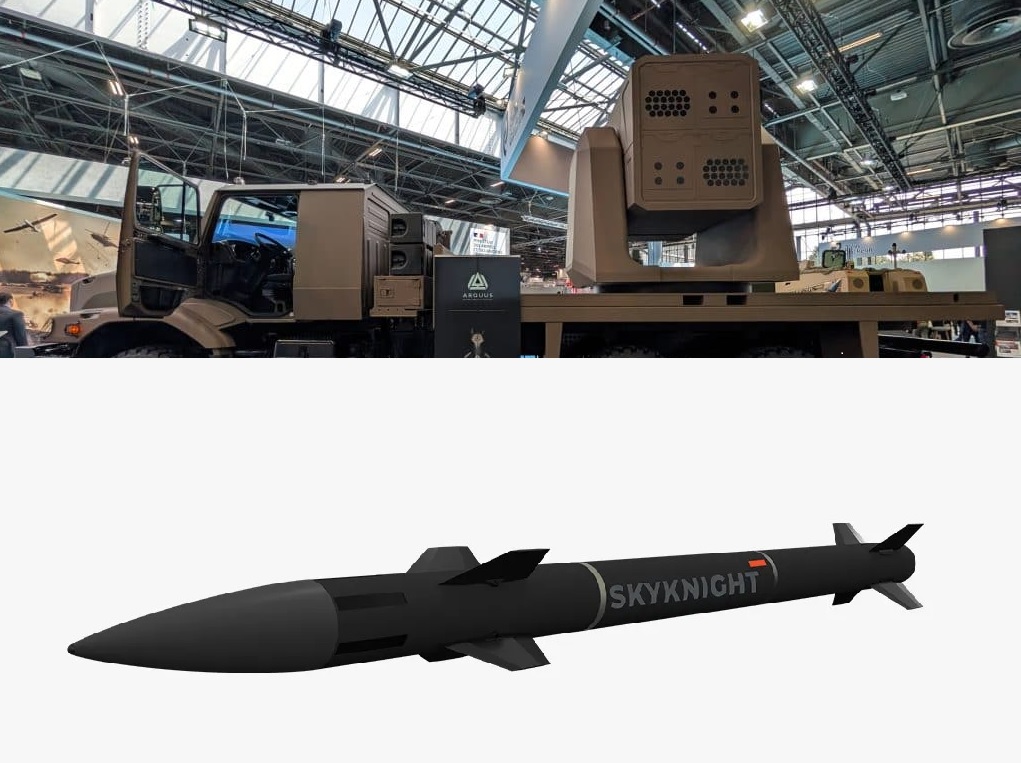 Naval Group Unveils Rampart Modular CIWS Multi-Purpose Weapon System for Naval and Ground Forces at Eurosatory 2026
-
 Why the U.S. Restored Pacific Command Name, Ending the Indo-Pacific Designation After Eight Years
-
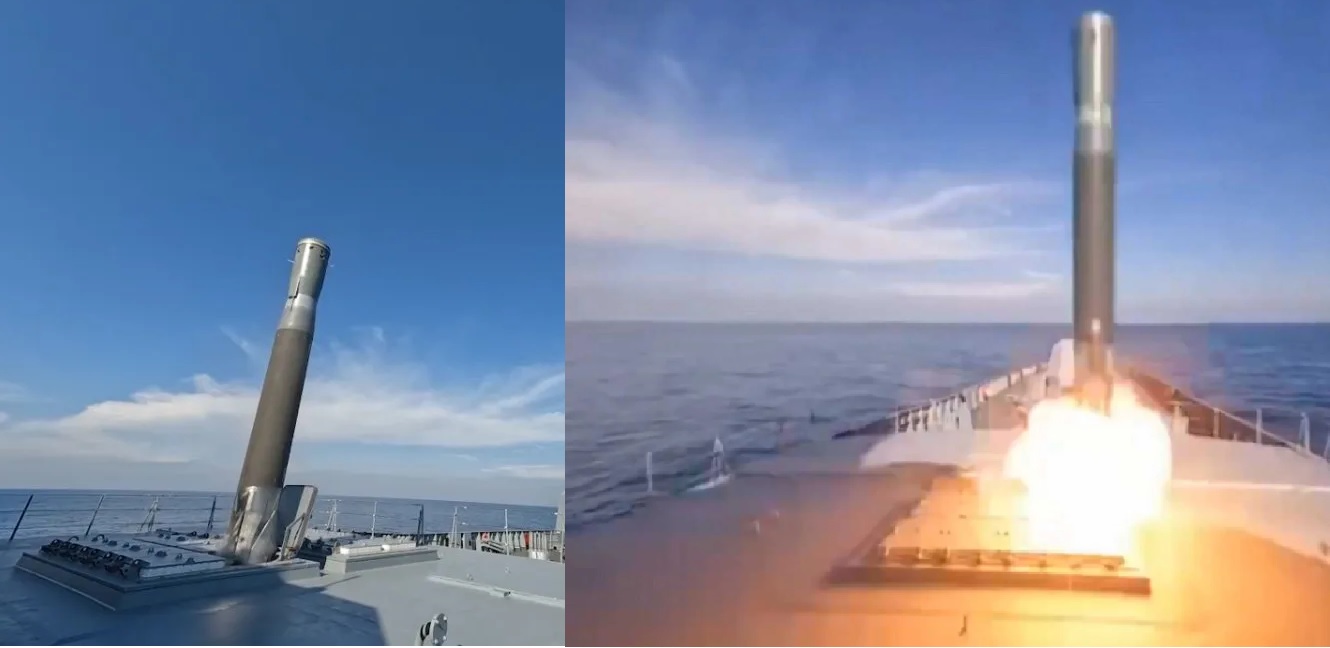 Open-Source Evidence Suggests Russia's Zircon Is a Quasi-Ballistic Missile, Not a True Hypersonic Cruise Weapon
-
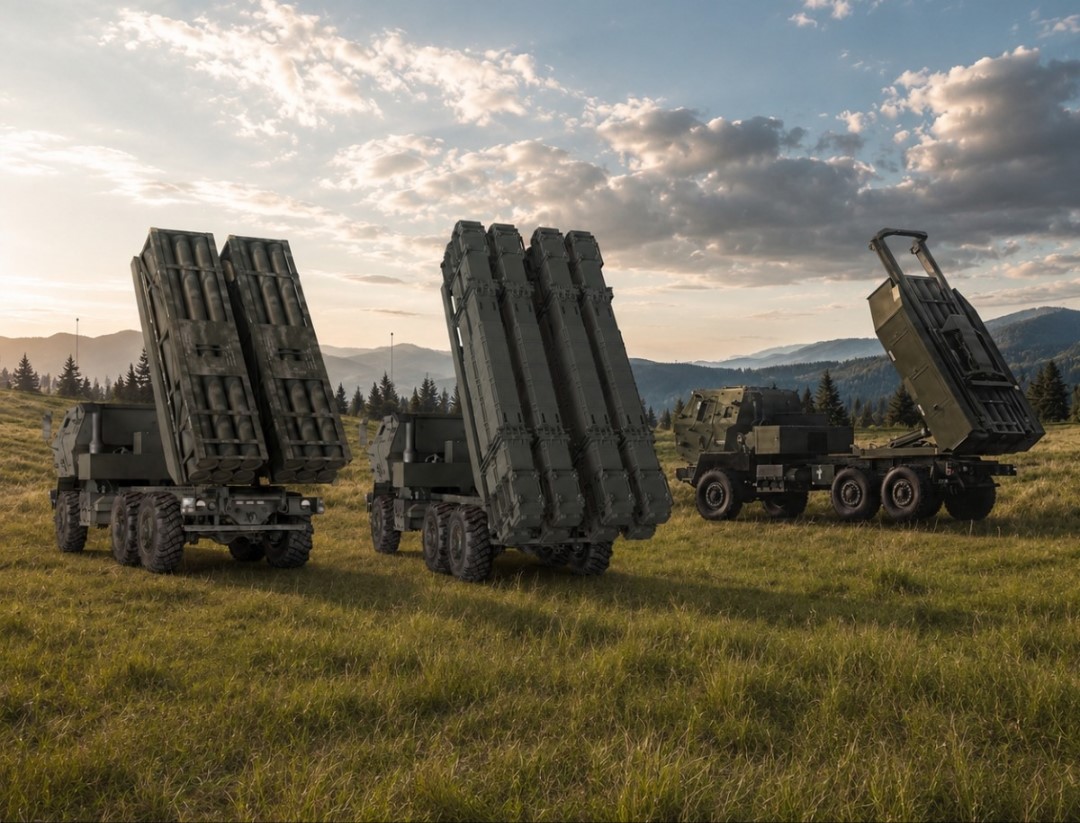 Lockheed Martin Unveils HIMARS FLEX with Dual-Pod Launcher and NATO-Compatible Air Defense Integration
-
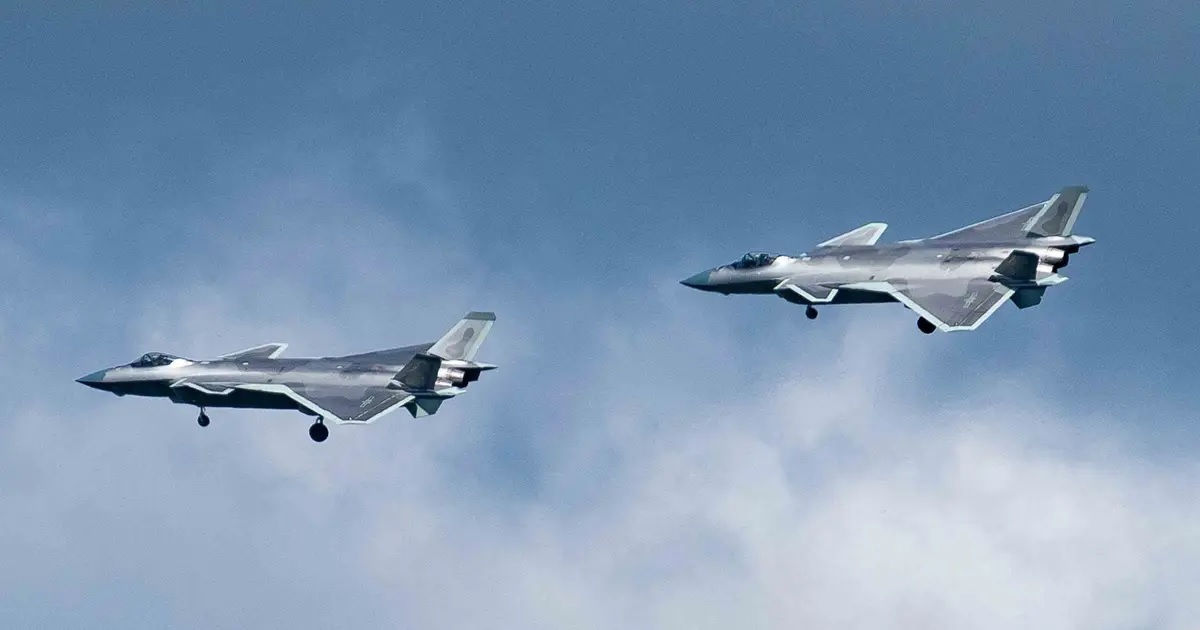 China Surpasses Russia as World’s Second-Most Powerful Air Force Amid Rapid J-20 and J-35 Expansion
-
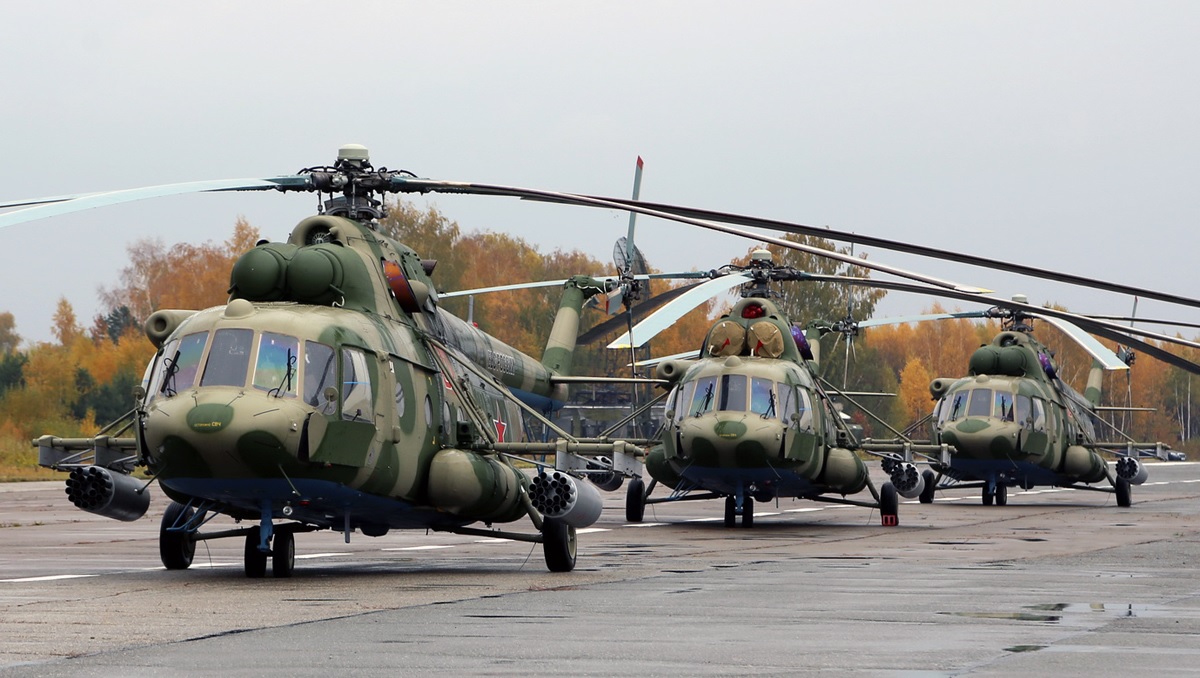 Iran Signs Deal with Russia for 20 Mi-8 and Mi-17 Helicopters to Boost Rescue and Medical Missions
-
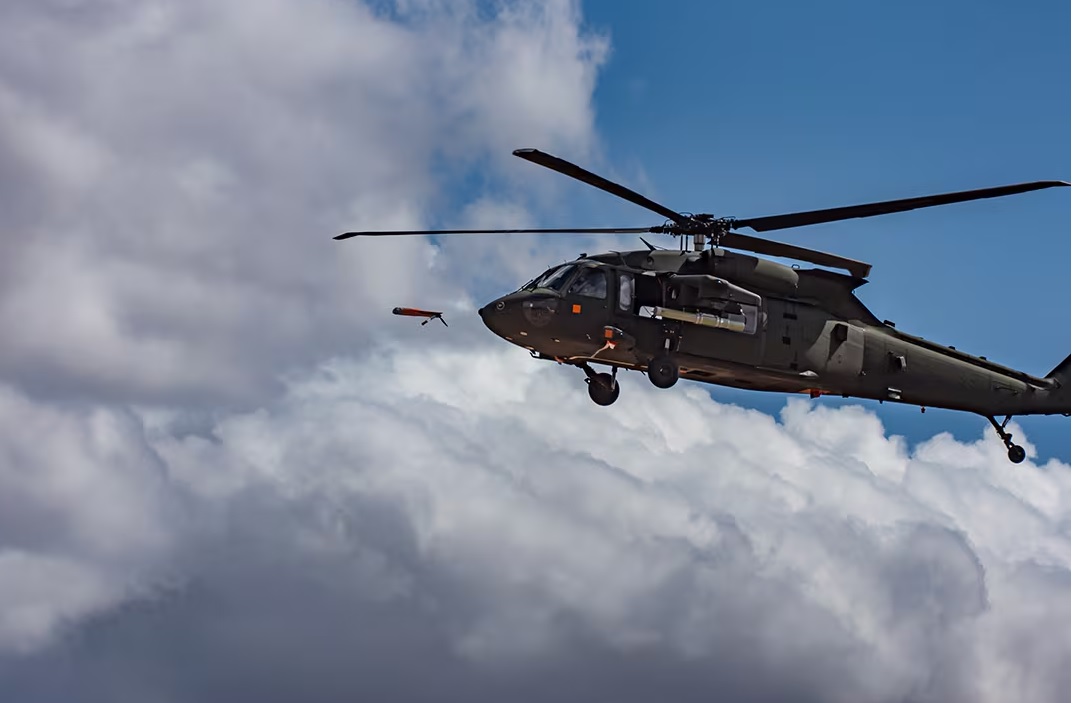 U.S. Army Completes First Flight Test of Medium-Range Air-Launched Effects from Black Hawk Helicopter
Top Trending in 4 Days
-
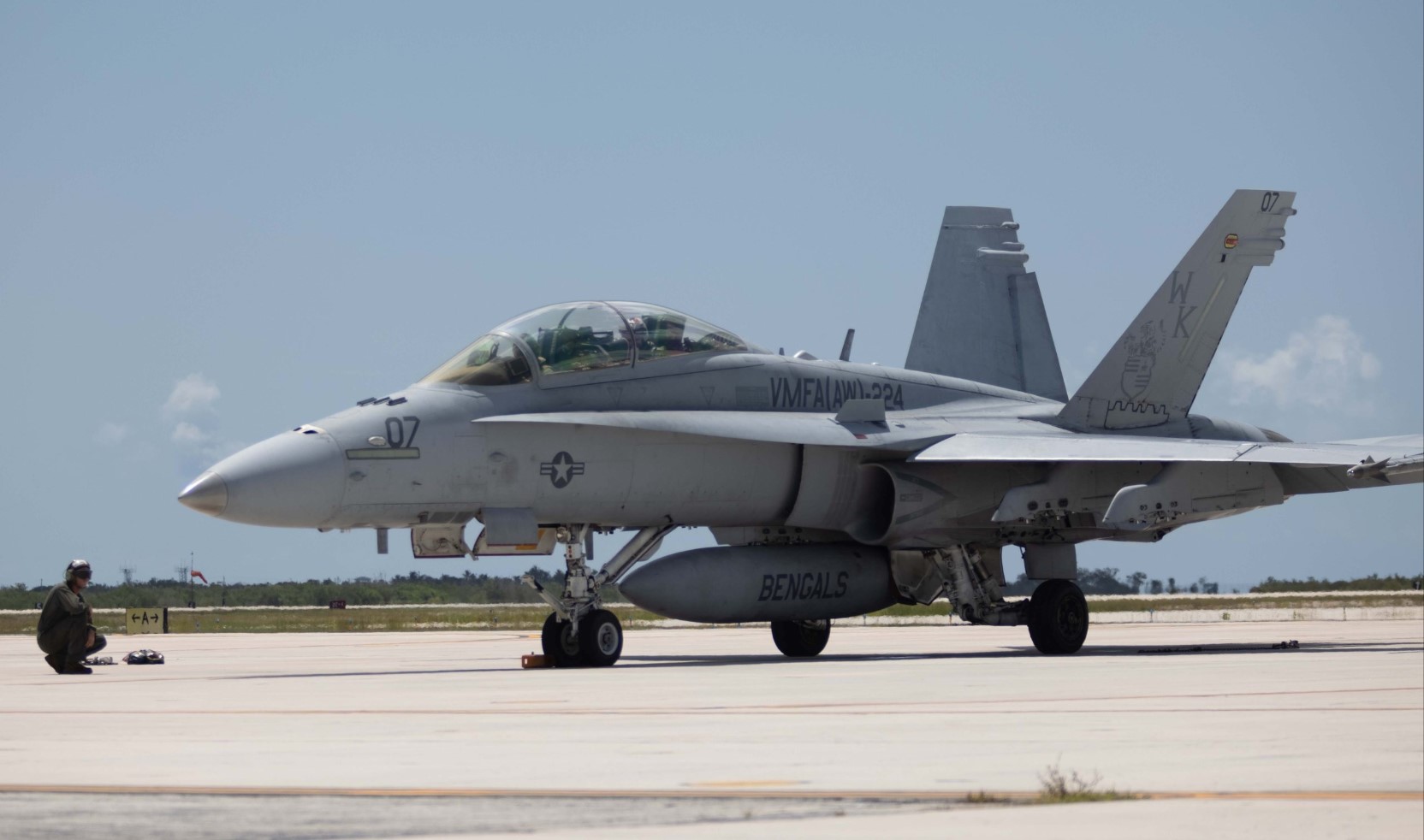 US Marine Corps F/A-18D Hornet Crashes During Training Flight in Washington Mountains; Pilot Ejects Safely
-
 Tulsi Gabbard Releases Declassified Files Detailing U.S.-Backed Network of 120 Biolaboratories Across 30+ Countries
-
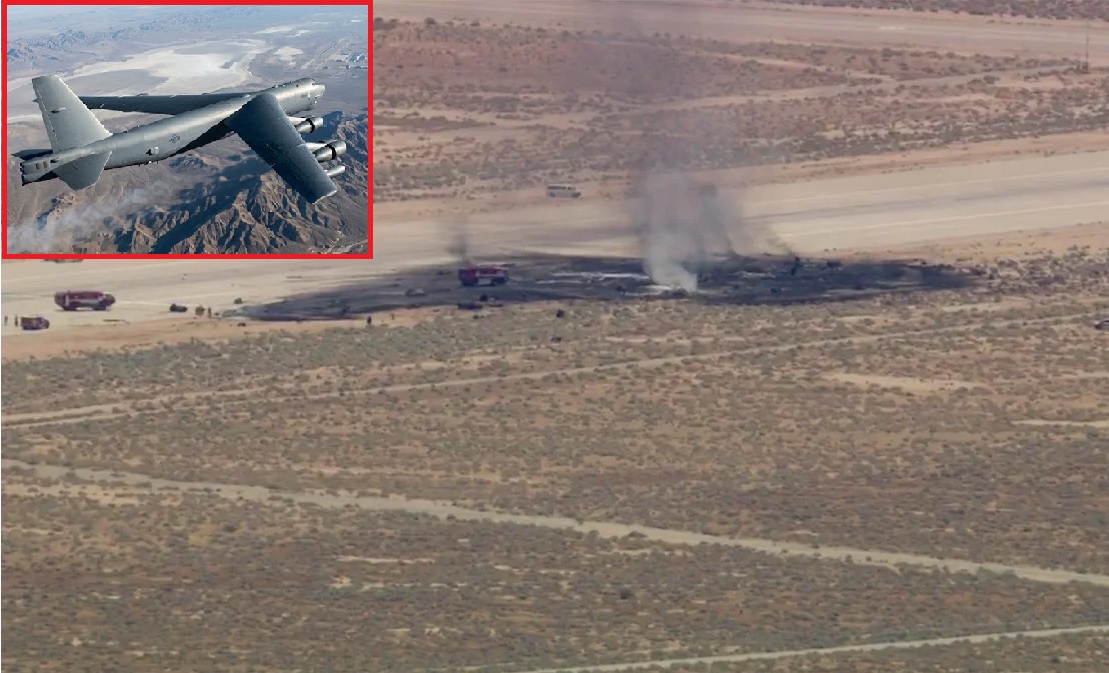 8 U.S. Air Force Crew Members Killed in B-52 Bomber Crash During Test Flight at Edwards Air Force Base
-
 Ukraine Introduces Balloon-Launched DART Missile Designed to Defeat Electronic Warfare
-
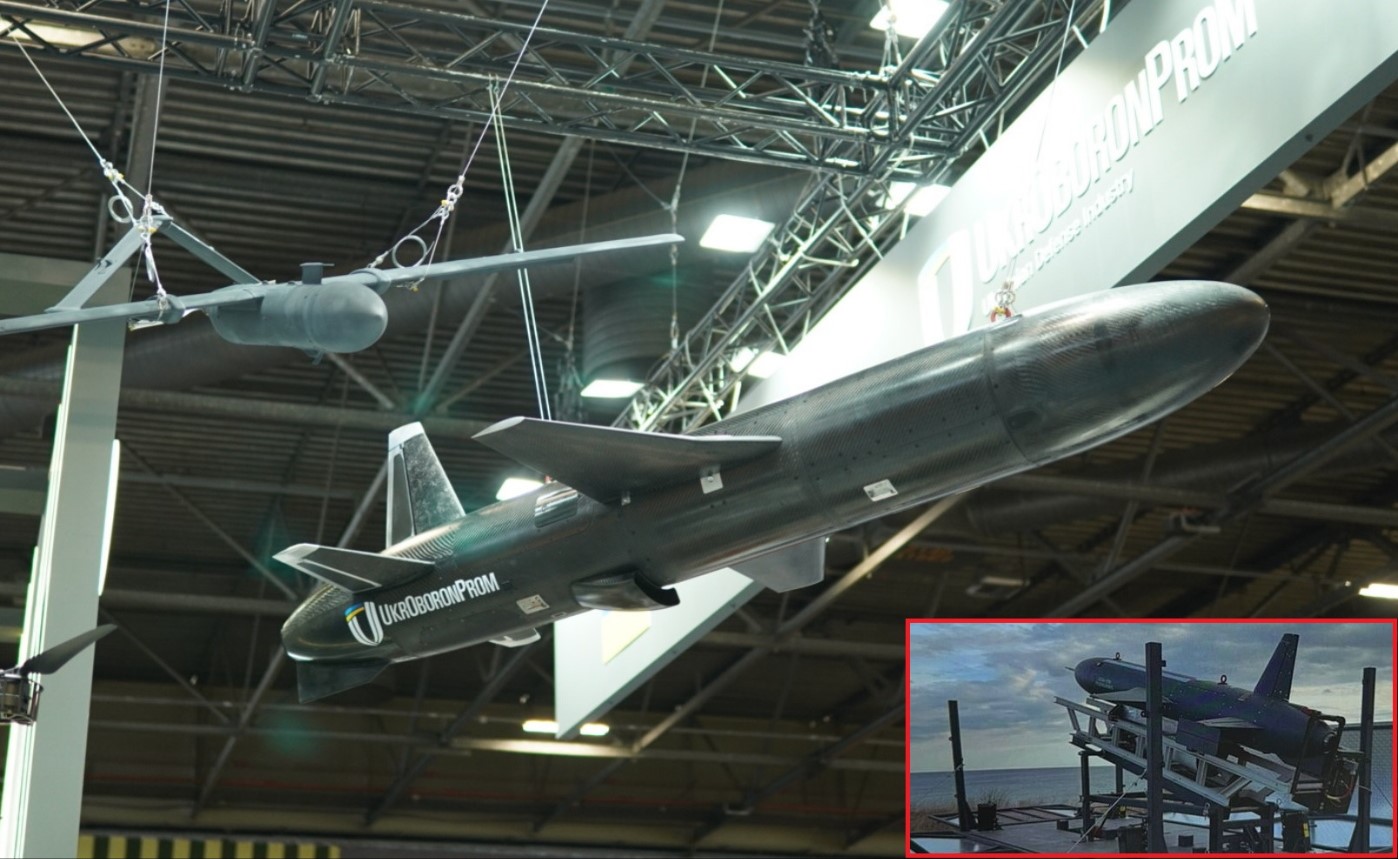 Ukraine Unveils UAV-290 Jet-Powered Strike Drone with 650 km Range at Eurosatory 2026
-
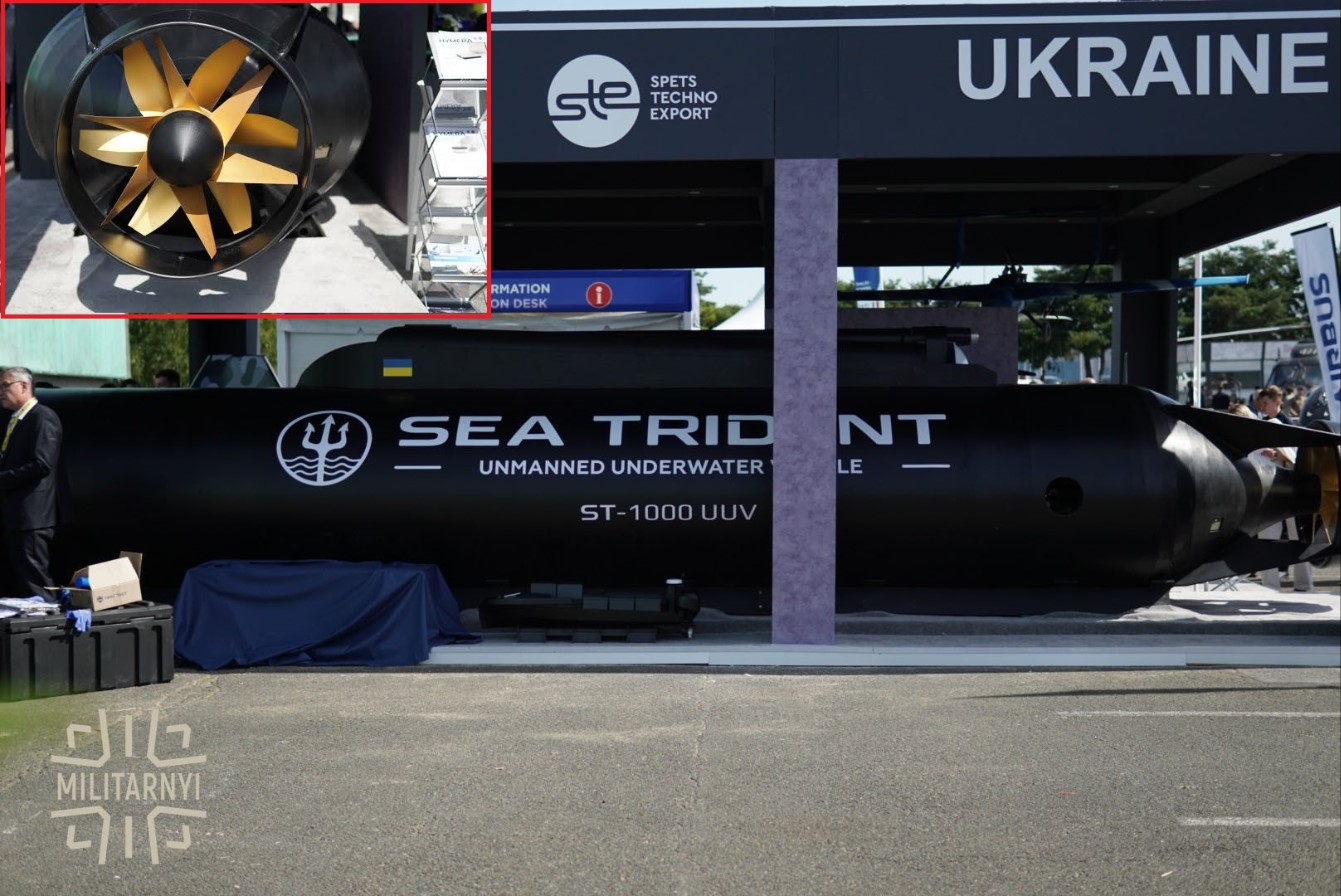 Ukraine Unveils 'Sea Trident' 10-Ton Autonomous Underwater Drone at Eurosatory 2026
-
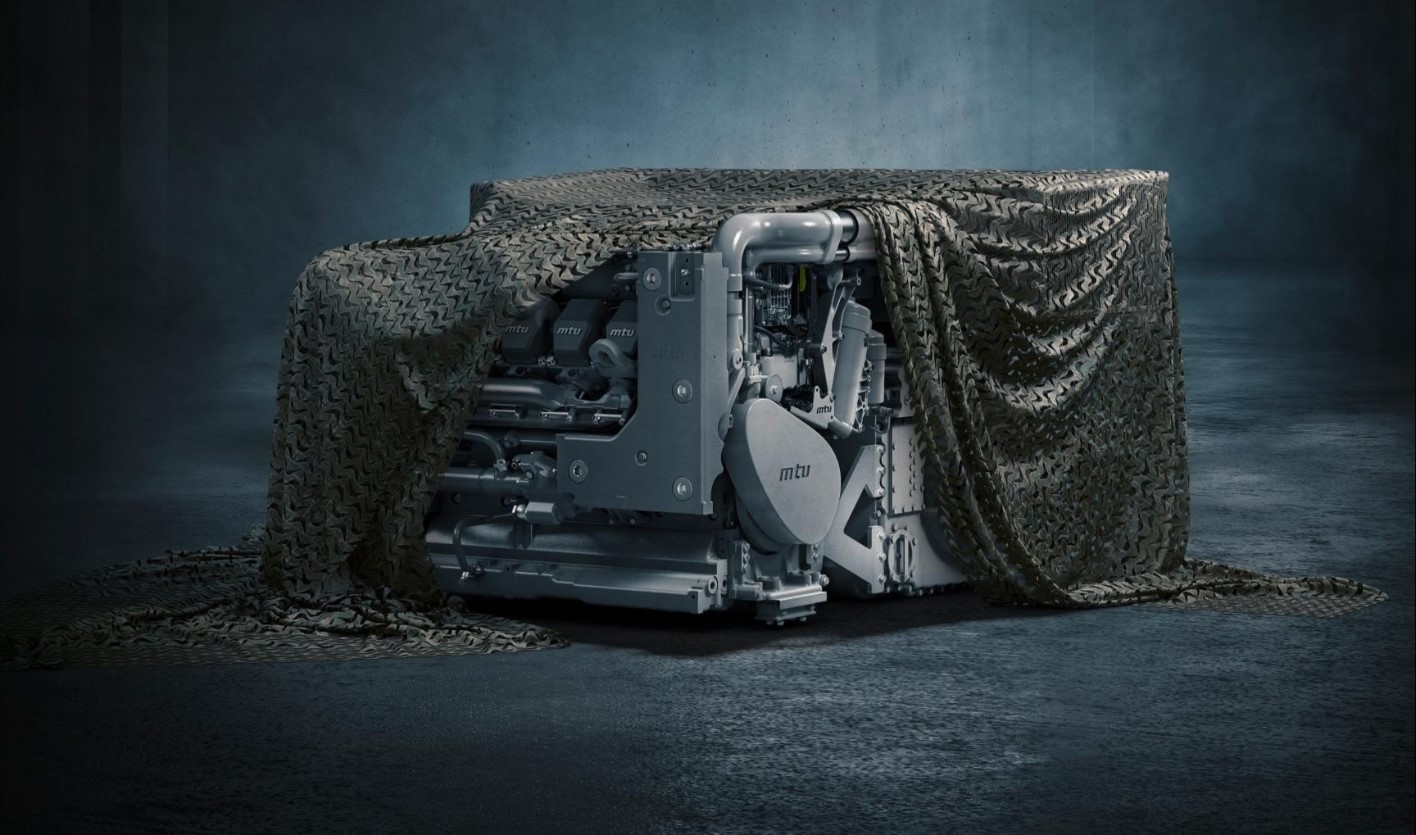 Rolls-Royce Unveils New Hybrid Powertrain for Heavy Military Vehicles at Eurosatory 2026
-
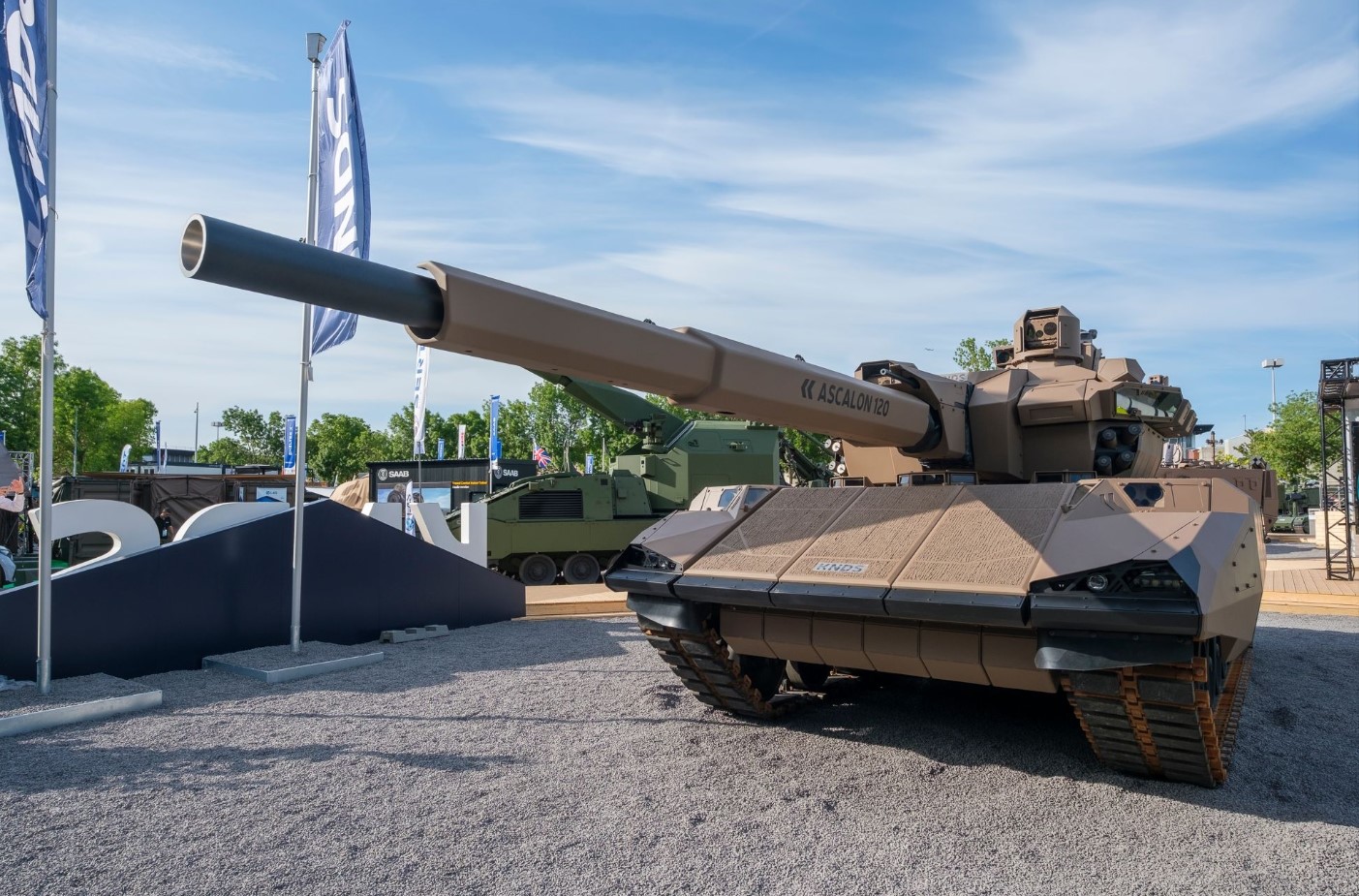 KNDS Unveils CAPINT Main Battle Tank at Eurosatory 2026 as Leclerc Stopgap