South Korea has taken another major step toward developing its next-generation air combat capabilities by awarding Hanwha Aerospace a ₩623.2 billion (approximately $460.7 million) contract to produce 80 jet engines for the country’s indigenous KF-21 Boramae fighter aircraft. The contract covers not only the engines but also logistical support, sustainment partnerships, and on-site technical assistance.
Under this deal, Hanwha Aerospace will manufacture General Electric F414 engines under license at its facility in Changwon. These powerful engines will be delivered to South Korea's Defence Acquisition Program Administration (DAPA) by December 2028. This latest order brings the total engine investment for the KF-21 project to over ₩1.18 trillion ($872.7 million), enough to power more than 60 aircraft.
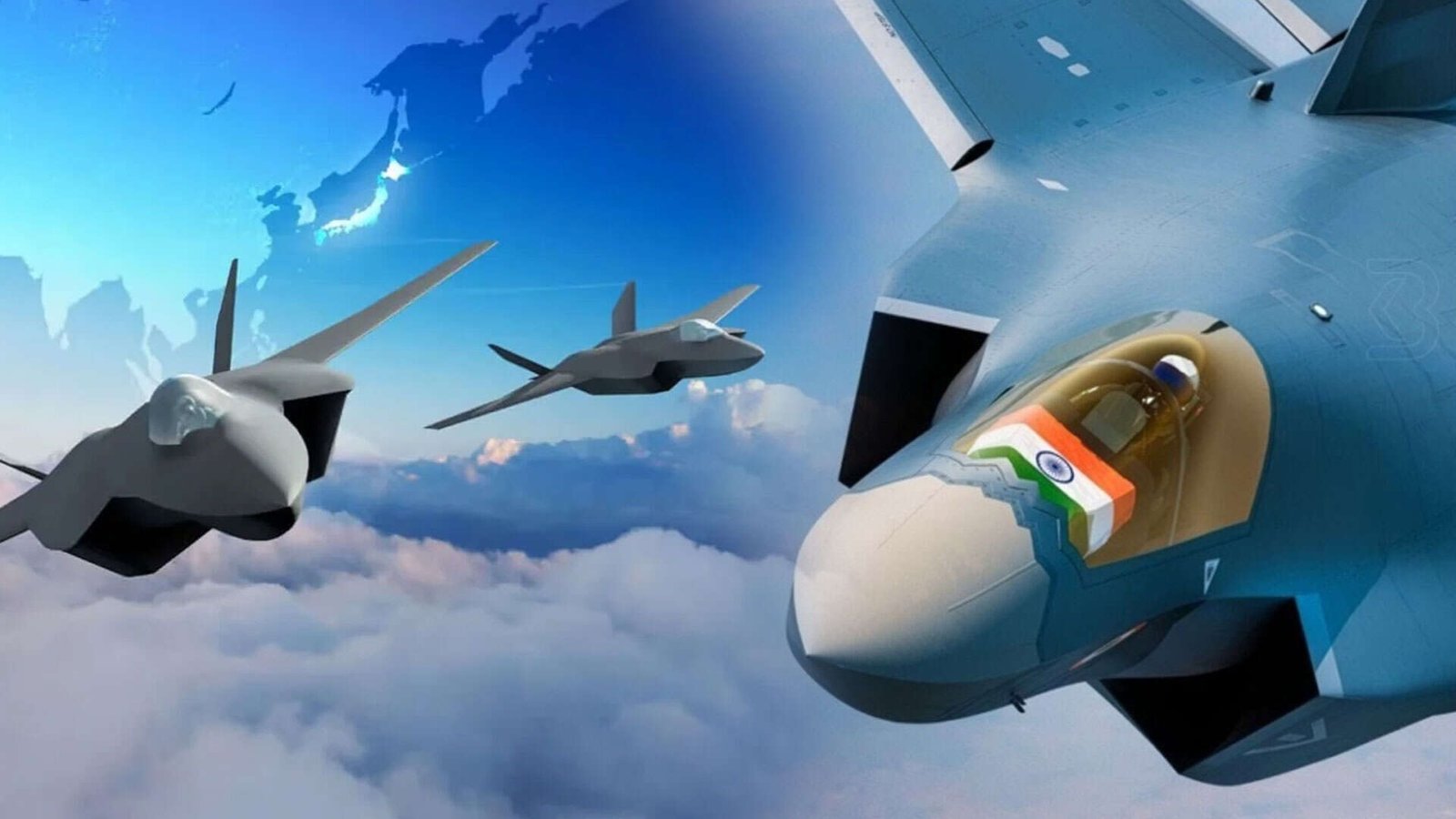
The KF-21 Boramae (meaning "Hawk" in Korean) is South Korea’s ambitious 4.5-generation fighter jet program, which aims to replace aging F-4 Phantom II and F-5 Freedom Fighter/Tiger II aircraft in the Republic of Korea Air Force. First introduced publicly in 2015, the project is led by Korea Aerospace Industries (KAI) with support from the government. The goal is to build up to 120 fighter jets by the early 2030s.
The first batch of roughly 20 aircraft is expected to be delivered between 2026 and 2027, with production already underway from 2024. The new fighters will not only enhance the air force's combat capabilities but also reduce South Korea's dependence on foreign military platforms.
Technically, the KF-21 is a sleek, modern aircraft measuring 17 meters (57 feet) in length with an 11-meter (36 feet) wingspan. It has an empty weight of 11,800 kilograms and can carry a payload of up to 7,700 kilograms. Its fuel capacity is 6,000 kilograms, giving it a combat range of approximately 1,500 nautical miles (2,778 kilometers).
Powered by two F414 engines, the jet produces a combined thrust of about 110,000 horsepower. This allows the KF-21 to fly at speeds up to Mach 1.8, which is around 2,223 kilometers per hour (1,381 miles per hour), and reach an operational altitude of 16,700 meters (approximately 55,000 feet).
The aircraft is designed to be versatile, capable of carrying a wide range of weapons including precision-guided bombs, air-to-air and air-to-ground missiles, and a rotary autocannon. It is also built with future upgrades in mind, potentially allowing for stealthier variants and advanced electronics in later versions.
Hanwha Aerospace, which plays a key role in South Korea’s defense manufacturing ecosystem, emphasized its commitment to delivering high-quality propulsion systems on time. The company also hinted at further innovation, saying it would continue contributing to next-generation engine development for the country's growing aerospace ambitions.
This contract marks a critical milestone in South Korea’s efforts to become more self-reliant in defense manufacturing, while also emerging as a serious player in the global combat aviation industry.
——— End of Article ———