World
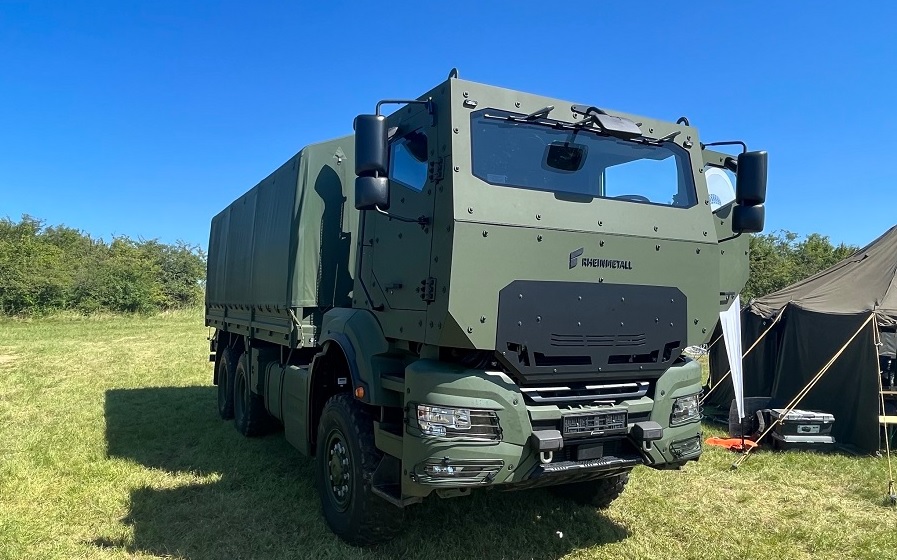
Rheinmetall MAN Military Vehicles (RMMV) has unveiled its latest innovation in military logistics—the TGS-Mil Protected truck—during the first-ever RMMV Mobility Days in Vienna. Designed for modern battlefield environments and operational versatility, this new armored truck brings modular protection and powerful performance to military supply chains and tactical transport. Built at RMMV’s Vienna facility, the TGS-Mil Protected is based on the latest TG-generation military truck platform. It comes in both 6×6 and 8×8 configurations and is equipped with a fully protected cabin capable of shielding two occupants against ballistic threats, in line with current NATO standards. The vehicle’s modular design allows operators to configure the truck for a wide range of missions. From changing the level of armor protection to integrating different communications systems and mission-specific payloads, the TGS-Mil Protected is tailored to support peacekeeping, combat logistics, humanitarian missions, and more. The company highlighted that both protected and unprotected variants can be deployed using the same basic system architecture—offering military forces the flexibility to harmonize fleets and reduce long-term operational costs. Under the hood, the truck is powered by a robust MAN D2676 six-cylinder diesel engine that generates up to 520 horsepower and 2,650 Nm of torque. It supports multiple emission standards—Euro II, Euro V, and Euro VIe—and is compatible with NATO-standard fuel F34. This makes the TGS-Mil both globally operable and highly sustainable across different operational theaters. One of the standout features of the TGS-Mil is its use of proven commercial vehicle components. This strategic choice ensures that the truck benefits from an existing global service network and simplifies maintenance logistics—a crucial factor in long-term deployments. RMMV presented the truck during Mobility Days 2025 under the theme “Innovation in Motion.” The event drew around 120 participants from 22 countries, offering them hands-on exposure to the TGS-Mil and other RMMV platforms like the HX series. Factory tours at the Vienna-Liesing production site showcased new logistics systems and digitised manufacturing setups that can now support production of up to 4,000 HX and TG vehicles annually. Attendees also witnessed live demonstrations of the vehicle family’s off-road capabilities and got a glimpse into the future of military mobility, including developments in tele-operated and autonomous driving technologies. As the competence centre for military logistics within Rheinmetall’s Vehicle Systems Division, RMMV continues to push the boundaries of operational effectiveness. With Rheinmetall AG holding a 51% stake and MAN Truck & Bus SE owning 49%, the Munich-based joint venture leverages over a century of combined military truck manufacturing experience. The TGS-Mil Protected truck stands as the latest testament to that legacy—robust, flexible, and ready for tomorrow’s missions.
Read More → Posted on 2025-07-09 15:19:29
World
Germany has accused the Chinese military of dangerously targeting one of its reconnaissance aircraft with a laser over the Red Sea, a provocative act that Berlin has described as "entirely unacceptable." The incident, which occurred on July 2 near the Yemeni coast, has heightened tensions in a region already fraught with conflict due to ongoing Houthi attacks on commercial shipping. The German aircraft involved was a sophisticated "multi-sensor platform," serving as a high-tech reconnaissance plane or "flying eye" as part of the European Union’s Aspides mission. This operation involves several European nations working together to protect international maritime traffic in the Red Sea from increasing threats, particularly from Yemen’s Iran-backed Houthi rebels. According to a German defense ministry spokesperson, the Chinese laser was directed at the aircraft "without reason or prior contact" during a routine surveillance operation. The laser reportedly posed a direct risk to both crew safety and sensitive onboard equipment, forcing the mission to be aborted. The aircraft returned to its base in Djibouti, where German forces are stationed as part of the broader EU and NATO regional presence. What exactly the laser was—whether a blinding laser weapon (dazzler) or part of a targeting/guidance system—has not been confirmed publicly. However, such lasers are known to cause temporary or even permanent eye damage to pilots and can interfere with sensitive sensors and optics on aircraft. Some military-grade laser systems are designed to disrupt or disable visual and infrared targeting systems, which makes them especially dangerous during aerial surveillance. In response to the incident, Germany’s Foreign Ministry summoned China’s ambassador to Berlin, demanding an explanation. The ministry issued a strong statement on social media, declaring, “Endangering German personnel and disrupting the operation is entirely unacceptable.” While China has yet to officially respond, the event adds strain to already sensitive ties between Europe and Beijing, particularly amid broader geopolitical competition and China’s increasing naval presence in international waters. At present, Germany contributes up to 700 personnel to the EU Aspides mission, which has become vital in protecting key maritime routes from drone and missile attacks by the Houthis. These attacks surged after the Gaza conflict escalated in late 2023, with Houthi forces targeting commercial ships and claiming solidarity with Palestinians. Although there was a brief ceasefire earlier in 2024, Houthi strikes resumed, with one recent attack on a Greek-owned, Liberian-flagged vessel confirming that the threat remains. The presence of Chinese naval vessels in the Red Sea is not new. China maintains a logistics support base in Djibouti, just like several other countries, and regularly deploys naval ships to protect its own commercial interests under the guise of anti-piracy or escort missions. However, incidents like this—especially involving laser use—raise concerns about the growing assertiveness of the Chinese military and the risks of unintended escalation between foreign forces operating in proximity. This confrontation underscores the volatility of the Red Sea region, where multiple powers—European navies, the U.S., regional states, China, and armed non-state groups like the Houthis—all operate within a highly compressed and dangerous space. With commercial shipping, military patrols, and now potentially hostile interactions between major world powers, the Red Sea remains one of the world’s most strategically tense maritime corridors.
Read More → Posted on 2025-07-08 15:56:10
World
In a significant move to enhance regional combat readiness, the U.S. Air Force has deployed a fleet of newly upgraded F-16 Fighting Falcons to Osan Air Base in the Republic of Korea. These advanced aircraft, transferred from the 35th Fighter Wing at Misawa Air Base in Japan, arrived between June 26 and 27, signaling a major milestone in modernizing the 51st Fighter Wing's capabilities. This deployment is not just routine—it reflects a broader strategic push by the United States to maintain air superiority and strengthen deterrence in the Indo-Pacific. The F-16s that arrived in Korea are no ordinary fighters; they have undergone substantial upgrades that bring them closer to fifth-generation performance levels. What’s New in These F-16s? The upgraded F-16s feature significant avionics and mission system enhancements under the U.S. Air Force’s Post Block Integration Team (PoBIT) modernization program. These include: Active Electronically Scanned Array (AESA) Radar: Provides longer detection ranges, better target tracking, and improved resistance to jamming. Advanced Mission Computers: Allow pilots to process and act on complex battlefield data in real-time. Joint Helmet-Mounted Cueing System (JHMCS II): Enables pilots to target and fire weapons just by looking at the enemy, significantly improving reaction time. Automatic Ground Collision Avoidance System (AGCAS): A life-saving safety feature that prevents crashes during high-speed, low-altitude operations. Link 16 Data Link: Enhances secure communication and situational awareness across allied aircraft, enabling more coordinated missions. With these features, the F-16s can now better perform a range of missions—whether it’s air-to-air combat, close air support, suppression of enemy air defenses (SEAD), or precision strikes. Strategic Importance of the Deployment Osan Air Base is home to the 51st Fighter Wing, the most forward-deployed, permanently based U.S. Air Force wing in the world. This makes it a critical hub for U.S. and South Korean military coordination. The arrival of the upgraded F-16s directly supports the Wing’s mission of defending the Korean Peninsula and maintaining peace and stability in a volatile region. By relocating these jets from Japan to Korea, the U.S. is also improving interoperability and coordination between forces stationed in both countries. This move supports increased trilateral training with South Korean and Japanese forces, enhancing combined readiness against any regional threats, including those posed by North Korea or potential tensions involving China. Bridging Today’s Needs with Tomorrow’s Tech While the U.S. Air Force continues to invest in newer platforms like the F-35 and the Next Generation Air Dominance (NGAD) program, officials emphasize the importance of upgrading existing fleets. As Chief Master Sgt. Robert Parsons of the 25th Fighter Generation Squadron pointed out, having modernized aircraft ready today is critical—especially with established infrastructure and logistics already in place to support the F-16. Capt. Alexandra Sears added, “The F-16s are incredibly versatile. When upgraded, they take on an even wider mission set—from close air support like the A-10 to enemy air defense suppression like a specialized SEAD platform.” A Message of Commitment This deployment sends a clear message: the United States is committed to maintaining its strategic presence in the Indo-Pacific. The enhancements to the F-16 fleet ensure that American forces remain flexible, lethal, and ready—traits that are crucial for responding to evolving security challenges in the region. As geopolitical tensions persist and technology advances rapidly, this move illustrates how legacy aircraft like the F-16 can still play a leading role—especially when equipped with state-of-the-art systems that keep them battle-ready for years to come.
Read More → Posted on 2025-07-08 15:48:19
World
In a major step toward military self-reliance and naval modernization, the Brazilian Navy has signed a contract for the acquisition of its first batch of 16 domestically developed MANSUP (Míssil Antinavio de Superfície) anti-ship missiles. The contract, awarded to the Brazilian defense technology company SIATT, marks a pivotal moment in a program that has been decades in the making and reflects Brazil's growing emphasis on indigenous defense capabilities. The MANSUP is designed to replace the aging MBDA Exocet MM40 Block II missiles currently in use aboard several classes of Brazilian naval vessels. With a range of approximately 70 kilometers, a top speed of 1,000 km/h (Mach 0.8–0.9), and an advanced dual-mode guidance system combining inertial navigation with active radar homing, the missile is optimized for sea-skimming flight — making it hard to detect and intercept by enemy air defense systems. This modern missile will be deployed across a wide range of Brazilian naval platforms. These include the current Greenhalgh- and Niterói-class frigates, the Barroso corvette, and the upcoming Tamandaré-class frigates, which form the core of Brazil’s next-generation naval surface fleet. Importantly, the MANSUP will also be integrated into land-based coastal defense units operated by the Brazilian Marine Corps. By adapting the Astros II artillery platform to launch the missile — without needing to modify the missile itself — Brazil has significantly enhanced its ability to conduct littoral operations and deter threats along its vast Atlantic coastline. A Long Road to Domestic Capability The MANSUP missile’s development journey began in the 1980s under a program then known as Barracuda, a collaborative effort between the Brazilian Navy and aerospace firm AVIBRAS. However, years of underfunding and shifting priorities caused delays, until momentum picked up in 2009 with a technology transfer deal from European missile manufacturer MBDA. This agreement allowed Brazil to modernize old missile technologies, upgrade its electronics, and re-engine the design, breathing new life into the program. The modern version of the MANSUP has been co-developed by a consortium of Brazilian defense firms, including AVIBRAS, Atech, Omnisys, and the Ezute Foundation. SIATT — formed from the former Mectron and now part of the UAE-based EDGE Group — took over the lead role in 2015 and now spearheads final development and production. To date, seven MANSUP missiles have been test-launched: three initial prototype trials, followed by four additional launches to validate subsystems and complete partial certifications. Another three test firings are scheduled for late 2025, which will conclude the missile’s full qualification phase and pave the way for large-scale serial production. Eye on the Future: MANSUP-ER Variant While the standard MANSUP missile fills an immediate capability gap, Brazil and its partners are already looking ahead to the MANSUP-ER (Extended Range) variant. This future version is expected to have a significantly increased range — potentially double — and advanced networking capabilities for mid-course guidance updates, making it a credible long-range strike option for Brazil’s growing blue-water navy. The acquisition of these missiles is more than just a weapons purchase — it represents Brazil’s commitment to building strategic autonomy in the defense sector. With SIATT and its partners now holding key missile production and R&D capabilities, Brazil is well positioned to join the ranks of nations with full-spectrum domestic missile design, testing, and manufacturing infrastructure. In a world where maritime tensions and great power rivalries are once again on the rise, the MANSUP program is not just a matter of defense — it is a declaration of Brazil’s intention to safeguard its territorial waters, protect its economic interests, and play a stronger role in global security from a position of technological independence.
Read More → Posted on 2025-07-08 15:04:13
World
Brazil is taking a significant step to modernize its air defense capability, as it enters discussions with Italy to acquire the MBDA-developed EMADS (Enhanced Modular Air Defense Solutions) system. The move aligns with Brazil’s ongoing efforts to address its growing vulnerability to sophisticated aerial threats and to build a modern, layered air defense network under its Strategic Program for Anti-Aircraft Defense (Prg EE DAAe). The EMADS system, developed by the European defense consortium MBDA, represents a state-of-the-art medium-range air defense solution. It is already in operational service with the British Army and is being adopted by the Italian Armed Forces to replace legacy systems like the SPADA. If Brazil moves forward with the acquisition, it will become the first country in Latin America to deploy such an advanced and modular NATO-standard system. At the heart of EMADS is the Common Anti-Air Modular Missile (CAMM), a next-generation missile featuring active radar guidance and Soft Vertical Launch (SVL) technology. This launch method significantly reduces the system's radar signature while enabling full 360-degree engagement capability. Each EMADS launcher is compact and mobile, capable of deploying multiple CAMM or extended-range CAMM-ER missiles to counter high-speed jets, helicopters, cruise missiles, and even precision-guided munitions. What makes EMADS especially attractive to Brazil is its open architecture, allowing seamless integration with existing national radar systems like the SABER M60 and M200—both developed by BRADAR, a subsidiary of Embraer. This compatibility ensures the system will work effectively within Brazil's domestic command-and-control networks, offering a truly indigenous feel despite being a foreign design. The Brazilian Army currently relies on a combination of short-range air defense (SHORAD) systems, including the RBS 70 and RBS 70 NG from Sweden, the German-origin Gepard 1A2 anti-aircraft gun systems, and the Russian-made 9K38 Igla and modernized Igla-S MANPADS. While these systems provide effective coverage against low-flying aircraft and helicopters, they lack the reach and sophistication to counter modern airborne threats such as stand-off missiles, UAV swarms, and stealth-capable targets. Recognizing this gap, Brazil launched the Prg EE DAAe to build a robust multi-layered air defense network. Medium-range missile systems were identified as a critical missing link. The EMADS system fits the bill not only for its technical capabilities but also due to MBDA's readiness to engage in industrial cooperation, potentially involving local assembly, training, and maintenance. This is in line with Brazil’s broader defense strategy that prioritizes technology transfer, sustainability, and domestic industry participation in any major defense deal. Technically, EMADS stands out with: CAMM/CAMM-ER missiles with active radar seekers and 25+ km and 45+ km range respectively. 360-degree defense via vertical soft-launch from concealed or urban positions. Low logistics footprint and rapid reload capability. High rate of fire against multiple, simultaneous aerial threats. Secure digital links for mid-course target updates and real-time adaptability. If negotiations succeed, the deployment of EMADS would significantly boost Brazil’s ability to protect key military and civilian infrastructure, especially amid rising regional tensions and increasing use of drones and precision munitions in modern warfare. It would also strengthen ties with Europe’s defense industry and underscore Brazil’s ambition to play a larger role in regional and global security architectures. Beyond the immediate security benefits, the deal could open the door for future collaborations with European partners in air defense R&D and production—positioning Brazil as a regional leader in advanced military technology.
Read More → Posted on 2025-07-08 14:51:38
World
In a move that signals a deepening defense partnership in the Indo-Pacific, Japan is preparing to transfer six decommissioned Abukuma-class destroyer escorts to the Philippines. The plan, first reported by Japanese media and confirmed by Reuters, marks a significant shift in Japan’s post-WWII defense policy and highlights growing maritime cooperation in the face of China’s expanding presence in contested waters. The six vessels, previously in service with the Japan Maritime Self-Defense Force (JMSDF) for over three decades, will soon be evaluated by a visiting delegation from the Philippine Navy. The inspection will determine their operational condition and compatibility with the Philippines’ ongoing naval modernization. If deemed suitable, the transfer would represent one of the largest military hardware donations Japan has made in the region. Technical Details of the Abukuma-Class Destroyer Escorts Despite their age, the Abukuma-class destroyer escorts are still capable maritime assets. Each vessel displaces around 2,000 tons and supports a crew of approximately 120. They are equipped with: Anti-Submarine Warfare (ASW) systems, including sonar and lightweight torpedoes Anti-ship missile systems, typically RGM-84 Harpoon-class missiles Oto Melara 76mm naval gun, for surface engagements and aerial defense Phalanx Close-In Weapon System (CIWS) on later units for point defense These warships are optimized for escort and patrol missions, particularly against submarine threats—making them a valuable addition for the Philippines, which has limited capabilities in undersea warfare. Currently, the Philippine Navy operates a small fleet of frigates and corvettes, many of them less capable in range, endurance, and armament than destroyers. The inclusion of these vessels, though older, could drastically improve Manila’s maritime posture, particularly in the West Philippine Sea where tensions with Beijing remain high. Strategic and Diplomatic Context Japan’s plan to categorize this transfer as a joint development project—rather than a direct military export—is aimed at avoiding conflict with its pacifist constitution, which restricts arms exports. By framing it as defense cooperation, Tokyo can legally and diplomatically support its partners in Southeast Asia without breaching constitutional limitations. The move also aligns with recent trilateral efforts among Japan, the Philippines, and the United States to bolster regional security. In June 2024, the leaders of all three nations held their first-ever trilateral summit in Washington, focusing heavily on military cooperation, freedom of navigation, and joint deterrence strategies against China's aggressive actions in the South and East China Seas. This is not the first step in the growing Japan-Philippines defense relationship. In July 2023, the Philippine Senate ratified a landmark defense agreement allowing Japanese troops to train and operate in Philippine territory. The pact laid the groundwork for deeper operational integration between the two militaries. A Message to Beijing Although not officially framed as an anti-China move, the strategic implications are clear. Both Japan and the Philippines have active maritime disputes with China. Japan faces frequent incursions around the Senkaku Islands in the East China Sea, while the Philippines continues to confront Chinese maritime militias and coast guard vessels near its claimed features in the South China Sea. By equipping the Philippines with larger and more capable warships, Japan is effectively helping its Southeast Asian partner project more power in disputed waters. The ships would enhance Manila’s ability to patrol its exclusive economic zone (EEZ), respond to maritime provocations, and conduct joint operations with allies such as the U.S. and Australia. If the transfer proceeds following the Philippine Navy’s inspection, it will be a milestone in Indo-Pacific defense cooperation and a symbolic moment for Japan’s expanding role in regional security. The Philippines stands to benefit from a major naval boost without having to bear the full cost of acquisition or development, while Japan affirms its commitment to a “Free and Open Indo-Pacific”—a vision increasingly shared by like-minded nations facing the growing assertiveness of Beijing.
Read More → Posted on 2025-07-08 14:45:43
World
South Korea is expected to abandon its plan to purchase 36 additional AH-64 Apache attack helicopters after the government drastically slashed the allocated budget in its recently approved supplementary defense plan. The funding for the acquisition, originally set at 10 billion won (about USD 7.3 million), was reduced to just 300 million won, making the execution of the program practically impossible. The move comes amid growing shifts in global military priorities, especially toward next-generation unmanned systems and integrated manned-unmanned operations. According to South Korea's Ministry of National Defense and opposition lawmaker Rep. Yoo Yong-won, the decision reflects changing battlefield realities and technological advancements. The Joint Chiefs of Staff had already begun a formal review of the Apache purchase plan in May, exploring whether alternative options—such as manned-unmanned teaming (MUM-T) platforms—would better suit the Republic of Korea (ROK) Army’s future needs. Rep. Yoo welcomed the decision, saying it aligns with how modern militaries, including the U.S. Army, are shifting focus from older, maintenance-heavy helicopters to more flexible and cost-effective drone systems. The U.S., for instance, has gradually scaled down its reliance on AH-64 Apaches and expanded use of advanced unmanned aerial vehicles (UAVs) like the MQ-1C Gray Eagle, which can operate independently or in tandem with crewed aircraft. The AH-64E Apache Guardian—the model South Korea currently operates—is one of the most advanced variants of the Apache family. Equipped with powerful GE T700-701D engines, a Longbow fire-control radar, modern avionics, and Link 16 communication capability, it is built for high-threat environments. The helicopter carries a mix of AGM-114 Hellfire missiles, Hydra 70 rockets, and a 30mm M230 chain gun, offering devastating precision strike capabilities. South Korea already operates 36 AH-64Es acquired under a 2013 contract with Boeing. The now-cancelled plan would have doubled the fleet size. However, given the platform’s high maintenance cost, reliance on foreign support, and changing nature of warfare, defense planners are rethinking such investments. Instead, there's an increasing push to develop or acquire unmanned systems that can operate in swarms, reduce human risk, and provide persistent surveillance and strike capabilities across contested zones. The 300 million won that remains from the original budget is expected to be redirected to other military modernization programs, though details remain undisclosed. Speculation points to an acceleration of investments in Korean-developed drone projects and network-centric warfare systems. As regional threats evolve and new military doctrines take shape, South Korea appears to be prioritizing future-proof defense technologies over legacy platforms—signaling a strategic turn in how it prepares for tomorrow’s battles.
Read More → Posted on 2025-07-06 15:38:40
World
In a major step toward enhancing Europe’s space-based intelligence capabilities, Planet Labs Germany GmbH—a Berlin-based subsidiary of U.S. Earth observation company Planet—has signed a multi-year agreement worth €240 million, funded by the German government. The agreement aims to bolster regional peace, situational awareness, and maritime security through advanced satellite services, reflecting growing European investment in sovereign space technologies amidst a shifting geopolitical landscape. The deal marks a significant expansion of Planet's services in Europe and includes access to dedicated imaging capacity from the upcoming Pelican constellation, a new generation of high-resolution satellites currently under development. These satellites will offer up to 30-centimeter resolution and are designed to be agile and responsive, with multiple daily revisit capabilities, particularly over designated European regions. Importantly, the agreement includes direct downlink services—allowing German and European users to receive imagery data directly, reducing latency and increasing autonomy over the information flow. The contract also grants access to PlanetScope and SkySat data, two of Planet’s established Earth observation platforms. PlanetScope offers medium-resolution, high-frequency imaging of the entire Earth’s landmass, while SkySat provides sub-meter resolution imagery ideal for monitoring infrastructure, troop movements, and changes in conflict zones. Combined with AI-powered analytics, these data streams are intended to support real-time threat detection, maritime domain awareness, and long-range monitoring of sensitive areas. This agreement is not just about acquiring data—it reflects a strategic shift in how European governments approach space and security. Rather than building and managing national satellite fleets from scratch, countries like Germany are opting for Planet’s dedicated capacity model. This model allows secure and prioritized access to high-resolution data while eliminating the cost and complexity of operating a proprietary satellite infrastructure. Planet Labs’ CEO, Will Marshall, emphasized the significance of this partnership, stating, “With the changing geopolitical landscape, the demand for sovereign access to geospatial intelligence is more urgent than ever before.” He added that Planet’s satellite service approach is uniquely suited for large-area, persistent monitoring, which is increasingly vital for national and regional defense. Martin Polak, Managing Director of Planet Labs Germany GmbH, noted the critical role of the company’s European team in managing the satellite fleet and delivering actionable intelligence. “This agreement powerfully underscores the unique value we deliver to Germany’s long-term security interests,” he said. “We are proud to deliver the space-based tools that Europe urgently needs at this critical time.” This latest contract follows Planet's previous collaboration with NATO, further cementing its role as a trusted defense and security partner. With an eye on the future, Planet confirmed that revenue from this new agreement will begin in January 2026 and continue to grow in the following years. However, the financial impact for the current fiscal year remains unchanged, as per the company’s latest guidance issued in June 2025. As Europe grapples with heightened tensions near its borders and the need for stronger situational awareness grows, this deal positions Germany—and the continent more broadly—at the forefront of a new era in responsive, AI-driven, satellite-based security infrastructure.
Read More → Posted on 2025-07-05 15:26:23
World
Japan is making a significant investment in undersea defense technology by ordering more than a dozen REMUS 300 small uncrewed underwater vehicles (SUUVs) from Huntington Ingalls Industries (HII), a U.S.-based shipbuilding and defense technology company. The order, placed by Tokyo-headquartered Hitachi, marks a key milestone in the growing defense technology partnership between the United States and Japan. While the exact user hasn't been officially confirmed, the order is widely believed to be linked to Japan's ongoing efforts to modernize and strengthen its maritime capabilities—potentially for the Japan Maritime Self-Defense Force (JMSDF). The multi-year agreement adds to the deep-rooted defense cooperation between the two allies amid increasing maritime tensions in the Indo-Pacific region. The REMUS 300 is one of the most advanced small uncrewed undersea vehicles available today. It is specifically designed for versatility, endurance, and precision in undersea missions. Weighing just under 45 kilograms (99 lbs) and measuring 2.03 meters in length (6.66 feet), the system is compact yet highly capable. It can operate autonomously at depths of up to 305 meters (1,001 feet) for as long as 30 hours, depending on the battery configuration. Powering the REMUS 300 is a modular lithium-ion battery system, available in 1.5 kWh, 3.0 kWh, and the highest-performance 4.5 kWh variant. The top-end configuration gives the vehicle a range of up to 165 kilometers (102 miles) at a cruising speed of 5 knots (9 km/h or 6 mph), making it suitable for long-range missions in complex underwater environments. What sets the REMUS 300 apart is its modular design, allowing rapid integration of mission-specific payloads, such as sonar, environmental sensors, and cameras. This flexibility enables the vehicle to undertake a wide variety of missions, including mine countermeasures, intelligence gathering, reconnaissance, underwater mapping, search and recovery, and rapid environmental assessments. It can even be used alongside manned platforms like submarines to extend operational range and reduce the risk of detection. The system is already in service with the U.S. Navy under its Lionfish program, where its reliability and multi-mission capabilities have been proven. Japan’s decision to procure these units reflects both a strategic alignment with U.S. underwater technologies and a growing emphasis on autonomous systems to counter emerging maritime threats. Duane Fotheringham, president of the Uncrewed Systems group at HII’s Mission Technologies division, expressed gratitude for the deal, calling it a "key sales milestone" for the commercial REMUS 300 program. He noted the strong trust placed in the product by international partners like Japan, especially for critical missions like mine hunting and underwater surveillance. As Japan continues to face maritime security challenges in the East China Sea and broader Indo-Pacific, the integration of REMUS 300 SUUVs is expected to enhance its naval situational awareness and operational flexibility, making its underwater defense strategy both smarter and stealthier.
Read More → Posted on 2025-07-05 15:21:56
World
Poland has taken a major leap forward in strengthening its maritime intelligence and surveillance capabilities with the launch of its first-ever signals intelligence (SIGINT) ship, the ORP Jerzy Różycki. Built by Swedish defense giant Saab under a landmark €620 million deal, the ship was launched from the Remontowa Shipbuilding yard in Gdańsk and marks a key milestone in Poland’s Delfin program aimed at replacing its decades-old radio reconnaissance vessels. The ship is named after Jerzy Różycki, a famed Polish mathematician and cryptologist who played a crucial role in breaking Nazi Germany’s Enigma code during World War II. The vessel bearing his name will be used to gather crucial electronic intelligence (ELINT) and communications intelligence (COMINT) from across the maritime domain, including signals emitted by naval stations, surface ships, submarines, and other maritime platforms. According to Saab and Polish defense officials, ORP Jerzy Różycki is designed to carry out sensitive operations like tracking radio and radar transmissions, analyzing electronic emissions, and supporting the interception of encrypted communications. In addition to these roles, the ship is also expected to conduct hydroacoustic reconnaissance, making it capable of detecting and analyzing underwater threats posed by both manned submarines and unmanned underwater vehicles (UUVs). The ship is part of a two-vessel program known as Project Delfin, which replaces the aging Project 863 Moma-class reconnaissance ships commissioned in the 1970s. The contract for this new capability was signed in November 2022, with deliveries of both vessels expected to be completed by 2027. Construction of the first vessel began in April 2023, while the second ship’s keel was laid in November 2023. The ORP Jerzy Różycki shares design elements with Sweden’s own SIGINT vessel, the HMS Artemis, a modern electronic surveillance ship developed by Saab. Like the Artemis, the Polish ship is expected to be 74 meters long and 14 meters wide, with a displacement close to 2,200 tons. Onboard, it will have 35 cabins with 40 bunks, providing accommodation for up to 40 crew members. One of the standout features of the ship is its long operational autonomy, allowing it to remain at sea for extended missions without needing to return to port. This capability is essential for sustained intelligence gathering and surveillance, particularly in the strategically sensitive Baltic Sea region, where NATO’s eastern flank faces growing geopolitical tensions. Micael Johansson, President and CEO of Saab, described the launch as a “significant milestone” and an example of what can be achieved when countries with shared strategic concerns work together. “This project exemplifies how nations around the Baltic Sea, with similar needs and experiences, can come together to develop solutions that benefit us all,” Johansson said. He emphasized the ship’s advanced technological capabilities as crucial for Europe’s ability to respond to evolving threats. With this launch, Poland strengthens not only its own naval intelligence capabilities but also reinforces NATO’s surveillance network in a region increasingly characterized by strategic competition and information warfare. The ORP Jerzy Różycki stands as a symbol of both national technological ambition and multinational defense cooperation.
Read More → Posted on 2025-07-05 15:11:51
World
Germany is preparing to undertake the largest expansion of its ground forces since the Cold War, driven by escalating tensions in Eastern Europe and the ongoing war in Ukraine. At the core of this transformation is a multibillion-euro plan to acquire around 600 Leopard 2A8 main battle tanks, 1,000 Boxer 8x8 wheeled armored vehicles, and an increased number of Puma infantry fighting vehicles (IFVs). The ambitious program is part of Berlin’s broader effort to reshape the Bundeswehr into a modern, combat-ready army capable of defending Europe’s eastern flank. This major rearmament initiative signals a decisive shift in Germany’s defense policy—moving from post-WWII restraint to full-scale military modernization. The effort was spurred by Chancellor Olaf Scholz’s 2022 Zeitenwende speech, which pledged a €100 billion special fund to overhaul the German military in response to Russia’s invasion of Ukraine. Since then, Germany has steadily been redefining its strategic role in Europe, shifting from symbolic defense commitments to real military readiness. Technical Details of the Systems Leopard 2A8 Main Battle TankThe Leopard 2A8 represents a cutting-edge upgrade of Germany’s armored capabilities. Based on the Leopard 2A7V, this next-generation battle tank integrates the Israeli Trophy Active Protection System (APS), designed to intercept and neutralize incoming anti-tank threats. The tank also features third-generation thermal imaging, upgraded modular composite armor, enhanced powerpack and suspension systems, and full digital battlefield connectivity. It’s optimized for high-intensity warfare, offering superior survivability and firepower against modern threats. With 600 tanks planned, it will become the backbone of Germany’s heavy armored force. Puma Infantry Fighting VehicleThe Puma IFV is designed to deliver high protection and mobility to mechanized infantry units. It is equipped with an unmanned turret mounting a 30mm automatic cannon, spike missile integration capability, and modular armor kits adaptable to various threat levels. The vehicle’s fully digitized control systems enable seamless integration into network-centric operations. Designed for future upgrades, it will remain a core part of Germany’s mechanized brigades for decades, giving soldiers increased battlefield survivability and offensive power in both urban and open terrains. Boxer 8x8 Wheeled Armored VehicleThe Boxer vehicle is a modular platform designed for maximum flexibility. Built with a mission module architecture, it can be configured for troop transport, command and control, medical evacuation, or direct fire support. It offers high mine and IED protection, all-terrain mobility, and is compatible with multiple NATO standards. Germany already operates 331 Boxers, and plans to increase the fleet to 1,000 units will significantly enhance its ability to rapidly deploy mobile forces both at home and abroad. Strategic Shift and Operational Outlook Germany currently operates 313 main battle tanks and approximately 680 infantry fighting vehicles—figures seen as inadequate given NATO's growing frontline posture in Eastern Europe. The proposed acquisitions will dramatically boost these numbers, allowing Germany to field heavier and more versatile combat units. Notably, the new 45th Panzer Brigade, to be stationed in Lithuania, is intended to serve as a forward-deployed, fully German-led NATO formation capable of immediate response in crisis situations. This expansion is not just about hardware—it marks a deeper realignment of Germany’s strategic thinking. Berlin plans to raise defense spending to 5% of its national budget, far exceeding NATO’s 2% benchmark. This includes investments in logistics, digital command infrastructure, and personnel training—ensuring the Bundeswehr can operate as a fully integrated, high-intensity combat force. A New Role for Germany in Europe Germany’s massive procurement plan is a response to today’s security environment but also a statement of intent. The Bundeswehr is being rebuilt to fight, not just to deter. The scale of this initiative signals that Germany intends to become a central pillar in NATO’s defense posture and a guarantor of peace in Europe—not only through diplomacy but also through credible military capability. In modernizing its armed forces with hundreds of advanced tanks and vehicles, Germany is preparing for a future in which peace may once again depend on strength. This is more than a defense upgrade—it’s a strategic transformation, and one that will reshape European security for decades to come.
Read More → Posted on 2025-07-05 14:42:29
World
Turkish defense technology leader ASELSAN has taken a major step forward in protecting aircraft from modern missile threats with the successful live-fire testing of its YILDIRIM 100 Directed Infrared Countermeasure (DIRCM) system. During the test, the system effectively neutralized incoming infrared-guided missiles equipped with live warheads, marking a milestone in Turkey’s indigenous aerospace defense capabilities. The YILDIRIM 100 is an advanced laser-based defense system designed to shield both rotary-wing and fixed-wing aircraft from heat-seeking missile attacks. It works by using precision multi-band laser beams to “blind” or confuse the guidance systems of incoming missiles, causing them to veer off course before impact. In the recent trial, the system demonstrated this exact capability with pinpoint effectiveness, showing it can deliver real-time, high-speed protection in combat environments. At the heart of YILDIRIM 100 is a dual-turret architecture that provides 360-degree coverage. It is integrated with advanced electro-optical sensors, missile warning receivers, and a highly responsive control system that allows it to detect, track, and engage multiple threats simultaneously. The system communicates seamlessly with a host aircraft’s onboard sensors, enabling automatic threat analysis and reaction without requiring pilot intervention—a crucial advantage in high-stress combat situations. Another major benefit is its low energy consumption and compact design, allowing easy integration into various aircraft without compromising performance or mobility. ASELSAN has emphasized its broad platform compatibility, making the YILDIRIM 100 suitable for use on helicopters, transport aircraft, and possibly even unmanned aerial vehicles (UAVs) in the future. The system’s successful demonstration not only enhances the Turkish Armed Forces' air survivability but also places Türkiye in a select group of nations with proven DIRCM technology. Countries with such capabilities can protect valuable airborne assets—like troop carriers, surveillance planes, or VIP transport aircraft—from the growing global threat of portable anti-aircraft missiles (MANPADS). Ahmet Akyol, President and CEO of ASELSAN, said the successful test reflects both technological maturity and national pride. “With the successful test of YILDIRIM 100, we take great pride in advancing our country’s air defence capabilities to the level of the world’s leading nations,” he remarked. He also noted that this achievement is especially significant as ASELSAN celebrates its 50th anniversary, underscoring its decades-long commitment to innovation and self-reliance in defense technology. As modern warfare increasingly involves asymmetric threats and portable missile systems, the development and deployment of DIRCM systems like YILDIRIM 100 are expected to become essential for safeguarding critical military and civilian aircraft in conflict zones. ASELSAN’s latest success may also open new doors for international defense exports, especially to allies seeking proven countermeasure solutions.
Read More → Posted on 2025-07-05 14:36:28
World
In a startling revelation, former CIA counterterrorism officer and whistleblower John Kiriakou has claimed that Pakistan’s nuclear command and control has been quietly placed under the supervision of an American general. This extraordinary claim surfaced in the aftermath of India’s precision missile strikes under Operation Sindoor, which reportedly left sensitive Pakistani military assets — including the Nur Khan Airbase — severely damaged. While this claim remains unverified by official U.S. or Pakistani sources, it has sparked intense debate within security circles about the state of Pakistan’s nuclear deterrent and the strategic shifts unfolding in South Asia. What Did Kiriakou Say? Speaking in a recent public interview, John Kiriakou remarked: “The command and control of Pakistan’s nuclear arsenal is now under the authority of an American general, assigned at the request of the Pakistani government itself.” The former CIA officer suggested that concerns about the security of Pakistan’s nuclear weapons, especially after India’s unprecedented air and missile raids, forced Islamabad to hand over operational oversight to a U.S. official as a stabilizing measure. Operation Sindoor: India’s Calculated Strike Operation Sindoor, launched by India in May 2025, targeted high-value Pakistani military installations, terror camps, and strategic infrastructure inside Pakistan-occupied Kashmir and Punjab province. One of the most critical targets struck was the Nur Khan Airbase near Islamabad — a facility known for hosting Pakistan’s Strategic Plans Division, the nerve center responsible for its nuclear weapons’ storage and command systems. Post-strike satellite images revealed substantial damage to the airbase’s runways, hangars, and key operational centers. While Pakistan initially downplayed the extent of the damage, leaked reports indicated that the strikes had disrupted the country’s nuclear command chain for a brief period. No Nuclear Breach, But Serious Alarm Following the operation: The International Atomic Energy Agency (IAEA) confirmed that no nuclear material had leaked, nor were any nuclear facilities breached during the Indian strikes. However, regional and international intelligence agencies grew concerned about the security and command continuity of Pakistan’s nuclear arsenal, given the proximity of the strikes to strategic command centers. This environment of uncertainty may have prompted Islamabad to quietly involve the U.S. in safeguarding its nuclear assets, if Kiriakou’s claims hold weight. American Boots in Command? According to Kiriakou, a senior American military officer has been integrated into Pakistan’s nuclear command and control structure. While details remain opaque, such a development, if true, marks an unprecedented shift in South Asian nuclear politics. The United States has historically expressed deep concerns over the security of Pakistan’s nuclear weapons, especially during times of internal instability or military crises with India. Previous diplomatic cables, revealed by WikiLeaks, hinted at contingency plans involving U.S. special operations to secure Pakistani nuclear assets if necessary. Impact on India-Pakistan Deterrence Dynamics If Pakistan’s nuclear command now involves American oversight, it fundamentally alters the balance of power and deterrence in the region: India’s conventional superiority and increasing missile strike capabilities under operations like Sindoor may be emboldened. Pakistan’s nuclear deterrent, long considered an insurance policy against Indian military intervention, could be perceived as compromised or externally managed. This could also complicate Pakistan’s internal civil-military power dynamics, especially with rising nationalist sentiments wary of foreign control over national defense assets. While John Kiriakou’s claim has yet to be officially verified, it aligns with the heightened security concerns following India’s Operation Sindoor and the significant damage inflicted on Pakistan’s military infrastructure. Even without official confirmation, the mere possibility of foreign oversight on Pakistan’s nuclear command is bound to have far-reaching consequences for regional security, strategic deterrence, and diplomatic relations in South Asia. The world — and particularly India — will be watching closely.
Read More → Posted on 2025-07-04 16:23:39
World
Russia has dramatically increased the production of its most advanced battle tank, the T-90M "Proryv," as part of a broader strategy to maintain armored dominance in the ongoing Ukraine conflict and prepare for long-term confrontation with NATO. With current production now estimated at up to 300 tanks per year—five times higher than pre-war levels—Russia aims to hit an ambitious target of 1,000 units annually by 2028. This expansion, centered at the Uralvagonzavod tank plant, is backed by government investment, factory upgrades, and a focused defense industrial policy resilient to Western sanctions. The T-90M is not just a modern tank; it represents a complete rethink of Russian armored warfare, incorporating battlefield lessons from Syria and Ukraine. Compared to its older T-90 variants, the Proryv features a new 125mm 2A82-1M gun, digital fire control, modern optics, advanced battlefield networking, and heavily reinforced armor. Its Relikt explosive reactive armor (ERA) system, which replaces the older Kontakt-5, offers improved protection against tandem warheads and armor-piercing rounds. The tank also includes additional cage (slat) armor and counter-drone measures to survive modern threats like loitering munitions and FPV drones. What makes the T-90M stand out is how it blends combat effectiveness with mass production. Russia's vertically integrated manufacturing allows Uralvagonzavod to maintain steady production despite supply-chain restrictions. Unlike Western countries that depend on transnational suppliers and long lead times, Russia builds most tank components domestically, from casted armor hulls to fire-control computers. This makes rapid production scale-ups possible even under heavy sanctions. On the battlefield, the T-90M has demonstrated high survivability and firepower in support and breakthrough operations. While Russia has lost over 3,000 tanks in the war so far, the steady flow of new T-90Ms—an estimated 540 to 630 built since 2022—has helped refill frontline stocks. Around 130 of these have been confirmed destroyed, meaning roughly 500 are still active or in reserve. As Russia adapts to new battlefield threats, each new batch of T-90Ms includes incremental upgrades, like electronic warfare systems to jam drone signals and advanced smoke screens to evade top-attack missiles. How the T-90M Stands Against Western Tanks When compared to NATO-standard tanks like the American M1 Abrams or British Challenger 2, the T-90M holds its ground in surprising ways, especially in the conditions seen on Ukrainian soil: Survivability: The T-90M features Relikt ERA, cage armor, and active countermeasures that increase its chances against modern threats like Javelin missiles and drone strikes. In contrast, Abrams tanks supplied to Ukraine lack Trophy active protection systems, making them more vulnerable. Firepower: With its new-generation 125mm smoothbore gun and autoloader system, the T-90M can fire a wide range of munitions—including guided missiles—at high speed. Western tanks often rely on manual loading, requiring a fourth crew member and limiting rate of fire. Mobility and Crew Efficiency: Weighing less than an Abrams, the T-90M has better fuel efficiency and is easier to transport and maintain, especially on muddy or soft terrain. Its three-man crew layout (thanks to the autoloader) reduces manpower needs while maintaining combat effectiveness. Combat Adaptability: The T-90M has been designed with battlefield flexibility in mind, including Arctic and steppe operations. It also integrates more tightly with Russian combined arms doctrine, pairing with infantry and artillery in coordinated assaults. This is unlike NATO doctrine, which relies heavily on air support—something Ukraine cannot always replicate. Cost and Scale: T-90Ms are significantly cheaper and faster to produce than Western tanks, making them more suitable for high-intensity conflicts where large numbers matter. While each Abrams or Challenger 2 takes months to deliver and costs millions of dollars, Russia can churn out hundreds of T-90Ms yearly for a fraction of the price. Powered by a 1,130-hp diesel engine, the T-90M can reach speeds of up to 70 km/h with a range of 550 km. Its secondary weapons include a 7.62mm coaxial machine gun and a 12.7mm remotely controlled heavy machine gun. Newer versions are also being tested with hard-kill active protection systems and drone detectors, signaling Russia’s shift toward even more survivable platforms. Strategic Implications If Russia meets its 1,000-per-year production goal by 2028, the T-90M could become a dominant force in Eurasian armored warfare. Its increasing numbers, affordability, and battlefield resilience make it a potent symbol of Russia’s military endurance. For NATO, this poses a growing challenge, especially for countries near the alliance’s eastern flank. As the war in Ukraine drags on, the T-90M is not only filling the gaps left by battlefield losses but also laying the foundation for Russia’s post-war armored strength. With each passing year, its presence on the battlefield grows—quieter than a missile, slower than a drone, but just as decisive when the breakthrough moment arrives.
Read More → Posted on 2025-07-04 15:05:34
World
In the wake of last month’s intense 12-day conflict, Iran has claimed that its large-scale missile and drone offensive seriously challenged Israel’s famed Iron Dome defense system, exposing vulnerabilities in the country’s air defense architecture. Iranian officials argue that the scale and intensity of the attack revealed that Israel’s missile shield, once thought nearly impenetrable, could be weakened by overwhelming firepower. During the early hours of the confrontation, Iran launched over 150 ballistic missiles and 350 drones toward Israeli territory in what it described as a retaliatory response to Israeli strikes on Iranian nuclear facilities. Iranian Parliament Speaker Mohammad Baqer Qalibaf stated that these attacks inflicted considerable damage on military and strategic sites inside Israel, despite American and NATO support. Qalibaf declared, “The Zionist regime received a decisive response. The Iron Dome, which was once touted as the backbone of their security, failed to provide full protection.” But the explanation behind this apparent failure lies in the limitations of Israel’s layered air defense system. Iron Dome: Effective, But Limited While the Iron Dome is a well-regarded short-range defense system designed to intercept incoming rockets, artillery shells, and mortars, it was never intended to counter long-range ballistic missiles. That task falls to Israel’s higher-tier systems — primarily the Arrow 2, Arrow 3, and David’s Sling — which are built to engage more complex, high-altitude threats such as ballistic and cruise missiles. However, the sheer volume of Iranian ballistic missiles fired at once appears to have overwhelmed even these sophisticated systems. Israeli defenses reportedly intercepted around 60% of the incoming ballistic missiles, but not without difficulty. Several made it through, striking sensitive areas and causing damage. One of the main reasons for the shortfall in interception was the limited availability of interceptor missiles, especially for Arrow 2 and Arrow 3 systems. Israeli defense planners reportedly did not anticipate an attack of such scale, particularly the simultaneous launch of hundreds of drones and long-range missiles. This created a situation where the interceptors were simply outnumbered, reducing the overall success rate. A Calculated Iranian Strategy Iran’s barrage was not just about numbers, but also about strategic planning. By launching waves of drones alongside ballistic missiles, Iran aimed to saturate Israel’s radar and missile-tracking systems, forcing them to prioritize and potentially miss some targets. Iranian officials claim that this approach allowed their missiles to penetrate deep into Israeli-held areas — something rarely achieved in previous conflicts. The offensive also served as a political statement. Tehran intended to demonstrate that Israel’s reliance on its air defense systems alone would not be enough to guarantee national security, especially in a conflict scenario without full U.S. military backing. Qalibaf warned that any future aggression by Israel would be met with an even more forceful and coordinated military response. The Bigger Picture: Escalating Tensions The 12-day war, which began on June 13 after Israeli strikes targeted Iranian nuclear sites at Fordow, Isfahan, and Natanz, came at a time when nuclear talks between the U.S. and Iran had shown signs of revival. But the conflict not only derailed those discussions but also pushed the region into a more volatile phase. The war ended on June 24 with a fragile ceasefire, but tensions remain high. A day later, Iran’s parliament voted to suspend cooperation with the International Atomic Energy Agency (IAEA), deepening the diplomatic standoff. Iranian authorities also reported that over 900 people were killed during the conflict, including civilians, nuclear scientists, and high-ranking military personnel. Iran’s claims about “nullifying” the Iron Dome may be an exaggeration, but the conflict did highlight serious challenges for Israel's air defense network in the face of a large-scale, multi-pronged missile attack. While Israel’s defense systems did prevent even greater damage, the limitations exposed during the war may push Israeli military planners to reassess stockpiles, readiness, and future strategies to deal with evolving threats. The conflict underscored a sobering reality: even the most advanced missile shields can be stretched thin when adversaries change the rules of engagement.
Read More → Posted on 2025-07-04 14:55:46Search
Top Trending in 24 Hours
-
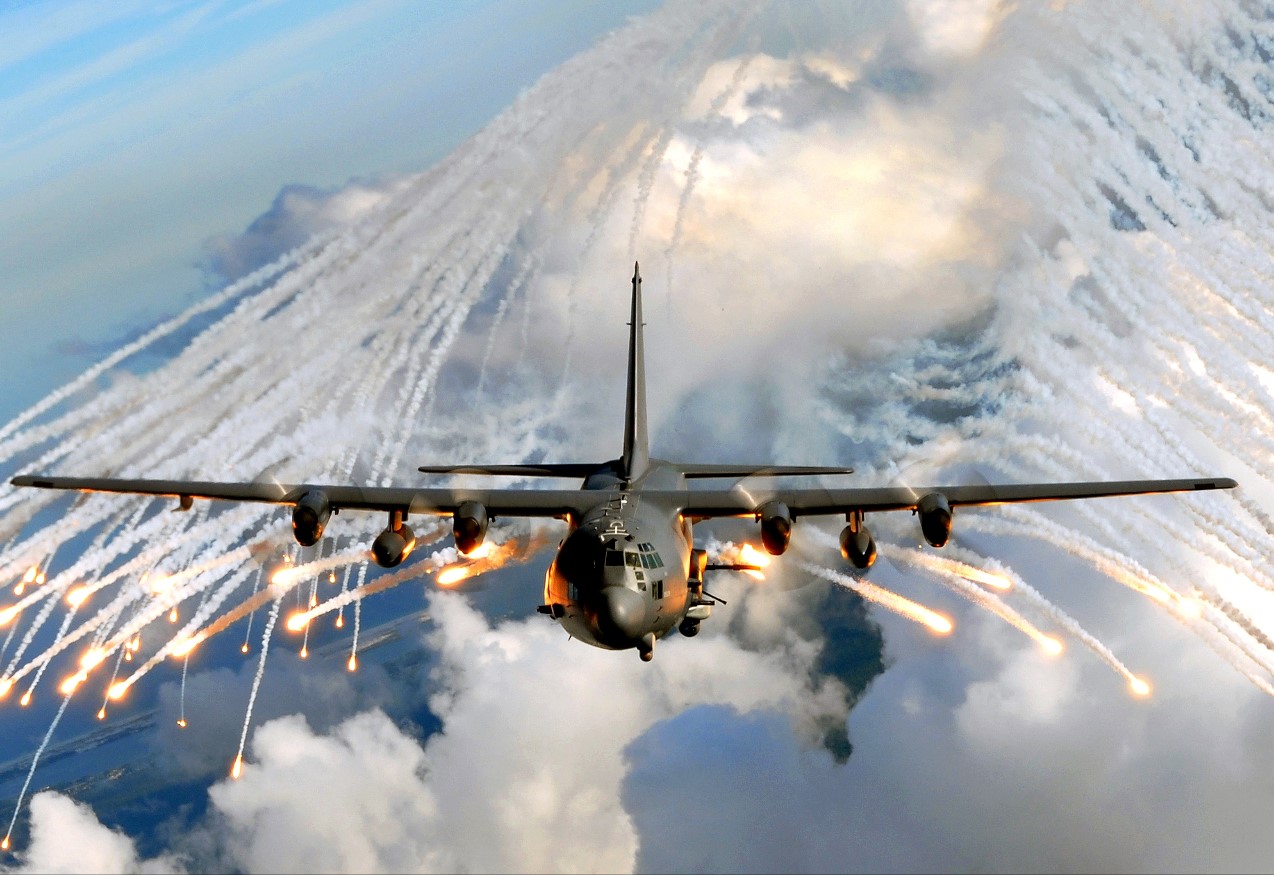 Pentagon Expands Alloy Surfaces Contract to $328.8 Million for Advanced Aircraft Decoy Flares Amid Evolving Drone Threats
-
 Why the U.S. Restored Pacific Command Name, Ending the Indo-Pacific Designation After Eight Years
-
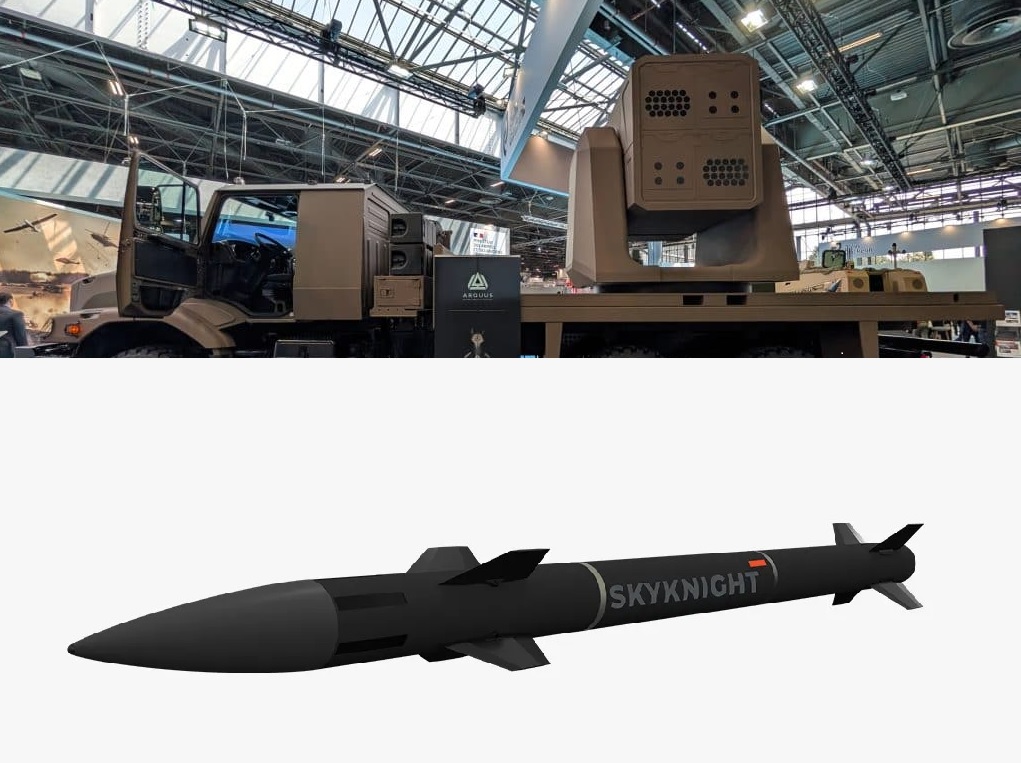 Naval Group Unveils Rampart Modular CIWS Multi-Purpose Weapon System for Naval and Ground Forces at Eurosatory 2026
-
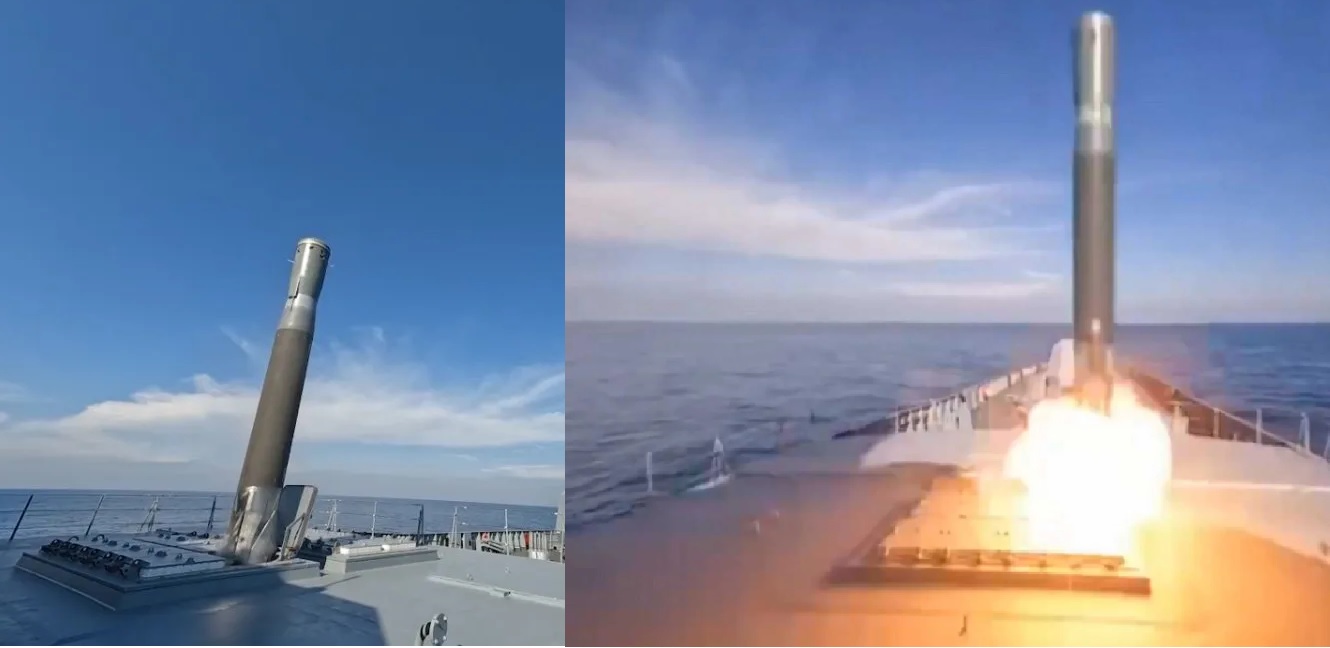 Open-Source Evidence Suggests Russia's Zircon Is a Quasi-Ballistic Missile, Not a True Hypersonic Cruise Weapon
-
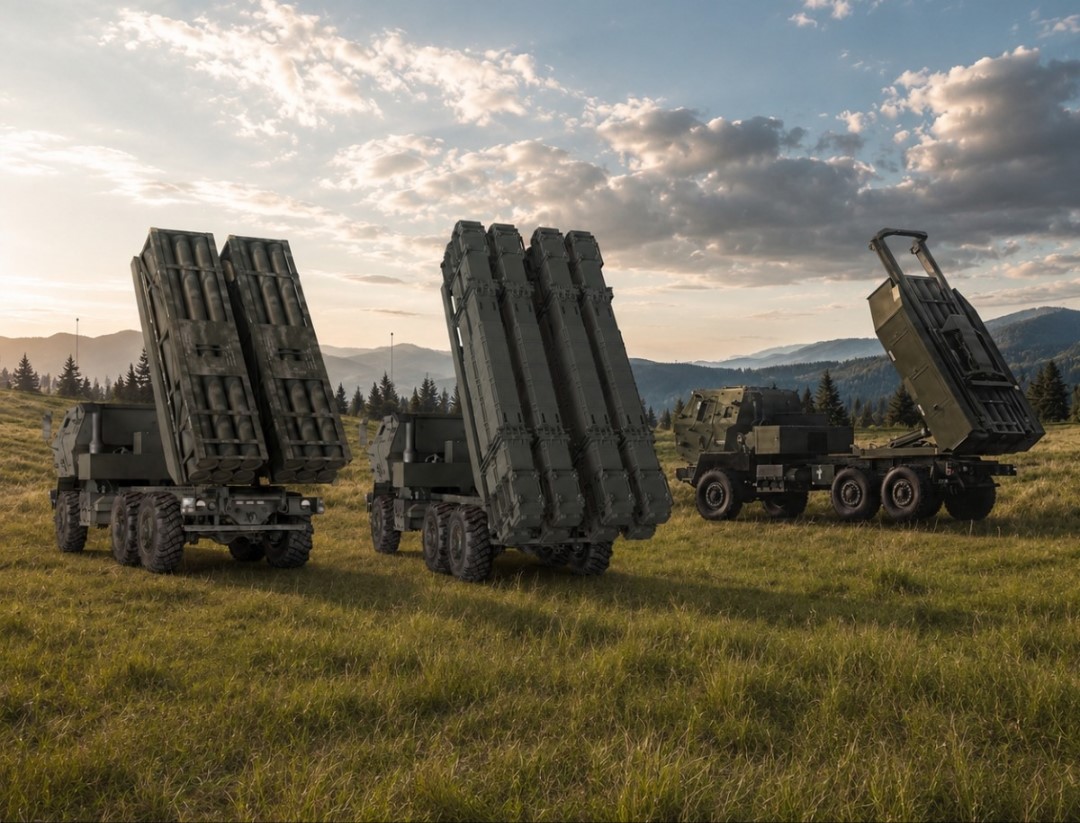 Lockheed Martin Unveils HIMARS FLEX with Dual-Pod Launcher and NATO-Compatible Air Defense Integration
-
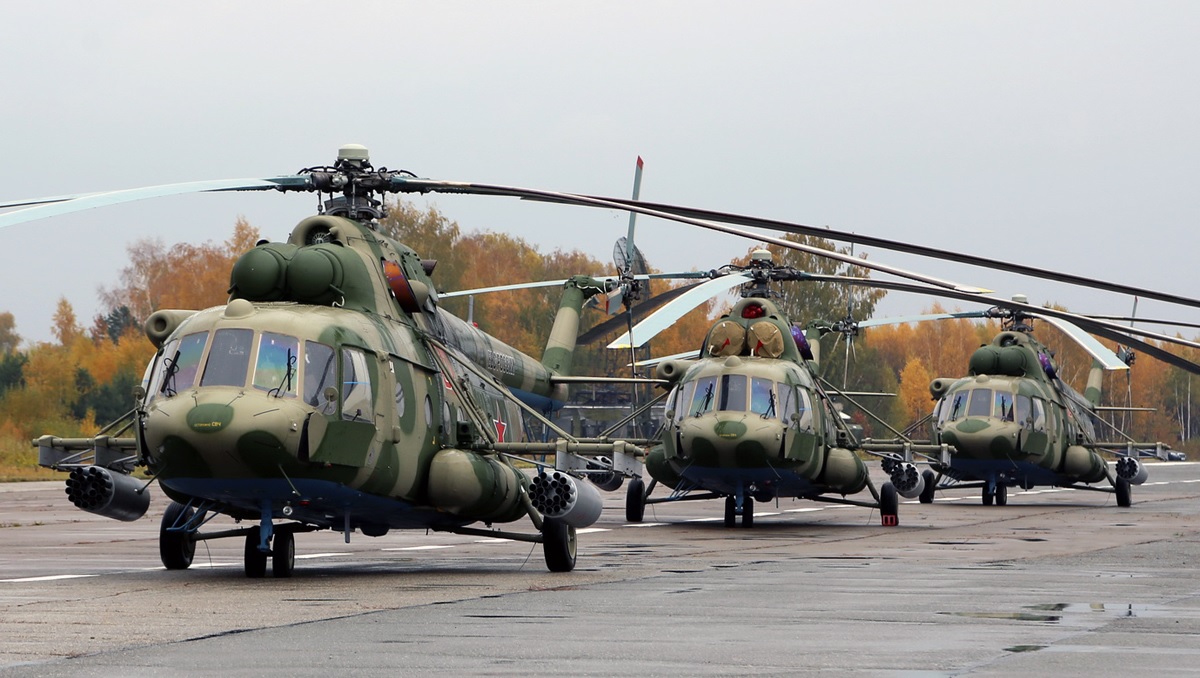 Iran Signs Deal with Russia for 20 Mi-8 and Mi-17 Helicopters to Boost Rescue and Medical Missions
-
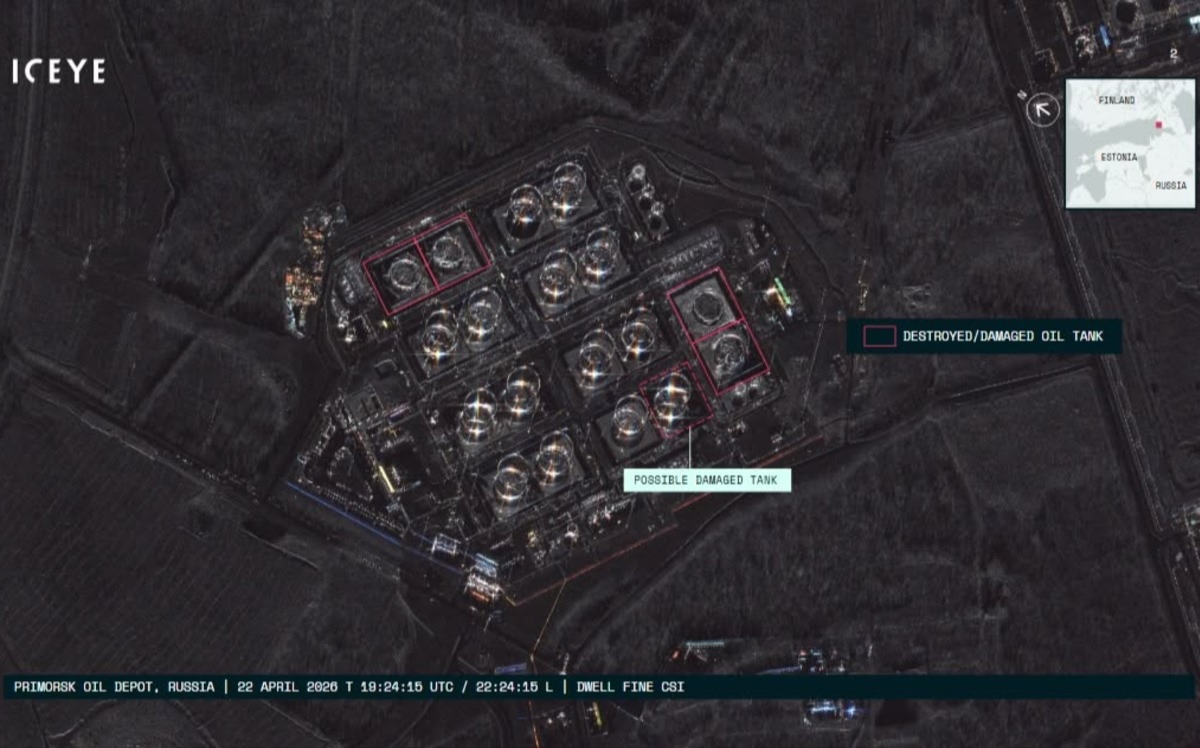 Portugal Doubles Sovereign SAR Satellite Fleet with Order for Two Additional ICEYE Satellites
-
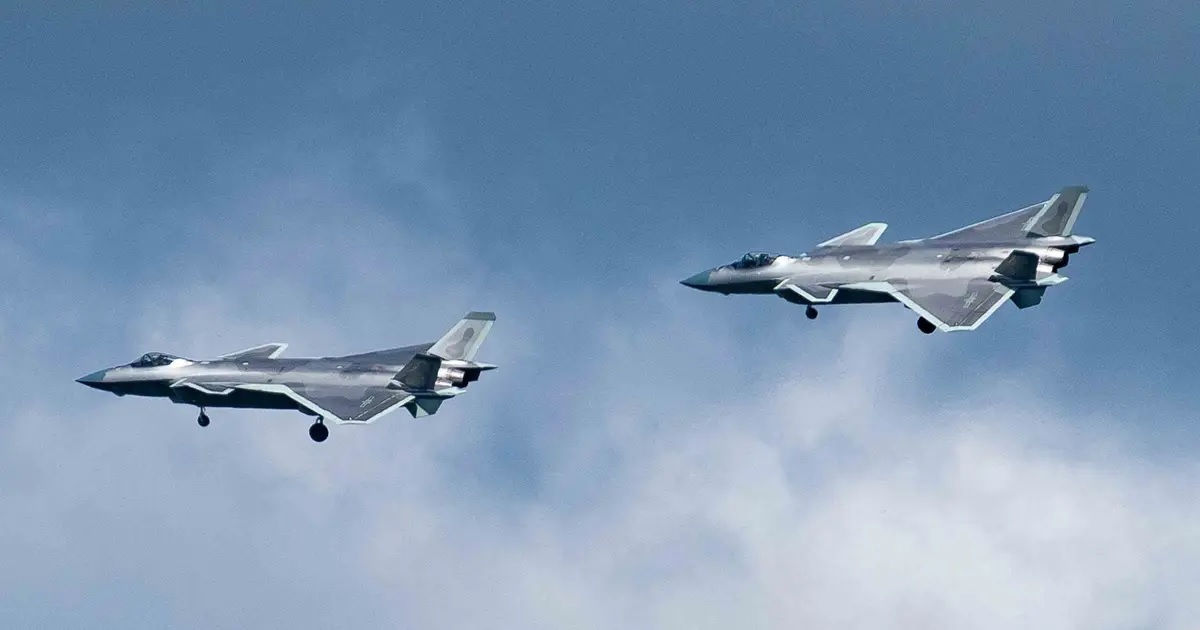 China Surpasses Russia as World’s Second-Most Powerful Air Force Amid Rapid J-20 and J-35 Expansion
Top Trending in 4 Days
-
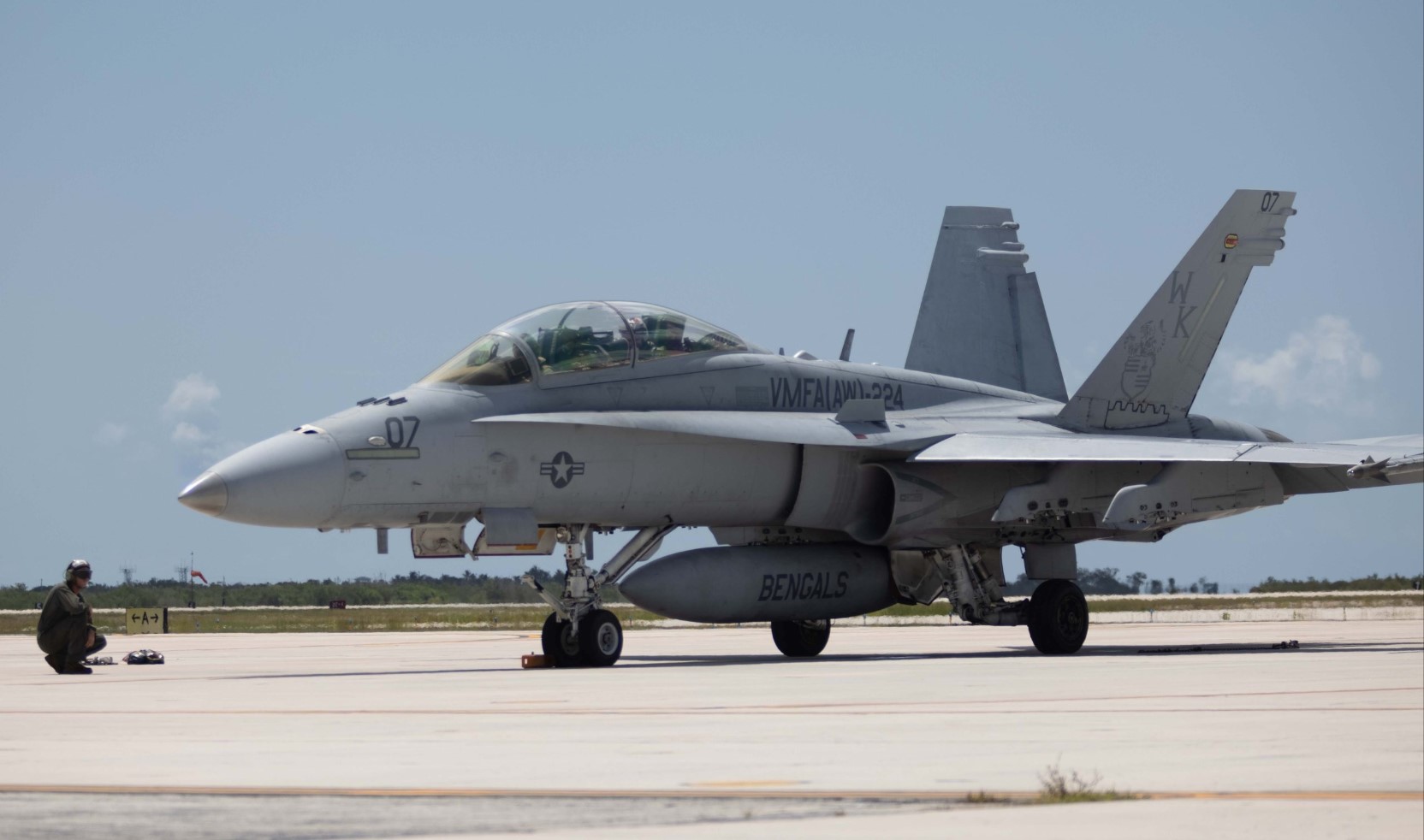 US Marine Corps F/A-18D Hornet Crashes During Training Flight in Washington Mountains; Pilot Ejects Safely
-
 Tulsi Gabbard Releases Declassified Files Detailing U.S.-Backed Network of 120 Biolaboratories Across 30+ Countries
-
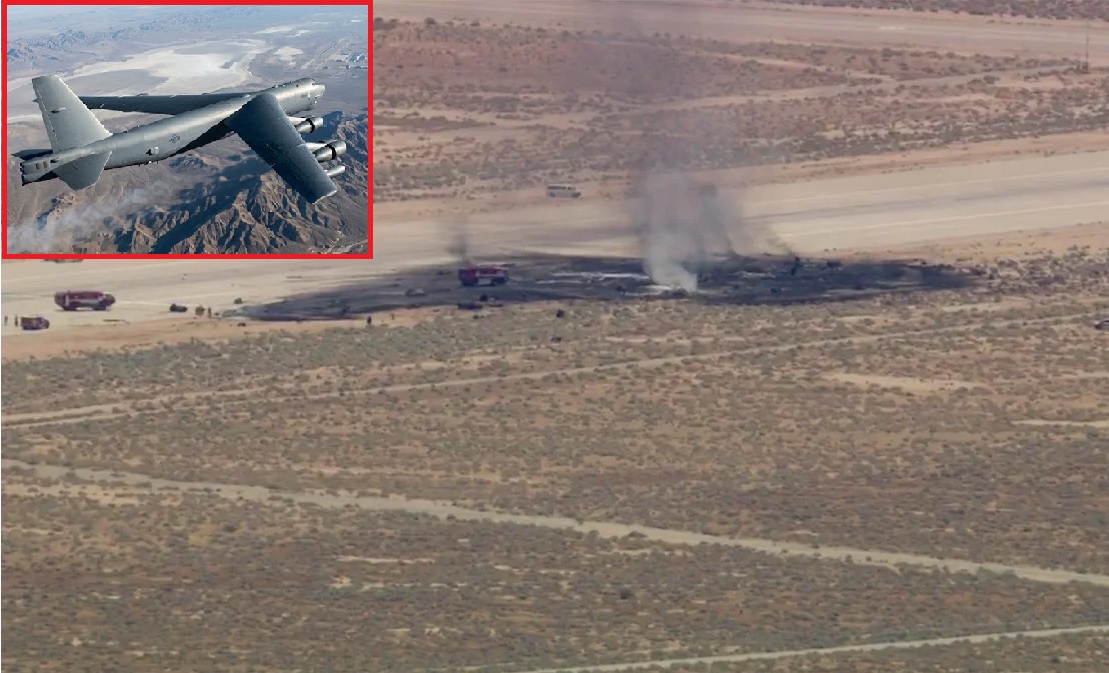 8 U.S. Air Force Crew Members Killed in B-52 Bomber Crash During Test Flight at Edwards Air Force Base
-
 Ukraine Introduces Balloon-Launched DART Missile Designed to Defeat Electronic Warfare
-
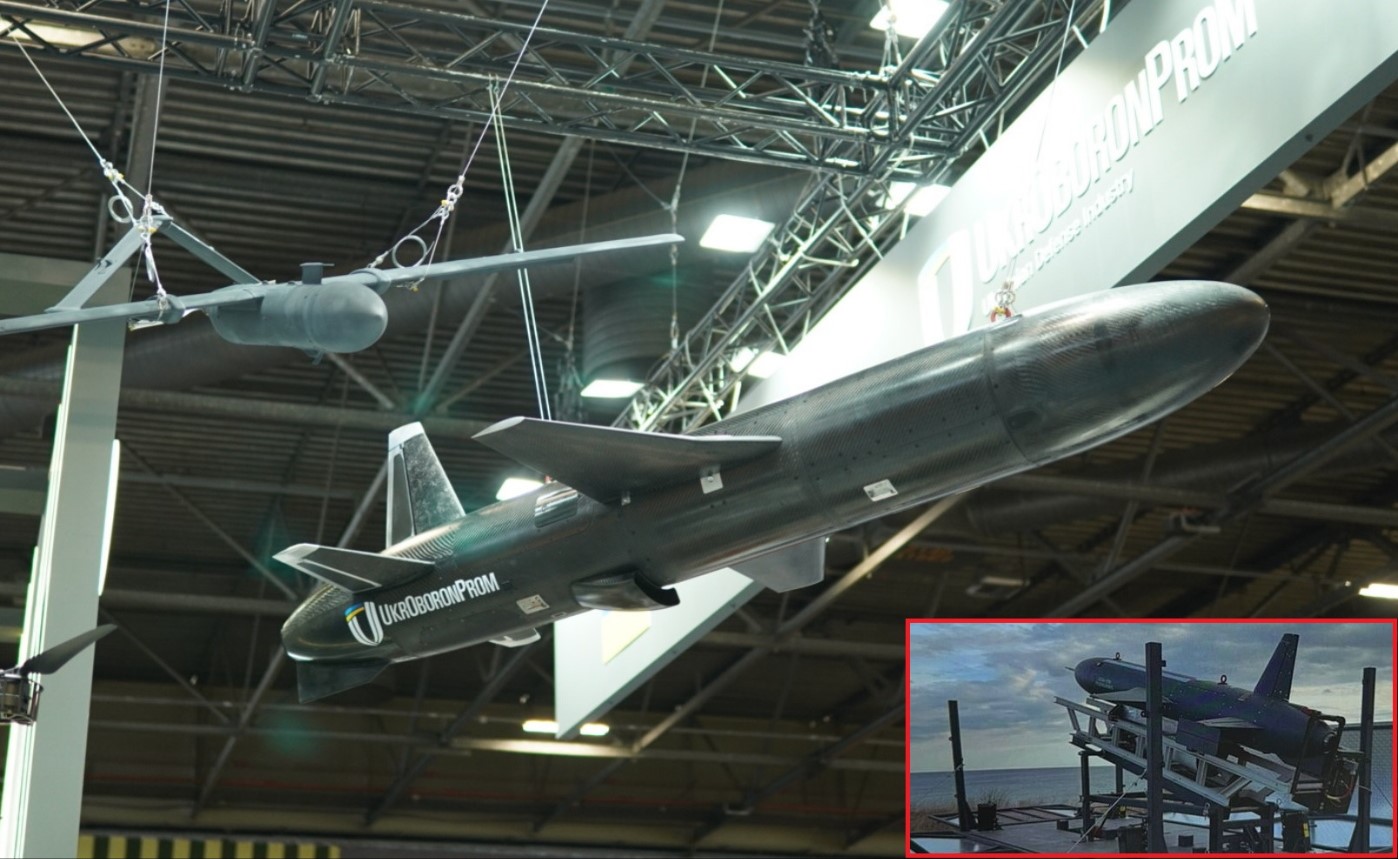 Ukraine Unveils UAV-290 Jet-Powered Strike Drone with 650 km Range at Eurosatory 2026
-
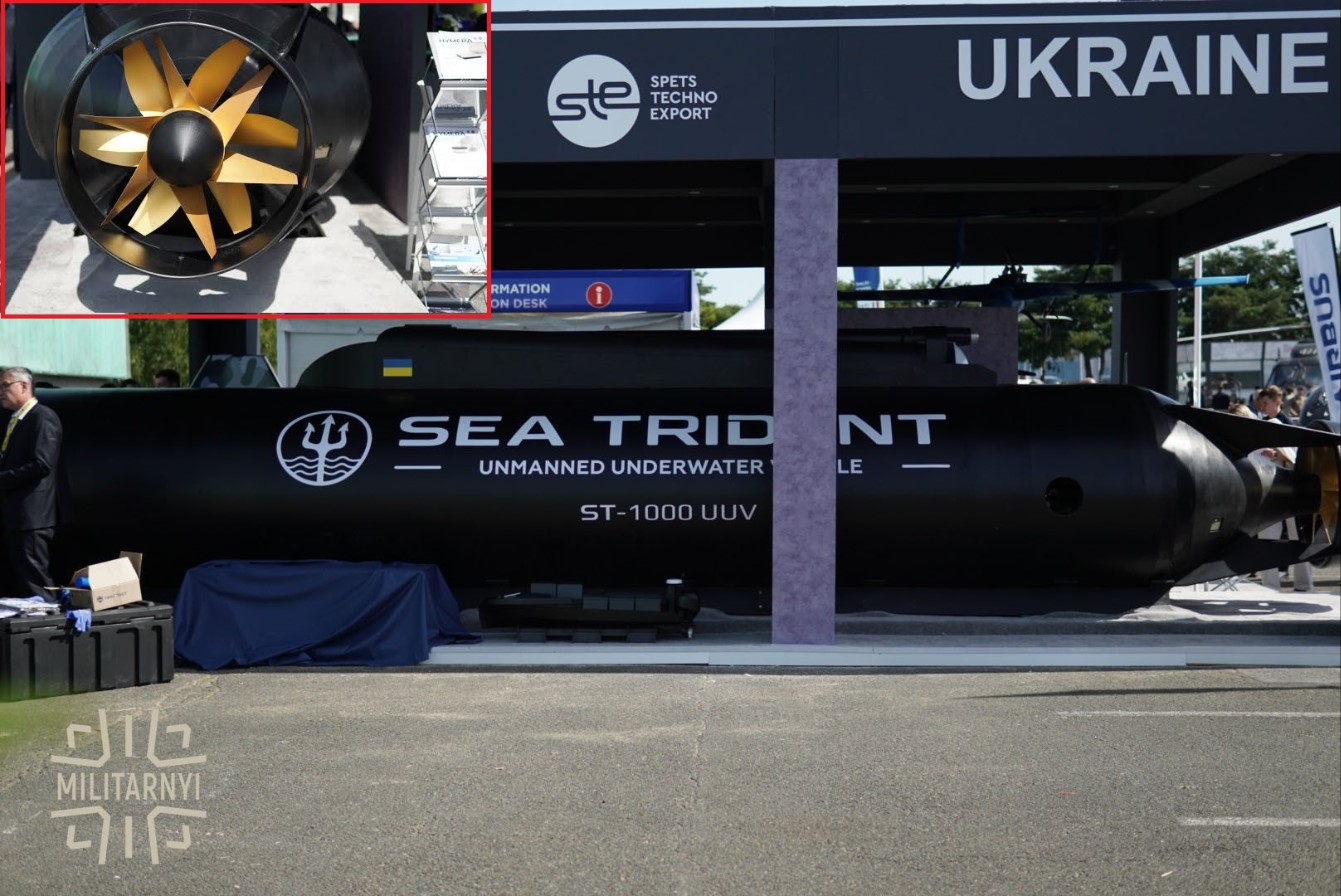 Ukraine Unveils 'Sea Trident' 10-Ton Autonomous Underwater Drone at Eurosatory 2026
-
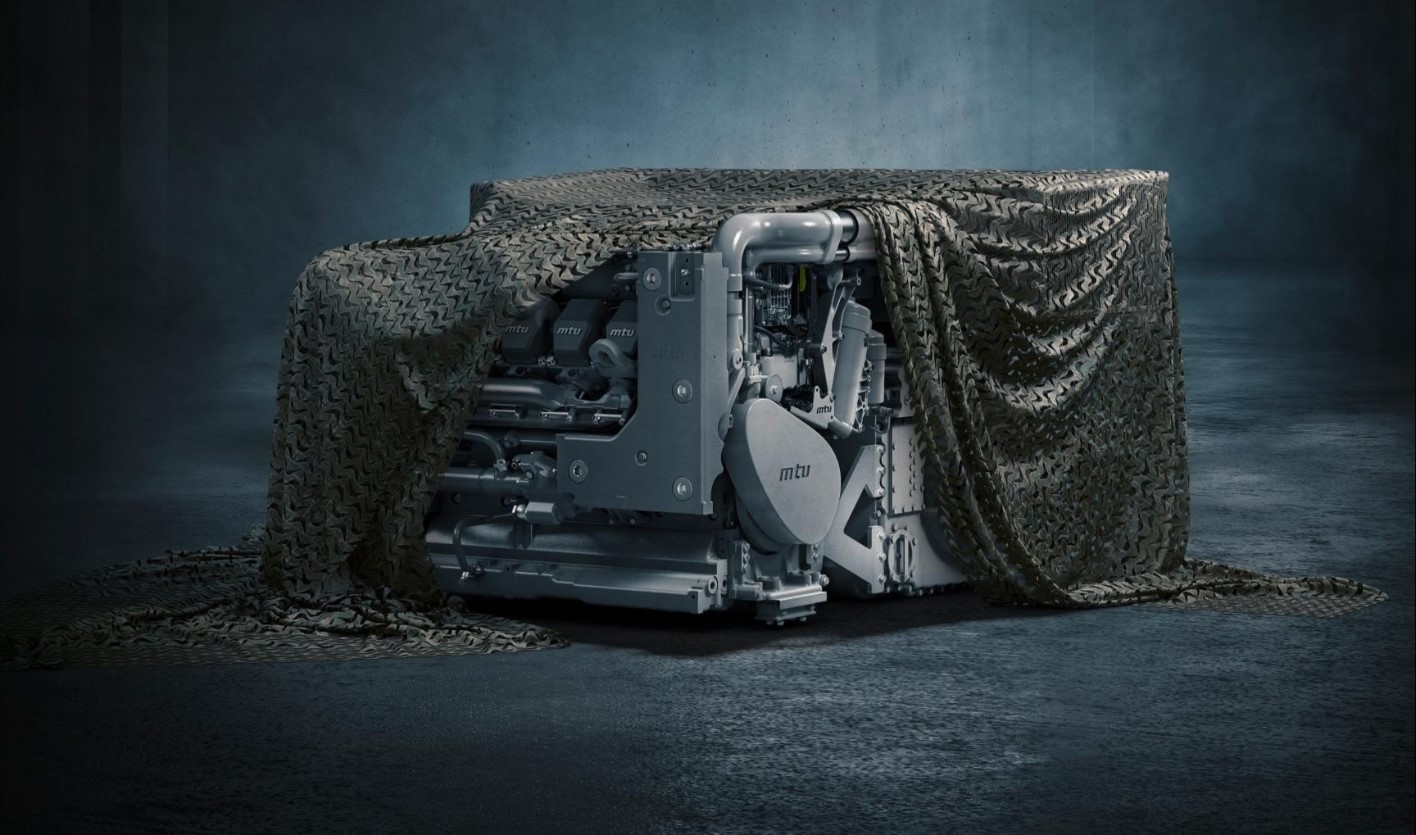 Rolls-Royce Unveils New Hybrid Powertrain for Heavy Military Vehicles at Eurosatory 2026
-
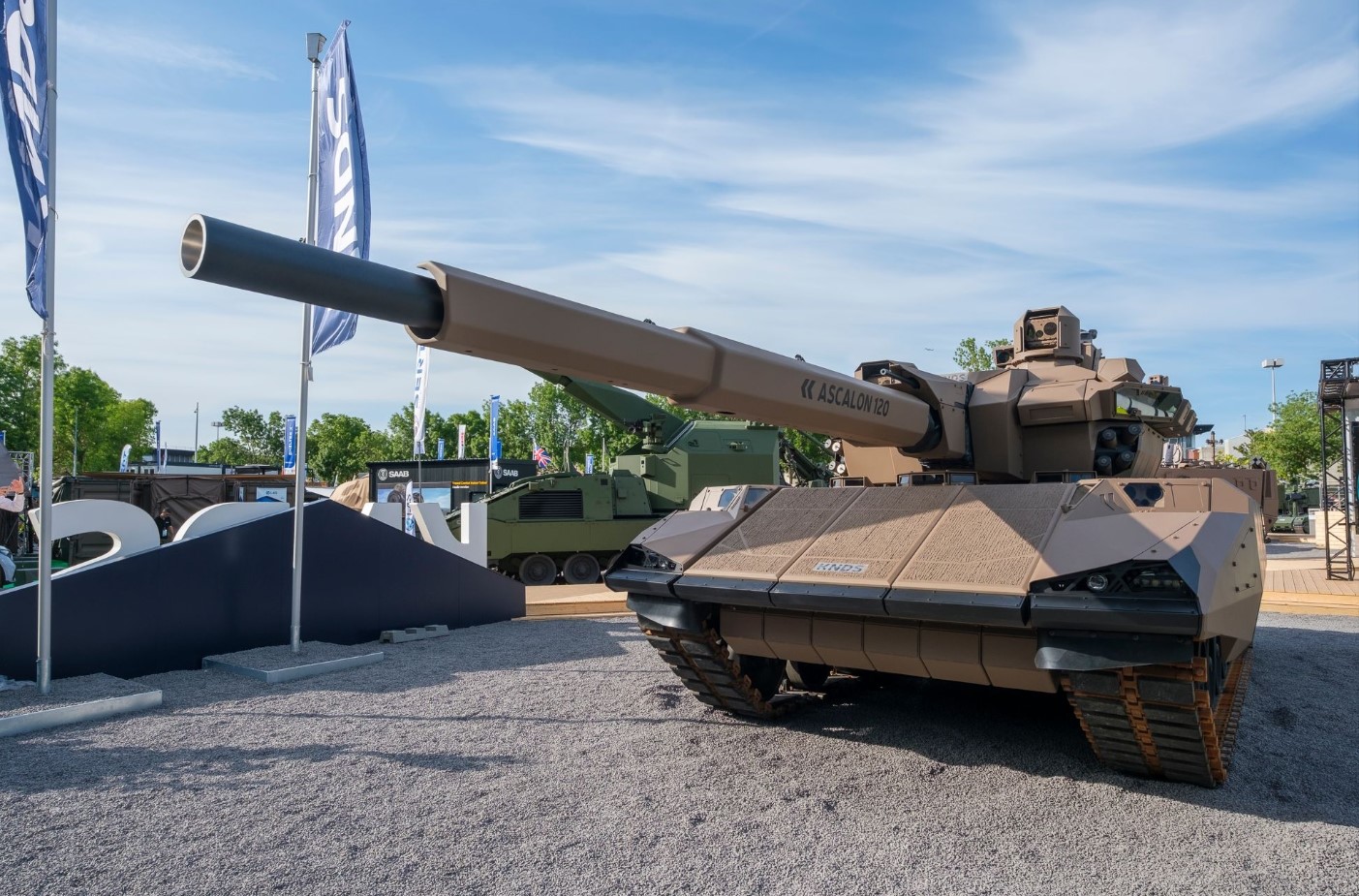 KNDS Unveils CAPINT Main Battle Tank at Eurosatory 2026 as Leclerc Stopgap