World
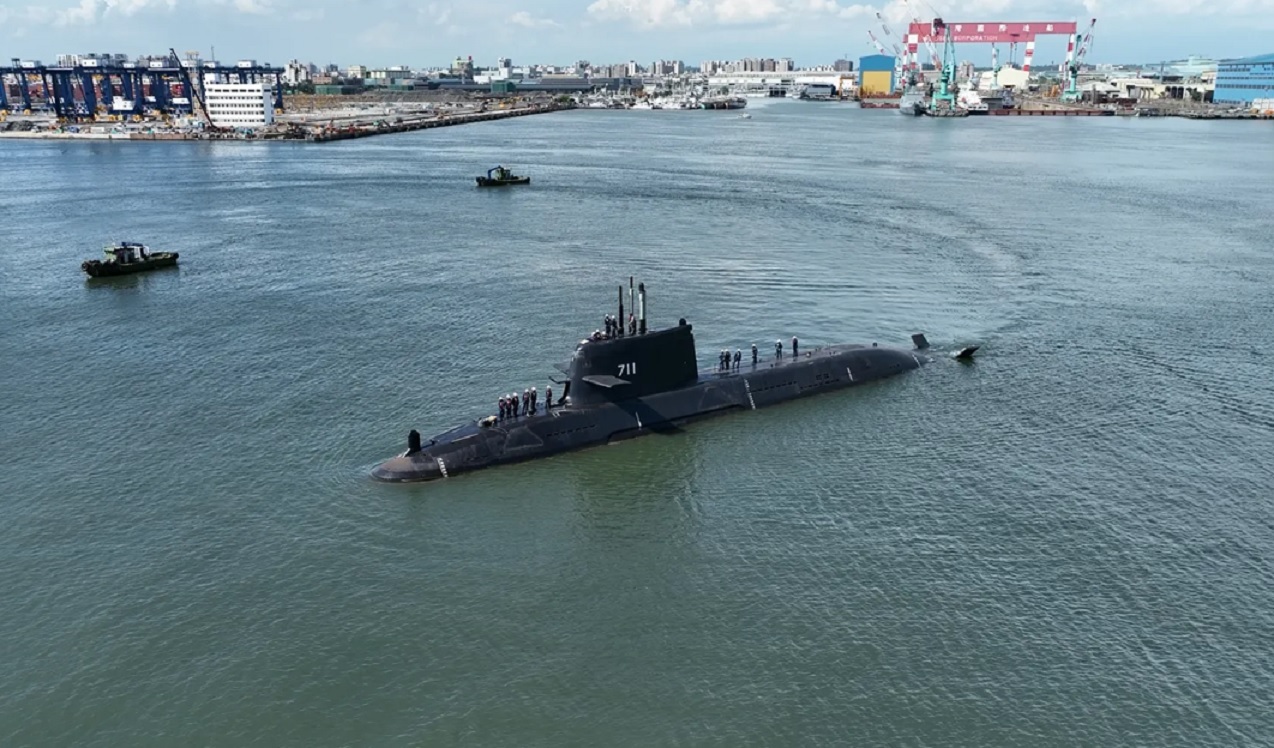
Taiwan has taken a major step forward in strengthening its maritime defense capabilities. On June 17, 2025, the country’s first Indigenous Defense Submarine (IDS), named Hai Kun (SS-711) — also known as Narwhal — successfully completed its maiden sea trial, according to its builder CSBC Corporation. This achievement marks a historic milestone for Taiwan, as it builds its own submarine for the first time in modern history. A Major Moment at Sea The Hai Kun was spotted operating independently in the Port of Kaohsiung last week. On its first trial day, the submarine sailed out of the CSBC shipyard, passed Cijin Island (旗津), and was observed with over a dozen military personnel and technicians aboard, some standing on its deck and sail. To secure the submarine during these sensitive sea trials, Taiwan’s Navy deployed a wide range of naval and aerial assets including assault boats, missile boats, frigates, and aircraft. This was done to protect the submarine’s position, route, and technical details from potential surveillance or sabotage, especially amid ongoing tensions in the Taiwan Strait. Sea Trial Phases and Submarine Capabilities CSBC Corporation revealed that Hai Kun underwent multiple systems tests during the trial, including propulsion, steering, electrical systems, ventilation, communication, and navigation checks. The sea trials are planned in three stages: Surface Navigation Tests Shallow-Depth Testing Progressive Deep-Diving Tests After each stage, the submarine’s systems will be reviewed, and adjustments made based on performance and safety standards before moving to the next phase. Amid online speculation about a visible bulge on the submarine’s bow during trials, CSBC clarified that it is not a structural flaw, but actually the housing for the submarine’s passive ranging sonar system — a critical feature for underwater detection and navigation. CSBC urged the public to support the program, emphasizing the national pride associated with Taiwan’s growing defense self-reliance. Challenges Ahead Despite Hai Kun’s successful trial, the IDS program faces political hurdles. Around 50% of the budget for additional indigenous submarines remains frozen, largely due to opposition parties seen as having pro-China leanings. These funds will only be released after Hai Kun completes its Sea Acceptance Test and a comprehensive report is submitted to the Taiwanese legislature. However, Navy Chief of Staff Vice Admiral Chiu Chun-jung confirmed that the submarine is still on track for delivery in November 2025, as originally scheduled. Taiwan’s Existing Submarine Fleet Currently, Taiwan’s Republic of China (ROC) Navy operates four submarines: ROCS Hai Shih (Sea Lion) SS-791 and ROCS Hai Pao (Seal) SS-792:These are former World War II-era U.S. Navy submarines, transferred in the 1970s and upgraded under the GUPPY program. Remarkably, they remain operational. ROCS Hai Lung (Sea Dragon) SS-793 and ROCS Hai Hu (Sea Tiger) SS-794:These are Chien Lung-class submarines, built by the Netherlands in the 1980s. Both submarines are armed with AEG SUT 264 torpedoes, Harpoon anti-ship missiles, and MK-48 torpedoes acquired from the U.S. With the impending induction of Hai Kun, Taiwan’s submarine fleet will gain a modern, locally built vessel with advanced stealth and combat capabilities — a critical asset amid the island's growing security challenges. The successful maiden trial of the Hai Kun submarine is more than a technical achievement — it’s a strategic message of resilience and self-reliance. As Taiwan faces increased military pressure in the region, building its own defense platforms like Hai Kun signals a determined commitment to safeguarding its maritime sovereignty.
Read More → Posted on 2025-06-24 15:27:15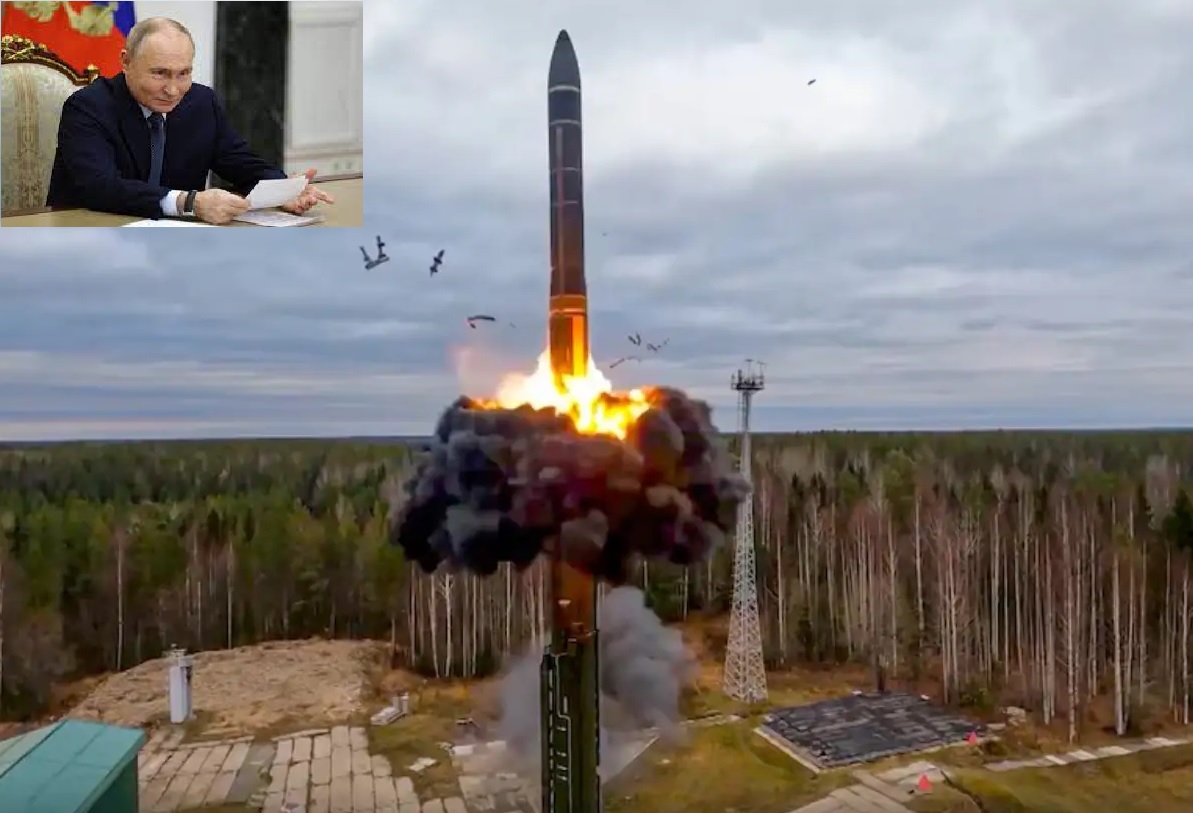
World
Russia has officially begun full-scale production of its new intermediate-range ballistic missile (IRBM) system, named Oreshnik, in what many analysts are calling a bold escalation in Moscow’s strategic posturing toward NATO and the West. On June 23, 2025, President Vladimir Putin announced the launch of serial production during a nationally televised address to military academy graduates, framing the missile as a key component in Russia’s growing arsenal amid deteriorating arms control agreements. The Oreshnik missile, though newly named, is widely believed to be a reworked version of the RS-26 Rubezh, a solid-fueled, road-mobile missile that had been shelved in the past due to funding issues. Now revived and modernized, the Oreshnik carries chilling implications. Capable of speeds exceeding Mach 10 and a range of up to 5,000 kilometers, the missile can strike targets across most of Europe with little warning. It is believed to carry multiple independently targetable reentry vehicles (MIRVs), each possibly armed with submunitions, and can be launched from highly mobile platforms, making it both elusive and deadly. Oreshnik’s first real-world use came in November 2024, when it was launched in a conventional configuration against Ukraine’s Yuzhmash defense-industrial facility in Dnipro. Though the missile appeared to cause only limited damage, the strike was widely interpreted as a political message rather than a military necessity. Experts noted that even an inert hypersonic missile can cause significant destruction due to its kinetic energy alone. The attack was meant to showcase capabilities—especially to Western audiences—rather than to destroy a specific target. Now that the missile is in full production, discussions are underway to deploy it more widely. Russian military experts suggest that Oreshnik brigades could be stationed within every combined arms or tank army. The missile's mobility, short active flight time, and ability to avoid interception make it a formidable threat to NATO's forward bases. Russian analysts have already suggested that Belarus may be among the first foreign territories to host the missile system, likely by the end of 2025, further shortening strike times against European capitals. This escalation comes as the last remaining arms control agreements between Russia and the United States crumble. The INF Treaty, which banned intermediate-range land-based missiles, collapsed in 2019, and Russia suspended participation in the New START Treaty in 2023. Russian officials claim their restraint has gone unreciprocated by the West, leading to the reactivation of previously mothballed missile programs like Oreshnik. Putin has justified these moves by arguing that NATO’s growing presence near Russia’s borders and the influx of Western weapons into Ukraine are fueling an arms race. He insists the development of Oreshnik and other advanced platforms—like the Avangard hypersonic glide vehicle and modernized Yars ICBMs—is Russia’s sovereign response to what he calls a fabricated “Russian threat” narrative. He also emphasized that Russia’s focus will continue on enhancing its nuclear triad, strategic naval capabilities, and even establishing new unmanned forces. Beyond Europe, Oreshnik’s range and mobility could give Russia a wider global reach. Analysts speculate it might eventually be deployed in the Far East to counterbalance developments in the Indo-Pacific, particularly U.S. and allied activities near China and Taiwan. International reactions to Russia’s actions have been swift and alarmed. Ukrainian President Volodymyr Zelensky called the missile’s use a dangerous escalation, and NATO countries have condemned the Dnipro strike and the subsequent ramp-up in production. The NATO–Ukraine Council labeled the move an intimidation tactic aimed not only at Ukraine but at the alliance as a whole. Military experts warn that the deployment of conventionally armed ballistic missiles that resemble nuclear-capable systems carries an enormous risk of miscalculation. In high-tension scenarios, adversaries could mistakenly assume a nuclear launch is underway, triggering unintended and potentially catastrophic responses. With traditional arms control frameworks now in disarray, the risk of such misinterpretations only grows. The unveiling and mass production of Oreshnik represent more than just a new weapon—it signals Russia’s deeper strategic pivot toward missile-based deterrence and power projection. As tensions between Moscow and the West continue to simmer, Oreshnik stands as both a technological achievement and a stark warning of the dangers of a world drifting further from the stability once promised by arms control.
Read More → Posted on 2025-06-24 15:20:16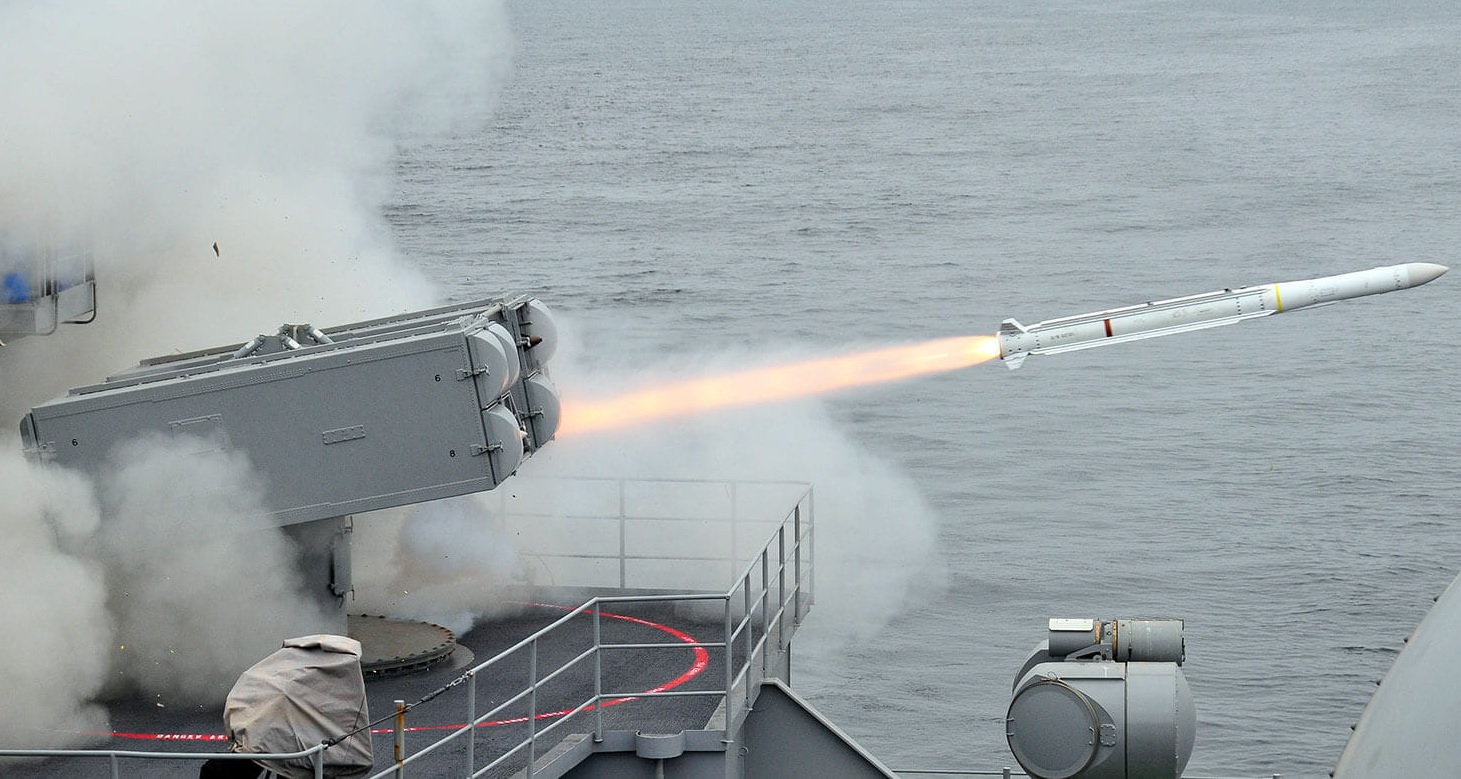
World
In a significant step toward strengthening Japan’s missile defense capability and deepening its defense ties with the United States, Raytheon has signed a $250 million contract with Japan’s Mitsubishi Electric Corporation (MELCO) for the licensed production of the advanced ESSM Block 2 missile system. This contract, arranged under a Direct Commercial Sale, will allow Japan to domestically produce these state-of-the-art ship-launched missiles using kits and components supplied by Raytheon, along with extensive technical support. The deal is more than just a defense sale—it’s the continuation of over five decades of trusted partnership between Raytheon and MELCO. Barbara Borgonovi, president of Naval Power at Raytheon, described the agreement as “the culmination of decades of partnership,” emphasizing that it not only strengthens Japan’s missile defenses but also enhances the longstanding security alliance between the U.S. and Japan. The Evolved SeaSparrow Missile (ESSM) Block 2 represents a major upgrade in naval missile defense. Designed for short to medium-range engagement, the ESSM Block 2 offers advanced dual-mode guidance, increased agility, and improved targeting. Unlike older systems, it can function with less reliance on shipboard radar illumination, making it more flexible and capable in high-threat environments. It’s suitable for defending against a range of airborne threats including cruise missiles, drones, and hostile aircraft. By producing the missile domestically, Japan is reinforcing its defense self-reliance while staying closely aligned with international defense standards. The country is already an active member of the NATO SEASPARROW Consortium, a multinational group of 12 nations collaborating on missile development and interoperability. This contract reinforces Japan’s continued participation in joint development efforts and its commitment to maintaining regional stability, especially amid growing security challenges in the Indo-Pacific. For Raytheon, the deal strengthens its global defense footprint, while for Japan, it provides critical capabilities through local production, supports its defense industrial base, and sends a clear signal of deterrence and preparedness. This strategic move also reflects the broader trend of trusted allies investing in co-production and licensed manufacturing to ensure quicker delivery timelines, better integration with national infrastructure, and greater control over maintenance and upgrades—key factors in modern military planning.
Read More → Posted on 2025-06-24 14:40:23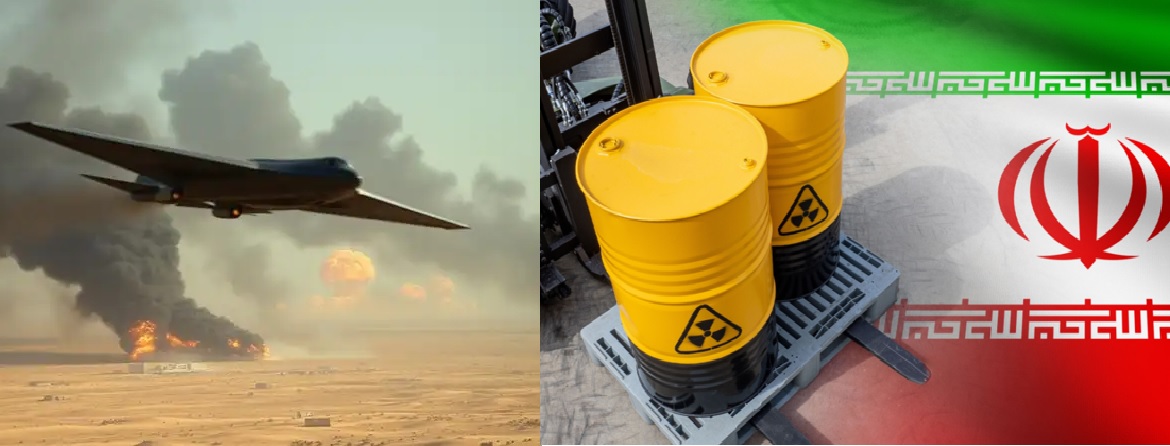
World
Despite a high-profile joint military operation by the United States and Israel targeting Iran’s nuclear infrastructure, the most alarming part of Iran’s nuclear program—around 400 kilograms of highly enriched uranium—remains unaccounted for. Experts warn that this missing stockpile is enough to produce up to ten nuclear weapons, leaving the core threat unresolved even after the dramatic strikes. The mission, executed last week, saw US B-2 Spirit bombers drop bunker-busting munitions on Iran’s key nuclear facilities at Fordow, Natanz, and Isfahan. These sites, some buried deep under mountains, were believed to house critical components of Iran’s uranium enrichment programme. The operation followed suspicious satellite imagery showing truck convoys moving in and out of Fordow, indicating a possible last-minute evacuation of sensitive materials. Vice President JD Vance confirmed during an interview that while the nuclear sites were “severely damaged,” the 400kg of 60% enriched uranium—the material just one step away from weapons-grade—was not recovered or destroyed. The situation has left US intelligence agencies scrambling for answers. According to analysts, the uranium could have been quickly dispersed in small, easily concealed containers—making it difficult to trace or target, even with superior surveillance. How the Strikes Unfolded Israel, long concerned about Iran reaching nuclear breakout capability, reportedly urged the United States to use its most advanced bunker-buster bombs. Six GBU-37 bombs were used to hit the deeply fortified Fordow facility. President Trump later claimed a "very successful" mission and announced a ceasefire, declaring, “Now is the time for peace.” But intelligence officials and nuclear experts aren’t so confident. Post-strike analysis by satellite firms like TS2 Space and the Open Source Centre in London confirmed heavy movement in and around the sites days before the bombing. Trucks disappeared from the images shortly before the attack, raising fears that Iran anticipated the strike and swiftly relocated key materials. Where Did the Uranium Go? The biggest unanswered question remains the fate of the enriched uranium. The International Atomic Energy Agency (IAEA) confirmed it last verified the stockpile about a week before the first missile landed. Since then, the agency has had no access to inspect or verify the materials. IAEA chief Rafael Grossi urged the UN Security Council to demand renewed inspections, warning that further delays could close the window for diplomacy. There’s also concern about centrifuges—the machines used to enrich uranium. Reports suggest Iran may have moved some advanced units along with the fuel, possibly to underground sites unknown to international observers. Is Iran Still a Nuclear Threat? Tehran maintains its nuclear program is peaceful and civilian in nature. But after the strikes, Iranian officials warned that they may quit the Nuclear Non-Proliferation Treaty (NPT). In a bold statement, Deputy Foreign Minister Takht Ravanchi said: “No one can tell us what to do…” Contrary to earlier assessments that Iran was not actively building a bomb, US intelligence has now shifted its stance. Director of National Intelligence Tulsi Gabbard, who earlier downplayed Iran’s capabilities, admitted that Iran could produce nuclear weapons “within weeks” if it chose to do so. A Threat Delayed, Not Defeated Experts agree that while the strikes may have delayed Iran’s program, they have not dismantled it. Israeli intelligence analysts believe that Iran may now be operating on a smaller, more covert scale. According to Ronen Solomon, an Israeli security expert, “They have the uranium, but unless they’ve built something we haven’t detected, they can’t weaponize it yet. But we can’t be sure.” Kelsey Davenport, a senior analyst on arms control, pointed out how easily transportable the enriched material is, making it almost impossible to track. “It’s stored in small canisters. A car is enough.” Despite the bold military action and political declarations of victory, the situation remains dangerously uncertain. The United States acknowledges that it still doesn’t have full visibility on Iran’s current nuclear capabilities or where its most critical materials are hidden. Vice President JD Vance hinted that diplomatic channels with Iran remain open, but warned that the US would respond forcefully if Tehran escalates. Secretary of State Marco Rubio, meanwhile, admitted on national television that “no one knows for sure” what happened to the uranium stockpile. The strikes may have shaken Iran’s nuclear infrastructure—but not the nuclear threat itself. The fact that Iran still holds enough enriched uranium for several nuclear bombs—and no one knows exactly where it is—makes the situation more volatile than ever. In this high-stakes geopolitical chess match, one truth looms large: the bombs dropped, but the danger didn’t disappear.
Read More → Posted on 2025-06-24 12:42:09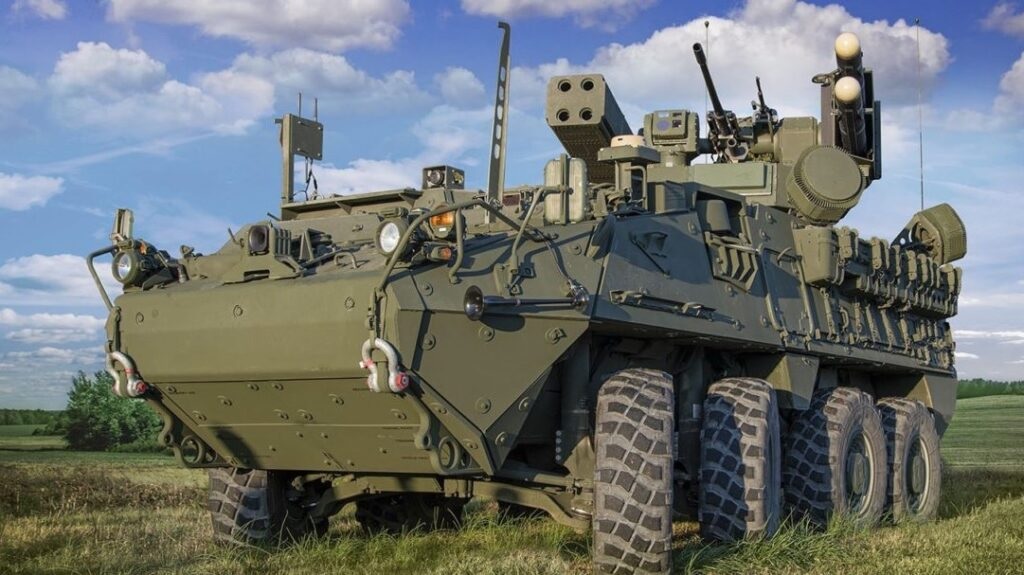
World
The U.S. Army is moving full speed ahead with the expansion of its next-generation short-range air defense system, known as Sergeant Stout, across more units to counter modern low-flying threats such as drones, helicopters, and cruise missiles. The system, which rides on a Stryker A1 8x8 armored vehicle, blends mobility, firepower, and cutting-edge sensors, and is becoming the Army’s primary solution for protecting frontline combat units from aerial attacks. Originally called M-SHORAD Increment 1, the system was renamed Sergeant Stout in June 2024 to honor Sergeant Mitchell William Stout, the only air defense artillery soldier in U.S. Army history to receive the Medal of Honor. The vehicle features a powerful combination of weapons: a 30mm XM914 chain gun, a 7.62mm M240 machine gun, and a Moog RIwP turret that carries up to eight Stinger missiles—increased from the original four after Hellfire missiles were dropped from the design due to field maintenance concerns. Radar and electro-optical/infrared (EO/IR) systems from RADA USA and Northrop Grumman provide robust target detection and tracking capabilities. So far, the Army has equipped three battalions with the system, with a fourth battalion to be activated at Fort Liberty, North Carolina, later in fiscal year 2025. The 6th Battalion, 56th Air Defense Artillery Regiment at Fort Cavazos, Texas, is currently fielding the system. Eventually, the Army wants up to eight battalions, including National Guard units, to receive the Sergeant Stout, bringing total numbers to between 312 and 361 vehicles depending on future budgets. Sergeant Stout fills a gap left by the now-retired Humvee-based Avenger systems. Its integration into the Stryker platform gives it better mobility, survivability, and power capacity to operate advanced electronics and weapons. The platform can operate as a standalone defense system or be integrated into a larger layered air defense network, making it highly adaptable for modern battlefield environments. Looking ahead, the Army is investing heavily in future versions of the Sergeant Stout. The Increment 3 upgrade is set to bring new missiles—such as the Next Generation Short Range Interceptor (NGSRI), being developed by Raytheon and Lockheed Martin—and advanced programmable airburst ammunition for the 30mm cannon. These enhancements will give the system greater lethality and effectiveness against fast, maneuverable drones and other airborne threats. Demonstrations of Increment 3 are scheduled for 2026, with production expected to begin in 2027. Parallel to this, a laser-armed version of the vehicle called DE M-SHORAD (Directed Energy Maneuver Short-Range Air Defense) is being developed. This variant uses a 50-kilowatt high-energy laser, also mounted on a Stryker, to destroy enemy drones and rockets without firing traditional munitions. Four prototype DE M-SHORAD vehicles were sent to the Middle East in 2024 for trials, though the Army is still refining its performance based on soldier feedback from real-world conditions. Beyond the U.S., the Sergeant Stout has also drawn international interest. India is in talks to procure the system, particularly for high-altitude operations in areas like eastern Ladakh. Discussions are ongoing regarding potential co-production under India's Make in India initiative, signaling a new level of defense cooperation between the two countries. The Sergeant Stout program began with a $1.219 billion contract awarded in 2020 to General Dynamics Land Systems, the prime contractor. The first deliveries began in 2021 to units stationed in Germany. Now, with additional funding in the FY2025 budget—including $69 million for procurement and over $200 million for R&D—the Army is firmly backing this advanced system as a central piece of its modern air defense strategy. With both kinetic and laser-based versions under development, and new munitions on the horizon, the Sergeant Stout is rapidly evolving into one of the most capable short-range air defense solutions available today—designed not only to protect troops but to dominate the skies in a future full of drone and missile threats.
Read More → Posted on 2025-06-24 11:22:27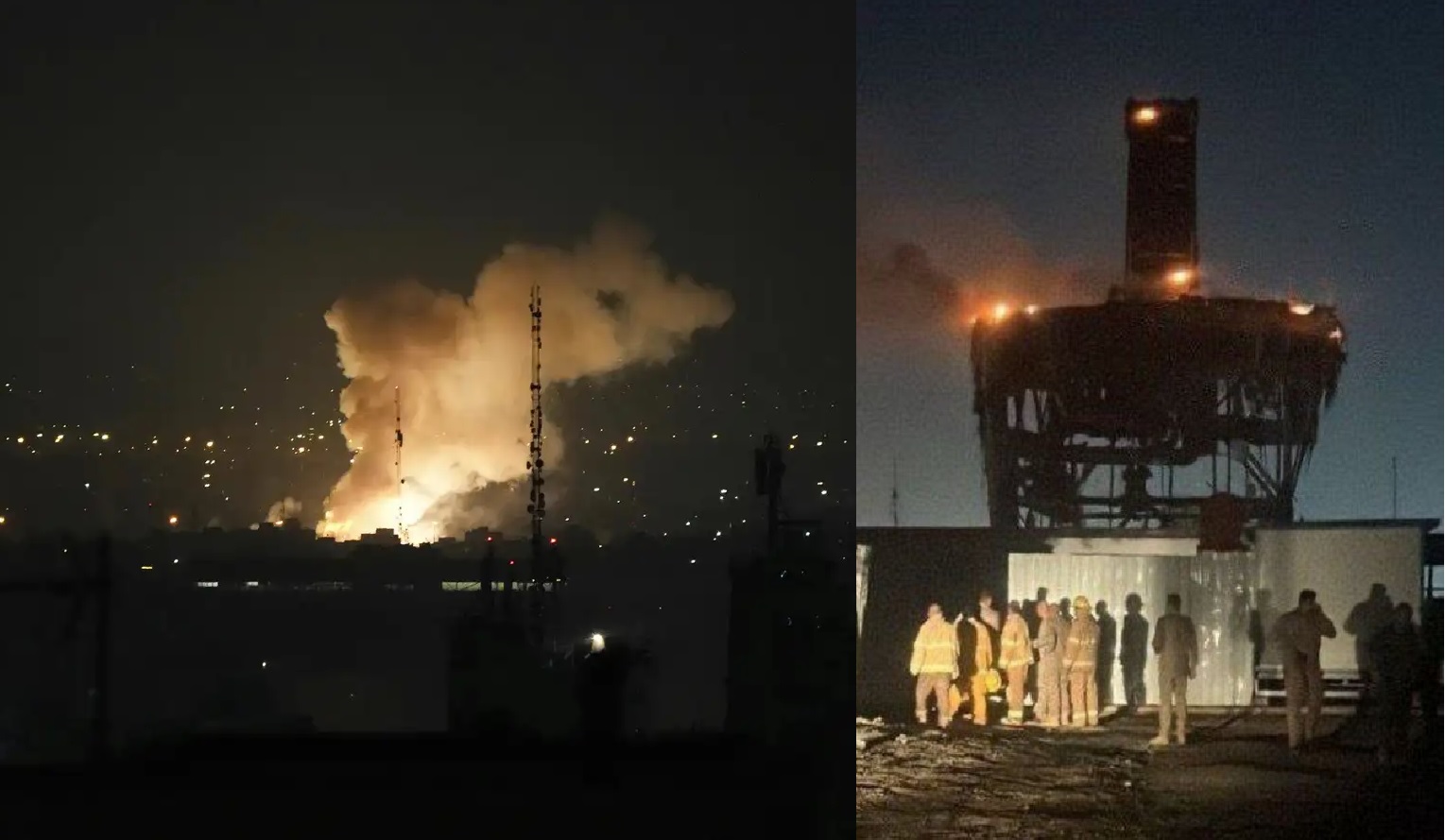
World
In a dramatic escalation of tensions in the Middle East, Iran launched a series of ballistic missile strikes on U.S. military bases in the region on Monday. The strikes came as direct retaliation for the U.S. airstrike over the weekend that reportedly targeted Iranian nuclear facilities. At least ten missiles were fired towards American positions in Qatar, with another missile launched at Iraq, according to Israeli intelligence sources. Iran’s Supreme National Security Council confirmed the operation and stated that the number of missiles launched was exactly equal to the number of bombs dropped by the U.S. during Saturday's strike. Iran’s Islamic Revolutionary Guard Corps (IRGC) issued a bold statement, declaring it had carried out a "devastating and powerful missile attack" on Al Udeid Air Base in Qatar, which is one of the most significant U.S. military hubs in the region. The IRGC described the base as "the largest strategic asset of the U.S. terrorist army in West Asia" and warned that any threat to Iran’s sovereignty would be "answered without hesitation." Despite the aggression, Iran was quick to clarify that the missile strikes were carefully aimed away from populated areas. "This action did not pose any threat to our friendly and brotherly country, Qatar, and its noble people," the Iranian National Security Council said. Qatar's Foreign Ministry responded swiftly, confirming that its air defense systems successfully intercepted the missiles, preventing any casualties or damage. The Qatari government, which has often acted as a diplomatic bridge in the region, strongly condemned the Iranian strike and called for a return to dialogue and de-escalation. In Iraq, the tension flared further when a U.S. radar system was reportedly struck by an Iranian suicide drone at Camp Taiji near Baghdad late Sunday night. While the extent of damage is still being assessed, this marks a concerning expansion of Iran's retaliatory tactics beyond missile attacks, showcasing the use of precision drones targeting American defense assets. As missiles rained down, U.S. President Donald Trump convened an emergency meeting at the White House with his top national security advisors, including Defense Secretary Pete Hegseth and Joint Chiefs Chairman General Dan Caine. The high-level discussions indicate the seriousness with which Washington is treating the unfolding situation. President Trump had earlier warned that any act of retaliation from Iran would be met with overwhelming force. With Iran now openly challenging U.S. military dominance in the region, the possibility of further military escalation appears dangerously high. This volatile series of events is taking place against the backdrop of increasing U.S.-Iran tensions, Israel’s deepening confrontation with Tehran, and fragile regional diplomacy. As the world watches closely, the next steps taken by Washington and Tehran may determine whether this becomes another short-lived flashpoint—or spirals into a broader and more destructive conflict.
Read More → Posted on 2025-06-24 11:06:13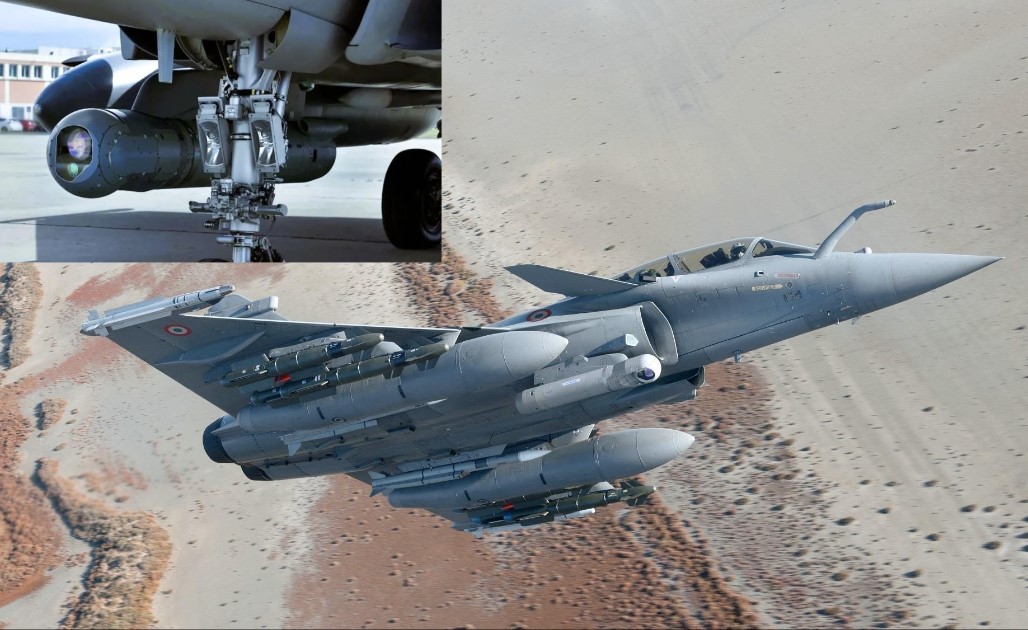
World
In a major leap toward next-generation aerial warfare, French defense giant Thales is enhancing its TALIOS (Targeting Long-range Identification Optronic System) pod with embedded artificial intelligence for the Rafale F4.3 fighter aircraft. Scheduled to be operational by 2026, this upgraded targeting system will offer real-time image analysis, enabling pilots to identify, classify, and engage targets with unprecedented speed and accuracy. At the heart of this transformation is the integration of deep learning algorithms into the TALIOS pod, making it capable of automated target recognition, classification, and prioritization — a task that it will perform 100 times faster than traditional systems. This marks a critical evolution in airborne targeting, especially in high-intensity combat scenarios where milliseconds can determine mission success. Smarter Eyes in the Sky The upgraded TALIOS pod will leverage Thales' new cortAIx accelerator, allowing it to process live imagery on the fly. What sets this system apart is its onboard edge processing — the AI doesn't rely on external datalinks or remote processors. All critical image analysis and decision-support tasks happen within the pod itself. This ensures reliable performance even in contested environments where communications may be jammed or denied. By integrating AI directly into the pod, TALIOS becomes more than just a passive sensor. It actively assists the pilot by flagging potential threats in real-time. From tanks and bunkers to hidden air defenses and camouflaged vehicles, the system can autonomously detect, classify, and display relevant targets, helping pilots focus on decision-making and tactical maneuvers instead of spending time sifting through raw imagery. Enhancing Pilot Decision-Making One of the key benefits of the AI-enhanced TALIOS is its ability to reduce cognitive load. In combat, the sheer volume of visual data from sensors can overwhelm even experienced pilots. With pre-selected targets presented based on threat relevance, pilots can act faster, engage with more confidence, and reduce the risk of human error. Importantly, the final decision to engage still rests with the pilot — AI here is an assistant, not an autonomous trigger. Additionally, the pod’s "Permanent Vision" mode overlays live imagery onto a 3D tactical map, creating an augmented reality-style interface that improves situational awareness in complex environments, whether over dense urban terrain or rugged mountains. Technical Advancements The TALIOS F4.3 version will include: Day and night operation using high-definition color sensors and a Mid-Wave Infrared (MWIR) thermal imager. High-resolution ISR (Intelligence, Surveillance, and Reconnaissance) capabilities for both air-to-ground and air-to-air operations. Compatibility with the networked battlefield vision of France’s Scorpion and future air-combat initiatives, enabling data sharing between manned and unmanned systems. AI-powered threat classification libraries that learn and improve over time, adapting to new enemy tactics and camouflage patterns. Timeline and Development The TALIOS AI upgrade is being developed as part of a 2023 contract between Thales and France’s Directorate General of Armament (DGA). Engineers have been training the pod’s deep learning systems using a rich database of military images, flight test data, and simulation scenarios. The upgrade is tightly aligned with the upcoming Rafale F4.3 standard, which itself is a bridge to the F5 variant expected later this decade. By 2026, TALIOS with AI will be operationally deployed on French Air and Space Force Rafales, with export opportunities likely to follow. For countries like India, which operate the Rafale and already utilize TALIOS, this development could pave the way for enhanced targeting capabilities through future upgrades. The AI-enhanced TALIOS pod represents a paradigm shift in combat aviation. By bringing real-time intelligence, object recognition, and autonomous assistance to the cockpit, Thales is reshaping how pilots engage the enemy — faster, smarter, and safer. As air forces worldwide look to integrate artificial intelligence into their platforms, TALIOS may well become a benchmark in AI-assisted aerial targeting for years to come.
Read More → Posted on 2025-06-23 13:09:08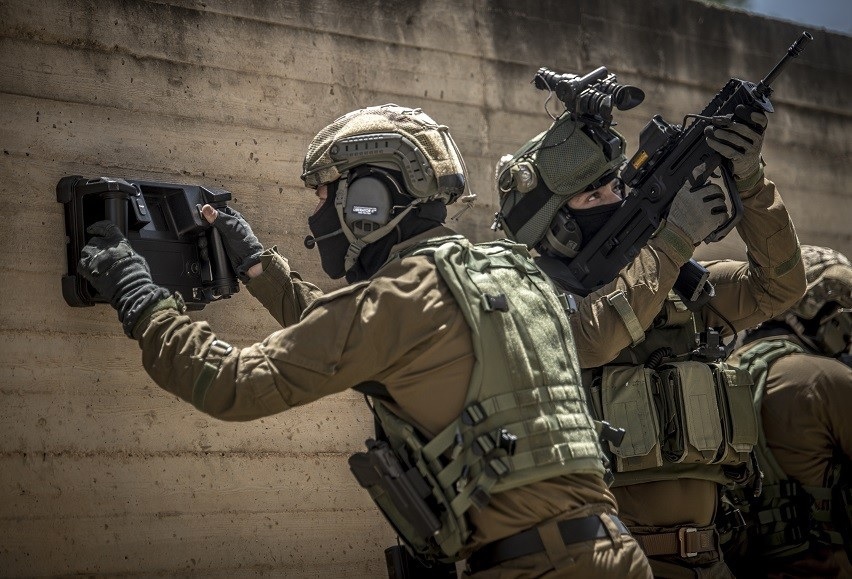
Israel Rapidly Expands Use of Camero-Tech’s XAVER 400 to Aid Rescue Operations After Missile Strikes
World
In the wake of rising security threats from Iran, Israel has stepped up its efforts to protect and save civilian lives. The country’s Homefront Command has rapidly expanded the use of an advanced life-saving device — the XAVER 400 through-wall imaging system, developed by Israeli technology firm Camero-Tech. This move comes after recent Iranian missile attacks targeted residential areas, causing several buildings to collapse and trapping people under debris. The XAVER 400 is a compact, portable system designed to detect human presence through walls, rubble, and other barriers. It uses Ultra-Wideband (UWB) sensing technology combined with powerful image reconstruction software to provide real-time images of what lies behind solid surfaces. This technology allows search and rescue teams to quickly locate survivors who might otherwise remain undetected. Over the past week, the system has been deployed in multiple cities across Israel, especially in areas hit hardest by missile strikes. Camero-Tech’s Founder and CEO Amir Beeri emphasized its importance, saying, “When buildings collapse or people are trapped behind barriers, every second matters. Our system gives rescue teams the ability to see through walls in real-time, helping them locate survivors faster and more safely. It’s not just an operational advantage but a life-saving tool.” Since the conflict with Iran began, the demand for the XAVER 400 has surged. Camero-Tech’s Vice President Ilan Abramovich explained, “We have seen repeated missile strikes on residential neighborhoods, with several buildings collapsing as a result. In these critical moments, when people may be trapped under rubble, our system gives rescue forces immediate, life-saving visibility.” Founded in 2004, Camero-Tech is an Israeli defence technology company known for its expertise in radar-based imaging systems. The Xaver series, which includes different models for tactical, military, and rescue operations, is currently used in nearly 60 countries worldwide. Camero-Tech operates as part of the SK Group, one of Israel’s leading defence and security industry conglomerates. The rapid expansion of XAVER 400 use underlines the challenges Israel faces amid escalating regional tensions and highlights how modern technology can play a crucial role in saving lives during crises. As missile threats continue, tools like the XAVER 400 are becoming an essential part of Israel’s emergency response strategy.
Read More → Posted on 2025-06-23 13:05:25
World
At the 2025 Paris Air Show, European missile giant MBDA revealed a game-changing innovation for modern warfare — a new one-way effector drone designed not just to strike, but to trigger and overwhelm enemy air defenses. With a focus on mass production, deep strike capabilities, and tactical deception, this drone represents a major shift in how future conflicts may be fought. What Is the One-Way Effector Drone? MBDA’s new drone is a jet-powered kamikaze system carrying a 40-kilogram (88-pound) warhead. But unlike traditional missiles, this drone’s core mission is to force enemy defense systems to respond — and reveal themselves in the process. Once detected, these air defense assets can then be targeted and destroyed by follow-up long-range weapons. The drone has an impressive range of 500 kilometers (311 miles), enabling it to penetrate deep into hostile territory. Its warhead is “large enough to compel the enemy to engage,” according to MBDA, making it ideal for drawing out and exhausting enemy surface-to-air missile systems and radar. Strategic Purpose: Drawing Fire, Not Just Delivering It Rather than sneaking past defenses, the effector drone is built to be intentionally noticed. It works best when launched in large salvos, saturating enemy detection networks and disrupting layered air defense systems. It’s not just about taking out targets; it’s about causing confusion, forcing reaction, and clearing a path for precision-guided missiles, jets, or other lethal assets to follow. This concept is heavily inspired by lessons learned from the ongoing war in Ukraine, where both sides have used cheap, massed drones to overwhelm defenses and shape the battlefield in real time. From Missiles to Mass Production: A Civilian-Driven Revolution One of the most radical features of MBDA’s new drone isn’t just its design — it’s how it’s built. In a major shift from traditional, often slow defense manufacturing, MBDA is partnering with civilian drone makers and automotive companies to rapidly scale production. The result? A new industrial model that could produce up to 1,000 drones per month. This approach mirrors how commercial industries operate — fast, flexible, and built to scale — meeting the urgent demands of modern warfare. “We’re entering an era where quantity matters as much as quality,” said MBDA CEO Eric Beranger. “Our new effector drone is designed not just for performance, but for mass deployment.” What’s Next? Flight tests for the one-way effector drone are scheduled to begin this autumn, with the first production units expected by 2027. Once operational, these drones could be a key enabler for any military needing to crack open enemy air defense networks and assert air superiority. Why It Matters The future of warfare is changing — fast. MBDA’s one-way effector drone shows that modern conflict will depend not only on precision, but on volume, deception, and adaptability. By combining a clever tactical role with mass production, MBDA may have created one of the most effective tools yet for next-generation warfare — a drone that’s meant to die, so others can win.
Read More → Posted on 2025-06-23 12:38:58
World
In a stunning escalation of Middle East tensions, the United States launched airstrikes on three key nuclear facilities in Iran on Sunday, marking a dramatic shift in Washington’s posture after days of speculation. The strikes, which coincided with Israel’s ongoing campaign against Iran, were confirmed in a televised address by former President Donald Trump. “Iran’s key nuclear enrichment facilities have been completely and totally obliterated,” Trump declared from the White House. “Iran, the bully of the Middle East, must now make peace.” The global response to the strikes was swift and deeply divided, reflecting the geopolitical complexity of the moment. Israel: ‘Change History’ Israeli Prime Minister Benjamin Netanyahu hailed the strikes as a historic milestone. In a video message, he praised Trump’s “bold decision” and claimed it would bring the region closer to “prosperity and peace.” “America has been truly unsurpassed,” Netanyahu declared. He also told Israelis that his long-standing promise to neutralize Iran’s nuclear program had been “fulfilled.” United Kingdom: ‘Stability is Priority’ British Prime Minister Keir Starmer acknowledged the threat of a nuclear-armed Iran but urged caution. “Iran can never be allowed to develop a nuclear weapon, and the US has taken action to alleviate that threat,” he said on X. Starmer emphasized the importance of returning to diplomacy and prioritizing regional stability. European Union: ‘Step Back’ The European Union’s chief diplomat, Kaja Kallas, issued a warning against further escalation. “I urge all sides to step back,” she posted on social media, adding that EU foreign ministers would meet Monday to assess the situation. The EU continues to call for Iran to rejoin nuclear negotiations under international oversight. United Nations: ‘Dangerous Escalation’ UN Secretary-General António Guterres described the strikes as a “dangerous escalation in a region already on the edge.” He warned that further military actions could spiral into a broader conflict and reiterated that diplomacy remains the only viable solution. The UN’s nuclear watchdog, the International Atomic Energy Agency (IAEA), reported no increase in off-site radiation levels. However, it has called for an emergency meeting on Monday to assess the damage and implications. Iraq: ‘Grave Threat’ Neighboring Iraq expressed alarm over the US action. Government spokesman Basim Alawadi warned the strikes could destabilize the entire region. “This military escalation constitutes a grave threat to peace and security in the Middle East,” he said. India – “Time for willing diplomacy” India’s Ministry of External Affairs called for “maximum restraint” and urged all parties to return to dialogue. Indian defence expert Praful Bakshi, speaking to ANI, noted India’s strategic position as a friend to both Iran and Israel. He said, “Time for India to be more vigilant… PM Modi will raise this issue with both sides to end this war” . Russia – “Strong Condemnation”; Medvedev warns of new war Russia’s Foreign Ministry “strongly condemned” the strikes, calling them a “gross violation of international law… a dangerous escalation” Deputy Head of Putin’s Security Council Dmitry Medvedev labelled the action “initiating a new war,” warning it may have the opposite effect by “strengthening” Iran and uniting its people behind Supreme Leader Khamenei . China – Breach of UN Charter; warning of repeating Iraq mistake China’s Foreign Ministry denounced the U.S. attack as a “serious violation of international law and the UN Charter,” asserting it exaggerated tensions in the Middle East . State media echoed concerns that the U.S. may be repeating “past strategic mistakes” in the region and urged immediate ceasefire and renewed talks Saudi Arabia: ‘Exercise Restraint’ Saudi Arabia, another key regional player, voiced “great concern” over the attacks on its neighbor. The Saudi foreign ministry urged all parties to “exercise restraint” and work to de-escalate tensions. Riyadh's statement referred to Iran as the “sisterly Islamic Republic,” signaling its desire to avoid being pulled into a broader conflict. Hamas: ‘Brutal Aggression’ Palestinian militant group Hamas condemned the US strikes as “blatant aggression” against Iran’s sovereignty. They labeled it a “flagrant violation of international law” and a “direct threat to international peace and security,” aligning themselves more closely with Tehran amid shared opposition to Israel and the US. US Domestic Politics: ‘Unilateral Military Action’ Back home, the US political landscape was also roiled by the strikes. House Democratic Leader Hakeem Jeffries accused Trump of bypassing Congress and dragging the country into another Middle Eastern conflict. “President Trump misled the country, failed to seek authorization, and risks American entanglement in a disastrous war,” Jeffries said. He laid full responsibility for potential consequences at Trump’s feet. What Lies Ahead? The attack on Iran’s nuclear sites marks one of the most significant military escalations in the region in years. While some nations have welcomed the move as a step toward disarmament, others fear it could trigger a larger conflict. With emergency meetings scheduled by both the EU and the UN, the world is bracing for Iran’s response—diplomatic or otherwise. As global leaders walk a tightrope between confrontation and de-escalation, the coming days may well define the future of the Middle East and international nuclear diplomacy.
Read More → Posted on 2025-06-22 17:02:47
World
As tensions surge between the United States and Iran, particularly following any direct military strike from Washington, the Islamic Republic holds a wide array of retaliatory tools—from ballistic missiles to proxy militias and strategic maritime disruptions. This article explores in depth what a coordinated Iranian retaliation could look like, analyzing the threat landscape from missile reach to covert operations. Iran’s Missile Arsenal: A Strike Within Reach Iran’s missile doctrine centers around deterrence and asymmetric retaliation. It is home to the largest and most diverse ballistic missile program in the Middle East, fielding weapons with ranges that can reach hundreds, and even thousands, of kilometers. Major Iranian Missiles & Their Range: Missile Type Range (km) Notes Fateh-110 SRBM 300–700 Solid-fueled; used by Hezbollah and others Zolfaghar SRBM 700 Used in Syria and Iraq Dezful SRBM/MRBM 1,000 Extended range of Zolfaghar Shahab-3 MRBM 1,300–2,000 Based on North Korean Nodong-1 Ghadr-110 MRBM 1,800 More advanced than Shahab-3 Sejjil-2 MRBM 2,000+ Solid-fueled, two-stage; hard to intercept Kheibar Shekan MRBM 1,450 Maneuverable reentry vehicle; evades ABM systems Khorramshahr-4 IRBM 2,000+ Heavy payload; designed to evade radar U.S. Bases Within Iran’s Missile Range (Up to 2,000 km) Iran can potentially hit U.S. forces and assets across the Middle East using its medium-range ballistic missiles (MRBMs). List of Countries with U.S. Bases within 2,000 km of Iran: Country Major U.S. Bases Approx. Distance from Iran Notes Iraq Al Asad Airbase, Erbil Airbase 400–900 km Already attacked by Iran in 2020 Kuwait Camp Arifjan, Ali Al Salem Air Base ~550 km Major logistics hub Bahrain Naval Support Activity (5th Fleet HQ) ~250 km Command hub for Persian Gulf Qatar Al Udeid Airbase ~800 km Largest U.S. base in region UAE Al Dhafra Airbase ~800–1,200 km Hosts U.S. F-22s, ISR platforms Saudi Arabia Prince Sultan Airbase, Eskan Village ~900–1,300 km U.S. troops re-established here Oman Thumrait, Muscat ~1,500–1,800 km Maritime surveillance focus Jordan Muwaffaq Salti Airbase ~1,200 km ISR & drone operations Syria Al-Tanf Garrison ~1,000 km Special Forces outpost Afghanistan U.S. now withdrawn, but IRGC keeps options ~1,000–1,200 km Former area of interest Turkey Incirlik Airbase (NATO) ~1,800 km Hosts U.S. nuclear weapons These bases host thousands of American troops, surveillance assets, fighter jets, missile defense systems, and logistics depots—prime targets for Iranian retaliation. Proxy Network Activation: “Axis of Resistance” Iran’s most effective retaliatory weapon isn’t always a missile—but its shadow army of regional proxy groups, which allow it to strike without leaving fingerprints. Iranian-Aligned Proxies Capable of Attacking U.S. Assets: Group Location Capabilities Iran Support Hezbollah Lebanon Rockets (Fateh-110), drones, ATGMs Full IRGC-backed Hashd al-Shaabi Iraq Rockets, drones Direct command Kata’ib Hezbollah Iraq SRBMs, drones, truck bombs Elite Quds Force ties Houthis (Ansar Allah) Yemen SRBMs, cruise missiles, naval drones High-level support Hamas & PIJ Gaza Strip Rockets, tunnels Strategic, indirect Fatemiyoun Brigade Syria (Afghans) Ground operations IRGC recruits Zainabiyoun Brigade Syria (Pakistanis) Ground operations IRGC-trained These proxies have already conducted attacks on U.S. bases in Iraq, Syria, and Jordan, and have threatened to escalate further if Iran is attacked directly. Land-Based Infiltration or Guerilla Warfare A direct Iranian land invasion of U.S. assets is virtually impossible due to geography and U.S. regional alliances. However, Tehran could: Use proxies to infiltrate military bases with suicide missions, as seen in Syria and Jordan. Activate sleeper cells near bases or consulates. Launch rocket/artillery ambushes near border zones or along supply routes. Strait of Hormuz & Oil Export Disruption Iran has repeatedly threatened to block the Strait of Hormuz, a critical maritime chokepoint through which ~20% of global oil passes. Iran can: Deploy naval mines and fast attack boats. Use anti-ship missiles from the coast (Noor, Khalij Fars). Launch drone attacks on oil tankers, as seen in past incidents. Blocking the strait would send oil prices skyrocketing and provoke a strong international military response—but it remains one of Iran’s highest-leverage tactics. Terrorism & Cyber Retaliation If direct military options are too risky, Iran might: Support terror attacks on U.S. embassies or consulates (similar to 1983 Beirut or 1996 Khobar Towers). Launch cyberattacks against U.S. infrastructure—power grids, water systems, or financial services. The IRGC’s cyber unit has already targeted U.S. facilities in the past. Use criminal and narco networks for covert operations, especially in Latin America and Africa. U.S. Global Assets at Risk Besides bases, other vulnerable assets include: Naval ships in the Gulf and Red Sea Embassies and diplomatic outposts across West Asia Private American oil companies operating in the region Logistics supply chains via commercial cargo routes A Multi-Axis Response Doctrine In the event of a U.S. strike on Iran, Tehran’s response would likely be: Asymmetric and layered—combining missile strikes with cyberattacks, proxy wars, and oil export disruptions. Proxy-led—leveraging decades of regional influence to hit American interests without overt Iranian involvement. Geographically dispersed—from Iraq to Lebanon, the Red Sea to the Gulf of Oman, Iran’s retaliation wouldn’t be limited to its borders. Iran’s deterrence lies not in launching one big war—but in a thousand small wars, everywhere at once.
Read More → Posted on 2025-06-22 16:50:10
World
World’s Bunker Buster Bombs: How Other Countries Compare to the USA Bunker buster bombs are specialized weapons designed to destroy hardened underground targets like command bunkers, weapons depots, and nuclear facilities. While the United States leads this category with the massive GBU-57 MOP, other countries have developed their own bunker-busting bombs — though on a much smaller scale and for regional or tactical purposes. Let’s first compare the bunker buster bombs fielded by other countries. Top Bunker Buster Bombs by Other Countries Rank 💣 Bomb Name ⚖️ Weight 🌐 Country 📌 Capability 1️⃣ GBU-57A/B MOP (Massive Ordnance Penetrator) 13,600 kg USA Penetrates 60 meters of concrete, targets deep nuclear & command bunkers 2️⃣ GBU-28 Bunker Buster 2,268 kg USA Developed for Iraq’s deep bunkers, penetrates up to 6 meters of concrete 3️⃣ KAB-1500L-Pr 1,500 kg Russia Laser-guided, designed for hardened command posts and bunkers 4️⃣ SPICE-2000 (Penetrator variant) 1,000 kg India / Israel Precision-guided, famous for the 2019 Balakot airstrike 5️⃣ Storm Shadow / SCALP EG 1,300 kg UK / France Cruise missile with a BROACH warhead for hardened targets 6️⃣ KAB-500L-Pr 500 kg Russia Tactical penetrator bomb for light bunkers and shelters 7️⃣ AASM Hammer (penetrator variant) 250–1,000 kg France Modular guided bomb kit, up to 1,000 kg with bunker-penetrating variant 8️⃣ HOPE / HOSBO (planned) Up to 1,000 kg Germany Future precision glide bomb family under development Quick Highlights by Country Accept USA: Russia: Relies on KAB-1500L-Pr and KAB-500L-Pr laser-guided bombs for hardened targets. Also uses thermobaric bombs (like ODAB-1500) for fortified positions. India & Israel: Use SPICE-2000 precision-guided bombs with a penetration variant. India deployed this effectively during the 2019 Balakot airstrikes. UK & 🇫🇷 France: Field the Storm Shadow / SCALP EG cruise missile with a bunker-penetrating BROACH warhead, combat-proven in Syria and Libya. France: Also uses the AASM Hammer modular bomb kit, including a penetrator variant. Germany: Developing the HOPE / HOSBO precision glide bomb family for future tactical bunker-busting needs. None of these weapons exceed a weight of 1,500 kg or have penetration capability comparable to the US GBU-57 MOP. Most are designed for light to medium-depth bunkers, airbases, or fortified camps. Why Only the USA Has Massive Bunker Busters Like the GBU-57 MOP The United States is the only country to develop and field a bunker buster like the GBU-57 Massive Ordnance Penetrator (MOP) — a 13,600 kg bomb capable of destroying facilities buried up to 60 meters under reinforced concrete. Here’s why: 1️⃣ Strategic Global Need Unlike other nations, the USA regularly faces potential military operations against: Deep nuclear sites in Iran (Fordow) North Korea’s underground nuclear facilities Chinese hardened command centers Other countries primarily deal with regional threats where a 500–1,500 kg bomb is sufficient. The US alone requires the ability to strike deeply buried, nuclear-capable enemy targets worldwide. 2️⃣ Advanced Technological Capability Creating a 13-ton bomb that can penetrate 60 meters of concrete is extremely complex: Requires advanced metallurgy to survive impact. Needs specialized fuzing systems to detonate deep underground. Must be paired with GPS/INS guidance systems for precise delivery. Very few nations possess the technological base to develop such a weapon. 3️⃣ Exclusive Delivery Platforms Only the United States operates a bomber capable of carrying and deploying such a bomb: The B-2 Spirit stealth bomber can carry the GBU-57 while evading sophisticated air defenses. No other nation fields a stealth heavy bomber of this class. While Russia’s Tu-160 and China’s H-6 can carry heavy bombs, they lack the stealth and penetration capabilities needed for such missions. 4️⃣ High Costs and Political Sensitivity Ultra-heavy bunker busters like the GBU-57 MOP are: Very expensive to develop and deploy Politically sensitive as they’re designed specifically for strategic nuclear sites and command bunkers. Most countries don’t face situations that justify investing in such weapons, and using them would signal major escalation in conflict. 5️⃣ Alternatives Used by Other Nations Since massive bunker busters are impractical for most militaries, other countries prefer: Thermobaric bombs (like Russia’s ODAB-1500) Cruise missiles with penetrator warheads (UK’s Storm Shadow) Precision-guided bombs in the 500–2,000 kg range for tactical needs These are cheaper, easier to deploy, and sufficient for regional conflicts. Conclusion USA Rest of the World Unique strategic need to strike deep underground nuclear bunkers globally Focus on regional or tactical hardened targets Possesses stealth heavy bombers (B-2 Spirit) to carry 13-ton bombs No equivalent operational platform Massive investment in ultra-heavy penetration bomb technology Prioritize smaller, cheaper, conventional or alternative methods GBU-57 penetrates 60 meters of concrete No other bomb exceeds 6–10 meters penetration The United States stands alone in fielding a bomb like the GBU-57 MOP because of its global strategic commitments, technological edge, and dedicated stealth bombers. Other countries focus on smaller tactical weapons suitable for their regional threats. Unless another nation finds itself facing the same kind of deep, hardened nuclear-capable adversaries, it’s unlikely anyone else will build a bomb like the MOP anytime soon.
Read More → Posted on 2025-06-22 11:50:20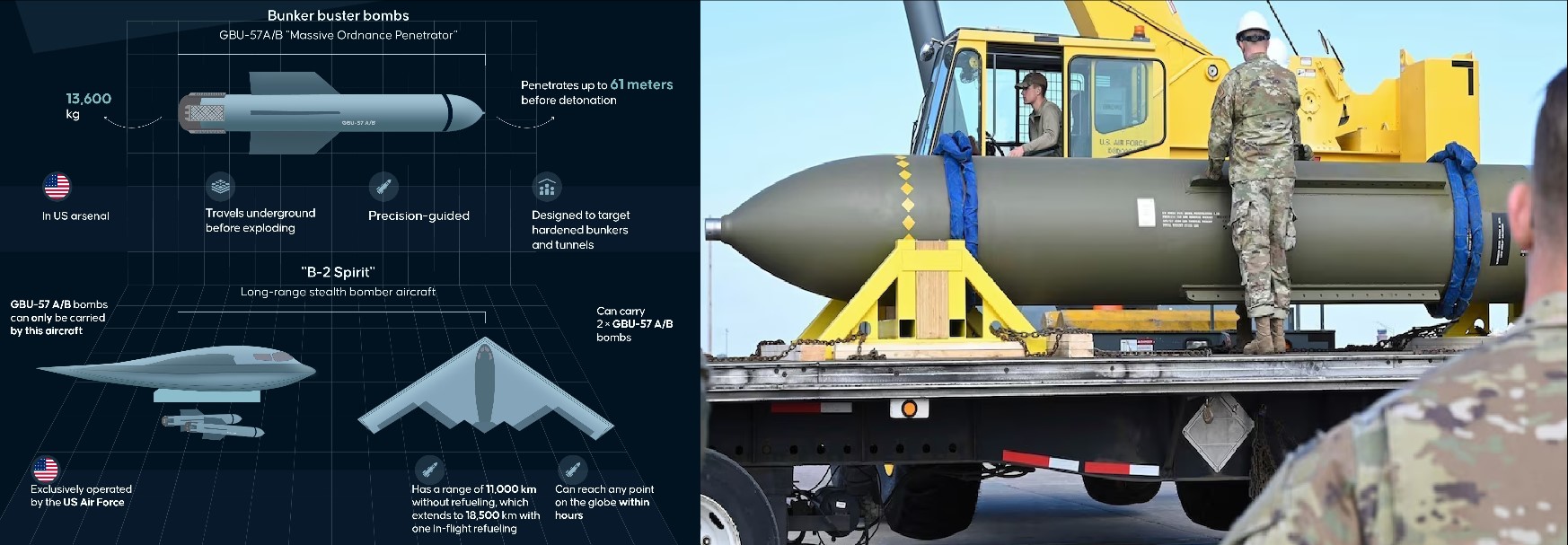
World
When U.S. B-2 stealth bombers dropped six massive bombs on Iran’s underground Fordow nuclear facility, it wasn’t just a show of force — it was a calculated choice dictated by physics, engineering, and decades of military planning. Fordow is one of the most fortified nuclear sites on Earth, buried deep inside a mountain. The only way to hit it effectively was with the most powerful non-nuclear bomb in the U.S. arsenal: the GBU-57 A/B Massive Ordnance Penetrator, or MOP. Let’s understand why this bomb — weighing nearly 13,600 kilograms (30,000 pounds) — was the only viable option the U.S. had to strike Fordow. Why Fordow Required a GBU-57 A/B Strike Fordow, located near Iran’s holy city of Qom, isn’t your average nuclear site. It was deliberately built under 80 meters (260 feet) of rock and soil, carved into the side of a mountain, to protect it from airstrikes. On top of that, it's guarded by advanced Iranian and Russian-made surface-to-air missile systems, making conventional attacks dangerous and ineffective. While Israel had already struck another Iranian facility at Natanz with smaller munitions, even Israel’s most advanced bombs couldn’t crack Fordow’s mountain armor. The only weapon in existence capable of doing that is the U.S.-made GBU-57 A/B, and the only aircraft able to deliver it is America’s stealth B-2 Spirit bomber. What Makes the GBU-57 A/B “Bunker Buster” So Special? The GBU-57 A/B is not just big — it’s incredibly powerful and precise. Here’s what makes it unique: Weight: Roughly 13,600 kg (30,000 lbs). Length: Over 20 feet (6 meters) long. Penetration Power: Can go through 200 feet (61 meters) of earth or 60 feet (18 meters) of reinforced concrete before exploding. Warhead: Carries a conventional explosive, not nuclear — yet causes massive localized destruction due to its kinetic energy and deep penetration. These bombs are often dropped in pairs or more, one after another, to “drill” through rock by using successive blasts. This is believed to be the tactic used at Fordow. Only the B-2 Stealth Bomber Can Deliver It The B-2 Spirit bomber is the only aircraft in the world equipped to carry and deliver the GBU-57 A/B. Here’s why: Payload Capacity: Can carry up to 18,000 kg (40,000 lbs) of weapons. Stealth: Its radar-evading design allows it to slip past enemy defenses. Range: Can fly 7,000 miles (11,000 km) without refueling — or 11,500 miles (18,500 km) with one refueling. Cost: At $2.1 billion per aircraft, the B-2 is the world’s most expensive military plane. The U.S. Air Force has tested it with two GBU-57 bombs at once, demonstrating it can carry nearly 60,000 lbs (27,200 kg) of destructive payload. Israel, despite its advanced air force, lacks the aircraft to carry such a weapon, and the U.S. has never exported the GBU-57 A/B. This is why Israel urged the U.S. to step in — because only America had the bomb and the bomber needed to strike Fordow. Risk of Nuclear Contamination? Fordow is known to be enriching highly enriched uranium, raising fears that a strike could release radioactive material. But according to the International Atomic Energy Agency (IAEA), similar strikes at Natanz by Israel only caused local contamination, with no effect on surrounding areas. The U.S. likely calculated that the same would be true at Fordow. Why This Strike Matters This operation marks the first time the U.S. has directly struck Iranian nuclear infrastructure as part of Israel’s war effort — something Israeli Prime Minister Benjamin Netanyahu has been pushing for. It signals a major escalation in regional tensions and demonstrates just how advanced and capable the U.S. military remains when facing extreme threats. Final Thoughts The Fordow facility was built to survive anything short of a nuclear attack. The GBU-57 A/B bomb, delivered by the B-2 Spirit stealth bomber, was the only non-nuclear option capable of cracking its defenses. This airstrike wasn’t just about sending a political message — it was about using the only tool in the world capable of doing the job. And right now, only the United States has that tool.
Read More → Posted on 2025-06-22 11:19:51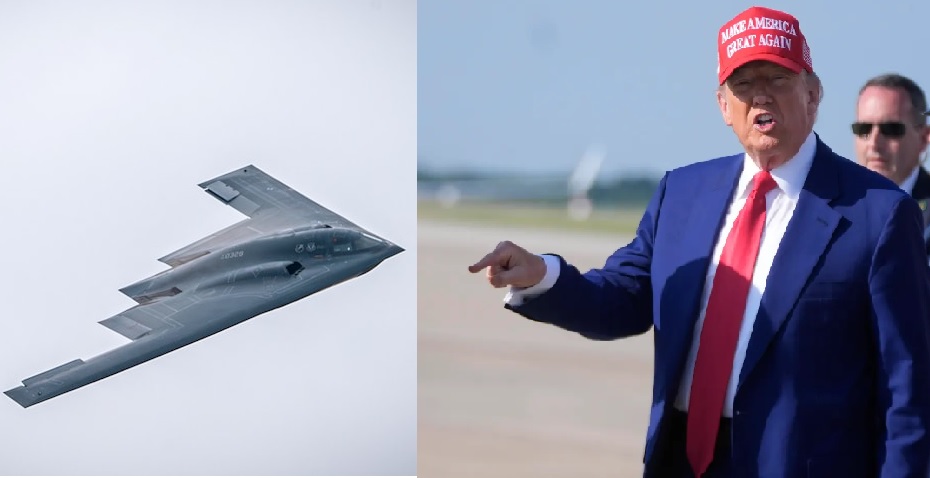
World
In a dramatic escalation of tensions in the Middle East, the United States launched a powerful airstrike operation on three of Iran’s key nuclear sites. Former U.S. President Donald Trump, who is actively involved in directing military decisions, confirmed the attacks in a statement on his Truth Social platform early Saturday. Which Sites Were Attacked? The U.S. targeted three major Iranian nuclear facilities: Fordow — an underground uranium enrichment facility built deep inside a mountain near the city of Qom. Natanz — Iran's largest and most important uranium enrichment plant. Esfahan — home to nuclear research and fuel production sites. These sites are crucial to Iran's nuclear program, and their targeting marks one of the most significant military moves in the region in recent years. What Was Used in the Attack? According to military sources, the U.S. operation involved: Total 125 U.S Military Aircraft Involved , in which 7 B-2 Spirit stealth bombers — long-range, radar-evading aircraft capable of delivering heavy payloads over fortified targets . The bombers dropped 14 GBU-57 "Massive Ordnance Penetrator" bunker-buster bombs, 12 on the Fordow site & 2 on Natanz, designed specifically to destroy deeply buried and hardened structures like underground nuclear facilities . Total 71 Precision Munitions dropped in this Operation named ' Midnight Hammer ' The operation was supported by one U.S. Navy Ohio-class guided-missile submarine, positioned in the northern Arabian Sea, which launched 30 Tomahawk cruise missiles targeting key air defense and radar installations around Natanz and Esfahan, clearing the way for the bomber strike. Why Was the Attack Carried Out? This military strike comes amid rising tensions between Iran, Israel, and the United States. Just two days earlier, Trump had publicly stated he would decide within two weeks whether to support Israel in its military standoff with Iran. However, increased intelligence about possible Iranian nuclear activities reportedly prompted immediate action. Iran had threatened to retaliate against U.S. military bases and allies in the region if attacked. Despite this, Trump declared the mission a success and urged for peace following the operation. “There’s not another military in the world that could have done this. Now is the time for peace!” Trump wrote. Evacuation of U.S. Citizens from Israel In parallel to the airstrikes, the U.S. Embassy in Israel began evacuating American citizens and residents from Israel and the West Bank due to fears of potential Iranian counterattacks on U.S. personnel and assets in the region. Former Governor Mike Huckabee confirmed on social media that the U.S. government was actively assisting its citizens in the region. What Happens Next? While the immediate military objective appears accomplished, the region remains tense. Iran has vowed to respond, and neighboring countries have increased their military alert levels. Analysts warn of possible retaliatory missile or drone attacks against U.S. bases in Iraq, Syria, and the Persian Gulf.
Read More → Posted on 2025-06-22 10:52:49
World
In a conflict where every second and missile counts, Israel’s once-celebrated missile defense system appears to be under strain. Reports now suggest that the country’s interception rate, which historically hovered around 90%, has fallen sharply to nearly 65% during the latest missile exchanges with Iran. Defense analysts and insiders point to several reasons behind this worrying decline — ranging from missile stock shortages to the introduction of more advanced Iranian weapons. Let’s break down what’s happening. A Steep Drop in Interceptions According to reports from NBC and The New York Times, Iran recently launched around 400 missiles towards Israel. Of these, nearly 40 managed to bypass Israel’s air defense and strike populated areas. While a 90% interception rate might sound impressive, this dip to 65% in the latest attacks is significant for a nation that has long relied on its multi-layered defense shield. This drop comes amid warnings from outlets like The Wall Street Journal and Newsweek that Israel’s stockpile of crucial Arrow missile interceptors is running low — a vulnerability Israel can ill afford at a time of escalating tensions. Why Are Missiles Getting Through? Several interconnected factors explain this drop in interception rates: 1️⃣ Depleting Interceptor Stocks Israel’s air defense relies on a layered system: Iron Dome for short-range threats like rockets and mortars. David’s Sling for medium- to long-range rockets and cruise missiles. Arrow 2 and Arrow 3 for high-altitude ballistic missile threats. Arrow interceptors are highly sophisticated and expensive, costing up to $3 million each. Their production is slow and involves a complex supply chain, partly handled by Boeing in the U.S. The current high operational tempo may be exhausting these stockpiles faster than they can be replenished. 2️⃣ Newer, Faster Iranian Missiles Iran has reportedly deployed hypersonic missiles in these recent attacks. Capable of traveling at extreme speeds while maneuvering mid-flight, these missiles drastically reduce the time Israel’s defenses have to respond — from about 10–11 minutes in past scenarios to just 6–7 minutes now. A senior Israeli official admitted the narrower response window makes interceptions much harder, especially when combined with mass salvos of missiles launched simultaneously. 3️⃣ Multiple-Warhead (Submunition) Missiles Some Iranian missiles now carry multiple warheads or submunitions. In one instance, a missile dispersed around 20 submunitions from 23,000 feet, each capable of striking independently within a 16 km area. This technique overwhelms air defense systems by multiplying targets, forcing Israel to either spread its defenses thin or prioritize critical assets — increasing the risk of some warheads getting through. 4️⃣ Possible Electronic Warfare (EW) Tactics Iran’s Islamic Revolutionary Guard Corps (IRGC) claimed it used advanced electronic warfare techniques to confuse Israeli defenses during a recent missile strike. While this claim remains unverified, Iran has demonstrated EW capabilities before — most notably when it captured a U.S. RQ-170 Sentinel stealth drone in 2011 via GPS spoofing. If true, even limited EW disruption could mislead air defense systems, causing interceptors to miss their targets or, in rare cases, misfire. The Manufacturing Bottleneck Another concern is that manufacturing Arrow 2 and Arrow 3 interceptors takes time — involving sensitive technology and meticulous quality checks. The sophisticated nature of these interceptors, coupled with limited production capacity and expensive components, means Israel cannot rapidly replenish stocks during extended conflicts. Should Israel Be Worried? While it’s too soon to conclusively state that Israel’s missile defenses are failing, the combination of faster, smarter Iranian missiles, advanced tactics, and limited interceptor supplies presents a serious challenge. Even if the drop to 65% interception occurred over a limited 24-hour period, it serves as a stark reminder of how quickly modern warfare evolves — and how even the most advanced defense systems can be stretched thin under sustained pressure. For Israel, the next steps will likely involve: Urgently replenishing interceptor stocks. Upgrading systems to handle hypersonic and submunition threats. Enhancing electronic warfare countermeasures. The broader takeaway for military planners worldwide: no missile shield is invincible, and technology races forward on both sides of any conflict.
Read More → Posted on 2025-06-21 16:07:09Search
Top Trending in 24 Hours
-
 Pentagon Expands Alloy Surfaces Contract to $328.8 Million for Advanced Aircraft Decoy Flares Amid Evolving Drone Threats
-
 Naval Group Unveils Rampart Modular CIWS Multi-Purpose Weapon System for Naval and Ground Forces at Eurosatory 2026
-
 Why the U.S. Restored Pacific Command Name, Ending the Indo-Pacific Designation After Eight Years
-
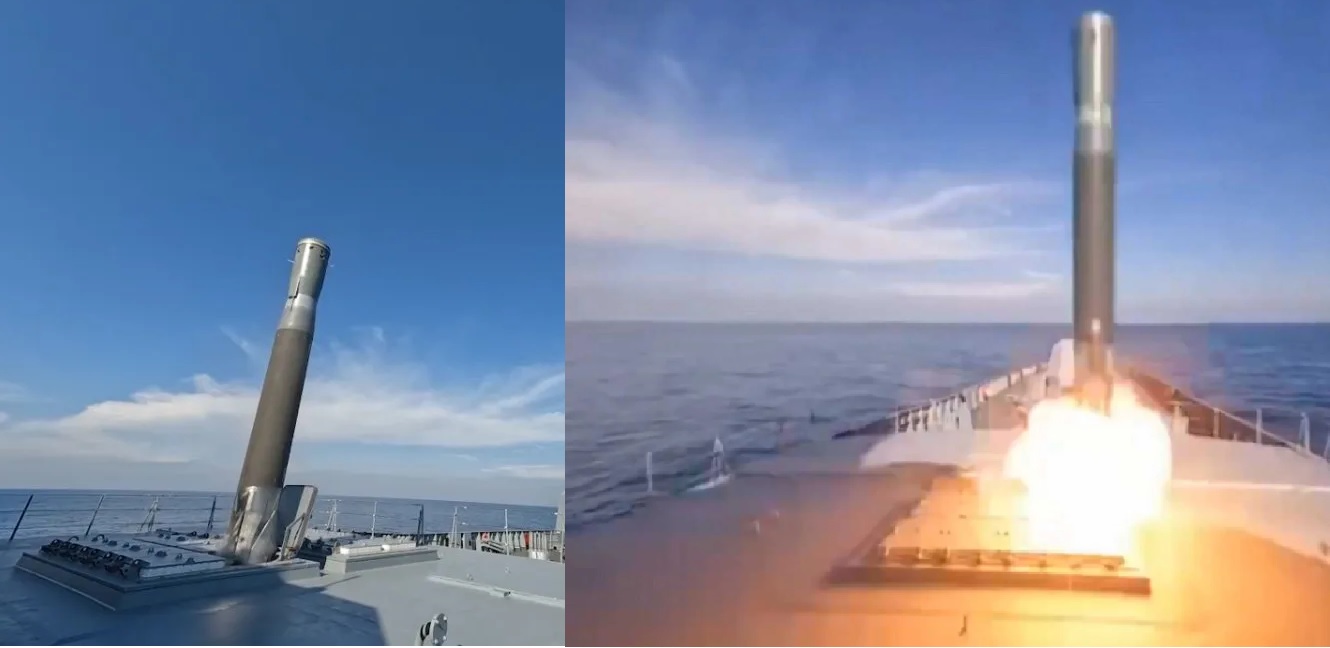 Open-Source Evidence Suggests Russia's Zircon Is a Quasi-Ballistic Missile, Not a True Hypersonic Cruise Weapon
-
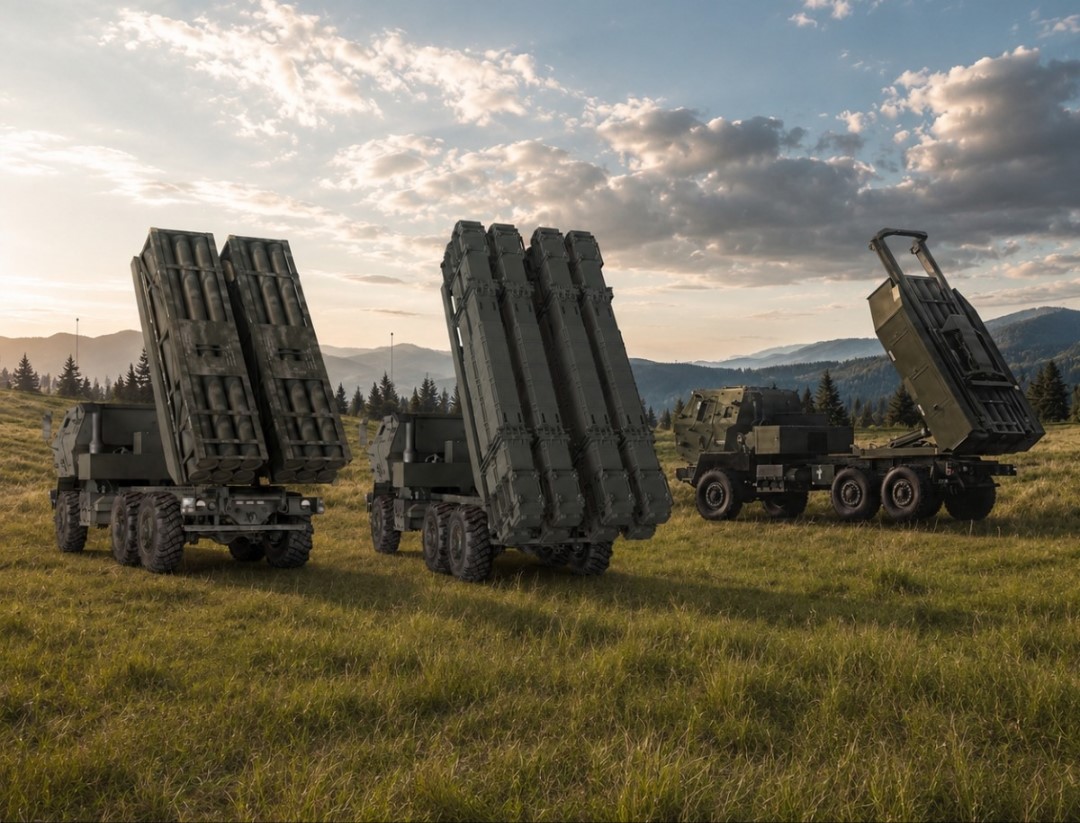 Lockheed Martin Unveils HIMARS FLEX with Dual-Pod Launcher and NATO-Compatible Air Defense Integration
-
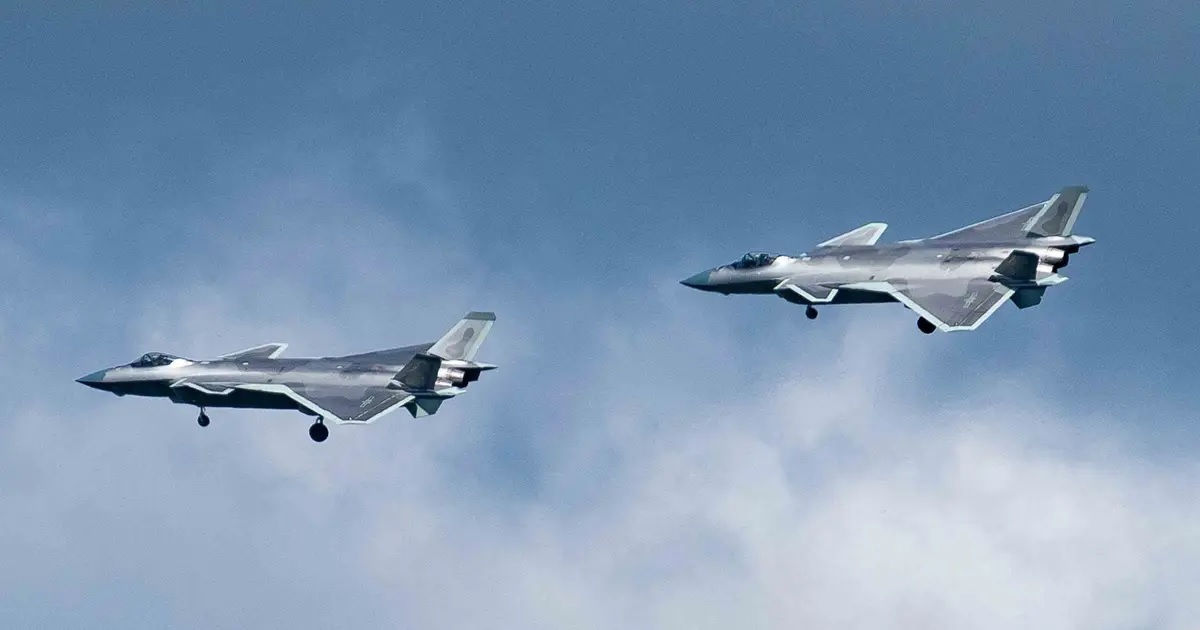 China Surpasses Russia as World’s Second-Most Powerful Air Force Amid Rapid J-20 and J-35 Expansion
-
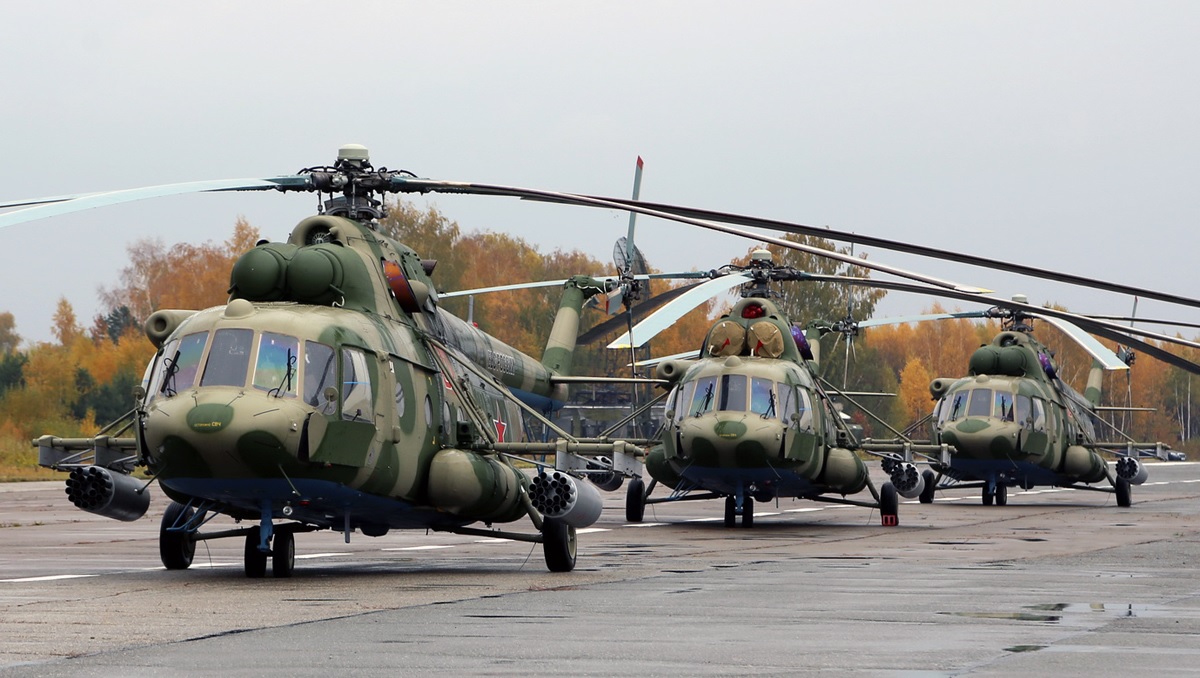 Iran Signs Deal with Russia for 20 Mi-8 and Mi-17 Helicopters to Boost Rescue and Medical Missions
-
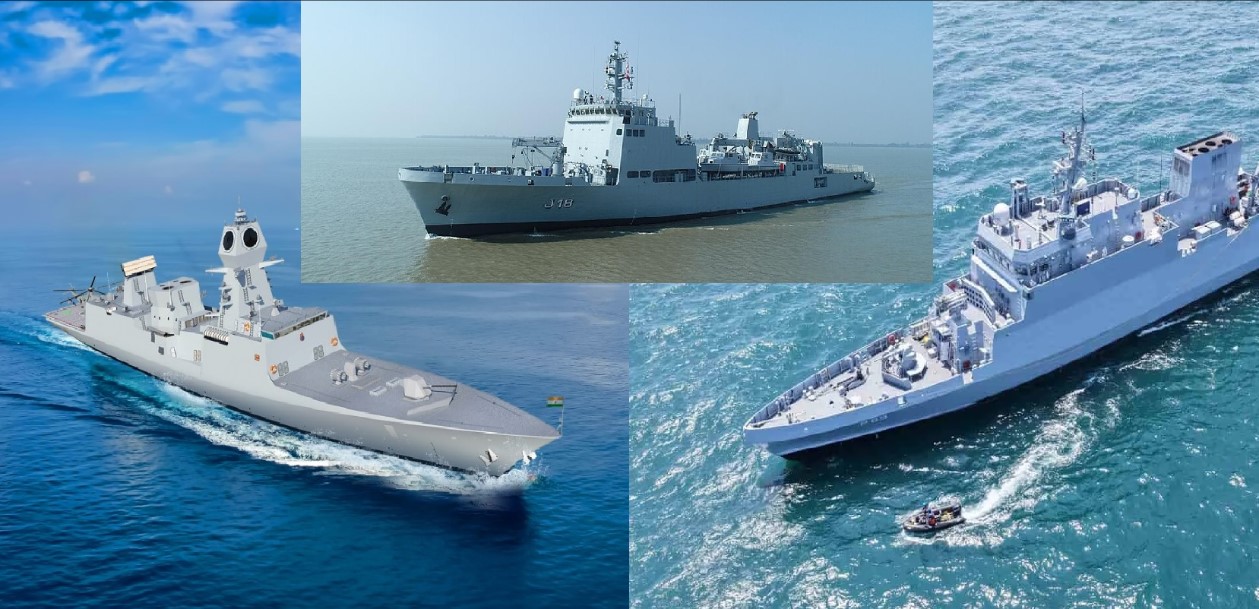 Indian Navy to Commission Stealth Frigate, ASW Craft and Survey Vessel in Rare Triple Induction at Kolkata
Top Trending in 4 Days
-
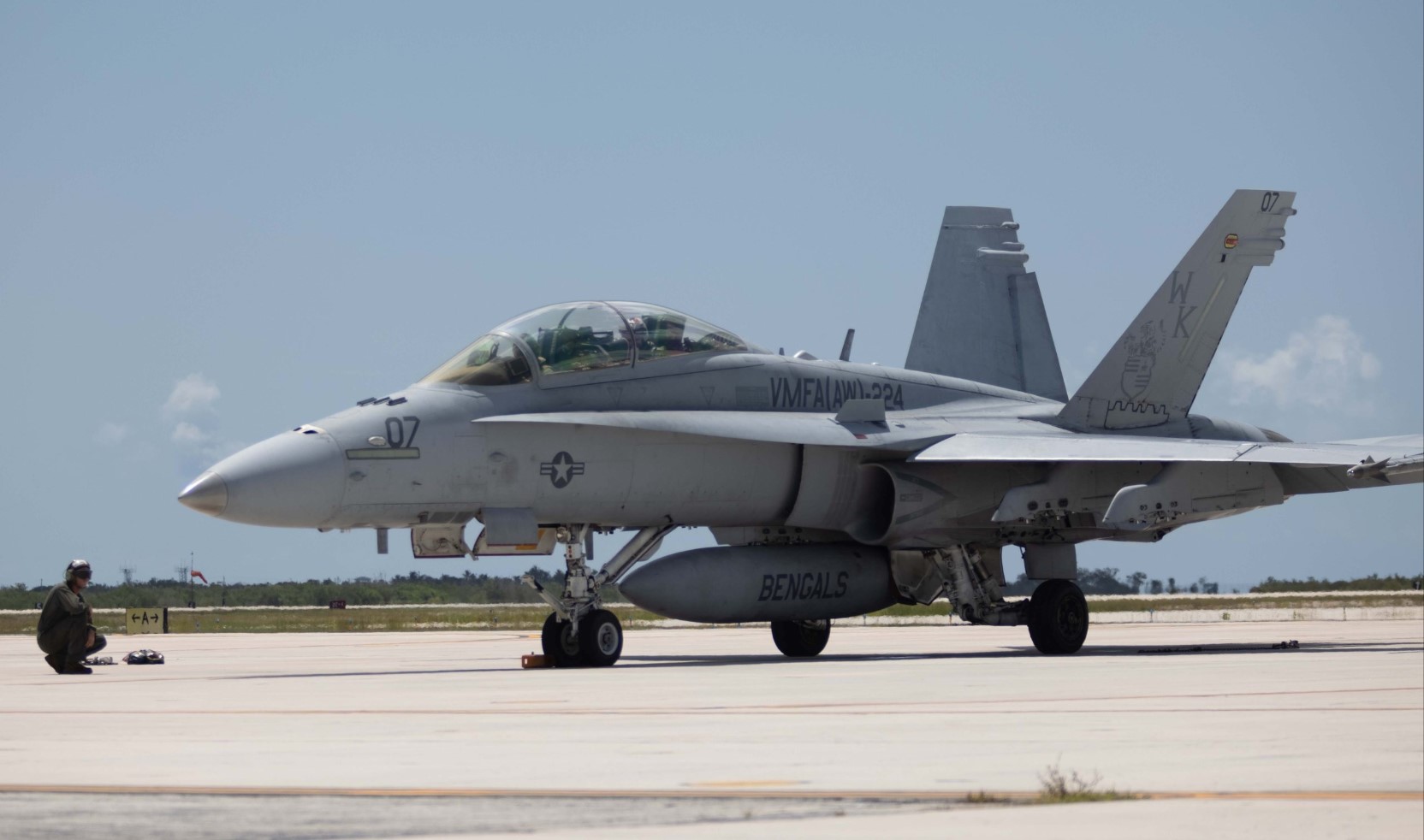 US Marine Corps F/A-18D Hornet Crashes During Training Flight in Washington Mountains; Pilot Ejects Safely
-
 Tulsi Gabbard Releases Declassified Files Detailing U.S.-Backed Network of 120 Biolaboratories Across 30+ Countries
-
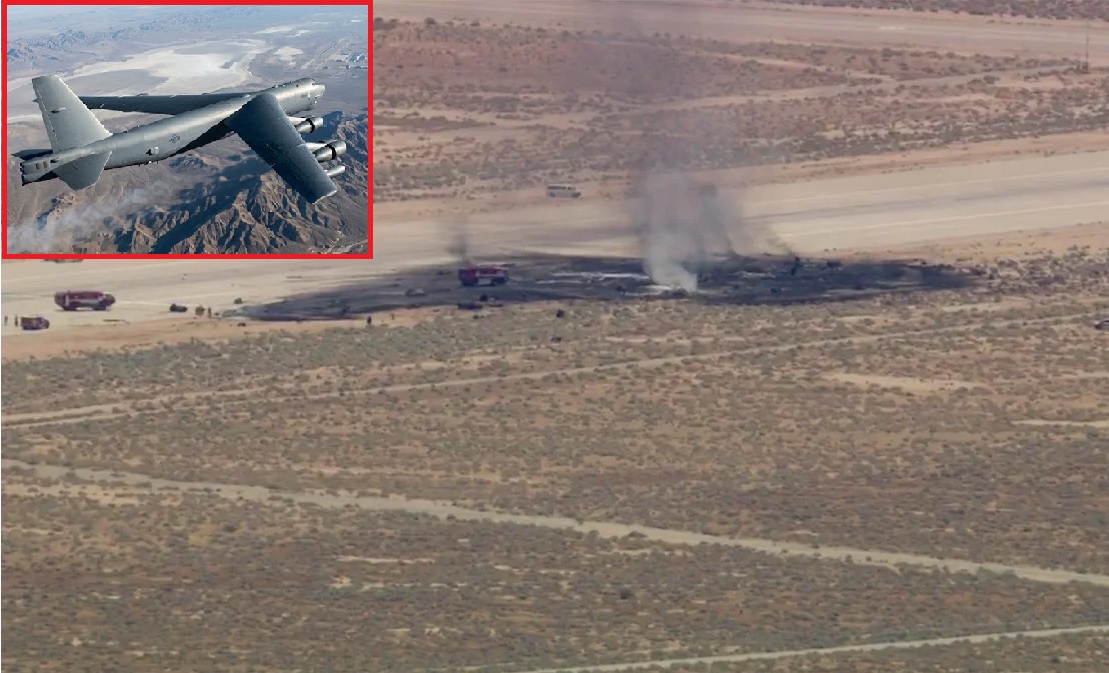 8 U.S. Air Force Crew Members Killed in B-52 Bomber Crash During Test Flight at Edwards Air Force Base
-
 Ukraine Introduces Balloon-Launched DART Missile Designed to Defeat Electronic Warfare
-
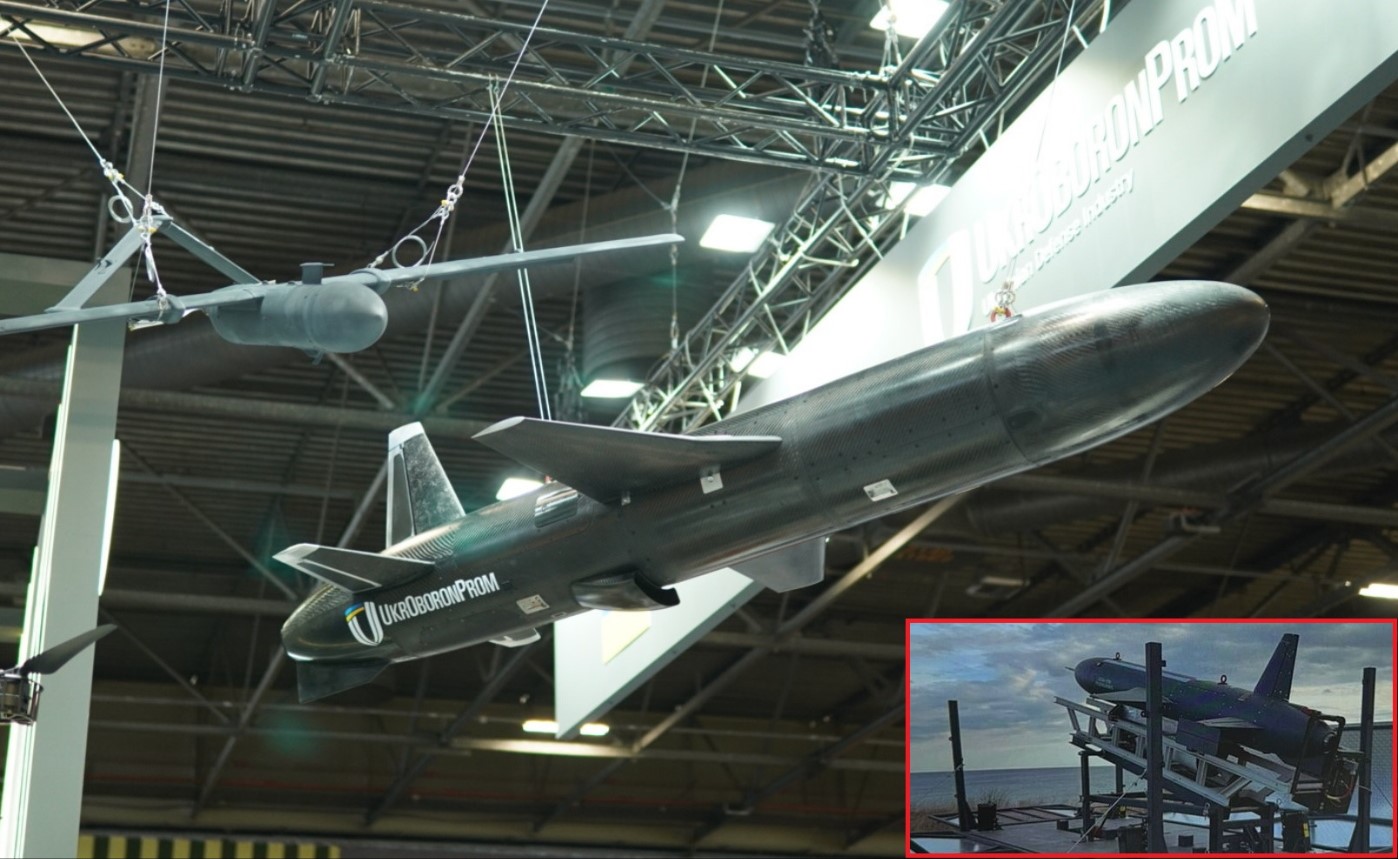 Ukraine Unveils UAV-290 Jet-Powered Strike Drone with 650 km Range at Eurosatory 2026
-
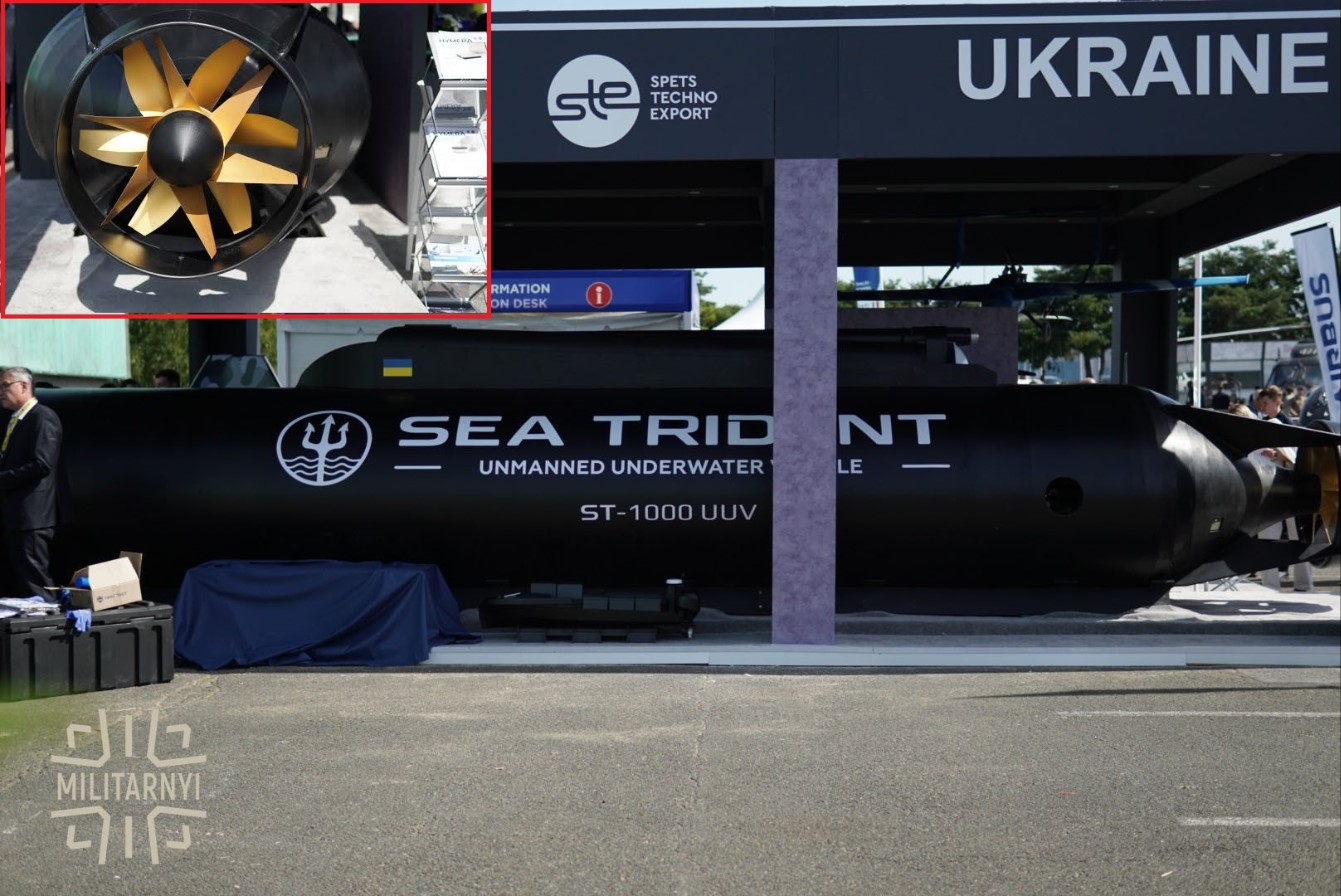 Ukraine Unveils 'Sea Trident' 10-Ton Autonomous Underwater Drone at Eurosatory 2026
-
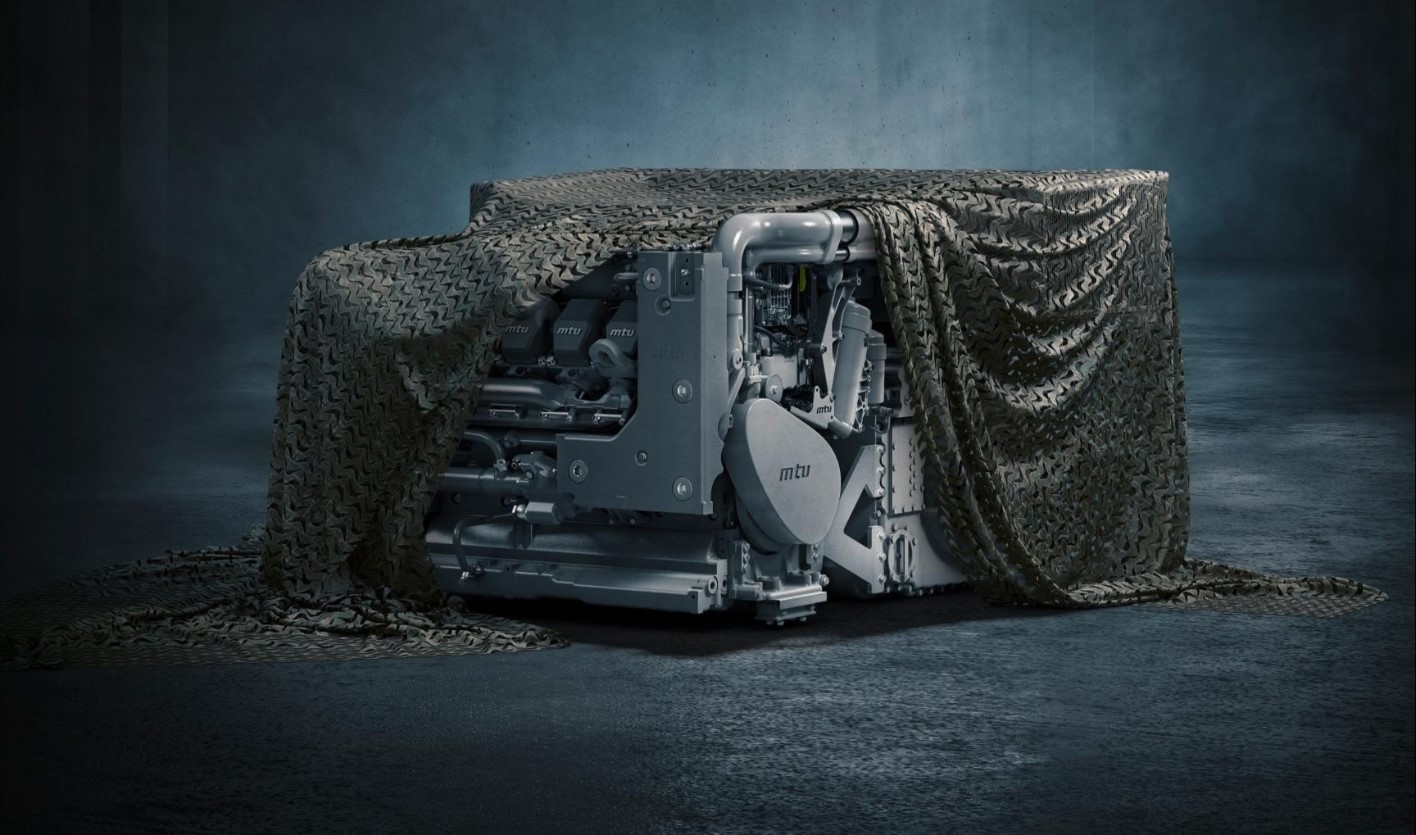 Rolls-Royce Unveils New Hybrid Powertrain for Heavy Military Vehicles at Eurosatory 2026
-
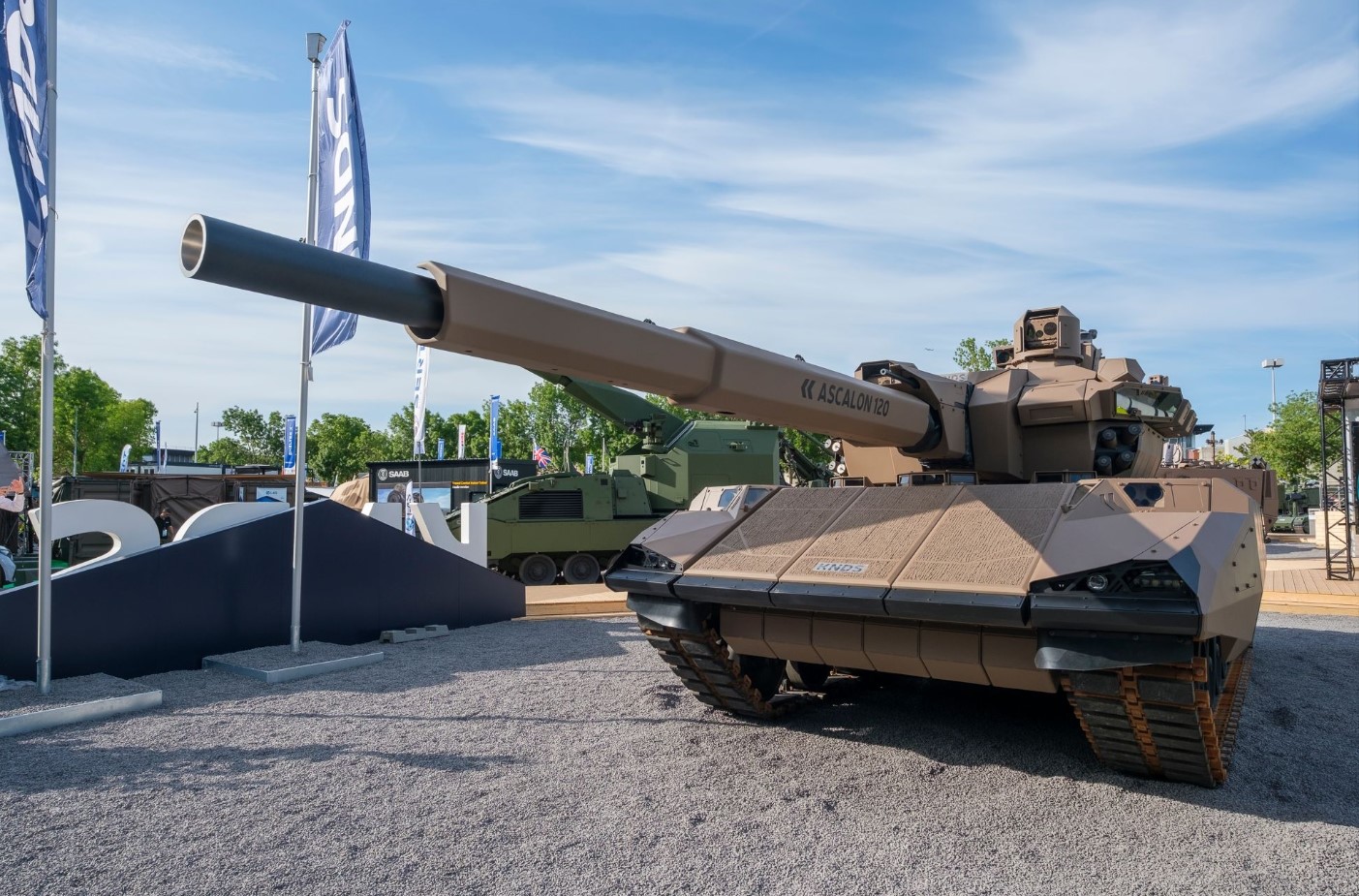 KNDS Unveils CAPINT Main Battle Tank at Eurosatory 2026 as Leclerc Stopgap