
World
Raytheon, a division of RTX, has successfully demonstrated the autonomous capabilities of its cutting-edge Barracuda mine neutralization system, marking a major milestone in the U.S. Navy’s efforts to modernize underwater mine countermeasures. The test, held recently in open waters at Narragansett Bay, showcased Barracuda operating untethered and semi-autonomously—something never achieved before with this level of sophistication. During the test, Barracuda proved that it could independently navigate underwater, detect and identify mines, and communicate mission-critical data back to operators—all without being physically connected to a ship or guided by a tether. This kind of autonomy is designed to dramatically reduce the risk to Navy personnel by keeping sailors at a safe distance from dangerous mines. Barracuda is the U.S. Navy’s newest official program for mine neutralization. It is the first semi-autonomous, untethered underwater vehicle of its kind to be adopted into the Navy’s inventory. It’s capable of locating and classifying different types of naval mines—including those on the seabed, floating in the water column, or near the surface. What makes it even more effective is its ability to work largely on its own, with human operators only stepping in to make the final decision to neutralize a threat. So how does it work? Barracuda operates as a smart underwater drone. Once deployed, it uses its onboard sensors to scan and map the ocean environment. It can “see” mines using sonar and other advanced detection technologies, then classify the type of threat it’s found. If confirmed as a mine, the system sends back data for human approval. Once cleared, it delivers a neutralization charge to destroy or disable the mine. Because it’s untethered, Barracuda has more freedom to move in difficult terrain, navigate through cluttered environments, and cover larger areas—all critical advantages in modern mine warfare. This agility also enables quicker response times and increases mission success rates. Raytheon has been developing Barracuda through its Advanced Technology segment, which also works on high-tech defense systems like SPY-6 radar and LTAMDS. With Barracuda now progressing through field testing, it’s expected to reach initial operational capability and low-rate production by 2030. Looking ahead, Raytheon is also investing in a larger and more advanced version of the Barracuda. This new variant is expected to take on even more complex missions, including tasks in subsea and seabed warfare—an emerging area of interest for the U.S. Navy and its allies. In an age where underwater threats are growing more sophisticated and widespread, Barracuda represents a leap forward in how navies around the world can keep sea lanes safe without putting human lives at unnecessary risk.
Read More → Posted on 2025-07-11 15:25:30
World
In a development that has stirred geopolitical tension and raised serious questions about the vulnerability of US military infrastructure in the Gulf, new satellite imagery appears to confirm that Iran successfully struck a critical US communications facility at Al Udeid Air Base in Qatar during last month’s missile exchange. The Iranian embassy in India escalated the claim on Friday, posting a video on X (formerly Twitter) with the caption: “Satellite images show that #Iran has taken out the US military's primary Communications Radome in Qatar. The second Radome is located in Kuwait.” The statement came alongside visuals allegedly showing damage to a geodesic structure—widely believed to be part of the US military’s strategic communications backbone in the region. Independent verification has since come from Iran International, a prominent media outlet, which cited high-resolution satellite images captured by private imaging firm Satellogic on June 24. The pictures suggest that one of the key radomes at Al Udeid Air Base was indeed damaged. The image reportedly shows a “blackened smear” in the radome’s location—indicative of blast or fire damage—with no other visible destruction across the vast base. Al Udeid Air Base is the largest American military installation in the Middle East and serves as the forward headquarters for US Central Command (CENTCOM). The facility houses thousands of US military personnel and plays a crucial role in coordinating operations across the Gulf, Iraq, Syria, and Afghanistan. The targeted radome is believed to house a Modernization Enterprise Terminal (MET), a $15 million advanced satellite communications hub that provides encrypted voice, video, and data services. Installed in 2016, the MET system is designed to support military operations with secure, anti-jamming communication links to the Pentagon and other combatant commands. Its potential disablement marks a serious blow to US command and control capabilities in the region. Iran’s strike came on June 23, just one day after US forces reportedly carried out covert airstrikes on three of Iran’s nuclear-related facilities during a 12-day escalation between Israel and Iran. In retaliation, Tehran launched a barrage of missiles aimed at US and allied assets in the Gulf. According to CENTCOM, most incoming missiles were intercepted with the help of Qatari partners and two US Army-operated Patriot missile defense batteries stationed at the base. Yet, satellite evidence suggests at least one projectile—or possibly an armed drone—successfully evaded defenses. “From the moment the Iranian missiles were detected, they had just about two minutes to respond,” said defense expert Farzin Nadimi, speaking to Iran International. He added that the possibility of a drone bypassing missile defenses cannot be ruled out. “It may have slipped through while the Patriot batteries were busy intercepting incoming missiles.” The US government has offered little official response. In a Truth Social post, former President Donald Trump downplayed the attack, stating that 13 missiles were intercepted and only one was allowed to proceed as it posed no threat. He claimed “hardly any damage” was done and “NO Americans were harmed.” Yet, the visible destruction to a high-value communications node paints a more complex picture. The damage appears isolated but significant, given the strategic importance of the MET facility. The Pentagon has yet to publicly confirm or deny the extent of the impact. Despite the incident, Washington refrained from retaliatory military action, and President Trump announced a ceasefire shortly thereafter. The fragile calm holds for now, but questions remain about the effectiveness of US missile defenses and the increasing risk posed by Iranian precision strikes in the region. The possible disabling of such a critical facility, even temporarily, underlines the growing sophistication of Iran’s long-range strike capabilities and raises fresh concerns about the security of forward-deployed US assets. With Tehran now openly boasting about its ability to strike sensitive American infrastructure, the incident marks a new phase in the shadow war playing out across the Gulf.
Read More → Posted on 2025-07-11 15:19:35
World
In a major step towards maintaining the operational strength of the U.S. Navy's maritime patrol fleet, L3Harris Technologies has delivered the first fully overhauled P-8A Poseidon aircraft to the U.S. Naval Air Systems Command (NAVAIR). This marks a significant milestone in a long-term contract aimed at upgrading and extending the service life of the Navy’s advanced reconnaissance and anti-submarine warfare aircraft. The P-8A Poseidon plays a vital role in the Navy's global maritime operations. Based on the Boeing 737-800 platform, it is equipped with sophisticated radar, sensors, and communication systems. The aircraft is designed for multiple high-end missions, including long-range anti-submarine warfare (ASW), anti-surface warfare (ASuW), and intelligence, surveillance, and reconnaissance (ISR). It also supports search-and-rescue operations and is a key asset in both peacetime and conflict scenarios. The current overhaul effort by L3Harris is part of a broader sustainment program for the Navy’s 139-aircraft P-8A fleet. The contract includes depot-level maintenance, repair, and overhaul (MRO) work, with the goal of ensuring each aircraft remains fully mission-capable throughout its service life. L3Harris began work on the project in 2024 at its aircraft modification center in Waco, Texas. The company expects to induct up to nine aircraft for overhaul during the first year alone. Currently, seven aircraft are in various stages of the overhaul process, and all are expected to be delivered back to the Navy within the year. The contract runs through September 2029, allowing for continuous support and upgrades over the next several years. “This first delivery highlights our commitment to keeping the Navy’s Poseidon fleet ready and operational,” said Jason Lambert, President of Intelligence, Surveillance and Reconnaissance at L3Harris. “Our experience in aircraft maintenance and modifications ensures that we not only meet performance goals but also extend the aircraft’s longevity in service.” Beyond supporting the U.S. Navy, L3Harris is also set to assist with international versions of the P-8A Poseidon under foreign military sales agreements. Countries like Australia, the UK, India, Norway, and Germany operate variants of the P-8A, relying on its proven capabilities for maritime defense and strategic surveillance. This delivery is more than just routine maintenance—it’s a critical component of U.S. naval power projection and global readiness. By ensuring these high-value aircraft remain in peak condition, L3Harris is helping the Navy stay ahead in an increasingly complex maritime environment.
Read More → Posted on 2025-07-11 15:16:14
World
In a significant move to strengthen its defense capabilities in the modern era, the Royal New Zealand Air Force (RNZAF) has reactivated No. 62 Squadron—this time with a new and futuristic mission: space. The squadron, which originally served during World War II, has now been relaunched as New Zealand's first dedicated space unit, officially reinstated at RNZAF Base Auckland. This newly designated space squadron will focus on space domain awareness, which means monitoring and analyzing activity in Earth’s orbit. Its main objective will be to help protect both national and allied interests by identifying potential threats in space, such as satellite interference, space debris, and any adversarial actions that could affect critical infrastructure. “Space is vital for modern life,” said Judith Collins, New Zealand’s Minister for Space. “We rely on space-based infrastructure for a range of critical services, from weather observation to financial transactions.” She emphasized that securing the space domain is now a central concern for national defense. This strategic development is part of New Zealand’s updated Defence Capability Plan, which aims to ensure the military is more adaptive and combat-ready in response to new and emerging global threats. According to the plan, New Zealand will invest between $300 million and $600 million to build capabilities that enhance access to space-based services, such as surveillance, secure communications, and navigation. The country also plans to develop ground infrastructure to support satellite operations and connect with partner nations' space systems. The reactivation of No. 62 Squadron will contribute to a larger goal of integrating with international networks to keep track of space activities and ensure safety in orbit. This move comes amid growing concerns about space security, especially as geopolitical tensions continue to rise. Like many other countries, New Zealand recognizes that space is no longer just a scientific or commercial frontier—it’s now a critical defense domain. In line with this shift, the New Zealand government announced in April a major overhaul of its defense policy, aiming to increase military spending from 1 percent to over 2 percent of GDP over the next decade. The updated strategy includes acquiring advanced defense technologies, such as long-range missiles, unmanned aerial systems, and robust cyber defense tools. Additionally, Wellington is placing a strong emphasis on closer defense cooperation with key allies, especially Australia, to address shared challenges in the Indo-Pacific. The launch of the space squadron marks a turning point for New Zealand’s defense forces, signaling a clear recognition that security now extends beyond land, sea, and air—into the final frontier of space.
Read More → Posted on 2025-07-11 15:05:17
World
On July 4, 2025, the French Navy officially welcomed its third Suffren-class nuclear-powered attack submarine (SSN), Tourville (S637), into active duty. This development marks a significant enhancement in France’s naval strength amid increasing tensions and underwater activity in European waters. The Tourville, part of the Barracuda program, is one of six next-generation submarines being built to replace the aging Rubis-class fleet. Designed and constructed by Naval Group at its Cherbourg shipyard, Tourville was rolled out in July 2024 and handed over to the Navy in November 2024. Since then, it has undergone extensive sea trials, testing its endurance, equipment performance, and operational readiness under various conditions—from the Atlantic to the Caribbean and as far north as Halifax, Canada. These trials, known as Verification of Military Characteristics, are equivalent to the shakedown cruises used in other navies. During the process, Tourville operated in both cold and warm waters, allowing the crew to fine-tune systems under real-world conditions. The Canadian port visit also served a diplomatic and strategic purpose, as Canada is currently evaluating options to replace its Victoria-class submarines—with the French design considered a contender. French Minister of Armed Forces Sébastien Lecornu, speaking at the induction ceremony, described the commissioning as timely, especially as underwater warfare and clandestine operations are more active now than at any time since the Cold War. He highlighted the growing threat posed by an increasingly capable Russian submarine fleet, which still retains Cold War-era expertise in undersea operations. The Tourville’s induction also coincides with infrastructure upgrades in France. The opening of a second submarine dock (MY02) at the Cherbourg naval base will enable the French Navy to house and maintain two Suffren-class SSNs simultaneously. This is part of the Barracuda Support Infrastructure Programme (PI ASB), which also supports future maintenance of the Rubis-class until their retirement and the nuclear systems aboard the aircraft carrier Charles de Gaulle. Suffren-Class: The Backbone of France’s Future Submarine Force The Suffren-class SSNs are a huge technological leap over their Rubis-class predecessors. Each submarine displaces around 5,100 tons submerged, is 99 meters long, and can dive to depths of more than 350 meters. Powered by a 150 MW pressurized water reactor, these submarines can remain at sea for up to 70 days, limited only by food supplies. They are equipped for a wide range of missions—anti-ship warfare, anti-submarine warfare, intelligence gathering, long-range strikes, and special operations. Armament includes F21 heavyweight torpedoes, Exocet SM39 anti-ship missiles, FG-29 naval mines, and the MdCN naval cruise missile, which can be launched from torpedo tubes to strike deep inland targets while staying hidden beneath the ocean. One of the standout features of the class is its Dry Deck Shelter, enabling deployment of special forces using swimmer delivery vehicles such as the PSM3G. The class also incorporates non-penetrating optronic masts, developed by Safran, which deliver ultra-clear 4K imagery and can be accessed by all command personnel, revolutionizing how information is shared onboard. With Tourville now in active duty, France has three out of six planned Suffren-class submarines operational, significantly modernizing its undersea warfare capabilities. As the geopolitical climate continues to evolve, particularly in the Atlantic and Mediterranean regions, France’s ability to project power discreetly and effectively beneath the waves has just taken a powerful step forward.
Read More → Posted on 2025-07-11 14:59:00
World
The US Army is testing an unusual but clever new method to protect its aircraft from wildlife — by using robot coyotes. Developed by the Army’s Engineer Research and Development Center (ERDC), these robotic "coyote rovers" are designed to scare off animals from airfields and reduce the risk of dangerous encounters with military planes. These life-sized, four-wheeled machines are made to look like coyotes, natural predators that many animals fear. The idea comes from a real and costly problem. Between 2007 and 2016, wildlife incidents at US military air bases caused an estimated $251 million in damages. Birds sucked into engines, rabbits chewing through cables, or deer wandering onto runways can cause serious accidents, especially during takeoff and landing when aircraft are most vulnerable. To tackle this, different branches of the US military have tried various solutions. The Navy has used trained hawks, while the Air Force employs radar systems to detect flocks of birds. The Army, however, still relies mostly on human teams to patrol airfields — a method that’s labor-intensive and expensive. That’s where the robot coyotes come in. Built on a fast and durable platform made by Texas company Traxxas, these coyote bots can travel at speeds up to 32 km/h (20 mph), making them quick enough to resemble real predators. They are unmanned ground vehicles (UGVs), capable of patrolling specific areas while avoiding sensitive zones like runways. They're also supported by a docking and charging station that lets them operate autonomously for several days at a time. The cost of each robot coyote is around $3,000 — relatively cheap for military tech — making it a practical and affordable solution. Initial field tests have already taken place at several Naval Air Stations, and more trials are expected in the coming months, depending on funding. ERDC’s research biologist, Shea Hammond, said the Army is also looking into enhancing the rovers with autonomous navigation features and artificial intelligence. In the future, these bots could recognize specific bird species and respond with customized deterrent tactics. If successful, these robotic coyotes may become a regular part of the US military’s toolkit for keeping airfields safe, showing how even nature-inspired ideas can play a role in protecting high-tech equipment and ensuring mission readiness.
Read More → Posted on 2025-07-11 14:49:53
World
Indonesian state-owned shipbuilder PT PAL has taken a major step forward in its defense technology ambitions by unveiling its first fully indigenous Combat Management System (CMS) along with three counter-drone (C-UAS) system prototypes at the Indo Defence 2025 Expo. This development signals a shift in PT PAL's role—from shipbuilder to a full-spectrum defense technology provider—and aligns with Indonesia’s national goal to boost self-reliance in defense manufacturing. Main Highlights PT PAL showcased its in-house Combat Management System (CMS) Three new anti-drone technologies revealed: High-energy laser system Handheld laser gun High-power microwave emitter The CMS will be tested on the Navy's FPB-57 patrol boats Full source-code control ensures deep customization for Indonesian defense needs System can integrate with PT LEN's existing Mandhala CMS CMS: A New Brain for Indonesian Warships PT PAL’s new CMS has been under development for the past three years, with support from undisclosed international strategic partners. Enjud Darojat, General Manager for Sensors, Weapons, and Command Systems at PT PAL—and a former Indonesian Navy officer—confirmed that the system was designed entirely in-house. Most importantly, PT PAL owns the full source code, allowing unrestricted adaptation and improvement based on user needs. This CMS is set to be installed first on existing Fast Patrol Boats (FPB-57)—a class originally designed by Germany’s Lürssen and built under license by PT PAL. These small surface combatants serve as an ideal test platform before expanding to larger vessels in the Indonesian Navy’s fleet. What sets this CMS apart is its interoperability. According to PT PAL CEO Kaharuddin Djenod, it can be combined with the Mandhala CMS developed by PT LEN, another Indonesian state-owned defense company. Mandhala has already been deployed on several TNI AL ships, including frigates and patrol vessels. The integration potential offers a pathway toward a standardized and layered command-and-control architecture across Indonesia’s sea, land, and air forces. Powerful Counter-Drone Systems Alongside the CMS, PT PAL also introduced three counter-unmanned aerial systems (C-UAS) aimed at addressing the growing threat of drone warfare. These include: High-Energy Laser System: Designed for pinpoint neutralization of drones at a distance. Handheld Laser Gun: Portable and tactical, offering infantry units a lightweight drone-killing option. High-Power Microwave Emitter: A containerized system capable of damaging electronic components not only in drones but also in enemy communication gear and even incoming missiles. These prototypes reflect Indonesia’s push to secure its airspace and electronic battlefield, as drones and other unmanned threats become increasingly common in modern conflicts. Strategic Vision: More Than Just Shipbuilding This diversification reflects a broader shift in PT PAL’s strategy. As Enjud and CEO Djenod explained, building hulls alone is no longer enough. Value-added systems like sensors, weapon control platforms, and electronic warfare suites offer higher margins and greater national defense utility. Developing these systems also reduces dependency on foreign technologies, especially in sensitive areas like command and control or electronic warfare. By expanding into combat systems and counter-drone solutions, PT PAL is now positioning itself as a key player not just in Indonesia’s naval sector but across the country's broader defense technology landscape. A Bigger Picture Indonesia has been steadily advancing indigenous defense technologies. PT LEN’s Mandhala CMS has already proven its capability in the fleet and is integrated with real-time firing solutions like the OTO Melara 76 mm and Leonardo Twin 40L70 guns. Now, with PT PAL stepping in, Indonesia can potentially accelerate the modernization and digital backbone of its entire armed forces. These developments are not just about technology—they represent Indonesia’s maturing defense industry and the country's firm steps toward greater sovereignty, innovation, and self-sufficiency in a fast-changing regional security environment.
Read More → Posted on 2025-07-10 16:09:20
World
The United States has resumed shipments of critical military supplies to Ukraine, including 155mm artillery shells and precision-guided GMLRS (Guided Multiple Launch Rocket System) missiles. The delivery restart comes after a short pause last week that raised questions in Washington and Kyiv alike. According to U.S. officials who spoke to the Associated Press, the pause was ordered by U.S. Defense Secretary Pete Hegseth to review the Pentagon’s weapons stockpiles. The brief halt surprised many inside the administration and even reportedly caught the White House off guard. However, the Pentagon has officially denied that Hegseth acted without President Trump’s approval. The resumption of these deliveries is significant for Ukraine, which is heavily reliant on U.S. and NATO-supplied ammunition for its defense against Russian forces. The 155mm artillery shells are the backbone of Ukraine’s ground-based firepower, especially in the ongoing battles in the east and south. These shells are used in a variety of NATO-standard howitzers, which Ukraine has been using since the early days of the war. Meanwhile, GMLRS missiles are launched from HIMARS (High Mobility Artillery Rocket Systems), which have become one of the most effective precision-strike tools in Ukraine’s arsenal. The missiles can hit targets at distances of up to 80 kilometers with high accuracy, making them vital for striking Russian supply lines, command posts, and ammunition depots behind the front lines. The pause in shipments came at a time when Ukrainian forces were already struggling with shortages of key ammunition and mounting pressure from Russian offensives. Reports from the battlefield indicate that artillery shortages have made it more difficult for Ukrainian troops to hold their positions and launch counterattacks. U.S. officials have clarified that the pause was purely logistical, intended to ensure that American stockpiles remain at safe levels while continuing to support allies. The quick decision to resume shipments suggests that the review concluded the U.S. can maintain support for Ukraine without compromising its own readiness. This development is expected to ease concerns in Kyiv and among European allies who were alarmed by the delay. With Ukrainian forces facing a tough summer, the timely arrival of new munitions could help stabilize key areas and reinforce defense lines as the conflict continues.
Read More → Posted on 2025-07-10 15:50:34
World
France has officially restarted the production of its long-range SCALP air-launched cruise missile, fifteen years after the last domestic order. The announcement was made on July 9, 2025, by French Defence Minister Sébastien Lecornu during a joint visit with UK Defence Secretary John Healey to MBDA’s missile production facility in Stevenage, United Kingdom. This marks a significant shift in France's defense posture and underlines the urgent need to rebuild depleted missile stocks and strengthen European strike capabilities. The decision to resume manufacturing comes after the SCALP missile—also known as Storm Shadow in British service—proved its worth on the battlefield in Ukraine. Supplied by both France and the UK, the SCALP has played a critical role in helping Ukraine strike deep behind Russian lines. Its effectiveness in disrupting command posts, airbases, and ammunition depots has reaffirmed the importance of such precision-guided munitions in modern warfare. What is SCALP? SCALP, short for Système de Croisière Autonome à Longue Portée, is a long-range, air-launched cruise missile developed by MBDA. It is designed to strike high-value and heavily defended targets with pinpoint precision. The missile boasts a range of over 250 kilometers and is capable of flying at subsonic speeds using terrain-following techniques to avoid radar detection. It uses a Microturbo TRI 60-30 turbojet engine and can be launched from aircraft like the Dassault Rafale and previously, the Mirage 2000. Technically, SCALP uses a blend of advanced guidance systems: Inertial Navigation System (INS) GPS assistance Terrain Reference Navigation Terminal Infrared Imaging Seeker combined with a digital scene matching system for final target lock-on This layered approach allows the missile to penetrate defended airspace and strike with high accuracy, even under electronic warfare conditions. SCALP in Ukraine: A Game-Changer Ukraine began deploying SCALP/Storm Shadow missiles in mid-2023, launched from upgraded Su-24 fighter-bombers. These Western-supplied missiles allowed Ukraine to extend its strike reach far beyond what its artillery or tactical rockets could achieve. In multiple confirmed attacks, the missiles destroyed key Russian military infrastructure in Crimea, Donetsk, and Luhansk, including hardened bunkers and command centers. These attacks often penetrated heavily defended zones protected by Russian S-300 and Pantsir-S1 systems, exposing gaps in the Russian air defense network. The missile’s effectiveness has not only forced Russian command centers to relocate but has also earned praise from Western military analysts. SCALP has enabled Ukraine to maintain the element of surprise and operate deeper into occupied territory with high precision and minimal collateral damage. Why France Restarted Production The success of SCALP in Ukraine highlighted two important factors: Modern conflicts demand a ready stock of precision long-range weapons. France and its European partners must ensure self-reliance and industrial readiness. With battlefield usage increasing and existing inventories shrinking, France’s defense establishment acknowledged the pressing need to replenish its strategic reserves. By resuming SCALP production, France ensures that its forces—and its allies—are not left vulnerable in future contingencies. Moreover, this move reinforces France’s commitment to the Franco-British missile partnership, which has long been a model of successful European defense cooperation. SCALP and Storm Shadow share a common design and continue to evolve together, with MBDA introducing upgrades for better electronic resistance, improved guidance systems, and compatibility with newer platforms like the Rafale F4 and the future FCAS (Future Combat Air System). Restarting SCALP production sends a clear message: France and its allies are preparing for a new era of strategic competition and regional instability. The SCALP missile, once designed during the Cold War for deep-strike missions, has now proven its relevance in 21st-century conflicts. It is no longer just a deterrent on paper—it’s a combat-tested weapon that plays a decisive role in real-world scenarios. This decision not only boosts France’s military readiness but also strengthens Europe’s defense industry and signals continued support for Ukraine's struggle against aggression. In an increasingly uncertain world, weapons like SCALP provide nations with the ability to shape the battlefield before stepping foot on it.
Read More → Posted on 2025-07-10 14:30:23
World
In a move to enhance its maritime intelligence and surveillance capabilities, the Netherlands Ministry of Defence has officially procured eight V-BAT unmanned aircraft systems from U.S.-based defense technology company Shield AI. The announcement was made on 9 July 2025 during the ‘Maritime Uncrewed’ event hosted by the Royal Netherlands Navy in Den Helder, signaling a growing reliance on advanced autonomous drone systems in naval operations. The newly acquired V-BAT systems will be deployed by both the Royal Netherlands Navy and Marine Corps, marking a significant step in their ongoing modernization plans. These drones are intended to strengthen the Netherlands’ operational reach and effectiveness, especially in contested and complex maritime environments, where traditional ISR (Intelligence, Surveillance, and Reconnaissance) assets may face limitations. Why V-BAT? The V-BAT stands out for its unique single-engine ducted-fan design and vertical takeoff and landing (VTOL) capability. Unlike traditional fixed-wing UAVs that require runways or launch equipment, V-BAT can launch and recover from confined ship decks, making it exceptionally well-suited for naval platforms. This makes it ideal for missions launched from frigates, landing platform docks, or even smaller vessels. One of the key technical strengths of the V-BAT is its independence from GNSS (Global Navigation Satellite Systems), which allows it to operate even in GPS-denied or jamming-prone environments—a capability that has become increasingly essential in modern electronic warfare conditions. Shield AI’s Brandon Tseng, President and Co-founder, noted, “V-BAT was built for the types of missions the Dutch Navy and Marine Corps are preparing for—dynamic, distributed, and high-stakes.” He emphasized its combat-proven capabilities and its growing global user base, including U.S. allies and NATO partners. Combat-Proven Platform The Dutch Navy’s decision to invest in V-BAT was influenced by its real-world performance, particularly in Ukraine, where the drone has been successfully carrying out long-range ISR and targeting operations under electronic warfare and GPS-denied conditions. In addition, V-BAT participated in the REPMUS 2024 NATO exercise, where it was deployed aboard HNLMS Johan de Witt for a month-long maritime ISR mission. This trial validated its shipboard functionality, endurance, and utility for joint operations at sea. Technical Highlights of V-BAT: Type: Vertical Take-Off and Landing (VTOL) Unmanned Aerial System Engine: Single-engine ducted-fan Payload Capacity: Configurable for ISR sensors, electronic warfare modules, and communications relays Navigation: Operates without GNSS; uses onboard autonomy for mission execution Footprint: Compact for shipboard storage and rapid deployment Mission Use: Maritime ISR, targeting support, battlefield communications, and reconnaissance in denied environments Endurance: Designed for long-duration missions across harsh terrain and seas Combat Proven: Deployed in Ukraine, Indo-Pacific, Black Sea, and NATO exercises Strategic Significance The V-BAT acquisition is part of a broader initiative by the Netherlands to field modern, resilient, and autonomous defense technologies that can operate across distributed naval and expeditionary missions. As threats in the maritime domain evolve and electronic warfare becomes more intense, V-BAT offers the kind of flexibility and survivability that traditional drones struggle to match. This deal also strengthens transatlantic defense ties, with the Netherlands joining a growing number of U.S. partners and NATO allies opting for V-BAT’s battlefield-tested capabilities. With delivery and deployment of the drones expected soon, the Dutch forces are poised to gain a significant boost in situational awareness, force protection, and operational reach.
Read More → Posted on 2025-07-10 14:12:32
World
In a major victory for next-generation military aviation, Bell Textron has emerged as the sole contractor in the US Defense Advanced Research Projects Agency’s (DARPA) cutting-edge Speed and Runway Independent Technologies (SPRINT) X-Plane program. The Texas-based aerospace firm beat out Boeing subsidiary Aurora Flight Sciences to enter Phase 2 of the ambitious project, aimed at redefining the future of vertical lift aircraft. The SPRINT program is a DARPA and U.S. Special Operations Command (SOCOM) initiative launched in 2023 to develop an aircraft that combines the high speed of a jet with the vertical takeoff and landing (VTOL) capabilities of a helicopter. The primary goal is to produce a runway-independent aircraft capable of cruising at speeds between 400 to 450 knots (740–833 km/h) while operating in remote or austere environments — a capability deemed essential for future battlefield mobility, rapid deployment, and combat support. Bell’s winning design features a technological breakthrough known as stop/fold rotor technology, a first-of-its-kind innovation in military aviation. This allows the aircraft to take off and land vertically using rotors like a helicopter, and then, during high-speed forward flight, the rotors stop spinning and fold into the fuselage to significantly reduce aerodynamic drag. Once the rotors are stowed, the aircraft transitions to jet engine propulsion, enabling sustained high-speed cruise — something traditional helicopters simply cannot achieve. Jason Hurst, Bell’s Senior Vice President for Engineering, highlighted the achievement by stating, “This is an aircraft we’ve envisioned for more than a decade. Our team is bringing together advanced propulsion, high-speed aerodynamics, and vertical flight in one cohesive platform.” Technical Highlights of Bell’s X-Plane Design: Rotor Stop/Fold Mechanism: Innovative system enabling the rotor blades to stop mid-flight and fold into the body to reduce drag. Jet-Powered Cruise: After transitioning from rotor-based lift, the aircraft switches to jet engines for high-speed forward flight. Runway Independence: Designed to operate from unprepared surfaces such as fields, roads, or makeshift military zones. Speed and Range: Target cruise speed of 400–450 knots (up to 833 km/h), making it significantly faster than any conventional helicopter. Mission Flexibility: Suitable for Special Operations Forces, rapid troop insertion, casualty evacuation, and resupply missions in contested environments. Under Phase 2 of the DARPA program, Bell will move ahead with detailed design, construction, ground testing, and airworthiness certification of the experimental X-plane demonstrator. The aircraft’s development is expected to continue through 2027, with initial flight testing slated for 2028. Bell is already deeply involved in advanced rotorcraft programs for the US military, most notably the Future Long Range Assault Aircraft (FLRAA) initiative, which is set to replace the UH-60 Black Hawk helicopter. Their FLRAA entry, the V-280 Valor tiltrotor, was selected by the US Army in 2022, and shares conceptual similarities with the SPRINT aircraft in terms of high-speed VTOL capability. The SPRINT X-plane is not intended to become a deployable aircraft but will serve as a proof-of-concept demonstrator, validating critical technologies that could be transitioned into future military platforms. DARPA’s X-plane lineage has a rich history of delivering transformative aerospace innovation, and Bell’s latest win puts it at the forefront of what could be the next evolution in combat aviation. With this success, Bell Textron is not just building an aircraft — it is helping shape the future of how air forces around the world may move, fight, and adapt in high-threat, rapidly evolving operational theaters.
Read More → Posted on 2025-07-10 14:06:16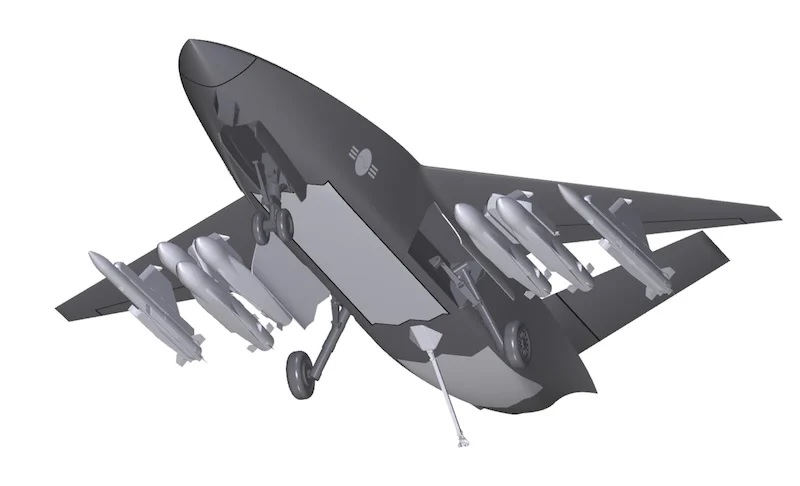
World
South Korea has officially entered the race to develop a new generation of naval combat drones with the unveiling of its first carrier-capable unmanned combat aerial vehicle (UCAV). Developed by Korea Aerospace Industries (KAI), the ambitious project marks a major milestone for the country’s defense innovation, placing South Korea alongside the United States and Türkiye as one of the few nations building jet-powered UCAVs designed specifically for aircraft carriers. The announcement came on July 8 during the 8th Korea Strait Victory Seminar, held at the National Assembly. There, KAI introduced the naval variant of its upcoming Air Force UCAV, reimagined for launch and recovery from conventional aircraft carriers. The design reflects South Korea’s growing focus on building a blue-water navy backed by modern airpower assets. At the heart of this UCAV is a stealthy, jet-powered platform weighing under six tons, with the ability to carry up to 800 kilograms of mission payloads. It is designed with a combat radius of about 300 nautical miles, and can perform a wide array of missions, including air-to-air combat, precision ground strikes, and intelligence, surveillance, and reconnaissance (ISR) operations. Technically, the drone is loaded with cutting-edge systems such as: AESA radar (Active Electronically Scanned Array) for superior tracking and target engagement. IRST (Infrared Search and Track) for passive detection of enemy aircraft. Electro-Optical Targeting Systems for real-time identification and precision targeting. Modular nose design, allowing operators to quickly switch sensor payloads based on mission needs. The UCAV also features low-observable stealth shaping and materials to reduce its radar signature. Reinforced landing gear and a tail hook system make it capable of arrested landings on carriers, while compatibility with electromagnetic catapult systems (EMALS) ensures efficient launches, a feature only the most advanced carriers possess. One of the most forward-looking aspects of KAI’s drone is its “mothership” capability. It will not just fight alone — it is being designed to deploy and control smaller air-launched drones mid-flight. This drone-swarming ability is intended to overwhelm enemy air defenses, carry out coordinated attacks, or perform high-risk ISR missions without putting the main drone in danger. In terms of armament, KAI has revealed that the drone will be armed with the MBDA Meteor, a long-range air-to-air missile known for its beyond-visual-range capabilities and ramjet propulsion. This would give the UCAV a powerful punch in aerial combat, something that sets it apart from other carrier drones like the U.S. Navy’s MQ-25 Stingray, which is focused more on refueling than direct combat. South Korea's defense planners are already preparing for the infrastructure required to operate such advanced drones. A new eight-ton electromagnetic launch system is under development to support these UAVs, with plans to scale it up to 20 tons to accommodate heavier future aircraft. This step also aligns with South Korea’s ongoing plan to develop a light aircraft carrier — the CVX project — that could eventually host these UCAVs as part of its future carrier strike group. While still in early stages, the carrier-based UCAV represents a bold leap for South Korea’s defense industry. It complements the country’s growing military aerospace ecosystem, which includes the KF-21 Boramae fighter jet program and various drone systems already in use. As the competition in the global unmanned systems market intensifies, especially with Türkiye’s Bayraktar Kızılelma and China’s upcoming stealth drones, South Korea is aiming to carve out a niche in high-performance naval UCAVs. With the blend of stealth, heavy payload capacity, smart sensors, and mothership drone control, KAI’s concept could become a game-changer in future naval warfare. The years ahead will determine how soon the prototype flies and whether South Korea’s carrier ambitions fully materialize. But for now, the country has taken a significant step toward redefining its role as a serious player in next-generation aerial combat systems.
Read More → Posted on 2025-07-09 17:41:59
World
In a significant move to enhance its surveillance and intelligence capabilities, NATO has successfully carried out its first RQ-4D Phoenix intelligence mission into the Greenland-Iceland-United Kingdom (GIUK) gap from Finnish territory. The mission, flown by the NATO Intelligence, Surveillance and Reconnaissance Force (NISRF), signals a major operational expansion in the Alliance’s northern defense posture. The GIUK gap is a critical stretch of maritime territory that has long served as a strategic chokepoint for monitoring naval and air movements between the Arctic and the Atlantic. During the Cold War, this area was crucial for detecting Soviet submarines and aircraft entering the North Atlantic. Its relevance has only grown in today’s era of heightened geopolitical tension, particularly with increasing Russian military activity in the High North. By launching this surveillance flight from a forward base in Pirkkala, Finland, NATO demonstrated not only its logistical agility but also its evolving strategic flexibility. Until now, most RQ-4D Phoenix operations were centered out of Sigonella Air Base in Sicily. The use of a Nordic launch site gives NATO extended reach and the ability to maintain a continuous watch over northern maritime and air approaches. The RQ-4D Phoenix, NATO’s version of the U.S.-made Global Hawk, is a high-altitude, long-endurance uncrewed aerial system. With the capability to stay aloft for over 30 hours and cover thousands of kilometers, it is specifically tailored for wide-area intelligence collection. Its advanced sensors include Synthetic Aperture Radar (SAR) for ground imaging and the Multi-Platform Radar Technology Insertion Program (MP-RTIP), allowing it to detect, track, and image targets with high precision in all weather conditions, day or night. Brigadier General John B. Creel, Commander of NISRF, hailed the mission as a milestone in NATO’s ISR (Intelligence, Surveillance, and Reconnaissance) development. “This first GIUK mission out of Finland reflects how far we’ve come in developing and applying NATO’s ISR capability,” he said. “It’s a result of close cooperation, adaptability, and constant operational learning.” NATO currently operates five RQ-4D Phoenix aircraft, jointly owned and operated by the Alliance. These platforms are supported by a network of ground stations and intelligence analysts who process and interpret the collected data. While the drone itself gathers vast amounts of information, it is the highly skilled human teams that transform it into actionable intelligence, supporting both strategic planning and immediate operational responses. This mission comes as NATO continues to increase its focus on the Arctic and northern European regions, responding to evolving security challenges including Russia’s growing presence and China’s expanding interest in Arctic trade routes and resources. Finland, which joined NATO in 2023, offers not only geographic advantage but also a strong commitment to collective security, making it an ideal partner for such forward-deployed ISR missions. In the broader context, this development reinforces NATO’s deterrence posture by closing surveillance gaps, maintaining awareness in strategic corridors, and showcasing alliance unity and adaptability. The ability to monitor the GIUK gap directly from Finland greatly enhances NATO’s capacity to detect, assess, and respond to any emerging threats across the North Atlantic and Arctic regions.
Read More → Posted on 2025-07-09 17:14:45
World
In a critical step toward maintaining air superiority in an increasingly complex battlefield, the U.S. Army and Lockheed Martin have successfully tested a newly upgraded version of the PAC-3 MSE (Missile Segment Enhancement) interceptor missile at the White Sands Missile Range in New Mexico. The flight test, conducted on June 26, 2025, validated important software and seeker algorithm enhancements designed to significantly improve the missile’s performance in high-threat environments. The PAC-3 MSE is the most advanced missile in the U.S. Army’s Patriot air and missile defense arsenal. Built by Lockheed Martin, it is designed to intercept and destroy a wide array of aerial threats, including tactical ballistic missiles, cruise missiles, enemy aircraft, drones, and even emerging hypersonic threats. Unlike older interceptors that rely on blast-fragmentation warheads, the PAC-3 MSE uses a hit-to-kill kinetic energy method—destroying incoming targets through direct collision, which increases lethality and minimizes collateral damage. What makes the latest version even more powerful is the inclusion of upgraded seeker algorithms. These improvements are focused on better target identification and discrimination in cluttered or electronically contested environments—where adversaries may use decoys, jamming, or swarms of drones to overwhelm defenses. The missile’s Ka-band active radar seeker, already known for its precision, now processes information faster and more intelligently. With enhanced signal filtering and tracking algorithms, it can pick out real targets from distractions with much higher accuracy. The PAC-3 MSE’s performance gains don’t stop there. One of the missile’s key strengths is its extended engagement envelope. Thanks to a dual-pulse solid rocket motor and an advanced control actuator system, the missile can engage targets at distances beyond 60 kilometers and at altitudes reaching 20 kilometers. That’s nearly double the range of the standard PAC-3. This range expansion allows military forces to intercept threats earlier during their trajectory, increasing the chances of successful engagement and adding depth to layered defense strategies. The missile’s upgraded control actuators provide exceptional agility, allowing the PAC-3 MSE to make last-second maneuvers to hit fast-moving or evasive targets. Ground-based command systems feed mid-course updates to the missile, which then takes over with autonomous tracking in its final approach using its active radar seeker. The recent test is particularly relevant as modern battlefields grow more complex, with threats often appearing in waves, accompanied by electronic warfare, or disguised within decoy clouds. The improved seeker software ensures the PAC-3 MSE can maintain its accuracy and reliability even under such challenging conditions. This success not only strengthens the U.S. homeland and deployed forces but also benefits America's allies. The PAC-3 MSE has already been adopted by countries like Germany, Japan, South Korea, Poland, and Sweden—nations that value advanced, combat-proven defense systems amid rising global tensions. As Lockheed Martin continues to iterate both software and hardware upgrades, the PAC-3 MSE stands as a clear example of how modern missile defense is not just about speed and range—but also about intelligence, adaptability, and precision. The latest enhancements confirm that the U.S. Army remains committed to staying ahead of evolving aerial threats through continuous innovation and real-world testing.
Read More → Posted on 2025-07-09 15:27:38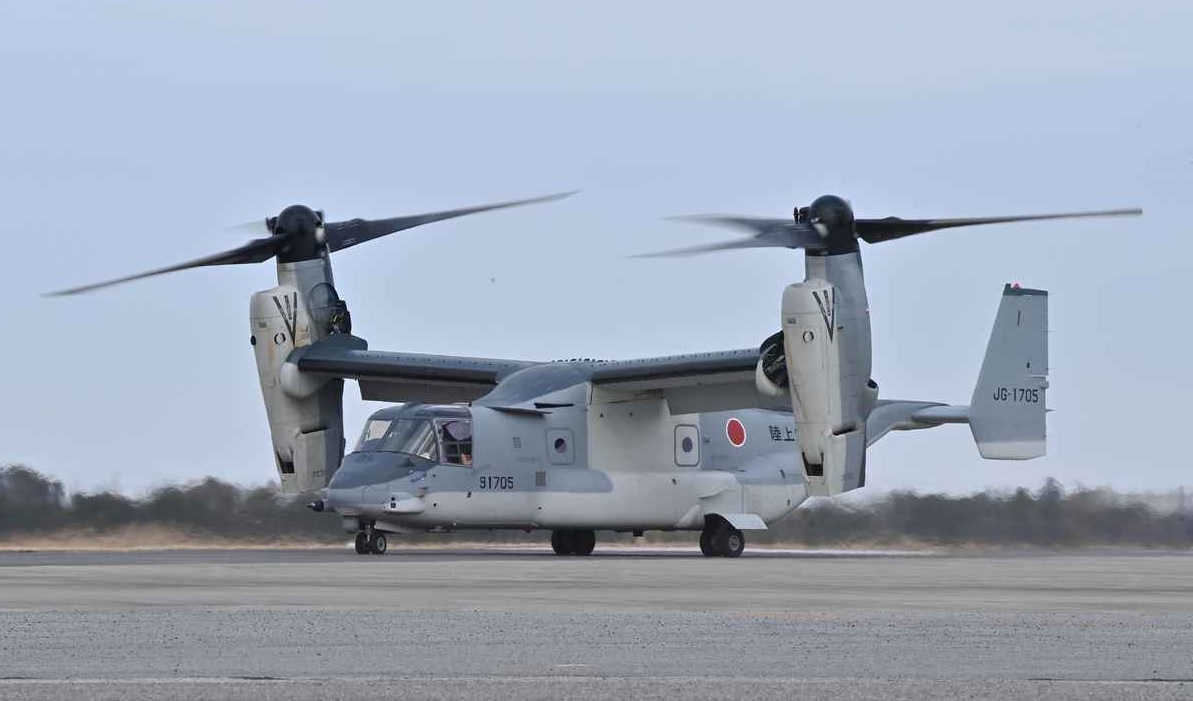
World
Japan has officially begun deploying its fleet of V-22 Osprey aircraft to a new permanent military base in Saga Prefecture, a strategic move aimed at bolstering the country's defense posture amid rising tensions with China in the Indo-Pacific region. The deployment comes as Tokyo continues its most significant military expansion since World War II, with a sharp focus on protecting its remote southwestern islands. On Wednesday, the first of 17 Osprey tiltrotor aircraft arrived at Camp Saga, located in the southern part of Japan's Kyushu Island. The remaining aircraft are expected to be transferred to the base by mid-August. This marks the first time the Japanese Ground Self-Defense Force (GSDF) is permanently stationing its Osprey fleet, highlighting the aircraft’s critical role in enhancing rapid-response capabilities. The V-22 Osprey, developed by the U.S., is a unique aircraft that combines the vertical takeoff and landing capabilities of a helicopter with the speed and range of a fixed-wing plane. It is seen as particularly valuable for transporting troops and equipment swiftly across Japan’s numerous remote islands, especially in the East China Sea, where China has become increasingly assertive. Japan’s Defense Ministry plans to integrate the Ospreys with its Amphibious Rapid Deployment Brigade (ARDB), based in nearby Sasebo. The ARDB is a specialized force modeled after the U.S. Marine Corps and is trained to conduct island recapture and rapid deployment operations. With China stepping up its military activities near the Senkaku Islands—which Japan administers but China also claims—this coordination between air and amphibious assets is expected to be a critical part of Japan’s deterrence strategy. Defense Minister Gen Nakatani underscored the urgency of the move, saying, “The security environment surrounding Japan has been increasingly severe, and it is our pressing task to strengthen our island defense capabilities.” However, not everyone supports the Osprey deployment. Public opposition remains strong, especially in southern Japan, where past accidents involving the aircraft—both American and Japanese—have fueled safety concerns. Outside Camp Saga, protesters gathered holding signs and shouting slogans like “Get out Osprey!” One protester, Osamu Rikihisa, expressed fears over safety, noting the aircraft's troubled history. Indeed, concerns are not unfounded. In November 2023, a U.S. Air Force Osprey crashed off Japan’s southern coast, killing eight personnel. Just a year later, in October 2024, a Japanese GSDF Osprey suffered a mishap during a joint training exercise with the U.S., tipping on takeoff. Though that incident was later attributed to human error, it has added to public unease. Despite this, Prime Minister Shigeru Ishiba defended the deployment during a campaign speech in Saga. He emphasized the Osprey’s superior capabilities over traditional helicopters, not just for military purposes, but also for humanitarian aid and disaster relief missions across Japan’s rugged terrain. The base at Saga Airport, where the Ospreys are now stationed, is part of a broader plan by Japan to shift its military focus southward, closer to potential flashpoints like Taiwan and the disputed East China Sea islands. This shift reflects growing alignment with U.S. strategic interests in the region and a more proactive stance in collective defense under Japan’s evolving national security strategy. As the full fleet settles in over the next few months, Japan’s ability to quickly respond to emergencies, whether natural or geopolitical, is set to grow—but so too may the debate over the balance between national security and public safety.
Read More → Posted on 2025-07-09 15:23:16Search
Top Trending in 24 Hours
-
 Pentagon Expands Alloy Surfaces Contract to $328.8 Million for Advanced Aircraft Decoy Flares Amid Evolving Drone Threats
-
 Why the U.S. Restored Pacific Command Name, Ending the Indo-Pacific Designation After Eight Years
-
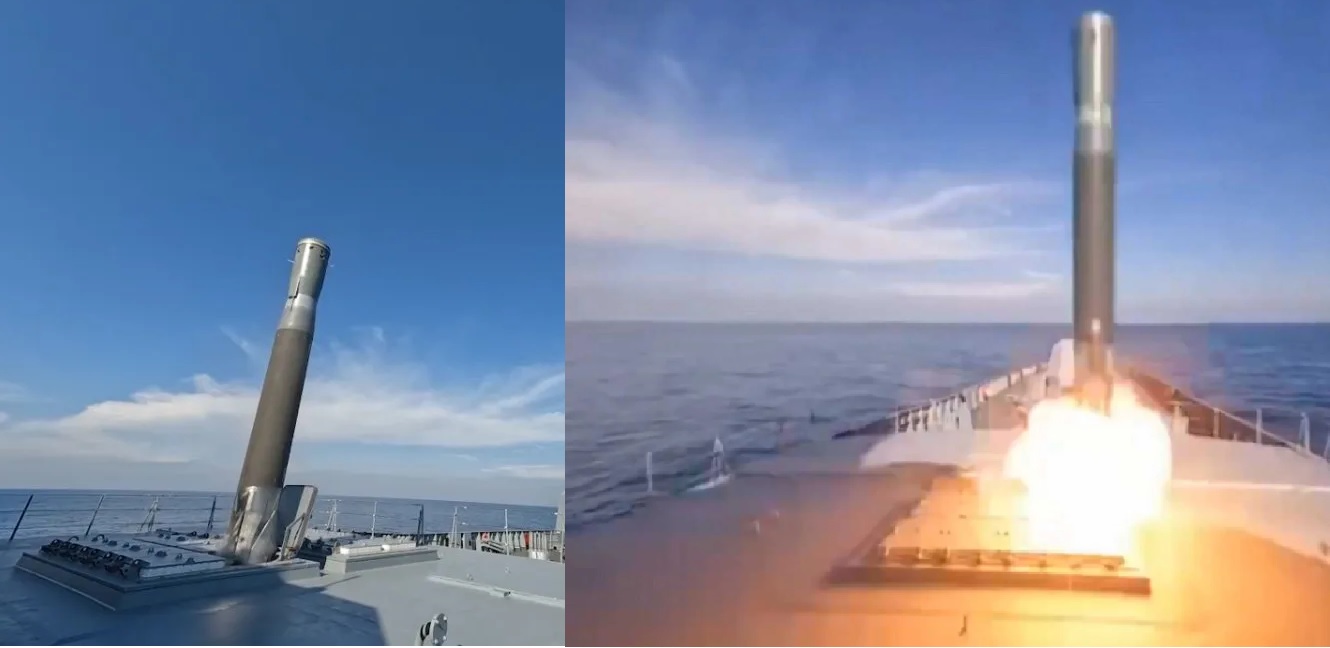 Open-Source Evidence Suggests Russia's Zircon Is a Quasi-Ballistic Missile, Not a True Hypersonic Cruise Weapon
-
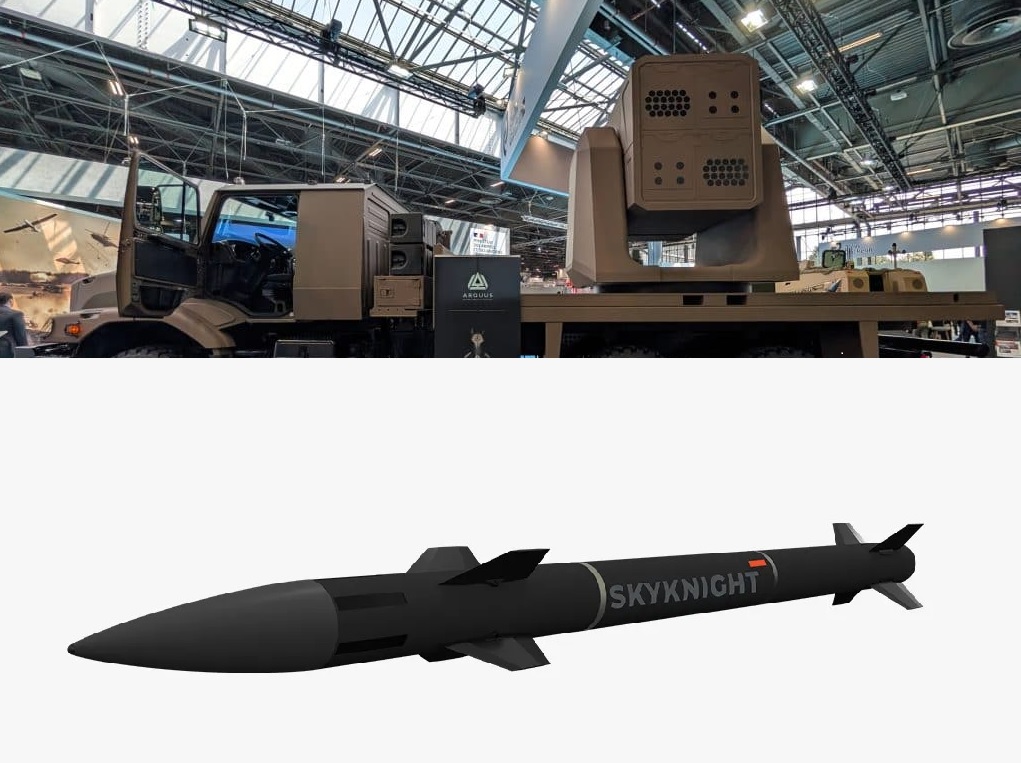 Naval Group Unveils Rampart Modular CIWS Multi-Purpose Weapon System for Naval and Ground Forces at Eurosatory 2026
-
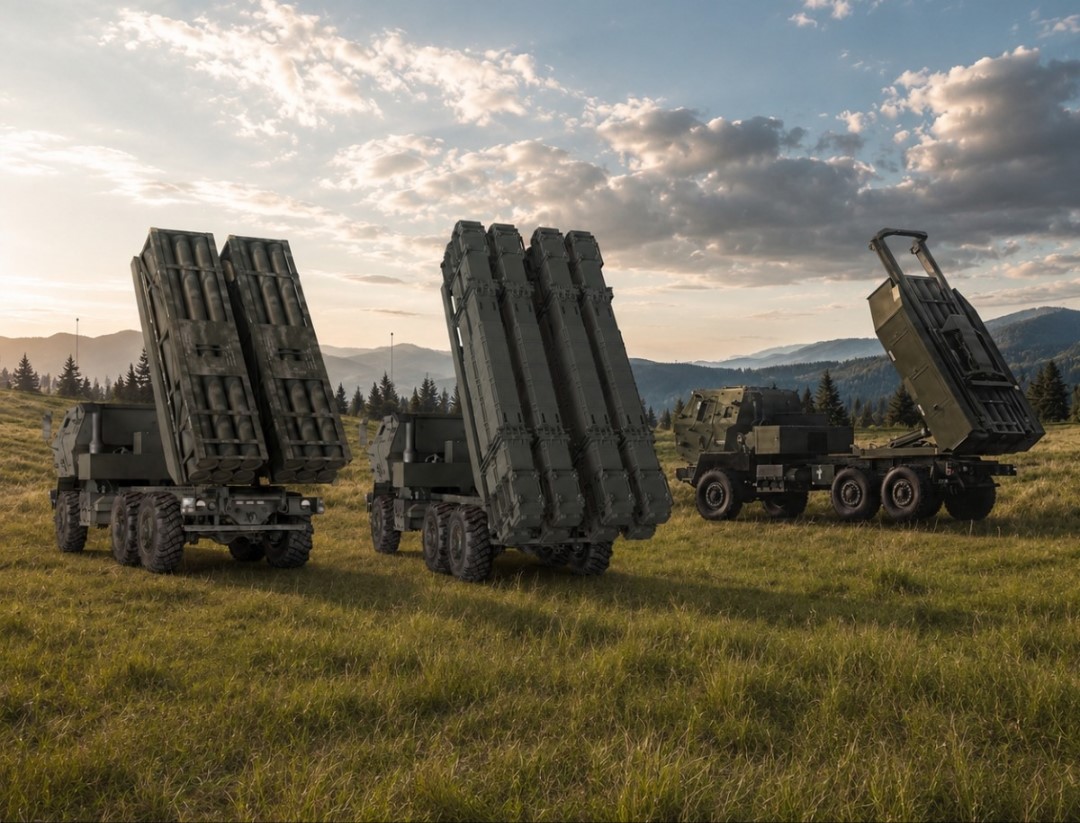 Lockheed Martin Unveils HIMARS FLEX with Dual-Pod Launcher and NATO-Compatible Air Defense Integration
-
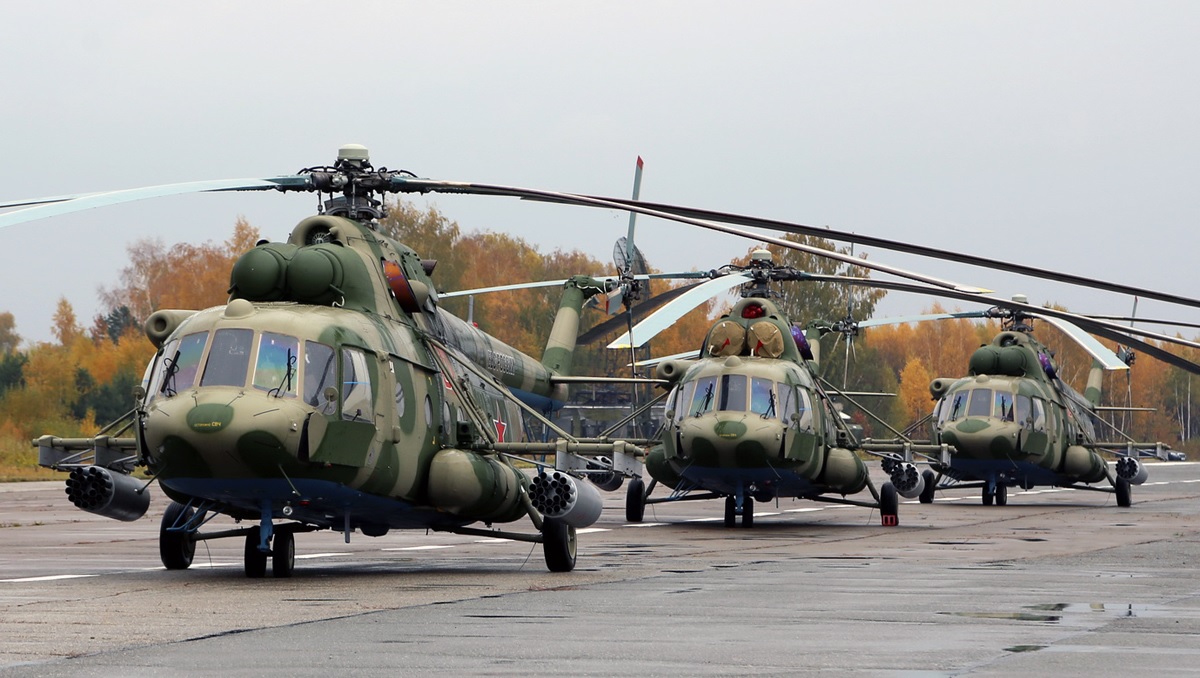 Iran Signs Deal with Russia for 20 Mi-8 and Mi-17 Helicopters to Boost Rescue and Medical Missions
-
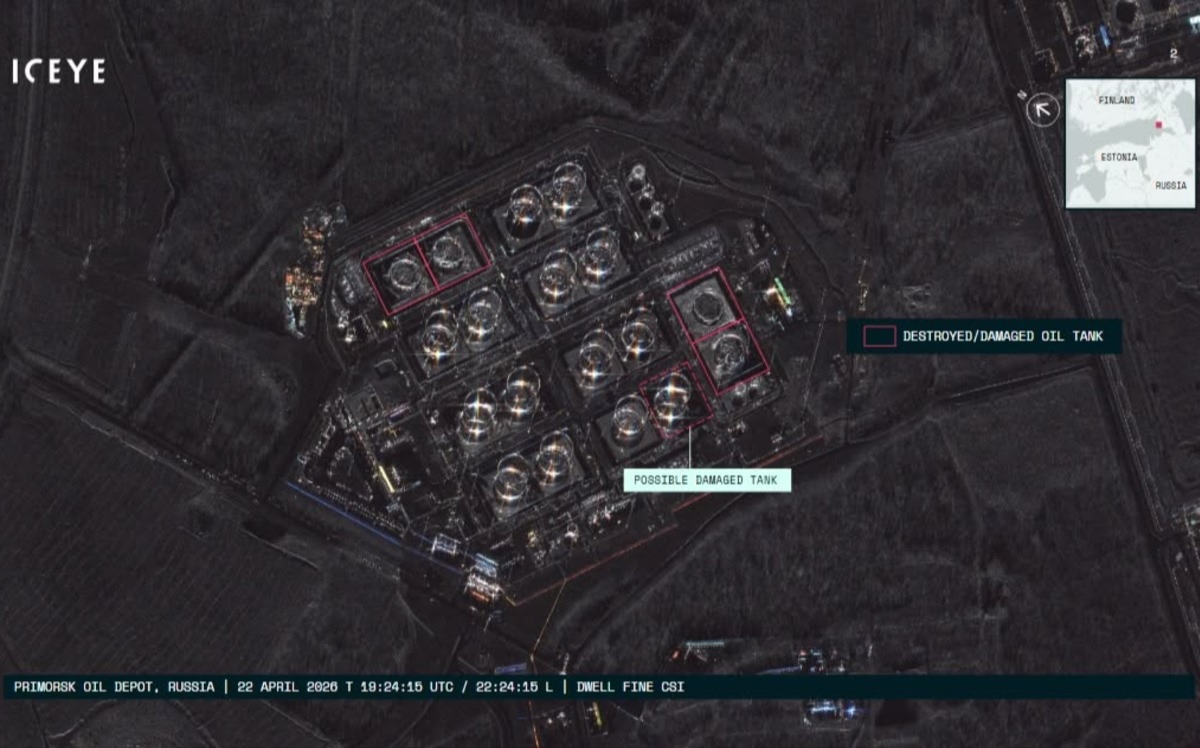 Portugal Doubles Sovereign SAR Satellite Fleet with Order for Two Additional ICEYE Satellites
-
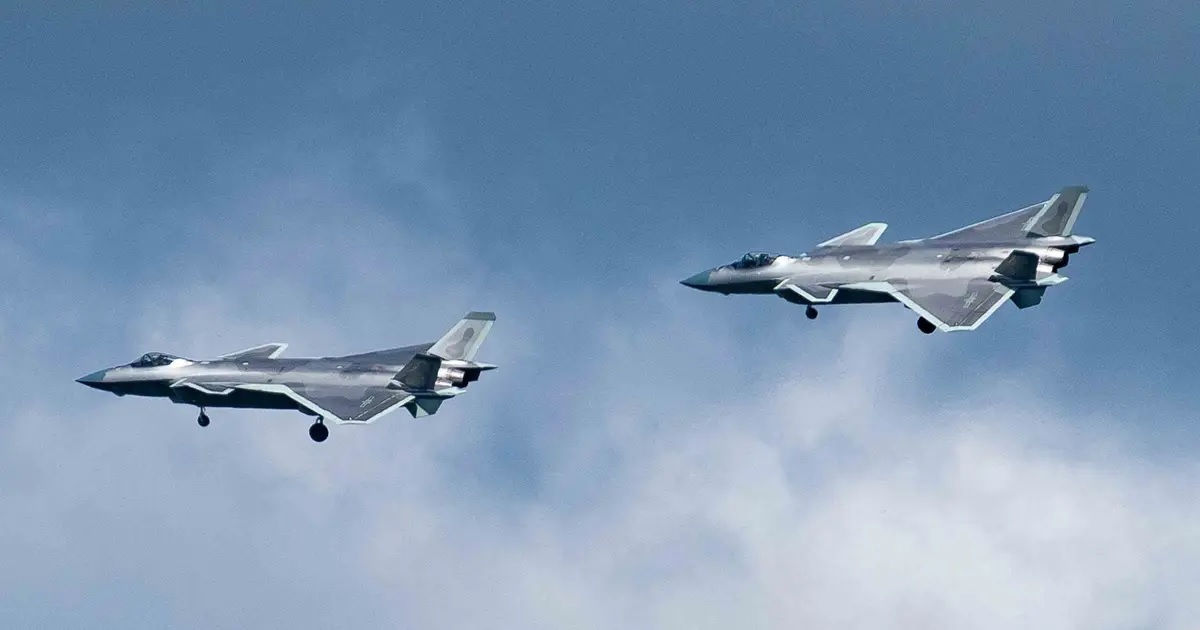 China Surpasses Russia as World’s Second-Most Powerful Air Force Amid Rapid J-20 and J-35 Expansion
Top Trending in 4 Days
-
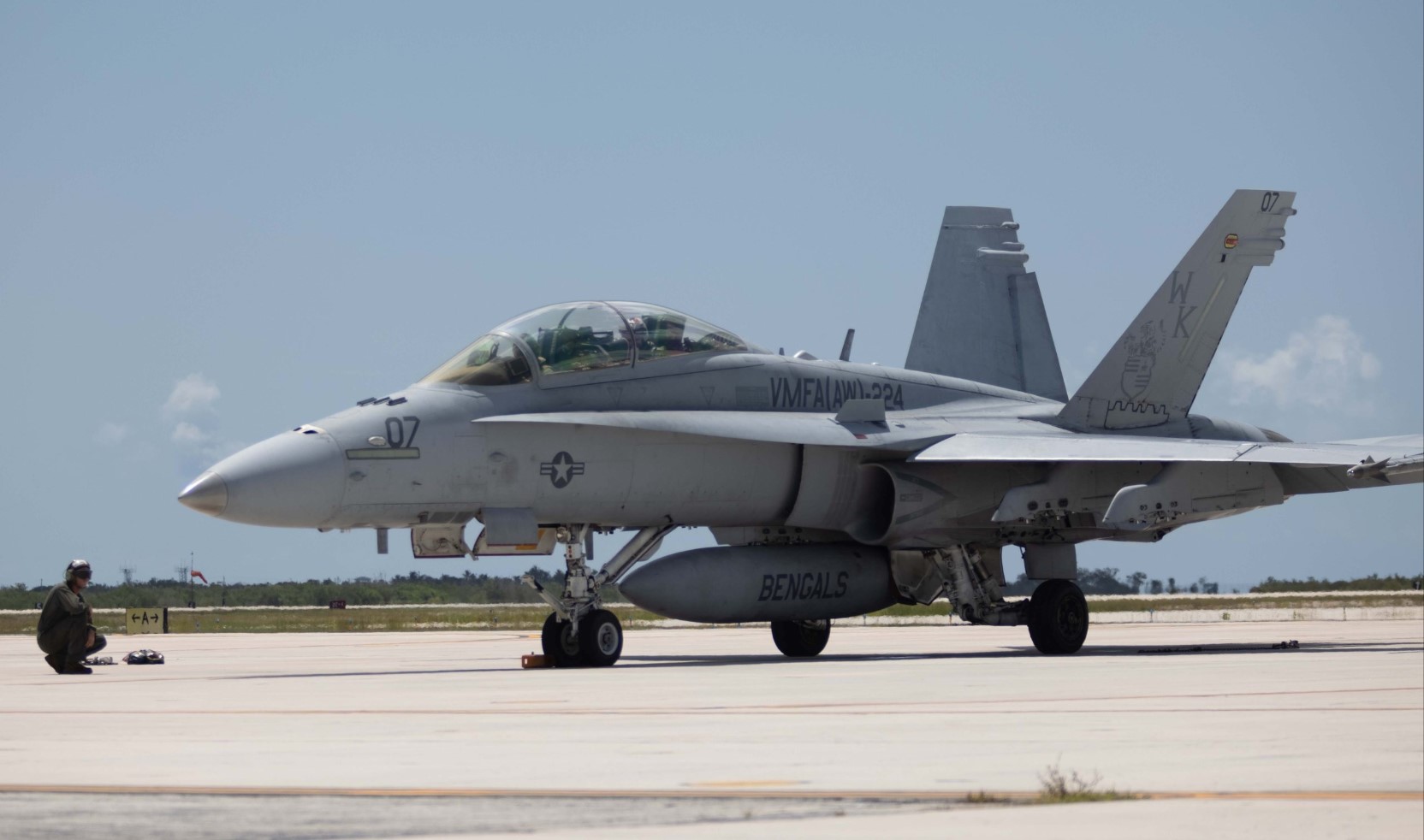 US Marine Corps F/A-18D Hornet Crashes During Training Flight in Washington Mountains; Pilot Ejects Safely
-
 Tulsi Gabbard Releases Declassified Files Detailing U.S.-Backed Network of 120 Biolaboratories Across 30+ Countries
-
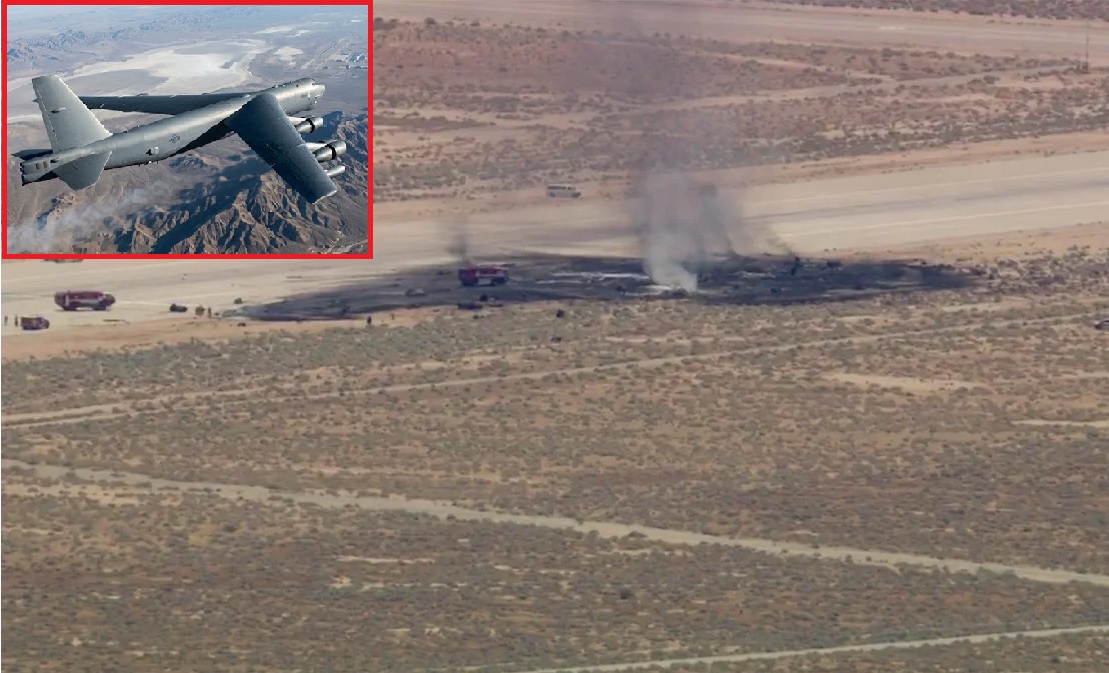 8 U.S. Air Force Crew Members Killed in B-52 Bomber Crash During Test Flight at Edwards Air Force Base
-
 Ukraine Introduces Balloon-Launched DART Missile Designed to Defeat Electronic Warfare
-
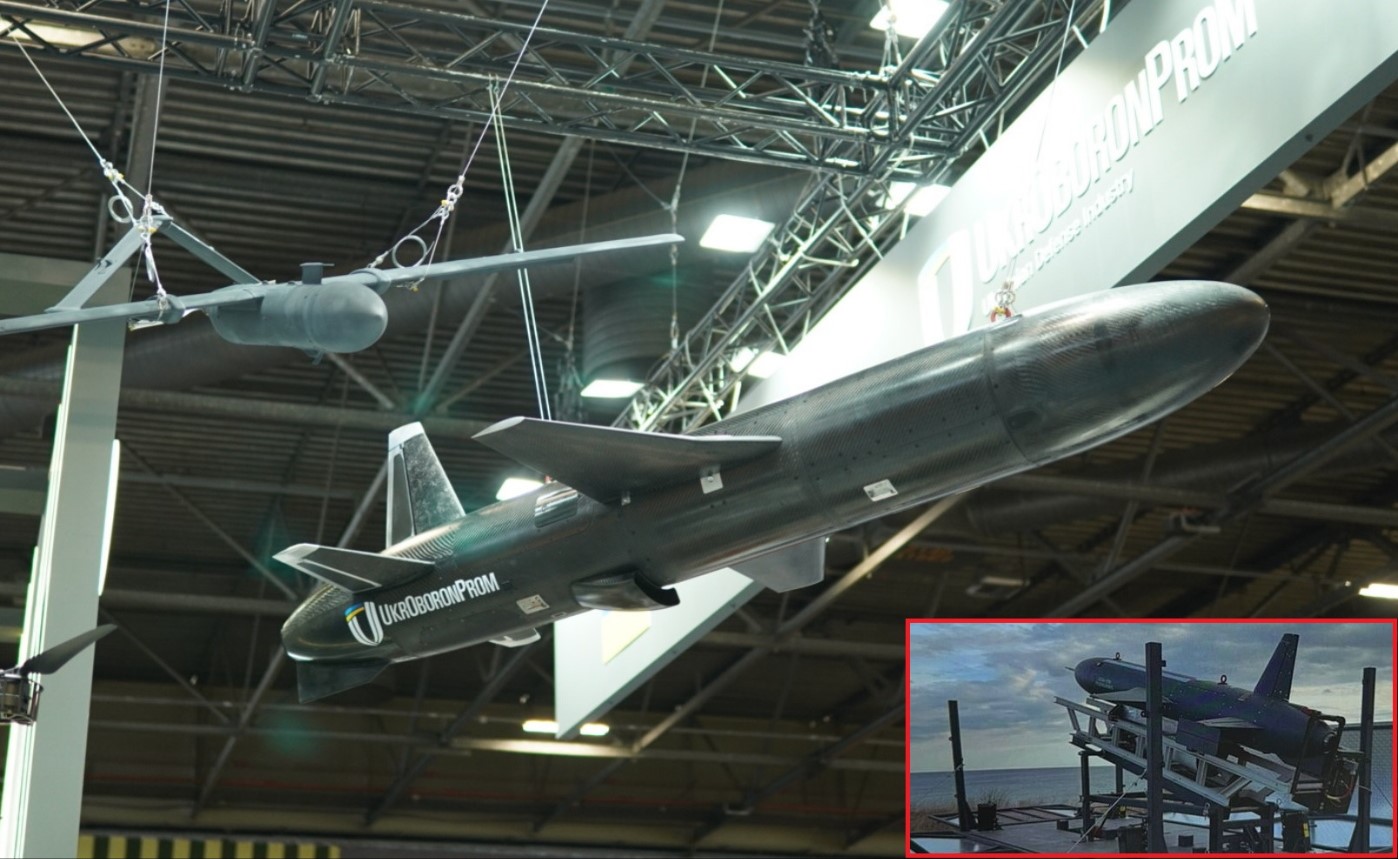 Ukraine Unveils UAV-290 Jet-Powered Strike Drone with 650 km Range at Eurosatory 2026
-
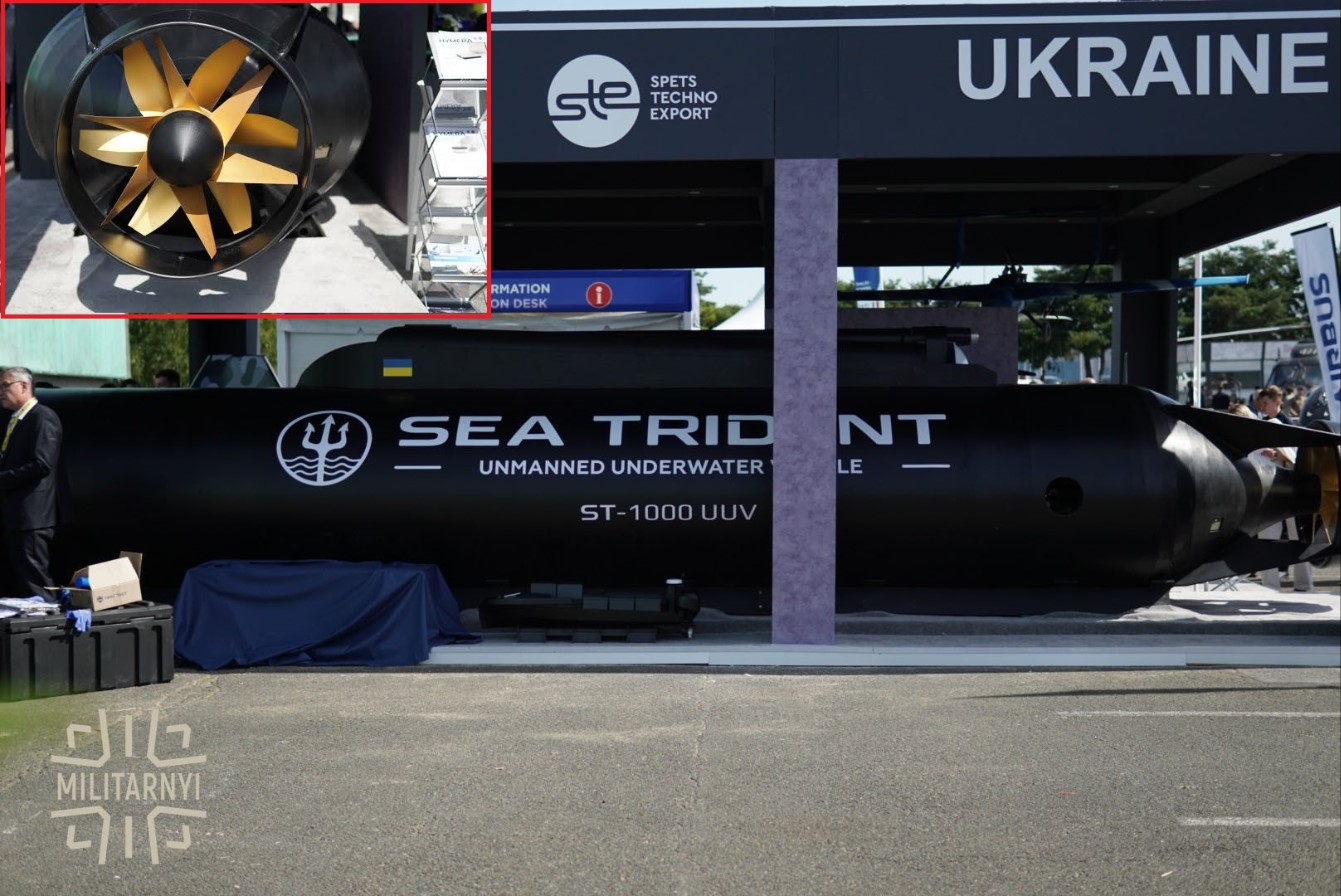 Ukraine Unveils 'Sea Trident' 10-Ton Autonomous Underwater Drone at Eurosatory 2026
-
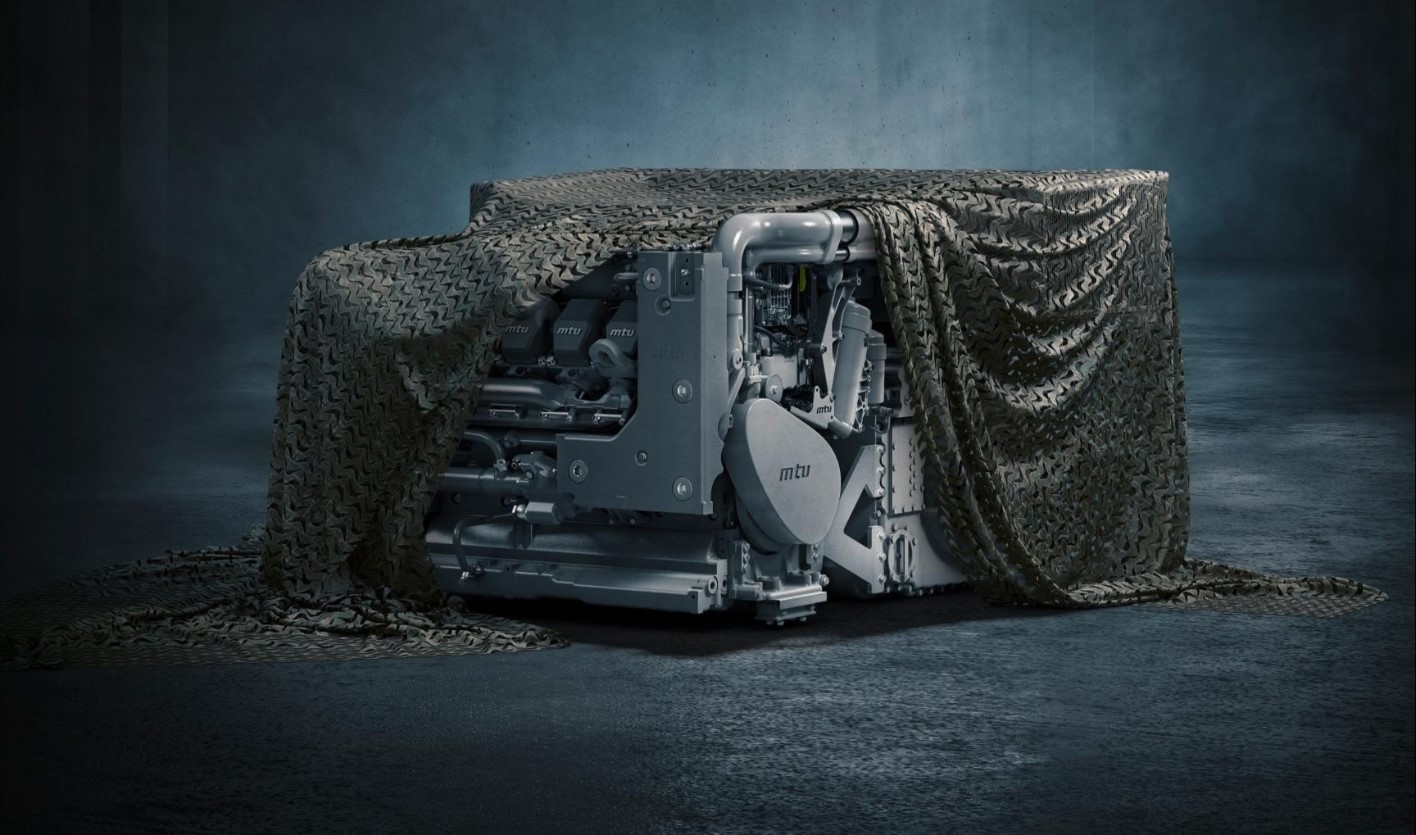 Rolls-Royce Unveils New Hybrid Powertrain for Heavy Military Vehicles at Eurosatory 2026
-
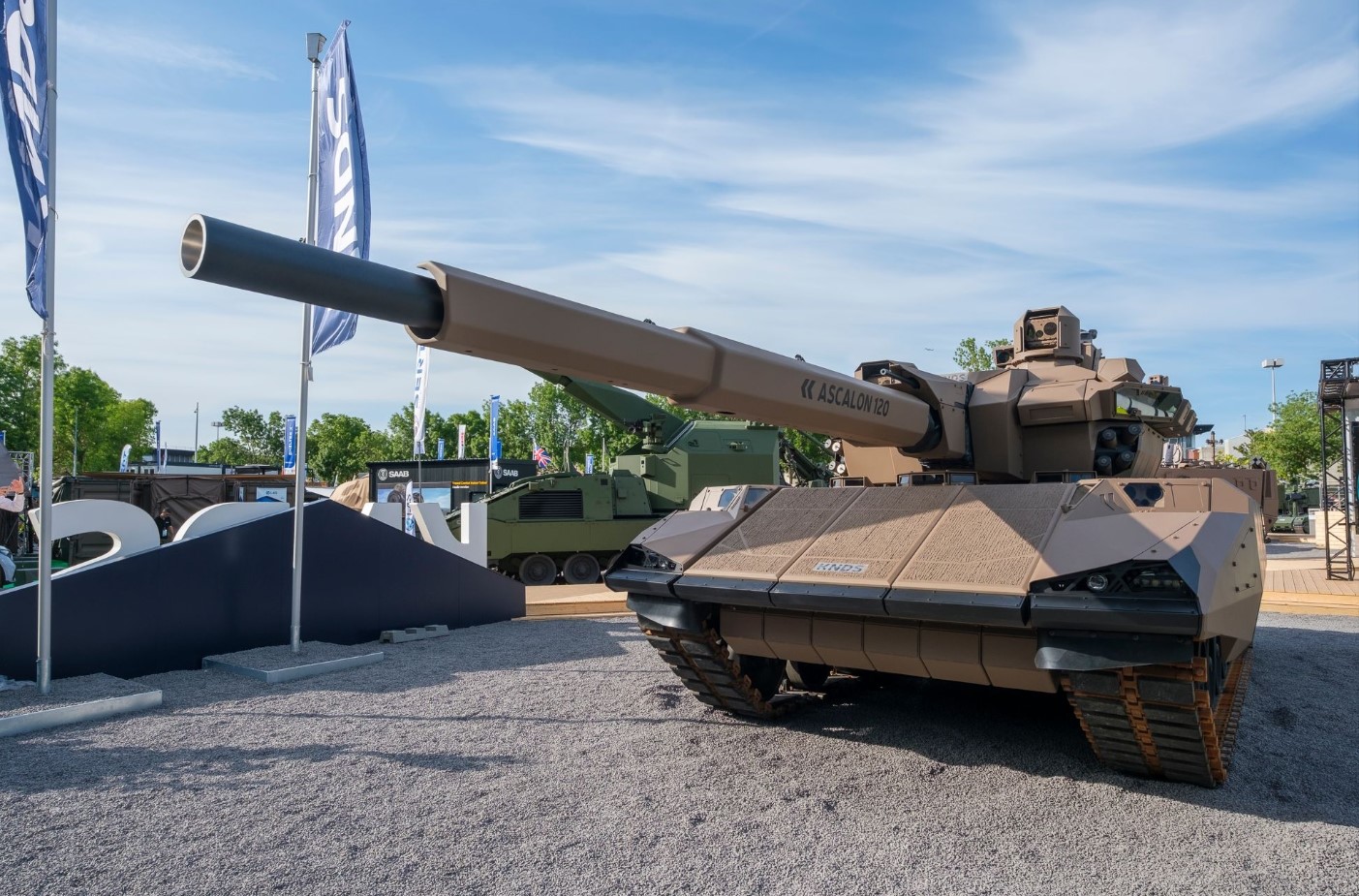 KNDS Unveils CAPINT Main Battle Tank at Eurosatory 2026 as Leclerc Stopgap