World
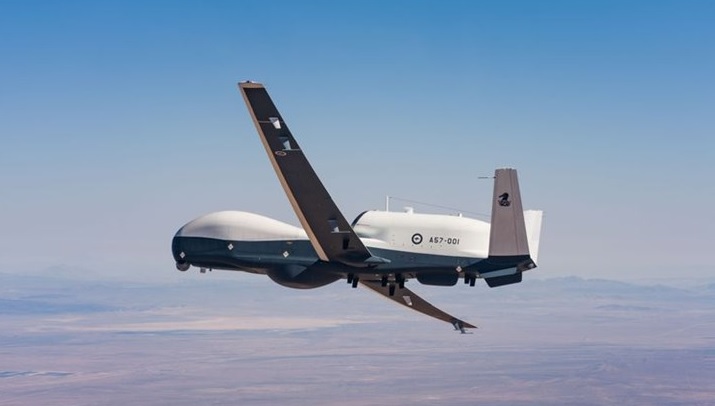
Canberra, August 2025 — In a major step toward strengthening its maritime security, the Royal Australian Air Force (RAAF) has officially received two MQ-4C Triton unmanned aerial vehicles (UAVs) from Northrop Grumman, bringing its operational fleet to three aircraft. The UAVs, delivered in May after a trans-Pacific flight from the United States, are now based at RAAF Base Tindal in the Northern Territory, where they will form the backbone of Australia’s long-range maritime surveillance efforts. Australia has ordered a total of four MQ-4C Tritons through intergovernmental Letters of Offer and Acceptance (LOA) with the United States. This acquisition marks Australia as the only export operator of the Triton, a high-endurance, high-altitude UAV developed by Northrop Grumman for the U.S. Navy’s Broad Area Maritime Surveillance (BAMS) program. A Strategic Complement to P-8A Poseidon The MQ-4C Tritons will work in tandem with the RAAF’s fleet of 12 Boeing P-8A Poseidon aircraft, providing wide-area maritime domain awareness across Australia’s massive Exclusive Economic Zone and surrounding waters. While the Poseidons conduct anti-submarine and strike missions, the Tritons bring unmatched persistence and endurance, capable of flying at altitudes above 50,000 feet for over 24 hours at a time. This endurance allows each Triton to patrol millions of square kilometers in a single mission, offering a continuous “eye in the sky” that reduces the strain on manned aircraft and expands Australia’s surveillance net across the Indian and Pacific Oceans. Delivery and Integration The relocation of the two Tritons from the United States was conducted under operational control from the Naval Air Station Patuxent River in Maryland, with technical stopovers across the Pacific en route to Australia. This complex transfer demonstrated the aircraft’s long-range connectivity and operational integration with U.S. and Australian defense systems. The MQ-4C Triton’s ground infrastructure at RAAF Tindal has been steadily developed since Australia’s first aircraft arrived in November 2023. The new arrivals will enable Australia to progress toward achieving an Initial Operational Capability (IOC) in the near term, with full operational status expected once the fourth and final aircraft arrives in 2025–26. Global Fleet and Capabilities So far, Northrop Grumman has delivered around 30 MQ-4C Tritons to the U.S. Navy, where they are already flying operational missions across the Pacific, Atlantic, and Middle East. The long-term plan is for the U.S. and its allies to sustain five continuous reconnaissance orbits worldwide, ensuring 24/7 global maritime coverage. Equipped with a multi-sensor suite, including advanced radars, electro-optical sensors, and communications intelligence systems, the Triton can detect, classify, and track maritime targets across enormous swathes of ocean. Its semi-autonomous capabilities allow operators to manage multiple aircraft simultaneously, significantly expanding surveillance coverage with fewer personnel. Strategic Importance for Australia For Australia, the arrival of more Tritons underscores the country’s shift toward a more autonomous and resilient surveillance capability, amid growing regional security challenges in the Indo-Pacific. The Northern Territory base provides an ideal launch point for persistent surveillance of key sea lanes, including the South China Sea, the Malacca Strait, and Australia’s northern approaches. By pairing Tritons with Poseidons, Australia can achieve a layered surveillance strategy, combining long-range persistence with the flexibility of manned operations. This capability is seen as critical to protecting Australia’s maritime trade routes, monitoring illegal fishing, and supporting allied operations in the broader region. With three MQ-4C Tritons now operational and a fourth on the way, Australia is emerging as a global leader in long-endurance maritime surveillance. The platform’s ability to provide persistent, high-altitude coverage across vast ocean spaces marks a new era in the Royal Australian Air Force’s intelligence, surveillance, and reconnaissance (ISR) capabilities. Alongside its Poseidon fleet, the Triton will give Australia one of the most advanced maritime patrol frameworks outside the United States.
Read More → Posted on 2025-08-20 15:02:12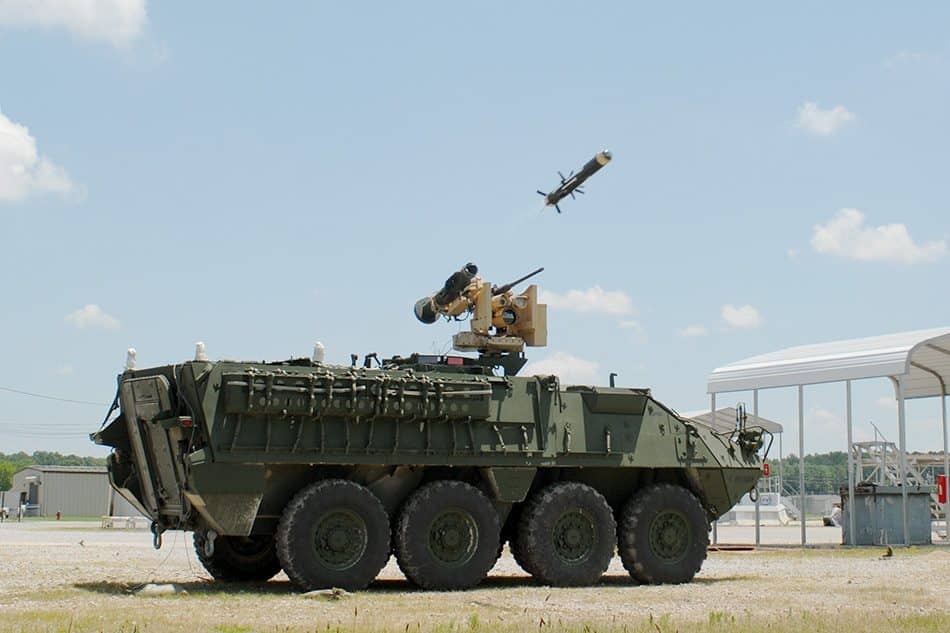
World
The British Army has reached a major milestone in modernising its armoured fleet, with the successful integration of the Javelin anti-tank guided missile system on the Boxer armoured vehicle. The trial, conducted earlier this year, confirmed that the Boxer can now fire the Javelin from under armour, significantly boosting its firepower and survivability on the battlefield. The integration was achieved using the Kongsberg RS4 Remote Weapon Station (RWS), supplied by Thales in Glasgow, which allows operators to engage targets with precision while remaining protected inside the vehicle. British Army officials described the achievement as a “crucial step” in strengthening the lethality of Boxer and enhancing its role in delivering decisive effects against modern armoured threats. Enhancing Combat Effectiveness The FGM-148 Javelin, a man-portable fire-and-forget missile, has been in service with UK forces for years and has proven itself in combat across multiple theatres. By integrating it onto the Boxer’s RS4 RWS, crews can now launch missiles without exposing themselves to enemy fire, a capability increasingly vital in high-threat environments. The system also retains its existing firepower options, meaning Boxer can field a versatile mix of weapons, from heavy machine guns to guided missiles, depending on the mission. This integration aligns with the Army’s broader efforts to field Boxer as its next-generation 8x8 armoured platform, designed to replace the aging FV432 and some Warrior vehicles. The Boxer’s modular design allows for a range of mission-specific variants, and the addition of Javelin expands its anti-tank capability without compromising its mobility or protection. Boxer Production and UK Industry The Boxer programme is one of the UK’s largest current land vehicle projects, with production shared between facilities in Stockport (KNDS UK) and Telford (Rheinmetall BAE Systems Land, RBSL). Deliveries of UK-built vehicles are now underway, joining those from Germany, with training and fielding expected to accelerate in the coming months. The programme represents a strategic investment in British manufacturing, supporting hundreds of highly skilled jobs across the country. Beyond the direct employment, it has created a robust supply chain involving dozens of UK-based companies. Defence industry analysts note that the Boxer project is also a model for how international partnerships—such as those with Rheinmetall in Germany—can reinforce sovereign industrial capacity. Wider Context: Preparing for Future Threats The integration trial comes amid renewed emphasis on equipping NATO land forces with more capable platforms to deter potential adversaries. Modern battlefields, where adversaries deploy advanced tanks and long-range anti-armour weapons, require vehicles like Boxer to offer not only mobility and protection but also long-range precision strike options. By adding Javelin to its arsenal, the British Army has ensured that its frontline units will retain a credible deterrent against heavy armour, complementing other assets such as the Challenger 3 main battle tank and Apache attack helicopters. The success also demonstrates the flexibility of the Boxer platform, which continues to evolve with new technologies to meet emerging requirements. The Javelin integration trial marks a significant leap forward in the British Army’s modernisation efforts. By combining a proven missile system with a state-of-the-art armoured platform, the UK has reinforced both its combat readiness and its defence-industrial base. As Boxer vehicles continue to enter service, the Army will gain not just a replacement for older vehicles, but a highly adaptable, future-ready combat system equipped for the challenges of 21st-century warfare.
Read More → Posted on 2025-08-19 15:57:12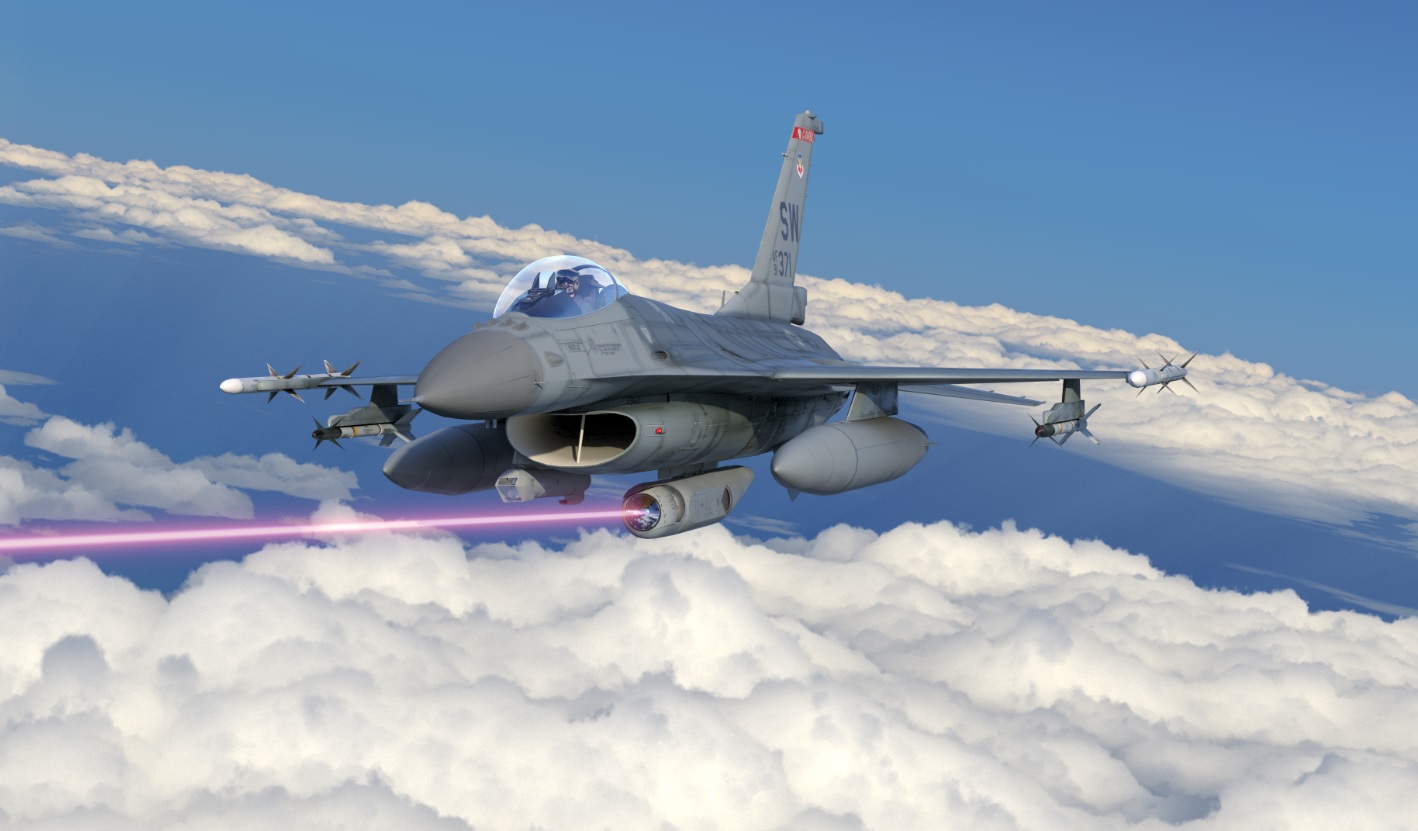
World
Elbit Systems has confirmed major progress in adapting the Iron Beam ground-based high-energy laser system into an airborne platform for the Israeli Air Force, a development that could mark a new era in directed-energy weapons. “We are developing as a prime an airborne high-power solution for the Israeli Air Force, and there is a lot of interest for this solution from other customers globally,” Elbit CEO Bezhalel Machlis said. The company supplies Iron Beam to prime contractor Rafael, with Israel’s Defense Ministry earlier suggesting the laser had successfully destroyed drones during operational testing. Alongside the laser program, Elbit highlighted its role in Israel’s recent conflicts, confirming the use of systems such as the Hermes 900 UAV, which reportedly operated in missions over Tehran during the 12-day war with Iran. Its Rampage air-launched missile, co-developed with Israel Aerospace Industries, was also heavily deployed. Financially, Elbit announced a 20% rise in Q2 sales to $1.97 billion, driven by strong demand for precision-guided munitions in Israel and the Asia-Pacific, and UAV deliveries to Europe. The company’s order backlog surged to $23.8 billion, with 68% of that coming from overseas customers, and more than half extending beyond 2026. Elbit also revealed a $1.6 billion, five-year contract with an unnamed European nation covering long-range strike, signals intelligence, electronic warfare, and loitering munitions. Despite diplomatic tensions around the Gaza war, the company emphasized that it sees “more business opportunities than ever.” The Global Race for Airborne Lasers Israel is not alone in pursuing airborne laser weapons, which are increasingly viewed as game-changing systems capable of intercepting missiles, rockets, drones, and even hypersonic threats. United States: The U.S. Air Force previously tested the Airborne Laser Testbed (YAL-1), a megawatt-class chemical oxygen iodine laser mounted on a Boeing 747. Although retired in 2014, lessons learned are guiding newer programs such as the Self-Protect High-Energy Laser Demonstrator (SHiELD) designed for fighter jets. Lockheed Martin, Northrop Grumman, and Boeing are all contributing to U.S. directed-energy projects, with compact solid-state and fiber laser designs making deployment on smaller aircraft feasible. China: Beijing is investing heavily in airborne and space-directed energy weapons, with reports of high-power tactical lasers tested on military aircraft. Chinese research institutions are developing compact laser systems capable of blinding or destroying hostile UAVs and potentially disabling satellites in low Earth orbit. Russia: Moscow has fielded the Peresvet laser system, claimed to counter drones and satellites, and is reportedly working on smaller airborne versions. Russian defense sources have hinted at testing directed-energy weapons for deployment on MiG and Su-series aircraft, though details remain classified. India: New Delhi is steadily moving into the laser weapons domain through the Directed Energy Weapons (DEW) program under the Defence Research and Development Organisation (DRDO). DRDO has already demonstrated 25kW truck-mounted laser systems capable of targeting UAVs and missiles. Work is ongoing on higher-powered 100kW-class lasers with the long-term aim of adapting them for airborne platforms, including fighter jets and transport aircraft. India has also been testing electronic warfare pods and high-power microwave systems, both seen as complementary to laser defense. Though still at an early stage compared to the U.S. or Israel, India’s push signals its intent to join the global competition in next-generation directed-energy capabilities. Germany (MBDA & Rheinmetall): Germany has been working on 50 kW+ laser demonstrators, with integration trials aboard naval ships already showing promise. Rheinmetall has also tested scalable high-energy lasers that could, in principle, be adapted to aircraft in the future. United Kingdom & France: Both countries have invested in laser-directed energy research under programs like the UK’s Dragonfire, a 50 kW-class demonstrator. While naval and ground-based deployments are currently prioritized, airborne integration is considered a long-term goal. A New Era of Aerial Defense With Elbit’s airborne Iron Beam moving closer to reality, the global race to field compact, high-power laser systems on aircraft is intensifying. For Israel, such technology would provide a critical edge against the growing threat of rockets, drones, and hypersonic weapons in contested airspaces. For nations like the U.S., China, Russia, and India, success in airborne lasers could redefine aerial combat, missile defense, and even space security in the decades ahead.
Read More → Posted on 2025-08-19 15:54:27
World
Berlin, August 2025 — German defence electronics group HENSOLDT has announced a major expansion in the production of its TRML-4D air surveillance radar, as European nations step up efforts to bolster air defence capabilities in response to evolving aerial threats. The decision follows strong interest under the European Sky Shield Initiative (ESSI) and heightened demand for modern air defence systems, with HENSOLDT estimating a market potential of nearly €2 billion for the radar sensor. Expanding Production for a Growing Market HENSOLDT confirmed that it is ramping up annual production capacity of the TRML-4D to as many as 30 units per year. According to company executives, between 40 and 60 radars would be needed to ensure full coverage of German airspace, although Berlin has not yet formally committed to such a procurement. If long-term demand continues to grow, the company indicated it could pursue partner-led assembly or joint manufacturing, widening the radar’s production footprint. This move underlines how European defence industries are adapting to the sharp increase in demand for air surveillance and signal intelligence systems following the war in Ukraine and growing missile and drone threats worldwide. The TRML-4D: A Next-Generation Sensor The TRML-4D radar is based on Active Electronically Scanned Array (AESA) technology, allowing it to track up to 1,500 targets simultaneously at ranges of up to 250 kilometres. It is designed to identify and classify a wide spectrum of threats, including cruise missiles, rockets, drones, aircraft, and even stealthier low-RCS targets. The radar is a key component of Diehl Defence’s IRIS-T SLM air defence system, which has gained global attention after being successfully deployed in Ukraine, where it has helped intercept Russian missiles and drones. Beyond Ukraine, the TRML-4D has also entered service in Egypt, while Germany, Estonia, Latvia, Slovenia, Sweden, and Switzerland have placed procurement orders. Other nations such as Bulgaria, Lithuania, and Austria have expressed interest, highlighting the system’s growing export footprint. Capability Upgrades: From 3D to 4D Advantage Unlike traditional 3D radars that measure range, azimuth, and elevation, the 4D radar adds a crucial fourth element: time (speed and trajectory). This enables the TRML-4D to calculate not just where a target is, but where it is heading in real time. This “four-dimensional” capability greatly enhances the accuracy of threat evaluation, target prioritisation, and weapon cueing in complex multi-target environments. HENSOLDT is also introducing a suite of new upgrades: Counter-RAM capability: Future deliveries will include functions to detect artillery shells and mortar rounds in flight, improving battlefield situational awareness. AI-based target recognition: Announced at the Paris Air Show in June, this upgrade will allow the system to distinguish between different threat types faster and with greater reliability, even in cluttered or contested electromagnetic environments. These enhancements make the TRML-4D not just an air surveillance radar, but a multi-role sensor capable of defending against both traditional and asymmetric threats. Strategic Implications The radar’s rapid production scale-up comes at a critical time when European defence strategies are shifting toward integrated air and missile defence networks. Under the ESSI framework, European nations are pooling resources to plug gaps in aerial coverage and improve resilience against long-range missiles, drones, and hypersonic weapons. By expanding TRML-4D production, HENSOLDT is positioning itself at the heart of this effort. The system’s proven performance in Ukraine has amplified its credibility, while its technological flexibility allows integration both as part of IRIS-T SLM or as a standalone national air defence radar. The TRML-4D has emerged as one of Europe’s most sought-after air defence radars, combining cutting-edge AESA technology, 4D tracking capability, and adaptability to evolving threats. HENSOLDT’s decision to increase production underscores both rising demand and the strategic necessity of securing Europe’s skies in an era of heightened geopolitical tensions. With its expanding deployment across NATO and beyond, the TRML-4D is set to become a cornerstone of next-generation air defence, symbolising how advanced sensors are redefining the speed and precision of modern warfare.
Read More → Posted on 2025-08-19 15:17:09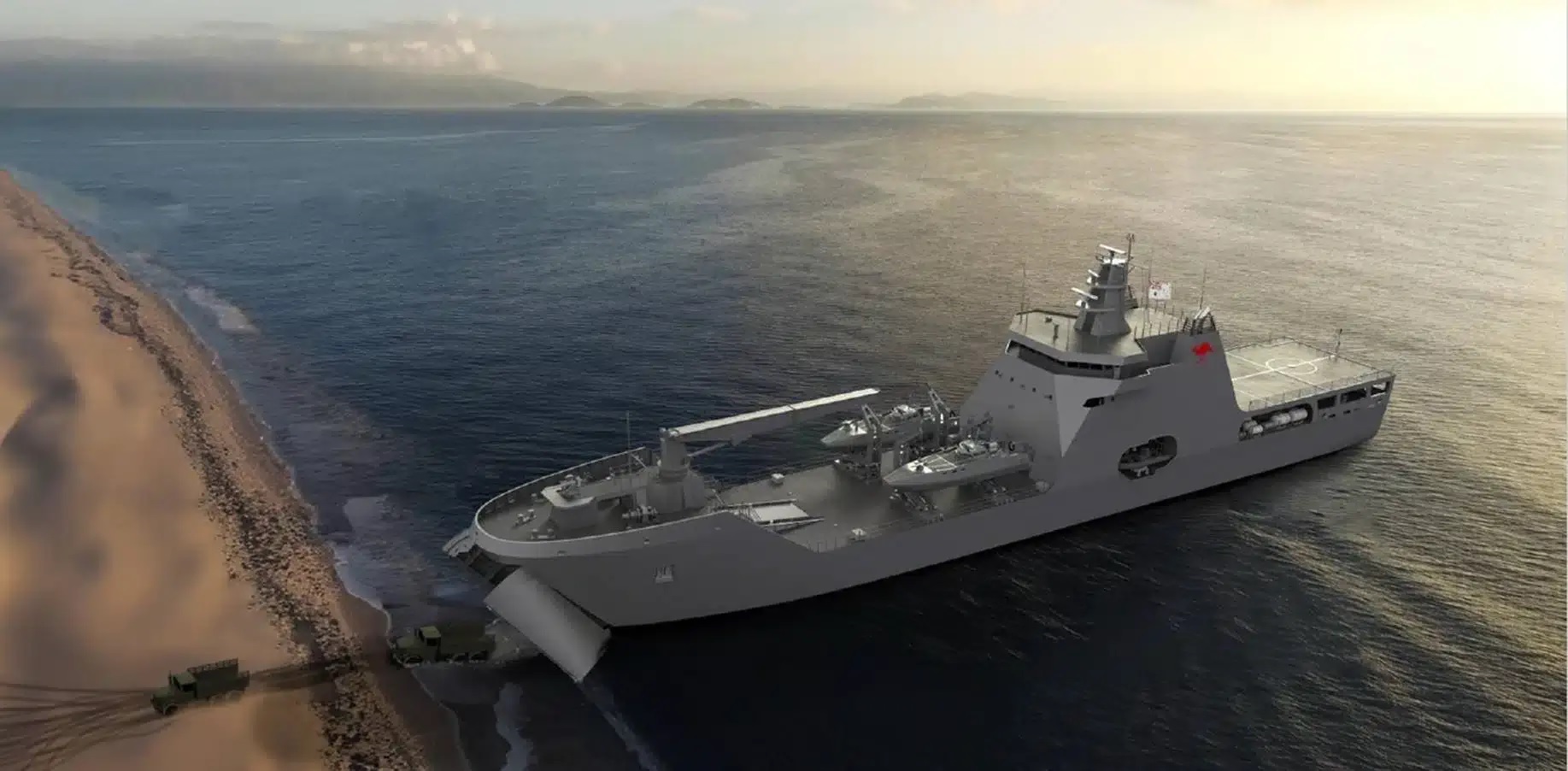
World
Washington, August 2025 — The US Navy has taken decisive steps to accelerate the development of its new Medium Landing Ship (LSM) fleet, a program vital for the Marine Corps’ operational mobility in contested Indo-Pacific environments. Once known as the Light Amphibious Warship, the LSM will serve as a mid-size beaching vessel to transport and support Marine Littoral Regiments (MLRs) in austere regions where larger amphibious ships face operational risks. In its latest moves, the Navy’s Naval Sea Systems Command (NAVSEA) confirmed the acquisition of technical data packages (TDPs) from Bollinger Shipyards Lockport and Damen Naval. These TDPs cover the Israeli Logistics Support Vessel (ILSV) and LST-100 designs, chosen as the only viable off-the-shelf platforms capable of meeting top-level Navy requirements after reviewing proposals from 14 shipbuilders. From Bespoke to Off-the-Shelf The program originally aimed to develop a new, bespoke landing ship. However, spiraling costs and industry bids far exceeding budget forced the Navy to change course in late 2024. Instead, NAVSEA adopted a commercial/non-developmental item (CNDI) acquisition strategy, relying on mature ship designs to cut costs and accelerate schedules. The Navy plans to procure 18 to 35 LSMs, with an initial batch of nine ships funded under the Fiscal Year 2026 shipbuilding budget request of $1.96 billion. The new approach reduces engineering risks, shortens build timelines, and ensures operational readiness in line with the Marine Corps’ urgent needs. Bollinger’s Advantage and the USS McClung (LSM-1) Bollinger Shipyards, which built two ILSVs for the Israeli Navy in 2023–24, has been sole-sourced for the first LSM Block 1 lead ship, to be named USS McClung (LSM-1). The Navy emphasized that Bollinger’s ability to construct the vessel within the US shipbuilding framework gives it a clear advantage, as the design already conforms to American standards. NAVSEA noted that building a design already proven in the US provides “time-saving and cost-saving advantages,” lowering performance risk and accelerating delivery schedules. Damen’s LST-100: Capacity and Global Footprint While the ILSV design is being prioritized for initial construction, Damen’s LST-100 remains a strong contender for future batches. The design closely aligns with Marine Corps requirements, particularly in troop capacity, ammunition carriage, force protection, and interoperability. Globally, the LST-100 has already found buyers. Damen delivered NNS Kada to the Nigerian Navy, and a variant was selected by Australia in late 2024 as the basis for its eight-ship Landing Craft Heavy program. NAVSEA has highlighted this international adoption, noting that foreign operators could indirectly bolster US sustainment through shared repair and logistic support facilities overseas. Construction Management and Industrial Base Expansion On August 6, NAVSEA and the Medium Landing Ship Program Office (PMS 347) issued a Request for Information (RFI) for firms to provide Vessel Construction Management (VCM) services for the LSM program. The VCM role will be pivotal in coordinating multiple US shipyards, overseeing contract awards, scheduling, budgeting, and quality control. Each LSM is expected to take 32–36 months to build, with initial contracts covering up to eight ships, all slated for delivery within six years of VCM selection. Future procurement options are expected to expand the fleet beyond this first batch. Strategic Imperative The LSM program reflects the Navy and Marine Corps’ shift toward distributed, expeditionary warfare concepts tailored for the Indo-Pacific. Unlike large-deck amphibious ships, LSMs are smaller, cheaper, and capable of beach landings, enabling MLRs to operate from dispersed islands and complicate adversary targeting strategies. By selecting mature designs and leveraging proven US shipbuilding expertise, the Navy aims to ensure the first ships are delivered on time and within budget, reinforcing its ability to operate effectively in contested maritime zones.
Read More → Posted on 2025-08-19 15:10:06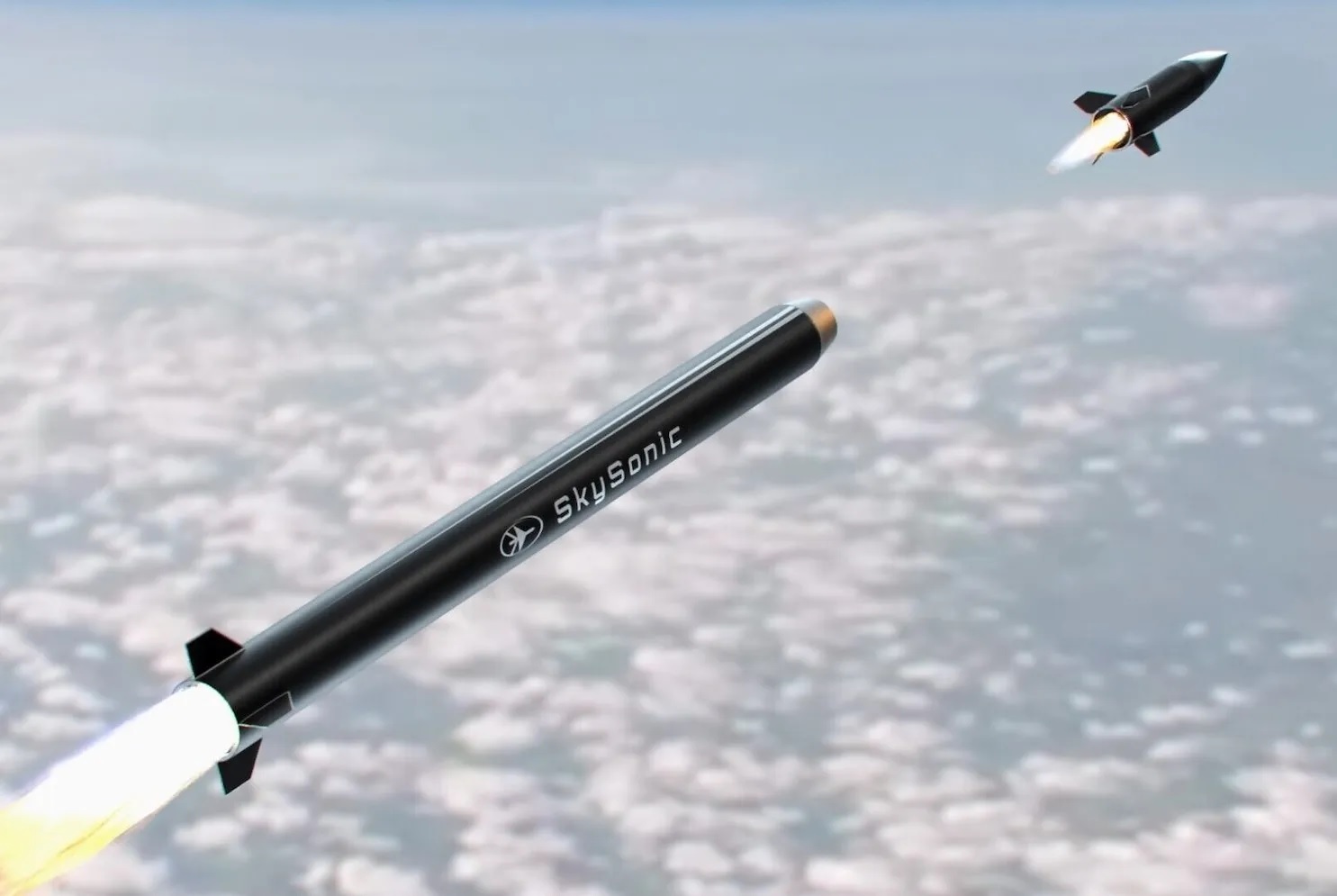
World
The rise of hypersonic missiles is forcing militaries worldwide to rethink how they defend their skies, and Israel is urging South Korea to play a central role in shaping the next generation of air defense. Speaking to South Korea’s Maeil Business Newspaper, Yuval Baseski, Vice President of Rafael Advanced Defense Systems, warned that the rapid progress of North Korea and Iran in hypersonic weapons programs is creating an urgent need for new solutions. “Hypersonic missiles open a new era in air defense,” Baseski said, stressing that both Pyongyang and Tehran are committing heavy resources to these systems. Unlike conventional ballistic missiles, which follow predictable paths, or cruise missiles, which are slower, hypersonic glide vehicles can maneuver at speeds above Mach 5, flying within the atmosphere while evading traditional tracking and interception methods. North Korea has already claimed significant progress. In January, it announced a successful test of a hypersonic missile, which reportedly climbed to 100 kilometers altitude before descending to 42.5 kilometers and gliding toward a target in the East Sea. Iran, too, has entered the arena with its Fattah-1 missile, unveiled in 2023, and continues to expand its hypersonic research. These advancements add new complexity to the already tense security environment in East Asia and the Middle East. Baseski explained why traditional missile defense principles no longer apply. Current systems rely on interceptors flying faster than incoming threats, but hypersonic speeds make this impossible within the atmosphere due to friction limits. He compared the challenge to basketball: “One interceptor tracking one hypersonic missile is like defending LeBron James with a single player. You may chase him, but you won’t stop him from scoring.” Instead, he advocated for a “zone defense” approach, where multiple interceptors coordinate to cover broader areas and engage incoming weapons collectively. To meet this challenge, Rafael is developing the Sky Sonic interceptor, a cutting-edge system designed specifically to counter hypersonic threats. Baseski suggested that South Korea’s involvement could significantly accelerate progress. He pointed to Seoul’s large-scale production capabilities, proven efficiency in fast defense exports, and unique expertise in operating across mountainous terrain as assets that could complement Israel’s experience. South Korea’s record in defense exports has indeed caught global attention. The country has delivered K9 self-propelled howitzers and FA-50 light combat aircraft to Poland ahead of schedule, earning high praise from Warsaw. This reputation for rapid and reliable manufacturing makes Seoul a highly attractive partner for international defense collaborations. The economic stakes are also high. The global air defense market is estimated at $95.7 billion in 2025, with demand expected to surge as hypersonic threats proliferate. Baseski noted that no ready-made system currently exists to counter hypersonic missiles, presenting what he described as “a unique opportunity to take a leading position in the global market.” Whoever develops the first effective defense, he added, will not only gain strategic advantage but also reap significant economic rewards. Rafael’s track record gives credibility to its proposals. Its multi-layered defense systems—most famously Iron Dome—have demonstrated over 90 percent interception success in real combat, protecting Israeli cities from rocket attacks. Such battlefield-proven systems have become global benchmarks, with even the United States recently calling for an “Iron Dome for America.” Baseski will travel to Seoul in September to attend the World Knowledge Forum, where discussions on joint cooperation are expected to continue. For South Korea, which faces the direct threat of North Korea’s expanding missile arsenal, the prospect of partnering with Israel on hypersonic defense could represent both a strategic shield and a chance to cement its position as a global defense powerhouse.
Read More → Posted on 2025-08-19 15:06:38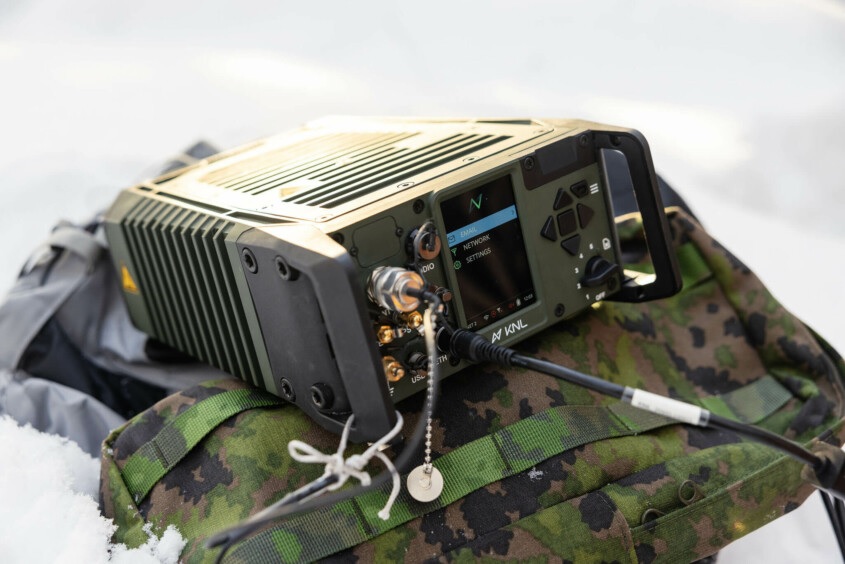
World
In a move aimed at strengthening Nordic defense interoperability, Finland and Sweden have jointly signed a €15 million ($17.5 million) contract with the Finnish company KNL Networks for the delivery of Cognitive Networked High Frequency (CNHF) Manpack radios. Deliveries are expected to be completed by the end of 2025, marking a significant milestone in the region’s defense modernization and joint operations capabilities. A New Era in Tactical Communications The CNHF Manpack system stands out for its advanced real-time spectrum sensing technology, capable of scanning over 4,000 channels simultaneously and locking onto the most reliable frequency in less than a second. Unlike traditional radios, it does not require manual operator input. Instead, it continuously adjusts transmission parameters, maintaining secure and stable communication links even under contested or degraded conditions. One of its most critical features is its ability to function in satellite-denied environments, where access to GPS may be jammed or disrupted. By using asynchronous connections, CNHF radios ensure reliable operations without reliance on space-based navigation systems—an increasingly vital capability given the growing threat of electronic warfare and satellite-targeted disruption. The radios support encrypted voice, data, and multimedia transmission, forming resilient tactical networks that can extend from a few kilometers to several thousand. Their design emphasizes ease of use, requiring only a single day of training, while standard interfaces enable seamless integration into existing command-and-control (C2) and tactical communication systems. Strategic Importance for Nordic Security KNL’s CEO Toni Lindén highlighted that the deal represents both a technical leap and a strategic milestone, enabling Finland and Sweden to establish a shared, secure communication infrastructure. This advancement is crucial for joint operations, allowing the two nations’ armed forces to coordinate seamlessly in training, crisis response, and potential military engagements. The procurement is also notable for being the first joint acquisition under the Nordic Defence Cooperation (NORDEFCO) Implementing Arrangement for Joint Procurement of C4I systems, which was signed in April 2025. NORDEFCO brings together Denmark, Finland, Iceland, Norway, and Sweden to coordinate defense planning, procurement, and interoperability initiatives. While the current contract is exclusive to Finland and Sweden, other NORDEFCO members—such as Norway and Denmark—are expected to join later. The agreement has an initial 10-year term, with automatic one-year extensions unless revised, ensuring long-term support and modernization. Enhancing Regional Defense Resilience For Finland and Sweden, both recent members of NATO, the acquisition is aligned with wider efforts to integrate seamlessly into the alliance’s C4ISR (Command, Control, Communications, Computers, Intelligence, Surveillance, and Reconnaissance) framework. The CNHF system provides an additional layer of communications resilience, especially critical in scenarios where satellite-based links may be compromised during conflicts with technologically advanced adversaries. The deal also comes against the backdrop of heightened European security challenges following Russia’s war in Ukraine, which has underscored the vulnerability of traditional communications and the need for secure, adaptive, and resilient alternatives. By pooling resources under NORDEFCO’s joint procurement framework, Finland and Sweden are not only cutting costs but also ensuring commonality of systems that will enhance joint operations, training, and logistics. This step signals a broader Nordic ambition to build a fully interoperable defense environment, capable of responding swiftly and cohesively to any regional threat. The delivery of CNHF radios by the end of this year will mark the beginning of this shared communications architecture—laying the foundation for stronger collective defense and operational synergy across Northern Europe.
Read More → Posted on 2025-08-19 15:01:15
World
Lockheed Martin has announced a major milestone in the evolution of U.S. air and missile defense systems, confirming that its Patriot Advanced Capability-3 Missile Segment Enhancement (PAC-3 MSE) successfully intercepted an airborne target using the Lower Tier Air and Missile Defense Sensor (LTAMDS). The test, conducted under the U.S. Army’s modernization program, showcased the system’s ability to deliver 360-degree engagement capability, a long-sought feature that will significantly enhance protection against advanced aerial threats. According to Lockheed Martin, the interception was achieved by guiding the PAC-3 MSE missile with targeting data from LTAMDS’s secondary sector, a demonstration that proves the missile’s integration with the Army’s newest sensor technology. This achievement highlights the next stage in developing the Integrated Air and Missile Defense (IAMD) system, which will allow soldiers to counter threats such as hypersonic weapons, cruise missiles, and UAVs from any direction. Brian Kubik, Vice President of PAC-3 Programs at Lockheed Martin, emphasized the importance of the test, stating: “PAC-3 continues to demonstrate advanced, reliable performance in increasingly complex operational environments. Delivering 360-degree engagement capability will enable soldiers to defend against threats from any direction, enhancing the U.S. Army’s IAMD capabilities.” The PAC-3 MSE is already regarded as one of the most advanced air defense interceptors, known for its high agility, hit-to-kill accuracy, and proven performance in combat. Its role in protecting U.S. and allied forces has been expanding, particularly in the wake of recent conflicts where advanced missile threats have tested traditional air defense networks. Lockheed Martin also revealed that demand for the PAC-3 MSE is at an all-time high. The company plans to deliver over 600 PAC-3 MSE missiles in 2025, a record-setting figure. Based on current contract values, this is estimated at around €550 million (approx. $600 million). To meet the surge in international orders, Lockheed Martin is working closely with the U.S. Army to accelerate production and deliveries, especially to European and Asia-Pacific allies who see the PAC-3 as essential in countering rising missile threats. The successful integration with LTAMDS positions PAC-3 MSE at the heart of the Army’s future air defense architecture, complementing other systems like THAAD and supporting NATO partners’ missile defense strategies. Defense analysts note that the test also demonstrates Washington’s commitment to staying ahead in missile interception technology, particularly as rivals like China, Russia, and North Korea continue to advance their missile capabilities. With this achievement, the PAC-3 MSE solidifies its role as a critical shield in modern warfare, offering unmatched flexibility, precision, and readiness to face evolving threats across multiple theaters of conflict.
Read More → Posted on 2025-08-19 14:55:44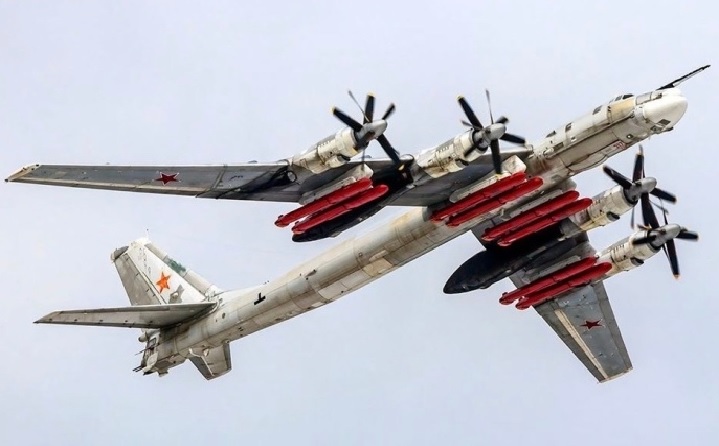
World
Moscow, August 19, 2025 — Russia’s Ministry of Defence announced that Tu-95MS nuclear-capable strategic bombers, escorted by Su-35S and Su-30SM fighters, conducted a six-hour patrol over the Sea of Japan. While officially presented as part of a “routine long-range aviation mission,” the timing and scope of the deployment reveal deeper strategic motives at a moment of heightened global tensions. The Tu-95MS “Bear-H”, NATO’s designation for the four-engine turboprop bomber, has served as the backbone of Russia’s strategic bomber fleet since the Cold War. Despite its 1950s-era design, the aircraft has been heavily modernized to carry Kh-55 and Kh-101 cruise missiles, including nuclear-capable versions, extending its strike capability to several thousand kilometers. The bomber’s endurance allows for extended maritime patrols over contested regions, making it a central element of Russia’s nuclear deterrent. Accompanying the bombers were Su-35S and Su-30SM multirole fighters, among Russia’s most advanced combat aircraft. These escorts, equipped with R-77-1 beyond-visual-range missiles and precision-guided munitions, ensure that bombers operating near sensitive airspaces remain protected against potential intercept attempts by regional air forces such as Japan, South Korea, or the United States. Strategic Implications This flight comes against the backdrop of two key dynamics: Adapting to the Ukraine War – Russian air bases housing bombers have come under repeated attack from Ukrainian long-range drones and FPV swarms in recent months. By shifting some of its strategic aviation operations eastward, Moscow reduces its vulnerability while still demonstrating operational reach. Pacific Power Signaling – The patrol coincided with ongoing U.S.–South Korea joint military exercises, which involve large-scale drills simulating defense against North Korean and regional threats. By deploying its long-range bombers at this precise moment, Russia sends a deliberate message: it retains the capability and political will to operate far from the European theater, in waters where American influence is dominant. Comparative Power Projection Russia’s use of the Tu-95MS over the Pacific mirrors the strategic bomber operations of other global powers: The U.S. B-52H Stratofortress, with greater payload capacity and modern upgrades, regularly conducts patrols over the Asia-Pacific as part of Washington’s extended deterrence posture. China’s Xian H-6K, based on the Soviet Tu-16 design, integrates modern avionics and standoff missile systems, symbolizing Beijing’s growing ability to project power in the Western Pacific. In this context, Russia’s Tu-95MS patrols—despite being based on an older airframe—remain effective tools of strategic signaling, particularly when paired with long-range cruise missiles and fighter escorts. Broader Security Context The Sea of Japan has become a crowded arena of power projection. Japan continues to modernize its Aegis-equipped destroyers and air defense systems, while South Korea expands its KF-21 fighter program and missile arsenal. Against this backdrop, Russian bomber flights serve both as a show of strength and as a reminder of Moscow’s relevance in shaping regional security dynamics. Military analysts note that while these patrols are described as “routine,” their timing almost always coincides with periods of heightened geopolitical tension. This reinforces the perception that Russia’s long-range aviation missions are not merely training flights but strategic demonstrations intended for multiple audiences—regional rivals, domestic populations, and Western adversaries. The August 19 patrol of Tu-95MS bombers over the Sea of Japan illustrates Russia’s dual strategic calculus: adapting its force posture in response to the Ukraine conflict while simultaneously projecting global reach into the Asia-Pacific. By pairing legacy bombers with modern cruise missiles and advanced fighter escorts, Moscow continues to wield long-range aviation as a symbol of deterrence and geopolitical relevance. At a time when the U.S. and South Korea sharpen their military cooperation and China asserts its regional ambitions, Russia’s presence in Pacific skies adds yet another layer to an already contested and multipolar security order.
Read More → Posted on 2025-08-19 14:46:29
World
In a rare moment of cooperation amid the ongoing war, Russia has returned the bodies of 1,000 Ukrainian soldiers to Kyiv, according to Ukraine’s Coordination Headquarters for the Treatment of Prisoners of War. The exchange also included the return of 19 Russian soldiers’ remains by Ukraine, making it one of the largest repatriations since the full-scale invasion began in February 2022. The Ukrainian agency confirmed that among those repatriated were five soldiers who died in captivity, a detail that underscores continuing concerns about the treatment of prisoners of war. Officials said that Ukrainian law enforcement and forensic experts will now begin the process of identifying the remains before handing them over to families for proper burials. Russian negotiator Vladimir Medinsky stated that the exchange was carried out under agreements reached during recent talks in Istanbul, where both sides have been engaging in discreet discussions despite fierce fighting across multiple fronts. While Kyiv initially described the deal as part of a wider plan to exchange 6,000 Ukrainian and Russian soldiers’ bodies, Moscow framed this specific handover as a unilateral humanitarian step. The war has already claimed tens of thousands of lives on both sides, though neither Russia nor Ukraine regularly publishes casualty figures. Independent Western estimates suggest the numbers are far higher, with Russia sustaining heavy losses in the east and Ukraine facing intense pressure in its counteroffensive operations. Despite the brutality of the conflict, exchanges of prisoners and fallen soldiers have emerged as one of the few sustained channels of cooperation. In recent months, both countries have accelerated such efforts, partly due to mediation by international partners and humanitarian groups. Analysts say the latest move may reflect Moscow’s attempt to project goodwill ahead of broader negotiations, while for Ukraine it provides families with long-awaited closure. Still, the scale of the handover—1,000 bodies at once—highlights the enormous human toll of the war, now well into its third year.
Read More → Posted on 2025-08-19 14:41:42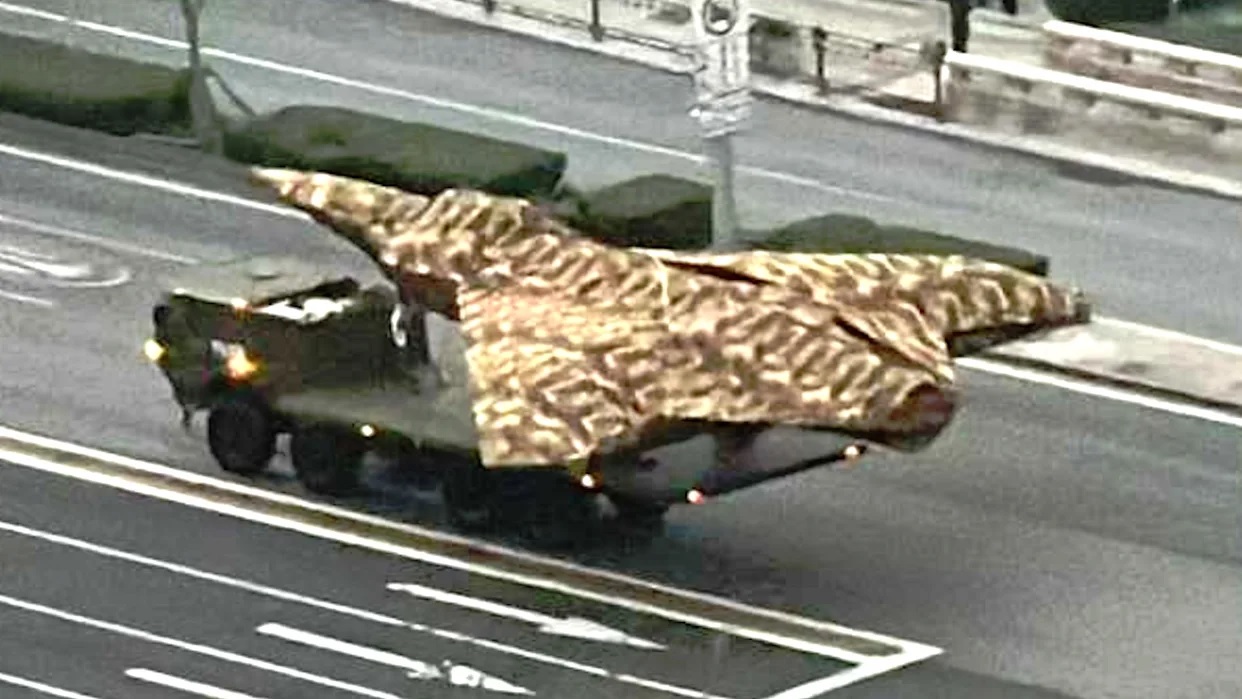
World
In a striking display of military modernization, China is preparing to unveil a new generation of uncrewed drones, particularly the “loyal wingman” type, during the upcoming military parade in Beijing on September 3. The event, which commemorates the 80th anniversary of China’s victory over Japan in World War II, is expected to highlight some of the country’s most advanced combat technologies, many of which are still in the developmental stage. Recent imagery and reports suggest that at least five different loyal wingman drones will be featured. These drones, known in the U.S. as Collaborative Combat Aircraft (CCA), are designed to operate alongside manned fighter jets, providing support in combat missions through surveillance, electronic warfare, or direct strikes. Among the most anticipated is the GJ-11 Sharp Sword, a stealthy flying-wing drone considered a central piece of China’s unmanned combat aircraft program. One design that has drawn significant attention closely resembles the FH-97 drone, first shown at the Zhuhai Airshow in 2021. It features a traditional wing and tail layout with a top-mounted air intake, bearing similarities to the American XQ-58A Valkyrie. Analysts also noted comparisons to the General Atomics YFQ-42A, though Chinese models exhibit subtle differences in stabilizer design, hinting at unique operational roles. In addition, two new tailless drone designs with delta wing shapes have been spotted, pointing toward higher maneuverability and stealth. Videos from recent rehearsals suggest that at least one of these tailless drones has already flown in formation with a Chinese transport aircraft, underscoring the progress toward crewed–uncrewed teaming. This concept, heavily emphasized by global militaries, relies on advanced artificial intelligence to allow drones to operate as extensions of piloted aircraft, sharing data and carrying out coordinated missions. Beyond drones, the parade is expected to reveal a broad array of military advancements. China is preparing to display new missile systems, including the YJ-17, YJ-19, and YJ-20, with speculation that some could carry hypersonic capabilities. Reports also point to the development of uncrewed underwater and surface vehicles, directed-energy missile defense systems, and next-generation armored vehicles, both crewed and uncrewed. The strategic message behind this parade is clear. By showcasing these cutting-edge systems, China is signaling its intent to modernize the People’s Liberation Army (PLA) across multiple domains—air, land, sea, and space. The emphasis on drones, especially the loyal wingman category, reflects Beijing’s ambition to create a cost-effective, high-volume network of unmanned systems that can augment its stealth fighters like the J-20. While some of the designs on display may remain prototypes or mockups, history suggests that China often uses parades to preview platforms that later become operational. The unveiling of loyal wingman drones thus marks an important step in the PLA’s transition toward future warfare, where autonomy, swarming tactics, and AI integration will define the battlespace. This year’s parade is shaping up to be more than just a commemoration of the past—it is also a preview of China’s vision of tomorrow’s battlefield, one where uncrewed systems play a central role in shaping air dominance and power projection.
Read More → Posted on 2025-08-18 16:20:16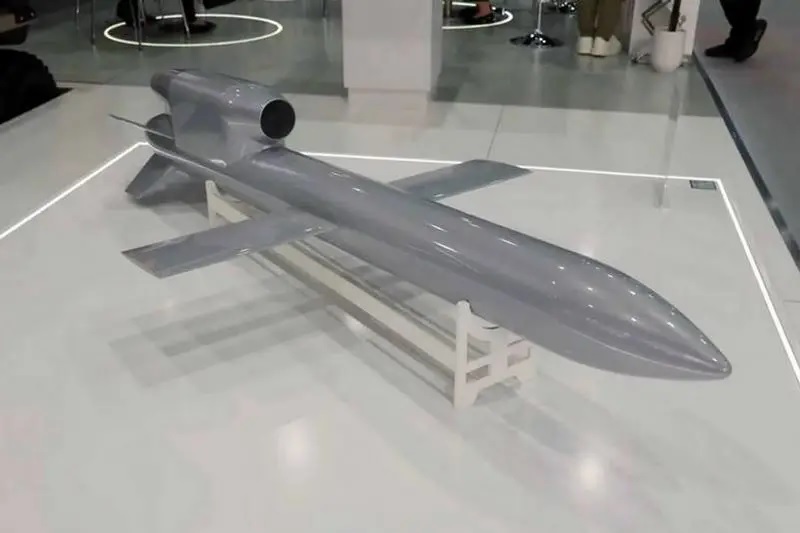
World
On August 17, 2025, a photograph taken by Associated Press photographer Efrem Lukatsky from inside a Fire Point defense facility offered the first public look at Ukraine’s new Flamingo cruise missile. The image showed the weapon in a production workshop and came with the striking claim that the system had already entered serial manufacturing. Most importantly, Lukatsky noted that the Flamingo has a range of more than 3,000 kilometers—a capability that, if verified, places it far beyond the reach of earlier Ukrainian-produced long-range missiles. The timing of this disclosure is no accident. Kyiv is under pressure as Western arms deliveries have slowed, forcing the country to lean heavily on domestic defense production to sustain its war effort. The Flamingo is presented not only as a new missile, but as a symbol of Ukraine’s determination to expand its own industrial base while countering Russia’s continued strikes on critical infrastructure. A Missile Resembling the FP-5 Observers were quick to note that the Flamingo strongly resembles the FP-5 cruise missile, a system unveiled earlier this year by the Milanion Group, a defense company with roots in both the UAE and the UK. The FP-5 was displayed at the IDEX 2025 exhibition in Abu Dhabi and advertised as a subsonic, long-range cruise missile with simplified design features to allow rapid production. Technical comparisons between the Flamingo and FP-5 suggest almost identical specifications: Range: about 3,000 km Warhead: roughly 1 ton, twice that of the U.S. Tomahawk Takeoff weight: approximately 6 tons Wingspan: 6 meters Speed: 850–900 km/h in cruise, with peaks near 950 km/h Guidance: inertial navigation backed by satellite systems resistant to electronic jamming The Milanion design emphasized cost-effectiveness by eliminating folding wings and containerized launch. This simplification required longer pre-launch preparation—between 20 and 40 minutes—but allowed a potential production rate of 50 missiles per month. Ukraine’s Flamingo now appears to be closely linked to this model, a connection reinforced by Milanion’s cooperation agreement with a Ukrainian defense firm signed back in 2021. Comparison With the Tomahawk Analysts quickly placed the Flamingo side by side with the U.S. Tomahawk cruise missile. The Tomahawk, in its latest Block IV and Block V versions, has a range of about 1,600 km and carries a 450 kg payload. By contrast, the Flamingo’s specifications suggest nearly double the range and payload, though both missiles share similar subsonic speeds. While Tomahawk benefits from decades of refinement, integration with naval platforms, and specialized variants for maritime strike and hardened targets, Flamingo appears to be entering the fight with raw power and range as its key strengths. Survivability and Design Concerns Despite its impressive specifications, questions remain about Flamingo’s ability to survive in heavily defended airspace. Its large size, wide wingspan, and subsonic flight profile make it potentially easier to detect and intercept than smaller or faster systems. Supporters argue that low-altitude flight paths, the use of decoys and drones, and gaps in Russian radar coverage could mitigate these vulnerabilities. Ukraine has already proven it can penetrate deep into Russian territory with converted aircraft and legacy drones, suggesting that a modern cruise missile with advanced navigation could achieve even greater reach. Open-source analysts have estimated Flamingo’s dimensions from transport trailers, suggesting a total missile length of 6 to 7 meters, a body diameter of about 80 to 90 centimeters, and a wingspan of roughly 5.2 meters. While this makes it a large and visible weapon, it also confirms its heavy payload capacity. Strategic Impact and Timing If Flamingo truly achieves its claimed 3,000 km range, it would enable Ukraine to strike virtually any point inside Russia—including Moscow, industrial hubs beyond the Ural Mountains, and even Arctic bases. Beyond Russia, its reach extends as far as Spain or North Africa, placing entire regions under theoretical threat. The timing of Lukatsky’s publication—just before President Volodymyr Zelensky’s scheduled meeting with U.S. President Donald Trump in Washington—suggests that the unveiling carries a political message as much as a military one. It signals Ukraine’s ability to escalate and sustain strikes independently of Western supply lines. Building a Domestic Arsenal The Flamingo is part of a broader Ukrainian missile development push. Since 2020, Kyiv has steadily expanded its portfolio: The Neptune missile, originally anti-ship, famously sank the Russian cruiser Moskva in 2022 and has since been adapted for land attack. The Grim-2 (or Hrim-2) tactical ballistic missile is being developed with a range of around 500 km. In 2025, Ukraine tested a new ballistic missile capable of flying 300 km with a 400+ kg warhead, already used against Russian command posts. The Palianytsia hybrid missile-drone, with a 500–700 km range, has been built and fielded domestically. By April 2025, Zelensky announced that over 40% of frontline weapons and 95% of drones were domestically produced. The Flamingo is thus a logical next step in this growing industrial independence. Historical Parallels Some observers noted Flamingo’s resemblance to the German V-1 flying bomb from World War II, which was also a long-range, subsonic cruise missile used in large numbers against London and Antwerp. While the comparison is mostly visual—both feature dorsal engines and straightforward layouts—the historical reminder is clear: even relatively simple cruise missiles can cause major strategic disruption when produced in quantity. Russia’s propaganda channels are likely to exploit this resemblance for disinformation, but the analogy also underscores the strategic utility of mass production. The emergence of the Flamingo cruise missile underscores Ukraine’s growing ability to design and manufacture complex long-range strike weapons under wartime conditions. If the reported range and payload are accurate, it places Kyiv in possession of one of the most powerful subsonic cruise missiles currently in operation, surpassing even the U.S. Tomahawk in raw range and destructive potential. Whether Flamingo proves survivable in combat remains to be seen, but its existence alone signals a dramatic shift: Ukraine is no longer just relying on Western arms—it is building its own arsenal capable of reshaping the balance of strategic strikes deep into Russian territory.
Read More → Posted on 2025-08-18 16:09:59
World
China has reached a new milestone in aviation technology with the first successful flight of a tiltrotor prototype developed by the Aviation Industry Corporation of China (AVIC). The aircraft, long rumored to be under development, combines the vertical takeoff abilities of a helicopter with the speed and range of a fixed-wing aircraft—an advancement that could significantly expand the operational reach of the People’s Liberation Army (PLA). The prototype bears a strong resemblance to the American V-280 Valor, one of the latest U.S. tiltrotor platforms. Like the Valor, the Chinese aircraft uses fixed engines with tilting rotors and drive shafts that allow smooth transition between helicopter-style hovering and airplane-like forward flight. This design provides versatility for missions ranging from long-range assault operations to maritime transport. Key engineering choices suggest that safety and redundancy were prioritized. The aircraft features a straight wing with a drive shaft running through it, enabling a single engine to power both rotors in the event of an engine failure. Visible structural elements include retractable landing gear and a T-tail configuration, enhancing aerodynamic performance. The tiltrotor was first seen as a scale model at the Zhuhai Airshow in 2022, where AVIC outlined its ambitions for next-generation rotorcraft. The move from a display model to a flying prototype in just a few years demonstrates the rapid pace of Chinese aerospace innovation. For Beijing, the strategic value of tiltrotor aircraft is clear. By marrying vertical lift with high-speed forward flight, these platforms can provide longer-range transport, quicker troop deployment, and more flexible maritime operations. Such capabilities could prove vital in the South China Sea or in rapid-response missions across China’s vast geography. Globally, the United States has led in tiltrotor technology with the V-22 Osprey and more recently the V-280, showcasing their utility in modern warfare. Europe is also pushing development with Leonardo’s Next-Generation Civil Tiltrotor project. China’s entry into this field underscores its determination not to lag behind in advanced rotorcraft design. This effort is part of a broader national push into advanced vertical-lift and eVTOL technologies. Other Chinese firms are developing tiltrotor UAVs and hybrid-electric designs, while government policies such as the Low-Altitude Economy Action Plan (2024–2027) are encouraging innovation in both military and civilian aviation. Although China has not disclosed specific details on the prototype’s payload, range, or speed, the successful first flight confirms that AVIC’s program is progressing beyond concept and into serious flight testing. Analysts believe that, with continued development, China could field an operational tiltrotor within the next decade, offering the PLA a powerful new tool in its modernization drive.
Read More → Posted on 2025-08-18 15:09:28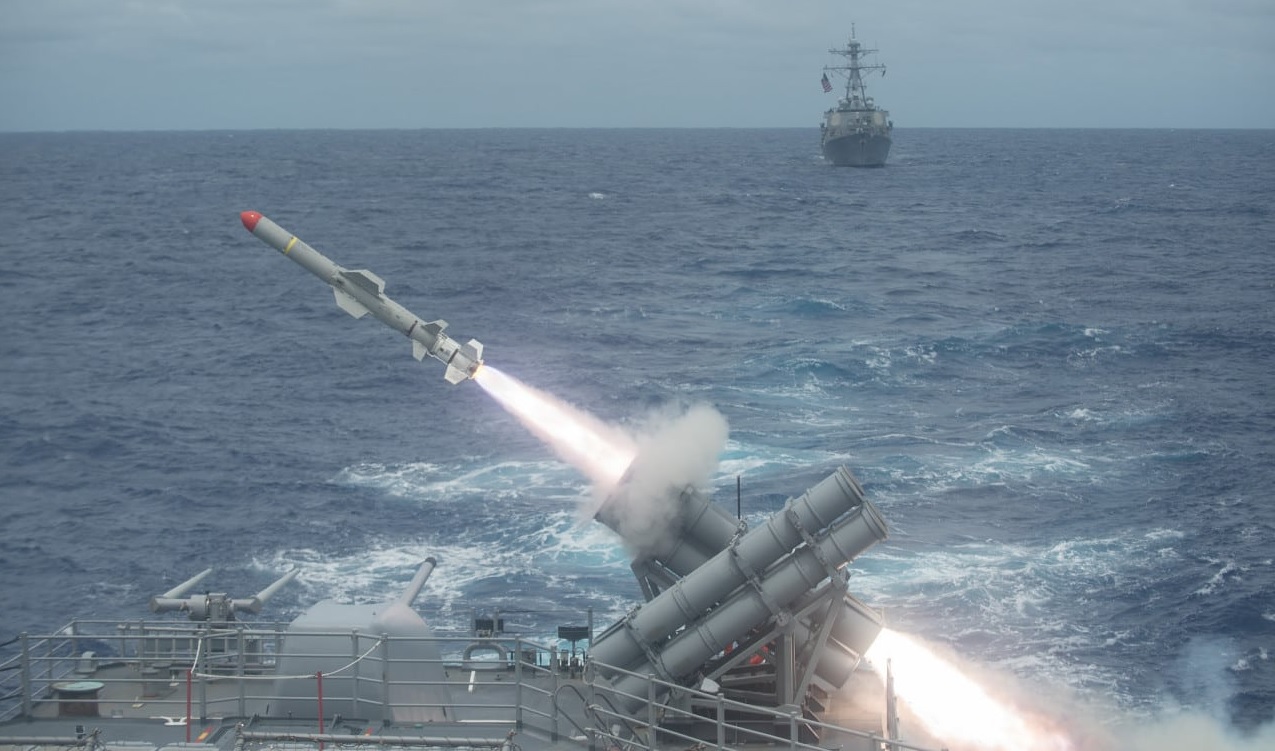
World
The U.S. Navy and Boeing have successfully completed the first developmental flight test of the Harpoon Block II Update (Block IIU) anti-ship missile, marking a major milestone for the program as it moves closer to production. The test, conducted at the Point Mugu Sea Range in California, showcased the missile’s upgraded propulsion, guidance, navigation, and control systems, along with its improved aerodynamic performance. Boeing officials revealed that the Harpoon Block IIU represents a near-total redesign of the original missile, a move driven by obsolescence challenges and rising global demand for advanced anti-ship capabilities. The missile, first introduced in 1977, has been one of the world’s most widely deployed all-weather anti-ship systems, used in air, surface, submarine, and ground launch roles by dozens of navies and air forces. The new Block IIU iteration builds upon the earlier Harpoon Block II, which incorporated technology from Boeing’s Joint Direct Attack Munition (JDAM) and Standoff Land Attack Missile (SLAM) programs. Countries such as India, South Korea, Qatar, and Australia have already inducted Block II versions, while the upgraded Block IIU is set to refresh the system with modern hardware, software, and fuel components to enhance lethality and extend service life. The recent test involved a drop from a Saudi F-15SA fighter jet, confirming the missile’s compatibility with advanced aircraft platforms. According to Joe Gentile, Boeing F-15 Test Engineer, the trial was a demonstration of effective collaboration: “Completing this test was especially meaningful because all the teams involved — Cruise Missile Systems, F-15 and Boeing Test & Evaluation along with the Navy — were able to work together and accomplish a shared mission to help the U.S. and its allies.” The Block IIU effort runs parallel with a Service Life Extension Program (SLEP) designed to sustain and modernize the Harpoon inventory. RTX has been contracted to support this upgrade as the exclusive supplier of Harpoon seekers, ensuring continuity in missile production. Deliveries of the upgraded Block IIU Harpoon missiles are expected to begin in 2026, positioning the system to remain a frontline anti-ship weapon for the U.S. and allied forces well into the next decade.
Read More → Posted on 2025-08-18 15:02:52
World
In a significant move toward next-generation navigation and sensing technologies, Honeywell has been selected by the U.S. Department of Defense’s Defense Innovation Unit (DIU) to participate in the Transition of Quantum Sensing (TQS) program. The initiative is aimed at accelerating the adoption of quantum sensors for alternative position, navigation, and timing (PNT) applications, as well as for intelligence, surveillance, and reconnaissance (ISR) across the U.S. Joint Forces Command. Honeywell will support the program under two major contracts – CRUISE (Compact Rubidium Unit for Inertial Sensing and Estimation) and QUEST (Quantum Enabled Sensor Technologies for MagNav). These efforts are designed to deliver reliable navigation in GPS-denied environments, where traditional systems are vulnerable to jamming and spoofing by adversaries. The CRUISE program, developed in partnership with Vector Atomic, will focus on building quantum sensor-based Inertial Measurement Units (IMUs) capable of standalone navigation without reliance on satellite signals. These IMUs would allow aircraft, ships, and military platforms to maintain accurate navigation even when GPS is disrupted, a scenario increasingly likely in modern contested environments. “With the growing threat of jamming and spoofing, aircraft and naval vessels on critical missions can no longer rely solely on GPS,” said Matt Picchetti, vice president and general manager of Navigation and Sensors at Honeywell Aerospace Technologies. “Quantum sensors have the potential to augment existing navigation solutions, helping pilots operate with greater confidence. Honeywell’s pedigree in fielded sensors and navigation solutions provide us with a unique perspective to ensure the technology is viable beyond the laboratory.” Meanwhile, the QUEST program will advance magnetic anomaly-aided navigation (MagNav), a quantum sensing technique that leverages the Earth’s magnetic field for positioning and navigation without GPS. Honeywell’s role will include contributing advanced algorithms to boost navigation accuracy and supporting real-world demonstrations of these systems in flight under GNSS-denied conditions. According to Picchetti, quantum navigation is poised to become a game-changing technology:“As quantum sensor-based navigation technology matures, we believe it not only has the potential to displace existing technologies but will also be a serious disruptor to the inertial and magnetic sensor industries. Most importantly, it could improve navigation in high-stakes environments – enhancing safety, efficiency, and overall mission success for the DOD.” The DIU’s TQS program reflects a wider Pentagon strategy to reduce dependence on vulnerable satellite-based systems by investing in cutting-edge quantum technologies. For Honeywell, this collaboration highlights its growing role in shaping the future of defense navigation – one that could soon redefine how U.S. forces operate in contested and denied environments.
Read More → Posted on 2025-08-18 15:00:19Search
Top Trending in 24 Hours
-
 Ukraine Introduces Balloon-Launched DART Missile Designed to Defeat Electronic Warfare
-
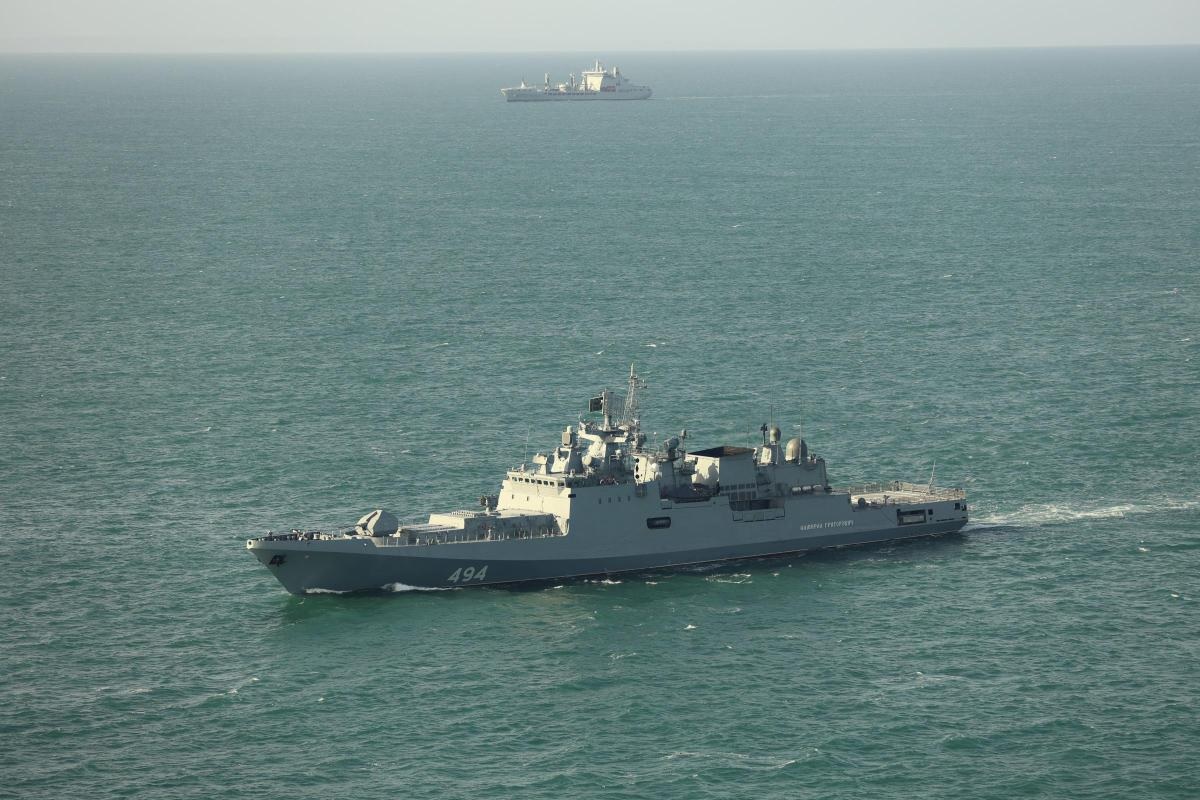 Russian Frigate Admiral Grigorovich Challenges UK Yacht in English Channel With Warning Shots
-
 UK Announces £210 Million Deal to Supply Enriched Uranium to Ukraine for Two Years
-
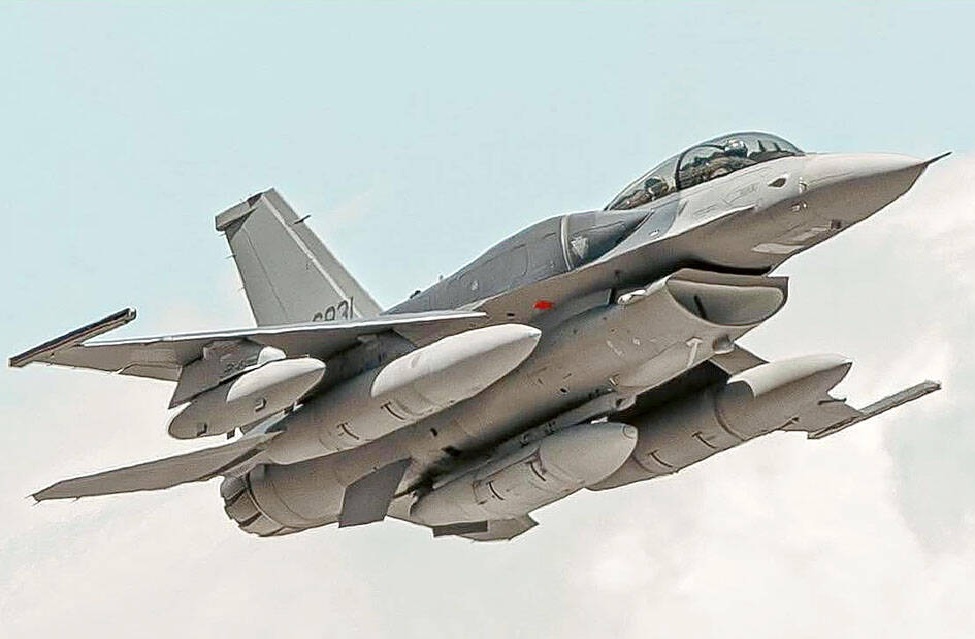 First Taiwanese F-16 Block 70 Flies with Five-Tank Fuel Configuration During Texas Tests
-
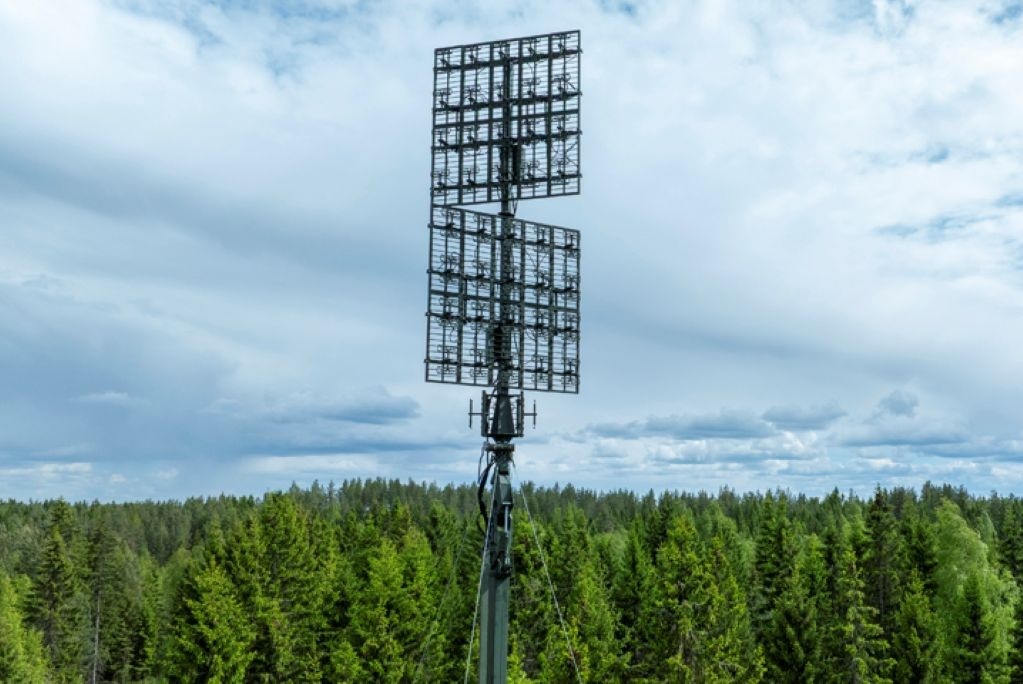 Patria Launches WISPR Passive Counter-Battery Radar with Silent Detection Capability at Eurosatory 2026
-
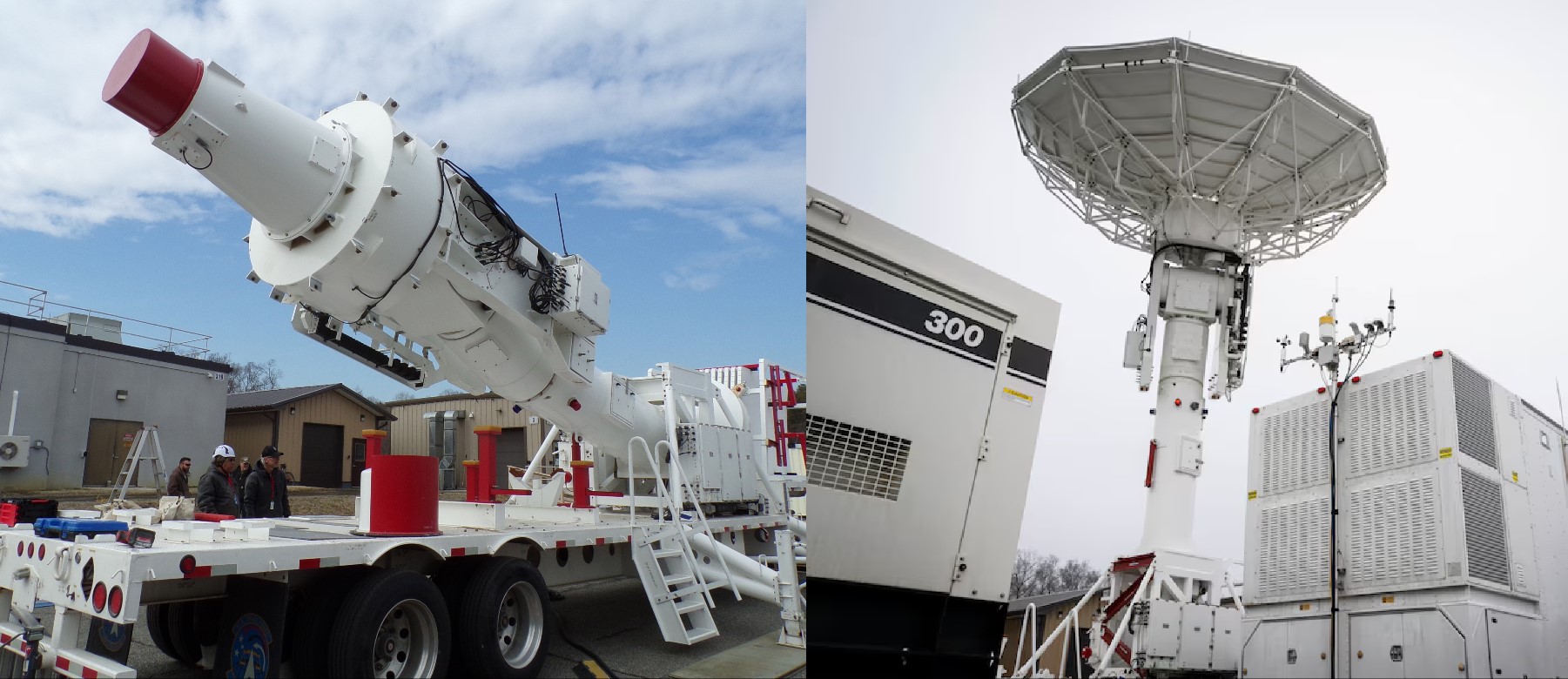 Space Force Transfers Transportable Satellite Tracking Antenna to Naval Research Laboratory
-
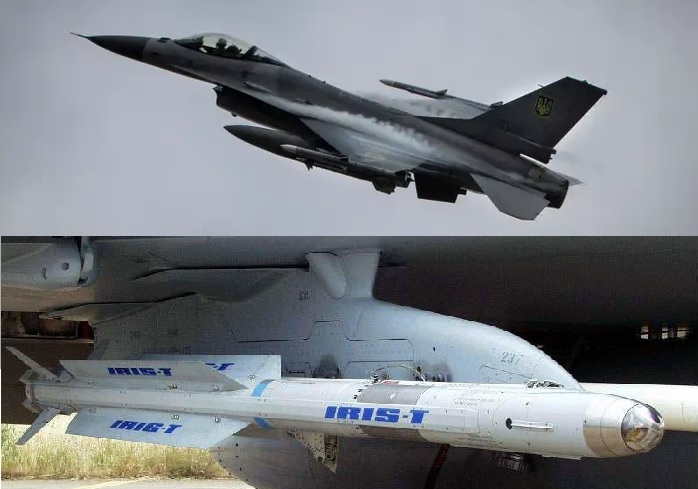 Ukraine’s F-16 Fighters Set to Receive German IRIS-T Air-to-Air Missiles
-
 Canada's Roshel and Daimler Truck Defence Sign Strategic Partnership for Armored Military Vehicles
Top Trending in 4 Days
-
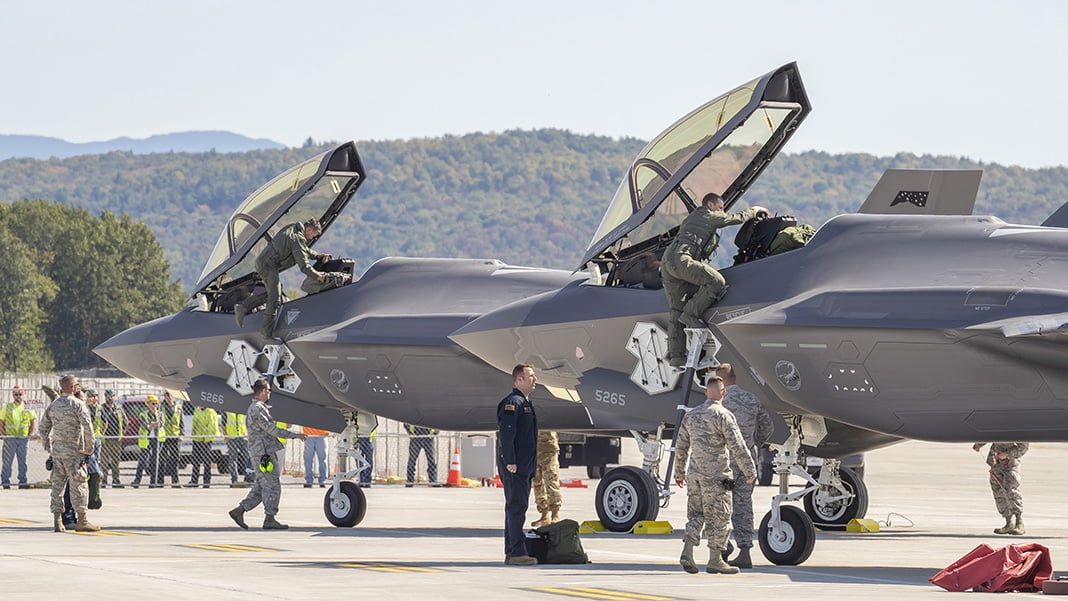 F-35 Fleet Readiness Falls to 25% Amid Parts Shortages and Software Delays: GAO Report
-
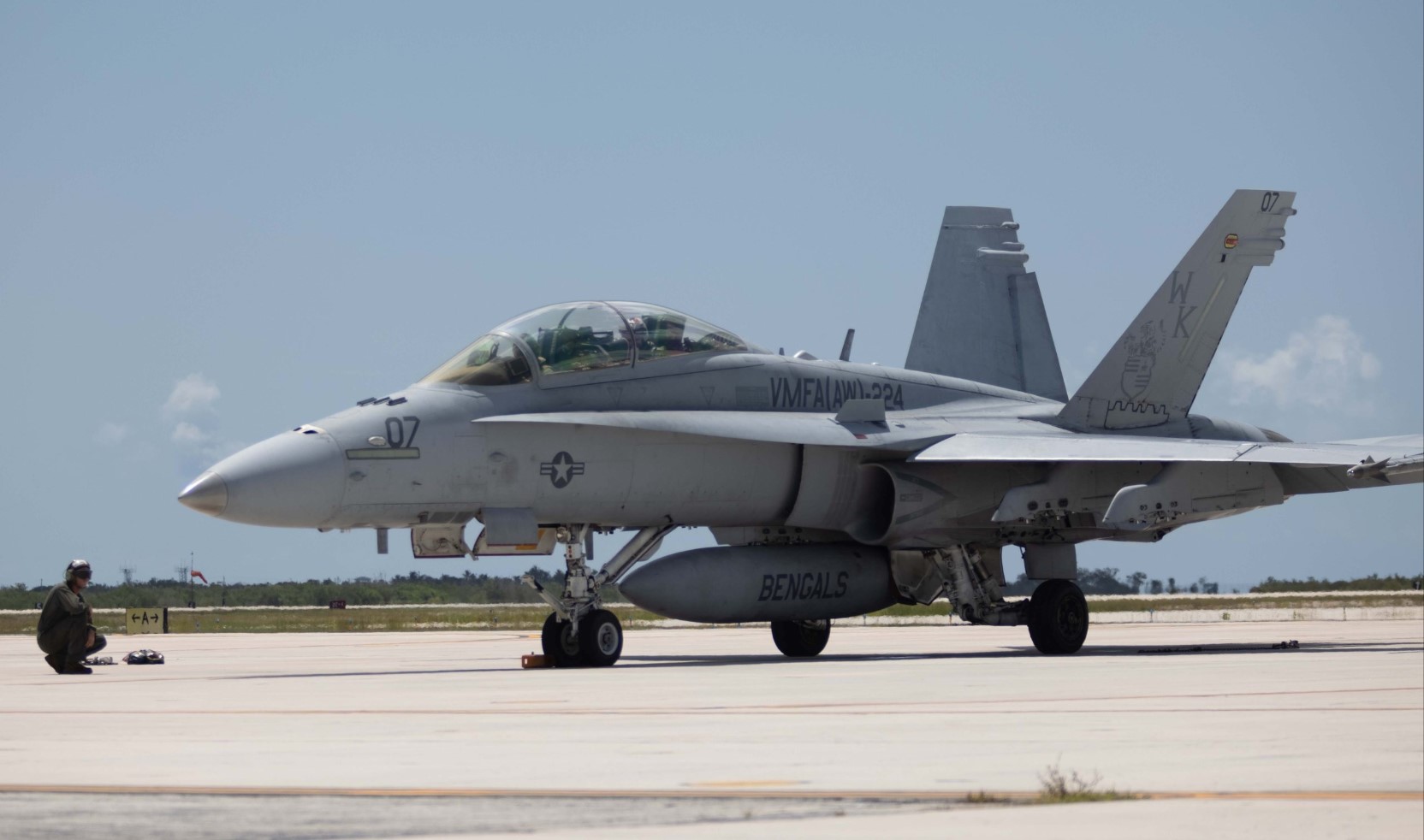 US Marine Corps F/A-18D Hornet Crashes During Training Flight in Washington Mountains; Pilot Ejects Safely
-
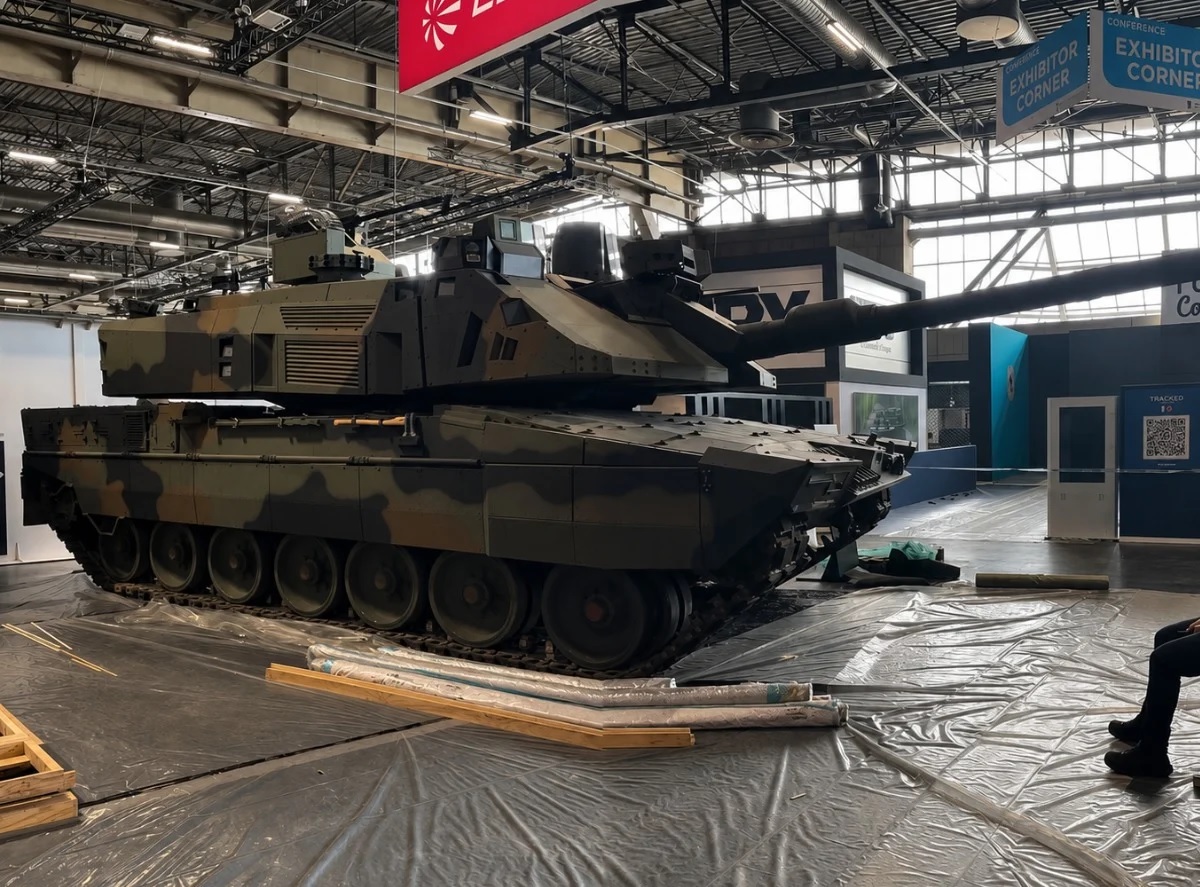 Leonardo Rheinmetall to Unveil Italy’s New IMBT Main Battle Tank at Eurosatory 2026
-
 Tulsi Gabbard Releases Declassified Files Detailing U.S.-Backed Network of 120 Biolaboratories Across 30+ Countries
-
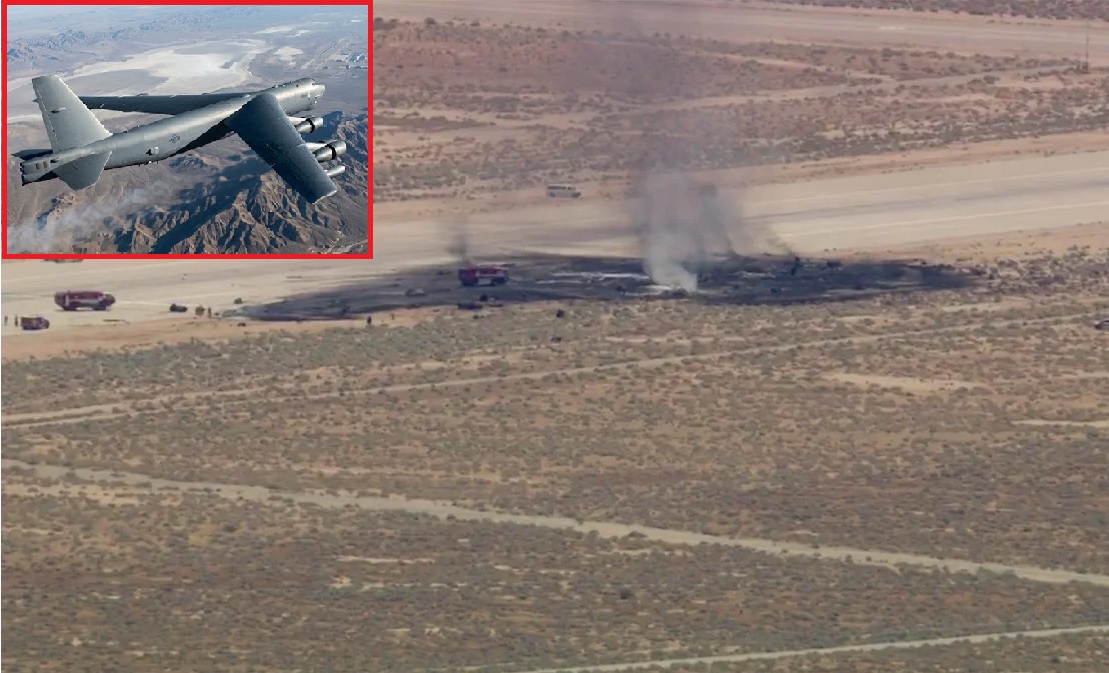 8 U.S. Air Force Crew Members Killed in B-52 Bomber Crash During Test Flight at Edwards Air Force Base
-
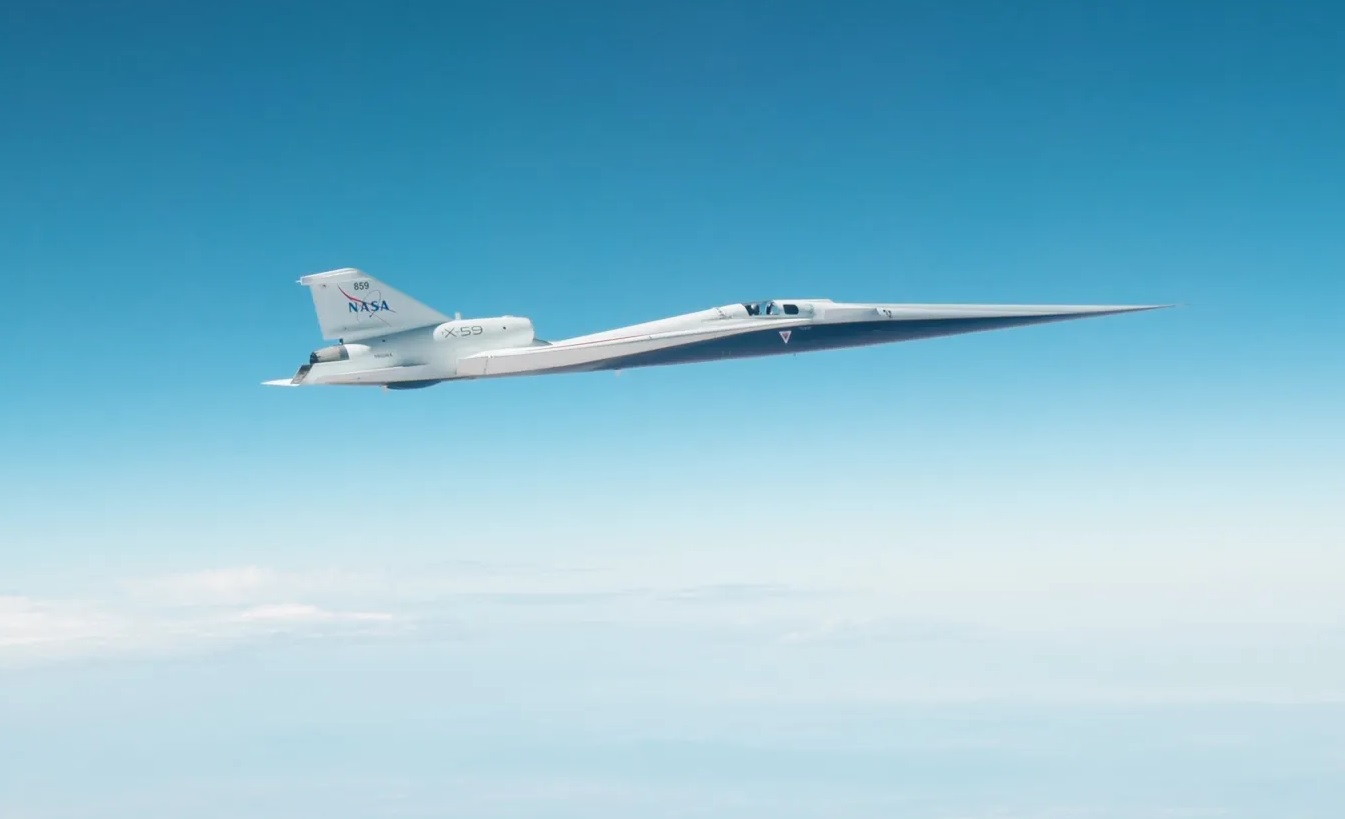 NASA X-59 Achieves Planned Mission Conditions with Mach 1.4 Flight at 55,000 Feet
-
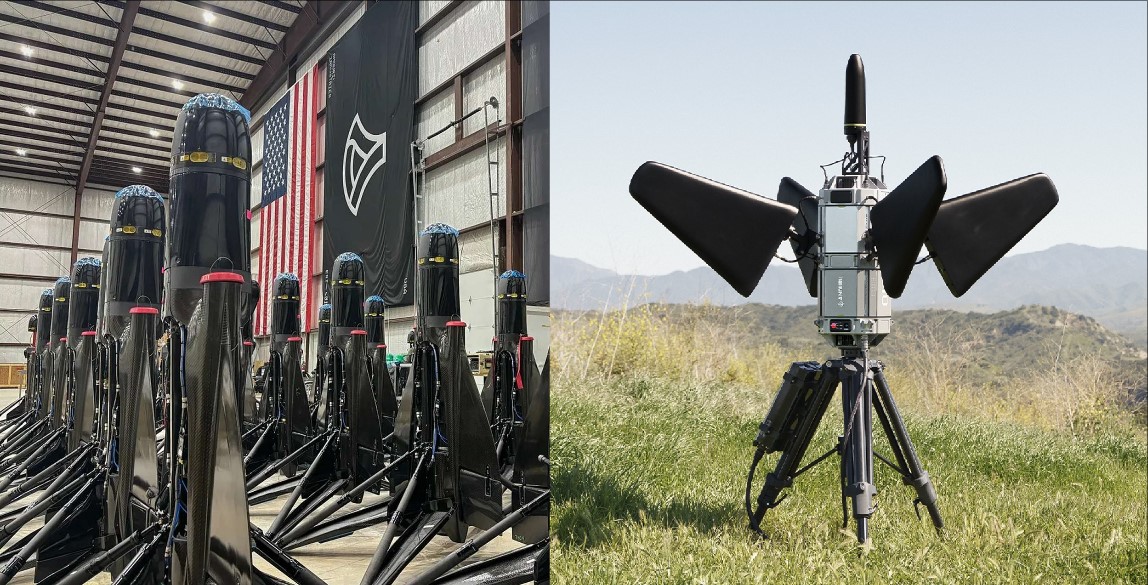 U.S. Approves $1.98 Billion Sale of Anduril AI-Powered Counter-Drone Systems to Kuwait
-
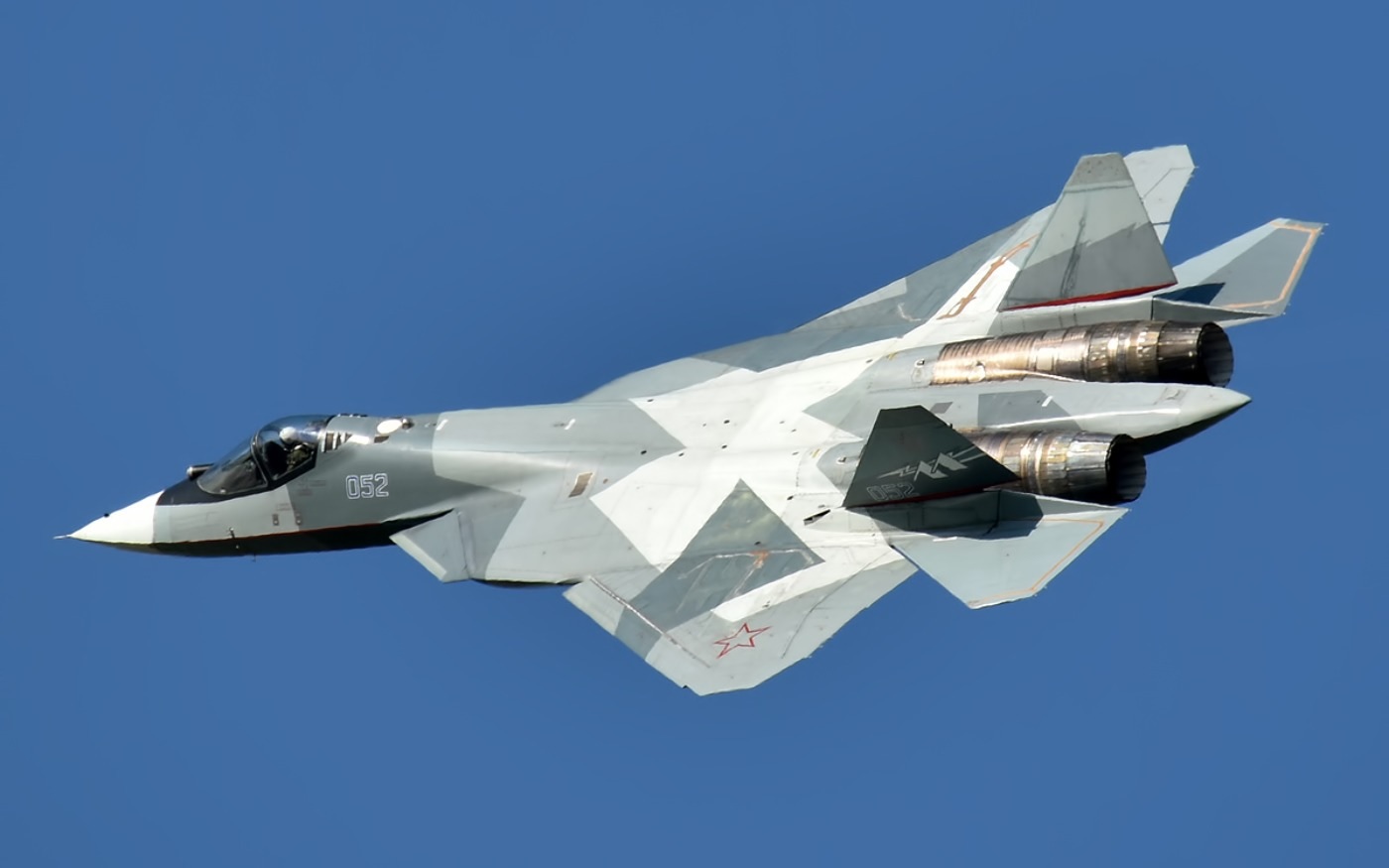 Russian Analysts Debate Su-57 Capabilities After Putin Calls Fighter Superior to F-35