World
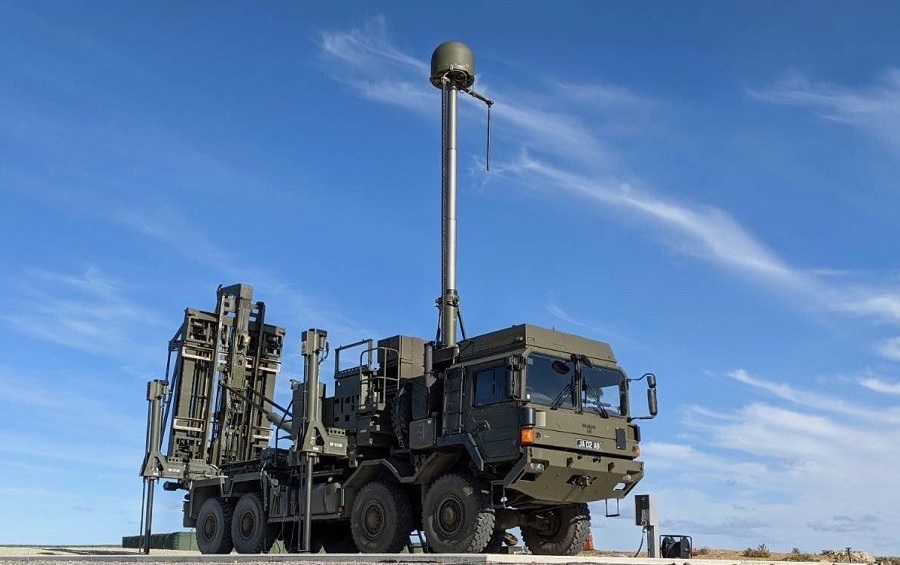
London, August 2025 – The UK Ministry of Defence (MoD) has announced the purchase of six additional Land Ceptor surface-to-air missile systems, worth £118 million, in a move that will double the number of Sky Sabre systems available to the British Armed Forces. The deal, signed with European missile manufacturer MBDA, will provide a major boost to Britain’s homeland air defences and reinforce protection for UK forces deployed overseas. Strengthening National and NATO Defence The Land Ceptor is the launcher component of the Sky Sabre medium-range air defence system, which combines advanced radar, a battle management command-and-control system, and missile launchers into one integrated shield. The system is capable of tracking multiple targets and guiding 24 missiles simultaneously, intercepting threats that include enemy aircraft, cruise missiles, drones, and precision-guided munitions. Sky Sabre has already proven its worth in NATO exercises, including the Formidable Shield missile defence exercise at the Outer Hebrides range, where it conducted its first live UK firing. The system has also been deployed in Poland under Operation Stifftail, providing additional reassurance on NATO’s eastern flank. Precision and Cutting-Edge Technology Sky Sabre is considered one of the most advanced air defence systems in Europe. Its key missile, the CAMM (Common Anti-Air Modular Missile), travels at supersonic speed and is so precise that it can strike a tennis ball-sized target travelling at twice the speed of sound. The system’s range of up to 25 kilometers and high mobility give the Army flexibility to defend both static bases and mobile units on deployment. The addition of six more launchers will ensure the Army’s 16th Regiment Royal Artillery, which operates the system, can deliver a stronger and more sustainable air defence posture both in the UK and abroad. Industrial and Economic Benefits The £118 million contract is part of the UK Government’s Plan for Change, which uses defence spending to fuel industrial growth. The deal will sustain up to 140 jobs across the UK, primarily at MBDA’s Bolton site in Lancashire, and support a network of domestic suppliers. Defence Minister Luke Pollard MP emphasised, “Doubling our deployable Sky Sabre capability will strengthen the UK’s air defences, protect UK forces abroad, and deter our adversaries. Through this investment we are supporting over 100 jobs across the UK, with more to come. Defence is an engine for national prosperity as well as security.” The Ministry of Defence also highlighted that defence spending currently supports 151,000 jobs across the country, marking a rise of 14,000 from the previous year. Partnership Between Industry and Army MBDA UK’s Managing Director, Chris Allam, described the contract as a milestone in the long-standing partnership between industry and the Armed Forces. “Land Ceptor is an excellent example of innovative capability produced here in the UK. Manufacturing these systems sustains not only jobs at Bolton but also critical skills across our supply chain. Importantly, it gives the Army decisive capability at scale.” Lieutenant Colonel James Boutle, Commanding Officer of 16th Regiment Royal Artillery, underlined the operational importance: “Sky Sabre represents a step change in the UK’s ground-based air defence. It provides a powerful shield against modern airborne threats – from fast jets to precision-guided weapons and drones. Our close work with MBDA ensures the system remains at the cutting edge.” The contract for six new Land Ceptor launchers will run over three years, with the systems expected to enter service progressively from late 2026. Once fully fielded, the British Army will operate a doubled Sky Sabre capability, giving the UK one of the most advanced and flexible air defence networks in Europe. This acquisition is part of a broader Strategic Defence Review commitment, which includes up to £1 billion in new funding for homeland air and missile defence. As threats from drones, cruise missiles, and hypersonic weapons grow, the MoD views Sky Sabre as central to keeping the UK and its deployed forces safe.
Read More → Posted on 2025-08-22 14:29:13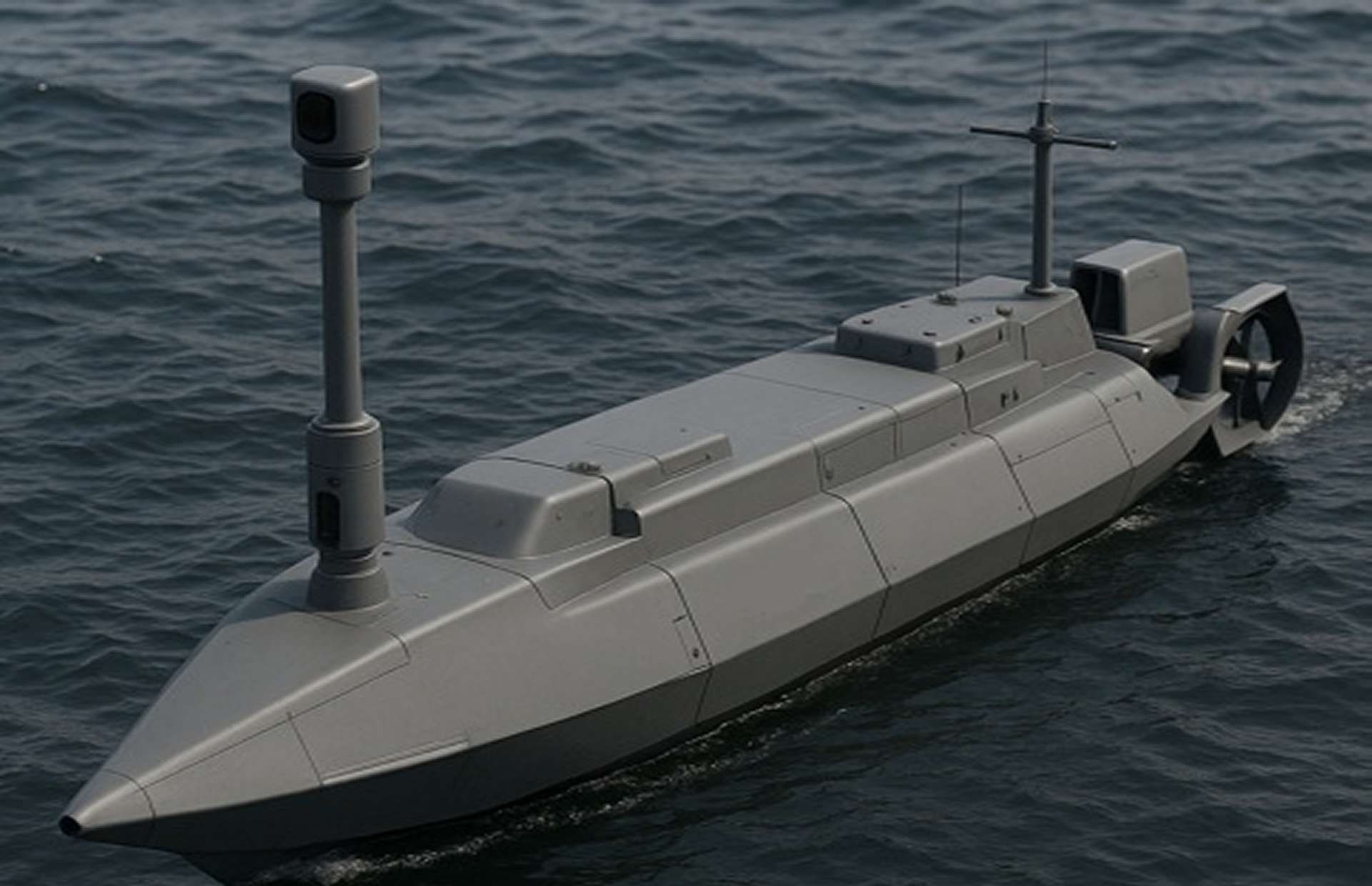
World
Ballerup, Denmark, August 20, 2025 – In a landmark announcement at DALO Industry Days 2025, the German naval technology firm Gabler confirmed a new partnership with maritime robotics specialist FLANQ to co-develop a next-generation class of submarine-launched uncrewed surface vehicles (USVs). The joint project aims to transform standard submarine torpedo tubes into versatile launch platforms for autonomous surface systems, representing a major step forward in undersea and surface warfare integration. Turning Torpedo Tubes into Multi-Mission Launchers The concept under development uses the NATO-standard 533 mm torpedo tube as the baseline launcher, ensuring compatibility with both conventional and nuclear-powered submarines already in service with NATO and allied fleets. The USV platform is designed with a modular architecture and compact features, including a folding control fin and mast structure for stowage and launch. Once on the surface, the vehicle expands into operational mode, ready for missions ranging from intelligence, surveillance, and reconnaissance (ISR) to electronic warfare, decoy deployment, and precision strikes. Key Features and Capabilities Size & Design: Hydrodynamic hull approximately 5–6 meters long with displacement under 800 kg. Variants: Both recoverable and expendable options using the same core hull. Endurance: Over 200 nautical miles range and up to 36 hours operational duration in ISR configurations. Navigation: AI-enabled autonomy with GPS-denied inertial navigation and situational awareness algorithms. Communications: Equipped with surface datalinks, satellite relays, and burst underwater acoustic channels for limited submarine communication. Payload Capacity: Modular bays allowing integration of electro-optical/infrared sensors, EW suites, loitering munitions, or naval decoy systems. Game-Changer for Modern Submarine Fleets The Gabler–FLANQ system offers a cost-effective path for navies to enhance submarine capabilities without major hull modifications or new platforms. By using existing torpedo tubes, submarines can discreetly deploy USVs from underwater, which then surface to conduct missions in contested areas. This approach maintains submarine stealth while expanding operational reach: ISR Missions: Extend sensor range hundreds of nautical miles. Strike Configurations: Launch loitering munitions or conduct stand-off jamming operations. Deception Roles: Deploy expendable USVs to mimic naval signatures, confusing enemy tracking. Hybrid Warfare: Conduct covert reconnaissance or influence operations with plausible deniability. For contested littoral zones, the concept dramatically shifts the risk equation by allowing submarines to shape the battlespace without exposing manned platforms. Potential Global Adopters The German Navy is expected to be an early adopter, with its Type 212A and new Type 212CD submarines providing an ideal integration platform due to their advanced combat systems. Other NATO allies and partners are also showing strong interest, including: Royal Netherlands Navy, currently pursuing future submarines with multi-mission capabilities. Norway, Italy, and South Korea, all of which operate torpedo-tube-equipped submarines.For smaller navies or those with constrained budgets, this system represents a scalable upgrade path without requiring specialized USV support ships. Industrial Collaboration Under the agreement: Gabler will lead systems integration, interfacing, and delivery, leveraging decades of experience in submarine masts and launch mechanisms. FLANQ will take responsibility for design engineering, AI-driven autonomy, and mission payload integration. A full-scale prototype is already under assembly, with sea trials scheduled for mid-2026. The partners plan a live demonstration during NATO’s Joint Warrior 2026 exercise, which could mark the first-ever operational test of a torpedo tube-launched USV in allied service. Strategic Significance The development represents a paradigm shift in subsea warfare. By merging the stealth of submarines with the flexibility of uncrewed surface assets, NATO and allied navies can achieve: Extended reach into denied areas without risking submarine exposure. New deterrence options with unmanned strike and deception capabilities. Force multiplication through modular, low-cost systems adaptable across fleets. As underwater and surface domains become increasingly contested, the Gabler–FLANQ collaboration may redefine how submarines project power, gather intelligence, and safeguard maritime interests in the 21st century.
Read More → Posted on 2025-08-22 14:23:37
World
Ultra Maritime, a global leader in naval defense technology, has made significant breakthroughs in the development of advanced Next Generation Countermeasure (NGCM) systems, designed to revolutionize the way navies around the world conduct anti-submarine warfare (ASW) operations in increasingly complex and contested maritime environments. Redefining Torpedo Defense with Autonomy and Intelligence At the heart of this technological leap is a new class of autonomous undersea vehicles engineered to perform independent ASW missions. These countermeasure systems are capable of deployment from both submarines and unmanned undersea vehicles (UUVs), allowing for highly flexible operational profiles. Once launched, these autonomous platforms separate from their host and navigate independently, conducting real-time tactical surveillance and response operations. This autonomy is not merely navigational—these systems employ intelligent sensing, onboard decision-making algorithms, and adaptive mission execution, allowing them to react dynamically to evolving undersea threats, such as advanced torpedoes and stealthy adversary submarines. Full-Duplex Acoustic Communications: A Game Changer One of the most notable innovations is Ultra Maritime’s full-duplex acoustic communication node—a breakthrough that allows secure, two-way communication between manned and unmanned platforms across the maritime battlespace. This capability is a critical enabler for coordinated defense strategies, allowing platforms to share targeting data, mission updates, and situational awareness in real time. Unlike older one-way acoustic systems, this node enhances command-and-control resilience in high-threat areas, improving both platform survivability and the effectiveness of layered ASW defense. Convergence of Technologies: The Future of ASW Ultra’s NGCM systems reflect the convergence of torpedo countermeasures and unmanned vehicle technology—a pivotal shift in undersea warfare. These new systems are not merely passive decoys or expendable jammers; they are multi-role defensive assets capable of maneuvering, sensing, and deploying effectors such as acoustic decoys or jamming payloads. The result is a layered defense ecosystem that combines traditional soft-kill methods with autonomous, mobile, intelligent assets that can respond to threats proactively, even in denied or degraded communication environments. Proven Legacy and Future Outlook Ultra Maritime’s legacy in torpedo countermeasures is unmatched. With over 30,000 expendable countermeasure units delivered to allied navies worldwide, the company has decades of operational experience in protecting submarines and surface vessels from torpedo threats. The NGCM initiative builds upon this foundation, integrating next-generation UUV platforms, AI-enabled mission software, and secure acoustic communications to create a holistic ASW defense network. As global adversaries continue to develop quieter, more agile, and harder-to-detect torpedoes and submarines, the need for autonomous, intelligent, and integrated countermeasure systems is more pressing than ever. Ultra Maritime’s NGCM program represents not just an incremental improvement, but a strategic leap forward in undersea defense. With its NGCM systems, Ultra Maritime is not just responding to today’s threats—it is shaping the future of undersea warfare. Through continued innovation and deep collaboration with allied navies, Ultra aims to maintain maritime dominance in an era where the undersea battlespace is rapidly evolving. As these next-generation systems move toward full operational capability, they are set to redefine how navies approach survivability, coordination, and deterrence in the unforgiving domain of the deep.
Read More → Posted on 2025-08-22 14:05:54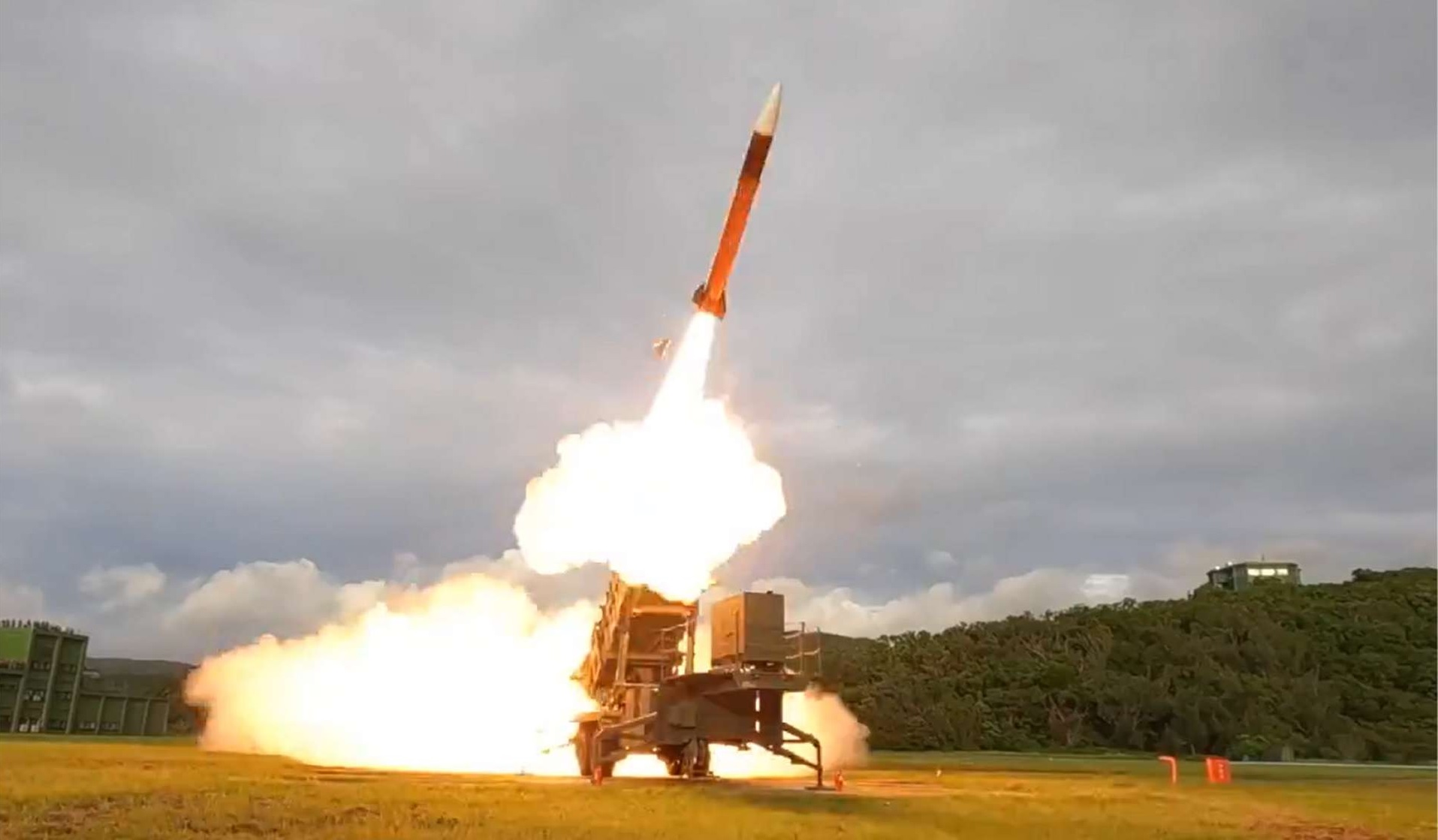
World
Taipei, August 2025 – Taiwan’s military is investigating the unexpected explosion of a Patriot PAC-2 missile during a major annual precision munitions drill along the country’s southeastern coast. The incident occurred at the Jiupeng military base in Pingtung County, where the armed forces were conducting their Sea and Air Precision Ammunition Firing Exercises. Incident During Live Drill Video footage circulating in local media showed that one of two Patriot PAC-2 missiles launched during the exercise detonated in mid-air just four seconds after take-off. The second missile launched during the same drill reportedly flew without any disruption. While the military has not directly addressed the explosion, Taiwan’s Air Force Command Headquarters confirmed that the annual drills were completed as planned, with all scenarios executed and managed according to standard procedures. A military evaluation committee has been tasked with reviewing the results and investigating the malfunction. Cause Unknown According to military sources, the cause of the explosion remains unknown, and officials have not ruled out possibilities ranging from technical faults, fuel or booster malfunction, to human error. The investigation will likely involve both Taiwan’s military engineers and support from the United States, which supplies the Patriot system. Similar Episodes in the Past This is not the first time Taiwan has experienced issues with its Patriot missile systems: In 2024, a military truck carrying Patriot equipment overturned in southern Taiwan, injuring two personnel. In 2023, a missile reportedly exploded during a drill. Initial reports claimed it was a PAC-3, but the U.S. manufacturer clarified that the failed missile was not of that variant. Taiwan’s Air Force later confirmed the missile had exploded before reaching its target. These incidents have raised questions about the maintenance, handling, and operational readiness of Taiwan’s Patriot air defense systems, which form a critical part of its defensive shield against potential missile attacks. Patriot in Taiwan’s Defense Taiwan first acquired Patriot missiles in 1996, initially the PAC-2 variant, with subsequent upgrades to PAC-3 interceptors under U.S. foreign military sales programs. The system is designed to intercept ballistic missiles, cruise missiles, and advanced aircraft, making it central to Taiwan’s multi-layered air defense network. In recent years, Taiwan has accelerated efforts to modernize its missile defense, amid rising tensions with China. The Patriot system, along with domestically developed platforms like the Tien Kung (Sky Bow) missile series, forms the backbone of the island’s defense against potential large-scale missile barrages. Strategic Implications While the malfunction has drawn attention, military analysts caution that such incidents are not unusual in the lifecycle of advanced missile systems. Live-fire exercises are often used to stress-test equipment, and failures can help improve reliability. However, given Taiwan’s reliance on these systems in a high-threat environment, any repeated failures could undermine confidence in its defensive readiness. The ongoing investigation is expected to determine whether the problem was isolated or systemic. Results will shape Taiwan’s future training protocols and may influence future purchases or upgrades of Patriot systems from the United States. The Patriot PAC-2 missile explosion during Taiwan’s live-fire drill highlights both the strengths and vulnerabilities of its defense preparations. While one missile failed, the successful launch of the second underscored the system’s continued operational value. For Taiwan, which faces persistent security challenges, ensuring the reliability of its air defense shield remains a top priority. The military is expected to release further details once the evaluation committee completes its review.
Read More → Posted on 2025-08-22 14:01:25
World
Warsaw, August 20, 2025 – Poland has accused Russia of staging a new provocation after a Russian military drone entered its airspace and exploded overnight in farmland near the village of Osiny, around 100 kilometers east of Warsaw and close to the borders with Ukraine and Belarus. Defense Minister Władysław Kosiniak-Kamysz told reporters on Wednesday, “Once again, we are facing a provocation from the Russian Federation, with a Russian drone.” He stressed that the timing was deliberate, coming during ongoing peace talks aimed at ending the war in Ukraine. Explosion in Farmland, No Casualties The drone detonated in a cornfield, causing a powerful blast that shattered windows in nearby houses but resulted in no injuries. Local residents reported hearing a loud explosion late at night, and Polish media later shared video footage showing a fireball lighting up the sky as well as photos of debris, including an engine and propeller. Military officials identified the aircraft as a decoy drone fitted with a self-destruct warhead but not carrying conventional weapons. Polish General Dariusz Malinowski explained that such drones are often used by Russia to confuse air defenses during larger missile and drone attacks. Government Condemnation Polish Foreign Minister Radosław Sikorski described the incident as “a new violation of our airspace from the east.” He confirmed that Poland would lodge a formal protest against Russia for breaching its sovereignty. Defense Minister Kosiniak-Kamysz called for strengthening anti-drone defenses, saying: “Russia has repeatedly violated NATO airspace, and this time Poland was the target… We must expand the operational capabilities of the Polish Armed Forces and anti-drone systems.” Broader Pattern of Violations This is not the first time Poland and other NATO members have faced incursions from Russian drones or missiles since the war in Ukraine began more than three years ago: July 2025: A Russian drone flew from Belarus into Lithuania, crossing over the capital Vilnius before crashing in a military training area. It carried explosives that did not detonate. 2023: Poland reported that a Russian missile had briefly entered its airspace during an attack on Ukraine. November 2022: A tragic incident occurred when a Ukrainian anti-aircraft missile, fired to intercept Russian rockets, landed on a Polish border village, killing two civilians. Russian drones and missiles have also crossed into the territories of Latvia, Lithuania, Romania, and Poland, testing NATO responses and raising concerns of accidental escalation. Experts note that Russia frequently uses decoy drones like the “Gerbera” model, designed to mimic combat drones but equipped with self-destruct mechanisms rather than strike payloads. These decoys are intended to draw out and deplete Ukrainian and NATO air defense systems. Strategic and Political Context Poland has been one of Ukraine’s staunchest allies, serving as a major hub for Western weapons shipments and hosting over one million Ukrainian refugees. Analysts say this makes Poland a frequent target of Russian intimidation tactics, intended to unsettle NATO unity. The latest incident comes at a sensitive moment. As diplomatic efforts continue to seek an end to the war, Moscow’s actions risk undermining fragile peace talks. Western officials see Russia’s provocations as an attempt to demonstrate that it can pressure NATO’s eastern flank without direct escalation into armed conflict. Polish leaders insist that while the incident caused no casualties, it highlights the growing threat from Russian drones and the need for stronger air defense measures across NATO’s eastern border. The explosion in Osiny serves as yet another reminder of how the Ukraine conflict regularly spills into neighboring NATO territory, testing the alliance’s defenses and raising the stakes for European security.
Read More → Posted on 2025-08-21 16:36:24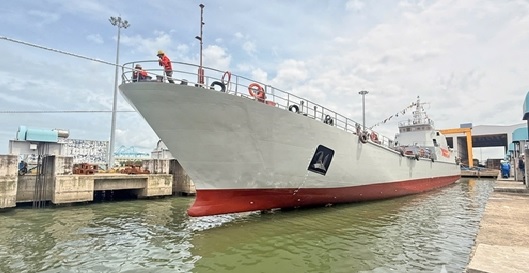
World
Hanoi, August 2025 – Vietnam has taken a historic step in its naval modernization with the launch of its first domestically produced amphibious warfare vessel, designated VDC-01. The new ship, rolled out at the Ba Son Shipyard in Ho Chi Minh City, marks a major milestone in the country’s long-term goal of achieving greater self-reliance in defense production. From Repair to Full-Scale Construction For decades, Vietnam’s shipyards were limited to repair and maintenance work on older Soviet-era vessels. The launch of VDC-01 represents a leap forward, demonstrating that Vietnam’s defense industry has advanced to the stage of independently constructing combat-ready warships. The design of VDC-01 is based on the Soviet Project 770 Polnocny-class landing ship, a proven model known for reliability and effectiveness. By choosing a tried-and-tested design, Vietnam avoided the risks and delays that often come with brand-new prototypes, ensuring the vessel can join the fleet more quickly. A Shift in Defense Strategy Vietnam has gradually moved from heavy reliance on foreign suppliers to developing its own defense industry. In earlier modernization phases, Hanoi purchased ships and equipment from Russia, Ukraine, the Netherlands, and the United States. Today, the focus has shifted to domestic shipyards, reducing dependence on imports and ensuring a more secure supply chain. The VDC-01 is not just a ship—it is a symbol of Vietnam’s ambition to localize military production, gain valuable shipbuilding experience, and expand into more sophisticated naval platforms in the future. Ceremony and Future Plans At the launch ceremony in early August, senior naval leaders and defense officials hailed the VDC-01 as a milestone achievement. Ba Son shipyard engineers highlighted how the project required major investments in technology, workforce training, and production systems to meet military standards. The ship is currently about 80% complete. Final work will include outfitting advanced systems, crew training, and acceptance trials before it is officially commissioned into the Vietnam People’s Navy. Capabilities and Role Although not a cutting-edge design compared to modern Western amphibious assault ships, the VDC-01 provides essential transport capacity for troops, vehicles, and equipment. Such ships are crucial for Vietnam’s naval operations, particularly in the South China Sea, where logistics, island support, and amphibious capability play a central role in strategy. Analysts describe Vietnam’s approach as pragmatic. By adopting older but reliable technology, the navy gains immediate operational capacity while shipyards steadily build the expertise required to produce more advanced warships in the future. The launch of VDC-01 signals Vietnam’s determination to develop an indigenous defense industry while continuing to maintain ties with foreign partners. This dual-track approach strengthens both military readiness and industrial growth, ensuring that the country can meet future challenges with greater autonomy.
Read More → Posted on 2025-08-21 15:51:15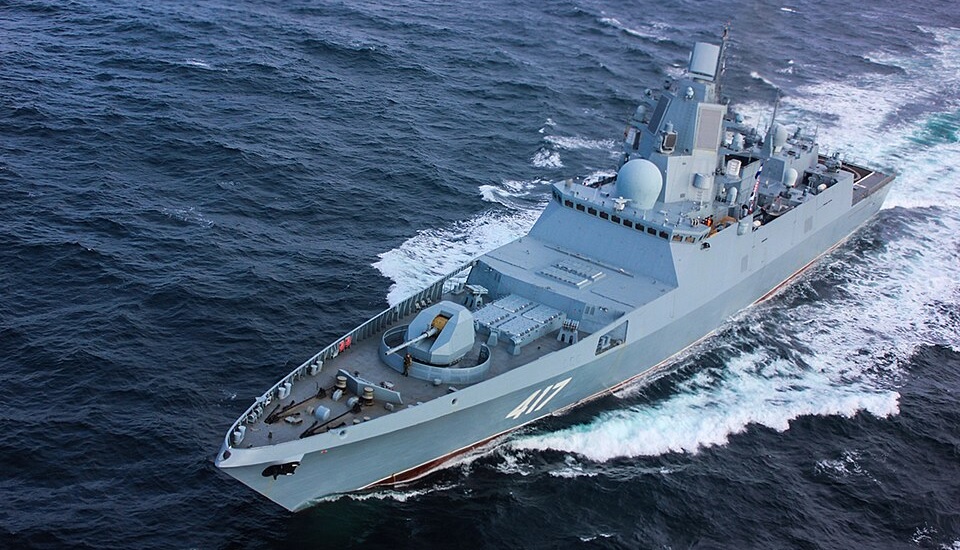
World
St. Petersburg, August 14, 2025 – Russia has launched its newest Project 22350 frigate, the Admiral Amelko, at the Severnaya (Northern) Shipyard in St. Petersburg, marking another step in the country’s ongoing naval modernization program. The vessel is the fifth Gorshkov-class frigate, the only line of ocean-going combat ships developed and built in Russia since the collapse of the Soviet Union. The keel of Admiral Amelko was laid in April 2019, and following the launch, the ship will now undergo outfitting and trials. According to the Russian Navy, the frigate is expected to be commissioned by the end of 2027. A Modernized Variant The Admiral Amelko is notable for being the first vessel of the class built in a modified configuration, strengthening its missile armament compared to earlier ships. While previous frigates carried 16 missile launch cells, the Amelko is fitted with 32-cell 3S-14 UKSK vertical launchers. These can accommodate a wide range of advanced Russian weapons, including: 3M55 Onyx supersonic anti-ship missiles 3M22 Tsirkon hypersonic cruise missiles 3M14 Kalibr land-attack cruise missiles This makes the ship significantly more versatile and capable in long-range strike roles, as well as in anti-ship and anti-surface warfare. Expansion of the Class The launch of Admiral Amelko is part of a broader Russian effort to expand its fleet of modern surface combatants. Three more frigates of the same class are currently under construction at Severnaya Shipyard: Admiral Chichagov Admiral Yumashev Admiral Spiridonov Although earlier reports suggested that Yumashev and Spiridonov would debut the upgraded design, the Amelko has taken the lead as the first modified unit. Russian Navy Commander-in-Chief Admiral Aleksandr Moiseev stated during the launch ceremony that the Navy intends to continue the program. “We plan to lay the keels of at least two ships of this class as early as 2026, i.e., next year,” he said, signaling an expansion of production despite economic and logistical challenges. Project 22350M Alongside the Gorshkov-class, the Russian Navy is working on the Project 22350M frigate, often described as a “Super Gorshkov.” This larger, heavier-armed vessel is intended to serve in the distant ocean zone, extending Russia’s blue-water naval capabilities. Admiral Moiseev confirmed that the technical design phase is nearing completion and that construction could begin under the next state armament program. The 22350M ships are expected to displace around 7,000 tons, carry up to 48 or more missile cells, and field advanced air defense and strike systems, including the 3M22 Tsirkon hypersonic missile. The program had faced delays due to funding shortages in 2020, but has since been revived as part of Russia’s effort to strengthen its ocean-going fleet. Strategic Context The Gorshkov-class frigates play a central role in Russia’s naval strategy. Designed by the Severnoye Design Bureau (SPKB) in St. Petersburg, these frigates combine anti-air, anti-ship, and land-attack capabilities in a single platform. Importantly, they are currently the only surface ships in Russian service integrated with the 3M22 Tsirkon hypersonic missile, giving them a unique strategic advantage. Since the first of the class, the Admiral Gorshkov, entered service in 2018, the frigates have become the backbone of Russia’s modern surface fleet, filling the gap left by larger Soviet-era cruisers and destroyers that are now aging or retired. The launch of the Admiral Amelko highlights Russia’s determination to sustain and expand its surface combatant fleet despite international sanctions and economic strain. With at least five Gorshkov-class ships afloat, three more under construction, and additional keels planned for 2026, the class is set to remain at the core of the Russian Navy’s modernization drive. Coupled with the upcoming 22350M “Super Gorshkov” project, Moscow is signaling its intent to maintain a credible ocean-going fleet capable of projecting power, deploying advanced hypersonic weapons, and defending its maritime interests on the global stage.
Read More → Posted on 2025-08-21 14:51:38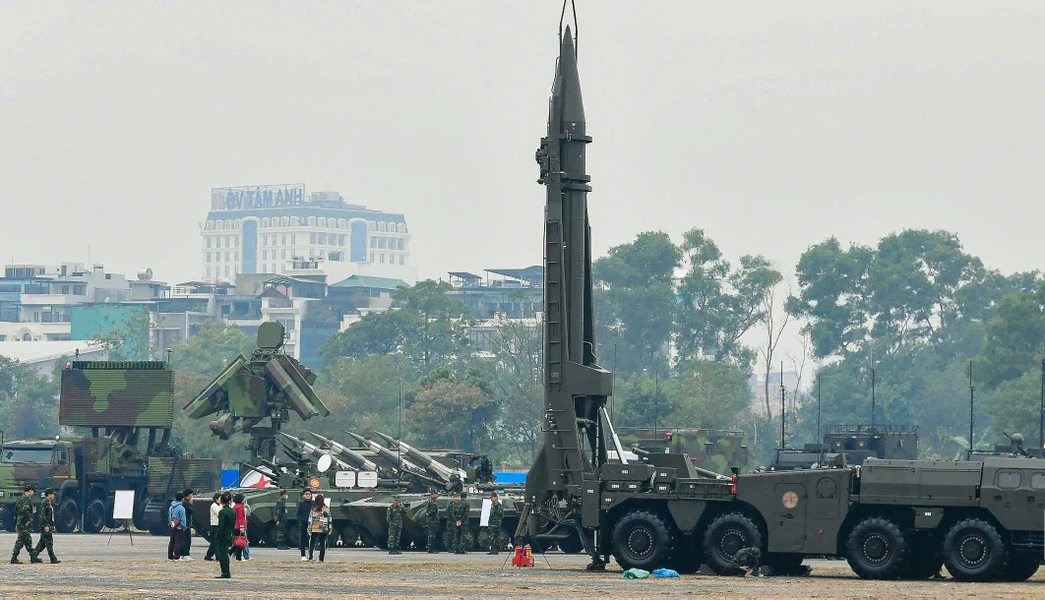
World
Hanoi, August 2025 – The Vietnamese Ministry of Defense has officially launched the Artillery and Missile Command, marking a major milestone in the country’s ongoing effort to modernize its armed forces and enhance strategic capabilities. The announcement was made during a formal ceremony chaired by General Nguyen Tan Cuong, Chief of the General Staff of the Vietnam People’s Army and Deputy Minister of Defense. This new command underscores Vietnam’s commitment to military restructuring and modernization amid an increasingly complex regional security environment in the Asia-Pacific. A Strategic Transformation General Cuong emphasized that the creation of the command reflects a forward-looking decision by the Politburo and the Central Military Commission. The aim is to reorganize and streamline Vietnam’s military command structure, ensuring faster and more effective responses to modern challenges. He described the move as a political commitment to strengthening national defense, highlighting that the command will be responsible for both operational guidance and strategic deployment of artillery and missile forces across the armed services. The formation of the command builds directly upon the foundation of the former Artillery Corps, which played a decisive role throughout Vietnam’s 20th-century conflicts. President Ho Chi Minh once praised these units as having “bronze feet, iron shoulders, excellent in fighting, accurate in shooting,” a legacy now carried forward in the modernized command. Capabilities and Arsenal Vietnam’s artillery arsenal remains diverse, blending legacy systems with modern acquisitions. The military still fields Soviet-era weapons such as the 76 mm ZiS-3, the 100 mm BS-3 anti-tank gun, and the 122 mm D-30 howitzer, alongside U.S.-made M101 105 mm howitzers inherited from the Vietnam War era. However, modernization is accelerating. Hanoi has approved the purchase of 20 South Korean 155 mm K9 Thunder self-propelled howitzers, expected to significantly boost Vietnam’s long-range precision firepower with advanced mobility and fire-control systems. On the rocket artillery front, Vietnam operates approximately 350 upgraded BM-21 Grad 122 mm multiple launch rocket systems (MLRS) and about 400 BM-14 140 mm launchers. Many of these have been locally modernized to extend range and improve accuracy. At the strategic level, Vietnam maintains a stockpile of around 20 tactical ballistic missile launchers, including variants of the Scud-B and Scud-C systems, as well as North Korean Hwasong missiles that have undergone Vietnamese modifications for greater reliability and effectiveness. These assets, though limited in number, provide Hanoi with a credible deterrent capability. Mission of the New Command The newly formed Artillery and Missile Command will not simply oversee existing systems but also act as the strategic brain for future modernization. Its responsibilities include: Establishing a streamlined organizational framework. Reinforcing the leadership apparatus to ensure effective command and control. Guiding the deployment of missile and artillery forces in line with evolving doctrines. Ensuring constant combat readiness and alignment with Party and State policies. General Cuong called on commanders to show determination, discipline, and creativity, stressing that modernization will succeed only if combined with a strong sense of political loyalty and operational excellence. Broader Context: Modernization and Regional Security The creation of the Artillery and Missile Command is part of Vietnam’s comprehensive military modernization plan that extends across land, sea, and air forces. In recent years, Vietnam has invested in Russian S-300 and SPYDER air defense systems, Russian-built submarines, and Su-30MK2 fighter jets. The artillery and missile arm now joins this broader modernization push, ensuring Vietnam’s defense forces remain balanced and versatile. This initiative also comes at a time of heightened regional tensions, especially in the South China Sea, where Vietnam continues to defend its sovereignty claims. Analysts see the establishment of this command as a signal that Hanoi is determined to strengthen its deterrence capabilities while maintaining a defensive posture. A Blend of Tradition and Modernization The Artillery and Missile Command symbolizes Vietnam’s strategy of blending historical experience with modern technology. By drawing on the combat-proven traditions of the Artillery Corps while introducing advanced systems such as the K9 Thunder, precision MLRS upgrades, and tactical missile improvements, Vietnam is positioning itself for a more robust and future-ready defense posture. The establishment of the Artillery and Missile Command represents one of the most significant steps in Vietnam’s military restructuring in decades. It not only consolidates existing capabilities but also creates a platform for modernization that will shape the future of the Vietnam People’s Army. As Vietnam continues to navigate regional challenges, this new command will serve as a pillar of national defense, combining political resolve, historical legacy, and modern firepower to safeguard the country’s sovereignty and security.
Read More → Posted on 2025-08-21 14:49:04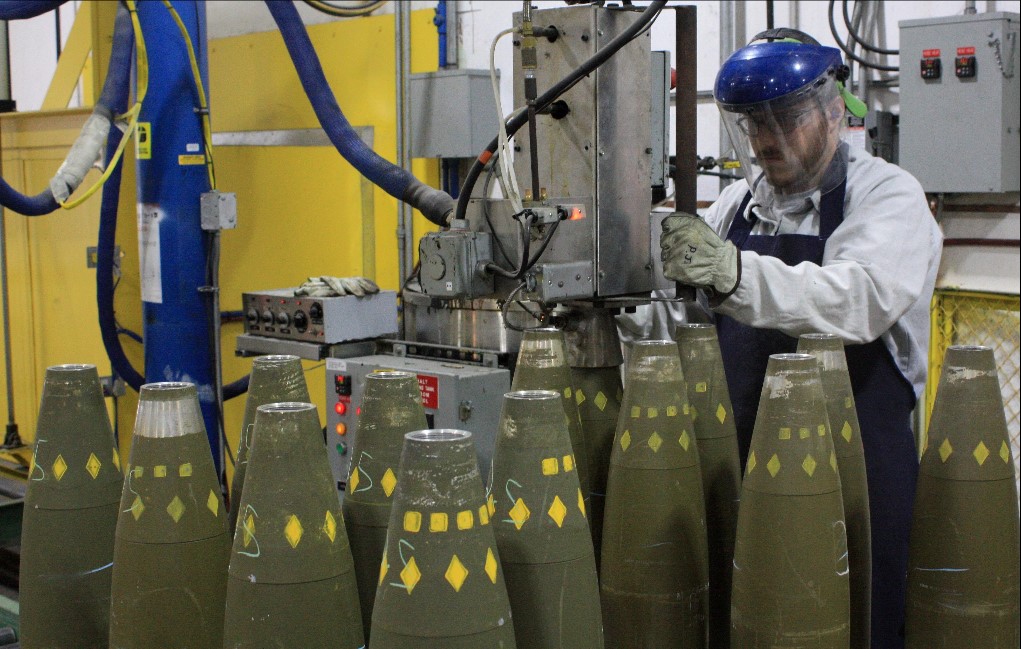
World
Washington, D.C., August 2025 – The U.S. Army has awarded a $635 million contract to MSM Group North America to design, build, and commission the Future Artillery Complex (FAC) at the Iowa Army Ammunition Plant. The project represents one of the most significant investments in the Army’s industrial base in decades, aimed at bringing the munitions production enterprise into the 21st century. The Future Artillery Complex is a central piece of the Army’s wider program to modernize the Organic Industrial Base (OIB), which is responsible for producing ammunition for all branches of the U.S. military as well as allied nations. A Leap Forward in Ammunition Production The new facility will focus on 155mm artillery production, a munition currently in exceptionally high demand due to both U.S. Army requirements and support for international partners. The FAC will integrate 21st century manufacturing technologies including: Robotics and automation to reduce risks to operators. Lean manufacturing principles to eliminate inefficiencies. Integrated system controls to ensure precision, consistency, and safety. Flexible production lines capable of quickly switching between different products with minimal downtime. This design will allow the Army to scale production up during wartime surges and down during peacetime, ensuring both efficiency and readiness. Leaders Emphasize Strategic Importance Maj. Gen. John T. Reim, Joint Program Executive Officer Armaments & Ammunition and Commanding General at Picatinny Arsenal, underscored the importance of the initiative. “Modernizing the industrial base and replacing critical munition stockpiles are high priorities for the Defense Department. Projects like the FAC are geared to improve the Army’s ability to scale production between surge and down times while also providing flexible capacity to produce future go-to-war rounds,” he said. Reim further explained that Congress has allocated $5 billion to expand and modernize the defense industrial base, much of which dates back to World War II. Many existing facilities are over 80 years old, still relying on outdated processes. The FAC, he stressed, represents much-needed investment to ensure the “Arsenal of Democracy” can continue to meet the evolving demands of warfare in 2025 and beyond. Building the “Arsenal of the Future” The Iowa Army Ammunition Plant, located near Middletown, Iowa, is one of the Army’s most critical munitions sites. It has produced everything from small arms cartridges to large artillery rounds for decades. With the FAC, the site will be transformed into a modern hub of scalable, flexible munitions production. The facility will not only increase U.S. capacity for 155mm artillery shells—a munition heavily used in conflicts worldwide—but also provide the ability to adapt for future advanced munitions. Reim highlighted this connection between industrial capability and battlefield success, noting: “It is not lost on us that victory on the battlefield starts in our production facilities. The FAC will enable munitions production at speed and scale, thereby increasing Army readiness and Warfighter lethality.” Context: Modernizing an Aged Industrial Base The Army’s Organic Industrial Base Modernization Plan 2035 outlines over $16 billion in investments across multiple ammunition plants, depots, and arsenals. Key objectives include: Reducing reliance on single-source suppliers. Upgrading outdated World War II-era facilities. Ensuring surge capacity in the event of major conflicts. Implementing green technologies where possible to reduce environmental impacts. Alongside the FAC in Iowa, similar modernization programs are being carried out at other U.S. ammunition plants to increase output of 155mm shells, rockets, and precision-guided munitions. Meeting Modern Challenges Demand for artillery rounds has grown sharply, driven by both U.S. training and readiness requirements as well as the ongoing need to support allied nations in active conflicts. By creating a state-of-the-art facility, the Army aims to ensure that the U.S. and its partners are never short of critical ammunition during wartime. The FAC is expected to be fully operational before the end of this decade, marking a generational upgrade to the way the United States produces artillery ammunition. The awarding of the $635 million Future Artillery Complex contract is more than just a construction project—it is a strategic investment in America’s warfighting capability. By combining automation, digital integration, and flexible production, the Army is ensuring its munitions base will be faster, safer, and more adaptable than ever before. With this project, the Army is not only modernizing outdated facilities but also laying the foundation for the next era of ammunition production, ensuring that U.S. and allied forces remain well supplied for the challenges of tomorrow’s battlefields.
Read More → Posted on 2025-08-21 14:36:32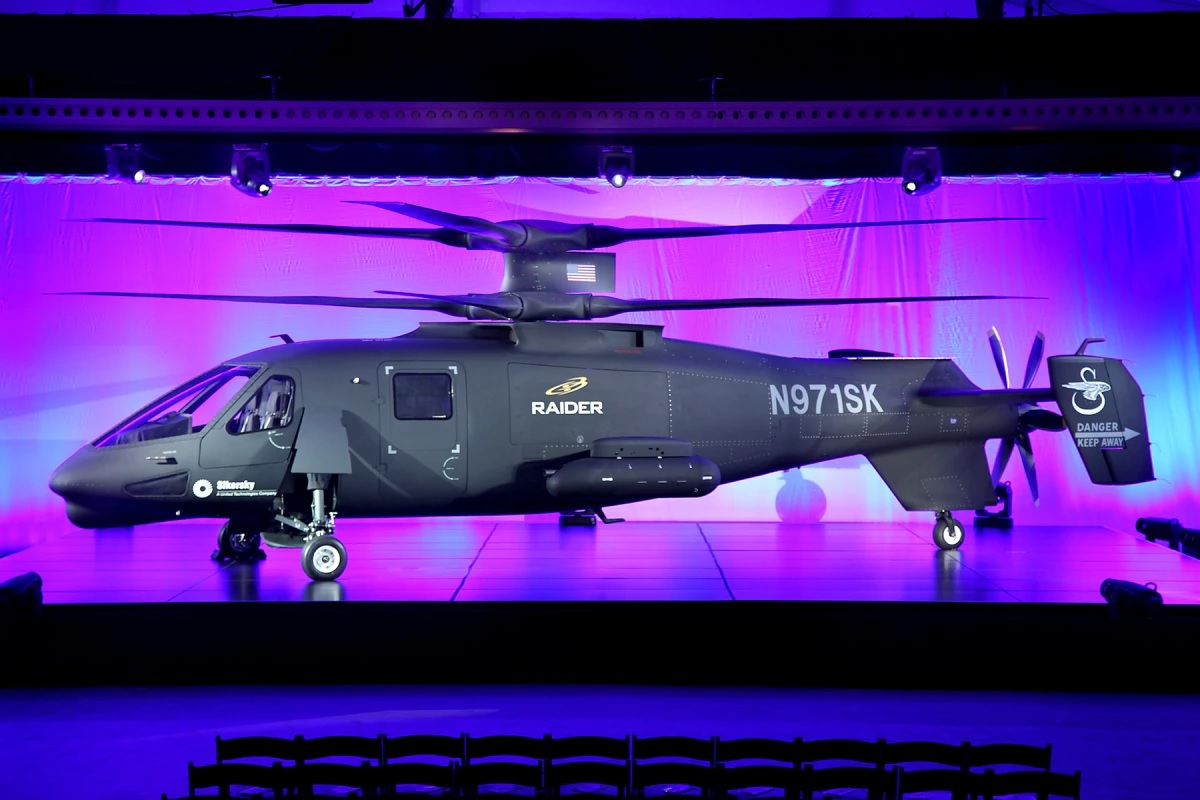
World
On August 21, 2025, new images and video of a Chinese prototype helicopter surfaced on the country’s social media platform Weibo, creating a wave of debate among military observers. The aircraft, filmed in flight, bears a striking resemblance to the U.S.-made Sikorsky S-97 Raider, a next-generation high-speed scout and attack helicopter. The footage revealed a design featuring a coaxial rotor system and a tail-mounted pusher propeller—the same advanced layout pioneered by Sikorsky in its Raider program. A Design That Mirrors the Raider The Chinese helicopter, informally called the “Future High-Speed Helicopter,” incorporates a coaxial counter-rotating main rotor coupled with a rear-mounted propeller to deliver both vertical lift and airplane-like forward thrust. This combination is designed to achieve far higher speeds than conventional rotorcraft. Its narrow fuselage, tandem seating arrangement, and streamlined aerodynamic shaping point to intended missions such as reconnaissance and light assault operations in contested environments. Key Differences in the Chinese Model Despite the close resemblance, experts have noted several design differences that highlight the Chinese prototype’s less mature stage of development compared to the Raider: Fixed landing gear instead of retractable landing gear. Bulkier tail structures, lacking the refined aerodynamics of the Raider. Simplified airframe elements, suggesting lower efficiency in airflow management. Engine exhaust outlets positioned on either side of the fuselage between the rotor hub and tail boom, compared to the Raider’s optimized rear-facing exhausts that help reduce thermal signature and streamline airflow. These differences suggest that while China has adopted the basic layout, it may still face aerodynamic, performance, and stealth challenges in refining the aircraft. The Raider Benchmark By comparison, the Sikorsky S-97 Raider represents the most advanced iteration of this rotorcraft concept. Developed under the U.S. Army’s Future Vertical Lift program, it has already demonstrated: Speeds above 400 km/h, far exceeding traditional helicopter performance. Sportscar-like agility, including tight turning, level acceleration, and rapid deceleration. Optimized aerodynamics, with retractable landing gear and engine exhaust designed to lower heat signature. A proven heritage of U.S. research into the Advancing Blade Concept, a lineage dating back to the 1970s and demonstrated with Sikorsky’s X2 technology demonstrator in 2010. The Raider is considered one of the most advanced rotorcraft in the world, offering a combination of speed, maneuverability, and survivability unmatched by conventional helicopters. Ambitions and Challenges for China The emergence of the Chinese prototype highlights Beijing’s ambition to enter the high-speed helicopter domain, which has so far been dominated by U.S. industry. Adopting this architecture could eventually allow China to field helicopters with greater tactical flexibility, including rapid reconnaissance, troop transport, and special operations capability. However, analysts caution that success depends on China’s ability to master complex flight control systems, advanced engines, and avionics integration—areas where the U.S. maintains a technological lead. Strategic Implications The prototype reinforces China’s broader defense aviation trend of mirroring American or Russian designs before adapting them to local requirements. If successful, the project could provide the People’s Liberation Army (PLA) with a fast, agile rotorcraft that would complicate the planning of regional militaries, particularly in the Indo-Pacific, where rapid mobility could prove decisive. Even at this early stage, the new helicopter sends a clear signal: China intends to challenge U.S. dominance in next-generation helicopter technology. While the design appears less refined and far from mass production, its development demonstrates China’s resolve to reduce reliance on imported designs and achieve parity in advanced aerospace capabilities. The unveiling of this Chinese high-speed helicopter prototype reflects both Beijing’s rising ambitions and its current limitations. While the aircraft strongly resembles the proven Sikorsky S-97 Raider, its less advanced details underscore the technological hurdles China must still overcome. Nevertheless, the prototype is strategically important. Even as an early-stage project, it symbolizes China’s determination to compete head-to-head with the United States in next-generation rotorcraft development. If future testing and refinement prove successful, this aircraft could reshape the balance of regional air mobility and become a new factor in the Indo-Pacific’s evolving military landscape.
Read More → Posted on 2025-08-21 14:29:23
World
Stratford, Connecticut, August 20, 2025 – In a major step to secure the future of one of the U.S. Army’s most trusted aircraft, Sikorsky, a Lockheed Martin company, has been awarded a $43 million contract to begin advancing the modernisation of the Black Hawk helicopter. The new contract is focused on building the foundational improvements that will support generations of upgrades to come. Among the immediate priorities are airframe enhancements, creation of a digital backbone that enables rapid technology insertion, and the use of model-based systems engineering (MBSE) to cut costs, increase efficiency, and streamline maintenance. A New Phase for the Black Hawk For over four decades, the UH-60 Black Hawk has been a workhorse for the U.S. Army, proving itself in combat and humanitarian operations worldwide. With this latest contract, the Army is signalling its intent to ensure the Black Hawk continues to meet future mission demands. Hamid Salim, Vice President for Army and Air Force Systems at Sikorsky, stated, “Sikorsky is ready to implement new technologies that will strengthen the combat-proven Black Hawk helicopter and give U.S. Army soldiers greater advantage in areas like the Indo-Pacific. Integrating launched effects into the Black Hawk will enhance its capabilities and provide a significant advantage.” Key Features of the Contract Airframe Upgrades: Structural improvements that will extend the helicopter’s service life and boost reliability. Digital Backbone: A flexible, software-driven framework that allows new mission systems to be integrated quickly, in line with the Army’s Modular Open Systems Approach (MOSA). Launched Effects Integration: The ability for Black Hawk helicopters to deploy unmanned aerial systems (UAS) and other advanced payloads. This feature, known as “launched effects,” will greatly expand the helicopter’s ability to gather intelligence, conduct surveillance, and support troops on the ground. The U.S. Army and Sikorsky are already demonstrating these launched effects and expect to have a federated UAS capability integrated by 2026. Building for the Future The digital engineering approach will form the core of this modernization effort. By using MBSE and a “digital thread,” engineers will be able to design, test, and maintain upgrades in a far more streamlined way. This will not only speed up the development cycle but also reduce long-term sustainment costs for the Army. Initial work under this $43 million contract will cover airframe strengthening, improvements to the main fuel system, and integration of the digital backbone. These form the basis for more ambitious enhancements planned in the near future, such as: A more powerful engine (the new T901 Improved Turbine Engine). Expanded payload capacity to carry heavier equipment or more troops. Autonomy and artificial intelligence-driven flight features to improve safety and reduce pilot workload. Current Upgrades Already in Service Sikorsky has already begun providing improvements to Black Hawk units in service. One key example is the Upturned Exhaust System II kit, which delivers: Better infrared suppression to protect against heat-seeking missiles. Reduced weight, giving the helicopter more efficiency. Enhanced reliability and maintainability for field operations. These upgrades are being installed on existing Black Hawks and will be a natural fit for the modernised versions. Strategic Significance The Black Hawk remains the backbone of U.S. Army aviation, and this contract is seen as a vital step to ensure it continues to serve effectively for decades. With increasing challenges in regions like the Indo-Pacific, the Army is investing in technologies that give troops a decisive edge in contested environments. Salim highlighted the broader impact of this program, saying, “Together with our team of hundreds of American suppliers, we are committed to delivering the most advanced and capable modernized Black Hawk to the U.S. Army. We look forward to continuing our work with the Army to ensure that the Black Hawk remains a vital component of our nation’s defense capabilities for years to come.” Looking Ahead This contract marks only the first phase of a larger modernization roadmap. By laying the groundwork now with digital systems and structural improvements, Sikorsky and the U.S. Army are setting up the Black Hawk for agile, cost-effective, and future-proof upgrades. Future milestones will likely include: Full integration of the T901 engine, expected to deliver 50% more power and greater fuel efficiency. Advanced autonomous flight capabilities, allowing Black Hawks to operate with minimal pilot input in high-risk missions. Rapid integration of new weapons, sensors, and mission packages as threats evolve. The $43 million Army contract to Sikorsky represents a critical investment in both present and future battlefield readiness. By combining proven combat performance with cutting-edge digital engineering, the modernised Black Hawk helicopter will remain one of the world’s most versatile and dependable military aircraft. With the first set of upgrades already underway and a broader transformation planned, the Black Hawk is poised to stay at the center of U.S. Army operations well into the future.
Read More → Posted on 2025-08-20 16:17:54
World
Wright-Patterson Air Force Base, Ohio – More than 120 children of U.S. Air Force personnel took part in a unique program aimed at helping them understand the realities of deployment. The event, known as Operation K.U.D.O.S. (Kids Understanding Deployment Operations), was held recently at Wright-Patterson Air Force Base. The program offered children ages 4 to 12 an opportunity to experience a simulated deployment process similar to what their parents face before going overseas. Simulating Deployment Life The day began with a mission briefing, followed by rotations through interactive stations. Children took part in medical response training, explosive ordnance disposal activities, security drills, fire department exercises, and physical fitness challenges. One of the highlights was a bounce-house aircraft evacuation drill, where kids learned how aircrews prepare passengers for emergencies. Demonstrations and Tours Participants also watched a military working dog demonstration, showcasing the skills of Air Force K-9 units. Lunch was served with support from the Wounded Warrior Project, and the event concluded with an exclusive tour of a C-17 Globemaster III’s flight deck, hosted by the 445th Airlift Wing. Each child received a certificate of completion at the end of the program. Community Impact Chief Master Sgt. Keelye Coffin of Air Force Materiel Command, who attended with her children, described the event as “a powerful way for kids to understand what their parents go through before deploying.” Master Sgt. Bradley Blair, senior enlisted leader for Military and Family Readiness and lead organizer of KUDOS, said the event not only teaches children about deployment but also strengthens family resilience. “We want kids to walk away with positive memories and parents to know they have access to support resources,” he noted. A Nationwide Effort Operation KUDOS events are held at several Air Force bases across the country, including Tinker AFB in Oklahoma, Peterson SFB in Colorado, and Goodfellow AFB in Texas. The program has become a cornerstone in preparing military families for the challenges of deployment while ensuring children feel informed and supported. Supporting Families By blending education with interactive activities, Operation KUDOS continues to reinforce the Air Force’s commitment to service members and their families. The initiative highlights the belief that strong families build stronger Airmen, ensuring readiness on and off the battlefield.
Read More → Posted on 2025-08-20 16:11:25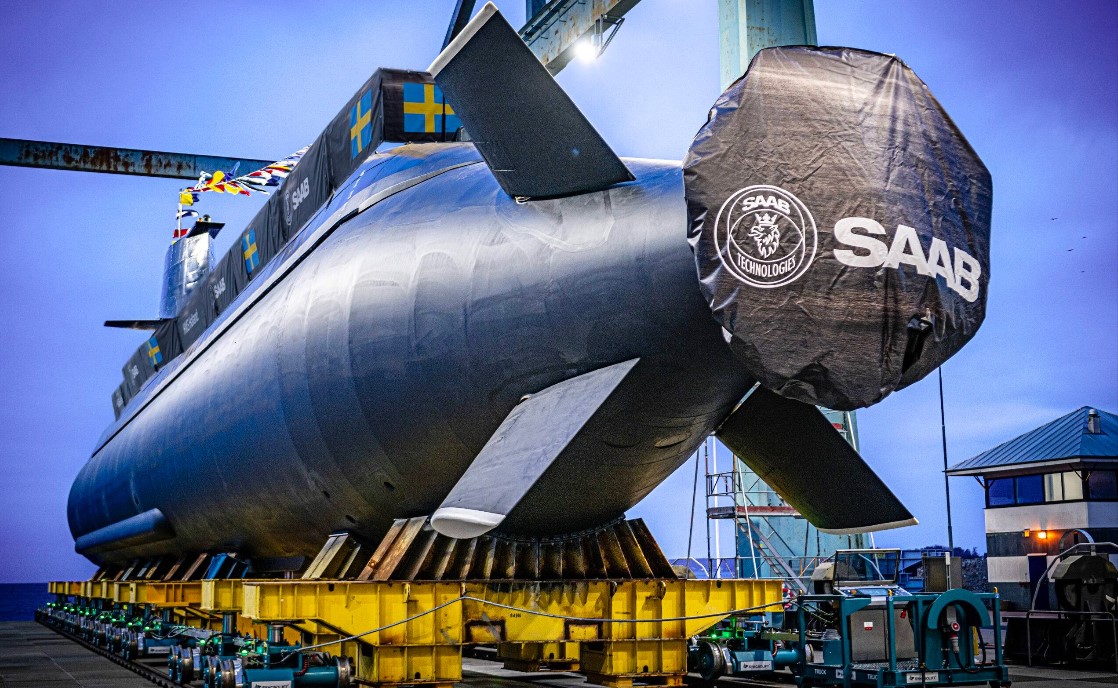
World
In a strategic move to enhance its supply chain resilience, Swedish defense giant Saab has acquired full ownership of Deform AB, a specialized metal forming company based in Degerfors, Sweden. The acquisition, announced on August 18, 2025, underscores Saab's commitment to securing critical components for its naval operations and strengthening the overall security of supply for the Swedish defense industry. Deform AB, with roots dating back to 1907 and rebranded in 1987, has been a longstanding partner to Saab, particularly as a key supplier to Saab Kockums, the company's naval shipbuilding division headquartered in Malmö. Employing around 50 skilled workers, Deform excels in hot and cold forming of demanding materials, including high-strength steels and alloys. Its expertise spans four primary business areas: pressure vessels for industrial and defense applications, protective solutions such as armored components, heavy fabrication for large-scale structures, and heavy equipment manufacturing. This specialized craftsmanship has made Deform indispensable in producing high-precision parts for complex defense systems. The deal represents a natural evolution of the enduring partnership between the two firms. Saab officials noted that Deform's integration will provide long-term stability for the supplier while ensuring a reliable flow of essential components amid growing geopolitical uncertainties. By bringing Deform fully into the fold, Saab aims to mitigate supply chain vulnerabilities and foster innovation in joint projects. Mats Wicksell, Senior Vice President and Head of Business Area Kockums at Saab, hailed the acquisition as a win-win. "This is a strategic acquisition for Kockums and Deform. We secure the supply chain and create opportunities for joint business development in Saab," he said. His comments reflect the optimism surrounding the merger, emphasizing how it will enable closer collaboration and efficiency gains. Echoing this sentiment, Ulrika Jonsson, CEO of Deform AB, expressed enthusiasm about the future. "We see a stable and promising future for Deform and our employees as part of the Saab family," she stated. Jonsson assured that the company will retain its established name and continue its operations uninterrupted in Degerfors, preserving its local identity and expertise. A key highlight of the ongoing collaboration is Deform's role in the Blekinge-class submarine program, also known as the A26 project. Saab Kockums is currently constructing two advanced attack submarines for the Swedish Navy, with the first vessel, HMS Blekinge, expected to be delivered by 2027, followed by HMS Skåne in 2028. These next-generation submarines feature cutting-edge stealth technology, enhanced endurance, and modular designs for future upgrades, making them vital to Sweden's maritime defense strategy. Deform's contributions include specialized metal components that ensure the submarines' structural integrity and performance in harsh underwater environments. This acquisition aligns with broader trends in the defense sector, where companies are increasingly verticalizing their operations to reduce dependencies on external suppliers. Saab, a global leader in aerospace, defense, and security solutions with over 20,000 employees worldwide, views the move as essential for maintaining Sweden's sovereign capabilities in submarine production and other high-tech areas. As Deform becomes a wholly owned subsidiary, the integration is expected to drive synergies in research and development, potentially expanding into new markets like renewable energy pressure vessels or advanced protective gear. Industry analysts see this as a prudent step for Saab, especially in light of Sweden's recent NATO membership and the need for robust domestic manufacturing amid regional tensions. With this acquisition, Saab not only reinforces its position in naval engineering but also contributes to the vitality of Sweden's industrial base, ensuring that critical defense technologies remain securely within national borders.
Read More → Posted on 2025-08-20 16:05:53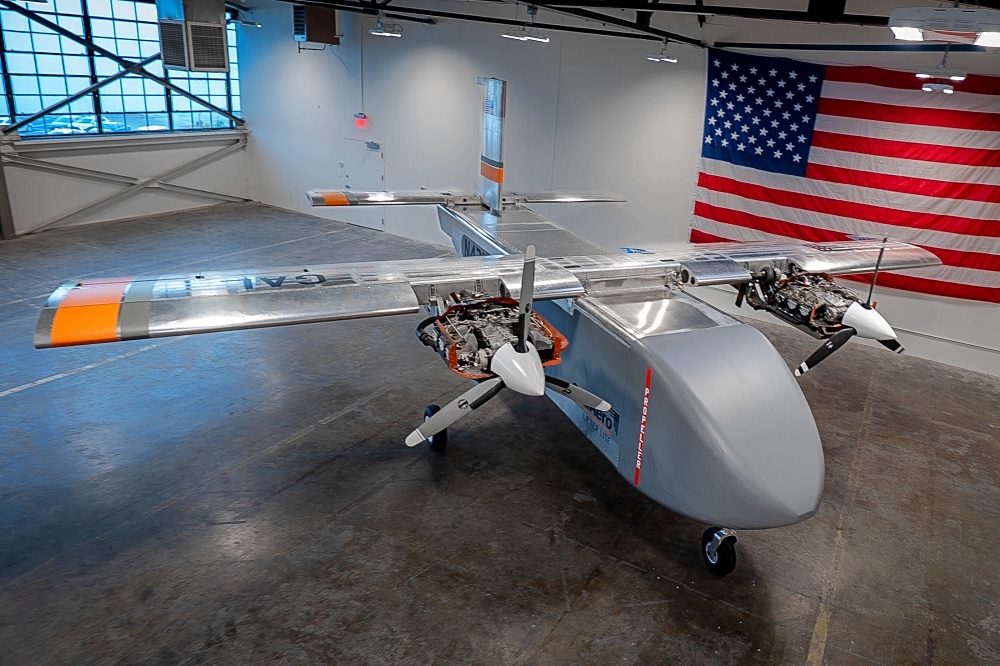
World
Aerospace startup Grid Aero has unveiled its first prototype cargo drone, called the Lifter-Lite, alongside a $6 million seed funding round and a new U.S. Air Force contract under the AFWERX innovation program. The company says the drone is built to transform how heavy supplies are delivered across long distances in difficult or contested areas. The Flying Pickup Truck The Lifter-Lite is described as the “pickup truck of the skies.” Unlike small quadcopters or weaponized drones, it is focused purely on cargo transport. Designed to carry thousands of pounds over thousands of miles, the platform is rugged, cost-effective, and built for easy repair in the field. CEO Arthur Dubois explained: “Lifter-Lite is our autonomous, flying pickup truck: simple, rugged, and built to move heavy payloads at scale. For the military, it offers a low-cost, attritable platform that can be deployed quickly. For commercial operators, it enables cheaper middle-mile logistics.” Funding and Support The company raised $6 million in seed funding led by Calibrate Ventures and Ubiquity Ventures, with support from Commonweal Ventures, Boost VC, and Calm Ventures. At the same time, the U.S. Air Force awarded Grid Aero a Direct to Phase II Small Business Innovation Research contract, signaling strong military interest in the project. Simple but Powerful Design The design philosophy is based on simplicity and ruggedness. Dubois compared it to an “Ikea kit” — easy to assemble, with minimal moving parts, a proven powertrain, and a simplified structure for quick repairs. This makes it suitable for use in remote or austere environments where traditional aircraft face challenges. AI and Distributed Networks Each drone is built to operate as part of a distributed mesh network. When multiple drones are deployed, the network expands, creating greater range, redundancy, and resilience. A small ground crew can supervise dozens of drones at once. The Lifter-Lite also uses an AI-enabled autonomy system that blends classical controls with modern machine learning. This allows the drone to handle takeoff, flight, and delivery with minimal human oversight, while learning from other aircraft in the fleet. Military and Commercial Uses For the military, the Lifter-Lite offers an attritable alternative to large, expensive transport aircraft like the C-130. It could be critical in Agile Combat Employment concepts, where forces must remain supplied while operating from scattered bases in contested regions such as the Indo-Pacific. For the commercial sector, it provides a low-cost option for middle-mile logistics — moving goods efficiently between hubs without the need for large airports or complex infrastructure. Grid Aero was founded just a year ago, and in only six months it has built its first full-scale prototype. The company plans to begin ground testing later this year, with flight trials to follow soon after. Its engineering team includes veterans from Joby Aviation, Northrop Grumman, Xwing, and the U.S. Air Force, bringing both aerospace expertise and military logistics experience. With its prototype revealed, funding secured, and Air Force support in place, Grid Aero is positioning itself as a major new player in autonomous logistics. The Lifter-Lite could mark a shift away from relying solely on large, vulnerable cargo aircraft, toward scalable networks of autonomous drones capable of keeping supplies moving even in the toughest environments.
Read More → Posted on 2025-08-20 15:57:28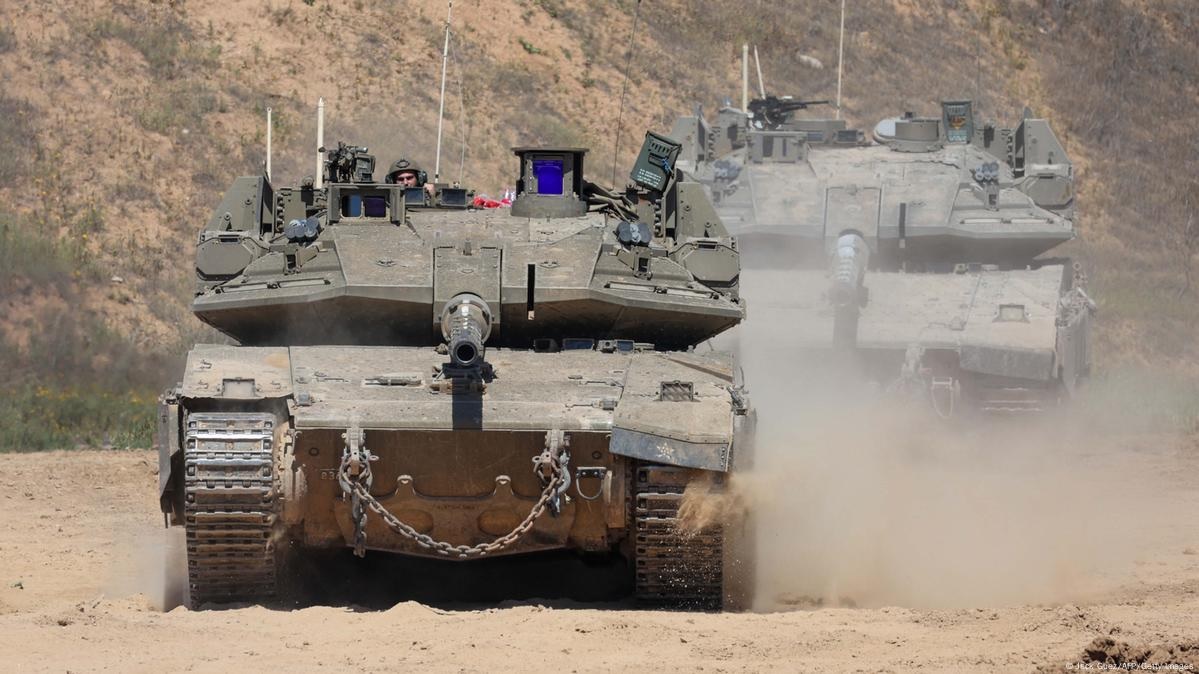
World
Tel Aviv, August 20, 2025 — Israel’s Ministry of Defense has approved a sweeping $1.5 billion program to accelerate production of its most advanced armored vehicles, marking one of the largest investments in ground forces in recent years. The move comes in the aftermath of the Swords of Iron War, where months of high-intensity combat in Gaza placed unprecedented strain on the Israel Defense Forces’ (IDF) armored formations. At the heart of this initiative lies a commitment to rapidly expand production of three cornerstone platforms: the Merkava Mk. 4 Barak main battle tank, the Namer armored personnel carrier (APC), and the Eitan wheeled APC. Collectively, these vehicles form the backbone of Israel’s maneuver capability, having already proven their worth in urban combat and cross-border operations. The Core Platforms Merkava Mk. 4 Barak: Israel’s latest and most advanced tank variant, equipped with the Trophy active protection system, next-generation sensors, and a digitized battle management suite. The Barak is designed to detect, classify, and neutralize threats faster than its predecessors, ensuring survivability in environments saturated with anti-tank guided missiles. Namer APC: Built on the Merkava chassis, the Namer is considered one of the heaviest and most secure APCs in the world. Its design prioritizes troop protection in dense, urban combat zones—conditions faced repeatedly in Gaza. Namers have been instrumental in transporting infantry under fire while maintaining resilience against improvised explosive devices (IEDs) and rocket-propelled grenades. Eitan 8×8 APC: Israel’s first wheeled armored combat vehicle, the Eitan provides mobility and versatility unmatched by tracked systems. It has been increasingly outfitted with remote-controlled 30mm cannons, transforming it into both a reconnaissance and fire-support asset. Its wheeled design allows faster deployment across Israel’s road network, making it a flexible complement to the heavier Merkava and Namer. Together, these vehicles have accumulated over one million kilometers of operational use during the recent Gaza campaign, underscoring their reliability and necessity for sustained operations. Lessons from Recent Conflicts Israel’s armored corps has been in a constant state of evolution since the 2006 Lebanon War, where Hezbollah’s widespread use of anti-tank weapons exposed vulnerabilities in older IDF systems. The response was rapid modernization: integration of active protection systems, enhanced situational awareness technologies, and urban-combat adaptations. By comparison, while Western equivalents such as the U.S. Abrams or German Puma emphasize armor and firepower, the Israeli approach blends combat experience with innovation cycles tailored to hybrid warfare. The Merkava and Namer, for instance, combine heavy protection with adaptability, while the Eitan represents an Israeli-built alternative to vehicles like the American Stryker or German Boxer. Strategic and Economic Dimensions From a military perspective, the program is intended to restore armored readiness after exhaustive deployment in Gaza, while preparing for potential northern escalations with Hezbollah. The expansion ensures the IDF can sustain long-term, high-intensity ground operations without depleting reserves. On a geopolitical level, the decision highlights Israel’s reliance on its domestic defense industry. With defense autonomy at the forefront of policy, producing Merkavas, Namers, and Eitans at scale reduces exposure to external supply chain risks—critical at a time of regional volatility. Economically, the plan is expected to bolster Israel’s defense-industrial base, particularly through the Tank Production Plant (MANTAK), which oversees Merkava and Namer production. The Eitan program, meanwhile, taps into a wider network of Israeli defense contractors, creating spillover benefits for local suppliers and technology developers. Budgetary Significance The $1.5 billion allocation, still subject to final budget approval by the Knesset’s defense finance committee, stands as one of Israel’s largest recent armored procurement efforts. It follows earlier emergency contracts signed after the October 7 Hamas attacks, which forced Israel into rapid replenishment of frontline ground assets. This latest approval, however, moves beyond emergency acquisition—it represents a deliberate, long-term scaling up of IDF armored capacity. A Defining Moment for the IDF This program underscores a strategic choice: despite the growing role of drones, precision strikes, and cyberwarfare, the IDF continues to place heavy armor at the center of its warfighting doctrine. The decision to boost production of Merkavas, Namers, and Eitans reflects the belief that survivability, mobility, and sustained firepower remain irreplaceable in protracted, high-intensity conflicts. By expanding its armored fleet, Israel is not only restoring strength after Gaza but also sending a clear message to its adversaries: the IDF remains ready and capable of prevailing in large-scale ground warfare.
Read More → Posted on 2025-08-20 15:12:18Search
Top Trending in 24 Hours
-
 Ukraine Introduces Balloon-Launched DART Missile Designed to Defeat Electronic Warfare
-
 UK Announces £210 Million Deal to Supply Enriched Uranium to Ukraine for Two Years
-
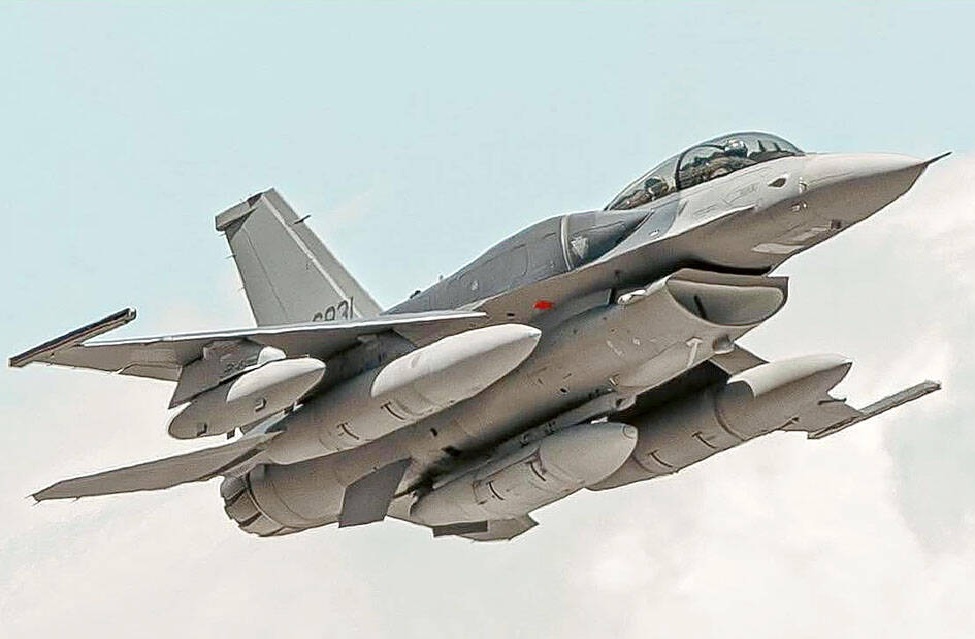 First Taiwanese F-16 Block 70 Flies with Five-Tank Fuel Configuration During Texas Tests
-
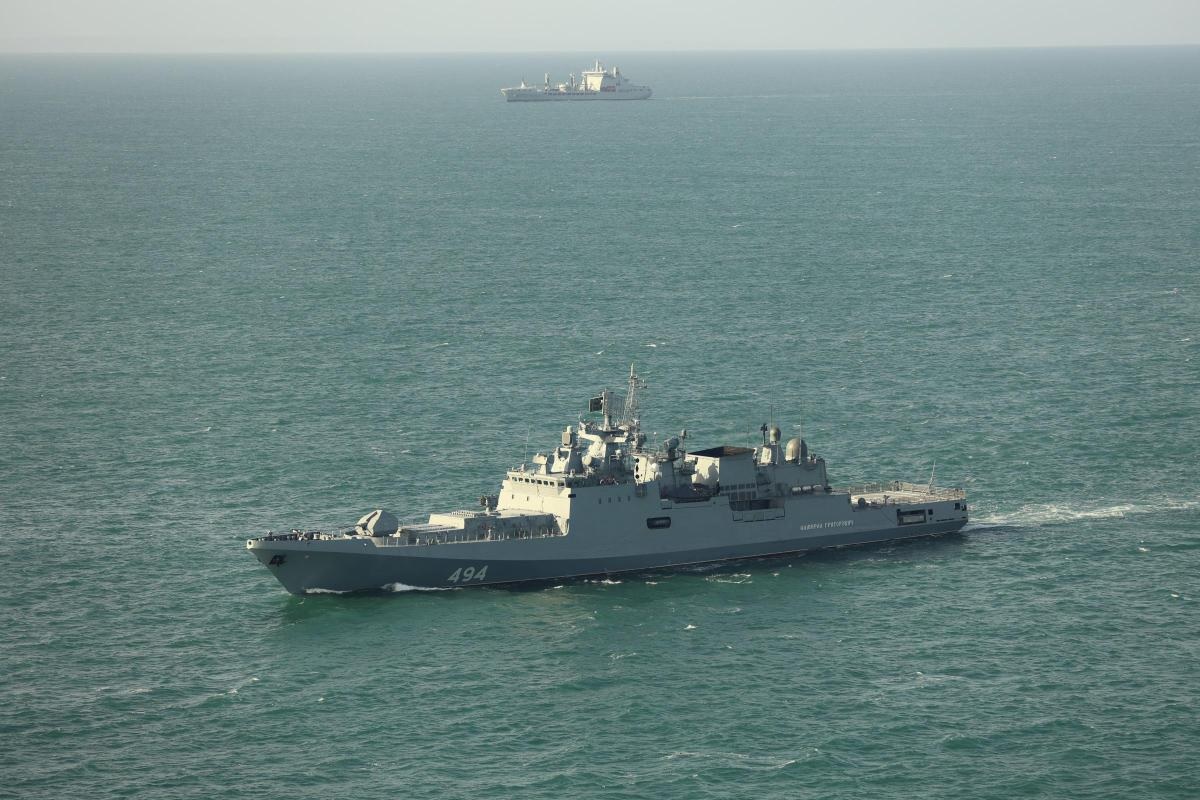 Russian Frigate Admiral Grigorovich Challenges UK Yacht in English Channel With Warning Shots
-
 Patria Launches WISPR Passive Counter-Battery Radar with Silent Detection Capability at Eurosatory 2026
-
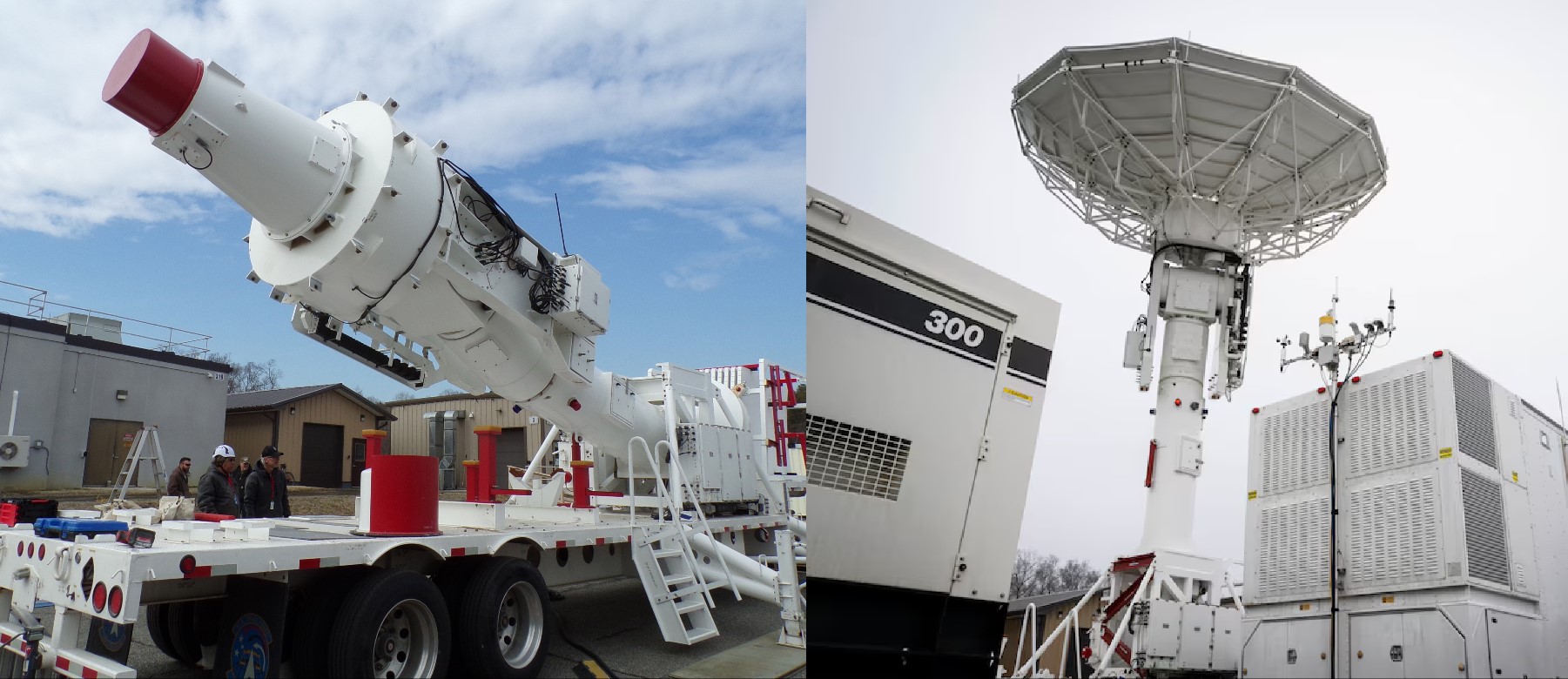 Space Force Transfers Transportable Satellite Tracking Antenna to Naval Research Laboratory
-
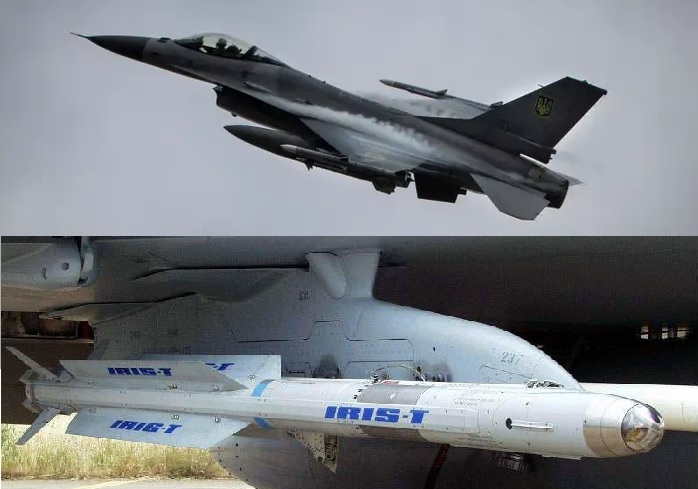 Ukraine’s F-16 Fighters Set to Receive German IRIS-T Air-to-Air Missiles
-
 Canada's Roshel and Daimler Truck Defence Sign Strategic Partnership for Armored Military Vehicles
Top Trending in 4 Days
-
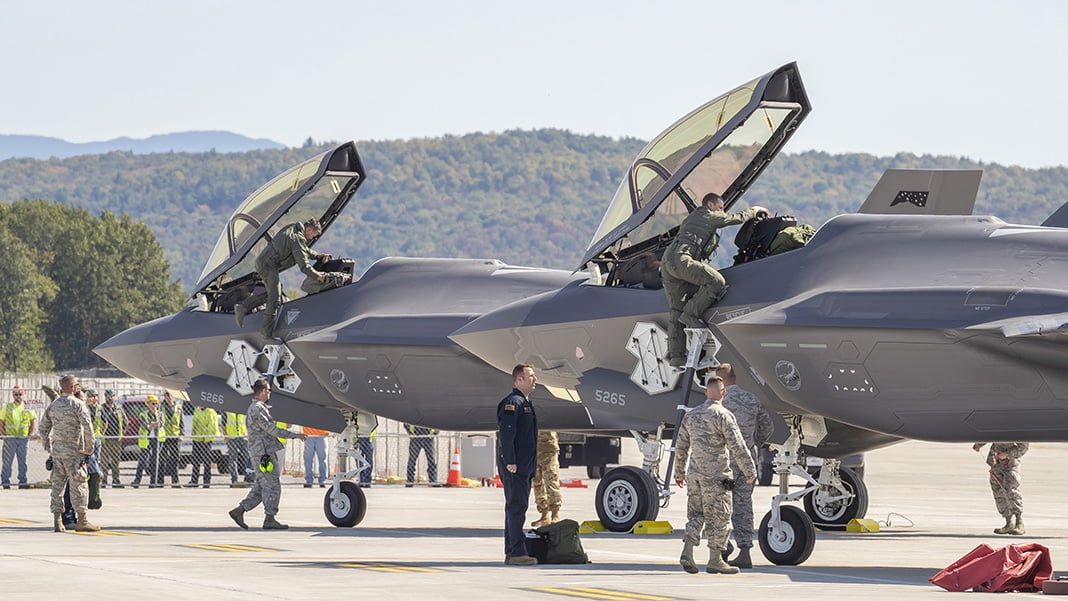 F-35 Fleet Readiness Falls to 25% Amid Parts Shortages and Software Delays: GAO Report
-
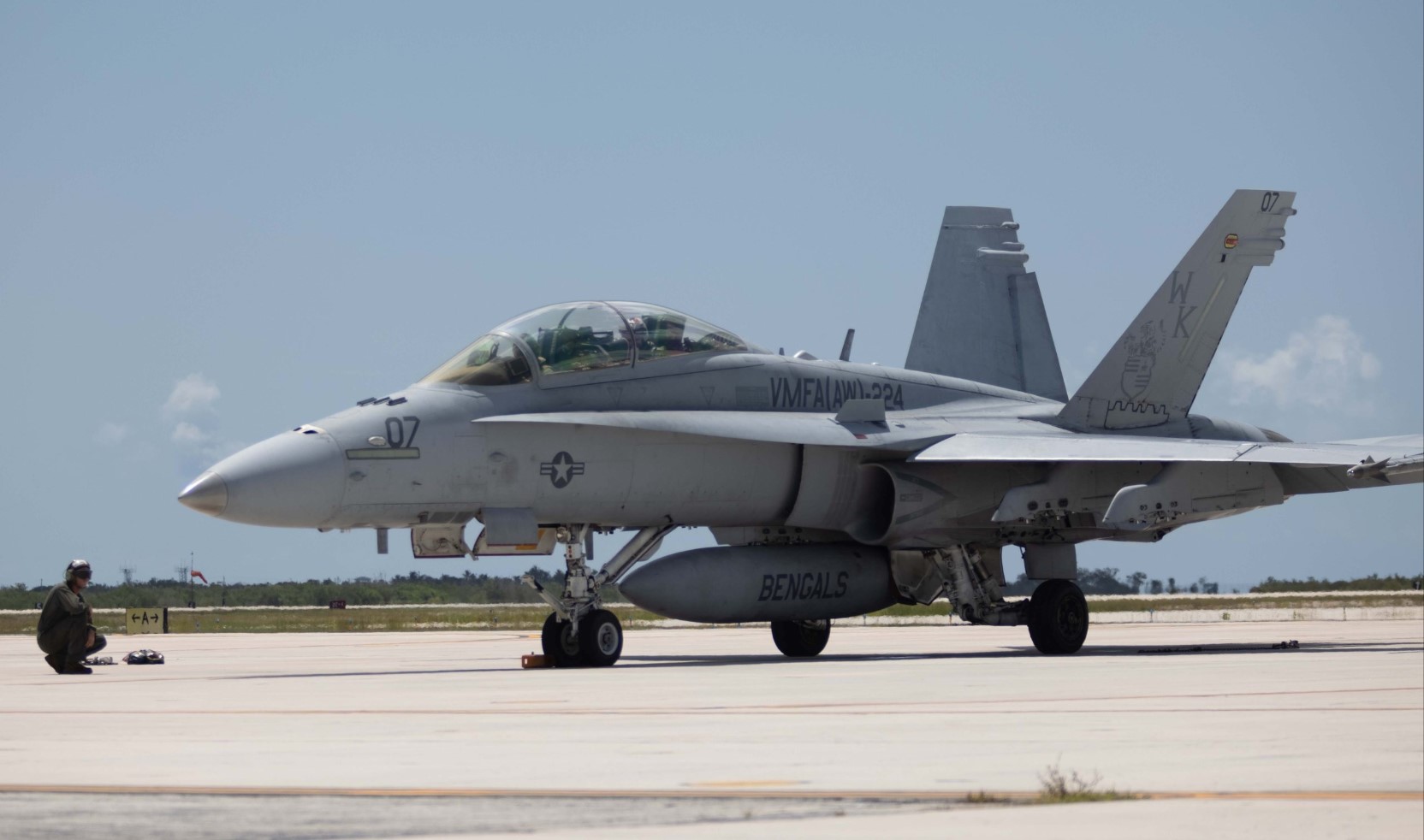 US Marine Corps F/A-18D Hornet Crashes During Training Flight in Washington Mountains; Pilot Ejects Safely
-
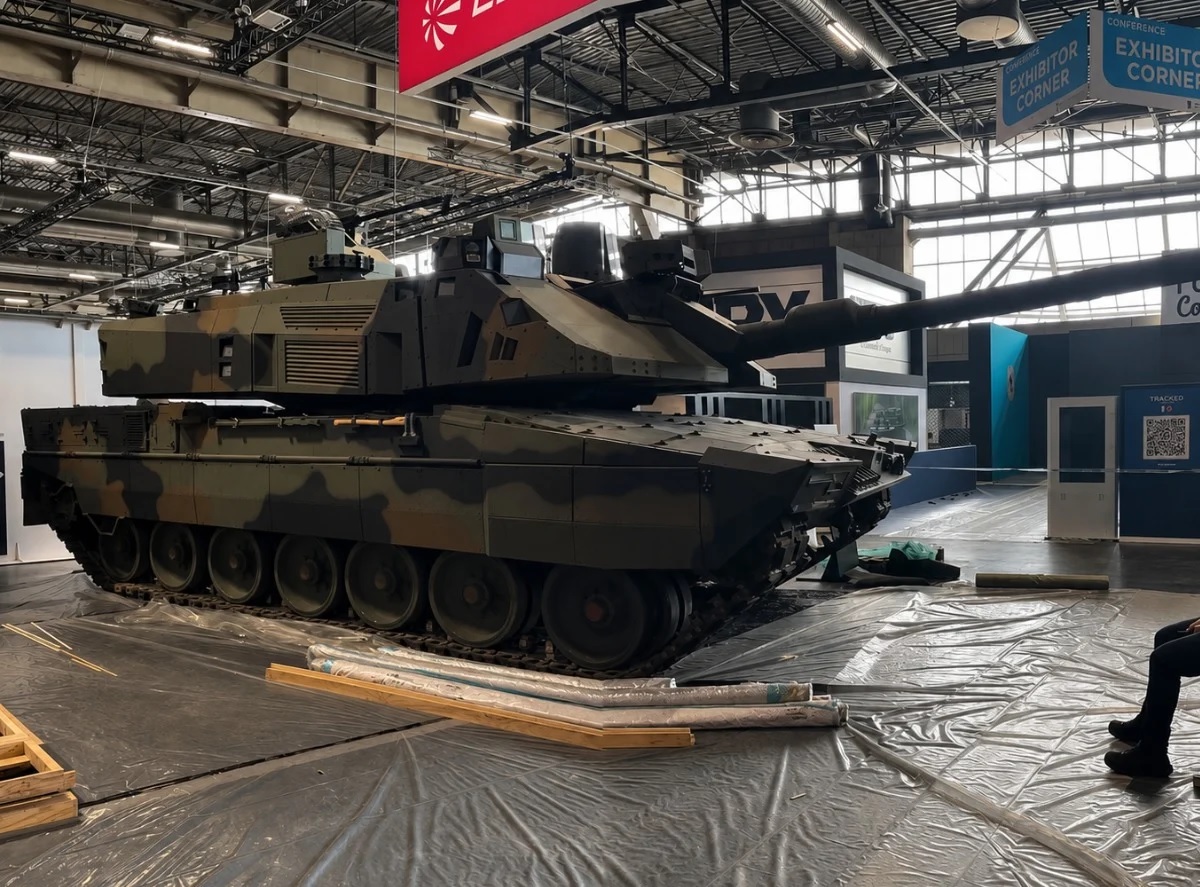 Leonardo Rheinmetall to Unveil Italy’s New IMBT Main Battle Tank at Eurosatory 2026
-
 Tulsi Gabbard Releases Declassified Files Detailing U.S.-Backed Network of 120 Biolaboratories Across 30+ Countries
-
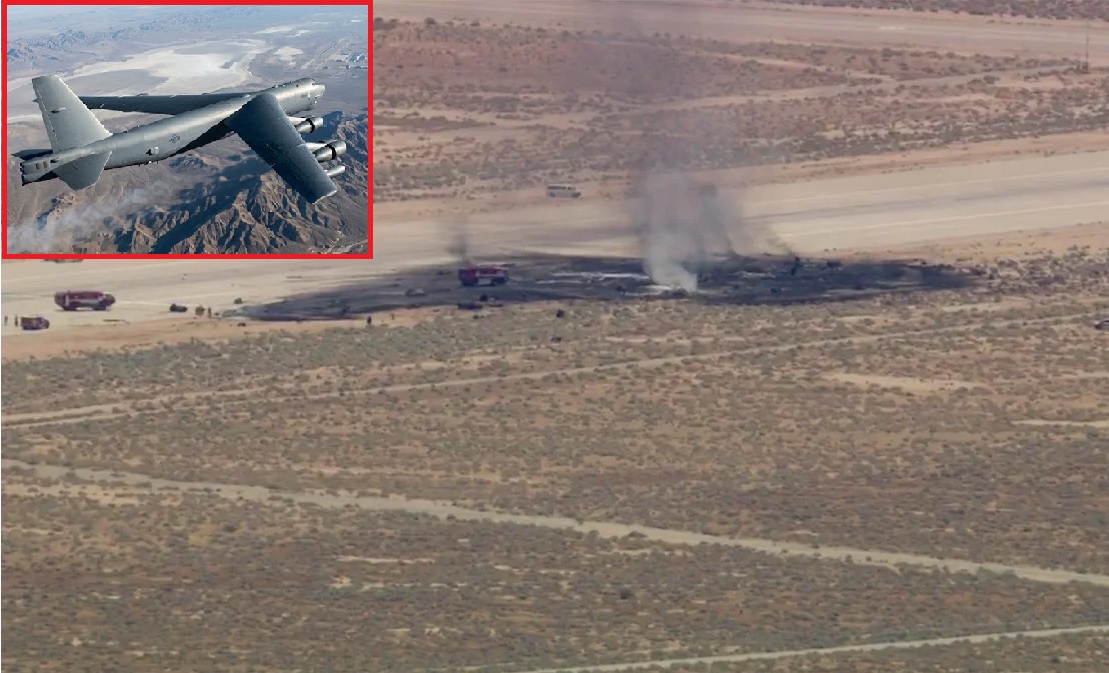 8 U.S. Air Force Crew Members Killed in B-52 Bomber Crash During Test Flight at Edwards Air Force Base
-
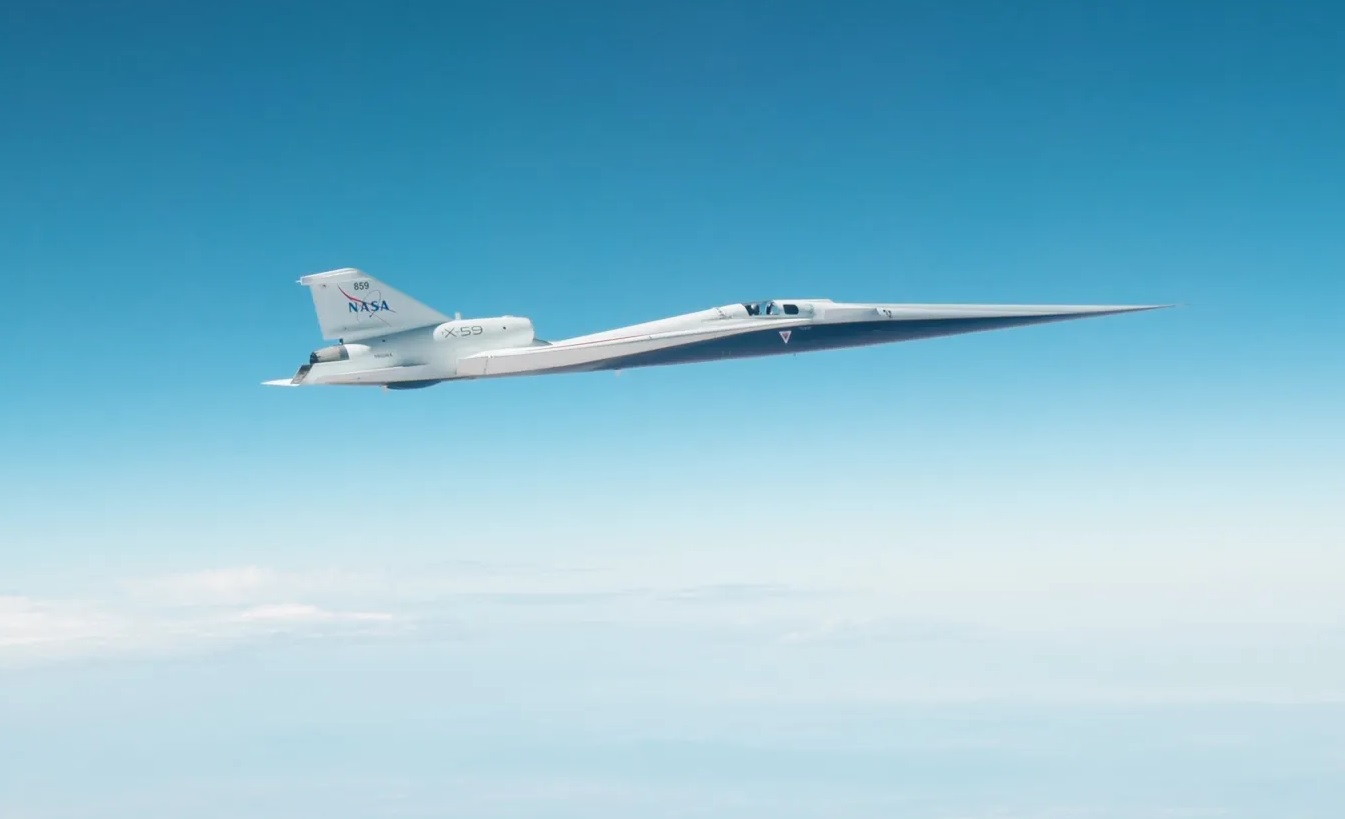 NASA X-59 Achieves Planned Mission Conditions with Mach 1.4 Flight at 55,000 Feet
-
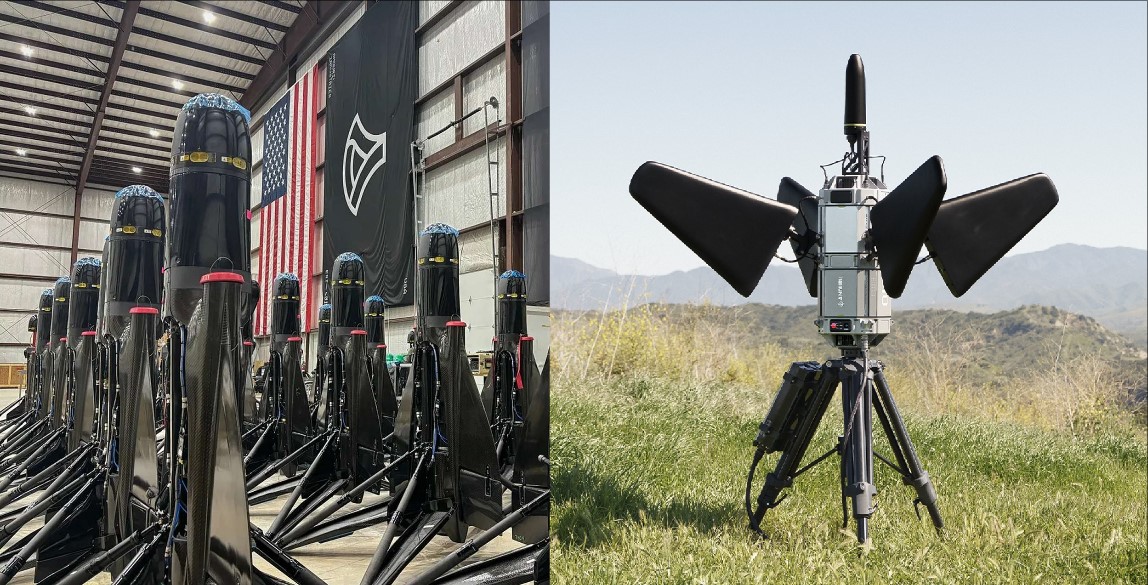 U.S. Approves $1.98 Billion Sale of Anduril AI-Powered Counter-Drone Systems to Kuwait
-
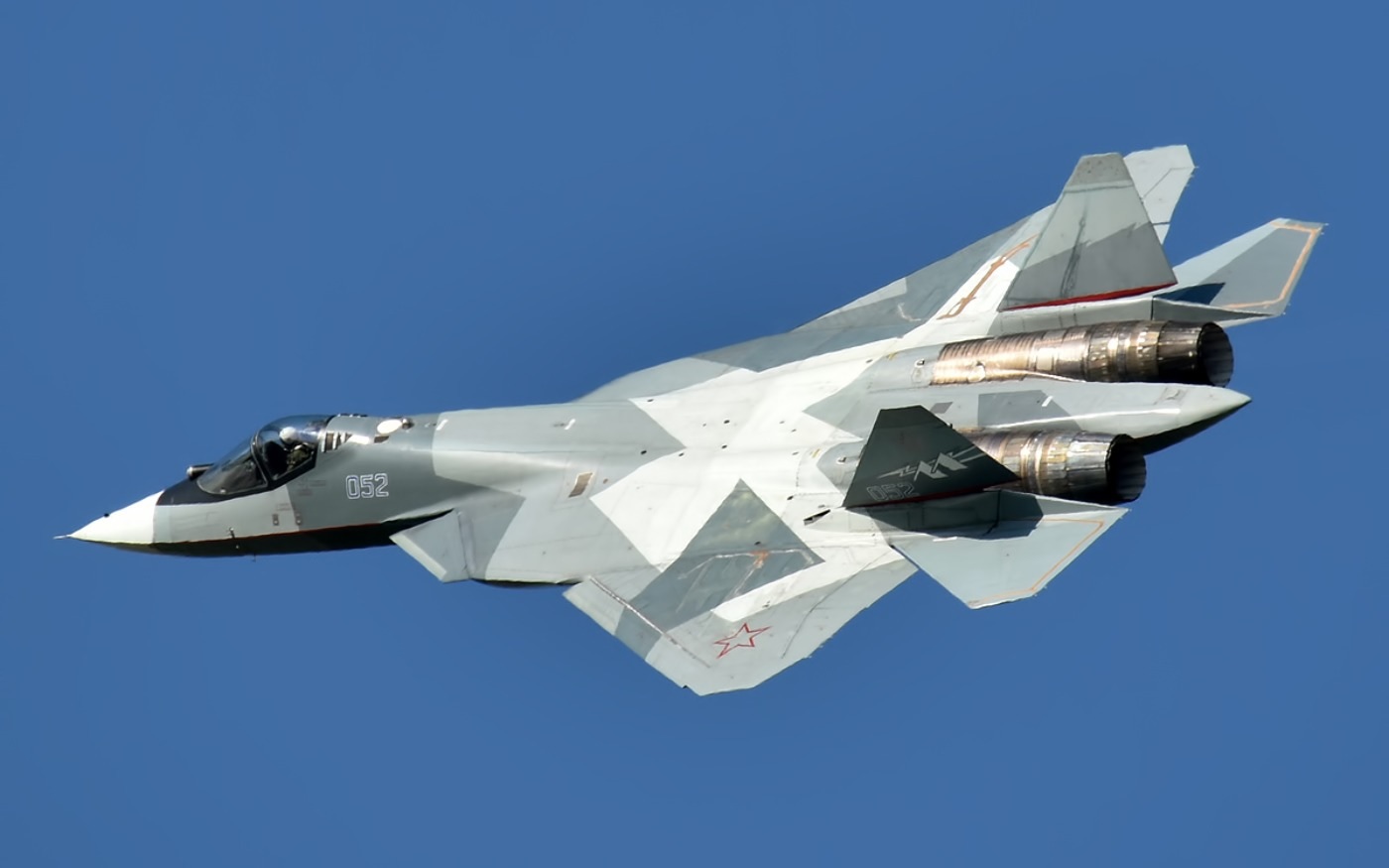 Russian Analysts Debate Su-57 Capabilities After Putin Calls Fighter Superior to F-35