
World
In a striking display of military modernization, China is preparing to unveil a new generation of uncrewed drones, particularly the “loyal wingman” type, during the upcoming military parade in Beijing on September 3. The event, which commemorates the 80th anniversary of China’s victory over Japan in World War II, is expected to highlight some of the country’s most advanced combat technologies, many of which are still in the developmental stage. Recent imagery and reports suggest that at least five different loyal wingman drones will be featured. These drones, known in the U.S. as Collaborative Combat Aircraft (CCA), are designed to operate alongside manned fighter jets, providing support in combat missions through surveillance, electronic warfare, or direct strikes. Among the most anticipated is the GJ-11 Sharp Sword, a stealthy flying-wing drone considered a central piece of China’s unmanned combat aircraft program. One design that has drawn significant attention closely resembles the FH-97 drone, first shown at the Zhuhai Airshow in 2021. It features a traditional wing and tail layout with a top-mounted air intake, bearing similarities to the American XQ-58A Valkyrie. Analysts also noted comparisons to the General Atomics YFQ-42A, though Chinese models exhibit subtle differences in stabilizer design, hinting at unique operational roles. In addition, two new tailless drone designs with delta wing shapes have been spotted, pointing toward higher maneuverability and stealth. Videos from recent rehearsals suggest that at least one of these tailless drones has already flown in formation with a Chinese transport aircraft, underscoring the progress toward crewed–uncrewed teaming. This concept, heavily emphasized by global militaries, relies on advanced artificial intelligence to allow drones to operate as extensions of piloted aircraft, sharing data and carrying out coordinated missions. Beyond drones, the parade is expected to reveal a broad array of military advancements. China is preparing to display new missile systems, including the YJ-17, YJ-19, and YJ-20, with speculation that some could carry hypersonic capabilities. Reports also point to the development of uncrewed underwater and surface vehicles, directed-energy missile defense systems, and next-generation armored vehicles, both crewed and uncrewed. The strategic message behind this parade is clear. By showcasing these cutting-edge systems, China is signaling its intent to modernize the People’s Liberation Army (PLA) across multiple domains—air, land, sea, and space. The emphasis on drones, especially the loyal wingman category, reflects Beijing’s ambition to create a cost-effective, high-volume network of unmanned systems that can augment its stealth fighters like the J-20. While some of the designs on display may remain prototypes or mockups, history suggests that China often uses parades to preview platforms that later become operational. The unveiling of loyal wingman drones thus marks an important step in the PLA’s transition toward future warfare, where autonomy, swarming tactics, and AI integration will define the battlespace. This year’s parade is shaping up to be more than just a commemoration of the past—it is also a preview of China’s vision of tomorrow’s battlefield, one where uncrewed systems play a central role in shaping air dominance and power projection.
Read More → Posted on 2025-08-18 16:20:16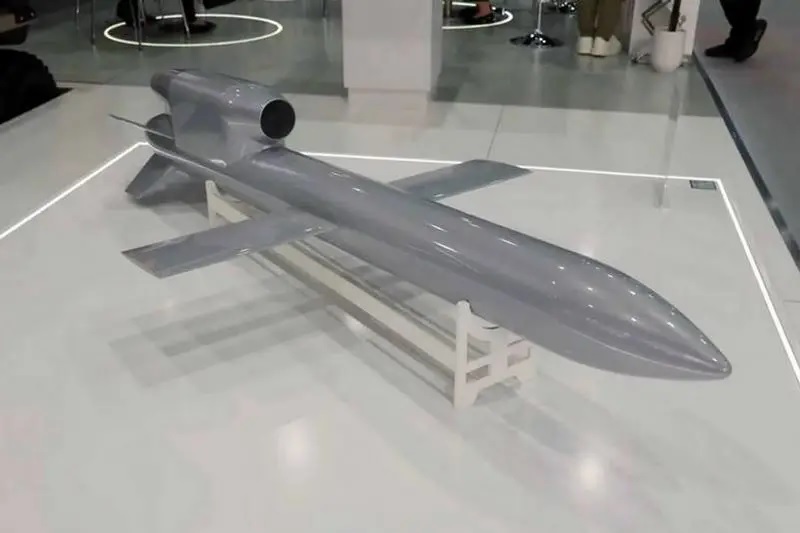
World
On August 17, 2025, a photograph taken by Associated Press photographer Efrem Lukatsky from inside a Fire Point defense facility offered the first public look at Ukraine’s new Flamingo cruise missile. The image showed the weapon in a production workshop and came with the striking claim that the system had already entered serial manufacturing. Most importantly, Lukatsky noted that the Flamingo has a range of more than 3,000 kilometers—a capability that, if verified, places it far beyond the reach of earlier Ukrainian-produced long-range missiles. The timing of this disclosure is no accident. Kyiv is under pressure as Western arms deliveries have slowed, forcing the country to lean heavily on domestic defense production to sustain its war effort. The Flamingo is presented not only as a new missile, but as a symbol of Ukraine’s determination to expand its own industrial base while countering Russia’s continued strikes on critical infrastructure. A Missile Resembling the FP-5 Observers were quick to note that the Flamingo strongly resembles the FP-5 cruise missile, a system unveiled earlier this year by the Milanion Group, a defense company with roots in both the UAE and the UK. The FP-5 was displayed at the IDEX 2025 exhibition in Abu Dhabi and advertised as a subsonic, long-range cruise missile with simplified design features to allow rapid production. Technical comparisons between the Flamingo and FP-5 suggest almost identical specifications: Range: about 3,000 km Warhead: roughly 1 ton, twice that of the U.S. Tomahawk Takeoff weight: approximately 6 tons Wingspan: 6 meters Speed: 850–900 km/h in cruise, with peaks near 950 km/h Guidance: inertial navigation backed by satellite systems resistant to electronic jamming The Milanion design emphasized cost-effectiveness by eliminating folding wings and containerized launch. This simplification required longer pre-launch preparation—between 20 and 40 minutes—but allowed a potential production rate of 50 missiles per month. Ukraine’s Flamingo now appears to be closely linked to this model, a connection reinforced by Milanion’s cooperation agreement with a Ukrainian defense firm signed back in 2021. Comparison With the Tomahawk Analysts quickly placed the Flamingo side by side with the U.S. Tomahawk cruise missile. The Tomahawk, in its latest Block IV and Block V versions, has a range of about 1,600 km and carries a 450 kg payload. By contrast, the Flamingo’s specifications suggest nearly double the range and payload, though both missiles share similar subsonic speeds. While Tomahawk benefits from decades of refinement, integration with naval platforms, and specialized variants for maritime strike and hardened targets, Flamingo appears to be entering the fight with raw power and range as its key strengths. Survivability and Design Concerns Despite its impressive specifications, questions remain about Flamingo’s ability to survive in heavily defended airspace. Its large size, wide wingspan, and subsonic flight profile make it potentially easier to detect and intercept than smaller or faster systems. Supporters argue that low-altitude flight paths, the use of decoys and drones, and gaps in Russian radar coverage could mitigate these vulnerabilities. Ukraine has already proven it can penetrate deep into Russian territory with converted aircraft and legacy drones, suggesting that a modern cruise missile with advanced navigation could achieve even greater reach. Open-source analysts have estimated Flamingo’s dimensions from transport trailers, suggesting a total missile length of 6 to 7 meters, a body diameter of about 80 to 90 centimeters, and a wingspan of roughly 5.2 meters. While this makes it a large and visible weapon, it also confirms its heavy payload capacity. Strategic Impact and Timing If Flamingo truly achieves its claimed 3,000 km range, it would enable Ukraine to strike virtually any point inside Russia—including Moscow, industrial hubs beyond the Ural Mountains, and even Arctic bases. Beyond Russia, its reach extends as far as Spain or North Africa, placing entire regions under theoretical threat. The timing of Lukatsky’s publication—just before President Volodymyr Zelensky’s scheduled meeting with U.S. President Donald Trump in Washington—suggests that the unveiling carries a political message as much as a military one. It signals Ukraine’s ability to escalate and sustain strikes independently of Western supply lines. Building a Domestic Arsenal The Flamingo is part of a broader Ukrainian missile development push. Since 2020, Kyiv has steadily expanded its portfolio: The Neptune missile, originally anti-ship, famously sank the Russian cruiser Moskva in 2022 and has since been adapted for land attack. The Grim-2 (or Hrim-2) tactical ballistic missile is being developed with a range of around 500 km. In 2025, Ukraine tested a new ballistic missile capable of flying 300 km with a 400+ kg warhead, already used against Russian command posts. The Palianytsia hybrid missile-drone, with a 500–700 km range, has been built and fielded domestically. By April 2025, Zelensky announced that over 40% of frontline weapons and 95% of drones were domestically produced. The Flamingo is thus a logical next step in this growing industrial independence. Historical Parallels Some observers noted Flamingo’s resemblance to the German V-1 flying bomb from World War II, which was also a long-range, subsonic cruise missile used in large numbers against London and Antwerp. While the comparison is mostly visual—both feature dorsal engines and straightforward layouts—the historical reminder is clear: even relatively simple cruise missiles can cause major strategic disruption when produced in quantity. Russia’s propaganda channels are likely to exploit this resemblance for disinformation, but the analogy also underscores the strategic utility of mass production. The emergence of the Flamingo cruise missile underscores Ukraine’s growing ability to design and manufacture complex long-range strike weapons under wartime conditions. If the reported range and payload are accurate, it places Kyiv in possession of one of the most powerful subsonic cruise missiles currently in operation, surpassing even the U.S. Tomahawk in raw range and destructive potential. Whether Flamingo proves survivable in combat remains to be seen, but its existence alone signals a dramatic shift: Ukraine is no longer just relying on Western arms—it is building its own arsenal capable of reshaping the balance of strategic strikes deep into Russian territory.
Read More → Posted on 2025-08-18 16:09:59
World
China has reached a new milestone in aviation technology with the first successful flight of a tiltrotor prototype developed by the Aviation Industry Corporation of China (AVIC). The aircraft, long rumored to be under development, combines the vertical takeoff abilities of a helicopter with the speed and range of a fixed-wing aircraft—an advancement that could significantly expand the operational reach of the People’s Liberation Army (PLA). The prototype bears a strong resemblance to the American V-280 Valor, one of the latest U.S. tiltrotor platforms. Like the Valor, the Chinese aircraft uses fixed engines with tilting rotors and drive shafts that allow smooth transition between helicopter-style hovering and airplane-like forward flight. This design provides versatility for missions ranging from long-range assault operations to maritime transport. Key engineering choices suggest that safety and redundancy were prioritized. The aircraft features a straight wing with a drive shaft running through it, enabling a single engine to power both rotors in the event of an engine failure. Visible structural elements include retractable landing gear and a T-tail configuration, enhancing aerodynamic performance. The tiltrotor was first seen as a scale model at the Zhuhai Airshow in 2022, where AVIC outlined its ambitions for next-generation rotorcraft. The move from a display model to a flying prototype in just a few years demonstrates the rapid pace of Chinese aerospace innovation. For Beijing, the strategic value of tiltrotor aircraft is clear. By marrying vertical lift with high-speed forward flight, these platforms can provide longer-range transport, quicker troop deployment, and more flexible maritime operations. Such capabilities could prove vital in the South China Sea or in rapid-response missions across China’s vast geography. Globally, the United States has led in tiltrotor technology with the V-22 Osprey and more recently the V-280, showcasing their utility in modern warfare. Europe is also pushing development with Leonardo’s Next-Generation Civil Tiltrotor project. China’s entry into this field underscores its determination not to lag behind in advanced rotorcraft design. This effort is part of a broader national push into advanced vertical-lift and eVTOL technologies. Other Chinese firms are developing tiltrotor UAVs and hybrid-electric designs, while government policies such as the Low-Altitude Economy Action Plan (2024–2027) are encouraging innovation in both military and civilian aviation. Although China has not disclosed specific details on the prototype’s payload, range, or speed, the successful first flight confirms that AVIC’s program is progressing beyond concept and into serious flight testing. Analysts believe that, with continued development, China could field an operational tiltrotor within the next decade, offering the PLA a powerful new tool in its modernization drive.
Read More → Posted on 2025-08-18 15:09:28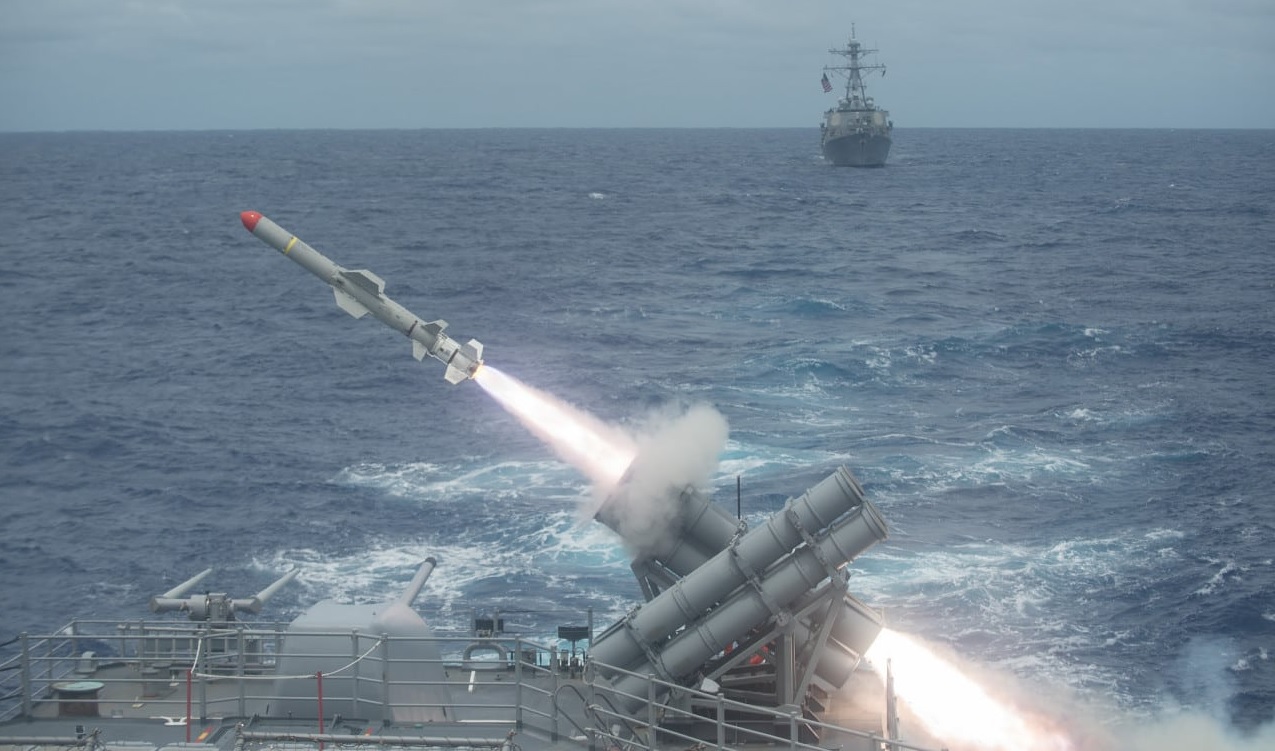
World
The U.S. Navy and Boeing have successfully completed the first developmental flight test of the Harpoon Block II Update (Block IIU) anti-ship missile, marking a major milestone for the program as it moves closer to production. The test, conducted at the Point Mugu Sea Range in California, showcased the missile’s upgraded propulsion, guidance, navigation, and control systems, along with its improved aerodynamic performance. Boeing officials revealed that the Harpoon Block IIU represents a near-total redesign of the original missile, a move driven by obsolescence challenges and rising global demand for advanced anti-ship capabilities. The missile, first introduced in 1977, has been one of the world’s most widely deployed all-weather anti-ship systems, used in air, surface, submarine, and ground launch roles by dozens of navies and air forces. The new Block IIU iteration builds upon the earlier Harpoon Block II, which incorporated technology from Boeing’s Joint Direct Attack Munition (JDAM) and Standoff Land Attack Missile (SLAM) programs. Countries such as India, South Korea, Qatar, and Australia have already inducted Block II versions, while the upgraded Block IIU is set to refresh the system with modern hardware, software, and fuel components to enhance lethality and extend service life. The recent test involved a drop from a Saudi F-15SA fighter jet, confirming the missile’s compatibility with advanced aircraft platforms. According to Joe Gentile, Boeing F-15 Test Engineer, the trial was a demonstration of effective collaboration: “Completing this test was especially meaningful because all the teams involved — Cruise Missile Systems, F-15 and Boeing Test & Evaluation along with the Navy — were able to work together and accomplish a shared mission to help the U.S. and its allies.” The Block IIU effort runs parallel with a Service Life Extension Program (SLEP) designed to sustain and modernize the Harpoon inventory. RTX has been contracted to support this upgrade as the exclusive supplier of Harpoon seekers, ensuring continuity in missile production. Deliveries of the upgraded Block IIU Harpoon missiles are expected to begin in 2026, positioning the system to remain a frontline anti-ship weapon for the U.S. and allied forces well into the next decade.
Read More → Posted on 2025-08-18 15:02:52
World
In a significant move toward next-generation navigation and sensing technologies, Honeywell has been selected by the U.S. Department of Defense’s Defense Innovation Unit (DIU) to participate in the Transition of Quantum Sensing (TQS) program. The initiative is aimed at accelerating the adoption of quantum sensors for alternative position, navigation, and timing (PNT) applications, as well as for intelligence, surveillance, and reconnaissance (ISR) across the U.S. Joint Forces Command. Honeywell will support the program under two major contracts – CRUISE (Compact Rubidium Unit for Inertial Sensing and Estimation) and QUEST (Quantum Enabled Sensor Technologies for MagNav). These efforts are designed to deliver reliable navigation in GPS-denied environments, where traditional systems are vulnerable to jamming and spoofing by adversaries. The CRUISE program, developed in partnership with Vector Atomic, will focus on building quantum sensor-based Inertial Measurement Units (IMUs) capable of standalone navigation without reliance on satellite signals. These IMUs would allow aircraft, ships, and military platforms to maintain accurate navigation even when GPS is disrupted, a scenario increasingly likely in modern contested environments. “With the growing threat of jamming and spoofing, aircraft and naval vessels on critical missions can no longer rely solely on GPS,” said Matt Picchetti, vice president and general manager of Navigation and Sensors at Honeywell Aerospace Technologies. “Quantum sensors have the potential to augment existing navigation solutions, helping pilots operate with greater confidence. Honeywell’s pedigree in fielded sensors and navigation solutions provide us with a unique perspective to ensure the technology is viable beyond the laboratory.” Meanwhile, the QUEST program will advance magnetic anomaly-aided navigation (MagNav), a quantum sensing technique that leverages the Earth’s magnetic field for positioning and navigation without GPS. Honeywell’s role will include contributing advanced algorithms to boost navigation accuracy and supporting real-world demonstrations of these systems in flight under GNSS-denied conditions. According to Picchetti, quantum navigation is poised to become a game-changing technology:“As quantum sensor-based navigation technology matures, we believe it not only has the potential to displace existing technologies but will also be a serious disruptor to the inertial and magnetic sensor industries. Most importantly, it could improve navigation in high-stakes environments – enhancing safety, efficiency, and overall mission success for the DOD.” The DIU’s TQS program reflects a wider Pentagon strategy to reduce dependence on vulnerable satellite-based systems by investing in cutting-edge quantum technologies. For Honeywell, this collaboration highlights its growing role in shaping the future of defense navigation – one that could soon redefine how U.S. forces operate in contested and denied environments.
Read More → Posted on 2025-08-18 15:00:19
World
As Russia marked Victory Day with a grand military parade in Moscow, the cyberwar spilled into orbit. Hackers aligned with the Kremlin hijacked a satellite broadcasting television into Ukraine, replacing local programming with chilling live feeds of tanks, troops, and military hardware rolling through Red Square. It was a stark reminder that modern warfare extends far beyond land, sea, and air—into cyberspace and the reaches of outer space. The attack was more than psychological intimidation. Experts warn that disabling a satellite can cause devastating disruption without a single bullet being fired. From GPS navigation and military communications to missile early-warning systems and global supply chains, the 12,000-plus satellites circling Earth are now prime national security targets. “Think about GPS. Imagine if a population lost that and the confusion it would cause,” explained Tom Pace, CEO of the cybersecurity firm NetRise. His warning echoes the 2022 Viasat hack, when malware crippled tens of thousands of modems in Europe as Russian troops invaded Ukraine. The Rising Threat of Space Weapons Western intelligence agencies say Moscow is now developing an even more dangerous tool: a nuclear-based anti-satellite weapon. Declassified U.S. assessments suggest the system could wipe out nearly all satellites in low-Earth orbit with a combination of a physical strike and nuclear radiation frying onboard electronics. “If this weapon is ever deployed, it would be the end of the space age,” said U.S. Congressman Mike Turner, who compared the threat to the Cuban Missile Crisis in space. Analysts warn such a strike could paralyze economies, cripple militaries, and create an orbital debris field rendering low-Earth orbit unusable for years. China, too, has raised alarms. While Beijing officially opposes militarizing space, U.S. officials argue it is pursuing parallel programs, including plans for nuclear power facilities on the moon. Moon Mining and the New Space Race Beyond military conflict, outer space is emerging as the next arena of economic competition. The moon’s reserves of helium-3, a potential fuel for future fusion reactors, have triggered a race to establish bases and energy infrastructure. NASA has announced plans to deploy a small nuclear reactor to the lunar surface, while China and Russia are also advancing lunar power projects. “This isn’t science fiction—it’s quickly becoming reality,” said cybersecurity expert Joseph Rooke. “Whoever dominates space energy could dominate Earth’s future.” America’s Response To counter rising threats, Washington has expanded its U.S. Space Force, created in 2019. The service has declared space a “warfighting domain” and is building capabilities to protect satellites, contest hostile actions, and maintain control of orbit. The Pentagon has also relied on the X-37B unmanned spaceplane, which conducts classified missions and technology tests during long-duration flights. But challenges remain. A recent attempt by Australia to launch its first domestically built rocket failed just seconds after liftoff—proof of the difficulty and expense of securing independent space access. Still, U.S. officials say space dominance is non-negotiable. “You have to pay attention to these things so they don’t happen,” Turner emphasized, warning that complacency could allow rivals to turn the heavens into a battlefield. What began as a satellite hack over Ukraine is increasingly viewed as a signal: the next Cold War may be fought not just on Earth, but in orbit and beyond.
Read More → Posted on 2025-08-18 14:59:32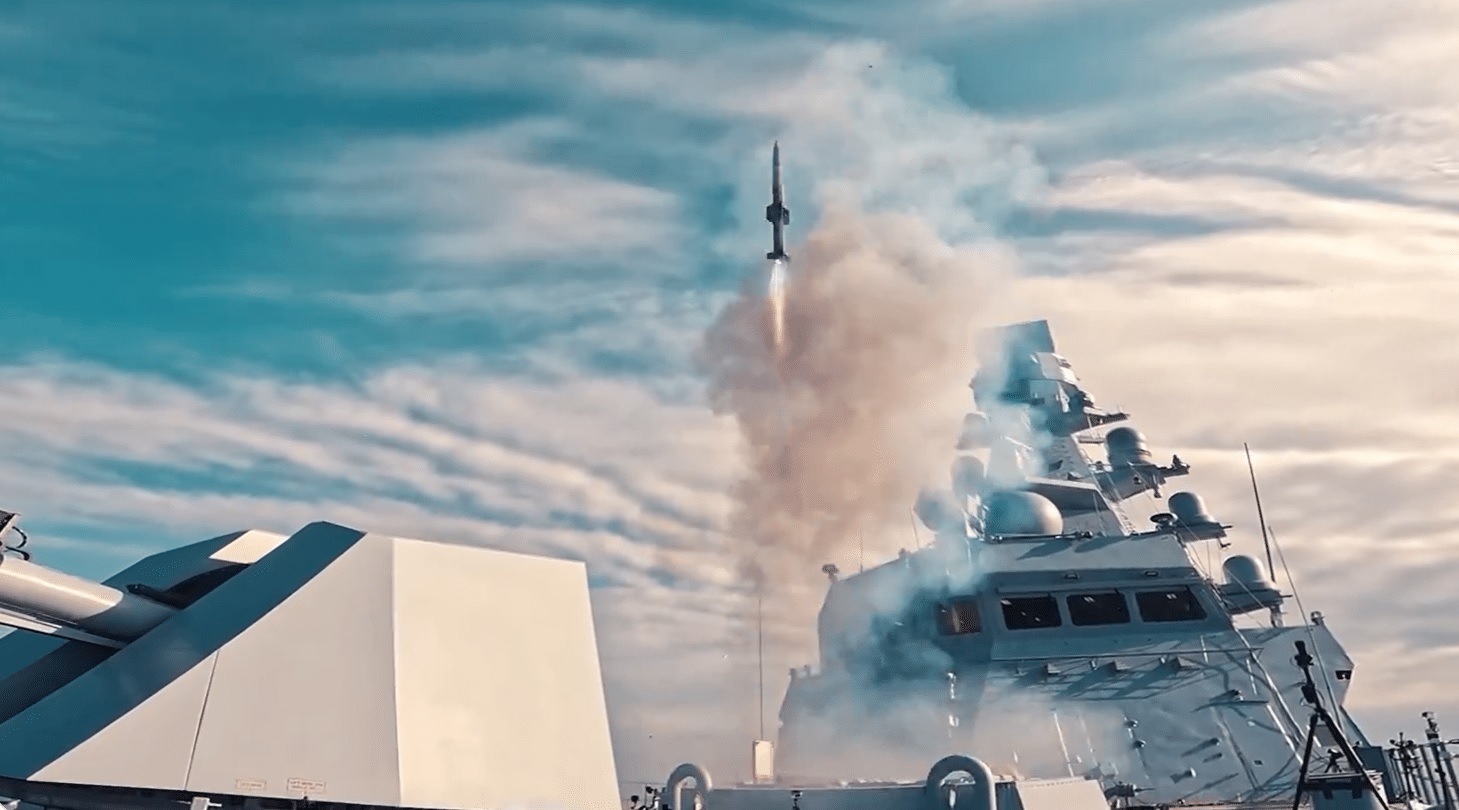
World
On August 15, 2025, the Turkish Navy reached a major milestone in its defense modernization program by successfully conducting a live-fire test of the Hisar-D RF air defense missile from the TCG Istanbul frigate. The trial, carried out in the Black Sea near Sinop, showcased Türkiye’s growing ability to field an entirely indigenous naval air defense system without reliance on foreign suppliers. The missile, developed by Roketsan and integrated with Aselsan’s advanced electronics, was fired from the national vertical launch system MIDLAS and achieved a direct hit on an unmanned aerial vehicle, proving its operational effectiveness under combat-like conditions. The demonstration validated not only the missile itself but also the seamless integration of radar, guidance, fire control, and missile technologies into a fully sovereign ecosystem. The Hisar-D RF is a medium-range, medium-altitude missile designed specifically for naval warfare. Equipped with an indigenous active radar seeker, it can neutralize a wide array of aerial threats including aircraft, helicopters, UAVs, cruise missiles, and precision-guided munitions. Through MIDLAS, each launch cell can host up to four interceptors, enabling dense defensive coverage similar to the U.S. Evolved Sea Sparrow Missile (ESSM) system, but with the critical advantage of complete Turkish control over production and deployment. The test also marked the successful performance of several domestic subsystems. The HİSAR-D Fire Control System coordinated the engagement, while the CENK 4D search radar provided wide-area surveillance with strong resilience against electronic warfare. The AKREP fire control radar supported target tracking, and the AGRAS seeker head guided the missile in its terminal phase using indigenous radar technology. Real-time updates were maintained through the GÜDÜ data link system, allowing dynamic targeting during interception. This success is the latest in a carefully staged development process. Initial land-based trials began in 2022, followed by a shipborne launch from TCG Istanbul in March 2024. The August 15 firing was the first successful interception of a live target, underscoring the rapid progress Türkiye has achieved in building a self-sufficient naval missile defense capability. Importantly, the initiative was accelerated after the U.S. embargo on Mk 41 Vertical Launch Systems, which forced Türkiye to develop MIDLAS as a homegrown alternative for the İstif-class frigates. By mastering these technologies, Türkiye has positioned itself closer to the capabilities of advanced NATO navies. Much like France’s Aster missile program, the Hisar-D RF ensures autonomy in a critical area of defense while avoiding export restrictions and dependence on foreign suppliers. The program will be expanded to future platforms, including the upcoming TF-2000 air defense destroyers. Strategically, the implications are significant. A fully indigenous system enhances Türkiye’s deterrence posture in the Eastern Mediterranean and Black Sea, regions marked by rising tensions and competition. With MIDLAS now proven, Türkiye can move forward with integrating even more advanced weapons such as the Siper long-range air defense system and the Atmaca anti-ship missile, thereby deepening its naval power projection. Though financial details have not been disclosed, the Hisar-D RF and MIDLAS are key pillars of Türkiye’s naval modernization strategy under the Presidency of Defense Industries (SSB). The TCG Istanbul, the first ship of the İstif-class built at Istanbul Shipyard Command, is the lead vessel to field the system, with more ships slated for integration in the coming years. In essence, the August 15 test was not only about a missile hitting a target. It was about validating an entire, homegrown defense ecosystem—from radars to fire control, data links to seekers, launch cells to interceptors. With this achievement, Türkiye has demonstrated its capacity to secure its naval forces with sovereign technology and has taken a decisive step toward becoming a stronger, independent naval power in its region.
Read More → Posted on 2025-08-18 14:39:05
World
The Russian Defence Ministry announced that its forces have destroyed depots storing Ukrainian Sapsan operational-tactical ballistic missiles within the past 24 hours, intensifying strikes against Kyiv’s growing missile capabilities. According to Moscow, the attacks also hit warehouses containing missile components, carried out with a mix of operational-tactical aviation, drones, ballistic missiles, and artillery. Russian military sources further reported that an Iskander-M ballistic missile was launched the previous evening at the Pavlohrad Mechanical Plant in Ukraine’s Dnipropetrovsk region, a site long considered crucial to Kyiv’s military-industrial complex. Ukrainian authorities later confirmed the strike and admitted the incoming missile “was not intercepted.” The Sapsan missile system, also known as Hrim-2 (or Grom-2), has been under development since 2006 by Ukraine’s Yuzhnoye Design Bureau in Dnipro. Designed as a mobile tactical ballistic missile system with a reported range of 500–750 kilometers, it provides Ukraine with the ability to strike targets deep inside Russian-held territory. Its emergence has been closely watched in Moscow, which views it as a strategic threat. Ukraine showcased the system publicly for the first time on 1 January 2025, when President Volodymyr Zelenskyy included footage of a Sapsan launch in his New Year’s address. In May 2025, presidential chief of staff Andriy Yermak confirmed the missile’s first combat use. A month later, on 18 June 2025, Zelenskyy announced the start of serial production of new Sapsan systems, a program reportedly supported with German financial assistance. The latest Russian strikes come amid heightened concern in Moscow over Kyiv’s efforts to ramp up indigenous long-range strike capabilities. This is not the first time Russia has claimed to target Sapsan assets—similar attacks were reported in July 2025. However, Ukrainian officials have remained tight-lipped on the extent of losses, underscoring the sensitive role the missile plays in the country’s defense strategy. With Ukraine accelerating production and Russia prioritizing their destruction, the battle over the Sapsan system could become a focal point in the next stage of the war, marking another escalation in the contest between Kyiv’s defense industry and Moscow’s precision strike capabilities.
Read More → Posted on 2025-08-18 14:35:54
World
Lockheed Martin’s Sikorsky division has started the final assembly of the first CH-53K King Stallion helicopter for the Israeli Air Force (IAF), marking a major step in one of Israel’s most significant defense acquisitions in recent years. The company confirmed that the cockpit and cabin sections of the aircraft were recently joined at its Connecticut facility, beginning the integration phase of what will become Israel’s most advanced heavy-lift helicopter. This aircraft is the first of 12 units ordered under a $2 billion deal signed in 2023, with the first deliveries expected in 2028. In Israeli service, the CH-53K will be designated as the “Pere”, replacing the CH-53D Yas’ur fleet, which has been the backbone of the IAF’s heavy-lift operations since the late 1960s. Despite multiple upgrades, the Yas’ur helicopters are approaching the limits of their service life, making the Pere essential for maintaining Israel’s strategic mobility. The CH-53K offers triple the payload capacity of the older Yas’ur, along with faster cruising speeds, enhanced survivability in contested environments, and reduced maintenance requirements. Once production is complete in the United States, the helicopters will undergo additional integration work led by Elbit Systems, which will install Israeli-designed navigation, communication, and electronic warfare systems. This stage, valued at several hundred million dollars, will raise the cost of each helicopter to more than $200 million, making the Pere one of the most expensive platforms ever inducted into the IAF. Although the modifications will extend the delivery timeline, Israeli defense officials argue that they will allow the helicopters to achieve operational readiness far more quickly once they arrive. Israel had initially considered purchasing 18 aircraft, but only 12 were approved under the current defense budget. Officials have left open the possibility of ordering six more in the future, depending on operational needs and lessons from recent conflicts in Gaza, Lebanon, and Iran. Full delivery of the 12 helicopters is expected by 2030. For now, the IAF will continue to rely on its aging Yas’ur fleet, which will be nearly six decades old by then. Despite their age, the helicopters remain operational thanks to two major upgrade and life-extension programs. The CH-53K King Stallion was developed primarily for the U.S. Marine Corps, and Israel remains its only foreign customer. Germany and Japan evaluated the platform but ultimately opted for Boeing’s CH-47F Chinook. Calling the CH-53K a “standard for future operators,” Sikorsky officials said the helicopter would give Israel unprecedented flexibility in missions ranging from troop transport and supply runs to heavy-lift operations in combat zones. For Israel, the Pere represents not just a replacement for an aging fleet but also a guarantee that its air force will retain cutting-edge heavy-lift capacity well into the coming decades.
Read More → Posted on 2025-08-17 15:11:52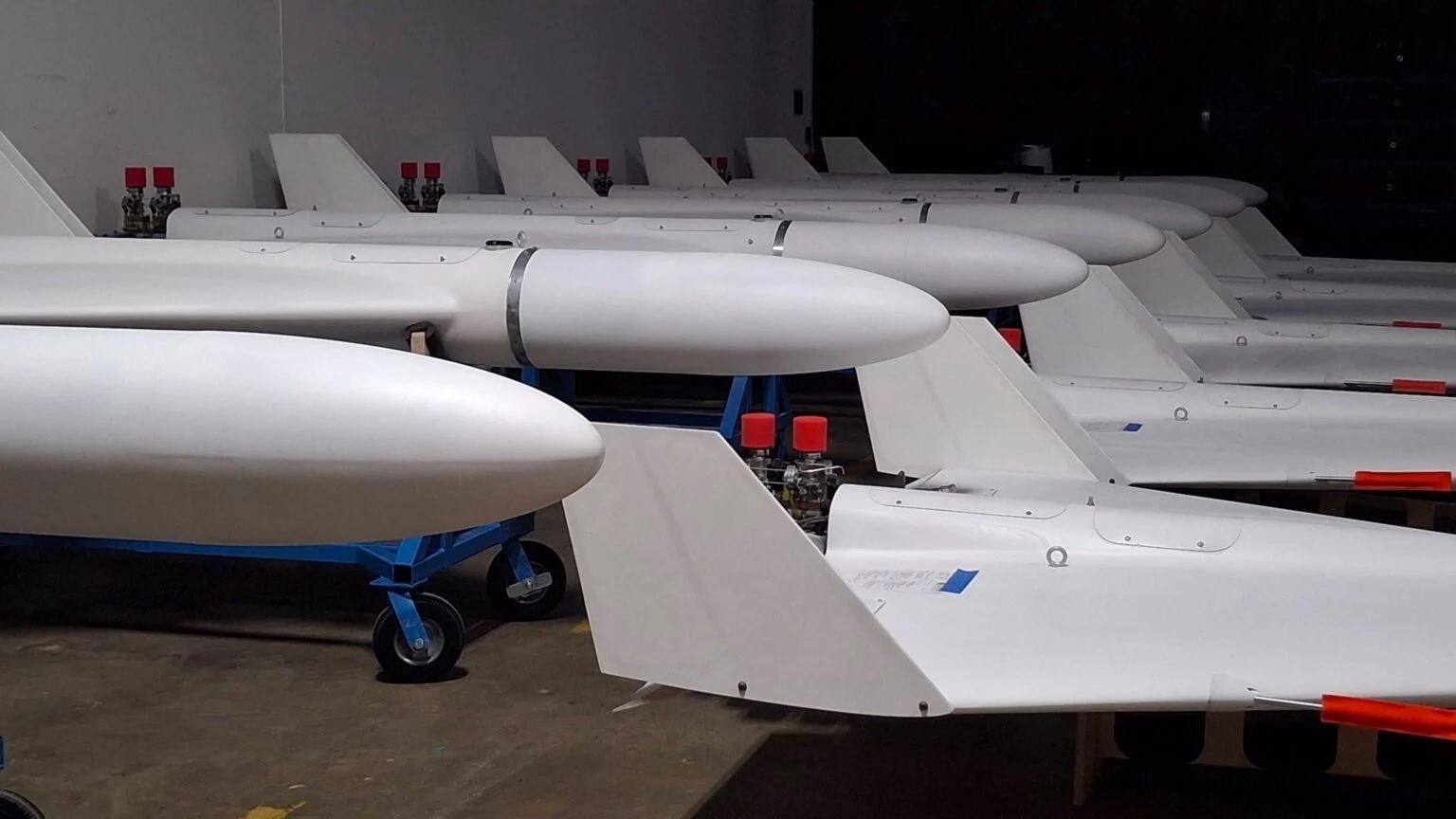
World
Alabama-based Griffon Aerospace has officially rolled out its latest unmanned aircraft system, the MQM-172 Arrowhead, a versatile drone designed to serve both as a high-performance target drone and a configurable strike platform. The company described the Arrowhead as a purpose-built system that offers unmatched flexibility across multiple mission sets. Daniel Beck, Airworthiness Manager and Program Manager at Griffon Aerospace, emphasized the adaptability of the new platform, saying, “Arrowhead was purpose-built to give our customers unmatched flexibility across multiple mission sets.” Although its primary role is as a target drone for training exercises, the Arrowhead can also be adapted into a one-way attack platform, reflecting a growing demand for dual-use unmanned systems. This makes it suitable not only for training scenarios but also for real-world operations where rapid, cost-effective strike capabilities are required. A key feature of the Arrowhead is its modular design. It includes a configurable payload bay capable of carrying up to 100 pounds, allowing operators to equip the drone with a range of sensors or warheads depending on mission requirements. Built with a maneuverable and durable airframe, the aircraft reflects Griffon’s broader philosophy of creating reliable, multi-role unmanned systems. The drone was designed, tested, and manufactured entirely in-house, leveraging Griffon Aerospace’s long track record in the sector. The company has delivered more than 12,000 unmanned aerial systems to date, making it a well-established player in the U.S. defense drone industry. Beck highlighted that the launch of the MQM-172 is the result of an extensive development cycle. “This release represents the culmination of extensive development and testing, and we’re excited to see Arrowhead take its place in the field alongside our other proven platforms,” he noted. The MQM-172 Arrowhead enters a rapidly expanding market of multi-mission drones being developed by U.S. defense firms to give armed forces affordable, deployable, and flexible options for both combat training and operational missions. With its dual capability, the Arrowhead is expected to strengthen Griffon Aerospace’s footprint in the unmanned systems industry and attract interest from both the U.S. military and international customers.
Read More → Posted on 2025-08-17 15:03:48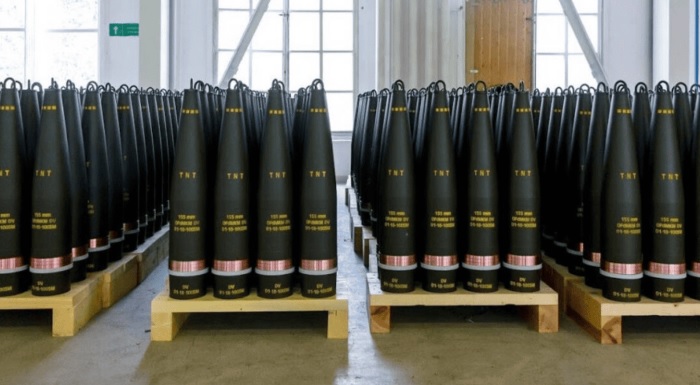
World
On 15 August, MSM Group North America Inc., a subsidiary of the Czechoslovak Group (CSG) holding, secured a $636.2 million contract from the U.S. Army Contracting Command in Rock Island, Illinois, to design and construct a new production line for 155mm artillery ammunition at the Iowa Army Ammunition Plant (IAAP) in Middletown. The contract, formally registered as W519TC-25-C-0032, includes provisions for adjustments based on economic conditions. Notably, MSM Group was the sole electronic bidder for the project, underscoring the specialized expertise required to expand U.S. ammunition manufacturing capabilities. The new line will cover the entire process of projectile manufacture, shell loading, and final packaging, ensuring a modernized and expanded capacity for the plant. According to the agreement, the work is expected to be completed by 10 August 2029. The IAAP, a government-owned, contractor-operated facility currently run by American Ordnance LLC, is already a cornerstone of the U.S. munitions base. It produces a wide array of critical armaments, including 155mm artillery shells, 120mm tank rounds, 60mm, 81mm, and 120mm mortar rounds, as well as warheads for TOW-2, Hellfire, Javelin, Stinger, and Sidewinder missiles. The plant also manufactures hand grenades, engineering charges, ceremonial ammunition, and test munitions. This new investment reflects Washington’s broader push to dramatically ramp up ammunition production in response to global security challenges and heightened demand from U.S. allies. The 155mm artillery round, in particular, has become one of the most sought-after munitions given its central role in modern conflict, especially highlighted by ongoing NATO support for Ukraine. The U.S. Department of Defense has already announced ambitious plans to increase monthly output of 155mm shells several-fold by 2025, investing billions in modernizing production lines and collaborating with both domestic and allied defense industries. The decision to bring in MSM Group, part of a European holding with a strong track record in ammunition manufacturing, illustrates the deepening industrial cooperation between the U.S. and its NATO partners. With completion slated for 2029, the new line at IAAP is set to significantly expand America’s long-term artillery supply capacity, ensuring sustained readiness for the U.S. Army and its allies.
Read More → Posted on 2025-08-17 14:53:34
World
In a striking revelation, Lieutenant General Kyrylo Budanov, head of Ukraine’s military intelligence, has disclosed that North Korea is preparing to send engineering troops and armored combat vehicles to Russia as the war in Ukraine intensifies. Speaking to The Japan Times, Budanov warned that Pyongyang’s deployment may go far beyond the announced humanitarian and reconstruction missions. Earlier this month, North Korea confirmed plans to send 6,000 soldiers to Russia’s Kursk region, officially tasked with demining operations and infrastructure reconstruction. However, Budanov raised concerns that this seemingly limited role could mask deeper involvement in frontline operations. According to him, Moscow and Pyongyang are discussing the transfer of 50 to 100 combat vehicles, including BTR-80 armored personnel carriers and heavy Cheonma-2 tanks, all to be deployed with their own North Korean crews. If materialized, this would mark the first direct combat participation of North Korean units in the Ukraine war. Budanov emphasized that such involvement would place Pyongyang in an exclusive category of countries engaged in large-scale modern warfare, alongside only Ukraine and Russia. He argued that the move would allow North Korea to gain real battlefield experience—an opportunity that could significantly enhance its military capacity. The equipment North Korea is reportedly preparing to send underscores its seriousness. The Cheonma-2, its most advanced main battle tank unveiled in 2020, weighs around 55 tons and is powered by a 1,200-horsepower diesel engine. Armed with a 125 mm gun, automatic grenade launchers, machine guns, and anti-tank missiles, it is also equipped with upgraded armor systems modeled after Russian and Chinese designs. The inclusion of such modern systems suggests Pyongyang is eager to test and validate its latest military technology in Ukraine’s high-intensity combat environment. Beyond battlefield implications, this growing partnership reflects a strategic alignment between Moscow and Pyongyang. Both nations are under sweeping international sanctions, and their cooperation appears to be built on a system of mutual benefits. For North Korea, it could mean access to Russian energy supplies, food aid, and advanced military technologies, while Russia gains manpower and additional equipment to relieve pressure on its overstretched forces. Analysts believe the influx of North Korean armored units may not decisively shift the war’s balance—given Russia’s own large inventory of tanks and APCs—but it could strengthen Russian positions at key sectors of the front by easing the burden on its troops. For North Korea, however, the value lies in the long-term: combat testing its newest weapons, refining doctrine, and boosting the battlefield skills of its soldiers. Budanov’s remarks highlight a troubling trend: the Ukraine conflict is becoming a testing ground for foreign militaries, with North Korea now preparing to join the ranks. If confirmed, this unprecedented step would further globalize the war, embedding Pyongyang deeper into Moscow’s military strategy and signaling a shift in the operational landscape of the conflict.
Read More → Posted on 2025-08-17 14:43:38
World
Kyiv, August 14, 2025 – Russia’s army has made its largest single-day advance of the year, claiming to have captured about 110 square kilometers of territory on August 12 in eastern Ukraine. Analysts said this is the biggest territorial gain in a single day since late May 2024. The advance reportedly took place around the Dobropillia–Pokrovsk axis, an area where Russian troops have been applying heavy pressure for months. According to battlefield assessments, Moscow’s forces relied on infiltration tactics, sending small groups to probe Ukrainian defenses, exploit weak points, and secure footholds for reinforcements. Military experts noted that such a gain usually takes Russia five to six days to achieve, highlighting the unusual speed of this advance. However, they cautioned that many of these gains may not yet be fully consolidated, as Russian forces have previously struggled to hold new positions when met with Ukrainian counterattacks. Context of the Advance The surge in territorial claims comes as the war grinds into its fourth year, with both sides facing heavy losses and resource strains. Russia has slowly increased its gains over the past year, capturing thousands of square kilometers, though this remains a fraction of Ukraine’s total pre-war territory. For Ukraine, the loss of ground underscores the challenges it faces in manpower and ammunition supplies, particularly as international military aid has slowed. Kyiv has been reinforcing its eastern lines, but commanders admit that attrition and constant pressure are forcing difficult choices about where to allocate troops. Strategic Implications While the August 12 gains are not considered a major breakthrough, the sudden spike in Russian advances could have political and psychological effects. Such territorial claims can disrupt Ukrainian logistics, force troop redeployments, and be used by Moscow to project strength at home and abroad. The development also comes ahead of sensitive international talks, leading some observers to suggest that Russia may be seeking to bolster its negotiating position by showcasing battlefield momentum. It remains to be seen whether Russia can hold and expand the ground it claimed on August 12 or whether Ukrainian forces will mount effective counterattacks. Analysts warn that temporary territorial gains can quickly shift in this war, where battles are often fought street by street and village by village. Still, the record one-day advance highlights how the conflict remains highly volatile, with both sides adapting tactics and neither yet able to deliver a decisive strategic victory.
Read More → Posted on 2025-08-16 16:35:03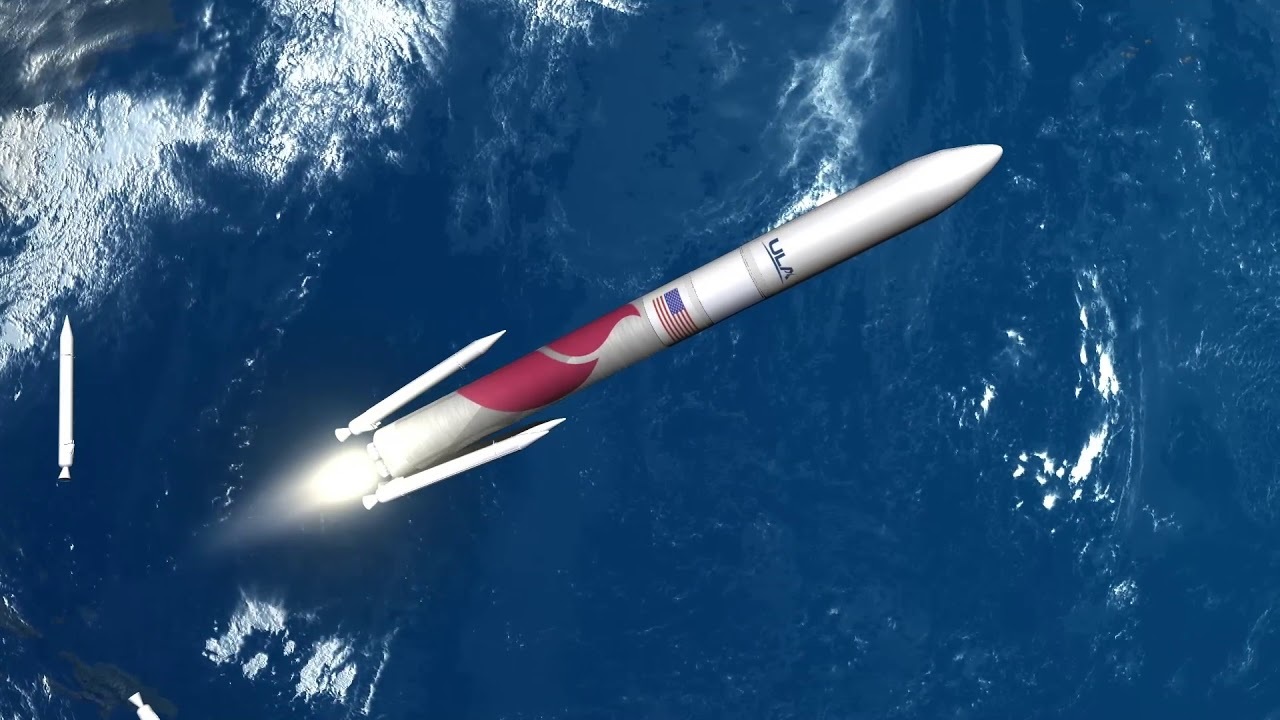
US Air Force Launches Navigation Satellite NTS-3 on Vulcan Rocket, Marking New Era in GPS Technology
World
The US Air Force Research Laboratory (AFRL) has successfully launched the Navigation Technology Satellite-3 (NTS-3), a next-generation spacecraft designed to strengthen America’s dominance in global navigation and positioning systems. The satellite was lifted into orbit from Cape Canaveral Space Force Station in Florida aboard a United Launch Alliance (ULA) Vulcan rocket, in a mission officially designated USSF-106. The NTS-3 is not just another satellite—it is a prototype for the future of GPS. Unlike traditional systems, it has been built to resist jamming, counter spoofing, and adapt in real time. Using software updates that can be uploaded directly from Earth, the satellite avoids the costly hardware replacement cycles that have historically limited GPS upgrades. Equipped with a state-of-the-art atomic clock, a reprogrammable signal receiver, and advanced authentication protocols, NTS-3 promises greater accuracy and security for both military and civilian users. The spacecraft has been placed in geosynchronous orbit, where it will undergo a two-year experimental phase to test its resilience and precision in real-world conditions. Defense experts note that such advancements are critical as global reliance on GPS grows—from aircraft navigation and precision-guided weapons to agriculture, mobile networks, and even banking systems. By improving Positioning, Navigation, and Timing (PNT) resilience, NTS-3 is expected to ensure that the US can stay ahead of rivals who are investing heavily in electronic warfare aimed at disrupting GPS signals. The launch also marked the first national security mission aboard ULA’s new Vulcan rocket, a powerful next-generation launch vehicle. Standing 202 feet tall and weighing 1.74 million pounds, the Vulcan comes with the advanced Centaur V upper stage, which offers far greater performance and endurance than its predecessors. ULA has already described this flight as a “catalyst for a new era in national space security.” Industry leaders have praised the launch as a milestone. ULA CEO Tory Bruno highlighted that Vulcan is designed to give the US unmatched flexibility in space operations, making it a cornerstone of national defense strategy. Since its founding in 2006, ULA has carried out over 130 critical missions for the Pentagon and intelligence agencies, but this flight represents a turning point—pairing a brand-new rocket with a game-changing satellite program. For AFRL, NTS-3 is more than an experiment—it is a pathfinder for the next generation of navigation satellites. If successful, many of its features could be integrated into future GPS systems, ensuring that the US military, allies, and civilian infrastructure maintain reliable navigation even in contested environments.
Read More → Posted on 2025-08-16 16:31:56
World
Washington/Brussels, August 16, 2025 – U.S. President Donald Trump and top European leaders have held talks on offering Ukraine new security guarantees that could mirror NATO’s Article 5 mutual defence clause, but would exist outside of the NATO framework. The discussions highlight efforts to find a middle path between supporting Kyiv and avoiding a direct NATO expansion that could further escalate tensions with Moscow. According to officials familiar with the talks, European leaders pressed Washington for clarity on what role the United States would play in such an arrangement. While the idea of “NATO-style” protections is gaining attention, no firm details have yet been outlined, leaving questions about whether the U.S. would commit troops, military aid, intelligence support, or primarily political backing. What the Proposal Means Under NATO’s Article 5, an attack on one member is treated as an attack on all, obliging allies to respond collectively. The model being discussed for Ukraine would not make Kyiv a NATO member but would instead create a coalition of countries pledging to defend Ukraine if attacked again. Such a system could involve joint military planning, sanctions enforcement, or automatic supply of weapons and logistics in the event of renewed aggression. Why This Matters Now The talks come against the backdrop of continued fighting in eastern Ukraine and growing calls in Europe for “ironclad security guarantees” that would allow Ukraine to rebuild and stabilize without fear of another large-scale invasion. Western leaders have long struggled with balancing support for Ukraine’s sovereignty while avoiding steps that could be seen as crossing Russia’s red lines, such as full NATO membership. European Concerns European governments are wary of vague promises that lack credibility. Without concrete U.S. commitments, leaders fear the arrangement could be seen as a political gesture rather than a genuine deterrent. Diplomats stress that the success of any guarantee depends on how clearly Washington spells out its role. Ukraine’s Position Ukrainian officials have repeatedly insisted that Kyiv must be included in any negotiations affecting its security. While open to creative solutions, Ukraine’s leadership has made clear it will only accept arrangements that preserve its sovereignty, its right to choose alliances, and that provide a genuine deterrent to future attacks. Possible Options Being Considered A mutual defence pledge among a group of willing states, similar in wording to Article 5. A standing European-led force stationed in or near Ukraine, with U.S. intelligence and logistics support. Guaranteed arms packages, intelligence-sharing, and training programs written into long-term agreements. Sanctions snap-back clauses that automatically trigger severe economic measures if Russia violates peace terms. Challenges Ahead Analysts warn that creating an Article 5-style umbrella outside NATO faces major hurdles. Any framework must be legally binding, militarily credible, and politically sustainable in both Europe and the U.S. There is also the risk that a half-measure could embolden Russia if it senses Western reluctance to intervene directly. Talks are still in the early stages. European capitals have asked Washington for a clearer outline of its commitment, while Kyiv is pushing to ensure its voice is central in shaping any deal. The coming months will be crucial as diplomats try to turn political intent into a concrete security framework that can reassure Ukraine without drawing NATO directly into conflict.
Read More → Posted on 2025-08-16 16:26:24Search
Top Trending in 24 Hours
-
 Ukraine Introduces Balloon-Launched DART Missile Designed to Defeat Electronic Warfare
-
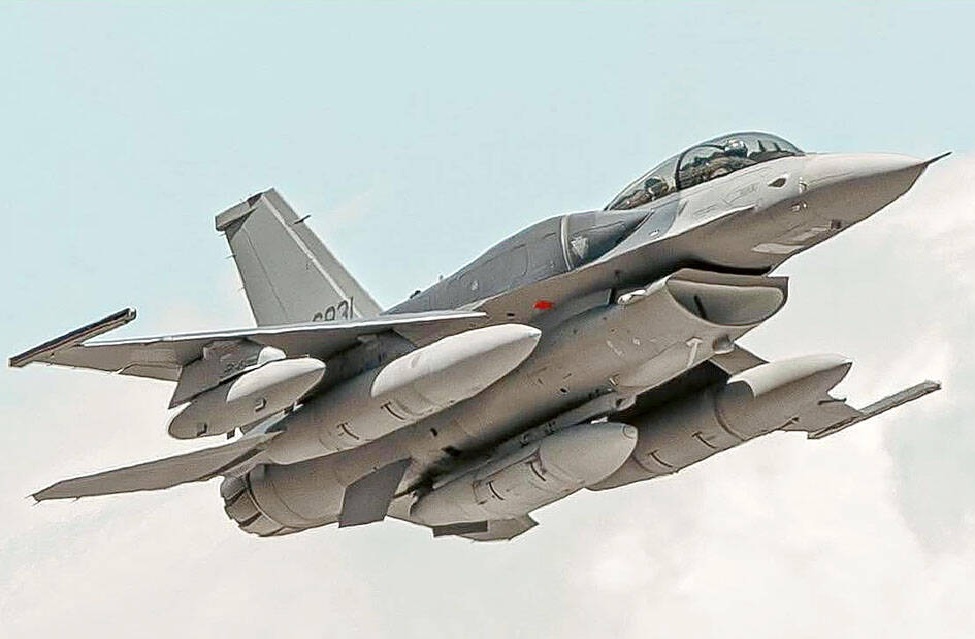 First Taiwanese F-16 Block 70 Flies with Five-Tank Fuel Configuration During Texas Tests
-
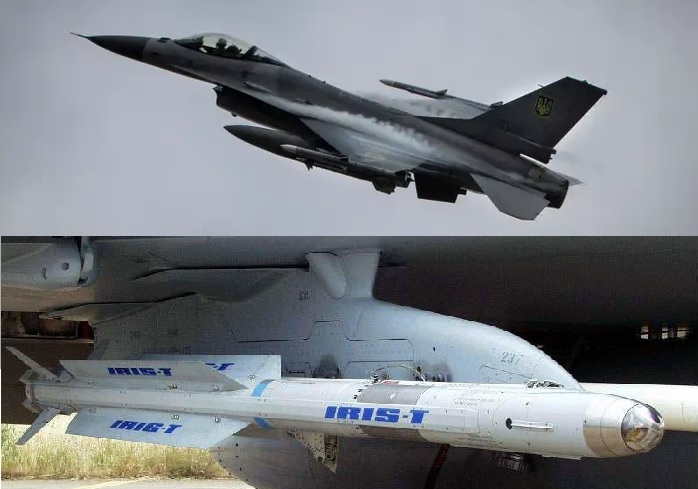 Ukraine’s F-16 Fighters Set to Receive German IRIS-T Air-to-Air Missiles
-
 Naval Group Unveils Rampart Modular CIWS Multi-Purpose Weapon System for Naval and Ground Forces at Eurosatory 2026
-
 Iran Signs Deal with Russia for 20 Mi-8 and Mi-17 Helicopters to Boost Rescue and Medical Missions
-
 Lockheed Martin Unveils HIMARS FLEX with Dual-Pod Launcher and NATO-Compatible Air Defense Integration
-
 Open-Source Evidence Suggests Russia's Zircon Is a Quasi-Ballistic Missile, Not a True Hypersonic Cruise Weapon
-
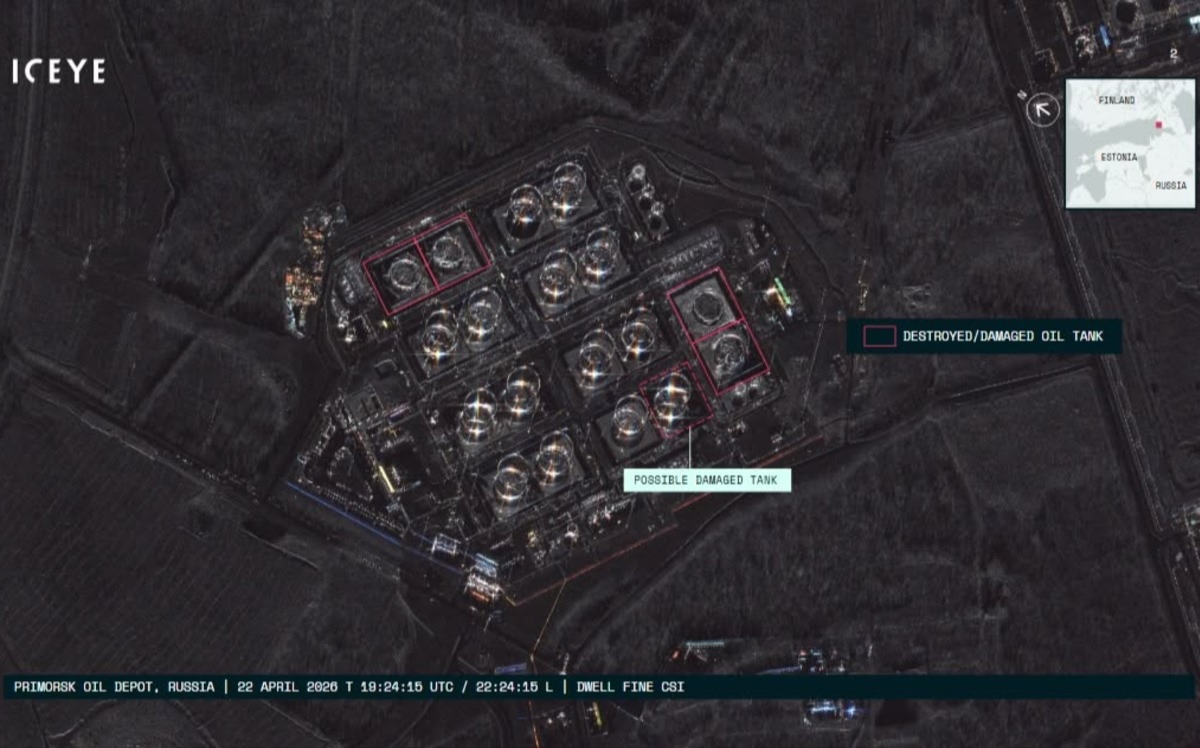 Portugal Doubles Sovereign SAR Satellite Fleet with Order for Two Additional ICEYE Satellites
Top Trending in 4 Days
-
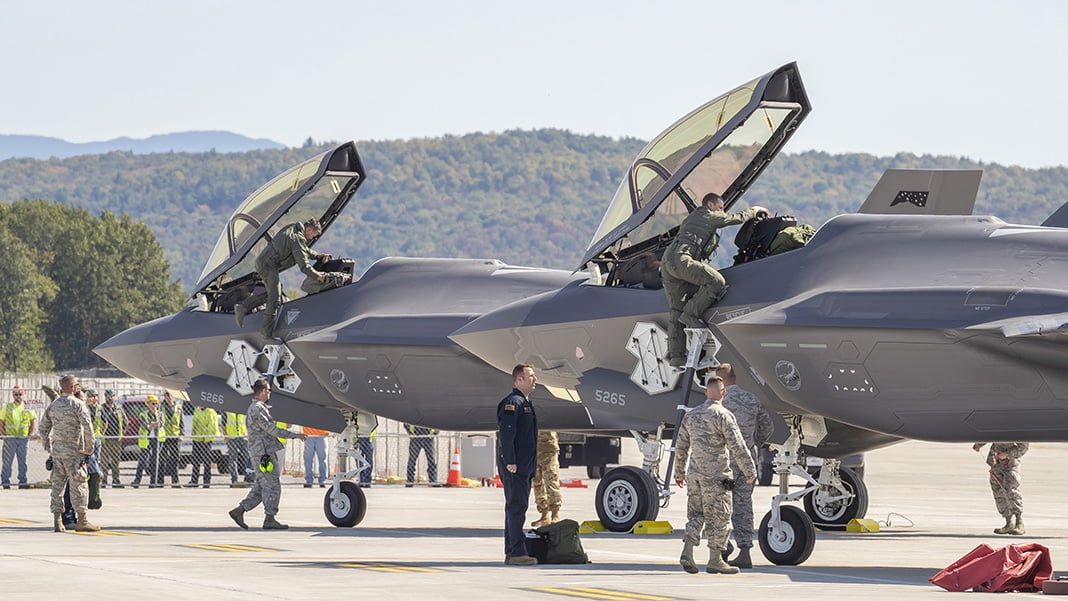 F-35 Fleet Readiness Falls to 25% Amid Parts Shortages and Software Delays: GAO Report
-
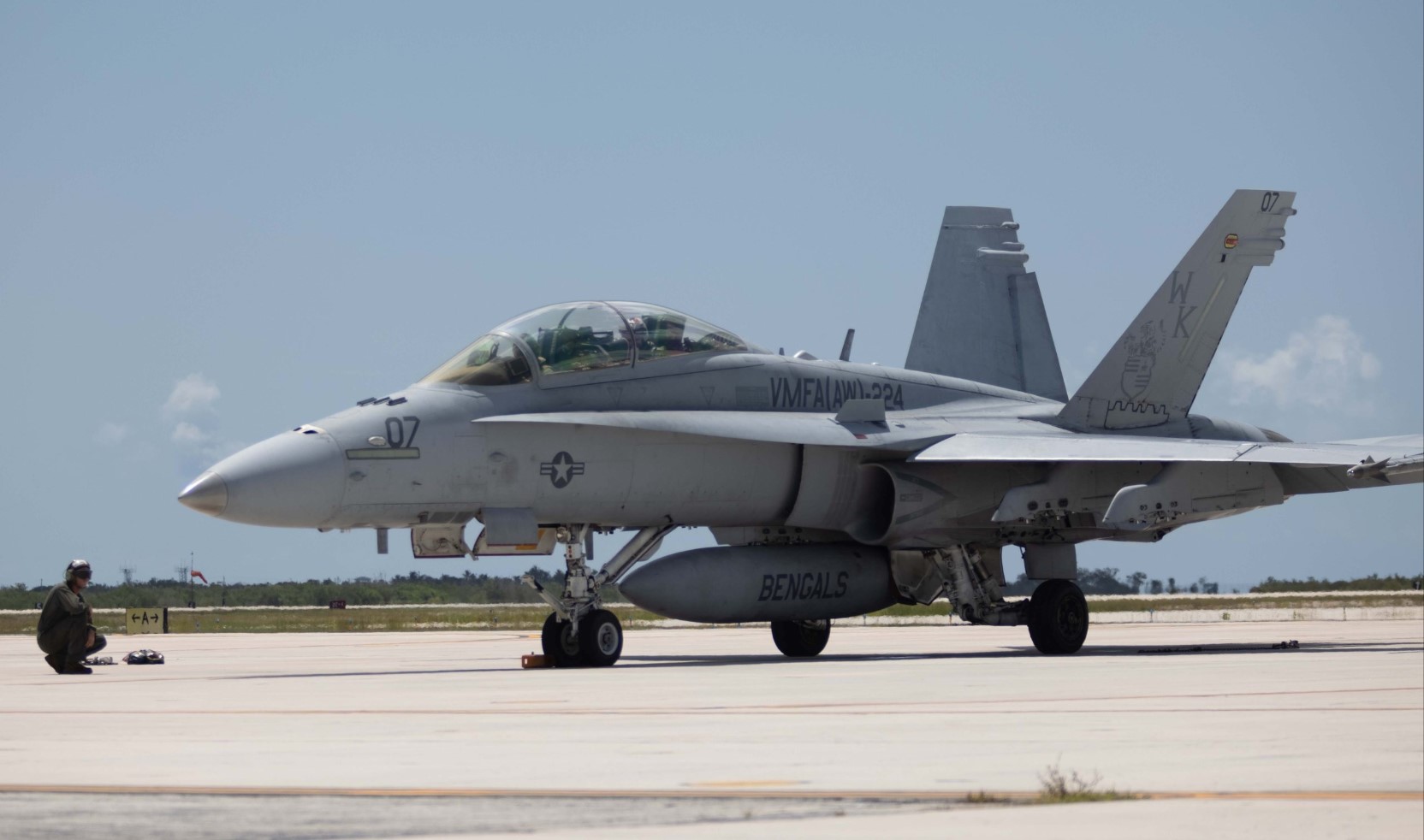 US Marine Corps F/A-18D Hornet Crashes During Training Flight in Washington Mountains; Pilot Ejects Safely
-
 Leonardo Rheinmetall to Unveil Italy’s New IMBT Main Battle Tank at Eurosatory 2026
-
 Tulsi Gabbard Releases Declassified Files Detailing U.S.-Backed Network of 120 Biolaboratories Across 30+ Countries
-
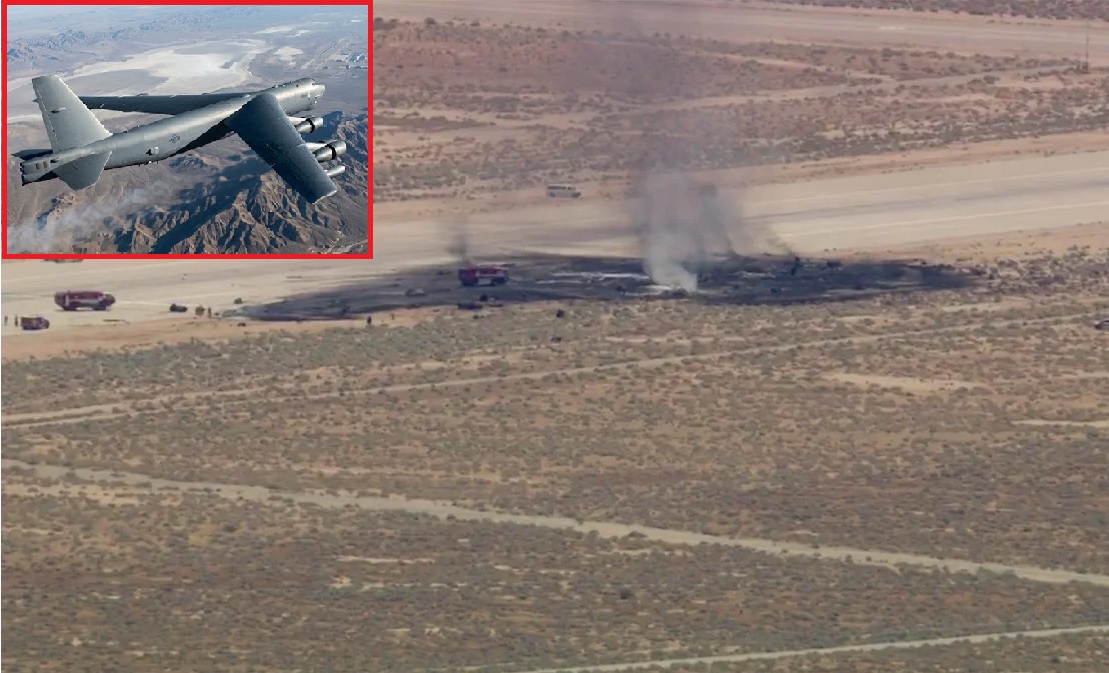 8 U.S. Air Force Crew Members Killed in B-52 Bomber Crash During Test Flight at Edwards Air Force Base
-
 NASA X-59 Achieves Planned Mission Conditions with Mach 1.4 Flight at 55,000 Feet
-
 U.S. Approves $1.98 Billion Sale of Anduril AI-Powered Counter-Drone Systems to Kuwait
-
 Russian Analysts Debate Su-57 Capabilities After Putin Calls Fighter Superior to F-35