World
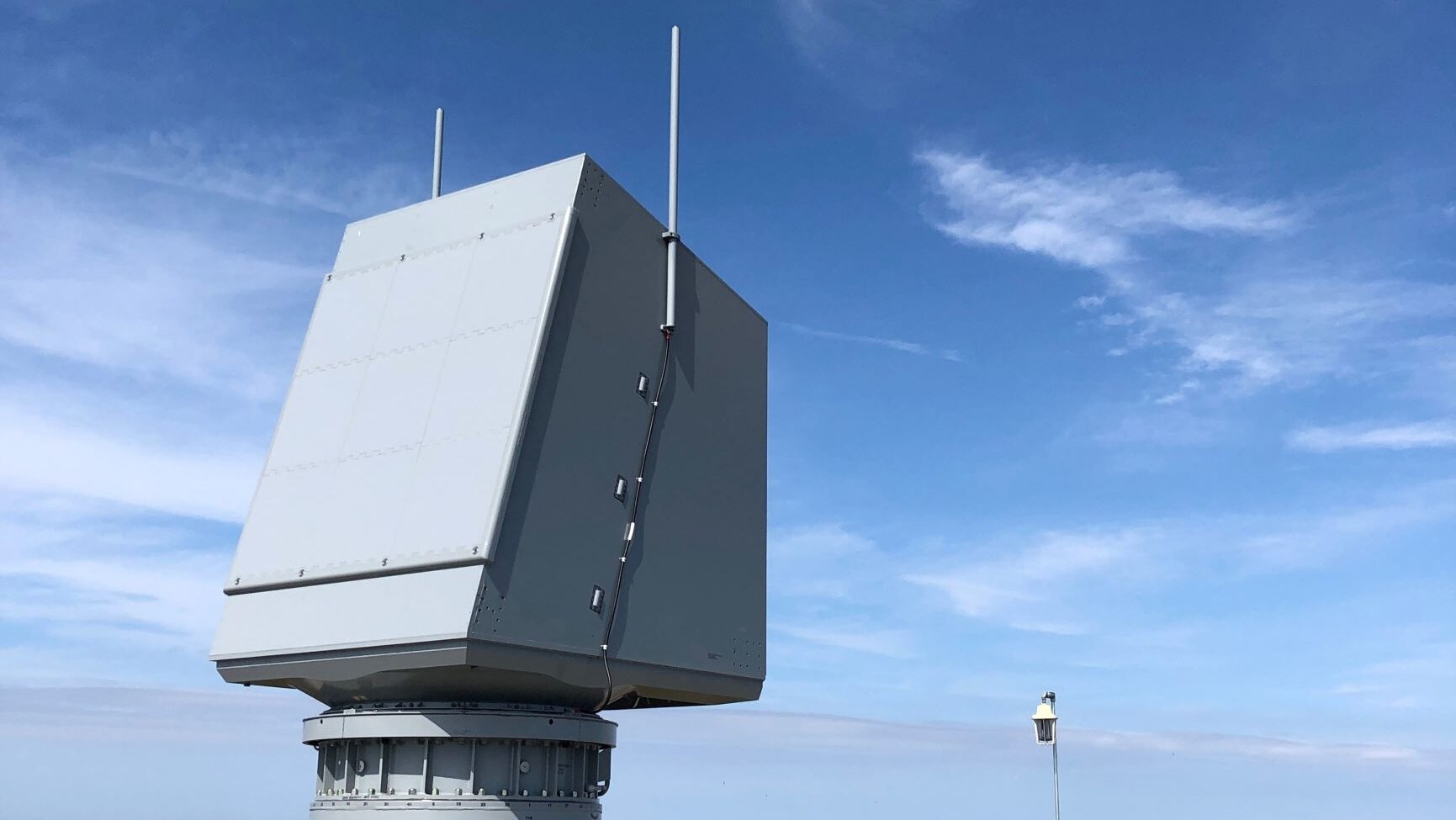
Hawaii, August 2025 – Raytheon, an RTX business, has successfully completed the first live maritime test of the AN/SPY-6(V)4 radar in cooperation with the U.S. Navy. The test was carried out at the Pacific Missile Range Facility in Hawaii, marking an important milestone in the development of the Navy’s most advanced radar family. Successful Trials Over Open Water During the open-water trials at the Advanced Radar Detection Laboratory, the radar was able to track both air and surface targets under a wide variety of environmental conditions. The tests validated years of computer-based modelling and simulation, and for the first time, produced a live data set for the (V)4 configuration. This data will now be used to further refine the radar ahead of upcoming trials and eventual deployment. Barbara Borgonovi, president of Naval Power at Raytheon, said:“The successful live demonstration of the SPY-6(V)4 radar is a major step forward in advancing the capabilities of today’s fleet and supporting allied operations worldwide. The radar will allow existing U.S. Navy Flight IIA Destroyers to significantly upgrade their detection and tracking capabilities, allowing sailors to more effectively monitor and respond to potential threats in real-time.” About the AN/SPY-6(V)4 The AN/SPY-6(V)4 is the newest variant in the U.S. Navy’s SPY-6 Family of Radars, a scalable and modular radar system designed for air, surface, and ballistic missile defense. Key features include: Four Radar Module Assemblies (RMAs) fewer than the (V)1 variant, making it lighter and optimized for Flight IIA Arleigh Burke-class destroyers. Simultaneous tracking of multiple types of threats, including ballistic missiles, cruise missiles, aircraft, and surface targets. Advanced gallium nitride (GaN) technology, which improves power efficiency and range. A modular, scalable design allowing integration across multiple ship classes. The system leverages common hardware and software across variants, ensuring easy upgrades, lower life-cycle costs, and seamless integration with future platforms. Strategic Role for the U.S. Navy Over the next decade, the U.S. Navy plans to install the SPY-6 radar family on more than 60 ships, including Flight IIA and Flight III destroyers, aircraft carriers, and amphibious ships. By providing enhanced ballistic missile defense, air defense, and surface surveillance, the radar family is expected to dramatically improve the Navy’s layered defense against evolving threats. The (V)4 variant in particular will give older Flight IIA Arleigh Burke-class destroyers capabilities approaching those of the newer Flight III ships, ensuring parity across the fleet and reducing vulnerabilities. The success of this first live test is only the beginning of a series of planned evaluations for the AN/SPY-6(V)4. Future trials will focus on stressing the radar under more complex threat scenarios, including ballistic missile tracking and simultaneous multi-domain engagements. With its advanced performance and adaptability, the SPY-6 radar family is set to become the backbone of U.S. naval radar capabilities, providing unmatched situational awareness and protection for American and allied forces across the globe.
Read More → Posted on 2025-08-26 16:18:05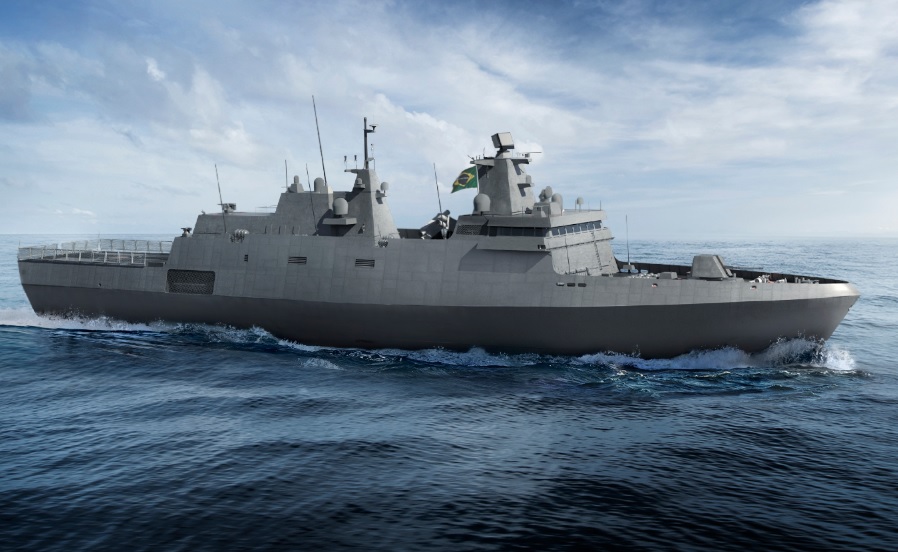
World
Rio de Janeiro, August 2025 – The Brazilian Navy’s first Tamandaré-class frigate, Tamandaré, has successfully completed its initial sea trials off the Brazilian coast, marking a major milestone in one of Brazil’s most ambitious naval construction programs in decades. According to German shipbuilder thyssenkrupp Marine Systems (TKMS), the tests evaluated the ship’s propulsion, manoeuvrability, and communication systems. The trials were carried out by joint Brazilian-German teams, highlighting the program’s strong international collaboration. A Strategic Naval Program The frigate is being built under the leadership of the Águas Azuis consortium, which brings together TKMS, Embraer Defense & Security, and Atech, in cooperation with Emgepron and the Brazilian Navy. A key aspect of the program is technology transfer and local shipbuilding, ensuring that much of the construction expertise remains in Brazil. Described as one of the most significant naval programs in the nation’s history, the Tamandaré-class is designed to modernise the Navy and safeguard Brazil’s vast maritime economic zone, known as the Amazônia Azul. Frigate Specifications and Capabilities The Tamandaré measures 107 metres in length, displaces 3,500 tons, and can reach a top speed of 25 knots. Based on the German MEKO A100 design, the class incorporates modular architecture, enabling easier upgrades throughout its service life. The frigate’s armament suite provides a strong, multi-dimensional combat capability: MBDA SeaCeptor air defence system for protection against aerial threats. Exocet MM40 Block 3 anti-ship missiles for long-range surface strike. Leonardo 76/62 Super Rapid naval gun for surface and air engagements. Torpedo launchers for anti-submarine warfare. Remote weapon stations for close-in defense. Industry Contributions Atech, in collaboration with Atlas Elektronik, is delivering the Combat Management System (CMS) and Platform Management System (PMS). Embraer Defense & Security is responsible for integrating the ship’s advanced weapons and sensor suites. thyssenkrupp Estaleiro Brasil Sul, in Itajaí, Santa Catarina, is carrying out construction, following the ship’s keel laying in March 2023 and launch in mid-2024. The final outfitting and trials phase is now underway, with delivery expected in 2025. The Tamandaré-Class Program The program will deliver four frigates between 2025 and 2028. The second ship, Jerônimo de Albuquerque, had its keel laid in June 2024, with the remaining two frigates scheduled to follow in successive years. Once completed, the Tamandaré-class will significantly enhance Brazil’s ability to: Patrol its maritime resources, including oil-rich offshore zones. Contribute to international peacekeeping missions. Counter piracy and trafficking threats in the South Atlantic. Strengthen defense of Brazil’s sea lines of communication. Strategic Importance Brazil’s maritime domain, the Amazônia Azul, covers nearly 4.5 million square kilometers and includes critical offshore oil and gas reserves, fishing areas, and shipping lanes. The Tamandaré-class frigates are expected to become the backbone of the Navy’s surface fleet, replacing aging vessels and ensuring Brazil remains capable of defending its maritime interests. The successful sea trials of Tamandaré, the lead ship of the class, represent a major step forward in Brazil’s naval modernisation. By combining international expertise with local industry participation, the program is not only strengthening the Navy but also building a long-term foundation for Brazil’s defense-industrial base. With delivery set for 2025 and three more frigates to follow, the Tamandaré-class is poised to play a central role in safeguarding Brazil’s maritime future for decades to come.
Read More → Posted on 2025-08-26 16:11:57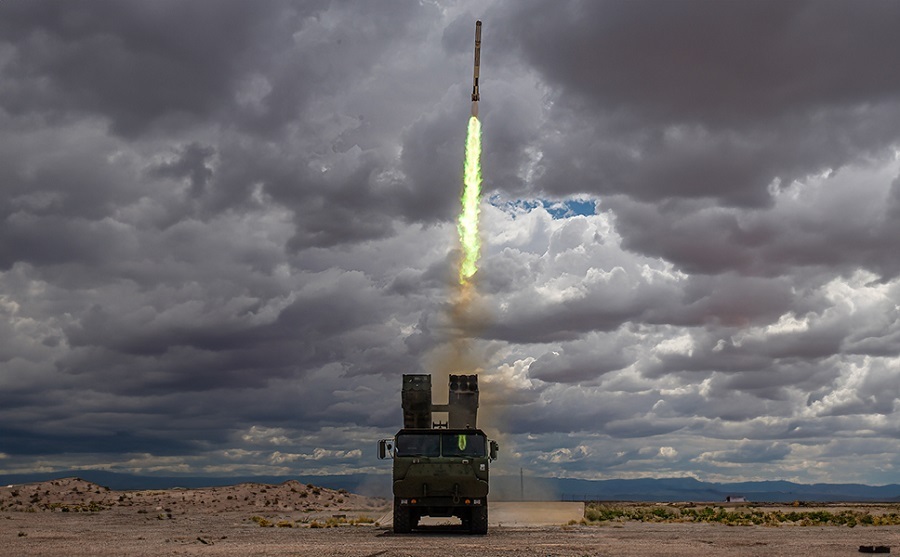
World
Texas, August 2025 – Firehawk Aerospace has marked a major milestone in the evolution of next-generation rocket propulsion by completing the inaugural flight of its GMLRS-class Firehawk Analog (GFA), the world’s first 3D-printed hybrid propulsion system designed in a guided multiple launch rocket system form factor. The test was carried out as part of the company’s Phase III Small Business Innovation Research (SBIR) contract with the U.S. Army Applications Laboratory (AAL). The Milestone Flight Launched from a mobile platform, the GFA rocket achieved a vertical ascent exceeding 18,000 feet, pierced through the speed of sound, and demonstrated excellent directional stability and thrust performance. The test not only validated Firehawk’s hybrid propulsion technology but also showcased how additive manufacturing can radically reduce costs and timelines in the development of tactical rocket systems. What Makes It Different? Unlike conventional solid rocket motors, the GFA uses a hybrid propulsion system – combining a solid fuel grain with a liquid oxidizer. This design provides key advantages: Lower manufacturing costs thanks to 3D-printed modular components. Enhanced safety, as hybrid motors are less volatile than traditional solid propellants. Throttling and restart capability, giving operators more control compared to single-use solid motors. Rapid scalability, allowing analog designs to be applied across multiple missile classes. CEO’s Statement “This milestone proves that hybrid propulsion systems, when paired with advanced additive manufacturing, have a real place in the future of tactical systems,” said Will Edwards, CEO of Firehawk Aerospace. “To design, develop and launch the first-ever GMLRS form-factor hybrid propulsion system underscores the strength and innovation of our engineering team and the scalability of our technology.” Next Steps in Development The GFA demonstration is the first of several tests under the AAL contract. Firehawk Aerospace is now preparing to flight test its Javelin-class and Stinger-class analogs, designed as drop-in solid rocket motor replacements for existing Department of Defense weapon systems. These follow-on systems will validate the versatility of hybrid propulsion across multiple tactical missile platforms, reinforcing the idea that the Department of Defense could field cheaper, safer, and more adaptable munitions in the near future. Strategic Importance Firehawk’s hybrid propulsion technology is drawing attention because of its ability to bridge the gap between traditional solid rocket motors and advanced liquid-fueled systems. Additive manufacturing further amplifies this by enabling customized production, rapid prototyping, and supply chain resilience—all critical needs for modern defense programs. The U.S. Army has highlighted such innovations as part of its drive to modernize artillery and missile systems for multi-domain operations, where faster, more flexible, and more cost-effective weapons are essential. If the upcoming analog demonstrations prove equally successful, Firehawk Aerospace could transform the way tactical rocket systems are manufactured and deployed. By offering a reliable and scalable hybrid propulsion alternative, the company is positioning itself to play a pivotal role in the future of affordable precision-guided munitions.
Read More → Posted on 2025-08-26 16:06:53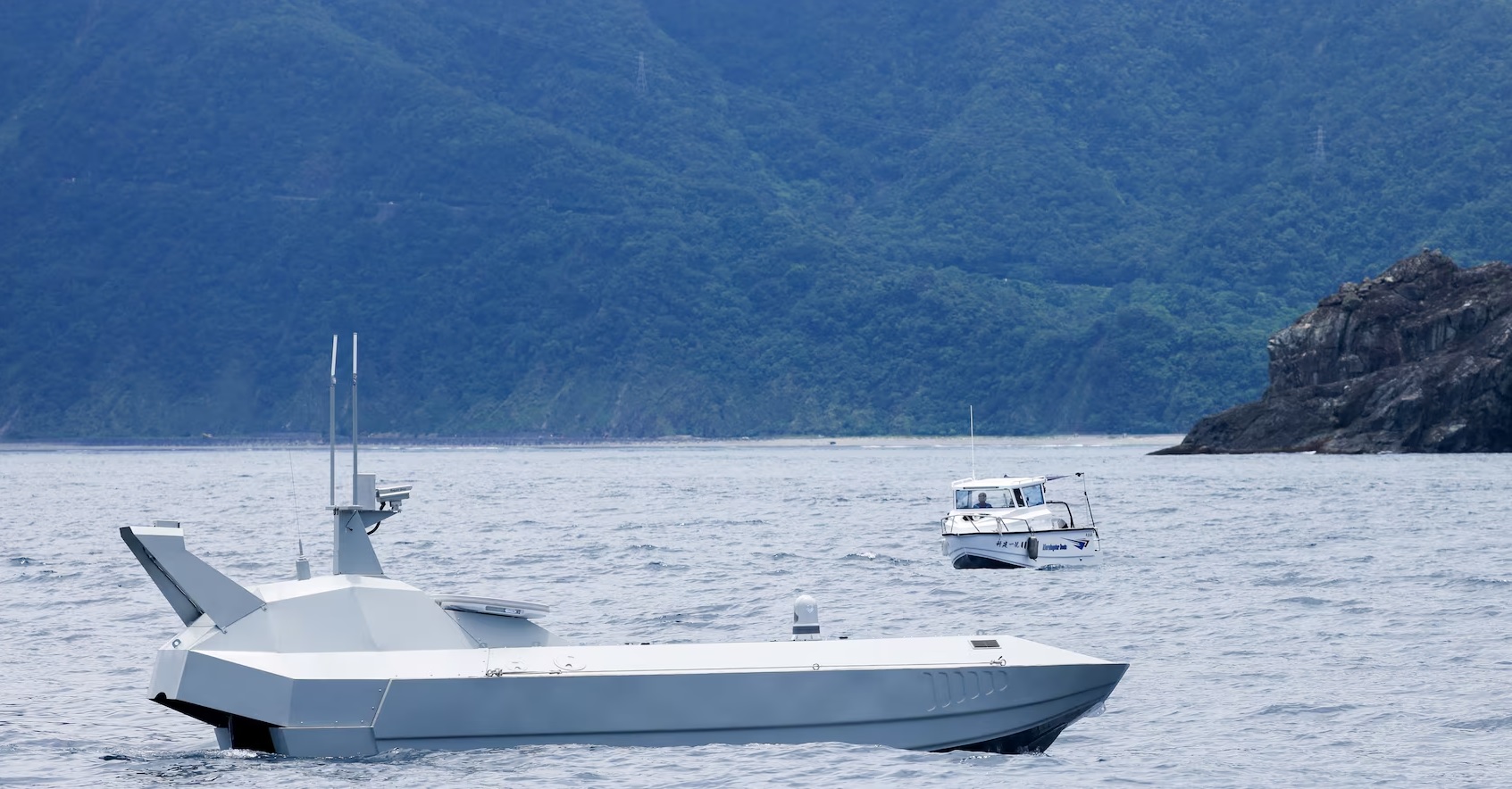
World
Taipei, August 2025 – In a bold step to strengthen its maritime defenses, Taiwan’s armed forces have approved the large-scale acquisition of 1,320 Kuai Chi uncrewed surface vessels (USVs). The landmark decision follows a successful live-fire trial at the Jiupeng Military Base, where the Kuai Chi showcased its ability to strike targets with precision even under simulated electronic warfare and jamming conditions. An Indigenous Naval Drone Built for the Porcupine Strategy The Kuai Chi USV, designed and developed by the Chungshan Institute of Science and Technology (CSIST), represents the cutting edge of Taiwan’s indigenous defense innovation. Compact yet powerful, the vessel measures only a few meters in length and is built for speed, agility, and survivability. Its low radar cross-section and lightweight hull allow it to maneuver effectively along Taiwan’s shallow coastal waters, making it ideal for ambush and swarm missions. The Kuai Chi is equipped to perform a wide range of missions: Suicide strike operations with high-explosive payloads. Electronic warfare tasks, including jamming enemy communications and sensors. Reconnaissance and surveillance missions using modular payloads. Swarm tactics, operating in coordinated groups to saturate enemy defenses. Swarm Warfare: Overwhelming the Adversary A defining strength of the Kuai Chi program is its swarm capability. By deploying in large groups, these USVs can: Overwhelm advanced naval defenses by saturating radar and sensor systems. Force adversaries to expend expensive precision-guided munitions against cheap, expendable targets. Create openings for a portion of the swarm to breach defenses and deliver lethal strikes. Operate as mobile decoys, diverting attention from Taiwan’s more valuable missile batteries and drone forces. This approach aligns perfectly with Taiwan’s “porcupine strategy”, designed to deny an invading force easy access while inflicting disproportionate costs through asymmetric warfare. Strategic Deployment in Taiwan Strait According to defense planners, the Kuai Chi units will be strategically stationed along Taiwan’s western coastline, especially near chokepoints such as the Taiwan Strait and the Bashi Channel. In wartime, they could: Conduct ambushes against amphibious convoys. Harass logistics and landing vessels. Complicate the operations of China’s People’s Liberation Army Navy (PLAN), forcing it into constant counter-drone readiness. In addition, the vessels could be discreetly hidden in civilian harbors or hardened shelters, ready to launch rapidly at the outbreak of hostilities. Balancing Cost with Combat Effectiveness The Kuai Chi is notable for its low production and operational costs. This gives Taiwan a favorable cost-exchange ratio, enabling swarms of inexpensive USVs to threaten and potentially disable adversary warships worth hundreds of millions of dollars. This affordability ensures that Taiwan can maintain large numbers of the drones while still investing in its larger defense modernization programs, including surface combatants and missile defense systems. Part of Broader Naval Modernization Taiwan’s decision to acquire over a thousand Kuai Chi USVs comes alongside the government’s approval of a 2026 defense budget of NT$949.5 billion (US$31 billion), representing 3.35% of GDP. Beyond unmanned platforms, this budget includes funding for the Zhenhai Project, which will develop a new class of next-generation frigates. The first two 2,000-ton frigates are expected to enter service in the coming years, eventually expanding into larger 6,500-ton multi-role warships. Equipped with phased-array radar and modern combat management systems, these frigates will form the core of Taiwan’s future fleet, working in tandem with unmanned swarms like the Kuai Chi. Regional Context and Strategic Significance This development comes as China continues to expand its naval might, including amphibious assault ships, aircraft carriers, and carrier strike groups. Beijing has intensified gray-zone operations near Taiwan’s air defense identification zone and maritime boundaries, keeping pressure on Taipei and testing its response capacity. Given this environment, Taiwan’s reliance on asymmetric systems such as the Kuai Chi reflects its recognition that costly, large warships may not survive in a direct conflict with the PLAN. Instead, small, mobile, and expendable assets can complicate China’s invasion planning and deter aggressive action. Showcasing at Taipei Aerospace and Defense Exhibition The rollout of the Kuai Chi USVs will be highlighted at the Taipei Aerospace and Defense Technology Exhibition in September 2025, where Taiwan plans to showcase its advances in unmanned warfare technologies. This public demonstration is expected to emphasize Taipei’s determination to invest in homegrown defense innovation and ensure survivability in the face of regional threats. By committing to the procurement of 1,320 Kuai Chi naval drones, Taiwan has taken a transformative step in implementing its porcupine defense strategy. These swarm-capable USVs provide a flexible, low-cost, and high-impact tool to deter aggression, complicate enemy operations, and safeguard Taiwan’s coastline. With this program, Taiwan is not just adapting to the challenges posed by China’s expanding military power—it is reshaping naval warfare in the region through innovative, asymmetric solutions.
Read More → Posted on 2025-08-25 16:45:31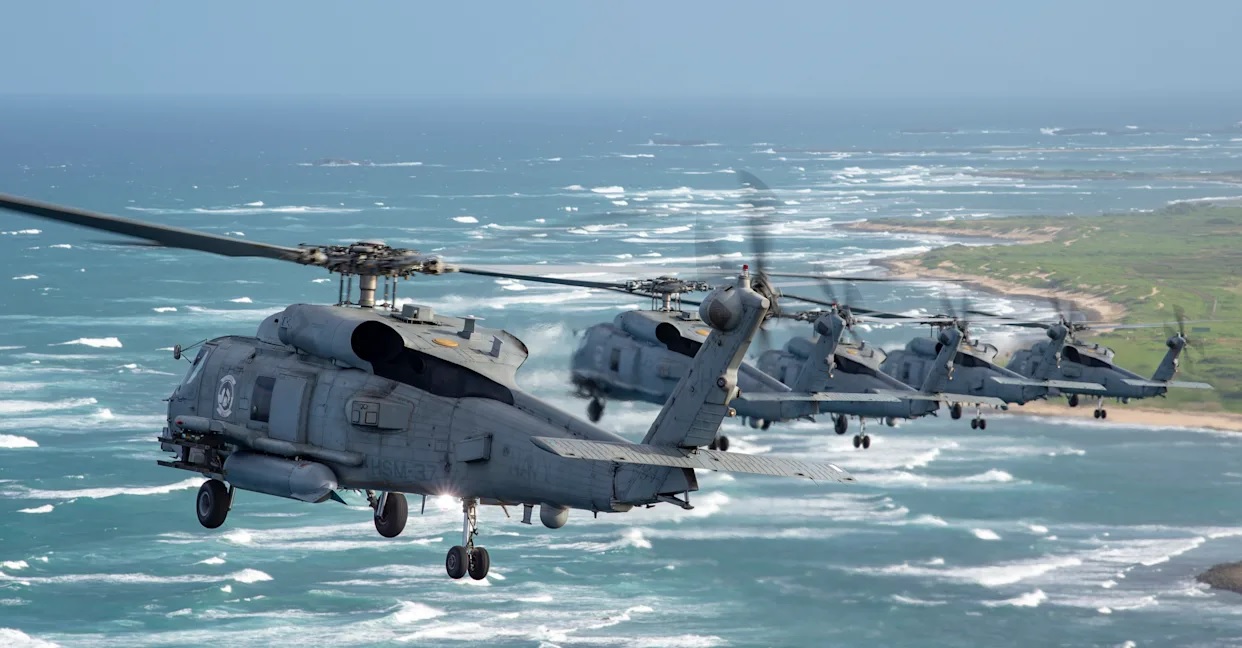
World
Wellington, August 21, 2025 – The Government of New Zealand has confirmed the selection of the MH-60R Seahawk as the replacement for its aging fleet of SH-2G(I) Super Seasprite helicopters. The decision, which is part of the country’s updated Defence Capability Plan (DCP), marks a transformative step for the Royal New Zealand Navy (RNZN) and involves an estimated investment exceeding NZ$2 billion. Under the acquisition program, New Zealand will receive five Sikorsky-built MH-60R helicopters, along with a comprehensive weapons package, training, and long-term support infrastructure. Government’s Announcement Defence Minister Judith Collins described the move as essential for strengthening the Navy’s operational readiness and interoperability with key allies. “With the arrival of the new MH-60Rs, New Zealand will gain critical, interoperable, and reliable combat capability,” Collins said. “These aircraft will expand the offensive and defensive reach of our frigates and ensure New Zealand remains aligned with our allies, particularly Australia.” The Defence Minister highlighted that the Seahawk’s proven combat record, combined with its ability to operate seamlessly alongside Royal Australian Navy MH-60Rs, makes it the most suitable choice for New Zealand. Procurement Pathway Although the platform selection has been finalised, a formal contract is still pending. New Zealand intends to procure the helicopters through the U.S. Foreign Military Sales (FMS) program, a mechanism that will accelerate delivery while ensuring access to full operational support. Cabinet approval is expected by next year, with deliveries anticipated later in the decade. The selection process began in 2023 with a Request for Information (RFI), which assessed five areas: aircraft specifications, unmanned platform integration, logistics, training, and mission support. The helicopters were required to have a service life of at least 25 years and be compatible with the Navy’s ANZAC-class frigates. While Airbus’s NH90 was considered a competitor, the MH-60R prevailed due to its stronger interoperability credentials and its already established role in the Royal Australian Navy, which operates 23 aircraft. Strategic Context The acquisition reflects New Zealand’s commitment to regional security and ANZAC force integration. The move ensures closer alignment with Australia’s maritime aviation strategy, strengthening joint operations, training, and maintenance across the Tasman Sea. The MH-60R Seahawk, widely regarded as the world’s most advanced maritime helicopter, brings with it capabilities for: Anti-submarine warfare (ASW) with advanced dipping sonar and torpedoes. Anti-surface warfare (ASuW) with Hellfire missiles and precision-guided munitions. Maritime surveillance and search-and-rescue missions. Multi-role deployment on frigates and offshore patrol vessels. This versatility is expected to significantly expand the RNZN’s reach in both offensive and defensive roles. Broader Defence Investments Alongside the Seahawk program, the government announced a NZ$620 million investment to lease two Airbus A321XLR aircraft for six years, with an option to purchase. These will replace the Air Force’s aging Boeing 757-2K2 transports, enhancing long-range strategic airlift capacity. Both acquisitions fall under New Zealand’s updated Defence Capability Plan, which outlines over NZ$12 billion in investments across land, sea, and air domains through the 2030s. The decision to adopt the MH-60R Seahawk marks one of the most significant enhancements to New Zealand’s naval aviation capability in decades. By investing in a proven, interoperable platform, New Zealand ensures its forces are prepared for modern challenges in the Indo-Pacific while deepening defence ties with Australia, the United States, and other partners. The introduction of the Seahawk will provide the Royal New Zealand Navy with a combat-tested, long-lasting, and future-ready platform, cementing its role as a critical player in regional security.
Read More → Posted on 2025-08-25 16:27:07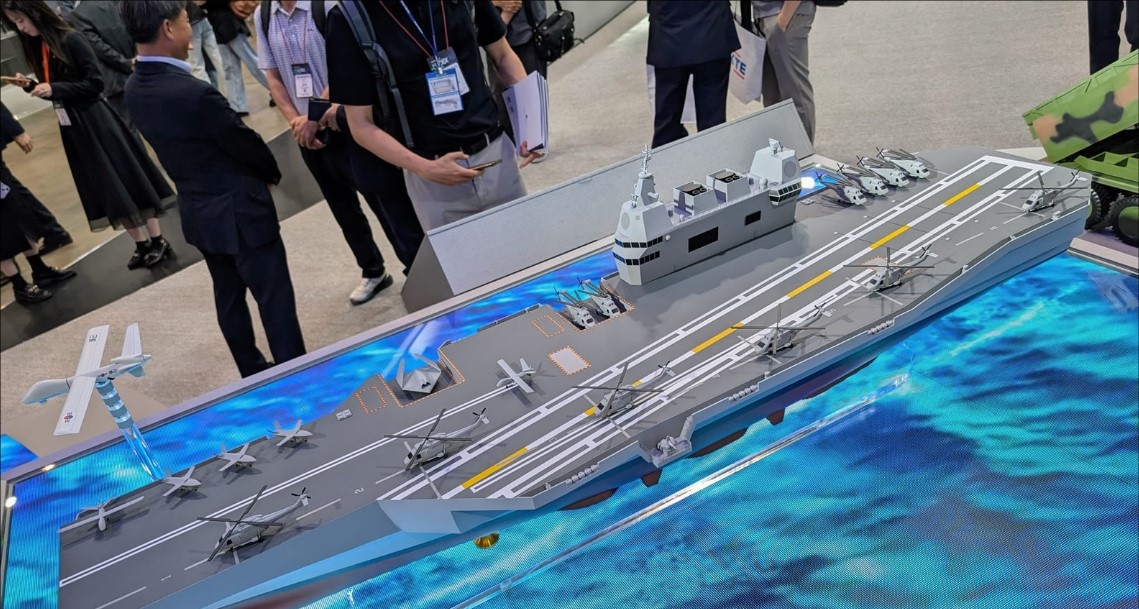
World
The Republic of Korea (ROK) Navy is taking bold steps toward transforming into a Manned-Unmanned Teaming (MUM-T) fleet, centered around a new class of drone aircraft carriers designed to operate both manned and unmanned systems. This marks one of the most significant shifts in South Korea’s naval modernization strategy, as the country adapts to emerging challenges and manpower shortages. A recent seminar held at the National Assembly in Seoul, led by Representative Yong-won Yoo, highlighted the Navy’s vision for a MUM-T Battle Group. The plan includes a new 30,000-ton class drone carrier, expected to enter service by the late 2030s, alongside upgrades to existing amphibious assault ships ROKS Dokdo and ROKS Marado to enable UAV operations. Transition from CVX to Drone Carriers The announcement confirms growing reports that South Korea’s earlier CVX light aircraft carrier program has been set aside in favor of the drone carrier initiative. The new approach emphasizes unmanned systems as part of the Sea GHOST initiative, designed to counter manpower shortages caused by the country’s declining population. In fact, the Navy has already demonstrated proof-of-concept. Last year, a General Atomics Mojave STOL UAV successfully took off from ROKS Dokdo, sparking interest in repurposing the ship as a drone mothership. ROKS Dokdo is currently undergoing a Performance Improvement Program (PIP) at HJ Shipbuilding & Construction, and further modifications are expected to prepare it for UAV operations. Shipbuilders Enter the Competition South Korea’s leading shipbuilders are actively developing drone carrier concepts: Hanwha Ocean presented the Ghost Commander II, a 42,000-ton MUM-T command ship concept, measuring 240 meters in length and 60 meters in beam. HD Hyundai Heavy Industries (HHI) showcased its HCX-23 Plus, a 15,000-ton drone carrier, while also confirming the internal development of a 32,000-ton class design that is likely to be unveiled soon. The rivalry between Hanwha and Hyundai mirrors the competition seen during the CVX program, and both firms are positioning themselves as key players in shaping South Korea’s naval future. New Carrier-Based UCAVs in Development On the aerospace side, Korea Aerospace Industries (KAI) has revealed plans for a new jet-powered Unmanned Combat Aerial Vehicle (UCAV) tailored for carrier operations. With a maximum takeoff weight (MTOW) of 6 tons, stealth design, and modular mission systems, the UCAV will feature AESA radar, IRST, EOTS sensors, and the capability to carry MBDA’s Meteor beyond-visual-range missiles. KAI is also considering a maritime patrol and ISR variant of the UCAV, broadening its operational scope beyond combat. Meanwhile, Korean Air continues to develop its KUS-LW loyal wingman UAV and KUS-X, both expected to play roles aboard future drone carriers. Support Systems for the Future Fleet To support the deployment of heavy unmanned aircraft, the South Korean government is also pursuing the development of a 20-ton-class Electromagnetic Aircraft Launch System (EMALS). This would allow the drone carriers to launch heavier UCAVs and enhance operational flexibility. A Leap Toward Next-Generation Naval Power With its MUM-T fleet vision, South Korea aims to integrate advanced unmanned platforms into traditional naval operations, creating a hybrid battle group capable of manned-unmanned synergy. The initiative reflects Seoul’s determination to stay ahead in naval warfare technologies and adapt to future strategic realities in the Indo-Pacific. If successful, the ROK Navy’s drone carriers could become a model for future naval forces worldwide, combining cost-effectiveness, reduced manpower requirements, and enhanced operational capabilities.
Read More → Posted on 2025-08-25 16:15:07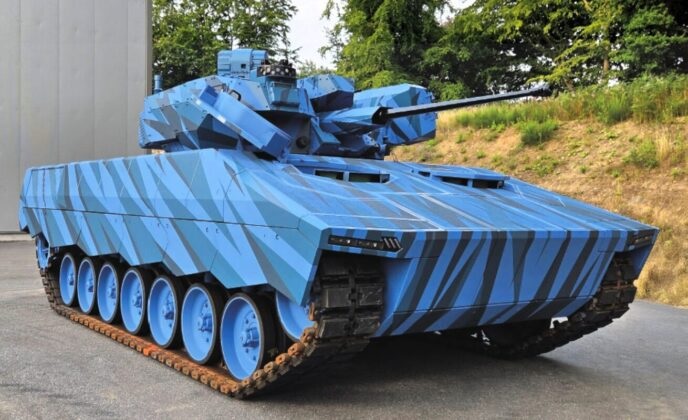
World
London, September 2025 – Germany’s Flensburger Fahrzeugbau Gesellschaft (FFG) has unveiled its latest innovation at the DSEI defense exhibition in London: the Condor, a new armored vehicle concept that merges the capabilities of a fire support tank with that of a short-range air defense system. Built on the proven Leopard 1 chassis, the Condor is designed as a rapidly deployable solution for modern battlefields where versatility, mobility, and protection are critical. A New Breed of Dual-Purpose Vehicle The Condor is fitted with the Turra 30 – SA unmanned turret, developed by Slovakia’s EVPÚ. The turret houses a 30 mm automatic cannon capable of firing programmable airburst ammunition, allowing it to effectively counter aerial threats such as drones, helicopters, and low-flying aircraft, as well as provide direct fire support against armored vehicles and infantry positions. “With the Condor we have developed a powerful and efficient air defense system based on the proven Leopard-1 platform. Our goal was to create a quickly available system to rapidly expand air defense capabilities,” said FFG Managing Director Jörg Kamper. He emphasized that the turret system allows additional firepower options, making the Condor equally effective in supporting ground troops. Weapons and Mission Systems The Turra 30 – SA turret can accommodate different 30 mm guns, including the Bushmaster Mk44, and features dual-feed ammunition, enabling crews to switch between munition types instantly. Secondary armament includes: A coaxial machine gun. Spike or Konkurs anti-tank guided missiles for engaging armored threats. Advanced electro-optics for day and night operations. A multi-mission radar capable of tracking air targets. Acoustic sensors designed to detect small arms and sniper fire. The weapons can be elevated from -10° to +70°, giving the Condor the ability to engage enemies at multiple angles and across varied environments. Engine and Mobility Enhancements FFG has integrated a new Rolls-Royce Power Systems 8V199TE23 V8 diesel engine, generating up to 1,080 horsepower. The powerpack, combined with a modified ZF automatic transmission and FFG’s two-cycle cooling system, is 300 kilograms lighter than the Leopard 1’s original engine. This results in: Better torque and acceleration. Improved fuel efficiency. Extended service life. Plug-and-play compatibility with other Leopard 1 family vehicles. A dual-circuit braking system has been added, making the Condor road-legal under modern safety standards. Despite its advanced armor and systems, the vehicle maintains a weight of under 40 tons, ensuring high mobility. Protection and Survivability The Condor features upgraded side and roof armor, enhanced crew seating layouts, and digital networking capabilities to improve both survivability and situational awareness. The vehicle measures 7.18 meters in length and emphasizes modularity, making future upgrades easier to integrate. By combining high mobility with improved protection and multi-mission sensors, the Condor is optimized for contested environments where rapid response and adaptability are essential. Global Logistical Advantage One of the key strengths of the Condor is its Leopard 1 chassis foundation. With thousands of Leopard 1 vehicles produced globally and spare parts still widely available, the Condor offers a cost-effective sustainment pathway for countries operating legacy fleets. This logistical commonality reduces lifecycle costs and ensures long-term supportability. Strategic Role and Market Position By uniting air defense and direct fire support into a single platform, the Condor addresses two pressing battlefield requirements: Countering the growing threat of drones and precision-guided munitions. Delivering mobile fire support to mechanized infantry units. Its dual-role capability positions the Condor as a rapid-response solution for militaries needing to bolster short-range air defense (SHORAD) without sacrificing ground combat effectiveness. The unveiling of the FFG Condor marks an important development in the evolution of armored vehicles. With its combination of proven Leopard 1 mobility, a modern unmanned turret, and a powerful new powerpack, the Condor represents a cost-effective yet highly capable system tailored to modern threats. As militaries worldwide race to adapt to drone warfare, stealth technologies, and hybrid conflicts, platforms like the Condor demonstrate how legacy armored vehicles can be reimagined for 21st-century combat—offering flexibility, affordability, and battlefield dominance in a single package.
Read More → Posted on 2025-08-25 16:06:49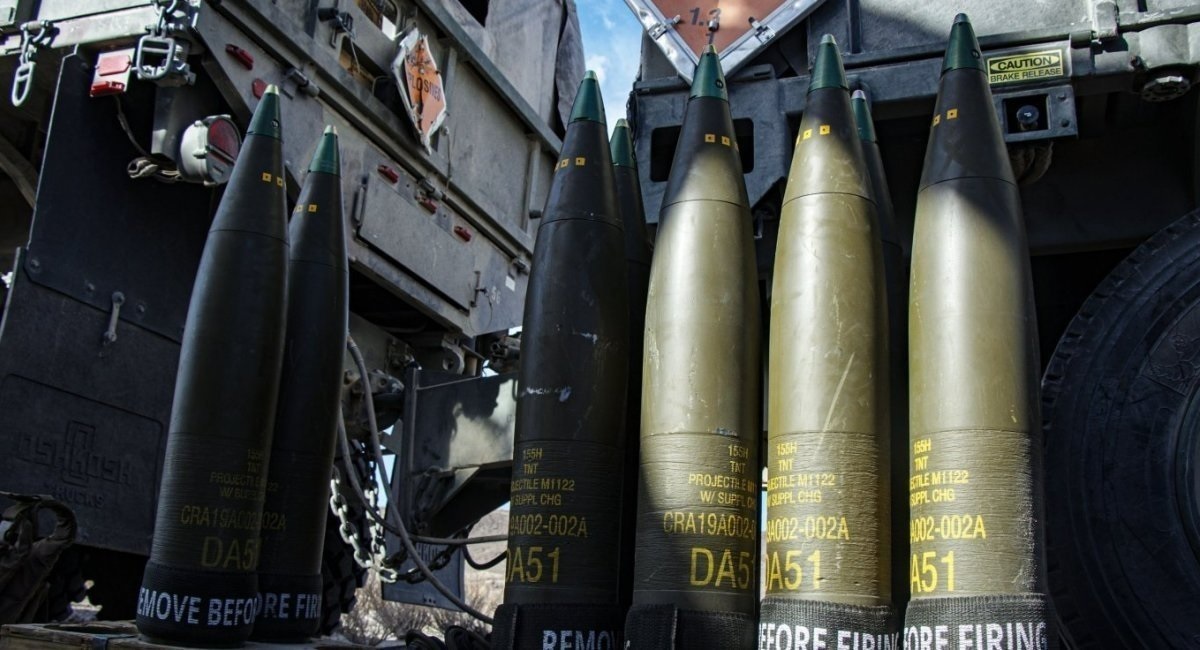
World
Washington, August 20, 2025 – In a major step to strengthen NATO’s firepower and address global shortages, the Czechoslovak Group (CSG) has announced that its American subsidiary, MSM North America, has secured a $632 million contract from the U.S. Army to build a state-of-the-art Future Artillery Complex (FAC) in Iowa. The new facility, to be located at the Iowa Army Ammunition Plant, will have the capacity to produce up to 432,000 rounds of 155 mm artillery shells per year, reflecting Washington’s determination to rebuild its munitions base in response to escalating conflicts worldwide. Industrial Expansion for NATO Firepower The 155 mm artillery shell remains the backbone of NATO’s artillery doctrine and is standard across systems including the American M777 lightweight howitzer, the M109 Paladin self-propelled gun, Germany’s PzH 2000, South Korea’s K9 Thunder, and France’s Caesar. Demand for these shells has soared due to the war in Ukraine, where artillery accounts for nearly 80% of battlefield casualties. Since early 2022, the United States alone has delivered over three million 155 mm rounds to Ukraine, straining domestic reserves and exposing the limited production capacity of existing U.S. plants. The Iowa facility will help address this gap by producing 36,000 shells per month, making it one of the most advanced explosive-loading sites in the world. Designed around robotics, automation, and lean manufacturing, the FAC will set new benchmarks for efficiency and safety. Strategic Timelines and Goals The Pentagon expects the Iowa plant to be fully operational by September 2029, though initial goals targeted production of 100,000 rounds per month by 2026 through multiple facilities. The broader U.S. objective is to achieve over one million 155 mm shells annually across all production sites, ensuring sustained readiness for prolonged conflicts. While construction and integration are underway, the U.S. is simultaneously expanding existing plants in Pennsylvania, Texas, and Kentucky, creating a diversified production network designed to reduce vulnerabilities and ensure uninterrupted supply in crisis scenarios. European-American Defense Collaboration The project is unique in that a European defense group, CSG, is spearheading a strategic American ammunition program. Through its subsidiary MSM North America, CSG will act as the prime contractor, bringing in U.S. firms for construction, automation systems, safety protocols, and environmental compliance. This partnership underscores growing transatlantic defense integration. By involving a European group in the heart of U.S. ammunition supply, Washington is not only expanding capacity but also strengthening NATO cooperation at an industrial level. The Broader Context: Artillery in Modern Warfare Despite the rise of drones, precision-guided munitions, and advanced surveillance technologies, the Ukraine conflict has reinforced that artillery remains the “king of battle”. Prolonged campaigns require massive volumes of shells, and industrial endurance—not just advanced weaponry—has once again become decisive. This echoes the lessons of World War I and World War II, where wars of attrition hinged on industrial capacity. Today, the United States and its allies are rediscovering that without vast reserves of artillery ammunition, even the most modern armies face operational risk. NATO and Allied Benefits Although the Iowa facility is primarily designed to supply the U.S. Army, it is also expected to support Foreign Military Sales and allied stockpiles. NATO members such as Poland, the Baltic states, and Germany are urgently seeking to expand their artillery reserves, and the new U.S. plant could serve as a central hub for allied support. The project’s scale ensures that, once operational, NATO will have a reliable long-term reserve of firepower, reducing vulnerability in case of prolonged or multi-theater conflicts. The establishment of the Future Artillery Complex in Iowa represents more than just industrial expansion—it signals a strategic recognition that modern wars still depend on massive, sustained artillery firepower. With a $632 million investment and a projected annual output of nearly half a million shells, the U.S. Army and its allies will gain a vital safeguard against shortages. By 2029, the Iowa facility will stand as one of the world’s most advanced ammunition plants, anchoring NATO’s ability to fight prolonged wars and ensuring that the 155 mm shell retains its decisive role in 21st-century combat.
Read More → Posted on 2025-08-25 16:01:47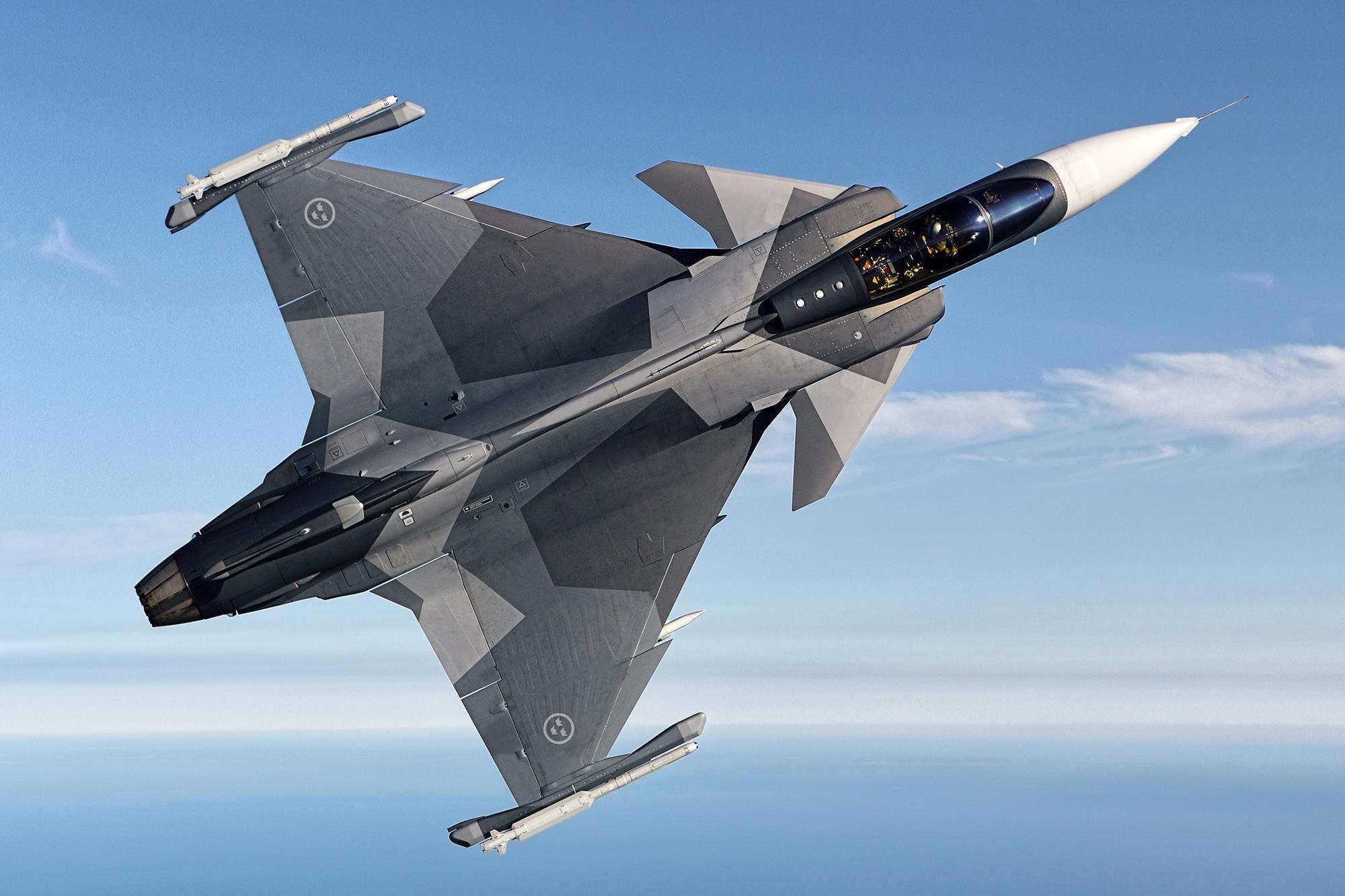
World
Stockholm/Bangkok, August 2025 – Saab has signed a landmark agreement with the Swedish Defence Materiel Administration (FMV) to supply four next-generation Gripen E/F fighter aircraft to the Royal Thai Air Force (RTAF). The deal, worth approximately SEK 5.3 billion (around USD 500 million), underscores Thailand’s continued commitment to the Gripen platform and strengthens its long-term defence partnership with Sweden. Details of the Order The contract covers the delivery of three single-seat Gripen E aircraft and one twin-seat Gripen F, with deliveries scheduled between 2025 and 2030. In addition to the aircraft, the package includes: Associated mission equipment Pilot and ground crew training Long-term technical and operational support This ensures the RTAF can integrate the new fighters smoothly into its existing fleet and sustain operations over the long term. Technology Transfer and Industrial Cooperation As part of the acquisition plan, Saab has signed a parallel contract with the Royal Thai Air Force for an extensive offset package. This includes: Defence technology transfer to strengthen Thailand’s local capabilities. Industrial partnerships with Thai companies. New investments across multiple sectors of Thailand’s economy. According to Saab, this cooperation will not only enhance Thailand’s defence ecosystem but also support broader national industrial growth. Statements from Saab Micael Johansson, Saab’s President and CEO, welcomed Thailand’s decision:“We welcome Thailand as the latest customer for Gripen E/F. Thailand is already a well-established Gripen user and familiar with the strengths that Gripen brings to the Royal Thai Armed Forces. Thailand has chosen the most modern fighter on the market with which to build its next generation of strategic, independent capabilities.” Thailand’s Existing Gripen Fleet The Royal Thai Air Force currently operates one squadron of Gripen C/D multi-role fighters, based at Wing 7 in Surat Thani. These aircraft were acquired in the late 2000s under earlier defence cooperation agreements with Sweden. The new Gripen E/F jets will operate alongside the existing Gripen C/D fleet, significantly boosting the RTAF’s air combat capability. The addition of the twin-seat Gripen F variant will also enhance training, tactical command, and mission flexibility. Gripen E/F – Next-Generation Capabilities The Gripen E/F represents the latest and most advanced iteration of Saab’s fighter aircraft. Key features include: State-of-the-art AESA radar with extended detection range. Advanced electronic warfare suite for survivability against modern threats. Increased payload capacity with 10 hardpoints. New, more powerful GE F414G engine providing superior thrust-to-weight ratio. Extended range and endurance, suitable for long patrols and strike missions. Network-centric warfare capabilities, allowing seamless data sharing between air, land, and sea units. Strategic Significance for Thailand The acquisition comes as Thailand seeks to modernize its aging fleet, which currently includes F-16 Fighting Falcons and other legacy platforms. By introducing the Gripen E/F, Thailand gains access to one of the world’s most modern 4.5-generation fighters, offering cost-effective operations, advanced technology, and interoperability with Western systems. This move is also a strong signal of Thailand’s desire to maintain independent defence capabilities while balancing strategic ties with both Western and Asian partners. With the addition of Gripen E/F fighters, the Royal Thai Air Force will be better equipped to handle evolving regional security challenges, including maritime security, air defence, and joint operations. The partnership with Saab and Sweden ensures not just delivery of advanced aircraft, but also a long-term investment in Thailand’s defence infrastructure and industry.
Read More → Posted on 2025-08-25 15:58:25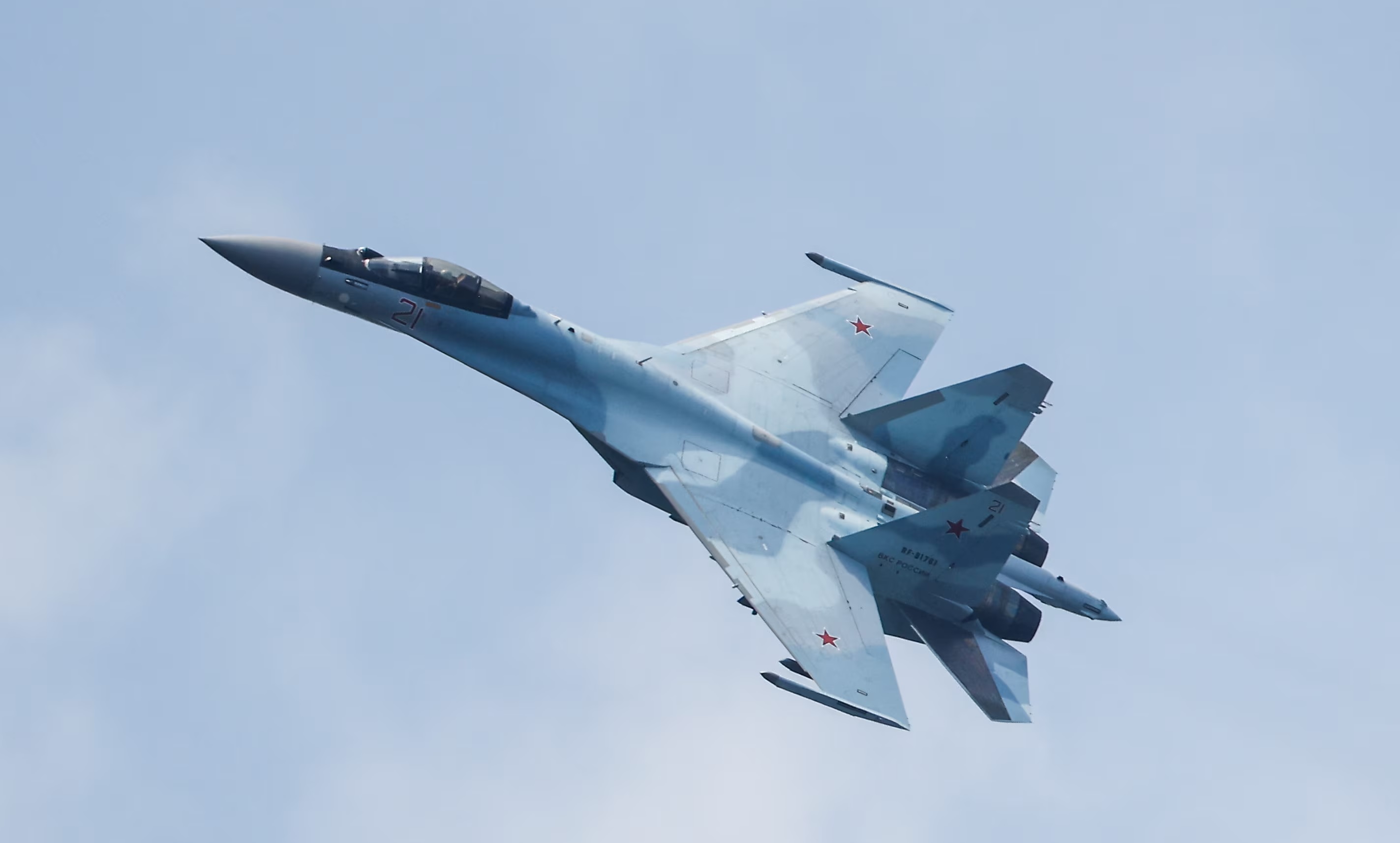
World
Moscow, August 2025 – The Russian Aerospace Forces (VKS) are continuing to receive new combat aircraft as part of the state defense order, with fresh batches of Sukhoi Su-35S multirole fighters and Su-34 fighter-bombers handed over in recent weeks. The deliveries, confirmed by the United Aircraft Corporation (UAC) and the state conglomerate Rostec, underscore Moscow’s ongoing push to reinforce its air power amidst the prolonged conflict in Ukraine. Regular Deliveries to VKS On August 12, the VKS confirmed receipt of a new batch of Su-34 fighter-bombers, marking the third handover of 2025, following earlier transfers in April and July. Less than two weeks later, on August 21, the fourth batch of Su-35S air superiority fighters was delivered, with previous batches received in March, May, and June. While the exact number of aircraft remains undisclosed, consistent with Russia’s policy of withholding operational figures during wartime, industry officials confirmed that deliveries are being made ahead of schedule and will continue at a high pace through the remainder of the year. Strategic Role of Su-35S and Su-34 Su-35S Fighter: Often described as one of the most advanced fighters in Russia’s inventory, the Su-35S features state-of-the-art avionics, powerful AL-41F1S engines, advanced electronic warfare systems, and the ability to deploy a wide range of long-range air-to-air and air-to-surface missiles. Its thrust-vectoring nozzles grant it exceptional maneuverability, making it a formidable air superiority platform. Su-34 Fighter-Bomber: With a distinctive side-by-side cockpit, the Su-34 is designed for long-range strike missions, precision bombing, and close air support. It is equipped with advanced radar, electronic countermeasures, and can carry a large payload of guided and unguided munitions. The aircraft has been a key workhorse in strike operations across Ukraine. Meeting Wartime Needs According to Rostec’s Executive Director Oleg Yevtushenko, production rates remain “consistently high” under the state defense order, with aircraft moving from assembly lines to operational units on a monthly basis. This accelerated pace is part of a broader strategy to replenish battlefield losses, maintain high readiness, and expand the VKS’s combat capacity for border defense and strike missions. Vadim Badekha, Director General of UAC, stressed that production volumes are increasing across nearly all categories of military aviation. He highlighted ongoing modernization of manufacturing facilities at plants in Komsomolsk-on-Amur and Novosibirsk, where Su-35S and Su-34 aircraft are produced. These upgrades are intended to ensure both higher output and the integration of incremental design improvements. Expanding Beyond the VKS While the majority of deliveries are earmarked for the Aerospace Forces, a smaller portion of the production backlog is directed toward Naval Aviation units of the Russian Navy. This reflects Moscow’s intention to boost not only its land-based strike and defense aviation but also its maritime patrol and fleet air cover capabilities. Context of the Conflict The deliveries come as the war in Ukraine enters its fourth year, with both sides sustaining significant losses in men and materiel. For Russia, the steady flow of modern aircraft like the Su-35S and Su-34 plays a critical role in sustaining air dominance, supporting ground operations, and projecting strength against NATO’s increased surveillance and deterrence posture along its western borders. The continuing handovers of Su-35S fighters and Su-34 bombers highlight Russia’s determination to maintain airpower supremacy and replenish operational fleets despite the strains of protracted conflict. With UAC pledging increased production and Rostec affirming rapid deliveries, the VKS is set to expand and modernize its fleet further in the coming months, ensuring that these platforms remain central to Russia’s defense and offensive strategies.
Read More → Posted on 2025-08-25 15:21:19
World
The return of Donald Trump to the White House has reignited deep unease in South Korea, casting doubt over the future of what was once described as the “ironclad” US-ROK alliance. Trump’s renewed focus on transactional diplomacy, burden-sharing, and strategic returns over mutual trust is reshaping the security dynamics on the Korean Peninsula at a time when North Korea’s nuclear threat is escalating. Conditional Security Under Trump Trump has already reopened contentious cost-sharing negotiations, demanding that South Korea pay significantly more to host nearly 28,500 US troops stationed on its soil. At the same time, his administration has hinted at a possible reassessment of extended nuclear deterrence, long considered the backbone of South Korea’s security. This has fueled fears in Seoul that US protection now comes with conditions, leaving questions about how reliable American support would be in a crisis. Rising North Korean Threats The timing could not be worse for Seoul. North Korea is expanding its nuclear arsenal at an alarming pace, testing tactical nuclear weapons, hypersonic missiles, and submarine-launched systems. Pyongyang’s growing defense ties with Russia, reportedly involving arms and technology exchanges, further complicate deterrence calculations. These advances increase doubts in South Korea over whether Washington would respond decisively in a limited nuclear scenario, especially under Trump’s more transactional worldview. Seoul Turns to Self-Reliance In response, Seoul is accelerating efforts under its three-axis defense strategy — focusing on preemptive strike capabilities, missile defense, and retaliatory strike options. South Korea is also strengthening its surveillance and reconnaissance systems to ensure faster crisis response. While the Nuclear Consultative Group with Washington remains active, the lack of unequivocal US guarantees has pushed Seoul toward strategic autonomy. Strategic Divergence With Washington Trump’s approach also highlights diverging priorities between the allies. While Washington expects Seoul to play a larger role in its Indo-Pacific strategy against China, South Korea remains cautious, reluctant to jeopardize its deep economic ties with Beijing. This divergence complicates joint military planning and risks creating gaps in deterrence during future regional crises. Seoul’s hesitation to join US-led patrols in the Taiwan Strait or South China Sea has already raised questions in Washington about South Korea’s commitment to “shared goals.” Industrial Friction Growing Tensions extend beyond strategy into the defense industry. Trump is expected to pursue a harder “America First” procurement policy, potentially limiting technology transfers and prioritizing US firms over allies. South Korea’s booming arms exports — including deals with Poland, the UAE, and Australia — are increasingly seen as competition rather than cooperation by Washington. This risks undermining ongoing joint projects and defense innovation partnerships, pushing both sides toward protectionism rather than collaboration. Seoul’s Narrowing Choices With alliance predictability weakening, Seoul faces limited options. It could move to institutionalize deeper military integration with the US, making abandonment politically costly. Alternatively, South Korea may seek to diversify its security ties, expanding cooperation with Australia, the UK, NATO, and ASEAN partners. Most controversially, there is growing public debate in Seoul about pursuing an independent nuclear deterrent — a move that would face strong international opposition but underscores South Korea’s determination to ensure survival in an uncertain security environment. Preparing for Uncertainty Trump’s second term has not only shaken confidence in the US-ROK alliance, but also exposed South Korea’s vulnerabilities in relying too heavily on a single guarantor. In an Indo-Pacific region increasingly defined by nuclear brinkmanship, cyber conflict, and great-power rivalry, Seoul is being forced to rethink its long-term strategy. Going forward, strategic autonomy, defense self-reliance, and diversified partnerships will likely become the cornerstones of South Korea’s national security policy. In Trump’s world, loyalty is negotiable — but for Seoul, deterrence must be guaranteed, not promised.
Read More → Posted on 2025-08-25 15:09:00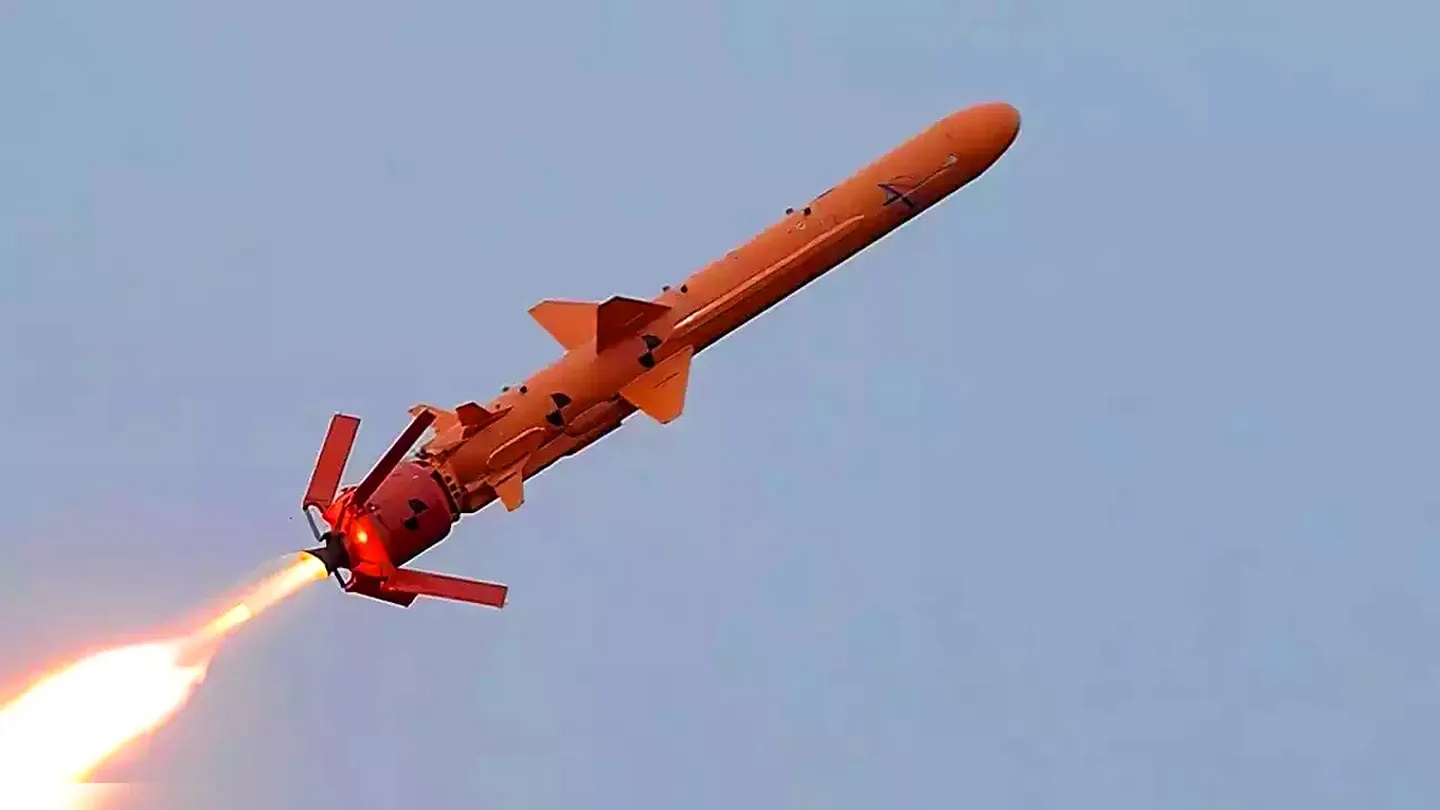
World
Kyiv, August 2025 – Ukraine has officially showcased a new long-range version of its domestically developed Neptune cruise missile, widely referred to as the “Long Neptune.” According to defence sources, the missile boasts a range of around 1,000 kilometres, significantly extending the reach of Ukraine’s strike capabilities. The new missile was publicly revealed during a defence exhibition in Kyiv and has reportedly already been employed in combat operations since March 2025, underscoring Ukraine’s rapid advancement in indigenous missile technology despite ongoing conflict. From Anti-Ship Weapon to Long-Range Strike Missile The original R-360 Neptune, derived from the Soviet-era Kh-35 design, was developed by Ukraine as an anti-ship cruise missile. It gained international attention in April 2022 when a Neptune strike led to the sinking of the Russian Black Sea Fleet’s flagship cruiser, Moskva. The new “Long Neptune” diverges from this naval strike role, being optimised for long-range land-attack missions. Analysts believe this evolution was necessary to provide Ukraine with a homegrown alternative to imported Western long-range missiles, such as the Storm Shadow and SCALP-EG. Design Enhancements and Technical Features Visual comparisons between the new missile and the earlier R-360 reveal several structural changes: Length: Over 6 metres without its booster, roughly 1.5 metres longer than the R-360. Fuselage Diameter: Expanded to 50 cm, compared to the original 38 cm. Tail Section: Remains similar, housing the missile’s turbojet engine. Wings and Tail Surfaces: Enlarged to handle heavier launch weight and improved stability. The enlarged fuselage likely allows for greater fuel capacity, which accounts for the missile’s extended 1,000 km operational range. The warhead’s exact specifications remain classified, though the earlier R-360 carried a 150-kg high-explosive warhead. Operational Role and Strategic Significance The “Long Neptune” is designed to strike high-value land targets deep inside enemy territory, including military infrastructure, logistics hubs, airbases, and command centres. With a 1,000 km range, the missile can reach targets far beyond the frontlines, potentially including sites deep within Russian territory. Its introduction offers Ukraine: Strategic independence, reducing reliance on limited stocks of Western-supplied long-range missiles. Deterrence capabilities, forcing Russia to defend critical assets previously considered beyond Ukraine’s strike range. Operational flexibility, with options for both anti-ship and long-range land-attack missions depending on configuration. Combat Use Already Confirmed Ukrainian defence officials have hinted that the “Long Neptune” has been in active use since March 2025. Russian officials have also accused Ukraine of employing Neptune missiles in strikes against military facilities across occupied Crimea and even in Belgorod and Bryansk regions inside Russia. If confirmed, this would mean the missile is not merely experimental but already a battle-tested system integrated into Ukraine’s arsenal. Broader Context: Ukraine’s Expanding Missile Program The unveiling of the Long Neptune comes amid Ukraine’s push to strengthen its domestic missile industry. With Western supplies often delayed or politically constrained, Kyiv has invested heavily in homegrown capabilities such as: Hrim-2 (Grom-2) ballistic missile project, aimed at ranges up to 500 km. Vil’kha-M guided rocket systems, extending artillery strike capabilities. Adaptations of Soviet-era platforms to modern standards. Together, these programs demonstrate Ukraine’s determination to maintain long-range strike capacity even under wartime conditions. The debut of the 1,000 km-range “Long Neptune” marks a decisive shift in Ukraine’s missile development trajectory. From the weapon that sank the Moskva to a long-range land-strike platform, Neptune has evolved into a family of systems capable of reshaping the battlefield. As extensive trials continue and combat usage expands, the Long Neptune stands as a powerful symbol of Ukraine’s resilience and innovation—showing that even under constant attack, the country is able to push forward advanced weapons that can alter the strategic balance.
Read More → Posted on 2025-08-25 15:04:22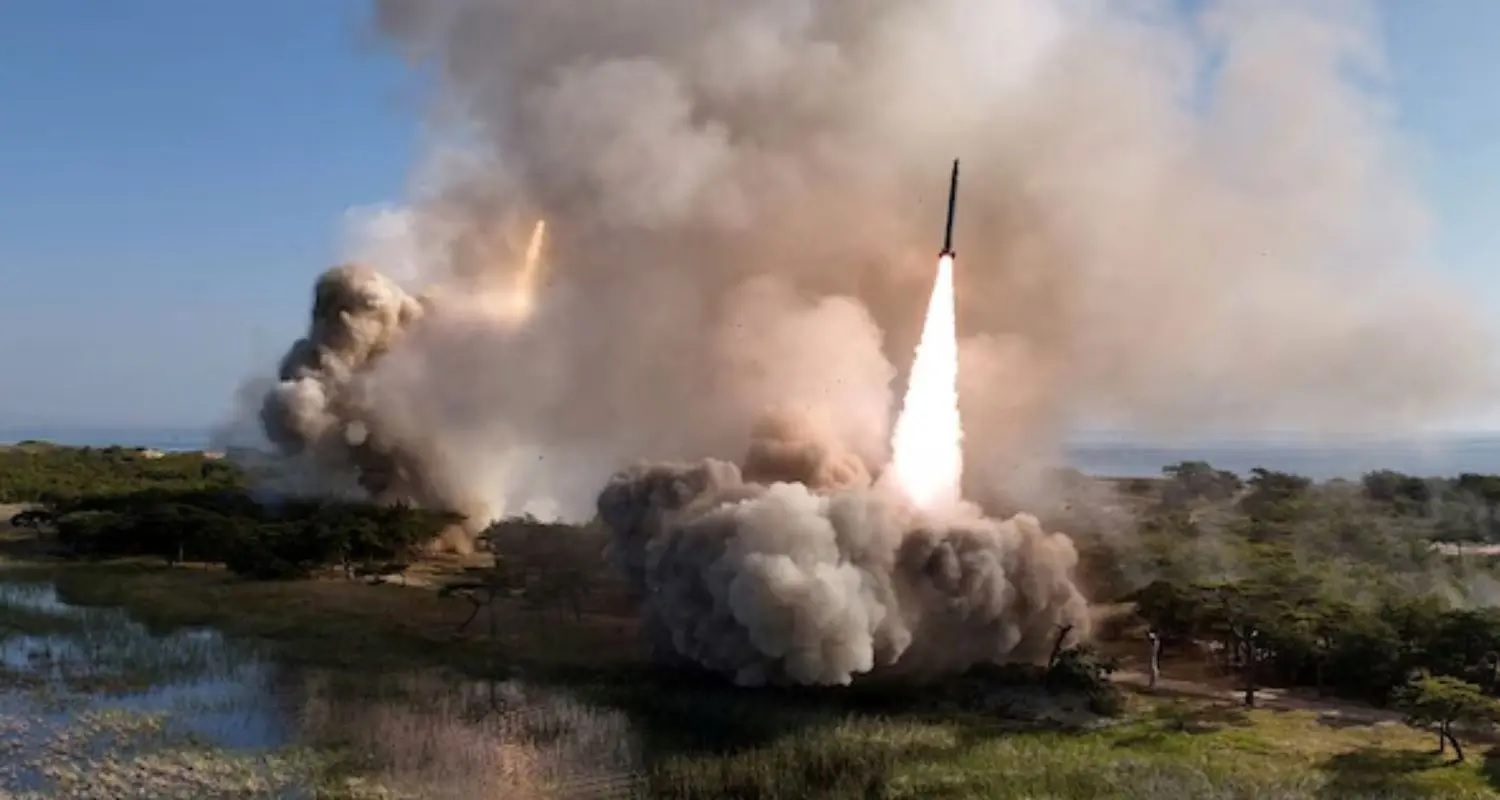
World
Pyongyang, August 2025 – North Korean leader Kim Jong Un has personally supervised the test-firing of two new air defense missile systems, state media reported Sunday. The tests come just days after a heated border incident between North and South Korea, underscoring the growing military tensions on the Korean Peninsula. According to the Korean Central News Agency (KCNA), the launches took place on Saturday and involved two “improved” missile weapon systems with what it described as “unique and special technology.” The report claimed the systems demonstrated “superior combat capability” and were well-suited to destroying a range of aerial targets. Photographs released by state media showed missiles streaking skyward and what appeared to be intercept tests against simulated incoming projectiles. Kim Jong Un was seen receiving a detailed briefing, with military aides presenting data as he observed the trials. Focus on Drone and Cruise Missile Threats While KCNA offered no technical specifications, South Korean defense experts noted that the timing and description suggest Pyongyang is accelerating development of short- to medium-range air defense systems aimed at countering drones and low-flying cruise missiles. Analysts point out that North Korea has been studying battlefield experiences from Russia’s war in Ukraine. The widespread use of UAVs (unmanned aerial vehicles) and low-cost drones has exposed vulnerabilities in traditional air defense systems. By improving its own missile interceptors, Pyongyang is believed to be adapting its doctrine to future conflicts. Hong Min, senior analyst at the Korea Institute for National Unification, said, “The North is bolstering air defense missiles against low-altitude flying drones and cruise missiles. This reflects Pyongyang’s recognition of lessons learned from modern warfare, especially in Ukraine.” Border Clash Raises Friction The missile tests followed a fresh confrontation on the Demilitarized Zone (DMZ), one of the most heavily militarized borders in the world. Earlier this week, around 30 North Korean soldiers briefly crossed the military demarcation line, prompting the South Korean military to fire warning shots. Although the North Korean troops retreated quickly, Pyongyang condemned the response as a “deliberate provocation.” Army Lieutenant General Ko Jong Chol warned that such incidents could push the situation into an “uncontrollable phase” given the heavy military presence on both sides of the border. The United Nations Command confirmed the incursion, while Seoul said it is closely monitoring unusual troop movements near the border. Strategic Messaging Ahead of Party Meeting State media also reported that Kim Jong Un has directed the defense science sector to complete an “important task” before an upcoming ruling party meeting. While details remain undisclosed, observers believe this could refer to further missile trials or the rollout of new weapons systems. The North has a history of showcasing military achievements ahead of key political events, often as a signal of strength both domestically and internationally. Pyongyang and Moscow Ties The test also comes amid deepening North Korea–Russia military cooperation. According to South Korean and Western intelligence, Pyongyang has sent over 10,000 soldiers to support Russian operations, mainly in the Kursk region, along with artillery shells and rocket systems. Reports suggest around 600 North Korean soldiers have been killed and several thousand wounded in the fighting. This battlefield exposure may be accelerating North Korea’s push for more advanced air defense systems, which could serve both domestic defense and future arms exports to allies like Russia. South Korea’s Balancing Act South Korea’s new president Lee Jae Myung has pledged to seek warmer relations with Pyongyang and build “military trust”. However, North Korea has dismissed these overtures, saying it has “no interest” in improving ties under current conditions. The missile launches, coupled with escalating tensions along the border, suggest that inter-Korean dialogue remains unlikely in the near future. The test-firing of two new air defense missile systems under Kim Jong Un’s supervision highlights North Korea’s determination to modernize its military and adapt to modern warfare trends. With tensions simmering at the DMZ and growing military cooperation between Pyongyang and Moscow, the Korean Peninsula faces renewed uncertainty. The development underscores North Korea’s dual strategy: strengthening homeland defense against emerging aerial threats while signaling defiance to both Seoul and Washington.
Read More → Posted on 2025-08-24 16:20:58
World
Gyumri, Armenia, August 2025 – Around 100 protesters gathered outside Russia’s 102nd Military Base in the Armenian city of Gyumri on Saturday, demanding the withdrawal of Russian troops and calling for an end to Moscow’s military presence in the country. Armenia, a landlocked Caucasus nation, has traditionally relied on Russia as a security guarantor against neighboring Azerbaijan. However, relations between the two allies have sharply deteriorated since Azerbaijan’s 2023 offensive in Nagorno-Karabakh, when Moscow refrained from intervening to defend Armenia. Protesters Call Russia a “Threat, Not Protection” Demonstrators held placards reading “Armenia without Russian boots” and “End the Russian occupation.” “We demand the withdrawal of the Russian base from the territory of Armenia. The presence of this base does not ensure security, but creates an internal threat,” said protest organizer Arman Babajanyan. Another protester, 74-year-old Anahit Tadevosyan, accused Russia of betrayal: “They have betrayed us, they must leave. The Russians are destroying Ukraine, and they destroyed our trust too.” Counter-Protest in Support of Russia The demonstration was met with a smaller counter-rally of pro-Russian Armenians who argued the Gyumri base remains essential for Armenia’s defense. “The Gyumri base ensures the independence and security of Armenia,” said Manuk Sukiasyan of the Mother Armenia movement. A heavy police presence prevented clashes between the rival groups. The Russian 102nd Base in Context The Russian 102nd Military Base, established in 1995, houses around 3,000 troops and advanced military equipment. It is one of Moscow’s most important outposts in the South Caucasus, strategically located near Armenia’s borders with Turkey and Iran. Last year, Moscow agreed to withdraw some troops and border guards but maintained forces at Armenia’s western and southern frontiers. Despite being allies under the Collective Security Treaty Organisation (CSTO), Yerevan announced it had de facto suspended participation, citing Moscow’s failure to honor defense obligations during the 2023 Nagorno-Karabakh crisis. Geopolitical Tensions The protests highlight growing disillusionment in Armenia toward Russia, once seen as its main protector. Instead, Yerevan has been seeking closer ties with the European Union and the United States, while also deepening security dialogue with France, which recently delivered defensive equipment to Armenia. Further straining ties, Armenia ratified the Rome Statute of the International Criminal Court (ICC) in 2023, obligating it to arrest Russian President Vladimir Putin if he visits the country, due to an outstanding ICC warrant for alleged war crimes in Ukraine. What Lies Ahead Armenia faces a difficult balancing act: while many citizens call for a reduced Russian presence, Moscow’s military base remains a central feature of the region’s security architecture. With Azerbaijan strengthening ties with Turkey and Armenia looking westward, the future of Russian troops in Gyumri could become a defining issue in Armenia’s evolving foreign policy. For now, the protests underscore a profound shift—Russia is no longer viewed by many Armenians as the ultimate guarantor of their security, but increasingly as an unreliable partner whose presence may hinder Armenia’s sovereignty.
Read More → Posted on 2025-08-24 16:18:01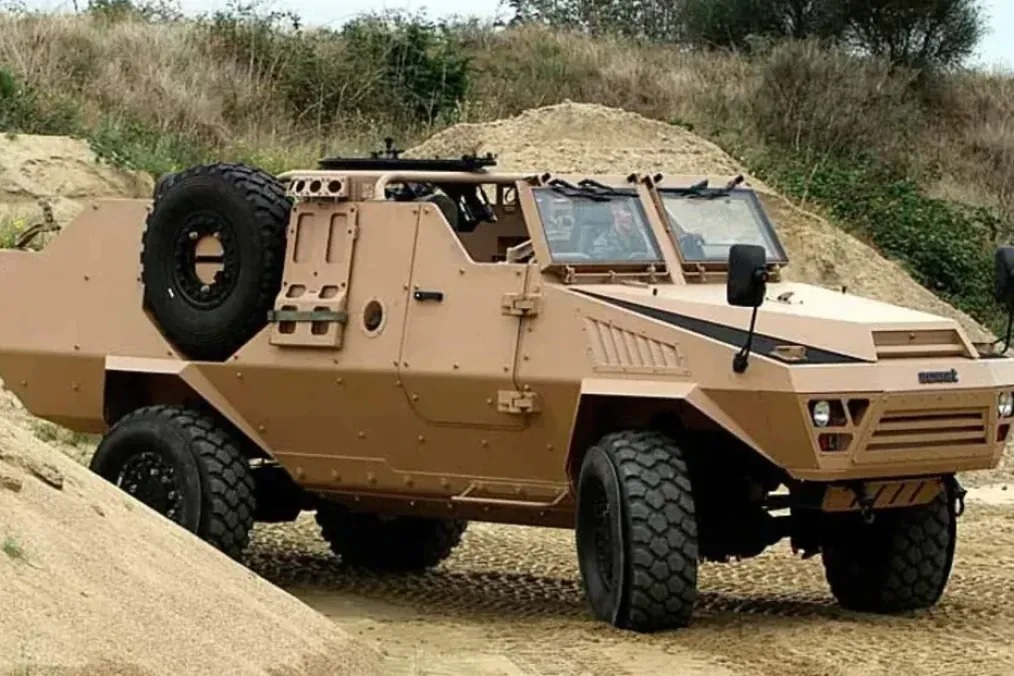
World
Paris/Kyiv, 2024 – France has reinforced its military support to Ukraine by completing the delivery of 61 Bastion 4×4 armored vehicles, a major step in strengthening Kyiv’s defense capabilities amid ongoing conflict. The contract was signed by Arquus, France’s leading land defense manufacturer, under cooperation agreements between Paris and Kyiv. Details of the Delivery The shipment was carried out in phases. The first batch of 11 vehicles was dispatched for immediate troop transport roles, while the remaining 50 units were delivered in subsequent shipments. This fleet of armored personnel carriers will significantly improve Ukraine’s capacity for troop mobility, patrol operations, and logistical support. The Bastion APC is a battle-tested platform designed to perform in high-intensity and peacekeeping operations alike. With seating for a crew of two and up to eight soldiers, the Bastion provides protection against small arms fire, artillery fragments, and improvised explosive devices (IEDs). Technical Features of the Bastion Weight: ~12 tons, built on the VLRA 4×4 chassis. Gross Vehicle Weight (GVW): 12.5 tons. Capacity: 2 crew + 8 troops. Mobility: Tactical off-road performance suitable for rough terrains. Air-transportable: Can be deployed via C-130 Hercules aircraft. Protection: Meets STANAG 4596 ballistic protection standards, ensuring safety against light arms and mine blasts. Ease of Maintenance: Designed for fast repair and support in field conditions. The vehicle is widely used for patrols, peacekeeping missions, convoy escort, and troop transport in difficult environments. The Bastion is also operated by several African nations and peacekeeping forces, highlighting its proven reliability. Wider European Defense Role of Arquus Alongside the Bastion, Arquus has also received contracts to deliver 76 CAESAR Mk1 artillery system carriers, which will be used by multiple European nations, including Ukraine. The CAESAR 155mm artillery system has been one of the most effective Western-supplied weapons in Ukraine, combining mobility, precision, and long-range strike capability. In July 2024, Arquus became part of the Belgian defense group John Cockerill Defense, with both France and Belgium each taking a 10% ownership stake. This strategic partnership allows the two companies to combine sales networks, share production capabilities, and merge product lines, resulting in a stronger European defense ecosystem. France’s Expanding Support for Ukraine France has steadily increased its military aid to Ukraine since 2022, providing armored vehicles, air defense systems, artillery, and training support. President Emmanuel Macron has emphasized France’s commitment to supporting Kyiv for “as long as necessary” against Russian aggression. The delivery of Bastion vehicles highlights Paris’s strategy of combining direct military support with industrial cooperation, strengthening both Ukraine’s defense and Europe’s defense industry. Strategic Outlook The consolidation of Arquus armored vehicles with Cockerill turrets and weapon systems creates a versatile lineup of light armored vehicles and firepower solutions. These are being targeted not only for France and Belgium but also for allied and partner nations, with Ukraine as one of the primary beneficiaries in the near term. By aligning industrial cooperation with defense aid, France and Belgium are shaping a stronger European defense supply chain, while Ukraine gains vital battlefield tools to withstand ongoing challenges. The completion of the 61 Bastion armored vehicle delivery marks an important milestone in France-Ukraine defense cooperation. Together with future deliveries of CAESAR artillery systems, this step strengthens Ukraine’s resilience and reflects Europe’s broader efforts to build a unified defense response. The Bastion’s combination of protection, mobility, and battlefield flexibility ensures it will play a critical role in enhancing Ukraine’s frontline operations, while Arquus’s integration with John Cockerill Defense underscores the growing European commitment to collective security.
Read More → Posted on 2025-08-24 16:10:22Search
Top Trending in 24 Hours
-
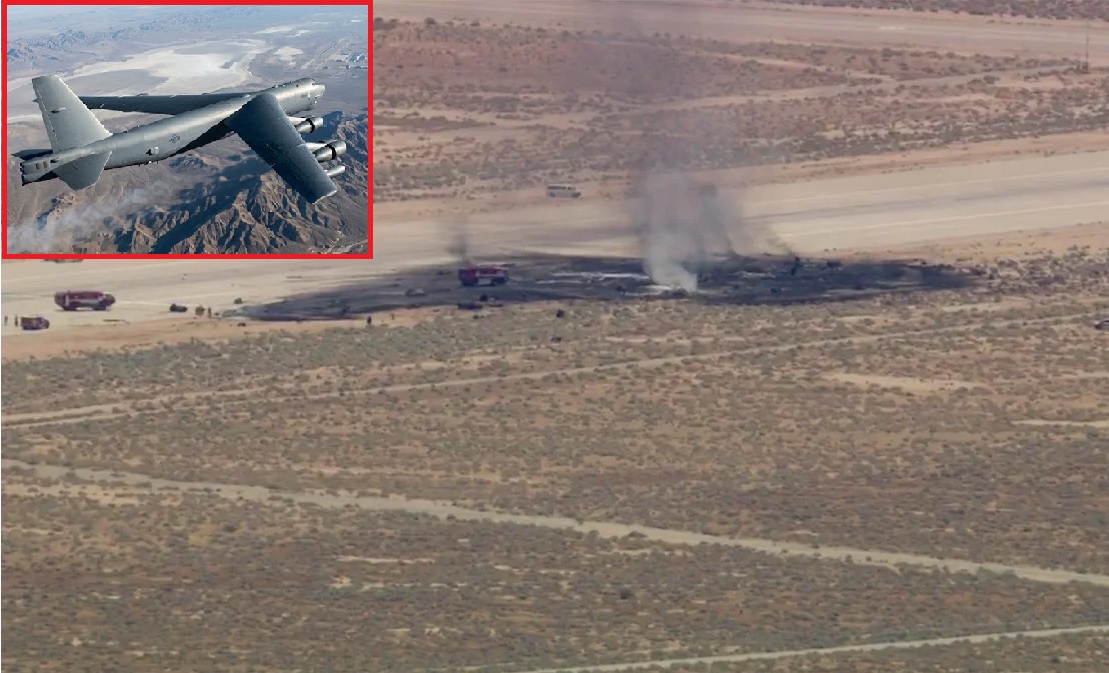 8 U.S. Air Force Crew Members Killed in B-52 Bomber Crash During Test Flight at Edwards Air Force Base
-
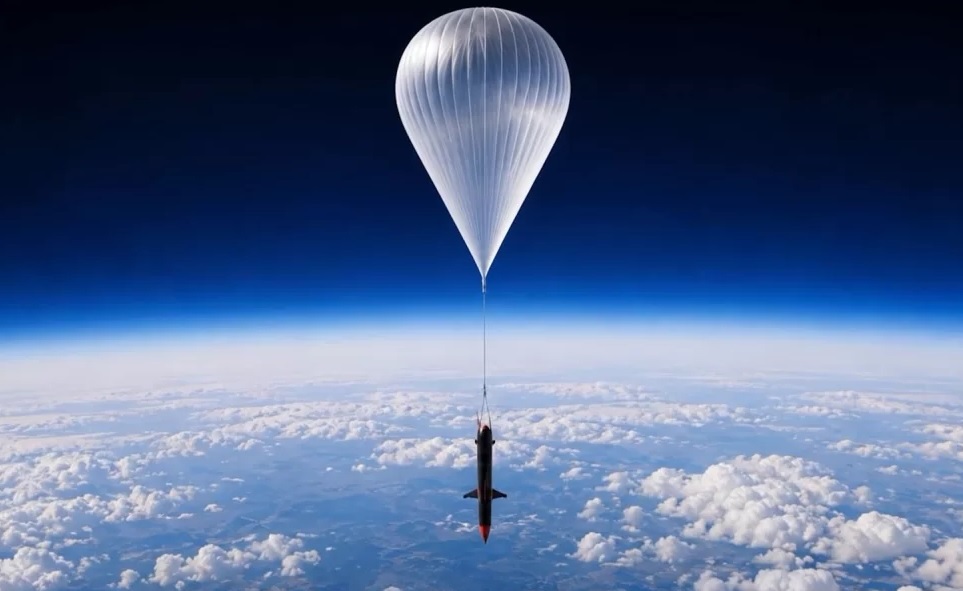 Ukraine Introduces Balloon-Launched DART Missile Designed to Defeat Electronic Warfare
-
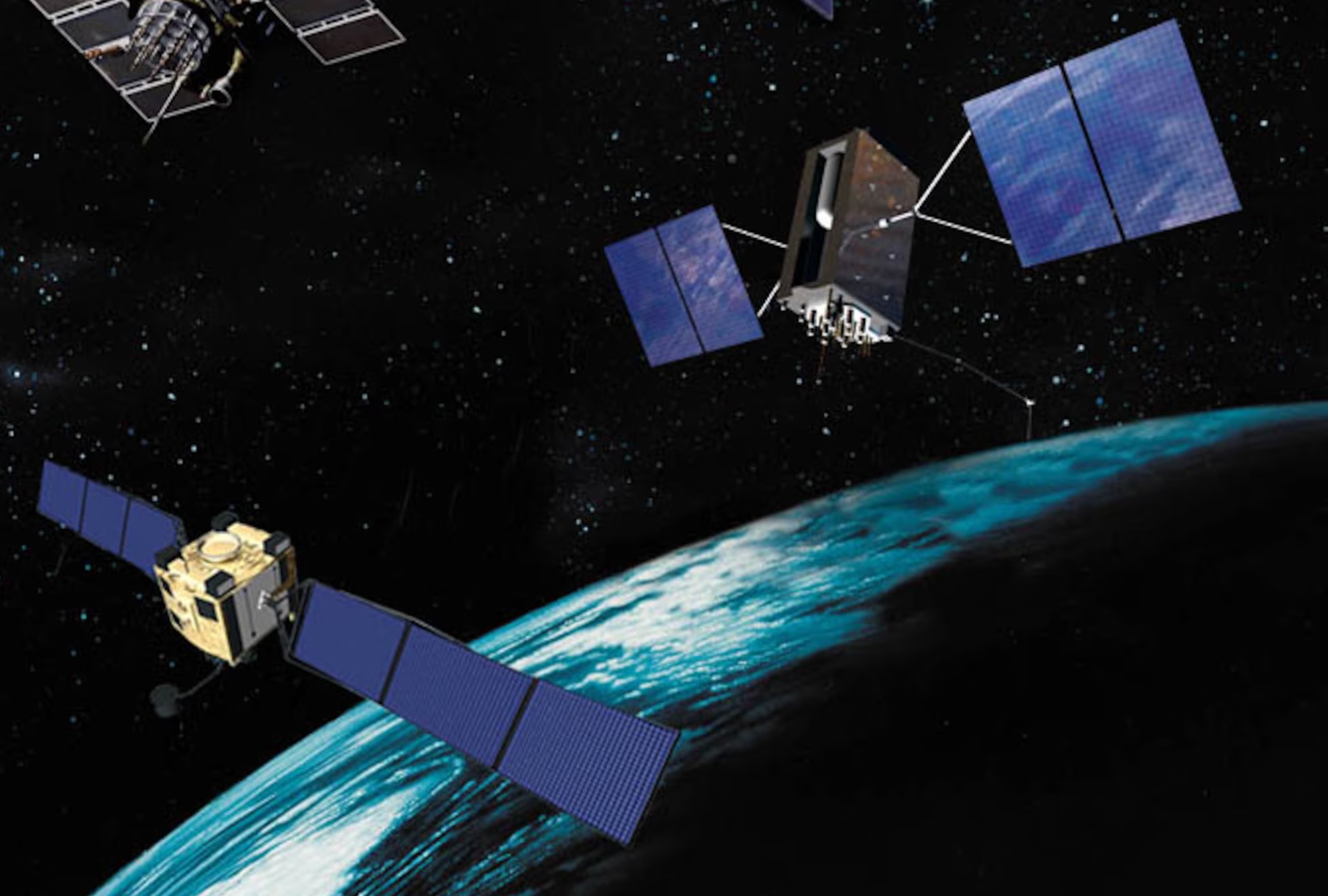 Lockheed Martin Wins $514 Million U.S. Space Force Contract for Two New GPS IIIF Satellites
-
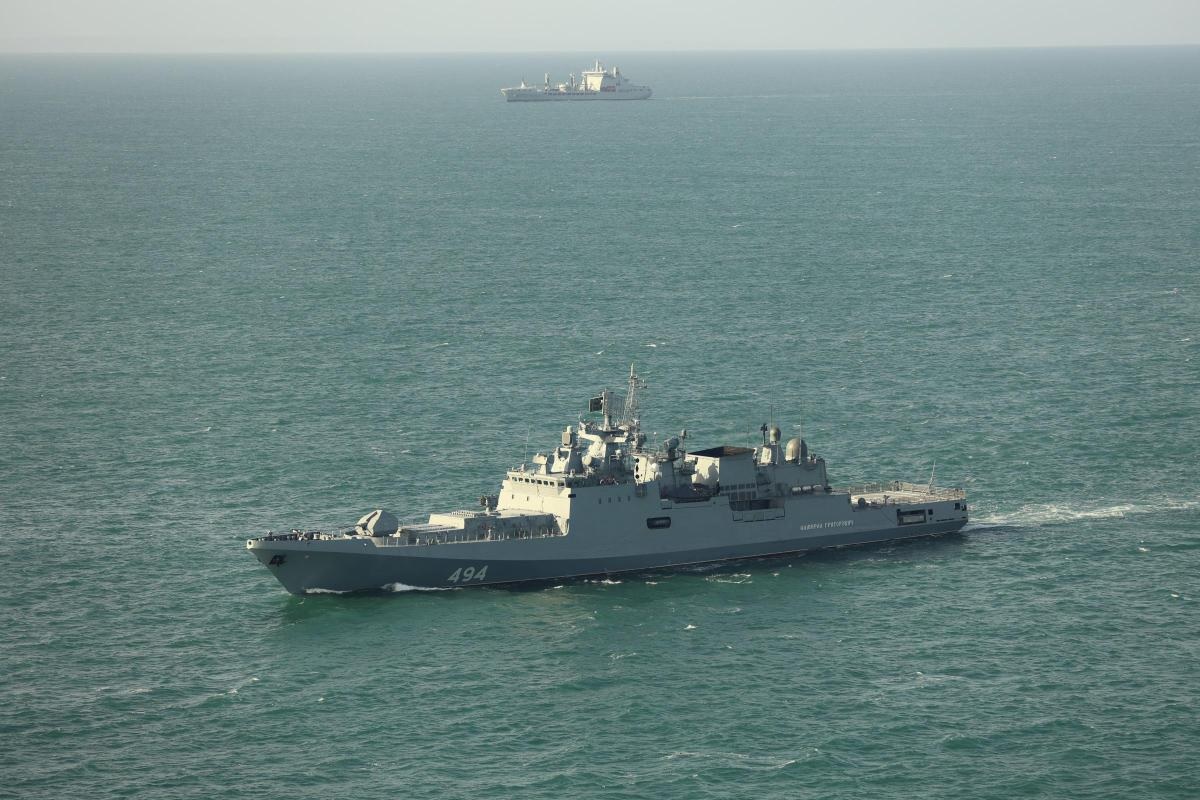 Russian Frigate Admiral Grigorovich Challenges UK Yacht in English Channel With Warning Shots
-
 UK Announces £210 Million Deal to Supply Enriched Uranium to Ukraine for Two Years
-
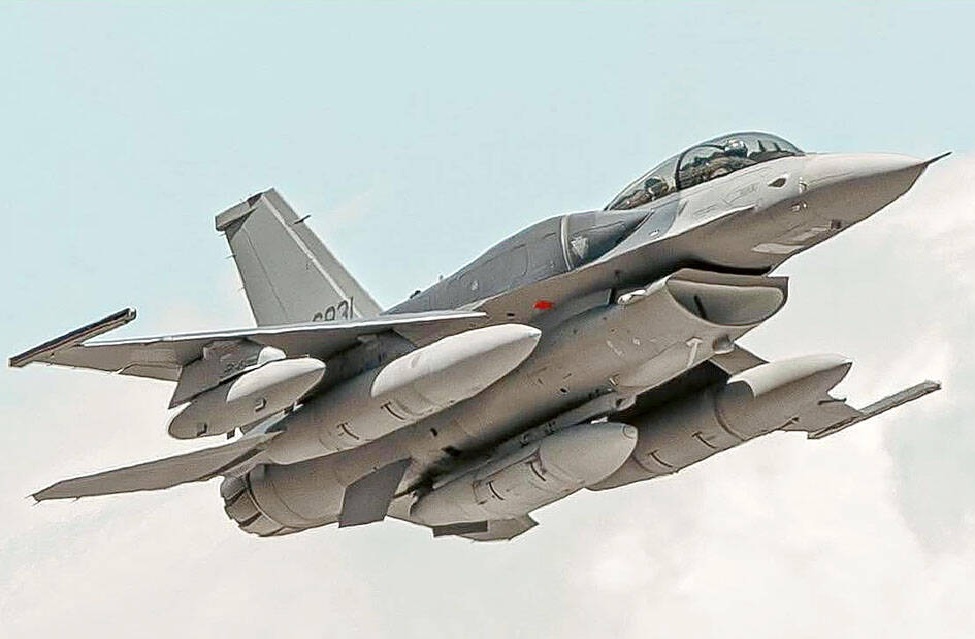 First Taiwanese F-16 Block 70 Flies with Five-Tank Fuel Configuration During Texas Tests
-
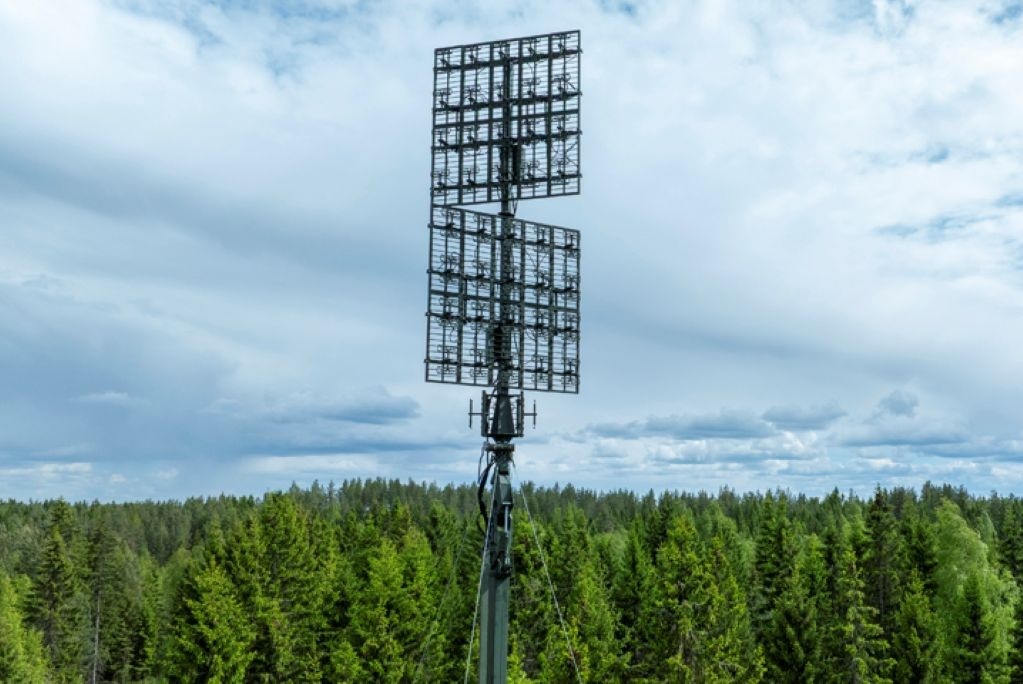 Patria Launches WISPR Passive Counter-Battery Radar with Silent Detection Capability at Eurosatory 2026
-
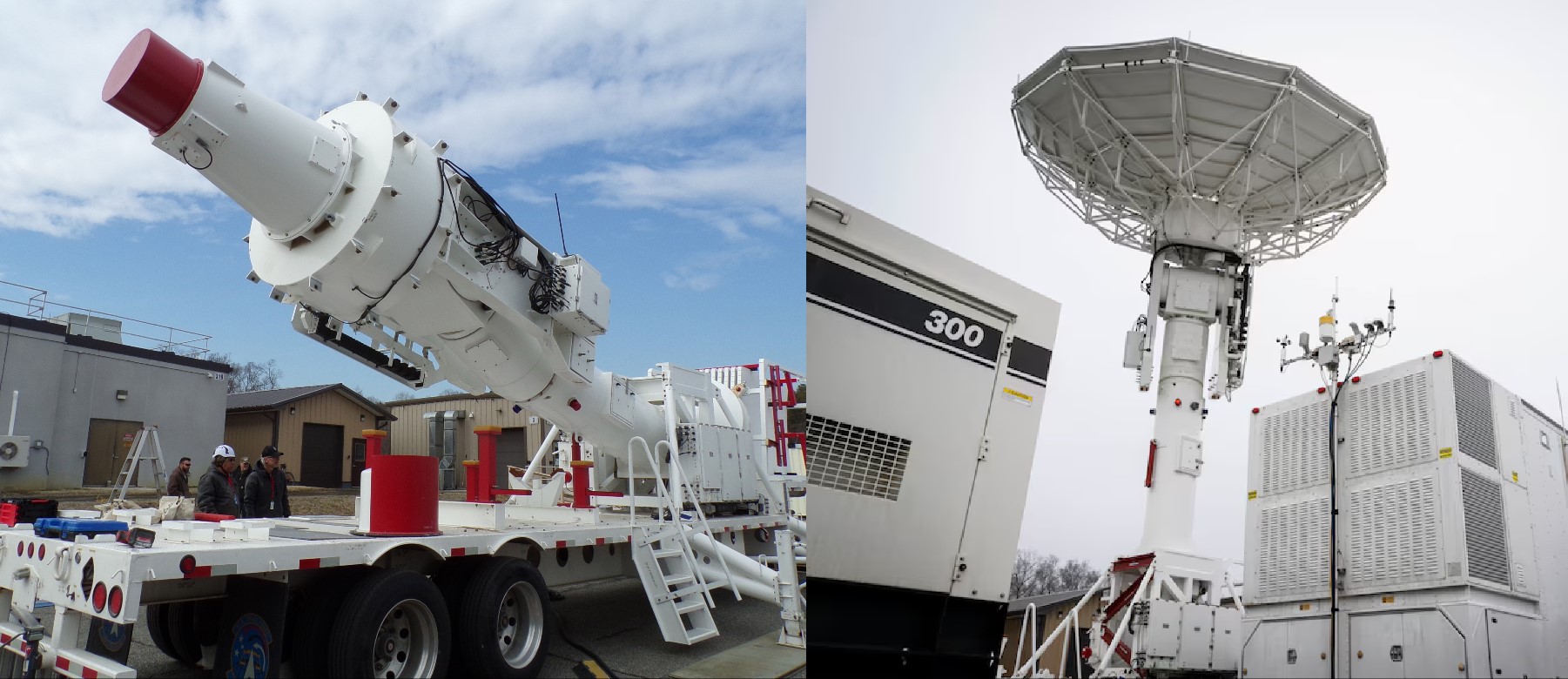 Space Force Transfers Transportable Satellite Tracking Antenna to Naval Research Laboratory
Top Trending in 4 Days
-
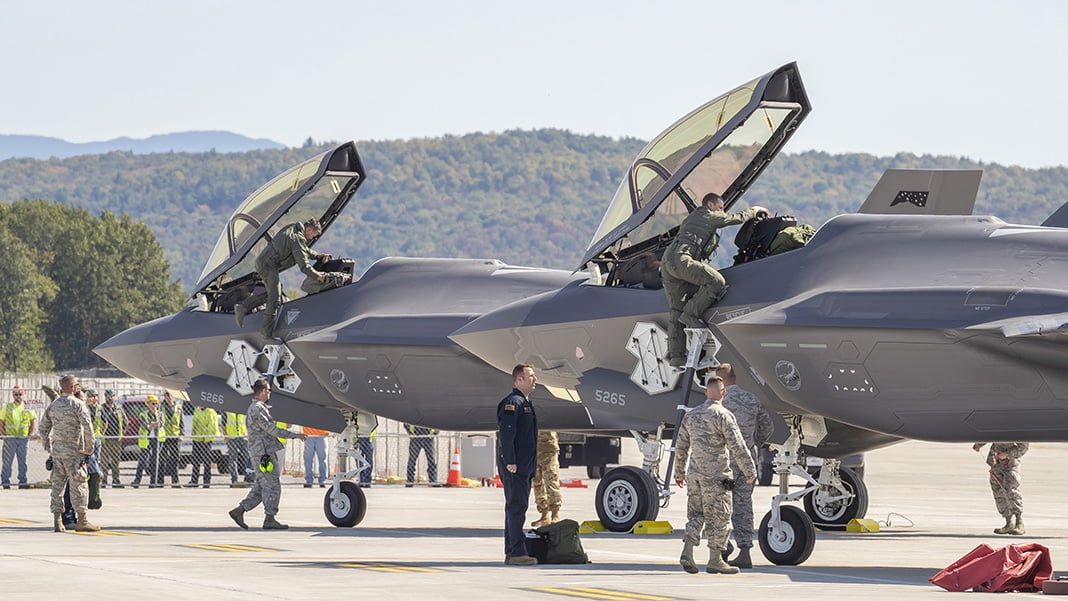 F-35 Fleet Readiness Falls to 25% Amid Parts Shortages and Software Delays: GAO Report
-
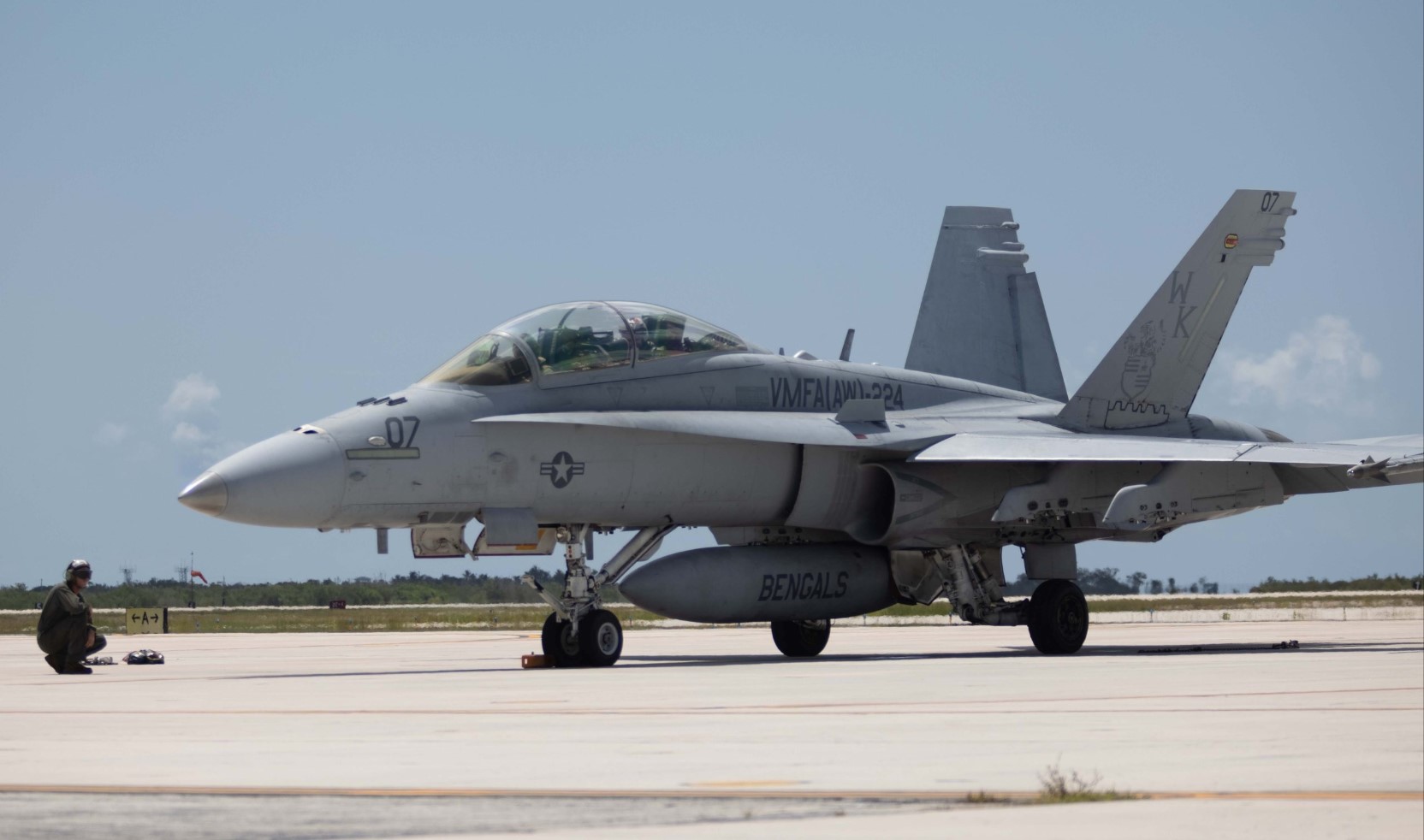 US Marine Corps F/A-18D Hornet Crashes During Training Flight in Washington Mountains; Pilot Ejects Safely
-
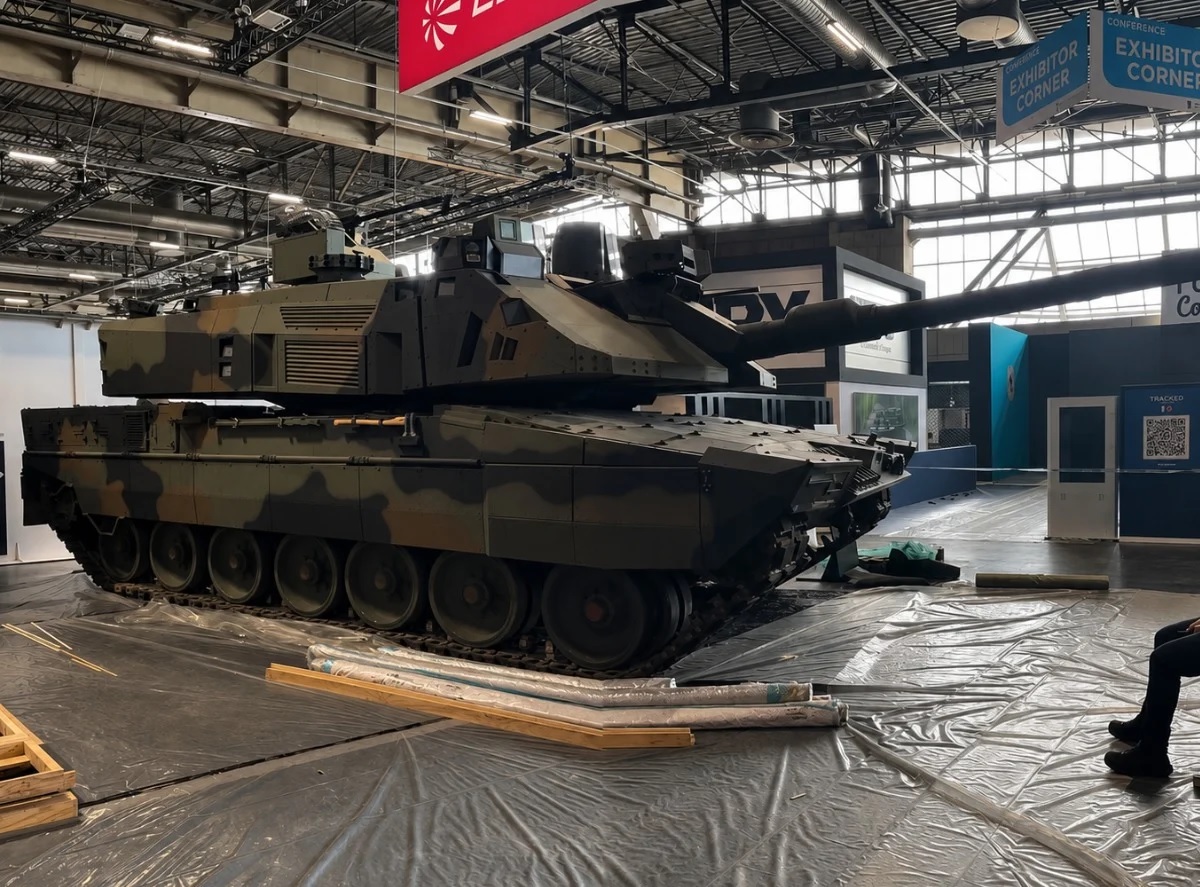 Leonardo Rheinmetall to Unveil Italy’s New IMBT Main Battle Tank at Eurosatory 2026
-
 Tulsi Gabbard Releases Declassified Files Detailing U.S.-Backed Network of 120 Biolaboratories Across 30+ Countries
-
8 U.S. Air Force Crew Members Killed in B-52 Bomber Crash During Test Flight at Edwards Air Force Base
-
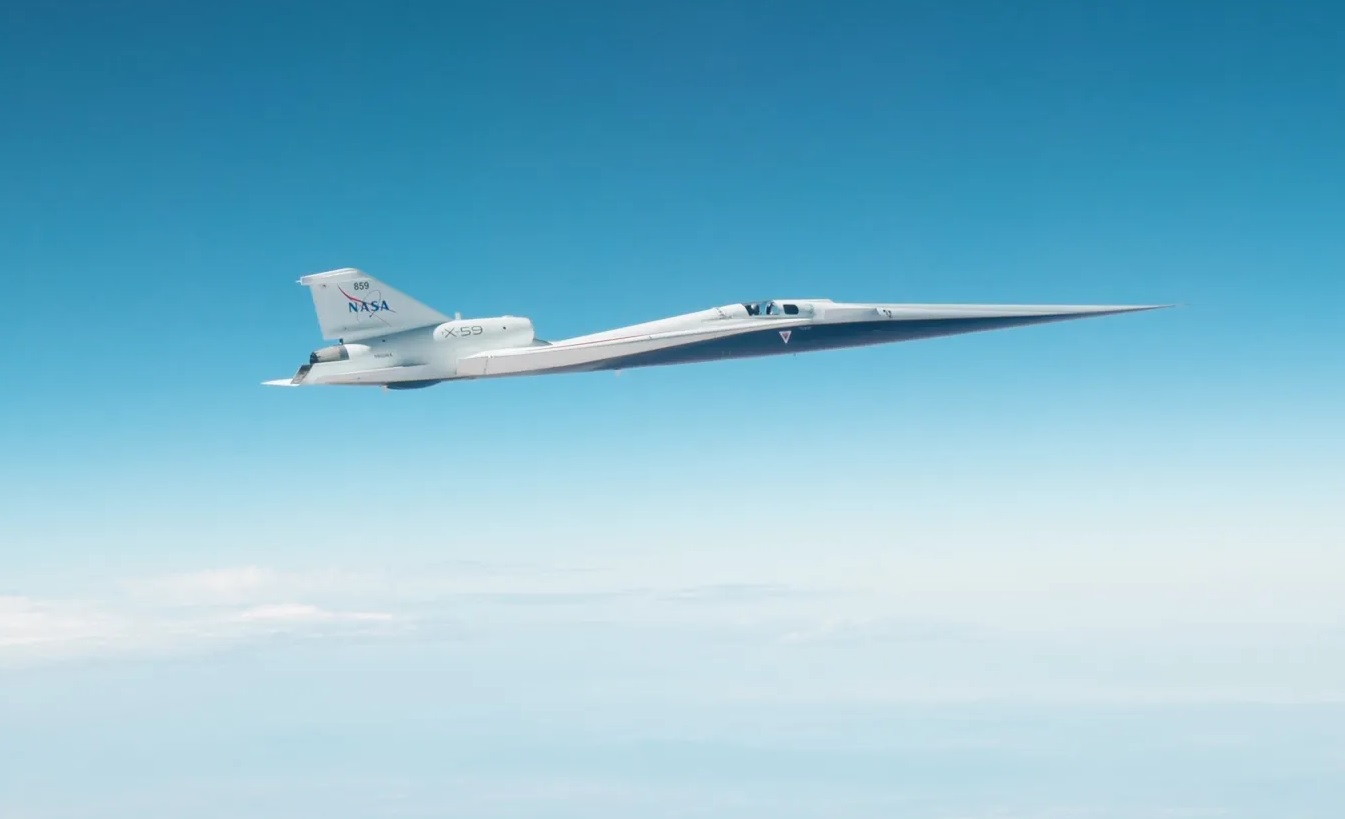 NASA X-59 Achieves Planned Mission Conditions with Mach 1.4 Flight at 55,000 Feet
-
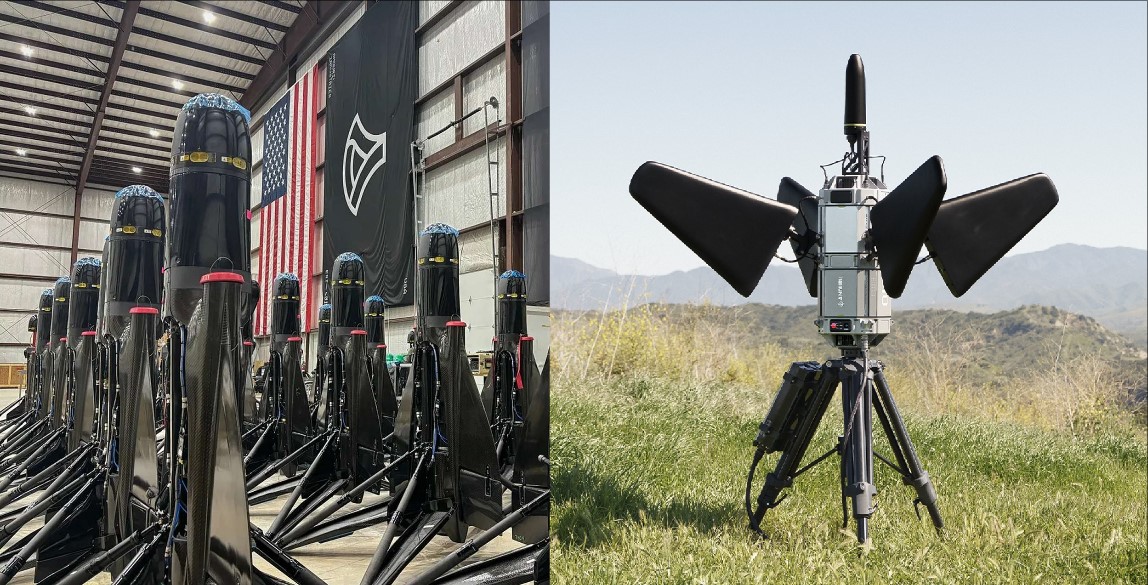 U.S. Approves $1.98 Billion Sale of Anduril AI-Powered Counter-Drone Systems to Kuwait
-
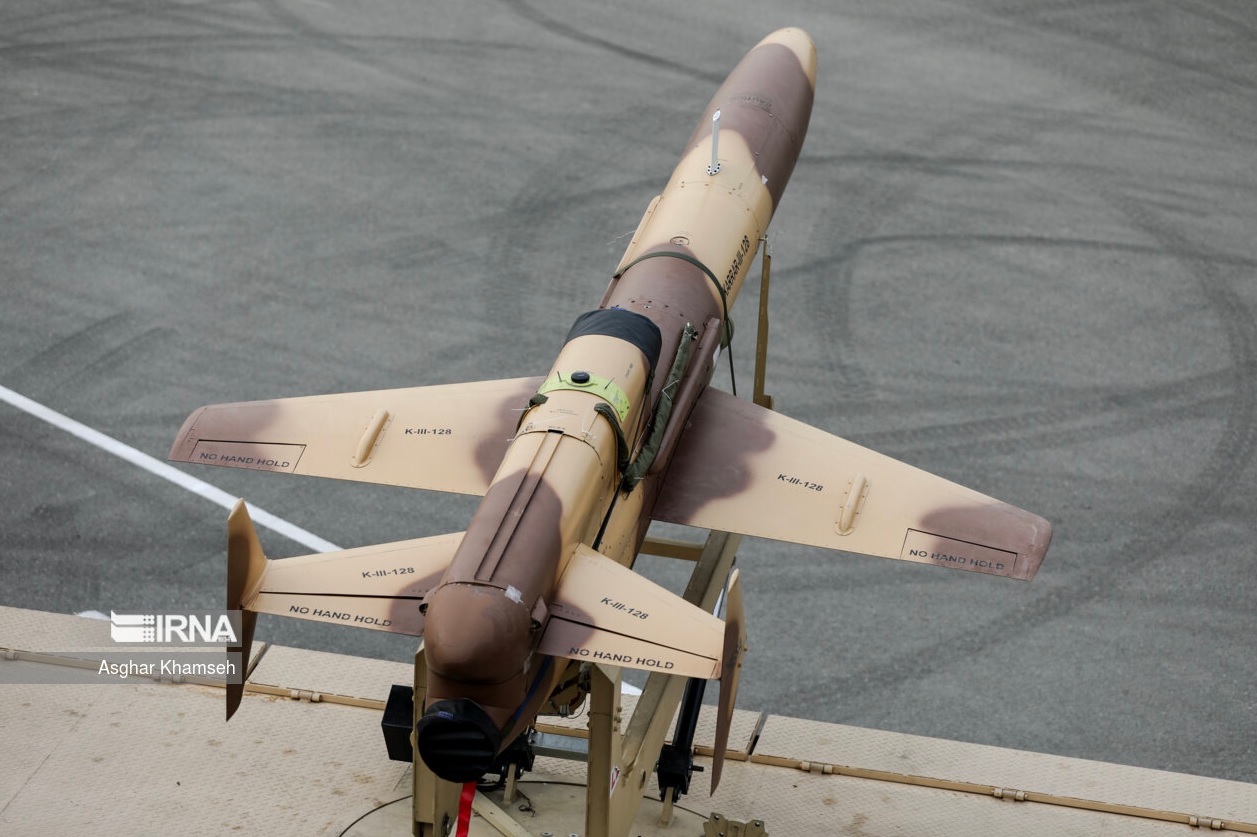 Russia Launches 1,400 Jet-Powered Drones in 2026 as Strike Tactics Evolve to Challenge Ukraine's Air Defenses