
World
Anchorage, August 15, 2025 – In a landmark first, U.S. President Donald Trump and Russian President Vladimir Putin held a nearly three-hour summit at Joint Base Elmendorf–Richardson in Alaska, marking their first in-person meeting since Russia’s invasion of Ukraine in 2022. A Missed Breakthrough—but with Subtle Progress The meeting ended without a ceasefire or formal peace deal, yet both leaders called the talks “productive.” Trump emphasized, “There’s no deal until there’s a deal,” underscoring that despite positive momentum, final consensus remains elusive. Putin, meanwhile, spoke of an "understanding" reached during discussions, hinting that future negotiations could follow. He even floated the possibility of hosting the next meeting in Moscow, suggesting the dialogue may continue. Key Dynamics and Context The summit included high-level aides: U.S. Secretary of State Marco Rubio and Russian Foreign Minister Sergey Lavrov, among others. Trump signaled his intent to brief Ukrainian President Volodymyr Zelenskyy and NATO leaders on the talks, reinforcing that any resolution must involve Ukraine and its allies. The joint appearance featured traditional ceremonial touches—red carpet welcome, military flyby, and a brief joint press conference where neither president took questions. What’s Next on the Agenda Trump asserted that the best path forward is a direct peace agreement, not merely a temporary ceasefire, warning that such fragile pauses often fall apart. Plans are underway for a follow-up meeting with Zelenskyy in Washington, potentially followed by a trilateral summit involving all three leaders. Putin raised the topic of nuclear arms control reform, signaling potential expansion of discussions beyond Ukraine. Regional and Global Reactions European leaders from France, Germany, the UK, Italy, and elsewhere welcomed Trump’s engagement but reiterated that true peace requires Ukraine's meaningful inclusion. They also emphasized that international borders must not be redrawn by force and pledged continued support for Kyiv. Ukraine itself stressed that negotiations excluding its participation would be unacceptable, dismissing any suggestion of ceding territory in exchange for peace. Expert Takeaways Analysts view the summit as high-profile diplomacy, but caution that the absence of concrete results may simply postpone the hard decisions. As one expert noted, working directly toward a peace treaty is a bold move—but without clear commitments, the risk of fragmented, unstable outcomes remains high.
Read More → Posted on 2025-08-16 15:16:22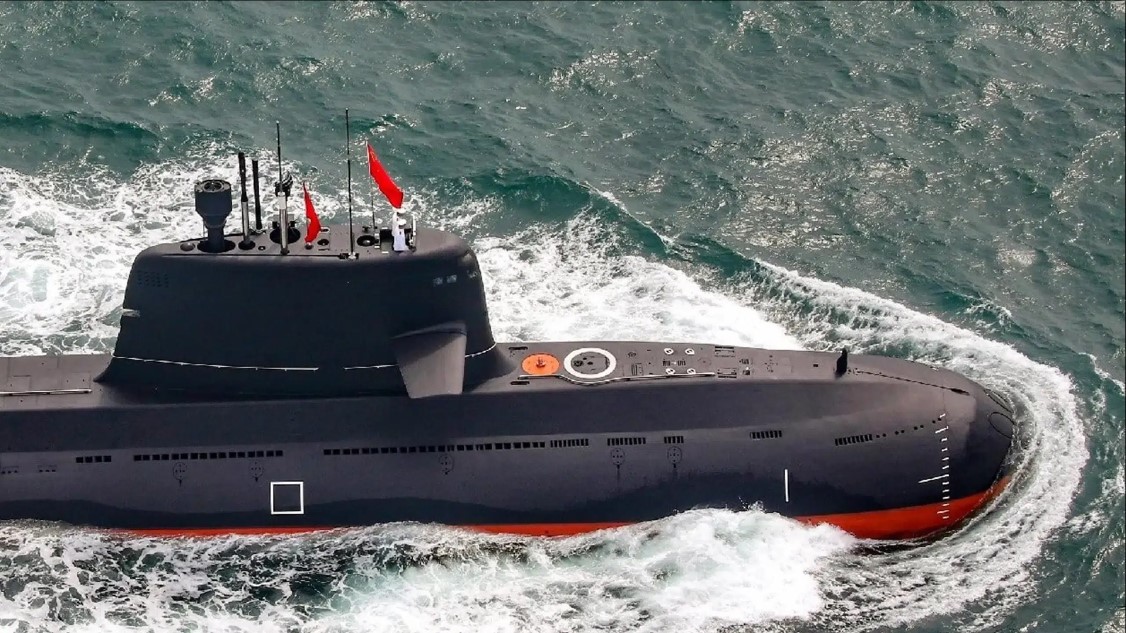
World
China has delivered the third of eight advanced Hangor-class submarines to Pakistan, marking another major step in strengthening Islamabad’s naval fleet as part of Beijing’s ongoing efforts to expand influence in the Indian Ocean, a region often seen as India’s strategic backyard. The handover ceremony took place in Wuhan, Hubei province, where Pakistan’s Deputy Chief of Naval Staff (Projects-2), Vice Admiral Abdul Samad, highlighted that the new submarine, equipped with cutting-edge weaponry and modern sensors, will help maintain “regional power equilibrium” and enhance “maritime stability.” This comes just months after the second Hangor-class submarine was delivered in March. The eight-boat program, agreed in 2015, represents one of the largest defense deals between China and Pakistan, under which four submarines will be built in China and four at Pakistan’s Karachi Shipyard & Engineering Works (KSEW). Specifications of Hangor-Class Submarines The Hangor-class is based on the Chinese Type 039A/041 Yuan-class design, customized for Pakistan. Key features include: Length: About 76 meters Displacement: Around 2,800 tons (submerged) Propulsion: Diesel-electric with Air-Independent Propulsion (AIP) system, allowing it to stay submerged for over two weeks without surfacing Stealth: Advanced hull design with low acoustic signature for quiet operation Weapons: Capable of carrying torpedoes, anti-ship cruise missiles, and possibly land-attack cruise missiles (Babur-III SLCM), giving it a potential nuclear-strike capability Sensors: Equipped with comprehensive sonar suites and modern combat management systems for enhanced detection and targeting Range & Endurance: Estimated endurance of 8,000 nautical miles and the ability to operate at sea for up to 90 days With these features, the Hangor-class submarines are considered among the most advanced conventional submarines in the region, rivalling the capabilities of India’s Kalvari-class (Scorpène) submarines. China–Pakistan Defense Ties Deepen The submarine deal is part of Beijing’s wider strategy to bolster Pakistan’s military power. In recent years, China has supplied: Four advanced Type 054A/P frigates for the Pakistan Navy Over 600 VT-4 main battle tanks for its army 36 J-10CE fighter jets, delivered since 2022 Pakistan’s first dedicated spy ship, the Rizwan According to global defense data, more than 80 percent of Pakistan’s imported military hardware now comes from China, cementing Beijing as Islamabad’s primary defense partner. Strategic Implications in the Indian Ocean The induction of Hangor-class submarines significantly boosts Pakistan’s undersea warfare capabilities at a time when China is also expanding its naval footprint in the Arabian Sea, where it operates from the Gwadar Port in Balochistan. The addition of long-endurance, missile-capable submarines to Pakistan’s fleet could complicate India’s naval strategy, especially in the Arabian Sea and Indian Ocean Region (IOR), where the Indian Navy maintains superiority. Chinese analysts have claimed the Hangor-class provides Pakistan with “excellent stealth, long underwater endurance, and formidable strike power,” making it a deterrent platform against India’s surface and submarine forces. With three submarines already delivered and five more on the way, Pakistan’s navy is expected to undergo its largest transformation in decades. By the early 2030s, Islamabad aims to operate one of the most modern conventional submarine fleets in Asia, while China continues to secure its influence in South Asia through defense, trade, and infrastructure partnerships.
Read More → Posted on 2025-08-16 15:11:23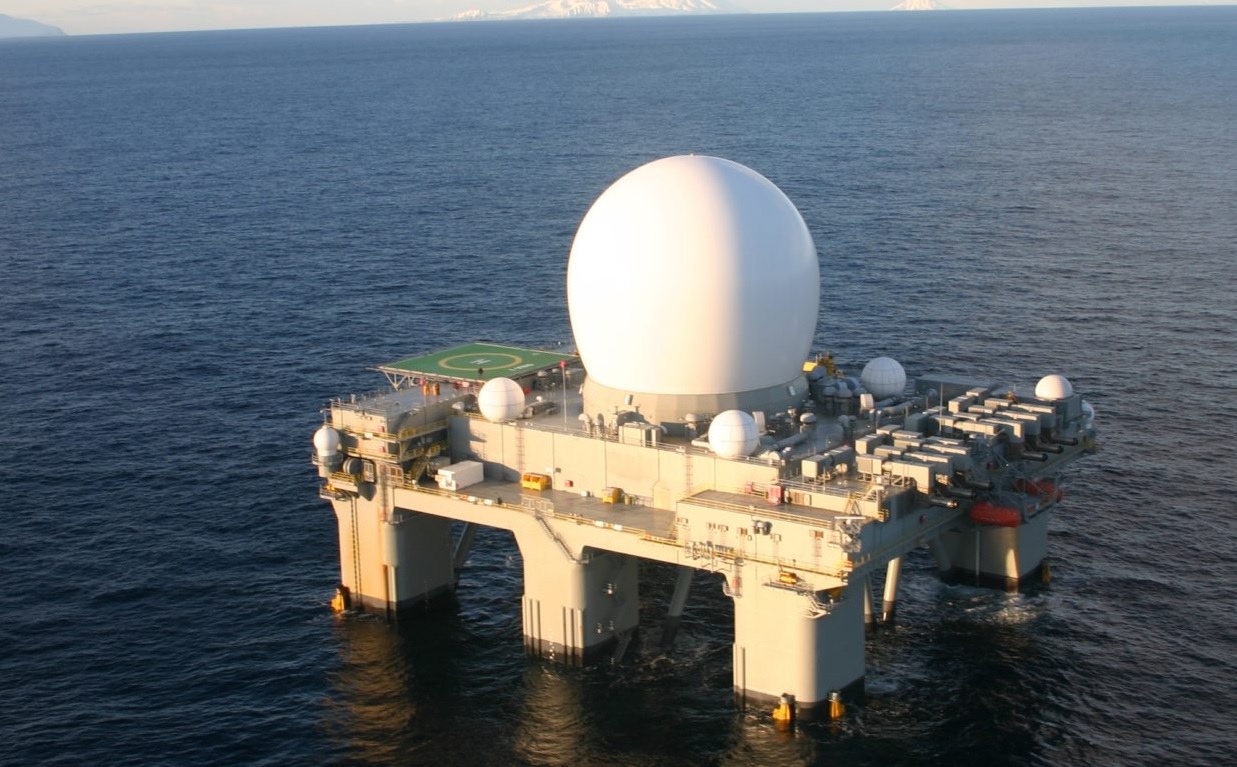
World
The U.S. Department of Defense has selected TOTE Services Inc. to provide maintenance and operational support for the Sea-Based X-Band Radar (SBX-1), one of the most advanced elements of America’s missile defense network. The contract is valued at $311.4 million, covering an initial 12-month period, with options for four additional years and a possible six-month extension. The SBX-1, operated by the Missile Defense Agency, is unique within the U.S. military. It is the only operational radar system mounted on a semi-submersible platform, making it mobile yet stable in rough seas. This capability allows the radar to be deployed where needed, providing highly accurate tracking of ballistic missile launches around the globe. A Giant Eye in the Pacific Developed by Raytheon, the SBX-1’s X-Band Radar (XBR) is housed inside a massive 31 x 37-meter dome, instantly recognizable by its distinctive white, golf-ball-like appearance. The heart of the radar is an octagonal phased-array antenna with a 384 m² physical aperture and a 248 m² active aperture, made up of more than 45,000 transmit/receive modules. This allows it to detect, track, and differentiate between real warheads and decoys during the midcourse phase of a missile’s flight. The radar can rotate up to 270° horizontally and 85° vertically, scanning at a rate of 5–8 degrees per second. Its X-band frequency (8–12.5 GHz) makes it one of the most precise tracking systems ever built, able to spot objects the size of a baseball from thousands of kilometers away. Engineering Marvel The SBX-1 is as much a floating powerhouse as it is a radar station. Its enormous electronics and antenna require strict temperature control, maintained by a liquid cooling system circulating 3,634 liters of propylene glycol per minute. The platform itself displaces 32,690 tonnes, swelling to over 50,000 tonnes when fully ballasted for stability at sea. Weight of radar dome: ~8,164 kg Total platform weight: ~1,814 tonnes (radar and support systems) Power: Eight Caterpillar C280-16 diesel generators (5,060 kW each) Propulsion: Eight Wärtsilä FS 2150-663 azimuth thrusters, each with 3,300 kW electric motors Maximum speed: 9 knots Crew capacity: 85 personnel Endurance: Up to 60 days without resupply This engineering behemoth can reposition itself across oceans and remain on station for months at a time, making it a critical asset for monitoring missile threats. From Oil Rig to Missile Shield The SBX-1 was built on a Moss CS 50 semi-submersible oil platform, constructed at the Vyborg Shipyard in Russia in 2002. It was later converted for military use at Keppel AmFELS shipyard in Texas, with Boeing Integrated Defense Systems overseeing the design. The radar installation was completed in Corpus Christi, Texas, in 2005, when the massive dome was placed over the antenna. Although officially homeported at Adak Island, Alaska, the SBX-1 has been based in Pearl Harbor, Hawaii, since 2009 following escalating North Korean missile tests. It has carried out numerous high-profile deployments, including its longest sea mission of 661 days, which ended in 2022. Strategic Significance The SBX-1 is a cornerstone of the U.S. Ballistic Missile Defense System (BMDS). Unlike ground-based radars fixed in location, its mobility allows it to be positioned to monitor adversary missile launches in real time, providing data to interceptor systems such as the Ground-Based Midcourse Defense (GMD). Its strategic value is especially high in the Indo-Pacific region, where missile tests from North Korea and China pose ongoing challenges. Analysts note that the SBX-1’s ability to distinguish between live warheads and decoys makes it a vital link in ensuring that limited interceptor missiles are used effectively in a real conflict. With the new contract awarded, the Pentagon ensures the SBX-1 will remain operationally ready for at least the next half decade. As the U.S. faces a rapidly evolving missile landscape—ranging from hypersonic threats to swarming decoys—the platform will continue to act as America’s floating radar fortress, combining cutting-edge technology with unmatched mobility.
Read More → Posted on 2025-08-16 15:05:17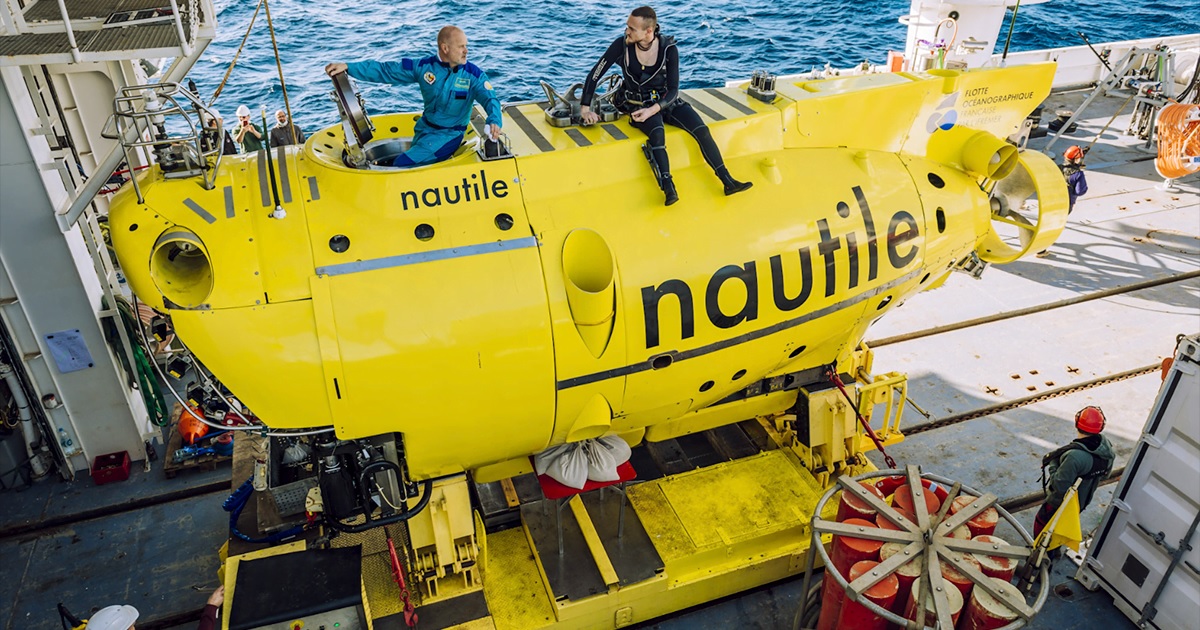
World
India has taken a giant leap in deep-ocean exploration, successfully sending two Indian aquanauts to depths of up to 5,000 metres in the North Atlantic Ocean aboard the French crewed submersible Nautile on August 5 and 6. The milestone marks the deepest manned dives ever undertaken by Indian explorers and is a crucial step toward the country’s upcoming Samudrayaan mission. On August 5, R Ramesh, a scientist from the National Institute of Ocean Technology (NIOT), descended to 4,025 metres. The following day, Commander (Retd) Jatinder Pal Singh reached a record-breaking 5,003 metres. Each dive lasted nearly nine to ten hours, including a 2.5-hour descent, around four hours of operations on the seabed, and a 2.5-hour ascent. The missions involved extensive training in deep-sea navigation, trajectory tracking, vehicle handling, and real-time communication. The Nautile, operated by the French marine research institute Ifremer, is capable of diving up to 6,000 metres and houses three people. Equipped with powerful lights, high-definition cameras, and two robotic arms, it can conduct up to six hours of operational work at the seabed during each dive. During the expedition, the aquanauts tested the submersible’s robotic manipulators, collected samples from the ocean floor, and planted both the Indian and French national flags at depth, symbolising international cooperation in ocean science. This mission is seen as critical preparation for Samudrayaan, India’s first manned ocean mission under the Deep Ocean Mission program. Scheduled for 2027–28, it will send three Indian aquanauts to 6,000 metres aboard the indigenously developed Matsya-6000 submersible. The vessel, designed with a titanium sphere, will have a 12-hour operational endurance and emergency support for up to 96 hours. With this achievement, India moves closer to joining an elite group of nations—the United States, Russia, China, France, and Japan—capable of crewed deep-sea exploration. Officials say the mission will help strengthen India’s blue economy, advance deep-sea mining capabilities, and expand scientific knowledge of unexplored marine ecosystems. “This successful deep dive demonstrates India’s readiness for its own 6,000-metre mission and reflects the growing expertise of our scientists and engineers in extreme underwater operations,” an NIOT official said. The expedition also aligns with India’s agreements with the International Seabed Authority to explore mineral-rich deep-sea regions between 4,000 and 5,500 metres, a step towards securing strategic undersea resources.
Read More → Posted on 2025-08-15 16:26:17
World
Russia’s Federal Security Service (FSB) announced it had dealt a significant setback to Ukraine’s long-range missile capabilities following a joint operation with the Defence Ministry. The operation reportedly targeted facilities linked to the production and deployment of Ukraine’s Sapsan ballistic missile, also known as the Hrim-2, striking sites in both Sumy and Dnipropetrovsk regions. According to the FSB, the targeted locations included missile production buildings, air defence systems, and infrastructure used to shield these facilities. Russian forces claim the strikes have eliminated Ukraine’s technical base for manufacturing the Hrim-2, a missile system believed to be capable of striking the Moscow region, central Russia, and Belarus. The Defence Ministry said the attacks—carried out by air, sea, and land forces—were aimed at disrupting what it described as a Kyiv-led plan, coordinated with Western allies, to mass-produce long-range missiles for deep strikes into Russian territory. The ministry reported that Ukrainian design bureaus, rocket fuel storage sites, and missile assembly plants were destroyed during the July raids. In addition to targeting the Hrim-2 program, the ministry claimed its forces destroyed four launchers of the U.S.-supplied Patriot air defence system and a U.S.-made target detection and guidance radar in the Dnipropetrovsk region. The FSB further alleged that Ukraine’s development of the Sapsan missile involved assistance from unnamed Western European specialists, adding weight to Moscow’s long-standing accusations of direct Western involvement in Ukrainian defence projects. While Kyiv has not issued a response to the latest Russian claims, Ukrainian media outlets previously reported that the Hrim-2 successfully completed combat testing in May, striking a Russian military target at a distance of nearly 300 kilometres. Military analysts believe the system’s maximum range could extend beyond 500 kilometres, posing a significant strategic challenge for Russia if deployed at scale. The Sapsan/Hrim-2 program, often described as Ukraine’s answer to Russia’s Iskander-M missile, has been a high-priority defence project for Kyiv since its inception. If operational, it could give Ukraine the ability to target deep within Russian territory, disrupting supply lines and command infrastructure. The latest Russian claims come amid an intensifying missile and drone campaign on both sides of the conflict, with Ukraine increasingly targeting military and industrial sites inside Russia, and Moscow responding with strikes aimed at crippling Ukraine’s defence industry. As of now, independent verification of the extent of the damage to Ukraine’s missile program remains unavailable, but if Russia’s account proves accurate, it would mark one of the most significant blows to Ukraine’s long-range strike capabilities since the war began.
Read More → Posted on 2025-08-15 16:15:11
World
A detailed investigation has revealed that a U.S. Air Force MQ-9 Reaper drone, valued at approximately $13 million, was lost in the Mediterranean Sea last December after suffering a catastrophic mid-air mechanical failure that caused its propeller to detach from the engine. The incident took place on December 16, 2024, during a routine mission. The unmanned aircraft, remotely piloted by a crew from the 20th Attack Squadron at Whiteman Air Force Base in Missouri, had taken off from an undisclosed location within the U.S. European Command’s operational area. Sudden Loss of Power At 5 p.m. GMT, while cruising at normal speed and altitude, the Reaper experienced a sudden and complete loss of engine torque—dropping to zero in less than a second. The abrupt change caused engine speed to spike dramatically, triggering cockpit alerts. Despite immediate throttle adjustments, the drone’s engine failed to recover torque. The crew initially managed to maintain altitude, but as airspeed began to fall, they prepared for an emergency landing in a remote, uninhabited area. However, about 15 minutes into the emergency, engine oil sensors detected metallic debris, a clear sign of internal mechanical damage. Restarting the engine was ruled out for safety reasons. Final Moments Over the Sea With no power and altitude steadily decreasing, the mission operations superintendent ordered the crew to ditch the drone in the Mediterranean to avoid potential hazards on land. The Reaper struck the water at 5:23 p.m., sinking and making recovery impossible. The loss of the aircraft also meant investigators could not physically inspect the failed components. Likely Cause: Gearbox Spiral Lock Ring Failure Analysis of the drone’s onboard data logs by General Atomics, the Reaper’s manufacturer, indicated that the propeller had disconnected from the engine during flight. Investigators believe the most probable cause was the failure of a spiral lock ring inside the gearbox—a critical part that secures the propeller assembly. Such lock rings are known to experience heavy wear over time. The drone’s engine supplier, Honeywell, had implemented a maintenance program to replace these rings every 3,000 flight hours to prevent failure. In this case, however, the downed drone had accumulated only about half of that flight time, suggesting premature wear. Without the wreckage, the exact reason for the early failure could not be confirmed. Broader Implications for Drone Operations The MQ-9 Reaper, a primary workhorse of the U.S. Air Force’s remotely piloted fleet, is used extensively for intelligence gathering, reconnaissance, and precision strikes. The loss highlights the risks posed by unexpected mechanical breakdowns in unmanned systems operating far from maintenance bases. While the investigation found no fault with the crew’s handling of the emergency or with pre-flight checks, the event has raised concerns about component lifespan predictions and whether maintenance cycles for critical parts like the spiral lock ring should be shortened. Defense analysts note that such failures, while rare, underscore the importance of redundancy, rapid diagnostic systems, and component durability—especially as unmanned aircraft play an ever-greater role in U.S. military strategy across contested regions such as the Mediterranean and the Middle East.
Read More → Posted on 2025-08-15 16:12:05
World
China’s People’s Liberation Army (PLA) has drawn attention with new footage of infantry training in rugged highland terrain, featuring what appears to be a soldier wearing a rudimentary, unpowered exoskeleton frame. The exercise, aired by China’s military-focused CCTV-7 channel, was part of a segment highlighting a unit from the PLA’s 76th Group Army. The troops, identified by state media as a “model anti-Japanese guerrilla battalion” — a ceremonial title preserved from the Second World War era — were shown advancing under simulated live fire, carrying heavy machine guns and maneuvering across rocky ground. In the midst of the action, one soldier stood out for wearing a metal brace-like device strapped to his legs and back, believed to be a passive load-bearing support. Reducing the Soldier’s Burden Unpowered exoskeletons are designed to shift the weight of gear away from the spine and hips, helping soldiers carry loads that can exceed 30–40 kilograms. For infantry operating in mountainous or desert regions, this can mean less fatigue, lower injury risk, and improved endurance during long marches. While powered versions exist, including battery-assisted models capable of enhancing movement, they remain rare on the battlefield due to limits in battery life, weight, and environmental durability. Passive frames like the one seen in the footage require no power source, making them lighter and potentially more practical for long-duration operations. China’s Wider Push into Wearable Military Tech The appearance of even a basic exoskeleton in a televised exercise signals that the PLA may be testing wearable assistive systems in realistic combat scenarios rather than keeping them confined to research labs. In recent years, Chinese defense developers have also unveiled powered exoskeletons for logistics crews, artillery units, and drone operators. One such system, introduced by defense technology firm Kestrel Defense, integrates control equipment for unmanned aerial vehicles (UAVs) directly into the suit. Images have surfaced of operators launching drones using arm-mounted interfaces, suggesting a vision where infantry could directly control battlefield drones without separate equipment. Global Trend, Local Adaptation Militaries worldwide have experimented with similar concepts. The U.S. Army has tested the ONYX powered exoskeleton for support units to reduce back strain and improve mobility during prolonged operations. However, most armies have yet to fully integrate these systems into frontline infantry roles due to cost, reliability concerns, and the need for extensive field testing. China appears to be following a step-by-step integration strategy, starting with unpowered systems in demanding environments, such as mountain brigades, before considering powered versions for combat troops. Signals of Future Deployment The fact that the device was showcased in a national broadcast hints that it may not be a one-off experiment. In Chinese military tradition, high-profile state TV coverage often precedes wider trials, production scaling, or even export offerings. For now, the PLA’s exoskeleton-equipped infantryman remains an isolated sighting — but it could mark the beginning of a broader effort to blend human endurance with mechanical assistance in China’s push to modernize its ground forces.
Read More → Posted on 2025-08-15 16:08:24World
In a move drawing intense global scrutiny, U.S. President Donald Trump is preparing for a high-stakes meeting with Russian President Vladimir Putin at a secure military base near Anchorage. The summit is being described as one of the most consequential diplomatic encounters of the decade, with the potential to reshape the trajectory of the war in Ukraine and redefine European security for years to come. The talks come at a time when the war in Ukraine remains deadlocked, with heavy fighting continuing in the country’s east and south. Trump’s supporters frame him as a master dealmaker capable of cutting through years of bloody stalemate, while critics warn that such negotiations — conducted without Ukrainian President Volodymyr Zelenskyy present — risk undermining Kyiv’s sovereignty and the West’s stated principle that “nothing about Ukraine happens without Ukraine.” For Putin, the summit offers a rare opportunity to break through diplomatic isolation, secure recognition of Russia’s battlefield gains, and weaken Ukraine’s NATO aspirations. Analysts believe Moscow will push hard for territorial concessions and a reconfiguration of Ukraine’s security status, potentially returning it to Russia’s sphere of influence. Trump has hinted that the meeting is a “feel-out session”, but his comments suggest the door is open to an expansive peace framework — one that could involve U.S. security guarantees to Ukraine in exchange for halting its NATO bid. However, he has also warned that if Russia shows no movement toward peace, “serious consequences” could follow. The challenge lies in bridging a vast gap: Russia’s demands for recognized control over occupied territories remain unacceptable to Kyiv and most of its allies. The symbolism of Alaska as the venue is not lost on historians. Once Russian territory before its sale to the United States in 1867, the state sits just a short flight from Russia’s eastern coast, underscoring the geographical proximity — and historic rivalry — between the two powers. The remote military location also minimizes the risk of protests and ensures heightened security, signaling the sensitivity of the discussions. Western capitals are watching closely. NATO allies fear that a bilateral Trump-Putin deal, reached without European or Ukrainian input, could fracture the alliance’s unity. Beyond Europe, nations such as China and Iran will be gauging Trump’s willingness to stand firm against Moscow’s demands, testing U.S. credibility in other geopolitical flashpoints. The summit’s outcome could have far-reaching consequences: If Trump manages even a partial breakthrough — such as an agreement on humanitarian corridors or limited ceasefires — it could lay the groundwork for broader peace talks. If the meeting ends without progress, it may deepen mistrust between Washington and Kyiv, embolden Russia, and send signals to authoritarian regimes that hardline stances pay off. With global attention fixed on Anchorage, the stakes could hardly be higher. The talks will not only influence the immediate fate of Ukraine but may also set the tone for a new era of U.S.-Russia relations, shaping the balance of power well into the future.
Read More → Posted on 2025-08-15 15:58:00
World
The U.S. Space Force, working with the Air Force Rapid Capabilities Office and SpaceX, is preparing to launch the eighth mission of its secretive X-37B Orbital Test Vehicle on 21 August from Kennedy Space Center, Florida. Designated USSF-36, the mission will lift off atop a SpaceX Falcon 9 rocket and carry an array of advanced experiments aimed at pushing the limits of space technology. This latest mission will focus on high-bandwidth inter-satellite laser communications — a step toward faster, more secure data transfer between satellites — and advanced space navigation using what is described as the highest-performing quantum inertial sensor ever flown in space. Such navigation technology could eventually allow spacecraft to operate with high precision even when GPS signals are unavailable, which is critical for deep-space missions or in contested environments. According to officials, the X-37B has become the Space Force’s premier platform for testing the “space technologies of tomorrow.” Its design — part spacecraft, part reusable mini-shuttle — allows it to spend years in orbit before returning to Earth for analysis and refurbishment. This reusability drastically reduces the cost and time needed to test new systems compared to one-time-use satellites. Since its first flight in April 2010, the X-37B has logged more than 4,200 days in space. Past missions have demonstrated orbital trajectory changes using aerobraking, tested space domain awareness sensors, trialled solar power beaming technology for delivering energy from orbit to Earth, and exposed biological materials — such as plant seeds — to long-term radiation, aiding preparations for future crewed missions to the Moon, Mars, and beyond. Military analysts note that the X-37B’s versatility makes it valuable for both scientific research and national security. In addition to civilian applications like space-based energy and crop resilience, the spacecraft’s ability to maneuver, change orbit, and stay aloft for extended periods also has potential strategic uses — from inspecting satellites to deploying experimental payloads in secret. With the USSF-36 mission, the Space Force is not only refining its technological edge but also signaling the increasing role of reusable spacecraft in sustaining U.S. leadership in space. As competition in orbit intensifies, platforms like the X-37B could prove decisive in enabling rapid deployment and testing of innovations that keep pace with both commercial developments and potential adversaries’ capabilities.
Read More → Posted on 2025-08-15 15:52:55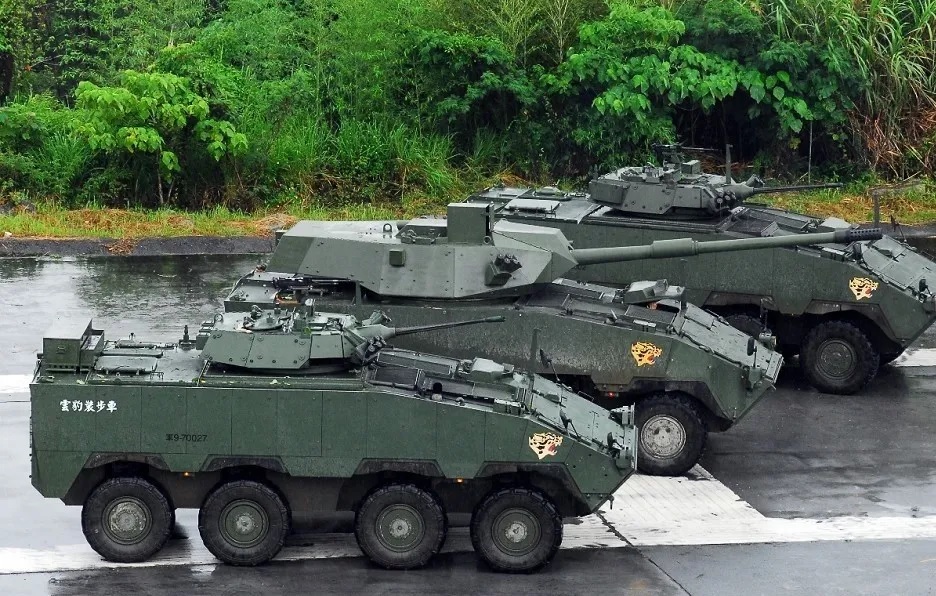
World
Taiwan has revealed the D3 prototype of its 105mm wheeled combat vehicle, a major upgrade under the country’s Project Cheetah aimed at strengthening its ability to respond quickly to military threats, particularly from the sea. The latest D3 version, showcased during the Ministry of National Defense’s online program Defense Online, is 40 centimeters shorter than the previous model, with a lower profile, stronger blast protection, and increased ammunition capacity. Its compact design makes it harder to detect and easier to deploy in urban streets and coastal defense zones, where space and reaction time are critical during an attack. From D1 to D3 – A Rapid Evolution Project Cheetah began in 2019 to give Taiwan a homegrown, high-mobility armored platform. The first two prototypes, D1 and D2, were developed almost entirely with local expertise, achieving 89% domestic component manufacturing. The D2, introduced in mid-2024, used an advanced 8×8 chassis from the Clouded Leopard family and carried a 105mm rifled gun compatible with Taiwan’s M60A3 and CM-11 tanks. It also featured a remote-controlled 12.7mm weapon station for the commander and a “hunter-killer” targeting system, allowing simultaneous tracking and engagement of multiple threats. The D3 builds on this foundation but introduces key structural and balance improvements. The vehicle’s height is now under 3 meters, down from 3.3 meters, improving stability and concealment. The turret has been repositioned further back to enhance weight distribution, and the chassis has been upgraded to the second-generation Clouded Leopard M2, which resolves previous handling issues. New side mirrors and an optimized armor layout improve crew visibility and survivability. Performance Built for Rapid Response Despite its smaller size, the D3 retains a low-recoil 105mm gun with electric servo drives for precise aiming. It can exceed 100 km/h on roads and travel up to 500 kilometers without refueling, allowing it to redeploy quickly anywhere on the island. This mobility is vital for Taiwan’s interregional reinforcement missions, where speed can determine the success of defending against sudden amphibious landings. The vehicle’s design suits Taiwan’s asymmetric defense strategy, where lighter, faster, and more dispersed units can outmaneuver heavier enemy forces. Instead of relying solely on main battle tanks, which are difficult to hide or transport in Taiwan’s mountainous terrain, the Cheetah D3 can execute hit-and-run ambushes, “shoot-and-scoot” tactics, and direct fire support for infantry. Preparing for the Worst Taiwan plans to publicly display the D3 at next month’s Taipei Aerospace & Defense Technology Exhibition, offering a closer look at the platform’s capabilities. Military analysts note that vehicles like the D3 could be deployed in small, highly mobile fire brigades, reinforcing vulnerable coastal zones during the early stages of an amphibious assault. However, some in Taiwan’s army have expressed concerns about the lethality of the 105mm gun, suggesting that a shift to a 120mm cannon might be necessary to match modern armor threats in the region. A Response to Rising Tensions The unveiling comes during escalating tensions in the Taiwan Strait. China has increased military flights across the median line, conducted large-scale amphibious drills, and maintained a constant naval presence near Taiwan’s waters. Taipei has responded by accelerating defense modernization, prioritizing indigenous production to ensure strategic autonomy. The Cheetah D3, with its mix of mobility, local production, and tactical adaptability, embodies Taiwan’s determination to stay agile, self-reliant, and ready in the face of growing regional threats. Defense officials say the platform is not just a vehicle—it is a symbol of Taiwan’s shift toward a more flexible and resilient fighting force.
Read More → Posted on 2025-08-15 15:28:40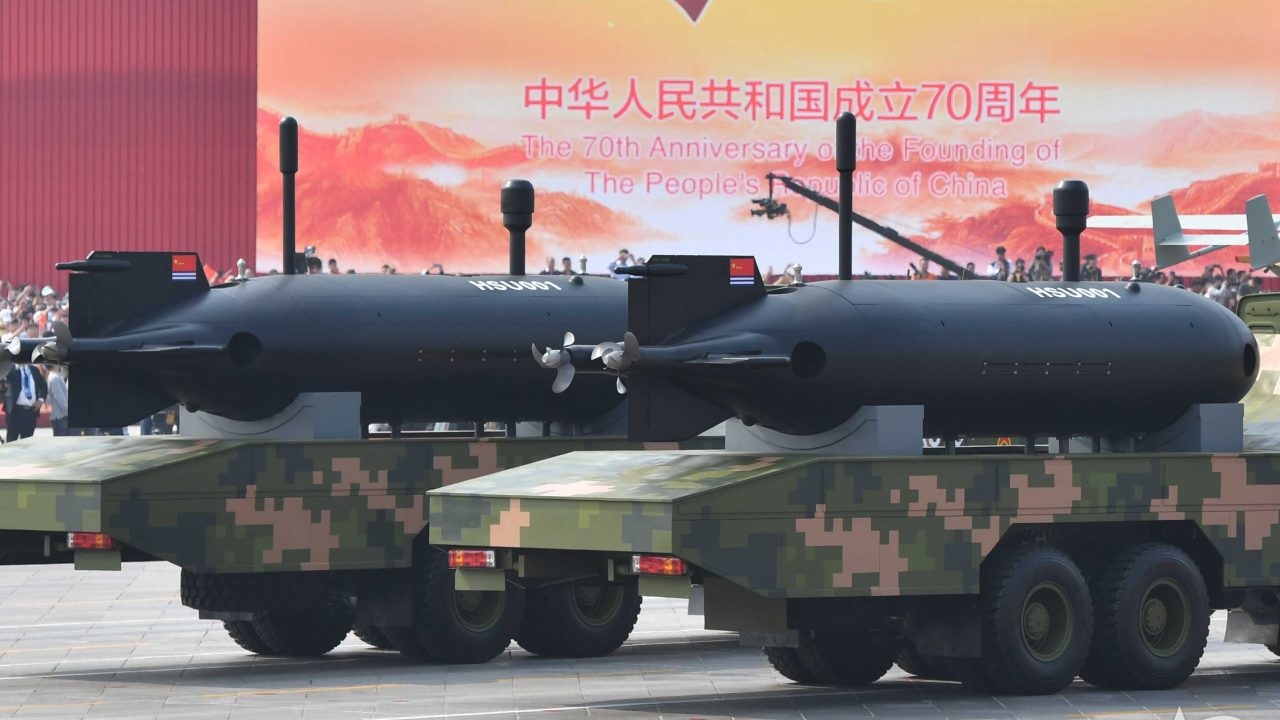
World
Military analysts say Chinese naval strategists are increasingly focused on finding ways to weaken the United States’ undersea surveillance network, a key element in tracking submarines across the vast waters of the Western Pacific. According to recent assessments by defense experts, China’s People’s Liberation Army Navy (PLAN) views the U.S. network as both a critical advantage for Washington and a potentially “fragile” system vulnerable to disruption. The concern for Beijing stems from the fact that the network enables the U.S. to keep a near-constant watch on Chinese submarine movements, particularly through strategic chokepoints in the South and East China Seas. The U.S. surveillance grid, formally known as the Integrated Undersea Surveillance System (IUSS), evolved from the Cold War-era SOSUS program. It uses fixed seabed arrays, undersea cables, mobile Surveillance Towed Array Sensor System (SURTASS) ships, and advanced sonar-equipped warships and submarines. Aircraft such as the P-8A Poseidon and MH-60R Seahawk add another layer by deploying sonobuoys and torpedoes during patrols. Chinese military commentators argue that this network’s vast coverage makes it difficult to protect every sensor and cable. They suggest that disabling even a small percentage of these nodes could have an outsized impact, reducing detection ranges and response times. Tactics under discussion include kinetic strikes on surveillance ships, deploying unmanned undersea vehicles (UUVs) for sabotage, or cyberattacks to disrupt the network’s command and control systems. Beijing has invested heavily in such capabilities. The PLAN operates advanced UUVs like the HSU-001 and Sea Wing (Haiyi) drones, capable of long-range reconnaissance and undersea interference. Other deep-diving platforms such as the Qianlong series, Haishen-6000, and research submersibles like Jiaolong could be adapted to locate and neutralize U.S. installations, sever communication cables, or plant counter-surveillance devices. Some Chinese strategists have floated the idea of pre-conflict saturation tactics, in which multiple submarines or unmanned craft would flood surveillance zones to overwhelm detection systems. The goal, they argue, would be to mask the movements of high-value nuclear and conventional submarines before any major operation. Former U.S. Navy officers acknowledge the potential risk but emphasize that finding small, hidden sensors across thousands of square miles of ocean remains a significant challenge. Moreover, mounting such a campaign would carry high political and economic risks for Beijing, potentially triggering immediate escalation. If China were to degrade this surveillance network, the U.S. Navy’s ability to monitor Chinese submarines would suffer, forcing Washington to rethink its anti-submarine warfare (ASW) posture. Allies like Japan, Australia, and South Korea could be called upon to take a larger role in regional monitoring, possibly using distributed, autonomous sensor networks to maintain coverage even if fixed sites were disabled. The stakes are high: a loss of U.S. undersea dominance could open new operational opportunities for China in contested waters, altering the balance of naval power in the Indo-Pacific and increasing the strategic uncertainty in one of the world’s most heavily militarized maritime regions.
Read More → Posted on 2025-08-15 15:25:58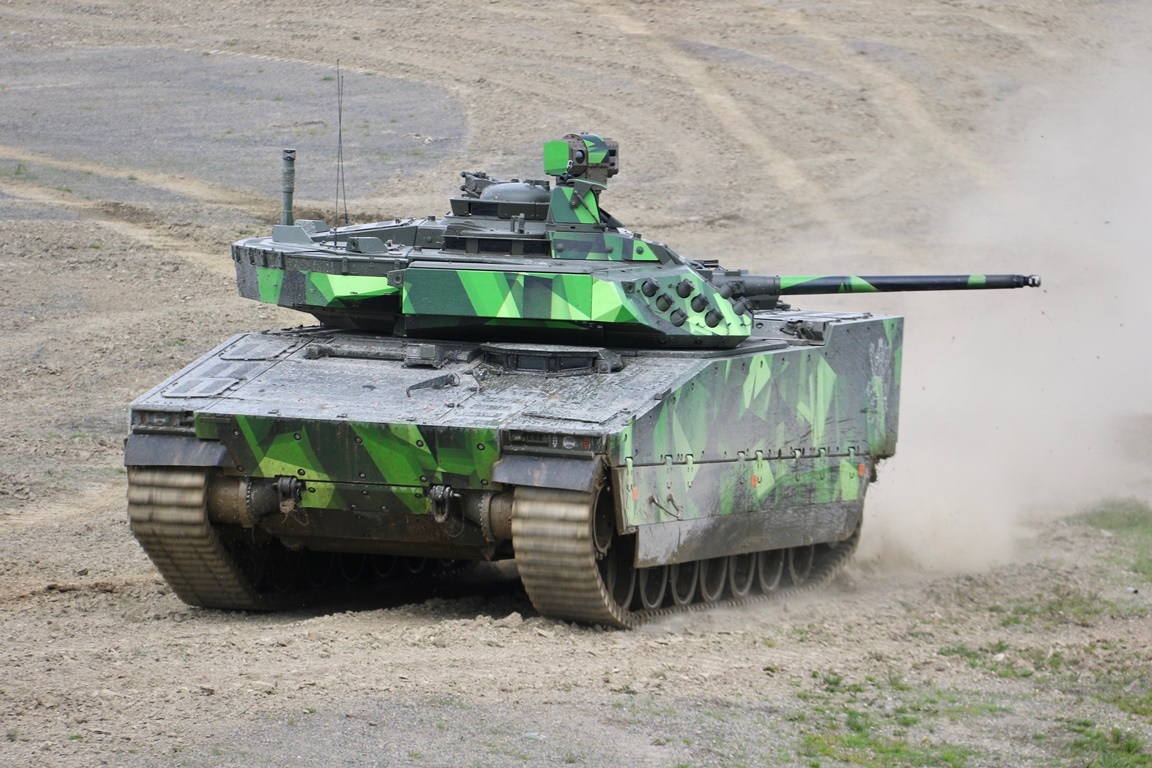
World
The Czech Ministry of Defence has signed a major seven-year, €250 million contract with German defence group Rheinmetall to provide long-term service, maintenance, and logistical support for its fleet of Leopard 2A4 main battle tanks and Bergepanzer 3 “Büffel” armoured recovery vehicles. The agreement, concluded in Prague between the Ministry and Rheinmetall Landsysteme GmbH, covers 42 Leopard 2A4 tanks and two Büffel recovery vehicles. The scope includes spare parts supply, on-site customer service, factory-level repairs, crew and technician training, logistical and technical assistance, temporary infrastructure, and overall project management. Rheinmetall confirmed it will work closely with Czech defence industry partners to fulfil the deal, with subcontracts expected to go to local companies. A letter of intent was signed the same day with the state-owned VOP CZ s.p., outlining cooperation in maintenance and repair operations, along with the transfer of specialised technical know-how. This partnership comes after the Czech Armed Forces recently received the Leopard 2A4 tanks and Büffel vehicles, refurbished and supplied by Rheinmetall under separate agreements. The deliveries were part of a defence cooperation framework between the Czech Republic and Germany, in which Berlin has supported Prague’s modernisation efforts as a gesture of solidarity following Czech military aid to Ukraine. The Leopard 2A4, originally developed in the late 1970s but upgraded extensively over time, is renowned for its firepower, armour protection, and battlefield survivability. The Büffel armoured recovery vehicle, based on the Leopard chassis, provides critical battlefield support by towing, repairing, or recovering disabled tanks in combat zones. By securing long-term maintenance, the Czech Ministry aims to ensure these platforms remain combat-ready for decades, while also building domestic technical capabilities through industrial cooperation. Defence analysts note that such agreements are not just about hardware upkeep — they strengthen NATO interoperability, improve logistics resilience, and ensure that frontline assets remain fully operational during periods of heightened security tensions in Europe. With this deal, the Czech Republic continues its steady modernisation drive, replacing older Soviet-era equipment with Western-standard platforms, a move widely seen as bolstering the country’s role within NATO’s collective defence posture.
Read More → Posted on 2025-08-15 15:22:26
World
Hezbollah’s deputy leader Naim Qassem has issued a stark warning to Lebanon’s government, accusing it of “handing the country to Israel” by pressing ahead with plans to disarm the group. Speaking in a televised address on Friday, Qassem vowed that Hezbollah would not give up its weapons and was ready to fight to preserve its arsenal if necessary. The remarks came after Qassem met Ali Larijani, Iran’s top security chief, whose country has long been a major backer of Hezbollah and a central player in the so-called “axis of resistance” — a coalition of Iran-aligned groups across the Middle East. The Lebanese government, under strong US pressure, has tasked the army with drafting a plan to disarm Hezbollah by the end of the year. This follows last year’s devastating war with Israel, which left the group significantly weakened both militarily and politically. Qassem accused the authorities in Beirut of following “an American-Israeli order to end the resistance”, warning that such a move could plunge the country into civil war and internal strife. “The resistance will not surrender its weapons while aggression continues, occupation persists, and we will fight… if necessary to confront this American-Israeli project no matter the cost,” Qassem declared. He further urged the government “not to hand over the country to an insatiable Israeli aggressor or an American tyrant with limitless greed”, framing Hezbollah’s weapons as essential to defending Lebanon’s sovereignty. The latest tensions come at a time when Iran itself has been weakened by a series of setbacks, most notably during its recent confrontation with Israel, which saw US forces strike Iranian nuclear sites. Hezbollah’s position within Lebanon has also been under growing strain, with critics blaming the group for dragging the country into wars and crippling its economy. Despite the pressure, Qassem’s speech made clear that Hezbollah sees its arsenal as non-negotiable — not only as a means of deterring Israel, but as a symbol of its political power within Lebanon.
Read More → Posted on 2025-08-15 15:17:16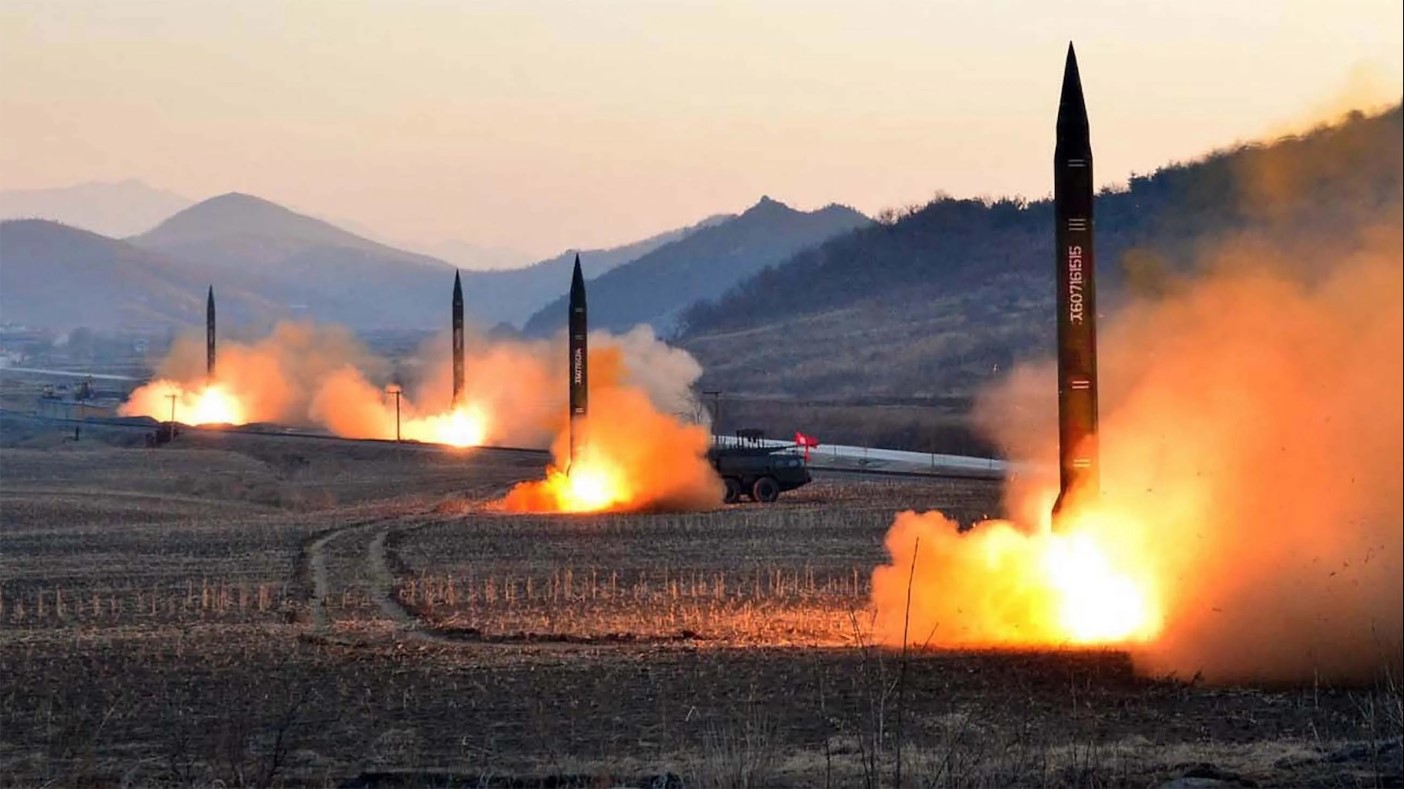
World
Russia and Belarus are set to conduct Zapad-2025 military exercises from September 12 to 16 in Belarus, with scenarios simulating nuclear weapon use and the deployment of the hypersonic Oreshnik missile, according to Belarusian Defense Minister Viktor Khrenin. The announcement comes just days before a planned U.S.-Russia meeting in Alaska aimed at discussing ways to end the war in Ukraine, a timing that has drawn heightened concern from NATO allies. The Oreshnik, an intermediate-range ballistic missile capable of reaching Mach 11 and striking targets over 3,000 kilometers away, can carry both conventional and nuclear warheads. Its extreme speed and in-flight maneuverability make it highly resistant to interception, posing a significant challenge to existing missile defense systems. First launched against Ukraine in November 2024, the missile has since entered serial production, with its presence in the drills seen as a signal of Moscow’s expanding strike capabilities. Zapad exercises, held every four years, have historically served as large-scale readiness checks and strategic messaging tools. In 2021, similar drills were followed within months by Russia’s full-scale invasion of Ukraine, raising fears that Zapad-2025 could also mask preparations for new offensives. Reports suggest that up to 150,000 troops could participate this year, making it one of the largest joint operations between Moscow and Minsk since the war began. While the Kremlin and Minsk insist the exercises are purely defensive, the inclusion of nuclear strike scenarios and advanced hypersonic missile operations significantly raises the stakes. Western defense analysts warn that the combination of nuclear simulations, large troop movements, and missile drills near NATO’s borders creates a volatile environment with a high risk of miscalculation. The timing, scale, and content of Zapad-2025 appear to be as much about deterrence and strategic signaling as they are about military training. For NATO, the drills not only test the alliance’s eastern flank readiness but also underscore the evolving missile threat landscape—one where hypersonic systems like the Oreshnik may soon become central to Russian warfighting doctrine.
Read More → Posted on 2025-08-14 16:10:38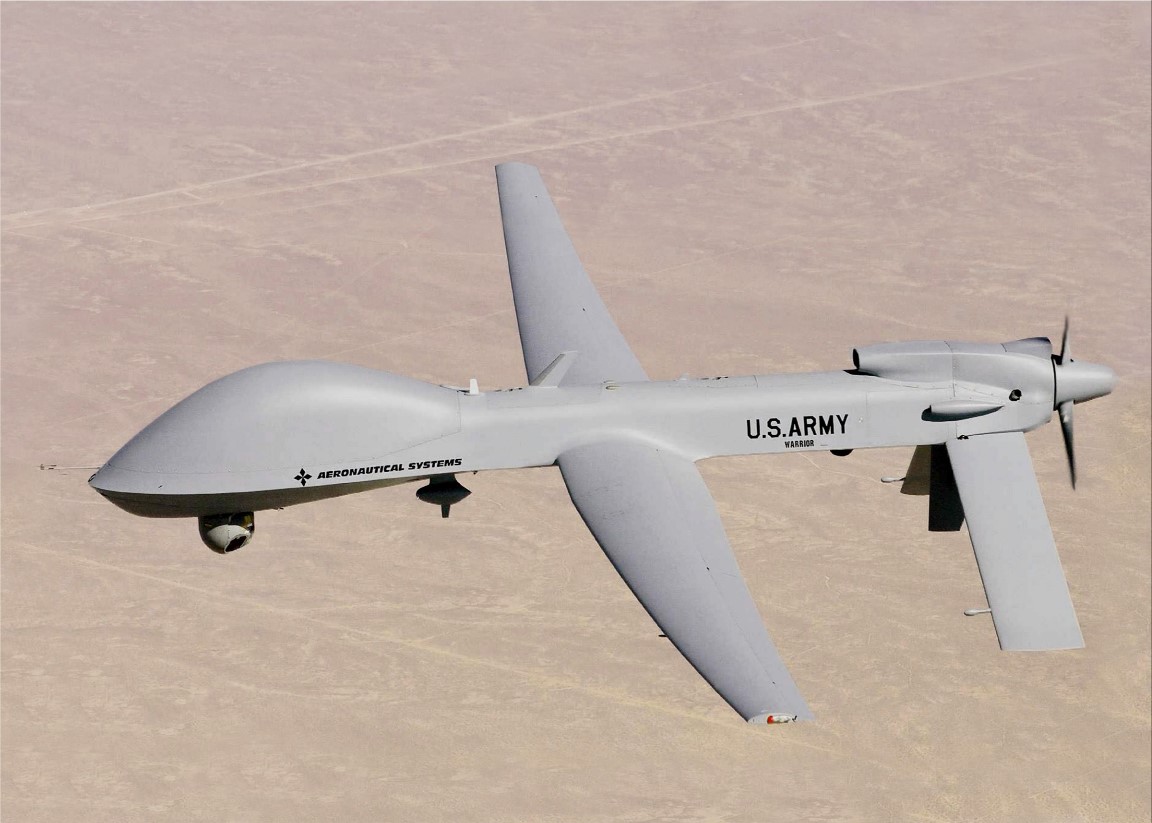
World
The US Army is preparing a major shift in its unmanned aerial systems (UAS) strategy, moving to retire its long-serving MQ-1C Gray Eagle and RQ-7B Shadow drones in favor of advanced, more autonomous platforms under the Army Transformation Initiative. The decision follows earlier moves to halt further Gray Eagle procurement and cancel the Future Tactical Uncrewed Aircraft System (FTUAS) program, which had been intended to replace the retired Shadow. This pivot reflects the Army’s growing focus on shorter deployment timelines, flexible launch capabilities, and integration with modern battlefield technologies. Divisions to Get Larger, More Capable UAS Under current plans, newer Gray Eagle variants will continue to serve with upgrades until around fiscal year 2028, while older models will be phased out. The Gray Eagle, built by General Atomics, has been a core asset for intelligence, surveillance, and reconnaissance (ISR) missions, with the ability to carry guided munitions. Its eventual replacement will be a Group 4 or Group 5 UAS capable of short or vertical takeoff and landing (STOL/VTOL), eliminating the need for traditional runways and allowing deployment from smaller, dispersed bases. Group 4 drones: Weigh over 1,320 pounds, operate below 18,000 feet, and offer medium- to long-endurance missions. Group 5 drones: The largest category, flying above 18,000 feet with extended endurance and greater payloads, suited for high-altitude ISR or strike missions. The Army issued a request for information in mid-2024 and received over 10 proposals from industry, with a final requirements decision expected within the next few months. Fielding of the new system is aimed for 2028, and major players such as General Atomics are expected to compete, promoting their Gray Eagle 25M and STOL variants as candidates. Brigades to Get New Group 3 Drones Faster At the brigade level, the Army plans to skip lengthy procurement processes and instead purchase ready-made commercial drones. This approach is intended to quickly restore operational capability after the Shadow’s retirement in 2024 left brigades without a dedicated reconnaissance aircraft. The initial buy will focus on Group 3 platforms — drones weighing between 55 and 1,320 pounds — with procurement potentially starting in fiscal 2026. Candidates will include former FTUAS competitors such as Griffon and Textron, alongside new entrants. Over time, more advanced systems could be added in phases, pending leadership approval and budget allocation. Why This Shift Matters The Gray Eagle and Shadow have been workhorses for the US Army for decades, but the future battlefield demands faster, more survivable, and more adaptable aerial assets. In modern conflict scenarios, where anti-drone defenses are increasingly sophisticated, the ability to launch and recover drones from austere locations without large runways is becoming critical. By moving toward VTOL-capable Group 4 and 5 systems for divisions and commercially sourced Group 3 drones for brigades, the Army aims to create a more distributed and resilient ISR and strike network. This modernization effort is also part of a broader push to integrate AI-driven mission planning, autonomous navigation, and modular payload systems into future UAS fleets. If successful, the transition could mark one of the biggest overhauls of Army aviation in two decades, reshaping how US forces gather intelligence, track targets, and strike in contested environments.
Read More → Posted on 2025-08-14 16:06:29Search
Top Trending in 24 Hours
-
 Ukraine Introduces Balloon-Launched DART Missile Designed to Defeat Electronic Warfare
-
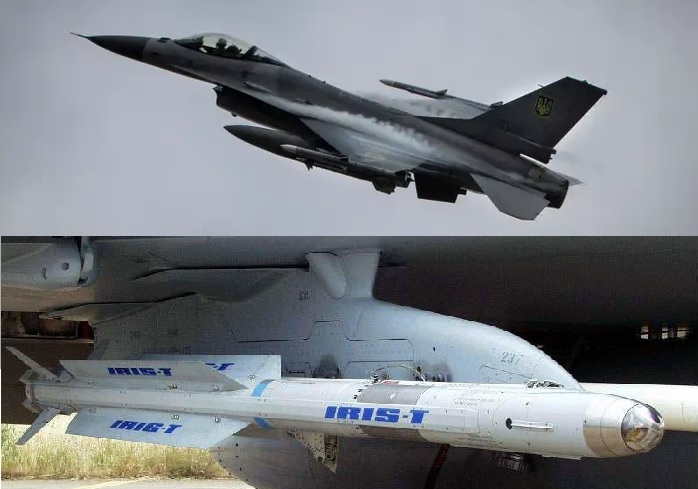 Ukraine’s F-16 Fighters Set to Receive German IRIS-T Air-to-Air Missiles
-
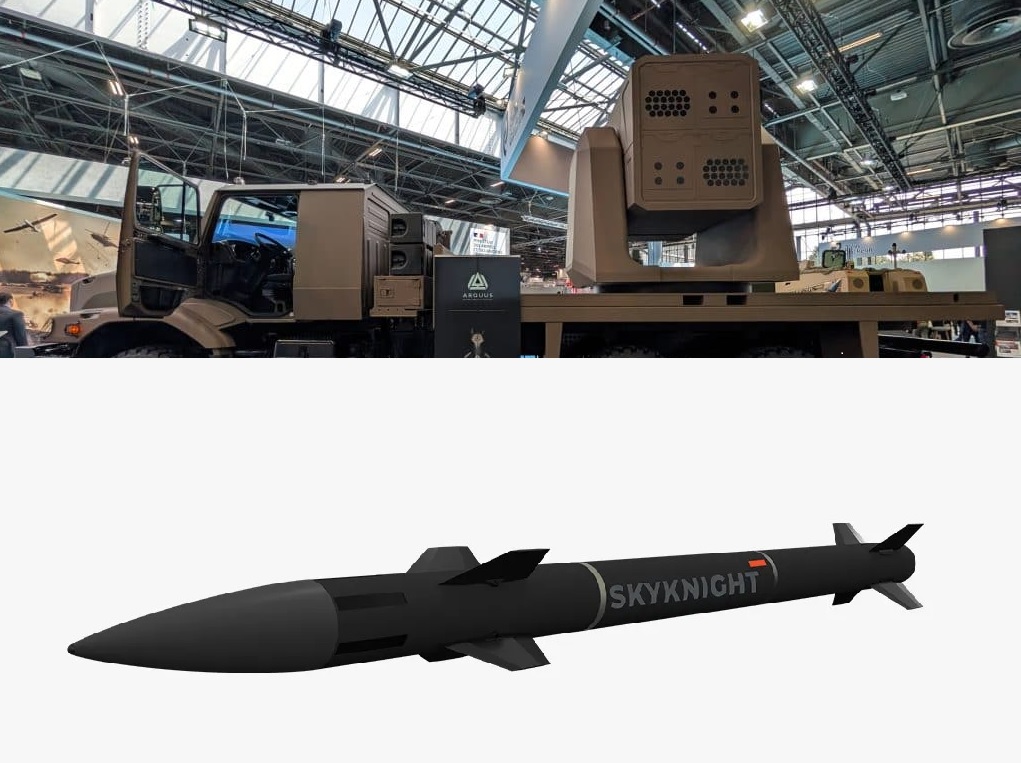 Naval Group Unveils Rampart Modular CIWS Multi-Purpose Weapon System for Naval and Ground Forces at Eurosatory 2026
-
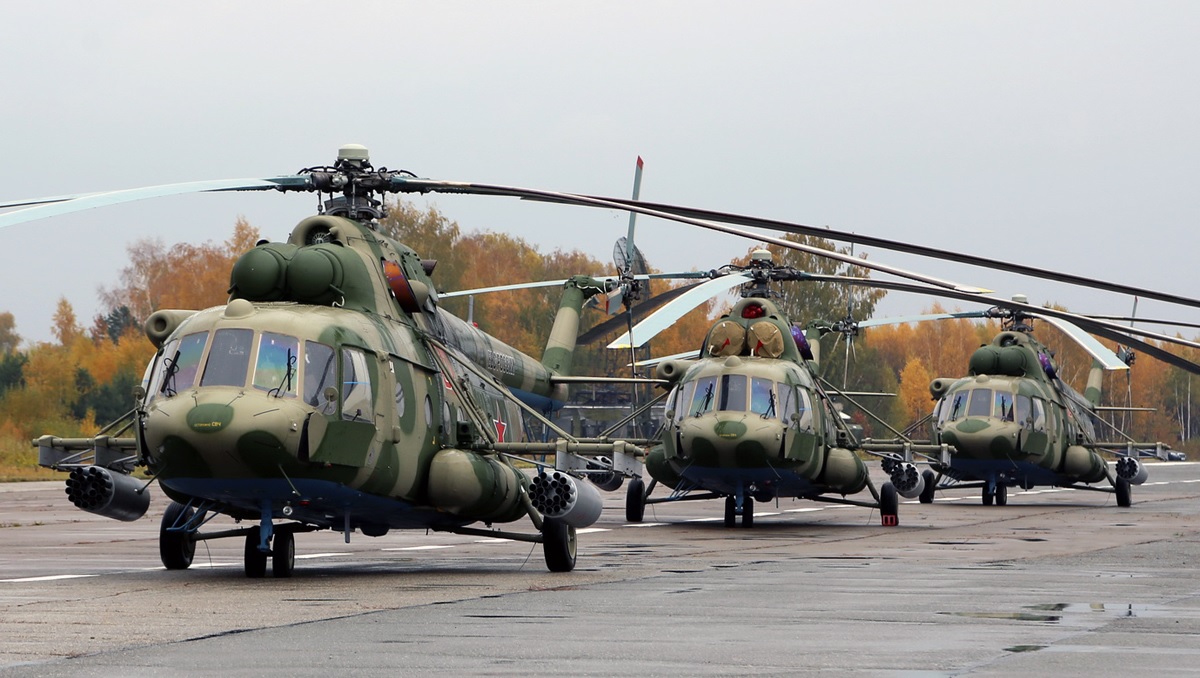 Iran Signs Deal with Russia for 20 Mi-8 and Mi-17 Helicopters to Boost Rescue and Medical Missions
-
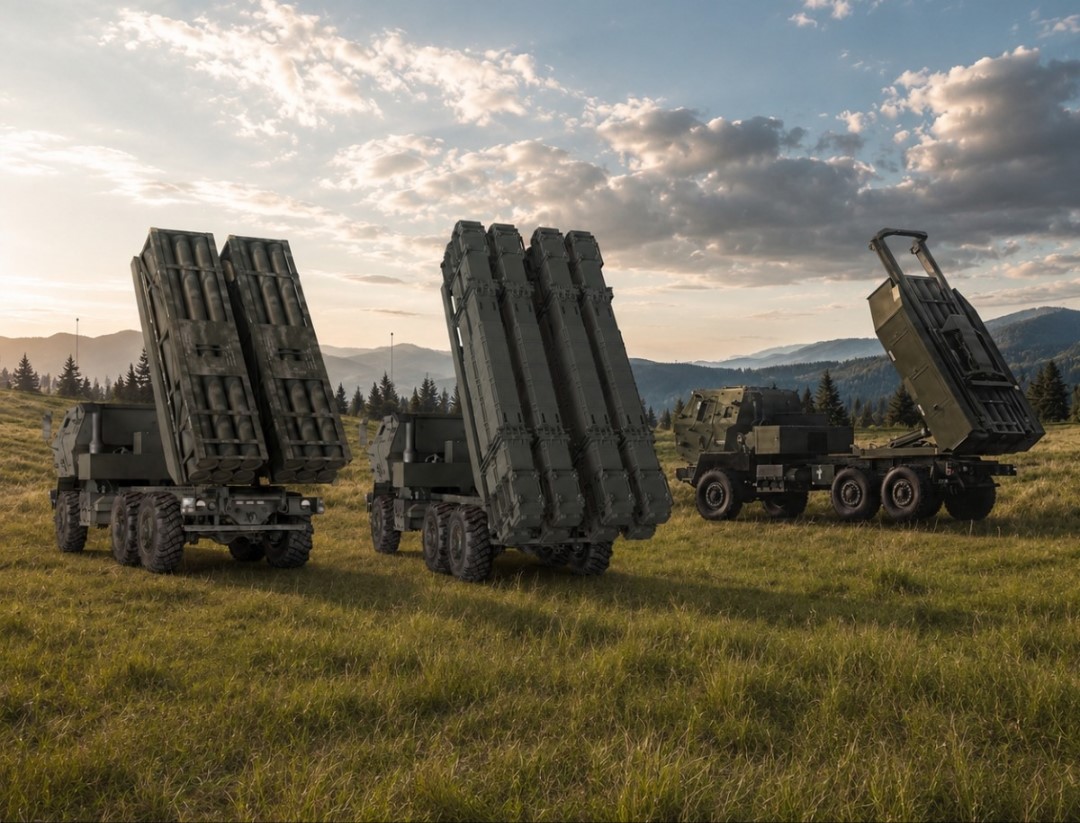 Lockheed Martin Unveils HIMARS FLEX with Dual-Pod Launcher and NATO-Compatible Air Defense Integration
-
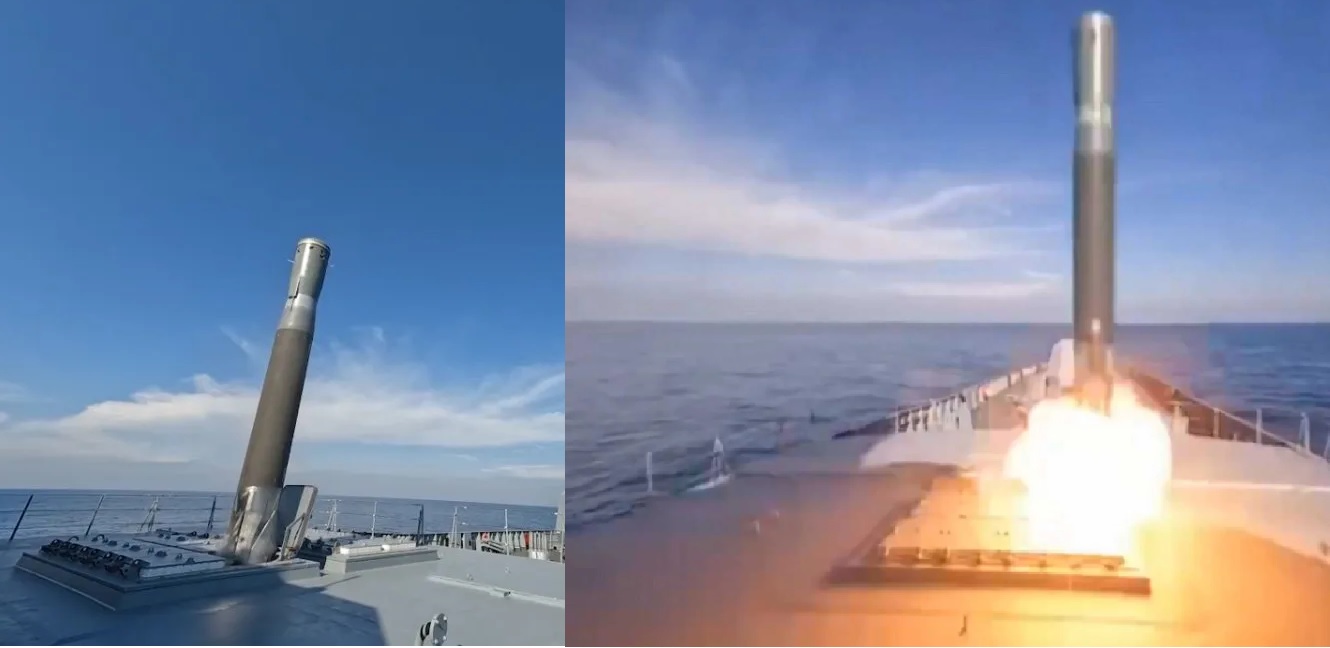 Open-Source Evidence Suggests Russia's Zircon Is a Quasi-Ballistic Missile, Not a True Hypersonic Cruise Weapon
-
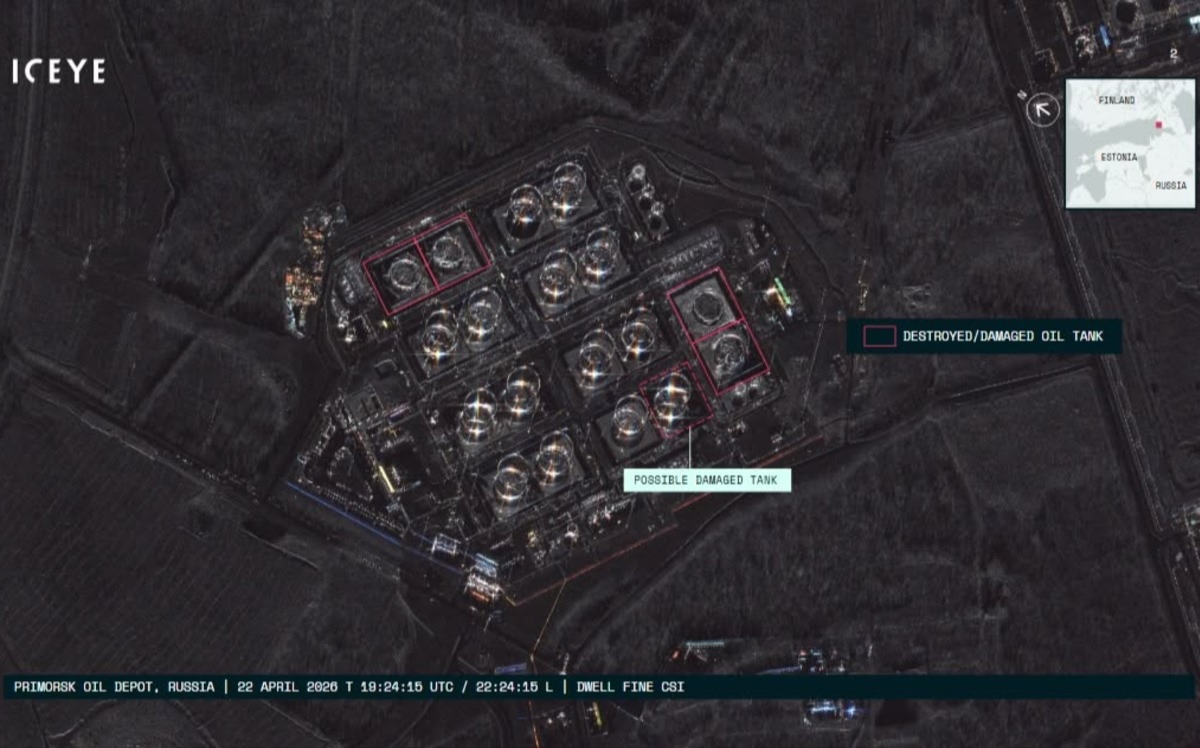 Portugal Doubles Sovereign SAR Satellite Fleet with Order for Two Additional ICEYE Satellites
-
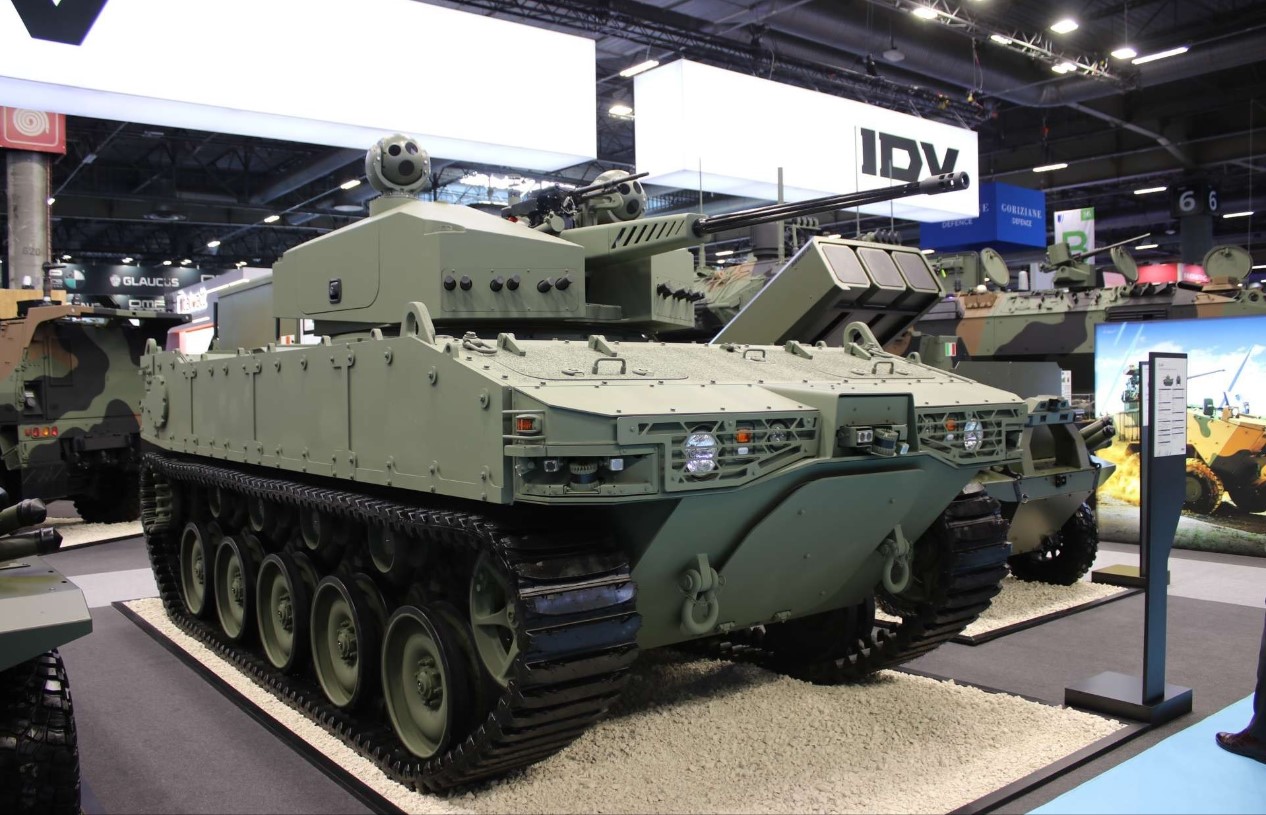 IDV Unveils CL2X Hybrid Uncrewed Light Tank at Eurosatory 2026
Top Trending in 4 Days
-
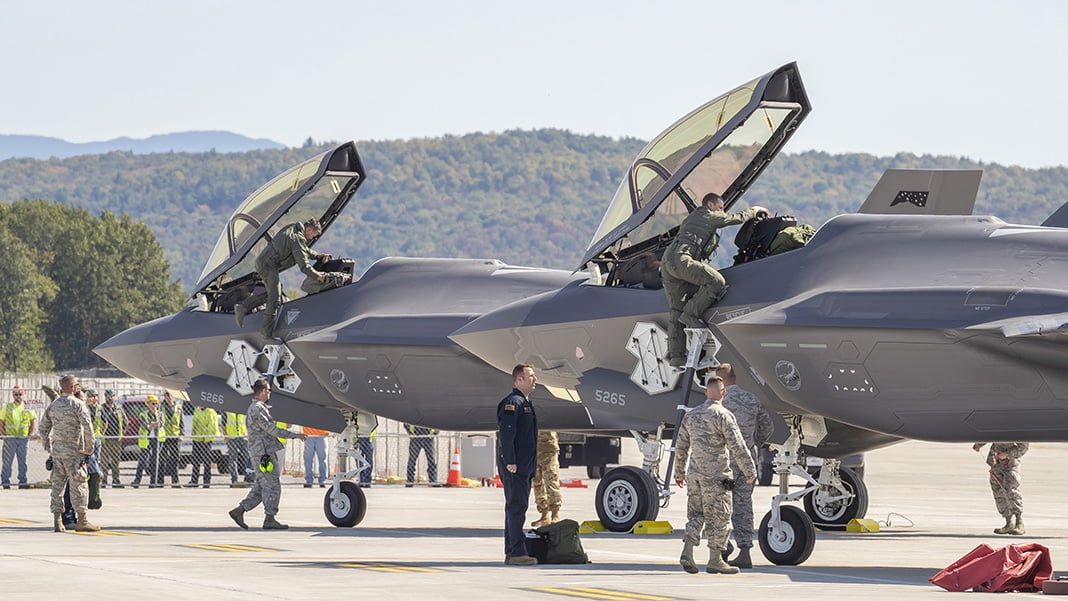 F-35 Fleet Readiness Falls to 25% Amid Parts Shortages and Software Delays: GAO Report
-
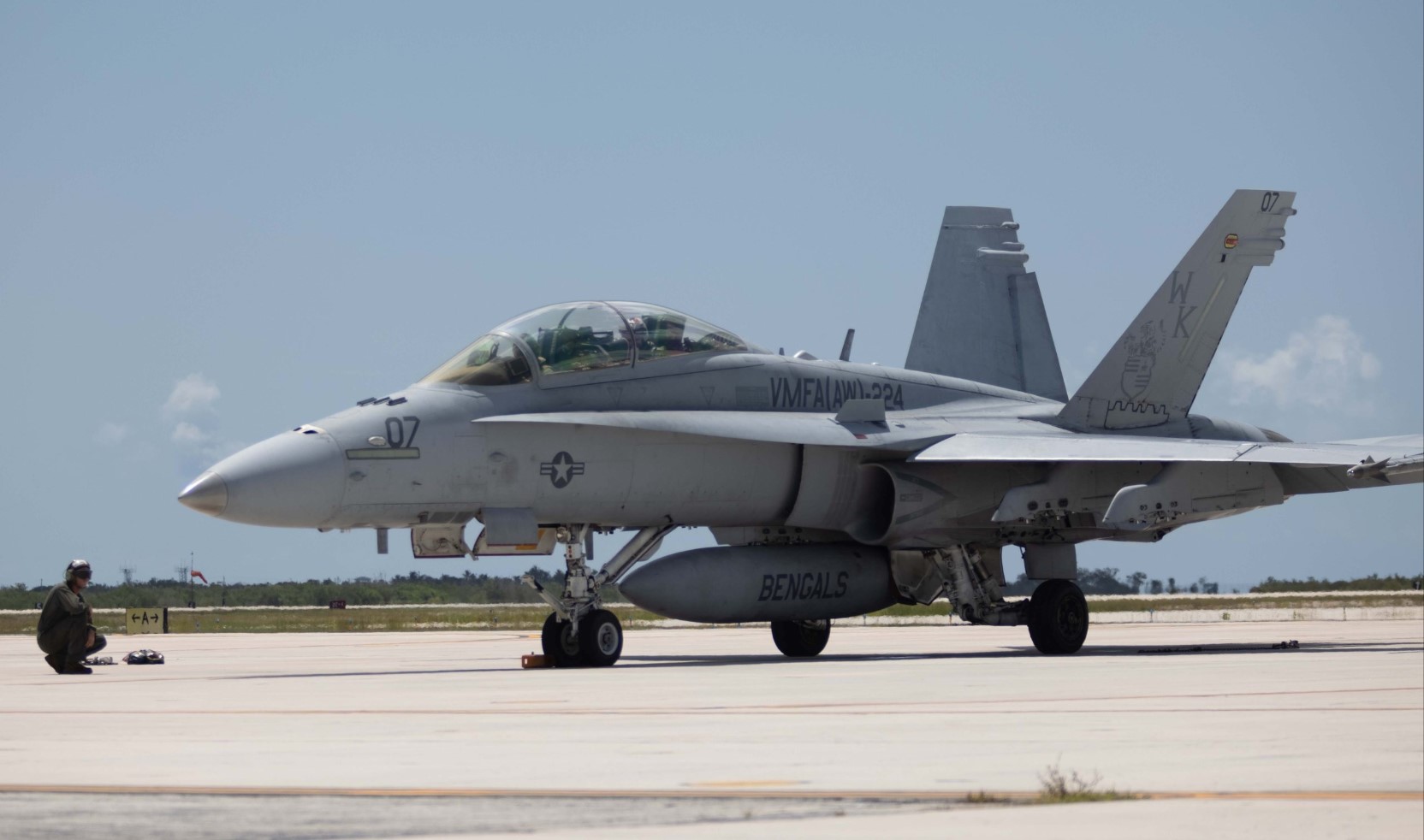 US Marine Corps F/A-18D Hornet Crashes During Training Flight in Washington Mountains; Pilot Ejects Safely
-
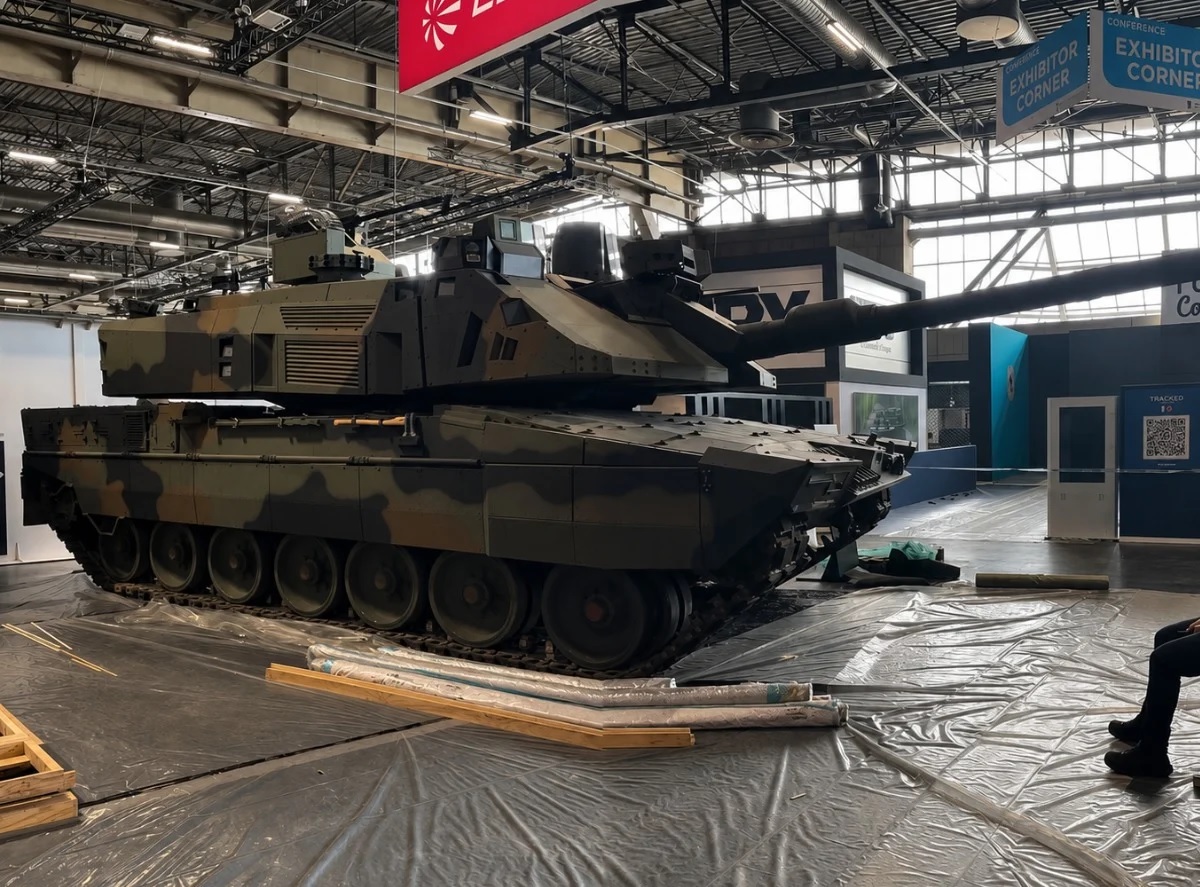 Leonardo Rheinmetall to Unveil Italy’s New IMBT Main Battle Tank at Eurosatory 2026
-
 Tulsi Gabbard Releases Declassified Files Detailing U.S.-Backed Network of 120 Biolaboratories Across 30+ Countries
-
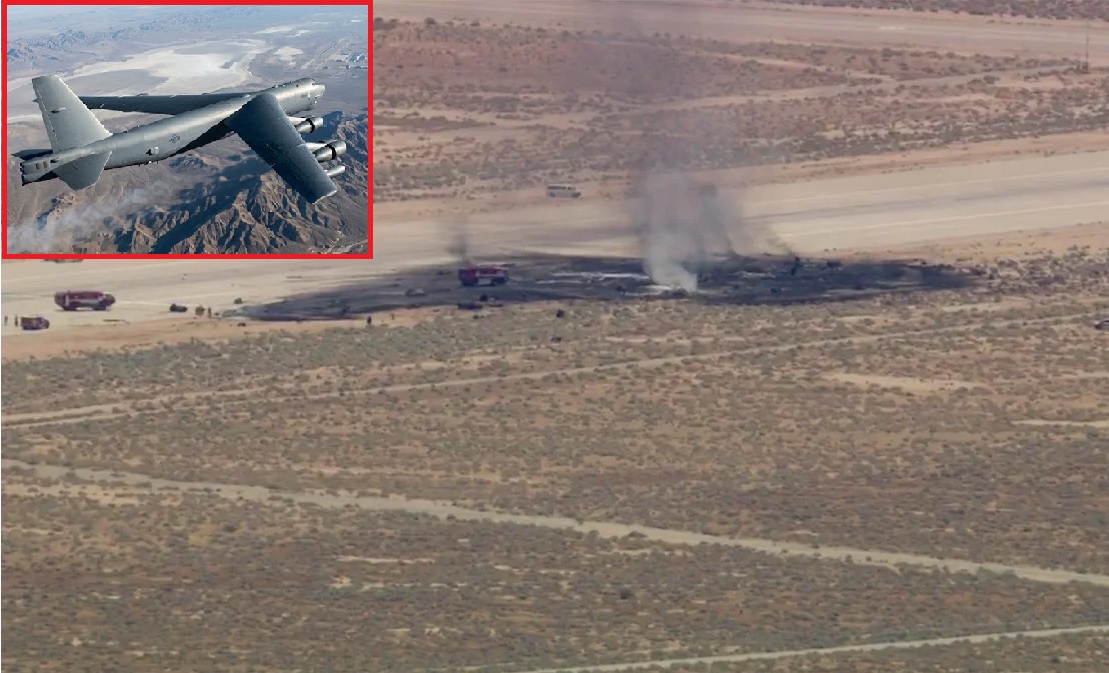 8 U.S. Air Force Crew Members Killed in B-52 Bomber Crash During Test Flight at Edwards Air Force Base
-
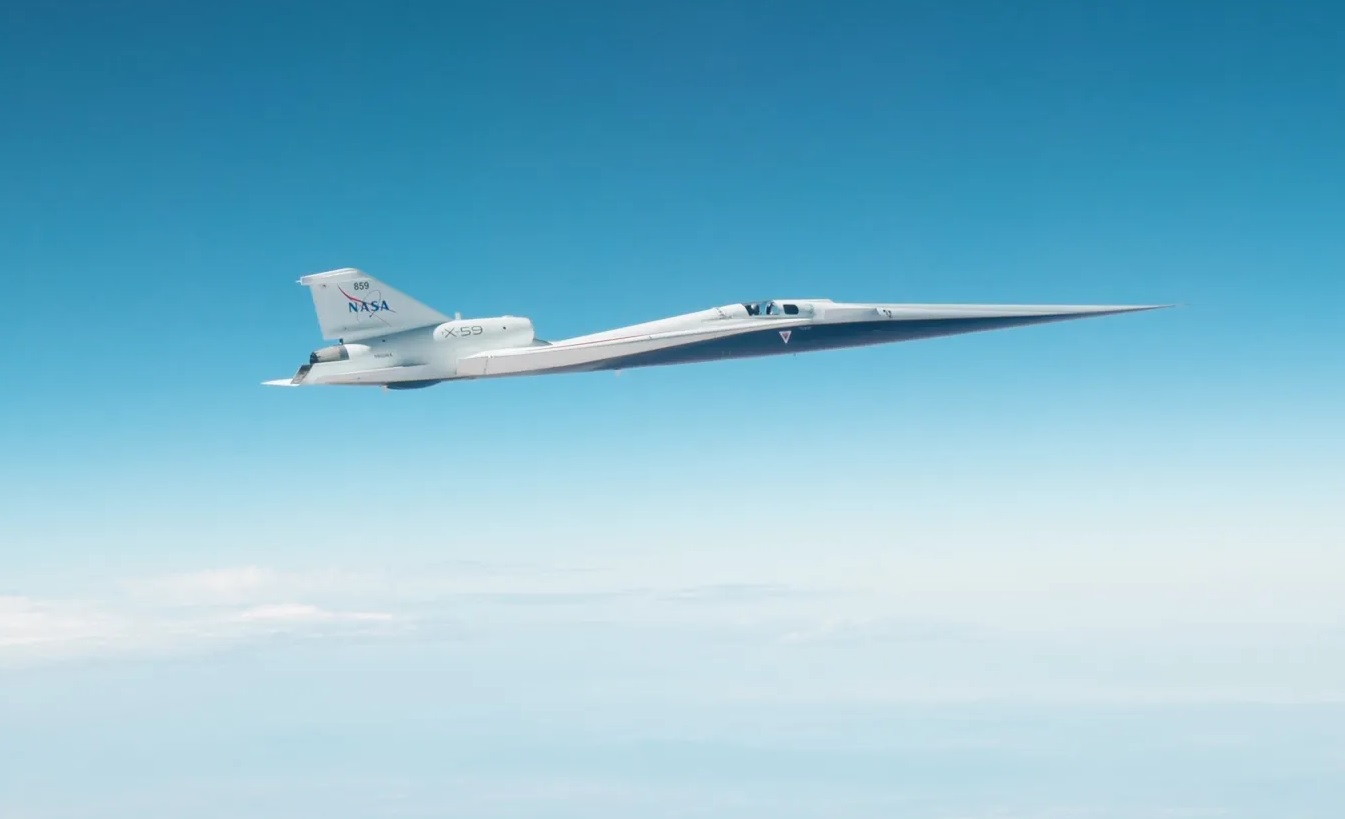 NASA X-59 Achieves Planned Mission Conditions with Mach 1.4 Flight at 55,000 Feet
-
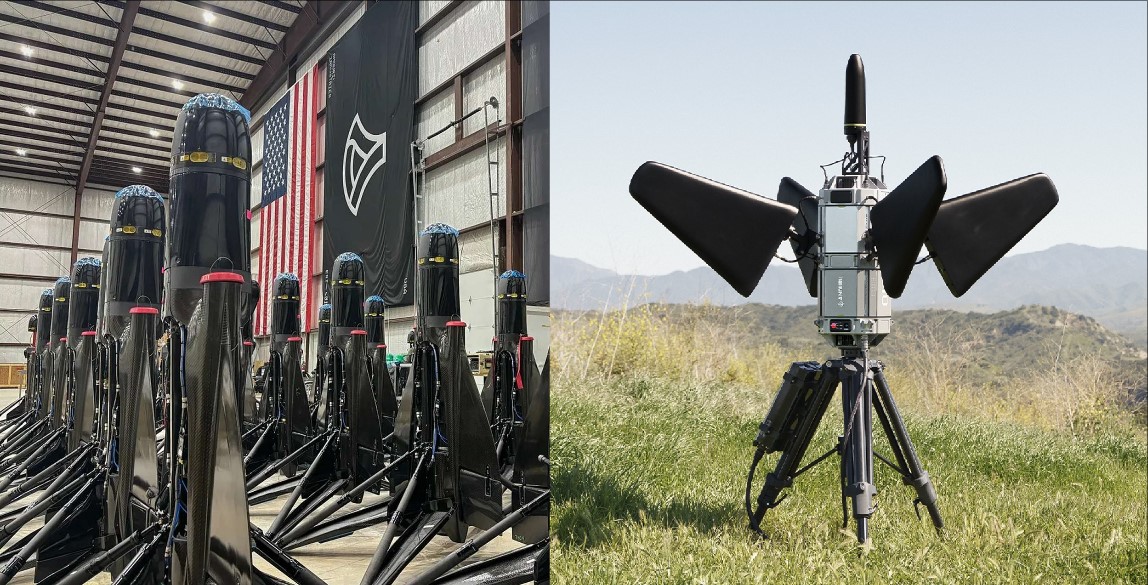 U.S. Approves $1.98 Billion Sale of Anduril AI-Powered Counter-Drone Systems to Kuwait
-
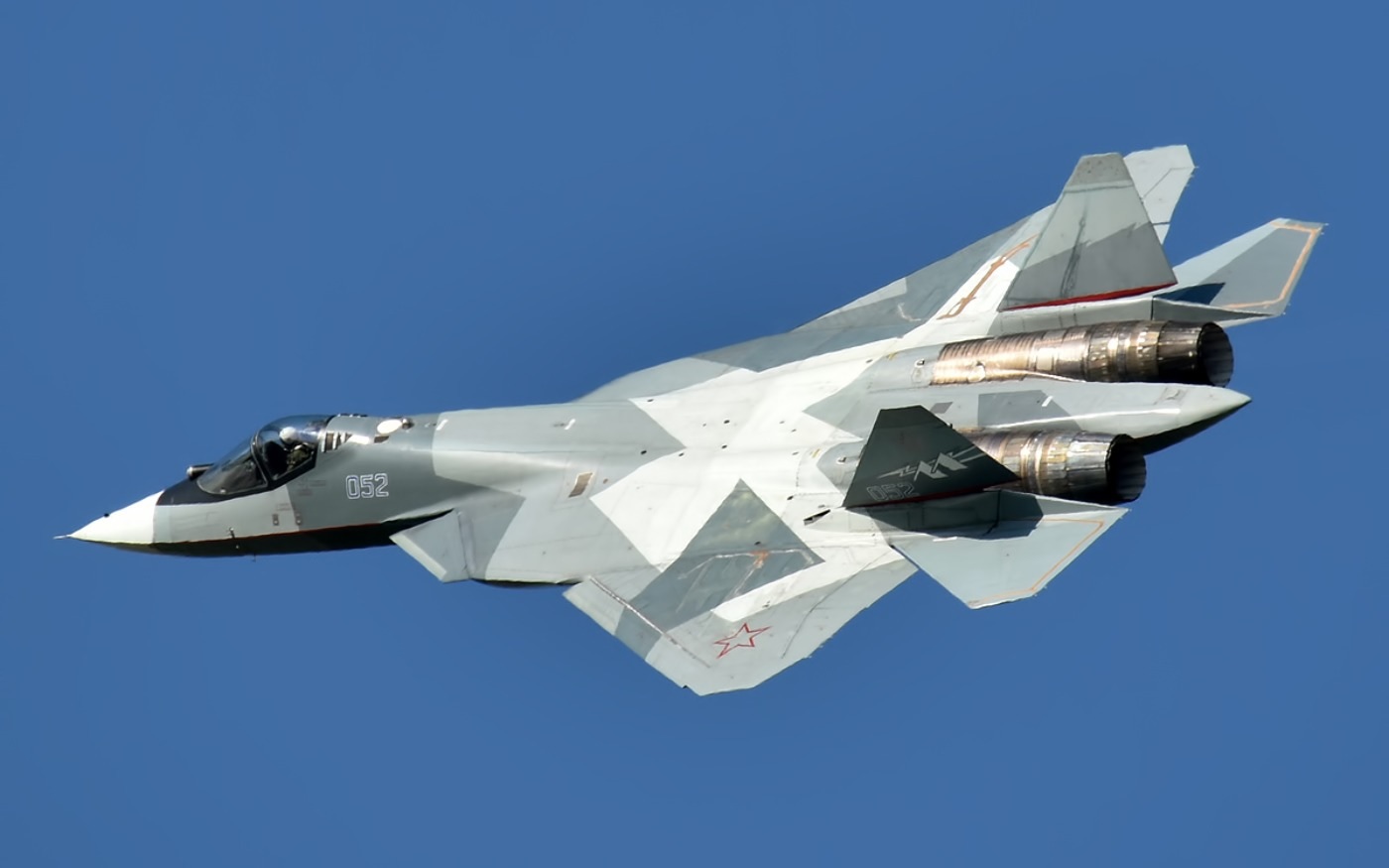 Russian Analysts Debate Su-57 Capabilities After Putin Calls Fighter Superior to F-35