World
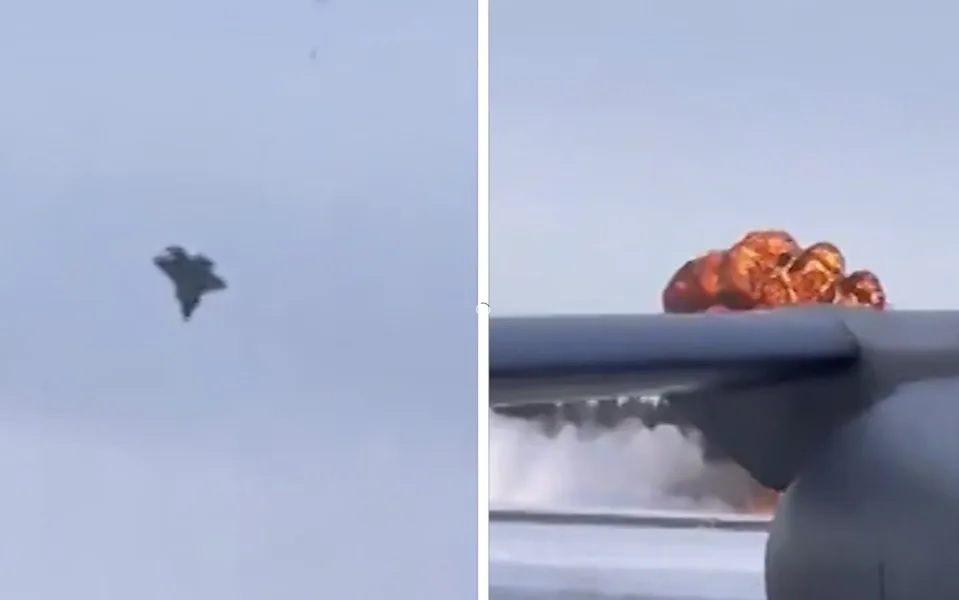
On January 28, 2025, an F-35A Lightning II fighter jet crashed at Eielson Air Force Base in Alaska after a catastrophic landing gear failure, forcing the pilot to eject. The incident has since raised major questions about maintenance practices and the aircraft’s resilience in extreme conditions. The 50-Minute Struggle in the Sky The pilot spent nearly an hour on a live call with engineers from Lockheed Martin—the jet’s manufacturer—and the base supervisor of flying, trying to troubleshoot a jammed nose landing gear. Together, they attempted two “touch-and-go” landings in hopes of realigning the wheel, but both failed. By then, ice had spread through the hydraulic system, leaving all landing gear disabled. As the aircraft lost control, onboard sensors mistakenly concluded it was already on the ground. This forced the jet into automated ground mode while still airborne, making it impossible to fly. The pilot ejected at about 370 feet, sustaining only a spinal fracture and abrasions. Seconds later, the $200 million jet plummeted and exploded in a fireball. Root Cause: Contaminated Fluid in Extreme Cold Investigators found that the hydraulic systems contained about one-third water contamination, which froze at Alaska’s –18 °C conditions. The freezing jammed the landing gear struts, starting a chain of cascading failures. The Accident Investigation Board (AIB), led by Col. Michael Lewis, concluded that improper storage and handling of hydraulic fluid barrels at the base caused the contamination. Hazardous-material oversight was also deemed insufficient. Lewis noted that while the pilot and engineers showed composure, decision-making errors—such as repeated touch-and-go attempts instead of safer alternatives—worsened the crisis. Warnings Ignored Lockheed Martin had issued a maintenance bulletin in April 2024, warning that F-35 sensors could misread conditions in extreme cold, creating risks of loss of control. That advisory proved prophetic in Alaska. Just nine days after this crash, another F-35A at the same base faced a similar hydraulic icing problem but managed to land safely. A Broader Pattern of Crashes and Costs This crash adds to a troubling history: around 32 F-35 accidents have occurred since the aircraft entered service, including an F-35C crash in California in July 2025. Despite unit costs falling from $135.8 million in 2021 to around $81 million in 2024, the program’s lifetime cost is projected to exceed $2 trillion. The US Government Accountability Office expects the jet to remain in service until 2088. Critics like Elon Musk argue the F-35 was “broken at the requirements level,” calling it a costly “jack of all trades, master of none,” and warning that in an age of drones, manned fighters may be outdated. Global Supply Chain and Australia’s Role The F-35 relies on more than 1,900 suppliers worldwide. Australia plays a key role, with over 75 companies providing components, including the uplock actuator system that allows the F-35 to open its weapons bay without losing stealth. Australia’s defence industry has already earned about $5 billion from its contributions. A Cold Lesson The Alaska crash exposed more than just a frozen hydraulic line. It highlighted how even the world’s most advanced jet can be undone by something as basic as contaminated fluid. It also showed the limits of real-time troubleshooting—even with the manufacturer on the line. The F-35 remains the backbone of US and allied air power, but this fiery accident proves that complex systems are only as strong as their smallest overlooked detail.
Read More → Posted on 2025-08-28 18:13:02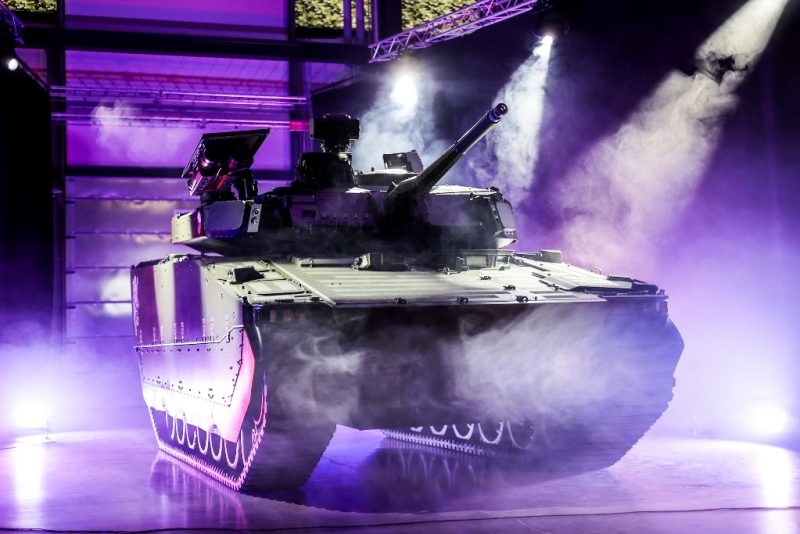
World
Örnsköldsvik, Sweden – August 28, 2025 — In a landmark moment for European defence, the Czech Republic rolled out its first CV90 MkIV Infantry Fighting Vehicle (IFV) at BAE Systems Hägglunds’ facility in Sweden. The ceremony was hosted by Swedish Defence Minister Pål Jonson and attended by Czech Defence Minister Jana Černochová, underscoring the importance of the project for NATO security and Czech military modernization. A Turning Point for Czech Defence The CV90 MkIV is the latest generation of the battle-proven CV90 family. The Czech Republic is acquiring 246 vehicles under a contract worth SEK 22 billion ($2.2 billion). Out of these, 39 units will be produced in Sweden and 207 in the Czech Republic, with deliveries running until 2030. Minister Černochová hailed the milestone, stating: “Today is proof that we are not just talking about modernization, but making it a reality. This project represents months of negotiations, hundreds of people, and thousands of hours of work. I am convinced that Czech soldiers will receive the very best that the defence industry has to offer.” Advanced Combat Capabilities The CV90 MkIV brings together cutting-edge technology and combat experience. Key features include: 30 mm Bushmaster II automatic cannon Advanced fire control and next-generation sensors Modular armour and active protection systems Adaptive suspension and powerful engine These capabilities ensure the Czech Army will gain unmatched mobility, firepower, and survivability. The vehicle’s adaptability allows it to operate across multiple conflict environments and integrate future upgrades. Boost for Czech Defence Industry A key element of the deal is the 40% participation of Czech industry. Over 20 Czech companies are engaged in the programme, including VOP CZ, Excalibur Army, Ray Service, Meopta, VR Group, Pramacom-HT, and OPTOKON. Their contributions range from vehicle assembly and turret kits to advanced optics, communications, and electronic warfare systems. This not only strengthens the Czech Republic’s sovereignty but also secures long-term involvement in BAE Systems’ global supply chain. The partnership is expected to generate jobs, build skills, and improve crisis resilience by ensuring domestic production capacity. NATO Integration and Battlefield Proof The CV90 is already in service with several European NATO members, and lessons from ongoing conflicts—especially Ukraine—have reinforced its battlefield reliability. By joining the CV90 user community, the Czech Republic will benefit from shared training, operational experience, and accelerated upgrades alongside other operator nations. Minister Jonson emphasized: “The CV90 now constitutes a cornerstone in the armed forces of many countries. It has proven effective in Europe’s defence, and the Czech Republic will now receive a battle-tested and efficient combat vehicle.” Road Ahead Deliveries begin in 2026 and continue through 2030 Phased approach ensures crew training, integration into the 7th Mechanised Brigade, and smooth adoption without compromising readiness Multiple variants (infantry, command, ambulance, recovery, artillery observation) will be produced to cover operational needs The rollout of the first CV90 MkIV represents the largest defence acquisition in modern Czech history. It strengthens the nation’s armed forces, boosts its defence industry, and deepens NATO interoperability. Above all, it ensures that the Czech Republic’s soldiers are equipped with some of the most advanced and combat-proven armoured vehicles in the world.
Read More → Posted on 2025-08-28 18:08:11
World
In early June 2025, GE Aerospace’s Defense & Systems division signed a formal teaming agreement with Kratos Defense & Security Solutions to co-develop a new generation of small, high-thrust turbofan engines designed for Collaborative Combat Aircraft (CCA). The deal builds on their 2023 collaboration that produced the GEK800, an 800-pound-thrust class engine aimed at advanced cruise missiles. The next step is the GEK1500, delivering 1,500 pounds of thrust, suitable for reusable or expendable unmanned combat platforms. Combining Strengths The partnership leverages Kratos’s two decades of expertise in affordable unmanned propulsion with GE Aerospace’s 75-year pedigree in jet propulsion. GE brings large-scale production capabilities and experience in long-life turbine design, while Kratos offers agility, speed, and cost-focused development. Mark Rettig, Vice President of Edison Works Advanced Programs, explained the mindset: “The approach is to meet cost targets first and add capabilities as necessary.” This has enabled the joint team to accelerate design cycles and streamline affordability. Stacey Rock, President of Kratos Turbine Technologies, highlighted the technical challenge: “Scaling large engines down is difficult, and scaling small turbojets up is equally difficult. This team has hit a sweet spot.” From GEK800 to GEK1500 The GEK800 has already entered its fifth build cycle this summer, with the first production unit scheduled for altitude and ground testing in early 2026. The architecture is intentionally scalable, forming the foundation for an entire family of strike engines. The GEK1500 will follow, with a demonstration planned for 2026. Engineers describe it as a “turbofan in a turbojet-sized envelope,” meaning it achieves far better fuel efficiency and range than legacy turbojets, while staying low-cost for large-scale deployment. Officials have also indicated that the unit price could be in the low hundreds of thousands of dollars, making it one of the most affordable turbine engines ever aimed at military applications. Targeting the Lower-End CCA Market The U.S. Air Force’s CCA initiative has largely focused on higher-thrust drones in the 3,000–8,000 lb thrust class. However, growing demand exists at the lower end of the spectrum—for smaller, semi-reusable or expendable platforms. The GEK1500 aims to fill that niche, offering commanders a survivable yet affordable engine for large-scale deployment of drone “wingmen.” Industry analysts note that the collaboration between GE and Kratos reflects a shift in defense procurement—prioritizing speed, affordability, and scalability over exquisite, long-cycle systems. With both the GEK800 and GEK1500 under development, the companies are positioning themselves as leaders in powering the next era of affordable autonomous combat aviation.
Read More → Posted on 2025-08-28 18:05:19
World
On August 21, 2025, the British Ministry of Defence announced Project Atilla, a bold initiative to convert retired MCV-80 Warrior infantry fighting vehicles (IFVs) into unmanned ground vehicles (UGVs) capable of breaching minefields. This move reflects the UK’s strategy of modernizing older equipment for new roles rather than donating them abroad, particularly to Ukraine, where such vehicles would have required costly training and logistical support. From Warrior to Robot Under the plan, up to six Warriors will be retrofitted with mine-clearing tools such as ploughs and rollers. In the first phase, they will be optionally crewed, able to operate with soldiers inside or via remote control from miles away. In the second phase, the vehicles will be pushed further towards full autonomy, forming the backbone of future heavy UGV programs. The project is valued at around £12 million (excluding VAT), or £15 million including VAT, and will run from January 2026 to March 2028, with an option for a one-year extension. Key dates include a contract notice on September 1, 2025, application deadline on September 26, and the award announcement on November 18, 2025. The Weevil Prototype At the heart of Project Atilla is the Weevil prototype, developed by the Defence Science and Technology Laboratory (Dstl) and Pearson Engineering. Tests near Newcastle proved the Warrior chassis could be operated entirely remotely, fitted with cameras, sensors, and a full-width mine plough. Operators could control the vehicle safely from several miles away, dramatically reducing risks to soldiers. Unlike the older Trojan Armoured Vehicle, which costs around £4 million and requires a crew of three, the Weevil-based Warrior demonstrates a cheaper, safer, and more flexible approach to breaching minefields. A Second Life for the Warrior The Warrior IFV, introduced in 1987, was designed by GKN Defence (later BAE Systems). It carries a crew of three plus seven infantry soldiers, powered by a 550-horsepower engine, and has served in multiple operations. Although a Warrior Capability Sustainment Programme was once planned to extend its life into the 2040s, it was cancelled in 2021 due to budget cuts. Instead, the fleet is being retired in favor of the Boxer and Ajax vehicles. As of mid-2024, the British Army had 632 Warriors still in service, with about 80 already earmarked for retirement. Project Atilla ensures that many of these surplus vehicles will gain a valuable new role instead of being scrapped. A Global Shift in Warfare The UK’s push to robotic minefield breachers mirrors wider global trends. Japan is upgrading its Type 89 IFVs by replacing troop compartments with launch systems for loitering munitions. Russia has developed the BMP-3 Sinitsa, capable of remote or crewed operation. In the United States, prototypes like BAE’s Black Knight and Textron’s Ripsaw M5 are undergoing trials as unmanned combat vehicles. Finland is testing its Patria AMV XP with advanced 5G remote-operation systems. These programs highlight how major armies are transitioning traditional armored vehicles into unmanned platforms, reducing risks to soldiers while enhancing battlefield efficiency.
Read More → Posted on 2025-08-28 17:20:48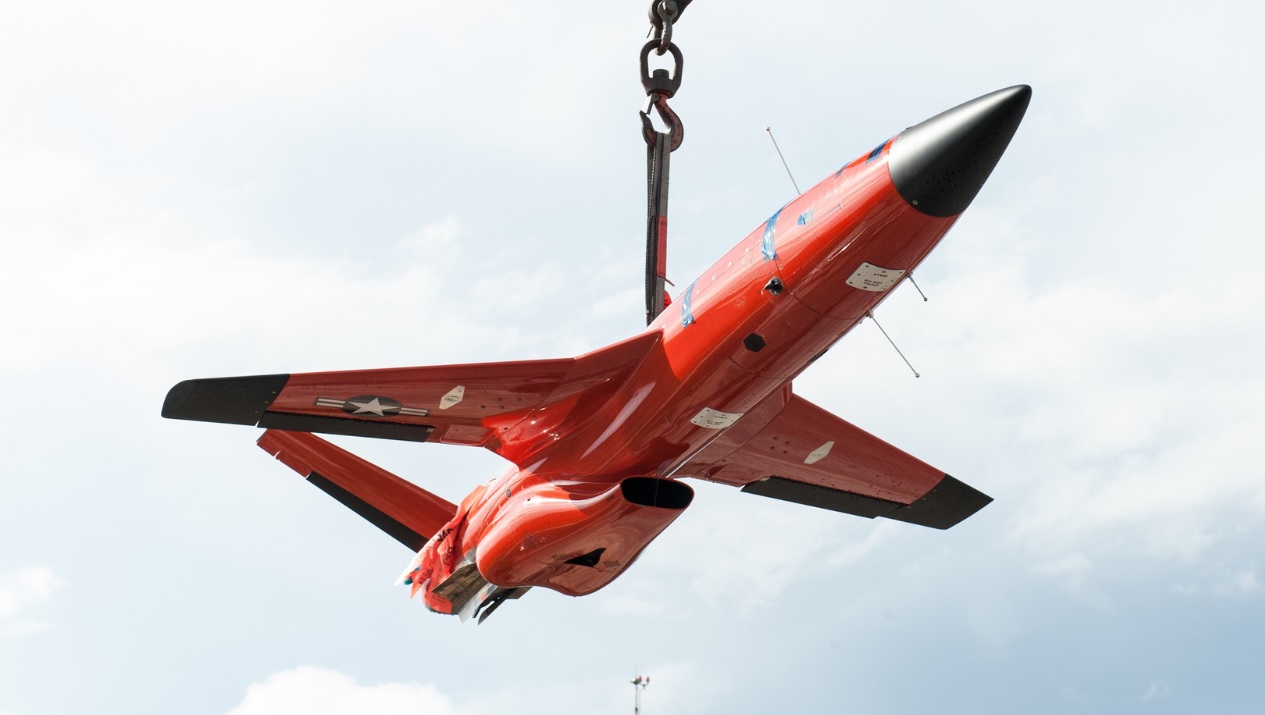
World
Taipei, Taiwan — Taiwan’s National Chung-Shan Institute of Science and Technology (NCSIST) has announced a new collaboration with U.S. defense technology company Kratos to create a low-cost cruise missile system derived from the MQM-178 Firejet target drone. The new weapon, named Chingfeng IV, is set to make its public debut this September at the Taipei Aerospace and Defense Technology Exhibition. Unlike traditional government-commissioned projects, the Chingfeng IV is being developed as a joint demonstration initiative, with an eye on both domestic testing and potential foreign sales. NCSIST emphasized that the program is not currently tied to any branch of Taiwan’s armed forces but is seen as a valuable opportunity to expand Taiwan’s unmanned strike capabilities. In a statement, NCSIST clarified: “Chingfeng IV is a collaborative effort between our institute and Kratos. It is not a commissioned program from any service branch. Due to confidentiality agreements with Kratos, performance details cannot be disclosed at this time. Further information will be released during the Taipei exhibition.” From Target Drone to Strike Drone The MQM-178 Firejet, originally built as an aerial target drone, has proven to be a flexible and affordable platform. Built from lightweight carbon-fiber composites with a modular design, it supports multiple payloads and has been used extensively for air-to-air and surface-to-air weapons testing. Key features of the Firejet include: Speed: Mach 0.69 Service ceiling: 35,000 feet Low-altitude capability: down to 20 feet above ground Maneuverability: able to sustain –2 g to +9 g turns Payload capacity: 70 lbs internally, with additional wingtip and wing station options Launch methods: Pneumatic ground or ship launch, recoverable by parachute Reports suggest that when reconfigured as the Chingfeng IV, the drone could reach a strike range of up to 1,000 kilometers, enabling it to serve as a low-cost precision strike weapon. Strategic and Industrial Value Although not yet formally adopted by Taiwan’s military, the Chingfeng IV reflects Taiwan’s growing focus on unmanned strike systems to enhance deterrence and strengthen its defense industrial base. Its low-cost design and modular adaptability make it attractive for both domestic defense use and international export. For Kratos, the project builds upon its recent work converting Firejets into autonomous drones through collaboration with Shield AI, adding advanced AI-driven formation flying and tactical maneuvering. This makes the Chingfeng IV not just a repurposed target drone, but part of a broader evolution of affordable, intelligent unmanned strike platforms. Taiwan’s Expanding Arsenal The new system complements Taiwan’s growing family of indigenous missiles: Hsiung Sheng / Hsiung Feng IIE: Long-range land-attack cruise missiles, with ranges over 1,000 km. Wan Chien: Air-launched cruise missile, now in an upgraded extended-range version. Tien Kung IV (Sky Bow IV): Advanced air defense missile system, scheduled for mass production in 2026. Together, these programs underline Taiwan’s strategy of building a layered deterrence network, where affordable drones like Chingfeng IV can play a critical role. At the Taipei exhibition, NCSIST and Kratos are expected to showcase the Chingfeng IV prototype, alongside details of its operational concepts. While performance data remains under wraps, the drone’s design philosophy—low cost, modular, and strike-capable—suggests it could quickly find a place in both Taiwan’s defense strategy and the export market.
Read More → Posted on 2025-08-27 16:41:45
World
On August 22, 2025, Pratt & Whitney Military Engines, a subsidiary of RTX Corporation, was awarded a not-to-exceed $2.9 billion contract modification by the U.S. Department of Defense to produce and deliver 141 F135 propulsion systems for Lot 18 of the F-35 Joint Strike Fighter program. The award, managed by the Naval Air Systems Command in Patuxent River, Maryland, includes fixed-price-incentive and cost-plus-incentive-fee provisions and is scheduled for completion by February 2028. Scope and Industrial Footprint The deal covers propulsion systems for all three F-35 variants: the F-35A (conventional take-off), F-35C (carrier-based), and F-35B (short take-off and vertical landing). Alongside the engines, the contract includes spare units, tooling, engineering services, and program support, ensuring sustained readiness of U.S. and allied fleets worldwide. Production will be distributed across multiple U.S. states and international sites, with 30% of the work in Connecticut, where Pratt & Whitney has major operations. Other significant contributions will come from Indiana, Maine, California, Georgia, Michigan, Virginia, and additional locations. The contract funding involves contributions from the U.S. Air Force, Navy, Marine Corps, international partners, and Foreign Military Sales customers. Engine Capabilities and Strategic Importance The F135 engine is the sole powerplant of the F-35. Adapted from the F-22 Raptor’s F119, it delivers around 28,000 pounds of thrust in dry mode and up to 43,000 pounds with afterburner. Designed for survivability in contested airspace, the engine integrates stealth features such as radar-absorbent coatings and a low-observable sawtooth exhaust nozzle. For the F-35B, Pratt & Whitney developed the LiftSystem in collaboration with Rolls-Royce, featuring a vertical lift fan, swiveling exhaust nozzle, and roll ducts, which provide unique short take-off and vertical landing capability. Its modular architecture and advanced diagnostics also simplify maintenance, helping fleets stay combat-ready with reduced downtime. Economic and Global Impact The F135 program supports more than 67,000 U.S. jobs across a supply chain of over 240 companies, contributing an estimated $9.1 billion to the U.S. economy in 2024. Over 1,300 F135 engines have already been delivered, powering F-35 fleets in more than 20 allied nations. The new Lot 18 contract further strengthens the U.S. and its partners’ airpower advantage. Future Upgrades and Modernization Beyond production, the Pentagon is investing in the Engine Core Upgrade (ECU) program, which will enhance thrust, fuel efficiency, and thermal management to support advanced F-35 systems. This upgrade is expected to deliver significant lifecycle savings, potentially exceeding $40 billion globally. Pratt & Whitney is also advancing the Enhanced Power and Cooling System (EPACS) to meet the growing demand for onboard electronics and sensors in future Block 4 F-35s. The nearly $2.9 billion Lot 18 award underscores the F-35’s continued reliance on the F135 engine as a foundation of U.S. and allied air dominance. It ensures stable production into 2028, secures thousands of jobs across the U.S., and prepares the Joint Strike Fighter fleet for the next generation of high-intensity operations.
Read More → Posted on 2025-08-27 15:58:58
World
Ramallah, West Bank — August 27, 2025 Israeli security forces carried out a rare daytime raid in the Ramallah on Tuesday, targeting a currency exchange office accused of transferring money to Hamas. Troops seized around 1.5 million shekels (about $447,000) in various currencies, including US dollars, Jordanian dinars, and euros. According to Israeli police, border police and army units jointly stormed the business, arresting several suspects on charges of financing militant activities. Officials confirmed that at least five to nine individuals were taken into custody, along with documents and evidence. Dozens of Injuries Reported The Palestinian Red Crescent reported that at least 27 Palestinians were injured during the raid. Victims included those hit by live gunfire, rubber bullets, and shrapnel, while others suffered from tear gas inhalation. Witnesses described a chaotic scene as heavily armed Israeli forces moved through Al-Manara Square, one of Ramallah’s busiest areas, sparking confrontations with residents who threw stones at troops. Part of Wider Crackdown The operation is part of Israel’s ongoing campaign against terror financing in the West Bank, which has seen repeated raids on currency exchange offices in cities such as Nablus, Hebron, Bethlehem, and Jenin. Similar crackdowns took place in December 2023 and earlier this year. Israeli officials said the funds seized were intended to support Hamas operations, linking them directly to the ongoing Gaza war that erupted after the militant group’s October 2023 attack on Israel. Rising West Bank Tensions Since the start of the Gaza conflict, Israeli raids across the West Bank have sharply increased. According to Palestinian figures, at least 972 Palestinians have been killed in the West Bank, including militants and civilians. In the same period, Israeli authorities say 36 Israelis—both soldiers and civilians—have died in attacks or clashes. The raid in central Ramallah is particularly significant because the city serves as the administrative hub of the Palestinian Authority, making such incursions rare and politically sensitive. Analysts warn that targeting financial institutions in Palestinian administrative centers may further destabilize the West Bank, worsening tensions between Israeli forces and the local population while undermining fragile economic structures.
Read More → Posted on 2025-08-27 15:52:05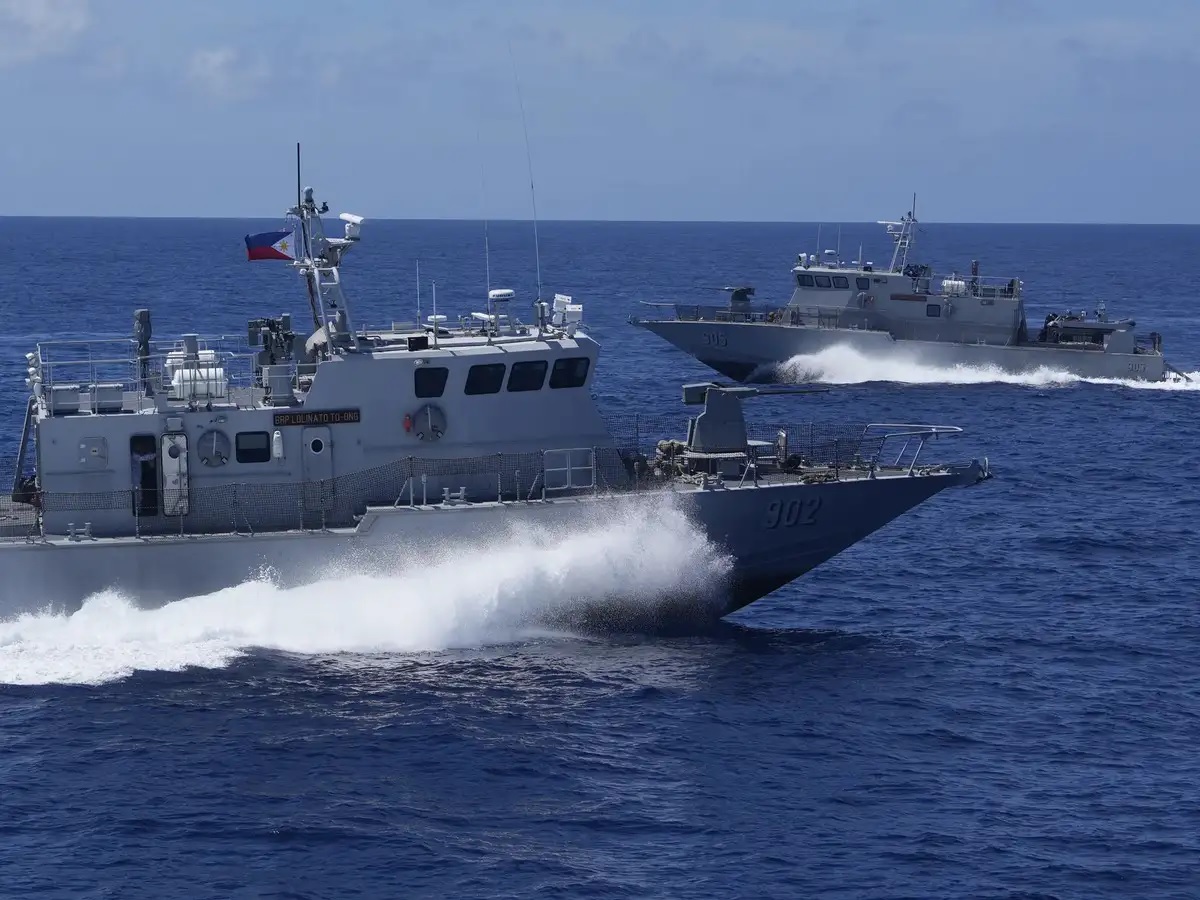
World
CARACAS / WASHINGTON, August 27, 2025 – Venezuela has sharply escalated its military presence along the Caribbean coastline, deploying warships and surveillance drones in direct response to the arrival of U.S. Navy destroyers in nearby waters. Defense Minister Vladimir Padrino López described the deployment as “significant,” confirming that Venezuelan naval patrols will cover the full Caribbean coast and extend further north into the nation’s territorial waters. Venezuelan Military Response The government has reinforced its defense posture with naval vessels, drones, and over 15,000 troops mobilized for both maritime and land-based security missions. Much of this force has been directed toward the Colombian border, where Venezuela claims it is combatting cross-border smuggling and drug trafficking groups. Officials also announced the dismantling of clandestine shipyards in northeastern Venezuela, allegedly used to construct semi-submersible vessels for drug smuggling to Europe and North America. In parallel, authorities imposed a 30-day ban on civilian drone flights, citing security risks as foreign naval forces move closer. U.S. Naval Buildup The United States has expanded its presence in the Caribbean with three guided-missile destroyers—USS Gravely, USS Jason Dunham, and USS Sampson—as part of a large-scale counter-narcotics mission. Backed by 4,000 Marines, P-8 surveillance aircraft, and signals intelligence assets, the deployment is officially framed as an operation to disrupt Latin American drug cartels. However, senior defense sources revealed that more assets are en route: the USS Erie, a guided-missile cruiser, and the USS Newport News, a nuclear-powered fast attack submarine, are expected to join the task force next week. Rising Political Rhetoric Despite the visible military escalation, defense experts believe a direct U.S. strike or invasion is unlikely. Instead, analysts suggest Washington is using the naval presence to pressure President Nicolás Maduro politically and destabilize his government. Maduro, re-elected in July 2024 in a vote widely condemned as fraudulent, remains defiant. He has accused Washington of pursuing “regime change” and launched a domestic campaign to recruit millions of civilians into national militias. Government figures claim over 4.5 million militia members are now prepared to defend Venezuela. Civil servants, retirees, and students have been called into these ranks, with state media portraying the mobilization as a patriotic response to foreign threats. Drug Trafficking Dispute The Trump administration has accused Maduro of heading the Cartel de los Soles, a military-linked cocaine trafficking network, and recently doubled the bounty for his capture to $50 million. Venezuela rejects these allegations, insisting the country is “a clean territory, free of drug trafficking.” Interior Minister Diosdado Cabello said Venezuelan forces have seized 53 tons of drugs this year alone, underscoring Caracas’ claim of commitment to anti-narcotics operations. Appeal to the UN Venezuela has lodged a formal complaint with the United Nations, accusing the U.S. of threatening regional peace and violating sovereignty. Officials also argue that the deployment of nuclear-capable vessels in the Caribbean breaches the Treaty of Tlatelolco, which prohibits nuclear weapons in Latin America. Uncertain Road For now, the confrontation remains a battle of nerves and signaling. The U.S. naval show of force appears aimed at tightening political pressure, while Venezuela is leaning on sovereignty claims, military displays, and mass mobilization to rally domestic support. Whether the escalation turns into direct confrontation or remains a prolonged standoff at sea will likely depend on diplomatic maneuvering at the United Nations and the willingness of both governments to avoid crossing the line into open conflict.
Read More → Posted on 2025-08-27 15:46:51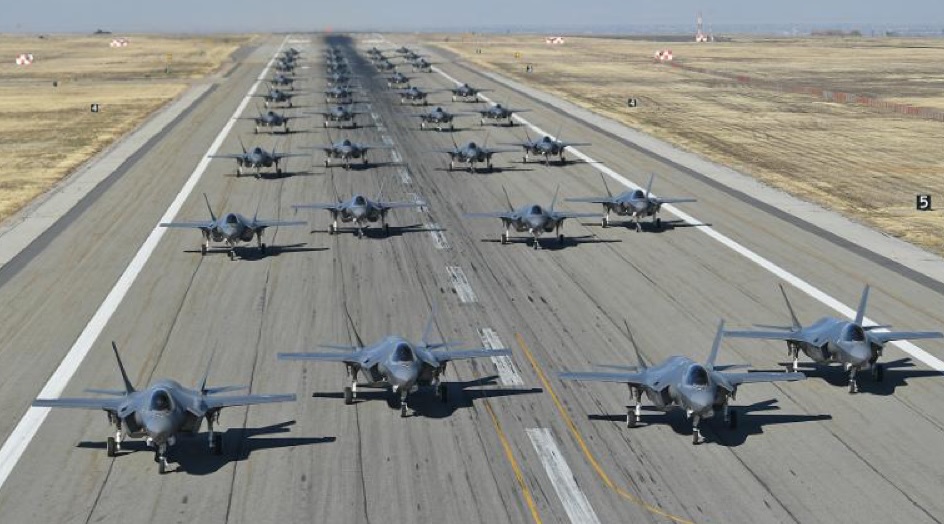
World
Jacksonville, Fla. (Aug. 21, 2025) — The Florida Air National Guard’s 125th Fighter Wing, known by the callsign “Thunder,” has officially entered the fifth-generation era with the arrival of its first permanently assigned F-35A Lightning II fighter jets. On July 9, three stealth aircraft touched down at Jacksonville Air National Guard Base, including a historic milestone — the 500th F-35A delivered to the U.S. Air Force. This delivery marks the unit’s full transition away from its legacy F-15C/D Eagles, which had served since the late 1970s, and places the Wing among a select group of Air National Guard units now flying the world’s most advanced combat aircraft. A New Chapter for the 125th For the past year, the Wing had been flying loaned F-35s for training and familiarization. With these new jets under its own command, the unit gains full operational autonomy. The 125th is tasked with homeland defense across the southeastern United States and holds a rapid deployment role for overseas operations — missions now significantly strengthened by stealth, advanced sensors, and multirole combat versatility. Lt. Col. Joseph Pasko, commander of the 159th Fighter Squadron, highlighted the leap forward: “These new F-35s represent the forefront of fifth-generation airpower. Our citizen-Airmen stand ready to answer the nation’s call, anytime, anywhere.” Brig. Gen. Richard L. Coffey, assistant adjutant general for air in the Florida Guard, added that stationing fifth-generation fighters in Jacksonville gives U.S. commanders an edge in rapid response, deterrence, and resilience. Strategic Significance The 125th becomes the fourth Air National Guard wing to operate the F-35A, joining Vermont, Wisconsin, and Alabama. It is also one of only nine total Air Force units flying the jet, underscoring its elite role in national defense. With stealth shaping, sensor fusion, and integrated electronic warfare, the F-35 offers capabilities the F-15C/D could never achieve, transforming the Wing’s mission from pure air defense to a multirole platform able to strike, defend, and coordinate across joint forces. The fighters will operate under the Agile Combat Employment (ACE) model, allowing rapid dispersal and survivability in contested environments. Years of Preparation The decision to base the F-35A in Jacksonville was made in 2021, authorizing up to 20 aircraft for the Wing. Since then, the base has undergone significant modernization: A new simulator complex for advanced pilot training. A low-observable maintenance hangar and climate-controlled weapons loading facilities. Expanded taxiways and infrastructure upgrades in coordination with Jacksonville International Airport. Personnel across the Wing retrained for F-35 operations, while the Logistics Readiness Squadron revamped parts management systems to meet the fighter’s unique demands. Homeland Defense and Global Reach At home, the F-35A enhances the Wing’s 24/7 air defense mission protecting U.S. skies along the Southeast and Gulf coasts. Abroad, its reach extends far beyond Florida: the 125th is now capable of quickly deploying to NATO bases in Europe, forward positions in the Indo-Pacific, or regional hotspots in the Middle East and Caribbean. The jet’s versatility allows it to act not only as a frontline strike fighter, but also as an airborne intelligence hub, connecting aircraft, ships, and ground forces into a unified combat network. The Air Force plans to field more than 1,700 F-35As in the coming decades, ensuring the U.S. maintains overwhelming superiority against rivals like China’s J-20 and Russia’s Su-57, both of which lag in production and global integration. For the 125th, the arrival of the first three fighters — including the Air Force’s 500th — is just the beginning. More aircraft will follow in the coming months, fully transforming the Wing into a fifth-generation combat unit ready to defend the homeland and project U.S. airpower worldwide.
Read More → Posted on 2025-08-27 15:27:38
World
In a significant demonstration of allied capability on August 26, 2025, the United States Army, in close cooperation with the Polish Air Force Inspectorate, successfully conducted a joint live-fire campaign of the Spike NLOS (Non-Line of Sight) missile system from a U.S. Army 12th Combat Aviation Brigade AH-64E v6 Apache Guardian helicopter. The event took place along the northern coast of Poland, marking a pivotal moment in NATO’s evolving long-range precision strike capabilities. Key Highlights of the Campaign Historic Premiere in Europe: This was the first time the U.S. Army employed the Spike NLOS missile in the European theater, signaling a leap forward in regional defence integration. Live-Fire Performance: Two Spike NLOS missiles engaged and destroyed sea-based targets at effective ranges of up to 25 kilometers, showcasing exceptional precision and operational flexibility from a rotary-wing platform. Witnessed by Allies: High-ranking defense officials and military representatives from multiple nations observed the demonstration, underlining the event’s strategic importance for allied deterrence and interoperability. Spike NLOS: Extending the Apache’s Reach Interim Precision Solution: Spike NLOS was selected in 2020 as the U.S. Army’s Interim Long-Range Precision Munition (I-LRPM), filling a crucial gap until next-generation precision strike systems arrive. Extended Engagement Envelope: With a maximum range of around 32 kilometers, far beyond the Apache’s legacy Hellfire missiles (~8–10 km) and even the JAGM, the system dramatically expands the helicopter’s striking power. Advanced Guidance & Survivability: The missile features a dual electro-optical/infrared seeker and man-in-the-loop control, allowing pilots to update targets or abort missions mid-flight. It communicates through a secure radio datalink and functions independently of GPS, making it resilient against electronic warfare and jamming. Proven Certification Path: From test firings at Yuma Proving Ground in 2023 to the system’s official airworthiness release in 2024, Spike NLOS has now been integrated across U.S. Army Apache units. Operational testing earlier in 2025 in Iraq confirmed its effectiveness under combat-like conditions. Strategic Implications for NATO and Poland Bolstering the Eastern Flank: The campaign highlights the growing defense partnership between the United States and Poland, directly enhancing NATO’s deterrence posture along its eastern borders. Poland’s Apache Plans: Poland, which has ordered the AH-64E Apache fleet, is expected to integrate the Spike NLOS into its future helicopters. With possible future variants capable of reaching up to 50 km, the weapon is seen as a major force multiplier for the Polish Armed Forces. The successful live-fire marks more than just a weapons trial — it signals a transformation in rotary-wing strike capabilities. By proving Spike NLOS from the Apache in Europe, the U.S. Army and Poland have taken a decisive step toward ensuring NATO’s forces are equipped with long-range, precise, and flexible strike options. As Poland prepares to field its Apache fleet armed with this system, NATO’s collective security along the eastern flank stands to become even stronger.
Read More → Posted on 2025-08-27 15:22:58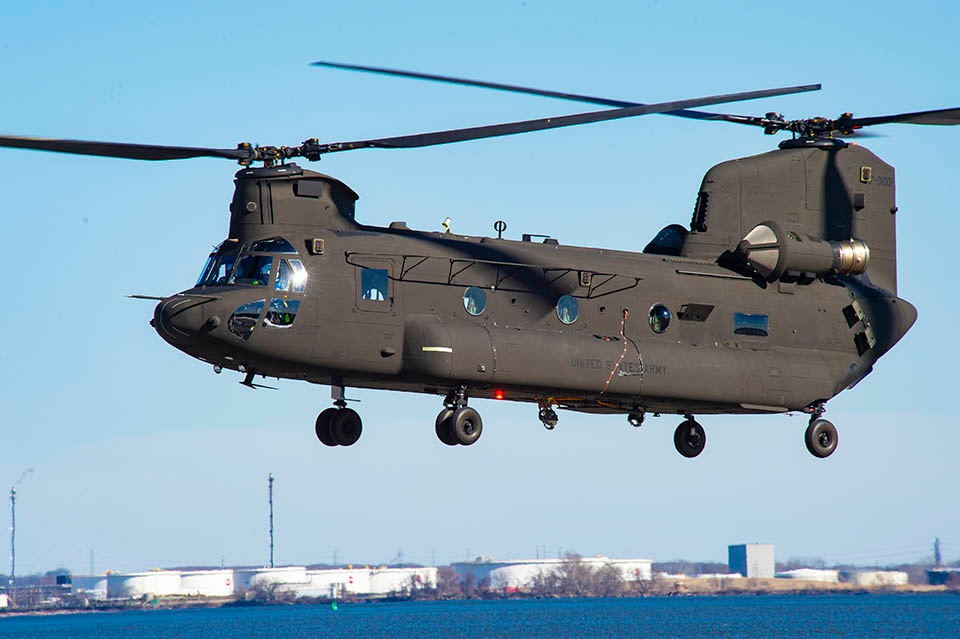
World
Brussels, August 24, 2025 – The Belgian government has taken a decisive step in reshaping its defense strategy, with the Council of Ministers approving the Strategic Vision 2025. At the core of this plan is a commitment to acquire a new fleet of medium and heavy transport helicopters, backed by a budget of €1.289 billion, in order to meet NATO obligations and close long-standing gaps in air mobility. The initiative, which falls under the Special Operations portfolio, will specifically enhance the capabilities of the “SO Air Task Unit – Medium/Heavy Transport Helicopters.” These helicopters are expected to play a crucial role in transporting special forces, carrying out medical evacuations, and providing firefighting support within Belgian territory. Addressing Air Mobility Gaps Belgium’s air mobility has long been constrained by its small and costly NH90 TTH fleet, of which only four units were operational. High costs of €10,000 to €15,000 per flight hour, limited mission availability, and only a single overseas deployment (in Mali under MINUSMA in 2018) made the fleet unsustainable. The NH90s will now be retired, with the first unit scheduled for withdrawal in September 2025. Until then, Belgium will join a multinational NH90 support contract with France and Germany to ensure operational continuity while transitioning to the new helicopter fleet. Operational Requirements and Candidates Defense Minister Theo Francken confirmed that Belgium will procure 11 helicopters, an increase from the previously proposed 8–10 units. The requirement is ambitious: the ability to lift and deploy an entire company-sized para-commando unit (over 100 soldiers) in a single operation. This need points strongly toward heavy-lift platforms. The Boeing CH-47F Chinook and the Sikorsky CH-53K King Stallion are the leading contenders, as there are currently no European helicopters capable of meeting these requirements. While the Airbus H225M Caracal has been mentioned, its payload capacity falls short for specialized missions. The CH-47F Chinook, with its tandem rotor design, is particularly well-suited to Belgium’s needs. The latest Block II version can carry up to 10,000 kilograms internally or externally, is equipped with a Digital Automatic Flight Control System, and features in-flight refueling capability. Regional dynamics may also influence the decision, with Germany already selecting the CH-47F Block II and the Netherlands operating 20 Chinooks as part of their modernization programs. Timeline and Budgetary Commitments The Strategic Vision allocates €1.289 billion for the program, with the first major financial commitments expected in 2033. This timeline ensures that Belgium aligns its defense spending with the NATO benchmark of 2 percent of GDP through 2033. The procurement will be integrated into Belgium’s wider modernization plan, spanning 2026 to 2034, which includes: Acquisition of 15 Airbus H145M light utility helicopters. Four new search-and-rescue helicopters. Upgrades for the maritime NH90 fleet. Development of manned-unmanned teaming concepts, pairing lightweight helicopters with drones for tactical operations. Beauvechain Air Base as Future Hub The future helicopter fleet is expected to be based at Beauvechain Air Base in Flemish Brabant, already the hub of Belgium’s rotary-wing operations. The base is undergoing upgrades supported by a €96 million investment, preparing facilities for the incoming H145M helicopters and short take-off and landing aircraft for special forces. Deliveries of the first H145Ms are scheduled for April 2026, marking the beginning of a phased replacement of the aging Agusta A109 Hirundo and NH90 TTH fleets by 2027. Strategic Outlook The Strategic Vision 2025 marks a transition from earlier non-binding recommendations into a concrete capability objective. With the helicopter program now formally approved, Belgium demonstrates a renewed commitment to collective defense under NATO and to ensuring that its forces remain equipped for 21st-century operational challenges. While the procurement timeline stretches into the next decade, the clarity of funding and planning sends a strong signal: Belgium intends to maintain robust air mobility for its special forces, rapid response units, and disaster relief operations, all within the framework of transatlantic and European defense cooperation. Belgium’s decision to invest in medium and heavy transport helicopters is more than just a modernization of hardware. It represents a strategic realignment, ensuring the Belgian Armed Forces remain a credible partner within NATO, capable of rapid deployment, humanitarian support, and effective national defense. By replacing its costly NH90 fleet with a more capable platform—likely the CH-47F Chinook or CH-53K King Stallion—Belgium is taking a decisive step toward securing its future air mobility needs and reinforcing its role in European security.
Read More → Posted on 2025-08-26 17:02:52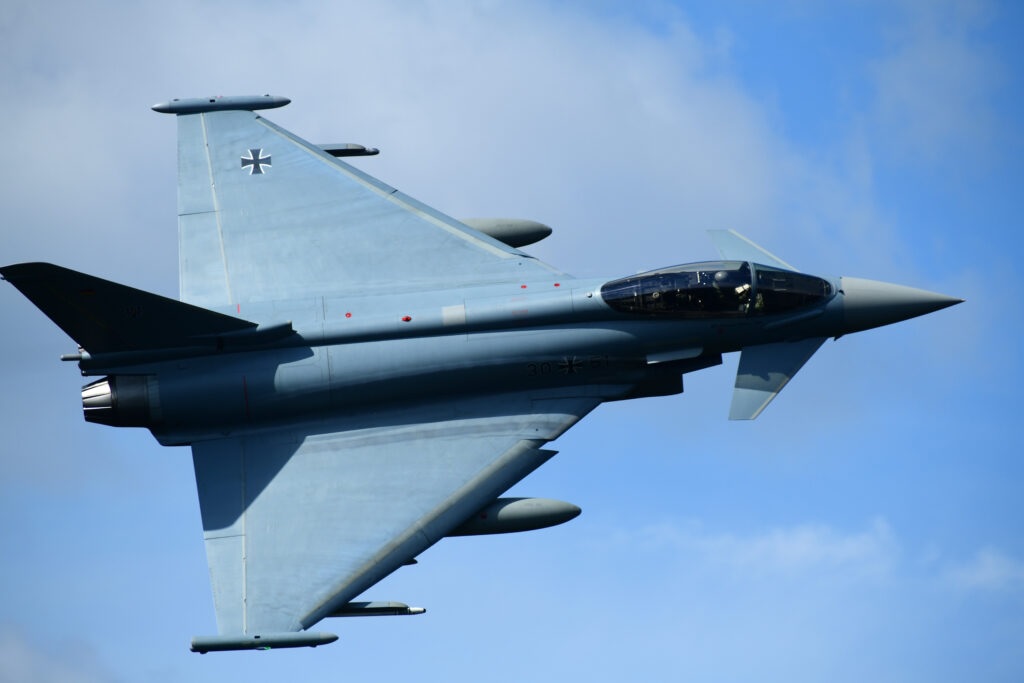
World
Berlin, August 2025 – The German Parliament has approved the purchase of 90 Litening 5 advanced targeting pods for the Eurofighter Typhoon fleet, a move that will significantly enhance the Bundeswehr’s precision strike and reconnaissance capabilities. The decision also underscores Germany’s ongoing defence cooperation with Israel’s Rafael Advanced Defense Systems, the developer of the Litening family. Upgrading to Fifth-Generation Targeting Pods Germany’s Eurofighter Typhoons have until now been equipped with the older Litening 3 pods. The switch to the fifth-generation Litening 5 will provide a major leap in performance, including: High-resolution electro-optical and infrared sensors (mid-wave and short-wave IR). Colour imaging for enhanced target identification. Dual-wavelength laser designation for greater accuracy in precision strikes. Optional synthetic aperture radar (SAR), offering all-weather, long-range imaging and mapping. These features allow German pilots to detect, identify, and engage ground or maritime targets with greater precision and survivability, even in contested airspace environments. Operational Record and Global Adoption The Litening 5 is one of the most widely used targeting pods in the world. It is already in service with 28 air forces and has been installed on platforms ranging from the F-16 Fighting Falcon and F-35 Lightning II, to the Rafale and Gripen. Over 2,000 units have been delivered globally, with the system accumulating more than 2.2 million operational flight hours. Its extensive operational use makes it a battle-proven and reliable option for Germany as it modernises its strike and reconnaissance fleet. Strengthening NATO and European Defence The acquisition comes at a time when NATO members are prioritising advanced sensor integration, interoperability, and adaptability. By upgrading to the Litening 5, Germany ensures that its Eurofighter Typhoons can seamlessly integrate into joint operations, supporting both air-to-ground and intelligence missions. Defence analysts note that this procurement not only increases Germany’s own capabilities but also enhances the collective readiness of European forces in high-threat environments, particularly in Eastern Europe and the Baltic region. Rafael’s Longstanding Partnership with Germany Israel’s Rafael welcomed the decision, highlighting decades of defence cooperation with Germany. The company noted that the purchase of the latest-generation pods reflects the Bundeswehr’s confidence in the system’s operational record and Rafael’s role as a trusted partner. The move is also consistent with Germany’s strategy of blending indigenous European defence systems with proven international technologies to maintain a technological edge while ensuring interoperability with allies. Future-Proofing German Air Power The integration of the Litening 5 pods will significantly increase the Eurofighter’s value in multi-role missions, especially as Germany looks to adapt to rapidly evolving aerial warfare challenges. With the ability to provide high-resolution intelligence, surveillance, target acquisition, and reconnaissance (ISTAR), as well as precision-guided strike capabilities, the Litening 5 equips the Typhoon to remain a frontline asset well into the 2030s. The procurement of 90 Litening 5 pods represents both a technological upgrade and a strategic reinforcement of Germany’s Eurofighter Typhoon fleet. By enhancing precision strike capabilities, survivability in contested environments, and all-weather operational flexibility, the Bundeswehr ensures its fighter aircraft remain at the cutting edge of modern air combat. This step strengthens Germany’s role within NATO’s collective defence framework while reinforcing its longstanding defence partnership with Israel’s Rafael.
Read More → Posted on 2025-08-26 16:31:25
World
Tel Aviv, August 2025 – Israel’s Ministry of Defense has confirmed plans to purchase two additional Boeing KC-46A Pegasus aerial refueling tankers in a deal valued at approximately $500 million. The acquisition, financed through U.S. military aid, is pending approval by Israel’s ministerial committee for defense procurement. The new aircraft will add to Israel’s fleet of four KC-46s already delivered under earlier contracts, significantly enhancing the Israeli Air Force (IAF) capability to conduct long-range missions. Strategic Role of the Tankers Defense Ministry Director General Amir Baram emphasized that the new tankers will provide a vital boost to Israel’s ability to project power far beyond its borders, including potential operations against Iran’s nuclear facilities. Aerial refueling played a key role during Israel’s 12-day air campaign against Iran in June, allowing strike aircraft to sustain long-range operations and maintain persistent pressure on Iranian targets. The KC-46A is expected to deepen this capability by integrating seamlessly with Israeli avionics and mission systems, though the specific systems to be integrated remain undisclosed. US Military Aid Framework The purchase will be covered under the $3.8 billion annual U.S. military assistance package provided to Israel under a 10-year memorandum of understanding signed in 2016. This arrangement mandates that the funds be spent exclusively on American-made defense equipment. The timing of the deal comes amid intensified debate in Washington over the scope and conditions of U.S. military aid to Israel. Several lawmakers have called for a reassessment of the aid package, citing Israel’s ongoing war in Gaza, humanitarian concerns, and U.S. budget constraints. Despite the political debate, U.S. officials have continued to stress the strategic importance of Israel’s air power, particularly in the context of countering Iran’s regional activities. KC-46A Pegasus: A Force Multiplier Built by Boeing and derived from the 767 commercial airliner, the KC-46A Pegasus is a multi-mission aerial refueling and transport aircraft designed to provide unmatched endurance to combat aircraft. Key Features: Fuel Capacity: Over 96,000 kilograms (210,000 pounds) of fuel, enabling the simultaneous refueling of multiple aircraft. Fly-by-Wire Boom: An advanced refueling system capable of faster, safer, and more flexible fuel transfer. Self-Refueling Capability: The Pegasus itself can receive fuel from another tanker, extending its operational range even further. Cargo & Troop Transport: The aircraft can also be reconfigured to carry cargo, passengers, and medical evacuation equipment, making it highly versatile. Globally, more than 160 KC-46As have been ordered, with operators including the U.S. Air Force, Japan, Italy, and Israel. The platform is rapidly becoming a cornerstone of long-range strike and mobility strategies for leading air forces. Strategic Implications for the Region For Israel, the KC-46 acquisition represents more than just an equipment upgrade; it is a strategic enabler. With tensions in the Middle East centered on Iran’s nuclear ambitions, the ability to conduct sustained, long-distance strike operations is a central element of Israel’s military doctrine. By expanding its tanker fleet, the IAF will gain: Extended operational reach into hostile airspace, including deep inside Iran. Greater mission endurance for fighters such as the F-35I Adir and F-15I Ra’am. Improved regional deterrence, ensuring Israel can operate independently if required. The planned acquisition of two additional KC-46A Pegasus tankers underscores Israel’s ongoing commitment to maintaining a qualitative military edge in the Middle East. Supported by U.S. financing, the deal strengthens Israel’s long-range strike capabilities at a time of heightened regional tensions and ongoing debates over American aid. Once delivered, the expanded fleet of six KC-46As will ensure the Israeli Air Force can sustain extended missions, giving Israel greater operational flexibility and reinforcing its deterrence posture across the region.
Read More → Posted on 2025-08-26 16:28:58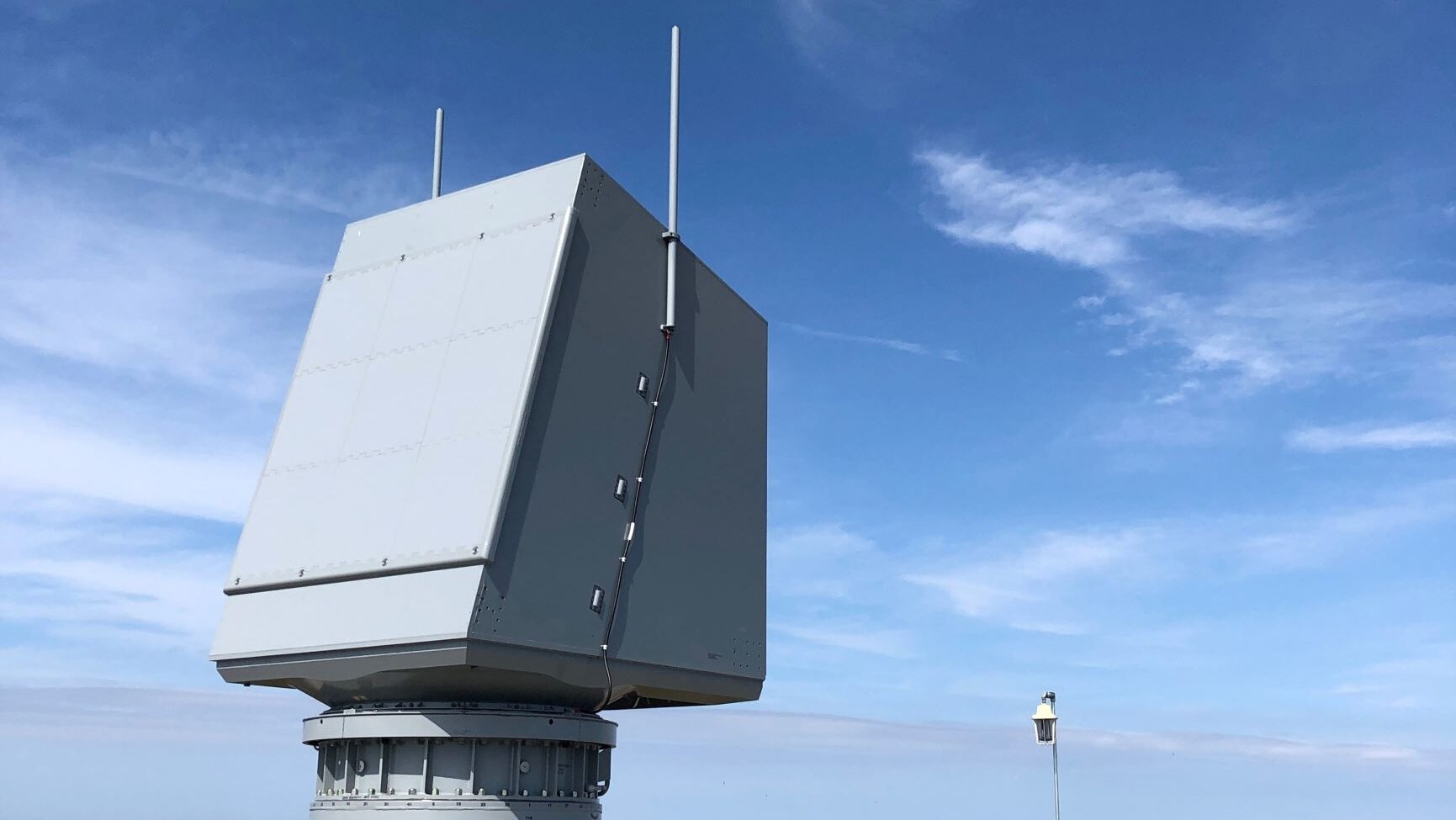
World
Hawaii, August 2025 – Raytheon, an RTX business, has successfully completed the first live maritime test of the AN/SPY-6(V)4 radar in cooperation with the U.S. Navy. The test was carried out at the Pacific Missile Range Facility in Hawaii, marking an important milestone in the development of the Navy’s most advanced radar family. Successful Trials Over Open Water During the open-water trials at the Advanced Radar Detection Laboratory, the radar was able to track both air and surface targets under a wide variety of environmental conditions. The tests validated years of computer-based modelling and simulation, and for the first time, produced a live data set for the (V)4 configuration. This data will now be used to further refine the radar ahead of upcoming trials and eventual deployment. Barbara Borgonovi, president of Naval Power at Raytheon, said:“The successful live demonstration of the SPY-6(V)4 radar is a major step forward in advancing the capabilities of today’s fleet and supporting allied operations worldwide. The radar will allow existing U.S. Navy Flight IIA Destroyers to significantly upgrade their detection and tracking capabilities, allowing sailors to more effectively monitor and respond to potential threats in real-time.” About the AN/SPY-6(V)4 The AN/SPY-6(V)4 is the newest variant in the U.S. Navy’s SPY-6 Family of Radars, a scalable and modular radar system designed for air, surface, and ballistic missile defense. Key features include: Four Radar Module Assemblies (RMAs) fewer than the (V)1 variant, making it lighter and optimized for Flight IIA Arleigh Burke-class destroyers. Simultaneous tracking of multiple types of threats, including ballistic missiles, cruise missiles, aircraft, and surface targets. Advanced gallium nitride (GaN) technology, which improves power efficiency and range. A modular, scalable design allowing integration across multiple ship classes. The system leverages common hardware and software across variants, ensuring easy upgrades, lower life-cycle costs, and seamless integration with future platforms. Strategic Role for the U.S. Navy Over the next decade, the U.S. Navy plans to install the SPY-6 radar family on more than 60 ships, including Flight IIA and Flight III destroyers, aircraft carriers, and amphibious ships. By providing enhanced ballistic missile defense, air defense, and surface surveillance, the radar family is expected to dramatically improve the Navy’s layered defense against evolving threats. The (V)4 variant in particular will give older Flight IIA Arleigh Burke-class destroyers capabilities approaching those of the newer Flight III ships, ensuring parity across the fleet and reducing vulnerabilities. The success of this first live test is only the beginning of a series of planned evaluations for the AN/SPY-6(V)4. Future trials will focus on stressing the radar under more complex threat scenarios, including ballistic missile tracking and simultaneous multi-domain engagements. With its advanced performance and adaptability, the SPY-6 radar family is set to become the backbone of U.S. naval radar capabilities, providing unmatched situational awareness and protection for American and allied forces across the globe.
Read More → Posted on 2025-08-26 16:18:05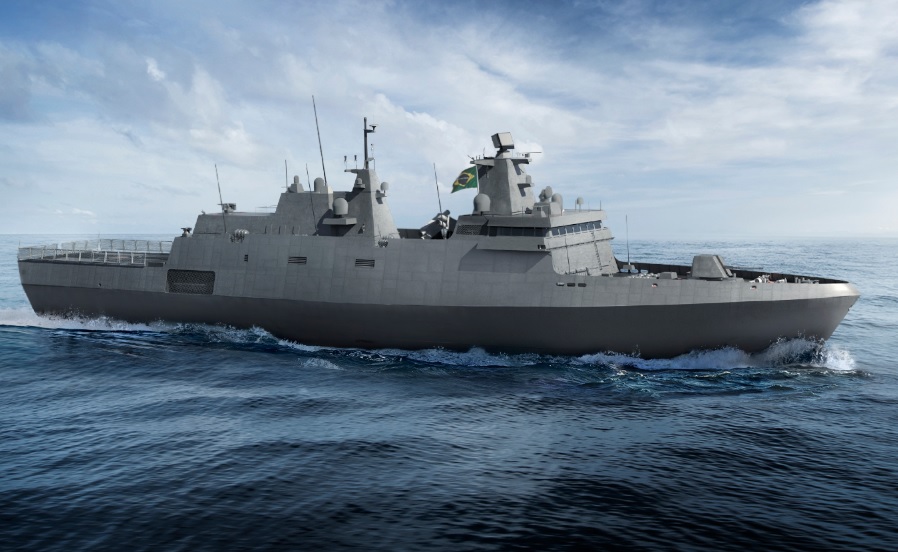
World
Rio de Janeiro, August 2025 – The Brazilian Navy’s first Tamandaré-class frigate, Tamandaré, has successfully completed its initial sea trials off the Brazilian coast, marking a major milestone in one of Brazil’s most ambitious naval construction programs in decades. According to German shipbuilder thyssenkrupp Marine Systems (TKMS), the tests evaluated the ship’s propulsion, manoeuvrability, and communication systems. The trials were carried out by joint Brazilian-German teams, highlighting the program’s strong international collaboration. A Strategic Naval Program The frigate is being built under the leadership of the Águas Azuis consortium, which brings together TKMS, Embraer Defense & Security, and Atech, in cooperation with Emgepron and the Brazilian Navy. A key aspect of the program is technology transfer and local shipbuilding, ensuring that much of the construction expertise remains in Brazil. Described as one of the most significant naval programs in the nation’s history, the Tamandaré-class is designed to modernise the Navy and safeguard Brazil’s vast maritime economic zone, known as the Amazônia Azul. Frigate Specifications and Capabilities The Tamandaré measures 107 metres in length, displaces 3,500 tons, and can reach a top speed of 25 knots. Based on the German MEKO A100 design, the class incorporates modular architecture, enabling easier upgrades throughout its service life. The frigate’s armament suite provides a strong, multi-dimensional combat capability: MBDA SeaCeptor air defence system for protection against aerial threats. Exocet MM40 Block 3 anti-ship missiles for long-range surface strike. Leonardo 76/62 Super Rapid naval gun for surface and air engagements. Torpedo launchers for anti-submarine warfare. Remote weapon stations for close-in defense. Industry Contributions Atech, in collaboration with Atlas Elektronik, is delivering the Combat Management System (CMS) and Platform Management System (PMS). Embraer Defense & Security is responsible for integrating the ship’s advanced weapons and sensor suites. thyssenkrupp Estaleiro Brasil Sul, in Itajaí, Santa Catarina, is carrying out construction, following the ship’s keel laying in March 2023 and launch in mid-2024. The final outfitting and trials phase is now underway, with delivery expected in 2025. The Tamandaré-Class Program The program will deliver four frigates between 2025 and 2028. The second ship, Jerônimo de Albuquerque, had its keel laid in June 2024, with the remaining two frigates scheduled to follow in successive years. Once completed, the Tamandaré-class will significantly enhance Brazil’s ability to: Patrol its maritime resources, including oil-rich offshore zones. Contribute to international peacekeeping missions. Counter piracy and trafficking threats in the South Atlantic. Strengthen defense of Brazil’s sea lines of communication. Strategic Importance Brazil’s maritime domain, the Amazônia Azul, covers nearly 4.5 million square kilometers and includes critical offshore oil and gas reserves, fishing areas, and shipping lanes. The Tamandaré-class frigates are expected to become the backbone of the Navy’s surface fleet, replacing aging vessels and ensuring Brazil remains capable of defending its maritime interests. The successful sea trials of Tamandaré, the lead ship of the class, represent a major step forward in Brazil’s naval modernisation. By combining international expertise with local industry participation, the program is not only strengthening the Navy but also building a long-term foundation for Brazil’s defense-industrial base. With delivery set for 2025 and three more frigates to follow, the Tamandaré-class is poised to play a central role in safeguarding Brazil’s maritime future for decades to come.
Read More → Posted on 2025-08-26 16:11:57Search
Top Trending in 24 Hours
-
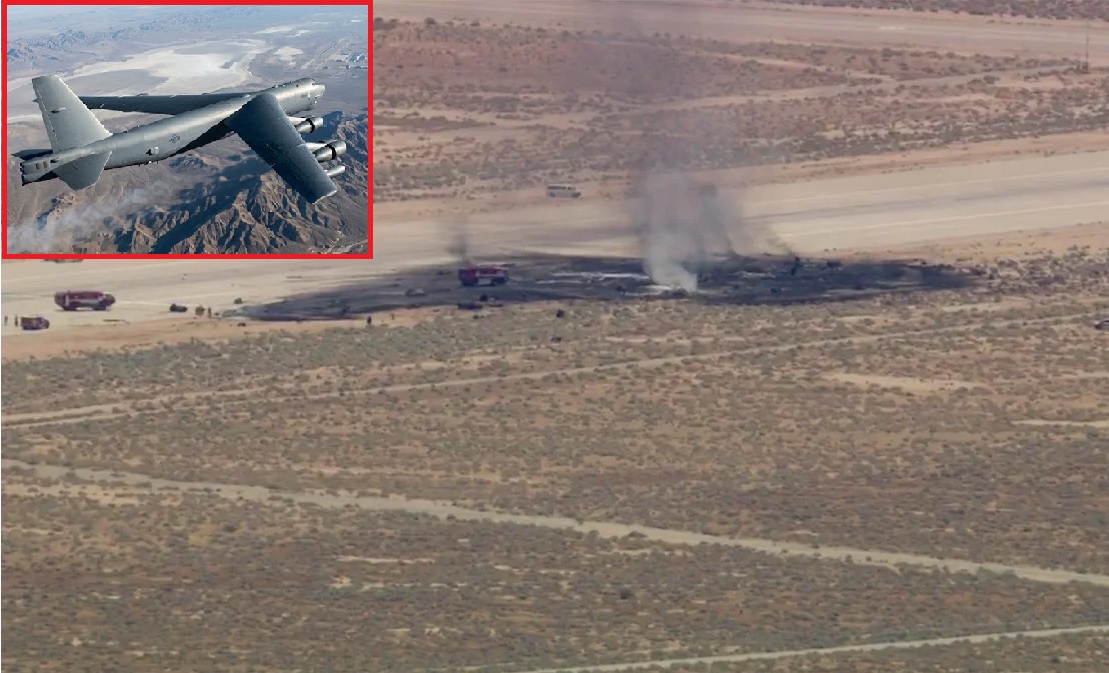 8 U.S. Air Force Crew Members Killed in B-52 Bomber Crash During Test Flight at Edwards Air Force Base
-
 Ukraine Introduces Balloon-Launched DART Missile Designed to Defeat Electronic Warfare
-
 Lockheed Martin Wins $514 Million U.S. Space Force Contract for Two New GPS IIIF Satellites
-
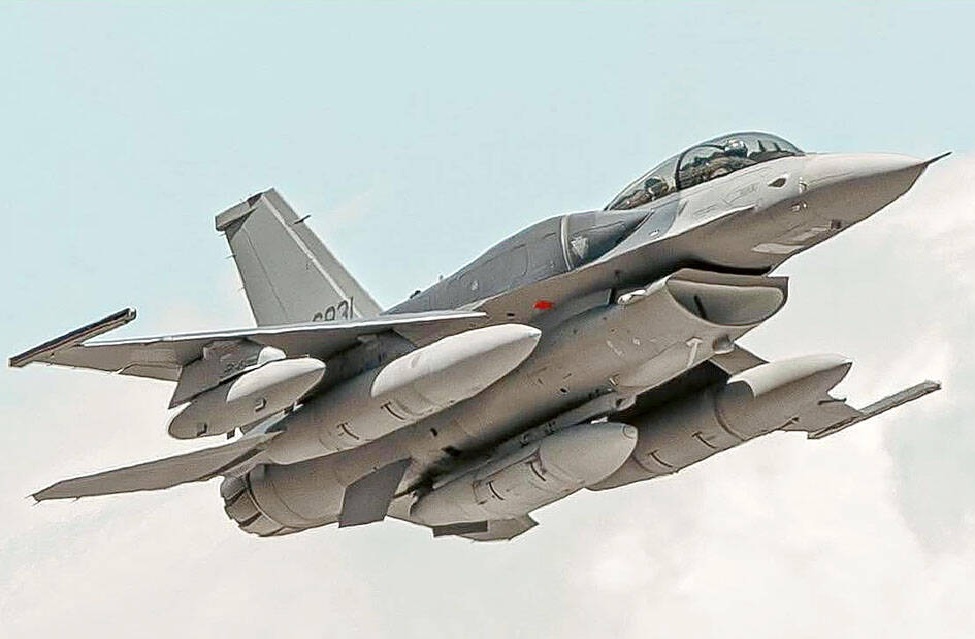 First Taiwanese F-16 Block 70 Flies with Five-Tank Fuel Configuration During Texas Tests
-
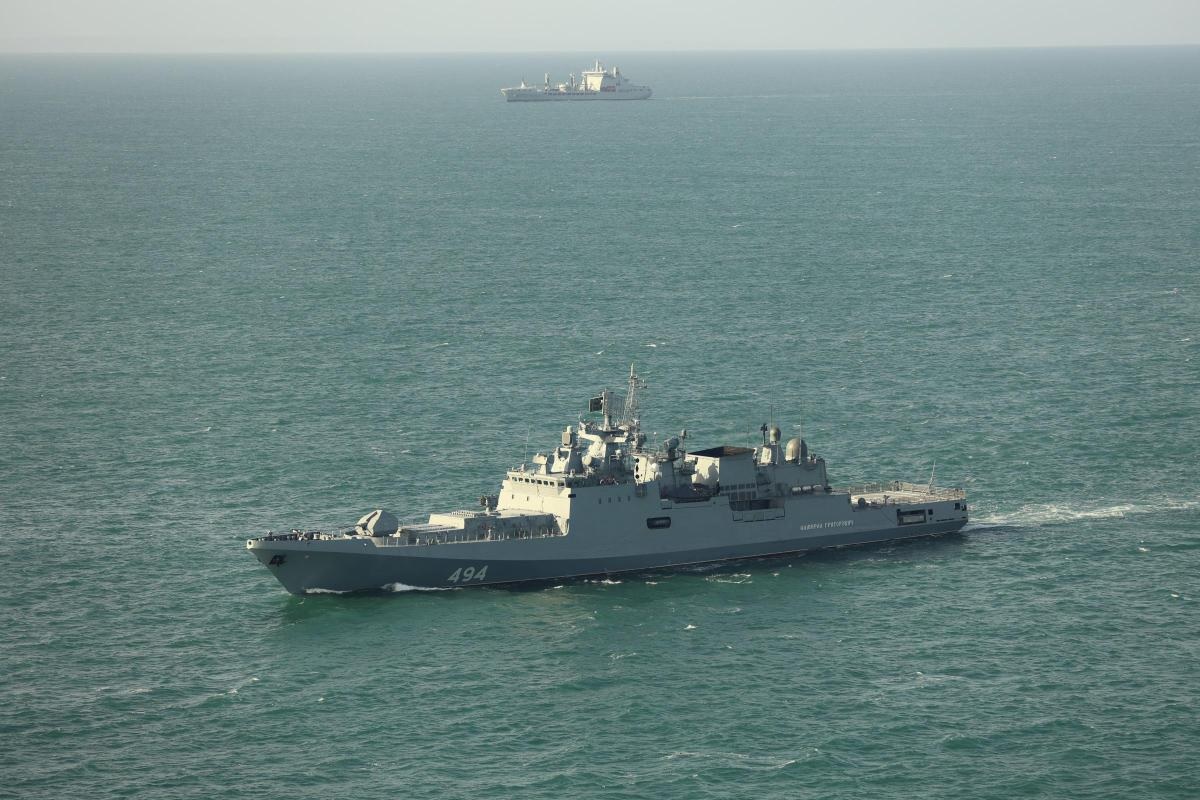 Russian Frigate Admiral Grigorovich Challenges UK Yacht in English Channel With Warning Shots
-
 UK Announces £210 Million Deal to Supply Enriched Uranium to Ukraine for Two Years
-
 Patria Launches WISPR Passive Counter-Battery Radar with Silent Detection Capability at Eurosatory 2026
-
 Space Force Transfers Transportable Satellite Tracking Antenna to Naval Research Laboratory
Top Trending in 4 Days
-
 F-35 Fleet Readiness Falls to 25% Amid Parts Shortages and Software Delays: GAO Report
-
 US Marine Corps F/A-18D Hornet Crashes During Training Flight in Washington Mountains; Pilot Ejects Safely
-
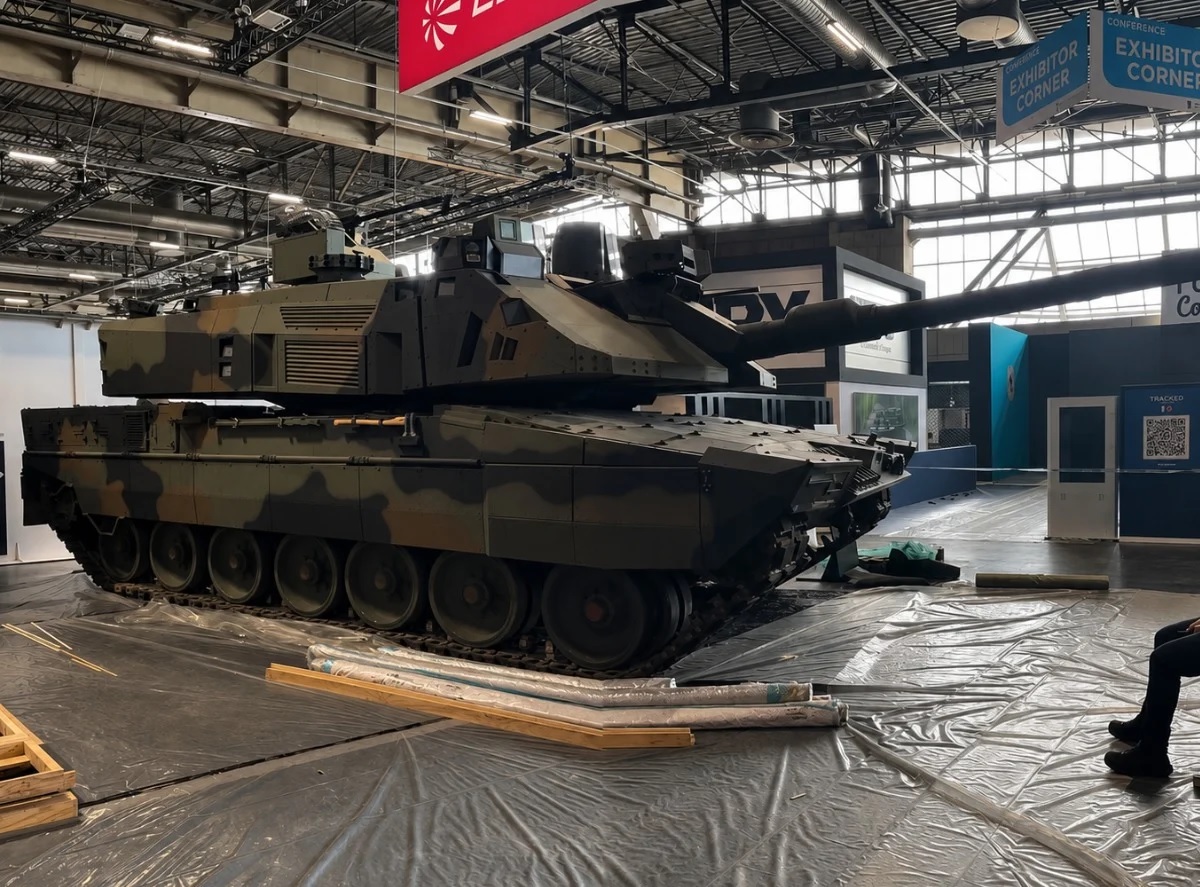 Leonardo Rheinmetall to Unveil Italy’s New IMBT Main Battle Tank at Eurosatory 2026
-
 Tulsi Gabbard Releases Declassified Files Detailing U.S.-Backed Network of 120 Biolaboratories Across 30+ Countries
-
8 U.S. Air Force Crew Members Killed in B-52 Bomber Crash During Test Flight at Edwards Air Force Base
-
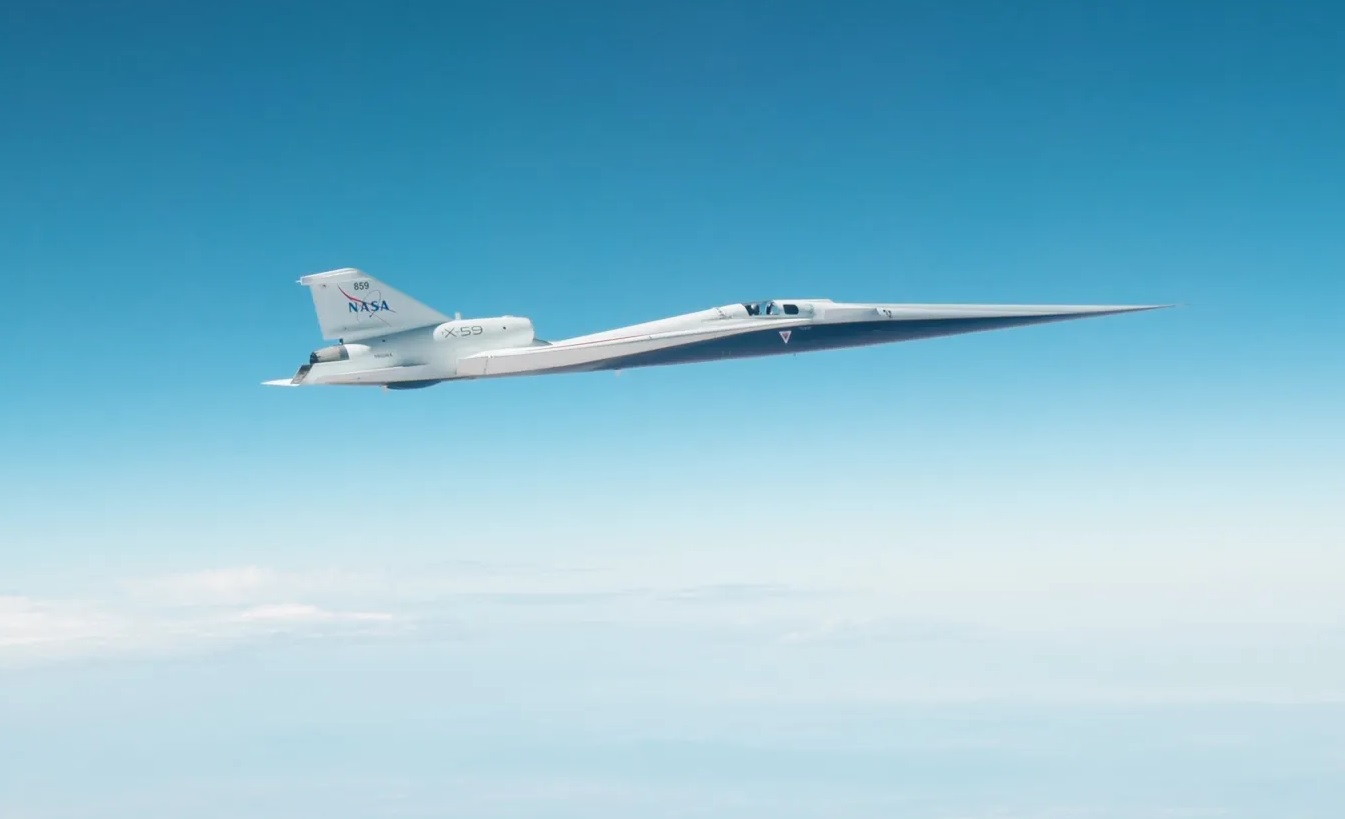 NASA X-59 Achieves Planned Mission Conditions with Mach 1.4 Flight at 55,000 Feet
-
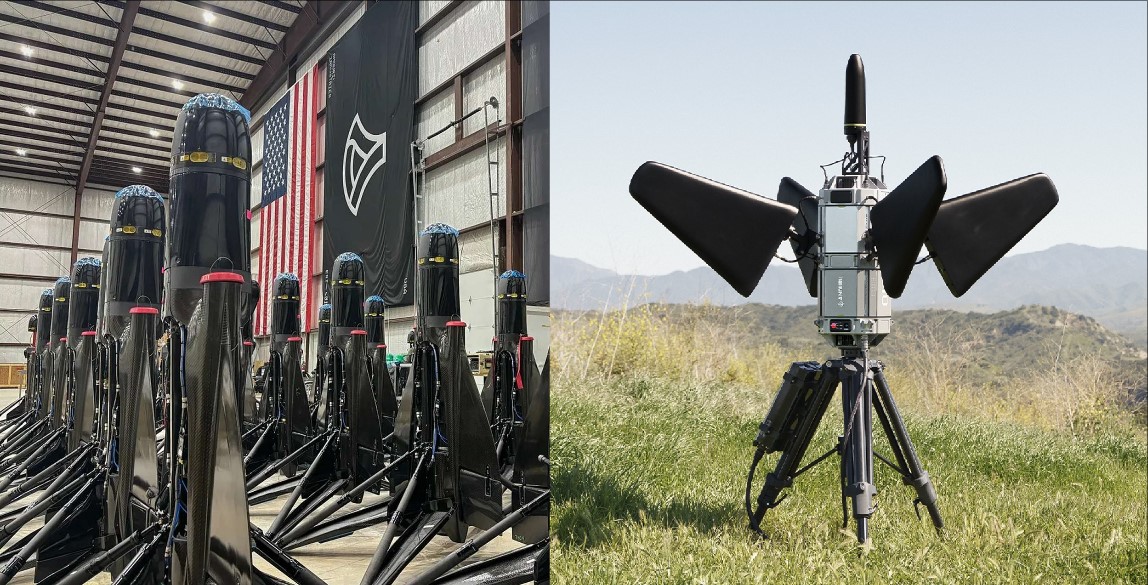 U.S. Approves $1.98 Billion Sale of Anduril AI-Powered Counter-Drone Systems to Kuwait
-
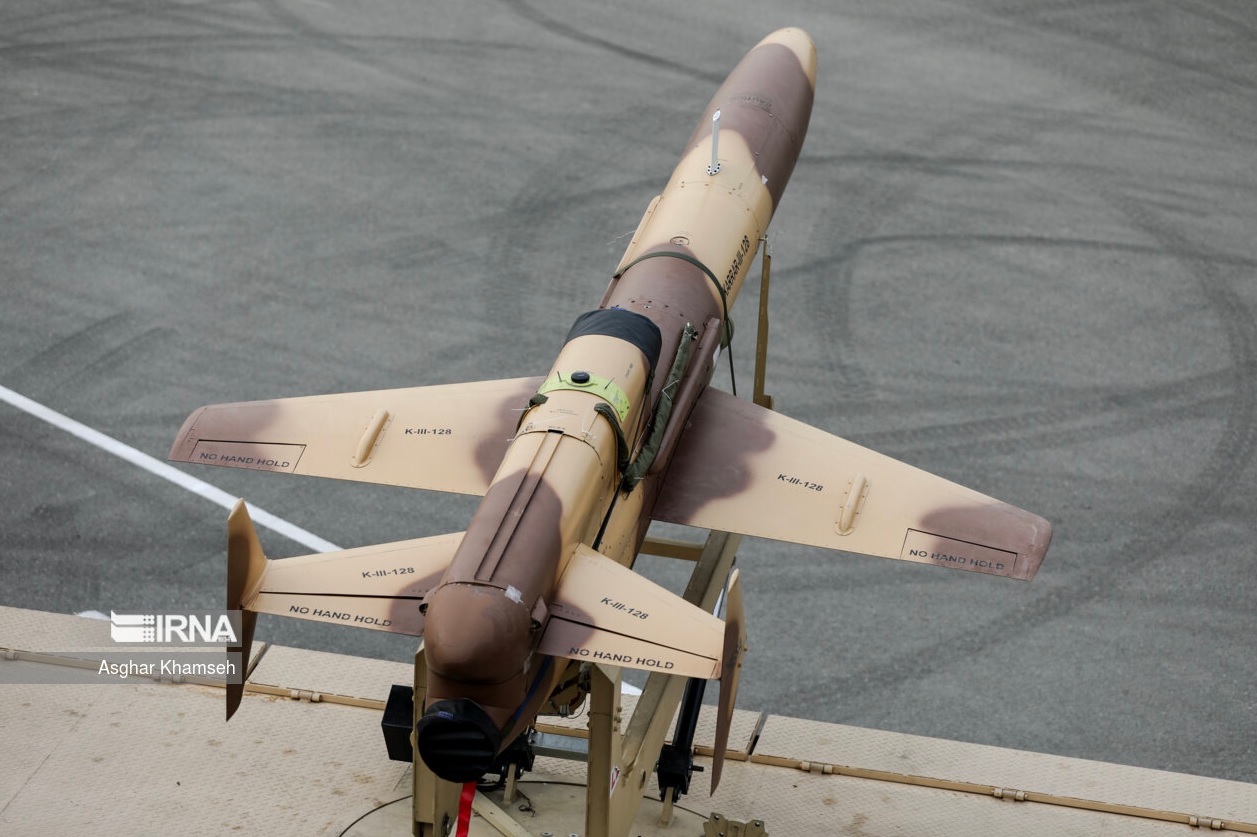 Russia Launches 1,400 Jet-Powered Drones in 2026 as Strike Tactics Evolve to Challenge Ukraine's Air Defenses