World
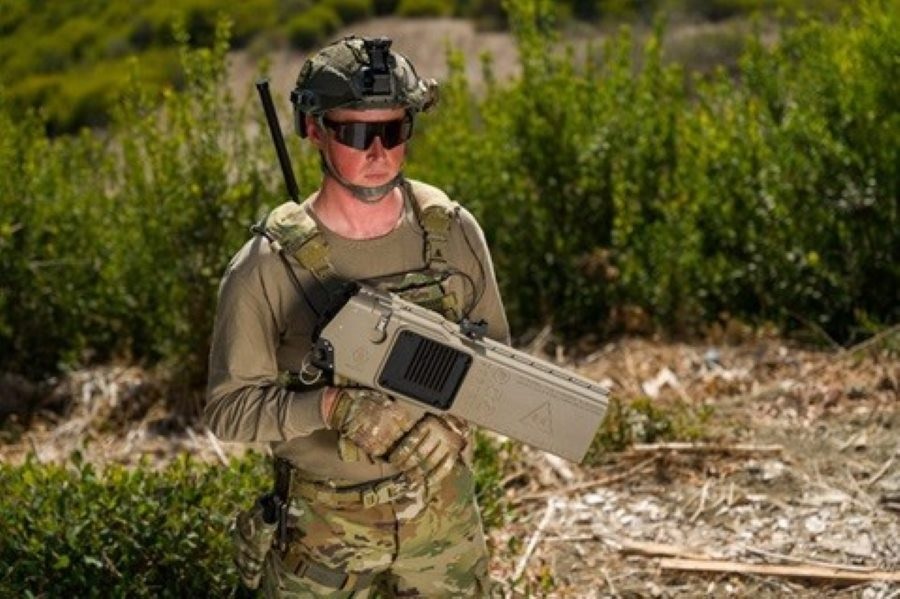
DZYNE Technologies has announced the launch of its Dronebuster “Power Up” Program, a global initiative that gives current operators a cost-effective path to upgrade from the Dronebuster Block 3 to the advanced Block 4 model. The scheme offers a 35% discount for customers who trade in their Block 3 systems before October 1, 2026, ensuring operators stay effective against increasingly sophisticated aerial threats. Staying Ahead of Smarter Drones Over the last decade, commercial drone makers have introduced stronger radio protocols, higher transmission power, and multi-band satellite navigation. These advances have reduced the effectiveness of older jamming systems. The Dronebuster 4 directly addresses these challenges with major enhancements, including: Optimized performance against modern command-and-control and satellite navigation signals An optional Position, Navigation and Timing (PNT) Attack Mode, which can spoof and redirect autonomous drones rather than just disabling them Higher transmission power and wideband coverage across L1, L2 and L5 navigation bands, compatible with GPS, Galileo, Glonass, and BeiDou Integration with DZYNE’s Detection, Tracking, Identification (DTI) system for layered defense With these upgrades, the new system provides greater range, power, and precision, capable of spoofing hostile drones up to 4 km away. End of Support Timeline DZYNE confirmed that support for the Block 3 system will cease on March 1, 2026, making the transition essential for maintaining readiness. The Power Up Program ensures operators are equipped not only for today’s threats but for next-generation drones already appearing on battlefields. Compact, Rugged, and Field-Ready The Dronebuster 4 is designed as a lightweight, portable solution: Weighs around 2.65 kg (5.85 lbs) including battery Provides over 60 minutes of continuous jamming and more than 10 hours of detection time Ruggedized to IP65 standards and built to MIL-STD-810 environmental specifications Powered by a NATO-certified battery with external power options Compact at 56 cm length, with no external backpack required Its portability and rugged build make it effective for rapid deployment in diverse missions, including perimeter security, convoy protection, and frontline operations. Beyond Jamming: Taking Control Unlike older generations that focused purely on denial, the PNT Attack mode represents a significant evolution. Instead of simply forcing drones to land or return, operators can take control of hostile UAVs, redirect them safely, and even recover intelligence—an invaluable edge in modern conflicts. Company’s Perspective “This is about keeping customers two steps ahead of the adversary,” said DZYNE Technologies. “The Power Up Program ensures Dronebuster systems remain aligned with the latest counter-drone technologies, ready not just for today’s threats, but for the next wave of aerial challenges.” Strategic Impact For military, national security, and civil users, the Power Up Program is more than an upgrade incentive—it is a necessary step to maintain tactical superiority in a battlespace where drones are becoming more autonomous and resistant to conventional jamming. With its combination of spoofing, advanced jamming, and hardened field design, the Dronebuster 4 sets a new benchmark in next-generation counter-UAS technology, while the Power Up Program makes that capability more accessible to operators worldwide.
Read More → Posted on 2025-09-01 14:06:05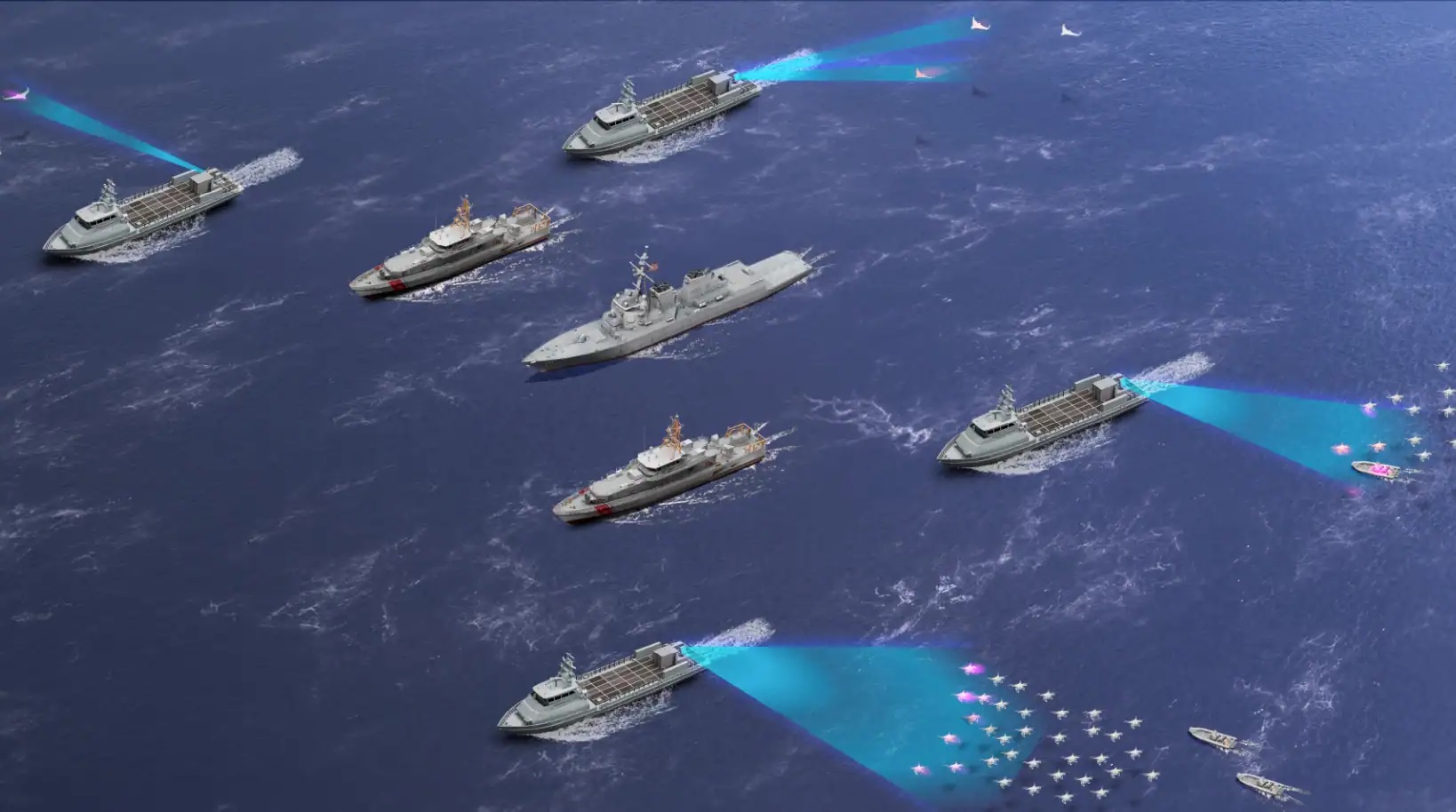
World
A quiet field outside Indianapolis briefly looked like the future of air defense: dozens of quadcopters climbing, hovering, then dropping from the sky — not with smoke or shrapnel, but as if an invisible hand had flipped a switch. The demonstration, staged at Camp Atterbury by California firm Epirus and observed by U.S. military officials and foreign partners, culminated with the company’s Leonidas high-power microwave (HPM) system disabling a swarm of 49 drones in a single pulse, a result Epirus and attendees described as unprecedented. Leonidas and the Idea Behind It Leonidas is part of a new generation of directed-energy weapons designed to address a pressing battlefield challenge: cheap drones versus expensive interceptors. Instead of destroying targets physically, HPM systems unleash concentrated electromagnetic energy that overloads and disables drone electronics — flight controllers, communication links, navigation modules — forcing them to crash or power down. Epirus markets Leonidas as a solid-state, Gallium Nitride (GaN)-based platform that can be scaled into vehicle-mounted systems, pods, or fixed-site defenses. In theory, this creates a protective electromagnetic shield capable of defending bases or units from massed swarms of aerial or surface unmanned threats. What Happened at Camp Atterbury Observers described a two-hour live demonstration, during which Leonidas engaged multiple drone scenarios before concluding with the dramatic 49-drone strike — the largest grouping the system has been shown against publicly. Epirus’ leadership called it a “singularity event,” underscoring its significance in counter-drone technology. The system performed across varied tactical conditions, demonstrating flexibility and sustained power delivery over time. The event followed earlier U.S. Army programs and trials that had already tested and fielded prototype versions of Leonidas. The Army, Marine Corps, and other branches have been actively searching for low-cost, high-capacity counter-drone solutions to complement missile defenses and kinetic interceptors. Why High-Power Microwaves Are Attractive HPM weapons hold a key advantage: low cost per shot compared to missiles, the ability to affect multiple drones simultaneously, and rapid-fire capabilities not limited by ammunition stocks. Unlike lasers, they are less hindered by weather conditions like smoke or dust. However, they come with challenges. Ensuring enough energy couples into diverse electronics is difficult, as drones may vary in shielding and design. There is also a risk of collateral electronic disruption, potentially affecting friendly systems, civilian infrastructure, or nearby sensitive facilities. Military planners must also navigate electromagnetic spectrum management and legal frameworks governing use in civilian areas. China’s “Hurricane” and Global Competition The U.S. is not alone in pursuing this technology. China has already displayed its own high-powered microwave system, referred to in some reports as “Hurricane.” Showcased at defense exhibitions, this system reportedly uses repeatable electromagnetic pulses to disable swarms of drones and has been tested for endurance and survivability in field conditions. Other nations, including Russia and several European states, are also exploring directed-energy counter-drone technologies, signaling that the race to master HPM is now global. The Road Ahead If systems like Leonidas prove reliable under rigorous conditions, the U.S. military may deploy vehicle-mounted variants for frontline units, fixed installations to guard airfields, ports, or stadiums, and even integration into layered air defense networks. At the same time, adversaries will likely invest in drone hardening — shielding electronics, using redundant navigation systems, or launching multi-directional swarms to reduce HPM effectiveness. A Cautious Future The Camp Atterbury demonstration was undeniably dramatic, showcasing the potential of invisible electromagnetic weapons to change the nature of drone warfare. Yet, experts caution that a single successful demonstration is only the beginning. True operational success will depend on reproducible results under contested conditions, accurate assessments of range and collateral risk, and robust rules of engagement for when and how such weapons can be deployed. As the U.S. and China push forward, the question is not whether high-power microwave weapons will enter modern arsenals, but how quickly they will redefine the rules of the drone battlefield.
Read More → Posted on 2025-08-31 16:51:27
World
In July 2025, India quietly emerged as Ukraine’s single largest external supplier of diesel, accounting for about 15.5% of Kyiv’s diesel imports that month, according to Ukraine’s fuel-market monitor NaftoRynok. Cargoes reached Ukraine both directly and via European hubs—notably through the Danube river ports (with cargoes routed from Romania and Turkey) and through Odesa, where seaborne shipments from EU countries were discharged. In wartime, diesel is the lifeblood of logistics; while Kyiv does not publish end-use shares, fuel sourced through these channels helps keep military transport, emergency services, and the broader economy moving. Why India—and why now? Two structural shifts made this possible. First, European sanctions on Russian petroleum products (effective February 5, 2023) severed a major source of diesel for the EU and Ukraine’s neighborhood, forcing buyers to rewire supply chains toward Asia and the Middle East. Second, India—already a global refining hub anchored by Reliance’s Jamnagar complex—scaled up purchases of discounted Russian crude, refined it, and exported diesel at globally competitive prices, filling the hole left by Russia in Europe’s market. It’s important to correct a common misconception: India is not the world’s largest oil refiner. The United States and China lead by capacity. India is, however, among the world’s top refining powers (commonly cited as fourth-largest), and Jamnagar remains the world’s largest single-site refinery complex, which together explain India’s outsized footprint in diesel exports. The routes into Ukraine NaftoRynok’s July data shows India rising to the No. 1 origin for Ukrainian diesel, followed by Romania and Turkey, with additional volumes funneled through Lithuania, Poland, and Germany. Much of this trade runs through Danube barge chains and Black Sea ports, reflecting how traders thread geography and security risks to keep Ukrainian fuel tanks filled. The United States steps in with tariffs Washington’s view is that India’s large intake of Russian crude—even when compliant with the G7 price-cap rules—indirectly softens the bite of sanctions by sustaining Moscow’s oil revenues. In late August 2025, the U.S. administration doubled tariffs on many Indian exports to a combined rate near 50%, explicitly linking the move to India’s continued purchases of Russian oil. New Delhi counters that buying discounted barrels is a commercial, not political, decision that keeps energy affordable for 1.4 billion people. Europe’s uneasy dependence on Indian fuel Since Europe banned Russian refined products, Indian diesel flows to Europe have repeatedly surged, at times reaching record highs. This “indirect” sourcing—fuels refined outside Russia from Russian-origin crude—sparked debates in Brussels over closing loopholes and tightening enforcement. Policy discussions and sanctions updates through mid-2025 signal a gradual clamp-down, though market realities (tight diesel inventories and refinery outages) have meant a careful, phased approach. What this means next For Ukraine: India gives Kyiv a reliable, price-competitive backstop in a market rattled by war and refinery strikes. Expect continued multi-leg logistics—Danube barges, coastal tankers, and EU pipeline interconnects—to keep volumes moving as security conditions shift. For India: The calculus is changing. Tariffs from the U.S. increase friction for Indian exporters beyond the energy sector, while any EU tightening on fuels refined from Russian crude could redirect Indian diesel from Europe to alternative markets—potentially squeezing margins. For global markets: Diesel remains structurally tight. If Europe further curbs fuels made from Russian crude, freight and arbitrage patterns will reshape again—likely nudging prices higher and creating new winners in the Gulf and new detours for Indian refiners.
Read More → Posted on 2025-08-31 16:45:44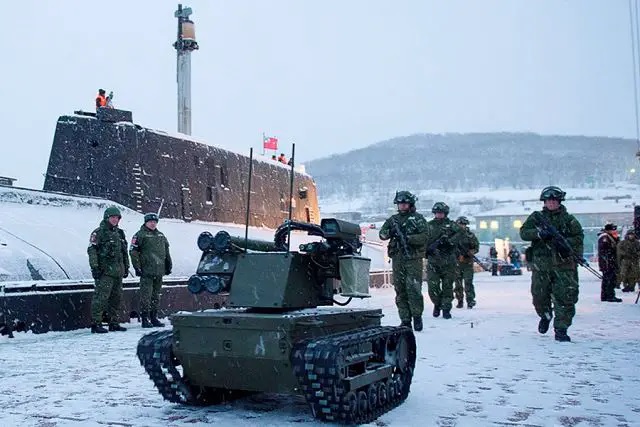
World
Russia is overhauling its battlefield tactics in Ukraine, moving away from massed infantry assaults and relying increasingly on drones, robotic platforms, and small assault units. The change comes amid continued manpower shortages and heavy losses suffered in previous offensives. A new analysis highlights that the Russian military is integrating unmanned ground vehicles (UGVs), loitering munitions, and heavy FPV drones into frontline operations. This doctrinal shift reflects Moscow’s effort to preserve manpower while maintaining offensive momentum. Key Features of the New Doctrine Robots and drones in frontline rolesUnmanned platforms are being deployed to take over dangerous assault tasks. In earlier phases of the war, Russian troops often attacked with improvised weapons and minimal cover. Today, strike drones and ground robots are increasingly used to reduce exposure and casualties. Small, dispersed assault groupsThe large columns of 30–60 soldiers once common on the frontlines have largely disappeared. Instead, Russian attacks are carried out by tiny squads of two to four troops, supported by swarms of drones. These groups operate independently, making them harder to detect and neutralize. Drones as fire supportTraditional small arms battles are being reduced. FPV drones now provide suppressive fire, reconnaissance, and strike capability, allowing Russian infantry to avoid direct firefights against entrenched Ukrainian defenders. Flanking and infiltration tacticsRather than frontal assaults, Russian forces attempt to bypass strong defensive lines, infiltrating rear areas to strike command posts, artillery, and supply nodes. Such tactics were recently observed near Zolotyi Kolodyaz, where Russian units advanced step by step into Ukrainian depth positions. Expanding Use of Robotics Russia is rapidly testing and deploying new robotic systems. The Courier UGV, equipped with machine guns or grenade launchers, has been used to escort infantry and provide cover fire. Other platforms can transport supplies, evacuate wounded, or even launch drones directly into combat. Some new “drone buses” are being designed to carry and release FPV drones in swarms. Moscow has also invested in specialized training and organization for unmanned warfare. A dedicated center for drone development and pilot training was created in 2024, and by late 2025, Russia plans to establish a separate branch of its armed forces focused entirely on unmanned systems. Strategic Adaptation Military analysts note that this evolution stems from both necessity and innovation. Russia faces continuing shortages of trained infantry, forcing greater reliance on technology. At the same time, its industrial-scale production of drones has turned unmanned warfare into the centerpiece of its strategy. Some Russian strategists argue that FPV drones supported by reconnaissance UAVs and jamming systems may soon replace traditional weapons such as mortars, heavy machine guns, and even tanks in certain roles. This vision favors highly dispersed infantry supported by overwhelming drone presence. Ukrainian Countermeasures Ukraine, meanwhile, continues to adapt with layered defenses, advanced electronic warfare, and its own growing drone arsenal. While Russian tactics reduce manpower exposure, they also create vulnerabilities—particularly to jamming and drone interception systems. Outlook Russia’s reliance on drones and robotics marks a significant shift from earlier phases of the war, when large-scale infantry assaults resulted in catastrophic losses. The current doctrine emphasizes automation, decentralization, and small-unit maneuver, signaling how modern warfare is being reshaped by unmanned systems. The months ahead are likely to see intensified battles dominated less by massed troops and more by swarms of drones, robotic platforms, and small dispersed assault groups—a transformation that could redefine the nature of combat on the eastern front.
Read More → Posted on 2025-08-31 16:43:17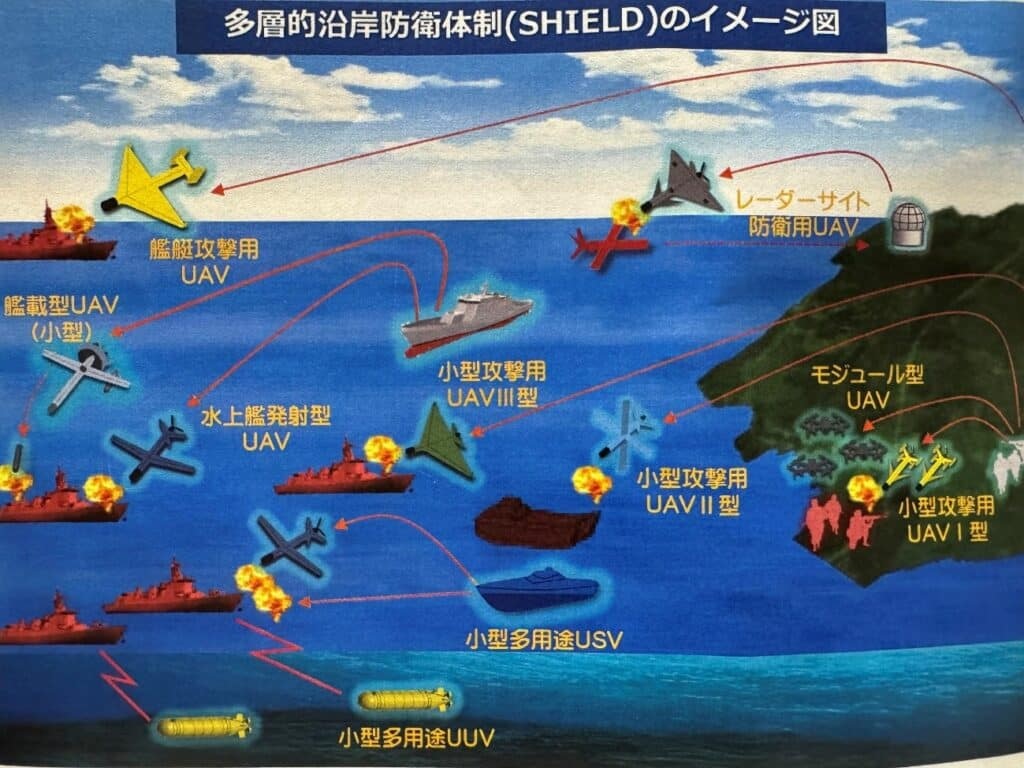
World
Tokyo, August 29, 2025 : Japan’s Ministry of Defense has submitted an unprecedented defense budget request for fiscal year 2026 totaling ¥8.8 trillion (about $60.2 billion), the largest in its postwar history. The record proposal reflects Japan’s accelerated efforts to counter rising security threats from China, North Korea, and Russia, while modernizing its defense forces under the ongoing five-year Defense Buildup Program (2023–2027). Focus on Drones and SHIELD Coastal Defense Network A major highlight of the budget is the establishment of “SHIELD” (Synchronized, Hybrid, Integrated and Enhanced Littoral Defense) — a multi-layered coastal defense system integrating unmanned aerial, surface, and underwater vehicles. The program, with a budget of $876 million, is expected to be operational by fiscal 2027. The Ministry confirmed it will acquire ship-launched UAVs, small ship-based UAVs, and multi-role unmanned surface vessels (USVs). These assets will provide both surveillance and strike capabilities against enemy ships. Among the UAVs under consideration is the U.S.-made Shield AI V-BAT, already approved for Japan’s new 1,900-ton patrol vessels, of which 12 will be built over the next decade. Additional acquisitions include MQ-9B SeaGuardian UAVs and Turkish-made Bayraktar TB2 attack drones, each unit priced around 700 million yen. To strengthen command integration, the ministry has also requested funds to conduct demonstration tests for simultaneous control of multiple unmanned systems. Naval Expansion: New FFM and Submarines Japan has requested $713.9 million for the construction of one New FFM, an upgraded version of the Mogami-class multirole frigate. A total of 12 New FFMs are planned by fiscal 2032. The new design will feature a larger hull, longer-range missiles, stronger anti-air capabilities, and doubled vertical launch cells (32 vs. 16 on the Mogami-class). This request comes after Australia selected the upgraded Mogami-class as its future general-purpose frigate. Japanese officials emphasized that while coordination with Australia exists, the decision primarily reflects Japan’s own fleet modernization needs. Additionally, the budget seeks $816 million to build the 10th Taigei-class submarine, a state-of-the-art diesel-electric sub, and $232.8 million for an Awaji-class minesweeper to bolster mine countermeasure capabilities. Two new 1,900-ton patrol vessels are also planned at a cost of $195 million. Missile Defense and Strike Capabilities Japan continues to expand its stand-off strike arsenal: $246.4 million to procure the improved Type-12 ship-launched surface-to-ship missile (SSM). $110.2 million for new submarine-launched long-range cruise missiles, currently under development with Mitsubishi Heavy Industries. $11.6 million to add Tomahawk launch capability to two Aegis destroyers, following upgrades already completed on three others. In missile defense, $545.5 million is allocated for preparations and testing of two Aegis System Equipped Vessels (ASEVs) — massive 12,000-ton warships that will serve as sea-based alternatives to the scrapped Aegis Ashore system. Expected to be the largest destroyers in the world, the first ASEV will be delivered in fiscal 2027. Japan is also investing $378.6 million in the joint development of the Glide Phase Interceptor (GPI) with the United States, designed to counter emerging hypersonic missile threats. Izumo-Class Carrier Upgrades Japan continues transforming its Izumo-class helicopter carriers into F-35B-capable aircraft carriers. The ministry requested $195 million to advance upgrades on JS Izumo and JS Kaga, with completion scheduled for 2027 and 2028, respectively. Next-Generation Defense Evolution Beyond naval and missile forces, the budget sets aside significant funding for future capabilities: Development of Japan’s next-generation fighter jet with the UK and Italy, targeted for a 2030 test flight. Expansion of space and cross-domain operations, including preparations to reorganize the Air Self-Defense Force into the Air and Space Self-Defense Force one year ahead of schedule. Research and trials for hypersonic guided missiles, advancing Japan’s ability to respond to cutting-edge threats. What’s Next The proposal will now be reviewed by the Ministry of Finance, with a final budget decision expected by late December 2025. If approved, the request will mark a defining step in Japan’s transition from a strictly self-defense posture toward a multi-domain, long-range, and globally integrated defense strategy.
Read More → Posted on 2025-08-31 16:25:14
World
In a dramatic escalation of the Gaza conflict, Israeli Defense Minister Israel Katz confirmed that Abu Obeida, the long-time spokesperson for Hamas’ military wing, was killed in an Israeli airstrike over the weekend in Gaza. Obeida, whose real name was Hudayfa Samir al-Kahlout, had become the symbolic voice of Hamas since 2007, appearing in countless recorded messages with his trademark red keffiyeh covering his face. His final public remarks came just days before his death, when he declared Hamas’ readiness in Gaza City despite Israel’s intensified offensive. Obeida had pledged that Hamas would “preserve the lives of hostages,” while warning that the remains of deceased captives would “disappear forever.” Hours later, Israeli forces declared Gaza City a combat zone, signaling the beginning of a new and more aggressive phase of the war. During a cabinet meeting, Prime Minister Benjamin Netanyahu reacted to the strike, stating that he “hoped Obeida was no longer among the living,” though he noted that Hamas had not yet responded to confirm or deny his death. Intelligence officials later clarified that the strike targeted a building in Gaza City’s Rimal neighborhood, killing Obeida along with several others. Heavy Civilian Toll in Gaza City Since Saturday, at least 43 Palestinians have been killed, mostly in northern Gaza, with Gaza City bearing the brunt of airstrikes and artillery fire. The territory’s largest hospital, Shifa Hospital, received at least 29 bodies, including ten people who had been killed while attempting to collect humanitarian aid. At Al-Awda Hospital, seven more civilians were reported dead while trying to reach food distribution points. Eyewitnesses described the situation in the Netzarim Corridor—a zone under Israeli military control—as a “death trap.” Civilians attempting to cross in search of food and medicine reported being met with gunfire. Entire residential areas in Sheikh Radwan, Zeitoun, and Sabra were pounded by Israeli strikes, leaving streets filled with rubble and survivors digging through collapsed buildings. Mounting Humanitarian Catastrophe The humanitarian crisis in Gaza has reached alarming proportions. The United Nations reports that nearly 65,000 people have been displaced since the beginning of August, and more than 90% of Gaza’s population—over two million people—have experienced displacement at least once since the war began. Famine conditions are worsening as food and aid convoys struggle to reach besieged areas. Gaza’s Health Ministry confirmed that seven adults died in the past 24 hours from starvation-related causes, raising the number of famine-related adult deaths to 215 since July. Children have been hit especially hard: 124 have died from malnutrition-related illnesses since October. The overall death toll in Gaza now stands at over 63,000 people, the majority being women and children. Medical workers warn the real figures may be even higher, as many remain buried under rubble or in inaccessible areas. Global Reactions and Rising Pressure International alarm is growing over the worsening conditions. Human rights groups have condemned the targeting of areas around aid distribution points. Meanwhile, a solidarity flotilla named “Sumud”, carrying activists, medical supplies, and international public figures, has departed from Barcelona with the aim of delivering emergency relief to Gaza despite Israel’s naval blockade. Despite these efforts, humanitarian access remains extremely limited. Israel has maintained that its military campaign is aimed at dismantling Hamas’ leadership and military infrastructure following the group’s October 7 attacks, which killed over 1,200 people in Israel and saw hundreds abducted into Gaza. Outlook With Abu Obeida—one of Hamas’ most recognizable figures—eliminated, Israel has struck a symbolic and strategic blow. However, the assault on Gaza is far from over. The siege of Gaza City continues to intensify, civilian suffering is worsening by the day, and the humanitarian collapse shows no sign of abating. As both sides prepare for further confrontation, the future of Gaza remains uncertain—its people trapped between relentless bombardment and growing famine, with the world watching in mounting concern.
Read More → Posted on 2025-08-31 16:00:46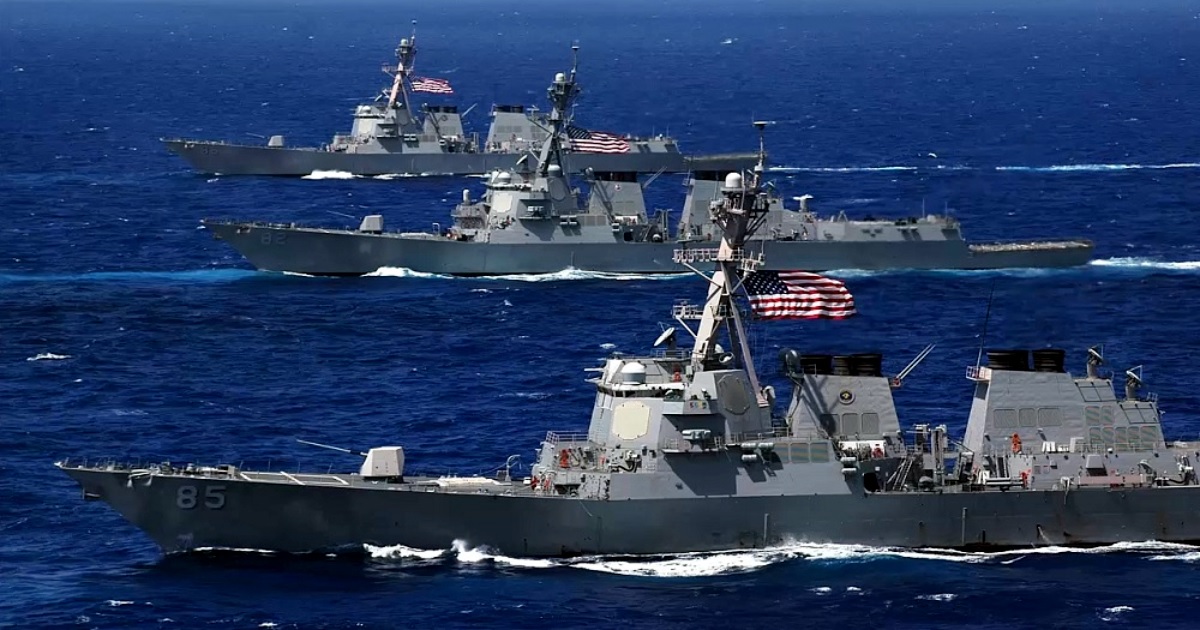
World
Caracas / Washington – August 31, 2025 : The United States has launched its most assertive naval deployment in the Western Hemisphere in more than 20 years, sending a powerful strike force close to Venezuelan territorial waters. The operation, officially described as a counter-narcotics mission, is widely viewed as a direct show of strength against President Nicolás Maduro’s government. Expansive Naval Build-Up At least eight U.S. warships are now patrolling the southern Caribbean. The force is led by the Ticonderoga-class cruiser USS Lake Erie, joined by Arleigh Burke-class destroyers including USS Gravely, USS Jason Dunham, and USS Sampson. Also deployed are amphibious assault ships USS Iwo Jima and USS San Antonio, a nuclear-powered fast attack submarine, and surveillance aircraft such as the P-8A Poseidon. The amphibious group carries more than 4,000 U.S. Marines, giving Washington both striking power and rapid-response capability. Defense officials emphasize the ability to conduct a wide spectrum of missions ranging from humanitarian aid to precision strikes and embargo enforcement. Washington’s Stated Goals The U.S. administration frames the deployment as a response to narcotics trafficking, citing Venezuela’s alleged role in enabling criminal cartels and armed groups. The Maduro government has been directly linked by U.S. officials to narcoterrorism, fentanyl trafficking, and cooperation with foreign powers such as Russia, China, and Iran. Analysts, however, note that the scale of the operation far exceeds what is typically required for counter-drug missions, suggesting a broader strategic intent. The show of force highlights Washington’s determination to project influence in its own hemisphere and to pressure Maduro amid concerns of growing foreign military and cyber activity in Venezuela. Venezuela’s Military Response In Caracas, President Maduro denounced the U.S. naval presence as “imperialist aggression” and ordered all branches of the armed forces to raise their readiness. Venezuela maintains around 123,000 active personnel, supported by more than 220,000 reserves and loyalist militias that the government claims number over four million members. Venezuelan defenses are being repositioned along the coastline, including S-300VM long-range air defense systems, radar installations, and short-range missile batteries. The Venezuelan Navy has placed its submarines, fast missile boats, and coastal defense forces on heightened alert, with key bases at Puerto Cabello, La Guaira, and Punto Fijo mobilized for rapid response. Regional Concerns Neighboring countries and international observers warn of the risks of escalation. Incidents of GPS jamming, radar lock-ons, and electronic interference against U.S. aircraft in recent weeks have raised fears that even a small miscalculation could trigger armed confrontation. Some Latin American governments cautiously support the U.S. mission as an anti-narcotics effort, while others criticize it as a return to interventionist policies. Security experts stress that the principal narcotics routes are in the Pacific, not the Caribbean, fueling suspicions that the deployment is as much about political coercion as it is about drug interdiction. A Pivotal Test This maritime standoff is rapidly becoming a decisive test of U.S. resolve in the hemisphere. With American strike-capable ships operating just beyond Venezuelan waters and Maduro mobilizing his armed forces, both sides now stand on high alert. While a full-scale invasion remains unlikely, the deployment underlines Washington’s readiness to apply hard power in Latin America. Whether this leads to deterrence, confrontation, or negotiated de-escalation may define the region’s security landscape for years to come.
Read More → Posted on 2025-08-31 15:39:04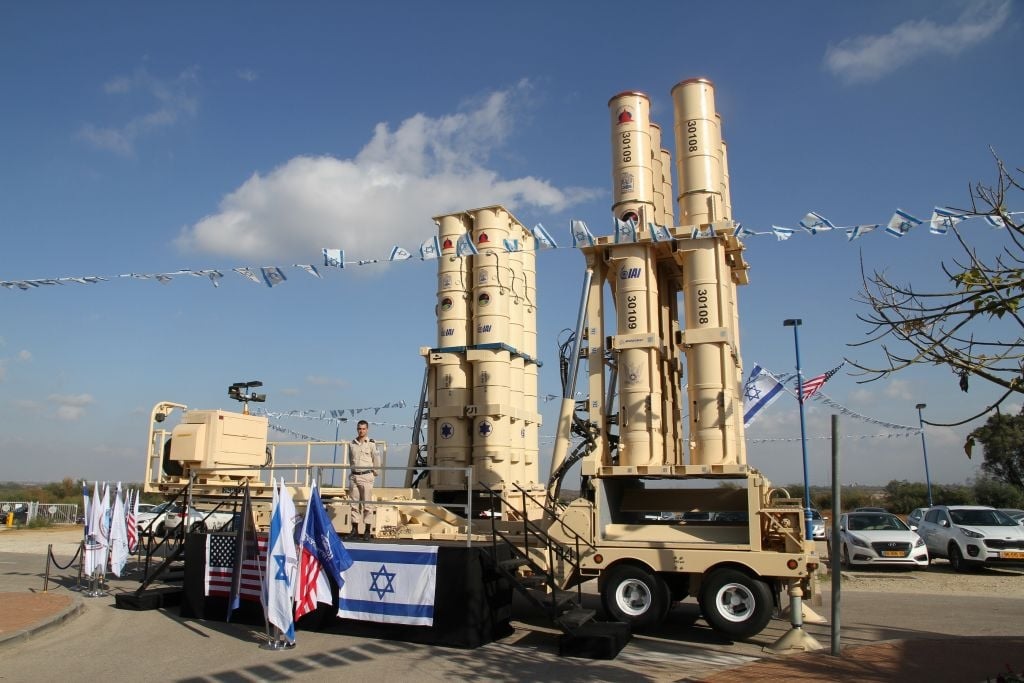
World
After the Kargil War in 1999, India faced the harsh reality of a possible two-front war—with Pakistan to the west and China in the north. Pakistan, aided by China, rapidly expanded its ballistic missile programme, altering South Asia’s security balance. For India, still recovering from the shock of Kargil and closely observing China’s military consolidation in Tibet, the need for an advanced ballistic missile defence (BMD) system became urgent. India turned to its trusted defence partner, Israel, for the cutting-edge Arrow-2 interceptor, designed to neutralise short- and medium-range ballistic missiles up to 300 km. Israel was ready to supply, but the system had been co-developed with the U.S. Missile Defense Agency, giving Washington veto rights. In 2002, the United States blocked the sale, arguing that India was not part of the Missile Technology Control Regime (MTCR) and that such a transfer could destabilise the region. Ironically, Pakistan’s missile expansion, with Chinese assistance, continued unhindered. The denial exposed double standards in Washington’s South Asia policy and became a turning point for New Delhi. Rather than remain dependent on external suppliers, India tasked the Defence Research and Development Organisation (DRDO) to build an indigenous BMD system. Phase I: First Layer of Defence Prithvi Air Defence (PAD): Designed for exo-atmospheric interception at 50–80 km altitude. Advanced Air Defence (AAD): Endo-atmospheric interceptor for close-range engagements at 15–30 km altitude. Swordfish Long-Range Radar: Based on Israeli technology, enhanced to detect threats beyond 600 km. By 2006–2007, India successfully tested PAD and AAD, proving it could destroy incoming missiles in both high and low atmospheric layers. By the mid-2010s, Phase I had achieved operational readiness, with plans to shield cities like Delhi and Mumbai. Phase II: Long-Range and Advanced Interception To deal with longer-range and more complex threats, India moved to Phase II. AD-1: A two-stage missile capable of intercepting targets up to 5,000 km. AD-2: Designed for intermediate-range and intercontinental-class threats. In November 2022, India tested the AD-1 interceptor successfully. In July 2024, the system demonstrated an integrated network-centric trial, where radars, control centres, and interceptors worked seamlessly. These achievements positioned India among the handful of nations with advanced multi-layered missile shields. Future Vision: Mission Sudarshan Chakra India’s ambition is to secure the entire nation under Mission Sudarshan Chakra, aiming for a shield comparable to global systems like S-400 or Iron Dome. The upcoming Project Kusha, beginning trials in 2026, is central to this effort, with interceptors capable of handling long-range and hypersonic threats. On August 23, 2025, DRDO also tested the Integrated Air Defence Weapon System (IADWS), an indigenous multi-layered shield that blends missile, radar, and command-and-control systems into one architecture. Strategic Lessons The Arrow-2 denial underscored to India that strategic autonomy cannot rely on foreign goodwill. While the U.S. blocked advanced defence transfers in the name of “regional stability,” Pakistan modernised its arsenal freely with external help. The episode deepened India’s reliance on a diversified procurement strategy—sourcing key systems from Russia, Israel, and Europe—while accelerating indigenous development. Today, India possesses a credible two-tiered missile defence shield and is advancing towards a national umbrella shield by 2035. What began as a setback has matured into one of India’s greatest defence success stories. The U.S. veto on Arrow-2, intended to limit India’s capabilities, instead sparked a defence revolution. It compelled India to embrace self-reliance, and two decades later, the country’s indigenous BMD stands as one of the most advanced in the world—built not in spite of restrictions, but because of them.
Read More → Posted on 2025-08-31 15:26:48
World
L3Harris Technologies is playing a crucial role in supporting American Rheinmetall’s development of next-generation combat vehicle capabilities, delivering its expertise in secure communications, electronic warfare, and mission systems. Central to this effort is the WESCAM MX-GCS B, a compact third-generation sighting system that enhances surveillance, targeting, and reconnaissance while reducing the vehicle’s visual signature. Next-Level Sighting for Multiple Crew Stations The MX-GCS B supports both gunner and commander stations in a streamlined, single-part configuration. This design reduces system complexity, eases sustainment, and improves battlefield readiness. The system builds upon lessons from earlier trials with the MX-GCS MK2, which allowed Rheinmetall to refine integration and performance. “With one sight system for multiple crew stations, we reduce complexity while delivering superior battlefield awareness,” explained Matt Heath, Principal of Business Development at L3Harris and a former U.S. Marine Corps tank operator. Target Lock Under Extreme Conditions A standout feature of the MX-GCS B is its stabilization technology. Even under heavy vibration, shock, or recoil, operators can maintain target lock and image clarity, ensuring precise engagement in combat conditions. AI-Driven Sensor Fusion and Secure Data Sharing Beyond optics, L3Harris processors power mission systems and AI-based sensor fusion, reducing crew workload while improving decision-making speed. Combined with secure communications and real-time data sharing, the system allows for collaborative targeting and rapid coordination, giving soldiers a decisive edge in fast-changing battle environments. “Our systems are built to meet current needs and to continue evolving as battlefield demands shift,” said Anthony Sarto, Engineering Fellow for Targeting and Sensor Systems at L3Harris Technologies. Modular Open Systems for the Future The entire platform is designed using a Modular Open Systems Approach (MOSA), aligned with the U.S. Army’s Ground Combat Systems Common Infrastructure Architecture. This enables quick upgrades, third-party integration, and rapid adaptation to new missions—ensuring that vehicles remain capable against future threats. Part of Team Lynx and the XM30 Program L3Harris is a key partner in “Team Lynx,” which includes American Rheinmetall Vehicles, Textron Systems, Raytheon, Allison Transmission, and Anduril Industries. The team is competing in the U.S. Army’s XM30 Mechanized Infantry Combat Vehicle program, the replacement for the Bradley Fighting Vehicle. A multibillion-dollar program, the XM30 is expected to begin production later this decade, with first units fielded before 2030. Global Sustainment and Veteran Insight From early trade studies to integration testing, L3Harris has worked with Rheinmetall to ensure smooth performance across space, weight, power, and cost considerations. To support long-term operations, the company operates 14 global maintenance centers, offering diagnostics, training, and rapid field support. Veterans make up a large portion of the L3Harris workforce, ensuring real battlefield experience informs design and sustainment planning. “We build with purpose,” Heath noted. “It’s the people behind the systems who ensure reliability—because they know what’s at stake.” Advantage for Tomorrow’s Battlefield By fusing compact sensors, AI, secure communications, and modular open systems, L3Harris and Rheinmetall are shaping the next generation of combat vehicles. The result is a platform designed not only for today’s challenges but also adaptable to the unpredictable demands of tomorrow’s wars.
Read More → Posted on 2025-08-31 15:02:17
World
North Korean leader Kim Jong Un has met with the grieving families of soldiers killed while fighting alongside Russian forces in Ukraine, offering his condolences and pledging full state support. During the solemn gathering in Pyongyang, Kim bowed before portraits of the fallen, presented medals, and personally embraced the families. He described their loss as an “unbearable pain” and vowed that the state would never abandon them. Promises to the Families Kim announced that a monument would be built in the capital to honor the soldiers’ “immortal feats” and that a new street would be named after them. He further pledged full state care for the children of the deceased, promising they would be educated and raised as “staunch fighters like their fathers.” “My heart breaks more when I see those little children,” Kim said. “I, our state, and our army will take full responsibility for them and give them a beautiful life.” Background of Deployment North Korea officially confirmed in April that it had deployed troops to Russia, admitting that some had been killed in combat. According to South Korean intelligence, around 15,000 soldiers were dispatched, mainly to the Kursk region. Estimates suggest at least 600 North Korean troops have died and several thousand more have been wounded. Alongside manpower, Pyongyang has also supplied artillery shells, missiles, and long-range rocket systems to Russia as part of its military support. This cooperation stems from the 2024 Comprehensive Strategic Partnership Treaty signed between Moscow and Pyongyang, strengthening defense and security ties. Emotional Tributes At last week’s ceremony, Kim was seen kneeling before portraits of fallen soldiers, laying flowers, and consoling weeping relatives. State media released images of him embracing a returning soldier who broke down in tears in the leader’s arms. In early July, Kim also paid respects to flag-draped coffins of North Korean soldiers returned from the battlefield, visibly emotional as he honored their sacrifice. Strategic Significance Analysts say the public display of mourning serves two purposes: to reinforce loyalty at home by portraying the fallen as “heroes of the state,” and to signal solidarity with Moscow as ties between the two nations deepen. Kim is expected to further showcase this partnership by standing alongside Russian President Vladimir Putin and Chinese President Xi Jinping at an upcoming military parade in Beijing, underscoring the growing trilateral alignment against Western influence.
Read More → Posted on 2025-08-31 14:57:52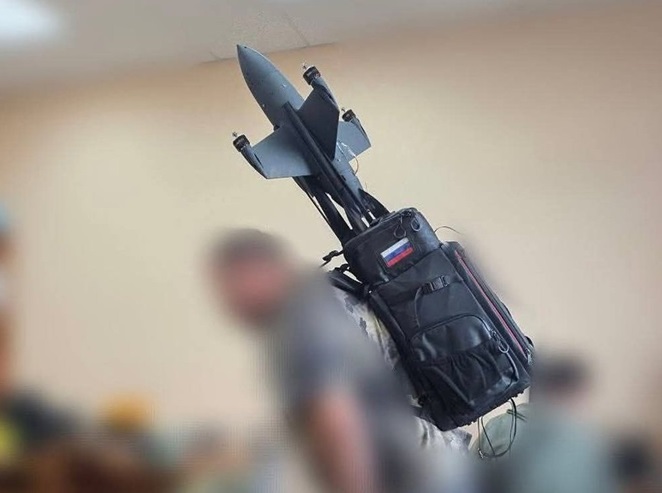
World
In a recent development from a Russian military training camp, a backpack-mounted interceptor UAV has been spotted, sparking discussions about Moscow’s accelerating innovation in counter-drone warfare. The system, carried like a rucksack, appears designed to give infantry units a portable way to intercept and neutralize enemy drones on the battlefield. Military experts suggest this new device may function similarly to Russia’s existing Yolka and other interceptor drones, which are intended to collide with hostile UAVs or disrupt their operation. Unlike larger systems requiring vehicles or stationary setups, the backpack version offers high mobility, allowing soldiers to deploy drone defenses instantly in fast-changing combat zones. The appearance of this system fits within Russia’s broader drive to expand its unmanned aerial arsenal. In recent years, the country has unveiled multiple interceptor platforms such as Skvorets-PVO, Kinzhal, BOLT, Krestnik-M, and Ovod-PVO, each with features like vertical take-off, AI-assisted targeting, and speeds of up to 300 km/h. The new backpack version may serve as a lighter complement for frontline troops. The growing use of small, low-cost FPV drones in the Ukraine conflict has created an urgent need for compact and flexible countermeasures. Portable systems like this could play a key role in defending against drone swarms, reconnaissance UAVs, and loitering munitions that increasingly shape the battlefield. While technical details such as range, guidance, and method of interception remain undisclosed, the introduction of a backpack-mounted drone underscores Russia’s rapid adaptation cycle in drone warfare—where new technologies move from concept to deployment within months. This sighting highlights how the race between drones and counter-drones is reshaping modern warfare, with mobility and speed now as critical as firepower.
Read More → Posted on 2025-08-30 16:05:43
World
This week, Lockheed Martin carried out a milestone demonstration aboard the Independence-class Littoral Combat Ship USS Montgomery (LCS-8), integrating the M903 Patriot missile launcher onto the ship’s flight deck to test new expeditionary integrated air and missile defense (IAMD) concepts for naval operations. The M903 Patriot launcher, equipped with PAC-3 MSE interceptors, is the second major missile system to be adapted to the LCS platform. It follows the introduction of the Mk 70 Payload Delivery System (PDS), a containerized version of the Mk 41 Vertical Launching System (VLS) that allows the firing of SM-3 and SM-6 missiles for ballistic missile defense and extended-range anti-air warfare. Why It Matters The test highlights the Navy’s effort to increase the lethality of the LCS class, which has often been criticized for being lightly armed. With Patriot systems aboard, these agile ships could gain a combat-proven, out-of-the-box capability to counter ballistic and hypersonic threats. The PAC-3 MSE missile is already in high-rate production, with the Navy planning to procure its first units for shipboard testing in fiscal year 2026. Former Secretary of the Navy Carlos Del Toro previously declared that “LCS is back” as new weapons expand its mission set beyond mine countermeasures and patrol duties, positioning the class as a credible contributor to high-end combat. Strategic Impact in the Pacific The demonstration is particularly relevant for the Indo-Pacific, where the U.S. faces rapidly proliferating Chinese and regional missile systems. A highly mobile Patriot battery mounted on an LCS could quickly provide air and missile defense coverage for dispersed forces or remote bases in places like the Philippines, without relying on vulnerable ground transportation routes. Other navies are experimenting with similar concepts. The Russian Navy, for example, placed a Tor-M2KM air defense system on the helicopter deck of a Karakurt-class corvette to improve survivability in the Black Sea. Expanding the Role of LCS The Navy has been pushing to transform LCS ships into more lethal multi-role combatants. Alongside their existing capabilities in anti-submarine warfare, anti-surface warfare, minesweeping, and mine-laying, the integration of Mk 70 VLS modules and Patriot PAC-3 MSE systems expands them into the realm of fleet defense. This development is also part of a wider U.S. effort to deepen magazine capacity and distribute firepower across more surface platforms, ensuring resilience in any high-end conflict scenario. What’s Next While some defense officials hinted that the capability tested aboard Montgomery could already be made operational, the Navy has not confirmed this. More trials and evaluations are expected as the service continues to experiment with containerized and expeditionary air defense solutions. What is clear is that the USS Montgomery test marks a turning point: the once-underpowered LCS is being reshaped into a platform capable of hosting frontline missile defense systems, strengthening U.S. distributed maritime operations in contested waters.
Read More → Posted on 2025-08-30 14:58:54
World
The U.S. Department of Defense has awarded BAE Systems a contract worth $1.74 billion for the production and delivery of the Advanced Precision Kill Weapon System II (APKWS II). The agreement covers up to 55,000 guided rockets under Full Rate Production Lots 13 through 17 and will run until December 2031. The contract, overseen by the Naval Air Systems Command at Patuxent River, Maryland, supports the U.S. Navy, U.S. Army, and Foreign Military Sales (FMS) partners. No funds were obligated at the time of award, with financing to be allocated through individual delivery orders. The award was issued on a non-competitive basis, reflecting the APKWS II’s status as the only U.S. program of record for 2.75-inch/70mm guided rockets. Production and Facilities Work will take place across a wide industrial base: Hudson, New Hampshire – 31% Whippany, New Jersey – 22% Plymouth, United Kingdom – 16%Additional component and assembly operations will be carried out in Texas, Pennsylvania, New York, Ontario, Maryland, and California. BAE Systems has invested more than $100 million in infrastructure upgrades to meet rising demand. Its factories in New Hampshire and Texas alone are capable of producing 25,000 rockets annually, with proven ability to scale output if required. Affordable Precision The APKWS II transforms standard Hydra 70 unguided rockets into laser-guided precision munitions by integrating a mid-body guidance unit. This system, equipped with Distributed Aperture Semi-Active Laser Seeker (DASALS) optics, can lock onto stationary or moving targets at ranges beyond six kilometers. The rockets are lighter, cheaper, and easier to handle than larger precision weapons. At roughly one-third the cost and weight of other laser-guided systems, they provide a cost-effective “surgical strike” capability. Loading times are also faster, with ordnance crews able to prepare APKWS rounds in a quarter of the time needed for heavier weapons. Combat-Proven & Evolving Since its first deployment in the late 2000s, APKWS II has delivered tens of thousands of units worldwide and demonstrated the highest hit rate in its class. The system is widely used across rotary-wing and fixed-wing aircraft and is now being integrated into counter-unmanned aerial systems (C-UAS) and ground-based launchers. A recent upgrade has improved trajectory and strike angles, enabling more lethal attacks on protected or mobile targets. In 2025, BAE also began work on a dual-mode variant, adding a passive infrared seeker to complement laser guidance—enhancing performance against drones and maneuvering threats. Strategic Significance For the Pentagon, the APKWS II provides: Precision with reduced collateral damage – critical in urban or asymmetric conflicts. Operational flexibility – adaptable to helicopters, jets, UAVs, and vehicle-mounted launchers. Industrial stability – securing long-term production capacity in the U.S. and allied nations. The contract ensures supply stability through 2031, reinforcing U.S. and allied capabilities at a time when affordable, high-volume precision weapons are increasingly vital against emerging threats like drone swarms.
Read More → Posted on 2025-08-30 14:50:17
World
Washington, August 29, 2025 – The U.S. State Department has approved a potential Foreign Military Sale to Ukraine for the extension of Starlink satellite communications services and related equipment, valued at $150 million. The Defense Security Cooperation Agency (DSCA) has notified Congress of the determination, marking another step in strengthening Ukraine’s defense capabilities. What the Package Includes Starlink Extension: Continued satellite communications support for Ukrainian terminals. Technical Assistance: Engineering, logistics, and program support from the U.S. Government and contractors. Seamless Integration: The DSCA confirmed that Ukraine’s armed forces will be able to absorb the services without difficulty, and no additional U.S. personnel will be required on the ground. The principal contractor for the project will be Starlink Services, based in Hawthorne, California. No offset agreements have been proposed, with any future arrangements to be determined directly between Ukraine and the contractor. Strategic Importance According to the U.S. government, the proposed sale supports Washington’s foreign policy and national security objectives, strengthening a partner that contributes to political stability and economic progress in Europe. The package is designed to bolster Ukraine’s self-defense and regional security missions without altering the overall military balance in the region. Starlink’s Role in the War Since Russia’s full-scale invasion in 2022, Ukraine has relied heavily on Starlink for both civilian connectivity and military operations. Thousands of terminals across the country enable real-time intelligence sharing, drone coordination, artillery targeting, and secure communications even when traditional infrastructure is disrupted. By 2022, more than 20,000 Starlink units were operational in Ukraine, supported by donations and international assistance. Part of a Larger U.S. Commitment The Starlink package comes alongside another U.S. approval worth $179.1 million for the sustainment of Patriot air defense systems, bringing the total support package to around $329 million. Together, these measures underline Washington’s ongoing commitment to reinforcing Ukraine’s resilience against current and future threats. The decision clears the way for formal negotiations and final agreements. For Ukraine, the extension of Starlink services means more robust and reliable battlefield communications, while for the U.S., it demonstrates a continued pledge to transatlantic security and regional stability.
Read More → Posted on 2025-08-30 14:42:23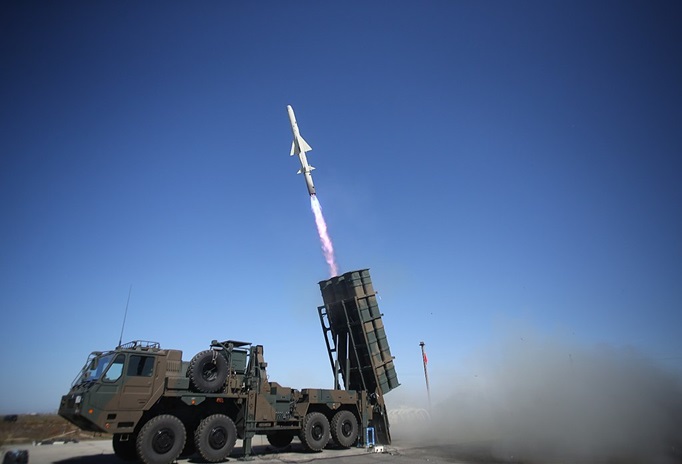
World
Tokyo, August 28, 2025 — For the first time, the U.S. Army’s Typhon surface-to-surface missile system will be deployed on Japanese territory, a move confirmed by Japan’s Ground Self-Defense Force. The system is scheduled to arrive at Marine Corps Air Station Iwakuni, west of Hiroshima, in time for the upcoming Resolute Dragon 2025 joint military exercise running from September 11 to 25. What the Typhon Can Do The Typhon system, officially called the Strategic Mid-Range Fires System, is a containerized, road-mobile launcher. It can fire two types of missiles: The SM-6, capable of striking targets more than 320 kilometers away. The Tomahawk cruise missile, with a range of up to 1,500 kilometers for deep-strike missions. Because the system is mobile and hard to detect, it allows U.S. forces to rapidly disperse and target both land and maritime threats. Typhon’s dual role makes it effective for sea-denial missions and precision land attacks. Why This Deployment Matters This is not the first time Typhon has operated in the region. In 2024, it was briefly deployed in the Philippines during training drills. That rotation was temporary, but the Japan deployment appears more deliberate and may become recurring. With over 12,000 Japanese troops and 1,900 U.S. personnel taking part in Resolute Dragon, the Typhon system will play a central role in joint operations, showcasing its readiness as a fully integrated tool of theater deterrence. Strategic Impact on Rivals China: The system’s reach covers key Chinese naval facilities and bases, complicating Beijing’s operations around Taiwan and the East China Sea. Chinese amphibious and naval forces must now account for a mobile U.S. land-based missile threat. Russia: Moscow sees the deployment as pressure on its eastern flank. From Japan, U.S. missiles can reach Russian logistics corridors, air bases, and naval facilities in the Sea of Okhotsk. North Korea: Most of Pyongyang’s critical infrastructure — missile sites, artillery, and command centers — now falls within Typhon’s strike envelope. Its rapid deployment reduces North Korea’s ability to detect or counter a launch, strengthening U.S. preemptive and retaliatory options. Japan’s Own Defense Push The Typhon deployment also comes as Japan accelerates its own defense buildup. Tokyo is moving forward with fielding Type-12 anti-ship missiles with ranges up to 1,000 kilometers, and plans to deploy U.S. Tomahawk cruise missiles on its own by the end of this year. Japan’s 2026 defense budget request is projected to hit a record 8.8 trillion yen, underlining its shift toward long-range strike capabilities and unmanned defense systems. A New Balance of Power By positioning the Typhon in Iwakuni, the U.S. and Japan are strengthening a forward strike posture that changes the regional balance of power. The system introduces a new layer of unpredictability for potential adversaries and cements the role of mobile, precision ground fires in Indo-Pacific strategy. The message is clear: this deployment is not symbolic. It represents a major step in U.S.–Japan deterrence, one that will reverberate across Beijing, Moscow, and Pyongyang as great power competition in the Indo-Pacific intensifies.
Read More → Posted on 2025-08-30 14:36:38Search
Top Trending in 24 Hours
-
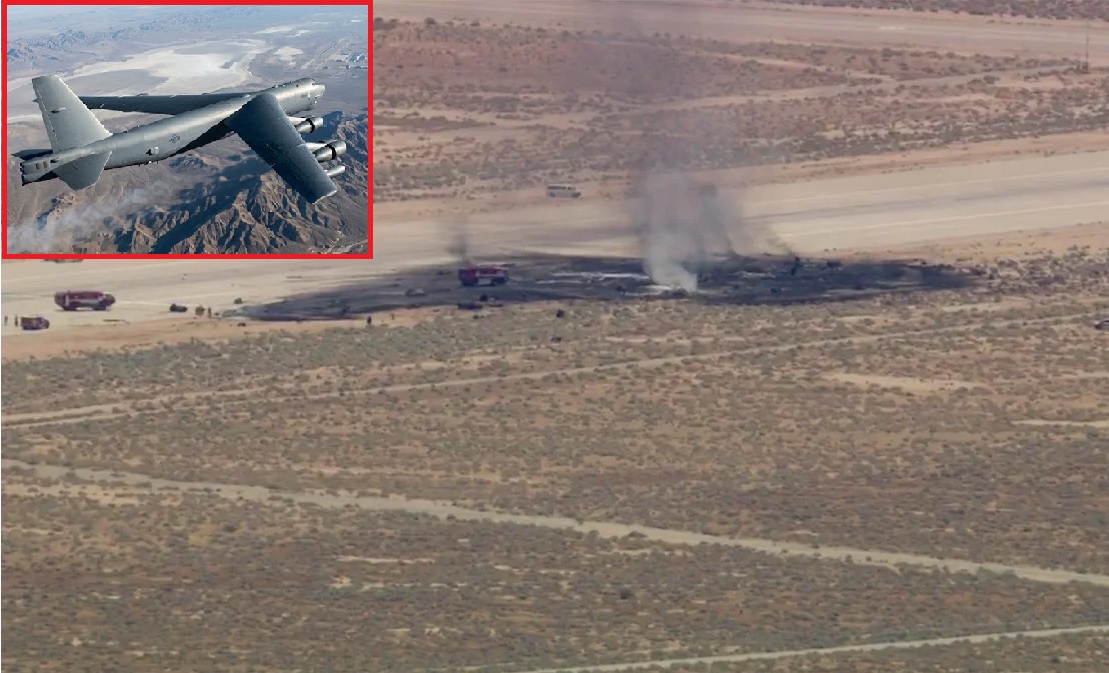 8 U.S. Air Force Crew Members Killed in B-52 Bomber Crash During Test Flight at Edwards Air Force Base
-
 Ukraine Introduces Balloon-Launched DART Missile Designed to Defeat Electronic Warfare
-
 Lockheed Martin Wins $514 Million U.S. Space Force Contract for Two New GPS IIIF Satellites
-
 UK Announces £210 Million Deal to Supply Enriched Uranium to Ukraine for Two Years
-
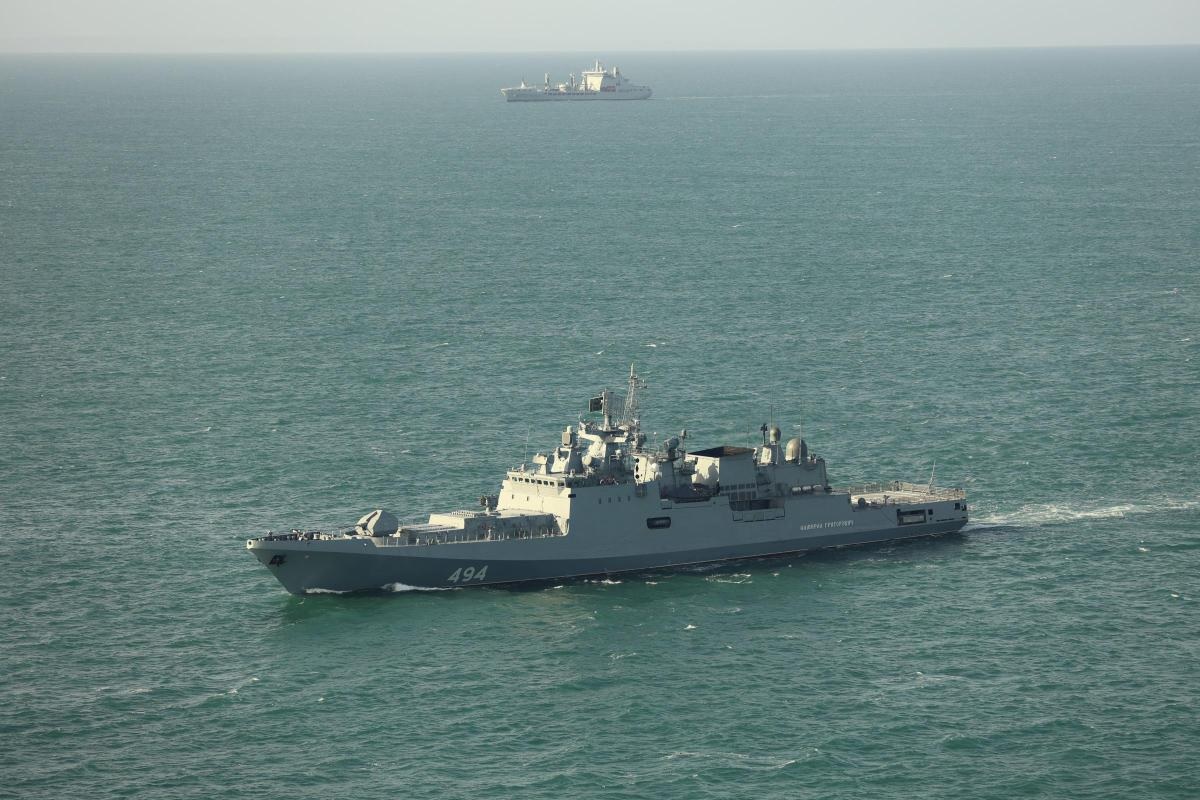 Russian Frigate Admiral Grigorovich Challenges UK Yacht in English Channel With Warning Shots
-
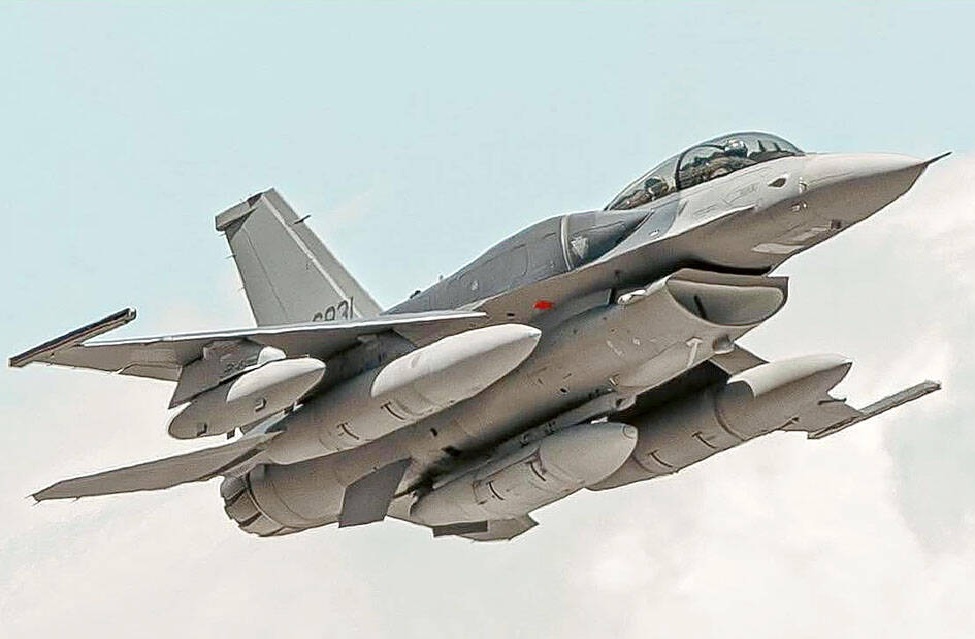 First Taiwanese F-16 Block 70 Flies with Five-Tank Fuel Configuration During Texas Tests
-
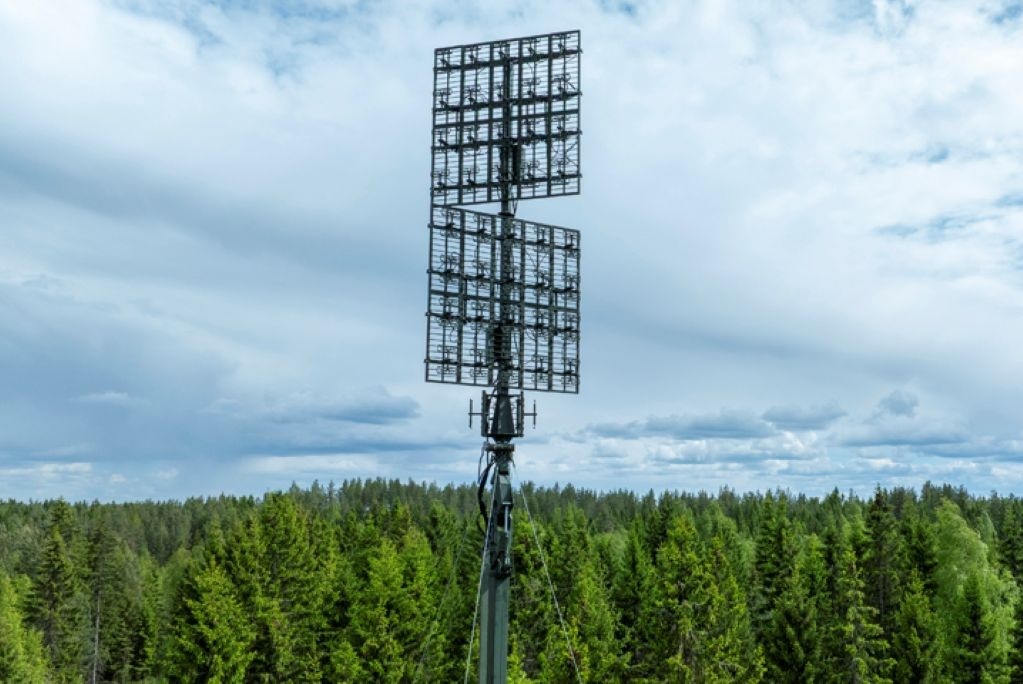 Patria Launches WISPR Passive Counter-Battery Radar with Silent Detection Capability at Eurosatory 2026
-
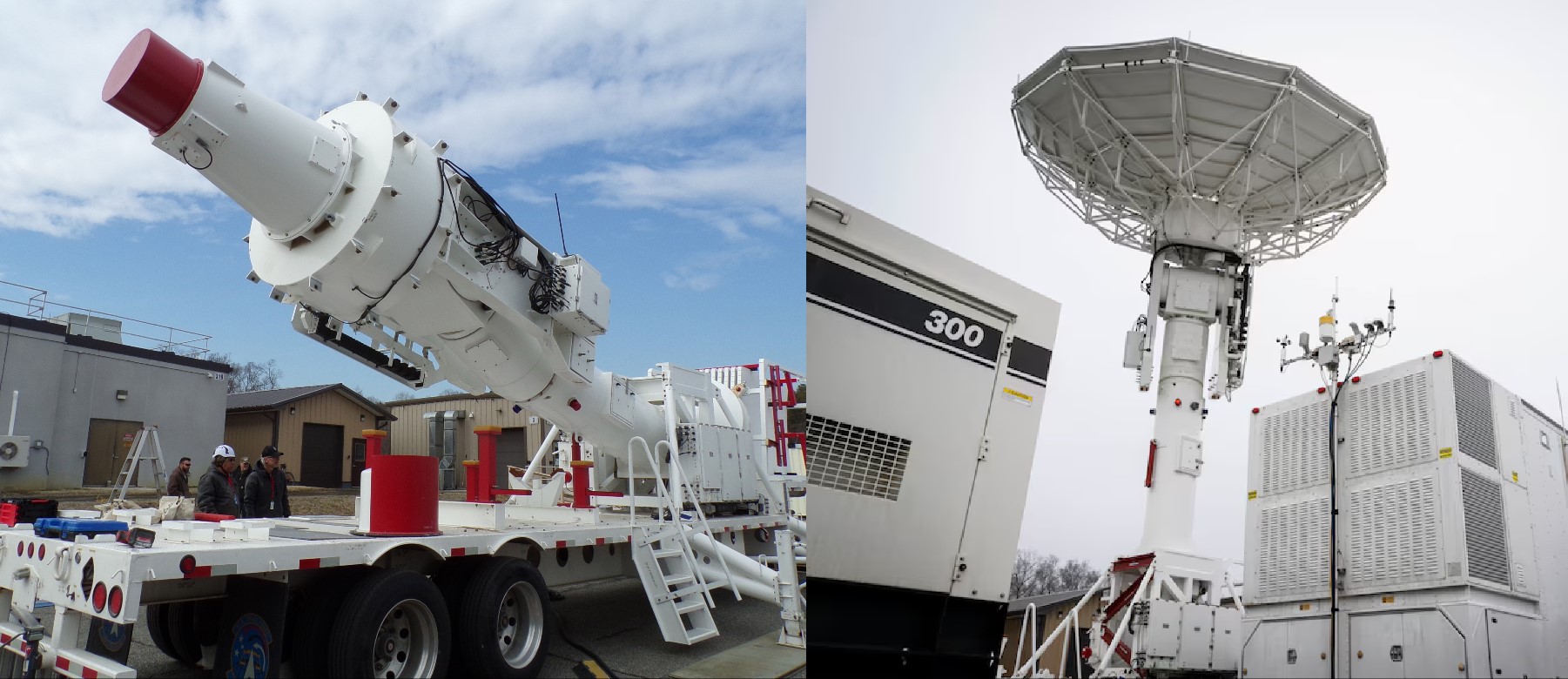 Space Force Transfers Transportable Satellite Tracking Antenna to Naval Research Laboratory
Top Trending in 4 Days
-
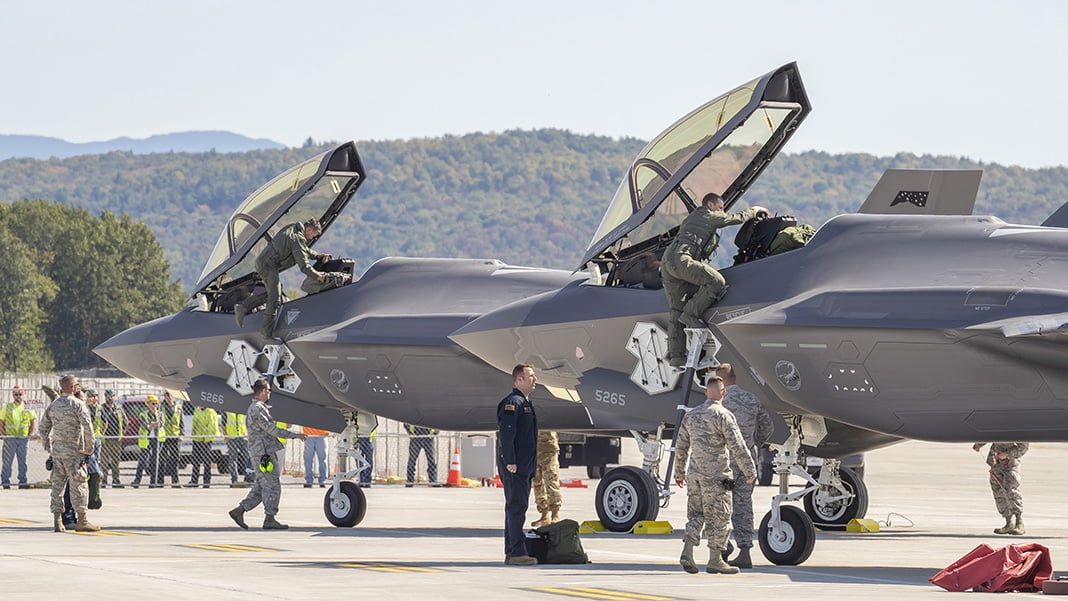 F-35 Fleet Readiness Falls to 25% Amid Parts Shortages and Software Delays: GAO Report
-
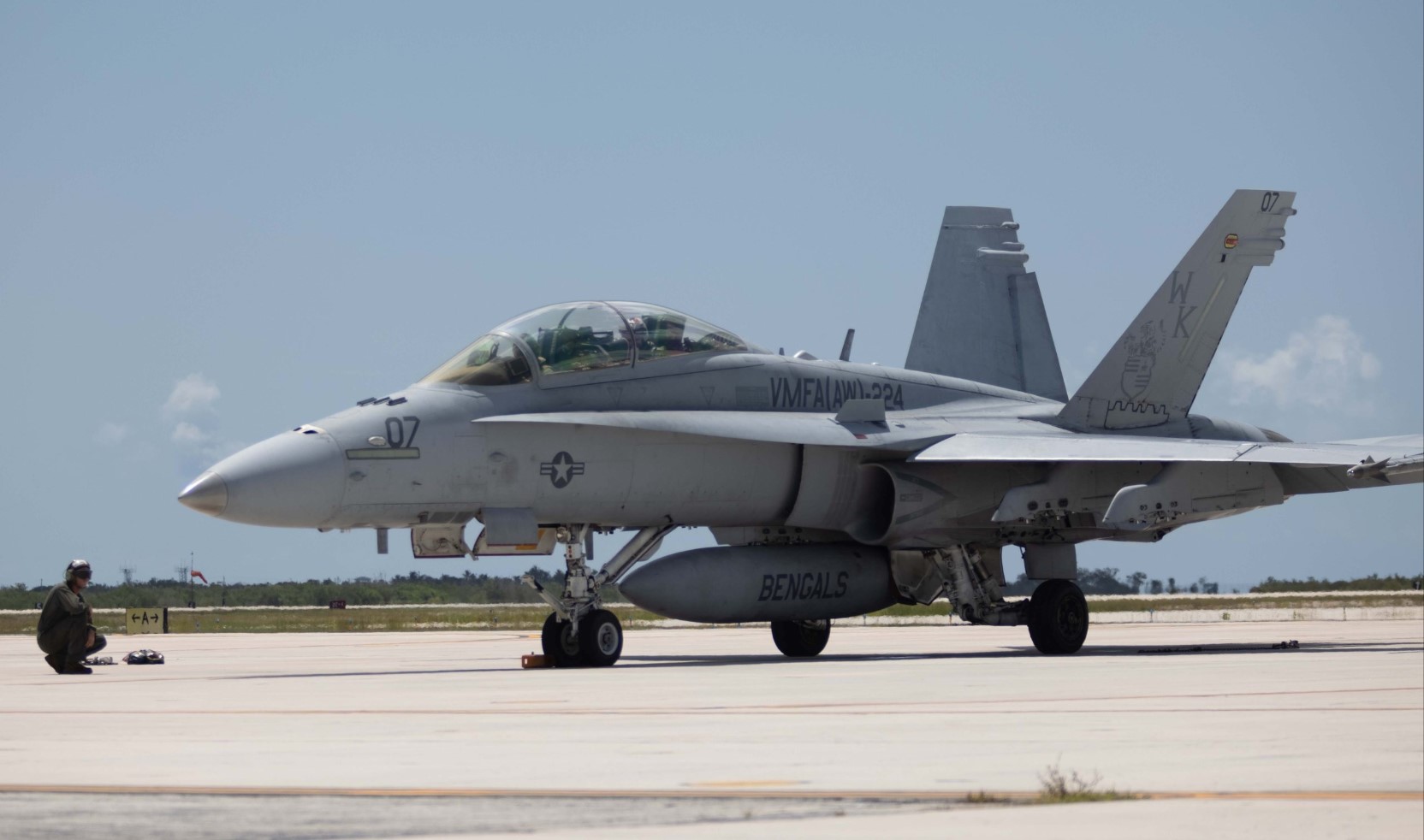 US Marine Corps F/A-18D Hornet Crashes During Training Flight in Washington Mountains; Pilot Ejects Safely
-
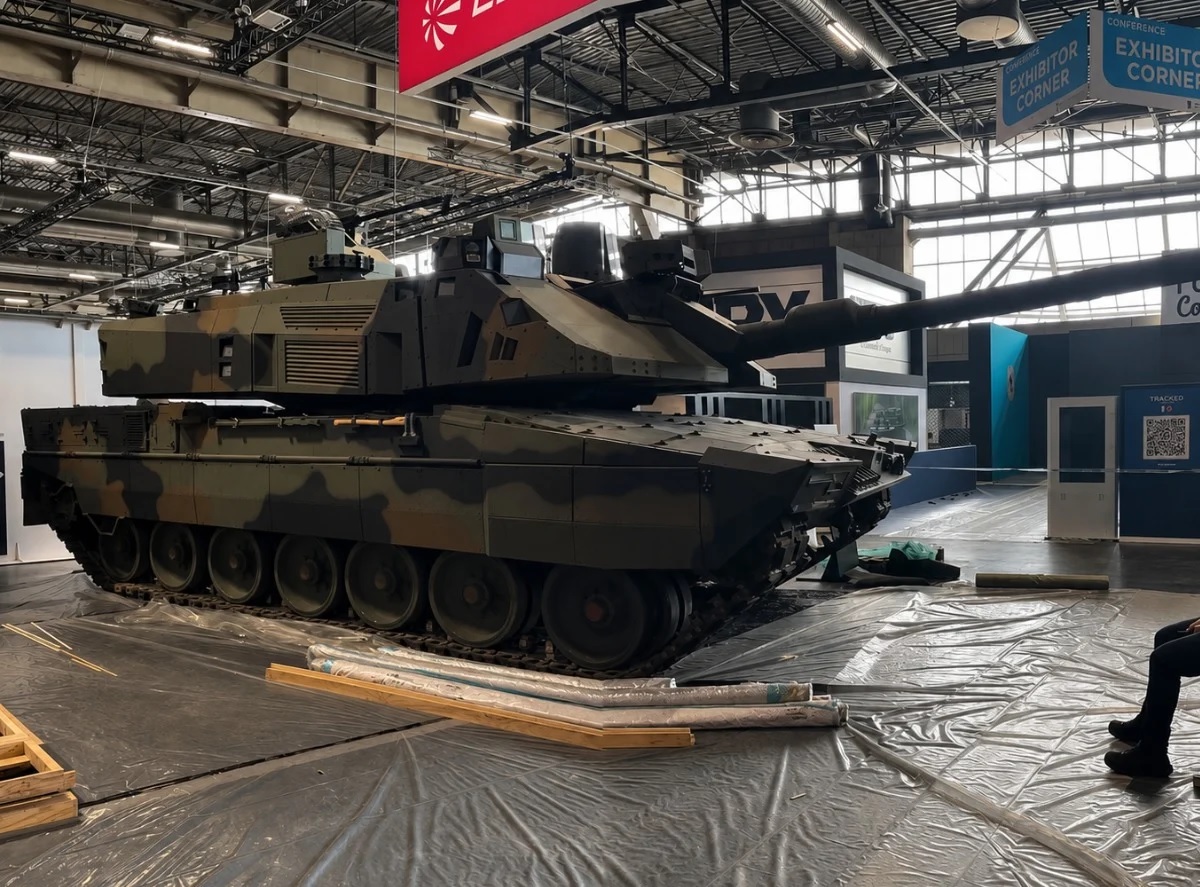 Leonardo Rheinmetall to Unveil Italy’s New IMBT Main Battle Tank at Eurosatory 2026
-
 Tulsi Gabbard Releases Declassified Files Detailing U.S.-Backed Network of 120 Biolaboratories Across 30+ Countries
-
8 U.S. Air Force Crew Members Killed in B-52 Bomber Crash During Test Flight at Edwards Air Force Base
-
 U.S. Approves $1.98 Billion Sale of Anduril AI-Powered Counter-Drone Systems to Kuwait
-
 NASA X-59 Achieves Planned Mission Conditions with Mach 1.4 Flight at 55,000 Feet
-
 Russia Launches 1,400 Jet-Powered Drones in 2026 as Strike Tactics Evolve to Challenge Ukraine's Air Defenses