World
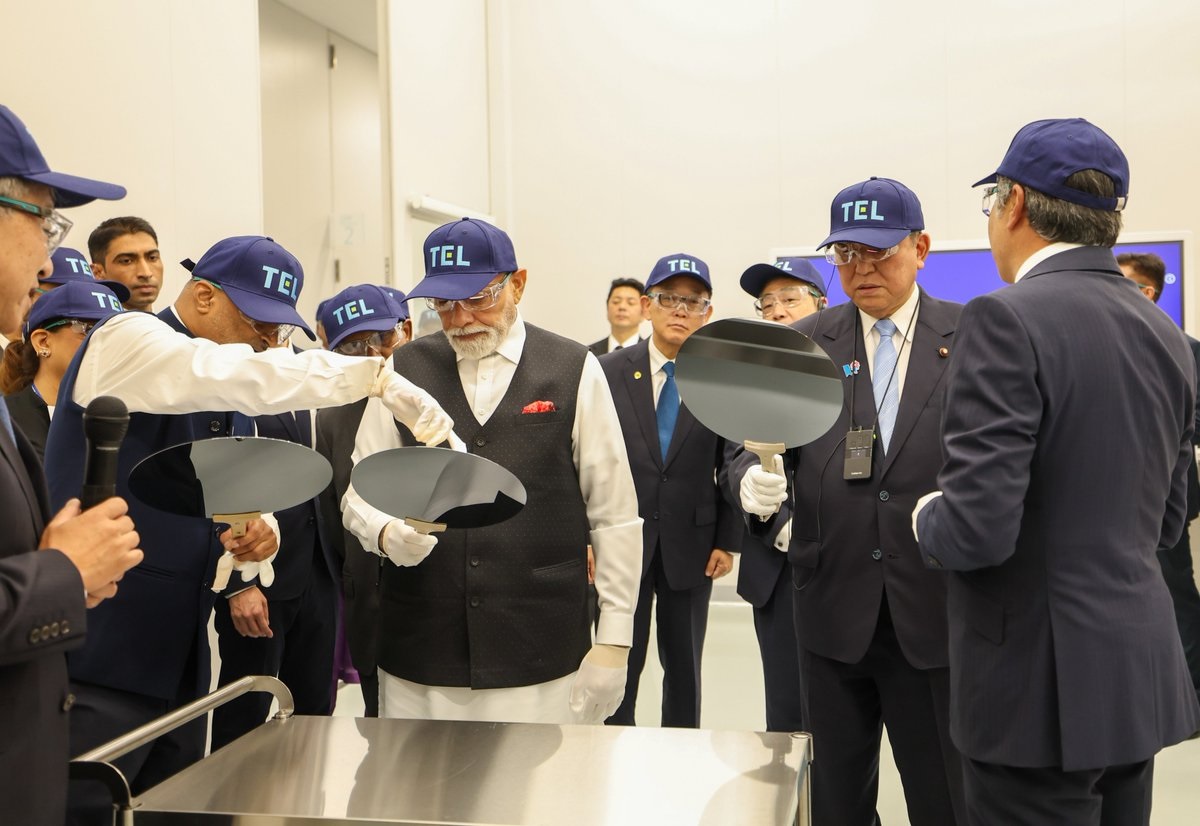
At Semicon India 2025, Tokyo Electron Limited (TEL), one of the world’s leading semiconductor equipment manufacturers, made a compelling declaration: India is poised to emerge as a global powerhouse in semiconductor manufacturing. Fumihiko “Ray” Kaminaga, Senior Vice President and General Manager of TEL, emphasized that India’s increasing domestic demand, robust talent ecosystem, and strong government support create “a great opportunity” for the company to deepen its long-term footprint in the country. Strategic Expansion Across India Kaminaga announced concrete plans for TEL’s expansion: establishing a major office in Bangalore, and setting up operations in Ahmedabad and the Dholera Special Investment Region (SIR) in Gujarat. These moves signal a comprehensive presence, positioning TEL close to India’s emerging semiconductor clusters, including Tata Electronics’ upcoming fab projects. TEL is also supporting India’s packaging and testing ecosystem, with participation in large projects such as the ₹91,000 crore semiconductor fab in Dholera and the ₹27,000 crore advanced packaging facility in Assam. Deepening Local Partnerships To strengthen its role in India, TEL is working closely with Indian technology giants like HCL and Tata Consultancy Services (TCS). These collaborations aim to co-develop hardware and software solutions, integrate supply chains, and enable knowledge transfer and skill development. This will not only create new job opportunities for Indian engineers but also enhance India’s ability to innovate and contribute to the global semiconductor value chain. Political Momentum Fuels Industry Drive The announcement comes against the backdrop of Prime Minister Narendra Modi’s visit to Japan for the 15th India–Japan Annual Summit, where he toured TEL’s advanced factory in Sendai with Japanese Prime Minister Shigeru Ishiba. The leaders visited the Production Innovation Lab and Training Rooms, reinforcing semiconductors as a strategic axis of India–Japan cooperation. Modi underlined that semiconductors are a crucial pillar of the India–Japan partnership, noting India’s progress in chip research, design, and manufacturing, and highlighting the growing involvement of young engineers and innovators. India’s Semiconductor Milestones At the same event, India unveiled its first commercially manufactured chip, presented to Prime Minister Modi by IT Minister Ashwini Vaishnaw. This milestone symbolizes India’s tangible progress towards chip self-reliance, and Modi declared that even the smallest chip developed in India has the power to drive global change. Why This Matters TEL’s long-term commitment goes beyond foreign investment—it represents a strategic effort to strengthen India’s manufacturing capabilities, reduce dependence on imports, and integrate more deeply into the global semiconductor supply chain. For Japan, building strong industrial ties with India helps diversify supply chains and secure partnerships with a trusted ally at a time when semiconductors are viewed as critical to economic security and technological leadership. Tokyo Electron’s expansion—backed by political will, deep collaborations, and large-scale investment—positions the India–Japan partnership as a vital axis in the global semiconductor landscape. With manufacturing, human capital, and international cooperation aligning, India is on the cusp of transforming into a true semiconductor powerhouse in the years ahead.
Read More → Posted on 2025-09-03 16:24:58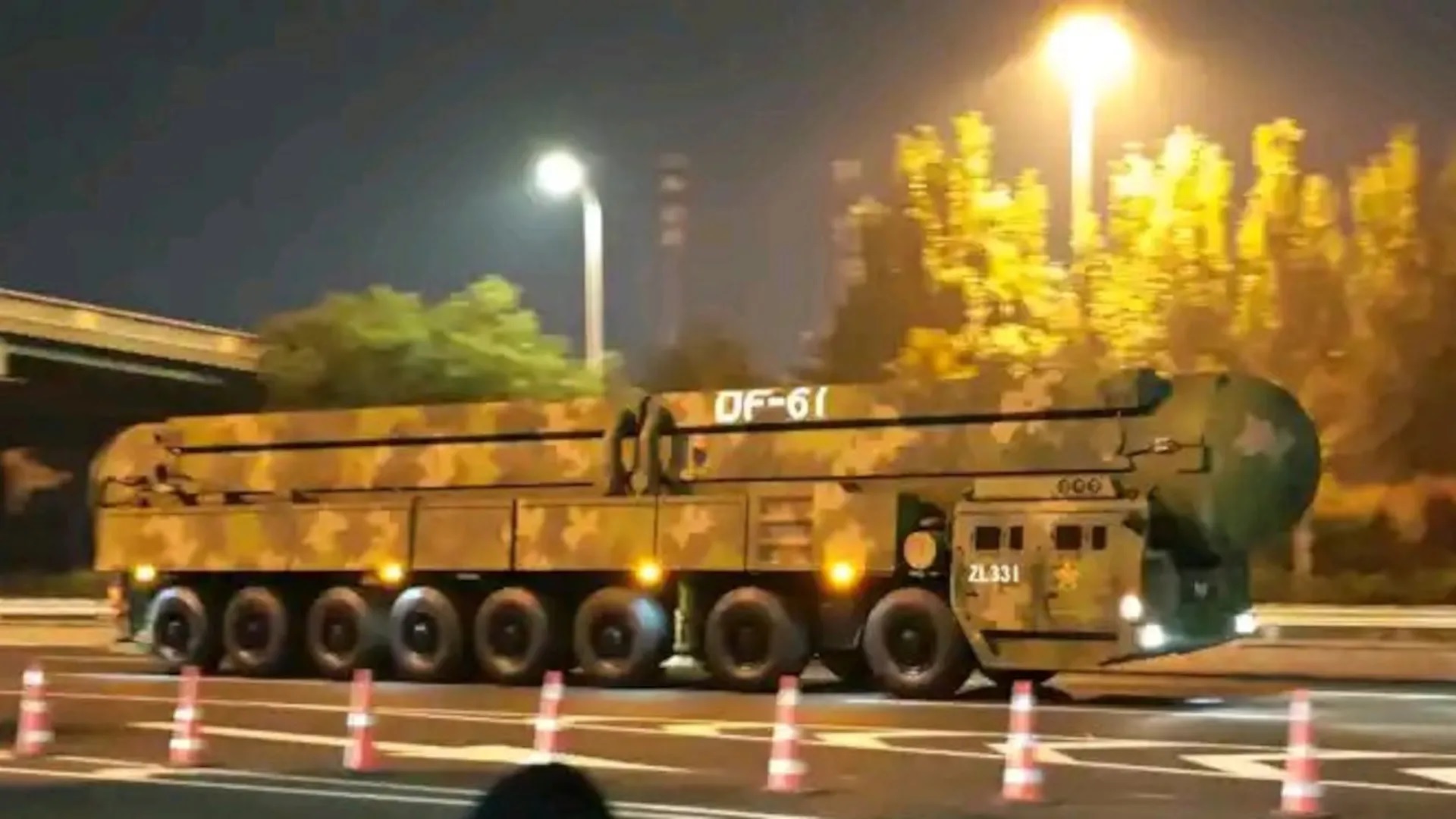
World
Beijing, September 3, 2025 — In a powerful show of force during the parade marking the 80th anniversary of victory over Japan, China officially unveiled its new Dongfeng-61 (DF-61) intercontinental ballistic missile (ICBM). The massive missile, transported on 16-wheeled transporter-erector-launchers (TELs) with canisters marked “DF-61,” drew global attention as the latest step in Beijing’s expanding nuclear arsenal. However, its operational readiness remains unconfirmed. A Historic Nuclear Triad Display For the first time, China showcased all three legs of its nuclear triad in one parade: DF-61 as the new land-based mobile ICBM, JuLang-3 submarine-launched ballistic missile, JingLei-1 long-range air-launched missile. Other upgraded systems such as the DF-31BJ, DF-5C, and DF-26D also took part. The event underlined China’s intent to present itself as a full-spectrum nuclear power with diverse and survivable strike options. DF-61: A Successor to DF-41? The DF-61 is widely interpreted as a successor or complement to the DF-41, which entered service in the late 2010s. While official details remain undisclosed, past reports speculated that its potential capabilities may include: Range of 12,000–15,000 kilometers, Ability to carry multiple MIRVs (warheads that can target independently), Payload options including high-yield warheads up to several megatons, Possible use of a fractional orbital bombardment system (FOBS). The TEL design closely resembles that of the DF-41, highlighting China’s focus on mobility and survivability in nuclear deployment. Operational Status in Question Unlike the DF-41, which was confirmed combat-ready by 2017, no such confirmation has been given for the DF-61. Analysts suggest that the missiles paraded may be mock-ups or prototypes, with real deployment status yet to be determined. Experts will be watching for signs of the DF-61 appearing at known missile brigades or in large-scale Rocket Force exercises to assess whether it is operational. Broader Strategic Context The unveiling of the DF-61 comes at a time of rapid nuclear expansion by the People’s Liberation Army Rocket Force (PLARF): By mid-2024, China had surpassed 600 nuclear warheads, with projections to exceed 1,000 by 2030. Construction is underway on at least three new ICBM silo fields, each expected to hold more than 100 launchers. Parallel development continues between silo-based DF-5 variants and mobile solid-fuel designs like the DF-31BJ and DF-61. This modernization drive also includes hypersonic glide vehicles, intermediate-range missiles like the DF-26 and DF-27, and next-generation cruise missiles such as the CJ-100. Significance The DF-61’s parade debut marks not only the official recognition of a new missile but also the consolidation of China’s land-, sea-, and air-based nuclear forces into a credible strategic triad. Even if not yet fully operational, the missile’s presence signals Beijing’s determination to achieve greater nuclear deterrence and parity with other global powers, reshaping strategic balances into the next decade.
Read More → Posted on 2025-09-03 16:20:36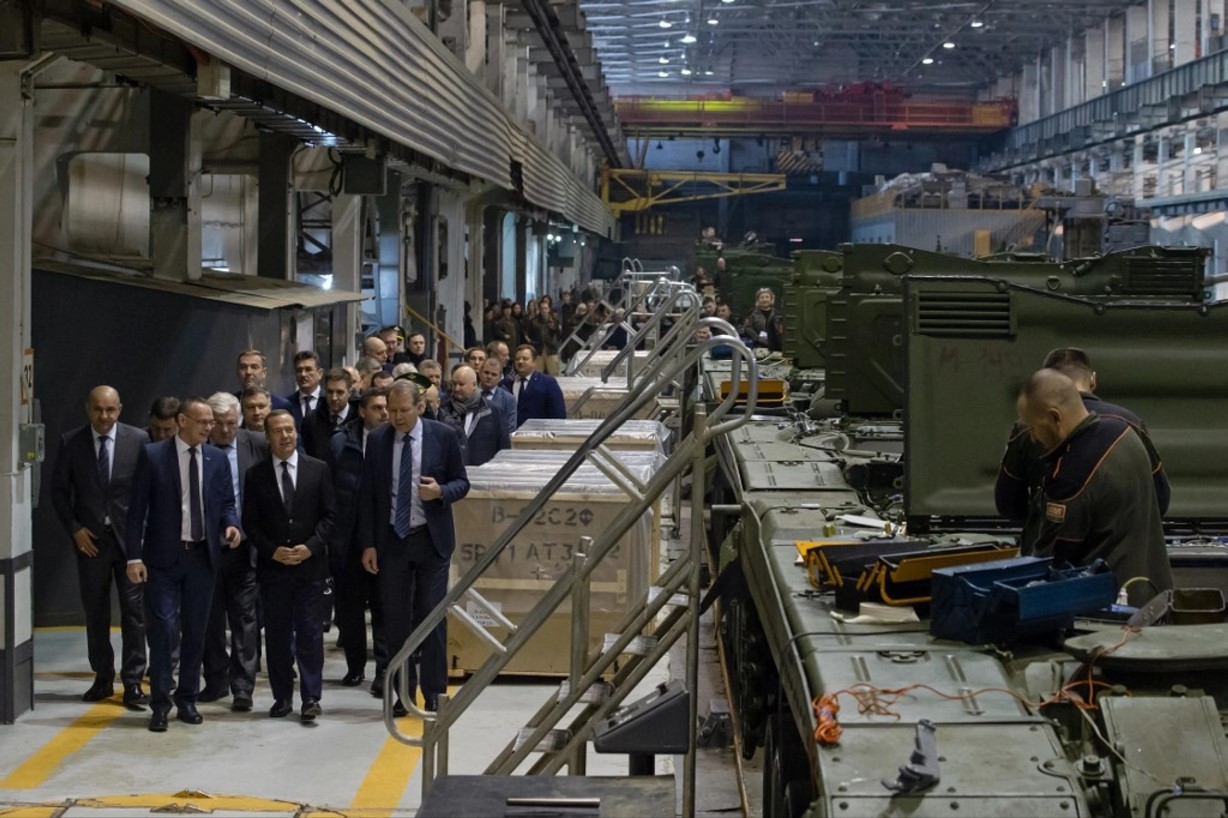
World
Ukraine’s Defence Intelligence Directorate (GUR) has uncovered that Russia’s largest tank producer, Uralvagonzavod, continues to rely heavily on foreign-made CNC machines and advanced equipment despite years of international sanctions. Hundreds of Imported Machines Identified Investigators found that the Uralvagonzavod plant in Sverdlovsk Oblast operates at least 260 imported CNC systems and machine tools, many of which were purchased during Moscow’s defense modernization program that began in 2007. These machines are vital for precision cutting, molding, and manufacturing complex tank parts. In 2024, the factory even launched a new tank engine production line using European CNC equipment, showing that Russia has still managed to obtain foreign technology through partner countries and grey-market channels, even though deliveries are now slower, riskier, and more expensive. Sanctions Database Expands Kyiv’s War and Sanctions database now monitors almost 1,400 foreign machines across 169 Russian defense enterprises. Each entry includes supporting evidence such as documents, photographs, or videos. Around one-third of the records feature serial numbers, which could allow manufacturers to trace machines, block spare parts, and cut off essential fluids or software updates. GUR officials stressed that this information is crucial for tightening export controls and preventing Russia from bypassing sanctions through intermediaries. Ongoing Foreign Components in Weapons The intelligence service has also tracked foreign technology inside Russian weapons on the battlefield. In June, Ukraine found Western-made electronics, including an NVIDIA Jetson Orin, an Intel AC 8265, and a Sony imaging sensor, inside a Russian V2U loitering munition used in Sumy. In May, a captured S8000 Banderol cruise missile was discovered with parts originating from Japan, Australia, and South Korea. In April, an Indian-made clock buffer was identified among nearly 200 foreign components used across six different Russian weapon systems. Strategic Pressure Point Analysts note that Russia’s defense production is deeply dependent on Western and Asian CNC technology, including systems similar to those made by Fanuc, Siemens, and Heidenhain. Although Russia has turned to Chinese suppliers and attempted to build domestic alternatives, many of these machines still incorporate Western components, making sanctions enforcement a potential choke point for Moscow’s military industry. Call for Stronger Action GUR emphasized that cutting off Russia’s access to these machines requires international coordination, real investigations, and accountability for sanctions violations. Officials said that tracking serial numbers and tightening enforcement could significantly disrupt Russia’s ability to produce tanks, armored vehicles, and engines. Why It Matters Russia’s tank production depends on foreign precision tools. Sanctions enforcement on CNC parts, software, and updates could cripple production capacity. Ukraine’s growing database offers concrete evidence to help allies block loopholes and hold violators accountable.
Read More → Posted on 2025-09-03 16:17:38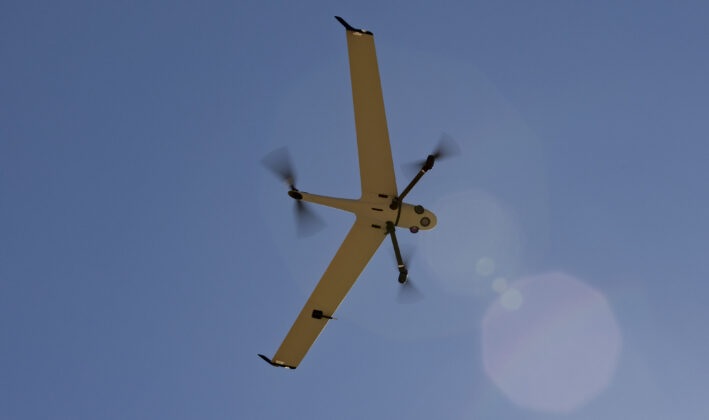
World
Cairo, Egypt (September 2, 2025) — The U.S. military has unveiled a new compact but advanced unmanned aircraft system, the Edge 130 Blue, during the multinational BRIGHT STAR 25 exercises at Talet Al Keif, Egypt, on August 30, 2025. Operated by the 1st Special Operations Wing of the U.S. Air Force, the debut showcased the drone’s long flight endurance, modular design, and secure military integration. Cutting-Edge Capabilities Hybrid Tricopter DesignThe Edge 130 Blue uses a three-rotor configuration that allows vertical takeoff and landing (VTOL), hovering, and efficient forward flight. Despite weighing only 1.2 kilograms, it can be launched in under one minute by a single operator, making it highly deployable in the field. Industry-Leading EnduranceIn forward flight, the aircraft can stay airborne for more than two hours—far exceeding the endurance of most small drones approved under the Blue UAS program. All-Weather OperationBuilt to withstand winds of up to 40 miles per hour, the drone remains operational in difficult weather conditions, ensuring mission reliability. Modular Payload SystemOperators can swap payloads without tools, choosing from options such as dual electro-optical/infrared gimbals for surveillance or mapping cameras for terrain analysis. This modularity makes the drone suitable for a wide range of military and government missions. Secure CommunicationsWith AES-encrypted radios and Blue UAS cybersecurity certification, the system is designed for safe integration into U.S. and allied defense networks. Strategic Role The Edge 130 Blue is primarily intended for intelligence, surveillance, and reconnaissance (ISR) missions, providing ground forces with real-time imagery and situational awareness. Its performance bridges the gap between short-range quadcopters and larger unmanned aircraft, giving commanders more flexibility in tactical operations. The drone’s design aligns with the Pentagon’s push for secure, American-made alternatives to foreign drones, especially after the Department of Defense launched the Blue UAS framework to certify drones for federal use. Expanding Adoption The drone has already gained traction beyond U.S. Special Operations. Earlier in 2025, U.S. agencies, including the Army National Guard, ordered multiple units, highlighting growing confidence in the platform. The Australian Navy has also placed orders, demonstrating its expanding international footprint. Furthermore, the Edge 130 Blue was recently selected in the Pentagon’s “Blue UAS Refresh” program, which ensures that approved drones remain cybersecure and available for large-scale procurement. A Highlight of Bright Star 25 BRIGHT STAR 25, one of the largest joint exercises in the Middle East, brought together U.S. and partner forces to train in complex battlefield conditions. The Edge 130 Blue’s debut was one of the highlights, showcasing how rapidly deployable drones are becoming central to modern coalition operations. With its long endurance, modular payloads, secure communications, and rapid deployment, the Edge 130 Blue represents a significant leap forward for tactical drone operations. Its unveiling in Egypt signals not just a technological milestone, but also a clear step toward deeper integration of next-generation unmanned systems in multinational defense cooperation.
Read More → Posted on 2025-09-02 17:01:42
World
Brussels, 2 September 2025 – The European Commission, in its role as the Programme Manager of the EU Space Programme, has announced a major enhancement to Europe’s regional satellite-based augmentation system, EGNOS (European Geostationary Navigation Overlay Service). As part of the EGNOS System Release 2.4.3, the GEO-3 satellite—Eutelsat 5 West B (PRN 121)—officially transitioned from test status to full operational mode on 25 August 2025, now broadcasting the EGNOS Signal-in-Space (SiS). The deployment, initiated in August 2025, is explicitly designed to reinforce service reliability and lay the groundwork for the next evolutionary phase of EGNOS—EGNOS V3. Looking ahead, a “GEO swap” process is scheduled for 5 September 2025, whereby GEO-2 (ASTRA 5-B, PRN 123) will shift from its current operational status to the test platform, broadcasting the Test SiS, while GEO-3 and GEO-1 remain in the operational fleet. This space-segment reconfiguration does not affect the continuity of EGNOS services across the coverage area. The European Union Agency for the Space Programme (EUSPA), as the operational agency, is managing the integration, maintenance, and service provision of the upgraded configuration, reinforcing EGNOS’s robustness—especially for safety-critical applications such as aviation. Context & Implications EGNOS, which enhances the accuracy and integrity of GPS positioning, has been instrumental since its certification for civil aviation use in 2011. It supports precision approaches, enabling safer landings under adverse weather or low-visibility conditions, especially at regional and smaller airports. Now, with GEO-3 fully operational, Europe’s satellite navigation infrastructure gains a critical redundancy boost. This improves resilience and elevates the system's preparedness for future expansion. The upcoming EGNOS V3 platform promises even more transformative capabilities: dual-frequency operation, multi-constellation support (including Galileo), enhanced performance, and greater robustness. In particular, EGNOS V3 is expected to support the SBAS standard L1/L5, offer improved availability even at the edges of European coverage (such as distant regions like Iceland), and extend service integrity with potential anti-spoofing features currently under development. Why This Matters Safety First: The seamless GEO-swap preserves uninterrupted service for aviation, maritime, rail, agriculture, and other sectors relying on precise positioning. Infrastructure Resilience: Operationalizing GEO-3 alongside GEO-1 enhances redundancy and availability, making the system less vulnerable to individual satellite issues. Future-Ready Design: Laying the foundation for EGNOS V3 ensures compatibility with modern GNSS constellations and higher-frequency bands, aligning Europe with next-gen navigation standards. Strategic Autonomy: Strengthening EGNOS underlines Europe's commitment to maintaining sovereignty in satellite navigation—bolstering both civilian and professional use cases. Quotes from Officials Arlen Kassighian, Chief Engineering Officer of Eutelsat, remarked:“We are delighted to host this payload, which will continue to significantly enhance the performance of global navigation satellite systems across Europe in the coming years.” Jean-Marc Pieplu, Head of the EGNOS Exploitation Department at EUSPA, commented that the 2.4.3 system release is “an important step towards the upcoming EGNOS V3, which will bring enhanced performance, robustness, and dual-frequency multi-constellation capabilities to European satellite navigation services.” With this upgrade, Europe reinforces EGNOS at the heart of its navigation ecosystem—maintaining seamless service now and enabling the next era of robust, multi-constellation positioning solutions in the near future.
Read More → Posted on 2025-09-02 15:33:20
World
The European Union is set to reach its highest-ever military expenditure in 2025, with defense budgets climbing to an unprecedented €381 billion (about $443 billion). This marks a nearly 10 percent increase from the previous year’s €343 billion and pushes spending to roughly 2.1 percent of the bloc’s GDP. According to the European Defence Agency (EDA), almost €130 billion of the 2025 budget will be dedicated to investments in new weaponry, equipment, research, and development. The sharp rise builds on last year’s surge, when spending on armaments alone increased by nearly 40 percent, while defense R&D grew by around 20 percent. A major driver of this buildup is the SAFE loan programme, a €150 billion initiative backed by the EU budget to provide member states with cheaper loans for defense. All available funds have now been subscribed, with 19 of 27 EU member states applying for allocations. The scheme is designed to boost Europe’s arms production capacity and reduce dependence on external suppliers, while also allowing some states to direct resources toward supporting Ukraine. The record spending comes as Europe faces mounting pressure from both security threats and political allies. Western intelligence services have repeatedly warned that Russia could pose a direct threat to NATO within the next five years if the war in Ukraine ends. Meanwhile, the return of Donald Trump to the U.S. presidency has renewed American pressure on Europe to carry a bigger share of the NATO burden. At a NATO summit earlier this year, allies committed to raising total security-related expenditures to 5 percent of GDP by 2035, with 3.5 percent dedicated to core defense and 1.5 percent to broader areas such as infrastructure and cybersecurity. EDA head André Denk noted that meeting just the 3.5 percent requirement would demand EU countries collectively spend over €630 billion annually, underscoring the enormous fiscal challenge ahead. Beyond NATO obligations, Brussels is pursuing its own ambitious rearmament strategy. The “Readiness 2030” plan aims to mobilize up to €800 billion in additional resources over the coming years, through budget flexibility, expanded loan programs, and stronger private-sector investment in defense industries. However, analysts caution that such steep increases could come with trade-offs. Committing hundreds of billions more to defense risks straining budgets for social welfare, healthcare, and climate initiatives, potentially sparking political debates within member states. For now, EU leaders remain clear in their stance. “Europe is spending record amounts on defense to keep our people safe, and we will not stop there,” said EU foreign policy chief Kaja Kallas, signaling that the continent’s military buildup is only at the beginning of a new era.
Read More → Posted on 2025-09-02 15:25:17World
The European Union is set to reach its highest-ever military expenditure in 2025, with defense budgets climbing to an unprecedented €381 billion (about $443 billion). This marks a nearly 10 percent increase from the previous year’s €343 billion and pushes spending to roughly 2.1 percent of the bloc’s GDP. According to the European Defence Agency (EDA), almost €130 billion of the 2025 budget will be dedicated to investments in new weaponry, equipment, research, and development. The sharp rise builds on last year’s surge, when spending on armaments alone increased by nearly 40 percent, while defense R&D grew by around 20 percent. A major driver of this buildup is the SAFE loan programme, a €150 billion initiative backed by the EU budget to provide member states with cheaper loans for defense. All available funds have now been subscribed, with 19 of 27 EU member states applying for allocations. The scheme is designed to boost Europe’s arms production capacity and reduce dependence on external suppliers, while also allowing some states to direct resources toward supporting Ukraine. The record spending comes as Europe faces mounting pressure from both security threats and political allies. Western intelligence services have repeatedly warned that Russia could pose a direct threat to NATO within the next five years if the war in Ukraine ends. Meanwhile, the return of Donald Trump to the U.S. presidency has renewed American pressure on Europe to carry a bigger share of the NATO burden. At a NATO summit earlier this year, allies committed to raising total security-related expenditures to 5 percent of GDP by 2035, with 3.5 percent dedicated to core defense and 1.5 percent to broader areas such as infrastructure and cybersecurity. EDA head André Denk noted that meeting just the 3.5 percent requirement would demand EU countries collectively spend over €630 billion annually, underscoring the enormous fiscal challenge ahead. Beyond NATO obligations, Brussels is pursuing its own ambitious rearmament strategy. The “Readiness 2030” plan aims to mobilize up to €800 billion in additional resources over the coming years, through budget flexibility, expanded loan programs, and stronger private-sector investment in defense industries. However, analysts caution that such steep increases could come with trade-offs. Committing hundreds of billions more to defense risks straining budgets for social welfare, healthcare, and climate initiatives, potentially sparking political debates within member states. For now, EU leaders remain clear in their stance. “Europe is spending record amounts on defense to keep our people safe, and we will not stop there,” said EU foreign policy chief Kaja Kallas, signaling that the continent’s military buildup is only at the beginning of a new era.
Read More → Posted on 2025-09-02 15:25:17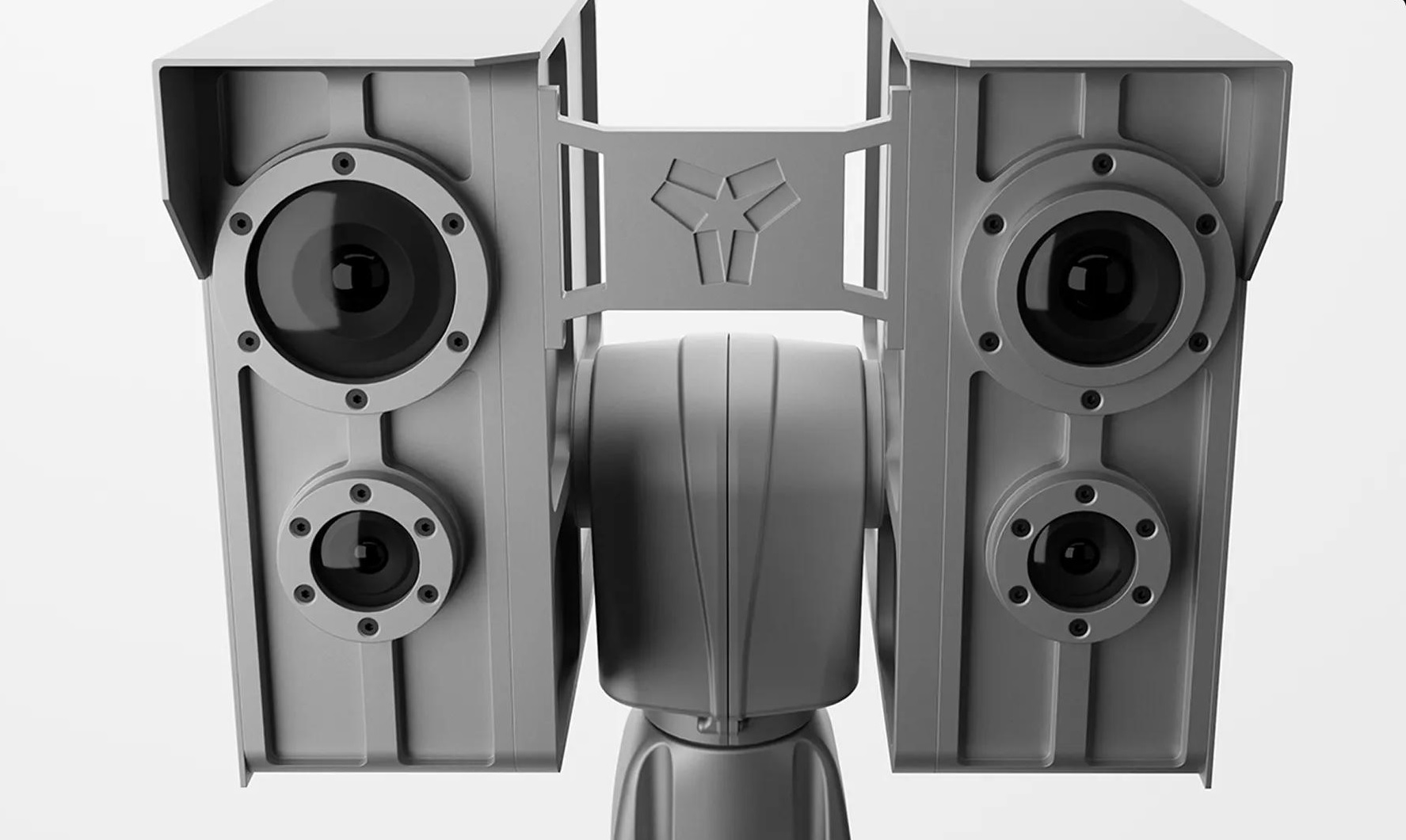
World
In a bold response to the rising menace of drone swarms, the U.S. Army’s C5ISR Center has invited Orlando-based Thor Dynamics to participate in its exclusive Defense in Depth Experiment (DiDEX) 25. Unlike a trade show, DiDEX 25 is a rigorous, invitation-only field experiment where Army scientists validate technologies in simulated combat environments. The selection of Thor Dynamics comes after a recent incident in Colombia, where two Black Hawk helicopters used by police forces were downed by basic drones. The attack highlighted how low-cost, commercially available systems can neutralize advanced aircraft, raising concerns about civilian and law enforcement vulnerabilities. Thor Dynamics’ “Laser Armor” system is designed to counter exactly this type of threat. It is a lightweight, man-portable laser weapon capable of delivering a near-limitless magazine at the cost of only pennies per shot. Reinforcement learning and AI-guided targeting allow it to provide continuous precision protection against drones, making it suitable for military units, special operations forces, and law enforcement. Justin Sadeghian, Director of National Security Growth at Thor Dynamics and a former 160th SOAR pilot, stressed the importance of such systems. “A defense that needs to reload is a defense that is guaranteed to fail against a swarm. You cannot win a war of mass with a limited magazine,” he said, recalling his experience flying Black Hawks into high-risk environments. The urgency of solutions like Laser Armor is underscored by global drone production trends. Russia is expected to build 6,000 Shahed-style drones annually, while China has the capacity to produce over 200,000 small drones every month. These systems are designed to overwhelm defenses that rely on limited missiles and ammunition, creating a dangerous cost imbalance. Thor Dynamics’ participation in DiDEX 25 builds on its growing reputation. The company has already been recognized by U.S. Special Operations Command (USSOCOM) and the Army’s xTechOverwatch program, both of which identified Laser Armor as a promising solution for countering drone swarms. The DiDEX 25 experiment itself is part of a wider Army effort to evaluate new counter-unmanned systems technologies. Organized by the DEVCOM C5ISR Center in partnership with the Joint Counter-small UAS Office, the Defense Innovation Unit, and the Department of Homeland Security’s Science & Technology Directorate, the event will test capabilities in realistic operational scenarios, including urban and contested environments. Why It Matters Threat: Mass-produced drone swarms can overwhelm traditional defenses. Problem: Missiles and interceptors are limited and expensive. Solution: Laser Armor delivers continuous firepower at extremely low cost with high precision. Thor Dynamics’ invitation to DiDEX 25 shows the Army’s growing interest in laser-based defenses as a practical answer to the drone swarm challenge. If successful in field trials, the system could move toward wider deployment—offering the U.S. military, law enforcement, and even civilian security forces a scalable, cost-effective shield against one of modern warfare’s fastest-evolving threats.
Read More → Posted on 2025-09-02 15:20:17
World
Ankara, September 2025 — Türkiye is set to make naval aviation history this month as the Bayraktar TB3 unmanned combat aerial vehicle (UCAV) begins regular operations from the flagship TCG Anadolu. The announcement was confirmed by Rear Admiral Recep Erdinç Yetkin at the Teknofest Mavi Vatan event, alongside Baykar Chairman Selçuk Bayraktar. This milestone marks the first time in the world a fixed-wing, strike-capable UCAV will conduct routine missions from a large deck naval vessel. From Trials to Operations The Bayraktar TB3’s journey to operational readiness has been marked by a series of successful trials: In November 2024, the TB3 became the first drone in history to take off and land on a short-deck amphibious assault ship without landing assistance. By April 2025, it had completed four fully autonomous sorties from Anadolu during tests in the Gulf of Saros, validating AI-supported takeoff and landing systems. In May 2025, armed TB3 prototypes conducted live-fire tests, launching precision-guided MAM-L smart munitions from the deck of Anadolu. Earlier, in January 2025, the UCAV had already proven strike capability with MAM-T missiles, supported by Aselsan’s ASELFLIR-500 electro-optical targeting system. These achievements confirmed the TB3’s ability to perform intelligence, surveillance, reconnaissance, and precision strike missions under real maritime conditions. Technical Capabilities The Bayraktar TB3 is a medium-altitude, long-endurance drone designed specifically for shipborne use. Key features include: Length: 8.35 meters Wingspan: 14 meters (with folding wing design for carrier storage) Maximum Takeoff Weight: ~1,450–1,600 kg Payload Capacity: 280 kg Endurance: Over 21 hours Operating Altitude: 20,000–25,000 feet Engine: Indigenous TEI-PD170 turbodiesel The TB3 can carry a range of Turkish-made smart munitions including MAM-L, MAM-T, and L-UMTAS, making it capable of both land-attack and maritime strike missions. It also supports satellite communications for beyond-line-of-sight operations, allowing missions far from Türkiye’s coastline. TCG Anadolu – The World’s First Drone Carrier The TCG Anadolu (L-400), displacing 27,000 tons and measuring 231 meters, is Türkiye’s largest warship and the world’s first dedicated drone carrier. Originally designed to operate F-35B stealth jets, the ship was reconfigured after Türkiye’s removal from the Joint Strike Fighter program. Today, Anadolu combines the role of an amphibious assault ship with a drone-optimized aviation wing. Equipped with a ski-jump deck and large hangar space for folding-wing drones like the TB3, it serves as the backbone of Türkiye’s naval power projection. Strategic Impact With this operational debut, Türkiye becomes the first nation to routinely deploy an armed, fixed-wing UCAV from a large-deck amphibious ship. While the U.S. Navy focuses on the MQ-25 Stingray tanker, the Royal Navy experiments with Mojave and rotary drones, and China prepares its Fujian carrier and Type 076 amphibious assault ship, Türkiye has achieved a first-mover advantage by fielding a fully armed, operational shipborne drone capability. This not only strengthens Ankara’s ability to conduct maritime surveillance and strike missions but also signals a doctrinal shift in naval warfare, where drones are no longer experimental add-ons but permanent elements of task groups. Key Highlights First operational armed drone flights from a large deck ship will begin in September 2025. The TB3 offers long endurance, high payload, and autonomous deck operations without catapults or arresting gear. TCG Anadolu stands as the world’s first drone carrier, optimized for unmanned aviation. Türkiye sets a global precedent, redefining naval aviation in the unmanned era. In short, Türkiye’s Bayraktar TB3 aboard TCG Anadolu marks not just a technological breakthrough, but a strategic leap, positioning the Turkish Navy at the forefront of 21st-century unmanned naval warfare.
Read More → Posted on 2025-09-02 14:49:54
World
Misgav, Israel — September 1, 2025 : Semiconductor Devices (SCD), a premier Israeli manufacturer of infrared (IR) sensors and detectors, has formalized a multi-year strategic agreement with the Israeli Ministry of Defense (MoD) under the “Blue & White” initiative. Valued at approximately $115 million (380 million shekels), the contract is a decisive step toward enhancing Israel’s technological self-reliance and elevating its defense industrial base. Scaling Up for the Full IR Spectrum Under this ambitious plan, SCD will invest in expanding its cleanroom and manufacturing ecosystems to support cutting-edge IR semiconductor fabrication. The expansion ensures coverage across the full IR spectrum—including short-wave (SWIR), mid-wave (MWIR), and long-wave (LWIR)—with a balanced focus on both cooled and uncooled detectors. The expected impact is profound: production capacity is set to double, enabling agile procurement and development cycles for advanced IR technologies. Defense Ministry Backs Local Innovation Brig. Gen. (Res.) Daniel Gold, head of the MoD’s Directorate of Defense Research and Development (DDR&D), emphasized the initiative’s broader vision: “We are working to deepen Israeli independence across the entire value chain,” he said, noting that these breakthroughs ensure Israel’s technological superiority and qualitative edge. Brig. Gen. Yehuda Elmakayes, DDR&D R&D Division head, underscored the capacity boost: “SCD detectors are already a critical component in many IDF electro-optical systems today, and this project will enable both expanded procurement and future system development led by the DDR&D’s R&D Division.” CEO’s Vision: Israel at the Infrared Vanguard SCD CEO Kobi Zaushnizer framed the deal as a reaffirmation of Israel’s defense commitments and sovereign technological capabilities: “This agreement reflects our deep commitment to the strategic needs of the State of Israel and to maintaining our leadership in infrared technologies. The enhanced capabilities will not only support future defense requirements but will also strengthen Israel’s industrial and technological independence.” Zaushnizer further cited SCD’s plans to strategically leverage the new infrastructure to serve global defense clients, aiding everything from airborne payloads to space systems and large-area platforms. Strategic and Global Significance Beyond boosting domestic self-sufficiency, the upgraded facilities position Israel as a more formidable IR supplier on the global stage. SCD—which operates in the full IR spectrum across cooled and uncooled technologies—will now be equipped to deliver advanced solutions for: Airborne systems Space-based platforms Area dominance architectures Large-scale defense systems A Broader Context of Momentum SCD’s present milestone follows a series of international successes. Earlier in 2025, the company secured over $40 million in contracts across Asia for MWIR and LWIR detectors integrated into armored fighting vehicle sights—highlighting its growing global footprint. The MoD’s investment now complements these export wins, signaling robust domestic-backed confidence in SCD’s technology and manufacturing prowess. Outlook: Infrared Sovereignty and Industry Leadership Israel’s $115 million investment in SCD under the “Blue & White” initiative is more than procurement—it’s a bold bet on national industrial independence, long-term operational autonomy, and international competitiveness in IR technologies. With enhanced capacity and advanced manufacturing capabilities, SCD stands poised to: Fortify the IDF’s sensor and EO/IR systems Accelerate innovation timelines for next-gen platforms Serve as a key OEM partner to global defense integrators As the global defense landscape evolves, Israel’s strategic investment ensures it remains at the forefront of infrared innovation—both at home and abroad.
Read More → Posted on 2025-09-01 15:52:21
World
In a dramatic turn of events, at least three of the five members of the Norwegian Nobel Committee have publicly opposed former President Donald Trump’s bids for the prestigious Nobel Peace Prize, citing his harsh verbal attacks on the media, erosion of democratic norms, and impacts on freedom of expression. Committee Resistance Grows Committee Chair Jørgen Watne Frydnes, who also heads PEN Norway—a global organization defending free speech—has decried Trump’s repeated assaults on journalists and flagged growing concern over the erosion of democratic institutions under his leadership. Kristin Clemet, a former Norwegian education minister and one of the five Nobel chair picks, has been equally vocal, arguing that while some of America’s challenges may be real, Trump’s chosen methods and tone are “deeply disturbing” and accelerating democratic decay. Gry Larsen, a former state secretary in Norway’s foreign ministry, has long been critical as well. In 2017, she posted online that Trump was “putting millions of lives at risk,” referencing his foreign aid reductions, and was seen in a satirical “Make Human Rights Great Again” cap before the 2020 U.S. election. These strong objections, voiced by a clear majority of the Nobel committee, are seen as a formidable obstacle to Trump’s candidacy for the Peace Prize—even as he continues to broadcast his peace-broker ambitions. The Cold Call That Sparked Furor In July 2025, Trump reportedly made an impromptu call to Norway’s Finance Minister, Jens Stoltenberg, a former NATO Secretary-General, while Stoltenberg was walking on the street in Oslo. Trump combined two unexpected requests in that call: inquiries about the Nobel Peace Prize and details on new U.S. tariffs. Multiple U.S. officials, including Treasury Secretary Scott Bessent and Trade Representative Jamieson Greer, were also on the line. Stoltenberg later explained the conversation was meant to prep for a call with Norway’s prime minister and downplayed elaborating on the Nobel discussion. Adding fuel to the fire, on July 31 the U.S. imposed a 15 percent tariff on Norwegian imports—the same level applied broadly with the EU—prompting tense trade negotiations. A Campaign Undermined by Substance and Image Trump continues publicly to tout deals he’s claimed to have orchestrated—such as peace talks between Armenia and Azerbaijan, easing tensions between India and Pakistan, and efforts around Ukraine and Israel—as foundations for his Nobel bid. Several countries, including Israel, Pakistan, and Cambodia, have reportedly nominated him. Yet his aggressive and public pursuit of the Peace Prize—breaks with Nobel tradition of discretion—has drawn sharp backlash. In Pakistan’s case, its approval of Trump’s nomination reversed quickly after U.S. strikes on Iran, calling the nomination embarrassing and highlighting the inconsistency between Trump's peace rhetoric and military actions. What Lies Ahead With the nomination window for 2025 now closed and the award scheduled for announcement in October, any realistic path for Trump to win this year’s prize appears nearly shut. The Nobel committee’s principle of independent appraisal clashes with Trump's overt political lobbying, making his approach both unconventional and unwelcome. As global tensions persist and democracy’s foundations remain under scrutiny, this episode crystallizes a larger question: Can a figure as divise and combative as Trump align with the Nobel Peace Prize’s ideals of reconciliation, integrity, and quiet moral leadership?
Read More → Posted on 2025-09-01 15:30:28
World
Joensuu, Finland — Finnish technology company Kelluu has announced that its autonomous, hydrogen-powered airship will participate in NATO’s REPMUS 25 exercise, one of the alliance’s largest and most advanced defense trials focused on unmanned systems. The 12-meter-long autonomous aerostat combines artificial intelligence with modern sensor technology, bringing a century-old concept of lighter-than-air flight into the modern defense landscape. Quiet, clean, and powered by hydrogen, the airship is designed to deliver persistent surveillance and intelligence below cloud level, where satellites and traditional drones face limitations. “For the next weeks our airships will be in the middle of one of the most demanding defense exercises in the world,” Kelluu said in a statement. What is REPMUS 25? REPMUS — short for Robotic Experimentation and Prototyping with Maritime Unmanned Systems — is NATO’s flagship testing ground for integrating unmanned technologies into joint operations. Last year’s edition involved over 2,000 participants from 30 nations, operating more than 100 unmanned systems across 700 missions. This year, REPMUS 25 raises the bar further, with expanded maritime and aerial challenges that push unmanned platforms to their operational limits. Led by the Portuguese Navy, the exercise explores ISR, amphibious operations, electronic warfare, communications resilience, and interoperability across land, sea, and air domains. Bridging a Critical Gap According to Kelluu, its hydrogen-powered airship addresses a unique intelligence gap: It operates persistently below the clouds, providing surveillance where satellites may be obstructed. It offers uninterrupted ISR for long durations, unlike drones limited by flight endurance. It remains effective even in GNSS-denied environments, enhancing resilience in contested zones. Its payload flexibility allows for customized sensors, radars, and cameras suited to each mission. “Persistent surveillance below the clouds adds a continuous layer of accurate intelligence, extends the reach of sensors and cameras, and keeps working even when navigation signals are jammed,” the company emphasized. A Broader Role in NATO Innovation Kelluu’s participation in REPMUS is part of a larger effort to strengthen European defense capabilities. The company was recently selected for NATO’s DIANA programme, a major accelerator for dual-use technologies, from more than 2,600 applicants. It also took part in Atlantic Trident 25, a multinational air exercise alongside U.S., U.K., French, and Finnish forces — marking the first time hydrogen-powered autonomous airships participated in such a large-scale defense drill. Why It Matters NATO’s growing reliance on unmanned technologies makes platforms like Kelluu’s hydrogen airship increasingly valuable. They offer sustainable, persistent, and flexible ISR solutions, bridging the gap between traditional drones and satellites while aligning with modern defense sustainability goals. By bringing clean energy, endurance, and resilience to aerial surveillance, Kelluu’s innovation shows how smaller European firms are playing a crucial role in strengthening NATO’s evolving defense ecosystem.
Read More → Posted on 2025-09-01 15:07:03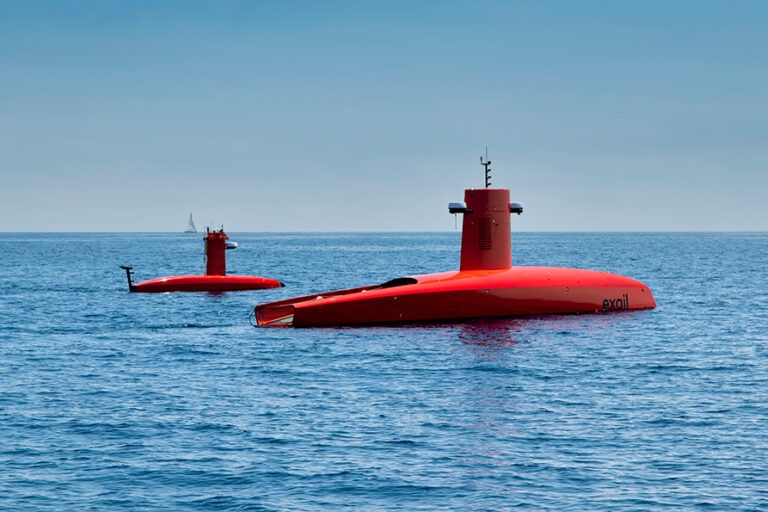
World
Paris, August 2025 – French maritime technology leader Exail has announced the first sale of its new DriX H-9 uncrewed surface vehicle (USV) to a leading global hydrographic authority, marking a major step forward in the company’s expansion within the fast-growing autonomous systems market. A leap in endurance and capability The DriX H-9 is the successor to the proven DriX H-8 and offers up to 20 days of autonomous operation, doubling the endurance of its predecessor. Designed for both commercial and defense applications, the H-9 provides greater payload capacity and flexibility, allowing it to simultaneously carry advanced geophysical sensors including side-scan sonar, magnetometer, multi-beam echo sounder, and sub-bottom profilers. Equipped with an aft launch and recovery system, the vessel can also deploy towed sensors and remotely operated vehicles (ROVs), enabling missions such as seabed mapping, subsea infrastructure inspection, and naval surveillance. Its gondola architecture reduces acoustic interference and ensures the highest quality hydrographic data. The H-9’s adaptable mast supports a range of optical systems and communications equipment for maritime domain awareness. Built with a common framework across the DriX fleet, the vessel offers simplified integration, streamlined spare parts management, and easier maintenance. Dual-use appeal and industry adoption While the new H-9 is headed to a hydrographic authority, industry observers note that the sale also highlights growing defense interest in uncrewed surface vessels. Several navies have already adopted the earlier H-8 model for surveillance and intelligence-gathering. Since the series was introduced in 2017, DriX vessels have accumulated more than 500,000 nautical miles of operations worldwide, serving hydrographic agencies, offshore operators, and naval forces across five continents. Their missions range from environmental monitoring and seabed surveys to strategic reconnaissance. Lower costs, greener operations Exail emphasizes that the H-9 not only improves endurance but also delivers significant cost efficiency and sustainability benefits. Compared to traditional survey vessels, the DriX series can reduce fuel consumption and emissions by up to 95 percent, making it a cleaner solution for long-duration offshore work. The USV also supports over-the-horizon operations, leveraging satellite, 4G, and Wi-Fi communications. With a robust design capable of handling sea state 5, the H-9 ensures reliable performance in demanding offshore conditions. Delivery and future outlook Delivery of the first DriX H-9 is scheduled for 2026, and the sale follows Exail’s recent success with the DriX O-16, a larger model designed for deep-water missions. Together, the H-8, H-9, and O-16 provide a scalable fleet of solutions that cover shallow to deep-sea operations. “With this sale of the H-9, alongside the success of the DriX O-16, the DriX series is becoming a true reality at sea — enabling operations with greater endurance, versatility, and advanced sensor deployment,” said Sébastien Grall, Head of Maritime Autonomy at Exail. “With its reliability and widespread adoption, the DriX series continues to set the standard for high-performance USV operations worldwide.” Shaping the future of maritime operations The successful launch of the DriX H-9 signals the accelerating shift toward autonomous maritime technologies. With proven maturity, global adoption, and strong demand from both civilian and military operators, Exail’s DriX series is positioning itself as a benchmark in the future of ocean mapping, subsea infrastructure protection, and naval domain awareness
Read More → Posted on 2025-09-01 15:02:57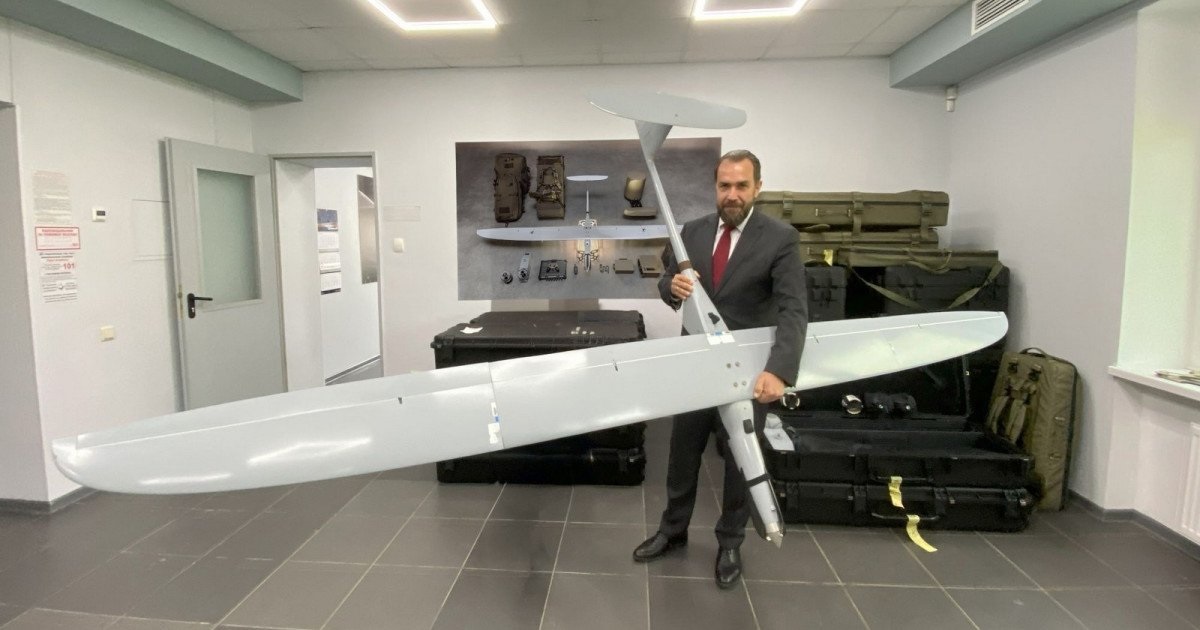
World
Poland’s leading defense technology firm, WB Group, has quietly launched full-scale production of its FlyEye unmanned aerial systems (UAS) inside Ukraine. The company’s initiative responds directly to heightened demand from Ukrainian armed forces for reliable, combat-proven reconnaissance platforms. Production Goes Local — A Strategic Shift This year marked the commencement of FlyEye drone assembly at a facility operated by WB Ukraina, a subsidiary of WB Group established in the late 2010s. Originally focused on servicing, repair, and spare parts supply, the plant has now begun manufacturing complete systems in 2025, working closely with other WB Group entities on operations, knowledge sharing, and further development. WB Group deliberately kept this transfer under wraps until now, citing heightened threats to Ukraine’s defense production infrastructure. The move was only disclosed after Poland’s ambassador to Ukraine, Piotr Łukasiewicz, visited the facility. FlyEye: Field-Proven and Frontline-Ready Developed by Flytronic, WB Group’s subsidiary, FlyEye has served the Ukrainian forces since 2015 and is among the few Western drones formally adopted by their armed forces. The platform excels in high-intensity combat, earning praise for its operational resilience and high mission survivability. Key features of the FlyEye include: Easy Deployment: An electrically powered motor-glider with a tractor propeller, designed for hand launch and automatic landings in confined spaces. High Mobility: Portable in just two backpacks, with no need for launchers or specialist equipment. Silent Flight: Battery power is used mainly for takeoff and altitude control, while the rest of the mission is conducted in silent gliding mode, reducing detectability. Modular Payloads: Operators can swap between day and thermal imaging cameras, surveillance heads, or communication relay kits. The system is also compatible with advanced battlefield management software like the Topaz system and can remain operational under electronic warfare or GPS-denied conditions. Growth Trajectory and Global Reach FlyEye has become one of Europe’s most widely produced drones: By March 2024, more than 1,000 units had been produced. WB Group’s annual drone output has surpassed 6,000 units, with Ukraine accounting for more than half of the total. Production capacity can be doubled if required, ensuring uninterrupted supply to frontline forces. Beyond Poland and Ukraine, FlyEye has been exported to countries across Europe and Asia, including Malaysia, where it is integrated into artillery units. Strategic Implications Enhanced Ukrainian Autonomy – Local production reduces Ukraine’s reliance on imports and ensures faster delivery of drones and spare parts directly to frontline forces. Operational Continuity – Manufacturing inside Ukraine strengthens battlefield logistics and helps withstand disruptions caused by attacks on infrastructure. Industrial Synergy – Ukrainian specialists with combat experience in drone operations are now directly involved in development and production, enriching WB Group’s technological base. Regional Defense Strength – Poland’s decision reflects its strong commitment to Ukraine and bolsters defense cooperation across Eastern Europe. The FlyEye’s transition from Polish factories to Ukrainian assembly lines represents more than just a production shift. It strengthens Ukraine’s ability to maintain reconnaissance superiority in a high-intensity conflict, while reinforcing Poland’s role as a critical defense partner in the region.
Read More → Posted on 2025-09-01 14:58:58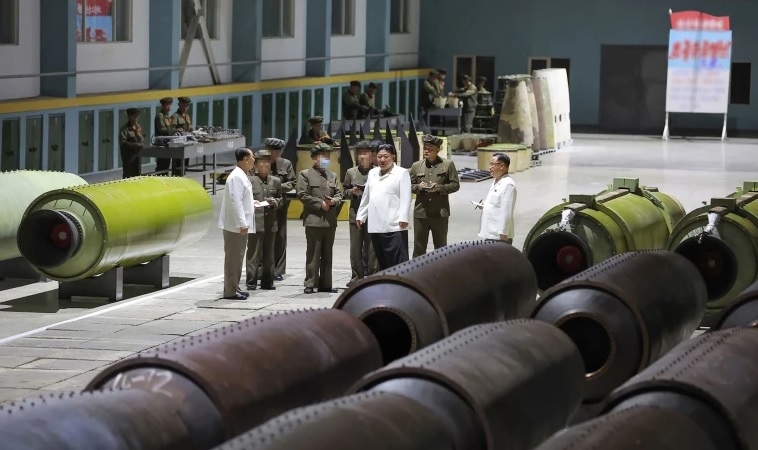
World
Pyongyang, September 1, 2025 – Just days before his scheduled trip to Beijing to attend a military parade alongside Chinese President Xi Jinping and Russian President Vladimir Putin, North Korean leader Kim Jong Un inspected a newly modernized missile production line. The visit, conducted on August 31, highlights Pyongyang’s push to upgrade its defense-industrial base through automation and integration. During the inspection, Kim received detailed briefings on the automation system used in missile assembly and quality control. He expressed satisfaction, stressing that the shift toward automated manufacturing would boost combat readiness, ensure higher quality, and expand production capacity for North Korea’s missile units. Modernization and Military Ambitions Automation DriveNorth Korea has transitioned from small-scale experimental production to integrated and sustained automated manufacturing. Automation is particularly vital for solid-fuel missile programs, which demand precise engineering to ensure reliability. This modernization supports systems like the Hwasong-18, the country’s most advanced solid-fuel intercontinental ballistic missile (ICBM), tested earlier this year. Political TimingAnalysts note that the timing of Kim’s visit, just before his high-profile diplomatic engagement in Beijing, serves as a message to both domestic audiences and foreign partners that North Korea’s defense sector is resilient despite international sanctions. Strategic LocationWhile KCNA did not disclose the site, observers suggest the factory is likely in Jagang Province, a hub for weapons production near the Chinese border. Broader Context: Alliances and Sanctions Resistance Stronger Russia-China TiesThe modernization comes amid closer military and political cooperation with Russia and China. North Korea has already supplied Moscow with artillery, missiles, and soldiers to aid in the Ukraine war, deepening the Pyongyang-Moscow partnership. Pushback Against the U.S., Japan, and South KoreaNorth Korea’s foreign ministry recently condemned a trilateral agreement between Washington, Tokyo, and Seoul on cybersecurity, calling it hostile propaganda and warning it would only intensify mistrust. Sanctions Evasion StrategyDespite years of tough UN sanctions, Pyongyang continues to strengthen its defense production capacity. By automating missile manufacturing, North Korea reduces reliance on external suppliers and ensures greater independence in sustaining its arsenal. Continuity in Military Expansion Kim’s August 31 inspection fits into a broader 2025 pattern of defense expansion: In June 2025, he ordered a major increase in artillery shell production through automation. In April 2025, he attended the launch of the Choe Hyon-class destroyer, a new multipurpose warship built domestically, signaling advances in naval power. The automated missile line is a significant step forward, enabling mass production with consistent quality while reinforcing North Korea’s deterrence strategy. It also signals to the world—particularly the United States, South Korea, and Japan—that Pyongyang remains determined to expand its arsenal regardless of sanctions. As Kim Jong Un prepares to stand alongside Xi Jinping and Vladimir Putin in Beijing, the inspection sends a clear political message: North Korea is modernizing, self-reliant, and ready to project strength both at home and abroad.
Read More → Posted on 2025-09-01 14:16:00Search
Top Trending in 24 Hours
-
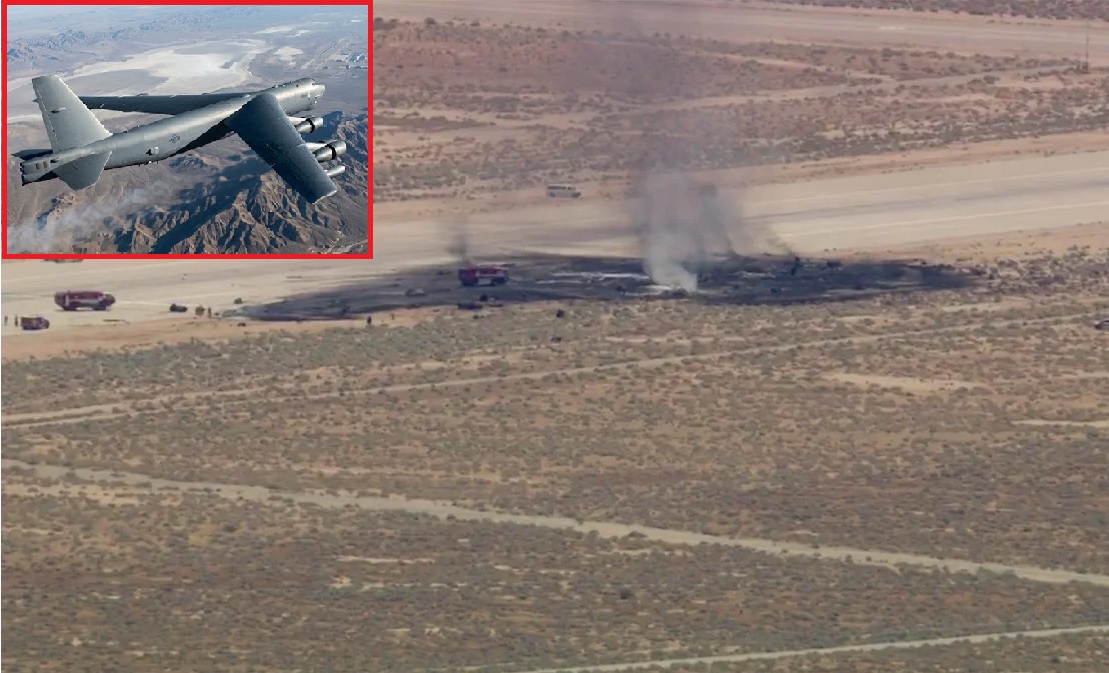 8 U.S. Air Force Crew Members Killed in B-52 Bomber Crash During Test Flight at Edwards Air Force Base
-
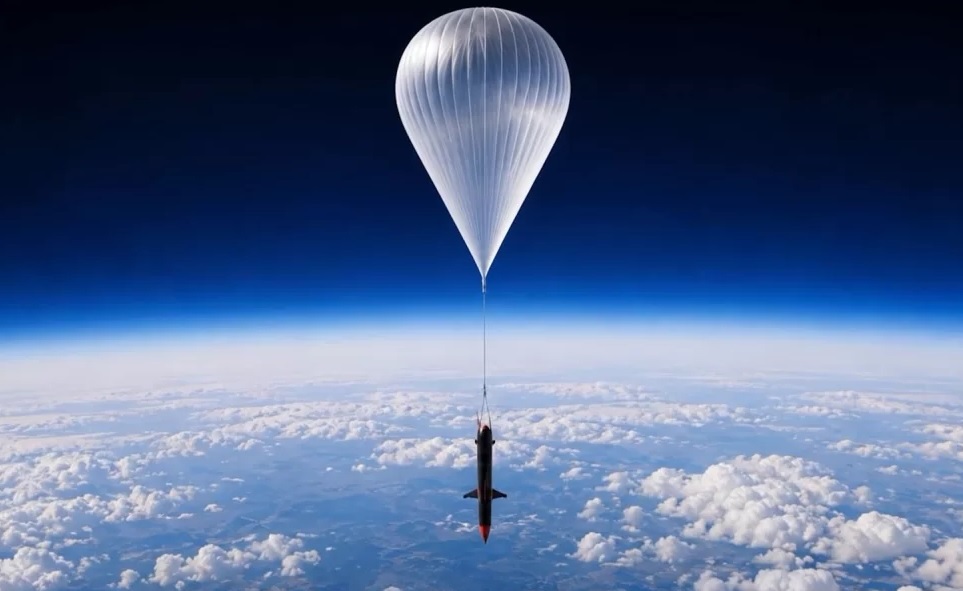 Ukraine Introduces Balloon-Launched DART Missile Designed to Defeat Electronic Warfare
-
 Lockheed Martin Wins $514 Million U.S. Space Force Contract for Two New GPS IIIF Satellites
-
 UK Announces £210 Million Deal to Supply Enriched Uranium to Ukraine for Two Years
-
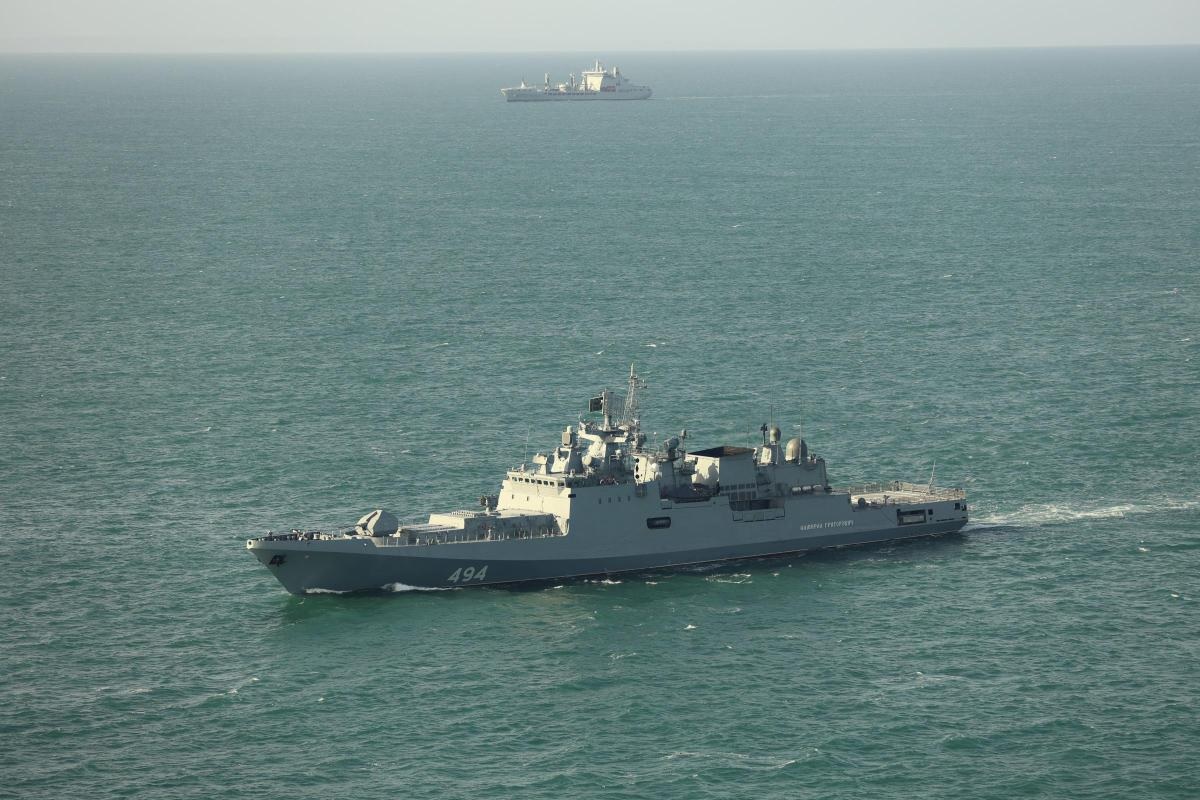 Russian Frigate Admiral Grigorovich Challenges UK Yacht in English Channel With Warning Shots
-
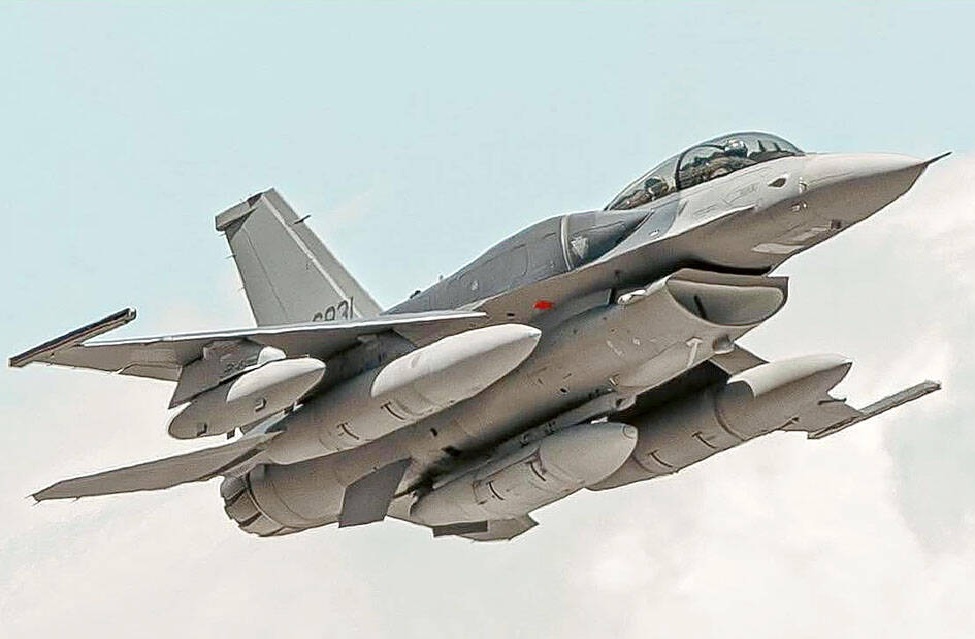 First Taiwanese F-16 Block 70 Flies with Five-Tank Fuel Configuration During Texas Tests
-
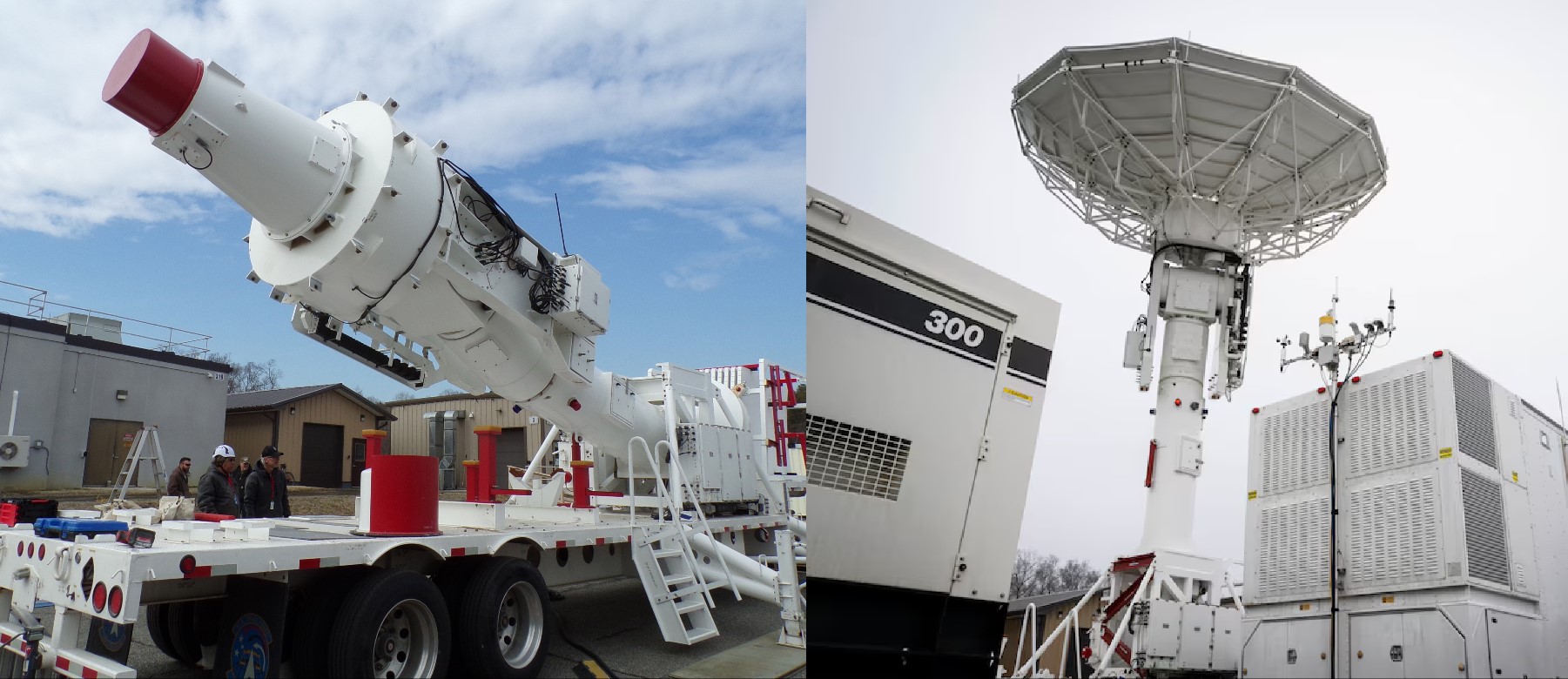 Space Force Transfers Transportable Satellite Tracking Antenna to Naval Research Laboratory
-
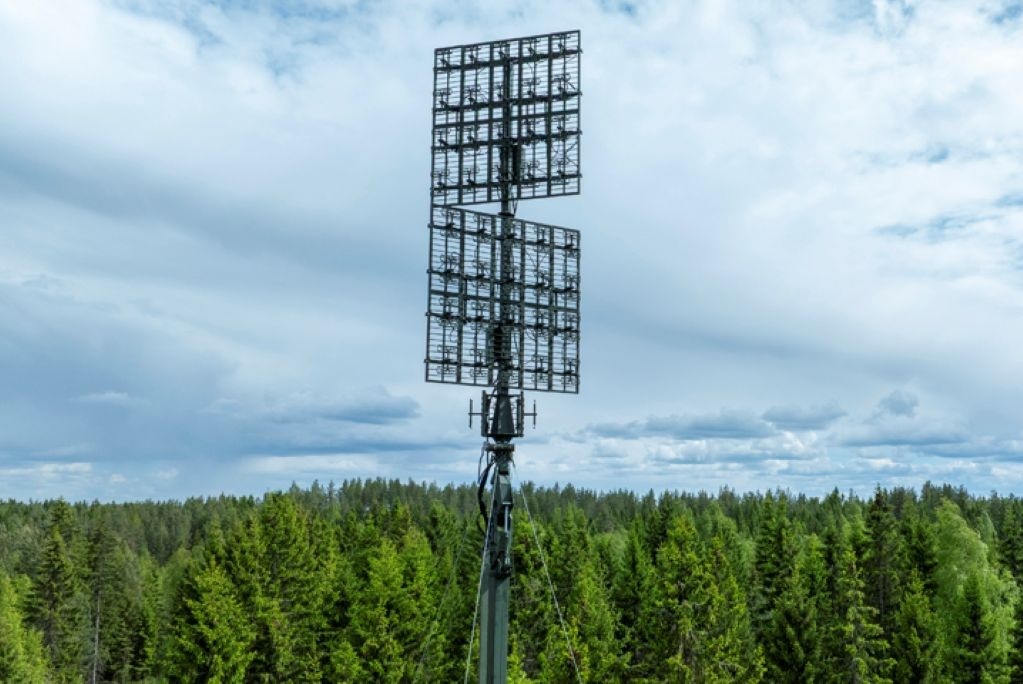 Patria Launches WISPR Passive Counter-Battery Radar with Silent Detection Capability at Eurosatory 2026
Top Trending in 4 Days
-
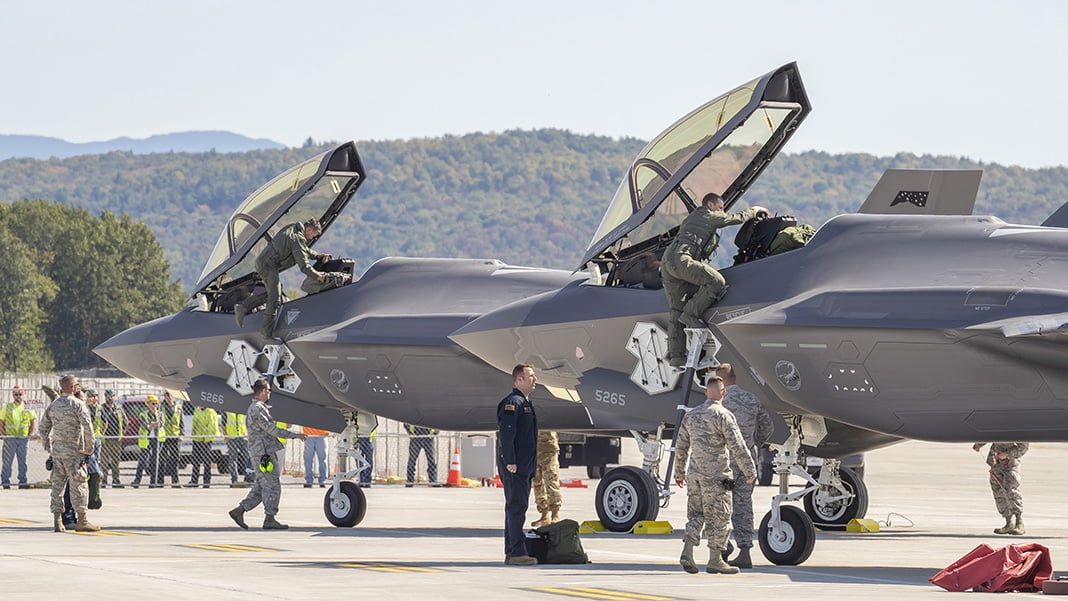 F-35 Fleet Readiness Falls to 25% Amid Parts Shortages and Software Delays: GAO Report
-
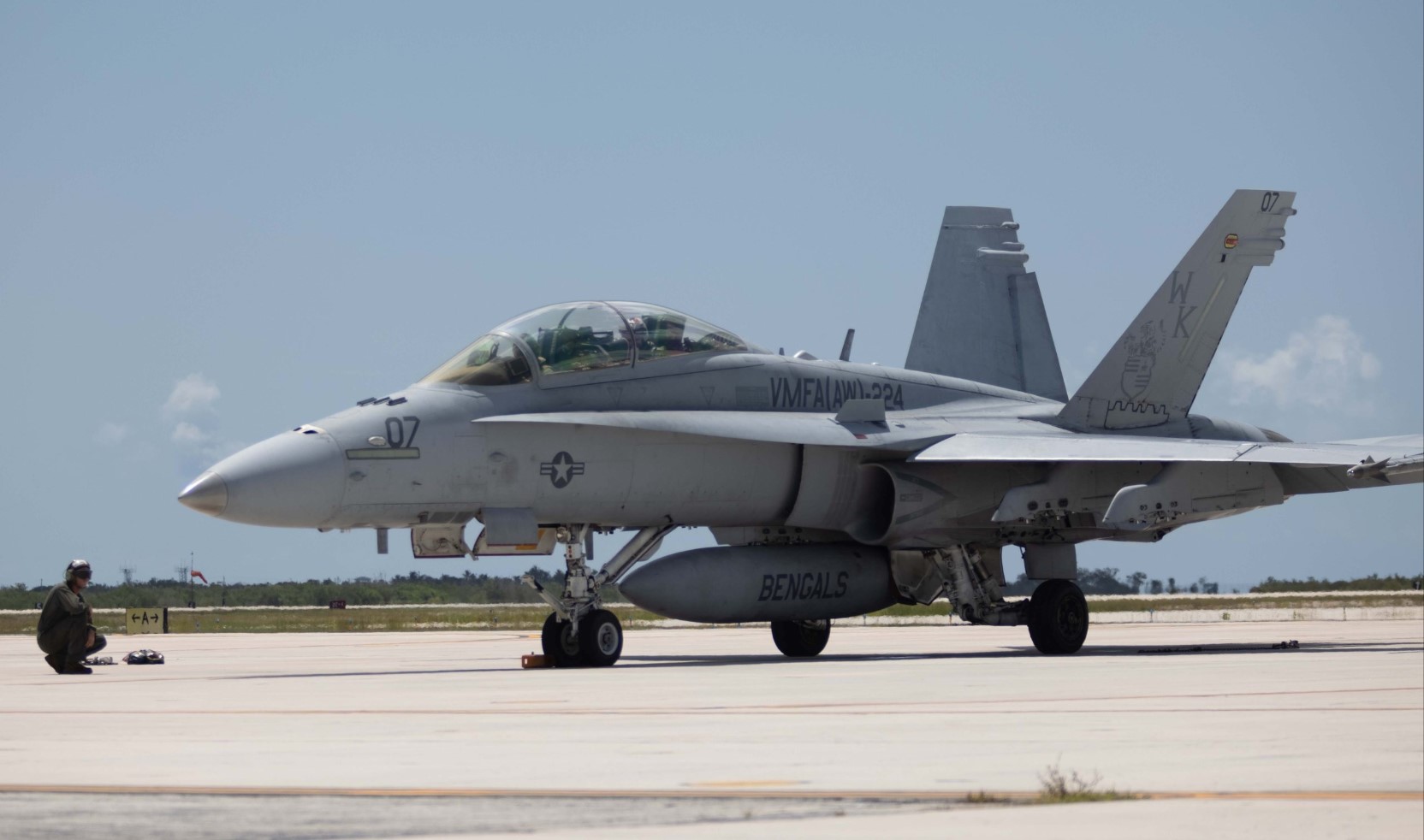 US Marine Corps F/A-18D Hornet Crashes During Training Flight in Washington Mountains; Pilot Ejects Safely
-
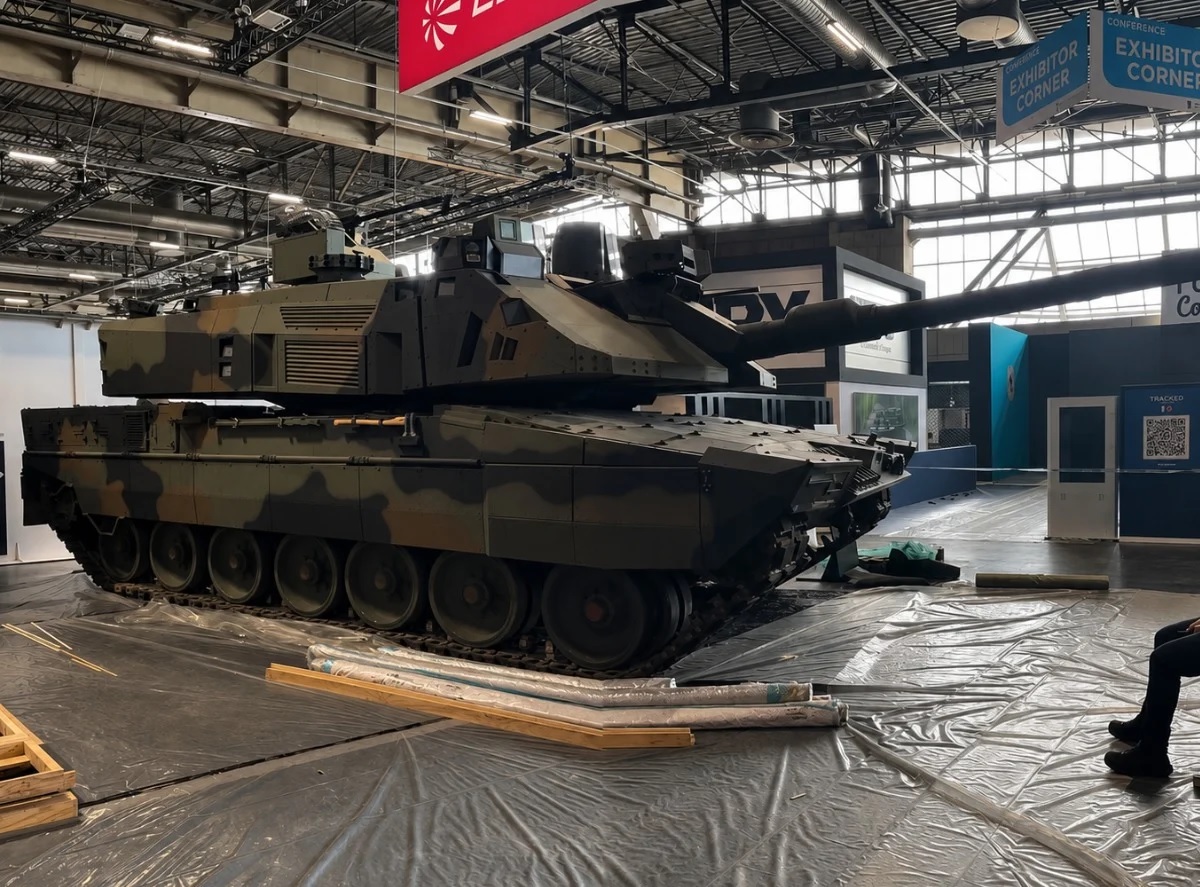 Leonardo Rheinmetall to Unveil Italy’s New IMBT Main Battle Tank at Eurosatory 2026
-
 Tulsi Gabbard Releases Declassified Files Detailing U.S.-Backed Network of 120 Biolaboratories Across 30+ Countries
-
8 U.S. Air Force Crew Members Killed in B-52 Bomber Crash During Test Flight at Edwards Air Force Base
-
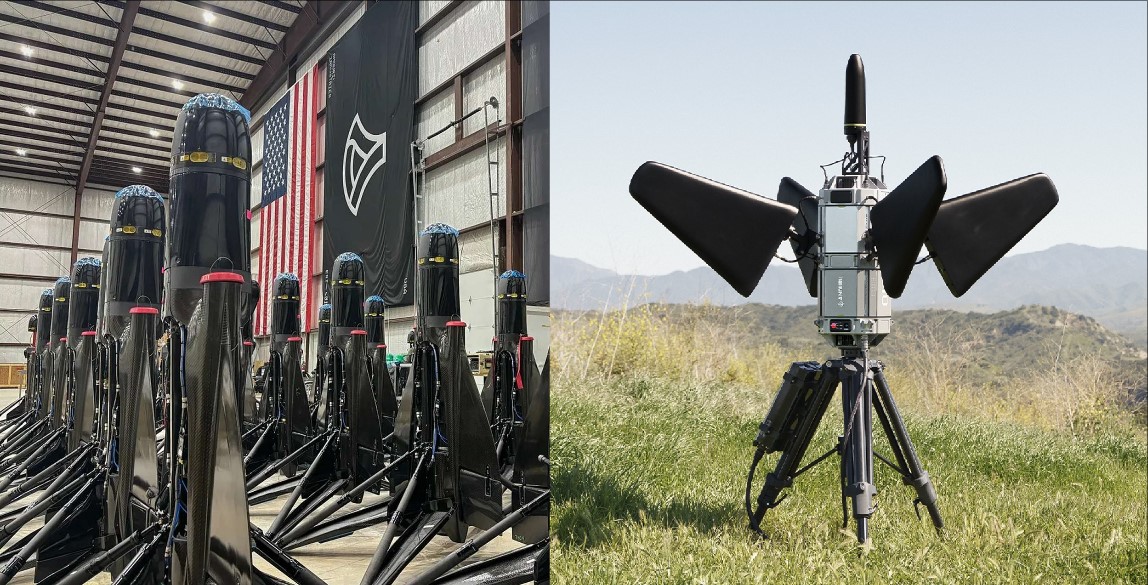 U.S. Approves $1.98 Billion Sale of Anduril AI-Powered Counter-Drone Systems to Kuwait
-
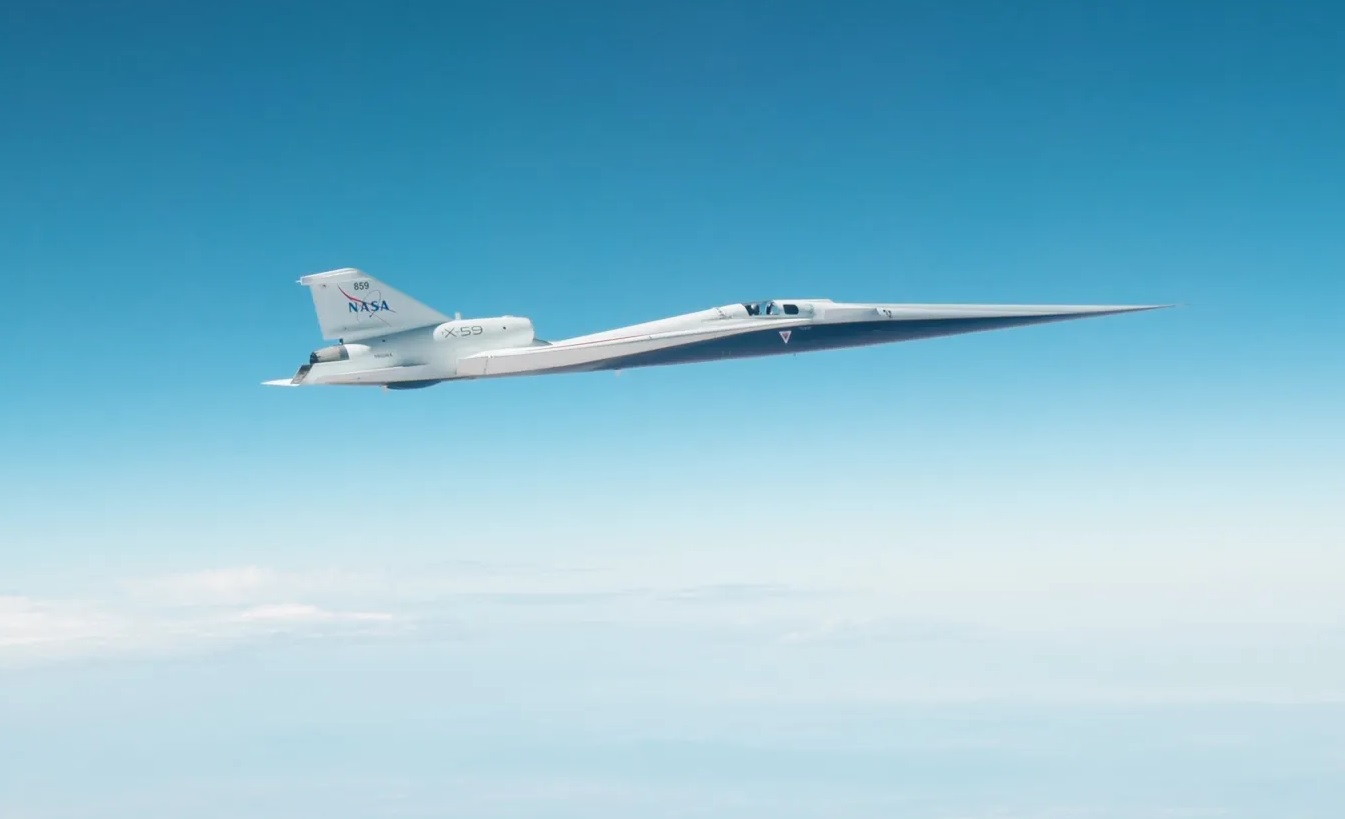 NASA X-59 Achieves Planned Mission Conditions with Mach 1.4 Flight at 55,000 Feet
-
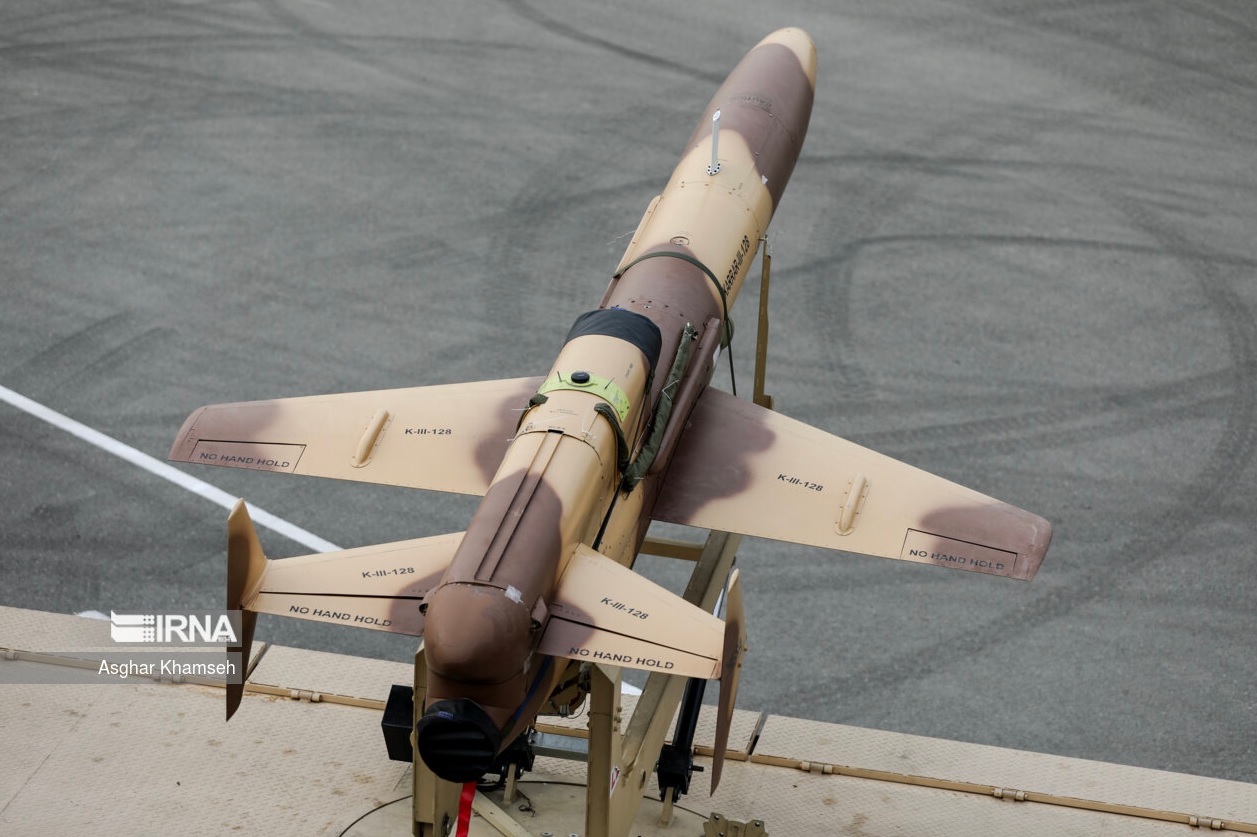 Russia Launches 1,400 Jet-Powered Drones in 2026 as Strike Tactics Evolve to Challenge Ukraine's Air Defenses