
World
Sierra Nevada Corporation (SNC) has achieved a major milestone in the E-4C Survivable Airborne Operations Center (SAOC) program, with the first flight test of the aircraft taking place on August 7, 2025 in Dayton, Ohio. This test marks the beginning of an extensive flight trial campaign that will establish a technical baseline before full conversion into an advanced airborne command post. New Era of Strategic Air Command The E-4C is designed to replace the aging E-4B Nightwatch fleet, which has served since the 1970s as the “doomsday plane.” These aircraft act as airborne command centers for the U.S. President, Secretary of Defense, and senior military leaders in the event of a nuclear conflict or national crisis. The new E-4C will bring greater survivability, modern communications, and nuclear and electromagnetic hardening, ensuring mission continuity well into the mid-21st century. Aircraft Origins and Fleet Development At present, four Boeing 747-8i aircraft—purchased from Korean Air—are at SNC’s Dayton facility undergoing modification. A total of five airframes have been acquired so far, with the contract allowing for up to eight conversions. These modern 747-8i jets will be heavily rebuilt, fitted with advanced command, control, and communications suites, aerial refueling systems, and hardened structures to withstand extreme conditions. Contract and Delivery Timeline The U.S. Department of Defense awarded SNC a $13.1 billion contract in April 2024 to develop and deliver the SAOC fleet. The program’s first stage includes conversion of two aircraft, with deliveries scheduled to run through July 2036. The initial flight testing phase will continue into 2026, focusing on reducing risks and validating the design before mission-specific modifications begin. Industry Partnerships and Infrastructure SNC is leading the program with support from major partners, including Collins Aerospace, GE Aerospace, Lockheed Martin Skunk Works, NIAR, and Rolls-Royce. To meet the demands of the project, SNC has expanded its facilities in Dayton, opening new hangars and planning additional infrastructure to handle the scale of conversions. A Vital National Mission The E-4C SAOC is more than just a replacement aircraft; it is a cornerstone of America’s nuclear command and control strategy. The modernization ensures that the U.S. will continue to have a secure and survivable airborne command capability in the face of evolving global threats. Full operational capability is expected in the early to mid-2030s.
Read More → Posted on 2025-09-06 14:30:55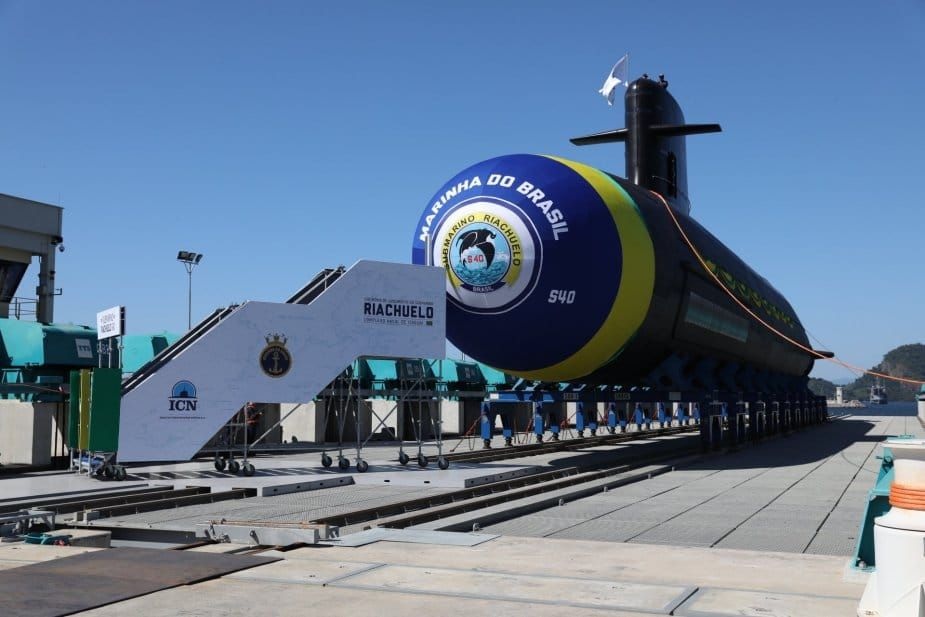
World
RIO DE JANEIRO / BRASÍLIA (5 September 2025) — In a decisive step forward for its strategic submarine development program, Brazil’s Navy has signed two major contracts with France’s Naval Group, together worth over €528 million, marking a significant boost in the country’s ambition to field a nuclear-powered submarine under PROSUB. Published in the Diário Oficial da União on 28 August 2025, the contracts were awarded by the Navy’s Directorate-General for Nuclear and Technological Development (DGDNTM) without a bidding process. Contract Details & Scope Contract No. 21/2025 – Valued at €246.3 million, this deal commissions specialized electromechanical engineering services, procurement, and construction for the Controlled Auxiliary Building (PAC) at the Nuclear Power Generation Laboratory (LABGENE). The agreement spans 72 months, effective from 4 June 2025. Contract No. 20/2025 – At €282.1 million, this contract covers highly specialized technical consultancy services for the Additional Systems of the Conventionally Armed Nuclear Submarine (SNCA), also beginning in June and scheduled to run for 54 months. Together, the contracts sum to approximately €528.4 million, underlining Brazil’s commitment to keep the nuclear submarine program on schedule. Reinforcing PROSUB’s Strategic Trajectory Since its launch in 2008, the Submarine Development Program (PROSUB) has been Brazil’s flagship defense-industrial initiative. It includes the construction of four Scorpène-class conventional submarines and the development of the country’s first nuclear-powered submarine, with French technical support and technology transfer. So far, two Scorpène-class submarines—S-40 Riachuelo and S-41 Humaitá—are fully in service. The third, S-42 Tonelero, is undergoing sea trials, while the fourth, S-43 Angostura (Almirante Karam), is nearing completion. The nuclear submarine, SN-10 Álvaro Alberto, is projected to be delivered between 2032 and 2034, marking Brazil’s entry into the exclusive group of nations with nuclear-powered subs. LABGENE & Technical Consultancy LABGENE, located in Iperó, São Paulo, is a vital land-based test facility for Brazil’s nuclear propulsion systems. The new PAC building will house key electromechanical infrastructure for testing and optimizing the nuclear reactor before integration into the submarine. The second contract ensures expert consultancy for the SNCA’s additional systems, which are expected to cover critical domains such as navigation, combat integration, auxiliary functions, and onboard safety mechanisms. These measures are essential for ensuring the readiness of Brazil’s nuclear submarine program, balancing technological complexity with operational safety. Strategic Importance & Industrial Benefits The PROSUB initiative has transformed Brazil’s Itaguaí Naval Complex into a cutting-edge hub for submarine construction, featuring advanced dry docks, structural assembly units, maintenance facilities, and shiplifts capable of handling up to 8,000 tonnes. Hundreds of Brazilian engineers and technicians have trained both domestically and in France, strengthening expertise in welding, engineering design, nuclear systems, and combat systems integration. Beyond strengthening defense capabilities, PROSUB is a driver of local job creation, technology transfer, and industrial modernization. With the signing of these contracts, Brazil is consolidating the foundations of its nuclear submarine program. If timelines hold, the Álvaro Alberto will be operational by 2034, cementing Brazil’s position as a naval power capable of safeguarding the South Atlantic and contributing to global maritime security.
Read More → Posted on 2025-09-05 16:29:28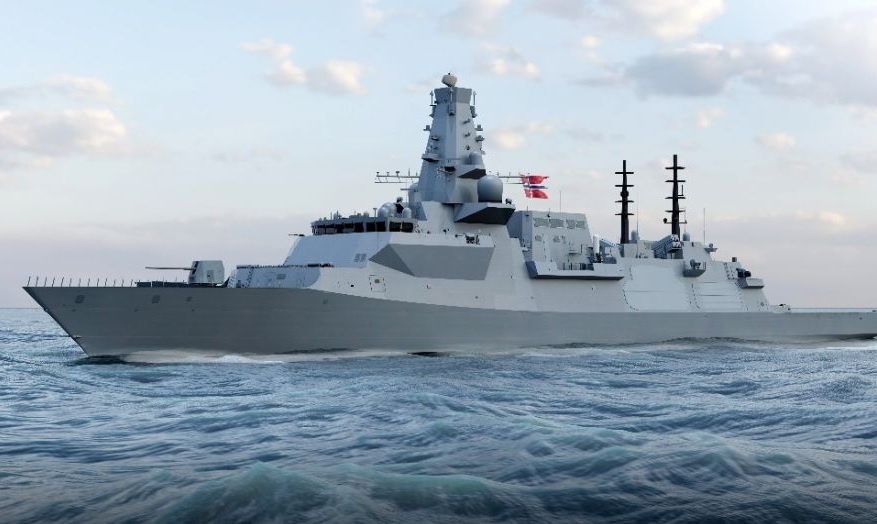
World
The United Kingdom and Norway have signed a landmark £10 billion defense contract that will see Norway acquire at least five advanced Type 26 frigates from BAE Systems. The agreement, confirmed by UK Defence Secretary John Healey on September 4, 2025, represents both Norway’s largest defense procurement in history and the UK’s biggest-ever warship export deal. A Joint Maritime Shield The Type 26 “City-class” frigates are designed primarily for anti-submarine warfare (ASW) and will become the backbone of both the Royal Navy and Royal Norwegian Navy surface fleets. Together, the UK and Norway will operate a combined force of 13 ships, ensuring a standardized fleet with shared systems, training, and logistics across NATO’s northern flank. The new frigates bring a suite of advanced capabilities, including: Towed-array sonar systems and quiet propulsion to track hostile submarines. Mk 41 Vertical Launch Systems to carry strike and air-defense missiles. Sea Ceptor missiles, a 127mm naval gun, and mission bays for drones or special operations forces. A hangar and deck supporting Merlin or NH90 helicopters, extending ASW and strike reach. By fielding common technology and combat systems, the UK and Norway will be able to coordinate joint deployments, share maintenance infrastructure, and potentially engage in crew exchanges. Strategic Impact in the High North This deal directly addresses Norway’s urgent need to replace its aging Fridtjof Nansen-class frigates, which face mounting strain amid intensifying Russian submarine activity in the GIUK Gap, Barents Sea, and Arctic approaches. For the UK, the contract guarantees continuous production at Glasgow’s Clyde shipyards, safeguarding around 4,000 jobs and sustaining hundreds of supporting companies. Beyond economics, the program cements NATO’s northern maritime shield, with the frigates forming the centerpiece of joint Arctic operations. The Royal Navy and Royal Norwegian Navy already train together in winter warfare and submarine-hunting exercises; these frigates will take cooperation to the next level, enabling co-deployment within NATO Standing Naval Forces and UK-led Carrier Strike Groups. Industrial and Regional Cooperation While the UK leads construction, Norway will benefit from significant industrial participation. Maintenance, modernization, and support packages will be anchored within Norway’s defense sector, ensuring long-term autonomy while tying both navies into a shared sustainment ecosystem. Officials in London have also hinted that this breakthrough could pave the way for future Scandinavian defense partnerships, with Denmark and Sweden being eyed as potential customers for British-designed warships. Timelines and Deliveries The first Norwegian Type 26 frigate is expected to enter service by 2030, with the rest of the fleet delivered through the mid-2030s. To accelerate deployment, the UK may even consider reprioritizing certain production slots to fast-track Norway’s order. Meanwhile, joint training modules, simulator systems, and logistic hubs are already under development, ensuring both navies achieve full operational readiness from day one. A New Era for NATO Naval Power More than just a procurement deal, the UK-Norway frigate partnership represents a fundamental step toward multinational fleet integration in Northern Europe. It secures NATO’s strategic control over the North Atlantic and Arctic seas, strengthens industrial bonds between allies, and sets a model for future combined frigate squadrons capable of rapid response in contested waters. The Type 26’s arrival will mark a generational leap for Norway’s naval power while reaffirming the UK’s role as a leader in naval technology and defense exports. Together, both nations are laying the foundation of a maritime alliance designed to outpace evolving threats in the High North.
Read More → Posted on 2025-09-05 16:07:02
World
Washington, Sept 5, 2025 — Tensions between the United States and Venezuela escalated sharply this week following a dramatic aerial incident in international waters. On Thursday, two Venezuelan F-16 fighter jets flew dangerously close to the U.S. Navy destroyer USS Jason Dunham, a maneuver the Pentagon denounced as a “highly provocative move” designed to disrupt ongoing U.S. counter–narco-terrorism operations. In an official statement, the Pentagon warned the Maduro regime that any further attempts “to obstruct, deter or interfere with counter-narcotics and counter-terror operations carried out by the U.S. military” would not be tolerated. Background: Expanding U.S. Narco-Terror Strategy The incident comes on the heels of a major U.S. strike earlier this week in the southern Caribbean. U.S. Marines targeted a vessel linked to the Venezuelan gang Tren de Aragua, killing 11 individuals identified as cartel operatives. The White House released video footage of the strike, presenting it as evidence of a stronger, more aggressive anti-narcotics campaign. This marks a significant shift in U.S. counter-narcotics strategy, moving away from interdictions and seizures toward the direct use of lethal military force against traffickers labeled as terrorists. Military Escalation in the Caribbean The U.S. has expanded its naval presence in the region with at least eight warships, including guided-missile destroyers, now deployed near Venezuelan waters. Thousands of sailors and Marines are engaged in operations, backed by aerial patrols. In a further escalation, 10 F-35 stealth fighters have been deployed to Puerto Rico to reinforce air dominance and deter hostile actions by Venezuelan forces or cartel-linked aircraft. The administration has also moved to formally designate both Tren de Aragua and the Cartel de los Soles as foreign terrorist organizations. Meanwhile, the U.S. State Department has increased its reward for information leading to the arrest of Venezuelan President Nicolás Maduro to $50 million, labeling him an “indicted drug trafficker” and a “fugitive of American justice.” Venezuela’s Response President Maduro has denounced U.S. actions as “imperialist aggression” and vowed to defend Venezuela’s sovereignty. He announced the mobilization of millions of civilian militia members alongside regular armed forces, framing the crisis as a defense of national dignity against foreign intervention. Legal and Political Debate in Washington The strike against the suspected cartel vessel has ignited legal and political debate in the U.S. Lawmakers and constitutional experts are questioning whether the president has the authority to order lethal military operations against narcotics traffickers in international waters without congressional approval. Critics argue that there was no clear imminent threat to justify such an action, raising concerns that the administration may be bypassing established legal frameworks and escalating the risk of direct conflict with Venezuela. The Venezuelan jet flyover represents more than just a military provocation — it underscores the fragile balance in the Caribbean as Washington intensifies its war on narco-terror groups while directly confronting the Maduro regime. With warships, fighter jets, and militias now mobilized, the standoff risks spiraling into a broader regional crisis.
Read More → Posted on 2025-09-05 16:03:15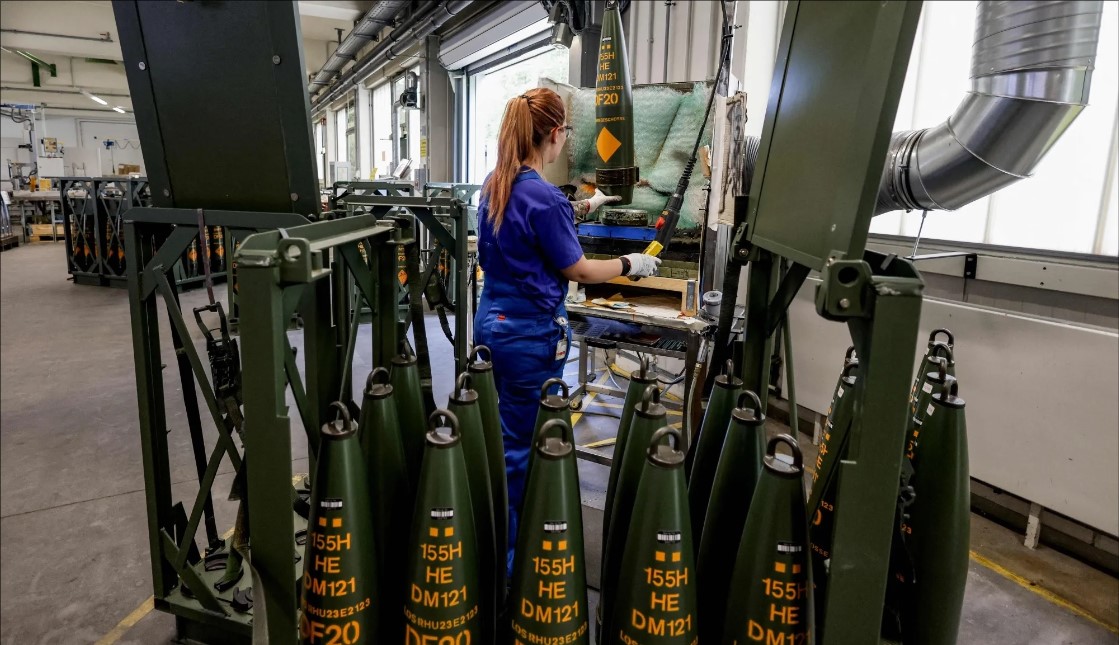
World
Unterlüß (Lower Saxony), September 2025 : In a landmark moment for European defence, Rheinmetall has officially opened Werk Niedersachsen—Europe’s largest ammunition factory—in Unterlüß. Completed in just 15 months with an investment of nearly €500 million, the facility is seen as a strategic step in strengthening NATO and EU military readiness. A Ceremony of Strategic Significance The inauguration was attended by top leaders, including Vice-Chancellor and Finance Minister Lars Klingbeil, Defence Minister Boris Pistorius, NATO Secretary-General Mark Rutte, Chief of Defence General Carsten Breuer, and Bulgarian President Rumen Radev. Their presence highlighted the project’s crucial role in Europe’s security. Production and Expansion Plan The factory will ramp up rapidly: 25,000 artillery shells by the end of 2025 140,000 shells in 2026 Full capacity of 350,000 shells annually by 2027 Beyond artillery, the plant will begin rocket engine production in 2026 and will manufacture high explosives such as RDX, ensuring a fully integrated ammunition supply chain. Speed, Scale, and Sovereignty Rheinmetall CEO Armin Papperger hailed the record construction time of just 15 months as “Rheinmetall speed.” He stressed that the plant guarantees independent supply for Germany and allied nations, while serving as a model for similar facilities in other NATO states. Plans are already in motion for new plants in Romania, Lithuania, and other partner nations. Strategic Context The new plant comes amid Europe’s urgent push to scale up defence production following Russia’s war in Ukraine. Rheinmetall aims to produce 1.5 million artillery shells annually worldwide by 2027, covering sites in Germany, Spain, South Africa, and soon Romania. Germany has already placed record contracts worth €8.5 billion for artillery shells and ammunition systems, with support from the Netherlands, Estonia, and Denmark. NATO’s overall target is to secure 2 million shells by 2025 to rebuild stockpiles. Unterlüß: A Historic Site Reimagined Rheinmetall has operated in Unterlüß since 1899. Today it is the company’s largest global site, spanning 60 square kilometres with 3,200 employees. The site is home to major divisions for land systems, weapon and munition development, and Europe’s largest private proving grounds. With the new ammunition facility, Unterlüß now stands as a cornerstone of European rearmament. At the ceremony, Rheinmetall signed a Letter of Intent with Romania for a €550 million investment in a new factory there. Similar projects are under discussion in Bulgaria and Lithuania, further extending the company’s role in building a pan-European defence ecosystem. Defence Minister Pistorius praised the industry’s “speed and substance,” while NATO’s Mark Rutte warned that Russia and China’s military build-ups make such investments vital for long-term security.
Read More → Posted on 2025-09-05 15:57:03
World
Washington, D.C., September 5, 2025 – In a dramatic move aimed at projecting greater strength, President Donald Trump has announced an executive order to rebrand the Department of Defense as the Department of War. The shift, though largely symbolic for now, will allow senior officials to use the title “Department of War” in official correspondence, public communications, and ceremonial events. The White House said the change “conveys a stronger message of readiness and resolve” and better reflects America’s determination to defend its national interests. Trump, who has repeatedly argued that the current name sounds too “defensive,” declared, “When it was called the Department of War, we won World War I, we won World War II, we won everything. Then we changed it, and we stopped winning.” Under the executive order, Defense Secretary Pete Hegseth will now be authorized to style himself as Secretary of War, while other senior officials may use corresponding “war” titles. The order also instructs Hegseth to recommend both executive and legislative measures that could permanently enshrine the new name into law. A Nod to History The Department of War was established in 1789 and oversaw U.S. land forces until a sweeping reorganization after World War II. In 1947, the military branches were brought under the National Military Establishment, which was renamed the Department of Defense in 1949. Trump and Hegseth argue that reviving the older title restores a “warrior ethos” and signals to adversaries that America is prepared to take decisive action. Divisive Rebrand The move has already stirred sharp debate. Supporters within Trump’s base see it as a necessary assertion of strength at a time of global instability, while critics call it a costly distraction. Military analysts point out that the Pentagon could face millions in expenses to update signs, stationary, and digital systems to reflect the new label. Democratic lawmakers have also questioned the wisdom of prioritizing symbolic changes over issues like force readiness, modernization, and support for service members. “Renaming a department doesn’t deter China or Russia,” one senior lawmaker remarked. What Happens Next For now, the rebrand remains a secondary title—Congress would need to pass legislation to formally rename the Pentagon. With Republicans holding a majority, Trump may seek to push the change through Capitol Hill, but the outcome remains uncertain. Secretary Hegseth is expected to begin implementing the shift immediately in internal communications, ceremonies, and Pentagon briefings. The administration says the effort is part of a broader campaign to “restore strength and tradition” in the U.S. military, reversing what it calls “decades of weakness and woke policies.” Trump’s decision to revive the Department of War name marks one of the most striking symbolic changes in the Pentagon’s history. Whether it becomes permanent or remains a rhetorical gesture will depend on the political battles now brewing in Washington.
Read More → Posted on 2025-09-05 15:52:02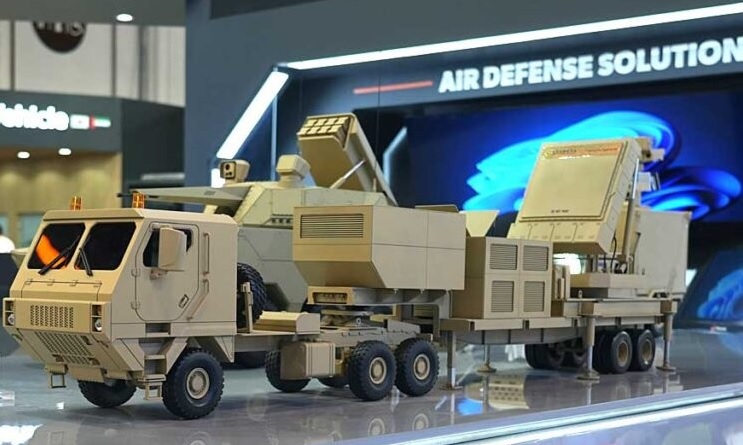
World
Hanwha Aerospace has officially inaugurated its Middle East and North Africa (MENA) Regional Headquarters in Riyadh—an ambitious stride emphasizing its commitment to industrial cooperation, defense modernization, and diversified collaborations across the region. The opening ceremony, held on September 3, 2025, was attended by key dignitaries including His Excellency Eng. Ahmad bin Abdulazia Al-Ohali, Governor of the General Authority for Military Industries (GAMI), and His Excellency Seok Jong-gun, Minister of the Republic of Korea’s Defense Acquisition Program Administration (DAPA). More than 100 senior representatives from the Korean Embassy, the Saudi Ministry of Defense, the Ministry of National Guard, the Ministry of Investment, and Saudi Arabian Military Industries (SAMI) were also present. A Strategic Regional Hub The new Riyadh headquarters will coordinate Hanwha’s defense operations across Saudi Arabia, the UAE, and Egypt, acting as a regional hub for engagement in land, naval, and aerospace systems. It will also expand into non-defense sectors including smart cities, renewable energy, and space technologies. According to Sung Il, President for Middle East and Africa, this move is designed to bolster security, promote industrial growth, and create employment opportunities across the region. Supporting Saudi Vision 2030 through Localization Saudi Arabia serves as the cornerstone of Hanwha’s MENA strategy. The company pledged to align with Vision 2030 by helping localize over 50% of defense spending. Plans include expanding supply chains, constructing joint production lines, and cultivating a highly skilled workforce. Hanwha is also exploring Maintenance, Repair, and Overhaul (MRO) facilities, technical training programs, and collaborative research and development projects in the Kingdom. Core Defense Offerings and Regional Partnerships Hanwha’s renowned defense portfolio—including the K9 self-propelled howitzer, Tigon 8×8 armored vehicle, and M-SAM next-generation air defense system—will anchor its regional partnerships. These systems, paired with local manufacturing and technology transfer, are expected to enhance cooperation not only with Saudi Arabia but also with other regional partners such as the UAE and Egypt. Pre-existing Momentum: High-Level Engagements This inauguration builds on earlier high-level engagements—most notably the November 2024 meeting between Hanwha Vice Chairman Dong Kwan Kim and Prince Abdullah bin Bandar bin Abdulaziz, Saudi Minister of the National Guard. Discussions centered on defense modernization and industrial collaboration, reaffirming a mutual commitment to strategic capabilities and economic diversification. Broader Impact Hanwha’s expansion into Riyadh follows its active role at the World Defense Show 2024, where the company showcased next-generation engines, AESA radars, anti-drone systems, and aviation electronics. These initiatives align with Saudi Arabia’s localization drive under Vision 2030. Beyond defense, Hanwha is also set to benefit from growing Korea–Saudi cooperation in space exploration. Earlier this year, South Korea and Saudi Arabia signed a major space cooperation agreement covering satellite development, deep-space exploration, and astronaut training. Hanwha participated in this partnership, strengthening its presence in the space and advanced technology sector.
Read More → Posted on 2025-09-05 15:04:46
World
Paris, September 5, 2025 – France has announced a major €50 million investment to modernize its unique Nostradamus over-the-horizon radar, aiming to secure an independent European early-warning system against growing ballistic and hypersonic threats. Ancient Name, Modern Shield Developed in the 1990s by the French Aerospace Lab ONERA, Nostradamus has long been one of Europe’s most advanced radar assets. Unlike conventional systems, it uses ionospheric reflection of high-frequency waves to see far beyond the Earth’s curvature, covering several thousand kilometers in every direction. This means it can track aircraft, ballistic missiles, hypersonic weapons exceeding Mach 5, and even high-altitude balloons. The radar site in Eure-et-Loir spans twelve hectares, with three 140-meter antenna branches arranged like a star. Operational since the mid-2000s, it has previously proven its strength—detecting stealth bombers during the Kosovo conflict and monitoring rocket launches from French Guiana. A €50 Million Modernization Push On September 4, France’s Defense Innovation Agency signed an agreement with ONERA to launch the upgrade. An initial €2 million will fund experimentation and adaptation, with the broader €50 million package scheduled under the Military Programming Law. The modernization aims to: Sharpen detection accuracy and reliability, Ensure seamless integration into a European defense network, Expand coverage for high-speed and unconventional aerial threats. General Alexis Rougier of the French Air and Space Force stressed that Nostradamus is “the first building block of an extended air defense system, from the ground to space.” Why Now: Lessons from Ukraine and Beyond The war in Ukraine has revived concerns over missile threats in Europe. Russia’s use of advanced missile systems, including hypersonic types, has underscored the need for rapid detection and longer reaction times. Traditional radar often leaves only minutes to intercept such weapons. By reinforcing Nostradamus, France seeks to reduce dependence on U.S. early-warning systems, which remain the backbone of Europe’s defenses today. Minister of the Armed Forces Sébastien Lecornu highlighted the project as essential to European sovereignty in air and space defense. Toward a European Early-Warning Network Nostradamus will not stand alone. France and Germany are pushing joint initiatives such as a new early-warning satellite constellation, while the EU’s TWISTER program is developing space-based detection and missile interceptors. Together, these projects aim to build a layered defense shield covering everything from low-altitude drones to near-space hypersonic vehicles. A Strategic Step Forward For France, reviving Nostradamus is more than a technical update—it’s a strategic milestone. By the late 2020s, the radar is expected to be fully modernized and integrated into Europe’s defense grid. With its unparalleled range and ability to monitor millions of cubic kilometers of airspace, Nostradamus could become the linchpin of Europe’s independent early-warning system. Bottom line: France is ensuring that Europe will no longer be blind to the skies. With Nostradamus reborn, the continent gains a powerful tool to face the age of ballistic and hypersonic threats.
Read More → Posted on 2025-09-05 15:01:19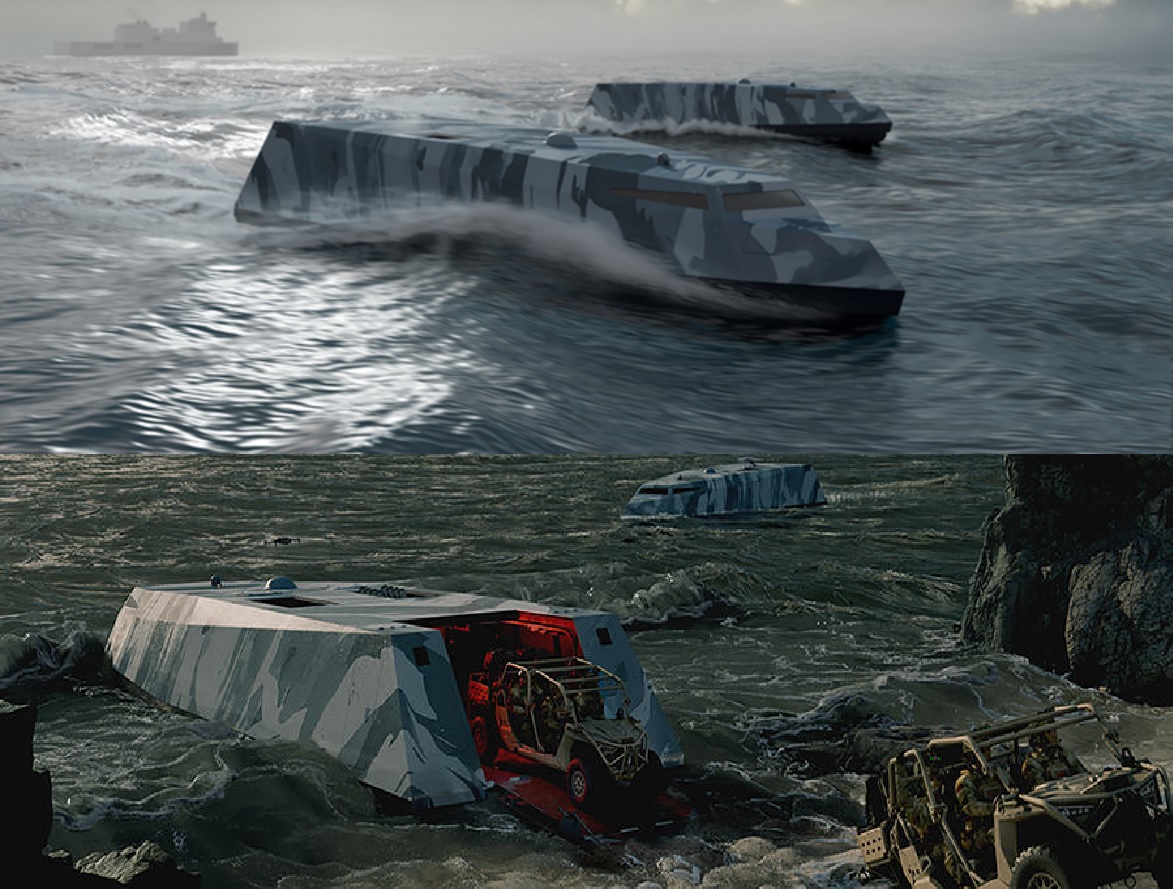
World
London, September 4, 2025 — U.S. defence technology leader Leidos has officially introduced the Sea Dagger, a next-generation Commando Insertion Craft (CIC) designed to revolutionize Royal Navy and UK Commando Force operations. This groundbreaking vessel is the first of its class to combine exceptional speed, range, vehicle delivery, and modular mission systems in one agile platform. Key Features & Capabilities High Speed & Long RangeSea Dagger is designed to exceed 40 knots, providing the agility needed for swift, long-range deployment of Commando Strike teams and equipment in contested environments. Multi-Mission FlexibilityThe vessel is capable of carrying mobility platforms, offboard systems, and combat loads, offering unmatched versatility for both training and frontline operations under the UK Commando Force programme. Advanced TechnologiesBuilt on more than three decades of fast-craft design expertise, Sea Dagger integrates Trusted Mission AI, autonomous systems, modern sensors, C2 networks, and integrated weaponry—allowing it to adapt seamlessly to modern maritime threats. Operational ResilienceWith a focus on maintainability, repairability, and survivability, the craft is engineered to continue functioning even under disruption, stress, or direct attack. Strategic Alignment Sea Dagger is being developed under the UK Commando Force (UKCF) modernisation programme, which will deliver 24 advanced medium surface insertion craft. It is aligned with AUKUS Pillar 2 maritime autonomy objectives and the UK Strategic Defence Review, both of which emphasise future-readiness, autonomy, and enhanced lethality. The Royal Navy’s upcoming Multi-Role Strike Ships (MRSS) are expected to accommodate vessels like Sea Dagger, enabling rapid launch from well docks and supporting future mission modules such as autonomous systems and drone operations. Industry View Adam Clarke, Senior Vice President and Chief Executive of Leidos UK & Europe, described the project as a game-changer: “Sea Dagger represents a pivotal step in equipping the UK Commando Force with the capability to operate with greater agility, survivability and intent in a complex and congested maritime environment. It is a resilient, future-ready platform that adapts to the complexities of modern warfare, ensuring operational advantage from day one.” Why It Matters The unveiling of Sea Dagger marks a significant evolution in naval warfare and rapid-response operations: Bridges the gap between traditional landing craft and future autonomous strike vessels. Equips specialised forces with a stealthy, resilient, and highly adaptable platform. Reinforces the UK’s commitment to AUKUS-driven naval innovation and next-generation maritime dominance. As the UKCF programme progresses, Sea Dagger stands as a bold step forward in redefining maritime strike capability—blending speed, autonomy, and mission adaptability for 21st-century conflict.
Read More → Posted on 2025-09-05 14:54:20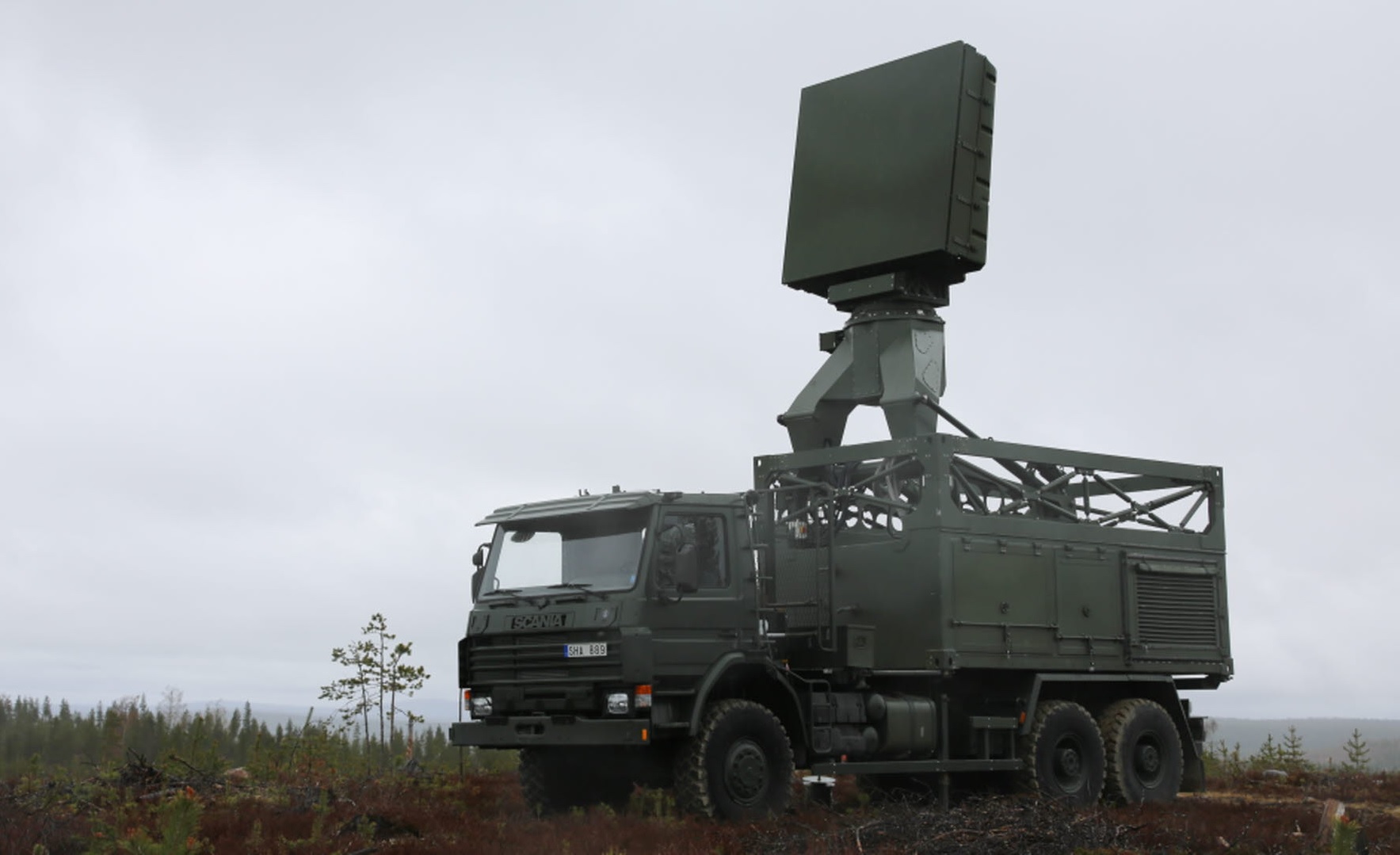
World
Stockholm, September 5, 2025 – Swedish defense company Saab has received a major order for its Giraffe 4A radar systems and associated services from a country in Latin America, with the contract valued at approximately SEK 550 million (around USD 58 million). This marks the first-ever land-based Giraffe 4A contract in Latin America, representing a breakthrough for Saab’s presence in the region. “We are proud to announce the first contract of the land-based Giraffe 4A to Latin America. This milestone marks a significant step in expanding our presence in the region with advanced medium-range radar. This capability will provide our customer with state-of-the-art air surveillance capability,” said Carl-Johan Bergholm, head of Saab’s Surveillance business area. Key Highlights of the Deal Enhanced Surveillance: The Giraffe 4A is a mobile, self-contained digital radar that strengthens land-based air surveillance and is capable of receiving software-based upgrades to remain adaptable to future threats. Multi-Functional Capability: The radar can detect, identify, and track multiple airborne and maritime objects simultaneously, making it suitable for both air defense and coastal security. Strategic Expansion: The deal not only enhances the buyer’s defense capabilities but also signals Saab’s growing footprint in Latin America’s defense market. Giraffe 4A Radar – Technical Specifications The Giraffe 4A is part of Saab’s renowned Giraffe radar family and is designed to combine air surveillance with counter-battery and weapon-locating roles. Radar Type: 3D AESA (Active Electronically Scanned Array) radar Detection Range: Up to 280 km (for fighter-sized targets) Altitude Coverage: Up to 100,000 feet Mobility: Fully mobile and transportable by C-130 aircraft, deployable in less than 10 minutes Functions: Simultaneous air target detection, missile tracking, artillery and rocket locating, UAV detection Crew Requirement: Operable by as few as two personnel Regional & Strategic Impact The acquisition highlights Latin America’s growing investment in modern air defense and surveillance systems, driven by evolving regional security challenges. For Saab, this contract represents both a technological showcase and a gateway for future deals in emerging markets, including further potential in Africa and Asia. With its modular design and software-based adaptability, the Giraffe 4A is expected to serve not only as a powerful surveillance tool but also as a long-term solution, ensuring the customer benefits from future upgrades and support services.
Read More → Posted on 2025-09-05 14:34:17
World
Beijing, September 3, 2025 — In a dramatic military display marking the 80th anniversary of Japan’s World War II defeat, China’s leadership revealed a sweeping array of advanced weapons systems signaling a bold step in its strategic modernization. From the debut of a complete nuclear triad to next-generation drones and hypersonic missiles, the parade delivered a clear message of expanding military reach. Complete Nuclear Triad Takes Center Stage For the first time, China publicly showcased the full complement of land-, sea-, and air-launched nuclear capabilities: Land-based ICBMs: The newly revealed DF-61, a road-mobile intercontinental ballistic missile resembling the DF-41, appeared for the first time. Observers view it as China’s most advanced ICBM to date. A silo-based counterpart also appeared: the DF-31BJ, an upgraded variant of the solid-fuel DF-31 series, likely incorporating enhancements from the tested DF-31AG. Heavy liquid-fuel ICBM: The DF-5C—a modernized version of China’s oldest silo-based missile—was on display. It boasts global-range capabilities and multiple independently targetable reentry vehicles (MIRVs). Submarine-launched SLBM: The JL-3, China’s third-generation SLBM, was highlighted as part of its sea-based deterrence. Armed with MIRVs and capable of over 10,000 km range, it enhances China’s second-strike assurance. Air-launched component: The Jing Lei-1 (JL-1), China’s first air-launched ballistic missile, crowned the triad. Mounted on a truck, it marked China’s completion of the strategic “land-sea-air” nuclear force. Together, these unveiled systems constitute a potent symbolic and operational expansion of China’s nuclear posture. Hypersonic and Cruise Missile Advances China also displayed a broad suite of advanced missiles with enhanced speed and maneuverability: DF-26D: A variant of the DF-26 series, this hypersonic anti-ship ballistic missile is tailored to threaten US naval assets in the Western Pacific—famously dubbed the “Guam killer.” CJ-1000: A hypersonic cruise missile powered by a scramjet, likely ranging around several thousand kilometers. It fills a strategic niche between intermediate and intercontinental systems and is engineered for atmospheric maneuvering and penetration of advanced air defenses. Additional YJ-series missiles—YJ-15, YJ-17, YJ-19, YJ-20, and YJ-18C—were also featured, indicating a layered and all-weather anti-ship strike capability. Cutting-Edge Ground and Drone Systems The infantry and aerial warfare capabilities were not neglected: Main Battle Tanks: The Type 99B, an upgraded variant of the Type 99 with active protection systems and fire-control radars, and the new Type 100, featuring an unmanned turret and advanced radar and APS, signaled growth in armored sophistication. Unmanned Aerial Systems: The stealthy GJ-11 combat drone, described as a “loyal wingman,” appeared alongside several unnamed drones in a formation—pointing to a future where unmanned systems operate closely with crewed aircraft. Carrier-Based Fighters: Updated J-15 variants—the J-15T, J-15DH, and J-15DT—performed over Tiananmen Square, along with the J-35, China’s second stealth fifth-generation carrier fighter. Directed-Energy and Drone Defense Arsenal To counter aerial threats, especially drones, China displayed a comprehensive counter-UAV "triad" of: Missile guns High-energy laser systems High-power microwave weapons, forming a layered defense scheme. Political Message and Strategic Significance The parade’s grandeur, witnessed by leaders including President Xi Jinping—and attended by foreign dignitaries such as Vladimir Putin and Kim Jong-un—was as much about signaling as hardware. Analysts note that showcasing previously unseen systems like the DF-61, DF-31BJ, JL-1, and CJ-1000 reflects China’s push to close the gap with US strategic might while asserting its deterrence narrative. Yet skepticism remains in some quarters. Experts remind observers that advanced technology’s parade presentation does not confirm battlefield readiness—especially given China’s lack of combat experience since 1979.
Read More → Posted on 2025-09-03 16:49:53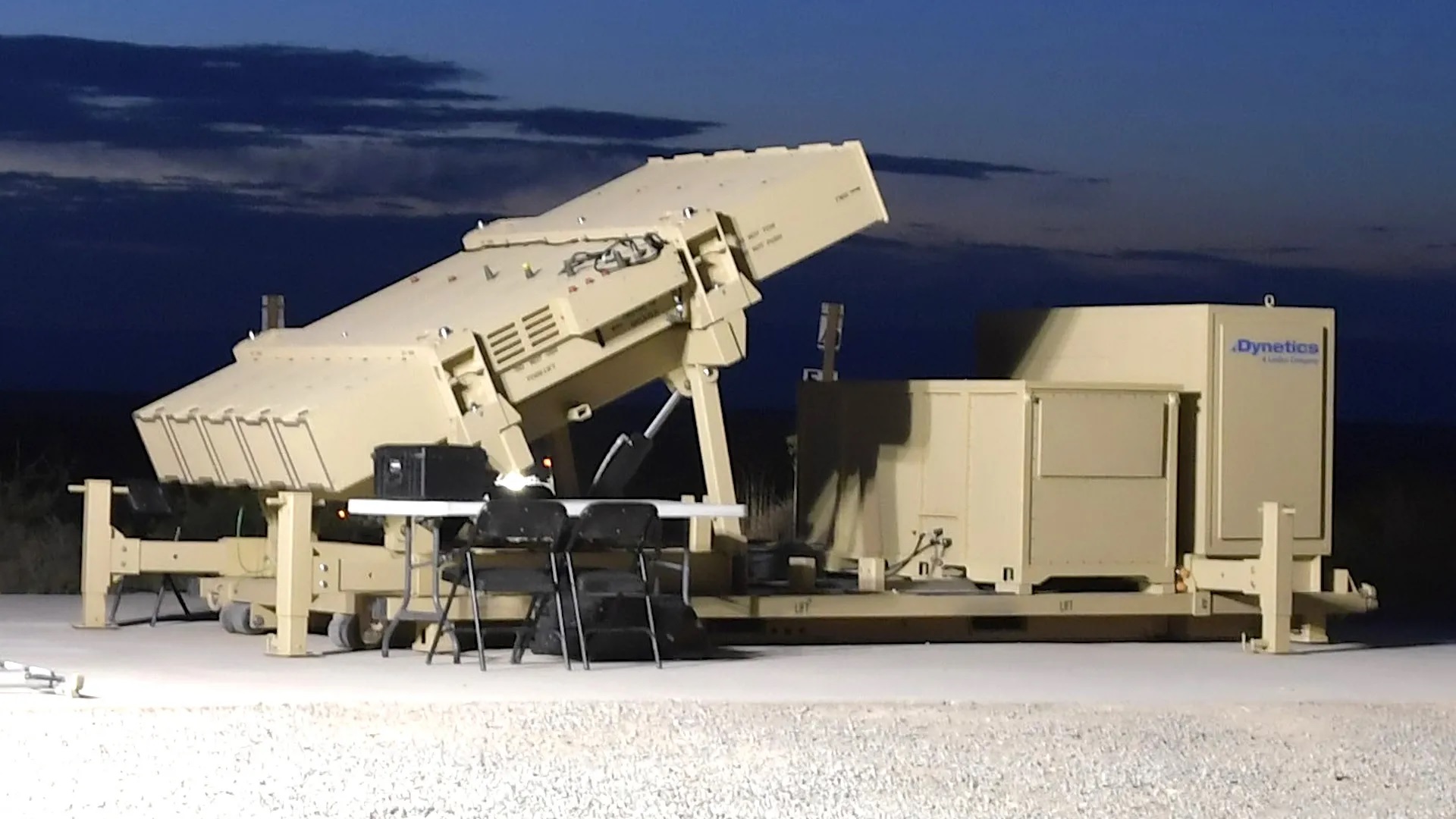
World
Huntsville, AL — The U.S. Missile Defense Agency (MDA) has launched a new initiative under its Nimble Options for Buying Layered Effects (NOBLE) program to develop a new class of low-cost interceptors, designed to counter massed ballistic, cruise, and hypersonic missile threats. The goal is to deliver modular weapons costing less than $750,000 per unit, a fraction of the price of today’s advanced interceptors. A New Path to Affordable Defense The solicitation, issued on August 27, 2025, invites both established defense contractors and non-traditional firms to submit white papers proposing innovative, modular designs. By leveraging commercial off-the-shelf (COTS) components, previously developed subsystems, and low-cost manufacturing, the agency intends to shorten timelines and reduce costs, while maintaining the ability to engage advanced missile threats. MDA stressed that this initiative is intended to rebalance the offense-defense cost equation, ensuring the U.S. can effectively defend against large-scale missile barrages without exhausting high-value interceptors. Minimum Performance Requirements According to the solicitation, proposed designs must meet the following core criteria: Mach 5+ speed with a minimum range of 200 kilometers. Endo-atmospheric capability against ballistic and hypersonic threats. A blast-fragmentation warhead guided by a terminal seeker. In-flight targeting updates and sufficient maneuverability to intercept hypersonic glide vehicles. Compatibility with existing systems such as the Patriot M903 launcher and the ability to quad-pack into Navy Vertical Launch Systems (VLS). Containerized launcher concepts are also encouraged, provided they follow open architecture standards. Rapid Timelines Virtual industry information session: Scheduled for the week of September 15, 2025. White paper deadline: September 29, 2025. Phase I (6 months): Preliminary design and subsystem validation. Phase II (12 months): Prototyping and live testing, with the expectation of delivering a limited number of interceptors for evaluation. MDA emphasized that the focus is on speed to fielding rather than long-term technology development. Modular and Open Architecture Focus All submissions must adhere to Weapon Open System Architecture (WOSA) standards, ensuring interchangeability of sensors, warheads, boosters, and guidance systems. This modular approach allows for rapid upgrades and integration with existing U.S. missile defense command-and-control infrastructure without requiring expensive overhauls. Supplement, Not Replacement The MDA highlighted that the Low-Cost Interceptor (LCI) is not intended to replace existing high-end interceptors such as the Ground-Based Interceptor (GBI) or the forthcoming Next Generation Interceptor (NGI). Instead, it will supplement legacy systems, providing affordable options for defeating massed salvos of short- and medium-range missiles, supersonic cruise weapons, and potentially hypersonic glide vehicles. Strategic Importance As potential adversaries expand their missile arsenals with cost-effective weapons, the U.S. faces growing pressure to defend against large-scale attacks without relying solely on expensive systems. By driving interceptor costs down, the MDA aims to preserve capacity, broaden industrial participation, and ensure layered defense coverage at scale.
Read More → Posted on 2025-09-03 16:43:14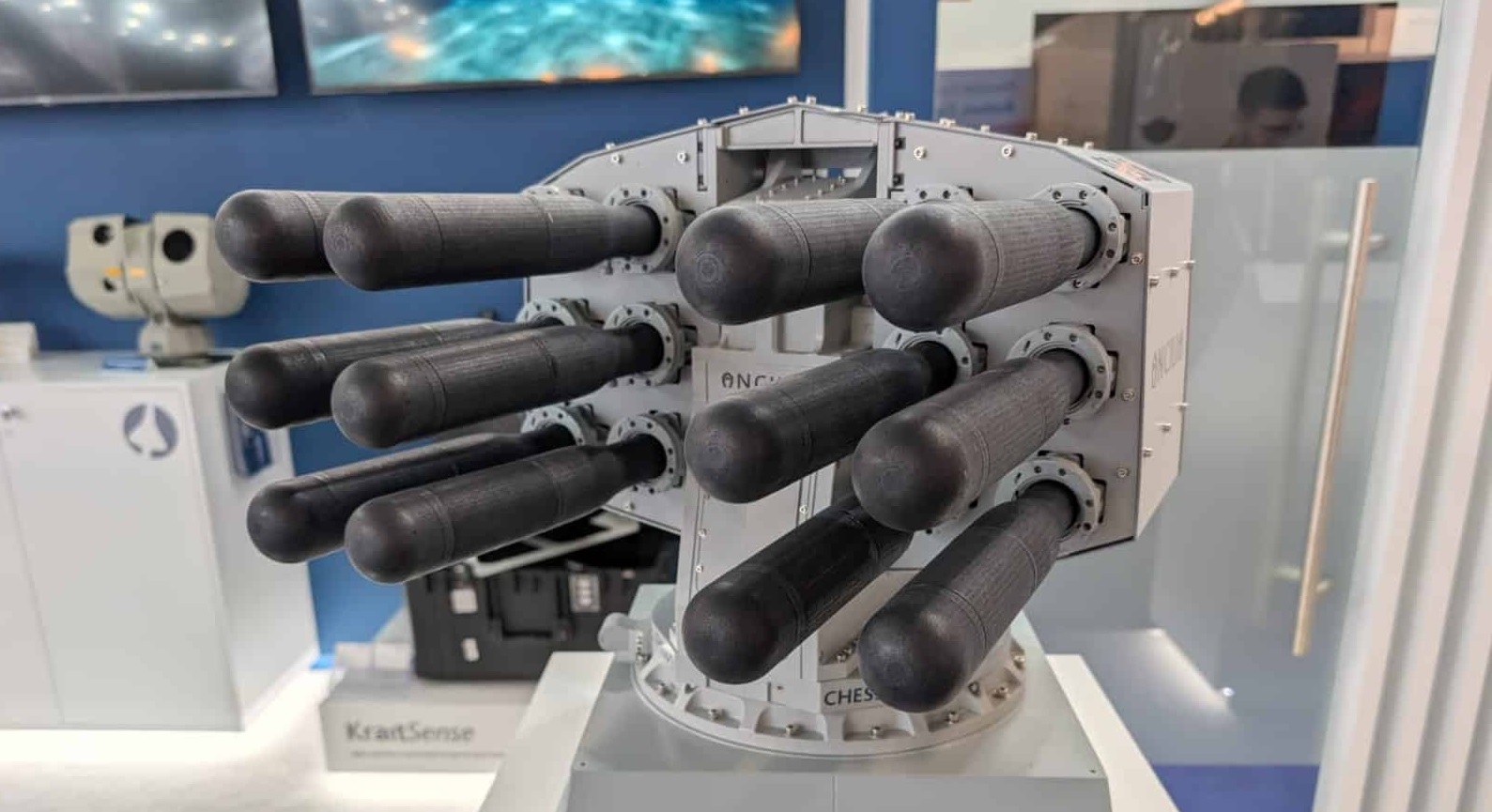
World
Horsham, UK – 3 September 2025 : Chess Dynamics, a subsidiary of Cohort plc known for its precision positioning and surveillance systems, has strengthened its partnership with fellow Cohort company SEA (Systems Engineering and Assessment Ltd) by securing a £6.2 million order. The contract covers the supply of advanced trainable bases designed for integration into SEA’s Ancilia Trainable Decoy Launcher System. Order Details The trainable base, developed by Chess Dynamics, is a precision-controlled modular platform capable of providing the essential azimuth and elevation control required for Ancilia’s operation. Built to be adaptable, shock-resistant, and reliable in harsh environments, it ensures robust and dependable performance even in the most demanding naval missions. Strengthening Collaboration The agreement reflects years of growing cooperation between Chess Dynamics and SEA, driven by mutual trust, technical synergy, and a shared mission to enhance the capabilities of the UK Armed Forces. This order is seen as a significant milestone in the evolution of their partnership. Leadership Views Mark Byfield, Managing Director at Chess Dynamics, said the deal represents more than a commercial achievement, noting that it embodies trust, shared values, and collaboration in an increasingly complex defence landscape. He highlighted how partnerships between leading UK companies demonstrate what can be accomplished through cooperation. Richard Flitton, Managing Director at SEA, underscored the importance of technical excellence and a resilient supply chain. He explained that strengthening SEA’s ties with Chess Dynamics bolsters its ability to deliver mission-critical systems with assured reliability and innovation, qualities vital for addressing both current and future defence challenges. Strategic Context Both companies operate under the umbrella of Cohort plc, an independent technology group that unites agile, innovative defence businesses. This collaboration aligns with Cohort’s long-term vision of providing customers with cutting-edge, sovereign solutions by leveraging the strengths of its subsidiaries. The significance of this order builds upon earlier success. In 2024, SEA secured a landmark £135 million contract from the UK Ministry of Defence to roll out the Ancilia system across Royal Navy platforms. Chess Dynamics’ trainable bases are a crucial enabler of this programme. Why Ancilia Matters The Ancilia decoy launcher represents a step-change in naval defence: Trainable design allows deployment of decoys without needing the ship to manoeuvre. Lightweight and modular, making it suitable for a wide range of vessels. Future-ready, capable of countering advanced threats including drone swarms, electronic warfare, and anti-ship missiles. As modern threats evolve—from hypersonic weapons to autonomous aerial systems—partnerships like that of Chess Dynamics and SEA are central to ensuring the UK’s naval forces remain equipped with battle-tested, mission-ready technologies. By aligning their expertise, the companies are delivering innovations that combine reliability, adaptability, and sovereign assurance.
Read More → Posted on 2025-09-03 16:35:30
World
Tallinn / Brussels / Kyiv, 3 September 2025 — Milrem Robotics, Estonia’s leading developer of robotics and autonomous systems, will deliver the largest-ever fleet of THeMIS Unmanned Ground Vehicles (UGVs) to Ukraine as part of a donation from a European government. The move highlights growing European unity in strengthening Ukraine’s defense and boosting cooperation within the European defense industrial base. Strategic Delivery with Room for Expansion While the exact number of units has not been disclosed for security reasons, Milrem confirmed this delivery represents its largest single supply of THeMIS systems to date. The initiative is designed with scalability, meaning additional fleets could be provided in the future. Ukrainian operators will also receive training to ensure rapid integration and effective battlefield use. THeMIS: Battle-Tested and Modular The THeMIS platform is a highly versatile and modular unmanned vehicle, already deployed in 19 countries worldwide. In Ukraine, 15 units have been in service since 2022, proving their worth in frontline combat. The system supports a wide range of roles, including logistics, casualty evacuation, reconnaissance, explosive ordnance disposal, and remote weapon deployment. Ukrainian forces have used THeMIS units in innovative ways, sometimes modifying them for improvised combat roles, showing the platform’s adaptability under battlefield pressure. Lessons from Ukraine The war in Ukraine has provided valuable operational feedback for Milrem. The company has upgraded its systems to withstand electronic warfare, jamming, and other harsh conditions. Improvements have also been made to communications resilience and user-friendly controls, ensuring operators can deploy the UGVs effectively even under extreme battlefield stress. To enhance operational readiness, Milrem plans to establish a technical support presence inside Ukraine, enabling real-time assistance and faster adaptation of the vehicles to local needs. Symbol of Unity Kuldar Väärsi, CEO of Milrem Robotics, emphasized that this delivery reflects Europe’s agility and unity in responding to shared security threats. The donation underlines the growing synergy between European governments and the defense industry in supporting Ukraine’s resistance against Russian aggression. This expanded fleet of THeMIS UGVs will not only strengthen Ukraine’s defense capabilities but also serve as a testbed for next-generation robotics, shaping the future of European land warfare. By combining real-world combat experience with industrial innovation, Europe is accelerating its leadership in unmanned ground systems.
Read More → Posted on 2025-09-03 16:32:35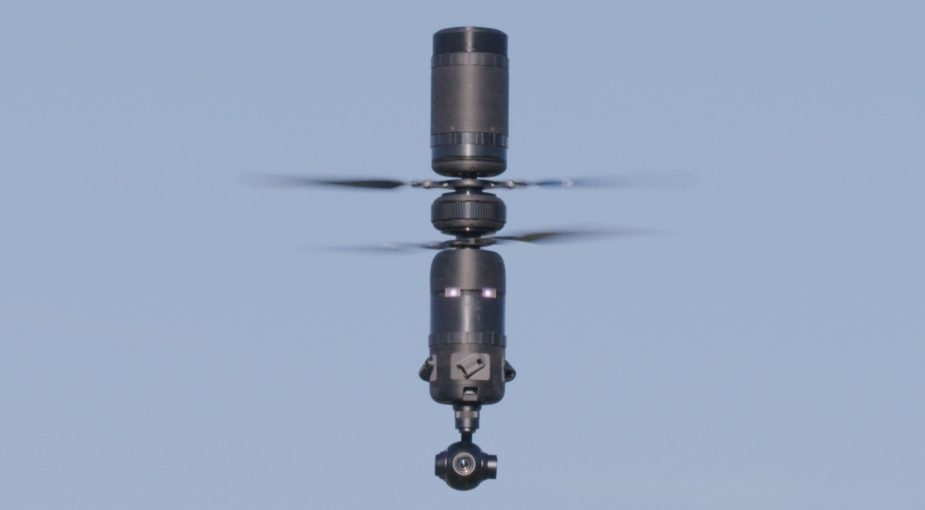
World
The Pentagon’s Defense Innovation Unit (DIU) has given a historic recognition to Ascent AeroSystems’ Spirit UAV, making it the only drone platform to be listed both as a fully approved system and as a cleared component under the U.S. military’s Blue UAS program. The Blue UAS Cleared List includes complete, government-evaluated drones ready for deployment, while the Blue UAS Framework certifies vetted components for integration into other systems. Spirit is now the only platform that holds both approvals, meaning the Department of Defense and other agencies can rapidly adopt it as either a stand-alone aircraft or as part of a larger modular system without going through duplicate approval processes. Why This Matters This dual status is a major breakthrough for U.S. drone adoption. It reflects the Pentagon’s push for scalable, modular, and secure UAV platforms that can be fielded quickly. Spirit’s inclusion in both categories streamlines procurement, saves time, and ensures flexibility for different mission requirements. “Ascent is delivering capabilities today that are innovative, proven, compliant, and ready for scale,” said Peter Fuchs, Co-founder and CEO of Ascent AeroSystems. “The Spirit is now the only UAV approved as both a complete system and as a component, and that shows how reliable and adaptable it is for America’s defense needs.” Technical Capabilities The Spirit UAV is a rugged, compact coaxial platform designed for demanding operations: Size: 12 inches tall (30 cm) and 4.2 inches wide (10.6 cm) Maximum Takeoff Weight: 13.5 pounds (6.1 kg) Payload Capacity: Up to 6.5 pounds (3 kg) Flight Endurance: Single battery – 38 minutes (no payload) or 16 minutes (with full payload) Dual batteries – 53 minutes (no payload) or 32 minutes (with full payload) Altitude: Can fly up to 14,600 feet (4,450 meters) Speed: Over 60 mph (96 km/h) manually, 40 mph (64 km/h) autonomously Durability: IP56-rated, operational in –40°F to 130°F, resistant to winds above 40 mph Navigation: Supports GPS, GLONASS, Beidou, with RTK precision capability Wider Recognition The Spirit UAV has also earned Green UAS certification from the Association for Uncrewed Vehicle Systems International (AUVSI), confirming it meets high security and compliance standards for use beyond defense, including commercial and civil missions. It was previously one of only 11 drones selected for the Blue UAS 2.0 testing program, where it underwent evaluations for endurance, cyber resilience, environmental performance, and battery safety. Strategic Impact This milestone strengthens the U.S. vision of Drone Dominance, as lawmakers and the defense industry push for reliable, homegrown platforms that can replace foreign-made systems. Spirit’s modular design means it can serve as both a mission-ready drone and a building block for larger architectures, ensuring future adaptability. The Pentagon’s recognition positions Spirit as a keystone UAV for next-generation defense operations, combining durability, scalability, and compliance in one platform.
Read More → Posted on 2025-09-03 16:29:07Search
Top Trending in 24 Hours
-
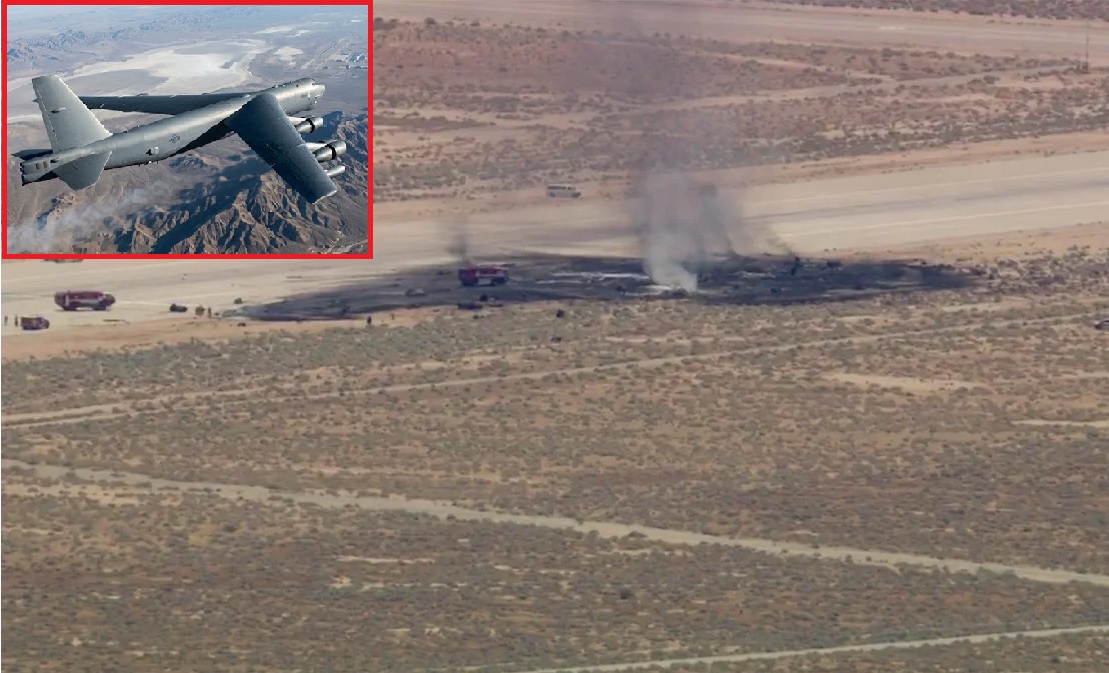 8 U.S. Air Force Crew Members Killed in B-52 Bomber Crash During Test Flight at Edwards Air Force Base
-
 Ukraine Introduces Balloon-Launched DART Missile Designed to Defeat Electronic Warfare
-
 Lockheed Martin Wins $514 Million U.S. Space Force Contract for Two New GPS IIIF Satellites
-
 UK Announces £210 Million Deal to Supply Enriched Uranium to Ukraine for Two Years
-
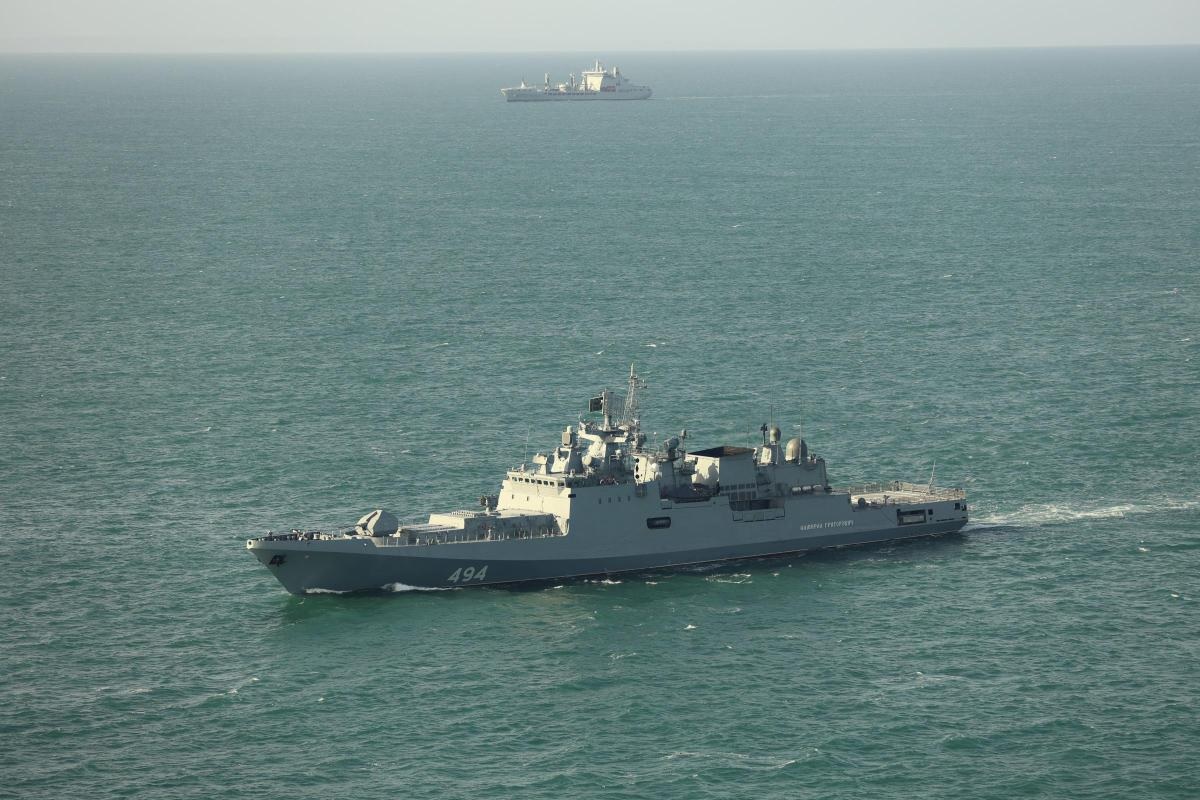 Russian Frigate Admiral Grigorovich Challenges UK Yacht in English Channel With Warning Shots
-
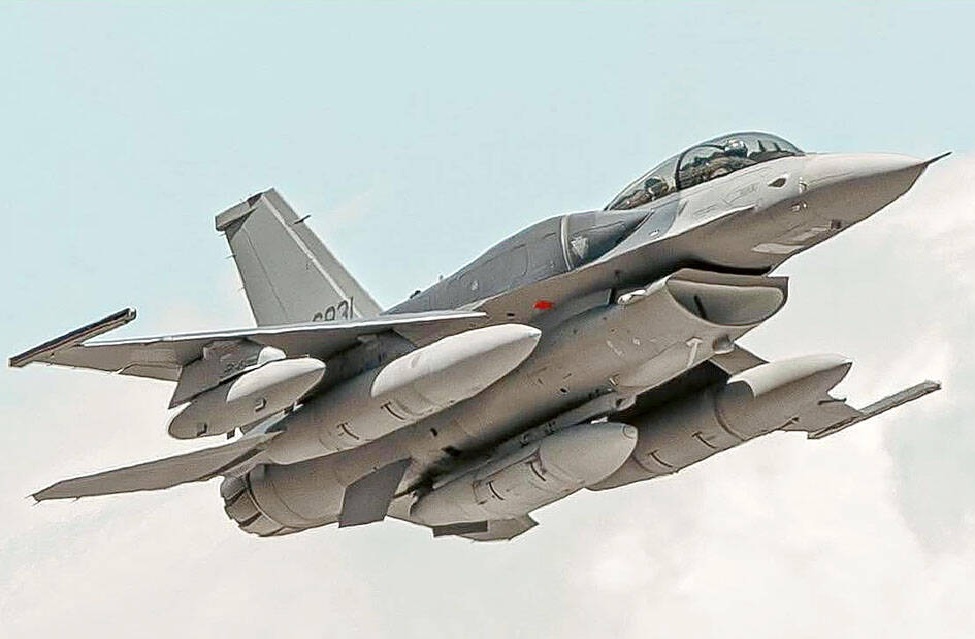 First Taiwanese F-16 Block 70 Flies with Five-Tank Fuel Configuration During Texas Tests
-
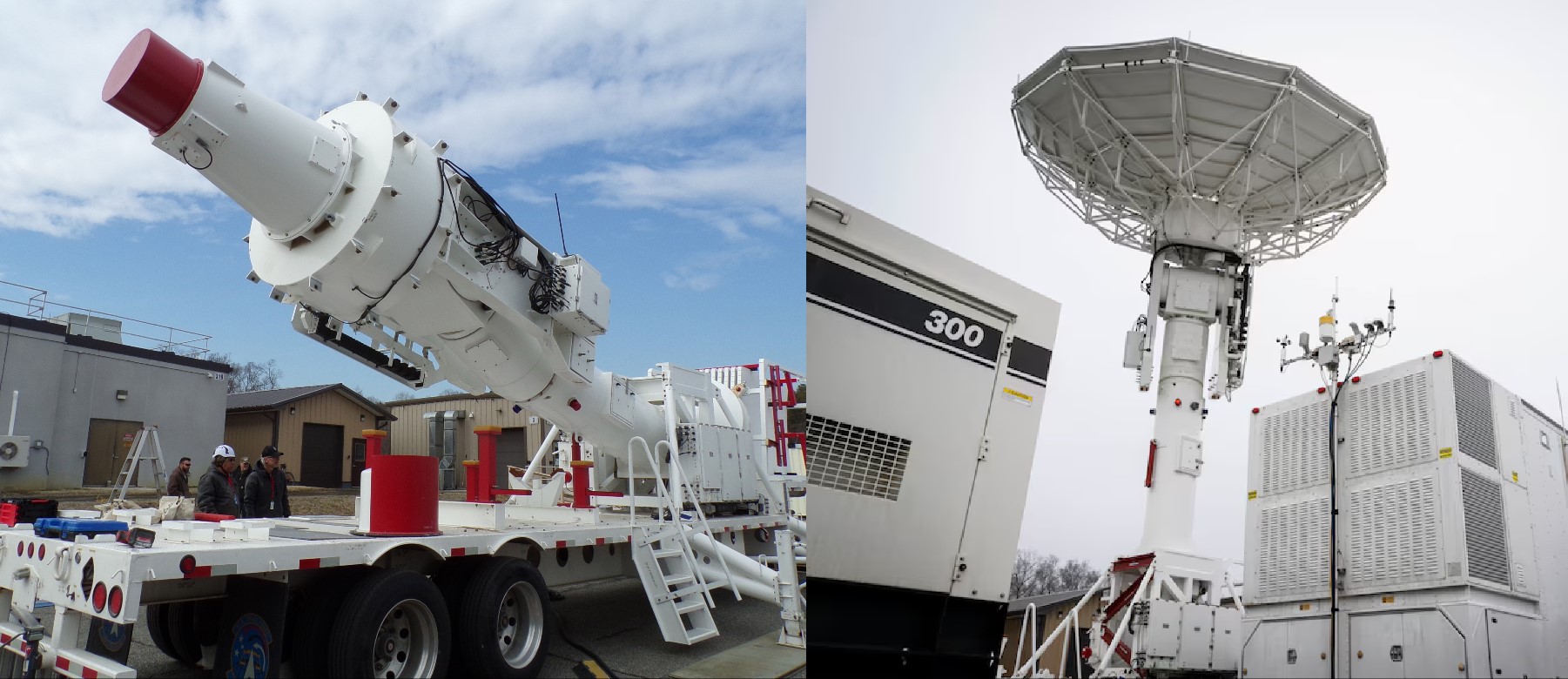 Space Force Transfers Transportable Satellite Tracking Antenna to Naval Research Laboratory
-
 Patria Launches WISPR Passive Counter-Battery Radar with Silent Detection Capability at Eurosatory 2026
Top Trending in 4 Days
-
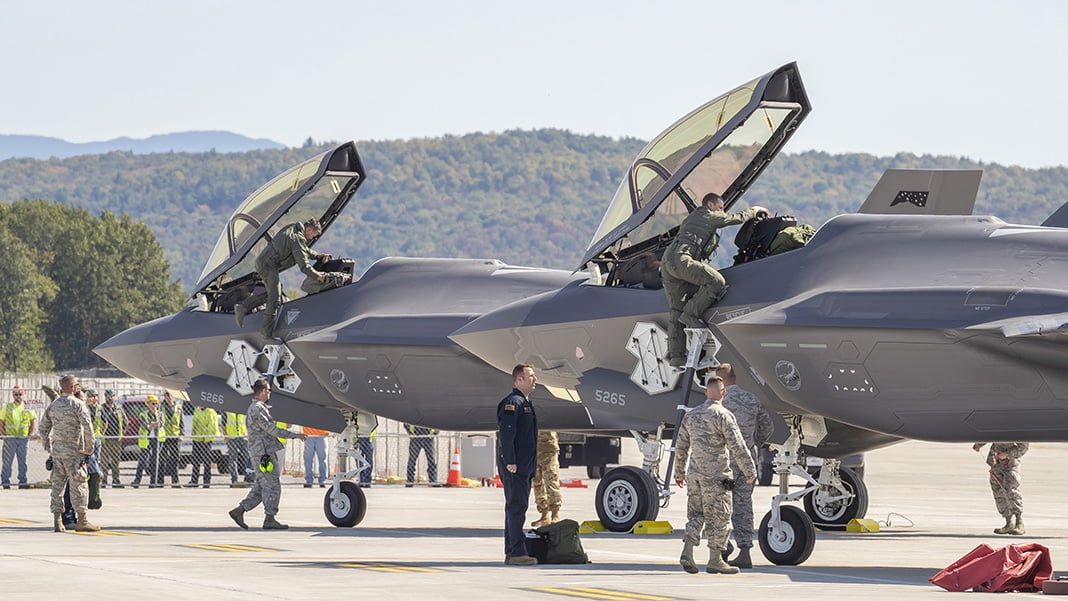 F-35 Fleet Readiness Falls to 25% Amid Parts Shortages and Software Delays: GAO Report
-
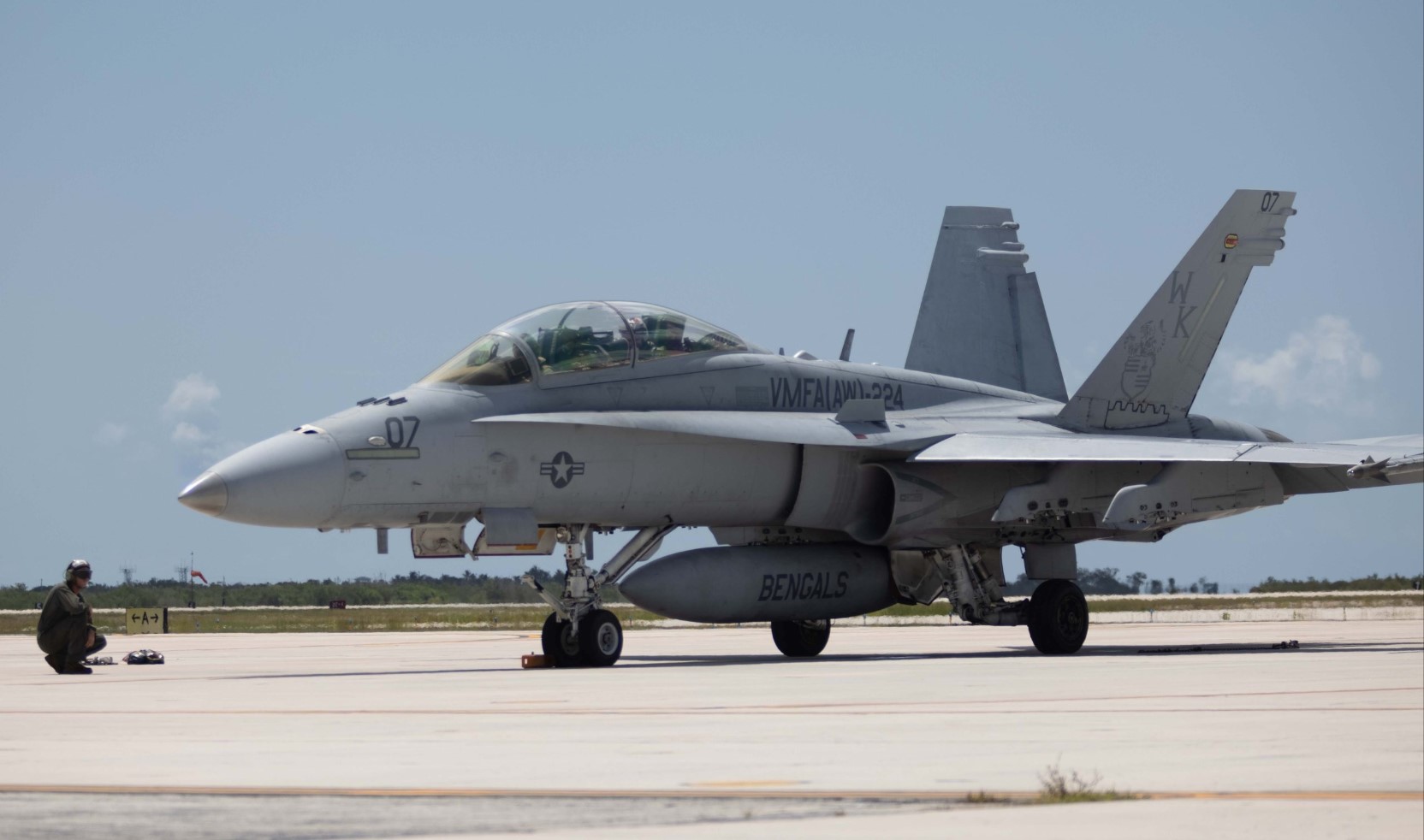 US Marine Corps F/A-18D Hornet Crashes During Training Flight in Washington Mountains; Pilot Ejects Safely
-
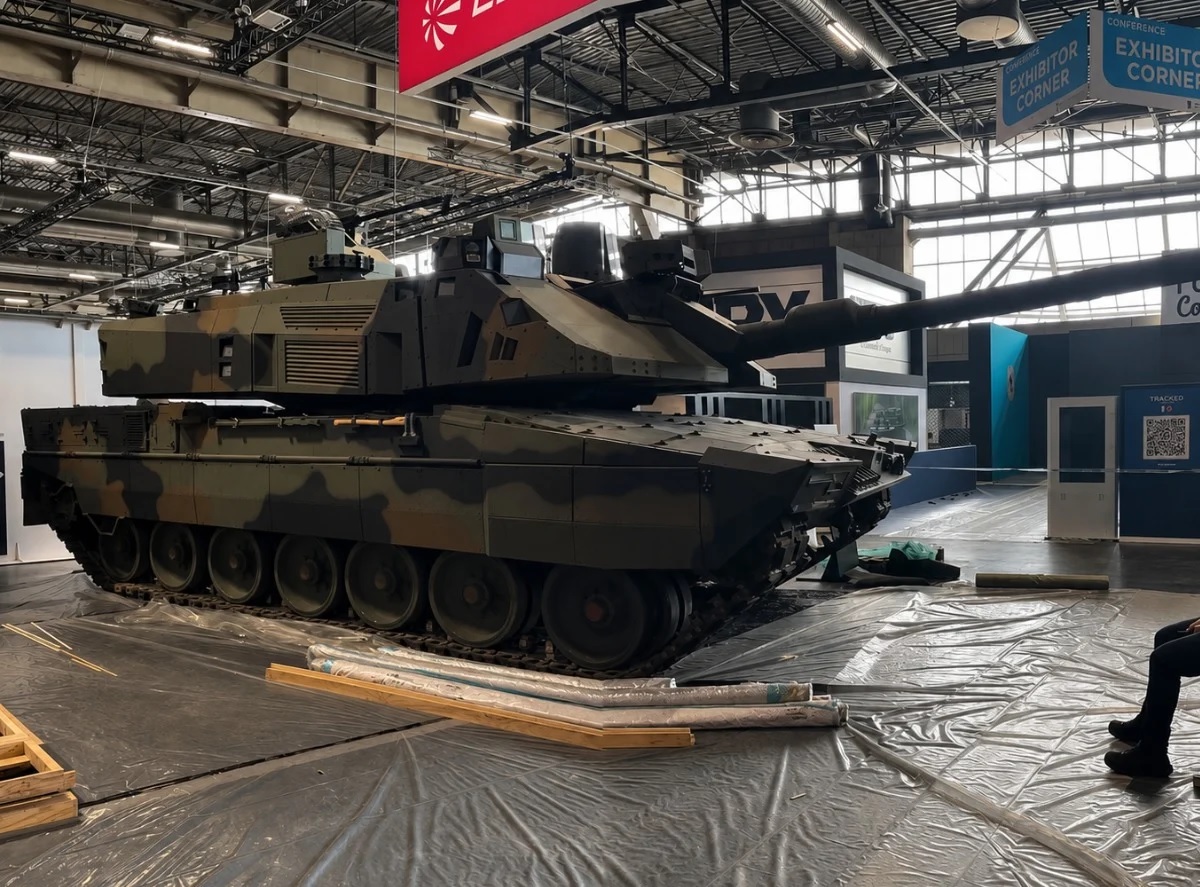 Leonardo Rheinmetall to Unveil Italy’s New IMBT Main Battle Tank at Eurosatory 2026
-
 Tulsi Gabbard Releases Declassified Files Detailing U.S.-Backed Network of 120 Biolaboratories Across 30+ Countries
-
8 U.S. Air Force Crew Members Killed in B-52 Bomber Crash During Test Flight at Edwards Air Force Base
-
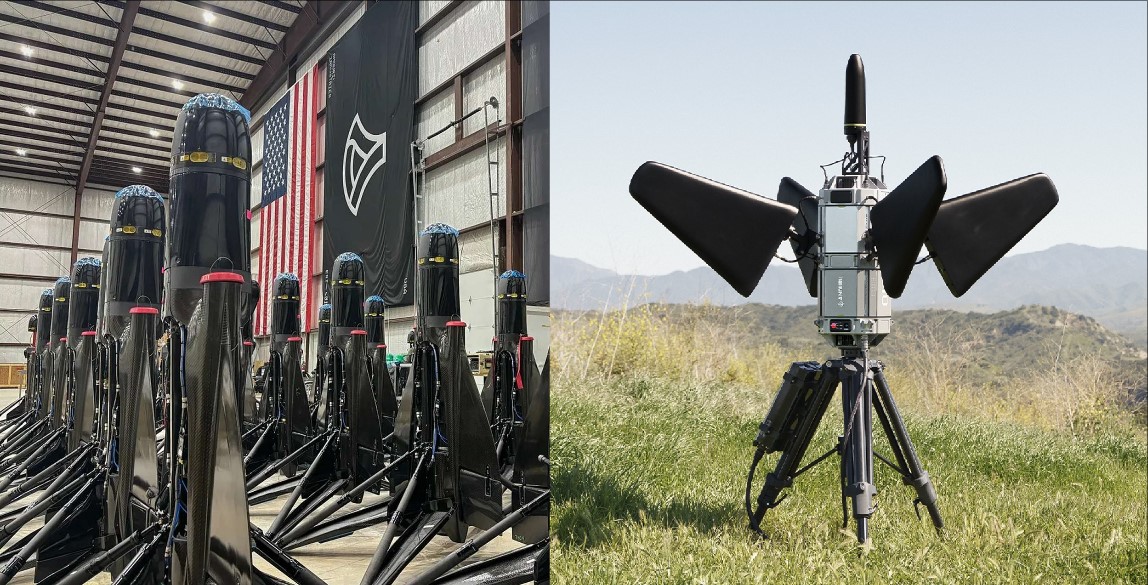 U.S. Approves $1.98 Billion Sale of Anduril AI-Powered Counter-Drone Systems to Kuwait
-
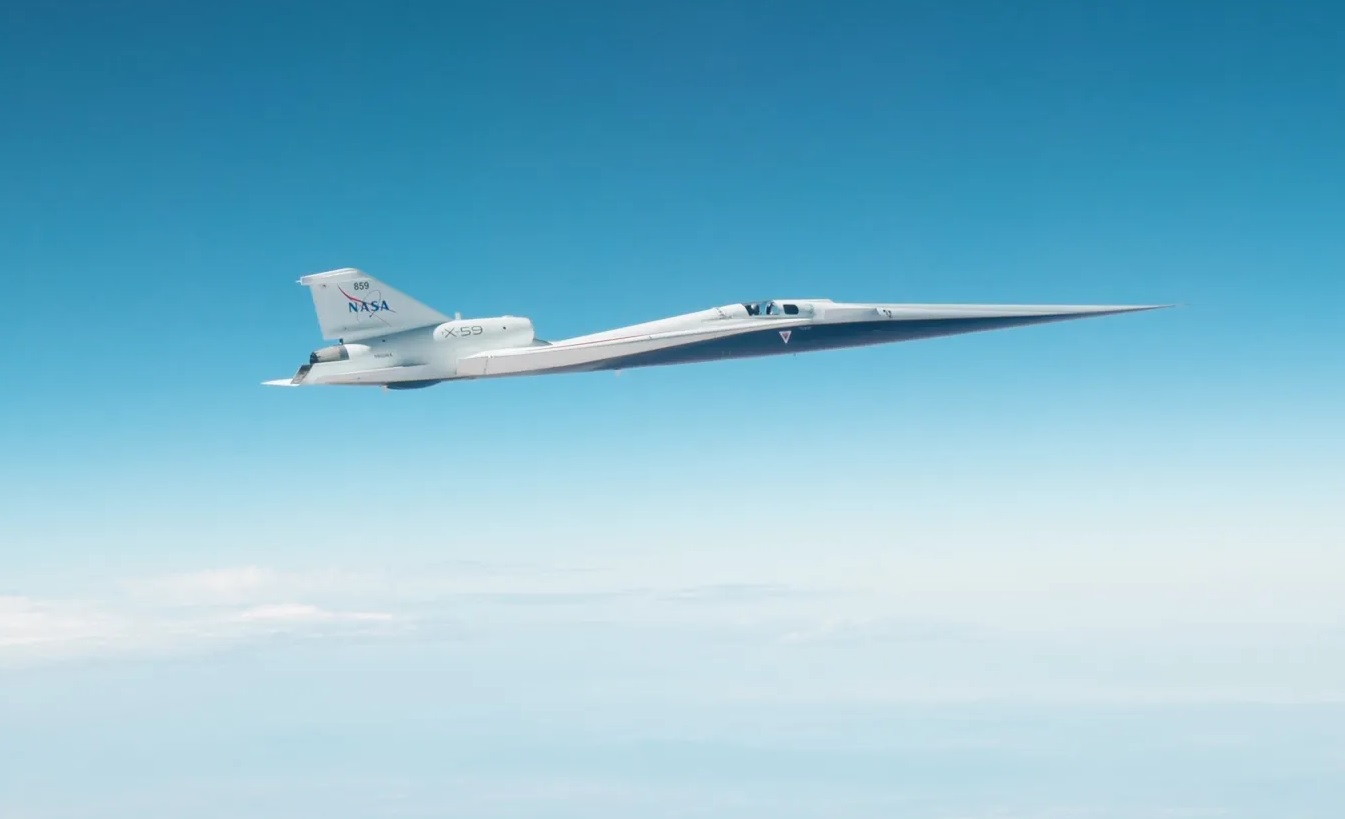 NASA X-59 Achieves Planned Mission Conditions with Mach 1.4 Flight at 55,000 Feet
-
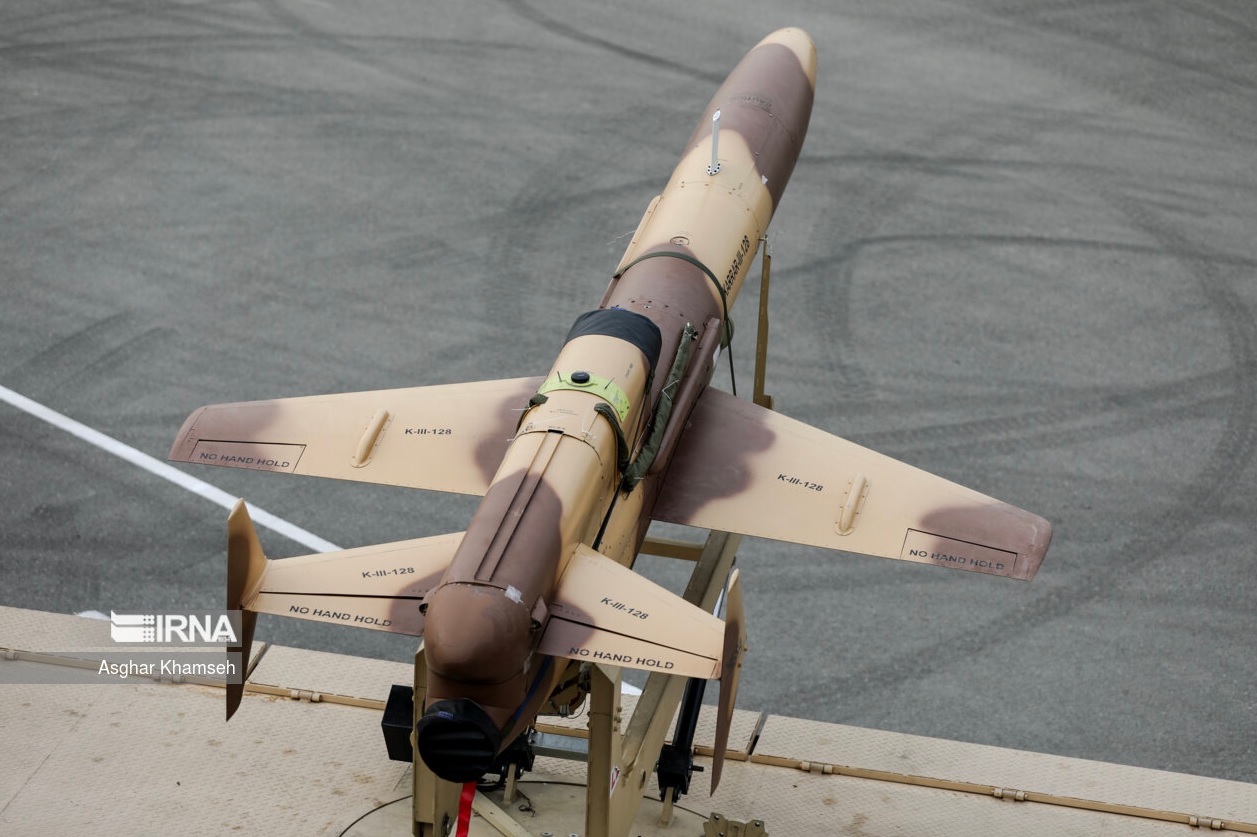 Russia Launches 1,400 Jet-Powered Drones in 2026 as Strike Tactics Evolve to Challenge Ukraine's Air Defenses