World
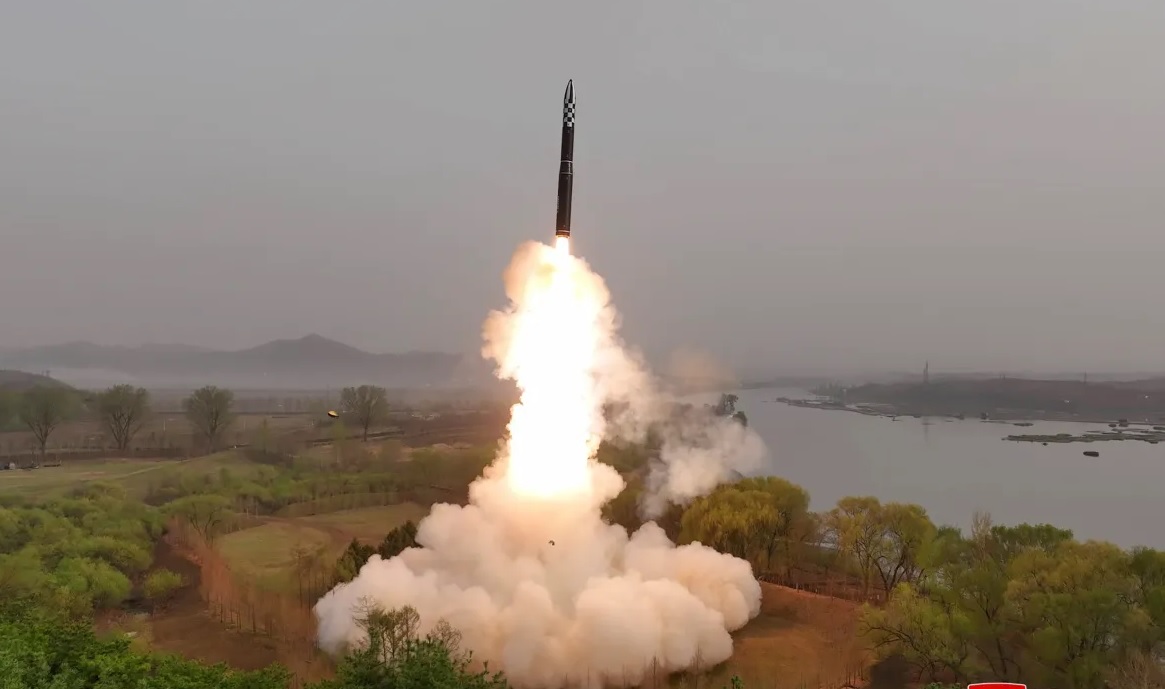
SEOUL , September 8, 2025 : North Korea declared it has successfully carried out the final ground test of a solid-fuel rocket engine designed for a new generation of intercontinental ballistic missiles (ICBMs). The powerful engine, built with carbon-fiber materials, reportedly generates 1,971 kilonewtons of thrust, making it far stronger than earlier versions. According to state media, the test was personally observed by leader Kim Jong Un, who hailed the breakthrough as an “eye-opening” development and a “significant change” in the country’s effort to expand its strategic nuclear forces. The new engine is set to power the Hwasong-20 ICBM, a system that North Korea recently revealed as part of its long-range missile program. Solid Fuel and Strategic Edge Solid-fuel technology provides crucial advantages: missiles can be launched more quickly, are easier to conceal, and are more mobile compared to older liquid-fuel systems. Analysts believe North Korea could soon move to test-firing a full ICBM equipped with this engine, possibly by the end of the year. Such a display would align with preparations for the ruling Workers’ Party Congress in early 2026, where Kim is expected to announce new policy directions. Kim has also pushed for multi-warhead technology (MIRVs) and the miniaturization of long-range missiles, which could be deployed from mobile launchers or submarines, enhancing survivability against missile defense systems. Remaining Technical Hurdles Despite the advances, all North Korean ICBM launches so far have been conducted at lofted trajectories, avoiding overflight of neighboring countries. Experts note that Pyongyang may not yet have perfected the technology needed for warhead re-entry, a critical step for operational capability. Political and Global Context The timing of the test highlights Kim’s dual strategy: strengthening his hand in future negotiations with the United States while reinforcing ties with Russia and China. North Korea has already supplied troops and military equipment to Russia in its war in Ukraine, and Kim recently appeared alongside Vladimir Putin and Xi Jinping at a massive parade in Beijing, marking the 80th anniversary of the end of World War II. On the same day as the engine test, China’s President Xi sent a congratulatory letter to Kim for North Korea’s founding anniversary, calling for enhanced “strategic communication” between the two allies. Outlook If North Korea follows through with an ICBM launch in the coming months, the test could mark its most powerful display of military capability yet, directly aimed at showcasing a missile system capable of threatening the U.S. mainland. With the Hwasong-20 nearing deployment, the balance of power and security in East Asia is likely to face renewed strain.
Read More → Posted on 2025-09-09 14:55:00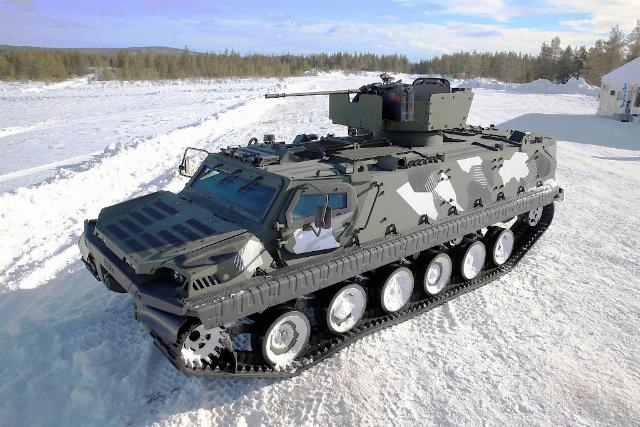
World
London, September 2025 — One of the biggest highlights of the DSEI UK defense exhibition in London was Finland’s Patria unveiling its new Trackx light tracked armored personnel carrier (APC). The vehicle is designed as a modern successor to the legendary M113, which has served militaries worldwide for more than six decades. A Modern Successor to the M113 The M113, with over 80,000 units built since the 1960s, remains one of the most widely used armored vehicles in the world. It has seen renewed action in conflicts such as the war in Ukraine. But despite upgrades, the design is increasingly outdated. Patria aims for Trackx to fill this gap by offering a light, mobile, and cost-effective tracked vehicle for today’s battlefield needs. Key Features of Trackx Capacity: Can transport 12 troops, including the driver, commander, and ten soldiers with full equipment. Weight: Maximum combat weight of 15.5 tons, striking a balance between mobility and protection. Protection: Provides ballistic shielding against small arms fire, with optional upgrades against armor-piercing rounds. Mobility: Equipped with wide rubber tracks, low ground pressure, and an advanced hydropneumatic suspension system, ensuring performance across roads, forests, bogs, and snow. All-Terrain Tested: Trials have already been conducted in demanding environments, proving its capability in harsh northern climates. Part of the EU’s FAMOUS Program Trackx is the first production-ready vehicle developed under the EU-funded FAMOUS (Future Highly Mobile Augmented Armoured Systems) program, led by Finland with participation from countries including France, Germany, and Spain. The program, with a budget of around €132 million, is backed by the European Defence Fund and national contributions. Patria coordinated the project, working alongside European defense companies such as Arquus, KNDS, and Indra, ensuring the vehicle’s specifications meet a wide range of European operational requirements. Market Prospects and Production Timeline Patria has set a target for serial production by 2027. The company confirmed strong interest from several EU countries, as well as inquiries from outside Europe. The design is particularly attractive for nations still operating aging fleets of M113s or MT-LBs, offering them a modern, lighter tracked replacement. Patria also emphasized local manufacturing opportunities, highlighting its experience with the Patria 6×6 wheeled armored vehicle, already being produced in Finland, Latvia, and Germany, with options for licensed production in other countries. A Strategic Step for Europe According to Patria’s executive vice president for protected mobility, Jussi Järvinen, Trackx fills a critical gap in the armored vehicle market. While most manufacturers focus on either lighter, less-protected vehicles or heavier, more expensive platforms, Trackx provides a balanced option for modern militaries seeking affordable, highly mobile, and versatile armored transport. Outlook With its blend of mobility, protection, and affordability, Trackx is set to play a central role in the modernization of European armed forces. Its development under the FAMOUS program also highlights growing European defense cooperation, ensuring that the Trackx is not just a Finnish achievement but a European milestone in armored vehicle innovation.
Read More → Posted on 2025-09-09 14:43:45
World
Haifa, Israel — Elbit Systems has officially launched Frontier, a next-generation wide-area persistent surveillance system, during the DSEI 2025 defense exhibition in London. The system is designed to address growing border security and defense challenges by combining advanced artificial intelligence with multi-domain surveillance capabilities. Frontier is built to autonomously detect, classify, and assess threats in real time, easing the heavy workload on operators who typically face thousands of alerts and massive volumes of raw data. By using AI to filter and prioritize information, the system ensures that intelligence teams receive only the most relevant, actionable insights. Among its key features are: AI-Based Adaptive Routine Learning – the ability to continuously learn and adapt to normal patterns of activity, improving accuracy over time. Autonomous Threat Classification – real-time identification and categorization of potential threats. Smart Decision-Making Support – providing operators with fast, clear, and actionable recommendations. Frontier integrates data from multiple sensors spread across land, sea, and air, transforming what Elbit describes as “data overflow into coherent understanding.” This selective transmission of analyzed information not only improves operational efficiency but also reduces costs and enhances mission success rates. Strategic Importance Elbit Systems, a global defense technology leader headquartered in Israel, has long specialized in command-and-control systems, unmanned solutions, and integrated surveillance platforms. With Frontier, the company is responding to the increasingly complex demands of border defense, where human operators often struggle to keep pace with the scale of modern monitoring requirements. As global security challenges evolve—from illegal cross-border movements to aerial and maritime incursions—Frontier offers governments and defense agencies a tool capable of addressing threats with speed, precision, and autonomy. Its AI-driven adaptive learning ensures that the system continues to evolve alongside shifting patterns of activity, making it more reliable in dynamic environments. Key Benefits at a Glance Wide-Area Persistent Surveillance across multiple domains. Reduced Workload for operator teams through AI filtering. Lower Operational Costs by cutting unnecessary data transmission. Higher Mission Success Rates due to faster threat detection and classification. By introducing Frontier at DSEI 2025, Elbit Systems has positioned itself at the forefront of AI-enabled defense technology, setting a new standard for how borders and sensitive perimeters can be secured in the coming decade. Would you like me to also compare Frontier with rival systems (like Rafael’s surveillance tech or U.S. border monitoring systems) so the article feels more like a full defense analysis piece?
Read More → Posted on 2025-09-09 14:26:39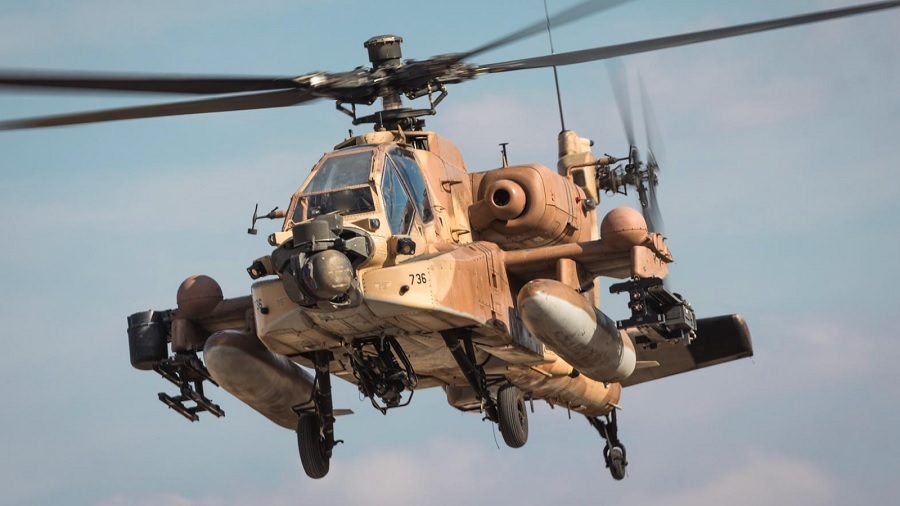
World
Jerusalem, September 9, 2025 – BIRD Aerosystems has announced a major contract with Israel’s Ministry of Defense, through the Directorate of Defense Research & Development (DDR&D), to equip the Israeli Air Force’s AH-64A Apache helicopters with its Airborne Missile Protection System (AMPS). The agreement covers the development, integration, delivery, and testing of the system, which will feature the company’s newly developed µDIRCM (micro-Directed Infrared Countermeasure) technology. This compact system is designed to provide full-spectrum defense against infrared-guided missiles, one of the most dangerous threats to helicopters in modern battlefields. Cutting-Edge Self-Defense Technology The µDIRCM combines missile detection, confirmation, tracking, and laser jamming within a single lightweight unit. It is described as the smallest and most advanced DIRCM available today, offering: Near-zero false alarms, reducing risks of accidental countermeasure activation. Lightweight integration, suitable even for small platforms. Advanced threat engagement, allowing rapid response against multiple incoming missiles. By installing AMPS with µDIRCM, Israel’s Apaches—locally known as “Peten”—will gain an additional defensive shield when operating at low altitudes, where they are most vulnerable to MANPADS (man-portable air defense systems). Strategic Statements Matan Perry, VP of Marketing & Sales at BIRD Aerosystems, called the program a “major milestone”, noting that the Israeli Air Force—considered one of the most advanced in the world—had chosen their system to protect its Apaches. Ronen Factor, Co-CEO and Co-Founder of BIRD, emphasized that the deal represents both a national commitment to defense and the company’s proven expertise in delivering mission-critical protection systems. Role of Apache in Israeli Service Israel’s AH-64A Apaches entered service in the early 1990s and remain a key strike platform for close air support, anti-armor missions, and counter-terrorism operations. With around 40 aircraft in service, they have been extensively used in regional conflicts. The addition of DIRCM technology is expected to extend their survivability and combat relevance, especially in environments where adversaries are equipped with modern shoulder-fired missiles. Growing Global Demand Defense experts note a rising global demand for compact self-protection solutions as threats to helicopters and transport aircraft evolve. Systems like µDIRCM are particularly attractive because they can be integrated not only on attack helicopters, but also on transport aircraft, UAVs, and VIP jets, without requiring extensive modifications. Although contract value and delivery timelines were not disclosed, the project will move through development, flight trials, and operational testing phases before entering service. Once deployed, Israel’s Apaches will be among the most well-protected attack helicopters in the world, reinforcing the country’s edge in air combat survivability.
Read More → Posted on 2025-09-09 14:19:03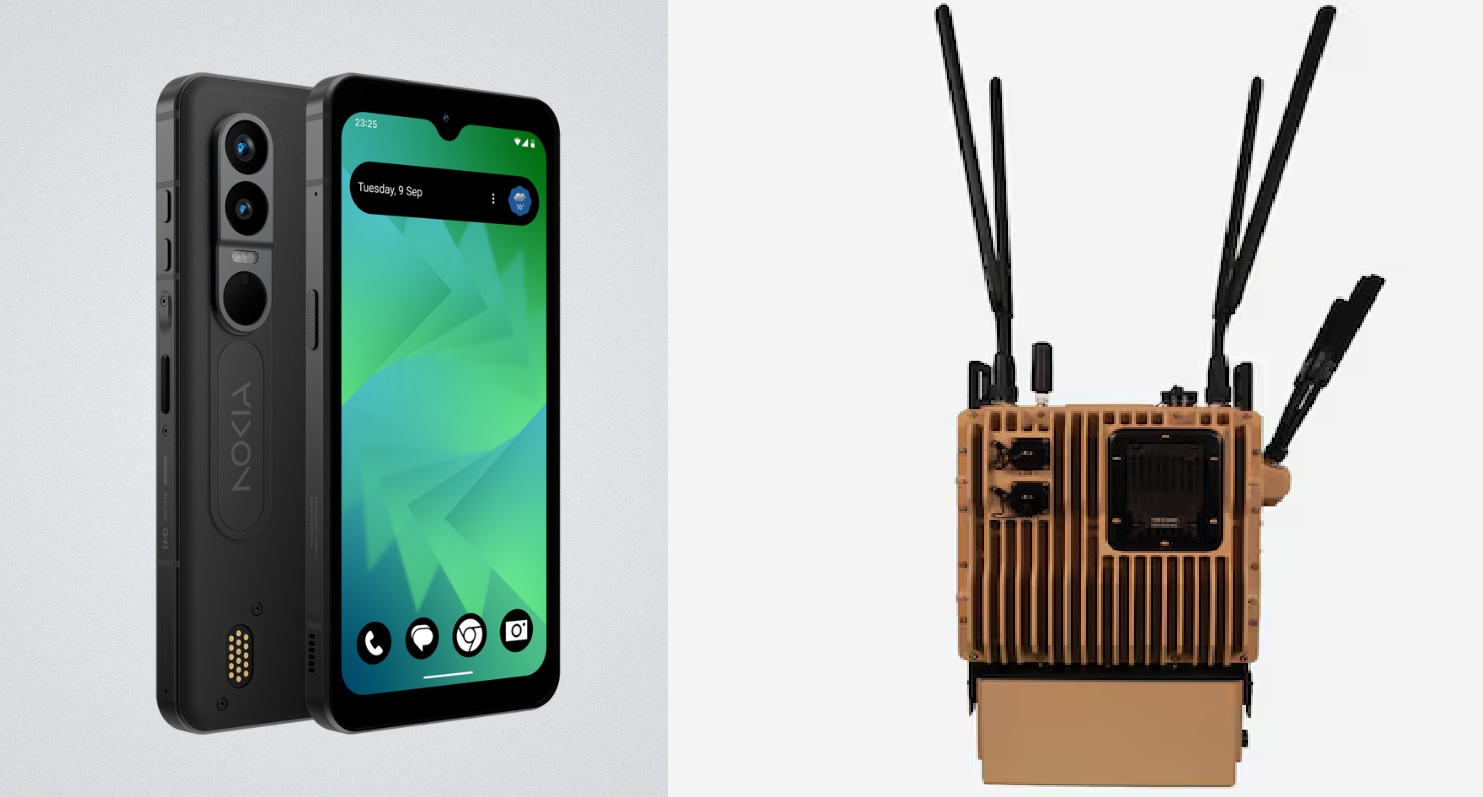
World
Espoo, Finland, September 9, 2025 : Nokia has taken a major step in strengthening its defence technology portfolio with the launch of two advanced tactical communication solutions: the Nokia Mission-Safe Phone and the upgraded Nokia Banshee 5G Tactical Radio. Both systems are designed to provide secure, resilient, and high-performance communications for defence forces operating in the most demanding conditions. The Mission-Safe Phone is a purpose-built military smartphone manufactured in Europe, equipped with a long-lifecycle Qualcomm chipset. Unlike many commercial devices, it has been developed with supply-chain security in mind, using no active components of Chinese origin and sourcing around 90% of parts from non-Chinese suppliers. This ensures higher trust in its hardware and reduces dependency on vulnerable supply chains. The device is certified to MIL-Standard 810H and IP68, making it resistant to water, dust, shock, and extreme weather. It comes in three versions, each tailored to different mission profiles, and can be customised with additional applications and accessories. The phone can run on standard operating systems but also allows deeper-level access for defence partners to install their own secure OS, giving it a flexibility rarely seen in military communications equipment. Nokia also revealed the upgraded Banshee 5G Tactical Radio, which now includes integrated 5G connectivity. Often described as a “network in a box”, the rugged portable system provides higher bandwidth, lower latency, and greater resilience in the field. It enables real-time coordination, instant data sharing, and improved situational awareness, all while being easy to deploy in mobile or contested environments. Together, the Mission-Safe Phone and Banshee radio form a fully integrated tactical ecosystem, allowing soldiers to operate on unified communication platforms. These systems align with NATO’s strategic recognition of 5G as a critical enabler for multi-domain operations and support interoperability with satellite, MANET, and other battlefield networks. Giuseppe Targia, Head of Space and Defense at Nokia, said the launch reflects the company’s vision of accelerating digital transformation in the battlespace. “With the Nokia Mission-Safe Phone and the Banshee 5G Tactical Radio, we are enabling next-generation connectivity and resilience,” he stated. “Our goal is to deliver a complete, end-to-end tactical communications ecosystem for modern defence forces.” The move comes as global defence organisations increase investments in digitalised battlefield networks. Nokia, building on its recent acquisitions and expertise in tactical communications, is positioning itself as a key player in secure military connectivity, offering tools designed not only to withstand the harshest conditions but also to provide uninterrupted, safe, and trusted communication for soldiers in critical missions.
Read More → Posted on 2025-09-09 14:00:52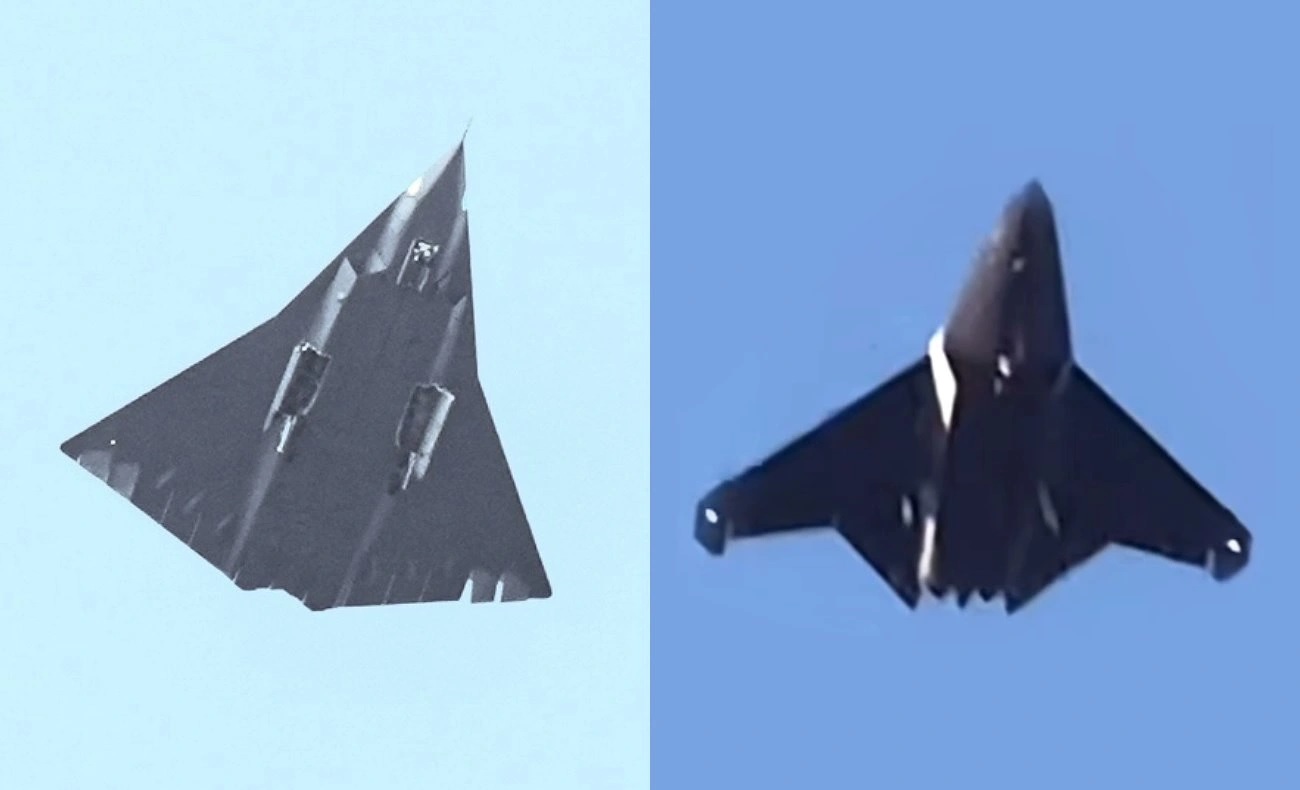
World
Washington, September 5, 2025 : A new report from House Republicans on the Select Committee on the Chinese Communist Party has revealed that the U.S. Department of Defense inadvertently funded advanced research projects that significantly accelerated China’s military aviation programs. The report states that over the past two years, more than $2.5 billion in taxpayer-funded grants supported around 1,400 research papers in collaboration with Chinese universities and institutes tied directly to Beijing’s defense industry. Many of these institutions are officially blacklisted by the U.S. government for their connections to the People’s Liberation Army (PLA). Findings The funded projects spanned hypersonic systems, artificial intelligence, semiconductors, advanced materials, quantum sensing, ISR technologies, and next-generation propulsion — all critical fields for modern warfare. Lawmakers warned that this research likely contributed to China’s unveiling of its J-36 sixth-generation stealth fighter, advancements in the J-35A fifth-generation jet, and the development of the H-20 stealth bomber, giving Beijing an edge in the race for air superiority. Political and Military Response Republican members of Congress described the findings as “shocking” and “a failure of oversight.” They accused the Pentagon of allowing sensitive technologies to slip into the hands of America’s chief rival. Legislation is now being prepared to prohibit defense funding for collaborations with foreign institutions tied to military programs. The Chinese Embassy dismissed the allegations, calling the report politically motivated and without merit. Global Implications The revelations come at a time of intense rivalry between Washington and Beijing for technological and military dominance. Experts warn that the inadvertent U.S. funding has narrowed the technological gap between the two powers and could tilt the balance of air power in Asia. U.S. allies in the region — Japan, South Korea, Taiwan, the Philippines, and India — are already responding with new defense deals to counter China’s growing might. For India, the implications are severe. China maintains nearly double the number of fighter squadrons compared to the Indian Air Force. With the potential transfer of advanced Chinese technology to Pakistan — as seen in the deployment of the long-range PL-15E missile — New Delhi faces mounting pressure to accelerate its own modernization. Next Steps The report calls for urgent action, including tighter oversight of academic collaborations, new legislation to close loopholes, and safeguards to ensure U.S. taxpayer funds never again fuel the rise of a rival’s military power. As Washington confronts a new phase of great-power competition, the findings underscore a sobering reality: America’s own money may have helped sharpen the cutting edge of China’s air combat capabilities.
Read More → Posted on 2025-09-09 13:45:43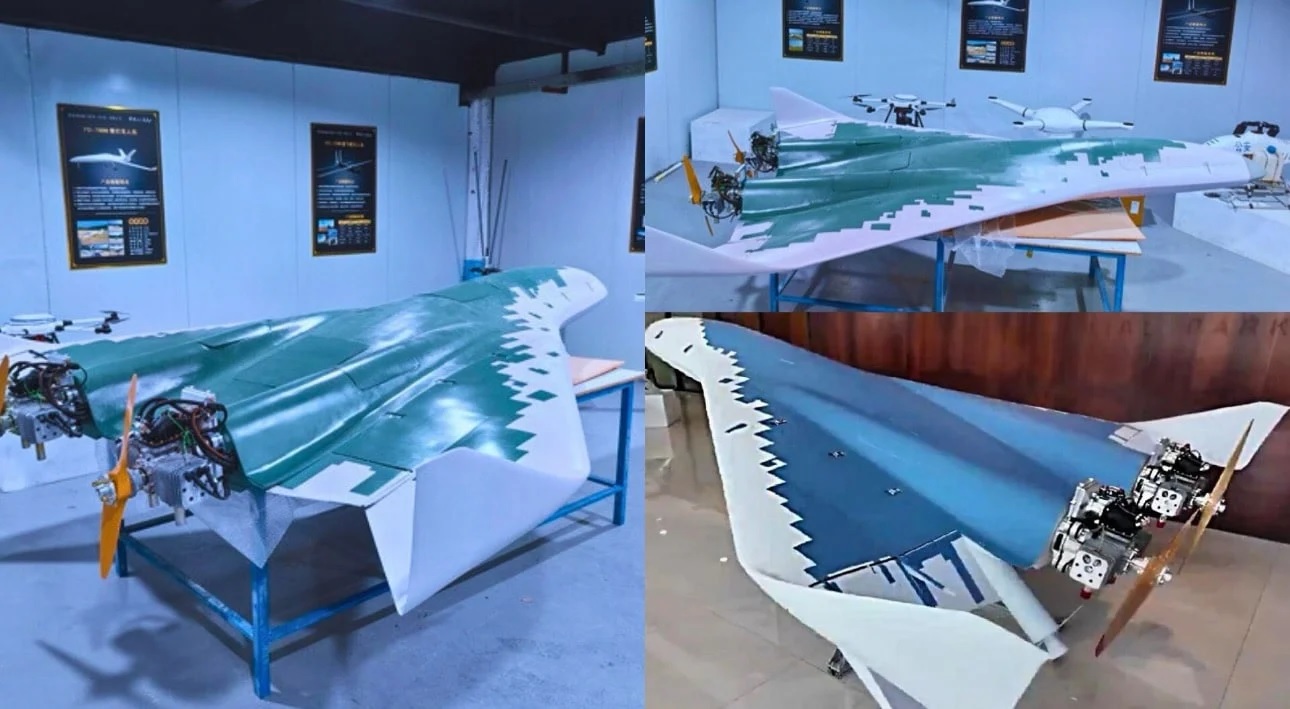
World
In a significant enhancement to its unmanned aerial capabilities, China has begun mass production of the PD‑2900 kamikaze drone—a long-range, stealth-inspired munition that reportedly outperforms Russia’s Geran‑2 (Shahed‑136) in both range and payload capacity. Impressive Performance and Stealth-Inspired Design Claimed specifications include: Range: Up to 2,500 km Endurance: Approximately 12 hours Speed: Around 200–250 km/h Visually, the drone features camouflage mirroring the paint scheme of the Russian Su‑57 stealth fighter, suggesting intentional design cues meant to evoke a stealthy, modern aesthetic. Advanced Construction and Operational Design The PD‑2900 is built using carbon fiber and composite materials, providing structural strength while minimizing weight. It incorporates dual gasoline engines, a 160-liter explosion‑proof fuel tank, and offers up to 100 kg of payload—more than double that of earlier kamikaze drones. Launch methods are versatile, including catapult or rocket-assisted takeoff, and the drone supports autonomous navigation and real-time control, with capabilities like networked communication, relay functionality, and anti-jamming measures. Strategic Implications of Its Deployment Outclassing Geran‑2: By significantly extending range and doubling payload capacity, the PD‑2900 stands as a more potent and cost‑effective alternative to Russia’s Geran‑2 system. Shift in Warfare Dynamics: Cheap, long-range drones such as this are reshaping modern warfare. Their ability to conduct precise strikes while being economical has made them pivotal in asymmetric tactics. Design Symbolism: The Su‑57–style camouflage evokes stealth and modern air combat capabilities, hinting at both the technical aspirations and psychological messaging behind the drone’s presentation. China’s move to mass-produce the PD‑2900 drone marks a notable development in the unmanned warfare domain. With its extended reach, robust payload, stealth-like design, and autonomous capabilities, it represents a significant leap forward from existing Russian-style loitering munitions such as the Geran‑2. This advancement is poised to further consolidate drone-based precision strikes as central to strategic military operations.
Read More → Posted on 2025-09-08 16:35:19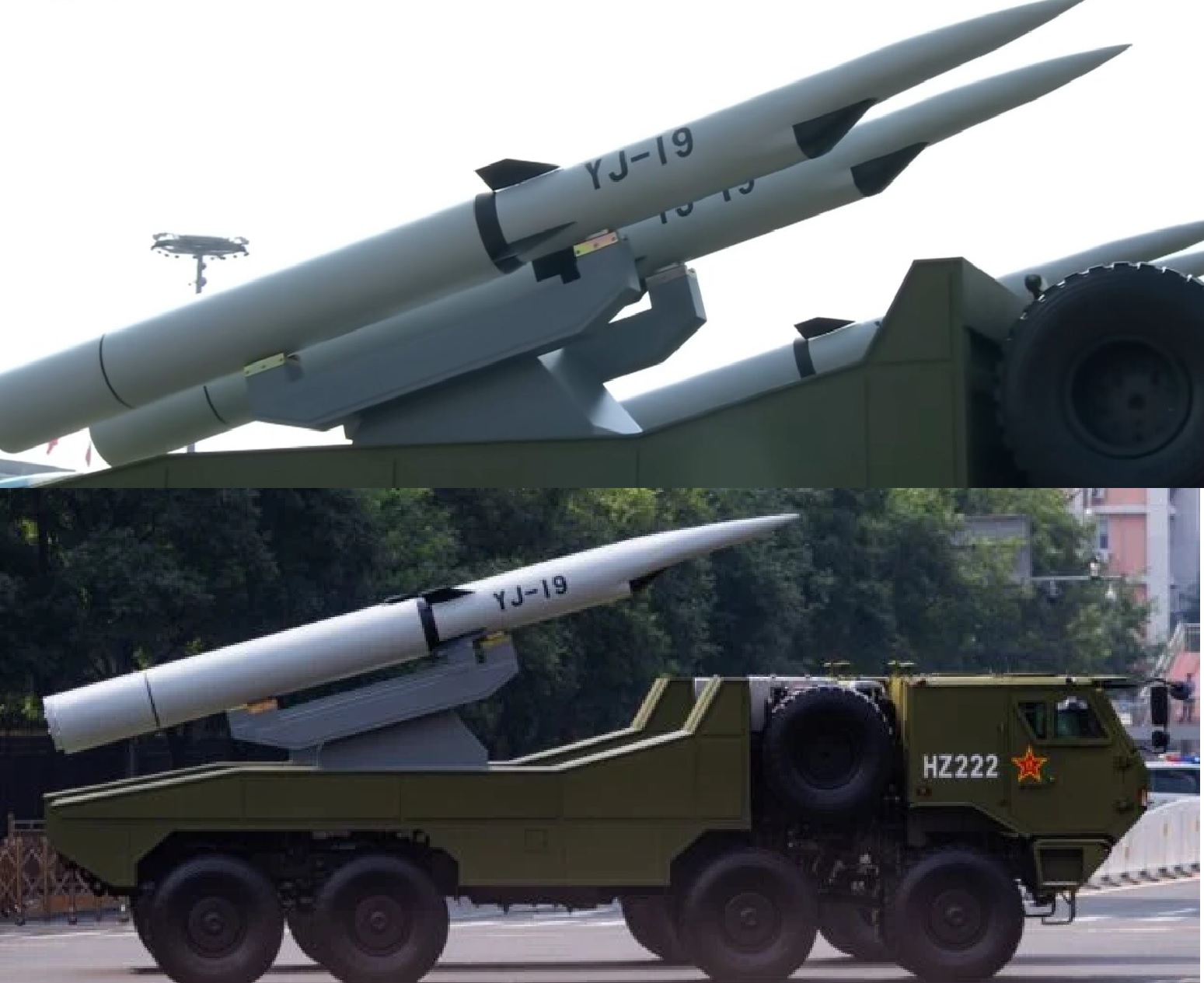
World
Beijing, September 8, 2025 : In a striking display during China’s Victory Day military parade on September 3, the People’s Liberation Army unveiled the YJ-19, a next-generation hypersonic anti-ship missile poised to revolutionize submarine warfare. While the system remains unconfirmed as combat-ready, its public debut signals significant progress in Beijing’s marine strike capabilities. A New Class of Hypersonic Weapon The YJ-19 represents a landmark in Chinese naval armaments, notable as the country's first air-breathing scramjet-powered cruise missile. Its design includes a ventral air inlet feeding the engine, enabling sustained hypersonic flight—potentially reaching Mach 10 or higher—with mid-course maneuverability. This configuration not only reduces weight—by eliminating onboard oxidizers—but also enhances range and agility in striking maritime targets. Platform Flexibility: Submarine Launch Capability Analysts note the YJ-19’s relatively slender profile, indicating compatibility with standard 533 mm torpedo tubes—a capability designed to integrate with both conventional and nuclear-powered PLA submarines. This marks a strategic pivot, enabling submarines lacking vertical launch systems to field advanced hypersonic weapons, expanding China’s underwater strike reach without extensive platform modifications. Part of a Broader Hypersonic Arsenal The YJ-19 appeared alongside several other advanced systems during the parade—namely the YJ-15, YJ-17, and YJ-20—each leveraging distinct hypersonic architectures. Expert assessments suggest: YJ-17 employs a boost-glide (waverider) design, YJ-20 features a bi-conic, possibly boost-glide form, YJ-15 is a ramjet-powered supersonic variant. Together, they reinforce China’s multipronged approach in hypersonic missile development. Technical Hurdles and Strategic Implications Implementing scramjet technology brings formidable challenges: managing ultra-high temperatures (exceeding 2,000 °C), preventing signal blackout due to plasma formation, and maintaining engine stability at hypersonic velocities. Despite these hurdles, success would confer profound strategic advantages. A submarine-launched hypersonic weapon—combining stealth, speed, and maneuverability—could neutralize naval defense systems with dramatically reduced reaction time. Parade Context and Regional Significance The YJ-19’s debut came during a grand Beijing parade attended by leaders including Xi Jinping, Vladimir Putin, and Kim Jong Un. The event also featured nuclear-capable systems like the DF-5C ICBM and JL-3 submarine-launched ballistic missile, marking the first public display of China's nuclear triad. Military analysts caution that some of the weapons displayed may not yet be fully operational—but their public reveal underlines China’s prioritization of hypersonic and maritime strike modernization. A Technology Demonstrator with Strategic Weight While the YJ-19 may currently serve as a technology demonstrator, its characteristics—particularly submerged launch capability and air-breathing hypersonic propulsion—suggest an impending leap in undersea warfare. If successfully fielded, it would position China's submarine force to deliver near-invisible, supersonic offensive strikes, reshaping naval deterrence and response calculations across the Indo-Pacific theater.
Read More → Posted on 2025-09-08 14:49:01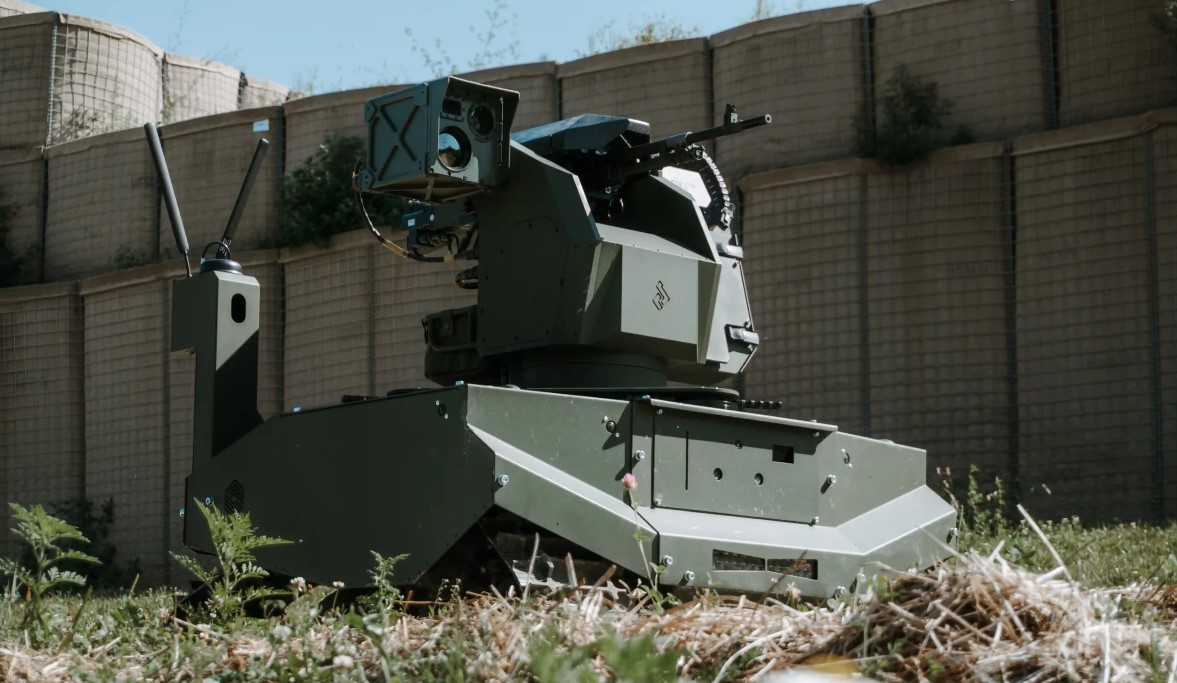
World
Munich/London, September 2025 : ARX Robotics has officially unveiled Combat Gereon, its first combat-capable unmanned ground vehicle (UGV), marking a major step in autonomous battlefield systems designed to protect soldiers and increase effectiveness in high-risk missions. Developed in a European–Ukrainian campaign, Combat Gereon was shaped directly by the experiences of Ukrainian frontline users. ARX worked closely with Ukrainian defense-tech firm Frontline to refine operational needs, while a parallel partnership with Valhalla Turrets focused on integrating weapons and aligning the platform with European military certification and deployment requirements. The new UGV will be presented at the DSEI UK 2025 defense exhibition in London (September 9–12). At the event, Combat Gereon will be shown with Valhalla Turrets’ LOKI remote-controlled weapon station, demonstrating its modular payload integration and seamless coordination within ARX’s Mithra OS-enabled fleet. Key Features & Capabilities Payload & MobilityCombat Gereon is built on ARX’s Gereon RCS chassis, capable of carrying up to 500 kg of payload. The vehicle has an operational range of around 40 km and can travel at speeds of up to 15 km/h. Its compact design measures roughly 1.24 m long, 1.35 m wide, and 1.1 m tall with antenna, allowing it to navigate tight environments and transportable in standard military vehicles. Sensors & AwarenessEquipped with electro-optical and infrared cameras, thermal imaging, and laser rangefinders, the UGV provides 360-degree situational awareness in both day and night conditions. Weapon ModularityCombat Gereon supports various weapon systems. Demonstrations have included the Heckler & Koch MG5, while the platform can also be fitted with .50 caliber weapons, grenade launchers, or other turrets depending on mission requirements. Operator InterfaceThe system is remotely controlled through a compact Winmate-based unit, designed like a game console with joysticks and central display. This interface communicates via radio or secure digital networks, keeping operators at a safe distance. Software BackboneAt its core, Combat Gereon runs on Mithra OS, ARX’s AI-driven operating system. This enables autonomous navigation, fleet-level coordination, and integration of both autonomous and legacy systems, giving European forces greater flexibility in adapting to evolving threats. Strategic Role in Modern Warfare ARX Robotics highlighted that Combat Gereon introduces the concept of “first unmanned contact” — deploying robots ahead of soldiers into dangerous areas. This reduces risk to personnel during reconnaissance, route clearance, and forward observation in contested zones. By keeping operators safely behind the front line, Combat Gereon allows forces to extend their operational range while maintaining situational awareness and combat effectiveness. The UGV is designed for scalable production across ARX’s European and Ukrainian factories. Its modular payload design means it can be quickly reconfigured for tasks such as reconnaissance, casualty evacuation, mine clearance, or direct combat support. ARX Robotics: Expanding Role in Europe’s Defense Founded in 2021 by former German Armed Forces officers, ARX Robotics has rapidly become a key defense innovator. Its Gereon UGVs are already in service with six European armed forces, including Germany, the UK, and Ukraine. Earlier in 2025, ARX delivered 30 UGVs to Ukraine, where they have been used for mine clearance and medical evacuation missions. The company is scaling aggressively, with a £45 million investment in a UK production hub and collaborations with defense leaders including Quantum Systems, RENK Group, and Daimler Truck. ARX has also attracted strong financial backing, raising €31 million in Series A funding in April 2025 and an additional €11 million in July, supported by major European investors and the NATO Innovation Fund. A New Era of Battlefield Robotics ARX emphasizes that Combat Gereon is more than a vehicle — it represents a strategic shift toward robotic and software-defined warfare, enhancing Europe’s resilience in the face of modern threats. “Combat Gereon represents the next step in our mission to protect soldiers and enhance Europe’s defense resilience,” said Marc Wietfeld, co-founder and CEO of ARX Robotics. “By extending the reach of autonomous platforms into the combat domain, we’re enabling forces to operate more effectively, at lower risk.”
Read More → Posted on 2025-09-08 14:37:30
World
Beijing, September 3, 2025 : In a dramatic display of emerging naval power, China officially revealed the AJX-002, an extra-large uncrewed underwater vehicle (XLUUV), during its Victory Day parade marking the 80th anniversary of the end of World War II. The event, attended by international leaders including Russian President Vladimir Putin and North Korean leader Kim Jong Un, highlighted both China’s advancing military technology and its growing geopolitical ambitions. A Quiet Giant in the Water The AJX-002 measures around 18 to 20 meters long with a diameter of 1 to 1.5 meters, featuring a slender torpedo-like hull. Equipped with four lifting lugs for crane launch and a pump-jet propulsion system designed for low noise, the vehicle emphasizes stealth and endurance. Its modular design suggests it can be easily transported and adapted for different missions. While Chinese officials described the system primarily as a mine-laying drone, its size and configuration strongly indicate potential for multi-role operations, including carrying torpedoes or cruise missiles, gathering intelligence, or disrupting undersea infrastructure. Strategic Impact in Regional Tensions The AJX-002 adds a new dimension to the People’s Liberation Army Navy’s (PLAN) capabilities. With long-range, autonomous endurance, it can operate far from Chinese shores, silently deploying mines in shipping lanes, patrolling contested waters, and complicating enemy anti-submarine operations. This capability is particularly relevant in the Taiwan Strait and South China Sea, where the XLUUV could be used to pressure adversary navies and protect Chinese claims. Military analysts warn that such drones make naval operations significantly harder, as opponents must now guard against both manned and unmanned undersea threats. Part of a Larger Fleet of XLUUVs The AJX-002 is not a standalone project. China has been testing multiple large underwater drones since at least 2022, with different prototypes already spotted. Some models appear larger and feature alternative rudder designs, suggesting a family of XLUUVs optimized for diverse missions. Together, these vehicles could be deployed in coordinated swarms, sharing intelligence in real time and executing networked operations alongside surface and aerial drones—expanding the PLA’s ability to wage multi-domain warfare. A Broader Military Showcase The unveiling took place in a massive parade that also featured hypersonic missiles, advanced nuclear delivery systems, directed-energy weapons, uncrewed aircraft, and robotic combat systems. By presenting the AJX-002 alongside such technologies, China underscored its ambition to project power across land, air, sea, space, and cyberspace. While experts note that some showcased systems may still be in prototype stages, the public debut of the AJX-002 signals a major step forward in autonomous undersea warfare and reflects Beijing’s determination to challenge rivals in the world’s oceans. The AJX-002 now stands as a symbol of China’s growing focus on stealth, autonomy, and undersea dominance—a development certain to draw close scrutiny from navies across the Indo-Pacific and beyond.
Read More → Posted on 2025-09-08 14:31:17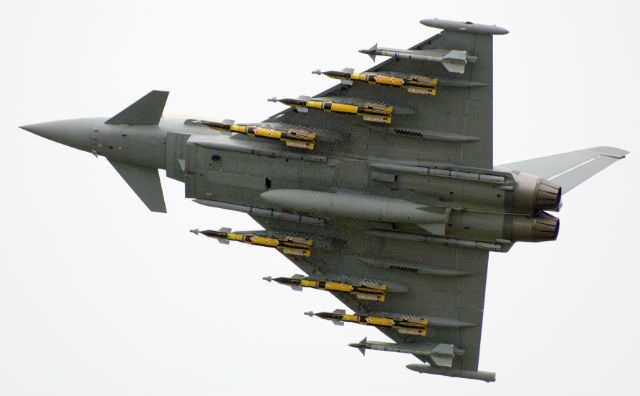
World
London, 8 September 2025 : Raytheon UK, part of RTX’s Raytheon business, has successfully completed integration trials of the Paveway IV precision-guided bomb on the Eurofighter Typhoon aircraft. The trials, carried out in July at Royal Air Force Marham and the MOD Aberporth range, were supported by RWM Italia S.p.A, a subsidiary of the Rheinmetall group. The programme included live-fire exercises, mission planning simulations, platform and weapon training, and cross-force tactical integration. According to Captain R.N. Deavin, Combat Air Deputy Force Commander, “this collaboration underscores the strength of NATO partnerships and our shared commitment to maintaining a technological edge on the battlefield.” James Gray, CEO of Raytheon UK, said the milestone demonstrates the importance of industrial and military partnerships: “Our work with RWM Italia and the Royal Air Force exemplifies how industry can enable greater interoperability, lethality and capability across NATO forces, helping them maintain air superiority.” Paveway IV and Its Significance The Paveway IV has been a central part of the Royal Air Force’s strike arsenal since 2008. It combines GPS/INS guidance with laser targeting, allowing precise strikes in all weather conditions and against both static and moving targets. Its programmable fuzing options—airburst, impact, or delayed detonation—make it adaptable to a wide range of missions, while low-collateral variants enable use in urban or sensitive environments. The bomb has seen extensive operational use in Afghanistan, Libya, Iraq, Syria, and Yemen, proving its reliability in combat. The new trials mark the certification of an Italian-produced warhead from RWM Italia for the Typhoon platform, a move that strengthens NATO cooperation and expands the industrial base supporting the weapon. Strategic Context The integration comes as the Eurofighter Typhoon fleet undergoes significant upgrades, including the ECRS Mk2 radar and future integration of MBDA’s SPEAR-3 missile package. Until these longer-range precision weapons become operational, Paveway IV remains the RAF’s backbone for precision strike missions. For NATO, the collaboration highlights a growing emphasis on shared logistics, training, and weapons standardisation. By integrating components from the UK, Italy, and Rheinmetall’s expertise, the programme enhances interoperability among allied forces and demonstrates collective readiness in modern air combat. Broader Impact The Italian Air Force has also begun testing the Paveway IV on its Typhoon fleet, potentially expanding the user base of the weapon beyond the UK and Saudi Arabia. Raytheon UK continues to invest in advanced versions of the bomb, including penetrating and bunker-busting variants designed for future compatibility with the F-35B Lightning II. With more than 2,000 employees in the UK, Raytheon UK supplies key defence and space systems to the Ministry of Defence, while parent company RTX, headquartered in Arlington, Virginia, reported over $80 billion in 2024 sales and employs 185,000 people worldwide. The successful completion of the Paveway IV integration trials on the RAF Typhoon marks an important step in sustaining the UK’s precision strike capabilities while deepening NATO defence cooperation. It demonstrates how modern industry-military partnerships ensure readiness, adaptability, and technological superiority on the future battlefield.
Read More → Posted on 2025-09-08 14:24:45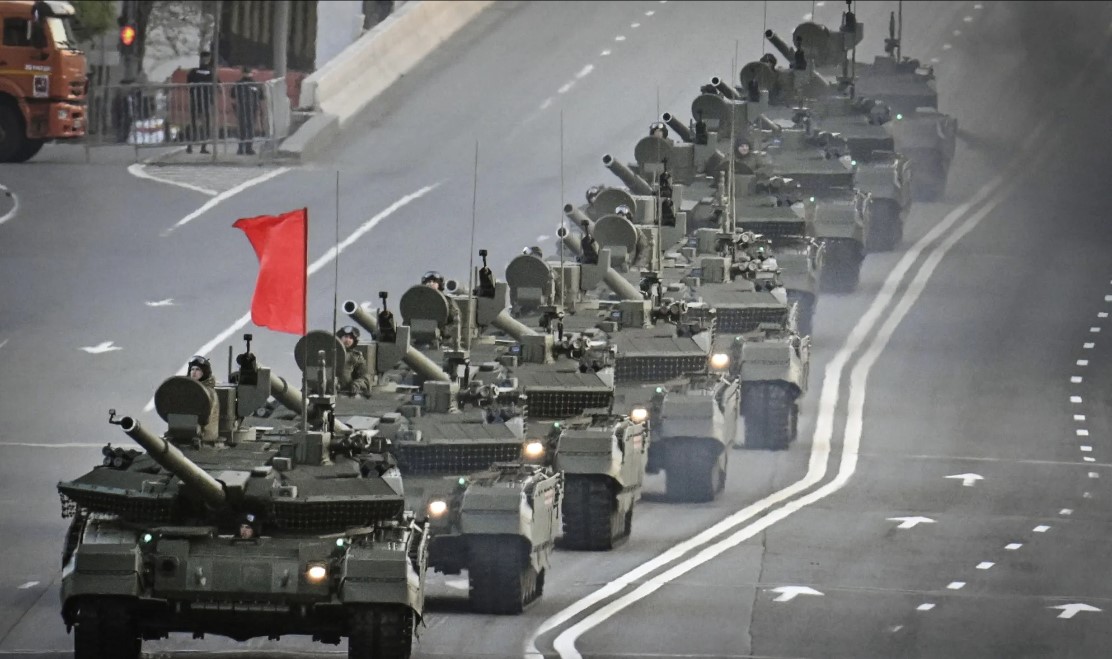
World
Ukraine’s Defense Intelligence (GUR) has revealed that around 700,000 Russian service members are currently deployed across Ukrainian territory — a sharp increase from the 600,000 reported earlier this year. Deployment and Strategic Priorities GUR spokesperson Andrii Yusov confirmed that the figure includes frontline soldiers, National Guard troops, special forces, and support personnel. The majority of these forces are positioned in Donetsk Oblast, signaling the region’s central importance to Moscow’s war strategy. Russia Sustains Losses but Replenishes Forces Despite suffering over one million casualties since the start of the full-scale invasion, Russia has maintained its frontline strength by recruiting large numbers of contract soldiers. This steady stream of reinforcements enables Moscow to keep pressing Ukrainian defenses, while Kyiv struggles with mounting manpower shortages. North Korea’s Expanding Role Russia’s war effort has been significantly boosted by North Korean support. An initial deployment of 11,000 to 12,000 North Korean troops in Russia’s Kursk region took heavy losses — about 2,000 killed or wounded — while resisting a Ukrainian incursion. Yusov clarified that North Korean forces remain on Russian soil and have not entered Ukraine directly. Even more critical has been Pyongyang’s vast supply of weapons and ammunition. Ukrainian intelligence reports that 40–60% of the artillery shells fired by Russian forces are now North Korean-made. In addition to millions of shells, North Korea has delivered rocket systems and short-range ballistic missiles, dramatically increasing Russia’s firepower. Without this supply, analysts believe Russia’s strike capacity would be far weaker. Overwhelming Numbers on the Front Ukrainian commanders warn that the scale of Russia’s troop buildup is creating enormous pressure. Viktor Tregubov, a spokesperson for Ukraine’s “Dnipro” operational-strategic grouping, said that in some occupied areas, the number of Russian troops even exceeds the size of the local prewar populations. “It seems like they’ve gathered such a horde to take on an average European country,” Tregubov noted. Strategic Implications The updated intelligence underscores several key dynamics of the war: Russia’s ability to sustain frontline strength despite catastrophic losses. A deliberate focus on Donetsk Oblast as a primary battlefield. North Korea’s role as a vital lifeline for Russia’s artillery and missile capabilities. Ukraine’s growing challenge in confronting both a numerically superior enemy and its reliance on foreign supplies.
Read More → Posted on 2025-09-08 14:19:12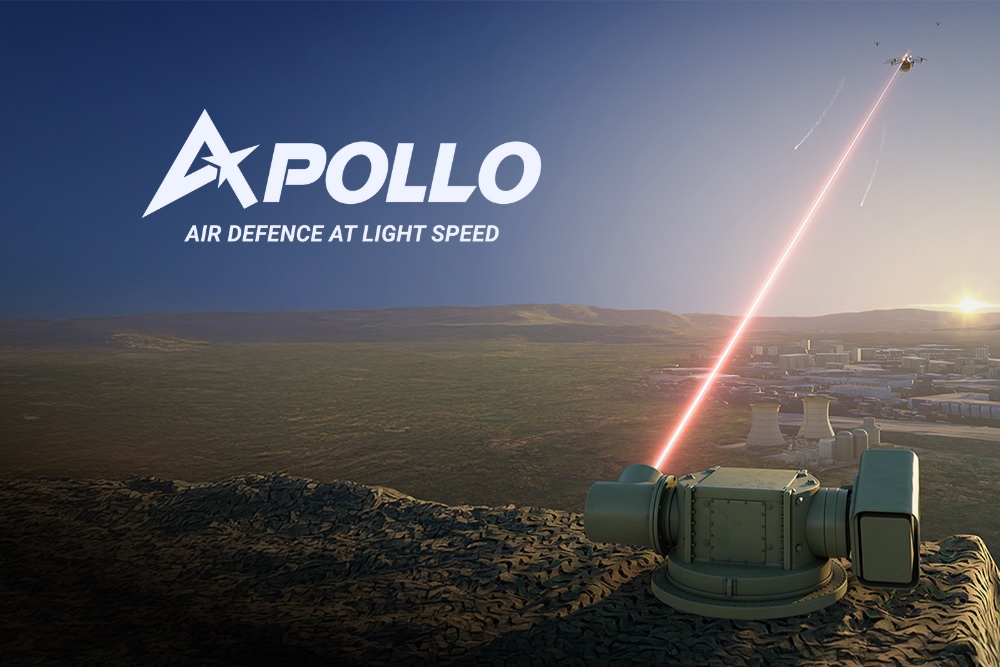
World
London, 8 September 2025 : Australian defence technology company Electro Optic Systems (EOS) has officially unveiled “Apollo”, the name of its high-energy laser weapon system. Symbolising light, vision, and protection, Apollo represents a major step forward in the use of directed-energy weapons against the growing threat of drones. The announcement comes just weeks after EOS secured the world’s first export contract for a 100 kW-class laser weapon with a European NATO member state. Valued at around €71.4 million (A$125 million), the deal includes delivery, training, spare parts, and long-term support between 2025 and 2028. Designed for Modern Drone Warfare Apollo is built to counter Group 1–3 drones and drone swarms, which are increasingly being used in conflict zones worldwide. Scalable Power: Operates between 50–150 kW. Rapid Engagement: Can disable 20–50 drones per minute, with a response time of under 1.5 seconds. 360° Coverage: Provides full horizontal and vertical targeting. Range: Delivers hard kills at 50 m–3 km, and can disrupt drone sensors at up to 15 km. Magazine Capacity: Stores over 200 shots in isolated mode, and offers unlimited firing when linked to external power. Mobility and Integration The weapon is designed for quick deployment. It can be mounted on vehicles, packaged in a 20-foot ISO container, or installed as a stand-alone defence system. Operational within two hours, Apollo is also fully compatible with NATO-standard command-and-control and air defence systems, making it easily deployable in joint operations. Cost Advantage EOS highlights Apollo’s ability to defeat drones at a fraction of the cost of traditional missile defences. With each shot costing less than 10 cents, it provides an economical solution to large-scale drone swarm attacks, where missile interceptors costing hundreds of thousands of dollars would be unsustainable. Strategic Significance EOS Group CEO Dr Andreas Schwer said Apollo addresses an urgent need for affordable and scalable defence against unmanned aerial threats. “There is strong international interest in high energy laser weapons, and it is increasingly clear they will play a central role in counter-drone defence. The demand is urgent and accelerating, which is why EOS has invested for years to bring this capability to a level of maturity.” Apollo is also ITAR-free, meaning it can be adopted, localised, and sustained by partner nations without restrictions, giving it a unique advantage in the global defence market. Showcased at DSEI UK Apollo will make its international debut at the DSEI defence exhibition in London from 9–12 September 2025, where EOS will present it as part of Team Defence Australia. Defence experts view this unveiling as a clear sign that directed-energy weapons are transitioning from concept to frontline reality.
Read More → Posted on 2025-09-08 14:10:16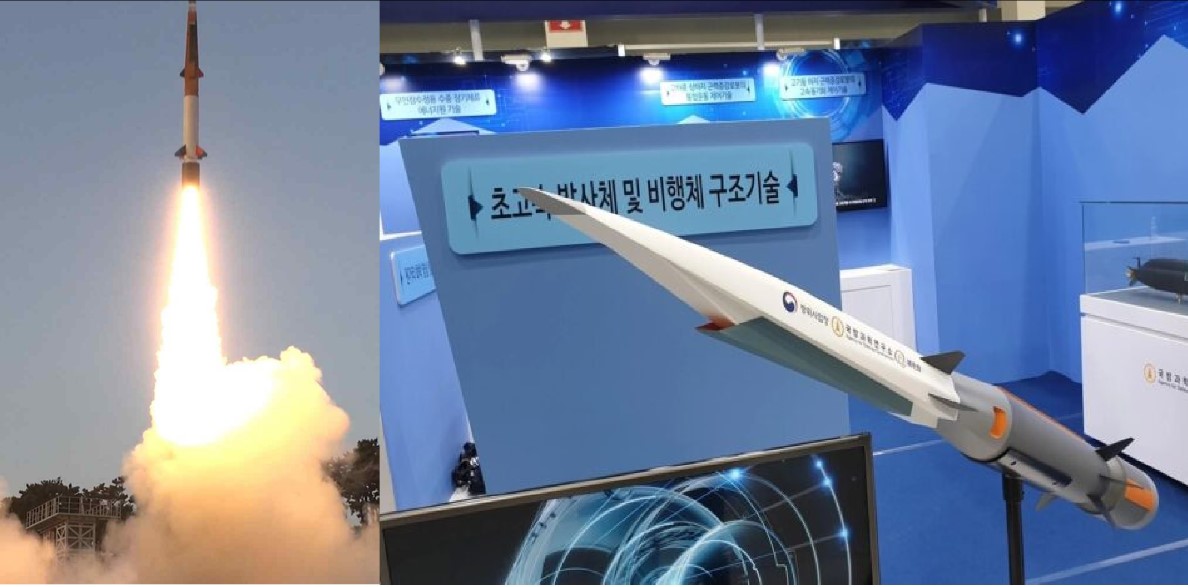
World
In a significant advancement in its defense capabilities, South Korea has publicly revealed flight test imagery of its domestically developed Hycore hypersonic cruise missile. The unveiling marks a pivotal moment in the nation's efforts to bolster its deterrence against regional threats, particularly from North Korea. Specifications and Performance The Hycore missile boasts impressive dimensions and performance metrics: Length: 8.7 meters Weight: 2,400 kilograms Speed: Exceeds Mach 6.2 Range : 800 Km Operational Altitude: Cruises at approximately 30 kilometers for up to 500 kilometers before initiating a hypersonic glide phase covering an additional 300 kilometers. Flight Profile Explained The missile’s flight path is designed in two phases, which significantly increase its range and ability to evade detection and interception: High-Altitude Cruise Phase:The missile climbs to an altitude of 30 kilometers, where the thinner atmosphere allows it to cruise at hypersonic speeds (Mach 6.2 or greater). In this phase, it covers up to 500 kilometers. The high altitude helps it reduce air resistance and maintain high speeds for longer distances while minimizing tracking by enemy radars. Hypersonic Glide Phase:After the cruise phase, the missile transitions into a glide mode, diving toward its target at extremely high speeds for an additional 300 kilometers. This glide phase allows the missile to maneuver unpredictably and complicate interception by air defense systems. Together, these two phases give the missile a total estimated strike range of 800 kilometers, enabling it to target distant locations with high precision while reducing its vulnerability during transit. Development and Strategic Implications Initiated in 2018 by South Korea's Agency for Defense Development (ADD) in collaboration with defense contractor Hanwha, the Hycore project has progressed rapidly. Previously, the missile had been showcased only through scale models and computer renderings. The recent release of actual flight test images, including launch sequences and wind-tunnel test data, underscores the missile's readiness and the nation's commitment to enhancing its defense infrastructure. The Hycore's development is part of a broader strategy to counteract North Korea's advancing missile technologies, such as the Hwasong-8 hypersonic missile. By introducing a missile capable of sustained hypersonic flight, South Korea aims to maintain a strategic edge and deter potential adversaries. Launch Versatility and Future Prospects Designed with versatility in mind, the Hycore is intended for deployment from various platforms, including ground-based vertical launch systems, surface vessels, submarines, and potentially aircraft like the KF-21 fighter jet. This multi-platform capability ensures that South Korea can respond swiftly and effectively to emerging threats across different domains. As regional security dynamics continue to evolve, the Hycore missile represents a significant leap in South Korea's defense capabilities, reinforcing its position as a key player in the Indo-Pacific security architecture. The unveiling of the Hycore is expected to prompt discussions among neighboring nations and global defense analysts about the implications of advanced hypersonic technologies on regional stability and arms control efforts. South Korea's proactive approach in enhancing its defense capabilities reflects its commitment to safeguarding national security and maintaining peace in the region.
Read More → Posted on 2025-09-07 16:21:58
World
JSW Gecko Motors has introduced an ambulance variant of its amphibious all-terrain vehicle, the ATOR N1200, designed to revolutionize emergency medical response in challenging terrains. This specialized vehicle aims to bridge critical gaps in healthcare delivery, especially in regions where traditional ambulances cannot operate. A Versatile Medical Response Unit The ATOR N1200 Ambulance Edition is engineered to navigate through extreme conditions, including floodwaters, snow-covered mountains, marshes, and dense forests. Its amphibious capabilities allow it to float and traverse water bodies, making it an invaluable asset during natural disasters and in remote areas lacking proper road infrastructure. Equipped with advanced medical equipment, the vehicle ensures timely and effective treatment for patients in dire situations. Key Features and Specifications Engine and Performance: Powered by a Doosan D18 three-cylinder diesel engine, the vehicle delivers 55 horsepower and 190 Nm of torque. It achieves a top speed of 40 km/h on land and 6 km/h on water. Fuel Capacity: The ATOR N1200 is equipped with a 232-liter main fuel tank and an additional 90-liter tank, ensuring extended operational range. Payload and Towing Capacity: It can carry up to 1,200 kg of medical supplies and personnel, and tow loads up to 2.75 tons, facilitating the transport of essential equipment and casualties. Design and Safety: The vehicle features ultra-low-pressure tires, a high ground clearance of 2 feet, and a roll-over protection system (ROPS), ensuring stability and safety in rugged terrains. Deployment in Humanitarian Missions Recently, the ATOR N1200 Ambulance Edition was deployed in flood-affected regions of Punjab, including Amritsar and Sultanpur Lodhi. In coordination with the Indian Army, National Disaster Response Force (NDRF), and State Disaster Response Force (SDRF), the vehicle played a pivotal role in rescuing stranded individuals and delivering essential medical supplies to remote areas. This deployment underscores the vehicle's effectiveness in real-world disaster scenarios. A Step Towards Indigenous Innovation The development of the ATOR N1200 Ambulance Edition aligns with India's Atmanirbhar Bharat initiative, promoting self-reliance in defense and emergency response capabilities. With over 60% indigenous content, the vehicle showcases India's growing expertise in manufacturing advanced mobility solutions tailored to its unique challenges. Future Prospects JSW Gecko Motors plans to expand the deployment of the ATOR N1200 Ambulance Edition to other disaster-prone regions and integrate it into the fleets of various emergency response agencies. The company also envisions exporting the vehicle to international markets, positioning it as a global solution for off-road medical emergencies. In conclusion, the ATOR N1200 Ambulance Edition represents a significant advancement in emergency medical transportation, offering a reliable and versatile solution for saving lives in the most challenging environments.
Read More → Posted on 2025-09-07 16:00:13Search
Top Trending in 24 Hours
-
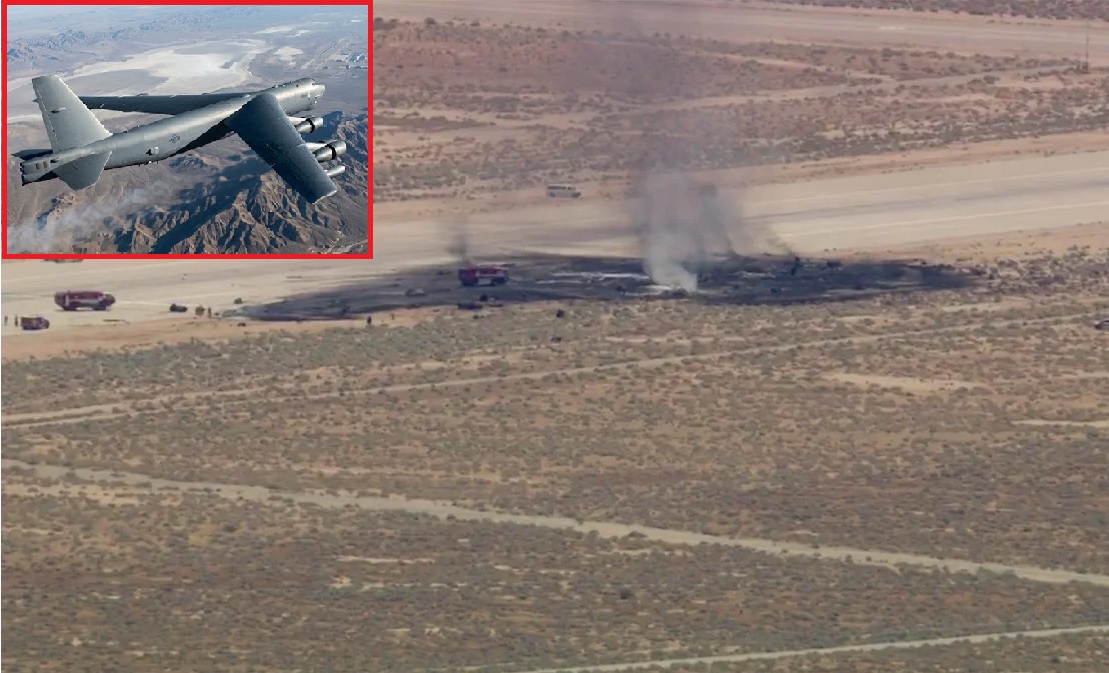 8 U.S. Air Force Crew Members Killed in B-52 Bomber Crash During Test Flight at Edwards Air Force Base
-
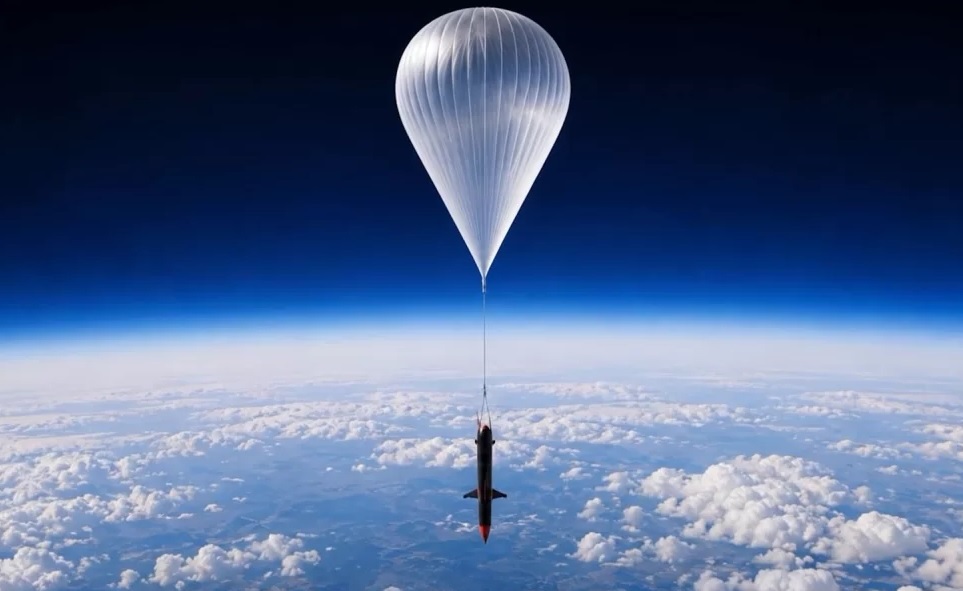 Ukraine Introduces Balloon-Launched DART Missile Designed to Defeat Electronic Warfare
-
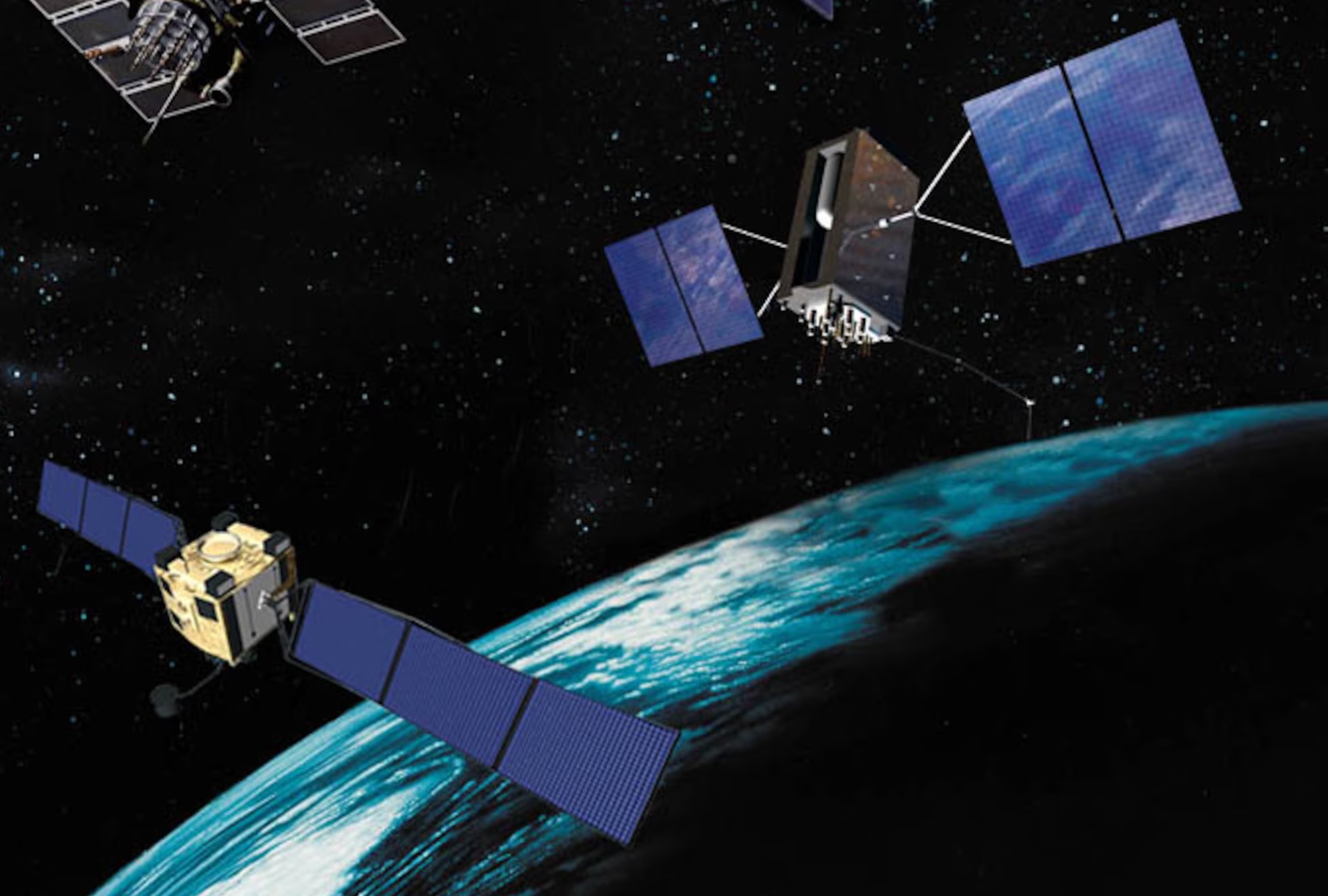 Lockheed Martin Wins $514 Million U.S. Space Force Contract for Two New GPS IIIF Satellites
-
 UK Announces £210 Million Deal to Supply Enriched Uranium to Ukraine for Two Years
-
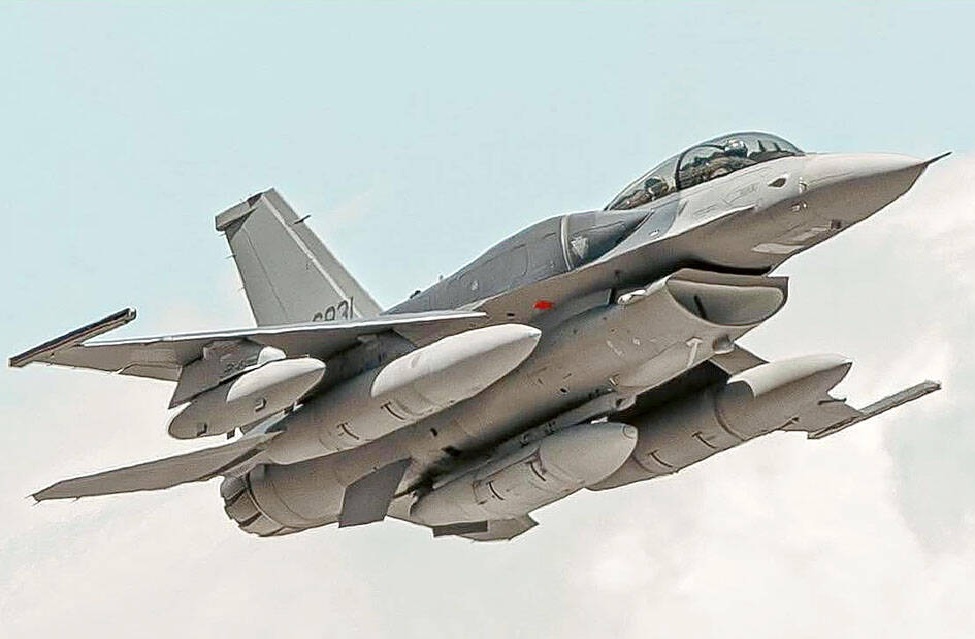 First Taiwanese F-16 Block 70 Flies with Five-Tank Fuel Configuration During Texas Tests
-
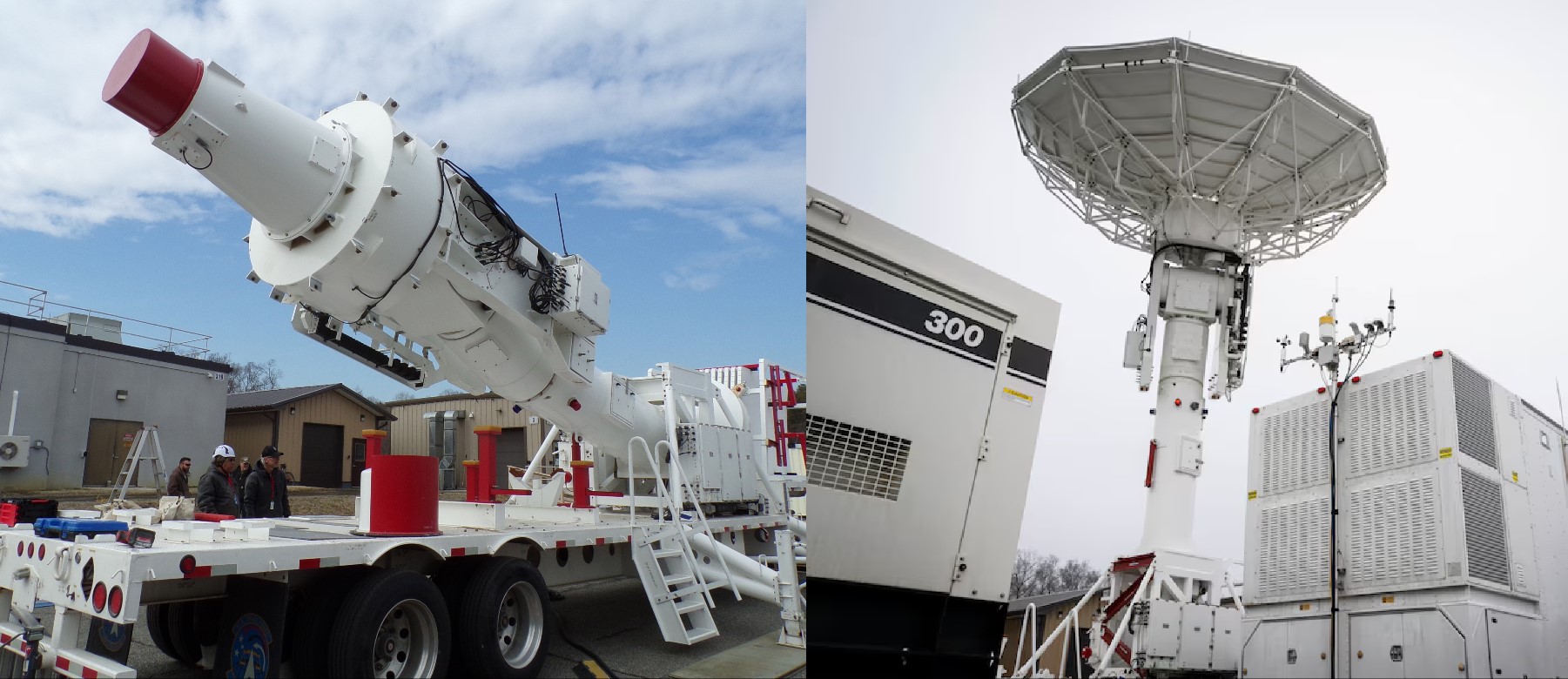 Space Force Transfers Transportable Satellite Tracking Antenna to Naval Research Laboratory
-
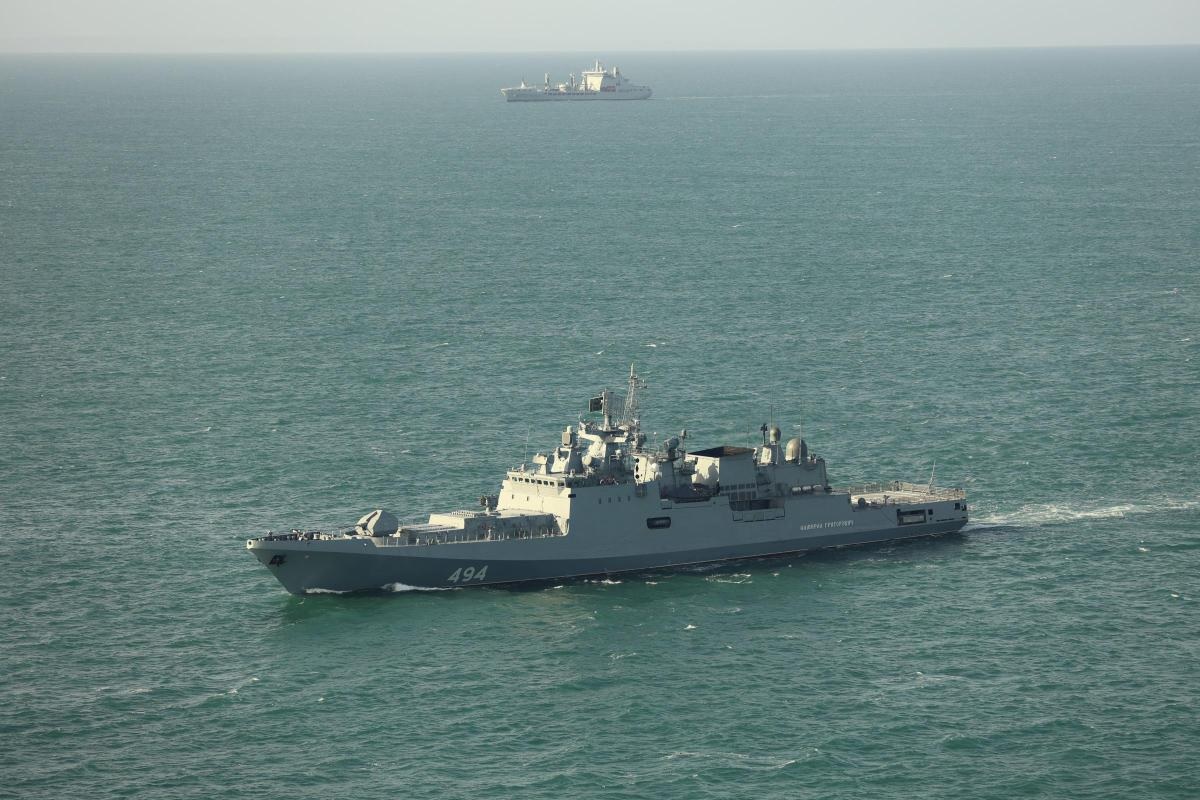 Russian Frigate Admiral Grigorovich Challenges UK Yacht in English Channel With Warning Shots
-
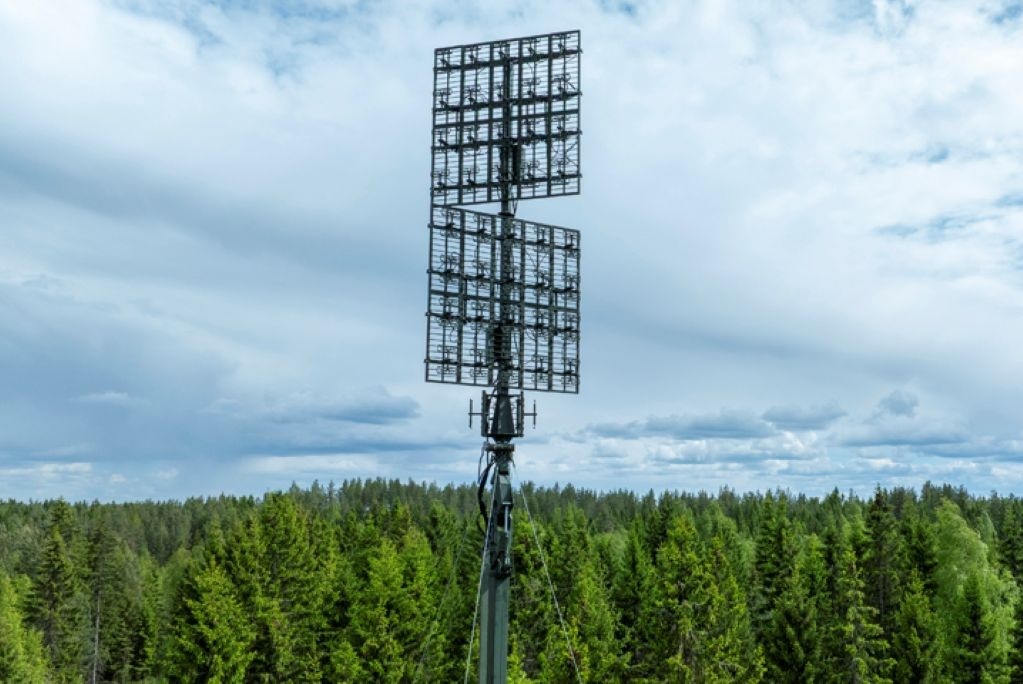 Patria Launches WISPR Passive Counter-Battery Radar with Silent Detection Capability at Eurosatory 2026
Top Trending in 4 Days
-
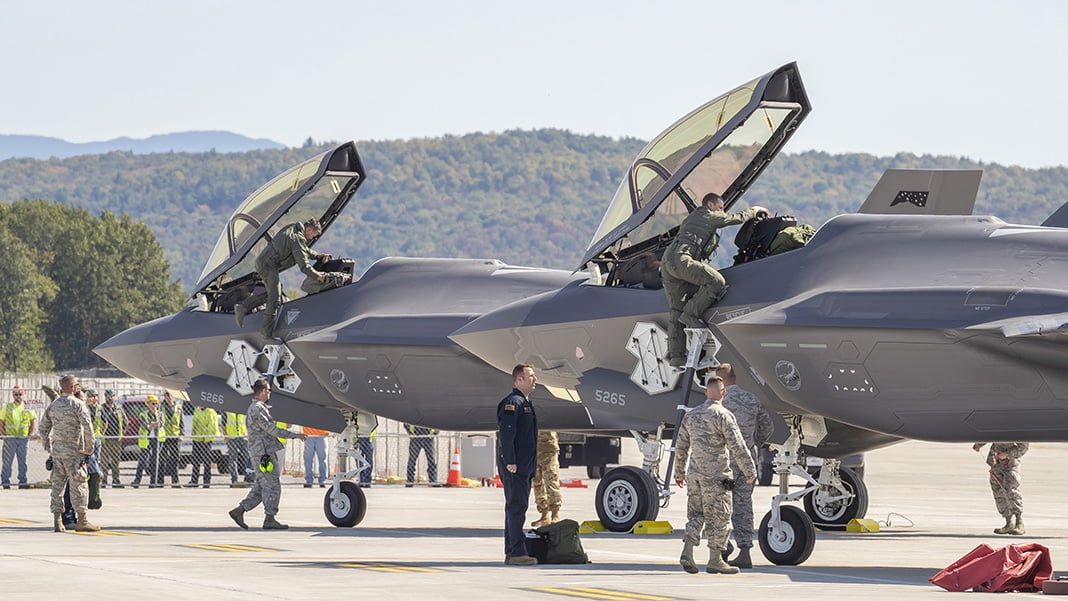 F-35 Fleet Readiness Falls to 25% Amid Parts Shortages and Software Delays: GAO Report
-
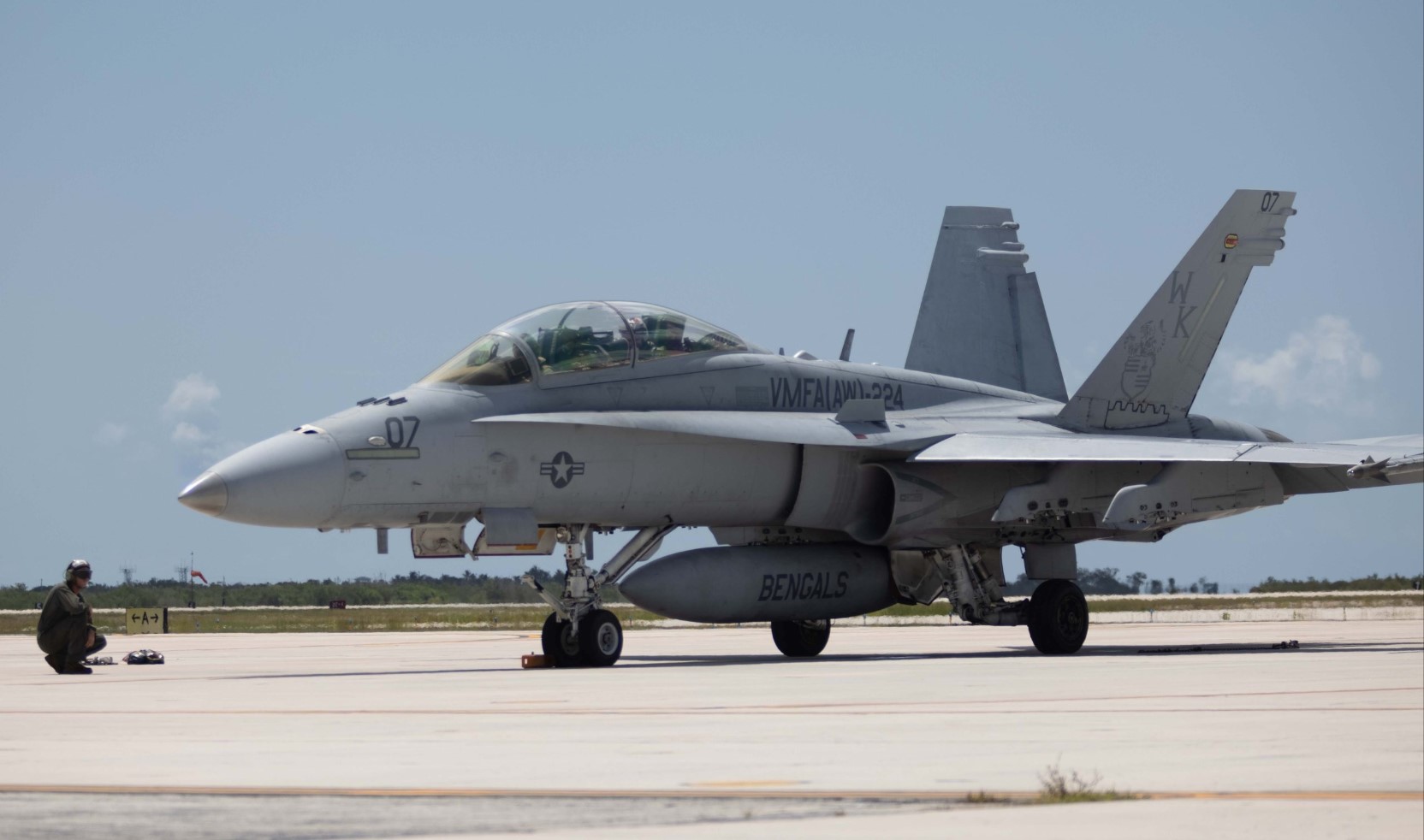 US Marine Corps F/A-18D Hornet Crashes During Training Flight in Washington Mountains; Pilot Ejects Safely
-
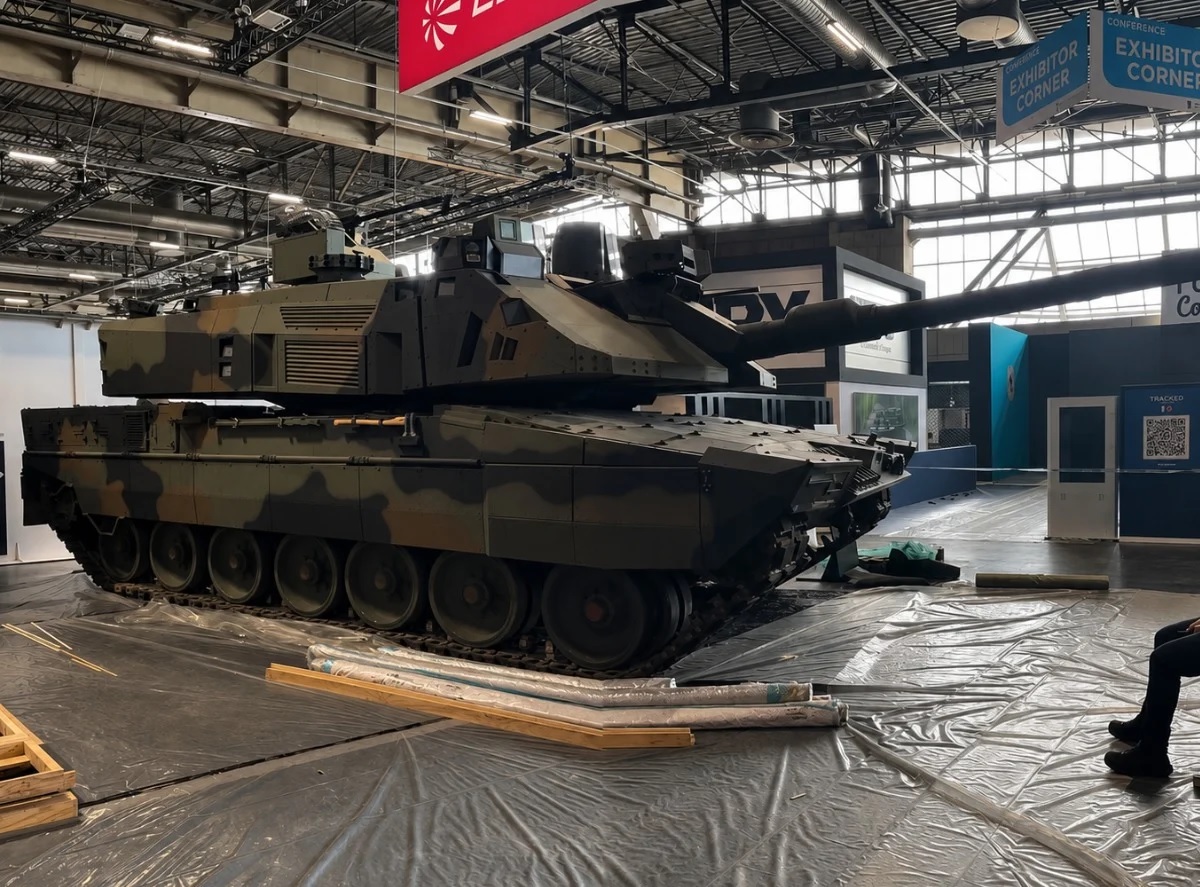 Leonardo Rheinmetall to Unveil Italy’s New IMBT Main Battle Tank at Eurosatory 2026
-
 Tulsi Gabbard Releases Declassified Files Detailing U.S.-Backed Network of 120 Biolaboratories Across 30+ Countries
-
8 U.S. Air Force Crew Members Killed in B-52 Bomber Crash During Test Flight at Edwards Air Force Base
-
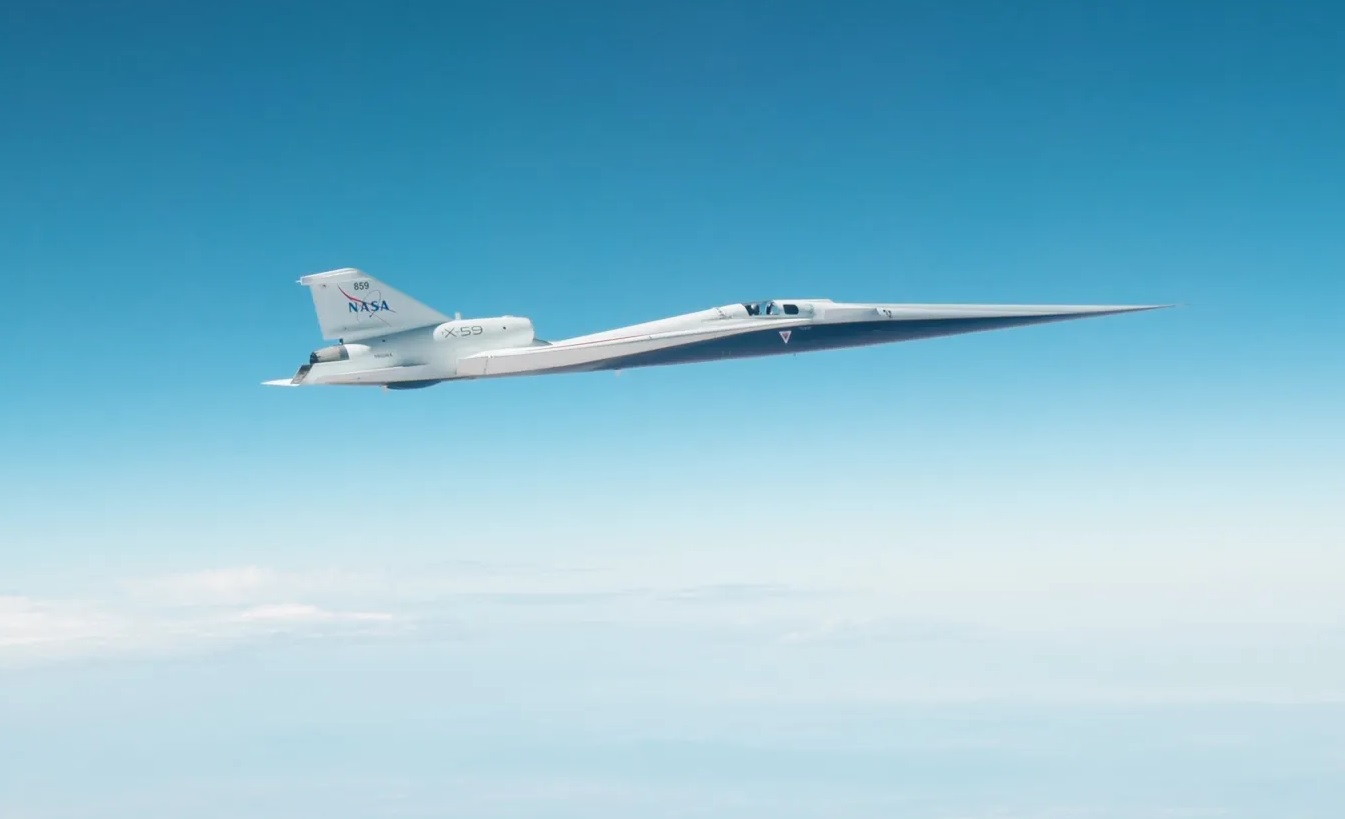 NASA X-59 Achieves Planned Mission Conditions with Mach 1.4 Flight at 55,000 Feet
-
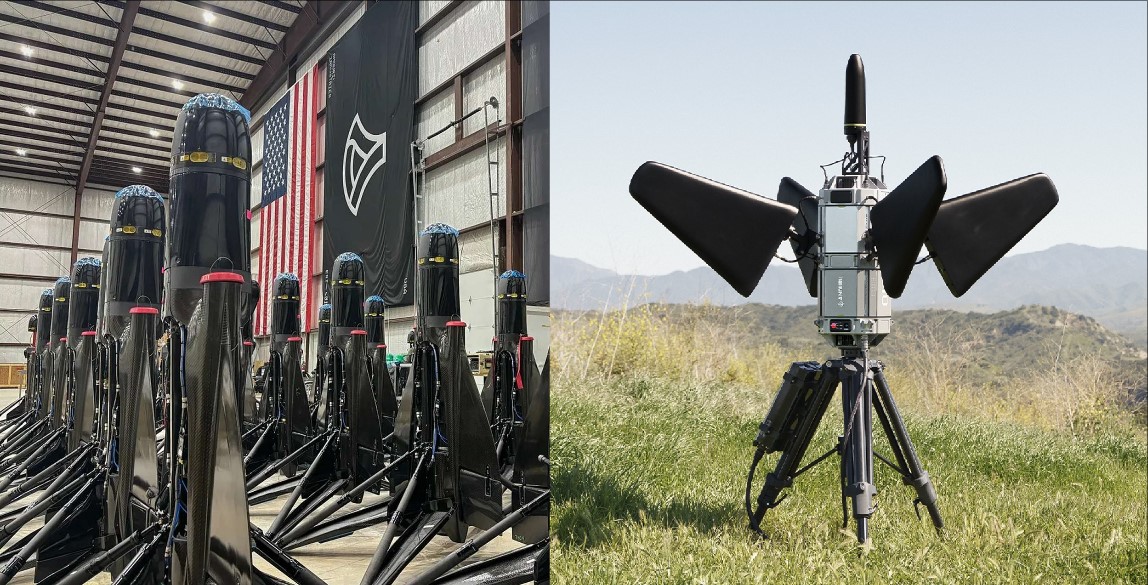 U.S. Approves $1.98 Billion Sale of Anduril AI-Powered Counter-Drone Systems to Kuwait
-
 Russia Launches 1,400 Jet-Powered Drones in 2026 as Strike Tactics Evolve to Challenge Ukraine's Air Defenses