
Secrets/Mystery
The Department of War, in coordination with the White House, ODNI, DOE, AARO, NASA, FBI, and other agencies under the Presidential Unsealing and Reporting System for UAP Encounters (PURSUE), released the first batch of declassified files today on the dedicated site WAR.GOV/UFO. This initial tranche, labeled Release 01 and cleared on May 8, 2026, contains 161–162 files. These consist primarily of PDF documents, along with photos, infrared imagery, videos, transcripts, and eyewitness reports. The materials span historical records (dating back to the late 1940s) and more recent incidents (up to 2025). All files are explicitly designated as unresolved UAP cases, meaning the government has not reached a definitive determination on their nature due to insufficient data in many instances. The Department of War has stated that it welcomes private-sector review and will continue separate reporting on resolved cases as required by statute. Composition of the Released Files The bulk of the release consists of sections and serials from a single FBI case file: 65_HS1-834228961_62-HQ-83894. These documents cover investigative records of UFO and “flying disc” sightings from approximately June 1947 to July 1968. They include eyewitness testimonies, public reports, photographic evidence (such as from Oak Ridge, TN), media clippings, and technical notes. Some pages in this file appear to have fewer redactions or newly declassified sections compared to earlier public versions available in the FBI Vault. Additional materials include: NASA Apollo mission records: Transcripts from Apollo 17 (1972) in which crew members described observing “jagged, angular fragments” or unknown phenomena from the spacecraft. One archival photograph from Apollo 17 shows three light points or dots in a triangular formation above the lunar surface. An accompanying Pentagon caption notes there is “no consensus about the nature of the anomaly,” though a preliminary analysis suggests it could be a physical object. Similar imagery and transcripts from Apollo 12 are also referenced in media coverage. Recent military and law-enforcement sightings: An FBI interview summary with a drone pilot (September 2023) describing a “linear object” with a bright light (visible bands within the light) that appeared in the sky, remained visible for 5–10 seconds, and then vanished. Infrared still images (black-hot mode) captured from a helicopter over the western United States in September and December 2025 showing unidentified objects. A composite image based on multiple eyewitness reports (September 2023) depicting an apparent ellipsoid, bronze-metallic object (estimated 130–195 feet in length) that materialized from a bright light and disappeared instantaneously. Other items such as older State Department cables, additional historical sighting reports (spanning roughly 80 years), and assorted photos/sketches of unexplained aerial or transmedium objects. No videos from the 46 previously referenced congressional UAP videos are included in this batch, according to early reporting. Key Findings (or Lack Thereof) No files in Release 01 provide evidence of extraterrestrial life, recovered alien technology, crashed spacecraft, or non-human intelligence. The materials do not contain any government conclusions confirming UAP as anything other than unexplained phenomena. The official position, repeated across the site and agency statements, is that these are unresolved cases. Many lack sufficient data for identification. Where preliminary notes exist (such as on the Apollo 17 image), they stop short of definitive classification and note the absence of consensus. This aligns with prior AARO assessments (e.g., the 2024 report), which found no evidence of alien technology or extraterrestrial origins in reviewed UAP cases while acknowledging that some incidents remain unexplained due to limited sensor data or other factors. Context and Limitations The release is the first in a rolling series, with additional tranches expected every few weeks as more records are reviewed and declassified. Tens of millions of records across agencies (many originally on paper) are being examined. Because the files were posted only hours ago, comprehensive independent scientific or technical analysis is not yet available. UFO research communities (e.g., on Reddit) and media outlets have begun reviewing the documents, with early reactions describing the contents as “more of the same” — intriguing but ambiguous historical and recent reports without smoking-gun revelations. The Department of War and supporting agencies emphasize that the public and private sector can now examine the raw data directly and form their own conclusions. For historical context, additional resolved or previously released UAP materials remain available at AARO.mil. In summary, today’s release advances government transparency on UAP by making previously classified or restricted records publicly accessible in one location. It does not resolve the underlying questions about the phenomena but provides the raw materials for further study. Future releases under PURSUE will determine whether additional clarity emerges on specific cases. The full set of 161+ files can be accessed directly at WAR.GOV/UFO.
Read More → Posted on 2026-05-08 14:26:32
Secrets/Mystery
WASHINGTON — May 8, 2026: The Department of War (DOW) on Friday announced the first public release of declassified government records related to Unidentified Anomalous Phenomena (UAP) under a new interagency transparency initiative known as the Presidential Unsealing and Reporting System for UAP Encounters (PURSUE). The release follows a directive issued by President Donald J. Trump ordering federal agencies to identify, review, and declassify records connected to UAP incidents, unidentified flying objects, alleged extraterrestrial-related information, and related government investigations. Officials described the initiative as the first centralized U.S. government effort to publicly consolidate and release historical and contemporary UAP materials from across multiple agencies. The newly launched portal, WAR.GOV/UFO, will serve as the central repository for released records and future updates. The Department of War stated that additional files will continue to be published on a rolling basis every few weeks as security reviews and declassification procedures are completed. Initial Release Includes Videos, Photos and Intelligence Records According to the Department of War, the initial tranche — designated “Release 01” and cleared on May 8, 2026 — contains 161 declassified files, while accompanying departmental summaries referenced 162 unresolved case records included in the broader release package. The files include videos, photographs, sensor data, operational reports, intelligence memorandums, transcripts, cables, and original source documents collected across several decades by various U.S. government agencies. Among the released materials are FBI records associated with case file 65_HS1-834228961_62-HQ-83894, historical UAP sighting reports spanning nearly 80 years, and declassified State Department communications. The archive also includes NASA mission transcripts and imagery linked to the Apollo 12 and Apollo 17 lunar missions. Officials familiar with the release stated that some of the records contain imagery and sensor observations involving airborne or transmedium objects that investigators were unable to conclusively identify at the time. Several accompanying assessments reportedly note that no consensus was reached regarding the nature of certain anomalies, while preliminary evaluations in some cases suggested the possible presence of physical objects rather than equipment malfunctions or natural atmospheric phenomena. The Department of War emphasized that all files underwent security review procedures before publication in order to protect classified intelligence sources, collection methods, and operational capabilities. However, officials noted that many of the released records have not yet undergone complete analytical review concerning anomaly resolution. PURSUE Program Coordinates Multiple Federal Agencies The PURSUE initiative is being conducted through coordination between the White House, the Office of the Director of National Intelligence (ODNI), the Department of Energy (DOE), the Department of War’s All-domain Anomaly Resolution Office (AARO), the National Aeronautics and Space Administration (NASA), the Federal Bureau of Investigation (FBI), and other U.S. intelligence agencies. The Department of War stated that the PURSUE program is primarily focused on unresolved historical records, while AARO will continue issuing separate reports on resolved UAP investigations as required under existing federal statutes. Officials also confirmed that the review process involves tens of millions of records across government agencies, including large quantities of archival paper documents that require digitization and classification review before release. Administration Officials Describe Release as Transparency Effort Secretary of War Pete Hegseth said the release reflects the administration’s effort to expand public access to government-held UAP information. “The Department of War is in lockstep with President Trump to bring unprecedented transparency regarding our government’s understanding of Unidentified Anomalous Phenomena,” Hegseth said. “These files, hidden behind classifications, have long fueled justified speculation, and it is time the American people see them for themselves.” Director of National Intelligence Tulsi Gabbard stated that the Intelligence Community is coordinating closely with the Department of War to support the continuing declassification effort. “The American people have long sought transparency about the government’s knowledge of unidentified anomalous phenomena,” Gabbard said. “Today’s release is the first in what will be an ongoing joint declassification and release effort.” FBI Director Kash Patel said the bureau would continue supporting the initiative as additional files are prepared for publication. “The FBI remains committed to supporting this rolling declassification effort with the same rigor and integrity we bring to every national security matter,” Patel stated. NASA Administrator Jared Isaacman said NASA would continue contributing scientific analysis and technical review to the broader effort. “At NASA, our job is to bring the brightest minds and most advanced scientific instruments to bear, follow the data, and share what we learn,” Isaacman said. Congressional Pressure and Earlier Disclosures The release comes amid growing congressional and public pressure for broader transparency regarding UAP investigations and historical government records. On March 31, 2026, the House Committee on Oversight and Government Reform formally requested that Secretary Hegseth provide more than 40 UAP-related video files, citing concerns related to military airspace security, aviation safety incidents, and whistleblower allegations concerning undisclosed government holdings. Friday’s disclosure also expands on an earlier release conducted on April 29, 2026, when the White House Office of Science and Technology Policy published a smaller collection of UAP-related records dating back to 2012. Those materials included Navy F/A-18 Super Hornet sensor footage, internal memorandums, and references to crash retrieval-related procedures. Additional Releases Planned The Department of War stated that WAR.GOV/UFO will remain the permanent centralized portal for future disclosures. According to officials, the platform categorizes records by submitting agency, incident date, and geographic location in order to support public review and independent research. The department added that members of the public, academic institutions, and private-sector analysts are encouraged to examine the released materials and form independent conclusions regarding unresolved cases contained within the archive. Additional tranches of declassified UAP records are expected to be released on a continuing basis as interagency reviews and security assessments are completed.
Read More → Posted on 2026-05-08 14:08:30
Secrets/Mystery
WASHINGTON, — April 24, 2026 : Federal agencies and congressional committees are conducting coordinated investigations into a series of deaths and disappearances involving U.S. scientists, aerospace engineers, and government-linked researchers reported between 2022 and 2026. While public speculation has suggested the possibility of a coordinated campaign or foreign involvement, authorities have not established any verified connection linking the cases. Congressional Inquiry and Federal Response On April 20, 2026, the House Committee on Oversight and Government Reform formally initiated an inquiry, requesting classified briefings by April 27 from the Department of Energy, Department of Defense, Federal Bureau of Investigation, and NASA. Lawmakers stated that if any connection exists, the incidents “may represent a grave threat to U.S. national security.” Representative Eric Burlison suggested the possibility of a “foreign operation,” while Committee Chairman James Comer emphasized that Congress remains concerned and is seeking verified information. The White House confirmed that the administration of Donald Trump is reviewing the matter. Press Secretary Karoline Leavitt stated that multiple federal agencies are involved. President Trump described the situation as “pretty serious,” while noting that investigators have not determined whether the incidents are connected. The FBI is leading efforts to examine any potential links. NASA spokesperson Bethany Stevens stated that the agency is cooperating fully and that, at present, there is no indication of a national security threat tied specifically to NASA personnel. Aerospace and Astrophysics Cases Several cases involve individuals connected to NASA’s Jet Propulsion Laboratory and affiliated institutions: Monica Reza (60), Director of Materials Processing at JPL and co-inventor of the Mondaloy superalloy, disappeared on June 22, 2025, while hiking the Mount Waterman Trail in California’s Angeles National Forest. She was last seen approximately 30 feet ahead of a companion. Despite extensive search operations, she remains missing. Michael David Hicks (59), a JPL research scientist involved in missions such as DART, Dawn, and Deep Space 1, died in July 2023. He authored more than 80 peer-reviewed papers. Frank Maiwald (61), a principal investigator at JPL overseeing Earth-observing and space instrumentation programs, died on July 4, 2024, in Los Angeles. Carl Grillmair (67), an astronomer at the California Institute of Technology’s IPAC Science Center, died on February 16, 2026, after being shot outside his home in Llano, California. Defense and Advanced Physics Maj. Gen. William Neil McCasland (68), former commander of the Air Force Research Laboratory at Wright-Patterson Air Force Base, was reported missing on February 27, 2026, from Albuquerque, New Mexico. Investigators found his phone, glasses, and wearable devices at home, while his hiking boots and a .38-caliber revolver were missing. A Silver Alert remains active. His family has rejected speculation linking his disappearance to classified or extraterrestrial research. Nuno Loureiro (47), director of the Plasma Science and Fusion Center at the Massachusetts Institute of Technology, was shot and killed at his home in Brookline, Massachusetts, in December 2025. Authorities identified the suspect as Claudio Manuel Neves Valente, a former classmate with a known grievance and a suspect in a separate incident at Brown University. Amy Eskridge, co-founder of the Institute for Exotic Science, died in 2022 from a self-inflicted gunshot wound. Although her work involved experimental propulsion concepts, her family, including her father—a former NASA employee—has stated they do not consider her death suspicious. Nuclear Security and Laboratory Personnel Several individuals had connections to sensitive nuclear research facilities: Steven Garcia (48), associated with the Kansas City National Security Campus, which produces non-nuclear components for U.S. weapons systems, was last seen on August 28, 2025, in Albuquerque, reportedly carrying a handgun. Melissa Casias (53), an administrative employee with security clearance at Los Alamos National Laboratory, disappeared in June 2025 near Ranchos de Taos, New Mexico. Family members have disputed suggestions that she left voluntarily. Anthony Chavez (79), a retired engineer who worked at Los Alamos’ Dual-Axis Radiographic Hydrodynamic Test facility, was last seen on May 8, 2025, leaving his home on foot without personal belongings. Pharmaceutical Sector Case Jason Thomas (45), a researcher at Novartis focused on cancer treatment development, was reported missing in December 2025. His body was recovered from Lake Quannapowitt, Massachusetts, in March 2026. Ongoing Investigations and Expert Views Local and federal authorities continue to investigate each case individually while assessing whether any connections exist. The Bernalillo County Sheriff’s Office, handling McCasland’s disappearance, has emphasized reliance on verified evidence and public assistance. Experts familiar with some of the individuals have urged caution. Joe Masiero, who worked with multiple deceased scientists, stated that the events may be coincidental, noting that independent tragedies can occur without a broader pattern. Families of several individuals have also publicly rejected conspiracy-based interpretations, emphasizing known personal, medical, or criminal factors in specific cases. Status of Findings As of April 24, 2026, federal agencies, including the FBI and NASA, have not confirmed any coordinated link or foreign involvement in these incidents. Investigations remain ongoing, and Congress is awaiting further briefings. No official timeline has been provided for final conclusions.
Read More → Posted on 2026-04-24 17:21:04
Secrets/Mystery
Padua, Italy — April 1 2026 : A new metagenomic analysis of material collected from the Shroud of Turin has identified a wide range of genetic traces, including a substantial proportion linked to populations from the Indian subcontinent. The findings, led by geneticist Gianni Barcaccia of the University of Padua, provide additional insight into the environmental history and possible origins of the linen cloth, though they do not resolve longstanding questions regarding its age or authenticity. Study Background and Methodology The research, published as a preprint on bioRxiv on March 19, 2026, re-examines linen fibers originally collected during the official 1978 sampling campaign. Using DNA extraction and metagenomic sequencing techniques, the team analyzed microscopic material obtained from areas associated with the body image. The Shroud of Turin is a linen cloth measuring approximately 4.4 meters by 1.1 meters. It bears faint frontal and dorsal images of a man showing signs consistent with crucifixion. The artifact has been preserved in the Cathedral of Saint John the Baptist in Turin, Italy, and has been documented in Europe since the mid-14th century, with some historical accounts suggesting earlier presence in the Near East. Radiocarbon dating (1988) indicated a medieval origin between 1260 and 1390 CE. Human DNA Findings The analysis identified multiple human mitochondrial DNA (mtDNA) lineages. Among them were: K1a1b1a, matching the mitogenome of a 1978 sample collector H2a2, corresponding to the revised Cambridge Reference Sequence H1b, commonly found in Western Eurasia H33, prevalent in the Near East and frequently observed among Druze populations A quantitative assessment showed that over 55.6 percent of detected human DNA corresponded to Near Eastern lineages, while less than 5.6 percent aligned with Western European origins. Notably, approximately 38.7 percent of the human genomic data was linked to lineages associated with the Indian subcontinent, a finding the researchers described as unexpected. Interpretation of Indian Genetic Signatures The study proposes two primary explanations for the presence of Indian-associated DNA. One possibility is that the cloth came into contact with individuals of Indian ancestry over centuries through trade, pilgrimage, or handling. Another hypothesis suggests that the linen yarn itself may have originated in regions near the Indus Valley, historically known for textile production. The researchers referenced historical linguistic and textual evidence, noting that the Greek term “Sindôn”, used for fine linen, may be connected to the Sindh region of South Asia. Rabbinic texts referencing “Hindoyin” in relation to linen imports were also cited, alongside broader documentation of trade links between India and the Mediterranean region. Supporting Evidence from Earlier Research The 2026 preprint builds on earlier findings published in 2015 in Scientific Reports, also led by Barcaccia. That study had already identified plant species and human mtDNA haplogroups such as M39, M56, R7, and R8, which are characteristic of populations from the Indian subcontinent. The new analysis integrates those earlier results with updated sequencing data, suggesting both prolonged exposure of the cloth across regions and the possibility of non-European material origins. Microbial, Plant, and Animal DNA Beyond human DNA, the study documented a complex biological profile on the cloth: Microbial DNA: Included bacteria commonly found on human skin, salt-tolerant archaeal communities, and fungi such as molds, consistent with long-term storage conditions. Plant DNA: At least 19 plant species native to the Mediterranean Basin were identified, along with species originating in Asia, the Middle East, and the Americas. Some of these were introduced to Europe after the 12th century. Animal DNA: Traces from domesticated species such as cattle, pigs, chickens, dogs, and cats were also detected. Radiocarbon analysis of textile threads from the reliquary indicated repair interventions dated to 1534 CE and 1694 CE. Scientific Context and Limitations The researchers emphasized that the detected genetic material reflects cumulative environmental exposure and handling over centuries rather than a single origin source linked to the cloth’s creation or the individual depicted. The study also highlighted technical challenges in reconstructing complete mitochondrial haplotypes for certain South Asian lineages identified in previous analyses. As a preprint, the research has not yet undergone peer review, and independent verification will be required to confirm the findings. Barcaccia declined requests for comment in some recent reports. Ongoing Debate The Shroud of Turin continues to be the subject of scientific, historical, and religious discussion. While the new genetic data provide additional detail about the cloth’s biological contamination and possible material pathways, they do not resolve debates regarding its age, origin, or authenticity as the burial cloth of Jesus Christ. The study is publicly available on bioRxiv under a CC-BY-NC-ND 4.0 license. Researchers note that further multidisciplinary investigation will be necessary to better understand the artifact’s complex history.
Read More → Posted on 2026-04-01 15:20:56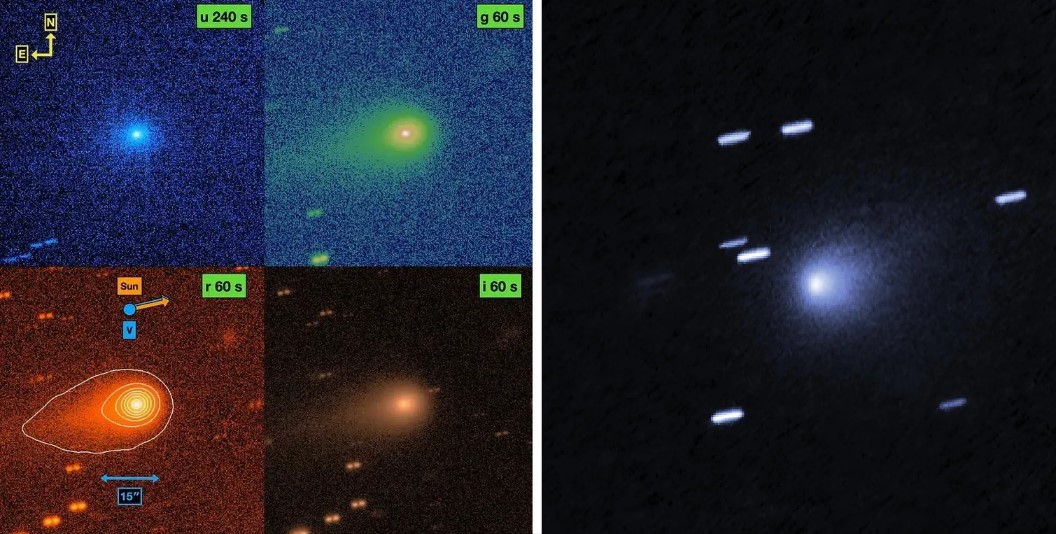
Secrets/Mystery
In a development that has sparked intense discussion across the scientific community, NASA has confirmed unusual behavior in the interstellar object 3I/Atlas, currently passing through our Solar System. The object, officially designated as 3I/Atlas (C/2025 N1), appears to possess a tail that bends toward the Sun — a phenomenon that contradicts everything astronomers typically observe in comets. The confirmation came after U.S. Congresswoman Anna Paulina Luna stated that she had personally spoken with NASA officials who verified the data. According to Luna, the agency has already captured high-resolution images of the object, but they remain temporarily withheld due to the ongoing U.S. government shutdown. Once the images are released, they could provide the first clear look at a phenomenon that may redefine what scientists classify as a natural celestial object. A Third Visitor from Beyond the Solar System 3I/Atlas is the third confirmed interstellar object ever detected, following ʻOumuamua (1I/2017) and 2I/Borisov (2019). It was first spotted on July 1, 2025, by the Asteroid Terrestrial-impact Last Alert System (ATLAS) telescope in Chile. Initial orbital calculations revealed that 3I/Atlas is on a hyperbolic trajectory, indicating that it entered our Solar System from interstellar space and will never return once it departs. According to NASA’s Center for Near-Earth Object Studies (CNEOS), the object’s perihelion (closest approach to the Sun) occurred in late October 2025, at a distance of roughly 1.4 astronomical units — about the distance between Mars and the Sun. It will pass Earth at a safe distance of about 1.8 AU, far beyond the orbit of Mars. The Tail That Defies Expectation Under normal conditions, a comet’s tail always points away from the Sun, driven by solar radiation pressure and the solar wind that pushes gas and dust outward. In the case of 3I/Atlas, however, NASA scientists have observed a distinct curvature in the tail, appearing to bend toward the Sun — an orientation that defies established models of cometary physics. Preliminary hypotheses suggest several possible explanations. One theory proposes that the object’s material composition or outgassing jets could be causing localized thrust effects, bending the tail inward. Another possibility is that interstellar dust properties or charged particle interactions unique to this object are influencing its tail’s shape. If confirmed through imaging and spectroscopy, this would mark the first recorded instance of a comet or interstellar body exhibiting a sunward-pointing tail, forcing astronomers to reassess existing models of dust and plasma dynamics in near-solar environments. Locked Data and Anticipation According to Congresswoman Luna, NASA has already captured high-resolution images of 3I/Atlas through its deep-space observation network, including instruments linked to the James Webb Space Telescope and Hubble. However, these images are reportedly unreleased pending the resumption of normal agency operations after the temporary government shutdown. In the meantime, astronomers worldwide continue to track 3I/Atlas in real time, sharing live positional and brightness data. Independent observatories have confirmed the presence of a long, asymmetric tail and a brightening coma, indicating increasing activity as the object interacts with solar radiation. Why It Matters The discovery of 3I/Atlas offers a rare glimpse into material that formed around another star, possibly billions of years ago. Studying its composition could provide insight into how other planetary systems evolve and how interstellar dust behaves under solar influence. If the abnormal tail direction is verified, it could also challenge current assumptions about what defines a natural cometary object. Past interstellar visitors — such as ʻOumuamua — already sparked debate due to their unexplained accelerations and non-typical structures. 3I/Atlas’s unexpected behavior may reopen that discussion, this time with more extensive observational data. Ongoing Investigation NASA, the European Space Agency (ESA), and several independent observatories are now coordinating to gather multi-wavelength data on the object. Radar, optical, and infrared observations are expected to clarify whether the tail’s “sunward bend” is a physical anomaly or a geometric effect caused by our viewing angle from Earth. While public excitement grows, scientists remain cautious. As Dr. Thomas Zurbuchen, a former NASA associate administrator, noted in a recent statement, “Interstellar objects challenge our understanding because they don’t follow our Solar System’s rules. What looks strange at first often turns out to be nature teaching us something new.” A Cosmic Mystery in Progress Whether 3I/Atlas turns out to be a rarely behaving comet or something more exotic, it is already reshaping how researchers approach the study of interstellar bodies. The data expected to be released after the government shutdown could offer definitive proof of the tail’s direction and composition. Until then, telescopes around the world remain fixed on this mysterious traveler from beyond our Solar System — an object that continues to remind us how little we truly know about the universe beyond our cosmic neighborhood. 3I/Atlas isn’t just another comet — it’s a test of how far our understanding of “natural” really goes.
Read More → Posted on 2025-11-06 15:17:13
Secrets/Mystery
When astronomers first spotted 3I/ATLAS in July 2025 through the ATLAS telescope network in Chile, it was already an extraordinary discovery — only the third interstellar object ever observed entering our Solar System. But what followed stunned the scientific community. Reports surfaced that this mysterious traveler had passed through a solar flare region near the Sun, encountering temperatures around 5,500°C, yet emerged completely unscathed. If true, this feat would defy everything we know about physics, materials science, and the limits of matter itself. Let’s explore the event, the skepticism, and the science behind why this story has set the astronomical world ablaze. The Encounter That Shook Scientists According to several reports from space-tracking observatories, 3I/ATLAS briefly crossed a zone of intense solar activity, believed to be associated with a solar flare or coronal mass ejection (CME). In this region, temperatures were estimated at approximately 5,500°C — the same as the Sun’s visible surface (photosphere). Astonishingly, telescopic observations recorded no visible disintegration, no fragmentation, and no loss in luminosity from the object. To put this in perspective, such heat would instantly vaporize any known spacecraft material and melt the toughest metals known to science. Yet 3I/ATLAS, an uninvited visitor from interstellar space, seemed to glide past unharmed. This survival has led to a frenzy of speculation — from natural explanations to whispers of non-terrestrial materials or exotic compositions unlike anything ever found in our Solar System. What We Know About 3I/ATLAS NASA’s Planetary Defense Coordination Office confirmed that 3I/ATLAS follows a hyperbolic trajectory, meaning it is not gravitationally bound to the Sun. The object is passing through our solar system just once before returning to the galactic void. Its size is estimated to range between 440 meters and 5.6 kilometers, and it’s traveling at a staggering 130,000 miles per hour. The James Webb Space Telescope (JWST) has also detected unusual chemical signatures — particularly a CO₂ to H₂O ratio of roughly 8:1, far higher than typical comets. This strange chemistry already hinted that 3I/ATLAS formed under extreme conditions around another star — perhaps in a carbon-rich, high-temperature system. Its survival through a flare only deepens that mystery. Can Anything Really Survive 5,500°C? To understand how remarkable this claim is, it helps to know what ordinary materials can withstand — and where they fail. Material Melting Point (°C) Outcome at 5,500°C Aluminum 660 Instantly vaporized Iron 1,538 Melts completely Nickel 1,455 Melts Tungsten 3,420 Vaporizes Tantalum 2,996 Vaporizes Rhenium 3,180 Vaporizes Zirconium diboride (ZrB₂) 3,246 Fails structurally Tantalum hafnium carbide (Ta₄HfC₅) ~3,900 Begins to sublimate Graphene/Carbon ~4,200 Sublimation under solar radiation In short — no known natural or synthetic material can survive direct exposure to 5,500°C for more than a few seconds. Even tungsten, used in spacecraft and nuclear reactors, would begin to vaporize. So how could 3I/ATLAS possibly endure it? The Theories Behind Its Survival 1. Brief Exposure, Not Deep Immersion Some scientists suggest that the object did not plunge into a flare but instead skimmed through the outer fringe of a solar activity zone. In that case, the heating might have been intense but fleeting — not long enough to destroy the body. 2. Refractory or Metallic Composition Given its carbon-heavy composition, 3I/ATLAS could be composed of refractory compounds or metal alloys capable of withstanding immense heat for short durations. If its outer crust contains ceramic-like materials or carbides, these could act as an ablative shield, burning away slowly rather than melting. 3. Natural Shielding or Magnetic Insulation Some theories propose that if 3I/ATLAS has a strong internal magnetic field, it could have deflected some of the solar plasma or reduced direct heat transfer — much like Earth’s magnetosphere protects us from solar winds. 4. Formation in Extreme Environments Another possibility is that this interstellar traveler originated in a high-radiation zone around another star, where it was already hardened by similar or even greater thermal conditions. This would make it naturally more heat-resistant than any comet or asteroid known from our system. Skepticism and Scientific Caution Despite the excitement, no peer-reviewed confirmation currently supports the claim that 3I/ATLAS passed directly through a solar flare. NASA’s official data show the comet’s perihelion distance — its closest approach to the Sun — is around 1.4 astronomical units (AU), or roughly 210 million kilometers away. That is well outside the region of the Sun’s most intense heat and activity. Therefore, many astronomers believe that the “5,500°C encounter” is a media exaggeration or a misunderstanding of space weather interactions. Still, even without brushing the Sun, 3I/ATLAS remains unusual enough to merit close study — its chemistry, trajectory, and resilience already defy conventional comet models. A Window Into the Galactic Unknown Whether or not it truly survived a solar inferno, 3I/ATLAS stands as one of the most intriguing cosmic visitors ever recorded. Its interstellar origin, metallic emissions, and strange jetting behaviour have given scientists a rare glimpse into the diversity of materials and conditions that exist beyond our Solar System. As it continues its journey past Mars and Jupiter, telescopes across the world — including the James Webb Space Telescope and Hubble — are racing to capture every possible data point before it disappears into deep space forever. If the solar flare survival claim holds even a grain of truth, it would represent one of the greatest mysteries in modern astronomy — a celestial traveler made of something beyond our comprehension. In a universe where even stars can die from their own heat, 3I/ATLAS seems to have done the impossible: it faced the Sun and survived.
Read More → Posted on 2025-10-30 15:09:21
Secrets/Mystery
On the evening of March 24, 2025, a captivating blue spiral appeared in the night sky over Europe, leaving residents from the United Kingdom to Poland in awe and curiosity. This mesmerizing display prompted widespread speculation, with theories ranging from aircraft and satellites to galaxies and even extraterrestrial activity. The Cause: SpaceX Falcon 9 Rocket Launch The true origin of this celestial spectacle was traced back to a terrestrial source: a SpaceX Falcon 9 rocket. Launched earlier that day from Cape Canaveral Space Force Station in Florida, the rocket was on a classified mission for the National Reconnaissance Office (NRO). Approximately an hour after liftoff, as the rocket's second stage passed over Europe, it released excess fuel into the upper atmosphere. This fuel, upon contact with the cold environment, froze and formed a cloud of ice particles. The subsequent interaction of sunlight with these particles resulted in the luminous blue spiral observed across the continent. Understanding the Spiral Formation Such spirals, though rare, are not unprecedented. They occur when rockets perform fuel dumps at high altitudes. The expelled fuel, freezing upon release, creates a reflective cloud that, when illuminated by sunlight, manifests as a glowing spiral. The rotation of the rocket or the dynamics of the fuel release can impart a spiral shape to the expanding cloud. Similar phenomena have been documented in the past, often linked to missile tests or space launches. Public Reaction and Expert Clarification The unexpected appearance of the spiral led to a flurry of activity on social media platforms, with users sharing images and videos, and engaging in discussions about its possible origins. While some entertained the notion of alien involvement, experts swiftly provided explanations grounded in atmospheric and aerospace science. The UK's Met Office, among other institutions, attributed the display to the SpaceX launch, elucidating the process of fuel release and the resulting optical effects. Conclusion The blue spiral that graced European skies serves as a testament to the intricate interplay between human technological endeavors and natural atmospheric phenomena. While initially enigmatic, the event underscores the importance of scientific inquiry in demystifying occurrences that, at first glance, may seem beyond earthly explanation.
Read More → Posted on 2025-03-25 15:43:47
Secrets/Mystery
A team of archaeologists has made a groundbreaking discovery in Egypt’s Anubis Mountain necropolis—a royal tomb dating back 3,600 years. This tomb could provide the strongest evidence yet of the elusive Abydos Dynasty, a little-known ruling lineage of Upper Egypt that existed between 1700 B.C. and 1600 B.C. For years, scholars have debated whether the Abydos Dynasty was real or just a fragmented part of Egyptian history. But the newly uncovered burial site, announced by Egypt’s Ministry of Tourism and Antiquities, might finally validate its existence. A Hidden Tomb Deep Beneath the Sand Led by researchers from the University of Pennsylvania, the excavation revealed a massive underground burial chamber, approximately 7 meters (23 feet) below the surface. Constructed from limestone and mud bricks, the tomb features vaults and a towering 5-meter (16.5-foot) high chamber, unlike anything seen before from this era. At the tomb’s entrance, golden bands of hieroglyphs were discovered, possibly revealing the name of the buried pharaoh. Though his identity remains unknown, the presence of inscriptions dedicated to the goddesses Isis and Nephthys—both associated with mourning and the afterlife—suggests a royal connection. A Connection to King Senebkay? According to Mohamed Abdel Badie, head of the Egyptian Antiquities Sector, the newly found tomb is significantly larger than other known Abydos Dynasty tombs. This suggests that the buried pharaoh might have been a predecessor of King Senebkay, who ruled sometime between 1650 B.C. and 1600 B.C. Joseph Wagner, the head of the excavation mission, pointed out striking similarities between the architectural style of this tomb and that of Senebkay’s, which was discovered in 2014. If further evidence confirms a link between the two, this discovery could rewrite Egypt’s Second Intermediate Period history. The Legacy of Mount Anubis Necropolis The tomb lies within the Anubis Mountain necropolis, one of Egypt’s most significant burial sites. This location also houses the tomb of King Senusret III (1874 B.C.-1855 B.C.), a powerful pharaoh of the Middle Kingdom. His choice to build a grand tomb in the pyramid-shaped summit of Mount Anubis likely set a precedent for future rulers to be buried there. More Discoveries Await In an unexpected twist, another excavation in the area recently uncovered a Roman-era pottery workshop. Researchers found several burials at the site, including a mummified child wearing a colorful hat and the skull of a 30-year-old woman. Wheat roots and seeds from ancient plants were also discovered, shedding light on life and traditions during that time. Egypt’s Minister of Tourism and Antiquities, Sherif Fathy, emphasized that both discoveries—the royal tomb and the pottery workshop—will help boost tourism and offer deeper insights into Egypt’s rich and complex history. Secretary-General of the Supreme Council of Antiquities, Mohamed Ismail Khaled, added that the findings provide crucial context to the political landscape of the Second Intermediate Period. Though much remains to be studied, this hidden tomb has opened a new chapter in the search for Egypt’s lost kings. Further research will determine its exact date and uncover more details about the mysterious pharaoh who once ruled from the shadows of history.
Read More → Posted on 2025-03-22 15:35:58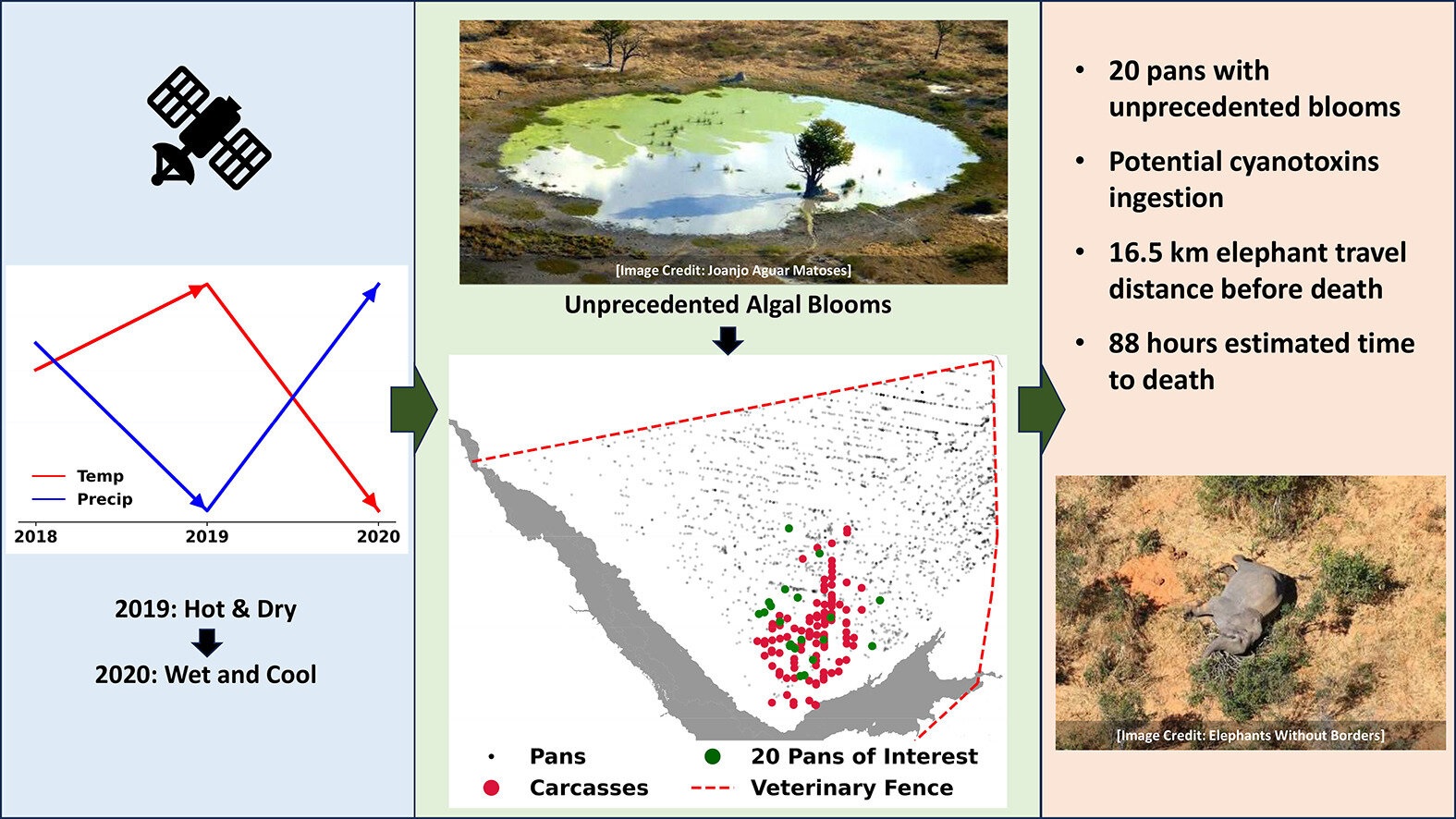
Secrets/Mystery
In early 2020, a mysterious tragedy struck Botswana’s Okavango Delta: over 300 African elephants died in one of the largest and most perplexing wildlife mortality events in recent history. The unexplained deaths, dubbed a "conservation disaster," left researchers scrambling for answers. Now, satellite imagery and a fresh analysis of environmental data have revealed a likely cause — cyanobacterial toxins fueled by extreme climate shifts. A Mystery Unfolds The scene in the Okavango Delta was grim: elephant carcasses scattered near waterholes, many collapsed face-first as if in a final act of desperation. Early theories ranged from poaching to infectious diseases, but intact tusks ruled out human interference. Despite the urgency, pandemic-era restrictions and the remote location delayed field investigations, limiting the collection of vital water and tissue samples. Years later, scientists have used satellite observations and aerial surveys to piece together the environmental puzzle. Their findings highlight the deadly role of cyanobacteria, microscopic blue-green algae that can produce neurotoxins harmful to both animals and humans. By analyzing over a decade of satellite data, researchers uncovered evidence of an ecological cascade driven by climate extremes, leading to the proliferation of toxic algae in waterholes. Climate Whiplash and Deadly Algae Blooms The Okavango Delta experienced an unprecedented climatic shift in the years leading up to the event. A severe drought in 2019 left many waterholes completely dry. Then, unusually heavy rains in early 2020 delivered a dramatic influx of water, stirring up nutrient-rich sediments. This created ideal conditions for cyanobacteria to bloom at record levels. Satellite imagery revealed that algae growth peaked between March and May 2020, coinciding with rising temperatures and stagnant waters — conditions that enhance toxin production. Elephants, being large animals requiring significant daily water intake, were particularly vulnerable. Unlike smaller animals that sip cautiously from the edges, elephants often wade into waterholes, increasing their exposure to concentrated toxins. The study estimates that affected elephants traveled up to 16.5 kilometers (10.25 miles) and succumbed to the toxins within 88 hours, exhibiting symptoms consistent with cyanotoxin poisoning. A Warning for the Future This tragic event underscores the broader impacts of climate change on Africa's ecosystems. As temperatures rise and rainfall patterns grow more erratic, the conditions that foster harmful algal blooms are becoming more common. Scientists warn that similar events could occur with greater frequency, threatening not only elephants but entire ecosystems reliant on freshwater sources. Botswana, home to roughly one-third of Africa’s remaining elephants, faces unique conservation challenges. The Okavango Delta, a UNESCO World Heritage Site, is not only a sanctuary for wildlife but also a critical water resource for the region. Researchers emphasize the urgent need for improved water quality monitoring and proactive conservation strategies to mitigate the risks of future mass die-offs. The Role of Technology The study marks a significant step forward in the use of satellite technology for wildlife conservation. By leveraging decades of environmental data, scientists were able to uncover patterns that would have been impossible to observe from the ground. While cyanotoxins themselves remain undetectable via satellite, the ability to monitor algal blooms and climatic changes provides a powerful tool for predicting and preventing similar events in the future. As Niall McCann of the U.K.’s National Park Rescue noted, the findings highlight the interconnectedness of climate, wildlife health, and human activity. They serve as a stark reminder that the ripple effects of climate change extend far beyond visible disasters, manifesting in subtle yet devastating ways across the natural world. Looking Ahead The 2020 elephant deaths are a sobering example of how climate change exacerbates existing ecological vulnerabilities. Without intervention, such events may become a recurring feature of Africa’s conservation landscape. The study underscores an urgent need for international cooperation, advanced monitoring technologies, and adaptive management strategies to protect the continent's iconic species and the ecosystems they inhabit.
Read More → Posted on 2024-12-05 16:36:34
Secrets/Mystery
Today, the U.S. Congress is preparing for yet another public hearing on Unidentified Anomalous Phenomena (UAPs), a term that’s come to replace the more familiar “UFOs.” This shift in language reflects a growing recognition that these mysterious sightings don’t just happen in the skies but can also appear in space, underwater, and across various realms. This hearing, organized by the U.S. House of Representatives Committee on Oversight and Accountability, is set to bring further attention to the hidden files and secrecy surrounding UAP research conducted by the U.S. government.The event, titled "Unidentified Anomalous Phenomena: Exposing the Truth," will begin at 11:30 a.m. ET (1630 GMT) in the Rayburn House Office Building in Washington, D.C. For those who can't be there in person, a live stream will be available courtesy of the Committee on Oversight and Accountability.This is the second time Congress has held such a hearing to “pull back the curtain” on UAP research, challenging the Department of Defense’s restrictive classification policies on the topic. Nancy Mace (R-S.C.) and Glenn Grothman (R-Wis.), leading the hearing, argue that Americans deserve to know what the government knows about these unexplained sightings. As stated by the House Committee, the goal is to provide transparency and help the public understand the potential security implications of UAPs.One of the most anticipated speakers today is Luis Elizondo, a former U.S. counterintelligence officer and well-known UAP whistleblower. Elizondo has long claimed that the U.S. government is concealing vital information about UAPs, including recovered materials from suspected alien crafts. In his 2024 book Imminent, Elizondo alleged the existence of “nonhuman bodies” recovered from the famous Roswell crash in 1947. He also contends that other nations, notably China and Russia, have taken UAPs seriously enough to involve their scientific communities in related research without the stigma seen in the United States.Another speaker, Tim Gallaudet, a retired U.S. Navy Rear Admiral, will bring a different perspective to the hearing. Gallaudet’s focus will be on unidentified submersible objects, which he believes pose potential security risks in U.S. waters. His testimony is expected to delve into how these underwater anomalies may affect maritime operations and could represent an additional front for the U.S. to monitor.Michael Shellenberger, an investigative journalist, will also testify, likely reinforcing the claims that secret government programs have hidden UFO crash retrievals and other evidence of alien encounters from the public eye. NASA’s former Associate Administrator of Space Policy, Michael Gold, will round out the panel, representing NASA’s independent UAP study team. The study, released in September 2024, reported that while no evidence of extraterrestrial origin for UAPs was found, there’s still a significant amount that remains unexplained. NASA Administrator Bill Nelson, in discussing the findings, remarked that understanding UAPs is a complex issue that demands deeper inquiry.This new hearing is an important moment for U.S. transparency on UAPs. It’s also a rare opportunity to hear directly from high-ranking experts who have investigated these phenomena, providing a valuable chance for the public to learn about an area that has remained mostly hidden from view. Whether this hearing will finally reveal definitive answers, or simply raise more questions, is anyone's guess—but it will certainly keep the public, and scientists, intrigued. As curiosity grows, so too does the demand for the truth. For now, though, the American people will have to tune in to find out what their government might know about what’s really out there.Hearing Video Link :- Click Here
Read More → Posted on 2024-11-13 15:33:49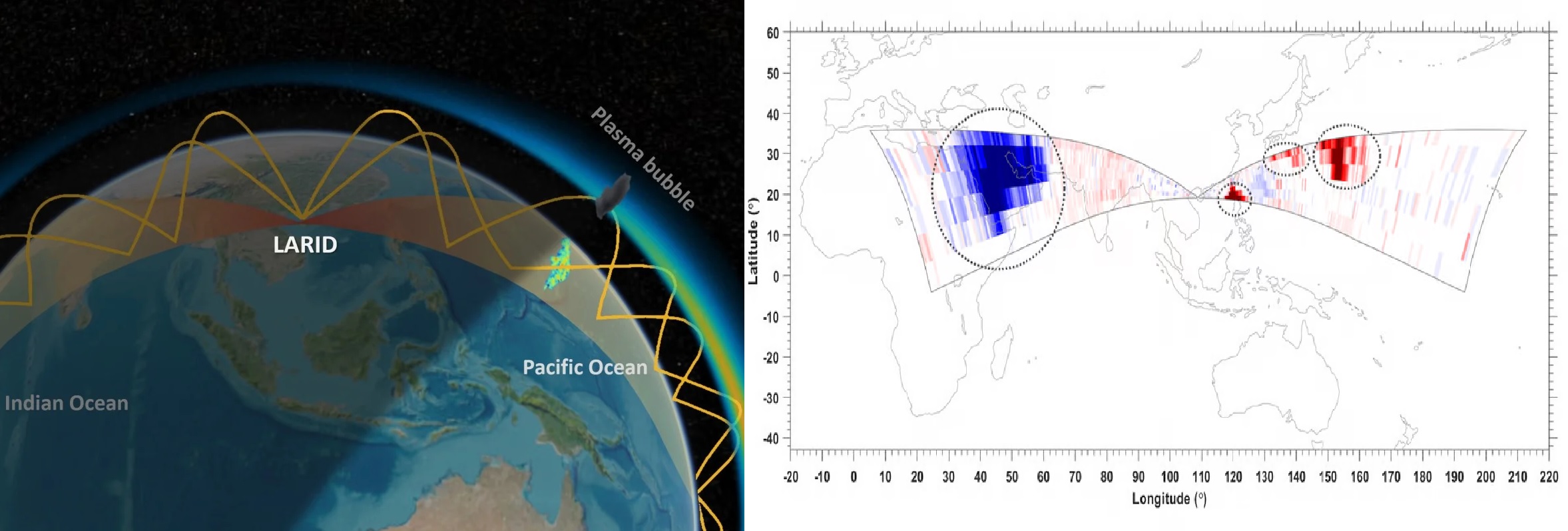
Secrets/Mystery
In a groundbreaking discovery, Chinese scientists using the world’s most powerful ionospheric radar have detected equatorial plasma bubbles appearing over Egypt’s iconic pyramids in Giza, as well as the remote Midway Islands in the Pacific, at almost the same time. This unusual phenomenon, captured by China’s Low Latitude Long Range Ionospheric Radar (LARID), marks a significant leap in our understanding of the Earth's upper atmosphere and its effects on communication systems.Plasma bubbles, a mysterious weather phenomenon occurring in low-latitude regions, are caused by the sudden depletion of charged particles in the ionosphere. These bubbles can wreak havoc on modern technology, particularly GPS systems and satellite communications, with the potential to disrupt signals for hundreds of kilometers. What makes these bubbles even more intriguing is their ability to grow to enormous sizes—hundreds of kilometers in diameter—making their detection crucial for future communication and defense technologies.China's LARID, constructed on Hainan Island in 2022, has now made it possible to detect these plasma bubbles from astonishing distances of up to 9,600 kilometers (nearly 6,000 miles). This radar has brought unprecedented clarity to the observation of these elusive formations. For the first time, on November 4-6 last year, plasma bubbles triggered by a solar storm were clearly tracked by the radar, reaching as far as North Africa and the central Pacific, with the pyramid region of Egypt being one of the detection sites.The radar's sophisticated technology, operating between 8-22 MHz and featuring 48 transceiver antennas split between two subsystems, allows it to bounce high-powered electromagnetic waves between the ionosphere and the Earth’s surface. When these waves hit plasma bubbles, part of the signal is reflected back, making it possible for scientists to monitor the size, movement, and impact of the bubbles in real-time.Although similar radar systems exist, China's LARID is the first of its kind capable of monitoring plasma bubbles on such a large scale. It represents a technological leap, especially considering the challenges posed by Earth’s curvature, which makes it difficult for conventional radars to observe targets beyond the horizon. By applying cutting-edge signal coding and geophysical simulation models, Chinese researchers were able to improve LARID's detection range from an initial 3,000 kilometers to over 9,600 kilometers within just six months.The ramifications of this discovery go beyond simple atmospheric science. Plasma bubbles can severely affect satellite communications, which are critical for both civilian and military applications. In fact, these bubbles have long been a subject of interest for global military forces, including the U.S. Navy, due to their potential to disrupt modern warfare communication systems. By further refining the capabilities of LARID and possibly constructing additional radars in other low-latitude regions, China aims to achieve seamless, real-time monitoring of plasma bubbles across the globe.Although the radar itself is designed for scientific observation and cannot detect military targets like aircraft, similar over-the-horizon radar technology has already been adopted by China’s military. These radars are reportedly capable of detecting stealth aircraft such as the U.S. F-22 fighter jet, thanks to the long wavelengths emitted by the radar, which stealth coatings on aircraft have difficulty absorbing.This cutting-edge research and the super-radar network that China is proposing could reshape our understanding of equatorial plasma bubbles and their wide-reaching impact on modern communication systems. It also underscores China's growing prowess in space and atmospheric research, positioning the country as a key player in global scientific advancements. With the potential for further discoveries and even more advanced radar technology on the horizon, China’s efforts in this field are set to push the boundaries of what’s possible in both atmospheric research and strategic defense.
Read More → Posted on 2024-09-07 15:14:30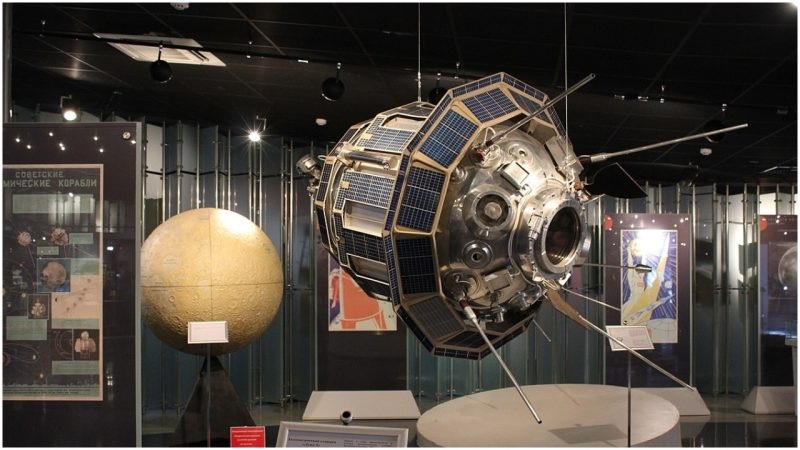
Secrets/Mystery
The late 1950s and 1960s were defined by the intense space race between the United States and the Soviet Union, a competition that was as much about technological prowess as it was about political dominance. President John F. Kennedy's bold proclamation to put a man on the moon amplified NASA's efforts, while the Soviet Union sought to showcase its own capabilities. Relations between these superpowers were strained, and both nations were eager to demonstrate their superiority.In September 1959, the Soviet Union made a significant leap by crashing their Luna 2 probe into the moon, marking the first human-made object to reach the lunar surface. This achievement was more than a scientific milestone; it was a powerful political statement, with the Soviet coat of arms symbolically planted on the moon. But the U.S. wasn't just watching from the sidelines. In a clandestine operation that seemed straight out of a spy novel, the CIA orchestrated a bold heist to gather intelligence on Soviet space technology.The story begins with a Soviet exhibition tour that included an actual Lunik 2, the type of spacecraft that had successfully reached the moon. The Soviets intended to flaunt their technological triumphs, but this display also provided a rare opportunity for U.S. intelligence. A CIA team managed to gain access to the Lunik exhibit for 24 hours, during which they meticulously disassembled the probe, photographed every component, and then reassembled it—all without leaving a trace.This covert operation was not just about the mechanics of taking apart and putting back together a spacecraft; it was a high-stakes gamble that required precision and nerves of steel. The team worked through the night, capturing detailed images of the internal layout, including fuel tanks and electrical systems. Every aspect of the Lunik was documented, giving U.S. scientists and engineers invaluable insights into Soviet space technology.Years later, the details of this operation were declassified and revealed in a sanitized CIA historical review. The review, written by CIA officer Sydney W. "Wes" Finer and published in the agency's 1967 edition of "Studies in Intelligence," painted a vivid picture of the mission. It was space historian Dwayne Day who first brought this mission to public attention in the mid-1990s, after discovering the declassified document at the National Archives.In 2020, John Greenewald, founder of the Black Vault, published a non-sanitized version of the document, shedding more light on the operation. This version detailed how factory markings and other identifiers were used to trace the origins and components of the Lunik. The intelligence gathered provided a clear picture of Soviet production methods and capabilities, highlighting the fifth Lunik stage and identifying key electrical component suppliers.The operation wasn't without its challenges and moments of humor. Reassembling the probe was like a high-stakes game of Humpty Dumpty, with team members struggling to fit the pieces back together in the cramped confines of the spacecraft. One document vividly describes the painstaking efforts to resecure the orb in its basket, a task that took nearly an hour and tested the patience and skills of the operatives.In the end, the mission was deemed a success, exemplifying the fine line between covert operations and overt intelligence collection. The CIA's "kidnapping" of the Lunik probe was a testament to their ingenuity and determination to outmaneuver the Soviet Union in the space race. It was a daring exploit that, for many years, remained one of the most extraordinary episodes of Cold War espionage.
Read More → Posted on 2024-07-21 15:27:31
Secrets/Mystery
A Harvard University study suggests that alien beings might be living covertly among us, raising intriguing questions about the existence and integration of extraterrestrial life forms on Earth.A recent study from Harvard University proposes a bold new idea: alien beings could be living covertly alongside humans on Earth. This study, originating from Harvard's Human Flourishing Program, delves into the concept of "cryptoterrestrial" beings. These entities, often linked to unidentified aerial phenomena (UAP) or UFOs, might be concealed underground, on the moon, or even integrated into human society.The study categorizes these cryptoterrestrials into four distinct groups:1. Human Cryptoterrestrials: These are believed to be descendants of an ancient human civilization that once flourished but now exists in a reduced state.2. Hominid or Theropod Cryptoterrestrials: These could be non-human civilizations evolved from terrestrial animals, skilled in stealth and concealment.3. Former Extraterrestrial or Extratempestrial Cryptoterrestrials: These beings might originate from outside Earth or from the distant future and have assimilated into our environment.4. Magical Cryptoterrestrials: These entities have mystical attributes, similar to folklore creatures like fairies or nymphs, and interact with the human world in non-technological ways.The researchers acknowledge that their ideas might be met with skepticism within the scientific community. However, they call for an open-minded consideration of their findings. Notably, the paper is awaiting peer review to validate its claims.This study comes amid ongoing public intrigue and debate about the existence of extraterrestrial life. Recent reports have suggested that the US government might be concealing information about large unidentified flying objects (UFOs), further fueling the mystery.For decades, scientists have been investigating the possibility of alien life forms, but definitive answers have remained elusive. This new study from Harvard University adds a fresh perspective to the ongoing quest for understanding whether we are truly alone in the universe.As scientific exploration continues, the fascination with extraterrestrial life and the potential for hidden alien beings on Earth remains a compelling and unresolved mystery.
Read More → Posted on 2024-06-15 15:57:59
Secrets/Mystery
Secret News U.SThe events of September 11, 2001, left an indelible mark on history, reshaping global geopolitics, security measures, and societal norms. Amidst the chaos and devastation of the 9/11 attacks, a multitude of conspiracy theories emerged, challenging the official narrative and prompting alternative interpretations of the events. One such theory posits that the Pentagon was not struck by American Airlines Flight 77, as officially reported, but by a missile. In this comprehensive report, we will delve into the origins, claims, evidence, controversies, and implications surrounding the 9/11 Pentagon Missile theory. Origins of the 9/11 Pentagon Missile Theory The 9/11 Pentagon Missile theory emerged in the aftermath of the terrorist attacks as individuals sought to make sense of the unprecedented tragedy. Questions surrounding the flight path of Flight 77, the absence of clear footage capturing the impact, and discrepancies in the debris field and damage pattern at the Pentagon site fueled skepticism and suspicion. As the official narrative of events came under scrutiny, alternative explanations, including the missile theory, gained traction among skeptics and conspiracy theorists. Key Claims of the 9/11 Pentagon Missile TheoryCentral to the 9/11 Pentagon Missile theory are several key claims that diverge from the official account of the Pentagon attack:Absence of Aircraft Debris: Proponents of the missile theory point to the purported lack of visible aircraft debris at the Pentagon crash site immediately following the impact. They argue that the absence of recognizable plane wreckage, such as wings, fuselage, and engines, suggests that a missile, rather than a commercial airliner, struck the building.Damage Inconsistencies: Skeptics of the official narrative highlight inconsistencies in the damage pattern observed at the Pentagon site. They contend that the size and shape of the impact hole, as well as the trajectory of the alleged aircraft, do not align with expectations based on the dimensions and flight path of a Boeing 757. Instead, they propose that the observed damage is more consistent with a missile strike.Eyewitness Testimonies: Anecdotal accounts from eyewitnesses who claimed to have observed a fast-moving, low-flying object approaching the Pentagon prior to the explosion are often cited as supporting evidence for the missile theory. These testimonies, while subjective and varied in their descriptions, contribute to the overall narrative of an alternative explanation for the Pentagon attack. Purported Evidence and Anecdotal AccountsSupporters of the 9/11 Pentagon Missile theory cite a range of evidence and testimonies to bolster their claims:Photographic and Video Analysis: Analysis of photographs and video footage captured in the immediate aftermath of the Pentagon attack is scrutinized for signs of a missile strike. Proponents of the missile theory point to anomalies such as the absence of visible aircraft wreckage, the size and shape of the impact hole, and the trajectory of the alleged projectile as evidence supporting their interpretation of events.Eyewitness Testimonies: Accounts from individuals who claimed to have witnessed a missile or unidentified flying object (UFO) approaching the Pentagon prior to the explosion are often cited as corroborating evidence. These eyewitness testimonies, while subject to interpretation and scrutiny, contribute to the overall narrative of an alternative explanation for the Pentagon attack.Analysis of Government Documents: Some proponents of the missile theory reference government documents, declassified intelligence reports, and investigative findings to support their claims. References to classified military technologies, defense systems, and historical precedents of false flag operations are invoked to contextualize the alleged motive and means behind the purported missile strike. Critiques and Debunking of the 9/11 Pentagon Missile TheoryDespite its persistence, the 9/11 Pentagon Missile theory has been met with skepticism and criticism from skeptics, experts, and fact-checkers:Forensic Analysis and Reconstruction: Forensic analysis of the Pentagon crash site, including the examination of debris, impact patterns, and structural damage, supports the conclusion that a commercial airliner, rather than a missile, struck the building. Reconstruction of the flight path and trajectory of Flight 77 corroborates the official account of events, dismissing claims of a missile strike.Eyewitness Perception and Interpretation: Eyewitness testimonies of a fast-moving object approaching the Pentagon are subject to interpretation and cognitive biases, such as hindsight bias and suggestibility. Factors such as shock, confusion, and the chaotic nature of the event may have influenced perceptions and recollections, leading to discrepancies in accounts of what was observed.Occam's Razor and Plausibility: From a rational standpoint, the 9/11 Pentagon Missile theory violates the principle of Occam's razor, which favors simpler, more parsimonious explanations over complex and convoluted hypotheses. The idea of a clandestine missile strike orchestrated as part of a false flag operation requires extraordinary evidence to be taken seriously, lacking empirical support and feasibility. Implications and RamificationsThe persistence of the 9/11 Pentagon Missile theory underscores the enduring appeal of conspiracy narratives in shaping public discourse and perceptions of historical events. While skeptics and experts have refuted the claims of a missile strike, the conspiracy theory continues to resonate with individuals skeptical of official narratives and distrustful of government institutions. The proliferation of alternative explanations for the Pentagon attack underscores the importance of critical thinking, evidence-based analysis, and skepticism in navigating complex and contentious historical events. Editor’s Thoughts: Navigating Truth Amidst Conspiracy In conclusion, the 9/11 Pentagon Missile theory represents a prominent example of conspiracy thinking surrounding one of the most pivotal events in modern history. While lacking empirical evidence and scientific credibility, the theory persists as a testament to the enduring allure of alternative explanations and distrust in official narratives. By critically examining the origins, claims, evidence, critiques, and implications of the 9/11 Pentagon Missile theory, we gain insight into the complexities of conspiracy culture and the challenges of discerning truth amidst the fog of misinformation and speculation.
Read More → Posted on 2024-04-19 16:22:43
Secrets/Mystery
Mystery News DubaiOn April 16th, 2024, social media erupted with a captivating sight: videos showcasing Dubai's usually clear sky morphing into an eerie green. This dramatic transformation, amidst heavy rain and storms, sparked a wave of curiosity and concern. What caused this celestial phenomenon, and what implications might it hold for the future? The Science of the Emerald HueThe culprit behind the green spectacle lies in the interplay of light, water, and ice particles within storm clouds. Sunlight is a spectrum of colors, with blue wavelengths scattering more readily in the atmosphere. When a storm cloud holds a significant amount of water vapor and ice, it becomes thick and dense. This density allows the cloud to preferentially scatter the blue light, leaving the remaining sunlight dominated by red and yellow wavelengths.However, the story doesn't end there. As the red and yellow sunlight filters through the ice and water droplets within the cloud, a fascinating phenomenon occurs. These water droplets act like tiny prisms, splitting the light further. The red and yellow light interact with the water molecules, causing a slight shift in wavelength towards green. This scattered green light then reaches our eyes, painting the underside of the storm cloud with its ethereal emerald glow.Green Skies: A Sign of Things to Come ?While the green sky in Dubai was undeniably captivating, some worried it might be a harbinger of more extreme weather events. While the green hue itself isn't necessarily a cause for alarm, the conditions that create it – thick storm clouds with significant hail and rain – are often associated with severe weather. However, directly linking the green sky to future weather patterns is challenging. Scientists believe climate change may be influencing weather systems, potentially leading to more intense storms. However, more research is needed to establish a definitive connection between climate change and the frequency or severity of green sky events.Future Outlook: Understanding and AdaptingThe green sky serves as a powerful reminder of the dynamic nature of our planet's atmosphere. While the immediate cause is well-understood, the long-term implications require ongoing scientific exploration. Climate change models will need to incorporate these types of phenomena to provide more accurate predictions of future weather patterns.For Dubai and other regions prone to intense storms, the green sky episode highlights the importance of preparedness. Early warning systems, robust infrastructure, and public education can all play a crucial role in mitigating the impact of severe weather events, regardless of their visual spectacle.The green sky over Dubai may have been a fleeting phenomenon, but it serves as a valuable reminder of the delicate balance of our planet's systems. By understanding the science behind such events and continuing to monitor our ever-changing climate, we can better prepare for the future and ensure a more sustainable world.
Read More → Posted on 2024-04-18 17:23:43Search
Top Trending in 24 Hours
-
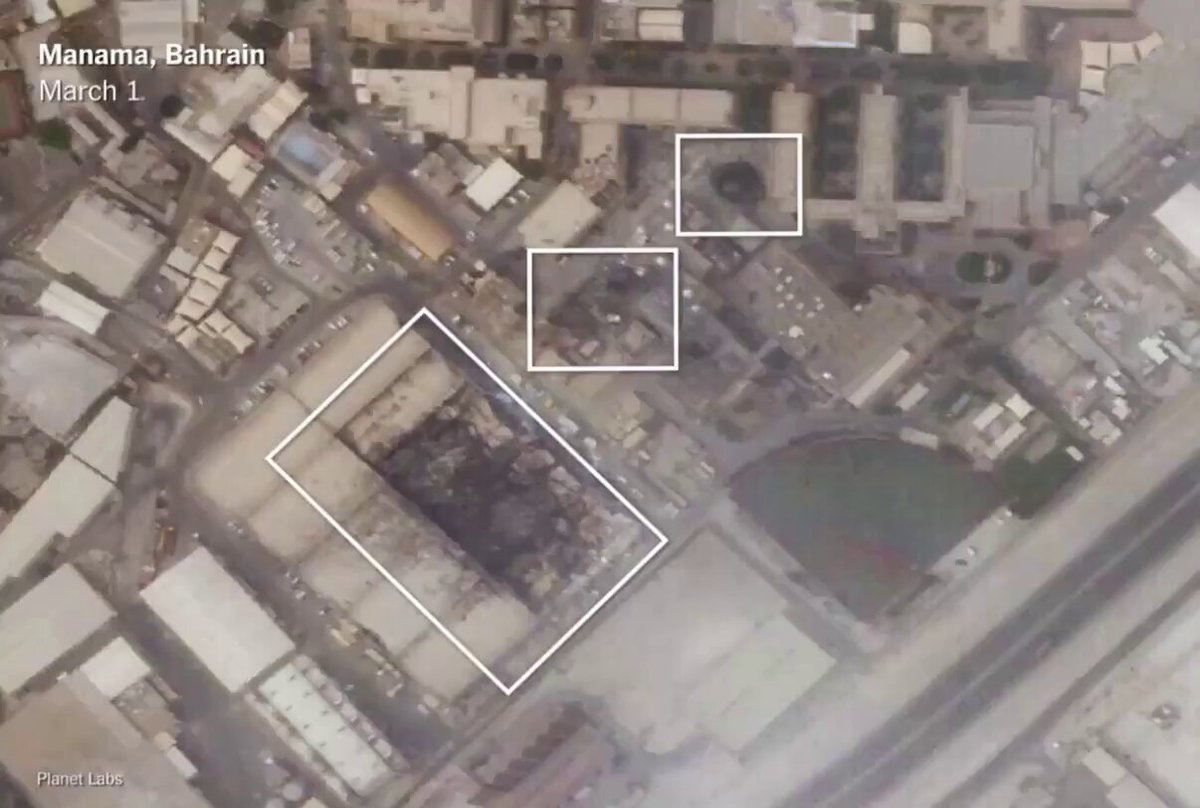 Damage to U.S. Navy Base in Bahrain From Iranian Strikes Estimated at $400 Million, Pentagon Reviews Regional Force Posture
-
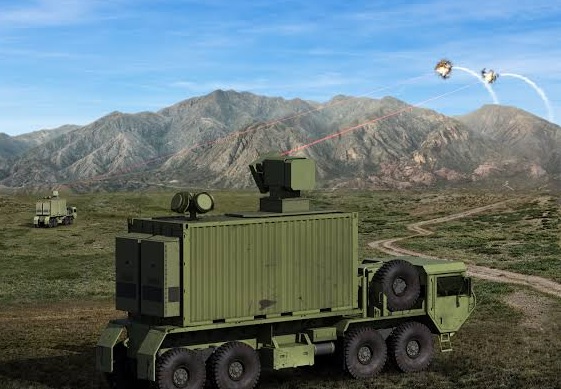 U.S. Air Force Awards Up to $95 Million Contract to Verus Research to Study How Laser Weapons Perform Against Different Targets
-
 U.S. Marine Corps Receives Six F-35B Fighters Without APG-85 Radar Due to Block 4 Delays
-
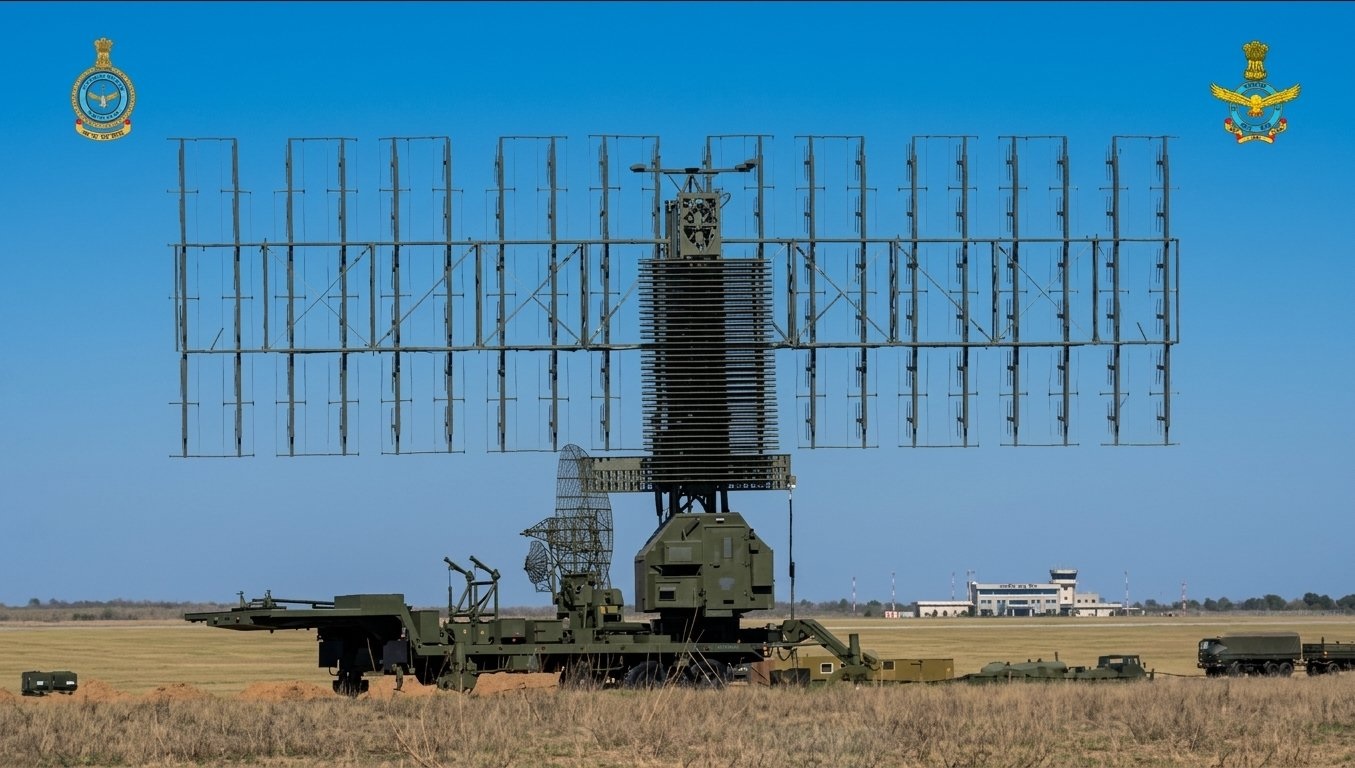 Indian Air Force Inducts 55Zh6ME Nebo-UM Radar to Enhance Early Warning Against Stealth Aircraft and Missiles
-
 Russia's Yak-130M Completes Maiden Flight; AESA Radar and R-77 Missile Integration Planned
-
 Ukraine Deploys Protector UGV for Frontline Logistics as Combat and Air Defense Capabilities Expand
-
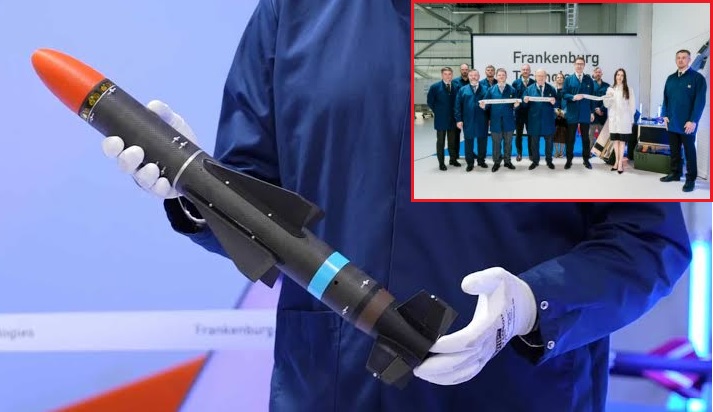 Frankenburg Technologies Opens Riga Factory to Produce 100 Mark 1 Counter-Drone Missiles Daily
-
 Boeing Wins $2 Billion U.S. Space Force Contract to Build Two Next-Generation MUOS Communications Satellites
Top Trending in 4 Days
-
 U.S. Pilot Described ‘Jellyfish’ Drone Formation Before F-15E Was Downed Over Iran
-
 Trump Signs Executive Orders to Advance U.S. Quantum Computing, Sets 2031 Post-Quantum Security Deadline
-
Damage to U.S. Navy Base in Bahrain From Iranian Strikes Estimated at $400 Million, Pentagon Reviews Regional Force Posture
-
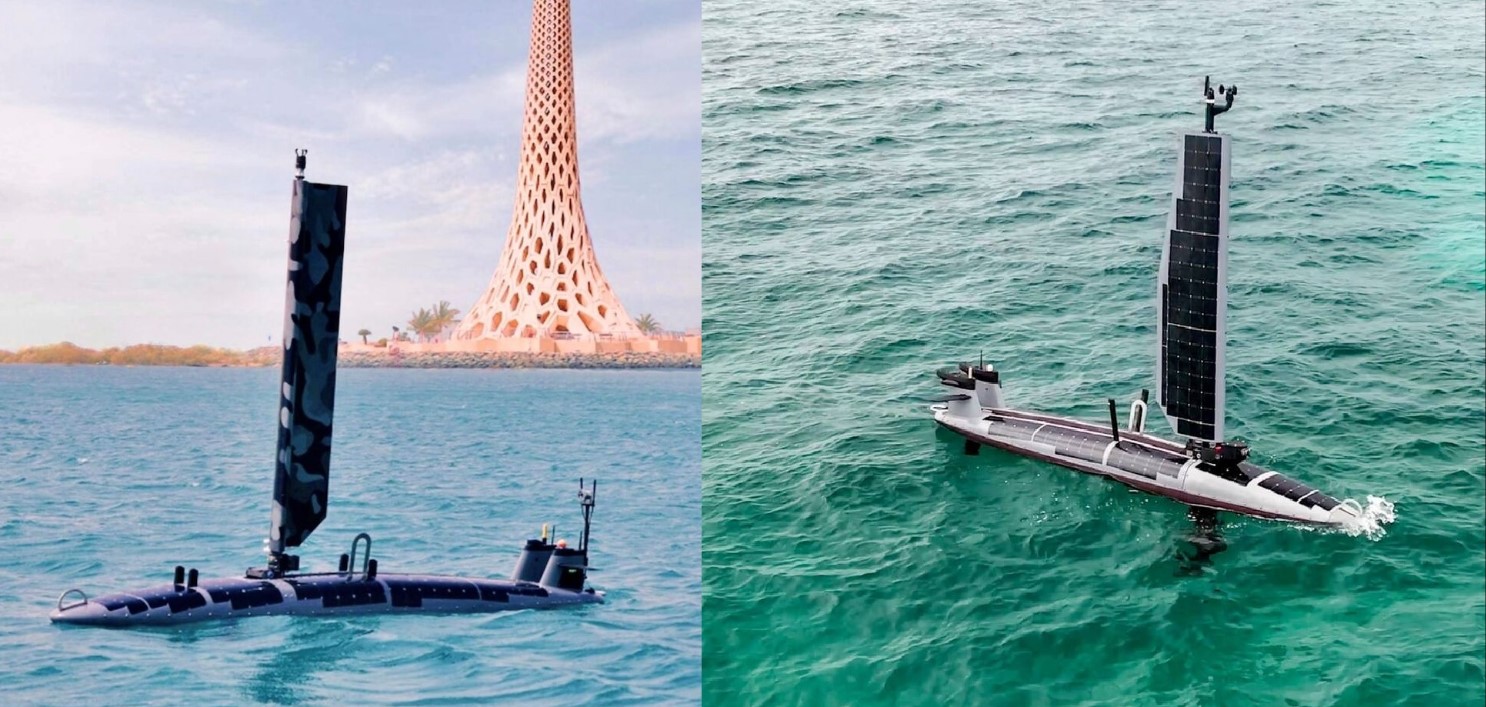 United States Transfers Four Ocean Aero Triton AUSVs Worth $13 Million to Philippine Navy
-
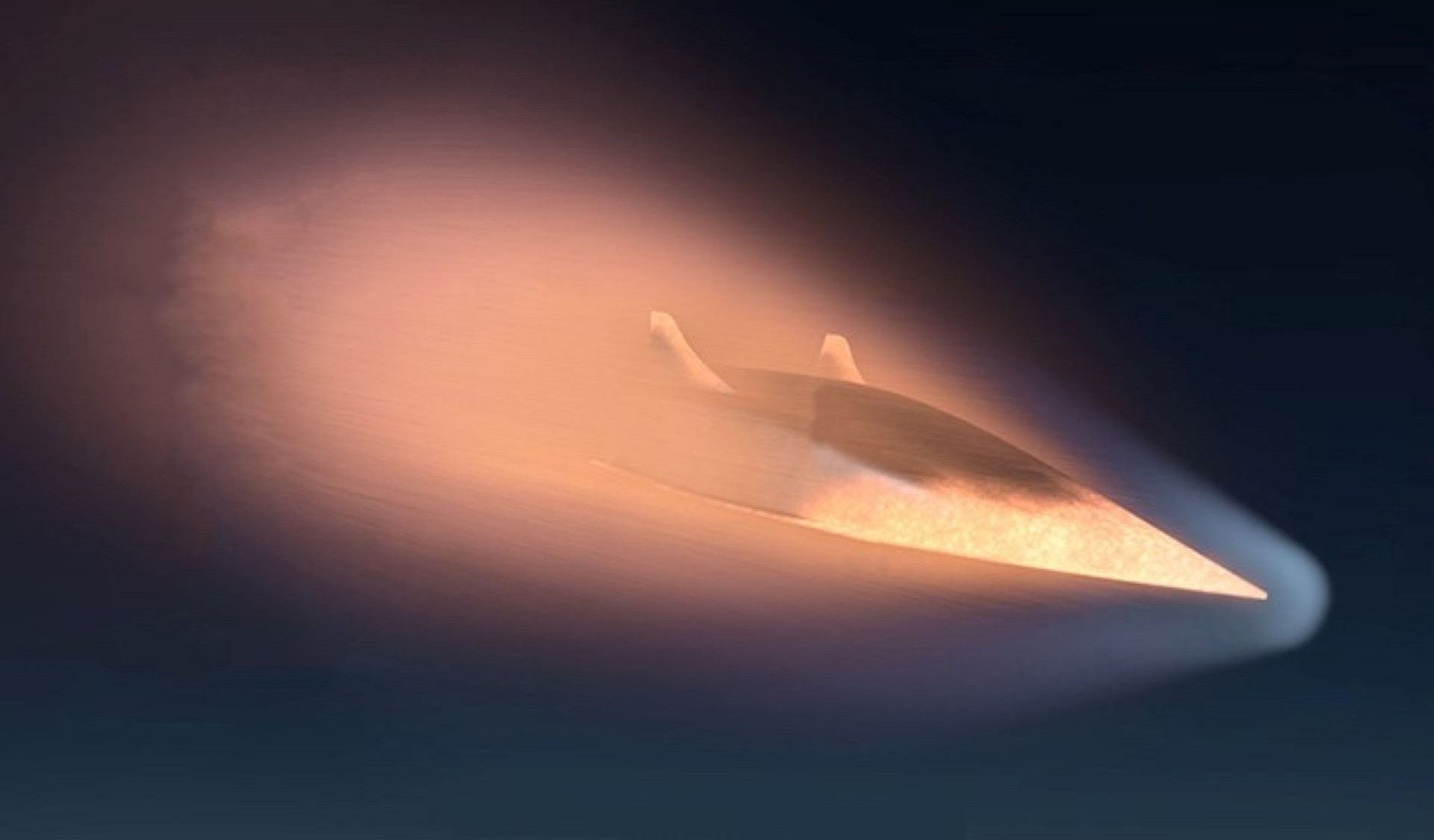 Lockheed Martin Unveils Next-Generation NXGB Hypersonic Glide Body, Flight Test Set for 2027
-
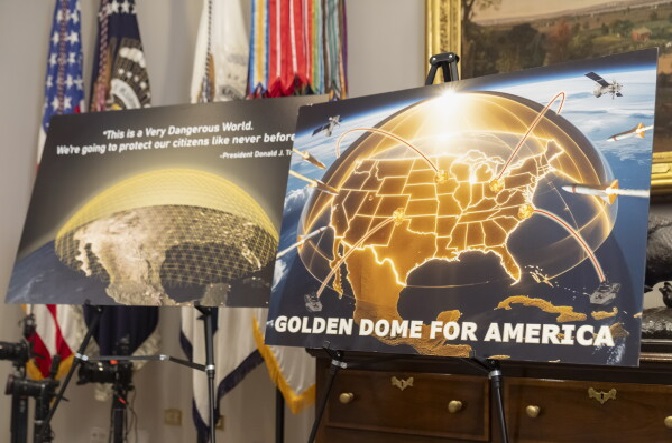 U.S. Successfully Conducts First Live Intercept Test of Golden Dome Missile Defense System
-
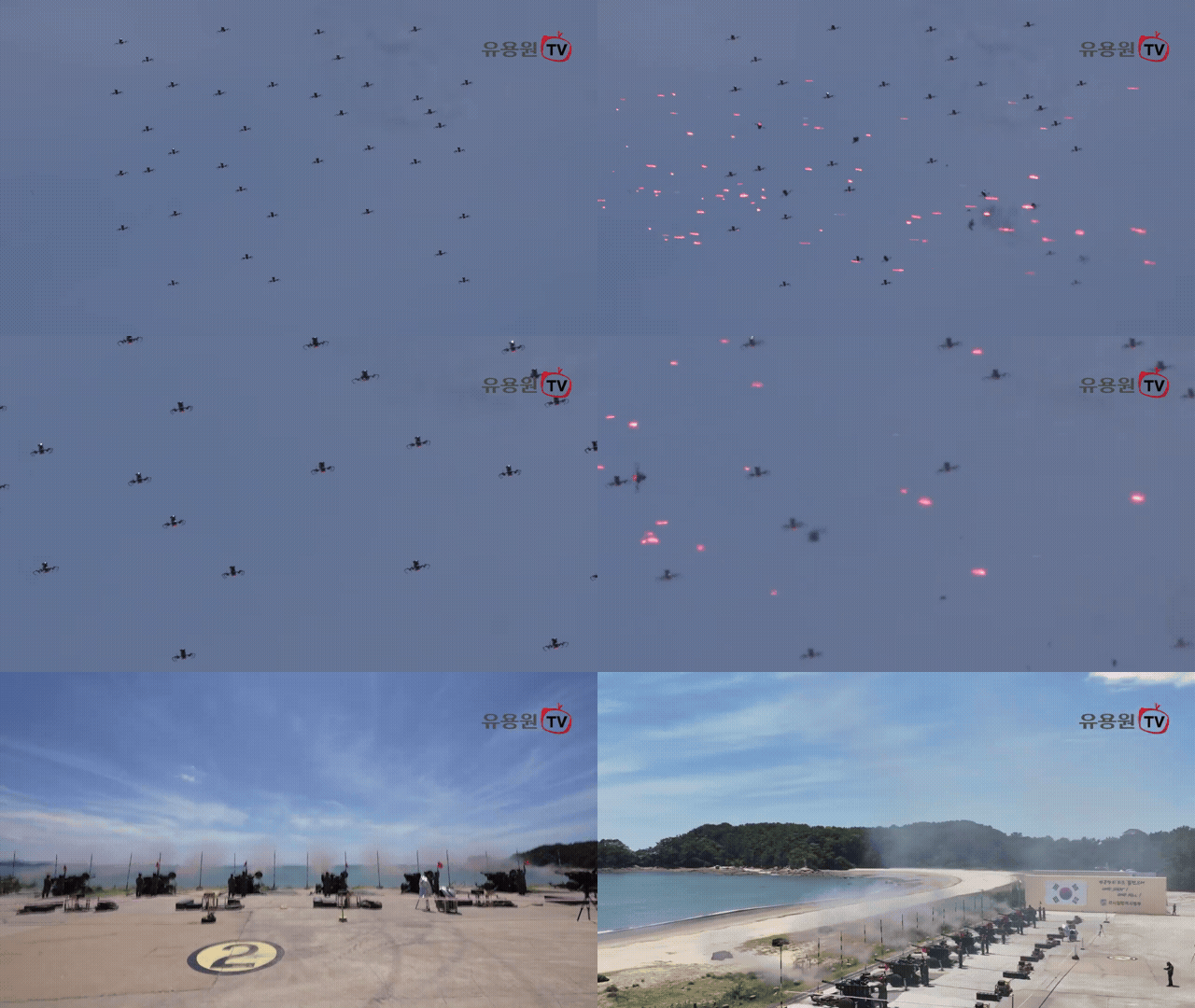 South Korean Air Force Downs 50 Drones in First Live-Fire Counter-Swarm Exercise Using Vulcan Cannons and Lasers
-
 U.S. Army Awards Lockheed Martin $8.4 Billion to Mass Produce Precision Strike Missiles Through 2032