India
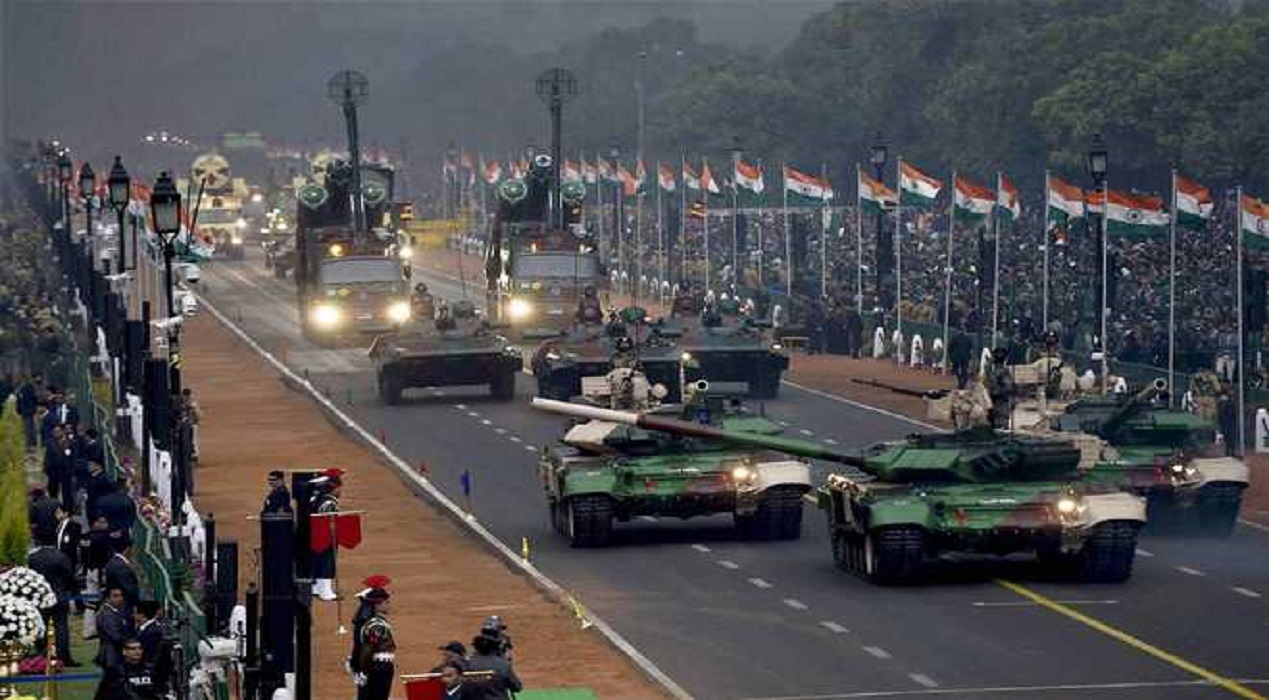
In her eighth consecutive budget speech, Finance Minister Nirmala Sitharaman allocated ₹6.81 lakh crore towards defence expenditure for FY25, a 9.5% increase from the previous fiscal’s budgetary estimates and a 6.3% rise from the revised figures. While this increase might seem substantial on paper, experts and industry observers argue that it fails to address India’s growing strategic challenges. A Closer Look at the Numbers The Ministry of Defence remains the largest recipient of budgetary allocations, receiving ₹6,81,210 crore, with a capital outlay of ₹1,92,387 crore. The revenue expenditure, which includes salaries, pensions, and operational costs, is set at ₹4,88,822 crore, with pensions alone accounting for ₹1,60,795 crore. Key capital allocations include: ₹48,614 crore for aircraft and aero engines ₹24,390 crore for naval fleet expansion ₹63,099 crore for equipment procurement However, despite the increase in total allocation, the capital expenditure growth is limited. The capital outlay of ₹1.8 lakh crore for military modernization represents just a 4.6% increase from the previous year’s ₹1.7 lakh crore. Adding to the concerns, the defence ministry returned ₹12,500 crore as unspent funds under capital expenditure, raising questions about planning and execution. Missed Opportunity in Modernization India is in the middle of several critical defence procurements, including 26 Rafale-Marine fighter jets (₹63,000 crore), three additional Scorpene submarines (₹38,000 crore), and 156 Prachand light combat helicopters (₹53,000 crore). However, the new budget’s limited growth in capital expenditure threatens to slow down these acquisitions, affecting India’s military preparedness. Experts argue that 1.9% of GDP for defence spending is insufficient, as a minimum of 2.5% of GDP is required to counter evolving threats from China and Pakistan. Comparatively, countries like the U.S. and China allocate significantly higher portions of their GDP towards defence. Defence Stocks Take a Hit Following the budget announcement, defence and aerospace stocks plunged, with leading firms like HAL, Bharat Dynamics, BEL, and BHEL dropping up to 6%, while private players such as Paras Defence, Data Patterns, and MTAR Technologies saw declines of up to 9%. This reflects the market’s disappointment in the budget’s inability to provide a strong push for indigenous defence manufacturing. Government’s Focus on ‘Make in India’ Despite the concerns, the government continues to emphasize domestic defence production. Defence Minister Rajnath Singh stated that 75% (₹1.1 lakh crore) of the capital modernization budget is earmarked for procurement through domestic sources. The Defence Research and Development Organisation (DRDO) received an increased budget of ₹26,817 crore, with ₹14,924 crore allocated for research and innovation. Additionally, the Border Roads Organisation (BRO) was allocated ₹7,146 crore to enhance strategic infrastructure, including roads, tunnels, and bridges in sensitive border areas. Where the Budget Falls Short While India has made significant progress in defence self-reliance, with indigenous defence production touching ₹1.26 lakh crore and defence exports hitting ₹21,083 crore, the FY25 budget still leaves only 27.66% of the total defence budget for capital expenditure, while the majority is directed towards personnel and pension expenses. Another critical gap is in R&D spending. India allocates only 1% of its defence budget to R&D, compared to 13% by the U.S.. This severely limits advancements in key areas such as hypersonic weapons, AI-driven defence systems, and quantum technologies. Defence experts warn that without significant investment in cutting-edge technology, India risks falling behind global military powers. The Bigger Picture While the budget continues to prioritize the middle class and rural development with tax exemptions and welfare schemes, defence analysts believe that a stronger military budget is crucial for India’s long-term security. With border tensions persisting and new geopolitical threats emerging, India needs an agile, forward-looking defence budget that prioritizes both modernization and research-driven innovation. As things stand, the Defence Budget 2025 does not deliver the firepower India needs, leaving critical gaps that may impact the country’s defence preparedness in the years to come.
Read More → Posted on 2025-02-01 14:04:08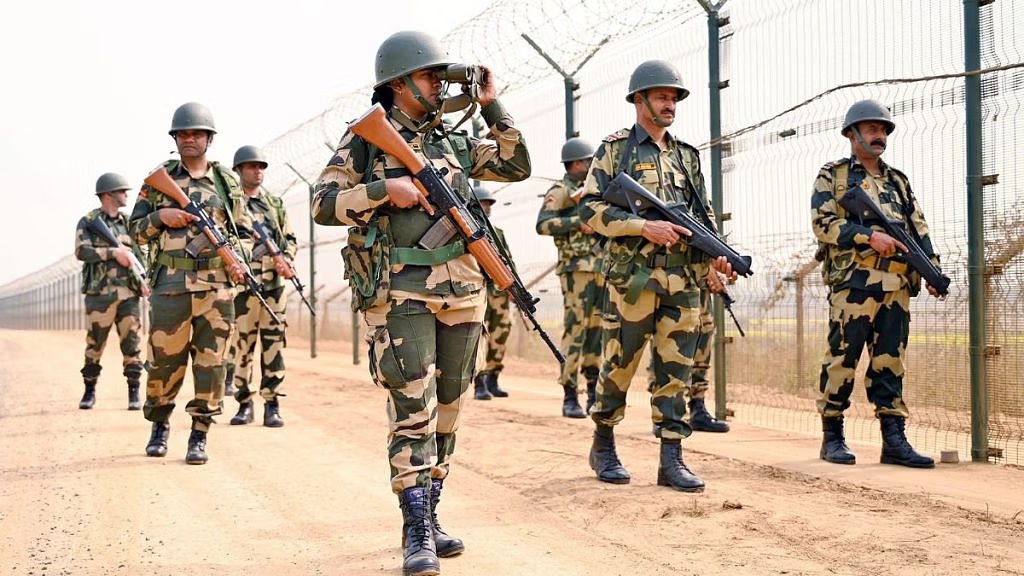
India
The Union Budget 2025-26 has earmarked a significant allocation of Rs 2,33,210.68 crore for the Ministry of Home Affairs (MHA), reinforcing the government’s commitment to strengthening internal security, law enforcement, and border management. A substantial portion of this budget, Rs 1,60,391.06 crore, has been directed toward central police forces like the CRPF, BSF, CISF, ITBP, SSB, and Assam Rifles, reflecting an increased focus on national security and law enforcement modernization. Major Allocations to Central Police Forces Among the biggest beneficiaries, the Central Reserve Police Force (CRPF) has received Rs 35,147.17 crore, marking a rise from last year’s revised estimate of Rs 34,328.61 crore. The Border Security Force (BSF) has been allocated Rs 28,231.27 crore, while the Central Industrial Security Force (CISF), responsible for safeguarding critical national infrastructure, will receive Rs 16,084.83 crore. Other paramilitary forces have also seen budget increases: Indo-Tibetan Border Police (ITBP): Rs 10,370 crore (up from Rs 9,861.14 crore) Sashastra Seema Bal (SSB): Rs 10,237.28 crore (up from Rs 9,834.59 crore) Assam Rifles: Rs 8,274.29 crore (up from Rs 7,855.23 crore) These forces play a crucial role in maintaining internal security, tackling terrorism, managing border conflicts, and countering insurgencies across the country. Increased Focus on Jammu & Kashmir and Border Regions The budget has allocated Rs 41,000.07 crore for Jammu & Kashmir, reinforcing the Centre’s continued efforts in developing the Union Territory after the revocation of Article 370. Ladakh, another region that became a separate UT, has been allocated Rs 4,692.15 crore. Other Union Territories have received the following allocations: Andaman & Nicobar Islands: Rs 6,212.06 crore Chandigarh: Rs 6,187.48 crore Dadra & Nagar Haveli and Daman & Diu: Rs 2,780 crore Lakshadweep: Rs 1,586.16 crore Puducherry: Rs 3,432.20 crore Funding for Intelligence, Law Enforcement, and Disaster Response The budget also strengthens intelligence and disaster management. The Intelligence Bureau (IB) has been allotted Rs 3,893.35 crore, while Delhi Police will receive Rs 11,931.66 crore for maintaining law and order in the national capital. The Special Protection Group (SPG), responsible for the Prime Minister’s security, has been allotted Rs 489 crore. The Jammu and Kashmir Police, now under central administration, has been granted Rs 9,325.73 crore, reflecting increased security needs in the region. Additionally, the National Disaster Response Force (NDRF) has received Rs 1,922.59 crore to enhance disaster preparedness and relief efforts. Modernization and Infrastructure Development A significant emphasis has been placed on modernizing law enforcement and security infrastructure. The Modernization of Police Forces scheme has seen a significant jump in funding, with Rs 4,069.24 crore allocated compared to Rs 2,623.74 crore last year. The Border Infrastructure and Management program has been allotted Rs 5,597.25 crore, reinforcing India’s border security framework. Additional allocations include: Developing Police Infrastructure: Rs 4,379.20 crore Schemes for Women's Safety: Rs 960.12 crore Central Sector Projects & Home Ministry-Sponsored Schemes: Rs 12,491.17 crore Security-Related Expenditure: Rs 4,876.34 crore Vibrant Villages Programme: Rs 1,056.40 crore Other Key Budgetary Allocations Cabinet Expenses (PMO, Council of Ministers, Secretariats, Hospitality & Entertainment): Rs 1,024.30 crore Relief on Account of Natural Calamities & Social Service Activities: Rs 2,721.20 crore Safe City Project: Rs 215.34 crore Grants to State Governments: Rs 3,494.39 crore Grants to UT Governments: Rs 1,515.02 crore Northeastern Development Initiatives: Rs 810 crore Census and Population Data Collection Delayed Again A key takeaway from the budget is the continued delay in conducting the decadal census, which was initially scheduled for 2021 but was postponed due to the COVID-19 pandemic. The budget has allocated only Rs 574.80 crore towards census-related activities, a marginal increase from Rs 572 crore in 2024-25. This signals that the government is not prioritizing the census exercise this fiscal year, likely pushing it further down the line. The Union Budget 2025-26 reflects a clear focus on internal security, modernization of law enforcement, and border management. The increased allocations to paramilitary forces, police modernization, and infrastructure projects highlight the government’s commitment to national security. The significant funds earmarked for Jammu & Kashmir, border security, and intelligence agencies also underscore the Centre’s long-term strategic vision. With the police and security forces receiving a bulk of the allocation, the budget sets a strong foundation for enhancing India's internal stability and preparedness for emerging security challenges.
Read More → Posted on 2025-02-01 13:58:58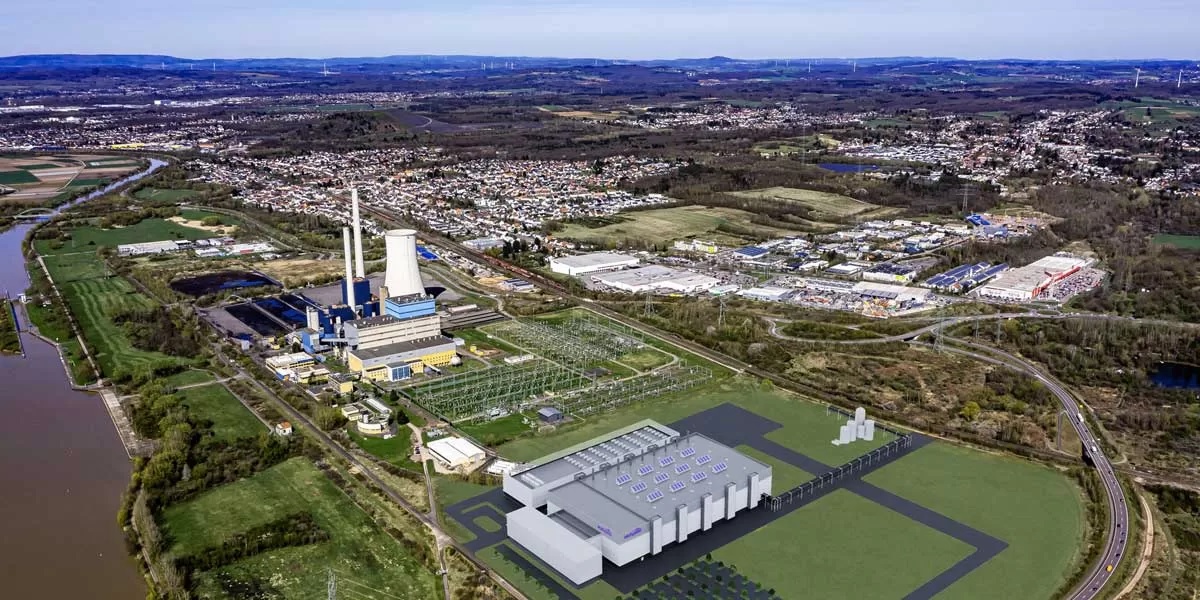
India
In a significant development for India's semiconductor industry, RIR Power Electronics Limited is set to establish the nation's first silicon carbide (SiC) semiconductor manufacturing facility in Bhubaneswar, Odisha. The project, with an investment of ₹618.60 crore, has received approval from the Odisha state cabinet and is anticipated to create approximately 750 jobs. Project Implementation The facility will be developed in two phases over the next three years at the Electronic Manufacturing Cluster (EMC) Park in Infovalley, Bhubaneswar. This phased approach aims to ensure systematic progress and timely completion of the project. Government Support and Incentives To secure this landmark project amidst competition from other states, the Odisha government has approved a customized incentive package for RIR Power Electronics. The subsidy has been increased from 30% to 50%, amounting to ₹110 crore. This move aligns with the state's semiconductor policy, which seeks to enhance local manufacturing capabilities and foster industrial growth. Significance of Silicon Carbide Technology Silicon carbide semiconductors are pivotal in various high-performance applications due to their superior properties, including higher efficiency and better thermal conductivity compared to traditional silicon-based semiconductors. They are essential components in industries such as electric vehicles, renewable energy, railways, and defense. The establishment of this facility is expected to significantly boost India's domestic manufacturing capabilities in these critical sectors. RIR Power Electronics' Role and Vision RIR Power Electronics is recognized as India's sole manufacturer of silicon-based power devices. With the new SiC semiconductor facility, the company aims to cater to both domestic and global markets, contributing to India's self-reliance in semiconductor production. The facility will incorporate advanced processes like epitaxial layer deposition and packaging, positioning RIR Power Electronics at the forefront of semiconductor technology. Impact on Odisha's Industrial Landscape This initiative positions Odisha as a key player in India's semiconductor ecosystem. The establishment of the SiC semiconductor facility is expected to promote local supply chain development, create skill enhancement opportunities, and attract further investments in the high-tech manufacturing sector. It marks a significant step forward in the state's industrial development, aligning with broader national objectives of technological advancement and economic growth. Conclusion The establishment of India's first silicon carbide semiconductor manufacturing facility by RIR Power Electronics in Odisha represents a milestone in the country's industrial journey. With substantial government support and a clear vision for the future, this project is poised to make a lasting impact on the semiconductor industry and the broader economy.
Read More → Posted on 2025-02-01 08:15:47
India
India is making significant strides in enhancing its defense capabilities with the development of the GAURAV glide bomb. This 1,000 kg class, air-launched weapon has recently entered the Low Rate Initial Production (LRIP) phase, marking a pivotal step before its full-scale manufacturing for the Indian Air Force (IAF). Development and Testing Milestones The GAURAV glide bomb has been designed and developed indigenously by the Research Centre Imarat (RCI) in Hyderabad, a premier laboratory under the Defence Research and Development Organisation (DRDO). The development of GAURAV is a testament to India's growing self-reliance in defense technology. In August 2024, the GAURAV underwent a successful maiden test flight off the coast of Odisha. Launched from an IAF Su-30 MK-I aircraft, the bomb accurately struck its target, demonstrating its precision and effectiveness. The test was a collaborative effort, with Adani Defence and Bharat Forge participating as Development cum Production Partners, showcasing the synergy between public and private sectors in advancing India's defense capabilities. Technical Specifications and Capabilities The GAURAV is a 1,000 kg class glide bomb designed for long-range precision strikes. Once released from an aircraft, it glides towards its target, utilizing a highly accurate hybrid navigation system that combines Inertial Navigation System (INS) and Global Positioning System (GPS) data. This dual-navigation approach ensures that the bomb can maintain its course and accuracy even in environments where GPS signals might be compromised or jammed. The bomb's aerodynamic design, complemented by winglets, allows it to glide over extended distances without the need for an onboard propulsion system. This capability enables the launching aircraft to release the bomb from a safe distance, reducing the risk to the crew and the aircraft while engaging targets deep within hostile territory. Strategic Significance The induction of the GAURAV glide bomb into the IAF's arsenal is poised to significantly enhance India's long-range precision strike capabilities. Its ability to deliver substantial payloads with high accuracy makes it a formidable asset in modern warfare, where precision and minimal collateral damage are paramount. Furthermore, the successful development and impending mass production of GAURAV underscore India's commitment to achieving self-reliance in defense technology. By leveraging indigenous research and development, coupled with strategic partnerships with private industry leaders like Adani Defence and Bharat Forge, India is bolstering its defense manufacturing ecosystem. Future Prospects As the GAURAV glide bomb progresses through the LRIP phase, the focus will be on fine-tuning the manufacturing processes, conducting further rigorous testing, and ensuring seamless integration with various IAF platforms. This phase is crucial for validating the bomb's performance across different scenarios and ensuring that it meets the stringent requirements of modern aerial warfare. In conclusion, the GAURAV glide bomb represents a significant milestone in India's defense capabilities. Its development and forthcoming induction into the IAF not only enhance the country's strategic strike potential but also highlight the success of indigenous efforts in advancing defense technology.
Read More → Posted on 2025-02-01 08:09:04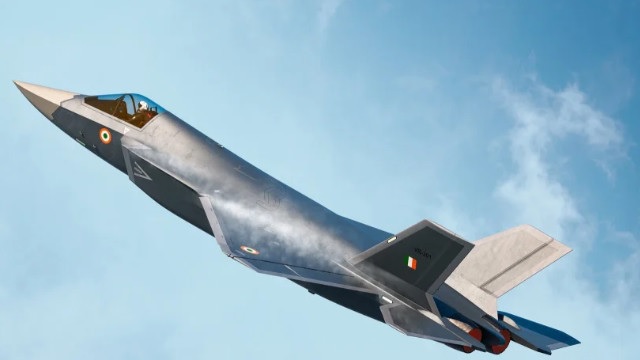
India
India is making significant progress with its Advanced Medium Combat Aircraft (AMCA) program, targeting the development of a cost-effective 5th-generation fighter jet that rivals existing models like the F-35 and J-20. The Aeronautical Development Agency (ADA), leading this initiative, plans to roll out the first prototype by late 2026 or early 2027. Development Timeline and Production Plans The AMCA project is structured in two phases. The initial phase focuses on developing the AMCA Mk-1, powered by the GE-414 engine, with production readiness aimed for 2033-34 and induction into the Indian Air Force (IAF) anticipated around 2035. The subsequent phase will advance to the AMCA Mk-2, incorporating enhanced features and capabilities. Cost-Effective Strategy A key objective of the AMCA program is to deliver advanced 5th-generation capabilities at a more affordable price point compared to current models. The Lockheed Martin F-35 Lightning II, for instance, has a unit cost of approximately $82.5 million, while the Chinese Chengdu J-20 is estimated at around $110 million per unit. By focusing on cost efficiency, the AMCA aims to provide a competitive alternative without compromising on performance. Public-Private Partnership Model To achieve this affordability, India plans to implement a public-private partnership for the AMCA's production. This collaborative approach is expected to enhance manufacturing efficiency and leverage the strengths of both sectors. The final pricing will become clearer once production bids are invited, a crucial step in determining the jet's market competitiveness. Strategic Significance The AMCA program is central to India's ambition of achieving self-reliance in defense manufacturing while bolstering its strategic deterrence. By developing an indigenous 5th-generation fighter, India aims to reduce dependence on foreign technology and strengthen its position in the global defense market. With its focus on affordability, advanced capabilities, and strategic independence, the AMCA project represents a significant leap forward for India's defense sector. As development progresses, the AMCA is poised to become a formidable asset for the IAF and a competitive player in the international fighter jet market.
Read More → Posted on 2025-02-01 07:54:18
India
India is set to construct the Upper Siang Multipurpose Storage Project in Arunachal Pradesh, with an estimated investment of ₹1.5 lakh crore (approximately $18 billion). This massive hydropower initiative is expected to generate between 10 to 12 gigawatts (GW) of electricity, making it India's largest such project. It is aimed at strengthening the country’s renewable energy capacity while also serving as a strategic countermeasure to China’s hydropower activities in Tibet. China has been advancing its own plans for a colossal 60 GW hydropower plant in Medog, Tibet, on the Yarlung Tsangpo River (which becomes the Brahmaputra in India). Indian experts fear that such a project could alter the river’s flow, either by diverting water or triggering artificial floods, posing risks to downstream areas in Arunachal Pradesh and Assam. To counter these potential threats, India's Upper Siang project will include a buffer storage capacity of around 9 billion cubic meters to regulate water flow, ensuring availability during dry seasons and mitigating flood risks during monsoons. Beyond energy and strategic concerns, the project is expected to boost local development by creating jobs, enhancing infrastructure, and providing stable electricity to urban and rural areas. However, significant challenges remain, particularly regarding environmental and social impacts. Local communities have raised concerns about large-scale displacement, loss of farmland, and potential ecological damage. Protests have already emerged, with residents demanding more transparency and compensation. In response, the government has engaged in discussions, proposing revenue-sharing models and resettlement plans to address these grievances. Despite the opposition, the Upper Siang project is a crucial part of India's long-term strategy for energy security and geopolitical stability. Balancing national interests with environmental sustainability and local concerns will be essential as the project moves forward.
Read More → Posted on 2025-01-31 15:26:19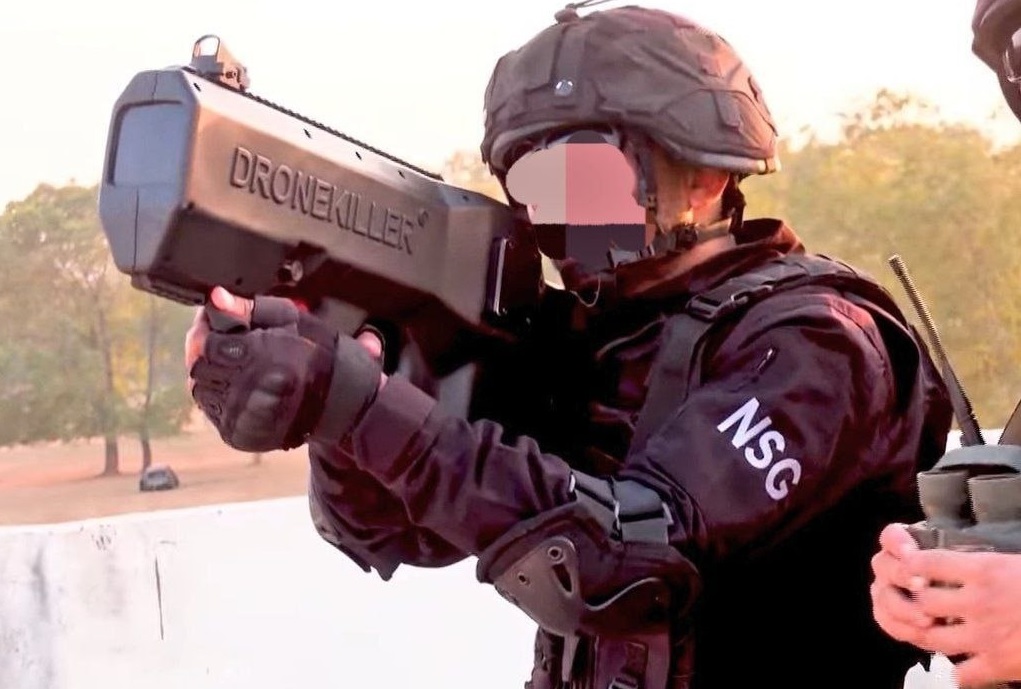
India
In response to the escalating threat of unauthorized drone activities along its borders, India's National Security Guard (NSG) has adopted the 'Dronekiller,' a state-of-the-art handheld counter-unmanned aerial system (C-UAS) device. This move underscores the NSG's commitment to leveraging advanced technology to enhance national security. Understanding the Dronekiller Developed by IXI Technology, the Dronekiller is a portable, lightweight device designed to neutralize small unmanned aerial systems (sUAS). Weighing under 10 pounds and measuring 25 inches in length, it resembles a compact rifle, making it user-friendly for field operations. Technical Specifications Dimensions: 25”L x 9”H x 5.1″W Weight: Under 10 lbs fully configured Effective Range: Up to 1,000 meters Frequency Bands: 433 MHz, 915 MHz, 2.4 GHz, 5.2 GHz, 5.8 GHz GPS Interference: L1/GLONASS/GPS L2 (optional) Battery Life: Rechargeable swappable Li-Ion battery; auxiliary 12V vehicle power plug for extended use Operating Temperature: -10° to +50° C The Dronekiller employs software-defined radio (SDR) technology, allowing for field upgrades to counter emerging threats without the need for new hardware investments. Its design includes Picatinny rails for mounting additional accessories, enhancing its adaptability in various operational scenarios. Operational Capabilities The device functions by disrupting the communication and GPS links of unauthorized drones. Upon targeting a rogue drone, the Dronekiller increases the bit error rate of the drone's control signals, compelling it to either descend or return to its point of origin. This method ensures that threats are neutralized without causing unintended collateral damage. NSG's Strategic Integration The NSG's decision to incorporate the Dronekiller into its arsenal is a proactive measure against the rising incidents of drones being used for illicit activities, such as smuggling arms, ammunition, and narcotics across borders. In regions like Punjab and Jammu and Kashmir, there have been numerous cases of drone-related smuggling, prompting security forces to enhance their countermeasures. By equipping its commandos with the Dronekiller, the NSG aims to bolster its capability to swiftly and effectively neutralize aerial threats, thereby safeguarding national security and maintaining operational superiority. In conclusion, the adoption of the Dronekiller by India's NSG represents a significant advancement in the country's counter-drone strategy, reflecting a broader commitment to integrating cutting-edge technology in defense operations.
Read More → Posted on 2025-01-31 14:43:17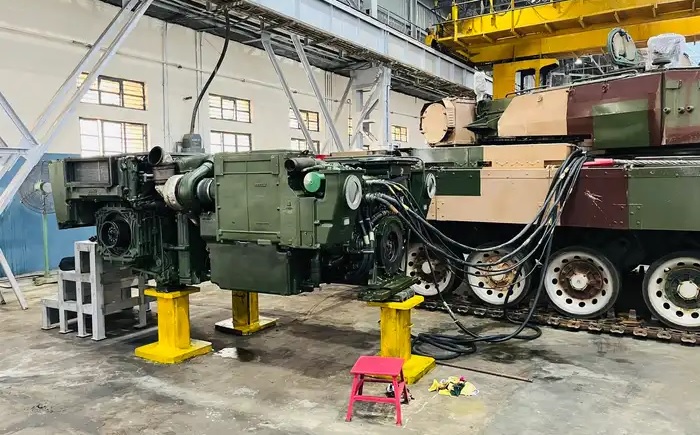
India
In a significant move towards self-reliance in defense manufacturing, India's Arjun MkI Main Battle Tanks (MBTs) are slated to be powered by the domestically developed DATRAN 1500 horsepower (Hp) engine by 2028. This development addresses previous challenges associated with procuring German-made engines and marks a pivotal advancement for India's defense capabilities. Background The Arjun tank, named after the legendary warrior from the Indian epic Mahabharata, has been a cornerstone of India's armored forces. Despite its advanced design, the tank's deployment faced hurdles due to reliance on the German-made 1,400 Hp MTU MB 838 Ka-501 V10 diesel engine. Production delays and supply chain issues from the German manufacturer led to significant setbacks in the tank's induction timeline. Indigenous Solution: The DATRAN 1500Hp Engine To overcome these challenges, the Defence Research and Development Organisation (DRDO), in collaboration with Bharat Earth Movers Limited (BEML), initiated the development of the DATRAN 1500Hp engine. This indigenous powerplant is engineered to meet the rigorous demands of modern armored warfare, offering enhanced performance and reliability. The DATRAN engine underwent its inaugural test-firing in March 2024 at BEML's facility in Mysuru, marking a milestone in India's defense technology journey. Following this successful test, the engine is set to undergo extensive trials to ensure it meets the operational requirements of the Indian Army. Projected Timeline and Integration The comprehensive testing phase for the DATRAN engine is expected to span approximately two to three years. Upon successful completion, integration into the Arjun MkI tanks is anticipated to commence, with full-scale production targeted for 2028. This timeline aligns with the Indian Army's modernization plans, aiming to bolster its armored capabilities with domestically produced technology. Strategic Implications Equipping the Arjun MkI tanks with the DATRAN 1500Hp engine is poised to significantly enhance their mobility, operational range, and combat effectiveness. This upgrade is particularly crucial for operations across India's diverse terrains, including the deserts of Rajasthan and the challenging landscapes of Ladakh. Beyond the immediate tactical advantages, this development underscores India's commitment to achieving self-reliance in defense production. By reducing dependence on foreign suppliers, India strengthens its strategic autonomy and showcases its growing prowess in indigenous defense technology. Conclusion The integration of the DATRAN 1500Hp engine into the Arjun MkI Main Battle Tanks represents a transformative step for India's armored forces. As the nation continues to advance its defense capabilities, this move not only addresses past challenges but also sets the stage for a more self-sufficient and robust military future.
Read More → Posted on 2025-01-31 14:13:59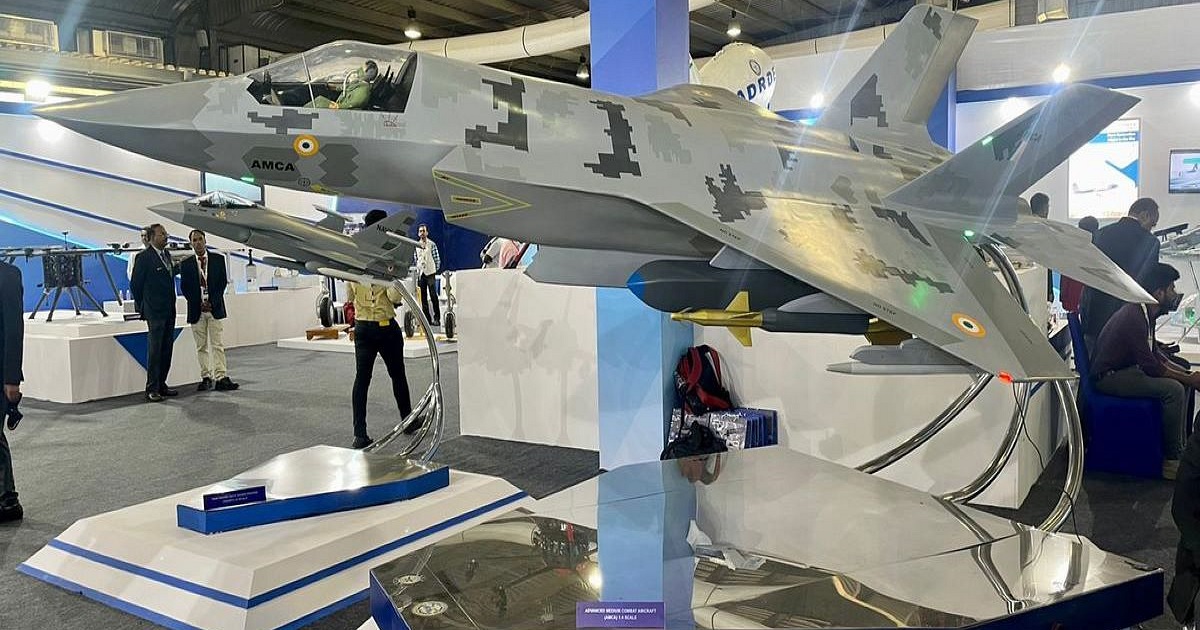
India
India's Advanced Medium Combat Aircraft (AMCA), currently under development, is designed to seamlessly switch between stealth operations and a high-payload configuration known as "Beast Mode." This dual capability enhances its adaptability across various mission profiles. Stealth Configuration In its stealth mode, the AMCA minimizes radar detection by carrying weapons internally within concealed bays. This design reduces its radar cross-section, allowing the aircraft to operate undetected in hostile environments, ideal for initial strikes and intelligence-gathering missions. Transition to 'Beast Mode' Once the threat from enemy air defenses is reduced, the AMCA can transition to "Beast Mode." This involves utilizing external hardpoints to carry additional weapons and fuel, significantly increasing its payload capacity. While this configuration increases the aircraft's radar visibility, it is advantageous in scenarios where stealth is less critical. Technical Details of 'Beast Mode' Increased Payload: The AMCA's internal weapons bay can carry up to 1.5 tonnes of munitions in stealth mode. In "Beast Mode," the aircraft can carry an additional five tonnes of munitions and fuel on external under-wing stations, enhancing its firepower for high-intensity airstrikes and ground support missions. External Hardpoints: The aircraft is equipped with multiple external hardpoints, allowing it to carry a diverse array of weapons, including air-to-air missiles, air-to-ground missiles, and precision-guided munitions. This flexibility enables the AMCA to adapt its armament based on mission requirements. Advantages of 'Beast Mode' Mission Adaptability: The ability to switch between stealth and "Beast Mode" allows the AMCA to effectively perform a wide range of roles, from deep penetration strikes to close air support, depending on the tactical situation. Operational Efficiency: Utilizing "Beast Mode" for missions where stealth is less critical reduces wear on the aircraft's stealth coatings and systems, leading to lower maintenance costs and extended operational life. Enhanced Firepower: The increased payload capacity in "Beast Mode" enables the AMCA to deliver a more substantial offensive output, crucial for achieving air superiority and providing effective ground support. Conclusion The AMCA's capability to transition between stealth operations and "Beast Mode" exemplifies a strategic advancement in modern aerial warfare. This dual configuration not only enhances the aircraft's versatility but also ensures that it remains a formidable asset across various combat scenarios, aligning with India's evolving defense requirements.
Read More → Posted on 2025-01-31 07:57:36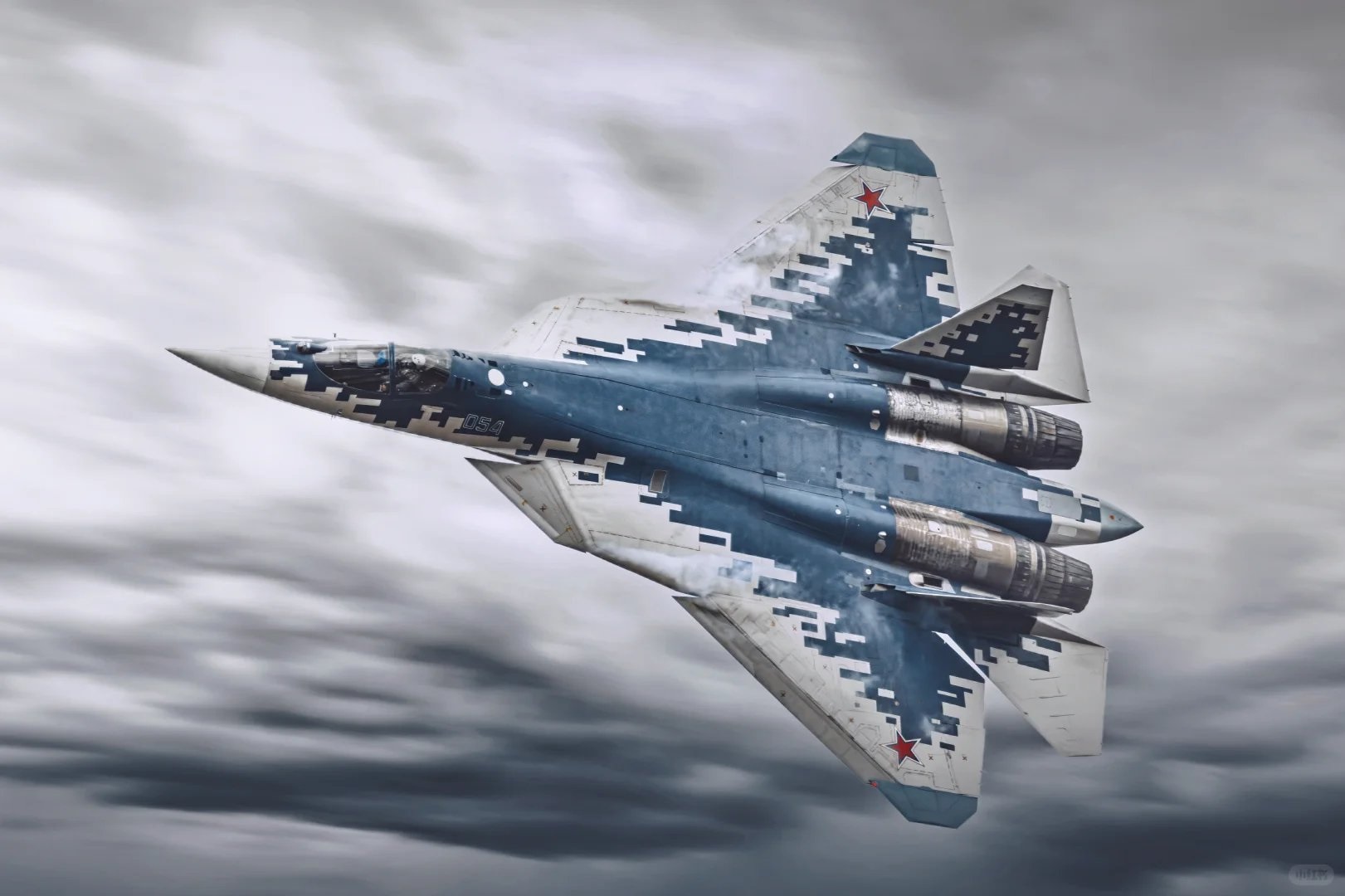
India
A Closer LookIn a fresh round of rhetoric aimed at global fighter jet markets, Russian media has asserted that the Su-57, Russia’s fifth-generation stealth fighter, is a far superior choice for India compared to the American F-35, branding the latter as "crash-prone" and unreliable. These claims come amid India's ongoing deliberations on acquiring next-generation combat aircraft to modernize its air force. But how much of this assertion is grounded in reality, and what factors truly separate the two aircraft? The Russian Argument: Why Su-57 Over F-35? According to reports in Russian defense publications, the Su-57 offers India a more cost-effective and strategically beneficial alternative to the Lockheed Martin F-35. The argument is built on several key points: 1. The "Crash-Prone" Reputation of the F-35 The F-35 has suffered multiple accidents over the years, some due to software malfunctions and others linked to mechanical failures. Just in 2024, an F-35B crashed in South Carolina, adding to a series of mishaps that have plagued the program. Russian media highlights this as a sign of the aircraft’s questionable reliability, portraying it as an overpriced, high-maintenance platform that could pose logistical challenges for India. 2. The Su-57’s Alleged Air Superiority Moscow claims that the Su-57, equipped with advanced avionics, stealth technology, and supermaneuverability, is a more potent platform for air dominance. The fighter’s Izdeliye 30 engines, once fully integrated, are expected to provide superior thrust-to-weight ratios and sustained supersonic speeds without afterburners. Unlike the F-35, which relies more on Beyond Visual Range (BVR) combat, the Su-57 is designed to excel in both long-range and close-quarters dogfights. Russian sources argue that in an actual confrontation, the Su-57’s agility would outclass the F-35’s reliance on stealth alone. 3. No Strings Attached: Export Flexibility The United States imposes strict restrictions on how its defense customers can use and modify American-made equipment. Russian media points out that the F-35 comes with limitations on software access, maintenance protocols, and operational sovereignty. India, which values strategic autonomy, might find these restrictions problematic. On the other hand, Russia promises full technology transfer and local production options for the Su-57, allowing India’s defense industry to participate in upgrades and modifications. This aligns with India’s "Make in India" defense push. 4. Cost Factor: A More Affordable 5th-Gen Jet? The F-35, depending on the variant, costs between $80 million and $135 million per unit, with extremely high operational expenses exceeding $40,000 per flight hour. In contrast, the Su-57 is estimated to cost around $35-45 million per unit, with lower maintenance costs. Russian reports argue that India could acquire a larger fleet of Su-57s for the same budget, strengthening its air force’s numerical advantage. India's Perspective: Weighing the Claims While Russian media makes strong arguments in favor of the Su-57, India’s actual decision will depend on multiple practical factors: Operational Readiness: The Su-57, despite its claimed capabilities, is still in the early stages of full-scale production, with fewer than 30 units in service. The F-35, despite its flaws, is already combat-proven and widely deployed by NATO allies. Stealth and Sensor Fusion: The F-35 excels in networked warfare, providing unmatched situational awareness via its Distributed Aperture System (DAS) and sensor fusion technology. The Su-57, though stealthy, has yet to demonstrate similar integration capabilities. Geopolitical Ties: India is strengthening defense ties with both the U.S. and Russia. Buying the F-35 could deepen its relationship with Washington, while purchasing the Su-57 would align more with Moscow’s defense ecosystem. At the moment, the Indian Air Force (IAF) has not publicly expressed serious interest in acquiring the F-35 or the Su-57, instead focusing on the indigenous AMCA program and potential Rafale follow-on orders. Conclusion: A Tactical Sales Pitch or a Real Advantage? Russia’s claim of Su-57 superiority over the "crash-prone" F-35 is clearly part of an effort to market its fighter to India, but the reality is more complex. While the Su-57 does have promising capabilities, its limited production and combat experience remain key concerns. The F-35, despite its mechanical issues, is a tested and battle-ready aircraft that has proven its capabilities in NATO operations. For India, the decision will ultimately rest on a balance of cost, technology transfer, and long-term strategic benefits. Whether New Delhi will seriously consider the Su-57 or F-35 remains to be seen, but for now, Russia's media campaign is certainly making its case loudly.
Read More → Posted on 2025-01-31 07:53:52
India
Hindustan Aeronautics Limited (HAL) is preparing to introduce its latest innovation in aerospace: the Hindustan Lead-in Fighter Trainer (HLFT-42). This next-generation supersonic aircraft is designed to seamlessly transition pilots from training to light combat roles, addressing the evolving needs of modern air forces. Design and Specifications The HLFT-42 features a single-engine, conventionally swept-wing design with a bubble canopy, providing pilots with enhanced visibility. The aircraft measures approximately 16 meters in length, with a wingspan of 9 meters and a height of 4.6 meters. It boasts a maximum take-off weight of around 16,500 kilograms, an internal fuel capacity of 3,500 kilograms, and a payload capacity of 4,500 kilograms. The design includes 11 hardpoints for weapon integration: three under each wing, three under the fuselage, and one on each wingtip. Advanced Avionics and Combat Readiness Equipped with state-of-the-art avionics, the HLFT-42 includes an Active Electronically Scanned Array (AESA) radar, an infrared search and track (IRST) sensor, and an electronic warfare suite. These systems, complemented by a fly-by-wire (FBW) system, enable the aircraft to track and engage multiple targets simultaneously. The HLFT-42's weaponry capabilities encompass both close-combat missiles, such as ASRAAM, and beyond-visual-range missiles like Astra, effectively transforming it into a fully-fledged fighter jet. Development and Strategic Intent Initiated in 2017, the HLFT-42 project was officially unveiled at Aero India 2023. HAL aims to replace the Indian Air Force's aging BAE Hawk 132 jet trainers with the HLFT-42, preparing pilots for advanced fighter jets like the HAL Tejas Mk2 and the Advanced Medium Combat Aircraft (AMCA). The aircraft's dual role as both a trainer and a light combat fighter underscores its versatility and strategic importance. Global Market Potential and Customization HAL has emphasized the HLFT-42's adaptability, highlighting its potential for customization to meet the specific needs of individual clients. This flexibility extends to its scalability, interoperability, and configurability, making it an attractive option for a wide range of international buyers. While official pricing details have not been released, industry sources suggest that the base model of the HLFT-42 could be priced around $20 million USD. This competitive pricing strategy, combined with the aircraft's adaptability and advanced capabilities, positions it as a strong contender in the global defense market. Conclusion The HLFT-42 represents a significant advancement in aerospace technology, offering a cost-effective solution without compromising on advanced capabilities. Its dual role as both a trainer and a light combat aircraft makes it a versatile asset for modern air forces, poised to become a key player in the international fighter trainer market.
Read More → Posted on 2025-01-30 13:50:15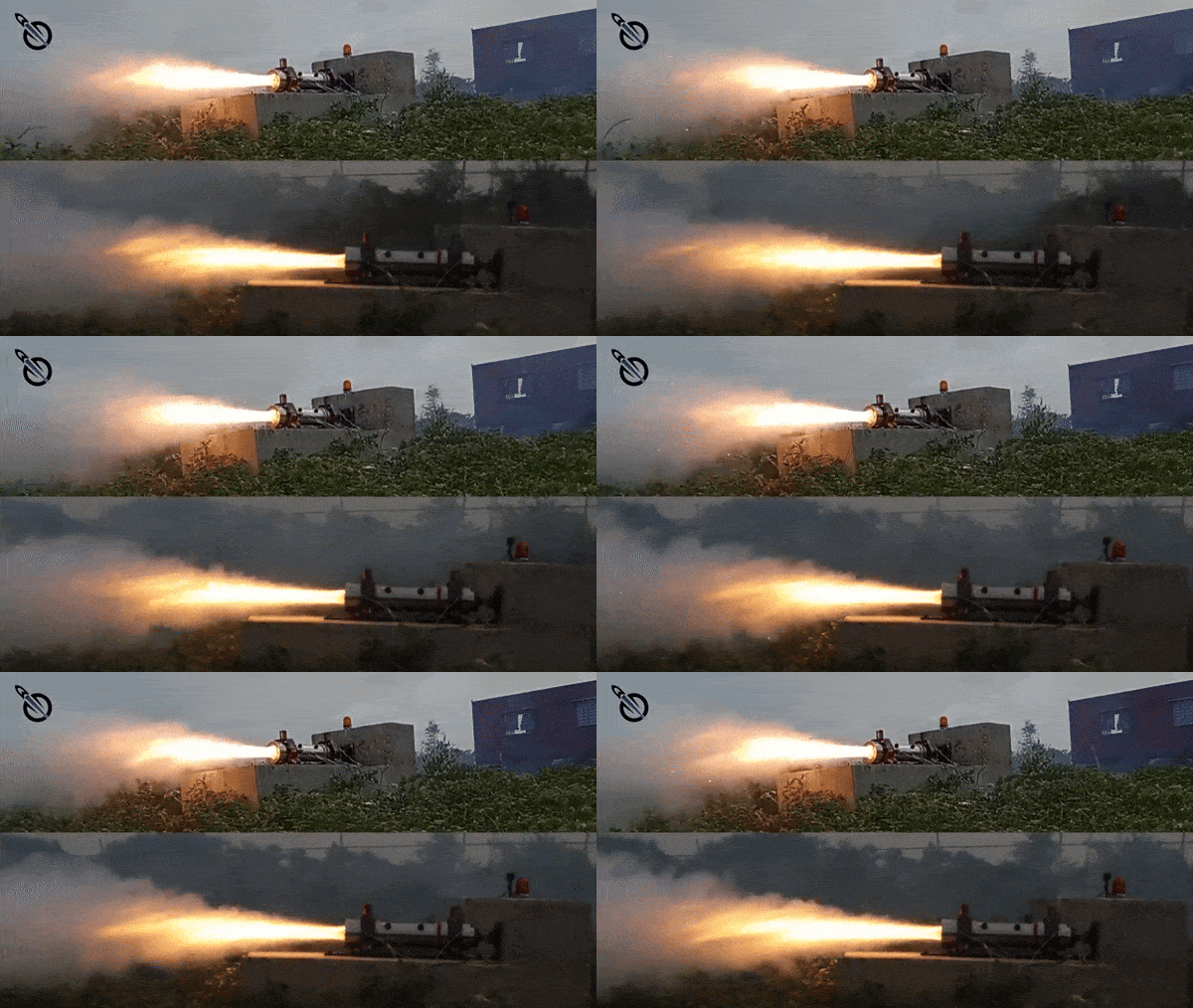
India
In a significant advancement for India's aerospace sector, Bengaluru-based startup SpaceFields Pvt. Ltd., incubated at the Indian Institute of Science (IISc), has successfully conducted a hot-fire test of the nation's first aerospike rocket engine. This milestone was achieved at the IISc Propulsion Test Facility in Challakere, Chitradurga district. Technical Specifications and Test Outcomes The aerospike engine, measuring 168 mm, was ignited during a static test. Upon ignition, the engine exhibited initial chuffing but quickly transitioned to stable combustion. The test utilized a high-performance Hydroxyl-terminated polybutadiene (HTPB)-based composite propellant. Key performance metrics recorded during the test include: Maximum Pressure: 11 bar Peak Thrust: 2000 Newtons Total Impulse: 54,485.9 Newton-seconds These results underscore the engine's robust performance and its potential applicability in various aerospace missions. Innovative Design and Materials SpaceFields selected Titanium Grade 5 (Ti-6Al-4V) as the primary material for the engine's construction, owing to its superior strength-to-weight ratio compared to traditional materials like Inconel or steel. This choice facilitates significant weight reduction while maintaining the structural integrity necessary to withstand the extreme pressures and thrust generated during operation. A notable innovation in the engine's design is the implementation of a patent-pending Glass Fibre Reinforced Polymer (GFRP)-based ablative thermal insulation. This composite liner undergoes pyrolysis above 1400K and has been tested to withstand temperatures up to 3000K, effectively protecting the aerospike's surface from high-temperature exhaust gases. Advantages of Aerospike Technology Aerospike engines offer a unique advantage over traditional bell-nozzle engines through altitude compensation. This design allows the engine to adjust to varying atmospheric pressures, maintaining optimal efficiency across different altitudes. Consequently, aerospike engines can potentially reduce the need for multiple stages and decrease fuel consumption in orbital missions. SpaceFields is also exploring the integration of thrust vectoring into the aerospike engine to further enhance its capabilities. Implications for India's Space Technology This successful test marks a significant milestone in India's space technology development, positioning SpaceFields as a leader in next-generation rocket propulsion systems. The company's efforts are supported by funding from the Startup India Seed Fund, Boeing India, and grants from the governments of Karnataka and Odisha. In February 2024, SpaceFields raised $800,000 (Rs 6.5 crore) to further the development and testing of critical hardware and various subsystems, research and development in energetic materials, and to expand the company's team. As SpaceFields continues to innovate, this achievement could lead to more efficient and cost-effective space launch systems, bolstering India's position in the global space industry.
Read More → Posted on 2025-01-30 13:30:10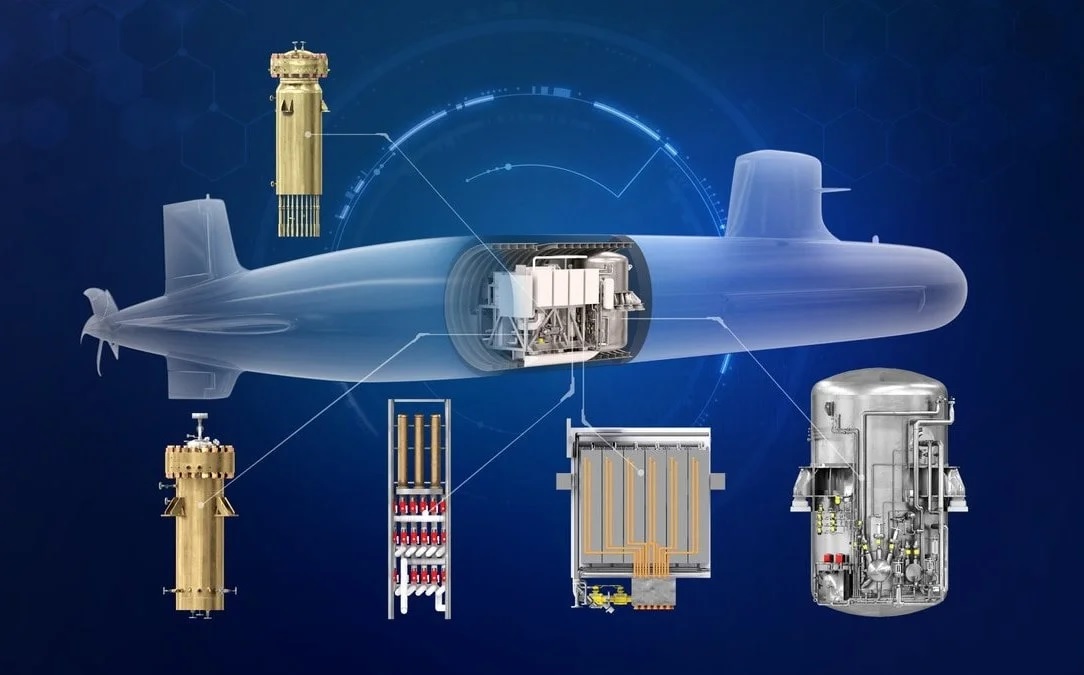
India
Recent discussions have emerged following statements by Commodore (R) Syed Muhammad Obaidullah of the Pakistan Navy, who asserted the superiority of Pakistan's Chinese-supplied Hangor-class submarines over India's French-designed Scorpène-class vessels. While Obaidullah highlighted the advantages of the Chinese Air Independent Propulsion (AIP) system in the Hangor-class, a closer examination reveals a more nuanced perspective. Hangor-Class Submarines: Stirling Engine-Based AIP The Hangor-class submarines, an export variant of China's Type 039A Yuan-class, are equipped with a Stirling engine-based AIP system. This technology allows submarines to remain submerged longer than traditional diesel-electric models by using external combustion engines that operate quietly. However, Stirling engines require liquid oxygen storage and are not as efficient or silent as more advanced AIP systems. Additionally, these engines involve mechanical components that may necessitate regular maintenance, potentially affecting operational readiness. Scorpène-Class Submarines: Embracing DRDO's Fuel-Cell AIP In contrast, India's Scorpène-class submarines are set to be retrofitted with an indigenously developed Fuel-Cell AIP system by the Defence Research and Development Organisation (DRDO). This system generates electricity through a chemical reaction between hydrogen and oxygen, producing water as a byproduct. Notably, the DRDO's design includes onboard hydrogen generation, eliminating the need for storing hydrogen, which enhances safety and operational efficiency. Fuel-cell AIP systems offer several advantages: Enhanced Stealth: They operate silently, reducing the acoustic signature and making detection by adversaries more challenging. Extended Endurance: Submarines can remain submerged for longer periods without surfacing, providing a tactical advantage. Reduced Maintenance: With fewer moving parts compared to Stirling engines, fuel-cell systems are less prone to mechanical issues, ensuring higher availability. Comparative Analysis: Technological Edge While the Hangor-class submarines' Stirling engine-based AIP provides improved underwater endurance over conventional systems, the DRDO's fuel-cell AIP represents a more advanced solution. The integration of this technology into India's Scorpène-class submarines is anticipated to offer superior stealth, longer submerged operations, and enhanced reliability. Furthermore, reports suggest that the Hangor-class submarines are equipped with Chinese-made diesel generators, which may produce more noise compared to the German MTU engines originally intended for these vessels. This increased noise could compromise their stealth capabilities, a critical factor in submarine warfare. Conclusion While the Hangor-class submarines enhance Pakistan's naval capabilities, assertions of their superiority over India's Scorpène-class should be reconsidered. The forthcoming integration of DRDO's Fuel-Cell AIP into the Indian submarines is poised to shift the balance, offering technological advancements that may outpace the capabilities of the Hangor-class fleet.
Read More → Posted on 2025-01-30 13:26:22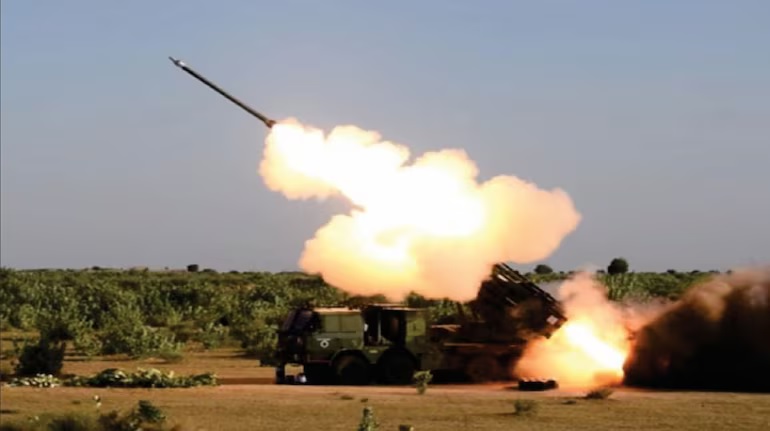
India
In a significant move to bolster India's defense capabilities and promote self-reliance, the Cabinet Committee on Security (CCS), chaired by Prime Minister Narendra Modi, has approved the country's largest domestic ammunition contract. This initiative involves the production of advanced rockets worth over ₹10,000 crore to meet the Indian Army's requirements over the next decade. Key Highlights: Indigenous Production: The project focuses on manufacturing enhanced-range Pinaka rockets and Area Denial Munitions (ADM) within India. These munitions have been developed by the Defence Research and Development Organisation (DRDO) and will be produced by Munitions India Ltd (MIL) and Economic Explosives Ltd (EEL), both of which have received the necessary technology transfers from DRDO. Contract Distribution: EEL emerged as the lowest bidder and is set to receive 60% of the contract value, while MIL will account for the remaining 40%, having agreed to match EEL's bid price. About the Pinaka Rocket System: The Pinaka is a multi-barrel rocket launcher system designed to enhance the Indian Army's artillery capabilities. Key features include: Enhanced Range: The Pinaka Mk-I (Enhanced) Rocket System (EPRS) boasts a range exceeding 45 kilometers. A more advanced variant has been successfully tested, capable of striking targets up to 75 kilometers away, with future developments aiming for ranges beyond 150 kilometers. Mobility: The system is mounted on a 6x6 military truck, allowing for rapid movement and repositioning after firing, which enhances its survivability on the battlefield. Firepower: Equipped with two pods, each containing six rockets, the Pinaka can launch a salvo of 12 rockets in just 44 seconds, effectively neutralizing targets over a 700 x 500 meter area. Area Denial Munitions (ADM): The Pinaka ADM variant is designed to disperse hundreds of bomblets over a wide area, effectively denying enemy forces access and targeting both personnel and armored formations. This capability is particularly useful against advancing enemy troops and vehicles. Strategic Deployment: The Indian Army currently has 10 Pinaka regiments on order and plans to deploy these systems along the northern frontier with China, significantly bolstering its combat prowess in the region. Future Prospects: Given the success and advanced capabilities of the Pinaka system, the Indian Army is likely to increase the number of regiments in the future, further strengthening India's indigenous defense production and operational readiness. This initiative not only enhances India's defense capabilities but also aligns with the government's 'Make in India' vision, promoting self-reliance in critical defense technologies.
Read More → Posted on 2025-01-30 07:37:40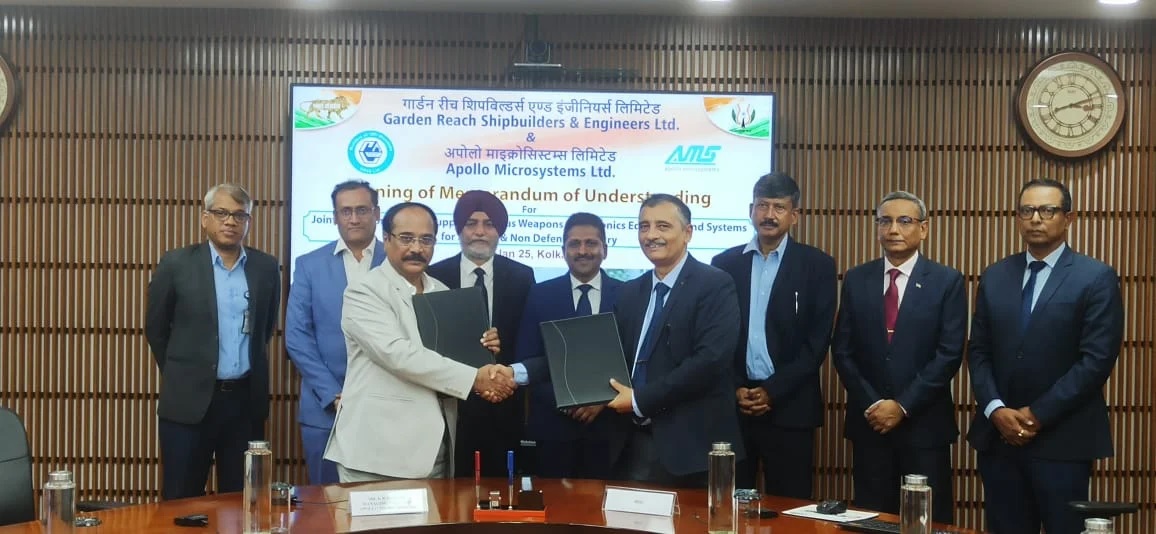
India
Garden Reach Shipbuilders & Engineers Ltd. (GRSE) and Apollo Micro Systems Limited (AMS) have signed a landmark Memorandum of Understanding (MoU) on January 29, 2025. This five-year collaboration aims to enhance India’s defence production capabilities by focusing on cutting-edge military technologies. Advancing India's Defence Technology The agreement between GRSE and AMS paves the way for the development and production of several advanced defence systems, including: Underwater Weapons & Mines – Essential for strengthening naval capabilities. Unmanned Underwater Vehicles (UUVs) – Critical for surveillance and reconnaissance operations. Communication & Air Defence Systems – Ensuring secure and effective military communications. Both companies will leverage their existing manufacturing infrastructure to produce high-quality components and sub-assemblies. Additionally, this collaboration will focus on upgrading and modernizing existing defence technologies to align with evolving battlefield requirements. Supporting ‘Atmanirbhar Bharat’ and Defence Growth This partnership strongly supports the Indian government’s ‘Atmanirbhar Bharat’ initiative, aimed at achieving self-reliance in defence production. By prioritizing indigenous manufacturing, GRSE and AMS aim to not only meet domestic military demands but also enhance India’s global footprint in the defence sector. The agreement comes at a crucial time as India's defence industry is projected to witness significant growth, with an estimated $90-100 billion worth of opportunities over the next five to six years. The Indian defence budget for FY25 stands at approximately $74.5 billion, indicating robust government support for local manufacturing. Expanding Global Presence Beyond catering to the Indian Armed Forces, paramilitary units, and police forces, this strategic alliance also positions both companies for international expansion. With rising global demand for advanced defence systems, GRSE and AMS could potentially tap into foreign markets, enhancing their competitive edge in the global arms industry. By combining expertise in shipbuilding, electronics, and military systems, this partnership sets the stage for major advancements in India’s defence technology landscape, ensuring that the country remains at the forefront of modern military innovation.
Read More → Posted on 2025-01-30 07:30:09Search
Top Trending in 24 Hours
-
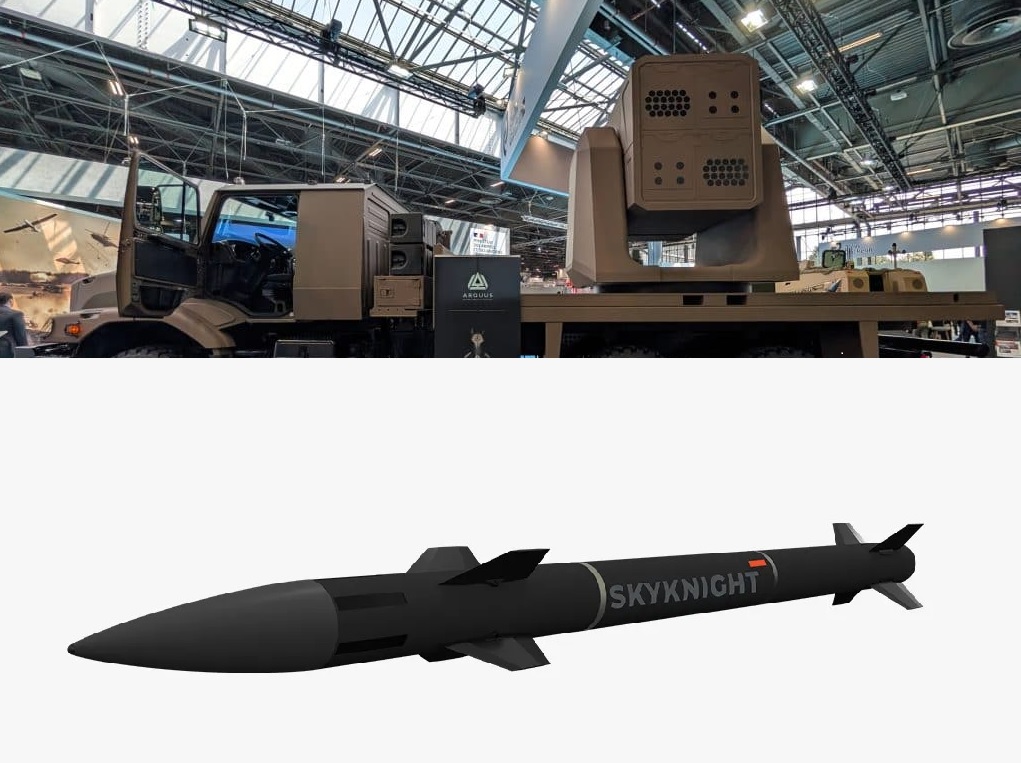 Naval Group Unveils Rampart Modular CIWS Multi-Purpose Weapon System for Naval and Ground Forces at Eurosatory 2026
-
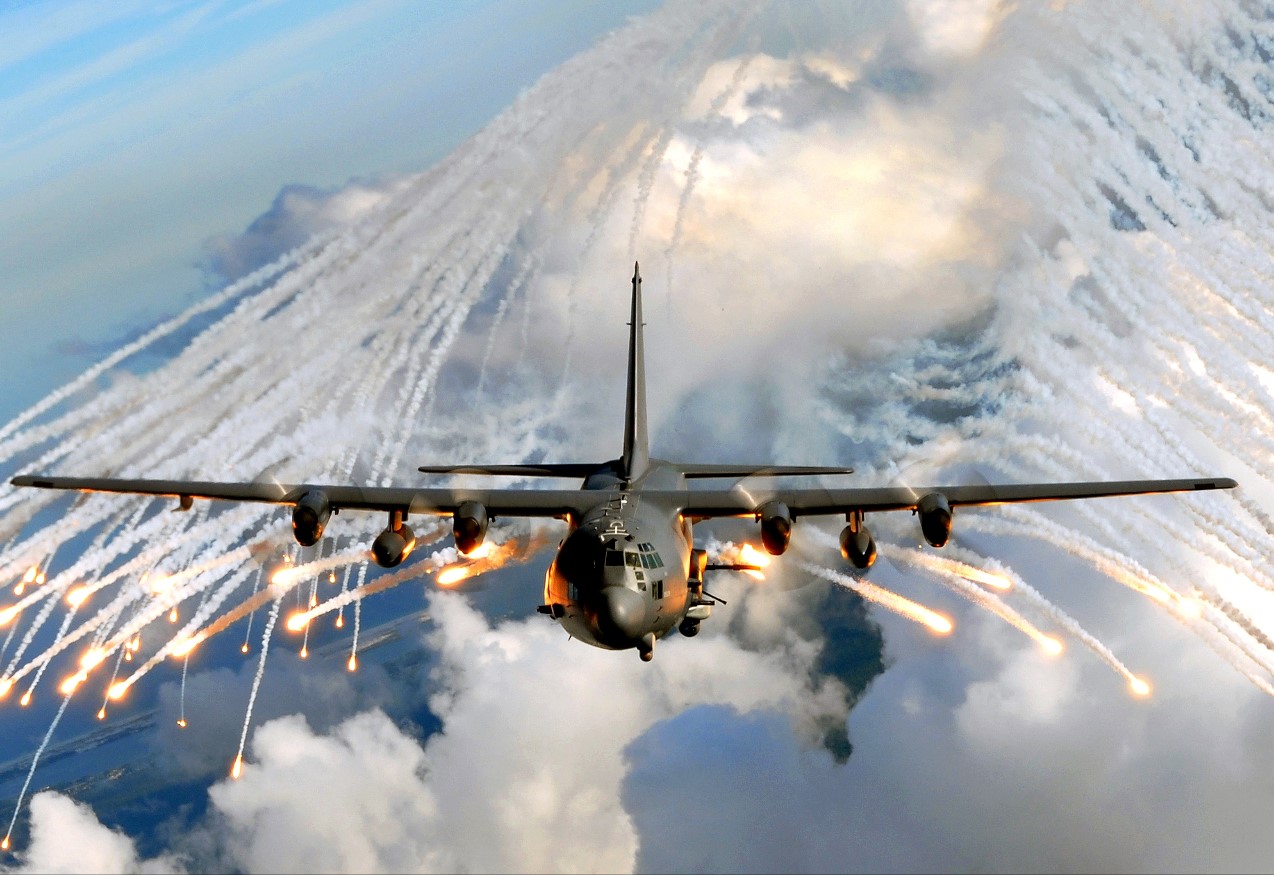 Pentagon Expands Alloy Surfaces Contract to $328.8 Million for Advanced Aircraft Decoy Flares Amid Evolving Drone Threats
-
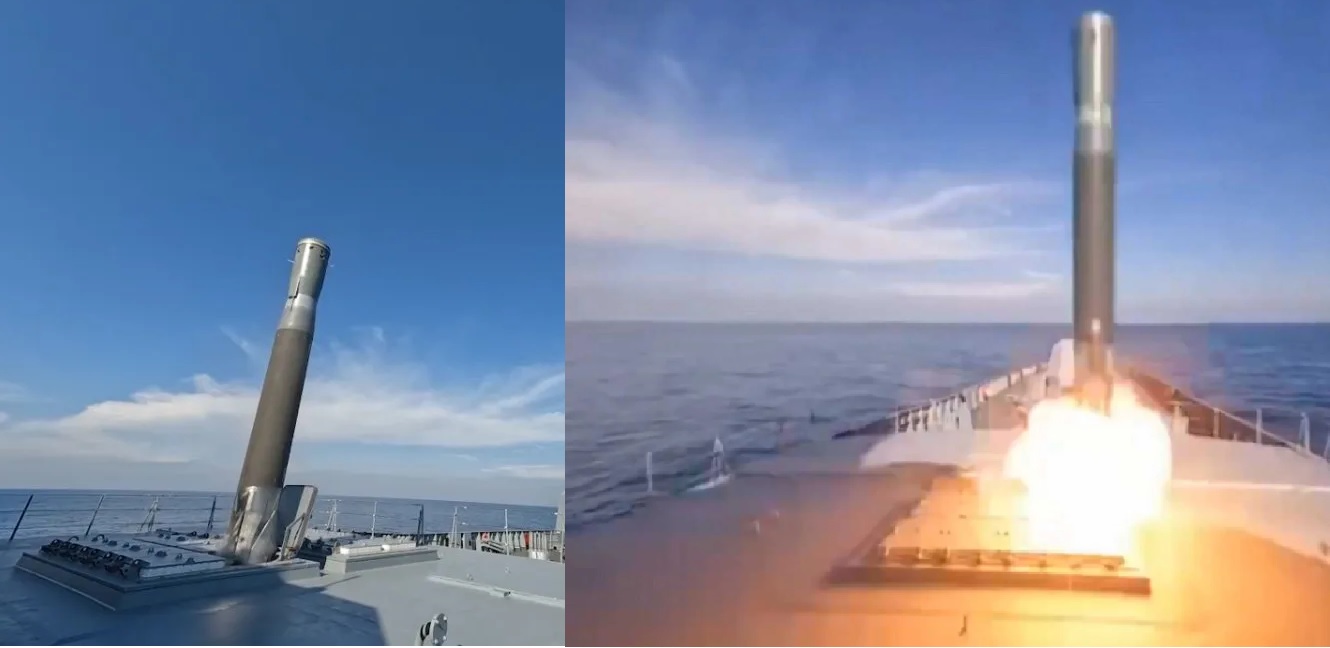 Open-Source Evidence Suggests Russia's Zircon Is a Quasi-Ballistic Missile, Not a True Hypersonic Cruise Weapon
-
 Why the U.S. Restored Pacific Command Name, Ending the Indo-Pacific Designation After Eight Years
-
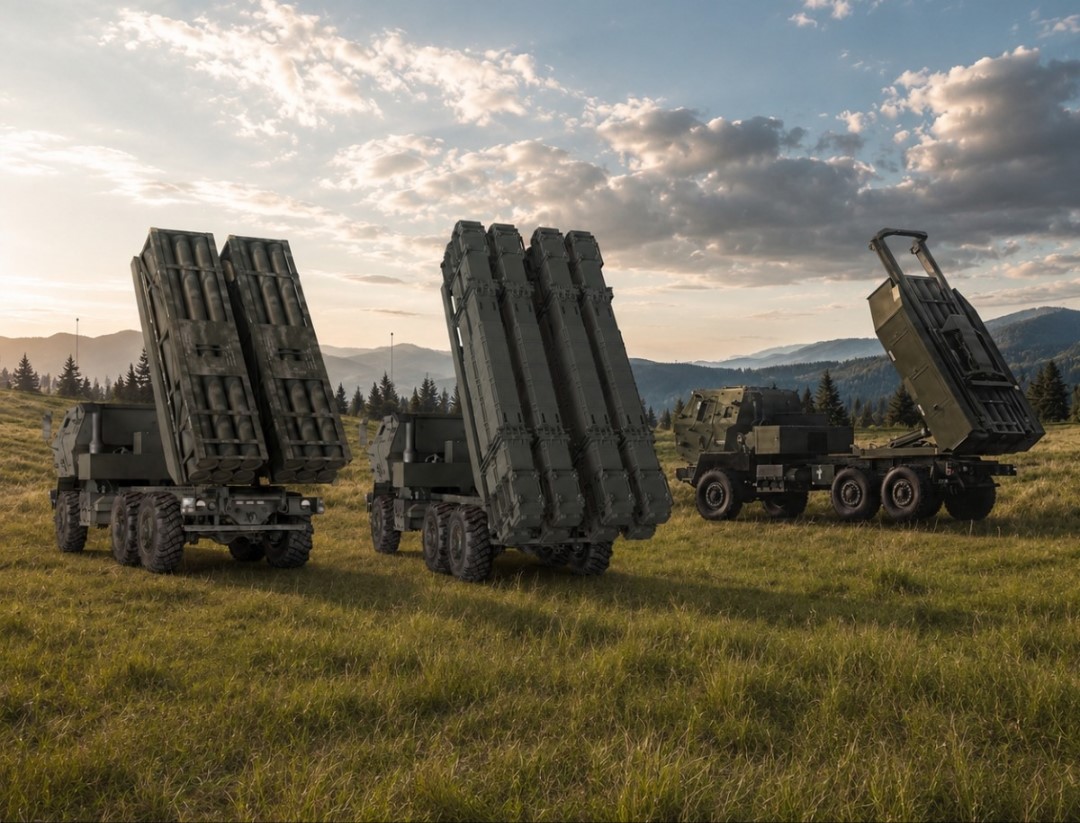 Lockheed Martin Unveils HIMARS FLEX with Dual-Pod Launcher and NATO-Compatible Air Defense Integration
-
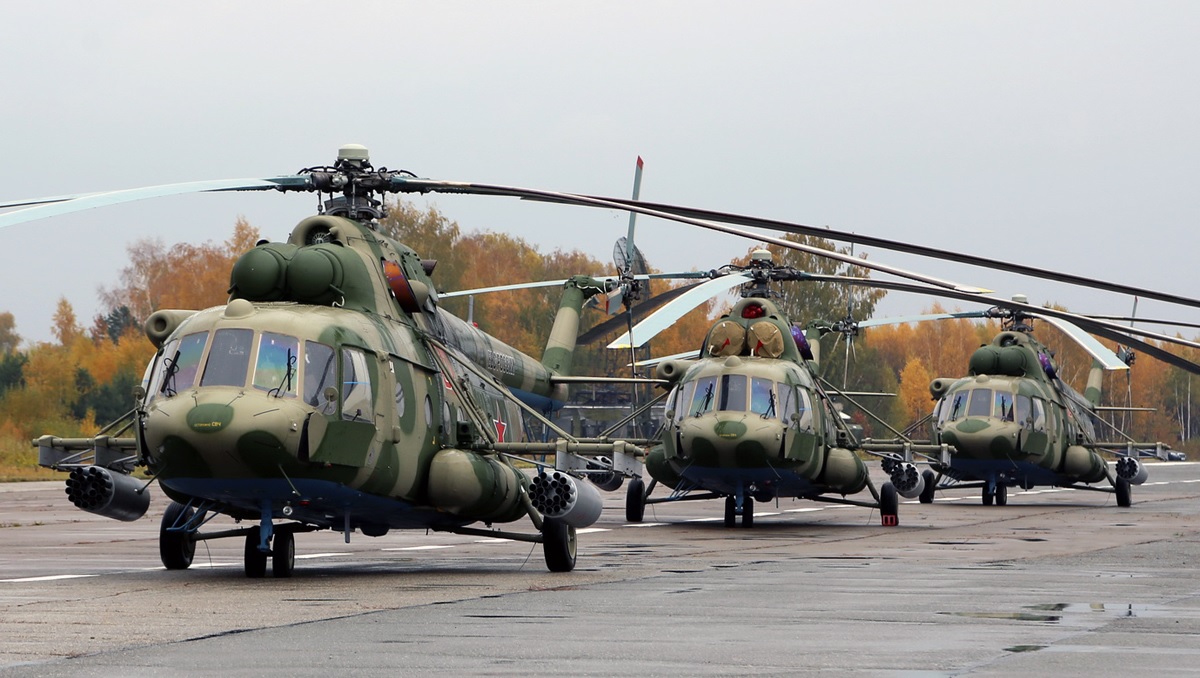 Iran Signs Deal with Russia for 20 Mi-8 and Mi-17 Helicopters to Boost Rescue and Medical Missions
-
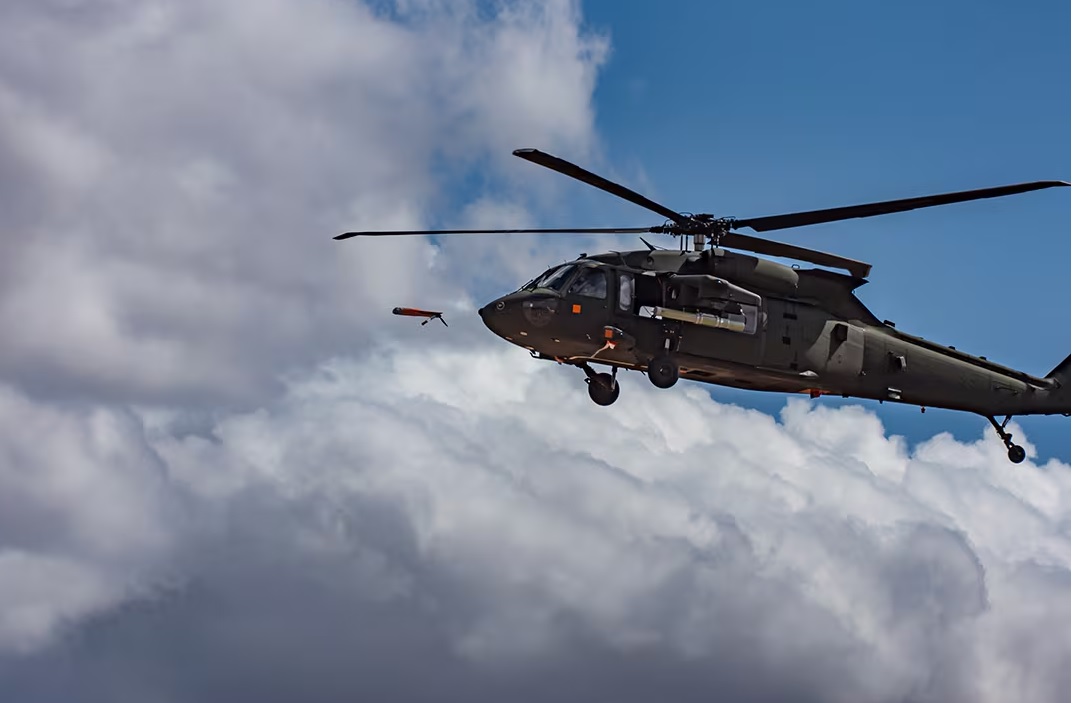 U.S. Army Completes First Flight Test of Medium-Range Air-Launched Effects from Black Hawk Helicopter
-
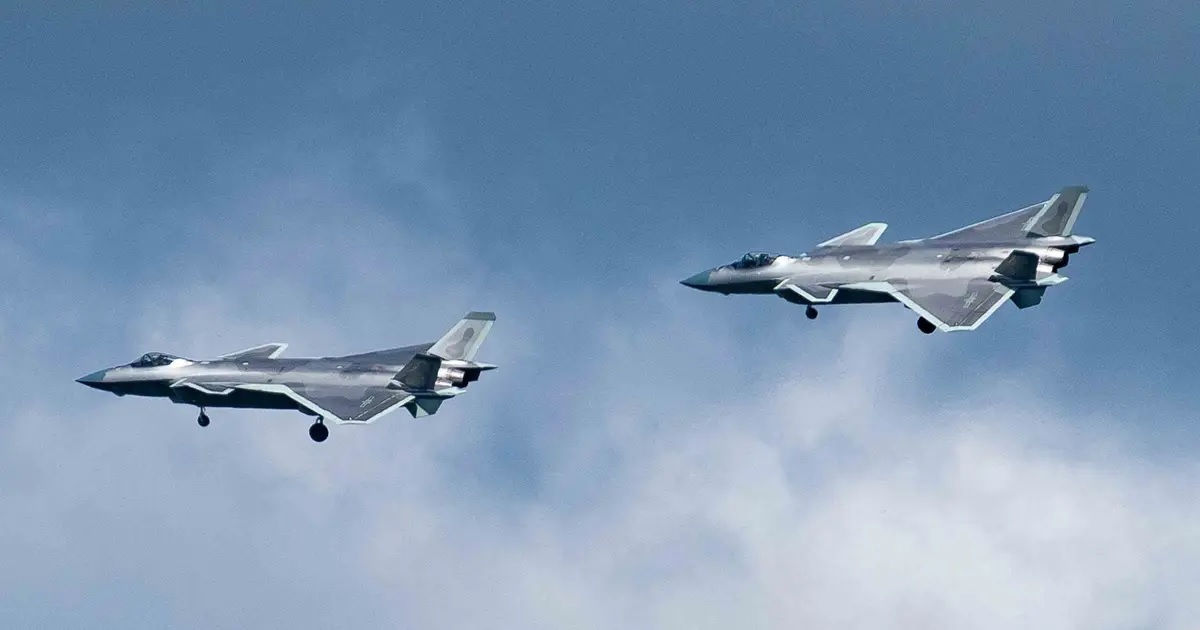 China Surpasses Russia as World’s Second-Most Powerful Air Force Amid Rapid J-20 and J-35 Expansion
Top Trending in 4 Days
-
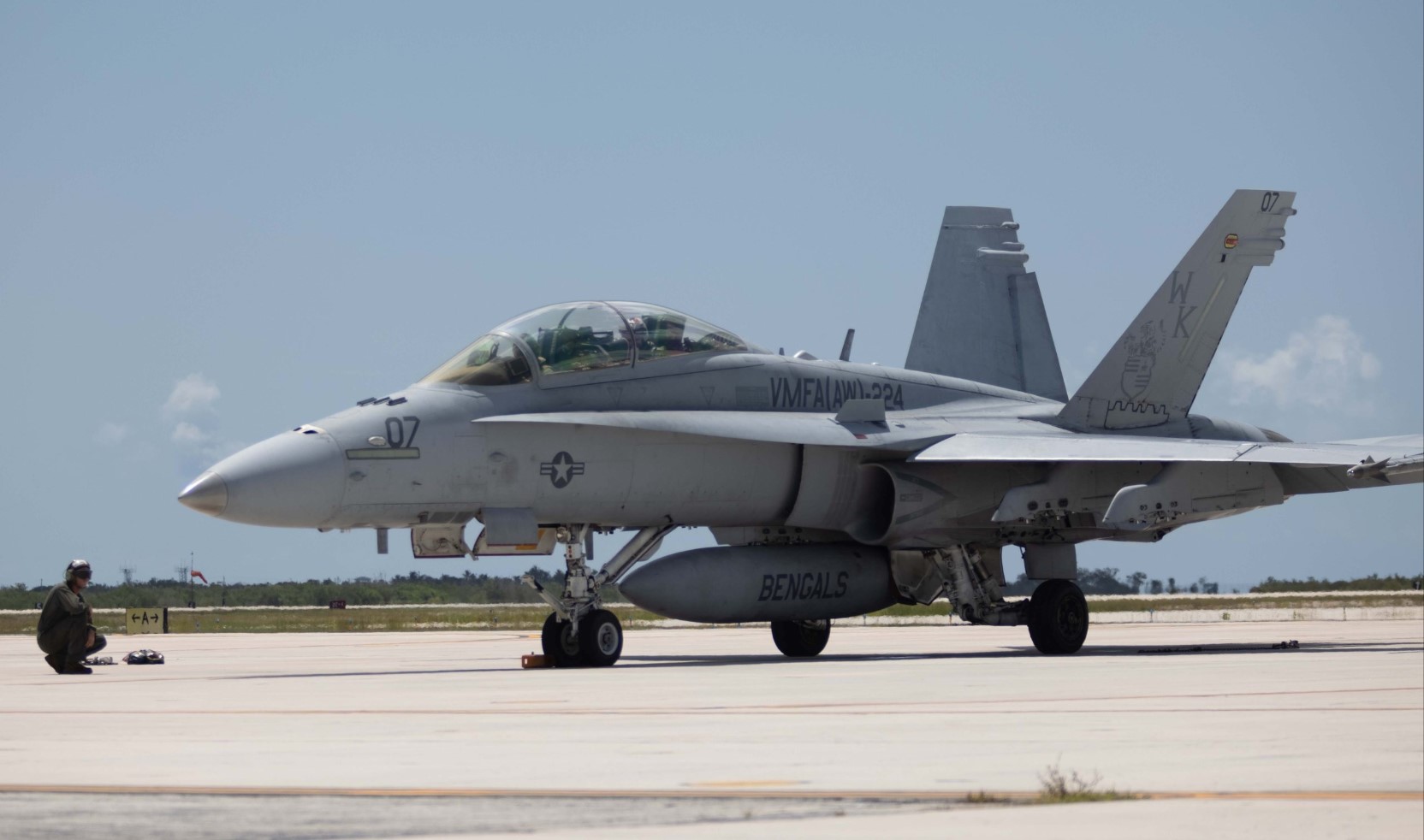 US Marine Corps F/A-18D Hornet Crashes During Training Flight in Washington Mountains; Pilot Ejects Safely
-
 Tulsi Gabbard Releases Declassified Files Detailing U.S.-Backed Network of 120 Biolaboratories Across 30+ Countries
-
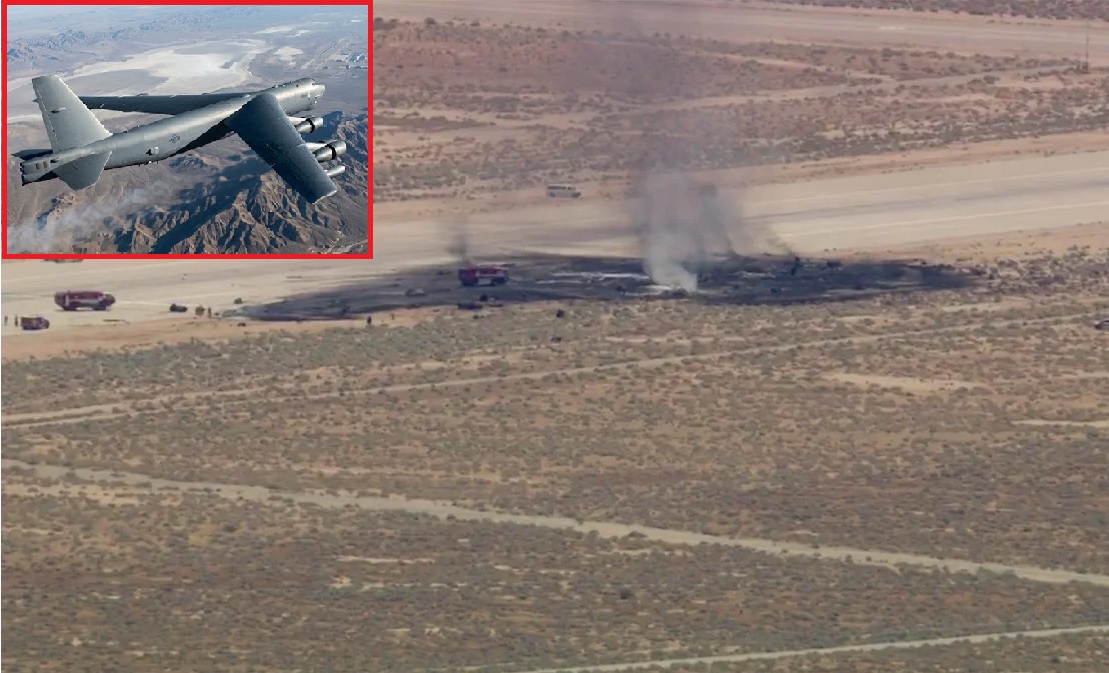 8 U.S. Air Force Crew Members Killed in B-52 Bomber Crash During Test Flight at Edwards Air Force Base
-
 Ukraine Introduces Balloon-Launched DART Missile Designed to Defeat Electronic Warfare
-
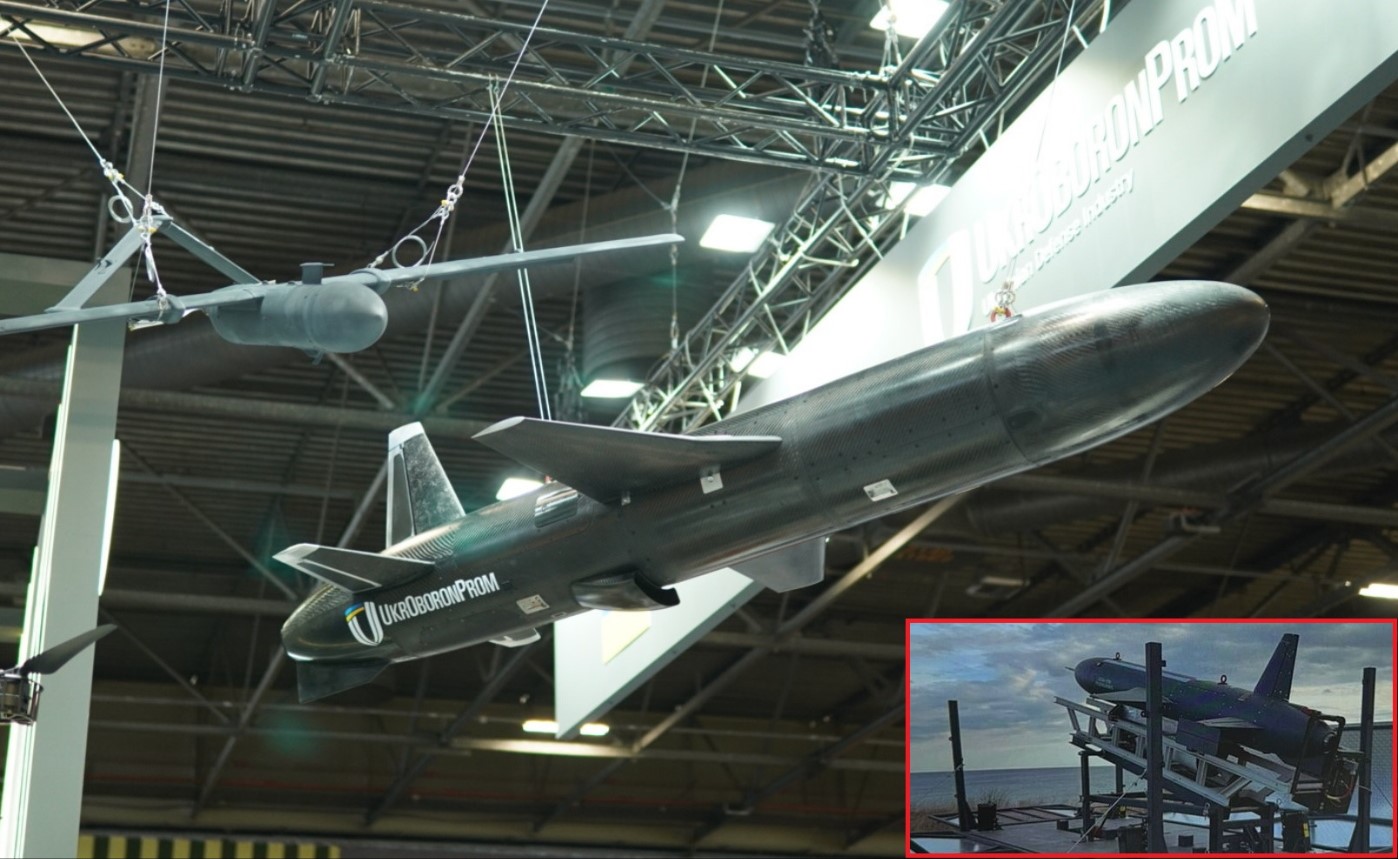 Ukraine Unveils UAV-290 Jet-Powered Strike Drone with 650 km Range at Eurosatory 2026
-
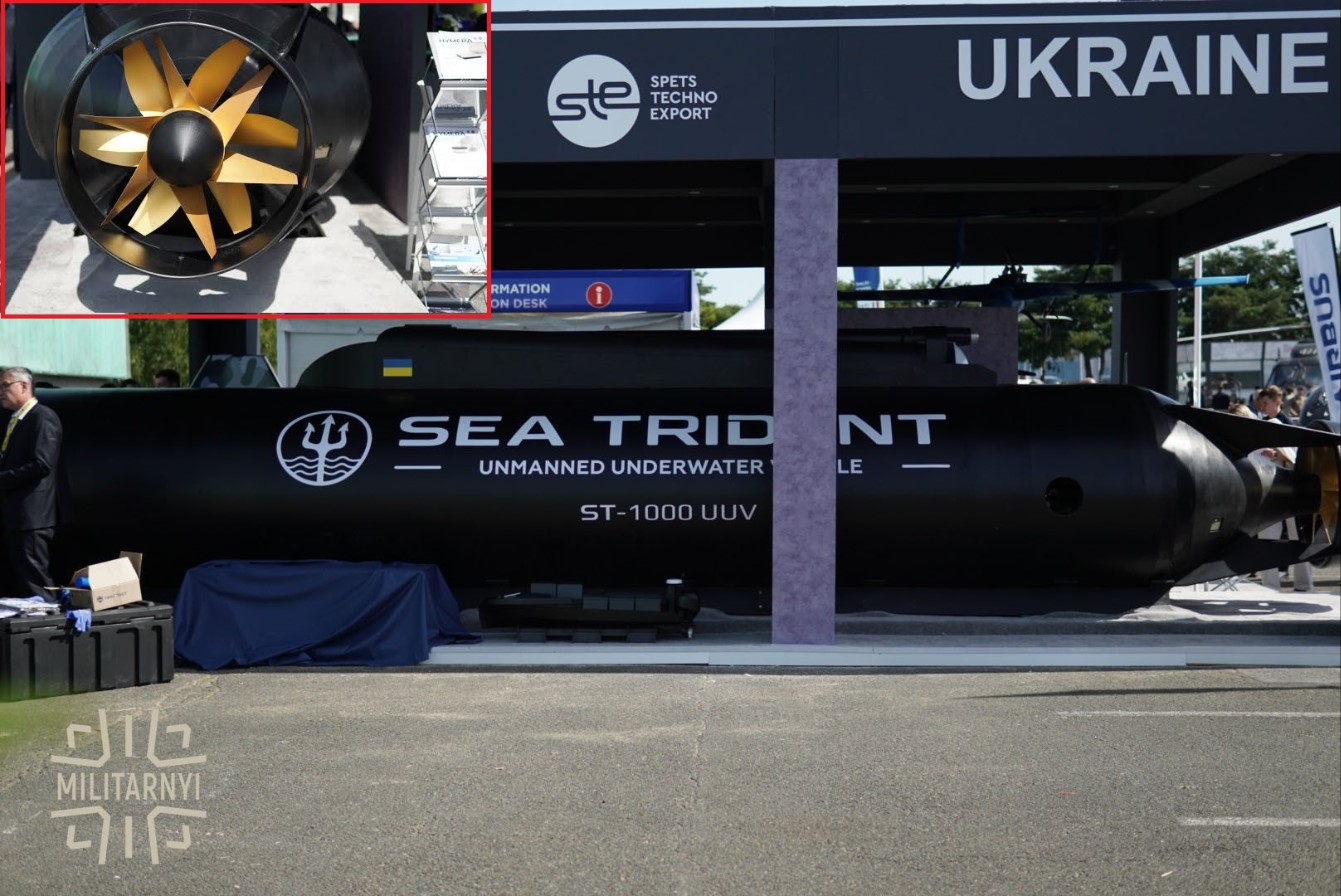 Ukraine Unveils 'Sea Trident' 10-Ton Autonomous Underwater Drone at Eurosatory 2026
-
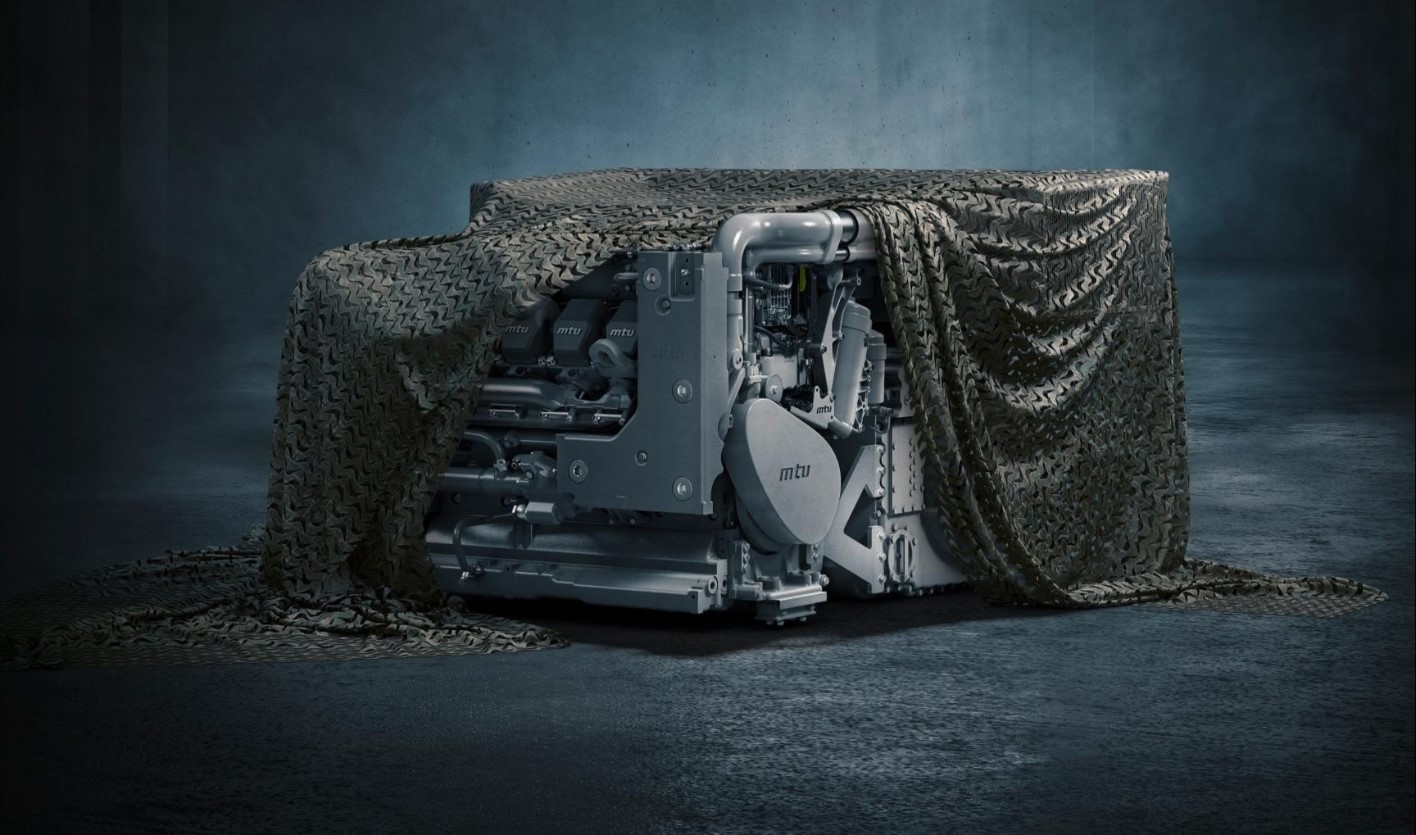 Rolls-Royce Unveils New Hybrid Powertrain for Heavy Military Vehicles at Eurosatory 2026
-
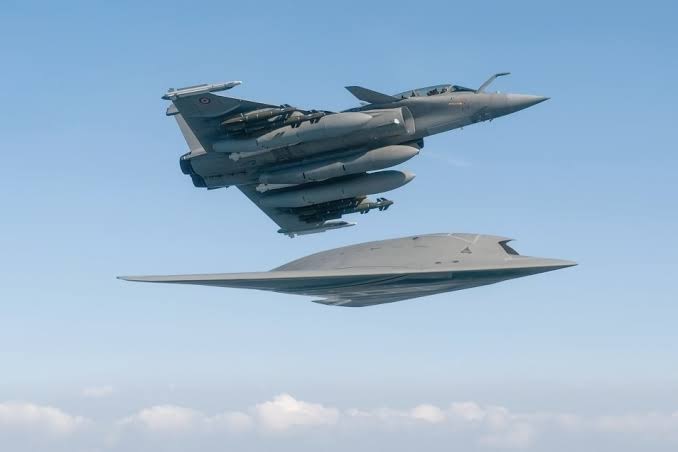 France Agrees to Equip Future Indian Rafales with AI, MUM-T and Secure Satellite Links Under F5 Standard