India
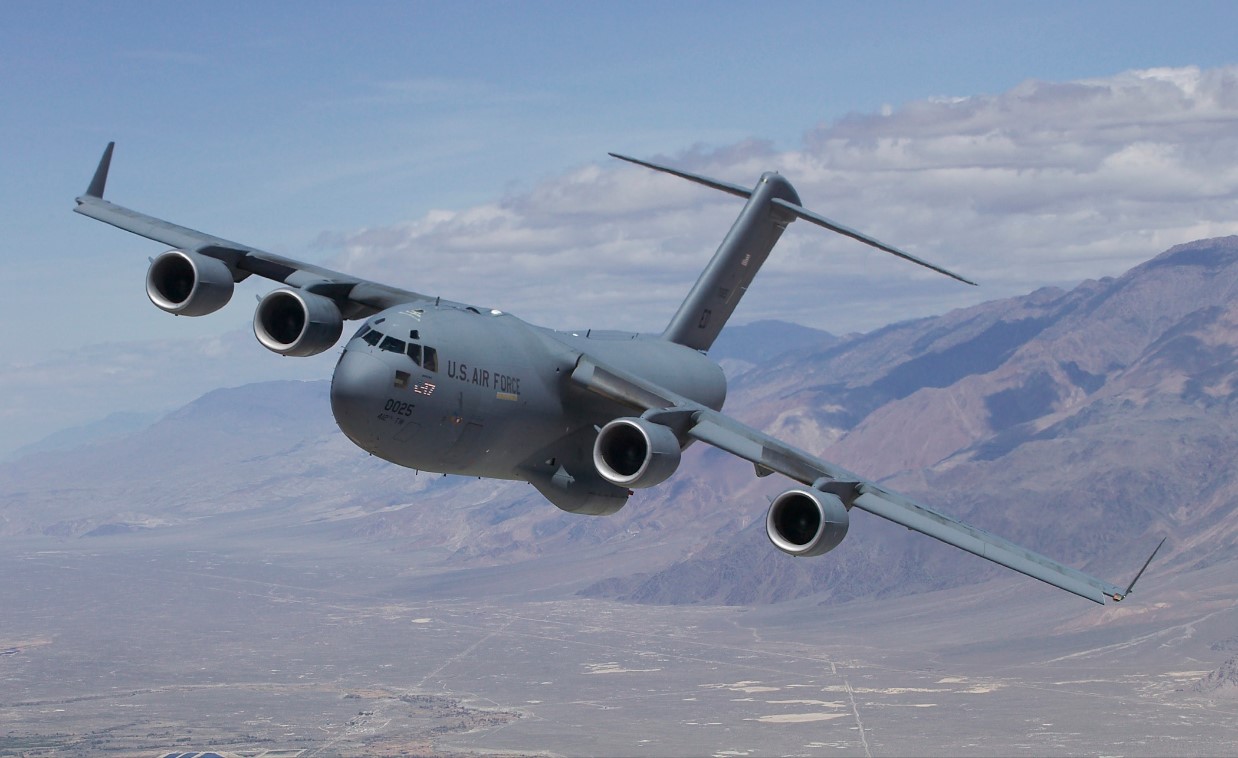
The Indian Air Force (IAF) is actively pursuing the acquisition of five more C-17 Globemaster III transport aircraft to bolster its strategic airlift capabilities and phase out its aging fleet of Il-76 aircraft. This initiative underscores the IAF's commitment to maintaining a robust and modern air transport fleet. Current Fleet and Operational Significance Presently, the IAF operates 11 C-17 Globemaster III aircraft, making it the second-largest operator of this model globally, following the United States Air Force (USAF), which maintains a fleet of 222 C-17s. Since their induction, the C-17s have been instrumental in transporting troops, equipment, and humanitarian aid over vast distances, significantly enhancing the IAF's operational readiness and response capabilities. Previous Acquisition Efforts In a prior attempt to expand its fleet, the IAF received clearance to procure three additional C-17s after the production line had closed. However, due to high global demand, the IAF was able to secure only one of the remaining aircraft, highlighting the challenges associated with acquiring these strategic airlifters. Rationale for New Acquisitions The primary impetus for acquiring additional C-17s stems from the advancing age and increasing maintenance costs of the IAF's Il-76 fleet. These Soviet-era aircraft, inducted in the 1980s, are becoming less reliable and more expensive to operate. The IAF plans to retire the Il-76s by 2035, making the procurement of modern replacements like the C-17 a strategic necessity. Challenges in Acquisition Before approaching the USAF for the purchase, the IAF must obtain governmental approval. However, securing these aircraft may prove challenging. Despite its extensive fleet, the USAF faces its own C-17 shortages, and the aircraft remains in high demand globally, with several nations seeking to acquire surplus units. C-17 Globemaster III: Technical Specifications The C-17 Globemaster III is a high-wing, four-engine, T-tailed military transport aircraft renowned for its versatility and performance. Key specifications include: Dimensions: Wingspan: 169.8 feet (51.74 meters) Length: 174 feet (53.04 meters) Height at Tail: 55.1 feet (16.79 meters) Performance: Maximum Payload: 77,519 kilograms (170,900 pounds) Maximum Speed at Low Altitude: 350 knots (403 mph or 648 km/h) Cruise Speed: 460 knots (529 mph or 852 km/h) Range: 2,420 nautical miles (2,785 miles or 4,482 kilometers) Ferry Range: 6,230 nautical miles (7,169 miles or 11,538 kilometers) Engine: Four Pratt & Whitney F117-PW-100 engines, each producing 40,440 pounds of thrust These capabilities enable the C-17 to transport a wide array of payloads, including tanks, helicopters, and troops, making it indispensable for rapid deployment during military operations and humanitarian missions. Its ability to operate from austere airfields with runways as short as 3,500 feet and as narrow as 90 feet further enhances its operational flexibility. The IAF's plan to acquire additional C-17 Globemaster III aircraft reflects a strategic effort to modernize its airlift capabilities and ensure operational readiness in diverse scenarios. By replacing the aging Il-76 fleet with these advanced airlifters, the IAF aims to maintain its strategic edge and fulfill its mission requirements effectively.
Read More → Posted on 2025-02-05 14:14:18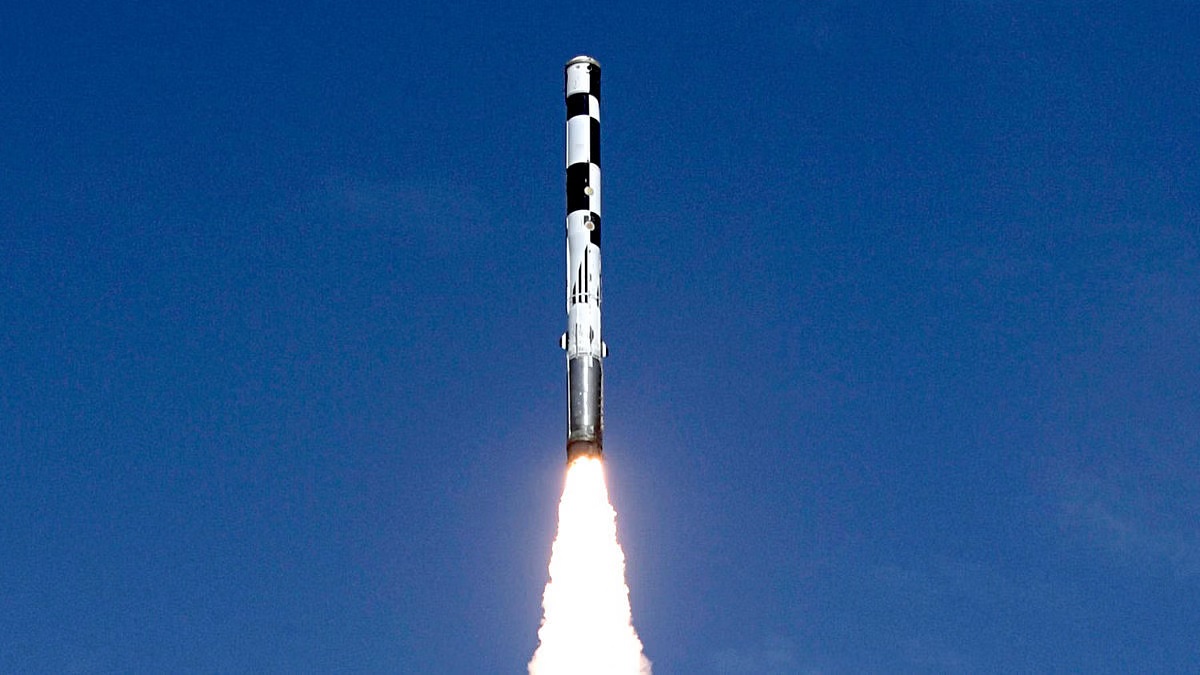
India
BrahMos Aerospace is advancing India's defense capabilities with the development of the BrahMos-LR (Long Range), an enhanced variant of the BrahMos supersonic cruise missile. This new iteration is set to achieve an impressive range of 800 kilometers while maintaining its formidable speed of Mach 3. Evolution of BrahMos Variants The BrahMos missile system has undergone significant advancements since its inception. The original BrahMos had a range of approximately 290 kilometers, constrained by the Missile Technology Control Regime (MTCR) guidelines. Following India's entry into the MTCR, the range was extended to 450 kilometers with the BrahMos-ER (Extended Range) variant. The BrahMos-LR represents a further leap, doubling the range to 800 kilometers. Technical Enhancements To achieve the extended range, the BrahMos-LR incorporates several technical modifications: Increased Fuel Capacity: The missile's length has been increased to accommodate a larger fuel tank, enabling sustained supersonic flight over greater distances. Advanced Propulsion: The BrahMos operates on a two-stage propulsion system—a solid propellant booster for initial acceleration, followed by a liquid-fueled ramjet engine that propels the missile to speeds close to Mach 3 during the cruise phase. Stealth and Guidance: The missile employs stealth technology and an advanced guidance system with embedded software, enhancing its accuracy and reducing detectability. Platform Compatibility and Deployment BrahMos Aerospace is ensuring that the BrahMos-LR remains compatible with existing launch platforms: Land-Based Systems: The Mobile Autonomous Launcher (MAL) is a state-of-the-art land-based weapon complex capable of housing and launching the BrahMos missile. Air-Based Systems: The air-launched version of the BrahMos has been integrated with the Indian Air Force's Su-30MKI fighter aircraft, enhancing its strike capabilities. Naval Platforms: The missile can be launched from various naval platforms, including ships and submarines, providing versatile deployment options. Strategic Implications The development of the BrahMos-LR significantly enhances India's strategic strike capabilities: Extended Reach: With an 800-kilometer range, the missile can engage targets deep within adversary territory, providing a substantial strategic advantage. Rapid Response: The high speed of the BrahMos-LR reduces the window for enemy detection and response, increasing the likelihood of mission success. Deterrence: The advanced capabilities of the BrahMos-LR serve as a potent deterrent, reinforcing India's defense posture in the region. In summary, the BrahMos-LR represents a significant advancement in missile technology, offering the Indian military unparalleled long-range precision strike capabilities and redefining the regional security paradigm.
Read More → Posted on 2025-02-05 14:08:44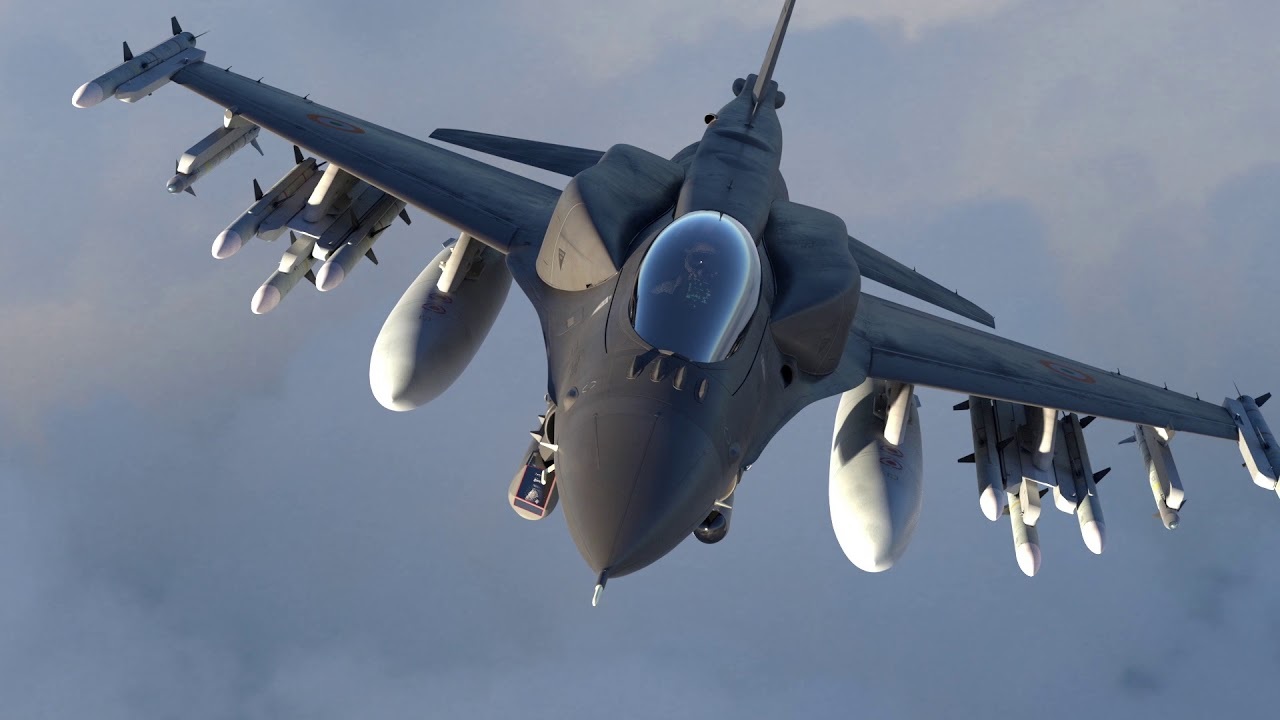
India
The Indian Air Force (IAF) has long been a symbol of national pride and defense prowess. However, when it comes to integrating American fighter jets into its fleet, the IAF exercises notable caution. This wariness is rooted in historical experiences and concerns over operational autonomy, especially in potential conflicts involving neighboring adversaries like Pakistan and China. Historical Context: In past conflicts, the IAF has faced challenges that have shaped its procurement strategies: 1971 Indo-Pakistani War: During this period, the U.S. imposed an arms embargo on both India and Pakistan. While both nations were affected, India's limited reliance on American military hardware at the time mitigated the impact. Nonetheless, the embargo underscored the influence of geopolitical stances on military operations. 1999 Kargil Conflict: India encountered restrictions on the deployment of American-supplied military equipment due to stringent end-user agreements. These limitations highlighted the potential for external control over the usage of imported defense systems. Post-1998 Nuclear Tests: Following India's nuclear tests, the U.S. imposed sanctions that curtailed military cooperation and technology transfers. Key military programs, including the supply of spare parts for American-origin systems, were adversely affected. Although these sanctions were eventually lifted, they served as a reminder of the vulnerabilities associated with foreign dependencies. Operational Autonomy Concerns: The IAF's apprehension extends beyond historical events. Modern American fighter jets, such as the F-16, F-15EX, and F/A-18 Super Hornet, are equipped with advanced software and systems that require regular updates and maintenance. There is an underlying concern about the potential inclusion of mechanisms like a "kill switch" or backdoor, which could allow the manufacturer or supplying nation to remotely disable or degrade the aircraft's performance. For a country that values its strategic autonomy, this poses significant questions about sovereignty and operational independence. Geopolitical Dynamics: The regional security environment further complicates the decision to procure American fighter jets. Pakistan's acquisition of advanced aircraft, including the F-16s and the Chinese J-10Cs, has been perceived as a move to counterbalance India's air capabilities. Additionally, reports suggest that Pakistan is set to acquire the J-35 fifth-generation stealth aircraft from China, potentially positioning it ahead of India in terms of advanced combat aircraft. In response, there is a risk that India might engage in "panic buying" to counterbalance these developments, which could lead to hasty procurement decisions without thorough evaluation. Current Fleet and Future Outlook: As of recent reports, the IAF's strength has declined to a historic low, with only 31 active squadrons, raising concerns about its preparedness for potential dual-front conflicts with both Pakistan and China. To address this shortfall, the IAF has outlined plans to bolster its fleet with 4.5+ generation aircraft. Orders have been placed for 83 Tejas Mk1A and an additional 97 units of this light combat aircraft, with inductions expected from 2025 onwards. While these steps aim to replenish the aging fleet, defense analysts have voiced concerns that this strategy might not align with global trends, where nations are increasingly investing in fifth and even sixth-generation technology. The IAF's cautious stance towards American fighter jets is a product of historical experiences, concerns over operational autonomy, and the evolving geopolitical landscape. While the advanced capabilities of U.S. aircraft are undeniable, the potential risks associated with external dependencies and the need to maintain strategic autonomy continue to influence India's defense procurement decisions. As the regional security dynamics evolve, the IAF must carefully weigh the benefits and drawbacks of integrating foreign platforms into its arsenal, ensuring that national security and operational independence remain paramount.
Read More → Posted on 2025-02-04 14:18:06
India
Prime Minister Narendra Modi is scheduled to embark on a significant diplomatic mission to the United States, marking his first bilateral visit since President Donald Trump's return to office on January 20, 2025. The meeting between the two leaders is set for February 13 in Washington, D.C., following Modi's participation in the Artificial Intelligence Action Summit in Paris on February 10 and 11. Agenda Highlights The discussions between Modi and Trump are expected to cover a broad spectrum of topics, with particular emphasis on trade, defense, and immigration. Trade Relations: The United States remains India's largest trading partner, with bilateral trade surpassing $118 billion in the 2023-24 fiscal year. However, the trade balance favors India, leading to a surplus of $32 billion. President Trump has previously expressed concerns over this imbalance and has advocated for a more equitable trading relationship. In a recent phone call on January 27, both leaders emphasized the importance of moving toward a fair bilateral trade relationship. Defense Cooperation: The U.S. has been encouraging India to diversify its defense procurements, reducing reliance on Russian equipment. Discussions are likely to focus on India's potential acquisition of U.S.-made security apparatus, further strengthening defense ties between the two nations. Immigration Policies: India has expressed concerns regarding U.S. immigration policies, particularly those affecting skilled Indian professionals. The upcoming talks may address these issues, aiming to find common ground that benefits both countries. Strategic Significance This visit underscores the deepening strategic partnership between India and the United States. Both nations view each other as pivotal allies in maintaining regional stability and countering global challenges. The meeting is anticipated to reinforce commitments to shared democratic values and mutual economic growth. Prime Minister Modi's forthcoming visit to Washington, D.C., represents a crucial opportunity to bolster the multifaceted relationship between India and the United States. As both leaders engage in dialogue, the world will be watching closely, hopeful for outcomes that enhance cooperation and address shared challenges.
Read More → Posted on 2025-02-04 14:10:18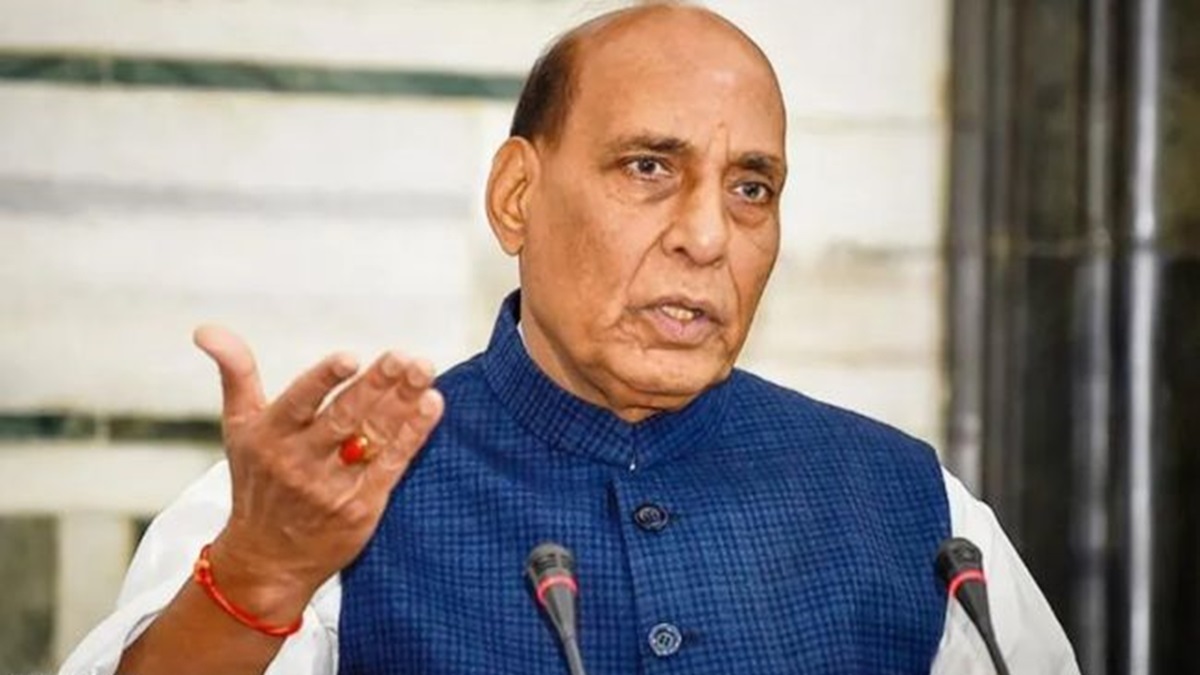
India
Defence Minister Rajnath Singh has strongly rebutted Congress leader Rahul Gandhi’s claims regarding Chinese incursions into Indian territory, calling them misleading and irresponsible. Addressing Parliament, Singh asserted that the words attributed to the Army Chief by Gandhi were never spoken and accused the Congress leader of politicizing a matter of national security. Rahul Gandhi’s Allegations on China and Manufacturing During his speech in the Lok Sabha, Rahul Gandhi criticized the Modi government’s handling of the India-China border issue, claiming that Chinese troops had entered Indian territory while the Prime Minister continued to deny it. He alleged that despite these denials, the Indian Army was engaged in discussions with China about its presence on Indian soil. He went a step further, stating that the Chief of Army Staff had admitted that Chinese forces had entered Indian territory. Gandhi also took aim at the government's ‘Make in India’ initiative, claiming it had failed to boost domestic manufacturing. He pointed out that the manufacturing sector’s share of GDP had fallen from 15.3% in 2014 to 12.6%, the lowest in 60 years. He further emphasized that China had surged ahead in critical industries such as batteries, robotics, motors, and optics, gaining a decade-long lead over India. He argued that India could still catch up, provided there was a clear vision, realigned education policies, expert involvement, and strategic financial backing. Rajnath Singh’s Strong Rebuttal Responding to Gandhi’s remarks, Rajnath Singh categorically dismissed his claims, particularly those regarding the Army Chief’s statement. He clarified that the Chief of Army Staff had merely spoken about disruptions in traditional patrolling by both sides, which had since been restored as part of the recent disengagement process. He asserted that Gandhi had distorted facts for political gain. Singh also provided historical context, reminding the House that the only Indian territory occupied by China was the 38,000 sq. km in Aksai Chin lost during the 1962 war and an additional 5,180 sq. km illegally ceded by Pakistan to China in 1963. He urged Rahul Gandhi to reflect on this phase of history rather than making baseless accusations against the present government. Political Fallout and Reactions Gandhi’s remarks sparked a heated debate, with BJP members strongly objecting and Speaker Om Birla asking him to substantiate his claims. The government has maintained that it has been transparent about the border situation and has taken significant steps to protect national security. Meanwhile, the Congress leader’s comments have reignited discussions about India's defense preparedness and the need for a long-term strategy to compete with China in the global industrial landscape. As the political battle over national security and economic policies continues, one thing remains clear—India’s defense and manufacturing sectors will remain key talking points in the country’s political discourse in the coming months.
Read More → Posted on 2025-02-04 14:07:29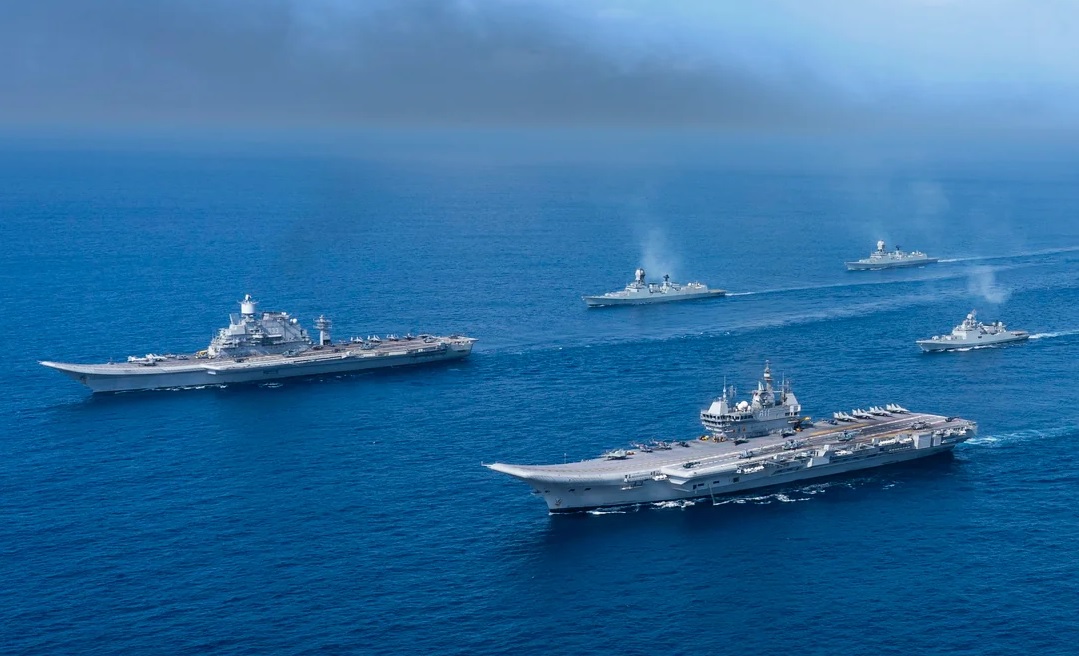
India
In a significant strategic decision, the Indian Navy has opted to replace its aging aircraft carrier, INS Vikramaditya, with the upcoming Indigenous Aircraft Carrier (IAC-2), rather than expanding to a three-carrier fleet as previously envisioned. This move reflects a reassessment of naval priorities and capabilities. INS Vikramaditya: A Pillar of Naval Strength Commissioned in 2013, INS Vikramaditya has been a cornerstone of India's maritime power. Originally a Russian vessel, it was extensively refurbished to serve the Indian Navy. However, with its operational life expected to conclude by 2038, plans are underway to develop a successor that aligns with modern naval warfare requirements. Introducing IAC-2: The Future of Indian Naval Aviation The proposed IAC-2, tentatively named INS Vishal, represents a leap in indigenous naval engineering. Envisioned as a 65,000-tonne vessel, it is expected to feature advanced technologies such as the Electromagnetic Aircraft Launch System (EMALS) and Advanced Arresting Gear (AAG). These systems would enable the carrier to efficiently launch and recover a diverse range of aircraft, enhancing its operational versatility. Key Specifications of IAC-2: Displacement: Approximately 65,000 tonnes Length: Around 330 meters Beam: Approximately 60 meters Propulsion: Integrated electric propulsion system Speed: Estimated top speed of 28 knots Aircraft Capacity: Capable of accommodating up to 55 aircraft, including fighter jets and helicopters Strategic Implications of the Two-Carrier Decision The decision to maintain a two-carrier fleet, comprising INS Vikrant and the forthcoming IAC-2, has significant strategic implications. While a three-carrier fleet would ensure continuous carrier presence in both the Arabian Sea and the Bay of Bengal, the current approach emphasizes enhancing indigenous shipbuilding capabilities and deploying more advanced vessels. This strategy also reflects a focus on addressing immediate maritime security challenges, particularly in the context of increasing naval activities by neighboring countries in the Indian Ocean Region. Advancing Indigenous Shipbuilding The development of IAC-2 underscores India's commitment to self-reliance in defense manufacturing. Building upon the experience gained from constructing INS Vikrant, the IAC-2 project aims to further strengthen domestic shipbuilding expertise, contributing to the nation's long-term strategic autonomy. By choosing to replace INS Vikramaditya with the indigenously developed IAC-2, the Indian Navy is aligning its force structure with contemporary strategic needs and technological advancements. This decision highlights a balanced approach to maintaining maritime dominance while fostering indigenous defense capabilities.
Read More → Posted on 2025-02-04 14:03:36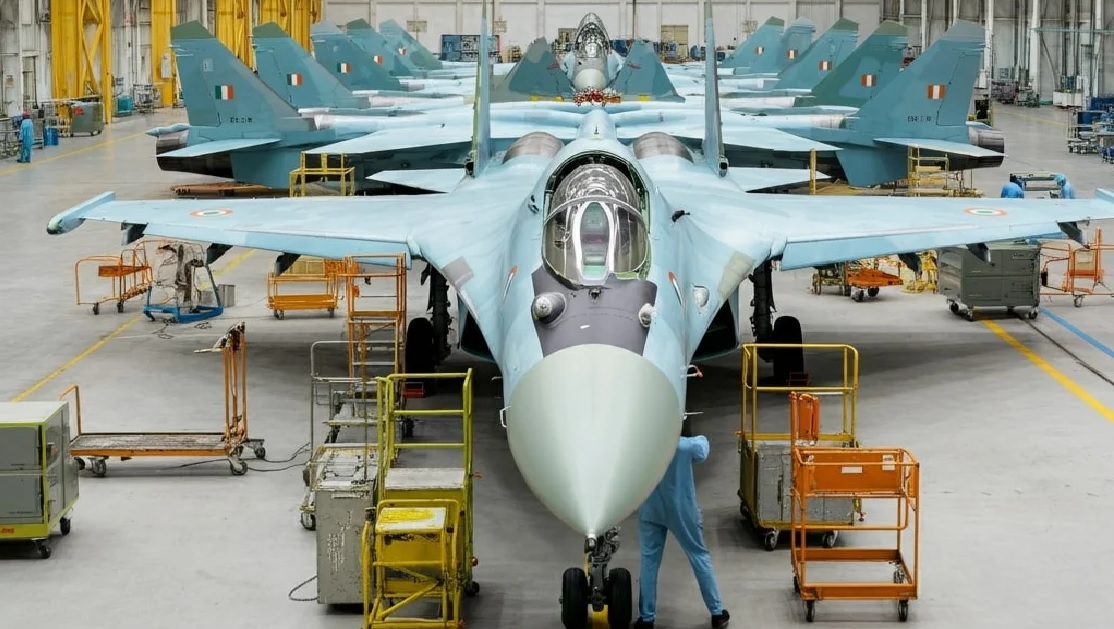
India
In a significant move to strengthen India's air defense, the government has allocated ₹48,614 crore in the 2025-26 defence budget specifically for the procurement and development of advanced aircraft and aero engines. This substantial investment underscores the nation's commitment to modernizing the Indian Air Force (IAF) amid concerns over its decreasing number of fighter squadrons. Budget Overview The total defence budget for the fiscal year 2025-26 stands at ₹6.81 lakh crore, marking a 9.5% increase from the previous year. Of this, ₹1.80 lakh crore is dedicated to capital outlay for modernization and procurement of new weapons. Notably, ₹48,614 crore is earmarked for aircraft and aero engines, while ₹24,390 crore is allocated for the naval fleet. Addressing Squadron Depletion The IAF's current fighter squadron strength has declined to 31, below the sanctioned strength of 42 squadrons. This reduction is primarily due to the phasing out of aging aircraft like the MiG-21. To counter this decline, the IAF plans to induct nine additional squadrons by 2025-26, comprising: 36 Rafale jets 21 MiG-29s 18 Su-30MKIs 24 Light Combat Aircraft (LCA) Tejas Mk.1 83 LCA Tejas Mk.1A Modernization and Indigenous Development The budget allocation aligns with the 'Make in India' initiative, emphasizing domestic manufacturing and reducing reliance on foreign suppliers. Key projects supported by this funding include: LCA Tejas Mk.1A: An advanced version of the indigenous Tejas, featuring enhanced avionics, radar systems, and reduced maintenance requirements. The IAF has placed an order for 83 units, with deliveries expected to commence soon. Advanced Medium Combat Aircraft (AMCA): A fifth-generation stealth fighter jet under development, intended to bolster the IAF's capabilities with cutting-edge technology. Jet Engine Development: Efforts are underway to develop indigenous jet engines in collaboration with international partners, aiming for self-reliance in critical engine technology. Challenges Ahead While the budgetary commitment is substantial, the IAF faces challenges such as: Procurement Delays: Historically, slow procurement processes have hindered timely modernization efforts. Integration Complexities: Ensuring new aircraft and systems integrate seamlessly with existing platforms is crucial for operational effectiveness. Cost Management: Balancing the budget while achieving modernization goals requires meticulous financial planning. Strategic Vision Air Chief Marshal VR Chaudhary has outlined a vision focusing on modernization, operational effectiveness, and adaptability to evolving security challenges. A key objective is to achieve a squadron strength of 42 by 2035, enhancing the IAF's readiness and strategic capabilities. The allocation of ₹48,614 crore for advanced aircraft and aero engines represents a pivotal step in strengthening India's air defense. By investing in both procurement and indigenous development, the government aims to enhance the IAF's capabilities, address the challenge of dwindling squadrons, and move towards self-reliance in defense technology.
Read More → Posted on 2025-02-04 13:52:44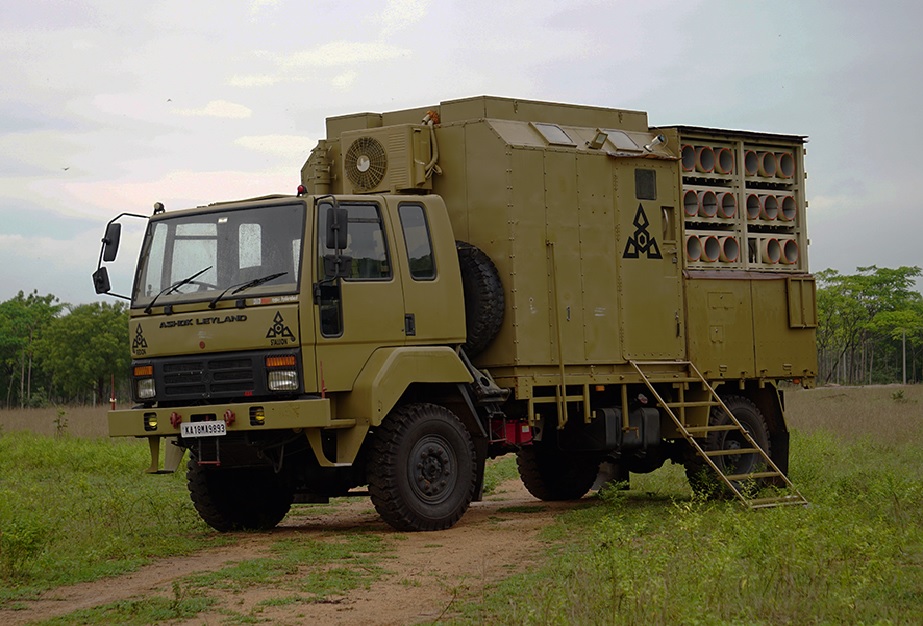
India
Redon Systems has introduced a revolutionary new technology—the Multi-Barrel UAV Launcher (MBUL), a system that is poised to reshape military operations by enabling the rapid, simultaneous deployment of unmanned aerial vehicles (UAVs). This cutting-edge system is designed to improve swarm capabilities and precision strikes, meeting the growing demands of modern warfare. Key Features of the Multi-Barrel UAV Launcher: Simultaneous UAV DeploymentThe MBUL is capable of launching up to 16 UAVs at once, enabling immediate aerial support, surveillance, and intelligence gathering. The system’s ability to deploy multiple UAVs simultaneously is especially critical in time-sensitive combat situations, ensuring quick and effective operational responses when needed the most. Pneumatic Launch TechnologyOne of the standout features of the MBUL is its advanced pneumatic launch technology. This mechanism guarantees rapid and precise launches with minimal mechanical wear and tear. The pneumatic system also ensures that the launch process is smooth and highly efficient, which reduces downtime and improves the system’s reliability during critical missions. Compact and Mobile DesignThe MBUL is designed with mobility in mind. Its modular and compact structure makes it easily transportable, ensuring that military units can deploy the system quickly on various terrains. This flexibility is essential for both field operations and strategic placement in diverse environments, from urban areas to rugged battlefields. Durability and Field-ReadinessBuilt to endure harsh environmental conditions, the MBUL is engineered for long-lasting durability. Whether in extreme temperatures, rough terrain, or adverse weather, the system maintains high performance levels, making it an ideal choice for diverse combat scenarios. This ruggedness ensures that the MBUL can operate effectively in the most challenging and unpredictable conditions. Specifications and Operational Capabilities: Launch Capacity:The MBUL can deploy 16 UAVs or loitering munitions (LMs) in rapid succession. This high launch capacity significantly enhances operational effectiveness by allowing for rapid and coordinated strikes, especially in scenarios requiring a quick, overwhelming aerial presence. Launch Mechanism:The system uses a pneumatic barrel technology with adjustable launch angles. This flexibility allows for optimized launching based on mission requirements, whether it’s a direct strike or a surveillance sweep over large areas. Minimal Reload Time:The MBUL is designed for high operational tempo, allowing for quick reloading and continuous UAV launches. This feature ensures that military units can maintain a persistent aerial presence without prolonged breaks in between launches, ideal for ongoing missions requiring sustained intelligence gathering or strikes. Transport and Setup:The system is mounted on a durable 4x4 vehicle, ensuring easy movement across rough landscapes. Its modular design allows for fast assembly, making it a highly adaptable system that can be rapidly deployed and set up in any combat zone or operational theater. Applications of the Multi-Barrel UAV Launcher: Rapid Battlefield Surveillance:The MBUL allows for the rapid deployment of multiple UAVs, providing real-time intelligence on enemy movements and battlefield conditions. This is crucial for commanders who need up-to-date information for making tactical decisions quickly. Tactical Reconnaissance:The launcher can be used for extensive area monitoring or to track multiple targets simultaneously. This capability enhances surveillance efficiency, enabling military forces to observe enemy positions, detect movements, and gather intelligence on a larger scale. Perimeter Defense:The MBUL can deploy UAVs to secure critical locations, such as military bases, strategic infrastructure, or forward operating bases. By providing a constant surveillance presence, it can help defend against enemy threats and prevent surprise attacks. Strategic Importance and Future Potential: The introduction of the MBUL marks a significant leap in drone technology, particularly in the realm of swarm tactics. Swarming refers to the coordinated operation of multiple UAVs working together to achieve a common goal, such as overwhelming enemy defenses or executing precise strikes. With its ability to launch 16 UAVs in rapid succession, the MBUL greatly enhances the effectiveness of swarm tactics, making it easier for military forces to execute complex missions with high precision. Furthermore, the MBUL opens up new possibilities for integrated operations. By enabling drones to operate in concert with manned assets, the system improves situational awareness, target acquisition, and overall mission effectiveness. The ability to deploy a swarm of UAVs offers a strategic advantage in modern warfare, where speed, coordination, and adaptability are key. Redon Systems’ Multi-Barrel UAV Launcher is a game-changer in military drone technology. With its impressive capabilities in rapid UAV deployment, swarm operation, and battlefield intelligence gathering, the MBUL is set to become an invaluable tool for modern armed forces. The system’s versatility, combined with its robust design and ease of use, makes it an essential addition to the arsenal of any military looking to maintain a technological edge in the ever-evolving landscape of warfare. This innovative launcher will not only enhance the precision and efficiency of military operations but also redefine how UAVs are integrated into strategic defense plans. Redon Systems has successfully created a system that meets the increasing demands for speed, adaptability, and precision in today’s complex military environments.
Read More → Posted on 2025-02-03 14:10:26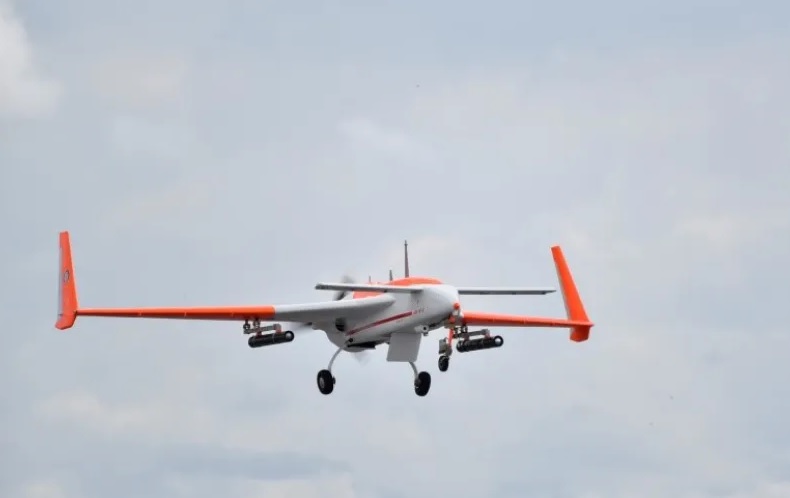
India
India is making significant strides in unmanned warfare, with the Aeronautical Development Establishment (ADE), a key laboratory under the Defence Research and Development Organisation (DRDO), working to enhance the Archer Short-Range Unmanned Aerial Vehicle (SRUAV). The latest upgrade? Equipping it with the Smart Anti-Airfield Weapon (SAAW), a domestically developed precision-guided munition designed to destroy enemy airfield infrastructure from long distances. This move is set to transform the Archer into a lethal strike platform, significantly expanding its battlefield role. The Archer UAV, based on the Rustom-1, has already proven its ability to carry out armed missions. It can fly at altitudes of up to 22,000 feet, has an endurance of 12 hours, and is powered by a 16-horsepower piston engine. Designed primarily for surveillance and reconnaissance, it has been undergoing extensive modifications to support weaponized operations. With a payload capacity of 200 kg, the Archer can carry a mix of precision-guided bombs, anti-tank missiles, and now, the SAAW. The SAAW is a lightweight, high-precision, long-range air-to-ground weapon designed to take out airstrips, bunkers, and radar installations without putting manned aircraft in harm’s way. Weighing approximately 125 kg, it can strike targets from a distance of 100 km, allowing the Archer UAV to engage enemy assets from a safe distance. This makes it a perfect fit for drone warfare, where the ability to hit hard without direct engagement is crucial. With this new integration, the Archer UAV is being modified to carry at least two SAAWs, effectively doubling its offensive capability in a single sortie. This requires significant upgrades to its avionics, flight control systems, and payload integration mechanisms. The ability to launch precision strikes from an unmanned platform provides a massive tactical advantage to the Indian Armed Forces, reducing risks for pilots while maintaining high lethality. This development solidifies India's progress in indigenous drone warfare capabilities, placing it alongside nations that have successfully armed UAVs for strategic and tactical missions. The move could also boost India’s defense exports, as countries seeking cost-effective unmanned combat solutions may express interest in the Archer-SAAW combination. India's commitment to self-reliance in defense technology is evident in these advancements, and the ADE-DRDO partnership is ensuring that the Archer UAV evolves into a battle-ready platform capable of conducting precision strikes deep inside enemy territory. With growing geopolitical tensions, the need for stealthy, high-precision, and cost-effective airstrike solutions has never been greater—and India is now firmly on that path.
Read More → Posted on 2025-02-03 13:59:59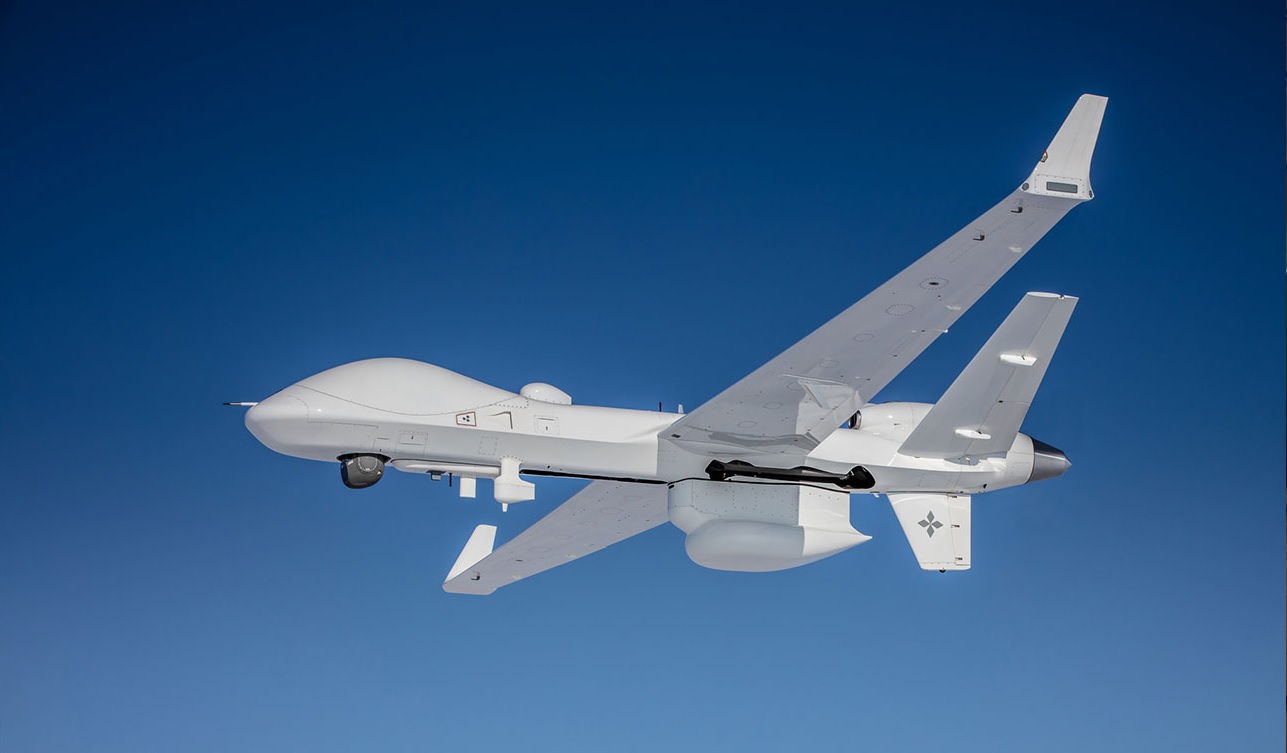
India
In a significant move to maintain and strengthen its maritime surveillance, the Indian Navy has received a replacement MQ-9B SeaGuardian drone from the U.S.-based company General Atomics. This development comes after one of the Navy's leased drones experienced a technical failure and was lost during a routine mission over the Bay of Bengal in September 2024. Background of the Incident The Indian Navy had been operating two MQ-9B SeaGuardian drones under a lease agreement with General Atomics since 2020. These high-altitude, long-endurance drones have been pivotal in conducting intelligence, surveillance, and reconnaissance (ISR) operations across the Indian Ocean Region. In mid-September 2024, one of these drones encountered a technical snag, leading to a controlled ditching in the Bay of Bengal. Following this incident, General Atomics promptly provided a replacement unit, ensuring that the Navy's ISR capabilities remained uncompromised. Lease Agreement Details The partnership between the Indian Navy and General Atomics operates under a lease model, wherein the drones are owned and operated by the contractor. The agreement stipulates that the drones must log a specified number of flight hours each month to meet the Navy's operational requirements. The replacement of the crashed drone underscores General Atomics' commitment to fulfilling its contractual obligations and supporting India's maritime security objectives. Strategic Importance of MQ-9B SeaGuardian Drones The MQ-9B SeaGuardian is an advanced variant of the Predator B drone, designed for maritime operations. It boasts capabilities such as: Extended Endurance: The drone can operate for up to 40 hours, making it ideal for prolonged surveillance missions. High-Altitude Operations: It can fly at altitudes exceeding 40,000 feet, providing a broad surveillance range. Advanced Sensors: Equipped with sophisticated radar and electro-optical/infrared sensors, it can monitor vast oceanic expanses and track maritime activities effectively. These features have been instrumental in the Indian Navy's efforts to monitor and respond to various maritime challenges, including the increasing presence of foreign naval assets in the region. Future Acquisitions and Enhancements Building on the success of the leased drones, India has taken significant steps to bolster its unmanned aerial capabilities. In October 2024, India finalized a $3.5 billion deal with the United States to procure 31 MQ-9B drones. This acquisition includes: 15 SeaGuardian Variants: Allocated to the Indian Navy to enhance maritime surveillance. 16 SkyGuardian Variants: Distributed between the Indian Army and Air Force for land-based operations. The integration of these drones is anticipated to commence in 2029, marking a substantial enhancement in India's ISR and combat capabilities across multiple domains. The timely replacement of the crashed MQ-9B SeaGuardian drone by General Atomics highlights the robust defense collaboration between India and the United States. As regional security dynamics evolve, such partnerships and technological advancements play a crucial role in ensuring that the Indian armed forces remain equipped to address emerging challenges effectively.
Read More → Posted on 2025-02-03 13:49:01
India
In a significant development, Karnataka has been declared free of Naxalite presence following the surrender of Kotehonda Ravindra, a prominent Naxalite operative. Ravindra, 44, a resident of Kotehonda in Hulagaru Bail near Kigga, Sringeri Taluk, had been active in Naxal activities across Karnataka, Kerala, and Tamil Nadu since 2007. On February 1, 2025, Ravindra surrendered to Chikkamagaluru Superintendent of Police (SP) Vikram Amathe. Following his surrender, he was presented before Deputy Commissioner Meena Nagaraj to complete the formalities. SP Amathe stated, "With this surrender, Karnataka is now Naxal-free." Ravindra is classified as an 'A' category Naxal under the state's Surrender Policy, which came into effect on March 14, 2024. As part of the rehabilitation package, he will receive ₹7.5 lakh from the government. Additionally, if he opts for skill development, he will be provided with training and a monthly stipend of ₹5,000. There are 27 cases registered against Ravindra, with 13 in Chikkamagaluru district alone. His surrender marks the 21st by a Naxalite in Karnataka, underscoring the state's efforts to address insurgent activities. The surrender and rehabilitation process was overseen by officials including Zilla Panchayat Chief Executive Officer H.S. Keerthana and Naxal Surrender and Rehabilitation Committee member K.P. Shripal. This event signifies a pivotal moment in Karnataka's history, as the state moves forward from decades of Naxalite influence, aiming for sustained peace and development.
Read More → Posted on 2025-02-02 13:32:08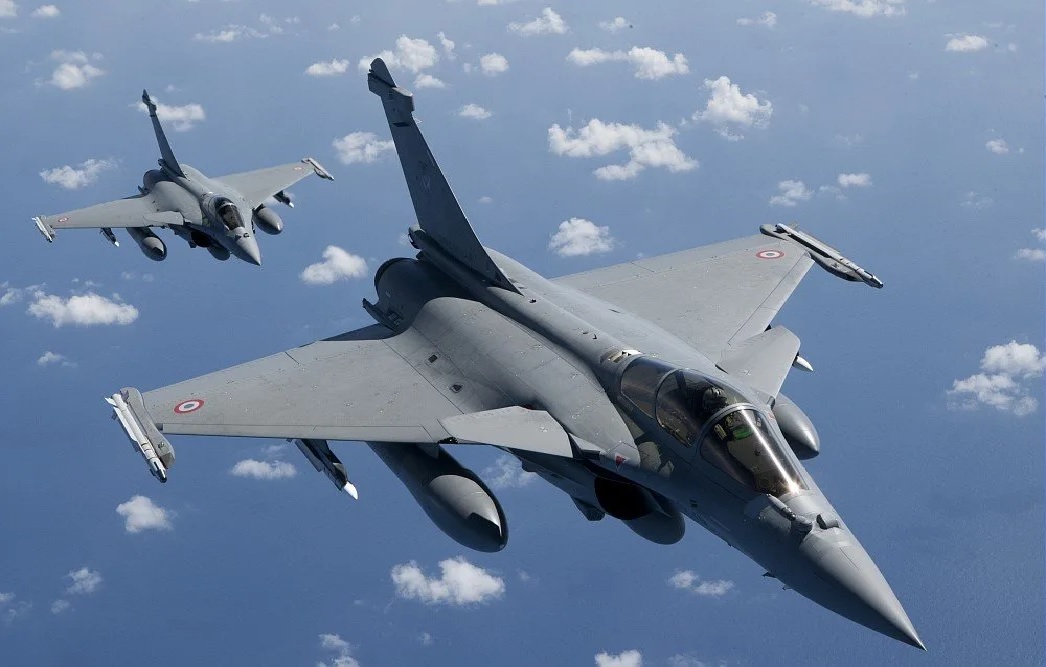
India
A recent analysis by the French Institute of International Relations (Ifri) has cast a spotlight on the Dassault Rafale's challenges in countering advanced stealth fighters. This revelation has significant implications for nations operating the Rafale, notably India, which has inducted 36 of these jets into its air force. Rafale's Design and Stealth Capabilities The Rafale, developed by Dassault Aviation, is celebrated for its versatility and combat performance. However, it is categorized as a 4.5-generation fighter, lacking the full stealth features inherent to fifth-generation aircraft like the American F-35 or the Chinese J-20. While the Rafale incorporates certain stealth elements to reduce its radar cross-section, it does not achieve the low observability that defines true stealth fighters. Challenges in Modern Aerial Combat The Ifri report underscores the Rafale's difficulties in engaging stealth-equipped adversaries. In simulated combat scenarios, Rafale pilots have encountered significant obstacles when facing fifth-generation stealth fighters. The report concludes that, with the current sensor technology, missions against such stealth opponents are "impossible to win." Implications for the Indian Air Force For the Indian Air Force (IAF), which has integrated the Rafale into its fleet, this assessment is particularly concerning. Neighboring countries, notably China with its J-20 and Pakistan's potential acquisition of the J-35A, are advancing their fifth-generation fighter capabilities. This evolving dynamic could erode India's aerial superiority in the region. Accelerating the AMCA Program In response to these challenges, India is expediting the development of its indigenous fifth-generation fighter, the Advanced Medium Combat Aircraft (AMCA). This ambitious project, led by the Defence Research and Development Organisation (DRDO) and Hindustan Aeronautics Limited (HAL), aims to produce a stealth aircraft equipped with advanced avionics, supercruise capabilities, and artificial intelligence-driven systems. The AMCA program has made notable progress: Design and Development: The project entered the detailed design phase in February 2019, with the first prototype rollout anticipated by 2026. First Flight: The inaugural flight is targeted for 2028, with the aircraft expected to enter service by 2035. Engine Collaboration: India is in discussions with international partners, including Safran and Rolls-Royce, to co-develop a new engine for the AMCA, with a decision expected by mid-2025. Enhancing Rafale's Capabilities Concurrently, the IAF is exploring upgrades to the existing Rafale fleet to bolster its effectiveness against stealth threats. Potential enhancements include advanced radar systems, electronic warfare suites, and integration of new weaponry. Collaborations with France and other defense partners are being considered to implement these upgrades. Strategic Outlook The insights from the Ifri report highlight the rapidly evolving landscape of aerial warfare, emphasizing the critical importance of stealth technology. India's proactive measures, encompassing the acceleration of the AMCA program and the modernization of its current fleet, reflect a strategic commitment to maintaining air dominance and addressing emerging security challenges in the region.
Read More → Posted on 2025-02-02 13:01:20
India
In the Union Budget for the financial year 2025-26, the Indian Space Research Organisation (ISRO) and the broader space sector have been allocated ₹13,416.2 crore (approximately $1.5 billion). This represents a 2.86% increase from the previous year's allocation of ₹13,042.75 crore. Budget Allocation Breakdown The Department of Space, which oversees ISRO's operations, received ₹13,042.75 crore in the 2024-25 budget, marking an 18% increase from the prior year. This substantial hike was primarily directed towards the development of space technologies, with allocations for space applications seeing a marginal rise, while funding for space sciences decreased slightly. Notably, the budget for INSAT satellite systems was nearly halved compared to the previous year. Strategic Initiatives and Future Plans ISRO has outlined an ambitious roadmap, including the development of a next-generation launch vehicle, more advanced lunar missions, and the establishment of an Indian space station. The organization is also progressing with its human spaceflight program, Gaganyaan, aiming to send Indian astronauts into space. In October 2024, the government approved a ₹1,000 crore (approximately $120 million) venture capital fund to support space startups, with the goal of expanding India's space economy fivefold in the next decade. This initiative reflects the government's commitment to fostering innovation and encouraging private sector participation in the space industry. Industry Perspectives The increased budget allocation has been met with cautious optimism within the industry. While some experts believe that the ₹1,000 crore fund is a modest beginning, they emphasize the need for more substantial investments to match global standards. Others highlight the importance of the government acting as an anchor customer to validate high-risk products, thereby attracting further private investment. Global Context Despite India's notable achievements in space exploration, such as the Chandrayaan-3 lunar landing and the Aditya-L1 solar probe launch, funding for India's space sector saw a 55% decline in 2024, dropping to $59.1 million from $130.2 million in 2023. This decrease aligns with a global 20% reduction in space sector investment. However, industry participants anticipate a resurgence in funding in 2025, driven by upcoming milestones and the government's supportive initiatives. The 2.86% increase in the budget allocation for ISRO and the space sector underscores the Indian government's ongoing commitment to advancing space technology and exploration. With strategic investments and a focus on fostering innovation, India is poised to strengthen its position in the global space arena.
Read More → Posted on 2025-02-01 15:14:05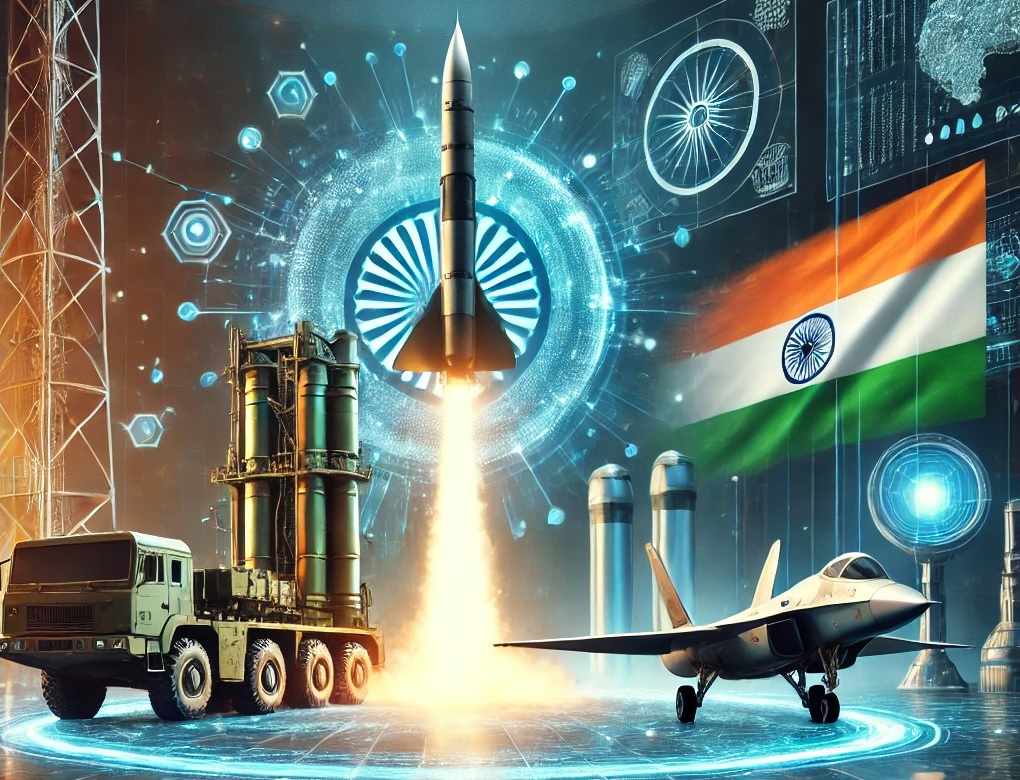
India
The Indian government has approved a significant budget increase for the Defence Research and Development Organisation (DRDO) for the financial year 2025-26. The allocation has risen from ₹23,855.61 crore in FY 2024-25 to ₹26,816.82 crore, marking a 12.41% increase. This surge in funding underlines India’s commitment to strengthening its indigenous defense research and development ecosystem amid evolving security challenges. A Closer Look at the Budget Allocation Out of the total ₹26,816.82 crore, a substantial ₹14,923.82 crore has been earmarked for capital expenditure and R&D projects. This suggests a strong push towards modernizing India’s defense capabilities and reducing dependence on foreign imports, aligning with the broader Atmanirbhar Bharat (Self-Reliant India) initiative. The increase in capital expenditure is crucial, as it fuels critical defense programs such as the development of next-generation fighter jets, advanced missile systems, and electronic warfare capabilities. Given DRDO’s role in designing and developing cutting-edge defense technologies, this additional funding is expected to accelerate key projects like the Tejas Mark-2, Advanced Medium Combat Aircraft (AMCA), Hypersonic Technology Demonstrator Vehicle (HSTDV), and indigenous ballistic missile defense systems. Strategic Implications of the Budget Boost The 12.41% increase is not just about numbers; it signals a strategic shift in India’s defense R&D policy. The budgetary boost is expected to impact several domains: 1. Strengthening Indigenous Capabilities With increased funding, DRDO will be able to invest more in indigenous defense technologies, reducing India’s reliance on foreign defense suppliers. This aligns with the government’s push to indigenize 75% of defense procurement by 2027. 2. Acceleration of Key R&D Programs Major programs such as the Directed Energy Weapons (DEWs), Artificial Intelligence (AI)-driven warfare technologies, and next-gen UAVs are expected to receive significant attention. DRDO’s involvement in hypersonic weapons, stealth aircraft, and space-based defense systems will also benefit from this additional financial backing. 3. Supporting Startups and Private Sector Participation A portion of the R&D budget is likely to be directed towards fostering defense startups and private sector collaborations. Initiatives like the Innovations for Defence Excellence (iDEX) program have gained momentum, and with higher budgetary allocations, private firms could play a more active role in defense innovation. 4. Enhanced Missile and Space Capabilities India’s missile development programs, including long-range ballistic missiles, cruise missiles, and anti-satellite weaponry, will see further advancements. The focus on dual-use technologies for both civilian and defense applications also fits within the larger strategy of utilizing space-based assets for strategic dominance. Comparative Analysis: Past Trends and Future Outlook The recent budget hike continues an upward trajectory in DRDO’s funding over the last few years. The previous FY 2023-24 budget stood at ₹23,264 crore, and the FY 2022-23 allocation was ₹21,330 crore. This steady increase reflects the government’s prioritization of self-reliance in defense technology amid geopolitical tensions and evolving security threats. Looking ahead, DRDO’s focus will likely shift towards AI-powered defense systems, autonomous weapon platforms, and cyber warfare technologies. The organization is also expected to accelerate the development of indigenous propulsion systems for fighter jets, submarines, and space applications. Conclusion: A Defining Moment for Indian Defense R&D The ₹26,816.82 crore budget allocation for DRDO in FY 2025-26 is a landmark decision that underscores India’s commitment to defense innovation and technological self-sufficiency. As global defense landscapes evolve, this increased funding will enable India to stay ahead in emerging warfare domains, reinforcing its position as a technologically advanced military power. With greater financial backing, DRDO is poised to make groundbreaking advancements, ensuring that India’s armed forces are equipped with the most advanced indigenous defense systems in the years to come. The next decade could see India transition into a global leader in defense technology, thanks to sustained investments and strategic policy decisions.
Read More → Posted on 2025-02-01 15:07:25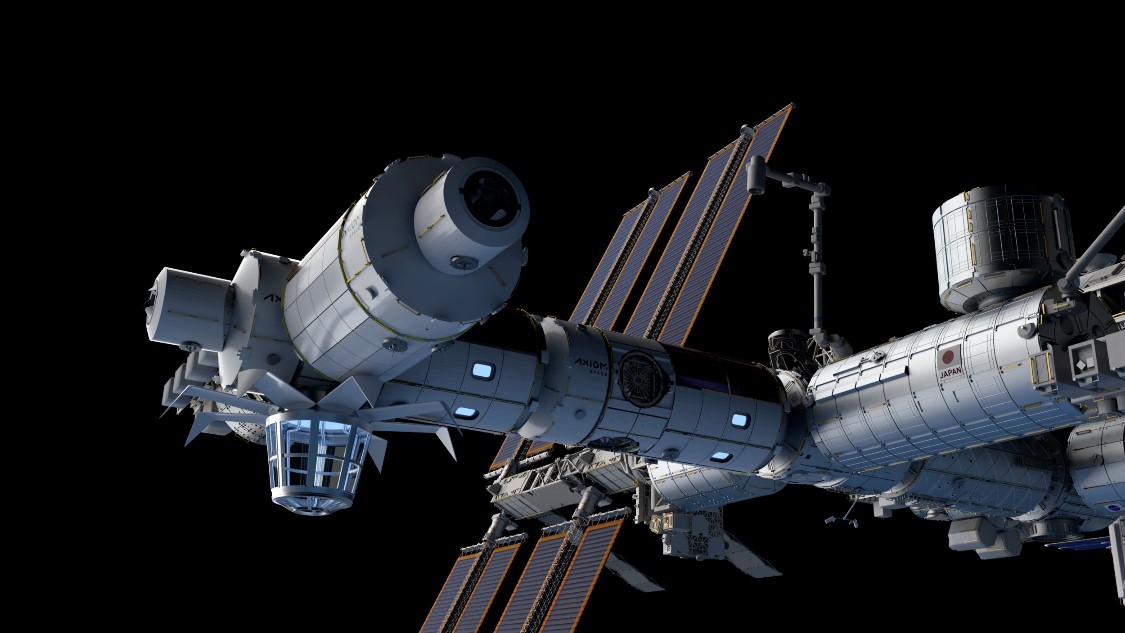
India
The Indian Space Research Organisation (ISRO) and the European Space Agency (ESA) have entered into a significant partnership to advance microgravity research. This collaboration is set to play a pivotal role in the upcoming Axiom Mission 4 (Ax-4) to the International Space Station (ISS), marking India's inaugural crewed mission to the ISS. Axiom Mission 4 Overview Scheduled for launch in spring 2025 from NASA's Kennedy Space Center in Florida, Ax-4 is a private spaceflight mission managed by Axiom Space. The mission will utilize a SpaceX Dragon spacecraft to transport a diverse international crew to the ISS for a planned 14-day stay. The crew comprises: Peggy Whitson: Former NASA astronaut and Axiom Space's Director of Human Spaceflight, serving as the mission commander. Shubhanshu Shukla: An Indian Air Force officer and ISRO astronaut, serving as the pilot. His participation signifies India's first crewed mission to the ISS. Sławosz Uznański: An ESA project astronaut from Poland, serving as a mission specialist. Tibor Kapu: Representing Hungary, serving as a mission specialist. ISRO-ESA Collaboration Details ISRO and ESA have formalized an agreement to cooperate on various aspects of the Ax-4 mission, including astronaut training, mission implementation, and research experiments. This partnership aims to leverage the strengths of both agencies to enhance the mission's success and scientific output. Microgravity Research Initiatives A key focus of this collaboration is conducting joint microgravity experiments aboard the ISS. ISRO and ESA have jointly shortlisted several experiments proposed by Indian Principal Investigators (PIs) for implementation during the Ax-4 mission. These experiments include: Comparative Growth and Proteomics Responses of Cyanobacteria on Urea and Nitrate in Microgravity: This study aims to understand how cyanobacteria, which are crucial for biofertilizer production and bioremediation, respond to different nitrogen sources in a microgravity environment. Insights from this research could have applications in sustainable agriculture and life support systems for long-duration space missions. Impact of Microgravity on Growth and Yield Parameters in Food Crop Seeds: This experiment seeks to assess how microgravity affects the germination, growth, and yield of various food crop seeds. The findings could inform strategies for crop cultivation in space, supporting future space exploration and potential space habitation. These experiments are currently undergoing rigorous evaluation to ensure they meet the safety and operational requirements of human spaceflight missions. Broader Implications and Future Prospects Beyond these specific studies, ISRO and ESA plan to conduct additional human research and technology demonstration experiments during the Ax-4 mission. This collaboration underscores the importance of international partnerships in advancing space science and exploration. The field of microgravity research offers significant opportunities across various domains, including human health, physical sciences, material sciences, pharmaceutical development, and biotechnology. By participating in such research, the Indian scientific community stands to make substantial contributions to these fields, both nationally and globally. Gaganyaan Mission and Future Endeavors ISRO's maiden human spaceflight program, the Gaganyaan mission, aims to encourage and support the Indian scientific community in microgravity research activities. This support extends to providing flight opportunities in ISRO's missions and through joint international efforts like the Ax-4 mission. Such initiatives are poised to enhance India's capabilities in space research and technology development. In summary, the collaboration between ISRO and ESA on the Ax-4 mission represents a significant milestone in international space cooperation. It not only marks India's first crewed mission to the ISS but also paves the way for groundbreaking research in microgravity, with potential benefits spanning multiple scientific disciplines.
Read More → Posted on 2025-02-01 14:24:50Search
Top Trending in 24 Hours
-
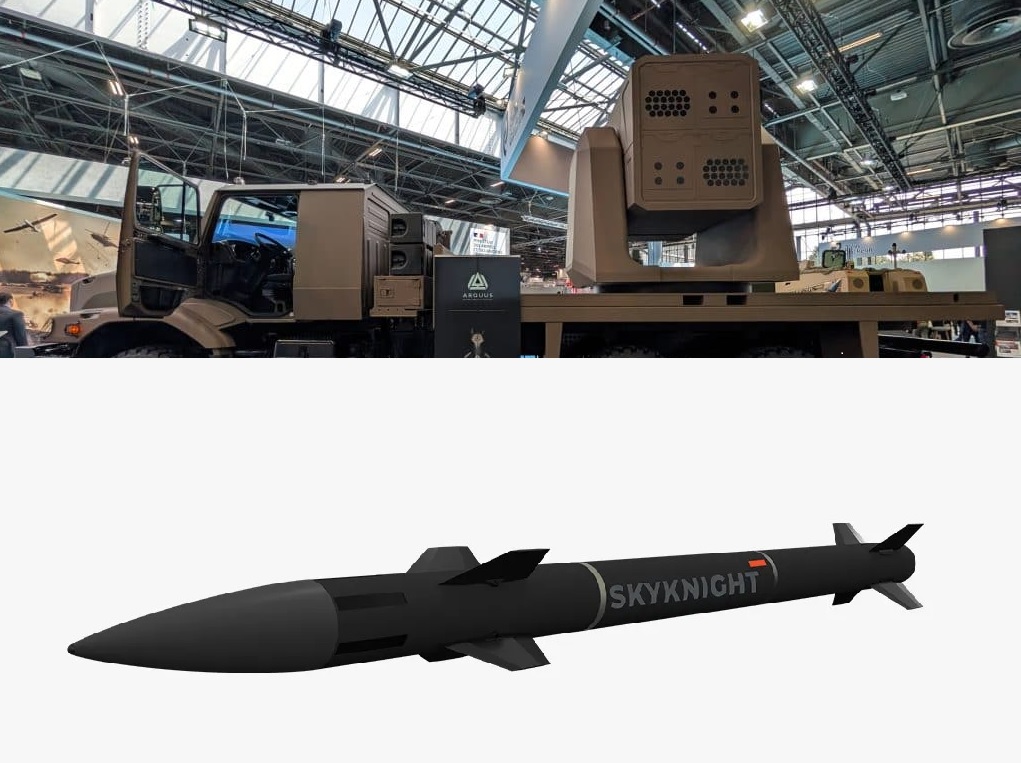 Naval Group Unveils Rampart Modular CIWS Multi-Purpose Weapon System for Naval and Ground Forces at Eurosatory 2026
-
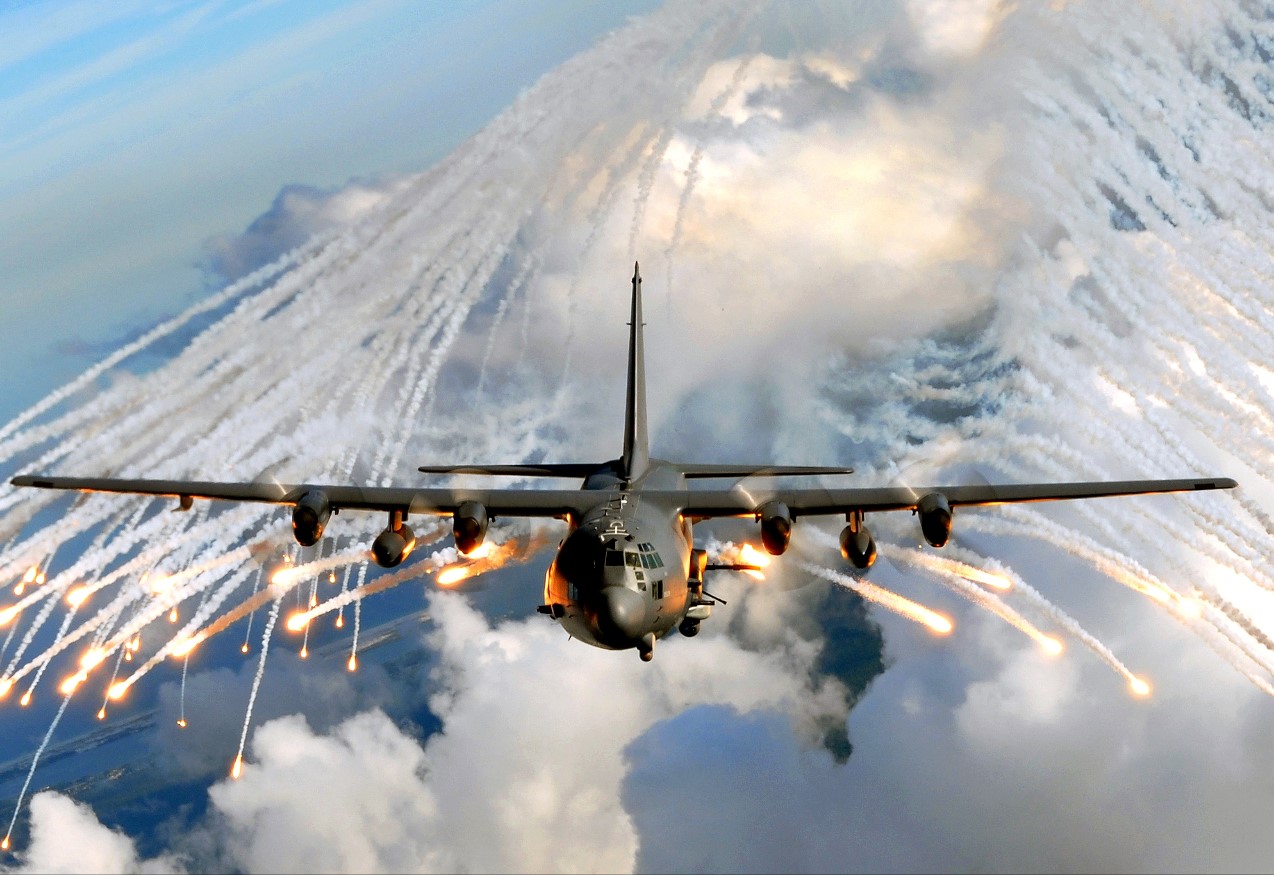 Pentagon Expands Alloy Surfaces Contract to $328.8 Million for Advanced Aircraft Decoy Flares Amid Evolving Drone Threats
-
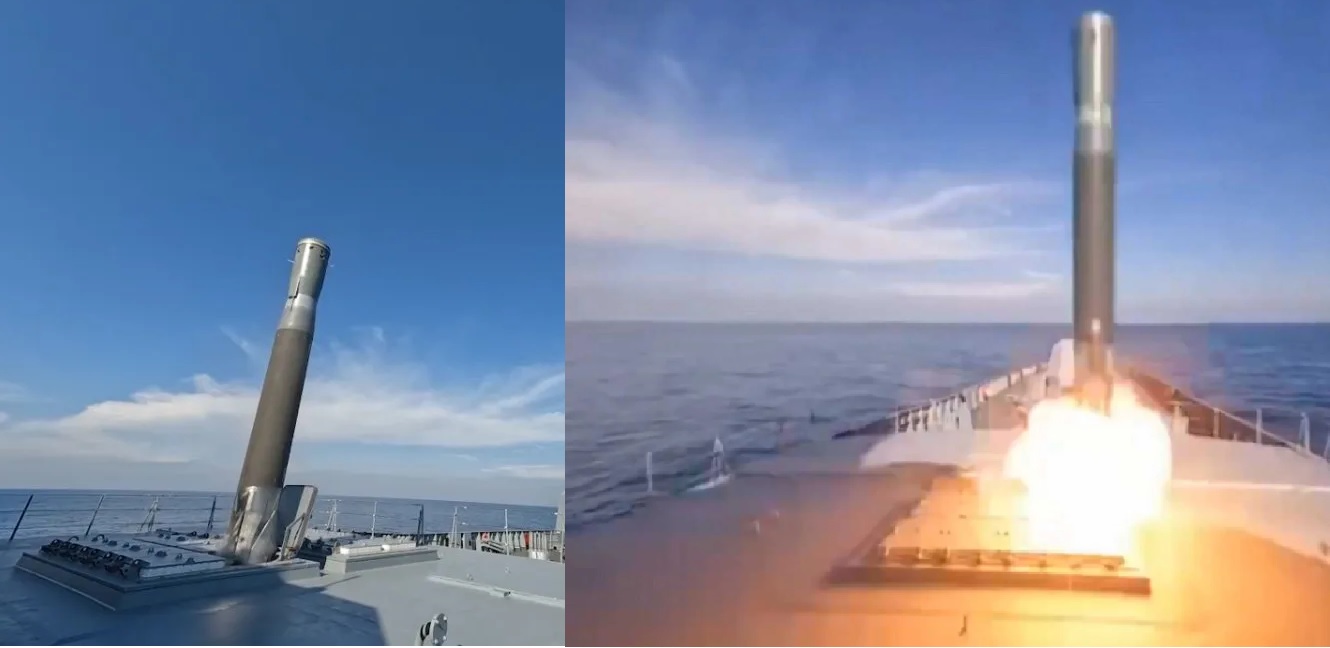 Open-Source Evidence Suggests Russia's Zircon Is a Quasi-Ballistic Missile, Not a True Hypersonic Cruise Weapon
-
 Why the U.S. Restored Pacific Command Name, Ending the Indo-Pacific Designation After Eight Years
-
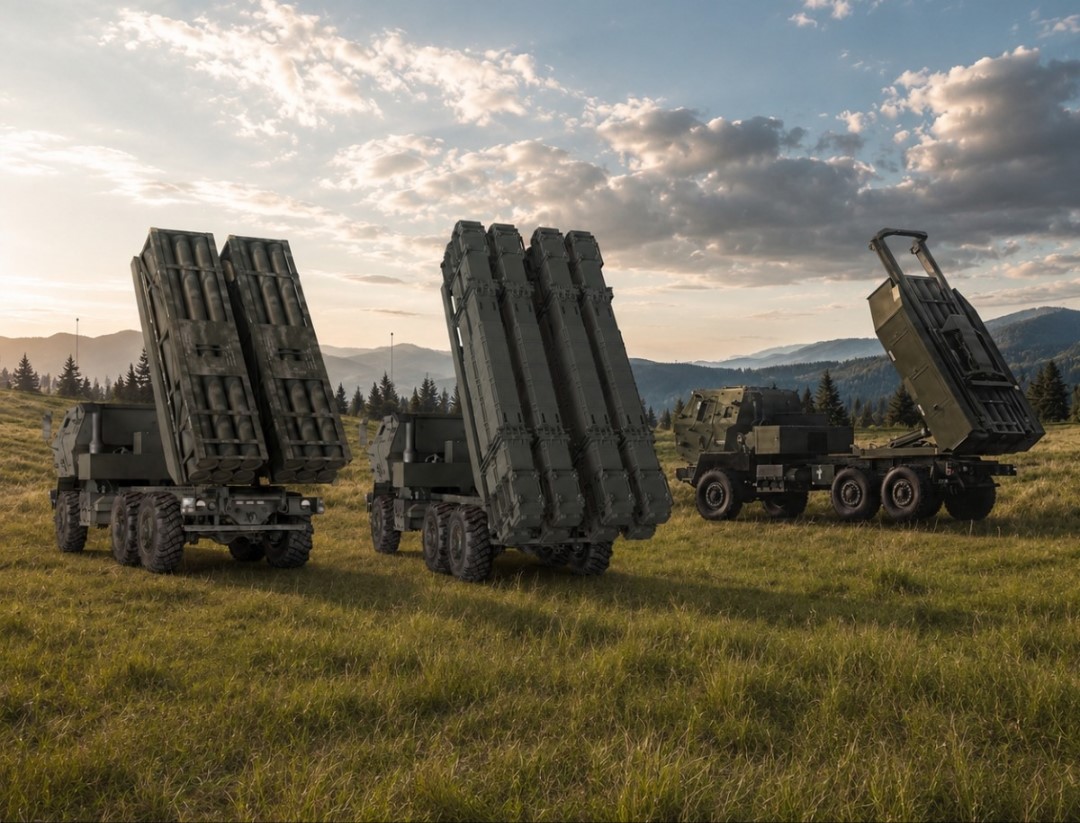 Lockheed Martin Unveils HIMARS FLEX with Dual-Pod Launcher and NATO-Compatible Air Defense Integration
-
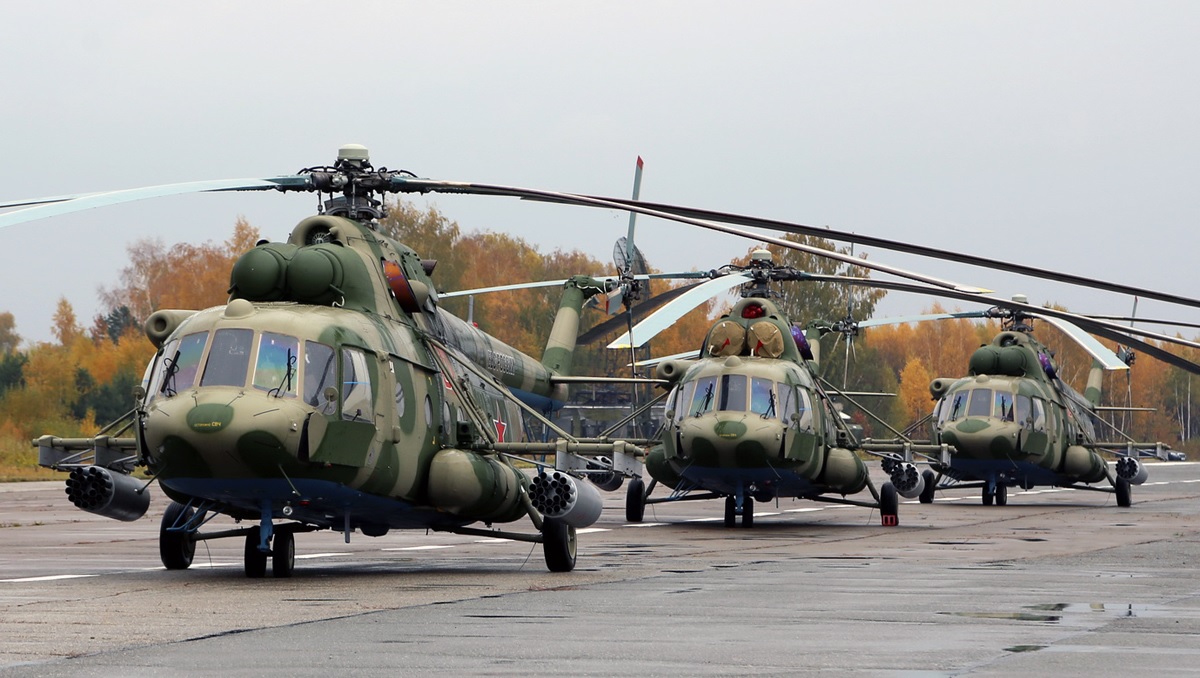 Iran Signs Deal with Russia for 20 Mi-8 and Mi-17 Helicopters to Boost Rescue and Medical Missions
-
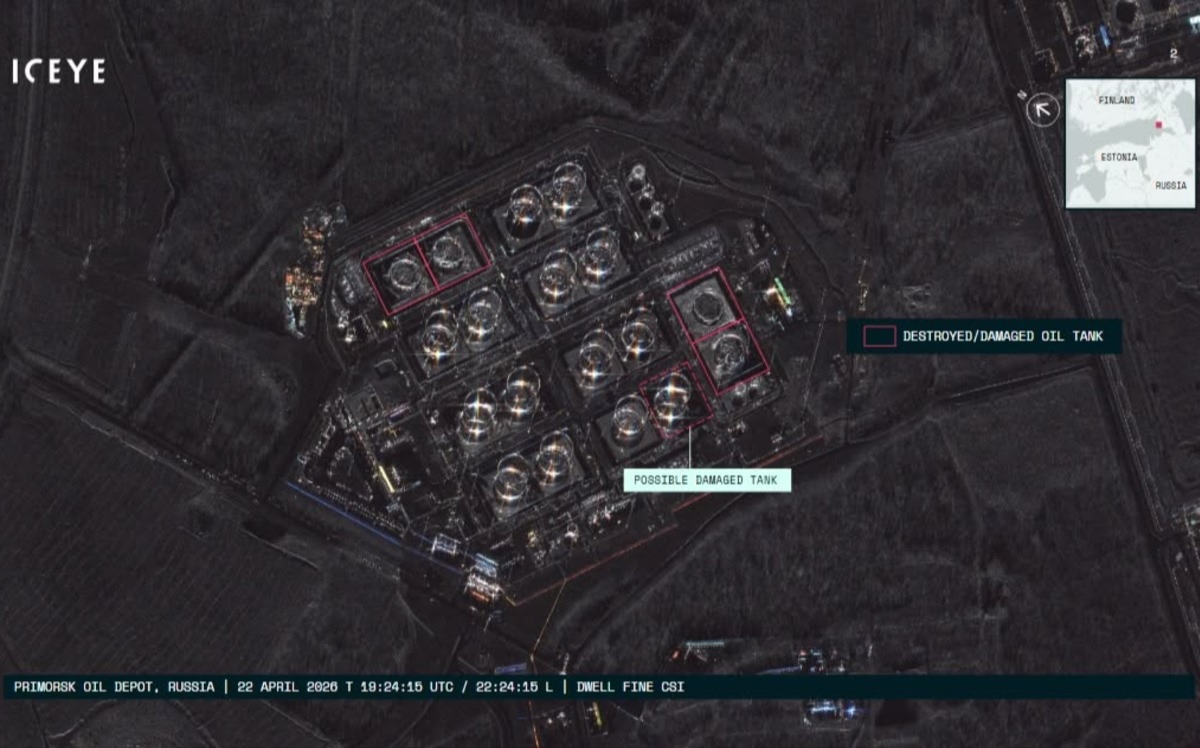 Portugal Doubles Sovereign SAR Satellite Fleet with Order for Two Additional ICEYE Satellites
-
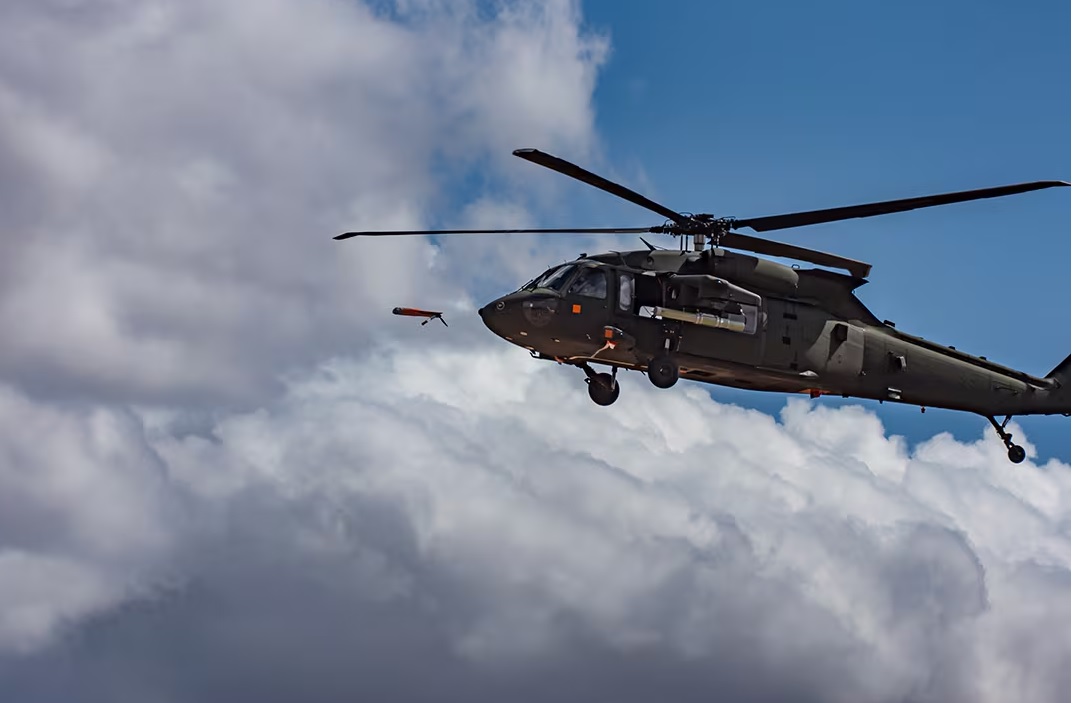 U.S. Army Completes First Flight Test of Medium-Range Air-Launched Effects from Black Hawk Helicopter
Top Trending in 4 Days
-
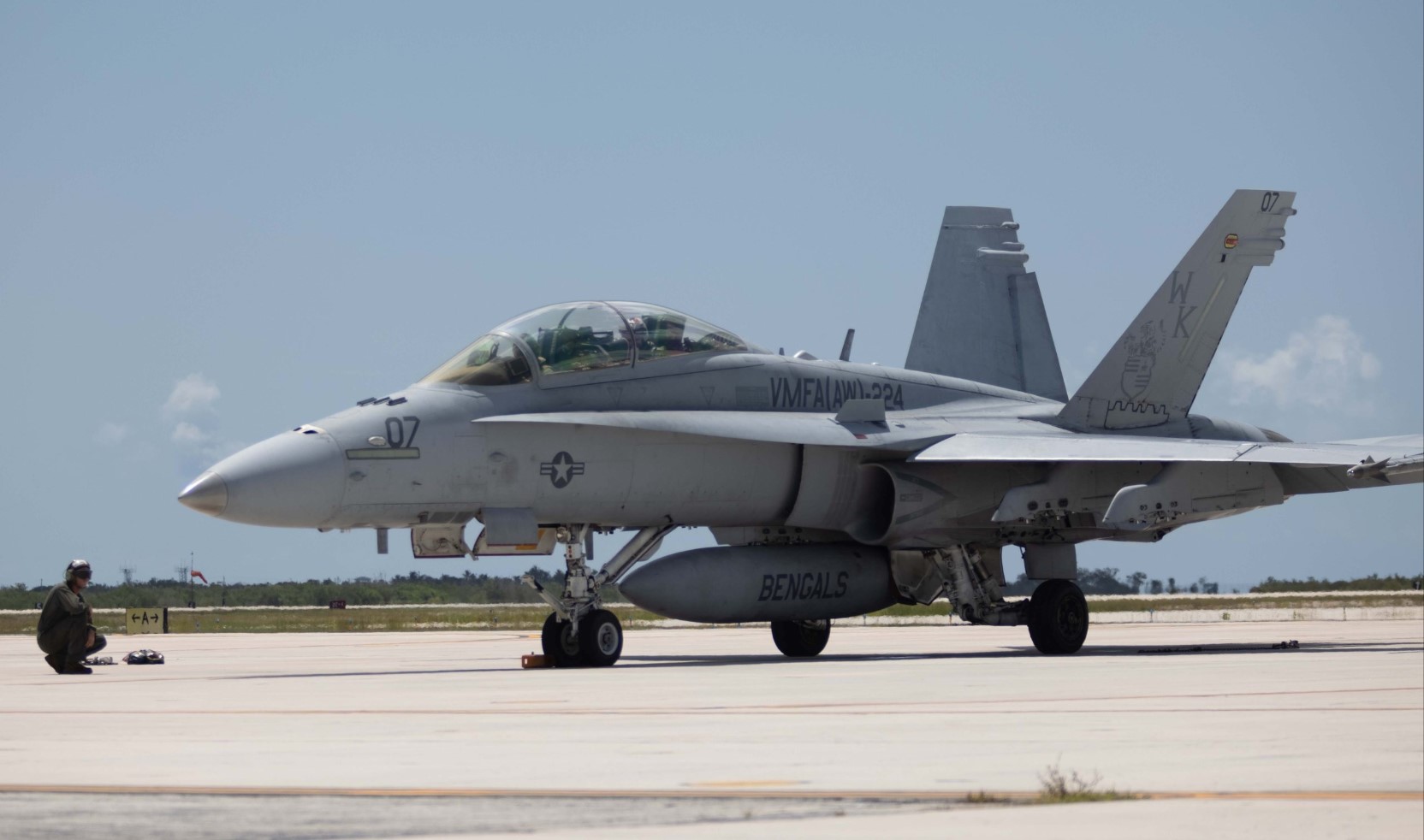 US Marine Corps F/A-18D Hornet Crashes During Training Flight in Washington Mountains; Pilot Ejects Safely
-
 Tulsi Gabbard Releases Declassified Files Detailing U.S.-Backed Network of 120 Biolaboratories Across 30+ Countries
-
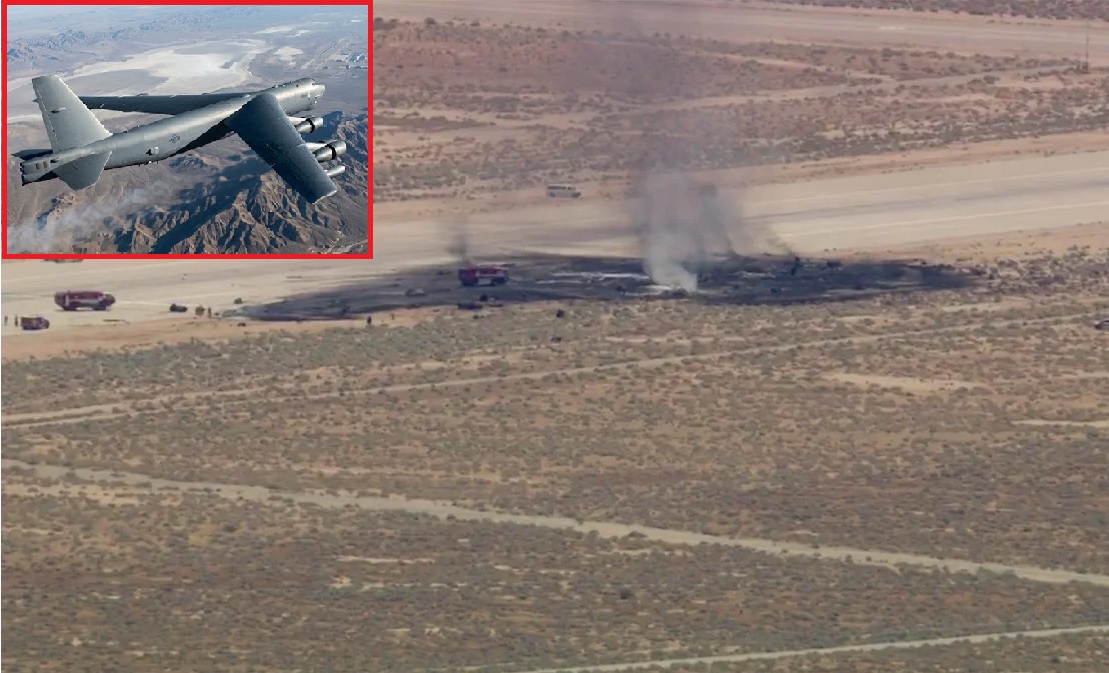 8 U.S. Air Force Crew Members Killed in B-52 Bomber Crash During Test Flight at Edwards Air Force Base
-
 Ukraine Introduces Balloon-Launched DART Missile Designed to Defeat Electronic Warfare
-
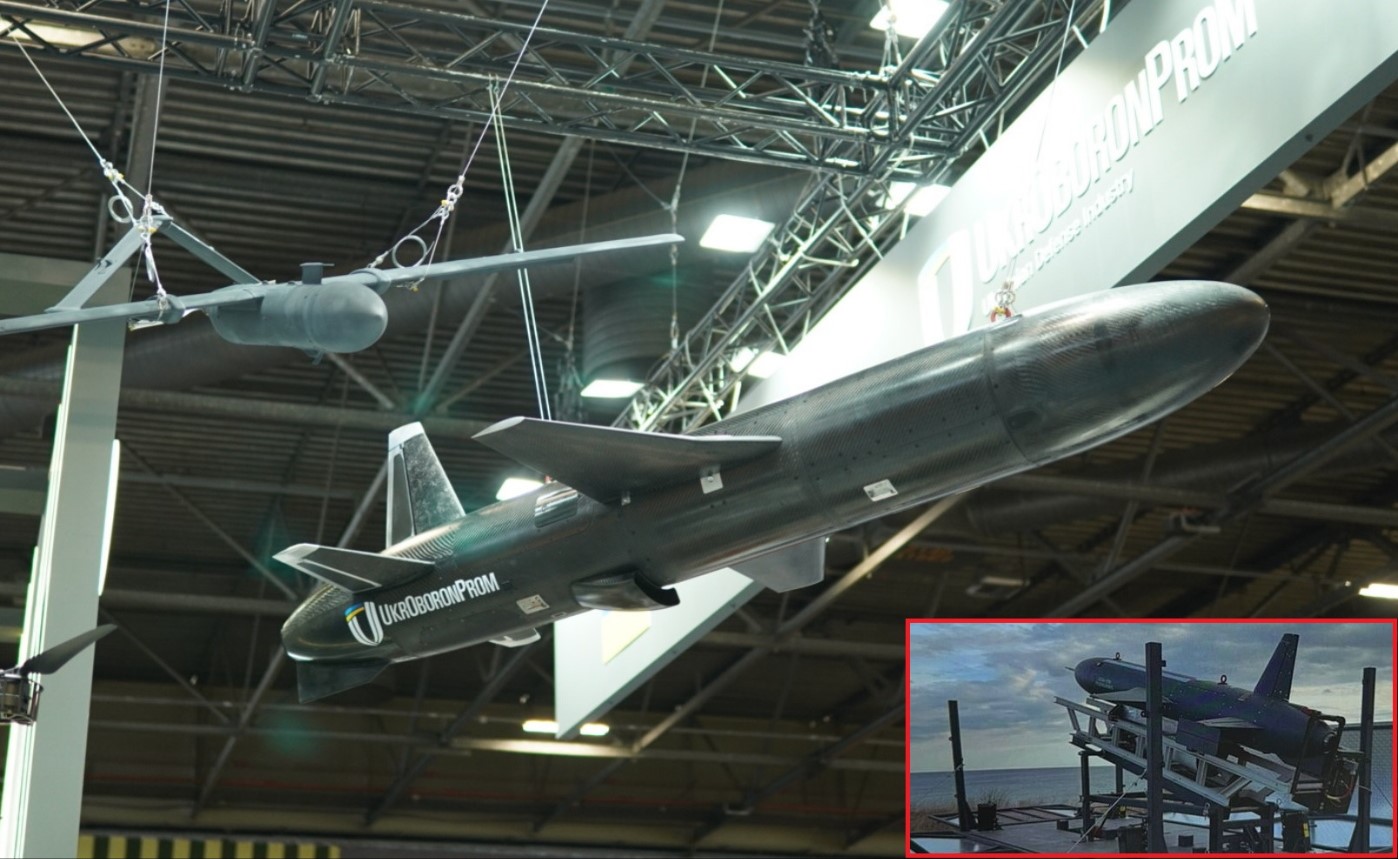 Ukraine Unveils UAV-290 Jet-Powered Strike Drone with 650 km Range at Eurosatory 2026
-
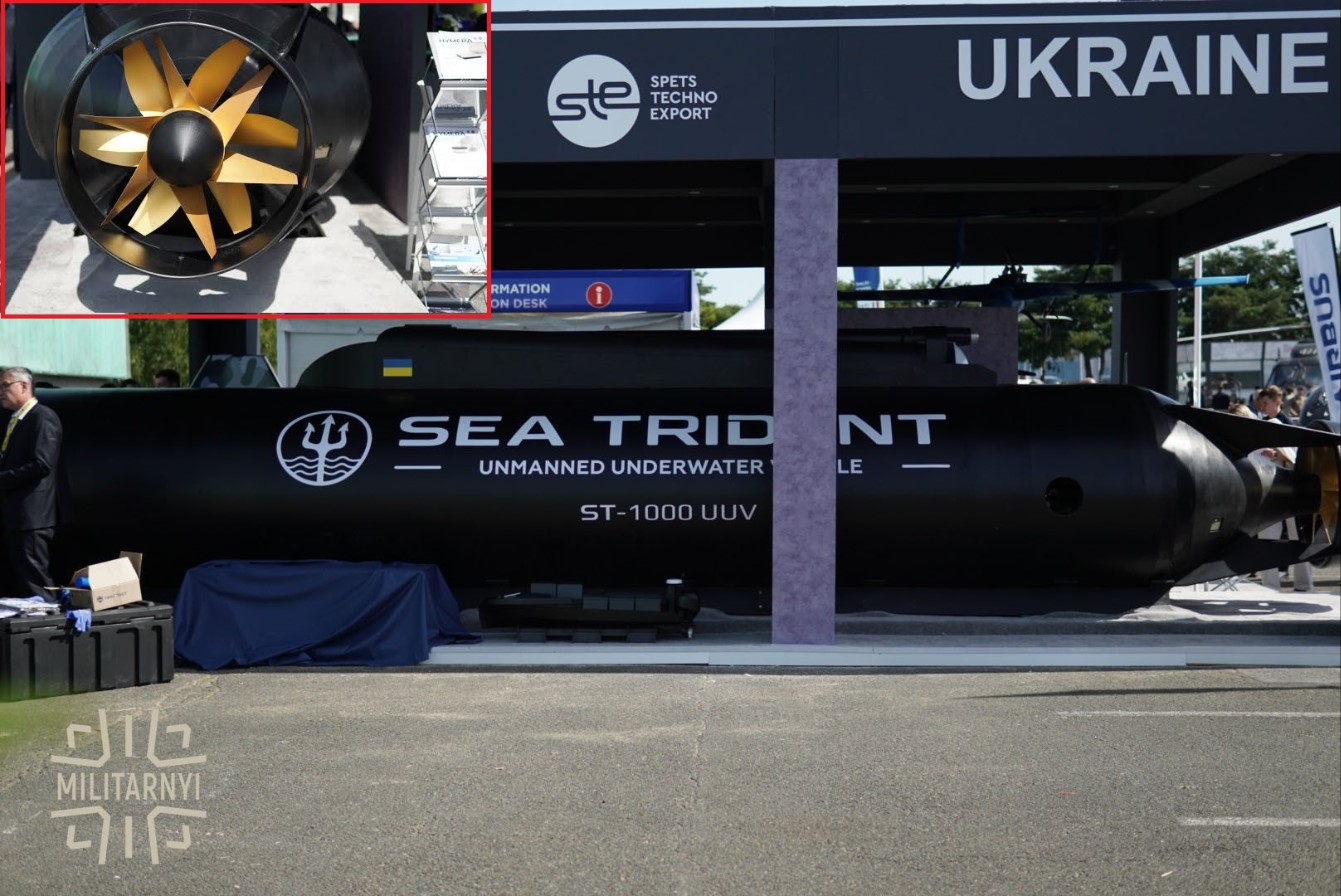 Ukraine Unveils 'Sea Trident' 10-Ton Autonomous Underwater Drone at Eurosatory 2026
-
 Rolls-Royce Unveils New Hybrid Powertrain for Heavy Military Vehicles at Eurosatory 2026
-
 France Agrees to Equip Future Indian Rafales with AI, MUM-T and Secure Satellite Links Under F5 Standard