
India
Bangalore-based Q-Alpha Aerospace is set to showcase an impressive array of eight stealth Unmanned Combat Aerial Vehicle (UCAV) concepts at the upcoming Aero India 2025, scheduled from February 10 to 14 in Bengaluru. This lineup includes four hypersonic platforms, underscoring India's advancements in aerospace technology. UCAV Lineup: RTD-500: A stealthy, quick-launch, single-engine multi-role SWARM UCAV designed for rapid deployment in various combat scenarios. RTD-800: This model offers extended range capabilities, serving as a stealthy multi-platform, quick-launch, multi-role SWARM UCAV suitable for diverse mission profiles. RLJ-200: Featuring variable stealth technology, the RLJ-200 is a medium-range fighter SWARM UCAV optimized for adaptability in contested environments. RLJ-600: An active stealth deep-strike next-generation medium-range fighter SWARM UCAV, the RLJ-600 is designed for precision engagements in high-threat areas. RHH-50: This air-breathing, multi-platform reconnaissance and strike hypersonic SWARM UCAV emphasizes high-speed intelligence gathering and target engagement. RHH-100: Offering extended range, the RHH-100 is an air-breathing, multi-platform, multi-role hypersonic SWARM UCAV capable of executing long-distance missions with agility. RHH-150: Designed for variable range operations, the RHH-150 is an agile hypersonic SWARM UCAV adept at adapting to dynamic combat requirements. RHH-200: This model represents the pinnacle of Q-Alpha's hypersonic technology, featuring air-breathing propulsion and multi-role capabilities for high-speed, long-range missions. Q-Alpha Aerospace specializes in advanced drones tailored to meet the complex demands of modern warfare and next-generation aerospace innovations. Their expertise extends to technologies like SWARM drone capabilities and military aviation subsystems, including radar, electronic countermeasures (ECM), and directed energy systems. Additionally, their AI toolkits are designed to transform various military aircraft segments, reducing pilot workload and enabling fully autonomous operations. The introduction of these UCAV concepts at Aero India 2025 highlights India's commitment to advancing its indigenous defense capabilities. The event, recognized as Asia's largest aerospace and defense exhibition, serves as a platform for showcasing cutting-edge technologies and fostering international collaborations. Q-Alpha Aerospace's participation underscores the growing role of private industry in India's defense sector, contributing to the nation's strategic objectives and technological self-reliance.
Read More → Posted on 2025-01-21 09:45:52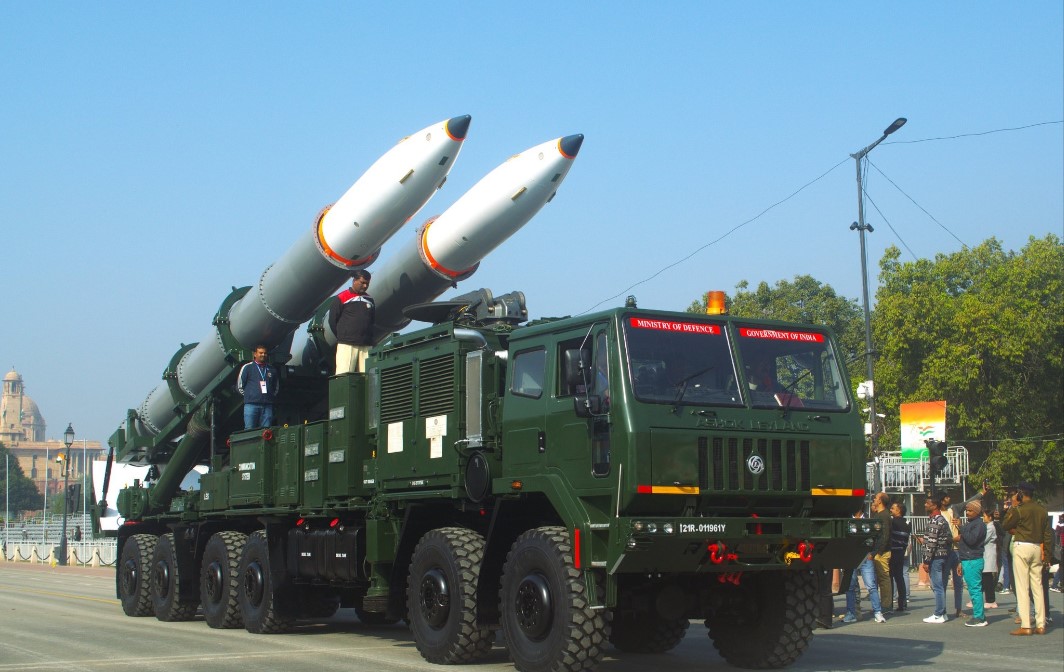
India
In a historic showcase of India's burgeoning defense capabilities, the Republic Day Parade on January 26, 2025, introduced the Twin Launcher for the Pralay ballistic missiles. This first-ever public appearance of the launcher underscored India’s progress in indigenous missile technology, spearheaded by the Defence Research and Development Organisation (DRDO), and marked a pivotal step toward enhancing the country’s tactical and strategic edge. Pralay Missile: A Tactical Powerhouse The Pralay missile is a tactical, surface-to-surface, short-range ballistic missile designed for both conventional and nuclear roles. It boasts a range of 150 to 500 kilometers and features advanced guidance systems, making it highly precise. The missile operates on a solid-propellant system, which enhances its reliability and readiness. Equipped with advanced navigation, including inertial guidance systems supported by satellite updates, Pralay can deliver a payload of up to 1,000 kilograms, capable of destroying critical targets like command centers, logistical hubs, and fortified enemy positions. The missile’s warhead options include high-explosive fragmentation, penetration warheads, and strategic nuclear payloads, offering versatility for diverse mission profiles. Pralay’s mobility and operational readiness make it a formidable addition to the Indian Army's inventory, particularly for deployment in sensitive regions near the country’s borders with Pakistan and China. Twin Launcher Configuration: A Game-Changer The twin launcher system introduced at the parade is a leap forward in missile deployment technology. Designed for rapid and successive launches, the twin launcher enables the firing of two missiles in quick succession, targeting either the same or multiple targets. This feature significantly enhances India’s capability for saturation strikes or countering advanced missile defense systems. The launcher’s design emphasizes operational mobility, enabling it to navigate varied terrains, including challenging high-altitude zones. This capability ensures swift deployment during critical operations, providing a strategic advantage in hostile environments. The system’s compact and modular design reduces logistical challenges and enhances transportability, aligning with modern military requirements. Cost-Effective and Efficient Operations Using a single platform to launch multiple missiles offers considerable cost efficiency. The twin launcher’s configuration reduces the need for additional launch platforms, thereby optimizing resources and manpower. Such advancements reflect India’s focus on achieving technological and operational efficiency in its defense mechanisms, bolstered by the government’s ‘Make in India’ initiative. Strategic Implications and National Pride The inclusion of the twin launcher at the Republic Day Parade served not only as a display of technological prowess but also as a strategic message. The Pralay missile system reinforces India’s deterrence capabilities, signaling to adversaries that the nation is prepared to counter threats effectively. The twin launcher’s ability to perform dynamic strikes enhances India’s readiness to safeguard its sovereignty in an increasingly complex geopolitical landscape. Defense analysts have highlighted the twin launcher’s potential to act as a force multiplier, particularly in scenarios requiring rapid response and precision strikes. Its design and deployment capabilities make it a crucial asset for countering enemy advancements, especially in volatile regions. Strengthening Self-Reliance in Defense Manufacturing The unveiling of the twin launcher for the Pralay missile also exemplifies India’s commitment to achieving self-reliance in defense manufacturing. Developed under DRDO’s stewardship, the system embodies the success of indigenous research and development efforts, reducing dependency on foreign technology. The ‘Make in India’ initiative has catalyzed advancements in defense technology, allowing India to emerge as a global player in the defense sector. A Message to the World As thousands watched the parade in person and millions more tuned in across the globe, the debut of the Pralay missile twin launcher symbolized not just a technological achievement but a statement of India’s evolving defense posture. The system’s advanced capabilities and indigenous roots reflect the country’s determination to secure its borders and project strength in an increasingly competitive international arena. The Republic Day Parade continues to serve as a platform for showcasing India’s defense advancements, instilling pride among citizens while reaffirming the nation’s commitment to protecting its sovereignty. With innovations like the Pralay twin launcher, India is steadily moving toward a future where its defense capabilities are defined by efficiency, precision, and indigenous excellence.
Read More → Posted on 2025-01-21 08:25:14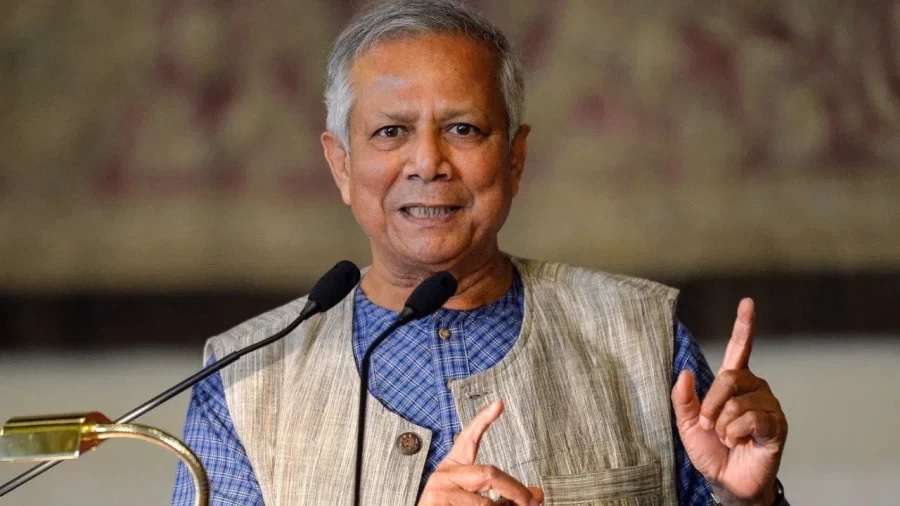
India
In an unexpected development, Islamist factions in Bangladesh, reportedly aligned with the Muhammad Yunus-led interim government, are calling for a comprehensive national security doctrine to fortify the country's military against potential threats from neighboring India. This push reflects the growing tensions among political factions and their discontent with policies attributed to the former Sheikh Hasina-led Awami League government. The demand for a new security doctrine surfaced prominently during a public forum where Mahmudur Rahman, editor of the Bangladeshi daily Amar Desh, voiced concerns about the current state of the army’s leadership. Rahman, a vocal critic of the Awami League, accused the party of weakening the military’s independence and fostering an environment allegedly guided by India’s interests. According to him, this undermines the country’s ability to act decisively in safeguarding national sovereignty. Calls for an Independent-Minded Military Leadership Rahman’s rhetoric underscores a broader Islamist agenda to establish an independent military leadership, free from what they perceive as undue Indian influence. The Islamists argue that fostering a leadership with an autonomous vision is critical to ensuring Bangladesh’s national security and geopolitical interests. This aligns with their longstanding narrative of opposing any form of political or military dependency on India, which has historically played a significant role in shaping Bangladesh’s post-1971 trajectory. Criticism of Awami League Policies The demands go beyond military reforms. Rahman has sharply criticized the Awami League for allegedly compromising national interests through agreements signed with India during Sheikh Hasina’s tenure. He has called for these agreements, signed since 2009, to be made public, suggesting they might have undermined Bangladesh’s strategic autonomy. This reflects a broader concern among Islamists and opposition factions about Bangladesh’s close ties with India under the Awami League. Targeting Awami League's Legacy The Islamists’ agenda appears to include erasing symbols of the Awami League's influence from Bangladesh’s national identity. Rahman has demanded a ban on the student wing of the Awami League, which he claims has been instrumental in supporting the party’s dominance. Additionally, he has called for renaming Bangabandhu Avenue in Dhaka—currently named after Sheikh Mujibur Rahman, the country’s founding leader and Sheikh Hasina’s father—after Shaheed Abrar, a university student who was murdered in 2019 and whose death sparked national outrage. Similarly, Rahman has proposed renaming the Jamuna Bridge, a major infrastructure project, after Shaheed Abu Sayeed, further signaling an effort to rewrite national symbols associated with the Awami League’s legacy. Opposition to Saima Wazed’s WHO Nomination Another key demand from the Islamists is the withdrawal of Saima Wazed’s nomination as regional director for the World Health Organization’s South-East Asia Region. Saima, Sheikh Hasina’s daughter, is seen as a prominent figure within the Awami League’s extended influence. Opponents argue that her nomination reflects dynastic politics and consolidates the party's clout on the international stage. Wider Implications for Bangladesh-India Relations The Islamists’ push for a new security doctrine and their broader political demands reflect a shift in Bangladesh’s internal discourse. While India has historically been a critical partner for Bangladesh in areas like trade, water-sharing, and counter-terrorism, Islamist factions perceive this relationship as imbalanced and detrimental to Bangladesh’s sovereignty. If such demands gain traction, they could strain Dhaka-Delhi relations, particularly if the interim government adopts policies aligning with the Islamists’ agenda. The call for a stronger, independent military could also reshape regional dynamics, potentially complicating India’s strategic interests in South Asia. Conclusion The demands made by Islamist factions signal an intensifying political battle in Bangladesh, with significant implications for the country’s internal stability and external relations. As the interim government navigates this turbulent phase, it remains to be seen how these demands will influence policy decisions and whether they will exacerbate divisions within Bangladesh’s political and military establishment. The outcome could redefine the nation's trajectory and its position in the South Asian geopolitical landscape.
Read More → Posted on 2025-01-21 08:11:06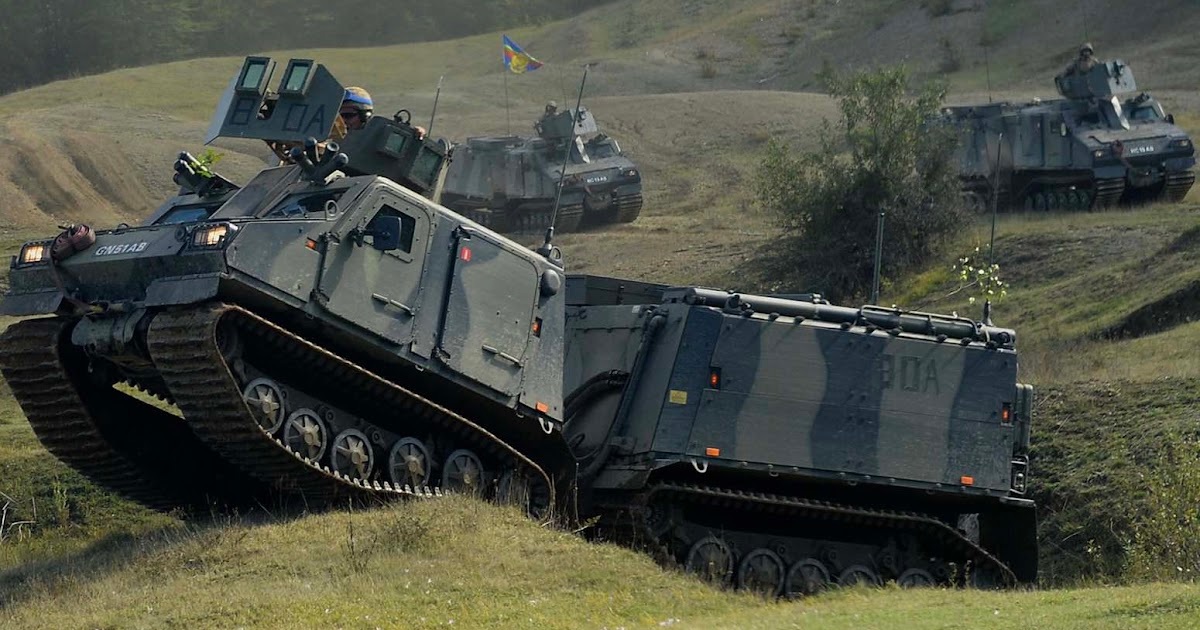
India
In a major leap forward for India’s defense mobility, Larsen & Toubro (L&T), in partnership with BAE Hägglunds, has introduced the BvS10 Beowulf, locally christened the BvS10 Sindhu, to the Indian Army. Designed as an articulated all-terrain vehicle (AATV), the Sindhu aims to redefine the Army's operational efficiency in some of the most treacherous and demanding environments in India. The BvS10 Sindhu has already completed rigorous trials in Ladakh, an area known for its extreme temperatures, rarefied air, and challenging topography. The vehicle’s performance in such unforgiving conditions underscores its potential to fill a critical mobility gap for the Indian Armed Forces, especially in high-altitude and remote border areas. A Versatile Vehicle for Diverse Indian Terrains The BvS10 Sindhu is a customized iteration of the globally acclaimed BvS10 Beowulf, fine-tuned to meet India’s unique operational needs. Here's why it stands out: 1. Unmatched Adaptability in Extreme Environments The Sindhu is designed to function in a wide variety of terrains, ranging from snow-covered mountains and desert sand to swampy wetlands and rocky landscapes. This adaptability makes it ideal for deployment in critical regions such as: The icy heights of Ladakh. The barren expanses of the Rann of Kutch. Coastal and riverine zones, where water bodies pose logistical challenges. 2. Modular Configurations for Multi-Mission Roles A key feature of the Sindhu is its modular design, enabling it to serve various operational purposes. The vehicle can be rapidly reconfigured to support missions such as: Troop transportation for frontline deployment. Command and control operations, allowing tactical units to stay connected. Medical evacuation (MEDEVAC) with an ambulance configuration for swift rescue missions. Logistics and supply transport for delivering ammunition, rations, and essential equipment in hard-to-reach areas. This modularity ensures the Sindhu is not just a vehicle but a versatile platform for all-weather, multi-role military operations. 3. High Mobility and Endurance One of the Sindhu’s standout features is its articulated chassis, which provides extraordinary maneuverability over rugged and uneven terrain. Its ability to ford water bodies and navigate steep inclines makes it indispensable for operations near rivers, lakes, and mountainous regions. The Sindhu’s high-powered engine, optimized for high-altitude performance, ensures seamless operations even in extreme weather conditions—whether it’s the freezing temperatures of the Himalayas or the scorching heat of the Thar Desert. 4. Advanced Protection and Survivability While exact details of the armor remain classified, the Sindhu is designed to offer robust protection against small arms fire and fragmentation, enhancing the safety of onboard personnel in hostile conditions. The crew’s survivability is further ensured by a rugged build that minimizes mechanical vulnerabilities during high-stress operations. Strategic Importance for the Indian Army The Indian Army’s growing focus on modernizing its logistical and tactical mobility assets aligns perfectly with the introduction of the Sindhu. Border regions like Ladakh, Arunachal Pradesh, and parts of Jammu & Kashmir demand specialized equipment capable of functioning in extreme altitudes, temperatures, and terrains. The Sindhu’s successful trials in Ladakh demonstrate its ability to handle such environments with ease, addressing challenges such as: The need for rapid troop mobilization in border conflict zones. Overcoming logistical bottlenecks caused by weather-related disruptions. Providing a tactical edge in areas where conventional vehicles fail to operate effectively. Additionally, its amphibious capabilities are a game-changer for India’s coastal defense and potential deployment during humanitarian assistance and disaster relief (HADR) missions. A Step Towards Self-Reliance The partnership between L&T and BAE Hägglunds for the BvS10 Sindhu underscores India’s commitment to bolstering its defense manufacturing capabilities under the Make in India initiative. L&T is expected to play a major role in producing the Sindhu locally, ensuring technology transfer and creating a skilled workforce for future projects. By manufacturing such advanced vehicles domestically, India can reduce its dependence on imports, cutting costs and ensuring faster delivery timelines. Potential Future Deployment The introduction of the BvS10 Sindhu could pave the way for its adoption across the Indian Armed Forces. Beyond the Army, specialized units like the Indo-Tibetan Border Police (ITBP), tasked with securing mountainous borders, and the National Disaster Response Force (NDRF) could benefit from the vehicle’s unique capabilities. Moreover, the Sindhu’s modular nature and rugged performance may also make it suitable for export to friendly nations facing similar mobility challenges in extreme terrains. Conclusion The BvS10 Sindhu represents a transformative solution for the Indian Army’s mobility challenges in extreme environments. Its ability to adapt to diverse terrains, perform multi-mission roles, and enhance crew survivability positions it as an indispensable asset for modern warfare and disaster response. As India strengthens its defense manufacturing ecosystem, the Sindhu serves as a shining example of the country’s growing technological and industrial capabilities in partnership with global leaders like BAE Hägglunds.
Read More → Posted on 2025-01-20 15:52:27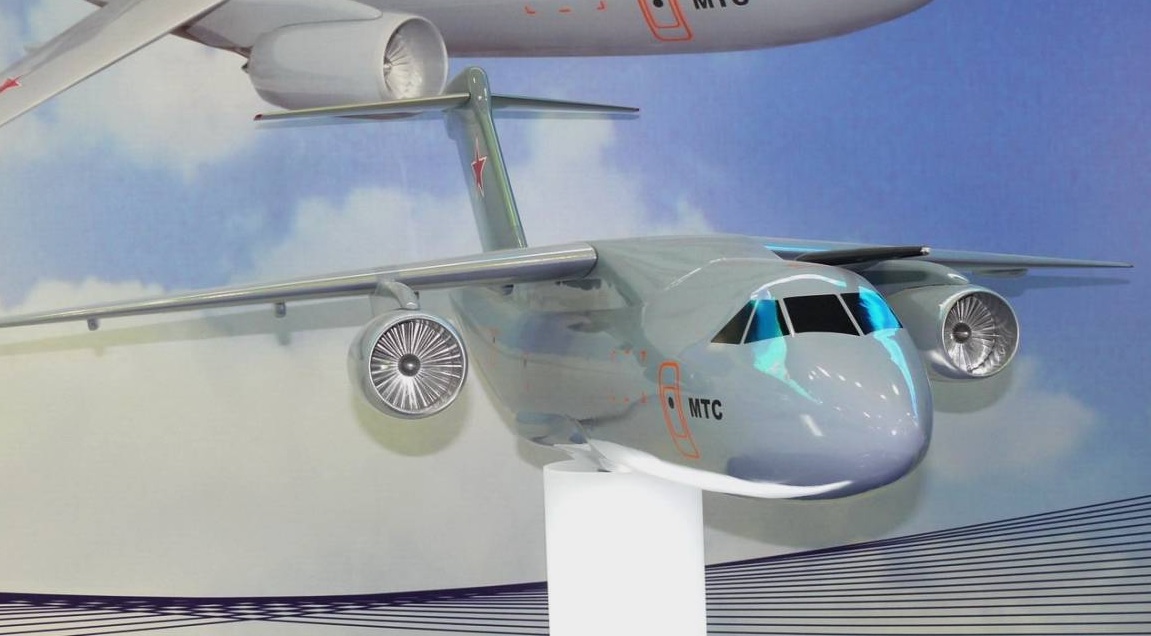
India
Russia is renewing its efforts to bring back to life the long-dormant Multirole Transport Aircraft (MTA) project with India, a venture originally designed to address the transport needs of both countries. This ambitious joint effort, first proposed in 2007, aimed to develop a state-of-the-art medium transport aircraft to replace India's aging fleet of Antonov An-32s while also meeting Russia's transport requirements. However, the project stalled in 2016 due to disagreements over engine specifications and management issues. The Original Vision of the MTA Project The MTA project was a collaboration between Russia’s United Aircraft Corporation (UAC) and India’s Hindustan Aeronautics Limited (HAL). It was intended to produce a twin-engine medium transport aircraft with a payload capacity of around 20 tons, offering both military and civilian variants. India had planned to procure 45 aircraft, and Russia expressed interest in acquiring about 100 units for its own use. The project was seen as a potential game-changer for India, as it promised a modernized transport fleet for the Indian Air Force (IAF), enhanced domestic aerospace manufacturing capabilities, and technology transfer from Russia. However, the ambitious plans unraveled as HAL withdrew from the project in 2016, citing irreconcilable differences over engine selection and the lack of a robust project framework. Russia’s New Proposal With the Indian Air Force currently seeking 60 new medium transport aircraft through a fresh tender, Russia sees a strategic opportunity to reintroduce the MTA program. In an effort to address past disagreements, Russia is now offering to equip the aircraft with engines featuring Full Authority Digital Engine Control (FADEC) systems. These advanced FADEC-enabled engines promise better fuel efficiency, reliability, and ease of operation—issues that were major sticking points in earlier negotiations. This concession marks a significant shift in Russia’s approach, as the absence of FADEC systems in their engines was a key factor in HAL’s departure from the project. However, even with this adjustment, challenges persist. India’s Preference for Western Engines The Indian Air Force remains cautious about adopting Russian engines, despite the inclusion of FADEC systems. Past experiences with Russian equipment have highlighted maintenance and operational difficulties, particularly when it comes to sourcing spare parts. This has led the IAF to favor Western or European engines, which are perceived to offer greater reliability and easier logistical support. For the Indian variant of the MTA, the IAF is advocating for engines that align with their operational standards and existing supply chains. Western engine manufacturers have a well-established reputation for offering better after-sales support, which translates into higher aircraft availability and lower lifecycle costs. Challenges Ahead Integrating Western engines into a Russian airframe poses a host of technical and contractual challenges. For instance, intellectual property concerns, technology transfer agreements, and compatibility issues between the airframe and engine systems will need to be carefully negotiated. Moreover, such integration could significantly increase development timelines and costs, making the aircraft less attractive to both partners. On the Russian side, the willingness to adapt their designs to accommodate Western engines signals their seriousness about reviving the project. However, the extent to which they are prepared to compromise remains uncertain. Strategic Implications The outcome of these negotiations will have broader implications for the India-Russia defence partnership. For decades, Russia has been a reliable supplier of military equipment to India, but in recent years, India has diversified its defence procurement, increasingly turning to Western countries. If the MTA project fails to materialize again, it could signal a further shift in India’s defence strategy, potentially affecting Russia’s role as a key supplier. On the other hand, successfully resolving the engine dispute and reviving the project could strengthen bilateral ties and pave the way for future collaborations. Alternatives for India Should the MTA program remain stalled, India is likely to pursue one of the Western contenders for its transport aircraft needs. Airbus’ C295, which is already being manufactured in India in partnership with Tata Advanced Systems, could be a strong candidate. The American C-130J Super Hercules and Embraer’s KC-390 from Brazil also remain viable options. Conclusion The renewed push by Russia to revive the Multirole Transport Aircraft project underscores the potential benefits of collaboration but also highlights the persistent challenges in joint development programs. While Russia’s willingness to incorporate FADEC technology is a step in the right direction, the IAF’s insistence on Western engines reflects a larger trend of India seeking more dependable and diverse defence partnerships. The success or failure of the MTA project will hinge on the ability of both nations to find common ground on critical issues like engine selection and technology integration. If successful, the program could usher in a new era of cooperation in aerospace manufacturing. However, failure to reconcile differences could further shift India’s defence procurement landscape toward Western alternatives.
Read More → Posted on 2025-01-20 15:05:31
India
An Oxfam International report has unveiled staggering figures about the economic exploitation of India during British colonial rule. The report, titled Takers, Not Makers, sheds light on the systematic extraction of wealth that fueled inequality and entrenched global disparities, primarily benefiting the richest 10% in the UK. Released ahead of the World Economic Forum’s Annual Meeting, the report highlights the enduring impact of colonialism on present-day global economic structures. The USD 64.82 Trillion Extraction Between 1765 and 1900, the British Empire extracted a staggering USD 64.82 trillion from India, adjusted to today’s value. Of this, USD 33.8 trillion was funneled to the wealthiest 10% in the UK. To contextualize the scale, Oxfam notes that this amount could cover London’s surface area four times over in £50 notes. The wealth amassed by these elites laid the foundation for generational affluence, some of which can still be traced to colonial-era exploitation. The Multinational Legacy of Colonialism Oxfam’s report delves into how colonialism gave rise to modern multinational corporations. The British East India Company, a private corporation, symbolized the corporate exploitation of the era. With an army of 260,000 soldiers—twice the size of Britain’s standing army at the time—the Company exerted immense control over India, enabling land seizures, economic monopolies, and violent suppression of resistance. This set a precedent for contemporary multinational corporations that continue to exploit cheap labor and resources from the Global South. Workers in the Global South today often earn wages 87–95% lower than their counterparts in the Global North for jobs requiring similar skill levels. These disparities, perpetuated by supply chain monopolies, underline the systemic inequalities rooted in colonial practices. Industrial Decline and Exploitation The report highlights how Britain’s protectionist policies devastated India’s economy. In 1750, India accounted for 25% of global industrial output, but by 1900, this figure plummeted to a mere 2%. British-imposed tariffs crushed India’s thriving textile industry, redirecting wealth and opportunities to Britain. Ironically, World War I temporarily alleviated this suppression as disrupted trade patterns sparked industrial growth in some colonies, a trend that remains evident today. The Middle Class and Wealth Redistribution While the wealthiest 10% benefited most, Oxfam notes that colonialism also created a new middle class, which received 32% of the wealth extracted from India. This emergent class played a crucial role in perpetuating colonial structures, further entrenching economic disparities. Colonial Atrocities: Famines, Deaths, and Forced Labor Colonial policies caused widespread suffering. Between 1891 and 1920, an estimated 59 million excess deaths occurred in India due to famines, poverty, and systemic neglect. The Bengal Famine of 1943, which claimed three million lives, was exacerbated by British-imposed grain export restrictions during World War II. The exploitation extended beyond economics to human suffering. Over 3.7 million people from India, China, Africa, and other regions were transported as indentured laborers to work on colonial plantations, mines, and infrastructure projects. This forced labor system symbolized the dehumanizing practices of colonial powers. Cultural and Social Divisions Oxfam highlights how colonialism entrenched divisions in India, formalizing caste hierarchies and exploiting religious, gender, and linguistic differences. The British also acted as a "colonial drug pusher," promoting opium production in eastern India for export to China, leading to widespread addiction and the Opium Wars. The report also cites examples of biopiracy, such as the patenting of traditional Indian practices like neem extract use, showcasing how colonial exploitation extended to intellectual and cultural domains. Modern-Day Inequalities Oxfam draws parallels between historical colonialism and contemporary global inequalities. The report argues that institutions like the World Trade Organization (WTO) and the World Bank continue to favor the Global North, perpetuating economic disparities. For instance, during the COVID-19 pandemic, proposals from South Africa and India to waive intellectual property rights on vaccines were opposed by wealthy nations, reflecting the ongoing exploitation of the Global South. Privatization of public services is another legacy of colonialism. In India, the International Finance Corporation (IFC), a World Bank arm, has financed private hospitals that remain inaccessible to much of the population, further exacerbating health inequities. Colonialism’s Lasting Impact The report emphasizes that the inequality and poverty plaguing many Global South nations are direct consequences of colonialism. Military expenditures during colonial rule, which consumed nearly 75% of India’s budget, came at the expense of public works and agricultural development, worsening famines and economic stagnation. These patterns continue to shape the socio-economic realities of former colonies. A Call for Justice Oxfam’s report is a sobering reminder of the vast wealth extracted during colonial rule and its lasting consequences. By exposing the roots of global inequality, the report calls for a reimagining of economic systems to address historical injustices and ensure a fairer distribution of resources in the future. The legacy of colonialism is not just a historical issue—it is a systemic problem that continues to shape the modern world. Addressing this requires a collective effort to dismantle structures of exploitation and build a more equitable global economy.
Read More → Posted on 2025-01-20 14:44:48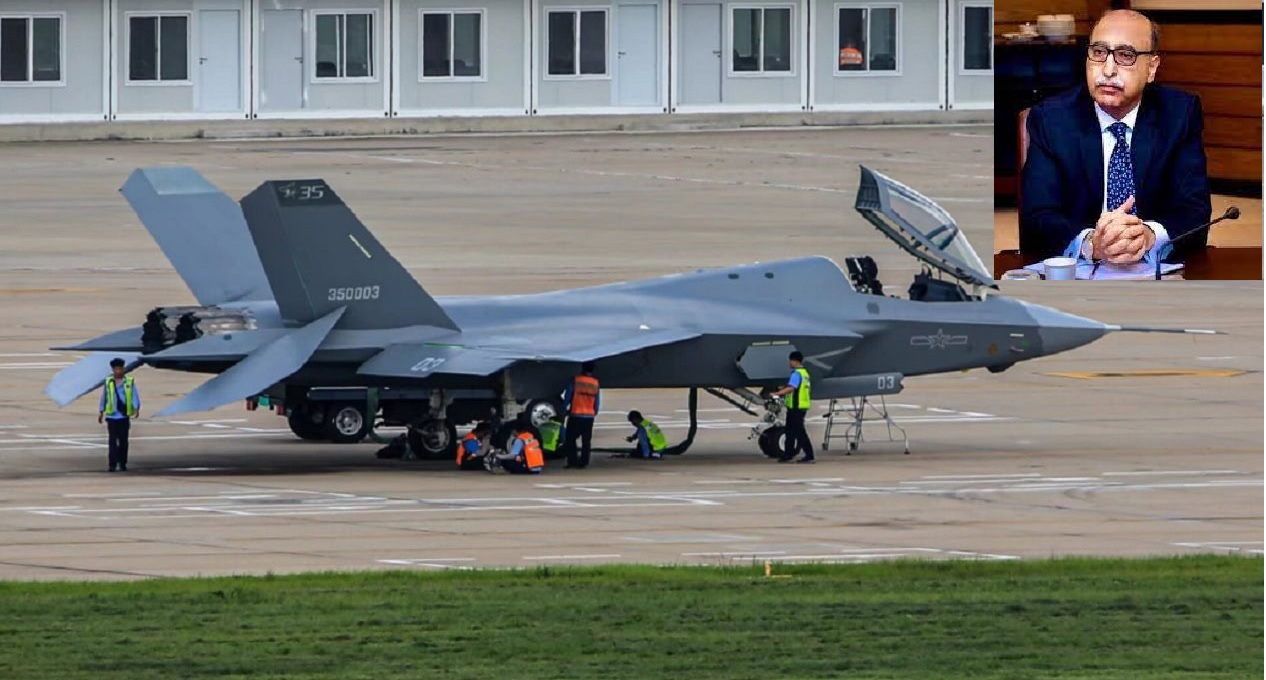
India
Abdul Basit, a former Pakistan High Commissioner to India, has sparked discussions across defense and strategic circles with his bold assertion that the Pakistan Air Force (PAF) will hold a significant technological advantage over the Indian Air Force (IAF) in the coming years. According to Basit, the induction of advanced fighter jets, such as the Chinese J-35A stealth aircraft and Turkey's TAI TF Kaan, will place the PAF 6-8 years ahead of the IAF in terms of aerial warfare capabilities. Strategic Edge Through Modernization Basit’s remarks underline the PAF's ongoing modernization drive, which he claims has already positioned it as a formidable force in the region. Despite the IAF’s numerical superiority, Basit argues that the qualitative edge currently lies with Pakistan due to its focus on acquiring state-of-the-art technology. He highlights that Pakistan’s strategic alliances with China and Turkey have enabled it to procure cutting-edge aircraft designed to rival the capabilities of adversaries in South Asia. The Game-Changing J-35 A focal point of Basit’s statements is the J-35A, a Chinese fifth-generation stealth fighter. Equipped with advanced avionics, long-range precision strike capabilities, and stealth technology, the J-35 is expected to revolutionize PAF operations. Basit describes it as a "game-changer," suggesting that the aircraft will enhance Pakistan’s ability to counter regional threats effectively, particularly from India. The J-35’s development is part of China’s broader ambition to create aircraft capable of rivaling the U.S. F-35, and Pakistan’s access to this technology underscores the strength of its partnership with Beijing. Once operational, the J-35 is anticipated to bolster Pakistan’s deterrence capabilities and improve its readiness for modern, high-intensity conflicts. The Role of Turkey’s TF Kaan Basit also highlighted Turkey's TAI TF Kaan, a next-generation fighter currently under development. With its advanced multi-role capabilities, including air superiority and ground attack missions, the TF Kaan is expected to complement the J-35 in diversifying and strengthening the PAF’s fleet. This collaboration with Turkey further underscores Pakistan’s strategy of diversifying its defense procurements to reduce reliance on any single source. India’s Fighter Development Lag In his remarks, Basit criticized what he sees as India’s slow pace in developing and deploying fifth-generation fighter jets. While the IAF has initiated programs like the Advanced Medium Combat Aircraft (AMCA), these projects are still years away from operational readiness. According to Basit, this delay gives Pakistan a strategic window to cement its aerial superiority. He argued that by the time India’s AMCA project becomes a reality, Pakistan would have already integrated and operationalized the J-35 and TF Kaan into its fleet. Broader Implications for South Asia The claims made by Basit come at a time when South Asia is witnessing an intensifying arms race, particularly in the air domain. If Pakistan succeeds in acquiring and integrating these advanced platforms as envisioned, it could shift the regional balance of power, leading to heightened tensions. India, for its part, continues to invest in indigenous defense production and partnerships with countries like France and the United States to counter these developments. However, Basit’s claims have drawn mixed reactions from defense experts. While some analysts agree that the J-35 and TF Kaan could give the PAF a temporary edge, others point out the challenges associated with operationalizing and maintaining such advanced platforms. Additionally, questions remain about the economic feasibility of these acquisitions for Pakistan, given its ongoing financial struggles. The Bigger Picture Abdul Basit’s statements reflect a broader narrative of competition and rivalry between India and Pakistan. Whether or not the PAF achieves the superiority he envisions, the introduction of advanced platforms like the J-35 and TF Kaan signifies Pakistan’s determination to modernize its air force and maintain strategic parity with India. As both nations continue to invest heavily in defense, the implications for peace and stability in the region remain uncertain.
Read More → Posted on 2025-01-20 07:57:06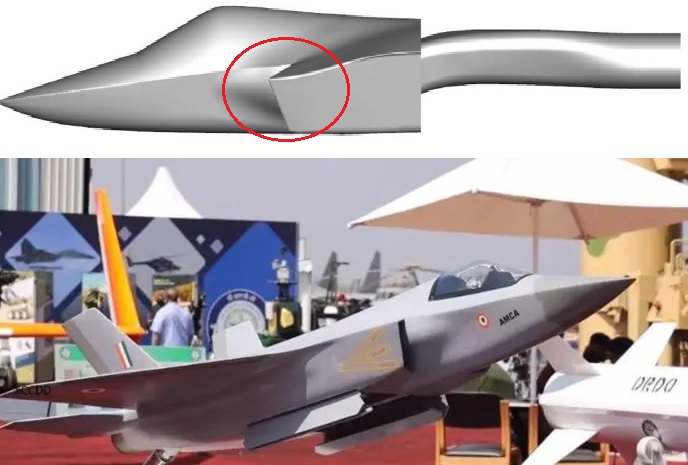
India
India’s defense aviation sector is on an ambitious trajectory, spearheaded by projects like the Tejas MkII Medium Weight Fighter (MWF) and the Advanced Medium Combat Aircraft (AMCA). These aircraft represent a critical leap in the country’s push for self-reliance in defense manufacturing. However, a key difference between the two jets has sparked interest among defense enthusiasts and experts: the inclusion of Diverterless Supersonic Inlets (DSI) in the AMCA and their absence in the Tejas MkII. This design decision reflects a nuanced balance between technological priorities, cost considerations, and operational goals. What Are DSI Intakes, and Why Are They Important? Diverterless Supersonic Inlets are an advanced intake design that eliminates the need for traditional diverter plates and bypass ducts. The primary advantages of DSIs are: Reduced Radar Cross-Section (RCS): By eliminating complex external components, DSIs improve an aircraft’s stealth capabilities by reducing radar reflectivity. Improved Aerodynamics: DSIs create smoother airflow into the engine, reducing drag and increasing efficiency. Simplified Maintenance: Fewer moving parts mean lower maintenance demands and a lighter overall structure. These benefits make DSIs particularly desirable for stealth-focused, next-generation fighter jets. Yet, despite these advantages, their incorporation involves significant design complexity, which influences their suitability for different platforms. Why the Tejas MkII Doesn’t Feature DSI Intakes The Tejas MkII is an evolutionary upgrade of the Tejas MkI and MkIA. Retaining a design lineage from its predecessors, the MkII integrates advanced avionics, a higher payload capacity, and better performance parameters. However, it doesn’t adopt DSIs for several practical reasons: Inherited Airframe Design:The MkII is built on the existing Tejas airframe to save on development costs and time. The conventional intake design of its predecessor was retained and optimized for the MkII’s operational needs, which focus less on stealth compared to 5th-generation fighters. Introducing DSI technology would have necessitated a complete re-engineering of the airframe, leading to delays and budget overruns. Focus on Operational Priorities:The primary objectives for the Tejas MkII include enhanced maneuverability, greater payload capacity, and improved avionics. These upgrades cater to the operational requirements of a 4.5-generation fighter. Stealth was an enhancement, not the central focus, for the MkII’s design philosophy. Timeline and Budget Constraints:The Tejas MkII is critical to the Indian Air Force’s fleet modernization and is intended for quicker induction. Incorporating DSIs, which require extensive aerodynamic testing and validation, would have delayed the program significantly. Stealth Requirements:While the Tejas MkII features some stealth improvements—such as radar-absorbing materials and a reduced frontal RCS—it doesn’t demand the same level of stealth optimization as a 5th-generation aircraft. The traditional intakes meet the stealth and performance needs of the MkII without requiring the leap to DSIs. Why AMCA Features DSI Intakes In contrast, the AMCA is designed from the ground up as a 5th-generation fighter, with stealth as a cornerstone of its design. Here’s why DSIs were chosen for the AMCA: Stealth-Driven Design:As a stealth-centric platform, the AMCA incorporates multiple technologies to minimize RCS, such as internal weapon bays, radar-absorbing coatings, and DSIs. The elimination of external diverters and bypass ducts significantly reduces radar visibility. Clean-Slate Approach:Unlike the Tejas MkII, the AMCA doesn’t inherit its design from an earlier platform. This freedom allowed designers to integrate DSIs and other advanced features from the outset without retrofitting existing structures. Future-Proofing:The AMCA is being developed to compete with global 5th-generation fighters, including the F-35 and the Chinese J-20. Incorporating DSIs positions it as a technologically advanced competitor, catering to both stealth and aerodynamic efficiency. Longer Development Timeline:The AMCA’s development schedule, while ambitious, allows room for integrating cutting-edge technologies like DSIs. Unlike the Tejas MkII, the AMCA program isn’t under the same time pressure for immediate deployment. Strategic Balance in Design Philosophy The absence of DSIs on the Tejas MkII and their inclusion in the AMCA highlight the distinct roles these aircraft are designed to play. The Tejas MkII prioritizes affordability, ease of production, and rapid deployment to fulfill the IAF’s immediate needs. On the other hand, the AMCA embodies India’s long-term vision of fielding a world-class stealth fighter capable of rivaling global competitors. By avoiding the complexity of DSIs on the MkII, India has ensured faster delivery and broader affordability for the IAF. At the same time, the integration of DSIs into the AMCA signifies a leap toward advanced capabilities and technological parity with global aviation leaders. This thoughtful division of priorities reflects India’s pragmatic approach to defense aviation, balancing current operational needs with future aspirations. The decisions made in these programs not only serve immediate requirements but also lay the foundation for the evolution of indigenous aircraft design.
Read More → Posted on 2025-01-19 15:32:55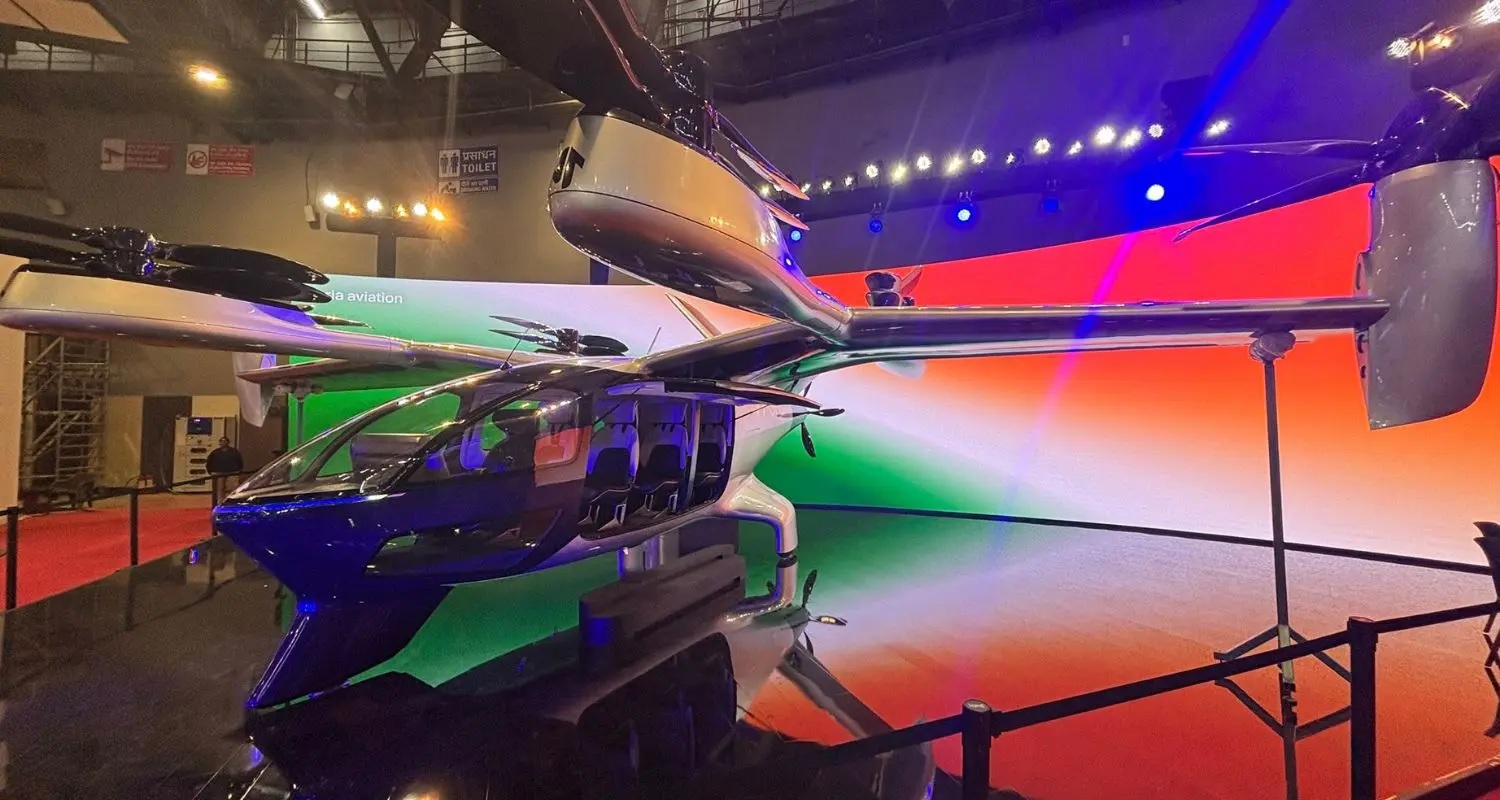
India
India has taken a giant step into the future of urban transportation with the unveiling of "Shunya," the country's first flying taxi prototype. The prototype was showcased at the Bharat Mobility Global Expo 2025, sparking widespread excitement about its potential to revolutionize the way people travel in congested urban areas. Developed in collaboration between Sona SPEED, a precision manufacturing firm, and Bengaluru-based Sarla Aviation, "Shunya" combines cutting-edge aerospace engineering with an ambitious vision for a cleaner, faster, and more sustainable transportation system. The Technology Behind "Shunya" "Shunya" is an advanced electric vertical take-off and landing (eVTOL) aircraft, designed to offer efficient, emission-free, and time-saving solutions to urban commuters. Leveraging technology used in Indian Space Research Organisation (ISRO) missions, the prototype benefits from Sona SPEED's extensive expertise in precision engineering. The components, such as motors and landing gear, are being developed at Sona SPEED's state-of-the-art manufacturing facilities in Karnataka. The incorporation of ISRO-grade technology ensures high reliability, durability, and efficiency, vital for a product expected to operate in demanding urban environments. The partnership between Sona SPEED and Sarla Aviation underscores India's growing emphasis on integrating advanced space and aerospace technologies into everyday applications. Key Specifications of "Shunya" Aircraft Type: eVTOL (electric Vertical Take-Off and Landing) Seating Capacity: Designed to carry 2-4 passengers initially Top Speed: Estimated to reach up to 150-200 km/h Flight Range: Approximately 100-150 kilometers on a single charge Propulsion System: Electric motors powered by high-capacity, lightweight batteries Charging Time: Expected to charge fully within 1-2 hours Navigation: Advanced autonomous flight control system with AI-enabled obstacle avoidance Noise Levels: Minimal due to electric propulsion, making it ideal for urban environments Landing Requirements: Can land on rooftops, parking areas, or specially designated eVTOL hubs Government and Industry Support Union Minister for Heavy Industries and Steel, HD Kumaraswamy, attended the unveiling and expressed optimism about the project's potential to make India a leader in sustainable transportation. He emphasized how "Shunya" aligns with the government’s push towards Make in India and green energy initiatives. Chocko Valliappa, CEO of Sona SPEED, highlighted the broader impact of the project, stating, "This partnership is a significant step in Sona SPEED's evolution as a hub for aerospace innovation. Together, we aim to shape a cleaner, faster, and more efficient future for urban transportation." Rakesh Gaonkar, CEO of Sarla Aviation, echoed these sentiments, saying, "Sona SPEED's expertise in precision engineering perfectly complements our vision for electric flying taxis. This collaboration reinforces our mission to redefine urban mobility with cutting-edge eVTOL technology." Roadmap to 2028 While "Shunya" has generated a buzz as a groundbreaking innovation, it is only the beginning. Sarla Aviation plans to conduct extensive test flights and refine the prototype over the coming years. The company is working on securing certifications, improving battery efficiency, and integrating advanced navigation systems to meet international safety and operational standards. The target market launch is set for 2028, with plans to deploy the first operational flying taxis in major metropolitan cities such as Bengaluru, Mumbai, and Delhi. These air taxis aim to cut travel time drastically, reduce road congestion, and promote sustainability in urban environments. Implications for India The unveiling of "Shunya" represents more than just a technological breakthrough; it signifies India's aspirations to become a global leader in sustainable transportation solutions. With urban populations growing rapidly, innovative projects like this could provide critical solutions to infrastructure and environmental challenges. Moreover, the collaboration between private enterprises like Sarla Aviation and Sona SPEED highlights the increasing role of industry partnerships in driving India's technological advancements. As the world watches, "Shunya" could become a symbol of India's ingenuity and determination to shape a smarter and greener future. By combining homegrown expertise with ISRO-backed technologies, India is poised to redefine urban mobility for generations to come.
Read More → Posted on 2025-01-19 15:25:43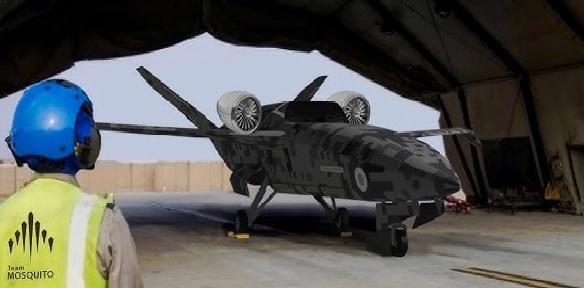
India
Bengaluru-based NewSpace Research and Technologies (NRT) is making headlines with its innovative "Abhimanyu" drone project, designed to revolutionize India's tactical aerial capabilities. This Collaborative Combat Aircraft (CCA) is poised to reshape modern warfare through its ability to operate in a Manned-Unmanned Teaming (MUMT) system. With its focus on cost-effectiveness, adaptability, and scalability, Abhimanyu stands out as a versatile platform for modern combat missions. The Vision Behind Abhimanyu The Abhimanyu is engineered to be an expendable and intelligent drone capable of performing a variety of roles. Its primary applications include Intelligence, Surveillance, and Reconnaissance (ISR); kinetic strikes; decoy operations; and Electronic Warfare (EW). By integrating seamlessly with manned aircraft, the drone aims to enhance battlefield effectiveness through collaborative tactics. Key Specifications and Features The Abhimanyu is designed with a Tactical Interdiction and Attack Air Vehicle (TIA-AV) philosophy. Here are some notable features and specifications: Compact Size: Smaller than HAL's CATS Warrior, the Abhimanyu fills operational gaps where larger drones might be less practical or too expensive. Payload Versatility: Modular design enables quick payload changes to suit ISR, EW, or strike missions. Stealth and Agility: Its aerodynamic structure ensures low radar visibility and high maneuverability. Collaborative Systems: Designed for seamless integration with manned aircraft to share intelligence, perform coordinated strikes, or deploy decoys. Scalability: Capable of being produced and deployed in large numbers to overwhelm adversaries or execute attritable warfare strategies. Cost Efficiency: Engineered to be low-cost and expendable, making it ideal for high-risk missions where expensive manned aircraft may not be suitable. Complementing HAL’s CATS Warrior The Abhimanyu complements HAL’s CATS Warrior by addressing different operational requirements. While the CATS Warrior is a more advanced and robust system designed for high-end combat scenarios, the Abhimanyu excels in its ability to perform as an expendable asset in high-risk environments. Together, these platforms form a cohesive unmanned aerial ecosystem capable of handling a wide range of mission profiles. Strategic Significance The Abhimanyu is part of India’s growing focus on MUMT systems, a concept gaining traction globally for its ability to enhance tactical flexibility. This approach reduces reliance on manned missions, thus lowering the risk to human pilots and cutting costs associated with expensive fighter jets. NRT's focus on attritable warfare—a strategy that accepts potential losses of unmanned systems while maintaining operational superiority—is in line with global trends. Countries like the United States and China have also been developing similar systems to bolster their military capabilities without incurring prohibitive costs. Future Prospects Though still in development, the Abhimanyu represents a leap forward in India’s military strategy. It is envisioned as a platform that can be rapidly deployed and scaled up during conflict, enabling India to respond swiftly to evolving threats. The ability to collaborate with manned aircraft and other drones adds a layer of operational depth that could redefine aerial warfare tactics. NRT’s emphasis on creating an ecosystem of unmanned systems signals a transformative approach to modern warfare. Platforms like the Abhimanyu could influence global defence strategies, positioning India as a leader in MUMT and drone technology. Conclusion By spearheading the Abhimanyu project, NRT is not just developing a drone but contributing to the evolution of collaborative aerial warfare. Paired with HAL’s CATS Warrior, the Abhimanyu promises to enhance India’s aerial capabilities, offering a cost-effective, adaptable, and scalable solution for modern combat needs. As unmanned systems continue to gain prominence, the Abhimanyu could play a pivotal role in shaping the future of India’s defence strategy. This pioneering platform underscores India’s growing emphasis on innovation in defence, heralding a new era of collaborative and cost-effective warfare.
Read More → Posted on 2025-01-19 15:17:37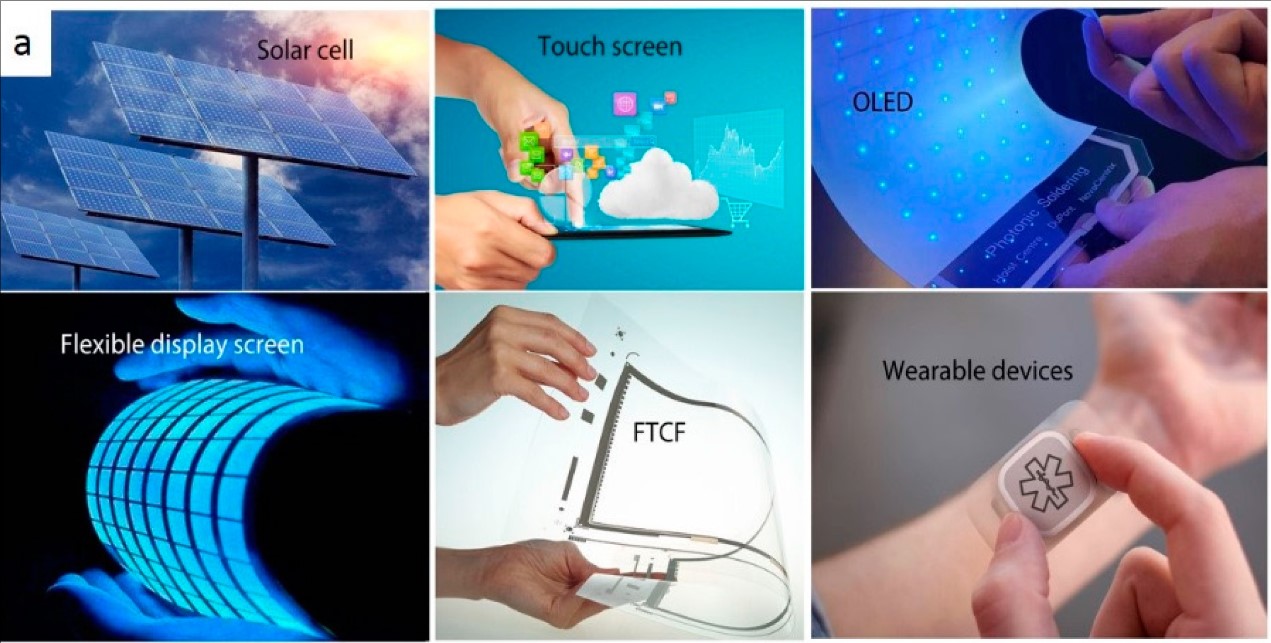
India
India has taken a decisive step towards technological self-reliance by transferring its indigenous silver nanowire-based conductive ink technology to two start-ups, Chematico Technologies Private Limited (IIT-Ropar incubated) and Vasanthbala Functional Materials Pvt Ltd (NIT Warangal incubated). The landmark event, held on January 11, 2025, at NIT Warangal, aims to reduce India’s reliance on imports for conductive inks, a market currently valued at approximately $1.57 million annually. This move is set to bolster the country’s electronics manufacturing capabilities while unlocking the vast potential of advanced materials like silver nanowires. Key Features and Specifications of the Technology Silver nanowire-based conductive ink is a game-changer in electronics, offering exceptional conductivity, flexibility, and transparency. Below are some of its notable specifications and applications: Material Composition: High-purity silver nanowires, providing superior conductivity and reduced resistivity. Transparency: Greater than 85%, enabling use in transparent electronics like touchscreens and solar cells. Flexibility: Exceptional mechanical flexibility for use in foldable devices and wearable technologies. Processing Compatibility: Can be deployed using inkjet, roll-to-roll, or screen printing techniques, ensuring scalability for mass production. Thermal Stability: Operates reliably across a wide temperature range, crucial for demanding environments. Applications Driving Demand The technology’s versatility has far-reaching implications for various industries: Flexible Electronics Touchscreen Displays: Replacing traditional materials like indium tin oxide (ITO) with silver nanowires for higher conductivity and durability. Foldable Devices: Enabling next-generation devices with superior bending resistance. Wearable Devices Smart Textiles: Integration into fabrics for features like health monitoring, sensing, and heating. Electronic Tattoos: Lightweight and biocompatible circuits for medical applications. Solar Energy Thin-Film Solar Cells: Enhancing electron transport in perovskite solar cells, improving efficiency while maintaining flexibility. Consumer Electronics LEDs and Transparent Displays: High light transmittance and conductivity for advanced displays and lighting systems. Printed Electronics Mass Production: Scalable printing methods for efficient production of printed circuits and components. Medical Applications Biosensors: Real-time physiological monitoring using high-conductivity, biocompatible materials. Antimicrobial Coatings: Leveraging silver's antibacterial properties for safer medical devices and environments. Environmental Protection EMI Shielding: Transparent materials to protect sensitive electronics from electromagnetic interference. Market Potential The global market for silver nanowire-based conductive ink and adhesives is forecasted to surpass $16.87 billion by 2032. Rising demand across sectors like semiconductors, solar photovoltaics, and wearable devices positions this technology as a cornerstone for future advancements. With India currently importing conductive inks primarily from countries like the USA, China, and the Netherlands, the indigenous development and manufacturing of this technology are expected to significantly reduce import dependency. Strategic Implications During the event, Shri Bhuvnesh Kumar, IAS, highlighted the significance of this technology transfer in strengthening India’s semiconductor and advanced electronics ecosystem. He stressed the importance of scaling up domestic manufacturing to meet the increasing demand for cutting-edge materials. The initiative aligns with India’s broader goals of "Atmanirbhar Bharat" (Self-Reliant India) and promises to elevate the country's global standing in the electronics and materials science sectors. This achievement not only represents a milestone in India's journey towards self-reliance but also positions Indian start-ups to compete globally in the rapidly growing market for advanced conductive materials.
Read More → Posted on 2025-01-19 15:09:45
India
Bengaluru-based startup Strider Robotics is making significant strides in developing indigenous robotic mules tailored for industrial, logistics, and defense applications. As India pushes for self-reliance in advanced technologies under the ‘Make in India’ initiative, Strider Robotics’ efforts stand out, particularly in the field of autonomous systems for the armed forces. Addressing a Crucial Gap Currently, the Indian Army relies on robotic mules that are assembled domestically but rely heavily on imported components and foreign designs. These semi-indigenous systems, while functional, do not fully align with the country’s goal of technological self-sufficiency. Strider Robotics seeks to bridge this gap by delivering fully indigenous robotic mules built from the ground up with local expertise, addressing not just military needs but also providing cutting-edge solutions for industrial and logistics operations. Capabilities of Strider Robotics’ Mules Strider Robotics’ robotic mules are designed to serve multiple purposes across varied sectors. Key capabilities include: 1. Autonomous Inspection: The robotic mules can autonomously inspect multiple points within a facility, gathering live readings and transmitting them to a remote control room. This feature eliminates the need for manual inspection, ensuring consistent and accurate monitoring across large industrial or logistical setups. 2. Real-Time Analytics and Insights: By capturing real-time data, the robotic mules provide advanced insights and analytics, enabling businesses and operators to make informed decisions. This eliminates the dependency on manual logs, reducing human error and improving operational efficiency. 3. Multi-Sensor Integration: Strider Robotics’ mules incorporate multi-sensor technology, crucial for condition monitoring in industrial plants. By integrating various sensors, the mules can monitor parameters like temperature, pressure, vibration, and more, offering a comprehensive overview of the plant’s health. 4. Advanced Navigation and Mobility: Designed to operate in challenging terrains and environments, these robotic mules come equipped with advanced navigation systems. They can traverse rough landscapes, making them highly suitable for military applications in remote or difficult-to-access areas. 5. Modular Design: The modular design of these mules ensures adaptability to various payloads and operational requirements. This feature allows the same base platform to serve both industrial and defense needs with minimal customization. Implications for the Indian Armed Forces For the armed forces, indigenous robotic mules could significantly enhance logistics and operational capabilities. These systems can autonomously carry supplies, weapons, or medical equipment, reducing the burden on personnel in remote or hostile terrains. Furthermore, fully indigenous designs ensure greater control over critical technologies, reducing reliance on foreign vendors and enhancing cybersecurity. Towards Self-Reliance Strider Robotics’ innovations align with India’s broader goals of achieving technological independence. By focusing on indigenous designs, the company not only contributes to national security but also stimulates the local robotics ecosystem, encouraging further research and development in autonomous technologies. As Strider Robotics continues to refine and deploy its robotic mules, it exemplifies the transformative potential of homegrown startups in redefining India’s technological landscape. Whether for industrial efficiency or military effectiveness, the company’s efforts underline the importance of innovation and self-reliance in shaping the future.
Read More → Posted on 2025-01-19 09:24:43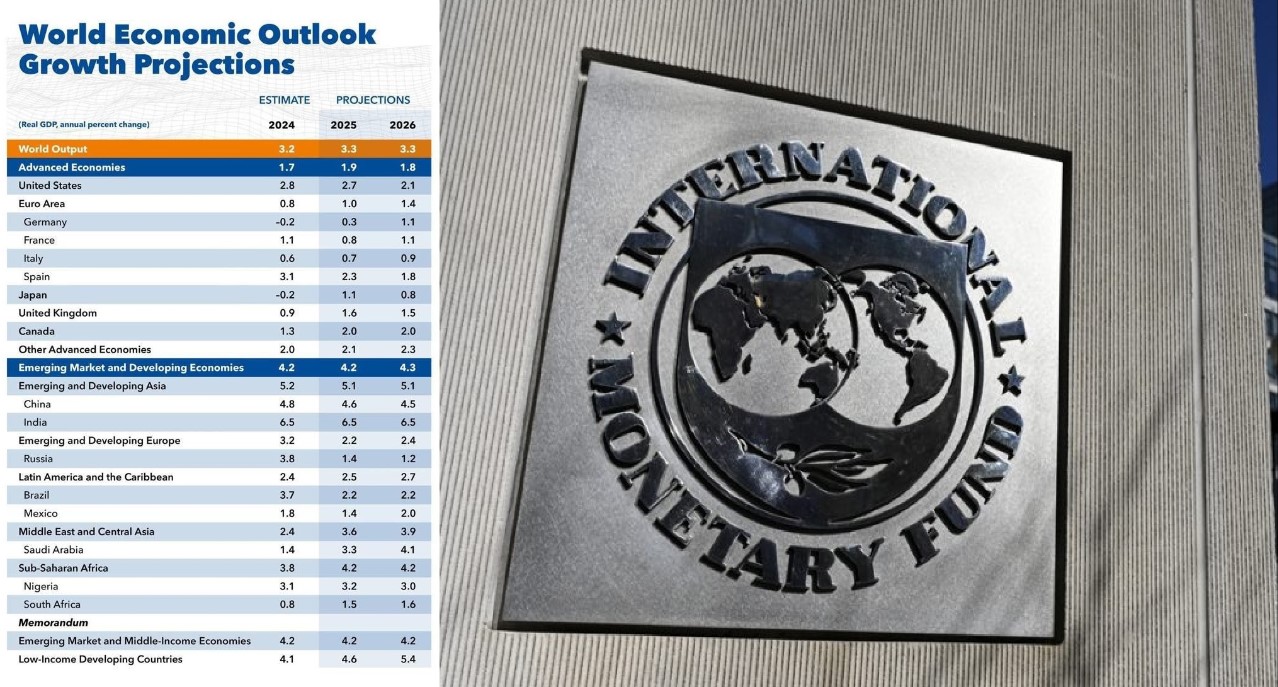
India
The International Monetary Fund (IMF) has unveiled its latest projections for the economic growth of various advanced and emerging economies, painting a mixed picture of global economic trends. Among the highlights, India continues to shine as a global growth leader, while advanced economies like the U.S. and the U.K. show signs of slowing down. India: A Growth Powerhouse India is set to maintain its position as the fastest-growing major economy, with a projected growth rate of 6.5% in both 2025 and 2026. This robust performance underscores India's resilience and growing economic prominence on the global stage. Key factors driving this growth include: Strong domestic demand: A burgeoning middle class and increased consumer spending. Infrastructure investments: Ambitious projects under initiatives like “Make in India” and the National Infrastructure Pipeline. Technological innovation: Expanding digital ecosystems and global leadership in IT services. India's consistent growth positions it as a vital engine for global economic expansion, particularly as other economies face deceleration. China: Moderate Growth Amid Challenges China, the second-largest global economy, is projected to grow at 4.8% in 2025 and 2026. While respectable, this marks a slowdown compared to its double-digit growth rates of previous decades. Contributing factors include: Structural reforms: Efforts to rebalance the economy toward consumption-driven growth. Geopolitical tensions: Ongoing trade disputes and strained international relations. Real estate sector struggles: Challenges in key sectors like property development. Despite these hurdles, China remains a critical player in the global economy, particularly in manufacturing and green energy. United States: Slowing but Steady The U.S. economy is expected to grow by 2.8%, reflecting a moderate but stable expansion. Key factors shaping the U.S. outlook include: Consumer spending: Supported by a robust labor market. High interest rates: Resulting from the Federal Reserve’s measures to combat inflation, which may cool investment. Technological advancements: Growth in sectors like artificial intelligence and clean energy. The U.S. remains a significant driver of innovation and trade, but its growth is modest compared to emerging markets. Russia: Resilience Amid Sanctions Russia's economy is forecast to grow at 3.8%, showcasing unexpected resilience despite ongoing international sanctions. Factors contributing to this performance include: Energy exports: A key pillar of Russia's economy, particularly to non-Western markets. Policy adjustments: Measures to stabilize the economy amid geopolitical challenges. However, long-term growth prospects remain uncertain due to limited diversification and global isolation. United Kingdom: The Laggard The U.K. is expected to grow at a modest 0.9%, reflecting challenges such as: Post-Brexit adjustments: Continued trade disruptions and regulatory uncertainties. High inflation: Eroding consumer purchasing power. Weak investment: Affected by tight monetary policy and global uncertainties. The U.K.'s subdued growth highlights structural issues that need addressing to boost long-term economic potential. Global Outlook: Diverging Paths The IMF's projections underscore diverging economic trajectories. Emerging markets, particularly India, are set to outpace advanced economies, driven by demographic advantages and domestic demand. In contrast, advanced economies face headwinds from high inflation, rising interest rates, and geopolitical uncertainties. As the global economy navigates this challenging environment, the emphasis on sustainable growth, innovation, and international cooperation will be critical to addressing shared challenges and fostering balanced progress.
Read More → Posted on 2025-01-18 15:40:04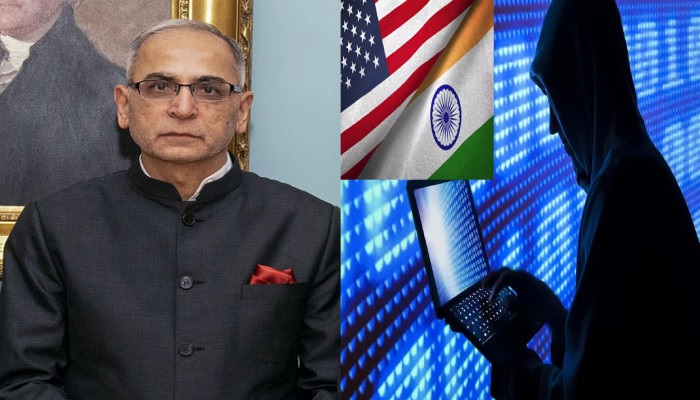
India
In a significant step to enhance global cybersecurity efforts, India and the United States signed a Memorandum of Understanding (MoU) on cybercrime investigations on January 17, 2025, in Washington, DC. This agreement underscores the shared commitment of both nations to combat the growing threat of cybercrimes and their links to broader security challenges. A Collaborative Framework The MoU was signed by Shri Vinay Kwatra, Ambassador of India to the United States, and Ms. Kristie Canegallo, Acting United States Deputy Secretary of Homeland Security (DHS). It establishes a robust framework for collaboration, enabling the two nations to deepen their partnership in addressing cyber threats. On the Indian side, the Indian Cybercrime Coordination Centre (I4C), under the Ministry of Home Affairs (MHA), will oversee the implementation of the agreement. The U.S. counterpart will include the Department of Homeland Security (DHS) and its key agencies, such as the U.S. Immigration and Customs Enforcement (ICE) and the Homeland Security Investigations Cyber Crimes Center (C3). Key Objectives of the MoU The agreement aims to: Enhance Cooperation: Facilitate real-time exchange of cyber threat intelligence and operational expertise. Bolster Training: Improve capacity-building efforts in digital forensics and investigative techniques. Combat Common Threats: Address intricate cybercrime linkages to terrorism, organized crime, human trafficking, money laundering, and more. Significance of the Agreement Cybercrime poses a rising challenge for both India and the United States. From ransomware attacks to the misuse of digital platforms for terrorism financing, these threats transcend national boundaries. This MoU reflects a shared recognition that cybersecurity is integral to the broader strategic partnership between the two countries. Key areas of collaboration include: Terrorism and Extremism: Leveraging cyber intelligence to dismantle online networks used for recruitment and financing. Drug and Human Trafficking: Tracing and disrupting illicit activities facilitated through the dark web. Money Laundering: Enhancing cooperation to track and combat financial crimes using blockchain analysis and other tools. A Step Towards Enhanced Security Cooperation This MoU on cybercrime investigations aligns with the broader security cooperation agenda between India and the U.S., strengthening their comprehensive and global strategic partnership. By focusing on cyber threats, the agreement not only enhances national security for both nations but also contributes to global stability in the digital age. The partnership is expected to set a benchmark for international cooperation in cybercrime investigations, combining India’s growing expertise in technology with the United States' advanced cyber capabilities. As cyber threats continue to evolve, this agreement marks a proactive and collaborative effort to safeguard digital ecosystems, ensuring a safer future for citizens of both nations.
Read More → Posted on 2025-01-18 15:30:53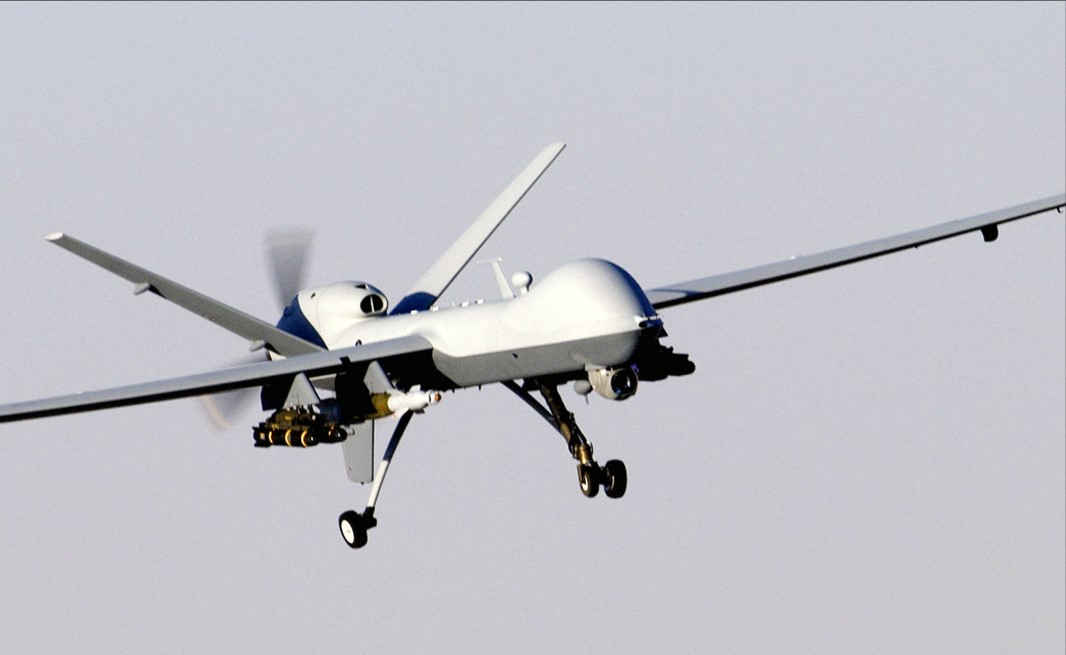
India
After serving the Indian Navy for over two decades, the Searcher MK II Unmanned Aerial Vehicles (UAVs) have officially been retired from active service. Inducted in 2002, these short-range UAVs played a crucial role in naval reconnaissance and surveillance, particularly at a time when advanced drone technology was still in its nascent stages. Their de-induction in 2024 signifies a strategic shift by the Navy toward embracing more advanced UAV systems, namely the Medium Altitude Long Endurance (MALE) and High Altitude Long Endurance (HALE) categories. Specifications of the Searcher MK II The Searcher MK II, developed by Israel Aerospace Industries (IAI), was a versatile and robust platform for short-range surveillance. Its specifications include: Maximum Takeoff Weight (MTOW): 500 kg Payload Capacity: 68 kg Endurance: 18 hours Operational Range: Approximately 300 km Maximum Altitude: 20,000 feet Sensors: Electro-optical and infrared cameras, synthetic aperture radar, and electronic intelligence (ELINT) payloads The UAV could perform day-and-night operations and was primarily utilized for intelligence, surveillance, and reconnaissance (ISR) missions. It provided the Indian Navy with enhanced situational awareness, especially in monitoring coastal and maritime zones. Why the Searcher MK II Was Retired The decision to de-induct the Searcher MK II reflects the evolving operational needs of the Indian Navy. When these UAVs were first introduced, their capabilities were considered cutting-edge, filling a critical gap in naval ISR. However, advancements in drone technology over the years have rendered the Searcher MK II’s capabilities insufficient for modern warfare requirements. Its limited payload capacity and relatively short range are no longer adequate to meet the demands of extended maritime operations. The Navy has also opted not to pursue a direct replacement in the same class as the Searcher MK II. Instead, it is focusing on acquiring more sophisticated MALE and HALE UAVs, which offer greater endurance, higher operational altitudes, and the ability to carry multiple payloads simultaneously. Focus on MALE and HALE UAVs The transition to MALE and HALE UAVs represents a significant upgrade in the Navy’s surveillance and reconnaissance capabilities. These drones, such as the MQ-9B SeaGuardian, Heron TP, and others being considered, bring several advantages: Extended Range: Capable of covering thousands of kilometers, ideal for monitoring vast maritime zones like the Indian Ocean Region (IOR). Longer Endurance: Missions lasting over 30-40 hours, enabling persistent surveillance. Multi-Role Capabilities: Integration of advanced sensors, including radar, electro-optics, signals intelligence, and even weapon systems for precision strikes. Carrier-Based Operations: The ability to launch and recover from aircraft carriers, significantly enhancing operational flexibility. These capabilities are critical for modern naval operations, where maintaining a constant maritime domain awareness is paramount to counter threats such as piracy, illegal fishing, and foreign military incursions. Strategic Implications for the Indian Navy The Indian Navy’s pivot toward advanced UAVs aligns with its vision to become a blue-water navy capable of projecting power across the IOR. By integrating MALE and HALE UAVs, the Navy aims to bolster its ISR capabilities, conduct long-range surveillance, and support real-time decision-making during maritime operations. This transition also underscores the Navy’s commitment to enhancing its operational doctrines and aligning them with contemporary warfare dynamics. The addition of drones that can be deployed from aircraft carriers and operate autonomously over vast distances will allow the Navy to maintain a strategic advantage in the region. A Broader Perspective on UAV Integration While the Indian Navy has retired the Searcher MK II, the Indian Air Force (IAF) continues to operate over 90 of these UAVs, leveraging them for land-based surveillance and tactical operations along the country’s borders. This highlights the differing operational philosophies between the two services. While the IAF requires UAVs for shorter, tactical missions, the Navy is focusing on longer, strategic deployments in open seas. The retirement of the Searcher MK II is more than just the end of a chapter; it is a clear indication of the Navy’s commitment to modernizing its fleet and staying ahead in an era of rapidly evolving technology. As the Navy transitions to MALE and HALE UAVs, it is poised to significantly enhance its capabilities, ensuring it remains a formidable force in the Indian Ocean and beyond.
Read More → Posted on 2025-01-18 14:59:17Search
Top Trending in 24 Hours
-
 Pentagon Expands Alloy Surfaces Contract to $328.8 Million for Advanced Aircraft Decoy Flares Amid Evolving Drone Threats
-
 Why the U.S. Restored Pacific Command Name, Ending the Indo-Pacific Designation After Eight Years
-
 Open-Source Evidence Suggests Russia's Zircon Is a Quasi-Ballistic Missile, Not a True Hypersonic Cruise Weapon
-
 Naval Group Unveils Rampart Modular CIWS Multi-Purpose Weapon System for Naval and Ground Forces at Eurosatory 2026
-
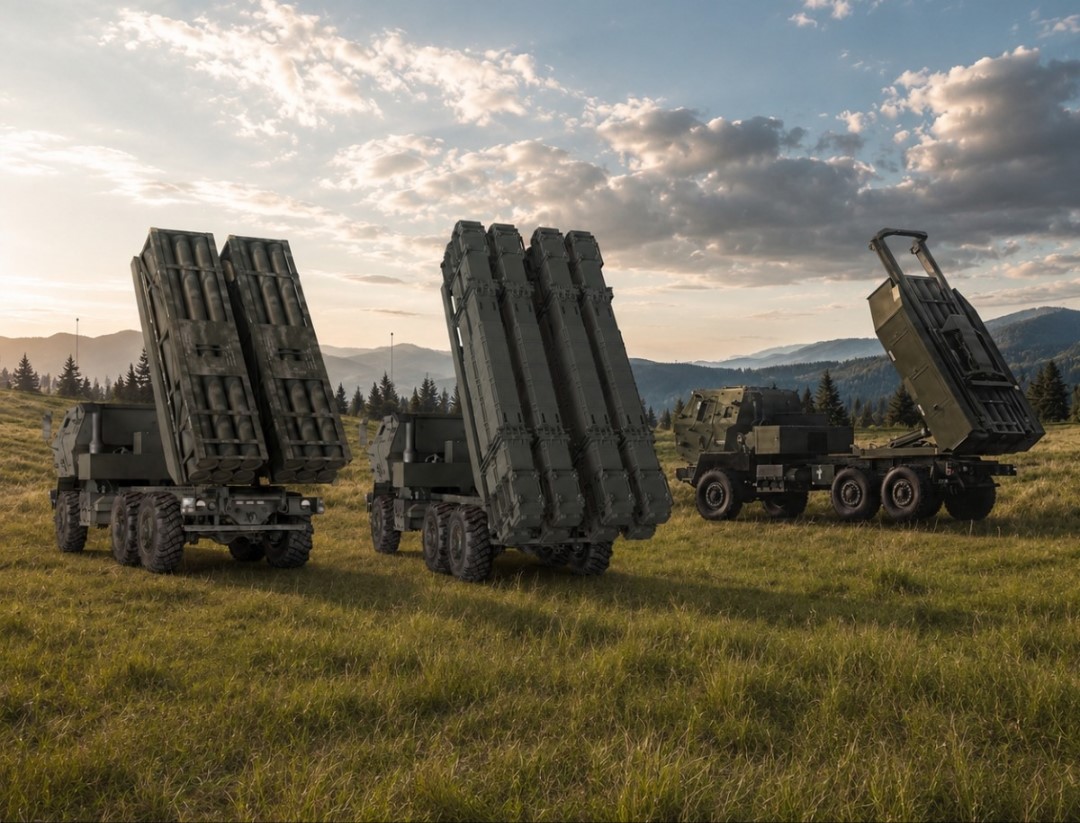 Lockheed Martin Unveils HIMARS FLEX with Dual-Pod Launcher and NATO-Compatible Air Defense Integration
-
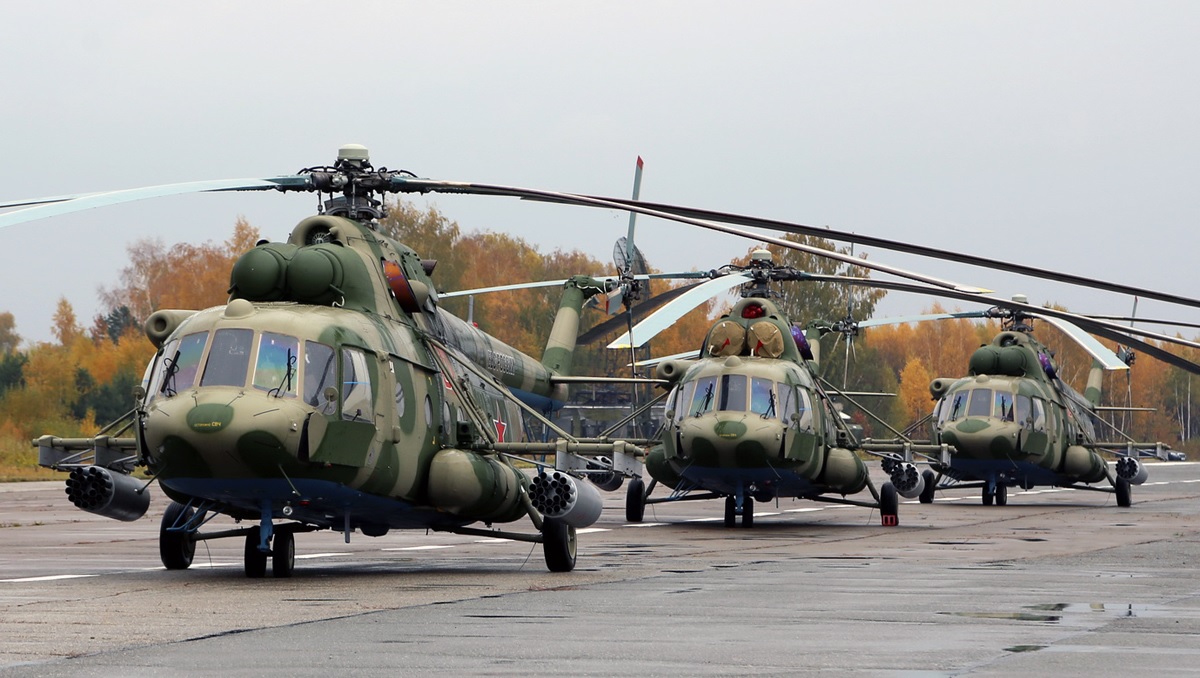 Iran Signs Deal with Russia for 20 Mi-8 and Mi-17 Helicopters to Boost Rescue and Medical Missions
-
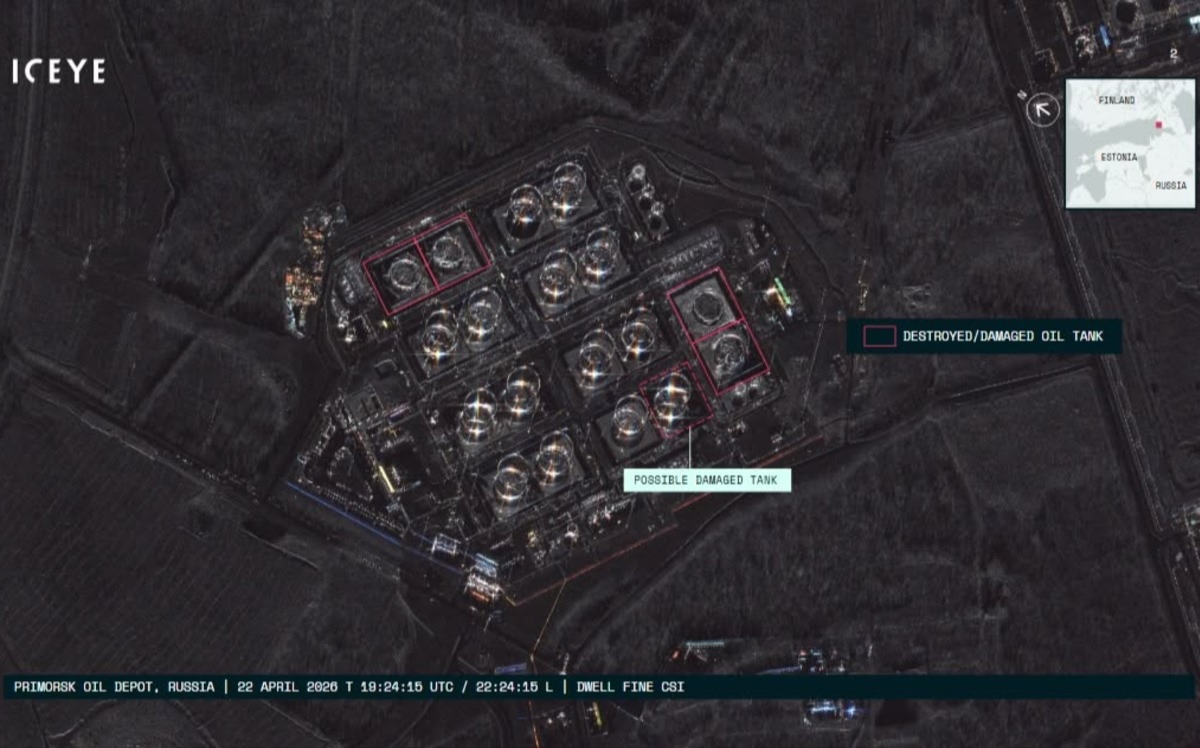 Portugal Doubles Sovereign SAR Satellite Fleet with Order for Two Additional ICEYE Satellites
-
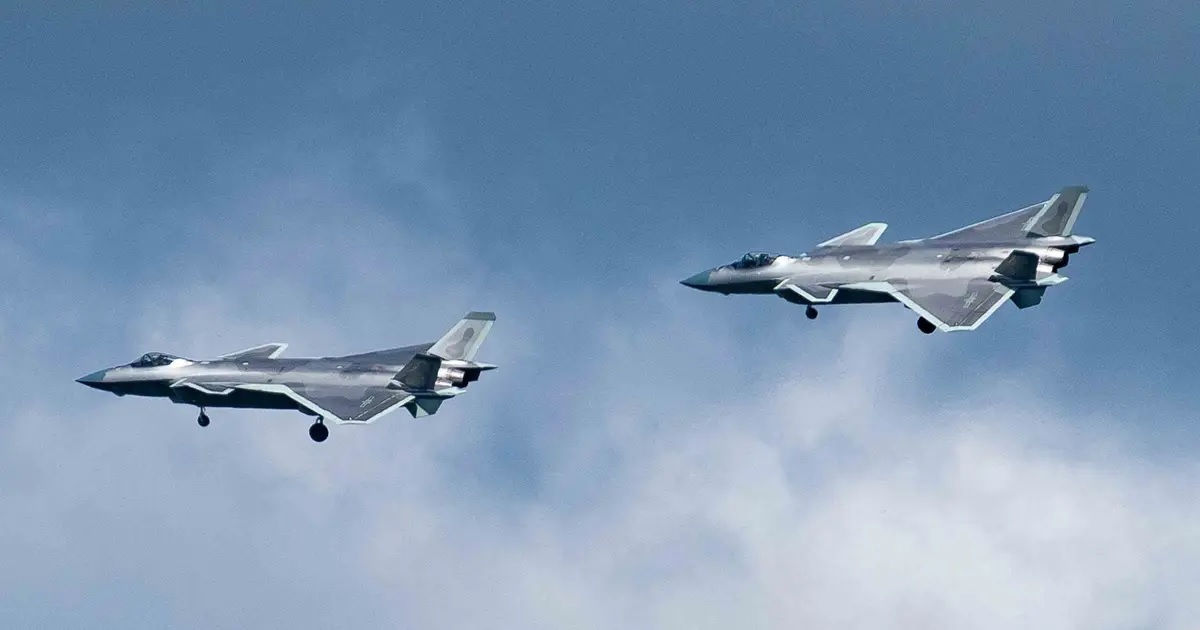 China Surpasses Russia as World’s Second-Most Powerful Air Force Amid Rapid J-20 and J-35 Expansion
Top Trending in 4 Days
-
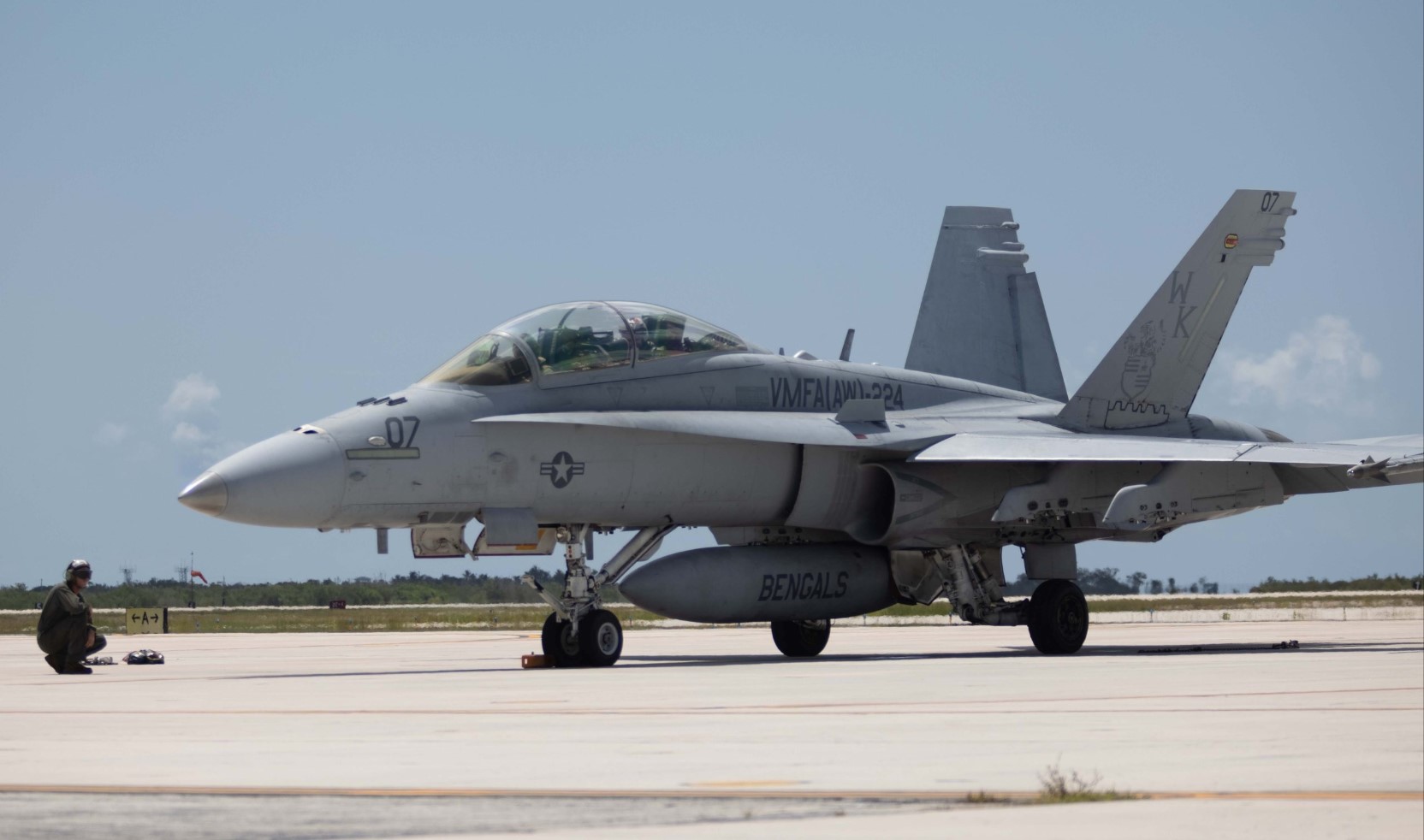 US Marine Corps F/A-18D Hornet Crashes During Training Flight in Washington Mountains; Pilot Ejects Safely
-
 Tulsi Gabbard Releases Declassified Files Detailing U.S.-Backed Network of 120 Biolaboratories Across 30+ Countries
-
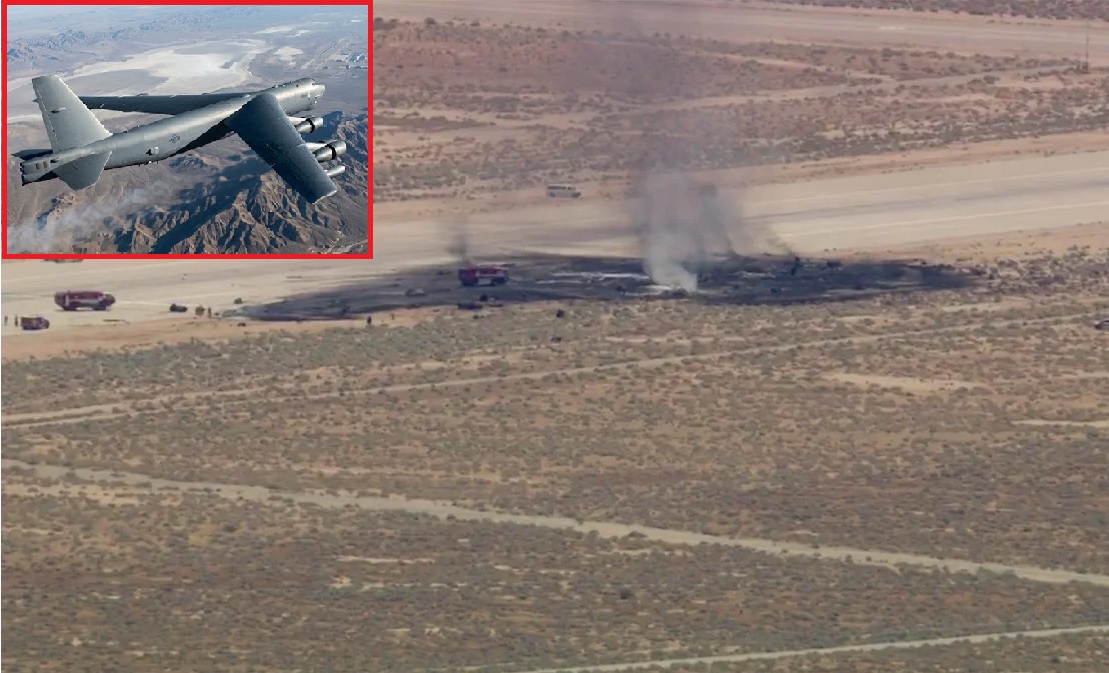 8 U.S. Air Force Crew Members Killed in B-52 Bomber Crash During Test Flight at Edwards Air Force Base
-
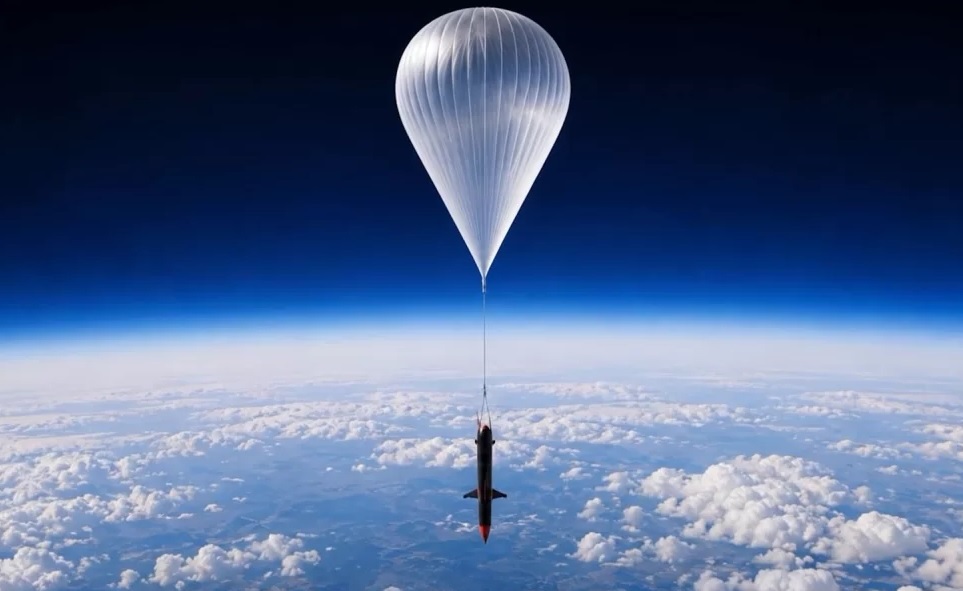 Ukraine Introduces Balloon-Launched DART Missile Designed to Defeat Electronic Warfare
-
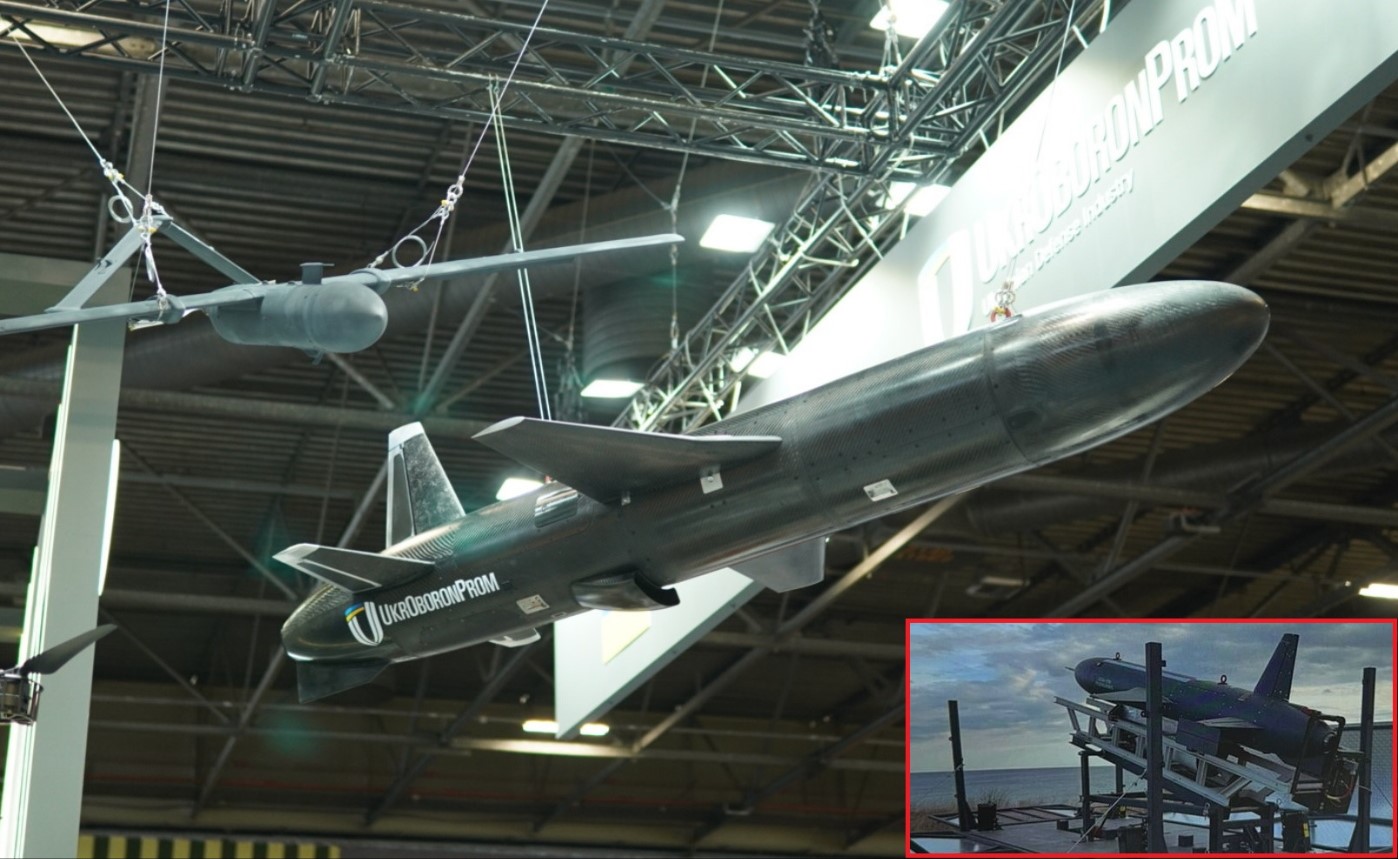 Ukraine Unveils UAV-290 Jet-Powered Strike Drone with 650 km Range at Eurosatory 2026
-
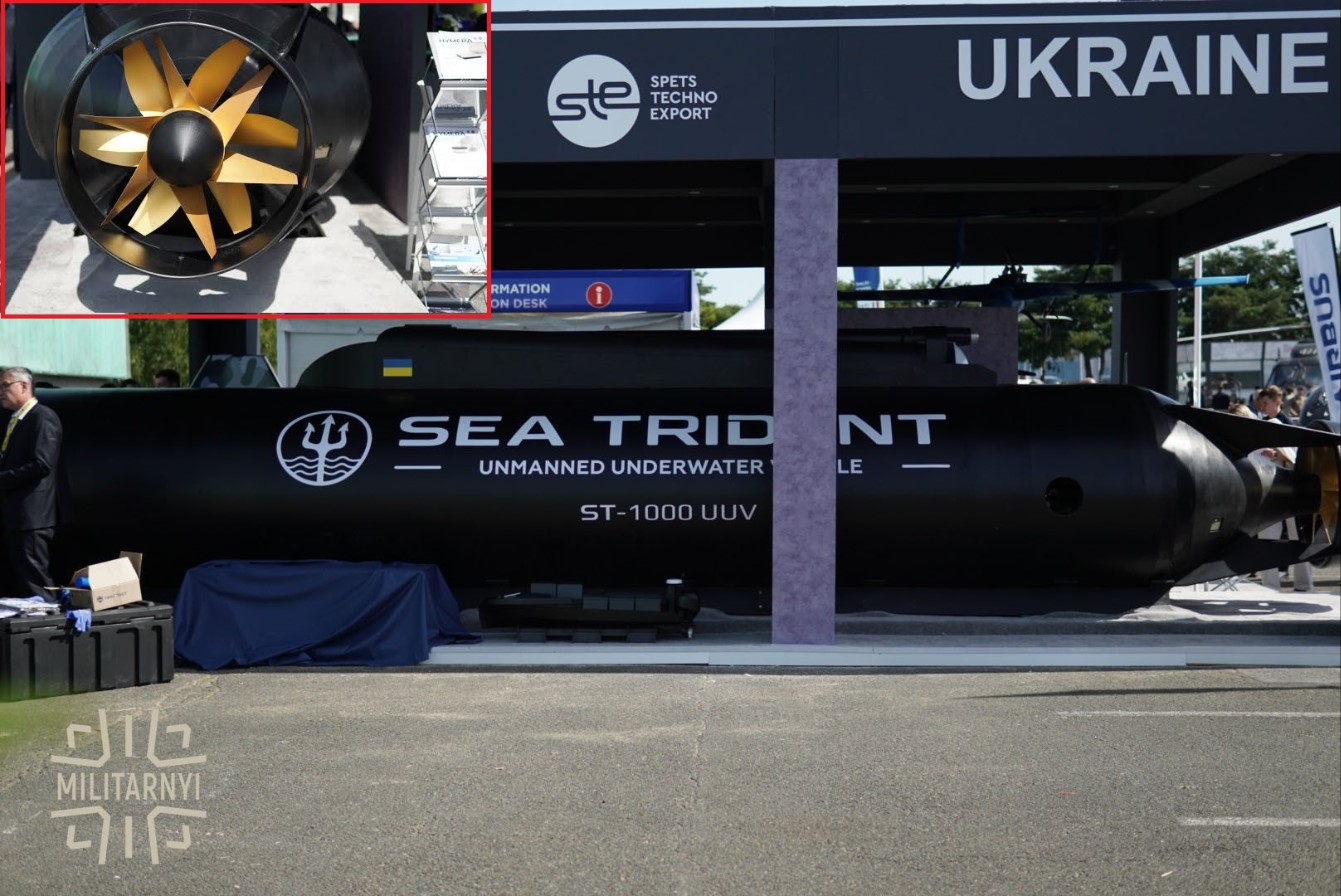 Ukraine Unveils 'Sea Trident' 10-Ton Autonomous Underwater Drone at Eurosatory 2026
-
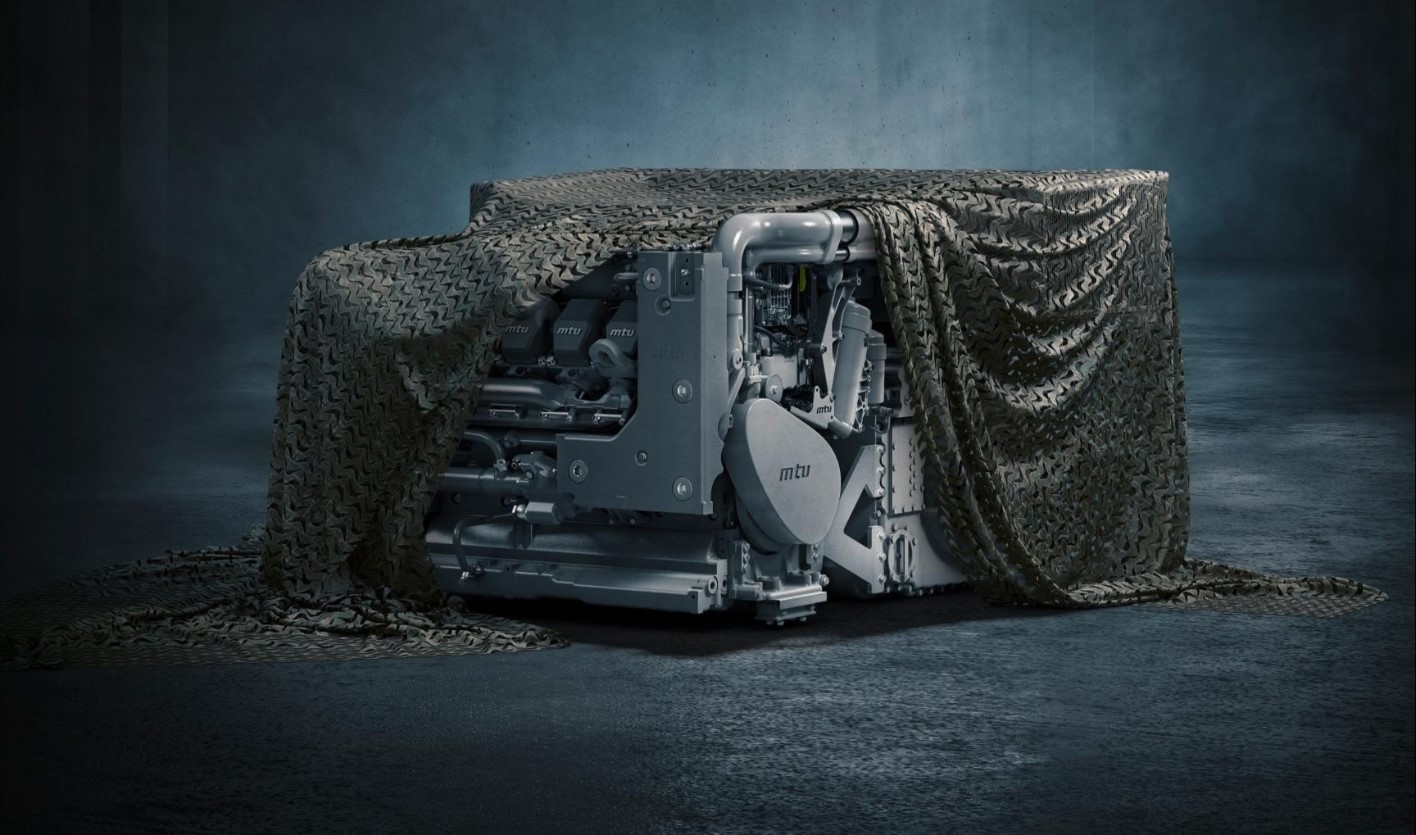 Rolls-Royce Unveils New Hybrid Powertrain for Heavy Military Vehicles at Eurosatory 2026
-
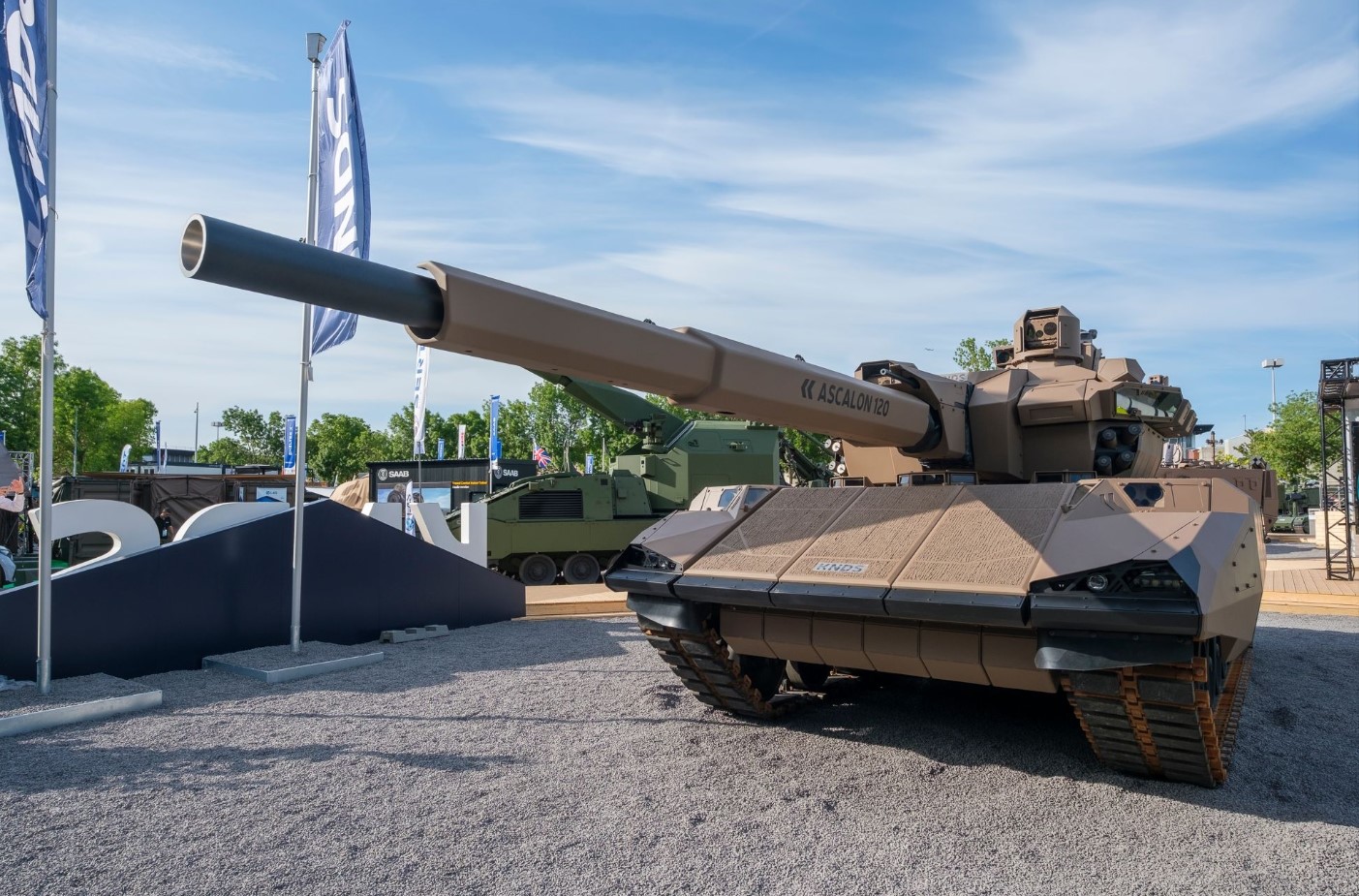 KNDS Unveils CAPINT Main Battle Tank at Eurosatory 2026 as Leclerc Stopgap