
India
In a significant step towards easing tensions in the Gaza Strip, Israel has released 200 Palestinian prisoners as part of a ceasefire deal brokered after Hamas freed four young female Israeli soldiers. The exchange has become a focal point of hope and uncertainty as both sides navigate the fragile truce amidst one of the deadliest conflicts in the region’s history. The Exchange and Its Symbolism Hamas handed over the four soldiers—Karina Ariev, Daniella Gilboa, Naama Levy, and Liri Albag, all in their early twenties—to the Red Cross in Gaza City. The soldiers were paraded briefly in Palestine Square before being escorted to Red Cross vehicles, a display that has drawn sharp criticism from Israeli officials. Rear Adm. Daniel Hagari, the Israeli army spokesperson, denounced the public display as a "cynical" act by Hamas, though he reaffirmed the military’s commitment to bringing all hostages home. In response, Israel initiated the release of 200 Palestinian prisoners. Among them, 70 individuals, many of whom were serving life sentences for deadly attacks, were transported to Egypt’s Rafah border crossing and are expected to be relocated to countries like Algeria, Tunisia, or Turkiye. The remaining detainees were taken from Ofer prison in the occupied West Bank to Jerusalem and Ramallah, where their arrival was met with jubilant crowds of family members and supporters. The emotional resonance of the exchange was palpable on both sides. In Tel Aviv’s Hostages Square, hundreds gathered to celebrate the release of the Israeli soldiers, while in Gaza City, thousands cheered the return of their compatriots. The scenes underscored the human dimension of a conflict that has exacted a devastating toll on lives and communities. Behind the Negotiations The agreement follows more than a year of intense mediation by Egypt, which played a pivotal role in brokering the deal. This marks the second prisoner exchange since the ceasefire began, with earlier negotiations resulting in the release of three Israeli hostages in exchange for 90 Palestinian prisoners. However, the deal remains fraught with complications. Prime Minister Benjamin Netanyahu’s office confirmed that Arbel Yehoud, a civilian hostage, was initially expected to be released but remains in captivity. Hamas has assured mediators that Yehoud will be freed in the coming days, though this delay has temporarily stalled Israel’s plans to ease restrictions on displaced Palestinians returning to northern Gaza. The Broader Context of the Conflict The October 7, 2023, cross-border attack by Hamas ignited this latest conflict, with militants killing approximately 1,200 people and taking 250 hostages. Israel’s military response, including intense air and ground campaigns, has resulted in over 47,000 Palestinian casualties, according to local health officials, who report that women and children account for more than half the fatalities. The ceasefire, though fragile, has brought a temporary halt to hostilities and allowed humanitarian aid to flow into Gaza. Yet the long-term prospects for peace remain uncertain. The six-week truce is aimed at addressing immediate humanitarian needs and reducing hostilities, but both sides face immense challenges in rebuilding trust and negotiating a lasting resolution. Looking Ahead The release of hostages and prisoners has injected a rare moment of relief into a conflict defined by immense suffering. However, the fate of dozens of Israeli hostages still held in Gaza, including the youngest captives Kfir and Ariel Bibas, weighs heavily on the minds of many. In the streets of Gaza and Tel Aviv, celebrations were tempered by the lingering uncertainty over what comes next. The ceasefire agreement, while providing a glimmer of hope, underscores the deep divisions and complexities that continue to shape the Israeli-Palestinian conflict. As the truce unfolds, the world watches closely, hopeful that these tentative steps might lead to a broader pathway for peace amidst decades of strife.
Read More → Posted on 2025-01-25 13:48:33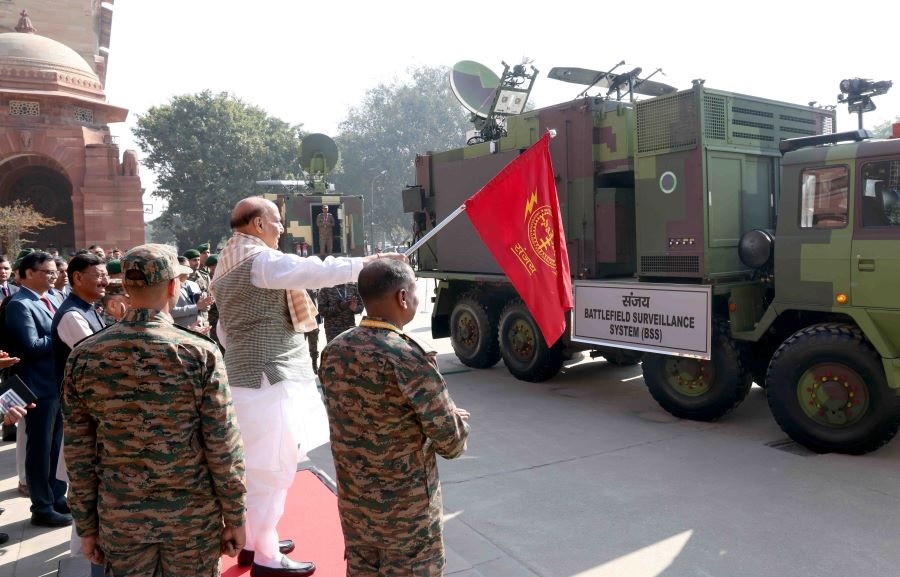
India
In a groundbreaking move toward enhancing its operational capabilities, the Indian Army has announced the deployment of the indigenously developed Battlefield Surveillance System (BSS), codenamed "SANJAY," across its brigades, divisions, and corps. This advanced system, set to roll out in three phases by October 2025, is designed to revolutionize the Army's surveillance, reconnaissance, and situational awareness capabilities. What is SANJAY? "SANJAY" is a state-of-the-art automated battlefield surveillance system that integrates real-time data from multiple ground and aerial sensors. Its primary function is to provide a unified and accurate picture of the battlefield to commanders at all levels. This comprehensive data is transmitted via secure channels such as the Army Data Network and the Satellite Communication Network (SATCOM) to ensure seamless coordination across operational units. Key features of SANJAY include: Real-Time Situational Awareness: The system offers instant updates on enemy movements, terrain details, and potential threats. Sensor Integration: It aggregates data from a wide array of sensors, including radar, electro-optical devices, thermal imagers, and Unmanned Aerial Vehicles (UAVs). Data Processing: Redundant or inaccurate information is filtered out, ensuring commanders receive only actionable intelligence. Border Monitoring: It is optimized to monitor India's extensive and varied land borders, detecting intrusions and enabling rapid response. Enhanced Decision-Making: With detailed battlefield transparency, commanders can make informed strategic and tactical decisions, improving operational outcomes. Strategic Importance The development of SANJAY is part of India’s broader focus on achieving network-centric warfare capabilities. It serves as a crucial force multiplier, enabling better coordination, faster decision-making, and enhanced effectiveness in both conventional and sub-conventional warfare scenarios. SANJAY is expected to play a pivotal role in countering evolving threats along India's borders with adversaries, particularly in high-tension zones such as Jammu & Kashmir and the Northeastern states. The system will also bolster the Army's ability to conduct intelligence, surveillance, and reconnaissance (ISR) operations during joint or standalone missions. Indigenous Development Under ‘Aatmanirbhar Bharat’ The SANJAY system has been developed indigenously by the Indian Army in collaboration with Bharat Electronics Limited (BEL), a leading state-owned defense electronics company. The project aligns with the ‘Aatmanirbhar Bharat’ initiative, which emphasizes self-reliance in defense manufacturing. With an investment of Rs 2,402 crore, SANJAY was procured under the Buy (Indian) category of defense acquisitions, reinforcing the government's commitment to promoting domestic defense capabilities. This milestone also highlights India’s growing expertise in designing and implementing cutting-edge military technologies. Deployment Timeline The rollout of SANJAY will take place in three phases: Phase 1: Initiating from March 2025, the system will be deployed in selected brigades and divisions for testing and integration. Phase 2: Expansion of deployment across additional operational units by July 2025. Phase 3: Completion of nationwide deployment across all brigades, divisions, and corps by October 2025. The timing aligns with the Ministry of Defence’s designation of 2025 as the 'Year of Reforms,' symbolizing India’s ambition to modernize its armed forces and incorporate advanced technology into defense operations. High-Profile Inauguration The SANJAY system was officially inaugurated in New Delhi by Defence Minister Rajnath Singh, in the presence of other key dignitaries, including: Raksha Rajya Mantri Sanjay Seth Chief of Defence Staff General Anil Chauhan Chief of the Army Staff General Upendra Dwivedi Defence Secretary Rajesh Kumar Singh BEL Chairman and Managing Director Manoj Jain The event emphasized the government’s focus on transitioning to a modern and technologically equipped military. A Game-Changer for the Indian Army The introduction of SANJAY marks a significant leap toward network-centric warfare and will provide the Indian Army with a decisive operational edge. Its advanced surveillance capabilities will ensure that troops remain informed and prepared in real time, significantly boosting combat readiness and effectiveness. With its deployment, India joins the ranks of nations that possess cutting-edge battlefield surveillance technology, ensuring the Army is equipped to face emerging challenges in modern warfare. By October 2025, SANJAY will not only redefine the Army's surveillance capabilities but also solidify India's position as a leader in indigenous defense innovation.
Read More → Posted on 2025-01-25 13:43:57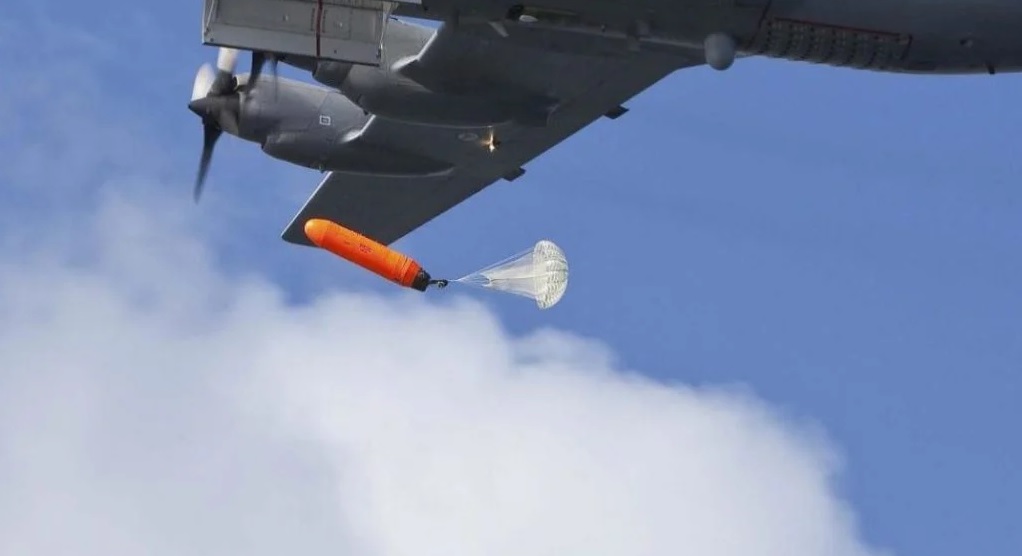
India
In a significant milestone for India’s defense and maritime logistics capabilities, the Defence Research and Development Organisation (DRDO) and the Indian Navy have successfully flight-tested an indigenously developed "Air Droppable Container". The trial was conducted using the P-8I long-range maritime reconnaissance aircraft, showcasing the system’s potential to revolutionize the delivery of critical supplies at sea. A Leap Forward in Maritime Logistics The Air Droppable Container is designed to address the critical need for rapid delivery of essential supplies, such as food, medical equipment, and mission-critical spares, to naval units and other assets in maritime zones. This capability is crucial both in peacetime operations, such as humanitarian assistance and disaster relief (HADR) missions, and during combat scenarios, where quick resupply can make a decisive difference. Key Features and Capabilities The indigenously developed container boasts several advanced features: High Payload Capacity: The container can carry significant loads of emergency supplies, ensuring efficient logistics support for extended naval operations. Precision Deployment: Equipped with advanced aerodynamics and stabilization mechanisms, the container ensures safe and accurate delivery even in challenging sea conditions. Versatile Utility: It can accommodate a wide range of payloads, including ammunition, medical kits, and engineering spares, providing unparalleled flexibility. Interoperability: Designed to be compatible with various aircraft types, the container extends its utility across multiple platforms in the Indian Armed Forces. Successful Testing from P-8I Aircraft The P-8I aircraft, known for its advanced surveillance and reconnaissance capabilities, served as the test platform for the Air Droppable Container. The trial demonstrated seamless integration and precise deployment of the container, affirming the system’s readiness for operational use. The P-8I’s long endurance and multi-role capabilities make it an ideal platform for such logistics missions. Strategic Implications The successful development and testing of the Air Droppable Container underscore India’s growing self-reliance in defense technologies. This innovation enhances the Navy’s ability to sustain operations in remote maritime zones, reducing dependence on traditional supply chains and ensuring operational readiness in critical situations. Future Prospects The system is expected to undergo further refinements based on operational feedback, with potential integration into the logistics frameworks of other services. Additionally, its modular design could pave the way for export opportunities, strengthening India’s position as a defense technology exporter. Conclusion The indigenously developed Air Droppable Container marks a significant achievement in India’s quest for self-reliance in defense and maritime logistics. Its successful flight testing from the P-8I aircraft by DRDO and the Indian Navy is a testament to the country’s technological prowess and commitment to enhancing operational capabilities. This system promises to be a game-changer in ensuring rapid and reliable supply delivery during both peacetime and combat operations, bolstering India’s maritime strength and strategic reach.
Read More → Posted on 2025-01-24 15:34:44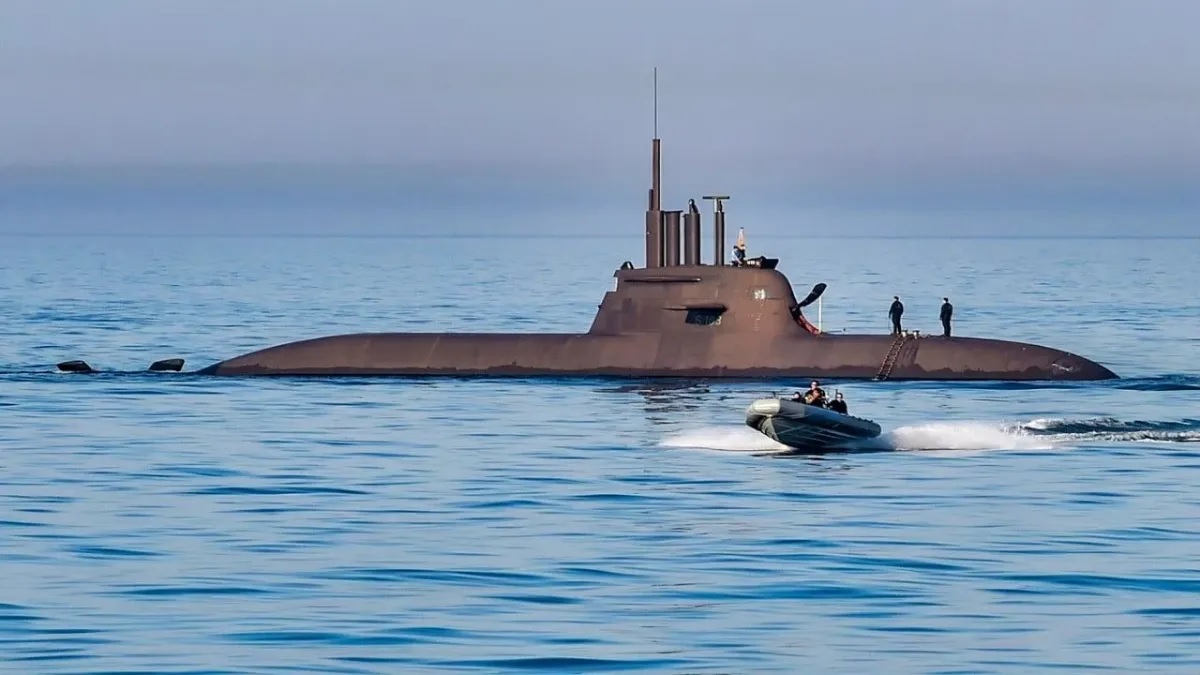
India
The Indian Ministry of Defence (MoD) has taken a significant step in advancing the ₹70,000 crore Project-75 India (P-75I) submarine program, inviting Mazagon Dock Shipbuilders Limited (MDL) for commercial negotiations starting January 27, 2025. This ambitious project, aimed at bolstering the Indian Navy's underwater capabilities, is the largest defense deal ever pursued by India in terms of value. The move comes after the bid by Larsen & Toubro (L&T) was deemed non-compliant, leaving MDL as the sole contender in collaboration with its German partner, ThyssenKrupp Marine Systems (TKMS). A Milestone in Indian Defense The P-75I program involves the construction of six advanced diesel-electric submarines equipped with Air Independent Propulsion (AIP) technology. These submarines will have the capability to stay submerged for up to three weeks, significantly enhancing the operational range and stealth capabilities of the Indian Navy. The project is critical to countering threats in the Indian Ocean Region, where China's growing naval presence and Pakistan's submarine acquisitions have heightened security concerns. MDL, a public sector shipyard, has a proven track record of delivering sophisticated submarines. It recently handed over the final Scorpene-class submarine, INS Vagsheer, to the Indian Navy under the original P-75 program. With expertise gained from this collaboration with France's Naval Group, MDL is well-positioned to execute the P-75I project. Notably, three additional Scorpene submarines are also being negotiated under Project-75 (Additional Submarine), further cementing MDL's role as a key player in India's submarine manufacturing ecosystem. Why L&T’s Bid Was Rejected L&T, a prominent Indian private sector firm with substantial experience in strategic submarine projects, partnered with Spain's Navantia to bid for the P-75I project. However, its proposal was rejected for failing to meet the Indian Navy's stringent requirements. The primary issue revolved around the AIP system showcased by L&T and Navantia, which had only been demonstrated onshore. The Indian Navy's tender specifications mandated a sea-proven AIP system, making L&T's bid non-compliant. Despite its advanced facilities and contributions to India’s nuclear submarine program, L&T was unable to move forward in this competition. Strategic Implications and Modernization The P-75I submarines are expected to significantly boost India's naval strength. Each submarine will be equipped with advanced stealth technology, state-of-the-art sonar systems, and long-range torpedoes and missiles. The AIP system will enable extended underwater endurance, a critical advantage in modern naval warfare. India’s focus on submarine acquisition comes against the backdrop of the Chinese Navy's rapid modernization and expansion. China's fleet includes nuclear-powered submarines and advanced conventional submarines capable of long-range patrols. Additionally, Pakistan's recent acquisition of Chinese-designed submarines has further escalated the need for India to strengthen its underwater capabilities. While India has initiated multiple submarine projects, including nuclear-powered ballistic missile submarines (SSBNs) and attack submarines (SSNs), its fleet remains smaller than that of its regional adversaries. The P-75I program is thus a pivotal step toward bridging this gap. MDL and ThyssenKrupp Marine Systems: A Formidable Partnership MDL’s partnership with Germany's ThyssenKrupp Marine Systems brings world-class expertise to the P-75I project. TKMS is renowned for its Type 214 submarines, which feature advanced AIP technology and cutting-edge designs. This collaboration is expected to ensure the successful delivery of technologically superior submarines, enhancing the Indian Navy’s combat readiness. Challenges Ahead Despite this progress, the P-75I program faces several challenges, including the complexity of incorporating new technologies and adhering to tight timelines. The project also underscores the broader need for self-reliance in defense manufacturing, a key goal under the "Make in India" initiative. MDL’s proven capabilities, however, provide a strong foundation for overcoming these challenges. The Road Ahead With commercial negotiations now underway, the ₹70,000 crore P-75I project is poised to redefine India’s submarine capabilities. As MDL takes center stage in this landmark deal, the Indian Navy moves closer to acquiring a fleet of submarines capable of safeguarding national security in an increasingly contested maritime environment.
Read More → Posted on 2025-01-24 15:19:52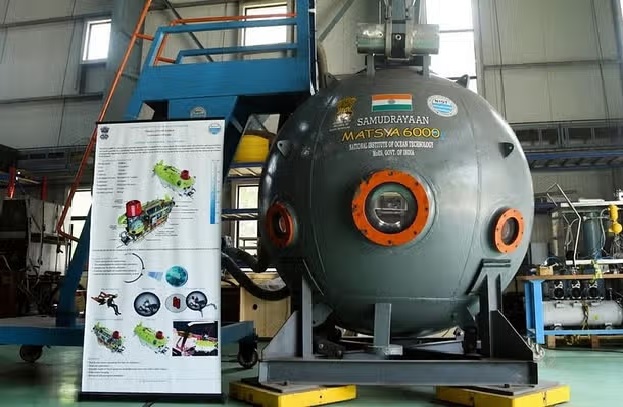
India
India is poised to achieve a major milestone in marine exploration with the launch of its first human-operated underwater submersible this year under the ambitious Deep Ocean Mission. This cutting-edge project signifies India’s strides in advancing indigenous technology while delving into the largely unexplored depths of the ocean. A Game-Changer in Ocean Exploration Union Minister of State for Science and Technology, Dr. Jitendra Singh, recently shared key updates on this groundbreaking initiative. The initial phase will deploy a submersible capable of operating at depths of up to 500 meters, with plans to upgrade its capacity to reach an astonishing 6,000 meters by next year. This would place India among an elite group of nations, including the United States, China, Japan, and Russia, which have the capability to conduct deep-sea exploration at such depths. Dubbed MATSYA 6000, the submersible is being developed by India’s National Institute of Ocean Technology (NIOT) in Chennai. It is a titanium-alloy sphere capable of housing three human occupants, providing them with life-support systems for up to 12 hours underwater. In case of emergencies, the system can extend support for an additional 96 hours. The submersible will be equipped with advanced imaging and data-collection systems, robotic arms for sample collection, and high-powered lights for navigating through the pitch-black depths of the ocean. Its robust design enables it to withstand the intense pressure found at extreme depths. Objectives and Significance The Deep Ocean Mission aims to unlock the ocean’s secrets by exploring uncharted depths for critical minerals, rare earth metals, and unique marine biodiversity. These discoveries are expected to bolster India's blue economy, which promotes sustainable use of ocean resources for economic growth, environmental health, and improved livelihoods. One of the primary goals is to locate deposits of polymetallic nodules—rock-like mineral structures rich in manganese, nickel, cobalt, and copper. These nodules are vital for manufacturing batteries, electronics, and renewable energy technologies. Another key focus is studying deep-sea ecosystems to better understand their role in climate regulation, sustainable fisheries, and biodiversity conservation. The project is aligned with India's environmental goals and its international commitments to ocean preservation. Indigenous Innovation at Its Core The submersible’s development underscores India’s self-reliance in cutting-edge technology. With a budget of approximately ₹4,077 crore over five years, the Deep Ocean Mission is one of the most ambitious scientific ventures in the country’s history. It involves collaboration between several organizations, including ISRO, DRDO, and premier academic institutions. The technology used in MATSYA 6000 incorporates pressure-resistant materials, precise navigation systems, and AI-based monitoring tools. The mission is supported by a specially designed Mother Ship, which will facilitate the deployment and recovery of the submersible, ensuring the safety of its crew during operations. A Vision for the Future Beyond technological achievements, the mission represents India’s broader scientific aspirations, complementing other high-profile initiatives like the Gaganyaan space mission and the Chandrayaan lunar explorations. It showcases India’s determination to extend its frontier of knowledge from space to the deep seas. Dr. Singh highlighted the long-term economic and environmental benefits of the mission. He emphasized that breakthroughs in ocean exploration will not only enhance India’s resource security but also contribute to global efforts in achieving sustainable development goals. With the imminent launch of the human-operated submersible, India is taking a definitive step toward becoming a leader in ocean exploration. This pioneering effort will pave the way for future scientific advancements while unlocking the vast potential of the oceans for the benefit of humanity.
Read More → Posted on 2025-01-24 15:15:38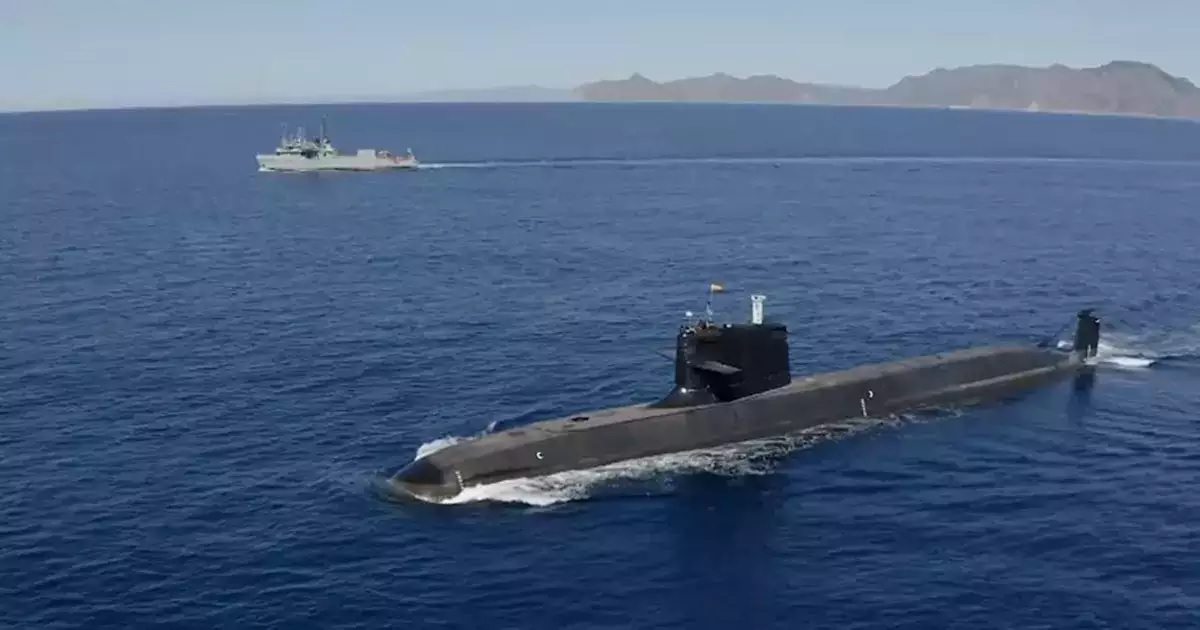
India
The Defence Ministry of India has rejected Larsen & Toubro's (L&T) proposal in the highly anticipated ₹70,000 crore submarine deal under Project 75 India. This ambitious project, aimed at bolstering the Indian Navy's underwater warfare capabilities, involves the construction of six advanced conventional submarines equipped with cutting-edge Air Independent Propulsion (AIP) technology. The decision, announced on January 23, 2025, highlights the government’s adherence to stringent technical requirements in its bid evaluation process. L&T, which partnered with Spanish shipbuilder Navantia, has now been disqualified due to non-compliance with critical tender conditions, narrowing the field to just one competitor. The Issue of Non-Compliance The primary reason for the rejection of L&T's proposal was its AIP system, which, while operationally demonstrated onshore in Spain, had not been proven in actual sea conditions. The tender specifically required a sea-proven AIP system to ensure reliability in real-world scenarios. This shortfall directly violated one of the Indian Navy's most critical technical prerequisites. The AIP system is a vital component for modern submarines, allowing them to stay submerged for extended periods without surfacing, thereby improving their stealth and combat effectiveness. Without a proven system, operational risks become significant, and the Indian Navy has opted to prioritize tested technologies for this strategic procurement. MDL: The Sole Contender With L&T's exit, Mazagon Dock Shipbuilders Limited (MDL), in collaboration with ThyssenKrupp Marine Systems (TKMS) of Germany, now remains the only bidder. MDL, already a key player in India's submarine-building domain, has extensive experience through its successful delivery of six Scorpene-class submarines under the original Project 75. The final vessel in that series, INS Vaghsheer, was handed over to the Navy earlier this month after undergoing rigorous testing and proving combat readiness. MDL’s proven track record in managing large-scale naval projects and ThyssenKrupp's advanced AIP technology make their proposal a strong candidate to meet the Navy's high expectations. Strategic Implications and Market Reactions The disqualification of L&T has reshaped the dynamics of the submarine deal. While it raises questions about vendor diversity, it also reinforces the importance of meeting precise technical standards in defence procurements. The government has been advised by some industry experts to consider more equitable workload distribution across multiple Indian shipyards to avoid overburdening a single entity and to promote competition within the domestic defence sector. The announcement had immediate financial repercussions. L&T shares dropped by approximately 1%, reflecting investor concerns about the company's lost opportunity. Meanwhile, MDL shares surged by over 5%, as the market responded positively to its strengthened position as the sole contender for this high-stakes contract. Broader Context: Modernizing India's Navy This development comes against the backdrop of India's efforts to counterbalance China's growing naval presence in the Indian Ocean Region (IOR). The ₹70,000 crore submarine project is a critical component of India’s broader initiative to modernize its maritime forces and ensure the security of its waters. In addition to upgrading naval capabilities, the government is committed to promoting indigenous defence manufacturing under the "Aatmanirbhar Bharat" (Self-Reliant India) initiative. Projects like Project 75 India aim to enhance domestic shipbuilding expertise and reduce reliance on foreign imports for critical defence equipment. Looking Ahead With MDL moving forward as the sole bidder, the spotlight now shifts to the final stages of the procurement process. The Defence Ministry will conduct detailed evaluations to ensure compliance with financial and technical benchmarks. If MDL and ThyssenKrupp meet the Navy’s stringent requirements, the contract is likely to be finalized later this year, paving the way for the construction of submarines that will play a vital role in safeguarding India's maritime interests. While L&T’s disqualification may have disappointed advocates of broader industry participation, it underscores the Defence Ministry’s commitment to quality and operational readiness in its pursuit of strategic assets. As India navigates complex regional dynamics, the modernization of its navy will remain a cornerstone of its defence policy.
Read More → Posted on 2025-01-23 15:20:43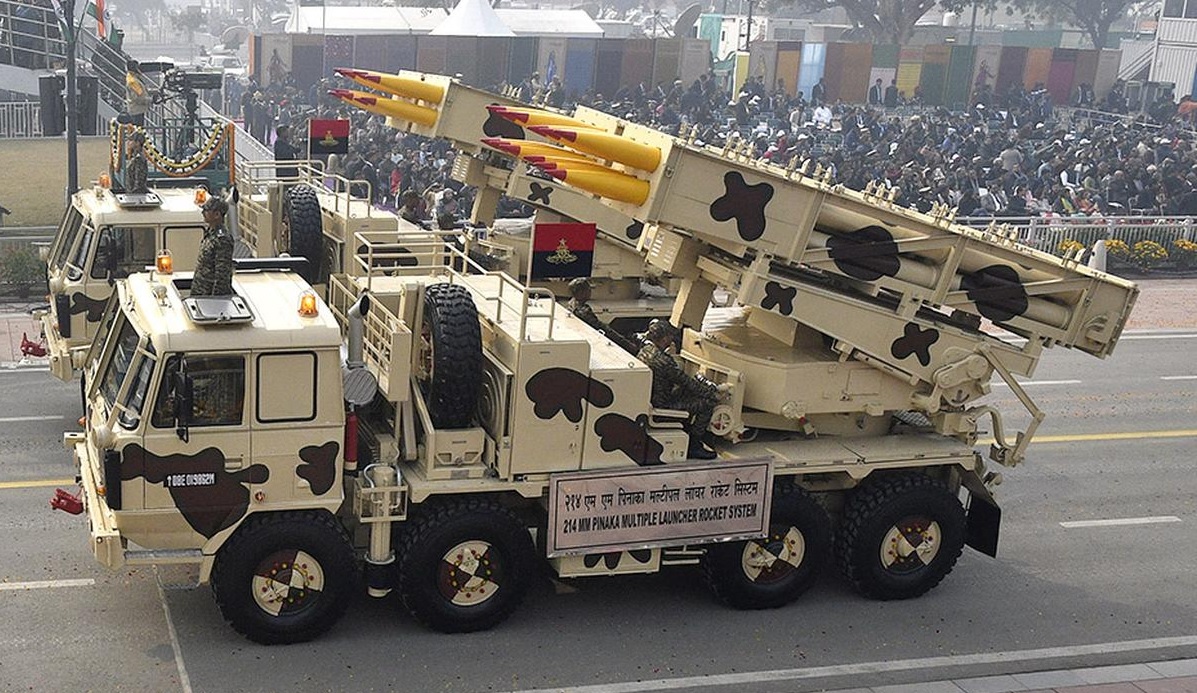
India
The Indian Army is set to take a significant leap in enhancing its artillery capabilities by finalizing two major contracts for advanced munitions tailored for the Pinaka Multi-Barrel Rocket Launcher (MBRL) system. These contracts, worth a combined ₹10,200 crore, are anticipated to be signed before March 31, 2025, according to Army Chief General Upendra Dwivedi. High-Explosive Pre-Fragmented Shells: Extended Lethality One of the contracts, valued at ₹5,700 crore, focuses on the procurement of high-explosive pre-fragmented (HEPF) shells with an impressive range of 45 kilometers. These shells are engineered to deliver devastating damage by dispersing pre-fragmented projectiles upon detonation. This design is particularly effective against enemy personnel, fortifications, and light-armored vehicles, making it a highly versatile battlefield asset. The extended range and precision of these shells provide the Pinaka system with enhanced strike capabilities, allowing it to engage targets located deep within enemy lines. The use of advanced guidance systems further ensures accuracy and efficiency, minimizing collateral damage. Area Denial Munitions: Creating Lethal Barriers The second contract, estimated at ₹4,500 crore, pertains to the acquisition of area denial munitions (ADM) with a range of 37 kilometers. ADMs are a critical component of modern warfare, designed to saturate a specific target zone with multiple bomblets, including anti-tank and anti-personnel mines. These munitions are invaluable for disrupting enemy movement and denying access to strategically important locations. By deploying a dense network of explosives over an area, ADMs create a lethal barrier that can halt advancing forces and protect key defensive positions. Pinaka MBRL System: A Beacon of Indigenous Excellence The Pinaka MBRL system, developed indigenously by the Defence Research and Development Organisation (DRDO), stands as a testament to India's growing self-reliance in defense technology. Produced in collaboration with Bharat Earth Movers Limited (BEML) and Tata Power SED, the Pinaka system has already proven its mettle in various operational scenarios. Capable of launching a salvo of 12 rockets in less than 45 seconds, the Pinaka system is known for its rapid-fire capability and precision targeting. It offers a maximum range of up to 75 kilometers, depending on the type of munition used, and is equipped with advanced navigation and fire control systems. These features make it an indispensable tool for providing heavy fire support to ground troops during combat operations. Strategic Implications The addition of HEPF shells and ADMs to the Pinaka system's arsenal will significantly enhance the Indian Army's operational flexibility. These munitions will not only strengthen India's deterrence capabilities but also provide a tactical edge in high-stakes scenarios. The focus on indigenous production underscores the government's commitment to the "Make in India" initiative, reducing dependency on foreign suppliers and fostering the domestic defense manufacturing ecosystem. Specifications of the New Munitions High-Explosive Pre-Fragmented Shells: Range: 45 kilometers Purpose: Anti-personnel and light-armored vehicle attacks Key Feature: Pre-fragmented projectiles for maximum lethality Area Denial Munitions: Range: 37 kilometers Purpose: Anti-tank and anti-personnel area saturation Key Feature: Bomblets for creating extensive lethal barriers Future Prospects With these acquisitions, the Indian Army is not only modernizing its artillery but also aligning its capabilities with global standards. The Pinaka MBRL system, equipped with these advanced munitions, will serve as a critical force multiplier, enhancing India's preparedness for a wide range of combat scenarios. This development marks another milestone in India's journey toward becoming a defense powerhouse, with an emphasis on indigenous innovation and self-sufficiency.
Read More → Posted on 2025-01-23 15:01:45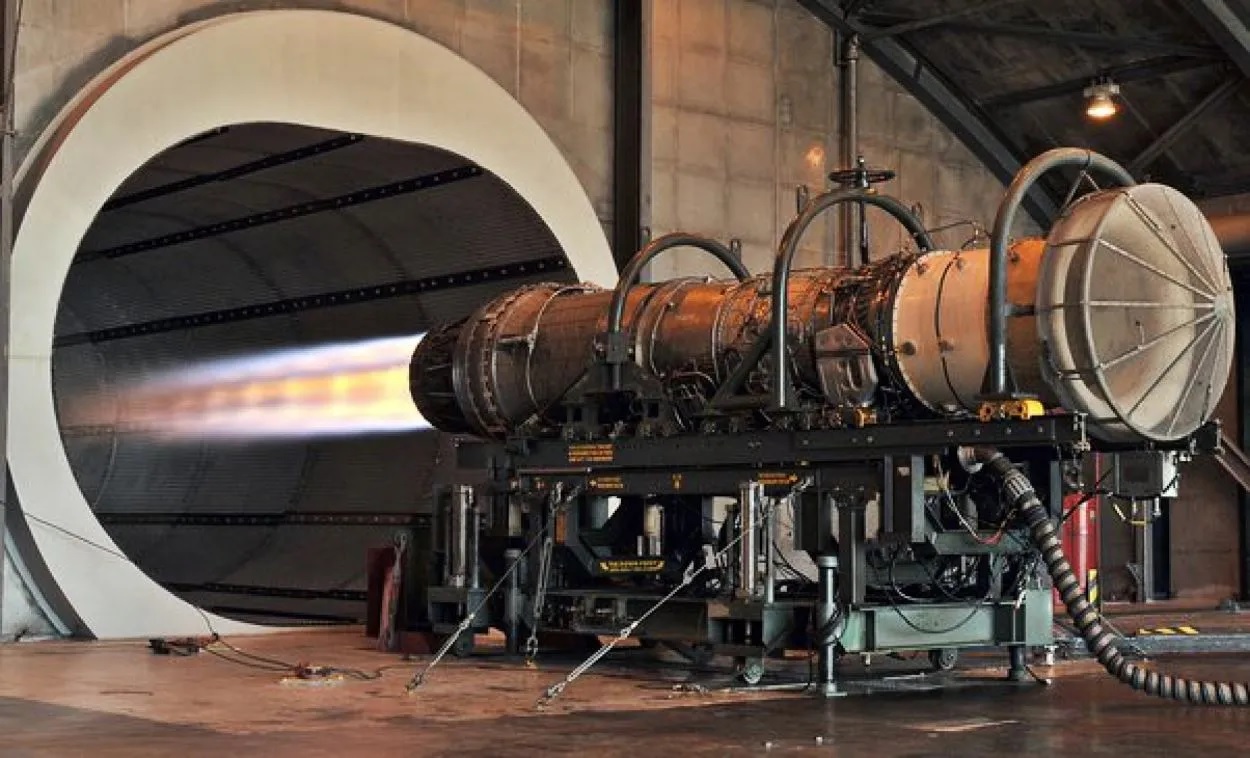
India
India and the United States are racing against time to finalize the much-anticipated GE-414 fighter jet engine deal, with an ambitious target to conclude the agreement by March. A team from Hindustan Aeronautics Limited (HAL) is set to visit the United States in the coming weeks to engage in detailed discussions with General Electric (GE) on the procurement of 99 GE-414 engines. This agreement holds strategic significance as India aims to boost its indigenous defence manufacturing capabilities while meeting the demands of its advanced fighter jet programs. A Critical Milestone in Defence Cooperation The GE-414 engine deal is a cornerstone of the growing defence partnership between India and the United States. Defence officials have emphasized that the level of Transfer of Technology (ToT) promised by GE Aerospace is unprecedented. The proposed ToT will significantly enhance India's ability to manufacture high-performance jet engines domestically, reducing dependency on foreign suppliers. The deal, valued at approximately $1 billion (as per 2023 estimates), includes provisions for advanced ToT, expanding its scope by 22% compared to a similar agreement in 2012. GE has reportedly sought an additional $50 million to accommodate this expanded scope. HAL's Contract Negotiation Committee (CNC) has been tasked with overseeing the negotiations, and specific technical documents have been requested to evaluate the ToT package thoroughly. Importance of GE-414 Engines for India's Fighter Jets The GE-414 engines are pivotal for India's Light Combat Aircraft (LCA) Tejas Mark 2 program, a 4.5-generation fighter jet designed to replace ageing Mirage-2000, Jaguar, and MiG-29 aircraft in the Indian Air Force (IAF). Delays in finalizing the agreement could impact the timely induction of the LCA Mark 2, which plays a crucial role in India's defence modernization strategy. The GE-414 engines deliver a maximum thrust of 98 kN, making them suitable for advanced combat aircraft. They are also being considered for India's ambitious fifth-generation fighter aircraft (AMCA) program, which will require cutting-edge propulsion systems. If the GE-414 engines are selected for the AMCA, the procurement numbers could increase significantly. Addressing Jet Engine Supply Challenges India has faced recurring challenges with jet engine supply, particularly for its LCA Mark 1A fleet powered by GE-404 engines. Global supply chain disruptions have delayed engine deliveries, highlighting the need for robust domestic manufacturing capabilities. The timely conclusion of the GE-414 deal is essential to avoid similar setbacks and ensure smooth production timelines for the LCA Mark 2 and other upcoming platforms. A Step Toward Indigenous Jet Engine Manufacturing India's pursuit of self-reliance in jet engine technology has gained momentum in recent years. While the country has made significant strides in developing fighter aircraft, the lack of an indigenous jet engine has remained a critical gap. By securing advanced ToT from GE, India aims to strengthen its domestic manufacturing ecosystem, paving the way for future developments in jet engine technology. Additionally, India is exploring partnerships with global manufacturers to co-develop an indigenous engine. This dual approach—leveraging foreign technology while building local capabilities—aligns with the government's "Make in India" initiative and its vision for a self-reliant defence sector. Global Jet Engine Market and Strategic Implications The global jet engine market is dominated by a few key players from the United States, France, the UK, and Russia. Most fighter aircraft rely on engines from these manufacturers, underscoring the strategic importance of indigenous capabilities. By acquiring advanced technology through the GE-414 deal, India seeks to position itself as a competitive player in the global aerospace market. The successful execution of this agreement will also enhance India's bargaining power in future defence collaborations and contribute to its long-term goal of becoming a net exporter of defence equipment. Financial and Market Impact On the financial front, the deal's progress is being closely monitored by market analysts. HAL shares traded 0.85% lower at ₹4,151.80 earlier this week, reflecting investor caution amid ongoing negotiations. However, the successful finalization of the deal could bolster HAL's financial performance and solidify its reputation as a key player in India's defence manufacturing landscape. Conclusion The GE-414 engine deal is more than just a procurement agreement; it is a strategic enabler for India's defence modernization and self-reliance goals. Finalizing the deal by March is critical to ensuring the timely production of advanced fighter jets and addressing long-standing challenges in jet engine supply. As India and the US work to strengthen their defence partnership, the successful closure of this agreement will mark a significant milestone in their shared vision for a secure and technologically advanced future.
Read More → Posted on 2025-01-22 14:53:36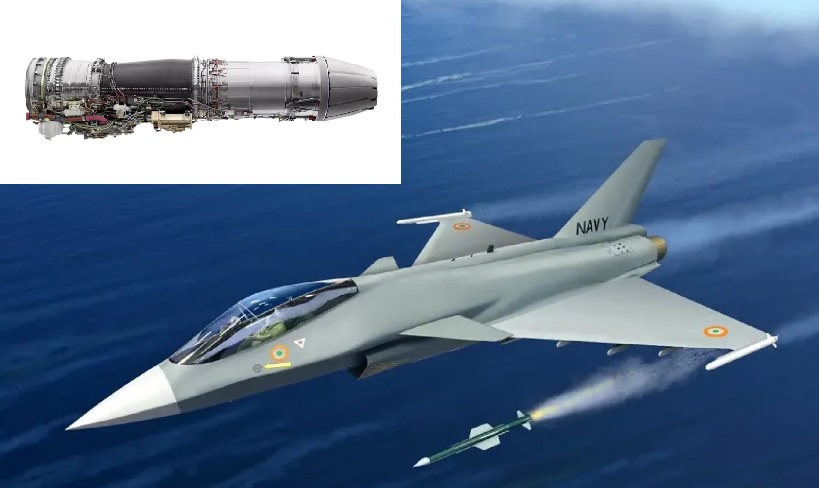
India
The Aeronautical Development Agency (ADA) has unveiled its engine roadmap for the ambitious Twin Engine Deck-Based Fighter (TEDBF) program, a critical component of India's naval aviation modernization. To fast-track the rollout of the TEDBF and meet the Indian Navy's tight timelines, ADA has opted to equip the aircraft initially with General Electric’s F-414 engines. This pragmatic decision is aimed at ensuring the TEDBF meets its target of being operational by late 2028 or mid-2029. F-414 Engine: A Proven Powerhouse The F-414 engine, which delivers a maximum thrust of 98 kN, is a battle-tested, high-performance turbofan engine. It is already being integrated into other Indian fighter programs, including the Tejas MkII and the Advanced Medium Combat Aircraft (AMCA) MkI. The engine's proven reliability and robust thrust-to-weight ratio make it an excellent choice for carrier-based operations, which demand exceptional durability and thrust performance for short take-offs and arrested landings. By leveraging the F-414’s established capabilities, ADA ensures that the TEDBF can meet the Indian Navy’s demanding requirements for its future fleet of twin-engine deck-based fighters. The use of this engine eliminates potential delays associated with the time-consuming development of an entirely new propulsion system, allowing the TEDBF to transition smoothly from design to production. Development Timeline and Key Features The TEDBF is set to replace the aging MiG-29K fleet currently in service with the Indian Navy. Designed for operations aboard the Indian Navy’s aircraft carriers, including the INS Vikramaditya and INS Vikrant, the TEDBF is expected to feature advanced avionics, next-generation stealth, and superior maneuverability to dominate maritime airspace. Key anticipated specifications of the TEDBF include: Length: Approximately 17.6 meters Wingspan: 11.2 meters with folding wings for carrier compatibility Maximum Take-Off Weight (MTOW): 26,000 kg Weapons Load: Up to 9 hardpoints, capable of carrying air-to-air, air-to-surface, and anti-ship missiles, alongside guided bombs. Top Speed: Expected to exceed Mach 1.6 Range: Over 1,500 kilometers with in-flight refueling capability The aircraft will incorporate features like an Active Electronically Scanned Array (AESA) radar, infrared search and track (IRST) systems, and stealth enhancements, making it a formidable platform for both offensive and defensive missions. Indigenous 110kN Engine: The Long-Term Vision While the F-414 engine will power the initial production batches of the TEDBF, ADA is keeping an eye on future advancements in indigenous engine technology. The Gas Turbine Research Establishment (GTRE), a division of the Defence Research and Development Organisation (DRDO), is developing a high-thrust 110 kN engine as part of the AMCA program. This engine, once completed, could eventually power subsequent TEDBF production batches or even retrofit the earlier aircraft. The 110 kN engine promises enhanced thrust and greater fuel efficiency, potentially increasing the TEDBF’s payload capacity and range. However, its integration depends on successfully passing rigorous development and flight trials, followed by scaling up production to meet the demands of both the AMCA and TEDBF programs. Strategic Significance The decision to adopt the F-414 engine underscores ADA’s commitment to delivering the TEDBF on schedule without compromising performance. By incorporating the indigenous 110 kN engine in later stages, the program ensures alignment with India’s long-term goals of self-reliance in defense technology. This dual-phase strategy not only addresses immediate operational requirements but also supports the “Make in India” initiative by fostering domestic technological advancements. As the TEDBF progresses toward its production phase, it represents a significant leap forward in India’s defense capabilities, marking the transition to a more indigenous and technologically advanced naval air fleet. The integration of the 110 kN engine, when realized, could elevate the TEDBF to world-class standards, solidifying its role as a backbone of India’s naval aviation for decades to come.
Read More → Posted on 2025-01-22 08:11:41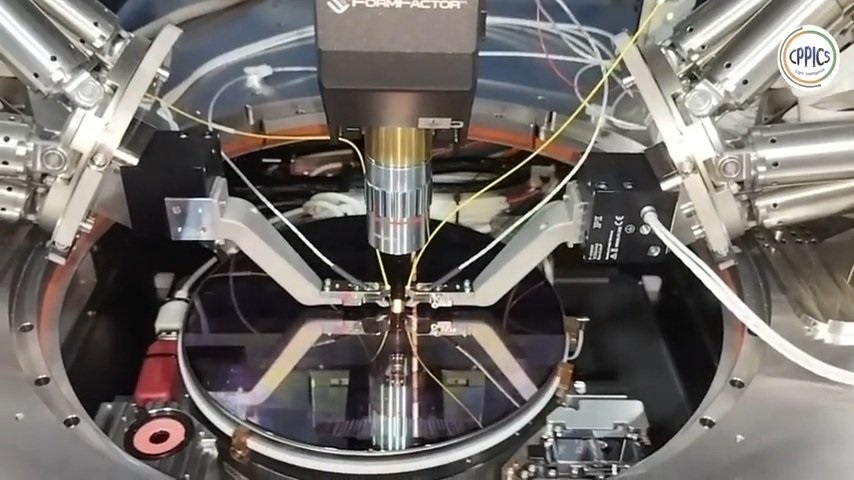
India
The Indian Institute of Technology Madras (IIT-M) has taken a significant leap forward in its research capabilities at the Centre for Programmable Photonic Integrated Circuits and Systems (CoE-CPPICS). The facility recently installed a Fully Automatic High-Precision Silicon Photonic Probe Station, marking a critical milestone in advancing silicon photonics research and innovation in India. Cutting-Edge Capabilities of the Probe Station The newly installed probe station is a technological marvel designed to support wafer-scale measurements of up to 200 mm. It boasts automation capabilities that allow testing of up to 25 wafers simultaneously, significantly increasing throughput. With the ability to test thousands of devices in a single cycle, this advanced system ensures high precision, efficiency, and scalability, making it ideal for both academic research and industrial collaboration. Key specifications of the high-precision probe station include: Wafer Size Handling: Compatible with wafers up to 200 mm in diameter. Testing Automation: Supports simultaneous probing and characterization of 25 wafers. Precision and Speed: Delivers micrometer-level accuracy, enabling detailed measurements critical for silicon photonic device development. Adaptability: Designed for seamless integration with various testing environments and research protocols. Implications for Silicon Photonics Research The upgrade is poised to transform silicon photonics research at IIT-Madras by enabling efficient testing and characterization of photonic integrated circuits (PICs). Silicon photonics is a rapidly evolving field with applications in: Quantum Computing: Offering scalable solutions for quantum information processing. High-Speed Data Communication: Revolutionizing data transmission in telecommunication and computing industries. Energy-Efficient Data Centers: Facilitating reduced power consumption while maintaining high data throughput. This enhancement will also accelerate India's progress in semiconductor technology, aligning with national goals of self-reliance in advanced electronics and photonics. Support from MeitY and IIT-Madras The acquisition of the probe station was made possible through funding from the Ministry of Electronics and Information Technology (MeitY), Government of India, and IIT-Madras. This financial backing underscores the importance of fostering innovation in emerging technologies like silicon photonics and programmable photonic circuits. Collaboration and Industry Partnerships The CoE-CPPICS has also strengthened its international presence by partnering with organizations such as SilTerra Malaysia Sdn. Bhd. This collaboration focuses on the joint development of programmable silicon photonic processor chips, which are critical for applications in data centers, telecommunications, and emerging quantum technologies. Such partnerships are expected to enhance India’s global competitiveness in the semiconductor and photonics sectors. Open Access for Collaborative Research To foster greater knowledge sharing and innovation, the upgraded CoE-CPPICS facility is open to external researchers, startups, and industry stakeholders. This collaborative approach is expected to drive advancements in photonic technology, benefiting both academia and industry. Future Roadmap With the upgraded probe station and robust collaborations, IIT-Madras aims to position itself as a global leader in silicon photonics research. The facility’s cutting-edge infrastructure will pave the way for breakthroughs in photonic integrated circuits, potentially leading to novel applications in advanced computing, healthcare, and defense. The IIT-Madras CoE-CPPICS continues to play a pivotal role in shaping India’s semiconductor ecosystem, driving innovation in silicon photonics, and fostering global collaborations.
Read More → Posted on 2025-01-22 07:59:13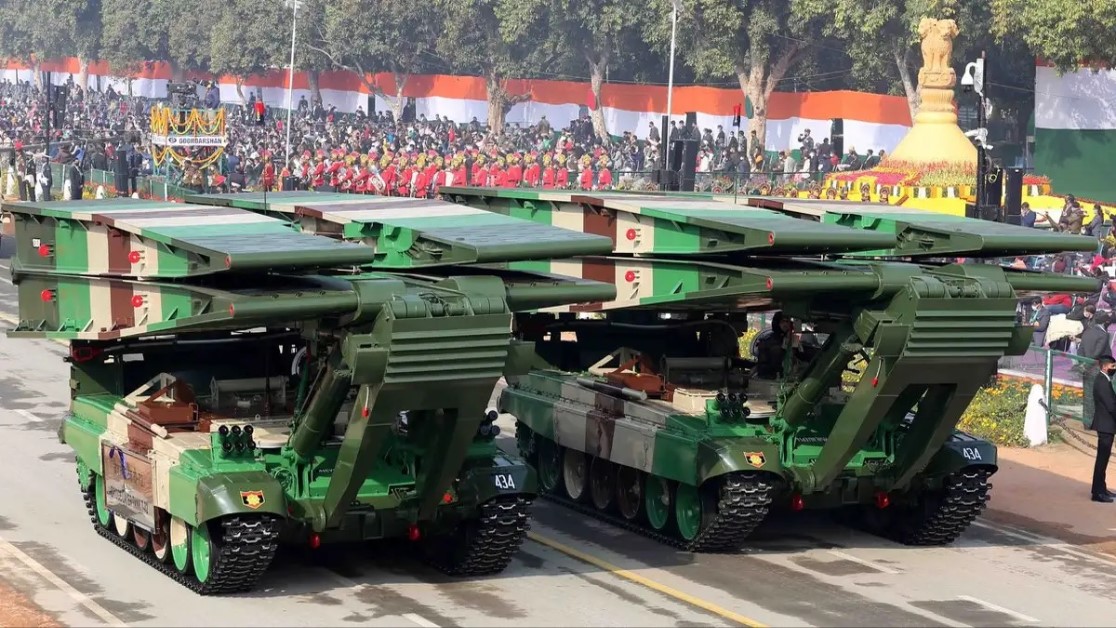
Heavy Vehicles Factory Secures ₹1,560 Crore Contract for 47 T-72 Bridge-Laying Tanks for Indian Army
India
The Ministry of Defence (MoD) has signed a ₹1,560.52 crore contract with the Heavy Vehicles Factory (HVF), a unit of Armoured Vehicle Nigam Limited (AVNL), for the procurement of 47 T-72 Bridge-Laying Tanks (BLTs) for the Indian Army. The agreement, signed on January 21, 2025, in New Delhi in the presence of Defence Secretary Rajesh Kumar Singh, marks a significant step in bolstering the nation’s self-reliance in defense manufacturing under the "Make-in-India" initiative. Strategic Role of T-72 Bridge-Laying Tanks The T-72 BLT is a specialized armored vehicle designed to support mechanized forces during offensive and defensive operations. Its primary function is to quickly deploy bridges over obstacles such as rivers, ditches, or ravines, ensuring the seamless movement of tanks, armored vehicles, and other heavy equipment in complex battlefield scenarios. Equipped with an advanced hydraulic bridge-launching mechanism, the T-72 BLT can rapidly deploy and retrieve a 20-meter-long Class 70 bridge capable of supporting vehicles up to 70 tons. This capability significantly enhances battlefield mobility and operational flexibility, giving mechanized forces a critical edge in both defensive and offensive maneuvers. Specifications of the T-72 BLT Derived from the T-72 main battle tank chassis, the Bridge-Laying Tank incorporates: Engine and Mobility: Powered by a 780-horsepower V-46 diesel engine, it retains the mobility and speed of the T-72 platform, with a maximum speed of 60 km/h on roads and excellent cross-country performance. Bridge Capacity: The Class 70 bridge can support modern heavy tanks and is capable of being deployed in under 10 minutes, ensuring rapid response in high-pressure scenarios. Armored Protection: The T-72 BLT retains the protective armor of the base tank, safeguarding the crew and equipment from small arms fire and shrapnel during operations. Versatility: The bridge can be retrieved and reused multiple times, offering both offensive and logistical advantages. Boost to Indigenous Defense Manufacturing The procurement of these indigenously developed BLTs aligns with the government’s vision of self-reliance in defense production. As a Buy (Indian-Indigenously Designed, Developed, and Manufactured) project, it strengthens the domestic defense manufacturing ecosystem by involving Indian companies across the supply chain. The Heavy Vehicles Factory, located in Avadi, Tamil Nadu, has a long-standing legacy of manufacturing tanks and armored vehicles for the Indian Army. This contract will further enhance its production capabilities while generating employment opportunities and driving economic growth in the region. Operational Importance for the Indian Army The addition of 47 T-72 BLTs will significantly enhance the Indian Army's mechanized forces. These tanks will ensure faster mobility across challenging terrains, allowing for swift deployment of forces during critical operations. Their ability to support Class 70 load-bearing capacities also ensures compatibility with the latest generation of main battle tanks like the Arjun and T-90, as well as other armored vehicles in the Army’s arsenal. This procurement reflects the Indian Army's ongoing efforts to modernize its infrastructure and improve its combat readiness in line with evolving military challenges. With the strategic advantages offered by the T-72 BLTs, the Army’s operational capabilities are expected to receive a considerable boost, particularly in regions with difficult terrain or water obstacles. In conclusion, the signing of this contract underscores India’s commitment to building a robust defense manufacturing ecosystem while meeting the operational needs of its armed forces. The T-72 BLTs not only enhance battlefield mobility but also serve as a testament to the country’s growing self-reliance in defense technology.
Read More → Posted on 2025-01-22 07:56:58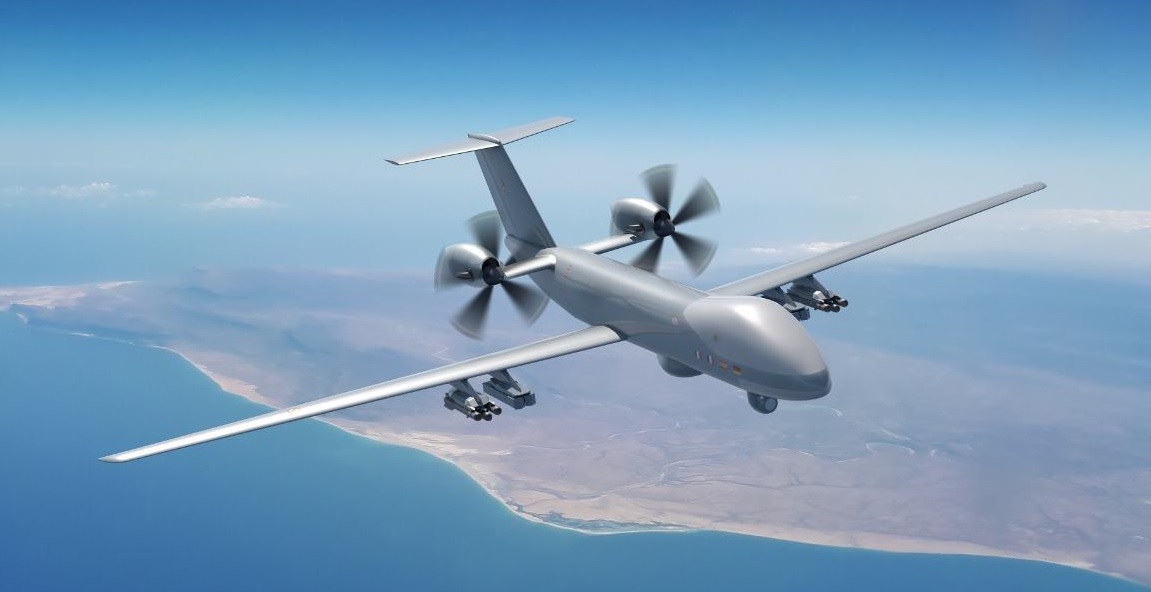
India
India has taken a decisive step in deepening its engagement with European defence initiatives by joining the Eurodrone Programme as an observer. This move underscores India’s growing interest in cutting-edge unmanned aerial systems and its intent to forge stronger strategic partnerships with Europe. India’s Entry into the Eurodrone Programme On August 27, 2024, India formally secured Observer Status in the Eurodrone Programme, officially known as the Medium Altitude Long Endurance Remotely Piloted Aircraft System (MALE RPAS) Programme. The Organisation Conjointe de Coopération en matière d’Armement (OCCAR), the organisation overseeing the project, approved India’s request and handed the Letter of Approval to Indian Ambassador Ajit Gupte in a ceremony held at the Indian Embassy in Berlin. Joachim Sucker, Director of OCCAR-EA, expressed enthusiasm about India’s involvement, emphasizing the potential for long-term collaboration in defence innovation. What Is the Eurodrone Programme? The Eurodrone Programme, a flagship project of European defence collaboration, aims to reduce Europe’s dependency on non-EU intelligence, surveillance, and reconnaissance (ISR) technologies. The system is designed to perform Intelligence, Surveillance, Target Acquisition, and Reconnaissance (ISTAR) missions over long durations, integrating seamlessly into both civil and military airspaces. Key collaborators in the project include Airbus Defence & Space GmbH, Leonardo Spa, Dassault Aviation, and Airbus Defence & Space SAU, ensuring a blend of top-tier expertise in aerospace engineering. Technical Specifications of the Eurodrone The Eurodrone is set apart by its advanced features, including: Operational Altitude: Medium-altitude capabilities allow for operations at heights optimized for long-range ISR missions. Endurance: The drone can stay airborne for over 24 hours, making it ideal for extended surveillance and reconnaissance. Payload Capacity: It supports a variety of payloads, including advanced electro-optical and infrared sensors, synthetic aperture radars, and precision targeting systems. Engine: Equipped with dual-turboprop engines, the system ensures reliability and performance in diverse operational conditions. Ground Control: The Eurodrone package includes sophisticated Ground Control Stations (GCS) for real-time mission control and data analysis. Progress and Future Milestones Since its initiation in 2016, the Eurodrone Programme has marked several achievements: Definition Study (2018): Laid the groundwork for the drone’s specifications and operational requirements. Global Contract (2022): Secured agreements to produce 20 systems, comprising 60 aircraft and 40 Ground Control Stations. Prototype Development (2024): The first prototype is scheduled for completion this year, paving the way for serial production later in the decade. The programme is supported by the European Commission’s Defence Industrial Development Programme, ensuring alignment with Europe’s strategic defence goals. Strategic Implications for India India’s inclusion as an observer reflects its commitment to staying at the forefront of global defence technology. Engaging with the Eurodrone Programme offers India several advantages: Access to Cutting-Edge Technology: Observer Status allows India to gain insights into advanced unmanned aerial systems and potentially influence future collaborations. Strengthened Ties with Europe: This move bolsters India’s diplomatic and strategic ties with European nations, fostering mutual trust and shared goals in defence innovation. Boost to Indigenous Capabilities: Exposure to the Eurodrone Programme could inspire technological advancements in India’s own unmanned aerial systems. A Leap Towards Global Defence Collaboration India’s participation in the Eurodrone Programme signals its growing presence in the global defence ecosystem. By engaging with European allies on this initiative, India not only enhances its strategic partnerships but also positions itself to leverage advanced technologies for its own defence needs. As the Eurodrone edges closer to operational deployment, India’s Observer Status could pave the way for more collaborative ventures in the years to come.
Read More → Posted on 2025-01-22 07:53:43
India
India is poised to take a major step in addressing the issue of illegal immigration, particularly in light of mounting pressure from the United States under Donald Trump’s administration. The Indian government has agreed to cooperate with the US in identifying and repatriating thousands of its citizens who are residing illegally in America, a move seen as part of a broader strategy to protect vital immigration and trade relations. According to insider sources, the US has identified approximately 18,000 illegal Indian immigrants for deportation. However, the actual figure could be significantly higher as the exact number of undocumented Indian nationals in the US remains unclear. Many of these individuals are believed to hail from the western Indian states of Punjab and Gujarat, where migration to the US has long been viewed as a pathway to better economic opportunities. Rising Tide of Indian Migrants While Indians account for a modest 3% of total illegal border crossings encountered by US authorities, the numbers have been steadily increasing. Indian migrants are particularly prominent at the US's northern border with Canada, where they make up nearly a quarter of all illegal crossings. This surge has drawn significant attention, especially as the US ramps up efforts to curb unlawful migration from all sources. India’s Dual Strategy: Compliance and Negotiation India’s cooperation on deporting illegal migrants serves multiple purposes. By demonstrating goodwill, the Modi government hopes to maintain favorable immigration policies for Indian nationals, particularly in critical areas like the H-1B visa program and student visas. Indians have been the primary beneficiaries of the H-1B program, securing nearly 75% of the 386,000 visas granted in 2023. Moreover, a failure to address illegal migration could have ripple effects on India’s labor and mobility agreements with other nations. With rising unemployment at home, the Indian government has been keen to forge migration pacts with countries such as Japan, Saudi Arabia, and Israel, which offer opportunities for skilled workers. Repatriation as a Political and Security Tool Beyond economic considerations, the deportation of illegal migrants could help India address domestic security concerns. New Delhi has been particularly vigilant about curbing the Khalistan movement, a separatist campaign seeking a Sikh homeland in India. Officials believe some supporters of this movement in the US and Canada are undocumented migrants, and their deportation could weaken the movement’s international foothold. India’s recent efforts align with its existing cooperation with the US on migration enforcement. For instance, in October, a repatriation flight brought over 100 Indian nationals back to the country, adding to the more than 1,100 deportations over the previous year. Avoiding a Trade Standoff India’s proactive approach to illegal migration is also driven by concerns over potential trade conflicts with the US. Trump has often criticized India’s high tariffs on American goods and has threatened reciprocal measures. By aligning itself with Trump’s agenda on illegal immigration, India aims to reduce tensions and prevent a costly trade war that could harm its economy. Prime Minister Narendra Modi’s administration is wary of Trump’s unpredictable policies, particularly as the US president has already targeted Mexico and Canada with plans for steep tariffs and stricter border controls. India’s cooperation, therefore, is part of a calculated effort to stay on Trump’s good side while securing long-term benefits for its citizens. Uncertain Future Despite these efforts, challenges remain. The northern US border’s growing role as a gateway for illegal Indian migrants raises questions about enforcement strategies on both sides. Analysts suggest that the cessation of visa-free travel for Indians to El Salvador in 2023 and easier access to Canada have contributed to the shift in migration patterns. As India moves to repatriate its citizens and align itself with US priorities, it walks a fine line between compliance and safeguarding its own interests. With global migration trends evolving and geopolitical stakes rising, this issue is likely to remain a focal point in India-US relations in the coming years.
Read More → Posted on 2025-01-22 07:46:28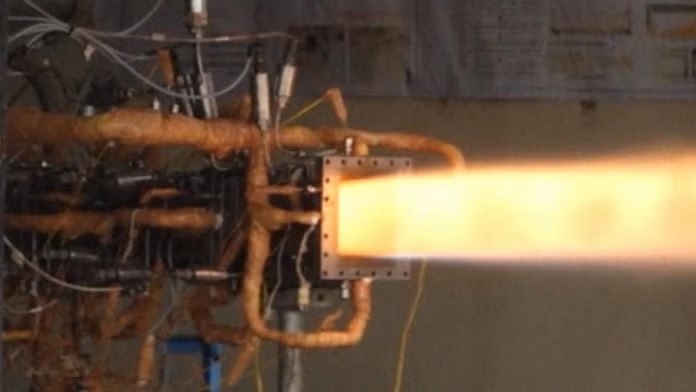
India
The Defence Research and Development Organisation (DRDO) of India has successfully conducted a ground test of an advanced Cooled Scramjet Engine, marking a critical step in the development of next-generation hypersonic missile systems. This technological breakthrough enhances India's standing in the elite club of nations—alongside the United States, Russia, and China—working on cutting-edge hypersonic weaponry. A Closer Look at the Scramjet Test The test, conducted for a duration of 120 seconds, featured an Active Cooled Scramjet Combustor. This technology is key to enabling stable combustion at hypersonic speeds exceeding Mach 5 (around 6,100 km/h). Unlike traditional jet engines, scramjets lack moving parts, relying entirely on high-speed airflow for compression and combustion. A standout feature of this test was the successful use of an indigenous endothermic scramjet fuel, specifically designed by the DRDO. This advanced fuel not only improves the engine's cooling capacity but also facilitates reliable ignition under the intense thermal and pressure conditions of hypersonic flight. Another innovative highlight is the development of an advanced ceramic Thermal Barrier Coating (TBC). This coating ensures the scramjet engine can endure extreme temperatures encountered during hypersonic flight, extending the engine's lifespan and enhancing its efficiency. Why Cooled Scramjet Engines Are Crucial At hypersonic speeds, the temperatures generated by air compression and combustion are immense. A cooled scramjet engine uses a specialized cooling system to maintain stability and functionality under these extreme conditions. The Active Cooled Scramjet Combustor tested by DRDO represents a significant advancement in ensuring consistent performance at such high velocities. The successful integration of thermal barrier coatings and efficient cooling systems is critical for the operational viability of hypersonic missiles. These engines must deliver not only unmatched speeds but also precision and reliability to outmaneuver advanced air defence systems, making them a strategic game-changer. Strategic Implications of Hypersonic Missiles Hypersonic missiles, powered by scramjet engines, are highly sought after in modern warfare due to their exceptional speed, maneuverability, and ability to evade traditional radar and defence mechanisms. Unlike ballistic missiles, hypersonic missiles can follow unpredictable trajectories, making interception exceedingly difficult. The successful development of this technology positions India to build hypersonic cruise missiles, significantly enhancing its rapid-strike capabilities. Such weapons offer strategic advantages in neutralizing high-value targets with unprecedented speed and precision. India’s Position in Hypersonic Development India's recent success with the cooled scramjet engine places the country closer to operationalizing hypersonic missile systems. The achievement complements earlier progress made under the Hypersonic Technology Demonstrator Vehicle (HSTDV) program, which showcased India's capability to achieve Mach 6 speeds. This test also underscores India's commitment to indigenous innovation in defence technology. By developing its own scramjet fuels, thermal coatings, and engine components, the DRDO is ensuring greater self-reliance in critical military technologies. The Road Ahead With ongoing advancements in hypersonic research, India aims to keep pace with global leaders in defence innovation. The cooled scramjet engine test is not only a milestone for India's missile development programs but also a testament to the country’s growing technological prowess. As hypersonic weapons become a cornerstone of modern military strategy, India’s progress in this field will have profound implications for its defence capabilities and strategic deterrence. This achievement brings India one step closer to delivering operational hypersonic weapons, solidifying its position in the global race for advanced military systems.
Read More → Posted on 2025-01-22 07:43:26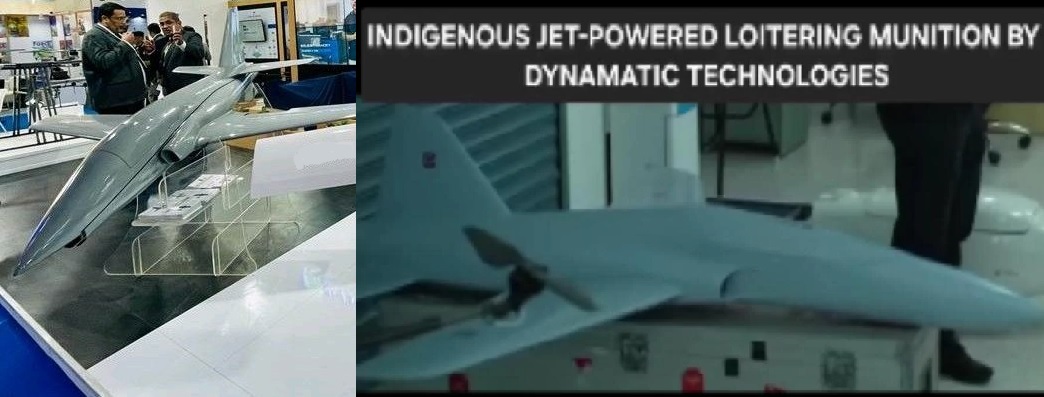
India
Dynamatic Technologies Ltd., a pioneer in precision engineering, has made a major leap in modern warfare solutions by developing a groundbreaking jet-powered loitering munition. What sets this system apart is its ability to operate entirely without GPS, relying instead on advanced optical waypoint guidance. Designed to function in tandem with the company’s CHEEL VTOL surveillance drone, this innovative system has the potential to redefine the battlefield by offering extended range, autonomy, and resilience against electronic warfare. Addressing the Challenge of GPS Denial In today’s combat environment, GPS jamming and signal denial are growing threats that can render conventional systems ineffective. To tackle this, Dynamatic's loitering munition eliminates the need for satellite navigation. Instead, it employs an optical waypoint guidance system, leveraging visual terrain recognition to follow predefined landmarks or adjust its trajectory mid-flight. This ensures accurate navigation even in contested electronic environments. Integration with the CHEEL VTOL Drone The munition has been purpose-built to work seamlessly with Dynamatic’s CHEEL drone, a Vertical Take-Off and Landing (VTOL) platform designed for advanced surveillance. The CHEEL drone can perform reconnaissance missions, relay real-time battlefield information, and provide updated waypoint data to the loitering munition. This integration creates a "system of systems" approach where the drone provides situational awareness, while the munition executes precise strikes. Specifications and Features of the Jet-Powered Loitering Munition Range: The munition boasts an impressive 80km operational range, enabling deep-strike capabilities far beyond the reach of conventional systems. Guidance: Optical waypoint technology eliminates dependency on GPS or radio signals, making it highly resilient to electronic warfare tactics like jamming. Autonomy: Once launched, the munition operates autonomously, requiring minimal human intervention and enabling complex mission execution. Payload: Equipped with precision-strike warheads, the munition is designed for high-impact engagements against both stationary and mobile targets. Jet-Powered Propulsion: The use of a jet engine ensures higher speed and extended operational endurance compared to conventional propeller-driven systems. Stealth: By avoiding GPS and radio signal reliance, the system has a low electronic signature, reducing its chances of detection by adversaries. CHEEL Drone’s Role in Enhancing Capability The CHEEL drone complements the loitering munition with its robust surveillance capabilities. The drone’s VTOL design allows it to operate in diverse terrains, including urban environments and rugged landscapes. With high-resolution cameras and sophisticated sensors, the CHEEL drone identifies and tracks targets, providing critical data to the loitering munition for precise engagement. This combination offers commanders unparalleled flexibility in rapidly evolving combat scenarios. Strategic Advantages of the System Versatility in Mission Profiles: The munition can be deployed for a range of missions, including suppression of enemy air defenses (SEAD), precision strikes on high-value targets, and area denial. Enhanced Operational Range: With an 80km range, it allows forces to engage adversaries from a safer distance, minimizing risk to personnel and assets. Survivability in Contested Environments: The absence of GPS and radio dependency ensures the system remains operational even under intense electronic warfare conditions. Cost-Effective Solution: By integrating with existing platforms like the CHEEL drone, the system leverages current investments while delivering advanced capabilities. Transforming Tactical Operations Dynamatic Technologies’ new loitering munition represents a significant evolution in unmanned systems. By focusing on autonomy, resilience, and integration, the company has created a solution that addresses some of the most pressing challenges in modern warfare. The synergy between the loitering munition and the CHEEL VTOL drone provides militaries with a powerful, flexible tool for reconnaissance and precision engagement. This development underscores India’s growing capabilities in indigenous defense technology and positions Dynamatic Technologies as a leader in cutting-edge unmanned systems. With features like GPS-independent operation, extended range, and seamless drone integration, this loitering munition could redefine how future conflicts are fought.
Read More → Posted on 2025-01-21 15:28:01Search
Top Trending in 24 Hours
-
 Pentagon Expands Alloy Surfaces Contract to $328.8 Million for Advanced Aircraft Decoy Flares Amid Evolving Drone Threats
-
 Why the U.S. Restored Pacific Command Name, Ending the Indo-Pacific Designation After Eight Years
-
 Open-Source Evidence Suggests Russia's Zircon Is a Quasi-Ballistic Missile, Not a True Hypersonic Cruise Weapon
-
 Naval Group Unveils Rampart Modular CIWS Multi-Purpose Weapon System for Naval and Ground Forces at Eurosatory 2026
-
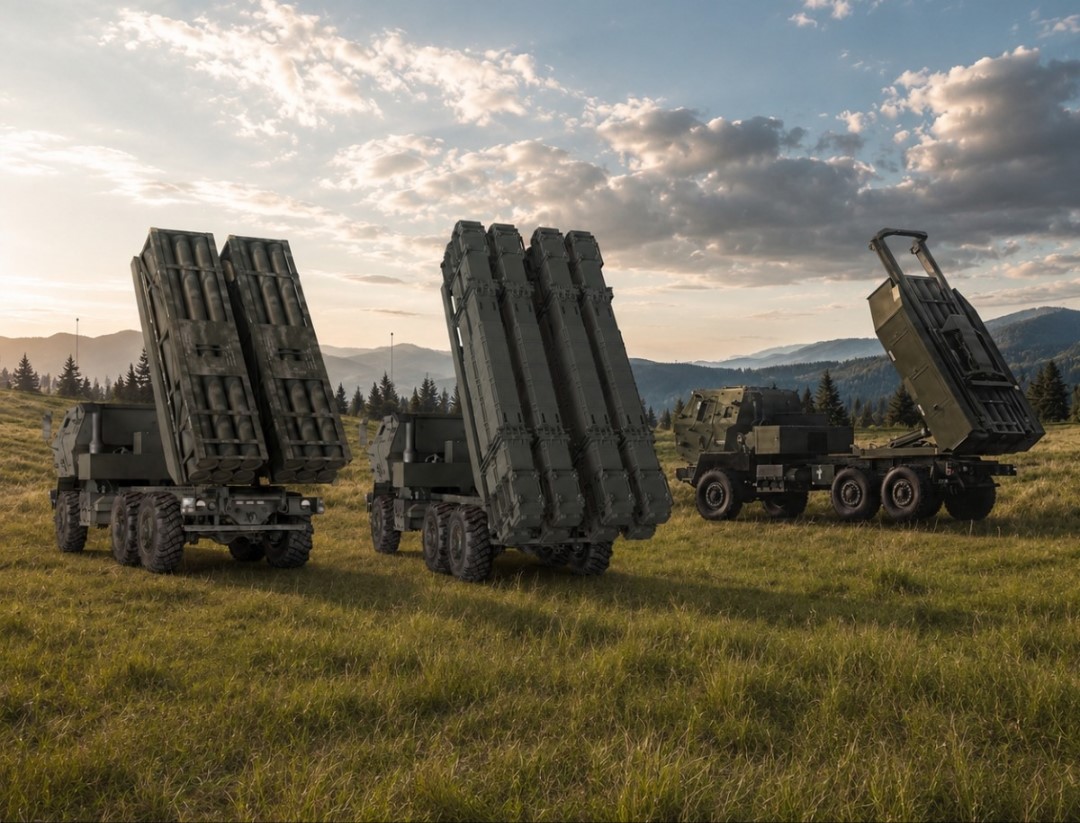 Lockheed Martin Unveils HIMARS FLEX with Dual-Pod Launcher and NATO-Compatible Air Defense Integration
-
 Iran Signs Deal with Russia for 20 Mi-8 and Mi-17 Helicopters to Boost Rescue and Medical Missions
-
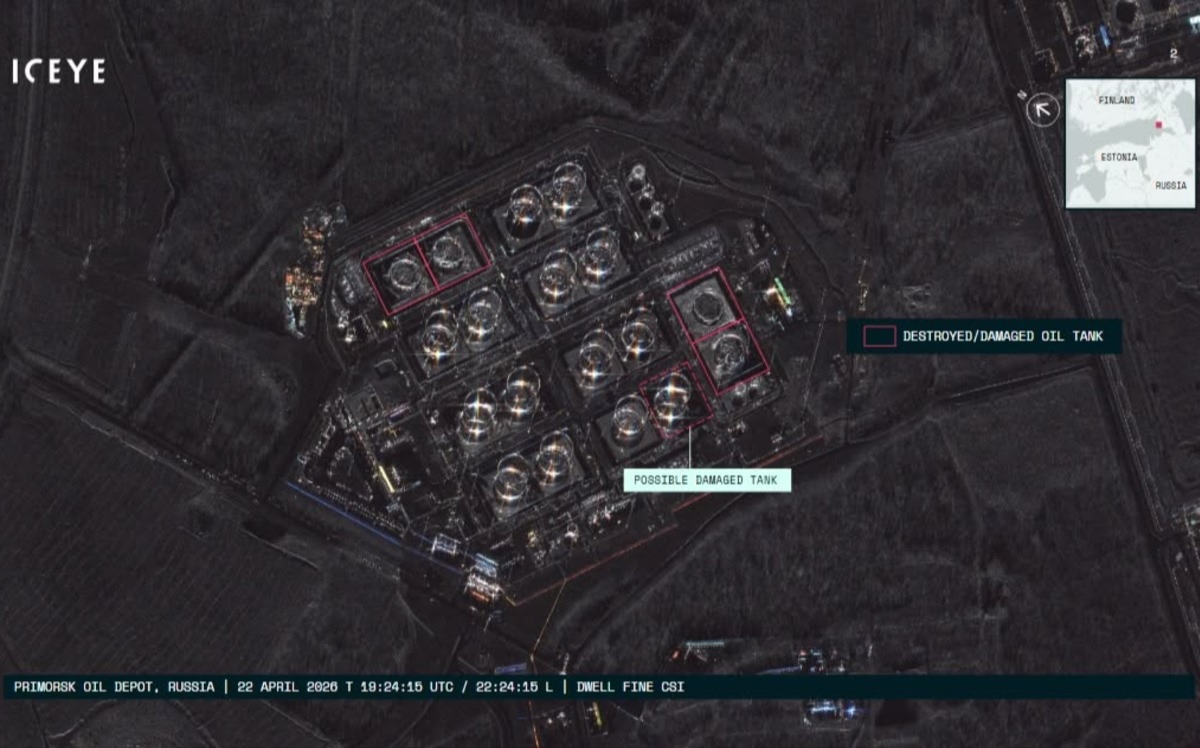 Portugal Doubles Sovereign SAR Satellite Fleet with Order for Two Additional ICEYE Satellites
-
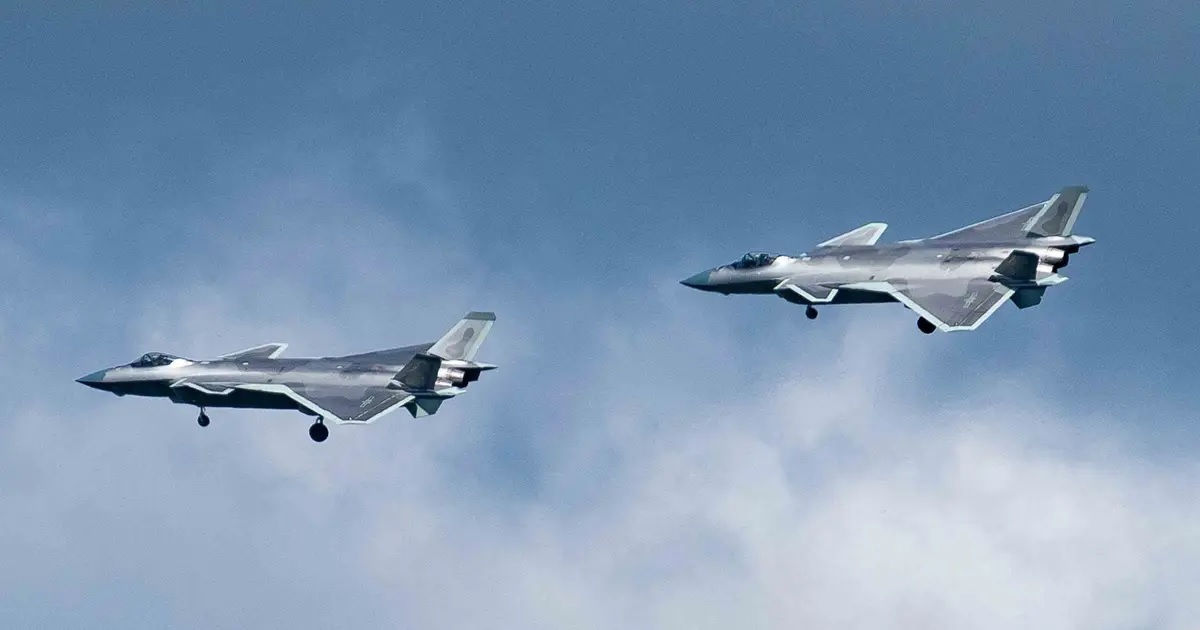 China Surpasses Russia as World’s Second-Most Powerful Air Force Amid Rapid J-20 and J-35 Expansion
Top Trending in 4 Days
-
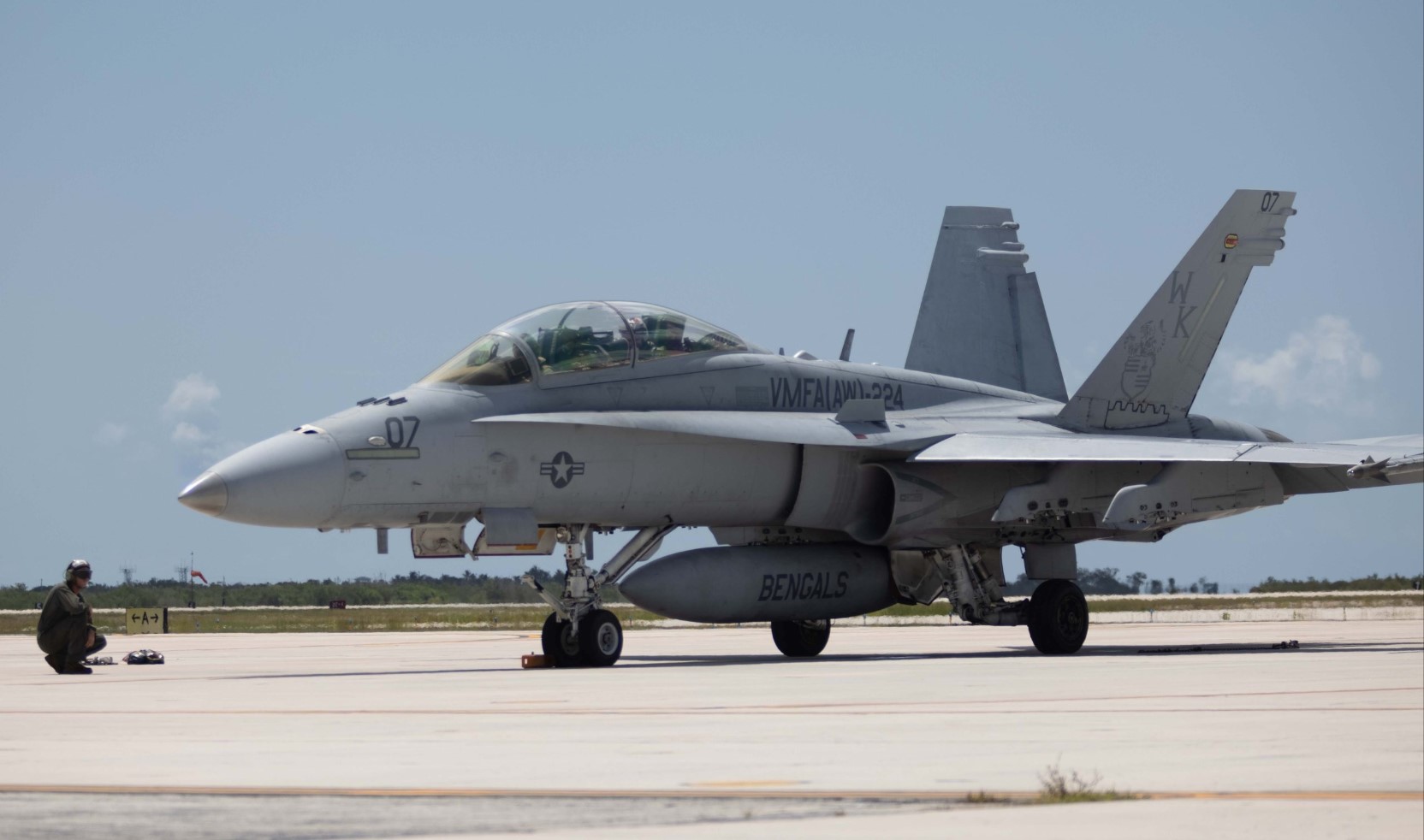 US Marine Corps F/A-18D Hornet Crashes During Training Flight in Washington Mountains; Pilot Ejects Safely
-
 Tulsi Gabbard Releases Declassified Files Detailing U.S.-Backed Network of 120 Biolaboratories Across 30+ Countries
-
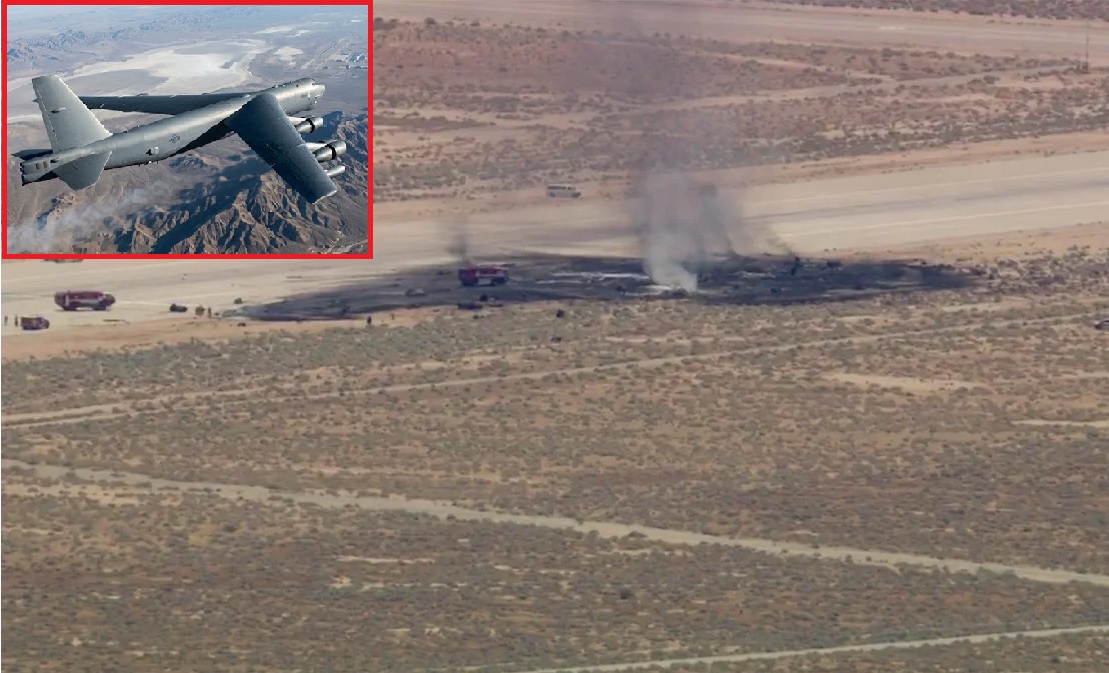 8 U.S. Air Force Crew Members Killed in B-52 Bomber Crash During Test Flight at Edwards Air Force Base
-
 Ukraine Introduces Balloon-Launched DART Missile Designed to Defeat Electronic Warfare
-
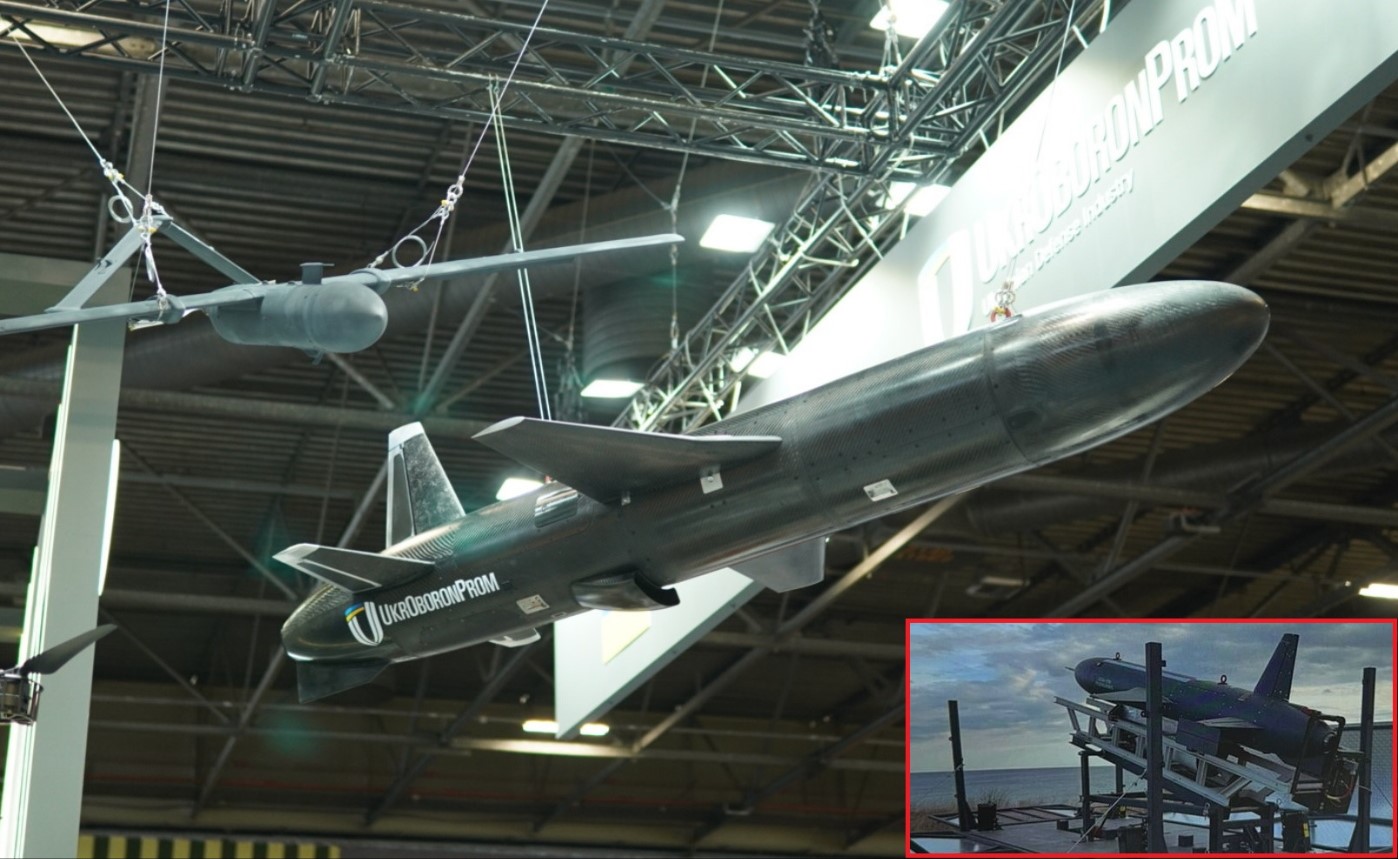 Ukraine Unveils UAV-290 Jet-Powered Strike Drone with 650 km Range at Eurosatory 2026
-
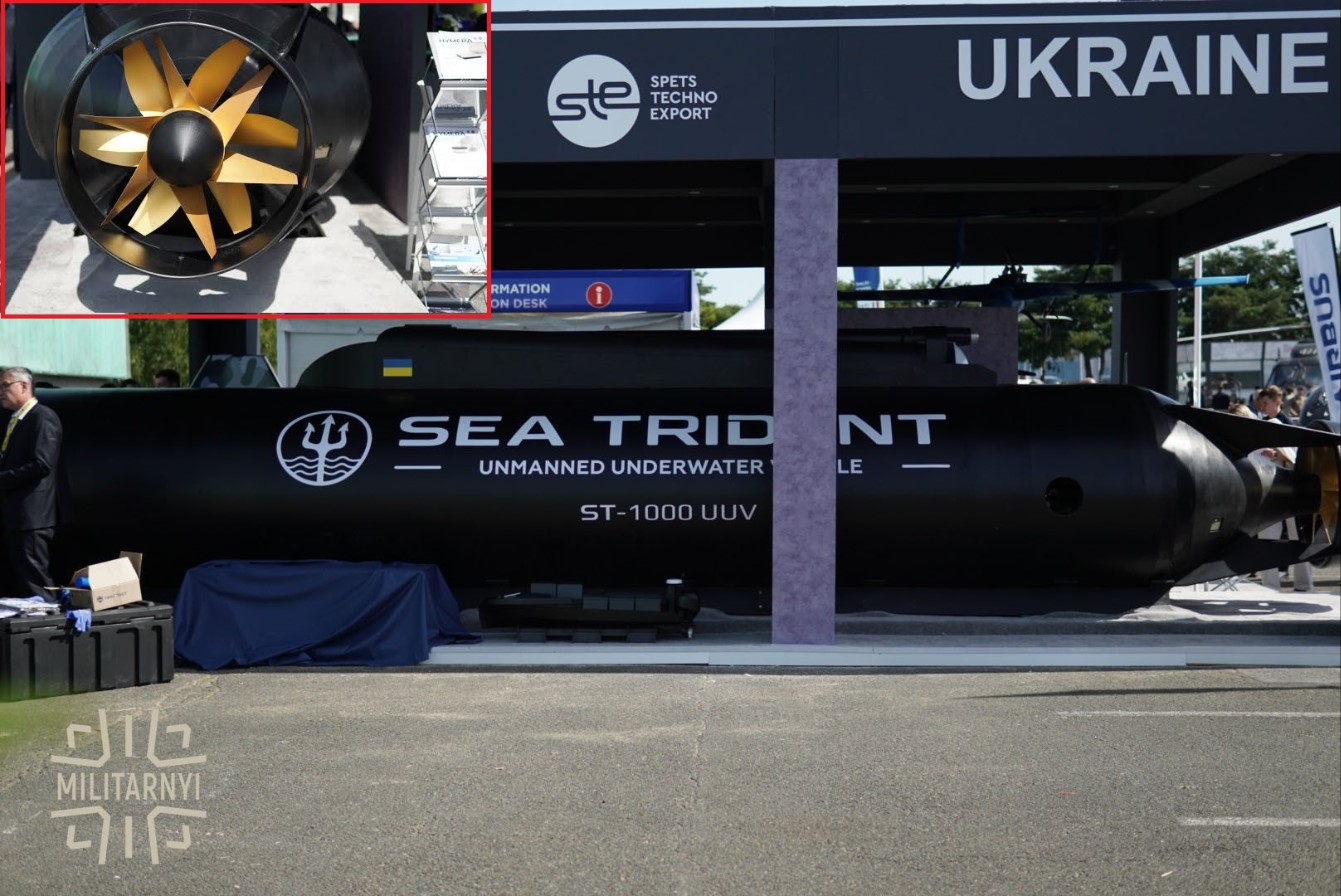 Ukraine Unveils 'Sea Trident' 10-Ton Autonomous Underwater Drone at Eurosatory 2026
-
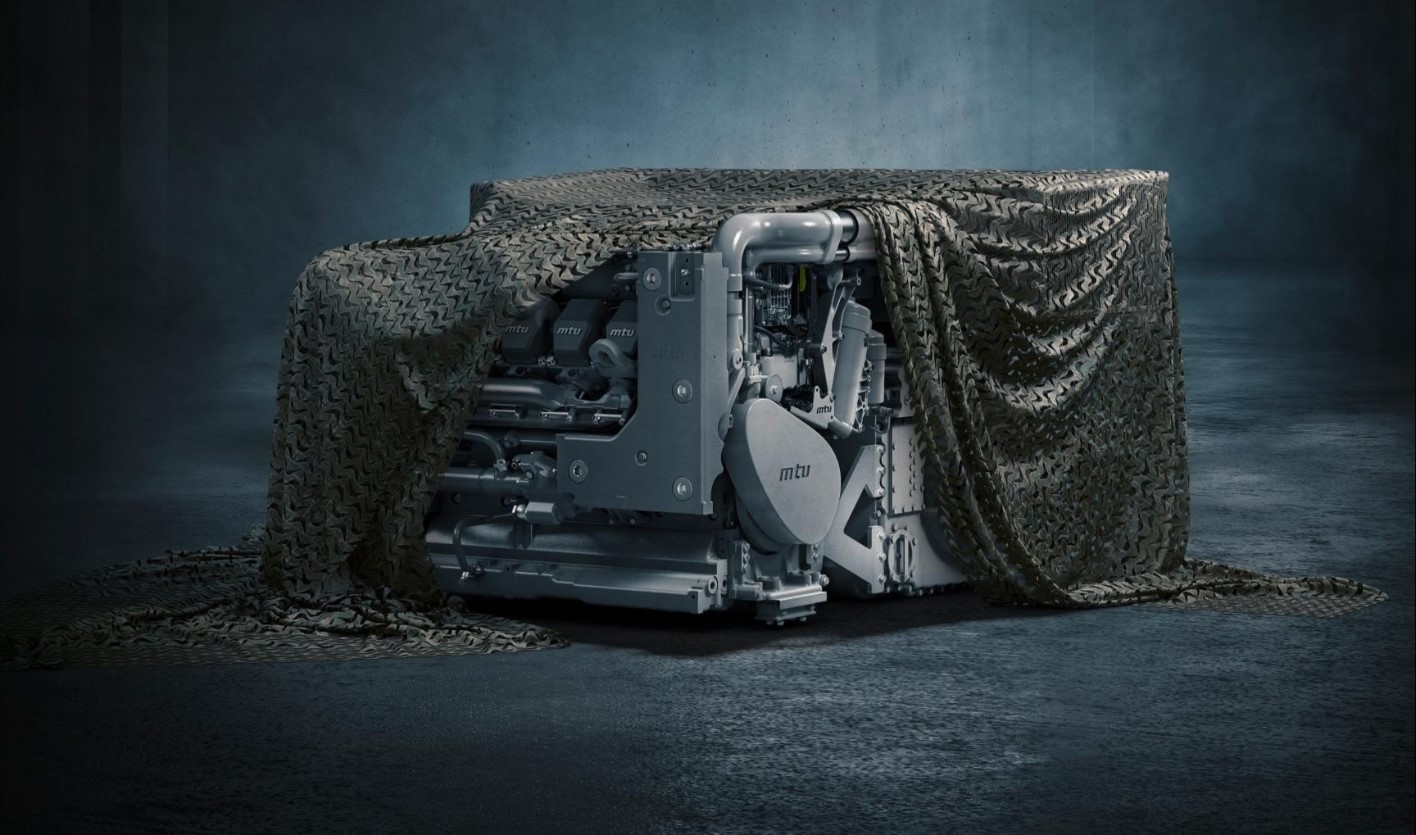 Rolls-Royce Unveils New Hybrid Powertrain for Heavy Military Vehicles at Eurosatory 2026
-
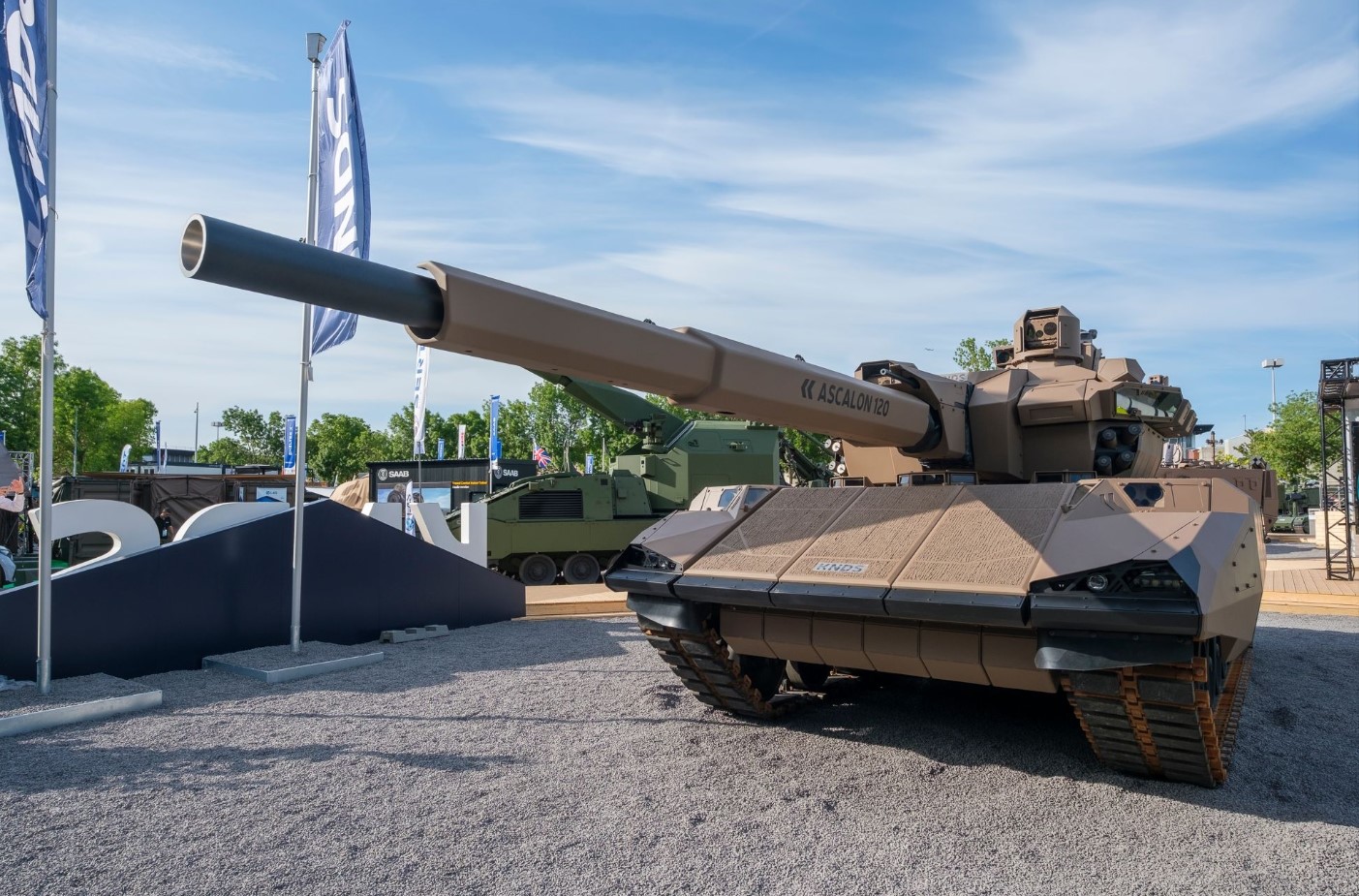 KNDS Unveils CAPINT Main Battle Tank at Eurosatory 2026 as Leclerc Stopgap