
India
Ghaziabad, India – Bharat Electronics Limited (BEL), a leading defense electronics company in India, has officially launched its first advanced Very High Frequency (VHF) radar at its facility in Ghaziabad. This state-of-the-art radar system is designed to detect stealth aircraft, such as China's J-20 fighter jet, from distances exceeding 100 nautical miles. Technical Capabilities The newly developed VHF radar boasts several advanced features: Staring Capability: This allows the radar to continuously monitor a specific area, enhancing its ability to detect and track stealth targets at long ranges. Advanced Surveillance: The radar is equipped with sophisticated surveillance technologies that improve its detection accuracy and reliability. Detecting Stealth Aircraft with VHF Radar Stealth aircraft are engineered to evade detection by conventional radar systems, primarily those operating in higher frequency bands like X-band. They achieve this through design features that minimize their radar cross-section (RCS), effectively scattering or absorbing radar waves. However, VHF radars operate at longer wavelengths, which interact differently with stealth aircraft surfaces. Here's how VHF radars can detect stealth targets: Resonance Effect: The longer wavelengths of VHF radar are comparable to the size of aircraft features, such as tail fins and wings. This causes a resonance effect, making the aircraft more detectable. Reduced Stealth Efficiency: Stealth designs are optimized for higher frequency radars. At VHF frequencies, the stealth features are less effective, resulting in a higher RCS and making the aircraft more visible to VHF radar systems. Historical Precedent: Even during World War II, long-wavelength radars were capable of detecting aircraft that would be considered stealthy by today's standards. This underscores the inherent advantage of lower frequency radars in countering stealth technology. Strategic Implications The introduction of this advanced VHF radar by BEL signifies a significant enhancement in India's air defense capabilities. With the ability to detect modern stealth aircraft like the J-20 at considerable distances, India can better monitor and respond to potential aerial threats, thereby strengthening its national security framework. Conclusion BEL's successful rollout of the advanced VHF radar marks a pivotal development in radar technology, addressing the challenges posed by stealth aircraft. This achievement not only bolsters India's defense infrastructure but also positions BEL as a key player in the global defense technology arena.
Read More → Posted on 2025-01-29 13:32:06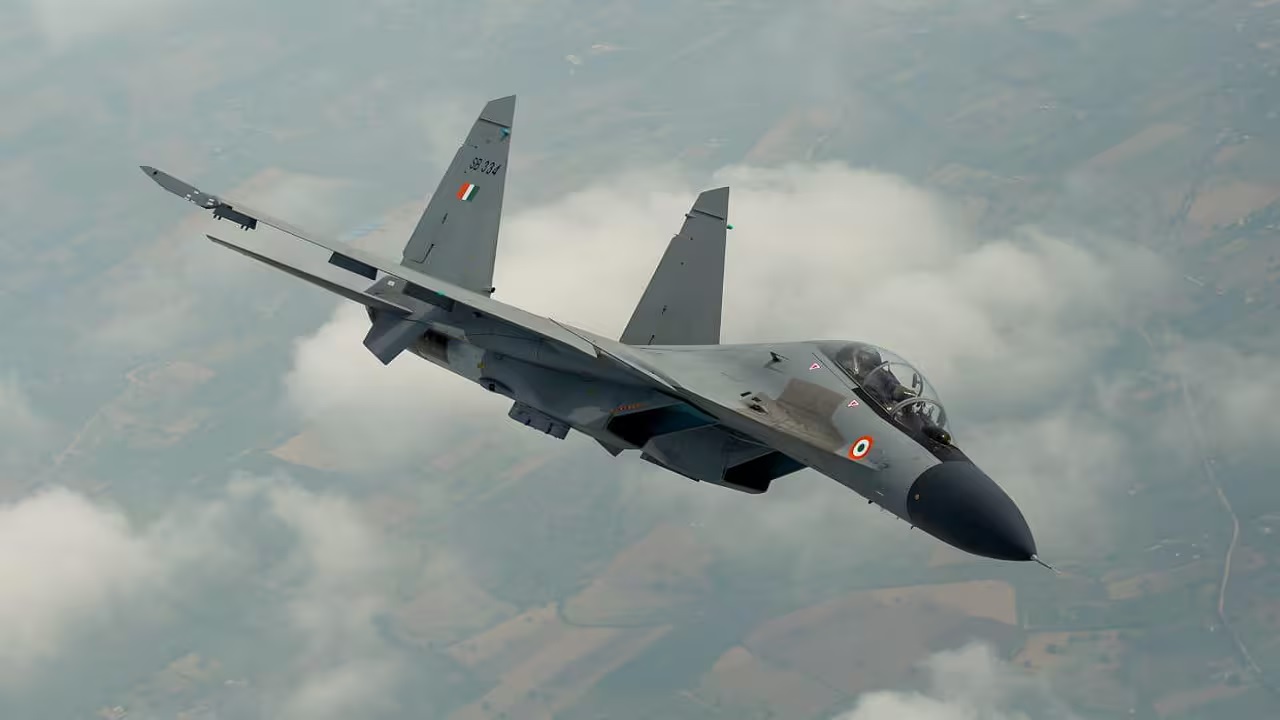
India
In a significant move to strengthen India’s air defence capabilities, Hindustan Aeronautics Limited (HAL) is set to begin delivering 12 new Sukhoi-30MKI fighter jets to the Indian Air Force (IAF) by April 2027. This follows a major ₹13,500-crore contract signed with the Ministry of Defence on December 12, 2023, marking a crucial step in modernizing the IAF’s fleet. The Sukhoi-30MKI, a twin-engine multirole fighter aircraft, has been a cornerstone of India’s air power for decades. The new jets under this contract will feature an impressive 62.6% indigenous content, reflecting India’s growing self-reliance in defence manufacturing. These aircraft will be produced at HAL’s Nashik facility, which has a rich legacy of manufacturing Russian-origin fighter jets like the MiG and Sukhoi under license. This facility has played a pivotal role in India’s defence ecosystem, and the new production run further cements HAL’s position as a key player in the country’s defence sector. The IAF has been grappling with a shrinking fleet of operational fighter squadrons, which currently stands at around 31 against the sanctioned strength of 42. The induction of these 12 Sukhoi-30MKIs will help replenish the fleet, replacing aircraft lost to accidents or retired due to obsolescence. The Sukhoi-30MKI is known for its versatility, capable of performing air superiority, ground attack, and maritime strike missions, making it a critical asset for the IAF. This deal is part of India’s broader strategy to enhance its defence capabilities amid growing regional security challenges. The Sukhoi-30MKI jets will be equipped with advanced avionics, weapons systems, and electronic warfare suites, ensuring they remain combat-ready for years to come. Additionally, the increased indigenous content aligns with the government’s “Make in India” initiative, aimed at reducing dependency on foreign defence imports and boosting domestic manufacturing. The delivery timeline of April 2027 underscores HAL’s commitment to meeting deadlines while maintaining high-quality standards. The Nashik facility, which has previously produced over 270 Sukhoi-30MKIs, is well-equipped to handle this new order. HAL’s expertise in integrating indigenous systems into the aircraft will also pave the way for future upgrades and modernization of the IAF’s fleet. This development comes at a time when the IAF is also focusing on inducting other advanced platforms like the Rafale, Tejas Mk-1A, and the upcoming Advanced Medium Combat Aircraft (AMCA). The Sukhoi-30MKI, with its proven track record, will continue to serve as a backbone of India’s air power, complementing these newer additions. In conclusion, the delivery of the new Sukhoi-30MKI jets by HAL in 2027 is a significant milestone for India’s defence sector. It not only addresses the IAF’s immediate operational needs but also reinforces India’s commitment to self-reliance in defence production. As HAL gears up to meet this challenge, the Indian Air Force is set to emerge stronger and more capable, ready to safeguard the nation’s skies in the years to come.
Read More → Posted on 2025-01-29 04:25:53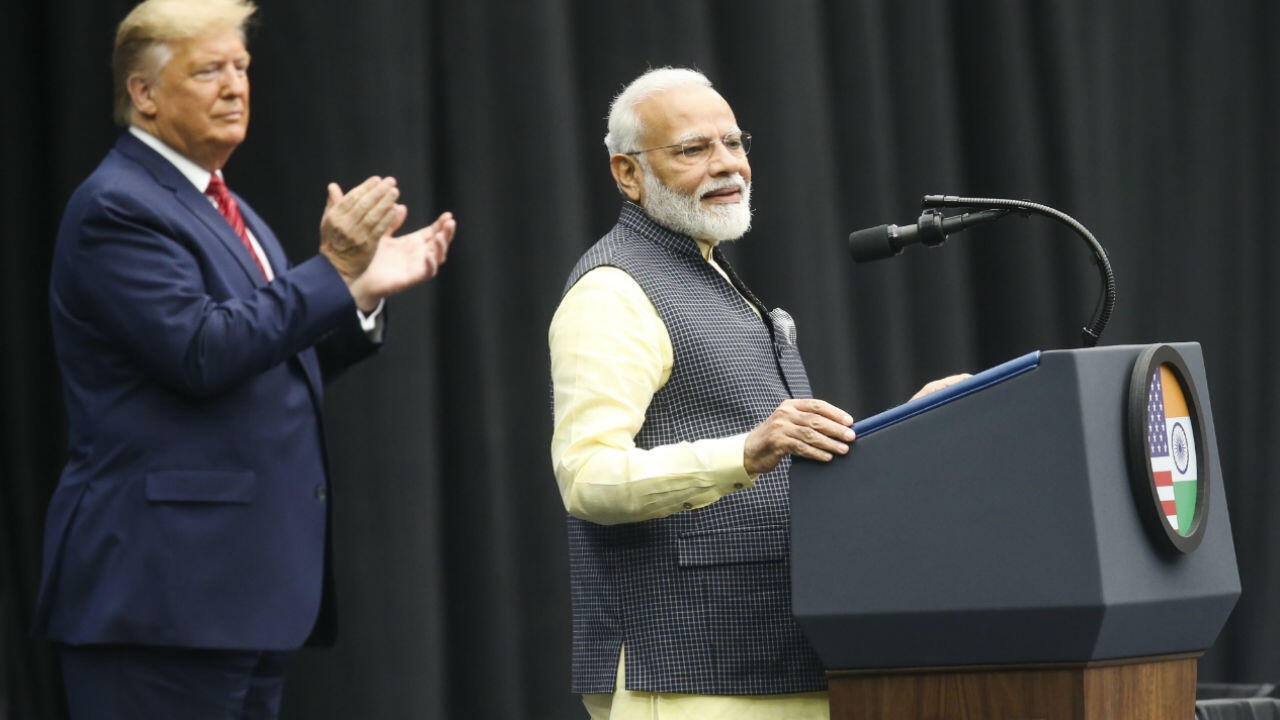
India
In a significant development for US-India relations, President Donald Trump announced that Indian Prime Minister Narendra Modi is likely to visit the White House in February 2025. This announcement followed a "productive" phone call between the two leaders on January 28, 2025, where they discussed a range of critical issues, including boosting bilateral trade and addressing regional security concerns. Speaking to reporters aboard Air Force One, Trump shared, "I had a long talk with him this morning... He is going to be coming to the White House, probably in February." The President highlighted the strong and growing partnership between the two nations, noting that their conversation covered a wide array of topics, reflecting the depth of their engagement. This visit holds particular importance as it would be one of the first meetings Trump hosts with a foreign leader after his recent re-election. The two leaders have shared a warm relationship over the years, marked by high-profile joint appearances, such as the "Howdy, Modi" event in Houston in 2019 and the "Namaste Trump" rally in Ahmedabad in 2020. Modi was also among the first global leaders to congratulate Trump on his electoral victory in November 2024. According to a White House statement, the leaders reaffirmed their commitment to deepening cooperation on multiple fronts, including security in the Indo-Pacific and Middle East regions. They also discussed India's plans to procure advanced security equipment from the US, a move aimed at fostering a balanced and mutually beneficial trade relationship. The upcoming visit is expected to further solidify the strategic partnership between the two democracies, with discussions likely to focus on trade, defense, and shared global challenges. As both nations navigate a rapidly changing geopolitical landscape, this meeting could pave the way for stronger collaboration in the years to come.
Read More → Posted on 2025-01-29 04:23:35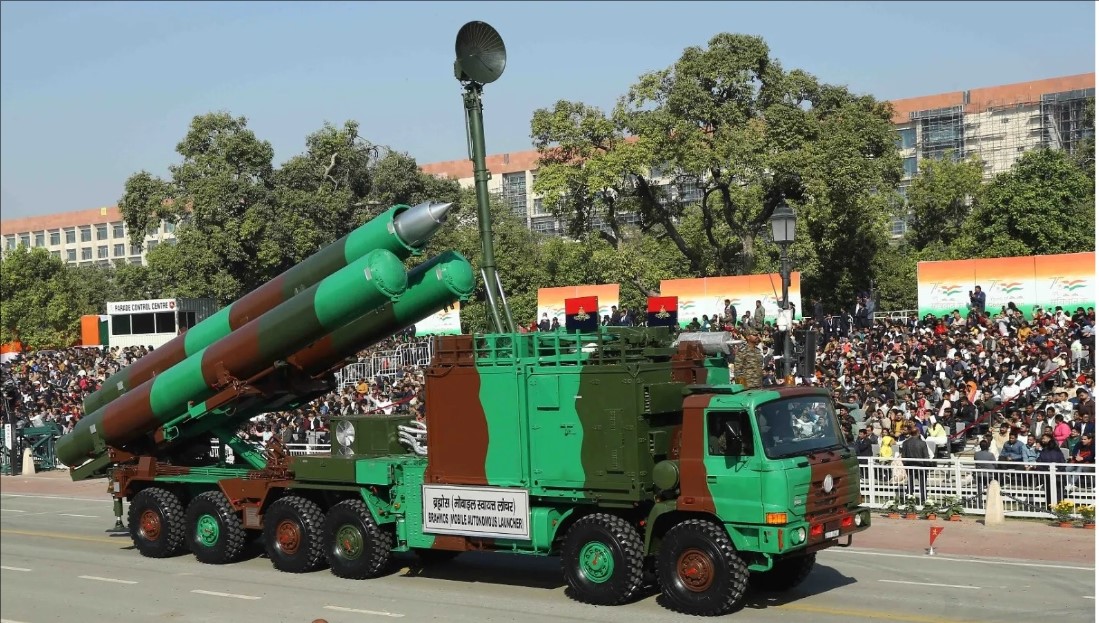
India
India and Indonesia are on the brink of finalizing a landmark defence agreement involving the export of BrahMos supersonic cruise missiles, valued at ₹3,800 crore (approximately $450 million). The deal, which underscores India's growing stature as a global defence exporter, is seen as a critical step toward strengthening defence ties between the two nations amid rising geopolitical tensions in the Indo-Pacific region. The BrahMos missile, a product of a joint venture between India and Russia, is renowned for its speed, precision, and versatility. Capable of traveling at speeds of Mach 2.8 and striking targets up to 290 km away, it can be deployed from land, air, and sea platforms. These advanced capabilities have made the missile an attractive option for nations seeking to bolster their defence systems. Progress in Negotiations While the deal is in its advanced stages, key aspects are still under negotiation, including technology transfer arrangements. This is a crucial component of the agreement, as it aligns with Indonesia’s focus on modernizing its military through the acquisition of cutting-edge technologies. To accelerate progress, a high-level Indonesian defence delegation is expected to visit India shortly for further discussions. This follows an earlier visit by Indonesia's Navy Chief Admiral Muhammad Ali, who led a team to the BrahMos Aerospace headquarters. During this visit, the delegation was given a comprehensive briefing on the missile's specifications and capabilities. Strategic Importance The potential deal with Indonesia marks another milestone in India’s efforts to boost defence exports. It follows a similar agreement with the Philippines, which also acquired the BrahMos system to enhance its coastal defence capabilities. For Indonesia, the acquisition of BrahMos missiles is part of a broader strategy to strengthen its military readiness. President Joko Widodo’s administration has prioritized defence modernization to address security concerns in the Indo-Pacific, particularly in safeguarding the country’s sprawling archipelagic waters. Indonesia’s interest in the BrahMos system is also tied to its existing military inventory, which includes Russian-made fighter jets, submarines, and other assets. The addition of BrahMos would significantly enhance Indonesia’s defence posture, particularly its maritime security capabilities, at a time when territorial disputes and naval challenges in the region are escalating. Broader Defence Cooperation The BrahMos deal is part of a larger vision to deepen India-Indonesia defence cooperation. Beyond missile sales, discussions are also focusing on potential collaborations in shipbuilding, aircraft carrier development, and joint military training programs. Indian Prime Minister Narendra Modi has consistently highlighted Indonesia’s strategic importance as a partner in maintaining regional security and fostering economic ties. For India, this deal represents more than just an economic or strategic transaction. It signals the country's emergence as a credible global supplier of advanced military technology, aligning with its ambition to achieve $5 billion in annual defence exports by 2025. Additionally, by strengthening ties with Indonesia, India is also reinforcing its influence in the Indo-Pacific, a region increasingly marked by power rivalries. Final Stages While significant progress has been made, the deal has not yet been formally signed. The upcoming diplomatic and defence engagements between the two countries will be pivotal in ironing out the remaining details and reaching final agreements. Once completed, the deal will not only boost India’s defence manufacturing industry but also solidify its role as a key security partner for nations in the Indo-Pacific. This high-stakes deal symbolizes the convergence of mutual strategic interests, with India leveraging its expertise in defence manufacturing and Indonesia seeking to modernize its military to address evolving security challenges.
Read More → Posted on 2025-01-28 14:28:38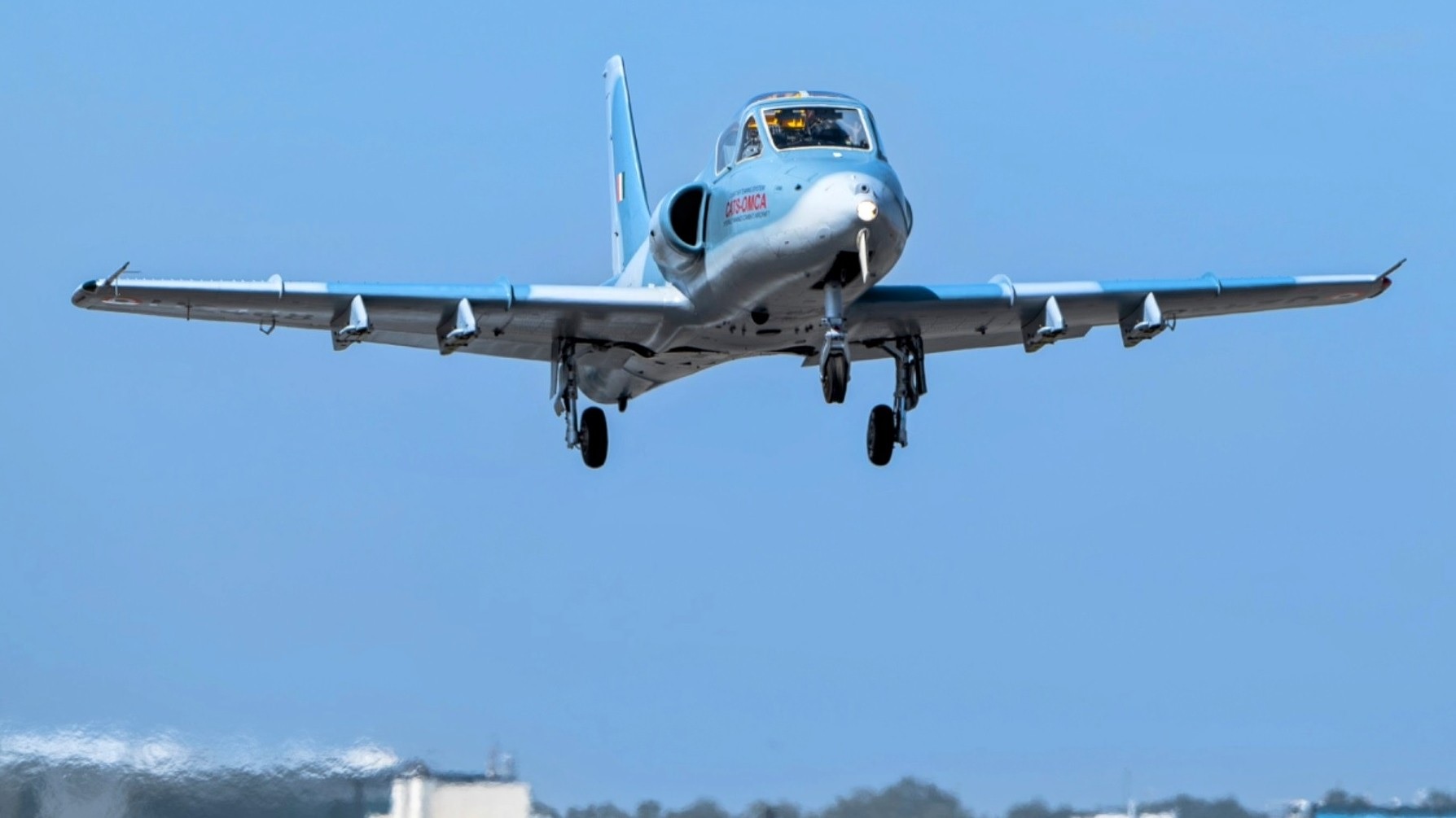
India
The first glimpse of the repurposed Kiran UAV under the Combat Air Teaming System (CATS) Optionally Manned Combat Aircraft (OMCA) program has created a buzz in the defense community. The image, which recently went viral on X (formerly Twitter), reveals the aircraft in a striking two-tone blue livery, symbolizing its transition from a trusted training platform to an advanced unmanned aerial vehicle (UAV). Originally built by Hindustan Aeronautics Limited (HAL) in 1985, the HAL HJT-16 Kiran Mk.2 served as a jet trainer for nearly four decades. Now, this aging platform is being reimagined as a modern combat asset, demonstrating how legacy aircraft can find new life in contemporary warfare. HAL is set to showcase this innovation as a static display model at Aero India 2025, offering a glimpse into the future of aviation technology and its cost-effective transformation. From Trainer to Tactical Asset Under the CATS OMCA program, the Kiran UAV has been modified to operate both autonomously and under ground control. This dual capability provides unmatched versatility, enabling the aircraft to serve in roles ranging from reconnaissance to combat missions. The UAV's ability to act as a decoy, drawing enemy defenses and exposing vulnerabilities, is a game-changer in air combat strategy. Furthermore, the Kiran UAV is designed for secondary strike capabilities, making it a formidable asset in contested airspace. HAL's decision to convert the Kiran into a UAV aligns with the global shift towards optionally manned systems. These platforms offer the flexibility of human-piloted missions while being capable of fully autonomous operations when required, reducing risk to human life and enhancing combat effectiveness. Strategic Benefits and Global Potential Reusing platforms like the Kiran, which are nearing the end of their operational lifespan, offers several strategic benefits. It reduces the financial burden of acquiring entirely new UAVs while leveraging the robust engineering of older aircraft. Such cost-effective innovations make these platforms highly appealing for countries looking to bolster their air capabilities without significant expenditure. Aero India 2025 will provide HAL an opportunity to showcase this advancement to the global aerospace community. International interest in such conversion projects could open doors for collaborations, technology-sharing agreements, and even export opportunities. HAL's efforts also underscore India's growing focus on indigenous defense technologies and innovative solutions. The Future of Optionally Manned Systems The Kiran UAV is a step toward a broader trend in aviation, where optionally manned systems are expected to dominate future air combat. These aircraft, capable of adapting between manned and unmanned operations, are predicted to be at the forefront of military technology. By investing in and showcasing this concept, HAL is signaling its readiness to play a significant role in the evolving landscape of aerial warfare. As Aero India 2025 approaches, the spotlight will undoubtedly shine on the Kiran UAV and its role under the CATS OMCA initiative. This transformation exemplifies how old designs can be reengineered for modern combat, ensuring that no resource is wasted while opening up new frontiers in defense innovation.
Read More → Posted on 2025-01-27 15:05:36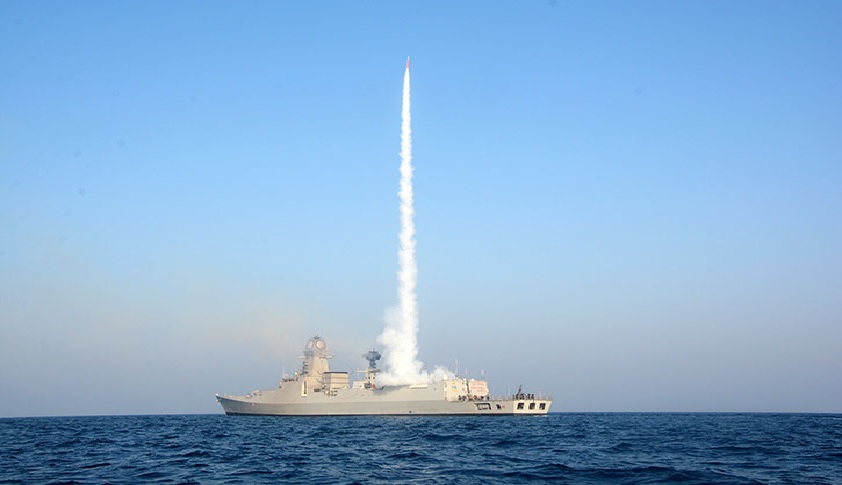
India
India has inked a $340 million (approximately ₹29.6 billion) contract to acquire over 70 Medium-Range Surface-to-Air Missile (MRSAM) systems, developed jointly with Israel Aerospace Industries (IAI). This procurement marks a major milestone in bolstering the Indian Navy's air defense capabilities and aligns with the country’s “Make in India” initiative, emphasizing local production and technological self-reliance. The MRSAM systems, derived from the highly advanced Barak 8 air defense platform, are engineered to counter diverse aerial threats, including aircraft, drones, and missiles. With an operational range of up to 70 kilometers, these systems provide a critical layer of protection for naval warships. Each MRSAM system comprises a sophisticated phased-array radar, an integrated command and control center, mobile launchers, and interceptors equipped with cutting-edge sensors for precision targeting. A Collaborative Effort with Strategic Impact The production of the MRSAM systems will be carried out by Bharat Dynamics Limited (BDL), IAI’s trusted partner in India. The systems will be deployed on several upcoming Indian Navy warships, strengthening the maritime force's ability to defend its assets and ensure operational dominance in critical regions. Israel Aerospace Industries, which played a key role in designing the system, will oversee the execution of the deal through its subsidiary, Aerospace Services India (ASI), based in New Delhi. ASI will coordinate the integration of the systems and ensure seamless transfer of knowledge and technology to the Indian workforce. Additionally, the transactions under this agreement will be conducted in Indian rupees, further embedding the project within the local economy. Supporting India’s “Make in India” Vision The contract underscores India’s commitment to enhancing indigenous defense manufacturing capabilities. The Ministry of Defence highlighted that the project would contribute significantly to the national economy, generating approximately 350,000 workdays during its lifecycle. This aligns with India’s broader goal of reducing dependence on foreign imports and developing a robust domestic defense industry. Proven Success Across India’s Armed Forces The MRSAM system is already operational across all branches of the Indian Armed Forces, including the Army, Navy, and Air Force. Its performance has been lauded for its reliability and precision in high-stakes scenarios. The latest deal expands its footprint within the Navy, where these systems will be pivotal in ensuring layered air defense for modern warships. Strategic Implications This agreement represents more than just a procurement—it signals the strengthening of Indo-Israeli defense collaboration, which has seen consistent growth over the past two decades. The inclusion of advanced systems like MRSAM is expected to enhance India’s readiness to address evolving security challenges in the Indo-Pacific and beyond. By integrating cutting-edge technology with domestic production, this deal reinforces India’s push toward becoming a global hub for defense innovation while addressing the strategic demands of its armed forces.
Read More → Posted on 2025-01-27 14:13:10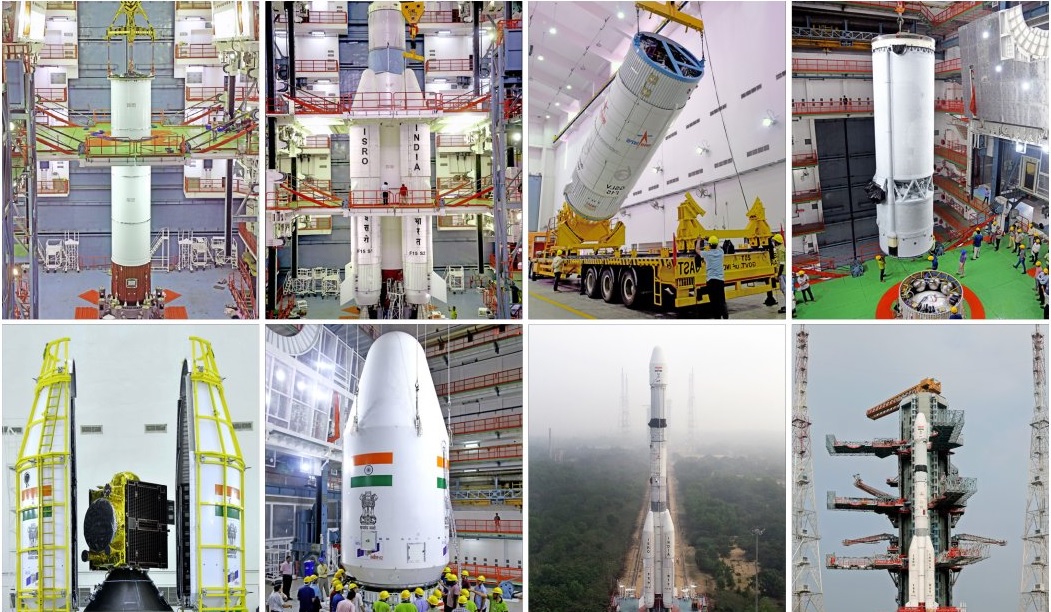
India
ISRO has officially announced the completion of the GSLV-F15 rocket integration with the NVS-02 satellite, marking a key milestone in India's space program. The launch is scheduled for January 29, 2025, at 6:23 AM IST from the Satish Dhawan Space Centre in Sriharikota. This event is particularly historic, as it will be ISRO's 100th launch from the iconic Sriharikota spaceport. The GSLV-F15 (Geosynchronous Satellite Launch Vehicle) is equipped with an advanced indigenous cryogenic upper stage, showcasing India's self-reliance in space technology. This launch represents the 17th flight of the GSLV and its 11th flight using the indigenously developed cryogenic stage. It also marks the eighth operational mission of the GSLV with this advanced technology, solidifying the rocket's reliability for complex missions. Mission Highlights and the NVS-02 Satellite At the core of this mission is the NVS-02 satellite, the second installment in the Navigation with Indian Constellation (NavIC) series. NavIC is India's indigenous regional navigation system designed to provide accurate Position, Velocity, and Timing (PVT) services to users in India and its surrounding region, extending approximately 1,500 kilometers beyond its borders. The NVS-02 satellite has a lift-off mass of 2,250 kilograms and carries advanced navigation payloads operating across the L1, L5, and S frequency bands. It also features a ranging payload in the C-band. One of its most significant features is the use of both indigenous and imported atomic clocks for enhanced precision in timekeeping, which is critical for navigation accuracy. Once launched, the GSLV-F15 will place the NVS-02 satellite into a Geosynchronous Transfer Orbit (GTO), a preliminary orbit from which the satellite will maneuver into its designated geostationary orbit. This orbit will enable the satellite to provide uninterrupted navigation services within its coverage area, further strengthening India's strategic and civilian navigation infrastructure. A Step Toward Technological Milestones The GSLV-F15 mission underscores India's growing technological maturity in space exploration. The indigenous cryogenic stage, in particular, is a testament to ISRO's efforts to master advanced propulsion technologies, which were once a major challenge due to international restrictions on technology transfer. The cryogenic engine is capable of operating at extremely low temperatures and offers higher efficiency compared to traditional rocket engines. Its success in previous GSLV missions has paved the way for more ambitious payload launches, including those for interplanetary missions and heavier satellites. Public Participation in a Historic Event ISRO has extended an invitation to the public to witness the launch event in person from the viewing gallery at Sriharikota. Interested individuals can register online to be part of this momentous occasion. The inclusion of public participation highlights ISRO's commitment to fostering interest and awareness about space science among Indian citizens. This mission not only demonstrates India’s technological prowess but also strengthens the country’s strategic capabilities in navigation. With the successful launch of NVS-02, NavIC will further enhance its utility in applications such as disaster management, vehicle tracking, and precise time synchronization for infrastructure. As ISRO continues its journey of groundbreaking achievements, the GSLV-F15 launch is set to add another feather to its cap, symbolizing a significant leap forward for India’s space ambitions.
Read More → Posted on 2025-01-27 13:52:21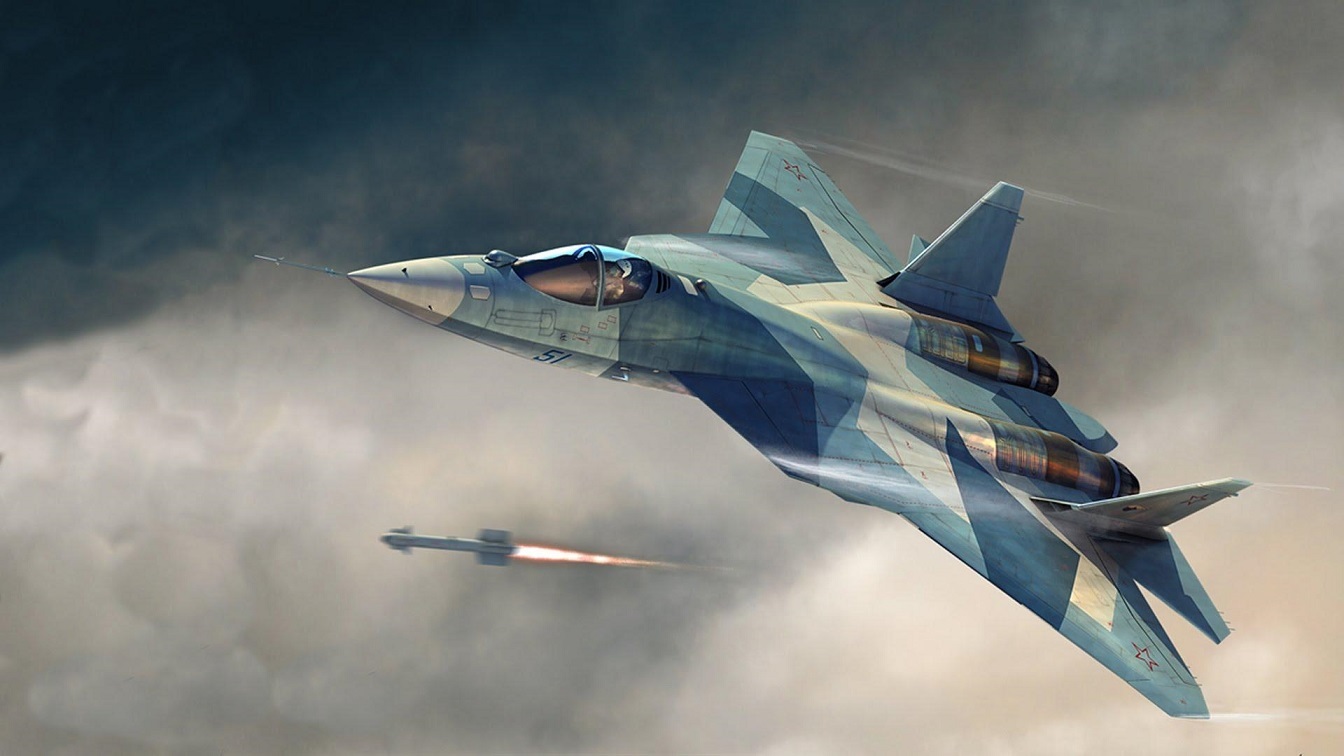
India
Aero India 2025 is poised to become a landmark event in aerospace and defense as Russia confirms the participation of its fifth-generation stealth fighter, the Sukhoi Su-57 (NATO codename: Felon). The announcement has sent waves of excitement through the global defense community, particularly among Indian enthusiasts and Western defense firms like Lockheed Martin and Boeing, which are also expected to attend the event in Bengaluru. The Su-57, widely recognized for its stealth design, advanced avionics, and supermaneuverability, will be one of the main attractions. This is a significant development as the aircraft has rarely been displayed outside Russia, providing attendees a unique opportunity to examine it closely. The move is seen as a bold statement from Moscow, offering a glimpse into its cutting-edge defense capabilities and directly challenging Western dominance in the stealth fighter market. Strategic Implications of the Su-57’s Appearance Russia’s decision to showcase the Su-57 at Aero India 2025 has significant strategic undertones. For India, a long-time buyer of Russian defense equipment, the Su-57’s presence signals Moscow’s commitment to strengthening defense ties amidst shifting geopolitical dynamics. With India exploring options for fifth-generation fighters to bolster its air power, the Su-57’s display could be viewed as an unofficial pitch to secure potential deals or collaborations. Moreover, the event provides Russia an invaluable platform to highlight the Su-57's capabilities to a global audience, including potential buyers in Asia, Africa, and the Middle East. The timing is particularly crucial, given the ongoing competition in the fifth-generation fighter space and Russia's efforts to maintain its foothold in the global arms market. A Rare Opportunity for Competitors The Su-57’s debut at Aero India is also being closely watched by American defense officials. Lockheed Martin, which has been promoting its F-21—a customized version of the F-16 tailored for the Indian Air Force—will have representatives present. While there is no confirmation on whether the F-35A Lightning II will make an appearance, the presence of Lockheed Martin and Boeing personnel highlights the strategic importance of observing the Su-57 firsthand. For Western defense firms, this could be a rare opportunity to analyze the Su-57's design, weaponry, and performance metrics up close. Insights gained from the event might influence the development of future fighter platforms or refine their marketing strategies for India and other key markets. The Su-57 and India’s Future Fighter Needs India is actively modernizing its air force, with a growing focus on acquiring fifth-generation capabilities to counter emerging threats in the region. While India’s AMCA (Advanced Medium Combat Aircraft) program is progressing steadily, the Su-57’s presence at Aero India could spark renewed interest in a potential collaboration or purchase. Given the historical defense ties between New Delhi and Moscow, the Su-57 might emerge as a contender for India’s advanced fighter requirements, especially if it aligns with the "Make in India" initiative. A Global Showcase of Military Power The Su-57’s presence at Aero India 2025 underscores the event's growing stature as a global defense and aerospace showcase. Alongside Russian innovations, the airshow will likely feature cutting-edge technologies from various nations, fostering collaborations and competition in the defense sector. The absence of the F-35A may shift attention to the Su-57, which could dominate discussions around stealth and combat capabilities. As Aero India 2025 approaches, all eyes will be on the skies over Bengaluru, where the Su-57 is expected to demonstrate its prowess. Whether as a potential defense partner or a subject of technological curiosity, the Russian prototype will undoubtedly make its mark, setting the stage for deeper strategic engagements and reshaping conversations in the global defense community.
Read More → Posted on 2025-01-27 07:30:08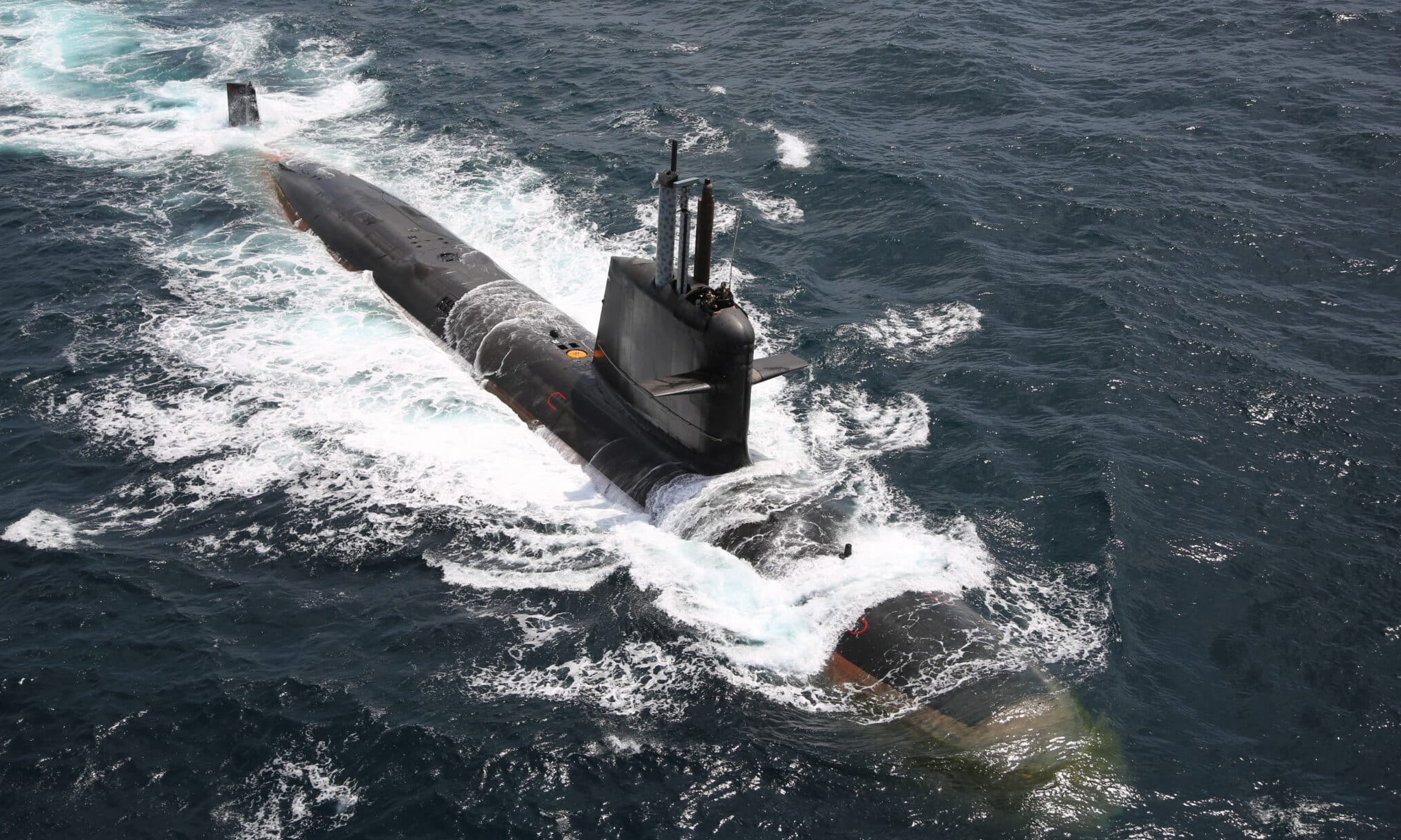
India
Mazagon Dock Shipbuilders Limited (MDL) and Germany's ThyssenKrupp Marine Systems (TKMS) are in the final stages of negotiations for India’s ₹43,000 crore Project-75I, a landmark defence initiative aimed at strengthening the Indian Navy’s submarine fleet with six advanced stealth submarines equipped with Air-Independent Propulsion (AIP) systems. Project-75I: A Boost to Underwater Capabilities Project-75I is a strategic program designed to deliver cutting-edge conventional submarines that offer enhanced stealth, endurance, and operational flexibility. A key feature of these submarines is the incorporation of AIP technology, which allows vessels to remain submerged for extended periods without surfacing to recharge batteries, thereby reducing vulnerability and increasing mission effectiveness. This deal holds particular importance as the Indian Navy seeks to upgrade its aging fleet of submarines, ensuring it remains a formidable force in the Indo-Pacific region. MDL-TKMS Partnership: Combining Expertise The collaboration between MDL, a premier Indian shipbuilder with decades of experience in constructing submarines, and TKMS, a global leader in submarine technology, is expected to bring together advanced German engineering and Indian shipbuilding capabilities. This synergy aims to produce highly advanced submarines tailored to the unique operational requirements of the Indian Navy. The submarines will feature: Air-Independent Propulsion (AIP) Systems: Allowing the vessels to operate underwater for significantly longer durations, enhancing stealth and efficiency. Advanced Combat Systems: Equipped with modern sonar, navigation, and communication technologies to provide superior situational awareness and combat capabilities. High-Endurance Design: Enabling extended operational range to conduct diverse missions in different maritime conditions. Focus on Indigenous Content: In alignment with the Aatmanirbhar Bharat initiative, the project emphasizes the integration of Indian-made components and systems to boost self-reliance in defence manufacturing. Delivery and Strategic Impact The first submarine under Project-75I is expected to be delivered within seven years of signing the contract, with subsequent submarines to follow in a phased timeline. This is a critical timeline as the Indian Navy faces an urgent need to replace its older vessels to maintain operational readiness in an increasingly contested maritime environment. The geopolitical landscape in the Indo-Pacific region has made maritime security a top priority for India. These submarines, with their enhanced stealth and combat capabilities, will play a crucial role in safeguarding India's interests, deterring potential adversaries, and ensuring stability in the region. Significance for India’s Defence Industry Beyond strengthening the Navy, the ₹43,000 crore deal is expected to generate significant economic activity within the country. By emphasizing local manufacturing, the project will stimulate India’s defence sector, create jobs, and pave the way for future technological advancements. In conclusion, Project-75I marks a defining moment in India's journey towards modernizing its naval forces and achieving greater self-reliance in defence production. With MDL and TKMS poised to deliver state-of-the-art submarines, this deal represents a bold step forward in ensuring India’s maritime security in the 21st century.
Read More → Posted on 2025-01-26 14:16:43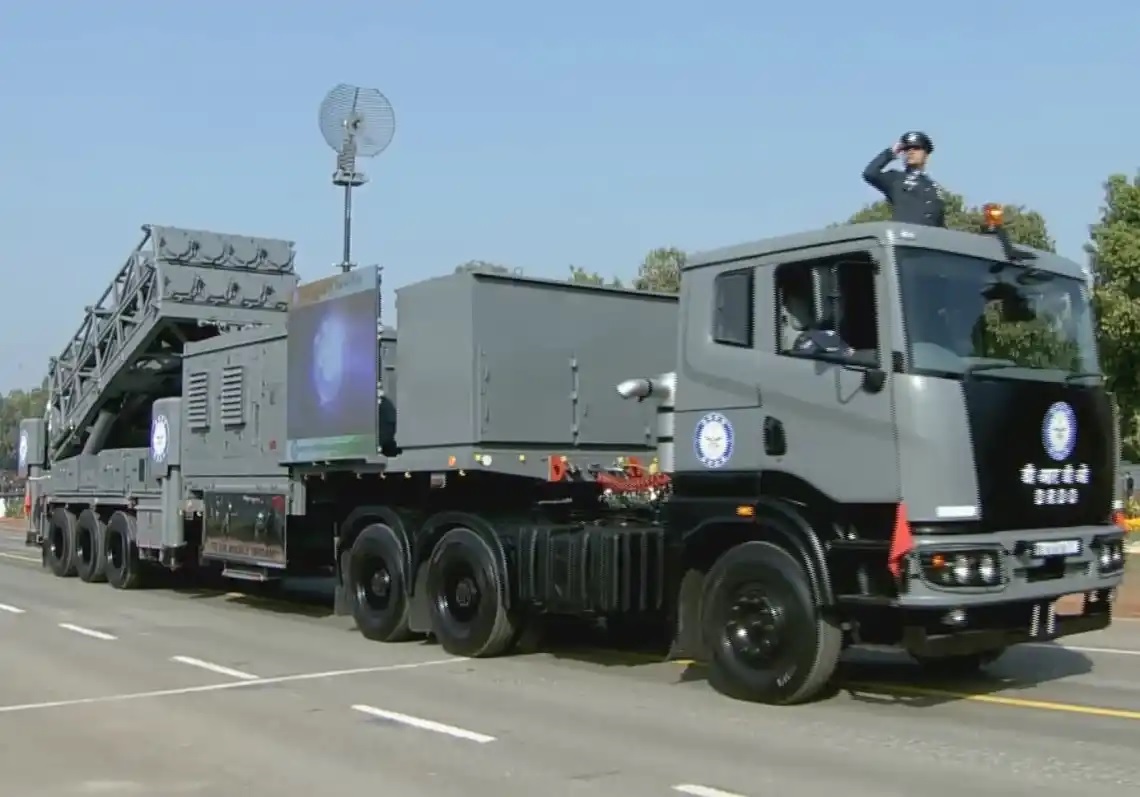
India
As India prepares to celebrate its 76th Republic Day on January 26, 2025, the Indian Air Force (IAF) has taken significant measures to bolster air defense around the National Capital Region (NCR). With a heightened focus on ensuring the security of the skies during the grand parade, the IAF has deployed advanced surface-to-air missile (SAM) systems, including the formidable Medium Range Surface to Air Missile (MRSAM). MRSAM: A Game-Changer in Air Defense The MRSAM, a joint development by India’s Defence Research and Development Organisation (DRDO) and Israel Aerospace Industries (IAI), is at the forefront of this deployment. Designed to counter a wide range of aerial threats, the system boasts an interception range of 70 to 80 kilometers. It features cutting-edge radar technology capable of tracking and engaging multiple targets simultaneously, including fighter jets, unmanned aerial vehicles (UAVs), and cruise missiles. Inducted into the IAF in 2021, the MRSAM has become a critical component of India's air defense architecture. This advanced system operates as part of a layered air defense network, working in tandem with other missile systems and radar installations. Its precision and reliability are essential in safeguarding high-profile events like the Republic Day celebrations, where the airspace becomes a focal point for both ceremonial fly-pasts and potential threats. A Multi-Layered Approach to Security In addition to the MRSAM, the IAF has deployed other air defense assets to ensure comprehensive coverage. These include close-range air defense systems like the Akash missile system and advanced radar platforms for continuous surveillance. The deployment of these systems reflects a multi-layered strategy, ensuring that any unauthorized aerial activity can be detected, tracked, and neutralized before posing a threat. The air defense operation also involves meticulous coordination with civil aviation authorities. With the Republic Day parade attracting significant air traffic, including ceremonial fly-pasts by the IAF’s fighter jets, helicopters, and transport aircraft, effective airspace management is crucial. The integration of civil and military air traffic management ensures that security measures do not disrupt normal operations while maintaining an impenetrable shield over the event. Operational Readiness and National Pride The heightened security measures highlight the IAF’s operational readiness and technological prowess. Beyond providing safety, the deployment of systems like the MRSAM showcases India’s progress in defense innovation. The collaboration between DRDO and IAI underscores India’s growing capabilities in developing indigenous defense technologies, even as it partners with global leaders to refine its arsenal. The Republic Day celebrations are a moment of national pride, where India’s military strength and cultural heritage take center stage. The IAF’s air defense measures, coupled with the awe-inspiring aerial displays, reflect the nation’s commitment to safeguarding its sovereignty while celebrating its unity and progress. As millions of citizens tune in to witness the festivities, the sight of India’s advanced air defense systems quietly operating in the background serves as a powerful reminder of the country’s determination to protect its skies and its people.
Read More → Posted on 2025-01-26 14:12:51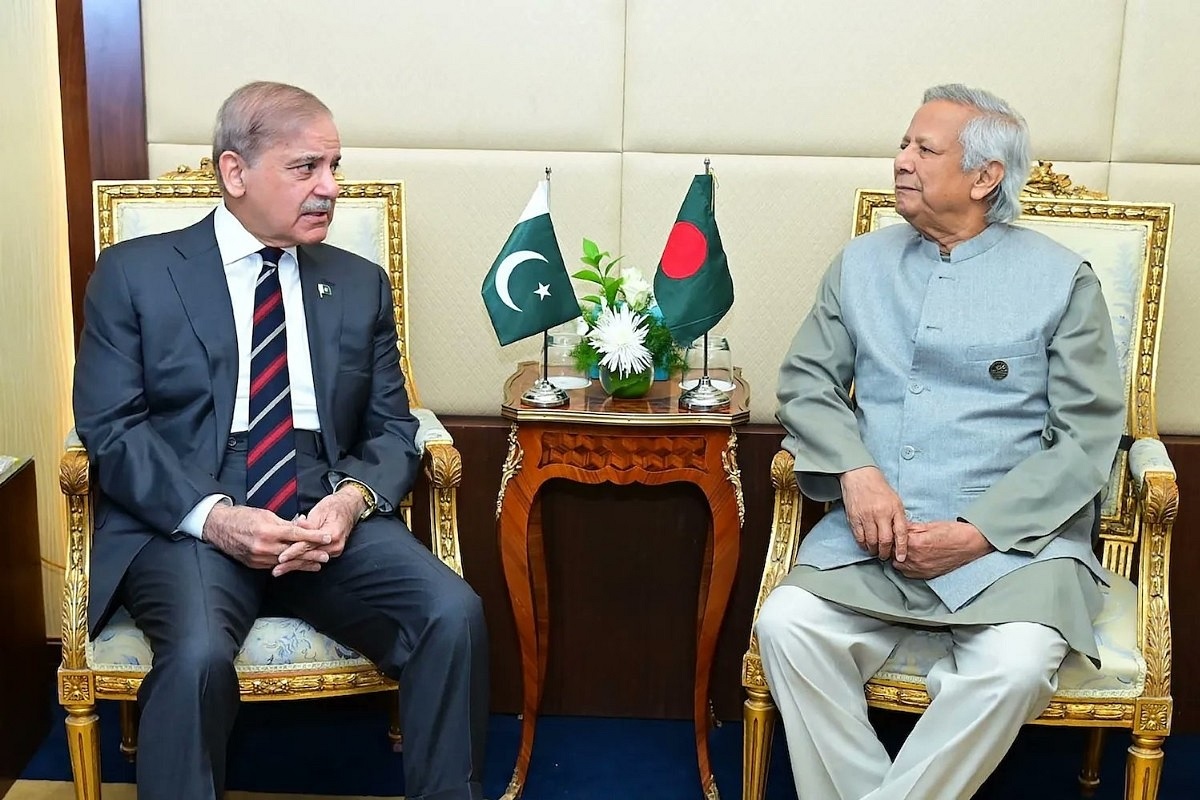
India
India is closely monitoring the increasing military cooperation between Bangladesh and Pakistan, a development that has raised alarm bells in New Delhi. This heightened engagement comes against the backdrop of a visit by a high-level delegation from Pakistan's Inter-Services Intelligence (ISI) to Dhaka. The delegation, led by Maj Gen Shahid Amir Afsar, the ISI’s Director General of Analysis, has signaled a renewed effort to bolster ties between the two countries. Adding to India’s concerns, a Bangladeshi military delegation recently visited Pakistan, meeting with senior officials, including the chiefs of Pakistan’s Army, Navy, and Air Force. This visit highlights an upward trajectory in military cooperation, with Bangladesh also slated to participate in Pakistan’s upcoming naval exercise "Aman" next month, its first involvement in over a decade. The Ministry of External Affairs (MEA) has issued a strong statement on the matter. MEA spokesperson Randhir Jaiswal reiterated India’s vigilance and readiness to act if any activities jeopardize national security. "India will take all appropriate steps necessary to safeguard its interests," he said. While emphasizing India’s commitment to maintaining cordial relations with Bangladesh, the spokesperson underscored the need to be proactive about any potential threats. Rising Regional Tensions The increasing camaraderie between Dhaka and Islamabad is occurring amidst political turbulence in Bangladesh. The interim government, led by Nobel Laureate Muhammad Yunus, has faced criticism over growing unrest and allegations of violence against minorities. This instability has not only strained India-Bangladesh relations but also opened doors for Pakistan to deepen its ties with Dhaka. For India, these developments are worrisome given the historical and geopolitical context of the region. The two countries share a complex past, and the emerging Bangladesh-Pakistan alignment is perceived as a direct challenge to India’s strategic interests. The strengthening of their ties could have far-reaching implications for the security dynamics of South Asia, particularly for India’s north-eastern states, which share a porous border with Bangladesh. India’s Strategic Calculations Analysts believe that Pakistan’s overtures toward Bangladesh are part of a broader strategy to counterbalance India’s regional influence. For Islamabad, closer military and diplomatic relations with Dhaka offer an opportunity to reassert its presence in South Asia. For Bangladesh, these ties may serve as a way to diversify its foreign policy and military partnerships amid domestic challenges. India, however, views this evolving dynamic as a threat. New Delhi has already stepped up its border security measures and intelligence operations to monitor developments closely. The Indian government is also engaging with Dhaka to reinforce bilateral ties and address shared security concerns. A Delicate Balance While India remains committed to fostering friendly relations with Bangladesh, it is equally determined to protect its national security. The evolving ties between Bangladesh and Pakistan underscore the shifting geopolitical landscape in South Asia, compelling India to remain vigilant and proactive. New Delhi’s approach highlights its dual strategy of diplomacy and deterrence—working to strengthen bonds with its neighbors while ensuring that any potential threats are met with decisive action. As these developments unfold, the region’s stability will hinge on how India navigates this delicate balance between regional cooperation and national security.
Read More → Posted on 2025-01-26 14:07:15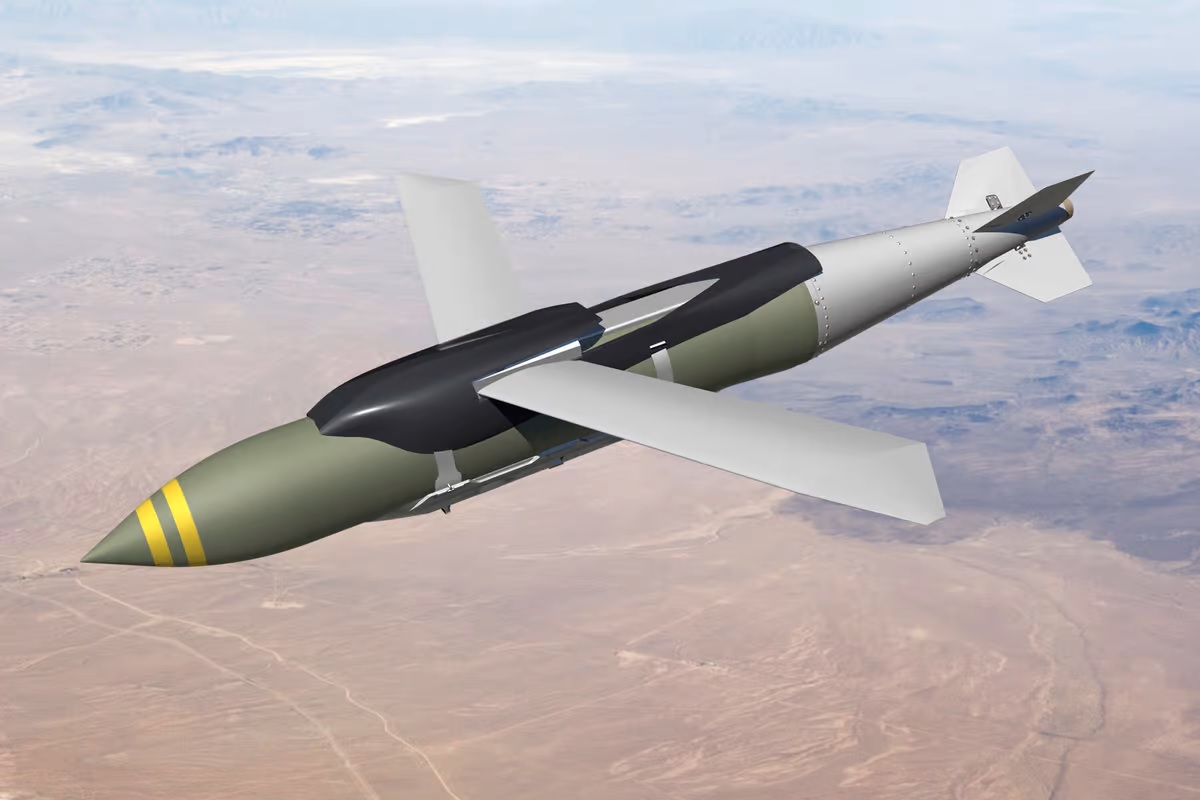
India
The Indian Air Force (IAF) has firmly established a significant 4:1 advantage over the Pakistan Air Force (PAF) in precision-guided munitions (PGMs) and stand-off weapons (SOWs). This dominance stems from India’s robust investments in indigenous production, acquisitions from global partners, and the strategic integration of cutting-edge platforms like the Rafale fighter jets and the BrahMos supersonic cruise missile. Modern Warfare and the Role of PGMs Precision-guided munitions and stand-off weapons are indispensable in contemporary air combat. They enable air forces to engage targets with pinpoint accuracy from a safe distance, minimizing risks to pilots and aircraft. The IAF has built a diversified arsenal of PGMs, encompassing a variety of air-to-ground and air-to-air missiles, glide bombs, and smart munitions. These capabilities allow for unmatched flexibility, enabling the IAF to undertake diverse operations ranging from surgical strikes to long-range interdiction missions. The Arsenal Advantage India's defence modernization efforts have been pivotal in achieving this edge. The indigenous development of weapons like the DRDO’s Smart Anti-Airfield Weapon (SAAW) and BrahMos-A cruise missile has fortified India's firepower. Additionally, collaborations with international defence giants have added significant depth to the IAF's capabilities. The Rafale jets, equipped with SCALP cruise missiles and Hammer precision-guided munitions, further enhance India’s ability to deliver high-impact strikes. Other key systems like Israel's Spice-2000 guided bombs and Russia’s air-launched munitions complement the IAF's extensive inventory. In stark contrast, Pakistan relies heavily on Chinese-supplied munitions and a more limited stockpile of PGMs. While the PAF’s JF-17 Thunder has been upgraded to deploy these munitions, the scale and sophistication of its arsenal lag far behind that of the IAF. The limited availability of advanced munitions and reliance on external suppliers constrains Pakistan's ability to sustain high-intensity operations over extended periods. Strategic Implications of the 4:1 Advantage The IAF’s numerical and technological superiority in PGMs translates into several strategic advantages. First, it allows India to maintain a credible deterrence posture, signaling to adversaries that any provocation could result in precise, overwhelming retaliation. Second, the enhanced strike capability enables the IAF to dominate contested airspaces, conduct pre-emptive strikes, and neutralize enemy defences effectively. Moreover, India’s focus on indigenous production through initiatives like the Make-in-India program ensures a steady supply of munitions, even during prolonged conflicts. This self-reliance reduces vulnerability to disruptions in foreign supply chains, a significant challenge for Pakistan given its dependency on Chinese and limited domestic manufacturing. Reinforcing Regional Stability The IAF's munitions advantage not only secures India’s airspace but also strengthens its position as a stabilizing force in the region. The capability to execute precision strikes with minimal collateral damage aligns with India’s doctrine of responsible defence. Furthermore, this superiority allows the IAF to dictate operational tempos in conflict scenarios, ensuring that India retains the upper hand in any potential escalation. Conclusion India’s 4:1 edge in precision-guided munitions over Pakistan underscores the IAF’s dominance in the skies. This advantage, built on a foundation of technological innovation, strategic acquisitions, and self-reliance, ensures India’s readiness to address evolving threats. By continuously modernizing its arsenal and fostering indigenous defence production, India is not only safeguarding its sovereignty but also cementing its role as a regional powerhouse capable of ensuring lasting stability.
Read More → Posted on 2025-01-26 13:57:37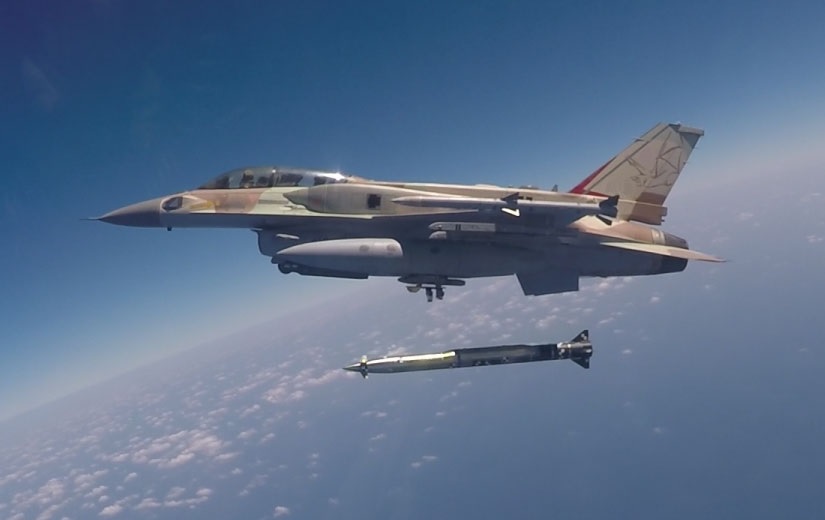
India
The Indian Navy has taken a major leap in strengthening its maritime strike capabilities by integrating the Israeli-made Rampage missile into its MiG-29K fighter jets. This development allows the Navy to strike targets up to 250 kilometers away with pinpoint accuracy, providing a strategic advantage in modern combat scenarios. The Rampage Missile: A Game-Changing Weapon The Rampage missile is a long-range, supersonic air-to-ground weapon designed for precision strikes. With an operational range exceeding 250 kilometers, it can hit critical enemy infrastructure such as command centers, communication hubs, radar systems, and air defense units. The missile's navigation system combines GPS and inertial navigation (INS) with robust anti-jamming technology, ensuring reliable performance even in environments where electronic warfare measures are deployed. Additionally, the Rampage is engineered to deliver minimal collateral damage, making it effective for operations in densely populated or urban areas. Its supersonic speed enables rapid target engagement, giving adversaries little time to respond. Upgrading the MiG-29K Fleet The MiG-29K, the Indian Navy's primary carrier-based fighter jet, has been undergoing significant upgrades to accommodate the Rampage missile. This integration involves modifying the aircraft's software, upgrading bomb racks, and installing new wiring to support the missile's advanced systems. These enhancements transform the MiG-29K into a formidable strike platform capable of launching attacks from well beyond the reach of enemy air defenses. This not only protects the pilots and aircraft but also increases the Navy's operational flexibility during offensive and deterrence missions. Strategic Benefits for the Navy By equipping the MiG-29K fleet with Rampage missiles, the Indian Navy gains several tactical advantages: Extended Range: The ability to engage targets from 250 kilometers away enhances the Navy's reach and operational depth. Pilot Safety: Long-range capability ensures that fighter jets can operate safely outside the range of hostile anti-aircraft systems. Versatile Targeting: The Rampage missile's precision and versatility allow for effective strikes on high-value targets, whether they are in open terrain or urban settings. Rapid Response: Supersonic speed ensures quick engagement, reducing the enemy's reaction time. Cross-Service Synergy The Indian Air Force (IAF) has also adopted the Rampage missile for its Su-30MKI and Jaguar aircraft, enabling cohesive operations across different branches of the armed forces. This cross-service integration boosts the overall combat effectiveness of the Indian military, allowing for coordinated strikes in joint operations. A Step Towards Modernization The integration of the Rampage missile is part of India's broader efforts to modernize its military and address evolving regional threats. As tensions persist in the Indo-Pacific region, enhancing maritime strike capabilities becomes critical for safeguarding national interests and maintaining strategic deterrence. By equipping its MiG-29K fleet with such advanced weaponry, the Indian Navy underscores its commitment to staying ahead in the rapidly evolving landscape of modern warfare. This move not only strengthens the Navy’s operational readiness but also serves as a strong message of deterrence to adversaries in the region.
Read More → Posted on 2025-01-26 13:49:18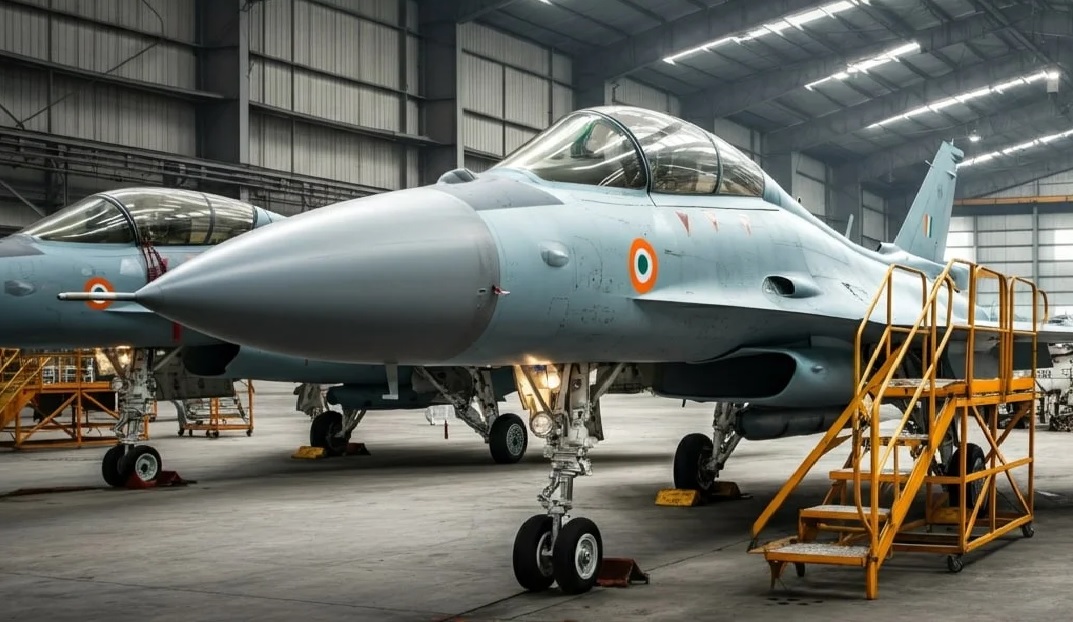
India
The Indian Air Force (IAF) is reportedly considering a pivotal recommendation to the Ministry of Defence (MoD) to streamline the much-anticipated Multi-Role Fighter Aircraft (MRFA) tender. This proposed shift would involve restricting the Request for Proposal (RFP) process to Original Equipment Manufacturers (OEMs) that already meet the IAF's rigorous operational and technical benchmarks. This approach aims to accelerate the procurement of 110 advanced fighter jets—an essential step in addressing the critical shortfall in the IAF’s combat strength. The MRFA Tender: A Strategic Imperative The MRFA program, envisioned under the "Buy Global – Make in India" initiative, is a successor to the earlier Medium Multi-Role Combat Aircraft (MMRCA) program. The MMRCA initially sought 126 fighter jets but was curtailed to the acquisition of 36 Dassault Rafale jets due to various logistical and financial constraints. The MRFA tender seeks to procure a versatile fleet of fighters capable of handling a wide range of missions, from air superiority and ground strikes to reconnaissance and maritime operations. This tender's scope also includes the mandate for significant technology transfer and local production partnerships, fostering indigenous defense manufacturing under India’s Atmanirbhar Bharat (self-reliant India) initiative. Pre-Qualification: Ensuring Efficiency The IAF’s proposal to limit participation to pre-qualified OEMs reflects an urgency to avoid lengthy evaluation processes for platforms that may not meet stringent requirements. This pre-qualification mechanism would allow the IAF to focus solely on proven fighters, reducing delays in finalizing contracts. Among the contenders likely to meet these standards are globally renowned platforms, including: Dassault Rafale: France's twin-engine, canard delta-wing fighter optimized for a wide range of combat scenarios. Lockheed Martin F-21: An upgraded version of the F-16 tailored specifically for India. Boeing F-15EX and F/A-18 Super Hornet: American multi-role fighters offering advanced avionics and weapons systems. Eurofighter Typhoon: A European design renowned for its agility and precision targeting. Saab Gripen E: A Swedish lightweight fighter with cutting-edge electronic warfare systems. Sukhoi Su-35 and MiG-35: Advanced Russian platforms with robust airframe designs and high weapon payload capacities. The Need for Fleet Modernization The IAF’s sanctioned strength of 42 combat squadrons is currently down to approximately 31 squadrons, well below the minimum requirement to counter potential adversaries along the northern and western borders. The decommissioning of aging aircraft, particularly the MiG-21, exacerbates this shortfall. While indigenous solutions like the Tejas Mk1A and the upcoming Advanced Medium Combat Aircraft (AMCA) are promising, they face production timelines that cannot meet the IAF’s immediate operational needs. Consequently, the MRFA program is critical to bridging this gap and ensuring a credible deterrent capability. Technical and Operational Expectations The selected MRFA jets are expected to meet several key performance and operational benchmarks, including: Advanced Radar Systems: AESA (Active Electronically Scanned Array) radars for superior situational awareness. Stealth and Survivability: Low radar cross-section, infrared suppression, and electronic warfare capabilities. Multi-Role Capability: Flexibility to perform air-to-air, air-to-ground, and maritime strike missions. Long-Range Strike Ability: Compatibility with standoff weaponry like precision-guided munitions and cruise missiles. Interoperability: Seamless integration with existing and future IAF assets and network-centric operations. Challenges and Strategic Importance While the pre-qualification strategy may expedite the procurement process, challenges remain. Cost negotiations, industrial offsets, and ensuring substantial technology transfer will require meticulous planning and execution. Moreover, the geopolitical environment necessitates rapid action to maintain air superiority in a region characterized by escalating tensions. The MRFA program underscores the IAF’s commitment to addressing both immediate and long-term operational challenges. By streamlining the tender process and focusing on proven platforms, the IAF is taking decisive steps to modernize its fleet and secure India's skies amidst evolving global and regional dynamics.
Read More → Posted on 2025-01-25 14:02:12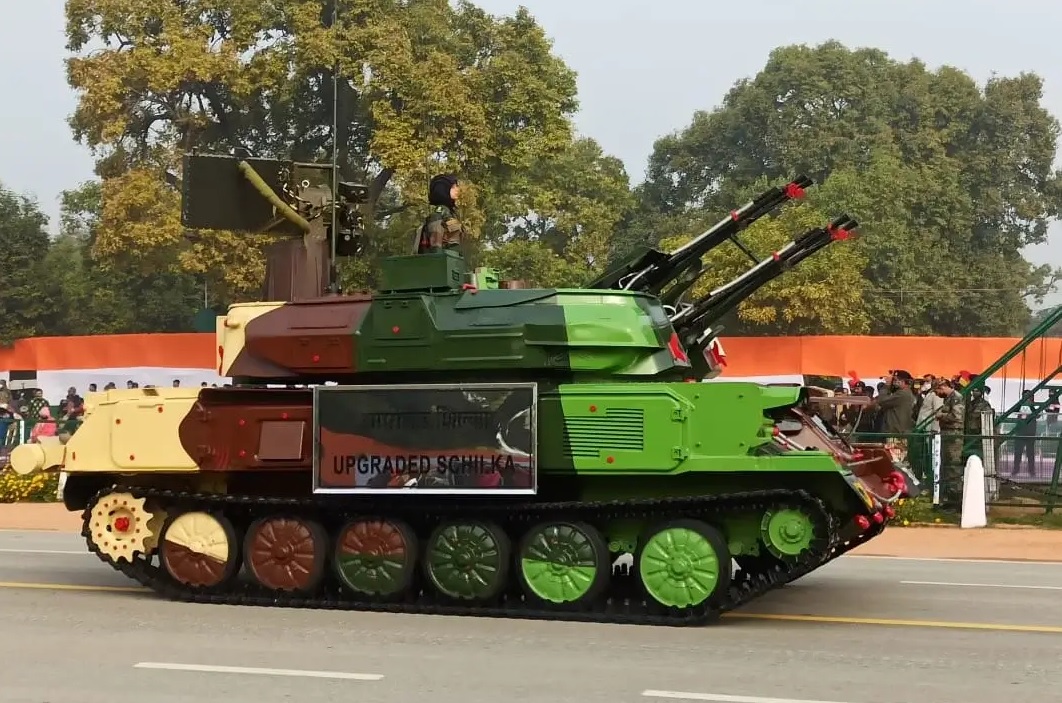
India
In a bold move towards bolstering its defence capabilities and promoting self-reliance under the "Make in India" initiative, the Indian Ministry of Defence (MoD) has issued a Request for Information (RFI) for the indigenous development of 23mm Anti-Drone Ammunition. This ammunition, specifically designed to enhance the effectiveness of the Indian Army's existing weapon platforms, aims to counter the rising threat of unmanned aerial vehicles (UAVs). Addressing the Evolving Drone Threat With UAVs increasingly being deployed for surveillance, reconnaissance, and even offensive operations, counter-drone systems have become indispensable for modern militaries. For India, which faces complex security challenges on its borders, the ability to neutralize hostile drones is a strategic necessity. These threats, ranging from low-cost quadcopters to sophisticated armed drones, have highlighted vulnerabilities that require immediate and robust solutions. Specifications and Compatibility The 23mm Anti-Drone Ammunition is intended for use with the ZU-23mm twin-barrelled autocannons and the Schilka self-propelled anti-aircraft weapon systems, both integral to the Indian Army's air defence units. These platforms are renowned for their rapid-fire capabilities and mobility, making them ideal for countering fast-moving aerial threats like drones. The ammunition is expected to have: High Precision: To target small, fast-moving drones with minimal collateral damage. Explosive Payload: Capable of detonating on impact or near-miss to neutralize UAVs effectively. Enhanced Range: Designed to intercept drones at medium altitudes, ensuring comprehensive coverage. Electronic Counter-Capabilities: Integrating advanced fuse technology to adapt to varying drone sizes and speeds. These specifications underscore the emphasis on creating a versatile and reliable counter-drone solution tailored to the Indian Army's operational requirements. Indigenous Manufacturing Push The RFI aligns with India's broader goal of reducing dependency on foreign imports and nurturing its domestic defence industry. By involving local manufacturers and fostering partnerships between private and public entities, the MoD aims to leverage indigenous technological expertise. This approach not only strengthens national security but also stimulates economic growth and employment opportunities within the defence sector. Strategic Implications The integration of 23mm Anti-Drone Ammunition into existing platforms is a game-changer for India's defence strategy. It enhances the operational readiness of frontline units and provides a cost-effective solution to counter an increasingly diverse array of drone threats. The ability to produce such ammunition domestically also positions India as a potential exporter of advanced defence technologies, reinforcing its role as a global defence player. As the RFI progresses towards implementation, it reflects India’s determination to address modern security challenges with homegrown solutions. This development signifies a pivotal step in fortifying the nation’s defence while aligning with the vision of a self-reliant India.
Read More → Posted on 2025-01-25 13:55:11Search
Top Trending in 24 Hours
-
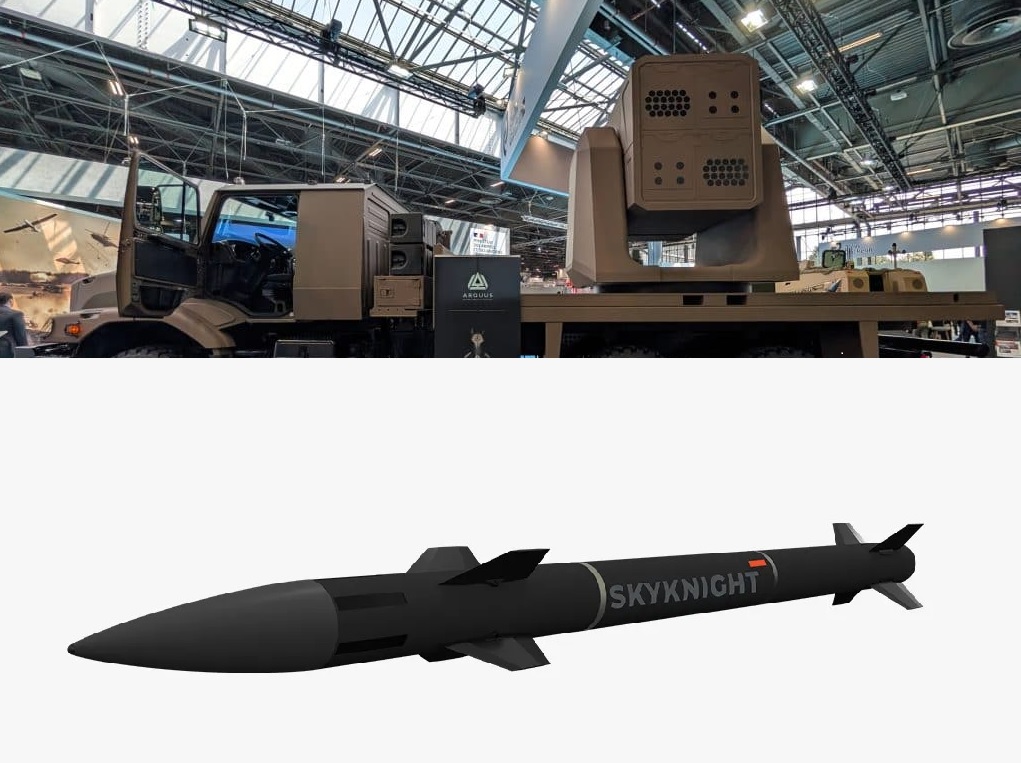 Naval Group Unveils Rampart Modular CIWS Multi-Purpose Weapon System for Naval and Ground Forces at Eurosatory 2026
-
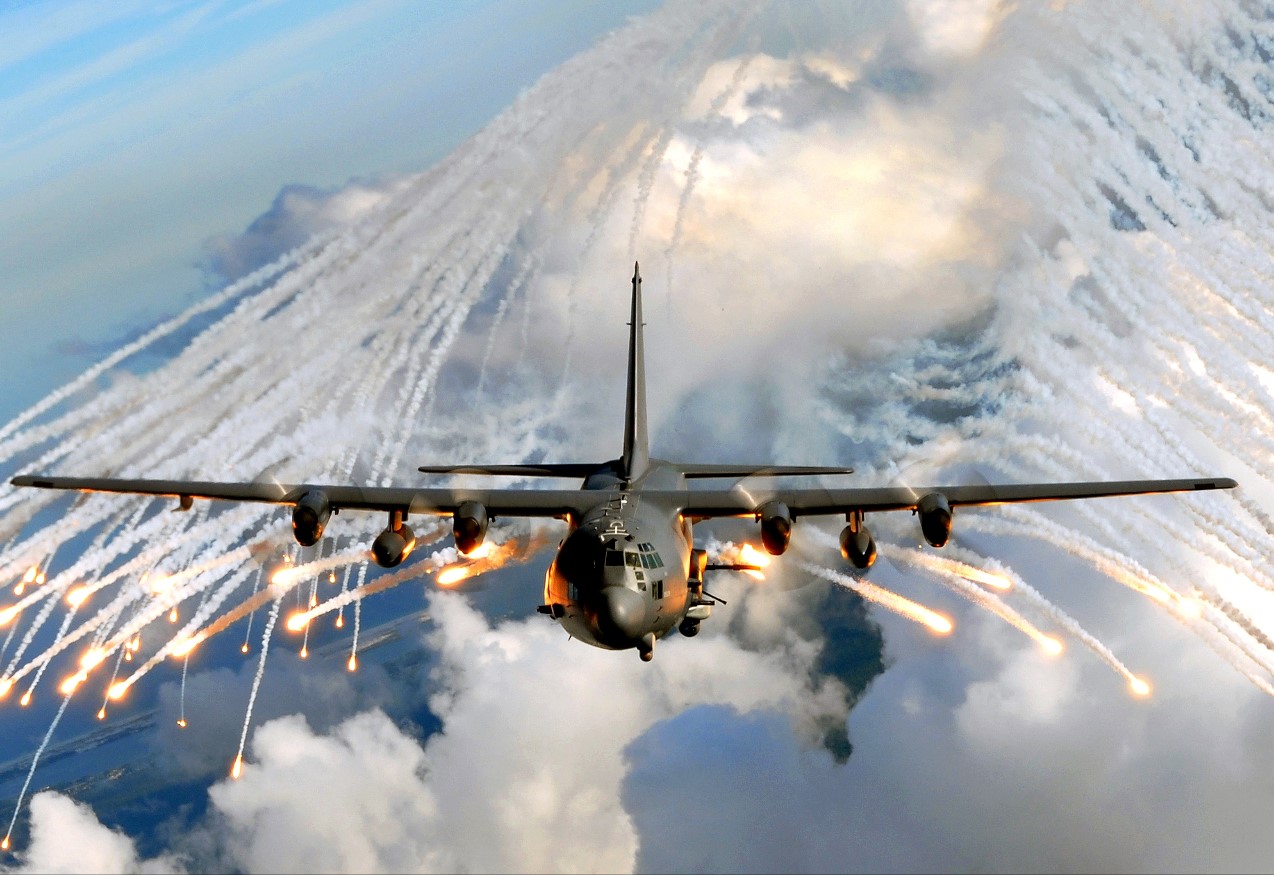 Pentagon Expands Alloy Surfaces Contract to $328.8 Million for Advanced Aircraft Decoy Flares Amid Evolving Drone Threats
-
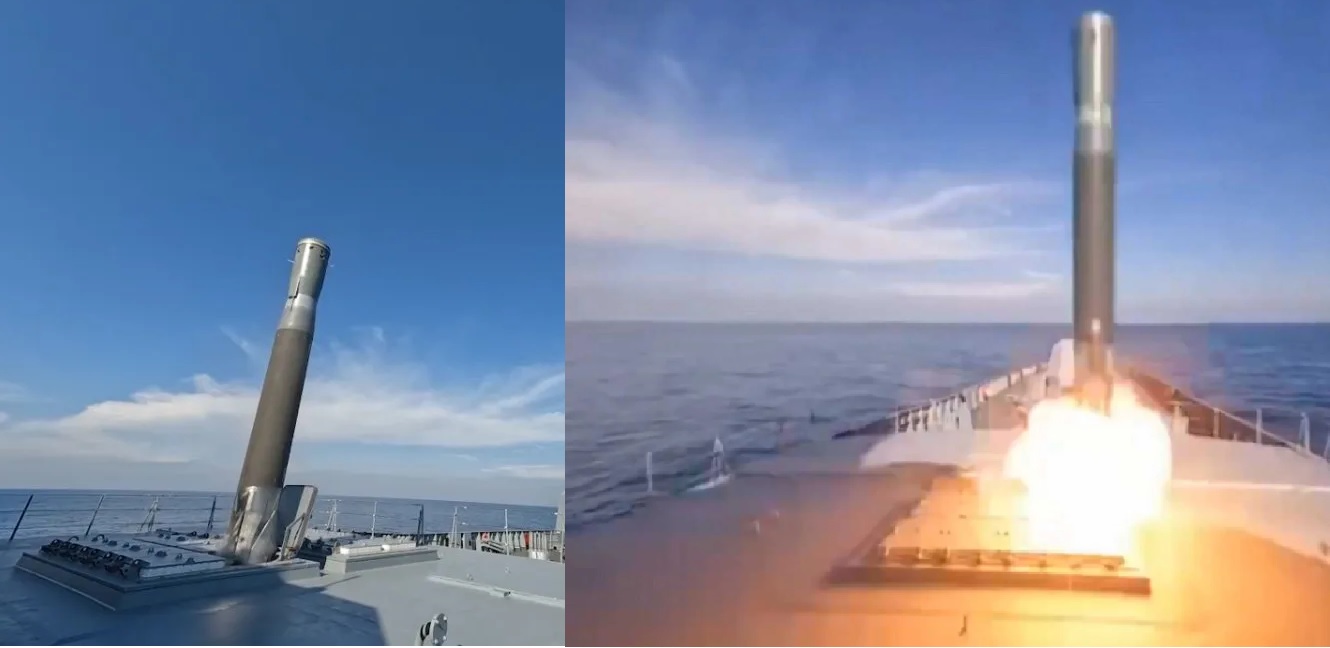 Open-Source Evidence Suggests Russia's Zircon Is a Quasi-Ballistic Missile, Not a True Hypersonic Cruise Weapon
-
 Why the U.S. Restored Pacific Command Name, Ending the Indo-Pacific Designation After Eight Years
-
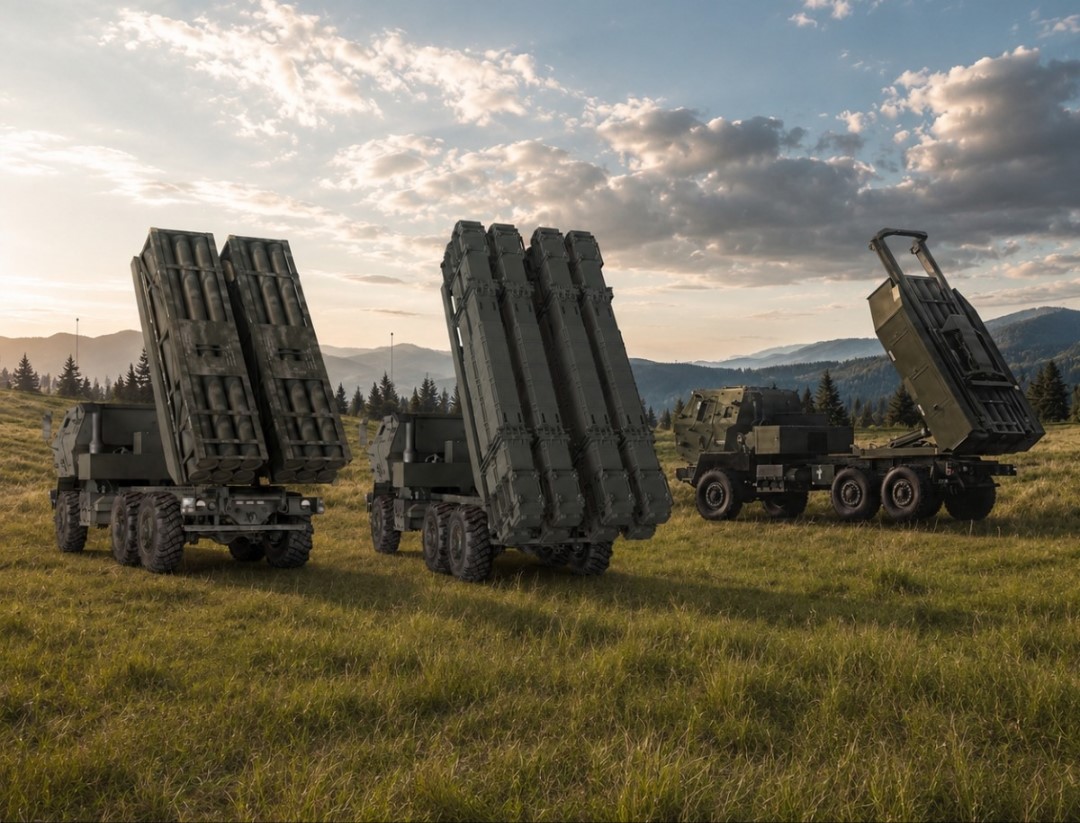 Lockheed Martin Unveils HIMARS FLEX with Dual-Pod Launcher and NATO-Compatible Air Defense Integration
-
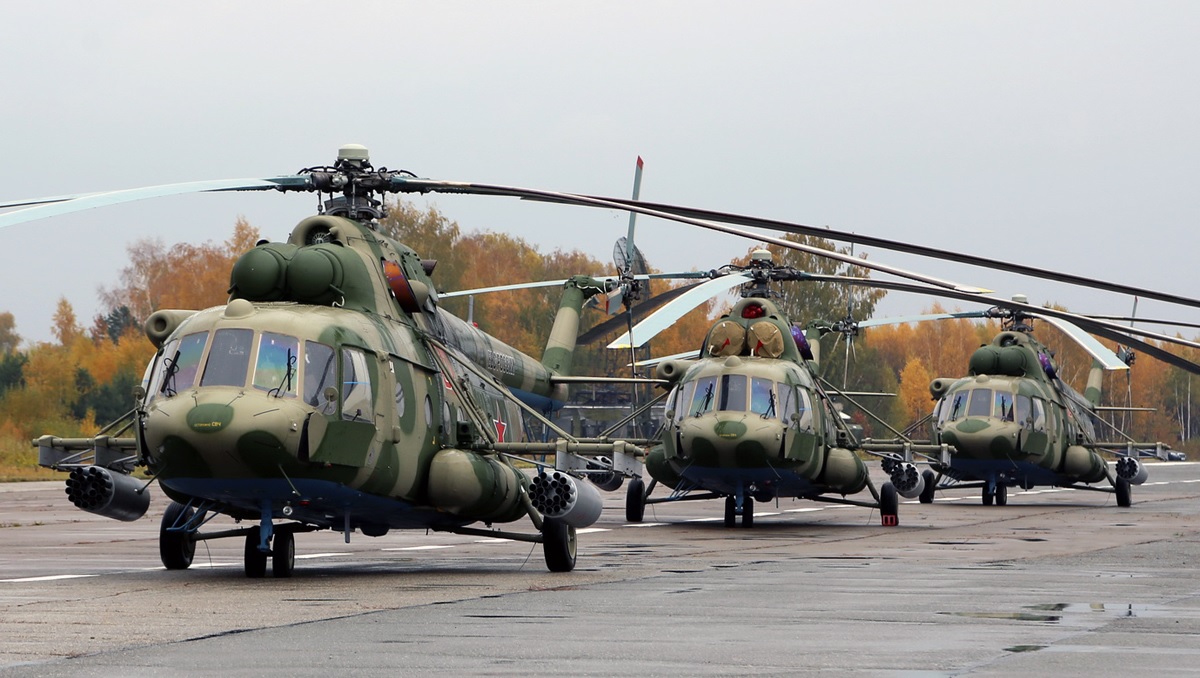 Iran Signs Deal with Russia for 20 Mi-8 and Mi-17 Helicopters to Boost Rescue and Medical Missions
-
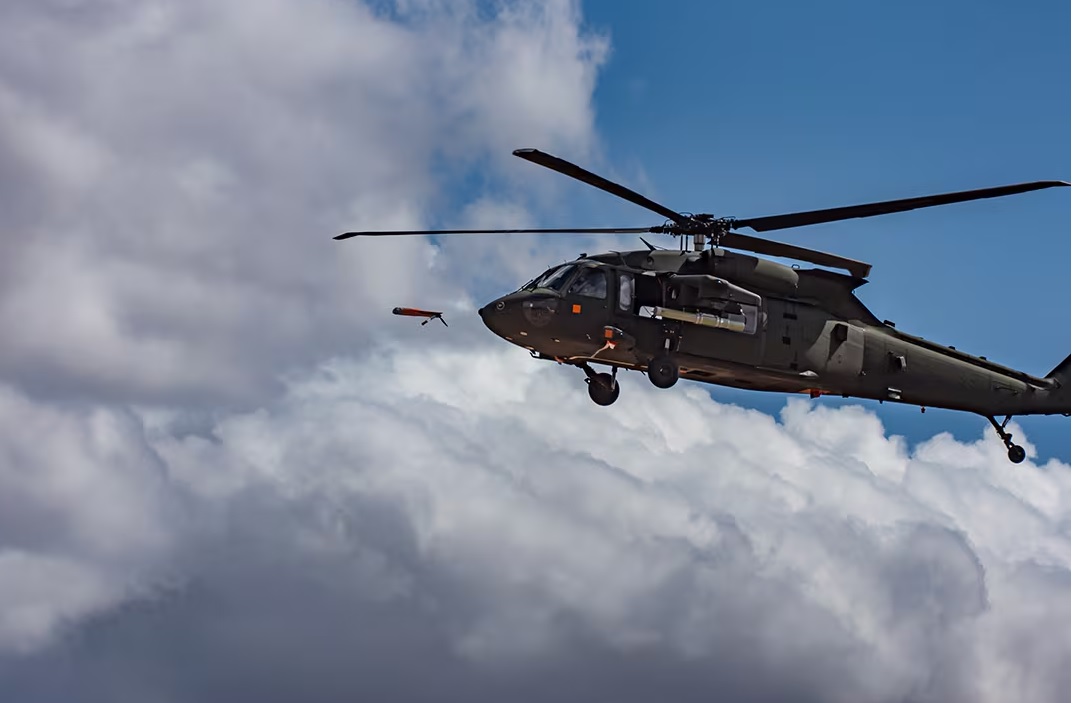 U.S. Army Completes First Flight Test of Medium-Range Air-Launched Effects from Black Hawk Helicopter
-
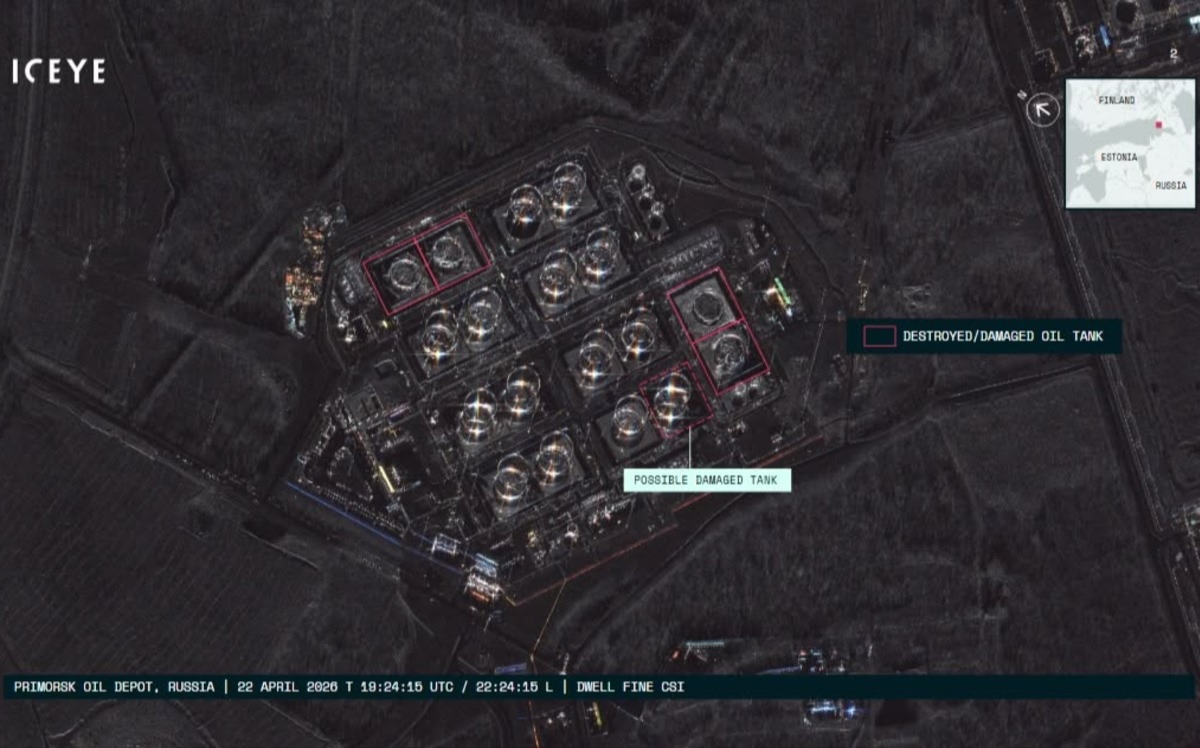 Portugal Doubles Sovereign SAR Satellite Fleet with Order for Two Additional ICEYE Satellites
Top Trending in 4 Days
-
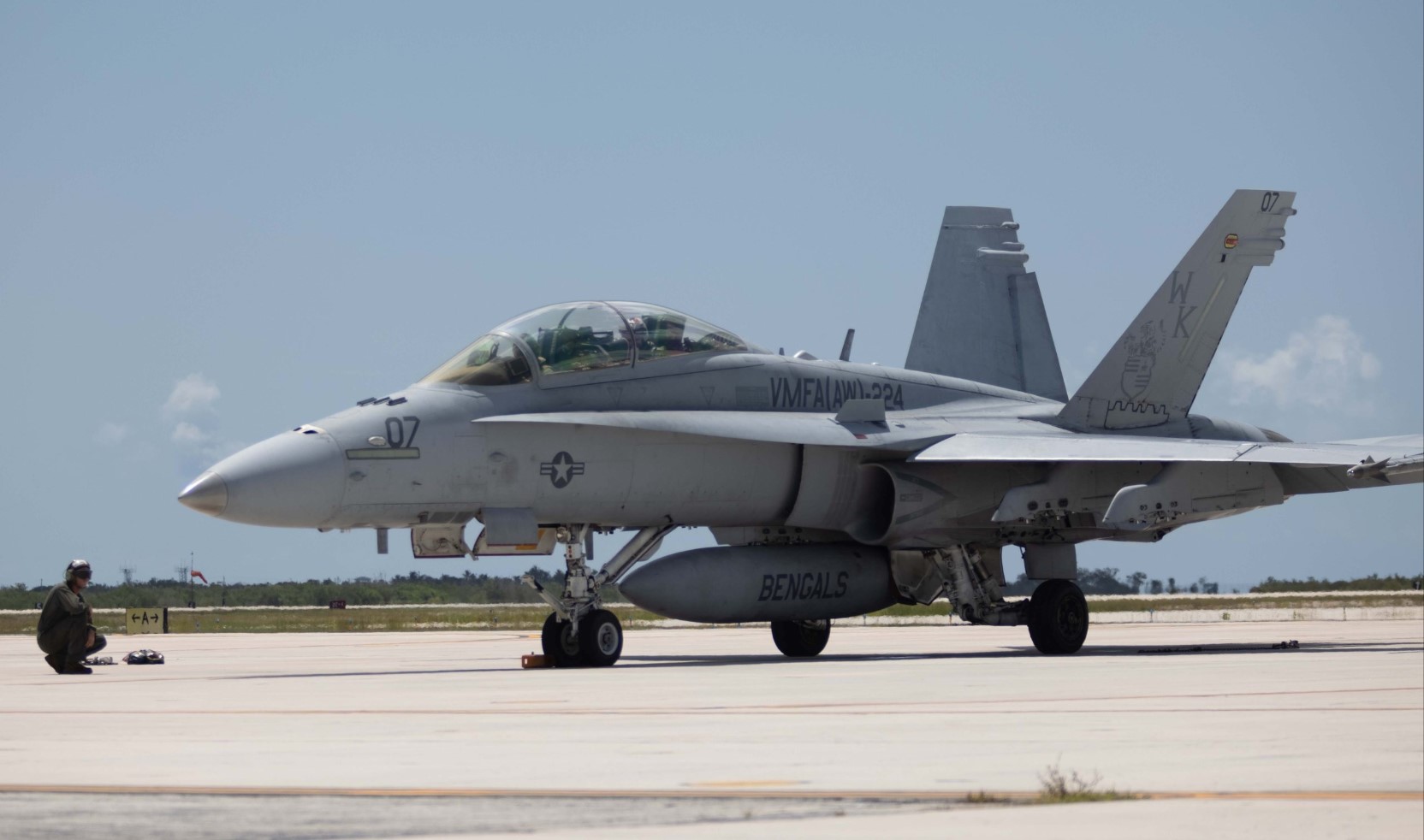 US Marine Corps F/A-18D Hornet Crashes During Training Flight in Washington Mountains; Pilot Ejects Safely
-
 Tulsi Gabbard Releases Declassified Files Detailing U.S.-Backed Network of 120 Biolaboratories Across 30+ Countries
-
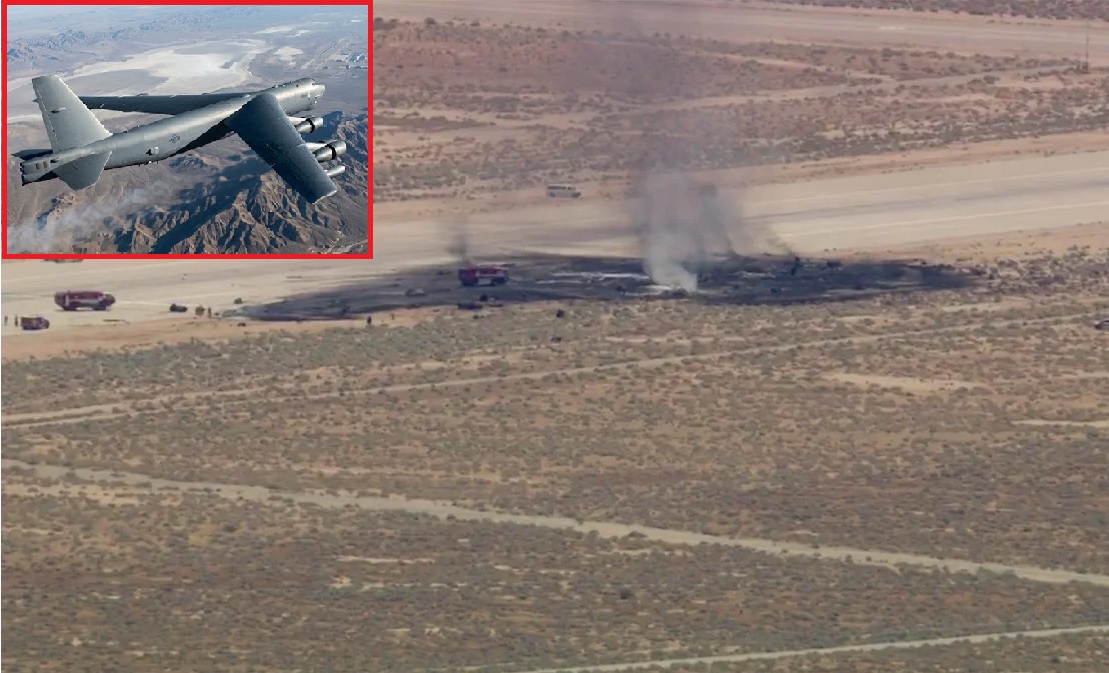 8 U.S. Air Force Crew Members Killed in B-52 Bomber Crash During Test Flight at Edwards Air Force Base
-
 Ukraine Introduces Balloon-Launched DART Missile Designed to Defeat Electronic Warfare
-
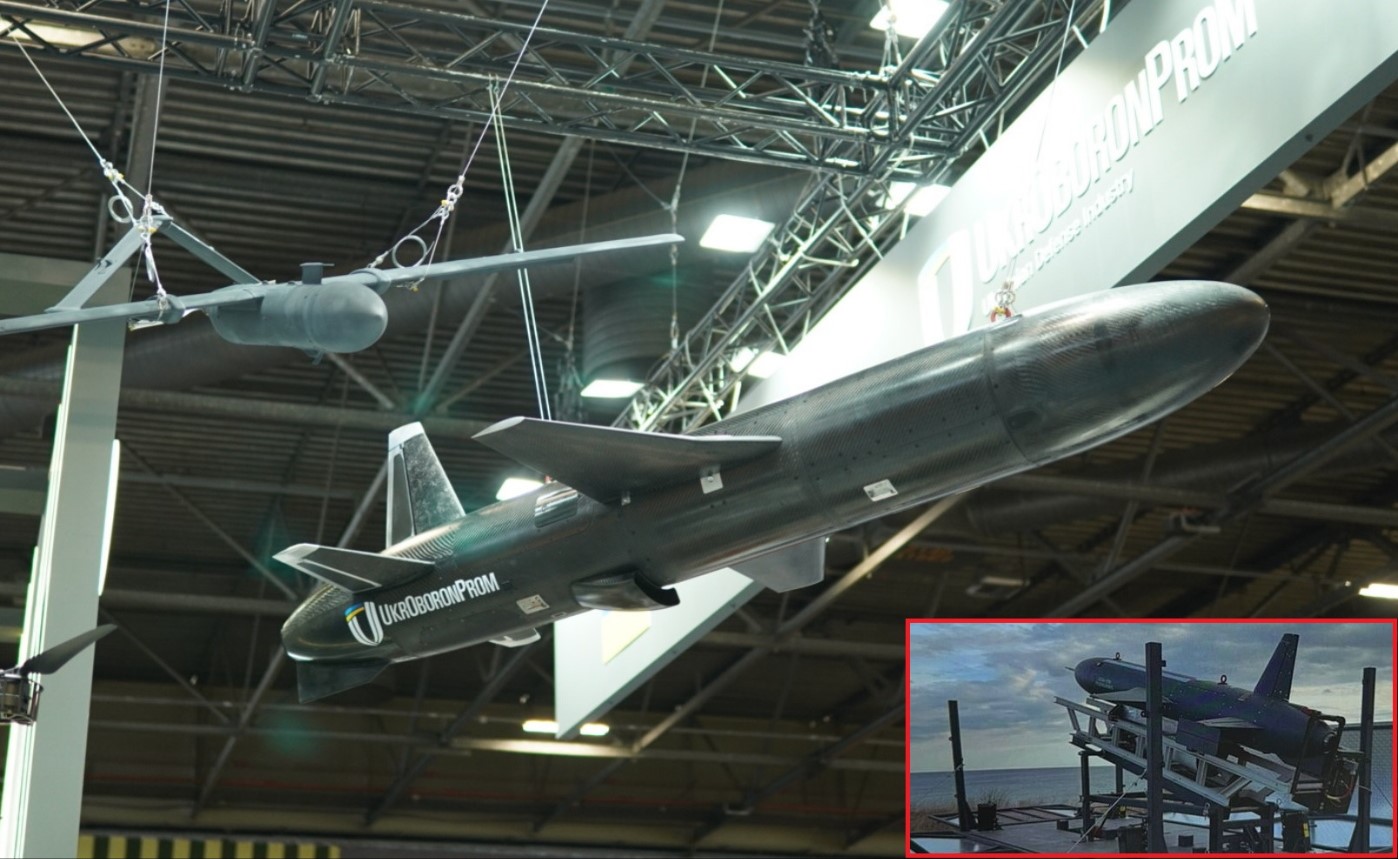 Ukraine Unveils UAV-290 Jet-Powered Strike Drone with 650 km Range at Eurosatory 2026
-
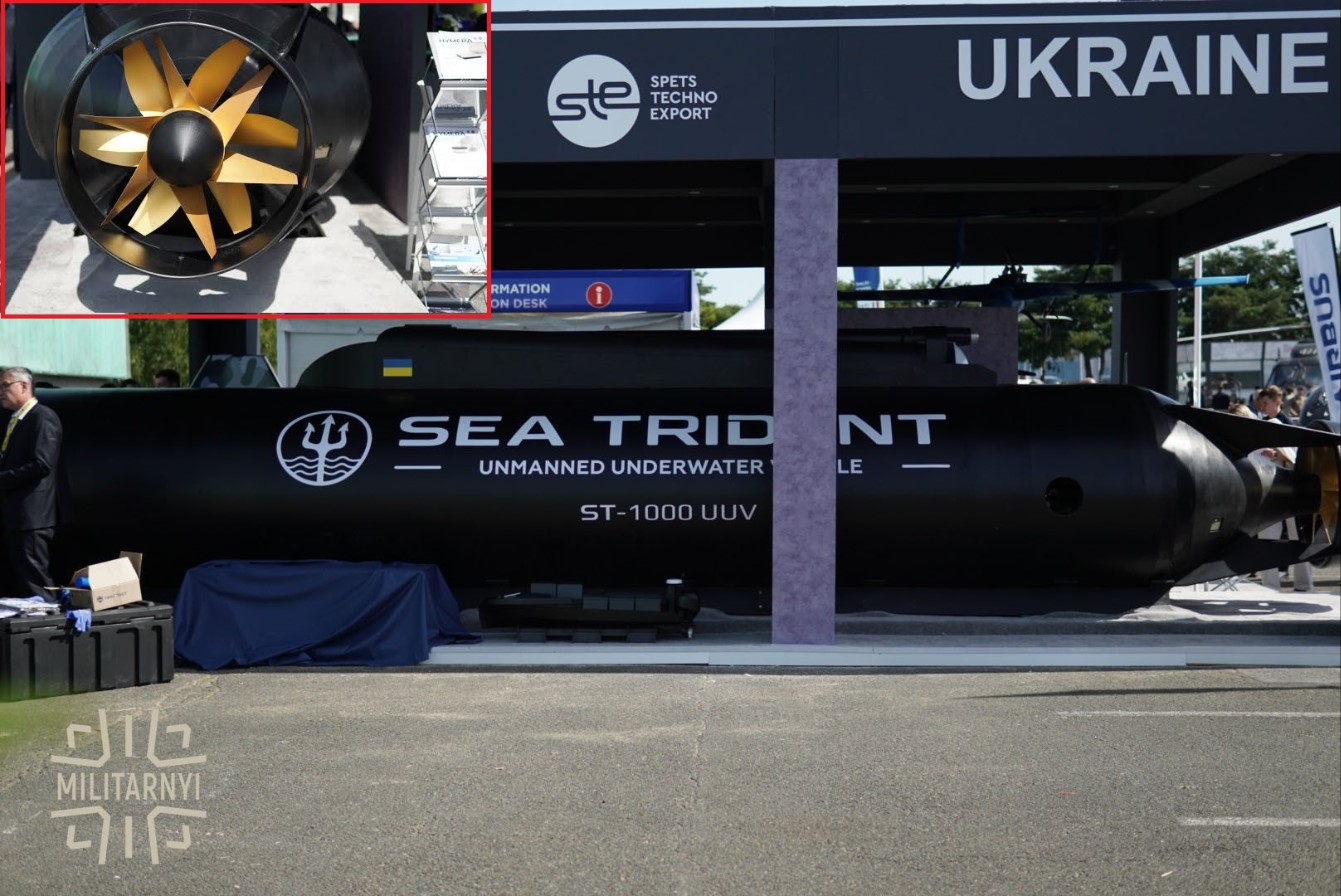 Ukraine Unveils 'Sea Trident' 10-Ton Autonomous Underwater Drone at Eurosatory 2026
-
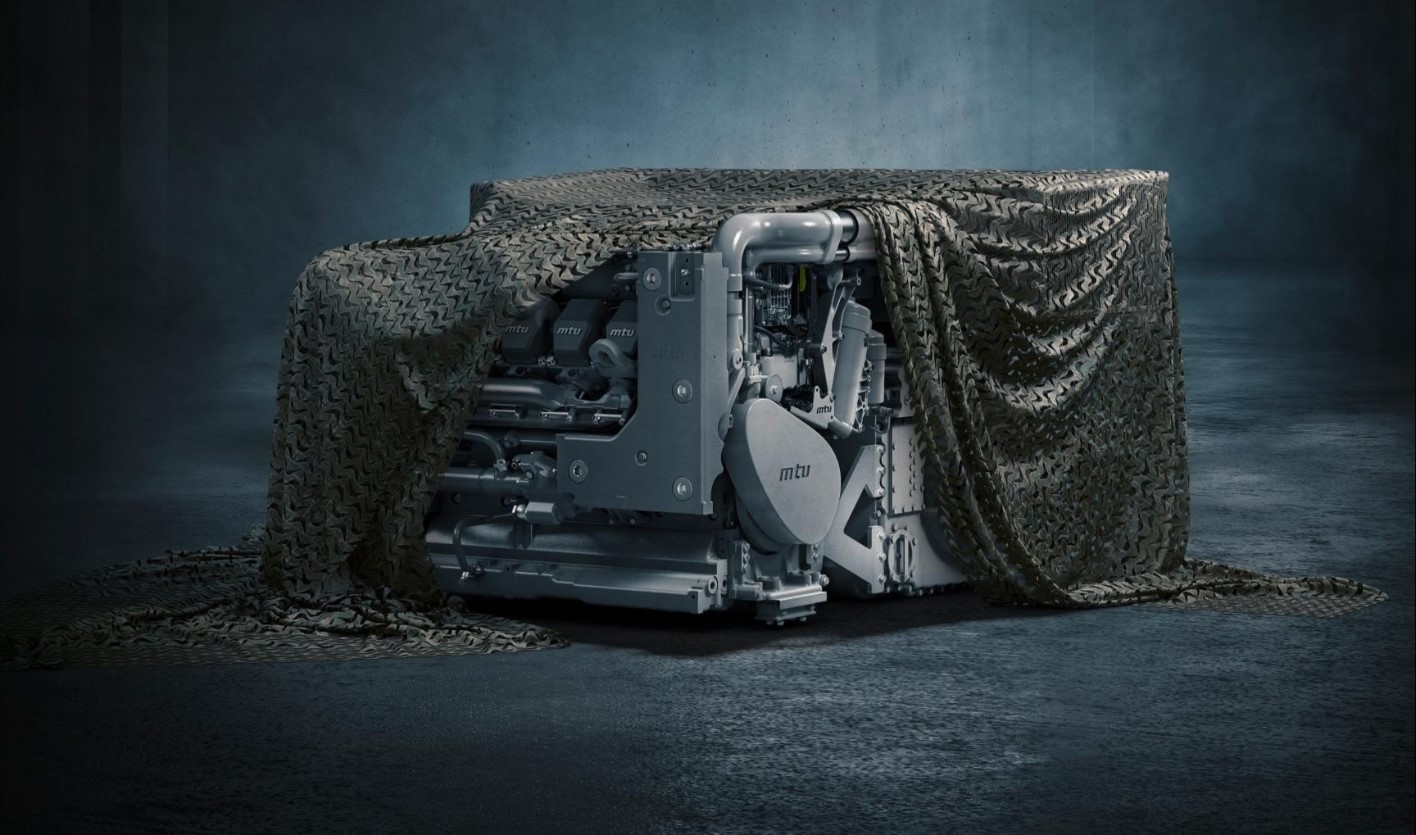 Rolls-Royce Unveils New Hybrid Powertrain for Heavy Military Vehicles at Eurosatory 2026
-
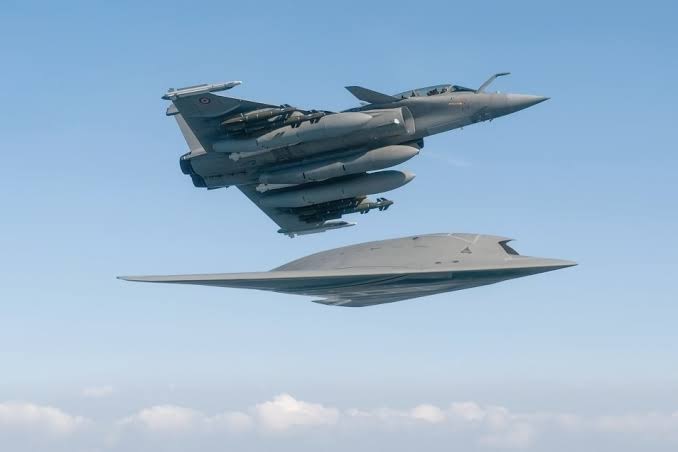 France Agrees to Equip Future Indian Rafales with AI, MUM-T and Secure Satellite Links Under F5 Standard