India
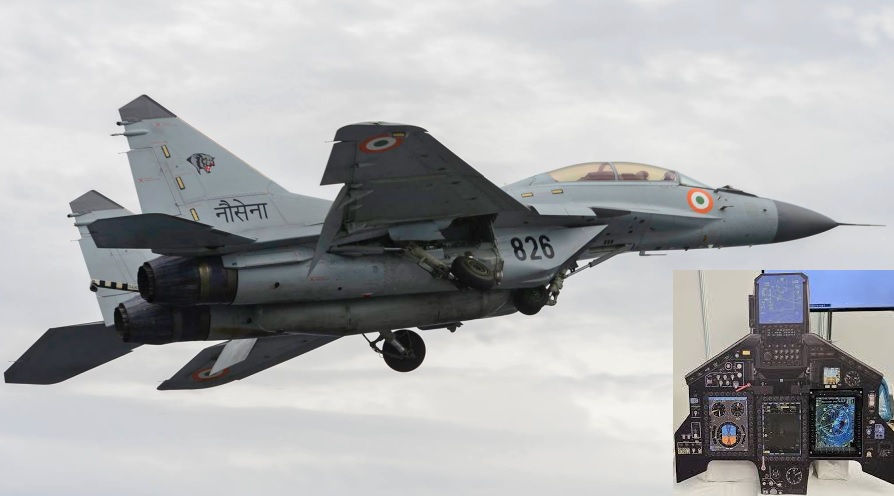
The Indian Navy's MiG-29K fighter jets are undergoing a significant transformation, thanks to Hindustan Aeronautics Limited's (HAL) development of a new Mission Computer (MC). This upgrade is pivotal for integrating India's homegrown Astra MkI Beyond Visual Range Air-to-Air Missile (BVRAAM), marking a substantial leap in the nation's naval aviation capabilities. The Role of the Mission Computer The Mission Computer serves as the aircraft's central processing unit, orchestrating various subsystems to ensure peak performance during missions. Previously, the MiG-29K relied on Russian-origin MCs, which posed challenges in integrating non-Russian weaponry due to compatibility issues and limited access to source codes. HAL's new MC addresses these limitations, offering enhanced processing power and flexibility for integrating a broader range of armaments. Astra MkI Missile: A Homegrown Marvel Developed by the Defence Research and Development Organisation (DRDO), the Astra MkI is India's first indigenously developed BVRAAM. Key specifications include: Length: 3.84 meters Diameter: 178 millimeters Weight: 154 kilograms Range: 80 to 110 kilometers, depending on launch conditions Speed: Capable of reaching Mach 4.5 Guidance System: Mid-course inertial navigation with terminal active radar homing Warhead: High-explosive pre-fragmented, weighing 15 kilograms The missile's active radar seeker allows for "fire-and-forget" capability, enabling pilots to engage multiple targets without maintaining continuous radar lock. Integration and Testing Integrating the Astra MkI with the MiG-29K necessitates rigorous testing to ensure seamless operation. This process includes flight trials, live firing exercises, and comprehensive system evaluations under various combat scenarios. The upgraded MC plays a crucial role in facilitating this integration, providing the necessary computational support for the missile's advanced guidance and targeting systems. Strategic Advantages The successful integration of the Astra MkI enhances the MiG-29K's combat capabilities, allowing the Indian Navy to engage threats at greater distances with improved accuracy. This development reduces reliance on foreign suppliers and underscores India's commitment to self-reliance in defense technology. Furthermore, the upgraded MC's flexibility paves the way for future integrations of other indigenous and Western-origin weapons, broadening the operational scope of the MiG-29K fleet. As HAL prepares for phased upgrades across the entire MiG-29K fleet, the Indian Navy is poised to showcase these advancements at Aero India 2025. The upgraded MiG-29K, featuring the new MC and Astra MkI integration, represents a significant milestone in India's defense capabilities, reflecting a blend of technological innovation and strategic foresight. In summary, HAL's Mission Computer upgrade and the integration of the Astra MkI missile signify a transformative period for India's naval aviation, enhancing the MiG-29K's lethality and reinforcing the nation's pursuit of indigenous defense solutions.
Read More → Posted on 2025-02-08 15:10:47
India
In a significant move to bolster the Indian Navy's operational prowess, the Ministry of Defence has entered into a contract worth Rs 642.17 crore with Bharat Electronics Limited (BEL). This agreement focuses on the procurement of 28 EON-51 Electro Optical Fire Control Systems, designated for 11 new-generation offshore patrol vessels and three cadet training ships. Understanding the EON-51 System The EON-51 is an advanced Electro Optical Fire Control System designed to enhance maritime surveillance and targeting capabilities. Key features of the EON-51 include: Multi-Spectral Imaging: Utilizes both electro-optical and thermal imaging devices to provide comprehensive surveillance in various environmental conditions. Target Detection and Classification: Capable of searching, detecting, and classifying targets with high precision, ensuring rapid response to potential threats. Fire Control Integration: Seamlessly integrates with the ship's weapon systems, facilitating accurate targeting and engagement. Strategic Significance This procurement aligns with the government's 'Aatmanirbhar Bharat' initiative, emphasizing self-reliance in defense production. By involving Indian industries, including Micro, Small, and Medium Enterprises (MSMEs), the project is expected to generate substantial employment opportunities over the next three years. This collaborative approach not only strengthens the domestic defense manufacturing sector but also ensures that critical technologies are developed and maintained within the country. The acquisition of the EON-51 systems marks a pivotal step in modernizing the Indian Navy's fleet, enhancing its surveillance and combat capabilities. This initiative underscores the Ministry of Defence's commitment to equipping the armed forces with state-of-the-art technology while promoting indigenous production and self-reliance in the defense sector.
Read More → Posted on 2025-02-08 14:45:59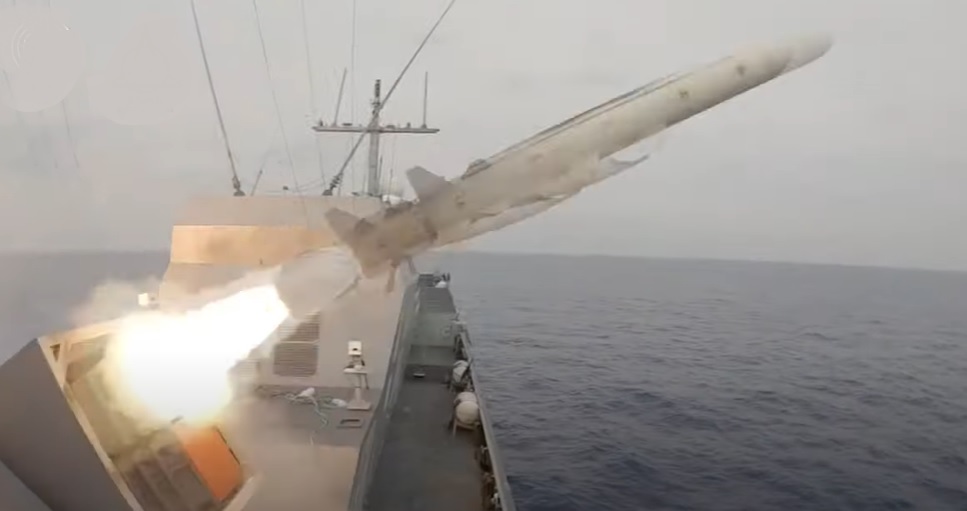
India
The Israeli Navy, in partnership with the Directorate of Defense Research & Development (DDR&D) of the Israel Ministry of Defence and Israel Aerospace Industries (IAI), has successfully conducted an operational test of the "Gabriel 5" sea-to-sea missile. This advanced missile, developed and produced by IAI, was launched at a target simulating an enemy vessel to assess its performance. Key Highlights of the Test: Realistic Conditions: The missile system successfully completed detection and firing processes under realistic conditions, demonstrating its operational readiness. Enhanced Capabilities: This test is part of ongoing efforts to maintain and enhance the operational capabilities of the Israeli Navy’s missile systems. About the Gabriel 5 Missile: The Gabriel 5 is an advanced long-range anti-ship missile designed to operate in various maritime and atmospheric conditions. It is reported to have a range of up to 400 km and is capable of targeting a wide variety of threats at sea. Specifications: Length: Approximately 5.5 meters. Weight: Around 1,250 kg. Engine: Equipped with a turbojet engine that allows subsonic speed. Guidance System: Features an active radar seeker and a sophisticated flight control system, enabling it to engage targets in intense clutter environments, near the shore, and in areas protected by close-in weapon systems and countermeasure defenses. Operational History: The Gabriel missile family has a storied history, with its initial variant developed in the 1960s. The Gabriel 5, also referred to as the 'Advanced Surface Attack Missile' (ASAM), has been in service since at least 2007 and is currently deployed on the Israeli Navy’s Sa’ar 5 corvettes. An additional variant, known as the Advanced Naval Attack Missile, has been developed with an active radar seeker and a two-way datalink, with a range of 150 km. Finland has also purchased a version of the Gabriel missile for its Hamina-class and Pohjanmaa-class ships. Future Integration: The Israeli Navy is incorporating advanced systems to expand the capabilities of its fleet, particularly its Sa’ar 6 corvettes. The Gabriel 5 missile, developed and manufactured by IAI, is one of the key components contributing to the Navy’s ability to operate effectively in diverse maritime environments. This successful test underscores Israel's commitment to advancing its naval capabilities and maintaining a strategic edge in maritime defense.
Read More → Posted on 2025-02-07 15:35:35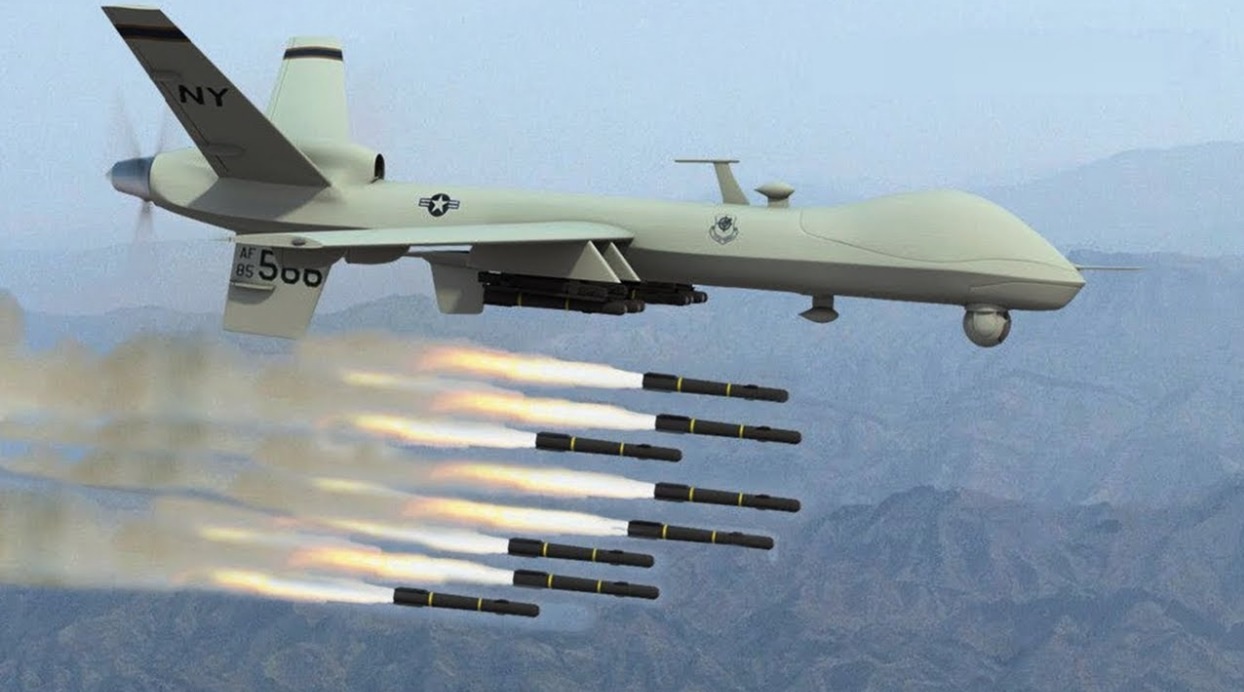
India
India is set to significantly bolster its defense prowess with the acquisition of 31 MQ-9B High Altitude Long Endurance (HALE) drones from the United States. This $3.5 billion deal, finalized under the U.S. Foreign Military Sales program, underscores the deepening strategic partnership between the two nations. Delivery Timeline and Variants The first batch of these advanced unmanned aerial vehicles (UAVs) is anticipated to arrive in January 2029, with the entire fleet expected by September 2030. The procurement includes both the SeaGuardian and SkyGuardian variants of the MQ-9B, each tailored for specific operational roles. MQ-9B Specifications and Capabilities The MQ-9B drones are renowned for their exceptional performance metrics: Endurance: Capable of continuous flight for over 40 hours, these UAVs are ideal for prolonged surveillance missions. Altitude: Operating at altitudes exceeding 40,000 feet, they can monitor vast areas with minimal risk of detection. Payload Capacity: With a maximum gross takeoff weight of 12,500 pounds (5,670 kg) and a payload capacity of 4,750 pounds (2,155 kg), the MQ-9B can carry a diverse array of sensors and armaments. Dimensions: The drone features a wingspan of 79 feet (24 meters) and a length of 38 feet (11.7 meters). Powerplant: Powered by a Honeywell TPE331-10 turboprop engine, it achieves a maximum airspeed of 210 KTAS. Range: Boasting a range exceeding 5,000 nautical miles, the MQ-9B is suitable for extensive reconnaissance operations. Advanced Features The MQ-9B is equipped with state-of-the-art systems to enhance its operational effectiveness: Multi-Mode Radar: Provides high-resolution imaging and target tracking capabilities. Electro-Optical/Infrared (EO/IR) Sensor: Offers real-time high-definition full-motion video, crucial for intelligence gathering. Automatic Takeoff and Landing: Enhances operational efficiency and reduces the need for ground-based control during critical flight phases. Sense and Avoid Technology: Ensures safe integration into civilian airspace by detecting and avoiding other aircraft. Strategic Implications for India The induction of the MQ-9B drones is poised to transform India's defense landscape: Maritime Surveillance: The SeaGuardian variant will significantly enhance the Indian Navy's ability to monitor the Indian Ocean Region, a critical area for national security. Border Security: The SkyGuardian variant will bolster the Army and Air Force's surveillance capabilities along sensitive borders, including the Line of Actual Control (LAC) with China and the Line of Control (LoC) with Pakistan. Local Assembly and Technology Transfer A notable aspect of this deal is the emphasis on indigenous capabilities. General Atomics, the manufacturer of the MQ-9B, has partnered with Indian firms to establish maintenance, repair, and overhaul (MRO) facilities within the country. This collaboration aligns with India's 'Make in India' initiative, promoting self-reliance in defense technology. The acquisition of the MQ-9B drones marks a significant milestone in India's defense modernization efforts. By integrating these advanced UAVs into its armed forces, India is not only enhancing its surveillance and strike capabilities but also strengthening its strategic partnership with the United States, contributing to regional stability in the Indo-Pacific.
Read More → Posted on 2025-02-07 15:31:25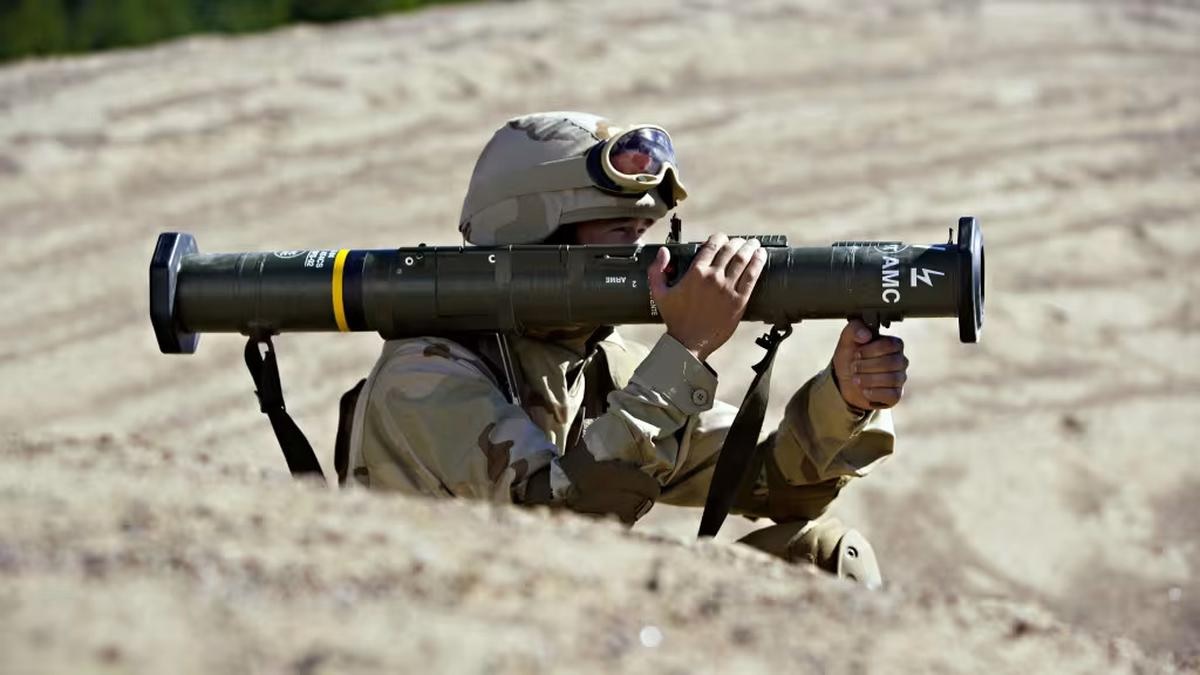
India
Swedish defense company Saab has recently completed the delivery of its AT4 anti-armor weapon system to the Indian Armed Forces, marking a significant enhancement in India's military capabilities. This milestone precedes the upcoming Aero India 2025 event, where Saab is expected to showcase its advanced defense technologies. AT4 Anti-Armor Weapon System The AT4 is a lightweight, single-shot, disposable shoulder-fired weapon designed to neutralize armored threats and fortified positions. Key specifications include: Caliber: 84 mm Weight: Approximately 6.7 kg Length: 102 cm Effective Range: Up to 300 meters for point targets Maximum Range: 500 meters for area targets The AT4 is available in various configurations to address different combat scenarios: High-Explosive Anti-Tank (HEAT): Capable of penetrating up to 450 mm of rolled homogeneous armor (RHA). High-Explosive Dual Purpose (HEDP): Versatile against bunkers, buildings, and light armor, with selectable impact or delayed detonation. High Penetration (HP): Enhanced penetration capability, reaching up to 600 mm of RHA. These variants provide flexibility for infantry units to effectively engage a range of targets on the battlefield. Carl-Gustaf Recoilless Rifle Production in India Saab is advancing plans to manufacture the Carl-Gustaf recoilless rifle at its facility in Haryana, India. This initiative represents a landmark as the first defense sector project under the 100% Foreign Direct Investment (FDI) route in India. The Carl-Gustaf system is renowned for its versatility and effectiveness in various combat situations, offering a range of ammunition types for anti-armor, anti-structure, and anti-personnel roles. Gripen E Fighter Jet Proposal In pursuit of the Indian Air Force's Multi-Role Fighter Aircraft (MRFA) contract, Saab is promoting its Gripen E fighter jet. The Gripen E is a state-of-the-art multirole aircraft designed to counter and defeat advanced threats. Notable features include: Advanced Electronic Warfare Suite: Provides 360° spherical coverage and electronic attack capabilities, enhancing survivability in contested environments. AESA Radar and Infra-Red Search and Track (IRST): Equipped with cutting-edge sensors for superior situational awareness. Weapon Capacity: Ten hardpoints capable of carrying a diverse array of weapons, including up to seven Meteor Beyond Visual Range Air-to-Air Missiles (BVRAAMs) and two IRIS-T short-range missiles. Performance: Maximum speed of Mach 2 at high altitude, with supercruise capability allowing sustained supersonic flight without afterburner. Saab has committed to delivering the first Gripen E to the Indian Air Force within three years of securing the contract, emphasizing indigenous content and full technology transfer. This proposal aims to bolster India's aerospace industry and address the Air Force's requirement to augment its fighter squadron strength. Additional Initiatives At Aero India 2025, Saab plans to showcase its next-generation NLAW anti-tank weapon, though it is not currently being offered to the Indian Army. The company is also promoting its r-TWR deployable system, a mobile air traffic control solution designed for rapid deployment in battlefield environments. The r-TWR can be installed within an hour and is easily transportable by aircraft such as the C-130J. Saab's ongoing initiatives and participation in Aero India 2025 underscore its commitment to strengthening its partnership with the Indian Armed Forces and contributing to the nation's defense capabilities.
Read More → Posted on 2025-02-07 15:13:07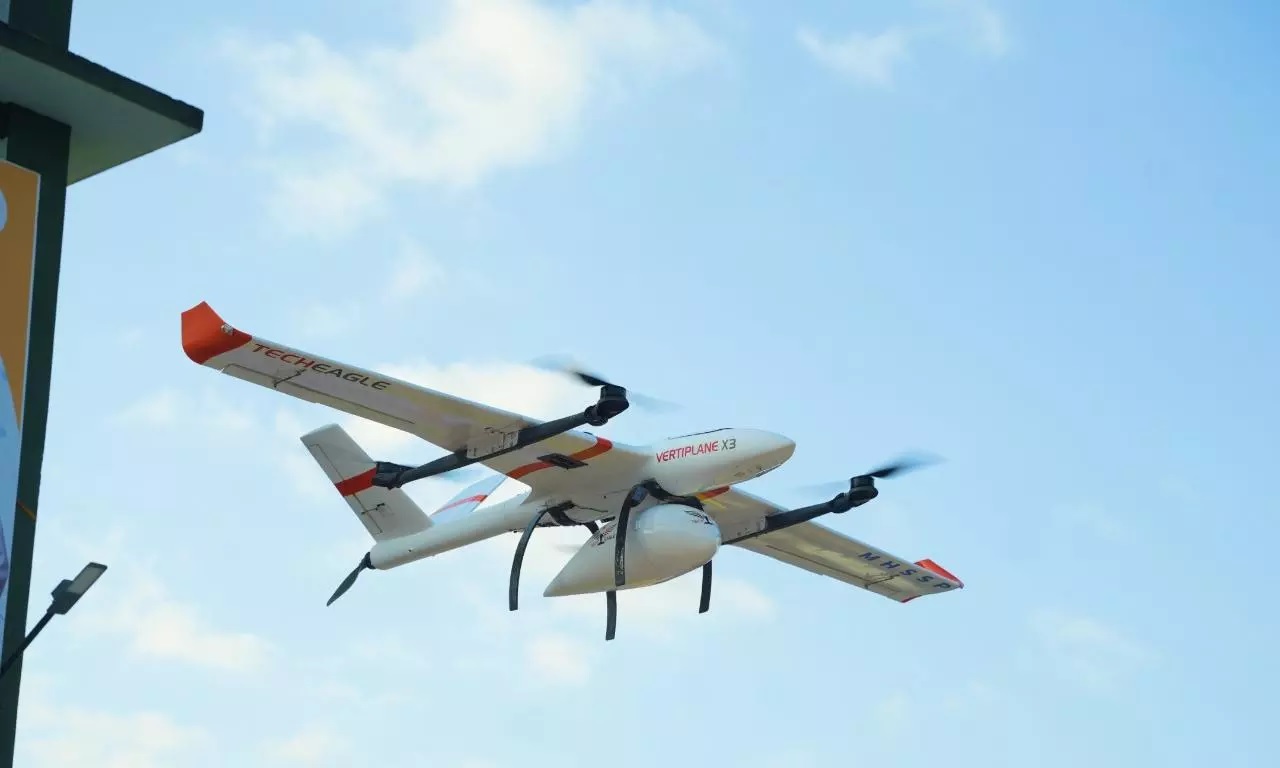
India
In a significant development for India's drone industry, TechEagle has announced a substantial investment of Rs 100 crore over the next three years. This strategic move aims to address the increasing demand for unmanned aerial vehicles (UAVs) in public safety sectors, including disaster relief, law enforcement, crowd control, and environmental monitoring. Introducing the First Responder Drone TechEagle's latest innovation, the First Responder Drone, is a fully autonomous UAV designed to revolutionize emergency response operations. Engineered and manufactured domestically, this drone is mission-ready in under 120 seconds and can adapt seamlessly across various terrains, such as urban landscapes, flood zones, wildfires, and mountainous regions. Key Specifications: Autonomy: Fully autonomous flight capabilities, reducing the need for human intervention during critical missions. Rapid Deployment: Ready for deployment in less than two minutes, ensuring swift response times in emergencies. Terrain Adaptability: Capable of operating effectively in diverse environments, including challenging terrains like mountains and flood-affected areas. Strategic Partnerships and Contracts In conjunction with the launch, TechEagle has secured a contract with the disaster management authorities of the Himachal Pradesh government. This partnership underscores the urgent need for advanced UAV technology in managing natural disasters and enhancing public safety. Leadership's Vision Vikram Singh Meena, Founder & CEO of TechEagle, emphasized the significance of this development, stating, "The First Responder Drone isn't just a technological breakthrough; it's Bharat's answer to global challenges in emergency response. With superior range, payload capacity, and autonomy, our UAV delivers unmatched real-time intelligence and operational efficiency, all at one-fourth the cost of Western counterparts." Commitment to Innovation TechEagle's investment strategy focuses on expanding manufacturing capabilities and forming strategic partnerships to meet the growing demand for drones and UAVs from state agencies, security forces, and international emergency teams. The company aims to leverage its expertise in drone technology to provide cost-effective solutions that enhance public safety and disaster management efforts. About TechEagle Founded in 2017, TechEagle has been at the forefront of drone logistics and UAV technology in India. The company specializes in developing high-performance drones for various applications, including healthcare logistics, e-commerce, and emergency response. With a focus on innovation and indigenous manufacturing, TechEagle is committed to contributing to India's vision of becoming a global drone hub by 2030. As TechEagle embarks on this ambitious journey, the company's initiatives are poised to significantly impact India's emergency response infrastructure. By integrating advanced UAV technology into public safety operations, TechEagle is setting new benchmarks in efficiency and effectiveness, ultimately aiming to save lives and mitigate the impact of disasters.
Read More → Posted on 2025-02-07 15:09:55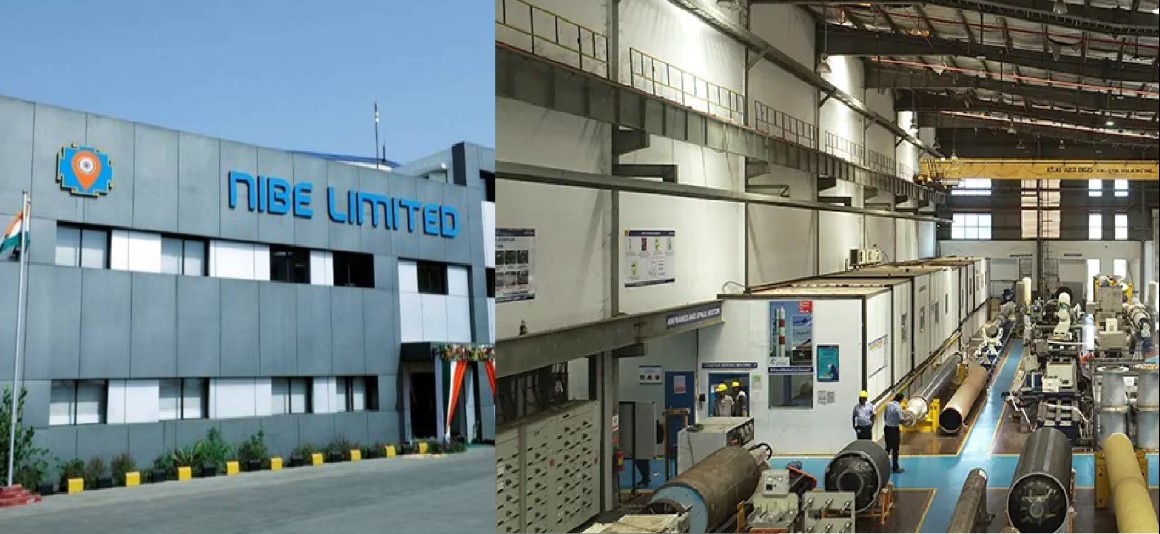
India
NIBE Limited, a prominent figure in defence manufacturing, has recently inaugurated its state-of-the-art Missiles Complex and Precision Machining facility in Pune. This development underscores the company's dedication to bolstering India's self-reliance in defence production, aligning seamlessly with the Atmanirbhar Bharat initiative. Cutting-Edge Manufacturing Capabilities The newly established facility is equipped with advanced Vertical Machining Centres (VMCs), notably the Kairos V5 16000, which features a 16-meter bed, and a 12-meter VMC. These machines are designed for the precision manufacturing of critical defence sub-systems. The plant's capabilities encompass: Modular Bridges: Fabrication of components for indigenous modular bridge systems, enhancing rapid deployment capabilities for military operations. Sarvatra Bridge System: Support in manufacturing parts for the Sarvatra bridge system, a mobile, fast-deployable bridge essential for army mobility. Missile Launcher Systems: Production of components for missile launcher systems, including structures, sub-assemblies, and assemblies for programs such as the BrahMos Missile, Medium Range Surface-to-Air Missile (MRSAM), and Pinaka rocket launcher. Precision Machining: High-precision machining services for various defence applications, ensuring components meet stringent quality standards. Electric Vehicle Manufacturing: Diversification into the production of electric vehicles, contributing to sustainable transportation solutions. Commitment to Self-Reliance Established in 2021 under the leadership of Chairman and Managing Director Ganesh Ramesh Nibe, NIBE Limited has rapidly developed resources, capabilities, and skills to manufacture critical components for the defence industry. The company's objective is to strengthen strategic self-reliance, contributing significantly to India's defence manufacturing sector's indigenization. Inauguration Highlights The inauguration ceremony was graced by distinguished guests, including Maharashtra Chief Minister Devendra Fadnavis, Deputy Chief Minister Ajit Pawar, Minister of State for Defence Ajay Bhatt, and Admiral Radhakrishnan Hari Kumar, Chief of the Naval Staff. Their presence underscored the facility's importance in advancing India's defence capabilities. Future Prospects With this advanced facility, NIBE Limited is poised to elevate its manufacturing capabilities to unprecedented heights. The company aims to drive innovation, quality, and eco-friendly solutions, contributing to India's defence manufacturing sector's indigenization. By focusing on technology and sustainability, NIBE Limited is set to play a pivotal role in shaping the future of defence manufacturing in India.
Read More → Posted on 2025-02-07 14:29:19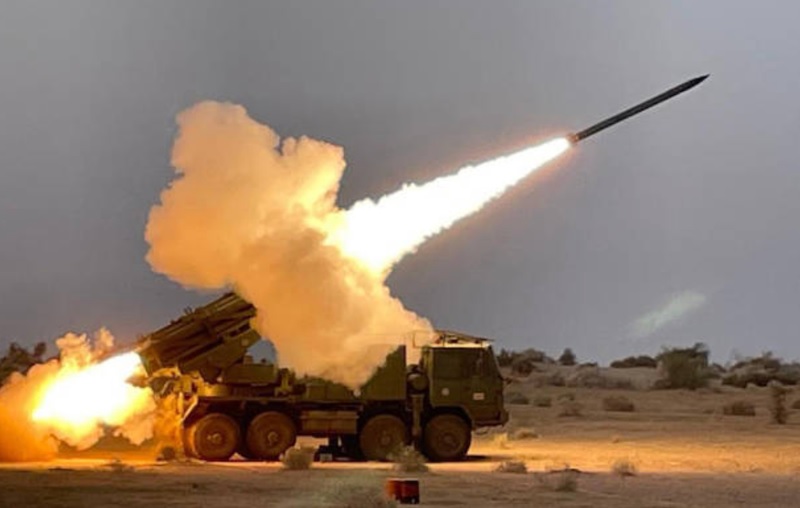
India
On February 6, 2025, the Ministry of Defence (MoD) of India signed significant contracts totaling Rs 10,147 crore with Economic Explosives Limited (EEL), Munitions India Limited (MIL), and Bharat Electronics Limited (BEL) to enhance the capabilities of the Pinaka Multiple Launch Rocket System (MLRS). The agreements were formalized in the presence of Defence Secretary Rajesh Kumar Singh in New Delhi. Contracts Overview Economic Explosives Limited (EEL): The MoD has entered into a contract with EEL for the procurement of Area Denial Munition (ADM) Type-1, also known as Dual-Purpose Improved Conventional Munition (DPICM). These specialized rockets are designed to disperse sub-munitions over a wide area, effectively targeting mechanized forces, vehicles, and personnel, thereby restricting enemy movement in specific zones. Munitions India Limited (MIL): A separate contract has been signed with MIL for the supply of High Explosive Pre-Fragmented (HEPF) Mk-1 (Enhanced) rockets. These advanced rockets boast an extended range, enabling deep strikes into enemy territory with heightened precision and lethality. Bharat Electronics Limited (BEL): Additionally, the MoD has contracted BEL for upgrades to the SHAKTI software system, which plays a crucial role in the operational efficiency of the Pinaka MLRS. Pinaka Multiple Launch Rocket System (MLRS) The Pinaka MLRS is an indigenously developed artillery system designed to deliver high-volume firepower over extended ranges. Each Pinaka battery typically comprises six launcher vehicles, each equipped with 12 tubes capable of firing a salvo of 12 rockets in 44 seconds. The system is mounted on a Tatra truck for enhanced mobility and can operate in diverse terrains, including high-altitude regions. Specifications of the New Rockets ADM Type-1 (DPICM): These rockets have a range of approximately 37 kilometers and are equipped with sub-munitions designed to neutralize both personnel and armored targets, effectively denying the enemy access to specific areas. HEPF Mk-1 (Enhanced): This variant features an extended range of up to 45 kilometers and is designed to deliver a high-explosive payload with pre-fragmented warheads, increasing the lethality and effectiveness against a variety of targets. Strategic Impact The induction of these advanced rockets is set to significantly bolster the Indian Army's artillery capabilities. The ADM Type-1 will enhance area denial operations, making it challenging for enemy forces to maneuver, while the HEPF Mk-1 (Enhanced) rockets will provide the ability to conduct precise long-range strikes, thereby increasing the operational reach and effectiveness of the artillery units. Boost to Indigenous Defense Manufacturing These contracts align with the Government of India's 'Aatmanirbhar Bharat' (Self-Reliant India) initiative, emphasizing the importance of indigenous production in strengthening national defense. The projects are expected to generate substantial direct and indirect employment opportunities, particularly benefiting the Micro, Small, and Medium Enterprises (MSME) sector involved in component manufacturing. By fostering self-reliance and reducing dependence on foreign suppliers, these developments mark a pivotal step in modernizing India's defense infrastructure and empowering domestic industries. In summary, the MoD's contracts with EEL, MIL, and BEL represent a significant advancement in enhancing the firepower and operational capabilities of the Indian Army's artillery units, while simultaneously promoting indigenous defense manufacturing in line with national objectives.
Read More → Posted on 2025-02-07 14:23:36
India
On Thursday, February 6, 2025, a twin-seater Mirage 2000 fighter aircraft of the Indian Air Force (IAF) crashed near Sunari Chowki in Shivpuri district, Madhya Pradesh, approximately 384 kilometers north of Bhopal. The aircraft was on a routine training sortie when it encountered a system malfunction, leading to the crash. Both pilots managed to eject safely but sustained minor injuries and were subsequently airlifted to Gwalior for medical attention. The IAF has initiated a Court of Inquiry to determine the exact cause of the accident. The Mirage 2000 is a French multirole, single-engine, delta-wing, fourth-generation jet fighter manufactured by Dassault Aviation. Designed in the late 1970s as a lightweight fighter to replace the Mirage III for the French Air Force, it has evolved into a versatile aircraft with several variants developed and sold to numerous nations. The aircraft is powered by a SNECMA M53-P2 turbofan engine, providing 64 kN of thrust in dry mode and 98 kN with afterburner, enabling it to reach speeds up to Mach 2.2 (2,336 kilometers per hour) at high altitude. Its design includes a delta-wing configuration, offering excellent aerodynamics and high maneuverability. The Mirage 2000-5F variant, for instance, features advanced avionics, including the Thales RDY radar, and is equipped with MICA missiles for air superiority and multirole missions. Its capabilities make it a key element of France's air defense and NATO operations. The aircraft's dimensions include a length of 14.36 meters (47 feet 1 inch), a wingspan of 9.13 meters (29 feet), and a height of 5.20 meters (17 feet). It has a wing area of 41 square meters (441.3 square feet) and an empty weight of 7,500 kilograms (16,350 pounds). The maximum takeoff weight is 17,000 kilograms (37,500 pounds). The IAF has been operating the Mirage 2000 since the 1980s, and the fleet has been a crucial component of India's defense strategy. The aircraft has been involved in various significant operations, showcasing its versatility and reliability. However, like all complex machinery, it is susceptible to technical issues, which can occasionally lead to incidents such as the recent crash. The IAF's prompt response in initiating a Court of Inquiry underscores its commitment to maintaining operational safety and addressing any technical shortcomings. Such investigations are standard procedure following aviation incidents and aim to enhance flight safety by identifying and rectifying potential issues. The Mirage 2000's advanced avionics and weaponry systems have made it a formidable asset in modern aerial warfare. Its multirole capabilities allow it to perform a variety of missions, including air superiority, ground attack, and reconnaissance. The aircraft's design emphasizes both performance and pilot safety, as evidenced by the successful ejection of the pilots in the recent incident. As the IAF continues its investigation, the focus remains on understanding the factors that led to the system malfunction to prevent future occurrences. The safety and well-being of its personnel are of utmost importance, and measures will be taken to ensure that such incidents are minimized in the future.
Read More → Posted on 2025-02-06 14:37:49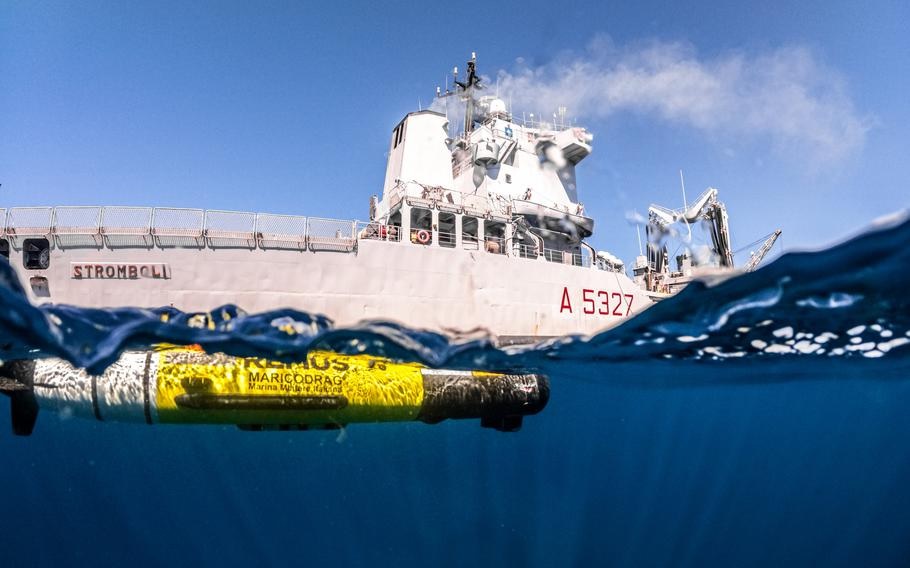
India
In response to increasing threats against critical undersea infrastructure, NATO has established Task Force X, a cutting-edge initiative designed to enhance maritime security through advanced autonomous systems and artificial intelligence. With growing concerns over Russian aggression and recent attacks on undersea cables in the Baltic, the alliance is ramping up efforts to safeguard vital communication and energy networks beneath the ocean. A High-Tech Shield for NATO’s Waters Task Force X represents a major leap in NATO’s defense strategy, leveraging the latest in autonomous naval technology to monitor and protect undersea assets. The initiative will deploy: Autonomous Unmanned Systems – A fleet of unmanned surface and underwater vessels will provide continuous surveillance, detect potential threats, and respond in real time. Artificial Intelligence & Big Data Processing – AI-powered analytics will process data from various sensors, improving threat detection and decision-making speeds. Multi-Domain Coordination – Seamless integration across sea, air, and cyber domains will strengthen overall situational awareness. The project builds on the successes of U.S. Navy Task Forces 59 and 66, which have demonstrated the effectiveness of unmanned maritime systems in surveillance and combat operations. Baltic Sentry: The First Test for Task Force X Task Force X will make its operational debut during Baltic Sentry, a large-scale NATO maritime exercise set for mid-February 2025. This exercise will test how well the new autonomous systems can track potential threats and safeguard undersea infrastructure. NATO’s Standing Maritime Groups (SNMG1 and SNMCMG1) will play a central role, working with national navies and surveillance networks to reinforce security in the Baltic region. A Scalable, Future-Proof Initiative Initially focused on the Baltic, Task Force X is designed to be scalable and adaptable, allowing it to be deployed in different regions and operational scenarios as needed. NATO aims to integrate national efforts from member states, particularly those with advanced maritime technology capabilities, ensuring a collective defense approach. NATO’s Message to Adversaries With Task Force X, NATO is making it clear that it is fully committed to protecting undersea assets from sabotage or espionage. This initiative not only strengthens maritime defenses but also demonstrates NATO’s ability to rapidly adapt to evolving security threats through cutting-edge technology. As undersea infrastructure becomes an increasingly contested space, Task Force X will serve as NATO’s first line of defense in ensuring the security and stability of vital maritime routes.
Read More → Posted on 2025-02-06 14:32:35
India
The Indian Coast Guard (ICG) is set to significantly bolster its maritime capabilities, targeting a fleet of 200 vessels and 100 aircraft by 2030. This strategic enhancement underscores India's dedication to strengthening coastal defense and ensuring maritime security. Current Fleet and Expansion Plans As of now, the ICG operates 151 ships and 76 aircraft, a substantial increase from its modest beginnings in 1977 with just seven surface platforms. The planned expansion includes a diverse array of vessels: Offshore Patrol Vessels (OPVs): These are large ships designed for long-duration patrolling, capable of operating in deep waters. They are equipped with advanced navigation and communication systems, and some classes, like the Samarth-class, can carry up to two HAL Dhruv helicopters, enhancing their surveillance and response capabilities. Fast Patrol Vessels (FPVs): Smaller and faster than OPVs, FPVs are designed for quick interception and are ideal for missions like anti-smuggling operations and search and rescue. The Aadesh-class is a notable example in this category. Interceptor Boats: These high-speed boats are crucial for close-coast operations, allowing rapid response to emerging threats or incidents near the shoreline. Pollution Control Vessels: Specialized ships equipped to handle marine pollution incidents, ensuring environmental protection in India's maritime zones. In addition to these surface platforms, the ICG's aviation wing is set to receive a significant boost. Plans are underway to induct new fixed-wing aircraft and helicopters, enhancing aerial surveillance and search-and-rescue operations. Strategic Importance of Expansion India boasts an extensive coastline of over 7,500 kilometers and an Exclusive Economic Zone (EEZ) spanning approximately 2.3 million square kilometers. This vast maritime domain necessitates a robust and vigilant coast guard to safeguard national interests. The ICG's responsibilities are multifaceted, including: Maritime Border Security: Preventing unauthorized intrusions and ensuring the sovereignty of India's waters. Anti-Smuggling Operations: Intercepting illegal activities, including the trafficking of narcotics and contraband. Environmental Protection: Acting as the designated authority for oil spill response and actively participating in marine conservation initiatives. Since its inception, the ICG has demonstrated commendable dedication, having saved over 11,730 lives in various maritime incidents. In the past year alone, 169 lives were rescued, highlighting the critical role the ICG plays in ensuring safety at sea. Alignment with 'Aatmanirbhar Bharat' Initiative The ICG's expansion strategy is closely aligned with India's 'Aatmanirbhar Bharat' (Self-Reliant India) vision. Emphasis is being placed on indigenous shipbuilding and aircraft procurement. Collaborations with domestic shipyards and aerospace manufacturers are underway to expedite the induction of new assets. Notably, contracts have been signed for advanced equipment, including air cushion vehicles and state-of-the-art communication systems. Beyond Traditional Roles The ICG's mandate extends beyond conventional security operations. As the designated authority for oil spill response in Indian waters, the ICG plays a pivotal role in environmental protection. Its involvement in disaster response has been evident during events like Cyclone ASNA and the floods in Gujarat and Wayanad. Additionally, the ICG actively participates in global initiatives such as the International Coastal Cleanup Day, underscoring its commitment to preserving the marine environment. Investments in Technology and Infrastructure To further enhance operational efficiency, the ICG is investing in advanced technology and infrastructure development. Key initiatives include: Digital Coast Guard Initiative: Establishment of a Tier-III Data Centre to support digital operations and data management. ASHA App: A mobile application designed to streamline medical administration within the force. Infrastructure Development: Construction of new facilities, such as the Maritime Rescue Coordination Centre in Chennai, to bolster response capabilities. With these comprehensive advancements, the Indian Coast Guard is well-prepared to address evolving maritime security challenges. The planned expansion to 200 vessels and 100 aircraft by 2030 reflects a strategic vision aimed at safeguarding India's maritime interests and contributing to the nation's sustainable progress in the blue economy.
Read More → Posted on 2025-02-06 14:24:37
India
India's Defence Research and Development Organisation (DRDO) is making significant strides in advancing the nation's defense capabilities with the development of the DATRAN 1500 horsepower (HP) engine. This powerful engine is poised to be a cornerstone in India's next-generation main battle tanks (MBTs), marking a pivotal move towards self-reliance in defense technology. Key Specifications of the DATRAN 1500 HP Engine: Power Output: The engine delivers a robust 1500 HP, providing the necessary thrust for modern armored vehicles to achieve superior mobility and speed on the battlefield. Design and Configuration: While specific design details remain classified, the engine is engineered to meet the rigorous demands of contemporary warfare, ensuring reliability and high performance under various combat conditions. Compatibility: The DATRAN 1500 is designed for integration into India's Futuristic Main Battle Tank (FMBT) program and is also being considered for retrofitting into existing platforms like the Arjun Mk1A and upgraded T-90 tanks. Development and Testing Milestones: In March 2024, the Defence Secretary presided over the maiden test-firing of the indigenously developed 1500 HP engine at BEML's facility in Mysuru. This event marked the completion of the first phase of development, focusing on technology stabilization. The subsequent phase involves producing additional engines for comprehensive trials at the Combat Vehicles Research and Development Establishment (CVRDE), a DRDO laboratory, followed by integration into actual vehicles for user testing. The project is slated for completion by mid-2025. Given the high power output of the DATRAN 1500 engine, specialized testing facilities are required to evaluate its performance thoroughly. While India has made significant advancements in defense technology, certain high-capacity testing infrastructures are currently more readily available abroad, necessitating overseas testing to ensure the engine meets all operational parameters. Implications for India's Defense Capabilities: The successful development and deployment of the DATRAN 1500 HP engine signify a transformative moment for India's defense sector. By reducing dependence on foreign powertrain systems, India is enhancing its self-sufficiency in defense technology. This move not only strengthens national security but also fosters the growth of a robust and independent defense ecosystem, paving the way for future innovations in military hardware. As the DATRAN 1500 HP engine progresses through its development and testing phases, it stands as a testament to India's commitment to advancing its defense capabilities through indigenous solutions. The anticipated integration of this engine into the nation's next-generation MBTs by 2028 underscores a significant leap towards achieving strategic autonomy in defense preparedness.
Read More → Posted on 2025-02-06 06:45:59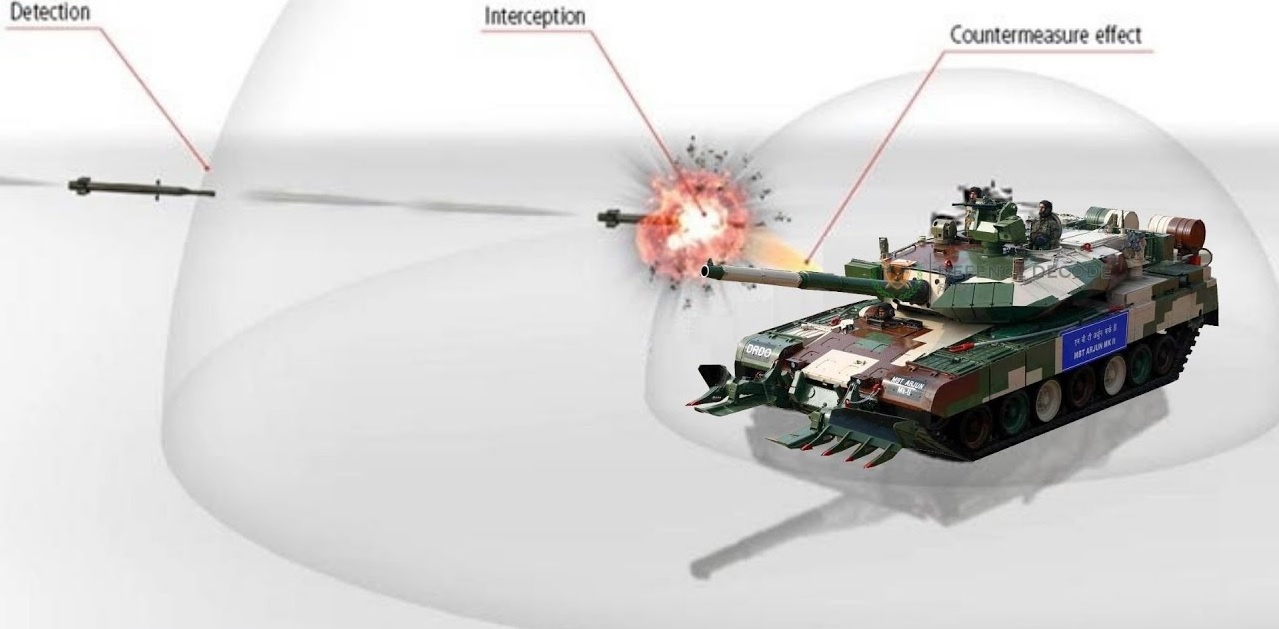
India
In a strategic move to bolster the defense capabilities of its armored units, the Indian Army has issued a Request for Information (RFI) for the procurement of Active Protection Systems (APS) tailored for its T-90S/SK 'Bhishma' Main Battle Tanks (MBTs). This initiative underscores the Army's commitment to enhancing the survivability of its armored fleet against modern anti-tank threats. Understanding Active Protection Systems (APS): An Active Protection System is an advanced defense mechanism designed to detect and neutralize incoming threats, such as anti-tank guided missiles (ATGMs) and rocket-propelled grenades (RPGs), before they can impact the vehicle. APS typically employ a combination of sensors, radar, and countermeasures to provide both "soft-kill" (disruption of the threat's guidance systems) and "hard-kill" (physical destruction of the threat) capabilities. International Contenders for the Indian Army's APS Procurement: Israel: Rafael Advanced Defense Systems – Trophy APS Overview: The Trophy APS is a combat-proven system currently deployed on the Israeli Defense Forces' Merkava tanks and selected U.S. Abrams tanks. Specifications: Detection: Utilizes advanced radar systems to identify and track incoming threats. Neutralization: Employs a hard-kill mechanism that launches countermeasures to intercept and destroy threats in mid-air. Combat Record: Has demonstrated effectiveness in various combat scenarios, providing 360-degree protection against multiple simultaneous threats. Russia: Instrument Design Bureau (KBP) – Afganit APS Overview: Originally developed for the T-14 Armata, the Afganit APS can be adapted for other platforms, including the T-90 series. Specifications: Detection: Equipped with a combination of radar and optical sensors to detect incoming projectiles. Neutralization: Features both soft-kill jamming capabilities and hard-kill interceptors to counteract threats, including top-attack munitions. Integration: Designed for seamless integration with Russian-made tanks, offering a comprehensive defensive suite. United States: Artis – Iron Curtain APS Overview: The Iron Curtain APS is engineered to provide close-in protection, making it suitable for urban combat scenarios. Specifications: Detection: Employs high-speed optical sensors to detect threats at close range. Neutralization: Utilizes downward-firing countermeasures to neutralize incoming projectiles just before impact, minimizing collateral damage. Design Philosophy: Focuses on protecting the vehicle in environments where threats can emerge from short distances. United States: Raytheon – Quick Kill APS Overview: Raytheon's Quick Kill APS is designed to provide rapid response to a variety of anti-tank threats. Specifications: Detection: Incorporates a multi-mission fire-control radar to detect and track incoming threats. Neutralization: Deploys a vertically launched hard-kill countermeasure capable of engaging threats from any direction. Adaptability: Designed for integration with various armored platforms, offering scalable protection solutions. France: Thales Group – DIAMANT APS Overview: Thales' DIAMANT system is designed to counter both kinetic energy penetrators and chemical energy threats. Specifications: Detection: Utilizes a suite of sensors to detect incoming threats. Neutralization: Combines soft-kill measures, such as jamming, with hard-kill interceptors to neutralize threats. Versatility: Offers a modular design that can be tailored to different vehicle types and threat environments. Sweden-South Africa: Saab – LEDS-150 APS Overview: The LEDS-150 system integrates both soft-kill and hard-kill capabilities to provide comprehensive protection. Specifications: Detection: Equipped with active signature management and threat detection sensors. Neutralization: Employs high-speed directed countermeasures to defeat incoming threats. Flexibility: Suitable for a range of combat environments, from urban settings to open battlefields. South Korea: Hanwha – KAPS (Korean Active Protection System) Overview: Hanwha's KAPS is designed to protect armored vehicles against ATGMs and RPGs. Specifications: Detection: Uses radar and infrared sensors to detect incoming threats. Neutralization: Features a combination of soft-kill jamming and hard-kill interceptors to neutralize threats. Optimization: Tailored to meet the specific needs of modern battle tanks, offering a layered defense approach. Considerations for the Indian Army: The selection of an APS for the T-90S/SK MBTs involves several critical considerations: Integration: The chosen system must be compatible with the T-90's existing architecture, ensuring seamless integration without compromising the tank's performance. Performance: The APS should effectively counter a wide range of threats, including modern ATGMs and RPGs, while minimizing the risk of collateral damage. Reliability: Given the diverse operational environments of the Indian Army, the system must demonstrate high reliability under various climatic and combat conditions. Maintenance: The APS should be maintainable with the existing logistical infrastructure, ensuring that it remains operational with minimal downtime. By carefully evaluating these factors, the Indian Army aims to enhance the combat effectiveness and survivability of its armored units
Read More → Posted on 2025-02-06 06:41:52
India
In a significant move to strengthen its naval capabilities, India is set to finalize a major defense deal with France for the purchase of 26 Rafale-Marine fighter jets, valued at around €7 billion (approximately ₹50,000 crore). This deal is expected to be signed during the visit of the French Defence Minister to India in April 2025, with the negotiations now in their final stages and just awaiting approval from India’s Cabinet Committee on Security. The Rafale-Marine jets are a variant of the well-known Rafale fighter aircraft, specifically designed for deployment on aircraft carriers. Of the 26 jets, 22 will be single-seat versions, while 4 will be trainer variants. These advanced fighter jets are intended to operate from India's indigenous aircraft carrier, INS Vikrant, further enhancing the Indian Navy's maritime strike capabilities. The inclusion of these cutting-edge fighters is a significant step toward modernizing the Navy’s air wing. Alongside the aircraft, India will acquire a range of advanced weaponry, including long-range Meteor air-to-air missiles, which are known for their superior range and precision. The deal will also include anti-ship munitions, adding a new dimension to India’s naval strike capabilities. To ensure operational effectiveness, the agreement also covers the procurement of simulators for training and comprehensive maintenance support, ensuring that the Rafale-Marine fleet remains mission-ready. The first batch of Rafale-Marine jets is expected to be delivered within 37 months of the contract's signing. This timeline reflects the advanced technology and precise manufacturing required for these state-of-the-art jets, which will significantly bolster India's ability to project power and defend its maritime interests in the region. This acquisition is part of India's broader strategy to enhance its defense capabilities, particularly in the Indo-Pacific region, where maritime security challenges are on the rise. The Rafale-Marine jets will not only provide a modern, versatile addition to India's fleet but will also improve the Navy’s operational readiness in countering various maritime threats, ranging from enemy aircraft to surface vessels. Beyond the tactical advantages, the Rafale-Marine deal is symbolic of the growing defense cooperation between India and France. Both countries have a long history of military collaboration, with joint exercises, technology transfers, and shared strategic interests in the Indo-Pacific region. The deal serves as a testament to the strength of their defense partnership, which has been deepening over the years. France has been a trusted defense supplier for India, and this new agreement will take their collaboration to new heights. The deal’s expected signing during the French Defence Minister's visit emphasizes the strategic importance both countries place on enhancing their defense ties. As India faces growing security challenges in the Indo-Pacific, strengthening its naval forces with advanced systems like the Rafale-Marine is a key step toward maintaining its regional influence and ensuring security at sea. In conclusion, the Rafale-Marine fighter jets will be a game-changer for the Indian Navy, providing a significant boost to its deterrence capabilities and operational flexibility. With the deal poised for finalization, it underscores India's commitment to modernizing its defense forces while strengthening its ties with France in the pursuit of regional stability and security.
Read More → Posted on 2025-02-05 14:46:51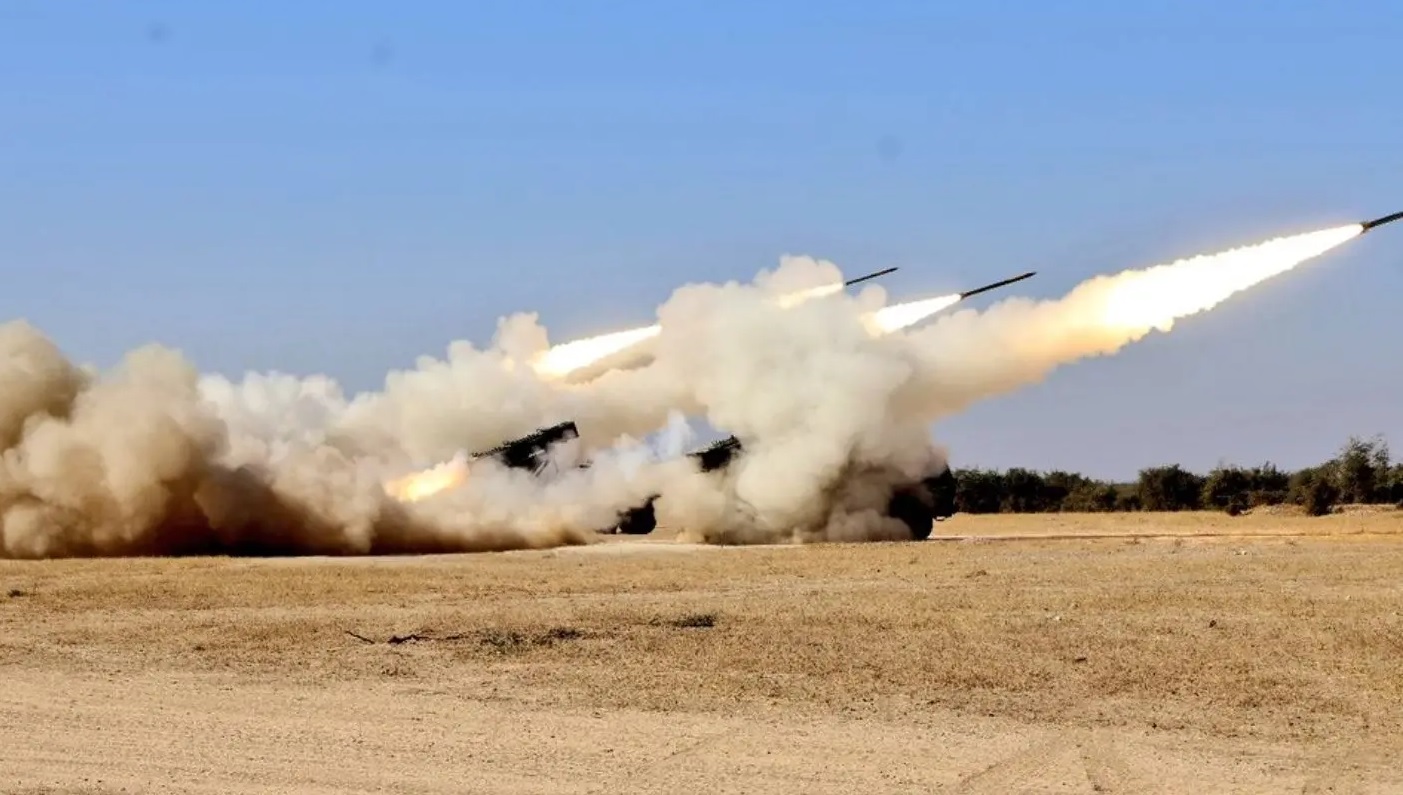
India
In a remarkable display of military prowess, the Indian Army's Trishakti Corps recently conducted a high-intensity live fire exercise in the challenging terrains of Sikkim. This operation underscored the Corps' exceptional battle readiness, rapid deployment capabilities, and precision strike proficiency in super high-altitude areas. Exercise Overview The exercise took place at an elevation of 17,000 feet, a setting that tests the limits of both personnel and equipment. Missile Firing Detachments from mechanized and infantry units across the Eastern Command participated, engaging in comprehensive training that included live firing from various platforms. The scenarios simulated both moving and static targets, closely mirroring actual battlefield conditions. Key Highlights Anti-Tank Guided Missile (ATGM) Proficiency: A significant focus was placed on the deployment and effectiveness of ATGMs in high-altitude warfare. The exercise validated the missiles' performance in extreme conditions, reinforcing the "Ek Missile Ek Tank" objective, which emphasizes the destruction of enemy tanks with a single missile. Adaptation to Harsh Environments: Operating at such altitudes presents unique challenges, including reduced oxygen levels, severe cold, and rugged terrain. The successful execution of this exercise demonstrated the Corps' ability to adapt and maintain operational effectiveness in these demanding conditions. Inter-Unit Coordination: The drill showcased seamless coordination between mechanized and infantry units, highlighting the integrated approach of the Indian Army in modern warfare scenarios. Strategic Significance Sikkim's strategic location, bordering neighboring countries, makes it a critical area for defense preparedness. The successful completion of this exercise not only boosts the morale of the troops but also sends a strong message about India's commitment to safeguarding its territorial integrity. The Trishakti Corps' recent high-altitude live fire exercise in Sikkim stands as a testament to the Indian Army's unwavering dedication to excellence. Through rigorous training and adaptability, the Corps continues to enhance its capabilities, ensuring readiness to meet evolving security challenges across diverse and demanding terrains.
Read More → Posted on 2025-02-05 14:25:04Search
Top Trending in 24 Hours
-
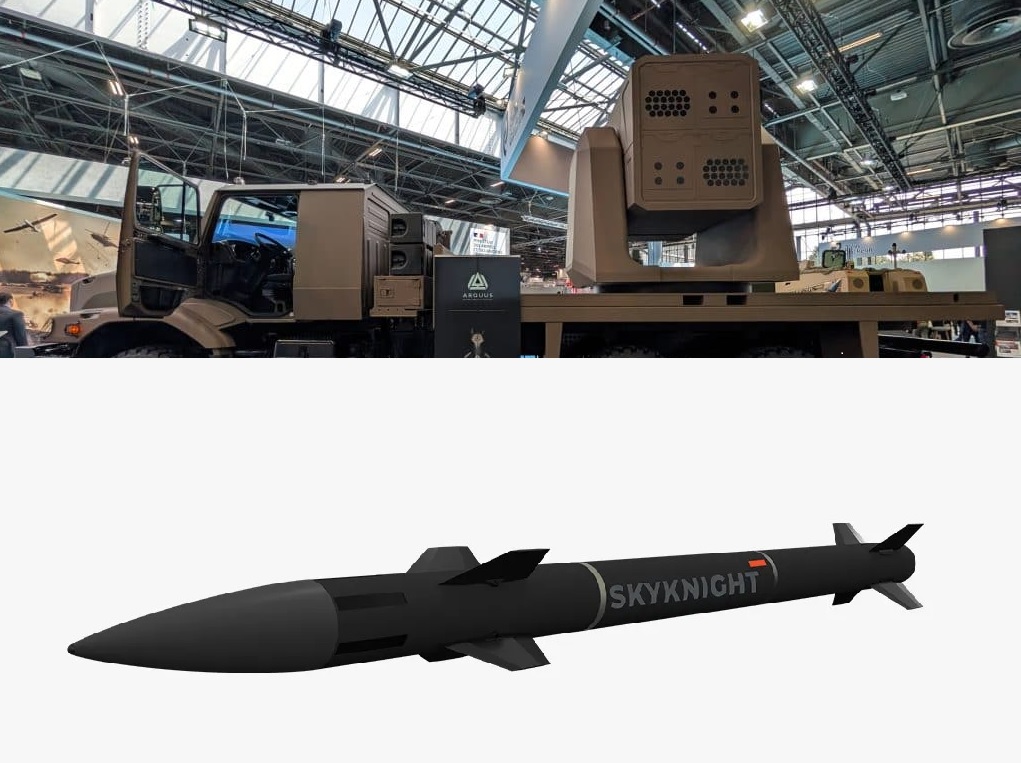 Naval Group Unveils Rampart Modular CIWS Multi-Purpose Weapon System for Naval and Ground Forces at Eurosatory 2026
-
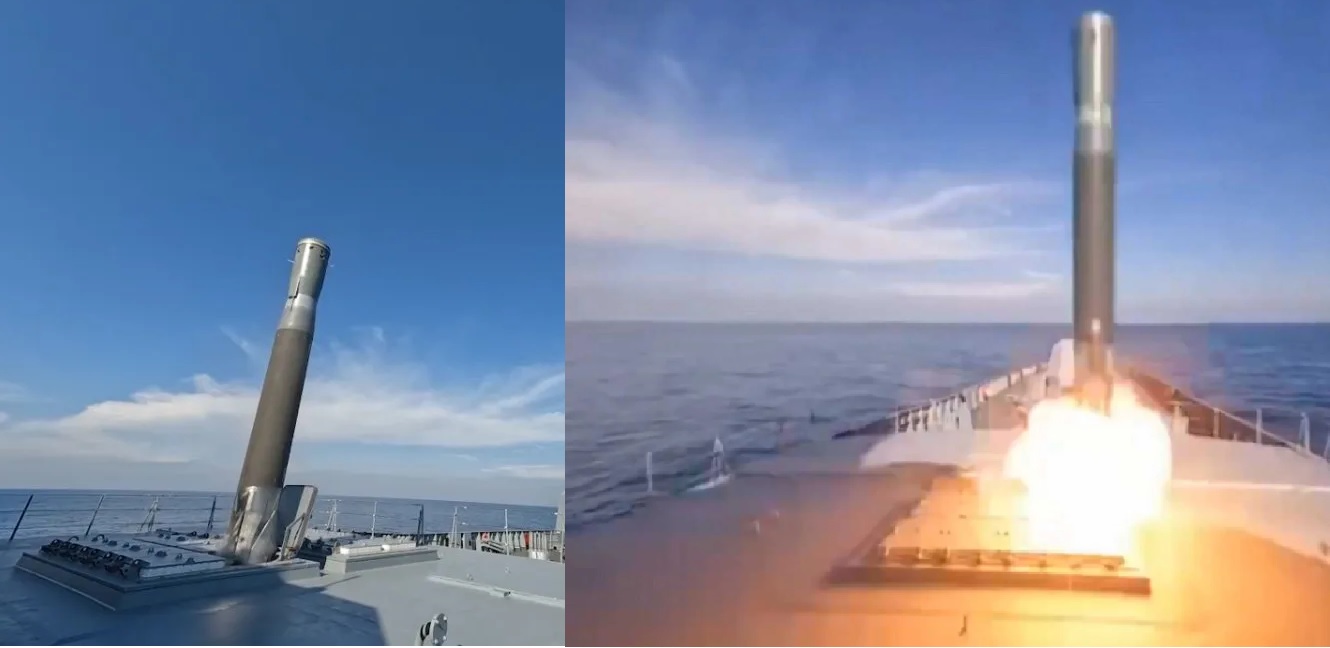 Open-Source Evidence Suggests Russia's Zircon Is a Quasi-Ballistic Missile, Not a True Hypersonic Cruise Weapon
-
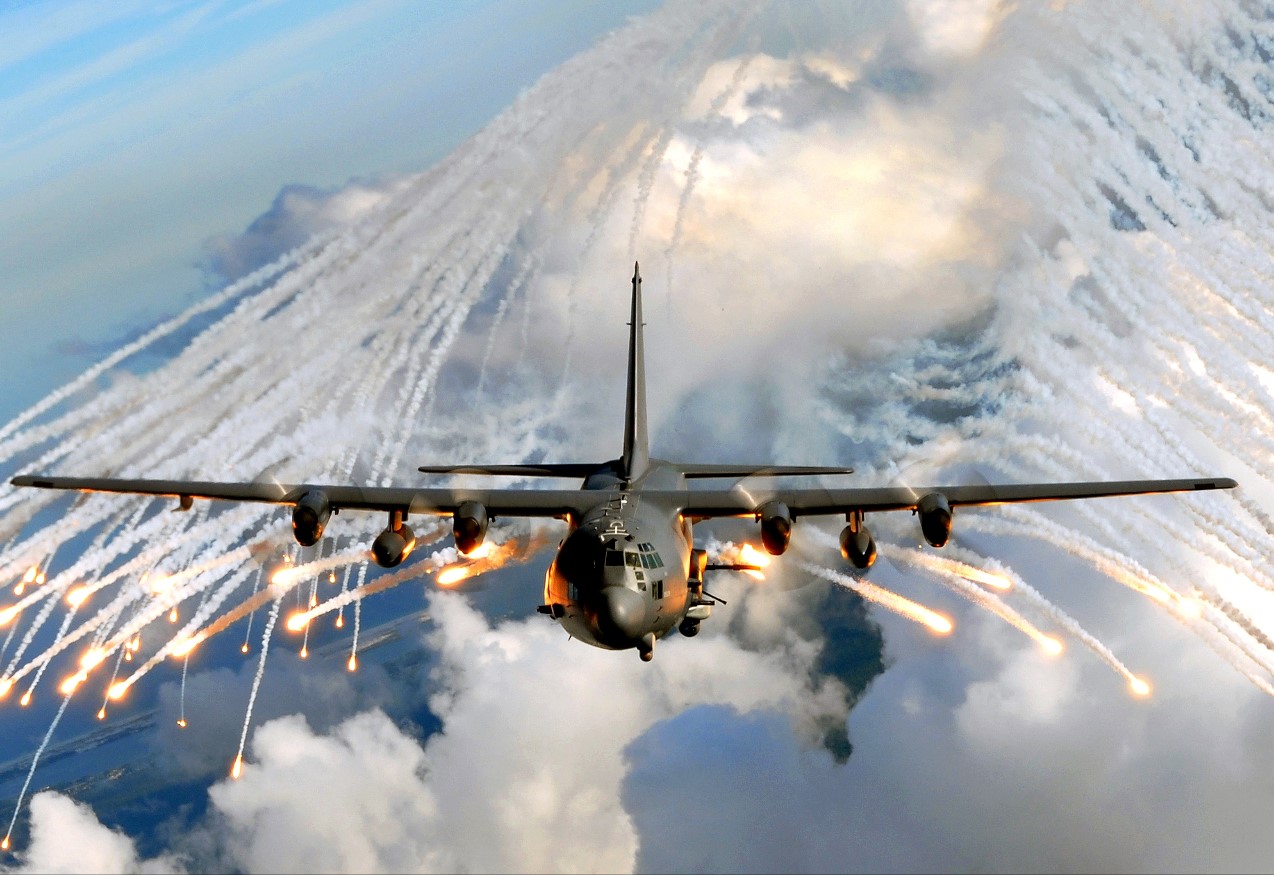 Pentagon Expands Alloy Surfaces Contract to $328.8 Million for Advanced Aircraft Decoy Flares Amid Evolving Drone Threats
-
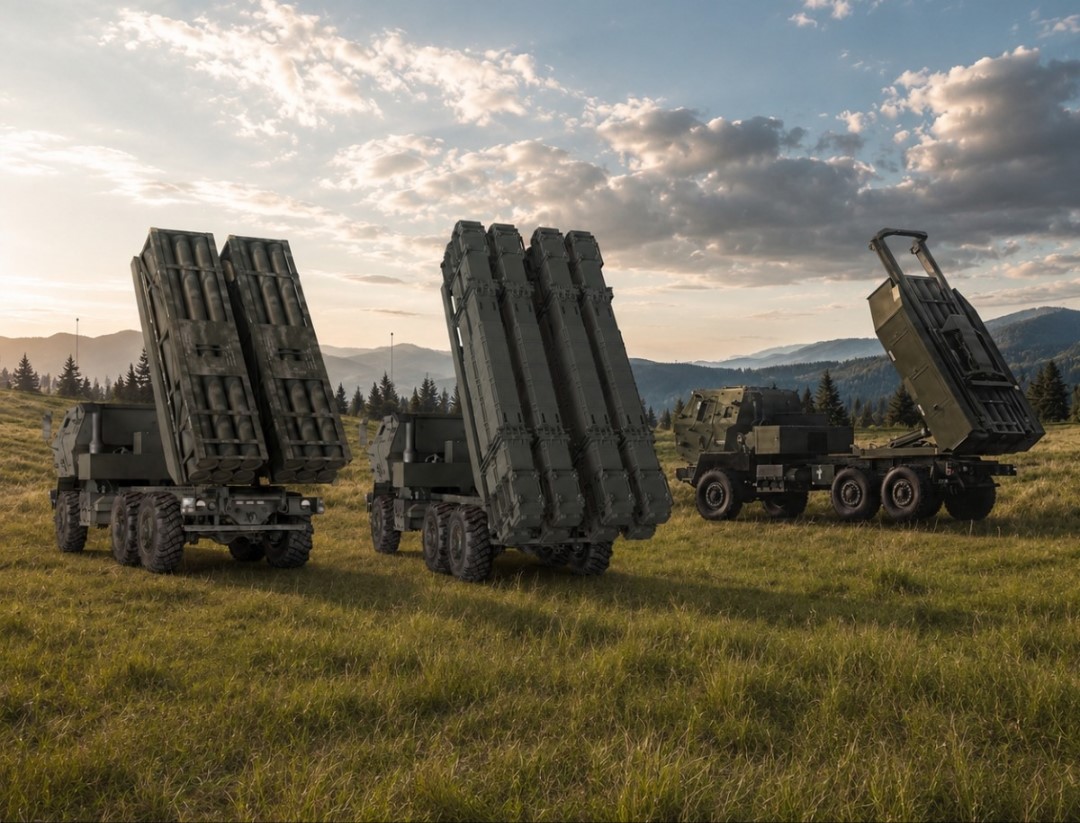 Lockheed Martin Unveils HIMARS FLEX with Dual-Pod Launcher and NATO-Compatible Air Defense Integration
-
 Why the U.S. Restored Pacific Command Name, Ending the Indo-Pacific Designation After Eight Years
-
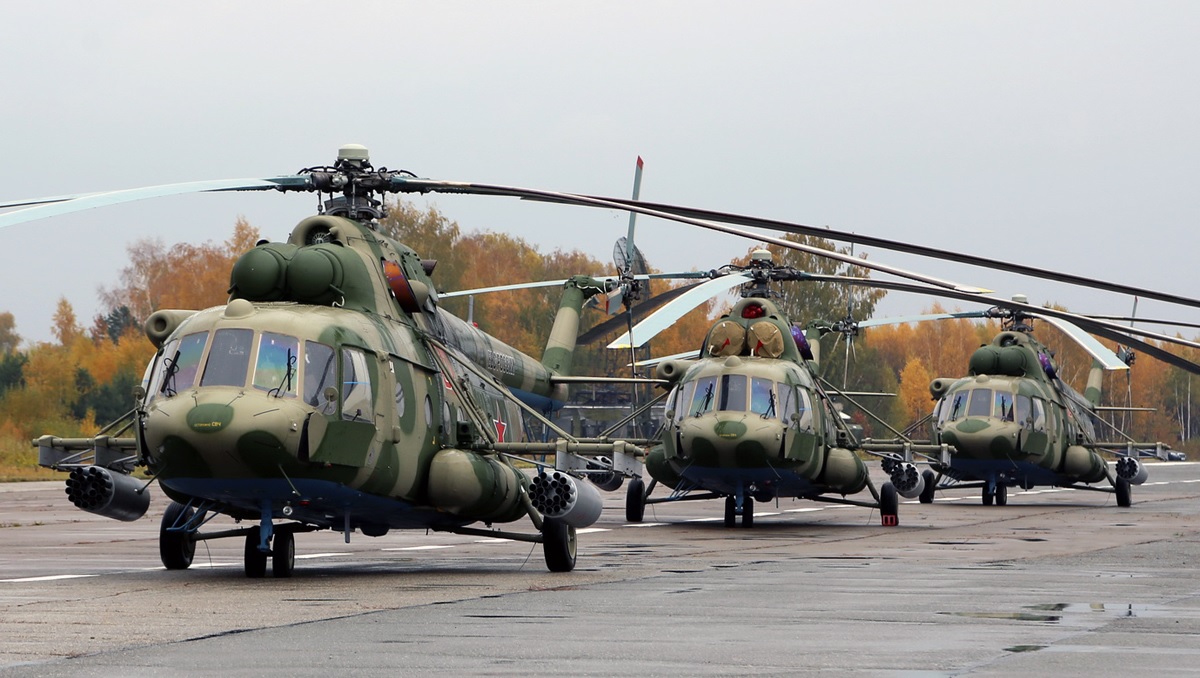 Iran Signs Deal with Russia for 20 Mi-8 and Mi-17 Helicopters to Boost Rescue and Medical Missions
-
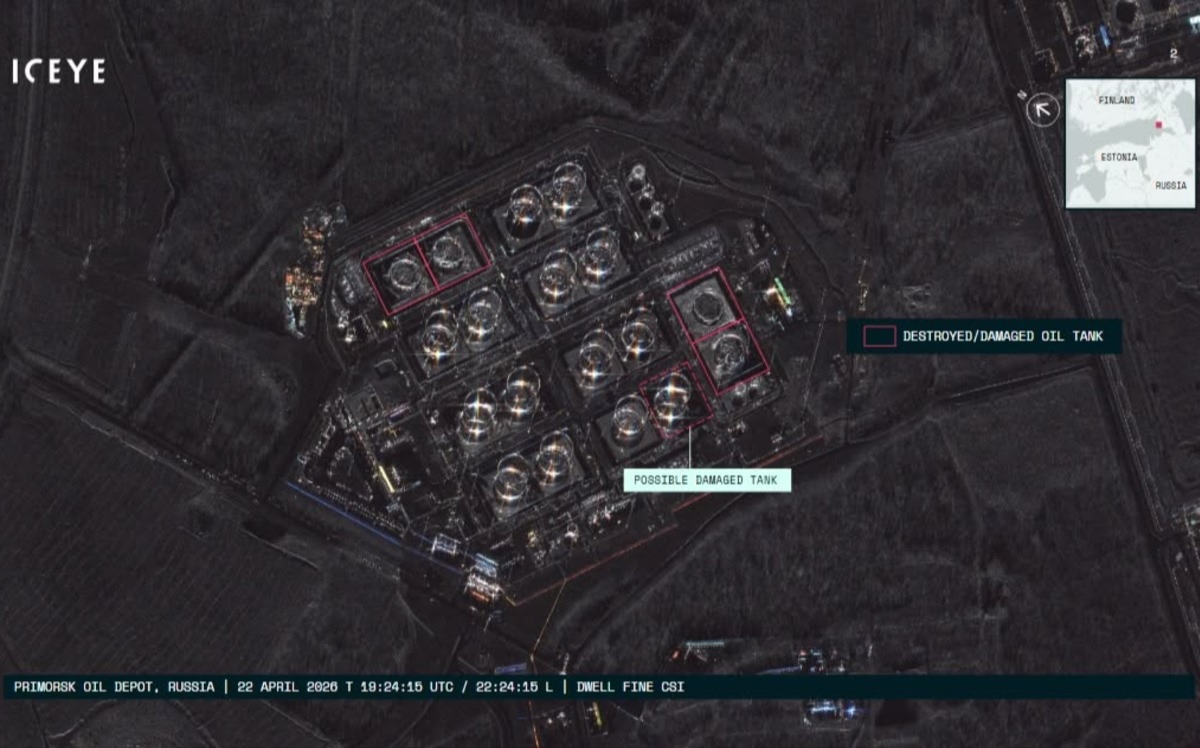 Portugal Doubles Sovereign SAR Satellite Fleet with Order for Two Additional ICEYE Satellites
-
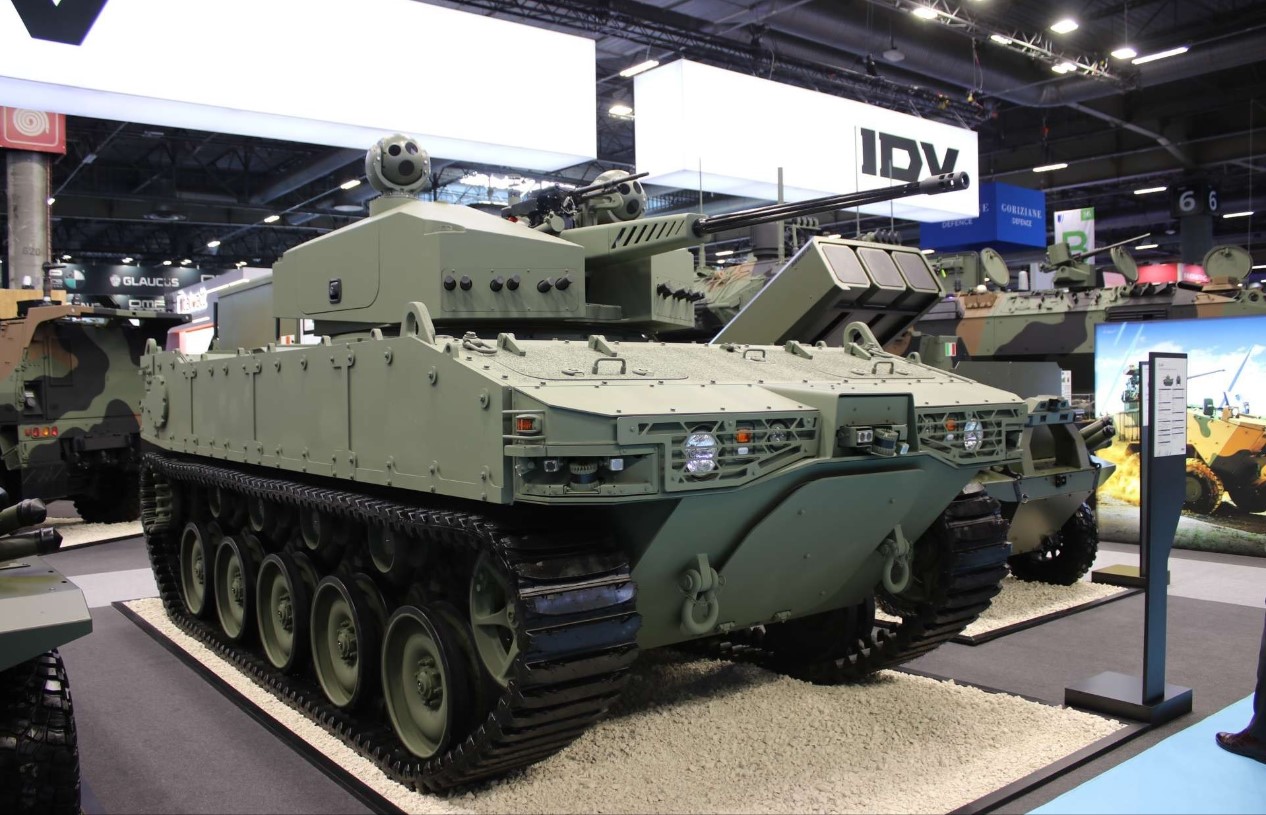 IDV Unveils CL2X Hybrid Uncrewed Light Tank at Eurosatory 2026
Top Trending in 4 Days
-
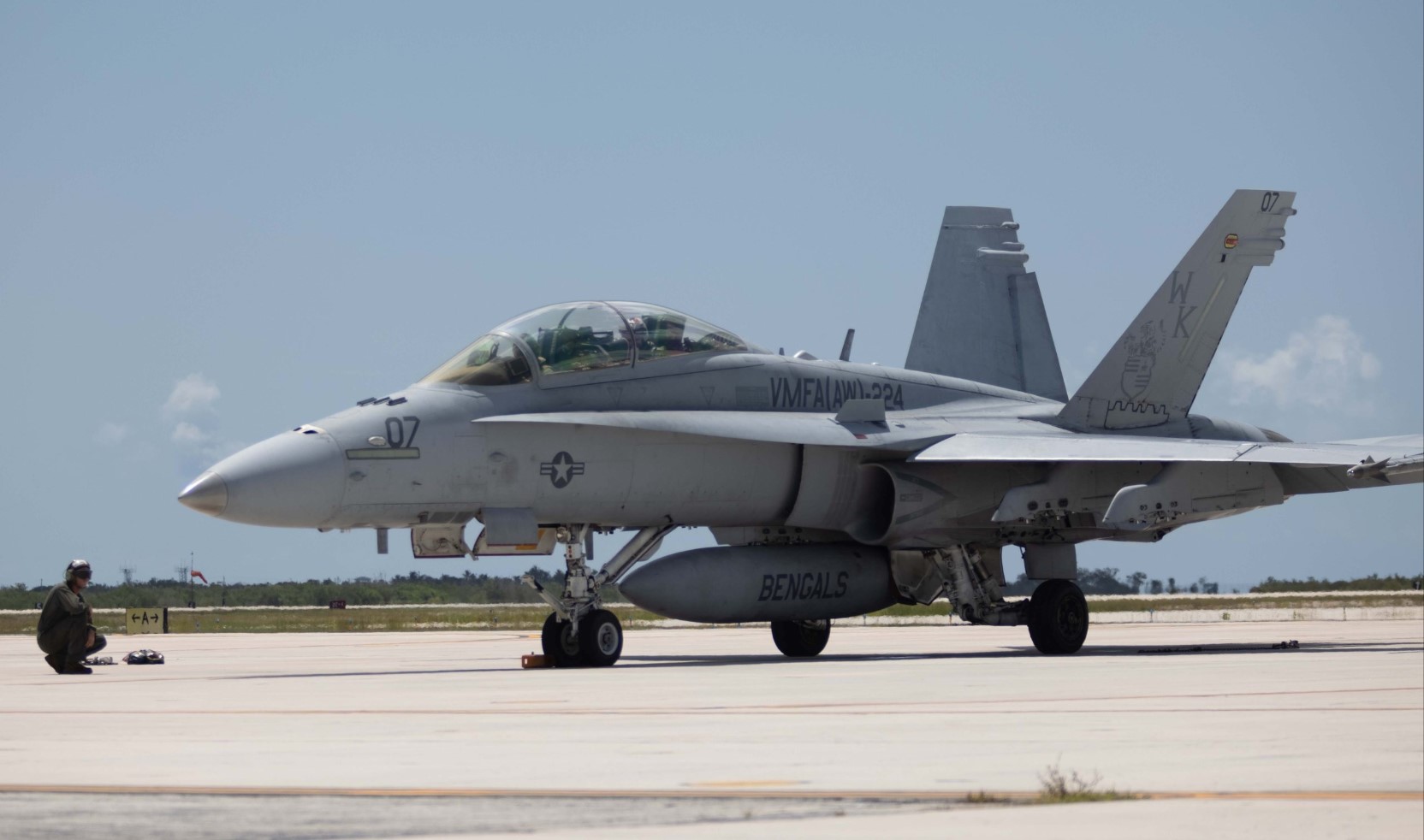 US Marine Corps F/A-18D Hornet Crashes During Training Flight in Washington Mountains; Pilot Ejects Safely
-
 Tulsi Gabbard Releases Declassified Files Detailing U.S.-Backed Network of 120 Biolaboratories Across 30+ Countries
-
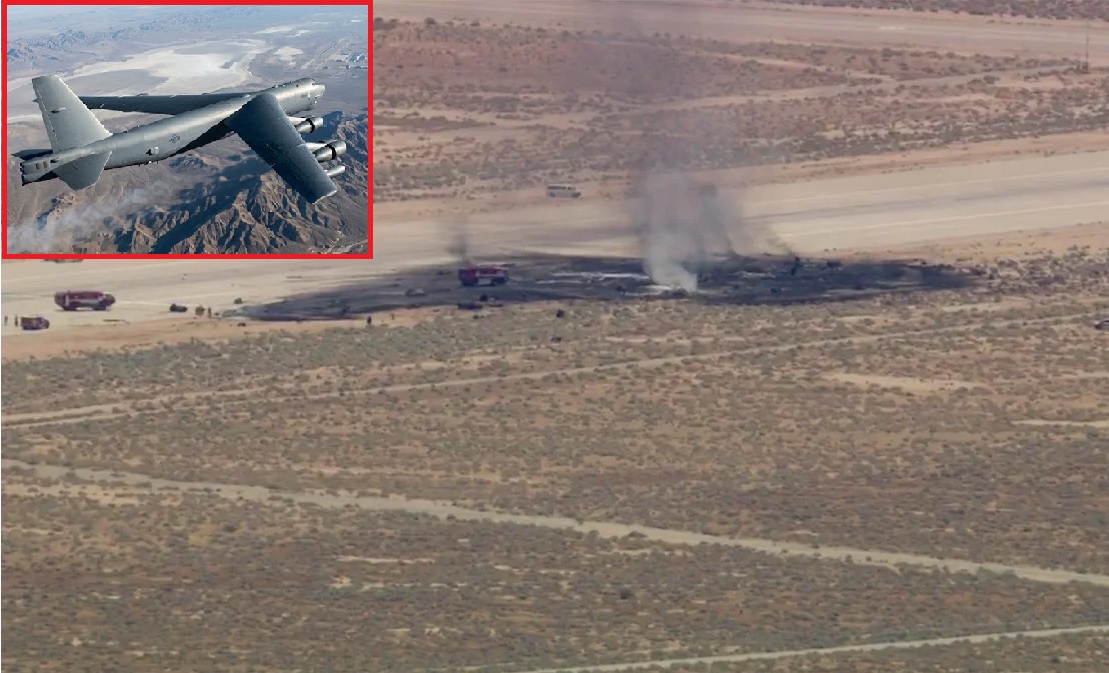 8 U.S. Air Force Crew Members Killed in B-52 Bomber Crash During Test Flight at Edwards Air Force Base
-
 Ukraine Introduces Balloon-Launched DART Missile Designed to Defeat Electronic Warfare
-
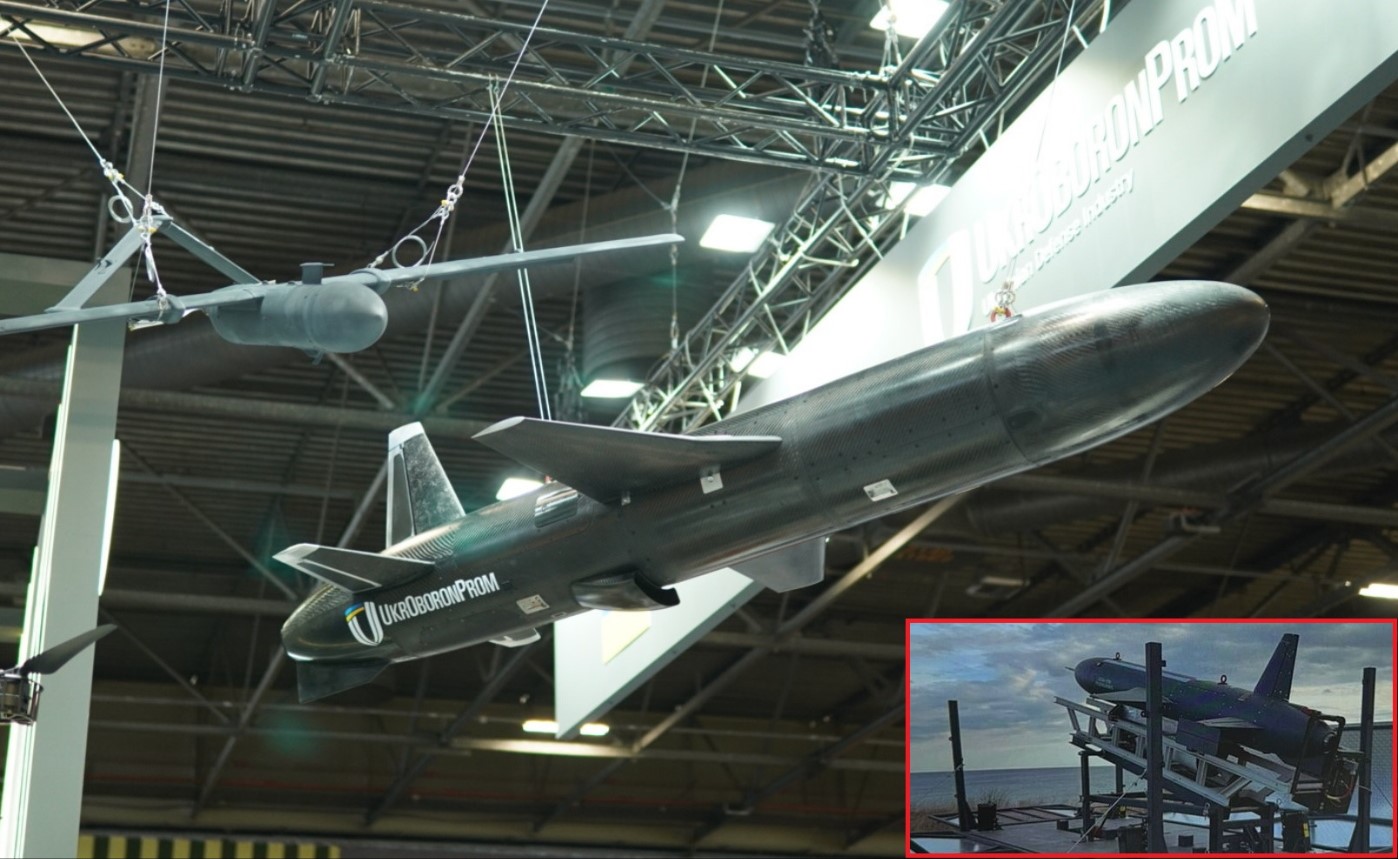 Ukraine Unveils UAV-290 Jet-Powered Strike Drone with 650 km Range at Eurosatory 2026
-
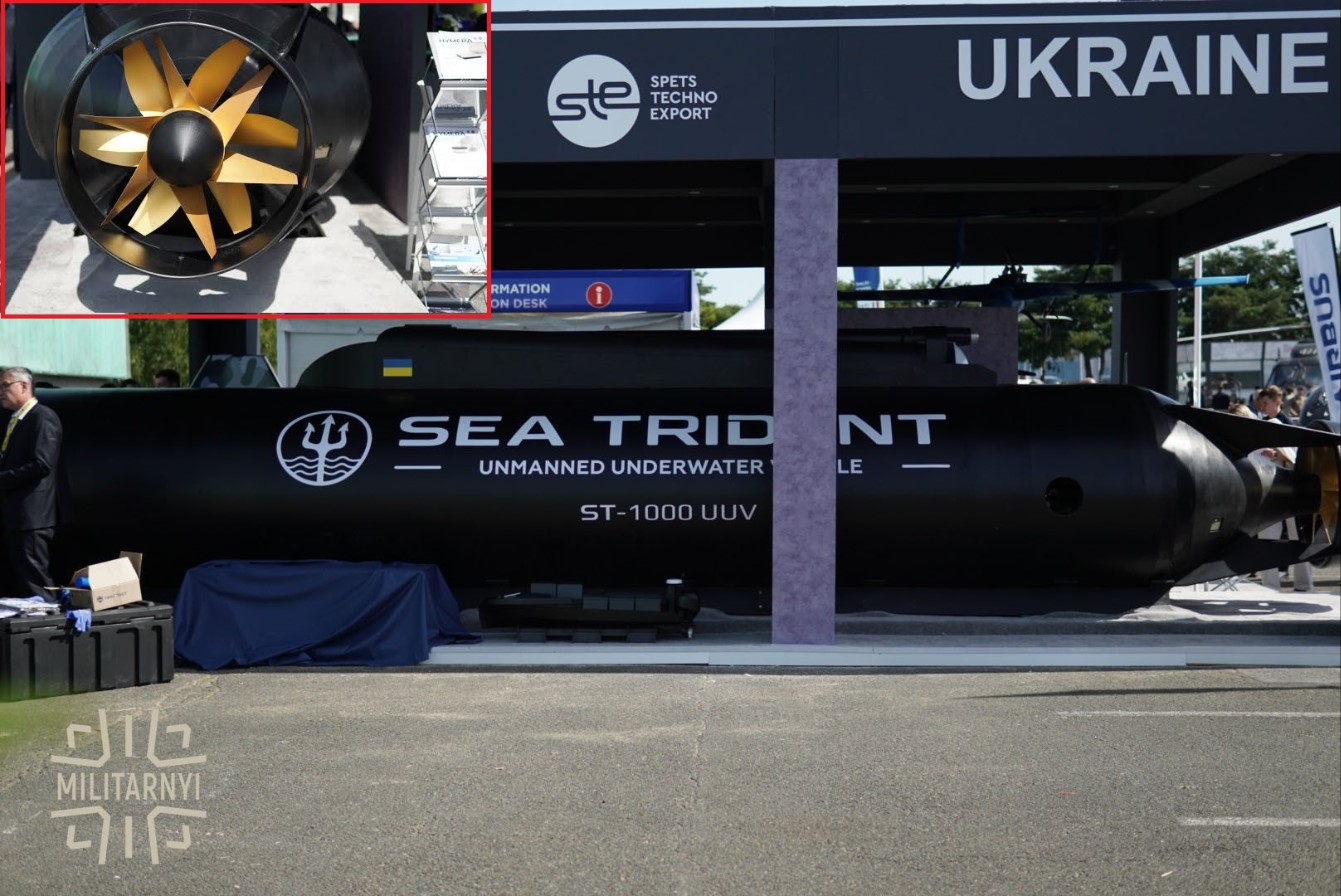 Ukraine Unveils 'Sea Trident' 10-Ton Autonomous Underwater Drone at Eurosatory 2026
-
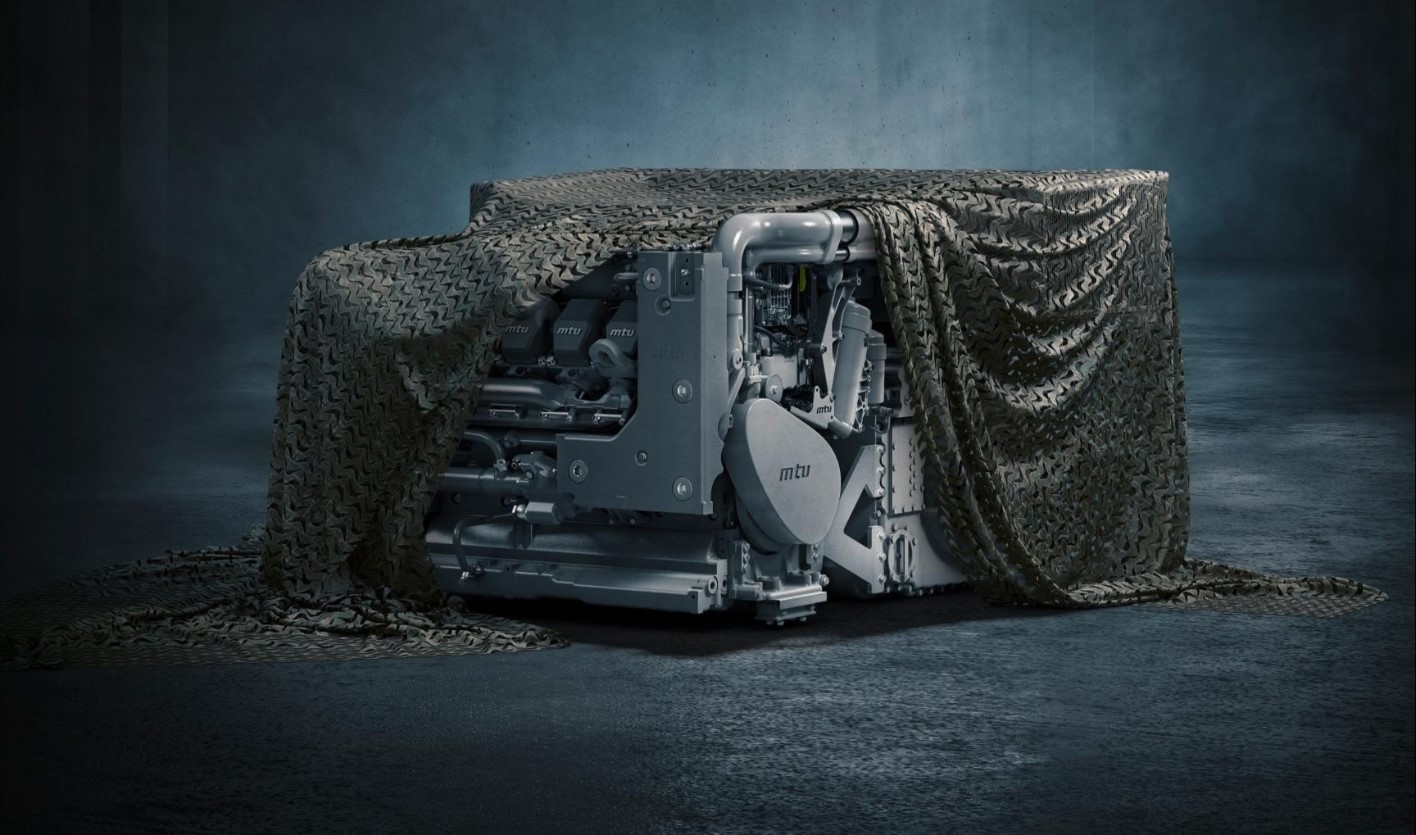 Rolls-Royce Unveils New Hybrid Powertrain for Heavy Military Vehicles at Eurosatory 2026
-
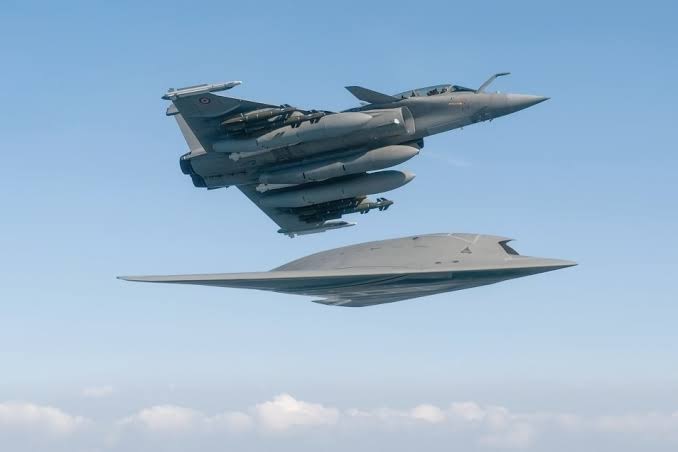 France Agrees to Equip Future Indian Rafales with AI, MUM-T and Secure Satellite Links Under F5 Standard